


Abstract
This narrative review examines the ecotoxicological potential of the guppy (Poecilia reticulata) as a complementary model organism for investigating endocrine-disrupting chemicals and supporting aquatic water-quality assessment. The species combines distinctive biological characteristics, including sexual dimorphism, viviparous reproduction, and well-characterized reproductive behavior, providing opportunities to investigate contaminant responses across multiple levels of biological organization. The reviewed literature documents responses to several contaminant classes, including steroidal estrogens, antiandrogenic and androgenic compounds, organotins, pesticides, and emerging per- and polyfluoroalkyl substances (PFAS). Reported effects include alterations in vitellogenin expression, steroid balance, gonadal development, sperm performance, secondary sexual characteristics, and reproductive behavior. The review further examines the relationships between molecular and physiological biomarkers, reproductive impairment, and potential ecological consequences, distinguishing direct evidence from guppy studies from complementary findings in other fish species. Particular attention is given to effect-based monitoring, whole-effluent toxicity assessment, and the potential integration of guppy bioassays with chemical analysis and New Approach Methodologies (NAMs). A conceptual tiered assessment framework is discussed as a possible means of improving the interpretive value of environmental monitoring while supporting a more selective use of experimental animals. Important research gaps remain concerning the transferability of laboratory findings to wild populations, the effects of environmentally relevant contaminant mixtures, multigenerational responses, and the validation of integrated testing strategies.
1. Introduction
Ensuring global access to clean water and maintaining robust water quality control are fundamental pillars of environmental sustainability and public health, directly aligning with the United Nations Sustainable Development Goals. As anthropogenic activities accelerate global environmental change, freshwater ecosystems are facing unprecedented stress from complex mixtures of pollutants, including microplastics and hazardous chemical residues that compromise agricultural and ecological safety [1,2]. Effectively managing these aquatic systems requires an integrated approach to meet current societal water needs without compromising the adaptive capacity of future generations [3,4]. Conventional monitoring techniques, while useful, often fall short of capturing dynamic ecological shifts, requiring advanced bioindicators and predictive modeling frameworks to track continuous environmental degradation [5,6]. Biological responses and ecosystem service assessments play a vital role in this paradigm, as fluctuations in aquatic communities serve as early warnings of declining water health driven by domestic, agricultural, and industrial runoff [7,8]. Within this sustainable water-quality assessment framework, utilizing sentinel species offers a reliable mechanism to monitor sub-lethal ecological threats.
The primary objective of this narrative review is to critically synthesize and integrate the available evidence on the functional capacity of the guppy (P. reticulata) as a model organism in aquatic ecotoxicology, with particular emphasis on endocrine disruption and its implications for water-quality assessment and environmental risk management. The review examines the biological, reproductive, and life-history characteristics that make P. reticulata a useful complementary model to established small-fish species such as zebrafish, medaka, and fathead minnow. It further explores the molecular, cellular, physiological, and behavioral responses associated with exposure to major classes of anthropogenic contaminants, considering the extent to which these responses can be linked to reproductive performance and potential ecological consequences. Finally, the review discusses the possible integration of guppy-based whole-organism bioassays with chemical analysis and New Approach Methodologies (NAMs) [9], outlining a conceptual tiered assessment framework that may help improve the interpretive value of aquatic pollution monitoring while supporting a more selective and scientifically justified use of experimental animals.
2. Methodology
This study was designed as a non-systematic narrative review aimed at critically synthesizing and integrating experimental, observational, and conceptual evidence relevant to the use of P. reticulata in aquatic ecotoxicology, with particular emphasis on endocrine disruption and environmental monitoring. The literature was consulted through several bibliographic and scientific information sources, including Web of Science, Scopus, MEDLINE, CABI, OpenAlex, and Google Scholar, complemented by a collection of scientific publications available to the authors. These sources provided access to research addressing guppy reproductive biology, endocrine-disrupting contaminants, molecular and physiological biomarkers, reproductive outcomes, wastewater toxicity, environmental monitoring, and New Approach Methodologies (NAMs).
The initial literature pool comprised approximately 523 publications or bibliographic records. Selection was primarily guided by the relevance of each publication to the scientific objectives and thematic scope of the review, with topical relevance taking precedence over publication date. The literature considered covered primarily the period 2000–2027, while selected earlier publications were also included when they provided directly relevant foundational evidence. The review also considered articles made available online ahead of their final issue assignment. The initial submitted manuscript contained approximately 133 references. This bibliography was subsequently expanded in response to reviewer suggestions and to support the scientific arguments developed in additional or revised sections. Consequently, the final reference list does not represent a fixed number of studies selected through a predefined systematic screening protocol. Because the literature selection was not conducted through a predefined systematic screening protocol, the exact number of unique studies ultimately considered cannot be established retrospectively.
The selected literature was organized thematically into major domains, including the biological and reproductive characteristics of P. reticulata, endocrine-disrupting mechanisms and contaminant-specific responses, multilevel biomarkers and reproductive outcomes, effect-based environmental monitoring, wastewater and mixture toxicity, and alternative testing methodologies. Particular attention was given to the biological level investigated, the experimental species, the type of exposure, and the nature of the reported response. Evidence obtained directly from guppy experiments was distinguished conceptually from findings reported in other fish species or from general ecotoxicological and NAM-related literature. The latter sources were used to provide comparative context, support mechanistic interpretation, and identify potential applications, rather than being considered direct validation of equivalent responses in guppies.
The synthesis adopted the Adverse Outcome Pathway (AOP) concept as a general interpretive framework for examining possible relationships between molecular or biochemical perturbations, intermediate biological responses, reproductive impairment, and higher-level ecological outcomes. These relationships were evaluated in light of the available experimental evidence, while recognizing that not all proposed connections have been experimentally established in P. reticulata. No formal risk-of-bias assessment, quantitative meta-analysis, or standardized evidence-scoring procedure was undertaken. Accordingly, the review provides a qualitative integration of the available literature rather than an exhaustive assessment of all published evidence.
OpenAI ChatGPT (GPT-6) and Google Gemini (Nano Banana 2) were used as AI-assisted tools during the preparation and refinement of selected graphical elements of the manuscript. ChatGPT was employed to assist with the editing and refinement of the schematic illustration presented in Figure 1, including improvements intended to enhance its visual clarity, organization, and suitability for scientific communication. Google Gemini was used in a similar editorial capacity to assist with the refinement of Figure 3. In both cases, the AI-assisted graphical outputs were treated as preliminary material and were reviewed by the authors, who retained control over the final versions and responsibility for their scientific accuracy and appropriateness.
Consensus Premium (Consensus, version Pro Analysis) was used as an AI-assisted literature discovery tool to identify potentially relevant scientific publications for consideration in the literature review. Its function was limited to assisting with the identification and preliminary discovery of bibliographic sources. The tool was not used to generate bibliographic records for direct inclusion without verification, nor to independently determine the scientific validity or relevance of the cited studies. The authors independently assessed the identified publications, consulted the original scientific sources, and made the final decisions concerning their selection, interpretation, and citation in the manuscript.
No generative AI tool was used to design the study, generate or modify experimental data, perform statistical analyses, collect research data, or independently formulate scientific interpretations or conclusions. All scientific content, including the selection and interpretation of the literature and the conclusions presented, remained under the authors’ responsibility. The authors reviewed the AI-assisted outputs and take full responsibility for the accuracy, integrity, and final content of the manuscript.
3. Biological and Experimental Foundations of P. reticulata in Endocrine Research
Poecilia reticulata is a suitable model for aquatic endocrine-disruption research because it combines easy laboratory maintenance, clear sexually dimorphic reproductive traits, a conserved vertebrate hypothalamic-pituitary-gonadal axis, and measurable links from molecular change to reproductive performance [10,11,12,13,14,15]. Its main value is not only toxicological practicality, but also the fact that endocrine-active contaminants alter visible male traits, gonadal development, hormone profiles, and offspring production within experimentally tractable time frames [12,16,17,18].
3.1. Biological and Life-History Context
The guppy is a small freshwater poeciliid native to South America that has been introduced widely across tropical and subtropical regions, where it has become established in many habitats beyond its native range [10,19,20]. Its broad ecological distribution, resistance to suboptimal water conditions, and ease of breeding make it unusually convenient for laboratory culture and repeated reproductive assays [10,21,22,23].
However, the ecological applicability of P. reticulata as a sentinel organism should be considered in relation to its geographical distribution, population history, and local environmental conditions [24,25]. Although the species has been introduced and established in numerous tropical and subtropical regions [26], its occurrence in degraded or contaminated habitats does not necessarily indicate uniform sensitivity to all contaminant classes. Indeed, tolerance to adverse environmental conditions may coexist with substantial physiological or population-level variation among local populations [25]. Furthermore, laboratory strains may differ genetically and phenotypically from wild populations, particularly in traits influenced by local adaptation, reproductive history, and environmental selection [27]. Consequently, laboratory findings should not be transferred uncritically to wild guppy populations or to aquatic ecosystems outside the species’ established ecological range. Its use in field-oriented monitoring is therefore best considered complementary and context-dependent, particularly when local population characteristics and exposure conditions are adequately documented.
Guppies are lecithotrophic viviparous fish, a reproductive mode that is especially useful for testing endocrine effects on both adult reproduction and maternal transfer to developing embryos [10,28,29,30,31]. Their life history is rapid and evolutionarily labile, with documented variation in maturation, fecundity, brood traits, and reproductive investment under different selective regimes, which makes reproductive endpoints biologically informative rather than purely anatomical [32,33,34,35,36,37,38,39,40,41].
The species also offers practical advantages for studies spanning development to aging. Testes at 60 days post-hatching already contain all major male germ-cell types, while ovaries at 360 days contain mature oocytes [10]. Guppies also have a shorter lifespan than zebrafish and show age-dependent physiological and gene-expression changes, supporting relatively fast life-cycle studies when endocrine effects need to be interpreted across ontogeny or senescence [42].
3.2. Reproductive and Endocrine Traits
The reproductive biology of P. reticulata is particularly useful for endocrine-disruption research because male fitness depends on traits that are both hormonally regulated and easy to quantify. Males use a modified anal fin, the gonopodium, for internal insemination, including coercive gonopodial thrusting, while sexual selection also acts on ornamentation, courtship, and sperm performance [18,19]. Because these traits sit downstream of endocrine control, guppies allow contaminants to be tracked from hormonal disturbance to visible secondary sex characters and then to reproductive outcome [12,17].
Early endocrine work already showed that juvenile fish before full endocrine differentiation offer special advantages for analyzing hormonal regulation, because target tissues have not yet been extensively shaped by prior hormonal exposure [43]. In guppies, sexual development is demonstrably sensitive to estrogenic exposure: juvenile treatment with 17β-estradiol produced female-biased sex ratios, altered gonopodium length, and reduced male sperm counts, whereas octylphenol required higher concentrations to induce comparable changes [44].
At the gonadal level, adult exposure to octylphenol or estradiol altered testicular and ovarian histology, including signs of blocked spermatogonial mitosis in males and inhibited yolk deposition in females [28]. Long-term exposure to β-hexachlorocyclohexane likewise induced vitellogenin-associated pathology, stimulated pituitary gonadotrophs, and retarded testicular development in males, showing that the species is responsive to estrogen-like disruption at multiple endocrine levels [45].
Male guppies also provide a strong in vivo system for biomarker integration. Estradiol exposure during juvenile development increased testicular estradiol, induced hepatic vitellogenin, decreased testosterone, reduced gonadosomatic index, sperm counts, and coloration, and ultimately lowered offspring production and survival [12]. A similar pattern was observed with monocrotophos, which raised estradiol, lowered testosterone, feminized and demasculinized male reproductive traits, and reduced reproductive success [17] (Table 1).
Table 1.
Core biological features of Poecilia reticulata that support endocrine-disruption testing.
PFAS (polyfluoroalkyl substances) studies further extend the model beyond classical estrogens. Short sub-acute exposure to environmentally realistic concentrations of PFOA (perfluorooctanoic acid) or GenX (hexafluoropropylene oxide dimer acid) changed male sexual behavior, impaired sperm motility, and altered testis gene-expression programs related to immune regulation, spermatogenesis, and oxidative stress [18]. According to these authors, the plotted sperm-performance differences show that the model can capture subtle fertility-relevant effects even after brief low-dose exposure.
3.3. Genetic and Molecular Dimensions
The guppy is increasingly useful for mechanistic endocrine toxicology because genomic and transcriptomic resources now support whole-transcriptional analysis in parallel with phenotypic assays [18]. This matters because small-fish endocrine testing is strongest when it integrates molecular biomarkers with organismal phenotypes, an approach emphasized more broadly across zebrafish, medaka, fathead minnow, and stickleback research [54,55].
Work on gonad development in guppies has localized key sex-related transcription factors and receptors during ontogeny, including Sox9, Dmrt1, and estrogen receptor β [10]. Sox9 expression varies across spermatocytes and spermatids and is higher in ovaries, Dmrt1 is detectable in all testis groups, and estrogen receptor β is present in both sexes at juvenile and adult stages, together providing a developmental framework for analyzing endocrine-active xenobiotics [10].
These markers are especially relevant because guppy endocrine-disruption studies repeatedly show coordinated shifts in sex steroids, vitellogenin induction, gonadal development, and reproductive phenotype rather than isolated single-endpoint effects [12,18,45]. The resulting model is therefore well suited to mechanistic chains of evidence, from receptor- and transcription-related responses to histology, behavior, sperm traits, and realized reproduction [10,18].
Behavior is an additional molecular-to-organismal bridge. Endocrine disruptors altered not only gonads and hormone profiles, but also risk-taking and mating behavior in sex-specific ways, including changes in sneaking behavior under trenbolone exposure and opposite risk-taking responses of males and females to estrogenic and androgenic contaminants [19,56]. Because guppy life history and mating systems are extensively studied, these behavioral endpoints can be interpreted in an ecologically grounded way rather than as generic toxicity readouts.
3.4. Comparison with Other Small Fish Models
Within the broader field of endocrine-disruption testing, zebrafish, medaka, and fathead minnow remain the principal regulatory small-fish models, largely because their test systems are standardized and historically validated [11,57]. The core rationale for using any fish model is the substantial conservation of the vertebrate hypothalamic-pituitary-gonadal axis, which supports extrapolation of endocrine modes of action across taxa [11,58].
Relative to those models, the guppy offers distinctive strengths. It is easy to culture, has conspicuous secondary sex traits, internal fertilization, viviparity, and a rich body of work on life history, sexual selection, and reproductive behavior, all of which expand the range of endocrine-sensitive endpoints beyond standard egg production or larval development [10,19,59,60,61,62,63,64]. Its ecology and rapid evolution are also unusually well resolved, which helps interpret endocrine perturbation in a fitness context [33].
The limitations are equally important. One study concluded that guppies were perhaps not an ideal estrogen-test organism because sensitivity was limited, no gonadosomatic index change was detected, and environmentally relevant estrogen concentrations produced fewer clear reproductive effects than expected [65]. Maternal exposure experiments also suggest that some developmental endpoints, such as offspring sex distribution or gonopodium index, may be less sensitive than histological or physiological measures at tested concentrations [28]. Beyond these endpoints, the model’s viviparous nature introduces significant maternal confounding factors, as maternal metabolism and transfer dynamics alter embryo-specific exposure profiles [10]. Furthermore, their internal development prevents the use of guppies in high-throughput external embryo screening assays common to oviparous models [54], while the lack of harmonized OECD regulatory test guidelines and higher strain-specific genetic heterogeneity across laboratories can limit data reproducibility and regulatory acceptance in global chemical assessments [19] (Table 2).
Table 2.
Comparison of guppy with other small fish models used in endocrine-disruption testing.
Overall, the literature supports P. reticulata as a biologically rich model for aquatic endocrine disruption, especially when the question requires integration of endocrine biomarkers with sexual differentiation, male ornamentation, behavior, sperm traits, and realized reproductive success [12,18] (Figure 1). At the same time, compared with zebrafish, medaka, and fathead minnow, its greatest strengths lie in ecological realism and reproductive phenotype, whereas its greatest weaknesses are lower standardization and inconsistent sensitivity across some exposure scenarios [11,57,65].
Figure 1.
Endocrine-distrupting chemicals and their effects in guppies.
4. Endocrine Disruption Contaminants and Their Biological Effects in P. reticulata
P. reticulata is a useful small-fish model for linking endocrine-disrupting contaminant exposure to reproductive dysfunction across biological scales, because guppy studies repeatedly connect molecular biomarkers and steroid imbalance to altered sexual traits, courtship, fertility, and offspring performance [17,73]. The guppy evidence base is strongest for estrogenic, antiandrogenic, androgenic, organotin, pesticide, and emerging PFAS exposures, and it shows that endocrine disruption in this species is not a single phenotype but a family of mechanism-specific disturbances that may contribute to impaired reproductive fitness [74,75,76,77].
4.1. Contaminant Classes
In P. reticulata, the best-documented contaminant classes are estrogenic compounds such as 17β-estradiol, 17α-ethinylestradiol, 4-tert-octylphenol, and estrogenic substitutes such as bisphenol S; antiandrogenic agents such as vinclozolin and p,p′-DDE; androgenic contaminants such as 17β-trenbolone; organotins such as tributyltin; developmental pesticides such as monocrotophos; and more recently PFAS including PFOA and GenX [12,16,18,19,73,78,79,80]. Across fish generally, these compounds act as receptor agonists or antagonists, disrupt steroidogenic enzymes, alter hypothalamic-pituitary-gonadal signaling, and increasingly are recognized to affect oxidative, immune, and epigenetic pathways as well [76,77,81,82].
Estrogenic disruption in male guppies is consistently characterized by increased internal estradiol signaling, vitellogenin induction, reduced testosterone, and feminization or demasculinization of reproductive traits [12,17]. Antiandrogenic disruption instead suppresses androgen-dependent traits, producing reduced sperm counts, smaller testes, dulled orange ornamentation, and disrupted courtship behavior in adult males [73,83]. Androgenic disruption is more behaviorally complex, because trenbolone altered sneaking and courtship-related tactics rather than simply exaggerating all male traits [19,84,85]. Organotin disruption in guppies has a strong neuroendocrine signature, with tributyltin suppressing brain aromatase expression and disturbing male reproductive behavior, while developmental exposure can masculinize sex ratio and impair larval growth and survival [79,86]. PFAS now extend the guppy literature beyond classical steroid mimics, because short exposure to environmentally realistic PFOA and GenX caused reproductive and transcriptomic effects, including sperm motility impairment and modulation of genes linked to spermatogenesis, oxidative stress, and immune regulation [18].
Major endocrine-disrupting classes and principal responses in P. reticulata are summarized in Table 3.
Table 3.
Contaminant classes and major guppy endocrine responses.
4.2. Molecular Mechanisms
Mechanistically, the guppy literature supports three recurring endocrine-disruption routes: receptor-mediated signaling, disruption of steroid synthesis and metabolism, and neuroendocrine control of reproductive behavior [76,88,89,90]. The receptor route is clearest for estrogenic exposures, where activation of estrogen receptors drives vitellogenin transcription and downstream feminization [81,91,92]. The steroidogenic route is supported by guppy studies reporting alterations in testosterone and estradiol following exposure to estradiol or monocrotophos. Complementary evidence from other teleost models, including zebrafish exposed to bisphenols or azocyclotin, indicates that changes in steroidogenic enzyme-related genes, such as cyp17, 17βhsd, and cyp19a, may also contribute to endocrine disruption [12,17,93,94]. The neuroendocrine route is especially important for guppies because brain aromatase and behavior are tightly linked, and both tributyltin and steroidal exposures altered brain aromatase-related endpoints [79,95].
TBT provides a particularly informative mechanistic case. In male guppies, tributyltin exposure inhibited expression of both brain aromatase isoforms, raised testosterone at 50 ng/L, increased gonopodial index, and reduced posturing, sigmoid display, and chase activity, supporting an aromatase-centered neural mechanism for reproductive impairment [79]. More broadly, organotin mechanisms remain contested across taxa, because some reviews still support aromatase inhibition whereas others argue that RXR (retinoid X receptor) and PPARγ (peroxisome proliferator-activated receptor gamma) agonism better explains part of organotin endocrine activity [96,97,98,99]. That uncertainty matters for guppies because the observed phenotype could reflect both steroid-conversion effects and broader nuclear-receptor signaling.
Oxidative stress and extra-endocrine pathways are increasingly integrated into reproductive toxicology models rather than treated as separate phenomena. PFAS in guppies modulated oxidative stress and immune-related genes in the testis transcriptome [18], pesticide mixtures in fish downregulated antioxidant enzymes and increased MDA (malondialdehyde) alongside HPG disruption [100], and PFAS adverse-outcome synthesis now places ROS (reactive oxygen species) increase upstream of steroidogenic suppression, receptor loss, and sperm impairment [101]. This broader framing helps explain why some contaminants impair fertility without producing a simple estrogenic or antiandrogenic signature.
4.3. Biomarkers and Response Markers
Vitellogenin remains the central biomarker for estrogenic endocrine disruption in guppies and fish more generally, because male vitellogenin expression is normally minimal but rises strongly in response to estrogenic exposure [76,81,91,102]. In male guppies, long-term estradiol and monocrotophos exposure induced hepatic vitellogenin alongside increased internal estradiol, and caudal fin vitellogenin proved to be a sensitive, less invasive biomarker with low effect concentrations for EE2 and BPS [12,17,80]. Guppy-specific assay development also showed that the species possesses at least two vitellogenin forms, VtgAb and VtgC, and homologous ELISAs can quantify both for estrogenicity testing [103].
Vitellogenin is informative but not sufficient on its own. Reviews across fish show that VTG responses can be variable across assays and species, can reflect more than one endocrine mechanism, and should be interpreted with receptor, steroid, histological, and omics data [76,92,102]. That caution is directly relevant to guppies, where some contaminants alter reproductive behavior without clear estrogenic activity: exposure to 2,2′-dithiobis-pyridine impaired sexual interest and competition behavior but did not alter secondary sexual characteristics or induce estrogenic responses [104]. Biomarker interpretation in guppies therefore works best when vitellogenin is embedded in a panel that also includes steroid levels, sperm endpoints, testis size, coloration, gonopodial measures, aromatase activity, and transcriptomic signatures [12,76,81,105].
The most useful bridging biomarkers in P. reticulata are the ones closest to reproductive fitness. Reduced sperm count is highly repeatable across antiandrogenic, estrogenic, monocrotophos, EE2, and high-dose estradiol developmental exposures [12,17,44,73,78]. Secondary sexual coloration is equally valuable, because orange spot area and intensity decline under estradiol, monocrotophos, octylphenol, and antiandrogenic exposures, and these ornaments are tied to female choice in guppies [12,16,17,73]. Key biomarkers and higher-level response markers are compared in Table 4.
Table 4.
Biomarkers linking exposure to guppy reproductive impairment.
4.4. Physiological and Reproductive Effects
Physiological disruption in male guppies repeatedly includes smaller testes, reduced gonadosomatic investment, altered gonopodium metrics, and changes in body condition or growth allocation [12,16,19,73,79]. These effects are not uniform across compounds. Estradiol and monocrotophos clearly reduce testis growth and sperm output [12,17], octylphenol reduced testis growth but in one adult exposure study increased ejaculated sperm counts [16], and tributyltin increased gonopodial index while still suppressing reproductive behavior [79]. The guppy phenotype is therefore often dissociated across morphology, gamete production, and behavior.
Developmental exposure is a major determinant of severity. Exposure to estradiol during sexual development shifted guppy sex ratio toward females at 0.5 μg/L or higher and reduced male sperm count at high concentration [44]. Developmental EE2 exposure from birth to adulthood caused female-biased sex ratio, reduced sperm count, testis weight, body coloration, and courtship behavior, with only 1 of 17 exposed males siring offspring under competitive conditions at the highest dose [78]. By contrast, developmental tributyltin exposure increased male ratio to roughly 71–87%, indicating masculinization rather than feminization [86].
Reproductive behavior is one of the clearest guppy endpoints because mating success depends on both display and forced copulatory tactics. Antiandrogenic pesticides severely disrupted male courtship [73], vinclozolin reduced sexual display intensity [83], tributyltin decreased posturing, sigmoid display, and chase behavior [79], PFAS altered male sexual behavior after only 21 days [18], and trenbolone changed sneaking behavior and female receptivity toward exposed males [19,84]. These effects matter ecologically because sexual-selection traits in guppies are direct components of realized fitness, not merely laboratory surrogates [78].
Fitness-level reproductive impairment is now well established in this species. Estradiol exposure during the juvenile period reduced offspring production and offspring survival [12]. Monocrotophos likewise reduced offspring production and survival after long developmental exposure [17]. Vinclozolin reduced first-clutch size, and that fertility loss correlated with male sperm count rather than display intensity, indicating that ejaculate impairment can be the more proximal determinant of reproductive failure [83]. Octylphenol- and estradiol-treated adult males also produced fewer offspring [16]. Taken together, the guppy data move beyond biomarker detection to show direct loss of reproductive output under both estrogenic and antiandrogenic disruption.
4.5. Mechanistic Integration
The strongest integrative insight from guppy studies is that no single biomarker captures all adverse outcomes. Some estrogenic exposures induce vitellogenin, alter E2/T balance, reduce sperm counts, and feminize sex ratio [12,78]. Some antiandrogenic exposures produce severe reproductive impairment with no estrogenic biomarker as the primary signal [73]. Some contaminants chiefly disturb neurobehavioral pathways, as seen for tributyltin and pyrithione degradation products [79,104]. Others, like PFAS, appear to act through broader transcriptomic and oxidative networks while still impairing fertility-related endpoints [18,106].
The relationships discussed here should be interpreted as evidence-supported mechanistic associations or conceptual links rather than as fully established adverse outcome pathways for P. reticulata. The strength of individual connections varies according to the experimental species, contaminant, exposure conditions, and biological endpoint investigated. In particular, evidence obtained from other teleost models can support mechanistic plausibility but cannot, by itself, establish that the same sequence of key events occurs in guppies. Accordingly, the integration presented below is intended to organize the available evidence and identify plausible connections requiring further experimental validation.
This is consistent with current adverse-outcome-pathway thinking in fish toxicology. Aromatase inhibition can lower estradiol during gonad differentiation and produce male-biased sex ratios, while androgen receptor agonism can independently lead to the same developmental endpoint and ultimately population decline [90]. Conversely, estrogen receptor activation can initiate VTG induction and later reproductive pathology [76,92]. Guppy data fit this logic well because they repeatedly show different molecular initiating events converging on similar organism-level outcomes such as altered sex traits, lowered sperm performance, reduced fertility, and skewed sex ratios.
Current mechanistic interpretation also has to account for mixtures and developmental timing. Reviews of EDC (endocrine-disrupting chemical) mixtures emphasize that additive or synergistic estrogenic and antiandrogenic actions are common, while fish studies on pesticide and phenol mixtures show stronger endocrine and developmental disruption than single compounds [107,108,109]. Since most guppy experiments still rely on single chemicals, one major implication is that current guppy data probably underestimate real-world cocktail effects.
4.6. Multigenerational Effects
Direct multigenerational work in P. reticulata remains limited, so the guppy literature is stronger on within-generation reproductive impairment than on inherited effects. Although direct evidence of inherited effects in P. reticulata remains scarce, the documented sensitivity to early-life exposure, alterations in sex ratios, impaired male fertility, and reduced offspring production and survival provide a biological rationale for investigating potential multigenerational consequences [17,78]. However, these within-generation and parental reproductive effects should not be interpreted as evidence of transgenerational inheritance in the absence of direct studies across successive generations. The lack of direct F1–F2 guppy studies is therefore a gap in evidence, not evidence of absence.
Related fish models show that environmentally relevant endocrine disruptors can transmit effects across generations through both phenotypic and epigenetic routes. In inland silversides, early-life exposure to EE2, trenbolone, bifenthrin, and levonorgestrel caused negative effects in F0 and F1, and EE2 and levonorgestrel also affected F2, with altered growth, survival, immune function, sex ratio, reproduction, gene expression, and DNA methylation [88]. Companion methylome analysis showed inherited differential methylation in genes involved in hormone receptors, steroidogenesis, sexual development, neurodevelopment, and epigenetic regulation [110]. Marine medaka exposed ancestrally to EE2 showed reproductive effects persisting to unexposed F4 offspring [111]. Cross-species reviews conclude that mature or developing gamete exposure can drive multi- and transgenerational outcomes and that mechanisms beyond classical estrogen, androgen, and thyroid pathways deserve greater attention [112]. Multigenerational inheritance patterns and current evidence depth are compared in Table 5.
Table 5.
Multigenerational evidence relevant to guppy endocrine disruption.
The single most important shift in this literature is the move from using guppies only as estrogen-screening organisms toward treating them as integrative models that connect molecular initiation events to sexual selection, reproductive fitness, and likely population consequences [12,18,78,116]. The biggest open question is whether the strong within-generation endocrine and reproductive effects already documented in P. reticulata are also inherited across F1 and F2 through stable epigenetic reprogramming under environmentally realistic single and mixed contaminant exposures [88,112,113].
5. From Biomarkers to Ecological Early Warning
The use of P. reticulata in effect-based water-quality monitoring requires the integration of sensitive sub-organismal responses, measurable reproductive effects, and evidence relevant to potential population-level consequences. In fish ecotoxicology more broadly, chemical analysis alone is insufficient, biomarkers are most informative when used in batteries and linked across levels of biological organization, and endocrine markers such as vitellogenin are useful as early indicators but are not, by themselves, proof of ecological damage [117,118,119].
5.1. Conceptual Positioning
Within effect-based monitoring, biomarkers are not endpoints to be interpreted in isolation, but components of a weight-of-evidence framework that records biological effects at sub-organismal, organismal, population, and community levels [117,118,120]. This framing is especially important for endocrine-active contaminants, because monitoring programs often detect hormonal activity without being able to explain it fully by targeted chemistry, and because mixtures and unknown compounds account for a substantial fraction of observed bioactivity in surface waters [117,121,122].
For P. reticulata, this integrative role is plausible because guppies combine practical advantages for biomonitoring with biological relevance to reproduction-focused ecotoxicology. They are easy to culture, reproduce rapidly, have short generation times, and have been explicitly proposed as indicators of endocrine disruption among poeciliid fishes [123]. Fish are also broadly suitable sentinels for aquatic pollution because they occupy diverse habitats and share conserved physiological and gene-expression features that support cross-species interpretation of mechanistic responses [122,124].
The main interpretive challenge is that higher ecological relevance usually comes with lower specificity and standardization. Connon and colleagues note that reproducibility and specificity tend to decline as tests move toward more ecologically realistic levels of organization, which is why effect-based monitoring works best when molecular, physiological, histological, and reproductive endpoints are interpreted together rather than hierarchically separated [118].
5.2. Response Domains in P. reticulata
Experimental work in guppies shows that P. reticulata can register contaminant stress rapidly at the biochemical level. Acute exposure to dimethoate inhibited acetylcholinesterase and glutathione S-transferase and induced lactate dehydrogenase, while β-naphthoflavone induced EROD (7-ethoxyresorufin-O-deethylase) and GST (glutathione S-transferase), demonstrating sensitivity to sublethal exposure over only 96 h [125]. These responses are valuable for effect-based screening because molecular and enzymatic markers often respond earlier than morphology or survival and can indicate both toxicant target pathways and detoxification processes [118,124,125].
In guppies, oxidative stress markers also respond strongly to environmentally relevant stressors and can outperform gross performance measures as early-warning indicators. Juvenile exposure to microplastics did not clearly reduce growth, but it lowered condition factor, altered antioxidant defenses, reduced Na+/K+-ATPase activity, and changed elemental composition; an integrated biomarker response analysis identified catalase activity as the strongest contributor, whereas growth responses were weaker [126]. This pattern fits the broader view that oxidative-stress biomarkers can reveal sublethal contamination before visible impairments such as reduced growth, altered behavior, or reproductive decline appear [127].
Transcriptomic approaches further strengthen the case for guppies in effect-based monitoring because they expand single-biomarker logic into pathway-level diagnosis. Comparative fish transcriptomics has shown that biomarker genes can be identified across teleosts and tested in guppy using degenerate primers, supporting the feasibility of multi-gene diagnostic arrays for wild fish monitoring [124]. In male guppies, environmentally realistic exposure to PFOA or GenX changed testis gene expression in pathways related to immune regulation, spermatogenesis, and oxidative stress, while also producing detectable reproductive effects at the phenotype level [18]. The enrichment of reproductive and stress-response pathways in testes shows why transcriptomics is especially useful for connecting mechanistic disturbance to plausible fitness consequences rather than merely flagging exposure. According to [18], the transcriptomic shifts linked to GenX and PFOA are visualized in the gene-ontology enrichment profiles for guppy testes.
5.3. Endocrine Activity Versus Ecological Consequence
The distinction between detecting endocrine activity and demonstrating ecological consequence is central to this chapter. In fish, male vitellogenin induction is a well-established and sensitive indicator of estrogenic exposure, and its molecular basis through estrogen-receptor signaling is well described in aquatic animals [91,118]. At the same time, the ecological significance of elevated vitellogenin alone has long been treated cautiously, because it primarily demonstrates endocrine activity rather than direct impairment of reproductive success [91,119]. The estrogen-receptor-mediated pathway from exposure to vitellogenin induction in aquatic organisms is diagrammed in a mechanistic figure by Tran et al. (2019) [91] that helps explain why this endpoint is sensitive but incomplete as a stand-alone ecological indicator.
That caution is reinforced by field monitoring. Wild fish studies repeatedly find elevated vitellogenin, altered sex hormones, intersex, and gonadal pathology in contaminated waters, but these markers occupy different inferential levels. In Nigerian lagoons, endocrine-disrupting effects included hormone modulation, elevated vitellogenin, gonadal alterations, and intersex in both sexes of a resident fish population [128]. In English rivers, 90% of revisited sites still had mean male vitellogenin above natural baseline and 60% still showed intersex, despite some reduction in feminization severity over time [129]. Downstream of an estrogenic wastewater effluent in Colorado, white suckers showed vitellogenin induction, intersex, reduced gonad size, histopathology, and female-biased sex ratios, indicating that endocrine activity had progressed to traits directly relevant to reproductive potential [130].
The strongest evidence that endocrine biomarkers can foreshadow genuine ecological consequence comes from studies that bridge biomarkers to demographic change. In a whole-lake experiment, chronic exposure to 5–6 ng/L EE2 feminized male fathead minnows, induced vitellogenin mRNA and protein, altered gonadal development, and ultimately drove a near-extirpation of the population [131]. This is the critical benchmark for interpreting guppy biomarkers: endocrine activity becomes ecologically consequential when molecular and endocrine changes are accompanied by impaired gamete quality, altered sexual development, disrupted mating behavior, biased sex ratio, or reduced recruitment. The progression from endocrine biomarker to gonadal abnormality and then demographic collapse is illustrated directly by the whole-lake evidence.
5.4. Linking Guppy Responses to Fitness and Early Warning
For P. reticulata, the most persuasive route from biomarker to ecological early warning is to anchor mechanistic responses in reproductive traits that plausibly control population performance. Recent guppy data already support this transition. Environmentally realistic PFAS exposure did not reduce survival, yet it altered male sexual behavior, reduced sperm motility, changed testes transcriptomes, and caused bioaccumulation, showing that sublethal molecular disturbance can co-occur with immediate reproductive-fitness costs [18]. This matters because behavioral endpoints can be as sensitive as classical endocrine biomarkers and may influence mating success, although their interpretation in wild populations remains methodologically challenging [132].
An effect-based monitoring design for guppies should therefore prioritize response chains rather than isolated endpoints. Arcand-Hoy and Benson argued that reproductive assays are more ecologically relevant than exposure markers alone and that studies must relate endocrine-disrupting exposure to reproductive success and, ultimately, population-level effects [119]. Their developmental-to-adult reproductive assay logic remains directly applicable here: early biomarker measurements can be taken in exposed fish, but the assay gains ecological meaning when exposure histories are followed into gonadal histology, adult reproduction, and the next generation. That cross-level assay structure is laid out explicitly in a model workflow for fish reproductive impairment studies by Arcand-Hoy and Benson (1998) [119].
A guppy-centered monitoring framework is also compatible with current effect-based water surveillance. European demonstration work showed that surface-water monitoring can integrate bioassays for estrogenicity, androgenicity, glucocorticoid activity, thyroid activity, algae toxicity, and fish embryo toxicity with target and nontarget chemistry, and that many observed effects remain only partly explained by known compounds [121]. Parallel work deriving ecological effect-based trigger values for androgenic activity shows how assay outputs can be converted into thresholds for environmental interpretation, with exceedances still found in wastewater effluents and some receiving waters [122]. For guppies, the analogous objective would be to pair water-phase bioassays and chemistry with in vivo sentinel responses across mechanistic, endocrine, reproductive, and condition-related endpoints.
The practical value of P. reticulata lies in its ability to integrate exposure over time and translate mixed-contaminant stress into measurable biological organization levels that are closer to ecological protection goals than chemistry alone. Biomarker batteries in fish are specifically recommended for hotspot identification and organism-health assessment because no single marker can provide conclusive evidence on its own [118]. Long-term integrated monitoring further shows that biomarkers become most informative when embedded in causal frameworks that connect toxic pressure to oxidative stress, tissue injury, and reduced condition, while accounting for species and temporal heterogeneity [133]. For endocrine-active contaminants specifically, seasonal and mixture-dependent variation can raise ecological risk during fish breeding periods, which supports repeated guppy monitoring timed to reproductive windows rather than single snapshot sampling [134] (Table 6).
Table 6.
Interpretive tiers for integrating Poecilia reticulata responses into effect-based monitoring.
6. Sustainable Poecilia reticulata Pollution Management
This chapter centers on sustainable water-quality assessment, contaminant mixtures, and animal-sparing integration strategies for using P. reticulata in aquatic pollution management. It draws on wastewater bioassays, mixture studies, biomarker work, and recent non-animal testing frameworks to position guppies within a broader sustainability-oriented assessment toolbox [135,136,137].
6.1. Sustainability-Centered Role
P. reticulata may be useful in aquatic pollution assessment because it combines experimental tractability with measurable biological responses to selected contaminants and complex effluents, particularly in studies where reproductive and sublethal endpoints complement conventional chemical monitoring [25,135]. Fish remain central models in aquatic ecotoxicology because they occupy multiple trophic positions and reflect ambient environmental condition, but sustainability now requires that their use be justified by added decision value rather than treated as the default endpoint generator [136,137].
Guppies may be particularly informative in selected contaminated environments where conventional chemistry alone cannot resolve biological hazard. Acute toxicity assays with textile, tannery, landfill, oil-blending, and rubber-wood effluents all showed substantial toxicity to P. reticulata, despite the very different industrial origins of these waste streams [135,138,139,140,141]. These studies support the practical role of guppies as sentinels for whole-effluent toxicity, where the management question is not the hazard of a single analyte but the net biological effect of a discharge after all interactions among constituents have occurred [135,138,139,140,141].
A sustainability framing also favors species that can function in urban and degraded habitats. In polluted Brazilian streams, poeciliid fishes supported integrated biological assessment through metal bioaccumulation and cytogenetic responses, and invasive guppies were especially associated with heavily polluted sites [25]. The relationship between sediment contamination and somatic heavy-metal burdens, together with predictable nuclear abnormalities, shows why P. reticulata can complement chemical monitoring as a field-relevant bridge between contamination and biological impairment [25]. The stream-assessment design and its multi-endpoint structure are shown visually in the integrated biological assessment framework.
6.2. Applications in Wastewater and Mixture Assessment
For sustainable water-quality assessment, the major strength of P. reticulata is its ability to detect toxicity in complex effluents that are environmentally realistic but analytically difficult to interpret. Textile effluent produced high acute toxicity in 96 h exposures, leading to the explicit recommendation that treatment before discharge is necessary to protect aquatic systems [135]. Tannery effluent altered phosphatases and antioxidant enzymes in liver, gill, and muscle, indicating that guppy bioassays can capture sublethal metabolic disruption and oxidative stress, not only mortality [138].
Landfill leachate studies extend this logic to diffuse waste-management pollution. Acute and chronic tests with dumpsite leachate combined physicochemical characterization with guppy toxicity testing, and sublethal exposure increased antioxidant-related responses such as GSH (reduced glutathione), SOD (superoxide dismutase), and CAT (catalase) over 28 days [139]. These findings provide information relevant to leachate characterization and environmental risk assessment, illustrating how guppy bioassays may complement physicochemical measurements in the evaluation of landfill-related pollution [139]. The leachate toxicity gradients and cross-species comparison are tabulated clearly in the acute-toxicity summary.
Mixture assessment is where guppy studies are especially informative. A joint-action study using spent lubrication oil and laundry detergent found that the mixture was synergistic and vastly more toxic than either component alone, showing that single-substance data can seriously underestimate hazard in urban or industrial runoff [142]. More recent work with cosmetic effluent and nanomaterials reached a similar conceptual point: magnetic graphene oxide reduced some gill lesions relative to effluent alone, yet erythrocyte nuclear abnormalities increased, so mixture or remediation interactions can improve one endpoint while worsening another [143].
This endpoint dependence matters for sustainable remediation. Tannery effluent treated with mercerized microcrystalline cellulose reduced chromium accumulation and mitigated toxicity in exposed organisms, but residual oxidative stress and nuclear abnormalities remained after treatment [144]. Guppy-based assessment is therefore valuable not only for identifying hazardous wastewaters, but also for judging whether a treatment technology truly reduces ecotoxicological burden rather than simply improving selected chemical indicators [144].
6.3. Representative Evidence
Representative evidence presented in detail in Table 7.
Table 7.
Representative applications of Poecilia reticulata in sustainable wastewater and mixture assessment.
6.4. Environmental Protection and Resource Efficiency
A sustainability-centered review must ask what guppy assays contribute to environmental protection that chemistry alone cannot. The answer is that they integrate exposure, uptake, metabolism, and organismal response across unknown or interacting contaminants, thereby identifying biologically relevant hazard even when the causal mixture is unresolved [25,144]. This is particularly important for wastewaters, where safe discharge cannot be inferred reliably from a small set of target analytes when untreated or partially treated effluents still contain residual toxic fractions [135,144].
Resource efficiency, however, requires more than analytical sensitivity. Conventional fish toxicity and bioaccumulation tests may involve substantial time, animal use, and experimental resources, depending on the study design and regulatory requirements. For example, the OECD TG 305 bioaccumulation framework can require relatively large numbers of fish [145,146,147]. Such considerations provide a rationale for exploring tiered assessment strategies in which alternative methods are used for initial screening and whole-organism tests are reserved for questions that cannot be adequately resolved through lower-tier approaches [137,145].
The guppy literature also indicates that a broader selection of endpoints can reveal biological effects that are not captured by lethality measurements alone. Histopathology, oxidative stress enzymes, behavior, genotoxicity, and avoidance responses have each provided additional information under sublethal exposure conditions. However, whether such multi-endpoint designs consistently reduce animal use or experimental resource requirements has not been quantitatively established in the studies reviewed here. Histopathology, oxidative stress enzymes, behavior, genotoxicity, and avoidance responses each revealed effects at sublethal exposure levels [135,138,139,143,148]. Avoidance assays are especially relevant to ecologically realistic protection goals because mobile fish can escape contamination in nature; in guppies, non-forced systems showed concentration-dependent avoidance and suggested that forced mortality tests can overestimate risk for some mobile-organism scenarios [148]. The contrast between avoidance, mortality, and predicted population decline is illustrated in the concentration-response figure for pesticide exposure (Figure 2).
Figure 2.
Concentration-response curves for the avoidance (Non-Forced System) and mortality (Forced System) responses, and the calculated PID (Population Immediate Decline) for P. reticulata exposed to Paraquat herbicide and Dichlorvos insecticide. Source: [148]; free license CC BY 4.0.
6.5. Integration with Chemical, In Vitro, and In Silico Approaches
A potentially useful sustainability-oriented approach is not necessarily to replace guppy assays with a single alternative, but to consider them within integrated testing strategies. A direct comparison relevant to this approach was provided by [149], who evaluated the acute cytotoxicity of xenobiotics in the rainbow trout RTG-2 cell line against acute toxicity responses in P. reticulata and Daphnia magna. Although the RTG-2 assay showed a significant correlation with guppy toxicity data, the cell line was less sensitive in most comparisons, illustrating both the potential and the limitations of using fish cell-based assays to support preliminary toxicity assessment [149]. Recent work on acute fish toxicity shows that in silico models, fish cell line acute toxicity, and fish embryo tests each correlate strongly with in vivo fish lethality, and flexible integrated testing strategies can achieve predictive power of at least 73% while supporting animal welfare and environmental protection [145]. In that framework, the in silico step was the most suitable initial screen for identifying toxicants because of high sensitivity and minimal animal use [145]. Computational models have also been developed specifically for predicting chemical toxicity to P. reticulata. Klopman et al. (1999) [150] used the MultiCASE program to construct a model of acute guppy toxicity, while Huang et al. (2004) [151] developed an HQSAR (Hologram Quantitative Structure–Activity Relationship) model based on acute toxicity data for 56 substituted benzene derivatives. These studies demonstrate the applicability of structure-based computational approaches to guppy toxicity prediction, although their scope was acute toxicity rather than endocrine-disrupting activity.
Defined non-animal approaches are also advancing. A score-based defined approach combining three freely available QSAR (quantitative structure-activity relationship) models with RTgill-W1 data reached 80% accuracy for acute aquatic hazard classification, showing that computational and cell-based evidence can provide regulatory-category outputs rather than only exploratory screening signals [152]. High-throughput RTgill-W1 and Cell Painting assays further improved efficiency, with Cell Painting detecting more bioactive chemicals than simple viability assays and in vitro disposition modeling improving concordance with in vivo fish toxicity; after adjustment, 59% of in vitro potency values were within one order of magnitude of fish LC50 values and 73% were protective [153].
For environmental risk assessment, combination approaches appear more reliable than any single alternative. In a pharmaceutical case study, predicted environmental risks based on zebrafish embryo, RTgill-W1, and ECOSAR (Ecological Structure-Activity Relationships) data correlated with those based on conventional acute fish toxicity, and the strongest correlation came from the median of the combined alternative methods [136]. This provides a broader rationale for considering guppy assays as one complementary evidence stream within a weight-of-evidence approach: guppy assays are most defensible when they are used as one evidence stream within a weight-of-evidence design that also includes chemistry, exposure modeling, and alternative biological systems [137,153].
The same logic applies to bioaccumulation, which is central to long-term sustainability but poorly captured by acute lethality alone. In silico hydrophobicity models can predict passive accumulation reasonably well, but they overestimate bioaccumulation when metabolism is important [146]. In vitro biotransformation assays and alternative organisms such as Hyalella azteca have shown promise as first-tier or weight-of-evidence tools for predicting fish bioaccumulation, though their applicability domains still need definition [146,147]. The emerging fish invitrome extends this trajectory by organizing validated and developing modules for acute toxicity, bioaccumulation/biotransformation, growth inhibition, and eventually neurotoxicity and reproductive toxicity into a modular animal-free framework intended for progressive uptake across ecotoxicological contexts [154] (Table 8).
Table 8.
Complementary roles of chemistry, guppy bioassays, and NAMs in sustainable aquatic pollution management.
6.6. Integrated Assessment Roles
Figure 3.
Sustainable water monitoring using P. reticulata.
6.7. Methodological Limits and Research Priorities
The current P. reticulata literature supports application, but it also shows clear method logical limits. Much of the wastewater evidence remains anchored in short-term LC50 designs, often under laboratory static exposures, which are useful for hazard identification but only partially representative of fluctuating field exposures, chronic low-dose contamination, or ecological recovery processes [135,139,140,141]. Even when chronic or recovery phases are included, residual sublethal effects often persist after treatment or post-exposure transfer to clean water, indicating that apparent remediation success can overstate ecological safety [25,143].
A second limitation is endpoint fragmentation. Different biomarkers can point in different directions for the same exposure, as shown by the nanomaterial-effluent interaction study in which gill pathology improved while erythrocyte abnormalities worsened [143]. Differential sensitivity across taxa also complicates interpretation: tannery effluent caused lower chromium accumulation and more moderate cytogenotoxic effects in fish than in tadpoles, showing that a guppy-only assessment can miss more sensitive organisms [25].
Moreover, the presence of P. reticulata in contaminated habitats should not be interpreted as evidence that the species is consistently more sensitive than other aquatic organisms, since tolerance, acclimation, and local adaptation may influence the observed responses.
A third limitation is transferability and standardization across alternative methods. In vitro assays require careful definition of purpose, sensitivity, exposure conditions, and extrapolation limits [146]. For high-throughput fish cell testing, uncertainties in cell volume, medium composition, sorption, and pH can materially affect free concentrations and therefore concordance with in vivo data [153]. Regulatory uptake remains slower than technical progress because validated alternatives still need clearer applicability domains, decision trees, and case studies that show when additional fish testing is unnecessary [136,137].
7. Discussion
The literature synthesized in this review supports the use of P. reticulata as a complementary model in aquatic endocrine-disruption research, particularly when the investigation extends beyond molecular biomarkers to include reproductive morphology, sexual behavior, sperm performance, and offspring-related outcomes. The principal strength of this species lies in the possibility of examining several biologically connected response domains within the same organism. Its viviparous reproductive strategy, conspicuous sexual dimorphism, and well-characterized mating behavior provide additional experimental perspectives that are not equally accessible in all standardized small-fish models. Nevertheless, these characteristics should be considered complementary advantages rather than evidence of universal superiority over zebrafish, medaka, or fathead minnow, whose regulatory standardization and established testing protocols remain important strengths.
An important distinction emerging from the reviewed literature concerns the different levels of evidence linking contaminant exposure to ecological consequences. Guppy experiments provide direct evidence of endocrine alterations, changes in reproductive traits, behavioral impairment, and reduced reproductive output for several contaminant classes. However, the strength of the evidence is not uniform across compounds, developmental stages, and biological endpoints. In particular, the integration of molecular, histological, and reproductive responses into adverse outcome pathways remains partly conceptual, because not all intermediate relationships have been experimentally established in this species. Evidence from other teleosts provides useful mechanistic and ecological context, but its extrapolation to guppies requires caution. Similarly, the detection of vitellogenin, oxidative stress, or other biochemical responses indicates biological activity or potential hazard, whereas conclusions concerning population-level effects require additional evidence from reproductive performance, recruitment, abundance, and relevant field exposure conditions.
The environmental applications discussed in this review also indicate that guppy bioassays can complement chemical characterization when assessing complex wastewater and contaminant mixtures. Importantly, the wastewater studies discussed in this review primarily demonstrate general toxicity or sublethal biological effects in guppies. Unless endocrine-specific endpoints were investigated, these findings should not be interpreted as direct evidence of endocrine disruption. Their value is particularly relevant when biological effects cannot be adequately explained by targeted chemical measurements alone. Nevertheless, the available literature does not yet establish a fully validated guppy-centered integrated testing strategy combining chemical analysis, in vivo responses, and non-animal methodologies within the same assessment framework. The proposed tiered approach should therefore be regarded as a conceptual direction for future research rather than an optimized or quantitatively validated testing design. The available guppy-specific computational examples mainly address the prediction of acute chemical toxicity, while the comparative in vitro evidence involves a cell line derived from another fish species. Therefore, these studies demonstrate the potential contribution of NAM-related approaches to general guppy ecotoxicology, but do not establish their applicability to the prediction of endocrine-disrupting effects in this species [149,150,151]. The potential contribution of the proposed tiered approach to sustainable environmental assessment depends on establishing clearer applicability domains, improving experimental standardization, and demonstrating when alternative methods can reliably reduce the need for additional whole-organism testing.
8. Conclusions
The reviewed literature supports P. reticulata as a valuable complementary model for investigating endocrine disruption and reproductive toxicity in aquatic environments. Its distinctive reproductive biology, visible secondary sexual characteristics, and measurable behavioral and reproductive endpoints allow the investigation of contaminant effects across several levels of biological organization. Experimental studies have documented responses to estrogenic, antiandrogenic, androgenic, organotin, pesticide, and emerging PFAS exposures, including alterations in endocrine biomarkers, gonadal development, sperm performance, sexual behavior, and reproductive output. These findings demonstrate that the usefulness of the guppy extends beyond conventional biomarker-based screening, particularly when molecular and physiological responses are interpreted alongside functional reproductive endpoints. However, the magnitude and consistency of these responses depend on the contaminant, exposure conditions, developmental stage, and the endpoint investigated, and the species should be regarded as complementary rather than universally superior to established regulatory fish models.
The integration of guppy bioassays with chemical analysis, effect-based monitoring, and New Approach Methodologies offers a promising conceptual direction for aquatic environmental assessment. Whole-organism responses may provide relevant information about the combined biological effects of complex effluents and contaminant mixtures, while alternative methods can contribute to preliminary hazard screening and mechanistic investigation. Nevertheless, the reviewed evidence does not yet demonstrate a quantitatively optimized or fully validated integrated testing strategy specific to P. reticulata. Important research gaps remain concerning the transferability of laboratory findings to wild populations, the long-term effects of environmentally relevant mixtures, multigenerational responses, and the integration of guppy endpoints with validated non-animal approaches. Accordingly, the principal contribution of this review is to establish a biologically grounded framework for understanding the complementary role of the guppy in endocrine ecotoxicology and to identify research directions needed to strengthen its application in sustainable water-quality assessment.
9. Recommendations
Based on the evidence and research gaps identified in this review, the following recommendations are proposed.
9.1. Standardization of Guppy Endocrine-Disruption Assays
Future studies should improve the comparability of experimental designs by reporting exposure concentrations, exposure duration, sex, developmental stage, sample size, and clearly defined biological endpoints. Greater consistency in experimental conditions would facilitate comparisons across contaminant classes and research laboratories.
9.2. Integration of Multilevel Biological Endpoints
Guppy-based investigations should combine molecular and biochemical biomarkers with histopathological, reproductive, and behavioral measurements whenever scientifically justified. Particular attention should be given to distinguishing early exposure or effect markers from endpoints demonstrating functional reproductive impairment.
9.3. Expansion of Mixture and Environmentally Relevant Exposure Studies
More research is needed on chronic and sublethal exposure to realistic contaminant mixtures, including industrial and municipal wastewater, with emphasis on interactions among compounds, endpoint-specific responses, and biological recovery following exposure cessation.
9.4. Investigation of Ecological and Multigenerational Applicability
Future research should examine differences between laboratory strains and wild populations, account for local environmental and population characteristics, and investigate potential F1 and subsequent-generation effects under controlled and environmentally relevant exposure conditions.
9.5. Development of Tiered Integrated Testing Strategies
Chemical characterization, computational screening, fish cell-based assays, and other suitable NAMs should be evaluated as complementary components of environmental assessment. Whole-organism guppy testing should be considered when it provides additional biological information that cannot be adequately obtained through lower-tier approaches. Such strategies should be evaluated against explicit scientific and animal-welfare criteria before claims of improved resource efficiency or reduced animal use are made.
These recommendations are intended to guide future research and methodological development rather than to establish a validated regulatory testing protocol.
Author Contributions
Writing—original draft preparation, I.G.O., I.V.P.-M. and F.C.O.; writing—review and editing, F.H.A., I.C., F.-D.B., A.O. and I.D.A. All authors have read and agreed to the published version of the manuscript.
Funding
This research received no external funding.
Institutional Review Board Statement
Not applicable.
Informed Consent Statement
Not applicable.
Data Availability Statement
No new data were created or analyzed in this study. Data sharing is not applicable to this article.
Acknowledgments
OpenAI ChatGPT (GPT-6, OpenAI) was used to assist in editing the schematic illustration presented as Figure 1 and to improve the grammatical accuracy and linguistic clarity of the manuscript. Consensus Premium (version Pro Analysis) was used as an AI-assisted literature discovery tool to identify potentially relevant bibliographic references. Google Gemini (Nano Banana 2) was used to assist in editing Figure 3. The authors reviewed the AI-assisted outputs and retain full responsibility for the accuracy, integrity, and final content of the manuscript.
Conflicts of Interest
The authors declare no conflicts of interest.
Abbreviations
| AChE | acetylcholinesterase |
| AOP | adverse outcome pathway |
| BPS | bisphenol S |
| CAT | catalase |
| DDE | dichlorodiphenyldichloroethylene |
| DNA | deoxyribonucleic acid |
| E2 | 17β-estradiol |
| EDCs | endocrine-disrupting chemicals |
| EE2 | 17α-ethinylestradiol |
| ECOSAR | Ecological Structure-Activity Relationships |
| EROD | 7-ethoxyresorufin-O-deethylase |
| GenX | hexafluoropropylene oxide dimer acid (HFPO-DA) |
| GSH | reduced glutathione |
| GST | glutathione S-transferase |
| HPG | hypothalamic–pituitary–gonadal |
| HQSAR | Hologram Quantitative Structure–Activity Relationship |
| IVIVE | in vitro-to-in vivo extrapolation |
| LC50 | median lethal concentration |
| LDH | lactate dehydrogenase |
| MDA | malondialdehyde |
| mRNA | messenger RNA |
| NAMs | New Approach Methodologies |
| OECD | Organisation for Economic Co-operation and Development |
| PFOA | perfluorooctanoic acid |
| PFAS | per- and polyfluoroalkyl substances |
| PID | population immediate decline |
| PPARγ | peroxisome proliferator-activated receptor gamma |
| QSAR | quantitative structure-activity relationship |
| ROS | reactive oxygen species |
| RTgill-W1 | rainbow trout gill cell line |
| RXR | retinoid X receptor |
| SOD | superoxide dismutase |
| TBT | tributyltin |
| VTG | vitellogenin |
References
- Thompson, R.C.; Courtene-Jones, W.; Boucher, J.; Pahl, S.; Raubenheimer, K.; Koelmans, A.A. Twenty Years of Microplastic Pollution Research—What Have We Learned? Science 2024, 386, eadl2746. [Google Scholar] [CrossRef] [Scilit]
- Ma, Y.; Xue, J.; Feng, X.; Zhao, J.; Tang, J.; Sun, H.; Chang, J.; Yan, L. Crop Water Productivity Assessment and Planting Structure Optimization in Typical Arid Irrigation District Using Dynamic Bayesian Network. Sci. Rep. 2024, 14, 17695. [Google Scholar] [CrossRef] [Scilit]
- Sefiasanti, M.C.S.; Soeprobowati, T.R.; Jumari. Water Quality Status of Gajah Wong River, Indonesia. Aquac. Aquar. Conserv. Legis. 2023, 16, 690–698. [Google Scholar]
- Febrianti, D.; Darmawan, J.; Marnis, H.; Syahputra, K.; Tahapari, E.; Larashati, S.; Syaifudin, M. Assessment of Spatial Variations in Water Quality, Plankton and Macrozoobenthos Diversity of Batanghari River, Indonesia. Aquac. Aquar. Conserv. Legis. 2023, 16, 1519–1530. [Google Scholar]
- Ibrahim, A.A.M.S.; Nkonyane, M.; Ngcobo, M.; Walingo, T.; Tapamo, J.-R. Data-Driven Machine Learning Models for E. coli Concentration Prediction. Sustainability 2026, 18, 179. [Google Scholar] [CrossRef] [Scilit]
- Lokollo, R.R.; Retraubun, A.S.W.; Tubalawony, S.; Waas, H.J.D.; Likumahua, S.; Salamena, G.G. Water Clarity Characteristics During Rainfall Season Revealing Impacts of Deforestation on the Fjord-like Basin of Inner Ambon Bay in the Small Island of Ambon, Eastern Indonesia. Aquac. Aquar. Conserv. Legis. 2025, 18, 658–678. [Google Scholar]
- Shao, W.; Chen, Z.; Shao, Y. Intergrading Water Quality Parameters, Benthic Fauna and Acute Toxicity Test for Risk Assessment on an Urban-Rural River. Sustainability 2023, 15, 6423. [Google Scholar] [CrossRef] [Scilit]
- Siregar, Z.A.; Irianto, H.E.; Anggoro, S.; Purnaweni, H. Monitoring of Water Quality with the Plankton Indicator and the Saprobic Index in a Minapadi Area. Aquac. Aquar. Conserv. Legis. 2024, 17, 156–165. [Google Scholar]
- Petrescu-Mag, R.M.; Vinken, M.; Petrescu, D.C. Mapping the Ethical and Sustainable Transition in Toxicology: A Bibliometric Analysis and a Review of New Approach Methodologies. Arch. Toxicol. 2026, 100, 127–144. [Google Scholar] [CrossRef] [Scilit]
- Kamaszewski, M.; Skrobisz, M.; Wójcik, M.; Kawalski, K.; Szczepański, A.; Bujarski, P.; Szudrowicz, H.; Herman, A.P.; Martynow, J. The Role of Transcription Factors in Gonad Development and Sex Differentiation of a Teleost Model Fish—Guppy (Poecilia reticulata). Animals 2020, 10, 2401. [Google Scholar] [CrossRef] [Scilit]
- Ankley, G.; Johnson, R.D. Small Fish Models for Identifying and Assessing the Effects of Endocrine-disrupting Chemicals. ILAR J. 2004, 45, 469–483. [Google Scholar] [CrossRef] [Scilit]
- Tian, H.; Li, Y.; Wang, W.; Zhao, F.; Gao, S.X.; Ru, S. Sexual Characteristics of Male Guppies Poecilia reticulata Serve As Effect Biomarkers of Estrogens. J. Oceanol. Limnol. 2018, 36, 1392–1400. [Google Scholar] [CrossRef] [Scilit]
- Georgescu, B.; Georgescu, C.; Coşier, V.; Mierliţă, D.; Mag, I.V. Pesticides with Endocrine Disrupting Activities: Description and Screening Strategies. Bul. Univ. Agric. Sci. Vet. Med. Cluj.-Napoca Anim. Sci. Biotechnol. 2005, 61, 184–187. [Google Scholar]
- Petrescu-Mag, I.V.; Păsărin, B.; Todoran, C.F. Metallurgical, Agricultural and Other Industrial Related Chemical Pollutants: Biomonitoring and Best Model Organisms used. Metal. Int. 2010, 15, 38–48. [Google Scholar]
- Petrescu-Mag, I.V.; Petrescu-Mag, R.M. Heavy Metal and Thermal Stress in Fishes: The Implications of HSP in Adapting and Acclimation to Different Environments. Metal. Int. 2010, 15, 107–117. [Google Scholar]
- Toft, G.; Baatrup, E. Sexual Characteristics are Altered by 4-tert-octylphenol and 17beta-estradiol in the Adult Male Guppy (Poecilia reticulata). Ecotoxicol. Environ. Saf. 2001, 48, 76–84. [Google Scholar] [CrossRef] [Scilit]
- Tian, H.; Li, Y.; Wang, W.; Wu, P.; Ru, S. Exposure to Monocrotophos Pesticide During Sexual Development Causes the Feminization/Demasculinization of the Reproductive Traits and a Reduction in the Reproductive Success of Male Guppies (Poecilia reticulata). Toxicol. Appl. Pharmacol. 2012, 263, 163–170. [Google Scholar] [CrossRef] [Scilit]
- Gasparini, C.; Iori, S.; Pietropoli, E.; Bonato, M.; Giantin, M.; Barbarossa, A.; Bardhi, A.; Pilastro, A.; Dacasto, M.; Pauletto, M. Sub-Acute Exposure of Male Guppies (Poecilia reticulata) to Environmentally Relevant Concentrations of PFOA and GenX Induces Significant Changes in the Testis Transcriptome and Reproductive Traits. Environ. Int. 2024, 187, 108703. [Google Scholar] [CrossRef] [Scilit]
- Bertram, M.; Saaristo, M.; Ecker, T.E.; Baumgartner, J.; Wong, B. An Androgenic Endocrine Disruptor Alters Male Mating Behavior in the Guppy (Poecilia reticulata). Behav. Ecol. 2018, 29, 1255–1263. [Google Scholar] [CrossRef] [Scilit]
- Petrescu-Mag, R.M.; Păsărin, B.; Şonea, C.G.; Petrescu-Mag, I.V. Customer Preferences and Trends for Aquarium Fish in Transylvania (Romania). North-West J. Zool. 2013, 9, 166–171. [Google Scholar]
- Fedder, J. Sex Determination and Male Differentiation in Southern Swordtail Fishes: Evaluation from an Evolutionary Perspective. Fishes 2023, 8, 407. [Google Scholar] [CrossRef] [Scilit]
- García, L.N.; Giraldo-Gongora, P.A. The Effect of Aquarium Size/Volume on the Reproduction of the Guppy Fish Poecilia reticulata (Peters, 1859). Aquac. Aquar. Conserv. Legis. 2023, 16, 1483–1487. [Google Scholar]
- Serihollo, L.G.G.; Hariyadi, D.R.; Pattipeilohy, C.E.; Betty, E. Effect of Different Container Colors on the Growth and Survival Rate of Guppies (Poecilia reticulata) in the Juvenile Phase. Aquac. Aquar. Conserv. Legis. 2024, 17, 124–132. [Google Scholar]
- Petrescu-Mag, I.V. Sex Manipulation in Guppy Culture; Editura AcademicPres: Cluj-Napoca, Romania, 2007; 253p. (In Romanian) [Google Scholar]
- Gomes-Silva, G.; Pereira, B.B.; Liu, K.; Chen, B.-J.; Santos, V.S.V.; De Menezes, G.H.T.; Pires, L.P.; Santos, B.M.T.; Oliveira, D.; Machado, P.; et al. Using Native and Invasive Livebearing fishes (Poeciliidae, Teleostei) for the integrated biological assessment of pollution in urban streams. Sci. Total Environ. 2020, 698, 134336. [Google Scholar] [CrossRef] [Scilit]
- Mag, I.V.; Bud, I.; Carșai, T.C. Feral Ornamental Fish Species in Lake Pețea from Băile 1 Mai. In Neobiota Din România; Rakosy, L., Momeu, L., Eds.; Presa Universitară Clujeană: Cluj-Napoca, Romania, 2009; pp. 184–195. (In Romanian) [Google Scholar]
- Iacob, M.; Petrescu-Mag, I.V. Inventory of Non-Native Fish Species in the Freshwaters of Romania; Bioflux Publishing House: Cluj-Napoca, Romania, 2008; 89p. (In Romanian) [Google Scholar]
- Kinnberg, K.; Korsgaard, B.; Bjerregaard, P. Effects of Octylphenol and 17β-Estradiol on the Gonads of Guppies (Poecilia reticulata) Exposed as Adults via the Water or as Embryos via the Mother. Comp. Biochem. Physiol. C Toxicol. Pharmacol. 2003, 134, 45–55. [Google Scholar] [CrossRef] [Scilit]
- Petrescu-Mag, I.V. Biophysiological Characterization of Poecilia reticulata and Its Particularities. Anim. Biol. Anim. Husb. 2008, Pilot (b), 1–56. (In Romanian) [Google Scholar]
- Oroian, I.; Kovacs, E. Lecithotrophic Species and Matrotrophic Species among Poeciliid Fishes. Poeciliid Res. 2022, 12, 34–38. [Google Scholar]
- Boaru, A.; Petrescu-Mag, I.V. Superfetation as a Precursor to the Evolution of Complex Placentas in Poeciliid Fish. Poeciliid Res. 2024, 14, 30–33. [Google Scholar]
- Diaz Pauli, B.; Mach, E.D.; Savolainen, H.; Utne-Palm, A.C.; Bartuseviciute, V.; Reznick, D.; Heino, M. Fast Phenotypic and Genetic Changes in Life History and Mortality of Experimental Populations of Guppies (Poecilia reticulata) Exposed to Size-Dependent Harvest in a Decade-Long Selection Experiment. Evol. Appl. 2026, 19, e70253. [Google Scholar] [CrossRef] [Scilit]
- Reznick, D.; Travis, J. Experimental Studies of Evolution and Eco-Evo Dynamics in Guppies (Poecilia reticulata). Annu. Rev. Ecol. Evol. Syst. 2019, 50, 335–354. [Google Scholar] [CrossRef] [Scilit]
- De Waele, H. Evolution under Predation: An Experimental Approach in Guppies (Poecilia reticulata). Ph.D. Thesis, Wageningen University, Wageningen, The Netherlands, 2024. [Google Scholar]
- Petrescu-Mag, I.V.; Păsărin, B. Predation-Driven Evolution of Locomotor Performance in Guppies: Experimental Evidence and Field-Based Convergence. Poeciliid Res. 2025, 15, 19–22. [Google Scholar]
- Petrescu-Mag, I.V. Winge’s Sex-Linked Color Patterns and SDL in the Guppy: Genes or Gene Complexes? Aquac. Aquar. Conserv. Legis. 2009, 2, 71–80. [Google Scholar]
- Păpuc, T.; Popescu, M.; Coroian, C.-O. Parallel Evolution of Behavioral, Life-History, and Sexual Traits in Guppies, Poecilia reticulata Peters 1859, under Variable Predation Regimes. Poeciliid Res. 2025, 15, 4–7. [Google Scholar]
- Bora, F.D.; Păpuc, T.; Coroian, C.-O. Guppies, Poecilia reticulata Peters 1859, as a Model for Sexual Trait Evolution: Integrating Behavioral, Genetic, and Ecological Perspectives. Poeciliid Res. 2025, 15, 13–18. [Google Scholar]
- Popescu, M.; Oroian, C.; Bora, F.D. Evolutionary Models of Female Mate Choice: Integrating Genetic Benefits, Sensory Bias, Learning, and Sexual Conflict. Poeciliid Res. 2025, 15, 23–28. [Google Scholar]
- Gavriloaie, C.; Maxim, A.; Bordea, D.; Moldovan, B.; Popescu, M.; Brășovean, I. Pigments and Pigment Cells Underlying Coloration in the Guppy Poecilia reticulata Peters, 1859. Poeciliid Res. 2025, 15, 36–41. [Google Scholar]
- Petrescu-Mag, I.V.; Burduhos, P.; Iederan, C.; Maxim, A.; Bora, F.D. Color Vision, Sexual Dimorphism and the Visual Ecology of Guppies. Poeciliid Res. 2025, 15, 42–46. [Google Scholar]
- Imai, M.; Mizoguchi, T.; Wang, M.; Li, Y.; Hasegawa, Y.; Tonoki, A.; Itoh, M. The Guppy (Poecilia reticulata) Is a Useful Model for Analyzing Age-Dependent Changes in Metabolism, Motor Function, and Gene Expression. Exp. Gerontol. 2022, 160, 111708. [Google Scholar] [CrossRef] [Scilit]
- Pandey, S. The Role of Pituitary and Gonadal Hormones in the Differentiation of Testis and Secondary Sex Characters of the Juvenile Guppy Poecilia reticulata Peters. Biol. Reprod. 1969, 1, 272–281. [Google Scholar] [CrossRef] [Scilit]
- Toft, G.; Baatrup, E. Altered Sexual Characteristics in Guppies (Poecilia reticulata) Exposed to 17β-Estradiol and 4-tert-Octylphenol during Sexual Development. Ecotoxicol. Environ. Saf. 2003, 56, 228–237. [Google Scholar] [CrossRef] [Scilit]
- Wester, P.; Canton, J.; Bisschop, A. Histopathological Study of Poecilia reticulata (Guppy) after Long-Term β-Hexachlorocyclohexane Exposure. Aquat. Toxicol. 1985, 6, 271–296. [Google Scholar] [CrossRef] [Scilit]
- Mag, I.V.; Bud, I.; Ștefan, R.G.; Carșai, T.C. The Effect of Conspecifics upon Sexual Differentiation in the Millionfish (Poecilia reticulata Peters, 1859) III. Juvenile and Adult Stages. Bull. Univ. Agric. Sci. Vet. Med. Cluj.-Napoca Anim. Sci. Biotechnol. 2005, 61, 293. [Google Scholar]
- Mag, I.V.; Bud, I.; Vodă, R.M.; Carşai, T.C. The Effect of Conspecifics upon Sexual Differentiation in the Millionfish (Poecilia reticulata Peters, 1859) II. The alevin stage. Bull. Univ. Agric. Sci. Vet. Med. Cluj.-Napoca Anim. Sci. Biotechnol. 2005, 61, 278–283. [Google Scholar]
- Mag, I.V.; Bud, I.; Boaru, A.; Carşai, T.C. The Effect of Conspecifics upon Sexual Differentiation in the Millionfish (Poecilia reticulata Peters, 1859) I. Embryonary Stage. Bull. Univ. Agric. Sci. Vet. Med. Cluj.-Napoca Anim. Sci. Biotechnol. 2005, 61, 392. [Google Scholar]
- Petrescu-Mag, I.V.; Păsărin, B.; Hoha, G.; Hărșan, R.; Odagiu, A.M. New Contributions to Knowledge of Embryonic Malformations in Guppies. Aquac. Aquar. Conserv. Legis. 2011, 4, 216–228. [Google Scholar]
- Țălu, S.; Petrescu-Mag, I.V.; Păsărin, B. Investigation on Acute Toxicity of Lindane in Guppies, Poecilia reticulata Peters, 1859. Poeciliid Res. 2012, 2, 9–14. [Google Scholar]
- Mag-Mureşan, I.V.; Bud, I.; Dombi, I.; Roşca, M. The Use of Androgen Hormones for Artificial Selection in Poecilia reticulata Species. Bull. Univ. Agric. Sci. Vet. Med. Cluj.-Napoca Anim. Sci. Biotechnol. 2004, 60, 84–88. [Google Scholar]
- Petrescu-Mag, I.V.; Proorocu, M. Temporary Red and Permanent Red: From Masculine Vigor to Sensory Trap. Poeciliid Res. 2022, 12, 12–13. [Google Scholar]
- Martins, L.K.L.; Lima-Faria, J.M.; Guimarães, L.N.; Silva, V.C.; Moreira, P.C.; Sabóia-Morais, S.M.T. Co-Exposure of Iron Oxide Nanoparticles and Glyphosate-Based Herbicide Promote Liver Toxicity in Guppy (Poecilia reticulata): A Histochemical and Ultrastructural Approach. Environ. Toxicol. 2022, 37, 2244–2258. [Google Scholar] [CrossRef] [Scilit]
- Scholz, S.; Mayer, I. Molecular Biomarkers of Endocrine Disruption in Small Model Fish. Mol. Cell. Endocrinol. 2008, 293, 57–70. [Google Scholar] [CrossRef] [Scilit]
- Nowak, M.; Păpuc, T. Gasterosteus aculeatus as a Model for Instinctive Behavior and Fixed Action Patterns. Anim. Biol. Anim. Husb. 2026, 18, 48–55. [Google Scholar]
- Heintz, M.; Brander, S.; White, J.W. Endocrine Disrupting Compounds Alter Risk-Taking Behavior in Guppies (Poecilia reticulata). Ethology 2015, 121, 480–491. [Google Scholar] [CrossRef] [Scilit]
- Panter, G.H.; Brown, R.J.; Wolf, J.C.; Marini, J.P.; Maynard, S.K.; Mingo, V.; Wheeler, J.R. The Fathead Minnow Extended One Generation Reproduction Test (FEOGRT): A Design for Regulatory Application. Integr. Environ. Assess. Manag. 2026, 22, 1057–1074. [Google Scholar] [CrossRef] [Scilit]
- Wahidah; Rusli, A.; Rajamuddin, M.A.L.; Amrullah; Taufik, I. Survival Rate, Morphology, and Abnormalities in Masculinized Nile Tilapia Oreochromis niloticus. Aquac. Aquar. Conserv. Legis. 2023, 16, 3202–3208. [Google Scholar]
- Dăescu, A.M.; Oroian, C. Evolutionary Dynamics of the Y Chromosome in the Swamp Guppy (Poecilia picta Regan, 1913): Degeneration, Recombination, and Sexually Antagonistic Gene Absence. Poeciliid Res. 2024, 14, 12–15. [Google Scholar]
- Boaru, A.; Petrescu-Mag, I.V. The Fast-X Effect and Y Chromosome Degeneration in Poeciliid Fish: Insights into Sex Chromosome Evolution. Poeciliid Res. 2024, 14, 16–19. [Google Scholar]
- Petrescu-Mag, I.V. Guppy, Poecilia reticulata Peters, 1859, a Model Species for Behavioral Ecology. Poeciliid Res. 2023, 13, 19–21. [Google Scholar]
- Petrescu-Mag, I.V. Neophilia in Guppies, Poecilia reticulata Peters, 1859. Poeciliid Res. 2023, 13, 14–16. [Google Scholar]
- Gavriloaie, C. Kin Recognition in Guppies, Poecilia reticulata Peters, 1859. Poeciliid Res. 2023, 13, 17–18. [Google Scholar]
- Petrescu-Mag, I.V.; Proorocu, M. Sex Chromosomes and Genetic Plasticity in Poeciliid Fishes. Poeciliid Res. 2022, 12, 14–16. [Google Scholar]
- Nielsen, L.; Baatrup, E. Quantitative Studies on the Effects of Environmental Estrogens on the Testis of the Guppy, Poecilia reticulata. Aquat. Toxicol. 2006, 80, 140–148. [Google Scholar] [CrossRef] [Scilit]
- Mag, I.V.; Bud, I. Simultaneous Treatment of Both Gravid Females and Their Newly Born Fry with Methyltestosterone Gives the Highest Percentages of Males in Poecilia reticulata (Peters, 1859). Lucr. Ştiinţ. Ser. Zooteh. 2006, 49, 1082–1088. [Google Scholar]
- Moldovan, B.; Oroian, I.G.; Grabán, Z.A. Sensory Drive and Environmental Constraints on Signal Evolution: A Mini-Review. Anim. Biol. Anim. Husb. 2027, 19, 1–10. [Google Scholar] [CrossRef] [Scilit]
- Csibi, V.M.; Roman, V.; Cîmpean, A.; Moldovan, B. Thermal Ecology and Sexual Selection in Ectotherms. Anim. Biol. Anim. Husb. 2027, 19, 11–19. [Google Scholar] [CrossRef] [Scilit]
- Mag, I.V.; Bud, I. Y-Linked Quantitative Traits in Guppies (Poecilia reticulata Peters, 1859). Agricultura 2005, 55–56, 131–134. [Google Scholar]
- Mag, I.V.; Petrescu, R.M. Evolution of the Heteromorphic Sex Chromosomes in Fish Species. Lucr. Ştiinţ. Ser. Zooteh. 2006, 49, 1076–1081. [Google Scholar]
- Alămorean, Ş.; Albu, C.; Cioban, R.; Miclăuş, M.; Suciu, V.; Oroian, C.F.; Petrescu-Mag, I.V. Initiating Standardization in Fish Embryo Toxicity Assays. ProEnvironment 2015, 8, 616–620. [Google Scholar]
- Rahman, U.O.; Jaman, A.; Sultana, Z.; Rahman, M.H.; Shahjahan, M.; Islam, M.S. Unlocking the Secrets of Successful Spawning: Laboratory Techniques for Breeding Ornamental Zebrafish Danio rerio (Hamilton, 1822). Aquac. Aquar. Conserv. Legis. 2024, 17, 1732–1748. [Google Scholar]
- Baatrup, E.; Junge, M.P. Antiandrogenic Pesticides Disrupt Sexual Characteristics in the Adult Male Guppy Poecilia reticulata. Environ. Health Perspect. 2001, 109, 1063–1070. [Google Scholar] [CrossRef]
- Socha, M.; Chyb, J.; Suder, A.; Bojarski, B. How Endocrine Disruptors Affect Fish Reproduction on Multiple Levels: A Review. Fish. Aquat. Life 2024, 32, 128–136. [Google Scholar] [CrossRef] [Scilit]
- Kar, S.; Sangem, P.; Anusha, N.; Senthilkumaran, B. Endocrine Disruptors in Teleosts: Evaluating Environmental Risks and Biomarkers. Aquac. Fish. 2021, 6, 1–26. [Google Scholar] [CrossRef] [Scilit]
- Cannea, F.B.; Porcu, C.; Follesa, M.C.; Padiglia, A. Sex-Specific Molecular and Genomic Responses to Endocrine Disruptors in Aquatic Species: The Central Role of Vitellogenin. Genes 2025, 16, 1317. [Google Scholar] [CrossRef] [Scilit]
- Pan, J.; Liu, P.; Yu, X.; Zhang, Z.; Liu, J. The Adverse Role of Endocrine Disrupting Chemicals in the Reproductive System. Front. Endocrinol. 2024, 14, 1324993. [Google Scholar] [CrossRef] [Scilit]
- Kristensen, T.; Baatrup, E.; Bayley, M. 17α-Ethinylestradiol Reduces the Competitive Reproductive Fitness of the Male Guppy (Poecilia reticulata). Biol. Reprod. 2005, 72, 150–156. [Google Scholar] [CrossRef] [Scilit]
- Tian, H.; Wu, P.; Wang, W.; Ru, S. Disruptions in Aromatase Expression in the Brain, Reproductive Behavior, and Secondary Sexual Characteristics in Male Guppies (Poecilia reticulata) Induced by Tributyltin. Aquat. Toxicol. 2015, 162, 117–125. [Google Scholar] [CrossRef] [Scilit]
- Wang, J.; Ma, S.; Zhang, Z.; Zheng, M.; Dong, Y.; Ru, S. Vitellogenin Induction in Caudal Fin of Guppy (Poecilia reticulata) as a Less Invasive and Sensitive Biomarker for Environmental Estrogens. Sci. Rep. 2017, 7, 7647. [Google Scholar] [CrossRef] [Scilit]
- Celino-Brady, F.T.; Lerner, D.; Seale, A. Experimental Approaches for Characterizing the Endocrine-Disrupting Effects of Environmental Chemicals in Fish. Front. Endocrinol. 2020, 11, 619361. [Google Scholar] [CrossRef] [Scilit]
- Gherman Lencu, C.C.; Gerdanovics, C.A.; Orășan, O.H.; Iancu, D.M.; Gerdanovics, A.; Perne, M.G.; Milaciu, M.V.; Negrean, V.; Dobrotă, I.R.; Alexescu, T.G. Neuroendocrine Disruption of Reproduction by Bisphenols and Phthalates: From Molecular Mechanisms to Reproductive Outcomes. Int. J. Mol. Sci. 2026, 27, 7311. [Google Scholar] [CrossRef] [Scilit]
- Bayley, M.; Larsen, P.F.; Bækgaard, H.; Baatrup, E. The Effects of Vinclozolin, an Anti-Androgenic Fungicide, on Male Guppy Secondary Sex Characters and Reproductive Success. Biol. Reprod. 2003, 69, 1951–1956. [Google Scholar] [CrossRef] [Scilit]
- Bertram, M.; Saaristo, M.; Baumgartner, J.; Johnstone, C.P.; Allinson, M.; Allinson, G.; Wong, B. Sex in Troubled Waters: Widespread Agricultural Contaminant Disrupts Reproductive Behaviour in Fish. Horm. Behav. 2015, 70, 85–91. [Google Scholar] [CrossRef] [Scilit]
- Zhang, S.; Tian, H.; Sun, Y.; Li, X.; Wang, W.; Ru, S. Brightened Body Coloration in Female Guppies (Poecilia reticulata) Serves as an In Vivo Biomarker for Environmental Androgens: The Example of 17β-Trenbolone. Ecotoxicol. Environ. Saf. 2021, 224, 112698. [Google Scholar] [CrossRef] [Scilit]
- Karayücel, İ.; Kırıkoğlu, O.; Dernekbaşı, S. Effect of Tributyltin on the Sex Ratio in Guppy (Poecilia reticulata). Aquat. Sci. Eng. 2019, 34, 1–6. [Google Scholar] [CrossRef] [Scilit]
- Haubruge, E.; Petit, F.; Gage, M.J.G. Reduced Sperm Counts in Guppies (Poecilia reticulata) Following Exposure to Low Levels of Tributyltin and Bisphenol A. Proc. R. Soc. B Biol. Sci. 2000, 267, 2333–2337. [Google Scholar] [CrossRef] [Scilit]
- DeCourten, B.M.; Forbes, J.P.; Roark, H.K.; Burns, N.P.; Major, K.M.; White, J.W.; Li, J.; Mehinto, A.C.; Connon, R.; Brander, S.M. Multigenerational and Transgenerational Effects of Environmentally Relevant Concentrations of Endocrine Disruptors in an Estuarine Fish Model. Environ. Sci. Technol. 2020, 54, 13849–13860. [Google Scholar] [CrossRef] [Scilit]
- Ly, T.-K.; Chadili, E.; Palluel, O.; Ménach, L.K.; Budzinski, H.; Tebby, C.; Hinfray, N.; Beaudouin, R. PBK-TD Modelling of the Gonadotropic Axis: Case Study with Two Azole Fungicides in Female Zebrafish. Aquat. Toxicol. 2025, 283, 107337. [Google Scholar] [CrossRef] [Scilit]
- Ankley, G.; Santana-Rodriguez, K.; Jensen, K.; Miller, D.H.; Villeneuve, D. AOP Report: Adverse Outcome Pathways for Aromatase Inhibition or Androgen Receptor Agonism Leading to Male-Biased Sex Ratio and Population Decline in Fish. Environ. Toxicol. Chem. 2023, 42, 747–756. [Google Scholar] [CrossRef] [Scilit]
- Tran, T.; Yu, R.; Islam, R.; Nguyen, T.H.T.; Bui, T.L.H.; Kong, R.; O’Connor, W.; Leusch, F.; Andrew-Priestley, M.; Macfarlane, G.R. The Utility of Vitellogenin as a Biomarker of Estrogenic Endocrine Disrupting Chemicals in Molluscs. Environ. Pollut. 2019, 248, 1067–1078. [Google Scholar] [CrossRef] [Scilit]
- Brown, R.J.; Panter, G.; Burden, N.; Salinas, E.R.; Weltje, L.; Wheeler, J.R.; Wolf, Y.; Lagadic, L. Are Changes in Vitellogenin Concentrations in Fish Reliable Indicators of Chemical-Induced Endocrine Activity? Ecotoxicol. Environ. Saf. 2023, 266, 115563. [Google Scholar] [CrossRef] [Scilit]
- Ji, K.; Hong, S.; Kho, Y.; Choi, K. Effects of Bisphenol S Exposure on Endocrine Functions and Reproduction of Zebrafish. Environ. Sci. Technol. 2013, 47, 8793–8800. [Google Scholar] [CrossRef] [Scilit]
- Ma, Y.-N.; Cao, C.; Wang, Q.; Gui, W.-J.; Zhu, G.-N. Effects of Azocyclotin on Gene Transcription and Steroid Metabolome of Hypothalamic-Pituitary-Gonad Axis, and Their Consequences on Reproduction in Zebrafish (Danio rerio). Aquat. Toxicol. 2016, 179, 55–64. [Google Scholar] [CrossRef] [Scilit]
- Hallgren, S.; Olsén, K. Effects on Guppy Brain Aromatase Activity Following Short-Term Steroid and 4-Nonylphenol Exposures. Environ. Toxicol. 2010, 25, 261–271. [Google Scholar] [CrossRef] [Scilit]
- Matthiessen, P.; Gibbs, P.E.M. Critical Appraisal of the Evidence for Tributyltin-Mediated Endocrine Disruption in Mollusks. Environ. Toxicol. Chem. 1998, 17, 37–43. [Google Scholar] [CrossRef]
- Nakanishi, T. Endocrine Disruption Induced by Organotin Compounds; Organotins Function as a Powerful Agonist for Nuclear Receptors Rather Than an Aromatase Inhibitor. J. Toxicol. Sci. 2008, 33, 269–276. [Google Scholar] [CrossRef] [Scilit]
- Delgado Filho, V.S.; Mancini, C.N.; Silva, I.V.; Pedrosa, D.F.; Destefani, A.C.; Samoto, V.Y.; Takiya, C.M.; Graceli, J.B. Endocrine Disruption Induced by Triorganotin (IV) Compounds: Impacts in the Reproductive and Genetic Function. J. Med. Genet. Genom. 2010, 2, 29–37. [Google Scholar] [CrossRef]
- Horiguchi, T. Masculinization of Female Gastropod Mollusks Induced by Organotin Compounds, Focusing on Mechanism of Actions of Tributyltin and Triphenyltin for Development of Imposex. Environ. Sci. 2006, 13, 77–87. [Google Scholar]
- Jawad, M.; Nasir, S.; Xu, H.; Wang, Y.; Qin, S.; Wang, A.-M.; Hong, N.; Li, M. Molecular and Histopathological Mechanisms Underlying Pesticide-Induced Disruption of the Hypothalamic-Pituitary-Gonadal Axis in Japanese Medaka. J. Hazard. Mater. 2026, 503, 141069. [Google Scholar] [CrossRef] [Scilit]
- Zhu, Y.; Zhao, C.; Guo, H.; Shi, Q.; Dong, R.-J.; Wang, Q.-Q.; Wu, Y.; Zhang, H. A Meta-Analysis-Based Adverse Outcome Pathway for the Reproductive Toxicity Induced by Per- and Poly-Fluoroalkyl Substances in Animals. Toxicology 2026, 520, 154352. [Google Scholar] [CrossRef] [Scilit]
- Hiramatsu, N.; Matsubara, T.; Fujita, T.; Sullivan, C.; Hara, A. Multiple Piscine Vitellogenins: Biomarkers of Fish Exposure to Estrogenic Endocrine Disruptors in Aquatic Environments. Mar. Biol. 2006, 149, 35–47. [Google Scholar] [CrossRef] [Scilit]
- Zheng, M.; Wang, J.; Zhang, Z.-Z.; Ma, S.; Ru, S. Development of Homologous Enzyme-Linked Immunosorbent Assays to Quantify Two Forms of Vitellogenin in Guppy (Poecilia reticulata). Environ. Sci. Pollut. Res. 2018, 25, 25036–25044. [Google Scholar] [CrossRef] [Scilit]
- Li, X.; Wang, J.; Ba, W.; Zhang, S.; Lin, Z.; Gao, M.; Tian, H.; Ru, S. Mechanistic Revealing of Reproductive Behavior Impairment in Male Guppy (Poecilia reticulata) Induced by Environmentally Realistic 2,2′-Dithiobis-Pyridine Exposure. Chemosphere 2021, 286, 131839. [Google Scholar] [CrossRef] [Scilit]
- Rotchell, J.; Ostrander, G. Molecular Markers of Endocrine Disruption in Aquatic Organisms. J. Toxicol. Environ. Health B Crit. Rev. 2003, 6, 453–496. [Google Scholar] [CrossRef] [Scilit]
- Ajana, R.; Rachoń, D.; Gałęzowska, G. Reproductive Toxicity of Per- and Polyfluoroalkyl Substances. Environ. Toxicol. Pharmacol. 2025, 117, 104740. [Google Scholar] [CrossRef] [Scilit]
- Hamid, N.; Junaid, M.; Pei, D.-S. Combined Toxicity of Endocrine-Disrupting Chemicals: A Review. Ecotoxicol. Environ. Saf. 2021, 215, 112136. [Google Scholar] [CrossRef] [Scilit]
- Yang, J.; Chang, Y.-M.; Zhang, Y.; Zhu, L.; Mao, L.-G.; Zhang, L.; Liu, X.; Jiang, H. Combined Reproductive Effects of Imidacloprid, Acetochlor and Tebuconazole on Zebrafish (Danio rerio). Agriculture 2022, 12, 1979. [Google Scholar] [CrossRef] [Scilit]
- Dias, M.; Pereira, M.; Marmelo, I.; Anacleto, P.; Pousão-Ferreira, P.; Cunha, S.C.; Fernandes, J.O.; Petrarca, M.H.; Marques, A.; Martins, M.; et al. Ecotoxicological Responses of Juvenile Sparus aurata to BDE-99 and BPA Exposure: A Multi-Biomarker Approach Integrating Immune, Endocrine and Oxidative Endpoints. Sci. Total Environ. 2024, 920, 170989. [Google Scholar] [CrossRef] [Scilit]
- Major, K.M.; DeCourten, B.M.; Li, J.; Britton, M.; Settles, M.; Mehinto, A.C.; Connon, R.; Brander, S. Early Life Exposure to Environmentally Relevant Levels of Endocrine Disruptors Drive Multigenerational and Transgenerational Epigenetic Changes in a Fish Model. Front. Mar. Sci. 2020, 7, 471. [Google Scholar] [CrossRef] [Scilit]
- Peterson, D.R.; Seemann, F.; Wan, M.T.; Ye, R.R.; Chen, L.; Lai, K.; Yu, P.; Kong, R.; Au, D. Multigenerational Impacts of EE2 on Reproductive Fitness and Immune Competence of Marine Medaka. Aquat. Toxicol. 2023, 260, 106584. [Google Scholar] [CrossRef] [Scilit]
- Robaire, B.; Delbes, G.; Head, J.; Marlatt, V.; Martyniuk, C.; Reynaud, S.; Trudeau, V.; Mennigen, J. A Cross-Species Comparative Approach to Assessing Multi- and Transgenerational Effects of Endocrine Disrupting Chemicals. Environ. Res. 2022, 204, 112063. [Google Scholar] [CrossRef] [Scilit]
- Sun, D.; Huang, Y.; Chen, S.; Duan, M. Review on Toxicity Effect of Emerging Contaminants on Trans-/Multi-Generational Fish. Fishes 2025, 10, 535. [Google Scholar] [CrossRef] [Scilit]
- Debi, S.; Lin, J.-Q.; Mo, J.; Liu, W. Multigenerational Impacts and Health Risk of Environmental Pollutants on Fish Caused by Life-Cycle Exposure. Mar. Environ. Res. 2025, 215, 107780. [Google Scholar] [CrossRef] [Scilit]
- Terrazas-Salgado, L.; García-Gasca, A.; Betancourt-Lozano, M.; Llera-Herrera, R.; Alvarado-Cruz, I.; Yáñez-Rivera, B. Epigenetic Transgenerational Modifications Induced by Xenobiotic Exposure in Zebrafish. Front. Cell Dev. Biol. 2022, 10, 832982. [Google Scholar] [CrossRef] [Scilit]
- Petrescu-Mag, I.V. Sexual Selection in Animals: Pigment-Based Signaling and Eco-Evolutionary Trade-Offs. Stud. Univ. Vasile Goldis Arad. Ser. Stiint. Vietii 2025, 35, 106–116. [Google Scholar]
- Schuijt, L.M.; Peng, F.-J.; Van Den Berg, S.V.D.; Dingemans, M.; Van Den Brink, P.J. (Eco)Toxicological Tests for Assessing Impacts of Chemical Stress to Aquatic Ecosystems: Facts, Challenges, and Future. Sci. Total Environ. 2021, 795, 148776. [Google Scholar] [CrossRef] [Scilit]
- Connon, R.; Geist, J.; Werner, I. Effect-Based Tools for Monitoring and Predicting the Ecotoxicological Effects of Chemicals in the Aquatic Environment. Sensors 2012, 12, 12741–12771. [Google Scholar] [CrossRef] [Scilit]
- Arcand-Hoy, L.D.; Benson, W.H. Fish Reproduction: An Ecologically Relevant Indicator of Endocrine Disruption. Environ. Toxicol. Chem. 1998, 17, 49–57. [Google Scholar] [CrossRef]
- Koagouw, W.; Hazell, R.J.; Ranty, L.; Ciocan, C. Metformin Exposure Induces Gonadal Alterations in Mussels Mytilus edulis. Aquac. Aquar. Conserv. Legis. 2024, 17, 2456–2469. [Google Scholar]
- Toušová, Z.; Oswald, P.; Slobodnik, J.; Bláha, L.; Muz, M.; Hu, M.; Brack, W.; Krauss, M.; Di Paolo, C.; Tarcai, Z.; et al. European Demonstration Program on the Effect-Based and Chemical Identification and Monitoring of Organic Pollutants in European Surface Waters. Sci. Total Environ. 2017, 601–602, 1849–1868. [Google Scholar] [CrossRef] [Scilit]
- Oskarsson, A.; Mandava, G.; Lundqvist, J. Derivation of an Ecological Effect-Based Trigger Value for Assessment of Androgenic Activity in Water. J. Hazard. Mater. 2026, 512, 142319. [Google Scholar] [CrossRef] [Scilit]
- Georgescu, B.; Georgescu, C.E. Poecilia reticulata as a Valuable Biological Indicator of Endocrine Disruption. Poeciliid Res. 2012, 2, 15–19. [Google Scholar]
- Agrawal, I.; Lee, A.-Q.; Gong, Z. Identifying Universal Fish Biomarker Genes in Response to PCB126 Exposure by Comparative Transcriptomic Analyses. Curr. Issues Mol. Biol. 2024, 46, 7862–7876. [Google Scholar] [CrossRef] [Scilit]
- Frasco, M.F.; Guilhermino, L. Effects of Dimethoate and Beta-Naphthoflavone on Selected Biomarkers of Poecilia reticulata. Fish. Physiol. Biochem. 2002, 26, 149–156. [Google Scholar] [CrossRef] [Scilit]
- Huang, J.-N.; Wen, B.; Meng, L.-J.; Li, X.-X.; Wang, M.-H.; Gao, J.-Z.; Chen, Z.-Z. Integrated Response of Growth, Antioxidant Defense and Isotopic Composition to Microplastics in Juvenile Guppy (Poecilia reticulata). J. Hazard. Mater. 2020, 399, 123044. [Google Scholar] [CrossRef] [Scilit]
- Grădinariu, L.; Crețu, M.; Vizireanu, C.; Dediu, L. Oxidative Stress Biomarkers in Fish Exposed to Environmental Concentrations of Pharmaceutical Pollutants: A Review. Biology 2025, 14, 472. [Google Scholar] [CrossRef] [Scilit]
- Akangbe, O.A.; Chukwuka, A.; Imiuwa, M.E.; Adeogun, A. Gonad Pathology, Sex Hormone Modulation and Vitellogenin Expression in Chrysichthys nigrodigitatus from Lagos and Epe Lagoons within the Southern-Lagoon System, Nigeria. Front. Toxicol. 2024, 6, 1336916. [Google Scholar] [CrossRef] [Scilit]
- Baynes, A.; Lange, A.; Beresford, N.; Bryden, E.; Whitlock, K.; Tyler, C.; Jobling, S. Endocrine Disruption Is Reduced but Still Widespread in Wild Roach (Rutilus rutilus) Living in English Rivers. Environ. Sci. Technol. 2023, 57, 12632–12641. [Google Scholar] [CrossRef] [Scilit]
- Vajda, A.; Barber, L.; Gray, J.L.; Lopez, E.M.; Woodling, J.; Norris, D.O. Reproductive Disruption in Fish Downstream from an Estrogenic Wastewater Effluent. Environ. Sci. Technol. 2008, 42, 3407–3414. [Google Scholar] [CrossRef] [Scilit]
- Kidd, K.; Blanchfield, P.; Mills, K.; Palace, V.; Evans, R.; Lazorchak, J.; Flick, R. Collapse of a Fish Population After Exposure to a Synthetic Estrogen. Proc. Natl. Acad. Sci. USA 2007, 104, 8897–8901. [Google Scholar] [CrossRef] [Scilit]
- Söffker, M.; Tyler, C.R. Endocrine Disrupting Chemicals and Sexual Behaviors in Fish—A Critical Review on Effects and Possible Consequences. Crit. Rev. Toxicol. 2012, 42, 653–668. [Google Scholar] [CrossRef] [Scilit]
- Santana, M.S.; Sandrini-Neto, L.; Pinha, G.D.; Bom, F.C.; De Almeida Gouveia, N.; Simões, N.R.; Ferreira, B.P.; Cagnin, R.C.; Costa, E.; Rodrigues, R.; et al. From Exposure to Effect: Exploring Adverse Outcome Pathways in Fish Responses to a Large Mining Disaster. Environ. Pollut. 2026, 405, 128401. [Google Scholar] [CrossRef] [Scilit]
- Wang, J.; Li, T.-Z.; Ouyang, W.; Hao, X.; Bai, Y.; Zhang, S.; Lin, C.-Y.; He, M.; Liu, X.-T. Seasonal Dynamics, Sources, and Ecological Risk of Estrogens in a Freeze-thaw Basin: Implications for Aquatic Ecosystems. Ecotoxicol. Environ. Saf. 2025, 292, 117975. [Google Scholar] [CrossRef] [Scilit]
- Leena, R.; Raj, D. Toxicity Bioassay of a Textile Industry Effluent Using the Teleost Fish Poecilia reticulata. Ecol. Environ. Conserv. 2024, 30, 1661–1665. [Google Scholar] [CrossRef] [Scilit]
- Mlnaříková, M.; Pípal, M.; Bláhová, L.; Bláha, L. Is Environmental Risk Assessment Possible With the Alternatives to Acute Fish Toxicity Test? Case Study with Pharmaceuticals. Environ. Sci. Eur. 2024, 36, 192. [Google Scholar] [CrossRef] [Scilit]
- Tarazona, J.V.; Fernandez-Agudo, A.; Adamovsky, O.; Baccaro, M.; Burden, N.; Campos, B.; Hidding, B.; Jenner, K.; John, D.; Lacasse, K.; et al. Use of Alternatives to Animal Testing for Environmental Safety Assessment (ESA): Report from the 2023 EPAA Partners’ Forum. Regul. Toxicol. Pharmacol. 2025, 156, 105774. [Google Scholar] [CrossRef] [Scilit]
- Aich, A.; Goswami, A.R.; Roy, U.S.; Mukhopadhyay, S.K. Ecotoxicological Assessment of Tannery Effluent Using Guppy Fish (Poecilia reticulata) As an Experimental Model: A biomarker Study. J. Toxicol. Environ. Health A 2015, 78, 278–286. [Google Scholar] [CrossRef] [Scilit]
- Adetoro, F.; Ikuabe, B.; Lawal, R. Toxicological Response of Poecilia reticulata, Hyla species and Culex species to Leachates from Olusosun Landfill, Lagos State, Nigeria. J. Appl. Sci. Environ. Manag. 2018, 22, 817–823. [Google Scholar] [CrossRef] [Scilit]
- Goswami, M.; Bhattacharya, U.; Roy, S.; Mallick, C.; Talapatra, S.; Mukhopadhyay, A. Effect of Effluent from an Oil Blending Industry on Guppy Fish, Poecilia reticulata: A Bioassay Approach. J. Environ. Sociobiol. 2010, 7, 113–120. [Google Scholar]
- Shenkani, K.S.M.; Das, S. Toxicity of Rubber Wood Processing Effluent Exposed to Fresh Water Fish Poecilia reticulata. J. Entomol. Zool. Stud. 2014, 2, 326–329. [Google Scholar]
- Otitoloju, A.A. Joint Action Toxicity of Spent Lubrication Oil and Laundry Detergent Against Poecilia reticulata (Teleostei: Poeciliidae). Afr. J. Aquat. Sci. 2006, 31, 125–129. [Google Scholar] [CrossRef] [Scilit]
- De Souza Rodrigues, W.; Martinez, D.S.T.; Da Rosa Salles, T.; Da Silva, V.C.; Pereira, D.D.S.; Rezende, R.M.; Soares, A.L.T.; Goulart, I.C.L.; De Souza, J.D.; Alves, L.C.M.; et al. Ecotoxicity and Recovery of Poecilia reticulata Exposed to Cosmetic Effluent, Graphene Oxide, Iron Oxide Nanoparticles and Magnetic Graphene Oxide. Aquat. Toxicol. 2026, 299, 107948. [Google Scholar] [CrossRef] [Scilit]
- Gomes, A.R.; De Matos, L.P.; Silva, A.M.; Guimarães, A.; Da Luz, T.M.; De Brito, R.R.; De Lima Rodrigues, A.; Vaz, B.; De Oliveira, J.A.; Soares, W.R.; et al. Complex Interactions and Ecotoxicological Consequences of Tannery Effluents on Aquatic Life: Differential Responses in Scinax fuscovarius Tadpoles and Poecilia reticulata Fish. Water Air Soil Pollut. 2025, 236, 105. [Google Scholar] [CrossRef] [Scilit]
- Lee, Y.-L.; Chen, Z.-Y.; Li, T.-N.; Hsueh, J.-F.; Wang, Y.-J. A Novel Integrated Testing Strategy (ITS) for Evaluating Acute Fish Toxicity With New Approach Methodologies (NAMs). Environ. Int. 2024, 193, 109112. [Google Scholar] [CrossRef] [Scilit]
- Rehberger, K.; Kropf, C.; Segner, H. In Vitro or Not in Vitro: A Short Journey Through a Long History. Environ. Sci. Eur. 2018, 30, 23. [Google Scholar] [CrossRef] [Scilit]
- Kosfeld, V.; Fu, Q.; Ebersbach, I.; Esser, D.; Schauerte, A.; Bischof, I.; Hollender, J.; Schlechtriem, C. Comparison of Alternative Methods for Bioaccumulation Assessment: Scope and Limitations of In Vitro Depletion Assays with Rainbow Trout and Bioconcentration Tests in The Freshwater Amphipod Hyalella azteca. Environ. Toxicol. Chem. 2020, 39, 1813–1825. [Google Scholar] [CrossRef] [Scilit]
- Ogunfeitimi, O.O.; Umeokeke, H.C.; Amaeze, N.H.; Soriwei, E.T.; Suuru, L.A.; Ehiguese, F.O. Avoidance Response: A More Important Determinant of Population Immediate Decline in Guppy Fish (Poecilia reticulata Peters, 1859) Exposed to Pesticides. Asian J. Environ. Ecol. 2022, 18, 30–41. [Google Scholar] [CrossRef] [Scilit]
- Kolarova, J.; Velisek, J.; Svobodova, Z. Comparison of In Vitro (Fish Cell Line) and In Vivo (Fish and Crustacean) Acute Toxicity Tests in Aquatic Toxicology. Vet. Med. 2021, 66, 350–355. [Google Scholar] [CrossRef] [Scilit]
- Klopman, G.; Saiakhov, R.; Rosenkranz, H.S.; Hermens, J.L.M. Multiple Computer-Automated Structure Evaluation Program Study of Aquatic Toxicity 1: Guppy. Environ. Toxicol. Chem. 1999, 18, 2497–2505. [Google Scholar] [CrossRef]
- Huang, H.; Wang, X.D.; Dai, X.L.; Yu, Y.J.; Wang, L.S. Holographic Quantitative Structure-Activity Relationship for Prediction Acute Toxicity of Benzene Derivatives to the Guppy (Poecilia reticulata). J. Environ. Sci. 2004, 16, 423–427. [Google Scholar]
- Macmillan, D.S.; Ambure, P.; Aranda, V.; Bayona, Y.; Bonderovic, V.; Dawick, J.; Fabre, N.; Fischer, S.; Hodges, G.; Llobet-Mut, Á.; et al. Addressing the Challenges of Acute Fish Toxicity Hazard Classification Using a Non-Animal Defined Approach. Environ. Toxicol. Chem. 2025, 44, 2659–2672. [Google Scholar] [CrossRef] [Scilit]
- Nyffeler, J.; Harris, F.R.; Willis, C.; Byrd, G.; Blackwell, B.; Escher, B.I.; Kasparek, A.J.; Nichols, J.; Haselman, J.T.; Patlewicz, G.; et al. A Combination of High-throughput In Vitro and In Silico New Approach Methods for Ecotoxicology Hazard Assessment for Fish. Environ. Toxicol. Chem. 2025, 44, 2599–2621. [Google Scholar] [CrossRef] [Scilit]
- Revel, M.; Groh, K.; Bertoli, J.; Degeratu, M.O.; Fischer, M.; Fischer, S.; Hoekman, J.; Jozef, B.; Li, R.V.; Mosimann, S.L.; et al. Development of the Fish Invitrome for Animal-free Environmental Risk Assessment of Chemicals. Environ. Toxicol. Chem. 2025, 44, 2648–2658. [Google Scholar] [CrossRef] [Scilit]
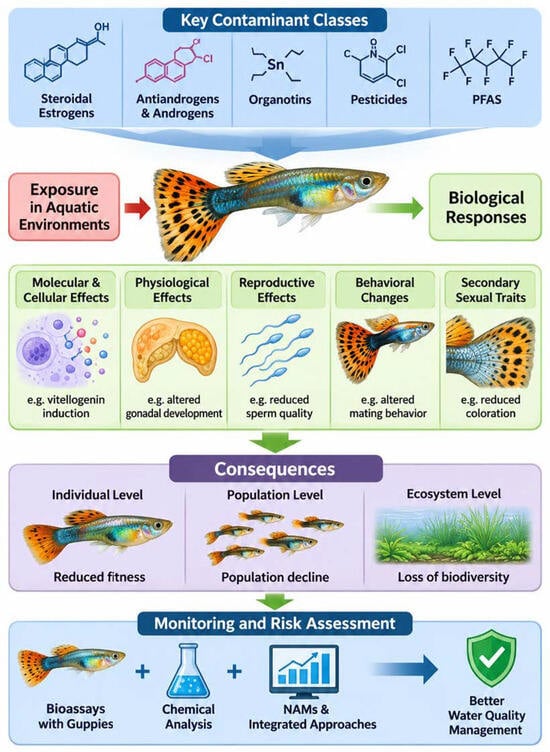
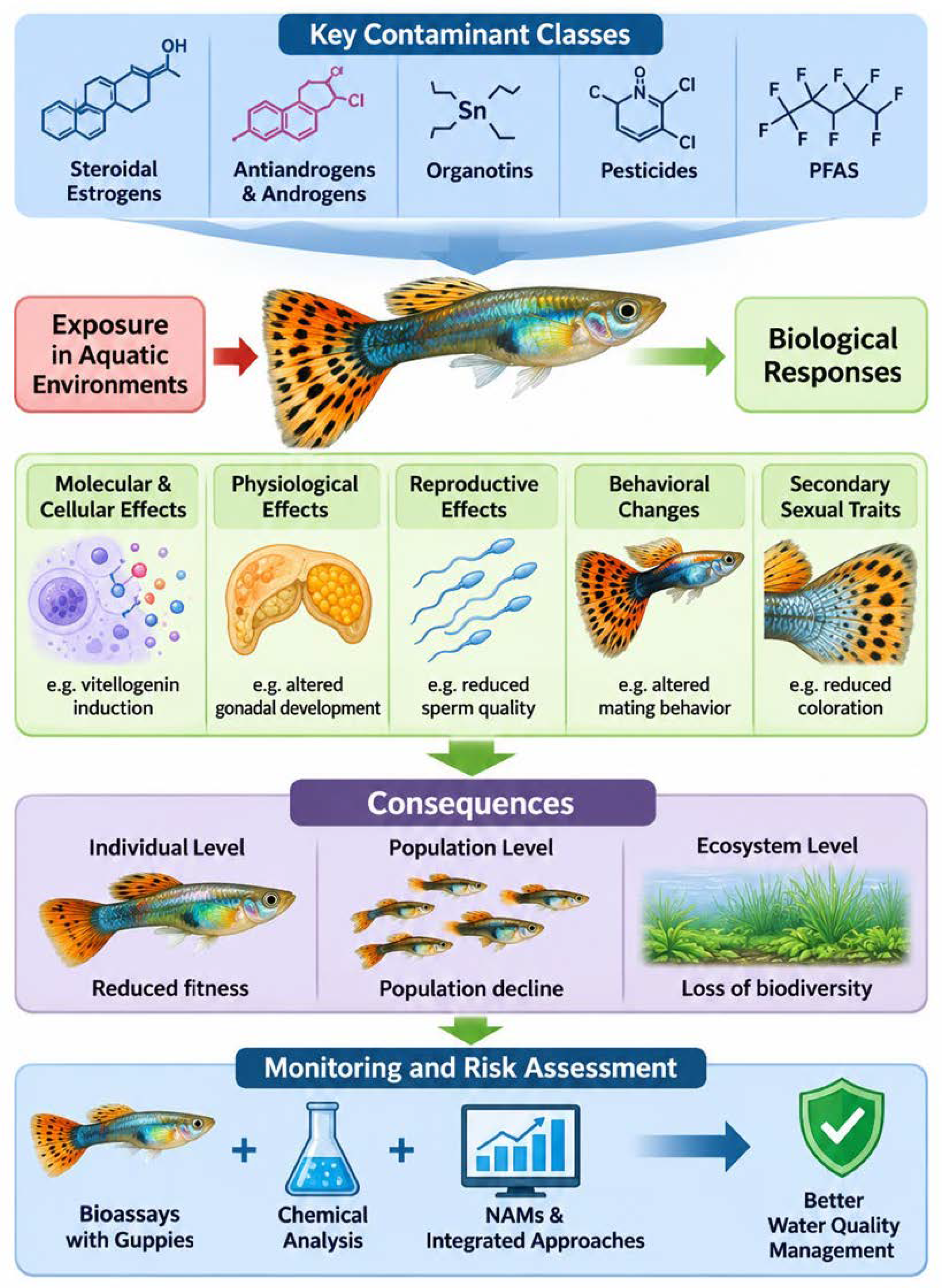
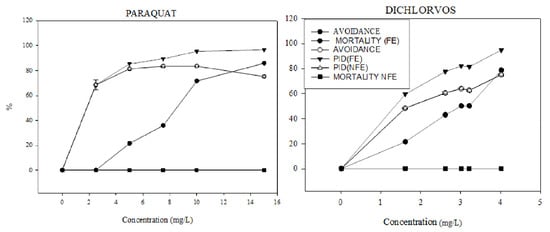
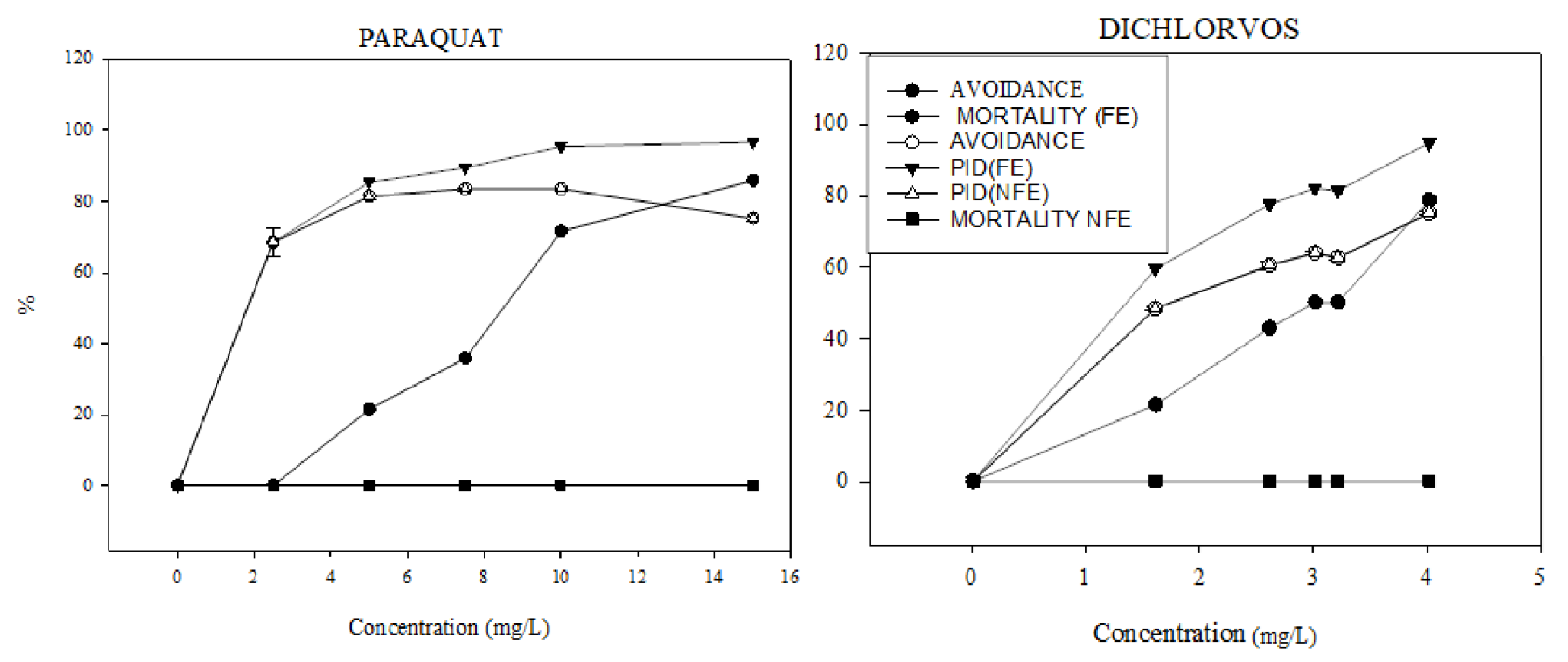
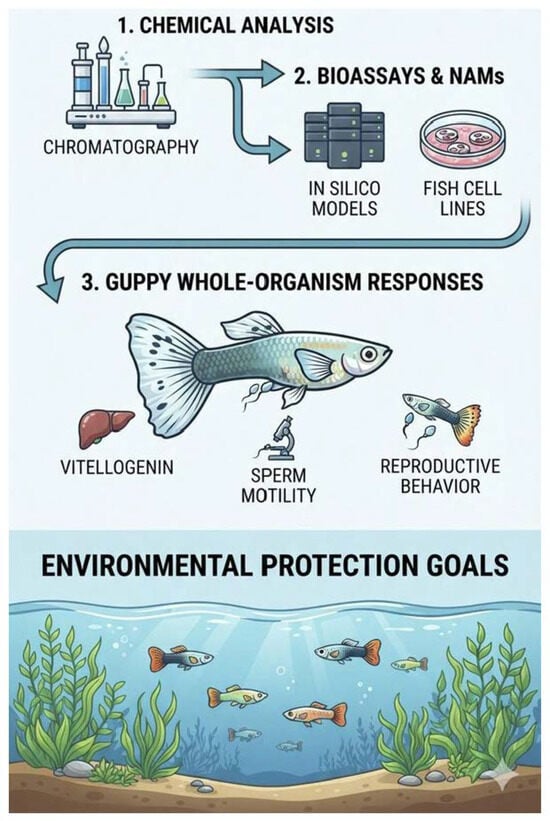
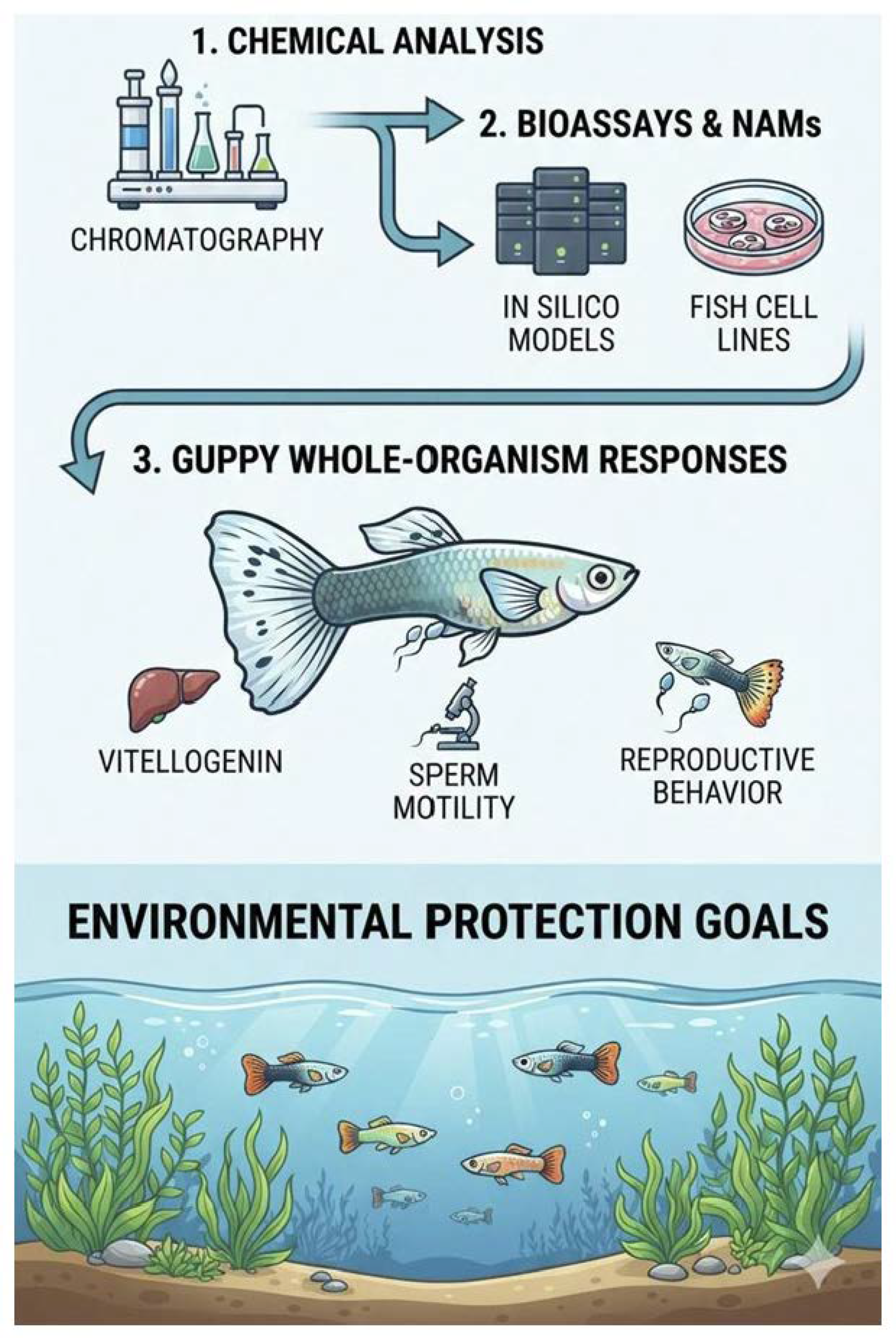

Disclaimer/Publisher’s Note: The statements, opinions and data contained in all publications are solely those of the individual author(s) and contributor(s) and not of MDPI and/or the editor(s). MDPI and/or the editor(s) disclaim responsibility for any injury to people or property resulting from any ideas, methods, instructions or products referred to in the content. |
© 2026 by the authors. Licensee MDPI, Basel, Switzerland. This article is an open access article distributed under the terms and conditions of the Creative Commons Attribution (CC BY) license.