


Abstract
The brewing industry is one of the largest food and beverage sectors worldwide and generates approximately 16–23 kg of solid by-products per hectoliter of beer and significant quantities of wastewater throughout the production processes. Major solid by-products include brewers’ spent grains (BSG), which account for approximately 85% of total solid residues, brewer’s spent yeast (BSY), and hot trub, all of which are rich in proteins, fibers, carbohydrates, bioactive compounds, and minerals. At the same time, brewery wastewater is characterized by high organic load, elevated chemical oxygen demand (COD) ranging from 2000 to 6000 mg/L, and biochemical oxygen demand (BOD) ranging from 1200 to 3600 mg/L, while the sector is known for substantial water consumption requirements. Growing environmental concerns and policy initiatives, including the EU Circular Economy Action Plan and the United Nations Sustainable Development Goals (SDGs 6, 12, and 13), have strengthened the need for sustainable waste management, resource recovery, and wastewater treatment in the brewing industry. This review critically examines the physicochemical characteristics of brewery solid wastes and wastewater and evaluates current and emerging technologies for their treatment and valorization. This narrative review synthesizes literature published between 2011 and 2026, identified through Scopus, Web of Science, and Google Scholar. Particular emphasis is placed on the use of brewery by-products in animal feed, agricultural soil amendments, bioenergy and biofuel production, biotechnological applications, and the development of biodegradable packaging materials and bioplastics. In parallel, the review discusses conventional and advanced wastewater treatment technologies, including anaerobic and aerobic processes, membrane-based systems, advanced oxidation processes, microbial fuel cells, and wastewater reuse practices, while highlighting the high operational costs and scalability challenges associated with emerging technologies. Quantitative findings indicate that anaerobic wastewater treatment can achieve COD removal efficiencies of 65–90%, while combined anaerobic–aerobic systems can reach up to 98% under suitable operating conditions. Furthermore, BSY processing through enzymatic hydrolysis and fractionation enables the recovery of proteins, peptides, and other valuable compounds, although the degree of protein enrichment depends on the processing conditions. These results demonstrate the potential for pollutant removal and resource recovery, although reported performances depend on substrate characteristics, treatment conditions, and process scale. However, variability in waste composition and economic feasibility challenges highlight the need for further pilot-scale validation and Life Cycle Assessment studies.
1. Introduction
Beer production constitutes one of the oldest and most widespread industrial processes worldwide [1]. According to available statistical data, the global production of beer in 2024 reached approximately 2 billion hectoliters, with China being the largest producer, followed by the United States of America [2].
Brewing is the process of converting malt and water into beer, through enzymatic hydrolysis and alcoholic fermentation [3,4]. Firstly, the dried malt is ground and mixed with water in the mash tun, with the temperature rising in three stages from about 57 °C to 78 °C to activate the malt enzymes [4,5]. During mash, starch is converted into sugars, mainly maltose and maltotriose, while proteins are broken down into polypeptides and amino acids [6]. The solid malt residues settle to form a layer, through which the wort is filtered, followed by boiling and the addition of hops. Subsequently, the wort is cooled and transferred to fermentation vessels, where appropriate yeast depending on the desired type of produced beer is added, and fermentable sugars are converted into alcohol and carbon dioxide [4,6]. After fermentation, the product can be further matured, filtered and bottled [4].
The aforementioned beer production processes result in the generation of substantial quantities of solid wastes and wastewater [7]. On average, for every hectoliter of beer produced, 16 to 23 kg of solid by-products are produced, highlighting the importance of appropriate waste management and valorization strategies within the brewing industry [7,8]. At the same time, water consumption ranges from 3 to 10 L per liter of final beer product [8]. Solid wastes mainly include malt residues (brewers spent grains—BSG), brewers spent yeast and solid residue formed after the brewing and the addition of hops (hot trub) [7,8]. These by-products have significant organic and nutritional value, as they are rich in fiber, proteins, lipids and bioactive compounds [9,10]. The handling and disposal of the aforementioned solid wastes and wastewater poses a severe challenge in the brewing industry and is associated with serious environmental burdens. Therefore, in recent years, research on the conversion of these wastes into secondary raw materials has been strengthened. The need to transition to circular production models, by adopting innovative technologies and practices, makes it imperative to study the generated waste streams and their valorization techniques [11,12].
The environmental sustainability of the brewing industry has attracted increasing scientific attention, particularly in the context of resource efficiency, waste minimization, and the transition toward circular bioeconomy models. Brewery by-products are increasingly regarded as potential secondary raw materials rather than waste streams requiring disposal. Accordingly, recent research has explored their utilization in food and feed applications, the recovery of valuable compounds, bioenergy production, and the development of bio-based materials. However, the successful implementation of these approaches depends not only on the availability and composition of brewery residues but also on their technical feasibility, environmental performance, and economic competitiveness. Previous studies have emphasized that the high moisture content, limited storage stability, and heterogeneous composition of brewing by-products, together with pretreatment and transportation requirements, represent significant barriers to their industrial valorization [13,14].
Despite considerable technological progress, important challenges remain in translating promising laboratory-scale applications into commercially viable processes. Advanced valorization technologies may require substantial energy inputs, specialized equipment, and additional purification steps, potentially increasing operating costs and reducing their environmental benefits. Similarly, brewery wastewater treatment involves trade-offs between pollutant removal efficiency, energy consumption, operational complexity, and opportunities for water and energy recovery. Although conventional biological processes are widely applied, advanced treatment systems may face limitations related to membrane fouling, maintenance requirements, and investment costs. Consequently, the selection of appropriate treatment and valorization technologies should consider their performance under realistic industrial conditions rather than relying exclusively on laboratory-scale efficiencies [14,15,16].
Furthermore, although numerous studies have examined individual brewery by-products or specific wastewater treatment technologies, important knowledge gaps remain regarding their comparative performance and integration within a common resource management framework. Existing research frequently emphasizes individual recovery yields, material properties, or pollutant removal efficiencies, while information on industrial scalability, economic feasibility, and environmental trade-offs remains less developed. In particular, the combined consideration of solid waste valorization and wastewater treatment is important because both streams contribute to the overall environmental performance and resource efficiency of breweries. Reviewing these approaches together can therefore provide a broader understanding of available technologies, identify their respective advantages and limitations, and highlight opportunities for integrated resource recovery. Such an assessment is essential for supporting the selection of technically feasible and environmentally sustainable strategies and for identifying research priorities that can facilitate the transition toward more circular brewing operations [13,14,15,16].
The primary objective of this review is to critically examine existing technologies for the valorization of solid by-products and the treatment of wastewater generated by the brewing industry. Particular emphasis is placed on their technical performance, resource recovery potential, environmental implications, and economic feasibility. Although several approaches demonstrate promising opportunities for waste reduction and resource recovery, important limitations remain regarding processing costs, energy requirements, feedstock variability, and industrial scalability. By comparing established and emerging technologies, this review aims to identify their main advantages and constraints, highlight existing knowledge gaps, and outline research priorities, particularly the need for pilot-scale validation, techno-economic assessments, and integrated environmental evaluations.
2. Review Methodology
This study was conducted as a narrative literature review to provide a comprehensive assessment of brewery solid by-products and wastewater, focusing on their physicochemical characteristics, treatment technologies, and valorization pathways. The literature review primarily focused on publications from 2011 to 2026, while earlier studies were also included when they provided foundational knowledge or relevant experimental findings. The literature was collected using three scientific databases: Scopus, Web of Science, and Google Scholar. Combinations of keywords were used, including “brewery waste”, “brewers’ spent grains”, “brewers’ spent yeast”, “hot trub”, “brewery wastewater”, “waste valorization”, “animal feed”, “soil amendment”, “bioactive compounds”, “bioenergy”, “bioplastics”, “wastewater treatment”, and “resource recovery”. Additional relevant publications were identified through the reference lists of selected studies.
The literature selection focused primarily on peer-reviewed research articles and review papers addressing brewery waste characterization, treatment performance, resource recovery, and potential industrial applications. Studies were considered based on their relevance to the review objectives, the availability of experimental or quantitative information, and the clarity of the reported methodologies and findings. Publications unrelated to brewery waste streams or lacking sufficient information on the investigated technologies and their outcomes were excluded from the main comparative analysis. Emphasis was placed on studies reporting processing conditions, treatment efficiencies, product characteristics, and technological limitations. Figure 1 depicts the methodology used in the present review paper.
Figure 1.
Schematic overview of the literature review methodology.
The studies included in the tables were selected to represent the principal valorization pathways investigated in the literature, including animal feed, agricultural applications, recovery of valuable compounds, bioenergy production, and bio-based materials. Their findings were organized according to the investigated by-product, processing technology, operating conditions, and reported outcomes, where applicable. The collected evidence was synthesized qualitatively to identify technological advantages, environmental benefits, economic and operational limitations, and opportunities for future research. Given the narrative nature of the review and the heterogeneity of the available studies, no statistical meta-analysis was performed. The literature search primarily considered publications written in English, reflecting the language of the scientific databases and the reviewed international literature.
Generative artificial intelligence (AI) tools were used to assist with the preparation of schematic illustrations. The authors reviewed and verified the scientific content, references, and accuracy of the figures and take full responsibility for the final manuscript.
3. Solid Wastes
Beer production is accompanied by the production of solid waste at various stages of the process. The main ones are the malt residues (Brewers’ Spent Grains—BSG), the hot trub formed after boiling and adding hops, and the brewers spent yeast that remains after the completion of fermentation [5]. According to the BarthHaas Report 2024/2025, global beer production reached approximately 1.875 billion hL in 2024. Based on reported generation rates of 14–20 kg/hL BSG, 1.5–3 kg/hL for BSY, and 0.2–0.4 kg/hL for hot trub, the corresponding annual global quantities can be estimated at 26.3–37.5, 2.8–5.6, and 0.4–0.8 million tonnes, respectively [2]. Although they differ in terms of composition, moisture and ash content, they all have significant nutritional and technological value. Their chemical composition can vary depending on the raw materials and brewing conditions, but they maintain a consistently high content of proteins, carbohydrates, fiber, vitamins, minerals and phenolic compounds [17]. Furthermore, brewery solid by-products are generally characterized by high moisture content, which may increase transportation and storage requirements and promote microbial spoilage, thereby limiting their direct utilization without appropriate preservation or pretreatment [17]. Figure 2 presents a simplified version of beer production along with the stages and quantities of the generated solid wastes.
Figure 2.
Schematic representation of the brewing process and the generation of major solid by-products. Indicative waste generation quantities are based on the literature [2,5,9,17,18].
3.1. Brewers’ Spent Grains (BSG)
Malt residues, commonly referred to as brewers’ spent grains (BSG), are the main solid waste of the brewing industry [19]. They are produced during the extraction process of the water-soluble components of malt in the initial stage of beer production [20]. As the malt is extracted with hot water, the residue that remains consists mainly of plant fibers, cellulose, hemicellulose and lignin.
BSG represent approximately 85% of the total solid waste of a brewery, and it is estimated that, for every 100 L of beer produced, 14–20 kg of BSG is produced [5,18]. BSG is characterized by a lignocellulosic structure and a substantial protein content, making it a promising feedstock for nutritional, agricultural, and biotechnological applications. Its composition varies depending on barley variety and brewing conditions, while its high moisture content presents challenges related to storage stability and microbial spoilage. The typical composition of BSG is summarized in Table 1 [10,17,21].
Table 1.
BSG composition.
From a physical point of view, BSG is fibrous and heavy, with a characteristic malty odor. Its high water content makes its immediate storage problematic, as it is susceptible to microbial spoilage and fungal growth, also due to the residual sugars it contains. For this reason, immediate use is required or processing, such as dehydration, if it is to be utilized later [10,22]. From a technological point of view, BSG is an excellent raw material for a series of applications, such as use as animal feed, source of proteins and polysaccharides for the food industry, production of biofuels, biogas, or pellet fuels, preparation of bioplastics and packaging films, as well as a base for composting or soil conditioner.
3.2. Hot Trub
Hot trub is one of the main solid wastes produced during the wort boiling phase following the addition of hops. It is formed as a sediment and is the result of the thermal aggregation and precipitation of heat-sensitive compounds, protein aggregates, tannins and other phenolic substances [23]. This residue mainly includes high molecular weight proteins, polyphenols, resins and hop oxides, which are formed during boiling and are separated from the wort through processes such as whirlpool.
The composition of hot trub is influenced by several factors, such as the variety of malt and hops, the duration of boiling, the pH of the medium, the concentration of ions, the homogenization time, and the degree of oxidation during processing and whirlpooling. Quantitatively, it is estimated that approximately 0.2–0.4 kg of hot trub is discarded per hectoliter of beer, an amount that corresponds to a significant volume of organic waste [9].
Hot trub contains proteins, carbohydrates, lipids, and hop-derived compounds, with a composition that depends on raw materials and brewing conditions. Its organic content offers opportunities for valorization, although the presence of bitter compounds and its high moisture content may limit certain applications. Its typical composition is presented in Table 2 [17,21,24].
Table 2.
Hot trub composition.
3.3. Brewers Spent Yeast
Brewers spent yeast is one of the main solid by-products of the brewing industry, produced at the end of alcoholic fermentation. During this process, the microorganisms used, mainly of the genus Saccharomyces, metabolize the sugars in the wort and convert them into ethanol and carbon dioxide. Depending on the yeast species used, beer fermentation is generally classified into bottom fermentation (lager), primarily associated with Saccharomyces pastorianus, and top fermentation (ale), primarily associated with Saccharomyces cerevisiae. Following the completion of fermentation process, the yeast biomass settles naturally or is removed by centrifugation, creating a thick sludge known as brewers spent yeast [21]. The amount of yeast produced depends on several factors, such as the type of beer, the initial wort extract, the type of strain used and the number of cycles of reuse of the same yeast. Typically, approximately 1.5 to 3 kg of yeast are produced for each hectoliter of beer produced [17], although the vast majority of breweries reuse yeast in subsequent fermentations.
BSY is a nutrient-rich by-product characterized by substantial protein content, carbohydrates, B-complex vitamins, and minerals. Its high moisture content and susceptibility to microbial degradation require appropriate handling and preservation. The typical composition of BSY is summarized in Table 3 [17,21,24].
Table 3.
BSY composition.
4. Valorization of Solid Wastes
4.1. Valorization in Animal Feed
The utilization of brewery by-products as animal feed represents one of the most mature and widely implemented valorization pathways within the brewing industry. This practice is strongly supported by the high nutritional value, availability, and cost-effectiveness of residues such as BSG, BSY, and, to a lesser extent, hot trub. As summarized in Table 4, several studies have investigated the incorporation of brewery by-products into feed formulations for ruminants, poultry, and aquaculture species, reporting variable outcomes depending on the animal species, inclusion level, and processing conditions.
Table 4.
Valorization of brewery by-products in animal feed.
BSG is the most extensively used by-product in animal nutrition due to its rich composition in fiber, proteins, and bioactive compounds. Its application spans multiple species, with inclusion levels varying depending on processing and target animals. In aquaculture, incorporation levels of 15–20% in gilthead seabream diets resulted in growth performance and feed efficiency comparable to conventional feeds, particularly when pretreated through hydrolysis or other methods [25,26]. Similarly, solid-state fermentation and enzymatic treatments have been shown to enhance digestibility and improve immune responses in species such as seabass and meagre [27,28]. In broiler chickens, dietary BSG inclusion at levels of up to 40% has been associated with changes in digestive organ development, including increased relative gizzard and pancreas weights, without significant changes in carcass yield. Other studies have reported improvements in growth performance under specific dietary formulations and processing conditions [32,34]. In ruminants such as cattle, dietary inclusion levels of 15–20% have been shown to maintain growth performance, confirming BSG as a viable fiber and nutrient source [36,37].
Processing plays a crucial role in enhancing the nutritional value and applicability of BSG. Techniques such as drying, enzymatic treatment, and microbial fermentation improve protein availability, digestibility, and shelf life. For example, solid-state fermentation has been shown to increase protein content and overall feed quality, making BSG a more efficient feed ingredient [30]. Additionally, high inclusion levels (up to 48.5%) in fish diets have been linked to improved gut microbiota diversity, indicating potential functional benefits beyond basic nutrition [29]. The selection of processing techniques for brewery by-products involves trade-offs between nutritional performance, processing costs, and nutrient preservation. Direct utilization of wet BSG minimizes processing costs but is constrained by its short shelf life and high transportation requirements. Drying improves storage stability and facilitates incorporation into feed formulations, although energy consumption increases operational costs, while excessive temperatures may negatively affect heat-sensitive nutrients. Enzymatic hydrolysis can improve nutrient accessibility and digestibility, but requires additional enzyme inputs and controlled processing conditions. Similarly, microbial fermentation can enhance protein availability and feed quality, although its economic feasibility depends on fermentation time, process control, and production scale. Consequently, the most appropriate treatment depends on the intended animal species, nutritional requirements, and the balance between processing costs and expected feed performance [26,27,28,29].
BSY is another valuable feed component, primarily due to its high protein content and abundance of B-complex vitamins. BSY is widely used in both ruminant and monogastric diets at inclusion levels ranging from 5% to 20%, contributing significantly to the nutritional profile of feed formulations [38]. In poultry, supplementation with BSY has been associated with increased egg productivity and improved egg quality [40]. Furthermore, enzymatic hydrolysis of yeast biomass produces protein-rich fractions that can be used as high-value feed ingredients, enhancing nutrient availability and digestibility [41]. In aquaculture, BSY inclusion at levels of up to 30% has been investigated as an alternative protein source, with growth performance and feed efficiency comparable to those of conventional control diets under the experimental conditions examined [25].
The combined use of BSG and BSY further enhances feed performance due to their complementary nutritional profiles. Studies show that their joint incorporation in poultry diets improves egg quality, hatchability, and overall reproductive performance [39]. This synergy highlights the potential for integrated valorization strategies that maximize the utilization of brewery residues.
In contrast, the direct use of hot trub in animal feed is limited due to its high content of bitter compounds derived from hops. However, as presented in Table 4, its co-utilization with BSY or BSG after appropriate processing can yield acceptable results. For instance, homogenized and dried mixtures of hot trub and yeast have been successfully incorporated into pig diets, improving gut health markers [42]. Additionally, low-level inclusion in ruminant feed, particularly through co-ensiling with BSG, has been proposed as a minor protein source [4].
Despite their nutritional potential, the utilization of brewery by-products in animal feed must comply with relevant feed safety and regulatory requirements. In the European Union, Regulation (EC) No 767/2009 establishes requirements for the marketing, safety, and labelling of feed materials, while Directive 2002/32/EC regulates undesirable substances in animal feed [43,44,45]. Particular attention should be given to potential mycotoxin contamination, especially in BSG, considering its high moisture content and susceptibility to microbial spoilage. Appropriate storage conditions, preservation methods, and quality control are therefore essential, alongside compliance with applicable mycotoxin limits and guidance values. Furthermore, the presence of hop-derived bitter compounds in hot trub may affect feed palatability and restrict its inclusion in diets for monogastric animals, particularly pigs and poultry. Consequently, the suitability of brewery by-products as feed ingredients should be evaluated in relation to their safety, composition, processing requirements, and target animal species [43,44,45]. Additionally, under Article 5 of Directive 2008/98/EC, a substance or object resulting from a production process may be classified as a by-product rather than waste, provided that specific conditions are fulfilled, including certain further use, suitability for direct use without processing other than normal industrial practice, production as an integral part of the production process, and lawful use without adverse environmental or human health impacts [46]. Although the Directive does not explicitly refer to brewery residues, these general conditions may be relevant when assessing the regulatory status of materials such as brewers’ spent grain (BSG) and brewers’ spent yeast (BSY). Their classification must therefore be evaluated on a case-by-case basis, considering the intended application and applicable regulatory requirements [46].
4.2. Valorization as Fertilizer or Soil Amendment
BSG has been investigated as a potential soil amendment due to its organic matter and nutrient content. However, its application in organic farming cannot be assumed to be automatically permitted. Under Regulation (EU) 2018/848 and Commission Implementing Regulation (EU) 2021/1165, fertilisers and soil conditioners used in organic production must comply with the applicable requirements and fall within the authorised categories [47,48]. Therefore, the suitability of BSG-derived materials for organic farming should be assessed according to their composition, processing method, intended use, and compliance with the relevant regulatory provisions [47,48]. Table 5 presents the main application of brewery by-products in the agricultural sector.
Table 5.
Valorization of brewery by-products in agricultural practices.
The direct application of brewery by-products, particularly BSG, to agricultural soils has been widely investigated and demonstrates positive effects on crop productivity and soil quality. Preliminary field observations suggest that BSG incorporation into soil may positively affect crop productivity. For example, a non-peer-reviewed field report on eggplant cultivation described an increased number of marketable fruits and higher total crop weight following BSG application [49]. Similarly, studies focusing on leafy vegetables such as Lactuca sativa have shown that BSG-derived biochar enhances both yield and quality parameters. The improvement is attributed to enhanced nutrient retention, increased soil aeration, and improved water-holding capacity [50]. These findings demonstrate that even simple transformations of BSG can significantly enhance its agronomic performance.
Advanced processing techniques further enhance the fertilization potential of BSG. Bioprocessed BSG enriched with microbial consortia has been shown to significantly increase fresh biomass production in iceberg lettuce, highlighting improved nutrient availability and rhizosphere activity [51]. Hydrothermal carbonization represents another promising approach, producing hydrochar materials that improve nutrient bioavailability and soil fertility. Studies confirm that hydrothermally treated BSG enhances plant nutrient uptake and supports improved plant growth across soil systems [53]. Comparable results have been observed in cucumber cultivation using BSG-derived hydrochar, further confirming its effectiveness as a soil amendment. In addition, the incorporation of BSG biochar into fertilized soils has been linked to reduced ammonia emissions, indicating improved nitrogen retention and reduced environmental losses [54]. This highlights the dual agronomic and environmental benefits of BSG valorization. However, the reported benefits should be interpreted with caution, as some findings are based on preliminary investigations or limited experimental evidence. Its effects on soil properties, nutrient availability, and plant growth may vary depending on the material composition, pretreatment method, application rate, and soil conditions.
BSY has also demonstrated significant potential as an organic fertilizer due to its high nitrogen and carbon content. Application of BSY to clay and sandy soils increases nutrient levels, enhances microbial activity, and improves soil fertility indices [55]. The combined use of BSY with hot trub further expands its applicability. Chemical characterization studies show that such mixtures possess favorable carbon-to-nitrogen ratios, making them suitable for agricultural applications and soil conditioning [9]. Hot trub and spent hops, although less commonly used individually, have been successfully applied through composting processes. Compost derived from these materials improves soil structure and nutrient content, demonstrating their effectiveness as soil conditioners [8].
Beyond direct fertilization, brewery by-products contribute significantly to long-term soil health. Comprehensive analyses indicate that BSG, BSY, and spent hops enhance soil organic matter content, increase nitrogen availability, and support microbial biodiversity [56]. Furthermore, combined amendments of BSG with yeast have shown potential in improving soil conditions and suppressing undesirable organisms in soil systems, suggesting additional benefits in sustainable soil management practices [57].
4.3. Biotechnological Valorization
The biotechnological valorization of brewery solid wastes, and in particular BSG, hot trub and brewers spent yeast, has attracted increasing interest from both the research community and the industry. The techniques applied are based on the exploitation of their chemical composition, aiming to recover nutritional or bioactive compounds of high added value, through innovative, environmentally friendly processes [58]. Table 6 presents the main application of brewery by-products in terms of their biotechnological valorization.
Table 6.
Biotechnological valorization of brewery by-products.
Biotechnological valorization of brewery by-products primarily focuses on the conversion of lignocellulosic biomass into fermentable sugars and high-value chemicals. Structural pretreatment combined with enzymatic saccharification has been shown to significantly increase sugar release from BSG, enabling efficient downstream fermentation processes [59]. Subsequent fermentation using Saccharomyces cerevisiae further enhances the conversion efficiency, facilitating the production of ethanol and other bio-based chemicals [61]. In addition, hydrothermal and acid hydrolysis methods have demonstrated high recovery of xylose, which can be converted into xylitol, a valuable industrial sweetener [64]. Beyond sugar production, BSG are particularly rich in polysaccharides, proteins and phenolic compounds, which makes them suitable for enzymatic or chemical treatment. Through enzymatic hydrolysis, it is possible to degrade cell walls and release polysaccharides such as arabinoxylan, which has applications as a prebiotic ingredient in foods, as well as to recover protein fractions with functional and nutritional properties [60]. Enzymatic proteolytic enzymes, such as papain and alcalase, allow the degradation of proteins into peptides with potential antioxidant and biological activity [24].
BSG-derived polysaccharides, particularly arabinoxylans, have been investigated for their potential prebiotic properties. Xylanase-catalyzed hydrolysis produces arabinoxylo-oligosaccharides, which have demonstrated selective fermentation by beneficial gut microorganisms under in vitro conditions [62]. Similarly, in vitro studies have reported changes in gut microbiota composition and short-chain fatty acid production following exposure to BSG-derived fractions [65,66]. However, these findings are primarily based on in vitro experiments, and further in vivo and human clinical studies are required to establish their physiological relevance and potential health benefits. Furthermore, the use of nutrition and health claims for food products marketed in the European Union is subject to Regulation (EC) No 1924/2006, and any specific health claim must comply with the applicable authorization requirements [75].
The extraction of bioactive compounds from brewery waste is another key area of interest. BSG hydrolysates have been shown to contain antioxidant peptides capable of enhancing yeast tolerance under stress conditions, indicating potential applications in industrial fermentation [67]. The alkaline extraction technique is also applied for the isolation of phenolic compounds, which are found in significant concentrations in hop and malt solid wastes. These compounds exhibit strong antioxidant and antimicrobial activity and have already been proposed as natural preservatives in foods or as ingredients in cosmetic products [19]. Advanced extraction technologies, such as ultrasound-assisted extraction with deep eutectic solvents, microwave-assisted extraction, and supercritical CO2 extraction, have demonstrated high efficiency in recovering phenolic compounds with strong antioxidant properties [70,71]. In some cases, enzymatic and physicochemical techniques are combined to increase the yield and selectivity of the extraction.
BSY is also extensively utilized in biotechnological applications. Thanks to its rich chemical composition, brewers spent yeast has attracted intense scientific interest for its utilization in various industrial applications. Technologies for enzymatic hydrolysis of the cell mass have been developed to extract peptides, polysaccharides, β-glucans and antioxidant compounds with bioactive action. These components find application in the food and supplement industry. Analyses have shown that brewers spent yeast has a strong antioxidant capacity due to the presence of polyphenols adsorbed from the substrate during fermentation [73]. Through enzymatic hydrolysis and autolysis, it is possible to produce distinct fractions rich in proteins (30–69%) and carbohydrates (20–48%), as well as metals such as sodium and potassium. These fractions find application as functional food ingredients [21]. A more specialized application concerns the production of yeast extracts, which are widely used as flavor enhancers in the processed food industry. These extracts are rich in 5′-nucleotides, amino acids (especially glutamic acid) and peptides, which work together to enhance flavor. At the same time, they are an alternative to other flavor additives such as monosodium glutamate. Their production is based on autolysis or enzymatic degradation techniques of yeast cells, aiming to release these components [73]. More recently, pulsed electric field technology has been applied for the extraction of nitrogen-rich compounds from yeast, enabling their use in microbial growth and fermentation processes [74].
BSG has also been investigated as a raw material for the production of bio-based materials. Studies indicate its potential use in sustainable biopolymer packaging, demonstrating its versatility beyond traditional biochemical applications [68].
Another distinct biotechnological application of BSG involves its use as a substrate for microbial cultivation and enzyme production. Fungal strains such as Aspergillus niger can be cultivated on liquid BSG extracts to produce industrially relevant enzymes and microbial biomass. The resulting biomass can be further utilized in fermentation processes, whereas the recovered enzymes may find applications in food processing and bioethanol production. This approach highlights the potential of BSG as a low-cost substrate for microbial bioprocesses [63].
4.4. Valorization for Bioenergy and Biofuel Production
The production of biofuels and bioenergy from brewery solid wastes, such as BSG, BSY and hot trub, is a promising approach to achieve energy self-sufficiency within the production unit and reduce the environmental footprint of the industry. The energy utilization of these by-products can be done either through thermal conversion or through biological processes, depending on their form and composition. Table 7 presents the main application of brewery by-products in terms of their valorization for bioenergy and biofuels production.
Table 7.
Valorization for bioenergy and biofuels.
Anaerobic digestion represents one of the most efficient pathways for converting brewery by-products into renewable energy. BSG has been widely studied as a substrate for biogas production due to its high content of digestible polysaccharides and proteins, which favor microbial degradation. Hydrothermal pretreatment has been shown to increase methane yield by over 200%, significantly enhancing process efficiency [76]. Similarly, anaerobic digestion of raw and pretreated BSG demonstrates improved biogas yields when appropriate pretreatment strategies are applied [78]. Co-digestion approaches, such as combining BSG with Jerusalem artichoke biomass, brewery wastewater, or brewers spent yeast, further enhance methane production and overall bioenergy output by improving biodegradability and nutrient balance [79,81]. The addition of biochar during digestion has also been shown to improve biomethane production and digestate quality, indicating synergistic effects in integrated valorization strategies [80]. Additionally, anaerobic digestion can be applied to brewery waste streams, either individually or in combination with other organic residues, using continuous reactor systems. This approach offers opportunities for biogas recovery and potential integration into brewery energy management systems [77].
Thermochemical conversion offers alternative routes for energy recovery from BSG. The most widespread method is combustion after drying, typically in the form of compressed biomass pellets. Mechanical processing of BSG produces a solid fuel with high calorific value, low ash content and a favorable carbon-to-oxygen ratio, making it suitable for use in solid biofuel combustion systems [82]. Thermo-oxidative studies have demonstrated the potential of BSG for energy recovery through combustion, highlighting its thermal degradation and oxidation characteristics under controlled conditions [88].
Beyond direct combustion, thermochemical technologies such as pyrolysis and hydrothermal processing offer alternative pathways for converting BSG into valuable energy products. Conventional pyrolysis generally requires prior drying of BSG to reduce its moisture content and improve process efficiency, whereas hydrothermal processes can directly treat wet biomass under elevated temperature and pressure conditions, thereby avoiding the energy-intensive drying step. Depending on the conversion pathway and operating conditions, these technologies can produce bio-oil, biochar, or hydrochar [84]. Studies demonstrate that BSG can be effectively converted into bio-oil precursors through catalytic pyrolysis, with catalysts such as CaO and Nb2O5 enhancing hydrocarbon production [83]. Pyrolysis also produces biochar with high carbon content and calorific value, suitable for use as a solid fuel [85]. Furthermore, co-pyrolysis with other waste streams, such as coffee residues, has been shown to improve energy product yields, highlighting the flexibility of thermochemical approaches [86].
BSG is a promising feedstock for the production of second-generation bioethanol derived from lignocellulosic biomass. Unlike conventional feedstocks such as corn or sugar, which compete with food supply chains, brewery residues represent a sustainable and low-cost alternative. BSG contains significant amounts of cellulose, hemicellulose and proteins, making it suitable for bioethanol production following appropriate pretreatment to degrade lignin and release fermentable sugars. Pretreatment strategies investigated for BSG include dilute phosphoric acid treatment, hydrothermal processing, and ionic liquid-based methods [93]. In particular, Rojas-Chamorro et al. (2018) demonstrated that dilute phosphoric acid pretreatment followed by enzymatic hydrolysis can facilitate the recovery of fermentable sugars from BSG [93]. Enzymatic hydrolysis is subsequently applied to produce fermentable hexoses and pentoses. The resulting hydrolysate can then undergo fermentation using genetically modified Escherichia coli strains such as MS04, which are capable of co-fermenting both sugar types even in the presence of inhibitory compounds like acetic acid [94]. Ethanol yields exceeding 80% of the theoretical maximum have been reported [94]. Other approaches, such as consolidated bioprocessing using Fusarium oxysporum, have achieved ethanol yields of up to 60% of the theoretical maximum [69]. Additionally, acidogenic fermentation pathways enable the simultaneous production of ethanol, biodiesel intermediates and biogas, expanding the range of bio-based products derived from BSG [89]. This technological framework confirms that BSG is a reliable feedstock for sustainable second-generation bioethanol production, contributing to improved energy efficiency and circular economy strategies in the brewing industry [59,94].
BSY also represents a valuable substrate for energy production. Anaerobic digestion of yeast biomass, either alone or co-digested with wastewater or manure, produces stable biogas streams with high methane productivity [90,92]. The composition of the feedstock plays a key role in process efficiency; for example, the presence of hop residues has been shown to influence methane yields [91]. Integration of yeast valorization into existing anaerobic digestion systems further enhances overall energy recovery from brewery waste streams.
4.5. Valorization for Bioplastics and Packaging Materials Production
The global search for sustainable and biodegradable alternative packaging materials has focused on the valorization of agro-industrial waste. In this context, brewery solid by-products, and especially BSG, have been exploited as a source of fibers and polysaccharides for the production of environmentally friendly bioplastics and packaging films. Table 8 presents the main application of brewery by-products in terms of their valorization for bioplastics and packaging materials production.
Table 8.
Valorization for bioplastics and packaging materials production.
The fibrous and lignocellulosic nature of BSG makes it an ideal raw material for the recovery of cellulose, hemicellulose, and arabinoxylans. These compounds can, through chemical or enzymatic treatment, be converted into biopolymers such as nanocellulose or used directly as reinforcing materials for the production of packaging films [95]. The lignocellulosic composition of BSG, rich in structural polysaccharides, has therefore attracted significant attention for the development of biodegradable polymeric systems as sustainable alternatives to petrochemical-based plastics. Despite their potential for packaging applications, the recovery of cellulose, hemicellulose, and arabinoxylans from BSG presents important technical and economic challenges. Extraction efficiency depends on the composition of the raw material, pretreatment conditions, and the selected chemical or enzymatic processes. Chemical extraction may require substantial quantities of reagents and subsequent purification steps, generating additional costs and wastewater, whereas enzymatic approaches generally operate under milder conditions but may involve higher enzyme costs and longer processing times. Furthermore, the high moisture content and compositional variability of BSG can increase handling, storage, and processing requirements. At an industrial scale, the economic feasibility of these processes also depends on extraction yield, product purity, energy and water consumption, and the integration of extraction and film-production operations. Therefore, although BSG-derived polysaccharides show considerable potential as packaging materials, further pilot-scale validation and techno-economic assessments are necessary to determine their competitiveness with conventional packaging polymers [95,101].
One of the most widely studied approaches involves the extraction and utilization of arabinoxylans combined with nanocellulose. Moreirinha et al. [95], developed BSG-derived arabinoxylan films reinforced with nanofibrillated cellulose (5–75 wt.%), reporting a Young’s modulus of up to 7.5 GPa, tensile strength of up to 116.8 MPa, and thermal stability up to 230 °C. Furthermore, films containing 50 wt.% nanofibrillated cellulose and incorporating ferulic acid or feruloylated arabinoxylo-oligosaccharides (75 mg/g film) exhibited antioxidant activity of up to 90%, measured using the DPPH assay, together with enhanced UV–Vis barrier properties and antimicrobial activity against selected bacterial and fungal species [95]. These quantitative findings demonstrate the potential of BSG-derived nanocomposite films for active food packaging applications. Nevertheless, further characterization of oxygen and water vapor permeability, elongation at break, and biodegradation kinetics is necessary to establish their suitability for specific packaging applications.
Further studies confirm that arabinoxylan fractions isolated from BSG can serve as effective film-forming biopolymers, reinforcing the role of this by-product as a valuable source of functional materials for packaging technologies [101]. In addition to cellulose-derived materials, phenolic compounds present in BSG have also been investigated for their potential to enhance the functional properties of bioplastics, particularly their antioxidant activity.
Recent developments have explored non-thermal plasma pretreatment followed by enzymatic hydrolysis for the fractionation and valorization of BSG. Ravindran et al. reported an increase in reducing sugar release from 76 to 163 mg/g BSG following plasma pretreatment, corresponding to a 2.14-fold improvement compared with untreated biomass. More recently, Argeiti et al. achieved an overall glucan and hemicellulose conversion yield of 73%, equivalent to 0.494 g sugars/g BSG, using a plasma bubble reactor [102]. Their proposed biorefinery also retained 137.4 g of protein per kg BSG in a solid fraction available for subsequent recovery [102]. Although these results demonstrate the technical potential of plasma-assisted processing, its economic feasibility at the industrial scale remains uncertain. Major considerations include electricity consumption, reactor investment, treatment capacity, electrode maintenance, and the costs of subsequent enzymatic hydrolysis and product separation. Consequently, pilot-scale validation and techno-economic assessments are required to determine whether improvements in product recovery can offset the additional processing costs. Such assessments should also consider the potential economic benefits of simultaneously recovering sugars, proteins, and other valuable fractions from BSG [98,103].
Beyond standalone biopolymer films, BSG has been extensively explored as a reinforcing filler in composite materials. The incorporation of BSG into poly(vinyl alcohol) (PVA) matrices has led to the development of biodegradable composite films exhibiting a balanced combination of mechanical strength and moisture absorption properties [96]. Similarly, the functionalization of BSG-derived arabinoxylan-bound compounds and their incorporation into polymers such as poly(3-hydroxybutyrate-co-3-hydroxyvalerate) (PHBV) have been shown to improve mechanical performance while maintaining thermal stability. These composites also display increased crystallinity, enhancing their structural integrity and industrial applicability [99].
Another study focuses on the use of BSG not only as a raw material for bioplastics, but also for the manufacture of biodegradable and edible packaging structures. In this context, an edible bowl developed from natural ingredients and enriched with varying contents (0–10%) of BSG demonstrated significantly increased hardness, making it suitable as an alternative to conventional plastic packaging. Furthermore, the material was fully biodegradable under soil conditions, confirming its environmental compatibility and potential application in sustainable food systems [100]. However, the industrial application of BSG-based edible packaging requires further evaluation of barrier properties, particularly oxygen and water vapor permeability, which influence food preservation and shelf life. Moreover, BSG incorporation may affect sensory characteristics, including color, texture, and taste, potentially influencing consumer acceptance. Food safety aspects, such as microbiological stability, potential contaminants, and compliance with food-contact regulations, must also be considered. Therefore, further investigations into barrier performance, sensory acceptability, and food safety are necessary before commercial implementation [100].
Recent applications have also investigated the combined use of BSG and BSY as reinforcing additives in advanced biocomposite materials. Both materials are rich in hemicelluloses, lignin, and proteins, contributing to improved material performance. In particular, Mater-Bi® (Novamont, Italy)-type composite polymers (PBAT/TPS/PCL) incorporating BSG and BSY showed enhanced mechanical strength and flexibility due to the plasticizing effect of yeast proteins. The addition of BSY improved compatibility between hydrophilic and hydrophobic phases, leading to more homogeneous materials. Moreover, thermal treatment resulted in the formation of melanoidins, which further stabilized the polymer matrix. These findings highlight the potential of such composites as sustainable alternatives to petrochemical-based plastics within circular economy systems [18].
The development of active packaging systems from brewery by-products represents another promising research direction. Extracts rich in phenolic compounds obtained from BSG have been successfully incorporated into biodegradable packaging matrices, resulting in materials with enhanced antioxidant properties and protective functionality. These systems are capable of extending the shelf life of food products by inhibiting oxidative degradation and microbial growth, aligning with current trends in food safety and preservation [97].
Across the studies discussed, BSG-based materials consistently demonstrate favorable physicochemical properties, including improved mechanical resistance, controlled permeability to gases and moisture, and biodegradability. The incorporation of lignocellulosic fibers contributes to structural reinforcement, while phenolic compounds impart antioxidant and antimicrobial characteristics. The utilization of BSG as a feedstock for bioplastics and packaging materials could potentially reduce waste management costs and create additional revenue opportunities for breweries. Experimental studies have demonstrated the technical feasibility of producing BSG-based packaging films and polymer composites [18,95,96]. However, these findings do not necessarily establish commercial profitability. The economic viability of such applications depends on pretreatment and extraction costs, energy consumption, processing capacity, product quality, and market demand. Therefore, pilot-scale demonstrations and techno-economic assessments are required to determine whether the potential revenues from these materials can offset their production costs. Despite these advantages, several challenges remain, including the need for advanced processing and purification techniques, variability in raw material composition, and optimization of final material properties. Pilot-scale developments are emerging in Europe, as demonstrated by the EU-funded BioSupPack project, which developed and validated PHA-based packaging solutions using BSG as a feedstock. Furthermore, the ongoing POLYMEER project, involving the brewery Birra Peroni, aims to develop BSG-derived polymers for applications including tertiary packaging. Nevertheless, further industrial validation and techno-economic assessments are required to establish their commercial feasibility [104,105].
Figure 3 provides an overview of the main valorization pathways for the three principal solid by-products generated during brewing: BSG, BSY, and hot trub. Their composition and potential applications are highlighted, including animal feed, bioenergy production, recovery of valuable compounds, and the development of bio-based materials.
Figure 3.
Brewery solid wastes’ valorization pathways.
Beyond the technical applications presented in Table 4, Table 5, Table 6, Table 7 and Table 8, the sustainability of brewery by-product valorization depends on technological maturity, energy requirements, economic feasibility, environmental performance, and regulatory compliance. These factors vary considerably among conventional applications, such as animal feed and anaerobic digestion, and emerging high-value pathways, including bioactive compound recovery and bioplastics production. In this context, Table 9 provides a comparative overview of the main valorization pathways for brewery solid by-products, highlighting their potential environmental benefits, economic considerations, and key limitations.
Table 9.
Comparative sustainability assessment of the main brewery solid by-product valorization pathways.
The environmental performance of brewery waste management strategies has also been investigated through Life Cycle Assessment (LCA). Drosou et al. (2024) reported reductions in climate change impacts of 25.9% and 45.7% for two alternative scenarios integrating solid waste valorization and wastewater treatment technologies, compared with conventional management practices [7]. These findings highlight the potential benefits of integrated approaches, although their environmental performance remains dependent on the technologies employed and the specific system boundaries considered [7].
5. Wastewater
Beer production can be classified into two different main stages: brewing and packaging. Water, in addition to being the main component of the beer itself, is also extremely important for the processes and equipment as a key resource, since it is used extensively for hygiene, cooling and heating [15]. The largest percentage of the used water ends up as wastewater stream, thus constituting the brewing industry as a highly water demanding and consuming industrial sector [15,106]. Figure 4 presents a schematic overview of a typical brewery wastewater treatment train, including pre-treatment, biological treatment, and advanced polishing processes. The main opportunities for resource recovery, such as biogas production, nutrient recovery, and potential water reuse, are also illustrated. The selection and combination of treatment technologies depend on wastewater characteristics, treatment requirements, and the intended final use of the treated effluent.
Figure 4.
Schematic representation of brewery wastewater treatment stages and associated resource recovery opportunities.
The main sources of wastewater generation in breweries include raw material washing, cleaning of tanks and floors, pipe rinsing, bottle sterilization, and packaging operations. In addition, large volumes of water are required for cleaning reusable bottles and for cleaning-in-place (CIP) systems. The primary water-consuming areas in breweries are typically the brewhouse, cellar, packaging, and auxiliary operations, all of which contribute significantly to wastewater generation. Recent studies confirm that a substantial proportion of water is used outside the brewing stage itself, particularly in packaging and cleaning processes, which are among the most water-intensive operations [107,108].
The relative contribution of individual brewing operations to wastewater generation depends strongly on brewery capacity, packaging configuration, cleaning frequency, and water management practices. However, total water consumption cannot be directly allocated among individual production stages without facility-specific water balance data. In particular, cleaning-in-place operations contribute to wastewater generation across the brewhouse, fermentation, and packaging stages, while bottle washing may represent an additional significant source in breweries using returnable glass bottles. Therefore, the relative importance of each process should be assessed through stage-specific measurements of water intake, wastewater discharge, and water reuse, rather than assuming a uniform distribution across breweries.
The composition of wastewater depends on the intended use of water and the processing stages where it is produced. In general, it is characterized by high organic content, since it includes residues of malt, hops, dissolved sugars, amino acids, phenolic compounds, proteins and BSY. The Biochemical Oxygen Demand (BOD) values typically range between 1200 and 3600 mg/L, while Chemical Oxygen Demand (COD) can reach 2000–6000 mg/L. However, substantially higher concentrations may occur in individual, highly concentrated process streams, depending on the production stage and wastewater segregation practices. Additionally, wastewater often contains suspended solids ranging between 2000–4000 mg/L, sugar residues, yeast residues, phenolic compounds and detergents. The pH values vary in a wide range (3.5–9), depending on the type of wastewater and the used chemicals. The generated wastewater does not contain toxic metals in high concentrations, the high concentration of organic carbon makes it imperative to apply appropriate treatment before their disposal, to avoid phenomena like eutrophication and the degradation of the aquatic environment [15,106,109].
Brewery wastewater management typically combines physicochemical and biological treatment processes to reduce pollutant loads, meet discharge requirements, and support subsequent resource recovery or water reuse. Although conventional biological treatment technologies are effective in reducing the organic load of brewery wastewater, their performance can be affected by fluctuations in wastewater composition, pH, and organic loading rates. Anaerobic treatment offers advantages in terms of energy recovery and reduced sludge production, but may require additional treatment to meet discharge standards. Conversely, aerobic processes can achieve high pollutant removal efficiencies but are associated with substantial aeration energy requirements and excess sludge generation. Advanced technologies, including membrane filtration and oxidation processes, may improve effluent quality and facilitate water reuse, although their implementation often involves higher investment, operating, and maintenance costs. Therefore, selecting an appropriate treatment strategy requires balancing treatment efficiency, energy consumption, sludge management, economic feasibility, and compliance with applicable discharge and water reuse regulations [15,110,111,112,113,114,115,116,117].
6. Treatment & Valorization of Wastewater
6.1. Wastewater Treatment
The treatment process typically begins with pre-treatment, which includes physical and chemical operations designed to remove coarse solids, stabilize flow conditions, and adjust pH levels. Physical methods such as screening, sedimentation, and flotation primarily target suspended solids and oils, while chemical treatments, especially coagulation–flocculation and oxidation, facilitate the aggregation and removal of fine particles and dissolved organic compounds [15,118]. The use of environmentally friendly alternatives, such as CO2 for pH adjustment and natural coagulants, has gained attention as a sustainable option [119].
Following pre-treatment, biological treatment constitutes the core stage of wastewater treatment. Both anaerobic and aerobic processes are widely applied, either independently or in combination. Anaerobic digestion is particularly suitable for brewery effluents due to their high biodegradable organic content [15,111,112]. In this process, microorganisms convert organic matter into biogas, a mixture of methane and carbon dioxide, offering the dual benefit of pollutant removal and energy recovery Anaerobic treatment systems generally achieve COD removal efficiencies of 65–90%, while combined anaerobic–aerobic treatment systems can achieve efficiencies of up to 98%, depending on wastewater characteristics and operating conditions [113,114,115].
Advanced treatment technologies have been increasingly adopted to enhance efficiency and enable water reuse within the brewing industry. Membrane filtration systems (microfiltration, ultrafiltration, nanofiltration, and reverse osmosis) allow for the removal of microorganisms, suspended solids, and dissolved contaminants, producing high-quality effluent suitable for non-potable reuse applications [120]. Similarly, membrane bioreactors (MBRs) combine biological wastewater treatment with membrane filtration and have been investigated as an alternative for treating brewery wastewater. Their treatment performance depends on wastewater characteristics, operating conditions, and membrane configuration. However, further evaluation of operational challenges, including membrane fouling and energy consumption, is necessary to assess their suitability for industrial-scale applications [116].
Emerging and innovative technologies further expand treatment possibilities. Non-thermal plasma processes generate highly reactive radicals capable of rapidly degrading organic pollutants, while electrochemical methods, like electrocoagulation and electrooxidation, enable efficient removal of both organic and inorganic contaminants through redox reactions [118]. Additionally, nanotechnology-based approaches, including carbon nanotubes and nano-adsorbents, provide high surface-area materials for effective pollutant adsorption, although concerns remain regarding cost and environmental safety [119].
Biotechnological innovations also play a significant role. Microbial fuel cells (MFCs) allow simultaneous wastewater treatment and electricity generation, exploiting the metabolic activity of microorganisms [119]. Similarly, microalgae-based systems enable nutrient removal, including nitrogen and phosphorus, while producing biomass with potential applications in bioenergy or biotechnology. These symbiotic systems contribute to circular economy principles by converting waste into valuable resources [106]. Despite their potential, emerging wastewater treatment technologies face several limitations that restrict their industrial implementation. Microbial fuel cells (MFCs) are constrained by low power generation, high electrode costs, and scalability challenges [119]. Non-thermal plasma treatment requires considerable energy inputs and further optimization for continuous large-scale operation [118]. Similarly, nanotechnology-based systems face challenges related to material costs, regeneration, and potential environmental risks [119]. Microalgae-based treatment is limited by light availability, wastewater characteristics, and energy-intensive biomass harvesting [121]. Although these technologies have demonstrated promising results, several applications remain at the laboratory or pilot scales, highlighting the need for further technical optimization, techno-economic assessment, and industrial-scale validation.
Another important approach involves advanced oxidation processes (AOPs), which utilize highly reactive hydroxyl radicals to degrade recalcitrant organic compounds. Techniques such as ozonation, UV/H2O2, and Fenton reactions have demonstrated high efficiency in removing persistent pollutants, although they often require additional treatment steps and may increase operational costs [117].
Table 10 presents a comparative assessment of brewery wastewater treatment technologies [121,122,123].
Table 10.
Comparative assessment of brewery wastewater treatment technologies *.
The comparative assessment presented in Table 10 highlights the trade-offs between treatment efficiency, energy requirements, sludge generation, operational costs, and wastewater reuse potential. Anaerobic treatment offers advantages in terms of lower energy consumption, reduced sludge production, and biogas recovery, although additional treatment is generally necessary to meet stringent discharge or reuse requirements. In contrast, aerobic systems achieve high organic matter removal efficiencies but are associated with greater energy demand and sludge generation. Combined anaerobic–aerobic systems provide a balanced approach by integrating energy recovery with effective pollutant removal. Membrane bioreactors and advanced filtration technologies can produce high-quality effluents suitable for water reclamation, although membrane fouling and elevated capital and operational costs remain important limitations. Advanced oxidation processes are particularly suitable for tertiary treatment, whereas emerging technologies, including microbial fuel cells and microalgal systems, require further optimization and industrial-scale validation. Overall, the selection of an appropriate treatment technology should consider not only pollutant removal efficiency but also economic feasibility, energy consumption, operational complexity, and the specific requirements of the brewery [7,121,122,123].
6.2. Valorization of Brewery Wastewater
The brewing industry generates wastewater rich in biodegradable organic matter, including carbohydrates, proteins, and yeast residues, necessitating appropriate treatment prior to discharge. At the same time, this composition makes it an attractive substrate for bioenergy production. Energy recovery in the form of methane (CH4) or hydrogen (H2) aligns with circular economy principles and supports industrial energy self-sufficiency [124].
Anaerobic digestion enables the simultaneous removal of organic pollutants and recovery of energy in the form of biogas, typically containing methane and carbon dioxide. Reported gas yields vary considerably depending on the substrate characteristics, reactor configuration, operating conditions, and the basis used to express gas production. Therefore, direct comparisons between studies require consistent reporting of methane or biogas production per unit of volatile solids, COD removed, or another clearly defined reference basis [124]. Although methane production is a mature technology, process optimization remains essential, particularly regarding substrate composition, inhibitory compounds, and reactor design.
Biohydrogen production via dark fermentation has emerged as a promising alternative pathway. Hydrogen can be produced under mild conditions, with process efficiency strongly influenced by parameters such as pH (5.0–6.0), C/N ratio, temperature, and hydraulic retention time [124]. However, brewery wastewater may require nutrient supplementation and microbial selection strategies to enhance yields.
Two-stage systems integrating hydrogen and methane production have been proposed to maximize energy recovery. In such configurations, acidogenesis promotes H2 generation, followed by methanogenesis converting residual intermediates into CH4. Studies on similar agro-industrial effluents report COD removal efficiencies up to 97.5% and production of biohythane (H2–CH4 mixtures), which exhibits improved calorific value and reduced purification requirements [125].
Emerging electrochemical bioreactors, such as continuously stirred microbial electrochemical reactors (CSMERs), offer a promising approach for simultaneous pollutant removal and energy recovery. These systems utilize electroactive microorganisms to oxidize organic matter and transfer electrons to electrodes, generating electricity or hydrogen. Compared to conventional systems, CSMERs demonstrate enhanced degradation of complex organics and improved energy recovery potential [126]. Their application is particularly relevant in mitigating the environmental impacts of untreated wastewater discharge, including oxygen depletion and reduced light penetration in aquatic systems. Integration of such technologies supports circular economy strategies by coupling treatment efficiency with renewable energy generation [127].
The integration of brewery wastewater into biorefinery systems enables the conversion of both liquid and solid residues into high-value products, including biofuels, organic acids, and bioplastics. Brewery wastewater can serve as a substrate for lactic acid production following appropriate pre-treatment, while solid residues such as BSG and BSY can be valorized through anaerobic digestion or fermentation processes [128]. Such integrated approaches enhance resource efficiency, reduce environmental impacts, and create additional value streams. Given the large volumes of wastewater generated globally, particularly in countries such as Germany, the transformation of treatment facilities into decentralized biorefineries represents a strategic direction for sustainable industrial development [129].
Despite the potential of the aforementioned technologies, their industrial applicability differs considerably. Anaerobic digestion represents the most technologically mature option, combining high COD removal efficiencies (up to 98%) with biogas recovery, although its performance depends on wastewater characteristics, reactor configuration, and operational stability [124]. Two-stage hydrogen–methane systems have demonstrated COD removal efficiencies of up to 97.5% in comparable agro-industrial effluents [125], but their increased process complexity, additional reactor requirements, and hydrogen recovery costs may limit economic feasibility. Similarly, microbial electrochemical systems remain less technologically mature, with electrode costs, reactor scalability, and uncertain net energy recovery representing important barriers to commercialization [126,127]. Wastewater reuse and integrated biorefinery approaches also require careful consideration of treatment requirements, product quality, regulatory compliance, and market demand [128,129,130,131]. Importantly, the reported removal efficiencies originate from different experimental conditions and wastewater characteristics and should not be interpreted as directly comparable. Overall, while conventional anaerobic digestion offers a more established pathway for industrial implementation, emerging technologies require further pilot-scale validation, techno-economic analysis, and life cycle assessment to establish their environmental and economic competitiveness.
6.3. Treated Wastewater Reuse
Recycling treated wastewater represents a potential strategy for reducing freshwater consumption and supporting circular economy principles in the brewing sector, although its economic feasibility depends on treatment requirements, operational costs, and the intended reuse application. This section explores various methods to treat brewery wastewater for reuse. Following the efficient completion of the treatment, the recovered water can be used for tanks and floor cleaning, bottle washing, equipment cooling, and outdoor irrigation, where permitted by legislation [119]. This practice can potentially reduce the overall water requirement, while also limiting environmental discharges and associated treatment costs. The assessment of the quality of recycled water is critical before any reuse, and should include quality parameters such as BOD, COD, turbidity and microbial load, according to legislation and quality standards [15]. The use of reclaimed wastewater as brewing water requires advanced treatment, rigorous quality monitoring, and compliance with applicable drinking water and food safety requirements to ensure its suitability for direct use in beer production. COD is considered the most important parameter for assessing the quality of recycled water, as it reflects the total organic load and the potential pollution that the water can carry in case of inadequate treatment [118,120].
The reuse of brewery wastewater for irrigation represents a viable circular economy strategy. Studies have shown that its application can improve soil fertility and crop productivity due to its nutrient content, despite exceeding conventional limits for parameters such as BOD and COD [130]. Similarly, treated brewery wastewater has been successfully applied for crop irrigation without adverse effects on soil structure or microbial communities, although salinity management remains a critical consideration [131]. Furthermore, the reuse of treated brewery wastewater for agricultural irrigation should comply with applicable national and European regulatory requirements. In the EU, Regulation (EU) 2020/741 establishes minimum requirements for water reuse in agricultural irrigation within its scope, including water quality, monitoring, and risk management. Particular attention should also be given to salinity and its potential long-term effects on soil quality and crop productivity [132].
7. Future Perspectives
Future research and industrial development in brewery waste valorization should focus on the integration of innovative technologies capable of maximizing resource recovery while minimizing environmental impacts. Although significant progress has been achieved, several challenges remain regarding process scalability, economic feasibility, standardization of by-product quality, and optimization of treatment efficiencies [14,133]. The variability in the composition of brewery wastes, depending on raw materials, brewing practices, and seasonal factors, highlights the need for adaptable and flexible valorization systems.
Particular emphasis should be placed on the development of integrated biorefinery concepts, where solid wastes and wastewater are simultaneously utilized for the production of multiple high-value products, including biofuels, bioplastics, enzymes, organic acids, functional food ingredients, and renewable energy [14,133]. The combination of biological, thermochemical, and electrochemical technologies may significantly improve overall process efficiency and economic viability. Additionally, advances in green extraction technologies, nanotechnology, and synthetic biology are expected to further enhance the recovery of bioactive compounds and functional biomaterials from brewery residues [134]. Nevertheless, the integration of different valorization technologies within a single biorefinery presents several technical challenges. Biological processes generally require moderate temperatures and controlled operating conditions, whereas thermochemical treatments involve substantially higher temperatures and energy inputs, potentially limiting direct process integration. Furthermore, differences in feedstock moisture content, composition, and pretreatment requirements may increase operational complexity and costs. These limitations could be addressed through appropriate process sequencing, heat recovery, and the use of complementary treatment pathways. For example, anaerobic digestion of brewery wastewater could be combined with the recovery of valuable compounds from solid residues, while residual biomass could subsequently undergo thermochemical conversion. However, the technical compatibility and environmental benefits of such integrated systems should be verified through pilot-scale demonstrations, energy balance calculations, and techno-economic assessments [14,133].
In the field of wastewater treatment, emerging technologies such as microbial electrochemical systems, membrane bioreactors, artificial intelligence-assisted process control, and advanced oxidation systems are likely to play an increasingly important role in achieving near-zero liquid discharge and complete water circularity within breweries. At the same time, the implementation of decentralized wastewater biorefineries could transform brewery wastewater from an environmental burden into a source of renewable energy and valuable chemicals [126,135].
Although Life Cycle Assessment (LCA) and techno-economic analysis (TEA) have already been applied to several brewery by-product valorization pathways, including animal feed, biogas, and bioethanol production, further research is needed to improve the comparability and applicability of their findings [13,14]. Future assessments should adopt harmonized functional units, system boundaries, allocation procedures, and consistent assumptions regarding energy supply, processing scale, and avoided products [13]. Particular attention should also be given to the integration of environmental and economic indicators with technological readiness, regulatory compliance, and industrial scalability to support informed decisions regarding the most sustainable valorization options [13]. Stronger collaboration between academia, industry, and policymakers will be essential to accelerate the adoption of circular economy practices and establish supportive regulatory frameworks. Ultimately, the sustainable valorization of brewery wastes represents a strategic opportunity for the brewing industry to transition toward climate-neutral, resource-efficient, and environmentally responsible production systems.
8. Conclusions
The brewing industry generates substantial quantities of solid by-products and wastewater, presenting both environmental challenges and opportunities for resource recovery. This review highlights the potential of brewers’ spent grain (BSG), brewers’ spent yeast (BSY), hot trub, and brewery wastewater as secondary resources for the production of value-added products, renewable energy, and reusable water. Among these streams, BSG represents approximately 85% of the solid residues and offers opportunities for applications in animal feed, agricultural products, bioenergy, bioactive compound recovery, and bio-based materials. BSY provides opportunities for the recovery of proteins, peptides, and other valuable compounds, while hot trub remains a comparatively less explored resource.
The quantitative findings indicate that approximately 16–23 kg of solid by-products are generated per hectoliter of beer produced. Regarding wastewater treatment, anaerobic processes can achieve COD removal efficiencies of 65–90%, while combined anaerobic–aerobic systems have been reported to reach up to 98% under suitable operating conditions. These results highlight the effectiveness of established biological treatment technologies, although their performance depends on wastewater characteristics, reactor configuration, and operational parameters. Anaerobic digestion also offers opportunities for methane recovery, potentially contributing to the energy requirements of brewery facilities.
Emerging technologies, including microbial fuel cells (MFCs), microalgae-based treatment systems, and advanced membrane processes, have demonstrated the potential for wastewater treatment and resource recovery. However, their technological maturity and industrial applicability vary considerably. In particular, MFCs and microalgae-based systems require further pilot-scale and industrial-scale validation to address limitations related to treatment efficiency, operational stability, energy requirements, and economic feasibility. Similarly, hydrogen production from brewery wastewater remains primarily at the experimental stage, and its contribution to brewery energy demands requires further assessment.
Despite the opportunities identified, the industrial implementation of brewery waste valorization technologies faces several challenges, including variability in waste composition, processing costs, energy consumption, product quality, and regulatory requirements. Moreover, the environmental benefits of individual valorization pathways cannot be assumed to be universally achievable, as they depend on the selected technologies, operating conditions, and the products or processes being substituted. Consequently, harmonized Life Cycle Assessment (LCA) and techno-economic analysis (TEA), supported by pilot-scale and full-scale operational data, are necessary to evaluate their environmental and economic performance and facilitate comparisons between alternative pathways.
Overall, the findings indicate that integrating by-product valorization with wastewater treatment and resource recovery can support the transition of the brewing industry toward more circular and resource-efficient production systems. Future industrial implementation should prioritize technically feasible and economically viable solutions, supported by environmental assessments, regulatory compliance, and collaboration between research institutions and breweries.
Author Contributions
Conceptualization, F.D., T.K. and P.T.; Data curation, F.D. and T.K.; Formal analysis, F.D. and T.K.; Validation, F.D., T.K. and P.T.; Visualization, F.D.; Writing—original draft preparation, F.D.; Writing—review and editing, T.K. and P.T. All authors have read and agreed to the published version of the manuscript.
Funding
This research received no external funding.
Institutional Review Board Statement
Not applicable.
Informed Consent Statement
Not applicable.
Data Availability Statement
No new data were created or analyzed in this study. Data sharing is not applicable to this article.
Acknowledgments
During the preparation of this manuscript, the authors used ChatGPT (GPT-6, OpenAI) to assist with the preparation of schematic illustrations. All AI-assisted outputs were reviewed and revised by the authors, who take full responsibility for the content of the publication.
Conflicts of Interest
The authors declare no conflicts of interest.
References
- Carvalho, G.; Leite, A.C.; Leal, R.; Pereira, R. The Role of Emergent Processing Technologies in Beer Production. Beverages 2023, 9, 7. [Google Scholar] [CrossRef] [Scilit]
- Raiser, T.; Bergner, O. BarthHaas Report 2024/2025; BarthHaas: Nuremberg, Germany, 2025. [Google Scholar]
- Bamforth, C.W. Progress in Brewing Science and Beer Production. Annu. Rev. Chem. Biomol. Eng. 2017, 8, 161–176. [Google Scholar] [CrossRef] [Scilit] [PubMed]
- Kunze, W. Technology Brewing & Malting, 5th ed.; Hendel, O., Ed.; VLB: Berlin, Germany, 2014. [Google Scholar]
- Bamforth, C.W. Beer: Tap into the Art and Science of Brewing; Oxford University Press: New York, NY, USA, 2009. [Google Scholar]
- Briggs, D.E.; Hough, J.S.; Stevens, R.; Young, T.W. Malting and Brewing Science. Volume 1: Malt and Sweet Wort; Chapman and Hall: London, UK, 1981. [Google Scholar]
- Drosou, F.; Kekes, T.; Boukouvalas, C.; Oikonomopoulou, V.; Krokida, M. Life Cycle Assessment of Innovative Methods for Treating Wastewater and Solid Wastes: A Case Study Focusing on Their Application within the Brewing Sector. Sustain. Food Technol. 2024, 2, 1476–1489. [Google Scholar] [CrossRef] [Scilit]
- Fernandes, P.C.B.; Silva, J. Brewing By-Products: Source, Nature, and Handling in the Dawn of a Circular Economy Age. Biomass 2025, 5, 49. [Google Scholar] [CrossRef] [Scilit]
- Alessandroni, L.; Marconi, R.; Zannotti, M.; Ferraro, S.; Dolezalova, T.; Piatti, D.; Namazzadeh, G.; Angeloni, S.; Sagratini, G. Chemical Characterization of Hot Trub and Residual Yeast: Exploring Beer By-Products for Future Sustainable Agricultural Applications. Foods 2025, 14, 2081. [Google Scholar] [CrossRef] [Scilit] [PubMed]
- Lynch, K.M.; Steffen, E.J.; Arendt, E.K. Brewers’ Spent Grain: A Review with an Emphasis on Food and Health. J. Inst. Brew. 2016, 122, 553–568. [Google Scholar] [CrossRef] [Scilit]
- Stahel, W.R. The Circular Economy. Nature 2016, 531, 435–438. [Google Scholar] [CrossRef] [Scilit] [PubMed]
- Korhonen, J.; Honkasalo, A.; Seppälä, J. Circular Economy: The Concept and Its Limitations. Ecol. Econ. 2018, 143, 37–46. [Google Scholar] [CrossRef] [Scilit]
- Haring, N.; Drábová, B.; Chňapek, M. Circular Valorization of Brewer’s Spent Grain and Brewer’s Yeast: Pathways, Sustainability Implications, Techno-Economic Feasibility, and Policy Perspectives. Sustainability 2026, 18, 2464. [Google Scholar] [CrossRef] [Scilit]
- Mainardis, M.; Hickey, M.; Dereli, R.K. Lifting Craft Breweries Sustainability through Spent Grain Valorisation and Renewable Energy Integration: A Critical Review in the Circular Economy Framework. J. Clean. Prod. 2024, 447, 141527. [Google Scholar] [CrossRef] [Scilit]
- Simate, G.S.; Cluett, J.; Iyuke, S.E.; Musapatika, E.T.; Ndlovu, S.; Walubita, L.F.; Alvarez, A.E. The Treatment of Brewery Wastewater for Reuse: State of the Art. Desalination 2011, 273, 235–247. [Google Scholar] [CrossRef] [Scilit]
- Lee, H.; Liao, B. Anaerobic Membrane Bioreactors for Wastewater Treatment: Challenges and Opportunities. Water Environ. Res. 2021, 93, 993–1004. [Google Scholar] [CrossRef] [Scilit] [PubMed]
- Mathias, T.; Alexandre, V.; Cammarota, M.; Mello, P.; Servulo, E. Characterization and Determination of Brewer’s Solid Wastes Composition. J. Inst. Brew. 2015, 121, 400–404. [Google Scholar] [CrossRef] [Scilit]
- Yin Tan, W.; Li, M.; Devkota, L.; Attenborough, E.; Dhital, S. Mashing Performance as a Function of Malt Particle Size in Beer Production. Crit. Rev. Food Sci. Nutr. 2023, 63, 5372–5387. [Google Scholar] [CrossRef] [Scilit] [PubMed]
- Hejna, A.; Barczewski, M.; Kosmela, P.; Aniśko, J.; Piasecki, A.; Saeb, M.R. Two in One: Combining Brewers’ Spent Grain and Spent Yeast as Functional Fillers for Sustainable Polymer Composites to Maximize the Resource Efficiency of Brewing by-Products. Cellulose 2025, 32, 6049–6066. [Google Scholar] [CrossRef] [Scilit]
- Mussatto, S.I. Brewer’s Spent Grain: A Valuable Feedstock for Industrial Applications. J. Sci. Food Agric. 2014, 94, 1264–1275. [Google Scholar] [CrossRef] [Scilit] [PubMed]
- Rachwał, K.; Waśko, A.; Gustaw, K.; Polak-Berecka, M. Utilization of Brewery Wastes in Food Industry. PeerJ 2020, 8, e9427. [Google Scholar] [CrossRef] [Scilit] [PubMed]
- Santos, M.V.; Ranalli, N.; Orjuela-Palacio, J.; Zaritzky, N. Brewers Spent Grain Drying: Drying Kinetics, Moisture Sorption Isotherms, Bioactive Compounds Stability and Bacillus Cereus Lethality during Thermal Treatment. J. Food Eng. 2024, 364, 111796. [Google Scholar] [CrossRef] [Scilit]
- Fillaudeau, L.; Blanpain-Avet, P.; Daufin, G. Water, Wastewater and Waste Management in Brewing Industries. J. Clean. Prod. 2006, 14, 463–471. [Google Scholar] [CrossRef] [Scilit]
- Rodriguez, L.M.; Camina, J.L.; Borroni, V.; Pérez, E.E. Protein Recovery from Brewery Solid Wastes. Food Chem. 2023, 407, 134810. [Google Scholar] [CrossRef] [Scilit] [PubMed]
- Estévez, A.; Padrell, L.; Iñarra, B.; Orive, M.; Martin, D.S. Brewery By-Products (Yeast and Spent Grain) as Protein Sources in Gilthead Seabream (Sparus aurata) Feeds. Aquaculture 2021, 543, 736921. [Google Scholar] [CrossRef] [Scilit]
- Martínez-Antequera, F.P.; Simó-Mirabet, P.; de las Heras, V.; Román, M.; Mancera, J.M.; Martos-Sitcha, J.A.; Moyano, F.J. Effect of Two Different Pretreatments of Brewers Spent Grain Used as Feed Ingredient on Nutritional, Immunological, and Metabolical Parameters in Gilthead Seabream (Sparus aurata). Biology 2025, 14, 585. [Google Scholar] [CrossRef] [Scilit] [PubMed]
- Fernandes, H.; Moyano, F.; Castro, C.; Salgado, J.; Martínez, F.; Aznar, M.; Fernandes, N.; Ferreira, P.; Gonçalves, M.; Belo, I.; et al. Solid-State Fermented Brewer’s Spent Grain Enzymatic Extract Increases in Vitro and in Vivo Feed Digestibility in European Seabass. Sci. Rep. 2021, 11, 22946. [Google Scholar] [CrossRef] [Scilit] [PubMed]
- Estevão-Rodrigues, T.; Fernandes, H.; Moutinho, S.; Couto, A.; Belo, I.; Castro, C.; Pousão, P.; Salgado, J.M.; Oliva-Teles, A.; Peres, H. Fermented Brewer’s Spent Grain as a Sustainable Feed Ingredient Impacts Meagre (Argyrosomus regius) Growth, Intermediary Metabolism, Digestive Enzymes, Oxidative Stress, and Intestinal Histology. Anim. Feed. Sci. Technol. 2025, 326, 116388. [Google Scholar] [CrossRef] [Scilit]
- Chattaraj, S.; Mitra, D.; Chattaraj, M.; Ganguly, A.; Thatoi, H.; Mohapatra, P.K. Das Brewers’ Spent Grain as Fish Feed Ingredient: Evaluation of Bio-Safety and Analysis of Its Impact on Gut Bacteria of Cirrhinus Reba by 16S Metagenomic Sequencing. Curr. Res. Microb. Sci. 2024, 7, 100286. [Google Scholar] [CrossRef] [Scilit] [PubMed]
- Eliopoulos, C.; Arapoglou, D.; Chorianopoulos, N.; Markou, G.; Haroutounian, S.A. Conversion of Brewers’ Spent Grain into Proteinaceous Animal Feed Using Solid State Fermentation. Environ. Sci. Pollut. Res. 2022, 29, 29562–29569. [Google Scholar] [CrossRef] [Scilit] [PubMed]
- Shen, Y.; Abeynayake, R.; Sun, X.; Ran, T.; Li, J.; Chen, L.; Yang, W. Feed Nutritional Value of Brewers’ Spent Grain Residue Resulting from Protease Aided Protein Removal. J. Anim. Sci. Biotechnol. 2019, 10, 78. [Google Scholar] [CrossRef] [Scilit] [PubMed]
- Filho, I.C.P.; Broch, J.; Eyng, C.; Silva, I.M.; Souza, C.; Avila, A.S.; Castilha, L.D.; Cirilo, E.H.; Tesser, G.L.S.; Nunes, R. V Effects of Feeding Dried Brewers Grains to Slow-Growing Broiler Chickens. Livest. Sci. 2021, 250, 104561. [Google Scholar] [CrossRef] [Scilit]
- Khosravi, M.; Dastar, B.; Ashayerizadeh, O.; Khajali, F. Effects of Fermented Dried Brewer’s Grain on Performance, Carcass Characteristics, Morphology of Ileum and Blood Parameters in Broiler Chickens. Poult. Sci. 2025, 104, 105284. [Google Scholar] [CrossRef] [Scilit] [PubMed]
- Li, Y.; Dong, M.; Wang, Y.; Liu, Q. Effects of Fermented Brewer’s Spent Grains on Growth Performance, Intestinal Development and Liver Metabolism in Broilers. J. Agric. Food Res. 2025, 23, 102156. [Google Scholar] [CrossRef] [Scilit]
- Huang, M.Y.; Smieska, L.M.; Tako, E. Intestinal Effects of Brewers’ Spent Grain Extract In Ovo (Gallus gallus)—A Pilot Study. Animals 2025, 15, 303. [Google Scholar] [CrossRef] [Scilit] [PubMed]
- Fan, Z.; He, S.; Lin, Q.; Lin, S.; Zhu, L.; Yang, R.; Chen, B.; Ye, D.; Guo, P. Brewer’s Grains on Growth Performance, Nutrient Digestibility, Blood Metabolites, and Fecal Microbiota in Simmental Crossbred Cattle Finished in Feedlot. Agriculture 2025, 15, 977. [Google Scholar] [CrossRef] [Scilit]
- Singh, P.V.; Ghosh, M.K.; Mahesh, M.S.; Chatterjee, A. Zoo-Technical Responses of Growing Cattle Fed Sun-Dried Brewers’ Spent Grain at 20% of Dietary Inclusion. Bull. Natl. Res. Cent. 2022, 46, 126. [Google Scholar] [CrossRef] [Scilit]
- Ferreira, I.M.P.L.V.O.; Pinho, O.; Vieira, E.; Tavarela, J.G. Brewer’s Saccharomyces Yeast Biomass: Characteristics and Potential Applications. Trends Food Sci. Technol. 2010, 21, 77–84. [Google Scholar] [CrossRef] [Scilit]
- Levic, J.; Djuragic, O.; Sredanovic, S. Use of New Feed from Brewery By-Products for Breeding Layers. Rom. Biotechnol. Lett. 2010, 15, 5559–5565. [Google Scholar]
- Yalew, E.; Urge, M.; Tadese, Y. Effect of Replacing Groundnut Seedcake by Brewers’ Yeast-Noug Seed Cake Mixture in Ration on Laying Performance of White Leghorn Chicken. Cogent Food Agric. 2024, 10, 2298029. [Google Scholar] [CrossRef] [Scilit]
- San Martin, D.; Ibarruri, J.; Iñarra, B.; Luengo, N.; Ferrer, J.; Alvarez-Ossorio, C.; Bald, C.; Gutierrez, M.; Zufía, J. Valorisation of Brewer’s Spent Yeasts’ Hydrolysates as High-Value Bioactive Molecules. Sustainability 2021, 13, 6520. [Google Scholar] [CrossRef] [Scilit]
- Gormley, A.R.; Deng, Z.; Ashburn, B.; Bryant, R.W.; Kim, S.W. Effect of a Trub, Hops, and Yeast Mixture on Jejunal Mucosal Immune Status, Oxidative Stress Status, Structure, and Growth Performance of Nursery Pigs. J. Anim. Sci. 2025, 103, skaf425. [Google Scholar] [CrossRef] [Scilit] [PubMed]
- European Commission. Commission Recommendation 2006/576/EC on the Presence of Certain Mycotoxins in Products Intended for Animal Feeding; European Commission: Brussels, Belgium, 2006. [Google Scholar]
- European Parliament; Council of the European Union. Directive 2002/32/EC on Undesirable Substances in Animal Feed; Council of the European Union: Brussels, Belgium, 2002. [Google Scholar]
- European Parliament; Council of the European Union. Regulation (EC) No 767/2009 on the Placing on the Market and Use of Feed; Council of the European Union: Brussels, Belgium, 2009. [Google Scholar]
- European Parliament; Council of the European Union. Directive 2008/98/EC on Waste and Repealing Certain Directives; Council of the European Union: Brussels, Belgium, 2008. [Google Scholar]
- European Parliament; Council of the European Union. Regulation (EU) 2018/848 on Organic Production and Labelling of Organic Products and Repealing Council Regulation (EC) No 834/2007; European Parliament and Council of the European Union: Brussels, Belgium, 2018. [Google Scholar]
- European Commission. Commission Implementing Regulation (EU) 2021/1165 of 15 July 2021 Authorising Certain Products and Substances for Use in Organic Production and Establishing Their Lists; European Commission: Brussels, Belgium, 2021. [Google Scholar]
- Practical Farmers of Iowa. Brewers Spent Grain as a Soil Amendment for Eggplant; Practical Farmers of Iowa: Ames, IA, USA, 2024. [Google Scholar]
- Yoo, J.-H.; Luyima, D.; Lee, J.-H.; Park, S.-Y.; Yang, J.-W.; An, J.-Y.; Yun, Y.-U.; Oh, T.-K. Effects of Brewer’s Spent Grain Biochar on the Growth and Quality of Leaf Lettuce (Lactuca sativa L. Var. Crispa.). Appl. Biol. Chem. 2021, 64, 10. [Google Scholar] [CrossRef] [Scilit]
- Assandri, D.; Bianco, A.; Pampuro, N.; Cavallo, E.; Zara, G.; Bardi, L.; Coronas, R.; Budroni, M. Enhancing Fertilizer Effect of Bioprocessed Brewers’ Spent Grain by Microbial Consortium Addition. Agronomy 2023, 13, 2654. [Google Scholar] [CrossRef] [Scilit]
- Cacace, C.; Cocozza, C.; Traversa, A.; Coda, R.; Rizzello, C.G.; Pontonio, E.; De Mastro, F.; Brunetti, G.; Verni, M. Potential of Native and Bioprocessed Brewers’ Spent Grains as Organic Soil Amendments. Front. Sustain. Food Syst. 2022, 6, 1010890. [Google Scholar] [CrossRef] [Scilit]
- Skrzypczak, D.; Mironiuk, M.; Witek-Krowiak, A.; Mikula, K.; Pstrowska, K.; Łużny, R.; Mościcki, K.; Pawlak-Kruczek, H.; Siarkowska, A.; Moustakas, K.; et al. Innovative Fertilizers and Soil Amendments Based on Hydrochar from Brewery Waste. Clean Technol. Environ. Policy 2024, 26, 1571–1586. [Google Scholar] [CrossRef] [Scilit]
- Kang, Y.-G.; Kim, J.-H.; Lee, J.-Y.; Kim, J.-H.; Choi, J.; Oh, T.-K. Potential Role of Pyrolysis Temperature for Brewer’s Spent Grain Biochar on Mitigating Ammonia Emissions from Urea-Fertilized Soils. Korean J. Soil Sci. Fertil. 2025, 58, 190–201. [Google Scholar] [CrossRef] [Scilit]
- Kostecki, J.; Greinert, A. Possibility of Brewery Wastes Application to Soil as an Organic Improver of Biological and Chemical Properties. Sci. Rep. 2024, 14, 17198. [Google Scholar] [CrossRef] [Scilit] [PubMed]
- Kerby, C.; Vriesekoop, F. An Overview of the Utilisation of Brewery By-Products as Generated by British Craft Breweries. Beverages 2017, 3, 24. [Google Scholar] [CrossRef] [Scilit]
- Liu, D.; Samtani, J.; Johnson, C.; Zhang, X.; Butler, D.M.; Derr, J. Brewer’s Spent Grain with Yeast Amendment Shows Potential for Anaerobic Soil Disinfestation of Weeds and Pythium Irregulare. Agronomy 2023, 13, 2081. [Google Scholar] [CrossRef] [Scilit]
- Mitri, S.; Salameh, S.-J.; Khelfa, A.; Leonard, E.; Maroun, R.G.; Louka, N.; Koubaa, M. Valorization of Brewers’ Spent Grains: Pretreatments and Fermentation, a Review. Fermentation 2022, 8, 50. [Google Scholar] [CrossRef] [Scilit]
- Wagner, E.; Pería, M.E.; Ortiz, G.E.; Rojas, N.L.; Ghiringhelli, P.D. Valorization of Brewer’s Spent Grain by Different Strategies of Structural Destabilization and Enzymatic Saccharification. Ind. Crops Prod. 2021, 163, 113329. [Google Scholar] [CrossRef] [Scilit]
- Vieira, E.; Rocha, M.A.M.; Coelho, E.; Pinho, O.; Saraiva, J.A.; Ferreira, I.M.P.L.V.O.; Coimbra, M.A. Valuation of Brewer’s Spent Grain Using a Fully Recyclable Integrated Process for Extraction of Proteins and Arabinoxylans. Ind. Crops Prod. 2014, 52, 136–143. [Google Scholar] [CrossRef] [Scilit]
- Lalić, A.; Jagelavičiūtė, J.; Trivunović, Z.; Marić, M.; Karlović, A.; Bašinskienė, L. Biotechnological Valorization of Brewer’s Spent Grain from Old Bread and Barley Malt: Fermentative Potential of Saccharomyces Cerevisiae. Fermentation 2025, 11, 382. [Google Scholar] [CrossRef] [Scilit]
- Sajib, M.; Falck, P.; Sardari, R.R.R.; Mathew, S.; Grey, C.; Karlsson, E.N.; Adlercreutz, P. Valorization of Brewer’s Spent Grain to Prebiotic Oligosaccharide: Production, Xylanase Catalyzed Hydrolysis, in-Vitro Evaluation with Probiotic Strains and in a Batch Human Fecal Fermentation Model. J. Biotechnol. 2018, 268, 61–70. [Google Scholar] [CrossRef] [Scilit] [PubMed]
- Aregbesola, O.A.; Omafuvbe, B.O. Production of Aspergillus niger biomass from aqueous extract of brewer’s spent grain. Ife J. Sci. 2014, 16, 527–532. [Google Scholar]
- Mathur, S.; Kumar, D.; Kumar, V.; Azmi, W.; Verma, R. Enzyme-Free Pretreatment of Brewer’s Spent Grain for Xylose Recovery for Potential Xylitol Production. Biotechnol. Sustain. Mater. 2025, 2, 14. [Google Scholar] [CrossRef] [Scilit]
- Kruk, M.; Lalowski, P.; Płecha, M.; Ponder, A.; Rudzka, A.; Zielińska, D.; Trząskowska, M. Prebiotic Potential of Spent Brewery Grain—In Vitro Study. Food Chem. 2025, 463, 141254. [Google Scholar] [CrossRef] [Scilit] [PubMed]
- Calvete-Torre, I.; Sabater, C.; Montilla, A.; Moreno, F.J.; Riestra, S.; Margolles, A.; Ruiz, L. Physicochemical Characterization and Microbiota Modulatory Potential of Brewer’s Spent Grain and Arabinoxylan-Derived Fractions: A Valorization Study. LWT 2023, 185, 115107. [Google Scholar] [CrossRef] [Scilit]
- Li, Q.; Yang, H.; Cheng, C.; Zong, X.; Coldea, T.E.; Zhao, H. Utilizing Brewer’s Spent Grain as a Sustainable Antioxidant Peptides Source to Enhance Yeast Tolerance under Multiple Stresses. Food Chem. 2025, 497, 147086. [Google Scholar] [CrossRef] [Scilit] [PubMed]
- Qazanfarzadeh, Z.; Ganesan, A.R.; Mariniello, L.; Conterno, L.; Kumaravel, V. Valorization of Brewer’s Spent Grain for Sustainable Food Packaging. J. Clean. Prod. 2023, 385, 135726. [Google Scholar] [CrossRef] [Scilit]
- Xiros, C.; Christakopoulos, P. Enhanced Ethanol Production from Brewer’s Spent Grain by a Fusarium Oxysporum Consolidated System. Biotechnol. Biofuels 2009, 2, 4. [Google Scholar] [CrossRef] [Scilit] [PubMed]
- Paiva Santiago, P.; Fernandes, F.A.N.; Santiago-Aguiar, R.S. de Valorization of Brewer’s Spent Grain Through Ultrasound-Assisted Extraction of Phenolic Compounds Using Deep Eutectic Solvents. ACS Omega 2025, 10, 22603–22612. [Google Scholar] [CrossRef] [Scilit] [PubMed]
- Alonso-Riaño, P.; Melgosa, R.; Trigueros, E.; Illera, A.E.; Beltrán, S.; Sanz, M.T. Valorization of Brewer’s Spent Grain by Consecutive Supercritical Carbon Dioxide Extraction and Enzymatic Hydrolysis. Food Chem. 2022, 396, 133493. [Google Scholar] [CrossRef] [Scilit] [PubMed]
- Marson, G.V.; da Costa Machado, M.T.; de Castro, R.J.S.; Hubinger, M.D. Sequential Hydrolysis of Spent Brewer’s Yeast Improved Its Physico-Chemical Characteristics and Antioxidant Properties: A Strategy to Transform Waste into Added-Value Biomolecules. Process Biochem. 2019, 84, 91–102. [Google Scholar] [CrossRef] [Scilit]
- Podpora, B.; Swiderski, F.; Sadowska, A.; Rakowska, R.; Wasiak-Zys, G. Spent Brewer’s Yeast Extracts as a New Component of Functional Food. Czech J. Food Sci. 2016, 34, 554–563. [Google Scholar] [CrossRef] [Scilit]
- Berzosa, A.; Marín-Sánchez, J.; Álvarez, I.; Sánchez-Gimeno, C.; Raso, J. Valorization of Brewer’s Yeast Biomass Through the Production of Extracts by Pulsed Electric Fields for Enhancing Microbial Growth and Wine Fermentation. Food Bioproc. Technol. 2026, 19, 109. [Google Scholar] [CrossRef] [Scilit]
- European Parliament; Council of the European Union. Regulation (EC) No 1924/2006 of the European Parliament and of the Council of 20 December 2006 on Nutrition and Health Claims Made on Foods; European Parliament and Council of the European Union: Brussels, Belgium, 2006. [Google Scholar]
- Bucci, P.; Cantero, D.; Casas, A.; Marcos, E.; Menalla, E.; Muñoz, R. Hydrothermal Pretreatment of Brewer’s Spent Grain: A Pathway to Sustainable Biogas Production and Waste Valorization. Biomass Bioenergy 2026, 204, 108399. [Google Scholar] [CrossRef] [Scilit]
- Miller, K.E.; Herman, T.; Philipinanto, D.A.; Davis, S.C. Anaerobic Digestion of Food Waste, Brewery Waste, and Agricultural Residues in an Off-Grid Continuous Reactor. Sustainability 2021, 13, 6509. [Google Scholar] [CrossRef] [Scilit]
- Carlini, M.; Monarca, D.; Castellucci, S.; Mennuni, A.; Casini, L.; Selli, S. Beer Spent Grains Biomass for Biogas Production: Characterization and Anaerobic Digestion-Oriented Pre-Treatments. Energy Rep. 2021, 7, 921–929. [Google Scholar] [CrossRef] [Scilit]
- Malakhova, D.V.; Egorova, M.A.; Prokudina, L.I.; Netrusov, A.I.; Tsavkelova, E.A. The Biotransformation of Brewer’s Spent Grain into Biogas by Anaerobic Microbial Communities. World J. Microbiol. Biotechnol. 2015, 31, 2015–2023. [Google Scholar] [CrossRef] [Scilit] [PubMed]
- Świechowski, K.; Rasaq, W.A.; Syguła, E. Anaerobic Digestion of Brewer’s Spent Grain with Biochars—Biomethane Production and Digestate Quality Effects. Front. Energy Res. 2023, 11, 1141684. [Google Scholar] [CrossRef] [Scilit]
- Sganzerla, W.G.; Tena, M.; Sillero, L.; Magrini, F.E.; Sophiatti, I.V.M.; Gaio, J.; Paesi, S.; Forster-Carneiro, T.; Solera, R.; Perez, M. Application of Anaerobic Co-Digestion of Brewery by-Products for Biomethane and Bioenergy Production in a Biorefinery Concept. Bioenergy Res. 2023, 16, 2560–2573. [Google Scholar] [CrossRef] [Scilit]
- Weger, A.; Binder, S.; Franke, M.; Hornung, A.; Ru, W.; Mayer, W. Solid Biofuel Production by Mechanical Pre-Treatment of Brewers’ Spent Grain. Chem. Eng. Trans. 2014, 37, 661–666. [Google Scholar] [CrossRef] [Scilit]
- de Souza dos Santos, G.E.; Oliveira, C.C.; Moura, L.G.; Hori, C.E.; de Souza Barrozo, M.A. From Brewers’ Waste to Fuel Precursors: Catalytic Pyrolysis of BSG Using CaO and Nb2O5-Based Catalysts for Enhanced Hydrocarbon Production. J. Anal. Appl. Pyrolysis 2025, 185, 106882. [Google Scholar] [CrossRef] [Scilit]
- Borel, L.D.M.S.; Lira, T.S.; Ribeiro, J.A.; Ataíde, C.H.; Barrozo, M.A.S. Pyrolysis of Brewer’s Spent Grain: Kinetic Study and Products Identification. Ind. Crops Prod. 2018, 121, 388–395. [Google Scholar] [CrossRef] [Scilit]
- Borel, L.D.M.S.; Reis Filho, A.M.; Xavier, T.P.; Lira, T.S.; Barrozo, M.A.S. An Investigation on the Pyrolysis of the Main Residue of the Brewing Industry. Biomass Bioenergy 2020, 140, 105698. [Google Scholar] [CrossRef] [Scilit]
- Mainali, K.; Sarker, M.I.; Ellison, C.; Mullen, C.A. Pyrolysis of Brewery Spent Grain, Coffee Ground Waste and Their Blends. Waste Manag. Res. 2026, 44, 196–211. [Google Scholar] [CrossRef] [Scilit] [PubMed]
- Mahmood, A.S.N.; Brammer, J.G.; Hornung, A.; Steele, A.; Poulston, S. The Intermediate Pyrolysis and Catalytic Steam Reforming of Brewers Spent Grain. J. Anal. Appl. Pyrolysis 2013, 103, 328–342. [Google Scholar] [CrossRef] [Scilit]
- Gil-Castell, O.; Mascia, N.; Primaz, C.; Vásqez-Garay, F.; Baschetti, M.G.; Ribes-Greus, A. Brewer’s Spent Grains as Biofuels in Combustion-Based Energy Recovery Processes: Evaluation of Thermo-Oxidative Decomposition. Fuel 2022, 312, 122955. [Google Scholar] [CrossRef] [Scilit]
- Guarda, E.C.; Costa, E.; Gil, C.; Amorim, C.L.; Galinha, C.F.; Duque, A.F.; Castro, P.M.L.; Reis, M.A.M. Acidogenic Fermentation of Brewers’ Spent Grain Monitored through Two-Dimensional Fluorescence Spectroscopy. ACS Sustain. Chem. Eng. 2023, 11, 7398–7406. [Google Scholar] [CrossRef] [Scilit]
- Zupančič, G.D.; Panjičko, M.; Zelić, B. Biogas Production from Brewery Yeast Using an Anaerobic Sequencing Batch Reactor (ASBR). Food Technol. Biotechnol. 2017, 55, 187–196. [Google Scholar] [CrossRef] [Scilit] [PubMed]
- Rawalgaonkar, D. Anaerobic Digestion of Brewery Waste Including Spent Yeast and Hops. Master’s Thesis, University of South Florida, Tampa, FL, USA, 2023. [Google Scholar]
- Akamine, L.A.; Passini, R.; Sousa, J.A.S.; Fernandes, A.; Moraes, M.J.d. Anaerobic Co-Digestion of Cattle Manure and Brewer’s Residual Yeast: Process Stability and Methane and Hydrogen Sulfide Production. Fermentation 2023, 9, 993. [Google Scholar] [CrossRef] [Scilit]
- Rojas-Chamorro, J.A.; Cara, C.; Romero, I.; Ruiz, E.; Romero-García, J.M.; Mussatto, S.I.; Castro, E. Ethanol Production from Brewers’ Spent Grain Pretreated by Dilute Phosphoric Acid. Energy Fuels 2018, 32, 5226–5233. [Google Scholar] [CrossRef] [Scilit]
- Wagner, E.; Sierra-Ibarra, E.; Rojas, N.L.; Martinez, A. One-Pot Bioethanol Production from Brewery Spent Grain Using the Ethanologenic Escherichia coli MS04. Renew. Energy 2022, 189, 717–725. [Google Scholar] [CrossRef] [Scilit]
- Moreirinha, C.; Vilela, C.; Silva, N.H.C.S.; Pinto, R.J.B.; Almeida, A.; Rocha, M.A.M.; Coelho, E.; Coimbra, M.A.; Silvestre, A.J.D.; Freire, C.S.R. Antioxidant and Antimicrobial Films Based on Brewers Spent Grain Arabinoxylans, Nanocellulose and Feruloylated Compounds for Active Packaging. Food Hydrocoll. 2020, 108, 105836. [Google Scholar] [CrossRef] [Scilit]
- Lin, L.; Mirkin, S.; Park, H.E. Biodegradable Composite Film of Brewers’ Spent Grain and Poly(Vinyl Alcohol). Processes 2023, 11, 2400. [Google Scholar] [CrossRef] [Scilit]
- Vieira, F.J.A.; Ludka, F.R.; Diniz, K.M.; Klosowski, A.B.; Olivato, J.B. Biodegradable Active Packaging Based on an Antioxidant Extract from Brewer’s Spent Grains: Development and Potential of Application. ACS Sustain. Resour. Manag. 2024, 1, 2413–2419. [Google Scholar] [CrossRef] [Scilit]
- Margioulas, C. Valorisation of Brewer’s Spent Grain for Bacterial Nanocellulose Production and Value Added Products for the Development of Biodegradable Films as Food Packaging Materials for Salmon Preservation. Master’s Thesis, Agricultural University of Athens, Athens, Greece, 2023. [Google Scholar]
- Belardi, I.; Sarasini, F.; Tirillò, J.; Russo, P.; De Francesco, G.; Marconi, O.; Marrocchi, A. Brewers’ Spent Grain-Derived Arabinoxylan as a Sustainable Filler for Enhanced PHBV Biocomposites. Polymers 2025, 17, 114. [Google Scholar] [CrossRef] [Scilit] [PubMed]
- Nehra, A.; Biswas, D.; Roy, S. Fabrication of Brewer’s Spent Grain Fortified Bio-Based Edible Bowls: A Promising Alternative to Plastic Containers. Biomass Convers. Biorefin. 2024, 14, 16425–16434. [Google Scholar] [CrossRef] [Scilit]
- Lynch, K.M.; Strain, C.R.; Johnson, C.; Patangia, D.; Stanton, C.; Koc, F.; Gil-Martinez, J.; O’Riordan, P.; Sahin, A.W.; Ross, R.P.; et al. Extraction and Characterisation of Arabinoxylan from Brewers Spent Grain and Investigation of Microbiome Modulation Potential. Eur. J. Nutr. 2021, 60, 4393–4411. [Google Scholar] [CrossRef] [Scilit] [PubMed]
- Argeiti, C.; Psaki, O.; Filippi, K.; Ladakis, D.; Scally, L.; Cullen, P.J.; Koutinas, A.; Stylianou, E. Biorefinery Electrification of Brewers’ Spent Grains Using Plasma Bubbles for Sustainable Production of Poly(3-Hydroxybutyrate). Chem. Eng. J. 2024, 496, 153548. [Google Scholar] [CrossRef] [Scilit]
- Ravindran, R.; Sarangapani, C.; Jaiswal, S.; Lu, P.; Cullen, P.J.; Bourke, P.; Jaiswal, A.K. Improving Enzymatic Hydrolysis of Brewer Spent Grain with Nonthermal Plasma. Bioresour. Technol. 2019, 282, 520–524. [Google Scholar] [CrossRef] [Scilit] [PubMed]
- POLYMEER Consortium. POLYMEER—Periodic Reporting; POLYMEER Consortium: Perugia, Italy, 2025. [Google Scholar]
- European Commission. Brewery Waste Turned into Recyclable Bio-Based Bottles and Trays. Available online: https://cordis.europa.eu/article/id/466761-brewery-waste-turned-into-recyclable-bio-based-bottles-and-trays (accessed on 16 October 2026).
- de Almeida Conceição, J.; Greque de Morais, M.; Greque de Morais, E.; Vieira Costa, J.A. Exploiting Brewery Wastewater for the Sustainable Cultivation of Chlorella Fusca: Biomass Productivity, Biochemical Composition, and Production Cost. J. Appl. Phycol. 2026, 38, 1273–1284. [Google Scholar] [CrossRef] [Scilit]
- Bjedov, D.; Mastanjević, K.; Habschied, K. Small Breweries, Large Footprints? Environmental Implications of Brewing Waste. Environments 2026, 13, 164. [Google Scholar] [CrossRef] [Scilit]
- Peterson, S.D.; Amón, R.; Wong, T.; Spang, E.S.; Simmons, C.W. Material and Energy Flow Analysis of Craft Brewing: A Case Study at a California Microbrewery. Front. Sustain. Food Syst. 2022, 6, 1028520. [Google Scholar] [CrossRef] [Scilit]
- Ashraf, A.; Ramamurthy, R.; Rene, E.R. Wastewater Treatment and Resource Recovery Technologies in the Brewery Industry: Current Trends and Emerging Practices. Sustain. Energy Technol. Assess. 2021, 47, 101432. [Google Scholar] [CrossRef] [Scilit]
- Soliman, R.; Hamza, R.A.; Iorhemen, O.T. Biofilm-Based Hybrid Systems for Enhanced Brewery Wastewater Treatment—A Review. J. Water Process Eng. 2024, 58, 104763. [Google Scholar] [CrossRef] [Scilit]
- Maria, M.P.; Torres, N.H.; Nascimento, V.R.S.; Chagas, T.S.A.; Saratale, G.D.; Mulla, S.I.; Bharagava, R.N.; Cavalcanti, E.B.; Romanholo Ferreira, L.F. Current Advances in the Brewery Wastewater Treatment from Anaerobic Digestion for Biogas Production: A Systematic Review. Environ. Adv. 2023, 13, 100394. [Google Scholar] [CrossRef] [Scilit]
- Zhang, W.; Yin, Z.; Gu, R.; Liu, C.; Xu, N.; Sun, Z.; Jing, L.; Niu, X. Anaerobic Digestion of Municipal Sewage Sludge Integrated with Brewery Wastewater Treatment: Importance of Temperature and Mixing Ratio. Water 2023, 15, 2902. [Google Scholar] [CrossRef] [Scilit]
- Chan, Y.J.; Chong, M.F.; Law, C.L.; Hassell, D.G. A Review on Anaerobic–Aerobic Treatment of Industrial and Municipal Wastewater. Chem. Eng. J. 2009, 155, 1–18. [Google Scholar] [CrossRef] [Scilit]
- Lee, D.-J.; Taherzadeh, M.J.; Tyagi, R.D.; Chen, C. Advanced Activated Sludge Processes toward Circular Bioeconomy. Bioresour. Technol. 2023, 368, 128325. [Google Scholar] [CrossRef] [Scilit] [PubMed]
- Mishra, S.; Singh, V.; Ormeci, B.; Hussain, A.; Cheng, L.; Venkiteshwaran, K. Anaerobic–Aerobic Treatment of Wastewater and Leachate: A Review of Process Integration, System Design, Performance and Associated Energy Revenue. J. Environ. Manag. 2023, 327, 116898. [Google Scholar] [CrossRef] [Scilit] [PubMed]
- Al-Asheh, S.; Bagheri, M.; Aidan, A. Membrane Bioreactor for Wastewater Treatment: A Review. Case Stud. Chem. Environ. Eng. 2021, 4, 100109. [Google Scholar] [CrossRef] [Scilit]
- Kumar, V.; Singh, K.; Shah, M.P. 1—Advanced Oxidation Processes for Complex Wastewater Treatment. In Advanced Oxidation Processes for Effluent Treatment Plants; Shah, M.P., Ed.; Elsevier: Amsterdam, The Netherlands, 2021; pp. 1–31. [Google Scholar]
- Swain, K.; Abbassi, B.; Kinsley, C. Combined Electrocoagulation and Chemical Coagulation in Treating Brewery Wastewater. Water 2020, 12, 726. [Google Scholar] [CrossRef] [Scilit]
- Olajire, A.A. The Brewing Industry and Environmental Challenges. J. Clean. Prod. 2020, 256, 102817. [Google Scholar] [CrossRef] [Scilit]
- Toran, M.S.; Labrador, P.F.; Ciriza, J.F.; Asensio, Y.; Reigersman, A.; Arevalo, J.; Rogalla, F.; Monsalvo, V.M. Membrane-Based Processes to Obtain High-Quality Water From Brewery Wastewater. Front. Chem. Eng. 2021, 3, 734233. [Google Scholar] [CrossRef] [Scilit]
- Amenorfenyo, D.K.; Huang, X.; Zhang, Y.; Zeng, Q.; Zhang, N.; Ren, J.; Huang, Q. Microalgae Brewery Wastewater Treatment: Potentials, Benefits and the Challenges. Int. J. Environ. Res. Public Health 2019, 16, 1910. [Google Scholar] [CrossRef] [Scilit] [PubMed]
- Smetana, G.; Grosser, A. The Application of an Upflow Anaerobic Sludge Blanket Reactor in the Treatment of Brewery and Dairy Wastewater: A Critical Review. Energies 2024, 17, 1504. [Google Scholar] [CrossRef] [Scilit]
- Verhuelsdonk, M.; Glas, K.; Parlar, H. Economic Evaluation of the Reuse of Brewery Wastewater. J. Environ. Manag. 2021, 281, 111804. [Google Scholar] [CrossRef] [Scilit] [PubMed]
- Arantes, M.K.; Alves, H.J.; Sequinel, R.; da Silva, E.A. Treatment of Brewery Wastewater and Its Use for Biological Production of Methane and Hydrogen. Int. J. Hydrogen Energy 2017, 42, 26243–26256. [Google Scholar] [CrossRef] [Scilit]
- Nualsri, C.; Kongjan, P.; Reungsang, A. Direct Integration of CSTR-UASB Reactors for Two-Stage Hydrogen and Methane Production from Sugarcane Syrup. Int. J. Hydrogen Energy 2016, 41, 17884–17895. [Google Scholar] [CrossRef] [Scilit]
- Wang, H.; Qu, Y.; Li, D.; Ambuchi, J.J.; He, W.; Zhou, X.; Liu, J.; Feng, Y. Cascade Degradation of Organic Matters in Brewery Wastewater Using a Continuous Stirred Microbial Electrochemical Reactor and Analysis of Microbial Communities. Sci. Rep. 2016, 6, 27023. [Google Scholar] [CrossRef] [Scilit] [PubMed]
- Karlović, A.; Jurić, A.; Ćorić, N.; Habschied, K.; Krstanović, V.; Mastanjević, K. By-Products in the Malting and Brewing Industries—Re-Usage Possibilities. Fermentation 2020, 6, 82. [Google Scholar] [CrossRef] [Scilit]
- Zacharof, M.-P. Industrial Symbiosis: Beer Brewery Wastewater-Based Biorefinery. Circ. Econ. Sustain. 2021, 1, 593–609. [Google Scholar] [CrossRef] [Scilit]
- Götz, G.; Geißen, S.U.; Ahrens, A.; Reimann, S. Adjustment of the Wastewater Matrix for Optimization of Membrane Systems Applied for Water Reuse in Breweries. J. Memb. Sci. 2014, 465, 68–77. [Google Scholar] [CrossRef] [Scilit]
- Kandasamy, S.; Dhandayuthapani, U.N.; Subramanian, V.; Palanisamy, J.; Shanmugam, M.K.; Dhakshanamoorthy, D.; Subramani, U.K.; Nagappan, S. Assessment of Brewery Wastewater as an Alternative Irrigation Source: Impacts on Soil Health and Nutrient Uptake by Maize in Tamil Nadu, India. BMC Agric. 2025, 1, 2. [Google Scholar] [CrossRef] [Scilit]
- Taylor, R.P.; Jones, C.L.W.; Laing, M.; Dames, J. The Potential Use of Treated Brewery Effluent as a Water and Nutrient Source in Irrigated Crop Production. Water Resour. Ind. 2018, 19, 47–60, Erratum in Water Resour. Ind. 2021, 25, 100139. [Google Scholar] [CrossRef] [Scilit]
- European Parliament; Council of the European Union. Regulation (EU) 2020/741 of the European Parliament and of the Council of 25 May 2020 on Minimum Requirements for Water Reuse; European Union: Brussels, Belgium, 2020. [Google Scholar]
- Lima Moraes dos Santos, A.; de Sousa e Silva, A.; Sales Morais, N.W.; Bezerra dos Santos, A. Brewery Spent Grain as Sustainable Source for Value-Added Bioproducts: Opportunities and New Insights in the Integrated Lignocellulosic Biorefinery Concept. Ind. Crops Prod. 2023, 206, 117685. [Google Scholar] [CrossRef] [Scilit]
- Naibaho, J.; Korzeniowska, M.; Phimolsiripol, Y.; Gavahian, M. Value-Added Compounds from Brewers’ Spent Grain to Develop Bioactive-Enriched Food Ingredients: Recent Advances in Sustainable Extraction and Considerations for Industrial Application. Food Biosci. 2025, 71, 107351. [Google Scholar] [CrossRef] [Scilit]
- Deng, Y.; Zhao, R. Advanced Oxidation Processes (AOPs) in Wastewater Treatment. Curr. Pollut. Rep. 2015, 1, 167–176. [Google Scholar] [CrossRef] [Scilit]
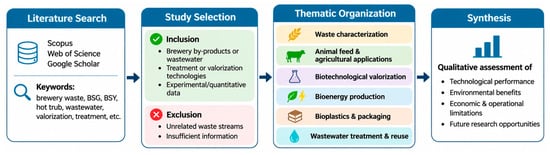
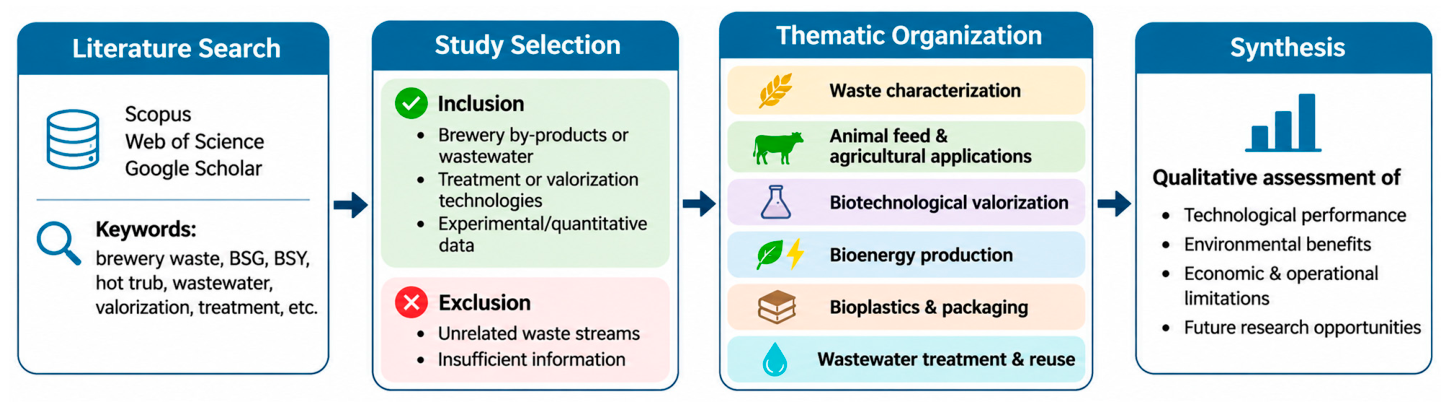
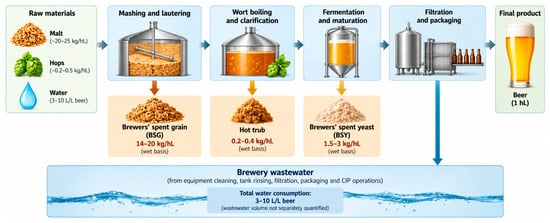
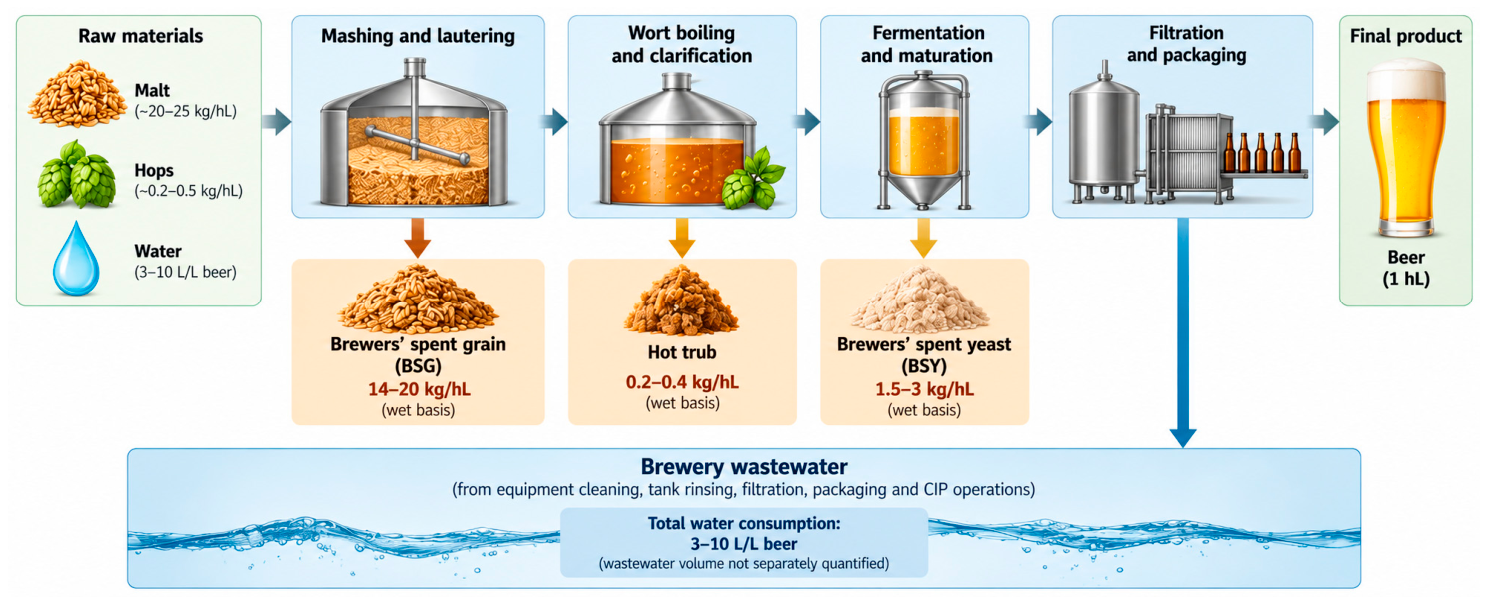
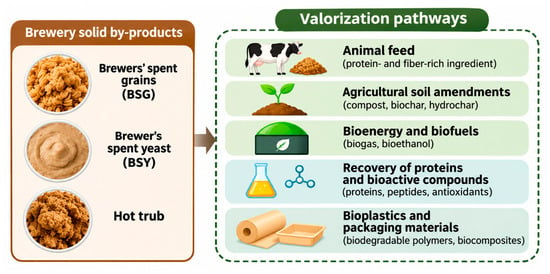
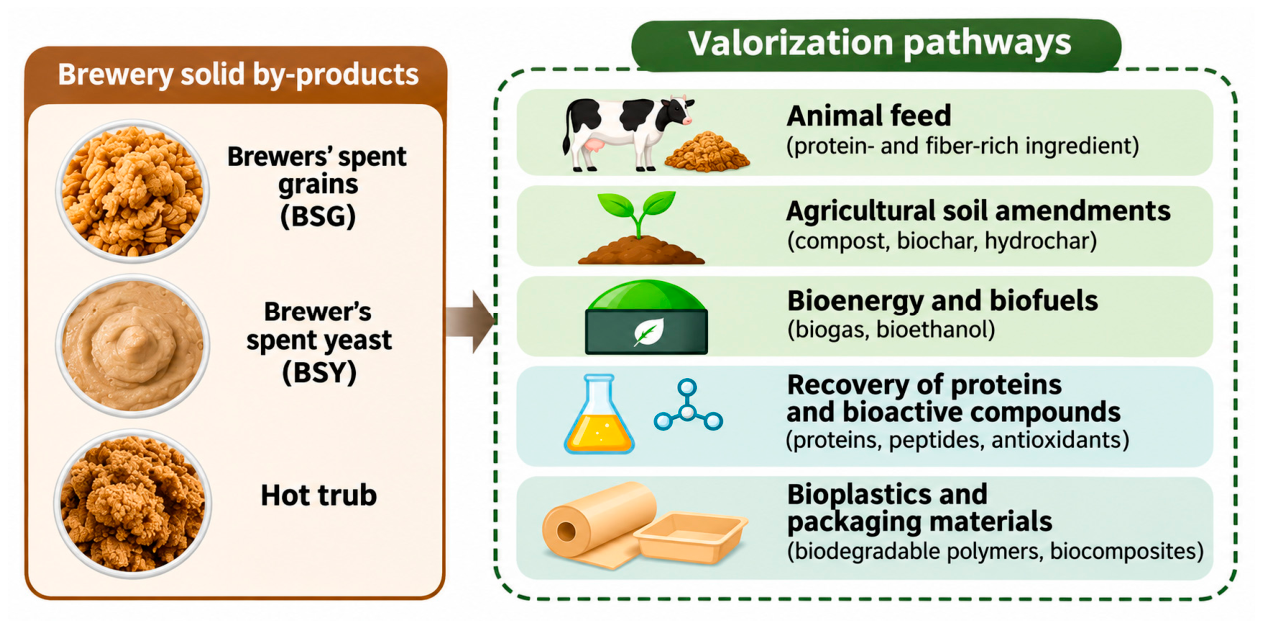
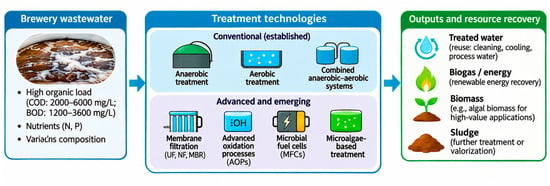
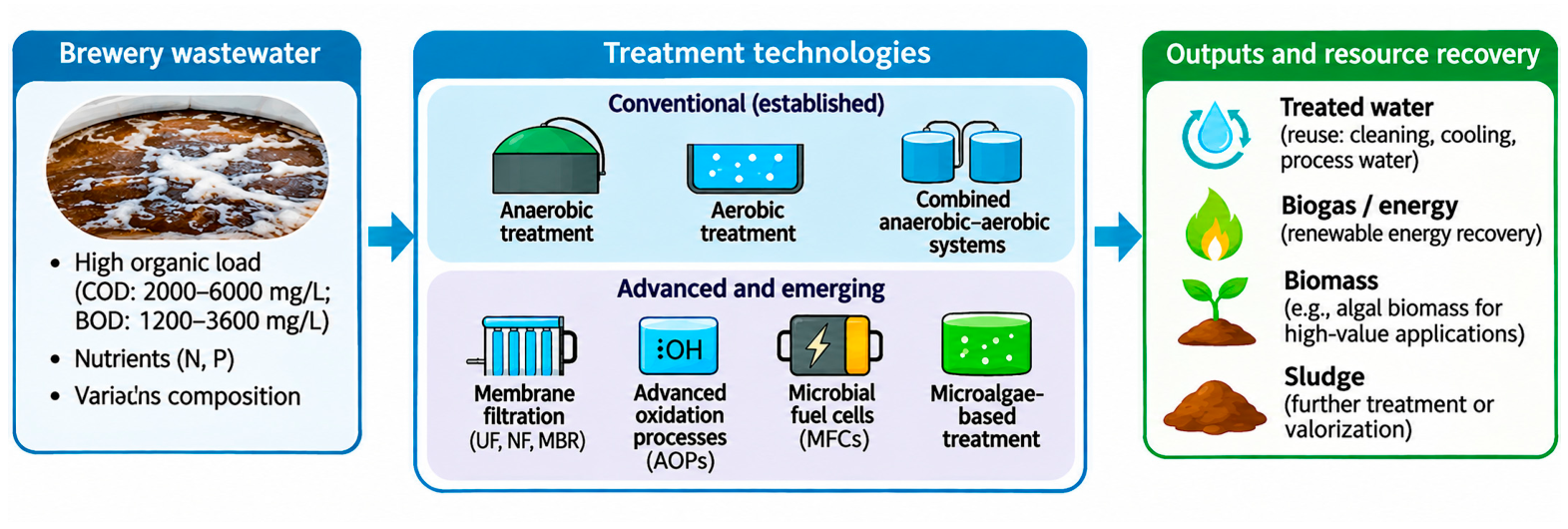

Disclaimer/Publisher’s Note: The statements, opinions and data contained in all publications are solely those of the individual author(s) and contributor(s) and not of MDPI and/or the editor(s). MDPI and/or the editor(s) disclaim responsibility for any injury to people or property resulting from any ideas, methods, instructions or products referred to in the content. |
© 2026 by the authors. Licensee MDPI, Basel, Switzerland. This article is an open access article distributed under the terms and conditions of the Creative Commons Attribution (CC BY) license.