


Abstract
Generative artificial intelligence (GenAI) is rapidly transforming tourism and hospitality, yet reviews have largely focused on bibliometric mapping, conceptual discussions, or specific applications, leaving limited integration of research methods, theories, benefits, risks, and tourism experience personalization. This study systematically reviews GenAI research in tourism and hospitality to identify its methodological and theoretical foundations, major applications and constraints, personalization mechanisms, and future research directions. Following PRISMA 2020 guidelines, the Web of Science and Scopus were searched for studies published from 2022 to June 2026, yielding 125 eligible peer-reviewed journal articles. Through qualitative content analysis and systematic coding, the studies were classified by methodology, theoretical foundation, application context, benefits, constraints, and personalization mechanisms. The findings show that quantitative approaches, particularly SEM/PLS-SEM and scenario-based experiments, dominate the field, while S-O-R, TAM, trust-related theories, social exchange theory, and UTAUT/UTAUT2 are the most frequently adopted theoretical foundations. Four major benefit categories and four constraint categories are identified, while personalization occurs mainly through situational adaptation, role-based interaction, and cognitive activation. The study contributes an integrated analysis of the field and proposes a Technology–Psychology–Organization framework linking GenAI characteristics, tourist responses, and organizational implementation. Practically, it highlights the need for transparent, risk-sensitive, and human-centered GenAI deployment.
1. Introduction
The application of Generative AI in tourism is growing rapidly, mainly through the creation of personalized content and the optimization of online services to improve user participation and industry efficiency. According to the World Tourism Organization (UNWTO), Generative AI will reshape the tourism ecosystem and promote sustainable development and inclusive growth [1]. For example, in itinerary planning, Generative AI tools such as ChatGPT (GPT-4o, OpenAI) can generate customized travel routes and create virtual previews and multilingual descriptions according to user preferences. As the core driving force of a new generation of information technology, AI is profoundly reshaping the industrial structure, operation mode, cultural expression, heritage management, and sustainability of the global tourism industry [2,3,4,5,6,7,8,9,10,11,12]. Generative AI, which is based on large language models, generation countermeasure networks, and transformer architecture, has broken through the limitations of conventional discriminative AI, which can only classify and predict by virtue of its multimodal content generation ability, such as original text, image, and video [13,14,15]. As a result, Generative AI has arguably become the main contemporary technological force driving the digital transformation of tourism [16,17,18].
With the acceleration of technological development, the application of Generative AI in hotel operations, destination marketing, intelligent tour guiding, passenger and visitor flow analysis, and cultural tourism management has not only developed new business models [19,20,21,22,23,24,25], but also transformed tourism research from the traditional data-driven paradigm to an intelligent generative paradigm [26]. As a service industry with strong experiential and highly personalized dependencies, tourism is very compatible with the creative interaction and dynamic adaptation ability of Generative AI. Since the public emergence of Generative AI technology in 2022, academic work in the field has exploded [27], with the research focus gradually extending from exploration of early technology applications to deeper issues such as user adoption, value co-creation, experience reconstruction [28,29,30,31,32], and implications for sustainability [5,6,33]. The literature has also reinforced that Generative AI has potential advantages in optimizing service efficiency, reducing tourists’ decision-making costs, providing innovations in marketing communication, and helping enterprises to operate more sustainably [17,34,35,36,37,38].
However, the rapid development of Generative AI also brings significant challenges. A core problem is “AI hallucination”, that is, the model generates information that seems reasonable but is inaccurate or fictitious [39,40]. The information distortion and recommendation deviation caused by AI hallucination seriously threaten the authenticity and accuracy of tourism information and the safety of tourists’ decision-making [39,41,42]. Cultural bias inherent in the training data is easily amplified by the model, which can reinforce destination stereotypes [43,44,45]. At the same time, concerns over data privacy leakage and ownership of intellectual property rights have become increasingly prominent [21,46], while there is insufficient technical adaptation of small and medium-sized tourism enterprises and a large gap in industry professional education and training, which further restricts the potential contributions of Generative AI [47,48,49,50,51,52].
Due to the complexity of content generated by Generative AI, there are urgent questions about how to effectively regulate its application in content creation and how to deal with the ensuing ethical issues [5]. This has led to research on how to identify the differences between AI-generated content and human-created content [53,54,55], but such research lags substantially behind technological developments and regulation. This means that although there are some reviews of the field [56,57], its rapid development means there is limited theoretical integration, a lack of systematic assessment of its advantages and disadvantages, little cross-cultural and longitudinal research [58,59], and the absence of a holistic research framework covering methods, theories, applications, risks, and future directions.
This paper follows PRISMA guidelines, using Web of Science and Scopus as literature sources, and systematically identifies relevant research on Generative AI in the field of tourism and hospitality from 2022 to June 2026. It assesses 125 publications through a systematic literature review, aiming to clarify research methods, theory, application, and results. This paper analyses the positive contributions and potential risks of Generative AI to multiple stakeholders, including tourists, enterprises, destinations, and government [60], and summarizes the limitations and gaps in current research. The research aims to provide a systematic knowledge framework for tourism-related academic research, industry practice and policy formulation, and promote the appropriate application of Generative AI in tourism to achieve compliant, ethical, and sustainable outcomes.
In view of the above issues and research gaps, this study aims to review the application of Generative AI in tourism research through a systematic literature review, and seeks to answer the following four research questions:
- RQ1. What are the common methodological and theoretical foundations in Generative AI tourism research?
- RQ2. What are the advantages and constraints of existing Generative AI applications in hospitality and tourism?
- RQ3. How does Generative AI affect the personalization of the tourism experience?
- RQ4. What are the future perspectives and relevant research directions in this field?
2. Literature Review
2.1. Generative AI
Generative AI is an AI technology based on a deep learning model, which can learn patterns from existing data and generate new content, such as text, images, videos, or music [13]. It is different from conventional discriminative AI, which is mainly used for classification or prediction, with Generative AI emphasizing creative output. The rise of Generative AI benefits from the progress of transformer architecture, such as OpenAI’s GPT series [61,62]. The core technologies include Generative Adversarial Networks (GANs), Variational Autoencoders (VAEs) and large language models (LLMs), such as OpenAI’s GPT series and Google’s Gemini. These models are trained on massive data, simulate the process of human creation, and synthesize new content according to the patterns learned from existing data, which makes them highly versatile and applicable to a wide range of industries [14]. For example, the DALL-E model can generate realistic images from text descriptions and is widely used in art design and content creation [63,64].
The core competitive advantage of Generative AI is in creating new content, rather than just analyzing or classifying existing data [34]. The application scenarios of Generative AI are diverse, including content creation, data enhancement, and personalized recommendation. For example, Generative AI can generate synthetic images to assist medical diagnosis [65] and in education, it is used to create customized learning materials [66]. In tourism, Generative AI can be used by consumers to help with decision-making [35,67,68] and by industry for content creation, with Generative AI quickly producing marketing copy, design sketches, and virtual scenes [69,70,71].
However, the development of Generative AI also leads to ethical challenges, such as data privacy leakage, deepfakes of generated content, misrepresentation of destinations and attractions, and bias amplification [46]. Generative AI may reinforce cultural bias in training data, resulting in unfair and unrepresentative output [43]. Research has highlighted the need for interpretable upgrading, sustainable computing (such as reducing energy consumption), and the construction of appropriate regulatory frameworks to ensure the maximization of social and environmental benefits [5,72]. Therefore, while Generative AI represents a frontier technological opportunity, its application must be treated with caution, especially in areas involving information authenticity and ethical responsibility.
2.2. Generative AI in Hospitality and Tourism
The application of Generative AI in tourism and hospitality has grown rapidly [26,73]. Relevant intelligent technologies can empower hotel service enterprises, not only helping to improve productivity and operational management efficiency, but also creating a convenient and customized tourist service experience [74,75,76]. AI has multiple applications in the tourism and hospitality industry. For example, a chat robot based on the GPT model can generate multilingual travel suggestions in real time to help tourists plan their trips [77,78,79]. Generative AI is used to create personalized marketing content, such as virtual room previews generated by AI or customized promotional copy, to optimize customer participation [80,81,82]. Image generation tools are also used for virtual travel simulation, allowing users to “generate” dream destinations through text descriptions, thus potentially improving the online booking conversion rate [80,83,84,85]. In sustainable tourism, AI models can generate environmental impact assessment reports to support green decision-making [86].
Generative AI has been implemented in many segments of tourism, including personalized travel itinerary planning, AI intelligent tour guides, tourism marketing content generation, in-depth analysis of tourists, tourism management professional training, and hotel virtual reception service, among others, which not only expand the developmental boundaries of tourism, but also give birth to new business models [47,87,88]. As an experience-oriented service industry, the personalized service demand and content dependence attributes of tourism are highly compatible with the technical characteristics of Generative AI, and the integration of Generative AI and tourism has become the core direction of digital transformation of the industry [17,89,90,91].
However, the application of Generative AI in tourism is not without challenges. Similar to the issue of content creation, tourism faces an authenticity crisis caused by Generative AI and the accuracy of AI recommendation information [92]. In the process of integrating Generative AI and tourism, the absence of clear technical ethics and the dangers of data security and privacy protection are issues to be solved urgently [46]. The development of personalized recommendations may also lead to a trade-off “problem between personalization and travel authenticity” [93]. Therefore, while embracing the opportunities brought by Generative AI, tourism must systematically manage emerging ethical, regulatory, and technical challenges to ensure the sustainable and responsible application of technology [5,46].
2.3. Overview of Research on Generative AI
A growing number of literature reviews have sought to synthesize the fast-expanding body of work on Generative AI in tourism and hospitality. Twelve such reviews published from 2023 to June 2026 are summarized in Table 1. These reviews share several recurring limitations that constrain their contribution to knowledge accumulation in this field. First, regarding temporal coverage, only three of the twelve reviews extend their search into 2025, while the remaining reviews close their search window in 2023 or 2024; none captures studies published after 2025, a period during which the field has continued to expand rapidly. Second, the research assessments are mainly conducted via bibliometrics, systematic review, and conceptual analysis. Seven reviews primarily rely on bibliometrics (such as VOSviewer-based co-occurrence mapping) and systematic literature reviews, which describe the intellectual structure and thematic evolution of a field but do not, by themselves, systematically synthesize substantive findings on theory, application outcomes, or risk factors. A further five reviews are conceptual, viewpoint-based, or expert-opinion syntheses that report no quantified or systematically screened sample of studies, labeled as “No counting” in Table 1. Third, in terms of research trends and knowledge development, bibliometric analysis shows that global tourism AI research has shown explosive growth and core topics have shifted from robots and big data analysis to Generative AI and large language models [28,94,95]. English-language research is mainly based in the United States, China, and India. In early research, the technology acceptance model (TAM) was used to explain technology adoption behavior, but in recent years, it has turned to deeper issues such as ethics, privacy and value co-creation [56,96,97]. Nevertheless, despite the proliferation of reviews on Generative AI in tourism, the field still lacks a review that combines an up-to-date search window, an explicit multi-stakeholder analytical lens, a transparent quality-appraisal protocol, and a classification framework spanning methods, theories, applications, risks and future directions.
Table 1.
Reviews of AI in the hospitality and tourism literature.
3. Research Method
This review follows the Preferred Reporting Items for Systematic Reviews and Meta-Analyses (PRISMA) 2020 guidelines. As a guideline for conducting systematic reviews, PRISMA has been widely applied in previous studies [99,100,101,102]. This guideline assists authors in clearly documenting their research procedures and gaining a deeper understanding of the selection criteria employed [103]. To address the research questions raised above, this study adopted a systematic literature review approach to examine prior research via a structured review process [104]. This method comprises three distinct steps. First, data collection, in which relevant records were identified in bibliometric databases using keywords pertinent to the research topic and research questions; Second, data screening, in which the identified records were reduced to a final set of eligible studies on the basis of predefined inclusion and exclusion criteria; Third, data analysis, in which the eligible studies were synthesized.
3.1. Data Collection
The literature data of this study are retrieved from the Web of Science (WOS) and Scopus databases, which are regarded as the most authoritative and reliable core data sources in bibliometrics research [105,106]. WOS focuses on high-impact academic outputs, while Scopus has the advantage of a wider coverage of the literature, including tourism and hospitality, and is frequently used for university, subject, and author rankings [107]. This study does not analyze the two databases separately but integrates the retrieval results of the two databases for unified quantitative analysis [108]. Previous studies confirm that, compared with using Scopus or WOS database alone, combining the two databases to carry out bibliometric analysis can better recognize the knowledge system and research development context in the subject field [109].
The search strategy combined two groups of keywords using Boolean operators, which were applied to the title, abstract, and keyword fields [109,110]: (1) technology-related terms, including “generative artificial intelligence,” “generative AI,” “GenAI,” and “ChatGPT” and (2) tourism and hospitality terms, including “tourism”, “hospitality”, “tourist”, “hotel”, and “restaurant”. The same conceptual keyword structure was applied across Web of Science and Scopus, with database-specific field syntax and filters, and limited to documents published from 2022 (the year Generative AI became publicly available) to June 2026, when the search was conducted. To ensure the transparency and reproducibility of the search strategy, the exact search strings executed in each database are reported rather than a narrative summary alone.
The full syntax applied in Web of Science was TS = ((“generative artificial intelligence” OR “generative AI” OR “GenAI” OR “ChatGPT”) AND (tourism OR hospitality OR tourist OR hotel OR restaurant)) AND PY = (2022–2026) AND DT = (Article) AND LA = (English), further restricted via the Web of Science Categories filter to Business; Management; Hospitality, Leisure, Sport & Tourism; Social Sciences; Arts & Humanities; and Multidisciplinary. The corresponding Scopus search string was TITLE-ABS-KEY ((“generative artificial intelligence” OR “generative AI” OR “GenAI” OR “ChatGPT”) AND (tourism OR hospitality OR tourist OR hotel OR restaurant)) AND PUBYEAR > 2021 AND PUBYEAR < 2027 AND (LIMIT-TO(SUBJAREA,”BUSI”) OR LIMIT-TO(SUBJAREA,”SOCI”) OR LIMIT-TO(SUBJAREA,”ARTS”)) AND LIM-IT-TO(DOCTYPE,”ar”) AND LIMIT-TO (LANGUAGE, “English”). Both strings were executed in June 2026, yielding 148 records from Web of Science and 247 records from Scopus, for a combined total of 395 records identified through database searching (n = 395). Reporting of the full syntax here enables independent replication of the retrieval process.
Before the screened records were assessed for topical relevance, records were removed for the following reasons (see also Figure 1, which reflects PRISMA 2020 guidelines): (a) document type restricted to peer-reviewed journal articles, which excluded reviews, book chapters, conference papers, notes, theses, editorials, and industry reports; (b) articles were in languages other than English; and (c) full text was not accessible. Applying these criteria reduced the pool of 395 records to 291 (WoS = 128; Scopus = 163). The two database exports were then cross-checked against each other, and 70 duplicate records were removed, leaving 221 unique records to be screened (n = 221).
Figure 1.
PRISMA flow diagram.
3.2. Data Cleaning
The 221 unique records were independently manually screened by two researchers, with titles, abstracts, and keywords read against the following inclusion criteria: the record must substantively address Generative AI (rather than earlier forms of AI, such as recommender systems or robotics, in a purely incidental way) and be situated within the tourism, hospitality, or a directly related business/consumer context. Differences between the two researchers were resolved through discussion until consensus was reached. On this basis, 80 records were excluded as not meeting the topical inclusion criteria, leaving 141 reports sought for retrieval (n = 141).
The full texts of the 141 retrieved reports were independently assessed by two researchers against the eligibility criteria summarized in Table 2. Twenty-two reports were excluded at this stage for the following reasons: the article discussed Generative AI only incidentally, without a substantive focus on it (n = 7); the article’s empirical or conceptual focus fell outside the tourism and hospitality industries despite Generative AI/tourism-related terms appearing in the title or abstract (n = 9); and the article was incomplete or lacked sufficient methodological detail for data extraction, e.g., extended abstracts or non-final drafts (n = 6), resulting in 119 eligible studies. In addition, six further records were identified through backward reference screening of the eligible studies [111,112] and included after the same eligibility assessment, resulting in a final total of 125 studies included in the review.
Table 2.
Inclusion and exclusion criteria for study selection.
3.3. Data Analysis
Following the PRISMA 2020 statement (Supplementary Materials), this study adopted qualitative content analysis to synthesize evidence from the 125 included Generative AI tourism studies [113]. A structured coding framework was developed based on the research questions and the analytical dimensions of the review. The coding framework covered publication year, research setting, conceptualization of Generative AI, research methodology, theoretical foundation, application context, benefits, constraints, and personalization-related mechanisms. All extracted information was systematically recorded and organized in a standardized Excel database.
Two researchers independently reviewed and coded the 125 included studies using the same coding framework. After independent coding, their results were compared item by item. Where discrepancies occurred, the researchers returned to the original article and examined the relevant evidence against the predefined coding categories. Disagreements were resolved through discussion and repeated cross-checking until consensus was reached. This process was applied particularly to classifications involving theoretical foundations, application categories, benefits, constraints, and personalization mechanisms, where interpretive judgment was required. The final coding dataset was established only after the two researchers had reached agreement on the classification of all included studies.
This coding and verification procedure was designed to reduce individual researcher bias and improve the consistency, transparency, and reproducibility of the qualitative synthesis. The resulting coded dataset was subsequently analyzed inductively to identify recurring patterns, categories, theoretical clusters, application areas, and research gaps across the literature.
4. Discussion
4.1. Overview
Table 3 shows the analysis of the periodical distribution and theme characteristics based on 125 papers related to Generative AI and tourism examined in this study. The identified papers are distributed across 70 journals, with the top-ranked journals being authoritative journals in the tourism field, among which Tourism Management ranks first with 11 papers. Journal of Travel Research (nine articles) and Current Issues in Tourism (seven articles) followed closely, accounting for 21.6% of the total and forming the core publishing platform in this field. It presents a distribution pattern of a centralized core and a wide long tail. The top 10 journals account for 42.4% of articles, and high-quality journals account for over 70% of publications (JCR Q1/Chinese Academy of Sciences listed journals). In terms of research topics, the literature focuses on experience, trust, behavioral intention and technology acceptance, influencing factors, application obstacles and promotion strategies of Generative AI in tourism [114]. Although research in this field only started in 2022, it has grown rapidly. From 2023 to 2025, the number of published articles showed explosive growth, and the overall development trend closely followed the research hotspots in the broader field of digital technology and services, reflecting how the application of Generative AI in tourism and hospitality situations mirrors broader international academic research and trends [115].
Table 3.
Journal distribution (n = 125).
4.2. Common Research Methods Used in Generative AI in Tourism Research
Table 4 records the research methods used to study Generative AI and tourism. Quantitative methods are dominant; situational experiments [116,117,118,119,120] and structural equation models based on questionnaire surveys (SEM/PLS-SEM) are common [121]. The predominance of quantitative approaches reflects the maturation trajectory of an emerging research field. As early conceptual and qualitative work delineated the field’s salient constructs (i.e., trust, hallucination, personalization, and adoption intention), subsequent research increasingly required tools capable of testing causal pathways and moderating/mediating mechanisms across large samples. Situational experiments complement survey-based research by isolating the causal effect of a single manipulated factor (e.g., hallucinated versus accurate recommendations, varying degrees of AI personification) under controlled conditions, which accounts for their popularity in technical reliability and brand value. However, both mainstream methods involve trade-offs. SEM designs offer broad generalizability but depend on cross-sectional data that struggles to capture dynamic changes in trust, while scenario experiments boost internal validity by sacrificing real-world authenticity, rarely mirroring Generative AI conversations. These are widely used to test causal mechanisms, such as AI hallucination, information accuracy, consumer trust and behavioral intention, and to build influencing factor models; they are also integrated in multiple-method approaches. However, it should be stressed that the classification is not mutually exclusive, since 41 of the 125 studies applied more than one method (e.g., combining SEM with scenario-based experiments); the percentages in Table 4 therefore sum to more than 100%.
Table 4.
A summary of methodologies used in the 125 papers.
Qualitative research methods included semi-structured interviews, grounded theory, case studies, and phenomenological analysis, which excel at identifying emergent phenomena that structured instruments are not designed to detect, providing rich insights into the process of user experience, value co-creation, and service innovation [49,122,123,124], although their small, often convenience-based samples limit the transferability of the findings. However, in the context of the field’s knowledge structure and evolution [11,57,125], mixed-methods research, combining quantitative and qualitative analysis, is receiving increased attention, with qualitative work being used to generate or contextualize the constructs that are then tested quantitatively [126,127,128]. Computational and data-driven approaches are less common but include VIKOR-based evaluation of GenAI tools [129], sentiment analysis [87], and multimodal detection of manipulated reviews [54]. Some studies also use GenAI itself as a research instrument, for example in inclusive research design [130], simulated experiments [131], generated quantitative data [132], and exploratory conversations about tourism research [133].
4.3. Common Theoretical Foundations on Generative AI
As shown in Table 5, the current Generative AI and tourism research has formed a three-layer theoretical ecology of “cognition–emotion–behavior”. The decision-making interpretation layer consists of stimulus–organism–response theory (SOR, 12 papers), technology acceptance model (TAM, 10), social exchange theory (8) and its extension UTAUT2 (7), theory of planned behavior (2), and innovation resistance theory (5), forming “technology perception–attitude formation–adoption/resistance behavior” [134,135]. The value interaction layer integrates social exchange theory (eight papers), service-oriented logic (3) and media richness theory, and deconstructs the trust construction and value co-creation mechanism in human–computer interaction [126,127], especially with respect to how the perceived fairness and commercial neutrality of AI affect users’ emotional commitment.
Table 5.
Distribution of theories.
The critical reflection layer has grown rapidly, and the introduction of the pressure–strain–result model, expectation failure theory, and consumer confusion theory [136] marks the extension of research from functional evaluation to negative and long-term psychological effects. Some studies have also revealed the distrust and decision-making satisfaction caused by AI hallucination [137,138]. However, these theories also have their limitations, with frameworks not being specifically designed for the problems of Generative AI and AI hallucination, nor specifying how to model the perceived authorship or creative organization when the content is co-produced by humans and models. In addition, at the organizational level, SOR, TAM and UTAUT2 aim to explain individual technology acceptance, and largely remain silent about how tourism enterprises decide to adopt, manage and expand Generative AI internally.
A notable trend is that of theoretical hybridization, with more than half of the studies integrating more than two theoretical frameworks, such as Singu et al. combining technology threat avoidance theory with ethical design [139] and Xiao et al. innovatively grafting push–pull–mooring theory on the stressor–strain–outcome and information system success models [140]. However, several key gaps remain, including a lack of cross-generational and cross-cultural systematic comparison, the lack of longitudinal research to track the dynamic evolution of user trust, and the immature theoretical modeling of the AI adoption process within tourism organizations. Addressing these blind spots requires moving beyond incremental theory development and establishing an integrative framework that treats technology, the user’s psychological response, and the industry or organizational context as interdependent layers rather than three separate studies.
Accordingly, this review proposes a Technology–Psychology–Organization (TPO) framework (Figure 2) in which the technology layer captures the generative and probabilistic properties of AI (multimodality, hallucination propensity, personification level); the psychology layer captures tourists’ cognitive-affective responses (trust, perceived control, emotional resonance, the “Aha moment” mechanism); and the organization layer captures how destinations, OTAs, and tourism and hospitality firms translate individual-level acceptance into deployable, governed services (staff capability, ethical governance, prompt-task fit), thereby accommodating the cross-layer feedback, such as how organizational transparency shapes individual trust, or how aggregated AI hallucination. Future research also urgently needs to develop more culturally sensitive models, process-oriented dynamic tracking design, and multi-layer theoretical frameworks connecting individual experience and organizational strategy, to promote a more comprehensive foundation for tourism AI research.
Figure 2.
Technology–Psychology–Organization (TPO) framework. Source: Created by the authors.
4.4. Advantages of Generative AI in Tourism Research
Generative AI, with its powerful natural language understanding and generation ability, is bringing new multi-dimensional aspects to tourism research, which are identified as being embodied in the following four features.
4.4.1. Integrating Information and Providing Personalized Service
Generative AI can be used to aggregate fragmented tourism data in real time and provide in-depth personalized services based on user characteristics and situations, including destination resources, transportation and accommodation, activity arrangements and user preference data, forming a systematic and structured information base [140]. Generative AI can be used to understand users’ intentions, preferences, budgets, time, points of interest, and emotional states based on the deep understanding and natural language generation ability of large language models, and output thousands of people’s travel plans with dynamic customization and real-time adjustment [26,117]. Compared with the traditional information retrieval mode, the data-driven adaptive service mode of Generative AI also makes the mass customization of “everyone has their own view” a reality and can output complete itineraries and suggestions in natural language, potentially improving the consistency and accuracy of information supply [126].
4.4.2. Reducing Decision-Making Costs
Tourism decision-making often faces problems of information overload, vague choice, and high uncertainty, which increases cognitive burdens [137]. With intelligent information screening, structured presentation and personalized recommendation, Generative AI can reduce the cost of information search, comparison and judgment for tourists and other stakeholders and simplify decision-making processes. By quickly generating clear itineraries or programs, along with recommendations and risk warnings, AI can potentially reduce decision-making anxiety. If operationalized successfully, this ability can greatly lower information overload, search fatigue, and decision-making pressure, and may significantly improve information acquisition efficiency and decision-making quality [126,137].
4.4.3. Enhancing Communication Power and Brand Value
Generative AI has evolved into a creative engine of tourism marketing, which can produce articles, pictures and videos at a very low cost, thus strengthening the connection between brands and tourists. Generative AI is regarded as having a significant positive and direct impact on the performance of tourism brands, and the higher the degree of personification, the more effectively it can enhance consumer participation [127,141]. In terms of text processing, the tourism marketing copy generated by ChatGPT is regarded as comparable to human professional work in terms of text fluency and perceived appeal, and has successfully passed the Turing test, arguably creating a new marketing paradigm of “human–machine collaborative creation” [142]. The research on tourism video generated by AI also reveals that although this kind of content can effectively stimulate tourism-related interest, there are still key differences between it and human creation in terms of authenticity and credibility, providing an important reference point for the optimization of marketing content strategies [143,144].
4.4.4. Empowering Industry Operation and Promoting Sustainability
The use of Generative AI further promotes service process automation and the intelligent management of tourism enterprises, covering intelligent customer service, content production, passenger and visitor flow forecasting and resource scheduling, potentially reducing operating costs and improving service quality [137]. In hotels, attractions, and Online Travel Agency (OTA) platforms, Generative AI can help realize intelligent customer service, automatic reply, comment management, content batch generation, reservation processing, passenger flow prediction and energy consumption optimization, which can reduce labor costs and error rates, and improve operational efficiency [29,145]. Through data analysis and resource optimization, Generative AI can also potentially help with energy and water conservation and emission reduction, balanced resource allocation and green service design [116].
4.5. Constraints of Generative AI in Tourism Research
Generative AI shows broad application prospects in tourism but also exposes multiple structural risks and challenges. Existing research reveals significant issues with the technology, ethics and industry.
4.5.1. Technical Reliability and “AI Hallucination”
The application of Generative AI in tourism is expanding rapidly, but its technical reliability is still one of the core challenges, especially the “artificial intelligence hallucination”, which is when the model generates seemingly reasonable but actually wrong information. In other words, the primary technical hidden danger that GenAI faces lies in the uncertainty of its output content, which is manifested in the double superposition of factual errors and systematic deviations. Research shows that hallucination significantly reduces users’ perception of the accuracy and usefulness of travel advice generated by Generative AI, thus weakening trust and willingness to adopt [39]. For example, when ChatGPT provides wrong information, users’ willingness to visit decreases significantly, and the salience and domain consistency of the wrong information further aggravate negative effects [146]. Christensen et al. also pointed out that although consumers realize that Generative AI may produce hallucinations, they still choose to use it because it is “more neutral and personalized”, which highlights a disconnection between users’ cognition and the actual reliability of the system [147]. Importantly, hallucination is therefore not only a technical defect, but also a key variable that affects users’ trust and behavioral decisions.
4.5.2. Data Security and Privacy Risks
In the process of Generative AI’s involvement in travel planning and personalized recommendation, the collection and processing of users’ personal preferences, itineraries, and location information have aroused great concern about data security and privacy. For example, in an empirical study of smart tourism destinations in Thailand, although users were satisfied with the AI system, the scope and transparency of data collection were still important factors affecting willingness to continue use [148]. Fakfare et al. identify five risk factors, including performance risk, financial risk, time risk, psychological risk and privacy risk, which together constitute significant cognitive obstacles for consumers to adopt Generative AI [149]. Among them, perceived behavioral control and emotional well-being are shown to be necessary conditions for forming loyalty, which means that when privacy concerns activate users’ sense of control loss and negative emotions, the establishment of loyalty will face substantial obstacles [149]. Therefore, how to achieve a balance between the depth of personalized service and the boundary of data collection has become a key proposition for the development of Generative AI in tourism and hospitality.
4.5.3. Copyright and Ethical Disputes
The extensive use of Generative AI in tourism content creation has caused serious copyright and ethical disputes. For example, although text-generated image tools such as Midjourney enable users to create personalized tourist souvenirs, the copyright ownership of their training data and the intellectual property rights of the generated content are not clear [150]. At the same time, tourism images generated by AI tend to be highly homogeneous, which can strengthen destination stereotypes and weaken cultural diversity [44]. Therefore, a responsible AI system should have five dimensions: fairness, authenticity, care, security and ethics; otherwise, it may aggravate algorithmic bias and power inequality [139]. These studies also indicate that if there is no clear definition of copyright and a systematic ethical governance framework, the application of Generative AI in tourism may continue to amplify cultural inequality in the digital age.
4.5.4. Industry Use
Although Generative AI is experiencing rapid growth in consumer applications, its adoption within tourism enterprises, particularly in terms of systematic internal deployment and organizational capability development, remains comparatively underdeveloped. A pronounced disconnect persists between the strategic assumptions held by tourism technology entrepreneurs and the experiences of travelers, reflecting a broader feedback gap in the innovation cycle [49]. Many organizations continue to conceptualize Generative AI narrowly as an operational efficiency tool focused on cost containment and process automation rather than as an enabler of holistic service transformation and value co-creation [49]. In higher education, Zhang et al. observe that curricula in tourism and hospitality management have not yet institutionalized Generative AI literacy [151,152]. Research suggests that currently neither students nor faculty demonstrate robust, critically informed engagement with AI tools, and pedagogical integration remains fragmented. For instance, while applications of ChatGPT and similar models in customer-facing services and classroom instruction are increasingly documented [153,154], scholarly attention to enterprise-level implementation, including change management, workforce reskilling, governance frameworks, and HR policy adaptation remains limited [155]. Collectively, these gaps point to a dual constraint, a critical shortage of AI-fluent skills and a systemic deficit in organizational readiness, both of which impede the strategic integration of Generative AI across the tourism and hospitality value chain.
4.6. How Does Generative AI Affect the Personalization of Tourism Experience?
Generative AI is fundamentally reshaping the personalized paradigm of tourism experience. Different from traditional recommendation systems, Generative AI can engage with the hidden needs and emotional preferences of tourists by virtue of its conversational and creative generation ability, thus realizing the transformation from “standardized recommendation” to “situational co-creation” [126]. The research suggests that Generative AI drives personalized perception through the dual paths of technology and society. On the technological level, connectivity and ubiquity ensure the real-time accessibility of information. On the social level, dynamics and empathy enhance the emotional depth of human–computer interaction and potentially positively enhance tourist use [126].
In the trip planning stage, Generative AI can integrate user preferences, real-time data and destination information to create highly customized trip plans [156,157], which significantly reduces the risk of information overload [158]. However, the construction of personalized experience is not a one-way output, but a co-performance between “digital guests” and “digital owners”. Yang et al. identified six roles played by Generative AI in tourism planning (mentor, pathfinder, partner, acquisition, butler, and implementer), which dynamically influenced the depth of users’ participation at different stages [122]. In addition, Generative AI can also stimulate users’ cognition through “Aha moments” and turn passive recipients into active co-creators, thus strengthening emotional resonance and behavioral engagement of personalized experience [159].
It is worth noting that the effectiveness of personalized experience is highly dependent on the user’s perceived controllability and transparency. When users can perceive and adjust the recommendation logic of AI, personalized services can build a sense of trust and fairness [139,160]. To summarize, Generative AI can potentially improve the personalized level of the tourism experience through multiple mechanisms such as situational adaptation, role-based interaction, and cognitive activation, but its long-term effect still needs to be further verified.
5. Contributions, Limitations and Future Studies
In this study, 125 journal articles published between 2022 and June 2026 and sourced from the Scopus and Web of Science databases were examined. Employing a systematic literature review approach, the study addresses four core research questions. The responses to these four questions enable stakeholders to gain a deeper understanding of the potential that Generative AI holds for both tourism research and practical applications within the industry. The findings of this review both reinforce and extend conclusions reported in previous reviews. Consistent with earlier bibliometric and systematic reviews, the present analysis confirms the rapid expansion of GenAI research in tourism and the continuing importance of technology acceptance, trust, and user experience. However, the present review identifies a more differentiated methodological and theoretical structure by examining 125 studies across multiple analytical dimensions.
Whereas previous reviews have often emphasized publication trends, specific GenAI applications, theoretical foundations, or implementation issues separately, the present synthesis demonstrates that these dimensions are interconnected. In particular, the dominance of quantitative and scenario-based approaches indicates that the field has increasingly moved from exploratory discussion toward empirical testing of user responses, while the continued reliance on TAM, S-O-R, trust-related theories, and UTAUT/UTAUT2 suggests that theoretical development remains strongly grounded in established technology-adoption perspectives. Simultaneously, the reviewed studies reveal growing attention to hallucination, privacy, authenticity, ethics, and organizational implementation, indicating that GenAI tourism research is expanding beyond adoption toward questions of responsible use and organizational governance. These findings also suggest that future theoretical development should seek to better connect technological characteristics, psychological responses, and organizational conditions, rather than treating them as separate analytical domains, which provides the rationale for the proposed Technology–Psychology–Organization framework.
5.1. Theoretical Implications
This systematic literature review has made several theoretical contributions to the position and practice of Generative AI in tourism and hospitality. This review shows that research on Generative AI in tourism and hospitality is experiencing significant growth, and its diversity has deeply affected customer service, operational efficiency and overall experience. However, although existing research mostly relies on mature frameworks such as the technology acceptance model (TAM) and stimulus–organism–response (S-O-R), it remains necessary to better understand the theoretical basis of Generative AI’s abilities and users’ acceptance or resistance behavior. Existing adoption models treat Generative AI as a single, stable stimulus, yet the studies reviewed show that its stimulus properties (accuracy, personification, multimodality) vary across interactions in ways that TAM/UTAUT2′s static usefulness-and-ease-of-use constructs cannot represent. The Technology–Psychology–Organization (TPO) framework proposed in this research addresses this gap by separating the technology’s generative properties from the user’s psychological appraisal, identifying it as a research direction rather than as a fixed technology attribute. At the same time, future research could examine alternative frameworks such as social exchange theory, service-oriented logic and use and satisfaction theory, which may bring a different understanding of how tourists and hotel enterprises participate in Generative AI [13].
Second, this study reveals the different sides of the influence of Generative AI on tourism consumers and notes the positive and negative consequences that Generative AI may simultaneously produce. Although the potential of Generative AI in improving service efficiency and personalized experience has been widely reported, attention to its potential harmful effects is limited. This review clearly points out that Generative AI may cause a series of negative effects, including information hallucination [39], algorithm bias, stereotype reinforcement, privacy concerns [21], consumer distrust, and negative electronic word of mouth [161]. This is particularly important because consumer experience plays a central role in the success of tourism services. Understanding how Generative AI can harm or promote consumers’ well-being in different situations is essential for its responsible integration into the service design and delivery process. By emphasizing these research gaps, this review calls for future research not only to pay attention to the positive impact of Generative AI, but also to explore its emotional, psychological and ethical aspects in the interaction between consumers and tourism services.
Third, this study finds that there are still obvious theoretical gaps in existing research on responsible AI, sustainability, and cultural inclusion. Although some scholars have put forward measurement scales for responsible AI [162], these studies rarely consider environmental well-being, data colonialism (that is, the phenomenon that large companies or developed countries control data from developing countries or local communities through data acquisition), and local knowledge systems as core issues. Future theoretical construction therefore needs to take ethics, fairness, and ecological boundaries as internal core elements for smart tourism, heritage protection, and cultural interpretability, rather than just as external influencing conditions. Therefore, AI research in tourism needs to shift from the diffuse thinking of “innovation is good” to a new paradigm of “responsible AI” with a more critical spirit and greater emphasis on system resilience.
Fourth, this study also highlights the advantages and disadvantages of Generative AI in tourism and hospitality. Most studies are primarily focused on the potentially positive impact of Generative AI on tourism, such as how to improve the level of service personalization, optimize the efficiency of information search, enhance the content appeal of tourism products, and improve operational efficiency [98,163]. However, the limitations and potential risks of Generative AI in tourism applications are rarely systematically discussed [5]. For example, the effective application of Generative AI in tourism depends on the continuous updating of the large language model, high-quality training data, and careful design of prompts, which means significant investment costs and maintenance pressure for technology developers, tourism enterprise managers and platform operators. In addition, the content generated by Generative AI may have inherent defects such as information hallucination, algorithmic bias, privacy disclosure and lack of emotional empathy [39], which may have a negative impact on consumer trust and tourism decision-making. Thus, a future research agenda for Generative AI in the tourism and hospitality industry needs to be committed to helping all stakeholders understand and apply Generative AI technology more comprehensively and rationally.
Overall, the principal theoretical contribution of this review is therefore not simply the identification of additional theories or applications, but the integration of fragmented strands of GenAI tourism research into a better connected and integrated analytical structure. Previous reviews have provided valuable insights into bibliometric development, specific applications, theoretical foundations, or implementation practices, whereas the present review connects methodological patterns with theoretical perspectives, application outcomes, constraints, and personalization mechanisms. This reviewed evidence provides a basis for better understanding of why technological characteristics may produce different psychological responses across tourism contexts and how these responses are subsequently shaped by organizational conditions. However, the proposed TPO framework should be understood as an integrative research agenda derived from the reviewed evidence rather than as a validated causal model.
5.2. Practical Implications
At the practical level, this study offers evidence-informed, actionable recommendations for key tourism stakeholders including destination management organizations (DMOs), online travel agencies (OTAs), and hospitality enterprises. First, given the problem that Generative AI hallucinations and recommendation errors significantly reduce user trust and compliance intention, DMOs should take the lead in designing transparent uncertainty prompting mechanisms for destination-level information services, such as confidence scoring or information source labeling, and introduce manual review protocols in high-risk decision-making processes. Rather than a one-size-fits-all disclaimer, labeling should be calibrated to the dominant risk type of each service (financial risk for bookings, performance risk for itineraries), an approach grounded in identified categories of adoption risk [149] and the observation that users persist in usage despite awareness of hallucinations [147]. Such targeted transparency is especially important for elderly and digitally disadvantaged tourists.
Second, the service performance of Generative AI is highly dependent on the matching between prompt design and task context. OTAs should adopt a “prompt nudging” strategy and task-oriented customization to improve recommendation quality [164]. For OTAs, AI-generated review summaries may reduce user decision satisfaction due to positivity bias; hence, balanced summaries with explicit warnings should be designed. AI-generated review summaries may reduce user decision satisfaction due to positivity bias; hence, OTAs should design balanced summaries paired with explicit bias warnings to help users form objective judgments and mitigate decision-making anxiety. When hotels use Generative AI to recommend local attractions, they should focus on emphasizing “perceived benefits” and “trust” rather than “reciprocity” to drive purchase intention. The degree of personification of Generative AI output shapes consumer engagement more strongly than output volume alone [127], and because Generative AI-authored marketing copy is judged comparable to human work primarily in fluency and appeal rather than in perceived authenticity [142], enterprises are better served by calibrating personification and disclosure jointly, rather than maximizing either output volume or human-likeness in isolation.
Third, when hospitality and tourism businesses use Generative AI to recommend local attractions or deliver marketing content, they should focus on emphasizing “perceived benefits” and “trust” rather than “reciprocity” to drive purchase intention. The degree of personification of Generative AI output shapes consumer engagement more strongly than output volume alone [127], and because Generative AI-authored marketing copy is judged comparable to human work primarily in fluency and appeal rather than in perceived authenticity [142], enterprises are better served by calibrating personification and disclosure jointly, rather than maximizing either output volume or human-likeness in isolation.
5.3. Limitations and Future Studies
This research provides important theoretical insights into the relationship between Generative AI and tourism and hospitality. However, there are still several limitations that need to be overcome in future research. Firstly, the literature retrieval in this study relies on two databases (Web of Science and Scopus). Although these databases have a wide coverage, relevant studies published in other important academic repositories (such as Google Scholar) and in languages other than English may still be overlooked. Future systematic reviews should adopt a multi-database joint retrieval approach and use cross-database cross-validation methods to ensure the comprehensiveness of literature coverage and the reliability of retrieval results.
Secondly, the keywords used in this study mainly focus on existing mainstream Generative AI technologies, such as ChatGPT and generative pre-trained transformers, and not developments related to affective computing, interpretable AI, and multimodal generation technologies (such as text-to-image and video generation). These emerging technologies will also have a significant impact on tourism content creation, immersive experience design, and intelligent customer service. Therefore, future research should expand the scope of keywords to include concepts related to a wider range of technological potential.
Thirdly, limited by the available literature resources, the sample size analyzed in this study is relatively small (a total of 125 studies were included), which limits the robustness and external validity of the conclusions. Some reviewed studies also lack complete methodological details or empirical data support. It is recommended that future research conduct large-scale meta-analyses based on more complete and high-quality literature data to enhance the persuasiveness and generalizability of research conclusions.
Fourthly, this study lacks an in-depth comparative analysis of the diverse cultural backgrounds, technological infrastructures, and language environments embedded in the adoption and use of Generative AI. There are significant differences among different countries and regions in terms of digital literacy, privacy concepts, technology acceptance, and the localization ability of language models. Future research should focus on a cross-national and cross-cultural comparative perspective to systematically examine how national cultural backgrounds, technological infrastructure levels, and language diversity moderate tourists’ willingness to accept and use Generative AI.
Finally, existing studies generally focus on the specific application scenarios of Generative AI in tourism (such as itinerary planning, review management, and personalized recommendation), while ignoring the long-term socio-economic impacts that Generative AI may bring, including changes in employment structure, the technological adaptability of SMEs, and the systematic reshaping of the competitiveness of tourist destinations [165]. Future research should also adopt a longitudinal design and conduct long-term follow-up studies to test and evaluate the key influencing factors of Generative AI transformation in this industry, including but not limited to employment substitution and job restructuring, the long-term evolution of consumer behavior, and the sustainability of tourism business models.
Supplementary Materials
The following supporting information can be downloaded at: https://www.mdpi.com/article/10.3390/su182111405/s1, Table S1: PRISMA 2020 Checklist.
Author Contributions
Writing—Review and Editing: J.L. and C.M.H.; Research Method and Data Collection: J.L. and Z.Z.; Investigation and supervision: C.M.H. and Z.Z. All authors have read and agreed to the published version of the manuscript.
Funding
This research received no external funding.
Institutional Review Board Statement
Not applicable.
Informed Consent Statement
Not applicable.
Data Availability Statement
The raw data supporting the conclusions of this article can be achieved by authors upon on reasonable request.
Conflicts of Interest
The authors declare no conflicts of interest.
References
- UNWTO. Artificial Intelligence Adoption in Tourism—Key Considerations for Sector Stakeholders; UNWTO: Madrid, Spain, 2025; pp. 1–97. [Google Scholar] [CrossRef] [Scilit]
- Bulchand-Gidumal, J.; William Secin, E.; O’Connor, P.; Buhalis, D. Artificial Intelligence’s Impact on Hospitality and Tourism Marketing: Exploring Key Themes and Addressing Challenges. Curr. Issues Tour. 2024, 27, 2345–2362. [Google Scholar] [CrossRef] [Scilit]
- El Hajal, G.; Yeoman, I. AI and the Future of Talent Management in Tourism and Hospitality. Curr. Issues Tour. 2024, 29, 3089–3106. [Google Scholar] [CrossRef] [Scilit]
- Christou, P.A. Artificial Intelligence Overdependence in Tourism. Curr. Issues Tour. 2025, 28, 2211–2214. [Google Scholar] [CrossRef] [Scilit]
- Hall, C.M.; Cooper, C. Making Tourism Smart in the Age of Artificial Intelligence. Curr. Issues Tour. 2025, 28, 1–5. [Google Scholar] [CrossRef] [Scilit]
- Gössling, S.; Mei, X.Y. AI and Sustainable Tourism: An Assessment of Risks and Opportunities for the SDGs. Curr. Issues Tour. 2025, 29, 3235–3248. [Google Scholar] [CrossRef] [Scilit]
- Li, P. Current Status and Sustainable Development of International Smart Tourism Research: A Literature Review. Curr. Issues Tour. 2025, 29, 1–19. [Google Scholar] [CrossRef] [Scilit]
- Mellors, J. ChatGPT and the Tourist Trail: Pathway to Overtourism or Sustainable Travel? Curr. Issues Tour. 2025, 29, 3231–3234. [Google Scholar] [CrossRef] [Scilit]
- Su, D.; Osman, N.; Islam, R. Generative AI and Digital Preservation of Built Heritage under the Belt and Road Initiative. Proc. Inst. Civ. Eng. Eng. Hist. Herit. 2026, 179, 52–65. [Google Scholar] [CrossRef] [Scilit]
- Le, H.N. What Happens When AI Tells Our Stories? Ambient Authorship, Cultural Explainability, and Digital Voice. AI Soc. 2026, 41, 5209–5222. [Google Scholar] [CrossRef] [Scilit]
- Sánchez-Martín, J.-M.; Guillén-Peñafiel, R.; Hernández-Carretero, A.-M. Artificial Intelligence in Heritage Tourism: Innovation, Accessibility, and Sustainability in the Digital Age. Heritage 2025, 8, 428. [Google Scholar] [CrossRef] [Scilit]
- Wang, S.; Zhang, H. Promoting Sustainable Development Goals Through Generative Artificial Intelligence in the Digital Supply Chain: Insights from Chinese Tourism SMEs. Sustain Dev. 2025, 33, 1231–1248. [Google Scholar] [CrossRef] [Scilit]
- Dogru, T.; Line, N.; Mody, M.; Hanks, L.; Abbott, J.; Acikgoz, F.; Assaf, A.; Bakir, S.; Berbekova, A.; Bilgihan, A.; et al. Generative Artificial Intelligence in the Hospitality and Tourism Industry: Developing a Framework for Future Research. J. Hosp. Tour. Res. 2025, 49, 235–253. [Google Scholar] [CrossRef] [Scilit]
- Gursoy, D.; Cai, R. Artificial Intelligence: An Overview of Research Trends and Future Directions. Int. J. Contemp. Hosp. Manag. 2025, 37, 1–17. [Google Scholar] [CrossRef] [Scilit]
- Hsu, C.H.; Tan, G.; Stantic, B. A Fine-Tuned Tourism-Specific Generative AI Concept. Ann. Tour. Res. 2024, 104, 103723. [Google Scholar] [CrossRef] [Scilit]
- Carvalho, I.; Ivanov, S. ChatGPT for Tourism: Applications, Benefits and Risks. Tour. Rev. 2024, 79, 290–303. [Google Scholar] [CrossRef] [Scilit]
- Malekpour, M.; Maurer, O.; Kizgin, H.; Okumus, F. Mapping Generative AI Research in Tourism and Hospitality. Curr. Issues Tour. 2026, 29, 1245–1271. [Google Scholar] [CrossRef] [Scilit]
- Ilieva, G.; Yankova, T.; Klisarova-Belcheva, S. Effects of Generative AI in Tourism Industry. Information 2024, 15, 671. [Google Scholar] [CrossRef] [Scilit]
- Morosan, C. Evaluating Generative AI’s Role in Enhancing Hotel Guests’ Purchase Intentions. Int. J. Hosp. Tour. Adm. 2026, 27, 419–435. [Google Scholar] [CrossRef] [Scilit]
- Chen, M.-Y.; Kuo, F.-K.; Hsiao, K.-L. From Content to Conversation: Explaining Adoption of On-Device Generative AI Tour Guides. Int. J. Hum.-Comput Interact. 2025, 42, 1–19. [Google Scholar] [CrossRef] [Scilit]
- Yhee, Y.; Kim, J.Y.; Kim, J.; Koo, C. Generative AI-Destination Marketing: Do Privacy Concerns and Justification Matter. J. Travel Res. 2025, 65, 1985–2009. [Google Scholar] [CrossRef] [Scilit]
- Han, Z.; Zou, Q.; Yu, L.; Liang, F.; Wang, Y.; Zhou, L. Generative Artificial Intelligence Technology Driving High-Quality Development of Ice and Snow Tourism Industry: Factor Linkage, System Construction and Digital Governance. J. Resour. Ecol. 2024, 15, 1707–1721. [Google Scholar] [CrossRef] [Scilit]
- Christou, E.; Fotiadis, A.; Giannopoulos, A. Generative AI as a Tourism Actor: Reconceptualising Experience Co-Creation, Destination Governance and Responsible Innovation in the Synthetic Experience Economy. J. Tour. Herit. Serv. Mark. 2025, 11, 16–41. [Google Scholar]
- Florido-Benítez, L. Generative Artificial Intelligence: A Proactive and Creative Tool to Achieve Hyper-Segmentation and Hyper-Personalization in the Tourism Industry. Int. J. Tour. Cities 2025, 11, 83–103. [Google Scholar] [CrossRef] [Scilit]
- Chakraborty, D. Revolutionizing Travel: The Impact of Generative AI on Personalization and Efficiency in the Tourism Industry. Indian J. Mark. 2024, 54, 8. [Google Scholar] [CrossRef] [Scilit]
- To, W.M.; Yu, B.T. Artificial Intelligence Research in Tourism and Hospitality Journals: Trends, Emerging Themes, and the Rise of Generative AI. Tour. Hosp. 2025, 6, 63. [Google Scholar] [CrossRef] [Scilit]
- Cervello-Royo, R.; Devece, C.; Galdon-Salvador, J.-L.; Lull, J.J. Tourism in the Age of Generative AI: A Systematic Bibliometric Review of Opportunities, Challenges and Uncertainties. ESIC Mark. 2026, 57, e427. [Google Scholar] [CrossRef] [Scilit]
- Shin, H.; Kang, J. Bridging the Gap of Bibliometric Analysis: The Evolution, Current State, and Future Directions of Tourism Research Using ChatGPT. J. Hosp. Tour. Manag. 2023, 57, 40–47. [Google Scholar] [CrossRef] [Scilit]
- Robina-Ramírez, R.; Ravina-Ripoll, R.; Leal-Solís, A.; Medina-Merodio, J.-A. Generative Artificial Intelligence as a Catalyst for Employee Happiness and Sustainable Performance in Green Hotel Management. Int. J. Product. Perform. Manag. 2026, 75, 1278–1301. [Google Scholar] [CrossRef] [Scilit]
- Selem, K.M.; Tan, C.C.; Ghaly, M.; Zekry, M.S. Continuous Interaction Intention Determinants with Generative AI Apps: Evidence from SWANA Tourism and Hospitality Colleges. J. Hosp. Tour. Technol. 2025, 16, 1023–1044. [Google Scholar] [CrossRef] [Scilit]
- Bui, H.T.; Filimonau, V.; Sezerel, H. Exploring Value Co-Creation and Co-Destruction Between Consumers & Generative Artificial Intelligence (GAI) in Travel. Tour. Manag. Perspect. 2025, 58, 101392. [Google Scholar] [CrossRef] [Scilit]
- Arora, N.; Manchanda, P.; Aggarwal, A.; Maggo, V. Tapping Generative AI Capabilities: A Study to Examine Continued Intention to Use ChatGPT in the Travel Planning. Asia Pac. J. Tour. Res. 2025, 30, 1303–1322. [Google Scholar] [CrossRef] [Scilit]
- Majid, G.M.; Tussyadiah, I.; Kim, Y.R. Exploring the Potential of Chatbots in Extending Tourists’ Sustainable Travel Practices. J. Travel Res. 2025, 64, 1292–1317. [Google Scholar] [CrossRef] [Scilit]
- Dwivedi, Y.K.; Pandey, N.; Currie, W.; Micu, A. Leveraging ChatGPT and Other Generative Artificial Intelligence (AI)-Based Applications in the Hospitality and Tourism Industry: Practices, Challenges and Research Agenda. Int. J. Contemp. Hosp. Manag. 2024, 36, 1–12. [Google Scholar] [CrossRef] [Scilit]
- Saleh, M.I. Generative Artificial Intelligence in Hospitality and Tourism: Future Capabilities, AI Prompts and Real-World Applications. J. Hosp. Mark. Manag. 2025, 34, 467–498. [Google Scholar] [CrossRef] [Scilit]
- Koçak, B.B. How AI-Generated Messages Impact Consumer Behavior in the Tourism Industry. J. Theor. Appl. Electron Commer. Res. 2026, 21, 67. [Google Scholar] [CrossRef] [Scilit]
- Luo, X.; Xu, D.; Li, Y.W.; Wan, L.C. Advancing Information Search Through GenAI: The Roles of Search Type, Travel Motive and GenAI Customization Level. Int. J. Contemp. Hosp. Manag. 2025, 37, 1725–1743. [Google Scholar] [CrossRef] [Scilit]
- Raza, S.H.; Anwar, M.N.; Kumar, J.; Ogadimma, E.C.; Zaman, U.; Shah, A.A. Can Smart Mobile Applications Attract Travellers? Exploring Catenation Between Digital Tourism Entrepreneurs’ Use of Artificial Intelligence Generative Chatbots for Interactive Marketing Communication and Virtual Reality. J. Creat Commun. 2025, 20, 383–401. [Google Scholar] [CrossRef] [Scilit]
- Rejón-Guardia, F.; Molinillo, S.; Anaya-Sánchez, R. AI Hallucinations in Tourism: How Errors Impact Consumer Trust and Recommendation Acceptance. J. Consum. Behav. 2026, 25, 923–938. [Google Scholar] [CrossRef] [Scilit]
- Yang, J.; Hong, S.-Y. Analyzing the Accuracy and Determinants of Generative AI Responses on Nearest Metro Station Information for Tourist Attractions: A Case Study of Busan, Korea. Sustainability 2026, 18, 3082. [Google Scholar] [CrossRef] [Scilit]
- Bhatt, K.; AlAshry, M.S.; Kohli, S.; Kabia, S.K.; Seabra, C. Can AI-Induced Media Shape Users’ Risk Perception? Exploring the Fallout on Local Tourism in Lebanon amidst the Gaza Conflict. Int. J. Inf. Manag. 2026, 89, 103058. [Google Scholar] [CrossRef] [Scilit]
- Kim, J.H.; Kim, J.; Kim, C.; Kim, S. Do You Trust ChatGPTs? Effects of the Ethical and Quality Issues of Generative AI on Travel Decisions. J. Travel Tour. Mark. 2023, 40, 779–801. [Google Scholar] [CrossRef] [Scilit]
- Bender, E.M.; Gebru, T.; McMillan-Major, A.; Shmitchell, S. On the Dangers of Stochastic Parrots: Can Language Models Be Too Big? In Proceedings of the 2021 ACM Conference on Fairness, Accountability, and Transparency, New York, NY, USA, 3–10 March 2021; pp. 610–623. [Google Scholar]
- Zhu, J.; Zhan, L.; Tan, J.; Cheng, M. Tourism Destination Stereotypes and Generative Artificial Intelligence (GenAI) Generated Images. Curr. Issues Tour. 2025, 28, 2721–2725. [Google Scholar] [CrossRef] [Scilit]
- Ren, R.; Xu, Y.; Yao, X.; Cole, S.T. Whose Journey Matters? Investigating Identity Biases in Large Language Models (LLMs) for Travel Planning Assistance. Curr. Issues Tour. 2025, 28, 1892–1912. [Google Scholar] [CrossRef] [Scilit]
- Uddagiri, C.; Isunuri, B.V. Ethical and Privacy Challenges of Generative AI. In Generative AI: Current Trends and Applications; Springer: Berlin/Heidelberg, Germany, 2024; pp. 219–244. [Google Scholar]
- Chhabra, M.; Luu, T.T.; Gupta, Y. Mapping the Current and Future Issues of Tourism Entrepreneurship Research: A Systematic Review of Key Themes and Research Gaps. Curr. Issues Tour. 2025, 29, 4685–4705. [Google Scholar] [CrossRef] [Scilit]
- Zhu, J.; Yu, S. Generative AI for Tourism and Hospitality Education. Curr. Issues Tour. 2025, 29, 3207–3215. [Google Scholar] [CrossRef] [Scilit]
- Shin, H.; Jo, Y.; Kim, H.; Xu, J. (Bill) Exploring Service Innovation Archetypes of Generative Artificial Intelligence in Tourism: Integrating the Views of Tourists and Tourism Technology Entrepreneurs. Tour. Manag. 2026, 115, 105413. [Google Scholar] [CrossRef] [Scilit]
- Xie, P.F. Incorporating ChatGPT into Hospitality and Tourism Education: A Comparative Student and AI Study. J. Hosp. Tour. Educ. 2025, 37, 789–798. [Google Scholar] [CrossRef] [Scilit]
- Slehat, M.; Ajlouni, A.; Harb, A.; Alrawadieh, Z.; Khasawneh, N.A. Undergraduate Students’ Perceptions of the Benefits and Barriers of Using GenAI Technologies to Support Tourism Management Competencies Based on Sandwith’s Model. J. Soc. Stud. Educ. Res. 2025, 16, 342–361. [Google Scholar]
- Dogru, T.; Line, N.; Hanks, L.; Acikgoz, F.; Abbott, J.; Bakir, S.; Berbekova, A.; Bilgihan, A.; Iskender, A.; Kizildag, M.; et al. The Implications of Generative Artificial Intelligence in Academic Research and Higher Education in Tourism and Hospitality. Tour. Econ. 2024, 30, 1083–1094. [Google Scholar] [CrossRef] [Scilit]
- Alaswad, D.; Zohdy, M.A. Advanced Deep Learning Methods to Generate and Discriminate Fake Images of Egyptian Monuments. Appl. Sci. 2025, 15, 8670. [Google Scholar] [CrossRef] [Scilit]
- Li, J.; Zheng, W.; Guo, X. Detecting Multi-Modal GAI-Manipulated Tourism Review. Tour. Manag. 2025, 111, 105220. [Google Scholar] [CrossRef] [Scilit]
- Wong, J.W.C.; Lai, I.K.W.; Lin, Y. The Perceived Reliability and Adoption Intention Towards Human-Generated Content vs. AI-Generated Content for Travel Planning: A Moderating Role of Travel Persona. J. Travel Tour. Mark. 2025, 42, 461–478. [Google Scholar] [CrossRef] [Scilit]
- Li, H.; Xi, J.; Hsu, C.H.; Yu, B.X.; Zheng, X.K. Generative Artificial Intelligence in Tourism Management: An Integrative Review and Roadmap for Future Research. Tour. Manag. 2025, 110, 105179. [Google Scholar] [CrossRef] [Scilit]
- Fouad, A.M.; Salem, I.E.; Fathy, E.A. Generative AI Insights in Tourism and Hospitality: A Comprehensive Review and Strategic Research Roadmap. Tour. Hosp. Res. 2026, 26, 339–358. [Google Scholar] [CrossRef] [Scilit]
- Seyfi, S.; Kim, M.J.; Lee, C.; Jo, Y.; Zaman, M. Exploring Functional and Psychological Barriers to Generative AI Adoption for Travel: A Cross-Cultural Study. J. Travel Res. 2026, 65, 112–134. [Google Scholar] [CrossRef] [Scilit]
- Seyfi, S.; Lee, C.; Jo, Y.; Kim, M.J. Generational Differences in Adopting AI-Generated Travel Advice: What Drives Trust and Reduces Resistance? Tour. Manag. Perspect. 2025, 57, 101364. [Google Scholar] [CrossRef] [Scilit]
- Gao, R.; Wang, Y. Collaborative Supervision Strategies for Risk Issues of Generative Artificial Intelligence in the Tourism Industry. Technol. Anal. Strateg Manag. 2025, 37, 4032–4050. [Google Scholar] [CrossRef] [Scilit]
- Goodfellow, I.J.; Pouget-Abadie, J.; Mirza, M.; Xu, B.; Warde-Farley, D.; Ozair, S.; Courville, A.; Bengio, Y. Generative Adversarial Nets. Adv. Neural Inf. Process. Syst. 2014, 27, 2672–2680. [Google Scholar] [CrossRef] [Scilit]
- Radford, A.; Wu, J.; Child, R.; Luan, D.; Amodei, D.; Sutskever, I. Language Models Are Unsupervised Multitask Learners. OpenAI Blog 2019, 1, 9. [Google Scholar]
- Ramesh, A.; Pavlov, M.; Goh, G.; Gray, S.; Voss, C.; Radford, A.; Chen, M.; Sutskever, I. Zero-Shot Text-to-Image Generation. In Proceedings of the International Conference on Machine Learning, Vienna, Austria, 18–24 July 2021; pp. 8821–8831. [Google Scholar]
- Yu, J.; Meng, T. Image Generative AI in Tourism: Trends, Impacts, and Future Research Directions. J. Hosp. Tour. Res. 2026, 50, 288–301. [Google Scholar] [CrossRef] [Scilit]
- Yi, X.; Walia, E.; Babyn, P. Generative Adversarial Network in Medical Imaging: A Review. Med. Image Anal. 2019, 58, 101552. [Google Scholar] [CrossRef] [Scilit] [PubMed]
- Kasneci, E.; Seßler, K.; Küchemann, S.; Bannert, M.; Dementieva, D.; Fischer, F.; Gasser, U.; Groh, G.; Günnemann, S.; Hüllermeier, E.; et al. ChatGPT for Good? On Opportunities and Challenges of Large Language Models for Education. Learn. Individ. Differ. 2023, 103, 102274. [Google Scholar] [CrossRef] [Scilit]
- Sun, D.; Wong, I.A.; Xiong, X.; Li, S. When Cutting Edge Meets Silver Tongue: Understanding the Word-of-Machine Effect on Travel Decisions. Tour. Manag. 2026, 112, 105271. [Google Scholar] [CrossRef] [Scilit]
- De Cicco, R.; Francioni, B.; Dini, M.; Curina, I.; Filieri, R.; Cioppi, M. Generative AI and Human Advice: User Perceptions, Intentions, and Behavior Across Pre-Visit and On-Site Travel Stages. J. Travel Res. 2025, 65, 2312–2330. [Google Scholar] [CrossRef] [Scilit]
- Hartmann, J.; Exner, Y.; Domdey, S. The Power of Generative Marketing: Can Generative AI Create Superhuman Visual Marketing Content? Int. J. Res. Mark. 2025, 42, 13–31. [Google Scholar] [CrossRef] [Scilit]
- Guttentag, D.A.; Litvin, S.W.; Teixeira, R. Human vs. AI: Can ChatGPT Improve Tourism Product Descriptions? Curr. Issues Tour. 2025, 28, 3601–3619. [Google Scholar] [CrossRef] [Scilit]
- Egger, R.; Yu, J. The Impact of Real-Time Hyper-Personalisation in AI-Generated Tourism Images. J. Hosp. Tour. Technol. 2025, 17, 761–778. [Google Scholar] [CrossRef] [Scilit]
- Weidinger, L.; Mellor, J.; Rauh, M.; Griffin, C.; Uesato, J.; Huang, P.-S.; Cheng, M.; Glaese, M.; Balle, B.; Kasirzadeh, A.; et al. Ethical and Social Risks of Harm from Language Models. arXiv 2021, arXiv:2112.04359. [Google Scholar]
- Qin, Q.; Zhang, C.; Wang, S.; Shen, Z. Application and Prospect of Generative AI in the Tourism and Hospitality Industry. J. Syst. Sci. Inf. 2025, 13, 751–763. [Google Scholar] [CrossRef] [Scilit]
- Knani, M.; Echchakoui, S.; Ladhari, R. Artificial Intelligence in Tourism and Hospitality: Bibliometric Analysis and Research Agenda. Int. J. Hosp. Manag. 2022, 107, 103317. [Google Scholar] [CrossRef] [Scilit]
- Xu, X.; Wen, N.; Cai, R. Empathy Order Effects on Shaping GenAI Online Complaint Management in Tourism. Tour. Manag. 2026, 113, 105304. [Google Scholar] [CrossRef] [Scilit]
- Kekäläinen, T.; Heinonen-Kemppi, J.; Pesonen, J.; Sthapit, E.; Garrod, B. Generative AI Chatbot Prompting for Excellent Customer Service in Tourism. Serv. Mark. Q. 2026, 47, 211–233. [Google Scholar] [CrossRef] [Scilit]
- Kundan, Z.; Hossain, M.S.; Shahidul Islam, M.; Alam, M.N.; Parvez, M.O. Traveling with ChatGPT and Providing Translation Services for Travelers. Tour. Rev. 2025, 80, 828–846. [Google Scholar] [CrossRef] [Scilit]
- Pahrudin, P.; Liu, L.-W.; Sihombing, A.K.; Jamalulel, I. Analysis of Three-Stage Visit Behavior of Tourists Using ChatGPT: Agenda for Future Study. Eng. Proc. 2025, 98, 15. [Google Scholar] [CrossRef] [Scilit]
- Topsakal, Y. How Familiarity, Ease of Use, Usefulness, and Trust Influence the Acceptance of Generative Artificial Intelligence (AI)-Assisted Travel Planning. Int. J. Hum.-Comput Interact. 2025, 41, 9478–9491. [Google Scholar] [CrossRef] [Scilit]
- Akpur, A.; Erdağ, T. AI-Generated Content to Transform Marketing Strategies in the Hospitality Industry. In Revolutionizing Hospitality Management Systems with AI, VR, and Machine Learning; IGI Global Scientific Publishing: Hershey, PA, USA, 2025; pp. 35–56. [Google Scholar]
- Quintana-Gómez, Á. Generative Engine Optimization (GEO) and Brand Visibility in AI-Generated Tourism Recommendations: An Exploratory Analysis. Prism. Soc. 2026, 1, 21–38. [Google Scholar]
- Fan, N.; Li, X.R.; Liu, C.; Fan, Z.-P. The Power of AI-Generated Content: Evidence from the Peer-to-Peer Accommodation Market. J. Travel Res. 2026, 65, 892–908. [Google Scholar] [CrossRef] [Scilit]
- Chen, W.; Chen, Z. Digital Tourism: Exploring the ChatGPT-Metaverse Synergy. Tour. Rev. 2025, 80, 1247–1266. [Google Scholar] [CrossRef] [Scilit]
- Zhang, J.; Quoquab, F.; Mohammad, J.; Li, Z. Metaverse Tourism and Generative Artificial Intelligence: Unveiling the Key Factors Shaping Gen Z’s Travel Satisfaction. Tour. Rev. 2025, 81, 782–806. [Google Scholar] [CrossRef] [Scilit]
- Liu, J.; Hao, F.; Back, K.-J.; Aman, A.M.; Zhang, C. Silver Travel in Golden Age: How Virtual Travel Guided by GenAI-Enabled Avatars Boost Well-Being for Older Adults. J. Travel Tour. Mark. 2025, 42, 267–281. [Google Scholar] [CrossRef] [Scilit]
- Kupi, M. The Impact of an Artificial Intelligence-Based Forecasting Model on the Development of Sustainable Tourism. Geo J. Tour. Geosites 2025, 61, 1758–1766. [Google Scholar] [CrossRef] [Scilit]
- Gkaripis, N.; Trichopoulos, G.; Caridakis, G. AI-Driven Sentiment Analysis: A Unified Framework for Strategic Insights in Tourism. Tour. Hosp. 2026, 7, 54. [Google Scholar] [CrossRef] [Scilit]
- Banerjee, S. Evaluating the Use of Generative AI Travel Assistants in Smart Tourism Through Student Feedback. J. Comput Mech. Manag. 2025, 4, 1–7. [Google Scholar] [CrossRef] [Scilit]
- Florido-Benítez, L.; Coca-Stefaniak, J.A. Towards a New Generation of Smart Tourism Cities–GenAI-Enabled Aerotainment. Cities 2025, 167, 106311. [Google Scholar] [CrossRef] [Scilit]
- Nicolau, J.L. When ChatGPT Designs Your Trip: How GenAI Adds a Cognitive Layer to Smart Tourism. J. Smart Tour. 2025, 5, 137–151. [Google Scholar] [CrossRef] [Scilit]
- Yang, H.; Song, H.; Zhang, Y.; Ma, E.; Yang, A. Communication Modality, Authenticity, and Continuance Usage Intention of GenAI Chatbots: A Media Richness Theory Perspective. Tour. Manag. 2026, 112, 105273. [Google Scholar] [CrossRef] [Scilit]
- Mladenović, D.; Beheshti, M.; Kolar, T.; Ismagilova, E.; Dwivedi, Y.K. Synthetic WOM? The Emergence of Generative Artificial Intelligence-Induced Recommendations. J. Comput. Inf. Syst. 2024, 64, 2872–2889. [Google Scholar] [CrossRef] [Scilit]
- Yang, X.; Zhang, L.; Feng, Z. Personalized Tourism Recommendations and the E-Tourism User Experience. J. Travel Res. 2024, 63, 1183–1200. [Google Scholar] [CrossRef] [Scilit]
- Gursoy, D.; Li, Y.; Song, H. ChatGPT and the Hospitality and Tourism Industry: An Overview of Current Trends and Future Research Directions. J. Hosp. Mark. Manag. 2023, 32, 579–592. [Google Scholar] [CrossRef] [Scilit]
- Flores-Flores, R.; Alamo-Larrañaga, K.; Córdova-Calle, E.A.; Arévalo-Pinchi, J.L.; Rodríguez-Sánchez, J.; Navarro-Cabrera, J.R. Generative Artificial Intelligence in Tourism: Current Status and Emerging Trends. LatIA 2025, 3, 306. [Google Scholar] [CrossRef] [Scilit]
- Srivastava, G.; Bag, S.; Ramudu, P.J.; Shrivastav, S.K.; Pueschel, J.; Benabdellah, A.C. Theoretical Perspectives on the Impact of Generative AI on the Tourism Sector: A Literature Review. J. Glob. Inf. Manag. 2025, 33, 1–28. [Google Scholar] [CrossRef] [Scilit]
- Mogaji, E.; Viglia, G.; Srivastava, P.; Dwivedi, Y.K. Is It the End of the Technology Acceptance Model in the Era of Generative Artificial Intelligence? Int. J. Contemp. Hosp. Manag. 2024, 36, 3324–3339. [Google Scholar] [CrossRef] [Scilit]
- Sigala, M.; Ooi, K.-B.; Tan, G.W.-H.; Aw, E.C.-X.; Buhalis, D.; Cham, T.-H.; Chen, M.-M.; Dwivedi, Y.K.; Gretzel, U.; Inversini, A.; et al. Understanding the Impact of ChatGPT on Tourism and Hospitality: Trends, Prospects and Research Agenda. J. Hosp. Tour. Manag. 2024, 60, 384–390. [Google Scholar] [CrossRef] [Scilit]
- Bafadhal, A.S.; Hanafiah, M.H.; Anuar, F.I. Human Behaviour in Virtual Tourism: A Systematic Literature Review from a Digital Humanities Perspective. Curr. Issues Tour. 2025, 28, 2741–2779. [Google Scholar] [CrossRef] [Scilit]
- Liu, J.; Hall, C.M.; Zhu, C.; Ting Pong Cheng, V. Redefining the Concept of Smart Tourism in Tourism and Hospitality. Anatolia 2024, 35, 566–578. [Google Scholar] [CrossRef] [Scilit]
- Moher, D.; Liberati, A.; Tetzlaff, J.; Altman, D.G. And the PRISMA Group Preferred Reporting Items for Systematic Reviews and Meta-Analyses: The PRISMA Statement. Phys. Ther. 2009, 89, 873–880. [Google Scholar] [CrossRef] [Scilit]
- Sánchez-Amboage, E.; Crespo-Pereira, V.; Membiela-Pollán, M.; Jesús Faustino, J.P. Tourism Marketing in the Metaverse: A Systematic Literature Review, Building Blocks, and Future Research Directions. PLoS ONE 2024, 19, e0300599. [Google Scholar] [CrossRef] [Scilit] [PubMed]
- Sarkis-Onofre, R.; Catalá-López, F.; Aromataris, E.; Lockwood, C. How to Properly Use the PRISMA Statement. Syst. Rev. 2021, 10, 117. [Google Scholar] [CrossRef] [Scilit] [PubMed]
- Yung, R.; Khoo-Lattimore, C. New Realities: A Systematic Literature Review on Virtual Reality and Augmented Reality in Tourism Research. Curr. Issues Tour. 2019, 22, 2056–2081. [Google Scholar] [CrossRef] [Scilit]
- De La Hoz-Correa, A.; Muñoz-Leiva, F.; Bakucz, M. Past Themes and Future Trends in Medical Tourism Research: A Co-Word Analysis. Tour. Manag. 2018, 65, 200–211. [Google Scholar] [CrossRef] [Scilit]
- Maia, S.C.; de Benedicto, G.C.; do Prado, J.W.; Robb, D.A.; de Almeida Bispo, O.N.; de Brito, M.J. Mapping the Literature on Credit Unions: A Bibliometric Investigation Grounded in Scopus and Web of Science. Scientometrics 2019, 120, 929–960. [Google Scholar] [CrossRef] [Scilit]
- Ioannidis, J.P.A. Data-Update for “Updated Science-Wide Author Databases of Standardized Citation Indicators”. Elsevier Data Repos. 2025. [Google Scholar] [CrossRef]
- Echchakoui, S. Why and How to Merge Scopus and Web of Science during Bibliometric Analysis: The Case of Sales Force Literature from 1912 to 2019. J. Mark. Anal. 2020, 8, 165–184. [Google Scholar] [CrossRef] [Scilit]
- Zhu, J.; Liu, W. A Tale of Two Databases: The Use of Web of Science and Scopus in Academic Papers. Scientometrics 2020, 123, 321–335. [Google Scholar] [CrossRef] [Scilit]
- Salouw, E.; Setiawan, B.; Roychansyah, M.S.; Sarwadi, A. Bibliometric Analysis of Tourism and Community Participation Research: A Comparison of Scopus and Web of Science Databases. Int. J. Sustain. Dev. Plan. 2024, 19, 1415–1422. [Google Scholar] [CrossRef] [Scilit]
- Hirt, J.; Nordhausen, T.; Appenzeller-Herzog, C.; Ewald, H. Citation Tracking for Systematic Literature Searching: A Scoping Review. Res. Synth. Methods 2023, 14, 563–579. [Google Scholar] [CrossRef] [Scilit] [PubMed]
- Hirt, J.; Nordhausen, T.; Fuerst, T.; Ewald, H.; Appenzeller-Herzog, C. Guidance on Terminology, Application, and Reporting of Citation Searching: The TARCiS Statement. BMJ 2024, 385, e078384. [Google Scholar] [CrossRef] [Scilit] [PubMed]
- Page, M.J.; McKenzie, J.E.; Bossuyt, P.M.; Boutron, I.; Hoffmann, T.C.; Mulrow, C.D.; Shamseer, L.; Tetzlaff, J.M.; Akl, E.A.; Brennan, S.E.; et al. The PRISMA 2020 statement: An updated guideline for reporting systematic reviews. BMJ 2021, 372, n71. [Google Scholar] [CrossRef] [Scilit] [PubMed]
- Duong, C.D.; Nguyen, T.H.; Ngo, T.V.N.; Pham, T.T.P.; Vu, A.T.; Dang, N.S. Using Generative Artificial Intelligence (ChatGPT) for Travel Purposes: Parasocial Interaction and Tourists’ Continuance Intention. Tour. Rev. 2025, 80, 813–827. [Google Scholar] [CrossRef] [Scilit]
- Ooi, K.-B.; Tan, G.W.-H.; Al-Emran, M.; Al-Sharafi, M.A.; Capatina, A.; Chakraborty, A.; Dwivedi, Y.K.; Huang, T.-L.; Kar, A.K.; Lee, V.-H.; et al. The Potential of Generative Artificial Intelligence Across Disciplines: Perspectives and Future Directions. J. Comput. Inf. Syst. 2025, 65, 76–107. [Google Scholar] [CrossRef] [Scilit]
- Baquero, A.; Más-Ferrando, A.; Navarro-Navarro, J. AI-Driven Sustainability: The Interplay of Generative Capabilities, Resource Optimization, and Institutional Support. J. Hosp. Tour. Insights 2026, 9, 2794–2816. [Google Scholar] [CrossRef] [Scilit]
- Tran, H.T.B.; Nguyen, T.H.; Le, X.C. What Boosts Users’ Intention to Follow Generative Artificial Intelligence-Assisted Recommendations in Tourism. Tour. Hosp. 2026, 7, 64. [Google Scholar] [CrossRef] [Scilit]
- Wang, Y.; Zhang, Z.; Wang, C.; Li, Z.; Law, R.; Zhang, Z. Too Concise to Decide? The Impact of AI-Generated Review Summaries on Tourist Decision Satisfaction. Tour. Manag. 2026, 115, 105415. [Google Scholar] [CrossRef] [Scilit]
- Kim, J.; Kim, J.H.; Kim, S.S.; Koo, C.; Chung, N. Is a Shorter Reaction Time Always Better? Empirical Investigation of the Impact of Response Speed on ChatGPT Recommendations. Int. J. Hosp. Manag. 2025, 130, 104239. [Google Scholar] [CrossRef] [Scilit]
- Jia, S.J.; Chi, O.H.; Chi, C.G. Unpacking the Impact of AI vs. Human-Generated Review Summary on Hotel Booking Intentions. Int. J. Hosp. Manag. 2025, 126, 104030. [Google Scholar] [CrossRef] [Scilit]
- Khreis, S.H.A.; Elkhwesky, Z.; Sabiote-Ortiza, C.M.; Parvez, M.O.; Al-Azab, M.R. Antecedents Influencing the Sustained Intention to Utilize Generative Artificial Intelligence Chatbots within the Domains of Hospitality and Tourism. Geo J. Tour. Geosites 2025, 61, 1505–1518. [Google Scholar] [CrossRef] [Scilit]
- Yang, L.; Leung, X.Y.; Xiong, W. Authenticity in the Age of Generative AI: Reimagining Host-Guest Relations in Travel Planning. J. Travel Res. 2026, 65, 1542–1561. [Google Scholar] [CrossRef] [Scilit]
- George, B.; Mattathil, A.P. Empowering African American Tourism Entrepreneurs with Generative AI: Bridging Innovation and Cultural Heritage. Societies 2025, 15, 34. [Google Scholar] [CrossRef] [Scilit]
- Seyfi, S.; Gorji, A.S.; Vo-Thanh, T.; Zaman, M. Travel Virtual Assistant or Untrusted Advisor? Developing a Typology of Resistance to AI-Generated Travel Advice. Int. J. Tour. Res. 2025, 27, e70082. [Google Scholar] [CrossRef] [Scilit]
- Zhang, M.; Yi, F.; Gursoy, D. The Effects of Generative Artificial Intelligence on Consumers in Hospitality and Tourism: A Systematic Review and Future Research Directions. Int. J. Hosp. Manag. 2026, 133, 104452. [Google Scholar] [CrossRef] [Scilit]
- Liu, G.G.; Lv, L.; Meng, L.L.; Tao, J. Beyond Algorithms: How Socio-Technical Antecedents Drive Social-Exchange Outcomes in AI Travel Planning Personalization. J. Retail. Consum. Serv. 2026, 89, 104607. [Google Scholar] [CrossRef] [Scilit]
- Giri, A.; Chakrabarty, D.; Lim, W.M.; Mangla, S.K.; Hollebeek, L.D. Can Generative Artificial Intelligence Enhance Brand Performance in Tourism? A Mixed-Methods Study Integrating Service-Dominant Logic, Social Exchange Theory, and Uncanny Valley Theory. Tour. Manag. Perspect. 2026, 60, 101442. [Google Scholar] [CrossRef] [Scilit]
- Fang, R.; Feng, X.; Tian, M. Intention to Use Generative Artificial Intelligence for Hotel Selection Among Consumers: An Explanatory Sequential Investigation. J. Tour. Serv. 2025, 16, 195–219. [Google Scholar] [CrossRef] [Scilit]
- Wu, W.; Law, R. Evaluation of Generative Artificial Intelligence Tools in Tourism Using the Extended VIKOR Method with Probabilistic Linguistic Information Incorporating Regret Theory. Inf. Technol. Tour. 2026, 28, 10. [Google Scholar] [CrossRef] [Scilit]
- Doan, T.V.; Woosnam, K.M. Generative Artificial Intelligence for Inclusive Research. Int. J. Contemp. Hosp. Manag. 2026, 38, 1564–1581. [Google Scholar] [CrossRef] [Scilit]
- Xiong, X.; Wong, I.A.; Huang, G.I.; Peng, Y. Understanding AI-Generated Experiments in Tourism: Replications Using GPT Simulations. J. Travel Res. 2025, 64, 1771–1787. [Google Scholar] [CrossRef] [Scilit]
- Sop, S.A.; Kurçer, D. What If ChatGPT Generates Quantitative Research Data? A Case Study in Tourism. J. Hosp. Tour. Technol. 2024, 15, 329–343. [Google Scholar] [CrossRef] [Scilit]
- Rigin, S.; Kottekkadan, N.N.; Thomas, T.K.; Kk, M.N. Generative AI Tools (ChatGPT) in Tourism Research: An Experimental Conversation. Tour. Hosp. Manag. 2025, 31, 217–232. [Google Scholar] [CrossRef] [Scilit]
- Foroughi, B.; Iranmanesh, M.; Asadi, S.; Al-Emran, M.; Ghobakhloo, M.; Batouei, A. Extending UTAUT2 to Explore Intention to Use ChatGPT for Travel Planning: A Hybrid PLS-ANN Approach. J. Tour. Futur. 2025, ahead-of-print. [Google Scholar] [CrossRef] [Scilit]
- Seyfi, S.; Kim, M.J.; Nazifi, A.; Murdy, S.; Vo-Thanh, T. Understanding Tourist Barriers and Personality Influences in Embracing Generative AI for Travel Planning and Decision-Making. Int. J. Hosp. Manag. 2025, 126, 104105. [Google Scholar] [CrossRef] [Scilit]
- Zhang, Z.; Li, C.; Zhang, H. Digital Confusion: Comprehending the Impact Mechanisms of Artificial Intelligence-Generated Content and User-Generated Content on Tourism Decision Making. Tour. Manag. 2026, 112, 105269. [Google Scholar] [CrossRef] [Scilit]
- Deng, L.; Li, C.; Ye, Q. Cool or Poor: Assessing the Effectiveness of GenAI-Powered Review Summary Feature on the OTA Platform. Tour. Manag. 2026, 114, 105388. [Google Scholar] [CrossRef] [Scilit]
- Kumar, S.; Malhotra, D. Dark Side of Generative AI in Tourism: A Stressor-Strain-Outcome Perspective; Using a Mixed-Methods Approach. Tour. Recreat. Res. 2025, 51, 1–14. [Google Scholar] [CrossRef] [Scilit]
- Singu, H.B.; Chakraborty, D.; Troise, C.; Camilleri, M.A.; Bresciani, S. Responsible AI for Trustworthy Tourism: A Framework for Mitigating Ambiguity and Anxiety with Generative AI. Technol. Forecast. Soc. Change 2026, 223, 124407. [Google Scholar] [CrossRef] [Scilit]
- Xiao, G.; Lee, M.; Shi, J.; Lee, C.-K. Push–Pull–Mooring Effects on Travelers’ Switching Behavior from Online Travel Communities to Generative Artificial Intelligence Services: An Integrated Theoretical Framework. J. Travel Res. 2026, 65, 1783–1802. [Google Scholar] [CrossRef] [Scilit]
- Lv, L.; Liang, Y.; Chen, S.; Liu, G.G.; Liao, J. Good Deeds Deserve Good Outcomes: Leveraging Generative Artificial Intelligence to Reduce Tourists’ Avoidance of Ethical Brands Embracing Stigmatized Groups. Ann. Tour. Res. 2025, 110, 103889. [Google Scholar] [CrossRef] [Scilit]
- Zhang, Y.; Prebensen, N.K. Co-Creating with ChatGPT for Tourism Marketing Materials. Ann. Tour. Res. Empir. Insights 2024, 5, 100124. [Google Scholar] [CrossRef] [Scilit]
- Seo, I.T.; Liu, H.; Li, H.; Lee, J.-S. AI-Infused Video Marketing: Exploring the Influence of AI-Generated Tourism Videos on Tourist Decision-Making. Tour. Manag. 2025, 110, 105182. [Google Scholar] [CrossRef] [Scilit]
- Zhu, S.; Song, M.; Duan, Y. Emotional Arousal: How Artificial Intelligence-Generated Content Influences Tourism Decision-Making. Tour. Recreat. Res. 2025, 50, 1639–1650. [Google Scholar] [CrossRef] [Scilit]
- Zhang, H.; Xiang, Z.; Zach, F.J. Generative AI vs. Humans in Online Hotel Review Management: A Task-Technology Fit Perspective. Tour. Manag. 2025, 110, 105187. [Google Scholar] [CrossRef] [Scilit]
- Kim, J.H.; Kim, J.; Park, J.; Kim, C.; Jhang, J.; King, B. When ChatGPT Gives Incorrect Answers: The Impact of Inaccurate Information by Generative AI on Tourism Decision-Making. J. Travel Res. 2025, 64, 51–73. [Google Scholar] [CrossRef] [Scilit]
- Christensen, J.; Hansen, J.M.; Wilson, P. Understanding the Role and Impact of Generative Artificial Intelligence (AI) Hallucination within Consumers’ Tourism Decision-Making Processes. Curr. Issues Tour. 2025, 28, 545–560. [Google Scholar] [CrossRef] [Scilit]
- Suanpang, P.; Pothipassa, P. Integrating Generative AI and IoT for Sustainable Smart Tourism Destinations. Sustainability 2024, 16, 7435. [Google Scholar] [CrossRef] [Scilit]
- Fakfare, P.; Manosuthi, N.; Lee, J.-S.; Han, H.; Jin, M. Exploring the Drivers of Hospitality and Tourism Customer Loyalty for Generative Artificial Intelligence (AI): A Multi-Analytic Approach. Curr. Issues Tour. 2025, 29, 4380–4400. [Google Scholar] [CrossRef] [Scilit]
- Miao, L.; Yang, F.X. Text-to-Image AI Tools and Tourism Experiences. Ann. Tour. Res. 2023, 102, 103642. [Google Scholar] [CrossRef] [Scilit]
- Zhang, K.; Li, X.; Ye, H.; Lin, K.J.; Chen, S.; Law, R. How Can ChatGPT Assist Hospitality and Tourism Education? J. Teach. Travel Tour. 2024, 24, 438–448. [Google Scholar] [CrossRef] [Scilit]
- Ivanov, S.; Soliman, M. Game of Algorithms: ChatGPT Implications for the Future of Tourism Education and Research. J. Tour. Futur. 2023, 9, 214–221. [Google Scholar] [CrossRef] [Scilit]
- Altinay, Z.; Altinay, F.; Tlili, A.; Vatankhah, S. Keep Your Friends Close, but Your Enemies Closer: ChatGPT in Tourism and Hospitality. J. Hosp. Tour. Technol. 2025, 16, 213–228. [Google Scholar] [CrossRef] [Scilit]
- Rather, R.A. AI-Powered ChatGPT in the Hospitality and Tourism Industry: Benefits, Challenges, Theoretical Framework, Propositions and Future Research Directions. Tour. Recreat. Res. 2025, 50, 652–662. [Google Scholar] [CrossRef] [Scilit]
- Zhao, H.; Yuan, B.; Song, Y. Employees’ Perception of Generative Artificial Intelligence and the Dark Side of Work Outcomes. J. Hosp. Tour. Manag. 2024, 61, 191–199. [Google Scholar] [CrossRef] [Scilit]
- Ahmed, D. The Role of Generative Artificial Intelligence (Such as ChatGPT) in Reshaping Destination Choice Decisions: A Theoretical and Methodological Analysis of AI-Driven Travel Marketing. MSW Manag. 2025, 14, 89–104. [Google Scholar]
- Kim, T. Over the Rainbow: How to Fly over with ChatGPT in Tourism. J. Smart Tour. 2023, 3, 41–47. [Google Scholar] [CrossRef] [Scilit]
- Mladenović, D.; Ismagilova, E.; Mogaji, E.; Dwivedi, Y.K. Travel Recommendations of Tomorrow: Generative Artificial Intelligence and Travel Planning. J. Consum. Behav. 2026, 25, 1365–1384. [Google Scholar] [CrossRef] [Scilit]
- Zhao, H.; Yuan, B.; Liu, Y.; Liao, Y. Unlocking Co-Creation in Travel: How Generative AI Sparks Aha Moments and the Behavioral Outcome. J. Hosp. Tour. Manag. 2026, 66, 101396. [Google Scholar] [CrossRef] [Scilit]
- Kim, T.; Kim, M.J.; Promsivapallop, P. Investigating the Influence of Generative AI’s Credibility and Utility on Travel Consumer Behaviour and Recommendations Through the Lens of Personal Innovativeness. Curr. Issues Tour. 2025, 28, 2220–2224. [Google Scholar] [CrossRef] [Scilit]
- Fakfare, P.; Manosuthi, N.; Lee, J.-S.; Han, H.; Jin, M. Customer Word-of-Mouth for Generative AI: Innovation and Adoption in Hospitality and Tourism. Int. J. Hosp. Manag. 2025, 126, 104070. [Google Scholar] [CrossRef] [Scilit]
- Shen, P.; Chen, Y.; Xiong, S. Responsible Generative AI in Tourism: Conceptualization, Measurement, and Validation. J. Hosp. Tour. Manag. 2026, 67, 101441. [Google Scholar] [CrossRef] [Scilit]
- Hu, J.; Lin, B. What Is Next for Travel Innovation? Generative Artificial Intelligence (GAI) in Tourism Product Development from Multi-Perspectives. Asia Pac. J. Tour. Res. 2026, 31, 130–149. [Google Scholar] [CrossRef] [Scilit]
- Huang, D.; Huang, K.; Yang, Y. Prompt Nudge: The Neglected Driving Force Behind GenAI Utilisation for Tourism Service Providers. Curr. Issues Tour. 2025, 28, 2219–2236. [Google Scholar] [CrossRef] [Scilit]
- Jung, H.; Sharma, A.; Nicolau, J.L. GenAI in Tourism: Who Wins, Who Loses? Tour. Manag. 2026, 57, 412–430. [Google Scholar] [CrossRef] [Scilit]
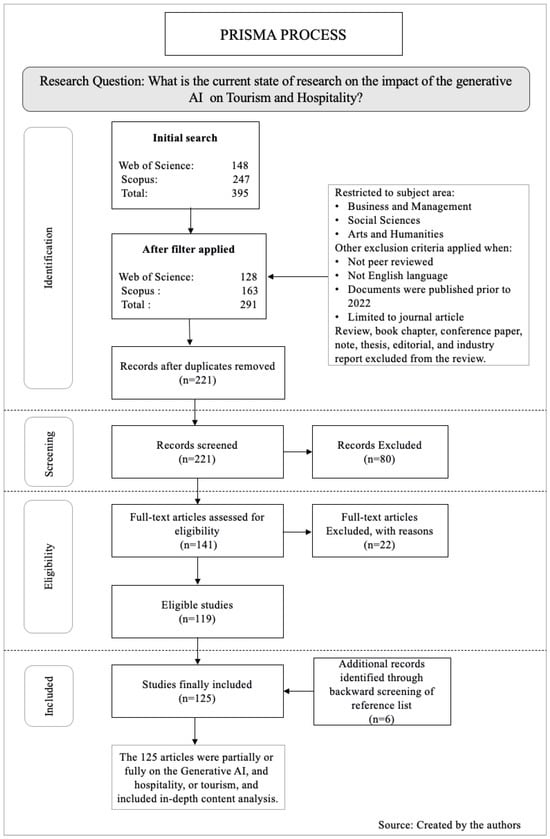
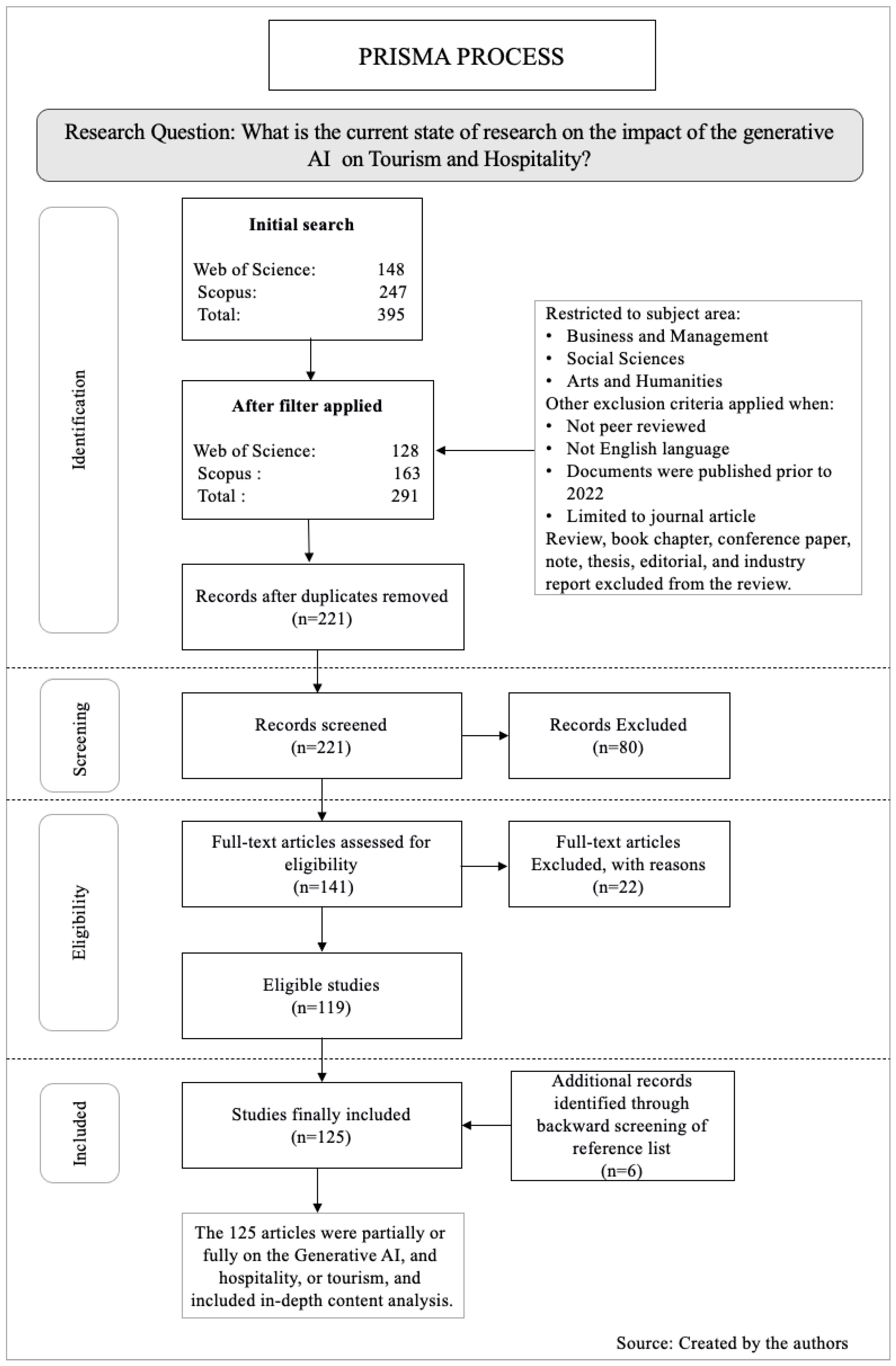
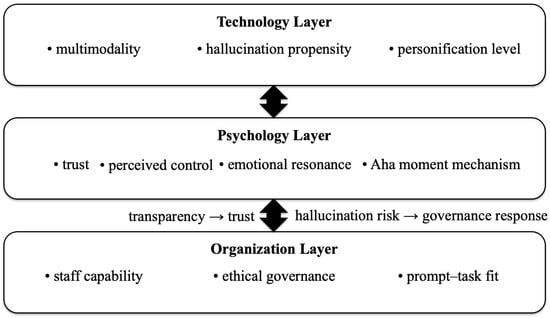
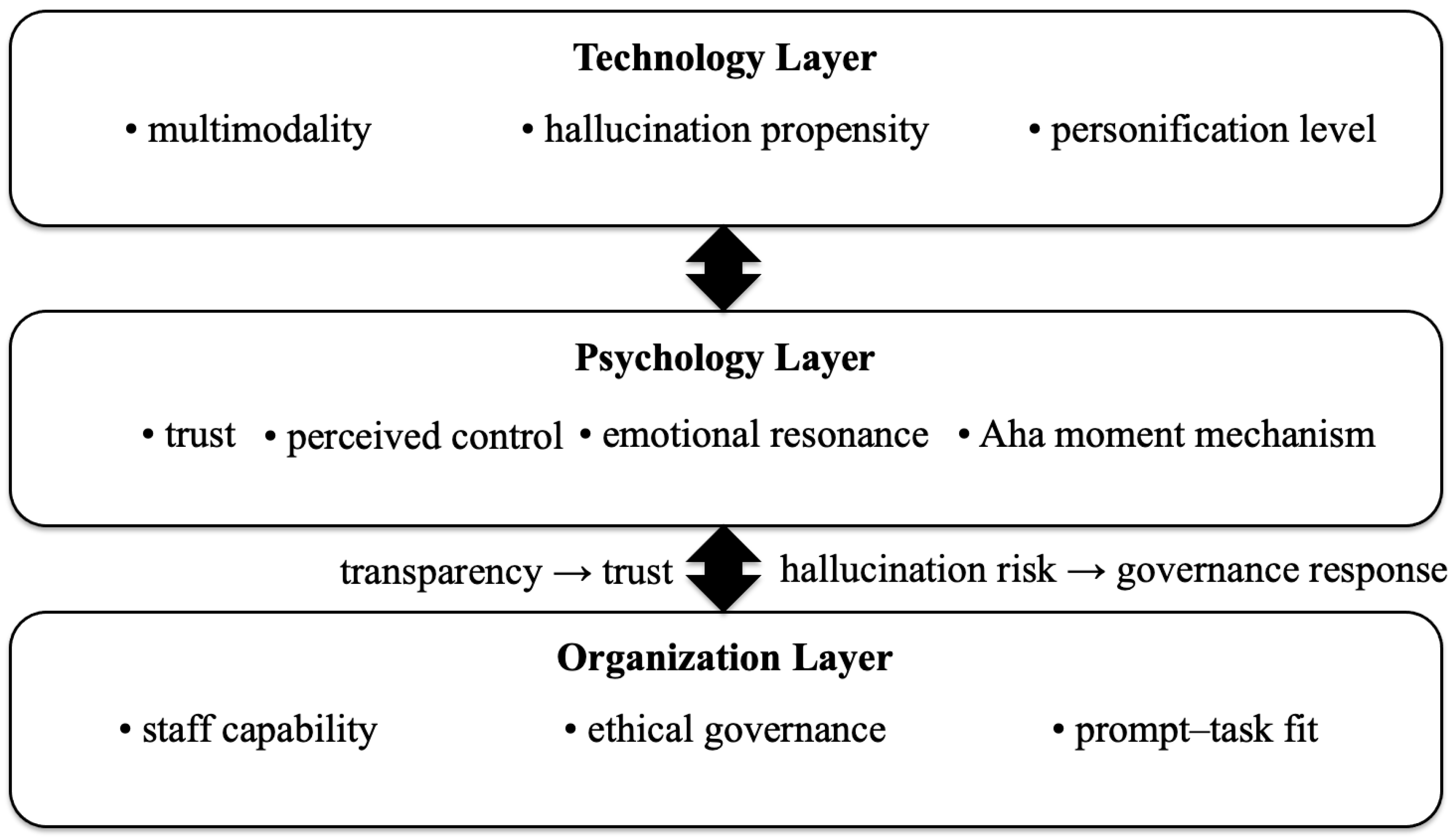

Disclaimer/Publisher’s Note: The statements, opinions and data contained in all publications are solely those of the individual author(s) and contributor(s) and not of MDPI and/or the editor(s). MDPI and/or the editor(s) disclaim responsibility for any injury to people or property resulting from any ideas, methods, instructions or products referred to in the content. |
© 2026 by the authors. Licensee MDPI, Basel, Switzerland. This article is an open access article distributed under the terms and conditions of the Creative Commons Attribution (CC BY) license.