


Abstract
The persistent gap between tourists’ stated sustainability intentions and their actual behaviour challenges theory and practice. This bibliometric review examines whether research on sustainable tourism and hospitality is oriented towards explaining behavioural intention, actual behaviour, or the transition between the two. A total of 1129 publications indexed in the Web of Science Core Collection and Scopus (2003–2026) were analysed through performance analysis and keyword co-occurrence mapping, complemented by a content analysis of outcome measures in a random sample of 300 studies. Output has grown rapidly since 2020 and is concentrated in a few journals, institutions and authors. Sustainable tourism and the Theory of Planned Behaviour are the most frequent keywords, and attitude, intention and perceived behavioural control cluster together, whereas terms representing actual and post-intentional behaviour are limited. The content analysis confirms this pattern at the level of study design: 63.3% of the sampled studies measured only behavioural intention, 24.7% relied on self-reported behaviour, one study observed behaviour directly, and only 7.0% tested whether intention predicted behaviour. Given the role of tourist behaviour in climate mitigation, the review calls for greater attention to behavioural enactment, situational constraints and objectively verified behaviour.
1. Introduction
Tourism accounts for about 8% of global greenhouse gas emissions [1] and faces significant climate vulnerabilities. Despite the rapid expansion of research on sustainable tourist behaviour, an important conceptual and methodological challenge remains: extensive attention has been devoted to understanding sustainable behavioural intentions, yet considerably less is known about whether and under what conditions these intentions translate into actual behaviour [2]. This distinction is critical, since the expression of behavioural intention does not necessarily indicate that the intended behaviour will subsequently be enacted. Even strong intentions do not invariably result in corresponding actions [3,4]. Within tourism, environmentally concerned tourists have been shown to engage in environmentally harmful travel practices despite their stated environmental concern [5].
Existing reviews have substantially advanced understanding of sustainable tourist behaviour, systematically examining its theoretical foundations, antecedents, consequences, methodological approaches, and future research directions [6]. Bibliometric studies have also mapped the development of sustainable tourism research through publication trends, influential journals and authors, geographical patterns, citations, and thematic structures [7,8]. These bibliometric reviews treat sustainable tourism as a whole and describe its productivity and topics; they do not ask whether the behavioural literature within it is oriented towards what tourists intend or what they do. The systematic review of sustainable tourist behaviour [6] and the critical review of the intention–behaviour gap in hospitality [9] come closer to this question, but both rely on close reading of a selected set of studies rather than on the structure of the literature. Nevertheless, an important question remains insufficiently examined: whether the accumulated intellectual and conceptual structure of sustainable tourist behaviour research is oriented primarily towards behavioural intention, actual behaviour, or the transition between the two.
This bibliometric review addresses this gap directly. Using performance analysis and science mapping techniques, it examines 1129 publications indexed in the Web of Science Core Collection and Scopus, with publication years from 2003 to 2026. It examines publication growth, influential journals, institutions, authors and publications, together with the conceptual structure of the field through keyword co-occurrence analysis, and complements this mapping with a content analysis that classifies what a random sample of the included studies actually measured. This approach allows the development of the field to be assessed using the intention–behaviour distinction as an interpretative lens, moving beyond conventional indicators of scholarly productivity and influence. The review makes three related contributions.
First, it provides an updated bibliometric mapping of a rapidly expanding research domain: 963 of the 1129 publications included in the analysis carry a publication year of 2020 or later, demonstrating the substantial recent acceleration of scholarly interest. Second, it examines whether the conceptual structure of the field concentrates predominantly on antecedents and behavioural intentions or extends towards actual behavioural enactment and tests this directly by classifying the outcome measures of a random sample of studies. The prominence of constructs including behavioural intention, environmental attitude, perceived behavioural control, personal norms, pro-environmental behaviour, and the Theory of Planned Behaviour provides an important basis for this assessment.
Third, this review reframes the intention–behaviour gap as both a tourist-level behavioural problem and a field-level knowledge problem. Rather than asking only why tourists fail to translate sustainable intentions into action, the bibliometric analysis considers whether the research field itself has developed sufficient conceptual attention to explain this transition. The contribution therefore lies not simply in providing another bibliometric map of sustainable tourism scholarship, but in interrogating what that map reveals about the behavioural orientation of the field, providing a foundation for future research that moves beyond predicting what tourists intend to do towards explaining and measuring what tourists actually do.
The recognition that stated environmental intentions do not reliably translate into sustainable tourist conduct is not a new observation. Environmentally conscious tourists were shown, among the first systematic accounts of this discrepancy, to routinely fail to act on their own stated values once travelling [5]. Eight years later, the challenge of overcoming the intention–behaviour gap in sustainable tourism was discussed directly [10]. A critical review of 71 studies across 14 hospitality journals concluded that conventional behavioural theories struggle to explain sustainable hospitality choices and called for a re-evaluation of the frameworks the field relies on [9], and a companion critique argued that researchers themselves aggravate the gap through methodological myopia, including an over-reliance on non-behavioural outcome measures [2]; both were published a decade after the original diagnosis of the gap. By 2024 the same concern was raised again, with an argument that research on sustainable travel must measure real behaviour, not just behavioural intentions, to draw valid conclusions [11]. A multilevel model published in 2026 moved beyond the framing of the gap as an individual failing, treating it as an open theoretical problem [12]. These studies suggest that the intention–behaviour gap represents not only an empirical inconsistency but also a broader theoretical and methodological challenge.
Until the question of orientation is examined at the level of the literature, rather than one study at a time, claims that the field is responding to its own most cited criticism remain untested. This review uses bibliometric mapping to examine whether the intellectual structure of sustainable tourism and hospitality research has kept pace with a concern the field has been raising, without resolution, for more than a decade.
Building directly on this gap, the aim of this review is to map the intellectual structure of sustainable tourism and hospitality research and to determine whether that structure is oriented toward explaining behavioural intention, toward explaining behaviour itself, or toward the transition between the two. Six objectives follow from this aim:
- To examine the growth trajectory of sustainable tourism and hospitality research and describe the timing and pace of its recent expansion;
- To identify the journals in which this research is concentrated and describe how concentrated its publishing base is;
- To identify the institutions and countries of affiliation contributing most to research output;
- To identify the most productive and most cited authors and articles, and examine whether the works with the greatest scholarly influence centre on intention or on behaviour;
- To map the thematic and conceptual structure of the field through keyword co-occurrence analysis, to examine whether the field’s own vocabulary is organised around intention, around behaviour, or around the transition between them;
- To classify a random sample of the included studies by the outcome they measured, establishing what share measured behavioural intention, self-reported behaviour or observed behaviour, and how many tested the relationship between intention and behaviour.
Objectives 1 to 3 provide the context needed to interpret the central question: they show when, where and through which outlets the evidence base was produced, which matters for reading any pattern in its content. Objectives 4 to 6 address the central question directly: objectives 4 and 5 examine whether the most influential works and the conceptual vocabulary of the field are oriented towards intention, behaviour, or the transition between them, and objective 6 examines what the studies themselves measured.
2. Theoretical Background
2.1. Theoretical Foundations of Sustainable Tourist Behaviour
Sustainable tourist behaviour has been examined through several theoretical perspectives seeking to explain why individuals adopt, or intend to adopt, environmentally and socially responsible practices during travel. Among these perspectives, the Theory of Planned Behaviour has become particularly influential: behaviour is influenced by behavioural intention, which is shaped by attitudes towards the behaviour, subjective norms, and perceived behavioural control [13]. Perceived behavioural control may also contribute directly to behaviour when it reflects the individual’s actual capacity to perform the action. The framework therefore provides an important distinction between the formation of an intention and its subsequent behavioural enactment.
The Theory of Planned Behaviour has been widely employed in tourism and hospitality research to examine the factors shaping environmentally responsible behaviour. The framework has been adapted to explore how consumers form decisions regarding green hotels [14] and extended by incorporating environmental concern and perceived moral obligation to explain intentions to visit environmentally friendly hotels [15]. Collectively, these studies highlight the importance of attitudes, perceived social pressures, and behavioural control in explaining sustainability-related tourism choices. They also reflect a broader tendency within this body of research to treat behavioural intention as the principal outcome, rather than examining whether such intentions ultimately translate into observable behaviour. The prominence of this research stream is also evident in the present bibliometric analysis, in which reference [15] emerged as one of the most highly cited contributions.
A complementary perspective is provided by the Value–Belief–Norm theory, which places greater emphasis on the moral and value-based foundations of environmentally significant behaviour. This theory conceptualises environmental behaviour as emerging through a causal sequence involving personal values, environmental beliefs, awareness of consequences, ascription of responsibility, and the activation of personal norms [16]. From this perspective, sustainable tourist behaviour is not determined exclusively by assessments of convenience or individual benefit but may also reflect a perceived moral responsibility to minimise negative environmental consequences. Related approaches, particularly Norm Activation Theory, similarly emphasise the role of personal moral norms in encouraging pro-social and pro-environmental action.
These theoretical perspectives have substantially advanced knowledge of the psychological antecedents of sustainable tourism choices. An important distinction must be maintained, though, between the explanatory scope of the theories themselves and their empirical application in tourism research: the Theory of Planned Behaviour, Value–Belief–Norm theory and related approaches do not inherently disregard actual behaviour. Rather, tourism and hospitality studies have frequently operationalised behavioural intention, willingness or self-reported behavioural measures as principal outcomes or proxies for behaviour. As a result, substantial knowledge has accumulated concerning the antecedents of sustainable intentions, and the conditions determining whether these intentions are enacted remain comparatively less developed.
This theoretical orientation is particularly relevant to the present bibliometric review. The conceptual structure identified in the dataset contains constructs associated with behavioural decision-making, including the Theory of Planned Behaviour, behavioural intention, environmental attitudes, perceived behavioural control, personal norms and pro-environmental behaviour. The prominence of these concepts indicates the strong influence of behavioural theories on the intellectual development of sustainable tourism research and raises a more specific theoretical question: whether the field has progressed from explaining the formation of sustainable intentions towards understanding their translation into enacted behaviour.
2.2. The Intention–Behaviour Gap
The distinction between intention and behaviour is central to understanding sustainable tourist decision-making. Behavioural intention reflects an individual’s motivation or willingness to perform an action, whereas actual behaviour concerns whether that action is ultimately undertaken. Although intention is generally an important predictor of behaviour, the relationship is imperfect: a meta-analysis has demonstrated that changes in behavioural intentions do not produce equivalent changes in behaviour [3], and this discrepancy has since been conceptualised as the intention–behaviour gap [4].
Three outcome types need to be kept apart when this literature is assessed. Behavioural intention is a stated plan or willingness to act in the future. Self-reported behaviour is a respondent’s account of what they did, usually collected after the event and open to recall error and social desirability bias. Observed or objectively measured behaviour is recorded independently of the respondent, for example through utility metering, booking records or direct observation. Studies in this field often move between these categories, and a self-reported measure labelled as behaviour does not address the gap in the same way as an observed one [2,11]. Sustainable tourist behaviour is also not a single act. It covers transport and accommodation choices, energy and water use, waste, food and on-site conduct, each exposed to different situational constraints, so an intention formed for one of these behaviours may have little bearing on another.
Within sustainable tourism, this problem is especially important because positive environmental attitudes and intentions can coexist with environmentally damaging travel practices: environmentally conscious tourists may fail to behave consistently with their stated environmental values during travel [5]. The resulting discrepancy suggests that understanding tourists’ attitudes and intentions alone is insufficient for explaining sustainable tourist behaviour.
More recent tourism and hospitality scholarship has increasingly recognised this limitation. Overcoming the intention–behaviour gap has been positioned as an important challenge for sustainable tourism research [10]. A critical review of 71 studies across 14 hospitality journals highlighted limitations in existing approaches to explaining sustainable hospitality choices and called for greater attention to the relationship between intentions and behaviour [9]. This critique has been extended by identifying methodological problems associated with the way the gap is investigated, particularly where non-behavioural outcomes are used to draw conclusions about behaviour [2].
The measurement of behaviour has therefore emerged as an important methodological dimension of the theoretical problem: research seeking to understand actual behaviour should measure behaviour itself rather than relying primarily on behavioural intentions [11]. This distinction has relevance in tourism because sustainable choices are made within specific situational conditions. Situational conditions, such as transport availability, price, convenience, infrastructure, information and social context, may also intervene between an initially favourable intention and the action eventually taken. The transition from intention to behaviour cannot, therefore, be understood through motivational antecedents alone.
Recent research has begun to conceptualise the gap as a broader, potentially multilevel phenomenon. Rather than interpreting behavioural inconsistency exclusively as an individual failure, a multilevel perspective on environmental incoherence and integrity in sustainable tourism has been proposed [12]. Such perspectives suggest that the translation of intention into behaviour may depend on interactions among individual characteristics, situational constraints and broader structural conditions.
This distinction provides the theoretical lens for the present bibliometric review. Rather than testing a behavioural model at the individual tourist level, this review examines how these concepts are represented within the intellectual and conceptual structure of the literature. The prominence and relationships of constructs associated with attitudes, norms, perceived behavioural control, behavioural intention and actual behaviour can therefore indicate where scholarly attention has been concentrated. The intention–behaviour gap functions, in this sense, not as a variable tested directly but as an interpretative framework for evaluating the development of the research field. Because the unit of analysis is the published record, the review can show how these concepts are named and connected in the literature; it cannot by itself show how behaviour was measured in each study. Within this limit, the bibliometric analysis can examine whether sustainable tourism scholarship has developed primarily around predicting what tourists intend to do, explaining what they do, or understanding the mechanisms through which sustainable intentions become sustainable actions.
3. Materials and Methods
3.1. Research Design
This review adopts a quantitative bibliometric design combining performance analysis with science mapping to characterise the intellectual structure of sustainable tourism and hospitality research [17,18]. Performance analysis summarises publication and citation output by year, journal, institution and author; science mapping represents the conceptual relationships among research themes through keyword co-occurrence networks [19,20]. Together with a content analysis of a random sample of the included studies (Section 3.5), the two approaches address the six objectives outlined above: establishing the scale, location and authorship of the field’s knowledge base, and testing whether its conceptual vocabulary is oriented toward intention, toward behaviour, or toward the transition between them.
3.2. Data Sources and Search Strategy
Bibliographic records were retrieved from the Web of Science Core Collection and Scopus. Both databases were searched because their combined coverage reduces the source bias associated with reviews relying on a single database, and their citation indexing and structured export formats support reproducible bibliometric analysis [21,22,23]. The search combined three terms relating to intention, behaviour and sustainable tourism, joined with the Boolean operator AND and applied to the title, abstract and keyword fields of each database. In the Web of Science Core Collection, the string was TS = (intention AND (behavior OR behaviour) AND (sustainable tourism)), and in Scopus it was TITLE-ABS-KEY (intention AND (behavior OR behaviour) AND (sustainable tourism)). American and British spellings of behaviour were included, and no further synonyms or truncation operators were used. Both searches were run on 18 March 2026. The intention term was made mandatory because the review set out to map the literature that engages with the intention–behaviour relationship, that is, studies in which intention is measured, modelled or discussed together with behaviour. This design suits that purpose, but studies of sustainable tourist behaviour that do not use the word intention in their title, abstract or keywords fall outside the corpus; the consequences of this choice are discussed in Section 5.7. The retrieved records span publication years 2003 to 2026. No upper limit on publication year was applied, so the corpus also includes 73 records with a 2026 publication year. Most of these are articles first published online in 2024 or 2025 and later assigned to 2026 issues; the remainder were published in the first months of 2026, before the search was run. They were retained and are reported separately where publication year matters (Section 4.1 and Section 4.6). No restriction on document type or language was applied at the search stage, as both were addressed during screening.
To examine how far the mandatory intention term shapes the results, a sensitivity analysis was carried out. The search was repeated without the intention term, using TS = ((behavior OR behaviour) AND (sustainable tourism)) in the Web of Science Core Collection and TITLE-ABS-KEY ((behavior OR behaviour) AND (sustainable tourism)) in Scopus, restricted to publications from 2003 to 2025, which produced an expanded dataset of 3845 publications. The expanded dataset also retained the records from journals outside tourism and hospitality that were excluded from the main corpus (Section 3.3), so the comparison also reflects the effect of that criterion. The sensitivity analysis therefore evaluates the combined effects of removing the mandatory intention term and broadening the inclusion criteria, and differences between the datasets cannot be attributed exclusively to the removal of the intention term. The performance indicators and keyword analyses described in Section 3.4 were repeated for this dataset and compared with those of the main corpus. The expanded dataset was used only for this comparison, and the main corpus remains the basis of the review.
3.3. Screening and Study Selection
Study selection followed an adapted PRISMA flow diagram (Figure 1), a reporting structure originally developed for systematic reviews of intervention studies [24] that is now widely used in bibliometric and management research to make search and selection decisions transparent, even where full-text screening of every record is not the analytic unit [25,26]. The initial search returned 932 records from Web of Science and 695 from Scopus (n = 1627). Before screening, 157 records were removed because they were not classified as journal articles, 17 were removed because they were not published in English, and 248 duplicate records retrieved from both databases were also removed, leaving 1205 unique records. Records from the two databases were merged, and duplicates were identified by DOI and, where no DOI was available, by matching title, first author and publication year. Review and conceptual articles published as journal articles were eligible, and several appear among the most cited works. All records were then screened by title and abstract. Fifty-four records were excluded because they were published in journals outside tourism and hospitality and did not substantively address sustainability-related intentions or behaviours in a tourism or hospitality context. Records in interdisciplinary journals, including Sustainability and Frontiers in Psychology, were retained when they addressed this topic, as these journals form a regular publication channel for sustainable tourism research (Section 4.2). A further 22 records were excluded because they did not address tourist or tourism-related behaviour, intention, or the relationship between the two. The resulting dataset of 1129 publications, spanning publication years 2003 to 2026, was retained for bibliometric analysis and forms the basis of the results reported in Section 4.
Figure 1.
PRISMA-adapted flow diagram of study identification, screening and inclusion of records for bibliometric analysis [24].
3.4. Bibliometric Analysis Procedures
Performance indicators, publication counts by year, journal and institution, and productivity and citation count by author were compiled from the combined, deduplicated dataset of 1129 records exported from Web of Science and Scopus. Author-name variants, such as differences in initials or hyphenation between the two databases, were harmonised before productivity was counted. For publications indexed in both databases, the higher of the two citation counts was retained; for publications indexed in only one, the count from that database was used, and counts were not summed across databases. Because total citations favour older work, citations per year were also calculated for the most cited articles by dividing total citations by the number of years from publication to 2025, inclusive. Science mapping was conducted in VOSviewer version 1.6.21 [27] using the author keywords of the included records. Before mapping, keywords were standardised with a thesaurus file that merged singular and plural forms (for example, behavioural intention and behavioural intentions), British and American spellings, and closely related labels (for example, gen z and Generation Z, and COVID-19 and COVID-19 pandemic). Generic terms (for example, tourism and tourist), the names of research methods and country names were excluded. Co-occurrence was counted with the full counting method. A minimum occurrence threshold of 10, that is, use in about 1% of the included publications, retained 50 keywords; the threshold was chosen so that the map shows concepts used across a substantial number of studies while remaining legible. The keywords were grouped into six thematic clusters using the association-strength normalisation and the default clustering settings of VOSviewer (resolution 1.00, minimum cluster size 1, small clusters merged) [28]. The same network was used to generate an overlay visualisation coloured by the average publication year of each keyword’s occurrences and a co-occurrence heatmap restricted to the ten most frequent keywords in which cell values represent raw co-occurrence counts, that is, the number of publications in which both keywords appear. Together, these allow the thematic evolution and the strength of association among the field’s central concepts to be examined alongside the performance indicators reported in Section 4.
3.5. Content Analysis of Study Outcomes
Keyword co-occurrence shows how authors label and connect their work, but not what their studies measured. To examine the central question directly, a content analysis was conducted on a simple random sample of 300 of the 1129 included records, drawn without replacement in R (version 4.5.0). No fixed random seed was set; to allow the same sample to be identified and re-examined, the list of the 300 sampled records with their bibliographic details is provided in Table S1 (Supplementary Materials). A sample of this size estimates the proportions of interest with a margin of error of about five percentage points [29].
Each record was coded for the type of outcome it measured, using four categories defined before coding began: behavioural intention only; self-reported behaviour; observed behaviour, recorded independently of the respondent (for example, through metering or booking records); and no behavioural outcome, which covered studies of attitudes, satisfaction or perceptions as well as reviews and conceptual papers. Outcomes were coded according to what was measured rather than how the authors labelled them, and when a study measured several outcomes, the most direct one was coded. Whether the relationship between intention and behaviour was tested, with both measured and the relationship between them analysed, was also recorded. Two authors independently coded the sampled studies, and disagreements and ambiguous cases were discussed and resolved by consensus; no formal inter-coder agreement statistic was calculated. Results are reported for the whole sample and by period (2003–2019 and 2020–2026).
4. Results
Reflecting on this review’s purpose and objectives, this section outlines the primary findings.
4.1. Productivity
Measuring scientific productivity and tracing the development of a research field constitute key objectives of bibliometric studies. Figure 2 illustrates the annual publication counts in sustainable tourism and hospitality research between 2003 and 2026.
Figure 2.
Annual publication counts (2003–2026). Records dated 2026 are shown separately.
Although the first contributions appeared in the early 2000s, publication activity remained relatively limited for more than a decade. A gradual increase is evident after 2015, followed by a marked acceleration in scientific output after 2020. Of the 1129 publications included in the analysis, 890 (78.8%) were published between 2020 and 2025 and a further 73 (6.5%) carry a 2026 publication year, so that 963 (85.3%) date from 2020 onwards, highlighting the growing scholarly interest in sustainability-related issues within tourism and hospitality research. This growth coincides with increasing attention to sustainability in the tourism and hospitality industries and with the general expansion of academic publishing over the same period, although the bibliometric data do not allow the relative weight of these factors to be established. The temporal distribution shows that sustainable tourism and hospitality research has developed from a relatively specialised area into a rapidly expanding research domain; growth in output alone, however, does not indicate disciplinary maturity.
4.2. Publication Outlets
Figure 3 presents the leading publication outlets in sustainable tourism and hospitality research.
Figure 3.
Top 10 publication outlets.
Sustainability emerged as the most productive journal, with 205 publications, followed by the Journal of Sustainable Tourism (n = 91), the Asia Pacific Journal of Tourism Research (n = 18), GeoJournal of Tourism and Geosites (n = 18), and Frontiers in Psychology (n = 16). The top ten publication outlets also include the Journal of Travel Research (n = 15), Current Issues in Tourism (n = 13), Journal of Hospitality and Tourism Insights (n = 13), International Journal of Tourism Research (n = 12), and Journal of Travel and Tourism Marketing (n = 12). The concentration of publications in these outlets highlights the increasing academic attention devoted to sustainability-related issues. The inclusion of both tourism-specific and interdisciplinary journals also reflects the multidisciplinary character of the field.
4.3. Institutional Affiliations and Productivity
Institutional publication output provides an indication of research capacity and visibility. As presented in Table 1, research on sustainable tourism and hospitality is concentrated among a relatively small number of universities, with particularly strong representation from Asia.
Table 1.
Most productive institutions.
Sejong University emerged as the most productive institution, with 49 publications, followed by Hong Kong Polytechnic University (n = 33), Kyung Hee University (n = 28), and Macao University of Science and Technology (n = 26). Other highly productive institutions include Taylor’s University (n = 24), the University of Johannesburg (n = 22), Sun Yat-sen University (n = 19), Griffith University (n = 18), the City University of Macao (n = 16), and the University of Surrey (n = 16). The ranking shows the prominent role of Asian universities in the field’s output. Institutional affiliation indicates where research is produced, not where the tourists or destinations studied are located.
4.4. Most Productive and Cited Authors and Articles
The analysis of individual research performance reveals that publication output in sustainable tourism and hospitality is concentrated among a relatively small group of scholars, as presented in Table 2 and Figure 4.
Table 2.
Most productive authors.
Figure 4.
Most productive authors.
Han, H. emerged as the most prolific author, with 32 publications, followed by Morrison, A.M. and Zhang, Y. (both n = 14), Kim, S. (n = 12), and Wang, J. (n = 11). Other productive contributors include Chi, X., Hall, C.M., Lee, T.H., and Luong, T.B., each with nine publications, whereas Hoo, W.C., Kim, J.J., Lee, C.K., Li, J., Liu, C.H., Liu, J., and Woosnam, K.M. share the tenth position, with eight publications each. These findings indicate that a limited group of researchers have contributed consistently to the development of the field.
Research influence, measured through citation performance, presents a somewhat different pattern (Table 3).
Table 3.
Most cited authors.
Han, H. ranked first, with 2619 citations, followed by Chen, M.F. and Tung, P.J. (both n = 1283), Ramkissoon, H. (n = 1191), and Kiatkawsin, K. (n = 776). Other highly cited authors include Jauhari, V. and Manaktola, K. (both n = 772), Su, L.J. (n = 707), Woosnam, K.M. (n = 683), and Lee, T.H. (n = 658). Comparing publication output with citation impact shows that the most prolific authors are not necessarily those with the highest citation counts, underscoring the complementary nature of productivity and citation indicators in bibliometric research.
Table 4 presents the most cited articles in sustainable tourism and hospitality research.
Table 4.
Most cited articles.
The most highly cited publication was Developing an Extended Theory of Planned Behavior Model to Predict Consumers’ Intention to Visit Green Hotels, with 1283 citations. It was followed by Exploring Consumer Attitude and Behaviour towards Green Practices in the Lodging Industry in India (772 citations) and Consumer Behavior and Environmental Sustainability in Tourism and Hospitality: A Review of Theories, Concepts, and Latest Research (651 citations). Overall, the most highly cited studies focus predominantly on pro-environmental behaviour, sustainable consumption, destination sustainability, and behavioural theories, highlighting the central role of behavioural perspectives in the development of sustainable tourism and hospitality research.
Because citations accumulate over time, total counts favour older work. Expressed as citations per year, the ranking changes. The 2021 review of consumer behaviour and environmental sustainability (130.2 citations per year), the 2023 conceptual model of perceived social impacts and quality of life (120.3), and the 2021 systematic review of sustainable tourism development and competitiveness (112.6) lead, followed by the 2014 extended Theory of Planned Behaviour model of green hotel visit intention (106.9). The 2007 study of green practices in the Indian lodging industry falls to 40.6 citations per year, and the 2010 tourist behavioural model to 21.8. Recent influence is therefore concentrated in review and conceptual work, and the green hotel intention model remains among the most cited publications on both measures.
4.5. Thematic Areas and Temporal Evolution
To explore the conceptual structure of sustainable tourism and hospitality research, a co-occurrence analysis of author keywords was conducted. The resulting network map (Figure 5) comprises 50 keywords grouped into six thematic clusters, representing the principal research streams within the field.
Figure 5.
Co-occurrence analysis of author keywords.
In the visualisation, the size of each node reflects the frequency with which a keyword appears in the dataset, whereas the links between nodes indicate the strength of keyword co-occurrence. Keywords positioned closer together exhibit stronger conceptual relationships, and colours distinguish the thematic clusters identified by the clustering algorithm.
The largest cluster, destination experience, attachment and loyalty, encompasses destination image, place attachment, satisfaction, tourist satisfaction, revisit intention, perceived value, loyalty, destination loyalty, destination social responsibility, destination management, service quality, motivation, tourism experience, environmentally responsible behaviour, ecotourism, rural tourism and sustainable development. The second cluster, attitudes, intentions and behaviour in sustainable tourism, groups attitude, intention, perceived behavioural control, personal norms and behaviour with sustainability and tourism marketing. The third cluster, environmental awareness and pro-environmental behaviour, links pro-environmental behaviour and sustainable behaviour with environmental concern, environmental knowledge, environmental awareness, environmental attitude and social media. The fourth cluster, sustainable tourism and consumer behaviour, combines sustainable tourism with tourism behaviour, consumer behaviour, green hotels, sustainable consumption, destination marketing and climate change. The fifth cluster, behavioural theory, trust and corporate responsibility, brings together the Theory of Planned Behaviour, Generation Z, trust, green trust, corporate social responsibility and the hospitality industry. The sixth cluster, travel intentions, risk and crisis contexts, integrates behavioural intention, travel intention, COVID-19, perceived risk, Protection Motivation Theory and virtual reality. The clusters show that sustainable tourism and hospitality research combines destination-management, environmental, psychological and technological themes, and intention-related keywords (behavioural intention, intention, revisit intention and travel intention) appear in three of the six clusters.
Table 5 reports all keywords of each cluster with their number of occurrences and total link strength.
Table 5.
Keyword clusters of the co-occurrence network: keywords, number of occurrences and total link strength.
For the thematic evolution of sustainable tourism and hospitality research, an overlay visualisation of author keyword co-occurrences was generated (Figure 6).
Figure 6.
Overlay visualisation of author keyword co-occurrences.
In the overlay map, node size represents the frequency of keyword occurrence, whereas the links indicate the strength of co-occurrence relationships between keywords. The colour gradient reflects the average publication year, from blue for keywords with earlier average publication years to yellow for the most recent.
The temporal overlay visualisation shows differences in the average publication years associated with the keywords. Ecotourism, service quality and loyalty appear towards the earlier end of the scale displayed, whereas Generation Z, green trust, destination marketing and virtual reality are associated with more recent publications. Sustainable tourism, sustainability, pro-environmental behaviour and the Theory of Planned Behaviour remain prominent within the network, connecting these topics. The pattern suggests that established destination and environmental themes coexist with newer research interests concerning generational differences, trust and technology.
Average publication year describes when a keyword was used, on average, and not how the studies using it were designed; the overlay therefore indicates shifts in topic rather than changes in research design or behavioural measurement. The presence of COVID-19 and perceived risk also reflects the influence of the pandemic on tourism research and the increased examination of tourists’ responses under conditions of uncertainty. Overall, the overlay visualisation suggests a broadening research agenda that connects established destination-management and service-quality themes with environmental sustainability, behavioural science, technological innovation, and sustainable consumer behaviour.
To explore the conceptual relationships among the most frequently co-occurring author keywords, a keyword co-occurrence heatmap was generated (Figure 7).
Figure 7.
Keyword co-occurrence heatmap.
In the heatmap, rows and columns represent the ten most frequently occurring author keywords, and each cell gives the number of publications in which both keywords appear. Among these keywords, sustainable tourism co-occurs most frequently with the Theory of Planned Behaviour (24 publications), followed by pro-environmental behaviour (20) and tourism behaviour (14). Destination image and place attachment co-occur in five publications, while place attachment and pro-environmental behaviour co-occur in six. Overall, the heatmap highlights connections between sustainable tourism, behavioural theory and environmental behaviour, alongside links with destination-related concepts.
The sensitivity analysis described in Section 3.2 showed partial stability. The expanded dataset of 3845 publications followed the same temporal pattern as the main corpus, with limited output in the early years, substantial growth after 2020, and a peak in 2025. Sustainability and the Journal of Sustainable Tourism remained the two leading journals; Han, H. remained the most productive author (40 publications); and the two most cited articles retained their positions. Below these leading positions, the rankings of authors, articles and institutions changed, as expected from a corpus more than three times larger. Six of the ten most frequent keywords were shared between the two datasets: sustainable tourism, sustainability, Theory of Planned Behaviour, pro-environmental behaviour, place attachment, and ecotourism. In the expanded network, ecotourism and conservation formed a distinct cluster; behavioural intention and the Theory of Planned Behaviour were grouped with responsible and sustainable tourism and were among the most recent keywords in the overlay; and pro-environmental behaviour appeared with environmental awareness and concern. As in the main corpus, no cluster was organised around habit, observed behaviour or field-verified conduct. Removing the intention term and broadening the inclusion criteria therefore widened the range of topics but did not change the orientation of the keyword structure towards antecedents and intention.
4.6. Outcome Measures in a Random Sample of Studies
Table 6 reports the outcome measures of the 300 sampled studies. Almost two-thirds (190; 63.3%) measured behavioural intention only, most often intentions to visit or revisit, to stay in or book green accommodation, to purchase green products, or to act pro-environmentally at a destination. A further 74 studies (24.7%) relied on self-reported behaviour, usually agreement scales describing environmentally responsible behaviour at the destination. One study (0.3%) recorded behaviour independently of the respondent: in three hotels, guests’ food waste, lighting use and recycling were monitored after a survey of their intentions [30]. The remaining 35 records (11.7%) had no behavioural outcome; 17 of them were reviews or conceptual papers.
Table 6.
Outcome measures in a random sample of 300 studies.
Only 21 studies (7.0%) measured both intention and behaviour and analysed the relationship between them. In the only study that combined an intention measure with observed behaviour, intention did not significantly predict behaviour [30]. Several studies that described their outcome as behaviour measured it with items about future conduct or about destinations respondents had not visited; these were coded as intention, which indicates that authors’ own labels overstate how often behaviour is measured. The distribution was almost identical across periods: intention-only designs accounted for 62.2% of the sampled studies published between 2003 and 2019 and 63.5% of those published from 2020 onwards, and self-reported behaviour for 24.4% and 24.7%, respectively.
5. Discussion
The introduction to this review posed a specific question: whether the intellectual structure that sustainable tourism and hospitality research has built over the past two decades is oriented toward explaining behavioural intention, toward explaining behaviour itself, or toward the transition between the two, a question the field’s own critical literature has raised repeatedly without answering it at the level of the published record as a whole. The results reported in Section 4 allow that question to be addressed at the level of the field’s publication record and vocabulary. To keep evidence and interpretation apart, the subsections below distinguish three kinds of statement: what the bibliometric data show (the patterns reported in Section 4), how these patterns are interpreted (Section 5.1, Section 5.2, Section 5.3 and Section 5.4), and what is proposed for theory, practice and future research on that basis (Section 5.5, Section 5.6 and Section 5.8).
5.1. Recent and Rapid Growth of the Field
The publication trend reported does not describe steady disciplinary growth. Eighty-five percent of the dataset carries a publication year of 2020 or later, which suggests that much of the field’s empirical core is recent. Three developments may help to explain the timing of this acceleration, although the bibliometric data do not test them directly. The 2015 adoption of the Sustainable Development Goals gave tourism scholars a policy vocabulary and funding rationale that the pre-2015 literature lacked. The tightening of industry net-zero and ESG commitments in the years that followed extended sustainability from a niche marketing angle into a mainstream operational concern for hotels, airlines and destinations, generating new empirical questions for researchers to answer. And the disruption of travel during the COVID-19 pandemic forced the field to confront how contingent tourist behaviour is on circumstance rather than settled preference, a theme visible in the sixth thematic cluster identified in Section 4.5 (COVID-19, perceived risk, Protection Motivation Theory).
This matters because much of what is now treated as established knowledge about sustainable tourist behaviour has accumulated recently. Publication growth alone does not show whether these findings have been replicated or theoretically integrated, and the bibliometric data cannot answer that question; it is raised here as a reason for caution in reading the size of the field as a sign of its maturity.
5.2. Journal and Institutional Concentration
The outlet and institutional results in Section 4.2 and Section 4.3 point to a field that has secured a stable publishing record. Sustainability and the Journal of Sustainable Tourism alone account for just over a quarter of the entire dataset, and seven of the remaining eight outlets in the top ten are tourism or hospitality journals. This concentration indicates that the field now has established, dedicated outlets; whether it also signals maturity in a broader sense cannot be judged from publication counts alone. What the results do not show is similar penetration into the leading psychology, decision-making or behavioural economics journals, where intention–behaviour research has been an established topic well beyond tourism for three decades. A meta-analysis of forty-seven experiments that manipulated intention directly found that a medium-to-large change in intention produced only a small-to-medium change in behaviour [3], and the gap is now well established, with people who intend to change but do not act identified as a specific population of interest [4].
A similar pattern of concentration appears in the institutional results. Four of the five most productive universities are in South Korea, Hong Kong and Macao. One possible explanation is the economic importance of tourism in these economies and the research investment associated with it, but the bibliometric data do not test this, and national research funding and publication incentives may matter as much. The presence of Taylor’s University and the University of Johannesburg shows the productivity ranking is not exclusively East Asian. Still, the destinations most exposed to the pressures this literature studies, small island states, Mediterranean and Caribbean coastal destinations, and much of Latin America and Sub-Saharan Africa outside South Africa, are rarely home to the most productive institutions in this dataset. Because affiliation data record where authors work and not where data were collected, this pattern does not show which destinations are studied.
5.3. Concentration of Authorship and Influence
The authorship results in Section 4.4 are typical of a field that has grown quickly: a small core of scholars, led by Han, H. with 32 publications and 2619 citations, accounts for a disproportionate share of both output and influence. The citation results offer a useful check on the data before drawing on it. Chen, M.F. and Tung, P.J. are jointly ranked second among the most cited authors with exactly 1283 citations each, and separately, the single most cited article in the entire dataset is their 2014 paper extending the Theory of Planned Behaviour to predict green hotel visit intention, also cited 1283 times [15].
The same pattern holds when the second-most cited article is considered. A survey of green consumption attitudes and stated willingness among Indian lodging guests [31] sits alongside a study of green-hotel purchase intention [15] in focusing on what tourists say they feel or intend to do about sustainability, not on what they were observed to actually do once the trip began. The same is true of the earlier extended Theory of Planned Behaviour model of green-hotel decision formation authored by the field’s single most cited author [14]. Each was a legitimate, influential contribution to understanding intention formation, but together they suggest that the field’s most influential empirical foundation was laid before the gap between intention and behaviour had been named as a distinct problem requiring its own methods. Citations per year (Section 4.4) qualify this picture: the green hotel intention model remains among the most cited works on both measures, but recent influence is shared with review and conceptual work, so total citations partly reflect historical rather than current influence.
5.4. A Conceptual Vocabulary Centred on Intention
The keyword co-occurrence network described in Section 4.5 makes the same pattern visible at the level of the field’s conceptual vocabulary. The Theory of Planned Behaviour is the second-most frequent keyword in the network, one of the six clusters groups attitude, perceived behavioural control and personal norms with intention itself, and other clusters are organised mainly around constructs usually modelled as antecedents of intention, such as environmental concern, environmental knowledge, environmental awareness, trust and perceived risk. Comparatively absent from the network is any node representing behaviour once intention has been formed: no cluster is specifically focused on habit, behavioural spillover, choice architecture, or field-verified conduct as distinct from self-reported intent. A co-occurrence map cannot show what authors did not write about, only what they wrote about together, so this absence should be read as suggestive rather than conclusive. It is, however, consistent with an argument made a decade ago describing sustainable tourists as reliably able to state green intentions but frequently failing to act on them once travelling [5]. A Tourism Agenda 2030 perspective article identified relative value, rationality and social desirability as the main factors preventing intentions from becoming behaviours and called for field studies that observe what tourists do rather than only what they say they intend to do [10]. That the call has been repeated rather than answered is also visible in recent contributions to the wider literature: a 2024 critical review naming the intention–behaviour gap directly in hospitality [9], a 2024 paper in Annals of Tourism Research arguing that the gap has as much to do with how researchers measure behaviour as with tourist inconsistency [2], and a 2026 multilevel model of environmental incoherence and integrity [12]. The 2026 model is not part of the analysed dataset and is cited here only for context, whereas both 2024 contributions are included in it. The 2024 contributions appear in the final years of the twenty-four-year period, nearly two decades after intention-centred theory-building began and after the field’s own research-priority call. That timing suggests recognition of the gap is recent, and the correction is still underway.
The temporal overlay in Section 4.5 offers additional insight into the direction that correction has taken so far. The most recent nodes in the map, such as Generation Z, green trust, destination marketing and virtual reality, appear to extend the same intention-focused approach to new populations and new contexts rather than introducing new ways of observing behaviour itself. Average publication years cannot show how these studies measured behaviour, but the content analysis in Section 4.6 supports this reading: the share of intention-only designs did not change between the periods compared. The keyword evidence is consistent with a field that has responded to its own growth, and to its own research-priority call, by widening the populations and contexts it studies more than by changing how it verifies whether stated intention was carried out.
The content analysis moves this argument from vocabulary to study design. In the random sample, 63.3% of studies measured intention only and a further 24.7% relied on self-reported behaviour, which is exposed to the recall and social desirability biases discussed in Section 2.2. One study in 300 observed behaviour directly, and only 7.0% tested whether intention predicted behaviour. Within the analysed corpus, the intention–behaviour gap has therefore been studied mostly by measuring one side of it. Because these proportions were the same before and after 2020, the recent growth of this literature appears to have multiplied intention-based studies rather than shifted the balance towards measured behaviour.
5.5. Theoretical Implications
The pattern described in Section 5.4 suggests a specific gap in how theory has been applied, rather than a general need for more research. The three implications below are proposals derived from that pattern; they are not findings of the bibliometric analysis. First, the dominant frameworks in this literature, the Theory of Planned Behaviour [13], Value–Belief–Norm theory [16], Norm Activation Theory, and Protection Motivation Theory, do not exclude behaviour. The Theory of Planned Behaviour, for instance, specifies behaviour as its final outcome and allows perceived behavioural control to predict it directly (Section 2.1). The limitation lies in how tourism research has tended to operationalise these frameworks, with intention, willingness or self-reported behaviour used as the end point. Post-intentional constructs already established in behavioural science could be integrated with them when they are applied to travel: implementation intentions, which link a goal to a specific situational cue [32]; habit strength, which can weaken the link between intention and behaviour in repeated choices such as transport and energy use and can be measured with established self-report indices [33]; self-efficacy under situational constraint; and moral licensing, in which an earlier virtuous choice can reduce the likelihood of a later one, for example within the same trip [34]. Such extensions would give the field theoretical tools for the transition its own central problem describes.
Second, treating a trip as a single behavioural decision, as intention-based studies commonly do, understates how sustainability actually unfolds during travel: as a sequence of smaller, repeated choices about transport, accommodation, food and on-site conduct, some of which may offset or compensate for others. A recent multilevel model of environmental incoherence and integrity is an early example of theory that looks beyond a single intention-to-behaviour link [12], and the results reported in Section 4 suggest this direction remains a minority position in the wider literature rather than an established alternative.
Third, this review’s own method has a theory-building use beyond mapping what already exists. Co-occurrence and citation analysis, applied with established tools [20,27], are well suited to exposing exactly the kind of structural absence identified in Section 5.4. Pairing this quantitative mapping with the qualitative, close-reading reviews now appearing in the literature [6] offers a more complete route to redesigning theory than either approach could provide on its own.
5.6. Practical and Managerial Implications
The concentration of citation weight in intention-formation studies has possible consequences for climate action and practice. Destination managers, hotel operators and policymakers need not only to understand what predicts sustainable intentions but to measure what tourists actually do, since only enacted behaviour reduces emissions. They already have access to a mature, well-validated body of evidence about what predicts a tourist’s stated willingness to act sustainably. What this review suggests they have comparatively less access to is validated evidence about which interventions reliably convert that willingness into action at the point of decision. Three potential implications are derived from the literature identified in this review; their effectiveness cannot be inferred from bibliometric patterns and needs to be tested empirically.
For hotel and destination marketing, one potential implication follows. Two extended Theory of Planned Behaviour models of green-hotel choice [14,15] both identify perceived behavioural control and subjective norms, not attitude strength alone, as consistent predictors of a guest’s green choice. A complementary and more actionable finding [31] is that hotel guests prefer lodging that follows green practices but are not willing to pay extra for them or to accept lower service quality, which suggests that sustainable options are more likely to be chosen when they carry no price or quality penalty. Making the sustainable option easier, more visible, or the default at check-in, in the room, and at checkout is a credible direction. Field experiments in hotels have already tested how message content affects observed towel reuse and, in one case, room electricity use, with effects that vary by message type and setting [35,36]. Whether defaults and visibility close the intention–behaviour gap, and by how much, requires evidence from further intervention studies.
For destination management organisations, the concentration of research capacity identified in Section 4.3, particularly in South Korea, Hong Kong and Macao, may be a practical asset: universities in these locations could partner with destinations to pilot and evaluate real-world interventions, producing the behaviour-verification evidence that Section 5.4 identifies as scarce. Destinations without comparable research infrastructure could benefit from structured partnerships with these institutions.
For both groups, the operational data that hotels, airlines and destinations already collect, such as loyalty-programme transactions, in-room utility metering, and mobile app and booking records, may represent an underused source of objective behavioural evidence that could be linked back to the intention measures the academic literature already knows how to collect. Making this operational data available for research, under appropriate privacy safeguards, would let scholars test directly whether the antecedents identified across decades of survey-based work predict what guests do, and not only what they say they intend to do.
5.7. Limitations
Several limitations common to bibliometric reviews are acknowledged. The analysis draws on the Web of Science Core Collection and Scopus databases, and database choice is known to affect bibliometric results. For example, Web of Science indexes fewer regional and non-English-language tourism journals than some alternatives, and its coverage of book chapters, theses and industry reports is limited by design. Some of the geographic concentration reported in Section 4.3, and some of the apparent scarcity of non-Anglophone research, may therefore reflect what these databases index rather than where sustainable tourism research is produced.
Citation-based rankings are also biased toward older publications, since citations accumulate over time. The most heavily cited articles identified in Section 4.4, several dating to the 2007–2014 period, have simply had longer to be cited than more recent work; their prominence in the results should not be read as evidence that current research continues to prioritise intention over behaviour to the same degree, only that older intention-focused work has had more time to become foundational. Citations per year were therefore reported alongside total citations (Section 4.4). The point is also consistent with the argument developed in Section 5.4 that newer contributions are addressing the intention–behaviour gap directly [2,9,12].
The keyword co-occurrence method used to identify the six thematic clusters is also a description of how authors labelled their own work, not a direct measurement of the underlying construct space. A study that measured actual post-trip behaviour but used different keywords to describe it would not necessarily surface as part of a distinct behaviour cluster, so the absence identified in Section 5.4 should be treated as suggestive of a pattern rather than as a definitive count of what has and has not been studied. Finally, the language and publication-type restrictions typical of Web of Science-indexed searches likely understate the contribution of research published in languages other than English or through channels outside the indexed journal literature, a limitation that compounds the geographic concentration already visible in the institutional results.
The search string is a further limitation. Because the intention term was mandatory, studies that examine sustainable tourist behaviour without using the word intention in their title, abstract or keywords were not retrieved. The corpus therefore represents the literature that engages with intention, and the prominence of intention-related keywords is partly a product of this design. The findings describe the orientation of this body of research, not of all research on sustainable tourist behaviour. The sensitivity analysis (Section 3.2 and Section 4.5) indicates that this choice, together with the narrower inclusion criteria of the main corpus, affects the detailed rankings more than the main pattern: in the expanded dataset, the leading journals, the most productive author and the two most cited articles were unchanged, and no keyword cluster was organised around observed or verified behaviour.
Finally, the content analysis is based on a random sample of 300 studies, so its proportions are estimates for the corpus rather than exact counts, and it classifies the type of outcome each study measured rather than the quality of its measures. These proportions refer to the corpus retrieved with the intention-based search strategy, not to the entire literature on sustainable tourist behaviour. In addition, although two authors coded the sampled studies independently and resolved disagreements by consensus, no formal inter-coder agreement statistic was calculated, which limits the assessment of coding reliability.
5.8. Future Research Directions
The limitations above, combined with the structural gap identified in the discussion, point toward five concrete directions for the field’s next phase of growth, each linked to a specific pattern in the results. The most immediate is methodological: research designs that pair self-reported intention with independently observed behavioural traces, such as hotel utility and waste data, transport booking records, and mobile-tracked on-site mobility, would let scholars test directly whether the antecedents this literature has spent two decades identifying actually predict conduct, closing the verification gap that Section 5.3 and Section 5.4 describe and that the content analysis quantifies, with observed behaviour found in one sampled study in 300.
A second direction is temporal: following the same traveller across the pre-trip, on-trip and post-trip stages of a journey would show whether intentions formed before departure survive contact with the time pressure, cost and social context that shape decisions once travel is underway, directly answering the questions raised by the most recent contributions to this literature [11,12].
A third direction concerns intervention. The newest populated aspect of the thematic map identified in Section 4.5, alongside a small emerging literature on nudging and choice architecture in tourism settings, suggests structural interventions, such as defaults, visible social norms, and real-time feedback, may close the gap more reliably than further attitude-change communication; testing this directly, through field experiments rather than survey-based intention models, would extend the field’s methodological range in a direction the citation results suggest it has not yet fully explored.
A fourth direction is geographic. Including destinations and research teams from the regions least represented among the most productive institutions (Section 4.3), such as small island states, Latin America, and Sub-Saharan Africa beyond South Africa, would test whether the intention–behaviour gap and the interventions proposed to close it generalise beyond the East Asian and Western contexts that currently dominate the evidence base, or whether cultural and economic context changes both its size and its impact.
Finally, theoretical integration remains an open task. Hybrid models could combine the intention-formation frameworks that dominate the keyword network (Section 4.5) with post-intentional constructs such as implementation intentions and habits [32,33], then test them on the newer populations and technologies visible at the edge of the map, such as Generation Z, virtual reality, and digital platforms. That would show whether these newer contexts change the shape of the gap or simply extend the field’s existing intention-focused framework to new settings without addressing the gap.
6. Conclusions
This review mapped 1129 publications indexed in Web of Science and Scopus on sustainable tourism and hospitality, with publication years from 2003 to 2026, and classified the outcome measures of a random sample of 300 of them. It found a field whose output has grown rapidly within the space of six years. That growth produced a stable publishing concentration in a small number of specialist journals, a concentration of institutional leadership in a handful of mainly East Asian universities, and a compact core of highly cited authors. Their foundational contributions, led by extended applications of the Theory of Planned Behaviour to green-hotel choice, largely modelled what leads a tourist to intend sustainable behaviour rather than what happens once that intention meets an actual trip.
This provides a partial answer to the question that motivated this review. The conceptual vocabulary recovered from the literature’s own keywords is not neutral between intention and behaviour. Its most prominent terms concern the Theory of Planned Behaviour, behavioural intention, attitudes, norms and perceived control, and terms describing behaviour itself are comparatively scarce: what happens once intention has formed, how it holds up against situational disruption, how consistent it stays across the stages of a trip, or whether it is verified independently beyond self-report. The gap has not gone unnoticed: the field itself issued an explicit call in 2022 to address it [10]. The most pointed recent contributions to the literature, published in the last few years, name the gap directly and argue that closing it will require different methods from the ones that built the field’s citation base. That recency matters: weighed against nearly two decades of intention-centred theory-building before them, it suggests recognition of the problem is real but still young, and the evidence in this body of research has not yet caught up with its own stated concern. The content analysis shows that this is a matter of study design as well as vocabulary: in a random sample of 300 studies drawn from the analysed corpus, 63.3% measured intention only, 24.7% relied on self-reported behaviour, one study observed behaviour directly, and only 7.0% tested the link between intention and behaviour. These proportions describe the literature retrieved with the intention-based search strategy rather than all research on sustainable tourist behaviour.
Closing that gap is critical for climate mitigation and is unlikely to depend only on additional refinement of predictive surveys; on the evidence gathered here, the antecedents of sustainable intention are among the most prominent topics in the field. Since sustainable tourist behaviour is a mechanism for reducing tourism’s climate footprint, understanding and verifying actual behaviour is essential for climate resilience. What the evidence base still lacks is behaviour observed rather than declared, tested across the sequence of a trip rather than at a single point before it, verified through intervention rather than inferred from attitude, and drawn from a wider range of destinations and research communities than currently produce most of this literature. Addressing that shortfall is where the next phase of research on sustainable tourist behaviour is most needed.
Supplementary Materials
The following supporting information can be downloaded at: https://www.mdpi.com/article/10.3390/su182111192/s1. The following supporting information is available as Supplementary Table S1: Random sample of 300 publications used in the content analysis, with bibliographic details.
Author Contributions
Conceptualisation, Z.G., S.L. and K.P.; methodology, Z.G. and K.P.; software, K.P.; validation, Z.G., K.P. and S.L.; formal analysis, K.P. and Z.G.; investigation, S.L., Z.G. and K.P.; data curation, K.P.; writing—original draft preparation, Z.G., K.P. and S.L.; writing—review and editing, Z.G., K.P. and S.L.; visualisation, K.P.; supervision, S.L. All authors have read and agreed to the published version of the manuscript.
Funding
This research received no external funding.
Institutional Review Board Statement
Not applicable.
Informed Consent Statement
Not applicable.
Data Availability Statement
The data supporting the findings of this review were obtained from the Web of Science Core Collection and Scopus databases. Restrictions apply to the availability of these data, which were used under licence for this review and are therefore not publicly available. Data are available from the authors upon reasonable request and with the permission of Clarivate and Elsevier. The list of the 300 sampled records is provided as Supplementary Table S1.
Conflicts of Interest
The authors declare no conflicts of interest.
Abbreviations
The following abbreviations are used in this manuscript:
| TPB | Theory of Planned Behaviour |
| VBN | Value–Belief–Norm theory |
| WoS | Web of Science |
| PRISMA | Preferred Reporting Items for Systematic Reviews and Meta-Analyses |
| COVID-19 | Coronavirus Disease 2019 |
| ESG | Environmental, Social, and Governance |
References
- Lenzen, M.; Sun, Y.-Y.; Faturay, F.; Ting, Y.-P.; Geschke, A.; Malik, A. The carbon footprint of global tourism. Nat. Clim. Change 2018, 8, 522–528. [Google Scholar] [CrossRef] [Scilit]
- Nieto-García, M.; Acuti, D.; Viglia, G. Consumer hypocrisy and researcher myopia: A scrutiny of the intention-behaviour gap in sustainable tourism. Ann. Tour. Res. 2024, 104, 103678. [Google Scholar] [CrossRef] [Scilit]
- Webb, T.L.; Sheeran, P. Does changing behavioral intentions engender behavior change? A meta-analysis of the experimental evidence. Psychol. Bull. 2006, 132, 249–268. [Google Scholar] [CrossRef] [Scilit] [PubMed]
- Sheeran, P.; Webb, T.L. The intention-behavior gap. Soc. Personal. Psychol. Compass 2016, 10, 503–518. [Google Scholar] [CrossRef] [Scilit]
- Juvan, E.; Dolnicar, S. The attitude-behaviour gap in sustainable tourism. Ann. Tour. Res. 2014, 48, 76–95. [Google Scholar] [CrossRef] [Scilit]
- Li, J.; Coca-Stefaniak, J.A.; Nguyen, T.H.H.; Morrison, A.M. Sustainable tourist behavior: A systematic literature review and research agenda. Sustain. Dev. 2024, 32, 3356–3374. [Google Scholar] [CrossRef] [Scilit]
- Ruhanen, L.; Weiler, B.; Moyle, B.D.; McLennan, C.J. Trends and patterns in sustainable tourism research: A 25-year bibliometric analysis. J. Sustain. Tour. 2015, 23, 517–535. [Google Scholar] [CrossRef] [Scilit]
- Niñerola, A.; Sánchez-Rebull, M.-V.; Hernández-Lara, A.-B. Tourism research on sustainability: A bibliometric analysis. Sustainability 2019, 11, 1377. [Google Scholar] [CrossRef] [Scilit]
- Khan, N.; Acuti, D.; Lemarie, L.; Viglia, G. The intention-behaviour gap in sustainable hospitality: A critical literature review. Int. J. Contemp. Hosp. Manag. 2024, 36, 1627–1646. [Google Scholar] [CrossRef] [Scilit]
- Viglia, G.; Acuti, D. How to overcome the intention-behavior gap in sustainable tourism: Tourism Agenda 2030 perspective article. Tour. Rev. 2023, 78, 321–325. [Google Scholar] [CrossRef] [Scilit]
- Viglia, G.; Dolnicar, S.; Acuti, D.; Nicolau, J.L. If you want to learn about real behaviour, measure real behaviour. J. Sustain. Tour. 2024, 32, 2245–2257. [Google Scholar] [CrossRef] [Scilit]
- Fidalgo, M.; Dias, F. Beyond the intention-behavior gap in sustainable tourism: A multilevel model of environmental incoherence and integrity. Sustainability 2026, 18, 5412. [Google Scholar] [CrossRef] [Scilit]
- Ajzen, I. The theory of planned behavior. Organ. Behav. Hum. Decis. Process. 1991, 50, 179–211. [Google Scholar] [CrossRef] [Scilit]
- Han, H.; Kim, Y. An investigation of green hotel customers’ decision formation: Developing an extended model of the theory of planned behavior. Int. J. Hosp. Manag. 2010, 29, 659–668. [Google Scholar] [CrossRef] [Scilit]
- Chen, M.-F.; Tung, P.-J. Developing an extended Theory of Planned Behavior model to predict consumers’ intention to visit green hotels. Int. J. Hosp. Manag. 2014, 36, 221–230. [Google Scholar] [CrossRef] [Scilit]
- Stern, P.C. New environmental theories: Toward a coherent theory of environmentally significant behavior. J. Soc. Issues 2000, 56, 407–424. [Google Scholar] [CrossRef] [Scilit]
- Donthu, N.; Kumar, S.; Mukherjee, D.; Pandey, N.; Lim, W.M. How to conduct a bibliometric analysis: An overview and guidelines. J. Bus. Res. 2021, 133, 285–296. [Google Scholar] [CrossRef] [Scilit]
- Zupic, I.; Čater, T. Bibliometric methods in management and organization. Organ. Res. Methods 2015, 18, 429–472. [Google Scholar] [CrossRef] [Scilit]
- Cobo, M.J.; López-Herrera, A.G.; Herrera-Viedma, E.; Herrera, F. Science mapping software tools: Review, analysis, and cooperative study among tools. J. Am. Soc. Inf. Sci. Technol. 2011, 62, 1382–1402. [Google Scholar] [CrossRef] [Scilit]
- Aria, M.; Cuccurullo, C. bibliometrix: An R-tool for comprehensive science mapping analysis. J. Informetr. 2017, 11, 959–975. [Google Scholar] [CrossRef] [Scilit]
- Birkle, C.; Pendlebury, D.A.; Schnell, J.; Adams, J. Web of Science as a data source for research on scientific and scholarly activity. Quant. Sci. Stud. 2020, 1, 363–376. [Google Scholar] [CrossRef] [Scilit]
- Baas, J.; Schotten, M.; Plume, A.; Côté, G.; Karimi, F. Scopus as a curated, high-quality bibliometric data source for academic research in quantitative science studies. Quant. Sci. Stud. 2020, 1, 377–386. [Google Scholar] [CrossRef] [Scilit]
- Pranckutė, R. Web of Science (WoS) and Scopus: The titans of bibliographic information in today’s academic world. Publications 2021, 9, 12. [Google Scholar] [CrossRef] [Scilit]
- Page, M.J.; McKenzie, J.E.; Bossuyt, P.M.; Boutron, I.; Hoffmann, T.C.; Mulrow, C.D.; Shamseer, L.; Tetzlaff, J.M.; Akl, E.A.; Brennan, S.E.; et al. The PRISMA 2020 statement: An updated guideline for reporting systematic reviews. BMJ 2021, 372, n71. [Google Scholar] [CrossRef] [Scilit] [PubMed]
- Paul, J.; Lim, W.M.; O’Cass, A.; Hao, A.W.; Bresciani, S. Scientific procedures and rationales for systematic literature reviews (SPAR-4-SLR). Int. J. Consum. Stud. 2021, 45, O1–O16. [Google Scholar] [CrossRef] [Scilit]
- Mukherjee, D.; Lim, W.M.; Kumar, S.; Donthu, N. Guidelines for advancing theory and practice through bibliometric research. J. Bus. Res. 2022, 148, 101–115. [Google Scholar] [CrossRef] [Scilit]
- van Eck, N.J.; Waltman, L. Software survey: VOSviewer, a computer program for bibliometric mapping. Scientometrics 2010, 84, 523–538. [Google Scholar] [CrossRef] [Scilit] [PubMed]
- Waltman, L.; van Eck, N.J.; Noyons, E.C.M. A unified approach to mapping and clustering of bibliometric networks. J. Informetr. 2010, 4, 629–635. [Google Scholar] [CrossRef] [Scilit]
- Cochran, W.G. Sampling Techniques, 3rd ed.; Wiley: New York, NY, USA, 1977. [Google Scholar]
- Balakrishnan, J.; Al-Ahmadi, M.S.; Baabdullah, A.M.; Al-Busaidi, A.S.; Dwivedi, Y.K. Examining digital nudges to influence pro-environmental behavior. J. Comput. Inf. Syst. 2025, 1–17. [Google Scholar] [CrossRef] [Scilit]
- Manaktola, K.; Jauhari, V. Exploring consumer attitude and behaviour towards green practices in the lodging industry in India. Int. J. Contemp. Hosp. Manag. 2007, 19, 364–377. [Google Scholar] [CrossRef] [Scilit]
- Gollwitzer, P.M. Implementation intentions: Strong effects of simple plans. Am. Psychol. 1999, 54, 493–503. [Google Scholar] [CrossRef]
- Verplanken, B.; Orbell, S. Reflections on past behavior: A self-report index of habit strength. J. Appl. Soc. Psychol. 2003, 33, 1313–1330. [Google Scholar] [CrossRef] [Scilit]
- Merritt, A.C.; Effron, D.A.; Monin, B. Moral self-licensing: When being good frees us to be bad. Soc. Personal. Psychol. Compass 2010, 4, 344–357. [Google Scholar] [CrossRef] [Scilit]
- Goldstein, N.J.; Cialdini, R.B.; Griskevicius, V. A room with a viewpoint: Using social norms to motivate environmental conservation in hotels. J. Consum. Res. 2008, 35, 472–482. [Google Scholar] [CrossRef] [Scilit] [PubMed]
- Dolnicar, S.; Knezevic Cvelbar, L.; Grün, B. Do pro-environmental appeals trigger pro-environmental behavior in hotel guests? J. Travel Res. 2017, 56, 988–997. [Google Scholar] [CrossRef] [Scilit]
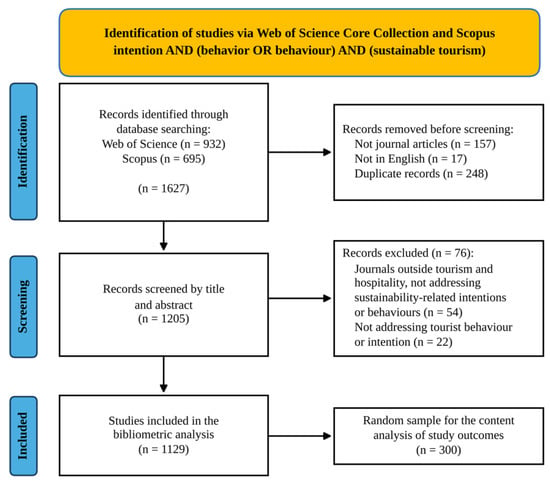
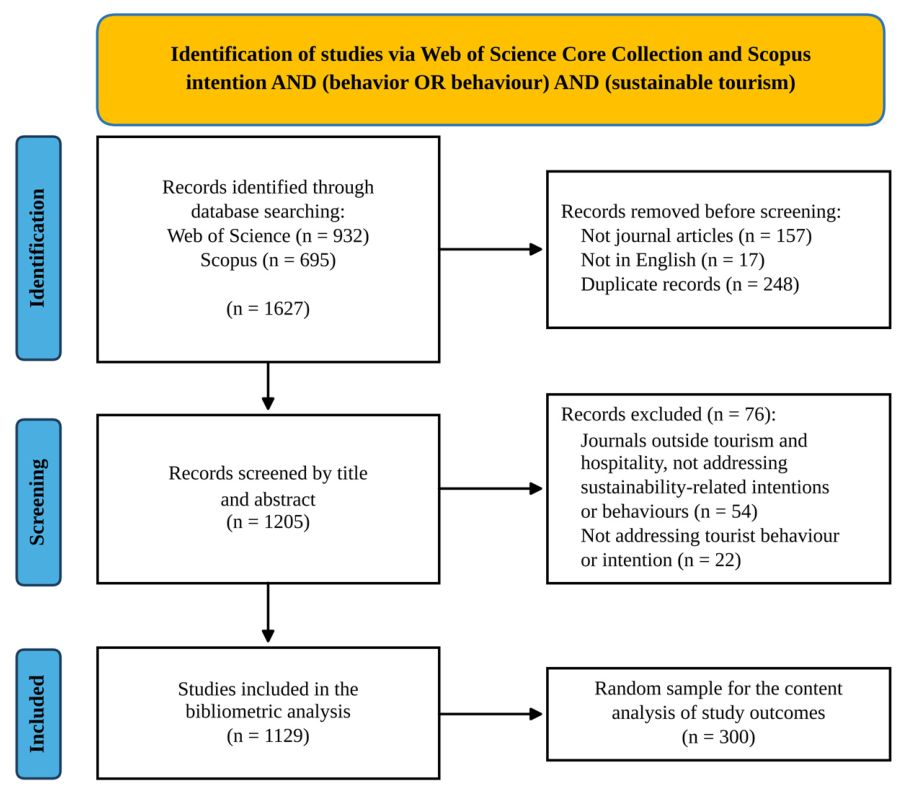
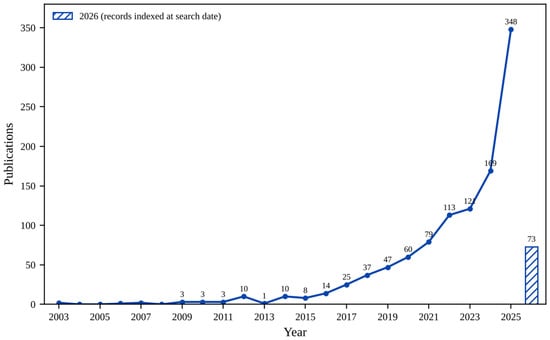
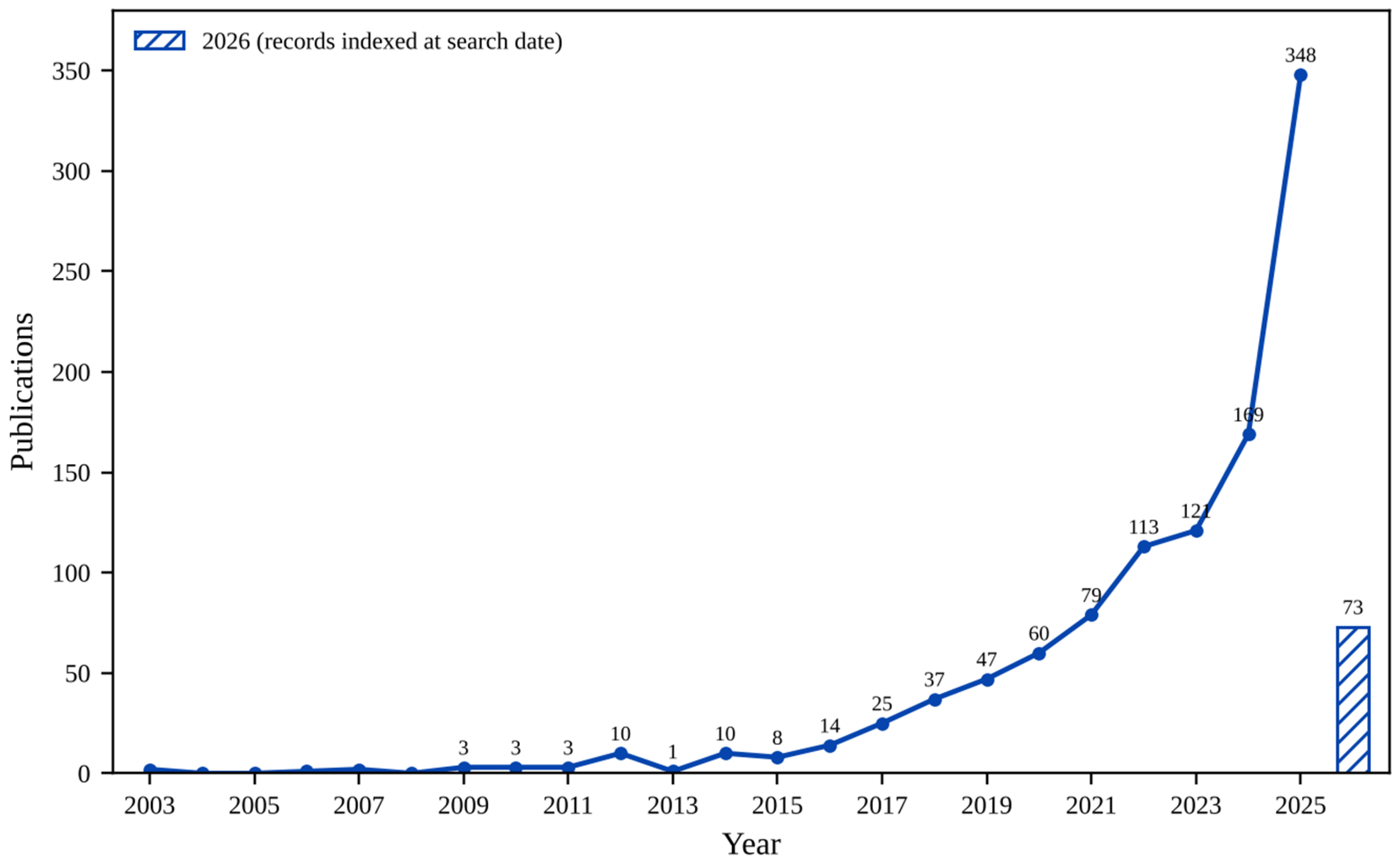
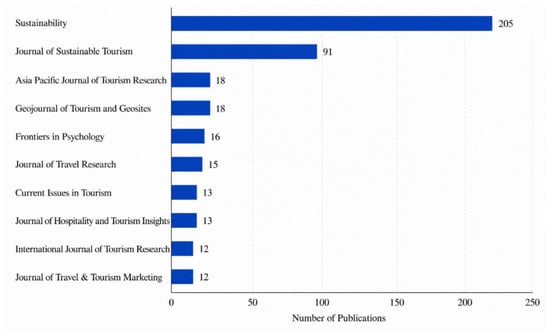
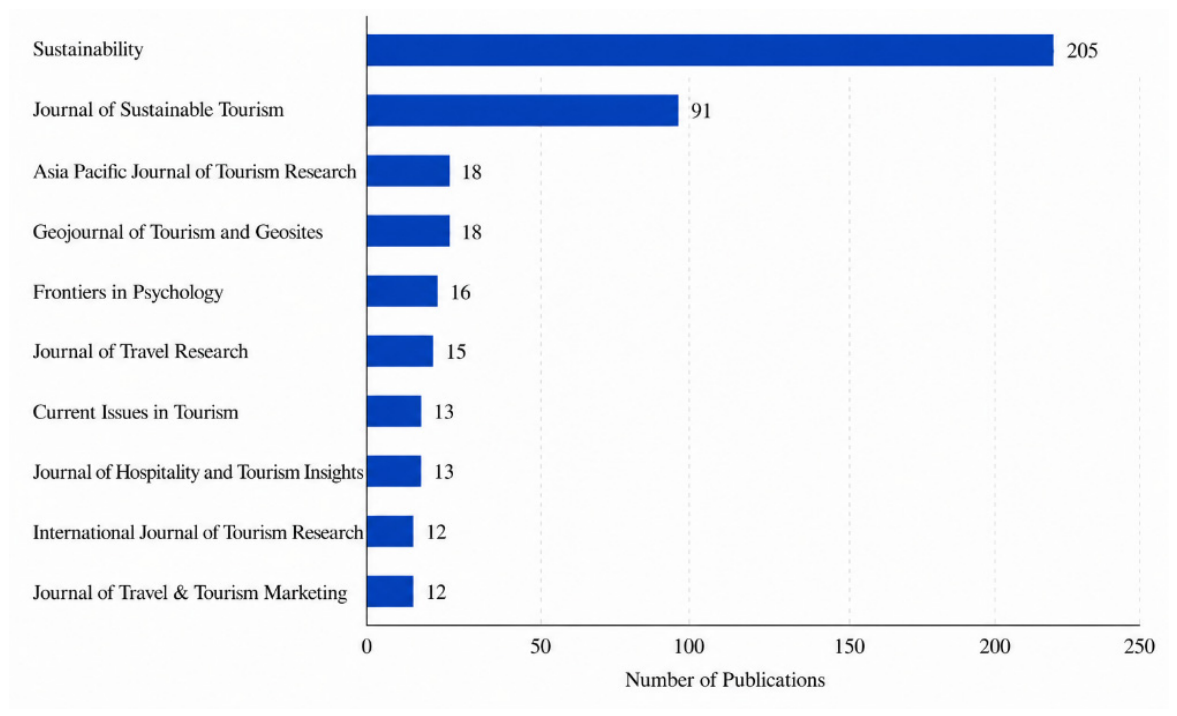
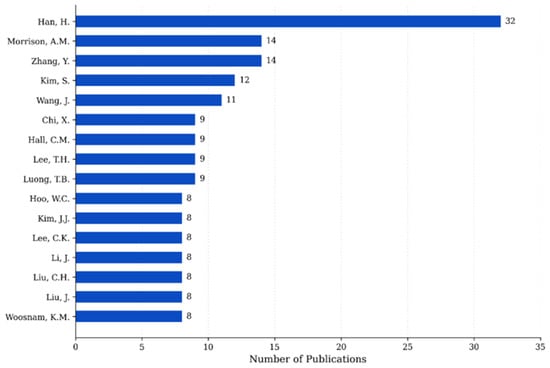
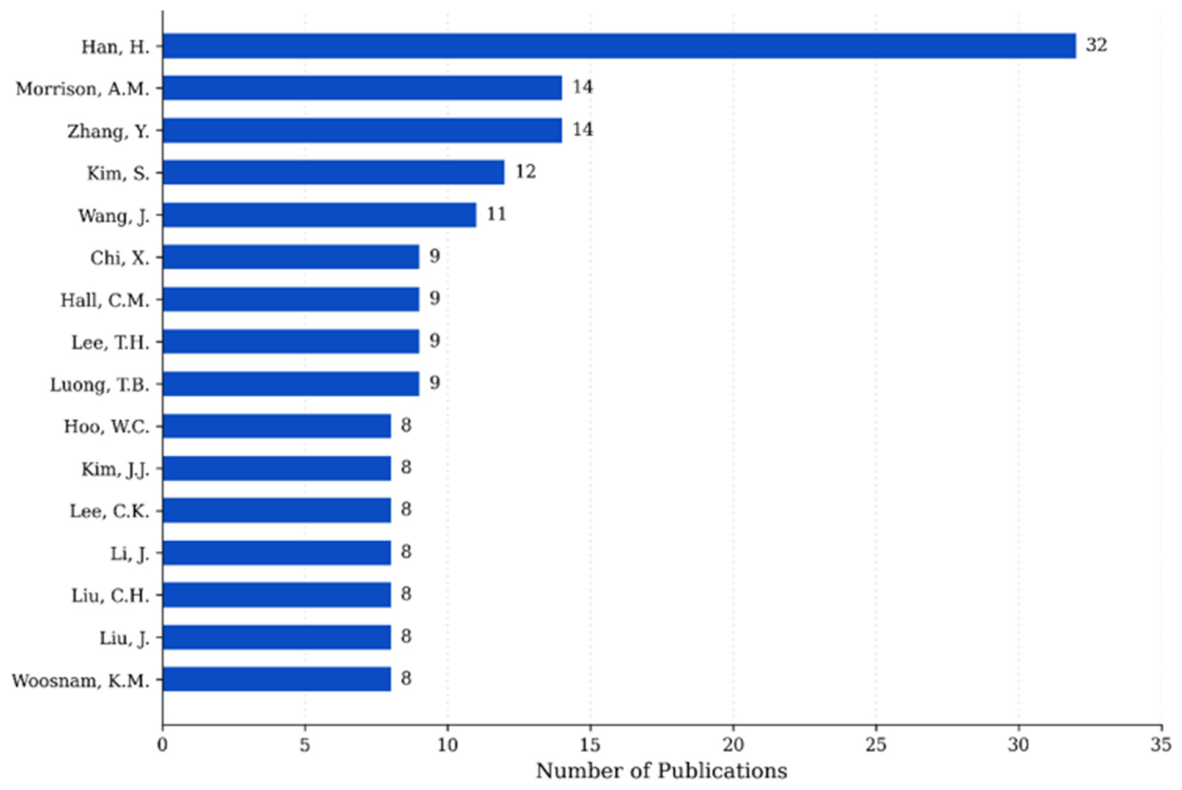
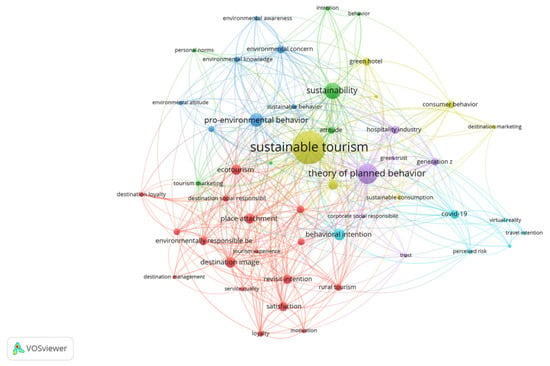
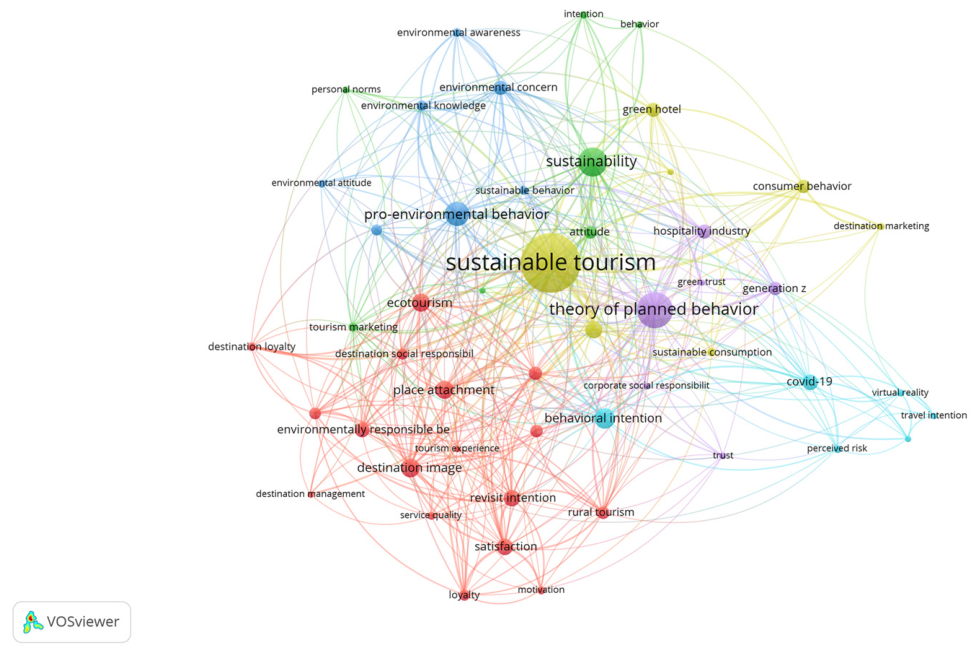
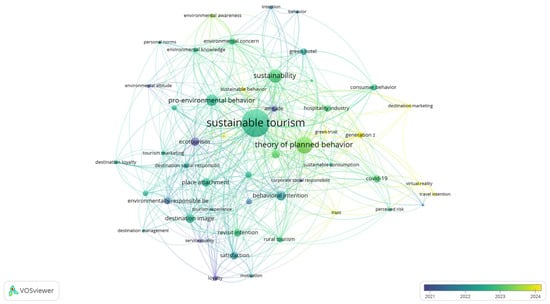
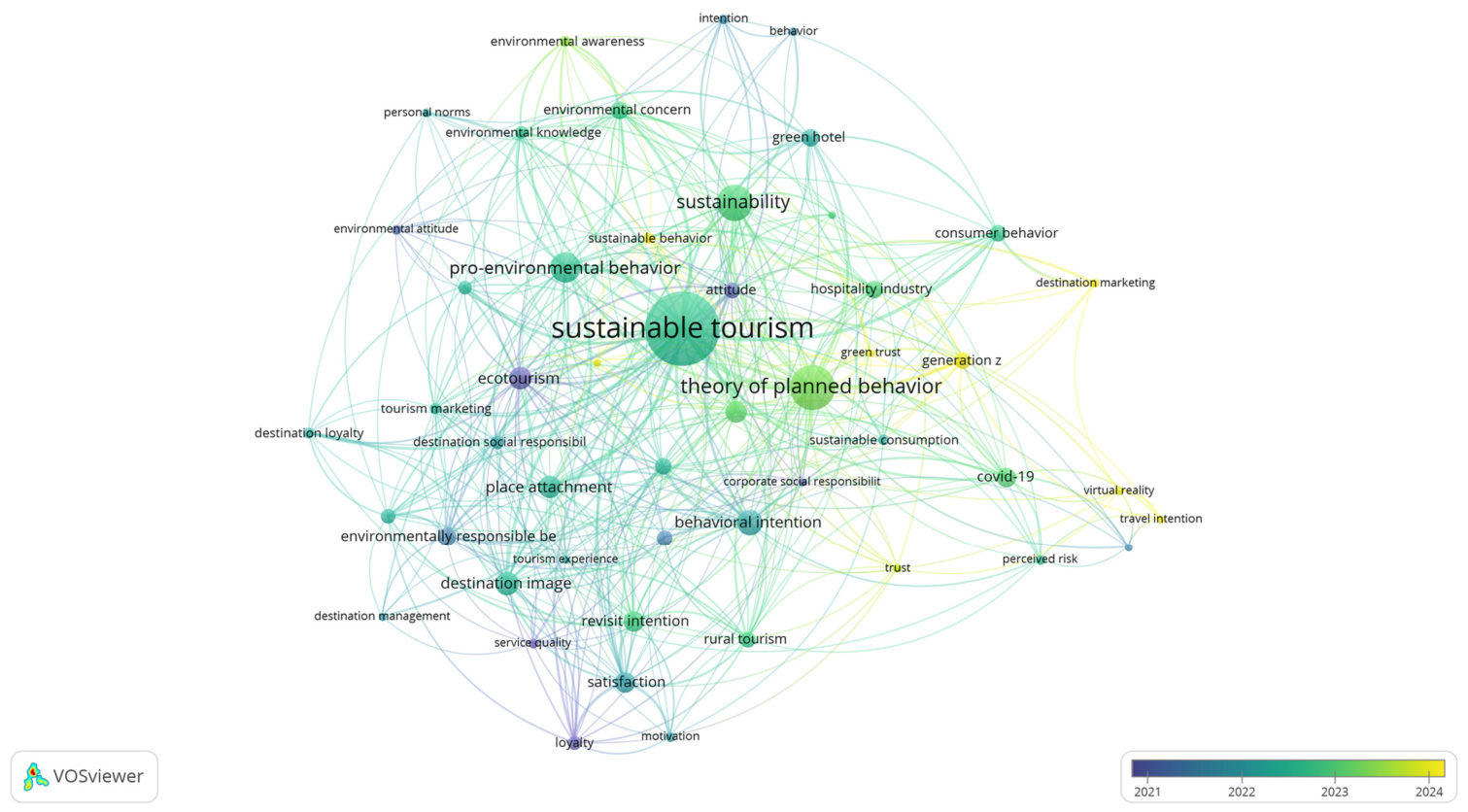
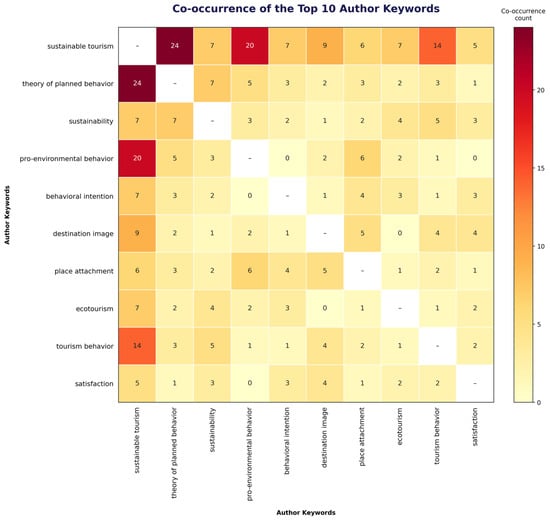
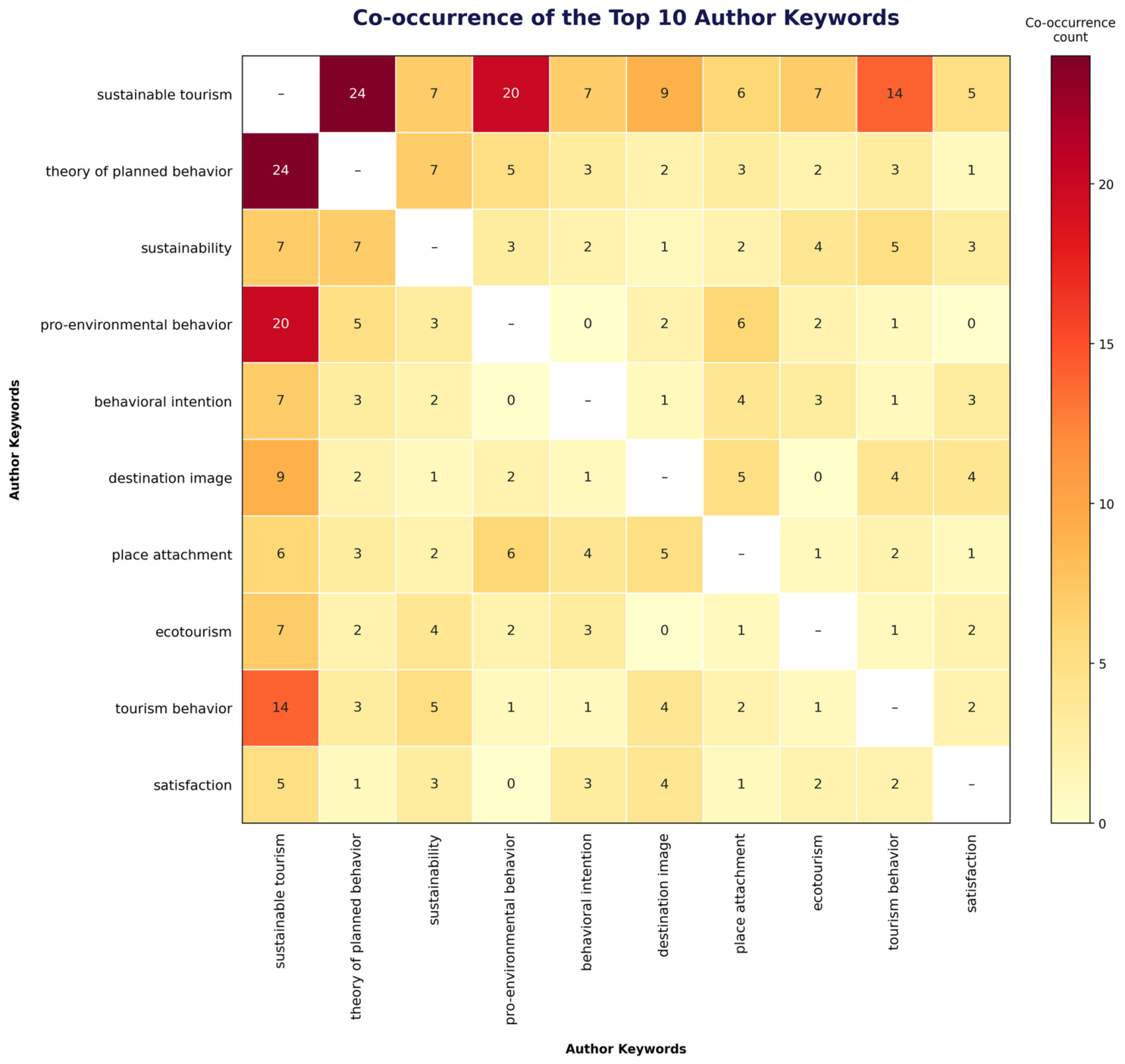

Disclaimer/Publisher’s Note: The statements, opinions and data contained in all publications are solely those of the individual author(s) and contributor(s) and not of MDPI and/or the editor(s). MDPI and/or the editor(s) disclaim responsibility for any injury to people or property resulting from any ideas, methods, instructions or products referred to in the content. |
© 2026 by the authors. Licensee MDPI, Basel, Switzerland. This article is an open access article distributed under the terms and conditions of the Creative Commons Attribution (CC BY) license.