


Abstract
Digital transformation has reshaped organizational routines, requiring leadership approaches that integrate technological orientation, employee motivation, and stakeholder responsibility. This study investigates how digital leadership relates to firm performance through the mediating roles of work engagement and social sustainability. Drawing on Job Demands–Resources theory and stakeholder theory, a serial mediation model was tested using data collected from employees working in firms located in Kocaeli, Türkiye. Social sustainability and firm performance were assessed as employees’ perceptions of organizational practices and outcomes rather than as objective or aggregated firm-level measures. Participants were reached through convenience sampling, and the data were gathered using a questionnaire. After incomplete responses were excluded, the final sample comprised 368 employees. The proposed relationships were analyzed through partial least squares structural equation modeling (PLS-SEM) using SmartPLS 4. The results show that digital leadership is positively associated with work engagement, social sustainability, and firm performance. Work engagement is also positively related to social sustainability and firm performance, while social sustainability is positively linked to firm performance. The mediation analysis indicates that work engagement and social sustainability separately explain part of the relationship between digital leadership and firm performance. In addition, the sequential pathway from digital leadership to work engagement, then to social sustainability, and ultimately to firm performance is supported, providing evidence of a statistically significant sequential indirect association.
1. Introduction
Digital transformation extends beyond the addition of individual technologies to existing business activities and involves broader changes in organizational strategy, structure, routines, and value-creation processes. Systematic reviews indicate that digital transformation can reshape how firms organize their operations, design their business models, and interact with their wider business ecosystems [1,2]. Hanelt et al. [1] emphasize that digital transformation often requires organizational designs capable of supporting continuous adaptation, while Verhoef et al. [2] identify strategy, organizational structure, capabilities, and performance measurement as central elements of the transformation process. Accordingly, the organizational value of digital technologies may depend not only on their technical features but also on how effectively they are incorporated into coordinated managerial and organizational practices.
The growing organizational influence of digital technologies has also increased scholarly attention to leadership in digitally mediated environments. Research on e-leadership suggests that advanced information technologies can alter both the context in which leadership occurs and the means through which leaders influence organizational members [3]. Based on a review of leadership in digitalized organizations, Cortellazzo et al. [4] argue that leaders play important roles in promoting digital culture, managing stakeholder relationships, facilitating collaboration in complex environments, and addressing ethical issues associated with technological change. Zeike et al. [5] similarly note that digitalization creates new managerial demands and makes digital leadership capabilities increasingly relevant to the management of organizational transformation. Digital leadership may therefore be understood as a capability that combines technological awareness with the capacity to guide the human and organizational dimensions of digitally driven change.
Despite growing scholarly attention to digital leadership, important questions remain regarding the mechanisms through which it is associated with firm performance. Existing research has primarily emphasized technology-oriented pathways, such as digital transformation and innovation, or examined employee-related outcomes separately [6,7,8,9]. Less attention has been devoted to how employee motivation and socially sustainable organizational practices may be connected within a single explanatory framework. In particular, the sequential association linking digital leadership, work engagement, social sustainability, and firm performance remains insufficiently examined. Addressing this gap may provide a more integrated understanding of how digital leadership relates to organizational outcomes through both employee motivation and stakeholder-oriented practices.
Empirical evidence generally associates digital leadership with favorable organizational outcomes, although the mechanisms connecting it to firm performance remain unsettled. Chatterjee et al. [6] showed that digital leadership capability played a meaningful role in translating digital workplace transformation into employee- and organization-related performance outcomes. Khan et al. [7] found that digital leadership was positively related to IT firm performance both directly and indirectly through digital innovation. By contrast, Senadjki et al. [8] reported that the examined dimensions of digital leadership did not exert significant direct effects on financial performance, while their influence emerged through digital transformation. These differences suggest that the performance relevance of digital leadership may vary according to organizational context and the extent to which leadership-driven digital initiatives are converted into changes in innovation, routines, and operational processes.
Much of the existing literature has explained the performance implications of digital leadership through technology- and strategy-oriented mechanisms, including digital transformation, innovation, business model renewal, and organizational capabilities [6,7,8]. However, implementing digital transformation may also depend on employees’ willingness and capacity to participate in changing work arrangements. According to the Job Demands–Resources theory, job resources are defined as aspects of work that contribute to achieving goals, reducing costs caused by job demands, or fostering employee development, and such resources promote work engagement [10]. In a digital transformation context, leadership-provided clarity, support, participation opportunities, and competence development may function as resources that help employees respond to technological uncertainty and changing task requirements. Consistent with this argument, Li et al. [9] reported that employees showed higher levels of work engagement when middle managers demonstrated stronger digital leadership, with employee empowerment and affective commitment serving as partial mediating mechanisms in this association.
Work engagement describes a constructive work-related condition in which employees display high energy, strong involvement, and deep concentration in their tasks [10]. Although engagement is experienced at the individual level, evidence indicates that shared or aggregated engagement may be associated with broader organizational outcomes. Schneider et al. [11] found that workforce engagement predicted subsequent return on assets, net profit margin, customer satisfaction, and corporate reputation, although it did not predict every market-based performance indicator examined in their study. Thus, work engagement appears capable of contributing to firm-level outcomes, but the magnitude and visibility of this contribution may differ across performance dimensions.
Social sustainability may constitute a further mechanism through which digital leadership becomes associated with firm performance. Stakeholder theory proposes that organizational value creation should be evaluated in relation not only to shareholders but also to employees, customers, suppliers, communities, and other groups affected by corporate decisions [12]. At the firm level, social sustainability can encompass employee welfare and equality, respect for human rights, fair working conditions, and socially responsible engagement with communities and other stakeholders [13]. Wang et al. [13] found that employee-oriented and socially oriented sustainability practices contributed to social performance and that social performance subsequently enhanced financial performance. These findings are consistent with the possibility that social sustainability creates performance-relevant relational benefits, although mechanisms such as trust, legitimacy, and stakeholder support were not directly measured in the present model.
Existing evidence concerning digital leadership and sustainability has generally relied on broad sustainability constructs rather than isolating the social dimension. Niu et al. [14] found that digital leadership positively influenced ESG management and organizational innovation in both South Korean and Chinese samples and showed that these variables were associated with organizational sustainability. Shin et al. [15] found that the positive contribution of digital leadership to sustainable organizational performance was explained partly by the development of a supportive digital culture and stronger employee digital capabilities. Although these studies suggest that digital leadership may be relevant to sustainability outcomes, they do not examine social sustainability as a distinct mechanism separated from environmental and governance considerations.
The direction of the relationship between work engagement and social sustainability also remains insufficiently established. Previous studies have more commonly investigated socially responsible or sustainability-related practices as antecedents of employee engagement. Casey and Sieber [16], for example, developed a conceptual model suggesting that employee participation in sustainability and corporate social responsibility activities may strengthen meaningfulness and engagement. Ismael and Yesiltas [17] found that employees’ perceptions of corporate social responsibility were positively related to work engagement and organizational citizenship behavior. Evidence concerning the reverse direction is more limited. Permata and Mangundjaya [18] showed that greater job autonomy was associated with more proactive employee behavior partly because it fostered work engagement; however, social sustainability was not included among the variables examined in their research.
The preceding literature provides further justification for the research gap identified earlier. Studies linking digital leadership to organizational performance have frequently emphasized technological and strategic mechanisms, while research on work engagement has primarily focused on employees’ motivational and behavioral outcomes [6,7,8,9]. Similarly, studies examining digital leadership and sustainability have often considered broader ESG or sustainability outcomes without isolating the social dimension [14,15]. Moreover, the relationship between work engagement and social sustainability warrants particular attention, as prior research has more commonly positioned socially responsible practices as antecedents of employee engagement rather than examining engagement as a potential contributor to such practices [16,17,18]. Integrating these perspectives allows the present study to examine a theoretically specified sequence connecting leadership-related resources, employee motivation, socially oriented organizational practices, and perceived firm performance.
The present study addresses these research needs by examining the direct association between digital leadership and firm performance together with the indirect pathways operating through work engagement and social sustainability. Job Demands–Resources theory is used to explain how digital leadership may provide resources that strengthen employees’ motivational involvement, whereas stakeholder theory is used to interpret how socially sustainable practices may contribute to firm performance by addressing the interests of internal and external stakeholders. Work engagement and social sustainability are investigated both as separate mediators and as successive elements of a theoretically specified serial association. In this way, the study seeks to extend explanations of digital leadership beyond predominantly technological mechanisms by integrating employee motivation and socially oriented stakeholder management within the same model. It also examines social sustainability as a distinct construct and tests the less frequently studied direction from work engagement to social sustainability. Drawing on survey data from 368 employees working in firms located in Kocaeli, Türkiye, the study additionally provides evidence from a specific emerging-economy and regional context, while recognizing that this context places boundaries on the generalizability of its findings.
2. Theoretical Background and Literature Review
2.1. Digital Leadership and Firm Performance
Stakeholder theory proposes that sustained firm performance depends on an organization’s ability to create value for and maintain productive relationships with employees, customers, business partners, investors, and other groups that influence its continued success [19,20]. Digital leadership may be associated with this value-creation process by establishing a clear digital direction, mobilizing technological and human resources, and coordinating organizational responses to rapidly changing stakeholder expectations [7,21]. By aligning digital initiatives with employee capabilities and organizational priorities, digital leadership may be associated with greater workplace transformation, innovation, responsiveness, and operational effectiveness, which may in turn be related to greater value delivered to relevant stakeholder groups [6,7]. Such alignment is particularly important because the performance benefits associated with digital technologies may depend on the extent to which they are accompanied by changes in organizational processes, capabilities, and value-creation practices [7,8].
Empirical findings broadly support this argument, as Norouzi et al. [22] identified both a positive direct effect of digital leadership on firm performance and indirect effects operating through dynamic capabilities and business model innovation. Similarly, Arabiun et al. [23] found that the mental framework, social capital, and virtual-team dimensions of digital leadership were positively related to business performance, while organizational entrepreneurship transmitted additional indirect effects. However, Senadjki et al. [8] reported that digital leadership capabilities, experience, predictability, and vision did not directly predict financial performance, although each dimension produced an indirect effect through digital transformation.
Taken together, these findings suggest that digital leadership may be associated with firm performance by directing digital and organizational resources toward changes that improve the value created for strategically important stakeholders. However, the extent to which this contribution translates into direct performance gains may depend on whether leadership facilitates transformation, innovation, and capability development [7,8,22].
H1.
Digital leadership is positively associated with firm performance.
2.2. Digital Leadership and Social Sustainability
Social sustainability in the context of digital transformation concerns whether technological change supports social inclusion, equitable access, human well-being, rights protection, and the development of digital skills. Nosratabadi et al. [24] examined these issues at the national rather than organizational level and identified digital inclusion and digital competence as important elements of socially sustainable digitalization. At the firm level, stakeholder theory suggests that value creation should reflect the interests of employees, customers, suppliers, communities, and other parties affected by organizational decisions [12].
Within this framework, digital leadership may contribute to social sustainability when technological change is managed in ways that strengthen participation, capability development, and access to digital opportunities. Khan et al. [25] found that digital leadership strengthened employees’ sense of empowerment, which subsequently promoted technology-related work engagement and broader sustainability performance. This finding suggests that digital leadership may be associated with sustainable outcomes through its relationship with employees’ autonomy, competence, and ability to participate in technology-enabled change.
Broader organizational evidence also indicates that digital leadership has been associated with ESG management and organizational innovation, which have in turn been associated with organizational sustainability [14]. The form of this mediation differed between the national contexts examined, implying that leadership alone may not automatically generate sustainable outcomes. Instead, its contribution may depend on whether digital priorities are incorporated into formal ESG, innovation, and stakeholder-management practices [14]. Taken together, the available literature provides a basis for expecting digital leadership to support social sustainability when digital transformation is used to expand employee capabilities, participation, inclusion, and stakeholder responsiveness. However, because prior studies have largely examined broader sustainability outcomes, the direct relationship between digital leadership and social sustainability still requires further empirical investigation.
H2.
Digital leadership is positively associated with social sustainability.
2.3. Digital Leadership and Work Engagement
Within the Job Demands–Resources framework, digital leadership may be viewed as an organizational resource that helps employees cope with the ambiguity, complexity, and continuous learning demands associated with digital change [10,26]. Digital leaders provide employees with a comprehensible digital direction, access to technological and informational resources, opportunities to develop new competencies, and guidance regarding the use of emerging technologies in work processes [26]. Such resources may reduce perceived ambiguity surrounding digital change and may be associated with stronger perceptions of having sufficient knowledge and support required to perform successfully in technology-intensive environments [26].
JD–R theory proposes that access to valuable job resources may be associated with greater employee motivation and, consequently, with higher work engagement [10]. Digital leadership may be relevant to this process by connecting technological change with meaningful organizational objectives, explaining how employees contribute to the digital vision, and establishing a work climate in which experimentation and learning are supported rather than penalized [26]. When employees understand the purpose of digital transformation and receive sufficient assistance in adapting to new technologies, they are more likely to perceive their work as manageable, meaningful, and worthy of sustained effort [26]. Digital leadership may therefore be associated with greater engagement not merely by introducing technological tools, but by transforming those tools into accessible and psychologically valuable work resources.
Digital leadership may also strengthen work engagement by increasing employees’ autonomy and influence over digitally mediated work processes [27]. Managers with strong digital leadership capabilities provide timely information, involve employees in technology-related decisions, facilitate knowledge exchange, and give them greater discretion in responding to digitally driven change [9]. These practices may be associated with stronger perceptions of empowerment and greater willingness to invest personal resources in work [9,27]. Yang et al. [27], for example, found in a two-wave study that digital leadership was positively associated with work engagement both directly and indirectly through employee empowerment. Consistent with this reasoning, Li et al. [9] found that employees in Chinese listed firms reported stronger engagement when their managers displayed digital leadership, with empowerment and affective commitment also helping to explain this positive effect.
The empirical evidence in the literature broadly supports this theoretical reasoning across different occupational and organizational settings. Agustina et al. [28] showed that stronger digital leadership by school principals was associated with higher work engagement among Indonesian vocational-school teachers, with trust and self-efficacy also playing meaningful roles in the leadership process. In a similar vein, Rizky et al. [29] found a positive link between digital leadership and employee work engagement in Jakarta, and this relationship remained evident when collaboration skills and perceived organizational support were considered.
More recent evidence further clarifies the personal-resource mechanism underlying this relationship. In a two-wave study involving employees from several Chinese companies, Li et al. [26] further showed that digital leadership was linked to stronger work engagement not only on its own but also by increasing employees’ digital self-efficacy. Their results suggest that digital leadership can foster greater engagement by building employees’ belief in their ability to handle digital technologies successfully. This implies that resources supplied through leadership may help employees develop personal capabilities that, in turn, support sustained involvement in their work. However, the same study showed that technostress weakened this resource-conversion process, because the indirect effect of digital leadership through digital self-efficacy was considerably stronger under low technostress than under high technostress. This result is consistent with JD–R theory because digital leadership is more likely to generate engagement when the resources supplied by leaders are sufficient to counterbalance demands such as technological overload, complexity, uncertainty, and constant connectivity [10,26].
Taken together, the literature suggests that digital leadership is positively associated with work engagement by supplying instrumental resources, clarifying the meaning and direction of digital change, supporting competence development, reinforcing empowerment, and strengthening employees’ confidence in their ability to manage digital work requirements [9,26,28]. These leadership-related resources may be associated with greater energy, psychological involvement, and dedication during digital transformation, rather than employees interpreting it solely as an additional source of workload or uncertainty [26]. Accordingly, the following hypothesis can be proposed:
H3.
Digital leadership is positively associated with work engagement.
2.4. Social Sustainability and Firm Performance
Stakeholder theory provides a relevant framework for explaining how social sustainability may contribute to superior firm performance. From this perspective, firms are expected to consider not only shareholder interests but also the social needs, expectations, and welfare of employees, customers, suppliers, communities, and other stakeholder groups. Addressing these expectations may be associated with stronger stakeholder support and, in turn, with more favorable organizational and financial outcomes [30]. Stakeholder theory therefore suggests that firms should establish responsible relationships with their stakeholders by improving their ethical conduct, moral principles, and social standards [31]. Such relationships may be associated with greater trust, legitimacy, and reputational value, which may in turn be related to corporate image, firm value, and long-term financial performance [32].
Empirical evidence generally supports this theoretical reasoning. Abukari et al. [33] showed that Canadian firms maintaining consistently strong corporate sustainability performance outperformed firms whose sustainability performance fluctuated over time. Evidence from prior literature reviews also points to a predominantly positive association between sustainability and business performance. Alshehhi et al. [30] reported that most of the studies included in their review identified a positive sustainability–performance relationship. Nevertheless, Goyal et al. [34] emphasized that this relationship may vary according to economic, institutional, and cultural conditions and noted that existing evidence has been disproportionately concentrated in developed economies. This limitation highlights the importance of examining the performance implications of sustainability practices in emerging-market contexts.
More specifically, studies focusing on the social dimension of sustainability indicate that socially responsible practices may be associated with both relational and economic benefits. Famiyeh et al. [35] found that corporate social responsibility initiatives were positively associated with firm reputation and overall organizational performance, while enhanced reputation was also related to stronger performance. This result indicates that the association between social sustainability and performance may partly reflect favorable stakeholder perceptions of the organization. Earlier evidence provided by Waddock and Graves [36] likewise established a positive connection between corporate social performance and financial performance. Wu et al. [37] further found that the implementation of social practices improved both firms’ social reputation and their financial outcomes. In the supply-chain context, Frempong et al. [38] demonstrated that sustainability-oriented cooperation with suppliers strengthened the contribution of social sustainability practices to firm performance. Findings from the corporate social responsibility literature are also consistent with this argument, as socially responsible business practices have repeatedly been associated with improved organizational and financial performance [32,39].
Taken together, the literature suggests that social sustainability should not be regarded solely as a normative or philanthropic obligation. By protecting stakeholder interests, improving working and social conditions, developing responsible supply-chain relationships, and reinforcing corporate legitimacy, social sustainability may be associated with valuable intangible resources. These resources may increase stakeholder commitment, reduce relational risks, improve corporate reputation, and create conditions that support sustainable performance. Accordingly, the following hypothesis is proposed:
H4.
Social sustainability is positively associated with firm performance.
2.5. Work Engagement and Firm Performance
The JD–R framework offers a useful explanation for the link between work engagement and firm performance. Its motivational pathway proposes that access to resources such as decision-making freedom, constructive feedback, managerial assistance, and learning opportunities motivates employees to devote more effort, attention, and emotional commitment to their work [40,41]. Employees who experience vigor, dedication, and absorption are therefore more likely to remain focused on their responsibilities, persist when difficulties arise, and direct sustained effort toward organizational objectives.
Research conducted at the employee level offers an important explanation for how engagement can eventually become relevant to firm-level outcomes. In the Portuguese employment context, Cesário and Chambel [42] showed that higher work engagement was associated with better employee performance evaluations and that engagement explained performance more strongly than the organizational commitment dimensions included in their analysis. A comprehensive meta-analysis similarly demonstrated that overall work engagement, as well as its vigor, dedication, and absorption dimensions, was positively associated with job performance across different occupational and organizational settings [43]. These findings suggest that engagement is associated with task-related and discretionary employee contributions.
More direct evidence indicates that previous research has also reported associations between engagement and organizational productivity. In the Bangladeshi business environment, Friesenbichler and Selenko [44] showed that managerial work engagement was positively associated with firm productivity even after organizational, industrial, and regional characteristics were taken into account. Their findings are particularly relevant because managers’ energy, concentration, and persistence may influence decision quality, resource utilization, coordination, and the implementation of organizational priorities. Evidence from publicly traded companies also supports the organizational-level relevance of engagement. Schneider et al. [11] conceptualized workforce engagement as the aggregation of employees’ engagement experiences within an organization and found that it predicted subsequent accounting-based financial outcomes, customer satisfaction, and corporate reputation.
The motivational mechanism proposed by the JD–R model is also supported in organizational change settings. In the Greek telecommunications industry during the COVID-19 pandemic, Katsaros [45] found that work engagement was positively associated with firm financial performance and mediated the relationship between organizational support during change and financial performance. This finding indicates that organizational resources may be associated with financial outcomes partly through their relationship with employee motivation, through which employees translate support into sustained work effort and performance-relevant behavior.
Taken together, the JD–R model suggests that work engagement operates as a motivational bridge between organizational resources and firm performance. Job resources are associated with employees’ energy, involvement, and persistence, while engagement-related behaviors have been linked to individual performance and, in some prior studies, to broader organizational outcomes [11,40,44,45]. Work engagement can therefore be regarded as an employee-level motivational state that may be relevant to performance-related outcomes. Accordingly, the following hypothesis is proposed:
H5.
Work engagement is positively associated with firm performance.
2.6. Work Engagement and Social Sustainability
Social sustainability concerns the way organizations manage their relationships with employees, communities, and other stakeholders while addressing the social implications of their activities [46]. It encompasses issues such as employee welfare, responsible employment, human rights, community involvement, and broader social responsibility [46]. From a stakeholder perspective, achieving social sustainability requires more than formal policies or stated commitments. Social objectives need to be reflected in organizational decisions, routines, and interactions with different stakeholder groups.
Research has frequently examined socially responsible and sustainability-oriented practices as antecedents of work engagement. Employees tend to become more engaged when they perceive their organization as socially responsible and when their work environment supports sustainability-related values and practices [16,17,47]. At the same time, work engagement may also be relevant to the way employees participate in the development and implementation of such practices. Engaged employees invest considerable energy and attention in their work and are generally more willing to take an active role in improving how work is carried out. This active involvement is particularly important for social sustainability because many socially responsible practices depend on employees identifying problems, suggesting improvements, cooperating with others, and supporting changes in existing routines.
The proposed direction from work engagement to social sustainability does not imply that socially responsible practices cannot also foster engagement. Rather, the present model focuses on a complementary mechanism in which engagement represents an employee-level motivational state that may be associated with employees’ active participation in the enactment of socially oriented organizational practices. From a Job Demands–Resources perspective, engaged employees invest greater energy, attention, and discretionary effort in their work. From a stakeholder perspective, social sustainability depends not only on formal policies but also on the extent to which stakeholder-related concerns are reflected in everyday organizational practices. Employee voice, initiative, cooperation, and support for change provide a behavioral bridge between these two perspectives. Accordingly, work engagement is positioned before perceived social sustainability in the proposed model because engagement may be associated with the employee behaviors through which stakeholder-oriented practices are implemented and sustained.
Research on proactive work behavior provides support for this reasoning. Salanova and Schaufeli [48] found that work engagement served as a motivational mechanism connecting job resources with proactive behavior across two independent employee samples. Similarly, Schmitt et al. [49] showed that work engagement was associated with proactive contributions in the form of personal initiative and employee voice. These behaviors extend beyond the passive fulfillment of formal job requirements because they involve employees actively seeking improvements and contributing ideas about how organizational practices can be changed. In this respect, employee voice is particularly relevant to social sustainability. By expressing suggestions or raising concerns, employees can draw attention to working conditions, stakeholder needs, fairness issues, or organizational practices that may require improvement. Consistent with this view, Du and Wang [50] found a positive association between work engagement and employee voice behavior. Thus, engagement may be associated with greater employee participation in organizational discussions and improvement processes.
Work engagement may also contribute to the implementation of organizational change. Social sustainability initiatives often require organizations to revise existing procedures, introduce new employment practices, strengthen stakeholder-oriented processes, or modify established ways of working. Such changes depend partly on whether employees are willing to support and enact them in their daily activities. Faupel and Süß [51] found that work engagement functioned as a motivational mechanism through which employees developed supportive behavior during organizational change. Baik et al. [52] likewise showed that work engagement was involved in the development of adaptive and proactive change-oriented behavior. These findings suggest that engaged employees are more likely to contribute energy and initiative when organizations introduce new practices or attempt to improve existing ones. In the context of social sustainability, such behavior may be relevant to the incorporation of social objectives into everyday work processes rather than leaving them as formal organizational intentions.
This behavioral perspective is also consistent with research on the implementation of corporate social responsibility. Testa et al. [53] showed that effective CSR performance is connected not only to formal management systems but also to employee commitment, the internalization of CSR practices, and organizational citizenship behavior. Similarly, Risi et al. [54] conceptualized CSR implementation as a process of coordinated enactment in which responsibility-oriented commitments become embedded in day-to-day organizational activities through coordination and action across organizational functions. Together, these studies highlight the importance of employee participation in transforming broad responsibility objectives into actual organizational practices. Employees who are highly engaged may be particularly inclined to provide discretionary effort, communicate concerns, initiate improvements, and support the organizational changes needed to enact stakeholder-oriented social practices.
More direct support for this argument is provided by research on the implementation of corporate social responsibility. Yang et al. [55] examined how employee engagement contributes to the embedding of CSR within organizational processes and found that CSR implementation increasingly involved employees as organizations moved toward more participative and co-created approaches. Their findings suggest that employee involvement can be important for incorporating responsibility-oriented initiatives into everyday organizational practices and decision-making processes. Although their study focused on CSR implementation rather than social sustainability as a distinct construct, the findings provide relevant support for the present argument that engaged employees may contribute to the enactment and maintenance of stakeholder-oriented social practices.
Taken together, these arguments suggest that work engagement can be associated with social sustainability through the proactive and participative behaviors that engaged employees bring to organizational life. Their energy and involvement may encourage employee voice, initiative, cooperation, and support for change, all of which may be associated with the implementation and maintenance of socially responsible practices. Accordingly, the following hypothesis is proposed:
H6.
Work engagement is positively associated with social sustainability.
2.7. The Mediating Roles of Work Engagement and Social Sustainability
The association between digital leadership and firm performance may not be explained solely by leaders’ technological decisions. Rather, digital leadership may be associated with firm performance through its relationship with employees’ digital capabilities and the organizational context surrounding digital resource use [15]. Accordingly, work engagement and social sustainability may represent complementary mechanisms through which digital leadership is associated with firm performance. According to the Job Demands–Resources model, leadership may function as an important job resource by providing employees with strategic clarity, autonomy, feedback, technological support, and development opportunities. These resources are particularly important during digital transformation, which may increase uncertainty, learning requirements, and technological pressures. By communicating a coherent digital vision, supporting experimentation, and facilitating access to digital knowledge, digital leadership may be associated with greater employee vigor, dedication, and absorption in their work [10].
Previous research supports this motivational mechanism. Digital leadership has been positively associated with work engagement [9,27], while work engagement has been linked to prohibitive voice behavior [27] and organizational agility [56]. Katsaros [45] similarly showed that work engagement mediated the relationship between organizational support during change and firm performance, supporting the view that organizational resources can improve performance through employees’ motivational involvement. Therefore:
H7.
Work engagement mediates the positive association between digital leadership and firm performance.
Social sustainability represents a broader organizational mechanism involving the firm’s social responsibilities toward multiple stakeholders. It includes issues such as employee welfare, human rights, equality, customer well-being, responsible supply-chain practices, community development, and the wider social consequences of organizational activities [13,57,58]. Stakeholder theory suggests that firms can achieve sustainable success by responding effectively to the interests of employees, customers, suppliers, communities, public authorities, and other groups that affect or are affected by organizational decisions [20].
Digital leadership may be positively associated with social sustainability by using digital technologies to improve stakeholder communication, transparency, participation, supply-chain traceability, and the identification of social risks. Digital leadership may also be relevant to whether technological capabilities are directed only toward efficiency or are employed to improve accountability and social value creation. Consistent with this argument, Niu et al. [14] found that digital leadership promoted ESG management and sustainability-related organizational outcomes.
Social sustainability may, in turn, be associated with firm performance through its relationships with stakeholder trust, corporate reputation, legitimacy, customer support, supplier cooperation, and community acceptance (e.g., [59]). It may also be associated with lower reputational, regulatory, and supply-chain risks. Wang et al. [13] showed that employee-oriented and socially driven sustainability practices improved social performance, which subsequently contributed to financial performance. Thus, social sustainability may provide a theoretical link between digital leadership-related capabilities and stronger stakeholder relationships and long-term organizational value. Accordingly:
H8.
Social sustainability mediates the positive association between digital leadership and firm performance.
Although an alternative sequence in which social sustainability is associated with work engagement is theoretically plausible, the ordering proposed in this study follows the specific mechanism implied by the integration of Job Demands–Resources theory and stakeholder theory. Job Demands–Resources theory positions leadership-related resources as antecedents of employees’ motivational states, providing the rationale for placing work engagement immediately after digital leadership. Engagement is then linked to employee voice, initiative, cooperation, and support for change, which can facilitate the enactment of stakeholder-oriented social practices. Stakeholder theory subsequently provides the rationale for linking these socially oriented practices with organizational outcomes. Thus, the proposed sequence is not based on the assumption that the reverse relationship is impossible; rather, it reflects the particular theoretical process examined in this study, in which leadership-related resources are associated with employee motivation, employee participation is associated with socially sustainable practices, and these practices are associated with perceived firm performance.
Work engagement and social sustainability may also operate sequentially. Digital leadership is associated with resources that may strengthen employees’ willingness to invest effort and participate actively in organizational change. When employees are highly engaged, they are more likely to invest sustained attention, emotional commitment, and effort in their roles, thereby encouraging behaviors such as knowledge exchange, creative contribution, contextual performance, and voluntary activities beyond formal job requirements [60,61,62]. Such discretionary contributions may be particularly relevant to social sustainability because implementing socially oriented organizational practices requires employees not only to perform formally assigned tasks but also to exchange knowledge, identify opportunities for improvement, and contribute constructively to broader organizational initiatives. Work engagement may therefore be viewed as a motivational link between leadership-related resources and employee contributions relevant to the implementation of socially sustainable organizational practices.
Yang et al. [27] showed that digital leadership encouraged employee voice through work engagement, while Khan et al. [25] found that technology-related work engagement contributed to sustainability performance. Although these studies did not test the complete sequence proposed here, they support the argument that employee engagement can connect digital leadership with sustainability-oriented organizational outcomes.
Social sustainability is theoretically associated with firm performance through stronger stakeholder relationships, legitimacy, lower social risk, and organizational continuity. Accordingly, the proposed sequence integrates the motivational logic of the Job Demands–Resources model with the stakeholder-based explanation of social sustainability and represents the theoretically specified ordering examined in this study. Therefore:
H9.
Work engagement and social sustainability sequentially mediate the relationship between digital leadership and firm performance.
The research model is presented in Figure 1 below.
Figure 1.
Research model. Note. Solid arrows represent the direct hypotheses (H1–H6). The indirect hypotheses are explicitly linked to their corresponding direct paths below the model: H7 = H3 × H5, H8 = H2 × H4, and H9 = H3 × H6 × H4. DL = Digital Leadership; WE = Work Engagement; SS = Social Sustainability; FP = Firm Performance.
3. Method
3.1. Measures
The four focal constructs—digital leadership, work engagement, social sustainability, and firm performance—were operationalized using previously validated measurement instruments. All statements were rated on a five-point Likert-type scale ranging from 1 (“strongly disagree”) to 5 (“strongly agree”).
The six-item Turkish Digital Leadership Scale developed by Oktaysoy et al. [63], based on the original scale of Zeike et al. [5], was used to assess digital leadership. The validated Turkish version was originally formulated as a self-assessment measure. Because the present study focused on employees’ perceptions of their leaders, the referent of each item was changed from the respondent to the respondent’s manager, while the substantive content of the items was retained. For example, the original self-referential statement concerning enjoyment of using digital tools was reformulated as “My manager thinks that using digital tools is enjoyable.” Similarly, the item assessing expertise in digital devices and applications was reformulated to refer to the manager’s expertise. No changes were made to the five-point agreement format (1 = strongly disagree, 5 = strongly agree). No separate pretest or independent revalidation of this employee-rated adaptation was conducted prior to the main survey. Accordingly, the measurement properties of the adapted version were evaluated within the present sample through indicator loadings, internal consistency reliability, convergent validity, and discriminant validity.
Work engagement was assessed using the three-item Utrecht Work Engagement Scale (UWES-3) developed and validated by Schaufeli et al. [64]. A sample item from this scale is: “I am enthusiastic about my job”. The original UWES-3 uses a seven-point frequency response format ranging from 0 (“never”) to 6 (“always/every day”). In the present study, the response format was adapted to a five-point agreement scale ranging from 1 (“strongly disagree”) to 5 (“strongly agree”) to maintain a common response format across the questionnaire. No separate validation of this response-format adaptation was conducted prior to the main survey.
Social sustainability was measured using the six-item social sustainability subscale developed by Kim et al. [65] as part of their Measures of Perceived Sustainability instrument. Because the original scale was formulated from a corporate and brand-related perspective, the referent of the items was adapted to the respondent’s organization in the present study. For example, an item concerning concern for human rights was expressed as “Our organization cares about human rights.” The items were translated into Turkish with the support of a professional translation company experienced in academic translation in order to preserve linguistic clarity and consistency with the original meaning. No separate pilot study or formal content-validation procedure was conducted prior to the main survey. Accordingly, the adapted measure was evaluated in the present sample through indicator loadings, internal consistency reliability, convergent validity, and discriminant validity.
Firm performance was evaluated using the three-item subjective organizational performance scale employed by Martínez-Caro et al. [66]. The measure captures employees’ perceptions of three central organizational outcomes: business growth, profitability, and productivity. A representative item is: “Our organization has higher productivity.”
All scale items are provided in Appendix A.
For the work engagement, social sustainability, and firm performance scales, for which validated Turkish versions were not available, the items were translated into Turkish with the support of a professional translation company experienced in academic translation to ensure linguistic clarity and consistency with the original meaning.
3.2. Sample and Procedure
Data were collected between 18 July and 15 August 2026, using a cross-sectional online survey. Eligible participants were required to be at least 18 years old and actively employed by an organization located in Kocaeli, Türkiye. Using convenience sampling, potential respondents were approached through the researcher’s existing contact network. Email invitations describing the purpose of the study and providing a link to the questionnaire were distributed to 500 employees who met the eligibility criteria. A total of 379 questionnaires were returned. During data screening, 11 questionnaires were excluded because one or more survey items had been left unanswered, resulting in a final sample of 368 complete responses used in the analysis.
The unit of analysis was the individual employee. Work engagement was measured as an individual-level psychological state, whereas social sustainability and firm performance were assessed through employees’ perceptions of organizational practices and outcomes. Accordingly, these constructs were analyzed as individual-level perceptions rather than as aggregated firm-level measures.
Sample adequacy was evaluated using a statistical power analysis based on a literature-informed expected effect size. Because firm performance had the largest number of incoming structural paths in the model, the analysis was based on three predictors, following recommendations that power analysis in PLS models should consider the structural equation with the greatest number of independent variables [67]. Prior meta-analytic evidence reported a disattenuated correlation of 0.169 between corporate social/environmental performance and corporate financial performance [68], corresponding to an effect size of approximately f2 = 0.03. Using this effect-size benchmark, an alpha level of 0.05, statistical power of 0.80, and three predictors, the power analysis indicated a minimum required sample of 368 observations. The analysis was conducted using the multiple-regression power framework implemented in G*Power 3.1 [69]. The final sample of 368 respondents therefore met the minimum sample-size requirement for testing the proposed model. Participation was voluntary, and respondents received information about the study before beginning the questionnaire. The questionnaire did not request names or other personally identifying information, and the collected data were treated confidentially and used solely for research purposes.
The final sample comprised 368 employees with varied demographic and professional characteristics. Women represented 54.1% of the respondents, whereas men accounted for 45.9%. The most frequently represented age group was 18–25 years, comprising 28.5% of the sample. Regarding educational attainment, 55.4% of the participants held a bachelor’s degree. In addition, 61.1% reported between one and five years of experience in their current organization. Regarding organizational size, approximately half of the respondents (50.5%) worked in organizations employing 151–200 employees. Information on participants’ occupational positions and the industries in which their organizations operated was not collected as part of the questionnaire. Consequently, the sample cannot be further characterized according to these occupational and sectoral attributes.
3.3. Data Analysis
The hypothesized relationships were examined with PLS-SEM in SmartPLS 4 using a two-step procedure. PLS-SEM was selected because the study examines a theoretically specified model involving multiple direct and indirect relationships and focuses on explaining variance in the endogenous constructs while also assessing predictive performance. This approach enables the simultaneous estimation of the proposed mediation paths, together with the evaluation of explained variance and out-of-sample predictive performance. Accordingly, PLS-SEM is well suited to the explanatory and predictive assessment undertaken in this study. Although covariance-based SEM would also be suitable for testing a theoretically specified reflective model, PLS-SEM was selected because the present analysis combines explanatory assessment of a serial mediation model with an explicit evaluation of out-of-sample predictive performance.
In the first step, the measurement model was evaluated by considering individual item reliability, Cronbach’s alpha, composite reliability (CR), and average variance extracted (AVE). Discriminant validity was then checked with the Heterotrait–Monotrait (HTMT) ratio and the Fornell–Larcker approach. In the second step, the structural model was evaluated using inner VIF statistics, estimated path coefficients, R2 and adjusted R2 values, and effect-size measures.
The significance of the hypothesized relationships was determined through two-tailed bootstrapping with 10,000 resamples and 95% bias-corrected and accelerated confidence intervals. The mediation analysis focused on the specific indirect effects of digital leadership on firm performance through work engagement, through social sustainability, and through the sequential pathway involving work engagement followed by social sustainability. The direct effect of digital leadership on firm performance was also considered when interpreting the nature of the mediation effects. Out-of-sample predictive performance was assessed using PLSpredict with 10-fold cross-validation and 10 repetitions.
Firm size was included as a robustness control because organizational scale may be associated with differences in organizational resources and practices. Firm size was measured using five ordered employee-count categories (≤50, 51–100, 101–150, 151–200, and ≥201 employees).
Because all constructs were measured using a single employee survey, common method bias was assessed using complementary diagnostic procedures. Harman’s single-factor test [70] identified four factors with eigenvalues greater than one, with the first factor accounting for 47.243% of the total variance. Given the limitations of this procedure, a full-collinearity assessment was also conducted using the latent variable scores. The resulting VIF values ranged from 1.47 to 2.49, remaining below the recommended threshold of 3.3 [71]. These diagnostics did not indicate substantial common method-related collinearity, although they cannot completely rule out common method bias.
4. Results
Table 1 presents the descriptive statistics and correlation values. Work engagement had the highest mean (M = 3.825), followed by firm performance (M = 3.815), digital leadership (M = 3.66), and social sustainability (M = 3.586). All bivariate correlations were positive and statistically significant at p < 0.001. The strongest association was observed between digital leadership and firm performance (r = 0.706), followed by digital leadership and social sustainability (r = 0.661) and social sustainability and firm performance (r = 0.595). Work engagement was positively related to social sustainability (r = 0.515), firm performance (r = 0.477), and digital leadership (r = 0.458).
Table 1.
Descriptive statistics and correlations.
The analysis followed the standard two-step PLS-SEM procedure. The reflective measurement model was assessed first by examining item-level reliability, internal consistency, convergent validity, and discriminant validity. Once the measurement properties were found to be adequate, attention shifted to the structural model, where collinearity, explanatory capacity, effect sizes, direct paths, and specific mediation effects were evaluated in accordance with Hair et al. [72,73].
Table 2 summarizes the indicator loadings and construct-level reliability and convergent validity statistics. During the initial assessment of indicator reliability, SS4 was removed from the measurement model because its factor loading was below 0.40. Following its removal, the factor loadings of the retained indicators ranged from 0.614 to 0.941. All retained indicators exceeded the commonly recommended value of 0.708 except DL6, which had a loading of 0.614. Hair et al. [73] advise that indicators with loadings between 0.40 and 0.70 should not be removed automatically when their retention preserves the conceptual coverage of the construct and the corresponding reliability and average variance extracted values remain satisfactory. Accordingly, DL6 was retained because its loading remained within the acceptable range for conditional retention, while the digital leadership construct continued to demonstrate satisfactory composite reliability (CR = 0.933) and convergent validity (AVE = 0.702). The item (“My manager has a clear idea about the structures and processes needed for digital transformation”) captures an important substantive aspect of digital leadership that extends beyond personal familiarity with digital tools. Specifically, it reflects the leader’s understanding of the organizational structures and processes required to implement digital transformation. Its retention therefore helped preserve the broader conceptual coverage of the digital leadership construct despite its comparatively lower loading.
Table 2.
Factor loadings, AVE, and reliability statistics.
The three work engagement indicators exhibited strong loadings ranging from 0.845 to 0.941, supporting the three-item specification of the construct. Cronbach’s alpha values ranged from 0.797 to 0.911, composite reliability values ranged from 0.879 to 0.933, and AVE values ranged from 0.652 to 0.818. As all reliability coefficients were above acceptable levels and every AVE value exceeded 0.50, the measurement model demonstrated satisfactory internal consistency and convergent validity.
Sensitivity analyses were conducted to evaluate the indicator-handling decisions. When SS4 was retained, its loading remained low (0.320), while the composite reliability and AVE of social sustainability decreased from 0.903 and 0.652 to 0.877 and 0.558, respectively. The structural path estimates, however, changed only marginally. A separate specification excluding DL6 increased the composite reliability and AVE of digital leadership from 0.933 and 0.702 to 0.949 and 0.787, respectively. Nevertheless, all focal structural relationships retained the same direction and statistical significance. These results indicate that the substantive conclusions were not dependent on either indicator-handling decision. SS4 (“My corporation provides social activities for local communities”) represented the community-oriented aspect of social sustainability. Although its removal reduced the direct representation of this specific community-focused activity, the retained indicators continued to capture the broader conceptual domain of social sustainability, including human rights, social responsibility, and stakeholder-oriented organizational practices. Its removal was therefore not considered to substantially alter the overall conceptual meaning of the construct.
Discriminant validity was first assessed using the heterotrait–monotrait ratio of correlations. Henseler et al. [74] proposed HTMT as a sensitive diagnostic of discriminant validity and recommended a threshold of 0.85 for conceptually distinct constructs, although a value of 0.90 may be acceptable for closely related constructs. As shown in Table 3, the HTMT coefficients ranged from 0.508 to 0.828. The highest value was observed between digital leadership and firm performance (HTMT = 0.828), but it remained below the threshold of 0.85. All remaining values were lower, providing evidence that the four constructs were empirically distinguishable. Discriminant validity was further assessed using bootstrapped HTMT inference. The 95th-percentile upper bounds of the bootstrapped HTMT distributions ranged from 0.601 to 0.876 and remained below the recommended threshold of 0.90 for all construct pairs, providing additional support for discriminant validity.
Table 3.
HTMT values.
The Fornell–Larcker assessment produced a consistent conclusion. Under this criterion, each construct should share more variance with its own indicators than with other constructs, meaning that the square root of its AVE must exceed its correlations with the remaining constructs [75]. As reported in Table 4, the diagonal values ranged from 0.808 to 0.904 and exceeded every corresponding off-diagonal correlation. For example, the latent-variable correlation between digital leadership and firm performance was 0.717, whereas the square roots of their AVE values were 0.838 and 0.842, respectively. Similarly, the square root of the AVE for work engagement was 0.904, which was substantially greater than its highest correlation with another construct (0.522 with social sustainability). The results therefore indicate that each construct was more strongly associated with its own measures than with the other constructs included in the model. Because the Fornell–Larcker criterion may fail to identify certain discriminant-validity problems, it is best interpreted as corroborating evidence rather than as a stand-alone assessment [74]. Its agreement with the HTMT results therefore reinforces the conclusion that discriminant validity was established.
Table 4.
Fornell–Larcker criterion.
Once the measurement model met the required quality criteria, the structural model was evaluated in terms of its explanatory capacity and potential collinearity issues. As presented in Table 5, digital leadership explained 21.1% of the variance in work engagement (R2 = 0.211; adjusted R2 = 0.209). Digital leadership and work engagement accounted for 50.7% of the variation in social sustainability (R2 = 0.507; adjusted R2 = 0.504). In turn, 56.3% of the variance in firm performance was explained by digital leadership, work engagement, and social sustainability together (R2 = 0.563; adjusted R2 = 0.559). Based on the commonly used reference points of 0.25, 0.50, and 0.75 for low, moderate, and high explanatory strength, respectively, the model shows comparatively modest explanatory ability for work engagement, whereas its explanatory power for social sustainability and firm performance falls within the moderate range. These benchmarks remain heuristic and should be interpreted in relation to the research context and the maturity of the underlying theory [73].
Table 5.
Structural model assessment.
The f2 statistics further indicate the incremental contribution of each predictor. Based on Cohen’s [76] conventional reference values of 0.02, 0.15, and 0.35, digital leadership had a large effect on social sustainability (f2 = 0.474) and medium effects on firm performance (f2 = 0.334) and work engagement (f2 = 0.267), with its effect on firm performance approaching the large-effect threshold. Work engagement had a small effect on social sustainability (f2 = 0.118), while its effect on firm performance (f2 = 0.036) and the effect of social sustainability on firm performance (f2 = 0.040) were also small. The inner VIF values ranged from 1.000 to 2.027 and therefore remained below the threshold of 3. These results indicate that collinearity among the predictor constructs did not materially affect the estimated structural relationships [72,73].
Table 6 presents the bootstrapped estimates for the direct relationships. All six path coefficients were positive and statistically significant, and none of the 95% bias-corrected and accelerated confidence intervals included zero. The largest direct path coefficient was observed between digital leadership and social sustainability (β = 0.545, p < 0.001), followed by firm performance (β = 0.523, p < 0.001) and work engagement (β = 0.459, p < 0.001). Work engagement was also positively associated with social sustainability (β = 0.272, p < 0.001). In addition, social sustainability (β = 0.187, p = 0.003) and work engagement (β = 0.149, p = 0.001) each explained unique variance in firm performance after the other predictors had been considered. The exclusion of zero from all confidence intervals provides robust support for the proposed direct relationships; therefore, H1 through H6 were supported.
Table 6.
Direct effects.
The indirect-effect estimates presented in Table 7 reveal how the variables in the model are linked through mediating pathways. A significant indirect association between work engagement and firm performance through social sustainability was observed (β = 0.051, p = 0.020). Significant indirect associations between digital leadership and firm performance were also observed through work engagement (β = 0.069, p = 0.001) and through social sustainability (β = 0.102, p = 0.002). The sequential pathway from digital leadership to work engagement, from work engagement to social sustainability, and from social sustainability to firm performance was positive and significant (β = 0.023, p = 0.030). In addition, work engagement mediated the relationship between digital leadership and social sustainability (β = 0.125, p < 0.001). All 95% BCa confidence intervals excluded zero. Among the indirect pathways linking digital leadership to firm performance, the indirect association through social sustainability was the largest, followed by the effect through work engagement and the sequential effect through both mediators. Accordingly, H7, H8, and H9 were supported.
Table 7.
Specific indirect effects.
Considering the relative magnitude of these effects, the total effect of digital leadership on firm performance was 0.717, comprising a direct effect of 0.523 and a combined indirect effect of 0.194. The direct path accounted for approximately 72.9% of the total effect. Among the indirect pathways, the path through social sustainability (β = 0.102) represented approximately 14.2% of the total effect, the path through work engagement (β = 0.069) accounted for 9.6%, and the sequential pathway through work engagement and social sustainability (β = 0.023) accounted for 3.2%. Thus, although the indirect effects were statistically significant, their relative contributions to the overall association varied considerably.
As a robustness check, the mediation sequence was re-estimated by reversing the relationship between work engagement and social sustainability. In the alternative specification, social sustainability was significantly associated with work engagement (β = 0.390, p < 0.001), and the sequential indirect association DL → SS → WE → FP was also significant (β = 0.039, p = 0.002). The explained variance in firm performance remained unchanged (R2 = 0.563). These results indicate that the cross-sectional data are compatible with both theoretically plausible orderings and therefore do not establish temporal precedence between work engagement and social sustainability.
As an additional robustness check, firm size was included as a control variable for work engagement, social sustainability, and firm performance. Firm size was positively associated with work engagement (β = 0.267, p < 0.001) and social sustainability (β = 0.361, p < 0.001), but was not significantly associated with firm performance (β = −0.009, p = 0.871). The direction and significance pattern of all focal structural paths remained unchanged after controlling for firm size, although the magnitudes of several paths involving work engagement and social sustainability were attenuated. Overall, the substantive conclusions of the model remained robust after accounting for firm size.
Out-of-sample predictive performance was assessed using PLSpredict. All Q2 predict values were positive, ranging from 0.118 to 0.500, indicating predictive relevance for all endogenous indicators. The PLS-SEM model generally produced lower RMSE values than the linear model benchmark for the work engagement and social sustainability indicators. For firm performance, however, lower prediction errors were observed for only one of the three indicators. Overall, the findings indicate that the model demonstrates out-of-sample predictive relevance, although predictive performance is stronger for work engagement and social sustainability than for firm performance.
5. Discussion
This study examined how digital leadership is associated with perceived firm performance through work engagement and social sustainability. The findings are broadly consistent with earlier research linking digital leadership with favorable employee and organizational outcomes. Previous studies on the digital leadership–performance relationship have mainly emphasized digital transformation, digital innovation, dynamic capabilities, business model innovation, and digital culture [6,7,8,15,22]. Norouzi et al. [22], for example, reported links between digital leadership and firm performance through dynamic capabilities and business model innovation, while Khan et al. [7] highlighted the role of digital innovation. Arabiun et al. [23] also connected digital leadership with business performance through organizational entrepreneurship. In contrast, Senadjki et al. [8] found that the examined dimensions of digital leadership were not directly related to financial performance, while their relationships emerged through digital transformation. The present findings add to this literature by showing that employee motivation and perceived social sustainability may also form part of the broader set of processes associated with digital leadership and perceived performance.
The positive association between digital leadership and work engagement is also consistent with prior research. Li et al. [9] found that employees reported higher engagement when middle managers displayed stronger digital leadership, with empowerment and affective commitment accounting for part of this relationship. Yang et al. [27] likewise identified work engagement as an important motivational response to digital leadership and linked it with employee voice. Similar patterns have been reported in other work settings [28,29]. These findings fit the Job Demands–Resources perspective, which views resources such as support, autonomy, information, and opportunities for development as important correlates of engagement [10]. In digitally changing workplaces, clear direction, access to technological resources, and opportunities to participate may serve similar functions.
At the same time, digital leadership explained a relatively modest share of the variance in work engagement (R2 = 0.211). This result is consistent with the JD–R view that engagement reflects a wider set of job and personal resources rather than leadership alone [10]. Leadership may provide direction and support, but employees’ engagement is also associated with factors such as autonomy, workload, meaningfulness, social support, development opportunities, and personal resources. Digital leadership should therefore be regarded as one relevant source of engagement rather than as its dominant explanation. This interpretation also helps explain why a meaningful digital leadership–engagement association can coexist with substantial unexplained variance in work engagement.
The relationship between digital leadership and perceived social sustainability extends the growing literature connecting digital leadership with sustainability. Niu et al. [14] found that digital leadership was positively related to ESG management and organizational innovation in both Korean and Chinese samples; its direct relationship with organizational sustainability, however, differed across the two national contexts. Shin et al. [15] showed that digital leadership was connected with sustainable organizational performance through digital culture and employees’ digital capabilities. Khan et al. [25] further reported that digital leadership was positively associated with employee empowerment, while empowerment was related to both techno-work engagement and sustainability performance. Techno-work engagement was also positively associated with sustainability performance. Unlike these studies, which relied on broad sustainability or ESG outcomes, the present study focuses specifically on the social dimension.
The comparatively strong association between digital leadership and perceived social sustainability may reflect the broad scope of digital leadership practices. Digital leadership concerns not only how employees perform technology-related tasks but also how information is shared, how employees participate in change, how digital competencies are developed, and how stakeholder concerns enter organizational decision-making. These features overlap closely with the participative and stakeholder-oriented character of social sustainability. This may help explain why the digital leadership–social sustainability relationship was stronger than the other direct relationships in the model. The finding also suggests that the relevance of digital leadership should not be restricted to technological efficiency or digital capability; it is also associated with how employees perceive the social orientation of organizational practices.
The most distinctive finding concerns the positive association between work engagement and perceived social sustainability. Earlier research has more commonly examined the relationship in the opposite direction. Casey and Sieber [16] proposed that employee involvement in sustainability and CSR activities may strengthen meaningfulness and engagement, while Ismael and Yesiltas [17] found that perceptions of corporate social responsibility were positively related to work engagement and organizational citizenship behavior. Thus, employees have often been treated as recipients of responsible organizational practices. The present findings add a complementary perspective: employees reporting stronger engagement also tended to perceive social sustainability more favorably. This does not imply that engagement causes social sustainability, but it suggests that the relationship between the two constructs may not be limited to the direction usually emphasized in previous research.
Previous research offers complementary perspectives for interpreting the positive association between work engagement and perceived social sustainability. Studies have linked work engagement with proactive behavior, employee voice, and constructive responses to organizational change [18,48,49,50,51,52]. A separate body of research has emphasized the role of organizational commitment, internal coordination, and employee involvement in the implementation of corporate social responsibility practices [53,54]. Considered together, these findings suggest possible connections between employees’ motivational experiences and their perceptions of organizational social sustainability. However, the specific processes accounting for this association were not directly examined in the present study. Thus, while the observed relationship is consistent with these broader theoretical perspectives, further research is needed to clarify the mechanisms underlying it.
The alternative model also provides an important qualification to this interpretation. The reverse SS → WE relationship was statistically significant, consistent with previous studies that have examined socially responsible practices as antecedents of engagement [16,17]. Moreover, the alternative sequential indirect association was also significant, indicating that both theoretically plausible orderings are compatible with the observed data. Therefore, although the proposed WE → SS relationship offers a less-examined perspective, the findings do not establish that this ordering is empirically preferable to the alternative. The contribution of the present study lies in examining this complementary relationship within an integrated theoretical framework rather than establishing temporal precedence between the two constructs.
The positive association between perceived social sustainability and perceived firm performance is consistent with stakeholder-oriented research. Wang et al. [13] found that employee- and socially oriented sustainability practices were related to social performance and, subsequently, to financial outcomes. Waddock and Graves [36] also reported a positive relationship between corporate social performance and financial performance. Frempong et al. [38] showed that sustainability-oriented relationships with supply-chain partners were associated with stronger firm performance. The present results follow the same general pattern: employees who perceived stronger social sustainability also tended to evaluate firm performance more favorably. This supports the view that attention to stakeholder interests may be relevant not only from a normative perspective but also in relation to organizational outcomes.
The association between work engagement and perceived firm performance also agrees with earlier evidence. Friesenbichler and Selenko [44] found that managerial work engagement was positively associated with firm productivity, while Schneider et al. [11] showed that aggregated workforce engagement predicted later accounting performance, customer satisfaction, and corporate reputation. Katsaros [45] likewise reported a positive association between work engagement and firm financial performance during organizational change. However, the incremental contribution of work engagement to perceived firm performance in the present model was small (f2 = 0.036). This is understandable because firm performance is a broad outcome associated with many strategic, financial, market, and organizational conditions. An individual motivational state may therefore show a limited direct association with perceived firm performance when other organization-related predictors are considered simultaneously. This pattern also suggests that some of the relevance of engagement may lie in its relationships with other organizational processes rather than in a strong direct association with perceived performance.
The indirect relationships bring these separate findings into a common theoretical framework. Previous studies have linked digital leadership with work engagement [9,27], engagement with proactive and change-oriented behavior [18,48,49,50,51,52], and social sustainability with organizational and financial outcomes [13,36,38]. The present model connects these streams within a single explanatory structure. JD–R theory helps explain why leadership-related resources are associated with stronger employee engagement, whereas stakeholder theory helps explain why socially oriented practices are related to favorable organizational outcomes. Engagement provides a possible connection between the two perspectives because engaged employees are more likely to display voice, initiative, cooperation, and active participation.
The magnitude of the indirect relationships is also important for interpreting this contribution. The direct association between digital leadership and perceived firm performance represented approximately 72.9% of the total effect, whereas the sequential pathway through work engagement and social sustainability accounted for approximately 3.2%. The serial pathway is therefore theoretically informative but should not be presented as the dominant explanation of the digital leadership–performance relationship. Rather, it represents a complementary route that identifies how employee motivation and perceived social sustainability may form part of the broader association between digital leadership and perceived firm performance. This distinction is important because statistical significance alone does not indicate that a mechanism has a large practical contribution.
Overall, the findings broaden the understanding of digital leadership by highlighting the relevance of employee motivation and social sustainability alongside technological and organizational considerations. A particularly noteworthy contribution is the identification of a positive association between work engagement and perceived social sustainability, offering an additional perspective on how employee-related and stakeholder-oriented dimensions intersect within organizations. By examining these relationships within a unified model, the study brings together two theoretical perspectives that have often been applied to different aspects of organizational functioning. The results also draw attention to the relevance of social sustainability as a distinct dimension of organizational outcomes and demonstrate the value of examining motivational and sustainability-related processes together when investigating digital leadership and perceived firm performance.
5.1. Implications for Theory
This study contributes to the digital leadership literature by showing that the relevance of digital leadership extends beyond the coordination of technologies and digital initiatives. Within the Job Demands–Resources perspective, digital leadership can be understood as an important source of work-related resources during digital transformation. By providing direction, access to information, developmental support, and opportunities for participation, digital leaders may create conditions that are associated with higher levels of work engagement. The findings therefore broaden the role of digital leadership from a primarily technological or strategic function to one that is also connected with employees’ motivational experience during organizational change.
The integration of Job Demands–Resources theory and stakeholder theory offers a comprehensive perspective on the relationships linking digital leadership, work engagement, social sustainability, and perceived firm performance. While Job Demands–Resources theory explains how leadership-related resources may be associated with employees’ motivational involvement, stakeholder theory provides a basis for understanding the relevance of social sustainability to organizational outcomes. The proposed sequential framework brings these perspectives together by positioning work engagement and perceived social sustainability as successive elements in the digital leadership–firm performance relationship. In doing so, the study extends existing theoretical explanations beyond technology-oriented mechanisms and highlights the value of considering motivational and social sustainability-related dimensions within a unified model.
A further theoretical contribution arises from examining social sustainability as a distinct construct within the digital leadership–firm performance relationship. While previous studies have often addressed sustainability through broader organizational or ESG-related measures, the present study specifically considers its social dimension. The findings indicate that perceived social sustainability is positively associated with both digital leadership and work engagement and is also related to perceived firm performance.
5.2. Implications for Managers
The findings suggest several practical actions for organizations managing digital transformation. First, digital leadership development should extend beyond technological competence. Leadership training should also emphasize communication of a clear digital purpose, employee participation, coaching during technological change, competence development, and the ability to identify the social consequences of digital decisions. Managers can support engagement by explaining why digital initiatives are being introduced, clarifying employees’ roles in the transformation, and providing sufficient autonomy, training, and feedback during implementation.
Second, employees should be given structured opportunities to participate in digital transformation rather than being treated only as recipients of technological change. Organizations can establish cross-functional digital-transformation teams, employee consultation sessions, digital suggestion platforms, and regular feedback mechanisms through which employees can identify implementation problems and propose improvements. Such mechanisms may help convert employee engagement into constructive voice and participation.
Third, organizations can create more explicit channels through which engaged employees contribute to social sustainability initiatives. Employees can be invited to participate in working groups concerned with employee welfare, accessibility, inclusion, occupational well-being, community initiatives, responsible technology use, and other stakeholder-related issues. Digital platforms may also be used to collect employee suggestions, report social concerns, monitor follow-up actions, and communicate how employee input has influenced organizational decisions.
Finally, managers should connect digital transformation and social sustainability rather than managing them as separate agendas. For example, the evaluation of digital projects can include not only efficiency or financial indicators but also employee participation, accessibility, skill development, fairness, and stakeholder impact. Creating such feedback loops may help organizations ensure that digital transformation is experienced not only as technological change but also as a process in which employees can contribute to socially responsible organizational practices.
5.3. Limitations and Future Research
Several limitations should be considered when interpreting the findings of this study. First, the cross-sectional design captures the proposed relationships at a single point in time and therefore does not allow the temporal ordering among digital leadership, work engagement, social sustainability, and firm performance to be established with certainty. Although the observed associations are consistent with the proposed model, reciprocal relationships may also exist. For example, employees in organizations characterized by stronger social sustainability practices or better performance may evaluate their leaders more positively. Future studies could employ longitudinal, time-lagged, or experimental designs to examine how these relationships evolve and to provide stronger evidence regarding their direction over time.
Second, the study relied on convenience sampling and was conducted among employees working in Kocaeli, Türkiye. This sampling approach limits the extent to which the findings can be generalized to employees in different regions, industries, or institutional environments. The relationships examined in the model may also vary according to organizational characteristics such as firm size, industry, technological intensity, digital maturity, or organizational age. Although firm size was measured and included as a control variable in an additional robustness analysis, information on industry, ownership, respondents’ occupational positions, technological intensity, digital maturity, and organizational age was not collected. Therefore, the extent to which the observed associations differ across these characteristics could not be examined. Future research could use probability-based sampling procedures, draw participants from a wider range of organizations and geographical settings, and examine these organizational characteristics as contextual or moderating factors.
Third, all constructs were measured using data provided by the same respondents within a single survey, which creates the possibility of common method bias. Although both Harman’s single-factor test [70] and the full-collinearity assessment showed no indication of a dominant common method effect, these statistical diagnostics cannot completely exclude method-related bias. Future research could further reduce this concern through temporal separation, multisource data, marker-variable procedures, or other design-based remedies.
Fourth, firm performance was assessed through employees’ subjective perceptions of growth, profitability, and productivity rather than through objective organizational records. Perceptual measures can capture respondents’ overall evaluation of organizational performance, but individual employees may differ in the amount and quality of information available to them about firm-level outcomes. Their assessments may also partly reflect their immediate work environment or personal experiences within the organization. Future studies could complement perceptual measures with objective indicators such as sales growth, productivity, profitability, market share, or return on assets, as well as managerial assessments and archival data.
A related issue concerns the level at which the constructs were measured. Work engagement represents an individual-level psychological state, whereas social sustainability and firm performance refer more closely to organizational-level phenomena. In the present study, however, all constructs were captured through individual employee perceptions. Future studies using responses from multiple employees within the same organization could apply multilevel analytical approaches to separate individual perceptions from shared organizational-level variance. Combining employee survey data with managerial evaluations, sustainability-related records, and objective performance information would also provide a more comprehensive assessment of the proposed relationships.
Because organizational identifiers were not collected, it was not possible to determine the number of participating firms, calculate the number of respondents per firm, or statistically account for potential within-firm dependence among observations. The findings should therefore be interpreted at the employee-perception level rather than as estimates of firm-level relationships. Future research should collect identifiable organizational clustering information and use multilevel or cluster-adjusted analytical approaches when multiple employees are sampled from the same firm.
6. Conclusions
This study examined how digital leadership relates to firm performance through two interconnected mechanisms: work engagement and social sustainability. The findings indicate that digital leadership is positively associated with each of these outcomes and that both work engagement and social sustainability help explain its relationship with firm performance. The supported sequential pathway indicates that stronger perceived digital leadership is associated with greater work engagement, which is related to more favorable perceptions of social sustainability and, in turn, to higher perceived firm performance.
By integrating Job Demands–Resources theory with stakeholder theory, the study presents digital leadership as more than a capability for managing technological change. Its organizational relevance may also be reflected in its associations with employee engagement and socially responsible forms of value creation. Work engagement and social sustainability therefore represent complementary rather than competing mechanisms. The persistence of the direct relationship between digital leadership and firm performance also indicates that additional organizational processes may contribute to this association.
From a practical standpoint, firms seeking performance benefits from digital transformation should not focus exclusively on technological infrastructure. They should also develop leaders who can provide direction during digital change, encourage meaningful employee participation, strengthen digital competencies, and incorporate stakeholder concerns into organizational decisions. Given the cross-sectional design, reliance on employee self-reports, and geographically concentrated sample, the observed relationships cannot be taken as conclusive evidence of causality. Subsequent research could combine data collected across different time points and sources with organizationally nested samples to clarify how the proposed relationships develop across firms and country contexts.
Funding
This research was funded by the Kocaeli University Scientific Research Projects Coordination Unit within the scope of the Emergency Research Support Project (Project Code: SBA-2026-5427; Project ID: 5427). The funder had no role in the design of the study; in the collection, analysis, or interpretation of data; in the writing of the manuscript; or in the decision to publish the results.
Institutional Review Board Statement
The study was conducted in accordance with the Declaration of Helsinki and approved by the Social and Human Sciences Research Ethics Committee of Kocaeli University at its meeting dated 17 July 2026 (Meeting No. 2026/11; Decision No. 24).
Informed Consent Statement
Informed consent was obtained from all participants involved in the study. Participation was voluntary, and participants were informed about the purpose of the research, the confidentiality of their responses, and their right to withdraw from the study.
Data Availability Statement
The data supporting the findings of this study are available from the corresponding author upon reasonable request. The data are not publicly available due to participant confidentiality and ethical restrictions.
Conflicts of Interest
The author declares no conflicts of interest.
Appendix A. Measurement Items
Digital Leadership
My manager thinks that using digital tools is enjoyable.
My manager is an expert in digital devices and applications.
My manager continuously follows digital developments.
My manager leads the digital transformation of the unit or organization in which I work.
My manager guides colleagues regarding digital transformation.
My manager has a clear idea about the structures and processes needed for digital transformation.
Work Engagement
At my work, I feel bursting with energy.
I am enthusiastic about my job.
I am immersed in my work.
Social Sustainability
My corporation serves social responsibility.
My corporation cares about human rights.
My corporation makes social contributions.
My corporation provides social activities for local communities.
My corporation hires local people.
My corporation donates and offers volunteer work.
Firm Performance
My corporation is growing more.
My corporation is more profitable.
My corporation has higher productivity.
Response format. All items were administered in the study using a five-point Likert-type agreement scale ranging from 1 = strongly disagree to 5 = strongly agree.
References
- Hanelt, A.; Bohnsack, R.; Marz, D.; Antunes Marante, C. A systematic review of the literature on digital transformation: Insights and implications for strategy and organizational change. J. Manag. Stud. 2021, 58, 1159–1197. [Google Scholar] [CrossRef] [Scilit]
- Verhoef, P.C.; Broekhuizen, T.; Bart, Y.; Bhattacharya, A.; Dong, J.Q.; Fabian, N.; Haenlein, M. Digital transformation: A multidisciplinary reflection and research agenda. J. Bus. Res. 2021, 122, 889–901. [Google Scholar] [CrossRef] [Scilit]
- Avolio, B.J.; Sosik, J.J.; Kahai, S.S.; Baker, B. E-leadership: Re-examining transformations in leadership source and transmission. Leadersh. Q. 2014, 25, 105–131. [Google Scholar] [CrossRef] [Scilit]
- Cortellazzo, L.; Bruni, E.; Zampieri, R. The role of leadership in a digitalized world: A review. Front. Psychol. 2019, 10, 1938. [Google Scholar] [CrossRef] [Scilit]
- Zeike, S.; Bradbury, K.; Lindert, L.; Pfaff, H. Digital leadership skills and associations with psychological well-being. Int. J. Environ. Res. Public Health 2019, 16, 2628. [Google Scholar] [CrossRef] [Scilit]
- Chatterjee, S.; Chaudhuri, R.; Vrontis, D.; Giovando, G. Digital workplace and organization performance: Moderating role of digital leadership capability. J. Innov. Knowl. 2023, 8, 100334. [Google Scholar] [CrossRef] [Scilit]
- Khan, R.U.; Almazrouei, F.S.S.S.; Sharairi, M.H.; Khan, M.Y.; Harmal, M.A.A. Digital leadership capabilities and dynamic workplaces enhance IT firm performance through digital innovation using a PLS-SEM and ANN approach. Discov. Sustain. 2026, 7, 605. [Google Scholar] [CrossRef] [Scilit]
- Senadjki, A.; Au Yong, H.N.; Ganapathy, T.; Ogbeibu, S. Unlocking the potential: The impact of digital leadership on firms’ performance through digital transformation. J. Bus. Socio-Econ. Dev. 2024, 4, 161–177. [Google Scholar] [CrossRef] [Scilit]
- Li, Z.; Yang, C.; Yang, Z.; Zhao, Y. The impact of middle managers’ digital leadership on employee work engagement. Front. Psychol. 2024, 15, 1368442. [Google Scholar] [CrossRef] [Scilit]
- Bakker, A.B.; Demerouti, E.; Sanz-Vergel, A.I. Job demands–resources theory: Ten years later. Annu. Rev. Organ. Psychol. Organ. Behav. 2023, 10, 25–53. [Google Scholar] [CrossRef] [Scilit]
- Schneider, B.; Yost, A.B.; Kropp, A.; Kind, C.; Lam, H. Workforce engagement: What it is, what drives it, and why it matters for organizational performance. J. Organ. Behav. 2018, 39, 462–480. [Google Scholar] [CrossRef] [Scilit]
- Parmar, B.L.; Freeman, R.E.; Harrison, J.S.; Wicks, A.C.; Purnell, L.; de Colle, S. Stakeholder theory: The state of the art. Acad. Manag. Ann. 2010, 4, 403–445. [Google Scholar] [CrossRef]
- Wang, X.; Yang, M.; Park, K.; Um, K.-H.; Kang, M. Social sustainability of a firm: Orientation, practices, and performances. Int. J. Environ. Res. Public Health 2022, 19, 13391. [Google Scholar] [CrossRef] [Scilit]
- Niu, S.; Park, B.I.; Jung, J.S. The effects of digital leadership and ESG management on organizational innovation and sustainability. Sustainability 2022, 14, 15639. [Google Scholar] [CrossRef] [Scilit]
- Shin, J.; Mollah, M.A.; Choi, J. Sustainability and organizational performance in South Korea: The effect of digital leadership on digital culture and employees’ digital capabilities. Sustainability 2023, 15, 2027. [Google Scholar] [CrossRef] [Scilit]
- Casey, D.; Sieber, S. Employees, sustainability and motivation: Increasing employee engagement by addressing sustainability and corporate social responsibility. Res. Hosp. Manag. 2016, 6, 69–76. [Google Scholar] [CrossRef] [Scilit]
- Ismael, F.; Yesiltas, M. Sustainability of CSR on organizational citizenship behavior, work engagement and job satisfaction: Evidence from Iraq. Rev. Cercet. Interv. Soc. 2020, 71, 212–249. [Google Scholar] [CrossRef] [Scilit]
- Permata, F.D.; Mangundjaya, W.L. The role of work engagement in the relationship of job autonomy and proactive work behavior for organizational sustainability. IOP Conf. Ser. Earth Environ. Sci. 2021, 716, 012055. [Google Scholar] [CrossRef] [Scilit]
- Freeman, R.E. Strategic Management: A Stakeholder Approach; Pitman: Boston, MA, USA, 1984. [Google Scholar]
- Donaldson, T.; Preston, L.E. The stakeholder theory of the corporation: Concepts, evidence, and implications. Acad. Manag. Rev. 1995, 20, 65–91. [Google Scholar] [CrossRef] [Scilit]
- Gledson, B.; Zulu, S.L.; Saad, A.M.; Ponton, H. Digital leadership framework to support firm-level digital transformations for Construction 4.0. Constr. Innov. 2024, 24, 341–364. [Google Scholar] [CrossRef] [Scilit]
- Norouzi, H.; Nosrat Panah, R.; Barani, S. The influence of digital leadership on firm performance in dynamic environments: The role of dynamic capabilities, business model innovation, and sustainable competitive advantage. J. Bus. Manag. 2022, 14, 445–474. [Google Scholar] [CrossRef]
- Arabiun, A.; Tajpour, M.; Zahedi, M.R. The effect of digital leadership on the performance of businesses: The mediating role of organizational entrepreneurship. Int. J. Hum. Cap. Urban Manag. 2024, 9, 17–28. [Google Scholar] [CrossRef]
- Nosratabadi, S.; Atobishi, T.; Hegedűs, S. Social sustainability of digital transformation: Empirical evidence from EU-27 countries. Adm. Sci. 2023, 13, 126. [Google Scholar] [CrossRef] [Scilit]
- Khan, A.N.; Wang, Y.; Khan, N.A.; Ahmad, A. Digital leadership enhances employee empowerment, techno-work engagement, and sustainability: SEM analysis in public healthcare. Inquiry 2025, 62, 1–11. [Google Scholar] [CrossRef] [Scilit]
- Li, J.; Wang, Y.; Han, J. A study on the relationship between digital leadership, digital self-efficacy, and work engagement: The moderating role of technostress. Front. Psychol. 2026, 17, 1751207. [Google Scholar] [CrossRef] [Scilit]
- Yang, C.; Li, Z.; Li, F.; Li, H. The impacts of digital leadership on employee voice behaviors: The mediating roles of employee empowerment and work engagement. SAGE Open 2024, 14, 1–15. [Google Scholar] [CrossRef] [Scilit]
- Agustina, R.; Kamdi, W.; Hadi, S.; Muladi; Nurhadi, D. Influence of the principal’s digital leadership on the reflective practices of vocational teachers mediated by trust, self-efficacy, and work engagement. Int. J. Learn. Teach. Educ. Res. 2020, 19, 24–40. [Google Scholar] [CrossRef] [Scilit]
- Rizky, K.; Ramadhani, P.; Husnia, R.; Saputra, N. Work engagement pada karyawan di DKI Jakarta: Pengaruh collaboration skills, digital leadership, dan perceived organizational support. Studi Ilmu Manaj. Organ. 2021, 2, 61–75. [Google Scholar] [CrossRef] [Scilit]
- Alshehhi, A.; Nobanee, H.; Khare, N. The impact of sustainability practices on corporate financial performance: Literature trends and future research potential. Sustainability 2018, 10, 494. [Google Scholar] [CrossRef] [Scilit]
- Molla, M.S.; Hasan, M.T.; Miraz, M.H.; Azim, M.T.; Hossain, M.K. The influence of directors’ diversity and corporate sustainability practices on firm performance: Evidence from Malaysia. J. Asian Financ. Econ. Bus. 2021, 8, 201–212. [Google Scholar] [CrossRef] [Scilit]
- Ghardallou, W. Corporate sustainability and firm performance: The moderating role of CEO education and tenure. Sustainability 2022, 14, 3513. [Google Scholar] [CrossRef] [Scilit]
- Abukari, K.; Musah, A.; Assaidi, A. The role of corporate sustainability and its consistency on firm financial performance: Canadian evidence. Account. Perspect. 2023, 22, 55–86. [Google Scholar] [CrossRef] [Scilit]
- Goyal, P.; Rahman, Z.; Kazmi, A.A. Corporate sustainability performance and firm performance research: Literature review and future research agenda. Manag. Decis. 2013, 51, 361–379. [Google Scholar] [CrossRef] [Scilit]
- Famiyeh, S.; Kwarteng, A.; Dadzie, S.A. Corporate social responsibility and reputation: Some empirical perspectives. J. Glob. Responsib. 2016, 7, 258–274. [Google Scholar] [CrossRef] [Scilit]
- Waddock, S.A.; Graves, S.B. The corporate social performance–financial performance link. Strateg. Manag. J. 1997, 18, 303–319. [Google Scholar] [CrossRef]
- Wu, L.; Subramanian, N.; Abdulrahman, M.D.; Liu, C.; Lai, K.H.; Pawar, K.S. The impact of integrated practices of lean, green, and social management systems on firm sustainability performance: Evidence from Chinese fashion auto-parts suppliers. Sustainability 2015, 7, 3838–3858. [Google Scholar] [CrossRef] [Scilit]
- Frempong, M.F.; Mu, Y.; Adu-Yeboah, S.S.; Hossin, M.A.; Adu-Gyamfi, M. Corporate sustainability and firm performance: The role of green innovation capabilities and sustainability-oriented supplier–buyer relationship. Sustainability 2021, 13, 10414. [Google Scholar] [CrossRef] [Scilit]
- Alparslan, A.; Aygün, M. Kurumsal sosyal sorumluluk ve firma performansı. Süleyman Demirel Üniversitesi İktisadi Ve İdari Bilim. Fakültesi Derg. 2013, 18, 435–448. [Google Scholar]
- Bakker, A.B.; Demerouti, E. Towards a model of work engagement. Career Dev. Int. 2008, 13, 209–223. [Google Scholar] [CrossRef] [Scilit]
- Kim, W.; Kolb, J.A.; Kim, T. The relationship between work engagement and performance: A review of empirical literature and a proposed research agenda. Hum. Resour. Dev. Rev. 2013, 12, 248–276. [Google Scholar] [CrossRef] [Scilit]
- Cesário, F.; Chambel, M.J. Linking organizational commitment and work engagement to employee performance. Knowl. Process Manag. 2017, 24, 152–158. [Google Scholar] [CrossRef] [Scilit]
- Corbeanu, A.; Iliescu, D. The link between work engagement and job performance: A meta-analysis. J. Pers. Psychol. 2023, 22, 111–122. [Google Scholar] [CrossRef] [Scilit]
- Friesenbichler, K.; Selenko, E. Firm performance in challenging business climates: Does managerial work engagement make a difference? Asian Bus. Manag. 2017, 16, 25–49. [Google Scholar] [CrossRef] [Scilit]
- Katsaros, K.K. Firm performance in the midst of the COVID-19 pandemic: The role of perceived organizational support during change and work engagement. Empl. Relat. 2024, 46, 622–640. [Google Scholar] [CrossRef] [Scilit]
- De Silva, K.M.; De Silva Lokuwaduge, C.S.; Charumathi, B. Social sustainability for employee engagement and belongingness: A theoretical analysis. Australas. Account. Bus. Financ. J. 2025, 19, 108–117. [Google Scholar] [CrossRef] [Scilit]
- Padmavathi, T. Does sustainable work environment influence work engagement, job satisfaction and employee retention? Perspectives from e-commerce industry. Rev. Gest. Soc. Ambient. 2023, 17, e03392. [Google Scholar] [CrossRef] [Scilit]
- Salanova, M.; Schaufeli, W.B. A cross-national study of work engagement as a mediator between job resources and proactive behaviour. Int. J. Hum. Resour. Manag. 2008, 19, 116–131. [Google Scholar] [CrossRef] [Scilit]
- Schmitt, A.; Den Hartog, D.N.; Belschak, F.D. Transformational leadership and proactive work behaviour: A moderated mediation model including work engagement and job strain. J. Occup. Organ. Psychol. 2016, 89, 588–610. [Google Scholar] [CrossRef] [Scilit]
- Du, Y.; Wang, Z. How does emotional labor influence voice behavior? The roles of work engagement and perceived organizational support. Sustainability 2021, 13, 10524. [Google Scholar] [CrossRef] [Scilit]
- Faupel, S.; Süß, S. The effect of transformational leadership on employees during organizational change—An empirical analysis. J. Change Manag. 2019, 19, 145–166. [Google Scholar] [CrossRef] [Scilit]
- Baik, S.J.; Song, H.-D.; Hong, A.J. Craft your job and get engaged: Sustainable change-oriented behavior at work. Sustainability 2018, 10, 4404. [Google Scholar] [CrossRef] [Scilit]
- Testa, F.; Boiral, O.; Heras-Saizarbitoria, I. Improving CSR performance by hard and soft means: The role of organizational citizenship behaviours and the internalization of CSR standards. Corp. Soc. Responsib. Environ. Manag. 2018, 25, 853–865. [Google Scholar] [CrossRef] [Scilit]
- Risi, D.; Wickert, C.; Ramus, T. Coordinated enactment: How organizational departments work together to implement CSR. Bus. Soc. 2023, 62, 745–786. [Google Scholar] [CrossRef] [Scilit]
- Yang, Y.; Yang, B.; Aiken, E.; Wylie, J.; Cadden, T.; Oyedijo, A. Embedding corporate social responsibility in small and medium-sized enterprises: A framework for successful implementation and value creation through employee engagement. Prod. Plan. Control 2025, 36, 1268–1285. [Google Scholar] [CrossRef] [Scilit]
- Karafakıoğlu, E.; Afacan Fındıklı, M. The mediating role of work engagement in the relationship between digital leadership and innovative behavior and organizational agility. Int. J. Organ. Leadersh. 2024, 13, 1–21. [Google Scholar] [CrossRef] [Scilit]
- Najjar, M.; Small, M.H.; Yasin, M.M. Social sustainability strategy across the supply chain: A conceptual approach from the organisational perspective. Sustainability 2020, 12, 10438. [Google Scholar] [CrossRef] [Scilit]
- Fernando, Y.; Halili, M.; Tseng, M.-L.; Tseng, J.-W.; Lim, M.K. Sustainable social supply chain practices and firm social performance: Framework and empirical evidence. Sustain. Prod. Consum. 2022, 32, 160–172. [Google Scholar] [CrossRef] [Scilit]
- Balkaş, J. The Role of Corporate Reputation in the Effect of Social Sustainability on Competitive Advantage and Firm Performance: A Study on Businesses Included in the BIST Sustainability Index. Ph.D. Thesis, Kocaeli University Social Science Institute, Kocaeli, Türkiye, 2025. [Google Scholar]
- Christian, M.S.; Garza, A.S.; Slaughter, J.E. Work engagement: A quantitative review and test of its relations with task and contextual performance. Pers. Psychol. 2011, 64, 89–136. [Google Scholar] [CrossRef] [Scilit]
- Demerouti, E.; Bakker, A.B.; Gevers, J.M.P. Job crafting and extra-role behavior: The role of work engagement and flourishing. J. Vocat. Behav. 2015, 91, 87–96. [Google Scholar] [CrossRef] [Scilit]
- Wu, W.-L.; Lee, Y.-C. Do work engagement and transformational leadership facilitate knowledge sharing? A perspective of conservation of resources theory. Int. J. Environ. Res. Public Health 2020, 17, 2615. [Google Scholar] [CrossRef] [Scilit]
- Oktaysoy, O.; Topcuoglu, E.; Kaygin, E. A study on digital leadership scale adaptation. Int. J. Organ. Leadersh. 2022, 11, 407–425. [Google Scholar] [CrossRef] [Scilit]
- Schaufeli, W.B.; Shimazu, A.; Hakanen, J.J.; Salanova, M.; De Witte, H. An ultra-short measure for work engagement: The UWES-3 validation across five countries. Eur. J. Psychol. Assess. 2019, 35, 577–591. [Google Scholar] [CrossRef] [Scilit]
- Kim, J.; Taylor, C.R.; Kim, K.H.; Lee, K.H. Measures of perceived sustainability. J. Glob. Sch. Mark. Sci. 2015, 25, 182–193. [Google Scholar] [CrossRef] [Scilit]
- Martínez-Caro, E.; Cegarra-Navarro, J.G.; Alfonso-Ruiz, F.J. Digital technologies and firm performance: The role of digital organisational culture. Technol. Forecast. Soc. Change 2020, 154, 119962. [Google Scholar] [CrossRef] [Scilit]
- Benitez, J.; Henseler, J.; Castillo, A.; Schuberth, F. How to perform and report an impactful analysis using partial least squares: Guidelines for confirmatory and explanatory IS research. Inf. Manag. 2020, 57, 103168. [Google Scholar] [CrossRef] [Scilit]
- Busch, T.; Friede, G. The robustness of the corporate social and financial performance relation: A second-order meta-analysis. Corp. Soc. Responsib. Environ. Manag. 2018, 25, 583–608. [Google Scholar] [CrossRef] [Scilit]
- Faul, F.; Erdfelder, E.; Buchner, A.; Lang, A.-G. Statistical power analyses using G*Power 3.1: Tests for correlation and regression analyses. Behav. Res. Methods 2009, 41, 1149–1160. [Google Scholar] [CrossRef] [Scilit]
- Harman, H.H. Modern Factor Analysis, 3rd rev. ed.; University of Chicago Press: Chicago, IL, USA, 1976. [Google Scholar]
- Kock, N. Common method bias in PLS-SEM: A full collinearity assessment approach. Int. J. e-Collab. 2015, 11, 1–10. [Google Scholar] [CrossRef] [Scilit]
- Hair, J.F.; Risher, J.J.; Sarstedt, M.; Ringle, C.M. When to use and how to report the results of PLS-SEM. Eur. Bus. Rev. 2019, 31, 2–24. [Google Scholar] [CrossRef] [Scilit]
- Hair, J.F.; Hult, G.T.M.; Ringle, C.M.; Sarstedt, M. A Primer on Partial Least Squares Structural Equation Modeling (PLS-SEM), 3rd ed.; SAGE: Thousand Oaks, CA, USA, 2022. [Google Scholar]
- Henseler, J.; Ringle, C.M.; Sarstedt, M. A new criterion for assessing discriminant validity in variance-based structural equation modeling. J. Acad. Mark. Sci. 2015, 43, 115–135. [Google Scholar] [CrossRef] [Scilit]
- Fornell, C.; Larcker, D.F. Evaluating structural equation models with unobservable variables and measurement error. J. Mark. Res. 1981, 18, 39–50. [Google Scholar] [CrossRef] [Scilit]
- Cohen, J. Statistical Power Analysis for the Behavioral Sciences, 2nd ed.; Lawrence Erlbaum Associates: Hillsdale, NJ, USA, 1988. [Google Scholar]
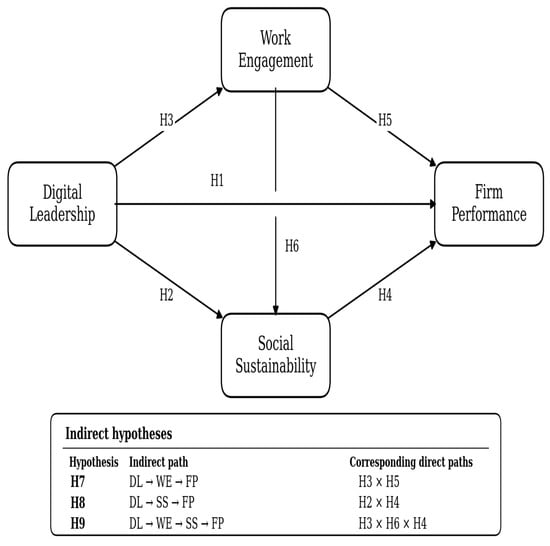
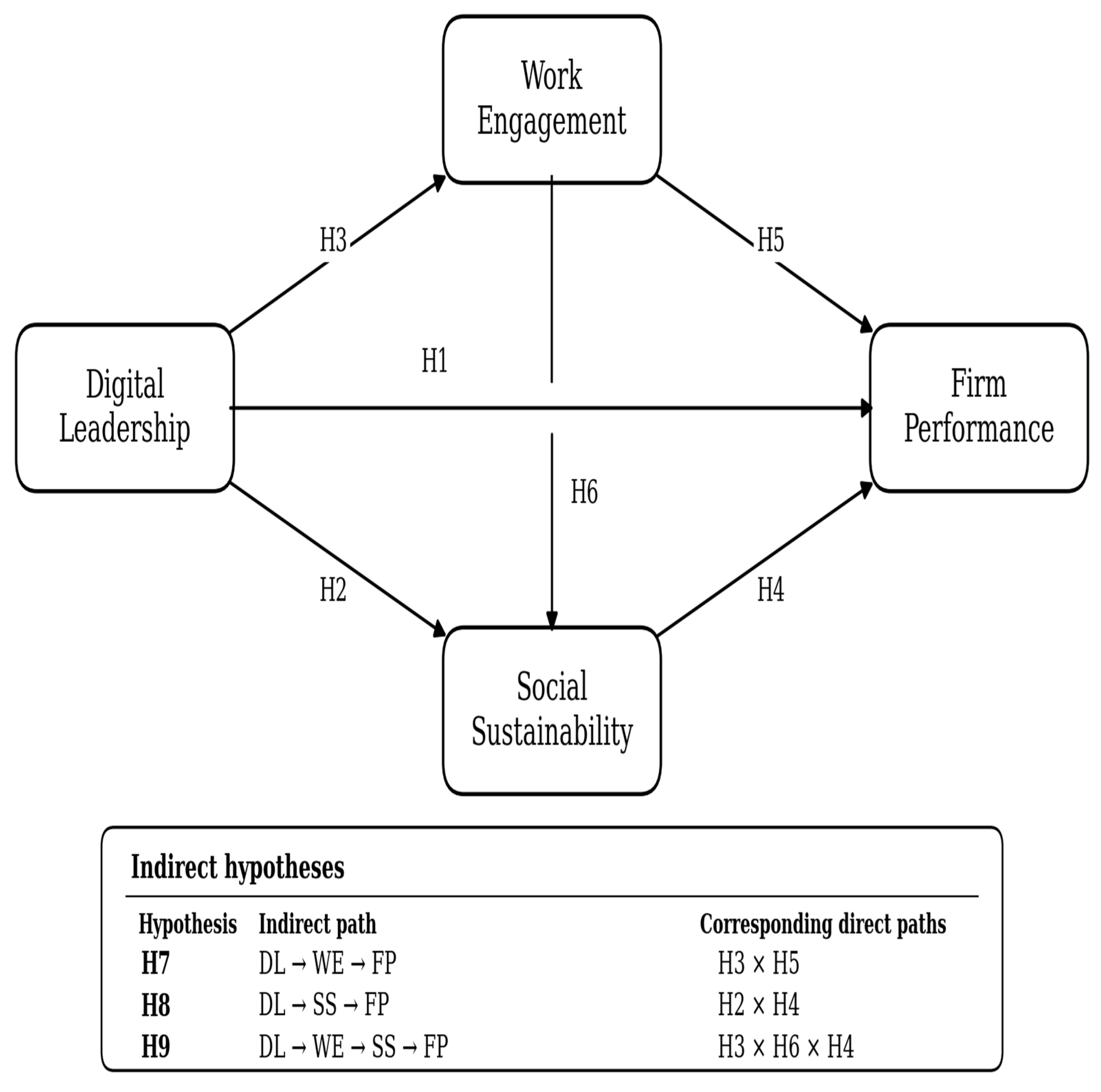

Disclaimer/Publisher’s Note: The statements, opinions and data contained in all publications are solely those of the individual author(s) and contributor(s) and not of MDPI and/or the editor(s). MDPI and/or the editor(s) disclaim responsibility for any injury to people or property resulting from any ideas, methods, instructions or products referred to in the content. |
© 2026 by the author. Licensee MDPI, Basel, Switzerland. This article is an open access article distributed under the terms and conditions of the Creative Commons Attribution (CC BY) license.