


Abstract
Amid the normalization of flexible employment, labor dispatch, as a form of non-standard employment, has become an important component of China’s precarious labor market (PLM). Based on registration data of labor dispatch firms from 2002 to 2022, this paper analyzes the spatial distribution and evolutionary patterns of China’s PLM, using spatial autocorrelation, kernel density estimation, and Gini coefficient methods. Furthermore, it explores its driving mechanisms through a panel negative binomial regression model. The results show that (i) over the past two decades, China’s PLM has undergone four stages: initiation, acceleration, expansion, and adjustment. (ii) Spatially, it has evolved along the trend of “reinforced clustering with concurrent diffusion,” expanding from first-tier cities in eastern China to second- and third-tier cities in central and western China. (iii) Industrial upgrading, market competition, and the overall level of urban development have significantly promoted the growth of the PLM, while improvements in accessibility, proportion of migrant population, and public service provision have somewhat restrained its expansion. Overall, China’s PLM demonstrates both growth potential and structural vulnerability under institutional constraints and external shocks, offering valuable spatial insights for forging sustainable, high-quality employment and coordinated regional development.
1. Introduction
Over the past decades, under the combined forces of neoliberalism’s expansion, rapid technological iteration, the decline of trade unions, and globalization, flexible employment has proliferated globally [1]. The UN Sustainable Development Goal 8 (SDG 8) calls for “promoting sustained economic growth, productive employment and decent work for all is essential for a sustainable future” [2], while SDG 10 emphasizes “inequality threatens long-term social and economic development” [3]. Building a high-quality employment system is therefore not only a key development target in itself, but also a crucial lever for promoting balanced regional growth and narrowing domestic disparities. At a time when precarious work is expanding swiftly, shaping a fair and efficient precarious labor market (PLM) has become an indispensable step toward establishing a high-quality employment system overall.
Precarious employment is commonly defined as a form of uncertain, unstable, and insecure work in which workers bear heightened employment risks while receiving only limited social protection and statutory rights [1]. Building on this understanding, Kreshpaj et al.‘s systematic review shows that the absence of a unified definition of precarious employment has significantly constrained dialogue, comparability, and cumulative knowledge development across studies, thereby weakening the policy relevance of existing research [4]. Based on a systematic synthesis of conceptual frameworks and empirical operationalizations, they propose that precarious employment should be understood as a multidimensional construct encompassing three core dimensions: employment insecurity, income inadequacy, and lack of labor rights and social protection [4].Previous studies further indicate that precarious employment manifests in a variety of concrete forms, including temporary work, non-standard labor contracts, outsourcing, fictitious self-employment, short-term contract labor and so on [5,6,7]. Despite their institutional differences, these forms share common characteristics, notably unstable employment relations and the transfer of employment risks from employers to workers. In China, precarious employment is not primarily expressed through de-institutionalized or fully informal arrangements, but is deeply embedded in formal institutional structures, with labor dispatch representing the most salient example.
As one of the fastest-growing and most widely used flexible employment arrangements, labor dispatch restructures the employment relation into a triangle—“client firm–dispatch agency–dispatched worker”—that undermines job stability, dilutes social-protection entitlements and institutionalizes the externalization of risk, neatly aligning with the three dimensions above [8].We therefore use the spatial distribution of labor dispatch firms (LDF) as a window onto the Chinese PLM. It should be noted, however, that this operationalization primarily captures the institutional and organizational dimensions of labor precarity and does not fully encompass other aspects such as wage levels, work intensity, or subjective employment insecurity. Nonetheless, the geography of LDF offers meaningful insight into the mechanics and evolution of precarious employment in China and reflects the structural features and changing spatial configuration of PLM.
Labor dispatch breaks away from the traditional bilateral “employer–employee” relationship, forming a triangular structure of “employing entity–dispatch firm–dispatched worker. “Although the dispatched worker performs duties at the employing entity, it is the dispatch firm with which workers sign the labor contract [8]. This separation between the subjects of labor contract and employment decouples the worker’s “organizational affiliation” from their “service affiliation,” allowing employers to partially evade legal responsibilities and reduce labor costs. By turning to labor dispatch, enterprises avoid the search costs of direct hiring in the labor market and reduce the dismissal costs imposed by market regulations, thereby satisfying their need for flexibility and temporary employment in the face of fluctuating product demand [9,10]. Drawing on human capital theory and labor market segmentation theory, scholars have argued that while some workers actively choose flexible employment due to livelihood pressures, occupational barriers, or family responsibilities; the majority are involuntarily incorporated into flexible employment due to structural constraints, as they face insufficient opportunities at a marginal market position [11,12]. This emerging form of employment has profoundly reshaped labor mobility patterns and urban spatial configurations, creating new economic-geographical landscapes that have attracted academic attention [12,13,14]. Extensive research has been conducted on labor dispatch, focusing on three main dimensions. First, legal and policy regulation, exploring the legitimate boundaries of the dispatch system, compliance practices, and the labor law applicability [15,16]. Second, labor rights protection, examining the working conditions of dispatched workers regarding wages, welfare, social security, and career development of dispatched workers [16,17]. Third, social impacts, including the impacts of labor dispatch on the stability of labor relations, the stratification of the working class, and social equity [13,18]. However, research on the spatial characteristics and geographic effects of labor dispatch in China’s context from a geographical standpoint remains scarce.
Coe’s research on the globalization of the transnational temporary staffing industry found that their spatial expansion patterns differed significantly from other commercial services [19]. On the one hand, the spatial expansion of the labor dispatch industry followed the globalization of service industries, such as finance and healthcare, rather than manufacturing industries [19]. On the other hand, instead of radiating outward by establishing bases in “global cities”, LDF were strongly shaped by local labor regulations. Thus, they are more likely to enter large economies that have recently deregulated their labor markets and exhibit high demand for low-cost labor (e.g., Japan, China, and Brazil). Hence, their expansion is heavily conditioned by labor laws in different countries and exhibits strong local embeddedness [19,20,21,22]. At the national or regional scale, the spatial distribution of LDF correlates with regional industrial structures, and areas with greater demand for flexible labor often prove more attractive [7,13]. Meanwhile, because the labor dispatch industry inherently relies on the local labor market, the service areas of LDF remain relatively limited. Therefore, LDF must establish branches near major employment centers to quickly respond to clients’ labor demands. Thus, unlike law or advertising firms that serve a larger area and exhibit strong centralization, LDF display a “downward diffusion,” extending into second- and third-tier cities rather than remaining confined to first-tier cities [19].
Overall, the widespread use of labor dispatch has attracted extensive spatial attention in academia; however, relevant research remains limited. Most existing studies are grounded in Western cities, while empirical and theoretical explorations of Global South countries are still relatively scarce [20]. In particular, the spatial dynamics and evolution of the PLM in China at national or regional scale have not received adequate attention, and systematic geographic analyses of the spatial distribution of LDF are still scarce. As an important form of precarious employment, labor dispatch not only reflects the degree of regional economic structure and labor market flexibilization, but also reveals how precarious employment spreads and evolves across different cities and regions. Therefore, exploring the spatial characteristics of LDF provides a new perspective for understanding the spatial differentiation and regional disparities of China’s PLM. Particularly in the context of globalization, technological advancement, and labor market flexibilization, precarious employment patterns exhibit spatial evolutionary trends distinct from those of traditional employment, making it worthwhile to analyze these trends from a spatial perspective. Analyzing the spatial evolution and driving mechanisms of China’s PLM not only unveils the underlying logic of its expansion, but also provides certain theoretical support for building a high-quality, sustainable employment system and promoting coordinated regional development.
This paper uses the spatial distribution of LDF to explore the spatial configuration and driving mechanisms of precarious employment in China from a geographical perspective. Based on the registration data of LDF from 2002 to 2022, this paper uses spatial autocorrelation, kernel density estimation, and Gini coefficient methods to reveal the spatial distribution patterns and evolutionary processes of China’s PLM. Furthermore, it identifies its key driving forces through a panel negative binomial regression (NBR) model. This study provides empirical evidence for understanding the spatial mechanisms of China’s PLM. It extends the theoretical discussion on the spatial studies of producer services and fills an empirical gap in studies of the precarious labor spatial work in the Global South, while also furnishing certain theoretical support for building a high-quality, sustainable employment system and promoting coordinated regional development.
2. Materials and Methods
2.1. Study Area and Data Sources
This study covered 32 provinces (autonomous regions and municipalities) and 332 prefecture-level administrative units (prefecture-level cities, autonomous prefectures, prefectures, and leagues) across mainland China. Due to limited data access, Hong Kong SAR, Macao SAR, and Taiwan Province were excluded. As an important market mechanism connecting labor supply and demand, the spatial distribution of LDF reflects the vitality and structural differences in labor markets regionally. Using registration data of all LDF from 2002 to 2022, this study examined the spatial patterns of the PLM over two decades and explored the driving factors behind its development.
The dataset includes geographic information of LDF (2002–2022), driving factor data, and map data. The geographic information of LDF was extracted from national industrial and commercial registration records. Following the definitions in the Industrial Classification of the National Economy (GB/T4754-2011) [23], we first restricted the sample to firms classified under the human resource services category (industry code: 726). As the original dataset contains only the first three levels of industry codes, LDF were further identified through keyword-based screening of firm names (e.g., “labor dispatch”, “labor services”, “temporary staffing”). Firm name and registered address were jointly used to conduct additional deduplication, resulting in a final dataset of 215,089 valid firm records across mainland China from 2002 to 2022.
The registration records are organized as annual cross-sectional data and provide information on firms’ registered locations, but do not allow firm exits or headquarters relocations to be identified in specific historical years. Accordingly, different indicators were constructed for different analytical purposes. The kernel density estimation and spatial pattern analyses are based on the cumulative number of registered firms, capturing the long-term spatial embedding and diffusion of labor dispatch institutions. While in the analysis of the mechanisms driving the spatial evolution of China’s PLM, the dependent variable is defined as the number of newly registered LDF in each city-year, which focuses on firm entry dynamics.
Driving factor data were derived from the China Urban Statistical Yearbook, China Labor Statistical Yearbook, provincial statistical yearbooks, and Chinese Industrial and Commercial Registered Enterprises over the years. Based on this, we constructed eight primary indicators using the entropy-weight method. The entropy-weight method was adopted because it determines indicator weights endogenously based on information variability, thereby reducing subjectivity in index construction [24]. Compared with equal weighting or principal component analysis, entropy weighting does not impose strong assumptions regarding linear factor structures and is particularly suitable for multi-dimensional regional comparisons. Higher composite index values indicate greater relative intensity of the underlying structural characteristics captured by the selected indicators.
Map data (Map Review Number GS(2023)2767) was obtained from the Standard Map Service website of the Ministry of Natural Resources. To analyze regional variations and driving factors in the PLM, we divided China into four macro-regions—eastern, central, western, and northeastern—following the National Bureau of Statistics’ classification (East: Beijing, Tianjin, Hebei, Shanghai, Jiangsu, Zhejiang, Fujian, Shandong, Guangdong, and Hainan; Central: Shanxi, Anhui, Jiangxi, Henan, Hubei, and Hunan; Northeast: Liaoning, Jilin, and Heilongjiang).
2.2. Research Methods
2.2.1. Gini Coefficient
The Gini coefficient (G) measures the concentration level of LDF among cities, based on the below formula:
where xi represents the number of dispatch firms in a city, sorted in ascending order. A higher Gini coefficient indicates stronger spatial concentration of the labor dispatch industry in specific cities (0 ≤ G ≤ 1).
2.2.2. Spatial Autocorrelation Analysis
Spatial autocorrelation refers to the degree of potential interdependence among attribute values of geographically adjacent or proximate units [1]. It is one of the main techniques in Exploratory Spatial Data Analysis (ESDA). This study employed global spatial autocorrelation analysis using the global Moran’s I statistic [25] to identify the spatial distribution patterns of China’s PLM. Its formula was as follows:
where n denotes the number of regions in this study, wij is the spatial weight, xi and xj represent the number of dispatch firms in regions i and j, respectively, and denotes the average number of LDF across all regions in the study area. Moran’s I ranges from −1 to 1. A value greater than 0 indicates positive autocorrelation in the distribution of LDF within the study area, while a value smaller than 0 indicates negative spatial autocorrelation. A value of 0 indicates random distribution.
2.2.3. Kernel Density Analysis
Kernel Density Estimation (KDE) analyzes the probability of point features occurring at different spatial locations [26,27]. This study employed KDE to characterize the spatial density and distribution trends of LDF by calculating the density of spatial features within a surrounding neighborhood. It examined the spatial patterns and evolution of China’s PLM over two decades, with the following formula [27]:
where f(k) is the kernel function, representing the kernel density estimate at location k, h is the bandwidth, ci denotes the location of point i, n is the number of points within a distance not exceeding the bandwidth h from location k, and ϕ is the spatial weight function. Higher values of f(k) indicate a greater probability of event occurrence and denser clustering.
2.2.4. Panel Negative Binomial Regression
To investigate the driving factors behind the spatial evolution of China’s PLM, this study used the number of newly registered firms of labor dispatch in each prefecture-level city during a year as the dependent variable. Since the dependent variable exhibited overdispersion, the negative binomial (NBR) model was more appropriate than standard linear regression models [28,29]. Therefore, this study employed a panel NBR model and utilized grouped regression to investigate between-group heterogeneity. The model can be expressed as follows [29]:
where Γ denotes the factorial parameter for Gamma integration, E(yit) represents the expected value of the dependent variable, and α is the variance parameter of the Gamma distribution. When α approaches 0, the NBR transforms into a Poisson model. yit represents the observed value of the dependent variable at unit i and time t, xit represents the observed value of the independent variable at unit i and time t, β denotes the coefficient of the independent variable, φt denotes the city fixed effects, controlling for unobservable factors that vary across cities but not over time, and εi is the individual random disturbance term.
3. Results and Analysis
3.1. The Development and Spatial Evolution of China’s PLM
3.1.1. The Development of China’s Labor Dispatch Industry and PLM
The labor dispatch industry originated in Western economies. In China, it first emerged in the late 1970s. Initially established as a form of “foreign affairs service” designed to facilitate employment for Chinese workers in foreign enterprises operating domestically, it was a product of state intervention [30]. In the mid-1980s, a small number of employment agencies began to engage in labor dispatch activities. During the massive wave of layoffs amid the state-owned enterprise (SOE) reform in the 1990s, labor dispatch stood out as a non-standard employment mechanism to reabsorb laid-off SOE workers [9]. This marked the beginning of the industry’s marketization and its first stage of rapid growth [31]. Following China’s accession to the World Trade Organization in 2001, industrialization and urbanization accelerated, releasing large numbers of rural workers into the labor market. Hence, labor dispatch became an important channel for absorbing this surplus labor force [9].
The temporal evolution of newly registered LDF from 2002 to 2022 (Figure 1) suggested four distinct developmental phases in the development of labor dispatch in China: initiation, acceleration, high-speed expansion, and regulatory adjustment.
Figure 1.
Number of Newly Registered LDF, 2002–2022.
- Initiation (2002–2008): During this period, China’s PLM started to expand rapidly. Compared with the pre-2002 era, the flow of rural surplus labor to cities had slowed markedly [32]. The shrinking labor supply raised employers’ search costs and wage bills. To cut these expenses and sidestep social-security contributions, enterprises may increasingly turn to labor dispatch as a key staffing strategy [9].
- Acceleration (2009–2012): Growth of China’s PLM intensified, notably outpacing the previous phase. This growth was partly due to the implementation of the Labor Contract Law in 2008. While the statute strengthened workers’ rights protection, it also markedly raised the cost of formal employment. For the first time, however, it granted legal recognition to “labor dispatch”, limiting it to “a supplementary form of employment that may be used only in temporary, auxiliary or substitute posts” [33]. This provision legalized dispatched and other non-standard labor in China, allowing real users of labor to shift statutory employer liabilities onto dispatch agencies and thereby cut labor costs [33]. Against the backdrop of costlier formal hiring and newly legitimized dispatch, several enterprises reduced the proportion of formal employees and increasingly turned to dispatched workers. The lack of detailed criteria for the “three types” of positions—temporary, supportive, and substitute -in the Labor Contract Law further fueled the rampant expansion of PLM [9]. From this phase onward, regional disparities in the development of the PLM became increasingly evident. The growth of LDF was fastest in eastern China, while central and western regions showed moderate growth. The northeast experienced relatively slow growth, potentially linked to factors such as population outflow, undiversified industrial structure, and economic stagnation.
- High-Speed Expansion (2013–2019): Following the 2013 amendment of the Labor Contract Law, the number of new LDF declined substantially. This amendment significantly tightened market access for LDF: the minimum registered capital was raised from RMB 0.5 million to RMB 2 million, and financial penalties for violations were sharply increased [33]. Meanwhile, the amendment for the first time imposed clear-cut rules on “labor coordination” and the scope of the “three-position” clause, and capped dispatched workers at no more than 10% of the enterprise’s total workforce. These hard constraints reduced the profit margins of dispatch operations and resulted in a certain inhibitory effect on the development of the PLM [9]. However, growth soon rebounded after 2014, as the rise of the platform economy and gig work (e.g., food delivery and ride-hailing) generated strong demand for flexible employment [9,34]. Although the amendment of the Labor Contract Law restrained the growth of LDF over the short term, the huge market demand re-energized the industry. By this stage, central and western China overtook the east as the main growth zones for LDF. On the one hand, the east-to-west transfer of industries has created a surge of new jobs in central and western regions, while these cities’ own growth momentum has further amplified labor demand. On the other hand, tighter labor inspection in the east, coupled with lower enforcement density central and western China, means LDF face lighter compliance pressure and lower violation costs, fueling the rapid expansion of the PLM in inland China.
- Regulatory Adjustment (2020–2022): A sharp decline in the number of newly registered firms occurred in 2020, followed by a continued annual decline, though at a slower rate. The impact of the pandemic on China’s labor dispatch industry and the wider economy has attracted scholarly attention [35,36,37,38], yet the mechanisms remain convoluted and it is still unclear whether COVID-19 benefited the industry as a whole. Drawing on data for newly registered LDF from 2020–2022 and on existing studies, this paper argues that the pandemic profoundly reshaped the internal structure of China’s PLM: a handful of niche segments (e.g., mask production, same-day delivery) expanded against the trend, but this was insufficient to offset the sector-wide slowdown. On the demand side, the global trade slump forced firms to cut head-count, especially “blue-collar” posts in construction and manufacturing [31]—precisely the categories that account for roughly 36.2 per cent of China’s dispatched workforce [39]. Although the crisis created new flexible jobs such as express logistics and live-streaming sales [35], their scale was too small to offset the loss of other labor demand. On the supply side, city lockdowns triggered a return-migration wave of rural workers, temporarily reducing the urban labor supply; yet falling orders also pushed firms to lay off staff, forcing many workers back into the labor pool. At the same time, income losses and employment precarity increased workers’ willingness to accept short-term dispatch jobs [36,37], resulting in a simultaneous contraction of the total labor supply and intensified competition within the remaining pool. Overall, the pandemic hit both the demand and supply sides of the temporary staffing industry and accelerated the restructuring of its employment patterns, leading China’s labor dispatch industry into a “regulatory adjustment period” driven jointly by COVID shocks and tightened rules. Which effect dominates awaits further longitudinal and more evidence.
3.1.2. Spatial Distribution and Evolutionary Patterns of China’s PLM
This study selected five cross-sectional snapshots (2002, 2007, 2012, 2017, and 2022) to examine the spatial distribution and evolutionary patterns of China’s PLM. Table 1 presents the spatial autocorrelation and location Gini coefficient of the distribution of PLM in China at the prefecture-level, based on LDF data.
Table 1.
Global Moran’s I and Gini Coefficient, 2002–2022.
Overall, during the two decades between 2002 and 2022, the spatial evolution of China’s PLM demonstrated a “reinforced clustering with concurrent diffusion”. On the one hand, Moran’s I increased steadily, indicating enhanced spatial clustering. On the other hand, the location Gini coefficient declined, reflecting reduced concentration in a few cities. In other words, the market gradually spread from first-tier to second- and third-tier cities, enhancing regional coverage.
As shown in Table 2, China’s LDF have historically been concentrated in the eastern region. However, their share has declined significantly from 60.3% in 2002 to 48.29% in 2022. Simultaneously, the share of the central and western regions has steadily increased, while the northeastern region has experienced a continued decline. Overall, the spatial distribution of China’s LDF has followed a trend of “share of the total declined in the east, rise in the central and western regions, and decline in the northeast,” forming a three-tiered distribution pattern. This shift is closely linked to adjustments in China’s regional economic development, industrial relocation, population mobility, and regional policy orientations. It indicated that the PLM was gradually transitioning from concentration in a single region to a multi-regional distribution.
Table 2.
Regional Distribution of LDF in China, 2002–2022.
We used ArcGIS 10.7 to perform Kernel Density Estimation (KDE) on the POI data of LDF across the five cross-sectional snapshots to identify the degree of spatial clustering and distribution patterns of China’s PLM (Figure 2). Overall, the KDE results revealed a gradient spatial evolutionary pattern of “higher density in the east, lower density in the west; coastal areas taking the lead; and diffusion inland along rivers.” Morphologically, the PLM underwent a three-stage transition, evolving from single-core to tri-core and, ultimately, to polycentric and multi-cluster configurations.
Figure 2.
Kernel Density Plots of the PLM, 2002–2022.
In 2002 and 2007, the PLM in China concentrated in Beijing, Shanghai, and surrounding cities, with inland regions remaining extremely low-density areas. By 2012, extremely high-density areas expanded, and three major extremely high-density core areas emerged, namely the Beijing–Tianjin–Hebei core area (centered on Beijing), the Yangtze River Delta core area (centered on Shanghai), and the Pearl River Delta core area (centered on Guangzhou). Scattered clusters began to emerge in central-western and northeastern regions.
In 2017, the center of the Beijing–Tianjin–Hebei core area shifted southeastward toward Tianjin, the center of the Yangtze River Delta core area extended inland along the Yangtze River, forming a continuous strip in the middle and lower reaches of the river, and the center of the Pearl River Delta core area moved toward the border between Dongguan and Shenzhen. Hence, multi-core, multi-cluster morphology became prominent. At this stage, China’s PLM exhibited a polycentric, multi-cluster distribution pattern. Several factors likely induced the shift and expansion of PLM centers during this period: the relocation of enterprises with non-essential functions to the capital city outside of Beijing since 2014, rising land and social security costs, the inland relocation of manufacturers along the Yangtze River, and the corresponding westward shift in the demand for dispatched workers.
By 2022, high-density PLM covered all major city clusters, forming a polycentric and gradient pattern of nuclear density and corresponding closely with national-level city clusters. The Beijing–Tianjin–Hebei, Yangtze River Delta, and Pearl River Delta core areas maintained the highest density, followed by the Chengdu–Chongqing region and the Middle Yangtze River area. The lowest densities were observed in the northeast, the northwest, and the Qinghai–Tibet Plateau. The spatial distribution largely aligned with urban agglomerations, exhibiting significant differences between the gradients.
3.2. Analysis of the Mechanisms Driving the Spatial Evolution of China’s PLM
3.2.1. Analytical Framework and Indicator System
From the perspective of the search-and-matching theory, the mutual search between job seekers and employers in the labor market is not cost-free. Instead, their interactions are constrained by hiring frictions, information asymmetries, and matching costs [40,41]. Labor dispatch, as an intermediary mechanism, externalizes a part of the search and matching costs. Reducing frictions on supply and demand, dispatch firms facilitate rapid employee-employer matches and earn differential profits. However, the classical location theory and new economic geography emphasize how spatial location and social environment shape enterprises’ choice of locations and industrial development based on accessibility, economies of scale, and relational capital [42,43,44].
These three theoretical perspectives are not independent or mutually exclusive; rather, they complement one another by capturing different dimensions of labor dispatch dynamics. Specifically, search-and-matching theory elucidates the micro-level mechanisms through which LDF reduce labor allocation frictions and improve matching efficiency between labor supply and demand. Classical location theory highlights the spatial conditions that facilitate these matching processes, underscoring the roles of accessibility, infrastructure, and proximity to economic activities. New economic geography further explains the macro-level spatial outcomes of these processes, particularly the tendency of labor dispatch activities to concentrate in certain urban regions through agglomeration effects and cumulative causation. Integrating these three concepts, this study proposes a three-dimensional analytical framework of “spatial location-market environment-social environment”, which provides a coherent theoretical foundation for analyzing the spatial distribution and evolution of LDF.
Under this framework, using panel data of dispatch firms from 2003 to 2022 (with a significant data gap in 2002), we constructed a NBR model to identify major driving factors behind the spatial evolution of China’s PLM (Table 3). Each analytical dimension is operationalized to reflect specific theoretical expectations derived from the integrated framework. The spatial location dimension primarily draws on the core propositions of classical location theory and new economic geography; the market environment dimension is closely aligned with the supply—demand matching mechanisms emphasized in search-and-matching theory; and the social environment dimension captures broader institutional and socio-spatial conditions—such as innovation environments and governance capacity—that are highlighted across all three theoretical perspectives. Simultaneously, given that recent industrial developments have been significantly disrupted by unexpected events and institutional changes, this study incorporated the shocks of the COVID-19 pandemic and temporal trends as control variables to isolate macro-level disturbances and long-term trajectories, enabling precise identification of the intrinsic factors driving the spatial evolution of the PLM.
Table 3.
Indicator System for the Mechanisms Driving the Spatial Evolution of the PLM.
In the spatial location dimension, we selected two secondary indicators—transportation and economic accessibility—to form a primary indicator reflecting a city’s comprehensive accessibility. The classical location theory posits that accessibility is a crucial factor in site selection. High accessibility facilitates rapid flows of information, technology, labor, and other factors, helping enterprises reduce transportation costs and enhance production efficiency [45]. From the perspective of new economic geography, accessibility further shapes agglomeration economies by lowering interaction costs and strengthening spatial linkages between firms and markets. Existing studies suggest that improvements in regional accessibility may, on the one hand, enhanced regional accessibility promotes industrial diffusion toward urban peripheries [46]. On the other hand, empirical studies indicate that accessibility exerts heterogeneous effects concerning the spatial clustering of commercial services (including LDF), specific to different industries [19,47,48,49].
The market environment dimension is primarily grounded in search-and-matching theory and focuses on conditions governing labor supply–demand matching. We employed three indicators—urban industrial structure, labor market vitality, and intensity of corporate competition. According to search-and-matching theory, a city’s industrial structure determines the demand in the PLM. It dictates the intensity of market demand for flexible employment. Relevant empirical research indicates that the spatial expansion of business services is influenced by manufacturing [19]. However, labor supply reflects the supply in the market. The quality and quantity of labor, along with the diversity of the labor market [50], determine whether dispatch firms can swiftly identify sufficient and suitable human resources within the labor pool. The intensity of corporate competition partially reflects the degree of clustering among employing enterprisers. Under high-competition conditions, employing enterprises are more inclined to use labor dispatch and other flexible arrangements to cut labor costs and maintain their core competitiveness. On the other hand, however, the high level of competition can also push up operating costs such as rents, thereby constraining the further growth of LDF.
The social environment dimension encompasses broader institutional, developmental, and socio-spatial conditions that shape labor dispatch dynamics and mediate employment outcomes. Although it does not belong to a single theoretical tradition, this dimension integrates insights from search-and-matching theory, classical location theory, and new economic geography by emphasizing the role of social context in sustaining labor market functioning. Given that labor dispatch constitutes a form of producer services, four indicators are selected based on existing literature from a comprehensive perspective: urban development, basic public service provision, social innovation capacity, and proportion of migrant population. Urban development measures, to some extent, the stage of development and market scale of a city. Empirical studies indicate that the clustering of producer services exhibits an inverted U-shaped relationship with urban development [51]. Social innovation capacity measures a city’s innovation environment; regions with more developed producer services often possess a social atmosphere more favorable to innovation [52,53]. Basic public service provision and the proportion of migrant population, to some extent, reflect the structure of migrant workers in the labor market, and the inflow willingness and residential stability of migrant workers [54]. Compared to residents, the migrant population and non-local workers are more likely to choose flexible or informal employment [55,56], indirectly influencing the development of a city’s PLM.
3.2.2. Regression Model and Results
This study uses the annual number of newly registered LDF at the prefecture-city level as the dependent variable, which is count in nature. We first conduct a likelihood ratio test comparing the Poisson and negative binomial specifications. The test strongly rejects the null hypothesis of equidispersion, in which the conditional variance equals the conditional mean (LR χ2 = 101,178.982, p < 0.01), indicating substantial overdispersion in the dependent variable. Accordingly, a negative binomial regression model with the NB2 variance specification is adopted, where the conditional variance is a quadratic function of the mean. We then apply a Hausman test to compare random-effects and fixed-effects panel specifications. The results indicate that the random-effects assumption is violated (Hausman χ2 = 935.212, p < 0.01), suggesting that unobserved city-level heterogeneity is correlated with the key explanatory variables. Further joint significant Wald tests on all city dummy variables (F = 5198.152, p < 0.01) confirmed the overall high significance of city fixed effects. Therefore, we adopted the NBR model with city fixed effects. Multicollinearity tests showed acceptable VIF values (most <5, with only a few slightly above 5 but below 10), indicating no severe multicollinearity in the model.
Given the marked developmental disparities across regions and cities in China, and in light of our finding that the spatial distribution of China’s PLM exhibits pronounced spatial heterogeneity, this section constructs three sets of spatial units to systematically unpack the heterogeneous drivers underlying the growth of the labor dispatch industry at different scales. In addition to the full-sample baseline model (Model 1), we conducted subsample regressions by macro-region (Models 2–5) and by city tier (The classification is based on the 2024 Most Commercially Charming Cities in China Ranking.) (Models 6–8).
In addition to Model 1, we conducted specification tests for all other models. Except for Model 3, which failed the joint-significance Wald test for city effects, every model showed that the city fixed effects were highly significant. Consequently, Model 3 is estimated as a pooled NBR, while all remaining models employ the city fixed effect NBR specification. A possible explanation for the insignificance of city fixed effects in Model 3 is that cities in central China exhibit relatively high homogeneity in terms of industrial structure, labor market institutions, and development trajectories, which may limit the extent of unobserved time-invariant city-level heterogeneity captured by fixed effects.
Owing to these differences in model structure, we only examine whether the sign (positive or negative) of each key coefficient is consistent across models and do not directly compare coefficient magnitudes, significance levels. The regression results are presented in Table 4.
Table 4.
Results of the Regression Model.
3.2.3. Analysis of the Mechanisms Driving the Spatial Evolution in the National Samples
Given the non-linear nature of the negative binomial model, the estimated coefficients capture log changes in the expected number of newly registered LDF rather than linear marginal effects. To enhance interpretability, incidence rate ratios (IRRs) are reported in brackets in Table 4, expressing proportional associations between the explanatory variables and the expected firm count. An IRR below unity indicates that an increase in the corresponding variable is associated with a proportional decrease in the expected number of new LDF. Accordingly, the empirical analysis focuses on the direction and relative strength of associations, rather than interpreting coefficients as linear marginal effects or causal impacts.
Model 1 indicates that urban development, urban industrial structure, and the intensity of market competition are significantly positively associated with the growth of the labor dispatch industry. Urban development and industrial structure determine, to an extent, the vitality of the PLM. Economically developed regions possess greater attractiveness and could draw substantial labor inflows. However, with industrial structure upgrading and comprehensive urban development, enterprises have an increasing demand for diversified and flexible labor arrangements, which may contribute to the expansion of the PLM. Since the transition to a “post-Fordist economy,” corporate competition has progressively shifted from pure competition over price toward differentiation of products and innovation-based competition [42]. Under highly intensive competition, enterprises tend to rely more on flexible employment to meet diverse production demands and maintain competitiveness. Furthermore, they leverage LDF to reduce costs and avoid diseconomies of scale [42,57].
Conversely, comprehensive accessibility, basic public service provision, and the proportion of migrant populations display a significant negative correlation. Overall, this pattern suggests that improvements in regional accessibility and increases in the migrant population are associated with a lower level of PLM development. This is because enhanced transportation, information, and economic connectivity, along with a diverse labor pool, are associated with lower employers’ costs for labor search and matching. Consequently, employers and workers are more inclined to establish direct connections, partially displacing the intermediary role of LDF and diminishing the spatial demand for the PLM. This explanation aligns with the core logic of search-matching theory, which posits that intermediaries are most effective in high-friction market conditions [40,41]. An IRR of 0.640 indicates that a one-unit increase in basic public service provision is associated with an approximately 36% decrease in newly registered labor dispatch enterprises. Improved public service provision may also strengthen migrants’ willingness to settle and maintain stable employment, making formal, long-term labor arrangements more attractive [58,59]. In this context, labor dispatch employment, characterized by short-term contracts and higher instability, becomes relatively less appealing, limiting the spatial expansion of PLM. Furthermore, the significant negative effects of the COVID-19 pandemic are indicative of the industry’s high vulnerability to sudden shocks, while the positive effects of the time trend reveal that it holds long-term growth potential.
3.2.4. Analysis of the Mechanisms Driving the Spatial Evolution in Regional Samples
Models 2–5 focus on regional heterogeneity. Given that Model 3 for the central region is estimated using a pooled negative binomial regression, the estimated coefficients are interpreted only in terms of their directional associations (positive or negative), rather than their relative magnitudes.
Due to significant regional disparities in development across China, the impact of various factors may exhibit heterogeneous effects depending on the stage of regional development. Therefore, this study interprets the findings by region and conducts a comparative analysis across different areas. Urban industrial structure exhibits a significant negative effect in the east and a significant positive effect in the west, which may be related to their industrial structures and development levels. The developmental gap between eastern and western Chinese cities is pronounced. Most eastern cities have entered the post-industrial phase, with industrial upgrading primarily driven by technology-, capital-, and knowledge-intensive sectors. However, China’s PLM remains heavily concentrated in the secondary industry, such as manufacturing and construction. Industrial upgrading towards the higher end may reduce demand for the “buffer pool” of low-skilled labor, which is associated with a contraction in the PLM. Conversely, the west remains in a phase of accelerated industrialization, characterized by a higher proportion of traditional resource-based and labor-intensive projects. Their stronger reliance on flexible labor arrangements amplifies the positive pull effect of industrial upgrading on the PLM.
The vitality of the labor market in central China has a positive correlation with the concentration of PLM, whereas the opposite holds in western China. This may stem from the long-term surplus of labor supply in the central region, where enterprises often possess greater bargaining power. Thus, labor dispatch services are widely adopted to reduce operational costs, where an ample labor supply appears to be an important condition for the clustering of such firms. In contrast, western Chinese cities often exhibit a relatively low level of marketization of labor and experience persistent labor shortages. Enterprises prefer to seek long-term, stable formal employees to avoid frequent hiring costs and ensure production continuity.
MacPherson’s [53] research reveals a positive correlation between the development of producer services and manufacturing innovation capacity. This study confirms that the relationship between labor dispatch and social innovation capacity is not static across different stages of urban development; instead, it exhibits significant variations. A significant negative correlation between social innovation capacity and PLM growth is observed in the east, while a pronounced positive correlation emerges in the central region. This may stem from the relatively mature industrial development in the east, where high-tech enterprises and knowledge-intensive industries are concentrated. Such enterprises seek highly skilled, stable employees and prefer formal employment or long-term contracts to ensure knowledge retention and innovation continuity. They are less inclined to rely on labor dispatch, which offers greater mobility, yet often involves lower job-fit, inhibiting the growth of the PLM. In contrast, central Chinese cities are navigating a critical phase of industrial transition and upgrading. Frequent production line updates, pilot projects, and sectoral shifts amplify the demand for “flexible, low-cost, and dismissible” labor arrangements, creating new growth opportunities for the PLM.
From the perspective of the proportion of migrant populations, the development of labor dispatch markets exhibits pronounced regional heterogeneity across China. Outside of the developed eastern coastal regions, increases in the proportion of migrant populations are generally negatively associated with the development of PLM. This pattern likely reflects differences in regional development stages and the structural demand of local labor markets. In the east, although the proportion of migrant populations is relatively high, enterprises are large and job structures are complex, particularly in manufacturing and service sectors with substantial temporary, seasonal, and project-based labor demand. LDF therefore continue to play an important role in rapid matching, contract management, and flexible workforce allocation, resulting in a positive relationship between the proportion of migrant populations and labor dispatch demand. In contrast, in the central, western, and northeastern regions, increases in the proportion of migrant populations are significantly negatively correlated with the number of labor dispatch enterprises, and the underlying mechanisms are more complex. On the one hand, these regions are economically less developed, with smaller enterprises and fewer job openings, and they lack the extensive temporary, seasonal, and project-based positions found in the east. As a result, local demand for labor dispatch services is inherently low. At the same time, rising proportion of migrant populations leads to the formation of relatively concentrated and easily accessible pools of migrant labor, reducing recruitment frictions and enabling enterprises to establish direct employment relationships, which further diminishes the market space for LDF. On the other hand, in recent years, parts of the central, western, and northeastern regions have begun to host industrial transfers from eastern coastal cities, with some enterprises relocating as a whole and bringing their relatively stable workforce. This practice not only increases the local proportion of migrant populations but also reduces reliance on local labor dispatch services, further constraining the regional PLM. Overall, this negative correlation reflects both the structural limitations of local industries and job markets and the enhanced direct matching capacity resulting from migrant concentration and industrial transfer, though the precise mechanisms likely involve multiple factors and warrant further investigation.
3.2.5. Analysis of the Mechanisms Driving the Spatial Evolution in Samples by City Tier
Models 6–8 focus on heterogeneity across different city tiers. Concerning comprehensive accessibility, first-tier and new first-tier cities witness a negative impact. Transportation accessibility partially reflects the shipping costs in the location of enterprises. Generally, as shipping costs decrease, industrial clustering follows an inverted U-shaped trend, rising before declining [59,60].
Against the backdrop of highly concentrated transportation and economic factors in these cities, improved accessibility may expose LDF to the pressure of intense competition and high costs. Simultaneously, enhanced accessibility could enable these firms to readily access external resources and markets, reducing their dependence on clustering and leading to a loosening of the industry’s spatial clustering [46].
Regarding urban industrial structure, first-tier and new first-tier cities witness a significant negative effect, while a significant positive effect is observed in third-tier cities and below. This may resemble the analysis in the previous section on regional samples and could be attributed to differences in industrial structure and development stages across cities of various tiers.
Furthermore, basic public service provision exhibits a positive correlation with the growth of the PLM in first-tier and new first-tier cities, while showing a negative correlation in second-tier and lower-tier cities. Lin Liyue empirically demonstrated that the impact of urban basic public services on the willingness of migrant populations to settle was circumscribed by city size, and the attractiveness of basic public service provision to migrant populations was limited to large cities in the eastern region [58]. Improvements in public services were strongly associated with migrant populations in first-tier and new first-tier cities. Although first-tier and new first-tier cities attract vast migrant populations, stable positions remain relatively scarce and largely inaccessible to them. To stay and enjoy higher wages and better public services, many migrants accept less secure jobs, providing a favorable external environment for LDF, supporting the development of the PLM. However, in second-tier and lower-tier cities, enhancements in basic public services have limited appeal to migrant populations. Such improvements are often accompanied by rising land prices and stricter labor regulations, leading to increased operational costs for LDF. To mitigate compliance risks, some enterprises may convert temporary positions into direct employment with formal labor contracts, suppressing the development of the PLM locally.
4. Discussion
4.1. Local Embeddedness of China’s Labor Dispatch Industry Development
Coe [19], in his analysis of the globalization of the transnational temporary staffing industry, emphasized that its expansion and operation are characterized by strong local embeddedness. Building on this perspective, this paper examines the development trajectory of China’s labor dispatch industry and finds that the spatial expansion of China’s PLM exhibits distinct characteristics compared with other countries. The Chinese experience thus provides new empirical evidence that complements and extends Coe’s argument on local embeddedness.
From a developmental perspective, labor dispatch in Western countries emerged during the rapid industrialization and urbanization process as a market-driven response to rising labor demand and the need for flexible employment. In contrast, from its inception, China’s labor dispatch industry has carried a distinct institutional and state-led imprint rather than being purely driven by market forces. As Lu Zhang [15] has also observed, the state has played a central and proactive role throughout the development of China’s labor dispatch sector. Over the past two decades, the evolution of China’s PLM has undergone four major stages-initiation (2002–2008), acceleration (2009–2012), expansion (2013–2019), adjustment (2020–2022)—reflecting the interactive influence of institutional constraints, market demand, and external shocks. The evolution of China’s labor dispatch industry—and, by extension, its PLM—has been deeply embedded within the nation’s institutional transformations, regional economic restructuring, and local labor supply–demand relations.
From the perspective of Spatial Evolutionary Patterns, China’s PLM exhibits a similarly uneven pattern to that of other countries and other producer services [61],yet it remains profoundly shaped by local forces. First, China’s PLM shows a clear trend of shifting toward lower-tier cities. Between 2002 and 2022, the spatial agglomeration of China’s PLM intensified significantly, indicating a clear trend toward concentration. Nevertheless, the decline in the location Gini coefficient suggests a gradual easing of over-concentration in a few core cities, accompanied by diffusion toward second- and third-tier cities and an expansion in regional coverage. This dual process of “reinforced clustering with concurrent diffusion” echoes recent findings in the literature, which highlight the relocation of producer services from core metropolitan centers to lower-tier and peripheral cities [62,63]. Second, over the past two decades, China’s PLM has evolved into a multi-centered and hierarchical spatial structure, characterized by a gradient pattern of being dense in the east, sparse in the west, led by coastal regions, and spreading along the Yangtze River, reflecting a high degree of coupling with the country’s national urban agglomerations. This spatial expansion pattern aligns with China’s spatial strategies—including national urban agglomerations construction, the Western Region Development Strategy, the Central Region Rising Strategy, and the Yangtze River Economic Belt Initiative—reflecting, to a certain extent, the local-specific characteristics of China’s PLM development.
Overall, this process demonstrates not only a pronounced local embeddedness but also a distinctive form of institutional flexibility shaped by China’s unique state–market interactions.
4.2. Policy Implications
Against the backdrop of the normalization of flexible employment, labor dispatch serves as a crucial tool for enterprises to adjust labor costs and risks, and as a key mechanism in enhancing labor market resilience and promoting coordinated regional development. Concerning spatial structure, city clusters in the east have become the PLM’s core hubs. Moving forward, it is important to leverage these clusters as focal points to guide the rational layout of dispatch firms, integrate labor markets between central and peripheral cities, and optimize intra-cluster labor allocation mechanisms to support the growth of the flexible employment economy. In the western region, differentiated policies should be implemented to enhance labor market flexibility and regional economic vitality, narrowing the developmental gap between eastern and western China.
From a developmental perspective, the expansion of China’s labor dispatch industry and PLM has always been shaped by the structural tension between market-driven flexibility and the protection of workers’ rights. Existing studies have documented that while precarious employment enhances labor market adaptability, it can also weaken union power [64], intensify labor control [65], and reinforce social segregation [66]. Thus, while acknowledging the positive contributions of flexible employment and the PLM—such as strengthening labor market resilience, stimulating economic dynamism, and lowering adjustment costs during industrial transitions—it is equally important to recognize the risks of labor exploitation and rights deprivation embedded within these arrangements.
From a sustainability perspective, a sustainable labor market entails not only the continuity of economic growth but also the stability and security of individual workers’ career trajectories. This requires the sustained provision of fair, safe, and decent employment opportunities. Labor dispatch is not inherently synonymous with low-quality or precarious employment, nor is “flexibility” intrinsically incompatible with the objective of “decent work and sustainable employment” advocated by SDG 8. Achieving a balance between flexibility and decent work hinges on strengthening labor regulation and enforcement, enhancing institutional protections for precarious workers in terms of labor rights, social security, and occupational safety, and fostering a more inclusive and equitable labor market environment. Only by ensuring that workers can pursue personal development under stable and fair employment conditions can the expansion of flexible employment and the PLM be translated into sustained progress toward the realization of SDG 8.
4.3. Research Limitations and Future Directions
This study examined the spatial characteristics and driving factors of China’s PLM based on data from 2002 to 2022; however, it has several limitations. As a vital component of the producer services sector, the labor dispatch industry involves diverse upstream and downstream enterprises. This study failed to provide a detailed classification of dispatch firms. These different categories of dispatch firms may exhibit distinct characteristics and have different driving mechanisms. Furthermore, constrained by data coverage, this study lacked continuous tracking of industry development in the post-pandemic era (2023 onwards). Future research should examine the long-term effects of the pandemic. Although the findings indicated significant government influence on the development and spatial distribution of the labor dispatch industry [42,67], this study did not quantify such influence or provide an in-depth analysis of government-enterprise relationships.
Finally, the quantitative models do not support the inclusion of city fixed effects for the central region, yet the underlying reasons for this result are not explored in depth. Given that urban agglomerations have emerged as key growth poles for the PLM, future research could adopt an urban agglomeration perspective to investigate how inter-city homogeneity, industrial clustering, and institutional arrangements jointly shape the spatial distribution and dynamics of the labor dispatch industry.
5. Conclusions
This study employed a spatial analysis theoretical framework and utilized POI data on China’s LDF between 2002 and 2022 (excluding Hong Kong, Macau, and Taiwan due to data acquisition constraints). It analyzed the spatiotemporal distribution of the industry through spatial autocorrelation, Gini coefficient, and KDE. Subsequently, it integrated the analytical frameworks of the search-and-matching theory, classical location theory, and new economic geography to construct a panel NBR model to systematically identify the driving mechanisms behind the labor dispatch industry’s spatial patterns and their heterogeneity across regions and city tiers. Key results include the following:
First, based on registration data of LDF, this paper systematically reviews the development process of China’s labor dispatch industry. The findings reveal that the formation and evolution of China’s labor dispatch industry and its corresponding PLM are not merely driven by market demand but are deeply embedded within the national institutional structure. The state plays a decisive and leading role in this process, while the industry’s development is also influenced by external factors such as the COVID-19 pandemic and globalization, presenting a typical “institution–market–external environment” three-dimensional driving pattern.
Second, using nationwide POI data of LDF, this paper examines the developmental characteristics of China’s PLM from the perspectives of spatial pattern and evolution. The results show that China’s PLM has long exhibited a “dense in the east and sparse in the west, coastal leading, and river-oriented diffusion” gradient evolution pattern. Its spatial structure has evolved from early single-point clustering to a multi-core, multi-cluster agglomeration pattern that is highly coupled with national urban agglomerations. Meanwhile, the continued decline of the PLM in Northeast China reflects the imbalance in regional economic restructuring and labor force redistribution.
Third, from the three dimensions of spatial location, market environment, and social environment, this paper constructs a panel NBR model to identify the main driving factors of China’s PLM. The results indicate that under the impact of the pandemic, China’s PLM has exhibited significant vulnerability and insufficient resilience, though it has continued to grow overall. Industrial upgrading, market competition, and the overall level of urban development have significantly promoted the expansion of PLM, while improvements in accessibility, the proportion of migrant population, and public service provision have, to some extent, reduced their spatial demand. Moreover, the driving mechanisms of PLM development vary significantly across regions and city hierarchies.
Based on the above findings, this paper argues that against the backdrop of the normalization of flexible and precarious employment, China’s PLM will play an increasingly important role in regional labor redistribution, absorbing unemployed populations, and promoting balanced regional economic development. To build a balanced, resilient, and sustainable labor market with high-quality employment, future policies should account for the local embeddedness and regional diversity of precarious employment by implementing differentiated regulatory strategies across eastern and western regions, thereby enhancing coordination, flexibility, and equity in labor market development.
As “labor geography” incorporates labor agency into spatial analytical frameworks, an increasing number of studies have revealed the critical role of non-standard employment mechanisms such as labor dispatch in shaping urban and regional spatial structures [68,69,70]. However, this influence remains underestimated in existing research. Meanwhile, precarious employment forms are undergoing internal differentiation, as higher-skilled positions are increasingly adopting unstable employment modes, leading to a “low-end–high-end” dual structure within the labor dispatch industry [12]. Although this study analyzes the spatial characteristics and driving factors of China’s PLM from a geographical perspective, it is limited by data availability and type, and thus cannot effectively distinguish between high-end and low-end precarious employment. Future research could adopt the analytical framework of labor geography to further examine how different forms of precarious employment shape the spatial patterns and mechanisms of urban and regional restructuring. Beyond mapping spatial configurations, scholars should place greater emphasis on the dynamics of labor exploitation embedded in these employment arrangements, and explore pathways for constructing labor-centered, inclusive, and sustainable employment systems.
Author Contributions
This paper was written with the contribution of all authors as follows: conceptualization, H.H., G.H. and L.C.; methodology, H.H. and L.C.; data curation, H.H.; funding acquisition, G.H.; writing—original draft preparation, H.H. and L.C.; writing—review and editing, G.H., L.C. and H.H. All authors have read and agreed to the published version of the manuscript.
Funding
This research was funded by the National Natural Science Foundation of China (42471228), the Natural Science Foundation of Guangdong Province, China (2024A1515010939), and the Science and Technology Planning Project of Guangzhou City, China (2024A04J9879).
Institutional Review Board Statement
Not applicable.
Informed Consent Statement
Not applicable.
Data Availability Statement
The data presented in this study are available on request from the first author.
Acknowledgments
In addition to the data obtained from the open-source website, the national industrial and commercial registration data were provided by from CNDeepData (CNDD). We sincerely thank the participants from these units for their valuable assistance in this study.
Conflicts of Interest
The authors declare no conflicts of interest.
Abbreviations
The following abbreviations are used in this manuscript:
| Kernel Density Estimation | KDE |
| LDF | Labor Dispatch Firms |
| NBR | Negative Binomial Regression |
| PLM | Precarious Labor Market |
| POI | Point of Interest |
| SDG | Sustainable Development Goals |
| SOE | State-owned Enterprise |
References
- Kalleberg, A.; Vallas, S. Probing Precarious Work: Theory, Research, and Politics. In Research in the Sociology of Work; Kalleberg, A.L., Vallas, S.P., Eds.; Emerald Publishing Limited: Leeds, UK, 2017; Volume 31, pp. 1–30. ISBN 978-1-78743-288-8. [Google Scholar]
- Goal 8: Economic Growth—United Nations Sustainable Development. Available online: https://www.un.org/sustainabledevelopment/economic-growth/ (accessed on 21 November 2025).
- Goal 10: Reduce Inequality Within and Among Countries. Available online: https://www.un.org/sustainabledevelopment/inequality/ (accessed on 21 November 2025).
- Kreshpaj, B.; Orellana, C.; Burström, B.; Davis, L.; Hemmingsson, T.; Johansson, G.; Kjellberg, K.; Jonsson, J.; Wegman, D.H.; Bodin, T. What Is Precarious Employment? A Systematic Review of Definitions and Operationalizations from Quantitative and Qualitative Studies. Scand. J. Work Environ. Health 2020, 46, 235–247. [Google Scholar] [CrossRef] [Scilit]
- Smith, J. The Political Economy of Outsourcing. In Vulnerability, Exploitation and Migrants; Waite, L., Craig, G., Lewis, H., Skrivankova, K., Eds.; Palgrave Macmillan: London, UK, 2015; pp. 28–43. ISBN 978-1-137-46040-0. [Google Scholar]
- Crotty, S. The Social Geography of Day Labor: Informal Responses to the Economic Downturn. Yearb. Assoc. Pac. Coast Geogr. 2014, 76, 22–48. [Google Scholar] [CrossRef] [Scilit]
- Hinterseer, T. Part-Time Work: Atypical? Precarious? Normal? Eur. J. Futures Res. 2013, 1, 18. [Google Scholar] [CrossRef] [Scilit]
- International Labour Office. Private Employment Agencies, Temporary Agency Workers and Their Contribution to the Labour Market; International Labour Office: Geneva, Switzerland, 2009. [Google Scholar]
- Yan, W. The Evolution and Driving Mechanisms of Labor Dispatch in China. World Econ. 2023, 46, 128–154. (In Chinese) [Google Scholar] [CrossRef]
- Kalleberg, A.L. Nonstandard Employment Relations: Part-Time, Temporary and Contract Work. Annu. Rev. Sociol. 2000, 26, 341–365. [Google Scholar] [CrossRef] [Scilit]
- Crotty, S.M. Locating Day-Labor Employment: Toward a Geographic Understanding of Day-Labor Hiring Site Locations in the San Diego Metropolitan Area. Urban Geogr. 2015, 36, 993–1017. [Google Scholar] [CrossRef] [Scilit]
- Peck, J.; Theodore, N. Contingent Chicago: Restructuring the Spaces of Temporary Labor. Int. J. Urban Reg. Res. 2001, 25, 471–496. [Google Scholar] [CrossRef] [Scilit]
- Coe, N.M.; Jones, K.; Ward, K. The Business of Temporary Staffing: A Developing Research Agenda. Geogr. Compass 2010, 4, 1055–1068. [Google Scholar] [CrossRef] [Scilit]
- McDowell, L.; Batnitzky, A.; Dyer, S. Division, Segmentation, and Interpellation: The Embodied Labors of Migrant Workers in a Greater London Hotel. Econ. Geogr. 2007, 83, 1–25. [Google Scholar] [CrossRef] [Scilit]
- Zhang, L. Contextualizing Precarious Work: Labor Dispatch, Boundary-Drawing, and the Politics of Labor Regulation in Post-Socialist China. Labor. Hist. 2021, 62, 556–574. [Google Scholar] [CrossRef] [Scilit]
- Lo, V.I. Labour Dispatch in China: Flexibility and Security in Employment. Peking Univ. Law J. 2023, 11, 161–183. [Google Scholar] [CrossRef] [Scilit]
- Kalleberg, A.L.; Marsden, P.V. Externalizing Organizational Activities: Where and How US Establishments Use Employment Intermediaries. Socio-Econ. Rev. 2005, 3, 389–416. [Google Scholar] [CrossRef] [Scilit]
- Håkansson, K.; Isidorsson, T. Temporary Agency Workers—Precarious Workers? Perceived Job Security and Employability for Temporary Agency Workers and Client Organization Employees at a Swedish Manufacturing Plant. Old Site Nord. J. Work. Life Stud. 2015, 5, 3–22. [Google Scholar] [CrossRef] [Scilit]
- Coe, N.M.; Johns, J.; Ward, K. Mapping the Globalization of the Temporary Staffing Industry. Prof. Geogr. 2007, 59, 503–520. [Google Scholar] [CrossRef] [Scilit]
- Enright, B. (Re)Considering New Agents: A Review of Labour Market Intermediaries within Labour Geography. Geogr. Compass 2013, 7, 287–299. [Google Scholar] [CrossRef] [Scilit]
- Hess, M. ‘Spatial’ Relationships? Towards a Reconceptualization of Embedded Ness. Prog. Hum. Geogr. 2004, 28, 165–186. [Google Scholar] [CrossRef] [Scilit]
- Peck, J.; Theodore, N.; Ward, K. Constructing Markets for Temporary Labour: Employment Liberalization and the Internationalization of the Staffing Industry. Glob. Netw. 2005, 5, 3–26. [Google Scholar] [CrossRef] [Scilit]
- GB/T 4754-2011; Industrial Classification of the National Economy. China Statistics Press: Beijing, China, 2011.
- Zhang, C.; Jin, J.; Qiu, X.; Li, L.; He, R. Regional Social Relationships Evaluation Using the AHP and Entropy Weight Method: A Case Study of the Qinghai–Tibet Plateau, China. Sustainability 2022, 14, 5321. [Google Scholar] [CrossRef] [Scilit]
- Chen, Y. An Analytical Process of Spatial Autocorrelation Functions Based on Moran’s Index. PLoS ONE 2021, 16, e0249589. [Google Scholar] [CrossRef] [Scilit]
- Mao, H.; Yang, N.; Qi, C. Spatial Evolution Characteristics and Influencing Factors of China’s Citrus Industry. Econ. Geogr. 2024, 44, 146–153. (In Chinese) [Google Scholar] [CrossRef]
- Zhang, Y.; Kong, J.; Zhang, Y.; Wang, H.; Deng, S. Case Study of Stratification, Spatial Agglomeration, and Unequal Logistics Industry Development on Western Cities in China. J. Urban Plann. Dev. 2022, 148, 05022009. [Google Scholar] [CrossRef] [Scilit]
- Zhang, D.; Lin, Y.; Zhang, J.; Han, R.; Li, L. The Spatial Distribution Patterns and Influencing Factors of China’s Newborn Digital Enterprises. J. Clean. Prod. 2023, 423, 138893. [Google Scholar] [CrossRef] [Scilit]
- Gu, H.; Rowe, F.; Liu, Y.; Shen, T. Geography of Talent in China During 2000–2015: An Eigenvector Spatial Filtering Negative Binomial Approach. Chin. Geogr. Sci. 2021, 31, 297–312. [Google Scholar] [CrossRef] [Scilit]
- Xu, F. The Emergence of Temporary Staffing Agencies in China. Comp. Lab. L. Pol’y J. 2008, 30, 431. [Google Scholar]
- Li, G.; Si, W. Alienation of the Labor Dispatch Employment Market: Origin, Analysis, and Path Evolution. J. Theory 2018, 66–72. (In Chinese) [Google Scholar] [CrossRef]
- Cai, F. Has the Potential for Agricultural Labor Transfer Been Exhausted? China Rural. Econ. 2018, 2–13. (In Chinese) [Google Scholar] [CrossRef]
- Huang, Z. Rethinking China’s Informal Economy: An Introduction from the Perspective of Socio-Economic and Legal History. Open Times 2017, 36, 153–163. (In Chinese) [Google Scholar]
- Yang, W.; Wu, Q.; Zhang, J. Zhongguo Linghuo Yonggong Fazhan Baogao; Social Sciences Academic Press: Beijing, China, 2021; p. 252. (In Chinese) [Google Scholar]
- Lu, X. Impact of COVID-19 on the Gig Economy in China: Challenges and Coping Strategies: Impact of COVID-19 on the Gig Economy in China. In Proceedings of the 2023 7th International Conference on E-Commerce, E-Business and E-Government, Plymouth, UK, 27–29 April 2023; ACM: Plymouth, UK, 2023; pp. 123–128. [Google Scholar]
- Liang, X.; Rozelle, S.; Yi, H. The Impact of COVID-19 on Employment and Income of Vocational Graduates in China: Evidence from Surveys in January and July 2020. China Econ. Rev. 2022, 75, 101832. [Google Scholar] [CrossRef] [Scilit]
- Mao, Y.; Zhang, Y.; Bai, J.; Zhang, L.; Hu, W. The Impact of COVID-19 on the Employment Status and Psychological Expectations of College Graduates: Empirical Evidence from the Survey Data of Chinese Recruitment Websites. Front. Psychol. 2022, 13, 1039945. [Google Scholar] [CrossRef] [Scilit]
- Sun, Y.; Zhu, H.; Xiong, H. Large-Scale Assessment of Labour Market Dynamics in China during the COVID-19 Pandemic. arXiv 2023, arXiv:2305.00199. [Google Scholar] [CrossRef] [Scilit]
- China Research and Consulting Institute. Analysis of the Current Situation and Distribution Pattern of China’s Labor Dispatch Industry, 2023. ChinaIRN Research Report. Available online: https://www.chinairn.com/news/20230128/140137464.shtml (accessed on 10 October 2025). (In Chinese)
- Mortensen, D.T.; Pissarides, C.A. Job Creation and Job Destruction in the Theory of Unemployment. Rev. Econ. Stud. 1994, 61, 397–415. [Google Scholar] [CrossRef] [Scilit]
- Albrecht, J. Search Theory: The 2010 Nobel Memorial Prize in Economic Sciences. Scand. J. Econ. 2011, 113, 237–259. [Google Scholar] [CrossRef] [Scilit]
- Yang, F. Progress in Research on the Driving Mechanisms and Spatial Effects of Producer Services Development. Prog. Geogr. 2018, 37, 750–760. (In Chinese) [Google Scholar]
- Wood, P. Business Services, the Management of Change and Regional Development in the UK: A Corporate Client Perspective. Trans. Inst. Br. Geogr. 1996, 21, 649–665. [Google Scholar] [CrossRef] [Scilit]
- Keeble, D.; Nachum, L. Why Do Business Service Firms Cluster? Small Consultancies, Clustering and Decentralization in London and Southern England. Trans. Inst. Br. Geogr. 2002, 27, 67–90. [Google Scholar] [CrossRef] [Scilit]
- Jiang, H.; Zhang, W.; Yu, J.; Shang, S.; Zou, L. Mechanisms of Accessibility’s Impact on the Spatial Evolution of Producer Services under the Drive of Transport Integration: A Case Study of the Yangtze River Delta. Prog. Geogr. 2024, 43, 657–673. (In Chinese) [Google Scholar]
- Jiang, Y.; Liao, F.; Jin, L. Effects of Locational Accessibility on Firm Diffusion Characteristics: The Case of Sino-Europe Economic Corridor. Transp. Policy 2021, 105, 80–93. [Google Scholar] [CrossRef] [Scilit]
- Tang, Z.; Wu, W.; Liu, W.; Li, X. The Impact of High-Speed Railways on the Spatial Agglomeration of Producer Services: A Case Study of the Yangtze River Delta Urban Agglomeration. Prog. Geogr. 2021, 40, 746–758. (In Chinese) [Google Scholar] [CrossRef] [Scilit]
- Song, Y.; Lee, K.; Anderson, W.P.; Lakshmanan, T.R. Industrial Agglomeration and Transport Accessibility in Metropolitan Seoul. J. Geogr. Syst. 2012, 14, 299–318. [Google Scholar] [CrossRef] [Scilit]
- Chen, H. Evolution of the Spatial Distribution and Agglomeration Characteristics of Producer Services in Beijing. Econ. Geogr. 2018, 38, 108–116. (In Chinese) [Google Scholar] [CrossRef]
- Ingrassia, R. Labor Market Imbalances and Personnel Recruitment. Am. J. Ind. Bus. Manag. 2019, 9, 1376–1394. [Google Scholar] [CrossRef]
- Zhang, H. Agglomeration of Producer Services and Urban Economic Performance: An Analysis from the Perspective of Industrial and Regional Heterogeneity. J. Financ. Econ. 2015, 41, 67–77. (In Chinese) [Google Scholar] [CrossRef]
- Coe, N.M.; Townsend, A.R. Debunking the Myth of Localized Agglomerations: The Development of a Regionalized Service Economy in South-East England. Trans. Inst. Br. Geogr. 1998, 23, 1–20. [Google Scholar] [CrossRef] [Scilit]
- MacPherson, A. The Role of Producer Service Outsourcing in the Innovation Performance of New York State Manufacturing Firms. Ann. Assoc. Am. Geogr. 1997, 87, 52–71. [Google Scholar] [CrossRef] [Scilit]
- Lin, L.; Zhu, Y. Types and Determinants of Migrants’ Settlement Intention in China’s New Phase of Urbanization: A Multi-Dimensional Perspective. Cities 2022, 124, 103622. [Google Scholar] [CrossRef] [Scilit]
- Liang, Z.; Appleton, S.; Song, L. Informal Employment in China: Trends, Patterns and Determinants of Entry; IZA Discussion Papers: Bonn, Germany, 2016. [Google Scholar]
- Huang, G.; Xue, D.; Guo, Y.; Wag, C. Constrained Voluntary Informalisation: Analysing Motivations of Self-Employed Migrant Workers in an Urban Village, Guangzhou. Cities 2020, 105, 102760. [Google Scholar] [CrossRef] [Scilit]
- Monnoyer, M.-C.; Zuliani, J.-M. The Decentralisation of Airbus Production and Services. Serv. Ind. J. 2007, 27, 251–262. [Google Scholar] [CrossRef] [Scilit]
- Lin, L.; Zhu, Y.; Ke, W.; Wang, J. Effects of Basic Public Services on the Settlement Intentions of the Floating Population in Cities of Different Sizes. Acta Geogr. Sin. 2019, 74, 737–752. (In Chinese) [Google Scholar]
- Imbs, J.; Wacziarg, R. Stages of Diversification. Am. Econ. Rev. 2003, 93, 63–86. [Google Scholar] [CrossRef] [Scilit]
- Redding, S.J.; Turner, M.A. Transportation Costs and the Spatial Organization of Economic Activity. In Handbook of Regional and Urban Economics; Elsevier: Amsterdam, The Netherlands, 2015; Volume 5, pp. 1339–1398. ISBN 978-0-444-59533-1. [Google Scholar]
- Moyart, L. The Role of Producer Services in Regional Development: What Opportunities for Medium-Sized Cities in Belgium? Serv. Ind. J. 2005, 25, 213–228. [Google Scholar] [CrossRef] [Scilit]
- Gong, H. A Hierarchical Change Model of Business and Professional Services in the United States. Urban Geogr. 2001, 22, 340–359. [Google Scholar] [CrossRef] [Scilit]
- Hermelin, B. The Urbanization and Suburbanization of the Service Economy: Producer Services and Specialization in Stockholm. Geogr. Ann. Ser. B Human. Geogr. 2007, 89, 59–74. [Google Scholar] [CrossRef] [Scilit]
- Wills, J. Subcontracted Employment and Its Challenge to Labor. Labor. Stud. J. 2009, 34, 441–460. [Google Scholar] [CrossRef] [Scilit]
- Lier, D.C. Places of Work, Scales of Organising: A Review of Labour Geography. Geogr. Compass 2007, 1, 814–833. [Google Scholar] [CrossRef] [Scilit]
- Shin, K.; Kalleberg, A.L.; Hewison, K. Precarious Work: A Global Perspective. Sociol. Compass 2023, 17, e13136. [Google Scholar] [CrossRef] [Scilit]
- Han, S.S.; Qin, B. The Spatial Distribution of Producer Services in Shanghai. Urban Stud. 2009, 46, 877–896. [Google Scholar] [CrossRef] [Scilit]
- Coe, N.M.; Jordhus-Lier, D.C. The Multiple Geographies of Constrained Labour Agency. Prog. Hum. Geogr. 2023, 47, 533–554. [Google Scholar] [CrossRef] [Scilit]
- López, T. Labour Control and Union Agency in Global Production Networks: A Case Study of the Bangalore Export-Garment Cluster; Springer Nature: Berlin/Heidelberg, Germany, 2023. [Google Scholar]
- Gough, J. Workers’ Strategies to Secure Jobs, Their Uses of Scale, and Competing Economic Moralities: Rethinking the ‘Geography of Justice’. Political Geogr. 2010, 29, 130–139. [Google Scholar] [CrossRef] [Scilit]

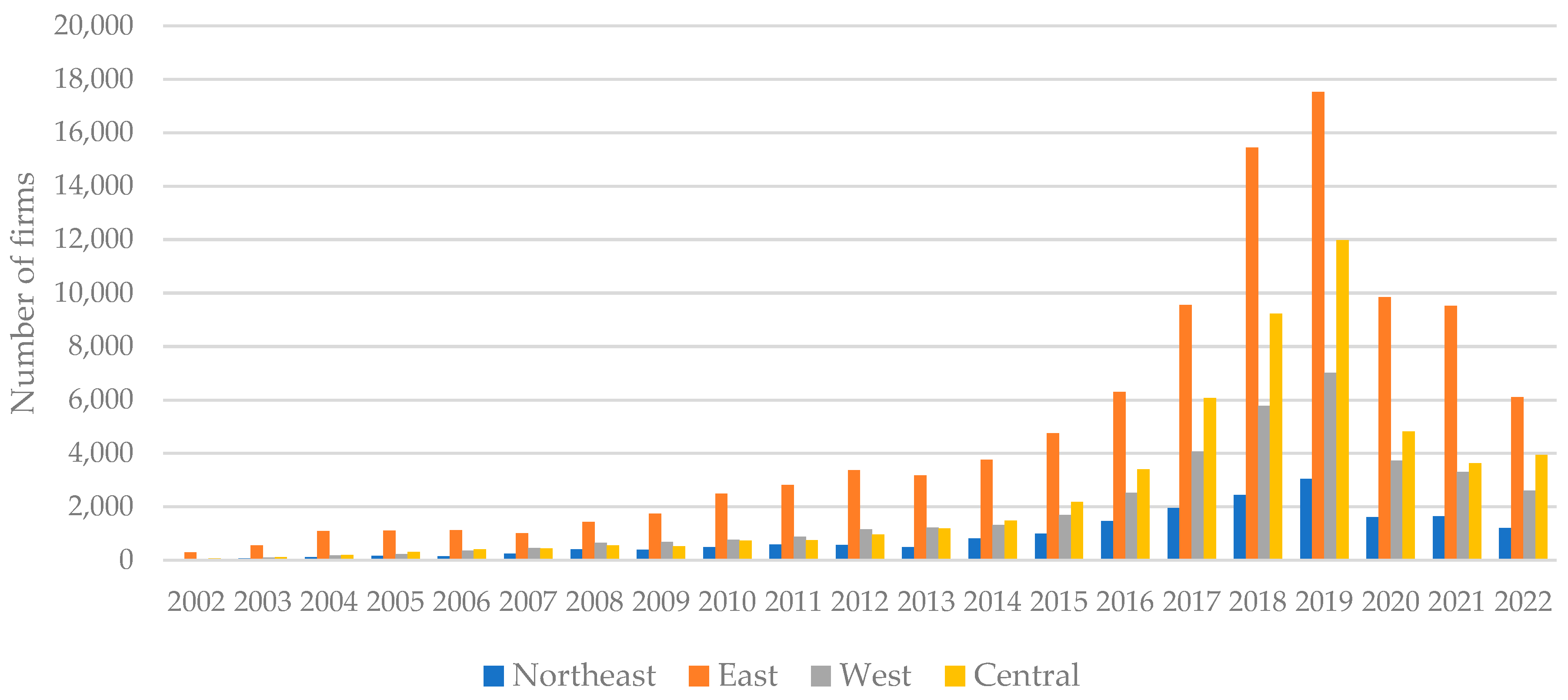
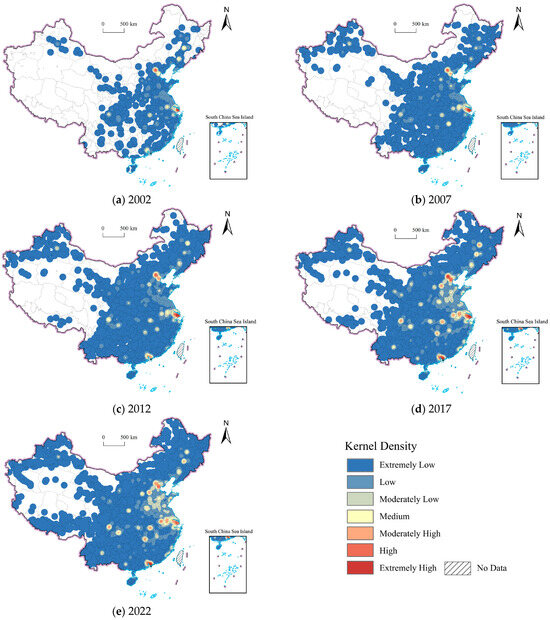
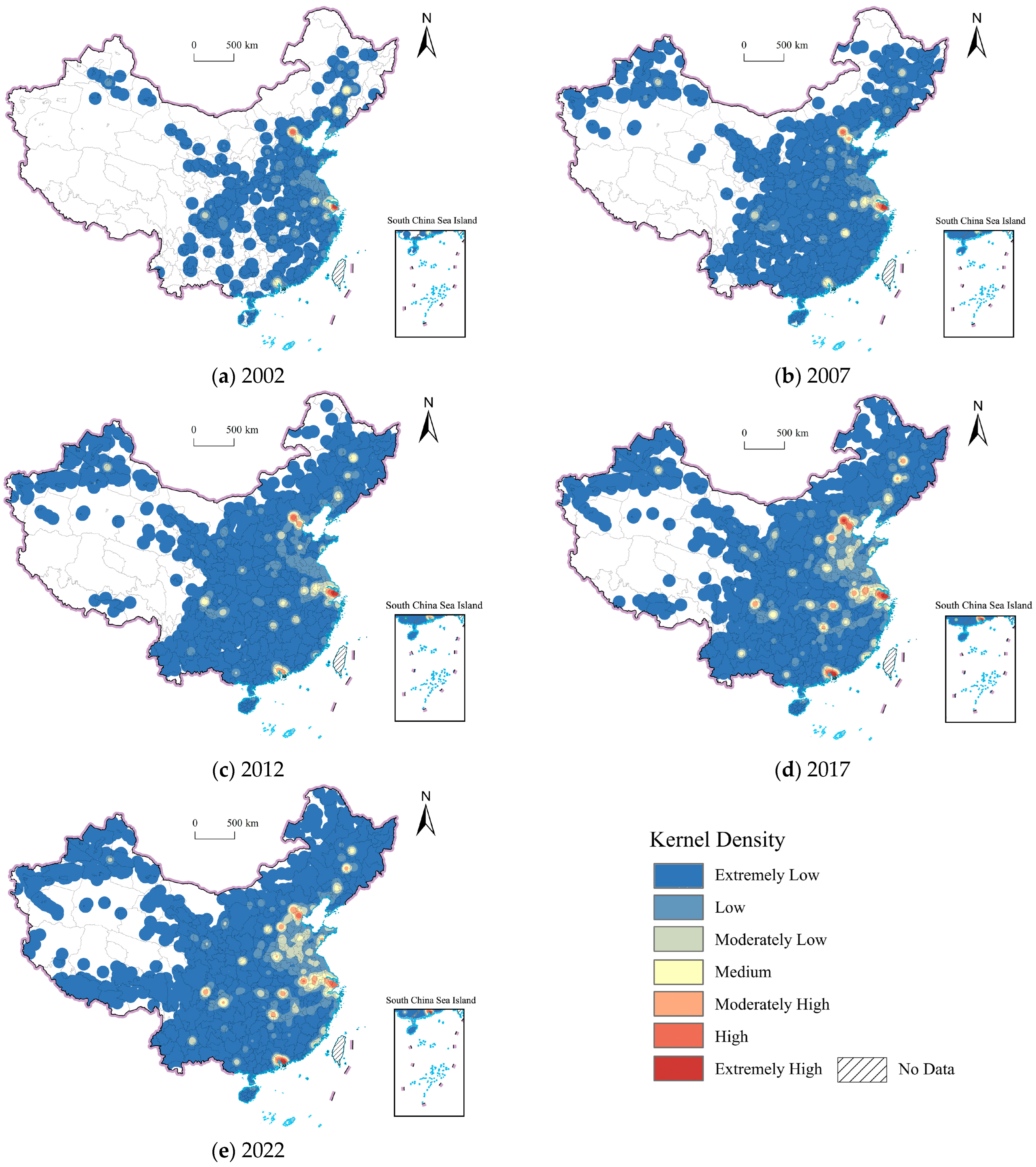

Disclaimer/Publisher’s Note: The statements, opinions and data contained in all publications are solely those of the individual author(s) and contributor(s) and not of MDPI and/or the editor(s). MDPI and/or the editor(s) disclaim responsibility for any injury to people or property resulting from any ideas, methods, instructions or products referred to in the content. |
© 2026 by the authors. Licensee MDPI, Basel, Switzerland. This article is an open access article distributed under the terms and conditions of the Creative Commons Attribution (CC BY) license.