


Abstract
As municipalities increasingly adopt artificial intelligence (AI) and generative AI (GenAI) to automate self-service technologies (SSTs), concerns related to fairness, transparency, accountability, and citizen trust have become central to sustainable public-sector governance. While existing studies emphasize either AI adoption or high-level ethical principles, limited empirical research explains how governance mechanisms translate into user-level outcomes in municipal services, particularly in the context of emerging GenAI capabilities. This study addresses this gap by examining how governance antecedents and system design attributes shape user satisfaction, trust, and perceived fairness in AI-enabled municipal SSTs in the United Arab Emirates (UAE). A mixed-methods research design was employed, combining a comparative analysis of international and UAE AI governance frameworks with semi-structured interviews (n = 16) and a survey of municipal employees and service users (n = 272). Qualitative findings reveal persistent concerns regarding data privacy, fairness, explainability, and the absence of standardized municipal-level accountability instruments. Quantitative analysis shows that perceived helpfulness significantly increases user satisfaction, while perceived fairness strongly predicts continued usage intentions. In contrast, system responsiveness exhibits a negative association with satisfaction, highlighting an expectation–performance gap in automated service delivery. Based on these findings, the study proposes a governance–implementation–outcomes model that operationalizes ethical AI principles into measurable governance and service-design mechanisms. Unlike prior adoption-focused or purely normative frameworks, this model empirically links governance instrumentation to citizen-centered outcomes, offering practical guidance for inclusive and sustainable AI and GenAI deployment in municipal self-service systems. The findings contribute to debates on sustainable digital governance by demonstrating how ethically governed AI systems can reinforce public trust, service equity, and long-term institutional resilience.
1. Introduction
Unlike previous technological systems, artificial intelligence (AI) is a learning technology that can adapt and improve over time without being explicitly reprogrammed for every task. According to Schank [1], AI is the science of endowing programs with the ability to adapt to their own previous experiences. With unprecedented growth in the field of computer science, AI is developing rapidly and expanding to all aspects of human life [2]. In particular, recent advances in generative AI (GenAI) have accelerated this evolution, enabling more interactive, conversational, and adaptive forms of service automation. AI has the potential to revolutionize the way in which most functions in society are performed. AI has been increasingly used in self-service technologies (SSTs). SSTs are defined as technological tools provided by businesses to allow customers to independently perform all or part of a service [3]. These technologies have been developed and incorporated into various service functionalities previously performed by company employees [4,5]. SSTs differ from conventional technologies in how services are perceived. Unlike traditional services, SSTs are seen differently by consumers in terms of the classification, personnel involved, and delivery of the service [6]. This transformation, which has been observed over the past few decades, has proliferated into various facets of modern society. However, the perspectives of service providers of public services have shown that the transformation to digital SST has many disadvantages [7]. These challenges have gained renewed attention with the introduction of GenAI into public service delivery, heightening concerns around fairness, transparency, and inclusive access [8].
Since data on the usefulness of AI integration into SSTs are conflicting, this study aimed to investigate the scenario at the level of adherence to international frameworks—which represents a top-down process—and to understand the grassroots-level perceptions of two important stakeholders, providers and users—which represents a bottom-up process. These issues are particularly relevant as governments continue experimenting with AI-enabled and GenAI-supported public services, raising questions about digital inclusion, perceived fairness, and trust. Accordingly, this study had two objectives: (1) to articulate a governance–implementation–outcomes model for AI-enabled municipal SSTs that reflects current debates on inclusive GenAI and (2) to examine the associated mechanisms empirically through a mixed-methods study in UAE municipalities and to contrast the resulting governance levers with leading international frameworks. Guided by recent studies on public management, particularly those emphasizing equity, transparency, and human-centered AI, we translate these aims into theory-driven research questions (RQs) presented at the end of the Section 2. The governance of AI-enabled municipal services is increasingly recognized as a component of sustainable public-sector development. As cities transition toward smart-government models, the sustainability of public service delivery depends on transparent, fair, and accountable AI systems that protect citizen rights while supporting long-term institutional resilience. Ensuring that AI contributes to equitable access, public trust, and high-quality service outcomes is therefore central to sustainable governance agendas in both local and international policy contexts.
This study makes three interrelated contributions to the literature on AI-enabled public services and sustainable digital governance. First, it advances existing adoption- and ethics-focused studies by proposing a governance–implementation–outcomes model that explicitly links governance instruments (e.g., accountability mechanisms, ethical safeguards, and regulatory alignment) to system design attributes and citizen-level outcomes in municipal self-service technologies. Second, through an exploratory sequential mixed-methods approach, the study empirically operationalizes ethical AI principles—such as fairness, transparency, and trust—into measurable constructs, moving beyond purely normative or conceptual frameworks. Third, by examining UAE municipalities as a critical empirical case, the study provides context-sensitive insights into how AI and emerging generative AI systems can be governed to support inclusive, sustainable, and citizen-centered public services.
Guided by these contributions, the study addresses three research questions focusing on (1) the role of governance antecedents in shaping AI-enabled system implementation, (2) the mechanisms through which system attributes influence user satisfaction and trust, and (3) the relationship between governance-related perceptions and continued usage intentions. The methodological approach combines comparative policy analysis, qualitative interviews, and quantitative survey analysis to address these questions in an integrated manner.
The remainder of this paper is organized as follows. Section 2 reviews international and UAE-specific literature on AI-enabled SSTs and sets out the theoretical framework used to interpret ethical concerns and governance approaches in the context of inclusive GenAI adoption. Section 3 details the research design, combining a comparative review of global AI policies with a mixed-methods empirical study (semi-structured interviews and a survey) and the associated analysis procedures. Section 4 presents the analysis and findings of the comparative, qualitative, and quantitative phases. Section 5 discusses the main findings in light of previous studies and distills the managerial and policy implications for UAE municipalities. Section 6 concludes the study, along with limitations and directions for future research.
2. Literature Review and Theoretical Framework
The following sections present a brief literature review of topics related to the use of AI in SSTs.
2.1. AI and Self-Services
Various technologies, such as information communication technologies, have been applied in self-service processes. The progression of such technologies can be traced to the incorporation of a “metaverse” in various services and businesses with high levels of usability [9]. This process, called digitization, has a dichotomous influence. On the one hand, it eases processes and improves economics, while on the other, it increases existing disparities in society and can be counterproductive to economic growth [7]. As AI came into the picture, it took over the digitization of SSTs owing to its high service efficiency, workload reduction, and reduction in service costs [10]. However, Chen et al. [10] found that the benefits of AI can only be realized if people trust their providers.
Customers’ expectations from businesses are now geared toward independence, accessibility, ease of use, and suitability to needs. To meet these expectations and ensure that businesses offer high-quality services, it is necessary to provide services that are as efficient as possible. This can be made possible by incorporating AI into SSTs [3]. With the introduction of AI to enhance SSTs in various sectors, researchers are studying the factors that motivate, contribute to, and sustain the use of AI in SSTs from the perspective of agencies developing them, as well as consumers needing to use them.
Human preferences play an important role in the decision to use SST with AI, and within human preference factors, trust has the greatest contribution [10,11]. In addition, attitudes were found to be critical for the use of SSTs with AI, and the determinants of attitudes that are instrumental in driving the attitudes of consumers toward adopting and using SSTs were usefulness and ease of use [12]. A thorough study of the behavior leading to the acceptance of AI, particularly in public services, showed that the reasoning that formed the basis of acceptance or rejection had an influential or explanatory role. Here, the reasons for acceptance also imply a lack of reasons against acceptance, as the latter plays an explanatory role [13]. Interestingly, empirical research on the perception of SST reliability has shown that perceived security and control are the strongest predictors of perceived reliability [14]. Recent advancements in GenAI have expanded the capabilities of service automation, enabling adaptive and conversational interactions that reshape user expectations and equity implications in digital service environments [15,16].
2.2. Challenges and Emerging Risks of AI and GenAI in Municipal Self-Service Systems
The emergence of GenAI marks a significant evolution in the capabilities of AI-enabled public services, moving from rule-based automation toward interactive, adaptive, and co-creative systems. GenAI enables more natural conversational interfaces, context-aware responses, automated document generation, and multimodal content creation, all of which can reduce barriers for citizens with varying levels of digital literacy or language proficiency [15,16,17]. For municipal SSTs, these capabilities expand the potential for inclusive and personalized service delivery by allowing users to obtain support and information in more human-like and accessible ways.
However, recent studies also warn that GenAI amplifies longstanding ethical risks associated with public-service automation, including bias propagation, opaque decision-making, and unequal treatment of vulnerable groups such as low-income citizens, elderly users, people with disabilities, migrants and non-native language speakers, and individuals with limited digital literacy [8,18]. These risks arise from both the data on which GenAI systems are trained and the probabilistic, generative mechanisms whereby the outputs are created. In the public sector—where government legitimacy depends on fairness, consistency, and transparency—these risks become even more pronounced. Prior research shows that users may struggle to understand how GenAI-based decisions are generated, potentially undermining perceptions of procedural justice, accountability, and trust [19,20].
In municipal contexts, AI-enabled self-service technologies operate under constraints that differ substantially from private-sector applications. Key contextual dimensions include service criticality (e.g., eligibility determination for benefits versus routine information requests), data sensitivity (personal, financial, and residency data), citizen vulnerability (low-income groups, elderly users, migrants, and people with disabilities), and multilingual accessibility requirements. Additional constraints arise from public-sector procurement rules, vendor lock-in risks, and limited internal AI expertise within municipalities. These factors shape both the risk profile of AI-enabled SSTs and the feasibility of implementing governance mechanisms such as audits, explainability tools, and redress processes. Explicitly accounting for these municipal realities is essential for interpreting ethical risks and designing workable governance arrangements.
In this context, inclusive GenAI deployment in municipal SSTs requires a governance approach that integrates fairness audits, explainability mechanisms, redress pathways, vendor accountability, and protections for citizens with limited digital skills or accessibility needs. These considerations provide a theoretical lens for interpreting how governance antecedents and system design attributes influence satisfaction, trust, and perceived fairness in AI-enabled municipal services. Accordingly, this GenAI–inclusive framing directly informs the governance–implementation–outcomes model guiding this study. While AI-enabled self-service technologies have traditionally relied on rule-based automation, predictive analytics, or supervised machine learning, generative AI represents a qualitative shift in system capabilities and associated governance risks. Unlike conventional AI systems that generate predefined or probabilistically bounded outputs, GenAI systems produce open-ended, context-dependent content that may vary across users and interactions. This distinction introduces amplified risks related to hallucination, opacity, bias propagation, and inconsistent treatment, particularly in public-sector contexts where fairness, explainability, and procedural regularity are essential. In this study, generative AI is therefore conceptualized not as a separate technological category requiring distinct adoption constructs, but as a risk-amplifying layer that intensifies the governance and ethical challenges already present in AI-enabled municipal self-service systems.
Beyond its technical foundations, AI is framed through an ethical-theoretical lens that centers on fairness, accountability, transparency, and privacy [21]. These pillars underpin the notion of “trustworthy AI” and strongly shape user trust and adoption in SST contexts; violations of fairness or opacity (“black-box” effects) erode confidence, even when systems are accurate [2]. Contemporary governance instruments codify these principles through risk-based controls, documentation, and ongoing monitoring. In municipal services, the linkage runs from technical properties (e.g., robustness and data dependence) to ethical principles (fairness, accountability, transparency, privacy), social acceptance, and regulatory compliance [22]. These dimensions are discussed in the following subsection.
To avoid conceptual conflation, this study treats transparency, explainability, accountability, and fairness as related but analytically distinct constructs. Transparency refers to the visibility of system processes, policies, and data use, whereas explainability concerns the ability of users or administrators to understand the rationale behind specific AI-generated outputs or decisions. Transparency may enable accountability by making processes observable, but it does not guarantee accountability in the absence of enforceable oversight and redress mechanisms. Accountability is therefore defined as the presence of clear responsibility, monitoring, and corrective pathways. Fairness is conceptualized as a multidimensional construct encompassing procedural consistency, absence of systematic bias, and equitable treatment across user groups. These distinctions inform the governance–implementation–outcomes framework and guide the operationalization of constructs in the empirical analysis.
2.3. International AI Frameworks
Legal frameworks have been formulated to guide the development and utilization of AI, given its high economic potential, as well as the possibility of various forms of risks [23]. A comparison of the AI guidance frameworks implemented by the United States (US), the EU, and Asian countries shows that the policy adopted by the US is more development-driven, whereas that of the EU is grounded in ensuring ethical standards. Asian countries differ in their focus on AI development and implementation policies [24]. EU policies have been internationally influential because of their robust ethical standards [25]. Since the effect of AI on the environment is unpredictable, the AI policy adopted by the EU specifies a risk-based approach, where the risks associated with AI are classified as unacceptable, high, limited, and minimal, based on which the strictness of the rules would differ [23]. International, national, and government agencies have provided recommendations for these standards. International organizations, such as the United Nations and the OECD, have developed guidelines and recommendations for AI implementation with continuous monitoring in various sectors, including healthcare, banking, and education. Governments and professional agencies have developed and implemented guidelines based on international recommendations to ensure the responsible use of AI [2,26].
Recent studies emphasize that AI adoption in government is as much a governance and organizational challenge as a technical one, shifting attention from “if” to “how” implementation would proceed [21,27]. Syntheses on AI and social equity show that equity risks are tangible and require instrumented governance—for example, audits, documentation, explainability, and oversight—rather than principles alone [28]. Evidence comparing rule-driven and purely data-driven decision approaches indicates that the former is typically perceived as fairer and more acceptable, underscoring the centrality of procedural regularity and explainability for public acceptance [29]. Complementary work shows that citizens still attribute responsibility for discriminatory outcomes even when decisions are automated, highlighting the need for clear accountability and redress mechanisms [30]. Finally, a public-sector framework for assessing automation effects in data-constrained environments argues for connecting governance instrumentation (e.g., audits, access controls, and vendor/data clauses) to frontline service outcomes, which mirrors our municipal focus [31]. Together, these strands motivate our governance–implementation–outcomes model and our construct-based RQs. The United Nations Sustainable Development Goals (SDGs) provide a global framework for advancing economic, social, and institutional sustainability. In the context of public-sector digital transformation, two goals are particularly relevant: SDG 16, which emphasizes strong institutions, transparency, accountability, and inclusive access to justice; and SDG 11, which promotes sustainable cities and communities through resilient and citizen-centered public services. Responsible AI governance directly contributes to these goals by ensuring that automated municipal services are fair, transparent, accessible, and aligned with long-term public values. Accordingly, this study positions AI-enabled municipal SSTs as governance instruments that support sustainable and equitable service delivery.
2.4. Theoretical Contribution
The governance–implementation–outcomes framework proposed in this study builds on established constructs from public management, technology acceptance, and ethical AI literature; however, its contribution lies in theoretical integration and empirical operationalization, rather than the introduction of entirely new constructs. Prior technology acceptance models (e.g., TAM and UTAUT) primarily focus on individual-level perceptions such as usefulness and ease of use, with limited attention to governance antecedents or ethical safeguards in public-sector contexts. Conversely, existing AI ethics and governance frameworks tend to remain normative or principle-based, offering limited guidance on how ethical principles translate into operational system design or measurable user outcomes.
This study advances theory by explicitly linking governance-level antecedents (e.g., accountability instruments, ethical safeguards, and regulatory alignment) to implementation mechanisms (system attributes such as helpfulness, responsiveness, and reliability) and citizen-level outcomes (satisfaction, trust, perceived fairness, and continued use intentions) within a single analytical structure. By doing so, the framework extends public management and AI governance literature beyond descriptive or policy-oriented analyses and complements technology acceptance research by embedding user perceptions within an institutional and governance context.
To enhance operational clarity, the governance–implementation–outcomes framework can be interpreted as an inputs–mechanisms–outcomes structure. Inputs include system characteristics such as the level of automation, types of data processed, and decision stakes involved in municipal services. These inputs activate governance mechanisms, including human-in-the-loop oversight, audits, documentation and logging practices, vendor and data controls, and appeal or redress processes. Together, these mechanisms shape outcomes at the user and institutional levels, such as trust, perceived fairness, service quality, compliance, and continued usage intentions. This articulation clarifies how the framework can be applied and empirically examined across different municipal service contexts.
The resulting model therefore offers a theory-extending contribution by demonstrating how ethical AI governance can be operationalized and empirically tested in municipal self-service systems, particularly in environments where AI and emerging generative AI technologies are increasingly embedded in frontline public services. Throughout the manuscript, claims regarding outcomes such as trust, legitimacy, and sustained use are calibrated explicitly. Statements describing associations between system attributes (e.g., helpfulness, fairness) and user perceptions are empirically supported by the survey and interview findings reported in Section 4 and Section 5. Propositions regarding the role of governance instrumentation in shaping AI implementation are conceptual, derived from the integrated framework and comparative policy analysis. Normative statements—such as the expectation that stronger governance improves legitimacy and equity—are framed as policy-oriented expectations grounded in public-sector governance literature rather than as direct empirical claims.
2.5. Conceptual Framing and Research Questions
Building on public management and governance perspectives, we conceptualize AI-enabled SSTs as the outcome of governance antecedents (ethical safeguards, accountability instruments, and vendor/data controls) that operate through implementation mechanisms (system quality attributes: helpfulness, responsiveness, and reliability) to shape stakeholder outcomes (satisfaction, trust, perceived fairness, and continuance intention). This construct-based framing supports analytical generalization beyond a single national setting while using the UAE municipalities as a critical case [22].
RQ1 (Antecedents → Implementation). Which governance and organizational antecedents—privacy-by-design and transparency practices, accountability instruments (e.g., audits, model/change logs), and vendor/data controls—are associated with higher-quality implementation of AI-enabled municipal SSTs?
RQ2 (Implementation → Outcomes). Through which implementation mechanisms—captured by system quality attributes such as helpfulness, responsiveness, and reliability—do AI-enabled SSTs affect citizen outcomes (satisfaction, trust, perceived fairness)?
RQ3 (Outcomes → Justice and Continuance). How do procedural justice perceptions (fairness and transparency) shape intention to continue using AI-enabled municipal services, while controlling for system quality attributes?
This study adopts a logic of analytical generalization, wherein findings are generalized to theory rather than to a statistical population. UAE municipalities constitute a critical institutional case for examining AI-enabled public services due to their distinctive combination of centralized governance, rapid digital transformation, strong political commitment to AI adoption, and high administrative capacity. At the same time, municipal services in the UAE operate under cultural expectations emphasizing procedural fairness, service reliability, and institutional trust, making them a particularly revealing context for studying the governance of AI and emerging generative AI systems.
These characteristics position UAE municipalities as an analytically valuable setting for observing how ethical AI principles are translated into operational governance mechanisms under conditions of accelerated implementation. The case is therefore not representative in a demographic sense, but theoretically informative for jurisdictions seeking to implement AI in public services where governance frameworks are ambitious but still evolving.
3. Research Methodology
This study adopts an exploratory sequential mixed-methods research design to examine how governance mechanisms, system design attributes, and user perceptions shape outcomes in AI-enabled municipal self-service technologies (SSTs). The methodological approach integrates three complementary components: (1) a comparative policy analysis of international and UAE AI governance frameworks; (2) a qualitative interview study with municipal professionals; and (3) a quantitative survey of municipal employees and service users. Each component serves a distinct analytical purpose and collectively enables triangulation across governance, organizational practice, and user experience. The comparative policy analysis addresses the governance context by examining how ethical principles and regulatory instruments are articulated at the international and national levels. This analysis informs Research Question 1, which focuses on governance antecedents and their relationship to system implementation. The qualitative interview phase provides in-depth insights into municipal practices, ethical concerns, and implementation strategies, thereby refining constructs and informing the design of the survey instrument. The quantitative survey phase empirically tests the relationships proposed in Research Questions 2 and 3, examining how system attributes and governance-related perceptions influence satisfaction, trust, fairness, and continued usage intentions. By integrating these methods, the study moves beyond descriptive analysis and enables analytical validation of the proposed governance–implementation–outcomes model. The mixed-methods design strengthens internal validity by cross-verifying findings across data sources and enhances explanatory depth by linking governance structures to measurable user-level outcomes.
3.1. Research Approach
Building on the methodological overview above, this study had two linked objectives. Consistent with our construct-based RQs, we pursued analytical generalization: the governance–implementation–outcomes model is domain-general, where UAE municipalities served as a critical empirical case to test and illustrate its mechanisms. The first objective of this study was to conduct a comparative literature review of global AI policy discussions, highlighting best practices and governance frameworks, and to analyze the extent to which top-down processes in the UAE align with international AI guidelines. Specifically, we examined UNESCO’s Recommendation on the Ethics of AI [32]; the OECD Recommendation on AI [33]; the Council of Europe’s Framework Convention on Artificial Intelligence and Human Rights, Democracy and the Rule of Law (CETS No. 225) [34]; the European Union’s Artificial Intelligence Act [35]; and UAE federal and emirate resources, including the UAE AI Ethics Guide and the AI Adoption Guideline in Government Services [36]. This comparison focused on ethical safeguards and regulatory interventions, establishing the policy context for the UAE municipal case.
The second objective was to employ a mixed-methods approach, involving both qualitative and quantitative methods. The qualitative phase used interviews, and the quantitative phase used surveys to collect grassroots-level information on user perspectives of AI-enhanced SSTs in UAE municipalities. This design was chosen for three reasons that are well established in the methods literature: (i) complexity and complementarity—ethical AI in municipal services spans multilevel phenomena best addressed by integrating qualitative and quantitative evidence [37]; (ii) exploratory to explanatory sequencing—interviews inform instrument development and improve construct validity when the subsequent survey operationalizes emergent concepts [38]; and (iii) actionable integration, which strengthens meta-inferences and the credibility of governance recommendations [39]. Through this second objective, this study provides a comprehensive understanding of the ethical concerns, stakeholder perceptions, and the necessary regulatory interventions that may be present or required to facilitate the effective use of AI-enhanced SSTs by consumers. This mixed-methods design enabled an in-depth examination of AI-enabled municipal services as components of smart governance and sustainable public-service models.
3.2. Interviews
Semi-structured interviews were conducted with municipal experts from Sharjah, Abu Dhabi, and Ajman. The final sample size for the interviews was set to 16 following theoretical saturation, i.e., information from subsequent participants did not yield any new information. Two interview formats were adopted to ensure diversity and convenience: onsite (n = 9) and remote (online or phone) (n = 7). Interviews were scheduled through official email correspondence and phone confirmation following ethical approval procedures. Each session lasted for an average of 25 min, resulting in 442 min (approximately 7 h 22 min) of recorded data. Participants were drawn from three key public-sector clusters in the UAE: (1) Sharjah City Municipality (SCM) (n = 4); (2) Department of Municipalities and Transport (DMT), Abu Dhabi (n = 6); and (3) Ajman Municipality and Planning Department (AMPD) (n = 6).
The interview sample was intentionally composed of technical, managerial, and governance-oriented roles, reflecting the study’s focus on AI governance and system implementation rather than end-user interaction alone. These participants occupy key positions in the design, oversight, and regulation of municipal AI-enabled self-service technologies and therefore provide informed perspectives on governance mechanisms, ethical safeguards, and organizational decision-making. The interview sample size was determined based on the principle of theoretical saturation, whereby additional interviews no longer yielded substantively new insights relevant to the study’s analytical focus. As interviews progressed, recurring patterns emerged concerning governance mechanisms, ethical risks, implementation challenges, and organizational decision-making related to AI-enabled municipal self-service technologies. After sixteen interviews, subsequent discussions largely reinforced existing themes rather than introducing new conceptual categories, indicating that saturation had been reached.
Interview participants were selected using purposive sampling to ensure representation of professionals directly involved in the design, implementation, governance, or oversight of AI-enabled municipal services. Eligible participants included IT managers, digital transformation leads, governance and compliance officers, and information security specialists with direct experience in municipal SSTs. The interview protocol focused on governance practices, ethical risks, implementation challenges, and perceptions of AI-enabled service effectiveness, allowing flexibility for participants to elaborate on context-specific experiences.
Interview data were analyzed using a structured thematic analysis following an iterative coding process. First, open coding was conducted to identify recurring concepts related to governance practices, ethical risks, system implementation, and service performance. These initial codes were then refined through axial coding, which grouped related concepts into higher-order themes aligned with governance antecedents and implementation mechanisms. Finally, themes were iteratively reviewed across cases and municipalities to ensure internal coherence and analytical consistency [40]. This multi-stage coding process enabled the analysis to move beyond surface description toward identifying explanatory patterns in how governance practices shape AI-enabled service design and perceptions. The qualitative findings played a central role in shaping the quantitative phase of the study. Themes identified through the interviews—particularly those related to perceived fairness, trust, helpfulness, responsiveness, and governance awareness—were directly operationalized into survey constructs and Likert-scale items. This integration ensured that the quantitative instrument was grounded in stakeholder experiences rather than relying solely on imported scales, thereby strengthening construct validity and enabling the empirical testing of governance–implementation–outcomes relationships identified in the qualitative phase.
3.3. Surveys
The survey instrument was designed to empirically test the relationships proposed in the governance–implementation–outcomes framework. Survey items were derived from both the literature and themes identified during the qualitative interview phase. Likert-scale items were used to measure user perceptions of system performance, governance-related trust, perceived fairness, and future usage intentions, allowing for inferential statistical testing of the research questions. A five-point Likert scale was used for all perceptual items, ranging from 1 (“Strongly Disagree”) to 5 (“Strongly Agree”). This scaling approach was selected to capture ordinal variations in user perceptions while maintaining analytical flexibility for both descriptive and inferential statistical analysis. Likert-scale items were grouped into conceptual constructs reflecting system performance (e.g., helpfulness, responsiveness, reliability), governance-related perceptions (e.g., fairness and trust), and behavioral outcomes (e.g., intention to continue using AI-enabled services). Variable coding (x16–x30) was applied at the questionnaire preparation stage to ensure consistency across statistical analyses. Themes identified during the interviews—particularly those related to system helpfulness, responsiveness, fairness, trust, and governance awareness—were operationalized into survey statements to ensure contextual relevance and construct validity.
The target population for the survey comprised two stakeholder groups directly engaged with AI-enabled municipal services: (1) municipal employees involved in service delivery or system use, and (2) municipal service users who had prior experience interacting with AI-enhanced SSTs. A non-probability purposive sampling strategy was employed to ensure that respondents possessed direct exposure to the technologies under investigation. Participation was restricted to respondents who confirmed prior interaction with municipal digital or AI-based services.
The survey was administered online using SurveyMonkey to facilitate broad geographic reach across Sharjah, Abu Dhabi, and Ajman. Survey links were distributed electronically via official communication channels and social media platforms associated with municipal services. Participation was voluntary, informed consent was obtained at the beginning of the questionnaire, and respondent anonymity was assured. These procedures were designed to encourage candid responses while ensuring ethical compliance and data integrity. The survey titled “Ethical Use of AI in UAE Municipal Self-Service Technologies” was administered to 200 municipal employees and customers from the three public-sector clusters. The final sample size was determined by response completeness and suitability for multivariate analysis in exploratory governance research. This survey had 18 items, including 5 demographic information-seeking items. The survey had one fully open-ended item, two partially closed-ended items (for option “other, please specify”), and 10 closed-ended items. The closed- and partially closed-ended items had either nominal or ordinal response options, based on the questions (12 questions).
Among the 12 questions asked, one question focused on “service efficiency factors in AI-enhanced SSTs”, one question on “awareness of AI Technologies”, 5 questions on “satisfaction and perceived fairness,” and 5 questions along with the one open-ended question on “ethical governance and trust”. The reliability of the survey tool was established using Spearman’s correlation, which was used to test the extent of the association among Likert-scale items. This indicated moderate to strong inter-item associations among the Likert-scale measures (ρ = 0.4–0.7), particularly between x18 and x19 (ρ = 0.73), indicating a strong inter-item consistency for the internal-consistency reliability of the survey.
3.4. Data Analysis
Multiple analytical techniques were employed to address the study’s research questions. Comparative policy analysis was conducted through structured document review of international and UAE AI governance frameworks. Qualitative interview data were analyzed using thematic analysis to identify governance- and implementation-related themes. Quantitative survey data were analyzed using descriptive statistics, non-parametric tests, correlation analysis, and logistic regression models. Logistic regression was used to examine the influence of system attributes and governance-related perceptions on satisfaction and trust outcomes, thereby providing empirical tests of the proposed relationships within the conceptual framework. Logistic regression with dichotomized outcomes was employed to facilitate interpretability of satisfaction and trust as binary policy-relevant outcomes; however, this modeling choice prioritizes clarity over information richness and is complemented by correlation and descriptive analyses based on the full ordinal scales. Although the survey instrument and interview protocol were designed to capture user and stakeholder experiences with AI-enabled municipal self-service technologies broadly, the constructs measured—such as perceived fairness, trust, helpfulness, transparency, and accountability—are directly implicated in generative AI deployment. Prior research indicates that GenAI intensifies, rather than replaces, these governance-relevant dimensions by increasing uncertainty around decision logic, output consistency, and accountability. Accordingly, the empirical measures employed in this study are theoretically sensitive to GenAI-related risks, even where items do not explicitly label technologies as “generative”. This approach enables the analysis to capture governance and perception dynamics that are expected to become more salient as municipalities transition from conventional AI systems toward GenAI-supported services.
4. Results and Analysis
The study results are presented in the following three subsections: comparative analysis, qualitative study, and quantitative study phases.
4.1. Comparative Analysis Phase
UAE’s AI-enabled SST implementation was comparatively analyzed using global AI frameworks. The main features of AI frameworks are ethical concerns and regulatory interventions. Because these factors were determined to be top-down, the analysis compared the consideration of these two factors in the international and UAE AI guidelines. Table 1 presents the analysis results.
Table 1.
Comparative analysis of consideration of factors in international and UAE AI guidelines.
As shown in Table 1, while the UAE has strategies in place for ethical considerations using the AI ethics self-assessment tool, regulatory intervention is only referenced in the UAE artificial intelligence and blockchain council. This leaves behind the implementation of regulatory compliance with local agencies. Thus, implementation of such compliance strategies may vary. Hence, a common national-level regulatory intervention and compliance strategy must be operationalized for municipalities.
The comparative analysis presented in Table 1 is not intended to provide a granular legal assessment of AI governance regimes, but rather to function as a contextual diagnostic that highlights the presence or absence of key governance instruments relevant to municipal implementation. The use of binary indicators was therefore employed to identify structural governance gaps—particularly the distinction between high-level ethical commitments and the operationalization of regulatory interventions—rather than to capture the full complexity of each framework. This distinction provides analytical leverage by establishing the institutional context within which municipal actors interpret, implement, or compensate for national and international AI governance guidance.
4.2. Qualitative Study Phase
Qualitative data analysis of the semi-structured interviews yielded four primary themes and 13 subthemes, providing a framework for understanding ethical AI use in SSTs intended for municipalities. Table 2 presents the codes identified in the interview transcripts, number of respondent interview transcript files with these codes, and frequency of reference to each code.
Table 2.
Final categories generated from the analysis of the interview data.
The codes listed in Table 2 were consolidated to generate themes related to user satisfaction with the AI-based SSTs. The four main themes and subthemes that emerged from the qualitative data analysis of the interview transcripts are described in the following subsections.
4.3. Continuous Development Strategies
The interviews were intended to seek participants’ (See Table 3) views on various strategies to align municipal services with the UAE’s AI strategy. A recurring point was the use of AI to automate services, reduce workloads, and improve satisfaction among citizens. For example, one interviewee emphasized the role of AI in enhancing efficiency: “It will make life more efficient… our main goal is to improve customer experience”. Another interviewee was quoted “AI accelerates the services…aiming for 100% automation with minimal employee interaction”. Three sub-themes were observed: (1) organizations already activating AI (e.g., DMT)—an interviewee shared, “We use AI in city inspections—our trucks identify street issues using camera feeds and send alerts automatically”; (2) those planning for implementation (e.g., SCM); and (3) strategic use of Customer Relationship Management (CRM) systems to align feedback with service development. The following quote from an SCM participant exemplifies this theme.
Table 3.
Interviewees profile.
“The main benefit of AI is to accelerate the services for the customer and to reduce the interaction with the employees, within the scope of the service given to the customer. Therefore, the service will be automated from A to Z, and we are trying to do 100% automation for the customer once he applies until he receives the output of the service. and the existing employees can be engaged in other work, and the customer will be satisfied”.
4.4. Ethical Practices and Risk Mitigation
This theme highlights how municipalities address the ethical risks associated with AI. Most participants acknowledged the importance of privacy, fairness, and trust. Figure 1 presents various statements regarding ethical considerations, plotted as word trees.
Figure 1.
Word tree for data from interviews related to ethical considerations. The central term “data” represents the focal concept discussed by participants, while the orange highlights indicate frequently referenced ethical themes and governance-related terms associated with data use (e.g., privacy, trust, stewardship, and security).
One interviewee stated, “After securing the information and data, awareness of the ethical terms must be spread. Strategies include using non-disclosure agreements, encrypting sensitive data, and customizing access levels”. However, one participant shared the following concern: “But right now, the concern is, does the legal teams understand all the AI related laws and regulations in UAE, if any? I’m not sure about it”.
A word cloud analysis identified “privacy” as the most frequently mentioned term (18 times), followed by fairness, trust, and transparency. Stakeholder development practices indicate that some departments use dummy data or restricted datasets in collaboration with external vendors.
4.5. AI Governance Frameworks
The participants emphasized the need for structured, context-specific AI governance frameworks. An interviewee noted, “We need a 360° AI regulation covering all aspects… something mature and enforceable” and another said, “We need tools to assess AI maturity across organizations—something structured and measurable”. Others have suggested using frameworks published by digital authorities such as the Abu Dhabi Digital Authority and Telecommunications and Digital Government Regulatory Authority While some have used government-issued standards, others have created customized in-house guidelines. An interviewee was quoted, “Copy-paste frameworks from other countries don’t work; they must be culturally aligned”. Several interviewees preferred the hybrid model to ensure safety, effectiveness, and contextual adaptation. Frameworks were also linked to managing third-party risks, preventing misuse, and enhancing social trust.
The governance gaps identified in the comparative policy analysis were echoed in the qualitative interview findings. Municipal stakeholders consistently emphasized the absence of standardized, enforceable regulatory instruments—such as audits, testing requirements, and accountability mechanisms—at the local level, despite alignment with international ethical principles. This convergence indicates that, in practice, municipalities rely on interpretive governance, developing ad hoc or hybrid frameworks to compensate for the lack of operational regulatory guidance identified in Table 1. The interview data thus provide empirical grounding for the policy-level comparison by illustrating how abstract governance frameworks are translated—or remain under-specified—within municipal implementation contexts.
4.6. Participant Roles and Personal Experience
Personal experience data showed strong correlations between the participants’ roles and their areas of focus. IT managers primarily contributed to development strategies, whereas information security specialists emphasized governance and ethical safeguards. One IT manager explained, “I am currently managing a robotic process automation (RPA) project. Many services that were previously handled manually are now processed automatically by coded program units. This means that applications can be responded to by the system itself, replacing manual intervention with automated processes based on AI applications”. Similarly, an enterprise architect described his role in digital transformation shared, “As an enterprise architect, my responsibility is to drive technology transformation—shifting from traditional on-premises data centers toward cloud-based models and new architectural approaches”. Years of professional experience were also positively correlated with participants’ awareness of the importance of AI guidelines and adoption strategies, suggesting that experience shapes perspectives on governance as much as technical expertise does.
4.7. Quantitative Study Phase
The quantitative survey yielded 296 responses, offering insights into user perceptions, satisfaction, and awareness of AI-driven SSTs in the UAE municipalities. Of 296 participants, 272 completed the questionnaire. Hence, the sample size used for analysis was 272. Missing data were handled using both list-wise and pairwise deletion methods [41].
Participant demographic data showed that 30.07% of the respondents worked as municipal employees and 69.93% were customers. The age ranges of the respondents were 18–29 years (15%), 30–44 years (47%), 26% (45–60 years), and over 60 years (12%). Of the respondents, 54.1% were male and 45.9% were female. With respect to education, 59.1% of respondents had a bachelor’s degree, 24.3% had a master’s degree, and 13.5% had completed high school. Regarding AI familiarity, 59.8% reported being somewhat or very familiar with it.
For the first subtopic—the service efficiency factors in AI-enhanced SSTs—the participants rated the importance of various factors in enhancing the AI service efficiency in Question 6 of the survey. The results are expressed as weighted averages for each factor and are listed in Table 4.
Table 4.
Participant ratings on the importance of various factors in enhancing AI service efficiency.
The second subtopic in the survey was awareness of AI technology and was sought through Question 7. The analysis of the responses to this question showed that 61.8% of the respondents were aware of AI chatbots, 40.8% of computer vision, and 36.8% of RPA and predictive analytics.
The third subtopic was satisfaction (Questions 8 and 9); 82.8% of the respondents were satisfied or very satisfied with AI services. Among the factors influencing satisfaction, data privacy and security measures and the availability of human support for complex issues were perceived as the most important factors. Regarding data privacy (Question 10), 94.6% of the respondents considered it important or very important, and regarding fairness (Question 12), 88% believed that AI decisions were fair or very fair.
The next six questions were on the fourth subtopic: ethical governance and trust, one of which (Question 14) was an open-ended question. From the closed-ended and partially closed-ended questions, 62.9% of the respondents were aware of municipality-specific policies; however, only 22.2% and 25% were aware of the OECD and EU AI guidelines, respectively. Participants’ perceptions of stricter governance frameworks required stronger legal frameworks and accountability, clear data privacy regulations, and regular audits, with weighted average responses of 4.18, 4.13, and 4.09, respectively, on a scale of 1 (not important) to 5 (very important). Furthermore, 79.4% trusted AI services to handle data securely, and 93.9% responded that they would continue using AI-powered municipal services in the future.
The data obtained from the open-ended questions were analyzed, revealing a range of sentiments. Positive feelings were seen in responses such as “AI is the future”, “excellent experience”, and “very satisfied”. Feelings of concern were echoed in responses, such as the need for more transparency, clearer guidelines, and robust data protection. Few suggestions were provided: “localized training”, “clearer user rights”, and “regular audits”.
4.8. In-Depth Analysis of Survey Responses
An in-depth analysis of the survey data yielded eight variable codes, x16 to x19 and x27 to x30, for the Likert-scale items. The variables of these codes represent responses to survey statements assessing user perceptions of AI-enabled SSTs used in UAE municipalities. Table 5 presents variable codes and their corresponding constructs. The items that were measured using a five-point Likert scale (1 = Strongly Disagree, 5 = Strongly Agree) reflected the key constructs of service efficiency, system responsiveness, perceived reliability, overall usefulness, trust, helpfulness of the AI system, fairness, and future usage intent. These variable code labels were used throughout the narrative to improve clarity and aid in interpreting the statistical results.
Table 5.
Mapping of variable codes (x16–x30) to survey questions and constructs.
The descriptive statistics shown in Table 6 generally indicate favorable perceptions. The mean values for all the items ranged between 3.78 and 3.96 on a five-point Likert scale, with medians consistently at 4. The slightly negative skewness observed across these variables suggests that the respondents tended to select higher ratings, such as “Agree” or “Strongly Agree”. This pattern implies that the participants broadly supported the use of AI-based SSTs and perceived these technologies as efficient, helpful, and trustworthy. These findings provide a solid baseline for subsequent inferential analyses by confirming the general trends in acceptance and satisfaction with AI services.
Table 6.
Descriptive statistics for each variable code in the survey.
Inferential statistics were used to test the statistical significance of differences observed in the samples. t-tests were performed to assess the statistical significance of the differences in the weighted averages due to sex and the roles played by the participants at work on the perception variables. Sex differences were statistically significant (p < 0.05) for the variables x16, x27, x29, and x30, whereas role differences did not have a statistically significant effect on any of the perception variables.
Chi-square tests were performed to assess differences in the distribution of responses across categories. Neither satisfaction by sex nor the analysis using collapsed categories (i.e., grouping “very satisfied” with “satisfied” and “dissatisfied” with “very dissatisfied”) was statistically significant. Satisfaction by role was also not significant. However, trust in future use intentions was highly significant (p < 0.0001), indicating a strong association. To check for the statistical significance of satisfaction across all groups, the assumption of normality was checked using a Q–Q plot. Tail deviations indicated non-normality for x16; therefore, we used nonparametric tests (e.g., Kruskal–Wallis) for group comparisons. Non-parametric tests (Kruskal–Wallis) were conducted to check for the statistical significance of satisfaction across all age groups. This test showed no significant differences in satisfaction across the age groups (all p > 0.05).
Next, logistic regression was performed to identify the perception variables that predict satisfaction and trust. This statistical method estimates the probability of a binary outcome—in this case, whether a respondent is satisfied—based on the input variables (Table 7). Responses on the Likert scale were dichotomized to provide a binary outcome. For example, the responses for Q9 on the satisfaction with AI-driven services in the municipality were “very satisfied”, “satisfied”, “dissatisfied”, and “very dissatisfied”. Here, the first two responses were grouped as “1” and the second two were grouped as “0”. Similar dichotomization was performed for the next question on satisfaction. An odds ratio (OR) greater than 1 suggested a positive association with the outcome, whereas an OR < 1 indicated a negative association.
Table 7.
Significant predictors from logistic regression models.
The regression model identified two statistically significant predictors of user satisfaction: perceived responsiveness (x17) (β = –0.76, p = 0.004, OR = 0.47) and system helpfulness (x28) (β = +0.63, p = 0.022, OR = 1.87). While helpfulness exhibited a positive association with satisfaction, responsiveness showed a negative coefficient in the multivariate model. This result indicates that, when controlling for other system attributes, higher perceived responsiveness does not necessarily translate into higher satisfaction. In contrast, the positive coefficient for helpfulness (x28) confirms that users who find the AI system helpful are significantly more likely to report satisfaction. The model also suggests that trust (x27) might play a role (OR = 1.52), although this was not statistically significant (p = 0.087). The model fit statistics were acceptable (AIC = 233.62; residual deviance = 215.62), indicating the utility of the model in explaining variations in satisfaction. Only x17 (negative) and x28 (positive) were found to be statistically significant predictors of satisfaction. The trust model results were weaker, although they had an OR > 1, as they were not statistically significant (Table 7).
Individual items, such as responsiveness (x17) and helpfulness (x28), were later identified as statistically significant predictors in the logistic regression analysis. Responsiveness (x17) and helpfulness (x28) were statistically significant predictors of satisfaction.
Finally, prediction visualizations using histograms of the predicted probabilities showed fair discrimination in the satisfaction model, but poor separation in the trust model. Responses were slightly negatively skewed (i.e., concentrated toward “Agree”/”Strongly Agree”), with a median of 4 for efficiency (Table 4). This suggests favorable impressions of AI-enabled service performance. The boxplot confirms the concentration of high ratings and highlights the potential outliers at the lower end. A boxplot was constructed to compare all the constructs (x16–x30), as shown in Figure 2.
Figure 2.
Distribution of key Likert-scale constructs related to AI-enabled municipal self-service technologies. The boxplots illustrate central tendencies and dispersion for core system attributes, governance-related perceptions, and behavioral outcomes. Median values cluster around four, indicating generally positive user perceptions, while limited interquartile ranges suggest moderate variability across respondents.
The boxplots in Figure 2 summarize all Likert-based constructs coded from x16 to x30, as shown in Table 5. The plots reflect consistent central tendencies across all variables, generally centered around four, indicating favorable perceptions of multiple dimensions, such as satisfaction, trust, and fairness. The presence of moderate to strong correlations among several constructs (e.g., reliability, usefulness, and trust) indicates conceptual proximity rather than redundancy, which is expected given their grounding in related perceptions of system performance and governance. To mitigate concerns related to multicollinearity, the analysis focused on theoretical interpretability and parsimony, rather than maximizing the number of correlated predictors within a single model. Correlation patterns were therefore interpreted as substantively meaningful relationships rather than solely as statistical artifacts. This approach aligns with prior public-sector and service-technology research, where correlated perceptual constructs are commonly examined within theoretically guided multivariate models [29]. To test the extent of the association between these variables, Spearman’s correlation coefficients were calculated and are represented visually in the form of a heatmap. The heatmap (Figure 3) measures the strength and direction of the monotonic relationships between the variables. A higher coefficient indicates that an increase in one variable tends to align with an increase in the other.
Figure 3.
Heatmap showing Spearman Correlation Matrix of Likert Items.
The heatmap above presents the Spearman correlation coefficients between Likert-scale variables (x16–x30), which represent user perceptions of the AI-enabled SSTs. The analysis revealed several moderate-to-strong positive correlations, the most notable being (1) x18 and x19 (ρ = 0.73), indicating a strong relationship, likely reflecting related constructs, such as system reliability and user trust in system accuracy, and (2) x29 and x30 (ρ = 0.62), suggesting a strong alignment between perceived fairness and willingness to continue using AI services. These findings also support the construct validity of the questionnaire, implying that grouped items are likely to measure the coherent aspects of user experience with AI systems.
From a practical standpoint, the strong correlation between x29 (fairness) and x30 (continued usage intention) emphasizes that perceptions of fairness play a key role in shaping user behavior toward future engagement. Similarly, the x18–x19 relationship reinforces the idea that users assess trustworthiness on the basis of performance consistency and perceived intelligence. These insights can inform municipal decision-makers to improve perceived fairness, and reliability can enhance both user satisfaction and long-term adoption of AI-based SSTs.
The key insights from Figure 3 include (1) strong associations between x18 and x19 (ρ = 0.75) and x29 and x30 (ρ = 0.64), reinforcing that users who rate AI systems as reliable also tend to trust them and that fairness perceptions directly influence continued use intentions; (2) consistent upward curves in the scatterplots (particularly for x18–x19 and x28–x29), suggesting that higher scores on one variable tend to align with higher scores on another, a finding consistent with user-centered models of system trust and satisfaction; and (3) nonlinear density trends in some plots, such as curved patterns or saturation near the upper end of the Likert scale, hinting at ceiling effects, where highly satisfied users cluster at the top of the scale, limiting the variability in certain dimensions.
These visual patterns confirm that perceptual constructs are meaningfully interrelated. This substantiates the validity of the survey design and supports the use of multivariate models (e.g., logistic regression) to explore how these variables predict satisfaction and trust outcomes. It also provides an actionable direction: enhancing system transparency and fairness may improve user loyalty and acceptance in municipal AI service contexts.
Figure 4 shows a histogram of the predicted satisfaction probabilities by outcome class to help visualize the predicted probabilities of satisfaction in the logistic model.
Figure 4.
Predicted probabilities of user satisfaction from the logistic regression model. The histogram shows the distribution of predicted satisfaction probabilities for respondents classified as satisfied and not satisfied. While higher probabilities are predominantly associated with satisfied users, overlap between groups indicates moderate classification power, suggesting that additional contextual factors may influence satisfaction beyond the variables included in the model.
There was a moderate separation between the satisfied and unsatisfied groups. The model was better at predicting a high-satisfaction probability; however, overlaps existed, suggesting a limited classification power. The histogram shows the predicted probabilities of satisfaction for each respondent based on the logistic regression model using key predictors, such as x17 and x28. Color coding indicates the actual satisfaction class (1 = satisfied, 0 = not satisfied). The distribution reveals moderate separation between the two classes: (1) Satisfied respondents (blue) are predominantly clustered in the high-probability range (0.75 to 1.0), indicating that the model was relatively effective at capturing patterns associated with high satisfaction, and (2) unsatisfied respondents (red) are more scattered and overlap with satisfied ones in the probability range of 0.5–0.8, revealing areas of model ambiguity.
In the context of this study, the above visualization demonstrates that satisfaction with AI-based SSTs can be partially predicted by variables, such as perceived responsiveness (x17) and system helpfulness (x28). However, the limited classification power (evidenced by the overlap) also implies that other unmeasured factors, such as individual expectations, prior experiences, or external municipal factors, may influence satisfaction, but are not captured by the current model. The histogram shows moderate separation between satisfied and unsatisfied respondents, indicating limited classification power of the model. For trust, the logistic model showed a weaker separation and no statistically significant predictors; therefore, we summarize these results in Table 7.
The visualizations and tables indicate that, while satisfaction with AI-driven services was generally high among the respondents, this behavior was driven by select cognitive and perceptual variables. Specifically, (1) the satisfaction-related factor helpfulness of the AI system (x28) was a strong positive driver; (2) responsiveness of the system (x17) surprisingly showed a negative relationship with satisfaction, warranting further qualitative inquiry; and (3) Trust in AI systems (x27) did not align clearly with the measured variables, suggesting the need to examine contextual, cultural, or experiential factors not captured in the current survey.
The visualization enhances statistical findings by revealing trends, validating assumptions, and illustrating relationships that can guide both theoretical interpretations and practical applications for improving municipal policies. Overall, the analysis of the survey data showed that broad satisfaction and trust in municipal AI services existed, with a strong emphasis on ethics, privacy, fairness, transparency, high expectations for governance and continuous improvement, and gaps in awareness of international ethical frameworks.
The above data analysis of the interviews clearly shows that continuous development strategies and AI governance frameworks are considered very important and required by municipal experts, while the survey results show that the respondents perceive improving the transparency and fairness of the system as important, with higher probabilities of respondents having satisfaction and trust regarding AI-enhanced SSTs. Taken together, the analysis reveals the importance of continuously improving the transparency and fairness of AI-based SST systems and enhancing AI governance frameworks to make this possible. These findings corroborate the findings of the top-down analysis: regulatory frameworks need to be developed and operationalized in the UAE’s national policy concerning the use of AI for SSTs. These gaps have direct implications for sustainable governance, as insufficient transparency and accountability can weaken institutional trust—an essential pillar of sustainable public-sector transformation.
5. Discussion
This discussion is structured around the study’s three research questions. First, it addresses governance antecedents and policy alignment shaping AI-enabled municipal self-service systems (RQ1). Second, it examines how implementation mechanisms—captured by system quality attributes—affect user satisfaction and trust (RQ2). Third, it discusses how governance-related perceptions, particularly fairness and transparency, influence continued usage intentions and procedural justice outcomes (RQ3).
This study investigated user perceptions and ethical considerations behind the implementation of AI-enhanced SSTs in UAE municipalities by employing top-down and bottom-up research strategies. The top-down strategy involved a comparative analysis of international guidelines on AI use, whereas the bottom-up strategy used a mixed-method design involving surveys and interviews. The key findings from these analyses were that (1) the top-down processes of the UAE’s policy on AI use compare well with the international guidelines, while stressing the high standards of use. However, as shown in Table 1, although ethical considerations are acknowledged and regulatory interventions are mentioned in policies, more rigor is required. Specifically, regulatory intervention guidelines at the municipal level, such as standardized audits, testing, and accountability instruments, are required, as the current policy does not specify them and leaves the implementation to the states; (2) interviews with municipal stakeholders converge on priority needs for privacy by design, algorithmic bias, fairness, decision-making transparency, and the need for a context-specific standardized AI governance framework that is measurable and enforceable, as evidenced by the code counts (310 references across 16 interviews) and themes regarding ethical AI use (listed in Table 2); and (3) the survey confirms broadly favorable user perceptions but shows helpfulness (x28) as the most consistent positive driver of satisfaction, whereas responsiveness (x17) behaves counterintuitively once the other factors are controlled (Table 7; Figure 4). This highlights that trust and ethical considerations are critical for user acceptance. Survey respondents also stressed the need for clearer guidelines and stronger safeguards to prevent AI misuse.
Answer to RQ1. The findings show that although UAE municipalities align with international AI ethics principles, governance antecedents remain unevenly operationalized at the municipal level. Policy analysis and interview evidence reveal gaps in enforceable regulatory instruments, including standardized audits, accountability mechanisms, and monitoring practices. These governance conditions significantly shape how AI-enabled municipal SSTs are implemented in practice, confirming that ethical principles require institutionalized governance controls to be effective.
The findings underscore that AI-enabled municipal services are not only technical innovations but also governance instruments that shape sustainable and equitable public service delivery. By identifying how fairness, transparency, and accountability mechanisms influence public acceptance, this study contributes to the sustainable governance literature and aligns with global smart-government efforts that prioritize long-term institutional resilience and inclusivity.
5.1. Interpreting Quantitative Results and Qualitative Evidence
The bivariate structure among perceptions was strong, with reliability (x18) and usefulness (x19) (ρ ≈ 0.73), as well as fairness (x29) and intention to continue use (x30) (ρ ≈ 0.62). In the multivariate models, helpfulness (x28) positively predicted satisfaction (OR ≈ 1.87, 95% CI: 1.09–3.23), whereas responsiveness (x17) turned negative (OR ≈ 0.47, 95% CI: 0.29–0.80).
The negative association between perceived system responsiveness (x17) and user satisfaction should not be interpreted as a statistical anomaly but as a theoretically meaningful finding once other system attributes are controlled. Qualitative evidence suggests that users prioritize resolution quality and outcome certainty over response speed alone, particularly in municipal service contexts where requests often involve regulatory or procedural complexity. In this setting, rapid responses that do not lead to clear resolution may heighten frustration rather than satisfaction, producing an expectation–performance gap [42].
This interpretation is further supported by the correlational structure of the data, where responsiveness exhibits substantial overlap with perceived usefulness and reliability. Once helpfulness absorbs the shared variance associated with effective problem resolution, residual responsiveness may capture experiences of speed without substantive value, resulting in a negative coefficient in the multivariate model. Similar dynamics have been observed in public-service and service-automation research, where immediacy without outcome clarity can undermine user satisfaction [13].
The analysis showed high central tendencies for trust items, similar to the findings of Chen et al. [10] and Lubars and Tan [11], who found trust to be significant in preferring AI-assisted SSTs. However, the logistic trust model did not yield stable, significant predictors (Table 7). This mismatch suggests that trust may be shaped by antecedents that are not fully captured by the current model, such as perceived recourse and complaint handling, public communication, vendor transparency, and past negative experiences outside focal transactions. Interviews also framed trust as institutional and relational, not merely transactional, implying that additional constructs (e.g., procedural fairness, explainability, and redress) should be incorporated into future instruments. Recent literature shows that GenAI can intensify both positive and negative dynamics—improving accessibility while simultaneously increasing risks of opaque decision-making and unequal treatment of citizens, particularly in high-stakes public services [15,18].
The survey findings further substantiate the relevance of the policy-level comparison by revealing gaps in governance awareness and perceived accountability among service users. While respondents expressed high expectations for fairness, transparency, and data protection, awareness of international AI governance frameworks—such as the OECD AI Principles and the European Union’s Artificial Intelligence Act—remained limited among users [35]. This mismatch mirrors the comparative analysis, where ethical principles are formally endorsed but regulatory interventions are unevenly operationalized across governance levels [29]. Consequently, user perceptions of fairness and trust appear to be shaped less by formal policy alignment and more by observable governance practices at the municipal level, including transparency measures, accountability mechanisms, and service design choices, a pattern also noted in studies on citizen perceptions of algorithmic public services and responsibility attribution [30].
Answer to RQ2. The results demonstrate that implementation mechanisms—particularly system helpfulness and perceived fairness—are the strongest drivers of user satisfaction and trust in AI-enabled municipal services. While responsiveness is valued descriptively, multivariate analysis shows that speed without effective resolution can undermine satisfaction once other quality attributes are controlled. This indicates that outcome quality, rather than automation speed alone, mediates the relationship between AI implementation and user acceptance.
Importantly, the direction and substantive interpretation of key relationships (e.g., the positive role of helpfulness and fairness) were consistent across descriptive, correlational, and regression analyses, suggesting that the main conclusions are robust despite scale dichotomization. These findings have heightened relevance in the context of generative AI, where adaptive and content-generating capabilities are likely to further magnify concerns around explainability, perceived fairness, and accountability, reinforcing the importance of governance mechanisms identified in this study.
5.2. Practical Implications
Governance and managerial implications in terms of antecedents, implementation, and outcomes can be inferred from the findings of this study and translated into three practical levers for municipal managers: (1) fairness and accountability instrumentation (antecedents). Create a fairness audit trail—standardize fairness impact assessments, model change logs and public-facing audit summaries so that users can observe how decisions are governed. This responds directly to the fairness–intention linkage (x29–x30) and the framework comparison in Table 1. Further, this operationalizes RQ1 and mirrors public-sector AI adoption guidance that emphasizes accountability structures and documentation. (2) Design for “helpfulness”, not speed alone (implementation). Given the strong role of helpfulness in the satisfaction model, we prioritized resolution quality and first contact resolution over raw responsiveness, as users can also perceive instrument service-level metrics (clear next steps, handover transparency). This addresses RQ2 and aligns with evidence that resolution quality is more important than speed. (3) Vendor and data use controls (outcomes). The interviews emphasized privacy safeguards, restricted datasets/dummy data with vendors, and role-based access. These contractual clauses and operational checks (e.g., minimum privacy controls before deployment) can be codified to protect data while maintaining service quality. This supports RQ3’s justice pathway by enabling transparency/recourse, noted as critical for trust and acceptability.
The governance–implementation–outcomes framework can be illustrated through common municipal AI-enabled service scenarios:
- (1)
- Automated eligibility screening (e.g., social benefits or housing support), where potential harms include exclusion errors and indirect discrimination; affected stakeholders include vulnerable citizens; required controls include human-in-the-loop review, bias audits, and formal appeal mechanisms.
- (2)
- Complaint triage and case prioritization, where opaque ranking logic may disadvantage certain neighborhoods or demographic groups; governance needs include explainability tools, audit logs, and regular performance monitoring.
- (3)
- Permitting and inspection systems, where automation errors may delay approvals or enforcement; controls include documentation of decision rules, override procedures, and accountability assignment.
- (4)
- Citizen service chatbots, where GenAI-generated responses may hallucinate or misinterpret regulations; monitoring requirements include response validation, multilingual accuracy checks, and escalation pathways to human agents.
Across these scenarios, effective municipal AI governance requires aligning system design choices with service criticality, data sensitivity, and citizen vulnerability, reinforcing the need for context-specific governance rather than generic ethical guidance.
Answer to RQ3. Governance-related perceptions, especially fairness and transparency, play a decisive role in shaping citizens’ intention to continue using AI-enabled municipal services. The strong association between perceived fairness and continuance intention highlights the importance of procedural justice and visible accountability mechanisms. These findings show that sustained adoption depends not only on technical performance but also on trustworthy and observable governance practices.
At the policy level, the evidence from the mixed-methods approach supports the hybrid governance approach. National principles and municipal checklists for pre-deployment testing, bias checks, and ongoing monitoring are required. This aligns with the current emphasis on management and governance with day-to-day service delivery, not just with high-level policy narratives. Embedding these governance levers within municipal AI systems can support sustainable public-service transformation by strengthening institutional legitimacy, reducing inequity, and promoting citizen-centered service delivery that endures over time.
5.3. Differentiation from Existing Frameworks and Contributions
Unlike existing AI governance or technology acceptance frameworks, which typically focus either on high-level ethical principles or on individual adoption factors, the proposed governance–implementation–outcomes model integrates governance instrumentation, system design, and user outcomes within a single analytical structure, thereby extending existing adoption- and ethics-based theories by explicitly modeling governance as an explanatory mechanism rather than a contextual background condition. Existing approaches often remain normative or descriptive, offering limited guidance on how ethical principles translate into operational service design or measurable user responses. In contrast, the framework developed in this study provides an applied tool that connects governance mechanisms to concrete service attributes and empirically observable outcomes, such as satisfaction, trust, perceived fairness, and continued use intentions.
From a practical perspective, the framework also supports a graduated maturity logic for municipal AI governance. At a baseline level, municipalities rely primarily on high-level ethical principles and ad hoc controls. At an intermediate level, governance capabilities are formalized through documented procedures, fairness checks, audit trails, and defined accountability roles. At an advanced level, governance is embedded into system design through continuous monitoring, independent audits, formal appeal mechanisms, and regular performance evaluation. This progression illustrates how municipalities can incrementally strengthen governance capacities as AI-enabled services mature.
The effects of this approach are twofold. Analytically, it enables empirical testing of ethical and governance concepts that are often treated abstractly in the literature. Practically, it offers policymakers and municipal managers a structured tool for diagnosing governance gaps, prioritizing design interventions, and evaluating the user-level impacts of AI and generative AI deployment in public services. By demonstrating how governance choices shape service experiences and acceptance, the framework contributes actionable insights for sustainable and inclusive digital transformation in municipal contexts.
5.4. Limitations and Future Research
The bivariate structure among perceptions also reinforces the construct coherence of the instrument as a tool to measure user perceptions of AI-enabled SSTs. However, a revision of the constructs to include procedural fairness, explainability, redress, instrumental service-level metrics, etc., can make the AI-enhanced SST perception assessment tool more robust. Second, some variables show >30% missingness (x21, x24, and x30), which, despite transparent flagging, reduces power and may bias the estimates if they are not missing randomly (Table 5). Third, the use of dichotomized outcomes in logistic models sacrifices information from the ordinal scales. Hence, ordinal models and latent-variable approaches can provide richer inferences. Fourth, the framework comparison emphasized high-level instruments.
While the empirical findings are grounded in UAE municipalities, the proposed governance–implementation–outcomes framework is designed for conceptual transferability rather than contextual replication. Elements such as the linkage between governance instrumentation, system design attributes, and user perceptions are likely to be relevant across public-sector contexts characterized by digital self-service delivery, regardless of national setting. However, the institutional configuration—including regulatory centralization, cultural expectations of service provision, and administrative capacity—may influence how these mechanisms manifest in practice [27]. Accordingly, the findings are most transferable to jurisdictions with comparable governance ambition and digital maturity, while future studies could test the framework in decentralized or lower-capacity public-sector environments to assess boundary conditions.
Future work could include sectoral standards and local operational guidance to close policy–practice gaps. Furthermore, while correlation matrices (Figure 3) can show various correlations between variables, variance inflation factor analysis and suppressor effects can help understand the multicollinearity between the variables studied. Future research could further assess the stability of the responsiveness–satisfaction relationship using alternative model specifications, such as ordinal logistic regression or interaction models, to examine whether the observed negative association persists across different functional forms and user subgroups. While the study does not isolate user interactions with generative AI systems from other AI-enabled municipal services, future research could extend the proposed framework by incorporating GenAI-specific measures related to content generation, hallucination risk, and adaptive decision behavior.
From a methodological perspective, future survey-based analyses of AI-enabled municipal services could benefit from advances in statistical modeling designed explicitly for ordinal and mixed-type data. Because Likert-scale responses are ordinal by construction, ordinal regression models with tailored diagnostic tools can provide more robust assessments of model adequacy, nonlinearity, and category-specific effects. In this regard, surrogate-residual diagnostics developed specifically for ordinal regression offer a principled alternative to residual methods designed for continuous outcomes [43]. In addition, survey studies that combine ordinal Likert items with nominal demographic variables, binary indicators, and continuous usage measures may require dependence measures that extend beyond pairwise correlations. Recent surrogate-based frameworks for partial association in mixed data provide a unified approach to assessing conditional relationships while accounting for confounding covariates [44]. These methods offer a promising foundation for future extensions of the present study, particularly for disentangling the relative influence of governance mechanisms, service characteristics, and user attributes on satisfaction and trust outcomes.
Building on the proposed framework, future empirical studies may test the following propositions:
Proposition 1.
Stronger governance mechanisms (e.g., audits, accountability, and redress processes) are positively associated with perceived fairness and trust in AI-enabled municipal services.
Proposition 2.
Implementation mechanisms emphasizing resolution quality (helpfulness) have a stronger effect on user satisfaction than automation speed alone.
Proposition 3.
The relationship between AI system characteristics and user acceptance is moderated by service criticality and decision stakes.
6. Conclusions
This study provides an important understanding of grassroots-level scenarios regarding consumer perceptions of ethical concerns and regulatory intervention mechanisms in the implementation of AI-enhanced SSTs in municipalities. The findings provide key suggestions for developing a roadmap for aligning AI regulations with the best international practices while addressing the unique challenges in public-sector AI adoption, based on which steps to improve these aspects can be undertaken to further strengthen the overall functioning, accessibility, and reach of municipalities in the UAE. Users broadly supported AI-enabled SSTs in municipalities, with helpfulness and perceived fairness being key drivers of satisfaction and continued use. Responsiveness requires reframing; speed without resolution can erode satisfaction once other quality cues are present. By linking AI governance to sustainable public-service transformation, this study offers a path toward responsible and equitable municipal AI systems that contribute to smart and sustainable urban governance.
Author Contributions
M.A.: Conceptualization, Methodology, Investigation, Writing—Original Draft, Writing—Review and Editing; A.O.: Supervision, Validation, Writing—Review and Editing, Project Administration. All authors have read and agreed to the published version of the manuscript.
Funding
This research did not receive any specific grant from funding agencies in the public, commercial, or not-for-profit sectors.
Institutional Review Board Statement
The study does not involve experimental research on human subjects. The survey and interview data were collected for academic research purposes, were fully anonymized, and did not include any personal identifiers or sensitive information. The protocol was approved by the Ethics Committee of The University of Sharjah on 5 October 2022.
Informed Consent Statement
Informed consent for participation was obtained from all subjects involved in the study.
Data Availability Statement
All relevant data supporting the findings of this study, including interview transcripts, are available from the corresponding author upon reasonable request.
Acknowledgments
The authors would like to thank the municipal professionals and service users who generously participated in interviews and surveys and the public agencies that facilitated access to the field. The authors would like to thank the municipal departments in Abu Dhabi, Sharjah, and Ajman for their participation and support during the data collection process.
Conflicts of Interest
The authors declare no conflicts of interest.
Abbreviations
The following abbreviations are used in this manuscript:
| SST | Self-service technologies |
References
- Schank, R.C. What is AI, anyway? AI Mag. 1987, 8, 59. [Google Scholar]
- Avci, E. Chapter three: Fostering sustainability through ethical principles. In Strands of Sustainability; Magill, G., Benedict, J., Eds.; Cambridge Scholars Publishing: Cambridge, UK, 2022; p. 22. [Google Scholar]
- Akyüz, A.; Altuntaş, B.K. Self-service technologies: An AI-powered transformation. J. Comput. Sci. Inf. Technol. 2024, 12, 2334–2374. [Google Scholar]
- Bitner, M.J.; Ostrom, A.L.; Meuter, M.L. Implementing successful self-service technologies. Acad. Manag. Perspect. 2002, 16, 96–108. [Google Scholar] [CrossRef] [Scilit]
- Meuter, M.L.; Ostrom, A.L.; Roundtree, R.I.; Bitner, M.J. Self-service technologies: Understanding customer satisfaction with technology-based service encounters. J. Mark. 2024, 64, 50–64. [Google Scholar] [CrossRef] [Scilit]
- Cunningham, L.F.; Young, C.E.; Gerlach, J. A comparison of consumer views of traditional services and self-service technologies. J. Serv. Mark. 2009, 23, 11–23. [Google Scholar] [CrossRef] [Scilit]
- Garlatti, A.; Iacuzzi, S.; Pauluzzo, R.; Pericolo, E. Assessing the effect of digitalisation on a public “self-servicing” service. J. Public Budget. Account. Financ. Manag. 2025. [Google Scholar] [CrossRef] [Scilit]
- Belanche, D.; Belk, R.W.; Casaló, L.V.; Flavián, C. The dark side of artificial intelligence in services. Serv. Ind. J. 2024, 44, 149–172. [Google Scholar] [CrossRef] [Scilit]
- Huynh-The, T.; Pham, Q.V.; Pham, X.Q.; Nguyen, T.T.; Han, Z.; Kim, D.S. Artificial intelligence for the metaverse: A survey. Eng. Appl. Artif. Intell. 2023, 117, 105581. [Google Scholar] [CrossRef] [Scilit]
- Chen, T.; Guo, W.; Gao, X.; Liang, Z. AI-based self-service technology in public service delivery: User experience and influencing factors. Gov. Inf. Q. 2021, 38, 101520. [Google Scholar] [CrossRef] [Scilit]
- Lubars, B.; Tan, C. Ask not what AI can do, but what AI should do: Towards a framework of task delegability. Adv. Neural Inf. Process. Syst. 2019, 32, 57–67. [Google Scholar]
- Curran, J.M.; Meuter, M.L. Self-service technology adoption: Comparing three technologies. J. Serv. Mark. 2005, 19, 103–113. [Google Scholar] [CrossRef] [Scilit]
- Gesk, T.S.; Leyer, M. Artificial intelligence in public services: When and why citizens accept its usage. Gov. Inf. Q. 2022, 39, 101704. [Google Scholar] [CrossRef] [Scilit]
- Barua, Z.; Aimin, W.; Hongyi, X. A perceived reliability-based customer satisfaction model in self-service technology. Serv. Ind. J. 2018, 38, 446–466. [Google Scholar] [CrossRef] [Scilit]
- Dwivedi, Y.K.; Kshetri, N.; Hughes, L.; Slade, E.L.; Jeyaraj, A.; Kar, A.K.; Baabdullah, A.M.; Koohang, A.; Raghavan, V.; Ahuja, M.; et al. So what if ChatGPT wrote it? Multidisciplinary perspectives on opportunities, challenges and implications of generative conversational AI for research, practice and policy. Int. J. Inf. Manag. 2023, 71, 102642. [Google Scholar] [CrossRef] [Scilit]
- Hermann, E.; Puntoni, S. Artificial intelligence and consumer behavior: From predictive to generative AI. J. Bus. Res. 2024, 180, 114720. [Google Scholar] [CrossRef] [Scilit]
- Hermann, E.; Yalcin, W.G.; Puntoni, S. Deploying artificial intelligence in services to AID vulnerable consumers. J. Acad. Mark. Sci. 2024, 52, 1431–1451. [Google Scholar] [CrossRef] [Scilit]
- Sætra, H.S. Generative AI: Here to stay, but for good? Technol. Soc. 2023, 75, 102372. [Google Scholar] [CrossRef] [Scilit]
- Puntoni, S.; Reczek, R.W.; Giesler, M.; Botti, S. Consumers and artificial intelligence: An experiential perspective. J. Mark. 2021, 85, 131–151. [Google Scholar] [CrossRef] [Scilit]
- Marriott, H.R.; Pitardi, V. One is the loneliest number… Two can be as bad as one. The influence of AI friendship apps on users’ well-being and addiction. Psychol. Mark. 2024, 41, 86–101. [Google Scholar] [CrossRef] [Scilit]
- Berente, N.; Gu, B.; Recker, J.; Santhanam, R. Managing artificial intelligence. MIS Q. 2021, 45, 1433–1450. [Google Scholar] [CrossRef] [Scilit]
- Gornet, M.; Maxwell, W. The European approach to regulating AI through technical standards. Internet Policy Rev. 2024, 13, 1–27. [Google Scholar] [CrossRef] [Scilit]
- Kostić, J.; Ranaldi, V.; Sinagra, A. From National Sovereignty to Negotiation Sovereignty. 2024. Available online: http://ricl.iup.rs/2137/1/2024-From-national-sovereignty-to-negotiation-sovereinty.pdf (accessed on 2 July 2025).
- Kulothungan, V.; Gupta, D. Towards adaptive AI governance: Comparative insights from the US, EU, and Asia. In Proceedings of the 2025 IEEE 11th Conference on Big Data Security on Cloud (BigDataSecurity), New York, NY, USA, 9–11 May 2025; IEEE: New York, NY, USA, 2025; pp. 32–38. [Google Scholar] [CrossRef] [Scilit]
- Korać, V.; Prlja, D.; Gasmi, G. European approach to artificial intelligence. Arheol. Prirodne Nauke 2023, 19, 209–216. [Google Scholar] [CrossRef] [Scilit]
- Habbal, F.M.; Al Falasi, D.B.; AL Naiser, T.M. The role of artificial intelligence to empower public services for talent attraction: A comparative analysis for the UAE. Emirati J. Bus. Econ. Soc. Stud. 2024, 3. [Google Scholar] [CrossRef] [Scilit]
- Mergel, I. Implementing AI in the public sector. Public Manag. Rev. 2024. Epub ahead of printing. [Google Scholar] [CrossRef] [Scilit]
- Paglieri, L.; Costumato, L.; Bonomi Savignon, A. Does artificial intelligence improve social equity in public services? A systematic literature review on opportunities and pitfalls. Int. J. Public Sect. Manag. 2025. Epub ahead of printing. [Google Scholar] [CrossRef] [Scilit]
- Wang, Y.; Chen, H.; Zhu, Q.; Wang, X. Rule-based versus data-driven decision-making: Citizen perceptions of fairness and transparency in algorithmic public services. Gov. Inf. Q. 2023, 40, 101840. [Google Scholar] [CrossRef] [Scilit]
- Alon Barkat, S.; Busuioc, M.; Schwoerer, K.; Weissmüller, K.S. Algorithmic discrimination in public service provision: Understanding citizens’ attribution of responsibility for human vs algorithmic discriminatory outcomes. J. Public Adm. Res. Theory 2025, 35, 469–489. [Google Scholar] [CrossRef] [Scilit]
- Bonomi Savignon, A.; Zecchinelli, R.; Costumato, L.; Scalabrini, F. Automation in public sector jobs and services: A framework to analyze public digital transformation’s impact in a data constrained environment. Transform. Gov. People Process Policy 2024, 18, 49–70. [Google Scholar] [CrossRef] [Scilit]
- UNESCO. Recommendation on the Ethics of Artificial Intelligence; UNESCO: Paris, France, 2024; Available online: https://www.unesco.org/en/artificial-intelligence/recommendation-ethics (accessed on 2 July 2025).
- OECD. AI Principles; OECD: Paris, France, 2024; Available online: https://www.oecd.org/en/topics/sub-issues/ai-principles.html (accessed on 2 July 2025).
- Council of Europe. Framework Convention on Artificial Intelligence and Human Rights, Democracy and the Rule of Law (CETS No. 225). Council of Europe, Treaty Office, 2024. Available online: https://www.coe.int/web/conventions/full-list?module=treaty-detail&treatynum=225 (accessed on 24 September 2025).
- European Union. Regulation (EU) 2024/1689 of the European Parliament and of the Council of 13 June 2024 laying down harmonised rules on artificial intelligence (Artificial Intelligence Act). Off. J. Eur. Union 2024, 1689. Available online: http://data.europa.eu/eli/reg/2024/1689/oj (accessed on 24 September 2025).
- UAE Government. AI Resources (Includes AI Ethics Guide and AI Adoption Guideline in Government Services); The Official Portal of the UAE Government: Abu Dhabi, United Arab Emirates, 2023. Available online: https://u.ae/en/about-the-uae/digital-uae/digital-technology/artificial-intelligence/ai-resources (accessed on 24 September 2025).
- Janousek, C.L.; Torjesen, D.O.; Blair, R. Policy mechanisms for interlocal service delivery: Management perspectives in the USA and Norway. Int. J. Public Sect. Manag. 2024, 37, 215–231. [Google Scholar] [CrossRef] [Scilit]
- Ghanbary Vanani, R.; Danaee Fard, H.; Kazemi, S.H.; Delkhah, J. Exploring workplace well-being strategies in Iranian public organizations: A mixed methods study. Int. J. Public Sect. Manag. 2024, 37, 913–934. [Google Scholar] [CrossRef] [Scilit]
- Guetterman, T.C.; Manojlovich, M. Grand rounds in methodology: Designing for integration in mixed methods research. BMJ Qual. Saf. 2024, 33, 470–478. [Google Scholar] [CrossRef] [Scilit] [PubMed]
- Braun, V.; Clarke, V. Using thematic analysis in psychology. Qual. Res. Psychol. 2006, 3, 77–101. [Google Scholar] [CrossRef] [Scilit]
- El-Masri, M.M.; Fox-Wasylyshyn, S.M. Missing data: An introductory conceptual overview for the novice researcher. Can. J. Nurs. Res. Arch. 2005, 37, 156–171. [Google Scholar]
- Ivanov, S.H.; Webster, C. Artificial intelligence and service automation by travel, tourism and hospitality companies—A cost-benefit analysis. In International Scientific Conference “Contemporary Tourism—Traditions and Innovations; Sofia University: Sofia, Bulgaria, 2017; pp. 1501–1517. [Google Scholar]
- Liu, D.; Zhang, H. Residuals and diagnostics for ordinal regression models: A surrogate approach. J. Am. Stat. Assoc. 2018, 113, 845–854. [Google Scholar] [CrossRef] [Scilit]
- Li, S.; Fan, Z.; Liu, I.; Morrison, P.S.; Liu, D. Surrogate method for partial association between mixed data with application to well-being survey analysis. Ann. Appl. Stat. 2024, 18, 2254–2276. [Google Scholar] [CrossRef] [Scilit]
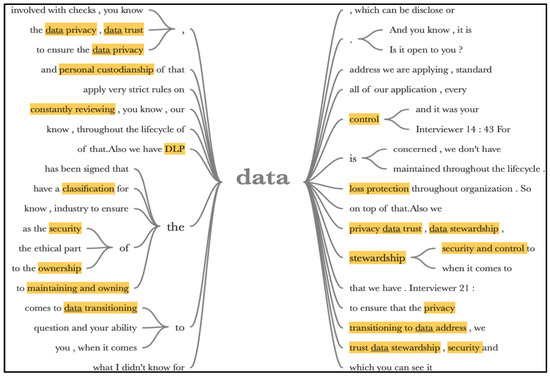
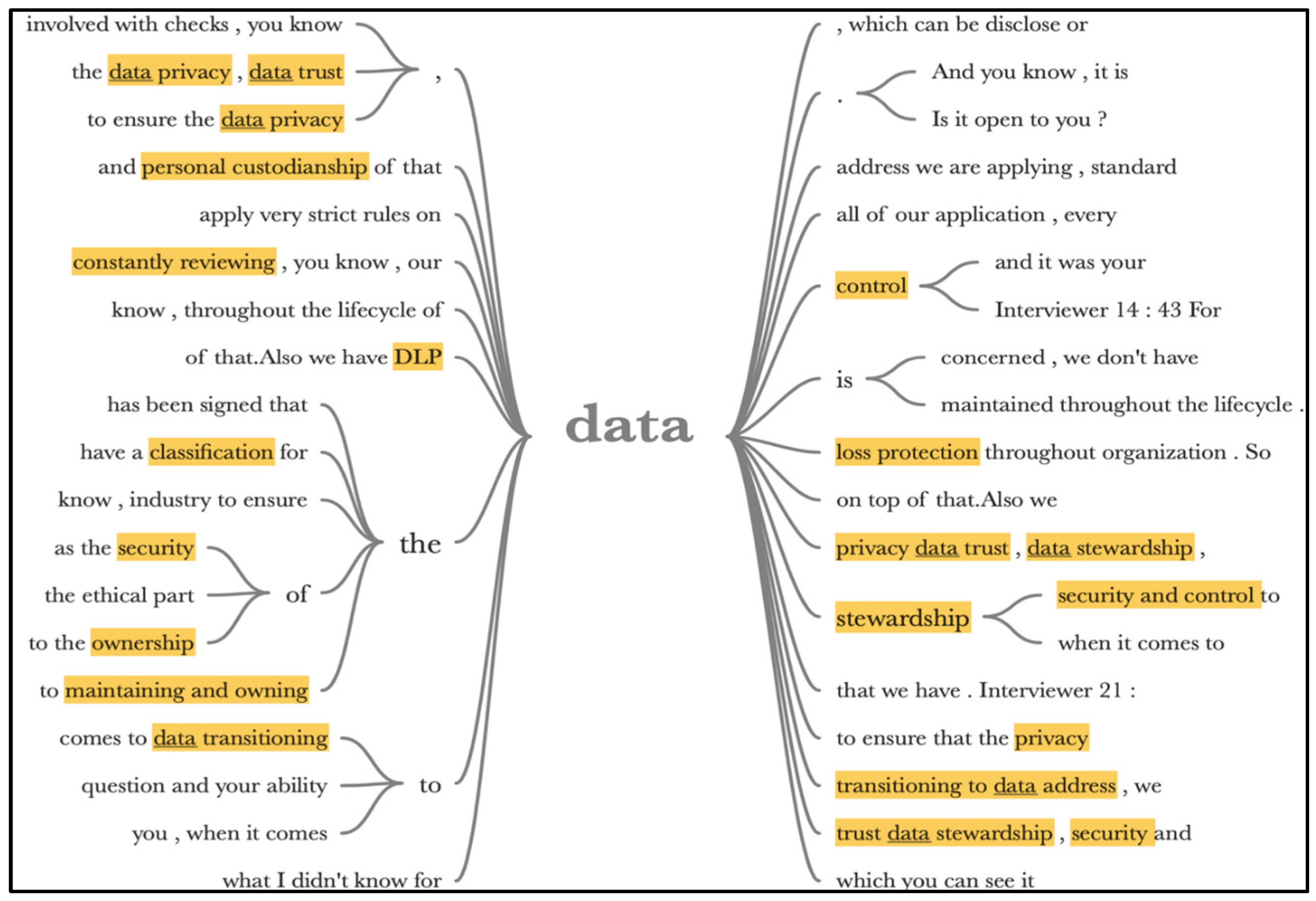
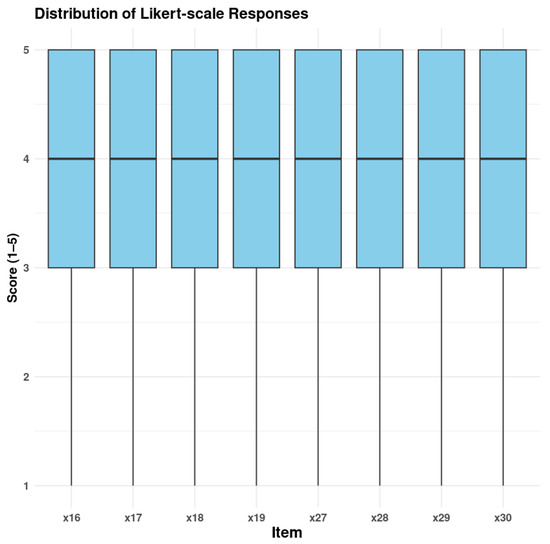
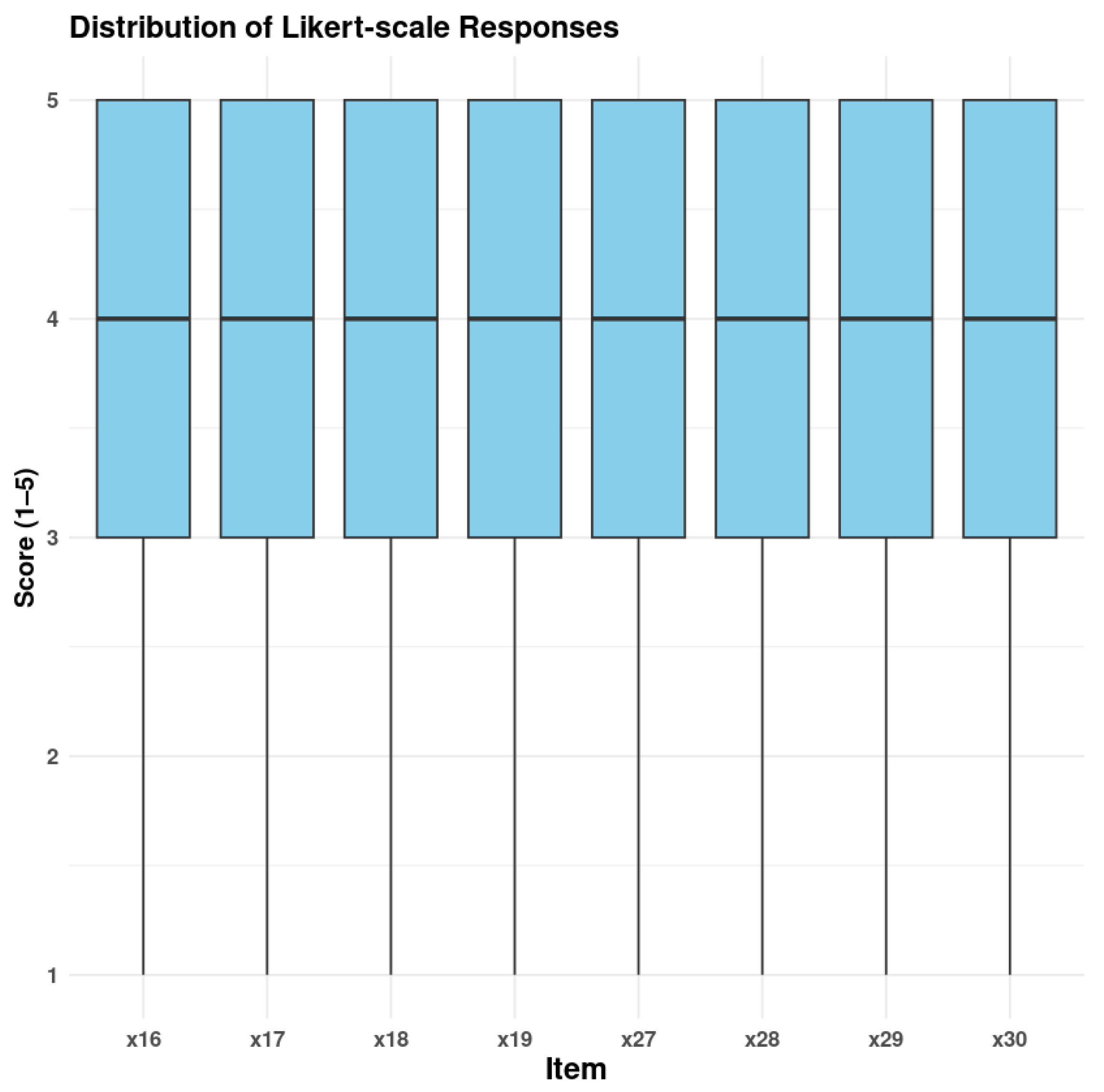
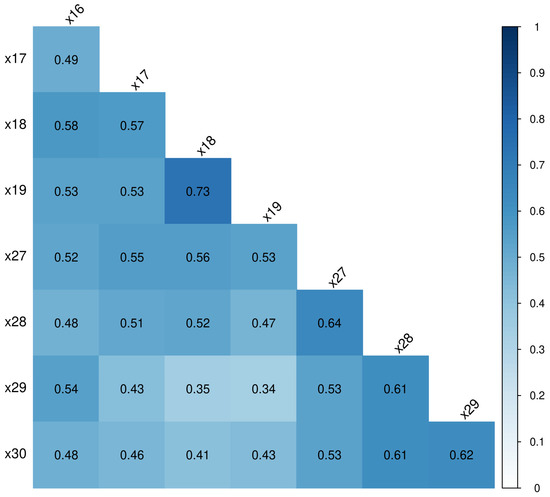
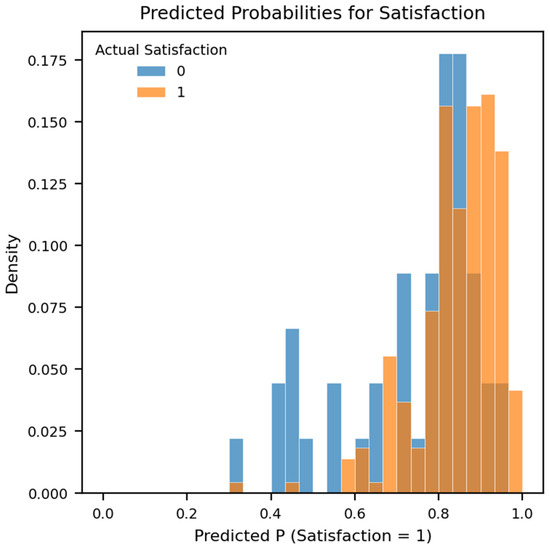

Disclaimer/Publisher’s Note: The statements, opinions and data contained in all publications are solely those of the individual author(s) and contributor(s) and not of MDPI and/or the editor(s). MDPI and/or the editor(s) disclaim responsibility for any injury to people or property resulting from any ideas, methods, instructions or products referred to in the content. |
© 2026 by the authors. Licensee MDPI, Basel, Switzerland. This article is an open access article distributed under the terms and conditions of the Creative Commons Attribution (CC BY) license.