


Abstract
Climate-driven sea ice decline is accelerating the commercial use of Arctic routes and raising the need for Green Shipping Corridors that couple decarbonization with safety and ecosystem protection. This study introduces the concept of Arctic Green Maritime Data—environmental, meteorological, operational, and emission datasets generated in polar navigation—and examines how the EU Data Act can serve as a legal–institutional backbone. Using a multilayered integrative analysis, we (i) interpret core provisions on user access, portability, compensation, public-interest requests, cloud switching, and interoperability; (ii) map the Act’s roles of data holder, user, and recipient onto shipping stakeholders; (iii) assess whether polar operational datasets qualify as “data generated through the use of a product”; and (iv) derive a contractual architecture for corridor operations. We propose a three-layer governance model: firm-level instruments (a Standard Arctic Green Maritime Data Transaction Agreement, enterprise data governance architecture, and FRAND (Fair, Reasonable, and Non-Discriminatory) based contracting), association-level tools (industry model terms, public-purpose data protocols, and a neutral data-trust intermediary), and IMO-level integration aligning EU Data Act principles with Polar Code and MARPOL. The analysis showed that structured rights and obligations reduce vendor lock-in, enable safe public-interest data flows (with emergency access and fair compensation), and improve interoperability across clouds and jurisdictions. The results provide implementable pathways for shipping companies to turn Arctic Green Maritime Data into strategic assets while supporting sustainable and resilient green shipping corridor operations.
1. Introduction
1.1. Background of Study
The International Maritime Organization (IMO) adopted the International Convention. This study is situated at a strategic turning point in the global shipping industry, as climate change and the accelerated melting of Arctic sea ice expand the commercial feasibility of the Arctic Route. According to the January 2025 Arctic Shipping Traffic Report published by the Arctic Council, the number of vessels transiting the Arctic Ocean increased by approximately 37% between 2013 and 2024. In 2024 alone, 1781 unique vessels traversed the Arctic, representing an increase of approximately 500 compared to 2013, the inaugural year of systematic data collection.
This study contends that the expansion of vessel tonnage and growing commercial viability along the Arctic Route are driven by multiple interrelated factors. First, climate change fundamentally alters navigational conditions. The Intergovernmental Panel on Climate Change reported that since the early twenty-first century, the Arctic has experienced accelerated ice melt, delayed seasonal freezing, and intensified thawing. The extent and thickness of sea ice have continuously diminished, whereas perennial multiyear ice has been rapidly replaced by seasonal first-year ice, a transformation accelerated by anthropogenic climate change.
Second, this study observed a significant increase in geopolitical salience of the Arctic Route. Current United States (U.S.) President Donald Trump’s 2025 remarks on a potential “purchase of Greenland” symbolize the extent to which the strategic value of the increasingly accessible Arctic has been elevated on the agendas of international politics and security.
In this context, this study identified the growing need to establish a sustainable and efficient Green Arctic Shipping Corridor. The European Union, the United States, and Canada have actively pursued policies to promote Green Shipping Corridors, defined as maritime routes along which ports and stakeholders cooperate to facilitate the use of environmentally friendly fuels.
For instance, the Clydebank Declaration at the 26th United Nations Climate Change Conference (COP26) committed over twenty countries to the creation of at least six international Green Corridors by 2025, pledging to establish alternative-fuel infrastructure and regulatory frameworks. However, this study emphasizes that the conceptualization of the Arctic Green Shipping Corridors is characterized by unique strategic features. While conventional Green Corridor initiatives focus primarily on greenhouse gas reduction and fuel transition, the Arctic context requires a broader sustainability agenda that encompasses biodiversity protection, climate resilience, and the mitigation of ship-borne marine and atmospheric pollution. Accordingly, the Clean Arctic Alliance, a coalition of twenty-four non-governmental organizations, has called for a multilayered approach that integrates vessel decarbonization with ecosystem preservation and pollution reduction.
This study contends that a Green Arctic Route cannot be achieved solely through fuel transitions. As Arctic routes have become rapidly commercialized, governance mechanisms must simultaneously ensure operational safety and efficiency. Accordingly, the optimization of Arctic Green Shipping Corridors requires the comprehensive and continuous collection and sharing of environmental, meteorological, and navigational data.
Thus far, this study has defined this information as Arctic Green Maritime Data. Arctic Green Maritime Data generated under the unique conditions of the Arctic are specifically intended to support environmentally sustainable navigation while minimizing ecological harm. Unlike conventional maritime data, it has distinctive significance as a strategic asset.
Finally, this study emphasizes that robust data governance is indispensable because stakeholders must share uniform and reliable information to enhance both safety and efficiency. Effective governance requires an internationally legal and institutionally interoperable framework. From this perspective, this study examines the European Union (EU) Data Act, which regulates the fair access to and management of data generated by interconnected Internet of Things (IoT) devices, industrial equipment, and vessels. The EU Data Act supports a fair and transparent data economy by preventing monopolization, fostering data-sharing ecosystems, and protecting trade secrets. In doing so, it provides a normative and institutional foundation for the sustainable operation of Arctic Green Shipping Corridors.
Therefore, this study concludes that monopolistic control over Arctic Green Maritime Data undermines interoperability, trust, and stakeholder cooperation, which are indispensable for the institutionalization of the Arctic Green Shipping Corridors.
1.2. Research Objectives
This study examines the enactment of the EU Data Act to assess how the formation of global data governance norms influences the utilization of Arctic Green Maritime Data by international shipping companies and, consequently, the operation of the Arctic Green Shipping Corridors. The expansion of the Arctic Route’s commercial use involves navigability and sustainability, which can only be ensured when operational efficiency, grounded in Arctic Green Maritime Data, is combined with international regulatory coherence.
Accordingly, this study analyzes the legal and institutional standards of the EU Data Act with respect to data ownership, use, portability, and rules on data sharing. By doing so, it seeks to evaluate the effectiveness of the Act as a potential international benchmark for Arctic Green Maritime Data management, thereby laying the groundwork for the institutionalization and operationalization of the Arctic Green Shipping Corridors.
This study asserts that Arctic Green Maritime Data must not be regarded as a mere industrial by-product but rather as a strategic asset that will usher in the “Arctic Route 3.0” era. Sustainable development of a Green Arctic Route requires a balanced re-structuring of rights governing data access, use, portability, and protection.
From this perspective, this study endeavors to contribute to the establishment of a governance framework centered on Arctic Green Maritime Data and to provide a legal–institutional architecture capable of supporting the development of Green Arctic Corridors. Ultimately, this study seeks to minimize the legal risks that global shipping companies face amid the dual paradigm shift toward environmental sustainability and digitalization, while simultaneously enhancing their capacity for innovation and competitiveness within the governance regime of the Arctic Green Shipping Corridors. However, it is difficult to conclude that the EU Data Act applies directly or explicitly to Arctic Green Maritime Data. The scope of its application, therefore, remains uncertain, and its relationship with international regulations and domestic legal regimes requires further clarification. Nevertheless, the EU Data Act can serve as a highly relevant benchmark for the development of future governance frameworks for Arctic route data, and industry and policy stakeholders should treat it as a strategic factor in decision-making.
1.3. Review of Prior Research
1.3.1. Review of Prior Research on Arctic Route Operations and Green Shipping Corridors
Prior studies on Arctic marine operations emphasize that sea-ice retreat is expanding seasonal navigability; however, year-round routine transit remains implausible, risk profiles are becoming more dynamic (e.g., ridging), and governance is multi-layered (UNCLOS, IMO Polar Code, and NSR/Canadian rules) [1]. Scenario work (AMSA) frames futures along resource/trade demand and regulatory stability, highlighting how insurance, classification, financing, and geopolitical shocks (e.g., the Ukraine war) shape feasibility [1]. Socio-environmental assessments show heterogeneous local impacts and call for proactive, coordinated governance as transpolar access expands [2], whereas policy reviews note progressively stringent rules that jointly raise technological, operational, and decarbonization challenges for the industry [3]. Persistent icebreaking capacity gaps continue to constrain safe access, particularly along the Northwest Passage [4].
Methodologically, route design has moved toward multi-objective optimization that couples ice fields, ship ice-class performance, fuel use, and emissions. The results show that optimal paths and cost–environmental outcomes vary by month and ship class, informing combined decisions on sailing windows and vessel selection [5]. A trade-integrated systems analysis projection project that opening the Arctic Sea Route could increase global shipping emissions by 8.2% by 2100 and raise the Arctic share from 0.22% to 2.72%; current measures (IMO 2023 GHG strategy [6], Green Corridor initiatives) appear insufficient without stricter fuel standards and regionally phased roll-outs [7].
Decarbonization research spans fuel propulsion and infrastructure trade-offs. Global network optimization identifies competitive bunkering/production nodes for green ammonia and demonstrates how multi-route planning captures cross-route synergies and cost trade-offs [8]. Vessel-level feasibility studies for ice-capable research ships suggest that MDO remains the operational baseline under space/endurance constraints, whereas LNG/methanol can reduce life-cycle costs and CO2 if layouts are radically redesigned; liquid hydrogen is excluded as the sole energy carrier owing to its volumetric density and cost limits [9]. Economic comparisons of the NSR versus the Suez Canal Route show that the Arctic HFO ban can grant a 12–15% unit-cost advantage to HFO-using Suez Canal Route vessels, unilateral carbon taxes further erode NSR competitiveness under clean-fuel obligations, and LNG’s life-cycle gains are highly sensitive to engine type and methane-slip control, prompting proposals for dynamic carbon-price thresholds linked to technology standards [10]. Nuclear options (direct propulsion or nuclear-derived fuels) have long-haul decarbonization potential, but face safety, non-proliferation, regulatory, commercialization, and high capex hurdles [11].
Recent discourse on maritime decarbonization has shifted from a narrow focus on infrastructure to a holistic view that integrates technical innovation with strategic management across the shipping value chain. This perspective highlights the divergence in national transition pathways and underscores the necessity of industrial-chain collaboration to mitigate chronic uncertainties and resolve incentive misalignments in the adoption of alternative energy [12]. In parallel, optimization-oriented shipping network management—leveraging operational strategies such as speed optimization, waiting time minimization, and virtual arrival policies—can yield quantifiable reductions in carbon emissions [13]. Integrating these perspectives, it becomes evident that Arctic Green Shipping Corridors necessitate not only legal clarity but also high-quality maritime data. The requirement for such a data infrastructure to enable technical and managerial optimization is precisely what motivates the governance-oriented focus of this study.
Digitalization and data-driven safety/efficiency have been framed through Digital Shipping Corridors (DSCs), where seven interdependent success factors—tech infrastructure, economic feasibility, regulation, logistics efficiency, security, collaboration, and environmental sustainability—must co-evolve; single-pillar investments deliver limited gains without coordinated progress [14]. AIS-based emission studies (2009–2024; 78 papers) report key limitations: sparse engine/emission ground truth, oversimplified in-port and fuel-switching models, and validation challenges near coasts; recommended remedies include multi-source data fusion (e.g., transfer learning), domain-knowledge-aware artificial intelligence (AI), open maritime databases, and collaborative data sharing for MRV [15].
Finally, Green Shipping Corridors (GSCs), catalyzed by the Clydebank Declaration, are positioned as policy/logistics coalitions to share risk and cost across value-chain actors during the zero-emission transition, and current developments and bottlenecks have been mapped from stakeholder viewpoints with research agendas for practical implementation [16]. Closing the finance gap for a sustainable ocean economy is a cross-cutting prerequisite; studies call for instruments that generate, align, and account for capital (e.g., blended finance, performance-linked vehicles) to support corridor infrastructure, technology uptake, and equitable outcomes [17].
1.3.2. Review of Prior Research on Data Governance, EU Data Act, FRAND (Fair, Reasonable, Non-Discriminatory), and Data Trusts
Previous studies on data governance have converged on the policy rationale for the EU Data Act (DA): accelerating data sharing across the EU economy through the clear allocation of access/use rights and guardrails for fairness, competition, and protection of legitimate interests [18,19]: The Commission’s pathway, set out from proposal to adoption, frames DA within the digital single-market objectives of building a data economy through interoperability, standardization, and inclusive digital participation [20,21,22].
A foundational stream interrogates data ownership and contours of personal data. Zech examines whether property-like rights in data should (or can) exist in EU law by linking DSMS objectives to workable claims over access and use [23]. Complementarily, Cordeiro analyzes the GDPR’s concept of personal data—particularly “identifiable”—and its boundaries, underscoring that many DA duties will hinge on accurate qualification of data categories [24].
The second stream extends the FRAND principles from standard-essential patents to FRAND data access. Habich proposed that FRAND-style terms could specify DA/DMA access obligations (layers of access, role of negotiation, and alignment with Huawei/ZTE-type conduct duties), highlighting both analogies and key differences between SEPs and data sharing [25]. Earlier work on FRAND/SSO governance provided a competition law backdrop (unrestricted participation, transparency, disclosure, and licensing commitments) and the CJEU’s negotiation framework to mitigate strategic behavior by both rights holders and implementers [26]. Recent legal analysis emphasizes that DA implementation also reconfigures trade secrets: the DA’s procedures/TPMs effectively create “data secrets” by inserting competent authorities into ex-ante assessments and hardening techno-regulatory protections—raising new questions on cost, consistency, and innovation incentives [27].
The third stream evaluates data trusteeship as an institutional response to over- and under-sharing. From a U.S. vantage, Houser & Bagby conceptualize data trusts as fiduciary intermediaries that can rebalance bargaining power, enable socially beneficial re-use, and potentially ease EU–US tensions [28]. Empirical policy research on Japan’s Information Banks finds that adoption barriers are rooted in risk perceptions and unclear benefits. Acceptance rises with higher data literacy and specialized (domain-specific) data services, suggesting targeted roll-out and education as levers for scale [29]. Smart city programs document parallel governance/tooling requirements for cross-domain data exchanges [30].
Sector-specific scholarship demonstrates how legal architectures play a role in the maritime context. Lee et al. mapped emerging business models for MASSs, smart ports, and blockchain platforms against Korean constitutional/property doctrines and IP concerns around maritime data transactions—flagging ownership, allocation of rights, and platform governance–as preconditions for commercialization [31]. Industry commentary highlights both the opportunities in performance/safety/ESG from shipboard IoT and big-data analytics, and the escalating cybersecurity risks (breach, ransomware, spoofing) that necessitate robust technical and organizational controls and regulatory initiatives (including DA) are noted as catalysts for transparency and standardized IoT data sharing [32]. Finally, comparative regulatory perspectives emphasize the need to align DA-style access regimes with domain-specific safety and ethical frameworks [33].
The literature indicates that DA-enabled sharing is credible only if (i) legal categories (personal vs. nonpersonal; trade secret vs. shareable) are operationalized with precise tests [24,27]); and (ii) FRAND-like negotiation/price setting and dispute avoidance mechanisms are adapted to the data’s non-rival, context-dependent nature [25,26]; and (iii) trustworthy intermediaries (data trusts/information banks) are coupled with literacy programs and sector-tailored governance for safety-critical domains such as shipping [28,29,31,34], Open issues include the administrative capacity for trade-secret vetting, transaction costs of TPMs, cross-border interoperability with the GDPR/AI Act/DMA, and metrics that balance transparency with innovation incentives [21,25,27].
1.3.3. Review of Prior Research on History, Institutions, and Governance (Incl. Gray Literature)
Arctic shipping has accelerated alongside the sea ice decline, with governance and monitoring catching up through intergovernmental and civil society initiatives. PAME’s ASTD evidence base shows a 37% rise (2013–2024) in unique ships entering the Polar Code area (to 1781) and a doubling of distance sailed (6.1 → 12.7 million nanometer), with a September peak aligned to minimum ice extent; ASTD underpins safety fora and best-practice dissemination (e.g., fishing vessel safety, Cape Town Agreement) [35]. NGO syntheses echo the growth trend and link traffic to resource projects (e.g., Mary River, Yamal), while flagging pollutant co-loads (CO2, BC, NOx, CH4), underwater noise, and scrubber effluents—calling for Arctic-tailored green corridor definitions to address the “triple planetary crisis” beyond carbon-only metrics [36,37]: Policy proposals converge on data-driven monitoring and corridor designs that integrate biodiversity and pollution control with decarbonization [37].
On the regulatory plane, route-specific frameworks (e.g., Russia’s NSR Rules) interact with IMO instruments, structuring access, ice class, pilotage, and reporting obligations; these national regimes influence the feasibility and risk allocation for transits and destinational shipping [38]. Boundary politics further complicate governance: recent work dissects how definitions of “the Arctic,” Svalbard waters’ legal status, and evolving hazard regimes (e.g., in Longyearbyen) challenge static borders and demand environmentally conscious, socially just, and politically viable policy redesigns [39]. Media analyses point to security overlays, such as Greenland’s strategic defensibility, underscoring how defense postures and alliance politics shape infrastructure, SAR bases, and crisis responses relevant to Arctic navigation [40].
Historical scholarship situates the current governance debate over longer arcs. The circulation of shipbuilding know-how across empires (VOC Asia yards → 17–18C; Dutch state–industry machine manufacturing → 19C; Dutch technical aid to Meiji Japan) illustrates how maritime capability was co-produced by states and transnational firms, with industrialization altering institutional embeddings and oversight capacity [41]. Exploration historiography, from Hakluyt and navigation chronicles to Wallis’ synthesis and Skelton’s cartographic studies, shows how mythical geographies (Terra Australis, conjectural Northwest Passage) have both guided and distorted policy for centuries [42,43,44]. Revisionist readings argue that Cook’s voyages reframed imperial geographic discourse through empirical journals, longitude and meteorology, shifting from “fictive” to “scientific” dominion; open-knowledge circulation (e.g., Royal Society editing) contrasted with Iberian secrecy [45]. Cook’s own 1778–1779 ice-edge observations (Chukchi Sea) provide some of the earliest cartographic records. Modern re-analyses juxtapose historical edge stability (pre-1990s) with the post-1990s dramatic retreat—bridging archival and satellite eras [46]. The parallel cultural histories of the mythical Northwest demonstrate how apocryphal maps and imaginaries structured Enlightenment science and imperial aims, a caution for contemporary narrative formation around “new” Arctic routes [47].
Gray literature assessments of ocean data governance highlight FAIR principles, NOAA’s data/AI/cloud strategies, and persistent bottlenecks (processing capacity, equitable access, IP/privacy, and sustained funding). They recommend federal–industry–academia–NGO partnerships and user-inclusive design to turn the “ocean data revolution” into practical management gains [28]. In regime theory, the shipping regime complex is criticized for misaligned enforcement (flag/port/coastal state capacities) and conflicting rule-making authority; regional fixes improve enforcement location but leave systemic inefficiencies that spill over into Arctic governance [26].
Synthesis & gaps. The corpus suggests four convergences: (i) evidence-led governance (ASTD/FAIR) as the foundation for safety, environment, and corridor design [28,48] and (ii) corridor frameworks widened to biodiversity/pollution with explicit pollutant baskets and noise standards [36,37]; and (iii) boundary-aware regulations that internalize Svalbard/NSR legal pluralism and security externalities [39,40,49] and (iv) historical reflexivity, using exploration archives to temper techno-optimistic narratives and design coproduction arrangements that acknowledge state–industry interdependence [41,42,43,44,45,46,47]. Priority research includes harmonized Arctic corridor standards (carbon + biodiversity + pollution), interoperable B2G data pipelines linking the ASTD with national sensors, comparative studies of enforcement capacity across the NSR and North American Arctic, and policy experiments on inclusive data governance for indigenous and local communities.
1.3.4. Limitations of Existing Research and the Unique Contributions of This Study
Previous studies on the activation of Arctic shipping routes and the design of corridor frameworks have overlooked the critical issue of redefining data sovereignty. In particular, existing research lacks systematic analysis of the process through which data are transformed from a mere technical byproduct into an object of legal rights and obligations. Additionally, there is a shortage of empirical approaches that examine how such transformations can be institutionalized through concrete legal frameworks. Moreover, the Arctic region remains relatively underrepresented in terms of accumulated navigational data. The types and characteristics of data in this maritime domain differ significantly from those of conventional routes, thereby limiting the applicability of standard data governance and analytical frameworks. In response to these gaps, this study adopts the EU Data Act as its analytical framework and applies its principles and mechanisms for reconfiguring data sovereignty in the context of the Green Arctic Shipping Corridors. The Act provides a clear legal basis for the ownership, access, sharing, and reuse of data, thereby offering a structured foundation for reconceptualizing the legal status and transactional architecture of data—an area traditionally overlooked in the maritime industry.
Unlike previous studies, this study analyzes how data sovereignty is evolving and how such changes affect industrial practices and policy design, grounding its analysis in the specific legal provisions of the EU Data Act. Through this approach, the study offers a theoretical contribution and practical guidance for global shipping companies and regulatory authorities as they seek to adapt to, and manage, data-driven operations within the governance landscape of the Arctic maritime domain.
2. Theoretical Framework and Methodology
2.1. Theoretical Framework
2.1.1. The Decalcomania Structure and the Assetization of Arctic Green Maritime Data
This study demonstrates that historical experience reveals how maritime data were transformed into a strategic national asset through repeated transitions from concealment and non-disclosure to disclosure and sharing. These recurring shifts have displayed structural homology across different historical periods. To interpret these relational patterns, this study employs the analytical framework of the Decalcomania Structure (see Figure 1). This framework illustrates the manner in which Arctic Green Maritime Data have been subjected to alternating modes of governance—secrecy versus publicity, centralization versus diffusion, and control versus sharing—depending on prevailing power conditions.
Figure 1.
Framework for Arctic Green Maritime Data Sharing by Decalcomania.
In this study, the Decalcomania Structure was not merely used as a metaphor for data moving from secrecy to openness. Rather, it is used to designate a recurrent pattern of regime change in which governance logics developed in one historical context are “transferred” and re-inscribed in another, much like a decal pressed from one surface onto the next. Historical episodes, from the confidential treatment of eighteenth-century exploration logs to their gradual publication and eventual incorporation into international hydrographic standards, reveal a three-phase sequence: (i) a phase of secret accumulation in which states and explorers concentrate navigational knowledge as a strategic asset; (ii) a phase of controlled disclosure in which selective publication serves diplomatic, commercial, or scientific objectives; and (iii) a phase of regulated sharing in which data are embedded in formalized regimes and increasingly treated as a global public good.
The heuristic value of the Decalcomania framework lies in its ability to identify the conditions under which transitions between these phases occur and to connect them to contemporary governance design. Historically, regime shifts have been triggered when three kinds of pressures converge: geopolitical competition that increases the value of verification and transparency, scientific demands for reproducible data to underpin cartography and climatology, and economic incentives to standardize information to support trade, insurance, and risk management. By mapping these drivers onto the present context of Arctic Green Maritime Data (AGMD), the framework suggests that EU-style norms on fairness, access, and interoperability will be sustainable only if they anticipate similar tensions between strategic secrecy and collective safety, proprietary control and environmental accountability, and national sovereignty and transnational climate obligations. In this sense, Decalcomania serves as an analytical device that generates hypotheses on when and how AGMD will move from proprietary control toward structured, legally governed sharing.
Against this conceptual backdrop, the historical context in which this Decalcomania pattern takes shape is the era of Northwest Passage exploration, spanning from the fifteenth to the eighteenth century. Since the late fifteenth century, competition among European powers for new sea routes linking Europe and Asia has generated persistent expectations of a northern passage [50]. Although many of the voyages undertaken in search of such routes ultimately ended in failure, the navigational logs, charts, meteorological records, fishery observations, longitudinal measurements, and astronomical data accumulated by Britain in the process became significant national assets, constituting a powerful corpus of maritime data [43]. The eighteenth-century voyages of James Cook are understood as key examples that symbolically capture this transformation of maritime data. Cook amassed a vast volume of maritime data and submitted it to the British Admiralty and the Royal Society [51]. Initially treated as strict military secrets, these materials were later declassified in stages and circulated globally through publications in line with imperial strategies and the pursuit of scientific prestige. Through this process, maritime data moved beyond the status of mere navigational aids to become instruments of diplomatic leverage, symbols of scientific authority, and national strategic assets, underpinning Britain’s maritime hegemony and the reorganization of North Pacific trade. In other words, the sequence of accumulation, controlled disclosure, and regulated sharing offers a historically concrete example in which the Decalcomania Structure was enacted. Accordingly, this study does not regard maritime data as a fixed technical record but as a dynamic asset continually reconstituted under institutional conditions of concealment and disclosure, control and sharing, and shaped by power, economics, and science. From the Northwest Passage explorations to Cook’s voyages, the recurrent reconfiguration of data forms a Decalcomania pattern in which the same structural logic is successively superimposed on different eras and contexts. This historical dialectic not only demonstrates how data management regimes are institutionally configured within specific settings but also offers important precedents for theorizing the institutional status that contemporary AGMD should attain.
First, it identifies how England utilized navigational logs and charts accumulated from Arctic explorations, including James Cook’s voyages, as a strategic knowledge repository that projected maritime power and technological superiority. This historical mode displays structural symmetry with contemporary practices in which sensor-based data, operational logs, and digital charts generated by Maritime Autonomous Surface Ships (MASS) are aggregated and employed to enhance the safety and efficiency of ship operations.
Second, England disseminated navigational and astronomical data through printing and publication, thereby advancing maritime commerce and scientific knowledge. This pattern is reflected in the policy logic of the EU Data Act, which transforms proprietary and monopolized corporate data into quasi-public assets. By embedding such data into institutionalized sharing frameworks, the Act aims to strengthen technological competitiveness and expand the digital capacity of global logistics supply chains.
Third, within the same Decalcomania logic, the regulated sharing phase historically became a vehicle for trade, military planning, and resource extraction, thereby facilitating imperial expansion while simultaneously causing severe ecological destruction and the disintegration of indigenous societies. In sharp contrast, contemporary Arctic Green Shipping Corridors deliberately redirect the same third-phase logic toward environmental preservation, decarbonization, and the establishment of a sustainable maritime order, thereby embodying fundamentally different normative purposes.
In summary, this study argues that maritime data have historically functioned as a strategic asset through repeated reconstitution under the shifting power conditions of concealment, disclosure, control, and sharing. Viewed through the Decalcomania Structure, the historical passage from secret accumulation to regulated sharing also reveals that moments in which maritime data are embedded in robust sharing regimes generate disproportionate ripple effects. They reduce navigational risk, open and stabilize new trade corridors, standardize scientific knowledge, and crystallize new legal and institutional orders. In this sense, contemporary AGMDs are not merely technical byproducts of MASS and sensor networks but are a pivotal lever for designing resilient and cooperative governance across global logistics supply chains. Accordingly, as the Arctic Route becomes increasingly commercialized, the Decalcomania lens suggests that the decisive question is not whether maritime data will be shared, but under what legal, institutional, and ethical conditions such sharing will occur. This study, therefore, theorizes maritime data as an institutional and strategic asset whose deliberate transition into structured sharing regimes can legitimize and accelerate the establishment of international data norms and sustainable maritime governance in the emerging “Arctic Route 3.0” era.
2.1.2. The Dialectical Implications of the Arctic Route Transition and Arctic Green Maritime Data Sovereignty
In this article, AGMD is defined as a clearly delimited subset of maritime data rather than a purely rhetorical label. AGMD is operationally defined as non-personal data that simultaneously meets the following three criteria: First, they are generated in connection with vessel operations within designated Arctic Green Shipping Corridors (routes under the IMO Green Shipping Corridors framework and EU–Norway–Iceland initiatives that require net-zero commitments and enhanced environmental monitoring), or in direct support of their operation. Second, they directly describe the environmental performance, navigational safety, and climate-relevant impacts of those operations. Third, they are intended, under applicable legal and contractual arrangements, to be aggregated and reused for decarbonization, risk reduction, and ecosystem protection beyond the purposes of a single voyage or individual firm.
Conventional maritime data encompass a broad range of information generated during vessel operations, including navigational records, voyage management data, routine engine logs, meteorological observations, communication logs, and crew information. By contrast, AGMD is both functionally and normatively defined. Functionally, it comprises parameters that are indispensable for assessing and governing the environmental footprint and safety of Arctic navigation, such as
- Cryospheric and hydrometeorological indicators (for example, sea ice concentration and thickness, ice drift, visibility, wave height, air, and water temperature);
- Vessel performance and risk indicators under polar conditions (e.g., ice-breaking loads, hull stress, winterization performance, engine load profiles, and incident and near-miss records);Emissions and energy use metrics (for example, carbon emissions per ton-mile, black-carbon emissions, fuel type and consumption, and energy-efficiency indices);
- Ecological and socio-environmental impact signals (for example, oil spill events, disturbance to marine mammals, noise levels in sensitive areas, and route deviations due to protected zones).
These parameters are typically measured using sensor networks and monitoring systems, recorded in standardized units, and stored in machine-readable formats to enable their aggregation across voyages and fleets.
Three classification criteria were adopted to distinguish AGMD from general vessel monitoring data. First, a spatial–contextual criterion: Only data generated within defined Arctic corridors or in direct support of their operations are treated as AGMD. Second, the functional criterion is that the data must be demonstrably relevant to environmental performance, safety management, or climate governance, rather than purely for commercial or internal optimization purposes. Third, a governance criterion: The data are, or are expected to be, subject to legal or contractual arrangements that contemplate structured sharing, FRAND-aligned access, or public-interest use under regimes such as the EU Data Act. When these three criteria are met, Arctic operational data cease to be a mere technical byproduct, and the status of AGMD as a strategic object of trade and governance is acquired.
Accordingly, this study contends that AGMD transcends its auxiliary role in vessel operations and emerges as a strategic asset capable of facilitating compliance with global environmental regulations and the optimization of sustainable Arctic navigation. In this sense, AGMD is the core object of both market exchange and regulatory ordering.
In this process, the legal and economic foundations of data transactions have significant implications. Data function simultaneously as a resource and a tradable commodity; its efficient utilization depends on clearly defined rights and the minimization of transaction costs, thereby enabling free exchange. Arctic Green Maritime Data must therefore be governed by a dual imperative: sufficient exclusivity to prevent underproduction, coupled with transferability and openness to ensure industrial innovation and global cooperation. This study asserts that Arctic Green Maritime Data sovereignty extends beyond the questions of ownership and protection to transactional order establishment that reconciles fairness and efficiency within international norms.
The scholarly discourse on Arctic Green Maritime Data explored herein is closely tied to the broader transition toward an environmentally oriented digital paradigm and the evolving dynamics of the global data economy. As participants in future Arctic Green Shipping within these corridors, global shipping companies will develop new revenue models by collecting and analyzing such data, necessitating a revised valuation framework that includes data with personal information. However, the regulatory frameworks in the maritime sector remain underdeveloped with respect to the rights and protection of data subjects. In particular, seafarers’ personal data should not be regarded solely as an object of protection. When managed under secure utilization conditions, such data can yield significant utility and economic value.
This study highlights an Arctic Green Maritime Data Trust System as an institutional solution that facilitates the safe utilization of diverse categories of data, including personal information. Data trust functions by delegating data stewardship to a fiduciary entity that manages and supervises its use, while ensuring fair transactions and equitable distribution. Through such arrangements, ownership, usage, and revenue rights are separated and administered, thereby protecting the interests of data subjects while simultaneously promoting industrial innovation. International examples—including Google’s data trust experiment in Toronto’s Smart City project, Japan’s “information bank” model, and Gyeonggi Province’s data-dividend initiatives in Korea—provide instructive precedents for the institutional design of an Arctic Green Maritime Data Trust System.
Moreover, this study emphasizes that the Arctic Route presents constraints that are distinct from those of open-ocean navigation, including seasonal accessibility, uncertainty in ice forecasting, threats from drifting ice, fragile communication infrastructure, and extreme climatic conditions. The route is further shaped by overlapping geopolitical conflicts and economic rivalries, rendering the management and sharing of maritime data not only a technical issue but also a central arena of international cooperation and competition.
Therefore, this study concludes that the Arctic Green Maritime Data Trust System constituted a pivotal institutional mechanism during the transitional era of the Arctic Route. It simultaneously promotes industrial competitiveness, environmental sustainability, and the protection of data subject rights, thereby enabling global shipping companies to adapt to and assume leadership within the emerging paradigm of Arctic Green Shipping Corridors.
2.1.3. Sovereignty and Coastal State Jurisdiction in the Northeast Passage
Vessels currently navigating Russia’s Northern Sea Route (NSR) are subject to a multilayered regulatory framework centered on navigational safety and environmental protection [52]. In a 1998 federal law, Russia defined the NSR as a “historically established national unified transport communication of the Russian Federation in the Arctic” and conceptualized it as a single maritime transport network composed of internal waters, the territorial sea, the contiguous zone, and the exclusive economic zone (EEZ). The 2012 Federal Law on State Regulation of Merchant Shipping in the NSR and the 2013 Rules of Navigation in the Water Area of the Northern Sea Route concretize this legal status as a core regulatory instrument, institutionalizing state control over route planning approval, the issuance of navigation permits, the coordination of icebreaking and pilotage services, and the management of marine environmental protection and navigational safety through the NSR Administration. Foreign vessels wishing to transit NSR segments classified as internal waters or parts of the territorial sea must submit a voyage plan in advance and obtain a navigation permit through prescribed procedures, while Russia invokes Articles 56 and 234 of the United Nations Convention on the Law of the Sea (UNCLOS) to justify strengthened environmental regulations, even in the EEZ segment of the NSR [52].
However, this regulatory framework is closer to a conditionally open structure that permits navigation when certain technical and operational requirements are met, rather than a closed regime that blocks all passage [53]. More specifically, ships using the NSR must possess an ice class and hull design suitable for navigation in ice-covered waters and be equipped with environmental and safety installations that comply with international standards, such as MARPOL, SOLAS, and the Polar Code. In addition, Russia has, in principle, allowed the passage of vessels that comply with the prescribed requirements on routing, speed, and reporting under navigation rules and that bear the costs associated with icebreaking, pilotage, and related services where necessary. In other words, Russia’s navigation regulation on the NSR primarily targets the control of physical and environmental risks, such as hull performance, safety equipment, routing, and pollution prevention measures, and commercial navigation itself remains institutionally feasible. Therefore, the NSR regime can be understood as a form of regulated openness predicated on safety and environmental standards [52].
What is particularly noteworthy is that this regulatory framework does not treat operational data generated and collected on board as a direct object of regulation. Neither the current NSR-related laws nor the navigation rules explicitly designate separate authorizations or restrictions for the collection, storage, or transmission of operational data that vessels naturally gather during navigation, such as engine performance records, fuel consumption, sea ice and meteorological observations, or route-tracking information. Admittedly, the advent of the Maritime Autonomous Surface Ship (MASS) era has heightened the sensitivity of data relating to vessels, persons on board, and the marine environment; has transformed the structure of data sovereignty; and has brought new issues of information security linked to military and national security considerations to the fore. Nevertheless, Russia’s NSR legislation has not yet reached a level at which the production and accumulation of operational data are comprehensively restricted, or the use of such data is finely regulated and segmented. Although the NSR regime has developed a dense normative structure with respect to navigational safety and environmental protection, it still has a regulatory gap in the allocation of rights over operational shipping data and the conditions of access, sharing, and trading of such data. This gap will become a crucial point of departure for future debates once AGMD is transformed into a strategic asset within the Arctic Green Shipping Corridors and new data regimes, such as the EU Data Act, begin to apply.
2.2. Core Research Questions and Design
2.2.1. Core Research Questions
This study examines the legal, institutional, and practical strategies required for the commercialization of the Arctic Green Shipping Corridor and the introduction of environmentally friendly vessels. In particular, it focuses on analyzing the nexus between the applicability of the EU Data Act and the governance structure for managing and utilizing Arctic Green Maritime Data. As a representative international regulatory framework, the EU Data Act sets forth key principles of data governance, including rights of possession, rights of access, rights of portability, and obligations of sharing. It is therefore expected to exert a direct influence on the processes of collecting, utilizing, and commercializing Arctic Green Maritime Data in the future.
To achieve this objective, this study formulated the following core research questions:
How can the roles of data holders, users, and recipients, as defined under the EU Data Act, be applied to global shipping companies?
What legal issues have arisen under the EU Data Act concerning the balance between autonomy and fairness for designers and manufacturers of eco-friendly vessels (shipbuilders) and users (shipping companies) with respect to AGMD generated by the Arctic Green Shipping Corridor?
Can AGMD collected and generated by eco-friendly vessels navigating the Arctic Green Shipping Corridor be legally classified as “products”?
Under the framework of the EU Data Act, are contractual relations regarding AGMD structured for global shipping companies participating in the Arctic Green Shipping Corridors, and what legal challenges arise when stakeholders in these corridors request access to such data for public-interest purposes?
2.2.2. Research Method of Analysis
This study adopted a qualitative doctrinal and comparative research design organized within a multilayered integrative analysis (Figure 2). Rather than functioning merely as a presentation device, the multilayered approach combines three complementary components: (i) normative legal interpretation of the EU Data Act, (ii) comparative document analysis of contractual and policy instruments relevant to the Arctic Green Shipping Corridors, and (iii) scenario-based institutional design of a three-layer governance model.
Figure 2.
Research analysis method using a Multilayered Integrative Analysis.
First Layer: Normative interpretation of the EU Data Act. This study conducted a doctrinal analysis of the principal provisions of Regulation (EU) 2023/2854 [22], focusing on articles and recitals that govern data access, use, portability, sharing obligations, FRAND-based remuneration, public interest, emergency access, and cloud switching. These provisions are systematically coded into four analytical categories: (i) allocation of rights and obligations between data holders and users; (ii) safeguards for trade secrets and security; (iii) rules for public-sector access to privately held data; and (iv) interoperability and switching requirements. On this basis, this study reconstructs the internal logic of the Act as a general legal-institutional template for data governance.
Second layer: Comparative document analysis of Arctic data arrangements. Building on this doctrinal foundation, this study examines how the categories of the EU Data Act interact with existing contractual and governance practices in the maritime sector. It conducted a qualitative comparison between representative contract clauses and governance schemes used in shipbuilding, remote engine monitoring, and polar route operations, as discussed in the literature. The comparison employs three criteria: (i) the allocation of control over operational and environmental data, (ii) the extent to which users can re-use and share data with third parties, and (iii) the presence or absence of FRAND-aligned compensation and safeguards for public-interest access. Through this comparative lens, potential tensions and gaps between the Act and current maritime practices were identified.
Third layer: Scenario-based institutional and contractual design. The final layer inductively develops a three-tier governance model at the levels of firms, industry associations, and the International Maritime Organization by extrapolating the legal interpretation and comparative findings. The model is constructed as a set of hypothetical but internally consistent scenarios that illustrate how AGMD can be governed under different constellations of rights, obligations, and public-interest demands. These scenarios are not empirical predictions; rather, they function as theory-building devices that generate testable hypotheses regarding the feasibility, risks, and benefits of the proposed contractual architecture.
In methodological terms, this article should therefore be read as an exploratory, theory-building contribution that develops a structured analytical framework for AGMD governance. Given the limited availability of operational contracts and stakeholder interviews in the emerging Arctic Green Shipping Corridors, this study does not claim to be empirically representative. Instead, it offers a conceptually grounded basis for future empirical research that could validate, refine, or challenge the governance model through interviews with stakeholders, systematic contract analysis, and case-based modeling of jurisdictional conflicts.
3. Analysis of the 2025 EU Data Act and Its Implications for Global Shipping Companies Participating in the Arctic Green Shipping Corridor
3.1. Regulatory Implications
This study examines the EU Data Act as a normative instrument enacted to remedy unfair practices and monopolistic control within the emerging data economy, while also establishing a framework that offers fair and transparent access to and utilization of data. The Act institutionalizes fairness and efficiency in the data economy through four guiding principles: (i) strengthening rights to access data, (ii) creating a fair environment for data transactions, (iii) safeguarding data sovereignty, and (iv) ensuring interoperability.
Specifically, this study identifies that the Act clarifies ownership and access rights to data generated by IoT devices and connected products, thereby guaranteeing equitable access for both data providers and users. It also prohibits the abuse of dominant positions in business-to-business (B2B) and business-to-government (B2G) data transactions by prescribing standards for contractual fairness. Furthermore, the Act establishes safeguards against the unlawful transfer and misuse of data outside the EU and mandates interoperability standards to ensure that data across industries can be processed in standardized formats.
Importantly, this study emphasizes that the regulatory scope of the Act is not confined to enterprises domiciled within EU member states. It extends directly to non-EU shipping companies that call major EU ports. For instance, when a global shipping company operates a route between Busan and Rotterdam via the Arctic Route and collects or utilizes Arctic Green Maritime Data, such as fuel efficiency metrics, greenhouse gas emissions, black carbon levels, ice and meteorological conditions, and navigational speed, such data may fall squarely within the regulatory ambit of the EU Data Act. This indicates that Arctic Green Maritime Data functions not only as operational support but also as a strategic asset underpinning environmental compliance, safety assurance, and operational efficiency simultaneously.
With its entry into force scheduled for September 2025, the EU Data Act directly regulates ownership, access, portability, and sharing rights in maritime data, thereby exerting profound institutional effects on global shipping companies’ data management practices. Consequently, firms navigating the Arctic Route must secure clear rights of ownership and portability over Arctic Green Maritime Data, ensure fairness in data sharing and contractual arrangements, and comply rigorously with standards of confidentiality and data protection.
Ultimately, this study concludes that the EU Data Act provides a foundational regulatory framework that directly shapes the strategies of global shipping companies to manage and commercialize Arctic Green Maritime Data, ensure compliance, and foster the development of new business models for the operation of Arctic Green Shipping Corridors. Table 1 summarizes the key provisions of the EU Data Act and maps their implications for global shipping companies, highlighting their role in sustaining competitiveness and driving a paradigm shift in the international maritime industry through data governance.
Table 1.
Interpretation of the Articles and Provisions of the EU Data Act and Analysis of Implications for the Operation of Arctic Green Shipping Corridors by Global Shipping Companies.
3.2. Objectives of the EU Data Act and Implications for Global Shipping Companies in the Arctic Green Shipping Corridor
This study examines the legislative objectives of the EU Data Act, which seeks to establish a legal framework that ensures transparency and efficiency in the data economy by guaranteeing fair access, use, and sharing of data [16]. Opaque data transactions and abuse of monopolistic positions undermine innovation and erode trust in the data economy. Against this backdrop, the EU Data Act operates in a complementary manner to the Data Governance Act, simultaneously pursuing two objectives: (i) value creation through fair transactions and the utilization of private sector data, and (ii) the enhancement of fairness and transparency through regulatory harmonization [54]. However, the EU Data Act does not operate in a legal vacuum in the context of Arctic shipping. Any contractual and technical arrangements for AGMD must remain consistent with higher-order regimes, such as UNCLOS, SOLAS, MARPOL, and the Polar Code, as well as region-specific rules on the Northern Sea Route and the Canadian Arctic. Therefore, the Data Act functions in a distinct layer: it allocates access and sharing rights among private and public actors within the EU data economy, whereas its implementation in the Arctic Green Shipping Corridors remains constrained by existing obligations on navigation, safety, and marine environmental protection.
This study contends that these legislative objectives have direct implications for global shipping companies preparing for the commercialization of the Arctic Green Shipping Corridors. Data generated by eco-friendly vessels operating along the Arctic Route are not confined to navigational information; they also comprise Arctic Green Maritime Data, such as ice coverage variation, meteorological conditions, fuel-efficiency metrics, carbon and black carbon emissions, and the performance of alternative fuels. As a strategic asset underpinning compliance with international environmental regulations, navigational safety, and sustainable Arctic operations, Arctic Green Maritime Data requires global shipping companies to meet their legal obligations for free access, secure sharing, and robust protection.
Several specific features of the EU Data Act are particularly salient:
First, the Act encompasses both personal and nonpersonal data generated through connected products and related services. This scope includes data derived from IoT devices, smart systems, and autonomous vessels, and also from eco-fuel performance metrics, emissions-reduction records, and sea-ice monitoring.
Second, it adopts the principle of Data Access by Design, mandating that manufacturers and service providers make data easily and securely available to users. Accordingly, owners and operators of eco-friendly vessels navigating the Arctic Route must be able to access real-time navigational data as well as Arctic Green Maritime Data, including sea ice variations, meteorological information, hydrogen- or ammonia-fuel efficiency, and carbon and black carbon emissions. These data function not as auxiliary information, but as a core asset for ensuring safety, compliance, and sustainability.
Third, the Act guarantees users the right to request access from data holders who may refuse access only on limited grounds, such as security or the protection of trade secrets. This implies that the Arctic Green Maritime Data collected by global shipping companies may give rise to international sharing obligations under certain conditions.
Fourth, the Act requires cloud portability and interoperability. Users must be free to switch to cloud service providers with limited transfer costs. Data must be stored and managed in standardized formats to ensure that Arctic Green Maritime Data generated during vessel navigation, berthing, and docking processes remains interoperable across diverse cloud services. This demonstrates that the Arctic-related Arctic Green Maritime Data must be managed by global governance regimes to ensure compliance with international regulations.
Fifth, EU member states are mandated to designate supervisory authorities to oversee implementation, with sanctions that may include fines calculated based on a company’s prior-year EU turnover. Thus, global shipping companies operating along the Arctic Route may face administrative penalties and substantial legal and economic sanctions during non-compliance with the EU Data Act.
In summary, this study concludes that the EU Data Act fundamentally restructured the legal and institutional environments surrounding Arctic Green Maritime Data. It exerts significant influence on the data management practices, transaction strategies, and compliance systems of global shipping companies participating in the Arctic Green Shipping Corridors. Consequently, shipping companies must interpret the Act’s objectives not merely as compliance requirements but as strategic imperatives—repeatedly intersecting, in a decalcomania-like pattern, with broader goals of sustainable navigation, environmental responsibility, and competitive advantage within the evolving global data economy.
4. Interpretive Examination of Legal Issues in the Commercialization of Arctic Green Shipping Corridors Under the EU Data Act
4.1. How Are the Roles of Data Holders, Users, and Recipients Under the EU Data Act Applicable to Global Shipping Companies?
This study analyzes the categories of data holders, users, and recipients as defined in Article 2 of the EU Data Act [22]. A data holder is an entity that exercises effective control over and access to data through product design or technical architecture, typically including manufacturers, designers, and equipment suppliers. A data user refers to a natural or legal person who owns, leases, or rents a connected product and generates data during its use. A data recipient is defined as a third party that obtains data from a holder at the request of a user, encompassing not only public authorities, but also private entities such as maintenance providers, insurers, and data analytics firms. Article 5(1) states that users have the right to request the transfer of data from third parties and holders must comply, with absent legitimate grounds for refusal [22]. Recipients are required to bear only reasonable direct costs of transfer, and excessive or unjustified charges are strictly prohibited.
From the perspective of global shipping companies, these normative categories acquire new significance for the commercialization of Arctic Green Shipping Corridors. The construction, delivery, operation, and maintenance of eco-friendly vessels navigating the Arctic Route involve multiple stakeholders, including shipyards, shipping alliance members, ship management companies, port authorities, insurers, equipment suppliers, maintenance contractors, and labor unions. The data generated throughout these processes extends far beyond navigational records, encompassing Arctic Green Maritime Data such as fuel efficiency metrics, carbon and black carbon emissions, and sea ice and meteorological conditions, all of which constitute indispensable assets for the operation of sustainable Arctic routes. However, international standards that clarify the roles of data creators, managers, and sharing obligations remain underdeveloped.
Accordingly, this study contends that the categories defined in the EU Data Act must be contextualized in the shipping industry. Shipbuilders function as data holders; vessel owners and operators as data users; and insurers, maintenance providers, and port authorities as data recipients. Mapping these categories into the structure of Arctic Green Shipping Corridor operations highlights a central legal issue: the allocation of rights and obligations concerning Arctic Green Maritime Data. Figure 3 illustrates the relational mapping of stakeholders in the maritime industry into the roles of holders, users, and recipients, thereby providing an interpretive framework for analyzing the legal and institutional structures that will emerge during the commercialization of the Arctic Green Shipping Corridor.
Figure 3.
Classification of Roles under the EU Data Act for Stakeholders Participating in the Arctic Green Shipping Corridor Based on Their Functional Characteristics Regarding Arctic Green Maritime Data.
From a technical and organizational perspective, the interoperable, standardized platform architecture outlined in this article should be understood as a normative benchmark or “ideal type” rather than as a description of existing practice. Moving toward such interoperability requires substantial coordination of data formats, communication protocols, and metadata schemes across a highly fragmented ecosystem of shipyards, original equipment manufacturers (OEMs), software vendors, and cloud providers. Therefore, progress is likely to be incremental and domain-specific; for example, through industry consortia, classification societies, and technical standard-setting bodies that gradually converge on shared schemas and open interfaces. In this sense, the governance model proposed in this study does not assume that full interoperability materializes automatically; rather, it provides a target architecture against which partial sector-specific advances can be evaluated over time.
4.1.1. Data Holders
A data holder is an entity that effectively controls and manages data through the product design or technical systems. In Arctic operations, ship management companies often function as key data holders for icebreakers and ice-strengthened vessels. For instance, China shipping firms such as New Shipping, Sea Legend Shipping, and Haijie Shipping, through their management divisions, collect and integrate real-time Arctic Green Maritime Data—including ice conditions, meteorological observations, fuel-efficiency metrics, and black carbon emissions—while legally occupying the position of users but functionally exercising holder-like control. Korean shipyards (HD Hyundai Heavy Industries, Samsung Heavy Industries, and Hanwha Ocean) that design and construct specialized vessels with integrated data flow systems also qualify as data holders. Similarly, hardware and software suppliers providing ice radar, navigational monitoring equipment, or engine-optimization solutions contribute directly to the generation and control of Arctic navigation data, positioning them within the scope of the data holders [55].
4.1.2. Data Users
Data users are entities that generate and utilize data during product operations [56]. Major global shipping companies, such as MSC, CMA, CGM, Hapag-Lloyd, HMM, and ONE, utilize Arctic Green Maritime Data generated during their vessel operations when participating in Arctic Green Shipping Corridors. These datasets support route optimization, the prevention of mechanical failures under extreme conditions, and the enhancement of eco-fuel efficiency. In practice, the ship’s master employs data for real-time decision-making; however, under the EU Data Act, the direct legal status of “user” is attributed to the shipowner or operator, with the master considered an internal delegate. This creates potential legal ambiguities in emergencies, such as iceberg collision avoidance or navigational rerouting, in which the captain’s independent use of data may trigger disputes. Moreover, companies such as Sovcomflot (Moscow, Russia), MOL (Tokyo, Japan), and NYK (Tokyo, Japan), COSCO (Shanghai, China) engage in resource and energy transport and frequently charter icebreaking vessels; in such cases, charterers assume the role of data users.
4.1.3. Data Recipients
Data recipients are third parties that obtain data from holders at the user’s request. This category includes port authorities, insurers, equipment maintenance firms, and data analytics companies. For instance, the Port of Rotterdam Authority and Busan Port Authority collect operational data during vessel entry, berthing, and departure to optimize port management [57]. Global insurers, such as Lloyd and Allianz, employ fuel consumption and emissions data to assess risk and calculate premiums [58]. Equipment firms such as ABB and Wärtsilä, as well as specialized analytics companies, receive data to provide predictive-maintenance services and eco-fuel optimization solutions. Furthermore, global shipping alliances (2M, Ocean Alliance, and Alliance) frequently share and receive route-specific data (e.g., slot allocation, route conditions, and cargo information). In the Arctic Green Shipping Corridor, Arctic Green Maritime Data -sharing functions as a cooperative mechanism to ensure reliability, resilience, and fuel efficiency. Nonetheless, such arrangements must be embedded in standardized contractual frameworks (e.g., an Arctic Green Maritime Data Transaction Agreement) to ensure legal certainty and fairness.
4.2. What Legal Issues Does the EU Data Act Raise Concerning Autonomy and Fairness Between Designers/Manufacturers (Shipbuilders) and Users (Shipping Companies) of Arctic Green Maritime Data in the Arctic Green Shipping Corridor?
This study examines how the EU Data Act establishes a legal basis to ensure autonomy and fairness in the distribution of rights between data holders and users with respect to Arctic Green Maritime Data generated by eco-friendly vessels operating within the Arctic Green Shipping Corridor [7]. This constituted a pivotal turning point that disrupted the historical paradigm by which shipyards and equipment manufacturers exercised exclusive control over maritime data [31]. In prior practice, performance records, fuel-efficiency metrics, and engine-operation logs were often treated as proprietary information for shipyards or system suppliers [59]. Consequently, global shipping companies face restrictions on independent data utilization and frequently become dependent on external service providers [60]. By guaranteeing explicit access rights to users, the EU Data Act mitigates such asymmetries, broadens the range of actors capable of leveraging data, and thereby enhances the autonomy of global shipping companies, ultimately improving both the efficiency and safety of Green Arctic navigation while reducing lock-in effects.
This study further reveals that the Act explicitly grants users the right to request the transfer of data to third parties while conferring upon data holders the right to demand reasonable remuneration. This mechanism functions as an institutional safeguard to mediate conflicts of rights that arise during the data-sharing process. For instance, when an operator of an Arctic eco-friendly vessel seeks to collaborate with a third-party technology company, such as a software or hardware provider, for advanced services in AI-based route optimization, ice risk analytics, or climate forecasting, such third-party entities may lawfully request access to Arctic Green Maritime Data. In this context, data holders are entitled to claim proportionate compensation, thereby ensuring a balance between fairness and data sharing.
In this sense, this study contends that Arctic Green Maritime Data must not be regarded as a mere technical by-product, but as a strategic asset directly tied to the sustainability of Arctic operations. Accordingly, the institutionalization of a proposed Standard Arctic Green Maritime Data Transaction Agreement is indispensable for global shipping companies engaged in Arctic Green Shipping Corridors. Such a standardized contractual framework would delineate key elements—parties entitled to access, the scope and purpose of use, technical and legal safeguards, procedures and conditions of provision, and criteria for cost allocation—thereby minimizing the unfairness and uncertainty in the data utilization process. To be effective, the agreement must be designed in conformity with the core provisions of the EU Data Act, namely Articles 8 (conditions for making data available), 9 (rules on compensation), and 33 (interoperability requirements), as well as the principles of international contract law [22].
Ultimately, this study argues that a Standard Arctic Green Maritime Data Transaction Agreement would clarify the rights and obligations of data holders (e.g., shipyards and system suppliers), users (global shipping companies), and recipients (port authorities, insurers, and maintenance providers). This contractual institutionalization enhances the transparency and predictability of data transactions. More broadly, it provides a legal foundation for realizing the essential conditions of the Arctic Green Shipping Corridor commercialization: autonomous data sharing, interoperability, and trustworthiness.
4.3. Can Arctic Green Maritime Data Generated by Eco-Friendly Vessels Operating in the Arctic Green Shipping Corridor Be Classified as a “Product”?
This study examines whether Arctic Green Maritime Data generated by eco-friendly vessels navigating the Arctic Green Shipping Corridor falls within the scope of “data generated through the use of a product” under the EU Data Act.
First, Article 2(5) of the Act defines a connected product as “any tangible movable item that obtains, generates, or processes data concerning its use or environment, and is capable of transmitting or storing such data via an electronic communications service.” [22,61] Under this definition, operational and environmental data produced by icebreakers, ice-strengthened vessels, and ships equipped with winterization features optimized for polar conditions may qualify as data generated during product use. For example, data on sea ice conditions, fuel-efficiency metrics in low-temperature environments, combustion characteristics, and emissions from alternative fuels (hydrogen, ammonia, and methanol), and verification metrics for hull reinforcement fall within the category of Arctic Green Maritime Data [62]. Since these data are stored onboard or transmitted via satellite communications, they satisfy the statutory requirements of “data generated during product use” under the EU Data Act. However, Article 2(2) of the Act states that a product is recognized only when its primary function is not data processing [22]. Accordingly, eco-friendly icebreakers and ice-strengthened vessels are legally defined as a means of transportation for Arctic logistics rather than as data-processing devices, with data generation regarded as an ancillary function.
Second, Article 2(1) of the Act broadly defines data as “any digital representation of acts, facts, or information” [22]. According to this definition, ice observation logs, hull vibration measurements, performance data from cryogenic fuel systems, and records of atmospheric pollutant emissions are all legally classified as data, subject to the Act’s provisions. Thus, information such as engine-efficiency metrics and ice-thickness records generated by LNG icebreakers navigating Russia’s Northern Sea Route (NSR), glacier-density measurements, meteorological data, and fuel-use records collected by ice-strengthened vessels operating along Canada’s Northwest Passage are classified as nonpersonal data and fall under the obligations of sharing and protection outlined in the EU Data Act.
Third, the Act designates nonpersonal data as the core subject of its regulatory scheme. Consequently, sea ice datasets, navigational safety records, and alternative fuel performance data generated during the Arctic Green Shipping Corridor voyages provide a clear legal basis for fair access and use. For instance, CO2, CH4, and black-carbon emission data collected by eco-friendly container vessels transiting the U.S. Arctic coast do not function merely as monitoring resources but serve as crucial inputs for coastal-state emission policies and for compliance with international environmental agreements. Nonetheless, the EU Data Act stipulates that access rights are governed by principles of fairness and security, and expressly distinguishes personal data, such as crew video footage or audio records, which are subject to the GDPR, from non-personal data, requiring separate protection.
Fourth, coastal states participating in the Arctic Green Shipping Corridors maintain divergent interests in data access. Russia has mandated the submission of voyage plans and real-time location and ice condition reports for all vessels navigating the NSR, an assertion that may be construed as an exercise of data sovereignty. Canada, under the Arctic Waters Pollution Prevention Act (AWPA), requires the submission of fuel and emission data from vessels traversing the Northwest Passage. In turn, the United States secured access to environmental data generated by vessels along the Arctic coast of Alaska to advance both marine resource protection and national security objectives. Thus, the rights of access, portability, and protection articulated in the EU Data Act intersect directly with the strategic interests of Arctic coastal states and extend beyond commercial data transactions.
In summary, this study concludes that Arctic Green Maritime Data generated by eco-friendly vessels in the Arctic Green Shipping Corridor falls under the category of non-personal data generated during product use, as defined by the EU Data Act. This includes a full spectrum of polar-specific data: icebreaking and ice-strengthening operational metrics, winterization performance, alternative-fuel efficiency, and ice and meteorological conditions. These datasets are simultaneously the object of regulatory claims by the EU and sovereignty-based assertions by coastal states such as Russia, Canada, and the United States. Therefore, the commercialization of Arctic Green Shipping Corridors requires institutional mechanisms capable of reconciling potential conflicts between the EU Data Act’s legal framework and the sovereign claims of Arctic states, thereby clarifying the legal status and sharing conditions of Arctic Green Maritime Data in an internationally coherent manner.
4.4. How Are Contractual Relations Concerning Arctic Green Maritime Data Structured for Global Shipping Companies Participating in the Arctic Green Shipping Corridor Under the EU Data Act?
This study examines how the EU Data Act provides a normative framework for structuring contractual relations concerning AGMD generated during the commercialization of eco-friendly vessels operating in the Arctic Green Shipping Corridor. The Act establishes a legal basis for systematically managing the use and sharing of data among multiple stakeholders, including global shipping companies, shipyards, equipment manufacturers, and public data platforms. In doing so, it transforms the AGMD from a mere technical byproduct to a strategic asset subject to contractual rights and obligations.
First, multilayered contractual relationships arise between shipping companies, shipyards, and equipment manufacturers [56]. Pursuant to Articles 7 and 8 of the EU Data Act [22], data holders must, through contractual arrangements, define the conditions under which data may be accessed and used by users. Accordingly, operational data generated during eco-friendly icebreakers and ice-strengthened vessel voyages, such as engine-performance records, sea-ice observations, eco-fuel-efficiency data, and meteorological measurements, may be governed not only by conventional shipbuilding contracts, but also by a Standard Arctic Green Maritime Data Transaction Agreement. Such agreements must include provisions for fair remuneration for technical costs incurred by data providers, while also ensuring that global shipping companies retain the right to share data with third-party technological partners. This contractual structure mitigates the historical concentration of data control in the hands of shipyards and equipment suppliers, thereby institutionalizing a more user-centered balance.
Second, contractual obligations concerning AGMD arise between shipowners and time charterers. Under Articles 2 and 3 of the EU Data Act, shipowners qualify as data holders, whereas time charterers assume the positions of data users [22,56]. Charter-party agreements must therefore include supplementary clauses that stipulate the attribution and conditions of use for data generated during voyages, such as ice-condition records, eco-fuel-consumption data, and greenhouse-gas-emissions metrics. In particular, shipowners may secure joint access or secondary use rights to ensure that contractual balances are maintained, thereby harmonizing the principles of data sovereignty with the doctrine of contract freedom.
Third, contractual frameworks govern public data sharing. Articles 8 and 17 of the EU Data Act provide a legal basis for data holders to supply data to public authorities or maritime data platforms [22], but only under fair, reasonable, and non-discriminatory (FRAND) conditions [63]. For example, when Arctic coastal states such as Russia, Canada, the United States, Norway, and Finland request sea ice or emission data for navigational safety, environmental protection, or climate governance, global shipping companies and shipyards must provide such data, subject to equitable contractual terms and compensation structures. However, commercial reuse or resale of such data to third parties remains strictly prohibited [64].
From the viewpoint of the concrete actors, the proposed contractual architecture has different legal implications and implementation challenges.
Implications for ship manufacturers and equipment suppliers. Under the proposed architecture, shipyards and OEMs are typically the initial “data holders” in the sense of the Data Act [22], because their onboard equipment and digital services generate AGMD and define the technical interfaces for extraction. Therefore, DA-based access rights require shipbuilders to redesign standard terms and conditions around the concentrated telemetric data in the manufacturer’s hands. Legal questions arise around the boundary between trade secrets and shareable operational data, the level of aggregation or anonymization required, and the extent to which manufacturers can charge cost-based compensation for continuous data provision. In practice, these firms face implementation challenges in retrofitting legacy fleets, harmonizing interfaces across heterogeneous systems, and implementing cybersecurity and logging arrangements that allow access without exposing proprietary code.
Implications for insurers and P&I clubs. Insurers rely on high-quality AGMD to refine risk models, set premiums, and incentivize loss prevention measures. Under the Data Act they generally appear as “data recipients” who obtain access through contractual arrangements with shipping companies rather than directly from devices [22]. This raises legal issues concerning the lawful basis for accessing data that may include personal or commercially sensitive elements, the possibility of secondary use for portfolio-wide analytics, and liability if underwriting decisions are based on incomplete or manipulated data. The implementation is complicated by the absence of standard formats for incident and near-miss data, divergent national rules on insurance supervision and data protection, and the need to build secure, tamper-resistant channels for data transfer.
Implications for port authorities and Arctic coastal states. Port authorities and coastal administrations demand AGMD for safety oversight, ice routing, and environmental monitoring. Within the EU, many of these actors use the Data Act’s provisions on business-to-government data sharing in situations of exceptional need, whereas non-EU Arctic states would rely on domestic public law. In both cases, questions arise regarding the proportionality and necessity of data requests, compensation for data provision, and the alignment of DA-based mechanisms with existing obligations under UNCLOS, the Polar Code, and national hydrographic legislation. Practically, many port authorities lack the technical and institutional capacity to process large volumes of real-time data, protect sensitive information against cyberthreats, and ensure transparency and confidentiality in their reporting duties.
Under the EU Data Act, contractual relations concerning AGMD within the Arctic Green Shipping Corridors can be organized into a three-tier structure: (i) contracts between shipping companies and shipyards/equipment manufacturers, (ii) contracts between shipowners and charterers, and (iii) data-sharing agreements with public authorities. This multi-layered contractual architecture secures fair access to and use of AGMD and prevents monopolization by any single actor, thereby providing an institutional foundation for the sustainable commercialization of the Arctic Green Shipping Corridors.
Against this backdrop, a further question arises: What legal issues emerge when the use of AGMD is demanded not on a purely contractual basis but for public interest purposes? Broadly speaking, two categories of public-interest objectives can be identified. First, the EU Data Act provides an obligation to supply data in public emergency situations. Article 15(1)(a) defines a public emergency as a situation with serious and long-lasting impacts on living conditions, public health, public safety, or economic stability [22]. Article 14 imposes a duty on private data holders to provide data free of charge to public authorities for demonstrated public emergency purposes [22]. Second, the Act recognizes requests for data for public-interest purposes outside emergencies. Article 15(1)(b) permits public authorities to request data for specific public-interest purposes, including compliance with legal obligations, polar environmental monitoring, compliance with Arctic navigation statistics, and recovery activities [22].
With respect to the conditions under which information may be supplied for emergencies and public interest purposes, the EU Data Act specifically requires a balance with the rights of data holders. Article 20(2) provides that even when data are supplied for public-interest purposes, data holders are entitled to fair compensation that covers technical and organizational costs such as anonymization, pseudonymization, aggregation, and standardization, as well as a reasonable margin [22]. Consequently, global shipping companies participating in the Arctic Green Shipping Corridors must secure predictability and regulatory compliance by clearly specifying, in contracts and internal protocols, the scope of data provision, the criteria for calculating remuneration, and the technical safeguards to be applied.
In conclusion, for institutions and firms to respond effectively to this emerging legal order, they must translate the abstract principles of the EU Data Act into a standard contractual architecture and data-governance regime tailored to their industrial structures and risk profiles. The sophistication of this contractual system will ultimately determine both the sustainability and normative legitimacy of the Arctic Green Shipping Corridors.
5. Strategic Responses of Global Shipping Companies to the EU Data Act in the Context of the Arctic Green Shipping Corridor
5.1. Reframing the Strategic Position of Global Shipping Companies
This study interprets the EU Data Act not merely as a regulatory instrument but also as an institutional turning point compelling global shipping companies to redefine their legal and strategic positions in relation to managing and using Arctic Green Maritime Data during the Arctic Green Shipping Corridors commercialization. The operation of Arctic routes occurs within a complex matrix of conditions, including accelerated sea ice reduction caused by climate change, the unique navigational risks of ice-covered waters, and the deployment of vessels powered by alternative fuels such as hydrogen, ammonia, and LNG. Against this backdrop, the EU Data Act must be understood not only as a guarantee of fairness and transparency in data governance but also as a pivotal regime for ensuring the sustainability of the Green Arctic Route at the international level.
First, the Act legally affirms the public value of data, thereby elevating Arctic Green Maritime Data from a corporate asset to a strategic resource with the characteristics of a global public good. Data accumulated during vessel operations, ranging from ice-distribution records and icebreaking- or ice-strengthened-performance metrics to hydrogen- and ammonia-fuel-efficiency datasets and LNG-emissions-reduction records, function not only as technical documentation but also as critical inputs for international climate policy, Arctic environmental protection, and the resilience of global supply chains. Accordingly, global shipping companies must not treat Arctic Green Maritime Data as an exclusive proprietary entitlement but should rather situate it within fair and responsible sharing regimes in line with the normative expectations of the EU Data Act, thereby embedding it into frameworks of international cooperation.
Second, the Act’s FRAND principle constitutes a cornerstone for interpreting contracts governing the use of Arctic Green Maritime Data in Arctic Green Shipping Corridors. Such data generated by eco-friendly vessels are simultaneously required by multiple stakeholders, including shipowners, shipbuilders, equipment manufacturers, regulatory authorities, and research institutions. Thus, the FRAND principle operates as a legal safeguard, ensuring that data access and sharing do not become skewed toward the interests of particular firms or states, but rather occur under equitable costs and conditions of access. Within the contested geopolitical environment of the Arctic, where the interests of Russia, Canada, the United States, and Norway converge, FRAND functions as a conflict-prevention mechanism, supporting cooperative data governance on a global scale.
Third, the EU Data Act requires global shipping companies to restructure their approach to data management and contractual arrangements. Historically, shipbuilders and equipment manufacturers monopolized operational and performance data, providing maintenance and optimization services under user-dependent conditions. In contrast, the Act guarantees that users have equal access rights. This enables global shipping companies to independently analyze hydrogen-, ammonia-, and LNG-performance datasets, ice-collision-avoidance-routing records, and carbon- and black-carbon-monitoring metrics generated during Arctic voyages, thereby establishing optimization and cost-reduction strategies. In this sense, data have evolved from an ancillary technical resource to a central component of strategic competitiveness for global shipping companies, directly aligned with compliance with the IMO 2030 Net Zero regulations.
Fourth, the EU Data Act introduced new challenges concerning the reconciliation of global data norms with national regulatory regimes. The Arctic Green Shipping Corridor encompasses the complex legal geography of high seas, exclusive economic zones (EEZs), and coastal state territorial waters. Thus, EU data governance requirements overlap with the sovereign data control frameworks of Russia, Canada, and the United States. Therefore, global shipping companies must develop multilayered compliance strategies that not only satisfy EU law but also mitigate transnational regulatory conflicts and ensure interoperability across jurisdictions. In this process, the FRAND principle provides a normative benchmark for harmonization, enabling companies to design coherent international strategies for the management and contractual structuring of Arctic Green Maritime Data.
In summary, this study concludes that the EU Data Act exposes global shipping companies to fundamental challenges in redefining how they manage and utilize Arctic Green Maritime Data for the commercialization of the Arctic Green Shipping Corridors. As a strategic asset encompassing navigational safety, eco-fuel performance, and ice-covered operational conditions, Arctic Green Maritime Data has acquired a novel legal status that merges public value with corporate competitiveness, thereby demanding proactive adaptation from global shipping enterprises.
5.2. Recontextualizing the Value of Arctic Green Maritime Data in the Arctic Green Shipping Corridor
This study reassesses the evolving nature and value of Arctic Green Maritime Data associated with the Arctic Green Shipping Corridor by tracing its historical trajectory across three distinct phases.
First, during the period when the Arctic Route existed only as a mythical or hypothetical space (15th–mid-18th century), before James Cook’s voyages, the Arctic was imagined as a commercially viable passage in maps and travel narratives; however, actual navigational data remained sparse [65,66]. Latitude and longitude estimates, coastal outlines, and records of sea-ice distribution were riddled with errors and conjecture [67]. At this stage, Arctic Green Maritime Data had not yet crystallized as a strategic asset.
James Cook’s third voyage (1776–1780) constituted a turning point. Cook demonstrated the impracticability of establishing a commercial passage through ice-bound Arctic seas but, in doing so, systematically collected meteorological, glaciological, geographical, and ethnographic data [68]. Importantly, Britain refrained from monopolizing this knowledge as a state secret; rather, it disseminated data internationally through publications. However, this dissemination has triggered unregulated resource exploitation, such as fur trading and whaling, and inflicted severe ecological and communal harm [69]. During this period, Arctic Green Maritime Data functioned less as a public good than as an instrument for maximizing economic gains.
Third, in the twenty-first century, the retreat of sea ice driven by global warming, combined with geopolitical developments, rendered the commercialization of the Arctic Route a tangible reality. In this transformation, Arctic Green Maritime Data have been reconstituted from a strategic tool for route exploration into a foundational public asset that ensures the sustainability of the Arctic Green Shipping Corridors. Ice-observation records, alternative-fuel-performance datasets, and emission-monitoring records have been redefined as essential resources for international environmental compliance, navigational safety, and the resilience of global supply chains. Whereas the publication of British logbooks in earlier centuries catalyzed exploitation and competition, institutions such as the EU Data Act now provide a normative framework that redefines Arctic Green Maritime Data not as a purely commercial asset but as a legal foundation for constructing an environmentally sustainable and cooperative Arctic Green Shipping Corridor.
5.3. Strategic Responses
This study argues that Arctic Green Maritime Data have evolved from a simple record of navigation into an asset that is legally and economically protected as an object of exchange, reflecting a broader global transition toward an environmentally sustainable paradigm. Within this context, the EU Data Act must be understood as a regulatory framework affecting an institutional transformation in how Arctic Green Maritime Data are governed in relation to the commercialization of Arctic Green Shipping Corridors. Therefore, a multilayered strategy is required at the level of (i) global shipping companies, (ii) global shipping associations, and (iii) the International Maritime Organization (IMO), each complementing the others in a mutually reinforcing structure.
5.3.1. First Layer: Strategies for Global Shipping Companies
Standard Arctic Green Maritime Data Transaction Agreement. Global shipping companies should develop a standardized contractual framework that specifies data ownership, access rights, and the conditions for third-party provision. This agreement will prevent disputes while structuring the rights and obligations of shipyards, equipment manufacturers, and ICT firms.
Data Governance Architecture. Companies must establish governance systems that clearly distinguish between proprietary (trade secret) data and data designated for public access, thereby harmonizing confidentiality with transparency and minimizing legal risks.
FRAND-Based Contracts. Companies should institutionalize contracts grounded in FRAND, as mandated by the EU Data Act, while simultaneously cultivating the negotiation capacity to adapt flexibly to divergent national laws in Arctic coastal states such as Russia, Canada, and the United States.
5.3.2. Second Layer: The Role of Global Shipping Associations
Beyond individual companies, this study emphasizes that industry-wide standardization must be advanced through collective bodies such as the International Chamber of Shipping (ICS), BIMCO, INTERCARGO, INTERTANKO, World Shipping Council (WSC), and Cruise Lines International Association.
Institutionalizing standards contracts. These associations should codify a Standard Arctic Green Maritime Data Transaction Agreement as an industry guideline to reduce unfairness and uncertainty in data sharing among members. They should also promote the establishment of an Arctic Green Maritime Data Trust Bank to institutionalize fairness and transparency in data provision and utilization, serving as an intermediary mechanism for systematizing data-sharing principles across industries, as shown in Figure 4.
Figure 4.
Arctic Green Maritime Data Security and Value in the Business Modeling of Arctic Green Shipping Corridor.
Public-purpose Data Protocols. Associations must establish standardized protocols for responding to public-purpose data requests from international organizations or coastal states concerning Arctic safety, ice forecasting, and emission reductions. Such protocols should define the scope, format, anonymization standards, and cost criteria to ensure the protection of member interests and the fulfillment of public objectives.
5.3.3. Third Layer: The Role of the IMO
At the global level, the International Maritime Organization (IMO) can serve as a coordination forum rather than a supranational “regulatory arbitrator.” Because the Arctic Green Shipping Corridors traverse high seas, exclusive economic zones (EEZs), and territorial waters, conflicts among EU data rules, domestic sovereignty claims, and industry standards are likely. However, the IMO’s consensus-based, state-driven decision-making structure and the diverging interests of major Arctic and non-Arctic powers, including Russia and China, make it unrealistic to expect the organization to impose binding data-sharing rules that simply transplant the more progressive elements of the EU’s data strategy. A more plausible trajectory is that IMO committees gradually discuss AGMD issues in connection with existing instruments such as the Polar Code, the MARPOL Convention, and the IMO 2030/2050 decarbonization strategy and, over time, develop non-binding guidelines, recommended practices, or model clauses that states and industry associations may choose to adopt. In this sense, the global layer of the three-tiered governance model should be understood as a long-term, contested coordination process rather than as an imminent institutional alignment of the EU Data Act and national laws.
In conclusion, this study contends that the EU Data Act simultaneously strengthens the legal and ethical responsibilities of global shipping companies in the creation, storage, sharing, and use of Arctic Green Maritime Data while also assigning new normative duties to international associations and the IMO, as shown in Table 2. Therefore, strategic responses must extend beyond firm-level compliance to encompass industry-wide self-regulation and international standard-setting. This multilayered approach—shipping companies as executors of commercialization, associations as facilitators of collective standardization, and the IMO as guarantors of global norms—constitutes a tripartite model that underpins the sustainable commercialization of the Arctic Green Shipping Corridors and consolidates an international data governance regime.
Table 2.
Arctic Green Maritime Data governance for Arctic shipping corridors: Legal-institutional implications of the EU Data Act.
6. Conclusions
This study systematically analyzed the legal and institutional implications of the EU Data Act, which came into force in September 2025, for managing and using Arctic Green Maritime Data by domestic and global shipping companies during the Arctic Green Shipping Corridor commercialization. By comparing the practices of recordkeeping and disclosure during the eighteenth-century voyages of James Cook with contemporary notions of data sovereignty, this study demonstrated the historical trajectory by which maritime data evolved from auxiliary navigational information into a contractual and strategic asset endowed with both public value and economic significance. This study thereby establishes scholarly originality by illuminating the underexplored nexus between data governance and Arctic-route commercialization.
However, four limitations of this study must be acknowledged: First, the analysis concentrated on the textual interpretation and structural examination of the EU Data Act but did not fully address potential contractual disputes or developments in international jurisprudence. Second, an empirical examination of the potential conflicts between the domestic laws of the Arctic coastal states (Russia, Canada, the United States, and Norway) and the EU Data Act remains underdeveloped. Third, the discussion on the technical standardization of data generated by eco-friendly icebreaking and ice-strengthened vessels powered by hydrogen, ammonia, or liquefied natural gas (LNG) fuels remains preliminary. Fourth, it does not provide empirical verification of the proposed three-tier governance model. The scenarios developed in this study are based on doctrinal and comparative analyses of the EU Data Act and existing contractual and governance schemes rather than on direct evidence drawn from operational contracts or interviews with stakeholders. At this early stage of the Arctic Green Shipping Corridor development, access to real shipbuilding and data-sharing contracts, as well as to shipowners, shipyards, P&I clubs, and regulators, remains limited. As a result, the present contribution should be understood as an exploratory, theory-building step that structures the problem and formulates hypotheses rather than as an empirically validated account of practice.
Despite these limitations, this study yields several academic and practical contributions.
By conceptualizing Arctic Green Maritime Data as a distinct legal category, this study establishes it as both an international contractual asset and a public normative resource, thereby differentiating it from conventional maritime data.
By integrating the core provisions of the EU Data Act—data holding rights, access rights, sharing obligations, and the FRAND principle—into the operational context of the Arctic Green Shipping Corridor, this study reconstructs a rights-and-obligations framework that governs holders, users, and recipients within contractual structures. By clarifying access conditions, cost allocation, and liability rules under FRAND-oriented terms, this rights-and-obligations framework can reduce transaction and coordination costs and support reliable data flows among stakeholders. Therefore, this EU Data Act–informed governance architecture should be positioned not merely as a compliance framework but as an enabling condition for technical optimization (e.g., operational efficiency and MRV) and strategic management (e.g., incentive alignment and value-chain collaboration) in Arctic Green Shipping Corridors.
As strategic responses for domestic and global shipping companies, the study proposes adopting a Standard Arctic Green Maritime Data Transaction Agreement, the establishment of internal data-governance architectures, the implementation of FRAND-based contractual strategies, the development of public-purpose data-provision protocols, and the exploration of an Arctic Green Maritime Data Trust Bank.
By presenting a tripartite governance framework linking companies, international shipping associations, and the IMO, this study demonstrates that Arctic Green Maritime Data constitutes not merely a corporate resource but a strategic asset that encompasses international standardization, interoperability, and public value.
In addition, the analysis clarifies how the allocation of “data holder”, “user” and “recipient” roles under the EU Data Act translates into concrete legal impacts for different stakeholder groups. By distinguishing the positions of shipbuilders and equipment manufacturers, shipping companies, insurers and P&I clubs, and port authorities/coastal states, the article identifies the main implementation challenges they face with respect to access rights, liability allocation, cost sharing, trade-secret and cybersecurity protection, and compliance with environmental regulation in Arctic Green Shipping Corridors.
At the same time, the movement towards international standardization and interoperability should be understood as a gradual and contested process, constrained both by the consensus-based nature of global maritime governance and by the fragmented technical infrastructures of the shipping and ICT industries.
In addition, this study identifies several avenues for future research:
First, a systematic collection and comparative legal analysis of cases concerning data provision, refusal, contractual disputes, and jurisprudential developments related to Arctic navigation is required to evaluate the empirical applicability of the EU Data Act.
Second, an empirical examination of conflicts between the domestic regulations of Arctic coastal states and the EU Data Act, together with an exploration of mechanisms for international legal harmonization, should be undertaken.
Third, an in-depth study of the technical standardization of empirical data generated by eco-fuel-powered icebreaking and ice-strengthened vessels is necessary to substantiate the linkage between data governance and legal frameworks.
Fourth, experimental validation of the institutional feasibility of the Arctic Green Maritime Data Trust Bank model, and examination of its integration into the normative systems of the IMO, the Arctic Council, and the United Nations, should be prioritized.
This study establishes Arctic Green Maritime Data as both an international contractual asset and a public normative resource by embedding the EU Data Act within the institutional context of Arctic Green Shipping Corridor operations. These findings offer a strategic foundation through which domestic and global shipping companies can simultaneously secure data sovereignty, legal certainty, and international credibility. Ultimately, this study provides an academic basis for shaping international standards in the era of Arctic Route 3.0, wherein sustainable navigation is mediated through Arctic Green Maritime Data.
Future research should, therefore, seek to validate and refine the proposed governance model through (i) semi-structured interviews with key stakeholders in the Arctic shipping and shipbuilding ecosystem (shipowners, shipyards, port and ice-service providers, insurers, and regulators); (ii) systematic collection and analysis of real ship construction, equipment, and data-sharing contracts relevant to Arctic operations; and (iii) case-based modeling of jurisdictional conflicts under overlapping regimes, including EU law, flag-state law, coastal-state regulations, and IMO standards. Such empirical work would make it possible to test the hypotheses generated by this article, identify implementation barriers, and adjust the governance architecture to the constraints and incentives observed in practice.
Author Contributions
Conceptualization, H.L. and C.L.; methodology, M.J. and S.J.; software, M.J. and C.L.; formal analysis, S.J. and M.J.; investigation, H.L. and M.J.; data curation, J.L.; writing—original draft preparation, H.L. and C.L.; visualization, J.L. and M.J.; supervision, M.J. and C.L.; project administration, H.L. and C.L.; funding acquisition, C.L. All authors have read and agreed to the published version of the manuscript.
Funding
This research was supported by the Ministry of SMEs and Startups (MSS), Korea Institute for Advancement of Technology (KIAT), through Innovation Development (R&D) for the Global Regulation-Free Special Zone [GRANT Number: RS-2024-00488440].
Institutional Review Board Statement
Not applicable.
Informed Consent Statement
Not applicable.
Data Availability Statement
Publicly available datasets were analyzed in this study. These data can be found here: [Clarivate’s Web of Science (www.webofscience.com)].
Acknowledgments
The authors express their gratitude for the invaluable assistance that made this study possible.
Conflicts of Interest
The authors declare no conflicts of interest.
Abbreviations
The following abbreviations are used in this manuscript:
| AGMD | Arctic Green Maritime Data |
| AI | Artificial Intelligence |
| AI Act | Artificial Intelligence Act (EU AI Act) |
| AIS | Automatic Identification System |
| AMSA | Arctic Marine Shipping Assessment |
| CJEU | Court of Justice of the European Union |
| CO2 | Carbon Dioxide |
| DA | Data Act |
| DMA | Digital Markets Act |
| DSC(s) | Digital Shipping Corridor(s) |
| ESG | Environmental, Social and Governance |
| EU–US | European Union–United States |
| FRAND | Fair, Reasonable and Non-Discriminatory |
| GDPR | General Data Protection Regulation |
| GHG | Greenhouse Gas |
| GSC(s) | Green Shipping Corridor(s) |
| HFO | Heavy Fuel Oil |
| ICT | Information and Communication Technology |
| IMO | International Maritime Organization |
| IP | Intellectual Property |
| IoT | Internet of Things |
| LNG | Liquefied Natural Gas |
| MARPOL | International Convention for the Prevention of Pollution from Ships |
| MASS(s) | Maritime Autonomous Surface Ship(s) |
| MDO | Marine Diesel Oil |
| MRV | Monitoring, Reporting and Verification |
| NSR | Northern Sea Route |
| OEM | Original Equipment Manufacturer |
| SCR | Suez Canal Route |
| SEP(s) | Standard-Essential Patent(s) |
| SSO | Standard-Setting Organization |
| TPM(s) | Technological Protection Measure(s) |
References
- Brigham, L.W. Future Arctic Marine Navigation: Complexity and Uncertainties. Oceanography 2022, 35, 178–179. [Google Scholar] [CrossRef] [Scilit]
- Huntington, H.P.; Olsen, J.; Zdor, E.; Zagorskiy, A.; Shin, H.C.; Romanenko, O.; Kaltenborn, B.; Dawson, J.; Davies, J.; Abou-Abbsi, E. Effects of Arctic Commercial Shipping on Environments and Communities: Context, Governance, Priorities. Transp. Res. Part D Transp. Environ. 2023, 118, 103731. [Google Scholar] [CrossRef] [Scilit]
- Liu, H.; Mao, Z.; Zhang, Z. From Melting Ice to Green Shipping: Navigating Emission Reduction Challenges in Arctic Shipping in the Context of Climate Change. Front. Environ. Sci. 2024, 12, 1462623. [Google Scholar] [CrossRef] [Scilit]
- Drewniak, M.; Dalaklis, D.; Christodoulou, A.; Sheehan, R. Ice-Breaking Fleets of the United States and Canada: Assessing the Current State of Affairs and Future Plans. Sustainability 2021, 13, 703. [Google Scholar] [CrossRef] [Scilit]
- Chen, A.; Chen, W.; Zheng, J. Arctic Route Planning and Navigation Strategy: The Perspective of Ship Fuel Costs and Carbon Emissions. J. Mar. Sci. Eng. 2023, 11, 1308. [Google Scholar] [CrossRef] [Scilit]
- International Maritime Organization (IMO). 2023 IMO Strategy on Reduction of GHG Emissions from Ships; IMO: London, UK, 2023. [Google Scholar]
- Zhao, P.; Li, Y.; Zhang, C.; Kang, T.; He, Z.; Huang, G.; Zhang, S.; Zhang, X.; Xu, Y.; Kong, W. Arctic Sea Route Access Reshapes Global Shipping Carbon Emissions. Nat. Commun. 2025, 16, 8431. [Google Scholar] [CrossRef] [Scilit]
- Wang, H.; Daoutidis, P.; Zhang, Q. Ammonia-Based Green Corridors for Sustainable Maritime Transportation. Digit. Chem. Eng. 2023, 6, 100082. [Google Scholar] [CrossRef] [Scilit]
- Palmén, M.; Lotrič, A.; Laakso, A.; Bolbot, V.; Elg, M.; Valdez Banda, O.A. Selecting Appropriate Energy Source Options for an Arctic Research Ship. J. Mar. Sci. Eng. 2023, 11, 2337. [Google Scholar] [CrossRef] [Scilit]
- Miao, H.; Feng, X.; Li, X. Economic Viability of Arctic Shipping under IMO Environmental Regulations: A Well-to-Wake Assessment of Different Carbon Tax Scenarios. Front. Mar. Sci. 2025, 12, 1575551. [Google Scholar] [CrossRef] [Scilit]
- Bhattacharyya, R.; Singh, K.K.; Bhanja, K.; Grover, R.B. Multi-Criteria Assessments for Identification of Optimal Low-Carbon Electricity Generation Mixes in Net Zero India. E-Prime-Adv. Electr. Eng. Electron. Energy 2025, 13, 101078. [Google Scholar] [CrossRef] [Scilit]
- Xu, J.; Chen, J.; Li, J.; Shi, J.; Jiang, H.; Mei, Q.; Liu, Y.; Liu, J. Transitioning to Clean Energy in Global Shipping: Country-Based Differences and Industrial Chain Collaboration. Ocean Coast. Manag. 2025, 269, 107752. [Google Scholar] [CrossRef] [Scilit]
- Yu, H.; Wu, W.; Zhang, X.; Fang, Z.; Fu, X.; Xu, L.; Liu, J. Optimization-Based Global Liquefied Natural Gas Shipping Network Management for Emission Reduction. Ocean Eng. 2025, 321, 120366. [Google Scholar] [CrossRef] [Scilit]
- Alavi-Borazjani, S.A.; Bengue, A.A.; Chkoniya, V.; Shafique, M.N. An Overview of Critical Success Factors for Digital Shipping Corridors: A Roadmap for Maritime Logistics Modernization. Sustainability 2025, 17, 5537. [Google Scholar] [CrossRef] [Scilit]
- Yang, X.; Tsoulakos, N.; Xiao, Z.; Wei, X.; Fu, X.; Yan, R. Estimation of Shipping Emissions from Maritime Big Data: A Comprehensive Review and Prospective. Transp. Res. Part E Logist. Transp. Rev. 2025, 202, 104313. [Google Scholar] [CrossRef] [Scilit]
- Song, Z.Y.; Chhetri, P.; Ye, G.; Tae-Woo Lee, P. Green Maritime Logistics Coalition by Green Shipping Corridors: A New Paradigm for the Decarbonisation of the Maritime Industry. Int. J. Logist. Res. Appl. 2025, 28, 363–379. [Google Scholar] [CrossRef] [Scilit]
- Sumaila, U.R.; Walsh, M.; Hoareau, K.; Cox, A.; Teh, L.; Abdallah, P.; Akpalu, W.; Anna, Z.; Benzaken, D.; Crona, B. Financing a Sustainable Ocean Economy. Nat. Commun. 2021, 12, 3259. [Google Scholar] [CrossRef] [Scilit]
- Chiarella, M.L.; Borgese, M. Data Act: New Rules about Fair Access to and Use of Data. Athens JL 2024, 10, 47. [Google Scholar] [CrossRef] [Scilit]
- Eckardt, M.; Kerber, W. Designing the Bundle of Rights on IoT Data: The EU Data Act 2024. Available online: https://papers.ssrn.com/sol3/papers.cfm?abstract_id=4879176 (accessed on 30 October 2025).
- Proposal for a Regulation of the European Parliament and of the Council on Harmonised Rules on Fair Access to and Use of Data (Data Act). 2022. Available online: https://eur-lex.europa.eu/legal-content/EN/TXT/?uri=celex:52022PC0068 (accessed on 30 October 2025).
- Data Act Explained|Shaping Europe’s Digital Future. Available online: https://digital-strategy.ec.europa.eu/en/factpages/data-act-explained (accessed on 30 October 2025).
- Regulation-EU-2023/2854-EN-EUR-Lex. Available online: https://eur-lex.europa.eu/eli/reg/2023/2854/oj/eng (accessed on 30 October 2025).
- Zech, H. A Legal Framework for a Data Economy in the European Digital Single Market: Rights to Use Data. J. Intellect. Prop. Law Pract. 2016, 11, 460–470. [Google Scholar] [CrossRef] [Scilit]
- Youssef, E.; Weddle, K.; Zimmerman, L.; Palmer, D. Pharmacovigilance in Cell and Gene Therapy: Evolving Challenges in Risk Management and Long-Term Follow-Up. Drug Saf. 2025. [Google Scholar] [CrossRef] [Scilit]
- Habich, E. FRAND Access to Data: Perspectives from the FRAND Licensing of Standard-Essential Patents for the Data Act Proposal and the Digital Markets Act. IC-Int. Rev. Intellect. Prop. Compet. Law 2022, 53, 1343–1373. [Google Scholar] [CrossRef] [Scilit]
- Šramel, B.; Michal, S. From Liberty to Liability: EU Responses to the Abuse of Freedom of Expression Online. Soc. Sci. 2025, 14, 557. [Google Scholar] [CrossRef] [Scilit]
- De Noyette, E.; Stähler, L.; Margoni, T. Data Secrets: The Data Act’s New Trade Secrets Framework. IC-Int. Rev. Intellect. Prop. Compet. Law 2025, 56, 984–1014. [Google Scholar] [CrossRef] [Scilit]
- Houser, K.A.; Bagby, J.W. The Data Trust Solution to Data Sharing Problems. Vand. J. Ent. Tech. L. 2023, 25, 113. [Google Scholar] [CrossRef] [Scilit]
- Yamaguchi, S.; Tanihara, R.; Oshima, H.; Watanabe, T.; Kikuchi, T.; Shoji, M.; Takaguchi, T. Empirical analysis of determinants of consumer evaluation of information banks. Inf. Commun. Policy Res. 2020, 4, 125–144. [Google Scholar]
- Smart City Comprehensive Portal. Available online: https://smartcity.go.kr/en/ (accessed on 30 October 2025).
- Lee, C.; Kim, Y.; Shin, Y. Data Usage and the Legal Stability of Transactions for the Commercial Operation of Autonomous Vessels Based on Digital Ownership in Korean Civil Law. Sustainability 2021, 13, 8134. [Google Scholar] [CrossRef] [Scilit]
- Miller, T.; Durlik, I.; Kostecka, E.; Sokołowska, S.; Kozlovska, P.; Zwolak, R. Artificial Intelligence in Maritime Cybersecurity: A Systematic Review of AI-Driven Threat Detection and Risk Mitigation Strategies. Electronics 2025, 14, 1844. [Google Scholar] [CrossRef] [Scilit]
- Ricciardi Celsi, L.; Zomaya, A.Y. Perspectives on Managing AI Ethics in the Digital Age. Information 2025, 16, 318. [Google Scholar] [CrossRef] [Scilit]
- Patil, A.; Mishra, B.; Chockalingam, S.; Misra, S.; Kvalvik, P. Securing Financial Systems through Data Sovereignty: A Systematic Review of Approaches and Regulations. Int. J. Inf. Secur. 2025, 24, 159. [Google Scholar] [CrossRef] [Scilit]
- Pathways. Available online: https://arctic-council.org/resources/pathways-2025/ (accessed on 30 October 2025).
- Clean Arctic Alliance. CleanArctic Shipping Green Corridors—A Comprehensive New Vision Which Includes People, Nature, and Climate. 2024. Available online: https://cleanarctic.org/2024/07/16/shipping-green-corridors-a-comprehensive-new-vision-which-includes-people-nature-and-climate/ (accessed on 8 September 2025).
- WWF Arctic. News From the Arctic (2024.03). Available online: https://www.arcticwwf.org/the-circle/stories/news-from-the-arctic-2024-03/ (accessed on 8 September 2025).
- Weintrit, A. Initial Description of Pilotage and Tug Services in the Context of E-Navigation. J. Mar. Sci. Eng. 2020, 8, 116. [Google Scholar] [CrossRef] [Scilit]
- Nanni, U.; DeRepentigny, P.; Lundén, A.; Popovaitė, V.; Shen, Y.; Basaran, I.K.; Duarte Neubern, N.; Mascorda-Cabre, L.; Bennett, A.; Vold Hansen, T.; et al. Redefining Arctic Boundaries in a Changing Climate: Interdisciplinary Perspectives on Governance Strategies. Polar Geogr. 2024, 47, 127–155. [Google Scholar] [CrossRef] [Scilit]
- Greenland is Hard to Defend. As Trump Threatens, the Danes Are Trying. Available online: https://www.washingtonpost.com/world/interactive/2025/greenland-trump-defense-russia-china/ (accessed on 30 October 2025).
- Brandon, P.; Dondorp, M. Nodes of Knowledge, Managing Transfer: Shipbuilding and Repair during the Transformation from Sail to Steam. Hist. Sci. 2023, 61, 19–39. [Google Scholar] [CrossRef] [Scilit] [PubMed]
- E, J.C.; Hakluyt, R.; Coupland, R.; Radcliffe, W. The Principal Navigations Voyages Traffiques and Discoveries of the English Nation Made by Sea or Overland to the Remote and Furthest Distant Quarters of the Earth at Any Time within the Compass of These 1600 Years. Geogr. J. 1928, 71, 303. [Google Scholar] [CrossRef] [Scilit]
- Crone, G.R.; Skelton, R.A. Explorers Maps: Chapters in the Cartographic Record of Geographical Discovery. Geogr. J. 1958, 124, 569. [Google Scholar] [CrossRef] [Scilit]
- Codignola, L. North American Discovery and Exploration Historiography, 1993–2001: From Old-Fashioned Anniversaries to the Tall Order of Global History? Acadiensis 2002, 31, 185–206. [Google Scholar]
- Ewins, R. Review of Artefacts of Encounter: Cook’s Voyages, Colonial Collecting and Museum Histories. Pac. Aff. 2018, 91, 430–432. [Google Scholar]
- ARCUS. Northern Farmers and UAF Researchers Team up to Sustainably Manage Permafrost-Agroecosystems. Volume 25. Available online: https://www.arcus.org/witness-the-arctic/2021/2 (accessed on 30 October 2025).
- Waller, N. Connecting Atlantic and Pacific: Theorizing the Arctic; Routledge: Abingdon, UK, 2019. [Google Scholar]
- Bhatt, T.R.; Castley, J.G.; Baral, H.S.; Chauvenet, A. A Synthesis of Priorities, Patterns, and Gaps in Large Carnivore Corridor Research. Front. Conserv. Sci. 2023, 4, 1094443. [Google Scholar] [CrossRef] [Scilit]
- Turner, B.; Wiber, M. G Legal Pluralism and Science and Technology Studies: Exploring Sources of the Legal Pluriverse-Bertram Turner, Melanie, G. Wiber, 2023. Sci. Technol. Hum. Values 2023, 48, 457–474. [Google Scholar] [CrossRef] [Scilit]
- Lamson, C.; van der Zwaag, D.L. (Eds.) The Northwest Passage: A Contrast of Visions. In Transit Management in the Northwest Passage: Problems and Prospects; Studies in Polar Research; Cambridge University Press: Cambridge, UK, 1988; pp. 3–6. ISBN 978-0-521-09337-8. [Google Scholar]
- Beaglehole, J.C. The Journals of Captain James Cook; University Press: Oxford, UK, 1968. [Google Scholar]
- Vylegzhanin, A.; Bunik, I.; Torkunova, E.; Kienko, E. Navigation in the Northern Sea Route: Interaction of Russian and International Applicable Law. Polar J. 2020, 10, 285–302. [Google Scholar] [CrossRef] [Scilit]
- Todorov, A. The Russia-USA Legal Dispute over the Straits of the Northern Sea Route and Similar Case of the Northwest Passage. Arct. North 2017, 29, 62–75. [Google Scholar] [CrossRef] [Scilit]
- Botero Arcila, B.; Groza, T. The New Law of the European Data Market: Demystifying the European Data Strategy. Available at SSRN 4580036. 2023. Available online: https://papers.ssrn.com/sol3/papers.cfm?abstract_id=4580036 (accessed on 10 August 2025).
- Nicolai, S.; Münchmeyer, M. The EU Data Act and Electricity Consumer Participation in Demand Response and Flexibility Services. J. Energy Nat. Resour. Law 2025, 1–25. [Google Scholar] [CrossRef] [Scilit]
- Kerber, W. Governance of IoT Data: Why the EU Data Act Will Not Fulfill Its Objectives. GRUR Int. 2023, 72, 120–135. [Google Scholar] [CrossRef] [Scilit]
- Nguyen, S.; Leman, A.; Xiao, Z.; Fu, X.; Zhang, X.; Wei, X.; Zhang, W.; Li, N.; Zhang, W.; Qin, Z. Blockchain-Powered Incentive System for Jit Arrival Operations and Decarbonization in Maritime Shipping. Sustainability 2023, 15, 15686. [Google Scholar] [CrossRef] [Scilit]
- Rehmatulla, N.; Schwarz, K.; Nameghi, F.H. Revisiting the Role of Private Voluntary Standards and Initiatives in Decarbonising Shipping. Mar. Policy 2025, 179, 106707. [Google Scholar] [CrossRef] [Scilit]
- Madusanka, N.S.; Fan, Y.; Yang, S.; Xiang, X. Digital Twin in the Maritime Domain: A Review and Emerging Trends. J. Mar. Sci. Eng. 2023, 11, 1021. [Google Scholar] [CrossRef] [Scilit]
- Kalafatelis, A.S.; Nomikos, N.; Giannopoulos, A.; Alexandridis, G.; Karditsa, A.; Trakadas, P. Towards Predictive Maintenance in the Maritime Industry: A Component-Based Overview. J. Mar. Sci. Eng. 2025, 13, 425. [Google Scholar] [CrossRef] [Scilit]
- Eckardt, M.; Kerber, W. Property Rights Theory, Bundles of Rights on IoT Data, and the EU Data Act. Eur. J. Law Econ. 2024, 57, 113–143. [Google Scholar] [CrossRef] [Scilit]
- Lee, H.; Lee, J.; Roh, G.; Lee, S.; Choung, C.; Kang, H. Comparative Life Cycle Assessments and Economic Analyses of Alternative Marine Fuels: Insights for Practical Strategies. Sustainability 2024, 16, 2114. [Google Scholar] [CrossRef] [Scilit]
- Can, A. Horizontal Intervention, Sectoral Challenges: Evaluating the Data Act’s Impact on Agricultural Data Access Puzzle in the Emerging Digital Agriculture Sector. Comput. Law Secur. Rev. 2023, 51, 105861. [Google Scholar]
- Ryan, M.; Gürtler, P.; Bogucki, A. Will the Real Data Sovereign Please Stand up? An EU Policy Response to Sovereignty in Data Spaces. Int. J. Law Inf. Technol. 2024, 32, eaae006. [Google Scholar] [CrossRef] [Scilit]
- Allen, J.L. The Indrawing Sea: Imagination and Experience in the Search for the Northwest Passage, 1497–1632. In American Beginnings: Exploration, Culture, and Cartography in the Land of Norumbega; University of Nebraska Press: Lincoln, NE, USA, 1994. [Google Scholar]
- Baker, E.W. American Beginnings: Exploration, Culture, and Cartography in the Land of Norumbega; University of Nebraska Press: Lincoln, NE, USA, 1994. [Google Scholar]
- Cook, J. The Journals of Captain James Cook on His Voyages of Discovery; Hakluyt Society at the University Press: Cambridge, UK, 1955. [Google Scholar]
- Hansen, D.B. Captain James Cook’s First Stop on the Northwest Coast: By Chance or by Chart? Pac. Hist. Rev. 1993, 62, 475–484. [Google Scholar] [CrossRef] [Scilit]
- Gibson, J.R. Otter Skins, Boston Ships, and China Goods: Voices of the Maritime Fur Trade of the Northwest Coast; McGill-Queen’s Press-MQUP: Montreal, QC, Canada, 2024; pp. 1785–1841. [Google Scholar]
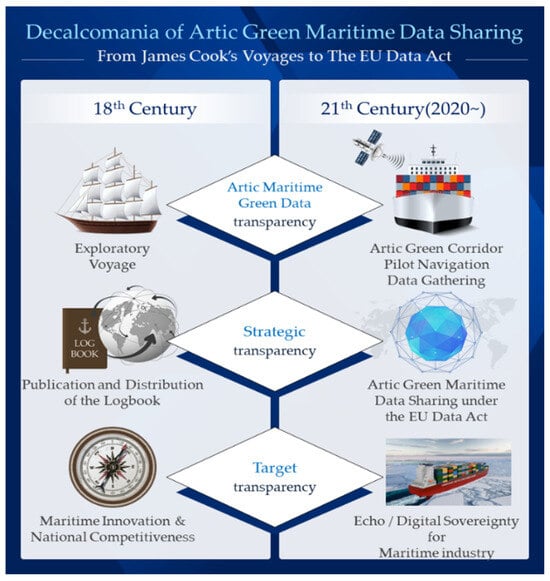
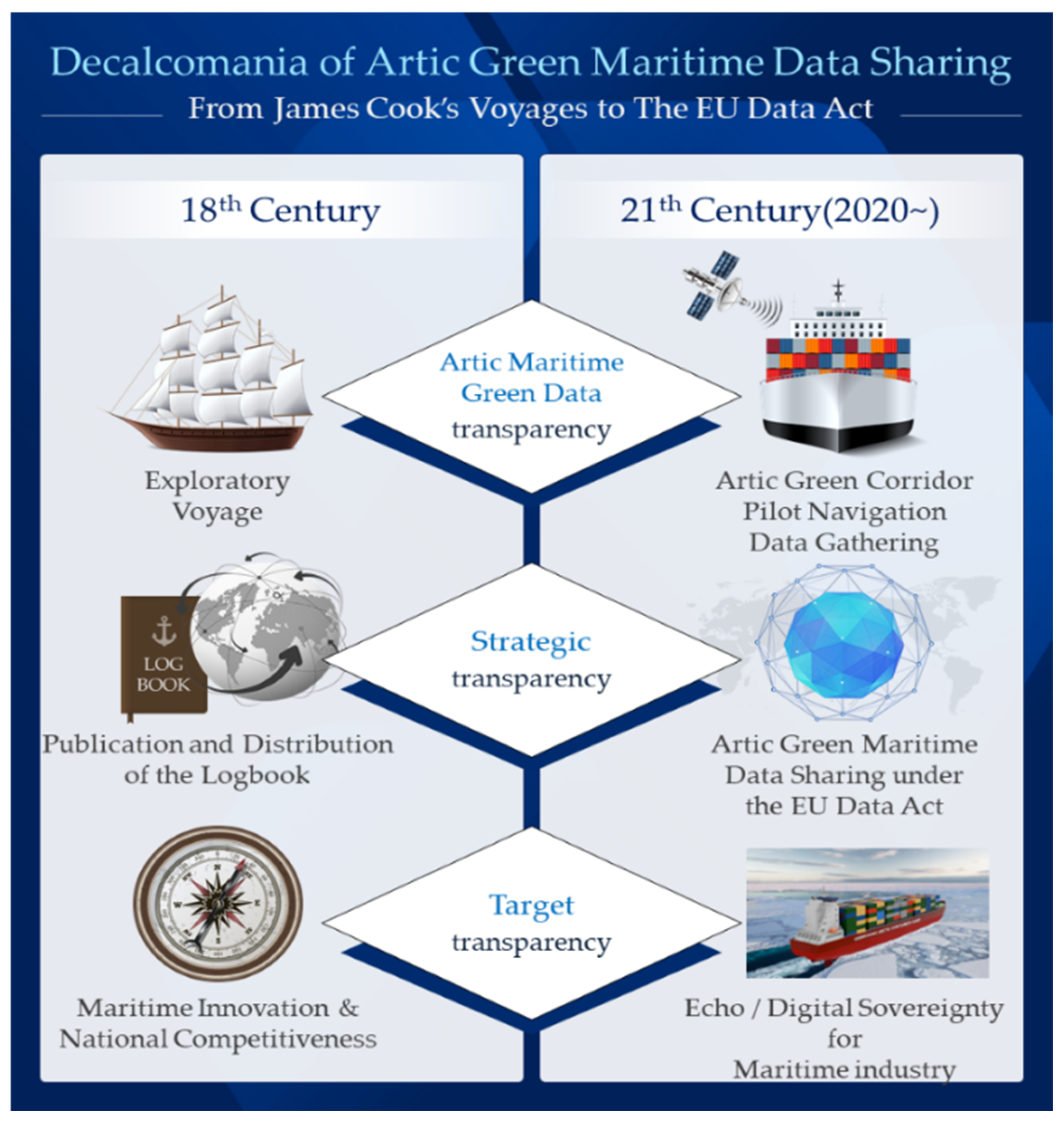
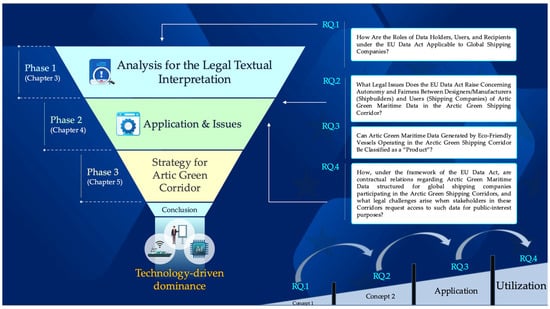
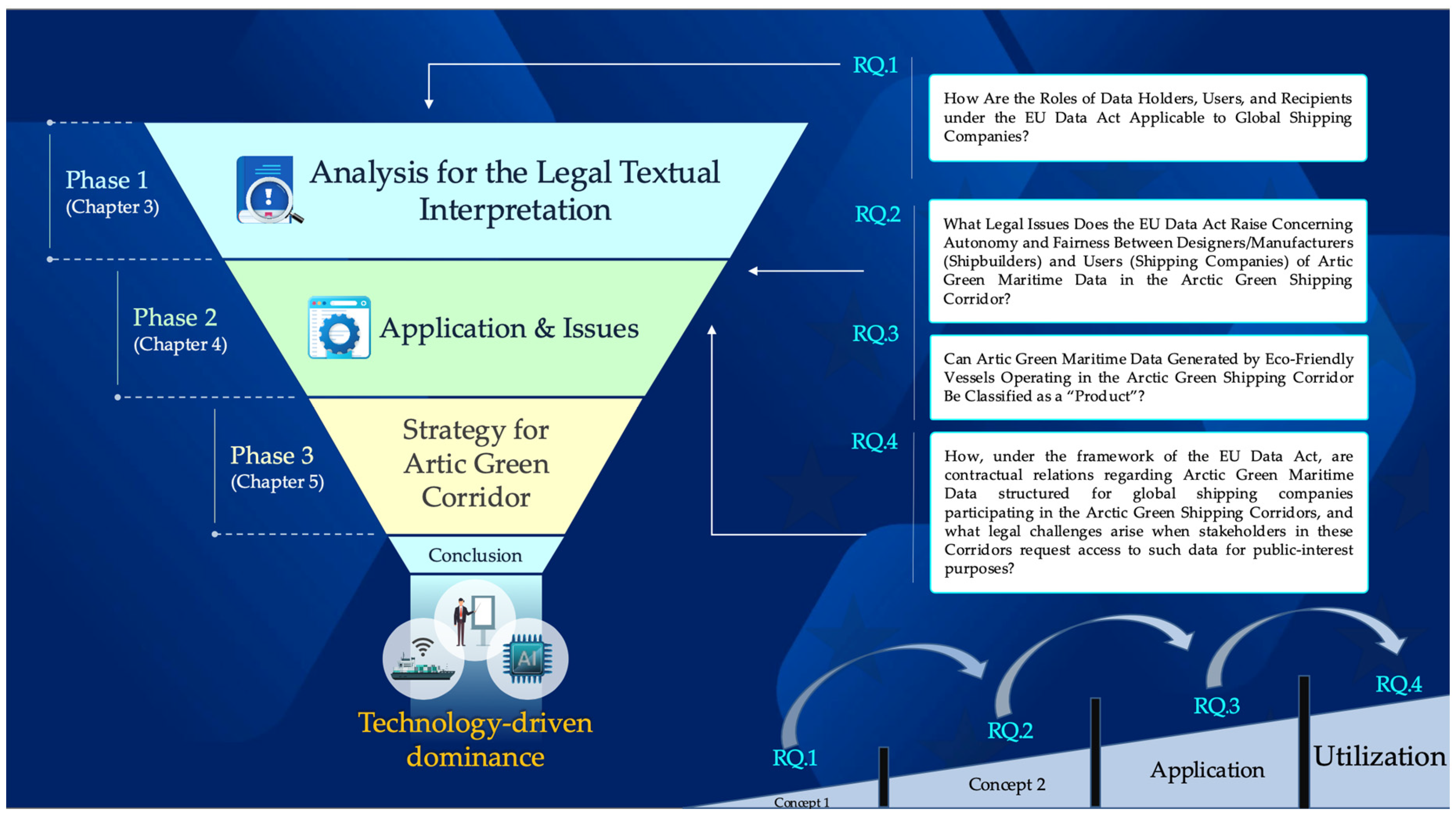
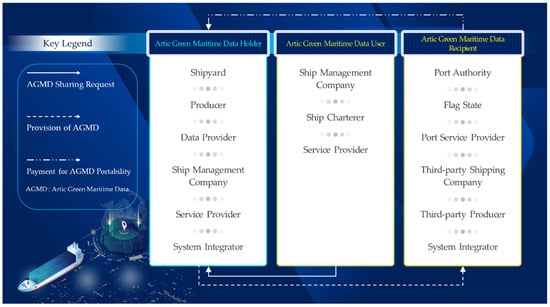
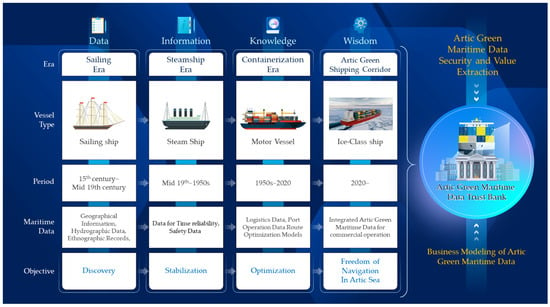

Disclaimer/Publisher’s Note: The statements, opinions and data contained in all publications are solely those of the individual author(s) and contributor(s) and not of MDPI and/or the editor(s). MDPI and/or the editor(s) disclaim responsibility for any injury to people or property resulting from any ideas, methods, instructions or products referred to in the content. |
© 2026 by the authors. Licensee MDPI, Basel, Switzerland. This article is an open access article distributed under the terms and conditions of the Creative Commons Attribution (CC BY) license.