


Abstract
Industrial chain resilience (ICR) is increasingly important for sustainable industrial development, yet firm-level evidence on how digital-real-economy integration (DRI) affects ICR remains limited. This study aims to examine the impact of DRI on ICR and its underlying mechanisms. We hypothesize that DRI enhances ICR directly and through technological innovation, human-capital upgrading, and improved total factor productivity (TFP). Using 16,188 firm-year observations of Chinese listed firms from 2013 to 2024, we construct a patent citation-based measure of DRI and a multidimensional ICR index. Fixed-effects regressions, instrumental variable tests, robustness checks, and mediation analyses show that DRI significantly improves ICR. The effect operates through broader technological knowledge, higher innovation efficiency and R&D investment, upgraded human capital, and increased TFP. Heterogeneity analyses further show stronger effects among firms with weaker financing constraints, regions with stronger intellectual property protection and more advanced digital infrastructure. These findings provide micro-level evidence that digital–real technological integration contributes to resilient and sustainable industrial development.
1. Introduction
Continuous advances in digital technologies, accompanied by structural changes in industries around the world, have substantially altered the organization and operation of production and supply networks [1]. The increasing uncertainty arising from geopolitical conflicts, technological changes, and disruptions in global production networks has highlighted the importance of industrial-chain resilience (ICR). Unlike traditional efficiency-oriented industrial development, resilient industrial systems emphasize not only maintaining stable production but also absorbing external shocks, adjusting resource allocation, recovering operational capabilities, and sustaining upstream–downstream linkages. Therefore, understanding the factors that strengthen ICR has become an important research topic related to sustainable industrial development [2].
Meanwhile, digital technologies are increasingly reshaping production processes, innovation activities, and interfirm relationships. The extant literature indicates that digitalization can improve information processing efficiency, reduce transaction costs, promote technological innovation, and enhance resource allocation efficiency [3,4,5]. However, digital transformation does not necessarily indicate that digital knowledge has been effectively integrated into real-economy technological activities. Digital–real-economy integration (DRI) reflects the mutual reinforcement between digital technologies and real-sector industries: digital technologies facilitate industrial upgrading, while real-economy activities provide practical contexts and a productive foundation for their application [6,7]. Therefore, an important but insufficiently explored question is whether and how DRI can be transformed into stronger industrial-chain resilience.
This question deserves further investigation for several reasons. First, existing studies have largely focused on the firm-level consequences of digital transformation, particularly its implications for corporate performance, innovation, and productivity [3,8,9]. Although these studies provide important insights into the value of digital technologies, they do not fully explain whether digital–real technological integration can enhance firms’ ability to resist and recover from industrial-chain disruptions. Second, industrial chains are complex systems composed of firms and their interfirm relationships. The resilience of industrial chains depends on regional digital development or industrial conditions and the capabilities of individual firms that constitute industrial-chain nodes. Therefore, firm-level evidence is necessary to understand how DRI contributes to ICR.
An increasing number of studies have linked digitalization to ICR. Existing evidence suggests that this relationship manifests at both the firm and regional levels. Sun et al. [10] find that enterprise digital transformation enhances ICR, while Wang and colleagues [11] show that advances in the digital economy contribute to ICR at the regional level. Zhao and Yang [12] further show that digital infrastructure improves industrial-chain and supply-chain resilience. More directly, Shi and Ren [13] examine the relationship between DRI and ICR and find that DRI promotes ICR at the provincial level. However, these studies still leave several issues unresolved. Existing studies do not directly capture the integration of digital knowledge with real-economy knowledge, while regional-level studies cannot reveal how firms, as fundamental participants in industrial chains, contribute to resilience formation. Meanwhile, patent-based research has identified digital–real technology convergence and examined its effects on firm productivity [9], but the relationship between patent-observed technological integration and ICR remains insufficiently examined.
China provides an informative empirical context for investigating this research question. As one of the largest industrial economies, China has experienced rapid digital development and extensive technological innovation activities, providing rich firm-level patent information and substantial variation across firms and regions. These characteristics allow this study to examine whether digital–real technological integration contributes to ICR from a micro perspective. Using 16,188 firm-year observations of Chinese A-share listed firms from 2013 to 2024, we construct a patent citation-based measure of DRI and develops a multidimensional indicator system of ICR. Specifically, DRI is identified through citations from non-digital patents to digital patents, reflecting the technological linkage between digital- and real-economy innovation. ICR is measured from four dimensions: buffering and absorptive capacity, adaptive and adjustment capacity, recovery capacity, and network coordination capacity. Based on the empirical analyses, we systematically examine the relationship between DRI and ICR, together with the underlying mechanisms and boundary conditions are comprehensively investigated in this paper.
This study makes several contributions. First, rather than focusing on general digitalization or digital-economy development, it examines DRI, emphasizing the incorporation of digital knowledge into technological innovation in the real economy. Second, compared with existing regional-level research on DRI and ICR, this study provides firm-level evidence and considers both firms’ internal resilience capabilities and their relationships with upstream and downstream partners. Third, compared with patent-based studies that mainly investigate the productivity consequences of digital–real technology convergence, this study further examines whether such technological integration contributes to ICR and explores the contributions of innovation activity and human-capital upgrading, along with total factor productivity as potential transmission mechanisms.
2. Literature Review
2.1. Industrial Chain Resilience
ICR can be dissected into “industrial chain” and “resilience”. The former falls under the domain of industrial economics and traces back to Adam Smith’s seminal work on industrial division of labor. For a long time after its inception, this term was not systematically studied as an independent economic concept by Western scholars. The latter, “resilience,” comes from the Latin “resilio”, with a meaning of “to jump back”. This term is often used in physics, and it was first introduced to the field of economics by Reggiani [14] to describe the process by which economic systems respond to shocks or disturbances. Today, resilience as a concept is increasingly examined across disciplines including psychology, ecology, and various social sciences [15], with frequent use noted in management literature [16]. As a synthesis of the two, ICR inherits theoretical definitions from both concepts while being endowed with new connotations. Pimm’s [17] study on ecosystem stability, published in Nature, provided an early theoretical reference for ICR, highlighting the roles of diversity and redundancy in enhancing system robustness. The term ICR currently denotes the overall resilience of an industrial chain against sudden risks. It constitutes both intrinsic capabilities—namely resistance, recovery, and transformation—and extrinsic capabilities driven by external factors such as government support [11,18]. With the intensification of international geopolitical conflicts, this concept has garnered widespread attention within the field of industrial economics. However, unlike research on supply chain and organizational resilience, there remains still no widely recognized method for measuring ICR, and research in this area remains in its infancy [10]. Therefore, it is of significant academic value to review the literature on scientifically assessing the level of ICR and to conduct more empirical studies to genuinely enhance ICR.
2.2. Digital–Real Integration
At its core, DRI centers on deeply integrating digital technologies throughout the real economy’s value chain. This integration drives industrial upgrading by activating data elements rather than replacing the real economy, forming a complementary symbiotic relationship [19,20]. Its evolution has progressed from early technology grafting (such as “Internet Plus”) to systemic ecological restructuring with artificial intelligence and digital twins, characterized by the collaborative advancement of industrial digitalization, enterprise transformation, and worker skill enhancement [9,21]. Current research focuses on a multidimensional measurement system: on the digital-economy side, indicators include infrastructure, data elements, and platform services; on the real-economy side, the framework considers digital penetration across the three broad sectors of economic activity, together with firms’ patent-based innovation. A coupling coordination approach serves to assess overall effectiveness of integration through measuring regional synergy [22,23]. From a firm-level perspective, DRI enhances its total factor productivity (TFP) by optimizing the allocation of production factors [24], restructuring productivity patterns [25], and fostering innovation [26]. It also generates positive spillover effects in domains such as health and social equity [27]. Current research frontiers can be grouped into three main directions. First, enterprise transformation mechanisms: digital technologies reduce transaction costs and accelerate innovation cycles, thereby driving transformation in manufacturing processes [3,8]; for example, digital twin technologies improve production quality and efficiency [28]. Second, industrial integration pathways: sectors such as automotive and logistics achieve process optimization and value creation through technological integration [29,30]. Third, sustainability orientation: DRI is deeply intertwined with the green economy, promoting resource efficiency and minimizing environmental damage [31,32]. In particular, as the logistics industry undergoes transformation and upgrading, technologies such as digital twins have emerged as focal mechanisms supporting green innovation [33].
Cross-industry evidence further indicates that digitalization supports sustainable growth by optimizing energy management [34] and enhancing supply chain transparency, underscoring DRI’s role as a fundamental catalyst for high-quality economic advancement [6,35].
2.3. The Impact of Dri on Icr
At present, the process of industrial digitalization is most advanced in the service and manufacturing industries. Existing research has predominantly analyzed DRI’s micro-level impacts, such as on business model innovation and firm performance, while neglecting its macro-level, systemic role in driving chain-wide transformation [36,37]. Meanwhile, patterns in the digital economy and ICR are increasingly scrutinized. For instance, Sun [10] demonstrated that firms’ digital transformation is instrumental in enhancing ICR. Similarly, Wang [11] employs provincial panel data and confirms that the digital economy contributes to strengthening ICR at the regional level. However, both studies neglect the crucial role of the real economy. Recognizing this limitation, Shi and Ren [13] construct an evaluation index system for DRI. However, they overlook the firm as the micro-level actor that fundamentally shapes ICR. Taken together, the existing literature indicates that evidence on how DRI influences ICR is still limited. The measurement of ICR lacks a standardized framework. Moreover, the existing literature shows a disproportionate focus on digital drivers, often neglecting the real-economic foundations.
A further gap lies in the disconnect between patent citation research and the practical development of DRI. Existing patent-based studies mainly use citation relationships to identify digital–real technology convergence and examine its productivity consequences [9]. In practice, however, DRI is not merely the coexistence or transfer of digital knowledge; it requires digital technologies to be embedded in firms’ production and organizational processes and to support coordination across upstream and downstream links. It therefore remains unclear whether technological integration observed through patent citations can be translated into firms’ capacity to absorb shocks, adjust and recover operations, and maintain industrial-chain relationships, as well as through which mechanisms and under what conditions this translation occurs. To bridge this gap, this study identifies firm-level DRI through citations from non-digital patents to digital patents, links it to a multidimensional measure of ICR, and further examines technological innovation, human-capital upgrading, and TFP as transmission channels, while considering firm- and region-level boundary conditions.
3. Theoretical Analysis and Research Hypotheses
3.1. The Direct Impact of Dri on Icr
Dynamic capability theory suggests that firms’ survival under external disruptions relies on their ability to adapt organizational activities and reconfigure resources as conditions change. DRI facilitates this adjustment by embedding digital technologies in firms’ production, distribution, innovation, and coordination activities.
At the micro level, DRI improves firms’ responsiveness and adaptability to external shocks. Digital technologies support the digital transformation of firms throughout their business processes [38] while reducing operating expenses and facilitating more efficient resource allocation through the digitalization of production, distribution, exchange, and consumption [4,39]. More importantly, data connectivity and intelligent coordination improve firms’ ability to identify changes in operating conditions and rapidly adjust production and business arrangements. Moretti and Biancardi [40] show that firms’ ability to integrate external knowledge and resources is closely related to adaptive performance, while Li et al. [5] find that digital technologies improve information-processing efficiency during R&D and thereby enhance firms’ innovation capability. These improvements enable firms to reorganize production and technological resources more rapidly when disruptions occur, thereby strengthening their buffering, adjustment, and recovery capacities.
At the meso level, such capability improvements can diffuse through industrial linkages. DRI facilitates industrial transformation, specialization, and structural upgrading by spreading firms’ digital capabilities [41,42]. Concurrently, broader use of digital technologies increases information transparency and coordination efficiency across upstream and downstream firms. Greater information availability allows industrial-chain participants to identify disruptions more rapidly and coordinate production, procurement, and sales arrangements accordingly. Consequently, local shocks faced by individual firms are less likely to propagate continuously through the industrial chain, strengthening the stability of interfirm relationships.
At the macro factor level, DRI also changes the composition and allocation of labor resources. The diffusion of digital technologies increases demand for high-skilled labor and contributes to a shift away from demographic-based growth toward growth increasingly driven by human capital [43]. Digital human-resource management can also improve matching efficiency, reduce labor-search costs, and alleviate skill mismatch [44]. These changes provide firms with a stronger factor foundation for technological adjustment and operational recovery.
Taken together, DRI enhances firms’ adaptive capacity by facilitating the coordinated recombination of technological, organizational, and human resources as environmental conditions evolve. According to the complex-systems perspective, when these improvements occur among firms that constitute industrial-chain nodes, they strengthen not only the organizational resilience of individual enterprises but also information sharing, coordination, and stability among upstream and downstream participants. DRI therefore contributes to the industrial chain’s overall capacity to withstand shocks, adjust its structure, and restore operations. Therefore, this study proposes the following:
H1.
DRI within firms significantly enhances ICR.
3.2. The Mechanism Through Which Dri Enhances Icr
Dynamic capability theory further suggests that technological resources themselves do not automatically generate adaptive advantages. Their value depends on whether firms can transform these resources into sustainable capabilities for technological renewal, organizational adaptation, and efficient resource reconfiguration [45]. In the context of DRI, this transformation is mainly reflected in three organizational processes: innovation transformation, human-capital upgrading, and productivity improvement. These processes respectively strengthen firms’ technological response capability, human-capital foundation, and resource-allocation efficiency and thereby provide the specific channels through which DRI is translated into stronger ICR.
3.2.1. Dri Drives Innovation Transformation to Enhance Icr
Technological innovation serves as a critical underpinning for firms to navigate external shocks, reduce dependence on critical technologies, and maintain industrial-chain stability. Wu et al. [46] argue that strengthening firms’ role as technological innovators and achieving breakthroughs in critical core technologies constitute important pathways for improving the security and stability of industrial chains. Existing research further demonstrates that DRI can systematically promote firms’ innovation transformation [9]. However, the incorporation of digital technological knowledge into real-economy activities does not automatically translate into stronger innovation capabilities. According to absorptive capacity theory, external knowledge creates value only when firms are able to recognize, acquire, assimilate, and exploit it. From this perspective, the innovation-based effect of DRI on ICR can be understood as a process that develops from knowledge acquisition to knowledge assimilation and recombination, and ultimately to innovative exploitation. Within this process, knowledge breadth reflects the boundary of technological knowledge that firms can access and integrate, R&D investment provides the resource foundation for absorbing and recombining heterogeneous knowledge, and innovation efficiency reflects firms’ ability to transform absorbed knowledge into technological outcomes. These elements therefore constitute interconnected components of the process through which DRI facilitates innovation transformation and ultimately enhances ICR.
First, DRI expands firms’ access to and identification of heterogeneous technological knowledge, thereby providing a broader knowledge base for innovation transformation. The embedding of digital technologies weakens traditional organizational and geographical boundaries and enables codified knowledge to circulate across firms, regions, and industries in data-based forms. This reduces the constraints imposed by geographical distance, institutional environments, and conventional knowledge-spillover boundaries on firms’ technological search activities [47]. Meanwhile, platform-based collaborative innovation lowers the costs of acquiring external knowledge and searching for innovation partners, thereby improving firms’ ability to integrate technological resources across regions and industries [7]. DRI therefore enlarges the range of technological knowledge available for combination and recombination. When external shocks constrain existing technologies or interrupt critical production links, a broader knowledge base provides firms with more potential technological combinations and alternative solutions, reducing their dependence on a single technological trajectory.
However, a broader knowledge base can generate innovation value only when newly acquired knowledge is effectively absorbed and recombined. Absorptive capacity theory emphasizes that the ability to exploit external knowledge depends partly on firms’ continuous R&D activities and accumulated related knowledge. DRI facilitates this process by curbing innovation expenditures and enabling a more agile deployment of R&D resources. One channel operates through digital simulation and virtual testing, which can reduce trial-and-error costs and increase the expected returns from innovation, thereby strengthening firms’ incentives to devote resources to R&D activities [48]. A second channel works through digital platforms, which enable innovation resources to be allocated on demand and allow R&D inputs to be matched more flexibly and efficiently [49]. Accordingly, R&D investment supplies not only resources required for technological development but also an organizational basis for firms to understand, assimilate, and recombine digital knowledge with their existing real-economy technological knowledge.
The absorption and recombination of heterogeneous knowledge are subsequently reflected in higher innovation-related efficiency. Digital tools reshape R&D processes by improving both the accuracy and timeliness in information acquisition and processing and by reducing innovation risks arising from external uncertainty. At the same time, digital platforms enable more frequent knowledge interactions among firms and facilitate the integration and recombination of complex technological knowledge. Cai et al. [50] emphasize that inter-sectoral knowledge linkages facilitate technological development through the recombination of knowledge resources. Accordingly, firms can transform the digital knowledge that they have accessed and absorbed into new products, processes, and technological solutions more efficiently, thereby improving the conversion efficiency from knowledge inputs to innovation outcomes.
This process of knowledge acquisition, assimilation, and innovative exploitation is particularly important for ICR. When external shocks restrict critical technologies, interrupt supply links, or render existing production solutions ineffective, a broader technological knowledge base provides firms with more potential alternatives; sustained R&D resources support firms’ capacity to absorb and recombine substitute knowledge; while higher innovation efficiency shortens the time required to convert such knowledge into viable technological solutions. Firms can therefore achieve technological substitution, process adjustment, and breakthroughs in critical technologies more rapidly. These technological capabilities can further diffuse through knowledge sharing and collaborative innovation and consequently reinforce the industrial chain’s collective capacity. Accordingly, this study proposes the following:
H2.
DRI within firms promotes ICR by expanding knowledge breadth, improving technological innovation efficiency, and optimizing the structure of R&D investment.
3.2.2. Dri Enhances Icr by Driving Upgrades in Human Capital Structure
The formation and exercise of dynamic capabilities ultimately depend on employees who acquire knowledge, operate technologies, and implement organizational adjustments. High-quality human capital therefore constitutes an important organizational foundation for firms to respond to shocks and recover from disruptions. Hamadamin and Atan [51] indicate that the development of human capital provides a key basis for sustaining organizational competitiveness, while Ren et al. [52] show that DRI contributes to upgrading firms’ human-capital structure. In the context of ICR, DRI strengthens this human-capital foundation through both skill-demand and skill-renewal mechanisms.
First, DRI increases firms’ demand for high-skilled labor. Firms need employees who possess not only traditional industrial skills but also digital and composite capabilities. Grigorescu et al. [53] find that digital-economy development is accompanied by greater demand for a more highly skilled workforce. Accordingly, firms engaging in deeper DRI have stronger incentives to recruit technical and highly skilled personnel capable of combining digital technologies with production and innovation tasks. This changes the skill composition of the workforce and improves the overall quality of human capital.
Second, DRI accelerates the renewal of existing employees’ skills. Because digital technologies are continuously updated, firms need to improve employees’ ability to learn and apply new technologies. Barashkin et al. [54] find that digital technologies make employee training more efficient, while digital learning tools provide more flexible approaches to capability development. DRI also strengthens learning by doing and organizational collaboration. He and Yao [55] emphasize the relationship between human-capital upgrading, knowledge accumulation, and development quality, while Jin et al. [56] demonstrate that the movement of highly skilled workers contributes to technological advancement. By fostering training, continuous learning, knowledge exchange, and talent acquisition, DRI further enhances firms’ endowment of high-quality human capital.
The resulting human-capital upgrading provides an important capability basis for ICR. Higher-skilled employees possess stronger abilities to absorb external knowledge, implement new technologies, solve production problems, and coordinate organizational adjustments. Acemoglu [57] further demonstrates the important role of technological change in reshaping task and skill structures. When firms face disruptions, technical and highly skilled employees can facilitate technological substitution and production adjustment, while their knowledge-absorption and technology-transfer capabilities promote collaborative learning and technological diffusion among upstream and downstream firms. Chao et al. [58] further provide evidence that investment in human capital, together with technological innovation, strengthens firms’ resilience.
Therefore, DRI enhances firms’ human-capital foundation by raising firms’ demand for highly skilled workers and accelerating employees’ skill renewal and knowledge accumulation. Human capital upgrading subsequently improves firms’ ability to absorb knowledge, implement technological change, reorganize operations, and coordinate with industrial-chain partners. These capabilities reduce the vulnerability of individual firms and strengthen the overall capacity of the industrial chain to withstand disruptions and subsequently recover. Accordingly, this study proposes the following:
H3.
DRI enhances ICR by promoting the upgrading of human-capital structure.
3.2.3. Dri Enhances Icr by Improving Tfp
Dynamic capability theory emphasizes not only resource accumulation but also firms’ capacity to combine and reconfigure resources when confronting environmental change [45]. From this perspective, TFP reflects the efficiency outcome of firms’ technological absorption, factor allocation, and organizational reconfiguration. DRI can improve such efficiency through both technological-learning and organizational-restructuring mechanisms and, in turn, provide a stronger efficiency foundation for ICR.
On the one hand, DRI strengthens firms’ ability to absorb and apply technological knowledge. Escribano [59] shows that firms’ knowledge-absorption capacity plays an important role in transforming external technological knowledge into productivity improvement. When digital technologies are integrated with firms’ existing technological systems, the resulting technological proximity and continuous learning by doing reduce the barriers to knowledge assimilation and facilitate technological catch-up. At the market level, digital technologies also improve the connection between user information and product development. Yoo et al. [60] show that digital technologies reshape innovation by enabling the recombination of digital components and information. By using data to identify changes in demand, firms can improve production–sales coordination, reduce resource misallocation, and allocate production factors more efficiently, thereby improving TFP.
On the other hand, DRI promotes organizational and production-system reconfiguration. Digital tools enable firms to conduct more refined production management, optimize production processes, and reduce operating costs. Industrial internet platforms further facilitate the cross-level allocation of production factors and coordination between production and logistics systems. Yang et al. [61], for example, demonstrate how digital-twin-based production–logistics coordination can improve real-time scheduling and operational efficiency. Such technological and organizational restructuring enables firms to adjust combinations of capital, labor, and technological resources more flexibly and thereby continuously improve productivity.
Higher TFP, in turn, strengthens ICR. Lin and Zhu [62] show that productivity is closely related to firms’ supply-chain configuration and operational capacity. Firms with higher productivity can generate greater output from a given resource base and therefore possess stronger resource buffers against external shocks. At the same time, higher resource-use efficiency provides greater room for firms to reallocate production factors when disruptions occur. This enables them to restore production systems more rapidly and devote additional resources to technological substitution and market exploration. Wu et al. [47] further indicate that data-enabled decentralized innovation can improve organizational flexibility and innovation-resource utilization. As such efficiency improvements diffuse through transactions and coordination among industrial-chain participants, they can also reduce inefficiency transmission between firms and strengthen the operational stability of the industrial chain as a whole.
Therefore, DRI improves firms’ TFP by enhancing technological absorption, production coordination, and resource reconfiguration. Higher TFP subsequently increases firms’ resource-buffering capacity, improves the responsiveness and effectiveness of operational adjustment, and facilitates the recovery of industrial-chain relationships after disruptions. TFP thus constitutes an important efficiency-based pathway through which DRI is transformed into stronger ICR. Accordingly, this study proposes the following:
H4.
DRI enhances ICR by improving firms’ TFP.
To test the above hypotheses, this study adopts empirical methods corresponding to each theoretical relationship. H1 is examined using a baseline specification that incorporates both firm and year fixed effects. Potential endogeneity is addressed using the 2SLS method, while six robustness checks are implemented to evaluate the stability of the results. H2–H4 are examined using the bootstrap mediation framework adopted in the mechanism analysis. Specifically, knowledge breadth, technological innovation efficiency, and R&D investment are used to test the innovation-transformation mechanism proposed in H2; high-skilled human capital is used to test the human-capital mechanism proposed in H3; and firm-level TFP is used to test the productivity mechanism proposed in H4.
To delineate the impact pathways through which DRI enhances ICR in this study, Figure 1 was constructed based on the theoretical assumptions.
Figure 1.
Theoretical Framework of DRI’s Impacts on ICR.
4. Empirical Research Design
4.1. Sample Data
The empirical sample combines patent-level and firm-level data from two sources. First, the patent database provides information on firms’ invention patents. This study regards 2013 as the starting point for China’s intensive digital-economy policy deployment and the critical turning point when DRI shifted from conceptual exploration to practical implementation. Therefore, the study selects data on invention patents filed and published between 2013 and 2024 by Chinese firms in the China National Intellectual Property Administration (CNIPA). The variables include patent application date, publication date, IPC classification number, and citation information. Second, data are obtained from the China Stock Market & Accounting Research (CSMAR) database, including variables such as leverage ratio and other firm-level financial indicators. After calculating the relevant variables, the two datasets were matched. At the same time, this study excludes observations from firms in the financial, insurance, and public utility sectors; excluding samples of firms labeled as *ST, ST, or PT; dropping observations with missing values. After data cleaning, 16,188 firm-year observations from 2013 to 2024 were obtained. Descriptive statistics are reported in Table 1.
Table 1.
Descriptive statistics.
4.2. Variable Definition
4.2.1. Explanatory Variable
Existing methods for measuring DRI at the firm level can generally be categorized into two types. The first is the single-indicator representation method, which measures DRI using a single proxy variable. For example, researchers may construct a digital lexicon through text analysis and measure DRI based on textual information disclosed in government work reports or corporate annual reports, or use patent data to count the number of patents involving digital technology integration [63]. The second is the multi-source data fusion evaluation method, which decomposes DRI into multiple dimensions, measures each dimension separately, and then derives an overall integration level through weighted aggregation [64]. Although text-analysis-based measures are relatively straightforward to construct, they rely heavily on the completeness, consistency, and standardization of textual disclosures and may therefore be affected by subjective differences in corporate disclosure practices. Multi-source evaluation systems can provide a more comprehensive description of different dimensions of DRI, but the selection of indicators and assignment of weights may also introduce a certain degree of subjectivity and reduce comparability across firms. In contrast, a measurement approach based on patent classifications and patent citation relationships can directly trace the incorporation of digital technological knowledge into real-economy technological innovation, therefore offering a more direct micro-level representation of technological integration.
Accordingly, this study adopts a patent citation-based approach to measure DRI at the firm level, following the identification logic of Huang and Gao [9]. We formally define the DRI measure as follows. Let dp be a binary indicator taking the value of one when the focal patent p is categorized as non-digital technology according to its primary IPC classification code and references one or more patents classified as digital technology, and zero otherwise:
where D denotes the set of IPC codes corresponding to digital technologies and Cp denotes the set of patents cited by patent p. Each focal non-digital patent is counted as one DRI activity irrespective of the number of digital patents it cites. We then aggregate the patent-level indicator to the firm-year level:
where Pit denotes the set of patents filed by firm i in year t, and Nit represents the total number of DRI activities undertaken by firm i in year t. Firm-year observations without identified DRI activities are assigned a value of zero. To eliminate the scale effect and improve comparability across firms, Nit is further normalized using the Min–Max method across all firm-year observations in the estimation sample:
where Nmin and Nmax denote the minimum and maximum values of Nit, respectively. To facilitate readers’ understanding of the measurement process for firms’ DRI, a schematic diagram illustrating the identification procedure is provided in Figure 2.
Figure 2.
DRI measurement framework flowchart.
The design of this measurement approach is grounded in a widely accepted academic consensus: patent citations are among the most effective micro-level evidence for tracing knowledge spillovers and technological integration [50,65]. When a patent in a physical (real economy) industry cites a patent in digital technology during the innovation process, this does not merely represent a case of “technological coexistence.” Rather, it signifies that the knowledge components of digital technology have been deeply internalized and have become an inseparable part of the technological solution within the physical industry.
4.2.2. Dependent Variable
The dependent variable is industrial-chain resilience (ICR). Following the analytical framework proposed by Ponomarov [66] and in line with the conceptual connotation of ICR, this study develops an indicator system covering four dimensions: buffering and absorptive capacity, adaptive and adjustment capacity, recovery capacity, and network coordination capacity. Based on the characteristics of each dimension, twelve secondary indicators are included (see Table 2 for details).
Table 2.
ICR evaluation framework.
The individual indicators are aggregated into an overall ICR index through an entropy-based weighting procedure. The calculation is implemented in the following stages.
Step 1: Indicator standardization
For a positively oriented indicator, the normalized value is obtained as
For a negatively oriented indicator, the normalized value is obtained as
On the basis of normalization, we compute each sample’s contribution to the overall information of a given indicator (i.e., the indicator proportion), as follows:
Based on the indicator proportion (), the information entropy is calculated using the following formula:
The divergence coefficient, obtained as “1 − information entropy”, as follows:
According to the relative magnitude of the divergence coefficients, the objective weight of each indicator is calculated (with the total weight summing to 1), as follows:
Following the weighting of the standardized indicator values and their subsequent aggregation, the composite score for each sample—representing its level of ICR—is obtained, as shown below:
4.2.3. Control Variables
To mitigate the potential influence on ICR, this study includes some control variables (Cont). At the same time, this study excludes financial controls whose underlying accounting information is already incorporated into the construction of the ICR index; instead, the baseline specification focuses on firm lifecycle, ownership, and corporate-governance characteristics that may affect industrial-chain resilience but do not enter the construction of any ICR sub-indicator. Specifically, Firm Age (AGE) is measured as ln(1 + years since establishment), while Board Size (BOARD) is calculated as ln(1 + the number of board directors). State-Owned Enterprise (SOE) equals 1 for state-owned enterprises and 0 otherwise; Top 1 Shareholder (TOP1) is measured by the equity stake held by the largest shareholder, reflecting the degree of ownership concentration; Board Independence (INDEP) is represented by the share of independent directors serving on the board; and CEO Duality (DUAL) is an indicator taking the value of 1 when the CEO concurrently acts as the chairperson of the board and 0 otherwise.
4.3. Model Construction
This study specifies Equation (11) as the baseline specification for assessing the effect of DRI on ICR.
In the model, i and t index firm and year, respectively. and capture firm and time fixed effects, respectively, and is the random error term. The coefficient is the primary variable examined. A positive and statistically significant value of would indicate that firms’ DRI activities enhance ICR, thereby supporting the theoretical expectation proposed in this paper.
5. Empirical Results and Analysis
5.1. Baseline Regression Results
Table 3 displays the baseline regression results. Column (1) presents the estimated effect of DRI on ICR. Building on this specification, Columns (2) and (3) sequentially add control variables as well as time and firm fixed effects. Across these specifications, the coefficient on DRI remains positive and statistically significant, even after the successive addition of controls and fixed effects.
Table 3.
Baseline regression results.
5.2. Endogeneity Test
Instrumental Variable
To mitigate potential endogeneity concerns, we further employ the 2SLS method. Instrumental variables are constructed from two dimensions: the peer effect among firms of similar size and geographical exogeneity.
First, following Yin et al. [67], firms are classified into ten size groups within each year according to their total assets, and the mean DRI of other firms in the same year and size group is employed as the instrumental variable (AvgDRI). This instrument captures the peer effect in DRI among firms of similar size and is expected to be strongly correlated with a firm’s own level of DRI.
Second, following Jiang and Hang [68], we construct the interaction term between urban terrain ruggedness and the lagged value of firm-level DRI as another instrumental variable (IV_terrain). Terrain ruggedness is a natural geographical characteristic and is therefore relatively exogenous, as it is unlikely to be affected by firms’ current business activities or their level of ICR. The interaction term is correlated with firm-level DRI while being less likely to be affected by current industrial-chain resilience, making it a suitable instrumental variable for alleviating endogeneity concerns.
The results indicate strong instrument relevance and alleviate concerns about weak instruments. As shown in Table 4 (columns 2 and 4), both coefficients are significantly positive, confirming the robustness of the study’s core conclusion.
Table 4.
Endogeneity tests.
5.3. Robustness Tests
This study carries out six robustness tests on the results from the baseline regressions, with the outcomes reported in Table 5 and Table 6. First, high-dimensional fixed effects are added. Given that many policies in China are formulated at the provincial and industry levels, this study extends the baseline regression by adding province and industry fixed effects. This adjustment controls for unobservable province- and industry-specific characteristics. The estimates in Table 5 (columns 1–2) of show that the coefficient remains positive and significant, respectively. This indicates that even under more stringent high-dimensional fixed-effect controls, the main conclusion remains robust and reliable.
Table 5.
Robustness tests (1).
Table 6.
Robustness tests (2).
Second, the patent disclosure period is adjusted. Since there may be a time lag of up to 18 months between patent application and disclosure, this delay could lead to an underestimation of firms’ DRI levels. To address this potential bias, the 2023 and 2024 samples are excluded. The estimate reported in Table 5 (column 3) remains positive and statistically significant.
Third, the robustness analysis employs a transformed measure of DRI, labeled DRI2, which is defined as ln(1 +the number of DRI activities). The coefficient reported in Table 5, Column (4), is significantly positive, supporting the findings of the baseline regression.
Fourth, the measurement of ICR is replaced. The theoretical analysis above points out that industrial-chain resilience is a complex system, which includes both firms’ own resistance, adaptation, and recovery capacities and the stability and coordination capacity of inter-firm relational networks. The composite index of ICR constructed using the entropy weight method can capture firms’ overall resilience from multiple dimensions, including financial capacity, operational capacity, recovery capacity, and network coordination. However, considering that this index may place relatively greater emphasis on firms’ own financial and operational capacities, we further follow the approach of Su and Gong [69] and uses the reciprocal of the Herfindahl–Hirschman Index (HHI) to measure upstream and downstream industrial-chain resilience. On the supply side, a more dispersed supplier structure means that firms may have more alternative procurement channels, which help maintain production continuity and improve recovery capacity. On the demand side, when downstream markets contract or experience local fluctuations, a more dispersed customer structure can reduce firms’ dependence on a single customer and enhance the stability and shock resistance of sales channels. The formula for calculating industrial-chain resilience is as follows:
where UICRit and DICRit represent upstream and downstream industrial-chain resilience, respectively. The HHI of the top five suppliers and customers of listed firms reflects the degree of dependence of listed firms on their major business partners. A lower HHI corresponds to greater industrial-chain resilience as it implies more diversified business partners, lower industrial-chain concentration, and stronger resilience within the firm’s industrial chain.
Table 6, Columns (1)–(3), report the results based on alternative measures of the dependent variable. The estimate in Column (1) indicates that DRI is positively associated with upstream ICR, although the coefficient is not statistically significant. Columns (2) and (3) exhibits that the effects of DRI on downstream ICRe and overall industrial-chain resilience are both significantly positive. These results suggest that, after ICR is remeasured from the perspective of upstream and downstream relational dispersion, the positive effect of DRI on ICR is still supported, particularly in the improvement of downstream customer relationship resilience and overall industrial-chain relational resilience.
Fifth, the sample is restricted to firm-years with positive patent applications. Because the DRI measure may take a value of zero either when a firm has no patenting activity or when a patenting firm has no identified digital–real technological integration linkage, the large mass of zero observations may affect the interpretation of the baseline estimate. This restriction excludes firm-years without patenting activity and therefore provides a cleaner interpretation of zero DRI: the firm engages in patenting activity, but no qualifying digital–real technological integration linkage is observed. The estimate for DRI in Table 6 (column 4) remains positive and highly statistically significant.
Sixth, firm-year observations with extreme DRI values are excluded. Given the strongly right-skewed distribution of DRI, a small number of unusually large observations may disproportionately influence the baseline estimates. To assess this possibility, firm-years in the top 1% of the raw DRI distribution are excluded. The estimate for DRI in Table 6 (column 5) remains positive and highly statistically significant.
6. Further Analysis
6.1. Mechanism Test
To examine the transmission mechanisms proposed in H2–H4, this study consolidates the mechanism analysis within bootstrap mediation frameworks: knowledge breadth (Knowit), technological innovation efficiency (TQSQ), R&D investment (YF), high-skilled human capital (LnHT), and total factor productivity estimated (TFP_OP). For innovation transformation, knowledge breadth is measured following Leten et al. [70]. Drawing on the logic of the HHI, the breadth of firm i’s accumulated patent knowledge in year t is calculated as follows:
The theoretical analysis above argues that DRI can enhance ICR by promoting firms’ innovation transformation, which is examined through three components: knowledge breadth, R&D investment, and technological innovation efficiency. To assess breadth of knowledge, we follows the measurement approach of Leten et al. [70] Drawing on the logic of the HHI, we construct the following measure:
In Equation (15), represents the share of firm i’s cumulative invention and utility-model patent applications assigned to technology group j by year t in its total patent applications across all technological categories. Larger values of correspond to greater knowledge breadth, indicating a wider technological scope and a more diversified innovation portfolio. The (1) and (2) columns in Table 7 represent the results. Regarding technological innovation efficiency, this study uses the ln(1 + the number of patents independently applied for and granted by the firm in a given year) as a patent-output-based proxy. Considering the significant heterogeneity in firms’ innovation capabilities that could amplify estimation bias, this indicator is standardized to ensure comparability across firms. A higher value of this variable indicates stronger patent-based innovation performance. The results are shown in Table 7 (column 3). For R&D investment, this study measures firms’ R&D input (YF) as the ln(1 + the amount of R&D expenditure), with the results reported in Table 7 (column 4).
Table 7.
Mechanism test (1).
The results indicate that firms’ DRI activities have a significant promoting effect on firms’ knowledge breadth, technological innovation efficiency, and R&D investment. In other words, DRI effectively enhances firms’ knowledge diversity, innovation quality, and R&D intensity, thereby contributing to the improvement of ICR.
6.2. Mechanism Test: High-Skilled Human Capital
Human capital encompasses the knowledge, experience, and skills embodied in employees and is commonly proxied by occupational or educational characteristics. In this study, high-skilled human capital is proxied by the number of technical personnel (LnHT), and this variable is winsorized at the 5% level. A larger value reflects a greater stock of highly skilled human capital within the firm. The estimates are presented in Table 8 (column 1). The coefficients indicate that DRI is positively associated with firms’ high-skilled human capital, which in turn is positively associated with ICR.
Table 8.
Mechanism test (2).
6.3. Mechanism Test: Tfp
To investigate TFP as a mechanism linking DRI to ICR, this study measures firm-level TFP using the Olley–Pakes method. The estimates are presented in Table 8. All specifications yield positive and statistically significant coefficients. These findings suggest that DRI raises firms’ TFP, thereby enhancing ICR.
6.4. Firm-Level Heterogeneity Test
Based on the preceding theoretical framework, the effect of DRI on ICR may depend on the conditions that enable digital–real technological integration to translate into organizational capabilities. Specifically, the innovation, human-capital, and productivity channels identified above require sufficient internal resources, supportive external environments, and appropriate application contexts. Accordingly, the following heterogeneity analyses examine firm-level resource conditions, external institutional and technological environments, and regional contexts as theoretically motivated boundary conditions of the DRI–ICR relationship.
Financing Constraints
Dynamic capability theory suggests that technological resources can enhance resilience only when firms possess sufficient complementary resources to absorb, deploy, and reconfigure them. Financing constraints may restrict sustained R&D investment, digital technology adoption, employee skill upgrading, and organizational adjustment, thereby weakening the conversion of DRI into resilience-enhancing capabilities. To delineate the boundary conditions of DRI’s influence on ICR, we analyze whether its efficacy is contingent on the degree of financing constraints, examining this through the lens of firm-specific resource endowments. Firms facing stronger financing constraints often experience limitations in their ability to invest in technology and implement strategic transformation. The study adopts the SA index [71] to measure financing constraints. This methodology successfully represents a robust gauge of the obstacles firms face in securing external financing. Accordingly, firms are classified into high and low, two groups, within each year. Results indicate that the positive and significant impact of DRI is confined to the low-constraint group (Table 9), whereas it proves statistically insignificant for firms facing high financing constraints. This finding suggests that DRI has a stronger positive effect on ICR among firms facing lower financing constraints, implying that sufficient resource capacity enables firms to better leverage DRI for resilience enhancement.
Table 9.
Heterogeneity analysis (1).
6.5. Firm External Environment Heterogeneity Test
6.5.1. Degree of Intellectual Property Protection
Given that DRI captures the integration of digital knowledge with technological innovation, the institutional environment for appropriating innovation returns is particularly important. Stronger intellectual property protection can strengthen firms’ incentives to acquire, recombine, and commercialize technological knowledge, thereby facilitating the innovation-transformation pathway identified above. Accordingly, regional intellectual property protection is examined as an institutional boundary condition of the effect of DRI on ICR. Intellectual property (IP) protection facilitates the transformation and application of firms’ invention patents and safeguards the profitability of technological innovation. We follows the classification method of Huang et al. [9] for regional IP protection levels and uses the IP Protection Development Index of China as the measurement indicator of the annual regional IP protection level. Figure 3 illustrates changes in IP protection intensity across China’s 31 mainland provincial-level regions. The sample is divided according to the Provincial Intellectual Property Protection Development Index, representing regions with high and low levels of IP protection. These results indicate that financing constraints weaken the positive effect of DRI on ICR.
Figure 3.
Evolving trends in intellectual property protection intensity across China’s 31 provincial-level regions.
6.5.2. Level of Digital Infrastructure Development
The theoretical analysis above emphasizes that DRI improves information processing, resource allocation, and coordination among upstream and downstream firms. However, these benefits depend on an external digital foundation that supports data transmission, knowledge diffusion, and real-time interfirm coordination. Better digital infrastructure can therefore facilitate the translation of DRI into resource reconfiguration, productivity improvement, and network coordination, motivating its use as a technological-environment boundary condition. Digital infrastructure development accelerates the processes of digital product development, iteration, and marketization, thereby enhancing the rate of technological upgrading and diffusion within firms. Following Huang and Gao [9], firms are assigned each year to groups characterized by relatively high or low levels of regional digital infrastructure. The estimates in Table 10 (columns 4–5) reveal a clear difference: DRI is not significantly associated with ICR in regions with less-developed digital infrastructure. The results indicate that a more advanced digital environment strengthens the resilience-enhancing role of DRI.
Table 10.
Heterogeneity analysis (2).
6.5.3. Regional Heterogeneity
Regional heterogeneity is examined as a composite contextual condition rather than as a purely geographical partition. Regional differences in market development, innovation resources, industrial structure, human-capital availability, and policy support jointly shape firms’ capacity to absorb technological knowledge and reconfigure resources. Thus, the regional analysis complements the specific tests of IP protection and digital infrastructure by examining whether the DRI–ICR relationship varies across broader regional development environments. Firms are classified by registered location into eastern, central, western, and northeastern China. A preliminary examination of sample characteristics indicates that firms from the northeastern region are underrepresented. To maintain statistical precision given the small subsample, the heterogeneity test is performed only across the eastern, central, and western regions. Table 11 (columns 1–3) shows that the DRI estimate is positive and significant in the eastern and western regions. The coefficient for the central region is statistically insignificant.
Table 11.
Regional heterogeneity.
6.6. Extended Analysis
After verifying the significant positive impact of DRI on ICR, this study further considers an important question: What value does enhanced ICR bring to firms? To explore the economic consequences of resilience enhancement, ICR is treated as the core explanatory variable, and two aspects are examined in depth.
6.6.1. Firms’ Economic Performance
This analysis further investigates whether enhanced industrial-chain resilience can be translated into tangible firm-level economic outcomes. Economic performance is measured using the natural logarithm of a firm’s main business revenue. To avoid a potentially mechanical relationship arising from the inclusion of profitability-related components in the original ICR index, we reconstruct the ICR measure by excluding sub-indicators directly related to firm profitability and use this adjusted ICR measure in the following analysis. Table 12 (column 1) indicates that the positive relationship between ICR and firm economic performance persists even after removing profitability-related components from the ICR index. Together with the preceding results, this evidence further supports the proposed linkage from DRI to enhanced industrial-chain resilience and, subsequently, to improved firm development outcomes.
Table 12.
Extended analysis.
6.6.2. Firms’ Artificial Intelligence Development
Next, this study examines whether ICR provides a foundation for firms to progress toward higher stages of digitalization. To measure firms’ artificial intelligence (AI) development, a textual frequency analysis is conducted to construct an AI development index. Table 12 (column 2) shows a statistically significant positive association between firms’ AI development and ICR. The underlying logic may be that resilience serves as both a “buffer” against risks and a “stabilizer” for long-term investment. By improving firms’ capacity to absorb shocks and maintain resource availability, stronger resilience may create more favorable conditions for continued AI-related investment and experimentation.
6.7. Conclusion and Discussion
Using firm-level data, we investigate the impact of DRI on ICR. The findings indicate that DRI significantly enhances ICR, with this result remaining robust to endogeneity treatment and alternative model specifications, and employing alternative measures of the key variables. Further analysis indicates that the effect of DRI operates through multiple channels, including broader technological knowledge, higher technological innovation efficiency, increased R&D investment, human-capital upgrading, and improved total factor productivity. The effect is also conditional on firms’ resource endowments and their external environment, with a stronger positive relationship observed among firms facing lower financing constraints and IP protection and more developed digital infrastructure. The results indicate that the technological benefits generated by DRI can be converted more effectively into firms’ abilities to absorb shocks, adjust their operations, and restore normal functioning, provided that sufficient complementary resources are available and institutional and digital conditions are favorable. Overall, the findings not only support the existing view that digitalization can contribute to industrial-chain resilience but also indicate that the effective integration of digital knowledge into firms’ innovation and production activities constitutes an important foundation for resilience enhancement.
China has experienced substantial policy-driven development in digital infrastructure, industrial digitalization, intellectual property protection, and technological innovation, while considerable regional variation remains in institutional quality, digital infrastructure, and resource endowments. This setting provides useful empirical variation for identifying the relationship between DRI and ICR and its boundary conditions. At the same time, these institutional characteristics imply that the magnitude of the estimated effects should not be directly generalized to all economies. In countries where government involvement in digital infrastructure and industrial upgrading, intellectual property protection, financial systems, and innovation-support mechanisms differ substantially from those in China, the extent to which DRI can be translated into industrial-chain resilience may also differ. Nevertheless, the underlying logic identified in this study may have broader relevance: digital technological knowledge needs to be transformed through innovation, human-capital accumulation, and productivity improvement before it can strengthen firms’ capacity for resource reallocation and adaptation. The findings should therefore be interpreted as having conditional. While the basic capability-building mechanism associated with DRI may also operate in other economies, the magnitude and effectiveness of this mechanism are likely to depend on country-specific institutional, financial, and digital conditions. Future cross-country research could provide a more direct assessment of the external validity of these findings.
Several limitations remain. First, the firm-level DRI measure is constructed using patent citation relationships. Given the time lag, patent applications filed toward the later part of the sample period may not yet have become observable at the time of data collection. This creates a potential right-censoring problem and may result in a systematic underestimation of DRI in the most recent years. Although the robustness analysis excluding recent observations shows that the main result remains unchanged, this treatment cannot fully eliminate the underlying measurement problem or quantify the actual degree of underestimation in recent DRI. Future research could update the dataset after the relevant patent cohorts have passed through a sufficiently long publication window or employ statistical correction methods for right-censored patent data.
Second, the patent citation-based measure mainly captures forms of DRI that are reflected in observable technological knowledge linkages. In practice, firms may also achieve digital–real integration through industrial software, cloud services, digital platforms, data-management systems, and the digitalization of organizational processes, none of which necessarily generate patent citations. Moreover, firms differ in their propensity to patent. Future studies could combine patent information with annual-report text, digital technology investment, software and equipment expenditure, and survey-based indicators to construct a more comprehensive measure of DRI.
Finally, sample limitations. Compared with small, medium-sized, and unlisted enterprises, listed firms generally have more standardized disclosure practices, better access to financing, and stronger innovation capabilities. Future research could exploit exogenous policy changes, such as digital infrastructure expansion or intellectual property reforms, to construct quasi-natural experiments. More granular supplier–customer and industrial-network data could also be incorporated to identify more directly the causal effect of DRI on ICR.
7. Policy Recommendations
Based on these findings, several policy implications are proposed. First, strengthening firms’ capacity to translate digital–real-economy integration into technological innovation, human-capital upgrading, and productivity improvement. The mechanism analysis shows that DRI enhances industrial-chain resilience by broadening firms’ technological knowledge base, improving innovation efficiency, increasing R&D investment, upgrading human capital, and enhancing total factor productivity. Policy support should therefore extend beyond digital technology adoption to strengthening firms’ ability to absorb and utilize such technologies. Governments and relevant institutions can establish digital–real collaboration platforms to promote patent licensing, joint R&D, technology transfer, and knowledge exchange between technology providers and real-economy firms. At the firm level, sustained R&D investment and digital and interdisciplinary skills training should be encouraged, while digital tools should be more deeply integrated into production, resource allocation, and organizational coordination. Together, these efforts can translate technological integration into stronger innovation, human-capital, and productivity capabilities, thereby improving firms’ resilience to external shocks.
Second, alleviating firms’ financing constraints and establishing diversified financial support mechanisms for DRI. The empirical evidence shows that DRI has a stronger positive effect on ICR for firms with lower financing constraints, suggesting that sufficient financial resources are an important prerequisite for converting digital–real technological integration into resilience-enhancing capabilities. DRI generally requires continuous investment in technological R&D, digital equipment, employee training, and organizational restructuring, which may be difficult to sustain when firms face severe financing constraints. Therefore, the banks should be encouraged to develop credit products specifically designed for firms’ digital transformation and technological integration activities and appropriately improve the accessibility of financing for qualified DRI projects. Local governments may establish risk-compensation or financing-guarantee mechanisms to share part of the risks associated with digital transformation investment and encourage financial institutions to expand credit supply.
Third, strengthening intellectual property protection and improving the institutional environment for technological knowledge integration. The firms’ willingness to undertake sustained innovation depends partly on whether the returns from technological activities can be effectively protected. Accordingly, intellectual property protection related to digital–real technological integration should be further strengthened. At the same time, enforcement against patent infringement and other violations of technological intellectual property rights should be strengthened, together with cross-regional coordination mechanisms for case handling and enforcement. In addition, regional intellectual property service platforms could provide firms with patent navigation, infringement early warning, technology-transfer assistance, and legal services. A more reliable intellectual property environment would reduce firms’ innovation risks, protect expected returns from R&D, and encourage firms to continuously absorb and recombine digital knowledge in the process of strengthening ICR.
Fourth, accelerating the improvement of digital infrastructure and strengthening cross-regional coordination of digital resources. Continued investment should be made in industrial internet platforms, broadband networks, 5G infrastructure, computing facilities, and data-service systems so as to reduce the cost of applying digital technologies. Efforts could be made to improve the local conditions for technological absorption, digital resource allocation, and enterprise digital transformation in this region. Meanwhile, cross-regional interconnection among industrial internet platforms and digital service systems should be strengthened to develop the flow of technological information, market data and digital services across regions. Such measures would help reduce differences in firms’ access to digital resources and create a more supportive external environment for transforming DRI into ICR.
Fifth, promoting the transformation of ICR into long-term growth and innovation advantages and establishing a virtuous cycle between resilience and technological upgrading. The extended analysis shows that higher ICR is positively associated with firms’ main business revenue and artificial intelligence development, indicating that resilience protects firms against external disruptions while also promoting development and technological innovation. Accordingly, firms should be encouraged to incorporate industrial-chain resilience into their long-term development strategies rather than regarding it solely as a short-term risk-management objective. Governments may establish industrial-chain resilience evaluation and incentive mechanisms based on firms’ buffering and absorptive capacity, adaptive and adjustment capacity, recovery capacity, and network coordination capacity, and use resilience performance as an important reference for relevant industrial and innovation-support policies. At the same time, cooperation among resilient enterprises, artificial intelligence firms, and universities should be encouraged to promote the application of AI in production scheduling, supply–demand matching, quality control, risk identification, and other industrial scenarios. Training and technical-service programs can further help firms translate accumulated resilience capabilities into sustained digital and intelligent innovation. In this way, a mutually reinforcing process can gradually emerge in which DRI strengthens industrial-chain resilience, stronger resilience supports long-term technological innovation, and subsequent technological upgrading further deepens digital–real integration.
Author Contributions
Conceptualization, S.W. and P.G.; Methodology, S.W. and P.G.; Software, H.M. and X.L.; Validation, H.M.; Formal analysis, H.M. and X.L.; Investigation, X.L.; Resources, X.L. and P.G.; Writing—original draft, S.W., H.M. and P.G.; Writing—review & editing, S.W., H.M., X.L. and P.G.; Funding acquisition, S.W. All authors have read and agreed to the published version of the manuscript.
Funding
This research was funded by the Key Project of Gansu Provincial Philosophy and Social Sciences Planning, grant number 2025ZD01.
Institutional Review Board Statement
Not applicable.
Informed Consent Statement
Not applicable.
Data Availability Statement
The dataset is available upon request from the authors.
Conflicts of Interest
The authors declare no conflicts of interest.
References
- Feng, X.; Xu, M.; Li, J.; Gao, Z. Analysis of China’s Industrial Network Structure and Its Resilience from the Sectoral Perspective. Habitat Int. 2024, 153, 103192. [Google Scholar] [CrossRef] [Scilit]
- Ma, L.; Li, X.; Pan, Y. Global Industrial Chain Resilience Research: Theory and Measurement. Systems 2023, 11, 466. [Google Scholar] [CrossRef] [Scilit]
- Eller, R.; Alford, P.; Kallmünzer, A.; Peters, M. Antecedents, Consequences, and Challenges of Small and Medium-Sized Enterprise Digitalization. J. Bus. Res. 2020, 112, 119–127. [Google Scholar] [CrossRef] [Scilit]
- Kohtamäki, M.; Parida, V.; Patel, P.C.; Gebauer, H. The Relationship between Digitalization and Servitization: The Role of Servitization in Capturing the Financial Potential of Digitalization. Technol. Forecast. Soc. Change 2020, 151, 119804. [Google Scholar] [CrossRef] [Scilit]
- Li, R.; Rao, J.; Wan, L. The Digital Economy, Enterprise Digital Transformation, and Enterprise Innovation. Manag. Decis. Econ. 2022, 43, 2875–2886. [Google Scholar] [CrossRef] [Scilit]
- Tian, X.; Li, R. Digital Technology Empowers the Transformation and Development of the Real Economy: An Analytical Framework Based on Schumpeter’s Endogenous Growth Theory. Manag. World 2022, 38, 56–74. [Google Scholar] [CrossRef]
- Hong, Y.; Ren, B. The Connotation and Pathways of Deep Integration between Digital Economy and Real Economy. China Ind. Econ. 2023, 2, 5–16. [Google Scholar] [CrossRef]
- Urbinati, A.; Chiaroni, D.; Chiesa, V.; Frattini, F. The Role of Digital Technologies in Open Innovation Processes: An Exploratory Multiple Case Study Analysis. RD Manag. 2020, 50, 136–160. [Google Scholar] [CrossRef] [Scilit]
- Huang, X.; Gao, Y. Technology Convergence of Digital and Real Economy Industries and Enterprise Total Factor Productivity: Research Based on Chinese Enterprise Patent Information. China Ind. Econ. 2023, 11, 118–136. [Google Scholar] [CrossRef]
- Sun, K.; Wang, H.; Ye, S. How Does Digital Transformation Enhance Industrial Chain Resilience? Evidence from China. Financ. Res. Lett. 2025, 75, 106896. [Google Scholar] [CrossRef] [Scilit]
- Wang, H.; Yang, L.; Feng, Y. How Does Digital Economy Affect the Industry Chain Resilience in China? Humanit. Soc. Sci. Commun. 2024, 11, 1529. [Google Scholar] [CrossRef] [Scilit]
- Zhao, C.; Yang, H. Does the Construction of Digital Infrastructure Improve the Resilience of Industrial Chain and Supply Chain? Micro Evidence from China’s Listed Companies. Contemp. Financ. Econ. 2024, 9, 112–125. [Google Scholar] [CrossRef]
- Shi, G.; Ren, B. How Does the Deep Integration of the Real Economy and Digital Economy Enhance Industrial Chain Resilience? Study Pract. 2025, 1, 20–31. [Google Scholar] [CrossRef]
- Reggiani, A.; De Graaff, T.; Nijkamp, P. Resilience: An Evolutionary Approach to Spatial Economic Systems. Netw. Spat. Econ. 2002, 2, 211–229. [Google Scholar] [CrossRef] [Scilit]
- Reid, R.; Botterill, L.C. The Multiple Meanings of ‘Resilience’: An Overview of the Literature. Aust. J. Public Adm. 2013, 72, 31–40. [Google Scholar] [CrossRef] [Scilit]
- Zhang, Z.; Wu, H.; Zhang, Y.; Hu, S.; Pan, Y.; Feng, Y. Does Digital Global Value Chain Participation Reduce Energy Resilience? Evidence from 49 Countries Worldwide. Technol. Forecast. Soc. Change 2024, 208, 123712. [Google Scholar] [CrossRef] [Scilit]
- Pimm, S.L. The Complexity and Stability of Ecosystems. Nature 1984, 307, 321–326. [Google Scholar] [CrossRef] [Scilit]
- Fu, X.; Qiang, Y.; Liu, X.; Jiang, Y.; Cui, Z.; Zhang, D.; Wang, J. Will Multi-Industry Supply Chains’ Resilience under the Impact of COVID-19 Pandemic Be Different? A Perspective from China’s Highway Freight Transport. Transp. Policy 2022, 118, 165–178. [Google Scholar] [CrossRef] [Scilit]
- Sun, G.; Fang, J.; Li, J.; Wang, X. Research on the Impact of the Integration of Digital Economy and Real Economy on Enterprise Green Innovation. Technol. Forecast. Soc. Change 2024, 200, 123097. [Google Scholar] [CrossRef] [Scilit]
- Sun, G.; Yin, D.; Kong, T.; Yin, L. The Impact of the Integration of the Digital Economy and the Real Economy on the Risk of Stock Price Collapse. Pac.-Basin Financ. J. 2024, 85, 102373. [Google Scholar] [CrossRef] [Scilit]
- Zhang, H.; Liu, X. Impact of Digitalization on Domestic Value-Added Ratio in Exports of Manufacturing Enterprises. J. Shandong Norm. Univ. Soc. Sci. 2024, 69, 75–88. [Google Scholar] [CrossRef]
- Liu, Z.; Zhao, Y.; Guo, C.; Xin, Z. Research on the Impact of Digital-Real Integration on Logistics Industrial Transformation and Upgrading under Green Economy. Sustainability 2024, 16, 6173. [Google Scholar] [CrossRef] [Scilit]
- Liu, B.; Huang, Y.; Chen, M.; Lan, Z. Towards Sustainability: How Does the Digital-Real Integration Affect Regional Green Development Efficiency? Econ. Anal. Policy 2024, 83, 42–59. [Google Scholar] [CrossRef] [Scilit]
- Wu, T.; Peng, Z.; Yi, Y.; Chen, J. The Synergistic Effect of Digital Economy and Manufacturing Structure Upgrading on Carbon Emissions Reduction: Evidence from China. Environ. Sci. Pollut. Res. 2023, 30, 87981–87997. [Google Scholar] [CrossRef] [Scilit]
- Sun, C.; Chen, J.; He, B.; Liu, J. Digitalization and Carbon Emission Reduction Technology R&D in a Stackelberg Model. Appl. Econ. Lett. 2025, 32, 1881–1886. [Google Scholar] [CrossRef] [Scilit]
- Cheng, L.; Zhou, Y. Can “digital-Real Integration” Enable the Innovation Output of Agricultural Enterprises? An Analysis Based on the Moderating Role of Financial Flexibility. Technol. Anal. Strateg. Manag. 2025, 37, 599–613. [Google Scholar] [CrossRef] [Scilit]
- Liao, L.; Du, M. How Digital Finance Shapes Residents’ Health: Evidence from China. China Econ. Rev. 2024, 87, 102246. [Google Scholar] [CrossRef] [Scilit]
- Blichfeldt, H.; Faullant, R. Performance Effects of Digital Technology Adoption and Product & Service Innovation—A Process-Industry Perspective. Technovation 2021, 105, 102275. [Google Scholar] [CrossRef] [Scilit]
- Llopis-Albert, C.; Rubio, F.; Valero, F. Impact of Digital Transformation on the Automotive Industry. Technol. Forecast. Soc. Change 2021, 162, 120343. [Google Scholar] [CrossRef] [Scilit]
- Chu, X.; Jia, Y.; Wu, X. Measurement of Digitalization Degree of Logistics Industry Based on Input–Output Technology. Stat. Decis. 2024, 40, 86–90. [Google Scholar] [CrossRef]
- Bendig, D.; Schulz, C.; Theis, L.; Raff, S. Digital Orientation and Environmental Performance in Times of Technological Change. Technol. Forecast. Soc. Change 2023, 188, 122272. [Google Scholar] [CrossRef] [Scilit]
- Meng, X.-N.; Xu, S.-C.; Hao, M.-G. Can Digital-Real Integration Promote Industrial Green Transformation: Fresh Evidence from China’s Industrial Sector. J. Clean. Prod. 2023, 426, 139116. [Google Scholar] [CrossRef] [Scilit]
- Khayyat, M.; Balfaqih, M.; Balfaqih, H.; Ismail, M. Challenges and Factors Influencing the Implementation of Green Logistics: A Case Study of Saudi Arabia. Sustainability 2024, 16, 5617. [Google Scholar] [CrossRef] [Scilit]
- Bagherian, A.; Gershon, M.; Kumar, S.; Kumar Mishra, M. Analyzing the Relationship between Digitalization and Energy Sustainability: A Comprehensive ISM-MICMAC and DEMATEL Approach. Expert Syst. Appl. 2024, 236, 121193. [Google Scholar] [CrossRef] [Scilit]
- Gao, Q.; Cheng, C.; Sun, G. Big Data Application, Factor Allocation, and Green Innovation in Chinese Manufacturing Enterprises. Technol. Forecast. Soc. Change 2023, 192, 122567. [Google Scholar] [CrossRef] [Scilit]
- Sassanelli, C.; Terzi, S. The D-BEST Reference Model: A Flexible and Sustainable Support for the Digital Transformation of Small and Medium Enterprises. Glob. J. Flex. Syst. Manag. 2022, 23, 345–370. [Google Scholar] [CrossRef] [Scilit]
- Lamperti, S.; Cavallo, A.; Sassanelli, C. Digital Servitization and Business Model Innovation in SMEs: A Model to Escape from Market Disruption. IEEE Trans. Eng. Manag. 2024, 71, 4619–4633. [Google Scholar] [CrossRef] [Scilit]
- Wu, Y.; Li, H.; Luo, R.; Yu, Y. How Digital Transformation Helps Enterprises Achieve High-Quality Development? Empirical Evidence from Chinese Listed Companies. Eur. J. Innov. Manag. 2024, 27, 2753–2779. [Google Scholar] [CrossRef] [Scilit]
- Chen, Y. Improving Market Performance in the Digital Economy. China Econ. Rev. 2020, 62, 101482. [Google Scholar] [CrossRef] [Scilit]
- Moretti, F.; Biancardi, D. Inbound Open Innovation and Firm Performance. J. Innov. Knowl. 2020, 5, 1–19. [Google Scholar] [CrossRef] [Scilit]
- Shen, Y.; Fu, Y.; Song, M. Does Digital Transformation Make Enterprises Greener? Evidence from China. Econ. Anal. Policy 2023, 80, 1642–1654. [Google Scholar] [CrossRef] [Scilit]
- Zhao, J.; Zhang, X.; Chang, F. Mechanisms and Effects of Digital-Real Integration Driving Urban Resilience Enhancement. Macroecon. Res. 2024, 11, 18–37. [Google Scholar] [CrossRef]
- Bairoliya, N.; Miller, R. Demographic Transition, Human Capital and Economic Growth in China. J. Econ. Dyn. Control 2021, 127, 104117. [Google Scholar] [CrossRef] [Scilit]
- Zhang, J.; Chen, Z. Exploring Human Resource Management Digital Transformation in the Digital Age. J. Knowl. Econ. 2024, 15, 1482–1498. [Google Scholar] [CrossRef] [Scilit]
- Teece, D.J.; Pisano, G.; Shuen, A. Dynamic Capabilities and Strategic Management. Strateg. Manag. J. 1997, 18, 509–533. [Google Scholar] [CrossRef] [Scilit]
- Wu, M.; Liu, W.; Zhang, R.; Fan, Z.; Zhong, X. Spatiotemporal Impacts of Scientific and Technological Innovation and Industry Chain Resilience on Ecological Efficiency: Evidence from 284 Chinese Cities. J. Environ. Manag. 2025, 384, 125532. [Google Scholar] [CrossRef] [Scilit]
- Wu, L.; Lou, B.; Hitt, L. Data Analytics Supports Decentralized Innovation. Manag. Sci. 2019, 65, 4863–4877. [Google Scholar] [CrossRef] [Scilit]
- Schuhmacher, A.; Gassmann, O.; McCracken, N.; Hinder, M. Open Innovation and External Sources of Innovation. An Opportunity to Fuel the R&D Pipeline and Enhance Decision Making? J. Transl. Med. 2018, 16, 119. [Google Scholar] [CrossRef] [Scilit]
- Blackburn, O.; Ritala, P.; Keränen, J. Digital Platforms for the Circular Economy: Exploring Meta-Organizational Orchestration Mechanisms. Organ. Environ. 2023, 36, 253–281. [Google Scholar] [CrossRef] [Scilit]
- Cai, J.; Li, N. Growth through Inter-Sectoral Knowledge Linkages. Rev. Econ. Stud. 2019, 86, 1827–1866. [Google Scholar] [CrossRef] [Scilit]
- Hamadamin, H.H.; Atan, T. The Impact of Strategic Human Resource Management Practices on Competitive Advantage Sustainability: The Mediation of Human Capital Development and Employee Commitment. Sustainability 2019, 11, 5782. [Google Scholar] [CrossRef] [Scilit]
- Ren, F.; Wang, Z.; Zhang, Y. Employment Effects of Digital-Real Industrial Technology Integration: With Additional Discussion on Enterprise Human Capital Upgrading and Internal Income Disparity. Zhejiang Soc. Sci. 2025, 3, 21–32. [Google Scholar] [CrossRef]
- Grigorescu, A.; Pelinescu, E.; Ion, A.E.; Dutcas, M.F. Human Capital in Digital Economy: An Empirical Analysis of Central and Eastern European Countries from the European Union. Sustainability 2021, 13, 2020. [Google Scholar] [CrossRef] [Scilit]
- Barashkin, R.; Nurguatova, A.; Kalashnikov, P.; Taktasheva, D.; Tupysev, A. Enhancement of Efficiency of the Training Process with the Use of Digital Technologies. Educ. Chem. Eng. 2023, 45, 104–121. [Google Scholar] [CrossRef] [Scilit]
- He, S.; Yao, H. Business Environment, Human Capital Structural Upgrading, and Economic Development Quality. Front. Environ. Sci. 2022, 10, 964922. [Google Scholar] [CrossRef] [Scilit]
- Jin, W.; Zhu, S.; Lin, X. Influence Mechanism of the Flow of High-Skilled Talents on Technological Evolution in Emerging Countries. J. Geogr. Sci. 2025, 35, 409–431. [Google Scholar] [CrossRef] [Scilit]
- Acemoglu, D.; Restrepo, P. Automation and New Tasks: How Technology Displaces and Reinstates Labor. J. Econ. Perspect. 2019, 33, 3–30. [Google Scholar] [CrossRef] [Scilit]
- Chao, K.; Wang, S.; Wang, M. Human Capital Investment, Technological Innovation, and Resilience of Chinese High-End Manufacturing Enterprises. Sustainability 2025, 17, 247. [Google Scholar] [CrossRef] [Scilit]
- Escribano, A.; Fosfuri, A.; Tribó, J.A. Managing External Knowledge Flows: The Moderating Role of Absorptive Capacity. Res. Policy 2009, 38, 96–105. [Google Scholar] [CrossRef] [Scilit]
- Yoo, Y.; Henfridsson, O.; Lyytinen, K. Research Commentary—The New Organizing Logic of Digital Innovation: An Agenda for Information Systems Research. Inf. Syst. Res. 2010, 21, 724–735. [Google Scholar] [CrossRef] [Scilit]
- Yang, W.; Zhang, B.; Luo, G.; Li, L.; Wen, X.; Li, H.; Wang, H. GRU-Based Real-Time Scheduling Method for Production-Logistics Collaboration in Digital Twin Workshop. J. Manuf. Syst. 2025, 82, 1269–1289. [Google Scholar] [CrossRef] [Scilit]
- Lin, B.; Zhu, Y. Supply Chain Configuration and Total Factor Productivity of Renewable Energy. Renew. Sustain. Energy Rev. 2025, 209, 115140. [Google Scholar] [CrossRef] [Scilit]
- Jin, X.; Zuo, C.; Fang, M.; Li, T.; Nie, H. Measurement Problem of Enterprise Digital Transformation: New Methods and Findings Based on Large Language Models. China Econ. 2024, 20, 70–95. [Google Scholar]
- Xu, Z.; Xu, W.; Xin, D. Digital–Real Economy Integration and Urban Low-Carbon Development in China. Econ. Anal. Policy 2025, 86, 606–621. [Google Scholar] [CrossRef] [Scilit]
- Acemoglu, D.; Akcigit, U.; Celik, M.A. Radical and Incremental Innovation: The Roles of Firms, Managers, and Innovators. Am. Econ. J. Macroecon. 2022, 14, 199–249. [Google Scholar] [CrossRef] [Scilit]
- Ponomarov, S.Y.; Holcomb, M.C. Understanding the Concept of Supply Chain Resilience. Int. J. Logist. Manag. 2009, 20, 124–143. [Google Scholar] [CrossRef] [Scilit]
- Yin, Z.; Gao, A.; Guo, J.; Guo, D. The Employment Effect of Artificial Intelligence Based on Patent Data: Micro Evidence from Zhongguancun Enterprises. China Ind. Econ. 2023, 5, 137–154. [Google Scholar]
- Jiang, Y.; Hang, J. Digital Transformation and Supply Chain Resilience in Resource-Constrained Regions: Evidence from Central and Western China. Sustainability 2026, 18, 802. [Google Scholar] [CrossRef] [Scilit]
- Su, Z.; Gong, S. A Unified National Market and Industrial Chain Resilience: Discussion on the Cooperation Decision of the Distance between Upstream and Downstream Enterprises. Front. Econ. China 2026, 21, 33–65. [Google Scholar] [CrossRef]
- Leten, B.; Belderbos, R.; Van Looy, B. Technological Diversification, Coherence, and Performance of Firms. J. Prod. Innov. Manag. 2007, 24, 567–579. [Google Scholar] [CrossRef] [Scilit]
- Hadlock, C.J.; Pierce, J.R. New Evidence on Measuring Financial Constraints: Moving beyond the KZ Index. Rev. Financ. Stud. 2010, 23, 1909–1940. [Google Scholar] [CrossRef] [Scilit]
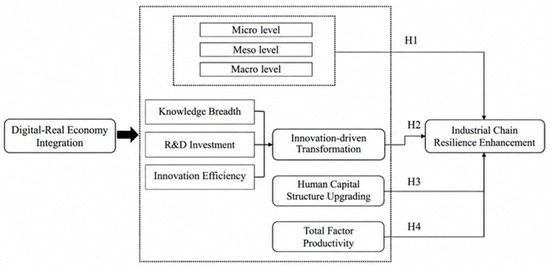
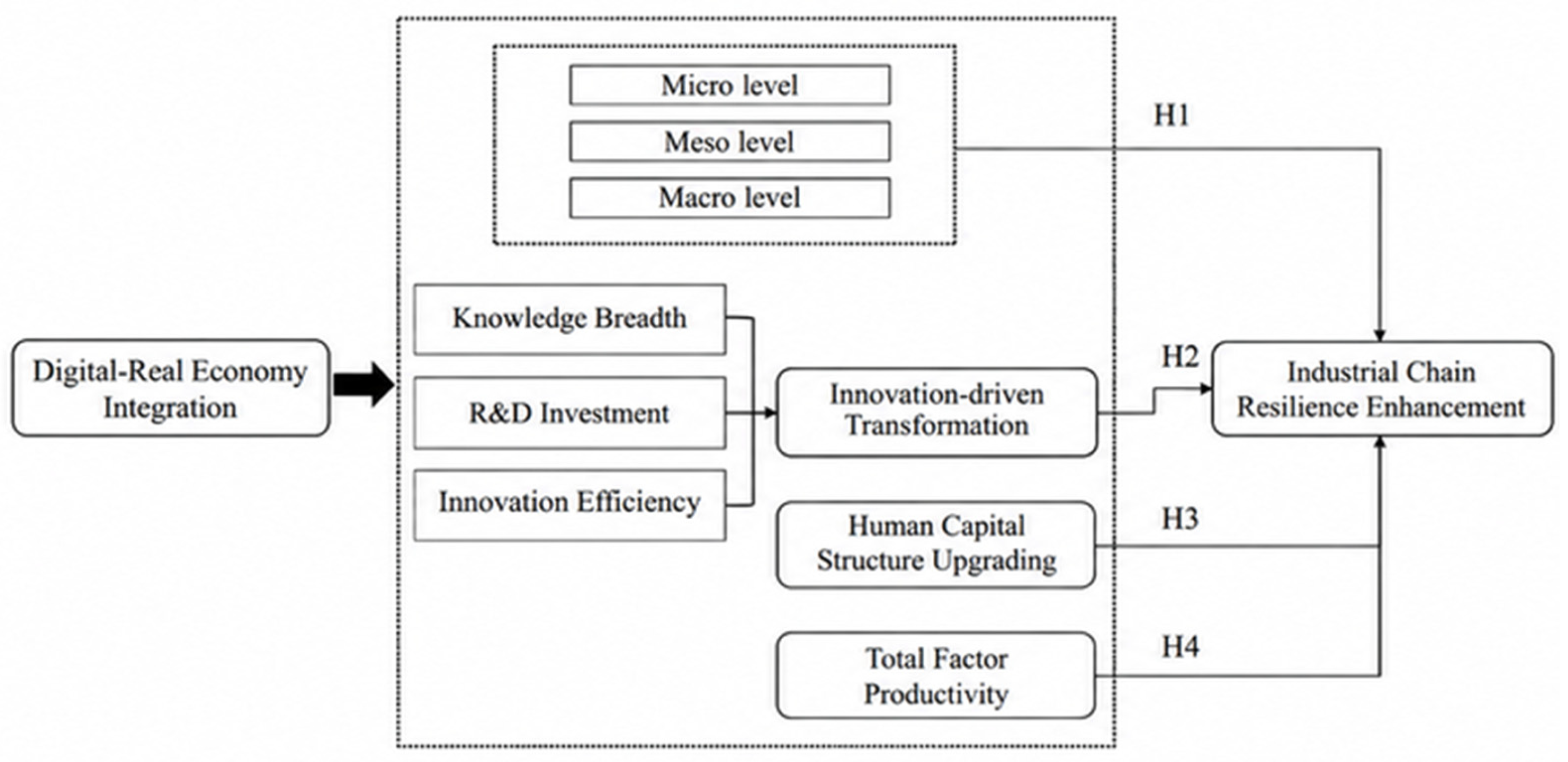
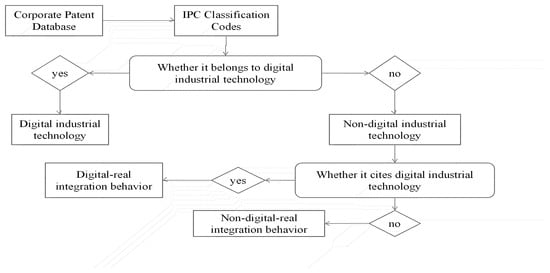
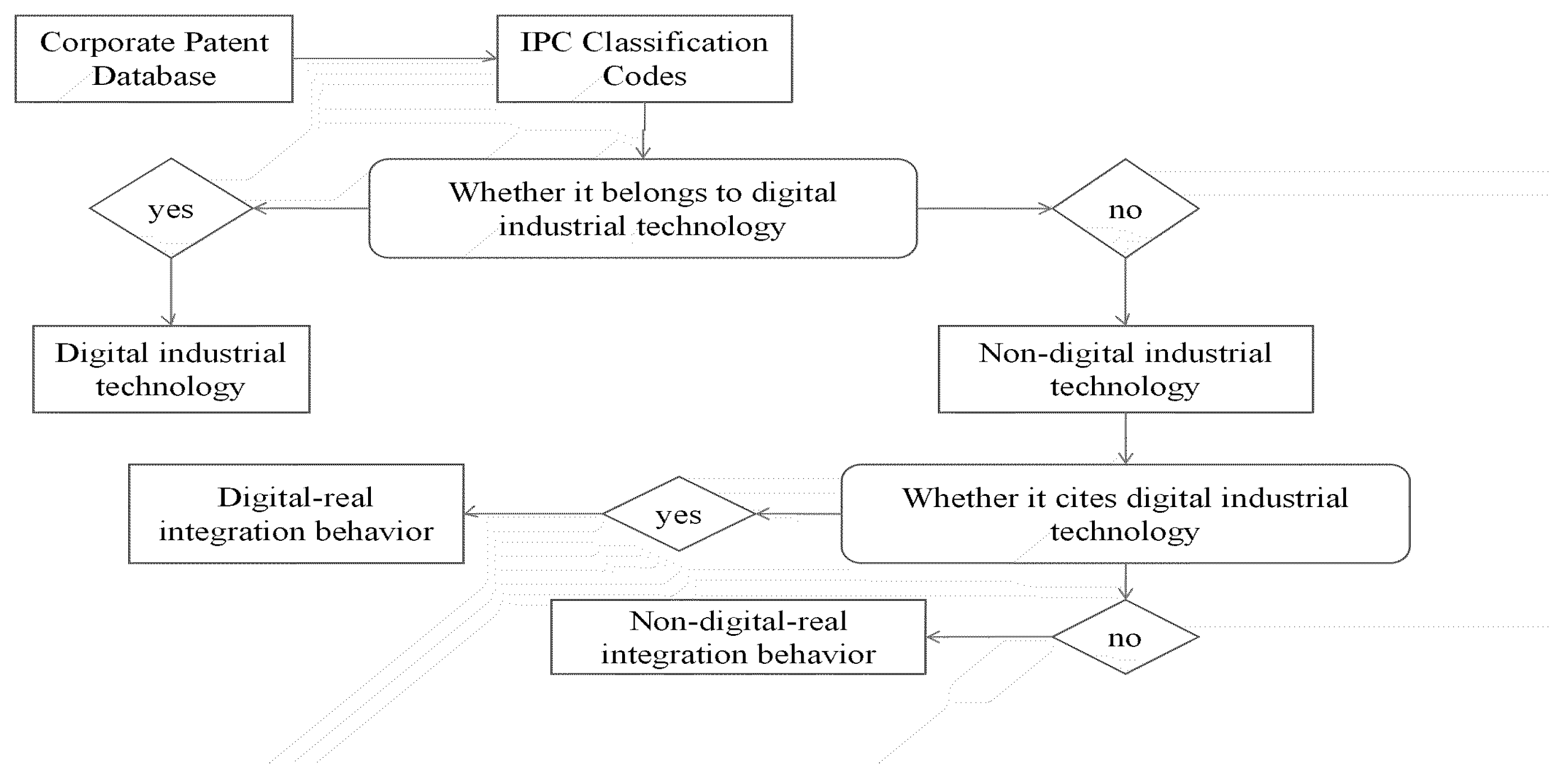
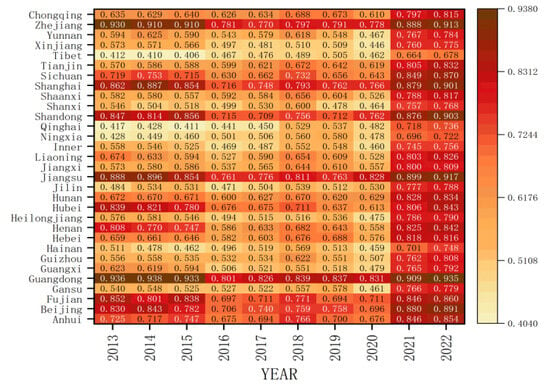
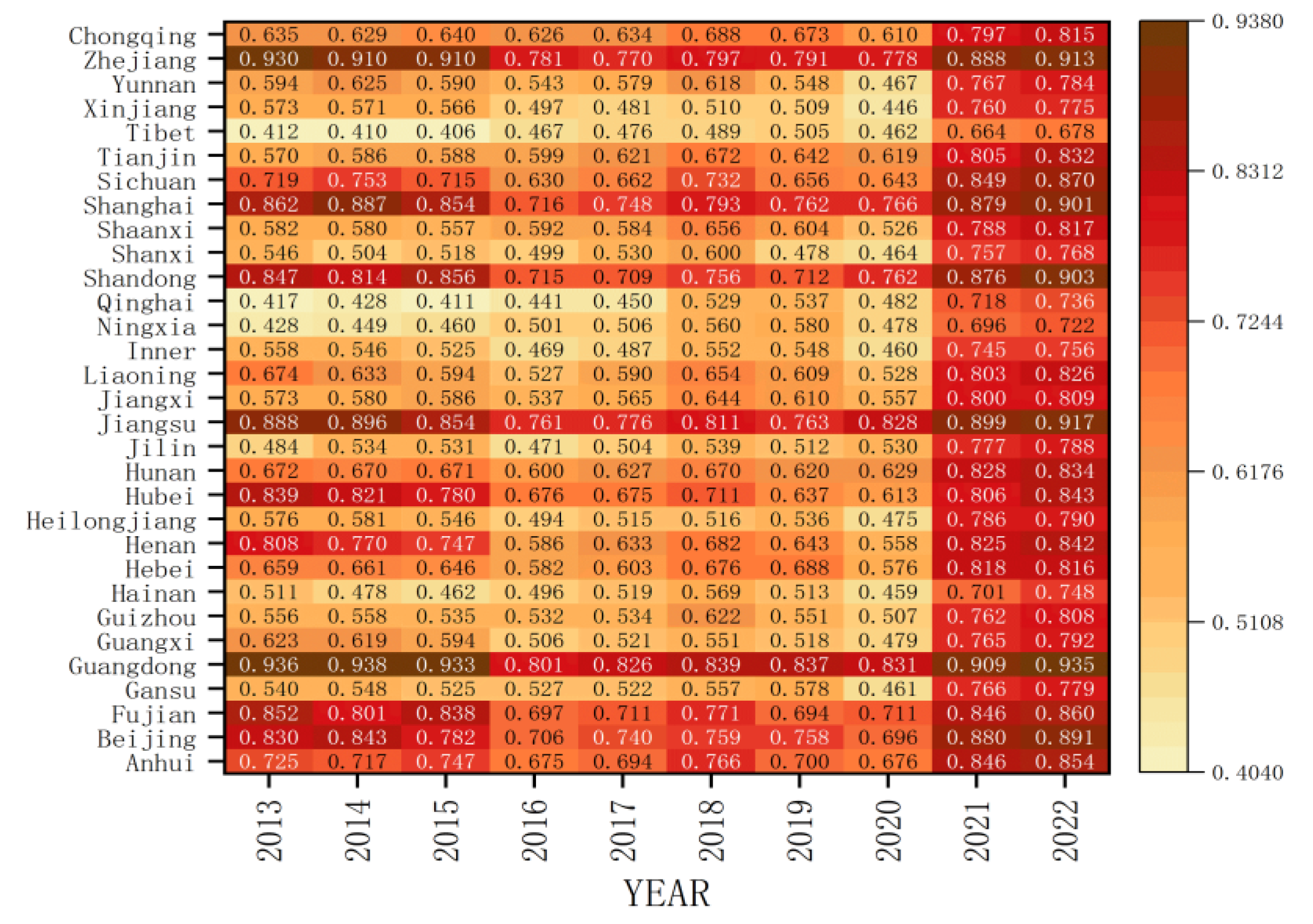

Disclaimer/Publisher’s Note: The statements, opinions and data contained in all publications are solely those of the individual author(s) and contributor(s) and not of MDPI and/or the editor(s). MDPI and/or the editor(s) disclaim responsibility for any injury to people or property resulting from any ideas, methods, instructions or products referred to in the content. |
© 2026 by the authors. Licensee MDPI, Basel, Switzerland. This article is an open access article distributed under the terms and conditions of the Creative Commons Attribution (CC BY) license.