


Abstract
This study examines whether and how ESG rating divergence affects corporate maturity mismatch between investment and financing, using panel data from China’s A-share listed firms over the period 2015–2023. We employ fixed-effects models as the baseline specification and further apply instrumental variable estimation, propensity score matching, and a battery of robustness checks to address endogeneity and robustness concerns. We also introduce media supervision as a moderating variable to examine its governance role. We establish five main findings. First, ESG rating divergence significantly aggravates corporate maturity mismatch. Second, the underlying mechanism operates through tightened financial constraints, deteriorated information transparency, and rigid operating costs, which force firms to expand short-term debt while contracting long-term liabilities. Third, heterogeneity analyses reveal stronger effects for non-state-owned enterprises, small and medium-sized enterprises, firms with low total factor productivity, and firms in less competitive industries. Fourth, media supervision, particularly positive media coverage, mitigates the severity of maturity mismatch by counteracting rating inconsistency, whereas negative coverage amplifies it. Fifth, ESG rating divergence reduces corporate investment efficiency, especially by exacerbating underinvestment, and increases expected default frequency and risk-taking propensity. These findings highlight ESG rating fragmentation as a systemic amplifier of financial risk that undermines corporate resilience and impedes progress toward the Sustainable Development Goals, especially SDG 9 and SDG 13. Policy implications include harmonizing ESG rating standards, strengthening media-based external governance, and integrating sustainability information transparency into financial regulation to align corporate financing behavior with long-term sustainable investment.
1. Introduction
The configuration of corporate debt maturity represents a cornerstone concern in corporate finance, embodying a strategic equilibrium between liquidity risk mitigation and financing cost optimization [1,2]. While short-term debt generally carries lower interest rates, it exposes firms to refinancing risk and potential liquidity shocks during market contractions [3]. Conversely, long-term debt offers greater financial predictability through fixed repayment schedules, albeit at the cost of higher pricing premiums arising from extended risk exposure [4]. This optimal maturity structure is critically shaped by informational frictions between firms and external stakeholders. Firms characterized by elevated information asymmetry face heightened barriers in accessing long-term debt markets and are consequently forced to rely more heavily on short-term debt, resulting in investment–financing maturity mismatch [5]. From a sustainability perspective, an efficient debt maturity structure is also essential for financing long-horizon projects, such as clean energy, low-carbon infrastructure, and green innovation, which are central to achieving the United Nations Sustainable Development Goals (SDGs), particularly SDG 9 (industry, innovation, and infrastructure) and SDG 13 (climate action).
In recent years, environmental, social, and governance (ESG) performance has emerged as a pivotal component of corporate non-financial disclosure, exerting profound influence on stakeholder evaluations and capital allocation decisions. However, persistent divergence in ESG ratings, reflected in materially inconsistent assessments of the same firm across rating agencies, has become a salient global challenge [6]. This phenomenon represents a novel dimension of information asymmetry, reflecting systemic failures in transmitting coherent and verifiable ESG-related signals to financial markets. Such divergence undermines the informational efficiency of sustainability metrics and distorts external stakeholders’ ability to accurately assess firms’ intrinsic sustainability risk exposures and long-term resilience. Critically, this misalignment among ESG rating agencies may exacerbate capital misallocation, as investors and creditors struggle to differentiate substantive sustainability commitments from fragmented disclosures, thereby weakening the market discipline that underpins corporate progress toward the SDGs.
ESG rating divergence stems primarily from heterogeneity in agencies’ methodologies, data quality, and protocols for handling missing information [7]. This opacity distorts market-perceived ESG risk, prompting investors to demand higher risk premiums and creditors to impose precautionary credit constraints, even for projects with sound sustainability fundamentals [8,9]. Such mispricing creates funding barriers for long-horizon initiatives, such as environmental innovation and operational resilience upgrades, not because of inherent viability concerns but because of unreliable sustainability benchmarking [10]. This distortion not only undermines corporate financial stability but also impedes the reallocation of capital toward sustainable investment, thereby hindering progress on the SDGs. China offers a distinctive setting for examining these dynamics: although mandatory ESG disclosure rules introduced in 2025 have improved data availability, the domestic rating market remains fragmented, with cross-agency divergence reaching 30–40% standard deviations for identical firms [11]. Two market failures persist, namely systemic misalignment in sectoral risk assessments, particularly in socially sensitive industries [12], and technical gaps in data verification that perpetuate information asymmetries. These frictions may induce herding and amplify capital misallocation. Understanding how ESG rating divergence affects debt maturity is therefore essential for assessing whether Chinese firms can secure the long-term financing needed for their green transition and SDG commitments.
Against this backdrop, our study centrally investigates a paradoxical financial problem: Does ESG rating divergence, as an unresolved information asymmetry within modern capital markets, create endogenous pressures for firms to disproportionately utilize short-term debt, thereby increasing their exposure to rollover risk and raising the cost of long-term financing? Such conditions may force suboptimal equilibrium outcomes in which firms substitute long-term financing with shorter-maturity obligations despite the associated maturity mismatch risks. We propose that rating divergence acts as a significant amplifier of information opacity, heightening externally perceived risk, impeding access to stable long-term financing, pushing firms toward short-term debt, and ultimately aggravating investment–financing maturity mismatch. By focusing on the financial implications of inconsistent ESG assessments, this research underscores the economic necessity of achieving rating consistency. Rating consistency is not merely a sustainability ideal; rather, it is a prerequisite for efficient capital allocation, long-term investment in SDG-related projects, and corporate financial stability. Figure 1 presents the theoretical framework guiding the subsequent analysis. In summary, this study examines how ESG rating divergence distorts corporate investment–financing maturity matching; provides systematic evidence on the moderating role of media supervision and the heterogeneous effects across ownership, size, productivity, and market competition; further discusses the economic consequences; and offers policy guidance for harmonizing ESG rating standards and strengthening sustainability information governance.
Figure 1.
The conceptual framework and mechanisms of ESG rating divergence affecting corporate maturity mismatch.
This study makes three main contributions to the literature. First, we bridge the emerging literature on ESG information asymmetry and classical corporate finance theories of debt maturity by identifying ESG rating divergence as a distinct and previously underexplored information friction. Classical theories posit that information asymmetry between firms and capital providers distorts debt maturity choice [1,2], leading firms with greater opacity to rely more heavily on short-term debt [5]. We extend this theoretical framework by showing that ESG rating divergence, as a specific form of sustainability-related information asymmetry, produces similar distortions in maturity matching. Using rigorous identification strategies, we empirically demonstrate that exogenous variation in rating disagreement systematically shifts firms toward short-term debt and away from long-term liabilities, thereby constraining the long-term capital formation needed to advance the SDGs. In doing so, we connect sustainability information quality to the core corporate finance question of debt structure and provide causal evidence that ESG information fragmentation constrains the long-term capital formation necessary for sustainable investment. Second, we contribute to the theory of external governance by examining media supervision as a moderating mechanism. Drawing on reputation capital theory [13] and institutional logics frameworks [14], we argue that media coverage shapes the information environment through information transparency enhancement, public pressure transmission, and reputation collateral. We find that media supervision conditions the effect of ESG rating divergence on maturity mismatch: positive coverage mitigates it, while negative coverage amplifies it. This extends prior work by showing that media sentiment, rather than coverage volume alone, plays a distinct governance role in moderating the financial consequences of ESG rating inconsistency. Third, we provide theoretically grounded implications for regulators and corporate executives. Grounded in signaling theory and the literature on voluntary disclosure [15], our results suggest that reducing ESG rating divergence improves the credibility of sustainability signals and reduces financing frictions. We offer specific operational guidance for firms to enhance stakeholder communication and disclosure reliability, thereby securing more favorable long-term financing terms. In doing so, we link the governance of ESG information quality to broader objectives of capital market efficiency and the achievement of the Sustainable Development Goals.
The remainder of this paper is as follows. Section 2 provides the theoretical foundation and develops the research hypotheses. Section 3 outlines the empirical strategy. Section 4 presents the main empirical findings and robustness checks. Section 5 further discusses the mechanism, the heterogeneity, the moderating effect, and the economic consequences. Finally, Section 6 concludes the paper and offers policy implications.
2. Literature Review and Hypothesis Development
2.1. Literture Review
The configuration of corporate debt maturity has long been recognized as a central decision in corporate finance, reflecting a trade-off between liquidity risk and financing costs [1,2]. Firms facing greater information asymmetry are more likely to rely on short-term debt because creditors demand higher premiums or ration long-term credit when they cannot adequately assess firm quality [5]. This pattern is particularly pronounced in emerging markets, where institutional weaknesses amplify maturity mismatch and its adverse consequences [16]. Recent evidence further shows that tax incentives, central bank communication, and digital transformation can shape maturity mismatch by altering firms’ financing constraints and information environment [17,18,19]. Nevertheless, the role of sustainability-related information frictions in shaping debt maturity structure remains underexplored.
In parallel, the growing literature documents that ESG ratings diverge substantially across rating agencies, and this divergence constitutes a distinct form of information asymmetry [7,20]. The sources of divergence are well identified: differences in scope, measurement, and weighting, as well as inconsistent data quality and missing-data protocols [21]. Recent theoretical and empirical work further shows that ESG rating uncertainty, arising from divergence among raters, is priced in financial markets. Avramov et al. (2022) [22] demonstrate that ESG rating disagreement raises the perceived risk of sustainable investing, reducing demand for firms with high divergence and leading to a premium on their securities. In addition, Rossi et al. (2024) [23] develop an open geospatial framework for environmental scores, suggesting that greater standardization and transparency in rating construction may help reduce disagreement. Existing studies have linked ESG rating divergence to stock returns, cost of capital, earnings management, and green innovation. Gibson et al. (2021) [8] find that rating disagreement is associated with higher expected returns, consistent with a risk premium, while Serafeim and Yoon (2023) [24] show that markets react more slowly to ESG news when ratings disagree. More recently, Tian et al. (2025) [6] provide evidence from China that ESG rating divergence contributes to stock market mispricing, reinforcing the view that divergence distorts information efficiency in emerging markets. Moreover, firms may react strategically to divergent external assessments through selective disclosure or greenwashing [25], which further complicates the information environment and may exacerbate financing frictions. However, the evidence is not entirely consistent. Some scholars argue that divergence may partly reflect richer information rather than pure noise, while others emphasize that divergence undermines the credibility of ESG signals and distorts capital allocation [7,20]. This debate highlights the need to examine whether ESG rating divergence affects corporate financial policies beyond equity pricing, particularly debt maturity choices.
Despite these advances, limited research directly connects ESG rating divergence to corporate debt maturity structure or investment–financing maturity mismatch. Prior work on debt maturity has focused on traditional information asymmetry measures such as earnings quality or analyst coverage, but sustainability-related information frictions may differ in nature because ESG ratings are multidimensional, less standardized, and more exposed to methodological heterogeneity [7,20]. The few studies linking ESG information to debt markets have primarily examined financing costs or bond spreads, not the maturity composition of liabilities [26]. Our study addresses this gap by testing whether ESG rating divergence induces endogenous pressure for firms to replace long-term debt with short-term obligations, thereby aggravating maturity mismatch and threatening long-term sustainable investment.
To strengthen the theoretical grounding, we also draw on the external governance literature. Media supervision can serve as an information intermediary that reduces opacity and disciplines managerial behavior [13,14]. Prior work shows that media coverage shapes corporate reputation and can mitigate the negative consequences of information frictions [27]. We integrate this perspective by examining whether media supervision moderates the effect of ESG rating divergence on maturity mismatch, thereby providing a more complete institutional framework.
2.2. Hypothesis Development
2.2.1. ESG Rating Divergence and Corporate Maturity Mismatch Between Investment and Financing
The ESG rating divergence significantly distorts corporate investment and financing decisions, leading to capital misallocation and heightened financial instability. From a capital supply perspective, intensified financing constraints serve as the primary transmission channel. When rating agencies exhibit substantial disparities in evaluating a firm’s ESG performance, investors face increased information asymmetry and assessment uncertainty, which directly manifests as a contraction in capital supply and higher funding costs. Empirical evidence indicates that ESG rating divergence dampens investor sentiment, resulting in lower stock returns and subsequently distorting corporate investment and financing behaviors, particularly for firms reliant on equity financing and non-state-owned enterprises [28]. A decline in stock prices escalates the cost of equity capital, thereby amplifying the financial constraints associated with subsequent equity financing activities, which become both more challenging and costly for firms to execute. Consequently, this strategic reallocation of capital triggered by financing distortions compels firms to shorten their investment horizons, reallocating capital away from long-term green innovation projects toward short-term regulatory compliance projects [29]. This shift may create a “short-termism trap” in environmental investment, undermining sustainable value creation.
From the perspective of information efficiency, the rating divergence leads to disorder in market signals, resulting in the failure of the internalization mechanism of environmental externalities. According to financial information theory, when there are significant differences in ESG ratings, investors need to pay higher costs to identify the true sustainable performance of enterprises. These costs are ultimately transmitted to firms through higher risk premiums and financing constraints. More critically, the resulting “information fog” obscures the environmental risks of high-carbon firms while preventing truly sustainable firms from gaining fair market recognition, thereby weakening market-based incentive mechanisms. A illustrative case is that of a major Chinese renewable energy firm that received a domestic AAA ESG rating in 2023 but was simultaneously labeled “high environmental risk” by an international agency. This discrepancy led to the shelving of a CNY 10 billion photovoltaic hydrogen production project financing plan, directly delaying the development of a critical green hydrogen supply chain.
At the macroeconomic level, ESG rating divergence exacerbates systemic capital misallocation. Rating inconsistencies amplify financing frictions, particularly affecting long-term green projects. Capital becomes excessively concentrated in industries with high rating transparency, while sectors with less established rating frameworks suffer from insufficient investment. This bias reinforces global capital allocation inequalities: developed markets with their dominant roles in rating systems would attract disproportionate green capital flows, whereas developing economies especially those with urgent climate adaptation needs would face elevated “rating risks” and capital avoidance. Such an imbalance not only distorts international capital flows but also challenges the principle of “common but differentiated responsibilities” in global climate finance.
Therefore, we propose the following.
Hypothesis 1.
ESG rating divergence would expand the corporate maturity mismatch between investment and financing.
Hypothesis 2.
ESG rating divergence aggravates corporate maturity mismatch through liability-side mechanisms that tighten financial constraints and weaken information transparency, as well as asset-side mechanisms that increase operating cost rigidity and reduce profitability.
2.2.2. ESG Rating Divergence, Media Supervision, and Corporate Maturity Mismatch
To mitigate the corporate financing distortions induced by ESG rating divergence, identifying effective governance mechanisms is essential. Media supervision, serving as a critical node within the information ecosystem, can alleviate the adverse effects of rating inconsistency through three primary mechanisms. First, through investigative reporting and data integration, media outlets can uncover firms’ genuine ESG performance, complementing methodological gaps and biases in rating agencies’ evaluations [30]. Second, by exerting public pressure, the media can incentivize firms to improve the transparency and consistency of their ESG information disclosures. Third, through public agenda setting, media coverage facilitates broader societal consensus on ESG evaluation norms, thereby reducing investors’ information processing costs. For instance, when international agencies downgrade a firm’s ESG rating due to non-financial factors, in-depth domestic media reports can provide a more nuanced assessment framework, helping prevent irrational capital flight driven by single rating results.
The governance role of media supervision directly enhances market discipline and informational efficiency. Specifically, media intervention mitigates investment–financing mismatches caused by ESG rating divergence through several channels. First, in cases of rating disputes, the intervention of authoritative financial media can incorporate firms’ long-term environmental strategies into public discourse, enabling investors to look beyond fragmented rating outputs and focus on the core capabilities of enterprises for sustainable development. Second, continuous media coverage of green innovation projects serves as a form of “reputational collateral”, reducing lenders’ and investors’ sensitivity to short-term rating volatility. Third, sustained exposure of corporate environmental practices strengthens public monitoring and reinforces non-market mechanisms that align corporate behavior with broader stakeholder expectations. Notably, media scrutiny helps counteract the inhibiting effect of ESG rating disagreement on the market’s assimilation of material ESG news. Media coverage compensates for the inefficiency by amplifying credible information and facilitating broader dissemination, thereby restoring part of the price discovery function [24]. Empirical support comes from Wang and Liu (2024) [26], and they find that intensive media coverage of environmental issues mitigates the impact of ESG rating divergence on the cost of green bond financing by approximately 15.7%, indicating that media supervision effectively alleviates financing constraints.
A further salient value of media supervision lies in its capacity to promote the alignment of ESG assessment frameworks with globally recognized sustainability principles. Currently, many international ESG ratings overweight issues salient in Western contexts, such as multiculturalism and gender equality on the board of directors, while underweighting critical dimensions like environmental justice and climate adaptation investments, which are priorities in emerging economies. By highlighting the sustainability outcomes of major green initiatives, media reporting can not only illustrate the substantive contributions of firms to clean energy transitions but also encourage the incorporation of new metrics such as “South–South carbon reduction efficiency” into mainstream ESG evaluation. This adjustment has structural significance in resolving rating disputes. Such alignment fosters a more representative and globally relevant rating system, which in turn reduces methodological disparities and enhances rating consistency across markets.
Considering this logic described above, the following third hypothesis is proposed.
Hypothesis 3.
Media supervision could relieve the relationship between ESG rating divergence and corporate maturity mismatch.
3. Methodology
3.1. Sample and Data
This study conducts an empirical analysis using a sample of 4850 A-share listed companies on the Shanghai and Shenzhen stock exchanges from 2015 to 2023, yielding a panel of 28,687 firm-year observations that provides substantial cross-sectional variation for identification. The sample period starts in 2015, when relatively complete ESG ratings from the four agencies used to construct our divergence measure become available. It ends in 2023, the latest year covered by the available financial and ESG databases at the time of this study. ESG rating divergence data is obtained from four rating agencies: HuaZheng, Wind, SynTao Green Finance, and Susallwave. Other corporate data is primarily derived from the CSMAR (China Stock Market & Accounting Research) database and the WIND database. To enhance data quality, the sample is processed by prior research as follows: (1) Financial sector listed companies are excluded. (2) Companies designated as ST and *ST are excluded. (3) Companies with severe missing values in selected variables are excluded. (4) All continuous variables are winsorized at the 1% level on both tails.
3.2. Measurement of Variables
3.2.1. Dependent Variable: Corporate Maturity Mismatch Between Investment and Financing (CMM)
The dependent variable CMM is the abbreviation of “corporate maturity mismatch” and represents the corporate maturity mismatch between investment and financing. Based on Bleakley and Cowan (2010) [16], and Feng et al. (2023) [17], we use the matching difference between debt structure and asset structure to measure CMM, which is calculated by the ratio of short-term debts to total debts minus the ratio of short-term assets to total assets. A greater CMM indicates a higher degree of corporate maturity mismatch between investment and financing.
3.2.2. Core Independent Variable: ESG Rating Divergence (ESGdiv)
Following the methodology of Han et al. (2022) [18], this study constructs the ESG rating divergence indicator based on ESG ratings from four agencies: HuaZheng, Wind, SynTao Green Finance, and Susallwave. To ensure comparability across agencies with different original rating scales, we first normalize all ESG ratings to a common 1–10 scale. For HuaZheng ratings, the original nine grades from AAA to C are assigned values from 9 to 1, and the resulting scores are then multiplied by 10/9. Wind ratings already use a 10-point scale and thus require no further transformation. SynTao Green Finance ratings, which range from A+ to D, are assigned integer values from 10 to 1 in descending order, with intermediate grades following a gradual progression. Susallwave ratings, which range from AAA to C, are assigned values from 19 to 1, and these values are then multiplied by 10/19 to obtain the standardized score. Then, the standard deviation of ESG scores assigned by different agencies to the same company is calculated and used as the measure of ESG rating divergence.
3.2.3. Moderating Variable: Media Supervision (Media)
We measure media supervision using two complementary sets of indicators. First, drawing on the approach of Deephouse (2000) [27], we adopt the JF coefficient to capture the intensity of media monitoring pressure. The JF coefficient ranges from −1 to 1, with smaller values indicating stronger monitoring pressure. Second, we use news coverage measures based on the frequency of firm mentions in news headlines. Total News Coverage is measured as the natural logarithm of one plus the total number of company mentions in news headlines. We further classify corporate news into positive, neutral, and negative sentiment categories and construct Positive News Coverage, Neutral News Coverage, and Negative News Coverage by taking the natural logarithm of one plus the number of company mentions in each respective sentiment category. These multiple indicators allow us to examine both the overall intensity and the sentiment-specific dimensions of media supervision.
3.2.4. Control Variables
Our study selects the following factors that may affect CMM to reduce estimation bias caused by omitted variables. The definitions and measurement of the control variables used in this study are detailed in Table 1.
Table 1.
Key variables’ definitions.
3.3. Empirical Models
The empirical model is formally defined in Equation (1) to test the relationship between ESG rating divergence and corporate maturity mismatch between investment and financing. To mitigate omitted variable bias, the model includes both firm and year fixed effects, which control for unobserved time-invariant firm heterogeneity and common macroeconomic shocks.
In Equation (1), the subscripts i and t represent the firm and the year, respectively. The dependent variable CMMit represents corporate maturity mismatch between investment and financing. The core independent variable is ESGdivit. Controlit is the vector of the control variables. Table 1 provides variable definitions. ui is the firm fixed effects, ut is the year fixed effects, and εit is the error term. Additionally, the robust standard errors are clustered at the firm level. The regression coefficient β in Equation (1) is the primary focus of this study. If β > 0 in Equation (1), it indicates that ESG rating divergence can increase CMM.
To investigate media supervision’s influence on the relationship between ESG rating divergence and CMM, we construct Equation (2), in which an interaction term between ESG rating divergence and media supervision is included. This interaction specification is appropriate given our theoretical expectation that external governance mechanisms may condition the baseline effect of ESG rating divergence on corporate maturity mismatch.
In Equation (2), ESG × Media is the interaction of ESG rating divergence and media supervision, and the interaction coefficient λ in Equation (2) is the secondary focus of this study. If λ < 0 in Equation (2), it indicates that media supervision can decrease the CMM amplified by ESG rating divergence.
3.4. Descriptive Statistics
The descriptive statistics of the key variables used in this study are presented in Table 2. The maximum value of CMM is 0.6220, and the minimum is −0.5746, indicating significant differences among listed companies in China in terms of CMM. Meanwhile, the maximum value of ESGdiv is 2.6675 and the minimum is 0, reflecting substantial divergence in the ESG ratings among different companies. The remaining control variables have summary statistics that are both reasonable and consistent with their expected distribution. Additionally, all variance inflation factor (VIF) values are below the threshold of 10, confirming that the model does not suffer from severe multicollinearity.
Table 2.
Descriptive statistics for the key variables.
4. Discussion
4.1. Baseline Regression Analysis
Table 3 reports the baseline regression results for the impact of ESG rating divergence on CMM. Columns (1) and (3) in Table 3 both include no firm specific fixed effects and time trend fixed effects, while Column (3) further adds control variables. Column (2) incorporates only firm and time fixed effects but no control variables. Column (4) additionally adds control variables and both fixed effects. The estimation results show that ESGdiv is significantly positive and passes the 1% significance level test. This indicates that divergence in firms’ ESG ratings substantially increases their CMM, thereby providing preliminary support for Hypothesis 1. To further assess the economic significance, a one-standard-deviation increase in ESGdiv translates into an increase in CMM of approximately 0.0049, corresponding to about 3.3% of the sample mean CMM. It is economically meaningful given that ESG rating divergence is a persistent and widespread information friction that can erode long-term financing stability. Overall, these findings suggest that in a business environment characterized by information asymmetry, discrepancies in rating standards among agencies exacerbate CMM.
Table 3.
Baseline regression.
4.2. Robustness Tests
4.2.1. Instrumental Variable Analysis
Theoretically, ESG rating divergence constitutes a form of information asymmetry between firms and external capital providers [7,20]. When rating agencies assign materially different assessments to the same firm, creditors and investors face greater difficulty in evaluating its sustainability risk, which leads to tighter financing constraints and greater reliance on short-term debt [31]. This suggests that the direction of influence runs primarily from ESG rating divergence to corporate maturity mismatch. For example, a Chinese manufacturing firm undertaking a long-horizon green technology upgrade may face divergent ESG ratings across agencies; creditors then perceive higher uncertainty regarding its environmental compliance and long-term viability, become unwilling to extend long-term loans, and force the firm to finance long-term investment with short-term debt, thereby creating maturity mismatch and exposing the firm to refinancing and liquidity risks [32]. Although reverse causality is theoretically conceivable, it is unlikely to be a primary concern in our study. ESG rating divergence arises from differences in how rating agencies assess a firm’s ESG performance, and its direct determinants are the firm’s ESG disclosure and the agencies’ methodologies. By contrast, corporate maturity mismatch is a financial structure outcome that reflects financing choices and does not directly enter the rating agencies’ assessment frameworks. A firm’s maturity mismatch is therefore unlikely to systematically cause rating agencies to diverge in their ESG evaluations. Any indirect effect through overall financial risk would affect all agencies in a similar manner and thus would not generate systematic divergence. To address the endogeneity concerns, we employ instrumental variable estimation.
Therefore, following Mao and Wang (2023) [33], we employ “quasi-ESG” investment funds as the instrumental variables for ESG rating divergence. “Quasi-ESG” funds refer to investment funds that are marketed or labeled as ESG-related but do not strictly apply ESG screening criteria in their portfolio construction. These funds typically track broad sustainability-themed indices or rely on third-party ESG ratings, rather than conducting in-depth sustainability analysis or active shareholder engagement. Specifically, we construct two instruments: Instrument variable 1 is defined as the natural logarithm of (1 + the number of “quasi-ESG” funds holding the firm), while Instrument variable 2 is a binary variable indicating whether the firm is held by any “quasi-ESG” fund. Quasi-ESG funds are generally passive investors that rely on third-party ESG ratings rather than engaging in active monitoring or governance interventions. Their holdings are therefore unlikely to influence corporate debt maturity decisions directly through monitoring or liquidity channels. Instead, their portfolio allocation depends heavily on ESG ratings, so when ratings diverge across agencies, these holdings become correlated with rating disagreement, supporting the exclusion restriction.
We conduct regression estimation through the two-stage least squares (2SLS) method, and the regression results of the instrumental variables are resented in Columns (1) and (2) of Table 4. For the validity of the instruments, the first-stage results show that both instruments are significantly negatively related to ESG rating divergence at the 1% level, supporting their relevance. The Kleibergen–Paap rk LM tests reject underidentification, and the Wald F statistics exceed the 15% maximal IV size critical value of 8.96, indicating that weak instruments are not a concern. In Columns (1) and (2), the regression coefficient of ESGdiv is significantly positive, indicating that larger ESG rating divergence corresponds to higher CMM, which is consistent with the benchmark. The regression results indicate that the core results remain significant even after addressing endogeneity concerns from reverse causality.
Table 4.
The results of robustness checks I.
4.2.2. Propensity Score Matching (PSM) Method
Given that the degree of corporate maturity mismatch is higher in enterprises with significant ESG rating divergence compared to those with low divergence, this may undermine the credibility of the conclusions. To address this, we categorize sample enterprises into a treatment group (assigned “1”) if their ESG rating divergence exceeds the industry average, and a control group (assigned “0”) otherwise. Using control variables from Equation (1), we perform 1:2 nearest-neighbor matching to reduce systemic differences between the two groups. The post-matching results from the propensity score matching (PSM) method are presented in Column (3) of Table 4. The coefficient of ESGdiv remains significantly positive, suggesting the results remain valid after accounting for selection bias.
4.2.3. Change the Dependent Variable
In Column (4) of Table 4, referring to Hu et al. (2023) [19], we use the alternative measure of dependent variable CMM2, which is calculated by the following equation: [cash expenditures for investment activities − (Δ long-term debts + Δ owner’s equity + net cash flow from operating activities + cash inflow from fixed asset disposal)]/total assets of the previous period. In Column (5) of Table 4, referring to Wang et al. (2021) [34], we use CMM3 to measure the long-term financing gap standardized by the capital stock, which is calculated by the following equation: [capital expenditure − (∆long-term debts + ∆owner’s equity + net cash flows from operating activities + cash inflows from fixed asset disposal)]/(fixed assets). In Column (6) of Table 4, referring to Zhao et al. (2024) [35], we use CMM4 to measure corporate maturity mismatch, which is calculated by the following equation: (long-term assets − long-term debts − owner’s equity)/(long-term assets). The regression results indicate that when applying the other three measurement methods for corporate maturity mismatch, the estimated coefficient of ESGdiv remains significantly positive. This suggests that the study’s findings are robust to alternative measurement approaches for the dependent variable, and the core conclusions hold consistently.
4.2.4. Change the Independent Variable
In Table 5, we use five other methods to measure the ESG rating divergence. In Column (1), we calculate the ESG rating divergence (ESGdiv5) by measuring the standard deviation across five rating agencies (Huazheng, Wind, SynTao Green Finance, SusallWave, and FTSE Russell). In Column (2), we calculate the ESG rating divergence (ESGdiv6) by measuring the standard deviation across six rating agencies (Huazheng, Wind, SynTao Green Finance, SusallWave, FTSE Russell, and Rankins CSR Ratings). Specifically, the raw FTSE Russell scores, which range from 0 to 5, are rescaled by a factor of 2 to align with the 0–10 scale, whereas the Rankins CSR Ratings are already measured on a 10-point scale and thus require no further adjustment. In Columns (3)–(5), we progressively measure the ESG rating divergence by calculating the range between maximum and minimum scores for subsets of 4, 5, and 6 agencies. These metrics, denoted as ESGrange4, ESGrange5, and ESGrange6, are constructed in correspondence to the rating agencies with ESG scores normalized to a comparable scale prior to computation. According to the results of the re-estimation, it indicates that the estimated coefficient of ESG rating divergence is positive and passes the significance test at the 1% level, which indicates that the results of the baseline regression are robust.
Table 5.
The results of robustness checks II: change in ESGdiv.
4.2.5. Add Control Variables
To further mitigate omitted variable bias, this study sequentially incorporated region-level and industry-level control variables. At the regional level, we introduced (1) per capita regional GDP (PGDP) of the enterprise’ s city to reflect local economic development; (2) an industrial structure indicator (Third), measured as the ratio of tertiary sector value-added to secondary sector value-added; and (3) a market integration index (Market). At the industry level, the Herfindahl–Hirschman Index (HHI), calculated based on corporate operating revenues, was utilized to capture industry-level market competition intensity. As demonstrated in Column (1) of Table 6, the coefficient of ESGdiv remains statistically significant at the 5% level or higher even after controlling for these additional factors. This robustness check reconfirms the validity of our primary findings and underscores that the observed relationship between ESG rating divergence and corporate maturity mismatch is not driven by unobserved regional or industrial heterogeneity.
Table 6.
The results of robustness checks III.
4.2.6. Adjust Fixed Effects
Given the potential heterogeneity in ESG rating divergence across industries and regions, after controlling for the firm fixed effects, Column (2) of Table 6 incorporates the interaction fixed effect of year × industry, while Column (3) adds controls for the interaction fixed effect of year × city. The estimation results reveal that the coefficient of ESG rating divergence remains statistically positive across both specifications. Critically, these robustness checks demonstrate that the core findings are invariant to alternative fixed-effects configurations, thereby reinforcing the empirical reliability of our conclusions.
4.2.7. Change the Standard Error Clustering Dimension
To address potential cross-sectional dependence and heteroskedasticity, we conducted robustness checks by adjusting standard errors through two-way clustering at the industry-year and city-year dimensions. As reported in the last two columns of Table 6, the coefficient of ESG rating divergence remains statistically significant and positive even after accounting for intra-industry and inter-regional contemporaneous correlations.
4.2.8. Adjust the Sample Range
To enhance the robustness of our findings, we conducted four sequential sample adjustments and re-estimated the baseline model in Table 7. First, considering the potential effects of global public health emergencies and the Russia–Ukraine conflict, we divide the sample into 2015–2019 and 2020–2023 subperiods and estimate the model separately, thereby capturing potential changes in the relationship before and after these shocks. Second, to mitigate sample selection bias arising from single-rater assessments, we retain only firms rated by two or more ESG rating agencies, thereby enhancing the credibility of divergence measurements. Third, recognizing the unique economic privileges and policy environments of municipalities directly under the central government, we exclude these regions to isolate the ESG effects from institutional confounders. The re-estimated coefficients of ESGdiv remain statistically significant and positive across all specifications. Crucially, the stability of these results under varying sample scopes demonstrates that the ESG divergence and corporate maturity mismatch linkage is neither driven by pandemic-era anomalies, rater heterogeneity, nor region-specific advantages. This robustness validates that ESG rating divergence operates as a generalizable market failure mechanism, distinct from transient shocks or localized institutional factors.
Table 7.
The results of robustness checks IV: sample bias.
5. Further Discussion of Heterogeneity and Mechanism
5.1. Mechanism Test
5.1.1. Decomposition Results
As the definition of CMM, we further decompose the CMM into the ratio of short-term debts over total debts (SD/TD) and the ratio of short-term assets to total assets (SA/TA) in this part and examine the segmentation effects for the two ratios. The corresponding results in Columns (1) of Table 8 and Table 9 show that ESG rating divergence significantly increased the ratio of short-term assets to total assets while significantly reducing the ratio of short-term debts over total debts, which led to the degree of corporate maturity mismatch aggravated by ESG rating divergence.
Table 8.
Mechanism analysis for liability decomposition.
Table 9.
Mechanism analysis for asset decomposition.
Columns (2)–(6) of Table 8 present that ESG rating divergence had a positive impact on the short-term debt volume, and negative impacts on the long-term debt volume and loan volume, while having no impacts on the total debt volume, which explains the significant policy effects on the ratio of SD/TD. These results also present that the ESG rating divergence may lead to an increase in debt cost measured by financial expenses divided by the total assets.
The results in Columns (2)–(5) of Table 9 reflect the negative effect of ESG rating divergence on short-term assets but positive effects on total assets, long-term assets, and fixed assets, which confirm the decrease in the ratio of SA/TA. Column (6) of Table 9 presents that ESG rating divergence had a positive impact on the ratio of short-term debts over short-term assets, which confirmed our expectation. Moreover, these results in Columns (7)–(8) of Table 9 also present that the ESG rating divergence may lead enterprises to increase the amount and proportion of their environmental protection investments in their additional long-term investments, which may enhance the ESG performance and alleviate ESG divergence for enterprises in the future.
Through this channel of decomposition, firms tend to engage in short-term debt expansion and long-term liability contraction for financial restructuring. While such adjustments alleviate short-term liquidity stress, they simultaneously aggravate financing cost escalation and deepen asset–liability maturity mismatch. Notably, as a self-correction mechanism embedded in this transmission process, firms proactively intensify environmental investments to enhance ESG performance, thereby mitigating information asymmetry with stakeholders. This behavioral adaptation facilitates the rebalancing of financial constraints and market expectations through improved signaling mechanisms.
5.1.2. From Liability Side
Building on the preceding analyses, this study examines the mechanisms from the liability side through which ESG rating divergence exacerbates corporate maturity mismatch, specifically testing the dual pathways of intensifying financing constraints and weakening information transparency. Following the methodological framework for mechanism validation proposed by Jiang (2022) [36], we sequentially designate these two mechanism variables as dependent variables, while maintaining consistency in core explanatory variables ESGdiv and control variables with those in Model (1), with a focused emphasis on evaluating the statistical significance of the estimated coefficients for ESGdiv.
Financing Constraints
For the financing constraint mechanism, we operationalize financing constraints using three established metrics, the WW index, KZ index, and FC index. Higher values correspond to more severe financing constraints, and the corresponding results are presented in Table 10. The estimates reveal statistically significant positive coefficients for ESGdiv across all specifications, demonstrating that ESG rating divergence substantially exacerbates corporate financing constraints, consistent with the hypothesized amplification channel through capital market imperfections.
Table 10.
The results of the mechanism test: financing constraints.
Information Transparency
To examine the information transparency mechanism, we operationalize corporate accounting transparency using four validated metrics, numbers of analysts tracking (ANALYST), earnings quality (DD), analyst earnings forecast accuracy (ACCURACY), and information transparency composite index (TRANS), where higher values indicate superior information transparency and reduced asymmetric information. As evidenced in Table 11, the regression analyses consistently demonstrate statistically significant negative coefficients for ESGdiv, substantiating that ESG rating divergence significantly deteriorates firms’ information transparency. As for the reason, the opacity-driven information gap triggers adverse selection in capital markets, as investors struggle to differentiate between firms’ genuine ESG performance and greenwashing behavior, consequently demanding uniformly higher risk premiums across affected firms. Additionally, impaired disclosure quality disrupts signaling mechanisms in the pecking order framework, forcing resource-constrained firms to prioritize short-term debt financing over strategic ESG-aligned investments. These intertwined effects create a self-reinforcing cycle where opacity-induced financing constraints compel firms to deprioritize long-term ESG investments, further widening the gap between sustainability commitments and executable capital budgeting plans.
Table 11.
The results of the mechanism test: information transparency.
5.1.3. From Assets Side
For the mechanisms from the assets side, we examine the pathways of increasing operating cost and reducing profitability. In alignment with the methodological paradigm for causal pathway identification, we retain concordance with the core explanatory variable ESGdiv and covariate specifications established in Model (1), while the analytical emphasis resides in empirically scrutinizing the magnitude and statistical robustness of ESGdiv’s parameter estimates across these mechanistic operationalizations.
Increasing Operating Cost
For the operating cost mechanism, following conventional measurement approaches in corporate efficiency studies from Ang et al. (2000) [37], and Singh and Davidson (2003) [38], we operationalize operational cost burdens using two principal indicators: the Operating Expense Ratio (OER) and Administrative Expense Ratio (AER). Elevated values of these ratios signify intensified cost inefficiencies in routine operations. As documented in Columns (1)–(2) of Table 12, the regression results demonstrate statistically significant positive coefficients for ESGdiv across both metrics, indicating that ESG rating divergence materially elevates corporate operating costs. This evidence substantiates the operating friction channel through which rating divergence compromises managerial coordination efficiency, ultimately reducing short-term asset reserves via amplified budgetary pressures.
Table 12.
Mechanism analysis for assets side.
Reducing Profitability
To examine the profitability impairment mechanism, we operationalize corporate profit-generating capacity using three theoretically grounded metrics [39,40,41], and we use market profitability proxied by undistributed profit per share, internal capital efficiency measured by retained earnings per share, and sustainable profitability captured by free cash flow per share, where higher values denote superior earnings retention and capital allocation efficacy. As empirically validated in our regression analyses presented in Columns (3)–(5) of Table 12, statistically significant negative coefficients for ESGdiv consistently demonstrate that ESG rating divergence substantially erodes firms’ profit capabilities, depleting short-term asset reserves. The underlying deterioration stems from rating divergence in capital markets, which impedes optimal investment decisions, while simultaneously distorting internal capital allocation. This capital misallocation, manifested in reduced retained earnings per share, may undermine firms’ ability to fund value-enhancing projects, thereby diminishing free cash flow sustainability. Consequently, firms’ compressed undistributed profits constrain their strategic reinvestment, curtailing future earnings potential and accelerating the depletion of liquid assets required for operational flexibility.
Taken together, these findings confirm that the effect of ESG rating divergence on corporate maturity mismatch operates through the hypothesized channels of tightened financial constraints, reduced information transparency, rising operating costs, and declining profitability, thus supporting Hypothesis 2.
5.2. Analysis of Heterogeneity
5.2.1. Heterogeneity Across Enterprise Type
The differential impacts of ESG rating divergence across ownership structures may stem from variations in corporate operational objectives, market positioning, and policy preferences. Following the property rights classification framework, this study categorizes listed firms into state-owned enterprises (SOEs) and non-state-owned enterprises (Non-SOEs) for subsample regression analysis. The empirical results for SOEs versus Non-SOEs are presented in Columns (1) and (2) of Table 13. The empirical evidence demonstrates that ESGdiv exerts a statistically significant amplification effect on corporate maturity mismatch within the Non-SOE subgroup. For the Non-SOEs group, the ESGdiv coefficient is 0.0112, demonstrating significant positive at the 1% level, while the ESGdiv coefficient remains statistically insignificant for SOEs. This ownership-based heterogeneity may be attributed to the following institutional logics. First, the political embeddedness of SOEs provides preferential access to policy resources and administrative interventions, enabling them to neutralize ESG-related market skepticism through institutionalized risk-sharing mechanisms. Conversely, Non-SOEs predominantly rely on market-driven resource allocation, rendering them more susceptible to ESG perception volatility in capital markets. Second, asymmetric regulatory enforcement manifests in stricter ESG disclosure scrutiny for SOEs as policy implementers, whereas Non-SOEs face fragmented compliance incentives under weaker monitoring intensity. Third, the soft budget constraint phenomenon endows SOEs with implicit government guarantees, attenuating investor sensitivity to ESG controversies compared to Non-SOEs that bear full market discipline. Therefore, policymakers should accordingly develop ownership-specific ESG frameworks that account for SOEs’ policy-agenda alignment and Non-SOEs’ market vulnerability characteristics.
Table 13.
The results of the heterogeneity test I.
5.2.2. Heterogeneity Across Enterprise Size
The heterogeneous characteristics of firm size exert differential impacts on corporate investment and financing capacities through disparities in resource endowments. Drawing upon the resource-based theory, this study categorizes the sample into large-scale enterprises and small-medium enterprises (SMEs) based on the median total assets, with heterogeneity tests conducted across subsamples. The empirical results for large-scale enterprises versus small-medium enterprises are presented in Columns (3) and (4) of Table 13. The findings reveal that ESG rating divergence significantly exacerbates corporate maturity mismatch exclusively within the SME subgroup. For the SME group, the ESGdiv coefficient is 0.0128, demonstrating significance positively at the 1% level, whereas the ESGdiv coefficient is insignificant for large enterprises. This differential impact may be attributed to the following mechanisms: First, disparities in resource allocation capabilities enable large enterprises to demonstrate superior ESG dispute resolution capacities, leveraging organizational slack resources to mitigate negative shocks from external rating divergences. Conversely, SMEs encounter heightened adaptive adjustment costs under resource constraints. Second, pronounced information asymmetry intensifies market sensitivity to ESG disclosure quality among SMEs, where rating divergences amplify investor skepticism toward their informational transparency, thereby aggravating capital misallocation. These empirical insights carry significant policy implications, suggesting that regulatory authorities should prioritize standardizing ESG disclosure protocols and customizing evaluation criteria for SMEs. Such targeted measures could effectively mitigate distortions in resource allocation efficiency caused by irrational market assessments, ultimately fostering a more equitable financing ecosystem across heterogeneous firm types.
5.2.3. Heterogeneity Across Enterprise Productivity
The resource allocation capacity of enterprises is also influenced by productivity, and their CMM may vary depending on the level of enterprise productivity. In this study, we employ the Levinsohn–Petrin (LP) method to calculate firms’ total factor productivity (TFP) and subsequently divide the sample into high-productivity enterprises and low-productivity enterprises based on the median TFP value. The estimation results from grouped regression are presented in Columns (1) and (2) of Table 14. For the low-productivity enterprises, the ESGdiv coefficient is 0.0098, demonstrating significance positively at the 1% level, whereas the ESGdiv coefficient is insignificant for the high-productivity enterprises. The regression findings reveal that ESG rating divergence exacerbates corporate maturity mismatch risks more prominently in low-productivity enterprises compared to the high-productivity enterprises. The differential impacts stem from systemic variations in resource endowments, signaling efficacy, and reallocation capability across the productivity spectrum. First, low-productivity firms face amplified financing barriers under ESG rating divergence due to tighter resource constraints and weaker capacity to counteract information asymmetry, leading to disproportionate capital misallocation. Second, their limited ESG disclosure credibility fails to mitigate market skepticism triggered by rating inconsistencies, whereas high-productivity firms leverage robust signaling mechanisms to stabilize investor expectations. Third, structural rigidity in risk management compels low-productivity firms to prioritize short-term compliance over strategic investments when resolving ESG ambiguities, deepening cyclical mismatches in the absence of adaptive resource reallocation capabilities.
Table 14.
The results of the heterogeneity test II.
5.2.4. Heterogeneity Across Industry Type
The degree of market competition differentially influences factor mobility and capital flows, thereby exerting heterogeneous effects on CMM. To account for this heterogeneity, we measure market competition using the Herfindahl–Hirschman Index (HHI) at the industry level and classify sample firms into high-competition and low-competition groups based on industry median values. The results in Columns (3) and (4) of Table 14 reveal that the coefficient of ESGdiv is statistically positive in the low-competition subsample. This demonstrates that weaker industry competition strengthens the exacerbating effect of ESG rating divergence on corporate maturity mismatch. For the low competition enterprises, the ESGdiv coefficient is 0.0081, demonstrating significance positively at the 5% level, whereas the ESGdiv coefficient is insignificant for the high-competition enterprises. The asymmetric effect may stem from intensified information frictions and institutional inertia in low-competition industries, where concentrated market power reduces firms’ accountability for ESG transparency. Concurrently, monopolistic rent-seeking behaviors and rigid risk mitigation strategies amplify allocative inefficiencies when confronting ESG rating divergence.
5.3. Moderating Effect
Based on the reputation capital theory and institutional logics frameworks [13,14], we know that media supervision can mitigate the amplifying effect of ESG rating divergence on corporate maturity mismatch through mechanisms such as information quality enhancement, pressure transmission, and reputation collateral effects. Consequently, we employ Equation (2) to examine the moderating role of media supervision. First, we measure media monitoring pressure using the JF coefficient, which ranges between −1 and 1. A value closer to −1 indicates stronger monitoring pressure, while a value approaching 1 reflects weaker pressure. Column (1) of Table 15 shows that the estimated coefficient of the interaction term ESGdiv × JF is significantly positive at the 5% level, indicating that heightened media monitoring pressure alleviates corporate maturity mismatch exacerbated by ESG rating divergence. Second, we quantify media monitoring pressure using Total News Coverage, measured by the natural logarithm of the total number of company mentions in news headlines plus one. Column (2) of Table 15 reveals that the interaction term ESGdiv × Total exhibits a statistically negative coefficient and is significant at the 10% level, suggesting that increased media scrutiny reduces mismatches caused by ESG rating divergence. Both measurement approaches consistently show that media supervision plays a corrective role in mitigating the maturity mismatch caused by ESG rating divergence, thus supporting Hypothesis 3, which predicts that media supervision moderates the relationship between ESG rating divergence and corporate maturity mismatch.
Table 15.
The results of the moderating effect test.
Furthermore, we classified corporate news into three sentiment categories: positive, neutral, and negative. For each category, we calculated the natural logarithm of the total news count plus one to derive the variables Positive News Coverage, Neutral News Coverage, and Negative News Coverage. Using Equation (2), we test the moderating effects of media supervision under these distinct sentiment orientations, with results reported in Columns (3)–(5) of Table 15. The estimations reveal that the interaction term ESGdiv × Positive exhibits a statistically negative coefficient and is significant at the 1% level only under positive media supervision pressure, while the interaction term ESGdiv × Negative exhibits a statistically positive coefficient and is significant at the 10% level only under negative media supervision pressure, whereas coefficients for neutral sentiment remain insignificant. This asymmetry suggests that favorable media reports play a unique role in anchoring investor expectations, thereby counterbalancing rating divergence. In contrast, unfavorable media coverage can exacerbate the corporate maturity mismatch caused by ESG rating divergence. Moreover, neutral coverage lacks comparable normative force to recalibrate mispricing caused by ESG rating divergence.
5.4. Economic Consequences Discussion
In the current context where climate change exacerbates development disparities and global sustainable development faces formidable challenges, improving the credibility and efficacy of ESG ratings constitutes not merely a financial imperative but rather a critical determinant influencing multidimensional economic outcomes in sustainability governance. Optimizing corporate sustainability strategies requires synergistically enhancing investment efficiency, mitigating default risks, and strengthening risk-bearing capacity. This approach serves as a critical pathway to reconcile North–South developmental disparities and enhance resource governance mechanisms. Such systematic evolution profoundly influences the implementation of the Paris Agreement’s mitigation commitments. By addressing structural impediments to equitable technology transfer and multilateral financing mechanisms, it reconfigures the framework of global climate governance.
Building upon this analytical foundation, we investigate the economic ramifications of ESG rating divergence and corporate maturity mismatch on corporate operational dynamics from a sustainable development perspective, specifically including the investment efficiency, default probabilities, and risk-bearing capacities. Following established methodological frameworks in the literature, our empirical examination utilizes Equation (3) to evaluate the economic consequences.
In Equation (3), the dependent variable ECO captures economic consequences, while ESGdiv operationalizes ESG rating divergence and CMM quantifies corporate maturity mismatch. All remaining structural parameters and control variables align with the baseline regression Equation (1), maintaining methodological consistency across our analyses. The interaction coefficient of ESGdiv × CMM is the focus of this part.
In Columns (1)–(3) of Table 16, we follow Richardson (2006) [41] to measure investment efficiency, including aggregate investment efficiency, excessive investment, and insufficient investment, with each measure constructed using absolute values so that higher values indicate lower efficiency. The results show that the interaction term ESGdiv × CMM is significantly positive for both aggregate investment efficiency and insufficient investment, while it is statistically insignificant for excessive investment. This suggests that the maturity mismatch induced by ESG rating divergence mainly reduces investment efficiency by aggravating underinvestment rather than by promoting overinvestment. The findings are consistent with the interpretation that ESG rating divergence tightens financing constraints and increases funding costs, which disproportionately discourages value-enhancing long-term investment and thus deepens underinvestment inefficiency.
Table 16.
Economic consequences analysis.
In Column (4) of Table 16,we use the Naive model proposed by Bharath and Shumway (2008) [42] to calculate corporate expected default frequency (EDF) as an alternative variable for measuring default risk. There exists a directly proportional relationship between the EDF metric and corporate debt default risk. The regression results reveal that the estimated coefficient of the interaction ESGdiv × CMM is significantly positive, suggesting that ESG rating divergence not only exacerbates the mismatch of enterprises’ investment and financing but also further systematically intensifies corporate default risk. First, ESG rating divergence disrupts market consensus on risk premium pricing, triggering institutional investors’ adaptive restriction on rollover financing, thereby accelerating debt service capability erosion under refinancing stress scenarios. Second, conflicting ESG evaluations create ambiguity in fiduciary duty benchmarks, enabling managerial opportunism in dividend payout prioritization and impairing strategic hedging capacity against ESG regulation shocks through sustainable-linked derivatives.
In Columns (5)–(6) of Table 16, we operationalize the measurement of corporate risk-taking propensity by employing rolling windows of triennial and pentennial intervals. This involves calculating the standard deviation of industry-adjusted Return on Assets (ROA) through sequential overlapping periods, subsequently scaled by a factor of 100 for standardized risk magnitude comparison. The estimated coefficient of ESGdiv × CMM is significantly positive, indicating that ESG rating divergence significantly exacerbates corporate maturity mismatch and thereby amplifying risk-taking propensity through risk premium mispricing and refinancing frictions.
6. Conclusions and Policy Implications
6.1. Conclusions
This study investigates the influence of ESG rating divergence on corporate maturity mismatch between investment and financing. Using data from China’s A-share listed companies from 2015 to 2023, we find that ESG rating divergence significantly aggravates corporate maturity mismatch, and the result is robust to a battery of checks. The underlying mechanism operates through persistently tightened financial constraints, deteriorated information transparency, and rigid operating costs, which jointly lead to a structural decline in corporate profitability. In response, firms expand short-term debt exposure amid escalating financing costs, reduce short-term assets and long-term liabilities, and simultaneously increase targeted environmental investment to mitigate stakeholder information asymmetry. Heterogeneity analyses show that non-state-owned enterprises, small and medium-sized enterprises, firms with low total factor productivity, and firms in less competitive industries are more responsive to this impact. Media supervision significantly moderates the adverse effect of ESG rating divergence on maturity mismatch. Furthermore, we demonstrate that ESG rating divergence reduces corporate investment efficiency, especially by exacerbating underinvestment, and increases expected default frequency and risk-taking propensity. These effects ultimately constrain firms’ capacity to finance long-horizon sustainable investments, thereby impeding progress toward SDG 9 and SDG 13.
6.2. Policy Implications
Based on our findings, we propose the following actionable policy recommendations. First, regulators should establish a unified ESG rating framework that harmonizes scoping criteria, measurement techniques, and indicator weightings and require rating agencies to publicly disclose their methodologies and divergence sources. An official ESG data verification platform could reduce information asymmetry and lower financing costs for sustainable projects, thereby facilitating long-term green investment aligned with SDG 9 and SDG 13. Second, targeted financing support should be provided to vulnerable firms, particularly non-state-owned enterprises, SMEs, and firms in less competitive industries, which our results show are disproportionately affected by rating divergence. Instruments such as green credit guarantees, transitional financing facilities, and interest subsidies can alleviate unintended financing strains and support long-term investment. Third, media supervision should be formally integrated into sustainability governance architectures. Given that positive media coverage mitigates the adverse effects of rating divergence, policymakers should encourage evidence-based ESG reporting, support independent information verification, and establish mechanisms that reward accurate sustainability journalism while discouraging sensational or unverified negative coverage. Fourth, financial authorities should incorporate ESG rating dispersion into macroprudential stress-testing and risk monitoring frameworks. Tiered risk buffers and early-warning thresholds should be developed for firms with elevated expected default frequencies driven by ESG-induced operating cost rigidities, especially those with low productivity. Fifth, these interventions should be aligned with broader market liberalization agendas, since financial repression magnifies the adverse effects of rating divergence on sustainable development. Reforms such as interest rate liberalization and improved capital market efficiency can reduce financing distortions and support resilient capital allocation. Finally, refining ESG frameworks through enhanced financial transparency can reposition sustainability metrics from volatility drivers to foundational pillars of long-term value creation, supporting the transition to a more inclusive and sustainable economy consistent with the 2030 Agenda.
6.3. Future Directions
Future research could extend this study in several directions. First, although our analysis focuses on China, the underlying mechanisms may operate differently in other institutional contexts; cross-country comparative studies could examine how legal origin, regulatory stringency, and investor protection shape the relationship between ESG rating divergence and corporate debt maturity, particularly in developed markets with mature ESG rating industries or emerging economies with weaker disclosure infrastructures. Second, one limitation should be noted. The subsample of firms rated by multiple agencies may be subject to selection bias, as these firms tend to be larger and more visible in the market. So future research could address this concern by using more comprehensive data or by explicitly modeling the selection process into multi-rating coverage, thereby providing further evidence on the generalizability of the findings. Third, while we focus on overall ESG rating divergence, future work could disaggregate the environmental, social, and governance dimensions to identify which pillar contributes most to maturity mismatch. Fourth, as regulators increasingly move toward mandatory and standardized ESG reporting, quasi-natural experiments around regulatory changes could provide causal evidence on whether harmonization of ESG standards reduces financing frictions and mitigates maturity mismatch. In a similar vein, future work could employ difference-in-differences or structural break designs to examine how major external shocks, such as the COVID-19 pandemic and the Russia–Ukraine conflict, interact with ESG information frictions and subsequently shape corporate debt maturity decisions.
Author Contributions
Conceptualization, J.G. and F.Y.; Methodology, J.G.; Software, J.G.; Writing—original draft preparation, J.G.; Writing—review and editing, S.Z.; Visualization, F.Y.; Funding acquisition, J.G. All authors have read and agreed to the published version of the manuscript.
Funding
This research was funded by the Center for System Science and Enterprise Development in Key Research Base of Social Sciences of Sichuan Province, grant number Xq25B10.
Institutional Review Board Statement
Not applicable.
Informed Consent Statement
Not applicable.
Data Availability Statement
The authors do not have permission to share the data. You can find the data in the CSMAR and WIND databases.
Acknowledgments
The authors are grateful to the anonymous reviewers and editors for their comments and suggestions on this study. All authors contributed equally. Any errors are our own.
Conflicts of Interest
The authors declare no conflicts of interest.
Abbreviations
The following abbreviations are used in this manuscript:
| SDGs | Sustainable Development Goals |
| ESG | Environmental, Social, and Governance |
| CMM | Corporate Maturity Mismatch |
| CNY | Chinese Yuan |
| PSM | Propensity Score Matching |
| SME | Small–Medium Enterprise |
Appendix A
Table A1.
Definitions of other variables used in this paper.
References
- Diamond, D.W. Debt maturity structure and liquidity risk. Q. J. Econ. 1991, 106, 709–737. [Google Scholar] [CrossRef] [Scilit]
- Myers, S.C. Determinants of corporate borrowing. J. Financ. Econ. 1977, 5, 147–175. [Google Scholar] [CrossRef] [Scilit]
- Harford, J.; Klasa, S.; Maxwell, W.F. Refinancing risk and cash holdings. J. Finance 2014, 69, 975–1012. [Google Scholar] [CrossRef] [Scilit]
- Custódio, C.; Ferreira, M.A.; Laureano, L. Why are US firms using more short-term debt? J. Financ. Econ. 2013, 108, 182–212. [Google Scholar] [CrossRef] [Scilit]
- Gopalan, R.; Song, F.; Yerramilli, V. Debt maturity structure and credit quality. J. Financ. Quant. Anal. 2014, 49, 817–842. [Google Scholar] [CrossRef] [Scilit]
- Tian, Y.; Feng, J.; Ma, J.; Wen, Y. ESG rating divergence and stock market mispricing: Empirical evidence from China. Environ. Dev. Sustain. 2025. [Google Scholar] [CrossRef] [Scilit]
- Berg, F.; Koelbel, J.F.; Rigobon, R. Aggregate Confusion: The Divergence of ESG Ratings. Rev. Finance 2022, 26, 1315–1344. [Google Scholar] [CrossRef] [Scilit]
- Gibson, B.R.; Krueger, P.; Schmidt, P.S. ESG rating disagreement and stock returns. Financ. Anal. J. 2021, 77, 104–127. [Google Scholar] [CrossRef] [Scilit]
- LaBella, M.J.; Sullivan, L.; Russell, J.; Novikov, D. The Devil Is in the Details: The Divergence in ESG Data and Implications for Responsible Investing; QS Investors: New York, NY, USA, 2019; p. 11. [Google Scholar]
- Wang, J.; Wang, S.; Dong, M.; Wang, H. ESG rating disagreement and stock returns: Evidence from China. Int. Rev. Financ. Anal. 2024, 91, 103043. [Google Scholar] [CrossRef] [Scilit]
- Liu, M. Quantitative ESG disclosure and divergence of ESG ratings. Front. Psychol. 2022, 13, 936798. [Google Scholar] [CrossRef] [Scilit]
- Mao, Z.; Wang, S.; Lin, Y.E. ESG, ESG rating divergence and earnings management: Evidence from China. Corp. Soc. Responsib. Environ. Manag. 2024, 31, 3328–3347. [Google Scholar] [CrossRef] [Scilit]
- Dyck, A.; Volchkova, N.; Zingales, L. The corporate governance role of the media: Evidence from Russia. J. Finance 2008, 63, 1093–1135. [Google Scholar] [CrossRef] [Scilit]
- Bitektine, A.; Haack, P. The “macro” and the “micro” of legitimacy: Toward a multilevel theory of the legitimacy process. Acad. Manag. Rev. 2015, 40, 49–75. [Google Scholar] [CrossRef] [Scilit]
- Healy, P.M.; Palepu, K.G. Information asymmetry, corporate disclosure, and the capital markets: A review of the empirical disclosure literature. J. Account. Econ. 2001, 31, 405–440. [Google Scholar] [CrossRef] [Scilit]
- Bleakley, H.; Cowan, K. Maturity mismatch and financial crises: Evidence from emerging market corporations. J. Dev. Econ. 2010, 93, 189–205. [Google Scholar] [CrossRef] [Scilit]
- Feng, Q.; Zhao, L.; Xu, M. Tax incentives and maturity mismatch between investment and financing: Evidence from China. China World Econ. 2023, 31, 1–36. [Google Scholar] [CrossRef] [Scilit]
- Han, X.; Ma, S.; Peng, Y.; Xie, X. Central bank communication, corporate maturity mismatch and innovation. Int. Rev. Financ. Anal. 2022, 84, 102392. [Google Scholar] [CrossRef] [Scilit]
- Hu, Y.; Che, D.; Wu, F.; Chang, X. Corporate maturity mismatch and enterprise digital transformation: Evidence from China. Finance Res. Lett. 2023, 53, 103677. [Google Scholar] [CrossRef] [Scilit]
- Christensen, D.M.; Serafeim, G.; Sikochi, A. Why is corporate virtue in the eye of the beholder? The case of ESG ratings. Account. Rev. 2022, 97, 147–175. [Google Scholar] [CrossRef] [Scilit]
- Chatterji, A.K.; Durand, R.; Levine, D.I.; Touboul, S. Do ratings of firms converge? Implications for managers, investors and strategy researchers. Strateg. Manag. J. 2016, 37, 1597–1614. [Google Scholar] [CrossRef] [Scilit]
- Avramov, D.; Cheng, S.; Lioui, A.; Tarelli, A. Sustainable investing with ESG rating uncertainty. J. Financ. Econ. 2022, 145, 642–664. [Google Scholar] [CrossRef] [Scilit]
- Rossi, C.; Byrne, J.G.; Christiaen, C. Breaking the ESG rating divergence: An open geospatial framework for environmental scores. J. Environ. Manag. 2024, 349, 119477. [Google Scholar] [CrossRef] [Scilit]
- Serafeim, G.; Yoon, A. Stock price reactions to ESG news: The role of ESG ratings and disagreement. Rev. Account. Stud. 2023, 28, 1500–1530. [Google Scholar] [CrossRef] [Scilit]
- Marquis, C.; Toffel, M.W.; Zhou, Y. Scrutiny, norms, and selective disclosure: A global study of greenwashing. Organ. Sci. 2016, 27, 483–504. [Google Scholar] [CrossRef] [Scilit]
- Wang, X.; Liu, Q. Information disclosure and ESG rating disagreement: Evidence from green bond issuance in China. Pac.-Basin Finance J. 2024, 85, 102350. [Google Scholar] [CrossRef] [Scilit]
- Deephouse, D.L. Media reputation as a strategic resource: An integration of mass communication and resource-based theories. J. Manag. 2000, 26, 1091–1112. [Google Scholar] [CrossRef]
- Wang, H.; Jiao, S.; Ge, C.; Sun, G. Corporate ESG rating divergence and excess stock returns. Energy Econ. 2024, 129, 107276. [Google Scholar] [CrossRef] [Scilit]
- Zhou, J.; Lei, X.; Yu, J. ESG rating divergence and corporate green innovation. Bus. Strategy Environ. 2024, 33, 2911–2930. [Google Scholar] [CrossRef] [Scilit]
- He, R.; Chen, H.; Zhu, X. Corporate hypocrisy and ESG rating divergence. Corp. Soc. Responsib. Environ. Manag. 2025, 32, 1122–1146. [Google Scholar] [CrossRef] [Scilit]
- Zhu, P.; Liu, J. How ESG rating divergence undermines financial flexibility and sustainable resilience. Sustainability 2025, 17, 9607. [Google Scholar] [CrossRef] [Scilit]
- Zhang, N.; Liu, C. Confucian culture and corporate maturity mismatch: Evidence from China. Finance Res. Lett. 2026, 87, 108961. [Google Scholar] [CrossRef] [Scilit]
- Mao, Q.; Wang, Y. Employment Effects of ESG: Evidence from Chinese Listed Companies. Econ. Res. J. 2023, 58, 86–103. [Google Scholar]
- Wang, Y.; Wang, T.; Chen, L. Maturity mismatches of Chinese listed firms. Pac.-Basin Finance J. 2021, 70, 101680. [Google Scholar] [CrossRef] [Scilit]
- Zhao, L.; Peng, G.; Feng, Q. VAT rate cut and corporate maturity mismatch: Evidence from China’s VAT rate reform. Int. Rev. Financ. Anal. 2024, 93, 103131. [Google Scholar] [CrossRef] [Scilit]
- Jiang, T. Mediating Effects and Moderating Effects in Causal Inference. China Ind. Econ. 2022, 5, 100–120. [Google Scholar]
- Ang, J.S.; Cole, R.A.; Lin, J.W. Agency costs and ownership structure. J. Finance 2000, 55, 81–106. [Google Scholar] [CrossRef] [Scilit]
- Singh, M.; Davidson, W.N. Agency costs, ownership structure and corporate governance mechanisms. J. Bank. Finance 2003, 27, 793–816. [Google Scholar] [CrossRef] [Scilit]
- DeAngelo, H.; DeAngelo, L.; Stulz, R.M. Dividend policy and the earned/contributed capital mix: A test of the life-cycle theory. J. Financ. Econ. 2006, 81, 227–254. [Google Scholar] [CrossRef] [Scilit]
- Skinner, D.J.; Soltes, E. What do dividends tell us about earnings quality? Rev. Account. Stud. 2011, 16, 1–28. [Google Scholar] [CrossRef] [Scilit]
- Richardson, S. Over-investment of free cash flow. Rev. Account. Stud. 2006, 11, 159–189. [Google Scholar] [CrossRef] [Scilit]
- Bharath, S.T.; Shumway, T. Forecasting default with the Merton distance to default model. Rev. Financ. Stud. 2008, 21, 1339–1369. [Google Scholar] [CrossRef] [Scilit]
- Dechow, P.M.; Dichev, I.D. The quality of accruals and earnings: The role of accrual estimation errors. Account. Rev. 2002, 77, 35–59. [Google Scholar] [CrossRef] [Scilit]
- Lang, M.; Lins, K.V.; Maffett, M. Transparency, liquidity, and valuation: International evidence on when transparency matters most. J. Account. Res. 2012, 50, 729–774. [Google Scholar] [CrossRef] [Scilit]
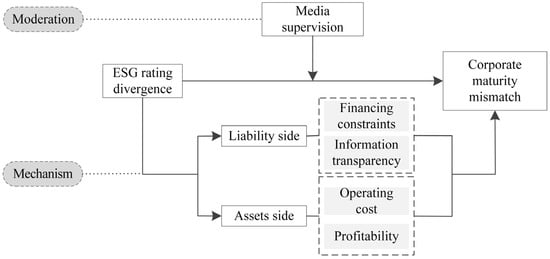

Disclaimer/Publisher’s Note: The statements, opinions and data contained in all publications are solely those of the individual author(s) and contributor(s) and not of MDPI and/or the editor(s). MDPI and/or the editor(s) disclaim responsibility for any injury to people or property resulting from any ideas, methods, instructions or products referred to in the content. |
© 2026 by the authors. Licensee MDPI, Basel, Switzerland. This article is an open access article distributed under the terms and conditions of the Creative Commons Attribution (CC BY) license.