


Abstract
Biogas plants can support decarbonisation, organic waste management and local energy security. Their contribution to a sustainable transition, however, cannot be judged by biogas production alone. The aim of this work was to assess biogas systems across the full value chain, from feedstock sourcing and transport through anaerobic digestion (AD) to energy use, emission control and digestate management. A narrative review was conducted using Scopus, Web of Science Core Collection and ScienceDirect. Google Scholar was used for supplementary searches, while additional information was obtained from institutional sources. The final evidence base comprised 182 references. Because the studies differed in plant type, methods, system boundaries and reported outcomes, the literature was synthesised thematically. The novelty of the review lies in integrating environmental performance, public and occupational health, and economic and social conditions within a single full-chain assessment, while examining whether benefits in one area create costs or risks elsewhere. The reviewed evidence indicates that waste- and residue-based systems can provide substantial benefits when methane losses are controlled, energy is used effectively and digestate is managed safely. Health assessment must distinguish potential hazards from actual exposure and confirmed health effects. Economic viability and social value, in turn, depend on financial conditions, local value retention and the distribution of benefits and burdens. A two-step integrated assessment framework is proposed, with minimum environmental, health and safety conditions assessed before broader sustainability performance and trade-offs are considered. Biogas sustainability is therefore best demonstrated by verified whole-system performance rather than by gas production or profitability alone.
1. Introduction
The energy transition is not limited to replacing fossil fuels with lower-emission technologies. It also requires greater flexibility in the energy system, more efficient use of resources, and closer links between energy production, waste management and local material cycles [1]. Biogas plants can play a distinct role in this process because they combine energy production with the treatment of livestock manure, agricultural residues, biowaste, sewage sludge and waste from the agri-food industry [2]. Biogas can be used to produce electricity and heat or upgraded to biomethane [3,4,5]. Biomethane can replace natural gas supplied through existing gas networks and used in transport and selected industrial processes [6,7]. Biogas can also support local energy supply, agriculture and the circular economy [8,9]. The REPowerEU plan sets a target of producing 35 billion m3 of biomethane per year by 2030, with estimated investment needs of 37 billion euros [10,11]. Production should rely mainly on wastes and residues rather than food and feed crops, as growing such crops may increase competition for agricultural land [12,13]. Growing policy and investment interest in biogas does not ensure that every installation contributes to a sustainable transition. Its contribution depends on the origin of the feedstocks, plant scale and location, the use of gas and heat, emission control, digestate management and relations with local communities [14,15]. Sustainability should therefore be assessed across the whole biogas system, not only at the digester or by the amount of energy produced [16,17]. This includes feedstock sourcing, energy use, digestate management and the handling of other process outputs.
The main environmental benefits of biogas production come from capturing methane that would otherwise be released during the uncontrolled breakdown of organic matter, replacing fossil fuels and recovering nutrients [18]. The scale of these benefits depends largely on how the feedstock would be managed without anaerobic digestion (AD). Treating materials that would otherwise generate high emissions can provide greater environmental benefits than using crops grown specifically for energy production. In the latter case, the assessment must include fertiliser use, fuel and water consumption, land use, effects on biodiversity and possible competition with food production. Systems based on wastes and residues generally have a better environmental profile. Their sustainability still depends, however, on the recirculation of materials, plant design, technological maturity and good management [19]. Emissions from the plant itself are equally important. Methane can escape from digesters, gas upgrading units and storage facilities, while poorly operated gas flares may cause further losses [20]. Such emissions can substantially reduce the climate benefits of the plant. Reductions in carbon dioxide (CO2) emissions may be partly offset by methane releases if leaks are not detected and repaired [21]. Digestate can replace mineral fertilisers and return nutrients to the soil, but its value depends on its quality, storage conditions, application rate and timing. Water use requires particular attention in regions where it is scarce. The use of wastewater, semi-dry digestion and the recirculation of liquid streams can reduce the demand for fresh water, although the quality of the recirculated liquid must be controlled [22]. A comprehensive environmental assessment should cover the whole system, including how the feedstock would otherwise be managed, whether the heat produced is actually used, methane emissions, nutrient recycling, water consumption and land use.
The public-health effects of biogas plants depend on the type of system and the way it is operated. Controlled treatment of livestock manure, biowaste and sewage sludge can improve sanitary conditions, reduce uncontrolled decomposition and limit contamination of soil and water. These benefits depend on digestion temperature, retention time, feedstock properties and the subsequent handling of digestate. Mesophilic digestion does not guarantee complete hygienisation [23]. In small household systems, biogas can replace solid fuels, reduce exposure to indoor air pollution and decrease the time and effort needed to collect fuel [24]. These findings are not directly transferable to agricultural, municipal and industrial plants in Europe. Larger facilities present different sources of potential exposure, including hydrogen sulphide, ammonia, volatile organic compounds, dust, microorganisms, odour, noise and transport. Epidemiological research remains limited. Some studies cover the wider bioenergy sector rather than biogas plants alone, which makes it difficult to link a specific level of exposure with long-term clinical effects [21]. Health assessment should distinguish between the presence of a hazard, actual exposure, its intensity and a confirmed health effect. Digestate safety should also be considered from a One Health perspective, as pathogens, antimicrobial residues and antimicrobial resistance (AMR) genes may move between waste, soil, water, animals, food and people [25,26].
Economic and social assessment should include more than profitability. The financial performance of a biogas plant depends not only on investment costs and energy prices but also on the cost of obtaining, storing and transporting feedstocks [27]. Methane yield, plant utilisation, heat use, the value of digestate, grid connection conditions and the stability of support schemes are also important. Feedstock prices and biogas yields are among the factors with the greatest influence on financial performance. Using feedstocks from several sources may improve supply-chain reliability [28]. A larger plant is not necessarily more sustainable. It may have lower costs per unit of energy, but it may also require feedstocks to be transported over longer distances. This can increase lorry traffic and dependence on external suppliers. A smaller plant may have less favourable financial performance but may fit more easily into a farm, a local heating network or an energy community. The wider economic and social benefits of biogas may include lower waste management costs, more diversified sources of income, new jobs and greater energy security. These benefits are not always shared evenly. Income may remain with the investor, while local residents experience more traffic, odour, noise or changes to the landscape. Public acceptance therefore depends on trust in the investor, transparent planning, the involvement of residents and clear benefits for the local community [29,30]. In a study of communities in Lapland, most respondents supported the proposed investment, but their support depended on how the project would be implemented and on its actual costs [31]. Social and economic barriers also vary between regions. They are influenced by income levels, infrastructure, previous experience with the technology and local cultural conditions [24].
Despite the rapid growth in published research, knowledge about the sustainability of biogas plants remains fragmented across separate fields. Environmental studies usually focus on greenhouse gas emissions, life cycle impacts, digestate or water use. Economic research mainly examines costs, profitability and feedstock supply. Social studies address public acceptance and rural development, while health research tends to focus on individual hazards and worker safety. Broader assessments of bioenergy often cover many technologies and give less attention to public health than to environmental or economic performance [19]. Models used to optimise biogas systems include several technical, economic and environmental criteria. Employment, public concerns, odour, noise and the fair sharing of benefits and costs are often considered only indirectly or omitted because suitable data are unavailable [28].
Earlier reviews have addressed different aspects of sustainability in biogas systems and AD. Their scope in relation to the present review is presented in Table 1.
Table 1.
Comparison of the scope of selected review articles with the present review.
The comparison shows that these reviews differ in their system boundaries, geographical focus and the sustainability dimensions considered. Public and occupational health are less consistently integrated with environmental and economic evidence. The distribution of benefits, costs and risks among stakeholders is also rarely assessed together with technical, environmental and economic performance. A full-chain assessment that combines these issues from feedstock sourcing to energy and digestate use has received less attention. It is also important to determine whether a benefit at one stage shifts an environmental, health or economic burden to another stage or stakeholder group.
This paper evaluates the role of biogas plants in a sustainable energy transition. It covers environmental performance, public and occupational health, and economic and social value, including the distribution of benefits, costs and risks. The scope extends from feedstock sourcing and transport through storage and AD to biogas use, emission control and digestate management. Biogas may be used in combined heat and power production or upgraded before use. The quality and consistency of the published research are assessed, and a clear distinction is made between the presence of a hazard, actual exposure and a confirmed health effect. The review also examines whether improvements in one area produce benefits elsewhere, involve a trade-off or transfer a problem to another stage of the system. Priorities for further research and regulatory action are identified.
2. Review Methodology
This paper provides a narrative review of biogas systems. Its scope extends from feedstock sourcing and transport through storage and AD to the use of biogas or biomethane, emission control and digestate management. Environmental effects, public and occupational health, and socio-economic factors were considered within the same review. Because the selected publications differed in plant type, research methods, system boundaries and reported outcomes, the evidence was synthesised by topic rather than pooled statistically. The identification, selection and synthesis of the literature followed a structured procedure based on explicit eligibility criteria.
2.1. Literature Search Strategy
A literature search was conducted using Scopus, the Web of Science Core Collection and ScienceDirect across all major thematic areas of the review. Google Scholar was used for supplementary searches and to identify additional relevant publications. Targeted searches of institutional websites were also conducted to identify relevant reports, policy documents and technical guidelines issued by organisations such as the European Commission, the International Energy Agency, the World Health Organization, FAO, UNEP and the European Biogas Association. The literature search was conducted iteratively throughout June and until 20 July 2026, when the final update was completed. Priority was given to recent studies, while earlier publications were retained when they remained relevant to the environmental, health or socio-economic assessment of biogas systems. The final evidence base comprised 182 references, including 162 journal articles, one conference paper and 19 non-journal sources, such as institutional reports, policy documents and technical guidelines. Among the 162 journal articles, 110 were Elsevier publications, whereas the remaining 52 were published by other scientific publishers, including MDPI, Springer Nature, Wiley, Taylor & Francis and the American Chemical Society.
The terms biogas, biomethane, biogas plant and anaerobic digestion were combined with thematic keywords covering the main areas examined in the review. Technical and environmental terms included feedstocks, process technologies, energy use, environmental effects, life cycle assessment (LCA), methane emissions, digestate management, soil, water and nutrient recovery. Health-related terms included public and occupational health, exposure pathways, biological and chemical hazards, antimicrobial resistance and plant safety. Socio-economic terms covered profitability, capital and operating costs, financial resilience, rural development, public acceptance, governance, and the distribution of costs and benefits. All identified sources were assessed using the same eligibility criteria. Publications identified through more than one search route were included only once in the final set.
The thematic structure of the literature search is summarised in Table 2. The search terms were grouped according to the main analytical areas of the review and reflected the successive stages of the biogas value chain.
Table 2.
Thematic structure of the literature search and evidence retrieval.
Search combinations were adapted to the syntax and indexing structure of the individual databases, while the same thematic concepts and eligibility criteria were retained throughout the search process.
The reference lists of key research articles and reviews were checked for further relevant publications. Official documents from the European Commission (EC) and the International Energy Agency (IEA) were also consulted. Documents issued by the Food and Agriculture Organization of the United Nations (FAO), the World Health Organization (WHO) and the United Nations Environment Programme (UNEP) were included as well. These documents were used when they provided sector data, policy targets, standards, safety guidance or information needed to interpret the published research. They were used to describe the regulatory context, biomethane development targets, public health issues and the One Health approach.
2.2. Study Selection and Data Synthesis
Publications were selected for their relevance to the stated scope of the review. Peer-reviewed original research and review articles were included when they addressed the technical, environmental, health, economic or social aspects of biogas systems. Official reports, guidelines and institutional documents were retained when they provided essential sector data, safety requirements, policy targets or regulatory information. The final evidence base comprised 182 references, including 162 journal articles, one conference paper, and 19 institutional reports, guidelines and other non-journal sources.
Publications were included when they addressed anaerobic digestion, biogas or biomethane and covered at least one relevant stage of the value chain. They were also required to provide evidence on technical, environmental, health, economic or social aspects. No restrictions were applied to plant scale or geographical setting, as differences between system types formed part of the scope of the review. Publications were excluded when biogas or AD was only peripheral to the analysis or when they did not provide evidence relevant to the objectives of the review. Laboratory studies were retained when they helped to explain process mechanisms, emissions, digestate safety, contaminant fate or resource recovery. Findings were always interpreted in relation to plant type and scale. Conclusions from household, farm-scale, municipal, industrial and biomethane systems were not directly extrapolated across these different contexts. For interpretation, the evidence was distinguished according to five main system contexts: household digesters, farm-scale agricultural plants, municipal facilities, industrial plants, and biomethane systems, including upgrading and subsequent gas use. Evidence from household systems was used mainly to assess domestic energy use and indoor exposure, whereas evidence from farm-scale agricultural, municipal and industrial plants was interpreted separately according to the relevant operational, environmental, occupational and community-related context. Evidence from biomethane systems was interpreted in relation to upgrading, distribution and final gas use. Cross-system comparisons were used to identify common mechanisms and trade-offs, not to imply equivalence of effect size or operating conditions.
The reviewed publications were examined with regard to plant type and scale, feedstocks, technological configuration, system boundaries, the basis for comparison, and reported environmental, health and socio-economic outcomes. Where available, full-scale plant studies, operational monitoring data and field measurements were given greater weight when interpreting actual operating conditions. Laboratory studies were used mainly to interpret emissions, digestate safety, contaminants and resource-recovery processes, without direct extrapolation to industrial scale. For health and safety outcomes, potential hazards were distinguished from actual exposure and confirmed health effects.
The evidence was organised by topic in line with the structure of the article, and environmental, health and socio-economic findings were then compared. Differences between studies were further examined in relation to feedstock mix, modelling assumptions, operating conditions and regional context. Particular attention was paid to whether an improvement in one area also produced benefits elsewhere, created a cost elsewhere or shifted a problem to a different stage of the system. These comparisons form the basis of the assessment in the following sections.
3. Determinants of Sustainable Biogas Systems
The sustainability of a biogas system depends on more than AD itself. It is shaped by the integration of feedstock resources, conversion technology, energy use and the management of all material streams [35,36]. High reactor efficiency is of limited value if feedstocks are transported over long distances, heat remains unused or digestate cannot be managed safely. A feedstock with moderate methane potential can still provide substantial benefits when its treatment reduces emissions from waste, supplies energy where it is needed and supports nutrient recovery. Assessment should therefore cover the entire system, including feedstock sources, plant operation, energy infrastructure and the users of energy and recovered products. Biogas plants can both produce energy and recover resources for local use. Long-term viability requires effective cooperation among the parties involved and stable regulatory and organisational conditions [37,38].
3.1. Feedstock Resources and Supply Chains
Feedstock assessment should begin with the role of the material in the wider system. Benefits are often greater when AD addresses an existing environmental problem. Examples include the uncontrolled decomposition of livestock manure, the disposal of biowaste in landfill, emissions from industrial wastewater or poor sewage sludge management. Agricultural and agri-food residues can provide energy without requiring additional land for crop production [39]. However, a waste classification alone does not make a material the most suitable feedstock. Other possible uses must be considered, including animal feed, bedding, composting and industrial processing. Energy crops can provide a stable supply and increase gas yields, but their production requires land, fertiliser and water. Energy crop production may also compete with food production and other forms of land use. Excessive removal of crop residues can reduce the amount of organic matter and nutrients returned to the soil [40]. The assessment must establish how the material would be used or managed in the absence of a biogas plant. Giving priority to wastes and residues is justified, provided that local effects and competing uses of biomass are taken into account [19,41].
The contribution of individual feedstock groups to biomethane production potential from anaerobic digestion changes considerably between 2030 and 2050. Sequential crops are expected to account for a much larger share of the total potential by 2050, while the relative contributions of animal manure and agricultural residues decline (Figure 1).
Figure 1.
Feedstock contribution to biomethane production potential from anaerobic digestion in 2030 and 2050. Authors’ own elaboration, based on [10]. Note: Values show the percentage contribution of each feedstock group to the total biomethane production potential from anaerobic digestion. The total potential is 41.8 billion cubic metres (bcm) in 2030 and 98 bcm in 2050.
These projected shifts in feedstock structure are relevant not only to biomethane potential but also to the sustainability trade-offs considered in this review. Changes in the relative shares of crops, manure and agricultural residues affect the importance of land use, competing biomass uses, nutrient management, logistics and feedstock handling.
Suitability for AD also depends on the physical, chemical and biological properties of the feedstock. Important properties include dry matter and organic matter content, biodegradability, lignin content, the carbon-to-nitrogen ratio and buffering capacity [42,43]. Potential inhibitors must also be considered. Materials rich in fats or readily fermentable carbohydrates can produce high methane yields. Excessive amounts, however, may overload the process. Poultry manure provides nitrogen and minerals but may cause ammonia inhibition. Dry lignocellulosic residues are easier to store than slurry, although they may require effective mixing, size reduction or another form of pre-treatment [39,44]. Co-digestion can balance moisture content, elemental composition, degradation rates and seasonal changes in supply [45,46]. Its value lies in balancing the feedstock mix rather than simply increasing gas production [47,48]. Adeoba et al. [22] reported that combining dry, carbon-rich materials with wet, nitrogen-rich streams can reduce fresh water demand and improve process stability. Sánchez-Aguirre et al. [49] found that the environmental effects of co-digestion depend on both the feedstock mixture and the control of methane emissions at later stages. The materials entering the plant also affect digestate quality. Feedstock acceptance procedures should require source traceability, composition checks and limits for physical, chemical and biological contaminants [21].
The available materials must provide a reliable supply at an acceptable transport distance [44,50]. Biomass availability varies during the year. The amount that can be collected is usually lower than the theoretical estimate because part of the material is needed for other economic or environmental purposes. Crop residues require storage after harvest. Slurry availability depends on livestock housing and manure management, while industrial waste volumes follow production schedules. A plant designed around a short-term supply peak may operate below capacity for much of the year. It may then need to purchase replacement feedstocks.
Transport distance is particularly important for slurry and other materials with a high water content. Much of the transported mass is water, which makes no contribution to energy production. Locating the plant close to biomass sources may be more important than direct access to the gas grid. However, feedstock sources and energy users are not always located in the same area. Wall and O’Shea [37] showed that a large proportion of agricultural biomethane potential may lie beyond the direct reach of gas infrastructure. Larger plants can reduce some unit costs but usually require a wider collection area and greater reliance on external supply contracts. The model presented by Malashin et al. [28] showed that feedstock price and biogas yield have a strong influence on system performance. A regular supply from several providers can reduce dependence on a single source. A sound supply chain should be based on materials of consistent quality that are available throughout the year. Their use must be justified, and collection and transport costs must remain acceptable.
3.2. Technology Selection and Energy Use
The properties of the available feedstocks determine which technologies are suitable. Liquid materials, including slurry, sludge and industrial wastewater, are well suited to wet digestion in continuous stirred-tank reactors (CSTRs) or systems with active biomass retention. Dry biowaste and crop residues can be treated in semi-dry or dry systems [51,52]. These systems reduce the amount of water in circulation but require more effective mixing and solids handling within the plant [44,53]. Reactor selection should reflect the physical form of the feedstock and the stage that limits the rate of degradation. CSTRs remain common in agricultural biogas plants, whereas upflow anaerobic sludge blanket (UASB) reactors and expanded granular sludge bed (EGSB) reactors are mainly suited to wastewater containing dissolved or readily hydrolysable organic matter. Single-stage systems are simpler and usually involve lower investment costs. Two-stage or two-phase systems can improve the treatment of less readily degradable feedstocks, allow a longer conversion period and support the recovery of residual gas. Their use is justified only when the benefits of greater process control outweigh the added complexity [22,37].
Pre-treatment and other measures used to improve digestion must also be assessed carefully [54,55]. Size reduction can improve pumping and mixing and increase the surface area available for degradation [56]. Thermal, hydrothermal and chemical treatments may accelerate the hydrolysis of lignocellulosic material, but they require energy, water or chemicals [44,57]. Their performance should not be judged solely by the percentage increase in methane yield [58]. Assessment should include the additional net energy recovered, changes in the plant’s own energy demand and any effects on digestate management. Process temperature also requires careful assessment [59]. Thermophilic conditions can accelerate degradation, but they require more heat and are more sensitive to changes in loading. Mesophilic digestion is slower but often provides greater stability and a better energy balance. Greater technical complexity is justified only when it addresses a specific process limitation. Reliable monitoring and automatic control are increasingly important [60,61]. They allow changes in feedstock properties, overloading and declining process stability to be detected early [62]. They do not replace sound plant design, reliable measurements or skilled operation [53,63].
The way energy is supplied and used is as important as the way the gas is produced. Biogas can be used directly for heat, in combined heat and power units, or upgraded to biomethane. Direct heat use is practical when a nearby user has stable demand. Combined heat and power units produce electricity and heat at the same time. The advantage of high total efficiency is realised only when the heat is used. Electrical efficiency is typically 31–43%, while thermal efficiency ranges from 35 to 60%. Total efficiencies of 78–91% are possible when both energy outputs are used effectively. Otherwise, the plant operates mainly as an electricity generator and uses the energy contained in the gas less efficiently [41,64,65]. The performance of biogas-based energy systems therefore depends not only on conversion efficiency but also on system configuration and the effective use of the energy produced [41,64,65]. Recent case studies support this system-level interpretation. Diyono et al. [64] identified a 138 kW biogas generator as part of the cost-optimal configuration of a hybrid renewable energy system, while Gupta and Khatiwada [65] applied electrical and thermal conversion efficiencies of 33% and 45%, respectively, in a wastewater-treatment biogas CHP system.
Upgrading biogas to biomethane requires additional energy and close control of methane losses but allows the gas to be supplied beyond the production site. Injection into the gas grid provides access to a wider range of users and reduces dependence on local heat demand. In areas without a gas grid, biomethane can be supplied through dedicated pipelines or transported in compressed form. A virtual pipeline offers greater flexibility but requires compression, additional vehicle journeys and more complex logistics. Plant design should begin with the type, location and pattern of energy demand. Gas treatment, reactor type and feedstock preparation should be selected after these needs have been defined. Biogas can then provide renewable energy when it is needed and support both security of supply and system flexibility [37,64].
3.3. System Configuration and Resource Circularity
The technology selected and the way energy is used must fit the location and organisational model of the plant. A farm-scale installation usually treats locally produced livestock manure and uses the energy and digestate within the farm. An industrial biogas plant may process residues from a manufacturing site and supply heat, electricity or biomethane back to that site. At a wastewater treatment plant, AD can support the recovery of energy, water and nutrients [65]. A regional facility may receive feedstocks from several suppliers and deliver gas to the grid or to a large industrial user. Wall and O’Shea [37] also describe partnership models in which an industrial company uses energy supplied by an external biogas plant. Other arrangements rely on biomethane delivered through the gas network. The choice between decentralised, centralised and cluster-based models affects transport needs, operating expertise, access to advanced equipment and the allocation of responsibilities [44,50]. Small plants may align more closely with local feedstock availability. Larger facilities can benefit from economies of scale and a broader feedstock base, but they must manage a wider collection area and larger volumes of digestate and other outputs.
Circularity depends on how biogas, digestate, heat and carbon dioxide are used, not merely on their production. An output becomes a useful resource only if it meets the required quality, has a reliable outlet and replaces another material or avoids a more emission-intensive treatment route. Digestate illustrates this clearly [66,67]. It can replace part of the demand for mineral fertilisers and return organic matter to the soil. Its value, however, depends on composition, safety, storage options and local nutrient demand [40]. If nutrient supply exceeds what can be used safely on nearby land, the surplus is transferred rather than recycled locally. The high water content of digestate also limits the distance over which transport remains economical. Separation, concentration or the recovery of selected nutrients may improve its use, but these processes require energy and a reliable market for the resulting products [68,69]. Recirculation of process liquids can reduce fresh water demand. Excessive recirculation may lead to the accumulation of ammonia, salts and compounds that are difficult to degrade. The relevant measure of circularity is whether the recovered product can safely replace another resource over the long term [22,37].
Facilities that combine several infrastructure functions may offer particular benefits. Wastewater treatment plants are increasingly being developed as resource recovery facilities rather than solely as energy-consuming sites. Under the Wastewater Resource Recovery Facility concept, wastewater treatment remains the primary function, while biogas, water and nutrients are recovered at the same location. Biogas can meet a substantial share of the plant’s own energy demand. Careful management of energy production and consumption may even allow the facility to become energy self-sufficient [65]. The same principle can be applied in the agri-food industry [70,71]. Wastewater and organic residues are converted into energy, while treated water is returned to production. Zulhendri et al. [72] developed a model using five years of operating data from three full-scale coconut-processing plants. The option combining biogas recovery with water reuse reduced net treatment costs by up to 70% and remained stable under variable loading. This result is specific to the plants studied, but it shows that linking water and energy recovery can provide greater value than developing separate projects.
Long-term integration requires more than the technical ability to exchange materials and energy. Karlsson et al. [38] identify three linked requirements: resource conversion, coordination between the participating organisations and stable institutional support. Resource conversion must produce an output of suitable quality. Coordination links suppliers, plant operators and users. It may also allow them to share infrastructure, such as upgrading units, pipelines or digestate distribution systems. Institutional support provides clear rules, standards and investment conditions. Weakness in any of these areas can reduce the reliability of the whole arrangement. Shared facilities may enable small producers to enter the biomethane market, but the costs, risks and benefits must be allocated transparently [32]. Resource circularity also requires measurable criteria. Material recovery alone does not demonstrate an environmental benefit. Multi-criteria models show that the lowest-cost option does not necessarily provide the most reliable supply, the greatest nutrient recovery or the largest reduction in emissions. Biogas systems should be assessed according to how effectively energy and recovered products are used, how reliable the supply chain is and whether material cycles are closed safely. The assessment should also establish whether a problem is resolved or shifted beyond the plant boundary [28,38].
4. Environmental Performance and Sustainability Trade-Offs
Choices concerning feedstocks, technology and plant configuration directly shape environmental performance. Environmental performance cannot be assessed from energy output or site emissions alone. It also depends on how the feedstocks would otherwise be managed, the type of energy displaced, methane losses, digestate management and the energy and materials used in auxiliary processes. Gains in one area may increase impacts in another. Lower greenhouse gas emissions, for example, may be accompanied by greater acidification, eutrophication, resource use or pressure on water supplies. Climate performance and air emissions should therefore be considered alongside effects on soil, water and nutrient flows. A life cycle perspective is needed to determine whether progress at one stage creates a problem elsewhere in the system [49,73,74].
4.1. Climate Benefits and Air Emissions
Biogas systems can reduce greenhouse gas emissions in two main ways. They can replace fossil fuels by supplying electricity and heat or by providing biomethane. They can also treat organic materials that would otherwise release methane during manure storage, waste disposal or uncontrolled decomposition. The scale of these benefits depends on how the feedstock would be managed without AD. Treating slurry previously stored in an open tank will usually reduce emissions more than using biomass that already has a low emission use. A spatial model for France showed that the digestion of agricultural biomass could reduce emissions more effectively in the long term than its direct application to soil. The main reasons were the replacement of fossil fuels and lower emissions from manure storage. The estimated benefit was greater in scenarios with increased use of cover crops [75]. A study of a Swedish dairy farm also found a marked reduction in emissions after the introduction of a biogas system. The result depended on farm organisation, biomass flows and the type of fuel assumed to be replaced [76].
The climate benefit is highly sensitive to methane emissions from the plant [77,78,79]. Leaks may occur at pipe connections, valves, gas storage tanks, upgrading units, gas flares and combined heat and power units. Digestate may remain another source of methane if it contains undegraded organic matter and is stored in an open tank. At a full-scale plant in Korea that co-digested pig slurry and food waste, methane losses amounted to 0.38% of the biogas produced. This low value was attributed to the new and well-sealed infrastructure. Much wider ranges have been reported for other plants, which means that a single default emission factor is unlikely to reflect the actual differences between installations [80]. Digestate storage is equally important [81]. Sánchez-Aguirre et al. [49] found that covered storage with methane recovery reduced global warming potential by 88–93% compared with systems without recovery. A substantial part of the benefit gained during digestion may therefore be lost during subsequent storage.
Methane is not the only air emission that affects environmental performance. Nitrogen conversion during digestate storage and further treatment can produce nitrous oxide (N2O). Ammonia contributes to acidification and the formation of secondary fine particulate matter. Biogas combustion may release nitrogen oxides (NOₓ), carbon monoxide (CO) and particles. At the plant studied by Park et al. [80], low methane losses occurred alongside temporary increases in N2O emissions during disturbed aeration and the seasonal storage of liquid digestate. Reducing one type of emission does not guarantee low air pollution from the plant as a whole. A global review of LCA studies reached a similar conclusion. Direct biogas combustion in small systems with limited emission control was associated with higher methane, NOₓ and particulate emissions than the industrial use of biomethane. Combined heat and power systems gave intermediate results. Their performance depended on combustion quality, gas tightness and the extent to which the heat was used [73].
In practice, the climate performance of a biogas plant depends on how it is operated rather than on the technology alone. Regular leak detection is essential, as is the control of unburned methane from energy equipment [20,82]. Feedstock and digestate storage must also be monitored. The basis of comparison is equally important. A clear reduction in emissions can be achieved when the plant treats an organic stream that would otherwise produce high emissions, prevents methane losses and supplies energy that genuinely replaces fossil fuels. If any of these conditions is not met, the claimed climate benefit may be substantially lower.
The default emission factors proposed by the Joint Research Centre provide a quantitative comparison of methane losses under best and standard practice at key stages of biogas and biomethane production (Table 3).
Table 3.
Selected default methane emission factors for key stages of biogas and biomethane systems, based on [20].
4.2. Soil, Water and Nutrient Sustainability
Digestate retains much of the nutrients and organic matter present in the original feedstocks, although their concentrations and availability vary with feedstock type, process conditions and storage [67,83]. Its use can reduce demand for mineral fertilisers, help maintain soil fertility and return nitrogen, phosphorus and potassium to agricultural land. These benefits depend on matching the application rate, composition and timing to crop requirements and soil nutrient status. Excessive or poorly planned application increases the risk of nitrate leaching, phosphorus runoff, soil salinisation and contaminant accumulation. Depending on feedstock origin, digestate may also contain metals, pathogens, antibiotic residues and microplastics [53,84,85]. A study of two full-scale agricultural and municipal plants found that metal concentrations were within permitted limits and that both digestates met the requirements for fertiliser use. These findings show that digestate can meet current requirements for fertiliser use under controlled conditions. However, the study covered only two plants, so the result should not be generalised to all digestates [86].
One important issue is the balance between using crop residues for energy and maintaining soil organic carbon. Returning residues to the field supports soil organic matter, water retention and nutrient recycling, and helps reduce erosion. Removing them for processing can provide energy and other products but may reduce the amount of carbon returned to the soil [39]. The model developed by Malet et al. [75] showed that direct incorporation of biomass into soil initially increased soil carbon more than AD. The difference became smaller over time, and after about 30 years, the two options gave similar results. The long-term advantage of digestion came from replacing fossil energy and reducing emissions from manure storage rather than from greater carbon storage in the soil. Liang et al. [87] tested a different option by combining liquid digestate with alkaline biomass ash. The resulting materials bound CO2 and increased both inorganic and organic carbon in the soil. The pot trials produced promising results, but field studies are needed to assess the long-term stability of the stored carbon, possible soil salinisation and variation in ash composition.
The water balance depends on regional conditions and the quality of the available liquid streams. Using fresh water to dilute feedstocks is especially problematic in dry regions, where energy production may compete with domestic and agricultural demand. Replacing fresh water with treated wastewater or greywater can reduce this pressure but may introduce surfactants, salts, metals and other contaminants. These substances may accumulate in the process liquid and digestate. A 76-day laboratory experiment in a semi-arid region of Brazil showed that greywater could fully replace fresh water during the digestion of cattle manure. Biogas production increased by about 30%, and the digestate showed low phytotoxicity [88]. However, the long-term accumulation of salts and metals and the effects of chemicals present in greywater remain poorly understood. Any reduction in fresh water demand must be assessed against the quality of the recycled liquid and the final fate of the contaminants it contains.
Nutrient recovery can go beyond the direct use of digestate as fertiliser [68]. However, separation, drying, concentration and the production of standardised products require additional energy and infrastructure [89,90]. Walczak and Żubrowska-Sudoł [91] found that hydrodynamic disintegration increased the release of soluble nitrogen, phosphorus and organic matter. Its effect on methane yield depended on the feedstock and the energy input. At high treatment intensity, methane yield from pig slurry fell by as much as 30%. Releasing more soluble nutrients may make them easier to separate but may also increase losses if they are not recovered and used effectively. Liquid digestate can also be treated with microalgae. Zhu et al. [92] reported high nitrogen removal and partial removal of phosphorus and chemical oxygen demand. The harvested biomass was then used as a fuel feedstock. Phosphorus concentrations rose again during the later stage of cultivation, partly because of cell decay. Removal from the liquid phase is not equivalent to recovery into a stable product. A useful process should end with a safe, stable and usable product [71].
4.3. Life Cycle Performance and Environmental Trade-Offs
Life cycle assessment can identify impacts associated with feedstock sourcing, plant operation, and the subsequent use of biogas and digestate [90,93]. Its main value lies in helping to prevent an improvement at one stage from causing greater impacts elsewhere in the chain, in another region or in a different environmental category [94]. The result of an LCA depends strongly on the method used. A functional unit of 1 megajoule (MJ) of energy is suitable for comparing energy options, whereas 1 tonne (t) of treated waste better reflects the waste management function. Results also vary with the system boundary. An assessment may end at the plant gate, include the final use of energy, or extend to digestate application. Sánchez-Aguirre et al. [49] used 1 MJ of energy from biogas and a boundary extending from feedstock sourcing to the plant gate. Excluding final energy conversion and later digestate use made the production options easier to compare but did not show the full environmental performance of the system. Including avoided mineral fertiliser production, fossil fuel use and landfill disposal can improve the LCA result, even when direct emissions remain unchanged. LCA results should therefore be interpreted in relation to the purpose of the system, its boundaries and the alternative used for comparison rather than by comparing final indicator values alone.
Recent assessments indicate that industrial biomethane and compressed biomethane routes can perform well across several environmental categories [93,95]. Direct combustion in small systems was associated with higher global warming, acidification and particulate matter impacts, largely because of methane leakage, incomplete combustion and poor digestate management. Combined heat and power systems showed intermediate results, depending on heat use and nutrient recovery. Routes involving CO2 capture and conversion had low climate impacts but required more energy, hydrogen and materials, which increased resource use and, in some cases, acidification and eutrophication [73]. Because the underlying studies covered different regions, technologies and databases, these results indicate general patterns rather than a universal ranking of biogas routes.
Changes in the main source of emissions can alter the importance of other stages. In a study of poultry waste co-digested with Sargassum, methane recovery clearly reduced global warming potential. Once uncontrolled emissions had been reduced, transport, biomass preparation and electricity use became more important. Washing, grinding and mixing increased impacts related to acidification, particulate matter formation and energy use, especially where electricity came from a carbon-intensive grid. Using low-emission electricity improved the results considerably. The same technology may therefore have different environmental effects depending on where it is used [49]. Reducing one source of impact does not remove all other impacts. It changes which parts of the process become most important.
A reliable LCA of a biogas system should combine measured data with clearly described scenarios. Methane losses, the regional electricity mix, transport distances, heat use and digestate management must be stated explicitly. Sensitivity and uncertainty analyses are also needed because results may change with the database, impact assessment method, time horizon and allocation method. Reviews of biogas LCA studies show that differences in system boundaries, functional units, characterisation factors and modelling assumptions still make direct comparisons difficult [73].
Selected primary LCA studies illustrating these methodological differences are compared in Table 4.
Table 4.
Methodological characteristics of selected primary LCA studies on biogas and digestate systems.
No single biogas route has the lowest impact in every location and every environmental category. The assessment should show that the system performs better than the most likely alternative and that improvements in climate performance do not cause excessive impacts on soil, water or natural resources or shift environmental costs to another stage of the chain.
5. Public and Occupational Health Implications Across the Biogas Value Chain
Assessing the health implications of biogas systems requires consideration of the entire treatment chain, not only potential hazards at the plant. Biogas plants receive livestock manure, food waste, sludge and other biodegradable materials. Without proper management, these materials can generate odours, attract insects and rodents, and contaminate soil and water. Anaerobic digestion allows these materials to be treated under controlled conditions. It allows energy recovery, stabilises organic matter and facilitates the subsequent management of digestate. The principal health benefit is a lower risk of uncontrolled spread of biological and chemical hazards rather than their complete removal.
Exposure can still occur when several organic waste streams are handled at one site. The main points of exposure include feedstock reception and preparation, open storage, equipment cleaning, maintenance work, gas handling and inappropriate digestate use. These risks are not an inevitable feature of a properly operated biogas plant. They depend largely on feedstock type, the condition of equipment and storage facilities, work organisation, hygienisation, ventilation, gas treatment and product quality control. Epidemiological research remains limited, and some studies concern the wider biomass sector rather than AD alone. A clear distinction is therefore needed between a potential hazard, actual exposure and a confirmed health effect [21].
This section considers three areas: the health benefits of enclosed waste treatment, exposure among workers and nearby residents, and the effectiveness of technical controls, work procedures and monitoring. Potential hazards are discussed in relation to actual exposure and the measures used to control it rather than as unavoidable effects of biogas technology. Figure 2 shows the links between potential hazards, exposure pathways, affected populations, actual exposure, potential health effects, and control and monitoring measures across the biogas value chain.
Figure 2.
Framework for assessing health risks and control measures across the biogas value chain (authors’ own elaboration).
5.1. Health Benefits of Controlled Organic Waste Management
The most direct health benefits occur in households where biogas replaces wood, animal dung, charcoal or crop residues burned in basic stoves. Traditional biomass combustion in poorly ventilated rooms is an important source of fine particulate matter, CO and products of incomplete combustion. Biogas used in a properly functioning stove can reduce indoor smoke and exposure to combustion pollutants among those who prepare meals. This is particularly important for women and children, who in many regions experience the greatest exposure to household air pollution. Other advantages may include less time spent collecting firewood and less contact with raw manure during uncontrolled storage [24,96].
The persistence of these improvements depends on the extent to which biogas genuinely replaces the fuel used before the installation was introduced. Many households continue to use several types of stoves and fuels, a practice known as fuel stacking. Under these conditions, biogas reduces exposure but does not eliminate it. Long-term outcomes also depend on the availability of feedstock and water, correct digester sizing, construction quality, maintenance and user skills. Insufficient gas production, leaks or a lack of spare parts may lead households to return to traditional biomass. Experience from Nepal and sub-Saharan Africa shows that lasting improvements require reliable operation over time, not simply the construction of a digester [97,98].
In agricultural, municipal and industrial plants, the health effects are mainly indirect. Controlled treatment of slurry, manure, food waste and sludge reduces the time these materials remain in uncontrolled storage. Such controlled treatment may restrict access by insects and rodents, reduce the risk of leakage into water bodies and lower emissions from uncontrolled decomposition. Digestion reduces the readily biodegradable fraction, which usually makes digestate more stable than the untreated material. However, AD does not by itself provide full hygienisation or make every digestate suitable for use without prior assessment. Full-scale studies show that stable operation and controlled feedstock composition can produce digestate that meets current requirements for fertiliser use. These findings should not be generalised to all plants because product quality depends on feedstock type and process conditions [53,86].
From a One Health perspective, biogas plants form one part of the management chain linking livestock production, waste management, energy production and agriculture. They do not replace veterinary oversight, waste sorting, wastewater treatment or safe fertiliser practices. They can reduce the uncontrolled movement of contaminants by bringing materials into a facility where process conditions and product quality can be monitored. This contribution is most relevant when the plant receives materials that were previously stored or disposed of without adequate control. Its effectiveness depends on digestate quality and its actual use, not on biogas production alone [25,99].
5.2. Environmental and Occupational Exposure Pathways
Evidence on occupational and environmental exposure is less extensive than that on technological, energy and climate aspects. Tamburini et al. [21] reviewed 19 epidemiological and environmental studies published up to 2022. Only some dealt directly with biogas plants. The remaining studies concerned biomass-fired power and heating facilities. Their results are relevant mainly to activities shared by both sectors, such as unloading, storage and mechanical processing. Differences in feedstocks, technologies, sampling methods and measurement periods make it difficult to define a single risk profile for the sector. Current research indicates possible exposure to organic dust, bioaerosols, endotoxins, fungi, bacteria, volatile organic compounds and process gases. The evidence therefore does not support a single health-risk profile for all biogas plants [21,100].
Contact with bioaerosols is most likely before the feedstock enters the digester. Unloading, sorting, shredding, screening and mixing can release organic particles and microorganisms present in the material. Exposure may also occur while contaminated surfaces are cleaned, blockages are removed, samples are taken or repairs are carried out in waste reception areas. Traversi et al. [101] detected bioaerosols during the processing of biomass for energy production. Later research among workers at AD plants showed that exposure levels differed between jobs and stages of operation. The highest levels were linked to activities involving the handling of exposed material rather than to digestion in a closed reactor [101,102].
The type of exposure depends strongly on the feedstock and its preparation. Dry crop residues, straw and green waste generate dust more readily than liquid materials. Food waste may release liquid droplets, odorous compounds and microorganisms that have multiplied during storage. Airborne fungi have been detected at biomethanisation plants, although their concentrations and composition varied with sampling location, season and the activity being carried out. Monitoring should reflect these seasonal differences and focus on reception and preparation areas, where workers have the most direct contact with exposed feedstock [103]. Among the fungi detected, Aspergillus fumigatus is of particular health concern [21]. At plants treating food waste, unloading and pre-treatment may also release ammonia, hydrogen sulphide and volatile organic compounds. Enclosed reception halls, rapid transfer of waste to storage tanks and controlled air extraction can reduce these emissions [104].
The main chemical hazards for workers are hydrogen sulphide, ammonia, CO and volatile organic compounds. Hydrogen sulphide may be present in raw biogas, in the headspace above liquids and in deposits inside equipment. Confined spaces, pits and tanks are particularly dangerous because the gas may reach high concentrations, and odour cannot be relied upon as a warning. Ammonia is mainly associated with nitrogen-rich feedstocks and with digestate storage and treatment. Volatile organic compounds may be released during waste handling. They may also come from process chemicals, vehicle exhaust and auxiliary operations. Biogas treatment, ventilation, gas detection and controlled entry into confined spaces reduce health risks and the likelihood of accidents [105,106].
Residents living near a plant may be exposed in different ways. Possible sources include reception halls, open tanks, biogas combustion, transport and accidental releases. Odour nuisance may reduce quality of life and cause stress, but it should not automatically be taken as evidence of toxic pollutant concentrations in the air. A study near a plant in southern Italy found no evidence that its operation caused the monitored air pollutants to exceed the applicable annual limits. The authors nevertheless stressed the need to distinguish emissions from the plant from those associated with road traffic, heating and other industrial activities [107].
Measurements from a full-scale biogas plant in Korea show that emission levels can change during disturbed aeration and liquid digestate storage. The relatively new and well-maintained facility had low methane losses. N2O emissions nevertheless increased during periods of disturbed aeration and liquid digestate storage. The study did not examine direct health effects or local air quality but showed that emissions can change quickly when operating conditions deviate from normal operation. Environmental monitoring should therefore include start-up, shutdowns, failures and other non-routine operating conditions [80].
5.3. Biological Hazards, Digestate Safety and AMR
Anaerobic digestion can reduce the levels of many microorganisms present in livestock manure, sewage sludge and biowaste. The extent of this reduction depends on temperature, retention time, material uniformity, reactor loading and the resistance of individual microorganisms. Mesophilic digestion stabilises organic matter and usually reduces some pathogens, but it does not guarantee complete hygienisation [23]. Higher temperatures and validated pasteurisation can improve pathogen reduction, although neither removes every biological hazard. Sahlström [108] reported marked differences in the survival of pathogenic bacteria under different digestion conditions. More recent studies of digestate confirm that product safety should be assessed on the basis of its actual composition and intended use. Safety should not be assumed simply because the material has passed through a digester [109].
Antibiotic-resistant bacteria, resistance genes and mobile genetic elements require separate consideration [26,110,111]. They may enter a plant in animal manure, sewage sludge and other feedstocks containing pharmaceutical residues or microorganisms from environments under strong selective pressure. Digestion can reduce some bacteria and resistance genes, but the effect depends on the marker studied and the process conditions [112,113]. Sun et al. [114] found that temperature affected the fate of resistance genes during the digestion of dairy manure. Thermophilic conditions produced a greater reduction in some genes but did not remove them completely. Diehl and LaPara [115] also found that the fate of resistance genes and integrons varied with temperature during the digestion of municipal sludge. These studies show that AD can reduce some indicators of AMR but does not remove all resistant bacteria or resistance genes.
Detecting a resistance gene in digestate does not by itself indicate a direct risk of infection. Its health relevance depends on whether the microorganism is viable, whether the gene is present in a potential pathogen, whether it can be transferred, and whether people or animals are likely to be exposed. Methods that quantify deoxyribonucleic acid (DNA) alone may also detect genetic material from cells that can no longer reproduce. Molecular tests should therefore be supported by methods that assess cell viability, gene mobility and the ability of isolated bacteria to grow. Control of incoming feedstocks is equally important. Anaerobic digestion should not be expected to compensate for poor material segregation or the acceptance of unknown waste streams without prior assessment.
Digestate quality is shaped by every stage of its production and use [84,116]. Relevant factors include feedstock origin, digestion conditions, any hygienisation step, separation, storage and application. Meeting basic fertiliser criteria confirms that the material can be used under specified conditions, but these criteria may not cover every pathogen, pharmaceutical residue or AMR marker [117]. Seruga et al. [86] showed that full-scale plants operated under controlled conditions can produce digestate that meets current requirements. Compliance with selected legal parameters does not, however, confirm the absence of all biological risks. The scope of testing should reflect the origin of the material and its intended use [53,86].
AMR extends beyond the plant boundary. Livestock farms, wastewater treatment plants, biogas plants, soil and water are connected through the movement of microorganisms, genes and antimicrobial substances. A biogas plant may reduce some of these flows by stabilising the material and treating it under controlled conditions. It may also receive feedstocks from many sources, which makes traceability particularly important. From a One Health perspective, monitoring should cover incoming materials, the digestion process, digestate and selected parts of the environment after application. It should determine whether digestion reduces the AMR already present in the feedstocks without creating conditions that favour its further spread [25,99].
5.4. Risk Prevention, Monitoring and Future Research Needs
Prevention begins with controlling emissions at source. Key measures include enclosed reception halls, negative pressure in areas where untreated material is handled, local exhaust ventilation, process air treatment and sealed storage systems for gas and digestate. Automating unloading, mixing and sludge removal can reduce direct contact between workers and the material. Technical controls should be supported by procedures for confined-space entry, equipment lockout before maintenance, atmospheric testing, ignition prevention and emergency response to leaks. Personal protective equipment is required for some tasks but should not replace enclosure, ventilation or automation. Hydrogen sulphide, explosive atmospheres and oxygen deficiency are well-recognised hazards. Suitable plant design and safe operating procedures can control them effectively [21,118].
Occupational monitoring needs to match the task being performed. Measurements taken at a single fixed point may miss short but intense exposure during unloading, cleaning, equipment opening or emergency repairs. Personal breathing-zone sampling should be combined with area measurements during these operations. Bioaerosol monitoring should combine culture-based and culture-independent methods with endotoxin measurements and analysis of dust fractions. Results are influenced by the sampling method, duration of sampling, temperature, humidity and analytical procedure. No single method can characterise every biological hazard. Results should therefore be interpreted in relation to the task, feedstock type, ventilation and the protective measures in place [119].
Environmental monitoring must be tailored to the plant location and the most likely sources of emissions. Depending on the technology used, it may include particulate matter with aerodynamic diameters of 2.5 µm or less (PM2.5) and 10 µm or less (PM10), nitrogen dioxide (NO2), sulphur dioxide (SO2), CO, ammonia, hydrogen sulphide, methane and selected volatile organic compounds. The results should be compared with background concentrations. Wind direction, road traffic, agricultural activity and other industrial sources must also be considered. WHO air quality guidelines can help assess possible health effects, but they do not replace national standards or a source-specific assessment. When residents report odour nuisance or concerns about air quality, monitoring data should be assessed in relation to plant operating conditions and the feedstocks being received. The timing of activities that may cause emissions should also be considered [107,120].
Digestate requires a separate monitoring programme. The range of tests should reflect feedstock origin. A plant using uniform agricultural materials may require a different range of tests from one receiving sewage sludge or variable municipal waste streams. In addition to fertiliser parameters, periodic testing may be needed for selected pathogens, metals, pharmaceutical residues and AMR markers. Oversight should not end when digestate leaves the plant. Where its use may affect sensitive areas, information is also needed on the application rate, timing, incorporation into the soil and distance from water bodies. Monitoring should verify correct operation and detect changes before they cause harm rather than document compliance only after an incident. Operational records should be assessed alongside environmental and health data.
A major research gap is the lack of long-term, multi-centre studies conducted directly at biogas plants. Studies involving workers should record specific tasks, duration of exposure, seasonal variation, protective measures and previous health status. Research involving nearby communities should combine dispersion modelling with background measurements and individual exposure assessments. For digestate, the priority is to identify biological markers that can reliably predict risk after land application. AMR studies must distinguish between the presence of DNA, viable bacteria and the transferability of resistance genes. Sampling methods and the reporting of plant conditions also require greater consistency. Without this information, results from different facilities remain difficult to compare.
Well-designed and properly operated biogas plants can provide important health benefits. They can improve organic waste management, reduce uncontrolled emissions and replace more harmful forms of energy production. Potential hazards are concentrated in particular activities and situations rather than spread evenly across the biogas chain. These include open handling of feedstocks, maintenance work, poor storage and abnormal operating conditions. Enclosed processes, quality control of feedstocks and digestate, safe working procedures and task-based monitoring can keep these risks at a manageable level. From a public health perspective, effective protection depends on preventing the spread of harmful agents, limiting exposure and detecting abnormal conditions before they cause harm.
The main health benefits, exposure pathways and control measures identified in the reviewed literature are summarised in Table 5.
Table 5.
Main health benefits, exposure pathways and control measures in biogas systems.
6. Socio-Economic Value and Distributional Trade-Offs
The socio-economic contribution of a biogas plant is not limited to digestate–soil income from energy sales. A plant may also treat waste, reduce expenditure on fuels and fertilisers, make energy costs more predictable, create demand for local services and improve a farm’s ability to withstand external disruption. Some benefits take the form of direct cash flows, while others arise as savings, wider community benefits or lower financial and operational risk. An assessment based only on energy prices may therefore underestimate the value of the plant. Conversely, assigning a value to every claimed environmental or social benefit without adequate justification may lead to an overestimate. The outcome varies with plant design, feedstock availability, the use of energy and other products, and regulatory and market conditions. Findings from a single investment model should not be generalised to all biogas projects [33,121].
A meaningful assessment requires a realistic reference case. The biogas plant should be compared with the most likely methods of waste management, energy supply and nutrient provision in the absence of the project. Comparing it with a situation in which there is no waste to manage, no demand for energy and no need for fertilisers would give a misleading result. A realistic comparison helps determine whether the investment creates additional value or mainly redistributes existing cash flows among the parties involved. Double counting must also be avoided. Grants, tax relief, certificates and fees may improve the investor’s financial position, but these transfers do not necessarily create an equivalent benefit for society. A climate benefit should not be valued again in full when it is already partly reflected in a carbon price or support scheme [44].
The distribution of value also requires attention. A plant may be profitable for its owner while increasing local traffic or pressure on land. A project may provide wider benefits but remain inaccessible to a farm that cannot obtain credit. Locating a plant in a rural area does not guarantee that income, services and employment remain within the region. The analysis should therefore distinguish between private profitability, the ability to secure bank finance, access to capital, local development and the fair distribution of benefits, costs and risks.
6.1. Economic Performance and Investment Viability
The financial performance of a biogas plant depends on capital costs, financing costs, plant efficiency, feedstock prices and availability, and the use of biogas, heat and digestate [7,27,122]. At a minimum, the assessment should include net present value (NPV), internal rate of return (IRR) and the discounted payback period. It should also include sensitivity analysis and scenarios covering changes in prices and costs [123]. Annual profit does not show how long capital remains committed or how changes in financing costs affect the project. The unit cost of energy alone is insufficient when plants have different sources of income. A farm plant using its own livestock manure and consuming energy on site follows a different financial model from a facility that charges for accepting waste, sells biomethane or receives income from certificates. Reviews of technical and economic studies confirm that differences in system boundaries, input data and price assumptions can lead to contrasting conclusions about the same type of technology [44].
The importance of project design is illustrated by two Polish case studies of agricultural biogas plants, each with an installed capacity of 0.499 megawatts (MW). In the case studied by Pilarski et al. [124], access to agricultural residues and by-products from the farm reduced feedstock costs. The use of heat and digestate provided additional income alongside electricity sales. The annual return on investment (ROI) was 17.64%, the IRR was 17.5%, and the NPV at a discount rate of 8% reached 15.77 million Polish złotys (PLN). Energy prices, capital expenditure (CAPEX) and operating expenditure (OPEX) were the most influential variables in the sensitivity analysis. Kusz et al. [125] examined another plant with the same capacity and obtained a negative NPV in every scenario. A substantial share of non-repayable public funding was needed to make the project viable. The difference was not caused by plant size. It resulted from differences in capacity utilisation, energy prices, the valuation of benefits to the farm and the cost structure. Technically similar plants may therefore produce very different financial results.
The main technical, financial, logistical and market factors affecting economic performance and investment viability are shown in Figure 3.
Figure 3.
Main factors affecting economic performance and investment viability in biogas projects (authors’ own elaboration).
Profitability, the ability to obtain bank finance and access to capital should be considered separately [126]. In this review, financial resilience refers to the capacity of a project to remain financially viable when key assumptions, including energy prices, feedstock costs, financing conditions and plant utilisation, vary within plausible ranges. A project may have a positive NPV over its lifetime but still fail to meet a lender’s requirements because feedstock supply is uncertain, support schemes may change or collateral is insufficient. It may be financeable for a large company but remain beyond the reach of an individual farmer. Small plants analysed in Cameroon had positive NPV values, and their IRR exceeded the discount rate used in the assessment. However, the amount that farmers stated they could pay was substantially below the market price of the equipment. Financial benefits over the plant’s lifetime did not remove the barrier created by high initial costs and limited access to cash [127]. Similar constraints arise where financial systems are less developed. A lack of long-term credit, high interest rates and demanding collateral requirements may be more important than the technical performance of the plant. Research from Limpopo shows that energy potential can remain unused when farms lack finance, training and access to maintenance services, even where there is a clear demand for energy [128].
Location and the ability to respond to market conditions also affect economic performance [129]. Adıgüzel et al. [130] found that optimising plant location, actual transport routes and geographical feedstock availability jointly can substantially reduce total system costs. The cost advantage of a larger plant may be lost when the collection area expands and transport accounts for a greater share of OPEX. Egieya et al. [131] showed that storing biogas and selling electricity during periods of higher prices does not always improve the financial result. The costs of gas storage, additional combined heat and power capacity and covering the plant’s own energy demand may exceed the value of this flexibility. In Poland, access to finance is further constrained by regulatory instability, grid connection difficulties, high initial costs and the underdeveloped biomethane market [132]. Public support should do more than reduce CAPEX [133,134]. It should also limit regulatory risk and reward services that are not reflected in energy prices, such as controlled waste treatment and improved security of supply.
Selected economic and market indicators reported by the IEA are presented in Table 6.
Table 6.
Selected economic and market indicators for global biogas and biomethane development (based on [1]).
6.2. Rural Development and Energy Resilience
A biogas plant supports rural development when it is genuinely integrated into the local economy [135]. This involves using regional feedstocks, working with farms and processing plants, involving local service providers, and using energy and digestate within the surrounding area. A rural location does not by itself create local economic benefits. A plant may obtain its technology, workers and raw materials from outside the region, while most of its income flows to external companies. Its contribution to development can therefore be considered in terms of local value retention. This includes the proportion of feedstocks, labour, services, energy, products and income that remains within the area where the plant operates. Although local value retention is not yet a standardised indicator, it helps distinguish local energy production from local economic development.
Studies conducted in Poland and Slovakia indicate that biogas plants closely linked to agriculture can broaden the economic functions of farms, stabilise production and create new links between farming, services and energy supply. These effects depend on how the plant is integrated into the local economy. Local communities expect more than a general improvement in environmental conditions. They may also expect access to heat, lower energy costs, better infrastructure or other direct local benefits [136]. At the farm level, much of the benefit comes from replacing existing expenditure. In a dairy farming community in Bangladesh, the use of biogas and digestate as fertiliser reduced expenditure on fuels and mineral fertilisers. It also reduced the time spent collecting firewood and improved manure management. Because the study involved a small sample, its results should be treated as specific to the local setting. Nevertheless, it shows how energy, agricultural and social benefits can be created within the same system [137]. In Sindh Province, biogas plants reduced firewood use and expenditure by approximately 48%, combining financial savings with better living conditions [138].
The continuity of these benefits depends on the quality of institutional and technical support [139]. Research involving farms in the Gedeo Zone of Ethiopia found that insufficient digester capacity, poor construction, low-quality feedstocks, limited user knowledge and financial constraints reduced gas production and restricted the use of digestate. Socio-economic benefits therefore depend on matching the installation to livestock numbers, energy demand, water availability and the farm’s ability to operate the system. Local maintenance services, access to spare parts and support after the investment programme has ended are also necessary [140]. Studies of biogas development in South Africa reached similar conclusions. Continued support is needed after the digester begins operating. Training, construction quality control, funding for repairs and continued user commitment should be included in project planning and financing rather than treated as optional measures [128,140].
Biogas can contribute more to local development when it supports productive activities. Saka and Orhan [141] examined the use of biogas to power absorption refrigeration systems in a region with insufficient cold-storage capacity. In the system analysed, feedstock produced by 63 head of cattle could supply enough biogas to operate a 10-kilowatt (kW) absorption refrigeration unit throughout the year. Available local resources could theoretically support the installation of many similar systems. The benefit extended beyond energy production to lower product losses, longer storage periods and the possibility of selling products when market conditions were more favourable. Biogas can also provide energy for drying facilities, dairies, building heating and small processing plants. It can help keep essential economic activities running during supply interruptions or sudden price increases. Biogas does not provide complete self-sufficiency because its operation still depends on feedstocks, maintenance and infrastructure. It can, however, reduce a region’s dependence on externally supplied fuels and centralised energy systems [121].
6.3. Social Acceptance and Distributional Equity
Public acceptance has several dimensions [30,142]. Support for biogas as a renewable energy source should be distinguished from consent to build a particular plant and from the long-term social legitimacy of its operation. People may support the use of waste for energy but oppose a specific project because of its location, transport requirements, scale or a lack of trust in the operator [29,143]. In the review by Biró et al. [32], social factors, including trust, procedural fairness and community involvement, received a greater combined weight than economic and environmental factors. Technical performance remains important, but it is insufficient when the decision-making process is regarded as unclear or unfair. An Australian literature review similarly found close links between attachment to place, trust, perceived costs and benefits, and the quality of information shared among stakeholders [144].
Greater knowledge may strengthen general support, while concerns about a proposed location can remain. In a study involving 403 respondents, most of whom lived in Rome, information about the role of biomethane increased its perceived importance for sustainable development. Attitudes towards the construction of a plant near the respondent’s home remained much more cautious. Respondents expressed a willingness to pay a higher price for biomethane. They also expected lower waste charges and wanted part of the benefits to support local infrastructure or economically vulnerable households [145]. A local study in Pakistan also found high declared support for the technology. Users rated it less favourably when gas production was insufficient or when equipment and construction quality were poor. Because of the simple study design and limited geographical scope, these findings illustrate the relationship between declared acceptance and user experience. They should not be treated as a general measure of public preferences [146].
Information alone is insufficient when the decision-making process is perceived as unfair. The survey reported by Mazzanti et al. [147] found that greater knowledge improved general attitudes towards biogas but did not remove concerns about the possible effects of a large plant on its immediate surroundings. Participation is most meaningful when residents can influence the location, transport routes, delivery schedules, environmental safeguards and the distribution of benefits. Consultation that begins only after the main decisions have been made may be perceived as an attempt to gain acceptance for a predetermined project. Opposition should not be interpreted simply as a “not in my backyard” (NIMBY) attitude [29,148]. Such an interpretation overlooks residents’ previous experiences, unequal access to information and the possibility that benefits and adverse effects fall on different groups. Social justice in this context has at least three aspects. Procedural justice concerns whether residents have genuine influence over decisions. Distributive justice concerns how income, services and local adverse effects are shared. Recognition justice requires attention to groups that are less well represented, including small farms, lower-income households and residents with little formal influence over the planning process. Local benefits need not be limited to financial compensation. They may include heat supply, lower waste management costs, road improvements, contracts for local businesses, community participation in project ownership or a local development fund. These arrangements should reflect the actual effects of the project and be agreed before construction begins. Social legitimacy must also be maintained over time. It depends on the quality of day-to-day operation, the handling of complaints and the extent to which actual outcomes match the benefits promised during planning. A permit alone does not secure it for the lifetime of the project.
Three conditions are particularly important for socio-economic sustainability. It needs sufficient cash flow to support continued operation and the replacement of infrastructure. A substantial share of the value created must remain within the local economy. Benefits and adverse effects must also be shared in a way that the community regards as fair. Failure in any one of these areas can weaken the project. A profitable plant without social legitimacy may face conflict and delays. A project that is accepted locally but cannot secure bank finance will not remain operationally viable. An investment that creates wider benefits but remains beyond the reach of local stakeholders may deepen inequalities in ownership. The value of a biogas plant should be assessed in terms of both the energy and income it generates and where that value remains. The assessment should also consider who can access that value and who bears the costs of producing it. Where data are available, distributional equity should also be assessed using measurable indicators. These may include the share of project value retained locally, changes in household energy or waste-management expenditure, local employment, community payments or ownership, and the distribution of transport, odour and other local burdens. These indicators help distinguish aggregate project profitability from the way benefits and adverse effects are distributed among investors, suppliers and residents.
7. Integrated Sustainability Assessment and Future Perspectives
Section 7 integrates the evidence presented above to examine interactions among environmental, health and socio-economic performance. Feedstock choice, energy use, digestate management and safeguards can influence several dimensions at the same time. The aim is to identify combinations of benefits and trade-offs that remain acceptable across the full system rather than to select the strongest result from any single area.
The analysis first considers reinforcing effects and trade-offs, then an integrated assessment framework and the main research and policy priorities. Particular attention is paid to measurable performance during operation and to the distribution of benefits, costs and risks.
7.1. Reinforcing Benefits and Trade-Offs
Benefits reinforce one another when a single decision improves several outcomes without creating a similar cost elsewhere. Treating livestock manure can reduce emissions from storage, provide a controllable energy supply, improve waste management and allow nutrients to be recovered. Similar gains occur when heat from combined heat and power production replaces fossil fuel use on a farm or at an industrial plant, while digestate reduces the demand for mineral fertilisers. Their magnitude depends on the realistic reference scenario used for comparison. Earlier system-level studies showed that the result depends not only on emissions from digestion but also on how the feedstocks would otherwise be managed and which products are replaced. An assessment limited to energy production captures only part of the benefits and adverse effects of the system [34,149,150].
Benefits are often stronger when a plant performs several functions that match local needs. It can treat a difficult waste stream, supply energy where there is actual demand and return nutrients to land that can use them effectively. Waste treatment, energy production and fertiliser use then complement one another. The final use of the gas remains important. High biogas output alone does not guarantee a favourable result if heat is wasted or electricity replaces power from an already low-carbon energy mix. Studies comparing different production and end-use routes show that energy and environmental performance depend on the location of the plant, the pattern of demand and the efficiency of final conversion. No single technological route is best in every location [151,152]. Comparisons are further complicated by differences in functional units, system boundaries, allocation methods and assumptions about avoided emissions and the products replaced by energy and digestate [153].
A trade-off arises when improvement in one area brings a cost in another. A larger plant may lower capital costs per unit of capacity and support more advanced process control. It may also require a larger feedstock collection area, more transport and the concentration of digestate in one location. More intensive nutrient recovery can improve the quality of fertiliser products, but it requires additional energy, equipment and chemicals. Using crop residues for energy can reduce the amount of organic matter returned to the field. Alternative uses of biomass must therefore be included in the assessment. A material classed as a residue may still serve as animal feed, bedding or a source of soil organic matter. Sending it to a biogas plant does not always provide a net benefit. Studies using consequential analysis show that overlooking substitution effects can change the assessment of the entire system, particularly when agricultural feedstocks are involved [154]. Digestate processing can reduce transport costs and improve nutrient recovery, but some of these gains are offset by the energy demand and emissions of the additional treatment stages [155].
A more serious problem arises when costs or environmental effects are transferred outside the assessment boundary. This can occur when a relevant stage, region or stakeholder group is excluded. Lower emissions at the plant may coincide with higher emissions from feedstock production, transport or digestate application. Lower plant costs may depend on farms supplying biomass or public infrastructure bearing part of the expense. Local energy production may also increase pressure on land and raise feedstock prices. Studies covering full biogas pathways show that feedstock choice, product use and regional conditions are often more important than small differences in reactor efficiency [156,157,158]. Dressler et al. [159] also found that regional conditions can substantially alter the result, which limits the transfer of findings from one location to another. An integrated assessment should therefore address three questions: Is the benefit additional to what would happen without the project? Has it been achieved by shifting costs or impacts elsewhere? Do the groups that receive the benefit also bear the main costs and risks?
7.2. An Integrated Framework for Sustainable Biogas Systems
Environmental, health, economic and social indicators should remain visible rather than being collapsed immediately into a single value because excessive aggregation can conceal serious weaknesses. A strong economic result may then appear to offset an unacceptable health risk or the absence of a safe route for digestate use. Methods used to assess sustainability vary in scope, scale, purpose and the way their results are combined. Some focus on products, while others examine technologies, policies or regions. Before methods are combined, the decision context, system boundaries, reference scenario and affected groups should be clearly defined [160,161]. Results for each area should remain visible, while the relationships between them are examined. Sustainability is otherwise reduced to a score that is easy to compare but difficult to interpret [162]. The added value of the proposed framework lies not in introducing new individual assessment methods but in integrating them within a common decision sequence for biogas systems. It combines system boundaries and reference scenarios with minimum environmental, health and safety conditions while keeping the environmental, health, economic and social dimensions visible throughout the assessment.
The process consists of five stages. It begins by defining the purpose of the system and the reference scenario. The main function may be waste treatment, energy production, emission reduction, nutrient recovery or a combination of these activities. Environmental performance is examined next across the full life cycle. This stage considers whether the claimed benefits are additional to what would happen without the project. It also examines methane losses, water and land use, and the final fate of digestate. The third stage addresses health and safety through exposure routes, product quality, occupational hazards and emergency events. Financial performance is then considered in terms of profitability, the ability to secure bank finance, financial resilience and the distribution of value. The final stage covers management quality, stakeholder involvement, monitoring and the ability to respond to changing conditions. This sequence prevents a high NPV from masking failures in gas-tight operation, safety or the reliable use of products. This order reflects systems-based approaches, in which system boundaries, relationships between components and stakeholder priorities are as important as the final indicators [163,164].
Minimum requirements should be checked before multi-criteria comparison because strong performance in one area cannot compensate for failure to meet basic environmental or safety conditions. They include legal compliance, control of methane losses, safe gas storage, acceptable digestate quality, worker protection and reliable outlets for the products. Projects that meet these requirements can then be compared in terms of emission reduction, resource efficiency, costs, resilience, local benefits and public acceptance. In practical application, the framework therefore operates as a two-step procedure. A system is first screened against the minimum conditions, and only systems that meet these requirements proceed to broader comparison of sustainability performance and trade-offs. The analysis may combine LCA, life cycle costing, techno-economic analysis, health risk assessment and social life cycle assessment (S-LCA). Life cycle sustainability assessment (LCSA) allows environmental, economic and social effects to be examined within one study [165]. Consistent system boundaries and the avoidance of double counting nevertheless remain essential [166,167]. S-LCA adds information on working conditions, effects on local communities and the distribution of benefits. Comparable social data remain much less available than the information commonly used in environmental LCA [168].
Table 7 presents the main assessment areas and minimum decision rules.
Table 7.
Key elements of integrated sustainability assessment for biogas systems.
The framework is intended to define the conditions under which a particular system performs at an acceptable level rather than to produce a universal ranking of technologies. These conditions form an operating range set by environmental, health, economic and social limits. A project remains within this range provided that changes in feedstock prices, the energy mix, transport distances, heat use or emissions do not push the system beyond a critical limit. Scenario, sensitivity and uncertainty analyses are therefore needed, with results updated during plant operation. LCA is increasingly moving beyond static product descriptions towards analyses that account for location, changes over time and the requirements of specific decisions [169]. Multi-criteria methods may then compare the available options and show how the selected weights affect the outcome [170]. Excessive aggregation can conceal conflicts between criteria [171]. An integrated assessment needs to identify not only the preferred option but also the assumptions, stakeholder groups and priorities that explain that preference. As the framework is derived from the reviewed evidence, its application across different biogas system types should be further tested using comparable full-scale case studies.
7.3. Research and Policy Priorities
Improving the comparability of data is the first research priority. Common reporting rules are needed for feedstock type and origin, actual gas yields, the plant’s own energy consumption, heat use, methane losses, costs and digestate quality. Design values should be reported separately from operating measurements, while average emissions should be distinguished from short peaks during start-up, failures and maintenance. Long-term studies are equally important because plant performance changes as equipment ages, market conditions shift and feedstock supply changes. The European biogas sector is moving away from its earlier focus on electricity generation towards biomethane, flexible combined heat and power generation and closer integration with other sectors [1,172]. In 2024, combined biogas and biomethane production in Europe reached 22.0 bcm, including 16.8 bcm of biogas and 5.2 bcm of biomethane [172]. This transition calls for better information on demand-responsive operation, gas upgrading and transport, and cooperation with industry and energy networks [173]. Further sector development is still restricted by costs, regulation, infrastructure, feedstock access and weak institutional coordination. Technical studies therefore need to examine the conditions for implementation as well as technological performance [174,175].
Important gaps also remain in the available research. They concern measured methane emissions from different types of plants, long-term digestate quality, occupational exposure, exposure among nearby communities, and the movement of biological and chemical contaminants along the digestate–soil–water–food chain. Further information is needed on local value retention, whether jobs are maintained over time, changes in farm costs and the distribution of benefits among investors, feedstock suppliers and residents. Research priorities in regions with limited financial resources differ from those in established industrial sectors. For small plants, continued operation often depends on access to maintenance services, construction quality, regular feeding of the digester and finance for repairs. Reviews of experience in India and sub-Saharan Africa show that plants may be abandoned when support ends after commissioning, even when the initial investment programme reached a large scale [176,177]. Household, farm, regional and industrial systems therefore need to be assessed separately rather than treated as parts of a single development model.
Policy needs to reward verified performance rather than infrastructure alone. Support based only on installed capacity or energy output may encourage greater gas production without adequate heat use, methane control or digestate management. A more appropriate model would combine stable investment conditions with requirements for feedstock type, net emission reductions, efficient energy use, product quality and local benefits [133,134]. Minimum standards need to cover methane measurement or periodic emission checks, nutrient management plans, feedstock traceability, safety procedures and clear arrangements for handling complaints. Experience from countries developing biogas programmes shows that investment grants are insufficient without quality standards, training, a reliable service sector and clearly assigned responsibilities [178,179]. In household and rural systems, the technology must also match local resources and the users’ ability to operate it every day. Biogas programmes should also be linked to agricultural and sanitation policies [180].
Long-term policy must reflect regional differences and remain responsive to changing conditions. Production targets need to be based on the geographical availability of sustainable feedstocks, the capacity of local heat and fertiliser markets, grid connection options and the ability of public institutions to oversee plants [10,181]. Regional strategies can identify where small farm systems are appropriate, where clusters and shared upgrading facilities are justified, and where feedstock concentration or a lack of outlets for energy and digestate limits further development. Experience from China shows that implementation depends on regional differences in resources, economic conditions and infrastructure maturity [182]. Policy needs regular revision in response to monitoring results rather than evaluation based only on the pace at which numerical targets are met. Future biogas development therefore requires predictable investment rules and clear requirements for measurable performance. The most valuable systems will not necessarily be those that produce the most gas. They will be those that reliably reduce environmental burdens, maintain safe operation, create lasting local value and adapt to changing conditions.
8. Conclusions
This review examined biogas plants as multifunctional systems for resource management across the full chain, from feedstock sourcing to energy use and digestate management. Environmental performance, public and occupational health, and socio-economic conditions were considered within the same analysis. It assessed how benefits interact, where improvement in one area creates a cost elsewhere, and whether impacts are shifted to another part of the system. A key contribution of this review is the integration of these dimensions within a full-chain assessment that also considers trade-offs and the transfer of benefits, costs and risks between system stages and stakeholder groups.
- The sustainability of a biogas plant depends on more than anaerobic digestion or a high biogas yield. It is strongly system-specific and depends on feedstock origin, plant scale and location, energy use, emission control and digestate management. Findings from household, farm-scale, municipal, industrial and biomethane systems should therefore be interpreted within their own operating context.
- Environmental and health benefits depend on the reference scenario and on effective control of emissions and exposure across the value chain. Waste- and residue-based systems can provide substantial benefits when methane losses are low, the energy produced is used effectively and digestate is safely managed. Health assessment also needs to distinguish between a potential hazard, actual exposure and a confirmed health effect.
- Economic viability and social value need to be assessed separately but within the same system analysis. Financial assessment requires NPV, IRR and the discounted payback period, supported by sensitivity analysis. Distributional assessment should additionally consider local value retention, access to benefits and the allocation of local burdens among investors, suppliers and residents.
- Trade-offs need to be assessed across system boundaries. Higher gas yield, larger plant scale, more intensive nutrient recovery or lower unit costs may create additional energy demand, transport, emissions or local burdens elsewhere in the system. A favourable result should therefore not depend on transferring environmental, economic or social costs to another stage or stakeholder group.
- A further contribution of this review is the proposed integrated assessment framework. It uses a two-step procedure. Minimum environmental, health and safety conditions are assessed first. Only systems that meet these requirements proceed to a broader comparison of resource efficiency, financial resilience, local benefits and public acceptance. This prevents strong performance in one area from compensating for unacceptable failure in another.
Future research should use harmonised full-scale operating data and clearly defined reference scenarios. Priority measurements include methane losses during normal and non-routine operation, long-term digestate quality and contaminant transfer, occupational exposure and exposure among nearby communities. Socio-economic studies should quantify local value retention, employment, changes in household or farm expenditure, community benefits and local burdens. The proposed framework should be tested using comparable full-scale case studies and consistent indicators across different biogas system types. Policy support should also be linked to verified performance rather than installed capacity or energy output alone. The sustainability of biogas systems is therefore best demonstrated by verified whole-system performance rather than by gas production or profitability alone.
Author Contributions
Conceptualisation, A.A.P. and A.P.; methodology, A.A.P., A.P. and K.P. (Krzysztof Pilarski); formal analysis, K.P. (Krzysztof Pilarski) and M.B.P.; resources, A.A.P., A.P., K.P. (Krzysztof Przybył) and T.K.; data curation, K.P. (Krzysztof Pilarski) and M.B.P.; writing—original draft preparation, A.A.P. and A.P.; writing—review and editing, K.P. (Krzysztof Pilarski) and M.B.P.; visualisation, A.A.P., K.P. (Krzysztof Przybył) and A.P.; supervision, K.P. (Krzysztof Pilarski) and T.K.; project administration, A.A.P., M.B.P. and T.K.; funding acquisition, K.P. (Krzysztof Przybył) and A.A.P. All authors have read and agreed to the published version of the manuscript.
Funding
This research received no external funding.
Institutional Review Board Statement
Not applicable.
Informed Consent Statement
Not applicable.
Data Availability Statement
No new data were created or analyzed in this study. Data sharing is not applicable to this article.
Conflicts of Interest
The authors declare no conflicts of interest.
References
- International Energy Agency (IEA). Outlook for Biogas and Biomethane; IEA: Paris, France, 2025; Available online: https://www.iea.org/reports/outlook-for-biogas-and-biomethane (accessed on 28 June 2026).
- Pilarska, A.A.; Pilarski, K.; Ryniecki, A.; Tomaszyk, K.; Dach, J.; Wolna-Maruwka, A. Utilization of vegetable dumplings waste from industrial production by anaerobic digestion. Int. Agrophys. 2017, 31, 93–102. [Google Scholar] [CrossRef] [Scilit]
- Angelidaki, I.; Treu, L.; Tsapekos, P.; Luo, G.; Campanaro, S.; Wenzel, H.; Kougias, P.G. Biogas upgrading and utilization: Current status and perspectives. Biotechnol. Adv. 2018, 36, 452–466. [Google Scholar] [CrossRef] [Scilit]
- Khan, M.U.; Lee, J.T.E.; Bashir, M.A.; Dissanayake, P.D.; Ok, Y.S.; Tong, Y.W.; Shariati, M.A.; Wu, S.; Ahring, B.K. Current status of biogas upgrading for direct biomethane use: A review. Renew. Sustain. Energy Rev. 2021, 149, 111343. [Google Scholar] [CrossRef] [Scilit]
- Mohammed, M.; Al Bari, M.A.; Nassar, Y.; El-Khozondar, H. Biogas and biomethane value chains: A critical review of anaerobic digestion, upgrading, utilization, and system integration. Biomass Bioenergy 2026, 214, 109562. [Google Scholar] [CrossRef] [Scilit]
- Devi, M.K.; Manikandan, S.; Kumar, P.S.; Yaashikaa, P.R.; Oviyapriya, M.; Rangasamy, G. A comprehensive review on current trends and development of biomethane production from food waste: Circular economy and techno economic analysis. Fuel 2023, 351, 128963. [Google Scholar] [CrossRef] [Scilit]
- Swinbourn, R.; Li, C.; Wang, F. A Comprehensive Review on Biomethane Production from Biogas Separation and its Techno-Economic Assessments. ChemSusChem 2024, 17, e202400779. [Google Scholar] [CrossRef] [Scilit]
- International Energy Agency (IEA). Outlook for Biogas and Biomethane: Prospects for Organic Growth; IEA: Paris, France, 2020; Available online: https://www.iea.org/reports/outlook-for-biogas-and-biomethane-prospects-for-organic-growth (accessed on 13 July 2026).
- Mignogna, D.; Ceci, P.; Cafaro, C.; Corazzi, G.; Avino, P. Production of Biogas and Biomethane as Renewable Energy Sources: A Review. Appl. Sci. 2023, 13, 10219. [Google Scholar] [CrossRef] [Scilit]
- Alberici, S.; Grimme, W.; Toop, G. Biomethane Production Potentials in the EU: Feasibility of REPowerEU 2030 Targets, Production Potentials in the Member States and Outlook to 2050; Gas for Climate, Guidehouse: Utrecht, The Netherlands, 2022. Available online: https://www.europeanbiogas.eu/wp-content/uploads/2022/07/GfC_national-biomethane-potentials_070722.pdf (accessed on 28 June 2026).
- Sulewski, P.; Ignaciuk, W.; Szymańska, M.; Wąs, A. Development of the Biomethane Market in Europe. Energies 2023, 16, 2001. [Google Scholar] [CrossRef] [Scilit]
- European Commission. REPowerEU Plan; COM(2022) 230 Final; European Commission: Brussels, Belgium, 2022; Available online: https://eur-lex.europa.eu/legal-content/EN/TXT/?uri=COM%3A2022%3A230%3AFIN (accessed on 13 July 2026).
- European Commission. Implementing the REPowerEU Action Plan: Investment Needs, Hydrogen Accelerator and Achieving the Bio-Methane Targets; SWD(2022) 230 Final; European Commission: Brussels, Belgium, 2022; Available online: https://eur-lex.europa.eu/legal-content/EN/TXT/?uri=SWD%3A2022%3A230%3AFIN (accessed on 13 July 2026).
- Mancini, E.; Raggi, A. A review of circularity and sustainability in anaerobic digestion processes. J. Environ. Manag. 2021, 291, 112695. [Google Scholar] [CrossRef] [Scilit]
- Lapiso, T.T.; Roubík, H. A Systematic Scoping Review of Biogas as an Instrumental Technology for a Circular Economy and a Way Forward to Ensure Sustainable Development in the Context of Global South Nations. Sustain. Dev. 2025, 33, 9073–9105. [Google Scholar] [CrossRef] [Scilit]
- Tsapekos, P.; Khoshnevisan, B.; Alvarado-Morales, M.; Zhu, X.; Pan, J.; Tian, H.; Angelidaki, I. Upcycling the anaerobic digestion streams in a bioeconomy approach: A review. Renew. Sustain. Energy Rev. 2021, 151, 111635. [Google Scholar] [CrossRef] [Scilit]
- Tjutju, N.A.S.; Ammenberg, J.; Lindfors, A. Biogas potential studies: A review of their scope, approach, and relevance. Renew. Sustain. Energy Rev. 2024, 201, 114631. [Google Scholar] [CrossRef] [Scilit]
- Pan, S.-Y.; Tsai, C.-Y.; Liu, C.-W.; Wang, S.-W.; Kim, H.; Fan, C. Anaerobic co-digestion of agricultural wastes toward circular bioeconomy. iScience 2021, 24, 102704. [Google Scholar] [CrossRef] [Scilit]
- Raygoza-Limón, M.E.; Trujillo-Hernández, G.; Amezquita Garcia, J.A.; Mercado-Herrera, A.; Orduño Osuna, J.H.; Murrieta-Rico, F.N. Assessing Bioenergy Sustainability through Integrated Environmental, Social, and Techno-Economic Dimensions. Acad. Green Energy 2026, 3, 1. [Google Scholar] [CrossRef] [Scilit]
- Buffi, M.; Hurtig, O.; Scarlat, N. Methane Emissions in the Biogas and Biomethane Supply Chains in the EU: An Analysis to Update the Greenhouse Gas Emissions Accounting Methodology of Renewable Energy Directive Annex VI; JRC139485; Publications Office of the European Union: Luxembourg, 2024. [Google Scholar] [CrossRef]
- Tamburini, M.; Pernetti, R.; Anelli, M.; Oddone, E.; Morandi, A.; Osuchowski, A.; Villani, S.; Montomoli, C.; Monti, M.C. Analysing the Impact on Health and Environment from Biogas Production Process and Biomass Combustion: A Scoping Review. Int. J. Environ. Res. Public Health 2023, 20, 5305. [Google Scholar] [CrossRef] [Scilit]
- Adeoba, M.I.; Ngwangwa, H.; Masebe, T.; Pandelani, T. Water Footprint Considerations in Biogas-Based Bioenergy Generation: A Systematic Review of South African Evidence. Sustainability 2026, 18, 4833. [Google Scholar] [CrossRef] [Scilit]
- Carraturo, F.; Panico, A.; Giordano, A.; Libralato, G.; Aliberti, F.; Galdiero, E.; Guida, M. Hygienic assessment of digestate from a high solids anaerobic co-digestion of sewage sludge with biowaste by testing Salmonella Typhimurium, Escherichia coli and SARS-CoV-2. Environ. Res. 2022, 206, 112585. [Google Scholar] [CrossRef] [Scilit]
- Tariku, G.D.; Kebede, S.A.; Gobgnew, D.M.; Kassa, W.A. Implications of Biogas Adoption on Africa’s SDGs: A Systematic Review. Energy Explor. Exploit. 2026, 44, 2970–2995. [Google Scholar] [CrossRef] [Scilit]
- Food and Agriculture Organization of the United Nations (FAO); United Nations Environment Programme (UNEP); World Health Organization (WHO); World Organisation for Animal Health (WOAH). One Health Joint Plan of Action (2022–2026): Working Together for the Health of Humans, Animals, Plants and the Environment; FAO: Rome, Italy, 2022. [Google Scholar] [CrossRef] [Scilit]
- Pourrostami Niavol, K.; Bordoloi, A.; Suri, R. An overview of the occurrence, impact of process parameters, and the fate of antibiotic resistance genes during anaerobic digestion processes. Environ. Sci. Pollut. Res. 2024, 31, 41745–41774. [Google Scholar] [CrossRef] [Scilit]
- D’Adamo, I.; Ribichini, M.; Tsagarakis, K.P. Biomethane as an energy resource for achieving sustainable production: Economic assessments and policy implications. Sustain. Prod. Consum. 2023, 35, 13–27. [Google Scholar] [CrossRef] [Scilit]
- Malashin, I.P.; Martysyuk, D.; Nelyub, V.; Borodulin, A.; Gantimurov, A.; Tynchenko, V. Multi-Objective Optimization of a Regional Biogas Supply Chain Using Organic Waste. Sci. Rep. 2026, 16, 12593. [Google Scholar] [CrossRef] [Scilit]
- Mancini, E.; Raggi, A. Out of sight, out of mind? The importance of local context and trust in understanding the social acceptance of biogas projects: A global scale review. Energy Res. Soc. Sci. 2022, 91, 102697. [Google Scholar] [CrossRef] [Scilit]
- Milani, A.; Dessi, F.; Bonaiuto, M. A meta-analysis on the drivers and barriers to the social acceptance of renewable and sustainable energy technologies. Energy Res. Soc. Sci. 2024, 114, 103624. [Google Scholar] [CrossRef] [Scilit]
- Timonen, K.; Reinikainen, A.; Kurppa, S.; Riipi, I. Key Indicators and Social Acceptance for Bioenergy Production Potential as Part of the Green Economy Transition Process in Local Areas of Lapland. Int. J. Environ. Res. Public Health 2021, 18, 527. [Google Scholar] [CrossRef] [Scilit]
- Biró, K.; Woon, K.S.; Ounsaneha, W.; Rattanapan, C. A global perspective on sustainable pathways for biogas adoption. Glob. J. Environ. Sci. Manag. 2025, 11, 825–856. [Google Scholar] [CrossRef]
- Gadirli, G.; Pilarska, A.A.; Dach, J.; Pilarski, K.; Kolasa-Więcek, A.; Borowiak, K. Fundamentals, operation and global prospects for the development of biogas plants—A review. Energies 2024, 17, 568. [Google Scholar] [CrossRef] [Scilit]
- Piadeh, F.; Offie, I.; Behzadian, K.; Rizzuto, J.P.; Bywater, A.; Córdoba-Pachón, J.-R.; Walker, M. A critical review for the impact of anaerobic digestion on the Sustainable Development Goals. J. Environ. Manag. 2024, 349, 119458. [Google Scholar] [CrossRef] [Scilit]
- Pawlita-Posmyk, M.; Wzorek, M. Biogas production from the perspective of sustainable development. Econ. Environ. Stud. 2018, 18, 1043–1057. [Google Scholar] [CrossRef] [Scilit]
- Pilarski, K.; Pilarska, A.A.; Dach, J. Biogas as renewable energy source: A brief overview. J. Ecol. Eng. 2025, 26, 408–416. [Google Scholar] [CrossRef] [Scilit]
- Wall, D.M.; O’Shea, R. Biogas Systems in Industry: An Analysis of Sectoral Usage, Sustainability, Logistics and Technology Development; Murphy, J.D., Ed.; IEA Bioenergy Task 37, Report 2025:1; IEA Bioenergy: Paris, France, 2025; Available online: https://task37.ieabioenergy.com/wp-content/uploads/sites/32/2025/03/IEA-Bioenergy_Task-37_Biogas-Systems-in-Industry_022025.pdf (accessed on 13 July 2026).
- Karlsson, N.P.E.; Hansson, A.M.; Mattsson, M.; Johansson, J. A multilevel conceptual model of resource transformation in biogas-based industrial symbiosis. Clean. Waste Syst. 2026, 14, 100537. [Google Scholar] [CrossRef] [Scilit]
- Velasquez-Pinas, J.A.; Wedgwood, C.; Yepes Maya, D.M.; Ampese, L.; Forster-Carneiro, T.; Prade, T. Advances in agricultural crop residue utilization for biogas production and sustainable energy solutions. J. Agric. Food Res. 2026, 27, 102864. [Google Scholar] [CrossRef] [Scilit]
- Obaideen, K.; Abdelkareem, M.A.; Wilberforce, T.; Elsaid, K.; Sayed, E.T.; Maghrabie, H.M.; Olabi, A.G. Biogas role in achievement of the sustainable development goals: Evaluation, challenges, and guidelines. J. Taiwan Inst. Chem. Eng. 2022, 131, 104207. [Google Scholar] [CrossRef] [Scilit]
- McCabe, B.K.; Schmidt, T. Integrated Biogas Systems: Local Applications of Anaerobic Digestion towards Integrated Sustainable Solutions; Murphy, J.D., Ed.; IEA Bioenergy Task 37, Report 2018:5; IEA Bioenergy: Paris, France, 2018; Available online: https://www.ieabioenergy.com/wp-content/uploads/2018/06/Integrated-biogas-systems_WEB.pdf (accessed on 13 July 2026).
- Gyadi, T.; Bharti, A.; Basack, S.; Kumar, P.; Lucchi, E. Influential factors in anaerobic digestion of rice-derived food waste and animal manure: A comprehensive review. Bioresour. Technol. 2024, 413, 131398. [Google Scholar] [CrossRef] [Scilit]
- Parvez, K.; Ahammed, M.M. Effect of composition on anaerobic digestion of organic fraction of municipal solid wastes: A review. Bioresour. Technol. Rep. 2024, 25, 101777. [Google Scholar] [CrossRef] [Scilit]
- Zadorozhna, R.; Dyman, T.; Laouidi, K.; El Bari, H. Techno-economic analysis of biogas production: A literature review and bibliometric analysis. Unconv. Resour. 2026, 16, 100492. [Google Scholar] [CrossRef] [Scilit]
- Pilarska, A.A.; Wolna-Maruwka, A.; Pilarski, K. Kraft Lignin Grafted with Polyvinylpyrrolidone as a Novel Microbial Carrier in Biogas Production. Energies 2018, 11, 3246. [Google Scholar] [CrossRef] [Scilit]
- Liu, K.; Lv, L.; Li, W.; Ren, Z.; Wang, P.; Liu, X.; Gao, W.; Sun, L.; Zhang, G. A comprehensive review on food waste anaerobic co-digestion: Research progress and tendencies. Sci. Total Environ. 2023, 878, 163155. [Google Scholar] [CrossRef] [Scilit]
- Zhang, H.; Fu, Z.; Guan, D.; Zhao, J.; Wang, Y.; Zhang, Q.; Xie, J.; Sun, Y.; Guo, L.; Wang, D. A comprehensive review on food waste anaerobic co-digestion: Current situation and research prospect. Process Saf. Environ. Prot. 2023, 179, 546–558. [Google Scholar] [CrossRef] [Scilit]
- Paranjpe, A.; Saxena, S.; Jain, P. A Review on Performance Improvement of Anaerobic Digestion Using Co-Digestion of Food Waste and Sewage Sludge. J. Environ. Manag. 2023, 338, 117733. [Google Scholar] [CrossRef] [Scilit]
- Sánchez-Aguirre, M.; Espinosa-Solares, T.; Toledo, J.U.; Ramírez-Arpide, F.R. Enhancing renewable energy performance of biogas systems through Sargassum co-digestion and methane recovery: An integrated life cycle assessment. Energy Convers. Manag. 2026, 364, 121687. [Google Scholar] [CrossRef] [Scilit]
- Kaka, S.; Memon, M.S.; Marri, S.I. A comprehensive analysis of factors influencing biogas plant location. In Proceedings of the 9th North American Conference on Industrial Engineering and Operations Management, Washington, DC, USA, 4–6 June 2024; IEOM Society International: Southfield, MI, USA, 2024; pp. 594–607. [Google Scholar] [CrossRef] [Scilit]
- Ellacuriaga, M.; García-Cascallana, J.; Gómez, X. High-Solid Anaerobic Digestion: Reviewing Strategies for Increasing Reactor Performance. Environments 2021, 8, 80. [Google Scholar] [CrossRef] [Scilit]
- Xu, Y.; Gong, H.; Dai, X. High-solid anaerobic digestion of sewage sludge: Achievements and perspectives. Front. Environ. Sci. Eng. 2021, 15, 71. [Google Scholar] [CrossRef] [Scilit]
- Pilarski, K.; Pilarska, A.A.; Pietrzak, M.B. Biogas production in agriculture: Technological, environmental, and socio-economic aspects. Energies 2025, 18, 5844. [Google Scholar] [CrossRef] [Scilit]
- Azad, B.; Wu, L.; Duan, H.; Qian, J. Enhanced anaerobic digestion performance with carbon-based material additives towards sustainable energy production: A comprehensive review. J. Clean. Prod. 2025, 525, 146616. [Google Scholar] [CrossRef] [Scilit]
- Elsayed, A.; Kakar, F.L.; Marcus, A.; AlSayed, A.; Zagloul, M.S.; Muller, C.; Bell, K.Y.; Santoro, D.; Norton, J.; Elbeshbishy, E. Application of additives for anaerobic digestion intensification: A comprehensive review on improving biogas production and methane yield. Appl. Energy 2025, 381, 125202. [Google Scholar] [CrossRef] [Scilit]
- Stanley, J.T.; Thanarasu, A.; Kumar, P.S.; Periyasamy, K.; Raghunandhakumar, S.; Periyaraman, P.; Devaraj, K.; Dhanasekaran, A.; Subramanian, S. Potential pre-treatment of lignocellulosic biomass for the enhancement of biomethane production through anaerobic digestion—A review. Fuel 2022, 318, 123593. [Google Scholar] [CrossRef] [Scilit]
- Khan, M.U.; Usman, M.; Ashraf, M.A.; Dutta, N.; Luo, G.; Zhang, S. A review of recent advancements in pretreatment techniques of lignocellulosic materials for biogas production: Opportunities and limitations. Chem. Eng. J. Adv. 2022, 10, 100263. [Google Scholar] [CrossRef] [Scilit]
- Uthirakrishnan, U.; Sharmila, V.G.; Merrylin, J.; Kumar, S.A.; Dharmadhas, J.S.; Varjani, S.; Banu, J.R. Current advances and future outlook on pretreatment techniques to enhance biosolids disintegration and anaerobic digestion: A critical review. Chemosphere 2022, 288, 132553. [Google Scholar] [CrossRef] [Scilit]
- Zhao, C.; Mo, J.; Qin, Y.; Gong, Y.; Zhan, O.; Song, B.; Wu, W. Semi-thermophilic anaerobic digestion (41–49 °C): A review of its potential for enhanced methane production and system stability. Renew. Sustain. Energy Rev. 2025, 215, 115630. [Google Scholar] [CrossRef] [Scilit]
- Rutland, H.; You, J.; Liu, H.; Bull, L.; Reynolds, D. A Systematic Review of Machine-Learning Solutions in Anaerobic Digestion. Bioengineering 2023, 10, 1410. [Google Scholar] [CrossRef] [Scilit]
- Murali, R.; Bywater, A.; Dolat, M.; Dekhici, B.; Zarei, M.; Hilton, L.; Sadhukhan, J.; Zhang, D.; Short, M. Anaerobic digestion site-wide optimisation and decision-making: An industrial perspective and review. Renew. Sustain. Energy Rev. 2026, 226, 116402. [Google Scholar] [CrossRef] [Scilit]
- Pilarska, A.A.; Pilarski, K.; Wolna-Maruwka, A. Cell Immobilization on Lignin–Polyvinylpyrrolidone Material for Anaerobic Digestion. Environ. Eng. Sci. 2019, 36, 478–490. [Google Scholar] [CrossRef] [Scilit]
- Amirkhanov, B.; Kunelbayev, M.; Issa, S.; Amirkhanova, G.; Nurgazy, T.; Zhumasheva, A.; Alipbeki, O. Enhancing sustainable biogas generation through a real-time digital twin of a modular bioreactor. J. Appl. Data Sci. 2025, 6, 2312–2331. [Google Scholar] [CrossRef] [Scilit]
- Diyono, D.; Onwuanaku, V.; Cappon, H.; Kujawa-Roeleveld, K.; Keesman, K.J. Optimized design of a hybrid renewable energy system with biogas energy storage for sustainable rural electrification: A case study in Sempu, East Java, Indonesia. Energy Rep. 2026, 15, 109288. [Google Scholar] [CrossRef] [Scilit]
- Gupta, A.S.; Khatiwada, D. Investigating the sustainability of biogas recovery systems in wastewater treatment plants—A circular bioeconomy approach. Renew. Sustain. Energy Rev. 2024, 199, 114447. [Google Scholar] [CrossRef] [Scilit]
- Chozhavendhan, S.; Karthigadevi, G.; Bharathiraja, B.; Praveen Kumar, R.; Abo, L.D.; Prabhu, S.V.; Balachandar, R.; Jayakumar, M. Current and prognostic overview on the strategic exploitation of anaerobic digestion and digestate: A review. Environ. Res. 2023, 216, 114526. [Google Scholar] [CrossRef] [Scilit]
- Eraky, M.; Elsayed, M.; Qyyum, M.A.; Ai, P.; Tawfik, A. A new cutting-edge review on the bioremediation of anaerobic digestate for environmental applications and cleaner bioenergy. Environ. Res. 2022, 213, 113708. [Google Scholar] [CrossRef] [Scilit]
- Mancuso, G.; Habchi, S.; Maraldi, M.; Valenti, F.; El Bari, H. Comprehensive review of technologies for separate digestate treatment and agricultural valorisation within circular and green economy. Bioresour. Technol. 2024, 409, 131252. [Google Scholar] [CrossRef] [Scilit]
- Mei, C.; Cheng, M.; Xie, M.; Yang, R.; Liu, T.; Huang, Z.; Zhou, T.; Zhao, Y.; Liu, Z.; Li, B. Recent advances in thermochemical conversion technology for anaerobic digestate from food waste. Bioresour. Technol. 2024, 413, 131527. [Google Scholar] [CrossRef] [Scilit]
- Pilarska, A.A.; Wolna-Maruwka, A.; Pilarski, K.; Janczak, D.; Przybył, K.; Gawrysiak-Witulska, M. The Use of Lignin as a Microbial Carrier in the Co-Digestion of Cheese and Wafer Waste. Polymers 2019, 11, 2073. [Google Scholar] [CrossRef] [Scilit] [PubMed]
- Chen, H.; Sheng, J.; Ye, Q.; Li, J.; Yu, X.; Wu, H.; Zhang, R.; Zhao, S.; Zou, X.; Li, X.; et al. Efficient resource recovery from food waste digestate via hydrothermal treatment and its application as organic fertilizer. Bioresour. Technol. 2025, 416, 131742. [Google Scholar] [CrossRef] [Scilit]
- Zulhendri, F.; Simon, A.; Pagilla, K. From waste to resource: A system-dynamics analysis of biogas and water reuse synergies in coconut-processing wastewater treatment. Case Stud. Chem. Environ. Eng. 2026, 13, 101349. [Google Scholar] [CrossRef] [Scilit]
- Biró, K.; Woon, K.S.; Ninh, H.N.; Buadit, T.; Rattanapan, C. Environmental trade-offs of biogas utilization pathways: A global life cycle synthesis with policy-relevant insights for Southeast Asia. Clean. Eng. Technol. 2026, 33, 101267. [Google Scholar] [CrossRef] [Scilit]
- Adghim, M.; Sartaj, M.; Strehler, B.; Abdehagh, N.; Abdallah, M. Toward cleaner poultry manure management in Canada: Life cycle impacts of anaerobic digestion with ammonia recovery versus traditional practices. Sci. Total Environ. 2026, 1026, 181676. [Google Scholar] [CrossRef] [Scilit]
- Malet, N.; Pellerin, S.; Nesme, T. Large-scale development of biogas production in France: Improved climate benefits over the long term compared to biomass burial. Sci. Total Environ. 2025, 1002, 180601. [Google Scholar] [CrossRef] [Scilit]
- Adam, N.; Tayebi, A.; Huang, V.W.; Manevska-Tasevska, G.; Nordberg, Å.; Hansson, P.-A.; Hansson, H. Economic and climate effects of farm-level biogas adoption: A stochastic partial budget analysis and life cycle assessment for Swedish dairy farming. Agric. Syst. 2025, 228, 104358. [Google Scholar] [CrossRef] [Scilit]
- Fredenslund, A.M.; Gudmundsson, E.; Falk, J.M.; Scheutz, C. The Danish national effort to minimise methane emissions from biogas plants. Waste Manag. 2023, 157, 321–329. [Google Scholar] [CrossRef] [Scilit]
- Reinelt, T.; McCabe, B.K.; Hill, A.; Harris, P.; Baillie, C.; Liebetrau, J. Field measurements of fugitive methane emissions from three Australian waste management and biogas facilities. Waste Manag. 2022, 137, 294–303. [Google Scholar] [CrossRef] [Scilit]
- Hurtig, O.; Buffi, M.; Besseau, R.; Scarlat, N.; Carbone, C.; Agostini, A. Mitigating biomethane losses in European biogas plants: A techno-economic assessment. Renew. Sustain. Energy Rev. 2025, 210, 115187. [Google Scholar] [CrossRef] [Scilit]
- Park, G.-W.; Nugrahaeningtyas, E.; Kim, D.-W.; Park, K.-H. Evaluation of greenhouse gas emissions from a biogas plant in Korea. Waste Manag. 2026, 209, 115201. [Google Scholar] [CrossRef] [Scilit]
- Wechselberger, V.; Hrad, M.; Bühler, M.; Kupper, T.; Spangl, B.; Fredenslund, A.M.; Huber-Humer, M.; Scheutz, C. Assessment of whole-site methane emissions from anaerobic digestion plants: Towards establishing emission factors for various plant configurations. Waste Manag. 2025, 191, 253–263. [Google Scholar] [CrossRef] [Scilit]
- Erland, B.M.; Thorpe, A.K.; Gamon, J.A. Recent Advances Toward Transparent Methane Emissions Monitoring: A Review. Environ. Sci. Technol. 2022, 56, 16567–16581. [Google Scholar] [CrossRef] [Scilit]
- Alengebawy, A.; Mohamed, B.A.; Jin, K.; Liu, T.; Ghimire, N.; Samer, M.; Ai, P. A comparative life cycle assessment of biofertilizer production towards sustainable utilization of anaerobic digestate. Sustain. Prod. Consum. 2022, 33, 875–889. [Google Scholar] [CrossRef] [Scilit]
- Wolak, I.; Bajkacz, S.; Harnisz, M.; Stando, K.; Męcik, M.; Korzeniewska, E. Digestate from Agricultural Biogas Plants as a Reservoir of Antimicrobials and Antibiotic Resistance Genes—Implications for the Environment. Int. J. Environ. Res. Public Health 2023, 20, 2672. [Google Scholar] [CrossRef] [Scilit]
- Newrick, B.A.; Laca, A.; González-LaFuente, J.M.; Laca, A. Microplastics and impurities in digestates and compost: A comparative study of waste-derived soil amendments. Environ. Pollut. 2026, 398, 128140. [Google Scholar] [CrossRef] [Scilit]
- Seruga, P.; Wilk, M.; Cibis, E.; Urbanowska, A.; Niedźwiecki, Ł. Comparative assessment of agricultural and municipal biogas plants in terms of process stability and efficiency. Biomass Bioenergy 2026, 206, 108713. [Google Scholar] [CrossRef] [Scilit]
- Liang, F.; Meng, X.; Tu, T.; Shi, Z.; Pezzuolo, A.; Zhu, M.; Yan, S.; Feng, Q. Converting agricultural by-products into a carbon-neutral CO2 capture system: Biomass-ash-enhanced biogas slurry for plant and soil carbon sequestration. Carbon Capture Sci. Technol. 2026, 19, 100640. [Google Scholar] [CrossRef] [Scilit]
- do Valle, D.S.G.M.; Teotônio, M.A.; Secundino, J.M.G.; da Silva, T.C.; Benvenuto, E.A.d.S.; Albuquerque, A.A.; Alencar, B.R.A.; da Silva, A.N.; Peres, S.; da Costa e Carvalho, R.R.; et al. Greywater use in anaerobic digestion of cattle manure: Advancing biogas yield, energy efficiency, and digestate valorization for environmental sustainability in semi-arid regions. Sci. Total Environ. 2026, 1016, 181439. [Google Scholar] [CrossRef] [Scilit]
- Singh, D.; Tembhare, M.; Dikshit, A.K.; Dangi, M.B.; Kumar, S. Technical and operational challenges in setting up a decentralized biogas plant: Opportunities and future perspective toward sustainable nation. Process Saf. Environ. Prot. 2024, 185, 392–407. [Google Scholar] [CrossRef] [Scilit]
- Ziegler-Rodriguez, K.; Josa, I.; Castro, L.; Escalante, H.; Garfí, M. Post-treatment and agricultural reuse of digestate from low-tech digesters: A comparative life cycle assessment. Sci. Total Environ. 2023, 894, 164992. [Google Scholar] [CrossRef] [Scilit]
- Walczak, J.; Żubrowska-Sudoł, M. Hydrodynamic disintegration for feedstock valorization—Enhancing methane production and sustainable nutrient recovery in agricultural biogas plants. J. Environ. Manag. 2026, 408, 129939. [Google Scholar] [CrossRef] [Scilit]
- Zhu, B.; Chen, H.; Lv, J.; Zhang, W.; Liu, J.; Liu, R.; Qi, B.; Li, S.; Yang, C.; Yan, X.; et al. Microalgae-based biogas slurry treatment integrated with sustainable aviation fuel production: From waste to high-value bio-jet fuel. Bioresour. Technol. 2026, 457, 134998. [Google Scholar] [CrossRef] [Scilit]
- Ravindran, J.K.; Fagg, D.P.; Coelho, M.C. Current production routes and life cycle analysis of “Green Energy-Dense Fuels” from biogas: A comprehensive review. Appl. Energy 2025, 402, 126832. [Google Scholar] [CrossRef] [Scilit]
- Barros, M.V.; Dourado, R.A.; Ostwal, M.C.; Salvador, R.; Lermen, F.H.; Piekarski, C.M. Towards Sustainable Energy: Economic and Environmental Factors Influencing Feasibility of Agricultural Waste Derived Biogas for Electricity Systems. J. Circ. Econ. 2025, 3, BCMU9175. [Google Scholar] [CrossRef] [Scilit]
- Agostini, A.; Buffi, M.; Hurtig, O.; Carbone, C.; Zanoni, F.; Monteleone, G. Techno-economic evaluation of GHG emissions mitigation of biomethane upgrading technologies. J. Environ. Manag. 2024, 364, 121459. [Google Scholar] [CrossRef] [Scilit]
- World Health Organization. Burning Opportunity: Clean Household Energy for Health, Sustainable Development, and Wellbeing of Women and Children; World Health Organization: Geneva, Switzerland, 2016. [Google Scholar]
- Lohani, S.P.; Shrestha, P.; Jeuland, M.; Kammen, D. Sustainability and contribution of household biogas plants to energy transition in Nepal. Sci. Rep. 2025, 15, 37928. [Google Scholar] [CrossRef] [Scilit]
- Tolessa, A. Current status and future prospects of small-scale household biodigesters in Sub-Saharan Africa. J. Energy 2024, 2024, 5596028. [Google Scholar] [CrossRef] [Scilit]
- United Nations Environment Programme. Bracing for Superbugs: Strengthening Environmental Action in the One Health Response to Antimicrobial Resistance; UNEP: Nairobi, Kenya, 2023. [Google Scholar]
- Freiberg, A.; Scharfe, J.; Murta, V.C.; Seidler, A. The use of biomass for electricity generation: A scoping review of health effects on humans in residential and occupational settings. Int. J. Environ. Res. Public Health 2018, 15, 354. [Google Scholar] [CrossRef] [Scilit]
- Traversi, D.; Gorrasi, I.; Bonetta, S.; Leinardi, R.; Pietrangeli, B.; Carraro, E.; Gilli, G. Green job bio-aerosol exposure during anaerobic digestion for biomass energetic valorisation. Environ. Res. 2015, 138, 425–431. [Google Scholar] [CrossRef] [Scilit]
- Traversi, D.; Gorrasi, I.; Pignata, C.; Degan, R.; Anedda, E.; Carletto, G.; Vercellino, G.; Fornasero, S.; Bertino, A.; Filippi, F.; et al. Aerosol exposure and risk assessment for green jobs involved in biomethanization. Environ. Int. 2018, 114, 202–211. [Google Scholar] [CrossRef] [Scilit]
- Mbareche, H.; Veillette, M.; Dubuis, M.-È.; Bakhiyi, B.; Marchand, G.; Zayed, J.; Lavoie, J.; Bilodeau, G.J.; Duchaine, C. Fungal bioaerosols in biomethanization facilities. J. Air Waste Manag. Assoc. 2018, 68, 1198–1210. [Google Scholar] [CrossRef] [Scilit]
- Kuo, J.; Dow, J. Biogas production from anaerobic digestion of food waste and relevant air quality implications. J. Air Waste Manag. Assoc. 2017, 67, 1000–1011. [Google Scholar] [CrossRef] [Scilit]
- Werkneh, A.A. Biogas impurities: Environmental and health implications, removal technologies and future perspectives. Heliyon 2022, 8, e10929. [Google Scholar] [CrossRef] [Scilit] [PubMed]
- Paolini, V.; Petracchini, F.; Segreto, M.; Tomassetti, L.; Naja, N.; Cecinato, A. Environmental impact of biogas: A short review of current knowledge. J. Environ. Sci. Health Part A 2018, 53, 899–906. [Google Scholar] [CrossRef] [Scilit]
- Merico, E.; Grasso, F.M.; Cesari, D.; Decesari, S.; Belosi, F.; Manarini, F.; De Nuntiis, P.; Rinaldi, M.; Gambaro, A.; Morabito, E.; et al. Characterisation of atmospheric pollution near an industrial site with a biogas production and combustion plant in Southern Italy. Sci. Total Environ. 2020, 717, 137220. [Google Scholar] [CrossRef] [Scilit]
- Sahlström, L. A review of survival of pathogenic bacteria in organic waste used in biogas plants. Bioresour. Technol. 2003, 87, 161–166. [Google Scholar] [CrossRef] [Scilit]
- Ke, L.; Liu, X.; Du, B.; Wang, Y.; Zheng, Y.; Li, Q. Component analysis and risk assessment of biogas slurry from biogas plants. Chin. J. Chem. Eng. 2022, 44, 182–191. [Google Scholar] [CrossRef] [Scilit]
- Meng, Q.-B.; He, Z.-W.; Yang, W.; Li, W.-T.; Tang, C.-C.; Zhou, A.-J.; Ren, Y.-X.; Liu, W.; Li, Z.; Wang, A. Roles and fates of antibiotics in anaerobic digestion of waste activated sludge: Insights to pro- and re-duction of antibiotic resistance genes. Chem. Eng. J. 2024, 500, 156633. [Google Scholar] [CrossRef] [Scilit]
- Ali, M.M.; Zhang, L.; Xu, Y.; Gaballah, M.S.; Gaballah, E.S.; Samer, M.; Liu, Z. Nexus between anaerobic digestion of animal waste and antibiotic-related pollutants: A critical review. Appl. Energy 2025, 382, 125284. [Google Scholar] [CrossRef] [Scilit]
- Li, Y.; Zhang, S.; Chen, Z.; Huang, W.; Liu, Q.; Fang, H.; Chi, B.; Yang, N.; Zhang, Q. Deciphering the impact of organic loading rate and digestate recirculation on the occurrence patterns of antibiotics and antibiotic resistance genes in dry anaerobic digestion of kitchen waste. Water Res. 2024, 261, 122005. [Google Scholar] [CrossRef] [Scilit]
- Nnorom, M.-A.; Avery, L.; Hough, R.; Saroj, D.; Guo, B. Anaerobic digestion at hyper-mesophilic temperatures: Microbiome and antibiotic resistome in full-scale agricultural biogas plants. J. Hazard. Mater. 2025, 491, 137922. [Google Scholar] [CrossRef] [Scilit]
- Sun, W.; Qian, X.; Gu, J.; Wang, X.-J.; Duan, M.-L. Mechanism and effect of temperature on variations in antibiotic resistance genes during anaerobic digestion of dairy manure. Sci. Rep. 2016, 6, 30237. [Google Scholar] [CrossRef] [Scilit]
- Diehl, D.L.; LaPara, T.M. Effect of temperature on the fate of genes encoding tetracycline resistance and the integrase of class 1 integrons within anaerobic and aerobic digesters treating municipal wastewater solids. Environ. Sci. Technol. 2010, 44, 9128–9133. [Google Scholar] [CrossRef] [Scilit]
- Allegrini, M.; Zabaloy, M.C. Anaerobic digestates in agricultural soils: A systematic review of their effects on antibiotic resistance genes. Rev. Argent. Microbiol. 2024, 56, 394–401. [Google Scholar] [CrossRef] [Scilit]
- Tong, Z.; Zhang, H.; Li, S.; Ma, L.; Li, Z.; Yong, X.; Liu, F.; Zhou, J. The new strategies for high efficiency removal of antibiotics and antibiotic resistance genes by direct bio-drying of biogas slurry: Microbiological mechanisms. Water Res. 2025, 283, 123763. [Google Scholar] [CrossRef] [Scilit]
- Bontempo, G.; Maciejczyk, M.; Wagner, L.; Findeisen, C.; Fischer, M.; Hofmann, F. Safety First! Guidelines for the Safe Use of Biogas Technology; Fachverband Biogas e.V.: Freising, Germany, 2016; ISSN 2510-487X. [Google Scholar]
- Blachere, F.M.; Green, B.J.; Jensen, P.A.; Law, B.F.; Lindsley, W.G.; Martin, S.B., Jr.; Schafer, M.P. Sampling and Characterization of Bioaerosols. In NIOSH Manual of Analytical Methods, 5th ed.; Ashley, K., O’Connor, P.F., Eds.; National Institute for Occupational Safety and Health: Cincinnati, OH, USA, 2017; Chapter BA; pp. BA–1–BA–115. [Google Scholar]
- World Health Organization. WHO Global Air Quality Guidelines: Particulate Matter (PM2.5 and PM10), Ozone, Nitrogen Dioxide, Sulfur Dioxide and Carbon Monoxide; World Health Organization: Geneva, Switzerland, 2021. [Google Scholar]
- Sufe, G. The decline of fossil fuels and the search for viable alternatives: A critical review of biodiesel, electric, and biogas energy systems under global socio-political and technical constraints. Appl. Energy 2026, 412, 127647. [Google Scholar] [CrossRef] [Scilit]
- Garkoti, P.; Thengane, S.K. Techno-economic and life cycle assessment of circular economy-based biogas plants for managing organic waste. J. Clean. Prod. 2025, 504, 145412. [Google Scholar] [CrossRef] [Scilit]
- Sahota, S.; Geoghegan, C.; O’Donoghue, C. Probabilistic techno-economic assessment of large-scale anaerobic digestion plants for biomethane production: De-risking biomethane futures. Energy Convers. Manag. 2026, 356, 121316. [Google Scholar] [CrossRef] [Scilit]
- Pilarski, K.; Pilarska, A.A.; Warszewska, A.; Pietrzak, M.B. Economic Balance and Investment Profitabilty of the Case-Study Agricultural Biogas Plant (0.499 MW) in Poland. Econ. Environ. 2025, 94, 1131. [Google Scholar] [CrossRef] [Scilit]
- Kusz, D.; Kusz, B.; Wicki, L.; Nowakowski, T.; Kata, R.; Brejta, W.; Kasprzyk, A.; Barć, M. The economic efficiencies of investment in biogas plants—A case study of a biogas plant using waste from a dairy farm in Poland. Energies 2024, 17, 3760. [Google Scholar] [CrossRef] [Scilit]
- Gbadeyan, O.J.; Muthivhi, J.; Linganiso, L.Z.; Deenadayalu, N.; Alabi, O.O. Biogas production and techno-economic feasibility studies of setting up household biogas technology in Africa: A critical review. Energy Sci. Eng. 2024, 12, 4788–4806. [Google Scholar] [CrossRef] [Scilit]
- Ketuama, C.T.; Roubík, H. Economic viability and factors affecting farmers’ willingness to pay for adopting small-scale biogas plants in rural areas of Cameroon. Renew. Energy 2024, 230, 120895. [Google Scholar] [CrossRef] [Scilit]
- Rasimphi, T.; Kilonzo, B.; Tinarwo, D.; Nyamukondiwa, P. Challenges, opportunities, and possible interventions in the biogas sector in rural areas of Limpopo, South Africa. Energy Strategy Rev. 2024, 56, 101562. [Google Scholar] [CrossRef] [Scilit]
- Elhaus, N.; Volkmann, M.; Kolb, S.; Schindhelm, L.; Herkendell, K.; Karl, J. Techno-economic evaluation of anaerobic digestion and biological methanation in Power-to-Methane-Systems. Energy Convers. Manag. 2024, 315, 118787. [Google Scholar] [CrossRef] [Scilit]
- Adıgüzel, F.; Karadeniz, E.; El, E.; Binici, M.; Tabar, M.E.; Zhang, M.; Esen, F. Multi-objective optimization of biogas plant siting using GIS-based suitability mapping, XAI-driven machine learning and network-constrained logistics. Appl. Energy 2026, 420, 128170. [Google Scholar] [CrossRef] [Scilit]
- Egieya, J.M.; Čuček, L.; Zirngast, K.; Isafiade, A.J.; Kravanja, Z. Optimization of biogas supply networks considering multiple objectives and auction trading prices of electricity. BMC Chem. Eng. 2020, 2, 3. [Google Scholar] [CrossRef] [Scilit]
- Bednarek, A.; Klepacka, A.M.; Siudek, A. Development barriers of agricultural biogas plants in Poland. Econ. Environ. 2023, 84, 229–258. [Google Scholar] [CrossRef] [Scilit]
- Catalano, G.; D’Adamo, I.; Gastaldi, M.; Nizami, A.-S.; Ribichini, M. Incentive policies in biomethane production toward circular economy. Renew. Sustain. Energy Rev. 2024, 202, 114710. [Google Scholar] [CrossRef] [Scilit]
- Sesini, M.; Cretì, A.; Massol, O. Unlocking European biogas and biomethane: Policy insights from comparative analysis. Renew. Sustain. Energy Rev. 2024, 199, 114521. [Google Scholar] [CrossRef] [Scilit]
- Sørensen, J.F.L.; Jørgensen, H.P. Rural Development Potential in the Bioeconomy in Developed Countries: The Case of Biogas Production in Denmark. Sustainability 2022, 14, 11077. [Google Scholar] [CrossRef] [Scilit]
- Chodkowska-Miszczuk, J.; Kulla, M.; Novotný, L. Biogas Energy—A Chance for Agriculture and Rural Development? Insight from the Post-Communist Central Europe. Deturope 2019, 11, 30–53. [Google Scholar] [CrossRef] [Scilit]
- Shaibur, M.R.; Husain, H.; Arpon, S.H. Utilization of cow dung residues of biogas plant for sustainable development of a rural community. Curr. Res. Environ. Sustain. 2021, 3, 100026. [Google Scholar] [CrossRef] [Scilit]
- Sajjad, A.; Khan, L.A.; Makhdum, A.H.; Imran, A. Social impacts of biogas plants on rural communities of Sindh, Pakistan. Asian J. Agric. Biol. 2014, 2, 80–85. [Google Scholar]
- Budiman, I. The complexity of barriers to biogas digester dissemination in Indonesia: Challenges for agriculture waste management. J. Mater. Cycles Waste Manag. 2021, 23, 1918–1929. [Google Scholar] [CrossRef] [Scilit]
- Fereja, W.M.; Beyene, G.K.; Temesgen, H. Investigating the status of biogas systems, digestate utilization practices, and key technological challenges among rural households in the Gedeo Zone, Ethiopia. Case Stud. Chem. Environ. Eng. 2026, 13, 101359. [Google Scholar] [CrossRef] [Scilit]
- Saka, K.; Orhan, M.F. Assessment of biogas-powered absorption cooling systems and biomass potential for sustainable rural development: A case study in Yenişehir, Türkiye. Case Stud. Therm. Eng. 2025, 66, 105784. [Google Scholar] [CrossRef] [Scilit]
- Iannantuono, D.; Spada, A.; Lombardi, M. Social Acceptance for the Sustainability of the Agri-Biomethane Supply Chain: A PLS-SEM Analysis. Sustainability 2025, 17, 8386. [Google Scholar] [CrossRef] [Scilit]
- Su, Y.; Huh, S.Y. Public preferences for food waste anaerobic digestion facilities: A choice experiment analysis from South Korea. Biomass Bioenergy 2026, 209, 108905. [Google Scholar] [CrossRef] [Scilit]
- Quintero Fuentes, A.; Kambo, A.; de Sales, A.; Ashworth, P. Social Acceptance of Biogas in Australia—A Descriptive and Thematic Literature Review; Supplement A, Project RP 2.1-02; Future Fuels CRC: Wollongong, NSW, Australia, 2023. [Google Scholar]
- D’Adamo, I.; Ferella, F.; Fuoco, M.; Gastaldi, M. Social acceptance and economic impacts of biomethane: A resource for energy sustainability. Sustain. Prod. Consum. 2025, 58, 221–236. [Google Scholar] [CrossRef] [Scilit]
- Tamoor, M.; Ullah, P.Z.; Shabbir, C.M. Analysis of social acceptability and impact of biogas energy in Pakistan: A study of District Faisalabad. J. Appl. Environ. Biol. Sci. 2018, 8, 72–76. [Google Scholar]
- Mazzanti, M.; Modica, M.; Rampa, A. The Biogas Dilemma: An Analysis on the Social Approval of Large New Plants; SEEDS Working Paper 02/2021; Sustainability, Environmental Economics and Dynamics Studies: Ferrara, Italy, 2021. [Google Scholar]
- Bourdin, S.; Delcayre, H. Does size matter? The effects of biomethane project size on social acceptability. Energy Policy 2024, 195, 114363. [Google Scholar] [CrossRef] [Scilit]
- Börjesson, P.; Berglund, M. Environmental systems analysis of biogas systems—Part I: Fuel-cycle emissions. Biomass Bioenergy 2006, 30, 469–485. [Google Scholar] [CrossRef] [Scilit]
- Börjesson, P.; Berglund, M. Environmental systems analysis of biogas systems—Part II: The environmental impact of replacing various reference systems. Biomass Bioenergy 2007, 31, 326–344. [Google Scholar] [CrossRef] [Scilit]
- Poeschl, M.; Ward, S.; Owende, P. Evaluation of energy efficiency of various biogas production and utilization pathways. Appl. Energy 2010, 87, 3305–3321. [Google Scholar] [CrossRef] [Scilit]
- Whiting, A.; Azapagic, A. Life cycle environmental impacts of generating electricity and heat from biogas produced by anaerobic digestion. Energy 2014, 70, 181–193. [Google Scholar] [CrossRef] [Scilit]
- Hijazi, O.; Munro, S.; Zerhusen, B.; Effenberger, M. Review of life cycle assessment for biogas production in Europe. Renew. Sustain. Energy Rev. 2016, 54, 1291–1300. [Google Scholar] [CrossRef] [Scilit]
- Styles, D.; Gibbons, J.; Williams, A.P.; Stichnothe, H.; Chadwick, D.R.; Healey, J.R. Cattle Feed or Bioenergy? Consequential Life Cycle Assessment of Biogas Feedstock Options on Dairy Farms. GCB Bioenergy 2015, 7, 1034–1049. [Google Scholar] [CrossRef] [Scilit]
- Rehl, T.; Müller, J. Life cycle assessment of biogas digestate processing technologies. Resour. Conserv. Recycl. 2011, 56, 92–104. [Google Scholar] [CrossRef] [Scilit]
- Poeschl, M.; Ward, S.; Owende, P. Environmental impacts of biogas deployment—Part I: Life cycle inventory for evaluation of production process emissions to air. J. Clean. Prod. 2012, 24, 168–183. [Google Scholar] [CrossRef] [Scilit]
- Poeschl, M.; Ward, S.; Owende, P. Environmental impacts of biogas deployment—Part II: Life cycle assessment of multiple production and utilization pathways. J. Clean. Prod. 2012, 24, 184–201. [Google Scholar] [CrossRef] [Scilit]
- Bacenetti, J.; Negri, M.; Fiala, M.; González-García, S. Anaerobic Digestion of Different Feedstocks: Impact on Energetic and Environmental Balances of Biogas Process. Sci. Total Environ. 2013, 463–464, 541–551. [Google Scholar] [CrossRef] [Scilit]
- Dressler, D.; Loewen, A.; Nelles, M. Life cycle assessment of the supply and use of bioenergy: Impact of regional factors on biogas production. Int. J. Life Cycle Assess. 2012, 17, 1104–1115. [Google Scholar] [CrossRef] [Scilit]
- Ness, B.; Urbel-Piirsalu, E.; Anderberg, S.; Olsson, L. Categorising tools for sustainability assessment. Ecol. Econ. 2007, 60, 498–508. [Google Scholar] [CrossRef] [Scilit]
- Singh, R.K.; Murty, H.R.; Gupta, S.K.; Dikshit, A.K. An overview of sustainability assessment methodologies. Ecol. Indic. 2012, 15, 281–299. [Google Scholar] [CrossRef] [Scilit]
- Santoyo-Castelazo, E.; Azapagic, A. Sustainability assessment of energy systems: Integrating environmental, economic and social aspects. J. Clean. Prod. 2014, 80, 119–138. [Google Scholar] [CrossRef] [Scilit]
- Gasparatos, A.; El-Haram, M.; Horner, M. A critical review of reductionist approaches for assessing the progress towards sustainability. Environ. Impact Assess. Rev. 2008, 28, 286–311. [Google Scholar] [CrossRef] [Scilit]
- Sala, S.; Ciuffo, B.; Nijkamp, P. A systemic framework for sustainability assessment. Ecol. Econ. 2015, 119, 314–325. [Google Scholar] [CrossRef] [Scilit]
- Luthin, A.; Traverso, M.; Crawford, R.H. Circular life cycle sustainability assessment: An integrated framework. J. Ind. Ecol. 2024, 28, 41–58. [Google Scholar] [CrossRef] [Scilit]
- Klöpffer, W. Life cycle sustainability assessment of products. Int. J. Life Cycle Assess. 2008, 13, 89–95. [Google Scholar] [CrossRef] [Scilit]
- Finkbeiner, M.; Schau, E.M.; Lehmann, A.; Traverso, M. Towards life cycle sustainability assessment. Sustainability 2010, 2, 3309–3322. [Google Scholar] [CrossRef] [Scilit]
- Sala, S.; Vasta, A.; Mancini, L.; Dewulf, J.; Rosenbaum, E. Social Life Cycle Assessment: State of the Art and Challenges for Supporting Product Policies; EUR 27624 EN; JRC99101; Publications Office of the European Union: Luxembourg, 2015. [Google Scholar] [CrossRef]
- Guinée, J.B.; Heijungs, R.; Huppes, G.; Zamagni, A.; Masoni, P.; Buonamici, R.; Ekvall, T.; Rydberg, T. Life cycle assessment: Past, present, and future. Environ. Sci. Technol. 2011, 45, 90–96. [Google Scholar] [CrossRef] [Scilit]
- Campos-Guzmán, V.; García-Cáscales, M.S.; Espinosa, N.; Urbina, A. Life Cycle Analysis with Multi-Criteria Decision Making: A review of approaches for the sustainability evaluation of renewable energy technologies. Renew. Sustain. Energy Rev. 2019, 104, 343–366. [Google Scholar] [CrossRef] [Scilit]
- Cinelli, M.; Coles, S.R.; Kirwan, K. Analysis of the potentials of multi-criteria decision analysis methods to conduct sustainability assessment. Ecol. Indic. 2014, 46, 138–148. [Google Scholar] [CrossRef] [Scilit]
- European Biogas Association (EBA). EBA Statistical Report 2025; EBA: Brussels, Belgium, 2025; Available online: https://www.europeanbiogas.eu/wp-content/uploads/2025/12/EBA-Statistical-Report-2025-Final.pdf (accessed on 20 July 2026).
- Scarlat, N.; Dallemand, J.-F.; Fahl, F. Biogas: Developments and perspectives in Europe. Renew. Energy 2018, 129, 457–472. [Google Scholar] [CrossRef] [Scilit]
- Nevzorova, T.; Kutcherov, V. Barriers to the wider implementation of biogas as a source of energy: A state-of-the-art review. Energy Strategy Rev. 2019, 26, 100414. [Google Scholar] [CrossRef] [Scilit]
- Kehinde, A.G.; von Blottnitz, H. Subdued by wind and solar? A comprehensive analysis of barriers to biogas technology uptake. Energy Res. Soc. Sci. 2025, 127, 104326. [Google Scholar] [CrossRef] [Scilit]
- Mittal, S.; Ahlgren, E.O.; Shukla, P.R. Barriers to biogas dissemination in India: A review. Energy Policy 2018, 112, 361–370. [Google Scholar] [CrossRef] [Scilit]
- Mwirigi, J.; Balana, B.B.; Mugisha, J.; Walekhwa, P.; Melamu, R.; Nakami, S.; Makenzi, P. Socio-economic hurdles to widespread adoption of small-scale biogas digesters in Sub-Saharan Africa: A review. Biomass Bioenergy 2014, 70, 17–25. [Google Scholar] [CrossRef] [Scilit]
- Surendra, K.C.; Takara, D.; Hashimoto, A.G.; Khanal, S.K. Biogas as a sustainable energy source for developing countries: Opportunities and challenges. Renew. Sustain. Energy Rev. 2014, 31, 846–859. [Google Scholar] [CrossRef] [Scilit]
- Ghimire, P.C. SNV-supported domestic biogas programmes in Asia and Africa. Renew. Energy 2013, 49, 90–94. [Google Scholar] [CrossRef] [Scilit]
- Chen, Y.; Yang, G.; Sweeney, S.; Feng, Y. Household biogas use in rural China: A study of opportunities and constraints. Renew. Sustain. Energy Rev. 2010, 14, 545–549. [Google Scholar] [CrossRef] [Scilit]
- European Biogas Association (EBA). EBA Roadmap Towards 2040: Biogases as Substantial Source of Circular and Affordable Energy for Europe; EBA: Brussels, Belgium, 2025; Available online: https://www.europeanbiogas.eu/wp-content/uploads/2025/05/EBA-Roadmap-towards-2040-09.05.25-1.pdf (accessed on 20 July 2026).
- Deng, Y.; Xu, J.; Liu, Y.; Mancl, K. Biogas as a sustainable energy source in China: Regional development strategy application and decision making. Renew. Sustain. Energy Rev. 2014, 35, 294–303. [Google Scholar] [CrossRef] [Scilit]
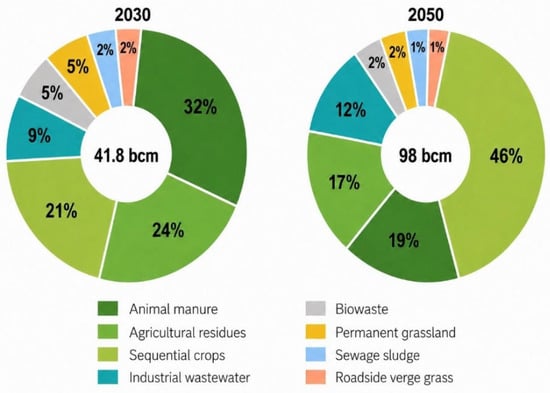
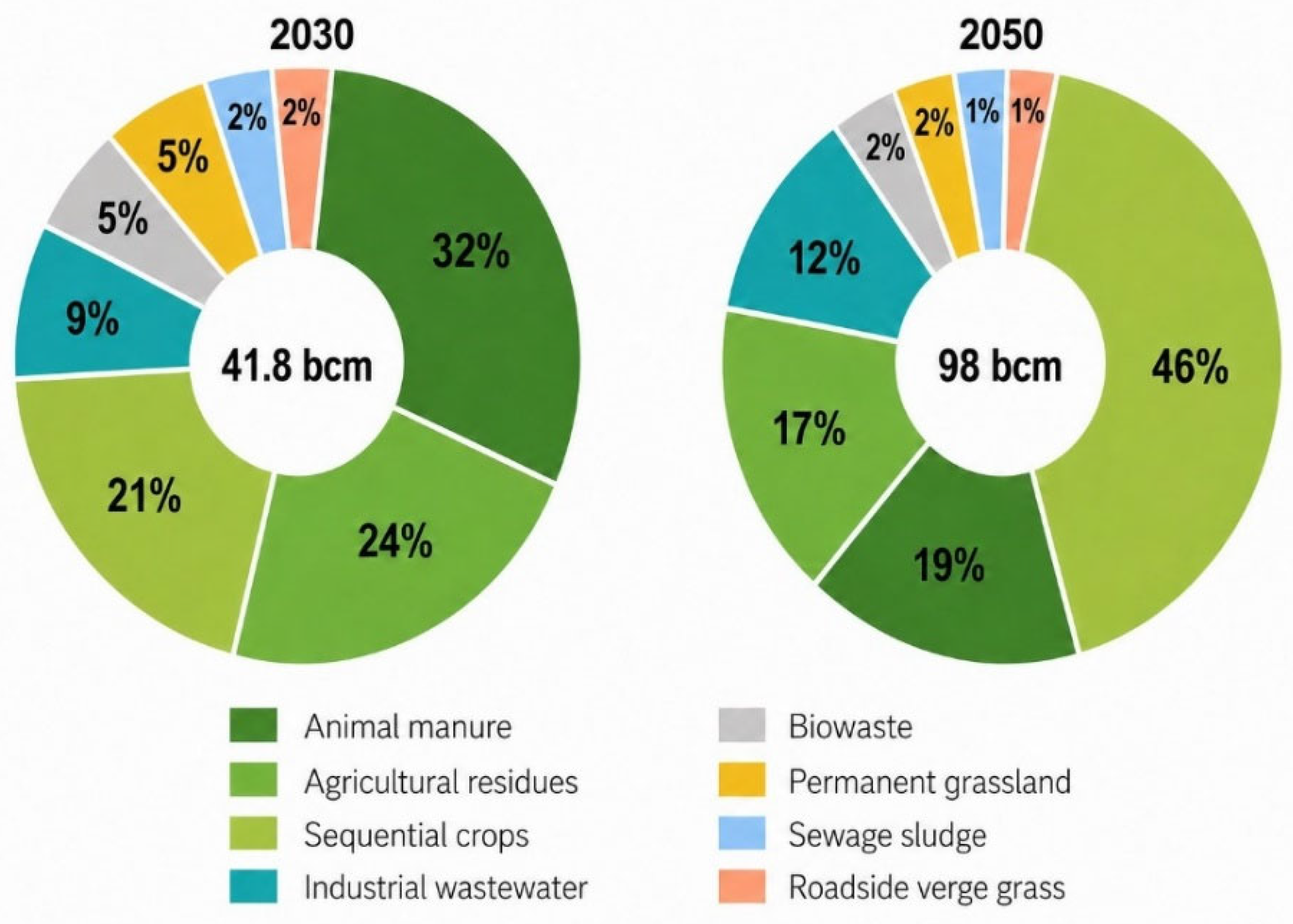
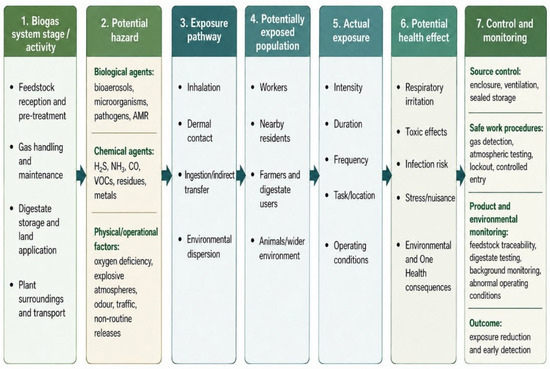
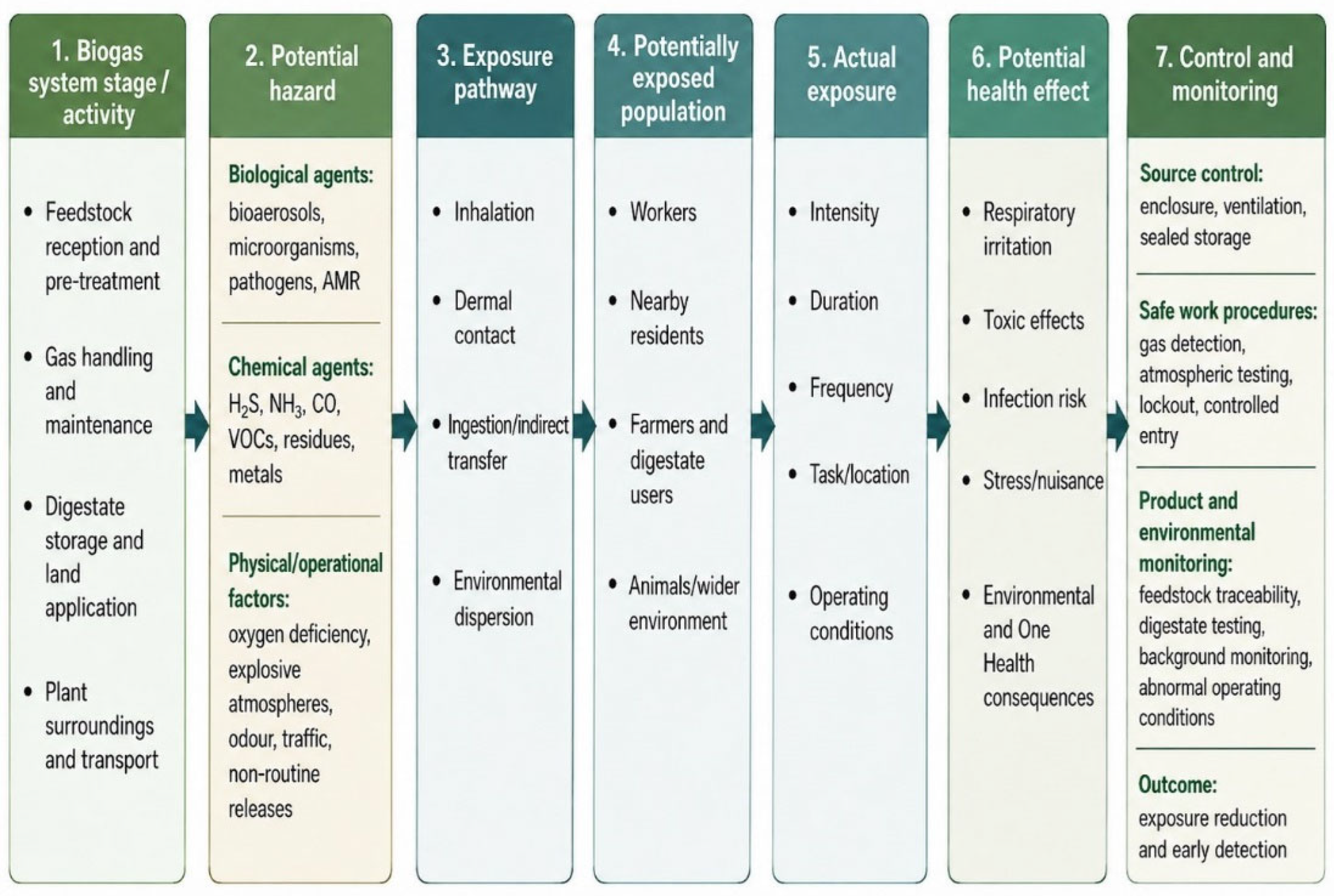
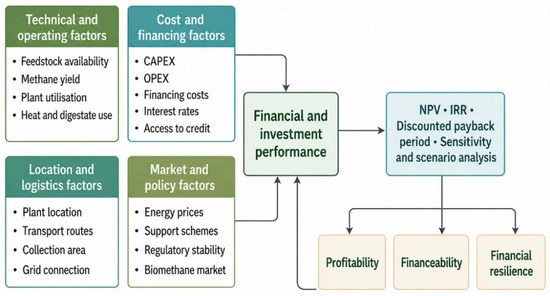
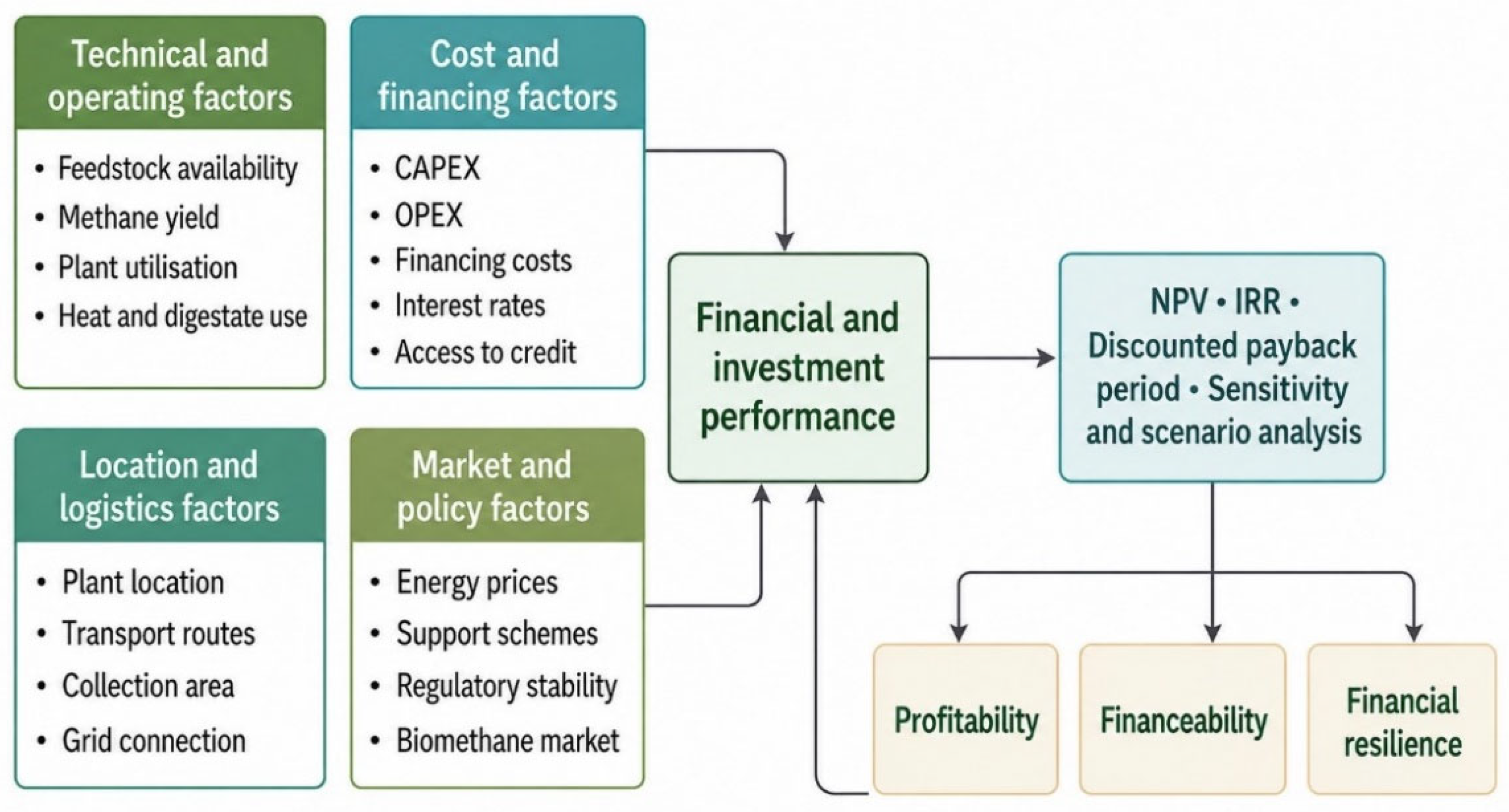

Disclaimer/Publisher’s Note: The statements, opinions and data contained in all publications are solely those of the individual author(s) and contributor(s) and not of MDPI and/or the editor(s). MDPI and/or the editor(s) disclaim responsibility for any injury to people or property resulting from any ideas, methods, instructions or products referred to in the content. |
© 2026 by the authors. Licensee MDPI, Basel, Switzerland. This article is an open access article distributed under the terms and conditions of the Creative Commons Attribution (CC BY) license.