


Abstract
Traditional architectural ornament embodies cultural knowledge and local memory, yet its digital treatment often remains confined to static documentation, lacking computational representation, generative reuse, and public participation. Taking Minnan decorative cement tiles from southern Fujian, China, as a case study, this study proposes a design-science framework for sustainable digital revitalization that integrates pattern survey and classification, shape-grammar reconstruction, Low-Rank Adaptation (LoRA) training, interactive web-prototype development, and user evaluation. Shape grammar was used to formalize compositional relationships, and two Stable Diffusion 1.5-based models were trained: Baseline LoRA and shape-grammar LoRA (SG-LoRA). Their outputs were compared using the Fréchet Inception Distance (FID) and expert ratings on a five-point Likert scale. The web prototype was shaped by 220 valid user-needs questionnaires and then evaluated formatively with 30 participants through the User Experience Questionnaire (UEQ). Respondents expressed positive intentions toward digital presentation, AI-assisted creation, and social sharing; all six UEQ scales scored positively, with Efficiency (1.850) and Perspicuity (1.733) scoring the highest. The results demonstrate a design pathway linking computable formal rules, generative adaptation, and public participation, offering preliminary evidence for formal-feature preservation, public accessibility, and participatory reuse.
1. Introduction
Architectural decorative heritage not only constitutes a distinctive visual expression of historic buildings but also embodies the aesthetic experience, craft knowledge, and collective memory of local communities. Research on digital cultural heritage has gradually shifted from information acquisition and static documentation toward knowledge modeling, interactive experiences, and public participation. Against this background, transforming traditional decorative patterns from static image resources into interpretable, computable, and generative digital cultural resources that can support sustained cultural communication has become an important research issue at the intersection of cultural heritage conservation and design innovation. Compared with three-dimensional documentation of architectural structures, decorative patterns contain highly concentrated formal rules, color relationships, and cultural meanings. Their digitization therefore involves more than image preservation; it requires the coordinated consideration of cultural feature identification, the computational translation of design rules, control over generative outputs, and the evaluation of dissemination experiences.
Minnan decorative cement tiles represent an important form of modern architectural decoration in the southeastern coastal region of China. Their patterns integrate geometric compositions, botanical and floral motifs, auspicious symbols, and influences associated with the culture of overseas Chinese communities, reflecting historical processes of cross-regional craft transmission and localized reinterpretation [1,2]. In recent years, China has continued to strengthen the conservation of historic vernacular buildings and the adaptive revitalization of outstanding traditional culture. Relevant policies have likewise emphasized the need to more deeply interpret the historical and cultural information and underlying cultural values embodied in historic architecture [3]. Policy advocacy, however, must be translated into operational digital methods and empirically evaluable dissemination mechanisms if it is to further enhance public accessibility, design reuse, and the long-term social value of traditional decorative heritage. In this study, cultural sustainability is used as an analytical and design-oriented framework comprising four dimensions: preservation of culturally grounded knowledge and visual features, public accessibility, participatory reuse, and continuity of dissemination mechanisms. The present empirical evaluation does not treat these dimensions as equally demonstrated outcomes. Rather, it examines short-term evidence relevant to the first three dimensions and the availability of dissemination interfaces, while long-term continuity of cultural transmission remains a prospective dimension requiring longitudinal validation.
Existing research on Minnan decorative cement tiles has primarily examined their historical origins, pattern classification, aesthetic characteristics, and applications in cultural and creative design, providing an important foundation for understanding their regional cultural significance [4,5]. From the perspectives of digital heritage and generative design, however, three major research gaps remain. First, studies of traditional patterns have largely relied on descriptive classification and visual induction, with limited attention to computational methods capable of translating compositional relationships—such as symmetry, repetition, scaling, and combination—into explicit rules. Consequently, culturally embedded design knowledge remains difficult to incorporate into computational generation processes. Second, existing digitization practices have often been confined to image acquisition, database-based presentation, or one-off visual redesign, without establishing a generative mechanism that systematically integrates rule-based reconstruction with parameter-efficient model fine-tuning. Third, cultural heritage platforms are still predominantly oriented toward one-way presentation. Cultural interpretation, model-based generation, user co-creation, outcome sharing, and experience evaluation are rarely integrated into a continuous workflow, making it difficult to determine whether technological innovation actually improves public participation and cultural dissemination. Previous research on crowdsourcing in digital cultural heritage has similarly demonstrated that the long-term operation of such initiatives depends on the coordination of resources, interactions among participating stakeholders, and mechanisms of value co-creation [6].
To address these gaps, this study adopts a design science research paradigm and conceptualizes Minnan decorative cement tiles as digital cultural resources that can be systematically investigated, encoded, generated, and disseminated through interactive media. Accordingly, the study addresses the following research questions:
RQ1: How can the formal and compositional characteristics of Minnan decorative cement tiles be translated into computable and interpretable rules for pattern generation?
RQ2: Compared with Baseline LoRA trained directly on original images, can SG-LoRA trained on shape-grammar-enhanced samples better preserve the culturally relevant formal characteristics of Minnan decorative cement tiles?
RQ3: Can a web-based prototype integrating cultural presentation, artificial intelligence-assisted creation, and user co-creation provide a positive digital dissemination experience?
This study makes four principal contributions. First, it proposes a computational approach to traditional decorative patterns that connects cultural analysis, shape grammar, and generative modeling, thereby translating culturally grounded formal and compositional features into an interpretable computational process. Second, it explores a pattern-generation approach combining shape grammar with generative modeling and uses comparative evaluation to examine its role in preserving culturally relevant visual characteristics. Third, it examines participation intentions and the formative user experience of the proposed web prototype through a user-needs survey and formative evaluation using the User Experience Questionnaire (UEQ). Fourth, it operationalizes cultural sustainability through four analytically distinguishable dimensions—knowledge preservation, public accessibility, participatory reuse, and continuity of dissemination—thereby providing a framework for examining how generative artificial intelligence (GenAI) can contribute to the sustainable digital revitalization of traditional architectural decorative heritage. These contributions distinguish the representation of selected visual features from the encoding of complete cultural-semantic knowledge and short-term empirical indicators from prospective long-term outcomes.
2. Literature Review
2.1. GenAI, Digital Heritage, and Traditional Pattern Research
To identify research hotspots and evolving trends in the application of GenAI to design, this study employed CiteSpace 6.4 to conduct a supplementary bibliometric analysis of the relevant literature [7]. Data were retrieved from the China National Knowledge Infrastructure (CNKI) database for the period from January 2016 to July 2026 using “GenAI in design” as the topic search term. After removing duplicates and screening for relevance, 351 publications were retained for analysis. As 2026 represents an incomplete year of data collection, the resulting trends are used only to characterize thematic structures and temporal changes within the Chinese-language research context, rather than to substitute for an international theoretical review or to infer the global research landscape. This bibliometric analysis complements the subsequent theoretical discussion of digital cultural heritage, shape grammar, parameter-efficient fine-tuning, and participatory design. Previous studies have demonstrated that digital cultural heritage is progressively expanding beyond digital preservation toward knowledge modeling, interactive experiences, and social participation [8].
2.1.1. Keyword Co-Occurrence Structure
In terms of node size and network position, “artificial intelligence” emerges as the most prominent core keyword in the network and exhibits strong associations with keywords such as “human–AI collaboration,” “image generation,” “architectural design,” “large language models,” “teaching models,” “design processes,” “product design,” “art and design,” and “deep learning.” In particular, the nodes representing “artificial intelligence” and “human–AI collaboration” display prominent outer rings, indicating relatively high betweenness centrality. These terms therefore serve as important bridges connecting technological research, design practice, and design education.
On this basis, existing research hotspots can be broadly categorized into three major areas (Figure 1). The first concerns generative technologies, represented by keywords such as “deep learning,” “large models,” “Stable Diffusion,” “diffusion models,” and “generative models.” The second focuses on design applications, including “image generation,” “architectural design,” “product design,” “art and design,” “packaging design,” “fashion design,” and “graphic design.” The third addresses human–AI collaboration and design education, represented by “human–AI collaboration,” “human–computer interaction,” “instructional design,” “teaching reform,” and “talent cultivation.” Overall, research on artificial intelligence in design has gradually expanded from the use of AI as a standalone image-generation tool toward more comprehensive areas involving design-process optimization, human–AI collaborative innovation, and the transformation of design education.
Figure 1.
Keyword co-occurrence network of research on GenAI in design.
Notably, keywords directly related to the digital transformation of traditional culture, such as “traditional patterns,” “traditional motifs,” and “cultural heritage,” have not yet formed large or highly central nodes within the network. Existing studies remain predominantly focused on artificial intelligence technologies themselves and their applications in general design domains such as architecture, product design, packaging, and fashion. Although some studies have addressed image generation and innovative design, an integrated research pathway combining traditional pattern extraction, GenAI-assisted redesign, user participation, and interactive applications remains insufficiently developed. Consequently, further research is needed to examine how GenAI can facilitate innovative pattern generation, interactive dissemination, and design transformation across multiple application scenarios while preserving the cultural characteristics and compositional principles of traditional patterns. In the field of traditional crafts, previous studies have already combined GenAI and LoRA for the digital regeneration of traditional patterns and interactive experiences, demonstrating the potential for integrating technological innovation with cultural dissemination [9].
2.1.2. Keyword Bursts and Research Evolution
To reveal the developmental research trends of generative artificial intelligence in the design field, this study employs the Citation Burst analysis function within CiteSpace to conduct statistical analysis and visualization of the core keywords over the period 2016–2026 [8]. The parameters were configured as follows: the burst intensity threshold Y was set to 0.1 (within the range [0, 1]), the Minimum Duration was set to 1, and the number of Burst items was set to 2; accordingly, 30 keywords with prominent citation bursts were identified (Figure 2). In terms of temporal distribution, these 30 burst keywords are concentrated mainly between 2022 and 2026, indicating that the field entered a stage of rapid research-topic turnover and continuous expansion of application scope from 2022 onward. Based on the content, burst strength, and duration of these keywords, the evolutionary process can be divided into three stages.
Figure 2.
Top 30 Keywords with the Strongest Citation Bursts.
- Exploration of Intelligent Interaction and Data-Driven Methods (2022)
The major burst keywords in 2022 included “intent classification,” “dialogue systems,” and “data augmentation,” each with a burst strength of 0.69. Research during this stage focused primarily on user semantic recognition, interaction-intent analysis, and training-data processing. “Intent classification” and “dialogue systems” indicate the growing incorporation of natural language processing and human–computer dialogue technologies into design research, whereas “data augmentation” reflects increasing attention to model generalizability and generative stability. Overall, this stage was strongly characterized by methodological and technological exploration, laying the groundwork for the subsequent integration of GenAI into design ideation, solution generation, and design evaluation.
- 2.
- Rapid Expansion into Design Practice (2023–2024)
Between 2023 and 2024, research attention gradually shifted from foundational technologies toward practical design applications and educational contexts. In 2023, “design education” reached a burst strength of 1.20, while “packaging design” reached 0.92, indicating the increasing application of artificial intelligence to design education, creative ideation, graphic generation, and brand communication. In 2024, “design” became the keyword with the highest burst strength (1.40), followed by “product design” (0.94), while both “design methods” and “design innovation” reached 0.93. These results suggest that research had begun to penetrate more deeply into product ideation, methodological restructuring, and design-process optimization. Meanwhile, “art and design,” “fashion design,” “large models,” and “innovative design” each reached a burst strength of 0.70, indicating that GenAI was expanding beyond standalone image generation toward diverse design applications and multimodal collaboration.
- 3.
- Diversified Integration and Continued Deepening (2025–2026)
From 2025 onward, the number of burst keywords increased substantially, with many remaining active through 2026, collectively representing emerging themes within the analyzed Chinese-language literature. “Diffusion models” and “interaction design” both reached a burst strength of 0.94, suggesting that research attention has increasingly shifted toward advances in generative technologies, user participation, and human–AI collaboration. “Instructional design” reached 0.72 and, together with “vocational education,” “higher education,” “teaching innovation,” and “creativity,” formed a distinct research direction concerning design education. Keywords including “brand image,” “visual design,” “design strategy,” “design application,” and “environmental design” each exhibited a burst strength of 0.62, reflecting the systematic expansion of application scenarios. Terms associated with “digital-intelligent transformation” and “digitalization” further indicate growing attention to the broader transformation of design processes and industrial models. Of particular relevance to the present study, “cultural genes” emerged as a burst keyword in 2025 and remained active through 2026, suggesting increasing scholarly attention to the digital extraction and innovative transformation of traditional cultural resources.
“Design” (1.40) and “design education” (1.20) exhibited the strongest burst intensities, while “product design,” “diffusion models,” and “interaction design” constituted a second tier of prominent research topics. These patterns demonstrate that GenAI research has gradually expanded from foundational technological exploration into design practice, educational innovation, and interactive experiences. The continued emergence of keywords such as “digital-intelligent transformation,” “digitalization,” and “cultural genes” during 2025–2026 further suggests that the digital extraction, intelligent generation, and innovative transformation of traditional cultural resources are becoming emerging themes within the analyzed Chinese-language literature. Compared with established topics such as “design” and “design education,” the burst strength of “cultural genes” remains relatively low. Moreover, existing studies have primarily focused on cultural-element extraction, visual generation, and design applications, while systematic investigations of cultural-semantic preservation, generative mechanism construction, outcome evaluation, and dissemination-oriented transformation remain limited. Therefore, although GenAI-assisted innovation of traditional patterns has demonstrated substantial potential, the field remains in a transitional stage from preliminary exploration toward more systematic and in-depth research. This trend provides a clear research basis for the integrated investigation undertaken in this study, which combines traditional pattern extraction, intelligent generation, user evaluation, and digital dissemination.
2.1.3. Research Subthemes and Occurrence Distribution
To further examine research specifically related to Minnan decorative cement tiles, a literature search was conducted using CNKI core-journal databases, including the Chinese Science Citation Database (CSCD), Chinese Social Sciences Citation Index (CSSCI), and Peking University Core Journals, covering the period from 2016 to 2026. A total of 55 thematic occurrences related to the topic “Minnan decorative cement tiles” were identified (Table 1), with one publication potentially involving multiple subthemes.
Table 1.
Major subthemes in Chinese core-journal publications related to “Minnan decorative cement tiles”, 2016–July 2026.
Classification by research subtheme indicates that existing studies have primarily focused on historical origins, formal language, cultural value, and design applications. For example, Chen and Zhang (2017) investigated the artistic value of historic cement tiles in Xiamen from the perspectives of functionality, practicality, and social significance [10]. Wang et al. (2025) explored innovative applications of Minnan decorative cement tiles in luggage design using a factor-structure model [11].
The volume of research on Minnan decorative cement tiles remains relatively limited, with even fewer studies addressing their digital transformation. An integrated research chain linking cultural interpretation, rule-based modeling, generative redesign, and participatory dissemination has yet to be established. Accordingly, the present study does not seek to replace conventional cultural or historical research with technological methods; rather, it attempts to integrate cultural interpretation, computational design, and participatory dissemination within a testable design science research framework.
2.2. Historical Context and Decorative Characteristics of Minnan Decorative Cement Tiles
As a distinctive form of architectural decoration in modern history, Minnan decorative cement tiles embody a complex trajectory of cross-cultural exchange. The origins of these cement-based decorative tiles can be traced to the cement-tile tradition of Spain [12]. As a material manifestation associated with the nineteenth-century European Arts and Crafts movement, cement tiles became widely popular across the Mediterranean region and the Americas because of their practical advantages, including wear resistance and moisture resistance, as well as the aesthetic versatility afforded by modular pattern combinations. Through maritime routes associated with colonial expansion and international trade, the craft subsequently spread to Southeast Asia.
In the early twentieth century, as overseas Chinese migrants returned from Southeast Asia, this decorative form was introduced to the southeastern coast of China and became established in major hometowns of overseas Chinese, including Xiamen and Guangzhou, with Xiamen emerging as a particularly representative example [13]. In the Minnan region, cement tiles were gradually adapted to local environmental, cultural, and social contexts, while their decorative motifs and patterns continued to evolve [14]. They consequently became both a fashionable form of aesthetic expression in modern architectural decoration and an important manifestation of regional identity.
The development of Minnan decorative cement tiles can be broadly divided into four stages. First, the introduction by overseas Chinese returning from Southeast Asia (early twentieth century to the 1920s). Returning overseas Chinese introduced decorative cement tiles when constructing residences in Minnan. During this period, tiles were primarily imported from Southeast Asia and Europe through long-distance transportation and were therefore relatively expensive. Representative examples include Wanshi Lou Mansion, Lu Residence, and the Liao Family Zizheng Residence, as well as Hai Tian Tang Gou Mansion, Huang Rongyuan Villa, and the HSBC Bank Mansion on Gulangyu Island.
Second, the emergence of local production in Minnan (from the 1920s onward). In 1921, returned overseas Chinese entrepreneur Chen Shili founded Nanzhou Decorative Tile Factory, the first decorative cement tile factory in Minnan. The factory developed 39 colors and approximately 200 patterns, marking the beginning of localized decorative cement tile production.
Third, concentrated application during the construction of Xiamen’s Overseas Chinese New Villages (1950s–1960s). To attract remittances and investment from overseas Chinese communities, Xiamen developed Overseas Chinese New Villages around Gongyuan West Road, Chiling, and the lakeside area of Yundang Harbor. Decorative cement tiles were extensively used as flooring materials in these developments, making this period an important stage in their widespread architectural application [15].
Fourth, the transition from production decline to conservation and adaptive revitalization. The production and use of decorative cement tiles subsequently underwent several periods of decline. Since 2021, however, policies promoting the conservation of historic buildings and urban architectural character have gradually brought both historic buildings and surviving decorative cement tiles into the scope of heritage conservation and adaptive revitalization.
Taking Xiamen as an example, early decorative cement tiles imported from overseas generally featured relatively simple geometric patterns based on fundamental forms such as diamonds, grids, and zigzag lines, which were arranged symmetrically to establish visual order. Owing to the cost of long-distance maritime transportation and limitations in early manufacturing techniques, these tiles predominantly employed two-color schemes. By the 1920s, Nanzhou, the first decorative cement tile factory in the Minnan region, had begun local production. Its products primarily drew inspiration from Western cement-tile patterns and tropical Southeast Asian motifs in response to the aesthetic preferences of overseas Chinese merchants with connections to Southeast Asia.
In addition to geometric motifs, abstract botanical and floral patterns emerged during this period. To simplify manufacturing processes, individual designs typically employed two or three colors. Under the influence of traditional Chinese culture, geometric cement-tile designs in Minnan gradually incorporated traditional motifs such as the wan motif, meander patterns, cloud motifs, linked-coin patterns, and interlocking-chain patterns, while botanical and floral motifs were frequently derived from forms encountered in everyday life. Overall, the decorative patterns of Minnan decorative cement tiles can be broadly classified into three categories: geometric patterns, botanical and floral patterns, and insect patterns [16].
Xiamen decorative cement tiles can be broadly divided into achromatic and chromatic palettes. Achromatic palettes primarily consist of black, white, and gray, using contrasts in lightness and variations in grayscale to create a sense of dimensionality. Chromatic palettes can be further categorized according to dominant hue into green, yellow, blue, and red groups. Green palettes predominantly employ peacock green and olive green, often combined with off-white to create a fresh visual tone. Yellow palettes use colors such as gamboge and ochre to produce a warmer appearance, whereas blue palettes are centered on indigo and cobalt blue. Red palettes employ shades such as vermilion, scarlet, and pink [17]. Xiamen decorative cement tiles typically combine two to four colors and frequently employ either predominantly warm palettes or warm–cool contrasts to achieve distinctive decorative effects. Such color schemes not only reflect regional aesthetic preferences and the spatial atmosphere of Minnan domestic interiors but also demonstrate the balance between the functional and decorative qualities of cement tiles [18].
In terms of compositional organization, decorative cement tile layouts are predominantly based on symmetrical configurations, with the square being the most common tile format. Their arrangement generally follows a principle of combining primary and supplementary patterns. Large-area surfaces typically employ four-direction continuous patterns, in which repeated unit motifs create an overall visual rhythm. Border tiles and corner areas, by contrast, generally employ two-direction continuous patterns, using linear repetition to reinforce spatial boundaries [19]. This compositional approach ensures overall decorative coherence while introducing sufficient variation in detail to avoid visual monotony, thereby achieving a balance between functional requirements and aesthetic expression (Figure 3).
Figure 3.
Decorative characteristics of Minnan decorative cement tiles.
3. Research Design and Methods
This study follows the design science research process of problem identification and motivation, definition of objectives, artifact design and development, demonstration, evaluation, and communication [20,21]. The shape grammar rules, LoRA-based generative model, and interactive web prototype are conceptualized as three interrelated research artifacts. The overall framework comprises three interconnected dimensions—cultural analysis, intelligent generation, and participatory dissemination—and is operationalized through five stages: investigation and knowledge extraction of Minnan decorative cement tiles, shape grammar reconstruction, GenAI model adaptation and LoRA training, web prototype implementation, and user evaluation and iterative optimization (Figure 4). This framework emphasizes cultural constraints derived from the heritage context, transparency in the technological process, and empirical evaluation of dissemination outcomes.
Figure 4.
Research framework for the digital revitalization and participatory communication of Minnan decorative cement tiles.
In the first stage, literature review, field investigation, and visual analysis were combined to classify the historical context, physical form, color systems, thematic motifs, and compositional arrangements of Minnan decorative cement tiles. In the second stage, design primitives were extracted from representative patterns, and shape grammar rules—including reflection, rotation, scaling, and point symmetry—were established to construct a structurally organized candidate dataset. In the third stage, alternative fine-tuning approaches were compared in terms of computational resource requirements, training efficiency, preservation of visual characteristics, and controllability of generative outputs. A Stable Diffusion 1.5-based model was subsequently adopted for LoRA training. Original images and shape-grammar-enhanced samples were used to train Baseline LoRA and SG-LoRA, respectively, and comparative evaluation was conducted to examine the effects of shape-grammar-enhanced samples on the preservation of formal and compositional characteristics of Minnan decorative cement tiles. In the fourth stage, the LoRA-based generation mechanism was incorporated into the web prototype together with functions for cultural archives, dynamic co-creation, application showcases, and community sharing. In the fifth stage, interaction experience was assessed through a formative UEQ evaluation involving 30 participants.
3.1. Shape Grammar Modeling of Decorative Cement Tile Patterns
Shape grammar is a rule-based formal system originally proposed by George Stiny and James Gips in 1972 for the generation and analysis of geometric forms and patterns [22]. Its central principle is to transform simple initial shapes recursively into more complex geometric structures through a predefined set of rules. This process is analogous to syntactic derivation in linguistic grammar, except that the objects being manipulated are geometric forms rather than textual symbols [23].
A shape grammar is generally represented as a four-tuple consisting of a set of shapes (S), a set of labels (L), a set of rules (R), and an initial shape (I). S contains the shapes that can be generated within the grammar; L is used to label or classify shape elements; R consists of transformation rules, which may either be defined by the designer or derived from fundamental shape-grammar operations; and I represents the initial shape or configuration from which the derivation process begins [24]. Based on the geometric characteristics of Minnan decorative cement tile patterns, four core transformation rules were defined in this study:
- Axial reflection rule (R1): A design primitive is reflected across a predefined axis to produce bilateral symmetry in either the horizontal or vertical direction.
- Radial repetition rule (R2): A design primitive is rotationally replicated around a central point, with the rotation angle defined as θ = 360°/n. Based on the compositional characteristics of the selected patterns, n = 3, 4, and 6 were adopted, corresponding to rotation angles of 120°, 90°, and 60°, respectively.
- Scaling and superimposition rule (R3): A design primitive is proportionally scaled and superimposed on its original form. A scaling factor of α = 0.75 was adopted to generate nested structures with hierarchical visual relationships. Where a hollow or negative-space configuration was required, the scaled inner shape was subtracted from the original shape to form the corresponding internal void.
- Point Symmetry rule (R4): A design primitive is rotated by 180° around a central point to create a point-symmetric configuration.
In this study, these rules operationalize formal and compositional properties of the tile patterns. They do not, by themselves, encode the full cultural-semantic layer of the heritage, including symbolic meanings, regional identity, motif associations, or historically specific color meanings. Accordingly, the shape grammar is treated as a computational representation of culturally grounded visual and compositional features Based on these rules, suitable design primitives were extracted from the decorative cement tile patterns and transformed into derivative pattern configurations. Figure 5 illustrates the derivation processes for two representative categories of patterns.
Figure 5.
Shape grammar-based redesign process for Minnan decorative cement tile patterns.
For the botanical and floral patterns, primitive I1 undergoes the radial repetition rule R2 to generate Basic Pattern 1. Primitive I2 is first transformed using the point symmetry rule R4 and subsequently subjected to R2 to form Basic Pattern 2. Primitive I3 is transformed through R2 to generate Basic Pattern 3. Primitive I4 undergoes the sequential application of R2, R4, and R2 to form Basic Pattern 4. Primitive I5 is subjected to two successive applications of the scaling and superimposition rule R3, followed by R2, producing a multilayered radial floral configuration.
The geometric patterns were generated through comparable combinations of these transformation rules. For example, primitive I1 undergoes R2, followed by R1 and another application of R2, to generate Basic Pattern 1. The remaining primitives are transformed through different combinations of rules according to their symmetry structures and repetition frequencies, producing the derivative geometric patterns shown in Figure 5.
3.2. Generative Model Selection and LoRA Adaptation
LoRA is a parameter-efficient fine-tuning method that reduces the number of trainable parameters by learning low-rank incremental matrices while keeping the principal weights of a pretrained model frozen [25]. Stable Diffusion is based on the latent diffusion model architecture and performs text-conditioned image generation within a latent representation space [26]. Within Stable Diffusion, LoRA is commonly used to adapt the weights associated with the U-Net and text encoder to specific visual objects or styles. Its modular weight structure also allows LoRA modules to be loaded independently and their influence on generation to be adjusted flexibly [27]. Previous research on traditional craft patterns has similarly demonstrated the potential of diffusion models and LoRA for few-shot visual feature learning and interactive derivative design [9].
LoRA was selected for the generative redesign of Minnan decorative cement tiles for three principal reasons. First, because only a relatively small subset of parameters needs to be updated, LoRA is suitable for exploratory training using consumer-grade GPU hardware. Second, LoRA weight files are relatively independent and modular, facilitating comparisons across different training stages and output orientations. Third, the relationship between the preservation of traditional visual characteristics and derivative visual exploration can be adjusted through LoRA weight strength, text prompts, and sampling parameters [28].
The actual GPU memory requirements and training duration of LoRA depend on multiple factors, including the base model, image resolution, batch size, optimizer, and hardware configuration. Accordingly, this study does not adopt fixed cross-method values for training time or GPU memory consumption as generalizable performance claims. Instead, only the software, hardware, and training parameters that can be verified from the present experiment are reported.
3.3. Dataset Construction and Design Implementation Process
The candidate dataset initially consisted of 100 photographs of Minnan decorative cement tiles gathered during the preliminary investigation, and was then subjected to two rounds of filtering. In the first round, images exhibiting substantial structural damage, severe color distortion, near-duplicate content, or insufficient resolution were excluded. The remaining specimens were further screened manually according to compositional type, color palette, and overall pattern integrity, finally yielding a curated set of 80 original images.
This set comprises three motif categories: 47 floral and botanical motifs (58.8%), 31 geometric motifs (38.8%), and 2 insect motifs (2.5%). By color scheme, 75 samples are polychromatic, while the remaining 5 follow an achromatic black–white–gray palette. By compositional structure, 71 samples employ a four-way all-over repeat and 9 adopt a two-way linear (border) repeat. All samples are square except for a single hexagonal specimen. Although the dataset exhibits a certain degree of category imbalance, this distribution mirrors the relative frequency with which these motifs actually occur in the collected corpus.
After square cropping, size normalization, and caption refinement, these 80 images formed the training set for the Baseline LoRA. In parallel, each of the 80 patterns was individually reconstructed in vector form by means of shape grammar, yielding 80 structured samples that match the original images one-to-one; these vector reconstructions constituted the training set for SG-LoRA.
The generative mechanism was subsequently incorporated into the interactive web workflow, enabling users to generate personalized decorative cement tile patterns through keywords and style tags. The overall research process is presented in Figure 4, while the technical implementation and software workflow are illustrated in Figure 6. Previous studies have also employed Stable Diffusion and LoRA for the generation of traditional patterns, suggesting that diffusion-based models can provide an adjustable pathway between the preservation of visual characteristics and derivative creation [29].
Figure 6.
Technical workflow for the digital generation and application of Minnan decorative cement tiles.
3.4. LoRA Training Configuration and Model Development
The LoRA training process comprised five stages: (1) configuration of the training environment; (2) organization, cropping, and annotation of the training images; (3) specification of parameters including the base model, learning rate, batch size, and network rank; (4) model training and monitoring of changes in training loss; and (5) generation tests in Stable Diffusion WebUI, followed by selection of training epochs and LoRA weights according to structural integrity, overall color characteristics, and visual stability.
The experimental environment used for both model training and image generation consisted of CUDA 12.6 and NVIDIA-SMI 560.94. The hardware configuration included a 13th Gen Intel(R) Core(TM) i9-13900HX CPU, an NVIDIA GeForce RTX 4060 Laptop GPU as the discrete GPU, and Intel(R) UHD Graphics as the integrated GPU. The operating system was Windows 11, and Python 3.10.11 was used. Both Baseline LoRA and SG-LoRA used v1-5-pruned safetensors checkpoint. Each model was trained on 80 images using the same configuration. The nominal training resolution was 512 × 512 pixels, with aspect-ratio bucketing enabled and minimum and maximum bucket resolutions of 256 and 1024 pixels. LoRA modules associated with both the U-Net and text encoder were trained. Training used AdamW8bit, a batch size of 1, a maximum of 10 epochs, and checkpoint saving every two epochs. The U-Net and text encoder learning rates were 1 × 10⁻⁴ and 1 × 10⁻⁵, respectively. Network rank and alpha were both 32. The cosine_with_restarts learning-rate scheduler used one cycle and zero warmup steps. The training seed was 1337, and both mixed precision and checkpoint precision were fp16.
Dataset organization and image tagging constituted a critical part of LoRA training. The image-preprocessing function in Stable Diffusion WebUI was used to standardize all samples to 512 × 512 pixels. DeepBooru was employed to generate initial image tags, which were subsequently manually reviewed and cleaned using the Dataset Tag Editor extension. During this process, tags that were irrelevant to the training objective, semantically incorrect, or excessively restrictive in describing image content were removed. Additional descriptors related to the composition, colors, and pattern categories of Minnan decorative cement tiles were then added. LoRA training was initiated after the tags had been verified, and the appropriate training stage was selected through joint consideration of loss curves and generated samples from different epochs.
Training under consistent settings produced two models, Baseline LoRA and SG-LoRA. The former was trained on original photographs, whereas the latter was trained on shape-grammar-enhanced samples. Figure 7 presents the two training datasets and representative outputs generated under identical conditions.
Figure 7.
Training data and representative generated outputs for Baseline LoRA and SG-LoRA.
3.5. Evaluation Design and Data Analysis
3.5.1. Objective and Expert Evaluation of Generated Outputs
To examine the effects of shape-grammar-enhanced training, Baseline LoRA and SG-LoRA each generated 50 images using identical prompts and generation parameters. FID was computed programmatically by extracting Inception features from real decorative cement tile images and generated images and calculating the Fréchet distance between the two feature distributions. This metric is not based on human ratings; lower values indicate that the overall visual distribution of generated images is closer to that of the real samples [30].
Ten experts in relevant fields were also invited to evaluate pattern structure preservation, compositional rule consistency, color feature consistency, and cultural recognizability using a five-point Likert scale (1 = very poor; 5 = very good) [31]. The four criteria were established prior to data collection and remained unchanged throughout the expert evaluation process; they are defined in Table 2.
Table 2.
Expert evaluation criteria.
3.5.2. Website Requirements Validation and User Experience Evaluation of the Prototype
The user-needs survey was conducted online using convenience sampling and yielded 220 valid questionnaires. It covered demographic information, awareness of and interest in Minnan decorative cement tiles, familiarity with GenAI, willingness to use a dedicated cultural heritage website, interest in personalized pattern generation and cultural and creative applications, willingness to pay and share generated content on social media, and interface-style preferences. Multiple-response items were also included to investigate respondents’ requirements for website content and functions.
Single-response items were analyzed descriptively using frequencies and percentages. For multiple-response items, the selection frequency, percentage of all selections for the item, and percentage of respondents selecting each option were reported. Because respondents could select more than one option, the categories were not mutually exclusive, and selections made by the same respondent could be correlated. The multiple-response results were therefore compared descriptively rather than treated as a frequency distribution of mutually exclusive categories for a conventional chi-square goodness-of-fit test. The percentages of respondents selecting each option may sum to more than 100%. The six items concerning interest in the tiles, website use, AI-assisted generation, product applications, payment, and sharing capture distinct aspects of user needs and behavioral intentions. They were interpreted separately rather than combined into a single latent construct; scale-level internal-consistency and factorability claims were therefore not used.
The web prototype was subjected to formative evaluation using the UEQ, with the official Chinese version used for user testing and the corresponding official English version provided in Table A1. The UEQ consists of 26 pairs of semantic differential items and measures six scales: Attractiveness, Perspicuity, Efficiency, Dependability, Stimulation, and Novelty. These scales can further be organized into three broader dimensions: Attractiveness, Pragmatic Quality, and Hedonic Quality [32,33].
A total of 30 participants were recruited, comprising 10 experts in human–computer interaction, 10 scholars in visual communication and related fields, and 10 general users with prior experience using websites. Participants completed a sequence of tasks involving browsing the platform, examining the cultural archive, generating decorative patterns, saving generated outputs, and interacting with the sharing function. They then completed the UEQ.
3.5.3. Scope of Inference and Data Handling
The questionnaire survey and user testing were designed to evaluate the research artifacts developed in this study. The analyses therefore focused on comparative evaluation of generated outputs, the distribution of user needs, and formative user experience.
Generated images were compared using FID and expert ratings. However, the platform evaluation did not include longitudinal usage logs or actual dissemination data. Conclusions concerning cultural sustainability therefore remain limited to the present sample, experimental tasks, and prototype conditions. The survey captures stated needs and behavioral intentions, whereas the UEQ captures short-term experience after prescribed tasks.
4. Results
4.1. Shape Grammar Reconstruction and LoRA Generation Performance
Shape grammar reconstruction translated the reflection, radial repetition, scaling and superimposition, and point-symmetry relationships embedded in Minnan decorative cement tile patterns into explicit transformation rules, thereby producing training samples with complete structures and clearly defined boundaries. As shown in Figure 5, different design primitives could be transformed through combinations of these rules to generate continuous units of botanical and floral patterns as well as geometric patterns. Figure 7 further presents the training data and the outputs generated by the two LoRA configurations.
To systematically assess the quality of outputs generated by the two LoRA training strategies, this study combined an objective metric with subjective expert evaluation. For the objective assessment, FID was used to quantify the distance between the distributions of generated images and real decorative cement tile images. FID extracts 2048-dimensional feature vectors using an Inception-v3 network, calculates the mean vector and covariance matrix for each image set, and computes the difference using the Fréchet distance formula. Lower FID values indicate a closer correspondence between the generated and real image distributions in the Inception feature space. This metric does not directly measure cultural meaning or authenticity. The 80 original photographs of Minnan decorative cement tiles retained after screening served as the common real-image reference set for both models. Baseline LoRA and SG-LoRA each generated 50 images. All images were resized to 299 × 299 pixels before being input into Inception-v3 for feature extraction. Because the reference images were also used to construct the training datasets, this comparison assesses similarity to the source corpus rather than generalization to an independent test set.
For the subjective assessment, a blinded expert evaluation was conducted across four dimensions: pattern structure preservation, compositional rule consistency, color feature consistency, and cultural recognizability (see Table 2 for the definitions). Twenty images were randomly selected from the 50 outputs generated by each model, yielding 40 images in total. Image identifiers were randomized, and experts evaluated the images without knowing which model had generated them. Experts with backgrounds in architectural heritage, visual design, or Minnan culture rated each image on all four dimensions using a five-point Likert scale.
The FID results are presented in Table 3. SG-LoRA achieved an FID of 125.46, substantially lower than the 172.52 obtained by Baseline LoRA, representing a relative reduction of 27.28%. This result indicates that shape-grammar-enhanced training brought the feature distribution of generated images closer to that of real decorative cement tile images, improving performance on the objective metric. The result is consistent with a benefit from the more regular structures of the reconstructed samples.
Table 3.
Comparison of FID values for images generated using the two LoRA training strategies.
The blinded expert evaluation results are presented in Table 4. SG-LoRA received higher ratings than Baseline LoRA on all four dimensions. The largest difference was observed in pattern structure preservation (Baseline LoRA: 2.92; SG-LoRA: 3.69), indicating that shape-grammar-enhanced training had the most pronounced effect on structural correctness and completeness. Compositional rule consistency (2.95 vs. 3.58) and cultural recognizability (2.87 vs. 3.42) also improved, suggesting that SG-LoRA better preserved compositional principles and regional cultural characteristics. The smaller difference in color feature consistency (2.90 vs. 3.25) indicates a narrower gap between the two training strategies in color generation. The overall mean increased from 2.91 for Baseline LoRA to 3.49 for SG-LoRA, an improvement of 19.9%.
Table 4.
Comparison of blinded expert ratings for images generated using the two LoRA training strategies.
The objective FID metric and subjective expert ratings showed consistent trends. Relative to Baseline LoRA, SG-LoRA reduced FID by 27.28% and increased the overall expert rating by 19.9%, from 2.91 to 3.49. Both assessments indicated a substantial improvement in generation quality following shape-grammar-enhanced training. Whereas FID measures differences in overall feature distributions, expert assessment provides complementary judgments of motif structure, compositional consistency, color relationships, and regional visual recognizability. These ratings do not establish preservation of the full cultural-semantic content of the heritage. For example, pattern structure preservation showed the largest improvement, from 2.92 to 3.69 (26.4%), indicating that shape grammar reconstruction was particularly effective in preserving and reinforcing structural rules. The smaller improvement in color feature consistency, from 2.90 to 3.25 (12.1%), indicates a narrower difference between the two training strategies in color generation. These results provide preliminary support for the use of shape-grammar-reconstructed samples to retain selected formal and compositional features under the tested conditions.
4.2. User Needs and Participation Intentions
The study further investigated potential users’ awareness of Minnan decorative cement tiles, platform requirements, interest in AI-assisted generation, and intentions regarding dissemination-related behaviors. A total of 220 valid questionnaire responses were obtained. The results were used to identify information requirements, functional priorities, and visual-style preferences for the prototype (Table 5).
Table 5.
Descriptive analysis of participant characteristics, awareness, interests, and behavioral intentions.
The gender distribution of the sample was relatively balanced, with women accounting for 50.45% and men for 49.55%. Corporate employees constituted the largest occupational group (63.18%), followed by respondents working in design-related professions (27.27%) and students (9.09%).
Regarding awareness, 69.09% of respondents reported prior knowledge of Minnan decorative cement tiles. A combined 75.00% reported that they were either “interested” or “very interested” in the tiles, indicating a relatively high level of interest in the research subject within the present sample. However, this finding represents self-reported interest and should not be interpreted directly as evidence of cultural identification or sustained participatory behavior.
Regarding the proposed website, 65.91% of respondents indicated that they were either “rather willing” or “very willing” to see a dedicated website established for the promotion of Minnan decorative cement tiles. Furthermore, 80.91% reported basic familiarity with AI art generation. A combined 66.36% were interested or very interested in using AI to generate personalized decorative cement tile patterns, while 59.09% expressed positive interest in applying generated patterns to customized products. In addition, 69.09% indicated that they were willing or very willing to pay for related design services or products, and the same proportion (69.09%) reported willingness or strong willingness to share their generated works on social media.
Regarding interface-style preferences, the modern minimalist style received the highest proportion of selections (31.36%), followed by the fresh and artistic style (23.18%) and the Minnan regional style (22.73%). Accordingly, the web prototype adopted a concise information structure while incorporating decorative cement tile colors and regional visual elements to strengthen cultural recognizability.
Website content preference was assessed using a multiple-response item (Table 6). The most frequently selected content categories were the historical background of Minnan decorative cement tiles (40.00% of respondents) and interpretations of classic patterns (35.91%), followed by contemporary design applications (31.82%) and maps showing the distribution of historic buildings with surviving decorative cement tiles (26.36%). Restoration and conservation content and traditional production-process information were each selected by 23.64% of respondents.
Table 6.
Preferences for website content.
Because individual respondents could select multiple options, the responses did not satisfy the independence assumption required for a conventional chi-square goodness-of-fit test. The results were therefore compared descriptively only. They suggest that the platform should prioritize historical context, pattern interpretation, and contemporary applications while also incorporating architectural maps, restoration and conservation information, and knowledge of traditional production processes.
Functional preferences were likewise assessed using a multiple-response item (Table 7). The decorative cement tile pattern database received the highest proportion of selections (54.55% of respondents), followed by online virtual interaction (48.64%), user-upload and sharing functions (37.73%), an online marketplace for cultural and creative products (35.91%), and interviews with traditional craft practitioners (28.64%). The descriptive findings indicate that users placed greater emphasis on knowledge acquisition, visual exploration, and interactive sharing, whereas commercial functions and practitioner-interview content may be considered as modules for subsequent platform development.
Table 7.
Preferences for website functions.
Taken together, Minnan decorative cement tiles demonstrated a certain degree of social awareness and a foundation for digital participation within the present sample. Respondents showed generally positive intentions toward AI-assisted generation, digital presentation, personalized applications, and social sharing.
4.3. Design and Implementation of the Digital Dissemination Platform
Based on the questionnaire findings and generative experiments, the web prototype was developed around the objective of digital dissemination and intelligent interaction with Minnan decorative cement tile culture. Knowledge presentation, visual experience, generative creation, and circulation of user-created works were organized into a continuous chain of participation (Figure 8). Rather than functioning solely as an interface for displaying model outputs, the prototype also supports cultural-context interpretation, input of generation conditions, storage of creative outputs, community-based co-creation, and application-oriented transformation. In this way, decorative cement tiles are transformed from static historical images into digital cultural content that can be understood, manipulated, and shared.
Figure 8.
Interface of the web prototype for the digital dissemination of Minnan decorative cement tiles.
The effectiveness of digital heritage dissemination depends not only on technological presentation but also on the combined influence of cultural authenticity, stakeholder participation, and coordinated dissemination mechanisms [34]. The platform’s information architecture therefore also follows user-centered design principles concerning content hierarchy, task pathways, and clarity of feedback [35,36].
The web prototype employs a modular information architecture comprising seven core modules: Home, Cultural Identity, Decorative Cement Tile Archive, Pattern Creation, Dynamic Co-Creation, Pattern Applications, and Co-Creation Community. Content and functions are organized according to a graduated participation structure encompassing light engagement, moderate exploration, and in-depth co-creation.
The Home module provides project navigation and access to major functions. The Cultural Identity module supports interest identification and guides users toward further participation. The Decorative Cement Tile Archive presents historical information, regional cultural contexts, symbolic interpretations of patterns, and documentation of physical artifacts. The Pattern Creation module incorporates the LoRA-based generation mechanism and reduces barriers to creative participation through style presets, prompt templates, and adjustable parameters. The Dynamic Co-Creation module provides collaborative drawing and interactive feedback, while the Pattern Applications and Co-Creation Community modules enable generated outputs to enter cultural and creative product showcases, learning and exchange activities, and social dissemination. This graduated participation structure is consistent with the logic of value co-creation emphasized in research on crowdsourcing for digital cultural heritage [6].
In terms of visual style, the web prototype uses deep purple and black as its primary interface colors, supplemented by semi-transparent cards, gradient lighting effects, and highly saturated decorative cement tile images to reinforce its digitally generated visual identity. The characteristic brick red, blue-green, blue, and yellow hues of the tiles are used as localized visual focal points against the dark background. Geometric sans-serif typefaces, modular cards, and consistently rounded interface elements are employed to balance information clarity, visual immersion, and cultural recognizability [37].
Regarding interaction design, a responsive layout was implemented to improve browsing consistency across different devices [38,39]. Hover effects, sliding transitions, and card-based feedback were incorporated to strengthen visual hierarchy and provide immediate interaction feedback. In the Pattern Creation module, users can enter keywords and select stylistic and compositional conditions to invoke the SG-LoRA model for generating personalized decorative cement tile patterns (Figure 9). The Dynamic Co-Creation module extends modes of participation through gesture-based or digital-canvas interactions. Functions for saving outputs and sharing them on social media further enable generated works to enter community display and dissemination processes.
Figure 9.
Pattern creation subpage of the web prototype.
4.4. User Experience Results for the Web Prototype
The UEQ data were processed according to the official scoring procedure, including directional recoding, scale assignment, and calculation of mean scores. Mean scores for all six UEQ scales exceeded 0.8, indicating an overall positive user experience. The mean scores were 1.622 for Attractiveness, 1.733 for Perspicuity, 1.850 for Efficiency, 1.442 for Dependability, 1.250 for Stimulation, and 1.350 for Novelty (Table 8). Standard deviations and approximate 95% confidence intervals derived from the reported variances are also provided in Table 8. The intervals use a Student’s t distribution with 29 degrees of freedom and assume 30 independent participant-level scale scores with no missing observations; they describe uncertainty within this formative sample rather than population representativeness.
Table 8.
Descriptive results and derived uncertainty estimates for the formative UEQ evaluation (n = 30).
Efficiency and Perspicuity received comparatively high scores, indicating that participants evaluated the operational pathways, information hierarchy, and perceived efficiency of task completion positively under the prescribed tasks. By contrast, Stimulation and Novelty received relatively lower scores, suggesting room for improvement in dynamic storytelling, personalized feedback, exploratory content, and incentives for co-creation.
At the level of the three broader UEQ dimensions, Attractiveness had a mean score of 1.622, Pragmatic Quality—calculated as the mean of Perspicuity, Efficiency, and Dependability—was approximately 1.675, and Hedonic Quality—calculated as the mean of Stimulation and Novelty—was approximately 1.300 (Figure 10). Figure 11 compares the UEQ scale means with the official General Benchmark included in the UEQ Data Analysis Tool V14, which is based on 468 product evaluations. Attractiveness, Perspicuity, Efficiency, and Novelty were classified as Good, whereas Dependability and Stimulation were classified as Above Average.
Figure 10.
Mean scores for the three UEQ dimensions of the web prototype.
Figure 11.
UEQ benchmark positioning of the web prototype.
Overall, the UEQ results indicate that the web prototype provided a positive user experience in the present formative evaluation, with particularly favorable evaluations of Efficiency, Perspicuity, and overall Attractiveness. However, because the sample combined experts, scholars, and general users, with only 10 participants in each group, these findings are primarily intended to identify the prototype’s strengths and directions for improvement rather than to represent the overall experience of the general public.
The platform’s long-term use, actual dissemination reach, quality of generated outputs, and differences in interpretation among users from different cultural backgrounds remain to be examined through usage-log data, longitudinal studies, and cross-cultural samples.
5. Discussion
This study addresses the three research questions through an integrated chain of evidence linking formal rules, generative modeling, and the dissemination prototype. With respect to RQ1, the axial reflection, radial repetition, scaling and superimposition, and point-symmetry relationships embedded in Minnan decorative cement tile patterns were successfully translated into explicit shape grammar rules. This process transformed traditional patterns from visual images to be observed into interpretable design knowledge, allowing the resulting generative samples to be traced back to specific compositional rules. Compared with directly using unstructured historical images as model inputs, rule-based reconstruction provides explicit design constraints for preserving culturally relevant formal characteristics and demonstrates the potential of computational design methods for knowledge modeling in digital cultural heritage.
With respect to RQ2, the controlled experiment compared Baseline LoRA with SG-LoRA. FID was 172.52 for Baseline LoRA and 125.46 for SG-LoRA; the corresponding overall mean expert ratings were 2.91 and 3.49 (Table 3 and Table 4). SG-LoRA achieved a lower FID than Baseline LoRA and higher expert ratings on all four criteria: pattern structure preservation, compositional rule consistency, color feature consistency, and cultural recognizability. These findings indicate that shape-grammar-enhanced training samples improve LoRA’s ability to learn and preserve the structural relationships, compositional principles, and overall color characteristics of Minnan decorative cement tiles, bringing generated outputs closer to real samples in both visual distribution and culturally relevant formal characteristics. The controlled comparison thus provides direct evidence for the effectiveness of shape-grammar-enhanced training in preserving culturally relevant formal characteristics.
5.1. Participatory Dissemination and Cultural Sustainability
With respect to RQ3, the exploratory survey identified stated user needs and behavioral intentions, while the 30-participant UEQ provided a formative assessment of short-term interaction with the prototype. These two forms of evidence are complementary but distinct: stated willingness to use, generate, pay for, or share content is not equivalent to observed behavior, and task-based UEQ ratings are not evidence of sustained participation or population-level platform effectiveness. The positive UEQ scores therefore indicate a favorable formative experience within the present sample only.
These findings suggest that the dissemination value of GenAI extends beyond improving the efficiency of content production. More importantly, GenAI may reduce the operational barriers that prevent non-specialist users from participating in the redesign and reinterpretation of traditional patterns while connecting cultural learning, creative production, and sharing within a single interactive environment. In this sense, generative technologies can function not only as content-production tools but also as interfaces through which users engage with culturally embedded visual knowledge.
Cultural sustainability provides an analytical framework for interpreting these findings. Shape grammar makes selected compositional relationships explicit, while the model comparison examines their retention in generated outputs. The archive and responsive interface provide access to heritage resources, and the creation and sharing modules offer opportunities for reuse and circulation.
It should nevertheless be emphasized that the present study measures short-term participation intentions and formative user experience rather than the long-term effectiveness of cultural transmission. Table 9 distinguishes the evidence available for each sustainability dimension from the stronger inferences that remain untested. A more comprehensive evaluation would require longitudinal indicators such as sustained platform use, secondary dissemination, repeat-user behavior, community contribution, changes in cultural understanding, and stewardship/governance mechanisms.
Table 9.
Evidence and inferential limits for the four dimensions of cultural sustainability.
5.2. Theoretical and Methodological Contributions
The principal theoretical contribution of this study lies in integrating cultural interpretation in digital cultural heritage, rule-based generation in computational design, parameter-efficient fine-tuning, and user experience evaluation in human–computer interaction within a unified design science research framework. Rather than treating heritage interpretation, generative modeling, and digital dissemination as independent processes, the proposed framework conceptualizes them as interconnected stages in the development and evaluation of a digital cultural heritage artifact.
Methodologically, the study establishes a continuous workflow of: field and visual analysis, shape-grammar encoding, LoRA fine-tuning, web-based participatory communication, and user evaluation.
This workflow provides a potentially reusable research procedure for the digital regeneration of local architectural decorative patterns. In particular, integrating shape grammar with LoRA connects explicit rule-based representation of culturally grounded formal and compositional features with data-driven generative modeling. Shape grammar provides interpretable structural constraints, whereas LoRA introduces generative flexibility within a pretrained diffusion model. Their combination therefore offers a methodological pathway for negotiating recognizable formal continuity and new visual possibilities.
From a practical perspective, the comparison between Baseline LoRA and SG-LoRA helps identify the specific effects of shape-grammar-enhanced data. SG-LoRA can subsequently be integrated into the web prototype to support generation for heritage presentation and creative applications. Similarly, the modular web prototype provides an integrated entry point for heritage education, cultural and creative design, and public co-creation.
5.3. Limitations and Future Research
This study has four principal limitations.
First, the training dataset contained only 80 images. The geographical coverage, categorical balance, provenance documentation, and copyright records of the dataset require further systematization.
Second, although the comparison between Baseline LoRA and SG-LoRA, FID, and expert evaluation have been added, the sizes of the real-image reference set and generated image sets, together with the number of experts, may still limit the stability and generalizability of the results.
Third, both the exploratory survey and formative UEQ evaluation used non-probability samples. Corporate employees and design-related respondents predominated in the survey, while the UEQ included 10 HCI experts, 10 visual communication scholars, and 10 general users. These samples provide limited evidence about local residents, craftspeople, cultural enthusiasts, and other heritage stakeholders and do not support population-level generalization.
Fourth, the study did not collect longitudinal usage logs, repeat-user behavior, actual dissemination reach, secondary sharing, community contribution, or cross-cultural interpretation data. Behavioral intention, short-term task interaction, and actual long-term participation are therefore distinguished in interpreting the findings. The discussion of cultural sustainability is limited to preliminary evidence relevant to accessibility, participation intentions and short-term reuse, selected formal-feature preservation, and dissemination interfaces rather than sustained cultural transmission.
Future research should expand the decorative cement tile dataset to include a broader range of locations across the Minnan region, establish systematic provenance and licensing metadata, expand the sample sizes used for objective generation metrics, expert evaluation, and controlled comparative experiments, and improve the completeness of training logs and openly reproducible research materials. Longitudinal, cross-regional, and cross-cultural studies should also be conducted to evaluate sustained platform use, secondary dissemination, collaborative cultural production, and changes in users’ understanding of Minnan decorative heritage over time.
6. Conclusions
Taking Minnan decorative cement tiles as a case study, this research developed and preliminarily evaluated a framework for the generative digital regeneration and participatory dissemination of traditional architectural decorative heritage. Shape grammar was employed to translate the formal relationships embedded in decorative cement tile patterns into interpretable computational rules. Baseline LoRA and SG-LoRA were subsequently compared using FID and expert evaluation to examine the effects of shape-grammar-enhanced data. The generative mechanism was integrated into a web prototype incorporating cultural presentation, pattern creation, dynamic co-creation, and community sharing.
The exploratory user-needs survey involving 220 valid respondents indicated generally positive stated intentions within the present convenience sample toward cultural knowledge acquisition, AI-assisted generation, application, and sharing. The formative UEQ evaluation involving 30 participants produced positive mean scores on all six scales, with Efficiency and Perspicuity scoring the highest; these results characterize short-term prototype experience.
The findings indicate that the value of GenAI for cultural heritage lies not simply in its capacity to produce a greater number of images. More importantly, its potential lies in establishing a continuous workflow that connects cultural interpretation, rule-based knowledge modeling, controllable generation, public participation, and user experience evaluation. Such an approach shifts the role of GenAI from an isolated visual-production tool toward an integrated component of digital heritage knowledge construction and participatory engagement.
In relation to cultural sustainability, the present study provides preliminary evidence relevant to selected dimensions of knowledge and visual-feature preservation, public accessibility, participatory reuse, and dissemination interfaces. It does not demonstrate sustained cultural transmission. Longitudinal platform use, actual dissemination behavior, repeat participation, community contribution, and changes in cultural understanding remain to be evaluated.
The proposed framework may provide a methodological reference for the digital revitalization of other forms of local architectural decorative heritage. Its broader applicability, however, will require larger and more representative datasets, complete and reproducible training records, larger-scale objective evaluation and expert assessments, and more diverse user samples. Future research should therefore extend both the technical validation and longitudinal evaluation of the framework to determine whether short-term digital participation can translate into sustained cultural engagement and meaningful heritage transmission.
Author Contributions
Conceptualization, Z.L. and Y.C.; methodology, Z.L. and Y.C.; software, Z.L., Y.C. and Y.F.; validation, Y.C. and X.L.; investigation, Y.C. and X.L.; resources, Z.L.; data curation, Y.C., Y.F. and X.L.; writing—original draft preparation, Y.C.; writing—review and editing, Z.L., Y.F. and X.L.; visualization, Z.L., Y.C. and Y.F.; supervision, Z.L.; project administration, Z.L.; funding acquisition, Z.L. All authors have read and agreed to the published version of the manuscript.
Funding
This research was supported by the Fujian Provincial Education Science Planning Project, grant number FJJKB25042, and the Fujian Provincial Social Science Foundation, grant number FJ2023BF060.
Institutional Review Board Statement
The questionnaire survey, user-experience evaluation, and blinded expert evaluation conducted in this study were anonymous, voluntary, minimal-risk, and non-interventional research activities. No sensitive personal information, biological samples, medical procedures, or invasive interventions were involved, and the research data used for analysis were anonymous or de-identified. The relevant ethics documentation was provided in accordance with the applicable national ethics provisions and submitted to the journal for review.
Informed Consent Statement
Informed consent was obtained from all participants involved in the questionnaire survey, user-experience evaluation, and blinded expert evaluation. Participation was voluntary, and all research data were processed anonymously or in de-identified form.
Data Availability Statement
The data supporting the findings of this study are available from the corresponding author upon reasonable request.
Acknowledgments
The authors would like to thank all participants who took part in the user-needs survey and user-experience evaluation, as well as the experts who participated in the blinded expert evaluation. During the preparation of this manuscript, the authors used ChatGPT-5.6 (OpenAI) for language refinement. The authors have reviewed and edited the output and take full responsibility for the content of this publication.
Conflicts of Interest
The authors declare no conflicts of interest.
Abbreviations
The following abbreviations are used in this manuscript:
| AI | Artificial Intelligence |
| GenAI | Generative Artificial Intelligence |
| LoRA | Low-Rank Adaptation |
| FID | Fréchet Inception Distance |
| UEQ | User Experience Questionnaire |
| CNKI | China National Knowledge Infrastructure |
| CUDA | Compute Unified Device Architecture |
Appendix A
Table A1.
User Experience Questionnaire (UEQ).
References
- Zhang, Y.H.; Chen, Q. A Study on the Aesthetic Value of Decorative Cement Tiles in Traditional Minnan Houses. Chin. Overseas Archit. 2022, 10, 127–130. [Google Scholar]
- Zhang, X. The “Overseas Chinese Cultural Influence” and Artistic Characteristics of Modern Decorative Cement Tiles in Minnan. Art Panor. 2016, 4, 152–153. [Google Scholar]
- Fujian Provincial People’s Government. Available online: https://www.fujian.gov.cn/xwdt/fjyw/202312/t20231205_6322047.htm (accessed on 16 August 2026).
- Zhang, Y.H.; Zhang, K.F. Analysis of Minnan Decorative Cement Tile Patterns and Their Application in Bag Design. Art Educ. Res. 2021, 6, 62–63. [Google Scholar]
- Gu, X.D. Narratives of “Fu Culture” in Minnan Decorative Cement Tiles and Their Application in Cultural and Creative Design. Light Text. Ind. Technol. 2025, 54, 144–146. [Google Scholar]
- Zhang, Y.; Dong, C. Sustainable Development of Digital Cultural Heritage: A Hybrid Analysis of Crowdsourcing Projects Using fsQCA and System Dynamics. Sustainability 2024, 16, 7577. [Google Scholar] [CrossRef] [Scilit]
- Chen, Y.; Chen, C.; Liu, Z.; Hu, Z.G.; Wang, X.W. The Methodology Function of CiteSpace Mapping Knowledge Domains. Stud. Sci. Sci. 2015, 33, 242–253. [Google Scholar] [CrossRef]
- Lian, Y.; Xie, J. The Evolution of Digital Cultural Heritage Research: Identifying Key Trends, Hotspots, and Challenges through Bibliometric Analysis. Sustainability 2024, 16, 7125. [Google Scholar] [CrossRef] [Scilit]
- Wang, Y.; Zhou, Y. Artificial Intelligence-Driven Interactive Experience for Intangible Cultural Heritage: Sustainable Innovation of Blue Clamp-Resist Dyeing. Sustainability 2025, 17, 898. [Google Scholar] [CrossRef] [Scilit]
- Chen, J.; Zhang, Q.M. A Study on the Artistic Value of Historic Cement Tiles in Xiamen. Furnit. Inter. Des. 2017, 3, 124–125. [Google Scholar]
- Wang, S.X.; Tu, Y.J.; Xie, L.Y.; Xu, H. Innovative Application of Minnan Decorative Cement Tile Patterns in Luggage Design Based on a Factor-Structure Model. Leather Sci. Eng. 2025, 35, 97–104. [Google Scholar]
- Bi, W.; Zeng, Z.Q. An Analysis of the Localized Meanings and Cultural Value of Traditional Chinese Decorative Cement Tile Patterns. Screen Print. 2024, 7, 15–17. [Google Scholar] [CrossRef]
- Zeng, W.L. Research on the Visual Elements and Design Applications of Xiamen Decorative Cement Tiles. Art Des. (Theory) 2024, 2, 51–53. [Google Scholar] [CrossRef]
- Li, S.J.; Xu, H.Y.; Zhong, H.F. An Investigation of the Pattern Characteristics and Values of Minnan Decorative Cement Tiles. J. Quanzhou Norm. Univ. 2022, 40, 29–36. [Google Scholar]
- Zhang, Y.H. Research on the Formal Aesthetics of Minnan Decorative Cement Tiles and Their Application in Cork Bags. Master’s Thesis, Zhejiang Sci-Tech University, Hangzhou, China, 2021. [Google Scholar]
- Huang, C.Y. A Preliminary Study of the History and Aesthetic Value of Xiamen Decorative Cement Tiles. Zhuangshi 2017, 11, 138–139. [Google Scholar]
- Han, J.H.; Zuo, Y. Research on the Formal Language and Construction Culture of Modern Cement Tiles. Des. Res. 2016, 6, 39–46. [Google Scholar]
- Li, Y.F.; Su, M.S. Application of the Decorative Art Characteristics of Minnan Decorative Cement Tiles in Fashion Design. Light Text. Ind. Technol. 2025, 54, 47–49. [Google Scholar]
- Yang, Y.Z. Extraction and Design Application of Visual Elements of Xiamen Decorative Cement Tiles. J. Minnan Norm. Univ. (Nat. Sci.) 2021, 34, 119–126. [Google Scholar]
- Hevner, A.R.; March, S.T.; Park, J.; Ram, S. Design Science in Information Systems Research. MIS Q. 2004, 28, 75–105. [Google Scholar] [CrossRef] [Scilit]
- Peffers, K.; Tuunanen, T.; Rothenberger, M.A.; Chatterjee, S. A Design Science Research Methodology for Information Systems Research. J. Manag. Inf. Syst. 2007, 24, 45–77. [Google Scholar] [CrossRef] [Scilit]
- Stiny, G.; Gips, J. Shape Grammars and the Generative Specification of Painting and Sculpture. In Information Processing 71, Proceedings of the IFIP Congress 71, Ljubljana, Yugoslavia, 23–28 August 1971; Freiman, C.V., Griffith, J.E., Rosenfeld, J.L., Eds.; North-Holland: Amsterdam, The Netherlands, 1972; Volume 2, pp. 1460–1465. [Google Scholar]
- Stiny, G. Introduction to Shape and Shape Grammars. Environ. Plan. B Plan. Des. 1980, 7, 343–351. [Google Scholar] [CrossRef] [Scilit]
- Zhang, X.W.; Wang, J.; Lu, G.D.; Fei, S.; Zhang, D. Pattern Configuration Extraction and Reuse Based on Ontology and Shape Grammar. J. Zhejiang Univ. (Eng. Sci.) 2018, 52, 461–472. [Google Scholar]
- Hu, E.J.; Shen, Y.; Wallis, P.; Allen-Zhu, Z.; Li, Y.; Wang, S.; Wang, L.; Chen, W. LoRA: Low-Rank Adaptation of Large Language Models. In Proceedings of the Tenth International Conference on Learning Representations (ICLR 2022), Virtual, 25–29 April 2022. [Google Scholar]
- Rombach, R.; Blattmann, A.; Lorenz, D.; Esser, P.; Ommer, B. High-Resolution Image Synthesis with Latent Diffusion Models. In Proceedings of the IEEE/CVF Conference on Computer Vision and Pattern Recognition (CVPR), New Orleans, LA, USA, 18–24 June 2022; pp. 10684–10695. [Google Scholar]
- Shim, J.; Moon, J.; Kim, H.; Hwang, E. FloorDiffusion: Diffusion Model-Based Conditional Floorplan Image Generation Method Using Parameter-Efficient Fine-Tuning and Image Inpainting. J. Build. Eng. 2024, 95, 110320. [Google Scholar] [CrossRef] [Scilit]
- Duan, H.; Shao, S.; Zhai, B.; Shah, T.; Han, J.; Ranjan, R. Parameter Efficient Fine-Tuning for Multi-modal Generative Vision Models with Möbius-Inspired Transformation. Int. J. Comput. Vis. 2025, 133, 4590–4603. [Google Scholar] [CrossRef] [Scilit]
- Yu, Q.; Tao, X.; Wang, J. Sustainable Design on Intangible Cultural Heritage: Miao Embroidery Pattern Generation and Application Based on Diffusion Models. Sustainability 2025, 17, 7657. [Google Scholar] [CrossRef] [Scilit]
- Heusel, M.; Ramsauer, H.; Unterthiner, T.; Nessler, B.; Hochreiter, S. GANs Trained by a Two Time-Scale Update Rule Converge to a Local Nash Equilibrium. Adv. Neural Inf. Process. Syst. 2017, 30, 6626–6637. [Google Scholar]
- Chen, Y.; Zhang, S. A Knowledge-Graph-Guided Interactive System with Controllable Generation for Enhancing the Interpretation of Song Dynasty Ceramics. npj Herit. Sci. 2026, 14, 331. [Google Scholar] [CrossRef] [Scilit]
- Laugwitz, B.; Held, T.; Schrepp, M. Construction and Evaluation of a User Experience Questionnaire. In HCI and Usability for Education and Work; Holzinger, A., Ed.; Springer: Berlin/Heidelberg, Germany, 2008; pp. 63–76. [Google Scholar] [CrossRef] [Scilit]
- Schrepp, M.; Hinderks, A.; Thomaschewski, J. Construction of a Benchmark for the User Experience Questionnaire (UEQ). Int. J. Interact. Multimed. Artif. Intell. 2017, 4, 40–44. [Google Scholar] [CrossRef] [Scilit]
- Yan, Z.; Lim, C.K.; Halim, S.A.; Ahmed, M.F.; Tan, K.L.; Li, L. Digital Sustainability of Heritage: Exploring Indicators Affecting the Effectiveness of Digital Dissemination of Intangible Cultural Heritage Through Qualitative Interviews. Sustainability 2025, 17, 1593. [Google Scholar] [CrossRef] [Scilit]
- Garrett, J.J. The Elements of User Experience: User-Centered Design for the Web and Beyond, 2nd ed.; New Riders: Berkeley, CA, USA, 2010. [Google Scholar]
- Krug, S. Don’t Make Me Think, Revisited: A Common Sense Approach to Web Usability, 3rd ed.; New Riders: Berkeley, CA, USA, 2014. [Google Scholar]
- Cao, Y.J.; Jin, Y.C. Research on Color-System-Assisted Design Technology for Interface Interaction. Packag. Eng. 2024, 45, 264–274, 329. [Google Scholar] [CrossRef]
- Yang, X.B.; Kong, W.S.; Chen, H.J. Design and Research of Responsive Layout Based on DIV+CSS. Mod. Inf. Technol. 2025, 9, 88–94. [Google Scholar] [CrossRef]
- Xing, X.; Tian, X.Y.; Wang, S.Y. Research on Responsive Web Design Methods. J. Qiongzhou Univ. 2013, 20, 36–38. [Google Scholar]
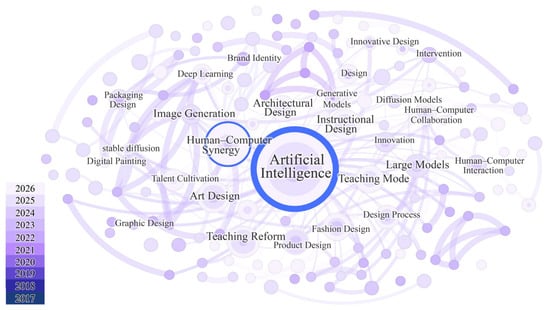
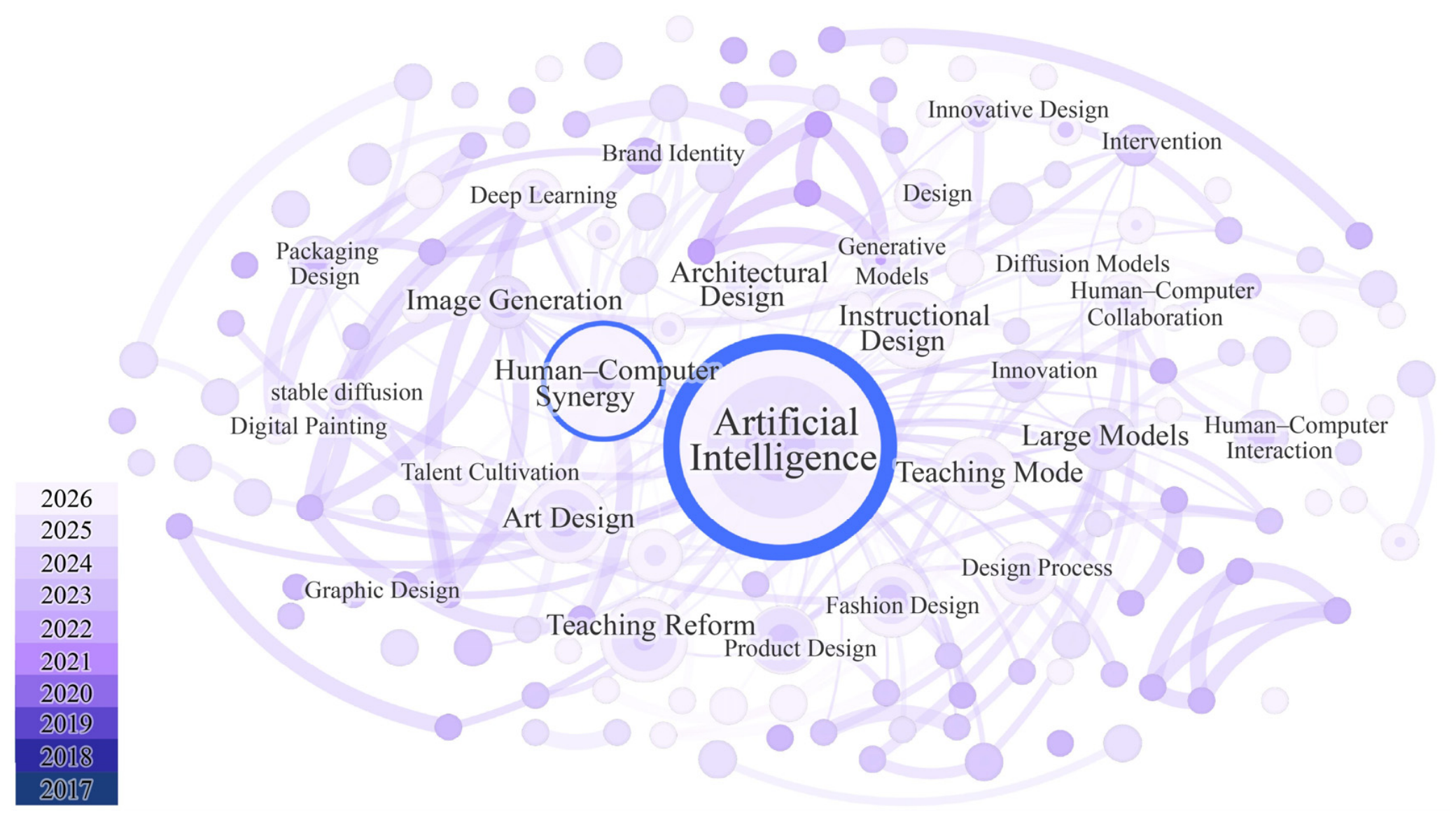
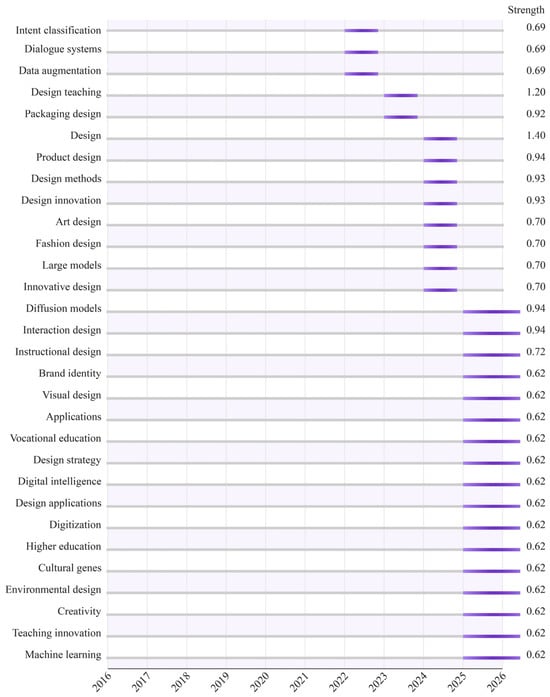
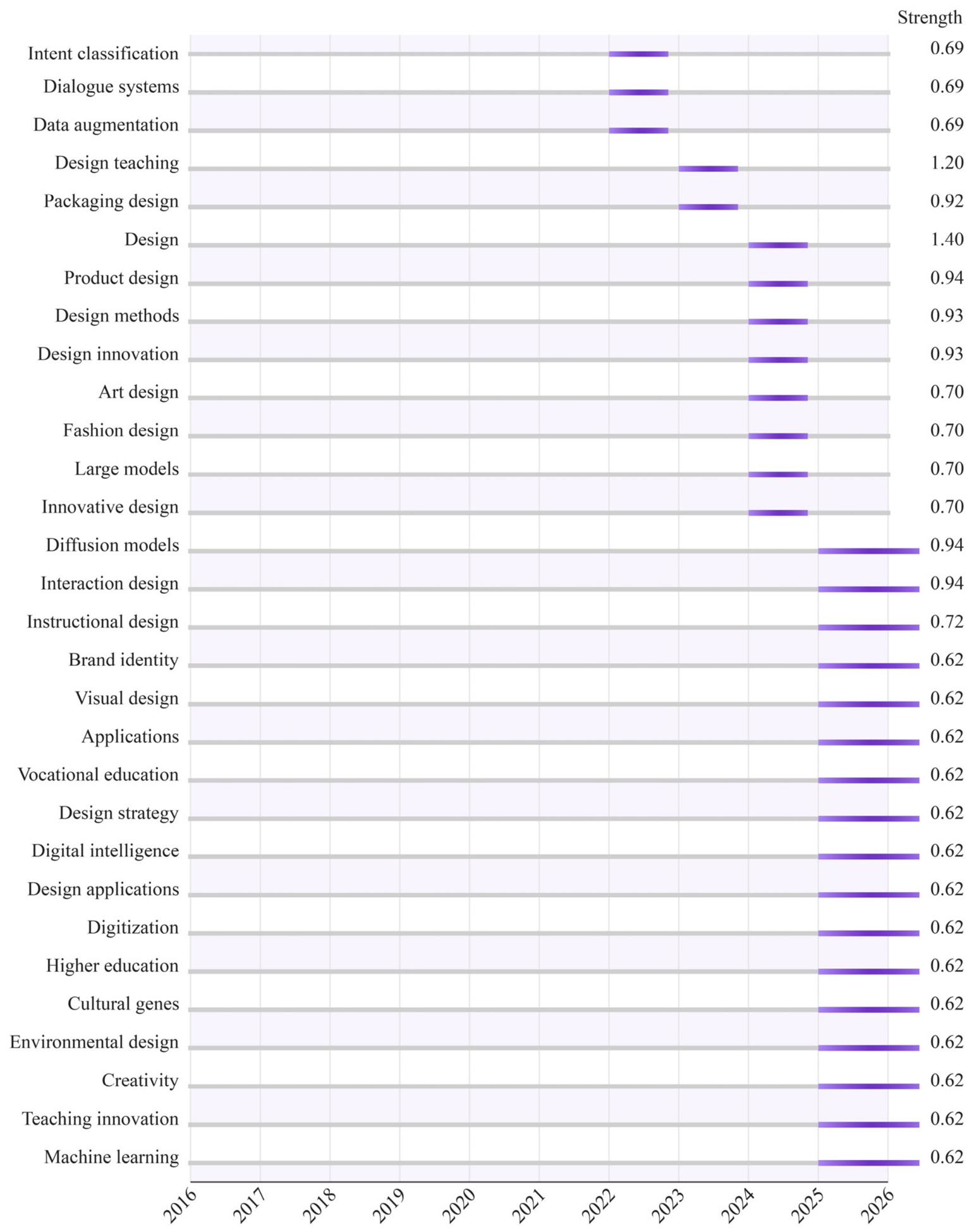
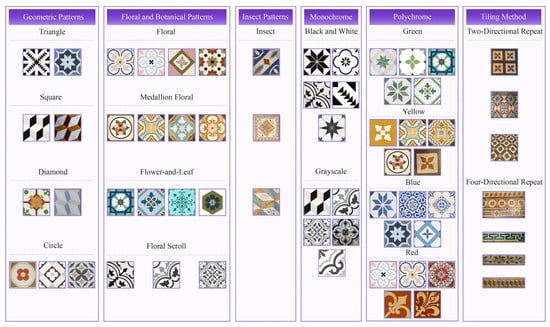
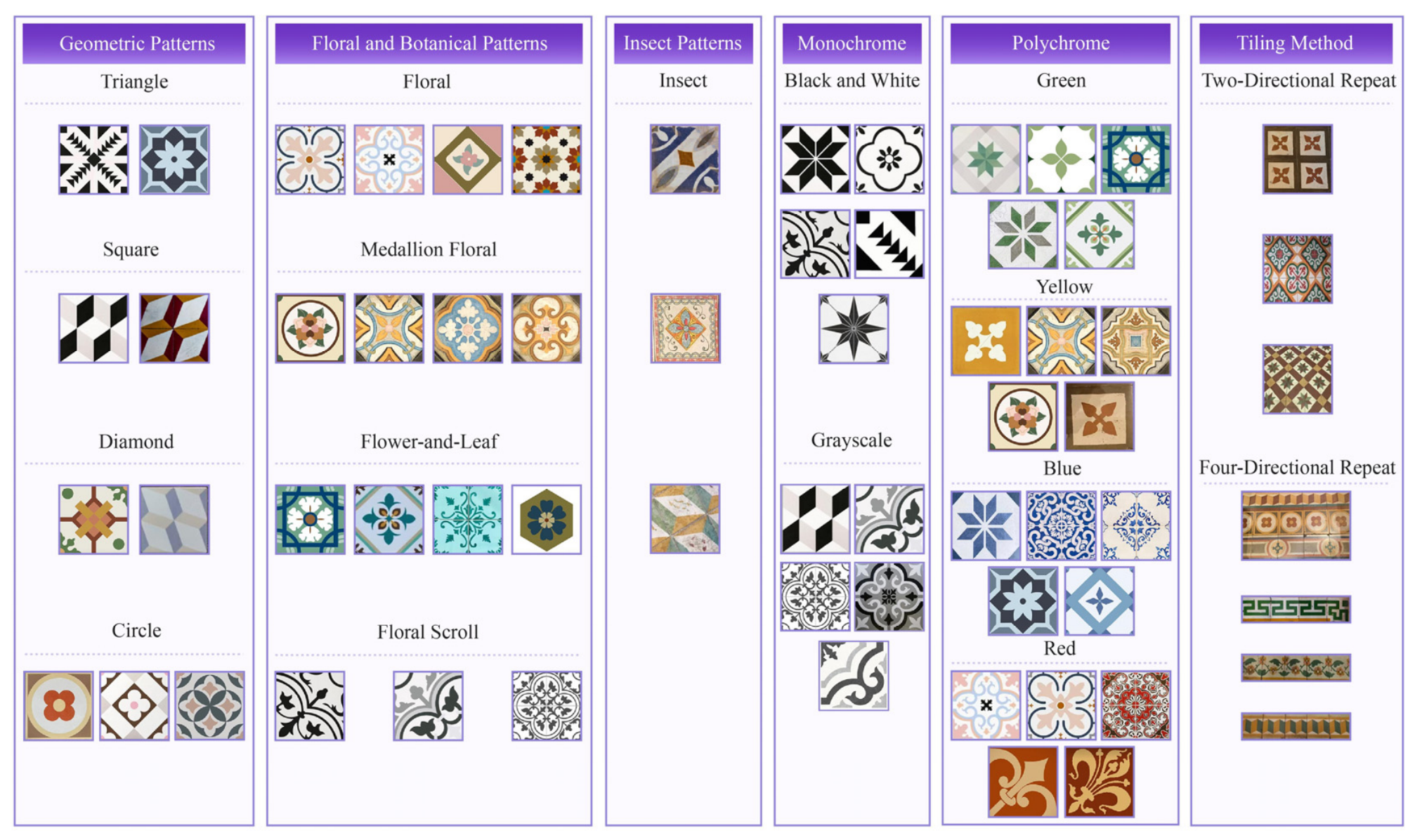
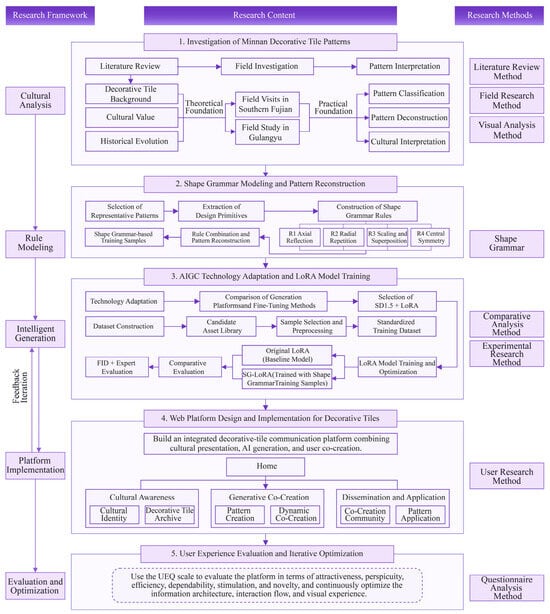
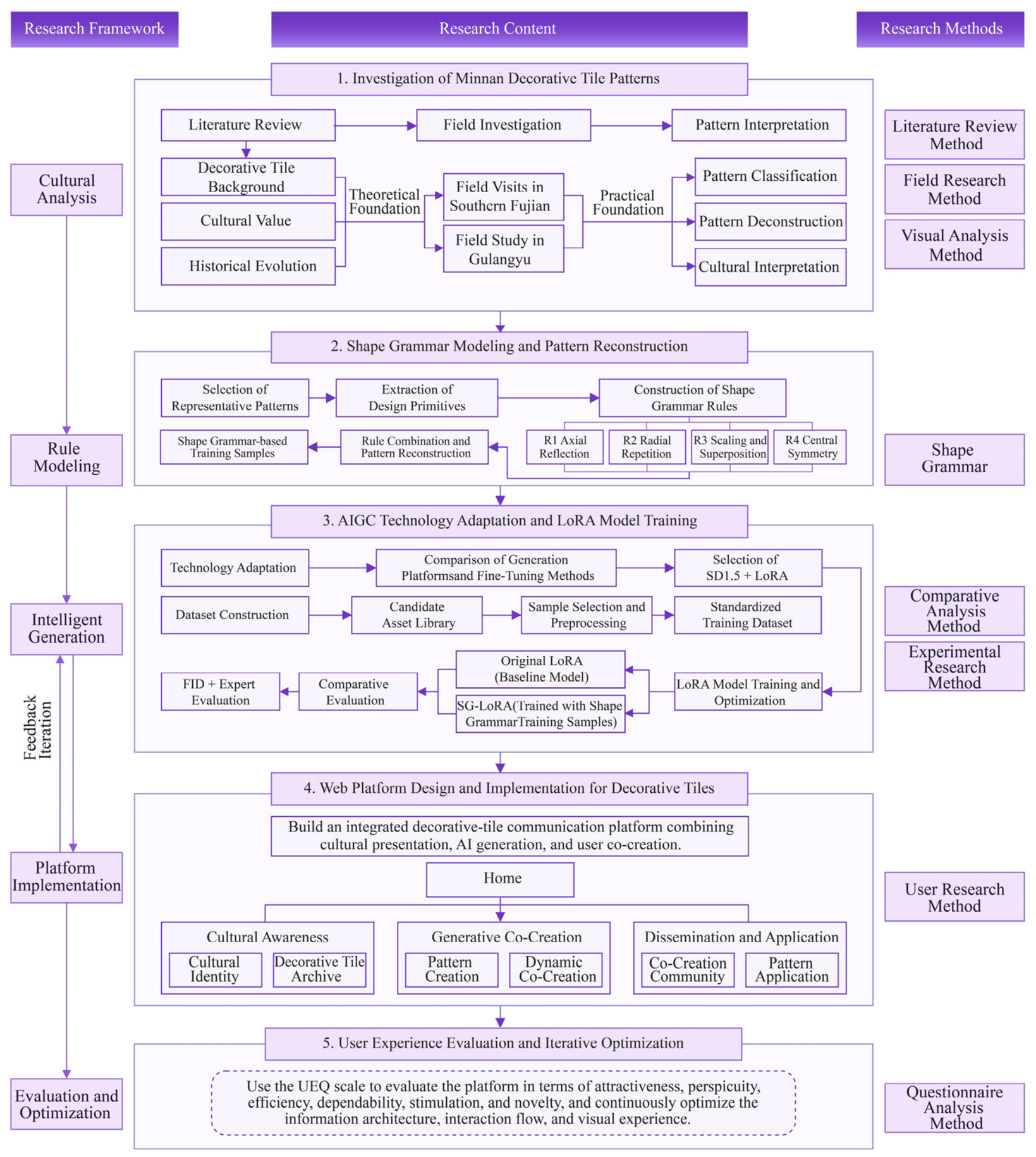
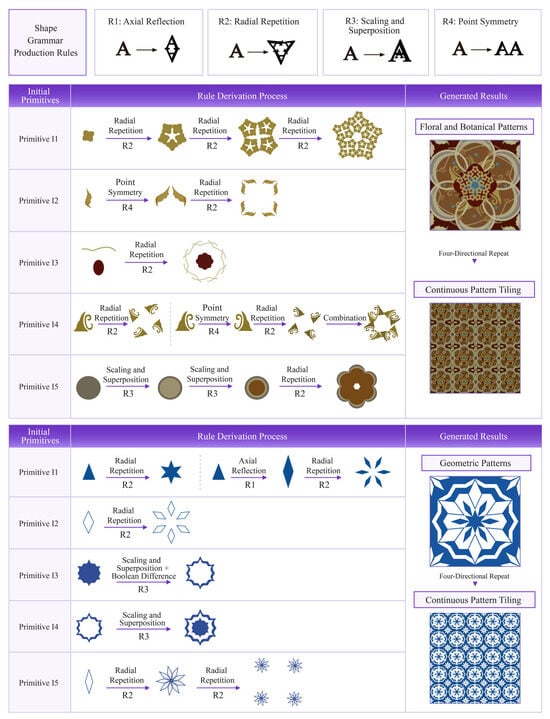
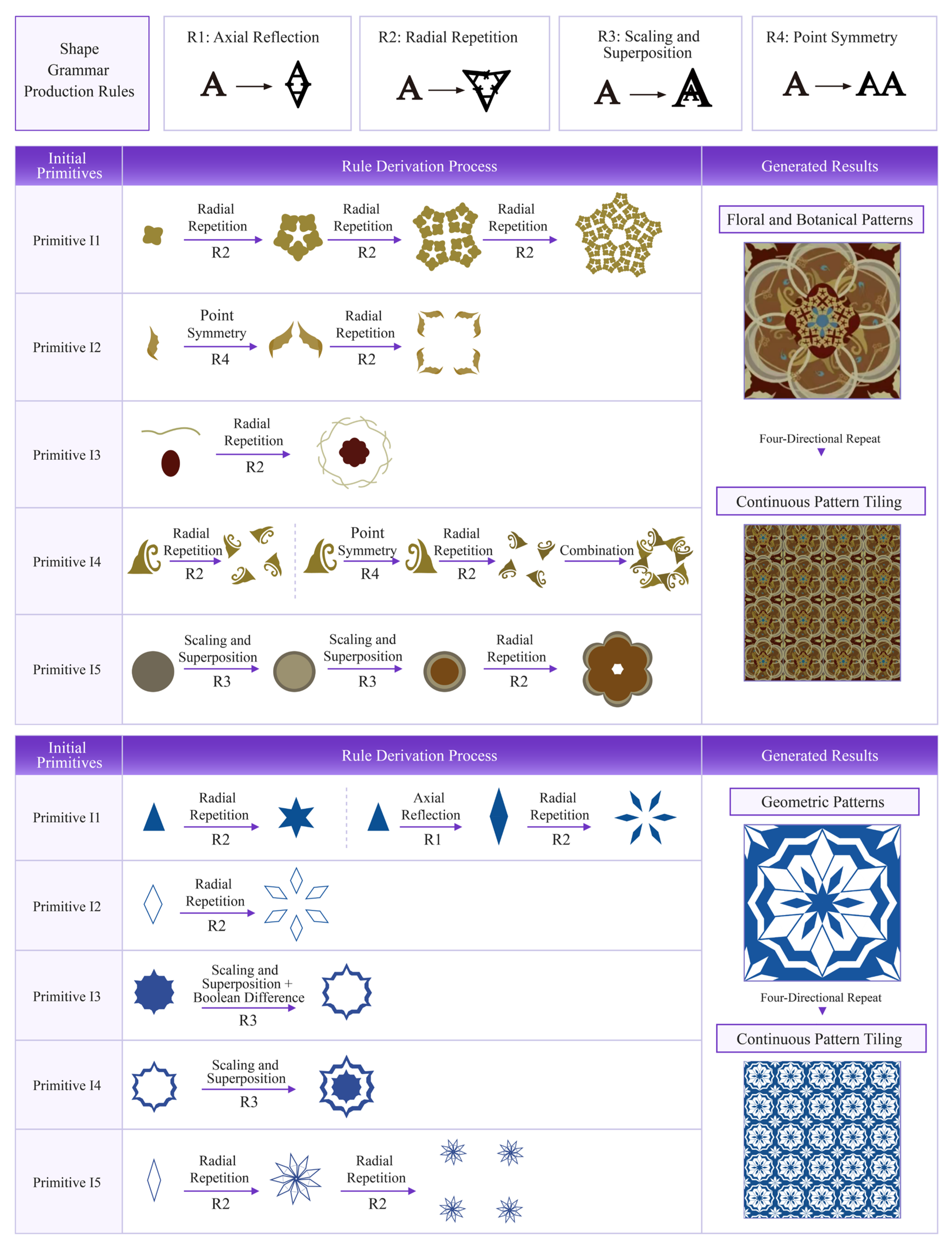
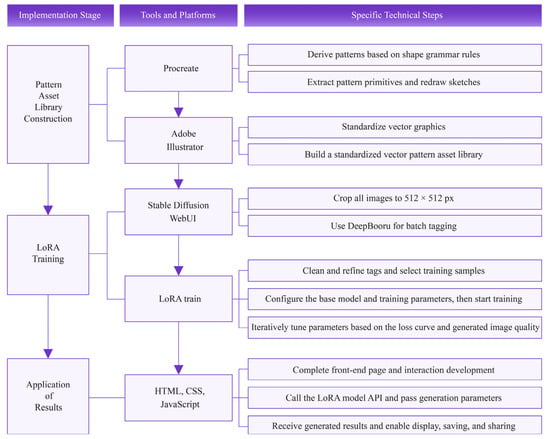
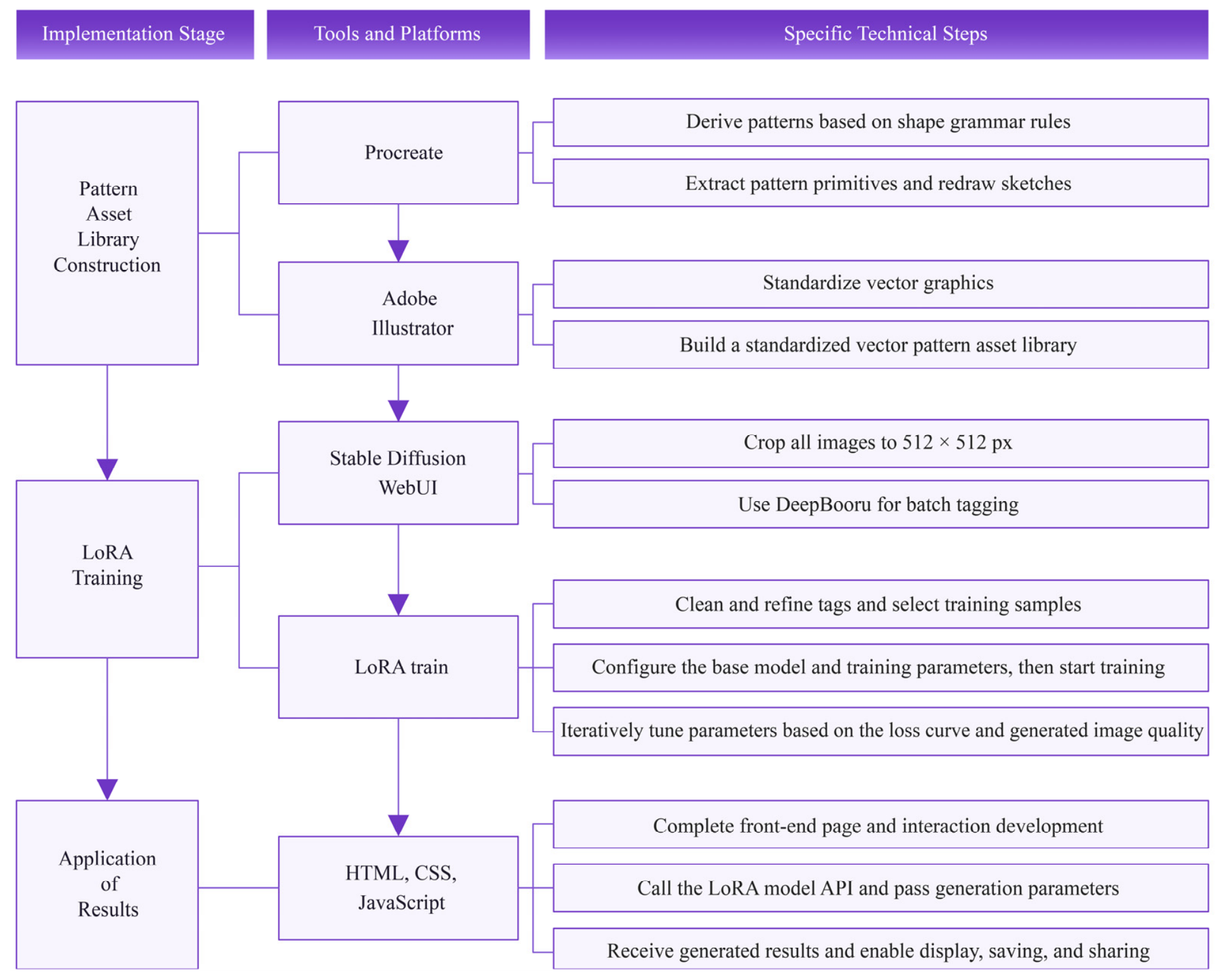
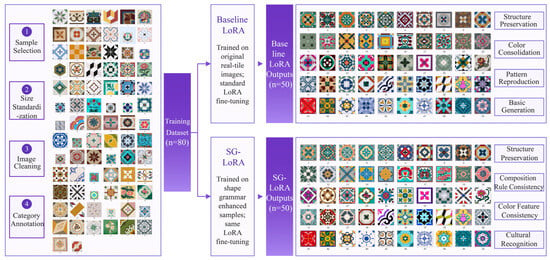
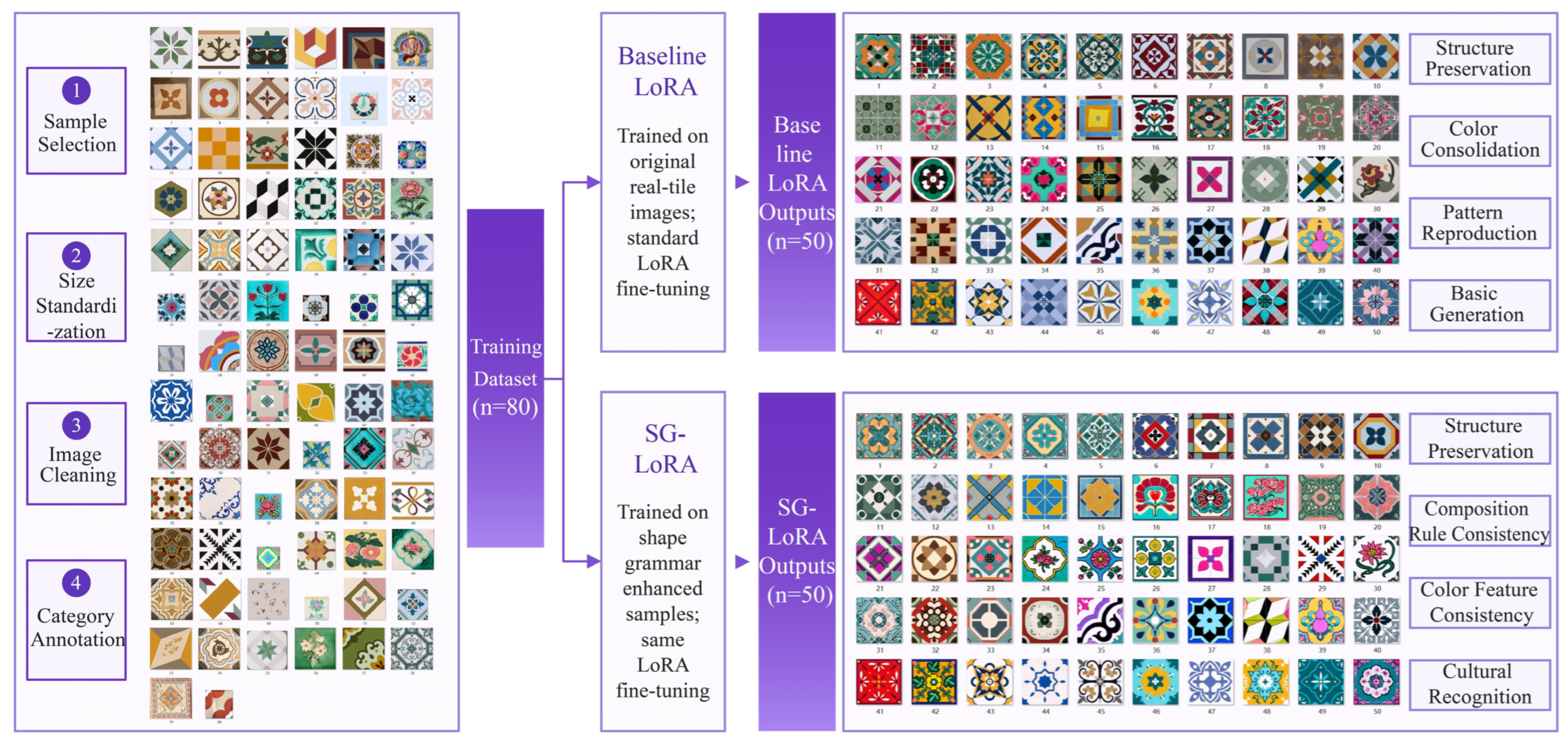
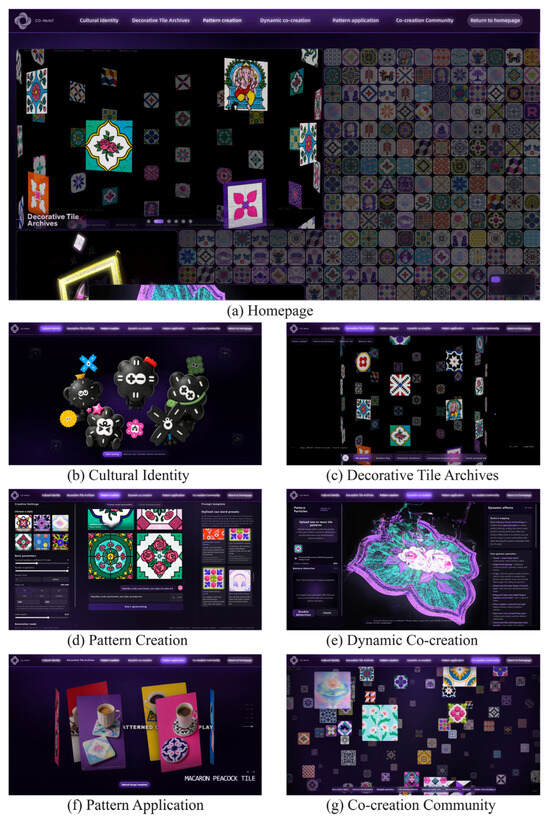
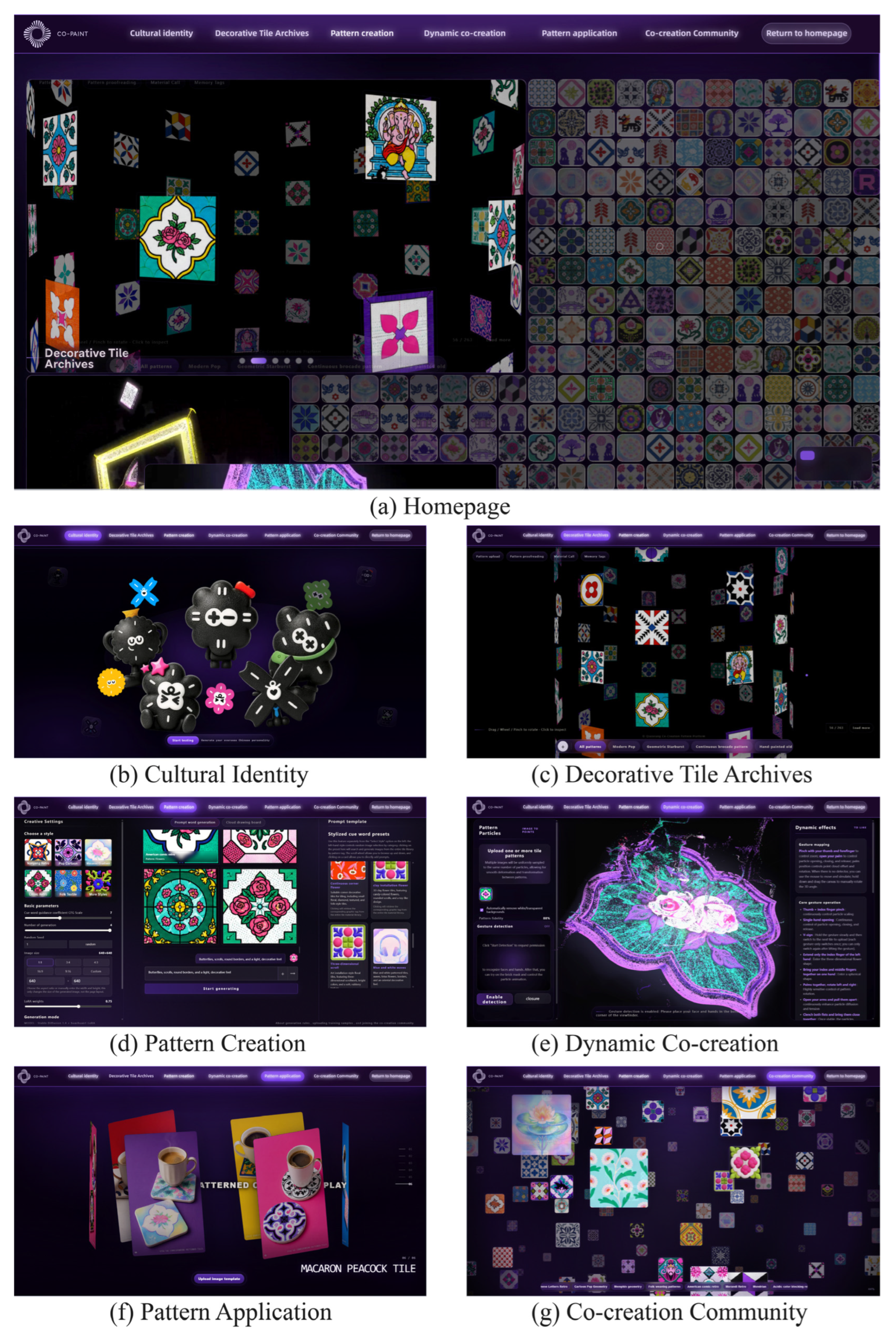
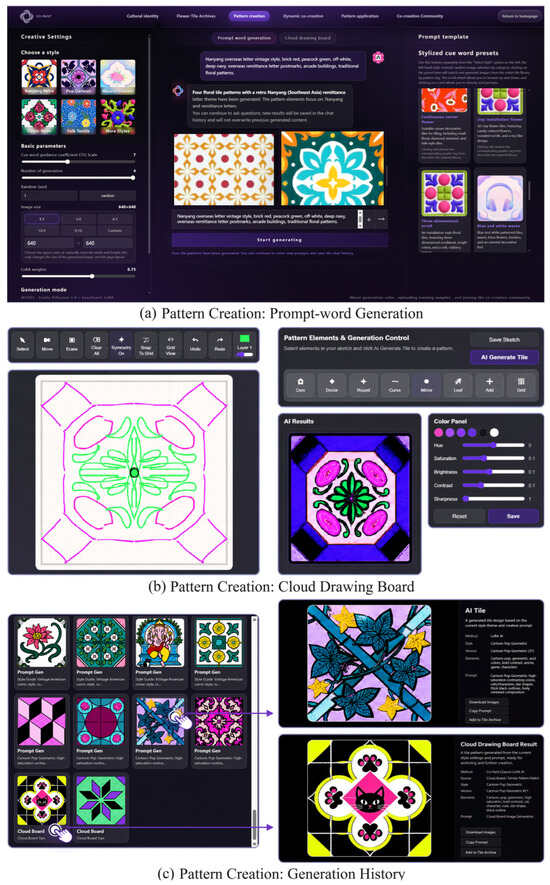
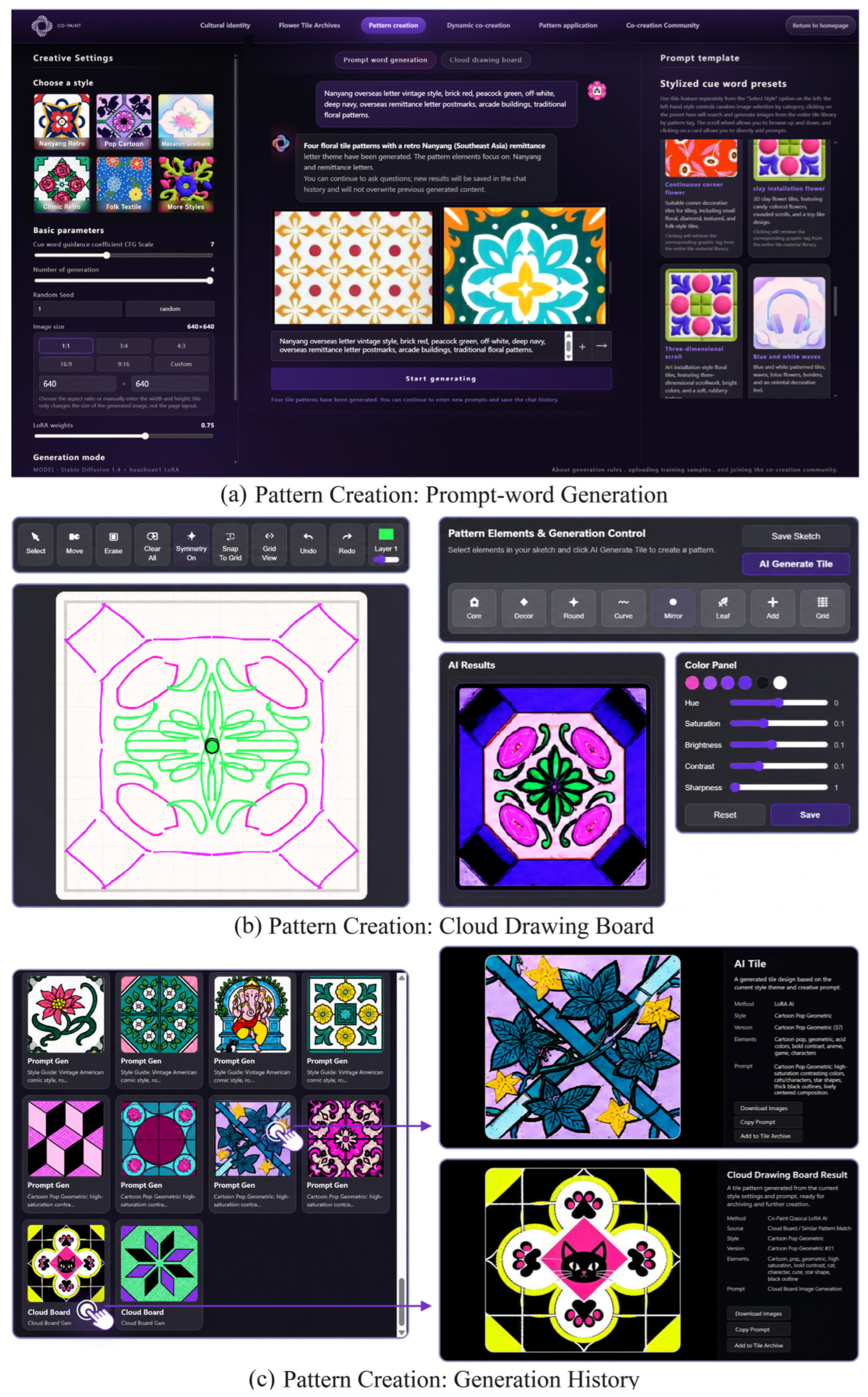
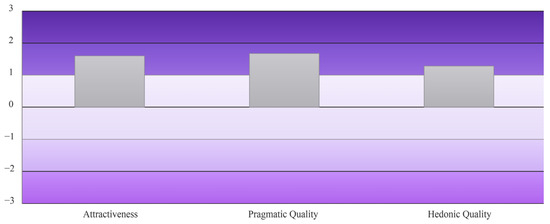
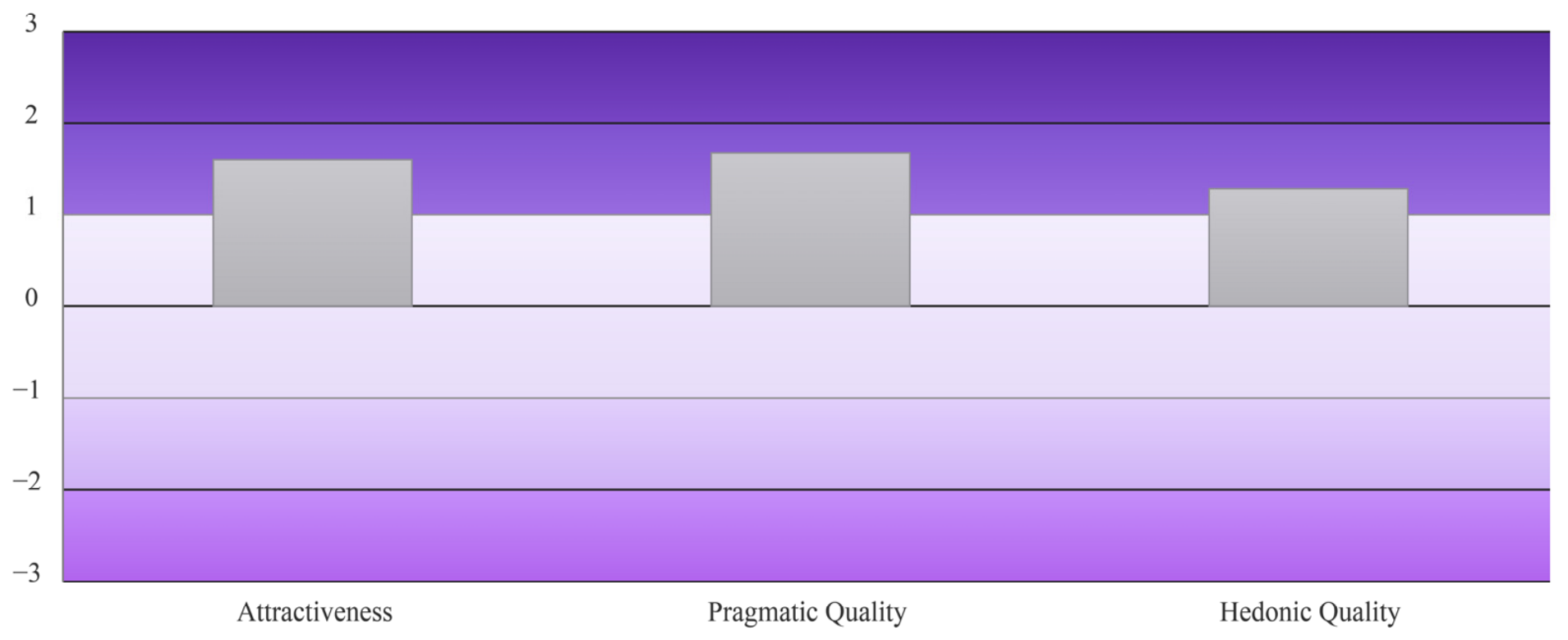
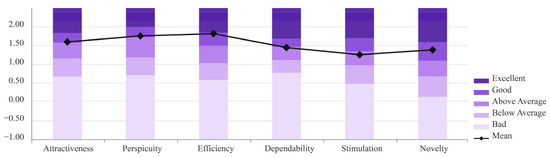
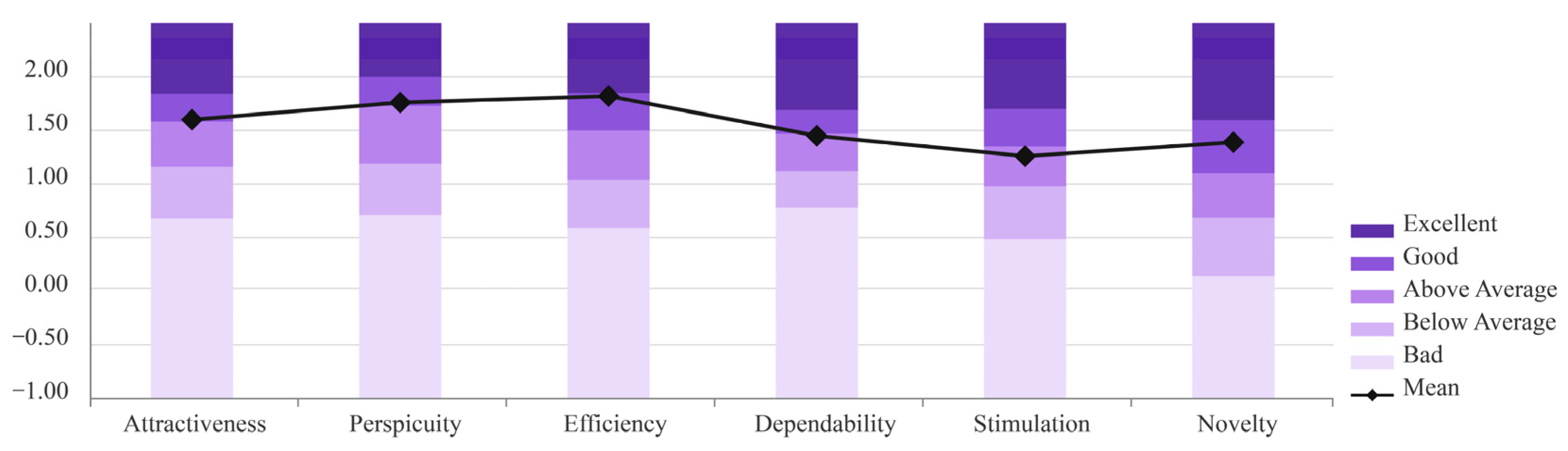

Disclaimer/Publisher’s Note: The statements, opinions and data contained in all publications are solely those of the individual author(s) and contributor(s) and not of MDPI and/or the editor(s). MDPI and/or the editor(s) disclaim responsibility for any injury to people or property resulting from any ideas, methods, instructions or products referred to in the content. |
© 2026 by the authors. Licensee MDPI, Basel, Switzerland. This article is an open access article distributed under the terms and conditions of the Creative Commons Attribution (CC BY) license.