


Abstract
Tourists visiting tsunami-prone destinations often have limited familiarity with local hazards, making preparedness important for sustainable coastal tourism and disaster risk reduction. This study examines the determinants of tourist preparedness in Pangandaran, Indonesia, using the Protection Motivation Theory (PMT) framework. Data were collected through an online survey of domestic tourists and analyzed using structural equation modeling. The results show that both threat appraisal and coping appraisal shape preparedness outcomes. Risk perception significantly elevates response efficacy, while self-efficacy serves as the primary direct predictor of behavioral intention. Perceived obstacles, operationalized as indirect indicators of personal resources and functional capacities rather than direct measures of response costs, significantly suppress self-efficacy. Response efficacy has a positive but statistically non-significant association with behavioral intention. Furthermore, behavioral intention strongly predicts actual behavior in the structural model, although moderate descriptive mean scores indicate an underlying implementation shortfall among visitors. Sociodemographic analyses revealed significant effects for selected variables: gender and age cohort significantly predicted self-efficacy, perceived obstacles, behavioral intention, and actual preparedness behavior, whereas income and travel purpose showed no significant associations. These findings highlight the central role of cognitive mechanisms in shaping tourist preparedness and underscore the need for targeted communication, capability-building interventions, and coordinated destination management to enhance safety and resilience in coastal tourism.
1. Introduction
Indonesia lies at the convergence of the Indo-Australian and Eurasian plates at the Sunda Megathrust, one of the most seismically active subduction zones on Earth [1,2,3]. Probabilistic hazard analyses confirm that persistent tectonic coupling along this boundary exposes the southern coast of Java to a continuing threat from megathrust earthquakes capable of generating major tsunamis [1,2]. Approximately 57% of Indonesia’s coastline is classified as tsunami-prone, exposing a substantial share of the nation’s coastal tourism infrastructure to direct risk [2]. Pangandaran, a coastal regency on the southern coast of West Java, exemplifies this vulnerability [1,4]. Following a devastating tsunami in 2006 that killed more than 400 people, Pangandaran was rapidly redeveloped as a designated national strategic tourism area [1,2,5]. Annual visitor numbers increased from a post-disaster low of 250,000 to nearly 4 million by 2019, accompanied by substantial multistory hotel development along the waterfront [1].
However, this rapid spatial redevelopment has introduced significant structural and operational safety risks [1,3]. Recent densification has concentrated infrastructure within the known tsunami inundation zone and has relied on planning models based solely on the 2006 event, without accounting for larger potential megathrust scenarios [1,3,6]. During peak holiday periods, daily visitor numbers reach as high as 59,000, most of whom are domestic tourists from non-tsunami-prone regions who are unfamiliar with the local geography, natural warning signs, and evacuation routes [1,7,8]. Existing official shelter capacity covers only a fraction of the combined resident and visitor population [1,7]. Furthermore, stakeholders in the tourism industry frequently resist visible mitigation measures because of concerns that they may deter visitors, while local evacuation signage remains damaged, poorly maintained, or misleading [5,7].
Despite its high physical exposure, disaster management in Indonesia has historically prioritized structural measures and top-down governance over individual behavioral preparedness [9,10]. Rapid-onset hazards such as tsunamis require immediate self-evacuation, yet a substantial gap remains between risk awareness and actual protective action [11,12]. Protection Motivation Theory (PMT) provides a robust framework for evaluating these cognitive processes through threat appraisal, including perceived severity and vulnerability, and coping appraisal, including self-efficacy, response efficacy, and response costs [13,14].
Nevertheless, existing applications of PMT in natural-hazard contexts have predominantly focused on long-term residents who possess established environmental cues and local knowledge [15,16,17]. Applications of PMT to transient tourist populations remain relatively limited, leaving uncertainty about how non-residents evaluate threats and coping mechanisms in unfamiliar destinations [18,19,20]. Although recent studies have begun to examine disaster-preparedness behavior in the tourist context, including Cisternas et al. (2024) in coastal resident–tourist communities [21] and Yamada & Tamura (2026) among tourists in earthquake contexts [22], simultaneous assessment of behavioral intention and actual preparedness behavior among transient tourist populations remains limited [18]. Consequently, the empirical factors underlying the intention–behavior gap in high-risk tourism settings remain poorly understood [11,12].
To address these limitations, this study is guided by the following central research question: How do threat appraisal, coping appraisal, and demographic characteristics shape tourists’ preparedness intentions and actual preparedness behavior in a high-risk, transient destination?
To answer this question, this study applies a PMT-based structural framework to survey data collected from domestic tourists in Pangandaran. Using structural equation modeling (SEM), the study evaluates the direct and indirect relationships among cognitive appraisals, demographic factors, preparedness intention, and actual protective behavior. By examining these human-centered processes within a single quantitative framework, this study clarifies the behavioral factors underlying tourist preparedness and provides evidence-based insights for coastal disaster risk management.
2. Literature Review
2.1. Disaster-Preparedness and Individual Protective Behavior
Disaster preparedness is conceptualized as a dynamic behavioral process through which individuals anticipate and respond to hazards by engaging in a series of cognitive appraisals. Recent research emphasizes that this process involves acquiring hazard knowledge and adopting protective measures, which are strongly influenced by beliefs about hazard severity and personal capability [23,24]. In rapid-onset hazards such as tsunamis, these behaviors are critical because they may determine survival during the limited window of availability for evacuation [25].
Tourists are particularly vulnerable because of their transient presence and limited situational awareness of local environments. Studies published between 2023 and 2024 indicate that leisure-oriented motivations may lead tourists to deprioritize risk signals, thereby increasing their exposure in high-density destinations such as Pangandaran [26,27]. Furthermore, a significant intention–behavior gap persists. Even when tourists recognize a threat, they may fail to develop concrete evacuation plans or identify safe areas [8,22]. This gap underscores the need to apply frameworks such as Protection Motivation Theory (PMT) to understand the cognitive factors underlying tourist preparedness decisions.
2.2. Protection Motivation Theory: Threat and Coping Appraisal
Protection Motivation Theory (PMT) provides a structured framework for analyzing how individuals evaluate risks and decide whether to undertake protective actions. The framework distinguishes between threat appraisal, which includes perceived severity and perceived vulnerability, and coping appraisal, which includes self-efficacy, response efficacy, and perceived obstacles [15,28]. These appraisals influence whether individuals adopt adaptive behaviors or engage in maladaptive responses, such as denial or fatalism.
Recent literature suggests that coping appraisal is an important factor in motivating preparedness behavior. Chakraborty and Chaudhuri (2025) demonstrated that risk communication is most effective when it simultaneously strengthens efficacy beliefs [29]. Similarly, Miao and Zhang (2023) show that self-efficacy acts as a critical mediator that amplifies the influence of risk information on behavior [30]. Without a strong belief in one’s ability to act and in the effectiveness of the proposed action, high perceived risk alone may not lead to preparedness [31]. For tourists, unfamiliarity with local infrastructure may weaken these efficacy beliefs, making PMT particularly relevant for developing effective risk communication strategies.
Although coping appraisal has generally emerged as a stronger predictor of preparedness in PMT research [15], several studies have reported that threat appraisal is equally or more important in particular contexts [32,33]. In earthquake-preparedness research, for example, perceived severity and perceived vulnerability were among the strongest predictors of intention-to-preparedness [33]. Similarly, threat appraisal outweighed coping appraisal in shaping protective behavior after an extreme weather event [32]. These findings suggest that the relative importance of coping appraisal and threat appraisal is context-dependent rather than universal, which is consistent with the indirect role of risk perception observed in this study.
2.3. PMT Applications in Natural Hazard and Disaster Contexts
PMT has been applied extensively to various natural hazards worldwide, with recent studies suggesting that sociocognitive factors may be more informative than socioeconomic variables in predicting adaptive behavior [34]. For example, Faruk and Maharjan (2022) identified self-efficacy as the strongest predictor of flood adaptation [35], while research on earthquake preparedness has shown that efficacy mediates the relationship between experience and protective action [30].
These studies consistently reveal a risk-perception paradox in which high awareness of hazard severity does not necessarily translate into protective action because of low efficacy or perceived barriers. While earlier research in Indonesia focused primarily on structural governance and early-warning systems, recent studies published between 2021 and 2025 have begun to examine individual behavior. However, the PMT framework used in much of this research was developed and validated mainly among resident populations, who experience permanent exposure and possess local knowledge and long-term efficacy beliefs. These characteristics differ fundamentally from those of transient visitors.
Studies specifically focusing on tourists in coastal destinations remain scarce, and the few existing studies have generally examined risk awareness and evacuation intention rather than the full structure of cognitive appraisal [36,37]. The present study extends the application of PMT beyond resident populations by applying its threat-appraisal and coping-appraisal framework to tourists. It examines whether appraisal mechanisms established in resident populations can also explain tourists’ preparedness and distinguishes behavioral intention from actual preparedness behavior among transient populations. This study also examines whether the risk-perception paradox operates differently among visitors who lack local knowledge and face distinct response costs [23,38].
2.4. Tourists’ Risk Perception and Preparedness in Coastal Destinations
Tourists constitute a distinct population in disaster-prone coastal regions because of their temporary presence, limited local knowledge, and leisure-oriented motivations [1,27]. These characteristics may reduce attention to hazard information and weaken situational awareness, thereby hindering timely evacuation during emergencies. Visitors are often unfamiliar with evacuation routes [39,40], may underestimate local hazard severity, or may assume that formal disaster-management systems will compensate for their lack of experience [27,41]. Such assumptions may delay protective action and increase exposure to rapid-onset hazards such as tsunamis [42,43].
In destinations where physical vulnerability is high and visitor numbers fluctuate seasonally, as in Pangandaran, tourist preparedness is a critical component of disaster risk reduction [1,2,5,7]. Previous studies have highlighted that tourists’ risk perception is shaped not only by hazard characteristics but also by travel motivations, perceived responsibility, and confidence in local authorities [19,21,44]. These factors interact with cognitive appraisals, including self-efficacy and response efficacy, which influence whether individuals intend to engage in protective behavior [20,45,46]. These characteristics are central to the coping-appraisal component of PMT, making tourists an important population for testing whether PMT findings based on resident populations can be generalized to transient visitors.
2.5. Conceptual Framework and Hypothesis Development
This study applies Protection Motivation Theory (PMT) to examine the cognitive and demographic factors that shape tourists’ disaster preparedness in Pangandaran. Preparedness is conceptualized through two distinct behavioral dimensions: behavioral intention, which reflects the cognitive commitment to act, and actual behavior, which represents the implementation of protective measures. This dual conceptualization is consistent with the findings of Yamada and Tamura (2026), who highlighted a persistent disconnect between travelers’ general awareness and their actual implementation of preparedness measures during domestic travel [22]. Similarly, Amri et al. (2024) demonstrated that high tsunami awareness among beach users does not inherently translate into effective evacuation knowledge or behavior, reinforcing the importance of the intention–behavior gap in coastal destinations [8].
2.5.1. Rationale and Theoretical Significance
The rationale for adopting PMT in this study lies in its ability to model human-centered cognitive decision-making under hazardous conditions. Traditional disaster-management approaches in Indonesia have historically focused on top-down governance and physical infrastructure. However, in rapid-onset disasters such as tsunamis, where warning times are limited and institutional support may be delayed, survival depends heavily on individual cognitive processing and rapid self-evacuation decisions. Whereas traditional models assume that individuals act rationally based primarily on physical risk exposure, PMT accounts for the psychological trade-offs between perceived threat and perceived coping capacity.
Applying PMT is particularly important for addressing the research objectives concerning transient populations outlined in Section 1. Unlike local residents, who benefit from established environmental cues, spatial familiarity, and local social networks, tourists are transient, non-resident actors operating in unfamiliar environments. PMT provides the theoretical basis for examining how non-residents process threat appraisal, including vulnerability and severity, and coping appraisal, including efficacy and perceived costs, without prior localized hazard knowledge.
2.5.2. Relationship to the Academic Research Question
This conceptual framework directly addresses the primary academic research question established in Section 1:
How do threat appraisal, coping appraisal, and demographic characteristics shape tourists’ preparedness intentions and actual preparedness behavior in a high-risk, transient destination?
To answer this question systematically, the operationalization adapted from Tang and Feng (2018) [47] identifies four core PMT-related cognitive determinants: risk perception, self-efficacy, response efficacy, and perceived obstacles. These variables function as cognitive antecedents of protection motivation, which is operationalized in this study as behavioral intention and subsequently linked to actual preparedness behavior. In addition, demographic attributes, which are gender, age, income, and travel purpose, are incorporated as antecedent predictors across model constructs to account for individual differences.
Based on this integrated framework, the hypotheses evaluated in this study are formulated as follows:
H1.
PMT cognitive constructs—risk perception, self-efficacy, response efficacy, and perceived obstacles—significantly influence tourists’ behavioral intention to prepare for disasters.
H2.
Behavioral intention positively predicts actual preparedness behavior.
H3.
Tourists’ demographic characteristics—gender, age, income, and travel purpose—are significantly associated with PMT determinants, behavioral intention, and actual preparedness behavior.
The conceptual model developed for this study is presented in Figure 1 and forms the basis for the empirical analysis described in the following chapter. As illustrated in the framework, the primary cognitive structural pathways proposed in H1 and H2 are evaluated using structural equation modeling (SEM). In parallel, multiple linear regression analyses are conducted to test H3 by examining the specific predictive effects of demographic characteristics on each cognitive determinant and behavioral outcome. By combining SEM path analysis with linear regression, this dual-analytical framework clarifies both the general cognitive mechanisms and demographic factors associated with tourist disaster preparedness.
Figure 1.
Conceptual model of factors affecting preparedness behavior.
3. Materials and Methods
3.1. Study Area
The study was conducted in the Pangandaran tourism area, a coastal tourism setting located in Pangandaran District, West Java. The geographic location and coastal setting of the study area are shown in Figure 2. The area comprises three administrative villages: Pangandaran, Pananjung, and Babakan. Previous tsunami vulnerability assessments identified these villages among areas with very high tsunami vulnerability, based on elevation, topography, land use, coastal boundaries, and riverbanks [48].
Figure 2.
Geographic location and coastal setting of the Pangandaran tourism area: (a) regional and sub-district location map (source: ESRI), (b) aerial satellite view of the Pangandaran isthmus and beach corridor (source: Google Earth, 2023).
Village-level geographical data for 2022 were obtained from Kecamatan Pangandaran dalam angka 2023, published by Badan Pusat Statistik Kabupaten Ciamis [49]. The area, geographical classification, and elevation above sea level of each village are summarized in Table 1.
Table 1.
Geographical conditions of the Pangandaran Beach tourism area by village.
The three villages constitute the administrative study area for the Pangandaran tourism corridor, although their official geographical classifications and elevations differ. Notably, while official administrative records document Pananjung’s maximum elevation at 80 m (reflecting the adjacent nature reserve headland), the active tourist accommodations, beach amenities, and evacuation routes across all three villages are concentrated along the low-lying coastal strip. Previous physical vulnerability assessments designate this active corridor as a zone of extreme tsunami susceptibility due to its low-lying topography (1–25 m elevation), exceptionally flat gradient (0–2%), dense concentration of wooden and masonry tourist infrastructure, and close proximity to the active shoreline (<500 m). Following the multi-criteria spatial vulnerability indexing methodology developed by Faiqoh et al. (2014) [48] and aligned with Indonesian National Disaster Management Authority (BNPB) guidelines, these morphological and spatial parameters are weighted to classify composite tsunami vulnerability across the study area (Table 2).
Table 2.
Vulnerability level of the Pangandaran tourism area.
3.2. Research Design and Participants
This study employed a quantitative research design using a structured questionnaire to examine the cognitive and demographic factors influencing tourist preparedness in Pangandaran. The target population consisted of domestic tourists, who represent the dominant visitor profile reported in official tourism statistics.
Participants were recruited through online distribution channels, primarily local WhatsApp travel groups and regional visitor forums, over a seven-week period from August to September 2022. The eligibility criteria ensured that respondents had relevant experience with the study context. To participate, individuals were required to:
- Be aged 15 to 65 years;
- Reside outside Pangandaran Regency and Ciamis Regency;
- Have visited Pangandaran for more than 24 h after the 2006 tsunami; and
- Be aware of the event.
A total of N = 205 responses were initially recorded. Following preliminary screening and the listwise removal of cases with incomplete demographic information, a final analytical sample of N = 191 respondents was retained for the empirical analyses.
In structural equation modeling, sample sizes between 100 and 200 can provide robust parameter estimates when measurement constructs exhibit strong factor loadings of approximately 0.60 and composite reliabilities exceed 0.70 [50,51]. A post hoc statistical power check indicated that, for a structural model with 6 latent constructs, 22 observed indicators, and a moderate anticipated effect size of 0.30, the analytical sample of N = 191 exceeded the recommended minimum sample size of 162 required to achieve statistical power of 0.80 at an alpha level of 0.05.
The questionnaire consisted of two sections. The first section captured demographic and travel characteristics, including age, gender, education, income, place of origin, disaster experience, travel purpose, and travel frequency. These items provided contextual information for interpreting behavioral patterns and are summarized in Table 3. The actual questions are provided in Appendix A.
Table 3.
Contents of the questionnaire.
The second section assessed six study constructs of Protection Motivation Theory (PMT): risk perception as threat appraisal; self-efficacy, response efficacy, and perceived obstacles as coping-appraisal variables; and behavioral intention and self-reported actual preparedness behavior as behavioral outcomes. Contemporary PMT research distinguishes self-efficacy, which refers to an individual’s perceived ability to perform a protective action, from response efficacy, which refers to the perceived effectiveness of that action. Perceived response costs generally refer to the practical, physical, informational, temporal, or financial burdens associated with performing protective behavior [52,53].
All items were rated on a five-point Likert scale ranging from 1, “strongly disagree,” to 5, “strongly agree.” The instrument was adapted from previously validated PMT-based disaster-preparedness measures, particularly Tang and Feng (2018) [47], to maintain conceptual consistency with established measurement approaches. In the tsunami context, tourists may face limited warning time, unfamiliar evacuation routes, inadequate information, route-accessibility constraints, physical mobility limitations, and the need to evacuate on foot or to vertical shelters. These challenges are especially relevant to transient populations who may be unfamiliar with the local evacuation system or the location of safe areas [27,54].
Accordingly, perceived obstacles were operationalized as capacity-related barriers that may make tsunami preparedness or evacuation difficult. These barriers included health-related limitations, physical effort, limited information, and difficulties accessing or following evacuation procedures. The items were intended to capture the perceived burden of performing protective actions rather than response efficacy or self-efficacy themselves. This distinction is consistent with PMT operationalizations of response costs as burdens or challenges associated with carrying out protective behavior [52,53].
In this study, obstacles were conceptualized as the absence or insufficiency of personal resources and capacities that may hinder tourists from undertaking tsunami-protective behavior. This definition extends beyond direct financial costs and includes access to information, time availability, health-related capacity, and financial resources. Insufficient access to information, limited health-related capacity, time constraints, or inadequate financial resources may hinder tourists’ ability to undertake protective behavior. Further theoretical justification is provided in Appendix B.
3.3. Data Collection Procedure
Data were collected through an online survey administered over a seven-week period from August to September 2022. The questionnaire link was distributed through WhatsApp groups, community visitor forums, and travel networks commonly used by domestic visitors, thereby providing access to individuals who had visited Pangandaran.
Although online purposive sampling provided an efficient means of reaching a geographically dispersed and transient tourist population, it may have introduced selection and self-selection bias by disproportionately reaching individuals with internet access and active participation in digital communication networks.
Participation was entirely voluntary, and no monetary incentives were provided. Nevertheless, self-selection bias cannot be ruled out because individuals decided whether to access and complete the online questionnaire. Screening questions were included at the beginning of the survey to ensure that only eligible respondents proceeded. These questions verified respondents’ age, place of residence, previous visits to Pangandaran, and awareness of the 2006 tsunami event. Responses that did not meet the eligibility criteria were automatically excluded.
All responses were collected anonymously, and no personally identifiable information was stored. These procedures ensured compliance with institutional ethical standards for online data collection.
3.4. Data Analysis and Modeling Approach
Data analysis employed a dual-analytical strategy to evaluate both structural sociocognitive pathways and demographic influences. First, structural equation modeling (SEM) was conducted using IBM SPSS AMOS 30 to examine the relationships among the Protection Motivation Theory (PMT) constructs and their influence on tourists’ preparedness. SEM was selected because it enables the simultaneous estimation of multiple latent variables and their structural pathways, thereby providing a comprehensive assessment of both the measurement properties and the theoretical model.
The SEM procedure followed a standard two-phase protocol. Phase 1 evaluated the measurement model using confirmatory factor analysis (CFA) to assess construct reliability, convergent validity, and discriminant validity. This process examined whether the observed indicators adequately represented the six latent constructs included in the model: risk perception (RP), self-efficacy (SE), response efficacy (RE), perceived obstacles (Ob), behavioral intention (BI), and actual behavior (AB).
Phase 2 estimated the structural model to test the primary hypothesized pathways (H1 and H2) at a significance level of α < 0.05. Because multivariate non-normality was identified during preliminary screening, model evaluation relied on fit indices that are relatively robust to distributional violations. These indices included the standardized root mean square residual (SRMR), root mean square error of approximation (RMSEA), comparative fit index (CFI), Tucker–Lewis index (TLI), and chi-square-to-degrees-of-freedom ratio (CMIN/DF), following established SEM guidelines.
Respondents were presented with five separate obstacles items, namely Ob1 through Ob5, as shown in Appendix A. For the analysis, the five items were grouped into three dimensions: Ob14 was calculated as the mean of Ob1 and Ob4 and represented information-seeking and preparation tendencies, Ob23 was calculated as the mean of Ob2 and Ob3 and represented health-related capacity, and Ob5 was retained as an indicator of financial capacity.
These dimensions were treated as related components of the broader obstacles construct because insufficient information, time, health-related capacity, or financial resources may constrain tourists’ ability to undertake protective behavior. Further explanation of the obstacles construct is provided in Appendix B. Positively worded items were reverse-coded before being combined so that higher scores indicated greater obstacles.
This operationalization is consistent with disaster-preparedness research indicating that access to information, physical capacity, time, and financial resources can influence people’s ability to prepare for and respond to disasters [55,56]. Item parceling was applied in accordance with established psychometric guidelines to optimize the measurement model, reduce indicator redundancy, mitigate item-level distributional skewness, and improve model parsimony without sacrificing construct coverage [57,58].
In addition, a series of multiple linear regression analyses was conducted using Microsoft Excel to complement the SEM framework and evaluate the demographic predictors. Separate regression models were estimated for each dependent construct: risk perception (RP), self-efficacy (SE), response efficacy (RE), perceived obstacles (Ob), behavioral intention (BI), and actual behavior (AB). In each model, age cohort and gender were entered as the primary predictors, while monthly income and travel purpose were included simultaneously as control covariates.
Age was dichotomized into two groups: 15 to 30 years (n = 65) and 31 to 65 years (n = 126), coded 1 and 0, respectively. The 30-year cutoff follows the youth travel-segment definition used in tourism research, which commonly categorizes youth travelers as those aged 15 to 30 years (UNWTO; WYSE) [59,60,61]. This distinction separates younger, largely independent travelers from older tourists who may more often travel with family and assume greater household responsibilities.
Gender was categorized into two groups, with men coded as 1 and women coded as 0. Monthly income was dichotomized at IDR 4,000,000, with values of IDR 4,000,000 or less coded as 0 and values above IDR 4,000,000 coded as 1. This threshold was selected to reflect the regional minimum-wage benchmark for the tourists’ primary areas of origin, including West Java and Greater Jakarta. Travel purpose was categorized as leisure travel, coded as 1, and non-leisure travel, coded as 0.
The combination of SEM path modeling in AMOS and multiple linear regression in Excel enabled a comprehensive assessment of both general cognitive mechanisms and profile-specific differences in tourist preparedness.
4. Results
4.1. Sample Characteristics
A total of 205 individuals initiated the survey. Following data screening for eligibility criteria, unengaged responses, and missing item values, a final valid dataset of N = 191 cases was retained for all descriptive profiling, structural equation modeling (SEM), and sociodemographic multiple linear regression analysis. This sample size satisfies established methodological recommendations for SEM, which suggest a minimum of 100 observations and approximately 200 for stable parameter estimation. Sampling procedures and inclusion criteria are summarized in Table 4.
Table 4.
Survey screening and sampling thresholds.
Demographic characteristics of the respondents are presented in Table 5. Most participants were aged 21–50 years (75.9%), representing the dominant age group among domestic tourists visiting Pangandaran. Gender distribution was balanced, with 50.3% men and 49.7% women respondents. The majority of the participants held a bachelor’s degree (75.4%).
Table 5.
Participants’ demographics and background (N = 191).
Monthly income levels varied, with 36.1% earning more than IDR 7,000,000 and 26.2% earning between IDR 4,000,001 and 7,000,000. The majority of respondents originated from West Java (87.4%) and Greater Jakarta (9.4%), regions that are not typically exposed to tsunami hazards. Consistent with this pattern, 75.9% reported no prior experience with natural disasters.
Travel-related characteristics are summarized in Table 6. Nearly half of the respondents (49.2%) had visited Pangandaran one to two times after the 2006 tsunami. Reflecting the multiple-response nature of the travel profiles, a vast majority of respondents (88.5%) indicated that holiday or leisure was a primary purpose of their trip; only 11.59% traveled for purposes other than leisure.
Table 6.
Participants’ travel preferences.
In terms of social group dynamics, which play a critical role in shaping collective disaster preparedness, most participants traveled with family (67.0%) or colleagues (45.5%). These highly collaborative travel structures align with the typical visitor composition of Pangandaran and provide a relevant, real-world basis for analyzing tourist preparedness in a high-risk, tsunami-prone setting.
4.2. Measurement Model: Reliability and Validity
The PMT items were adapted from validated instruments used in previous studies, particularly Tang and Feng (2018) [47], to ensure conceptual consistency and measurement reliability. Confirmatory factor analysis (CFA) was conducted to evaluate the measurement properties of the six constructs: risk perception, self-efficacy, response efficacy, obstacles, behavioral intention, and actual behavior.
The CFA results are presented in Table 7. Standardized factor loadings for the majority of the items exceeded the recommended threshold of 0.60, indicating robust indicator representation. Composite reliability (CR) and Cronbach’s alpha values ranged from 0.727 to 0.956 and from 0.726 to 0.959, respectively, well above the acceptable 0.70 threshold for internal consistency [50]. The AVE values for risk perception (0.630), self-efficacy (0.511), response efficacy (0.729), behavioral intention (0.771), and actual behavior (0.759) were well above the benchmark of 0.50.
Table 7.
Confirmatory factor analysis result.
Although the AVE for perceived obstacles was slightly below the standard threshold (AVE = 0.471), its convergent validity is psychometrically supported. According to Fornell and Larcker (1981), when the AVE is less than 0.50 but the composite reliability surpasses 0.60 (as observed here, with a CR of 0.727 and α = 0.726) the internal consistency and convergent validity of the construct are considered satisfactory [62].
Discriminant validity was assessed using the Fornell and Larcker (1981) criterion [62], comparing the square root of the average variance extracted () for each construct against the inter-construct correlations (Table 8). For risk perception, self-efficacy, response efficacy, and perceived obstacles, the square root of the AVE clearly exceeded all corresponding off-diagonal correlations, confirming distinct empirical dimensions.
Table 8.
Discriminant validity.
While the latent correlation between behavioral intention and actual behavior (r = 0.910) slightly exceeded their respective values (0.878 and 0.871), this close association is theoretically expected given the immediate proximity between protective motivation and self-reported action within Protection Motivation Theory [63]. To rigorously test whether the two constructs are statistically distinct, a confirmatory factor model comparison was executed following Anderson and Gerbing (1988) [64]. The baseline unconstrained two-factor model (χ2(40) = 57.306, CFI = 0.994, GFI = 0.951) demonstrated a statistically superior fit compared to a constrained nested model where the relationship between intention and behavior was fixed to unity (χ2(41) = 146.693, CFI = 0.962, GFI = 0.867). The resulting chi-square difference was highly significant (∆χ2(1) = 89.387, p < 0.001). This confirms that constraining the constructs into a single dimension leads to a significant deterioration in fit, empirically verifying the discriminant validity between behavioral intention and actual behavior.
4.3. Structural Model Fit
The structural model was evaluated using multiple goodness-of-fit indices to assess how well the hypothesized relationships among the PMT constructs aligned with the empirical data (Table 9).
Table 9.
Structural model goodness-of-fit indices.
Overall, the structural model demonstrated a good fit to the observed data. The chi-square-to-degrees-of-freedom ratio (CMIN/DF = 1.371) fell well below the conservative threshold of 3.00, indicating an appropriate balance between model complexity and explanatory power.
The root mean square error of approximation (RMSEA = 0.044) and standardized root mean residual (SRMR = 0.059) both met their respective criteria, indicating acceptable residual levels and minor approximation error.
Furthermore, the incremental fit indices exceeded the standard baselines, with the comparative fit index (CFI = 0.976) and the Tucker–Lewis index (TLI = 0.972) confirming that the structural model provides a robust representation of the data, rendering it fully suitable for path coefficient interpretation.
4.4. Structural Path Results
The structural model revealed key significant relationships among the Protection Motivation Theory (PMT) constructs. Table 10 presents both the unstandardized (B) and standardized (β) path coefficients, standard errors, and critical ratios (t-values) obtained from the SEM analysis.
Table 10.
Structural path coefficients.
Risk perception exerted a strong, positive, and statistically significant direct effect on response efficacy (β = 0.466, B = 0.820, t = 5.171, p < 0.001). Response efficacy was positively associated with behavioral intention, but this association did not reach conventional statistical significance (β = 0.132, B = 0.253, t = 1.724, p = 0.085). The coefficient was descriptively smaller than the self-efficacy (to behavioral intention) coefficient. However, because the difference between these coefficients was not formally tested, this comparison should be interpreted descriptively rather than as evidence that transient tourists prioritize personal capability over institutional countermeasures.
To evaluate whether response efficacy mediated the relationship between risk perception and behavior intention, the indirect effect was estimated using the product-of-coefficients method with Aroian standard errors [65,66]. The estimated indirect effect was positive (B = 0.207, β = 0.062, SE = 0.128, Z = 1.621) but it did not reach conventional statistical significance (p = 0.052, one-tailed; p = 0.105 two-tailed). Accordingly, the findings do not provide sufficient evidence to establish a statistically significant mediation effect. The positive estimate is compatible with the possibility that risk perception operates partly through response efficacy, but this interpretation remains tentative and requires further empirical testing (Table 11).
Table 11.
Indirect effect analysis for response efficacy mediation.
Coping appraisal dimensions emerged as the primary determinants of preparedness intentions. Self-efficacy had a dominant direct impact on behavioral intention (β = 0.437, SE = 0.149, B = 0.668, t = 4.469, p < 0.001), while perceived obstacles acted as a significant negative antecedent to self-efficacy (β = -0.241, B = -0.217, SE = 0.087, t = -2.501, p = 0.012), demonstrating that personal and situational barriers directly diminish tourists’ confidence in their evacuation readiness.
Behavioral intention acted as a powerful predictor of actual behavior (β = 0.918, B = 0.886, SE = 0.060, t = 14.719, p < 0.001). While the intention–behavior link is structurally robust, lower overall mean scores across both constructs reflect a widespread implementation shortfall among visitors. Overall, these findings substantiate the core propositions of PMT, illustrating how threat appraisal indirectly channels through coping capabilities to drive tsunami preparedness.
The final structural model after SEM iteration is presented in Figure 3, illustrating the significant pathways and the relative strength of relationships among the PMT constructs.
Figure 3.
SEM structural model after iterations.
4.5. Analysis of Sociodemographic Influences
To evaluate H3, a series of multiple linear regression analyses was performed to examine the predictive influence of sociodemographic characteristics on the primary Protection Motivation Theory (PMT) constructs and behavioral outcomes. Each model simultaneously included age cohort (GA2c) and gender (GA3) as primary focal predictors, alongside monthly income (GA7a) and travel purpose (GA11a) as control covariates (Table 12).
Table 12.
Primary multiple linear regression results.
The empirical results reveal that preparedness is primarily driven by gender and age rather than economic or travel-purpose factors:
- Gender Disparities: Men respondents showed significantly higher levels of self-efficacy (B = 0.307, t = 4.126, p < 0.001), behavior intention (B = 0.326, t = 2.481, p = 0.014), and actual preparedness behavior (B = 0.343, t = 2.935, p = 0.004) relative to women respondents, alongside significantly lower perceived obstacles (B = −0.248, t = −3.318, p = 0.001).
- Age-Differentiated Effects: Older tourists (31–65) showed significantly higher behavioral intention (B = −0.448, t = −2.999, p = 0.003) and actual behavior (B = −0.326, t = −2.447, p = 0.015) compared to the younger cohort (15–30). Conversely, younger tourists demonstrated significantly higher perceived obstacles (B = 0.196, t = 2.310, p = 0.022).
- Covariates and Other PMT Constructs: Monthly income and travel purpose were not statistically significant across any estimated model (p > 0.05). Furthermore, regression models predicting risk perception (F (4,186) = 0.565, p = 0.688) and response efficacy (F (4,186) = 0.438, p = 0.781) were non-significant, indicating that threat appraisal and people’s confidence in disaster measures remain relatively similar across tourist demographic groups (see Supplementary Table S1).
Supplementary Analysis: Age Sensitivity Analysis
To assess whether the observed age effects were sensitive to the 30-year dichotomization threshold, sensitivity analyses were conducted using alternative age specifications: GA2a, a 50-year cutoff; GA2b, a 40-year cutoff; and GA2d, a six-category ordinal scale. The 50-year cutoff yielded non-significant associations with behavioral intention (p = 0.221) and actual preparedness behavior (p = 0.125). This result may reflect the concentration of observations below age 50, which grouped participants from distinct life stages into a single category. By contrast, age remained significantly associated with both behavioral intention and actual preparedness behavior when the 40-year cutoff was used (GA2b: p = 0.004 and p < 0.001, respectively) and when age was modeled using the six-category ordinal specification (GA2d: p = 0.007 and p = 0.005, respectively; see Supplementary Table S2).
5. Discussion
5.1. Sociodemographic Determinants of Preparedness
5.1.1. Gender Dynamics and Structural Vulnerabilities
The significant demographic differences identified in the regression analysis challenge the assumption that tourists’ risk perceptions and capacities are uniform. Female tourists reported lower self-efficacy and behavioral intentions, as well as higher perceived obstacles. These findings suggest that gender may influence how PMT appraisals are formed and translated into preparedness behavior. Such differences may reflect variation in caregiving responsibilities, access to information, mobility, social support, prior hazard experience, and perceived control.
In disaster contexts, women frequently face gender-based resource disparities, including unequal access to financial assets, localized emergency information, and humanitarian assistance [67,68]. Disasters have also been shown to affect women more severely and to exacerbate existing gender inequalities [67]. Furthermore, caregiving responsibilities may shape a women’s mobility during crises, as women are often responsible for facilitating household evacuation while caring for dependents [69,70]. These factors may create additional burdens during emergencies, which may manifest as lower self-efficacy and a greater perception of vulnerability [68,71].
However, evidence also indicates that women often play important roles in household-level planning and family safety practices. Durmus et al. (2026) found that women play a pivotal role in disseminating disaster knowledge within households [70]. Therefore, the present findings should not be interpreted as evidence of an inherent lack of capacity among female tourists. This interpretation is consistent with evidence showing that women perceive risks as higher than men do across multiple hazards but do not necessarily demonstrate a higher level of preparedness [72]. The observed gap may therefore reflect differences in access to information, social support, and practical resources rather than differences in risk awareness or inherent capacity [73].
5.1.2. Age Dynamics and the Paradox of Youth Instability
The lower levels of preparedness observed among younger tourists aged 15 to 30 suggest that socioeconomic conditions may influence cognitive preparedness. Although younger people often possess high levels of digital literacy and baseline awareness of hazard risks [74], they may also face greater socioeconomic instability, including less stable financial resources, housing, and employment.
Han et al. (2026) demonstrated that although young people may initiate preparedness awareness, translating this awareness into actual action requires specific pathways through self-efficacy and response efficacy [74]. This finding suggests that awareness alone does not automatically translate into preparedness behavior when socioeconomic barriers are present. Because of daily livelihood instability, younger individuals may perceive greater obstacles, which may hinder the transition from hazard awareness to concrete protective intentions [75,76].
By contrast, older adults may be better positioned to translate socioeconomic stability into proactive behavior. Song et al. (2025) found that older adults demonstrated strong social support networks that contributed to community resilience [77]. Accumulated resources and established community networks may provide the stability necessary to translate risk awareness into concrete protective actions [77].
5.2. Structural Pathways of the Protection Motivation Model
5.2.1. The Risk Perception Paradox
Beyond demographic characteristics (H3), the core structural pathways of the Protection Motivation Theory (PMT) model characteristics (H1 and H2), provide important insights into tourist psychology. In the primary structural model (H1), risk perception did not have a direct effect on actual disaster-preparedness behavior (H2). This empirical pattern is consistent with the risk-perception paradox, in which high awareness of hazard severity does not necessarily translate directly into protective action [8,23].
Although destination attributes such as high-quality infrastructure and accessible amenities were not directly examined in this study, previous research suggests that they may reduce risk perception by creating a false sense of security and thereby diminishing the perceived urgency of preparedness [23]. This safe-development paradox has been documented in flood-risk research, where structural protection has been associated with complacency and reduced preparedness [78]. Comparable relationships between perceived safety and risk perception have also been observed among tourists [79]. Accordingly, the non-significant relationship between risk perception and preparedness in the present sample may be consistent with this explanation, although the mechanism remains speculative and requires direct testing.
Although tourists may be aware of regional tsunami risks, awareness alone does not necessarily lead to active preparedness. In the estimated structural model (H1), risk perception was positively associated with response efficacy. This pattern suggests that recognition of a threat may prompt tourists to evaluate the effectiveness of available protective measures before forming a behavioral intention. However, because the estimated indirect effect did not reach conventional statistical significance, this interpretation should be treated as tentative.
The empirical findings indicate that the estimated indirect effect of risk perception on behavioral intention through response efficacy was positive but did not reach conventional statistical significance (B = 0.207, β = 0.062, SE = 0.128, Z = 1.621, p = 0.105, two-tailed). Therefore, H1 was not supported. Although the estimated indirect effect was positive, the two-tailed result did not provide sufficient evidence of a statistically significant mediation effect. The finding should therefore be interpreted cautiously as a possible indirect association rather than as confirmed mediation. The result may indicate that risk perception is related to behavioral intention partly through response efficacy, but this possibility requires further empirical verification with larger samples and more precise estimation.
The finding may also reflect a broader theoretical possibility. In sudden-onset coastal hazards, tourists may place greater emphasis on immediate personal agency and self-efficacy than on destination-level countermeasures. Institutional trust was not directly measured in this study, so its role in the relationship between risk perception, response efficacy, and behavioral intention remains speculative. Nevertheless, the finding is conceptually consistent with previous research suggesting that confidence in local disaster infrastructure may strengthen response efficacy among transient populations [23,27]. A tentative practical implication is that tourists may be more likely to form protective intentions when they perceive local mitigation systems as effective and reliable [29]. Accordingly, local authorities in Pangandaran should prioritize visible and transparent demonstrations of infrastructure readiness rather than relying solely on passive awareness campaigns.
5.2.2. Self-Efficacy as the Primary Behavioral Driver
In contrast to the indirect association involving risk perception, self-efficacy emerged as the strongest direct predictor of behavioral intention (H1) and subsequent actual preparedness behavior in the structural model (H2). This finding is consistent with a substantial body of PMT research indicating that individuals’ confidence in their ability to carry out protective actions is an important predictor of actual precautionary behavior [15,29,30]. In earthquake and tsunami contexts, perceived efficacy has been associated with comparatively strong behavioral coefficients, reinforcing the importance of knowing how to act in addition to knowing about the risk [15].
However, the structural model also indicates that self-efficacy is negatively associated with perceived obstacles (H1). In this study, obstacles were measured through indicators of personal resources and functional capacities rather than through direct measures of specific response costs. Perceived constraints, including limited financial resources, time limitations during travel, and limited localized knowledge, may deter preparedness [80]. This finding suggests that even highly motivated tourists may remain inactive when the perceived effort, complexity, or difficulty of preparedness is too high. For tourists, unfamiliarity with Pangandaran’s geography may represent an important cognitive barrier that reduces their perceived capacity for self-protection [23]. Enhancing tourist preparedness therefore requires targeted interventions that simplify protective actions and reduce the perceived effort involved in staying safe while traveling.
This finding provides a nuanced extension of previous research. Tang and Feng [47] found that obstacles in Taiwan acted as a direct and parallel impediment to behavioral intention in the context of earthquake preparedness. In contrast, the present model suggests that obstacles in Pangandaran primarily operate as an antecedent that weakens self-efficacy. Tourists who perceive themselves as lacking the immediate resources or capabilities required to cope may be less likely to form protective intentions (H1) and translate those intentions into actual behavior (H2).
5.2.3. Translating Intention into Action
The model shows that behavioral intention strongly predicts actual behavior at the structural level (β = 0.918, p < 0.001). This finding indicates that tourists who form protective intentions are more likely to report corresponding preparedness behavior. However, this strong structural relationship should be distinguished from the overall level of preparedness in the sample.
As reflected by the baseline regression intercepts near or below the scale midpoint in Table 12, the overall level of preparedness remained low to moderate. Consequently, the intention–behavior gap observed among tourists does not necessarily represent a structural breakdown between intention and action. Rather, it may reflect an implementation shortfall in which leisure-oriented disengagement and unfamiliarity with the destination inhibit the initial formation of protective intentions.
6. Conclusions
Disaster preparedness is critical to safeguarding individual well-being and life in hazard-prone environments. For disaster-management authorities, tourism operators, and destination planners, a detailed and empirically validated understanding of the cognitive and sociodemographic factors underlying protection motivation is essential for designing effective mitigation policies.
6.1. Theoretical Implications
This research contributes to the disaster risk reduction literature by extending the application of Protection Motivation Theory (PMT) to transient, short-term populations in high-risk coastal tourism destinations.
First, the findings highlight the dominant role of coping appraisal, particularly self-efficacy, in predicting both behavioral intentions and actual preparedness behavior. This finding supports the theoretical argument that perceived capability is a central psychological factor in protective decision-making and may carry greater predictive weight than hazard awareness or threat appraisal alone.
Second, this study clarifies an important structural pathway by showing that perceived daily obstacles act as an antecedent that suppresses self-efficacy. Whereas traditional applications of PMT often treat obstacles as a direct and parallel barrier to intention, our findings suggest an indirect pathway through which everyday constraints, such as resource, time, and financial limitations, may erode individual’s confidence in their ability to act. These constraints may therefore inhibit protection motivation at an earlier stage of the decision-making process.
A further theoretical implication of this study is that PMT operates through socially differentiated rather than homogeneous cognitive appraisals. In this study, female tourists reported lower levels of self-efficacy and behavioral intention, together with higher levels of perceived obstacles, whereas younger tourists reported lower levels of preparedness. These findings indicate that the same tsunami threat may not generate the same protective response across demographic groups. Differences in perceived control, hazard knowledge, previous experience, access to information, mobility, social support, and perceived response costs may influence how tourists evaluate their vulnerability and their capacity to evacuate. Age and gender should therefore be treated not merely as descriptive variables or statistical controls, but also as characteristics that may condition how PMT appraisals are formed and translated into preparedness behavior.
This contribution extends standard applications of PMT in two ways. First, it shifts attention from average relationships among threat appraisal, coping appraisal, and preparedness toward the possibility of heterogeneous relationships across population groups. Recent tsunami research involving local residents, non-local workers, and travelers found that threat and coping appraisals predicted evacuation intentions, while gender influenced threat perception, supporting the importance of demographic variation in tsunami-related decision-making [24]. Second, the findings connect PMT with the social vulnerability perspective. Research on disaster perception shows that gender differences may interact with age and education rather than operate as isolated demographic effects [72]. Similarly, intersectional disaster research argues that vulnerability is shaped by the interaction of identity, social position, resources, place, and power relations rather than being an inherent characteristic of a predefined group [81].
Accordingly, the lower level of preparedness observed among female and younger tourists should not be interpreted as evidence of an inherent lack of capacity. Instead, the findings suggest that demographic differences may reflect unequal access to information, previous disaster experience, social support, perceived mobility, confidence in evacuation procedures, and practical resources. This interpretation is consistent with research showing that personal characteristics, social norms, and locus of control can add explanatory value to standard PMT constructs when predicting disaster-preparedness actions [82]. The theoretical contribution of this study is therefore the proposition that PMT should be applied as a context-sensitive framework in tourism disaster research, one that recognizes that protection motivation is formed under unequal social and situational conditions.
However, the present findings should be interpreted as evidence of demographic differentiation rather than definitive evidence of intersectional causation. The study did not directly test whether caregiving responsibilities, patriarchal exclusion, economic instability, or unequal access to resources contributed to the observed differences. Future research should examine these mechanisms using interaction effects, multigroup structural equation modeling, longitudinal designs, and measures of socioeconomic status, travel experience, social support, caregiving responsibilities, and access to evacuation information. Such research would allow future PMT studies to determine not only whether demographic groups differ in preparedness, but also why the relationships among threat appraisal, coping appraisal, intention, and actual preparedness behavior differ across groups.
6.2. Practical and Policy Implications
Targeting the appropriate behavioral drivers is essential for improving the effectiveness of disaster-management investments. The findings of this study indicate that interventions targeting coping capacity, particularly self-efficacy, may be more effective than policies focused solely on increasing risk perception.
6.2.1. Enhancing Self-Efficacy and Response Efficacy
To strengthen tourist self-efficacy, destination managers and local authorities in Pangandaran should provide visible, actionable, and localized safety information. Interventions should prioritize simple and visually accessible materials, including multilingual evacuation maps, route signage at major tourist locations, and automated mobile alerts. By specifying the steps that tourists should take during an emergency, these interventions can reduce uncertainty and strengthen visitors’ confidence in their ability to protect themselves and their families.
In parallel, public information campaigns should strengthen response efficacy by clearly demonstrating how local tsunami countermeasures, early-warning systems, and designated safe areas function. Communication should explain how warnings are issued, what protective systems can do, and where tourists should move during an emergency. Such information may improve visitors’ perceptions of the effectiveness and reliability of available protective measures and may encourage protective action.
6.2.2. Targeted Demographic Interventions
Because preparedness indicators vary significantly across demographic groups, authorities should move away from generic communication strategies and toward targeted, demographically responsive policies:
- Gender-responsive strategies: Because female tourists reported lower baseline self-efficacy and higher perceived obstacles, disaster-management plans should prioritize gender-inclusive safety measures. Interventions should include clear, family-oriented evacuation protocols; accessible assistance points for visitors traveling with dependents; and safety messaging integrated into major tourist accommodations and service hubs.
- Youth-focused capacity building: To address the lower levels of preparedness observed among younger respondents aged 15 to 30, interventions should make use of this group’s digital familiarity and existing hazard awareness. Destination managers should deploy gamified mobile applications, interactive social-media safety guides, and digital location-based alerts to translate hazard knowledge into practical protective actions.
6.3. Limitations and Directions for Future Research
Although this study develops a sociodemographic and cognitive framework for understanding preparedness among transient populations, several operational limitations point to important directions for future research:
- Methodological boundaries: The study relied on cross-sectional survey data, and actual preparedness behavior was assessed through self-report rather than direct observation. This approach may introduce social-desirability bias and limits the ability to capture real-time behavioral execution during an actual emergency. Future studies could supplement self-reported measures with objective indicators of preparedness behavior, such as observational simulations, field experiments, or virtual-reality evacuation exercises.
- Sampling method and scale: Data were collected through purposive, non-probability sampling via digital visitor-communication channels and community networks. This approach may have introduced selection and self-selection bias, as participation depended on access to relevant online networks and willingness to complete the survey. Consequently, the findings may not be generalizable to all visitor profiles or to tourists in other destinations. Although model estimation and structural fit were assessed, these statistical checks do not eliminate sampling bias or establish population representativeness. Future research should replicate the model using probability-based or mixed-mode sampling with larger samples across multiple destinations to strengthen external validity.
- Sample size and statistical power: Although the post hoc power analysis indicated that a sample of 162 participants was required and the final sample included 191 respondents, this calculation was based on the specified effect size and does not guarantee stable parameter estimates. This limitation is particularly relevant to modest direct effects and indirect effects, which may be more sensitive to sampling variation. Therefore, the findings should be interpreted cautiously, and future studies should replicate the proposed model using larger and more diverse samples.
- Unmeasured constructs: Institutional trust was not directly measured in this study, despite its relevance to interpreting the indirect pathway through which risk perception may shape behavioral intention via response efficacy. Consequently, the role of institutional trust in this pathway remains speculative. Future research should measure institutional trust directly to clarify its contribution to tourist preparedness.
- Geographical and contextual generalizability: This research focused exclusively on the spatial, institutional, and tourism characteristics of Pangandaran. To establish broader external validity, future studies should compare tourist preparedness across diverse coastal destinations facing different levels of tsunami risk and infrastructure readiness.
- Sample scope: The dataset includes only temporary domestic tourists. Because permanent local residents and business operators may possess different levels of localized knowledge, spatial memory, and institutional trust, comparative multigroup analyses involving tourists, local residents, and business operators would represent an important step toward developing a more comprehensive understanding of destination resilience.
- The obstacles construct: In this study, obstacles were measured through indicators of personal resources and functional capacities rather than through direct measures of the perceived time, financial, physical, or logistic costs of specific preparedness actions. Accordingly, the observed relationship should be interpreted as reflecting broader capacity-related constraints rather than the independent effects of particular response costs. Future research should distinguish between personal functional capacity and direct response costs by including separate measures of financial burden, physical difficulty, logistical barriers, and time requirements.
Supplementary Materials
The following supporting information can be downloaded at: https://www.mdpi.com/article/10.3390/su18199815/s1, Table S1. Supplementary multiple linear regression results. Table S2. Sensitivity analysis across alternative age specifications (N = 191).
Author Contributions
Conceptualization, A.M.; Methodology, A.M.; Software, A.M.; Validation, N.W. and R.K.; Formal analysis, A.M.; Investigation, A.M.; Resources, A.M.; Data curation, A.M.; Writing—original draft, A.M.; Writing—review & editing, A.M., N.W. and B.B.W.; Visualization, A.M. and N.W.; Supervision, N.W. and R.K.; Funding acquisition, R.K. All authors have read and agreed to the published version of the manuscript.
Funding
This research was funded by Japan Science and Technology Agency (JST SPRING) grant number JPMJSP2127.
Institutional Review Board Statement
Ethical review and approval were waived for this study in accordance with the Research Ethics Guidelines of Institut Teknologi Bandung (KEP ITB/CIOMS 2016 Guidelines, Guideline 23), as the research involved solely voluntary, non-invasive, anonymous survey questionnaires administered to adult respondents with no collection of personally identifiable information.
Informed Consent Statement
Informed consent was obtained from all subjects involved in the study.
Data Availability Statement
The data supporting the findings of this study are available from the corresponding author upon reasonable request. The dataset is not currently publicly archived because the underlying survey files require further verification, cleaning, and documentation to ensure that the shared dataset corresponds to the final analyses reported in this article and excludes preliminary or superseded trial-and-error files.
Conflicts of Interest
The authors declare no conflict of interest.
Appendix A. Pangandaran Tourist Questionnaire
Instructions:
Table A1.
Answer all of the following questions according to your condition.


Instructions:
Table A2.
Choose the response that best suits you based on the following statements.
Appendix B
Table A3.
Obstacle item parceling and theoretical justification.
References
- Nijman, V. Tourism Developments Increase Tsunami Disaster Risk in Pangandaran, West Java, Indonesia. Int. J. Disaster Risk Sci. 2021, 12, 764–769. [Google Scholar] [CrossRef] [Scilit]
- Rahayu, H.P.; Comfort, L.K.; Khoirunnisa, D.; Nurhasanah, D. Need Assessment for Coastal Tourism Area in the Face of Tsunami Risk: The Case of Pangandaran. Int. J. Adv. Sci. Eng. Inf. Technol. 2024, 14, 563–574. [Google Scholar] [CrossRef] [Scilit]
- Riyanto, A.M.; Muslim, D.; Yulianto, E.; Krisnabudhi, A.; Firmansyah, F. Discerning geomorphological aspects of tsunami risk in Pangandaran, West Java, Indonesia. Ris. Geol. Dan Pertamb. 2023, 33, 49–60. [Google Scholar] [CrossRef] [Scilit]
- Nusantara, C.A.D.S.; Windupranata, W.; Hayatiningsih, I.; Hanifa, N.R. Mapping of IOC-UNESCO Tsunami Ready Indicators in the Pangandaran Village, Indonesia. IOP Conf. Ser. Earth Environ. Sci. 2021, 925, 012041. [Google Scholar] [CrossRef] [Scilit]
- Marpaung, G.; Rahayu, H.P. The Resilience of a Coastal Tourist Destination: An Analysis of Pangandaran’s Tsunami Risk. J. Tour. Sustain. 2025, 5, 166–178. [Google Scholar] [CrossRef] [Scilit]
- Nisaa, R.M.; Nurmaya, A. Management and vulnerability analysis of the existing built-up area in the Pangandaran coastal area to the tsunami disaster. IOP Conf. Ser. Earth Environ. Sci. 2022, 1109, 012026. [Google Scholar] [CrossRef] [Scilit]
- Koswara, D.V.; Windupranata, W.; Meilano, I.; Hayatiningsih, I.; Hanifa, N.R. Characteristics of Potential Tsunami Evacuee and Evacuation Infrastucture in Pangandaran Beach, Indonesia. IOP Conf. Ser. Earth Environ. Sci. 2021, 925, 012036. [Google Scholar] [CrossRef] [Scilit]
- Amri, I.; Giyarsih, S.R.; Ruslanjari, D. Tsunami risk awareness, hazard warning knowledge, and intended evacuation behavior among beach users in Bantul, Indonesia. Int. J. Disaster Risk Reduct. 2024, 109, 104594. [Google Scholar] [CrossRef] [Scilit]
- Erokhin, D.; Komendantova, N. Understanding Human Behavior Response to Disasters; Oxford University Press: New York, NY, USA, 2024. [Google Scholar] [CrossRef] [Scilit]
- Davarani, E.R.; Nekoei-Moghadam, M.; Khanjani, N.; Iranpour, A.; Chashmyazdan, M.; Farahmandnia, H. Factors related to earthquake preparedness of households based on social-cognitive theory constructs: A systematic review. Front. Public Health 2023, 11, 987418. [Google Scholar] [CrossRef] [Scilit]
- Conner, M.; Norman, P. Understanding the intention-behavior gap: The role of intention strength. Front. Psychol. 2022, 13, 923464. [Google Scholar] [CrossRef] [Scilit]
- Osberghaus, D.; Botzen, W.J.W.; Kesternich, M. The intention-behavior gap in climate change adaptation: Evidence from longitudinal survey data. Ecol. Econ. 2025, 231, 108543. [Google Scholar] [CrossRef] [Scilit]
- Ong, A.K.S.; Prasetyo, Y.T.; Kusonwattana, P.; Yuduang, N.; Persada, S.F.; Nadlifatin, R.; Cahigas, M.M.L.; Chuenyindee, T.; Thana, K. Factors affecting the intention to prepare for tsunami in Thailand. Ocean Coast. Manag. 2023, 233, 106464. [Google Scholar] [CrossRef] [Scilit]
- Fischer-Preßler, D.; Bonaretti, D.; Fischbach, K. A Protection-Motivation Perspective to Explain Intention to Use and Continue to Use Mobile Warning Systems. Bus. Inf. Syst. Eng. 2021, 64, 167–182. [Google Scholar] [CrossRef] [Scilit]
- Yücel, H.; Cengiz, S. Development and Validation of a Scale Based on Protection Motivation Theory to Investigate Factors Affecting Earthquake Preparedness Behaviors. Int. J. Disaster Risk Sci. 2025, 16, 742–755. [Google Scholar] [CrossRef] [Scilit]
- Kurata, Y.B.; Ong, A.K.S.; Ang, R.Y.B.; Angeles, J.K.F.; Bornilla, B.D.C.; Fabia, J.L.P. Factors Affecting Flood Disaster Preparedness and Mitigation in Flood-Prone Areas in the Philippines: An Integration of Protection Motivation Theory and Theory of Planned Behavior. Sustainability 2023, 15, 6657. [Google Scholar] [CrossRef] [Scilit]
- Toyosawa, J.; Takehashi, H.; Shimai, S. Structure of Disaster Preparedness Motivation and Its Relationship with Disaster Preparedness Behaviors. Jpn. Psychol. Res. 2024, 66, 225–238. [Google Scholar] [CrossRef] [Scilit]
- Wut, T.M.; Lee, D.; Lee, S.W. Does Attitude or Intention Affect Behavior in Sustainable Tourism? A Review and Research Agenda. Sustainability 2023, 15, 14076. [Google Scholar] [CrossRef] [Scilit]
- Subedi, S.; Kubickova, M. Tourists’ Compliance with Public Policy and Government Trust: An Application of Protection Motivation Theory. Cornell Hosp. Q. 2024, 65, 44–58. [Google Scholar] [CrossRef] [Scilit]
- Zhang, F.; Cheng, Q.; Lv, Y.; Li, N. Risk perception, travel intentions and self-protective behavior of chronically ill tourists under the protection motivation perspective. Sci. Rep. 2025, 15, 5578. [Google Scholar] [CrossRef] [Scilit]
- Cisternas, P.C.; Cifuentes, L.A.; Bronfman, N.C.; Repetto, P.B.; Castañeda, J.V. Earthquake and tsunami preparedness between residents and tourists in coastal communities. Prog. Disaster Sci. 2024, 23, 100343. [Google Scholar] [CrossRef] [Scilit]
- Yamada, T.; Tamura, Y. Disaster risk reduction for travelers: Linking everyday preparedness to preparedness during domestic travel. Prog. Disaster Sci. 2026, 31, 100617. [Google Scholar] [CrossRef] [Scilit]
- Rahmafitria, F.; Setiyorini, H.P.D.; Hindayani, P.; Oktadiana, H.; Ramadhan, A. How do tourists perceive risk and develop travel preparedness? Influence of destination attributes and knowledge. J. Manaj. Hutan Trop. 2025, 31, 171–184. [Google Scholar] [CrossRef] [Scilit]
- Mahittikul, N.; Wancham, N.; Treeranurat, W.; Saengtabtim, K.; Laosunthara, A.; Tang, J.; Leelawat, N. Examining the Factors Influencing Tsunami Evacuation Action Selection in Thailand: A Comprehensive Study Involving Local Residents, Non-Local Workers, and Travelers. Sustainability 2024, 16, 2024. [Google Scholar] [CrossRef] [Scilit]
- Sasaki, K.; Nakamura, R.; Kanemura, T. Tsunami evacuation simulation of tourists and local residents by using expected tsunami of nankai trough earthquake. Coast. Eng. Proc. 2025, 38, 35. [Google Scholar] [CrossRef] [Scilit]
- Khaerani, R.; Hartadji, D.K.; Winarsih, G.D.; Jayati, J.E.D.; Krista, S.A.; Khosihan, A. Media representasi tentang kesiapsiagaan bencana di kawasan wisata pantai pangandaran (Media representation of disaster preparedness in pangandaran beach tourism area). Manaj. Dan Pariwisata 2024, 3, 129–139. [Google Scholar]
- Moreschini, I.; Cugliari, L.; Cerbara, L.; La Longa, F.; Crescimbene, M.; Amato, A. Tsunami risk perception of the touristic population of Stromboli Island: Towards effective risk communication strategies. Nat. Hazards 2024, 121, 519–542. [Google Scholar] [CrossRef] [Scilit]
- Yueqi, L.; Alex, G.; Hao-Che, W. Modeling Household Earthquake Hazard Adjustment Intentions: An Extension of the Protection Motivation Theory. Nat. Hazards Rev. 2023, 24, 04022051. [Google Scholar] [CrossRef] [Scilit]
- Chakraborty, S.; Chaudhuri, S.K. Information to action: Decoding disaster preparedness against cyclones through Protection Motivation Theory and Mastery of Life in Indian Sundarbans. Inf. Dev. 2025, 02666669251384644. [Google Scholar] [CrossRef] [Scilit]
- Miao, Q.; Zhang, F. Drivers of Household Preparedness for Natural Hazards: The Mediating Role of Perceived Coping Efficacy. Nat. Hazards Rev. 2023, 24, 04023010. [Google Scholar] [CrossRef] [Scilit]
- Brown, G.D.; Largey, A.; McMullan, C.; Daffy, P. Fire safety protection motivation and preparedness in Irish apartments: A Post-Grenfell analysis. Saf. Sci. 2022, 148, 105630. [Google Scholar] [CrossRef] [Scilit]
- Eusse-Villa, L.; Pellizzari, C.B.; Franceschinis, C.; Thiene, M.; Borga, M.; Scolobig, A. Identification of maladaptive behavioural patterns in response to extr eme weather events. Sci. Rep. 2024, 14, 10563. [Google Scholar] [CrossRef] [Scilit]
- Ong, A.K.S.; Zulvia, F.E.; Prasetyo, Y.T. “The Big One” Earthquake Preparedness Assessment among Younger Filipinos Using a Random Forest Classifier and an Artificial Neural Network. Sustainability 2022, 15, 679. [Google Scholar] [CrossRef] [Scilit]
- Loza-Hernandez, L.; Arroyo, P. Explaining preparedness towards hydrometeorological hazards. An exploratory study in Mexico. Espirales Rev. Multidiscip. Investig. 2023, 7. [Google Scholar] [CrossRef] [Scilit]
- Faruk, M.O.; Maharjan, K.L. Factors Affecting Farmers’ Adoption of Flood Adaptation Strategies Using Structural Equation Modeling. Water 2022, 14, 3080. [Google Scholar] [CrossRef] [Scilit]
- Arce, R.S.C.; Onuki, M.; Esteban, M.; Shibayama, T. Risk awareness and intended tsunami evacuation behaviour of international tourists in Kamakura City, Japan. Int. J. Disaster Risk Reduct. 2017, 23, 178–192. [Google Scholar] [CrossRef] [Scilit]
- Hall, S.; Emmett, C.; Cope, A.; Harris, R.; Setiadi, G.D.; Meservy, W.; Berrett, B. Tsunami knowledge, information sources, and evacuation intentions amon g tourists in Bali, Indonesia. J. Coast. Conserv. 2019, 23, 505–519. [Google Scholar] [CrossRef] [Scilit]
- Wisaksono, A.T.; Putri, F.A.; Gunawan, R. Kesadaran Mitigasi Bencana Tsunami bagi Wisatawan dan Warga Lokal di Kabupaten Pangandaran. Sosmaniora J. Ilmu Sos. Dan Hum. 2024, 3, 270–277. [Google Scholar] [CrossRef] [Scilit]
- Choi, S.; Maharjan, R.; Hong, T.T.N.; Hanaoka, S. Impact of information provision on tsunami evacuation behavior of residents and international tourists in Japan. Transp. Policy 2024, 155, 264–273. [Google Scholar] [CrossRef] [Scilit]
- Wachtel, G.; Schmöcker, J.D.; Hadas, Y.; Gao, Y.; Nahum, O.E.; Ben-Moshe, B. Planning for tourist urban evacuation routes: A framework for improving the data collection and evacuation processes. Environ. Plan. B Urban Anal. City Sci. 2021, 48, 1108–1125. [Google Scholar] [CrossRef] [Scilit]
- Fathianpour, A.; Wilkinson, S.; Jelodar, M.B.; Evans, B. Reducing the vulnerability of tourists to tsunami: Challenges for decision-makers. Nat. Hazards 2023, 118, 1315–1339. [Google Scholar] [CrossRef] [Scilit]
- Choi, S.; Yoshida, K.; Yamaji, H.; Shindo, H.; Maharjan, R. Factors influencing disaster response behavior of international tourists under the Tokyo Metropolitan Earthquake scenario. Front. Sustain. Tour. 2023, 2, 1205084. [Google Scholar] [CrossRef] [Scilit]
- Kannangara, C.; Kuligowski, E.; Siriwardana, C.; Zhang, G.; Adikariwattage, V.; Jayawardane, P. Exploring the science of evacuation behavior and decision-making during large scale community evacuations: A scientometrics analysis and scoping review. Saf. Sci. 2026, 195, 107065. [Google Scholar] [CrossRef] [Scilit]
- Meng, Y.; Khan, A.; Bibi, S.; Wu, H.; Lee, Y.; Chen, W. The Effects of COVID-19 Risk Perception on Travel Intention: Evidence From Chinese Travelers. Front. Psychol. 2021, 12, 655860. [Google Scholar] [CrossRef] [Scilit]
- Truong, T.T.H.; Van Nguyen, T.T.; Nguyen, T.H.H.; Tran, H.T.; Hoang, H.; Nguyen, T.M.N. The Role of Resilience, Risk Perception, Efficacy Belief on Protective Behaviours and Travel Intention During a Crisis. Sage Open 2025, 15, 21582440251337199. [Google Scholar] [CrossRef] [Scilit]
- Jieyao, Z.; Kumar, J.; Sthapit, E.; Garrod, B. Overcrowding, Risk Perception, and Protective Behaviors: A Study on Tourist Decision-Making. Int. J. Tour. Res. 2025, 27, e70095. [Google Scholar] [CrossRef] [Scilit]
- Tang, J.S.; Feng, J.Y. Residents’ disaster preparedness after the meinong taiwan earthquake: A test of protection motivation theory. Int. J. Environ. Res. Public Health 2018, 15, 1434. [Google Scholar] [CrossRef] [Scilit]
- Faiqoh, I.; Gaol, J.L.; Ling, M.M. Vulnerability level map of tsunami disaster in pangandaran beach, West Java. Int. J. Remote Sens. Earth Sci. (IJReSES) 2014, 10, 90–103. [Google Scholar] [CrossRef] [Scilit][Green Version]
- Badan Pusat Statistik Kabupaten Ciamis. Kecamatan Pangandaran Dalam Angka 2023; Badan Pusat Statistik Kabupaten Ciamis: Ciamis, Indinesia, 2023.
- Hair, J.F.; Black, W.C.; Babin, B.J. Multivariate Data Analysis: A Global Perspective; Pearson Education: London, UK, 2010. [Google Scholar]
- Wolf, E.J.; Harrington, K.M.; Clark, S.L.; Miller, M.W. Sample size requirements for structural equation models: An evaluation of power, bias, and solution propriety. Educ. Psychol. Meas. 2013, 73, 913–934. [Google Scholar]
- Rufat, S.; Hudson, P.; Enderlin, E. Theoretical frameworks of risk perception and protective behaviour: An empirical comparison. Nat. Hazards 2025, 121, 14697–14767. [Google Scholar] [CrossRef] [Scilit]
- Skipor, S.; Bergquist, M. Meta-analytic evidence identifies efficacy beliefs and social norms as key correlates of public emergency preparedness. Commun. Earth Environ. 2026, 7, 132. [Google Scholar] [CrossRef] [Scilit]
- Rafliana, I.; Jalayer, F.; Cerase, A.; Cugliari, L.; Baiguera, M.; Salmanidou, D.; Necmioğlu, Ö.; Ayerbe, I.A.; Lorito, S.; Fraser, S.; et al. Tsunami risk communication and management: Contemporary gaps and challenges. Int. J. Disaster Risk Reduct. 2022, 70, 102771. [Google Scholar] [CrossRef] [Scilit]
- Titko, M.; Ristvej, J.; Zamiar, Z. Population preparedness for disasters and extreme weather events as a predictor of building a resilient society: The Slovak Republic. Int. J. Environ. Res. Public Health 2021, 18, 2311. [Google Scholar] [CrossRef] [Scilit]
- Ma, C.; Culhane, D.P.; Bachman, S.S. Understanding the dynamic process of human behavior changes towards disaster preparedness: An application of the integrated TTM with SCT and PMT. Int. J. Disaster Risk Reduct. 2024, 110, 104606. [Google Scholar] [CrossRef] [Scilit]
- Little, T.D.; Cunningham, W.A.; Shahar, G.; Widaman, K.F. To Parcel or Not to Parcel: Exploring the Question, Weighing the Merits. Struct. Equ. Model. 2002, 9, 151–173. [Google Scholar] [CrossRef] [Scilit]
- Matsunaga, M. Item Parceling in Structural Equation Modeling: A Primer. Commun. Methods Meas. 2008, 2, 260–293. [Google Scholar] [CrossRef] [Scilit]
- Ghete, A.M. The Importance Of Youth Tourism. RePEc Res. Pap. Econ. 2015, 1, 688–694. [Google Scholar]
- Jennings, G.; Cater, C.; YoungSook, L.Y.L.; Ollenburg, C.; Ayling, A.; Lunny, B. Generation Y: Perspectives of quality in youth adventure travel experi ences in an Australian backpacker context. In Tourism and Generation Y; CABI: Wallingford, UK, 2009; pp. 58–72. [Google Scholar] [CrossRef] [Scilit]
- Simasima, T.Y.; Ariani, V.; Ingkadijaya, R. Analysis of Tourist Travel Pattern for Youth Travel Segment in Ambon I sland. TRJ Tour. Res. J. 2017, 1, 37. [Google Scholar] [CrossRef] [Scilit]
- Fornell, C.; Larcker, D.F. Evaluating Structural Equation Models with Unobservable Variables and Measurement Error. J. Mark. Res. 1981, 18, 39–50. [Google Scholar] [CrossRef] [Scilit]
- Sheeran, P.; Webb, T.L. The Intention–Behavior Gap. Soc. Personal. Psychol. Compass 2016, 10, 503–518. [Google Scholar] [CrossRef] [Scilit]
- Gerbing, D.W.; Anderson, J.C. An Updated Paradigm for Scale Development Incorporating Unidimensionality and Its Assessment. J. Mark. Res. 1988, 25, 186–192. [Google Scholar] [CrossRef] [Scilit]
- MacKinnon, D.P.; Lockwood, C.M.; Hoffman, J.M.; West, S.G.; Sheets, V. A comparison of methods to test mediation and other intervening variable effects. Psychol. Methods 2002, 7, 83–104. [Google Scholar] [CrossRef]
- Preacher, K.J.; Leonardelli, G.J. Calculation for the Sobel Test. 2001. Available online: https://quantpsy.org/sobel/sobel (accessed on 6 August 2026).
- Thurston, A.M.; Stöckl, H.; Ranganathan, M. Natural hazards, disasters and violence against women and girls: A global mixed-methods systematic review. BMJ Glob. Health 2021, 6, e004377. [Google Scholar] [CrossRef] [Scilit]
- Khan, N.A.; Chowdhury, A.; Shah, A.A. Exclusion and Exposure: How Social Inequality and Marginalization Shape Climate Vulnerability and Adaptation in Rural Communities. Sustain. Dev. 2026, Epub ahead of printing. [Google Scholar] [CrossRef] [Scilit]
- Bartel, B.A.; Naismith, A.K. Children first: Women’s perspectives on evacuation at Fuego volcano and implications for disaster risk reduction. Front. Earth Sci. 2023, 11, 1172867. [Google Scholar] [CrossRef] [Scilit]
- Durmus, C.; Gokmenoglu, T.; Yavuz, I. Factors Shaping Disaster Preparedness of Immigrant Women: Revisiting the Community Engagement Theory. J. Integr. Disaster Risk Manag. 2026, 16, 1–29. [Google Scholar] [CrossRef] [Scilit]
- Gales, M.; Yonally Phillips, E.L.; Zilversmit Pao, L.; Dubray, C.; Rodriguez Ribas Elizalde, C.; Heidari, S.; Degail, M.-A.; Meudec, M.; Ruby Siddiqui, M.; Carter, S.E. Beyond COVID-19, the case for collecting, analysing and using sex-disaggregated data and gendered data to inform outbreak response: A scoping review. BMJ Glob. Health 2025, 10, e015900. [Google Scholar] [CrossRef] [Scilit]
- Cuesta, A.; Alvear, D.; Carnevale, A.; Amon, F. Gender and Public Perception of Disasters: A Multiple Hazards Explorat ory Study of EU Citizens. Safety 2022, 8, 59. [Google Scholar] [CrossRef] [Scilit]
- Subroto, S.; Datta, R. Perspectives of racialized immigrant communities on adaptability to climate disasters following the UN Roadmap for Sustainable Development Goals (SDGs) 2030. Sustain. Dev. 2024, 32, 1386–1400. [Google Scholar] [CrossRef] [Scilit]
- Han, Z.; Zhou, Y.; Schlegelmilch, J.; Wang, Z. An evaluation of disaster preparedness policy: Linking youth preparedness to household preparedness through the paths of efficacy. Humanit. Soc. Sci. Commun. 2026, 13, 874. [Google Scholar] [CrossRef] [Scilit]
- Cvetković, V.M.; Milenković, D.; Bašić, J.; Lukić, T.; Renner, R. Predictive model of community disaster resilience across Serbia: A BRIC–DROP composite index and spatial patterns. Safety 2026, 12, 59. [Google Scholar] [CrossRef] [Scilit]
- Palazzoli, I.; Puglisi, C.; Binelli, C.; Muttarak, R.; Ceola, S. Public perceptions and responses to flood risk: Evidence from the 2023 flood events in Italy. Int. J. Disaster Risk Reduct. 2026, 132, 105981. [Google Scholar] [CrossRef] [Scilit]
- Song, C.; Atun, F.; Blanford, J.I.; Anthonj, C. Germany Ahr Valley flood 2021: A social and mental health perspective of older adults (65+) experiences. Wellbeing Space Soc. 2026, 10, 100332. [Google Scholar] [CrossRef] [Scilit]
- Di Baldassarre, G.; Kreibich, H.; Vorogushyn, S.; Aerts, J.; Arnbjerg-Nielsen, K.; Barendrecht, M.; Bates, P.; Borga, M.; Botzen, W.; Bubeck, P.; et al. Hess Opinions: An interdisciplinary research agenda to explore the uni ntended consequences of structural flood protection. Hydrol. Earth Syst. Sci. 2018, 22, 5629–5637. [Google Scholar] [CrossRef] [Scilit]
- Mawby, R.I. Tourists’ Perceptions of Security: The Risk—Fear Paradox. Tour. Econ. 2000, 6, 109–121. [Google Scholar] [CrossRef] [Scilit]
- Duan, R.; Bombara, C. Protective behaviors against wildfire smoke in the western United States: An extended protection motivation theory perspective. Int. J. Disaster Risk Reduct. 2023, 96, 103956. [Google Scholar] [CrossRef] [Scilit]
- Hill, L.S.; Armitage, D.; Collins, A.M.; Pittman, J. Principles for the consideration of intersectionality in place-based disaster risk governance in islands. Sustain. Dev. 2024, 32, 1496–1507. [Google Scholar] [CrossRef] [Scilit]
- Botzen, W.J.W.; Mol, J.M.; Robinson, P.J.; Czajkowski, J. Drivers of natural disaster risk-reduction actions and their temporal dynamics: Insights from surveys during an imminent hurricane threat an d its aftermath. Risk Anal. 2024, 44, 2448–2462. [Google Scholar] [CrossRef] [Scilit]
- Gong, W.; Li, Z.; Tang, J. Impact of risk perception on emergency information seeking behavior: A meta-analysis. Front. Psychol. 2025, 16, 1646584. [Google Scholar] [CrossRef] [Scilit]
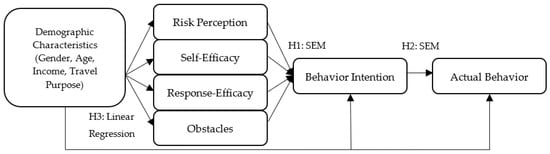
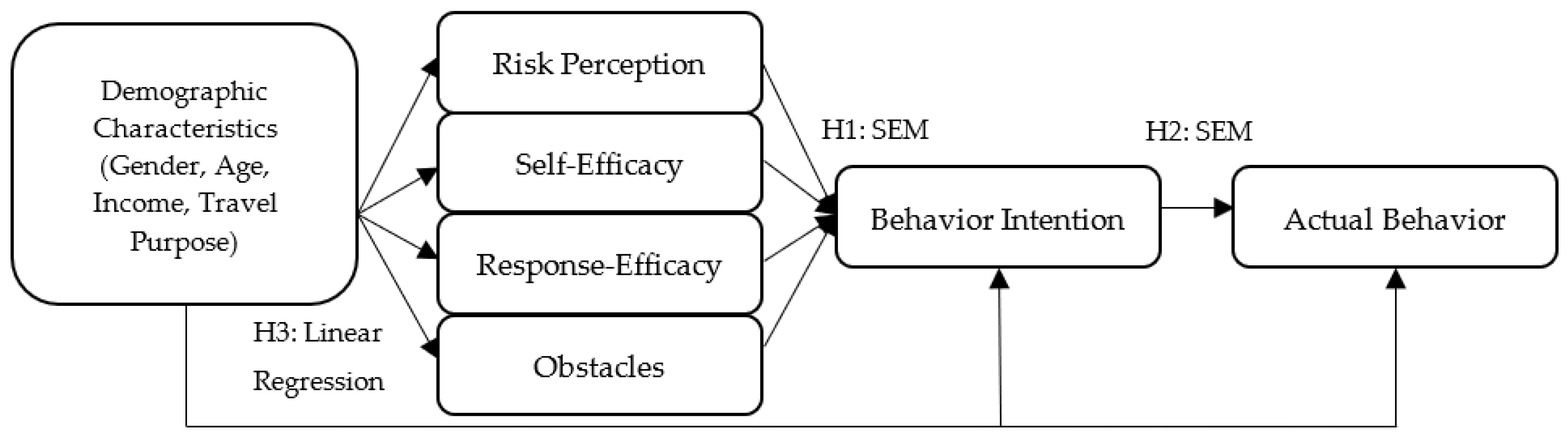
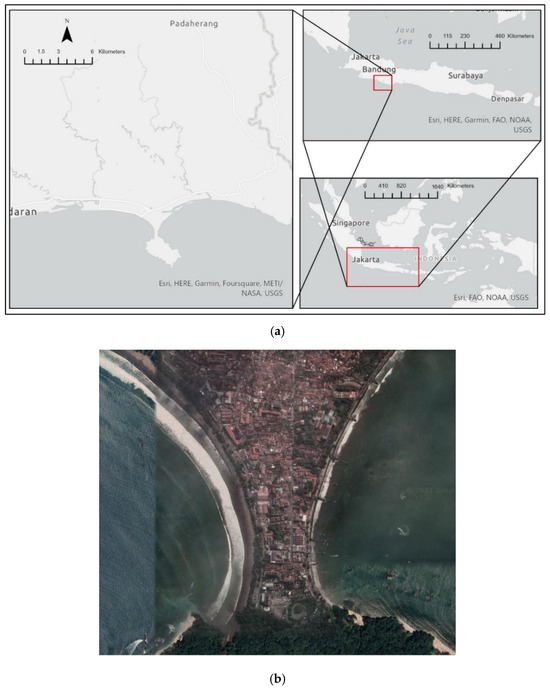
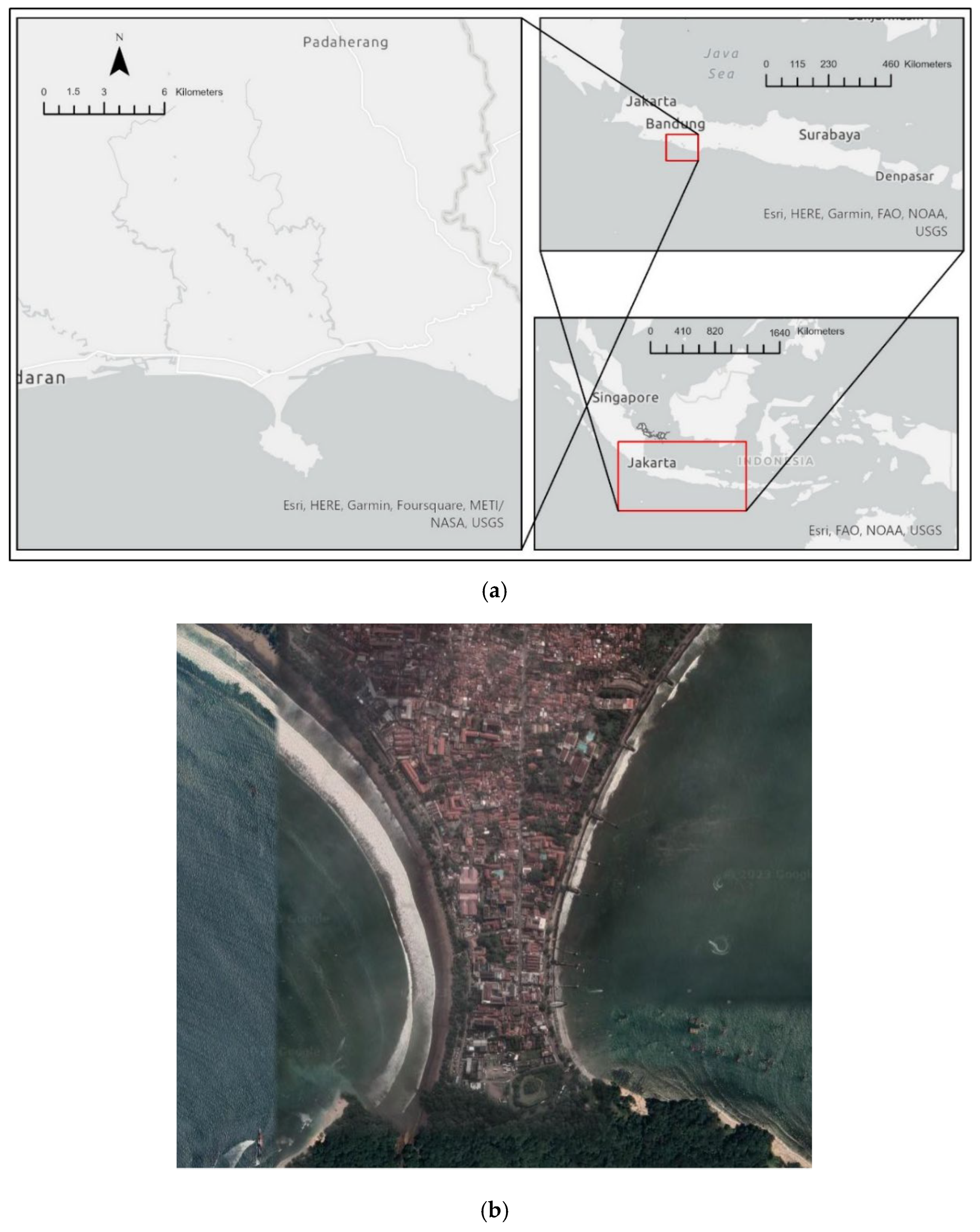
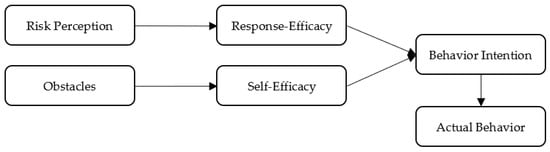
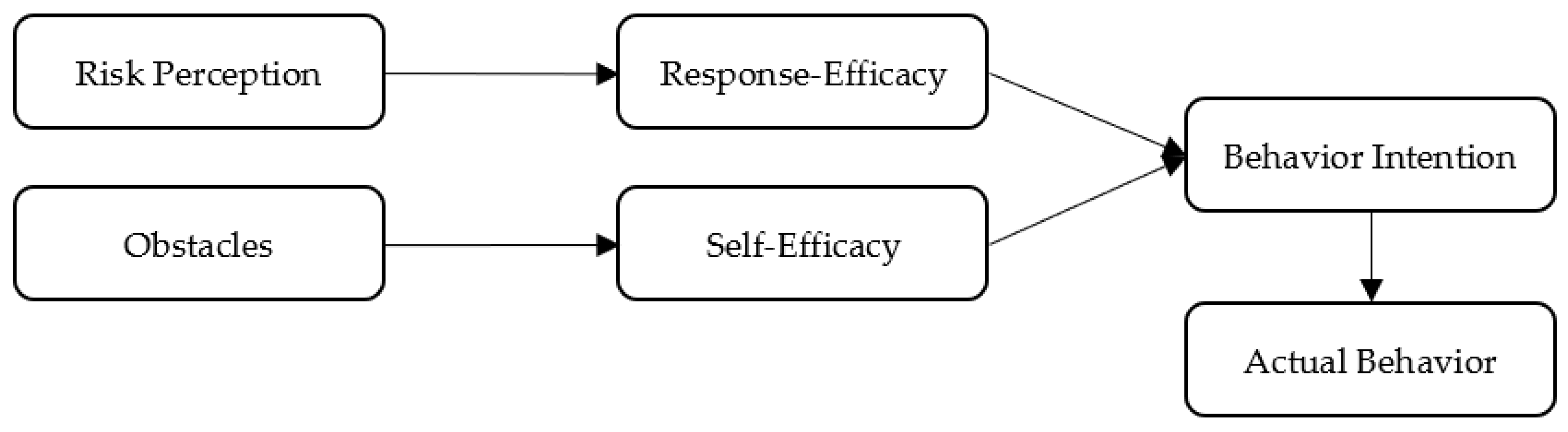

Disclaimer/Publisher’s Note: The statements, opinions and data contained in all publications are solely those of the individual author(s) and contributor(s) and not of MDPI and/or the editor(s). MDPI and/or the editor(s) disclaim responsibility for any injury to people or property resulting from any ideas, methods, instructions or products referred to in the content. |
© 2026 by the authors. Licensee MDPI, Basel, Switzerland. This article is an open access article distributed under the terms and conditions of the Creative Commons Attribution (CC BY) license.