


Abstract
Replacing conventional petroleum-based materials in printing technology with sustainable alternatives is an approach to reducing the environmental impact of printing processes. In this research, biodegradable printing plates based on polylactic acid (PLA), polycaprolactone (PCL), and silicon dioxide (SiO2) nanoparticles were produced for embellishment printing applications, including relief printing and foil stamping. Structural properties were examined by scanning electron microscopy (SEM), while thermal behaviour was characterized using thermogravimetric analysis (TGA). Mechanical properties were defined through tensile testing, hardness, and surface roughness measurements. Printing plates were produced by laser engraving, and relief geometry was measured to evaluate printing plate feasibility. The plates were exposed to 80, 100, and 120 °C for 5, 10, and 15 min, followed by evaluation of mechanical properties, surface features, and relief stability. Initial functional assessment was conducted through printing trials to obtain embossed reliefs and foil-transferred prints. The results showed that SiO2 nanoparticles increased thermal stability and stiffness and reduced thermally induced variations in hardness and thickness. SiO2-containing plates exhibited engraved line dimensions closer to nominal values. All produced plates presented well-defined embossed elements, while successful foil transfer was achieved with PLA/PCL/SiO2 70/30/3, 80/20/3, and 90/10/3 formulations. The 80/20/3 and 90/10/3 blends showed the best foil stamping performance.
1. Introduction
The printing industry has traditionally relied on embossing and foil stamping as the common techniques for embellishment and creating texture on printed products [1,2]. These types of decorations are widely used in packaging, labels, and luxury graphic products, where enhanced tactile and visual effects are essential for product differentiation and perceived quality [3]. Embossing creates raised structures on printing substrates, mainly paper and paperboard, while foil stamping involves the transfer of metallic foils through a combination of heat and pressure. Printing plate systems for embossing typically consist of a matrix and a patrix, where the matrix carries the relief image and the indented patrix provides the counter-pressure required to form the embossed element that is transferred under pressure onto the printing substrate. In embossing systems, the matrix is often manufactured from metals such as brass or copper to ensure high precision and durability. These processes require printing plates with precise raised element geometry, high surface quality (smoothness), and resistance to thermal degradation and mechanical load. The materials used for printing plates in such applications must therefore withstand elevated temperatures, mechanical pressure, and repeated use while at the same time maintaining the dimensional stability and shape of the printing elements. Conventional materials for these purposes include metals such as brass, zinc and magnesium, as well as synthetic polymer plates based on photopolymers and polyurethanes [4]. While these materials provide the required functional performance, they are neither eco-friendly nor sustainable due to energy-intensive production, reliance on fossil resources, and limited recyclability or biodegradability, with studies such as [4,5,6,7] highlighting the environmental burden associated with metal production and recycling processes of these materials. This emphasizes the need for alternative materials with improved sustainability profiles [8]. Among polymer-based materials used for patrix production (and for the matrix, if using low-grammage printing substrates), polyoxymethylene (POM), also known as acetal, is sometimes used due to its high stiffness, excellent dimensional stability, and good wear resistance [9,10]. These properties make POM suitable for repeated mechanical loading and precise replication of fine details on the embossed print, which are essential in embossing processes. Additionally, POM exhibits relatively high thermal resistance compared to many other polymers, allowing it to perform under the moderately elevated temperatures required for foil stamping. However, POM is a petroleum-derived thermoplastic characterized by high crystallinity and strong chemical stability, making it resistant to environmental degradation [11,12]. As a result, it is not biodegradable and contributes to long-term plastic persistence in the environment. Its end-of-life management is therefore limited. This highlights the broader sustainability challenge in embellishment printing, where materials are often incompatible with circular economy principles.
The increasing emphasis on sustainability has led to the search for alternative materials that can reduce environmental impact without compromising functional requirements in many industries, including printing. This is consistent with global sustainability objectives and growing regulatory efforts to reduce plastic waste and carbon emissions, particularly through initiatives such as the European Green Deal and the Circular Economy Action Plan, which encourage the adoption of sustainable materials and more resource-efficient production systems [8]. In this context, the printing industry is gradually shifting towards environmentally responsible solutions [13,14], although the transition is still in its early stages in specialized applications such as embossing and foil stamping.
In recent years, bio-based and biodegradable polymers have attracted increasing attention as potential alternatives to conventional materials across a range of industrial applications, including the graphic industry. Among these, polylactic acid (PLA) and polycaprolactone (PCL) have attracted significant attention due to their renewable origin and biodegradability. PLA is a thermoplastic aliphatic polyester derived from renewable resources such as corn starch or sugarcane. It is characterized by relatively high stiffness, good transparency, and ease of processing, but its primary disadvantage includes brittleness [15]. In contrast, PCL is a semi-crystalline biodegradable polyester with a low melting temperature of approximately 60 °C and excellent flexibility and processability. It exhibits superior toughness and elongation at break compared to PLA, but its lower stiffness and strength limit its use in applications that require significant load bearing [16,17]. These polymers offer the advantages of low cost and biodegradability; however, they are highly sensitive to moisture and can exhibit modest mechanical and thermal properties, which constrain their application in demanding printing processes [18,19,20].
Blending PLA and PCL has been widely investigated as a strategy to combine the advantageous properties of both polymers [21,22,23]. However, these polymers are generally immiscible, resulting in phase-separated morphologies with weak interfacial adhesion. This immiscibility can negatively affect the mechanical properties of the blend. Nevertheless, by controlling the blend morphology, the mechanical and other properties of the PLA/PCL blend can be improved, as highlighted in [24,25]. Various approaches have been explored to improve different properties of PLA/PCL blends, leading to enhanced overall performance. Specifically, to enhance the properties of such blends, the incorporation of nanofillers has emerged as an effective strategy, with reported improvements in mechanical, thermal, and functional properties through nanoparticle addition [26,27,28,29]. Silicon dioxide (SiO2) nanoparticles, particularly in the form of fumed silica such as Aerosil 200, are widely used due to their high specific surface area and ability to interact with polymer chains. These nanoparticles can act as reinforcing agents, improving stiffness, strength, and thermal stability by restricting polymer chain mobility [17,30,31,32,33]. In immiscible blends such as PLA/PCL, the addition of SiO2 nanoparticles can result in finer phase dispersion. Additionally, SiO2 nanoparticles can act as nucleating agents, influencing the crystallization of the polymers, which can contribute to enhanced thermal resistance and mechanical performance. Such effects are particularly relevant for applications involving thermal exposure, such as foil stamping, where dimensional stability and retention of surface features under increased temperature are crucial.
Despite the expanding research on PLA/PCL blends that include potential application in printing techniques [18,34], the application of these blends in the production of functional printing plates for embossing and foil stamping remains limited. Most existing studies have primarily focused on packaging, biomedical applications, and additive manufacturing [35,36,37,38,39], with no attention given to the specific requirements of embellishment printing. In particular, there is a lack of systematic research into the behaviour of biodegradable composites under conditions relevant to foil stamping, including elevated temperatures and challenging mechanical requirements. Furthermore, the effects of such conditions on printing element geometry, surface properties, and printing performance have not been addressed. Laser engraving has become a widely adopted method for the processing of polymer-based materials, due to the high precision and design flexibility [40,41]. However, the compatibility of biodegradable materials with laser processing for obtaining printing elements on the printing plate, and their ability to maintain structural integrity under production conditions relevant for embossing/foil stamping, remains insufficiently investigated.
To address these challenges, this study investigates biodegradable composite materials based on PLA, PCL, and SiO2 nanoparticles, with particular emphasis on their applicability in embossing and foil stamping processes. Building on the previously reported thermal, mechanical, surface, and morphological characterization of PLA/PCL/SiO2 composites, the present study focuses on their further research on application as relief printing plates fabricated by laser engraving and their initial functional validation through embossing and hot foil stamping experiments. To the best of our knowledge, this combination of laser-engraved biodegradable polymer-based composite printing plates and their initial functional evaluation in embellishment printing processes has not previously been reported [17,30]. The biodegradability of the individual polymers has been established in the literature, whereas the biodegradability of the specific PLA/PCL/SiO2 composite printing plates was not evaluated in the present study. The aim of this research was to develop and analyze PLA/PCL/SiO2 composite materials as functional alternatives to conventional printing plates for embossing and foil stamping. The developed materials were structurally and thermally characterized using microscopy and thermal analysis techniques, while their mechanical performance was evaluated through mechanical testing and surface characterization. Printing elements were produced via laser engraving to assess the potential for producing precise relief motifs. Their dimensional stability and surface integrity were analyzed after exposure to elevated temperatures representative of foil stamping conditions. Finally, the proof-of-concept functional assessment of the produced printing plates was validated through experimental printing trials on selected substrates, enabling evaluation of their practical applicability in real embellishment printing processes. By analyzing these materials under practical printing conditions, this research aims to contribute to the development of sustainable solutions in the graphic industry and to support the transition towards environmentally responsible embellishment printing techniques.
2. Materials and Methods
2.1. Materials
PLA and PCL were used for the preparation of biodegradable polymer blends following the method described in [17,18]. PLA was supplied as Ingeo™ 3251D (NatureWorks LLC, Plymouth, MN, USA), while PCL was obtained as Capa™ 6800 (Perstorp, Cheshire, UK). Both materials were received in pellet form and processed without any additional pre-treatment. PLA was selected as the primary matrix material due to its widespread application in packaging, biomedical, and other environmentally friendly products, as well as its biodegradability and favourable mechanical properties. PCL was incorporated as a flexible component to improve the ductility and toughness of the blends. Blend formulations were prepared by varying the PLA/PCL ratio, with PCL contents ranging from 0 to 50 wt%. The investigated compositions included PLA/PCL 100/0, 90/10, 80/20, 70/30, 60/40, and 50/50. In addition, fumed silica nanoparticles (Aerosil® 200, Evonik, Essen, Germany), with an average particle size of approximately 12 nm, were introduced into selected formulations at concentrations of 1 wt% and 3 wt% to evaluate their influence on the morphology and performance of the blends. The nano-SiO2 was used as received and was intended to enhance interfacial interactions and particle dispersion within the polymer matrix.
Compounding was carried out using a Brabender® internal mixer (Brabender, Duisburg, Germany) operating at 190 °C and 60 rpm. For each formulation, a batch mass of 60 g was processed for 5 min to ensure adequate melt mixing and homogenization. After mixing, the materials were removed from the chamber, cooled, and cut into smaller pieces suitable for further processing. The compounded materials were subsequently compression moulded into plates using a hydraulic press. Approximately 100 × 100 × 1.4 mm specimens were produced at 190 °C under a pressure of 16 MPa. The moulding cycle consisted of a 2 min preheating stage followed by 5 min of pressing. For each formulation, three plates were prepared and used for subsequent characterization.
Samples were identified according to their composition. Neat PLA was designated as PLA/PCL 100/0, binary blends were labelled according to the PLA/PCL weight ratio (e.g., PLA/PCL 90/10 or PLA/PCL 70/30). Formulations containing nano-SiO2 were additionally designated according to their nano-SiO2 content (1 or 3 wt%), such as PLA/SiO2 100/1, PLA/SiO2 100/3, and PLA/PCL/SiO2 90/10/1 or PLA/PCL/SiO2 90/10/3.
2.2. Characterization Methods
The cross-sections of the samples were examined using a JSM-6060LV scanning electron microscope (SEM; Jeol, Tokyo, Japan). Prior to imaging, the samples were coated with a thin gold layer by high-vacuum evaporation to provide sufficient electrical conductivity.
Tensile testing was conducted to evaluate the mechanical performance of the prepared blends and to investigate the effect of blend composition on strength, stiffness, and deformation behaviour. Prior to testing, specimens measuring 10 mm × 100 mm were cut from the compression-moulded plates. Mechanical properties were measured using a Zwick 1445 universal testing machine (ZwickRoell Group, Ulm, Germany) under uniaxial tensile loading at a temperature of 23 °C and a relative humidity of 65%. The tests were carried out at a crosshead speed of 10 mm min−1, with an initial gauge length of 50 mm. Tensile strength (σ), Young’s modulus (E), elongation at break (εb), and work to break (W) were determined for each formulation. Five specimens were tested for each sample, and the reported values correspond to the arithmetic mean of the measured results.
Thermogravimetric analysis (TGA) was conducted to assess the thermal stability and degradation characteristics of the prepared blends using a TA Instruments Q500 thermogravimetric analyzer (New Castle, DE, USA). Approximately 10 mg of each PLA/PCL blend, with and without nano-SiO2 addition, was placed in the instrument and heated from 25 °C to 900 °C under a nitrogen atmosphere. The nitrogen flow rate was maintained at 60 cm3/min throughout the analysis. The mass loss of the samples was continuously recorded as a function of temperature under the specified experimental conditions.
Although the material formulations investigated in this study were established in our previous research [17,30], the SEM, tensile, hardness and TGA analyses presented herein were newly performed for the present study to further characterize these materials in the context of their application and processing-related behaviour.
2.3. Design Process and Production of Biodegradable Printing Plates
To assess the suitability of the produced polymer blends for fabricating embellishment printing plates used in relief printing and foil stamping, sample printing plates were produced by laser engraving. A simple test motif consisting of three lines, 1, 3, and 5 mm in width and 20 mm in length (Figure 1), was selected and used to evaluate the initial functional properties of the fabricated printing plates. The engraving process removed the polymer from the non-image areas, creating a relief on the printing plate with certain properties. The resulting printing plates exhibited a defined relief structure with raised image elements of a specific height, which facilitate image transfer during the printing process. Laser engraving was performed using a Universal Laser Systems PLS6.150D system (Universal Laser Systems, Inc., Scottsdale, AZ, USA) equipped with a CO2 laser (wavelength: 10.6 µm) and an output power ranging from 10 to 150 W.
Figure 1.
Structure of the relief printing plate.
The height of the image elements on the engraved printing plate samples was determined with a micrometre (Tesa Hexagon Micromaster IP54, TESA Technology, Renens, Switzerland). The engraved line width on the printing plate surfaces was measured on macroscopic images taken with an Olympus BX51 System Microscope (Olympus Corporation, Tokyo, Japan).
2.4. Thermal Stability Evaluation of Produced Printing Plates
To evaluate the suitability of the prepared PLA/PCL and PLA/PCL/SiO2 blends for use as biodegradable printing plates, a series of thermal stability tests were conducted. The objective of these experiments was to assess the influence of elevated temperatures and exposure time on the dimensional stability, surface characteristics, and mechanical performance of the developed materials. The tests were conducted using a drying oven. No external load was applied to the samples during thermal exposure. After each thermal treatment, the samples were allowed to cool to room temperature (22 ± 0.5 °C), and all thickness and hardness measurements were performed at room temperature after cooling.
The blends were subjected to thermal treatment at 80 °C, 100 °C, and 120 °C for exposure periods of 5, 10 and 15 min. These evaluations are particularly important because the blends are intended for use as biodegradable printing plates in embossing and foil stamping. In the embossing process, sufficient hardness is required to maintain the integrity of the printing elements and ensure consistent print quality during operation. In hot foil stamping, both hardness and thermal stability are critical performance parameters, as the printing plate must withstand elevated temperatures while preserving its geometry and surface properties. The incorporation of PCL and nano-SiO2 was expected to influence these characteristics, and the proposed testing was designed to enable a comprehensive assessment of their effects on the initial functional performance of the developed materials. Following thermal treatment, the samples were characterized by measuring their thickness, hardness, and surface roughness.
The overall thickness of the prepared printing plates was measured using a Tesa Hexagon Micromaster IP54 (TESA Technology, Renens, Switzerland). Thickness measurements were performed to evaluate dimensional changes and possible thermal deformation of the PLA/PCL blends, with and without the addition of nano-SiO2. The average thickness was calculated from five measurements taken at different positions on each sample, and the results are presented as relative thickness change (%), calculated with respect to the initial overall thickness measured before thermal exposure.
The hardness of the produced printing plates was measured using a Zwick Roell 3130 Hardness Tester (Ulm, Germany). The Shore D method, commonly used to measure the hardness of hard plastics and rubber, was applied according to the ISO 48-4 standard [42]. Hardness testing was conducted to evaluate the retention of mechanical properties after heating and to determine the resistance of the material to deformation under printing pressure. It is an important parameter for evaluating the initial functional properties of the produced plates in embellishment printing applications. Five measurements were taken at different locations on the printing plates, and the results are expressed as relative hardness change (%), calculated with respect to the initial hardness measured before thermal exposure.
Surface roughness measurements were performed using a MarSurf PS 10 profilometer (Mahr GmbH, Göttingen, Germany) based on the stylus tracing method. The analysis of surface roughness was carried out to evaluate the influence of blend composition and processing conditions on the surface characteristics of the produced materials, as well as to assess the effects of PCL and SiO2 nanoparticle incorporation into the PLA matrix. The arithmetic mean roughness parameter (Ra) was determined in accordance with ISO 21920-2:2021 [43]. Measurements were conducted using a stylus with a tip radius of 2 µm and an applied force of 0.00075 N. For each sample, eight measurements were taken at different locations and different directions, and the reported values represent the arithmetic mean of the obtained results.
2.5. Testing the Initial Functionality of Produced Biodegradable Printing Plates
The proof-of-concept functional assessment of the printing plates was tested using a manual device for relief printing and foil stamping (Baier GmbH + Co. KG Maschinenfabrik, Rudersberg, Deutschland). The applied pressure was manually adjusted using the pressure-setting mechanism of the device and kept constant for all samples. Pressing trials were conducted on three types of printing substrates: recycled paper (80 g/m2), office paper (90 g/m2), and paperboard (150 g/m2) to assess the suitability of PLA/PCL/SiO2 blends for embellishment applications. In the testing trials, the contact time was approximately 5 s, and one embossing/foil-stamping cycle was applied to each sample. An ultra-low-temperature foil with a maximum recommended processing temperature of 90–120 °C was used for the foil-stamping experiments. The foil was transferred onto the printing substrate at a temperature of approximately 120 °C.
3. Results
3.1. SEM Analysis of PLA/PCL/SiO2 Blends
SEM images of the PLA/PCL blends, both unmodified and compatibilized with nano- SiO2, are shown in Figure 2. The addition of 1 wt% and 3 wt% nano-SiO2 results in noticeable morphological changes in all samples. Cross-sections of the PLA/PCL 50/50 and 60/40 blends, with and without SiO2 nanoparticles, exhibit similar morphologies, forming the so-called co-continuous structure characteristic of these blend compositions [18]. The PLA/PCL/SiO2 nanocomposite blends display a well-developed co-continuous morphology, with both polymer phases forming interconnected and spatially continuous domains visible in the SEM micrographs. The PLA/PCL 60/40 blend without nanoparticles exhibits visible dispersed domains (indicated by red circles) with diameters ranging from 10 to 20 μm, likely formed during cooling of the molten components [44]. Smaller morphological features, approximately 5–10 μm in size, are observed in the PLA/PCL/SiO2 70/30/1 nanocomposite (also indicated by red circles). This reduction in the size of the dispersed domains may be associated with the presence of nanoparticles, which could promote heterogeneous nucleation [45,46]. In this mechanism, nanoparticles act as nucleation sites, increasing the nucleation density and consequently leading to the formation of smaller spherulites [47].
Figure 2.
SEM micrographs of fracture surfaces of: (a) PLA/PCL samples, (b) PLA/PCL samples with 1 wt % SiO2 and (c) PLA/PCL samples with 3 wt % SiO2 (mag. 300×).
In the PLA/PCL 70/30, 80/20, and 90/10 blends, spherical PCL domains are observed within the continuous PLA matrix, forming the so-called “sea-island” morphology (indicated by red arrows). This morphology is typical of immiscible polymer systems in which the dispersed phase constitutes approximately 10–30% of the total blend composition [48,49,50]. As the PCL content decreases, the size of the dispersed PCL domains also decreases. Furthermore, the incorporation of nanoparticles into blends exhibiting a “sea-island” morphology leads to a further reduction in the size of the dispersed PCL domains [51,52,53]. In the PLA/PCL/SiO2 80/20/1 and 90/10/1 nanocomposites, the PCL domains become very small and are barely distinguishable compared with those in the corresponding nanoparticle-free blends. In the PLA/PCL/SiO2 80/20/3 and 90/10/3 nanocomposites, discrete spherical PCL domains are no longer observed.
Such morphological modifications can significantly enhance the mechanical performance of the blends, including the elastic modulus, tensile strength, and toughness [22]. The observed reduction in dispersed-phase size and the more uniform phase morphology in the presence of SiO2 nanoparticles may indicate changes in the morphology and interactions between the PLA and PCL phases. Similar morphological effects have been reported previously for the same material system [17]. In contrast, the PLA/PCL 70/30 and 80/20 blends without nanoparticles exhibit features such as PCL particle debonding and pull-out from the PLA matrix, which are consistent with weaker interfacial interactions. The presence of fewer or less pronounced pull-out features in the SiO2-containing formulations may therefore suggest improved interfacial interaction between the polymer phases; however, SEM observations alone do not provide quantitative evidence of interfacial adhesion or nanoparticle dispersion. Accordingly, the present observations are interpreted as morphological indications of possible changes in interfacial interactions rather than direct evidence of enhanced interfacial adhesion.
3.2. Mechanical Properties of PLA/PCL/SiO2 Blends
The mechanical properties obtained from tensile testing are presented in Figure 3 and Figure 4. The presented results include tensile strength (σ), Young’s modulus (E), strain at break (εb), and work to break (W) for all analyzed samples. The reported values represent the mean of five individual measurements, and the error bars indicate the corresponding standard deviation (SD).
Figure 3.
Tensile strength (σ, blue markings) and strain at break (εb, red markings) results for (a) PLA/PCL samples, (b) PLA/PCL with 1 wt% SiO2 and (c) PLA/PCL samples with 3 wt% SiO2.
Figure 4.
(a) Young’s modulus (E) and (b) work to break (W) of PLA/PCL/SiO2 samples.
It can be observed in Figure 3 that, across the investigated compositions, increasing the PLA fraction generally resulted in higher tensile strength, with the highest values obtained for the neat PLA samples (100/0). This behaviour is consistent with the intrinsically higher rigidity and strength of PLA compared with PCL. In contrast, the incorporation of PCL generally increased the deformability of the blends, as reflected in the higher strain at break observed for formulations containing larger PCL fractions. PCL is a flexible and ductile polymer with a low glass transition temperature, and its incorporation can increase the ability of the material to undergo deformation before failure [54,55,56].
The mechanical behaviour of the PLA/PCL blends can also be related to their phase-separated morphology. Due to the limited miscibility of PLA and PCL, the blends exhibit distinct polymer-rich domains. At intermediate PLA/PCL ratios, the presence of dispersed domains and the corresponding phase boundaries may act as stress-concentration sites, particularly when interfacial adhesion between the phases is limited. This can contribute to premature failure and to the observed variations in strain at break among the different blend compositions.
The incorporation of SiO2 nanoparticles produced composition-dependent changes in tensile strength and strain at break rather than a uniform improvement in all mechanical properties. As shown in Figure 3, the addition of 1 wt% SiO2 resulted in different responses depending on the PLA/PCL ratio, indicating that the effect of the nanoparticles is influenced by the polymer blend morphology. Rigid SiO2 particles can restrict local polymer-chain mobility and may contribute to load transfer within the polymer matrix; however, these effects depend strongly on nanoparticle dispersion, the surrounding polymer phase, and the quality of the polymer–particle and polymer–polymer interfaces [57].
At the higher SiO2 content of 3 wt%, the reduction in strain at break observed for several compositions may be associated with the formation of local heterogeneities or nanoparticle agglomerates, which can act as stress-concentration sites. Since nanoparticle localization and dispersion were not directly examined in the present study, this interpretation should be considered as a possible explanation rather than a demonstrated mechanism. Previous investigations of the corresponding material system [30] reported SiO2 nanoparticles predominantly within the dispersed PCL phase; this finding provides useful background for interpreting the present results but does not constitute direct evidence of nanoparticle localization in the samples examined here.
The results presented in Figure 4a show that Young’s modulus generally increased with increasing PLA content, reaching its highest value for neat PLA. This trend reflects the substantially higher stiffness of PLA compared with PCL [58]. The addition of SiO2 also produced composition-dependent changes in Young’s modulus, with higher values observed for several formulations containing nanoparticles. This behaviour may be related to the inherently high stiffness of the inorganic filler and its potential restriction of local polymer-chain mobility. Nevertheless, because the effect was not identical for all PLA/PCL ratios, the mechanical response should be considered as the combined result of polymer composition, phase morphology, and nanoparticle distribution.
The work to break shown in Figure 4b exhibited a non-linear dependence on both blend composition and SiO2 content. The highest values were obtained for particular combinations of PLA/PCL ratio and nanoparticle concentration, rather than for the compositions exhibiting the highest tensile strength alone. This behaviour is expected because the work to break reflects the combined contribution of strength and deformation capacity. Thus, formulations containing a higher PLA fraction may exhibit higher tensile strength but reduced strain at break, whereas incorporation of PCL can increase deformability while reducing strength. The observed maxima in work to break therefore indicate compositions in which a balance between strength and ductility is achieved.
Table 1 presents the thickness and hardness results for PLA/PCL/SiO2 blends without and with 3 wt% SiO2 fabricated by hot melting. The thickness of the blend samples ranged from 1.355 to 1.417 mm. Since the mould used for compression moulding had a thickness of 1.4 mm and identical amounts of material were used for all samples, the compression moulding process, together with interactions between the blend components, influenced the formation and final thickness of the PLA/PCL/SiO2 plate samples. The results indicate that the polymer blends produced from the PLA/PCL compositions exhibited relatively uniform thicknesses. The minor variations observed may be attributed to the limited miscibility of the polymer components, their thermal incompatibility, and phase separation, which were more pronounced in blends with higher PCL contents (PLA/PCL 50/50 and 60/40). Similar behaviour was observed in the SEM micrographs (Figure 2a), where spherical PCL domains dispersed within the continuous PLA matrix produced the characteristic sea–island morphology. These morphological features likely affected the material flow and packing during compression moulding, resulting in the slight differences in the final thickness of the fabricated blends.
Table 1.
Overall thickness and hardness results of the PLA/PCL/SiO2 biodegradable plates.
The hardness of the produced PLA/PCL blends was measured using the Shore D scale, and the results are presented in Table 1. The highest hardness was observed for neat PLA (79.3 Sh D), whereas the lowest hardness was recorded for the PLA/PCL/SiO2 50/50/3 blend (64.5 Sh D). Increasing the PLA content resulted in higher hardness values, regardless of the nano-SiO2 content, which is consistent with the inherently higher hardness of neat PLA compared with neat PCL (42.5 Sh D), previously published in [34]. Overall, the blends without nano-SiO2 generally exhibited higher hardness values than those containing nano-SiO2. However, for the PLA/PCL 80/20 and 90/10 compositions, the addition of 3 wt% SiO2 resulted in higher hardness. This behaviour indicates the reinforcing effect of the SiO2 nanoparticles, which may be attributed to enhanced interfacial interactions between the PLA and PCL phases, leading to improved resistance to indentation [52].
The results also indicate that the PLA/PCL blend composition has a greater influence on hardness than the addition of SiO2 nanoparticles. This observation is consistent with previous studies showing that increasing the PCL content enhances the toughness and ductility of PLA/PCL blends at the expense of hardness [17,59,60,61]. Considering the intended application of these materials as relief printing plates, excessively high hardness may not be desirable. During the hot embossing process, the printing plate is pressed against the substrate to transfer the coating from the hot stamping foil. Consequently, an excessively hard printing plate may be more susceptible to cracking or brittle failure during repeated embossing cycles.
3.3. Thermal Properties
TGA measurements were performed to characterize the thermal degradation behaviour of the PLA/PCL blends with and without the addition of nano-SiO2. From the DTG curves presented in Figure 5, two degradation stages were observed, with the first corresponding predominantly to PLA degradation and the second to PCL degradation, indicating the higher degradation temperature of PCL compared with PLA under the applied TGA conditions [62]. The degradation stage associated with PCL was not clearly observed in the PLA/PCL 90/10 blends, either with or without the addition of nano-SiO2, which may have been related to the relatively low PCL content. The presence of two distinct degradation stages was consistent with the phase-separated character of the PLA/PCL blend [59,63,64]. Furthermore, the DTG curves indicated that changes in PCL content affected the maximum degradation rate of the PLA-rich phase, while the presence of PCL contributed to changes in the overall degradation behaviour of the blends [63].
Figure 5.
TG and DTG curves for (a) PLA/PCL samples, (b) PLA/PCL with 1% SiO2 and (c) PLA/PCL samples with 3%SiO2.
The TG curves showed that blends containing higher PCL contents exhibited higher temperatures at the end of the degradation process compared with the corresponding PLA-rich blends. In addition, the incorporation of SiO2 nanoparticles resulted in shifts in the initial and final degradation temperatures towards higher values for several formulations. This behaviour may have been associated with interactions between the nanoparticles and the polymer matrix, which could have hindered the diffusion of volatile degradation products and consequently delayed the degradation process [65]. The observed changes therefore indicated that the incorporation of PCL and nano-SiO2 modified the thermal degradation behaviour of the investigated blends under the applied TGA conditions.
Overall, the thermogravimetric results demonstrated that the PLA/PCL composition and the incorporation of nano-SiO2 influenced the degradation characteristics of the blends. However, these results were distinguished from the thermal behaviour of the materials during the hot-stamping trials presented in Section 3.5. At the processing temperatures used in the hot-stamping trials conducted in this study, thermal degradation was not expected to be the dominant process; rather, polymer softening/melting and thermally induced structural changes, including possible PLA cold crystallization, were considered more relevant to the foil-transfer behaviour [66]. Similarly, the TGA results alone did not establish a direct relationship between degradation temperatures and laser engraving performance, since the laser–material interaction was also affected by parameters such as optical absorption, heat transfer, and melt behaviour, which were not determined in the present study.
3.4. Properties of Produced Biodegradable Printing Plates
Selected samples of the fabricated laser-engraved printing plates are shown in Figure 6. The figure presents an engraved test motif consisting of three lines, 5, 3, and 1 mm wide and 20 mm long (shown as a 3D model in Figure 1).
Figure 6.
Macroscopic images of the laser-engraved test motif, comprising lines 5, 3, and 1 mm wide, on printing plates fabricated from PLA/PCL/SiO2 blends.
In the printing plates prepared from PLA/PCL/SiO2 50/50/0, 50/50/3, 70/30/0, 70/30/3, 80/20/0, and 80/20/3 blends, a clear geometric distinction between the image elements and the non-image areas is observed. Minor irregularities (indicated by red arrows) were observed in the non-image areas of the PLA/PCL/SiO2 50/50/0 printing plate. These irregularities are likely a consequence of the laser engraving process, suggesting that this particular composition may be more susceptible to localized thermal effects during engraving. Since the non-image surface of the polymer sample was exposed to elevated temperatures during laser processing, localized thermal deformation or degradation may have affected the surface quality of the fabricated printing plate.
In the PLA/PCL/SiO2 100/0/0 and 100/0/3 printing plate samples, a geometric distinction between the image elements and the engraved non-image areas is maintained. However, the engraved lines exhibit slight irregularities, resulting in a less uniform appearance than those observed in the PLA/PCL blend-based printing plates. These irregularities are likely associated with the response of neat PLA to laser irradiation, suggesting that these formulations may be less suitable for laser engraving in applications requiring high geometric precision, such as embellishment printing.
Overall, the engraved lines produced on the PLA/PCL/SiO2 blends exhibited a more regular morphology than those on neat PLA. This behaviour may be attributed to the presence of the ductile PCL phase, which melts at a substantially lower temperature than PLA and promotes melt flow during laser irradiation. The resulting enhanced melt mobility may facilitate the redistribution of absorbed thermal energy, leading to more uniform material removal. In contrast, neat PLA is more susceptible to localized thermal degradation and exhibits limited melt flow due to its higher melting temperature and relatively brittle nature, resulting in slightly uneven engraved lines. The addition of 3 wt% SiO2 did not noticeably alter this trend, indicating that the polymer matrix composition had a greater influence on the engraving quality than the filler content under the applied laser processing conditions [67,68].
To determine the height of the image elements on the engraved polymer blends, all PLA/PCL/SiO2 samples were measured with a micrometre. The results are presented as average values from five measurements taken at different locations on the printing plate samples and shown in Figure 7a. To assess the structure of the engraved lines, the line width for a nominal line width of 1000 µm was measured on the samples. The values were obtained through image analysis of micrographs of the engraved samples, and the results are presented in Figure 7b.
Figure 7.
The height (a) and line width (b) of the engraved image elements.
Although the laser engraving conditions were kept constant, some variation was observed in the height of the engraved image elements (Figure 7a). The results showed that the height of the image elements ranged from 0.20 to 0.28 mm, with the exception of the PLA/PCL/SiO2 50/50/1 and 80/20/0 samples, for which the measured heights were 0.31 mm and 0.17 mm, respectively. A closer examination of the results revealed that the PLA/PCL/SiO2 samples containing 3 wt% SiO2 exhibited the most uniform image element heights, ranging from 0.21 to 0.27 mm. In general, samples without nanoparticles exhibited lower image element heights than those containing SiO2 nanoparticles. This behaviour may be attributed to the agglomeration of nanoparticles within the polymer blends, resulting in the formation of micropores and voids that increase the overall volume of the material and, consequently, the height of the engraved image elements.
The line width measurement results presented in Figure 7b indicated that the addition of SiO2 nanoparticles was associated with changes in the width of the engraved lines. The PLA/PCL blend samples without nanoparticles generally exhibited lower line widths than the corresponding samples containing SiO2 nanoparticles, as well as the greatest deviations from the nominal line width of 1000 µm. The smallest line width was measured for the PLA/PCL 80/20 sample (598.56 µm), whereas the greatest was observed for the PLA/PCL/SiO2 80/20/3 sample (985.56 µm). It is also evident that the printing plate samples containing 3 wt% SiO2 exhibited the greatest line widths across the investigated PLA/PCL blend ratios and, in general, the smallest deviations from the nominal value.
These differences may be related, at least in part, to the thermal behaviour of the investigated materials. As shown by the thermal analysis (Figure 5), the addition of SiO2 nanoparticles was associated with shifts in the onset and endset decomposition temperatures toward higher values, indicating changes in the thermal degradation behaviour of the blends. However, the present results do not provide sufficient evidence to establish a direct causal relationship between the observed thermal behaviour and the differences in engraved line width. The differences in line reproduction may result from the combined effects of polymer composition, phase morphology, nanoparticle dispersion, thermal behaviour, and the response of the composite during laser engraving. Possible mechanisms underlying the changes in thermal behaviour, such as altered polymer-chain mobility, interactions between the nanoparticles and degradation products, or nucleating effects of SiO2, have been reported in the literature; however, these mechanisms were not directly investigated in the present study and therefore cannot be confirmed from the TGA results alone [66].
According to the results of this study, the PLA/PCL/SiO2 70/30/3 and 80/20/3 blends appeared to exhibit the highest dimensional stability during laser engraving, as the widths of the engraved lines were closest to the nominal width of 1000 μm. These results demonstrated the importance of thermal stability when selecting materials for the fabrication of printing plates, particularly when the image is transferred onto the material surface by laser engraving. During the engraving process, the interaction between the laser radiation and the polymer material may cause localized heating and partial, uncontrolled melting of the material. Furthermore, these findings are relevant to the application of printing plates in the hot foil stamping process, where elevated temperatures are used to transfer the foil onto the printing substrate, as will be discussed in the following section.
3.5. Thermal Stability Evaluation of Produced Printing Plates
The produced PLA/PCL/SiO2 blends were exposed to elevated temperatures of 80, 100, and 120 °C for 5, 10 and 15 min. The selected temperatures and times were chosen to simulate the operating conditions of the printing plates during the hot embossing process, in which the printing plate is heated to transfer the pigmented or metallic coating from the hot stamping foil onto the printing substrate under pressure. The results of the relative thickness change, relative hardness change, and surface roughness of the produced PLA/PCL/SiO2 blends are presented in Figure 8 and Figure 9. Figure 8 shows the relative change in the thickness of PLA/PCL plates without nanoparticles and with 3% nano-SiO2 after exposure to different temperatures for 5, 10, and 15 min. The presented relative thickness changes (%) were calculated with respect to the initial thickness of blends measured before thermal exposure. For samples exposed to 80 °C and 100 °C (Figure 8a,b), a negative relative change in plate thickness was observed in most cases, regardless of the nanoparticle content. A greater dispersion of the results was recorded after 15 min of exposure compared to 5 and 10 min, while the dispersion was lower for samples containing nano-SiO2. In samples exposed to 120 °C, a positive relative change in plate thickness was observed, particularly for samples with a higher PCL content. At this temperature, the smallest change was recorded for the PLA/PCL 80/20 sample containing 3 wt% nano-SiO2. The relatively small changes in thickness, which were comparable to the initial thickness variability of the plates, indicated that no substantial thermally induced deformation of the engraved relief occurred under the investigated conditions.
Figure 8.
Relative thickness change in PLA/PCL/SiO2 blends after exposure to elevated temperatures: (a) 80 °C, (b) 100 °C and (c) 120 °C.
Figure 9.
Relative hardness change in PLA/PCL/SiO2 blends after exposure to elevated temperatures: (a) 80 °C, (b) 100 °C and (c) 120 °C.
The hardness results of the produced blends are expressed as relative hardness change (%), calculated with respect to the initial hardness measured before thermal exposure (Figure 9). The hardness measurements were performed at room temperature after the thermally exposed samples had cooled to room temperature. Therefore, the measured hardness changes reflected the permanent or retained effects of thermal exposure on the material rather than the hardness of the blends in the heated or softened state.
After exposure at 80 °C and 100 °C, the relative hardness changes varied depending on the PLA/PCL composition and SiO2 content. The largest changes were generally observed for blends containing higher proportions of PCL, particularly the PLA/PCL 50/50 and 60/40 compositions. This behaviour may be related to the lower stiffness and lower melting temperature of PCL compared with PLA. Although the measurements were performed after cooling, thermal exposure above the melting temperature of PCL may have induced structural and morphological changes within the PCL-rich phase that were retained after cooling and consequently affected the measured hardness.
The incorporation of SiO2 nanoparticles produced composition-dependent effects on the relative hardness change. For several formulations, the presence of 3 wt% SiO2 was associated with a smaller change in hardness compared with the corresponding unfilled blends, whereas this trend was not observed for all compositions and exposure conditions. Therefore, the effect of SiO2 could not be considered uniform across the investigated PLA/PCL ratios.
The observed behaviour may have resulted from the combined effects of polymer composition, phase morphology, nanoparticle dispersion, and interactions between the nanoparticles and the polymer matrix. The rigid SiO2 nanoparticles may have restricted local polymer-chain mobility and contributed to the retention of mechanical properties after thermal exposure; however, the present results did not provide sufficient evidence to establish a specific mechanism for the observed hardness changes. Similar improvements in the hardness and thermal behaviour of PLA/PCL nanocomposites containing nano-SiO2 have been reported previously [17]. The observed behaviour was also consistent with the DSC results reported previously for the same PLA/PCL/SiO2 systems [17]. In that study, the addition of nano-SiO2 increased the crystallinity of the PLA phase and affected the thermal transitions of both polymer phases, with the extent of these changes depending on the blend composition and nanoparticle addition. These previously reported structural and thermal changes may provide a basis for interpreting the retention of mechanical properties observed after thermal exposure in the present study.
The behaviour observed after exposure at 120 °C differed from that at the lower temperatures. At this temperature, the influence of the PLA/PCL composition became more pronounced, with blends containing higher PLA contents generally exhibiting smaller relative hardness changes than blends containing larger proportions of PCL. At temperatures within the reported cold-crystallization range of PLA, thermally induced structural rearrangements and crystallization may occur during heating [69]. Such changes may have influenced the hardness measured after cooling. The contribution of these structural changes to the measured hardness cannot, however, be separated from the effects of blend composition and nanoparticle addition based solely on the present measurements.
The relative hardness changes were considered together with the relative thickness changes to evaluate the dimensional and mechanical stability of the produced materials after thermal exposure. While the magnitude and direction of the hardness changes depended on the PLA/PCL composition and SiO2 content, the relatively small changes in thickness observed for many formulations indicated that no substantial permanent dimensional deformation occurred under the investigated thermal conditions. This retention of the engraved plate geometry was relevant to the potential application of the materials in embossing and hot-stamping processes.
The results of the arithmetic mean surface roughness (Ra) measured on the surfaces of PLA/PCL/SiO2 blends after exposure to elevated temperatures are presented in Figure 10. The reference samples (labelled as Ref. sample), which were not exposed to elevated temperatures, are indicated by black squares. Open squares represent the PLA/PCL blends without nano-SiO2, whereas filled squares represent the blends containing 3 wt% SiO2. It is visible that the arithmetic mean surface roughness of the reference samples ranged from 0.766 µm for neat PLA to 1.279 µm for the PLA/PCL 70/30 blend. Regardless of the blend composition, the samples exposed to 80 °C (Figure 10a) exhibited no significant changes in surface roughness. The Ra values ranged from 0.600 µm for the PLA/PCL/SiO2 60/40/3 blend after 15 min of exposure to 80 °C to 1.440 µm for the PLA/PCL/SiO2 90/10/0 blend after the same exposure time. Following exposure to higher temperatures (Figure 10b,c), the surface roughness increased considerably for several blend compositions. The highest Ra values were 3.996 µm for the PLA/PCL/SiO2 50/50/0 blend after exposure to 100 °C and 4.815 µm for the PLA/PCL/SiO2 70/30/3 blend after exposure to 120 °C. In general, blends with higher PCL contents, particularly the PLA/PCL/SiO2 50/50, 60/40, and 70/30 compositions, exhibited more pronounced increases in surface roughness than blends with lower PCL contents. In contrast, the remaining compositions showed only minor changes in Ra at both temperatures.
Figure 10.
Arithmetic mean surface roughness (Ra) of PLA/PCL/SiO2 blend surfaces after exposure to elevated temperatures: (a) 80 °C, (b) 100 °C and (c) 120 °C.
This behaviour is likely related to the lower thermal stability and reduced stiffness of blends containing higher amounts of PCL, as well as to their more pronounced phase-separated morphology. As observed in the SEM analysis (Figure 2), these blends exhibited larger dispersed PCL domains within the PLA matrix, which may promote localized softening and surface deformation during thermal exposure. This interpretation is further supported by the hardness measurements, which showed that increasing the PCL content resulted in lower Shore D hardness values (Figure 9), indicating reduced resistance to deformation. Therefore, the increase in surface roughness after thermal treatment appears to be governed primarily by the PLA/PCL blend composition rather than by the presence of SiO2 nanoparticles.
In order to further understand the changes in the mixtures resulting from exposure to elevated temperatures, Figure 11 presents the surface profiles of selected samples. The figure shows the surface profiles of both the reference samples (not exposed to elevated temperature) and the samples exposed to 120 °C for 5 min. Samples that exhibited significant changes after exposure to 120 °C for 5 min are presented together with samples that demonstrated greater stability under the same conditions. The surface profiles of the PLA/PCL 50/50 blend with and without 3 wt% SiO2 are included because the measured roughness parameter, Ra, indicated a significant increase in surface roughness after exposure to 120 °C for 5 min (Figure 9). In addition, the surface profiles of PLA/PCL samples containing 3 wt% SiO2 and those without nanoparticles that exhibited the smallest changes in the arithmetic mean roughness (Ra) after exposure to 120 °C are also presented.
Figure 11.
Surface profiles of PLA/PCL/SiO2 blends of reference samples and samples exposed to 120 °C for 5 min.
Figure 11 shows the relatively uniform roughness of the surface structures of the observed blends. For each sample, the deviation of the surface profile from the baseline (marked as 0) was approximately ±4 μm. More pronounced changes caused by exposure to elevated temperature were observed in the PLA/PCL 50/50 blends, both with and without nanoparticles, compared with samples containing lower PCL contents. In contrast, the surface profiles of the PLA/PCL 70/30, 80/20, and 90/10 samples, both with and without nanoparticles, remained relatively uniform after exposure to elevated temperature. These results suggested that exposure to elevated temperature did not significantly affect the surface profiles of these samples, which may be advantageous for applications requiring high surface quality, such as decorative or surface embellishment applications.
3.6. Initial Functionality Test of Produced Biodegradable Printing Plates
The suitability of biodegradable printing plates produced from different PLA/PCL/SiO2 blends for embossing and foil stamping was evaluated using a manual pressing machine. All fabricated printing plates were tested on three different printing substrates: recycled paper (80 g/m2), office paper (90 g/m2), and paperboard (150 g/m2). For the embossing tests, a matching counter-die was produced from a conventional photopolymer material. During the embossing process, the pressure exerted by the printing plate on one side of the substrate and the counter-die on the opposite side caused the substrate to deform, resulting in the formation of an embossed relief. To evaluate the suitability of the biodegradable printing plates for foil stamping, the samples were placed on a heated plate to transfer the coloured pigment from the foil onto the printing substrate under elevated temperature and pressure. The plate temperature was set according to the foil manufacturer’s recommendations. Each prepared printing plate was subjected to one embossing or hot-stamping cycle to provide an initial assessment of its functional suitability for the intended application. The transfer quality was evaluated qualitatively by visual inspection, as the present experiments were intended as an initial proof-of-concept assessment rather than a quantitative evaluation of embossing depth, foil coverage, or long-term plate durability.
Selected results of the embossing tests are presented in Figure 12. It can be seen that all three line motifs designed for reproduction were successfully reproduced as embossed reliefs on the tested printing substrates. Overall, the results indicated that the presented fabricated printing plates enabled the formation of recognizable and well-defined embossed reliefs and were suitable for embossing the tested printing substrates.
Figure 12.
Macroscopic images of embossed relief prints obtained using PLA/PCL/SiO2 printing plates on recycled paper, office paper, and paperboard substrates.
Figure 13 presents representative results of foil transfer achieved using biodegradable printing plates in the foil stamping process. The results showed that not all fabricated printing plates were suitable for transferring the foil motif onto the printing substrates. Printing plates fabricated from PLA/PCL blends with ratios of 50/50 and 60/40, both with and without SiO2 nanoparticles, were unsuitable for foil transfer. Because these blends contained a high proportion of PCL, whose melting temperature ranges from 50 to 60 °C, the applied heat caused partial melting of the printing motif as well as deformation of the entire printing plate. It was therefore concluded that PLA/PCL blends with these compositions were not suitable for foil stamping. The blends with lower PCL contents (PLA/PCL ratios of 70/30, 80/20, and 90/10) without SiO2 nanoparticles enabled only partial transfer of the foil motif and were therefore also considered unsuitable for foil stamping. In contrast, the samples containing 3 wt% SiO2 nanoparticles (PLA/PCL/SiO2 70/30/3, 80/20/3, and 90/10/3) enabled successful transfer of the pigmented foil onto the tested substrates and demonstrated considerable potential for foil stamping applications. However, in all three cases, the finest line (1 mm) was not reproduced satisfactorily.
Figure 13.
Macroscopic images of foil-transferred prints obtained using biodegradable PLA/PCL/SiO2 printing plates on recycled paper, office paper, and paperboard substrates.
When printing plates fabricated from PLA/PCL/SiO2 blends with compositions of 100/0/0, 100/0/1, and 100/0/3 were tested, only partial transfer of the foil motif was achieved, with the foil being transferred mainly along the edges of the lines on all three printing substrates. During the repeated stamping trials, visible damage to the printing plates was observed, which prevented their further use. Overall, it can be concluded that the PLA/PCL/SiO2 70/30/3, 80/20/3, and 90/10/3 blends exhibited the greatest potential for the fabrication of biodegradable printing plates for foil stamping.
Taken together, the results obtained in this research show that the development of biodegradable printing plates cannot rely solely on improving individual material properties, but requires an integrated approach in which morphology, mechanical and thermal behaviour of printing plate materials, their dimensional stability, and processing performance are considered at the same time. The present study established such an approach by relating the PLA/PCL blend composition and nano-SiO2 incorporation to the resulting material structure, resistance to thermal exposure, laser-engraving accuracy and, ultimately, the performance of the produced printing plates in the actual embellishment process. This connection between material design and relief printing performance represents an important step towards the practical application of biodegradable materials in graphic technology, where printing plates must withstand both mechanical and thermal demands while maintaining the accuracy of the reproduced relief. The identification of blends capable of producing well-defined embossed reliefs and successful foil transfer further demonstrates that biodegradable polymer-based materials could be used in specific printing applications. In this context, PLA/PCL/SiO2 blends prove promising for reducing reliance on conventional petroleum-based printing plate materials and supporting the transition towards more sustainable embellishment printing processes.
4. Conclusions
In this study, the morphological, thermal, mechanical, and surface properties of two-component PLA/PCL and three-component PLA/PCL/SiO2 blends were investigated with the aim of assessing their potential for use as printing plates in embossing and hot-stamping applications. The prepared materials were further evaluated through laser engraving and initial functional trials involving embossing and hot foil stamping.
SEM analysis showed that the PLA/PCL blends with higher PCL content exhibited a co-continuous morphology, whereas decreasing the PCL content resulted in a sea-island morphology, with spherical PCL domains dispersed within the PLA matrix. The incorporation of SiO2 was associated with a reduction in the apparent size of the dispersed PCL domains and changes in the observed phase morphology. Features such as particle pull-out observed in the nanoparticle-free blends were consistent with differences in interfacial interactions; however, the SEM observations alone did not provide quantitative evidence of interfacial adhesion or nanoparticle dispersion.
Thermogravimetric analysis showed a two-step degradation process associated primarily with the degradation of PLA and PCL. The addition of SiO2 was associated with shifts in the onset and endset degradation temperatures toward higher values, indicating changes in the thermal degradation behaviour of the blends. However, the present TGA results do not establish the specific mechanisms responsible for these changes. Possible effects related to polymer composition, phase morphology, nanoparticle dispersion, and interactions between SiO2 and the polymer matrix may contribute to the observed behaviour.
Mechanical characterization showed that decreasing the PCL content increased the elastic modulus and hardness, whereas higher PCL contents were associated with increased toughness. The incorporation of SiO2 also affected the mechanical response, with increases in Young’s modulus observed for the investigated formulations. The measured changes indicate that the thermal response of the materials depends on the combined effects of polymer composition and nanoparticle incorporation.
Laser engraving experiments showed that the incorporation of SiO2 was associated with engraved-line dimensions closer to the nominal values for several formulations. The PLA/PCL/SiO2 70/30/3, 80/20/3, and 90/10/3 formulations enabled the reproduction of recognizable and well-defined embossed reliefs on the tested printing substrates. Initial foil-stamping trials demonstrated visible foil transfer for selected formulations, PLA/PCL/SiO2 70/30/3, 80/20/3, and 90/10/3 blends, under the applied experimental conditions. These functional trials were intended as an initial feasibility assessment and were not designed to establish printing resolution limits, long-term plate durability, or industrial process performance.
Overall, the results indicate that the performance of PLA/PCL/SiO2 printing plates depends on the balance between the properties associated with the PLA/PCL composition and the effects of SiO2 incorporation. Within the investigated formulations and experimental conditions, PLA/PCL/SiO2 70/30/3 and 80/20/3 showed favourable engraved-line dimensional reproduction, while 80/20/3 and 90/10/3 showed favourable performance in the initial foil-stamping trials. These designations reflect the specific criteria investigated in this study and should not be interpreted as an overall ranking or as establishing an optimal formulation for industrial applications.
The present results demonstrate the feasibility of using PLA/PCL/SiO2 composites as candidate materials for printing plates in selected embossing and hot-stamping applications. The environmental performance and biodegradability of the finished composite plates were not established in this study. Further work involving systematic optimization of the blend composition and laser-engraving parameters, quantitative evaluation of fine-feature reproduction, and cyclic testing under controlled thermal and mechanical stamping conditions would be required to assess their suitability for more demanding applications.
Author Contributions
Conceptualization, S.M.P., T.T. and D.P.; methodology, S.M.P., T.T. and D.P.; software, S.M.P., T.T. and D.P.; validation, S.M.P., T.T. and D.P.; formal analysis, S.M.P., T.T. and D.P.; investigation, S.M.P., T.T. and D.P.; resources, S.M.P. and T.T.; data curation, S.M.P., T.T. and D.P.; writing—original draft preparation, S.M.P. and T.T.; writing—review and editing, S.M.P., T.T. and D.P.; visualization, S.M.P., T.T. and D.P.; supervision, S.M.P. and T.T.; project administration, S.M.P.; funding acquisition, T.T. All authors have read and agreed to the published version of the manuscript.
Funding
This research received no external funding.
Institutional Review Board Statement
Not applicable.
Informed Consent Statement
Not applicable.
Data Availability Statement
The original contributions presented in this study are included in the article. Further inquiries can be directed to the corresponding authors.
Acknowledgments
The authors gratefully acknowledge Urška Stanković Elesini, and Mirjam Leskovšek, from the University of Ljubljana, for SEM images, and Mirela Leskovac, from the University of Zagreb, for support.
Conflicts of Interest
The authors declare no conflicts of interest.
References
- Weber, C.F.; Spiehl, D.; Dörsam, E. Printing Methods Used in the Label and Package Printing Industry for the Production of Metallic Embellishments with a Focus on Metal Effect Pigments. J. Print Media Technol. Res. 2022, 11, 29–45. [Google Scholar]
- Pál, M.; Banjanin, B.; Dedijer, S.; Vladić, G.; Bošnjaković, G. Preliminary Analysis of Image Processing-Based Evaluation of Embossing Quality. In Proceedings of the Tenth International Symposium GRID; Pál, M., Ed.; Faculty of Technical Sciences, University of Novi Sad: Novi Sad, Serbia, 2020; pp. 269–278. [Google Scholar]
- Favier, M.; Jaud, D.A.; Saintives, C. Make It Unique! Why Embossed Product Labels Increase Purchase Intentions and Willingness to Pay. J. Prod. Brand Manag. 2025, 34, 173–185. [Google Scholar] [CrossRef] [Scilit]
- Žarko, J.; Vladić, G.; Pál, M.; Dedijer, S. Influence of Printing Speed on Production of Embossing Tools Using FDM 3D Printing Technology. J. Graph. Eng. Des. 2017, 8, 19–27. [Google Scholar] [CrossRef] [Scilit]
- Gürkan, D. Recycled Metal Utilization on the Microstructure and Mechanical Properties of Casting Alloys. Green Technol. Innov. 2026, 2, 86–95. [Google Scholar] [CrossRef] [Scilit]
- Kania, H.; Saternus, M. Evaluation and Current State of Primary and Secondary Zinc Production—A Review. Appl. Sci. 2023, 13, 2003. [Google Scholar] [CrossRef] [Scilit]
- Strezov, V.; Zhou, X.; Evans, T.J. Life Cycle Impact Assessment of Metal Production Industries in Australia. Sci. Rep. 2021, 11, 10116. [Google Scholar] [CrossRef] [Scilit] [PubMed]
- European Commission. Circular Economy—Environment. Available online: https://environment.ec.europa.eu/strategy/circular-economy_en (accessed on 10 April 2026).
- Rustamov, I.; Xiang, L.; Xia, Y.; Peng, W. Tribological and Mechanical Endowments of Polyoxymethylene by Liquid-Phase Exfoliated Graphene Nanofiller. Polym. Int. 2025, 74, 231–245. [Google Scholar] [CrossRef] [Scilit]
- Su, Y.; Gao, Q.; Chang, Y.; Chen, G.; Wei, C.; Ren, C. Study on the Mechanical, Friction and Wear Properties of Modified Polyoxymethylene under Free Abrasive Condition. J. Appl. Polym. Sci. 2023, 140, e53997. [Google Scholar] [CrossRef] [Scilit]
- Choi, D.; Lee, J. Recent Advances in Chemical Recycling of Polyoxymethylene Waste. Energy Environ. 2025, 36, 540–562. [Google Scholar] [CrossRef] [Scilit]
- Göpferich, A. Mechanisms of Polymer Degradation and Erosion. Biomaterials 1996, 17, 103–114. [Google Scholar] [CrossRef] [Scilit] [PubMed]
- Satyro, W.C.; Contador, J.C.; Monken, S.F.D.P.; Lima, A.F.D.; Soares, J.; Matias, O.; Amorim, M.; Cardoso, G.; Neto, O.; Fernando, L.; et al. Industry 4.0 Implementation Projects: The Cleaner Production Strategy—A Literature Review. Sustainability 2023, 15, 2161. [Google Scholar] [CrossRef] [Scilit]
- Gracia, J.; Acevedo, P.; Trijillo, E. A Comprehensive Environmental Analysis in a Company of the Graphic Arts Sector. Chem. Eng. Trans. 2022, 91, 109–114. [Google Scholar] [CrossRef]
- Jamshidian, M.; Tehrany, E.A.; Imran, M.; Jacquot, M.; Desobry, S. Poly-Lactic Acid: Production, Applications, Nanocomposites, and Release Studies. Compr. Rev. Food Sci. Food Saf. 2010, 9, 552–571. [Google Scholar] [CrossRef] [Scilit] [PubMed]
- Vidakis, N.; Petousis, M.; Michailidis, N.; David, C.; Mountakis, N.; Papadakis, V.; Sfakiotakis, E.; Sagris, D.; Spiridaki, M.; Argyros, A. Optimized PCL/CNF Bio-Nanocomposites for Medical Bio-Plotted Applications: Rheological, Structural, and Thermomechanical Aspects. Bioprinting 2023, 36, e00311. [Google Scholar] [CrossRef] [Scilit]
- Mahović Poljaček, S.; Priselac, D.; Tomašegović, T.; Stankovič Elesini, U.; Leskovšek, M.; Leskovac, M. Effect of the Addition of Nano-Silica and Poly(ε-caprolactone) on the Mechanical and Thermal Properties of Poly(Lactic Acid) Blends and Possible Application in Embossing Process. Polymers 2022, 14, 4861. [Google Scholar] [CrossRef] [Scilit] [PubMed]
- Priselac, D.; Mahović Poljaček, S.; Tomašegović, T.; Leskovac, M. Blends Based on Poly(ε-caprolactone) with Addition of Poly(Lactic Acid) and Coconut Fibers: Thermal Analysis, Ageing Behavior and Application for Embossing Process. Polymers 2022, 14, 1792. [Google Scholar] [CrossRef] [Scilit] [PubMed]
- Kalva, S.N.; Zakaria, Y.; Velasquez, C.A.; Koç, M. Tailoring the Mechanical and Degradation Properties of 3DP PLA/PCL Scaffolds for Biomedical Applications. Rev. Adv. Mater. Sci. 2025, 64, 20250098. [Google Scholar] [CrossRef] [Scilit]
- Tomašegović, T.; Mahović Poljaček, S.; Hudika, T.; Marče, A. Properties and Interaction of Layers in Board-Biodegradable Primer-Printing Ink Screen-Printed System. J. Graph. Eng. Des. 2024, 15, 33–40. [Google Scholar] [CrossRef] [Scilit]
- Simões, C.L.; Viana, J.C.; Cunha, A.M. Mechanical Properties of Poly(ε-Caprolactone) and Poly(Lactic Acid) Blends. J. Appl. Polym. Sci. 2009, 112, 345–352. [Google Scholar] [CrossRef] [Scilit]
- Solechan, S.; Suprihanto, A.; Widyanto, S.A.; Triyono, J.; Fitriyana, D.F.; Siregar, J.P.; Cionita, T. Investigating the Effect of PCL Concentrations on the Characterization of PLA Polymeric Blends for Biomaterial Applications. Materials 2022, 15, 7396. [Google Scholar] [CrossRef] [Scilit] [PubMed]
- Zhao, X.; Hu, H.; Wang, X.; Yu, X.; Zhou, W.; Peng, S. Super Tough Poly(Lactic Acid) Blends: A Comprehensive Review. RSC Adv. 2020, 10, 13316–13368. [Google Scholar] [CrossRef] [Scilit] [PubMed]
- Mokoena, T.E.; Mokoena, L.S.; Mofokeng, J.P.; Mokoena, T.E.; Mokoena, L.S.; Mofokeng, J.P. The Impact of Micro-Nanoparticles on Morphology, Thermal, Barrier, Mechanical, and Thermomechanical Properties of PLA/PCL Blends for Application in Personal Hygiene: A Review. Polymers 2025, 17, 2396. [Google Scholar] [CrossRef] [Scilit] [PubMed]
- Matumba, K.I.; Mokhena, T.C.; Ojijo, V.; Sadiku, E.R.; Ray, S.S. Morphological Characteristics, Properties, and Applications of Polylactide/Poly(ε-Caprolactone) Blends and Their Composites—A Review. Macromol. Mater. Eng. 2024, 309, 2400056. [Google Scholar] [CrossRef] [Scilit]
- Tu, J.; Chu, C.; Gao, Y.; Wang, Z.; Xu, P.; Ding, Y. Enhanced Dielectric and Mechanical Properties of Polylactic Acid/Polycaprolactone Blends by Introducing Double-Layer Carbon Nanofillers. J. Appl. Polym. Sci. 2024, 141, e54874. [Google Scholar] [CrossRef] [Scilit]
- Bikiaris, N.D.; Koumentakou, I.; Samiotaki, C.; Meimaroglou, D.; Varytimidou, D.; Karatza, A.; Kalantzis, Z.; Roussou, M.; Bikiaris, R.D.; Papageorgiou, G.Z. Recent Advances in the Investigation of Poly(Lactic Acid) (PLA) Nanocomposites: Incorporation of Various Nanofillers and Their Properties and Applications. Polymers 2023, 15, 1196. [Google Scholar] [CrossRef] [Scilit] [PubMed]
- Duygulu, N.E. Functionalization of PLA Nanofibers with PCL Blending and TiO2 Nanoparticle Addition. Mater. Res. Express 2024, 11, 75403. [Google Scholar] [CrossRef] [Scilit]
- Qader, I.N.; Pekdemir, M.E.; Coşkun, M.; Kanca, M.S.; Kök, M.; Dağdelen, F. Biocompatible PLA/PCL Blends Nanocomposites Doped with Nanographite: Physico-Chemical, and Thermal Behaviour. J. Polym. Res. 2022, 29, 264. [Google Scholar] [CrossRef] [Scilit]
- Mahović Poljaček, S.; Priselac, D.; Tomašegović, T.; Leskovac, M.; Šoster, A.; Stankovič Elesini, U. Quantitative Analysis of Morphology and Surface Properties of Poly(Lactic Acid)/Poly(ε-Caprolactone)/Hydrophilic Nano-Silica Blends. Polymers 2024, 16, 1739. [Google Scholar] [CrossRef] [Scilit] [PubMed]
- Chandramohan, R.; Kaliappan, S.; Natrayan, L.; Muthukannan, M. Optimization of Tensile and Water Absorption Properties of Biosilica Dispersed Cardanol Oil Blended PLA/PCL Biocomposite for Packaging Applications. J. Aust. Ceram. Soc. 2025, 61, 1405–1416. [Google Scholar] [CrossRef] [Scilit]
- Meyhami, T.; Hassanajili, S.; Tanideh, N.; Taheri, E. Three Dimensional Scaffolds of Hybrid PLA/PCL/HA/Silica Nanocomposites for Bone Tissue Engineering. Polym. Bull. 2024, 81, 6025–6053. [Google Scholar] [CrossRef] [Scilit]
- Khonakdar, H.; Khasraghi, S.S.; Yazdanbakhsh, A.H.; Mousavi, S.R.; Ahmadi, S.; Arabi, H.; Nobre, M.A.L.; Khonakdar, H.A. An Assessment of the Role of Nanosilica in Thermal/Thermo-Oxidative Degradation Mechanism of Poly(Lactic Acid)/Polybutylene Adipate Terephthalate Blend Nanocomposites. Polym. Adv. Technol. 2024, 35, e6374. [Google Scholar] [CrossRef] [Scilit]
- Mahović Poljaček, S.; Priselac, D.; Stanković Elesini, U.; Leskovšek, M.; Leskovac, M. Preparation, Properties, and Laser Processing of Poly(ɛ-Caprolactone)/Poly(Lactic Acid) Blends with Addition of Natural Fibers as a Potential for Printing Plates Application. Polym. Eng. Sci. 2021, 61, 2295–2310. [Google Scholar] [CrossRef] [Scilit]
- Moraczewski, K.; Stepczyńska, M.; Raszkowska-Kaczor, A.; Szymańska, L.; Rytlewski, P. PLA/PCL Polymer Material for Food Packaging with Enhanced Antibacterial Properties. Polymers 2025, 17, 1134. [Google Scholar] [CrossRef] [Scilit] [PubMed]
- Engler, L.G.; Farias, N.C.; Crespo, J.S.; Gately, N.M.; Major, I.; Pezzoli, R.; Devine, D.M. Designing Sustainable Polymer Blends: Tailoring Mechanical Properties and Degradation Behaviour in PHB/PLA/PCL Blends in a Seawater Environment. Polymers 2023, 15, 2874. [Google Scholar] [CrossRef] [Scilit] [PubMed]
- Eryildiz, M.; Karakus, A.; Eksi, M.A. Development and Characterization of PLA/PCL Blend Filaments and 3D Printed Scaffolds. J. Mater. Eng. Perform. 2024, 34, 14043–14054. [Google Scholar] [CrossRef] [Scilit]
- Kiani, P.; Sedighi, M.; Kasaeian-Naeini, M.; Jabbari, A.H. Investigation of Mechanical Integrity and High-Cycle Fatigue Behavior of 3D-Printed PLA/PCL Blend after Exposure to a Physiological Environment. J. Mater. Res. Technol. 2025, 36, 3671–3683. [Google Scholar] [CrossRef] [Scilit]
- Srivastava, A.; Bhati, P.; Singh, S.; Agrawal, M.; Kumari, N.; Vashisth, P.; Chauhan, P.; Bhatnagar, N. A Review on Polylactic Acid-Based Blends/Composites and the Role of Compatibilizers in Biomedical Engineering Applications. Polym. Eng. Sci. 2024, 64, 1003–1044. [Google Scholar] [CrossRef] [Scilit]
- Rusu, P.D.; Bialas, O.; Wozniak, A.; Adamiak, M.; Appiah, A.; Tampu, C.; Mazurchevici, S.N.; Kyratsis, P.; Tzotzis, A.; Nedelcu, A.; et al. Characterization of Laser-Textured Surfaces of Parts of a Biodegradable Polymer. Coatings 2025, 15, 246. [Google Scholar] [CrossRef] [Scilit]
- Agrawal, M.; Srivastava, A.; Pandya, M.; Vashisth, P.; Bhatnagar, N. Ultrafast Laser Ablation on Biodegradable Pla/Pcl Tubes for Biomedical Application. SSRN 2025. [Google Scholar] [CrossRef] [Scilit]
- ISO 48-4:2018; Rubber, Vulcanized or Thermoplastic—Determination of Hardness, Part 4: Indentation Hardness by Durometer Method (Shore Hardness). ISO: Geneva, Switzerland, 2018. Available online: https://standards.iteh.ai/catalog/standards/iso/dfd5a030-70b3-478e-a7d6-bc7f65145927/iso-48-4-2018?srsltid=AfmBOorLLye3AfVkM9lCmF_saktYXb0CZGuq-1kiSDVwgX8jM7qoe32V (accessed on 13 September 2026).
- ISO 21920-2:2021; Geometrical Product Specifications (GPS)—Surface Texture: Profile—Part 2: Terms, Definitions and Surface Texture Parameters. ISO: Geneva, Switzerland, 2021. Available online: https://standards.iteh.ai/catalog/standards/iso/38ba69b0-cc1c-4e3d-9414-2bf60ffc98f8/iso-21920-2-2021?srsltid=AfmBOoo8UWqG2sww4SgKMgm0cXA4TIUH3gfnsiYw6vZeXlIcFmaQRSAd (accessed on 13 September 2026).
- Zhang, C.; Lan, Q.; Zhai, T.; Nie, S.; Luo, J.; Yan, W. Melt Crystallization Behavior and Crystalline Morphology of Polylactide/Poly(ε-Caprolactone) Blends Compatibilized by Lactide-Caprolactone Copolymer. Polymers 2018, 10, 1181. [Google Scholar] [CrossRef] [Scilit] [PubMed]
- Mamun, M.A.A.; Kasahara, Y.; Tasaki, T.; Fujimori, A. Spherulitic Formation and Characterization of Partially Fluorinated Copolymers and Their Nanohybrids with Functional Fillers. Polym. Eng. Sci. 2017, 57, 161–171. [Google Scholar] [CrossRef] [Scilit]
- Zhou, W.; Yuan, S.; Tan, L.; Chen, Y.; Huang, Y. Crystallization, Morphology, and Mechanical Properties of Poly(Butylene Succinate)/Poly(Ethylene Oxide)-Polyhedral Oligomeric Silsesquioxane Nanocomposites. Polym. Eng. Sci. 2012, 52, 2063–2070. [Google Scholar] [CrossRef] [Scilit]
- Laoutid, F.; Estrada, E.; Michell, R.M.; Bonnaud, L.; Müller, A.J.; Dubois, P. The Influence of Nanosilica on the Nucleation, Crystallization and Tensile Properties of PP-PC and PP-PA Blends. Polymer 2013, 54, 3982–3993. [Google Scholar] [CrossRef] [Scilit]
- Chuaponpat, N.; Ueda, T.; Ishigami, A.; Kurose, T.; Ito, H. Morphology, Thermal and Mechanical Properties of Co-Continuous Porous Structure of PLA/PVA Blends by Phase Separation. Polymers 2020, 12, 1083. [Google Scholar] [CrossRef] [Scilit] [PubMed]
- Przybysz-Romatowska, M.; Haponiuk, J.; Formela, K. Poly(ε-Caprolactone)/Poly(Lactic Acid) Blends Compatibilized by Peroxide Initiators: Comparison of Two Strategies. Polymers 2020, 12, 228. [Google Scholar] [CrossRef] [Scilit] [PubMed]
- Fenni, S.E.; Müller, A.J.; Cavallo, D. Understanding Polymer Nucleation by Studying Droplets Crystallization in Immiscible Polymer Blends. Polymer 2023, 264, 125514. [Google Scholar] [CrossRef] [Scilit]
- Fenouillot, F.; Cassagnau, P.; Majesté, J.-C. Uneven Distribution of Nanoparticles in Immiscible Fluids: Morphology Development in Polymer Blends. Polymer 2009, 50, 1333–1350. [Google Scholar] [CrossRef] [Scilit]
- Dadras Chomachayi, M.; Jalali-Arani, A.; Beltrán, F.R.; de la Orden, M.U.; Martínez Urreaga, J. Biodegradable Nanocomposites Developed from PLA/PCL Blends and Silk Fibroin Nanoparticles: Study on the Microstructure, Thermal Behavior, Crystallinity and Performance. J. Polym. Environ. 2020, 28, 1252–1264. [Google Scholar] [CrossRef] [Scilit]
- Nematollahi, M.; Jalali-Arani, A.; Modarress, H. Effect of Nanoparticle Localization on the Rheology, Morphology and Toughness of Nanocomposites Based on Poly(Lactic Acid)/Natural Rubber/Nanosilica. Polym. Int. 2019, 68, 779–787. [Google Scholar] [CrossRef] [Scilit]
- Woodruff, M.A.; Hutmacher, D.W. The Return of a Forgotten Polymer—Polycaprolactone in the 21st Century. Prog. Polym. Sci. 2010, 35, 1217–1256. [Google Scholar] [CrossRef] [Scilit]
- Wu, C.-S. Physical Properties and Biodegradability of Maleated-Polycaprolactone/Starch Composite. Polym. Degrad. Stab. 2003, 80, 127–134. [Google Scholar] [CrossRef] [Scilit]
- Delgado-Aguilar, M.; Puig, R.; Sazdovski, I.; Fullana-i-Palmer, P. Polylactic Acid/Polycaprolactone Blends: On the Path to Circular Economy, Substituting Single-Use Commodity Plastic Products. Materials 2020, 13, 2655. [Google Scholar] [CrossRef] [Scilit] [PubMed]
- Luyt, A.S.; Antunes, A.; Popelka, A.; Mahmoud, A.; Hassan, M.K.; Kasak, P. Effect of Poly(ε-Caprolactone) and Titanium (IV) Dioxide Content on the UV and Hydrolytic Degradation of Poly(Lactic Acid)/Poly(ε-Caprolactone) Blends. J. Appl. Polym. Sci. 2021, 138, e51266. [Google Scholar] [CrossRef] [Scilit]
- Horák, Z.; Fortelný, I.; Kolařík, J.; Hlavatá, D.; Sikora, A. Polymer Blends. In Encyclopedia of Polymer Science and Technology; Wiley: Hoboken, NJ, USA, 2005. [Google Scholar] [CrossRef] [Scilit]
- Navarro-Baena, I.; Sessini, V.; Dominici, F.; Torre, L.; Kenny, J.M.; Peponi, L. Design of Biodegradable Blends Based on PLA and PCL: From Morphological, Thermal and Mechanical Studies to Shape Memory Behavior. Polym. Degrad. Stab. 2016, 132, 97–108. [Google Scholar] [CrossRef] [Scilit]
- Matta, A.K.; Rao, R.U.; Suman, K.N.S.; Rambabu, V. Preparation and Characterization of Biodegradable PLA/PCL Polymeric Blends. Procedia Mater. Sci. 2014, 6, 1266–1270. [Google Scholar] [CrossRef] [Scilit]
- Awad, S.A.; Jawaid, M.; Fouad, H.; Saba, N.; Dhakal, H.N.; Alothman, O.Y.; Khalaf, E.M. A Comparative Assessment of Chemical, Mechanical, and Thermal Characteristics of Treated Oil Palm/Pineapple Fiber/Bio Phenolic Composites. Polym. Compos. 2022, 43, 2115–2128. [Google Scholar] [CrossRef] [Scilit]
- Ocelić Bulatović, V.; Mandić, V.; Kučić Grgić, D.; Ivančić, A. Biodegradable Polymer Blends Based on Thermoplastic Starch. J. Polym. Environ. 2021, 29, 492–508. [Google Scholar] [CrossRef] [Scilit]
- Ferri, J.M.; Fenollar, O.; Jorda-Vilaplana, A.; García-Sanoguera, D.; Balart, R. Effect of Miscibility on Mechanical and Thermal Properties of Poly(Lactic Acid)/Polycaprolactone Blends. Polym. Int. 2016, 65, 453–463. [Google Scholar] [CrossRef] [Scilit]
- Patrício, T.; Bártolo, P. Thermal Stability of PCL/PLA Blends Produced by Physical Blending Process. Procedia Eng. 2013, 59, 292–297. [Google Scholar] [CrossRef] [Scilit]
- Mofokeng, J.P.; Luyt, A.S. Morphology and Thermal Degradation Studies of Melt-Mixed Poly(Lactic Acid) (PLA)/Poly(ε-Caprolactone) (PCL) Biodegradable Polymer Blend Nanocomposites with TiO2 as Filler. Polym. Test. 2015, 45, 93–100. [Google Scholar] [CrossRef] [Scilit]
- Velghe, I.; Buffel, B.; Vandeginste, V.; Thielemans, W.; Desplentere, F. Review on the Degradation of Poly(lactic acid) during Melt Processing. Polymers 2023, 15, 2047. [Google Scholar] [CrossRef] [Scilit] [PubMed]
- Mahdavi, F.S.; Ramanathan, A.; Sun, X.; Patil, D.; Thippanna, V.; Yang, L.; Thummalapalli, S.V.; Sobczak, M.T.; Sui, C.; Huang, Z.; et al. Processing–Structure–Degradation Relationships in Additively Manufactured and Cast PLA/PCL Blends. Macromol. Mater. Eng. 2026, 311, e70257. [Google Scholar] [CrossRef] [Scilit]
- Antonczak, A.J.; Stępak, B.; Szustakiewicz, K.; Wójcik, M.; Abramski, K.M. Degradation of Poly(L-lactide) under CO2 Laser Treatment above the Ablation Threshold. Polym. Degrad. Stab. 2014, 109, 97–105. [Google Scholar] [CrossRef] [Scilit]
- Huang, Y.; Brünig, H.; Müller, M.T.; Wießner, S. Melt Spinning of PLA/PCL Blends Modified with Electron Induced Reactive Processing. J. Appl. Polym. Sci. 2022, 139, e51902. [Google Scholar] [CrossRef] [Scilit]
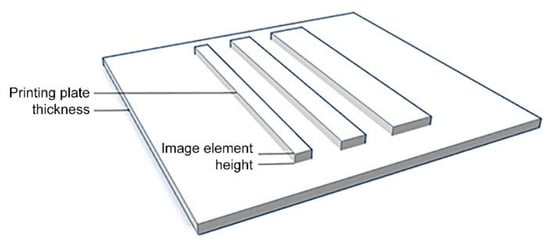
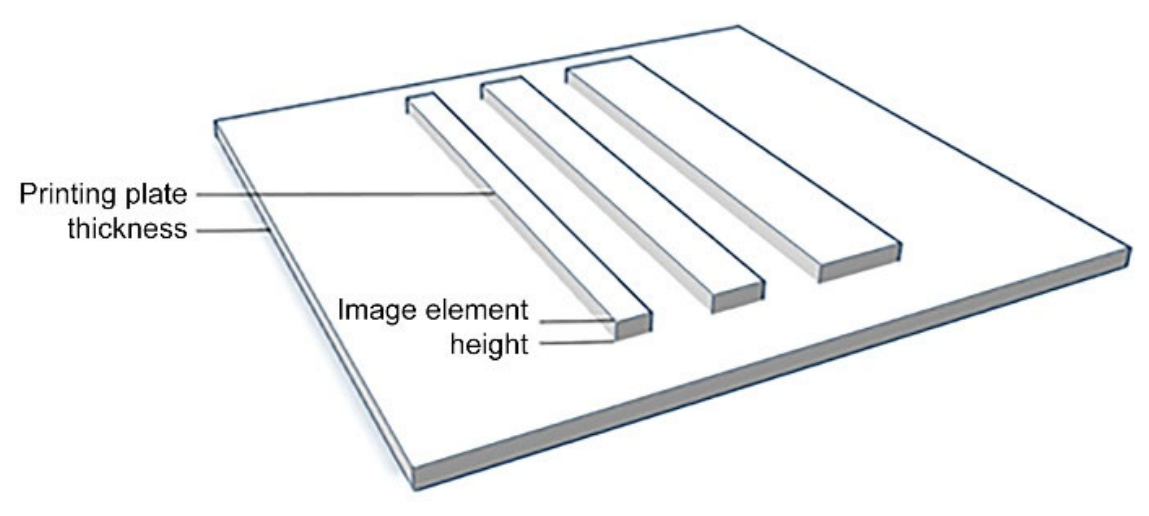
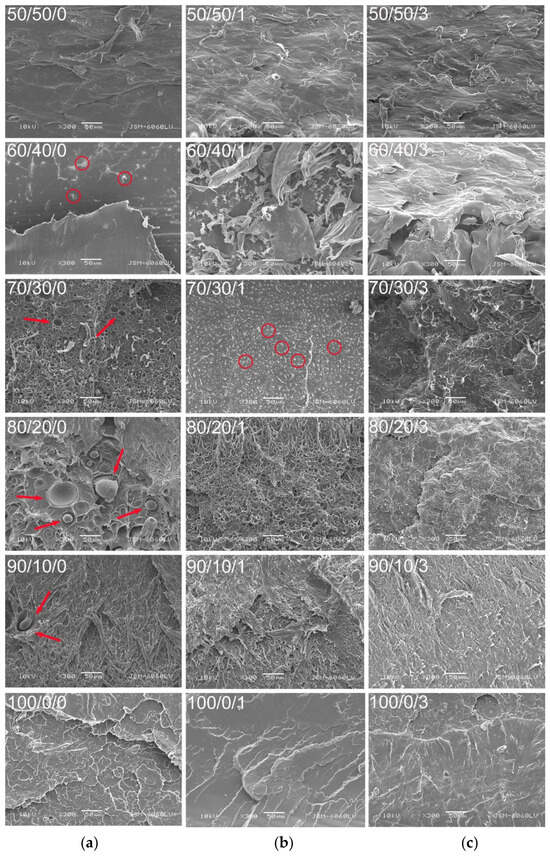
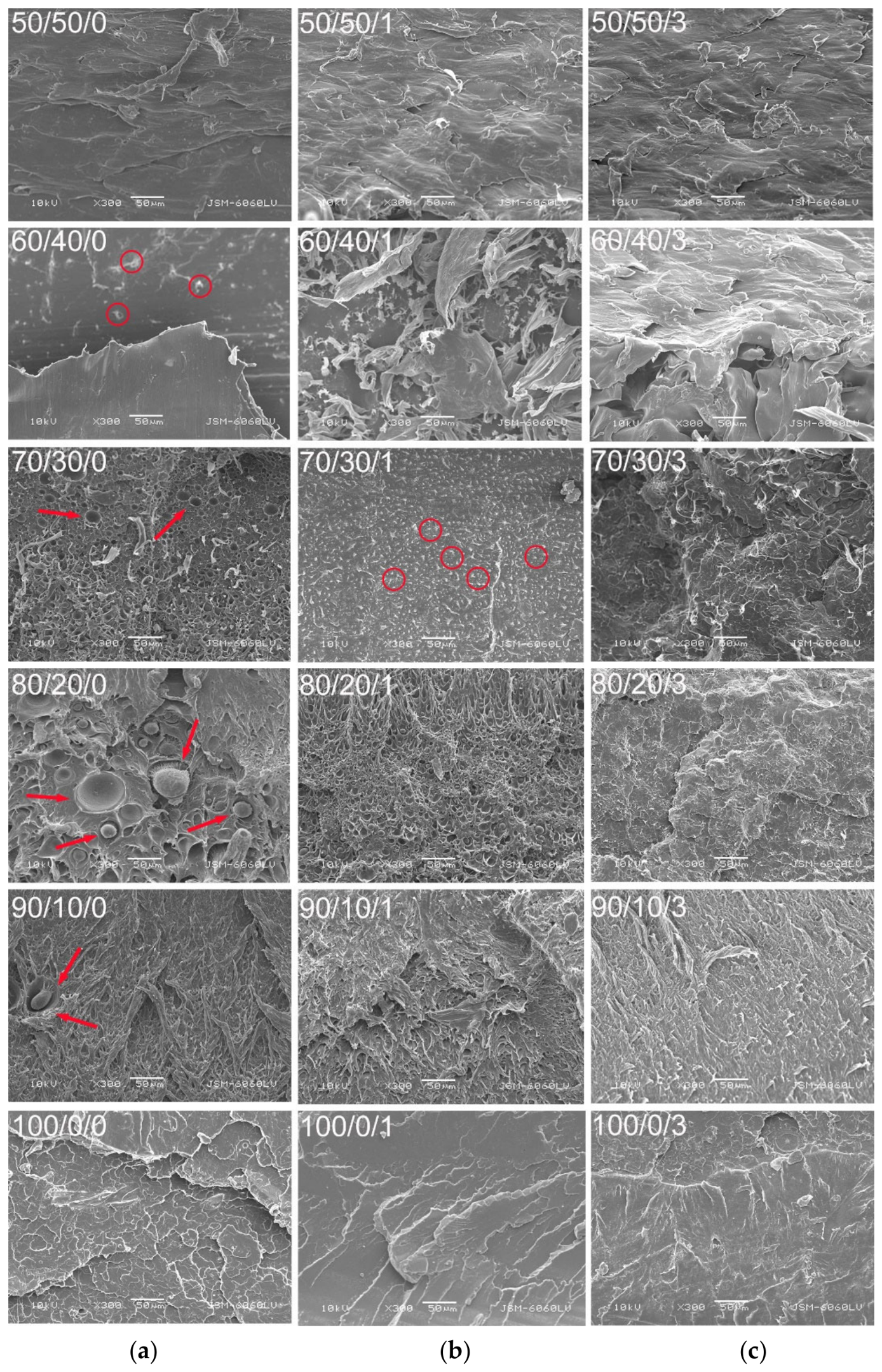
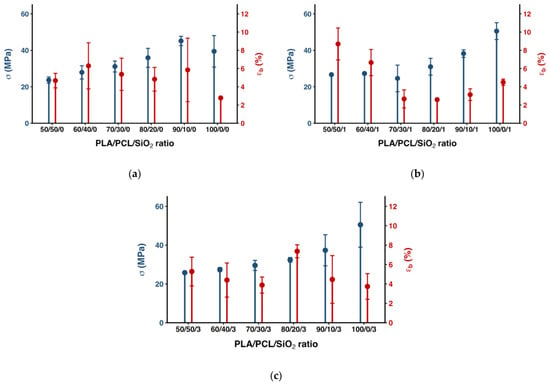
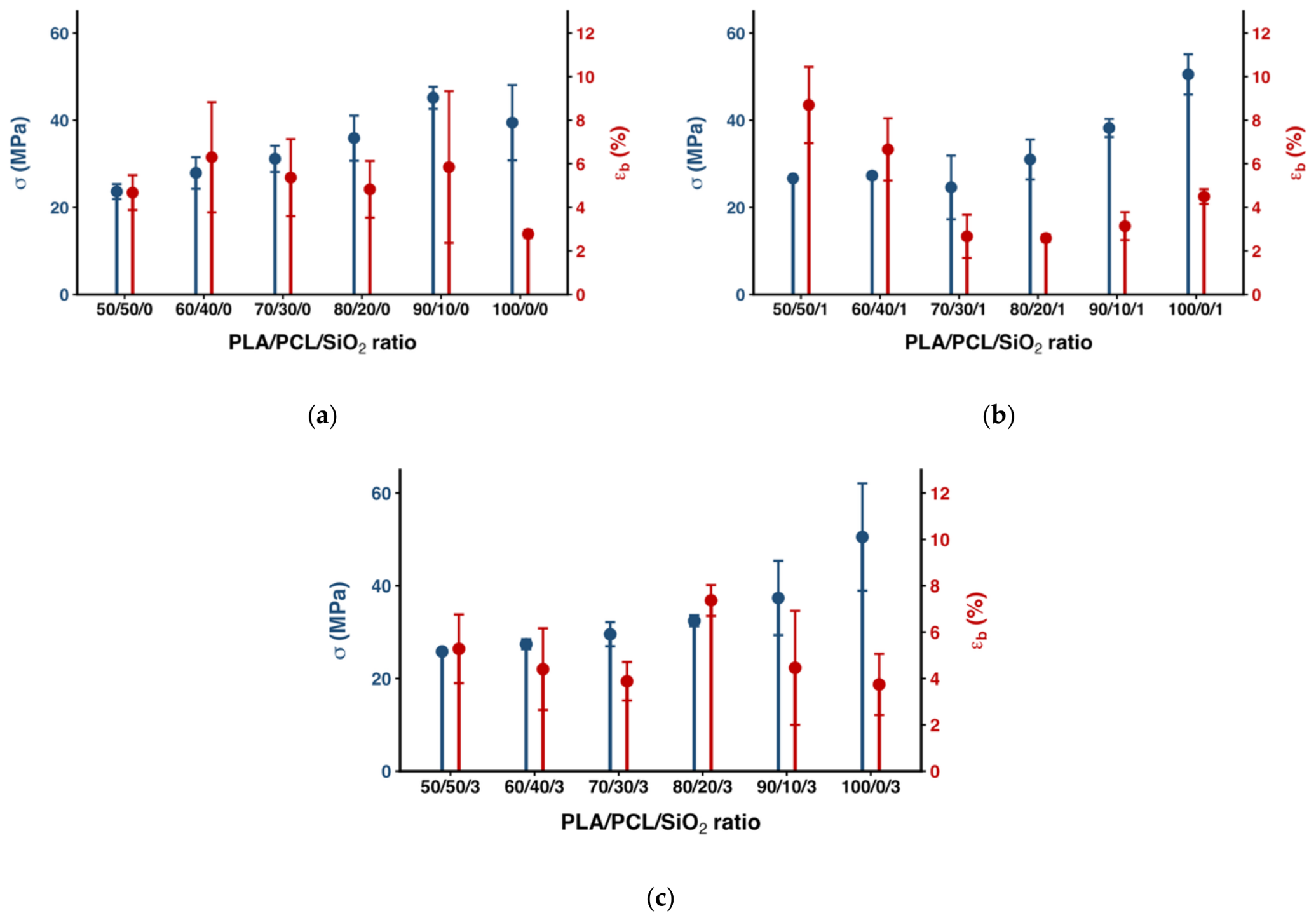
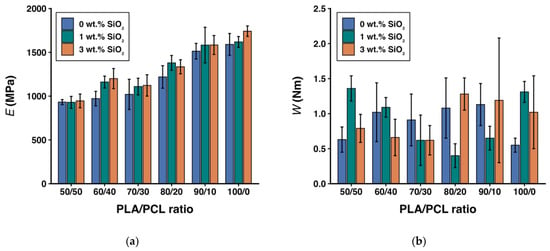
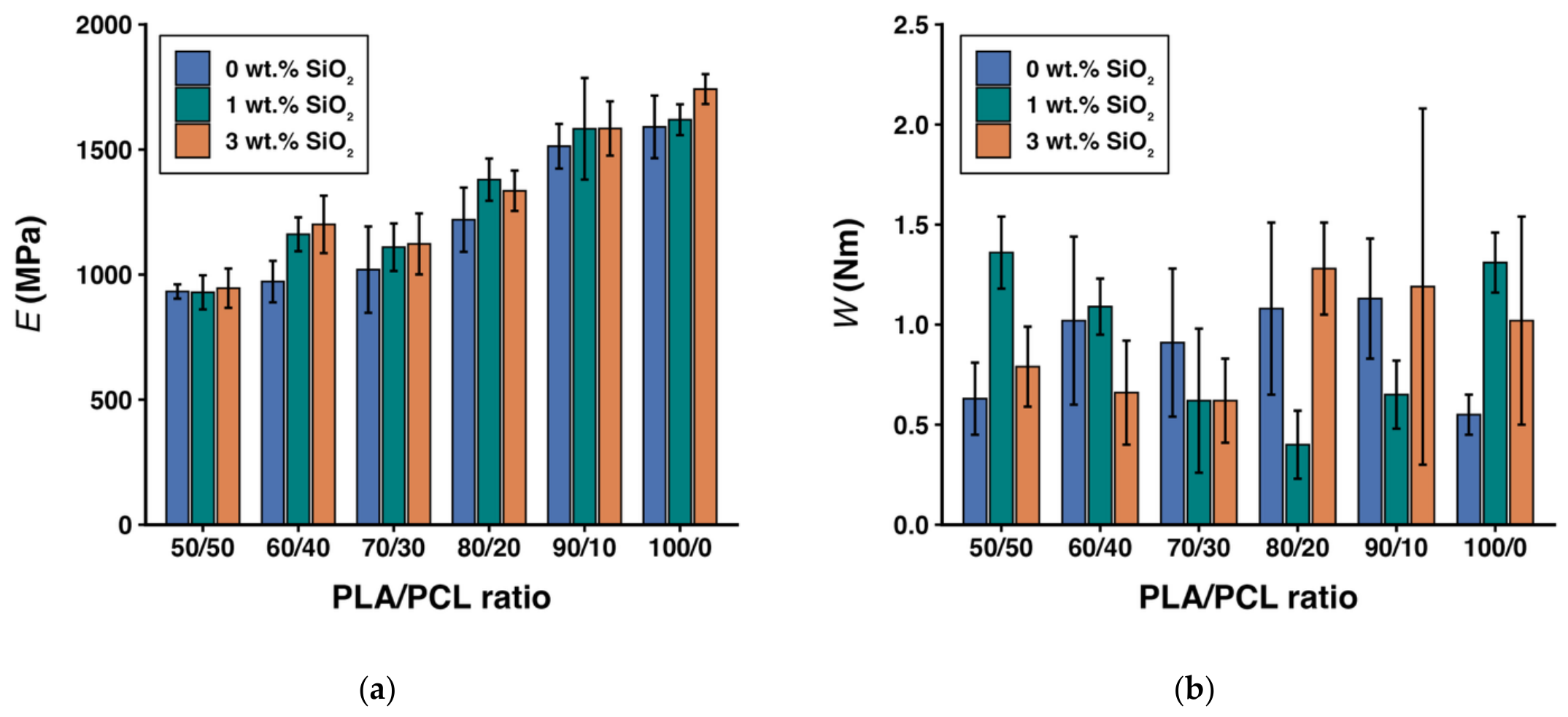
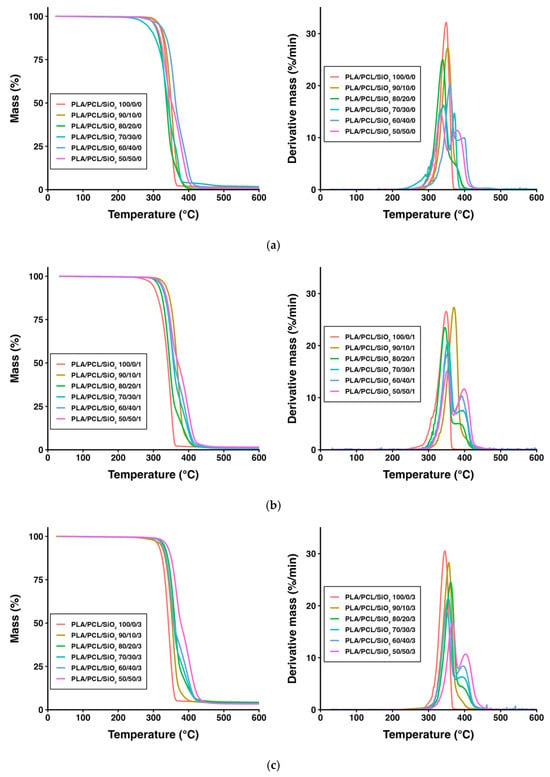
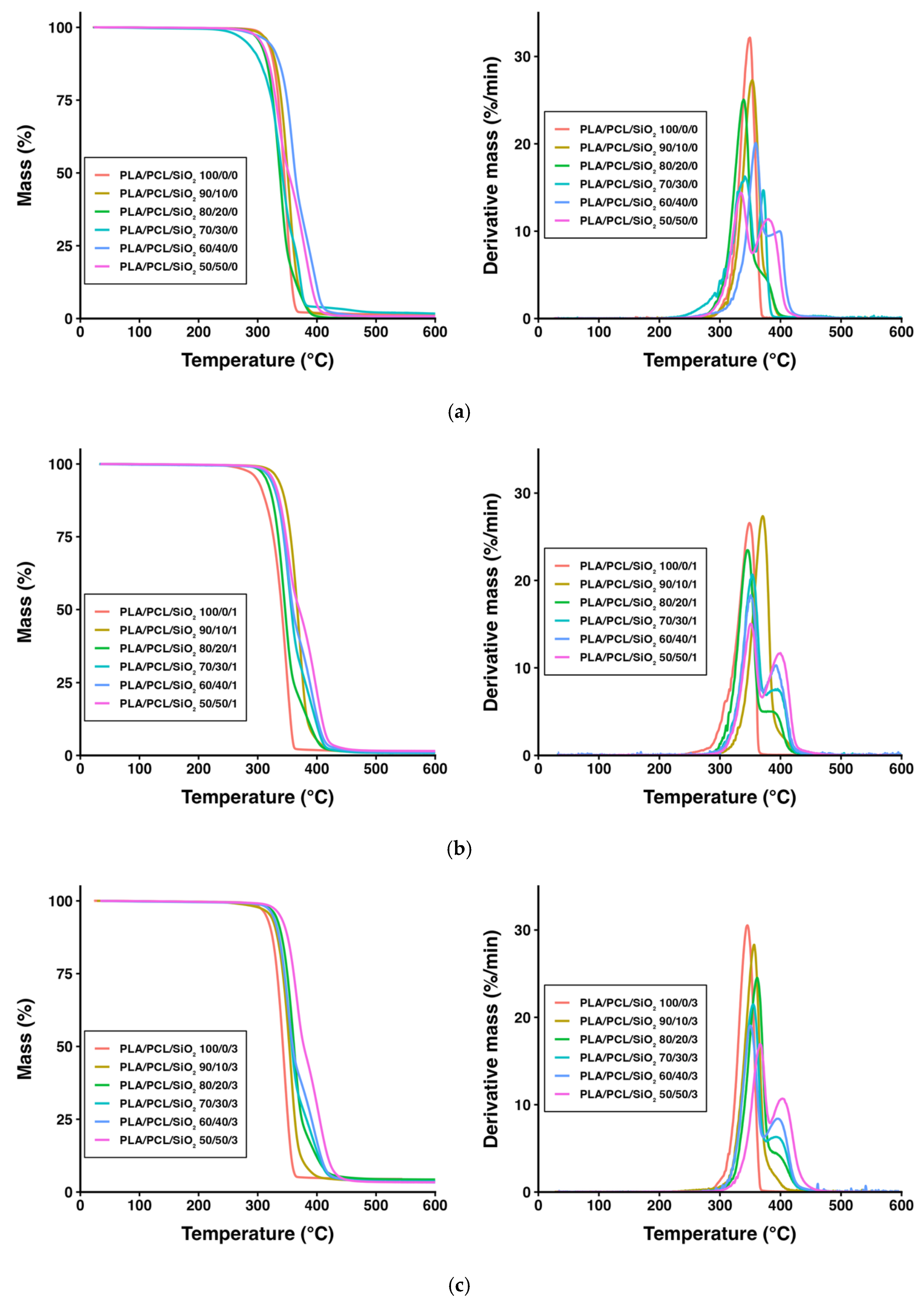
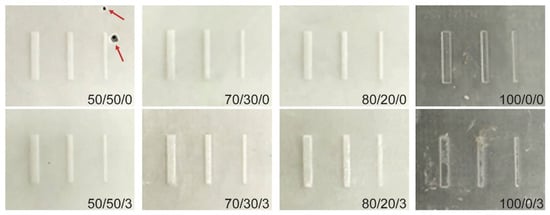
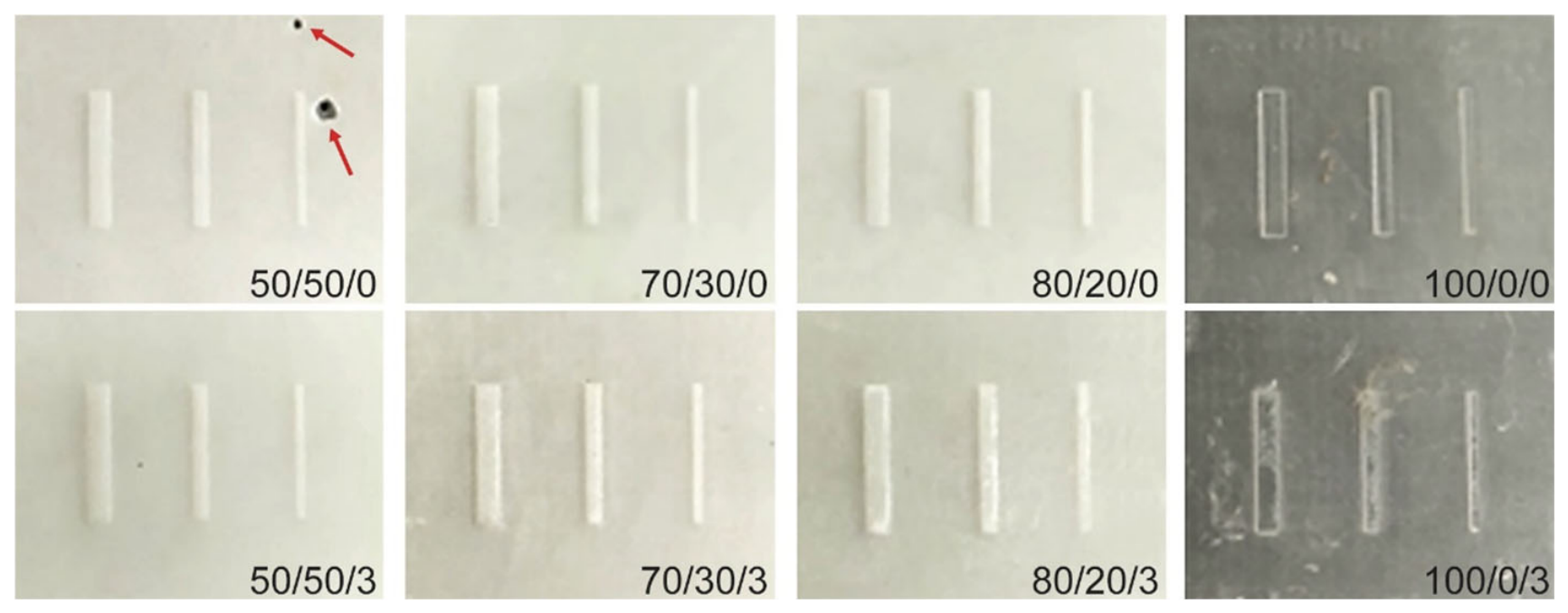
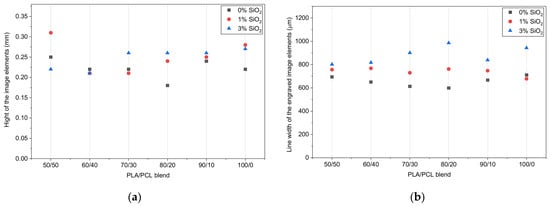
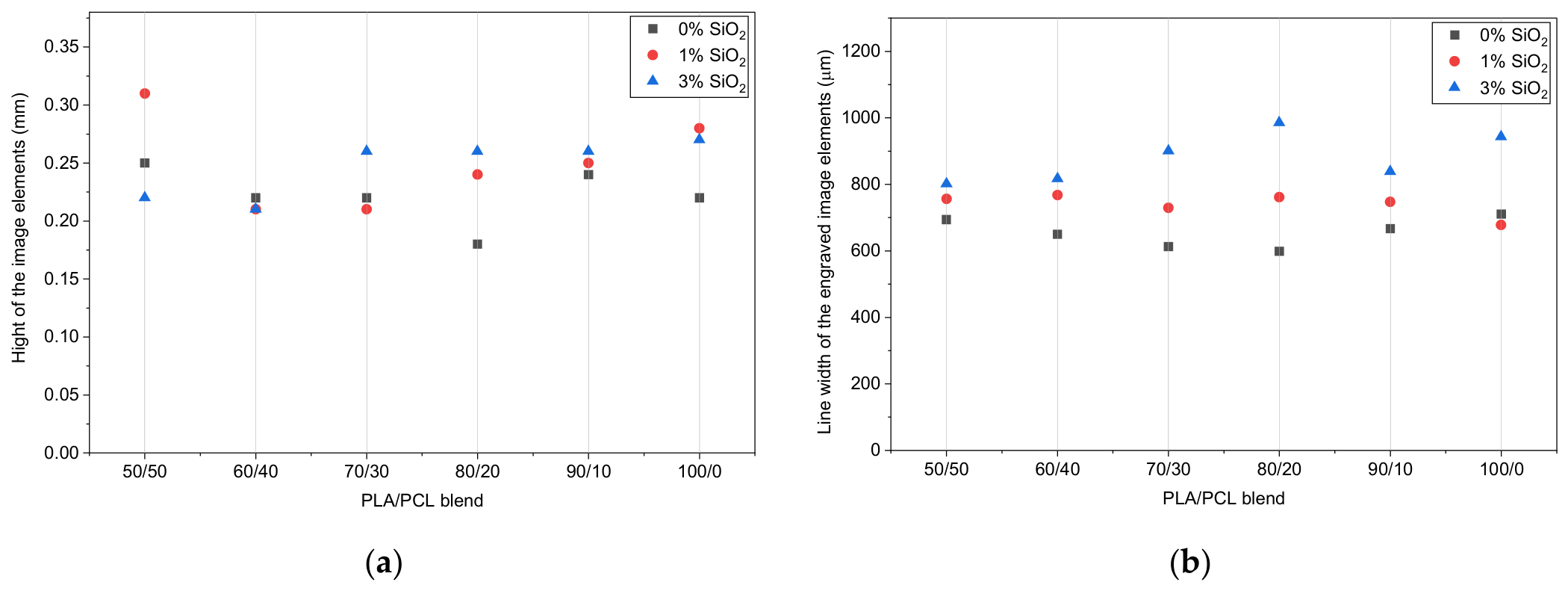
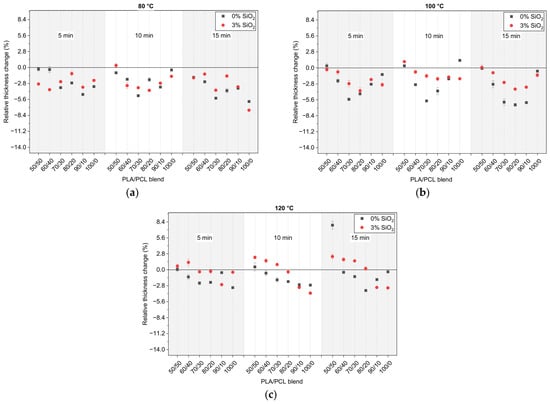
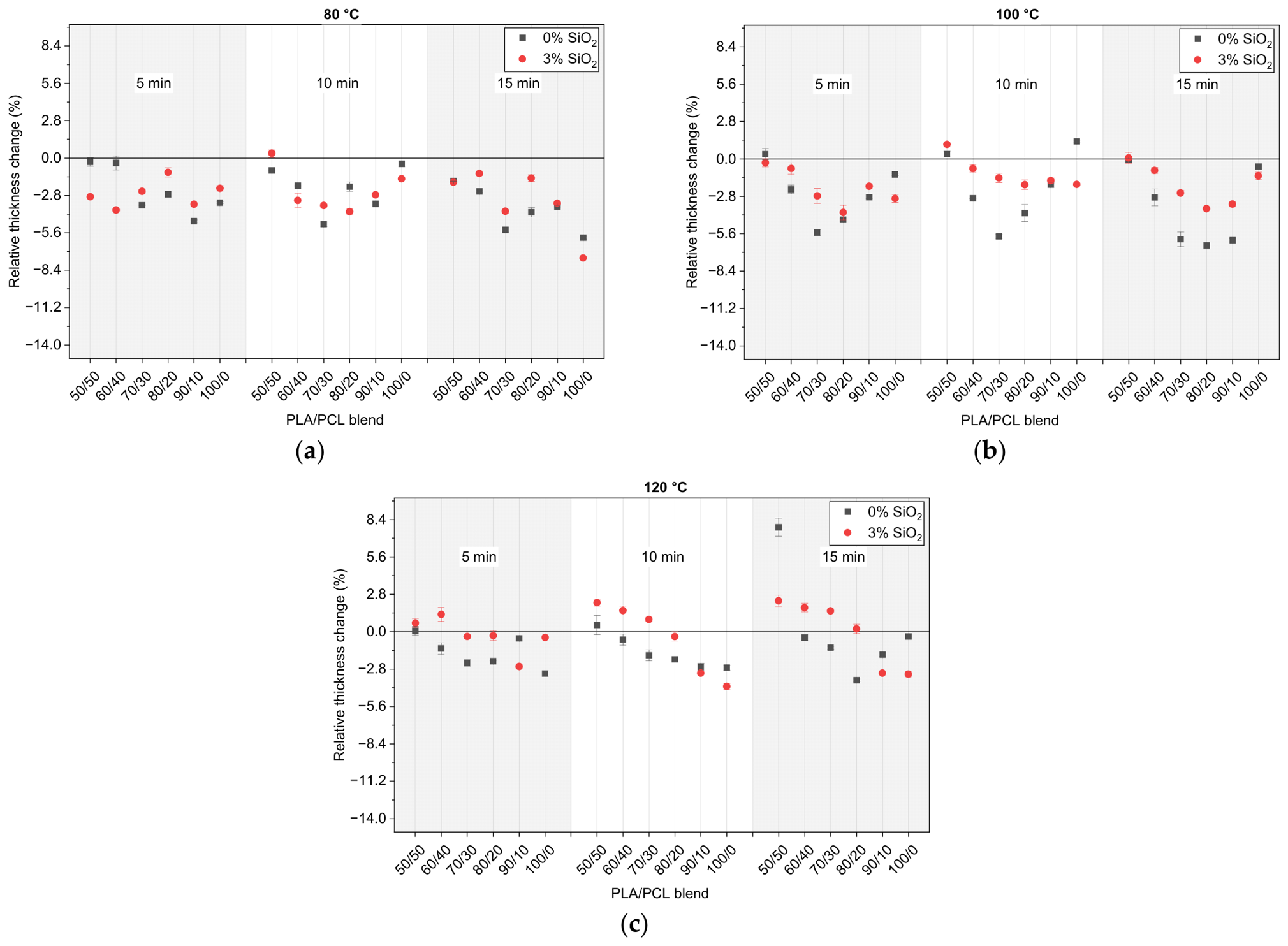
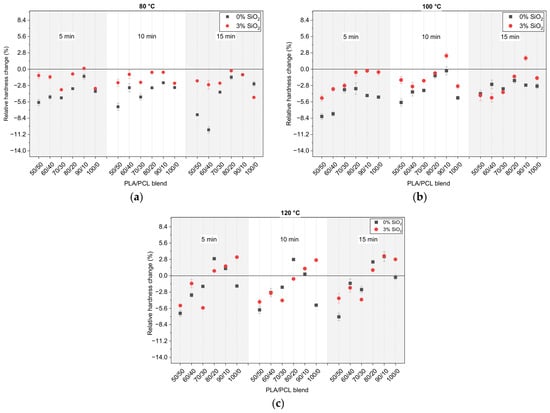
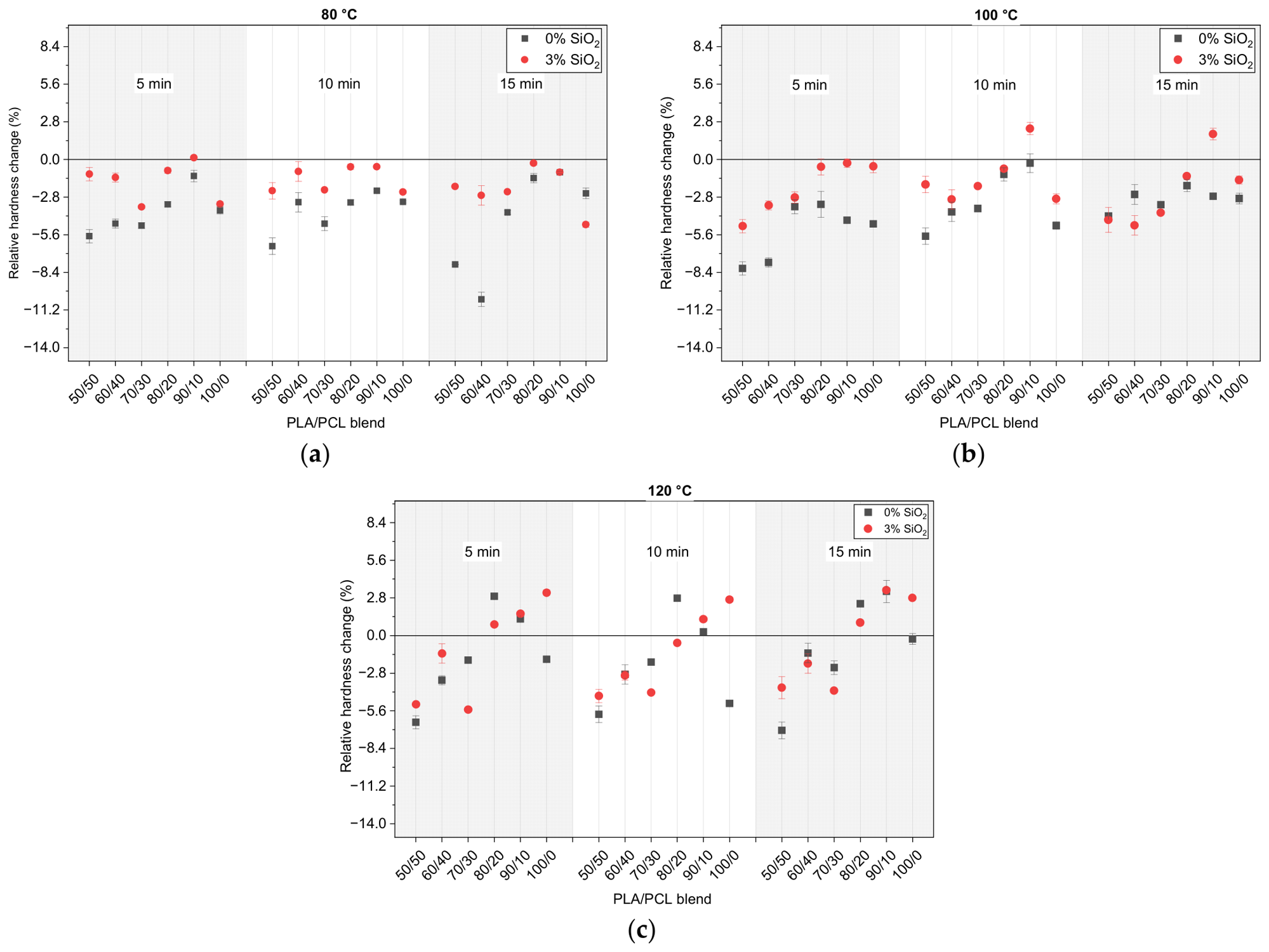
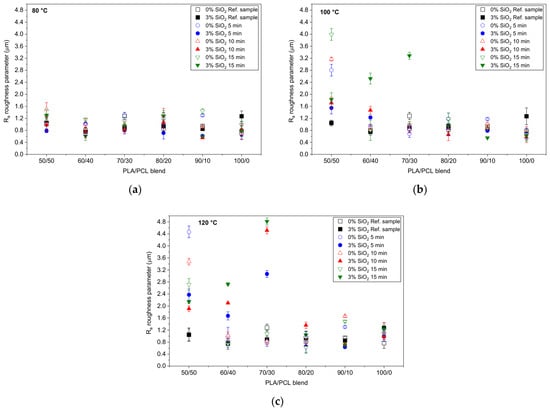
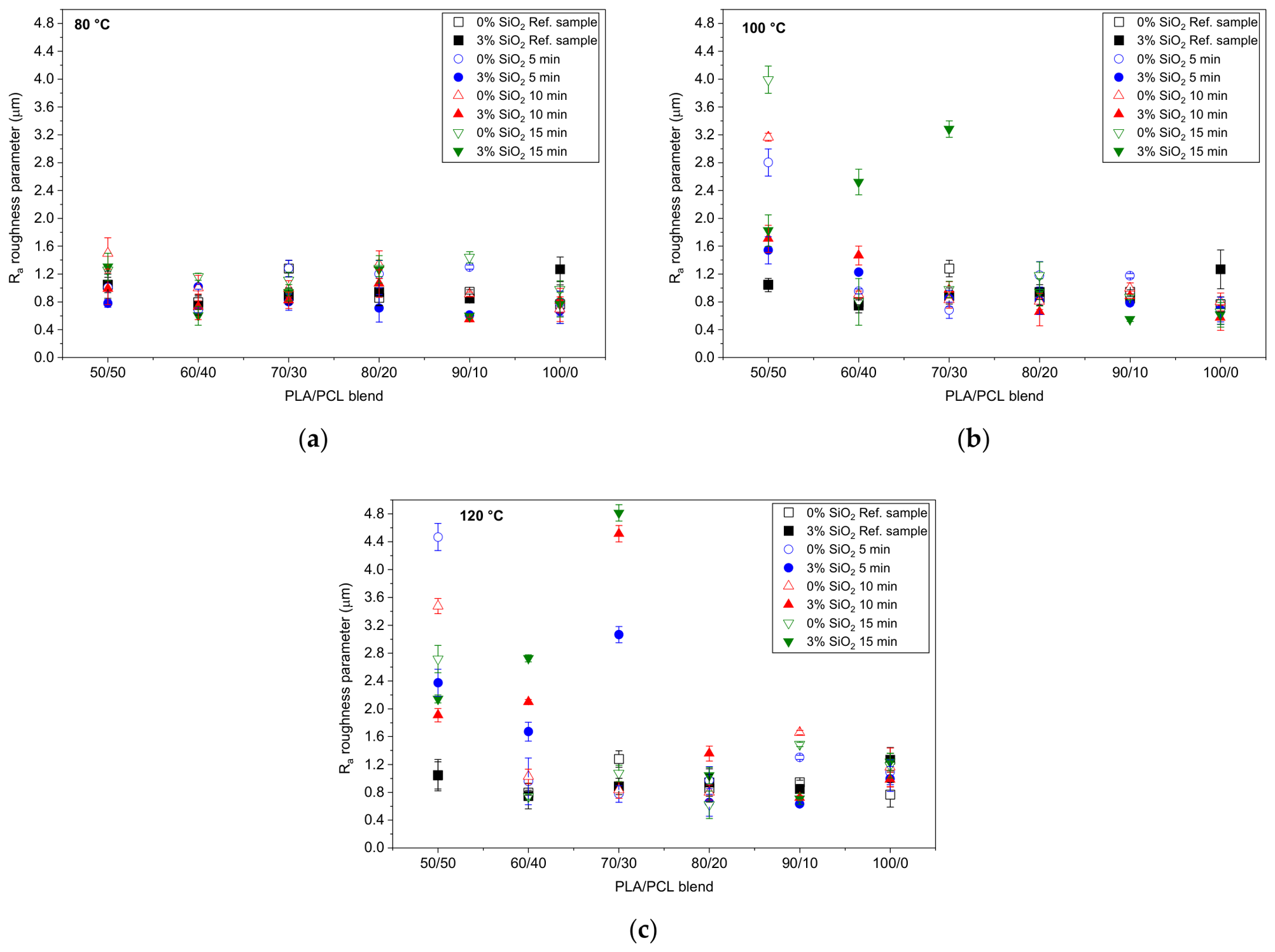
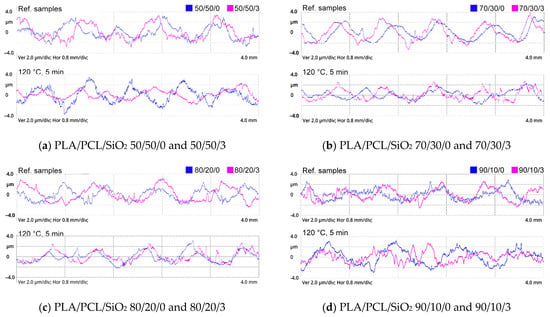
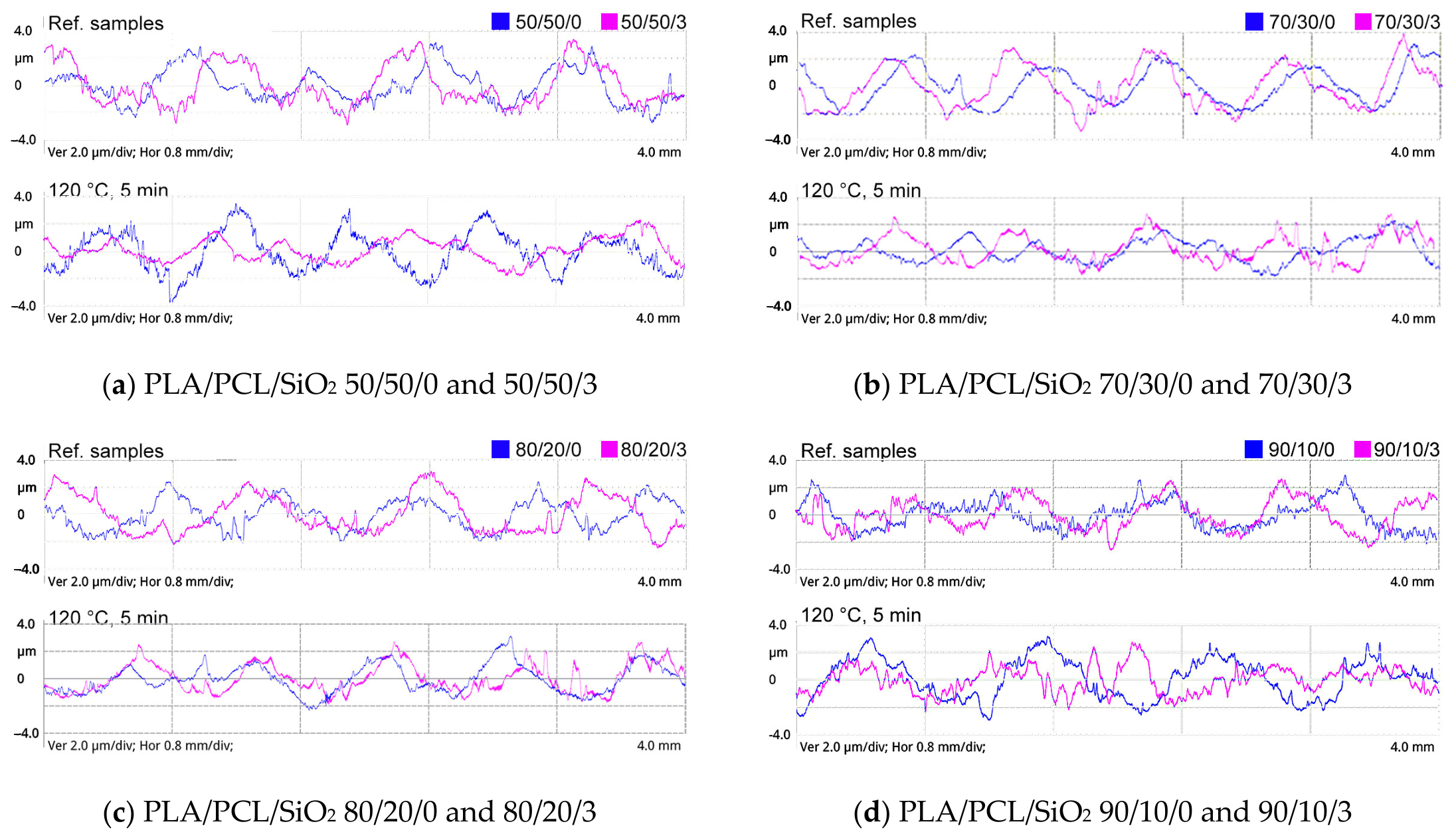
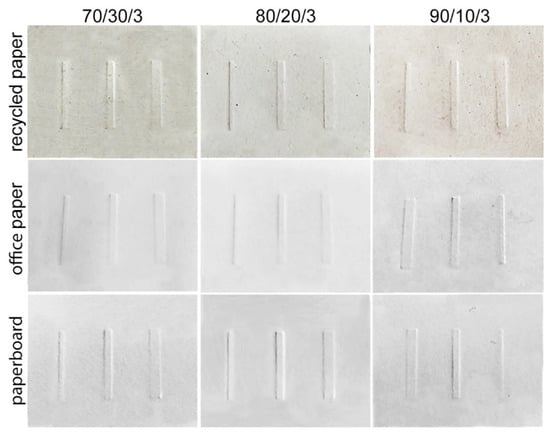
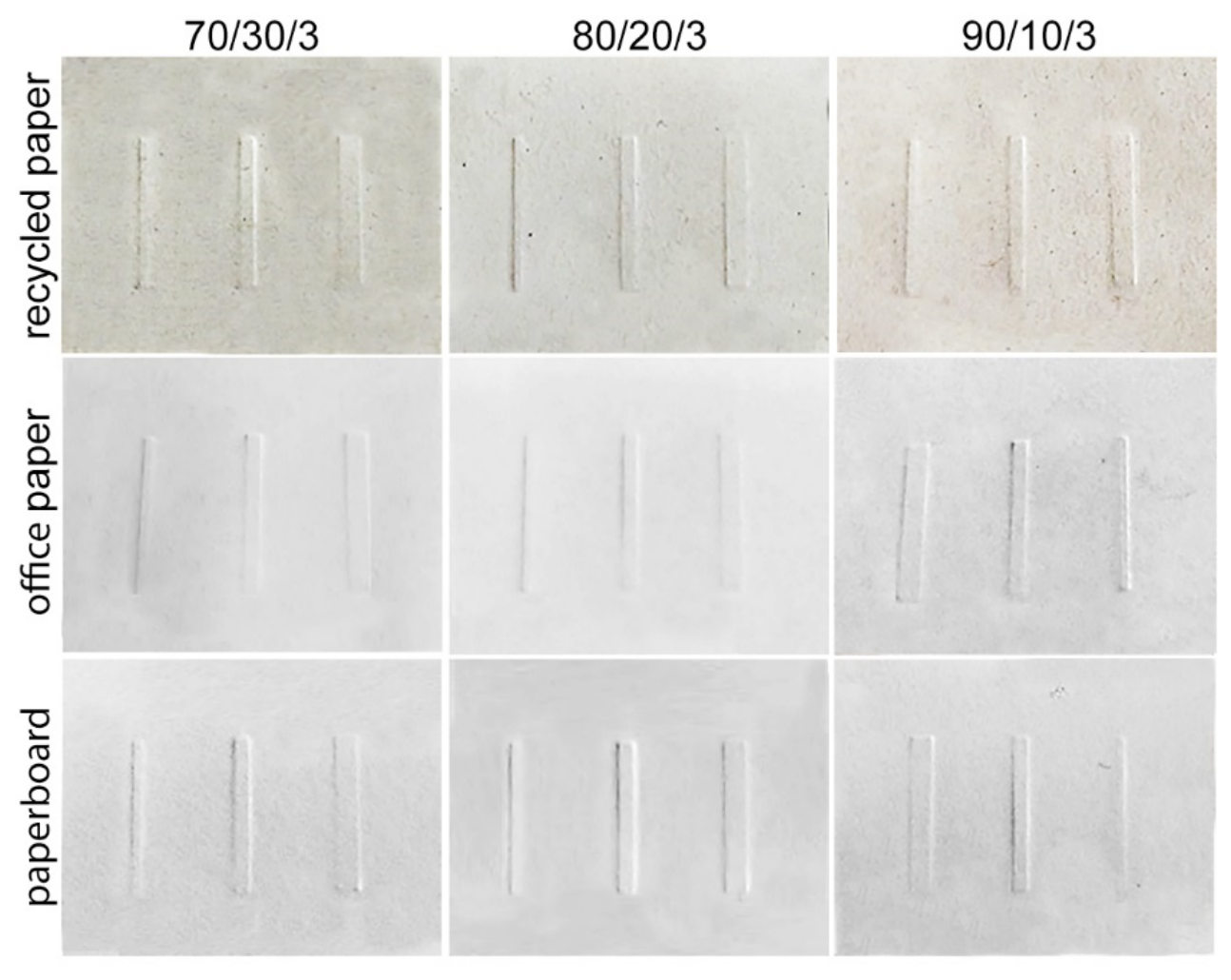
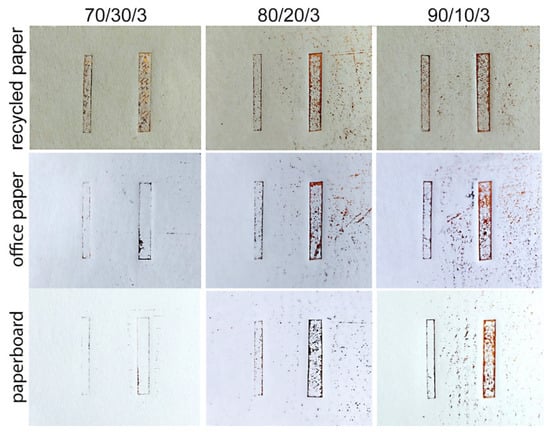
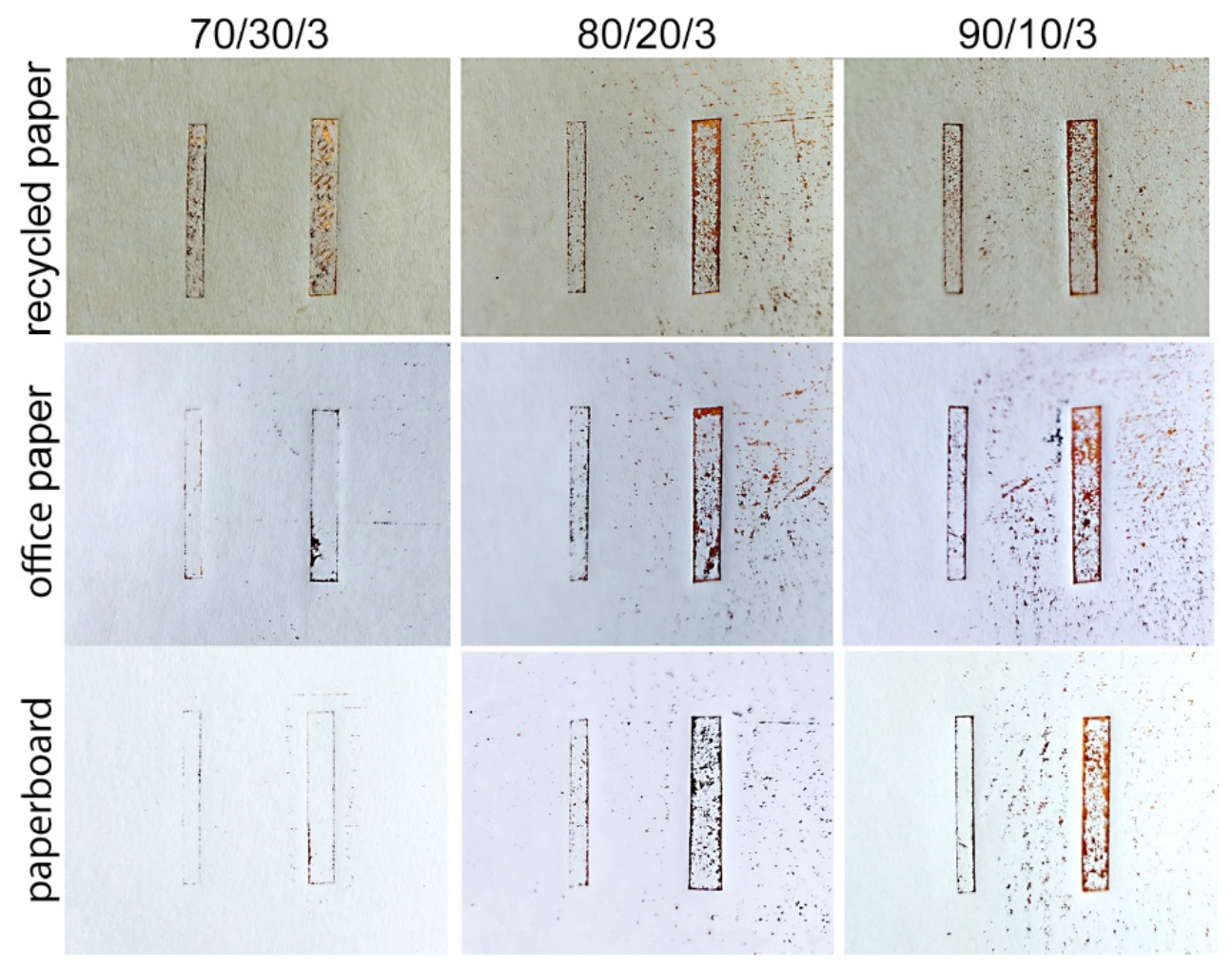

Disclaimer/Publisher’s Note: The statements, opinions and data contained in all publications are solely those of the individual author(s) and contributor(s) and not of MDPI and/or the editor(s). MDPI and/or the editor(s) disclaim responsibility for any injury to people or property resulting from any ideas, methods, instructions or products referred to in the content. |
© 2026 by the authors. Licensee MDPI, Basel, Switzerland. This article is an open access article distributed under the terms and conditions of the Creative Commons Attribution (CC BY) license.