


Abstract
Ecological civilization education can advance learners from knowledge acquisition to behavioral internalization, yet a persistent “knowing–doing gap” remains rooted in the disconnection between cognition and action. This study proposes an Institution–Conception–Behavior (ICB) model and examines how institutional support is associated with university students’ pro-environmental behavior, mediated by ecological civilization conception. A dual-path model integrating association and bidirectional association pathways was tested using structural equation modeling with bootstrap analysis (N = 500). Data were collected from two universities in Inner Mongolia, a region designated as China’s northern ecological security barrier. The results indicate that institutional support is positively associated with pro-environmental behavior through the indirect role of ecological civilization conception (indirect effect = 0.309, 95% CI [0.296, 0.506]), while its direct association is non-significant. Pro-environmental behavior (β = 0.278, p < 0.001) and ecological civilization conception (β = 0.417, p < 0.001) are positively associated with institutional perception orientation. These findings are consistent with the view that ecological civilization conception may serve as an associational bridge between institutions and behavior, suggesting a pattern of mutual associations in which institutions are associated with conceptions, conceptions relate to behavior, and behavior is associated with institutional perception. This study provides empirical evidence for advancing ecological civilization education through institutional support and conceptual cultivation.
1. Introduction
The global environmental crisis—climate change, resource depletion, and biodiversity loss—poses urgent challenges for sustainable development. The United Nations has positioned Education for Sustainable Development (ESD) as a strategic instrument for achieving the 2030 SDGs, with SDG 4.7 and SDG 12.8 mandating the cultivation of citizens with sustainable lifestyles and ecological awareness [1]. Within this context, China’s ecological civilization education represents an inheritance and innovation of the international ESD movement, signaling a paradigm shift from industrial civilization toward the cultivation of “ecological citizens” [2]. The realization of this goal depends on institutional support—including policy frameworks, university governance, and green campus infrastructure—which provides the normative foundation for translating sustainability ideals into practice [3]. However, the psychological processes through which institutional support is internalized into stable pro-environmental behavior remain insufficiently understood. University students, as a cohort distinguished by high educational attainment and innovative potential, are future decision-makers and active participants in campus environmental practices. Although universities have widely adopted general education courses, environmental clubs, and green campus initiatives, the persistent “knowing–doing gap”—the decoupling of environmental knowledge from behavioral outcomes [4]—indicates that the psychological processes underlying the translation of institutional support into behavior have yet to be clarified.
The present study was conducted in Inner Mongolia, an autonomous region designated as China’s northern ecological security barrier, encompassing diverse ecosystems and facing pressing environmental challenges, including grassland degradation and desertification. The region’s unique ecological status and pastoral cultural traditions make it a particularly meaningful context for examining ecological civilization education and pro-environmental behavior among university students.
Value–Belief–Norm (VBN) theory [5] offers an analytical framework for understanding this process: relatively stable ecological values and beliefs activate personal norms, which, in turn, drive individuals to fulfill environmental obligations. In this study, ecological civilization conception (ECC) is defined as an individual’s ecological worldview—beliefs about human–nature relationships, ecological values, and the fragility of nature’s balance—corresponding to the belief component of the VBN framework. It is therefore plausible that ECC plays a role in the association between institutional support and pro-environmental behavior.
Despite the theoretical plausibility of this pathway, three unresolved issues remain in the literature. First, while environmental identity research has shown that green self-identity can sustain pro-environmental behavior independently of external incentives [6], and behavioral spillover research has documented cross-domain transmission effects contingent on institutional context and value internalization [7,8], the specific indirect pathway from institutional support through ECC to behavioral outcomes has not been empirically tested. Second, research on the knowledge–attitude–behavior gap has consistently found that psychosocial variables explain substantially more variance in pro-environmental behavior than environmental knowledge alone [4,9], yet few studies have integrated institutional support, ECC, and behavior within a unified framework. Third, most existing studies adopt a unidirectional perspective, overlooking the possibility that behavioral practices may be bidirectionally associated with institutional perceptions—a possibility informed by Kolb’s experiential learning theory [10]. The present study responds to these unresolved questions by proposing and empirically examining an integrated dual-path model.
To address these theoretical and empirical gaps, this study adopts VBN theory [5] as its primary analytical framework and draws on the Theory of Planned Behavior [11] and experiential learning theory [10] as supplementary perspectives, constructing an Institution–Conception–Behavior (ICB) model. This model comprises two association pathways: first, a forward association pathway of institutional support → ecological civilization conception → pro-environmental behavior; second, a bidirectional association pathway of pro-environmental behavior and ecological civilization conception → institutional perception orientation. By examining this integrated framework, this study aims to investigate the association patterns between institutions, conceptions, and behaviors to provide a theoretical reference for understanding the psychological processes underlying pro-environmental behavior. This will also offer empirical evidence for synergistically advancing institutional design and value cultivation in ECC.
Before proceeding to the theoretical framework, it is important to clarify the normative positioning of this study. We acknowledge that the concept of “ecological civilization conception” carries descriptive and normative dimensions: descriptively, it refers to individuals’ empirically measurable beliefs about human–nature relationships, which are captured by the NEP scale used in this study; normatively, it refers to the policy-endorsed ecological values and ideals embedded in the concept, which form part of the broader normative framework of ecological civilization education rather than being directly tested in our empirical analysis. We explicitly mark these normative ideals as value premises rather than as conclusions derived from the data.
2. Literature Review and Theoretical Models
Understanding how institutions relate to individual pro-environmental behavior is central to environmental sociology and education research. Scott’s [3] institutional theory defines institutions as comprising regulatory, normative, and cultural–cognitive pillars. In higher education, institutional support—through policy frameworks, curricula, green infrastructure, and campus organizations—provides external conditions that may relate to sustainable behavior. However, institutional support may not relate to behavior solely through a direct path; rather, its association may also be channeled through individuals’ psychological internalization. Whether this relationship operates only unidirectionally, or whether behavioral engagement may also be associated with institutional perceptions, these questions require an integrated analytical framework that synthesizes multiple theoretical perspectives.
In environmental psychology, VBN theory provides a well-established framework for explaining pro-environmental behavior [5]. The theory proposes a “values → beliefs → personal norms → behavior” pathway: ecological values activate ecological beliefs, which in turn activate personal norms—perceived moral obligation—that motivate behavior. The present study focuses on the “beliefs” segment of this pathway, defining ECC as individuals’ beliefs about human–nature relationships, ecological values, and the fragility of nature’s balance. Institutional support is positioned as an external contextual condition, with ECC serving as the internalized belief system through which institutional support may relate to behavioral outcomes.
The Theory of Planned Behavior (TPB) offers a complementary perspective: Ajzen [11] proposed that behavioral intention serves as the proximal antecedent of action, mediating between attitudes, subjective norms, perceived behavioral control, and actual behavior. This lens helps explain how internalized beliefs may translate into behavioral execution—a step that VBN theory does not explicitly address. However, neither VBN nor TPB addresses the possibility that behavioral practice may, in turn, inform individuals’ cognition of the institutional environment—a gap that Kolb’s experiential learning theory can fill. Kolb’s experiential learning theory [10] addresses this gap: learning is a continuous process of cognitive reconstruction achieved through reflective observation of concrete experiences. Applied to the pro-environmental domain, engagement in environmental behavior itself may constitute such concrete experiences, leading individuals to re-evaluate their perceptions of institutional support. This reciprocal possibility is incorporated into the present model alongside the forward association pathway.
These three theoretical frameworks are integrated to serve distinct functional roles: VBN theory provides the theoretical logic for the forward association pathway (institutional support → ECC → behavior); the Theory of Planned Behavior explains how internalized beliefs are expressed through behavioral intentions; and experiential learning theory provides the rationale for the bidirectional association pathway (behavior → institutional perception). Together, these three frameworks provide the theoretical basis for the forward association pathway (institutional support → ECC → behavior) and bidirectional association pathway (behavior → institutional perception orientation). This integrated framework is informed by prior studies that, while underscoring the importance of psychological processes in pro-environmental behavior, have not yet examined the specific pathways proposed in the ICB model.
Together, these strands of the literature indicate that examining only the direct association between institutional support and behavior is insufficient. While prior research has demonstrated the importance of psychological processes—such as self-identity, value internalization, and social norms—in sustaining pro-environmental behavior, the specific pathway from institutional support through ECC to behavioral outcomes has not been empirically tested, nor has the bidirectional association pathway from behavior back to institutional perception orientation been examined. The ICB model offers a possible avenue for examining these issues by incorporating the forward mediation and bidirectional association pathways.
Based on the above theoretical integration, the present study’s ICB model comprises four core constructs. Institutional support (IS) refers to individuals’ subjective perception of institutional arrangements related to ecological civilization education in universities, rather than the objective institutional texts or policy documents themselves. ECC refers to individuals’ worldviews regarding human–nature relationships, ecological values, and the fragility of nature’s balance. Pro-environmental behavior (PEB) refers to the concrete actions individuals take in their daily campus life that are conducive to ecological protection, including resource conservation, waste sorting, and green consumption. Institutional perception orientation (IPO) refers to individuals’ perceptual orientation toward the institutional support environment—encompassing their cognitive appraisals, attentional focus, and normative beliefs regarding institutional functioning and improvement.
In summary, the ICB model integrates a forward association pathway (institutional support → ECC → pro-environmental behavior) and a bidirectional association pathway (pro-environmental behavior and ECC → institutional perception orientation). The following sections elaborate on this theoretical model and present the research hypotheses.
2.1. Relationship Between Institutional Support and Ecological Civilization Conception
According to Scott’s institutional theory, the cultural–cognitive pillar of institutions shapes individuals’ interpretive frameworks through shared meaning structures [3]. When individuals perceive systematic institutional support—manifested through curricula, regulations, and campus initiatives—they are exposed to normative guidance that may relate to their cognitive frameworks. The Attitude–Behavior–Condition model further suggests that external institutional conditions can reinforce individuals’ internal attitudes and beliefs by legitimizing certain value orientations [9,12].
Empirical studies have informed this logic: Qi et al. [13] found that sustainability education is associated with students’ environmental values through institutional support, and Irfana et al. [14] reported that institutional sustainability policies are positively associated with the formation of environmental values. Although these studies examined values rather than worldview-level beliefs, their findings suggest that institutional conditions may relate to the internalization of ecological orientations more broadly.
However, these studies treat institutional support primarily as a moderator or direct antecedent of general environmental values, without examining its association with ECC as a distinct worldview-level construct. Within the VBN framework, ecological beliefs do not emerge spontaneously but are continuously conditioned by external social structures and institutional environments [5]. Extending this logic to the context of ecological civilization education, university students who perceive systematic institutional support for ecological protection may be more likely to internalize such orientations into their own belief systems and develop an ecological civilization conception. Based on this reasoning, the following hypothesis is proposed:
H1.
Institutional support is positively associated with ecological civilization conception.
2.2. Relationship Between Ecological Civilization Conception and Pro-Environmental Behavior
ECC is defined in this study as an individual’s ecological worldview—specifically, their beliefs about human–nature relationships, ecological values, and the fragility of nature’s balance. This worldview-level construct reflects the beliefs component in the VBN framework, encompassing individuals’ general beliefs about the relationship between humans and the environment. It is important to clarify that the institutional awareness dimension, which formed part of our broader theoretical framework, is not included in the definition of ECC. Instead, it is operationalized as a separate construct through the IS and IPO measures in our model. This decomposition allows us to test the hypothesized relationships between the worldview component of ECC and IPO without conflating conceptually distinct constructs.
According to VBN theory, ecological beliefs activate personal norms—defined as internalized moral obligations—which, in turn, motivate pro-environmental behavior without reliance on external rewards or sanctions [5]. When individuals hold a strong ECC, they not only cognitively endorse ecological ideals but also develop a sense of moral responsibility—“protecting the environment is my responsibility”—which may relate to greater behavioral engagement.
Empirical research supports this reasoning. Bamberg and Möser’s [9] meta-analysis found that personal moral norms are among the strongest predictors of pro-environmental behavior, with effect sizes significantly larger than those of general environmental attitudes. Wang and Zhang [15] applied the Knowledge–Attitude–Practice model and found that ecological civilization theory is positively associated with college students’ pro-environmental behavior in China. Jiao et al. [16] further demonstrated that environmental values and attitudes play key roles in shaping university students’ pro-environmental behavior.
However, these studies examined the direct association between ECC and behavior, without considering how such conceptions are formed through institutional support or whether they function as a mediating mechanism linking institutional factors to behavioral outcomes. While Qi et al. [13] treated institutional support as a moderator in the relationship between sustainability education and pro-environmental behavior, they did not examine the indirect pathway through which institutional support relates to behavior via ECC. The present study extends this line of inquiry by positioning ECC as a mediator between institutional support and pro-environmental behavior, thereby clarifying the psychological pathway through which external institutional conditions may relate to individual behavioral engagement. Based on this reasoning, the following hypothesis is proposed:
H2.
Ecological civilization conception is positively associated with pro-environmental behavior.
2.3. Relationship Between Institutional Support and Pro-Environmental Behavior
According to Scott’s institutional theory, the regulatory pillar of institutions directly constrains or motivates behavior through rules, monitoring, and sanctions, operating primarily on the logic of instrumentality rather than internalized value commitment. The Attitude–Behavior–Condition model further suggests that external conditions—such as the convenience of recycling facilities and policy regulations—can be associated with behavior even among individuals with weaker environmental attitudes [9,12]. Meta-analysis has also found that perceived behavioral control, which encompasses perceptions of external institutional convenience, has a significant direct association with pro-environmental behavior, remaining significant even after controlling for attitudes and personal norms.
However, these findings primarily concern the regulatory functions and physical convenience conditions of institutional arrangements. In contrast, VBN theory suggests that genuinely durable pro-environmental behavior depends on psychological internalization rather than passive compliance with external conditions [5]. The present study focuses on institutional support as manifested in policy orientations, curricular systems, and campus cultural atmospheres—arrangements with predominantly value-guiding rather than regulatory functions.
Empirical findings on this direct association are not entirely consistent across studies. Qi et al. found that institutional support moderates the relationship between sustainability education [13] and pro-environmental behavior but did not examine its direct association with behavior. Odugbesan and Aghazadeh reported that perceived institutional support is associated with students’ pro-environmental behavioral intentions in Turkish universities [17]. However, these studies did not simultaneously model ECC as a mediator; whether a direct association between institutional support and pro-environmental behavior holds when the indirect pathway through ECC is accounted for remains unclear.
In summary, institutional support may relate to pro-environmental behavior through two potential pathways: an indirect internalization pathway via ECC and a direct regulatory pathway. To adjudicate empirically between these competing logics, we propose the following hypothesis:
H3.
Institutional support is positively associated with pro-environmental behavior.
2.4. The Mediating Role of Ecological Civilization Conception
The logical integration of H1 and H2 suggests a mediating pathway: institutional support may be indirectly associated with pro-environmental behavior through ECC. According to VBN theory, belief systems function as cognitive bridges between external conditions and personal norms [5]. In this model, institutional support—as an external contextual condition—may relate to individuals’ belief systems and to the formation of ECC, which, in turn, may relate to personal norms and generate a moral obligation that may be associated with behavior. ECC thus serves as a psychological conduit through which institutional support may relate to behavioral outcomes.
While Qi et al. treated institutional support as a moderator in the relationship between sustainability education [13] and pro-environmental behavior, they did not examine its indirect pathway through ECC. Zhang et al. found that university leadership has no direct association with pro-environmental behavioral intentions and does not trigger students’ personal norms [18], yet they did not test whether institutional support operates indirectly through worldview-level beliefs. The present study extends this line of inquiry by positioning ECC as a mediator between institutional support and pro-environmental behavior, thereby clarifying the internalization process through which external institutional conditions may relate to individual behavioral engagement. Based on this reasoning, the following hypothesis is proposed:
H4.
Ecological civilization conception plays an indirect role between institutional support and pro-environmental behavior.
2.5. Reciprocal Associations of Ecological Civilization Conception and Pro-Environmental Behavior: Impact on Institutional Perception Orientation
The preceding hypotheses specify a unidirectional pathway from institutional support to behavior via ECC. However, this pathway does not address whether behavioral practices and conceptual reinforcement may, in turn, relate to individuals’ perceptions of the institutional environment. Thus, the present study further proposes that pro-environmental behavior and ECC are positively associated with IPO.
Kolb’s experiential learning theory provides a framework for understanding these reciprocal associations. Kolb characterized learning as a cyclical process of knowledge creation through experience transformation: concrete experience → reflective observation → abstract conceptualization → active experimentation [10]. When students engage in pro-environmental behaviors—such as waste sorting, energy conservation, and participation in environmental initiatives—these actions constitute concrete experiences. Through reflective observation, individuals may recognize positive correspondences between their behavior and the surrounding institutional environment (e.g., recycling facilities and incentives for environmental action), generating more favorable cognitive evaluations of institutional support. This process reflects a positive reconstruction of subjective perception rather than changes in objective institutional conditions.
Complementing this perspective, Festinger’s cognitive dissonance theory [19,20] suggests that individuals maintain consistency between multiple cognitions. When individuals hold a strong ECC, this worldview-level belief system may be associated with them seeking out and positively interpreting information consistent with their conceptions. Conversely, perceiving the institutional environment negatively while holding strong ecological beliefs can create dissonance, motivating individuals to adjust their institutional perceptions to restore consistency.
Empirical evidence for such bidirectional association patterns remains relatively scarce. Zhang, Du, and Boamah found that green climate and pro-environmental behavior are associated with reducing the attitude–behavior gap [21], suggesting that behavioral engagement may influence subsequent environmental perceptions. However, their study did not simultaneously examine how behavior and conceptions jointly relate to institutional perception orientation. The present study extends this line of inquiry by modeling PEB and ECC as reciprocal associates of IPO, thereby offering a preliminary empirical test of the bidirectional links informed by experiential learning and cognitive consistency theories. Based on this reasoning, the following hypotheses are proposed:
H5a.
Pro-environmental behavior is positively associated with institutional perception orientation.
H5b.
Ecological civilization conception is positively associated with institutional perception.
2.6. Proposed Theoretical Model
Based on the foregoing literature review and the five research hypotheses articulated above, this study constructs an integrated dual-path theoretical model. The model comprises two core pathways:
- (1)
- A forward association pathway, constituted by H1, H2, and H4, which specifies the pathway from institutional support to pro-environmental behavior through ecological civilization conception. This pathway elucidates how institutions may relate to behavior through the internalization of conceptions.
- (2)
- A bidirectional association pathway, constituted by H5a and H5b, which specifies the experiential learning and cognitive reinforcement processes of “pro-environmental behavior → institutional perception orientation” and “ecological civilization conception → institutional perception orientation.” This pathway elucidates how behavior and conception may bidirectionally relate to individuals’ perceptions of institutional support.
The theoretical contribution of this model lies in its capacity to extend beyond static, unidirectional interpretive frameworks, offering instead a system of reciprocal association: institutions may be associated with conceptions; conceptions may relate to behavior; and behavior, together with conceptions, may be associated with institutional perception. This integrated framework aims to offer a more comprehensive and nuanced understanding of the complex processes underlying the formation and evolution of university students’ pro-environmental behavior.
3. Research Methods
3.1. Research Design
This study employed a structured questionnaire survey to examine the relationships between institutional support, ecological civilization conception, pro-environmental behavior, and institutional perception orientation. The research design involved three key stages: data collection, variable measurement, and data analysis. The questionnaire comprised four scales: institutional support [13], ecological civilization conception [22,23], pro-environmental behavior [24], and institutional perception orientation (developed for this study following DeVellis) [25]. All scales were refined based on pilot study feedback through minor wording adjustments to improve clarity and cultural appropriateness. Structural equation modeling (SEM) was used to examine the relationships between the variables, providing an empirical test of the proposed hypotheses.
The theoretical model specifying the relationships between the variables is presented in Figure 1. To determine the adequacy of the sample size for SEM analysis, the Free Statistics Calculator (Soper, version 2025) was employed to estimate the minimum sample size required. Given four latent variables and 35 observed indicators, with α = 0.05, statistical power = 0.80, and an anticipated medium effect size (0.30), the estimated minimum sample size was approximately 200. The actual sample obtained for this study was 500, exceeding this threshold and thereby ensuring sufficient statistical power and model stability.
Figure 1.
Theoretical model: Proposed associational pathways between institutional support, ecological civilization conception, pro-environmental behavior, and institutional perception orientation. Note: All arrows indicate hypothesized directions of association based on theoretical frameworks, not causal or temporal relationships. Given the cross-sectional design of this study, these pathways should be interpreted as associational patterns to be tested empirically, not as established causal mechanisms.
3.2. Sample and Data Collection
The sampling frame consisted of official student registration lists from two universities in Baotou, Inner Mongolia Autonomous Region, China—Inner Mongolia University of Science and Technology and Baotou Normal University. From each university, the student population was stratified by grade level (freshman through senior) and academic discipline category (science and engineering, humanities and social sciences, arts and sports, and others). Within each stratum, a simple random sample was drawn using a random number generator based on the official student registration lists. Participant allocation within each stratum was determined proportionally, based on each stratum’s representation in the overall student population.
Stratified random sampling was selected to ensure proportional representation across grade levels and academic disciplines. This approach minimizes sampling bias and enhances within-stratum homogeneity, yielding greater estimation precision than simple random sampling [26], and permits meaningful subgroup comparisons while maintaining overall representativeness.
Data were collected through online and offline channels between April and June 2026. Online distribution was conducted through the university’s official learning management system, with informed consent forms and invitation links sent to the randomly selected students’ institutional email addresses. Offline distribution was carried out on campus during non-class hours in designated classrooms, where trained research assistants administered paper questionnaires.
The study was conducted in accordance with the Declaration of Helsinki. Prior to data collection, informed consent was obtained from all participants, who were informed of the voluntary nature of their participation and their right to withdraw at any time. The questionnaire was administered anonymously, and no personally identifiable information was collected. All data were stored securely and used solely for academic research purposes.
The survey was administered in Chinese, using items translated and adapted from published English-language scales. A translation–back-translation procedure was conducted to ensure content equivalence between the Chinese and original versions. All items were rated on a five-point Likert scale (1 = strongly disagree; 5 = strongly agree). Sample items include “My university has a systematic curriculum system for ecological civilization education,” “Human beings are severely abusing the environment,” and “I actively engage in waste sorting.” The questionnaire comprised five sections, covering demographic information, perceived institutional support, ecological civilization conception, pro-environmental behavior, and institutional perception orientation.
Of the 550 questionnaires distributed, 50 were excluded based on pre-registered criteria: completion time of less than three minutes or with missing responses (n = 18), identical responses across all items (n = 22), or obvious logical contradictions in reverse-coded questions (n = 10). Following this screening process, 500 valid questionnaires were retained, yielding a response rate of 91.09%.
Among the 500 valid respondents, 45.0% (n = 226) were male and 55.0% (n = 274) were female. The gender distribution closely reflects the combined gender composition of the two participating universities (approximately 48% male, 52% female), with only a minor deviation within the range expected from random sampling. Regarding grade distribution, freshmen constituted 25.0% (n = 125), sophomores 28.0% (n = 140), juniors 26.0% (n = 130), and seniors 21.0% (n = 105). In terms of the distribution by university, the final valid sample comprised 318 students from Inner Mongolia University of Science and Technology and 182 from Baotou Normal University. Regarding survey mode, 275 questionnaires were collected online and 225 offline. Regarding disciplinary backgrounds, science and engineering students accounted for 44.0% (n = 220), humanities and social sciences for 31.0% (n = 155), arts and sports for 15.0% (n = 75), and other disciplines for 10.0% (n = 50). Non-response bias was assessed by comparing respondents and non-respondents using available administrative data; no significant differences were found in gender, grade, or discipline. The sample thus demonstrated broad coverage across educational stages and disciplinary fields, providing a reasonable foundation for analysis.
3.3. Variable Measurement
The established English-language scales were translated into Chinese following the standard translation–back-translation procedure [27]. The process consisted of three steps: (1) two bilingual researchers independently translated the original English items into Chinese; (2) a third bilingual researcher back-translated the Chinese version into English; and (3) the research team, together with two experts in environmental psychology, conducted panel discussions to review and revise any translation discrepancies item by item until consensus was reached [28].
Prior to the main survey, we conducted a pilot test with 60 undergraduate students. The pilot test results showed acceptable internal consistency for all scales (Cronbach’s α > 0.70). In addition, three experts in environmental education were invited to evaluate the content validity of the scales. Each expert rated the relevance of each item to its intended construct using a four-point scale. Based on expert feedback, minor wording revisions were made to improve clarity and content coverage. All items were retained for the main survey. The measurement approach for each variable is detailed below.
Institutional Support: Institutional support was measured using the scale developed by Qi et al. [13]. The scale comprises five items rated on a 5-point Likert scale (1 = strongly disagree, 5 = strongly agree). Example items include “My university provides sufficient facilities and resources for environmental protection” and “People around me support my participation in environmental behaviors.” In this study, the Cronbach’s alpha coefficient for this scale was 0.819.
Ecological Civilization Conception: Ecological civilization conception was measured using the Chinese version of the revised New Ecological Paradigm (NEP) scale, adapted from the translation and revision by Wu et al. [23]. The original NEP scale was developed by Dunlap et al. [22] and consists of 15 items rated on a 5-point Likert scale. Seven reverse-coded items (NEP2, NEP4, NEP6, NEP8, NEP10, NEP12, and NEP14) were reversely scored prior to analysis. In this study, the Cronbach’s alpha coefficient for this scale was 0.929.
Pro-environmental Behavior: Pro-environmental behavior was measured using the Pro-Environmental Behaviours Scale (PEBS) developed by Menardo et al. [24], which comprises 11 items (e.g., “I actively engage in waste sorting” and “I reduce the use of disposable plastic products”), rated on a 5-point Likert scale (1 = never, 5 = always). In this study, the Cronbach’s alpha coefficient for this scale was 0.912.
Institutional Perception Orientation: Institutional perception orientation was measured using a scale developed for this study, consisting of four items rated on a 5-point Likert scale (1 = strongly disagree, 5 = strongly agree). The complete list of items is as follows:
FE1: “After participating in environmental practices, I pay more attention to the improvement of my university’s ecological institutions.”
FE2: “I would make suggestions to my university regarding the improvement of ecological institutions.”
FE3: “I can identify the strengths and weaknesses of my university’s ecological institutional arrangements.”
FE4: “I believe my university’s ecological institutions need continuous improvement.”
The four items were designed to capture different facets of students’ perceptual orientation toward institutional support. FE1 assesses students’ cognitive evaluations of institutional functioning following behavioral engagement, reflecting an attentional focus dimension. FE2 captures students’ perceived value and orientation toward institutional improvement—that is, their cognitive appraisal that institutional change is possible and worth engaging with. Although FE2 uses the phrasing “would make suggestions,” this item is intended to capture a perceptual belief (recognizing institutional improvement as a relevant and legitimate domain for student input) rather than actual behavioral intention or participatory engagement. FE3 captures students’ ability to recognize the strengths and weaknesses of institutional arrangements, reflecting a cognitive appraisal dimension. FE4 assesses students’ beliefs about the need for institutional improvement but also reflects a cognitive appraisal dimension. Together, these four items reflect a holistic perceptual orientation encompassing cognitive appraisals, attentional focus, and normative beliefs regarding institutional functioning.
It is important to clarify the conceptual distinction between IPO and the behavioral construct (PEB). IPO measures individuals’ perceptions of institutional support—specifically, their cognitive appraisal of whether institutional arrangements are supportive of environmental behavior. By contrast, PEB measures actual behavioral engagement (e.g., waste sorting, energy conservation, green consumption).
The IPO scale was developed following the scale development guidelines of DeVellis [25]. The development process consisted of three stages: (1) an initial pool of eight items was generated based on experiential learning theory [10] and a review of the literature; (2) the item pool was reduced to five items through expert review; and (3) based on pilot test data analysis, one item with a factor loading below 0.50 was removed, resulting in a final set of four items. The standardized factor loadings for the four items ranged from 0.704 to 0.789, with a composite reliability (CR) of 0.84 and an average variance extracted (AVE) of 0.56. Regarding the conceptual distinction between IPO and PEB, the correlation between the two constructs was 0.476, and the square root of the AVE for IPO (0.75) exceeds this correlation, satisfying the Fornell–Larcker criterion for discriminant validity [29]. This evidence supports the empirical distinction between IPO and the behavioral construct.
Table 1 reports the Cronbach’s alpha coefficients for all four scales. All values exceeded 0.80 (institutional support: 0.819; ecological civilization conception: 0.929; pro-environmental behavior: 0.912; institutional perception orientation: 0.837), indicating high internal consistency reliability for each scale.
Table 1.
Reliability analysis results.
3.4. Data Analysis Methods
SEM was selected as the primary analytical technique because it enables simultaneous estimation of relationships between multiple endogenous variables, accounts for measurement error by modeling latent constructs with multiple indicators [30,31], and is well suited for mediation testing through bootstrap resampling (5000 iterations) without assuming the normality of the indirect effect distribution [32]. Additionally, SEM provides global fit indices (CFI, TLI, RMSEA, SRMR) that assess overall model–data consistency—a diagnostic capability unavailable in regression-based approaches [33,34]. Following the two-step modeling approach [34], we first evaluated the measurement model via confirmatory factor analysis (CFA) and then estimated the structural model to test the hypothesized pathways.
Data analysis was conducted in four sequential steps using SPSS 27.0 and AMOS 29.0.
Data screening and preliminary analyses were conducted prior to the main statistical procedures. In the online survey, all items were set as mandatory, requiring respondents to complete every question before submission. For the paper-based questionnaires, incomplete responses were excluded during data entry, as we had already screened out invalid responses based on completion time, identical answers across all items, and logical contradictions in reverse-coded questions. As a result, missing data were minimal—less than 2% of the total responses. Given the very low proportion of missing data and the sample size (N = 500), listwise deletion was applied, which is an acceptable approach in SEM when missingness is minimal [30].
Regarding the distributional assumptions, univariate normality was assessed by examining the skewness and kurtosis of all observed variables. The results indicated acceptable univariate normality. To address potential multivariate non-normality, we used maximum likelihood estimation with robust standard errors, combined with bootstrap analysis (5000 resamples) for parameter estimation and confidence interval construction. This approach is robust to moderate violations of multivariate normality and is widely recommended in SEM practice [30,33]. Consistent with common practice in SEM research, the five-point Likert-scale items were treated as continuous data, as this approach is supported in many SEM applications when Likert scales have five or more response categories, and the data exhibit approximately normal distributions [35,36]. No significant outliers were identified that would warrant exclusion.
First, descriptive statistical analyses were performed in SPSS 27.0 to calculate the means, standard deviations, skewness, and kurtosis of all variables.
Second, Harman’s single-factor test was employed to examine the potential for common method bias. The variance explained by the first factor was 35.595%, below the recommended threshold of 40%, suggesting that common method bias does not fully account for the observed covariance structure. A CFA-based single-factor model comparison was also conducted, in which all 35 measurement items were loaded onto a single common latent factor. This single-factor model yielded substantially poorer fit compared with the theoretical four-factor model (∆CFI > 0.10), further suggesting that common method bias does not solely explain the observed relationships [37]. Additionally, a common latent factor analysis was performed to further assess common method variance, following the procedure recommended by [37].
Third, CFA was conducted using AMOS 29.0 to validate the reliability and construct validity of the measurement scales. Model fit was evaluated using the following indices and their respective recommended thresholds: χ2/df < 3, CFI ≥ 0.90, TLI ≥ 0.90, RMSEA ≤ 0.08, and SRMR ≤ 0.08 [38].
Fourth, SEM was performed using AMOS 29.0 to test the hypothesized relationships between institutional support, ecological civilization conception, pro-environmental behavior, and institutional perception orientation. To assess the significance of indirect associations, bootstrap analysis was conducted with 5000 resamples to obtain stable bias-corrected confidence interval estimates [32].
Consistent with the theory-driven focus of this study, demographic variables (e.g., gender, grade level, discipline) were not included as covariates in the main structural model. Preliminary analyses indicated that these variables were weakly correlated with the core constructs (all r < 0.15), and their inclusion did not substantively alter the pattern or significance of the hypothesized paths. Moreover, including extraneous covariates in SEM with a limited sample size can introduce overcontrol bias [39], which may obscure rather than clarify the theoretical relationships under investigation.
4. Results
4.1. Descriptive Statistics and Correlation Analysis of Key Research Variables
Descriptive statistical analyses were conducted using SPSS 27.0. The means, standard deviations, and correlation coefficients for all key variables are presented in Table 2. The mean values and standard deviations for each variable were as follows: institutional support (M = 3.03, SD = 0.93), ecological civilization conception (M = 3.02, SD = 0.87), pro-environmental behavior (M = 3.01, SD = 0.91), and institutional perception orientation (M = 3.03, SD = 1.04).
Table 2.
Descriptive statistics and correlation analysis of major variables.
Correlation analysis revealed that institutional support, ecological civilization conception, pro-environmental behavior, and institutional perception orientation were all significantly and positively correlated with one another (p < 0.01). These findings provide preliminary evidence consistent with the hypothesized relationships between the core constructs, providing a basis for subsequent structural equation modeling analysis.
4.2. Measurement Model Verification
All hypothesized paths were specified a priori based on established theoretical frameworks, and the measurement models were grounded in previously validated scales. A conservative modeling strategy was adopted, consistent with best SEM practices [30]; no modification indices were used to drive model refinements, and no post hoc adjustments were made. All reported fit indices therefore reflect the theoretically specified models, without data-driven modifications.
This study employed AMOS 29.0 to conduct CFA to test the construct validity of the latent variables. The CFA model comprised four latent variables: institutional support, ecological civilization conception, pro-environmental behavior, and institutional perception orientation.
The model fit indices indicated a good fit to the data: χ2 = 610.524, df = 554, χ2/df = 1.102, CFI = 0.993, TLI = 0.992, RMSEA = 0.014 (90% CI [0.001, 0.021]), and SRMR = 0.0301. All fit indices met the recommended thresholds [38], indicating that the measurement model adequately represented the observed data.
To further assess the potential role of common method bias, a single-factor model was tested in which all 35 measurement items were loaded onto one common latent factor. This model yielded substantially poorer fit to the data: χ2 = 2646.745, df = 560, χ2/df = 4.726, CFI = 0.737, TLI = 0.720, RMSEA = 0.086, and SRMR = 0.0846. Compared with the four-factor model, the deterioration in fit (∆CFI > 0.10) suggests that common method bias is not the primary explanation for the observed relationships [37].
Subsequently, the convergent and discriminant validities of the measurement model were assessed, with results presented in Section 4.2.1 and Section 4.2.2.
4.2.1. Convergent Validity
To evaluate convergent validity, the AVE and CR were calculated. AVE values above 0.50 indicate acceptable convergent validity, while CR values above 0.70 indicate satisfactory internal consistency [31].
Table 3 shows that the standardized factor loadings for all items ranged from 0.582 to 0.789, exceeding the recommended threshold of 0.50. CR values ranged from 0.82 to 0.93, all above 0.70; AVE values ranged from 0.47 to 0.56, with institutional support (AVE = 0.48), ecological civilization conception (AVE = 0.47), and pro-environmental behavior (AVE = 0.48) falling below the 0.50 benchmark but remaining above the acceptable lower bound of 0.40. Given that all CR values reached satisfactory levels, according to Fornell and Larcker [29], an AVE between 0.40 and 0.50 can still be considered acceptable for convergent validity, provided that the CR value is high (>0.70).
Table 3.
Composite reliability and average variance extracted.
4.2.2. Testing for Discriminant Validity
Discriminant validity was assessed using the Fornell–Larcker criterion [29]. According to this criterion, discriminant validity is established when the square root of the AVE for each construct exceeds its correlations with all other constructs. Table 4 shows that the diagonal values (representing the square roots of AVE) were all higher than the corresponding off-diagonal inter-construct correlation coefficients, indicating that each latent construct is empirically distinct from the others.
Table 4.
Discriminant validity.
To further support discriminant validity, we also examined the heterotrait–monotrait (HTMT) ratios of the constructs [40]. All HTMT values were below the recommended threshold of 0.85, ranging from 0.39 to 0.72, providing additional evidence that the constructs are empirically distinct.
4.2.3. Common Method Bias Assessment
To further assess the potential influence of common method bias beyond Harman’s single-factor test and the single-factor CFA comparison, we conducted a common latent factor (CLF) analysis following the recommendations of Podsakoff et al. and Williams et al. [37,41]. In this approach, a common method latent variable was introduced into the four-factor CFA model, with all 35 observed indicators loading simultaneously onto their respective construct factors and the common method factor, and the fit of this CLF model was compared with that of the original four-factor model.
The results showed that the CLF model yielded a ∆CFI of 0.021 and a ∆TLI of 0.019 compared with the original four-factor model, both below the recommended threshold of 0.05 [42]. This suggests that while the presence of common method variance cannot be entirely ruled out, its influence on the substantive findings is likely limited.
4.3. Structural Model Verification
Having verified the adequate reliability and validity of the measurement model, the study proceeded to estimate the structural model using AMOS 29.0 to test the proposed hypotheses. The model fit indices indicated a good fit to the data: χ2 = 613.091, df = 555, χ2/df = 1.105, CFI = 0.993, TLI = 0.992, RMSEA = 0.014 (90% CI [0.003, 0.021]), and SRMR = 0.0309. All fit indices met the recommended thresholds [38], suggesting that the structural model adequately represented the observed data.
The path analysis results are presented in Table 5 and visualized in Figure 2. Institutional support was positively associated with ecological civilization conception (β = 0.523, p < 0.001), supporting H1. Ecological civilization conception, in turn, was positively associated with pro-environmental behavior (β = 0.592, p < 0.001), supporting H2. However, the direct association of institutional support with pro-environmental behavior was not statistically significant (β = 0.089, p = 0.083), and H3 was thus not supported. This pattern is consistent with the mediating role of ECC, which is formally tested below. Pro-environmental behavior was positively associated with institutional perception orientation (β = 0.278, p < 0.001), supporting H5a. Similarly, ecological civilization conception was positively associated with institutional perception orientation (β = 0.417, p < 0.001), supporting H5b.
Table 5.
Path coefficients and hypothesis testing results of the structural model.
Figure 2.
Path diagram and parameter estimation results of structural equation model. Note: *** p < 0.001; The values on the path are standardized regression coefficients (β); Solid arrows indicate significant paths, dashed arrows indicate non-significant paths.
The mediation was tested using the bootstrap method with 5000 resamples. Table 6 shows that the indirect association of institutional support with pro-environmental behavior through ecological civilization conception was 0.309, with a bias-corrected 95% confidence interval of [0.296, 0.506] that did not include zero, indicating a significant indirect effect consistent with a mediating role. In contrast, the direct association of institutional support with pro-environmental behavior had a 95% CI of [−0.016, 0.251]; this included zero and was not statistically significant. Following the criteria proposed by Baron and Kenny [43], the combination of a non-significant direct association and a significant indirect association suggests that ecological civilization conception is consistent with a mediating role in the relationship between institutional support and pro-environmental behavior. Accordingly, H3, which posited a direct association between institutional support and pro-environmental behavior, was not supported.
Table 6.
Bootstrap results for indirect associations.
The explanatory power (R2) of the structural model for each endogenous variable was as follows: ecological civilization conception, 0.273; pro-environmental behavior, 0.413; and institutional perception orientation, 0.400. These values suggest that the model has satisfactory explanatory power for all three endogenous variables.
To assess the robustness of the structural model across different subsamples, we conducted a series of additional analyses. First, we tested the structural model separately on subsamples from each of the two universities. The path coefficients were consistent in direction and significance across both subsamples (p < 0.05), indicating that the model results are robust across institutional contexts.
Second, we conducted measurement invariance testing across gender (male n = 228, female n = 272) following the stepwise constraint approach (configural → metric → scalar invariance). The configural model fit well (CFI = 0.985, RMSEA = 0.021). The ∆CFI between the metric and configural models was 0.008, and the ∆CFI between the scalar and metric models was 0.007, both meeting Chen’s [44] recommended criterion of ∆CFI < 0.010. These results indicate that the measurement structure of the scales is equivalent across gender groups.
Third, invariance testing across survey modes (online vs. offline) also showed acceptable results (∆CFI < 0.010), suggesting that the measurement properties of the scales are consistent across different data collection channels.
To explore whether demographic factors were associated with differences in the core constructs, we conducted supplementary analyses using the full sample (N = 500).
For gender differences, independent-samples t-tests were performed on the mean scores of the four constructs. No significant differences were found between male and female students on any of the four constructs: institutional support (t(498) = 1.262, p = 0.207), ecological civilization conception (t(498) = −0.383, p = 0.702), pro-environmental behavior (t(498) = 1.628, p = 0.104), and institutional perception orientation (t(498) = 0.473, p = 0.637). Effect sizes ranged from −0.035 to 0.147, indicating negligible to small practical significance.
For disciplinary differences, one-way ANOVA was conducted across four categories: science and engineering (n = 217), humanities and social sciences (n = 132), arts and sports (n = 94), and other disciplines (n = 57). The results revealed no significant differences across disciplines for any of the four constructs: institutional support (F(3, 496) = 1.341, p = 0.260), ecological civilization conception (F(3, 496) = 0.553, p = 0.646), pro-environmental behavior (F(3, 496) = 0.936, p = 0.423), and institutional perception orientation (F(3, 496) = 1.126, p = 0.338).
These supplementary analyses indicate that the core constructs were broadly consistent across gender and disciplinary groups, supporting the robustness of the structural model findings reported below.
5. Discussion
5.1. Alternative Explanations and Interpretational Caveats
Before discussing the specific findings, it is important to acknowledge the interpretational constraints imposed by the cross-sectional design of our data. Although the proposed ICB model is theoretically grounded in VBN theory, the Theory of Planned Behavior, and experiential learning theory, the empirical relationships identified in this study should be interpreted as associational patterns that are consistent with these theoretical predictions, rather than as direct evidence of causal mechanisms. Four categories of alternative explanations warrant particular attention.
First, reverse causation. While our model assumes a directional pathway of “institutional support → ecological civilization conception → pro-environmental behavior,” cross-sectional data cannot rule out the possibility of reverse or bidirectional relationships. For instance, individuals with stronger pro-environmental behavioral tendencies may be more likely to perceive and utilize institutional resources positively (behavior → IPO) or actively seek out and construct ecological values (behavior → ECC). Similarly, those holding stronger ECC may evaluate institutional support more favorably (ECC → IPO). Following Thøgersen and Ölander on the bidirectional relationship between environmental behavior and values, and Kaiser et al. on behavior–attitude mutual reinforcement [45,46], we acknowledge that these alternative directional paths are theoretically plausible. Disentangling these competing directions would benefit from longitudinal or cross-lagged panel designs in future research.
Second, omitted variables. It is possible that unmeasured third variables simultaneously influence institutional support perception, ecological civilization conception, and pro-environmental behavior, thereby producing spurious associations. Potential confounders include family environmental values [47], social desirability bias [48], personality traits (such as openness and agreeableness) [49], and environmental knowledge [50]. While we conducted multiple robustness checks to assess the potential influence of common method variance—including Harman’s single-factor test, single-factor CFA comparison, and common latent factor analysis—these statistical procedures cannot fully substitute for the inclusion of theoretically relevant covariates. We therefore explicitly discuss these omitted-variable threats to causal inference in Section 6.2 and suggest that future studies incorporate such covariates to test whether the observed associations remain robust after their inclusion.
Third, semantic overlap between constructs. Although our CFA supported a four-factor model over a single-factor structure, and although the Fornell–Larcker criterion (√AVE > inter-construct correlations) and HTMT ratios supported discriminant validity, the moderate inter-construct correlations suggest that some degree of conceptual overlap cannot be fully excluded. In particular, certain items in the institutional perception orientation scale—for example, “After participating in environmental practices, I pay more attention to the improvement of my university’s ecological institutions”—may share conceptual ground with items in the pro-environmental behavior scale, as both may reflect a general attentiveness to environmental affairs. While our measurement model demonstrated acceptable psychometric properties, refining the item wording in future research—for instance, anchoring behavioral items in specific, context-bound actions and attitudinal items in abstract value beliefs—could further strengthen the conceptual distinctiveness of these constructs.
Fourth, alternative interpretations of institutional perception orientation. The positive associations between PEB/ECC and IPO identified in this study are consistent with experiential learning and cognitive consistency processes. However, as noted in the normative framework statement, the concept of ecological civilization carries descriptive and normative meanings. The positive IPO scores may therefore reflect not only cognitive reappraisal arising from behavioral experience but also—at least in part—conformity to social norms, ideological alignment with policy discourse, or social desirability bias. In the Chinese higher education context, where ecological civilization is promoted as a national policy priority, students may express supportive attitudes toward institutional initiatives regardless of their actual effectiveness or personal engagement. Social identity theory [51] suggests that such expressions may affirm one’s identity as a responsible member of the academic community; institutional isomorphism [52] further indicates that universities, in seeking legitimacy, shape the normative environment within which students form their perceptions. While our procedural controls partially mitigate concerns about social desirability, we acknowledge that IPO scores are likely influenced by these factors. Future research employing implicit measures or qualitative interviews could help disentangle genuine perception shifts from conformity-based responses.
Despite these alternative explanations, the consistent pattern of associations across multiple pathways, together with the robustness checks reported in Section 4.3, supports the plausibility of the ICB framework as a useful heuristic for understanding the relationships between institutional support, ECC, and pro-environmental behavior. We emphasize, however, that the model’s causal structure and dynamic properties require further validation through longitudinal or experimental designs. With these caveats in mind, we now discuss the specific findings within the bounds of these interpretational constraints.
5.2. Research Findings and Discussion
This study empirically tested survey data from 500 university students in China using structural equation modeling. The results supported hypotheses H1, H2, H4, H5a, and H5b, while H3—which posited a direct association of institutional support with pro-environmental behavior—was not supported. These findings are consistent with the view that institutional support may relate to pro-environmental behavior through the internalization of ECC. The following discussion, organized around five core findings, is situated in dialogue with existing research.
5.2.1. The Positive Association Between Institutional Support and Ecological Civilization Conception
This study found a positive association between institutional support and ecological civilization conception among college students, supporting H1. This pattern is consistent with the theoretical expectation that institutional arrangements—including curriculum systems, environmental regulations, resource provision, and student participation in decision-making—may relate to the internalization of ecological values.
This finding aligns with prior research by Zhang et al., who surveyed 864 students from 81 universities in China’s Shanxi Province within an extended VBN framework. Their study found that sustainability education is associated with students’ environmental values, beliefs, personal norms, and pro-environmental behavioral intentions, operating through significant indirect pathways via psychological mediators such as environmental values and beliefs [18]. The present study is consistent with Zhang et al.’s conclusion that the core function of institutional support lies not in directly “mandating” behavioral change but in having sustained associations with individual value systems while extending their focus by examining institutional support as an antecedent of ECC rather than general environmental values.
In a broader international context, a study of 452 Indian university students found that institutional sustainability policies, integration of sustainability curricula, extracurricular activities focused on sustainable development, and institutional commitment to sustainability were significantly and positively associated with the formation of students’ environmental values, which, in turn, were related to pro-environmental behaviors. The study also identified student understanding and effort as mediators between institutional effort and environmental values [14]. Similarly, a study of 485 Turkish university students found that perceived institutional support is significantly associated with students’ pro-environmental behavioral intentions and plays a moderating role in the relationship between sustainability program participation and students’ environmental attitudes [17]. Although these studies examined general environmental values and attitudes rather than ECC, their findings suggest that the positive association between perceived institutional support and pro-environmental orientations is observable across diverse national contexts—consistent with the pattern identified in the present study.
Collectively, these international studies indicate that the positive association between institutional support and individuals’ pro-environmental orientations is not confined to the Chinese context but is observable across different cultural and institutional settings.
5.2.2. The Role of Ecological Civilization Conception in Pro-Environmental Behavior
This study found that ecological civilization conception is positively associated with pro-environmental behavior, supporting H2. The strength of this association suggests that ECC may be an important correlate of pro-environmental behavior among university students.
This finding is consistent with VBN theory [5], in which ECC—corresponding to the “beliefs” component of the framework—functions as a key antecedent of personal norms and subsequent behavioral engagement.
Among Chinese university students, Wang and Zhang [15] applied the Knowledge–Attitude–Practice (KAP) model and found that ecological civilization theory is associated with college students’ pro-environmental behavior. Drawing on a sample of 844 university students, Jiao et al. [16] constructed an integrated model combining the Theory of Planned Behavior and VBN theory, finding that environmental values, attitudes, perceived behavioral control, subjective norms, and risk perception all play key roles in shaping university students’ pro-environmental behavior. The present study extends this body of research by positioning ECC as a mediator between institutional support and behavioral outcomes, thereby offering a preliminary empirical perspective on how worldview-level conceptions may function as an associational bridge in the pathway from institutional support to behavioral engagement.
5.2.3. The Non-Significant Direct Association of Institutional Support with Pro-Environmental Behavior
One finding of this study is that the direct association between institutional support and pro-environmental behavior was not significant (β = 0.089; p = 0.083), and consequently, H3 was not supported. Upon initial inspection, this result may appear to be inconsistent with theoretical expectations. However, closer examination reveals a more nuanced underlying pattern: institutional support may need to be associated with ECC to relate to pro-environmental behavior.
The theoretical significance of this finding is evident in three key respects.
First, it helps to clarify the structural origins of the “knowing–doing gap.” The pervasive phenomenon of “knowing but not doing” in contemporary ecological civilization education—wherein students possess ecological knowledge yet fail to enact sustained pro-environmental behavior—may be understood in relation to the absence of a clear associational pathway between institutional support and behavioral outcomes. The present findings indicate that institutional rules and regulatory mechanisms, by themselves, may not directly relate to voluntary environmental action; rather, institutions may need to be associated with individuals’ internalized ecological values. This may help explain why policy advocacy and infrastructure—such as the installation of waste sorting facilities or the promulgation of environmental regulations—often fail to generate lasting behavioral change. A key factor may lie in whether institutional arrangements relate to the development of ecological civilization conception.
Second, the theoretical proposition of “association” is consistent with the empirical findings. Bootstrap analysis (with 5000 resamples) indicated that the indirect association of institutional support with pro-environmental behavior through ECC was significant, whereas the direct association was not. Consistent with the Baron and Kenny [43] criteria, the combination of a non-significant direct association and a significant indirect association is consistent with the mediating role of ECC in the relationship between institutional support and pro-environmental behavior. However, given the cross-sectional design, we do not claim that this indirect pathway is the only pathway through which institutional support relates to behavior, nor that alternative mediators are absent.
Third, this finding complements existing research in a theoretically meaningful way. Qi et al. positioned institutional support as a moderating variable [13], whereas the present study positions it as an independent variable and finds its direct association with pro-environmental behavior to be non-significant—consistent with an indirect pathway through ECC. Together, these two studies suggest a dual role of institutional support in relation to pro-environmental behavior: it can be understood as an enabler of educational effectiveness and antecedent of conceptual development (the present study). This complementary insight provides further understanding of how institutional support may operate across different analytical levels.
Furthermore, Zhang et al. found that university leadership has no direct association with pro-environmental behavioral intentions and does not relate to students’ personal norms [18]. This finding resonates with the present study’s conclusion that institutional support may not be directly associated with behavioral outcomes. Whether at the macro-level of university leadership or the micro-level of institutional support, the association may be channeled through individuals’ cognitive and normative systems—a pathway through which external conditions may relate to internal motivational processes. This convergence is consistent with the core proposition of the present study: ecological civilization education may need to extend beyond “rule dissemination” and “knowledge transmission” to engage more substantively with the process of “conceptual development.”
5.2.4. Bidirectional Association Pathways: The Association of Behavior and Conception with Institutional Perception Orientation
This study found that pro-environmental behavior and ecological civilization conception are positively associated with institutional perception orientation, supporting H5a and H5b. These findings are consistent with the theoretical expectation of a “bidirectional association pathway” within the ICB model, suggesting dual reciprocal associations of behavioral practices and internalized conceptions with institutional perception.
This finding is aligned with Kolb’s experiential learning theory [10], which conceptualizes learning as a cyclical process comprising four stages: concrete experience → reflective observation → abstract conceptualization → active experimentation. In the present study, pro-environmental behavior constitutes the core element of “concrete experience.” Through participation in environmental practices, university students gain direct hands-on experience; through subsequent reflection and abstraction, they may develop a more systematic understanding of their university’s ecological institutions, which may relate to their perceptions of and orientation toward institutional support. ECC may function as a cognitive framework in this bidirectional association pattern: students with stronger ECC may evaluate institutional arrangements from more reflective perspectives.
The reciprocal associations of behavior are also informed by prior research. Zhang et al. found that green climate and pro-environmental behavior are associated with reducing the attitude–behavior gap and are linked to sustainable development [21]. Extending this line of inquiry, the present study indicates that the reciprocal associations of behavior are not confined to individual-level cognitive deepening but also extend to perceptions and evaluations of the institutional environment. Students who participate in environmental practices may be more likely to attend to institutional completeness and express willingness to participate in institutional development. From a theoretical standpoint, the combined significance of H5a and H5b provides empirical evidence consistent with the bidirectional association pattern of “institution → conception → behavior → institutional perception” embedded in the ICB model.
5.2.5. Dialogue with Existing Research: The Dual Role of Institutional Support
The present findings engage with several strands of recent international scholarship. At the institutional level, Leal Filho et al. and Lozano et al. documented that universities’ sustainability commitments often fail to translate into practice; our findings suggest that this translation gap may be partially explained by whether institutional support is internalized through students’ ECC [53,54]. At the behavioral level, the observed ECC–PEB association is consistent with Vesely et al.’s meta-analytic evidence that identity-related processes bridge the values–behavior gap [55]. These international perspectives collectively situate our findings within broader debates in sustainability science and environmental psychology while also highlighting the contextual specificity of ecological civilization education in Chinese higher education.
5.3. Research Significance
5.3.1. Theoretical Contributions
The theoretical contributions of this study are threefold.
First, it synthesizes an ICB framework that integrates VBN theory, the Theory of Planned Behavior, and experiential learning theory, incorporating a forward association pathway (institution → ECC → behavior) and a bidirectional association pathway (behavior/conception → institutional perception). This framework is offered as a heuristic model for organizing empirical associations within the normative framework of ecological civilization education, rather than as a validated causal model.
Second, it positions ECC as a mediator between institutional support and behavior, providing evidence consistent with the view that worldview-level beliefs may bridge the knowing–doing gap, while clarifying ECC’s operationalization as beliefs about human–nature relationships, ecological values, and the fragility of nature’s balance.
Third, by providing empirical evidence from Inner Mongolia—China’s northern ecological security barrier—it contributes to the broader discourse on how higher education institutions may foster ecological citizenship through institutional support and conceptual cultivation.
5.3.2. Contribution to Sustainable Development Goals (SDGs)
The findings have practical implications for SDG 4 (Quality Education), SDG 12 (Responsible Consumption and Production), and SDG 13 (Climate Action). Across these goals, a consistent pattern emerges: knowledge transmission alone is insufficient; institutional support may need to be internalized through ECC to generate sustained behavioral change. Curricular design should prioritize conceptual cultivation over information dissemination, while institutional climate education efforts may need to foster ECC to relate to action. The bidirectional association pathway further suggests that participation in sustainable practices may reinforce individuals’ perceptions of institutional support, potentially contributing to a self-reinforcing process.
5.3.3. Practical Insights
Four practical implications emerge. First, institutional design should prioritize “conception cultivation” over infrastructure or course provision, given the non-significant direct association between institutional support and behavior. Second, universities could foster a “learning by doing” bidirectional association process—students’ behavioral engagement and ECC are positively associated with institutional perception, suggesting that participation may inform institutional arrangements. Third, ECC cultivation may be advanced through a “cognition–emotion–culture” approach: big-idea teaching, immersive experiences, and campus ecological culture. Fourth, university students—with moderate ECC (M = 3.02) and PEB (M = 3.01) scores—represent a strategically important population; higher education institutions should integrate ecological citizenship cultivation throughout the talent development process.
6. Conclusions
6.1. Research Conclusions
This study examined the associations between institutional support, ecological civilization conception, pro-environmental behavior, and institutional perception orientation within an ICB framework. The findings indicate that institutional support is positively associated with ECC, which, in turn, is positively associated with PEB. The direct association between institutional support and PEB was not significant, while the indirect association through ECC was significant—a pattern consistent with the mediating role of ECC. PEB and ECC were positively associated with IPO, supporting the bidirectional association pathway embedded in the model.
These findings offer a preliminary empirical perspective on how institutional support may relate to pro-environmental behavior through ECC, while also suggesting a bidirectional association pattern in which behavioral engagement and ECC may relate to institutional perceptions. Causal interpretations of these pathways await longitudinal replication. By providing evidence from Inner Mongolia—China’s northern ecological security barrier—this study offers insights into how higher education institutions may foster ecological citizenship through institutional support and conceptual cultivation. Moreover, in the face of the escalating global environmental crisis, cultivating a culture of ecological civilization within higher education may also promote the formation and accumulation of general human capital, which is broadly shown to be a key factor in modern economic growth [56,57].
6.2. Research Limitations
Beyond the alternative explanations discussed in Section 5.1, several methodological limitations should be acknowledged.
First, although the sample size (N = 500) meets SEM requirements, the data were collected from two universities in a single region (Baotou, Inner Mongolia). While Inner Mongolia’s status as China’s “northern ecological security barrier” makes it a meaningful context for this study, caution is needed when generalizing to regions with substantially different ecological or institutional conditions. Additionally, the cross-sectional design prevents strong causal inferences; the directional relationships identified should be further examined through longitudinal or experimental designs.
Second, the reliance on self-reported behavioral data may introduce social desirability bias and common method variance. Although procedural controls, Harman’s test, and common latent factor analysis suggest that common method bias does not fully account for the observed relationships, these statistical approaches cannot completely rule out its influence [37]. Future research could incorporate objective behavioral indicators or peer-reported measures.
Third, we conducted measurement invariance testing across gender and survey mode. For discipline and gender, we also performed supplementary group difference analyses (t-tests and ANOVAs), which revealed no significant differences in the core constructs across these subgroups. However, we did not formally test measurement invariance across grade level or university type, as the sample sizes for some subgroups were insufficient for stable multi-group CFA. Future research with larger and more balanced samples could employ multi-group confirmatory factor analysis to examine equivalence across these additional demographic variables.
6.3. Future Research Directions
Future research could extend the ICB model to diverse institutional and cultural settings, examining how contextual factors—such as regional policy environments, institutional resources, and cultural values—may moderate the observed associations. Longitudinal and quasi-experimental designs are also needed to clarify the temporal dynamics of these relationships and to assess whether the bidirectional association pattern identified here reflects genuine feedback processes over time.
Author Contributions
Conceptualization, C.Z. and X.B.; methodology, C.Z. and X.B.; software, C.Z. and Y.R.; validation, C.Z. and Y.R.; formal analysis C.Z. and X.B.; investigation, C.Z.; writing—original draft preparation C.Z. and X.B.; writing—review and editing, C.Z. and X.B.; visualization, C.Z., Y.R., and X.B. All authors have read and agreed to the published version of the manuscript.
Funding
This work was supported by the Graduate Education and Teaching Reform Project in the Inner Mongolia Autonomous Region [grant number JG2025034C].
Institutional Review Board Statement
Informed consent for participation is not required as per local legislation: Article 32(2) of the Measures for Ethical Review of Life Sciences and Medical Research Involving Humans of China (Document No. Guo Wei Ke Jiao Fa [2023].
Informed Consent Statement
Informed consent was obtained from all subjects involved in the study.
Data Availability Statement
The raw data supporting the conclusions of this article will be made available by the authors on request.
Conflicts of Interest
The authors declare no conflicts of interest.
Abbreviations
The following abbreviations are used in this manuscript:
| ECC | Ecological Civilization Conception |
| IS | Institutional Support |
| PEB | Pro-environmental Behavior |
| IPO | Institutional Perception Orientation |
References
- United Nations. Transforming Our World: The 2030 Agenda for Sustainable Development; A/RES/70/1; United Nations: New York, NY, USA, 2015. [Google Scholar]
- Yue, W. Towards the Future of Humanity and the Earth: Mission of the Era and Advancement Pathways of Ecological Civilization Education. J. Huazhong Norm. Univ. (Humanit. Soc. Sci. Ed.) 2025, 64, 43–50. [Google Scholar]
- Scott, W.R. Institutions and Organizations: Ideas, Interests, and Identities, 4th ed.; Sage Publications: Thousand Oaks, CA, USA, 2014. [Google Scholar]
- Kollmuss, A.; Agyeman, J. Mind the Gap: Why Do People Act Environmentally and What Are the Barriers to Pro-Environmental Behavior? Environ. Educ. Res. 2002, 8, 239–260. [Google Scholar] [CrossRef] [Scilit]
- Stern, P.C. New Environmental Theories: Toward a Coherent Theory of Environmentally Significant Behavior. J. Soc. Issues 2000, 56, 407–424. [Google Scholar] [CrossRef] [Scilit]
- Van der Werff, E.; Steg, L.; Keizer, K. The Value of Environmental Self-Identity: The Relationship between Biospheric Values, Environmental Self-Identity and Environmental Preferences, Intentions and Behaviour. J. Environ. Psychol. 2013, 34, 55–63. [Google Scholar] [CrossRef] [Scilit]
- Truelove, H.B.; Carrico, A.R.; Weber, E.U.; Raimi, K.T.; Vandenbergh, M.P. Positive and negative spillover of pro-environmental behavior: An integrative review and theoretical framework. Glob. Environ. Change 2014, 29, 127–138. [Google Scholar] [CrossRef] [Scilit]
- Nilsson, A.; Bergquist, M.; Schultz, W.P. Spillover effects in environmental behaviors, across time and context: A review and research agenda. Environ. Educ. Res. 2017, 23, 573–589. [Google Scholar] [CrossRef] [Scilit]
- Bamberg, S.; Möser, G. Twenty Years after Hines, Hungerford, and Tomera: A New Meta-Analysis of Psycho-Social Determinants of Pro-Environmental Behaviour. J. Environ. Psychol. 2007, 27, 14–25. [Google Scholar] [CrossRef] [Scilit]
- Kolb, D.A. Experiential Learning: Experience as the Source of Learning and Development; Prentice-Hall: Englewood Cliffs, NJ, USA, 1984. [Google Scholar]
- Ajzen, I. The Theory of Planned Behavior. Organ. Behav. Hum. Decis. Process. 1991, 50, 179–211. [Google Scholar] [CrossRef] [Scilit]
- Guagnano, G.A.; Stern, P.C.; Dietz, T. Influences on Attitude-Behavior Relationships. Environ. Behav. 1995, 27, 699–718. [Google Scholar] [CrossRef] [Scilit]
- Qi, S.; Niu, M.; Guan, Z. Promoting Pro-Environmental Behavior Among University Students Through Sustainability Education and Institutional Support: A Mediated Moderation Model. Sustainability 2025, 17, 10069. [Google Scholar] [CrossRef] [Scilit]
- Irfana, S.; Panakaje, N.; Lasrado, B.S.; Parvin, S.M.R.; K., M.; Raj, J.; M., B.U.; Shahid, M.; H., R.; Kulal, A. Sustainability Prioritization Dynamics: How Educational Institutions Shape Student Behavior Through Environmental Values. Humanit. Soc. Sci. Commun. 2026, 13, 1–18. [Google Scholar] [CrossRef] [Scilit]
- Wang, K.; Zhang, L. The Impact of Ecological Civilization Theory on University Students’ Pro-Environmental Behavior: An Application of Knowledge-Attitude-Practice Theoretical Model. Front. Psychol. 2021, 12, 681409. [Google Scholar] [CrossRef] [Scilit] [PubMed]
- Jiao, L.; Zhang, Y.; Du, Q.; Huang, Y.; Mao, Y. Decoding Determinants of Pro-Environmental Behaviors of Higher Education Students: Insights for Sustainable Future. Int. J. Sustain. High. Educ. 2024, 26, 1568–1593. [Google Scholar] [CrossRef] [Scilit]
- Odugbesan, J.A.; Aghazadeh, S. Environmental Support or Just Greenwashing? Understanding the Impact of University Sustainability Programs on Students’ Eco-Behaviours in Turkey. Innov. High. Educ. 2025, 50, 1461–1485. [Google Scholar] [CrossRef] [Scilit]
- Zhang, X.; Jiang, S.; Deeprasert, J. Pro-Environmental Behavioral Intention in University Energy-Saving Contexts: Extending the Value–Belief–Norm Framework with Institutional Support. Front. Psychol. 2026, 17, 1827476. [Google Scholar] [CrossRef] [Scilit] [PubMed]
- Festinger, L. A Theory of Cognitive Dissonance; Stanford University Press: Redwood City, CA, USA, 1957. [Google Scholar]
- Miller, M.K.; Clark, J.D.; Jehle, A. Cognitive Dissonance Theory (Festinger). In The Blackwell Encyclopedia of Sociology; Ritzer, G., Ed.; Wiley: Hoboken, NJ, USA, 2017. [Google Scholar]
- Zhang, Y.; Du, J.; Boamah, K.B. Green Climate and Pro-Environmental Behavior: Addressing Attitude-Behavior Gaps towards Promoting Sustainable Development. Sustain. Dev. 2023, 31, 2428–2445. [Google Scholar] [CrossRef] [Scilit]
- Dunlap, R.E.; Van Liere, K.D.; Mertig, A.G.; Jones, R.E. Measuring Endorsement of the New Ecological Paradigm: A Revised NEP Scale. J. Soc. Issues 2000, 56, 425–442. [Google Scholar] [CrossRef] [Scilit]
- Wu, J.P.; Zi, F.; Liu, X.; Wang, W. Measurement of New Ecological Paradigm: Revision and Application of NEP Scale in China. J. Beijing For. Univ. (Soc. Sci.) 2012, 11, 8–13. [Google Scholar]
- Menardo, E.; Brondino, M.; Pasini, M. Adaptation and Psychometric Properties of the Italian Version of the Pro-Environmental Behaviours Scale (PEBS). Environ. Dev. Sustain. 2020, 22, 6907–6930. [Google Scholar] [CrossRef] [Scilit]
- DeVellis, R.F. Scale Development: Theory and Applications, 4th ed.; SAGE: Los Angeles, CA, USA, 2017. [Google Scholar]
- Cochran, W.G. Sampling Techniques, 3rd ed.; Wiley: New York, NY, USA, 1977. [Google Scholar]
- Brislin, R.W. Back-Translation for Cross-Cultural Research. J. Cross-Cult. Psychol. 1970, 1, 185–216. [Google Scholar] [CrossRef] [Scilit]
- Cha, E.-S.; Kim, K.H.; Erlen, J.A. Translation of Scales in Cross-Cultural Research: Issues and Techniques. J. Adv. Nurs. 2007, 58, 386–395. [Google Scholar] [CrossRef] [Scilit] [PubMed]
- Fornell, C.; Larcker, D.F. Evaluating Structural Equation Models with Unobservable Variables and Measurement Error. J. Mark. Res. 1981, 18, 39–50. [Google Scholar] [CrossRef] [Scilit]
- Kline, R.B. Principles and Practice of Structural Equation Modeling, 4th ed.; Guilford Press: New York, NY, USA, 2016. [Google Scholar]
- Hair, J.F.; Black, W.C.; Babin, B.J.; Anderson, R.E. Multivariate Data Analysis, 7th ed.; Pearson: London, UK, 2010. [Google Scholar]
- Preacher, K.J.; Hayes, A.F. Asymptotic and Resampling Strategies for Assessing and Comparing Indirect Effects in Multiple Mediator Models. Behav. Res. Methods 2008, 40, 879–891. [Google Scholar] [CrossRef] [Scilit] [PubMed]
- Byrne, B.M. Structural Equation Modeling with AMOS: Basic Concepts, Applications, and Programming, 3rd ed.; Routledge: New York, NY, USA, 2016. [Google Scholar]
- Anderson, J.C.; Gerbing, D.W. Structural Equation Modeling in Practice: A Review and Recommended Two-Step Approach. Psychol. Bull. 1988, 103, 411–423. [Google Scholar] [CrossRef] [Scilit]
- Rhemtulla, M.; Brosseau-Liard, P.É.; Savalei, V. When Can Categorical Variables Be Treated as Continuous? A Comparison of Robust Continuous and Categorical SEM Estimation Methods under Suboptimal Conditions. Psychol. Methods 2012, 17, 354–373. [Google Scholar] [CrossRef] [Scilit] [PubMed]
- Robitzsch, A. Why Ordinal Variables Can (Almost) Always Be Treated as Continuous Variables: Clarifying Assumptions of Robust Continuous and Ordinal Factor Analysis Estimation Methods. Front. Educ. 2020, 5, 589965. [Google Scholar] [CrossRef] [Scilit]
- Podsakoff, P.M.; MacKenzie, S.B.; Lee, J.Y.; Podsakoff, N.P. Common Method Biases in Behavioral Research: A Critical Review of the Literature and Recommended Remedies. J. Appl. Psychol. 2003, 88, 879–903. [Google Scholar] [CrossRef] [Scilit] [PubMed]
- Hu, L.T.; Bentler, P.M. Cutoff Criteria for Fit Indexes in Covariance Structure Analysis: Conventional Criteria versus New Alternatives. Struct. Equ. Model. 1999, 6, 1–55. [Google Scholar] [CrossRef] [Scilit]
- Becker, T.E.; Atinc, G.; Breaugh, J.A.; Carlson, K.D.; Edwards, J.R.; Spector, P.E. Statistical control in correlational studies: 10 essential recommendations for organizational researchers. J. Organ. Behav. 2016, 37, 157–167. [Google Scholar] [CrossRef] [Scilit]
- Henseler, J.; Ringle, C.M.; Sarstedt, M. A New Criterion for Assessing Discriminant Validity in Variance-Based Structural Equation Modeling. J. Acad. Mark. Sci. 2015, 43, 115–135. [Google Scholar] [CrossRef] [Scilit]
- Williams, L.J.; Hartman, N.; Cavazotte, F. Method Variance and Marker Variables: A Review and Comprehensive CFA Marker Technique. Organ. Res. Methods 2010, 13, 477–514. [Google Scholar] [CrossRef] [Scilit]
- Bagozzi, R.P.; Yi, Y.; Phillips, L.W. Assessing Construct Validity in Organizational Research. Adm. Sci. Q. 1991, 36, 421–458. [Google Scholar] [CrossRef] [Scilit]
- Baron, R.M.; Kenny, D.A. The Moderator–Mediator Variable Distinction in Social Psychological Research: Conceptual, Strategic, and Statistical Considerations. J. Pers. Soc. Psychol. 1986, 51, 1173–1182. [Google Scholar] [CrossRef] [Scilit] [PubMed]
- Chen, F.F. Sensitivity of Goodness of Fit Indexes to Lack of Measurement Invariance. Struct. Equ. Model. 2007, 14, 464–504. [Google Scholar] [CrossRef] [Scilit]
- Thøgersen, J.; Ölander, F. Spillover of environment-friendly consumer behaviour. J. Environ. Psychol. 2003, 23, 225–236. [Google Scholar] [CrossRef] [Scilit]
- Kaiser, F.G.; Arnold, O.; Otto, S. Attitudes and defaults save lives and protect the environment jointly and compensatorily: Understanding the behavioral efficacy of nudges and other structural interventions. Behav. Sci. 2014, 4, 202–212. [Google Scholar] [CrossRef] [Scilit] [PubMed]
- Grønhøj, A.; Thøgersen, J. Why young people do things for the environment: The role of parenting for adolescents’ motivation to engage in pro-environmental behaviour. J. Environ. Psychol. 2017, 54, 11–19. [Google Scholar] [CrossRef] [Scilit]
- Milfont, T.L. The effects of social desirability on self-reported environmental attitudes and ecological behaviour. Environmentalist 2009, 29, 263–269. [Google Scholar] [CrossRef] [Scilit]
- Markowitz, E.M.; Goldberg, L.R.; Ashton, M.C.; Lee, K. Profiling the ‘Pro-environmental Individual’: A Personality Perspective. J. Pers. 2012, 80, 81–111. [Google Scholar] [CrossRef] [Scilit] [PubMed]
- Levine, D.S.; Strube, M.J. Environmental Attitudes, Knowledge, Intentions and Behaviors Among College Students. J. Soc. Psychol. 2012, 152, 308–326. [Google Scholar] [CrossRef] [Scilit] [PubMed]
- Tajfel, H.; Turner, J.C. The Social Identity Theory of Intergroup Behavior. In Political Psychology: Key Readings; Jost, J.T., Sidanius, J., Eds.; Psychology Press: New York, NY, USA, 2004; pp. 276–293. [Google Scholar]
- DiMaggio, P.J.; Powell, W.W. The Iron Cage Revisited: Institutional Isomorphism and Collective Rationality in Organizational Fields. Am. Sociol. Rev. 1983, 48, 147–160. [Google Scholar] [CrossRef] [Scilit]
- Lozano, R.; Ceulemans, K.; Alonso-Almeida, M.; Huisingh, D.; Lozano, F.J.; Waas, T.; Lambrechts, W.; Lukman, R.; Hugé, J. A review of commitment and implementation of sustainable development in higher education: Results from a worldwide survey. J. Clean. Prod. 2015, 108, 1–18. [Google Scholar] [CrossRef] [Scilit]
- Leal Filho, W.; Shiel, C.; Paço, A.; Mifsud, M.; Ávila, L.V.; Brandli, L.L.; Molthan-Hill, P.; Pace, P.; Azeiteiro, U.M.; Vargas, V.R. Sustainable development goals and sustainability teaching at universities: Falling behind or getting ahead of the pack? J. Clean. Prod. 2019, 232, 285–294. [Google Scholar] [CrossRef] [Scilit]
- Vesely, S.; Masson, T.; Chokrai, P.; Becker, A.M.; Fritsche, I.; Klöckner, C.A.; Tiberio, L.; Carrus, G.; Panno, A. Climate change action as a project of identity: Eight meta-analyses. Glob. Environ. Change 2021, 70, 102322. [Google Scholar] [CrossRef] [Scilit]
- Azarnert, L.V. Integrated Public Education, Fertility and Human Capital. Educ. Econ. 2014, 22, 166–180. [Google Scholar] [CrossRef] [Scilit]
- Azarnert, L.V. Population Sorting and Human Capital Accumulation. Oxf. Econ. Pap. 2023, 75, 780–801. [Google Scholar] [CrossRef] [Scilit]
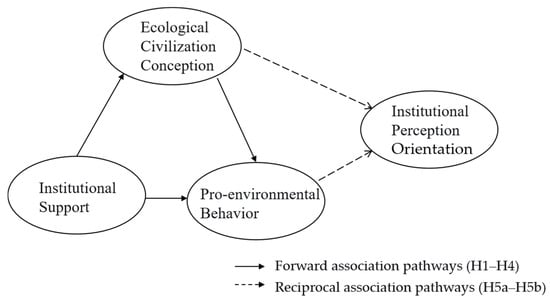
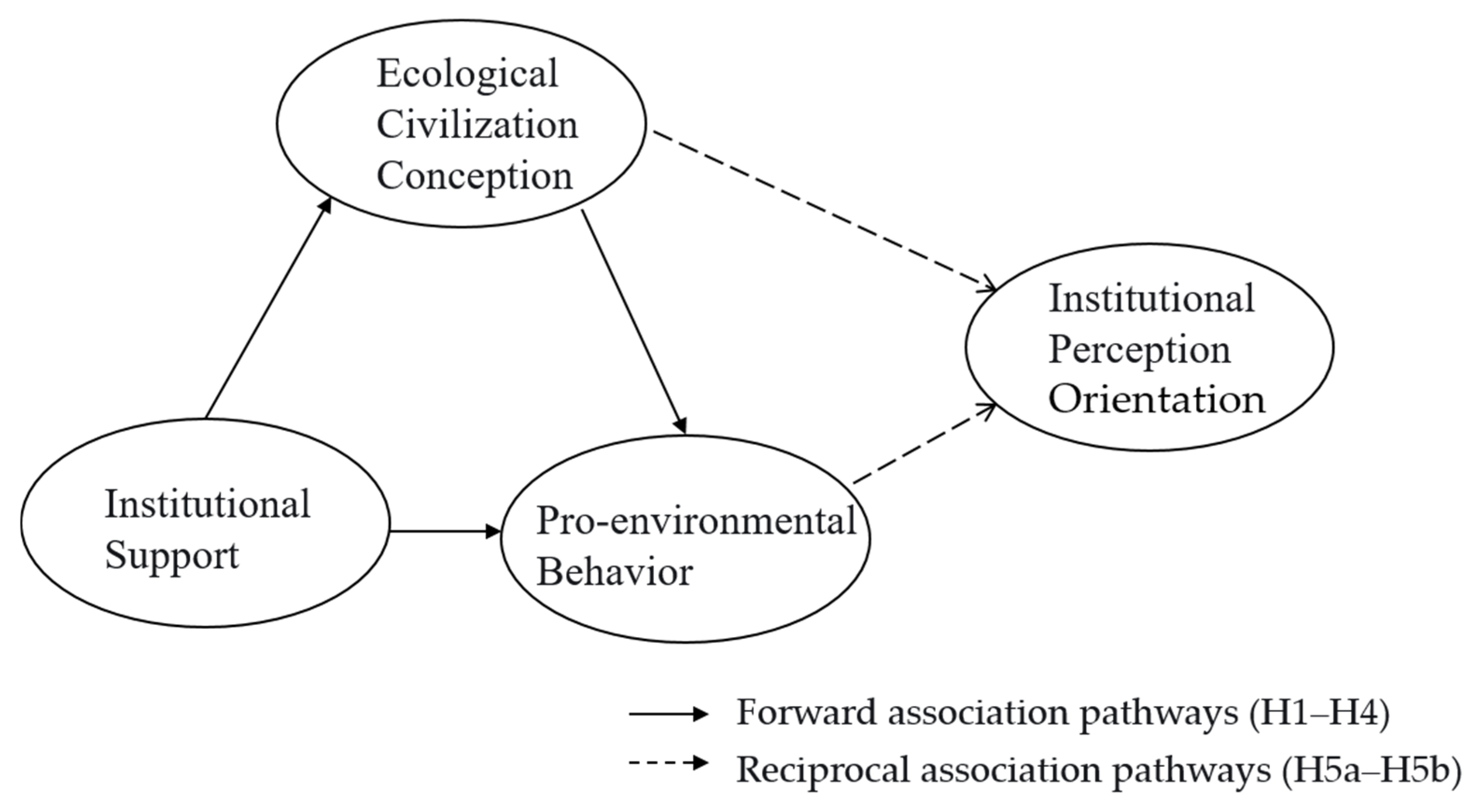
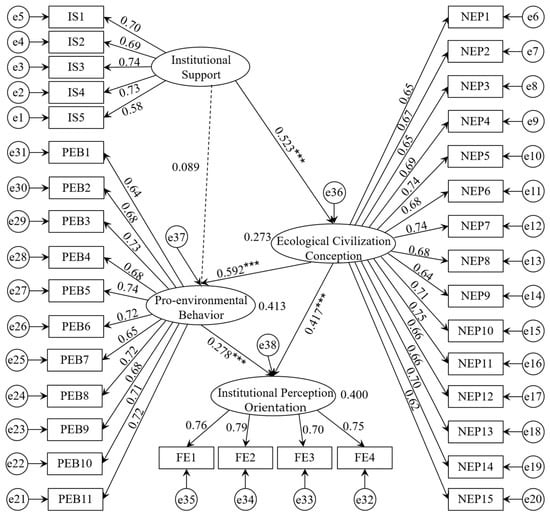
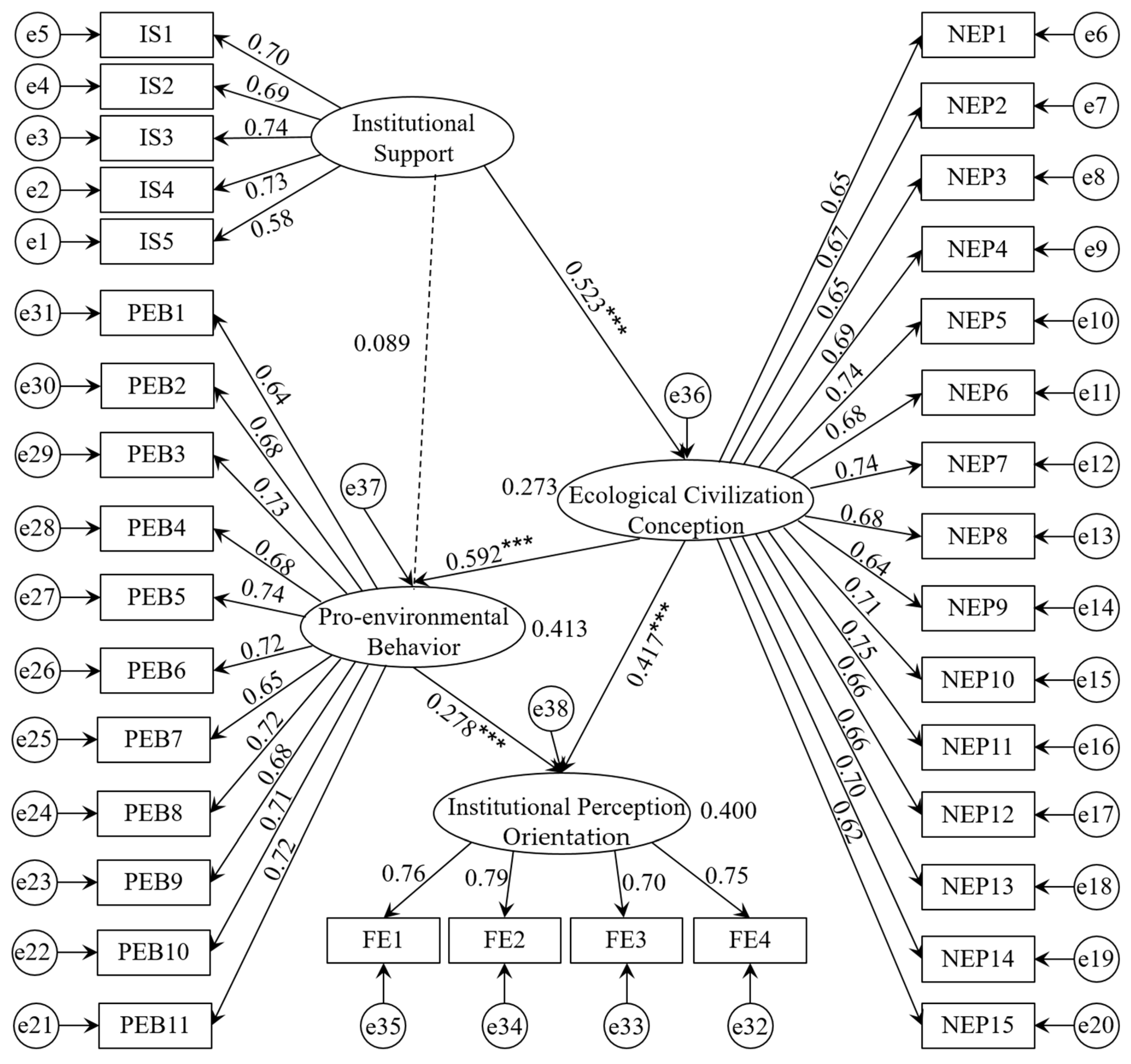

Disclaimer/Publisher’s Note: The statements, opinions and data contained in all publications are solely those of the individual author(s) and contributor(s) and not of MDPI and/or the editor(s). MDPI and/or the editor(s) disclaim responsibility for any injury to people or property resulting from any ideas, methods, instructions or products referred to in the content. |
© 2026 by the authors. Licensee MDPI, Basel, Switzerland. This article is an open access article distributed under the terms and conditions of the Creative Commons Attribution (CC BY) license.