


Abstract
While there has been an increase in publications on environmental sustainability in agriculture, the labor aspect of sustainable agriculture remains insufficiently addressed in scientific literature. Migrant seasonal farmworkers (MSFWs) are fundamental to food production, yet often labor under hazardous conditions. This systematic review, conducted in accordance with PRISMA guidelines, synthesizes findings from fourteen peer-reviewed studies across multiple countries that utilized validated health-related quality of life (HRQoL) instruments. This review focuses exclusively on studies employing validated health-related quality of life (HRQoL) instruments, which, while essential for methodological rigor, limited the number of eligible studies. The search was expanded to five major databases to maximize coverage. The review aims to describe the working and living conditions of MSFWs, examine the effects of these hazards on their HRQoL, and explore broader implications for the sustainability of agriculture. The most prevalent detrimental conditions identified include chemical pesticide exposure, underpayment of wages, poor living and working environments, and inadequate labor legislation. Across diverse agricultural contexts, the review confirms the universality of poor working conditions and their consistent negative impacts on farmworker health, wellbeing, and the sustainability of the sector. Addressing the exploitation of migrant farmworkers is essential not only for realizing their rights but also for achieving social, environmental, and economic sustainability in agriculture worldwide. The findings underscore the urgent need for policy reforms to improve labor protections, working conditions, and access to health services for this vulnerable workforce.
1. Introduction
Farm workers and seasonal agricultural workers from all parts of the world are a mainstay of agriculture in many high-income countries with chronic labor shortages, where millions of temporary or seasonal farm workers are hired every year to ensure that agriculture can fulfill its peak production needs. Two-thirds of the approximately 68% of the farm workers in the United States who are foreign-born are estimated to be undocumented workers [1,2,3,4,5]. In the European Union, millions of seasonal migrants from around the world, including many low- and middle-income countries, travel to countries every year to work in agriculture on a temporary or seasonal basis. In many cases, this group of workers from abroad, who are referred to as migrant or seasonal farm workers (MSFWs), are the backbone of agriculture in many countries worldwide. Despite their essential contributions, they are, however, one of the most vulnerable groups of workers around the world.
MSFWs experience an array of health hazards as a result of their seasonal employment in agriculture, working long hours for very low wages in addition to being exposed to substandard working and living conditions. The majority of seasonal farm workers are housed in substandard temporary labor camps and experience health problems as a result of pesticide exposure. These workers are denied a number of basic labor rights and are frequently subjected to exploitation and even violence. These issues particularly affect MSFW women and those with irregular migration status [6,7,8,9,10,11,12,13,14].
Agricultural sustainability for farmers and policy makers is becoming an increasingly important issue. Sustainability is generally discussed in terms of environmental sustainability and economic sustainability of agriculture. However, sustainability of agriculture also pertains to the human resources involved in agriculture and their health. The majority of reviews dealing with the health and safety of MSFWs in seasonal agriculture describe their situations of risk and hardship. Yet, an integrated review that examines how macro- and meso-level factors, as well as individual and structural determinants, affect the health-related quality of life (HRQoL) of MSFWs remains lacking. This review aims to fill this gap.
This systematic review aims to gather evidence from studies in which health-related quality of life (HRQoL) of MSFWs was measured using HRQoL instruments. An integrative and multi-level framework is used in this review to move beyond a summary of risks and working and living conditions of MSFWs. The review has three objectives: (1) present information on the working and living conditions of MSFWs; (2) assess the effects of occupational hazards on HRQoL of MSFWs; and (3) use the results of the first two objectives to gain more in-depth insights for policy and further research into the unsatisfactory situation of MSFWs and the unsustainable way of production in agriculture.
To address these problems, the systematic review was conducted with the following research questions: (a) What are the effects of hazardous working and living conditions experienced by MSFWs on their health-related quality of life? (b) How do these occupational hazards affect the well-being and unsustainable working practices in the agricultural sector of MSFWs?
This review only includes studies that used valid health-related quality of life (HRQoL) measures in order to provide the available information for scientific purposes as well as for policy.
2. Conceptual Framework: Why Are Migrant Workers Essential to Agriculture? The Backbone of Sectoral Sustainability Amid Persistent Precarious Conditions
Human mobility is an essential constituent of our contemporary society and economy [15]. The migration of low-skilled workers to countries where there is labor market demand is a complex phenomenon that is influenced by a large number of different factors of an economic, social and political nature [16].
Labor market conditions in countries of origin and the working and living conditions in countries of destination for low-skilled migrant workers are significant determinants of international migration [17]. Many high-income countries face labor shortages in certain sectors like agriculture, the building industry and the service sector [15,16,17]. Many countries benefit from the inflow of migrant workers [18]. However, both better paid and more insecure or casual or precarious employment conditions are a concern for migrants and for trade unions and other organizations defending the rights of workers [19]. Migrants and their families move to other countries where they have lost employment or where they can no longer achieve a decent standard of living. They move in search of employment and/or an improvement in their level of living, accepting often hyper-precarious working and living conditions.
Restricted formal migration channels worsen employment instability. The lack of access to the formal labor market for immigrants is one of the main contributing factors to the development of the underground economy. In cases where access to the formal labor market is restricted or heavily controlled, many workers are forced into the underground economy, where the jobs offered are highly unstable. The working conditions for migrant workers who manage to find jobs in the formal economy are equally poor. Low income, long working hours and limited health insurance are a few of the characteristics of these jobs [20]. And the underground economy is also characterized by unstable jobs with low income and low-income potential. Unstable work is characterized by employment insecurity, low income and a lack of employment protection [21].
In the US, it is estimated that there are between 2.5 and 3 million hired farm-workers, with 68% being foreign-born as of 2025 [1,2]. The distribution of the hired farm workforce in the US is as follows: 42% are undocumented, 19% are authorized immigrants, 7% are naturalized citizens and 32% are U.S.-born [3,4,5]. In the European Union (EU), it is estimated that 8.7 million workers are employed in agriculture [22], with seasonal migrant workers ranging between 650,000 and 800,000 according to the European Commission [22]. However, a report by the European Economic and Social Committee suggests that the actual number of seasonal migrant workers in the agricultural sector could be closer to 2.4 million [23]. The number of agricultural workers in the EU significantly underestimates the actual number of workers due to the large amount of undeclared and underdocumented work, with 32% of all agricultural employees in the EU having no written contract of employment [24].
Migrant workers form a crucial part of the agricultural labor force in both the United States and Europe due to chronic labor shortages and limited domestic interest in agricultural work [25]. Ιn the US, 73% of the farmworkers are foreign-born, and [26] it is estimated by the Department of Agriculture that 42% of farm workers are undocumented [3]. Labor shortages are a persistent and chronic issue in the agricultural industry of the US, Canada and the EU [27,28,29]. According to a report published in February 2024, half of all farms are unable to fully staff all their jobs and are therefore operating with a workforce that is 20% below the desired level [30]. In the European Union, the use of seasonal migrant workers is common for harvesting fruits and vegetables [31]. In fact, at least 2.4 million migrant workers harvest fruit and vegetables in Europe every year, and one in four people working in the agriculture sector are migrants [24,31,32]. Estimated numbers of seasonal migrant workers vary according to different reports: (i) The German agricultural sector hires around 300,000 migrant seasonal workers each year in the agricultural, horticultural and forestry sectors [31]; (ii) Migrant workers make up around half of the agricultural workforce in Italy, which is estimated to range between 400,000 and 500,000 [31]; (iii) The EU fruit and vegetable sector also relies heavily on migrant seasonal workers [31]. It is estimated that around one in four workers in Europe’s agriculture sector are migrant workers [24]. Studies that looked at the salaries paid to women migrants in nine EU countries found that women migrants consistently received lower salaries than their male counterparts [33,34]. In particular, half of women interviewed for a study carried out in the Spanish region of Huelva, which is one of the main producing regions for strawberries, tomatoes and other produce, said that they earned less than their male counterparts [34]. Other reported cases in Italy show that the gender pay gap between women and men farm workers could amount to as much as 30% [29,35].
The aim of this systematic review is to describe the working conditions that migrant seasonal farmworkers (MSFWs) experience, to examine the effects of these hazardous conditions on their health-related quality of life, and to explore the implications of these conditions for the sustainability of agriculture.
In general, the poor living conditions experienced by migrant seasonal agricultural workers, characterized by cramped, isolated housing lacking in basic facilities such as hot running water, cooking facilities and private sanitation facilities, provide a further environment in which the risk of violence can operate [36,37,38,39,40,41,42,43,44]. Migrant farm workers with temporary or irregular status are particularly at risk of being subject to exploitation and violence in the workplace [40,41] in the EU, the US, and Canada, including sexual violence; there have been reported cases of migrant female workers being sexually harassed by employers [41].
Temporary or migrant farm workers accept low-paying jobs that are considered undesirable by permanent residents in the local community because they pay poor wages, require long hours of work and provide poor living accommodation [18,31,32,33,34,35,40]. This type of work is physically hazardous labor in the outdoors under all weather conditions [41,45]. The large majority of these temporary or migrant workers are engaged for a fixed term or seasonal period with no permanent employment protection or access to government social benefits [26,42,43,46,47]. Many of these workers come from low-income areas in rural communities, lacking awareness of labor rights and having limited proficiency in speaking or reading and writing in one of the official languages, which increases their potential for being exploited by their employers [44,48,49,50]. Migrant or temporary farm workers and their families are frequently housed in substandard dwellings such as tents, sheds and trailers with limited access to clean running water and electricity [6].
Migration decisions are a multi-scale phenomenon [51]. On the micro-scale, migrants assess the costs and benefits of migration in relation to the wage they earn in their origin country and the migration-related risks they are exposed to in the destination country. On the meso-scale, migrants rely on the social networks within the communities they are part of in order to collect information and thereby mitigate the risks related to migration. On the macro-scale, migrants react to the demographic, economic and political structures of their origin and destination countries [15]. Migration can be studied through various theoretical frameworks. In the neoclassical approach, wages are the reason for migration due to the wage gap between the countries of origin and destination. In the new migration economics, the focus is on the household’s migration strategy, which tries to maximize the earnings of the migrant and to minimize the migration-related risks. In the framework of the segmented labor market, migrants have access to the secondary labor market with low-paid and insecure jobs. The global systems theory studies the migration of people from the periphery to the center (i.e., from less developed countries to more developed countries). Finally, the social network theory studies the established migrant communities and their function of decreasing the migration-related risks and difficulties.
This systematic review is guided by an integrative conceptual framework that combines the social determinants of health model [52,53] with insights from systems theory [54,55,56] and labor migration scholarship [15,51]. In addition, this framework is further strengthened by the integration of labor exploitation theory, structural inequality theory, the legal vulnerability framework, political economy of migration theory, occupational health theory, and the concept of embodiment and health-related deservingness (see references below). This comprehensive approach is designed to capture the multi-layered and intersecting factors that shape the health-related quality of life (HRQoL) of migrant seasonal farmworkers (MSFWs) within the global agro-food system.
At the macrostructural level, the framework recognizes that national and international migration policies, labor market regulations, and economic systems fundamentally shape the opportunities, constraints, and vulnerabilities faced by MSFWs. For example, restrictive immigration regimes, lack of labor rights enforcement, and the global division of agricultural labor push large numbers of workers into informal, precarious, and often undocumented employment situations. Labor exploitation theory—grounded in Marx’s labor theory of value—contends that capitalist production inherently relies on extracting surplus value from workers, paying them less than the value they create [57,58,59]. Agriculture amplifies this exploitation by depending on a large, adaptable, and low-wage labor force, often comprised of migrants facing cost pressures from the retail food sector. Migrant farmworkers’ vulnerability enables capitalists to extract significant surplus value, with mechanisms like super-exploitation and the division of labor preventing collective action and maintaining downward pressure on wages [59]. These macrostructural forces are compounded by historical and ongoing patterns of racialization, gender discrimination, and social exclusion, which further marginalize MSFWs in many settings. Structural inequality theory highlights how systemic factors—race, immigration status, and economic systems—create and perpetuate disparities for marginalized groups [59,60,61,62,63,64]. Migrant farmworkers experience limited access to education, healthcare, and housing [65], compounded by intersecting vulnerabilities like racial discrimination and uncertain immigration status. The global demand for cheap labor entrenches these inequities, with economic strategies and certain policies confining migrants to precarious jobs, poor living conditions, and restricted opportunities [65,66,67]. Moreover, the legal vulnerability framework underscores how precarious immigration status and insufficient labor protections expose migrant farmworkers to exploitation [66,67,68,69]. Temporary status, lack of rights, employer dominance, financial hardship, and social bias compound their vulnerability [69,70,71,72]. The legal system often fails to protect these workers or denies them the means to assert their rights. Power imbalances in labor relations—stemming from economic inequality and legal precarity—enable employers to exploit migrant labor with little recourse for workers [71,72,73]. Political economy of migration theory further analyzes how economic demands and state policies shape migration patterns and labor market dynamics [74,75,76]. Agricultural sectors in destination countries rely on a vulnerable, flexible workforce, while both labor-sending and labor-receiving states benefit from migrants’ precarious situation [77]. Neoliberal labor practices, government management of migration, and seasonal demand for cheap labor create unstable employment, social separation, and limited protections for migrant farmworkers [78,79,80,81]. These systemic forces ensure the persistence of a marginalized, exploitable labor pool.
At the meso or community/sectoral level, the framework emphasizes the role of employers, labor intermediaries, and agricultural production systems in mediating the workplace environment. Labor recruitment practices, supervision, wage-setting, and the allocation of housing and other social goods are all shaped by institutional and market incentives that often prioritize productivity and cost-reduction over worker well-being. The structure of agricultural work—characterized by seasonality, geographic dispersion, and contingent employment—creates additional barriers to collective organization and the effective implementation of occupational health and safety standards. Occupational health theory connects work conditions to health outcomes, emphasizing safe environments and recognizing how systemic inequities harm vulnerable workers [7,8,82,83,84,85,86,87,88,89,90,91]. The NIOSH model details domains of worker well-being: physical safety, workplace culture, work experience, health status, and external factors [85]. Migrant farmworkers, facing hazardous conditions and regulatory neglect, are at increased risk of injury and illness [86]. Disparities in access to healthcare and protections, driven by structural and policy deficiencies, further exacerbate their health risks.
At the micro or individual level, the framework highlights the ways in which personal characteristics (such as age, gender, language proficiency, and legal status), health behaviors, and coping strategies interact with exposure to workplace and residential hazards to determine HRQoL [56]. Individual agency is often constrained by broader structural factors, but also shaped by social networks, family obligations, and cultural context. For example, studies show that MSFWs with stronger social ties or support networks may be better able to access resources and mitigate some risks. This framework also investigates how societal perceptions, stereotypes, and moral judgments about migrants shape their embodied experiences and healthcare access [86,92,93]. Undocumented workers are seen as “non-contributing” or “overly demanding,” leading to internalized stigma and avoidance of healthcare for fear of deportation. These negative perceptions and policy barriers, reinforced by economic and political structures, cause migrants to endure severe health conditions without seeking help [92,93]. The concept of health-related deservingness highlights how these processes organize suffering and perpetuate marginalization within healthcare systems.
Crucially, the framework also recognizes the dynamic and cumulative nature of risk: exposures and vulnerabilities are not static but evolve over time, often intensifying as workers move across jobs, regions, or life stages. Feedback loops between poor health, economic insecurity, and limited access to care can create cycles of disadvantage that are difficult to escape without systemic intervention. By situating the findings of the review within this conceptual framework, we aim to move beyond descriptive aggregation and offer an explanation for the persistent and universal nature of poor HRQoL among MSFWs.
This approach also directs attention to points of intervention at multiple levels: macro-policy (e.g., migration and labor laws), meso-institutional (e.g., labor recruitment and workplace standards), and micro-individual (e.g., health education and empowerment). Ultimately, the framework underscores the necessity of integrated, multi-sectoral solutions that address both the upstream determinants and downstream consequences of hazardous work and living conditions for MSFWs.
2.1. Mapping Theoretical Perspectives Across Analytical Levels in the Conceptual Framework
A structured synthesis was conducted for this review to clarify the organization and integration of the many different theoretical perspectives that were considered for this review. This systematic review of health-related quality of life of migrant seasonal farmworkers is guided by a structured conceptual framework. Unlike most review studies, which use theoretical perspectives as the basis for a descriptive structured analysis after aggregating the findings of individual studies, this review is guided by a conceptual framework for a structured analysis, which organizes and connects the concepts of individual studies on the health-related quality of life of MSFWs from a variety of theoretical perspectives. A number of theoretical perspectives are used to analyze the findings, including the social determinants of health [52,53], systems theory [54,55,56,57], labor exploitation [56,57,58], structural inequality [59,60,61,62,63], legal vulnerability [64,65,66,67,68], the political economy of migration [71,72,73,74,75,76,77], and occupational health [78,79,80,81,82,83,84,85]. An integrative conceptual framework for interpreting HRQoL of MSFWs was developed from these theoretical perspectives (see Table 1). Macrostructural Level: The global agro-food system of policies, market relations, and labor markets in several countries is conceptualized from a systems theory [53,54,55,56,57] and political economy of migration [74,75,76,77,78] perspective. Labor exploitation [55,56,57,58,59,60] and structural inequality [60,61,62,63,64] are analyzed from the perspective of various factors at the macro- or structural-level. These factors pertain to restrictions on seasonal and permanent migration as well as to the demand of agricultural enterprises for cheap labor and to labor market segmentation. In addition, the legal vulnerability [64,65,66,67,68,69,70] of MSFWs in a country where they are temporarily working is analyzed as this situation of precarious legal status in a country where they are temporarily working, combined with the inadequate labor protections, increases their vulnerability to various forms of exploitation and to poor health. Meso-Institutional Level: A variety of theories that relate to the workplaces where MSFWs are employed (the workplace) can explain some of the particular features of their situations (practices and cultures) that lead to their negative exposures and negative health effects and other social problems. These include occupational health theories [78,79,80,81,82,83,84,85,86] as well as those relating to labor exploitation. Their exposure and health effects are influenced by the recruitment practices; by wage practices including both the level of wage and wage stability; by the nature of the workplace (the plant) including the supervisory style; and by the housing provided to them. Factors relating to the structure or organization of work, including its fragmentation and its seasonality as well as the geography that they are spread over, can all have negative effects upon the HRQoL of MSFWs.
Table 1.
Analytical levels and theoretical perspectives in the integrative conceptual framework for understanding MSFWs’ health-related quality of life.
This proposed conceptual framework for assessing the health-related quality of life (HRQoL) of migrant and seasonal farmworkers maps several core theoretical perspectives into one more integrated analytical framework. The Social Determinants of Health, Systems Theory, Labor Exploitation, Structural Inequality, Legal Vulnerability, Political Economy of Migration, Occupational Health, and Health-related Deservingness frameworks are individually significant. Yet, together, they are typically treated as separate entities rather than as interrelated elements that delineate the interrelated pathways through which the HRQoL of farmworkers can be affected by a combination of macro-, meso-, and micro-level factors. The core of the proposed framework consists of the interrelations between the aforementioned structural and legal vulnerabilities. An additional table (Table 1) outlining the connections and the feedback loops/flows of causality between the various perspectives of this framework in order to strengthen the framework’s explanatory power and practical utility for research, for policy and for program development, has been included.
As MSFWs are spread over a number of states and are often working in isolated areas, their situations reduce the potential for organization and for effective influence upon their workplace health situations as well as for the influence upon their health of external regulations that are attempting to protect their health as well as that of their families. Micro-Individual Level: Within the individual-level framework of the social determinants of health [52,53,54] and embodied health [84,85,86], health-related deservingness [92,93,94] of seasonal farmworkers and their families can be understood by a combination of their personal attributes (e.g., age, sex, migrant status), their circumstances (e.g., worker’s health behaviors and social connections), their perspectives on their health circumstances (e.g., cultural views on illness and health and internalized marginalization of migrants), and the resources available to them (e.g., resources to promote better health of workers). The generally negative societal perception of migrants can lead to the experience of internalized marginalization, which could prevent MSHFWs and their families from accessing health care services needed to maintain and improve their health, further lowering their HRQoL. Integrative Mechanisms: The various levels mentioned above interact with each other. On the one hand, the macrostructural level of the global agro-food system influences the institutionalized settings of the workplaces of MSFWs, and on the other hand, these settings of work influence the experiences of MSFWs and their health-related quality of life. Their health-related quality of life, in turn, is influenced by feedback loops, e.g., poor health-related quality of life leads to economic insecurity and economic insecurity in turn leads to poor health. This is a universal and persistent phenomenon for MSFWs. The framework helps in identifying potential points of intervention on all levels with a view to improving their health-related quality of life. The structured approach of this integrative review also goes beyond the simple aggregation of the included studies in order to provide a robust theoretical framework for interpretation as well as for the identification of multi-level interventions that could address the low HRQoL of the MSFWs. The integrative conceptual framework used in this review, therefore, provides a clear, structured, articulated and theoretically integrated framework for the purposes of enhancing understanding and for guiding action at global, national and local levels. This review goes beyond most of the existing studies that simply describe and aggregate the results of various studies. A structured, multi-level conceptual framework is offered to identify and explain the mechanisms that lead to and sustain the exploitation and the poor health of MSFWs. Such a framework is also useful for the theoretical analysis as well as for practical policy recommendations. The above theoretical perspectives, categorized by level of analysis, and a summary of the review’s findings are presented in Table 1 below.
The review details in explaining and identifying the relationships between the variables have been moderated for the severity of the evidence. There is strong evidence supporting the mechanisms for the identified relationships between legal vulnerability and health, health and quality of life, and between labor exploitation and health care and social support mechanisms through which it mediates the relationship between legal vulnerability and quality of life. These relationships have been exemplified by the findings from the included studies. Where there is strong evidence of plausible relationships but limited evidence of the interaction between these relationships, they have been clarified where necessary with comments regarding the need for further research. The review detail provides a comprehensive framework for explanation of the relationships between the structural, the institutional and the individual level factors that determine the health-related quality of life of migrant seasonal farmworkers. All of the theoretical assertions made have been explained in detail and supported with evidence from the included studies that describe the patterns and findings identified in the review.
The assignment of perspectives to a particular level of analysis should not be taken to mean that no other level of analysis is relevant; indeed, it is the interplay between levels of analysis that permits us to understand how the health problems of MSFWs are generated and reproduced in the global agro-food system. As noted, at each level of analysis, the respective mechanisms by which the macro-structural context of the global agro-food system (policy, legal, economic) of work impacts on the health of MSFWs (health outcomes) at the micro-level (the individual), through the meso-level (the workplace) are identified and explained.
The conceptual framework for this paper has been modified for greater parsimonious theoretical coherence. Four central axes or theoretical perspectives have been developed which explain why migrant seasonal farmworkers have poor HRQoL. Social Determinants of Health, Systems Theory, reasons for Labor Exploitation of Labor and reasons for Legal Vulnerability are the four broad axes that explain the many determinants of poor HRQoL of this occupational group. An Appendix has been added that also summarizes embodiment perspectives as well as other political economy perspectives on the working conditions of farmworkers that are not relevant to the purposes of this paper. All less central concepts and therefore also less relevant frameworks have been collapsed, synthesized or deleted in order to reveal the inner logic of the developed framework as well as the various channels of influence. The four central axes of this framework can thus be presented to readers interested in the health and well-being of farmworkers in an easily understandable manner and reveal the main determinants of their HRQoL.
All repetitive descriptions of the main themes of the living and working conditions of the migrant workers, the sustainability challenges and the theoretical underpinning of the report have been consolidated and referenced in the main conceptual framework. Subsequent sections refer to this framework for more detailed analysis and discussion. In this way, the end result is a more focused and concise manuscript in which all theoretical and empirical sections are clearly aligned to the main arguments of the report.
Figure 1 attempts to map the four perspectives and how they affect and are affected by one another on the macrostructural, meso-institutional, and micro-individual level. Therefore, the map depicts the four central perspectives (Social Determinants of Health, Systems Theory, Labor Exploitation, and Legal Vulnerability) at the respective levels of analysis. The arrows connecting the perspectives mainly point in the direction of the principal causal pathways, but they also show reverse effects and feedback loops which could sustain or even increase the vulnerability of the target group of migrant seasonal farmworkers. The goal of this visual aid to the framework is to facilitate understanding of it by researchers, policy makers, and practitioners from various disciplines, in order to identify possible interventions to improve HRQoL of the workers.
Figure 1.
Integrative conceptual framework mapping the determinants of health-related quality of life (HRQoL) among migrant seasonal farmworkers. Source: Drafted by the authors.
2.2. Sustainability and the Overlooked Dimension of Health: Occupational Health Hazards
Migrant and seasonal farmworkers are at risk from a variety of occupational health hazards. A large number of health problems have been identified as being work-related and having an adverse impact on the health and well-being of migrant and seasonal farmworkers [7,8,9]. These include: infectious diseases, chemical and pesticide illnesses, dermatitis, heat stress, respiratory diseases, musculoskeletal disorders, traumatic injuries, reproductive health problems, dental problems, cancer, poor child health, inadequate access to health care and a variety of social and mental health problems [10,95,96]. The Centers for Disease Control and Prevention (CDC) reports that from 10,000 to 35,000 farmworkers are exposed to or experience acute poisoning from pesticides each year in the United States [11,97].
Many agricultural hazards result in high incidence rates of occupational accidents and diseases, such as cuts, sprains, strains, dermatitis, dehydration and heat stress, respiratory diseases, infectious diseases and pesticide poisoning [11,12,98,99,100]. The adverse health impacts of agricultural work related to heat are rising and expected to continue to increase with climate change affecting working conditions, and migrant agricultural workers remain at high risk of heat-related illnesses and kidney damage [12,13]. According to Eurostat, agriculture is one of the hazardous sectors in Europe. It is responsible each year for about 500 fatal accidents and over 150,000 non-fatal accidents [13,14].
Poor housing conditions for farm workers also exacerbate the chemical aspects of work hazards [101,102]. For example, pesticides brought home on the clothes of workers who have to wear the same clothes to work because they do not have enough clean clothes due to the poor living conditions in their homes [102,103,104,105,106]. “Pesticides don’t just stay in the fields”, remarks OEHHA “Agricultural workers may also be bringing pesticide residues home on their shoes and clothes exposing people living in their households” [105]. The same living and working conditions can be found in Europe in the case of migrant workers in the agricultural sector as well as in the manufacturing and health care sectors [31,45,105,107]. Overcrowded and poorly maintained housing with poor ventilation as well as problems related to hygiene and infestation by insects and rodents can cause a whole range of infections, respiratory as well as gastrointestinal problems [101,106,108]. Working and living conditions for seasonal agricultural workers in Europe are in general considered poor. Both documented and undocumented migrants are at risk of being the victims of illegal gangmaster practices that involve, in particular, modern forms of slavery. Many agricultural migrant laborers are paid low wages for poor labor conditions that are not covered by adequate labor protection. In this context, forms of contemporary slavery are frequently used for the exploitation of migrant laborers, including forced or compulsory labor and debt bondage [31,109,110]. This was illustrated by the recent scandal in the tomato sector in Italy where laborers were hired through the notorious system of caporalato (a system of intermediary labor arrangement). They were paid, for example, 25 EUR per day for 12 h of work in the greenhouses for tomatoes. But from this wage, employers “subtract” other wages that can amount to up to 1 EUR per hour [107,108,109,110,111,112,113,114,115,116,117,118,119,120,121].
Health problems deriving from the exploitation can vary considerably according to the nature of the exploitation and the context in which it is exercised. In the case of compulsory farm labor, workers frequently suffer physical injuries caused by hard work and long hours of toil, a phenomenon described in relation to the conditions of farm workers in the South, especially in the baraccopoli (shanty towns) erected next to the areas of cultivation of produce destined for export to northern Europe [115,122]. More than 70% of the workers involved in exploitative working arrangements develop new clinical symptoms in relation to the seasonal agricultural work they carry out [45].
Employment instability and bondage are major problems faced by the agricultural migrant workers. Employment instability is defined as a state of condition characterized by instability and uncertainty in respect of employment, income and housing conditions. Employment instability in respect of migrant workers refers to temporary employment, low wages, lack of effective protection at the workplace, denial of various social rights, etc. [44]. The workers are very vulnerable as they depend upon the terms and conditions of their employment contract with the employers. Threat of deportation to their countries hangs over them like a sword of Damocles [87,88]. This fear of deportation, along with fear of unemployment, takes the character of forced toleration of forced and bonded labor and non-payment of wages [109,110,111]. Laborers are forced to live in cramped and unsanitary conditions, are paid little and work for extended periods of time, and are penalized by their employers if they are unable to lift heavy loads on their own [24,108].
Vulnerable employment is a characteristic that frequently accompanies conditions of forced or bonded labor. Migrant workers in precarious employment are often exposed to poor labor practices, and their highly vulnerable position of significant stress and anxiety—which they endure in order to repay debt at home to be able to send remittances to their families—makes them highly exploitable and thus susceptible to the poor labor practices to which they are subjected by unscrupulous employers, in an endless cycle [91,123,124,125,126,127,128].
In Italy, it is estimated that between 450,000 and 500,000 migrant workers work in the agricultural sector and that 40% of them are employed and treated as illegal or irregular laborers [123]. Large numbers are involved in the caporalato system, a system of forced recruitment in which the caporali (labor contractors) collect the seasonal migrant workers and provide them with accommodation, food and transport to and from the workplaces from which they are paid wages from which the caporali take a “deduction” [87,120,121,122]. In Andalusia, for example, migrant workers are often housed in rabbit hutches that have no proper sleeping quarters, no privacy, no running water and little hot air [125,129,130]. Female migrants are subjected to sexual harassment at the workplaces and on the buses that transport them to work [123,124,125,126,127,128]. In the Huelva region of Andalusia, it is estimated that over 90% of the strawberry crop grown in Spain is produced there, with some 50,000 temporary migrant laborers being brought in each year to work on the strawberry harvest [123,124,125,126,127,128]. In these farms, the conditions of labor are notorious. Workers are forced to live in severely overcrowded accommodation of very poor quality. Workers are constantly intimidated and insulted and are physically and sexually assaulted [50,124,125,126,127]. Women migrant workers from Morocco are highly vulnerable, with many being sexually assaulted [124]. Over 90% of workers in Greek agriculture are migrant workers recruited on a seasonal basis [47,131].
2.3. Health-Related Quality of Life (HRQoL)
Since disparities in health have been observed between various ethnic groups, sufficient research has been carried out in this field of study [132]. For migrant and refugee populations, the concept of “Quality of Life” (QoL) is a highly individual and highly diverse factor, which can differ from one person to another [133,134,135]. The WHO defines Quality of Life as a broad multidimensional concept which includes physical, psychological and social factors, as well as socioeconomic conditions [136,137]. With rapid adjustment to the new environment and low wages, a variety of health problems and stress may affect migrant groups [19,138]. The ILO states that migrant workers are at risk of a host of health problems and strains due to unhealthy and unstable working conditions [138]. Characterized by numerous health hazards and great instability, these working conditions can have serious health implications for migrant workers [138,139]. The physical and social burden of their jobs can be particularly burdensome for migrant workers in low-wage jobs involving hard physical labor. Such sectors are often looked down upon by society and carry great stigma attached to them, which can greatly reduce migrant workers’ self-confidence and thus negatively affect their wellbeing [140,141,142,143].
Health-related quality of life (HRQoL) is the individual’s perspective of how quality of life is affected by current health problems and their implications [144]. It is composed of health status, which influences life satisfaction through physical, mental and social capacity [145,146,147]. Since the living and working conditions of the migrant agricultural workers are quite exceptional and a large quantity of health- related problems arise in this category, the assessment of their health-related quality of life (HRQoL) is of high importance [19,21,31,32,33,34]. The literature indicates that migrant agricultural workers generally have lower quality of life in relation to the general population [146,147,148]. Various reasons cause a decrease in the health-related quality of life of the migrant agricultural workers in the workplace. In addition to heavy manual work, which includes heavy lifting of heavy loads and performing the same motion for a long time, night and long working hours that lead to endless work of the musculoskeletal system and cause permanent injuries and degeneration, the migrant agricultural workers are exposed to chemical pesticides and high temperatures, especially for the respiratory system and heat stroke [24,147,148,149,150]. Similar to the working environment, the housing environment also causes a decrease in the health-related quality of life of the migrant agricultural workers. Housing conditions of migrant agricultural workers are generally below the minimum housing standards, and the lack of access to safe water and the sanitary disposal of waste lead to the incidence of infectious diseases and other health problems [151,152,153,154]. In addition to these, a significant number of migrant agricultural workers have to adapt to a new culture, and the geographical distance from their social environment, their families, and their loved ones leads to psychological stress due to the fear of deportation [154]. Furthermore, the barriers in the healthcare system also lead to a decrease in the health-related quality of life of the migrant agricultural workers [154,155,156,157,158]. While health problems may arise while working at long distances from cities, the migrant agricultural workers receive insufficient health care from the medical centers far from their workplaces due to language barriers and high medical charges, long queues at the health centers and the long time to get authorization for medical leaves. In general, higher socio-economic status is associated with better quality of life [154,155,156,157,158]. Τhe migration status of the agricultural workers was also an important variable determining their quality of life. Documented migrant agricultural workers generally had higher quality of life in comparison with the undocumented workers [109,110,111,128,156,157,158,159].
Housing conditions for migrant and seasonal workers are characterized by unsanitary conditions, absence of proper heating, as well as a lack of running water and electricity [152,153]. As a result, migrant and seasonal workers live in poor housing conditions and, as a result of this overcrowding, deprived areas on the outskirts of the cities are increased, which are typically marked by severe environmental degradation and inadequate infrastructure [128,153,159,160]. In such living conditions, health hazards arise that affect all population groups, but especially the old [160,161,162]. Poor nutrition, combined with a higher susceptibility to infections in poor housing conditions, is of particular concern [163,164]. Access to quality healthcare is poor for migrant and seasonal workers. The lack of health insurance, together with inadequate culturally sensitive health care facilities, is amongst the factors that impede a higher level of health for migrant and seasonal workers [154,155]. Furthermore, migrant and seasonal workers are not motivated towards health and disease education carried out by public health organizations [156,157]. A number of structural factors are of major importance for the ethnic/racial groups concerned [165,166,167,168,169]. A number of low incomes among ethnic/racial groups have as their basis the ethnic/racial segregation of the labor market, which implies that ethnic/racial minorities in particular have employment in low-prestige, marginal and poorly paid positions [113,144,170,171,172,173,174,175,176,177,178]. A large section of the informal labor market consists of workers in circumstances where there is no or inadequate protection of their work, i.e., lacking, for instance, health and accident insurance, as well as provisions for sick leave with pay, and thereby have an even greater degree of exposure to health hazards [114,165,166,167,168,169,170,171,172,173,174].
Alternative and renewable fuels, including agrofuels, provide numerous environmental and economic benefits. In addition, their increasing use in the transport, energy and other sectors also provides a host of social benefits [179]. Unfortunately, the social costs of biofuel production and use have not been properly accounted for, nor have adequate measures been put in place to protect the human health and dignity of people who may be adversely affected by changes in the agricultural sector [179,180,181,182]. MSFWs are at the core of the agricultural production systems that will be needed to supply the food and biofuels required to meet the increasing global demands for food and energy in an ever-populating developing world [182]. MSFWs experience some of the worst working and living conditions in the world, including hard physical labor, pesticide exposure, unsanitary living conditions, poor access to health care, and a host of other labor rights abuses [34,45,143]. These working and living conditions result in many acute and chronic health problems, including fatigue, reduced mobility, neurologic effects, and a host of other health problems, which reduce the health-related quality of life (HRQoL) of the MSFWs [10,45]. Unfortunately, there is limited information available regarding the impact of the hazardous working and living conditions on the HRQoL of MSFWs and the contribution of the occupational hazards to decreased health-related quality of life and unsustainable labor practices in the agricultural sector. The proposed research addresses this critical knowledge gap in the literature by examining the effects of the hazardous working and living conditions on the HRQoL of MSFWs and the role of occupational hazards in their decreased well-being and the unsustainable labor practices that they engage in.
2.4. Research Gap and Rationale
Migration and its outcomes for migrants have been studied from various perspectives: new migration economics, segmented labor market, global systems theory, and social network theory [51]. However, in most cases, the literature only contains a descriptive analysis of the macro- and meso- structures, of the institutional conditions and of the micro-level perspective; i.e., an analysis of how hazardous work conditions of MSFWs affect their health-related quality of life (HRQoL) is lacking.
The main goal of this systematic review is to describe the working conditions of MSFWs, the effects of hazardous working conditions on the health-related quality of life (HRQoL) of MSFWs and the consequences of their working conditions for the sustainability of agriculture. The results of the available studies that work with HRQoL measures will be analyzed within a multi-layered framework for understanding the results of the reviewed studies in detail. This review will go beyond descriptive aggregation of the results of the studies analyzed and will provide explanations for the results as well as suggestions for policy and for further research.
The use of valid HRQoL measurements in studies of MSFWs facilitates comparison between studies and allows for the development and implementation of recommendations for the protection of MSFWs, based on evidence.
3. Materials and Methods
This systematic review was conducted in accordance with the Preferred Reporting Items for Systematic Reviews and Meta-Analyses (PRISMA) 2020 guidelines to ensure comprehensive and transparent reporting [183] (see Appendix A; Table A1). The protocol was registered in INPLASY (INPLASY202650077).
3.1. Literature Search Strategy
To ensure comprehensiveness, a systematic search was conducted through five different databases—PubMed, Scopus, Google Scholar, EBSCOhost, and ScienceDirect—covering both biomedical and social science research. The search was conducted until the 31st of December 2025, starting from the inception of each database. In order to increase the comprehensiveness and sensitivity of the search strategy, a wider selection of databases was used. The expanded selection of databases aimed to increase the comprehensiveness and sensitivity of the search strategy, capturing a broader spectrum of empirical studies relevant to hazardous working conditions and health-related quality of life (HRQoL) among migrant seasonal farmworkers in agriculture. This approach ensured coverage of both biomedical and social science research, capturing studies published in various journals relevant to occupational health, labor studies, public health, and agricultural sciences. Our inclusion criteria required studies to be empirical, peer-reviewed, published in English up to December 2025, and to utilize validated HRQoL measurement tools (e.g., SF-12, SF-36, WHOQOL-BREF, EQ-5D, etc.) for migrant agricultural workers. This strict focus was chosen to ensure methodological consistency and comparability. Studies without validated HRQoL tools or with insufficient reporting were excluded. Search strategies were developed using the PICO framework (Population, Intervention, Comparison, Outcome), focusing on migrant workers, agricultural labor, and health-related quality of life (HRQoL). Search terms (see Table 2) included combinations of: (“farmworkers” OR “agricultural” OR “picker” OR “harvester” OR “seasonal” AND “migrants” AND “conditions” AND “health-related quality of life”). Detailed search strings for each database are provided below (Table 3, Table 4, Table 5, Table 6 and Table 7). Only articles published in English were considered.
Table 2.
Search terms.
Table 3.
PubMed.
Table 4.
Scopus.
Table 5.
Google Scholar.
Table 6.
EBSCO.
Table 7.
Science Direct.
3.2. Study Inclusion Criteria
Inclusion criteria:
- Peer-reviewed empirical studies published in English
- Published up to 31 December 2025
- Examined health-related quality of life among adult migrant agricultural workers (including seasonal/migrant farmworkers)
- Utilized validated HRQoL measurement tools (e.g., SF-12, SF-36, WHOQOL-BREF, Skindex-16, OHIP-14, EQ-5D, etc.)
Exclusion criteria:
- Studies focused solely on non-migrant or non-agricultural populations
- Studies referring to children of migrant farmworkers
- Reviews, meta-analyses, conference abstracts without full-text
- Studies lacking empirical data
- Studies not reporting HRQoL or not using validated HRQoL tools.
3.3. Selection Process
The study selection process is illustrated in the PRISMA flow diagram (Figure 2). The search for publications yielded 2649 records in five databases and other sources beyond databases. After removing 15 duplicate publications (as mentioned above), 2634 titles and abstracts were screened for relevance. Of these, 301 full-text publications were thoroughly assessed. However, only 20 of the reviewed studies met the inclusion criteria of this review. These 20 studies are of high methodological quality and highly relevant. The inclusion criteria were that only empirical, peer-reviewed studies in English published up to 31 December 2025 were considered. These studies had to investigate the HRQoL of migrant agricultural workers using one or more validated HRQoL instruments. The exclusion criteria were non-empirical studies, studies not on the worker group of interest, and studies in which no HRQoL measures were used or only unvalidated HRQoL measures were employed. Reducing the number of studies included in this review by applying strict criteria was considered more important than including a larger number of studies. A total of 20 studies were included in the final review.
Figure 2.
PRISMA Flow Diagram.
3.4. Study Selection, Data Extraction and Synthesis
The PRISMA Flow Diagram presents the number of records identified, screened, excluded, and included for this review, as well as the reasons for excluding records. For this review, the process was as follows: the total number of records identified was recorded, and only relevant records that proceeded through the screening process were included in the flow diagram. Identification and screening of records were carried out by two reviewers, who assessed the titles and abstracts of all relevant records and conducted a full-text review to confirm eligibility. In case of disagreement between the reviewers, the records were discussed until consensus was achieved or a third reviewer was consulted. Data were extracted from the included studies using a data extraction form designed for this review. The form contained items regarding study characteristics, population demographic information, study design, health-related quality of life (HRQoL) assessment tools used, outcomes measured, and findings. The extracted data were analyzed using a narrative synthesis method. The large variation in study designs, population characteristics, and assessment tools used to measure HRQoL makes the use of a narrative synthesis method appropriate for this review. The main purpose of a narrative synthesis is to search for patterns in the data, potential themes, and gaps in the existing literature that may address the question posed for this review: the impact of hazardous work conditions on the health-related quality of life of MSFWs.
4. Results
According to the Cochrane Handbook of Systematic Reviews [184], a structured summary of the key characteristics of each study is included in Table 8. This includes the method, country of study, setting, sample, methodology and summary findings. Below, the results of each of the 20 studies are analyzed.
4.1. Country and Publication Year
In the United States of America (n = 11), research includes studies by Quandt et al. (national), Quandt et al. (national), Arcury et al. (national), Quandt et al. (North Carolina), Weigel et al. (El Paso, Texas), Grzywacz et al. (North Carolina), Tribble et al. (North Carolina), Taylor et al. (North Carolina), Mora et al. (North Carolina), Tuggle et al., and Martínez-Donate et al. [185,186,187,188,189,190,191,192,193,194,195]. The research by Chen et al. [196] was conducted in China (Wuzhishan, Hainan) (n = 1). In Turkey (n = 2), studies were conducted by Orhan and Koçak (national) and Kutlu and Koruk (national) [197,198]. In Ghana (n = 1), Amfo et al. (national) [199] carried out relevant research. In the United Kingdom (n = 1), Cross et al. (national) [200] conducted a study, and in Brazil (n = 1), Carvalho Junior et al. (national) [201] carried out similar work. Cross et al. (multi-country, n = 1)) [202] conducted their study in the United Kingdom, Spain, Kenya, and Uganda. Jaleel & Chattopadhyay [203] conducted their research in Beed district, Maharashtra, India (n = 1). Nilvarangkul et al. [204] carried out their study in Thailand (Nong Khai and Mukdaharn Provinces) (n = 1).
4.2. Methodology
A variety of methods and tools have been employed in international studies assessing health-related quality of life and working conditions among migrant and seasonal farmworkers. In the United States of America (n = 9), Quandt et al. (national, longitudinal) [185] documented skin conditions and decreased quality of life in migrant and seasonal farmworkers through Skindex-16 questionnaires and dermatological clinical assessments, also tracking changes in skin problems throughout the agricultural season; another cross-sectional study by Quandt et al. (national) [186] performed clinical skin assessments, used the Skindex-16 questionnaire, and included a self-reported skin disease symptom and condition questionnaire; Arcury et al. (national, qualitative) [187] used semi-structured interviews and comprehensive surveys to investigate self-management practices, motivations for seeking professional health care, and barriers to health care for occupational skin disease; Quandt et al. (North Carolina, cross-sectional) [188] used the SF-12 Health Survey and OHIP-14 questionnaire to examine oral health status and its impact on quality of life; Weigel, Armijos, and Beltran (El Paso, Texas, cross-sectional) [189] combined clinical musculoskeletal assessments (BMI, CAWHS, WOMAC) with the SF-36 health survey to evaluate knee pain, stiffness, physical dysfunction, functional disability, and HRQoL in aging Mexican immigrant farmworkers; Grzywacz et al. (North Carolina, cross-sectional) [190] applied structured interviews using the SF-12 and job demands–control model instruments (JCQ) to assess the relationship between workplace hazards and HRQoL; Tribble et al. (North Carolina, cross-sectional) [191] used self-administered questionnaires including depression/stress scales (CES-D 10, Migrant Farmworker Stress Inventory), Precariousness scale, Perceived Safety Climate Scale, and self-reported musculoskeletal pain scale to examine musculoskeletal pain and mental health; Taylor et al. (North Carolina, cross-sectional) [192] utilized clinical eye examinations and visual function questionnaires (dichotomous and categorical measures for pterygium occurrence) to assess prevalence and impact on HRQoL; and Mora et al. (North Carolina, cross-sectional) [193] assessed HRQoL using the SF-12 health survey along with social support and isolation scales. In Turkey (n = 2), Orhan & Koçak (Marmara Region, Istanbul, cross-sectional) [197] determined the nutritional status and physical condition of brides using anthropometric measurements (BMI and other physical condition indicators), and evaluated living conditions, dietary habits, and working conditions via structured questionnaires; Kutlu & Koruk (national, cross-sectional) [198] implemented structured questionnaires and used the WHOQOL-BREF TR and GHQ-12 to evaluate health-related quality of life among MSFWs. In Ghana (n = 1), Amfo et al. (national, cross-sectional) [199] used structured questionnaires to elicit information on working/living conditions and wellbeing indicators (income, dietary diversity, access to clean water, healthcare) and applied quality of life assessment scales for overall satisfaction and coping ability. In the United Kingdom (n = 1), Cross et al. (national, comparative) [200] conducted structured interviews and administered the Short Form 36, EuroQol EQ-5D, Visual Analogue Scales, and Short Depression Happiness Scale (SDHS) among migrant farmworkers in conventional versus organic horticultural systems. In Brazil (n = 1), Carvalho Junior et al. (national, longitudinal) [201] administered the SF-36 survey at different time points (pre-harvest and harvest) to evaluate seasonal changes in HRQoL among sugarcane cutters. Cross et al. (multi-country, cross-sectional) [200] assessed the self-reported health status of farm workers supplying both local and export markets using validated health questionnaires (SF-36, EQ-5D, VAS, and SDHS), comparing results to population norms and across different supply chain contexts. Jaleel & Chattopadhyay (Maharashtra, cross-sectional) [203] conducted a household survey and in-depth interviews with seasonal migrant women sugarcane harvesters, applying the WHOQOL-BREF scale to assess quality of life and analyze its association with socio-economic characteristics, non-communicable diseases, and hazardous living and working conditions. Nilvarangkul et al. (Thailand, action research, [204]) conducted participant observation and in-depth, semi-structured interviews with Laotian migrant workers, using an interview schedule informed by WHOQOL and related HRQoL frameworks to explore workers’ conceptualizations and experiences of HRQoL in the context of their working and living conditions. Tuggle et al. (Columbus, Ohio, mixed-methods cross-sectional) [194] administered the SF-36 health survey alongside interviews, migration narratives, and physiological biomarker assessments to examine the relationship between migration-related stress, allostatic load, and HRQoL among Mexican migrants. Martínez-Donate et al. (Tijuana, cross-sectional) [195] conducted a pilot probability survey among Mexican migrants returning from the United States, administering a structured questionnaire based on the Andersen model and an adapted SF-12 health status scale to assess healthcare access, barriers, and self-reported health. Chen et al. (Wuzhishan, Hainan, cross-sectional) [196] administered the EQ-5D-5L and EQ-VAS to a community-based sample of seasonal retired migrants, using logistic regression to identify factors associated with problems in HRQoL dimensions and multiple linear regression to examine determinants of overall health status.
4.3. Setting
In Turkey (n = 2), the study by Orhan and Koçak [197] was carried out in seasonal agricultural work camps and temporary accommodations where migrant workers resided during harvest periods, while Kutlu and Koruk [198] conducted their research in seasonal agricultural work camps and temporary shelters across several rural farming regions where migrant workers lived during harvest. In Ghana (n = 1), Amfo et al. [199] conducted their study in cocoa farms and farming communities in selected cocoa-producing districts where both migrant and local farmhands are employed. In the United States of America (n = 9), research was conducted in a range of settings: Quandt et al. [185] studied agricultural fields and farmworker camps in North Carolina where Latino migrant workers lived and worked during the harvest season; Quandt et al. [186] was conducted in farmworker camps and agricultural work sites in North Carolina with Latino migrant workers during the agricultural season; Arcury et al. [187] focused on a farmworker residential camp and agricultural workplaces in a major agricultural region of North Carolina during harvest seasons; Quandt et al. [188] examined agricultural labor camps and farmworker housing units in rural North Carolina in areas with high concentrations of migrant and seasonal farmworkers; Weigel, Armijos, and Beltran [189] implemented their study in agricultural communities and farmworker settlements in El Paso, Texas—a major hiring site for Far West Texas and Southeast New Mexico—where Latino migrant workers were employed, with a focus on aging Mexican immigrant farmworkers; Grzywacz et al. [190] carried out research in farmworker housing and agricultural sites throughout rural North Carolina, targeting immigrant farmworkers during the growing season; Tribble et al. [191] conducted their study in rural agricultural worksites and farmworker communities in North Carolina with Latino manual laborers in crop production; Taylor et al. [192] took place in outdoor farm fields and migrant housing complexes across North Carolina where Latino migrant farmworkers engaged in crop harvesting; and Mora et al. [193] was carried out in rural farming communities and agricultural labor camps in North Carolina, involving participants who lived and worked in the area. In the United Kingdom (n = 1), Cross et al. [200] conducted their study in horticultural farms, comparing conventional and organic production systems employing migrant farmworkers. In Brazil (n = 1), Carvalho Junior et al. [201] performed their research in sugarcane plantations and associated worker accommodations in the São Paulo region, following workers through pre-harvest and harvest periods. The study by Cross et al. [202] was carried out on commercial horticultural farms producing vegetables for both local and export markets, with farm workers recruited from a range of business sizes and regional locations in each country. The study by Jaleel & Chattopadhyay [203] was conducted in 14 randomly selected villages of Beed district, Maharashtra, India, focusing on seasonal migrant women engaged in sugarcane harvesting who lived in temporary shelters near their workplaces across various destination sites within Maharashtra and neighboring Karnataka. The study by Nilvarangkul et al. [204] was conducted in two Thai provinces (Nong Khai and Mukdaharn) along the Thai–Lao border, in a range of workplaces including cotton mattress factories, rice mills, lumber mills, sand digging companies, slaughterhouses, and nightlife venues, with interviews and observations taking place at the migrant workers’ places of employment. The study by Tuggle et al. [194] was conducted in three neighborhoods of Columbus, Ohio, with data collection taking place both in participants’ homes and community settings where Mexican migrants resided and worked. Martínez-Donate et al. (Tijuana, cross-sectional) [195] conducted a pilot probability survey among Mexican migrants returning from the United States, administering a structured questionnaire based on the Andersen model and an adapted SF-12 health status scale to assess healthcare access, barriers, and self-reported health. The study by Chen et al. [196] was conducted in urban communities of Wuzhishan city, Hainan, a popular winter destination for seasonal retired migrants, with participants recruited from 10 randomly selected urban communities.
4.4. Participants
Orhan & Koçak [197] investigated seasonal migrant agricultural workers (15 years and above) working in agricultural seasonal workplaces in Turkey in a qualitative study. Quandt et al. [185] studied Latino migrant farmworkers in North Carolina, USA. The qualitative research study of Arcury et al. [187] focused on Latino seasonal farmworkers and their occupational skin diseases in North Carolina, USA. Amfo et al. [199] investigated both migrant and native farmhands working on cocoa farms in Ghana in a qualitative research study. In a qualitative research study, a group of migrant seasonal farmworkers working in rural areas of Turkey was investigated by Kutlu & Koruk [198]. The qualitative research study of Quandt et al. [186] focused on a group of migrant and seasonal farmworkers in North Carolina, USA. Weigel et al. [189] conducted a qualitative study of aging Mexican immigrant farmworkers in El Paso, Texas, USA. Grzywacz et al. [190] investigated in qualitative research a group of immigrant farmworkers working in North Carolina, USA. In a qualitative research study, a group of Latino agricultural laborers working in North Carolina, USA, was investigated by Tribble et al. [191]. The qualitative research study of Quandt et al. [188] focused on a group of Latino agricultural laborers, including migrant and seasonal farmworkers, working in North Carolina, USA. In a qualitative research study, a group of Latino migrant farmworkers working in North Carolina, USA, were investigated by Taylor et al. [192]. Cross et al. [200] investigated in a qualitative research study a group of migrant farmworkers working in horticultural farms in the United Kingdom. In a qualitative research study, sugarcane cutters working in São Paulo, Brazil, were investigated by Carvalho Junior et al. [201]. The qualitative research study of Mora et al. [193] focused on Latino farmworkers who were living and working in rural communities and farms in North Carolina, USA. Cross et al. [202] investigated in a qualitative research study a group of farm workers working in commercial horticultural farms that produced vegetables for local and export markets in the United Kingdom, Spain, Kenya, and Uganda. Jaleel & Chattopadhyay [203] studied a group of 340 seasonal migrant women from landless and marginal peasant households in Beed district, Maharashtra, who migrated for sugarcane harvesting and lived and worked in temporary shelters at destination sites within Maharashtra and Karnataka. Nilvarangkul et al. [204] investigated a group of 70 migrant workers from the Lao People’s Democratic Republic (Lao PDR), employed in various small-scale industries and service settings in northeastern Thailand, using purposive sampling and in-depth qualitative methods. Tuggle et al. [194] investigated a group of 34 Mexican migrants (17 men, 17 women, ages 18–62), most of whom had migrated from Oaxaca, Mexico, and were living and working in various neighborhoods of Columbus, Ohio. Martínez-Donate et al. (Tijuana, cross-sectional) [195] conducted a pilot probability survey among Mexican migrants returning from the United States, administering a structured questionnaire based on the Andersen model and an adapted SF-12 health status scale to assess healthcare access, barriers, and self-reported health. Chen et al. [196] investigated a group of 992 seasonal retired migrants aged 50 years and older, who spent at least one month and up to eleven months each winter in Wuzhishan, Hainan, and had experienced at least two rounds of seasonal migration.
4.5. Results
The majority of excluded studies did not employ validated HRQoL instruments or focused on broader health outcomes without specific HRQoL measurement. The strict focus on specific instruments is the primary reason for the relatively small number of included studies. Research findings from multiple countries demonstrate a consistent pattern: hazardous working and living conditions have a profoundly negative impact on the health-related quality of life (HRQoL) of migrant agricultural workers. In Turkey (n = 2), Orhan and Koçak [197] found that long working hours, heavy physical labor, environmental hazards, poor housing, and low wages led to food insecurity and a marked deterioration in the nutritional status and health of seasonal migrant workers, resulting in a significant reduction in their overall quality of life. Kutlu and Koruk [198] similarly identified that Turkish MSFWs exposed to inadequate shelter, overcrowding, poor sanitation, long hours, and pesticides reported increased musculoskeletal pain, fatigue, respiratory complaints, and psychological distress, with limited healthcare access compounding the problem and resulting in notably lower HRQoL scores. In Ghana (n = 1), Amfo et al. [199] showed that cocoa farmworkers—both migrant and local—suffered from low HRQoL due to dangerous work, long hours, pesticide exposure, lack of insurance and protective gear, and substandard housing and healthcare, with migrants showing only a slightly greater resilience to economic shocks.
Findings in the United States of America (n = 9) are equally concerning. Quandt et al. (longitudinal, North Carolina) [185] documented a clear decline in skin health and quality of life throughout the growing season, with hazardous exposures (pesticides, sun, plant and soil contact, inadequate protection) causing dermatitis, pain, discomfort, and psychological distress. A related study by Quandt et al. [186] linked clinically confirmed and self-reported dermatoses to negative impacts on physical activity, emotional roles, social interaction, and self-esteem, with visible skin conditions causing significant worry and social withdrawal. Arcury et al. [187] found a high incidence of occupational skin disease due to chemical and sun exposure, poor sanitation, and lack of self-care resources, leading to prolonged suffering and further diminishing quality of life. Quandt et al. [188] revealed that untreated dental problems were widespread among North Carolina farmworkers, causing pain, impaired functioning, and social isolation—demonstrating that oral health is a major but often overlooked contributor to poor HRQoL. Weigel, Armijos, and Beltran [189] highlighted that aging Mexican migrant farmworkers in El Paso, Texas, experienced high rates of musculoskeletal injuries and chronic pain, severely restricting social participation and physical function, especially as economic necessity forced them to work through their discomfort. Grzywacz et al. [190] found that high job demands, low control, extreme heat, and pesticide exposure were strongly associated with musculoskeletal pain, fatigue, psychological distress, and the lowest HRQoL scores; they stressed that psychosocial as well as physical factors must be addressed to improve outcomes. Tribble et al. [191] showed that repetitive, strenuous manual labor led to high rates of musculoskeletal pain, depression, and stress, with disrupted sleep and daily activities further lowering HRQoL, and called for integrated occupational and mental health interventions. Taylor et al. [192] identified a high prevalence of pterygium due to sun exposure among Latino farmworkers, resulting in vision problems, discomfort, and impaired daily functioning, especially in social and vision-specific domains. Mora et al. [193] found that poor social relationships, labor-intensive work, chemical exposure, poor housing, remoteness, overcrowding, and language barriers all contributed to lower HRQoL by diminishing mental health and social functioning.
International findings are similar. In the United Kingdom (n = 1), Cross et al. [200] found that migrant farmworkers in conventional horticultural systems, where pesticide use and manual labor were more intense, reported more pain, fatigue, and poorer HRQoL than those in organic systems, highlighting the positive impact of reducing hazardous exposures. In Brazil (n = 1), Carvalho Junior et al. [201] documented that HRQoL among sugarcane cutters declined significantly during harvest due to extreme heat, heavy labor, injury risk, pain, dehydration, and lack of healthcare and social support, with health scores dropping compared to pre-harvest periods. Across all contexts, these studies underscore that poor and hazardous working/living conditions are directly linked to worse health status, more chronic pain and disease, greater psychological distress, and a substantial reduction in the quality of life for migrant and seasonal agricultural workers. More specifically:
The study by Orhan, İ. & Koçak, H. S. [197] assessed the impact of long working hours, heavy physical labor and environmental hazards on the health-related quality of life (HRQOL) and nutritional status of seasonal migrant agricultural workers. The effects of poor quality of housing and wages leading to food insecurity, as well as the living conditions on migrant agricultural workers, were evaluated. The agricultural sector constitutes a high-risk working environment, and in combination with the socio-economic characteristics of SMA workers, the present study found that there was a significant reduction in the health status of migrant agricultural workers, indicating a clear deterioration of quality of life due to poor working and living conditions.
The work of Quandt et al. [185] examined the conditions in hazardous agricultural work related to pesticide application; high levels of sun exposure; skin contact with plants and soil; and inadequate personal protective equipment. These conditions had a very detrimental impact on the skin quality of life of migrant farmworkers. The dermatological conditions identified as a result of their work included: dermatitis from pesticide contact, sunburn from overexposure to the sun, abrasions from thorns and other plant materials, and dermatitis from dirt and soil particles. These were accompanied by reports of pain, discomfort, psychological distress and functional decline. Analysis of the three waves of data collected in this longitudinal study revealed a decline in the state of the skin of migrant and seasonal farmworkers over the growing season and a decline in their quality of life. These studies demonstrate the potential for long-term adverse impact on the quality of life of farmworkers whose jobs require them to work in hazardous conditions in the agricultural environment.
The study by Quandt et al. [186] explored the impact of clinically confirmed and self-reported dermatoses resulting from difficult or poisonous agricultural work on the health-related quality of life (HRQoL) of farmworkers. A number of dermatoses were present in the farmworkers due to their work with chemicals, abrasions, heat, moisture and sun, and the symptoms of these were interfering with a number of activities and levels of functioning such as physical activity, emotional role, social activities and self-esteem. There was a considerable amount of worry over the appearance of these dermatoses as they were very visible and had a considerable impact on the self-image and social interaction of the workers. Hazardous agricultural work results in persistent dermatoses that affect a multitude of life functions and are not just a physical health issue, thereby negatively affecting the HRQOL of farmworkers.
The study by Arcury et al. [187] reports that due to the nature of the high-risk work and living environments of farmworkers, they have been found to have a high incidence of occupational skin disease, which has had a severe detrimental impact on their quality of life. Workers are at risk of suffering from dermatitis or skin lesions due to repeated exposure to a wide range of irritating chemicals, excessive exposure to the sun, exposure to specific plants, as well as poor sanitation in the workplaces. However, despite the need for medical treatment of their condition, many farmworkers do not receive appropriate care for their condition because they cannot afford better self-care practices, which lead to a longer healing time and a more severe condition, as well as a significant negative impact on their health and wellbeing. Ultimately, the combination of physical and psychological impact of OSD on the lives of farmworkers also has a severe impact on their quality of life.
The study of Amfo et al. [199] analyzed how working conditions on cocoa farms in Ghana affected the health-related quality of life of migrant and local cocoa farm workers. Amfo et al. found that dangerous working conditions on cocoa farms negatively impacted the health-related quality of life of cocoa farm workers. Long working hours, heavy physical work, exposure to pesticides and lack of adequate personal protective equipment and health insurance were all factors that negatively impacted the health and wellbeing of cocoa farm workers. Inadequate accommodation, poor access to health facilities, poor sanitation and food insecurity were other factors that impacted negatively on the health and wellbeing of cocoa farm workers. Generally, both migrant and local cocoa farm workers had low health and asset indicators, but migrants had higher capacity to manage shocks. This study found a clear relationship between poor working conditions in the agricultural sector and low health-related quality of life for cocoa farm workers.
The study of Kutlu, S., & Koruk, İ. [198] investigated Turkish MSFWs and found that hazardous working and living conditions—such as inadequate shelter, overcrowding, poor sanitation, long hours, and pesticide exposure—significantly reduced health-related quality of life (HRQoL). Workers reported musculoskeletal pain, fatigue, respiratory complaints, and psychological distress. Limited access to healthcare exacerbated these effects, and the cumulative exposure to workplace hazards resulted in lower HRQoL scores across physical and mental domains. The authors concluded there is an urgent need for interventions to improve occupational safety and basic living standards to enhance the well-being of this vulnerable population.
The study of Quandt et al. [188] examined North Carolina migrant and seasonal farmworkers and revealed that occupational hazards, particularly those affecting oral health, had a negative impact on HRQoL. Many participants suffered from untreated dental problems due to poor diet, lack of dental hygiene resources, and physically demanding work. Limited access to dental care led to pain, impaired functioning, and social isolation. The study demonstrated that hazardous agricultural conditions extend beyond injuries to include chronic oral health burdens, substantially lowering quality of life among farmworkers.
The study of Weigel et al. [189] focused on aging Mexican immigrant farmworkers and documented high rates of musculoskeletal injuries and functional disability, directly linked to repetitive tasks, heavy lifting, and prolonged stooping. These occupational hazards resulted in chronic pain, restricted social participation, and diminished HRQoL. Economic necessity forced many to work through discomfort, while barriers such as language and lack of insurance limited healthcare access. The results highlighted the profound cumulative toll of long-term hazardous agricultural work on physical and mental health, especially in older workers.
The study of Grzywacz et al. [190] analyzed North Carolina immigrant farmworkers and found that high job demands, low control, and exposure to hazards like extreme heat and pesticides were strongly associated with reduced HRQoL. The job demands–control model showed that those facing both high demands and low control reported the lowest physical and mental health scores. Musculoskeletal pain, fatigue, and psychological distress were prevalent. The authors emphasized that addressing both physical and psychosocial work factors is critical for improving HRQoL among agricultural laborers.
The study of Tribble et al. [191] assessed Latino agricultural laborers in North Carolina and found that repetitive, strenuous manual labor led to high rates of musculoskeletal pain, depression, and stress. Pain and discomfort disrupted sleep and daily activities, while the lack of rest and long hours contributed to mental health issues. These interconnected health challenges resulted in lowered HRQoL as measured by the SF-12. The authors recommended integrated occupational and mental health programs to address the complex needs of migrant farmworkers.
The study of Taylor et al. [192] investigated Latino migrant farmworkers in North Carolina and found a high prevalence of pterygium due to hazardous sun exposure during agricultural work. Workers with pterygium experienced vision problems, discomfort, and reduced ability to perform daily tasks, which lowered HRQoL, particularly in vision-related and social functioning domains. The study underscored the need for preventive interventions such as education and eye protection to reduce long-term health consequences of sun exposure.
The study of Cross et al. [200] compared migrant farmworkers in conventional and organic horticultural systems in the United Kingdom. Those in conventional systems, where pesticide use and manual labor were more intense, reported more health complaints, including pain and fatigue, and exhibited poorer HRQoL than those in organic systems. Reduced hazardous exposures in organic production correlated with better health outcomes. The study concluded that improving labor conditions and minimizing pesticide use could significantly benefit migrant farmworkers’ quality of life.
The study of Carvalho Junior et al. [201] followed sugarcane cutters in Brazil and found that HRQoL significantly declined during the harvest, a period characterized by extreme heat, physically demanding labor, and high injury risk. Workers suffered from musculoskeletal pain, dehydration, and fatigue, with limited healthcare and social support. Comparisons to the pre-harvest period showed substantial reductions in both physical and mental health. The authors stressed the urgent need for improved workplace safety and health support for seasonal agricultural workers.
In a 2014 study, Mora et al. [193] examined how aspects of the lives of Latino farmworkers in North Carolina affected their Health-Related Quality of Life (HRQoL). They found that poor social relationships and a poor work environment were inversely associated with better HRQoL. The work was labor-intensive, involved extensive chemical use and required living in poor-quality housing. The camps were remote from the social environment and consisted of crowded dwellings with difficulties with communication because of the language differential between farmworkers and employers. Thus, the mental health and social functioning scores were decreased. Thus, in order to improve the HRQoL in migrant and seasonal farmworkers, interventions will need to address multiple dimensions of their work environment and social isolation.
Cross et al. [202] carried out a multi-country cross-sectional study on horticultural farms from the UK, Spain, Kenya and Uganda. Farm workers in horticultural systems supplying local markets were compared to those supplying export markets. The results from the farmers were compared to relevant population data. Contrary to the health status of farm workers from horticultural systems in the UK and Spain, participants reported poorer health on all scales than the relevant population mean. In marked contrast, Kenyan farm workers on export farms scored significantly higher on measures of physical health than their local market counterparts and also scored higher than their counterparts in horticultural systems from the UK, Spain and Uganda. The study therefore indicates that, in contrast to local food systems, globalized food supply systems—especially those with good social conditions for farmers and workers—can bring better health for farmers and workers than local systems. Improved health of farmers and farm workers will require attention to both economic determinants and social determinants of health.
Jaleel & Chattopadhyay [203] conducted a cross-sectional study among 340 seasonal migrant women sugarcane harvesters from Beed district, Maharashtra, India. The results revealed a high prevalence of non-communicable diseases (NCDs) among the participants, with 37% of women reporting at least one NCD—80% of which were musculoskeletal disorders attributed to the physically demanding nature of sugarcane cutting. More than half (56.5%) reported experiencing at least one illness or injury at the migration destination, while only 3% had any form of health insurance coverage. Quality of life, assessed using the WHOQOL-BREF, was found to be substantially compromised across all domains: the mean scores for the physical, psychological, social relationship, and environmental domains ranged from 43 to 56 out of 100, indicating that these women achieved only about half the optimal quality of life. Age was the only significant predictor of QoL across domains, while other socio-economic factors showed limited direct impact. The findings underscore that hazardous working and living conditions, combined with economic vulnerability and gendered burdens, significantly diminish the health and quality of life of seasonal migrant women in rural Maharashtra.
Nilvarangkul et al. [204] found that Laotian migrant workers in Thailand conceptualized health-related quality of life (HRQoL) as general well-being and life satisfaction, locally expressed as u suk sabai (“to live happily and comfortably”). Most workers valued having a job and income, but reported their HRQoL was undermined by hazardous working conditions (including excessive dust, unsafe machinery, and long hours), poor and overcrowded living environments, social isolation, legal insecurity, and limited access to health and welfare services—especially for family members. While some experienced improvements in certain aspects of life after migration, many still faced significant challenges related to health, financial insecurity, and social integration, with legal status and employer practices further shaping their HRQoL. The study highlighted the multidimensional and culturally mediated nature of HRQoL among migrant workers, emphasizing the need for better occupational health, housing, and access to services.
Tuggle et al. [194] carried out a mixed-methods study among Mexican migrants in Columbus, Ohio, combining SF-36 HRQOL scores, physiological biomarkers of stress (allostatic load), and personal migration narratives. The study found that self-reported HRQOL scores were generally low, with nearly a third of participants reporting extremely poor health and frequent pain, despite many narratives emphasizing positive aspects of migration. Importantly, SF-36 scores and migration narratives were not significantly associated with measured biomarkers of physiological health, highlighting a disconnect between perceived and objective health among migrants. The study demonstrates that subjective quality of life, stress, and migration experiences interact in complex ways, and that self-reported HRQOL may not reliably proxy for physiological health status in this population.
Martínez-Donate et al. [195] conducted a cross-sectional survey among 186 Mexican migrants returning from the United States to Tijuana, including both voluntary southbound and deported migrants. The study found that only 42% had used any healthcare services in the USA in the past year, 38% had a usual source of care, and 11% reported going without needed medical care. Only 29% had health insurance in the USA, and transportation barriers were commonly reported. Self-reported health status, measured with an adapted SF-12 (mean score 35.5/44), was significantly associated with healthcare utilization and forgone care. Multivariate analysis showed that health insurance and better health status were the main predictors of healthcare use and access in both voluntary and deported migrants. Migrants working in agriculture had the lowest rates of healthcare utilization. The findings highlight significant access barriers, especially for the most vulnerable subgroups of circular and undocumented Mexican migrants.
Chen et al. [196] carried out a cross-sectional survey of 992 Chinese seasonal retired migrants in Wuzhishan, Hainan, using the EQ-5D-5L and EQ-VAS to assess HRQoL. The majority of participants reported no problems in mobility (94.6%), self-care (98.8%), and usual activities (98.0%); however, 16.7% reported pain/discomfort and 8.3% reported anxiety/depression. The median EQ-VAS score was 84 (IQR: 80–89), indicating high overall HRQoL. Logistic regression showed that the presence of chronic diseases, poor sleep quality, and low-level physical activity were strongly associated with worse HRQoL across multiple EQ-5D-5L dimensions and with lower EQ-VAS scores. Age and higher income were also negatively associated with EQ-VAS. The study concludes that Chinese seasonal retired migrants generally enjoy high HRQoL, but interventions to improve sleep quality and physical activity could further enhance their well-being.
The evidence regarding the health of all migrant seasonal and other farmworkers worldwide was reviewed and synthesized in order to identify consistent and divergent findings and to complete a narrative synthesis of studies around the globe. Since the studies identified were conducted in all parts of the world, in many different settings and among a number of different types of agricultural companies and operations, in developed and less developed countries, a comprehensive synthesis of all of the studies was subject to a narrative synthesis in order to identify key findings and to note consistencies and contrasts.
Read in context, these studies highlight a number of key points that will be returned to throughout the remainder of this thesis. To begin with, there are a number of hazards related to working conditions that have been exposed through research on MSFWs in different parts of the world. For example, studies from around the globe have documented the long hours of work that MSFWs put in as well as the exposure that they are subjected to of extreme weather as well as arduous physical work in very poor working environments. Many studies have highlighted, in particular, the exposure to chemical pesticides of MSFWs and their families from all parts of the world. Often, this exposure occurs on a regular basis, and the workers and their families are exposed without receiving any training and without having access to personal protective equipment that is appropriate for the use of the chemicals to which they are exposed, as well as without any medical surveillance for a range of potential adverse health effects. In addition to the range of hazards at work, MSFWs and their families are also exposed to a range of hazardous living conditions in different parts of the world. In Europe, the studies completed on MSFWs highlighted a range of negative housing conditions, including, for example, overcrowding as well as poor sanitation and lack of access to clean water. Studies of MSFWs in the US have drawn attention to the very hazardous housing of many of these workers. In Ghana, meanwhile, it has been shown that many of the country’s MSFWs are forced to live in very poor quality housing with very limited access to a number of basic facilities and services that most people take for granted. While the range of hazardous working conditions exposes MSFWs to increased risk of occupational exposure to a range of potential hazards, the hazardous living conditions in which many MSFWs and their families live also present a range of health risks in themselves that can have serious impacts on health-related quality of life.
Besides a description of the working and living conditions of the seasonal agricultural workers, the majority of the studies deal with the problems that the workers and their families encounter when they try to access health care and social services. According to the studies, the problems that the workers and their families encounter when they try to access health care and social services are mainly due to the seasonal and migrant workers being marginalized in a legal, economic and social sense. The studies describe a variety of barriers for accessing services, such as language problems, a lack of information on the part of workers and their families with regard to their rights, a general distrust of institutions on the part of workers and their families, and the fear of deportation as well as of reprisals on the part of the employers. The studies especially stress the point that a large part of the MSFWs work in an informal way or are even undocumented. In this case, they are not covered by the national health insurance and are not protected by law.
In addition, there are a number of psychosocial factors which affect the health and well-being of farmworkers. Studies conducted in North Carolina and Spain reported that many farmworkers experienced social isolation and uncertainty regarding their employment and legal status. This chronic uncertainty can lead to a number of negative outcomes, including increased risk of depression and anxiety and decreased subjective well-being. Importantly, the negative health impacts of these psychosocial factors on farmworkers were found to be independent of their physical health.
There are, however, a number of differences in the findings of the studies that relate to gender, to the legal status of the workforce and to the labor market structures of different regions. For example, in Southern European agriculture, as well as in certain sectors of US and Canadian agriculture, women are paid less than men for substantially similar work and are exposed to harassment and even physical violence. In the UK and Brazil, studies of the health impacts of work on MSFWs have for the first time highlighted the impact of climate on their health, including the risk of heat-related illness and dehydration as temperatures and seasons rise due to climate change.
Most of the reviewed papers limited their analysis to a description of the various problems experienced by MSFWs and their effects. Only a few of the papers included in the review compared countries or analyzed the results for different groups of workers within a single country. A meta-analytical review of the studies on MSFWs was not possible because of differences in study design and the many ways in which HRQoL had been measured. A narrative synthesis of the findings from the reviewed studies was, however, possible and revealed a number of robust findings with implications for theory and for practice. The studies provided strong evidence that MSFWs experience a range of difficult working and living conditions and that their poor health-related quality of life is likely to be the result of a number of structurally determined factors. In other words, the situation of MSFWs is not one of accident or of individual failure but rather of a group of workers who are structurally vulnerable as a result of factors that include their employment status, their migrant status, labor precariousness, and the way in which agricultural production is organized. The review provides a strong evidence base upon which to develop policy and to carry out advocacy to improve the HRQoL of MSFWs worldwide.
4.6. Assessment of the Methodological Quality of Included Studies
Quality assessment was performed using appropriate tools based on study design. Sixteen cross-sectional studies were assessed with relevant version of LEGEND (Orhan & Koçak [197], Quandt, et al. [186], Kutlu & Koruk [198], Amfo, et al. [199], Cross et al. [200], Cross et al. [202], Quandt et al. [188], Weigel et al. [189], Grzywacz et al. [190], Tribble et al. [191], Taylor et al. [192], Mora et al. [193], Tuggle et al. [194], Martínez-Donate et al. [195], Chen et al. [196], Jaleel & Chattopadhyay [203]). Two longitudinal studies were assessed with the relevant version of LEGEND (Quandt et al. [185], Carvalho Junior et al. [201]). Two qualitative studies were assessed using the CASP Appraisal Checklist (Arcury, et al. [187], Nilvarangkul et al. [204]).
The methodological quality of the included studies was evaluated using the LEGEND tool for quantitative cross-sectional and longitudinal designs [205], and the CASP checklist [206] for qualitative studies (see Appendix B). Most studies were assessed as moderate to high quality, with strengths including the use of validated HRQoL instruments and clear descriptions of sampling and data collection. However, limitations included reliance on convenience sampling, cross-sectional design, and self-reported outcomes, which may introduce recall or reporting bias. Some studies also lacked detailed reporting of non-responders or did not fully control for potential confounders such as socioeconomic status or legal documentation. Despite these limitations, the overall consistency of findings across diverse contexts supports the validity and robustness of the review’s conclusions.
4.7. Risk of Bias Across Studies
The search strategy for this review was all-encompassing for several databases and included only articles that met the criteria. This suggests that publication bias and selective reporting may have taken place. It is also possible that the findings in those studies that reported on significant and positive associations between adverse agricultural health conditions and health effects in migrant farmworkers were reported more frequently than those that reported on null or negative findings. In addition, because the English language publications were reviewed, there may be a language bias, with an underestimation of the actual adverse effects of hazardous conditions on the health-related quality of life in migrant farmworkers. Future research will need to address these biases and should attempt to include the unpublished/gray literature and non-English publications.
Our summary draws together the findings of a number of studies reviewed in the report and, with a high degree of certainty, finds that poor working and living conditions are associated with a reduction in HRQoL for MSFWs. The conditions reported in studies include exposure to pesticides and chemicals, heat and cold stress, heavy physical workloads and long hours, as well as poor housing and limited access to health care. All of these conditions are reported to be associated with a range of health problems that were reported in the studies reviewed. These include but are not limited to: musculoskeletal disorders, dermatological conditions, respiratory problems and fatigue, as well as psychological health effects such as depression and anxiety and a decline in physical and mental health. The studies summarized in this report were carried out in different settings in different countries on different populations (men and women) engaged in different agricultural activities. In addition to poor working and living conditions, the studies reviewed here report on the impact of a number of social determinants of health on the HRQoL of MSFWs. These include language barriers, lack of documentation, poor labor rights and other protections and a range of other factors. The report concludes with recommendations aimed at improving the poor working and living conditions as well as the labor rights and protections afforded to MSFWs and increasing their access to health care and thereby improving their quality of life and the sustainability of the MSFW workforce.
Table 8.
Characteristics of studies examining effects of hazardous conditions on health-related quality of life among migrant agricultural workers.
5. Discussion: A Fragile Sustainability on Migrant Farmworkers’ Back
The pursuit of sustainable agriculture and food security across the globe has, paradoxically, come to rest heavily on the shoulders of MSFWs. While environmental and economic sustainability are at the heart of global agricultural policy, the human dimension—particularly the health and well-being of those who make food production possible—remains tenuous. This systematic review reveals that hazardous working and living conditions are not exceptional but rather structurally embedded in contemporary agricultural production, leading to a “fragile sustainability” where productivity and environmental gains are achieved at the cost of persistent human exploitation and deteriorating health-related quality of life (HRQoL) of migrant farmworkers. MSFWs, in countries as diverse as the United States, Brazil, Turkey, the United Kingdom, Ghana, India, Thailand, China, and across the European Union, face a constellation of hazards that undermine their health, dignity, and capacity to thrive. For example, a recent study from rural Maharashtra, India (Jaleel & Chattopadhyay, [203]), documented that seasonal migrant women sugarcane harvesters experienced extremely poor HRQoL—measured with the WHOQOL-BREF—due to a combination of hazardous working conditions, poor housing, lack of sanitation, and limited healthcare access. Likewise, Nilvarangkul et al. [204] found that Laotian migrant workers in Thailand conceptualized HRQoL as ‘u suk sabai’ (living happily and comfortably), but described how hazardous work, crowded and unsanitary living environments, limited access to services, and social isolation seriously undermined their well-being. Additionally, Tuggle et al. [194] examined Mexican migrants in Columbus, Ohio, and found that self-reported HRQoL (measured by the SF-36) was generally low and did not always align with objective health biomarkers, highlighting the complex ways migration-related stress and working conditions interact to undermine well-being. Martínez-Donate et al. [195] further documented that circular and undocumented Mexican migrants returning to the US–Mexico border reported low healthcare utilization and significant barriers to access, with poorer self-reported health status (SF-12) associated with higher rates of forgone care—underscoring the impact of structural and enabling factors on health outcomes in this population. In contrast, Chen et al. [196] found that Chinese seasonal retired migrants in Hainan exhibited high HRQoL (assessed with the EQ-5D-5L), but also identified pain/discomfort and anxiety/depression as the most frequent problems, with chronic conditions, poor sleep quality, and low physical activity as key factors associated with lower HRQoL—even in a privileged, healthy migrant group. The reviewed studies, complemented by global analyses [18], document exposure to pesticides and agrochemicals [185,186,198] and physically demanding, repetitive and strenuous labor [189,201,202,203,204,207,208,209,210,211], extreme heat and adverse weather [198,201,202,204], and social isolation [193,194]. These conditions are compounded by social vulnerabilities such as language barriers, lack of legal status, and limited access to healthcare [190,193,194,195,196,198,203,204].
Globally, the International Labor Organization estimates that agriculture is among the three most hazardous sectors for workers, with more than 170,000 fatalities annually [212]. In the U.S., farmworkers face fatality rates 5 times higher than the national average [213]. The European Food and Agriculture Confederation [14,34] also highlights that one in four farmworkers in Europe is a migrant, and many are exposed to dangerous working conditions due to their irregular or temporary status. Reports from the United Nations Special Rapporteur on the Right to Food [214] underscore that migrant farmworkers are often concentrated in the lowest-paid, least regulated, and most hazardous agricultural jobs, a pattern echoed in both North America and Europe.
Musculoskeletal pain and injury, for example, are recurring outcomes of repetitive, strenuous tasks, with studies documenting high rates of chronic pain, functional disability, and reduced physical functioning [189,191,201]. In Brazil, Carvalho Junior et al. [201] demonstrated significant anthropometric and biochemical evidence of physical “wear-out” and exhaustion among sugarcane cutters, with weight loss, muscle mass depletion, and elevated markers of inflammation and muscle damage across the harvest season. Similarly, Jaleel & Chattopadhyay [203] found that 80% of reported non-communicable diseases in Indian seasonal migrant women were musculoskeletal disorders, directly linked to the arduous nature of sugarcane harvesting. These findings are consistent with the broader literature showing that repetitive manual work, heavy lifting, and prolonged stooping are associated with increased risk of chronic pain, arthritis, and physical exhaustion [215,216,217].
Chemical exposures, particularly pesticides, remain a significant concern. Studies from Turkey and the U.S. [188,198] found that such exposures are linked not only to acute poisonings but also to chronic respiratory disease, skin disorders, and even increased cancer risk. In the United States, Quandt et al. [188] and Taylor et al. [192] highlighted how poor oral health and vision disorders, respectively, result from hazardous field exposures and further diminish daily functioning and well-being. This is supported by larger epidemiological studies which have found that farmworkers exposed to pesticides have elevated rates of respiratory symptoms, neurological disorders, and reproductive health problems [202,206,207,208,209,217,218,219,220].
Mental health is deeply affected by the intersection of hazardous work, economic precarity, and social marginalization. Depression, anxiety, and psychological distress are frequently reported among migrant farmworkers [190,191,193]. Social isolation and lack of community support, as documented by Mora et al. [193], exacerbate these challenges, leading to further deterioration of mental health and HRQoL. Nilvarangkul et al. [204] further demonstrate that both legal status and workplace relationships are crucial social determinants, affecting not only access to health services but also subjective well-being. Tuggle et al. [194] further highlight that migration-related stress and discrimination can result in a disconnect between perceived and actual health, as subjective HRQoL scores may not always reflect physiological health status in migrant populations. Martínez-Donate et al. [195] add that lack of health insurance and transportation barriers are key modifiable obstacles to healthcare utilization, with agricultural workers among those least likely to access needed services. Chen et al. [196] also emphasize that even among healthy, higher-status seasonal migrants, chronic disease, sleep quality, and low physical activity remain critical determinants of HRQoL, suggesting the universality of these risk factors across migrant contexts. Larger-scale studies and meta-analyses reinforce that farmworkers, especially those who are undocumented or have temporary status, experience higher rates of mood disorders, stress, and even suicide, largely due to chronic uncertainty, social isolation, and workplace abuse [73,221,222].
The effects of these hazards extend beyond the workplace. Poor and overcrowded housing, lack of access to clean water, and inadequate sanitation contribute to infectious diseases and further degrade HRQoL [45,83]. As noted by Mora et al. [193] and the European Union Agency for Fundamental Rights [48,158,223,224], the social isolation of migrant workers, combined with language and cultural barriers, further exacerbates both physical and psychological health outcomes.
A key theme emerging from this review and the broader literature is that migrant farmworkers’ vulnerability is not simply the result of individual risk factors but is structurally produced and maintained by legal, economic, and social systems. As long as the health and well-being of the workforce are sacrificed for productivity gains, sectoral sustainability remains fragile—built on a foundation of labor exploitation and preventable suffering. The EURICSE/ILO [225,226,227] and European Parliament [13,31,228] both emphasize that irregular migration status, lack of legal protections, and payment-by-production schemes systematically expose workers to exploitation, wage theft, and forced labor. Cross et al. [200,202] and Amfo et al. [199] show that even legal migrant workers can face unstable contracts, poor wages, and limited access to healthcare or recourse for abuse. Gender and intersectionality are also crucial considerations. Women migrant farmworkers frequently face lower wages, sexual harassment, and heightened risk of violence, as documented by Oxfam [24] and Ruiz-Ramírez et al. [34] as well as by Jaleel & Chattopadhyay [203] and Nilvarangkul et al. [204], who highlight the compounded burdens, health risks, and poor quality of life experienced by seasonal migrant women in India. Tuggle et al. [194] further illustrate how subjective well-being, physiological stress, and migration narratives interact to shape the lived experience and health challenges of Mexican migrants in the U.S. Martínez-Donate et al. [195] reinforce the importance of tackling structural barriers—such as insurance and transport access—to improve health outcomes in highly mobile and undocumented migrant populations. The findings of Chen et al. [196] further suggest that lifestyle interventions targeting sleep quality and physical activity may benefit HRQoL even among privileged seasonal migrants, and that chronic disease remains a universal concern for migrant health. Children and elderly workers are particularly at risk, with reports of child labor and inadequate protections for older workers leading to long-term health consequences [227,228,229,230]. Across 20 studies from diverse countries, evidence saturates around the finding that structural, occupational, and social vulnerabilities profoundly and consistently diminish the HRQoL of migrant and seasonal farmworkers (Figure 3):
Figure 3.
Key themes. Physical & mental health burden (n = 12) [185,186,187,188,189,190,191,192,193,194,201,203]. Limited healthcare/social services (n = 9) [187,188,189,193,194,195,198,203,204]. Poor living conditions (n = 11) [185,186,187,188,190,193,197,198,199,203,204]. Hazardous working conditions (n =20) [185,186,187,188,189,190,191,192,193,194,195,196,197,198,199,200,201,202,203,204].
These findings force a critical reevaluation of what is meant by “sustainability” in agriculture. While environmental metrics such as reductions in greenhouse gas emissions or water use efficiency are important, true sustainability cannot be achieved if it is built on the exploitation and declining HRQoL of a vulnerable labor force. As Martin [18] argues, social sustainability—encompassing fair labor practices, living wages, and health protections—is as essential as environmental stewardship for the resilience of agricultural systems. The COVID-19 pandemic further exposed the fragility of agricultural labor systems, as border closures and outbreaks among migrant worker communities led to food supply chain disruptions and highlighted the lack of adequate protections [218,231,232,233]. In both the United States and Europe, outbreaks in farmworker housing and worksites were linked to insufficient access to healthcare, poor living conditions, and lack of sick leave, reinforcing the urgent need to integrate worker health and rights into sustainability frameworks.
This review contributes to the current body of evidence by going beyond aggregation of existing evidence and providing an integrated explanation of the ways in which health-related quality of life (HRQoL) of migrant seasonal farmworkers is affected by the structural conditions in which they live and work. An attempt is made to link the macrostructural (policy, market, and legal context), meso-institutional (workplace, recruitment, and housing) and micro-individual (social determinants, human agency, and experience) factors that affect the HRQoL of these workers. An integrated analysis of the interplay between migration, labor exploitation and social vulnerability will show the structural disadvantage in which these workers are working. This integrated conceptual framework for analysis is the main difference from other narrative or descriptive reviews and can also be used for empirical research and for recommendations for policy changes to improve working and living conditions of these seasonal workers.
5.1. Methodological Considerations and Limitations
The methodological rigor of the included studies is generally high, with widespread use of validated HRQoL instruments such as the SF-12, SF-36, WHOQOL-BREF, Skindex-16, OHIP-14, and EQ-5D. However, several limitations must be acknowledged. Many studies relied on cross-sectional designs, which limit causal inference and the ability to track changes over time. Sample sizes varied widely, and convenience sampling was common, possibly underrepresenting the most vulnerable or undocumented populations. Self-report measures, while necessary in many contexts, may be subject to recall and social desirability bias. The exclusion of non-English-language studies and gray literature may further introduce publication bias, potentially underestimating the full scope of hazards and health impacts. Despite these limitations, the convergence of findings across diverse regions, populations, and methodologies provides robust evidence that hazardous working and living conditions among MSFWs are both common and consequential for HRQoL. Future research would benefit from longitudinal cohort designs, more representative sampling, and integration of objective health biomarkers. There is also a need for research that includes women, children, and the undocumented, as well as studies that evaluate the impact of policy interventions and labor reforms.
5.2. Gaps and Pathways Forward
Poor working conditions in agriculture are a widespread and heavily documented problem in many countries. The literature review has confirmed this. Many international and national organizations also advocate for the inclusion of labor rights, adequate housing and social protection in the new sustainable development goals. The recommendations for better working conditions in agriculture are as follows: (i) the status of migrant workers to be regularized and labor laws to be enforced; (ii) adequate salaries and decent accommodation for all agricultural workers; (iii) universal health coverage. Integrating occupational health, community-based health services and health education for migrants in a language they understand has proved to be beneficial to their physical and mental health [234,235,236]. Technology can also have a positive impact on working conditions and improve the monitoring of farming practices if it is used responsibly and in a participatory manner with workers. A new balance for “sustainable agriculture” that will benefit consumers, the environment, but also the agricultural workers, whose labor has made possible the production and the distribution of our food on the tables.
A truly sustainable agricultural system is one that protects and enhances the well-being of all its stakeholders, including the most vulnerable. As noted by the UN Sustainable Development Goals (SDGs) [230], “leaving no one behind” means explicitly addressing the exploitation of migrant labor in agriculture. The evidence synthesized here makes clear that ignoring the HRQoL of farmworkers is not only an ethical failure, but a practical threat to the long-term viability of food production systems.
5.3. Structural Mechanisms Linking Migration, Exploitation, Vulnerability, and HRQoL
This analysis is more than a summary of the available data and develops several conceptual insights on the structural production of poor HRQoL of MSFWs within the scope of this review.
This analysis goes beyond a summary of the current evidence on the health of MSFWs and generates broader conceptual knowledge about the structural production of poor HRQoL among this group of workers, as theorized in our integrative framework. The review aims to explicitly outline the structural mechanisms through which the joint effects of migration, labor exploitation and social vulnerability are translated into deteriorating HRQoL of MSFWs. Drawing on our integrative conceptual framework, the review outlines the mechanisms that produce poor HRQoL of MSFWs across three interconnected levels: the macrostructural, meso-institutional and micro-individual levels.
At the macrostructural level, several poor work environment factors lead to the poor HRQoL of MSFWs. First, the production of cheap flexible labor for global agro-food markets by employers, recruiters and governments results in a workforce that is structurally vulnerable and has limited access to resources at the workplace and outside of work that could support their HRQoL. In addition, MSFWs are socially excluded from full participation in society as a result of their race, gender and/or immigration status. The sum of poor work environment factors that affect MSFWs includes their poor working conditions and long hours at work and in their living environment, as well as the physical and chemical hazards at work and in their living environment. Their health is severely affected by the chronic stress of constant uncertainty and fear of being reported to immigration authorities and of subsequent deportation.
The meso-level of the agricultural production system includes the employers of farmworkers as well as labor intermediaries who contract with employers and recruit and manage workers on their behalf. While some employers may contract with workers to pay more than the minimum wage in their region and to provide them with good working conditions, many others maintain low wages and cut costs to keep production prices down in the face of low prices for their crops. The pressure to keep costs down is often placed on labor intermediaries to require workers to work long hours under hazardous conditions in bad housing. Some farmworkers have attempted to organize to improve their working conditions; however, their efforts are generally unsuccessful because of the seasonal and geographically dispersed nature of their work. Many states have laws that prohibit strikes by agricultural workers, and the fact that many farmworkers are undocumented makes them particularly vulnerable to reprisal if they organize or report violations of the law by their employers. As a result, normal working conditions for farmworkers are often allowed to continue without challenge.
At the micro-individual level, the lived experiences of MSFWs and their health trajectories are affected by the hazardous workplace and living conditions as well as their social isolation. Workers may have difficulty accessing and interacting with health care services because of language or cultural barriers. Last but not least, MSFWs suffer from the constant fear of deportation and/or of retaliation by their employer. All of these factors are in turn influenced by the social determinants of health of MSFWs, including the lack of health insurance, and inaccessibility of and inadequacy of quality health care that is culturally and linguistically appropriate, and the internalized stigma and shame that some MSFWs, particularly undocumented migrant workers, feel as a result of their status.
The feedback loops through which poor HRQoL is produced include the following: first, the work environment of poor quality is likely to negatively affect the health and well-being of workers. In turn, this is likely to affect their economic situation negatively. As a result, their situation of social exclusion will become even more intense, and, at the same time, their situation will become even more vulnerable in terms of the risk of exploitation. Last but not least, in turn, this situation will negatively affect the capacity of workers to change their situation or to move to other workplaces.
Broadened Conceptual Knowledge: The web of factors and the set of production mechanisms that produce the deteriorating health-related quality of life of the growing number of farmworkers is the result of the interaction between the migration policy, labor market structures, social inequalities and the institutionalized exploitation of certain groups of workers. This review aims to provide an integrated conceptual framework for the analysis of the health and living conditions of migrant workers and a sound basis for designing health-promoting strategies at the different levels of action for this group of workers.
The interplay of macrostructural, meso-institutional, and micro-individual mechanisms, and their collective impact on HRQoL among MSFWs, is summarized in Table 9.
Table 9.
Structural mechanisms linking migration, exploitation, vulnerability, and health-related quality of life (HRQoL) in migrant seasonal farmworkers.
5.4. Policy Implication
Implications for the health-related quality of life of farmworkers of different statuses are discussed here at several levels, including policy and practice, labor rights, health, and future research, for a variety of different groups of agricultural, rural migrant, and other vulnerable workers. Improving the HRQoL of farmworkers will require a multi-level approach and will necessitate addressing a number of interrelated and often interdependent determinants that increase the vulnerability of these groups of workers.
First, it is important to improve working conditions and address the root causes of seasonal agricultural workers’ vulnerability to labor rights violations. At the national and supranational levels, it is essential to ensure that all agricultural workers, documented or undocumented, have the right to a decent and safe working environment, a minimum wage, social security, the highest level of health and safety protection at work, adequate housing, and proper sanitation. International cooperation and the harmonization of labor rights and working conditions for agricultural workers crossing from one country to another (for example, in the EU and North America) must also be promoted.
Furthermore, it is necessary to recognize the specific needs of particular groups of workers who are subject to especially poor working and living conditions and to particular exposures, making them especially vulnerable. Such groups include all seasonal and migrant agricultural workers but, in particular, women, undocumented workers, and workers from ethnic minorities of various countries of origin. They are exposed to the lowest wages and worst working conditions and, in addition, to violence, harassment, and chronic job insecurity. Monitoring and protecting their rights in the workplace, preventing discrimination and violations of their rights, as well as providing means to report violations without fear of reprisal, are of crucial importance.
Healthcare: Access to occupational health, as well as general preventive health services and health education, is essential. These services must be delivered in a culturally appropriate and adequate manner, which implies the use of several languages to reach as many workers as possible. Mental health services, as well as community-based services that reach workers in their workplaces or communities, are also necessary. Finally, administrative barriers to healthcare access must be removed, and patients’ confidentiality guaranteed, especially for undocumented workers.
A policy approach that seeks to address the problems of health-related quality of life of migrant seasonal farmworkers studied here is necessary but not sufficient. The problems are rooted in the structures that make these groups of workers vulnerable to health problems and need to be tackled as such. A policy approach to improve the health-related quality of life of MSFWs in a given country or region should be designed within the specific institutional and socio-economic context of that country or region. Hence, such a policy should be participatory and include all relevant actors: MSFWs, their employers, their unions, as well as local community organizations.
Furthermore, there is a need for research on, and health surveillance of, all seasonal and other migrant agricultural workers, whether temporary or on other types of contracts. Collecting data on the working and living conditions of these workers, on their health status, and on the results of different interventions will allow for the monitoring of progress and the identification of new problems, as well as for the fine-tuning of policies to tackle them (e.g., those related to the impact of climate change).
This review will be useful for public policymakers, labor rights advocates, and researchers from many different disciplines. The analysis developed here can inform interventions intended to improve the HRQoL of MSFWs around the world. Sustaining an agricultural system that is both just and sustainable will likely require a number of interventions, to be conducted on multiple levels, and intended for long-term duration. Both immediate and more structural determinants of their current vulnerability must be addressed.
5.5. Limitations
A key limitation of our review is the small number of included studies, which is a direct result of the methodological choice to include only those using validated HRQoL instruments. While this approach ensures robustness and comparability, it may omit relevant studies with broader, albeit less standardized, measures of health or well-being. Future systematic reviews might consider a broader inclusion of qualitative studies, gray literature, non-English publications, or studies employing alternative HRQoL tools to complement our findings.
6. Conclusions
While sustainable agriculture is often hailed as the answer to the world’s environmental and social problems and the solution to global food insecurity, the very existence of this system of production is largely dependent on MSFWs and their families, whose work and living and labor conditions are characterized by a high degree of risk and serious health hazards. Adverse effects of health hazards on health-related quality of life have been well documented and are universal and persistent across a wide range of contexts. These adverse effects are exacerbated by the labor exploitation to which farmworkers are subjected due to their socially and economically marginalized position, and their lack of adequate labor and health protections. In order to address these challenges, a change in paradigm is needed, in which greater social justice, labor rights and improved working conditions are built into the concept of sustainable agriculture in order to secure a more just, equitable and sustainable future for all. The focus on validated HRQoL instruments provides a strong evidence base for policy and practice, but future research should seek to expand the evidence by including studies with different designs, languages, and measurement tools.
Author Contributions
Conceptualization, T.F., A.S. and A.K.; methodology, T.F., A.S. and A.K.; validation, T.F., A.S. and A.K.; formal analysis, T.F., A.S. and A.K.; investigation, T.F., A.S. and A.K.; resources, T.F., A.S. and A.K.; data curation, T.F., A.S. and A.K.; writing—original draft preparation, T.F., A.S. and A.K.; writing—review and editing, T.F., A.S. and A.K.; visualization, T.F., A.S. and A.K. All authors have read and agreed to the published version of the manuscript.
Funding
This research received no external funding.
Institutional Review Board Statement
Not applicable.
Informed Consent Statement
Not applicable.
Data Availability Statement
The data that support the findings of this review are available within the article. Further details, including data extraction forms and summary tables, are available from the corresponding author upon reasonable request.
Acknowledgments
The authors would like to thank the reviewers and editors for their valuable comments and contributions to this manuscript.
Conflicts of Interest
The authors declare no conflicts of interest.
Abbreviations
The following abbreviations are used in this manuscript:
| HRQoL | Health-related quality of life |
| QoL | Quality of life |
| BMI | Body mass index |
| n | Sample size |
Appendix A
Table A1.
PRISMA 2020 checklist.
Appendix B
Table A2.
Assessment of the methodological quality of the cross-sectional studies with LEGEND.
Table A3.
Assessment of the methodological quality of the longitudinal studies with LEGEND.
Table A4.
Assessment of the methodological quality of the qualitative studies with the CASP Appraisal Checklist.
References
- National Center for Farmworker Health (NCFH). Facts about Agricultural Workers. Available online: https://www.ncfh.org/wp-content/uploads/2025/04/facts_about_farmworkers_fact_sheet_1.10.23-1.pdf (accessed on 11 April 2026).
- Martin, P.; Rutledge, Z. Trump 2.0 and Farm Labor. Choices 2025, 40, 1–8. Available online: https://www.choicesmagazine.org/choices-magazine/submitted-articles/trump-20-and-farm-labor (accessed on 11 April 2026).
- U.S. Department of Agriculture, Economic Research Service. Farm Labor. Available online: https://www.ers.usda.gov/topics/farm-economy/farm-labor#:~:text=Over%20Forty%20Percent%20of%20Hired,unauthorized%20is%20highest%20in%20California (accessed on 11 April 2026).
- U.S. Department of Agriculture, Economic Research Service. Legal Status of Hired Crop Farmworkers, Fiscal 1991–2022. Available online: https://www.ers.usda.gov/data-products/chart-gallery/chart-detail?chartId=63466#:~:text=The%20share%20of%20hired%20crop,percent%20held%20no%20work%20authorization (accessed on 11 April 2026).
- U.S. Department of Labor. Findings from the National Agricultural Workers Survey (NAWS) 2019–2020. Available online: https://www.dol.gov/agencies/eta/national-agricultural-workers-survey (accessed on 11 April 2026).
- United Nations Global Compact. Migrant Workers. Available online: https://bhr-navigator.unglobalcompact.org/issues/migrant-workers/ (accessed on 12 April 2026).
- Alemu Gelaye, K.; Debalke, G.; Awoke Ayele, T.; Fekadu Wolde, H.; Sisay, M.M.; Teshome, D.F.; Akalu, T.Y.; Daba Wami, S. Occupational Health Problems among Seasonal and Migrant Farmworkers in Ethiopia: A Cross-Sectional Study. Risk Manag. Healthc. Policy 2021, 14, 4447–4456. [Google Scholar] [CrossRef] [Scilit]
- Rodríguez-Guerrero, L.A.; Vaezghasemi, M.; González-Rodríguez, A.; Andrés-Cabello, S.; Jiménez-Lasserrotte, M.d.M.; Gea-Sánchez, M.; Mateos, J.T.; Briones-Vozmediano, E. Dietary Pattern among Seasonal Agricultural Migrant Workers from African Countries in Spain. Public Health Nutr. 2026, 29, e51. [Google Scholar] [CrossRef] [Scilit]
- Wilk, V.A. The Occupational Health of Migrant and Seasonal Farmworkers in the United States, 2nd ed.; Farmworker Justice Fund, Inc.: Washington, DC, USA, 1986. [Google Scholar]
- Hansen, E.; Donohoe, D. Health Issues of Migrant and Seasonal Farmworkers. J. Health Care Poor Underserved 2003, 14, 153–164. [Google Scholar] [CrossRef] [Scilit]
- Calvert, G.M.; Karnik, J.; Mehler, L.; Beckman, J.; Morrissey, B.; Sievert, J.; Barrett, R.; Lackovic, M.; Mabee, L.; Schwartz, A.; et al. Acute Pesticide Poisoning Among Agricultural Workers in the United States, 1998–2005. Am. J. Ind. Med. 2008, 51, 883–898. Available online: https://stacks.cdc.gov/view/cdc/186852 (accessed on 12 April 2026).
- Dinham, B. The Pesticide Hazard: A Global Health and Environmental Audit; Zed Books: London, UK, 1993. [Google Scholar]
- European Parliament. Occupational Hazards: The Hidden Human Costs of Farming; Briefing PE 782.605; European Parliamentary Research Service (EPRS): Brussels, Belgium, 2026; Available online: https://www.europarl.europa.eu/RegData/etudes/BRIE/2026/782605/EPRS_BRI(2026)782605_EN.pdf (accessed on 14 April 2026).
- EFFAT. A New Day for Cap. Available online: https://effat.org/wp-content/uploads/2025/02/final-brochur-EN.pdf (accessed on 14 April 2026).
- De Haas, H.; Castles, S.; Miller, M.J. The Age of Migration: International Population Movements in the Modern World, 6th ed.; Guilford: New York, NY, USA, 2019. [Google Scholar]
- Vasey, H. The emergence of a low-skill migrant labour market: Structural constraints, discourses of difference and blocked mobility. J. Int. Migr. Integr. 2017, 18, 863–879. [Google Scholar] [CrossRef] [Scilit]
- OECD. International Migration Outlook 2025; OECD Publishing: Paris, France, 2025. [Google Scholar] [CrossRef] [Scilit]
- Martin, P.L. Migrant Workers in Commercial Agriculture. In ternational Labour Office, Sectoral Policies Department, Conditions of Work and Equality Department; ILO: Geneva, Switzerland, 2016; Available online: https://www.ilo.org/sites/default/files/wcmsp5/groups/public/%40ed_protect/%40protrav/%40migrant/documents/publication/wcms_538710.pdf (accessed on 12 April 2026).
- Fouskas, T. Repercussions of precarious employment on migrants’ perceptions of healthcare in Greece. Int. J. Hum. Rights Healthc. 2018, 11, 298–311. [Google Scholar] [CrossRef] [Scilit]
- Lewis, H.; Dwyer, P.; Hodkinson, S.; Waite, L. Hyper-precarious lives: Migrants, work and forced labour in the Global North. Prog. Hum. Geogr. 2015, 39, 580–600. [Google Scholar] [CrossRef] [Scilit]
- Jain, A.; Hassard, J. Precarious Work: Definitions, Workers Affected and OSH Consequences; European Agency for Safety and Health at Work (EU-OSHA): Bilbao, Spain, 2024; Available online: https://oshwiki.osha.europa.eu/en/themes/precarious-work-definitions-workers-affected-and-osh-consequences (accessed on 11 April 2026).
- Eurostat. Farmers and the Agricultural Labour Force-Statistics. 2023. Available online: https://ec.europa.eu/eurostat/statistics-explained/index.php?title=Farmers_and_the_agricultural_labour_force_-_statistics (accessed on 12 April 2026).
- SafeHabitus. Migrant And Seasonal Workers: The Invisible Workforce? [Infographic]. 2025. Available online: https://www.safehabitus.eu/wp-content/uploads/2025/12/SafeHabitus_Infographic-Migrant-seasonal-workers.pdf (accessed on 12 April 2026).
- Oxfam. Millions of Migrant Farm Workers Exploited in Europe’s Fields. Available online: https://www.oxfam.org/en/press-releases/millions-migrant-farm-workers-exploited-europes-fields-says-oxfam (accessed on 12 April 2026).
- European Federation of Food, Agriculture and Tourism Trade Unions (EFFAT). Working Conditions in EU Agriculture: The Figures of Precarity, Exploitation, and Inequality. Available online: https://effat.org/wp-content/uploads/2024/12/Briefing-Note-ahead-of-EP-Plenary-Debate-on-Farmers-and-Farm-Workers-Conditions.pdf (accessed on 12 April 2026).
- Niediek, L.; Celoria, E.; Gottlieb, N. The Social & Health Rights of Migrant Workers in Agriculture and Food Delivery Work in Italy, the Netherlands, Poland, and Spain. DignityFIRM Comparative Working Paper, Bielefeld University, School of Public Health; FIERI—Forum Internazionale Ed Europeo Ricerche Sull’Immigrazione, 2026. Available online: https://fieri.it/wp-content/uploads/2026/03/WP_THE-SOCIAL-AND-HEALTH-RIGHTS-OF-MIGRANT-WORKERS.pdf (accessed on 12 April 2026).
- Payan, T.; Rodríguez-Sánchez, J.I. Migrant Workers’ Vital Role in Agriculture: A Conversation with Alejandro Gutierrez-Li. Available online: https://www.bakerinstitute.org/research/migrant-workers-vital-role-agriculture-conversation-alejandro-gutierrez-li (accessed on 12 April 2026).
- Pillai, A.; Winger, A.; Pillai, D.; Rae, M.; Artiga, S. Potential Implications of Immigration Restrictions on the U.S. Agricultural Workforce. Available online: https://www.kff.org/racial-equity-and-health-policy/potential-implications-of-immigration-restrictions-on-the-u-s-agricultural-workforce/ (accessed on 12 April 2026).
- OECD. Labour and Skills Shortages in the Agro-Food Sector. Available online: https://www.oecd.org/en/publications/labour-and-skills-shortages-in-the-agro-food-sector_ed758aab-en.html (accessed on 12 April 2026).
- Rutledge, Z. Farm Labor Shortages, Their Implications, and Policy Options to Help Promote the Domestic Fresh Produce Industry. 16 February 2024. Available online: https://www.freshproduce.com/siteassets/files/advocacy/farm-labor-shortages.pdf (accessed on 12 April 2026).
- Augère-Granier, M.-L. Migrant Seasonal Workers in the European Agricultural Sector. European Parliamentary Research Service, Members’ Research Service, PE 689.347—February 2021. Available online: https://www.europarl.europa.eu/RegData/etudes/BRIE/2021/689347/EPRS_BRI(2021)689347_EN.pdf (accessed on 12 April 2026).
- Heinrich Boell Foundation. Agriculture, Food Production and Labour Migration in Southern Europe. Available online: https://www.boell.de/en/agriculture-food-production-and-labour-migration-southern-europe (accessed on 12 April 2026).
- Bertoldi, R. The Migrant Pay Gap. 3 February 2021. Available online: https://www.balcanicaucaso.org/en/cp_article/the-migrant-pay-gap-2/#:~:text=The%20latest%20ILO%20report%20shows,much%20lower%20%E2%80%93%20around%20nine%20percent (accessed on 12 April 2026).
- Ruiz-Ramírez, C.; Castillo-Rojas-Marcos, J.; Molinero-Gerbeau, Y. Essential but Invisible and Exploited. Oxfam Intermón; Instituto Universitario de Estudios sobre Migraciones (IUEM), Universidad Pontificia Comillas. Oxfam Research Reports. June 2024. Available online: https://www.oxfamintermon.org/hubfs/Oxfam-Website/oi-informes/esenciales-invisibles-explotadas-migrantes-en.pdf (accessed on 12 April 2026).
- Giaccone, M. Migrant Women Workers Receive Less Pay than Men. 8 July 2010. Available online: https://www.eurofound.europa.eu/en/publications/all/migrant-women-workers-receive-less-pay-men (accessed on 12 April 2026).
- Castillo, F.; Mora, A.M.; Kayser, G.L.; Vanos, J.; Hyland, C.; Yang, A.R.; Eskenazi, B. Environmental Health Threats to Latino Migrant Farmworkers. Annu. Rev. Public Health 2021, 42, 257–276. [Google Scholar] [CrossRef] [Scilit]
- Marsh, B.; Milofsky, C.; Kissam, E.; Arcury, T.A. Understanding the Role of Social Factors in Farmworker Housing and Health. New Solut. 2015, 25, 313–333. [Google Scholar] [CrossRef] [Scilit]
- Weiler, A. Migrant Farm Workers Vulnerable to Sexual Violence: U of T Expert. The Conversation. 4 May 2018. Available online: https://www.utoronto.ca/news/migrant-farm-workers-vulnerable-sexual-violence-u-t-expert (accessed on 12 April 2026).
- Kraemer Diaz, A.E.; Weir, M.M.; Isom, S.; Quandt, S.A.; Chen, H.; Arcury, T.A. Aggression Among Male Migrant Farmworkers Living in Camps in Eastern North Carolina. Available online: https://ncfhp.ncdhhs.gov/wp-content/uploads/2016/08/Kraemer_Diaz_et_al_2016_Aggression_housing.pdf (accessed on 12 April 2026).
- Saldanha, K. The Invisibility of Farmworkers: Implications and Remedies. Lat. Stud. 2022, 20, 28–49. [Google Scholar] [CrossRef] [Scilit]
- van Selm, L.; Williams, S.; de’Donato, F.; Briones-Vozmediano, E.; Stratil, J.; Sroczynski, G.; Tonne, C.; De Sario, M.; Requena-Méndez, A. Occupational Heat Stress Among Migrant and Ethnic Minority Outdoor Workers: A Scoping Review. Curr. Environ. Health Rep. 2025, 12, 16. [Google Scholar] [CrossRef] [Scilit]
- Landry, V.; Semsar-Kazerooni, K.; Tjong, J.; Alj, A.; Darnley, A.; Lipp, R.; Guberman, G.I. The systemized exploitation of temporary migrant agricultural workers in Canada: Exacerbation of health vulnerabilities during the COVID-19 pandemic and recommendations for the future. J. Migr. Health 2021, 3, 100035. [Google Scholar] [CrossRef] [Scilit]
- Caxaj, C.S.; Shkopi, E.; Naranjo, C.T.; Chew, A.; Hao, Y.T.; Nguyen, M. Health, Social and Legal Supports for Migrant Agricultural Workers in France, Italy, Spain, Germany, Canada, Australia and New Zealand: A Scoping Review. Front. Public Health 2023, 11, 1182816. [Google Scholar] [CrossRef] [Scilit]
- Meyer, J. Rural Migrant Farmworker Demographics: Implications for Vocational Rehabilitation. Rehabil. Couns. Educ. J. 2023, 12, 68182. [Google Scholar] [CrossRef] [Scilit]
- Villa-Cordero, V.; Sillero Sillero, A.; Pastor-Bravo, M.d.M.; Pérez-Urdiales, I.; Jiménez-Lasserrotte, M.d.M.; Briones-Vozmediano, E. The Labour Conditions and Health of Migrant Agricultural Workers in Spain: A Qualitative Study. Healthcare 2025, 13, 1877. [Google Scholar] [CrossRef] [Scilit]
- Soldi, R.; Cavallini, S. Collecting Data on the Situation of Social Protection of Seasonal Workers in the Agriculture and Food Sectors in EU Member States after COVID-19. Study for the European Economic and Social Committee (EESC), Agriculture, Rural Development and Environment Section (NAT); Foresight, Studies and Policy Assessment Unit. Progress Consulting S.r.l., 22 April 2023 (revised 12 May 2023). Available online: https://www.eesc.europa.eu/sites/default/files/files/qe-05-23-186-en-n.pdf (accessed on 12 April 2026).
- Dimitriadi, A. Looking for Seasonal Workers: Greece’s Search for Migrant Labor. ELIAMEP, Policy Paper #164/2024. Hellenic Foundation for European & Foreign Policy (ELIAMEP), Athens, 2024. Available online: https://www.eliamep.gr/wp-content/uploads/2024/07/Policy-Paper-164-Dimitriadi-EN-final.pdf (accessed on 12 April 2026).
- Arcury, T.A.; Estrada, J.M.; Quandt, S.A. Overcoming Language and Literacy Barriers in Safety and Health Training of Agricultural Workers. J. Agromed. 2010, 15, 236–248. [Google Scholar] [CrossRef] [Scilit]
- Casey-Boyce, C. Tackling Exploitation of Migrant Workers in Agriculture. 28 July 2023. Available online: https://www.ethicaltrade.org/resources/blog/tackling-exploitation-migrant-workers-agriculture (accessed on 12 April 2026).
- Smolski, A.R. Stemming the Exploitation of Immigrant Farm Labor. Contexts 2019, 18, 70–71. [Google Scholar] [CrossRef] [Scilit]
- Massey, D.S.; Arango, J.; Hugo, G.; Kouaouci, A.; Pellegrino, A.; Taylor, J.E. Theories of International Migration: A Review and Appraisal. Popul. Dev. Rev. 1993, 19, 431–466. [Google Scholar] [CrossRef] [Scilit]
- National Academies of Sciences, Engineering, and Medicine. A Framework for Educating Health Professionals to Address the Social Determinants of Health; The National Academies Press: Washington, DC, USA, 2016. [Google Scholar] [CrossRef] [Scilit]
- Marmot, M.; Wilkinson, R. (Eds.) Social Determinants of Health, 2nd ed.; OUP Oxford: Oxford, UK, 2005. [Google Scholar]
- Krieger, N. Epidemiology and the People’s Health: Theory and Context; Oxford University Press: Oxford, UK, 2024. [Google Scholar]
- Anderson, B.R. Improving health care by embracing Systems Theory. J. Thorac. Cardiovasc. Surg. 2016, 152, 593–594. [Google Scholar] [CrossRef] [Scilit]
- Arcury, T.A.; Quandt, S.A. Delivery of health services to migrant and seasonal farmworkers. Annu. Rev. Public Health 2007, 28, 345–363. [Google Scholar] [CrossRef] [Scilit]
- Marx, K. Wage Labour and Capital; New York Labour News Company: New York, NY, USA, 1902. [Google Scholar]
- Pröbsting, M. Migration and super-exploitation: Marxist theory and the role of migration in the present period of capitalist decay. Critique 2015, 43, 329–346. [Google Scholar] [CrossRef] [Scilit]
- Zawojska, A. Exploitation of migrant labour force in the EU agriculture. Zesz. Nauk. Szk. Głów. Gospod. Wiej. Ekon. Organ. Gospod. Żywn. 2016, 116, 37–55. [Google Scholar] [CrossRef] [Scilit]
- Tomba, M. The prism of exploitation. Marx’s analysis of the world market. Cult. Dyn. 2024, 36, 290–297. [Google Scholar] [CrossRef] [Scilit]
- McLaughlin, J.; Hennebry, J. Pathways to precarity: Structural vulnerabilities and lived consequences for migrant farmworkers in Canada. In Producing and Negotiating Non-Citizenship: Precarious Legal Status in Canada; Goldring, L., Landolt, P., Eds.; University of Toronto Press: Toronto, ON, Canada, 2012; pp. 175–194. [Google Scholar] [CrossRef] [Scilit]
- Goldring, L.; Berinstein, C.; Bernhard, J.K. Institutionalizing precarious migratory status in Canada. Citizensh. Stud. 2009, 13, 239–265. [Google Scholar] [CrossRef] [Scilit]
- Sbicca, J.; Minkoff-Zern, L.-A.; Coopwood, S. “Because they are connected”: Linking structural inequalities in farmworker organizing. Hum. Geogr. 2020, 13, 263–276. [Google Scholar] [CrossRef] [Scilit]
- Holmes, S.M.; Ramirez-Lopez, J. Fresh Fruit, Broken Bodies: Migrant Farmworkers in the United States, updated with a new preface and epilogue; University of California Press: Oakland, CA, USA, 2023. [Google Scholar]
- Caxaj, C.S.; Weiler, A. “You’re just stuck in a hole, really”: Mechanisms of structural racism through migrant agricultural worker housing in Canada. Qual. Health Res. 2024, 35, 807–823. [Google Scholar] [CrossRef] [Scilit]
- Sæther, I.; Stachowski, J. Mind the recognition gaps: Layers of invisibility of farm migration in Norway. J. Ethn. Migr. Stud. 2023, 50, 2594–2611. [Google Scholar] [CrossRef] [Scilit]
- Crush, J.; Ramachandran, S. Mapping the linkages between food security, inequality, migration, and development in the global South. In The Palgrave Handbook of South–South Migration and Inequality; Crawley, H., Teye, J.K., Eds.; Palgrave Macmillan: Cham, Switzerland, 2024; pp. 1–23. [Google Scholar] [CrossRef] [Scilit]
- Sargeant, M.; Tucker, E. Layers of vulnerability in occupational health and safety for migrant workers: Case studies from Canada and the United Kingdom. Comp. Res. Law Political Econ. 2009, 8, 1–23. Available online: http://digitalcommons.osgoode.yorku.ca/clpe/123 (accessed on 29 June 2025).
- Mayrhofer, M. The concept of vulnerability and its relation to the concepts of inequality and discrimination: A review article. Int. J. Hum. Rights 2025, 29, 1589–1618. [Google Scholar] [CrossRef] [Scilit]
- Venkatesh, V. Radical resistance in the penumbra of the law: Legal mobilization for migrant farmworkers under neo-colonial racial capitalism. J. Law Soc. Policy 2025, 37, 22–48. [Google Scholar] [CrossRef] [Scilit]
- Guidi, C.F.; Berti, F. Labor exploitation in the Italian agricultural sector: The case of vulnerable migrants in Tuscany. Front. Sociol. 2023, 8, 1234873. [Google Scholar] [CrossRef] [Scilit]
- Borras, S.M., Jr.; Franco, J.C.; Moreda, T.; Robbins, M.J.; Xu, Y.; Wang, C.; Ye, J. Migrants, farmers and farmworkers and the politics of land and labour: An introduction to the symposium. Agric. Hum. Values 2025, 42, 2343–2354. [Google Scholar] [CrossRef] [Scilit]
- Rodríguez-Zamora, M.G.; Fuhrimann, S.; Winkler, M.S.; Rosa, M.J.; Reich, B.; Lindh, C.; Mora, A.M. Respiratory and Allergic Outcomes among Farmworkers Exposed to Pesticides in Costa Rica. Sci. Total Environ. 2024, 954, 176776. [Google Scholar] [CrossRef] [Scilit]
- Venkatesh, V.; Esnard, T.; Bogoeski, V.; Ferrando, T. Migrant farmworkers: Resisting and organising before, during and after COVID-19. J. Agrar. Change 2023, 23, 568–578. [Google Scholar] [CrossRef] [Scilit]
- Robbins, M.J. Local food-global labour: Contradictions and tensions between farmers and migrant farmworkers and possibilities for solidarity in Canada. Agric. Hum. Values 2025, 42, 2559–2575. [Google Scholar] [CrossRef] [Scilit]
- Terry, J.L. The political economy of migrant farm labor. Immigration, mechanization and unionization in the Midwest. Insurg. Sociol. 1983, 11, 63–75. [Google Scholar] [CrossRef] [Scilit]
- Massey, D.S. The political economy of migration in an era of globalization. In International Migration and Human Rights: The Global Repercussions of U.S. Policy; University of California Press: Berkeley, CA, USA, 2009; pp. 25–43. [Google Scholar] [CrossRef] [Scilit]
- Joppke, C. Neoliberal nationalism and immigration policy. J. Ethn. Migr. Stud. 2024, 50, 1657–1676. [Google Scholar] [CrossRef] [Scilit]
- Samaluk, B. Migrant workers and precarity in neoliberal times. In Research Handbook on Inequalities and Work; Edward Elgar Publishing: Cheltenham, UK, 2024; Chapter 4. [Google Scholar] [CrossRef] [Scilit]
- Castillo-Rojas-Marcos, J. Fragmented Spatialities. Migrant Farmworkers and the Social Production of Space Under Neoliberal Agriculture in the EU. Sociol. Rural. 2026, 66, e70043. [Google Scholar] [CrossRef] [Scilit]
- Kavak, S. Transnational labour governance in hazelnut value chain: Farmers and seasonal migrant workers at the nexus of market and politics in Turkey. Front. Sustain. Food Syst. 2025, 9, 1530220. [Google Scholar] [CrossRef] [Scilit]
- Solar, O.; Irwin, A. A Conceptual Framework for Action on the Social Determinants of Health; (Discussion Paper Series on Social Determinants of Health, No. 2); World Health Organization: Geneva, Switzerland, 2010. [Google Scholar]
- Boocock, M.; Hannif, Z.; Jamieson, S.; Lamare, J.R.; Lamm, F.; Martin, C.; Shulruf, B. Occupational health and safety of migrant workers: An international concern. In Vulnerable Workers: Health, Safety and Well-Being; Sargeant, M., Giovannone, M., Eds.; Ashgate Publishing: Farnham, UK, 2001; Chapter 6; pp. 121–144. [Google Scholar]
- DeHury, P.; Kumar, K. Reciprocal relations between work and health: A theoretical understanding from the history of occupational health and behaviour. J. Clin. Diagn. Res. 2019, 13, IE01–IE05. [Google Scholar] [CrossRef] [Scilit]
- Bonney, T.; Madigan, D.; Espinosa-Ravi, V.; Forst, L. Applying the NIOSH Worker Well-Being Framework to migrant and seasonal farmworkers: Insights from the literature. Am. J. Ind. Med. 2025, 68, 573–587. [Google Scholar] [CrossRef] [Scilit]
- Holmes, S.M. Structural vulnerability and hierarchies of ethnicity and citizenship on the farm. Med. Anthropol. 2011, 30, 425–449. [Google Scholar] [CrossRef] [Scilit]
- Colindres, C.; Cohen, A.; Caxaj, C.S. Migrant Agricultural Workers’ Health, Safety and Access to Protections: A Descriptive Survey Identifying Structural Gaps and Vulnerabilities in the Interior of British Columbia, Canada. Int. J. Environ. Res. Public Health 2021, 18, 3696. [Google Scholar] [CrossRef] [Scilit]
- Sadiq, K.; Tsourapas, G. Labour Coercion and Commodification: From the British Empire to Postcolonial Migration States. J. Ethn. Migr. Stud. 2024, 50, 617–636. [Google Scholar] [CrossRef] [Scilit]
- Koseoglu Ornek, O.; Waibel, J.; Wullinger, P.; Weinmann, T. Precarious Employment and Migrant Workers’ Mental Health: A Systematic Review of Quantitative and Qualitative Studies. Scand. J. Work Environ. Health 2022, 48, 327–350. [Google Scholar] [CrossRef] [Scilit]
- Samant, Y.; Fabregat, M.R.; Seneviratne, M. Europe’s Overlooked Health and Hygiene Issues in Migrant Worker Housing: A Call for Action. Saf. Health Work 2025, 16, 255–257. [Google Scholar] [CrossRef] [Scilit]
- Alowais, A.A.; Suliman, A. Debt Before Departure: The Role of Informal Credit in Trapping Migrant Workers. Soc. Sci. 2025, 14, 465. [Google Scholar] [CrossRef] [Scilit]
- Willen, S. How is health-related “deservingness” reckoned? Perspectives from unauthorized im/migrants in Tel Aviv. Soc. Sci. Med. 2012, 74, 812–821. [Google Scholar] [CrossRef] [Scilit]
- Willen, S. Migration, ‘illegality’ and health: Mapping embodied vulnerability and debating health-related deservingness. Soc. Sci. Med. 2012, 74, 805–811. [Google Scholar] [CrossRef] [Scilit]
- Willen, S.; Cook, J. Health-related deservingness. In Handbook of Migration and Health; Edward Elgar Publishing: Cheltenham, UK, 2016; pp. 95–118. [Google Scholar]
- Quandt, S.A.; Kucera, K.L.; Haynes, C.; Klein, B.G.; Langley, R.; Agnew, M.; Levin, J.L.; Howard, T.; Nussbaum, M.A. Occupational health outcomes for workers in the agriculture, forestry and fishing sector: Implications for immigrant workers in the southeastern US. Am. J. Ind. Med. 2013, 56, 940–959. [Google Scholar] [CrossRef] [Scilit]
- NC Farmworker Health Program, Office of Rural Health, North Carolina Farmworker Health Facts, 2016. Available online: https://ncfhp.ncdhhs.gov/wp-content/uploads/2016/08/FMC-Farmworker-Health-Factsheet.pdf (accessed on 14 April 2026).
- National Institute for Occupational Safety and Health. A Story of Impact: NIOSH Pesticide Poisoning Monitoring Program Protects Farmworkers; Publication No. 2012-108; NIOSH: Cincinnati, OH, USA, 2011. [CrossRef] [Scilit]
- Khode, D.; Hepat, A.; Mudey, A.; Joshi, A. Health-Related Challenges and Programs Among Agriculture Workers: A Narrative Review. Cureus 2024, 16, e57222. [Google Scholar] [CrossRef] [Scilit]
- Mendoza Galvis, D.J.; Vega Molina, A.L. Occupational safety and health in the agricultural sector: A bibliographic review. Rev. Bras. Med. Trab. 2023, 21, e20231137. Available online: https://pdfs.semanticscholar.org/3440/3258fc6a3b744df795759c2f6a753359705c.pdf (accessed on 14 April 2026).
- International Labour Organization. Safety and Health in Agriculture: ILO Code of Practice; ILO: Geneva, Switzerland, 2011; Available online: https://www.ilo.org/sites/default/files/wcmsp5/groups/public/@ed_dialogue/@sector/documents/normativeinstrument/wcms_161135.pdf (accessed on 14 April 2026).
- Caxaj, C.S.; Weiler, A.M.; Martyniuk, J. Housing Conditions and Health Implications for Migrant Agricultural Workers in Canada: A Scoping Review. Can. J. Nurs. Res. 2024, 56, 16–28. [Google Scholar] [CrossRef] [Scilit]
- Arcury, T.A.; Jacobs, I.J.; Ruiz, V. Farmworker Housing Quality and Health. New Solut. 2015, 25, 256–262. [Google Scholar] [CrossRef] [Scilit]
- Salvatore, A.L.; Bradman, A.; Castorina, R.; Camacho, J.; López, J.; Barr, D.B.; Snyder, J.; Jewell, N.P.; Eskenazi, B. Occupational Behaviors and Farmworkers’ Pesticide Exposure: Findings from a Study in Monterey County, California. Am. J. Ind. Med. 2008, 51, 782–794. [Google Scholar] [CrossRef] [Scilit]
- El-Wakeil, N.; Shalaby, S.; Abdou, G.; Sallam, A. Pesticide-Residue Relationship and Its Adverse Effects on Occupational Workers. In Insecticides—Development of Safer and More Effective Technologies; Trdan, S., Ed.; InTech: Rijeka, Croatia, 2013; pp. 101–120. [Google Scholar] [CrossRef] [Scilit]
- Office of Environmental Health Hazard Assessment (OEHHA). Agricultural Workers and Pesticides. Available online: https://www.youtube.com/watch?v=EQxN5GtJbFQ (accessed on 14 April 2026).
- Salamena, B.B. Living and Working Conditions of Migrant Seasonal Workers in Agriculture in Germany; I-CLAIM: Brussels, Belgium, 2025; Available online: https://zenodo.org/records/15775486 (accessed on 12 April 2026).
- Praticò, G.; Sommerfelt, O.H. (Eds.) Counteracting Exploitation of Migrant Workers in Italian Tomato Production; Report; Ethical Trading Initiative Norway (IEH): Oslo, Norway; Ethical Trading Initiative (ETI): London, UK; Danish Ethical Trading Initiative (DIEH): Chopenhagen, Denmark, 2015; Available online: https://www.ethicaltrade.org/sites/default/files/shared_resources/italian_tomato_production_report.pdf (accessed on 14 April 2026).
- Garcés, B. Known but Ignored: Labour and Living Conditions of Migrant Workers in Agriculture; CIDOB: Barcelona, Spain, 2026; Available online: https://www.cidob.org/sites/default/files/2026-02/Working%20Paper%205.%20KNOWN-BUT-IGNORED_CIDOB.pdf (accessed on 12 April 2026).
- Palumbo, L.; Corrado, A. (Eds.) Are Agri-Food Workers Only Exploited in Southern Europe? Case Studies on Migrant Labour in Germany, the Netherlands, and Sweden; Policy Brief; Open Society Foundations: New York, NY, USA, 2020; Available online: https://www.opensocietyfoundations.org/uploads/e9efcc8a-a50d-49ad-9615-581e09850eae/are-agrifood-workers-only-exploited-in-southern-europe-20200715-brief.pdf (accessed on 14 April 2026).
- Richardson, L.; Pettigrew, R.N. Migrant Agricultural Workers: A Comparative Analysis of Both Policy and COVID-19 Response in Thailand, Italy, and Canada. SN Soc. Sci. 2022, 2, 236. [Google Scholar] [CrossRef] [Scilit]
- Danilova, K. The Harsh Reality of Seasonal Labour in Germany. Equal Times, 12 November 2024. Available online: https://www.opendemocracy.net/en/beyond-trafficking-and-slavery/the-harsh-reality-of-seasonal-labour-in-germany/#:~:text=This%20legal%20requirement%20is%20often,action%20is%20to%20not%20ask (accessed on 14 April 2026).
- Wies, L.H. Migrant Work and ‘Agricultural Slavery’ in Italy. Eyes on Europe, 4 July 2022. Available online: https://www.eyes-on-europe.eu/migrant-work-and-agricultural-slavery-in-italy/ (accessed on 14 April 2026).
- Perrotta, D.; Raeymaekers, T. Caporalato Capitalism. Labour Brokerage and Agrarian Change in a Mediterranean Society. J. Peasant Stud. 2023, 50, 2002–2023. [Google Scholar] [CrossRef] [Scilit]
- Meret, S.; Aguiari, I. Turning Migrants into Slaves: Labor Exploitation and Caporalato Practices in the Italian Agricultural Sector. In Coercive Geographies: Historicizing Forced Labour and Resistance; van der Linden, M., Magaly, R.G., Eds.; Brill: Leiden, The Netherlands, 2021; pp. 102–123. [Google Scholar] [CrossRef] [Scilit]
- Scaturro, R. Modern Slavery Made in Italy: Causes and Consequences of Labour Exploitation in the Italian Agricultural Sector. J. Illicit Econ. Dev. 2021, 3, 181–189. [Google Scholar] [CrossRef] [Scilit]
- Faleschini Lerner, G.; Past, E. Toxic Fruits: Tomatoes, Migration, and the New Italian Slavery. J. Mod. Ital. Stud. 2020, 25, 592–619. [Google Scholar] [CrossRef] [Scilit]
- Gagnon, A.M. Pomodori e Miseria: An Anthropology of Caporalato and the Exploitation of Migrant Agricultural Labourers in Italian Tomato Production. Master’s Thesis, University of Guelph, Guelph, ON, Canada, 2023. Available online: https://atrium.lib.uoguelph.ca/items/82e563ff-5de0-41ab-a8fe-1ce4a7daa432 (accessed on 14 April 2026).
- Ricci, F. From Field to Shelf: Migrant Labour Exploitation Behind ‘Made in Italy’ Agrifood Products. Master’s Thesis, University of Padua, Padua, Italy, 2024. Available online: https://thesis.unipd.it/retrieve/87058e27-0caf-4171-961c-d73570d7b401/Francesca_Ricci.pdf (accessed on 14 April 2026).
- Melossi, E. ‘Ghetto Tomatoes’ and ‘Taxi Drivers’: The Exploitation and Control of Sub-Saharan African Migrant Tomato Pickers in Puglia, Southern Italy. J. Rural Stud. 2021, 88, 491–499. [Google Scholar] [CrossRef] [Scilit]
- Musabimana, G. How Much Blood is in a Tomato? Migrant Deaths & Agricultural Labour in Italy. Diaspora Africa, 3 July 2025. Available online: https://diasporaafrica.org/how-much-blood-is-in-a-tomato-the-invisible-migrant-deaths-by-agricultural-labour-in-italy/#:~:text=What%20is%20’Caporalato’%20%E2%80%93%20and,55%2C000%20of%20them%20being%20women (accessed on 14 April 2026).
- Ethical Trading Initiative (ETI). Italian Tomatoes: No More Excuses over Labour Exploitation. Ethical Trading Initiative Blog, 12 May 2015. Available online: https://www.ethicaltrade.org/resources/blog/italian-tomatoes-no-more-excuses-over-labour-exploitation (accessed on 14 April 2026).
- INTERSOS. Fruits of Exploitation: Those Who Work the Land Have the Right to Protection, Care and Dignity. Available online: https://www.intersos.org/en/fruits-of-exploitation/ (accessed on 14 April 2026).
- Di Gennaro, F.; Lattanzio, R.; Falanga, C.; Negri, S.; Papagni, R.; Novara, R.; Panico, G.G.; Totaro, V.; Poliseno, M.; Bavaro, D.F.; et al. Low-Wage Agricultural Migrant Workers in Apulian Ghettos, Italy: General Health Conditions Assessment and HIV Screening. Trop. Med. Infect. Dis. 2021, 6, 184. [Google Scholar] [CrossRef] [Scilit]
- Kelly, A. Rape and Abuse: The Price of a Seasonal Job in Spain’s Strawberry Industry? The Guardian, 14 April 2019. Available online: https://www.theguardian.com/global-development/2019/apr/14/rape-abuse-claims-spains-strawberry-industry (accessed on 14 April 2026).
- Garcés-Mascareñas, B. The Working and Living Conditions of Migrant Workers in the Agro-Industrial Sector of Almería; Disputed Space Policy Brief; CIDOBl: Barcelona, Spain, 2026; Available online: https://www.cidob.org/sites/default/files/2026-03/THE-WORKING-AND-LIVING-CONDITIONS-OF-MIGRANT-WORKERS-IN-THE-AGROINDUSTRIAL-SECTOR-IN-ALMERIA.pdf#:~:text=Regarding%20housing%2C%20it%20is%20important%20to%20note,habitability%20(e.g.%2C%20without%20a%20kitchen%20or%20ventilation) (accessed on 14 April 2026).
- Napolitano, A. Trapped Under Plastic: Youth, Precarity, and the Price of Cheap Food. Insights by OCC, 5 June 2025. Available online: https://openculturalcenter.org/migrant-worker-precarity-in-andalucia/#:~:text=Here%2C%20the%20absence%20of%20basic,the%20highest%20level%20of%20vulnerability (accessed on 14 April 2026).
- Loezar-Hernández, M.; González-Rodríguez, A.; Urrego-Parra, H.N.; Jiménez-Lasserrotte, M.M.; Pastor-Bravo, M.M.; Briones-Vozmediano, E. The Vulnerability of Migrant Women Working in Agriculture in Spain: A Qualitative Study from the Perspective of Social and Health Professionals. Women’s Stud. Int. Forum 2025, 109, 103065. [Google Scholar] [CrossRef] [Scilit]
- Leow, M.K.; Griva, K.; Choo, R.; Wee, H.L.; Thumboo, J.; Tai, E.S.; Newman, S. Determinants of Health-Related Quality of Life (HRQoL) in the Multiethnic Singapore Population—A National Cohort Study. PLoS ONE 2013, 8, e67138. [Google Scholar] [CrossRef] [Scilit]
- International Federation for Human Rights (FIDH). Importing Workers, Exporting Strawberries: Working Conditions on Strawberry Farms in the Huelva Province (Spain); FIDH: Paris, France, 2012; Available online: https://www.fidh.org/IMG/pdf/report_strawberries_eng.pdf (accessed on 14 April 2026).
- Carlos Gil’s Report, “The Land of Dust and Plastic”, Documents the Environmental and Human Impact of Plastic Pollution, Published by the International Women’s Media Foundation (IWMF) on April 28, 2023. Available online: https://www.iwmf.org/reporting/the-land-of-dust-and-plastic/ (accessed on 14 April 2026).
- Papangeli, I. Apostolos Kapsalis: “We are Travelling in Uncharted and Stormy Seas”. Solomon, 17 February 2021. Available online: https://wearesolomon.com/mag/category/format/interview/ (accessed on 14 April 2026).
- Mayberry, R.M.; Mili, F.; Ofili, E. Racial and Ethnic Differences in Access to Medical Care. Med. Care Res. Rev. 2000, 57, 108–145. [Google Scholar] [CrossRef] [Scilit]
- van der Boor, C.F.; Amos, R.; Nevitt, S.; Dowrick, C.; White, R.G. Systematic Review of Factors Associated with Quality of Life of Asylum Seekers and Refugees in High-Income Countries. Confl. Health 2020, 14, 48. [Google Scholar] [CrossRef] [Scilit]
- Essex, R.; Govintharjah, P.; Issa, R.; Kalocsányiová, E.; Lakika, D.; Markowski, M.; Smith, J.; Thompson, T. Health Related Quality of Life Amongst Refugees: A Meta Analysis of Studies Using the SF-36. J. Immigr. Minor. Health 2024, 26, 925–935. [Google Scholar] [CrossRef] [Scilit]
- Sengoelge, M.; Nissen, A.; Solberg, Ø. Post-Migration Stressors and Health-Related Quality of Life in Refugees from Syria Resettled in Sweden. Int. J. Environ. Res. Public Health 2022, 19, 2509. [Google Scholar] [CrossRef] [Scilit]
- World Health Organization (WHO). WHOQOL: Measuring Quality of Life. Available online: https://www.who.int/tools/whoqol (accessed on 14 April 2026).
- World Health Organization (WHO). Refugee and Migrant Health. Available online: https://www.who.int/news-room/fact-sheets/detail/refugee-and-migrant-health (accessed on 14 April 2026).
- International Labour Organization (ILO). Safety and Health of Migrant Workers. Available online: https://www.ilo.org/resource/safety-and-health-migrant-workers (accessed on 14 April 2026).
- Lau, K.; Aldridge, R.; Norredam, M.; Mkoma, G.F.; Kugan, M.; Lin, R.C.-Y.; Kiss, L.; Zimmerman, C.; Hargreaves, S. Workplace Mortality Risk and Social Determinants among Migrant Workers: A Systematic Review and Meta-Analysis. Lancet Public Health 2024, 9, e935–e949. [Google Scholar] [CrossRef] [Scilit]
- Mucci, N.; Traversini, V.; Giorgi, G.; Garzaro, G.; Fiz-Perez, J.; Campagna, M.; Rapisarda, V.; Tommasi, E.; Montalti, M.; Arcangeli, G. Migrant Workers and Physical Health: An Umbrella Review. Sustainability 2019, 11, 232. [Google Scholar] [CrossRef] [Scilit]
- Koschollek, C.; Hövener, C.; Kajikhina, K. Work, Migration and Health: Occupational Burdens and Their Associations with Physical and Mental Health. Eur. J. Public Health 2025, 35, ckaf180.054. [Google Scholar] [CrossRef] [Scilit]
- Ingwersen, K.; Thomsen, S.L. Workload Disparities and Their Role in the Health of Migrants and Natives in Germany. BMC Public Health 2024, 24, 2164. [Google Scholar] [CrossRef] [Scilit]
- Lenko, M.; Refle, J.E.; Burton-Jeangros, C.; Courvoisier, D.S.; Jackson, Y. Migrant Work Conditions and Health Status—A Longitudinal Study on ‘Dirty Work’ Among Undocumented and Newly Regularized Workers. J. Int. Migr. Integr. 2025, 26, 213–233. [Google Scholar] [CrossRef] [Scilit]
- Cho, H.J.; Kang, K.; Park, K.Y. Health-Related Quality of Life of Migrant Workers: A Systematic Literature Review. BMC Public Health 2023, 23, 1004. [Google Scholar] [CrossRef] [Scilit]
- Buchcik, J.; Westenhöfer, J.; Martin, C.R. Assessment Measures of Health-Related Quality of Life (HRQoL) of Migrants: A Systematic Review. Int. J. Migr. Health Soc. Care 2013, 9, 170–188. [Google Scholar] [CrossRef] [Scilit]
- Lin, R.C.-Y.; Lau, K.; Mackey, K.; Matthews, N.R.; Selvamani, M.; Beatriz, M.; Oumnia, B.; Kim, C.; Iwamoto, A.; Fujita, M.; et al. Adverse Health Outcomes among Migrant Workers and Transnational Families in the Asia-Pacific: A Systematic Review and Meta-Analysis. Lancet Reg. Health West. Pac. 2025, 64, 101720. [Google Scholar] [CrossRef] [Scilit]
- Urrego, H.; Rodriguez Guerrero, L.A.; Pastells-Peiró, R.; Mateos, J.T.; Gea-Sánchez, M.; Escrig-Pinol, A.; Briones Vozmediano, E. The Health of Migrant Agricultural Workers in Europe: A Scoping Review. J. Immigr. Minor. Health 2022, 24, 789–803. [Google Scholar] [CrossRef] [Scilit]
- Hargreaves, S.; Rustage, K.; Nellums, L.B.; McAlpine, A.; Pocock, N.; Devakumar, D.; Aldridge, R.W.; Abubakar, I.; Kristensen, K.L.; Himmels, J.W.; et al. Occupational Health Outcomes among International Migrant Workers: A Systematic Review and Meta-Analysis. Lancet Glob. Health 2019, 7, e872–e882. [Google Scholar] [CrossRef] [Scilit]
- Navarro-Gambín, P.; Jansen, K. Migrant Agricultural Workers in Search of a Dignified Life: Labour Conditions as a Source of Vulnerability in Spain. Sociol. Rural. 2024, 64, 126–148. [Google Scholar] [CrossRef] [Scilit]
- Villanueva-Gómez, R.; Thamsuwan, O.; Barros-Castro, R.A.; Barrero, L.H. Seasonal Migrant Workers Perceived Working Conditions and Speculative Opinions on Possible Uptake of Exoskeleton with Respect to Tasks and Environment: A Case Study in Plant Nursery. Sustainability 2023, 15, 12839. [Google Scholar] [CrossRef] [Scilit]
- Rautiainen, R.H.; Heiberg, A.M.; Mattila, T.; Kaustell, K.; Danielson, A. Factors Affecting Occupational Safety and Health of Foreign Farm Workers in Nordic Countries; TemaNord 2012:530; Nordic Council of Ministers: Copenhagen, Denmark, 2012; Volume 2012, p. 530. [Google Scholar]
- Barnard, C.; Costello, F.; Butlin, S.F. Access to Healthcare. In Low-Paid EU Migrant Workers; Bristol University Press: Bristol, UK, 2024; pp. 153–178. [Google Scholar] [CrossRef] [Scilit]
- Caxaj, C.S.; Weiler, A. For Migrant Farm Workers, Housing is Not Just a Determinant of Health, but a Determinant of Death. The Conversation, 12 July 2022. Available online: https://theconversation.com (accessed on 14 April 2026).
- Musikawong, S.; Jampaklay, A.; Khamkhom, N.; Tadee, R.; Kerdmongkol, A.; Buckles, L.; Khachasin, S.; Engblom, A. Working and Employment Conditions in the Agriculture Sector in Thailand; International Labour Organization: Geneva, Switzerland, 2021. [Google Scholar]
- Naidoo, S.; Morrell, S.; Crawley, J.; Pittman, G.; Mulcaster, A.; Pfaff, K.; Tay, J.; Kumar, G.; Scott, K. Barriers Encountered by Migrant Farm Workers When Accessing Health Care Services in Canada: A Scoping Review. Can. J. Nurs. Res. 2026, 58, 247–257. [Google Scholar] [CrossRef] [Scilit]
- van Selm, L.; Pérez-Urdiales, I.; Mateos, J.T.; Jiménez-Lasserrotte, M.d.M.; Pastor-Bravo, M.d.M.; Requena-Méndez, A.; Briones-Vozmediano, E. Accessibility of Healthcare Services for Seasonal Migrant Farmworkers in Spain: Barriers and Facilitators Identified by Professionals. J. Migr. Health 2025, 11, 100353. [Google Scholar] [CrossRef] [Scilit]
- Fouskas, T.; Koulierakis, G.; Mine, F.-M.; Theofilopoulos, A.; Konstantopoulou, S.; Ortega-de-Mora, F.; Georgiadis, D.; Pantazi, G. Racial and Ethnic Inequalities, Health Disparities and Racism in Times of COVID-19 Pandemic Populism in the EU: Unveiling Anti-Migrant Attitudes, Precarious Living Conditions and Barriers to Integration in Greece. Societies 2022, 12, 189. [Google Scholar] [CrossRef] [Scilit]
- European Union Agency for Fundamental Rights (FRA). Migrant Workers in Agriculture: Challenges and Opportunities; Publications Office of the European Union: Luxembourg, 2011. [Google Scholar]
- Castillo-Rojas-Marcos, J.; Molinero-Gerbeau, Y. Neither Healthy nor Safe: Insufficient Regulation of Occupational Health and Safety for Migrant Farmworkers in Europe. EuroChoices 2024, 23, 77–83. [Google Scholar] [CrossRef] [Scilit]
- Rana, K.; Kent, J.L.; Page, A. Housing Inequalities and Health Outcomes among Migrant and Refugee Populations in High-Income Countries: A Mixed-Methods Systematic Review. BMC Public Health 2025, 25, 1098. [Google Scholar] [CrossRef] [Scilit]
- World Health Organization (WHO). Social Determinants of Health. Available online: https://www.who.int/news-room/fact-sheets/detail/social-determinants-of-health (accessed on 14 April 2026).
- Keim-Malpass, J.; Spears Johnson, C.R.; Quandt, S.A.; Arcury, T.A. Perceptions of Housing Conditions among Migrant Farmworkers and their Families: Implications for Health, Safety and Social Policy. Rural Remote Health 2015, 15, 3076. [Google Scholar] [CrossRef] [Scilit]
- Rodríguez-Guerrero, L.A.; Mateos, J.T.; Pérez-Urdiales, I.; Jiménez-Lasserrotte, M.; González, J.A.; Briones-Vozmediano, E. Challenges Faced by Migrant Seasonal Agricultural Farmworkers for Food Accessibility in Spain: A Qualitative Study. Glob. Public Health 2024, 19, 2352570. [Google Scholar] [CrossRef] [Scilit]
- Caballero Deza, A. The Health and Nutrition of Migrant Farm Workers in South Carolina. Master’s Thesis, Clemson University, Clemson, SC, USA, 2006. [Google Scholar]
- Egede, L.E.; Walker, R.J.; Williams, J.S. Addressing Structural Inequalities, Structural Racism, and Social Determinants of Health: A Vision for the Future. J. Gen. Intern. Med. 2024, 39, 487–491. [Google Scholar] [CrossRef] [Scilit]
- Dennis, A.C.; Martinez, R.A.M.; Chung, E.O.; Lodge, E.K.; Wilbur, R.E. The development, evolution, and maintenance of structural racism for the study of health inequities: An expanded framework for Asian, Black, Hispanic, Indigenous, and White Americans. Soc. Sci. Med. 2025, 383, 118383. [Google Scholar] [CrossRef] [Scilit]
- Rosenbaum, S.; Shin, P. Migrant and Seasonal Farmworkers: Health Insurance Coverage and Access to Care; Kaiser Commission on Medicaid and the Uninsured: Washington, DC, USA, 2005. [Google Scholar]
- Heijdra Suasnabar, J.M.; Finch, A.P.; Mulhern, B.; van den Akker-van Marle, M.E. Exploring the Measurement of Health Related Quality of Life and Broader Instruments: A Dimensionality Analysis. Soc. Sci. Med. 2024, 346, 116720. [Google Scholar] [CrossRef] [Scilit]
- Zeng, Y.; Kang, X.; Yang, Y.; Hwang, E. Barriers and Facilitators of Preventive Healthcare Access among Immigrants in Rural America: A Scoping Review. Int. J. Equity Health 2025, 24, 241. [Google Scholar] [CrossRef] [Scilit]
- Hall, T.; Manning, A.; Rose, R. Ethnic Minority and Migrant Pay Gaps over the Life-Cycle. Oxf. Rev. Econ. Policy 2024, 40, 556–578. [Google Scholar] [CrossRef] [Scilit]
- Manzano, R.R. Mental Health and the Effects of Stress and Violence on Migrant Farmworker Communities During the COVID-19 Pandemic. Master’s Thesis, University of South Florida, Tampa, FL, USA, 2022. Available online: https://digitalcommons.usf.edu/cgi/viewcontent.cgi?article=11614&context=etd (accessed on 15 April 2026).
- National Institute for Occupational Safety and Health (NIOSH) Agricultural Centers Information. Available online: https://www.cdc.gov/niosh/agriculture/about/index.html (accessed on 14 April 2026).
- Vosko, L.F.; Basok, T.; Spring, C.; Candiz, G.; George, G. Understanding Migrant Farmworkers’ Health and Well-Being during the Global COVID-19 Pandemic in Canada: Toward a Transnational Conceptualization of Employment Strain. Int. J. Environ. Res. Public Health 2022, 19, 8574. [Google Scholar] [CrossRef] [Scilit]
- Lang, K.; Lehmann, J.-Y.K. Racial Discrimination in the Labor Market: Theory and Empirics; Working Paper 17450; National Bureau of Economic Research: Cambridge, MA, USA, 2011. [Google Scholar]
- Blackaby, D.; Leslie, D.G.; Murphy, P.D.; O’Leary, N.C. White/Ethnic Minority Earnings and Employment Differentials in Britain: Evidence from the LFS. Oxf. Econ. Pap. 2002, 54, 270–297. [Google Scholar] [CrossRef] [Scilit]
- Bisin, A.; Patacchini, E.; Verdier, T.; Zenou, Y. Ethnic Identity and Labor-Market Outcomes of Immigrants in Europe; Discussion Paper No 03/11; Centre for Research and Analysis of Migration (CReAM): London, UK, 2011. [Google Scholar]
- Catney, G.; Sabater, A. Ethnic Minority Disadvantage in the Labour Market; Joseph Rowntree Foundation: York, UK, 2015. [Google Scholar]
- Storer, A.; Schneider, D.; Harknett, K. What Explains Racial/Ethnic Inequality in Job Quality in the Service Sector? Am. Sociol. Rev. 2020, 85, 537–572. [Google Scholar] [CrossRef] [Scilit]
- Institute of Medicine. The Nexus of Biofuels, Climate Change, and Human Health: Workshop Summary; The National Academies Press: Washington, DC, USA, 2014. [Google Scholar]
- Solomon, B.D. Biofuels and Sustainability. Ann. N. Y. Acad. Sci. 2010, 1185, 119–134. [Google Scholar] [CrossRef] [Scilit]
- Rosane, C.M.; Manoel, M.M. Groundwater and Health Implications of Biofuels Production. In Environmental Impact of Biofuels; Bernardes, M.A.S., Ed.; InTech: Rijeka, Croatia, 2011. [Google Scholar]
- Gheewala, S.H.; Damen, B.; Shi, X. Biofuels: Economic, Environmental and Social Benefits and Costs for Developing Countries in Asia. WIREs Clim. Change 2013, 4, 497–511. [Google Scholar] [CrossRef] [Scilit]
- Page, M.J.; Moher, D.; Bossuyt, P.M.; Boutron, I.; Hoffmann, T.C.; Mulrow, C.D.; Shamseer, L.; Tetzlaff, J.M.; Akl, E.A.; Brennan, S.E.; et al. PRISMA 2020 Explanation and Elaboration: Updated Guidance and Exemplars for Reporting Systematic Reviews. BMJ 2021, 372, n160. [Google Scholar] [CrossRef]
- Higgins, J.P.T.; Thomas, J.; Chandler, J.; Cumpston, M.; Li, T.; Page, M.J.; Welch, V.A. (Eds.) Cochrane Handbook for Systematic Reviews of Interventions, version 6.5 (updated August 2024); Cochrane: London, UK, 2024. [Google Scholar]
- Quandt, S.A.; Schulz, M.R.; Vallejos, Q.M.; Feldman, S.R.; Preisser, J.S.; Arcury, T.A. Skin-Related Quality of Life among Migrant Farmworkers. J. Cutan. Med. Surg. 2008, 12, e41. [Google Scholar] [CrossRef] [Scilit]
- Quandt, S.A.; Schulz, M.R.; Vallejos, Q.M.; Feldman, S.R.; Verma, A.; Fleischer, A.B.; Rapp, S.R.; Arcury, T.A. The Association of Dermatologist-Diagnosed and Self-Reported Skin Diseases with Skin-Related Quality of Life in Latino Migrant Farmworkers. Int. J. Dermatol. 2008, 47, 236–241. [Google Scholar] [CrossRef] [Scilit]
- Arcury, T.A.; Vallejos, Q.M.; Feldman, S.R.; Quandt, S.A. Treating Skin Disease: Self-Management Behaviors of Latino Farmworkers. J. Agromedicine 2006, 11, 27–35. [Google Scholar] [CrossRef] [Scilit]
- Quandt, S.A.; Hiott, A.E.; Grzywacz, J.G.; Davis, S.W.; Arcury, T.A. Oral health and quality of life of migrant and seasonal farmworkers in North Carolina. J. Agric. Saf. Health 2007, 13, 45–55. [Google Scholar] [CrossRef] [Scilit]
- Weigel, M.M.; Armijos, R.X.; Beltran, O. Musculoskeletal injury, functional disability, and health-related quality of life in aging Mexican immigrant farmworkers. J. Immigr. Minor. Health 2014, 16, 904–913. [Google Scholar] [CrossRef] [Scilit]
- Grzywacz, J.G.; Quandt, S.A.; Arcury, T.A. Immigrant farmworkers’ health-related quality of life: An application of the job demands-control model. J. Agric. Saf. Health 2008, 14, 79–92. [Google Scholar] [CrossRef] [Scilit]
- Tribble, A.G.; Summers, P.; Chen, H.; Quandt, S.A.; Arcury, T.A. Musculoskeletal pain, depression, and stress among Latino manual laborers in North Carolina. J. Agromedicine 2016, 21, 123–131. [Google Scholar] [CrossRef] [Scilit]
- Taylor, S.L.; Coates, M.L.; Vallejos, Q.; Feldman, S.R.; Schulz, M.R.; Quandt, S.A.; Fleischer, A.B., Jr.; Arcury, T.A. Pterygium among Latino migrant farmworkers in North Carolina. Arch. Environ. Occup. Health 2006, 61, 27–32. [Google Scholar] [CrossRef] [Scilit]
- Mora, D.C.; Grzywacz, J.G.; Anderson, A.M.; Chen, H.; Arcury, T.A.; Marín, A.J.; Quandt, S.A. Social isolation among Latino workers in rural North Carolina: Exposure and health implications. J. Immigr. Minor. Health 2014, 16, 822–830. [Google Scholar] [CrossRef] [Scilit]
- Tuggle, A.C.; Cohen, J.H.; Crews, D.E. Stress, Migration, and Allostatic Load: A Model Based on Mexican Migrants in Columbus, Ohio. J. Physiol. Anthropol. 2018, 37, 28. [Google Scholar] [CrossRef] [Scilit]
- Martinez-Donate, A.P.; Zhang, X.; Rangel Gomez, M.G.; Hovell, M.F.; Simon, N.J.; Amuedo-Dorantes, C.; Sipan, C.; Guendelman, S. Healthcare Access Among Circular and Undocumented Mexican Migrants: Results from a Pilot Survey on the Mexico-US Border. Int. J. Migr. Bord. Stud. 2014, 1, 57–108. [Google Scholar] [CrossRef] [Scilit]
- Chen, S.; Li, T.; Wang, L.; Wang, S.; Ouyang, L.; Wang, J.; Hu, D.; Yu, J. Health-Related Quality of Life and Its Associated Factors Among Chinese Seasonal Retired Migrants in Hainan. PeerJ 2024, 12, e18574. [Google Scholar] [CrossRef] [Scilit]
- Orhan, İ.; Koçak, H.S. An Evaluation of Living Conditions and Dietary Habits of Seasonal Migrant Agricultural Workers: The Example of Turkey. J. Agromed. 2024, 29, 676–687. [Google Scholar] [CrossRef] [Scilit]
- Kutlu, S.; Koruk, İ. Migrant seasonal farmworkers: Health related quality of life and the factors that affect it. Turk. J. Public Health 2014, 12, 80–90. [Google Scholar] [CrossRef] [Scilit]
- Amfo, B.; Aidoo, R.; Osei Mensah, J.; Maanikuu, P.M.I. Linkage between Working Conditions and Wellbeing: Insight from Migrant and Native Farmhands on Ghana’s Cocoa Farms. Heliyon 2023, 9, e13383. [Google Scholar] [CrossRef] [Scilit]
- Cross, P.; Edwards, R.T.; Hounsome, B.; Edwards-Jones, G. Comparative assessment of migrant farm worker health in conventional and organic horticultural systems in the United Kingdom. Sci. Total Environ. 2008, 391, 55–65. [Google Scholar] [CrossRef] [Scilit]
- Carvalho Junior, L.C.; Ramos, E.M.; Toledo, A.C.; Ceccato, A.D.; Macchione, M.; Braga, A.L.; Ramos, D. Assessment of health-related quality of life of sugarcane cutters in the pre-harvest and harvest periods. Rev. Saude Publica 2012, 46, 1058–1065. [Google Scholar] [CrossRef]
- Cross, P.; Edwards, R.T.; Opondo, M.; Nyeko, P.; Edwards-Jones, G. Does Farm Worker Health Vary Between Localised and Globalised Food Supply Systems? Environ. Int. 2009, 35, 1004–1014. [Google Scholar] [CrossRef] [Scilit]
- Jaleel, A.C.P.; Chattopadhyay, A. Health and Quality of Life of Seasonal Migrant Women Workers Engaged in Sugarcane Harvest in Maharashtra, India. In Internal Migration Within South Asia; Mukhopadhyay, U., Ed.; Springer: Singapore, 2022; pp. 241–263. [Google Scholar] [CrossRef] [Scilit]
- Nilvarangkul, K.; McCann, T.V.; Rungreangkulkij, S.; Wongprom, J. Health-Related Quality of Life of Laotian Migrant Workers in Thailand. Asian Pac. Migr. J. 2008, 17, 133–156. [Google Scholar] [CrossRef] [Scilit]
- Clark, E.; Burkett, K.; Stanko-Lopp, D. Let Evidence Guide Every New Decision (LEGEND): An evidence evaluation system for point-of-care clinicians and guideline development teams. J. Eval. Clin. Pract. 2009, 15, 1054–1060. [Google Scholar] [CrossRef] [Scilit] [PubMed]
- Critical Appraisal Skills Programme, CASP Checklist. 2018. Available online: https://casp-uk.net/casp-tools-checklists/ (accessed on 14 April 2026).
- Corrado, A.; Palumbo, L. Essential Farmworkers and the Pandemic Crisis: Migrant Labour Conditions, and Legal and Political Responses in Italy and Spain. In Migration and Pandemics: Anthropological and Sociological Perspectives; Triandafyllidou, A., Ed.; Springer: Cham, Switzerland, 2022; pp. 145–165. [Google Scholar] [CrossRef] [Scilit]
- Ali, I. Occupational Exposure to Pesticides and Health Symptoms among Farmers in Palestine. Afr. Health Sci. 2024, 24, 373–382. [Google Scholar] [CrossRef] [Scilit]
- de-Assis, M.P.; Barcella, R.C.; Padilha, J.C.; Pohl, H.H.; Krug, S.B.F. Health Problems in Agricultural Workers Occupationally Exposed to Pesticides. Rev. Bras. Med. Trab. 2021, 18, 352–363. [Google Scholar] [CrossRef] [Scilit]
- McCauley, L.A.; Anger, W.K.; Keifer, M.; Langley, R.; Robson, M.G.; Rohlman, D. Studying Health Outcomes in Farmworker Populations Exposed to Pesticides. Environ. Health Perspect. 2006, 114, 953–960. [Google Scholar] [CrossRef] [Scilit]
- Jones, T.-A. The Life and Work of a Manual Sugarcane Harvester. In Sugarcane Labor Migration in Brazil; Springer: Cham, Switzerland, 2020; pp. 43–71. [Google Scholar] [CrossRef] [Scilit]
- Van der Horst, L.; Bouaddi, O.; Williams, S.; Jago, M.; Lau, K.; Furber, B.; Zaini, A.Z.; El-Ghitany, E.M.; Loganathan, T.; Flouris, A.D.; et al. International Migrant Workers, Heat Exposure, and Climate Change: A Systematic Review of Health Risks and Protective Interventions. BMC Glob. Public Health 2025, 3, 107. [Google Scholar] [CrossRef] [Scilit]
- International Labour Organization (ILO) Report, “Safety and Health in Agriculture”, Outlines Essential Guidelines for Managing Risks in the Sector. Available online: https://www.ilo.org/media/27451/download (accessed on 14 April 2026).
- Elver, H. Interim Report of the Special Rapporteur on the Right to Food; A/73/164; United Nations General Assembly: New York, NY, USA, 2018; Available online: https://documents.un.org/doc/undoc/gen/n18/224/93/pdf/n1822493.pdf (accessed on 14 April 2026).
- Leite, M.R.; Zanetta, D.M.T. Sugarcane Cutting Work, Risks, and Health Effects: A Literature Review. Rev. Saude Publica 2018, 52, 80. [Google Scholar] [CrossRef] [Scilit]
- Srinidhi, G.; Agrawal, K.N.; Potdar, R.; Chandel, N.S. Study on Prevalence of Musculoskeletal Disorders among Farm Workers in Greenhouses. J. Agric. Eng. 2025, 62, 42–57. [Google Scholar] [CrossRef] [Scilit]
- Xiao, H.; McCurdy, S.A.; Stoecklin-Marois, M.T.; Li, C.S.; Schenker, M.B. Agricultural Work and Chronic Musculoskeletal Pain among Latino Farm Workers: The MICASA Study. Am. J. Ind. Med. 2013, 56, 216–225. [Google Scholar] [CrossRef] [Scilit]
- Hennebry, J.; McLaughlin, J.; Preibisch, K. Out of the Loop: (In)access to Health Care for Migrant Workers in Canada. J. Int. Migr. Integr. 2016, 17, 521–538. [Google Scholar] [CrossRef] [Scilit]
- Lukes, S.M.; Miller, F.Y. Oral Health Issues among Migrant Farmworkers. J. Dent. Hyg. 2002, 76, 134–148. [Google Scholar]
- Correale, N. Adaptive Learning Approaches for Addressing Hazardous Child Labour and Reducing Pesticide Exposure. Saf. Health Work 2022, 13, S70. [Google Scholar] [CrossRef] [Scilit]
- Hasan, S.I.; Yee, A.; Rinaldi, A.; Azham, A.A.; Mohd Hairi, F.; Amer Nordin, A.S. Prevalence of Common Mental Health Issues among Migrant Workers: A Systematic Review and Meta-Analysis. PLoS ONE 2021, 16, e0260221. [Google Scholar] [CrossRef] [Scilit]
- Donohoe, E.; Camonita, F.M.; Tageo, V. Mental Health in Agriculture: Preventing and Managing Psychosocial Risks for Farmers and Farm Workers; European Agency for Safety and Health at Work (EU-OSHA): Bilbao, Spain, 2025. [Google Scholar] [CrossRef]
- Mucci, N.; Traversini, V.; Giorgi, G.; Tommasi, E.; De Sio, S.; Arcangeli, G. Migrant Workers and Psychological Health: A Systematic Review. Sustainability 2020, 12, 120. [Google Scholar] [CrossRef] [Scilit]
- Bail, K.M.; Foster, J.; Dalmida, S.G.; Kelly, U.; Howett, M.; Ferranti, E.P.; Wold, J. The Impact of Invisibility on the Health of Migrant Farmworkers in the Southeastern United States: A Case Study from Georgia. Nurs. Res. Pract. 2012, 2012, 760418. [Google Scholar] [CrossRef] [Scilit]
- European Research Institute on Cooperative and Social Enterprises (EURICSE)/ILO. Social Innovation Approaches to Tackle Labour Exploitation and Promote Decent Work in Agriculture: Preliminary Analysis; International Labour Organization (ILO): Geneva, Switzerland, 2022; Available online: https://www.ilo.org/sites/default/files/2024-04/social_innovation_approaches_tackle_labour_exploitation.pdf (accessed on 15 April 2026).
- Vosko, L.F.; Basok, T.; Spring, C.; Candiz, G.; George, G. COVID-19 Among Migrant Farmworkers in Canada: Employment Strain in a Transnational Context; ILO Working Paper 79; International Labour Organization (ILO): Geneva, Switzerland, 2022; Available online: https://www.ilo.org/sites/default/files/wcmsp5/groups/public/%40dgreports/%40inst/documents/publication/wcms_856495.pdf (accessed on 15 April 2026).
- Corbanese, V.; Rosas, G. Policies to Prevent and Tackle Labour Exploitation and Forced Labour in Europe; International Labour Organization (ILO): Rome, Italy, 2021; Available online: https://www.ilo.org/publications/policies-prevent-and-tackle-labour-exploitation-and-forced-labour-europe (accessed on 15 April 2026).
- Fox-Ruhs, C.; Ruhs, M. The Fundamental Rights of Irregular Migrant Workers in the EU: Understanding and Reducing Protection Gaps; Study PE 702.670; Policy Department for Citizens’ Rights and Constitutional Affairs; European Parliament: Brussels, Belgium, 2022; Available online: https://www.europarl.europa.eu/RegData/etudes/STUD/2022/702670/IPOL_STU(2022)702670_EN.pdf (accessed on 15 April 2026).
- Gamlin, J.; Hesketh, T. Child Work in Agriculture: Acute and Chronic Health Hazards. Child. Youth Environ. 2007, 17, 1–23. Available online: http://www.jstor.org/stable/10.7721/chilyoutenvi.17.4.0001 (accessed on 15 April 2026). [CrossRef] [Scilit]
- United Nations. Global Sustainable Development Report 2019: The Future is Now—Science for Achieving Sustainable Development; United Nations: New York, NY, USA, 2019; Available online: https://sdgs.un.org/sites/default/files/2020-07/24797GSDR_report_2019.pdf (accessed on 15 April 2026).
- Cingolani, P. Agricultural crisis, refugee crisis, or health crisis? Migrant seasonal workers in Italian agriculture during the COVID pandemic. Int. Migr. 2025, 63, e13273. [Google Scholar] [CrossRef] [Scilit]
- Tagliacozzo, S.; Pisacane, L.; Kilkey, M. The Interplay between Structural and Systemic Vulnerability during the COVID-19 Pandemic: Migrant Agricultural Workers in Informal Settlements in Southern Italy. J. Ethn. Migr. Stud. 2021, 47, 1903–1921. [Google Scholar] [CrossRef] [Scilit]
- Mussell, A.; Bilyea, T.; Hedley, D. Agri-Food Supply Chains and COVID-19: Balancing Resilience and Vulnerability; Agri-Food Economic Systems: Rockwood, ON, Canada, 2020; Available online: https://www.agrifoodecon.ca/uploads/userfiles/files/agri-food%20supply%20chains%20and%20covid-19%20mar%2022-20.pdf (accessed on 15 April 2026).
- High Level Panel of Experts on Food Security and Nutrition (HLPE). Impacts of COVID-19 on Food Security and Nutrition: Developing Effective Policy Responses to Address the Hunger and Malnutrition Pandemic; HLPE Issues Paper; Food and Agriculture Organization of the United Nations (FAO): Rome, Italy, 2020; Available online: https://openknowledge.fao.org/server/api/core/bitstreams/5d230f39-ad95-47c4-a23e-471c07953223/content (accessed on 15 April 2026).
- Krystallidou, D.; Temizöz, Ö.; Wang, F.; de Looper, M.; Di Maria, E.; Gattiglia, N.; Giani, S.; Hieke, G.; Morganti, W.; Pace, C.S.; et al. Communication in Refugee and Migrant Mental Healthcare: A Systematic Rapid Review on the Needs, Barriers and Strategies of Seekers and Providers of Mental Health Services. Health Policy 2024, 139, 104949. [Google Scholar] [CrossRef] [Scilit]
- Riza, E.; Kalkman, S.; Coritsidis, A.; Koubardas, S.; Vassiliu, S.; Lazarou, D.; Karnaki, P.; Zota, D.; Kantzanou, M.; Psaltopoulou, T.; et al. Community-Based Healthcare for Migrants and Refugees: A Scoping Literature Review of Best Practices. Healthcare 2020, 8, 115. [Google Scholar] [CrossRef] [Scilit]
- Cincinnati Children’s Hospital Medical Center. LEGEND: Evidence Appraisal of a Single Study: Etiology, Risk Factors, Prevalence—Cross–Sectional Study; Cincinnati Children’s Hospital Medical Center: Cincinnati, OH, USA, 2024. Available online: https://www.cincinnatichildrens.org/-/media/Cincinnati-Childrens/Home/service/j/anderson-center/evidence-based-care/recommendations/2024-Evidence-Appraisal-Forms/EvidenceAppraisalForm_Etiology_4,-d-,CrossSection_2024-2-1.pdf (accessed on 11 April 2026).
- Cincinnati Children’s Hospital Medical Center. LEGEND: Evidence Appraisal of a Single Study: Intervention—Longitudinal Study (Before/After, Time Series); Cincinnati Children’s Hospital Medical Center: Cincinnati, OH, USA, 2024; Available online: https://www.cincinnatichildrens.org/-/media/Cincinnati-Childrens/Home/service/j/anderson-center/evidence-based-care/recommendations/2024-Evidence-Appraisal-Forms/EvidenceAppraisalForm_Intervention_4,-d-,Longitudinal_2024-2-1.pdf (accessed on 11 April 2026).
- Critical Appraisal Skills Programme. CASP Checklist: For Qualitative Research; Critical Appraisal Skills Programme: Oxford, UK, 2024. Available online: https://casp-uk.net/casp-checklists/CASP-checklist-qualitative-2024.pdf (accessed on 11 April 2026).
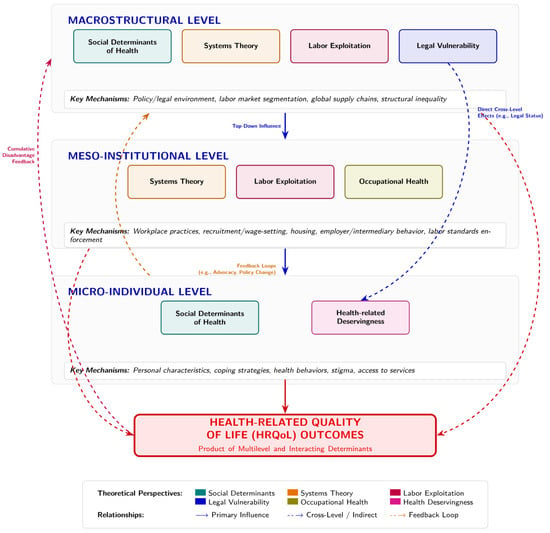
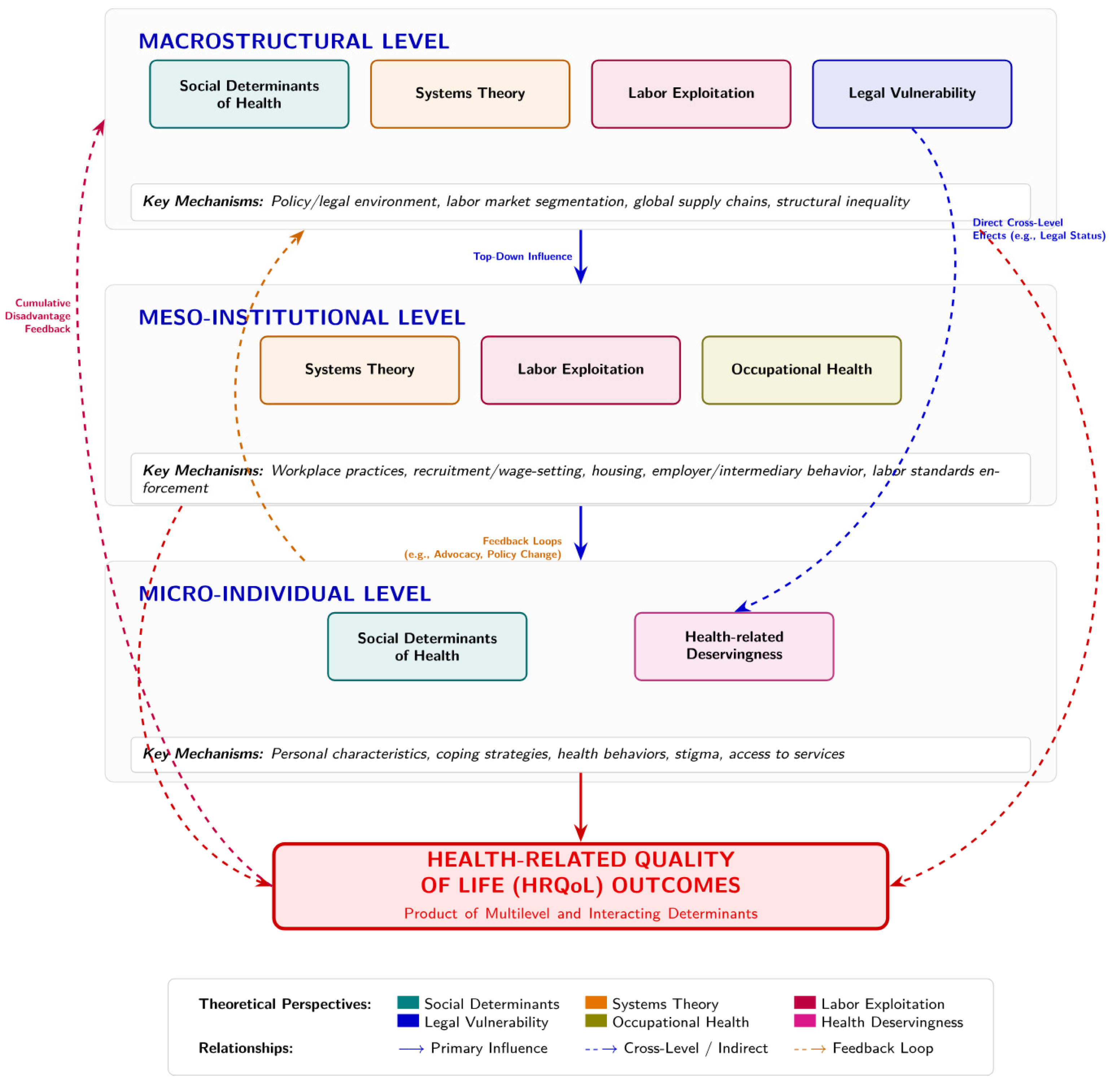
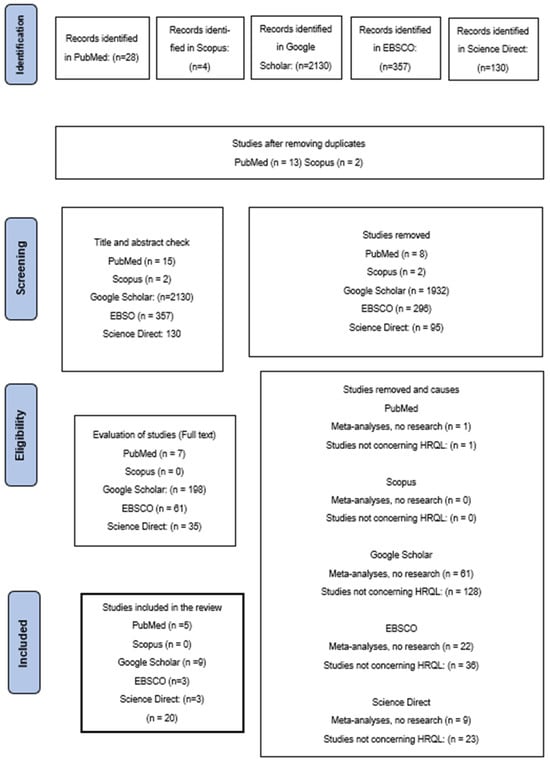
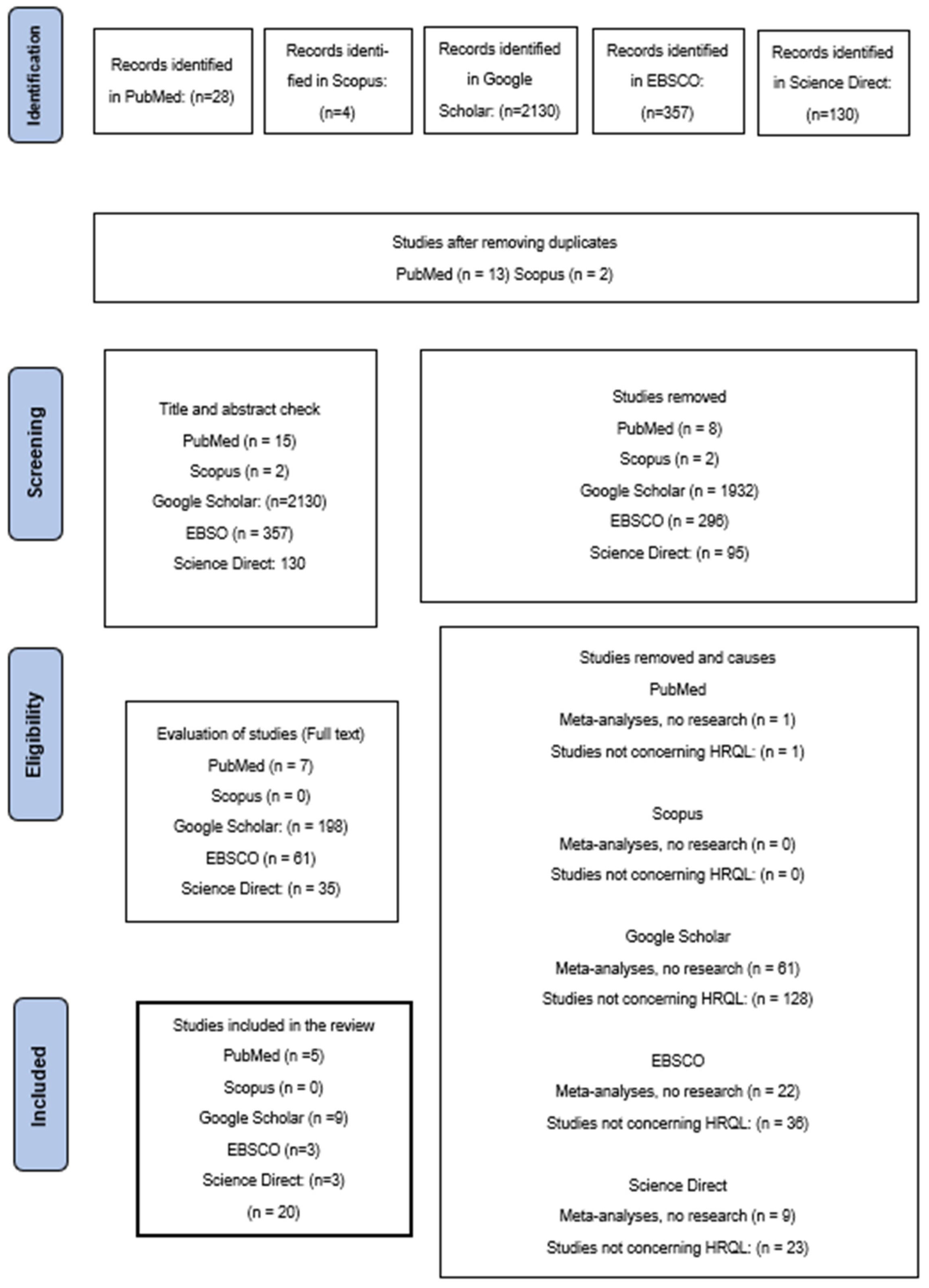
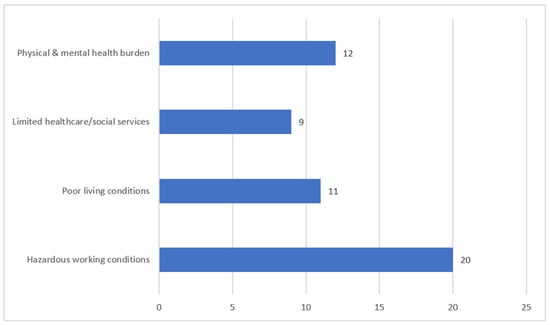
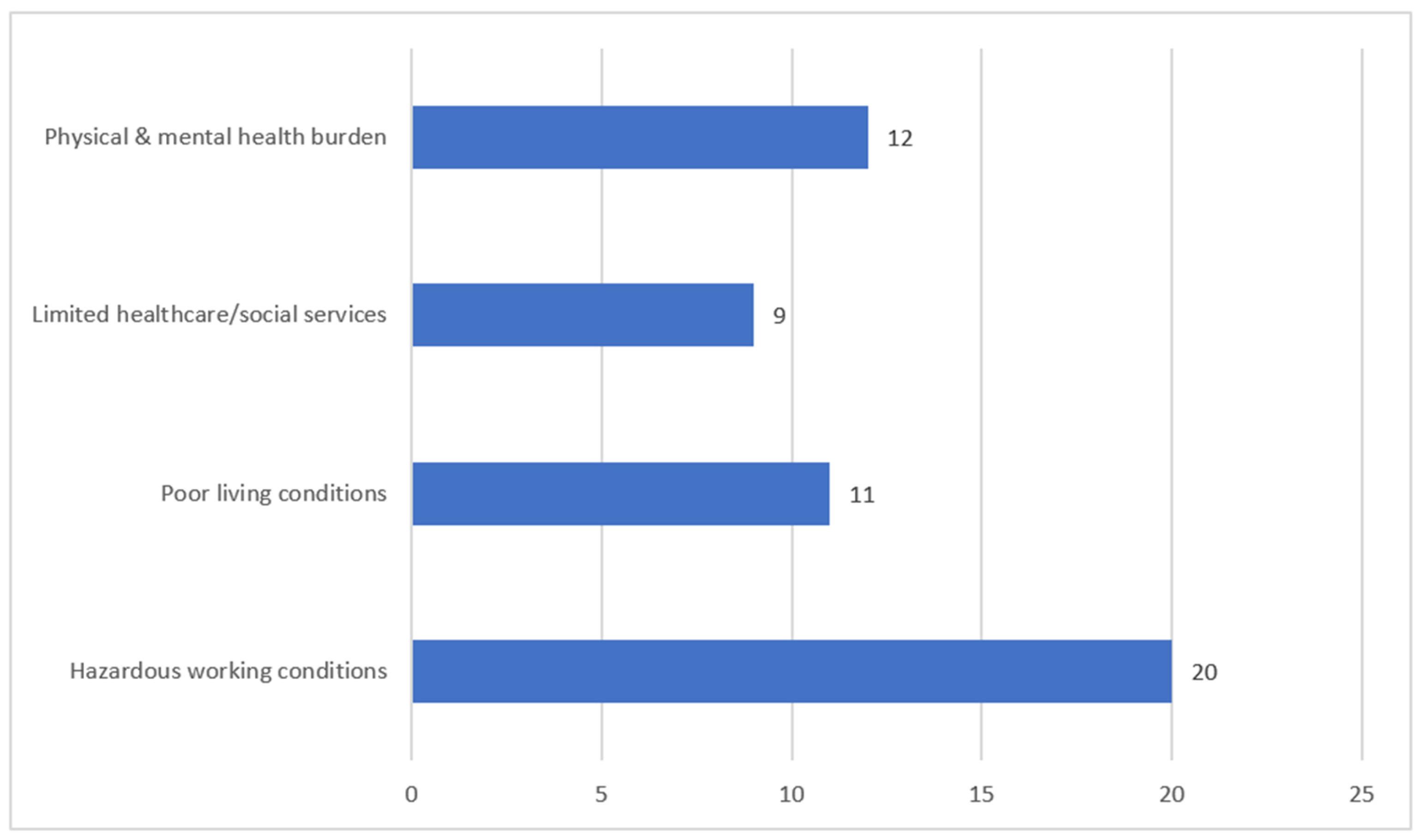

Disclaimer/Publisher’s Note: The statements, opinions and data contained in all publications are solely those of the individual author(s) and contributor(s) and not of MDPI and/or the editor(s). MDPI and/or the editor(s) disclaim responsibility for any injury to people or property resulting from any ideas, methods, instructions or products referred to in the content. |
© 2026 by the authors. Licensee MDPI, Basel, Switzerland. This article is an open access article distributed under the terms and conditions of the Creative Commons Attribution (CC BY) license.