


Abstract
Grapes intended for fresh consumption, winemaking, raisin production and processing differ markedly in quality requirements and tolerance to harvest damage, making a universally suitable mechanised harvesting pathway unlikely. This review synthesises low-damage grape harvesting from an end use-oriented sustainability perspective. A structured literature search and thematic narrative synthesis covered studies mainly published from January 2000 to May 2026, with 184 studies included. The evidence indicates that harvesting suitability is determined by the compatibility among end use, grape and bunch traits, vineyard architecture, damage tolerance, labour and operating constraints, and downstream requirements. Manual and assisted harvesting remain preferable where selective whole-bunch handling and marketability dominate; vibration-based bulk harvesting provides greater capacity for wine and processing grapes in compatible vineyards; dry-on-vine (DOV) collection is closely coupled with raisin-specific drying systems; and selective robotic harvesting remains promising but requires stronger commercial vineyard validation. Across these pathways, higher automation does not inherently provide greater sustainability because reductions in labour demand may be offset by quality loss, capital and energy requirements, or insufficient system utilisation. The principal contribution of this review is an end use-specific framework linking vineyard design, harvesting pathway, damage and loss mechanisms, and environmental, economic and social sustainability considerations. Because experimental conditions, damage definitions and reporting metrics remain heterogeneous, the available literature supports context-dependent qualitative comparison rather than a unified quantitative sustainability ranking.
1. Introduction
Grapes support diverse agri-food value chains, including fresh consumption, winemaking, raisin production, juice processing, and other value-added applications. Grapes intended for these end uses differ substantially in berry morphology, skin characteristics, bunch architecture, flavour composition, and quality evaluation criteria [1,2,3]. Table grapes emphasise appearance, surface bloom and bunch integrity, whereas wine, raisin and processing grapes place greater emphasis on compositional maturity, drying suitability and processing stability. Vineyard expansion, changes in labour availability, and rising harvesting and transport costs have increased the pressure on manual harvesting. Mechanised and intelligent harvesting has, therefore, become important for improving capacity and reducing dependence on seasonal labour. However, sustainability cannot be inferred from labour substitution or operating speed alone. For grape harvesting, sustainability should be considered across interconnected environmental, economic and social dimensions, together with the prevention of crop and quality losses. These dimensions encompass direct and lifecycle resource burdens, economic viability and value retention, and labour resilience, occupational safety and technology adoption. Field evaluations show that terrain, harvest losses, operating scale, and ownership mode jointly determine the economic performance of mechanical grape harvesting [4]. The consequences of mechanisation must, therefore, be assessed in relation to grape end use and vineyard context.
Grape berries are highly susceptible to harvest-induced mechanical injury because of their soft tissues, fragile skins, surface bloom, bunch architecture and berry–pedicel attachments. Mechanical stresses, including compression, impact, friction, shear and vibration, can cause rupture, detachment, bloom loss and latent tissue damage, while bunch compactness and cuticular wax further modulate susceptibility and postharvest quality retention [5,6,7]. Varietal and raw material identification also support end use classification and batch management [8]. As acceptable damage varies by end use, table grape harvesting prioritises berry integrity and bunch appearance, wine grape harvesting emphasises maturity, cleanliness, berry breakage, juice release and material other than grapes (MOG), whereas raisin systems require coordination of maturity, cane cutting, drying and collection [9,10,11]. Supply chain evidence further shows that mechanically induced grape losses can carry economic, energy, water and greenhouse gas burdens [12]. Harvest damage should therefore be interpreted through its consequences for marketable or processable value rather than as a universal mechanical damage metric.
Existing studies have largely examined grape quality, vineyard management, harvesting machinery, robotic systems and intelligent sensing in separate research streams. As a result, the relationships among grape end use, vineyard architecture, harvesting pathway, damage and product loss, labour and resource requirements, and downstream value remain insufficiently integrated. The novelty of this review is therefore to treat grape harvesting as an end-use-specific sustainability decision problem, linking crop traits and vineyard structure with harvesting pathways, damage loss mechanisms, operational constraints, and environmental, economic and social outcomes.
Vineyard cultivation and training systems provide the spatial interface between crop characteristics and harvesting equipment. Row geometry, fruiting-zone position, canopy structure and bunch exposure influence machinery trafficability, target visibility, equipment workspace and mechanical-load transmission during harvesting [13,14]. Protected and open training systems differ in canopy accessibility, fruit quality management and compatibility with mechanised or robotic operations, while trellis configuration affects bunch distribution and exposure [15,16,17]. Trafficability and equipment operation are also influenced by soil and load conditions [18]. Mechanisation suitability should therefore be considered jointly with row spacing, trellis design, pruning, canopy management and field traffic planning rather than as an equipment choice made independently of vineyard structure [19].
Differences in grape end use and cultivation conditions have produced distinct harvesting pathways, including manual harvesting, harvest assistance systems, selective robotic harvesting, vibration-based bulk harvesting, and dry-on-vine (DOV) mechanical collection. High-value table grapes require the preservation of whole-bunch quality and controlled separation; selective robotic systems and cutting-point decision methods have been developed for this purpose [20,21], while harvest assistance can reduce non-picking labour and improve field logistics [22,23,24]. Wine and processing grapes are generally more compatible with continuous mechanical detachment and collection, whereas DOV raisin systems couple harvesting with field drying. The relative suitability of these pathways depends on trade-offs among quality preservation, harvest loss, labour demand, operating capacity, capital requirements and downstream handling, with economic performance also influenced by operating scale and equipment utilisation [4]. Pathway selection should therefore be based on production context rather than automation level alone.
Low-damage grape harvesting should be treated as a chain-level problem because damage can arise during detachment, transfer, collection and transport and may subsequently affect fruit or product quality [25,26]. Selective systems require reliable perception and low-contact manipulation [27,28,29], while post-cut handling must control impact, vibration, container loading and worker exposure [30,31,32,33,34,35]. Robotic coordination can reduce collision and handling conflicts [36,37], whereas bulk wine-, processing- and raisin-grape systems require coordinated control of crop mechanical properties, material flow, raw-material cleanliness, drying conditions and postharvest operations [38,39,40,41,42,43,44]. Evaluation should, therefore, extend beyond harvesting success to include marketable or processable yield, mechanical damage and loss, occupational conditions and downstream quality.
Intelligent sensing, condition monitoring and feedback control can support the transition from experience-based harvesting towards data-informed decision-making. Multi-scale sensing has been applied to target recognition, maturity and quality assessment, navigation and vineyard monitoring [45,46,47,48,49,50], while machine-state information and data-driven methods can support quality evaluation, manipulation and operating parameter adjustment [51,52,53,54,55,56]. At broader scales, sensing can support adaptive machine regulation, spatial harvest planning and harvest-timing decisions [57,58,59], while long-term data, digital twins and traceability can support equipment scheduling and supply-chain coordination [60,61].
Digitalisation should, nevertheless, be evaluated by its contribution to loss prevention, input efficiency, and coordinated decision-making. Vineyard lifecycle assessments show that variable-rate management can reduce product carbon footprints, although outcomes depend on fertiliser use, energy consumption, irrigation and yield [62]; smart-vineyard assessments likewise indicate that advanced technologies may shift environmental burdens towards machinery and electricity use [63]. A closed-loop system should therefore integrate crop sensing, harvest-quality evaluation, machine condition, operating-parameter selection, equipment feedback, and postharvest data coordination [64,65].
Technology adoption is an additional consideration in the practical and social sustainability of mechanised and intelligent harvesting. Evidence from UK agriculture indicates that acceptance varies with the role of automation and is influenced by familiarity, cost and concerns about job displacement [66]. Because comparable grape-specific evidence remains limited, technical performance alone cannot yet be assumed to predict grower or worker acceptance in grape harvesting.
Against this background, the review addresses the following three questions:
- (1)
- How do grape end use, crop characteristics and vineyard structure define the conditions under which different harvesting pathways are technically and agronomically suitable?
- (2)
- How do the major harvesting pathways differ in quality preservation, damage and loss mechanisms, labour and resource requirements, economic feasibility and operational scalability?
- (3)
- To what extent can sensing, adaptive control and digital coordination improve harvesting decisions and system performance, and what evidence and implementation gaps currently limit their wider application?
Figure 1 summarises the resulting sustainability-oriented framework, linking grape end use and vineyard context with harvesting pathways, process variables, immediate operational outcomes and broader sustainability outcomes. Harvesting options are evaluated in terms of food and raw-material loss prevention, environmental performance and resource efficiency, economic viability, labour resilience and occupational safety, technical adaptability and adoption readiness, and digital coordination and supply-chain resilience.
Figure 1.
Sustainability-oriented review framework linking grape end use, vineyard context, harvesting pathways, intelligent regulation and value chain outcomes. This framework was developed by the authors through synthesis of the literature reviewed in this article. Solid blue arrows indicate the main forward pathway, whereas dashed blue arrows indicate sustainability assessment and feedback. The black icons are illustrative and do not represent additional quantitative information.
2. Materials and Methods
This review adopted a structured literature-retrieval and thematic narrative-synthesis approach. Relevant publications were retrieved from the Web of Science Core Collection, Scopus, ScienceDirect, SpringerLink, and Google Scholar, and were supplemented by backward reference tracking and targeted searches of relevant technical sources. The main search covered publications from January 2000 to May 2026, with a focus on grape traits and end uses, vineyard cultivation and training systems, mechanised harvesting methods, harvesting equipment, mechanical damage and quality loss, and intelligent sensing and control technologies.
2.1. Retrieval Strategy
The search terms were organised into four thematic groups. Synonymous terms within each group were connected using the Boolean operator “OR”, while terms from different thematic groups were combined using “AND” to improve the coverage and relevance of the literature retrieval.
Group One (research objects and end uses): grape, Vitis vinifera, table grape, wine grape, raisin grape, juice grape, and processing grape;
Group Two (crop characteristics and production systems): berry characteristics, bunch architecture, bunch compactness, pedicel, detachment force, mechanical properties, maturity, vineyard, cultivation system, training system, trellis, and canopy structure;
Group Three (harvesting methods, equipment, and damage control): manual harvesting, assisted harvesting, mechanised harvesting, mechanical harvesting, robotic harvesting, selective harvesting, vibration harvesting, dry-on-vine harvesting, grape harvester, end-effector, catching, conveying, cleaning, sorting, mechanical damage, compression, impact, friction, vibration, berry breakage, juice loss, and quality loss;
Group Four (intelligent sensing and control): machine vision, deep learning, grape recognition, bunch detection, maturity detection, light detection and ranging (LiDAR), hyperspectral imaging, multisource sensing, condition monitoring, adaptive control, precision viticulture, digital twin, and traceability.
Reconstructed database-specific search formulations, documented search dates, language handling, search settings, and identification-stage record counts are provided in Supplementary Materials, Section S1 and Table S1.
2.2. Inclusion Criteria
Research subjects: Studies focusing on table grapes, wine grapes, raisin grapes, and processing grapes, together with their associated vineyard production and harvesting systems. Studies involving other fruits or agricultural harvesting systems were included only when the reported mechanisms, equipment structures, or sensing and control methods were clearly transferable to grape harvesting.
Research content: Studies addressing at least one aspect directly related to grape harvesting, including berry and bunch characteristics, mechanical properties, cultivation and training systems, manual or assisted harvesting, selective robotic harvesting, vibration-based mechanical harvesting, dry-on-vine harvesting, key equipment components, mechanical damage, quality loss, postharvest handling associated with harvesting, and intelligent sensing and control technologies.
Literature type: Peer-reviewed journal articles, high-quality international conference papers, doctoral dissertations, technical reports, standards, and extension publications were considered. Non-journal sources were included only when they provided verifiable agronomic, engineering, operational, or equipment-related information.
2.3. Exclusion Criteria
Irrelevant studies: Studies unrelated to grape harvesting or lacking direct relevance to harvesting adaptability, equipment technologies, mechanical damage, quality loss, or intelligent sensing and control were excluded. Studies focusing solely on grape breeding, genetics, physiology, disease control, irrigation, fertilisation, food composition, fermentation, or product processing were excluded unless they provided information directly related to harvesting performance or postharvest quality affected by harvesting.
Non-academic publications: News reports, advertisements, commercial promotional materials, general web pages, and other sources that had not undergone academic or technical review were excluded.
Duplicate publications: Duplicate records were removed. When the same study was published in multiple forms, such as conference and journal versions, only the most complete and informative version was retained.
Insufficient-information literature: Studies were excluded when the full text was unavailable, the research methods or equipment configurations were insufficiently described, or the results could not support qualitative comparison or technical analysis.
2.4. Literature Screening Process
The literature search was conducted in the Web of Science Core Collection, Scopus, ScienceDirect, SpringerLink, Google Scholar, and other relevant sources. All retrieved records were exported to EndNote (Clarivate, Philadelphia, PA, USA) for literature management. After merging the search results, duplicate records were identified and removed using a combination of automatic deduplication and manual verification before subsequent screening was conducted. The initial title-and-abstract screening and full-text eligibility assessment were conducted primarily by the first author. Records for which eligibility, relevance or evidence overlap was uncertain were discussed among the authors, and the final decision was reached by consensus.
A total of 1655 records were initially identified. After 401 duplicate records were removed, 1254 records remained for title-and-abstract screening, during which 901 records unrelated to the review topic were excluded. The full texts of the remaining 353 articles were then assessed for eligibility. During the full-text assessment, 169 articles were excluded on the basis of insufficient relevance to grape harvesting or transferable harvesting mechanisms, insufficient technical or quantitative information for thematic synthesis, unavailable full text or essential methodological information, or insufficiently distinct evidence relative to a more complete report from the same underlying study or dataset. Where multiple reports originated from the same underlying study, the most complete and informative report was retained unless another report provided substantively distinct evidence. Finally, 184 studies were included in the qualitative synthesis. The literature screening procedure is shown in Figure 2. Further details of record management, screening roles, eligibility criteria, and full-text exclusion criteria are provided in Supplementary Materials, Section S2.
Figure 2.
Literature screening flowchart for the review of low-damage mechanised grape harvesting.
2.5. Data Extraction and Thematic Analysis
For each included study, information was extracted on publication year, grape type and end use, cultivar, cultivation and training system, experimental or field conditions, harvesting method, equipment structure, operating parameters, performance indicators, mechanical damage and quality-loss outcomes, intelligent sensing and control technologies, application scenarios, and research limitations. Where available, information on labour demand, resource use, and economic feasibility was also recorded. On this basis, the literature was classified and organised according to the main research themes to support the comparative analysis conducted in this review.
Based on the research objectives and the technical characteristics of grape harvesting, the selected literature was grouped into five major themes: grape end uses and characteristics affecting mechanisation suitability; vineyard cultivation and training systems; harvesting methods and their applicable conditions; mechanical damage mechanisms and low-damage equipment technologies; and intelligent sensing, adaptive control, and digital harvesting technologies. These thematic categories formed the analytical framework of the subsequent sections.
Thematic analysis compared the technical characteristics, applicability, performance differences, major limitations, and development trends of different harvesting pathways and equipment systems. Particular attention was given to the relationships among grape end use, crop characteristics, vineyard structure, harvesting method, equipment configuration, operating parameters, and harvest quality. Contrasting findings were interpreted in relation to differences in cultivar and maturity, vineyard and trellis configuration, harvesting system design and operating parameters, damage definitions and assessment timing, and experimental or field conditions. Given the heterogeneity of outcome definitions and reporting formats across the literature, the synthesis emphasised context-dependent comparison and evidence limitations rather than assuming direct comparability among all reported results. Because the evidence base encompassed heterogeneous agronomic, engineering, robotic, field-validation and technical studies, no single formal risk-of-bias instrument was applied across all sources; instead, evidence interpretation considered validation setting, experimental scale, reported methodological limitations and transferability. All numerical values, experimental results, equipment parameters, and performance metrics discussed in this review were extracted from the cited publications. No original experimental measurements or unpublished datasets are presented in this review. Further details of the evidence-appraisal dimensions and the treatment of contrasting and heterogeneous evidence are provided in Supplementary Materials, Section S3.
3. Grape Types and End Uses
3.1. Grape End Use Categories and Quality Objectives
From the perspective of harvesting technology and equipment design, grapes are more usefully classified according to their primary end use and associated harvesting requirements than by botanical taxonomy alone. In this review, four operational end use categories are distinguished: table grapes intended primarily for fresh consumption, wine grapes intended for vinification, raisin grapes intended for dehydration, and processing grapes intended for other non-wine, non-raisin products such as juice, concentrate, jam and related products. These categories are not intended to imply mutually exclusive botanical types; rather, they represent the dominant destination for which harvest quality, damage tolerance and handling requirements are evaluated. Long-term targeted breeding and differentiated production objectives have contributed to substantial divergence among these end use pathways [1,3]. These differences affect not only quality criteria, but also the form of product value that must be retained during harvesting and the level and type of mechanical disturbance that can be tolerated. End use should, therefore, be treated as the first decision layer in selecting and evaluating a harvesting pathway.
Table grapes are marketed directly and are evaluated primarily by marketability and eating quality. Berry size and shape, skin colour, flesh texture, sweetness, juiciness, aroma, surface bloom and bunch form all influence commercial value. An evaluation of 17 table-grape cultivars showed marked differences in physicochemical quality, nutritional composition, aroma and sensory attributes [2]. Harvesting must therefore preserve berry, bloom, rachis and bunch integrity while limiting compression, abrasion, impact and berry detachment [5,9]. A supply chain study of ‘Crimson Seedless’ identified mechanical damage as a major contributor to on-farm loss and showed that aggregate grape losses can carry substantial economic, energy, water and greenhouse-gas burdens [12]. These results support evaluating table-grape harvesting through marketable yield and postharvest quality retention rather than collection success or visible breakage alone. Non-destructive cultivar identification and soluble-solids assessment can further support maturity evaluation and raw material grading across different end uses [67,68].
Wine grapes are harvested as raw material for winemaking and are evaluated mainly by sugar–acid balance, phenolic maturity, ripening uniformity and raw material cleanliness [69]. Their lower dependence on whole bunch appearance makes them more compatible with mechanised bulk harvesting, but harvest damage remains important. Excessive berry breakage and juice release may accelerate oxidation and increase microbial risk, while leaves, petioles, shoots and other MOG can alter must composition, aroma and phenolic development [25,41]. The relevant trade-off is, therefore, not intact-bunch preservation but maintaining harvesting capacity while limiting juice loss, unsuitable berries, MOG and variation among harvested loads.
Raisin grapes are evaluated mainly by sugar content, seedlessness, ripening uniformity, drying suitability and final raisin grade. Berry size, cuticular wax, pretreatment, cane cutting time and drying conditions influence moisture migration and product quality [7,11,70]. Their harvesting pathway should therefore be coordinated with maturity assessment, on-vine drying and mechanical collection. Processing grapes used for juice, concentrate, jam and related products are evaluated by sugar–acid composition, colour, aroma, juice extraction characteristics, hygiene and raw material stability. For these products, whole bunch appearance is secondary to processable yield, contamination control and stable delivery to downstream crushing, pressing, conveying and processing operations.
Overall, the four end use categories differ in both the form of value that must be preserved and the dominant loss pathway. Table grapes require whole-bunch marketability; wine grapes require clean and compositionally suitable raw material; raisin grapes require coordinated dehydration and collection; and processing grapes require stable, processable input. Table 1 summarises these differences. Where quantitative evidence is available, these end-use differences can be expressed more concretely through destination-specific benchmarks for harvest loss, damage tolerance and retained product quality rather than through qualitative description alone. Mechanisation suitability cannot, however, be determined from end use alone. Bunch architecture, pedicel attachment, berry mechanical properties, maturity, vineyard structure and handling conditions determine whether a nominally suitable harvesting method can operate without unacceptable quality or yield loss.
Table 1.
End use-specific quality objectives, harvest loss risks and suitable harvesting pathways for grapes.
3.2. Agronomic and Biomechanical Determinants of Low-Damage Mechanisation Suitability
The suitability of a harvesting pathway cannot be inferred from grape end use alone. It also depends on whether the mechanical actions required for separation and material transfer remain within the damage tolerance of the crop. Key determinants include berry-surface integrity, compression and impact resistance, berry–pedicel attachment, bunch compactness, ripening uniformity and the spatial consistency of these traits within a vineyard. Mechanisation suitability can therefore be interpreted as a crop operation compatibility problem: crop traits define the feasible operating window, whereas equipment parameters determine whether detachment, catching, conveying and collection remain within that window.
For table grapes, surface condition and structural integrity are dominant constraints. Mechanical compression of ‘Shine Muscat’ grapes increased water loss, softening, decay and cellular deterioration during storage [5], while cuticular wax contributes to water retention and surface protection [7]. Visible rupture is therefore an incomplete measure of harvest damage because bloom loss, abrasion, rachis injury and latent compression can also reduce marketable value. Selective harvesting should consequently limit contact and support forces so that berry, bloom and bunch integrity are retained. This favours compliant support, controlled gripping, low-friction transfer and cushioned collection while limiting drop height and stacking pressure.
For wine and processing grapes harvested in bulk, the critical relationship is between detachability and berry resistance. Berry–pedicel detachment force and berry crushing force can be measured together to identify harvest dates and operating conditions under which berries can be removed before excitation reaches a damaging level [38]. High attachment strength increases the excitation required for removal, whereas low crushing resistance narrows the allowable mechanical window during catching and conveying. Maturity should therefore be considered not only as a compositional state but also as a mechanical state, because detachment and rupture resistance may change at different rates.
Abscission agents have also been investigated for stemless table grape harvesting; however, ethephon responses are cultivar dependent and excessive treatment can increase pre-harvest berry drop [71]. This illustrates a broader limitation of crop conditioning strategies: reducing the force required for separation does not necessarily reduce total harvest loss. Chemical regulation should therefore be validated for each cultivar and end-use pathway rather than treated as a universally applicable solution.
Bunch compactness integrates berry number, berry size and rachis architecture and is associated with ventilation, disease susceptibility, ripening uniformity and commercial quality [6]. From a mechanical perspective, compact bunches restrict local berry movement and increase berry-to-berry contact, which can concentrate compression and collision loads during gripping or vibration. For table grapes, this increases the risk of bunch deformation and concealed bruising; for wine grapes, it can compound uneven maturity; and for raisin grapes, it may hinder uniform exposure and dehydration. Multi-perspective imaging coupled with multivariate classification provides a practical route for objective compactness grading [72], while vibration–collision modelling can clarify how local berry contacts redistribute loads during mechanical excitation [73]. These approaches are useful not only for phenotyping, but also for identifying cultivars, vineyard blocks and canopy-management strategies that provide a wider mechanical operating window before harvest.
Overall, mechanisation suitability should be assessed through a trait threshold–parameter relationship rather than a simple distinction between manual and mechanical harvesting. Surface integrity and allowable contact load dominate table grape operations; the margin between detachment demand and rupture resistance dominates bulk wine- and processing grape harvesting; and bunch architecture, sugar accumulation and dehydration uniformity are central to raisin systems. The practical objective is, therefore, to match measurable crop traits with equipment parameters and end use-specific outcomes such as harvest completeness, marketable or processable yield, berry breakage, bloom loss, MOG and drying uniformity.
3.3. End Use-Specific Harvesting Indicators and Damage Tolerance
Whether a crop–machine combination is acceptable ultimately depends on the form in which harvested value must be retained. The same mechanical action may be tolerable in a processing chain yet unacceptable for fresh-market fruit. Harvesting performance should therefore be judged through three linked dimensions: crop recovery, harvest-induced damage and destination quality. Crop recovery indicators describe the proportion of usable fruit removed and collected; damage indicators describe visible and latent injuries generated during detachment and material handling; and destination quality indicators determine whether the harvested material remains marketable or processable. Their relative importance varies with grape end use. Where explicit quantitative evidence is available, reported loss values and acceptance criteria can provide useful reference points, but these should be interpreted as context-specific benchmarks rather than universal thresholds because damage tolerance varies with cultivar, maturity, market grade, handling duration, processing route and assessment method.
For table grapes, marketable yield is more informative than gross collection rate. A bunch may be successfully detached and collected but still lose commercial value because of berry detachment, skin cracking, bloom removal, rachis injury, bunch deformation or latent compression damage. Relevant indicators therefore include intact-bunch recovery, detached berry rate, cracked or ruptured berry rate, bloom retention, bunch-form retention and the proportion of fruit meeting the required market grade. As a field-scale quantitative example, reported on-farm losses for ‘Crimson Seedless’ were 13.9% and 5.97% in two successive seasons, with mechanically damaged fruit accounting for 7.1% in one season [12]. These values indicate the possible magnitude of harvest- and handling-related losses under specific production conditions, but should not be treated as universal acceptance limits. Because table grapes are non-climacteric and remain susceptible to water loss, softening, rachis browning and pathogen infection after harvest, immediate visual inspection may underestimate harvesting damage [9,24,73]. Evaluation after a defined storage or transport period is consequently important when comparing harvesting methods, catching devices and handling parameters. Damage tolerance should be related to cultivar, market grade, storage duration and transport distance rather than expressed as a single universal threshold.
For wine grapes, processable yield and raw material cleanliness are more relevant than the visual integrity of individual bunches. Core indicators include harvest completeness, fruit remaining on the vine, ground loss, material other than grapes (MOG), the proportions of unripe, mouldy or otherwise unsuitable berries, berry rupture and juice release. Harvest timing should be evaluated using soluble solids together with acidity, phenolic maturity and cultivar characteristics. The MOG ranges reported by Parenti et al.—below 1% as desirable, 1–2% as acceptable with relatively low quality risk and above 3% as unsuitable for high-quality wine production—provide a practical example of an end-use-specific acceptance criterion [74]. Berry rupture should also be interpreted together with the interval between harvesting and processing: limited breakage may be tolerated when fruit is transferred rapidly, whereas excessive rupture and prolonged handling increase raw material loss and reduce processing stability. Harvest completeness, cleanliness and raw material condition should therefore be assessed jointly rather than as isolated indicators.
For raisin grapes, harvesting performance extends across maturity assessment, cane cutting, field drying and mechanical collection. Relevant indicators include soluble solids or dry matter at cane cutting, drying duration, final moisture content, dehydration uniformity, harvest recovery, berry loss, foreign material content and the proportion of fruit meeting the required raisin grade. Quantitative evidence from specific DOV and drying systems provides useful process reference points: cane severance has been initiated at approximately 20 °Brix with mechanical collection after drying to ≤16% moisture [11], while controlled hot-air drying of seedless purple grapes harvested at 20–22 °Brix reduced final moisture to <15%, with pretreatment shortening drying time from 74 h to 38–54 h [70]. Earlier DOV comparisons also showed marked cultivar differences in soluble solids, field moisture and final raisin grade [42], indicating that maturity and moisture values should be interpreted as system- and cultivar-specific rather than universal thresholds. In dry-on-vine systems, delayed cane cutting may leave insufficient time for the fruit to reach a suitable moisture condition before mechanical collection [11]. Conversely, uneven maturity, bunch exposure or cane cutting can produce large differences in drying rate within the same vineyard. High field capacity is, therefore, not sufficient on its own; the collected crop must also be sufficiently dry, uniform and clean to avoid repeated handling, additional drying and grade loss.
For juice grapes and other processing grapes, the principal outcome is the stable delivery of usable raw material to downstream operations. Appropriate indicators include processable yield, harvest loss, sugar–acid uniformity, unsuitable fruit content, MOG, juice leakage and continuity of material flow to crushing, pressing, conveying and grading. Mechanically harvested ‘Concord’ juice grapes provide a quantitative example of the importance of harvest-to-processing conditions: under warm bulk holding, alcohol accumulation became evident after approximately 12 h, while fruit maintained near 32 °C for 72 h reached about 3% alcohol and lost approximately 44% of its initial soluble solids [75]. These values are process-specific, but they demonstrate that temperature and processing delay can create measurable quality boundaries even when cosmetic fruit appearance is not the primary concern. Minor cosmetic injury may be acceptable, but damage that causes substantial raw material loss, contamination or unstable processing remains unacceptable.
Across these end uses, damage tolerance is best understood as a destination-dependent operating boundary rather than a fixed property of either the grape or the machine. An acceptable crop–machine match achieves adequate recovery while maintaining the quality required at fresh market sale, crushing, drying or further processing. Immediate mechanical measurements should therefore be linked with delayed quality outcomes, and average values should be considered together with variation among cultivars, maturity stages and vineyard blocks. This converts the trait threshold–parameter relationship into measurable criteria for selecting harvesting pathways, setting equipment parameters and comparing low-damage technologies. Representative bunch- and berry-level traits and phenotyping approaches underpinning these end use-specific evaluation criteria are summarised in Figure 3.
Figure 3.
Representative grape bunch- and berry-level traits and phenotyping approaches relevant to mechanisation suitability: (a) variation in grape bunch architecture and compactness, reproduced from ref. [76] under the CC BY 4.0 license; (b) ground-based and automated 3D phenotyping of traits determining bunch compactness, reproduced from ref. [77] under the CC BY 4.0 license; (c) berry morphology and cuticular wax microstructure at different developmental stages, reproduced from ref. [7] under the CC BY license; and (d) image-based berry segmentation and grape cluster architecture analysis, reproduced from ref. [78] under the CC BY 4.0 license. The panels were cropped, resized, and rearranged by the authors.
4. Grape Cultivation Systems
4.1. Cultivation System Typology and Harvesting Accessibility
Cultivation systems form the spatial interface between grape traits and harvesting equipment. For low-damage mechanisation, their importance extends beyond agronomic functions, as row geometry, canopy orientation, fruiting-zone position, support structures and bunch exposure govern machinery trafficability, target visibility, end-effector accessibility and mechanical-load transmission. From this perspective, the systems most closely associated with grape harvesting can be grouped into three functional categories: open-field trellis systems, protected pergola systems and machine-adapted open training systems.
Open-field trellis systems are characterised by row-based planting, relatively clear inter-row passages and vertical or near-vertical canopy planes. They are widely associated with wine grapes, processing grapes and some raisin-production systems. Comparisons between vertical shoot positioning and free-growing canopies indicate that training configuration influences canopy architecture, bunch exposure and the compatibility of vineyards with mechanised management [13]. When the fruiting zone is concentrated within a relatively consistent height range, self-propelled or trailed harvesters can travel continuously along the rows and apply vibration, catching, conveying and cleaning operations in sequence. This spatial regularity makes open-field trellis vineyards particularly compatible with bulk harvesting. Nevertheless, low-damage performance still depends on uniform fruiting-zone height, trellis rigidity, canopy density, ripening uniformity and the coordination of excitation, catching and material-handling parameters [19]. An open row layout alone does not guarantee satisfactory harvesting quality if bunch distribution and mechanical properties vary substantially within or among vineyard blocks.
Protected pergola systems are primarily associated with high-value table grape production and include rain shelters, polythene tunnels, greenhouses and horizontal or overhead trellises. Protected and soilless cultivation can regulate vegetative and reproductive growth, advance or extend production seasons and support the production of high-quality fruit [15]. Rain shelter cultivation combined with trellis management, drip irrigation, ground covering and other practices can further modify canopy microclimate and fruit quality [16]. In these systems, bunches are commonly suspended below an overhead canopy plane, which facilitates visual inspection, selective maturity assessment and whole-bunch cutting. Quantitative measurements from a field-tested horizontal trellis system illustrate the spatial constraints relevant to robotic harvesting: the trellis was approximately 2.0 m high and 2.5 m wide, the lower ends of grape clusters were about 1.7–1.9 m above the ground, and cluster tops were typically 20–120 mm below the trellis plane [20]. Under the same robotic configuration, harvesting success declined from 93.3% at 0–5% leaf occlusion to 86.7% at 6–20% and 73.3% at 21–40% occlusion [20], demonstrating quantitatively that fruiting-zone geometry and target visibility can constrain selective mechanisation. However, plastic films, posts, wires, leaves and overlapping bunches can constrain the workspace of harvesting platforms and robotic manipulators [20,21,27]. After detachment, the bunch must also be stabilised during transfer and placement, because repeated vibration or uncontrolled movement can cause berry detachment and secondary collision damage [30]. Protected pergola systems are therefore more compatible with manual harvesting, harvest assistance platforms and selective robotic harvesting than with high-intensity bulk vibration.
Machine-adapted open training systems provide an intermediate pathway between conventional vineyard architecture and harvesting-oriented crop design. They include V-shaped and Y-shaped trellises, single high-wire systems and other open-canopy configurations that redirect shoot growth and expose the fruiting zone. Alternative training systems have been proposed partly because conventional vertical shoot positioning may not provide the canopy flexibility, climate adaptability or mechanisation compatibility required under changing production conditions [14]. Open canopies can improve ventilation, light interception and bunch visibility, while lateral or oblique fruit presentation can reduce occlusion and provide clearer approach directions for machine vision and robotic manipulators [17]. The closeable Y-shaped system developed by Palliotti illustrates how a training structure can support an open canopy during crop development and subsequently be reconfigured for mechanical pruning and harvesting [79]. In a five-year Sangiovese field trial, this system used 3.5 × 1.0 m row and vine spacing, a permanent cordon 0.90 m above the ground and a 1.1 m V-shaped frame with a 50° opening angle [79]. Closing the frame before harvest required approximately 3–4 h ha−1, while subsequent over-the-row harvesting required about 135 min ha−1 compared with 128 min ha−1 for the vertical shoot positioning (VSP) control, with no significant differences in yield, free-running juice index or juice impurities [79]. The system was also reported to be adaptable to existing VSP vineyards with row spacing of at least 3.0 m, providing configuration-specific evidence that trellis modification can improve canopy openness without sacrificing compatibility with conventional harvesting machinery. The contrasting spatial configurations of these cultivation systems are illustrated in Figure 4.
Figure 4.
Representative grape cultivation and training systems: (a) open-field vertical shoot positioned (VSP) and single high-wire (SHW) training systems, reproduced from ref. [13] under a Creative Commons Attribution license; (b) table grape soil-less cultivation in polyethylene containers under a low-technology greenhouse, reproduced from ref. [15] under the CC BY 4.0 license; and (c) V-shaped trellis under rain shelter cultivation, reproduced from ref. [17] under the CC BY license. The photographs were cropped, resized, and rearranged by the authors.
Overall, no single cultivation system is universally optimal for low-damage harvesting. Open-field trellis systems prioritise row continuity, concentrated fruiting zones and compatibility with bulk machinery. Protected pergola systems prioritise environmental regulation, whole-bunch marketability and selective handling, but impose greater constraints on equipment access and robotic motion. Machine-adapted open training systems seek to balance crop quality, bunch exposure and equipment accessibility. Cultivation system suitability should therefore be evaluated through the combined effects of trafficability, target visibility, end-effector access, fruiting zone consistency and mechanical load transmission. Treating vineyard architecture as a configurable component of the harvesting system, rather than as a fixed background condition, provides a stronger basis for selecting harvesting pathways and coordinating agronomic management with equipment design.
4.2. Cultivation System Effects on Harvesting Route Selection and Damage Risk
Beyond defining general machinery accessibility, cultivation systems determine which harvesting route is technically feasible and where damage is most likely to occur. Row spacing, headland dimensions, trellis geometry, fruiting zone height, canopy density and support structures jointly shape machine trafficability, perception quality, manipulator workspace and fruit–machine contact. Vineyard preparation for mechanisation should therefore begin before planting, with row layout, training system and machinery requirements considered as an integrated design problem [19]. The architecture of autonomous grape-harvesting systems similarly shows that perception, navigation, task planning and manipulation cannot be developed independently of the vineyard workspace [80]. Cultivation system and equipment design should consequently be coordinated rather than treated as separate stages.
In open-field vertical-trellis vineyards, regular rows and relatively clear inter-row passages favour continuous travel by trailed, self-propelled and over-the-row machines. When fruiting zones are sufficiently concentrated, this geometry supports a continuous route of vibration-induced detachment, catching, conveying and cleaning, making such vineyards particularly compatible with wine, processing and some raisin grapes. Nevertheless, spatial accessibility alone does not ensure low-damage performance. Harvest efficiency and loss remain dependent on cultivar, maturity, machine adjustment and operating conditions [10]. The critical trade-off is between sufficient excitation for fruit removal and excessive mechanical loading: high excitation can increase berry rupture and detachment, whereas insufficient excitation leaves fruit on the vine. The margin between berry–pedicel detachment demand and berry crushing resistance should, therefore, be considered when setting harvesting intensity [38], while impact transmission during catching and conveying must also be controlled [39]. The dominant risks are consequently concentrated in berry breakage, juice release, ground loss and MOG inclusion rather than in preservation of intact bunch form.
Protected pergola systems impose a different set of constraints. Protective films, posts, pipelines, trellis wires and overhead canopies reduce the space available for large machines and robotic manipulators. Evidence from autonomous equipment developed for elevated cultivation similarly indicates that compact platforms, flexible motion and constrained space operation are necessary where conventional machinery cannot move freely [81]. In these systems, the principal limitation shifts from continuous machine trafficability to target visibility, access and manipulation. Bunches may be suspended below the trellis but remain occluded by leaves, peduncles, wires and neighbouring fruit, and grape detection, segmentation and three-dimensional tracking studies show that such background complexity directly affects localisation and motion planning [82]. Robot configuration must, therefore, be matched to both the overhead workspace and the spatial distribution of the bunches.
Selective whole-bunch harvesting under pergola systems requires a coordinated sequence of recognition, approach, support, cutting and transfer. Human pickers usually support the bunch while cutting the peduncle, thereby limiting uncontrolled movement after separation. Dual-arm and high-speed cut-and-catch robots reproduce this functional division by coordinating bunch support with cutting-point localisation [20,21]. However, successful target detection alone is insufficient: gripping position, cutting action and post-cut motion can influence vibration and berry detachment [83], while occluded or partially hidden fruit axes can increase cutting-point and approach errors [84]. Low-damage performance, therefore, depends not only on detection accuracy, but also on pose estimation, support stability, cutting clearance and collision-free manipulator motion [27,36].
Damage risk also continues after separation, so a cultivation system that enables cutting but restricts stable withdrawal or transfer cannot be considered fully compatible with selective harvesting. Experiments on grape cluster transport and placement have shown that repeated vibration during post-cut handling can destabilise the bunch and increase secondary berry movement [30]. Hanging force analysis during rapid robotic transfer likewise indicates that acceleration and trajectory design affect cluster oscillation [85], while end-effector selection should account for fruit morphology, contact area, gripping mode and damage sensitivity [86]. For high-value table grapes, cultivation system compatibility should, therefore, support the complete recognition–support–cut–transfer sequence rather than only provide access to the peduncle.
Machine-adapted open training systems can reduce some of the spatial constraints encountered in conventional pergola vineyards. V-shaped, Y-shaped and other open-canopy systems increase bunch exposure, reduce leaf overlap and provide more direct lateral or oblique approach directions for robotic arms [14,16,17,79]. Better exposure can improve visual recognition and shorten manipulator paths, potentially reducing unnecessary contact with leaves, wires and neighbouring bunches. However, these systems do not inherently eliminate cutting, gripping or transfer damage. Their principal benefit is, therefore, to reduce occlusion- and access-related risk, while residual damage remains governed by end-effector control, trajectory planning and post-cut handling. These relationships among cultivation systems, harvesting constraints, compatible harvesting routes and dominant damage risks are synthesised in Figure 5.
Figure 5.
Conceptual framework linking grape cultivation systems with spatial and operational constraints, compatible harvesting routes and dominant damage risks in low-damage mechanised harvesting. Purple arrows indicate the directional relationships among cultivation systems, operational constraints, harvesting routes, and dominant damage risks; symbols are accompanied by labels indicating their meanings.
Overall, cultivation systems redistribute rather than eliminate harvesting constraints. Open-field trellis systems favour high-capacity bulk harvesting but concentrate damage risk in vibration-induced detachment, catching and conveying. Protected pergola systems favour selective whole-bunch harvesting but increase perception, access and manipulation difficulty. Machine-adapted open systems improve exposure and robotic accessibility, but still require low-damage control throughout cutting and transfer. Cultivation system suitability should, therefore, be judged by where it shifts the dominant harvesting constraint and whether that constraint can be controlled without transferring damage to a later stage. Treating vineyard architecture and harvesting equipment as a co-designed system can reduce unnecessary machine movement, harvest loss and damage-related rejection, thereby improving both operational efficiency and the retention of marketable or processable crop value [4,10,12].
4.3. End Use-Oriented Optimisation of Cultivation Systems
With increasing mechanisation and automation, vineyard architecture becomes part of the crop–machine operating environment rather than only a framework for vine growth and fruit quality formation. Studies on complete vineyard mechanisation and mechanised planting support coordinated planning of vineyard establishment, training systems, canopy management and harvesting equipment [87,88]. Accordingly, the following end use-oriented considerations are presented as synthesis-based design recommendations rather than universally validated engineering specifications.
For table grapes, optimisation should preserve high-value fruit quality while creating sufficient visibility and workspace for selective whole-bunch harvesting. Trellis height, fruiting zone depth, bunch spacing, peduncle presentation and canopy density should be managed so that bunches can be recognised and approached without excessive contact with leaves, wires or neighbouring fruit. Training systems influence vine growth, canopy characteristics and fruit-quality formation [16], but their suitability for robotic harvesting also depends on whether the bunch and cutting point can be observed from practical camera and manipulator positions. Targeted pruning, shoot positioning, leaf removal and cluster thinning can reduce bunch overlap and visual occlusion, while the image-based assessment of bunch shape and compactness can support cultivar selection, canopy intervention and robotic access planning [27,84,89,90,91,92]. Open or semi-open systems, including V-shaped, Y-shaped and single high-wire configurations, can improve bunch exposure and lateral access [14,17,79]. Their purpose should not be to remove the environmental and quality advantages of protected cultivation, but to retain those benefits while creating clearer fruiting zones and safer manipulator workspaces.
For wine grapes and processing grapes, optimisation should prioritise geometric regularity, within-block uniformity and compatibility with continuous machine operation. Row spacing, vine spacing, headland turning space, ground evenness, trellis alignment, canopy thickness and fruiting-zone height should match the operating envelope of trailed, self-propelled or over-the-row equipment. Posts, wires, irrigation lines and other infrastructure should be positioned so that mechanical pruning, leaf removal, spraying and harvesting can be conducted without repeated avoidance manoeuvres or structural collisions. Complete vineyard mechanisation also requires coordination among canopy management, crop-load regulation and harvesting operations rather than optimisation of the harvester alone [19]. Where vibration-induced detachment is used, cultivar selection and crop load management should promote uniform maturity and a consistent mechanical response within each harvesting block. Non-destructive measurements of soluble solids and acidity can support harvest timing where maturity varies spatially [93], but such sensing complements rather than replaces geometric and mechanical uniformity within the harvesting zone. Suitable indicators include fruiting zone height variation, harvest completeness, ground loss, berry rupture, MOG and the stability of raw material composition among loads.
Raisin grape systems require optimisation across the connected sequence of maturity development, cane cutting, field dehydration and mechanical collection. In dry-on-vine production, mature fruiting canes are cut and the grapes are dried on the trellis before mechanical recovery [11]. The raisin industry therefore requires coordinated selection of cultivar, trellis architecture, pruning method and mechanisation route [94]. Fruiting canes and renewal canes should be spatially distinguishable, while bunches should receive sufficient ventilation and solar exposure to promote uniform dehydration. Open-gable and other harvesting-adapted trellises can facilitate cane management, field drying and subsequent machine access [42,95]. The relevant optimisation targets are not limited to picking efficiency; they also include moisture content uniformity at collection, recoverable raisin yield, foreign material content and the proportion of fruit meeting the required grade.
Implementation should distinguish between new vineyard establishment and the retrofitting of existing vineyards. In new vineyards, row geometry, headlands, trellis dimensions, fruiting zone position and machinery requirements can be co-designed before planting; in established vineyards, improvement is more realistically achieved through canopy restructuring, wire relocation, fruiting zone standardisation, obstacle removal and targeted pruning. The effectiveness of these interventions should be evaluated using measurable crop–machine indicators rather than canopy appearance alone. For selective harvesting, relevant indicators include visible-bunch proportion, peduncle visibility, collision-free approach space and post-cut transfer stability. For bulk harvesting, relevant indicators include row trafficability, fruiting-zone consistency, detachment uniformity, harvest loss and material cleanliness.
Overall, cultivation system optimisation should be understood as differentiated crop–machine co-design. Table grape systems should preserve marketable quality while improving visibility, cutting point access and whole-bunch handling; wine and processing grape systems should support continuous machinery travel, uniform excitation and clean raw material recovery; and raisin systems should integrate fruit development, dehydration and mechanical collection. Better alignment among end use, vineyard architecture and harvesting equipment can reduce unnecessary machine movement, crop loss and damage-related rejection. Such alignment can improve both operational efficiency and the proportion of marketable or processable product retained from the labour, energy, land and water already invested in production [4,12,62,63].
5. Grape Harvesting Methods
Grape harvesting pathways differ in how selection, separation, support, transfer and quality judgement are allocated between workers and machines. Three operating logics are distinguished: selective whole-bunch harvesting, continuous bulk harvesting, and dry-on-vine (DOV) harvesting with mechanical collection. Selective pathways retain bunch-level judgement through manual, assisted or robotic execution; bulk systems prioritise continuous raw material recovery; and DOV systems couple field dehydration with later mechanical collection. Representative configurations are shown in
Figure 6.
Figure 6.
Representative grape harvesting pathways: (a) coordinated manual whole-bunch harvesting, showing bunch support and peduncle cutting with hand-held secateurs; photograph by Grape Things via Pexels, used under the Pexels License; (b) mechanised bulk harvesting using a trailed over-the-row grape harvester and shaking mechanism, reproduced from ref. [10] under the CC BY 4.0 license; and (c) selective robotic harvesting using a tracked dual-arm platform under a horizontal trellis, reproduced from ref. [20] under the CC BY license. Panel (a) was cropped and resized by the authors; panels (b,c) were cropped, resized, and rearranged by the authors.
5.1. Harvesting Pathways and Operating Logic
5.1.1. Selective Whole-Bunch Harvesting
Manual harvesting remains the reference pathway for high-value table grapes because workers combine bunch-level quality judgement with coordinated support, peduncle cutting and placement, functions reproduced in dual-arm robotic systems [20,21]. Its low-damage advantage is nevertheless conditional: adaptability to bunch position, maturity and access must be matched by controlled handling, while labour demand, concentrated harvest windows and ergonomic exposure remain major constraints [32,33]. Manual harvesting is, therefore, most defensible where the value of whole-bunch preservation outweighs these labour costs.
Harvest assistance preserves human selection and cutting while shifting container transport, tray supply and field logistics to mechanical or robotic support. Automated crop transport can reduce non-productive movement [23,96,97], but the benefit depends on coordination with picker output and equipment utilisation; because much of the evidence comes from strawberries and other fresh-market crops, transferability to grapes remains conditional on trellis access and bunch handling requirements. Additional transfers can increase handling risk, and postharvest protection cannot compensate for inadequate field handling [98,99,100]. Assistance is, therefore, most useful where human quality judgement remains necessary but logistics form a meaningful labour bottleneck [101].
Selective robotic harvesting reallocates the same whole-bunch functions to machine perception, localisation, support and cutting. In a field-tested dual-arm horizontal-trellis system, the average cycle time was approximately 9 s per bunch, with 88% bunch recognition and 83% harvesting success [20]. These results establish task-level feasibility rather than commercial equivalence; performance remains sensitive to vineyard structure and occlusion, while field reliability, motion efficiency and manipulator adaptability continue to constrain deployment [102,103]. Its strongest case is therefore high-value fruit in relatively standardised vineyards, with repeatable commercial-scale operation—not isolated function demonstration—as the main unresolved requirement.
5.1.2. Continuous Bulk Harvesting
Continuous bulk harvesting is a distinct architecture in which the target shifts from intact bunches to a recoverable raw material stream, suiting wine and processing grapes with relatively uniform maturity, concentrated fruiting zones and lower dependence on whole-bunch appearance [10,25]. Higher capacity is traded against incomplete removal, berry rupture, juice release, ground loss and MOG [38,39]. Final product quality remains context dependent: in ‘Montuni’ grapes, visible breakage and oxidation occurred, yet acceptable wine quality was retained when vineyard condition, machine adjustment and postharvest treatment were coordinated [43]. Downstream sorting can reduce unsuitable berries and foreign material [40,104], but cannot replace damage control; bulk harvesting is, therefore, most defensible where processable recovery and continuity outweigh intact-bunch preservation.
5.1.3. DOV Harvesting and Mechanical Collection
DOV harvesting is distinct because the crop is intentionally transformed before final recovery: fruiting canes are severed and grapes are dehydrated on the trellis before mechanical collection [11]. Suitability therefore depends jointly on maturity, cane management, drying conditions, cultivar, trellis architecture and pruning strategy [94,95]. The central trade-off is uniform dehydration versus field exposure, crop loss, contamination and grade reduction, making DOV most suitable where climate and vineyard structure provide a reliable drying and recovery window.
5.2. Comparative Performance and Decision Boundaries
Harvesting pathway selection is not a linear progression towards higher levels of mechanisation. Each pathway redistributes labour, capital, operating capacity and harvest-related risk, and becomes suitable only when these trade-offs remain compatible with grape end use, vineyard context and downstream handling. Because experimental conditions and reporting metrics remain heterogeneous, Table 2 summarises relative tendencies and decision boundaries rather than providing a universal quantitative ranking.
Table 2.
Comparative assessment of major grape harvesting pathways in terms of operational performance, quality retention, sustainability-related requirements, and technology maturity.
No harvesting route is universally optimal: selective pathways preserve whole-bunch value but remain constrained by labour demand or system complexity, whereas bulk and DOV routes achieve higher recovery capacity only when crop condition, vineyard structure and downstream operations are compatible. For processing grapes, this boundary extends beyond field recovery because harvested material must remain suitable for subsequent processing operations [3,105,106].
Economic advantage is similarly conditional on operating scale and equipment utilisation. In Italian vineyards, mechanical harvesting costs were approximately EUR 40–45 Mg−1 under flat conditions and EUR 50–60 Mg−1 in hill vineyards, with estimated break-even areas of about 7–8 ha for trailed harvesters and 12–14 ha for self-propelled machines [4]; a Romanian comparison reported approximately 300–320 lei t−1 for mechanised harvesting versus 480–520 lei t−1 for manual harvesting, a reduction of about 38% under the investigated conditions [101]. These results show that mechanisation can reduce unit harvesting cost, but the realised advantage still depends on labour rates, terrain, yield, annual harvested area, ownership or contracting arrangements, equipment utilisation and harvest-related losses.
Harvest damage must likewise be interpreted through retained destination value rather than physical disruption alone. Selective whole-bunch pathways concentrate risk in cutting, support and placement, whereas bulk harvesting shifts risk towards detachment, collision, catching, conveying, juice release and MOG inclusion. In ‘Montuni’ grapes, visible berry breakage and oxidation occurred while acceptable wine quality was retained when vineyard condition, machine adjustment and subsequent handling were coordinated [43], illustrating why apparently conflicting effects of mechanical harvesting can arise under different operating contexts. Technology maturity adds a final decision boundary: manual and vibration-based bulk harvesting are established commercial pathways; harvest assistance systems remain component- and utilisation-dependent; selective robotic harvesting has demonstrated field-level recognition, localisation, cutting and manipulation but still lacks broad evidence of repeatable commercial-scale operation [20,102,103]; and DOV mechanical collection is commercially established mainly in compatible cultivar–trellis–climate systems [94,95]. Reported performance should, therefore, be interpreted together with validation maturity and implementation context, because prototype success and commercial readiness do not provide equivalent levels of decision certainty.
5.3. Optimisation Priorities and Equipment Requirements for Low-Damage Harvesting
Once a harvesting route is selected, further damage reduction depends less on increasing nominal harvesting speed than on controlling the sequence of interactions from separation to final collection or downstream utilisation. Each route introduces damage at different stages and therefore requires a distinct combination of operating parameters, handling structures and sensing or control functions. Optimisation should consequently begin with the identification of the dominant damage-prone stage and then link that stage to measurable control variables, equipment functions and end use-specific quality outcomes. Improvement at one stage should not merely transfer damage or loss to the next operation. The corresponding bottlenecks, optimisation directions, equipment-support requirements and low-damage objectives are synthesised in Figure 7.
Figure 7.
Pathway-specific bottlenecks, optimisation directions, equipment support requirements and low-damage objectives across grape harvesting routes. Red, green and blue boxes indicate damage risks, optimisation directions and equipment support requirements, respectively; arrows indicate the progression from harvesting pathways to low-damage harvesting goals. Symbols are illustrative and are accompanied by descriptive labels.
For manual and harvest-assisted table grape harvesting, the priority is to preserve bunch quality while reducing unnecessary handling and transport: compression and mechanical injury can accelerate subsequent deterioration [5,24,107], whereas logistics assistance is beneficial only when container supply, field transport and picker output remain coordinated [23,96,97]. For mechanised bulk harvesting, the central trade-off is sufficient detachment without excessive berry rupture, juice release or MOG; the relationship between detachment demand and berry resistance [38], together with vibration transmission and machine–crop contact [108,109], therefore constrains the feasible operating range. Downstream cleaning or quality preservation treatments may reduce deterioration [110,111], but cannot recover value already lost through excessive harvest damage. Selective robotic harvesting similarly requires perception and cutting point localisation to be converted into safe approach and separation [20,21,28,112], followed by compliant support and stable transfer [29,86,113].
The optimisation target must ultimately follow retained end-use value rather than any single technical indicator. Fresh-market systems should prioritise bunch integrity and marketability; wine and processing systems should balance recovery capacity against ground loss, berry damage, juice leakage and MOG [25,40]; and DOV systems require maturity, cane cutting, dehydration and collection to remain coordinated within a suitable drying and recovery window [11,42,70,94,95]. At system scale, labour-saving assistance, high-capacity bulk harvesting, DOV recovery and robotic picking all lose their advantage when logistics, material flow, crop condition or downstream operations become the limiting stage. Equipment requirements should therefore follow the pathway bottleneck and end use objective, providing the basis for the component- and parameter-level analysis of low-damage mechanisation.
6. Grape Harvesting Equipment and Coordinated Analysis of Low-Damage Mechanisation
6.1. Manual Harvest Assistance and Low-Damage Field Handling Systems
Manual harvest-assistance systems retain human quality assessment and peduncle cutting while using tools, containers, platforms and transport equipment to control the handling stages that follow bunch separation. Their low-damage role can, therefore, be organised around four connected stages: supported cutting and placement, temporary holding, ergonomic load handling, and field transfer to packing or cooling. Manual harvest assistance should consequently be analysed as an integrated field-handling system rather than as a collection of independent tools.
At separation, picking shears should provide a rapid and complete cut without repeated squeezing, sawing or peduncle pulling. The bunch should remain supported until the peduncle has been fully severed and should then be placed rather than dropped into the container. Experimental studies of grape-cluster transport and placement have shown that motion speed, acceleration and support conditions influence cluster oscillation and the loads transferred to berries [30,85]. Cutting-tool geometry and peduncle access should therefore be considered together with post-cut motion: the objective is stable one-action separation followed by a short, controlled transfer that limits sudden displacement and contact with adjacent berries.
Container design determines the contact and compression environment immediately after picking. Fibreboard, foam and mesh configurations provide different levels of protection during grape handling [114], while compression experiments with ‘Shine Muscat’ show that loading without visible cracking may subsequently increase weight loss, softening, decay and cellular deterioration [5]. Low-damage containers should consequently favour shallow-layer loading, smooth or compliant contact surfaces and controlled turnover, with container depth, load, layer number and placement height treated as damage-control variables. Grape cuticular wax contributes to water retention and surface protection but is susceptible to repeated abrasion [7,31]; the condition in which fruit leaves the field should therefore remain compatible with subsequent packing, cooling and short-term quality retention [9,24,98]. Postharvest protection methods [115,116] may complement this control but cannot compensate for severe harvest-induced injury.
Harvest assistance should also reduce ergonomic risk. Trellis height, fruiting-zone position and bunch distribution determine the extent of overhead reaching, trunk flexion and twisting during picking, while container mass and handling procedures further affect worker strain [32,117]. A field intervention during manual wine grape harvesting showed that reducing picking loads by approximately one-fifth and keeping containers below 50 lb (≈22.7 kg) reduced post-season musculoskeletal discomfort without a significant loss of productivity [33]. This result illustrates a crop–worker trade-off: larger containers may reduce exchange frequency but increase both ergonomic burden and crop compression risk. Moderate-capacity containers can instead be combined with nearby mobile collection systems, while lifting, tipping and container handling devices can reduce repeated high-load movements [118]. Such assistance provides a net benefit only when transfer height and container orientation are controlled so that labour savings do not create additional impact or compression.
Field transfer forms the final major damage-sensitive stage before sorting, packing or cooling. Vehicle motion on uneven vineyard surfaces can produce repeated berry-to-berry and berry-to-container impacts, and vibration exposure can accelerate quality deterioration under severe conditions [34]. Low-damage transfer should therefore control route length, vehicle acceleration, container restraint, cushioning and transfer continuity rather than vehicle speed alone; conveyors should likewise avoid abrupt starts, stops and high-drop discharge.
Overall, the performance of manual harvest assistance systems should be evaluated across cutting, placement, temporary holding, ergonomic handling and field transfer. Crop outcomes should include intact bunch recovery, berry detachment, bloom retention, abrasion or compression injury and post-transfer marketability, while equipment and labour evaluation should include placement height, container load, handling frequency, vibration exposure and worker load. A system that increases handling capacity while increasing either fruit damage or musculoskeletal exposure should not be regarded as a net low-damage improvement.
6.2. Low-Damage Selective Robotic Harvesting Equipment for Table Grapes
Table grapes require high bunch integrity, bloom retention and marketable appearance. Selective harvesting equipment has therefore been developed to integrate bunch localisation, support or gentle constraint, peduncle cutting, controlled transfer and cushioned collection. For robotic systems, these functions should be treated as a continuous support–separation–transfer chain in which contact force and positional uncertainty are controlled together rather than as independent automation tasks.
Selective harvesting systems generally comprise a mobile or positioning platform, a manipulator, an end-effector, a transfer or collection device and a control system. Within this chain, platform positioning defines the accessible workspace, the manipulator establishes the approach pose, and the end-effector should establish and retain stable support before and after peduncle separation. Research on a three-axis linear-motion grape-harvesting robot has also demonstrated the importance of positioning accuracy and system stability for automated operation [119]. Related harvesting robotics studies further highlight the importance of peduncle perception and end-effector design for reliable physical execution [120,121]. Free fall, pulling and secondary collision should be minimised. The equipment should therefore be designed as a coordinated handling chain rather than as an isolated gripping or cutting mechanism.
End-effector geometry and contact force must be matched to bunch biomechanical properties [122]. Measurements reported for several table grape cultivars showed a broad range of bunch masses and mechanical characteristics [35]. A single fixed gripping force or end-effector size is, therefore, unlikely to provide consistent performance. Bunch compactness and architecture should also be considered because they affect contact distribution, berry accessibility and the risk of local compression [6,72,123]. The relevant design problem is consequently to define a crop-compatible contact window in which sufficient support is achieved without exceeding the local mechanical tolerance of berries, bloom or rachis tissue. Image-based cluster segmentation and cultivar identification can further support target characterisation before manipulation [124,125].
Compliant materials, distributed support and force limitation can reduce local loading. A retractable four-point grape picking end-effector has been developed with compliant contact surfaces and integrated cutting functions [35]. However, compliant material alone does not guarantee low damage. Support-point arrangement, contact-force limitation and support-cut coordination remain important. Reviews of agricultural harvesting end-effectors and soft grippers similarly indicate that crop morphology, attachment mode and damage sensitivity should determine the choice of gripping and separation mechanisms [113,122]. End-effector design should, therefore, move from rigid grasping towards stable support, compliant contact, precise cutting and pose-controlled transfer.
Figure 8 illustrates that low-damage selective harvesting depends on the coordination of support geometry, cutting action and operating sequence rather than on the sophistication of any single end-effector component.
Figure 8.
Representative end-effector designs and operating workflow for selective grape harvesting: (a) cut-clip end-effector for grapes grown under horizontal trellises, showing its structural design and error-tolerance principle, reproduced from ref. [20] under the CC BY license; (b) structural configuration and (c) operating workflow of a retractable four-point flexible clamping-and-cutting end-effector, reproduced from ref. [35] under the CC BY 4.0 license. The panels were cropped, resized, and rearranged by the authors.
Robotic hardware must also operate within the spatial constraints imposed by vineyard architecture. In horizontal-trellis systems, leaves, shoots, wires and neighbouring bunches can restrict peduncle access and manipulator workspace, prompting bottom–up approaches and coordinated camera–manipulator arrangements for selective harvesting [21]. More open V- and Y-shaped configurations can improve bunch exposure and lateral accessibility [16,79], but improved visibility alone does not remove the need for adequate cutting clearance and collision-free workspace. Vineyard structure should therefore be treated as a boundary condition for equipment geometry: end-effector optimisation can improve tolerance within an accessible workspace, but cannot fully compensate for severely occluded or mechanically inaccessible fruit.
Low-damage execution further depends on converting perception outputs into mechanically feasible actions. Existing studies show that occlusion, slender peduncles and complex canopy backgrounds can introduce uncertainty into depth, pose and cutting-point estimation [27,28,84,112]. From an equipment perspective, the critical issue is not the perception algorithm itself but whether the mechanical system can tolerate its residual localisation error. Such uncertainty should be reflected in manipulator workspace planning, end-effector clearance, approach speed and collision avoidance margins so that recognition accuracy is translated into repeatable physical execution [36].
Damage can continue after separation. Bunch oscillation, transfer acceleration, release height and container interaction may cause berry drop, abrasion and deformation. Cooperative robotic harvesting studies have demonstrated that transfer and placement conditions affect handling performance [37], while experimental studies have shown that grape clusters remain sensitive to vibration and dynamic handling after harvest [30,85]. Release height should therefore be minimised, and pose-controlled transfer, compliant cushioning and compartmentalised collection should be considered. Equipment evaluation should consequently combine harvesting success and cycle time with cutting accuracy, unintended contact or collision, berry detachment, bunch deformation, bloom retention and transfer stability. A selective robotic system should be considered low-damage only when positioning, support, cutting and transfer operate as a repeatable chain without shifting failure or injury from one stage to another. Broader grape health and postharvest studies also provide useful context for considering crop condition and subsequent deterioration [126,127,128].
6.3. Mechanical Harvesting Equipment and System-Level Parameter Optimisation for Wine, Processing and Raisin Grapes
For wine and processing grapes, low-damage mechanical harvesting depends on coordinated detachment, catching, conveying, cleaning, collection and unloading rather than on the vibration unit alone. Parameters applied at one stage alter the material state entering the next: detachment intensity affects berry breakage and impurity loading, catching geometry determines first-impact conditions, conveying governs subsequent collision and compression, and cleaning settings balance MOG removal against sound-fruit retention. Machine performance should therefore be analysed as a continuous material-flow system in which crop mechanical condition, equipment configuration and operating parameters jointly determine harvest completeness, damage, loss and raw material cleanliness [129]. Figure 9 summarises this workflow and the main parameter–response relationships.
Figure 9.
Operating sequence, material flow paths and parameter–response relationships in an over-the-row mechanical grape harvester. Purple arrows indicate grape flow, green arrows indicate material other than grapes (MOG) and other impurities, and blue arrows indicate airflow. Dry-on-vine (DOV) raisin collection follows a separate pathway and is not included in the main over-the-row workflow.
Harvest readiness should be assessed from both compositional maturity and mechanical tolerance. Berry–pedicel detachment force determines the excitation required for separation, whereas berry resistance to compression and impact affects the probability of rupture during vibration, catching and conveying. Carrara et al. showed that berry detachment force and crushing resistance, when evaluated together with sugar content, provided a more appropriate basis for selecting the mechanical harvesting period than sugar content alone [38]. Because these properties vary with cultivar and maturity and need not change in parallel, harvest readiness is better interpreted as a crop–machine compatibility window than from compositional maturity alone [130,131]. Vineyard structure provides the spatial boundary within which an over-the-row harvester can operate. Row spacing, fruiting-zone height, trellis geometry, canopy density and headland conditions must remain compatible with the harvesting head, beater rods and catching system [19,88]; under the cultivar and field conditions tested by Jobbágy et al., a trailed harvester maintained total harvest losses at approximately 2%, although cultivar and year effects remained evident [10]. Field performance, therefore, depends not only on nominal machine capacity but also on stable row engagement, turning, unloading and coordination with transport and receiving operations [129].
The vibration system is the principal detachment unit of an over-the-row grape harvester. Detachment intensity is governed by vibration frequency and amplitude, whereas travel speed determines the exposure time of each section of the fruiting zone. Rod number, spacing, length, stiffness, action height and canopy penetration depth affect excitation coverage, contact mode and energy transfer. In the field conditions reported by Jobbágy et al., a frequency of 470–490 cycles min−1 was used in combination with adjustments to travel speed and cleaning airflow [10]. Other studies have confirmed that beater frequency, amplitude and structural adjustment affect harvest loss, vine loading and operating performance [108,109,132]. These parameters should, therefore, be treated as a coupled set rather than adjusted independently. Reported settings should not be transferred directly among vineyards because increasing excitation can improve removal while increasing berry rupture, juice release and vegetative material detachment, whereas travel speed changes exposure time and the risk of repeated impact. The useful operating range is, therefore, context-specific and should balance harvest completeness against residual fruit, ground loss, berry breakage, juice release, MOG and vine loading.
After detachment, catching, conveying, hopper loading and unloading form a second damage-control chain. Measurements using an instrumented sphere showed that impacts occurred not only during detachment, but also during in-machine transfer, hopper loading and transport to the winery [39]. Flexible catching, smooth conveying, limited transfer drops, controlled material layer thickness and low-impact unloading should therefore be designed as a continuous material flow system. Optimising one transfer point while retaining severe impacts elsewhere is unlikely to provide a meaningful reduction in total damage.
On-board cleaning must balance MOG removal against the unintended rejection and additional damage of sound berries. Air separation, screening and rotary separation can reduce leaves, petioles and other MOG, but excessive airflow may eject sound low-mass berries and aggressive separation may increase collision or juice release. Optical sorting after destemming can remove unsuitable berries and residual MOG, although its practical benefit depends on the initial variability and contamination of the harvested material [40,41]. Because MOG and harvesting-induced material composition can affect physicochemical, phenolic, volatile and sensory characteristics [25,44,133,134], cleaning intensity should be interpreted together with upstream vibration and canopy penetration rather than as an isolated subsystem. Digital quality assessment can provide an additional receiving-stage checkpoint [135], while studies of grape seed composition and by-product valorisation [136,137,138,139,140] provide broader value chain context rather than direct evidence that particular harvester settings improve downstream recovery or utilisation.
DOV raisin production requires a different form of equipment coordination because crop condition is deliberately modified before mechanical recovery. In dry-on-vine systems, mature fruiting canes are cut and the grapes are dried on the trellis before mechanical collection. Cultivar maturity, cane cutting, trellis configuration and on-vine drying determine the material state presented to the collector, while spatial separation of fruiting and renewal canes can facilitate severance, drying and subsequent recovery [11,42,94,95,141]. The equipment objective is, therefore, not maximum collection rate, but recovery of adequately and uniformly dried fruit with limited field loss and contamination within an acceptable weather and moisture window. DOV mechanisation should consequently be evaluated as an integrated cane-cutting–drying–collection system rather than by collector performance alone.
Taken together, low-damage mechanical harvesting is best understood as control of a coupled crop–machine–material–flow system. In trials with ‘Montuni’ grapes, mechanical harvesting at approximately 410 cycles min−1 produced evident berry breakage and oxidation. Nevertheless, acceptable wine quality was maintained when vineyard condition, machine adjustment and postharvest treatment were appropriately coordinated [43]. This numerical setting is specific to the tested cultivar, trellis and machine and should not be treated as a general recommendation. Equipment evaluation should, therefore, combine harvest completeness and field capacity with residual and ground loss, berry damage, juice release, MOG, parameter-adjustment range and downstream material condition. The preferred operating condition is not necessarily that with the highest instantaneous throughput, but the one that maintains the required processable quality with acceptable loss and mechanical loading across the complete equipment chain.
6.4. System-Level Requirements for Intelligent Regulation
Low-damage harvesting cannot be achieved through hardware design or fixed parameter settings alone. Crop condition, bunch architecture, maturity, canopy density, fruiting-zone geometry and material flow can vary within the same vineyard and during a single harvesting operation, continually altering the mechanical response of the crop-machine system. A setting that provides adequate separation or handling under one condition may therefore cause incomplete recovery, excessive contact loading, berry breakage or impurity accumulation under another. The next stage of equipment development is consequently the ability to recognise changes in operating state and maintain harvesting actions within an end use-specific low-damage operating envelope.
The variables requiring regulation are pathway specific because the dominant damage mechanisms and control actions differ among harvesting systems. In selective robotic harvesting, sensing must support executable decisions on target reachability, approach pose, contact state, cutting and post-cut transfer; in vibration-based bulk harvesting, crop and canopy condition must be related to detachment intensity, travel speed, material flow, harvest loss, MOG and collection load; and in DOV systems, soluble solids, berry moisture, drying progress and weather determine the appropriate timing of mechanical recovery. Intelligent regulation should, therefore, be organised around pathway-specific state variables, control actions and acceptable outcomes rather than a common set of automation functions.
Accordingly, intelligent harvesting should be understood as a closed-loop regulation problem rather than the addition of isolated sensors or prediction models to existing machinery. A functional loop requires task-relevant sensing, crop and machine state estimation, end use-specific quality assessment, multi-objective decision-making, parameter execution and feedback from the resulting harvest performance. Perception becomes operationally useful only when its outputs can modify harvesting decisions or equipment settings, while feedback becomes meaningful only when the resulting responses are evaluated against recovery, damage, loss and destination-quality outcomes. This shifts low-damage mechanisation from isolated component optimisation towards coordinated sensing–decision–execution–feedback systems. Research on harvesting perception, vineyard navigation and grape detection provides methodological support for acquiring decision-relevant state information [142,143,144], while adjacent food quality monitoring and postharvest technologies provide broader methodological context [145,146,147]; practical implementation may additionally depend on coordination among actors in the grape value chain [148].
7. Intelligent Technologies and Low-Damage Regulation for Grape Harvesting
7.1. Multi-Scale Intelligent Sensing and Target Recognition for Grape Harvesting
Intelligent regulation of grape harvesting begins with task-relevant sensing rather than generic grape detection. The information required also differs among harvesting pathways. Selective table grape harvesting requires bunch identification, three-dimensional pose estimation, peduncle and cutting point localisation, obstacle detection and reachability assessment. The mechanical harvesting of wine and processing grapes requires broader information on canopy structure, fruiting-zone distribution, maturity variability and machine operating conditions. At vineyard scale, spatial information additionally supports harvest timing, zoning, navigation and operational planning. Intelligent sensing can, therefore, be organised into three interconnected levels: target geometry, crop and quality status, and vineyard or operating context.
RGB and depth vision provide the principal information sources for bunch recognition and spatial localisation. Three-dimensional association, RGB-D sensing, stereo vision and monocular depth estimation have been used to recover bunch position, peduncle location, picking or cutting points and surrounding clearance [21,27,28,82,84]. The practical transition is, therefore, from detecting whether a bunch is present to determining whether and how it can be harvested; perception intended for robotic execution must ultimately provide geometric information that can be converted into approach, support and cutting actions. Detection accuracy alone is consequently insufficient because localisation uncertainty, peduncle accessibility and collision clearance directly affect physical execution.
Stable perception under dynamic vineyard conditions remains a major limitation. Field robustness and computational deployability constitute constraints distinct from nominal detection accuracy [149,150]. Occlusion-aware models have been evaluated under different degrees of bunch visibility and variable environmental conditions [45,150], while deployment-oriented studies have implemented quantised grape-bunch detectors on low-power edge hardware [149] and lightweight You Only Look Once (YOLO) architectures on high-performance computing platforms [151]. These studies show that a high-performing detector is not automatically a field-ready harvesting sensor. Evaluation should therefore include performance under occlusion and illumination change, localisation error, missed detections, processing latency, hardware requirements and temporal stability rather than aggregate precision or mean average precision (mAP) alone.
Maturity and raw material quality constitute a second sensing task. Colour-based image methods provide relatively rapid and low-cost maturity assessment, although their performance may be affected by illumination, cultivar and camera calibration [46]. Hyperspectral and visible/near-infrared (VIS/NIR) methods can provide information related to soluble solids, titratable acidity, anthocyanins and polyphenols [50,93,130]. Their evidence maturity and operating modes, however, differ substantially: controlled hyperspectral imaging has demonstrated strong sample-level prediction of soluble solids and titratable acidity [93], portable VIS/NIR sensing has been investigated for pre-harvest prediction of composition and berry–pedicel detachment properties [130], and on-the-go visible (VIS) + short-wave near-infrared (SW-NIR) sensing has demonstrated continuous composition monitoring during vineyard travel [50]. Image-based models can also identify visible crop-health abnormalities or suboptimal bunches [152,153], but such classifications—and broader molecular assessments of grape health [154,155] or omics-based studies of postharvest responses [156,157]—should not be interpreted as direct measurements of harvest-induced mechanical damage unless damage source and assessment timing are controlled. Visual, depth and spectral sensing should, therefore, be regarded as complementary rather than competing methods: visual and depth information primarily describe target geometry and accessibility, whereas spectral information adds compositional and physiological information for harvest-timing and quality decisions.
Multi-scale sensing extends intelligent harvesting from individual bunches to the vineyard environment. Unmanned aerial vehicle (UAV) hyperspectral imagery can characterise spatial variation in grapevine physiological, productive and quality-related attributes before harvest [47], while image-based yield estimation and forecasting provide complementary information on expected crop load [158,159]. LiDAR and machine vision can provide information on canopy geometry, row structure, inter-row navigation and environmental mapping [48,143]. The maturity of these approaches is not uniform: some navigation concepts have been evaluated mainly in reconstructed or simulated vineyard environments, whereas other row detection approaches have been validated on mobile robots in actual vineyards [48,143]. Information acquired at UAV, row and target scales should therefore not be treated as directly interchangeable because they differ in spatial resolution, acquisition timing and operational purpose. Without consistent calibration and coordinate transformation, information collected at different scales cannot be reliably converted into harvesting actions. Spatial–temporal registration is, therefore, essential when vineyard-level maps are used to constrain machine- or target-level decisions.
Figure 10 illustrates representative close-range perception configurations for grape cluster recognition, spatial localisation and picking or cutting point determination in selective robotic harvesting.
Figure 10.
Representative close-range sensing and perception configurations for selective robotic grape harvesting: (a) rapid grape picking point positioning based on depth-assisted target recognition and bounding-box inference, reproduced from ref. [21] under the CC BY 4.0 license; and (b) multi-camera configuration comprising a base camera for grape cluster detection and a hand camera for close-range stem and cut point detection, reproduced from ref. [28] under the CC BY 4.0 license. The panels were cropped, resized, and rearranged by the authors.
Across the broader sensing literature, future grape-harvesting perception systems should provide five operational outputs: target identity, three-dimensional pose and clearance, cutting or action point, maturity or quality status, and vineyard or environmental context.
7.2. Harvesting Process State Monitoring and End Use-Specific Quality Evaluation
Harvest process monitoring extends intelligent harvesting from determining where and when to harvest to assessing whether equipment operation remains stable and whether the resulting material satisfies end use-specific quality requirements. Conventional grape harvesters still rely heavily on operator observation of fruit detachment, material accumulation, hopper filling, visible damage and material other than grapes (MOG), with travel speed, vibration intensity and cleaning settings often adjusted empirically. A data-driven monitoring architecture should instead connect three levels of information: machine and process states, such as vibration, acceleration, contact force, conveyor load, airflow and hopper volume; material flow responses, such as bunch motion, collision, accumulation, blockage and irregular feed; and harvest quality outcomes, including residual fruit, berry loss, breakage, juice release, bloom loss and MOG. These variables differ in observability: some can be measured directly and continuously, whereas others require computer vision, sensor fusion, predictive models or periodic quality sampling.
Mechanical state monitoring is particularly important where damage develops through vibration, impact or compression before visible injury becomes apparent. Experimental studies of grape cluster handling have shown that transport velocity and acceleration influence bunch oscillation and berry detachment; controlled tests, for example, evaluated transport speeds of 0.4–1.0 m s−1 and acceleration excitations of 6–12 m s−2 [30]. Instrumented impact measurements during mechanical harvesting and transport show that mechanical stress propagates through successive harvesting, transfer and delivery stages [39], while vibration–collision modelling indicates that oscillation frequency and amplitude influence berry collision and detachment [73]. Compression must also be considered because loading without immediate rupture may still produce delayed softening and quality deterioration [5]. For table grapes, monitoring should therefore combine support or gripping force, contact pressure, bunch acceleration, oscillation and transfer impact with berry- and bunch-level properties. These measurements should be interpreted as damage risk indicators rather than universal damage thresholds because equivalent mechanical inputs may produce different outcomes among cultivars, maturity stages and bunch structures.
Harvest quality indicators should be selected according to grape end use. For table grapes, monitoring should prioritise observable or estimable proxies of bunch integrity, including berry detachment, contact or impact state, bunch motion and visible surface injury, because successful collection does not necessarily preserve marketability. For wine and processing grapes, monitoring should relate residual and ground losses, berry breakage, juice release, feed stability and MOG to the condition of the delivered raw material. MOG is particularly important because leaf and stem inclusion can modify fermentation behaviour and wine phenolic composition rather than acting solely as a cleanliness defect [44]. DOV raisin systems require a different monitoring chain centred on maturity at cane cutting, drying progress, berry moisture, collection loss and impurity content [11,42]; controlled drying studies can help interpret moisture and drying endpoints [70], but do not themselves demonstrate field-monitoring capability. The objective is therefore not to derive a universal damage index, but to link measurable or estimable process variables with end use-specific quality outcomes under the relevant vineyard and machine conditions [129,132].
Sensing technologies contribute differently according to where information is acquired within the harvesting chain. Before harvest, machine vision can estimate bunch number, crop load and spatial yield variability, supporting harvest planning and expected machine loading [49,158,159]. Spectral sensing provides complementary quality information: grape-specific VIS/NIR and on-the-go VIS-SW-NIR studies have been used to estimate soluble solids, anthocyanins, polyphenols and related maturity attributes [50,130], whereas broader spectroscopy studies provide methodological rather than direct grape-harvesting validation [131]. Once harvesting begins, the monitoring priority shifts from expected crop condition to the material and machine state actually entering the harvesting system. Non-contact hopper sensing can estimate accumulated grape volume and support unloading or transport coordination [51], whereas commercial yield monitors provide spatial harvest records but require appropriate field calibration for reliable quantitative mapping [160]. At the receiving stage, standardised MOG assessment and digital quality measurement can provide objective records of material cleanliness and batch condition [52,135], while studies of grape-derived compositional fractions provide broader downstream context for raw material quality [161]. These technologies should, therefore, be interpreted as complementary layers of an information chain rather than interchangeable sensing alternatives: pre-harvest sensing supports prediction, on-machine sensing supports operational monitoring, and receiving-stage measurements verify harvested material quality. Representative implementations of these sensing layers are illustrated in Figure 11.
Figure 11.
Representative sensing and monitoring technologies for mechanised grape harvesting and vineyard management: (a) ultrasonic-sensor-based non-contact detection of grape load volume in the hopper during mechanical harvesting, reproduced from ref. [51] under the CC BY 4.0 license; (b) an on-the-go visible (VIS) + short-wave near-infrared (SW-NIR) spectral acquisition system and sensor configuration for monitoring grape composition within the vineyard, reproduced from ref. [50] under the CC BY 4.0 license; (c) spatial maps of mid-season thinned yield and harvest yield generated using a commercial grape yield monitor, reproduced from ref. [160] under the CC BY 4.0 license; and (d) image-based segmentation and detection of grape clusters using an AdaBoost-based classifier and multiple colour components, reproduced from ref. [144] under the CC BY 4.0 license. The panels were cropped, resized, and rearranged by the authors.
Harvest process monitoring must also distinguish directly observable quality indicators from latent or indirectly inferred quality risks. Berry breakage, juice leakage, MOG, material temperature and harvest-to-processing delay can be measured or estimated during operation, whereas oxidation development, microbial contamination [162,163], related postharvest deterioration [164,165,166] and latent physiological injury are generally not directly observable in real time. These outcomes should therefore be inferred only through validated proxy variables and, where necessary, verified by periodic laboratory or receiving-point measurements. A sensor response associated with elevated damage risk should not be interpreted as direct evidence that deterioration has already occurred; measured process states and model-estimated quality risks should remain explicitly distinguished. At the receiving stage, multispectral classification provides a practical example: spectrally identifiable classes such as clean berries, Botrytis-affected berries and MOG components can be differentiated, but this should not be interpreted as direct measurement of all microbial contamination or latent physiological injury. Quantitative evidence from ref. [135] supports this spectral classification concept: in controlled mixtures of clean and Botrytis-infected berries, the proportion of pixels classified as infected by hyperspectral imaging was closely related to infection measured by berry count (R2 = 1.00) and berry weight (R2 = 0.98), while berry count and berry weight estimates were themselves strongly correlated (R2 = 0.9821).
The same project subsequently selected eight bands (444, 531, 680, 717, 790, 860, 918 and 972 nm) for snapshot multispectral imaging and tested the approach at a commercial winery intake station using approximately 20 kg composite samples from mechanically harvested loads; clean grapes, Botrytis-affected grapes and MOG could be distinguished most reliably when samples were spread on a standard background under controlled lighting [135]. Figure 12 synthesises these experimentally supported steps into a conceptual receiving-stage workflow rather than representing a new classification experiment.
Figure 12.
Conceptual workflow for receiving-stage multispectral quality assessment of mechanically harvested grape materials. The workflow illustrates (a) multispectral image acquisition, spectral feature extraction and major sources of classification uncertainty, including mixed edge pixels, shadows, specular reflections and background variability; and (b) controlled sample imaging, calibration, spectral classification, material-category outputs and quantitative quality assessment. Representative classes include clean berries, Botrytis-affected berries and MOG components such as leaves, petioles, canes and grapevine wood. The figure was created by the authors based on the methodological findings reported in ref. [135]; spectral curves, material arrangements and graphical outputs are schematic, whereas quantitative validation reported in ref. [135] is summarised in the accompanying text. Arrows indicate the workflow sequence; colors and symbols are used schematically to distinguish grape and MOG categories, spectral responses, and classification outcomes.
Ref. [135] did not report a single validated accuracy, sensitivity or specificity value for the multispectral weighbridge classifier, and such a metric is, therefore, not artificially assigned in Figure 12. The reported evidence instead combines strong controlled-sample quantitative agreement with identified deployment limitations, particularly shadowing, mixed edge pixels, specular reflection and sample presentation effects; the project remained a proof-of-concept rather than an implemented commercial real-time system. Monitoring data become operationally useful only when heterogeneous measurements can be converted into reliable estimates of crop, process or harvest-quality state. Crop load, maturity, vibration, feed rate, MOG, hopper volume, machine speed and observed losses provide potentially complementary inputs, but grape-specific evidence for directly predicting harvest damage or final material quality from integrated multi-source data remains limited. Existing data-driven studies more commonly address related tasks such as vineyard yield and vine-size prediction [53] than integrated harvest quality prediction. Model outputs used for harvesting decisions should therefore retain uncertainty or confidence information rather than be treated as deterministic quality measurements. Because sensor-quality relationships can change with cultivar, maturity, bunch structure, vineyard condition and machine configuration, models calibrated under one production setting require independent validation or recalibration before transfer to another.
Harvest process monitoring and quality evaluation should, therefore, produce decision-ready state estimates rather than attempt to complete the control loop within the monitoring layer itself. For table grapes, relevant outputs include bunch-contact state, transfer stability, berry detachment risk and damage indicators associated with marketability; for wine and processing grapes, they include detachment completeness, harvest loss, juice release, MOG, machine load and material flow stability; and for DOV systems, maturity, berry moisture, drying progress, weather-related exposure and collection condition are most relevant. Where these variables are inferred rather than directly measured, their uncertainty should remain associated with the relevant vineyard and machine context. The function of monitoring is, therefore, to convert heterogeneous measurements into interpretable, end-use-specific state information for target selection, parameter regulation and harvest timing decisions.
7.3. End Use-Specific Intelligent Decision-Making and Closed-Loop Low-Damage Control
Sensing and monitoring data acquire operational value only when they are converted into target selection decisions, executable actions and parameter updates. At the decision and control layer, state estimates must therefore be translated into feasible harvesting actions under end use-specific objectives and operating constraints. Intelligent decision-making is not a simple mapping from sensor output to actuator command: it must determine what should be harvested or adjusted, whether the intended action is mechanically feasible, which operating parameters should be applied, and whether the resulting performance remains within an acceptable low-damage operating range. Reviews of selective harvesting robotics have shown that perception, mechanism configuration, motion planning, end-effector operation and control strategy jointly determine harvesting success, cycle time and damage performance [167,168]. Figure 13 presents an end use-oriented closed-loop framework integrating multi-source sensing, decision-making, low-damage execution, quality feedback and adaptive regulation.
Figure 13.
Closed-loop framework for intelligent decision-making and low-damage execution control in grape harvesting. Solid horizontal arrows indicate the main process flow, the upper return arrow indicates closed-loop feedback, and dashed arrows indicate information links to end-use-specific harvesting pathways; colors, numbered circles and symbols distinguish the functional modules and grape-use categories.
For selective harvesting of table grapes, intelligent decision-making mainly involves target selection, picking point confirmation, reachability assessment and picking-sequence planning. Perception studies provide the required geometric information, including peduncle location, bunch pose, localisation confidence, obstacle clearance and robotic workspace [20,21,27,28]. A ‘first detected, first harvested’ strategy may not be suitable for dense or heavily occluded canopies because an apparently accessible bunch may obstruct subsequent targets or require a high-risk approach. Recent grape-specific research has therefore introduced multi-view mapping and reachability-based sequencing to balance harvested quality and execution efficiency under incomplete or uncertain observations [54]. Cooperative robotic systems further extend the problem from individual target prioritisation to task allocation among harvesting and transport agents [37]. Intelligent target selection should consequently be treated as a constrained ranking problem in which quality, accessibility, reachability, collision risk and expected execution cost are evaluated together.
After a target and cutting point have been determined, perception results must be transformed into robotic-arm and end-effector actions. Robotic studies in other high-value crops provide transferable evidence for mechanically feasible trajectory generation, collision-aware execution and integrated field operation [169,170], but these results require grape-specific adaptation. Hand–eye calibration, coordinate transformation, kinematic solving, path planning and visual servoing provide the interface between target information and manipulator motion, while virtual hand–eye coordination systems can be used to test transformation consistency before physical execution [55]. In the vineyard, however, geometric reachability alone is insufficient: approach paths must retain clearance from wires, leaves, shoots, neighbouring bunches and the receiving system, while residual localisation uncertainty should be reflected in approach speed and collision margins. At contact, compliant or distributed support can reduce local loading, but support geometry, force limitation and pose stability must remain within crop mechanical tolerance [29,35,122]. Vision-based tactile or slip sensing offers a transferable route towards contact-state feedback [56], although grape-specific field validation remains limited. The execution layer should therefore convert perception uncertainty into motion and contact constraints rather than assume that an accurately detected bunch can always be harvested safely.
Low-damage control should continue after peduncle cutting. During withdrawal and transfer, trajectory acceleration, bunch oscillation, release height and receiving surface interaction may generate secondary berry detachment, abrasion or compression [30,73]. Cooperative harvesting studies further show that transfer and collection strategy affect handling performance [37]. Post-cut control should therefore maintain bunch pose, limit rapid acceleration and free swing, and coordinate release height with receiving-container position so that successful cutting is not followed by avoidable placement damage. Postharvest disease control studies [171,172,173,174] provide broader evidence that the condition in which fruit enters preservation influences subsequent deterioration, but they should be regarded as contextual evidence rather than direct validation of robotic transfer-control strategies.
For wine and processing grapes, intelligent decision-making focuses less on individual targets and more on adaptive regulation of whole-machine operating parameters. Travel speed, vibration frequency and amplitude, beater configuration, conveying, cleaning and unloading interact with maturity, berry–pedicel attachment, canopy condition, feed rate and machine load [38,39,129]. Their responses are inherently competing rather than monotonic: greater detachment intensity may improve recovery while increasing berry breakage, juice release and MOG, whereas stronger cleaning can improve material cleanliness while rejecting sound fruit. Adjustable-beater experiments illustrate this trade-off quantitatively: increasing beater amplitude from 30 to 90 mm reduced reported harvesting losses from 7.9% to 5.1% under the tested conditions while also altering the mechanical action of the harvesting system [132]. The control objective should therefore be an operating envelope that satisfies minimum recovery and field-capacity requirements while maintaining damage, juice release, ground loss and MOG within end-use-acceptable limits, rather than maximum detachment or cleaning intensity.
Machine state and harvest quality feedback provide the basis for adaptive regulation of bulk harvesting. Hopper-volume sensing can indicate load accumulation and unloading demand [51], while standardised MOG assessment provides information on cleaning performance [52]. Beater adjustment studies further demonstrate that machine settings influence both crop recovery and mechanical loading [132]. Together, these measurements could support coordinated adjustment of travel speed, vibration, conveying, cleaning and unloading, but grape-specific demonstrations that continuously connect these variables through a validated quality-feedback controller remain limited. Status monitoring, fault prediction and speed control methods developed for unmanned combine harvesters provide transferable control concepts [57], but their application to grape harvesting requires crop-specific state variables, quality models and operating boundaries. Adaptive control should consequently be evaluated by whether coordinated adjustments improve total harvest performance rather than by whether one subsystem responds successfully in isolation.
For DOV raisin grapes, intelligent decision-making extends from mechanical collection to maturity assessment, cane cutting time and drying progress evaluation. Cane cutting must occur after sufficient sugar accumulation but early enough to provide an adequate field-drying period, while collection should begin only when moisture and weather conditions are compatible with mechanical recovery [11,42]. Spectral and remote sensing methods can provide supporting information on grape composition and spatial vineyard variability [50,58], but current studies do not demonstrate a complete DOV harvesting-control system. Likewise, controlled pretreatment and drying experiments provide useful evidence on moisture migration and final raisin quality [70] rather than direct validation of field control. A practical DOV decision system would therefore need to integrate maturity, berry moisture, drying progress and weather risk to define cane cutting and collection windows, followed by moisture- and material-condition-dependent regulation of collection and cleaning.
Although these harvesting pathways can be represented within a common sensing–decision–execution–feedback architecture, they do not share a common control strategy. Table grape systems regulate target selection, approach and contact at the bunch scale; wine and processing grape systems regulate interacting whole-machine parameters at the continuous material flow scale; and DOV systems additionally depend on maturity- and drying-dependent timing decisions. The central requirement is therefore pathway-specific adaptation of state variables, objective functions and allowable operating boundaries. Closed-loop intelligence should be judged by whether feedback changes harvesting actions in ways that improve end use-specific outcomes rather than by the presence of sensing, prediction or automation alone.
The maturity of technologies supporting this closed loop is also uneven. Representative studies differ substantially in sensing modality, dataset scale, validation environment, reported performance, computational requirements and integration with real-time harvesting control. Table 3, therefore, compares selected intelligent technologies according to task, sensing or data source, dataset or sample scale, validation conditions, reported performance, processing characteristics, evidence stage and demonstrated connection to real-time control. Evidence stage is classified as C for conceptual or method development without experimental validation, L for laboratory, controlled or offline validation without demonstrated field-system operation, F for field-deployed prototype or field validation involving operational sensing or robotic hardware, and M for commercially implemented technology evaluated under production conditions; these categories describe reported validation status rather than formally certified technology readiness levels. Real-time control is classified as ‘Yes’ when sensing or decision outputs directly drive harvesting actions during operation, ‘Partial’ when operational integration is demonstrated without a complete adaptive loop, and ‘No’ when the technology remains limited to sensing, prediction, mapping or monitoring; NR indicates that the corresponding metric was not explicitly reported. Because datasets, cultivars, validation environments, performance metrics and computing platforms differ among studies, the reported values should be interpreted as study-specific evidence rather than directly comparable rankings.
Table 3.
Validation evidence and implementation maturity of representative intelligent sensing, decision and monitoring technologies relevant to grape harvesting.
The comparison highlights a substantial gap between sensing performance and operational readiness. High detection or prediction accuracy is often reported for task-specific datasets or controlled validation conditions, but these results are not directly comparable because cultivar, illumination, occlusion, dataset size, evaluation metric and field environment differ among studies. More importantly, successful sensing does not necessarily imply real-time closed-loop harvesting control. Commercial or near-commercial evidence is stronger for monitoring functions such as yield or machine load sensing, whereas selective robotic perception, quality-aware decision-making and adaptive low-damage regulation remain predominantly at prototype or field validation stages. The main development challenge is therefore shifting from isolated high-performing sensing modules towards reliably integrated sensing–decision–execution systems under variable commercial-vineyard conditions.
7.4. Digital Coordination Across Vineyard Planning, Harvest Operations and Quality Feedback
Digital coordination extends intelligent harvesting beyond the local autonomy of an individual robot or mechanical harvester by linking information generated before, during and immediately after harvest. At the system level, the objective is not to accumulate additional sensor data, but to maintain continuity among vineyard spatial information, crop and maturity status, equipment operation, harvested material quality and batch identity. Precision viticulture infrastructure, including remote and proximal sensing, global navigation satellite system (GNSS) and geographic information system (GIS) and decision support tools, can provide the spatial and temporal references needed to connect these information layers [59,175]. The purpose of digital harvesting is therefore not merely to store operating records, but to connect pre-harvest prediction, in-harvest coordination and post-harvest quality management through a continuous and decision-oriented data chain.
Before harvesting, UAV hyperspectral imagery, satellite remote sensing, proximal sensing and spatial analytical methods can provide information on canopy structure, vine vigour, yield variation and maturity distribution [47,59,176]. Vehicle mounted VIS + SW-NIR sensing, machine learning yield prediction and image-based yield estimation methods can further assist in evaluating expected crop load and quality variability [50,53,158]. Because these observations differ in spatial resolution, acquisition time and operational scale, they should not be treated as interchangeable inputs. Their value lies in converting spatial variability into decisions on harvest zones and timing, expected material volume, equipment allocation, transport demand and receiving capacity rather than simply generating additional vineyard maps. Pre-harvest digitalisation should, therefore, be judged by whether information is converted into actionable schedules and resource assignments rather than by mapping accuracy alone.
During harvesting, digital coordination should connect spatial location, machine operation, material flow and harvest quality. GNSS trajectories, harvest zone identifiers, machine settings and yield records can establish the spatial and operational history of harvested material, while hopper-volume sensing [51] and calibrated commercial yield monitoring [160] provide complementary information on load accumulation and spatial yield distribution. Receiving-stage MOG and digital quality assessment can then provide objective quality checkpoints [52,135], and consistent batch or spatial identifiers allow for traceability systems to connect vineyard condition and harvesting history with transport and receiving outcomes [64,65,177]. The practical purpose is not record keeping itself, but determining whether subsequent loss or quality outcomes are associated with crop condition, harvest timing, machine operation or handling. Automated real-time feedback should nevertheless be distinguished from the more common use of such records for retrospective evaluation and subsequent operating adjustment.
Digital twins and artificial intelligence can provide a higher-level integration layer, but their usefulness depends on the consistency of the underlying data. Vineyard digital-twin concepts can combine sensing, spatial information, machine records and quality observations for simulation, risk prediction and decision support [59,61,175], while AI methods can assist pattern recognition across viticulture and related quality management applications [178]. However, the maturity of an integrated digital system should not be inferred from the maturity of its individual sensing or modelling components; grape-specific evidence for digital twins that are continuously updated by field and machine data and subsequently modify harvesting decisions remains limited [61]. The effectiveness of this digital coordination depends on data consistency and interoperability. Operational systems require common spatial references and time stamps, consistent equipment and batch identifiers, calibration records and standardised definitions of harvest loss, damage, MOG and raw material quality [177]. Digital twins and traceability platforms should not be regarded as substitutes for reliable field measurements; their predictive value depends on the quality and comparability of the data used to construct and update them.
The information retained within this digital chain should remain end use-specific. For table grapes, priority information includes maturity and appearance status, picking and handling history, container or batch identity and subsequent marketability; for wine and processing grapes, the principal links are among maturity zoning, yield, machine operation, MOG, berry damage or juice release, transport time, receiving quality and downstream capacity; and for DOV raisin grapes, cultivar and block identity should remain connected with cane cutting date, weather exposure, drying progress, target moisture and mechanical collection quality. Downstream information is relevant to harvesting only when it provides interpretable feedback on whether harvesting and handling preserved marketable or processable value [64,65,135]. Studies of by-product extraction [179,180], non-thermal or fermented juice processing [181,182], functional-component utilisation [183] and antimicrobial treatment [184] provide broader value chain context, but these processes lie outside the harvesting control layer and should not be used as direct evidence of harvesting system performance. Associations between downstream quality outcomes and individual harvesting conditions should likewise not be interpreted as causal without dedicated validation.
Although different end use pathways require different data structures and decision priorities, all require continuity among crop status, harvest planning, machine operation, batch identity and quality feedback. The value of digital coordination should, therefore, be judged by whether these connections reduce avoidable loss and handling, improve harvest and logistics decisions and preserve end use-specific value, rather than by the volume of data collected or the nominal level of digitalisation alone.
8. Summary and Outlook
8.1. Synthesis of Current Evidence
The evidence synthesised in this review indicates that grape harvesting pathways should be selected according to the form of product value that must be preserved rather than mechanisation level alone. End use defines acceptable damage, while crop and bunch traits, vineyard architecture, harvest window, labour availability, operating scale and downstream requirements determine whether that value can be retained in practice. Selective manual, assisted and robotic pathways are most defensible where whole-bunch integrity dominates; continuous bulk harvesting is more suitable where processable recovery and material flow capacity are prioritised; and DOV collection depends on coordinated maturity, cane cutting, field drying and mechanical recovery. These boundaries remain conditional because performance changes with vineyard configuration, crop condition, machine adjustment and subsequent handling.
Low-damage grape harvesting can no longer be understood as the simple replacement of manual labour by machinery. It is a system-level value retention problem in which gains in field capacity or labour reduction may be offset by harvest loss, quality deterioration, poor equipment utilisation, additional energy or capital demand, handling burdens or downstream bottlenecks. Sustainable harvesting should likewise not be equated with the highest level of automation or maximum instantaneous capacity. Harvesting pathways should therefore be evaluated through retained marketable or processable yield together with operational capacity, labour and occupational requirements, resource and energy use, economic feasibility and implementation maturity. Because available studies remain heterogeneous in cultivar, vineyard configuration, damage definition, operating condition, functional unit and assessment timing, the evidence supports context-dependent decision boundaries more strongly than a universal quantitative ranking.
8.2. Prioritised Research Gaps and Unresolved Questions
The remaining research gaps differ in urgency, feasibility and influence on commercial implementation. Priorities should therefore distinguish near-term methodological and validation needs from medium-term system integration challenges, with particular attention to gaps that currently prevent reliable cross-study or commercial decision-making.
Although substantial progress has been made in mechanised and intelligent grape harvesting, equipment adaptability remains insufficient. The most immediate implementation need is to move from task-level feasibility towards repeatable performance under commercially relevant conditions. Existing machines and robots are often designed for a specific trellis system, grape type or operating stage. Selective robotic systems have demonstrated recognition, localisation, cutting and manipulation, but their robustness across cultivars, trellis architectures, canopy densities, illumination conditions, sites and seasons remains insufficiently established. Multi-site and multi-season trials should, therefore, determine whether reported cycle times and harvesting success can be maintained at commercially relevant scales. Comparable validation is also required for specialised mechanical systems because crop recovery, damage, MOG, field capacity and equipment utilisation may vary substantially among production conditions. High equipment cost and insufficient utilisation may also limit the practical value of specialised systems in small or irregular vineyards.
The standardisation of end use-specific damage and performance evaluation is the most feasible near-term methodological priority. The mechanisms and evaluation systems for low-damage harvesting remain incomplete. Relevant outcomes differ by end use, including bunch integrity, bloom loss and latent compression injury for table grapes; berry breakage, juice release and MOG for wine and processing grapes; and drying uniformity, collection loss and final grade for raisin systems. Current studies differ considerably in damage definitions, testing methods, sampling units, observation periods and evaluation scales, making it difficult to compare equipment, parameters and harvesting pathways. Damage may also accumulate during separation, catching, conveying, cleaning, collection, transport and post-harvest handling. Immediate fruit condition should therefore be linked with delayed quality outcomes and with the proportion of crop that ultimately remains marketable or processable. A practical objective is to establish end use-specific minimum reporting sets covering sampling unit, assessment timing, damage denominator, retained product value and operating performance. Technical efficiency, crop recovery, quality retention, labour demand and resource inputs are still rarely evaluated within the same experiment.
Crop–machine co-design represents a medium-term system priority because mechanisation suitability is still frequently addressed after vineyard establishment. Mechanisation suitability depends on cultivar characteristics, berry and bunch properties, maturity uniformity, trellis geometry, row spacing, fruiting zone position and canopy management. However, many vineyards are established and managed without fully considering future mechanised or robotic harvesting. Low-damage harvesting cannot therefore depend solely on later modification of the harvester or robot. Cultivar selection, vineyard layout, trellis design, pruning, canopy management and equipment parameters should be treated as a coordinated crop–machine design problem. Future research should move from qualitative compatibility recommendations towards quantitative design envelopes linking crop traits and vineyard geometry with machine accessibility, perception reliability, operating parameters and harvest outcomes.
Field integration of intelligent sensing, adaptive control and digital coordination is another priority, but its evidence maturity remains lower than that of many individual sensing and prediction technologies. The central gap is no longer demonstration of isolated perception or prediction functions, but their reliable connection with harvesting actions under variable field conditions. Changing illumination, leaf and shoot occlusion, overlapping bunches, short peduncles, cultivar variation, dust and equipment vibration continue to reduce field robustness. Table grape robots require stable coordination among perception, motion planning, compliant interaction, cutting and transfer, whereas bulk harvesters require coordinated adaptation of travel, vibration, conveying and cleaning to crop and machine state. Digital systems additionally face challenges related to sensor calibration, data quality, spatial and temporal registration, interoperability and cost. Closed-loop control and data platforms should therefore be evaluated not only by prediction accuracy or automation level, but also by their ability to prevent losses, reduce unnecessary inputs, improve labour resilience and support economically viable operation.
Finally, comparable sustainability and technology adoption evidence remains a cross-cutting priority because environmental, economic and social outcomes are reported much less consistently than mechanical performance. Existing studies lack common system boundaries, functional units, cost bases, operating scales and regional adoption contexts. Environmental assessment should consider direct resource and energy use together with wider lifecycle burdens where data permit; economic assessment should include labour, capital, operation, maintenance and equipment utilisation; and social assessment should address occupational workload, safety, skills and technology acceptance. These dimensions should be evaluated together with harvest loss, retained marketable or processable yield and downstream value. More comparable evidence across production scales and regions is required before strong claims can be made regarding the sustainability advantage of a particular mechanisation or intelligence level. Future adoption studies should report policy incentives, machinery subsidies, labour regulations, contracting arrangements and regional institutional conditions alongside technical and economic performance, because these factors may influence the practical adoption of mechanised and intelligent harvesting.
8.3. Implementation and Sustainability Outlook
Future low-damage grape harvesting should develop towards end use specialisation, structural flexibility and scalable system integration. Equipment should be designed according to the form of value that must be preserved and the damage tolerance of the intended product. Implementation should favour adaptable systems of which the configuration and deployment scale match vineyard structure, end use and available evidence maturity. Modular and adjustable equipment may improve utilisation across different vineyard scales and production conditions. Technologies with established field performance can progress through parameter adaptation and logistics coordination, whereas robotic and intelligent functions with limited commercial evidence require multi-site validation, supervised operation and staged integration before full autonomy is pursued.
Intelligent and digital technologies should support, rather than replace, these agronomic and mechanical foundations. Their operational value depends on whether sensing, prediction and digital coordination are converted into safer actions, lower avoidable loss, improved resource allocation and more reliable quality retention. A practical progression is from decision support and assisted logistics towards supervised autonomous target selection, adaptive machine regulation and coordinated multi-robot or multi-machine operation, with the key requirement being reliable transfer of sensing and prediction into safe, quality-aware field actions with effective failure recovery. The sustainable endpoint is therefore not maximum automation, but the degree of mechanisation and intelligence that retains the greatest end use-specific value relative to its economic, environmental and social requirements.
8.4. Limitations of This Review
This review has several limitations. First, the literature identification and screening process was structured with reference to PRISMA reporting principles to improve transparency, but the review was designed as a thematic narrative synthesis rather than a prospectively registered systematic review. No review protocol was registered in advance, and no meta-analysis was conducted. Literature screening was conducted primarily by the first author, with uncertain cases discussed among the authors and resolved by consensus; consequently, independent duplicate screening and formal inter-reviewer agreement analysis were not performed. Because the evidence base encompassed heterogeneous agronomic, engineering, robotic, field-validation and technical studies, no single formal risk-of-bias or study quality instrument was applied across all included sources. Thematic categorisation and evidence interpretation therefore necessarily involved author judgement, and potential selection, language and database coverage biases cannot be completely excluded.
Second, the included studies varied substantially in grape type, cultivar, maturity, training system, region, equipment configuration, operating parameters and evaluation indicators. This heterogeneity prevented a unified quantitative comparison and limited direct comparison among reported performance values. Evidence on mechanical performance and sensing technologies was also more abundant than evidence on environmental impact, economic feasibility, labour outcomes, technology adoption and full-chain sustainability. Some design and adoption insights were derived from other crops and were used only where their mechanisms or contextual findings appeared transferable. The conclusions should, therefore, be interpreted as context-dependent qualitative synthesis rather than as a definitive quantitative ranking of harvesting pathways or sustainability performance. Future research based on standardised experiments, long-term field validation, harmonised environmental, economic and social sustainability indicators, and shared datasets would support more rigorous quantitative comparisons. Study-level measures of dispersion and uncertainty, such as standard deviations and confidence intervals, were not reported consistently across the heterogeneous evidence base, and cross-study statistical significance testing was therefore not appropriate; quantitative values in this review are treated as context-specific benchmarks rather than pooled effect estimates.
9. Conclusions
This review demonstrates that sustainable low-damage grape harvesting cannot be reduced to the replacement of manual labour or the maximisation of automation. It is an end use-specific value preservation problem shaped by crop traits, vineyard structure, harvesting pathways, equipment-material interactions, operating control and downstream handling. No universally optimal harvesting pathway exists. Table grapes favour selective whole-bunch pathways where marketability dominates, wine and processing grapes favour coordinated bulk harvesting where processable recovery is prioritised, and DOV raisin systems depend on integrated maturity, drying and mechanical collection. These choices remain conditional on crop and bunch traits, vineyard architecture, harvest timing, operating scale and downstream requirements rather than mechanisation level alone.
Across these pathways, visible berry damage alone is an insufficient measure of harvesting performance. Damage can accumulate during separation, catching, conveying, cleaning, collection, loading, transport and postharvest handling, and its consequences may manifest as marketable or processable yield loss, juice release, MOG contamination, storage deterioration and grade reduction. Harvesting performance should therefore be evaluated through retained end use value by integrating crop recovery, immediate and delayed quality outcomes, field capacity, labour and occupational requirements, resource and energy use, economic feasibility and implementation maturity.
The evidence further indicates that low-damage performance depends on machinery-agronomy co-design rather than machine optimisation alone. Intelligent sensing, adaptive control and digital coordination can strengthen this system, but high sensing accuracy or component-level automation does not by itself demonstrate commercial readiness or sustainability. Their value depends on converting crop and machine information into reliable field actions that reduce avoidable losses and preserve marketable or processable value while remaining viable under economic, environmental and social constraints. Sustainable grape harvesting should therefore pursue the degree of mechanisation and intelligence that best preserves end use-specific value within the constraints of each production system, rather than maximum automation.
Supplementary Materials
The following supporting information can be downloaded at: https://www.mdpi.com/article/10.3390/su18178772/s1, Supplementary File S1: Supplementary information on literature retrieval, screening, and evidence appraisal, including Section S1: Database-specific literature retrieval strategy; Table S1: Database-specific search settings; Section S2: Literature screening and full-text eligibility; Section S3: Evidence appraisal and thematic synthesis.
Author Contributions
X.W. and Z.T. (Ziqi Tian) conceived the review, conducted the literature retrieval and screening, extracted and synthesised information from the included studies, wrote the manuscript, and prepared the figures. Y.W., J.Y. and X.L. revised the manuscript. Z.T. (Zhong Tang) supervised the study, provided project administration, and reviewed and edited the manuscript. All authors have read and agreed to the published version of the manuscript.
Funding
This research was funded by the Innovation and Entrepreneurship Training Program for College Students (No. X202610299533), the Jiangsu Province Post-graduate Research and Innovation Project (25B057), the Modern Agricultural Machinery Equipment and Technology Promotion Project of Jiangsu Province (NJ2025-16), and the 2026 Special Program Project of “Science and Technology Innovation in Zhenjiang”.
Institutional Review Board Statement
Not applicable.
Informed Consent Statement
Not applicable.
Data Availability Statement
All literature-derived information used in this review was obtained from the publications and sources identified through the retrieval and screening procedures described in Section 2. No new experimental datasets were generated in this study.
Acknowledgments
The authors express their sincere gratitude for the valuable technical support and resources that contributed to this research.
Conflicts of Interest
The authors declare no conflicts of interest. Figure source and licensing information is provided individually in the relevant figure captions. All other figures and all tables were created by the authors.
References
- Kui, L.; Tang, M.; Duan, S.; Wang, S.; Dong, X. Identification of selective sweeps in the domesticated table and wine grape (Vitis vinifera L.). Front. Plant Sci. 2020, 11, 572. [Google Scholar] [CrossRef] [Scilit]
- Wang, W.-N.; Qian, Y.-H.; Liu, R.-H.; Liang, T.; Ding, Y.-T.; Xu, X.-L.; Huang, S.; Fang, Y.-L.; Ju, Y.-L. Effects of table grape cultivars on fruit quality and aroma components. Foods 2023, 12, 3371. [Google Scholar] [CrossRef] [Scilit]
- Kersh, D.M.E.; Hammad, G.; Donia, M.S.; Farag, M.A. A comprehensive review on grape juice beverage in context to its processing and composition with future perspectives to maximize its value. Food Bioprocess Technol. 2023, 16, 1–23. [Google Scholar] [CrossRef] [Scilit]
- Pezzi, F.; Martelli, R. Technical and Economic Evaluation of Mechanical Grape Harvesting in Flat and Hill Vineyards. Trans. ASABE 2015, 58, 297–303. [Google Scholar] [CrossRef] [Scilit]
- Zhu, S.; Liu, J.; Yang, Q.; Jin, Y.; Zhao, S.; Tan, Z.; Qiu, J.; Zhang, H. The impact of mechanical compression on the postharvest quality of ‘Shine Muscat’ grapes during short-term storage. Agronomy 2023, 13, 2836. [Google Scholar] [CrossRef] [Scilit]
- Tello, J.; Ibáñez, J. What do we know about grapevine bunch compactness? A state-of-the-art review. Aust. J. Grape Wine Res. 2018, 24, 6–23. [Google Scholar] [CrossRef] [Scilit]
- Zhang, M.; Zhang, P.; Lu, S.; Ou-Yang, Q.; Zhu-Ge, Y.; Tian, R.; Jia, H.; Fang, J. Comparative analysis of cuticular wax in various grape cultivars during berry development and after storage. Front. Nutr. 2021, 8, 817796. [Google Scholar] [CrossRef] [Scilit]
- Carrara, I.; Terzi, V.; Ghizzoni, R.; Delbono, S.; Tumino, G.; Crespan, M.; Gardiman, M.; Francia, E.; Morcia, C. A molecular toolbox to identify and quantify grape varieties: On the trace of “Glera”. Foods 2023, 12, 3091. [Google Scholar] [CrossRef] [Scilit]
- Romero, I.; Vazquez-Hernandez, M.; Maestro-Gaitan, I.; Escribano, M.I.; Merodio, C.; Sanchez-Ballesta, M.T. Table grapes during postharvest storage: A review of the mechanisms implicated in the beneficial effects of treatments applied for quality retention. Int. J. Mol. Sci. 2020, 21, 9320. [Google Scholar] [CrossRef] [Scilit]
- Jobbágy, J.; Dočkalík, M.; Krištof, K.; Burg, P. Mechanised grape harvest efficiency. Appl. Sci. 2021, 11, 4621. [Google Scholar] [CrossRef] [Scilit]
- Fidelibus, M.W. Grapevine variety and number of canes affect dry-on-vine (DOV) raisin production on an overhead arbor trellis. Horticulturae 2021, 7, 356. [Google Scholar] [CrossRef] [Scilit]
- Blanckenberg, A.; Opara, U.L.; Fawole, O.A. Postharvest Losses in Quantity and Quality of Table Grape (cv. Crimson Seedless) along the Supply Chain and Associated Economic, Environmental and Resource Impacts. Sustainability 2021, 13, 4450. [Google Scholar] [CrossRef] [Scilit]
- Del Zozzo, F.; Poni, S. Climate Change Affects Choice and Management of Training Systems in the Grapevine. Aust. J. Grape Wine Res. 2024, 2024, 7834357. [Google Scholar] [CrossRef] [Scilit]
- Danko, R.; Pavloušek, P.; Kapłan, M.; Klimek, K.E. Conception, Consequences and Design of Cool Climate Viticulture Training Systems. Agriculture 2024, 14, 1966. [Google Scholar] [CrossRef] [Scilit]
- Pisciotta, A.; Barone, E.; Di Lorenzo, R. Table-Grape Cultivation in Soil-Less Systems: A Review. Horticulturae 2022, 8, 553. [Google Scholar] [CrossRef] [Scilit]
- Wang, X.-Y.; Zhang, G.-J.; Wang, H.-L.; Ren, J.-C.; Yan, A.-L.; Liu, Z.-H.; Xu, H.-Y.; Sun, L. Effects of Trellis Systems on the Vegetative Growth and Fruit Quality of Muscat-Flavored Table Grapes. Agronomy 2023, 13, 1090. [Google Scholar] [CrossRef] [Scilit]
- Luo, L.; Liu, X.; Lyu, X.; Zhong, Q.; Ma, Y.; Li, R.; Liu, W. Trellis systems ameliorate heat damage by regulating canopy temperature, photosynthetic efficiency and leaf microstructure of grapevine. Front. Plant Sci. 2026, 16, 1648999. [Google Scholar] [CrossRef] [Scilit]
- di Maria, E.; Ishii, K. Soil Compaction and Rolling Resistance Evaluation of a Locomotion System with an Adjustable Contact Patch for a Grape Transporting Robot. J. Robot. Netw. Artif. Life 2019, 6, 148–151. [Google Scholar] [CrossRef] [Scilit]
- Kurtural, S.K.; Fidelibus, M.W. Mechanisation of Pruning, Canopy Management, and Harvest in Winegrape Vineyards. Catal. Discov. Pract. 2021, 5, 29–44. [Google Scholar] [CrossRef] [Scilit]
- Jiang, Y.; Liu, J.; Wang, J.; Li, W.; Peng, Y.; Shan, H. Development of a dual-arm rapid grape-harvesting robot for horizontal trellis cultivation. Front. Plant Sci. 2022, 13, 881904. [Google Scholar] [CrossRef] [Scilit]
- Xu, Z.; Liu, J.; Wang, J.; Cai, L.; Jin, Y.; Zhao, S.; Xie, B. Realtime Picking Point Decision Algorithm of Trellis Grape for High-Speed Robotic Cut-and-Catch Harvesting. Agronomy 2023, 13, 1618. [Google Scholar] [CrossRef] [Scilit]
- Kulapichitr, F.; Arpaia, M.L.; Obenland, D.; Stogbauer, J.; Hussain, A.K.; Fidelibus, M.W. Effects of preharvest abscission agent application on postharvest quality of destemmed Autumn King and Sheegene-12 table grape berries. OENO One 2025, 59, 9540. [Google Scholar] [CrossRef] [Scilit]
- Peng, C.; Vougioukas, S.; Slaughter, D.; Fei, Z.; Arikapudi, R. A strawberry harvest-aiding system with crop-transport collaborative robots: Design, development, and field evaluation. J. Field Robot. 2022, 39, 1231–1257. [Google Scholar] [CrossRef] [Scilit]
- Zhang, C.; Wang, Q.; He, H.; Wu, Y.; Shan, W.; Liu, H. Postharvest preservation strategies for table grapes: A comprehensive review from practical methods to future developments. Plants 2025, 14, 2462. [Google Scholar] [CrossRef] [Scilit] [PubMed]
- Sun, Q.; Ebersole, C.; Wong, D.P.; Curtis, K. The impact of vineyard mechanisation on grape and wine phenolics, aroma compounds, and sensory properties. Fermentation 2022, 8, 318. [Google Scholar] [CrossRef] [Scilit]
- Zhang, P.; Yan, D.; Cai, X.; Chen, Y.; Luo, L.; Pan, Y.; Zou, X. Multidirectional dynamic response and swing shedding of grapes: An experimental and simulation investigation under vibration excitation. Agronomy 2023, 13, 869. [Google Scholar] [CrossRef] [Scilit]
- Coll, G.; Torres, I.; Grau, A.; Guerra, E.; Sanfeliu, A. Accurate detection and depth estimation of table grapes and peduncles for robot harvesting, combining monocular depth estimation and CNN methods. Comput. Electron. Agric. 2023, 215, 108362. [Google Scholar] [CrossRef] [Scilit]
- Yang, L.; Noguchi, T.; Hoshino, Y. Development of a grape cut point detection system using multi-cameras for a grape-harvesting robot. Sensors 2024, 24, 8035. [Google Scholar] [CrossRef] [Scilit]
- Navas, E.; Shamshiri, R.R.; Dworak, V.; Weltzien, C.; Fernández, R. Soft gripper for small fruits harvesting and pick and place operations. Front. Robot. AI 2024, 10, 1330496. [Google Scholar] [CrossRef] [Scilit]
- Faheem, M.; Liu, J.; Chang, G.; Abbas, I.; Xie, B.; Shan, Z.; Yang, K. Experimental research on grape cluster vibration signals during transportation and placing for harvest and post-harvest handling. Agriculture 2021, 11, 902. [Google Scholar] [CrossRef] [Scilit]
- Arand, K.; Bieler, E.; Dürrenberger, M.; Kassemeyer, H.-H. Developmental pattern of grapevine (Vitis vinifera L.) berry cuticular wax: Differentiation between epicuticular crystals and underlying wax. PLoS ONE 2021, 16, e0246693. [Google Scholar] [CrossRef] [Scilit]
- Fathallah, F.A.; Miles, J.A.; Faucett, J.; Meyers, J.M.; Janowitz, I.; Kato, A.E.; Garcia, E.; Reiter, D.A.; Miller, B.J.; Tejeda, D.G. Ergonomic evaluation of pruning and harvesting tasks of winegrape trellis systems. In Proceedings of the XVth Triennial Congress of the International Ergonomics Association and the 7th Joint Conference of Ergonomics Society of Korea/Japan Ergonomics Society, Seoul, Republic of Korea, 24–29 August 2003; Volume 1, pp. 655–658. [Google Scholar]
- Meyers, J.M.; Miles, J.A.; Faucett, J.; Fathallah, F.; Janowitz, I.; Smith, R.; Weber, E.A. Smaller loads reduce risk of back injuries during wine grape harvest. Calif. Agric. 2006, 60, 25–31. [Google Scholar] [CrossRef] [Scilit][Green Version]
- Idaszewska, N.; Szymański, G.M.; Bieńczak, K. Effect of vibration stress on selected chemical parameters of “Bluecrop” highbush blueberry (Vaccinium corymbosum L.) and grape (Vitis vinifera L.). Sustainability 2024, 16, 715. [Google Scholar] [CrossRef] [Scilit]
- Hu, X.; Zhang, Q.; Hu, C. Simulation and Experiment for Retractable Four-Point Flexible Gripper for Grape Picking End-Effector. Agronomy 2025, 15, 2813. [Google Scholar] [CrossRef] [Scilit]
- Yin, W.; Wen, H.; Ning, Z.; Ye, J.; Dong, Z.; Luo, L. Fruit Detection and Pose Estimation for Grape Cluster-Harvesting Robot Using Binocular Imagery Based on Deep Neural Networks. Front. Robot. AI 2021, 8, 626989. [Google Scholar] [CrossRef] [Scilit]
- Lytridis, C.; Bazinas, C.; Kalathas, I.; Siavalas, G.; Tsakmakis, C.; Spirantis, T.; Badeka, E.; Pachidis, T.; Kaburlasos, V.G. Cooperative Grape Harvesting Using Heterogeneous Autonomous Robots. Robotics 2023, 12, 147. [Google Scholar] [CrossRef] [Scilit]
- Carrara, M.; Catania, P.; Pipitone, F.; Vallone, M.; Salvia, M. Assessment of the Pedicel Detaching and Crushing Forces of Grape Berries to Determine the Optimal Mechanical Harvesting Time. J. Agric. Eng. 2007, 3, 23–27. [Google Scholar] [CrossRef] [Scilit][Green Version]
- Pezzi, F.; Caprara, C.; Bordini, F. Transmission of Impacts During Mechanical Grape Harvesting and Transportation. J. Agric. Eng. 2008, 3, 43–48. [Google Scholar] [CrossRef] [Scilit][Green Version]
- Bruce, R.C.; Lestringant, P.; Brenneman, C.A.; Heymann, H.; Oberholster, A. The Impact of Optical Berry Sorting on Red Wine Composition and Sensory Properties. Foods 2021, 10, 402. [Google Scholar] [CrossRef] [Scilit]
- Lan, Y.; Xu, X.; Wang, J.; Aubie, E.; Crombleholme, M.; Reynolds, A. The Impacts of Frozen material other than grapes (MOG) on Aroma Compounds of Cabernet Franc and Cabernet Sauvignon. Beverages 2024, 10, 68. [Google Scholar] [CrossRef] [Scilit]
- Fidelibus, M.W.; Christensen, L.P.; Katayama, D.G.; Ramming, D.W. Early-ripening grapevine cultivars for dry-on-vine raisins on an open-gable trellis. HortTechnology 2008, 18, 740–745. [Google Scholar] [CrossRef] [Scilit]
- Arfelli, G.; Sartini, E.; Bordini, F.; Caprara, C.; Pezzi, F. Mechanical harvesting optimization and postharvest treatments to improve wine quality. J. Int. Sci. Vigne Vin 2010, 44, 101–115. [Google Scholar] [CrossRef] [Scilit]
- Liu, S.; Boschian, L.; Culetic, A.; Pizzinato, D.; Sparrow, C.; Vincenzi, S. Influence of matter other than grapes on quercetin evolution and wine polyphenols. OENO One 2025, 59, 8491. [Google Scholar] [CrossRef] [Scilit]
- Íñiguez, R.; Gutiérrez, S.; Poblete-Echeverría, C.; Hernández, I.; Barrio, I.; Tardáguila, J. Deep learning modelling for non-invasive grape bunch detection under diverse occlusion conditions. Comput. Electron. Agric. 2024, 226, 109421. [Google Scholar] [CrossRef] [Scilit]
- Bazinas, C.; Vrochidou, E.; Kalampokas, T.; Karampatea, A.; Kaburlasos, V.G. A non-destructive method for grape ripeness estimation using intervals’ numbers (INs) techniques. Agronomy 2022, 12, 1564. [Google Scholar] [CrossRef] [Scilit]
- Matese, A.; Di Gennaro, S.F.; Orlandi, G.; Gatti, M.; Poni, S. Assessing grapevine biophysical parameters from unmanned aerial vehicles hyperspectral imagery. Front. Plant Sci. 2022, 13, 898722. [Google Scholar] [CrossRef] [Scilit]
- Iberraken, D.; Gaurier, F.; Roux, J.-C.; Chaballier, C.; Lenain, R. Autonomous vineyard tracking using a four-wheel-steering mobile robot and a 2D LiDAR. AgriEngineering 2022, 4, 826–846. [Google Scholar] [CrossRef] [Scilit]
- Mohimont, L.; Alin, F.; Rondeau, M.; Gaveau, N.; Steffenel, L.A. Computer Vision and Deep Learning for Precision Viticulture. Agronomy 2022, 12, 2463. [Google Scholar] [CrossRef] [Scilit]
- Fernández-Novales, J.; Tardáguila, J.; Gutiérrez, S.; Diago, M.P. On-The-Go VIS + SW-NIR Spectroscopy as a Reliable Monitoring Tool for Grape Composition within the Vineyard. Molecules 2019, 24, 2795. [Google Scholar] [CrossRef] [Scilit]
- Liu, H.; Wang, X.; Song, J.; Chen, M.; Li, C.; Zhai, C. Non-Contact Detection of Wine Grape Load Volume in Hopper During Mechanical Harvesting. Agriculture 2025, 15, 918. [Google Scholar] [CrossRef] [Scilit]
- Scrimgeour, N. Standard Method for Determining the Matter Other Than Grapes (MOG) at Harvest; Document Ref. IESP 1.1; The Australian Wine Research Institute: Urrbrae, SA, Australia, 2021. [Google Scholar]
- Taylor, J.A.; Bates, T.R.; Jakubowski, R.; Jones, H. Machine-Learning Methods to Identify Key Predictors of Site-Specific Vineyard Yield and Vine Size. Am. J. Enol. Vitic. 2023, 74, 0740013. [Google Scholar] [CrossRef] [Scilit]
- Beumer, R.; Saraceni, L.; Nardi, D.; Antunes, D.; van de Molengraft, R.; Ciarfuglia, T. To Harvest or Not to Harvest: Mapping and Decision-Making for a Selective Table Grape Harvesting Robot. IEEE Robot. Autom. Lett. 2025, 10, 10506–10513. [Google Scholar] [CrossRef] [Scilit]
- Liu, J.; Liang, J.; Zhao, S.; Jiang, Y.; Wang, J.; Jin, Y. Design of a Virtual Multi-Interaction Operation System for Hand-Eye Coordination of Grape Harvesting Robots. Agronomy 2023, 13, 829. [Google Scholar] [CrossRef] [Scilit]
- Welle, M.C.; Lippi, M.; Lu, H.; Lundell, J.; Gasparri, A.; Kragic, D. Enabling Robot Manipulation of Soft and Rigid Objects with Vision-based Tactile Sensors. arXiv 2023, arXiv:2306.05791. [Google Scholar]
- Zhang, S.; Zang, C.; Yang, Z.; Tang, L.; Wang, K.; Wang, A.; Chen, W.; Song, Q.; Wei, X. Research on fault prediction and speed control system for unmanned combine harvesters based on IPSO-SVM and fuzzy logic. Front. Plant Sci. 2025, 16, 1577175. [Google Scholar] [CrossRef] [Scilit]
- Kasimati, A.; Espejo-García, B.; Darra, N.; Fountas, S. Predicting Grape Sugar Content under Quality Attributes Using Normalized Difference Vegetation Index Data and Automated Machine Learning. Sensors 2022, 22, 3249. [Google Scholar] [CrossRef] [Scilit]
- Ferro, M.V.; Catania, P. Technologies and innovative methods for precision viticulture: A comprehensive review. Horticulturae 2023, 9, 399. [Google Scholar] [CrossRef] [Scilit]
- Gras, J.-P.; Brunel, G.; Ducanchez, A.; Crestey, T.; Tisseyre, B. Climatic records and within field data on yield and harvest quality over a whole vineyard estate. Data Brief 2023, 50, 109579. [Google Scholar] [CrossRef] [Scilit]
- Postolache, S.; Sebastião, P.; Postolache, O.; Viegas, V. Towards a digital twin for vineyard farms. In Proceedings of the 2024 International Symposium on Sensing and Instrumentation in 5G and IoT Era (ISSI), Lagoa, Portugal, 29–30 August 2024. [Google Scholar]
- Balafoutis, A.T.; Koundouras, S.; Anastasiou, E.; Fountas, S.; Arvanitis, K. Life Cycle Assessment of Two Vineyards after the Application of Precision Viticulture Techniques: A Case Study. Sustainability 2017, 9, 1997. [Google Scholar] [CrossRef] [Scilit]
- Tascione, V.; Raggi, A.; Petti, L.; Manca, G. Evaluating the Environmental Impacts of Smart Vineyards through the Life Cycle Assessment. Sci. Total Environ. 2024, 922, 171240. [Google Scholar] [CrossRef] [Scilit]
- Verzeletti, T.N.; Priamo, W.L.; Flores, S.S. Use of information technology for traceability and quality control: Case study in a Brazilian winery. BIO Web Conf. 2023, 68, 04018. [Google Scholar] [CrossRef] [Scilit]
- Agnusdei, G.P.; Coluccia, B.; Elia, V.; Miglietta, P.P. IoT technologies for wine supply chain traceability: Potential application in the Southern Apulia Region (Italy). Procedia Comput. Sci. 2022, 200, 1125–1134. [Google Scholar] [CrossRef] [Scilit]
- Grant, J.H.; Huang, Z.; Guevara, L.; Morris, W.; Manning, L. Investigating Robot Acceptance in UK Agriculture. J. Rural. Stud. 2026, 123, 104096. [Google Scholar] [CrossRef] [Scilit]
- Xu, M.; Sun, J.; Zhou, X.; Tang, N.; Shen, J.; Wu, X. Research on nondestructive identification of grape varieties based on EEMD-DWT and hyperspectral image. J. Food Sci. 2021, 86, 2011–2023. [Google Scholar] [CrossRef] [Scilit]
- Xu, M.; Sun, J.; Yao, K.; Wu, X.; Shen, J.; Cao, Y.; Zhou, X. Nondestructive detection of total soluble solids in grapes using VMD-RC and hyperspectral imaging. J. Food Sci. 2022, 87, 326–338. [Google Scholar] [CrossRef] [Scilit]
- Garcia-Hernandez, C.; Medina-Plaza, C.; Garcia-Cabezon, C.; Blanco, Y.; Fernandez-Escudero, J.A.; Barajas-Tola, E.; Rodriguez-Perez, M.A.; Martin-Pedrosa, F.; Rodriguez-Mendez, M.L. Monitoring the Phenolic Ripening of Red Grapes Using a Multisensor System Based on Metal-Oxide Nanoparticles. Front. Chem. 2018, 6, 131. [Google Scholar] [CrossRef] [Scilit]
- Liu, F.; Lei, J.; Shao, X.; Fan, Y.; Huang, W.; Lian, W.; Sun, T.; Chen, Y.; Wang, C. Effect of Pretreatment and Drying on the Nutritional and Functional Quality of Raisins Produced with Seedless Purple Grapes. Foods 2024, 13, 1138. [Google Scholar] [CrossRef] [Scilit]
- Ferrara, G.; Mazzeo, A.; Matarrese, A.M.S.; Pacucci, C.; Trani, A.; Fidelibus, M.W.; Gambacorta, G. Ethephon as a Potential Abscission Agent for Table Grapes: Effects on Pre-Harvest Abscission, Fruit Quality, and Residue. Front. Plant Sci. 2016, 7, 620. [Google Scholar] [CrossRef] [Scilit]
- Feng, S.-K.; Yuan, L.-M.; Ye, H. Grading Bunch Tightness for Grape by Multiperspective Imaging Approach Coupled with Multivariate Classification Methods. J. Food Process Eng. 2019, 42, e13052. [Google Scholar] [CrossRef] [Scilit]
- Xu, B.; Liu, J.; Jin, Y.; Yang, K.; Zhao, S.; Peng, Y. Vibration-Collision Coupling Modeling in Grape Clusters for Non-Damage Harvesting Operations. Agriculture 2025, 15, 154. [Google Scholar] [CrossRef] [Scilit]
- Parenti, A.; Spugnoli, P.; Masella, P.; Guerrini, L.; Benedettelli, S.; Di Blasi, S. Comparison of Grape Harvesting and Sorting Methods on Factors Affecting the Must Quality. J. Agric. Eng. 2015, 46, 19–22. [Google Scholar] [CrossRef] [Scilit]
- Morris, J.R.; Cawthon, D.L.; Fleming, J.W. Effects of Temperature and SO₂ Addition on Quality and Postharvest Behavior of Mechanically-Harvested Juice Grapes in Arkansas. J. Am. Soc. Hortic. Sci. 1979, 104, 166–169. [Google Scholar] [CrossRef] [Scilit]
- Rist, F.; Herzog, K.; Mack, J.; Richter, R.; Steinhage, V.; Töpfer, R. High-Precision Phenotyping of Grape Bunch Architecture Using Fast 3D Sensor and Automation. Sensors 2018, 18, 763. [Google Scholar] [CrossRef] [Scilit]
- Meneses, M.; Muñoz-Espinoza, C.; Reyes-Impellizzeri, S.; Salazar, E.; Meneses, C.; Herzog, K.; Hinrichsen, P. Characterization of Bunch Compactness in a Diverse Collection of Vitis vinifera L. Genotypes Enriched in Table Grape Cultivars Reveals New Candidate Genes Associated with Berry Number. Plants 2025, 14, 1308. [Google Scholar] [CrossRef] [Scilit]
- Torres-Lomas, E.; Lado-Jimena, J.; Garcia-Zamora, G.; Diaz-Garcia, L. Segment Anything for Comprehensive Analysis of Grapevine Cluster Architecture and Berry Properties. Plant Phenomics 2024, 6, 0202. [Google Scholar] [CrossRef] [Scilit]
- Palliotti, A. A new closing Y-shaped training system for grapevines. Aust. J. Grape Wine Res. 2012, 18, 57–63. [Google Scholar] [CrossRef] [Scilit]
- Vrochidou, E.; Tziridis, K.; Nikolaou, A.; Kalampokas, T.; Papakostas, G.A.; Pachidis, T.P.; Mamalis, S.; Koundouras, S.; Kaburlasos, V.G. An Autonomous Grape-Harvester Robot: Integrated System Architecture. Electronics 2021, 10, 1056. [Google Scholar] [CrossRef] [Scilit]
- Liu, J.; Zhao, S.; Li, N.; Faheem, M.; Zhou, T.; Cai, W.; Zhao, M.; Zhu, X.; Li, P. Development and field test of an autonomous strawberry plug seedling transplanter for use in elevated cultivation. Appl. Eng. Agric. 2019, 35, 1067–1078. [Google Scholar] [CrossRef] [Scilit]
- Santos, T.T.; de Souza, L.L.; dos Santos, A.A.; Avila, S. Grape detection, segmentation, and tracking using deep neural networks and three-dimensional association. Comput. Electron. Agric. 2020, 170, 105247. [Google Scholar] [CrossRef] [Scilit]
- Liu, J.; Yuan, Y.; Gao, Y.; Tang, S.; Li, Z. Virtual model of grip-and-cut picking for simulation of vibration and falling of grape clusters. Trans. ASABE 2019, 62, 603–614. [Google Scholar] [CrossRef] [Scilit]
- Zhang, T.; Wu, F.; Wang, M.; Chen, Z.; Li, L.; Zou, X. Grape-Bunch Identification and Location of Picking Points on Occluded Fruit Axis Based on YOLOv5-GAP. Horticulturae 2023, 9, 498. [Google Scholar] [CrossRef] [Scilit]
- Faheem, M.; Liu, J.; Chang, G.; Ahmad, I.; Peng, Y. Hanging force analysis for realizing low vibration of grape clusters during speedy robotic post-harvest handling. Int. J. Agric. Biol. Eng. 2021, 14, 62–71. [Google Scholar] [CrossRef] [Scilit]
- Gao, W.; Liu, J.; Deng, J.; Jiang, Y.; Jin, Y. Research Status and Trends in Universal Robotic Picking End-Effectors for Various Fruits. Agronomy 2025, 15, 2283. [Google Scholar] [CrossRef] [Scilit]
- Morris, J.R. Development and Commercialization of a Complete Vineyard mechanisation System. HortTechnology 2007, 17, 411–420. [Google Scholar] [CrossRef] [Scilit]
- Li, X.; Yang, F.; Li, B.; Li, Y.; Sun, R.; Li, B. Research Progress and Prospects of mechanised Planting Technology and Equipment for Wine Grapes. Agronomy 2025, 15, 1207. [Google Scholar] [CrossRef] [Scilit]
- Peng, Y.; Wang, A.; Liu, J.; Faheem, M. A comparative study of semantic segmentation models for identification of grape with different varieties. Agriculture 2021, 11, 997. [Google Scholar] [CrossRef] [Scilit]
- Yuan, L.-M.; Cai, J.-R.; Sun, L.; Ye, C. A preliminary discrimination of cluster disqualified shape for table grape by mono-camera multi-perspective simultaneously imaging approach. Food Anal. Methods 2016, 9, 758–767. [Google Scholar] [CrossRef] [Scilit]
- Chen, X.; Ding, H.; Yuan, L.-M.; Cai, J.-R.; Lin, Y. New approach of simultaneous, multi-perspective imaging for quantitative assessment of the compactness of grape bunches. Aust. J. Grape Wine Res. 2018, 24, 413–420. [Google Scholar] [CrossRef] [Scilit]
- Peng, Y.; Sun, J.; Wu, Z.; Gao, J.; Shi, L.; Shi, Z. A vision-based information processing framework for vineyard grape picking using two-stage segmentation and morphological perception. Horticulturae 2025, 11, 1039. [Google Scholar] [CrossRef] [Scilit]
- Xu, M.; Sun, J.; Cheng, J.; Yao, K.; Wu, X.; Zhou, X. Non-destructive prediction of total soluble solids and titratable acidity in Kyoho grape using hyperspectral imaging and deep learning algorithm. Int. J. Food Sci. Technol. 2022, 58, 9–21. [Google Scholar] [CrossRef] [Scilit]
- Fidelibus, M.W. Grapevine Cultivars, Trellis Systems, and mechanisation of the California Raisin Industry. HortTechnology 2014, 24, 285–289. [Google Scholar] [CrossRef] [Scilit]
- Morris, J.R. Developing mechanised Systems for Producing, Harvesting, and Handling Brambles, Strawberries, and Grapes. HortTechnology 1999, 9, 22–31. [Google Scholar] [CrossRef] [Scilit]
- Seyyedhasani, H.; Peng, C.; Jang, W.; Vougioukas, S.G. Collaboration of human pickers and crop-transporting robots during harvesting-Part II: Simulator evaluation and robot-scheduling case-study. Comput. Electron. Agric. 2020, 172, 105323. [Google Scholar] [CrossRef] [Scilit]
- Fei, Z.; Vougioukas, S.G. Co-robotic harvest-aid platforms: Real-time control of picker lift heights to maximize harvesting efficiency. Comput. Electron. Agric. 2021, 180, 105894. [Google Scholar] [CrossRef] [Scilit]
- Cui, H.; Abdel-Samie, M.A.-S.; Lin, L. Novel packaging systems in grape storage-A review. J. Food Process Eng. 2019, 42, e13162. [Google Scholar] [CrossRef] [Scilit]
- Solairaj, D.; Yang, Q.; Legrand, N.N.G.; Routledge, M.N.; Zhang, H. Molecular explication of grape berry-fungal infections and their potential application in recent postharvest infection control strategies. Trends Food Sci. Technol. 2021, 116, 903–917. [Google Scholar] [CrossRef] [Scilit]
- Golly, M.K.; Ma, H.; Sarpong, F.; Dotse, B.P.; Oteng-Darko, P.; Dong, Y. Shelf-life extension of grape (Pinot noir) by xanthan gum enriched with ascorbic and citric acid during cold temperature storage. J. Food Sci. Technol. 2019, 56, 4867–4878. [Google Scholar] [CrossRef] [Scilit]
- Topan, C.G.; Bunea, C.I.; David, A.P.; Călugăr, A.; Babeș, A.C.; Popescu, M.; Mateaș, F.R.; Nicolescu, A.; Bora, F.D. A Groundbreaking Comparative Investigation of Manual Versus mechanised Grape Harvesting: Unraveling Their Impact on Must Composition, Enological Quality, and Economic Viability in Modern Romanian Viticulture. AgriEngineering 2025, 7, 163. [Google Scholar] [CrossRef] [Scilit]
- Zhou, H.; Wang, X.; Au, W.; Kang, H.; Chen, C. Intelligent robots for fruit harvesting: Recent developments and future challenges. Precis. Agric. 2022, 23, 1856–1907. [Google Scholar] [CrossRef] [Scilit]
- Bac, C.W.; Van Henten, E.J.; Hemming, J.; Edan, Y. Harvesting Robots for High-value Crops: State-of-the-art Review and Challenges Ahead. J. Field Robot. 2014, 31, 888–911. [Google Scholar] [CrossRef] [Scilit]
- Hendrickson, D.A.; Lerno, L.A.; Hjelmeland, A.K.; Ebeler, S.E.; Heymann, H.; Hopfer, H.; Block, K.L.; Brenneman, C.A.; Oberholster, A. Impact of mechanical harvesting and optical berry sorting on grape and wine composition. Am. J. Enol. Vitic. 2016, 67, 385–397. [Google Scholar] [CrossRef] [Scilit]
- Zhang, Y.; Suo, K.; Feng, Y.; Yang, Z.; Zhu, Y.; Wang, J.; Zhou, C.; Shi, L.; Chen, W. Catalytic infrared radiation dry-peeling technology for non-frozen and frozen grapes: Effects on temperature, peeling performance, and quality attributes. Food Chem. 2024, 455, 139854. [Google Scholar] [CrossRef] [Scilit]
- Hameed, A.; Maan, A.A.; Khan, M.K.I.; Khan, I.M.; Niazi, S.; Iqbal, M.W.; Riaz, T.; Manzoor, M.F.; Abdalla, M. Evaporation kinetics and quality attributes of grape juice concentrate as affected by microwave and vacuum processing. Int. J. Food Prop. 2023, 26, 1596–1611. [Google Scholar] [CrossRef] [Scilit]
- Zhang, H.; Apaliya, M.T.; Mahunu, G.K.; Chen, L.; Li, W. Control of ochratoxin A-producing fungi in grape berry by microbial antagonists: A review. Trends Food Sci. Technol. 2016, 51, 88–97. [Google Scholar] [CrossRef] [Scilit]
- Pezzi, F.; Caprara, C. Mechanical grape harvesting: Investigation of the transmission of vibrations. Biosyst. Eng. 2009, 103, 281–286. [Google Scholar] [CrossRef] [Scilit]
- Caprara, C.; Pezzi, F. Measuring the stresses transmitted during mechanical grape harvesting. Biosyst. Eng. 2011, 110, 97–105. [Google Scholar] [CrossRef] [Scilit]
- Xu, F.; Wang, B.; Hong, C.; Telebielaigen, S.; Nsor-Atindana, J.; Duan, Y.; Zhong, F. Optimization of spiral continuous flow-through pulse light sterilization for Escherichia coli in red grape juice by response surface methodology. Food Control 2019, 105, 8–12. [Google Scholar] [CrossRef] [Scilit]
- Wang, B.; Wei, W.; Zhang, Y.; Xu, H.; Ma, H. Decontamination and quality assessment of freshly squeezed grape juice under spiral continuous flow-through pulsed light (SCFPL) treatment. J. Food Process Preserv. 2021, 46, e16186. [Google Scholar] [CrossRef] [Scilit]
- Luo, L.; Tang, Y.; Lu, Q.; Chen, X.; Zhang, P.; Zou, X. A vision methodology for harvesting robot to detect cutting points on peduncles of double overlapping grape clusters in a vineyard. Comput. Ind. 2018, 99, 130–139. [Google Scholar] [CrossRef] [Scilit]
- Vrochidou, E.; Tsakalidou, V.N.; Kalathas, I.; Gkrimpizis, T.; Pachidis, T.; Kaburlasos, V.G. An Overview of End Effectors in Agricultural Robotic Harvesting Systems. Agriculture 2022, 12, 1240. [Google Scholar] [CrossRef] [Scilit]
- Hinsch, R.T.; Rij, R.E. Feasibility of Shipping California Table Grapes in Fiberboard and Polystyrene Foam Boxes and in Polyethylene Mesh Bags; USDA Marketing Research Report No. 871; United States Department of Agriculture, Agricultural Marketing Service: Washington, DC, USA, 1970. [Google Scholar]
- Higuchi, M.T.; de Aguiar, A.C.; Leles, N.R.; Ribeiro, L.T.M.; Bosso, B.E.C.; Yamashita, F.; Youssef, K.; Roberto, S.R. Active Packaging Systems to Extend the Shelf Life of ‘Italia’ Table Grapes. Horticulturae 2024, 10, 214. [Google Scholar] [CrossRef] [Scilit]
- Godana, E.A.; Yang, Q.; Wang, K.; Zhang, H.; Zhang, X.; Zhao, L.; Abdelhai, M.H.; Legrand, N.N.G. Bio-control activity of Pichia anomala supplemented with chitosan against Penicillium expansum in postharvest grapes and its possible inhibition mechanism. LWT 2020, 124, 109188. [Google Scholar] [CrossRef] [Scilit]
- Janowitz, I.; Tejeda, D.G.; Miles, J.A.; Duraj, V.; Fathallah, F.A.; Meyers, J.M.; Faucett, J. Ergonomics Interventions in the Manual Harvest of Wine Grapes. Proc. Hum. Factors Ergon. Soc. Annu. Meet. 2000, 44, 628–630. [Google Scholar] [CrossRef] [Scilit]
- Duraj, V.; Miles, J.A.; Meyers, J.M. Machine Handling of Winegrape Picking Containers; ASAE Paper No. 011100; ASAE: St. Joseph, MI, USA, 2001. [Google Scholar]
- Sasaya, S.; Yang, L.; Hoshino, Y.; Noguchi, T. Development of an Automatic Harvester for Wine Grapes by Using Three-Axis Linear Motion Mechanism Robot. AgriEngineering 2024, 6, 4203–4219. [Google Scholar] [CrossRef] [Scilit]
- Sa, I.; Lehnert, C.; English, A.; McCool, C.; Dayoub, F.; Upcroft, B.; Perez, T. Peduncle Detection of Sweet Pepper for Autonomous Crop Harvesting-Combined Color and 3-D Information. IEEE Robot. Autom. Lett. 2017, 2, 765–772. [Google Scholar] [CrossRef] [Scilit]
- Ao, J.; Ji, W.; Yu, X.; Ruan, C.; Xu, B. End-Effectors for Fruit and Vegetable Harvesting Robots: A Review of Key Technologies, Challenges, and Future Prospects. Agronomy 2025, 15, 2650. [Google Scholar] [CrossRef] [Scilit]
- Navas, E.; Fernández, R.; Sepúlveda, D.; Armada, M.; Gonzalez-de-Santos, P. Soft Grippers for Automatic Crop Harvesting: A Review. Sensors 2021, 21, 2689. [Google Scholar] [CrossRef] [Scilit]
- Cubero, S.; Diago, M.P.; Blasco, J.; Tardaguila, J.; Prats-Montalbán, J.M.; Ibáñez, J.; Tello, J.; Aleixos, N. A new method for assessment of bunch compactness using automated image analysis. Aust. J. Grape Wine Res. 2015, 21, 101–109. [Google Scholar] [CrossRef] [Scilit]
- Shen, L.; Su, J.; Huang, R.; Quan, W.; Song, Y.; Fang, Y.; Su, B. Fusing attention mechanism with Mask R-CNN for instance segmentation of grape cluster in the field. Front. Plant Sci. 2022, 13, 934450. [Google Scholar] [CrossRef] [Scilit] [PubMed]
- Peng, Y.; Zhao, S.; Liu, J. Fused deep features-based grape varieties identification using support vector machine. Agriculture 2021, 11, 869. [Google Scholar] [CrossRef] [Scilit]
- Peng, Y.; Zhao, S.; Liu, J. Fused-deep-features based grape leaf disease diagnosis. Agronomy 2021, 11, 2234. [Google Scholar] [CrossRef] [Scilit]
- Xu, M.; Zhang, X.; Li, D.; Gu, X.; Godana, E.A.; Dhanasekaran, S.; Zhao, L.; Zhang, H. Transcriptome analysis of postharvest grapes in response to Talaromyces rugulosus O1 infection. Postharvest Biol. Technol. 2021, 178, 111542. [Google Scholar] [CrossRef] [Scilit]
- Apaliya, M.T.; Zhang, H.; Zheng, X.; Yang, Q.; Mahunu, G.K.; Kwaw, E. Exogenous trehalose enhanced the biocontrol efficacy of Hanseniaspora uvarum against grape berry rots caused by Aspergillus tubingensis and Penicillium commune. J. Sci. Food Agric. 2018, 98, 4665–4672. [Google Scholar] [CrossRef] [Scilit]
- Costa Neto, W.V.; Barreiro Elorza, P.; Garrido-Izard, M. Impact of local conditions and machine management on grape harvest quality. Sci. Agric. 2019, 76, 353–361. [Google Scholar] [CrossRef] [Scilit]
- Vallone, M.; Alleri, M.; Bono, F.; Catania, P. Quality evaluation of grapes for mechanical harvest using vis NIR spectroscopy. Agric. Eng. Int. CIGR J. 2019, 21, 140–149. [Google Scholar]
- Tahir, H.E.; Zou, X.; Xiao, J.; Mahunu, G.K.; Jiyong, S.; Xu, J.-L.; Sun, D.-W. Recent progress in rapid analyses of vitamins, phenolic, and volatile compounds in foods using vibrational spectroscopy combined with chemometrics: A review. Food Anal. Methods 2019, 12, 2361–2382. [Google Scholar] [CrossRef] [Scilit]
- Caprara, C.; Pezzi, F. Evaluation of Quality of Harvest and Mechanical Aspects Related to Beater Adjustments in Mechanical Grape Harvesting. Trans. ASABE 2014, 57, 991–997. [Google Scholar] [CrossRef] [Scilit]
- Kaltbach, S.B.A.; Kaltbach, P.; Santos, C.G.; Cunha, W.; Giacomini, M.; Domingues, F.; Malgarim, M.; Herter, F.G.; Costa, V.B.; Couto, J.A. Influence of manual and mechanical grape harvest on Merlot wine composition. J. Food Compos. Anal. 2022, 110, 104548. [Google Scholar] [CrossRef] [Scilit]
- Han, F.; Zhang, D.; Aheto, J.H.; Feng, F.; Duan, T. Integration of a low-cost electronic nose and a voltammetric electronic tongue for red wines identification. Food Sci. Nutr. 2020, 8, 4330–4339. [Google Scholar] [CrossRef] [Scilit]
- Dambergs, B.; Jiang, W.; Nordestgaard, S.; Wilkes, E.; Petrie, P. Digital Solutions for Grape Quality Measures at the Weighbridge; Final Report to Wine Australia, Project AWR 1601; The Australian Wine Research Institute: Urrbrae, SA, Australia, 2019. [Google Scholar]
- Ding, Q.; Sheikh, A.R.; Pan, W.; Gu, X.; Sun, N.; Su, X.; Luo, L.; Ma, H.; He, R.; Zhang, T. In situ monitoring of grape seed protein hydrolysis by Raman spectroscopy. J. Food Biochem. 2021, 45, e13646. [Google Scholar] [CrossRef] [Scilit]
- Dzah, C.S.; Duan, Y.; Zhang, H.; Boateng, N.A.S.; Ma, H. Latest developments in polyphenol recovery and purification from plant by-products: A review. Trends Food Sci. Technol. 2020, 99, 375–388. [Google Scholar] [CrossRef] [Scilit]
- Fierascu, R.C.; Sieniawska, E.; Ortan, A.; Fierascu, I.; Xiao, J. Fruits by-products-A source of valuable active principles. A short review. Front. Bioeng. Biotechnol. 2020, 8, 319. [Google Scholar] [CrossRef] [Scilit]
- Cong, J.; Cui, J.; Zhang, H.; Dzah, C.S.; He, Y.; Duan, Y. Binding affinity, antioxidative capacity and in vitro digestion of complexes of grape seed procyanidins and pork, chicken and fish protein. Food Res. Int. 2020, 136, 109530. [Google Scholar] [CrossRef] [Scilit]
- Gu, T.; Wang, N.; Wu, T.; Ge, Q.; Chen, L. Antioxidative Stress Mechanisms behind Resveratrol: A Multidimensional Analysis. J. Food Qual. 2021, 2021, 5571733. [Google Scholar] [CrossRef] [Scilit]
- Peacock, W.L.; Swanson, F.H. The future of California raisins is drying on the vine. Calif. Agric. 2005, 59, 70–74. [Google Scholar] [CrossRef] [Scilit]
- Huang, Y.; Xu, S.; Chen, H.; Li, G.; Dong, H.; Yu, J.; Zhang, X.; Chen, R. A review of visual perception technology for intelligent fruit harvesting robots. Front. Plant Sci. 2025, 16, 1646871. [Google Scholar] [CrossRef] [Scilit]
- Mendez, E.; Piña Camacho, J.; Escobedo Cabello, J.A.; Gómez-Espinosa, A. Autonomous Navigation and Crop Row Detection in Vineyards Using Machine Vision with 2D Camera. Automation 2023, 4, 309–326. [Google Scholar] [CrossRef] [Scilit]
- Luo, L.; Tang, Y.; Zou, X.; Ye, M.; Feng, W.; Li, G. Robust Grape Cluster Detection in a Vineyard by Combining the AdaBoost Framework and Multiple Color Components. Sensors 2016, 16, 2098. [Google Scholar] [CrossRef] [Scilit]
- Wang, H.; Ding, F.; Ma, L.; Zhang, Y. Edible films from chitosan-gelatin: Physical properties and food packaging application. Food Biosci. 2021, 40, 100871. [Google Scholar] [CrossRef] [Scilit]
- Long, L.; Cao, S.; Jin, B.; Yuan, X.; Han, Y.; Wang, K. Construction of a novel fluorescent probe for on-site measuring hydrogen sulfide levels in food samples. Food Anal. Methods 2019, 12, 852–858. [Google Scholar] [CrossRef] [Scilit]
- Tong, Y.; Wang, S.; Han, K.; Song, X.; Zhang, W.; Ye, Y.; Ren, X. Development of a Novel Metal Grating and Its Applications of Terahertz Spectroscopic Detection of CuSO4 in Fruit. Food Anal. Methods 2021, 14, 1590–1599. [Google Scholar] [CrossRef] [Scilit]
- Li, W.; Liu, C.; Yang, Q.; You, Y.; Zhuo, Z.; Zuo, X. Factors influencing farmers’ vertical collaboration in the agri-chain guided by leading enterprises: A study of the table grape industry in China. Agriculture 2023, 13, 1915. [Google Scholar] [CrossRef] [Scilit]
- Aguiar, A.S.; Magalhães, S.A.; dos Santos, F.N.; Castro, L.; Pinho, T.; Valente, J.; Martins, R.; Boaventura-Cunha, J. Grape bunch detection at different growth stages using deep learning quantized models. Agronomy 2021, 11, 1890. [Google Scholar] [CrossRef] [Scilit]
- Lu, S.; Liu, X.; He, Z.; Zhang, X.; Liu, W.; Karkee, M. Swin-Transformer-YOLOv5 for Real-Time Wine Grape Bunch Detection. Remote Sens. 2022, 14, 5853. [Google Scholar] [CrossRef] [Scilit]
- Wu, X.; Tang, R.; Mu, J.; Niu, Y.; Xu, Z.; Chen, Z. A lightweight grape detection model in natural environments based on an enhanced YOLOv8 framework. Front. Plant Sci. 2024, 15, 1407839. [Google Scholar] [CrossRef] [Scilit]
- Pinheiro, I.; Moreira, G.; Queirós da Silva, D.; Magalhães, S.; Valente, A.; Moura Oliveira, P.; Cunha, M.; Santos, F. Deep Learning YOLO-Based Solution for Grape Bunch Detection and Assessment of Biophysical Lesions. Agronomy 2023, 13, 1120. [Google Scholar] [CrossRef] [Scilit]
- Xie, X.; Ma, Y.; Liu, B.; He, J.; Li, S.; Wang, H. A deep-learning-based real-time detector for grape leaf diseases using improved convolutional neural networks. Front. Plant Sci. 2020, 11, 751. [Google Scholar] [CrossRef] [Scilit]
- Apaliya, M.T.; Yang, Q.; Zhang, H.; Zheng, X.; Zhao, L.; Zhang, X.; Kwaw, E.; Tchabo, W. Proteomics profile of Hanseniaspora uvarum enhanced with trehalose involved in the biocontrol efficacy of grape berry. Food Chem. 2019, 274, 907–914. [Google Scholar] [CrossRef] [Scilit]
- Hu, W.; Godana, E.A.; Xu, M.; Yang, Q.; Dhanasekaran, S.; Zhang, H. Transcriptome characterization and expression profiles of disease defense-related genes of table grapes in response to Pichia anomala induced with chitosan. Foods 2021, 10, 1451. [Google Scholar] [CrossRef] [Scilit]
- Zhao, L.; Wang, M.; Li, B.; Dhanasekaran, S.; Wang, K.; Gu, X.; Zhang, X.; Zhang, H. Investigating proteome and transcriptome defense response of table grapes induced by Yarrowia lipolytica. Sci. Hortic. 2021, 276, 109742. [Google Scholar] [CrossRef] [Scilit]
- Dhanasekaran, S.; Ackah, M.; Yang, Q.; Zhang, H. De novo transcriptome assembly and analysis unveil molecular insights into Cladosporidium rot development in harvested table grapes. Postharvest Biol. Technol. 2025, 225, 113497. [Google Scholar] [CrossRef] [Scilit]
- Laurent, C.; Oger, B.; Taylor, J.A.; Scholasch, T.; Metay, A.; Tisseyre, B. A review of the issues, methods and perspectives for yield estimation, prediction and forecasting in viticulture. Eur. J. Agron. 2021, 130, 126339. [Google Scholar] [CrossRef] [Scilit]
- Nuske, S.; Achar, S.; Bates, T.; Narasimhan, S.G.; Singh, S. Yield estimation in vineyards by visual grape detection. In Proceedings of the 2011 IEEE/RSJ International Conference on Intelligent Robots and Systems (IROS), San Francisco, CA, USA, 25–30 September 2011; pp. 2352–2358. [Google Scholar]
- Taylor, J.A.; Sanchez, L.; Sams, B.; Haggerty, L.; Jakubowski, R.; Djafour, S.; Bates, T.R. Evaluation of a commercial grape yield monitor for use mid-season and at-harvest. OENO One 2016, 50, 57–63. [Google Scholar] [CrossRef] [Scilit]
- Tang, X.; Wang, Y.; Han, J.; Wang, L.; Li, C.; Ni, L. Separation, purification of anthocyanin and Vitis linn polysaccharide from grape juice by the two-step extraction and dialysis. J. Food Process. Preserv. 2018, 42, e13344. [Google Scholar] [CrossRef] [Scilit]
- Zhang, X.; Yang, H.; Apaliya, M.T.; Zhao, L.; Gu, X.; Zheng, X.; Hu, W.; Zhang, H. The mechanisms involved in ochratoxin A elimination by Yarrowia lipolytica Y-2. Ann. Appl. Biol. 2018, 173, 164–174. [Google Scholar] [CrossRef] [Scilit]
- Dhanasekaran, S.; Yang, Q.; Godana, E.A.; Liu, J.; Li, J.; Zhang, H. Trehalose supplementation enhanced the biocontrol efficiency of Sporidiobolus pararoseus Y16 through increased oxidative stress tolerance and altered transcriptome. Pest Manag. Sci. 2021, 77, 4425–4436. [Google Scholar] [CrossRef] [Scilit]
- Foku, J.M.; Ackah, M.; Yang, Q.; Zhang, H. Phytic acid-mediated enhancement of Meyerozyma caribbica biocontrol of Aspergillus carbonarius infection in grape berries through regulation of ROS metabolism. Sci. Hortic. 2024, 333, 113213. [Google Scholar] [CrossRef] [Scilit]
- Chen, J.; Wang, K.; Godana, E.A.; Solairaj, D.; Yang, Q.; Zhang, H. Construction of composite microorganisms and their physiological mechanisms of postharvest disease control in red grapes. Foods 2025, 14, 408. [Google Scholar] [CrossRef] [Scilit]
- Romero Bernal, A.R.; Raffellini, S.M.; Guo, Z.; Alzamora, S.M.; Gomez, P.L. Comparative study of the individual and sequential effect of aqueous ozone and UV-C light on the mycotoxigenic fungus Aspergillus carbonarius: In vitro assays and incidence in grapes. Int. J. Food Microbiol. 2025, 445, 111474. [Google Scholar] [CrossRef] [Scilit]
- Rajendran, V.; Debnath, B.; Mghames, S.; Mandil, W.; Parsa, S.; Parsons, S.; Ghalamzan, E.A. Towards autonomous selective harvesting: A review of robot perception, robot design, motion planning and control. J. Field Robot. 2024, 41, 2247–2279. [Google Scholar] [CrossRef] [Scilit]
- Kootstra, G.; Wang, X.; Blok, P.M.; Hemming, J.; van Henten, E. Selective Harvesting Robotics: Current Research, Trends, and Future Directions. Curr. Robot. Rep. 2021, 2, 95–104. [Google Scholar] [CrossRef] [Scilit]
- Parsa, S.; Debnath, B.; Khan, M.A.; Ghalamzan, E.A. Modular autonomous strawberry picking robotic system. J. Field Robot. 2024, 41, 2226–2246. [Google Scholar] [CrossRef] [Scilit]
- Xiong, Y.; Ge, Y.; Grimstad, L.; From, P.J. An autonomous strawberry-harvesting robot: Design, development, integration, and field evaluation. J. Field Robot. 2020, 37, 202–224. [Google Scholar] [CrossRef] [Scilit]
- Foku, J.M.; Ackah, M.; Ji, Q.; Yang, Q.; Zhang, H. Phytic acid pretreatment potentiates the biocontrol efficacy of Meyerozyma caribbica against Aspergillus carbonarius infection in table grapes: Insights from physiological and transcriptomic analyses. Postharvest Biol. Technol. 2025, 224, 113465. [Google Scholar] [CrossRef] [Scilit]
- Zhang, X.; Zhao, Y.; Godana, E.A.; Li, J.; Dhanasekarana, S.; Xie, Y.; Zhao, L.; Zhang, H. cAMP-induced Sporidiobolus pararoseus Y16 alleviates postharvest sour rot of grapes and the potential action mechanisms. Food Microbiol. 2025, 133, 104904. [Google Scholar] [CrossRef] [Scilit]
- Yang, Q.; Zhang, X.; Yin, D.; Dhanasekaran, S.; Liu, C.; Li, X.; Zhang, H. Mechanisms and formulation of Aureobasidium pullulans S2 for effective management of black and gray mold in red grapes. Food Microbiol. 2025, 136, 105000. [Google Scholar] [CrossRef] [Scilit]
- Apaliya, M.T.; Zhang, H.; Yang, Q.; Zheng, X.; Zhao, L.; Kwaw, E.; Mahunu, G.K. Hanseniaspora uvarum enhanced with trehalose induced defense-related enzyme activities and relative genes expression levels against Aspergillus tubingensis in table grapes. Postharvest Biol. Technol. 2017, 132, 162–170. [Google Scholar] [CrossRef] [Scilit]
- Ammoniaci, M.; Kartsiotis, S.-P.; Perria, R.; Storchi, P. State of the Art of Monitoring Technologies and Data Processing for Precision Viticulture. Agriculture 2021, 11, 201. [Google Scholar] [CrossRef] [Scilit]
- Santesteban, L.G. Precision viticulture and advanced analytics. A short review. Food Chem. 2019, 279, 58–62. [Google Scholar] [CrossRef] [Scilit]
- Saiz-Rubio, V.; Rovira-Más, F. From Smart Farming towards Agriculture 5.0: A Review on Crop Data Management. Agronomy 2020, 10, 207. [Google Scholar] [CrossRef] [Scilit]
- Izquierdo-Bueno, I.; Moraga, J.; Cantoral, J.M.; Carbú, M.; Garrido, C.; González-Rodríguez, V.E. Smart Viniculture: Applying Artificial Intelligence for Improved Winemaking and Risk Management. Appl. Sci. 2024, 14, 10277. [Google Scholar] [CrossRef] [Scilit]
- Zhang, H.; Ma, Y. Optimisation of high hydrostatic pressure assisted extraction of anthocyanins from rabbiteye blueberry pomace. Czech J. Food Sci. 2017, 35, 180–187. [Google Scholar] [CrossRef] [Scilit]
- Zhang, H.; Tchabo, W.; Ma, Y. Quality of extracts from blueberry pomace by high hydrostatic pressure, ultrasonic, microwave and heating extraction: A comparison study. Emir. J. Food Agric. 2017, 29, 815–819. [Google Scholar] [CrossRef] [Scilit]
- Kwaw, E.; Ma, Y.; Tchabo, W.; Apaliya, M.T.; Sackey, A.S.; Wu, M.; Xiao, L. Impact of ultrasonication and pulsed light treatments on phenolics concentration and antioxidant activities of lactic-acid-fermented mulberry juice. LWT 2018, 92, 61–66. [Google Scholar] [CrossRef] [Scilit]
- Kwaw, E.; Ma, Y.; Tchabo, W.; Sackey, A.S.; Apaliya, M.T.; Xiao, L.; Wu, M.; Sarpong, F. Ultrasonication effects on the phytochemical, volatile and sensorial characteristics of lactic acid fermented mulberry juice. Food Biosci. 2018, 24, 17–25. [Google Scholar] [CrossRef] [Scilit]
- Shi, Y.-S.; Zhang, Y.; Li, H.-T.; Wu, C.-H.; El-Seedi, H.R.; Ye, W.-K.; Wang, Z.-W.; Li, C.-B.; Zhang, X.-F.; Kai, G.-Y. Limonoids from Citrus: Chemistry, anti-tumor potential, and other bioactivities. J. Funct. Foods 2020, 75, 104213. [Google Scholar] [CrossRef] [Scilit]
- Dou, Y.; Routledge, M.N.; Gong, Y.; Godana, E.A.; Dhanasekaran, S.; Yang, Q.; Zhang, X.; Zhang, H. Efficacy of epsilon-poly-L-lysine inhibition of postharvest blue mold in apples and potential mechanisms. Postharvest Biol. Technol. 2021, 171, 111346. [Google Scholar] [CrossRef] [Scilit]
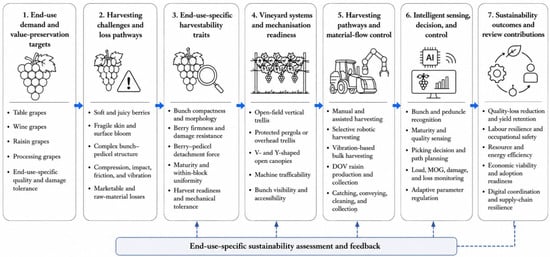
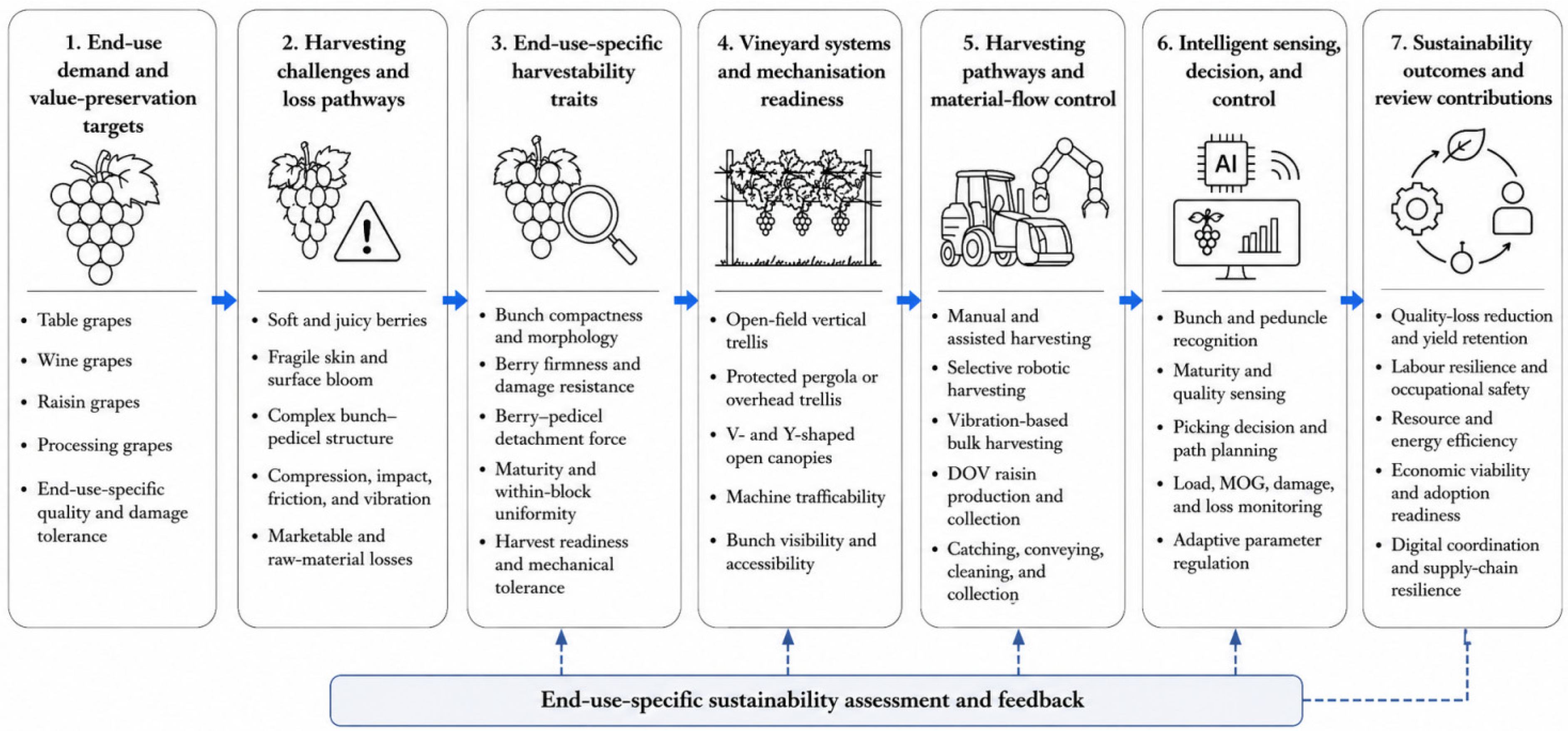
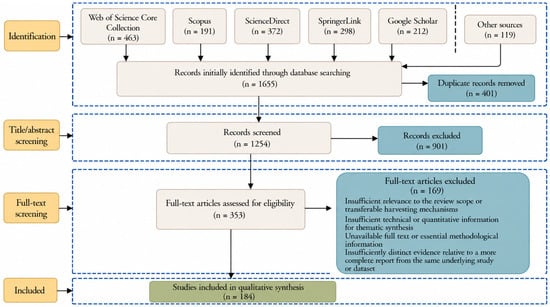
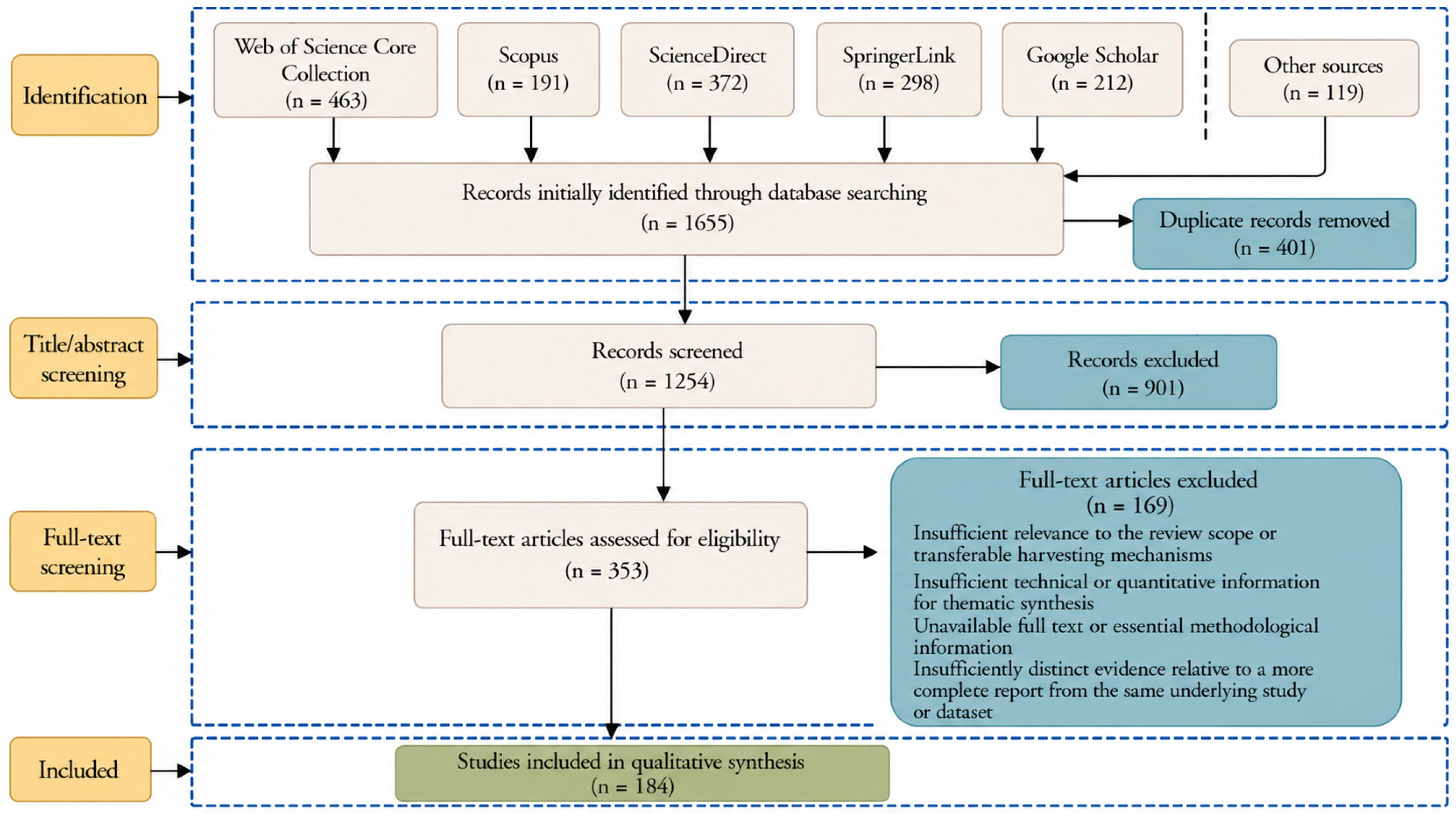
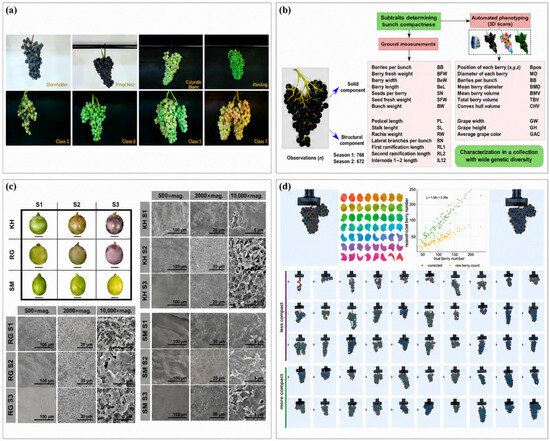
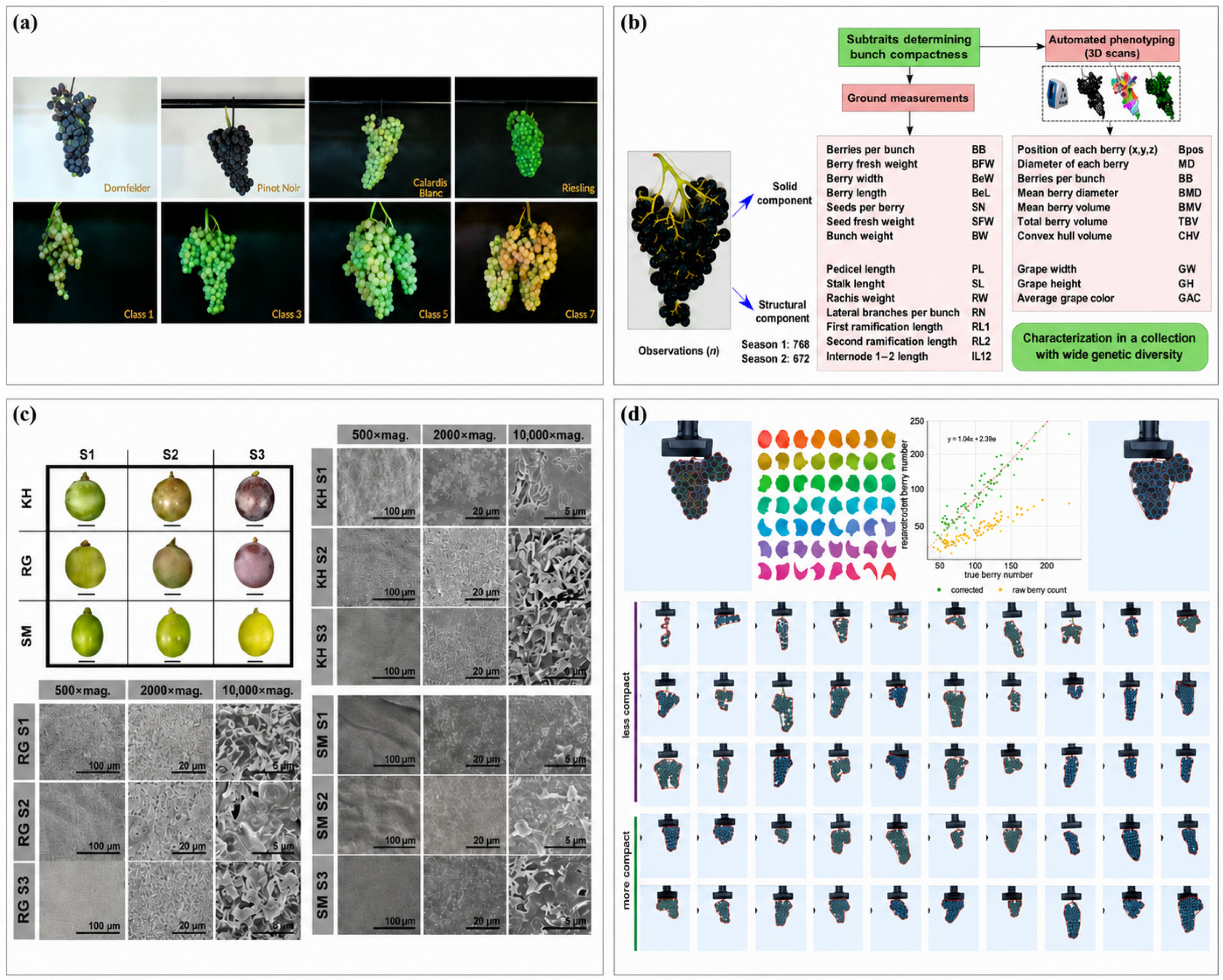
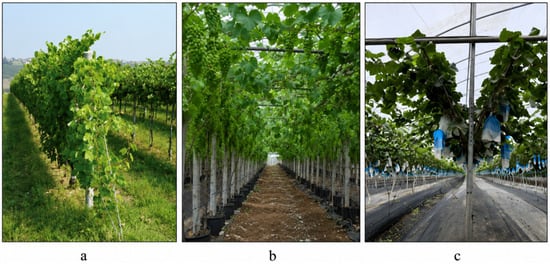
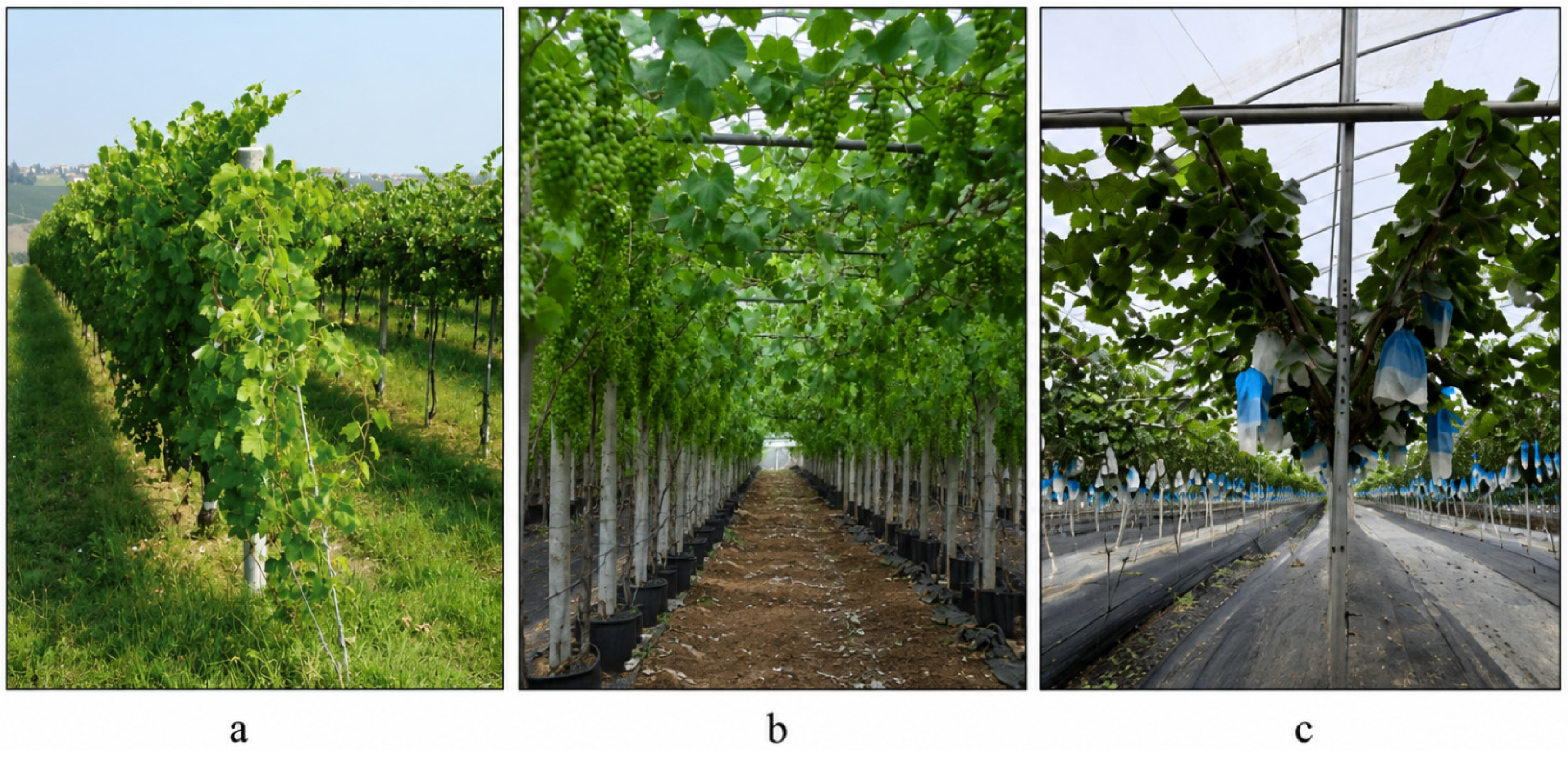
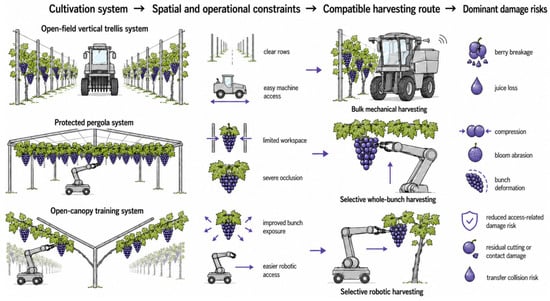
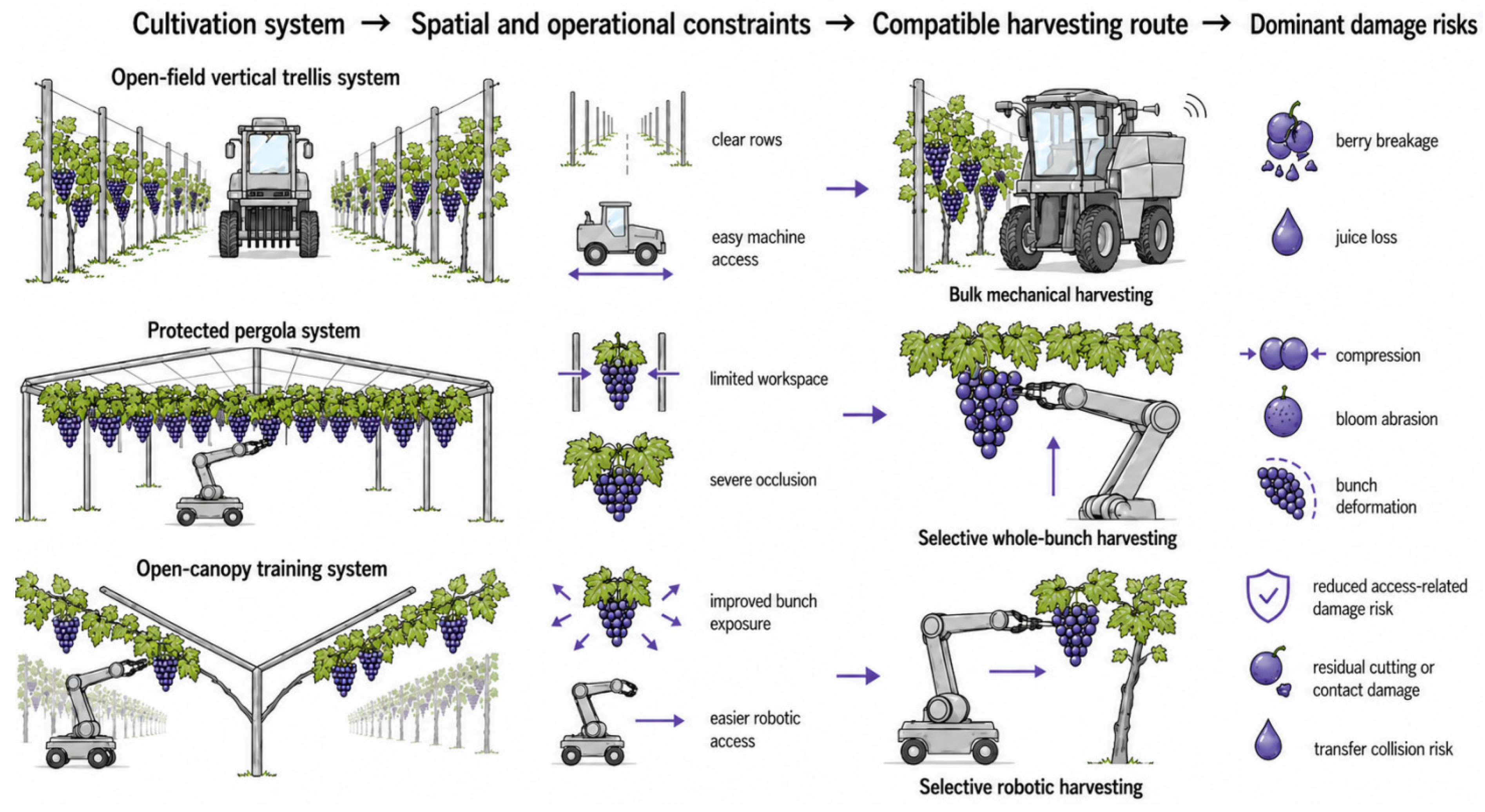
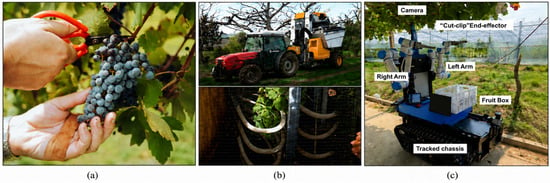
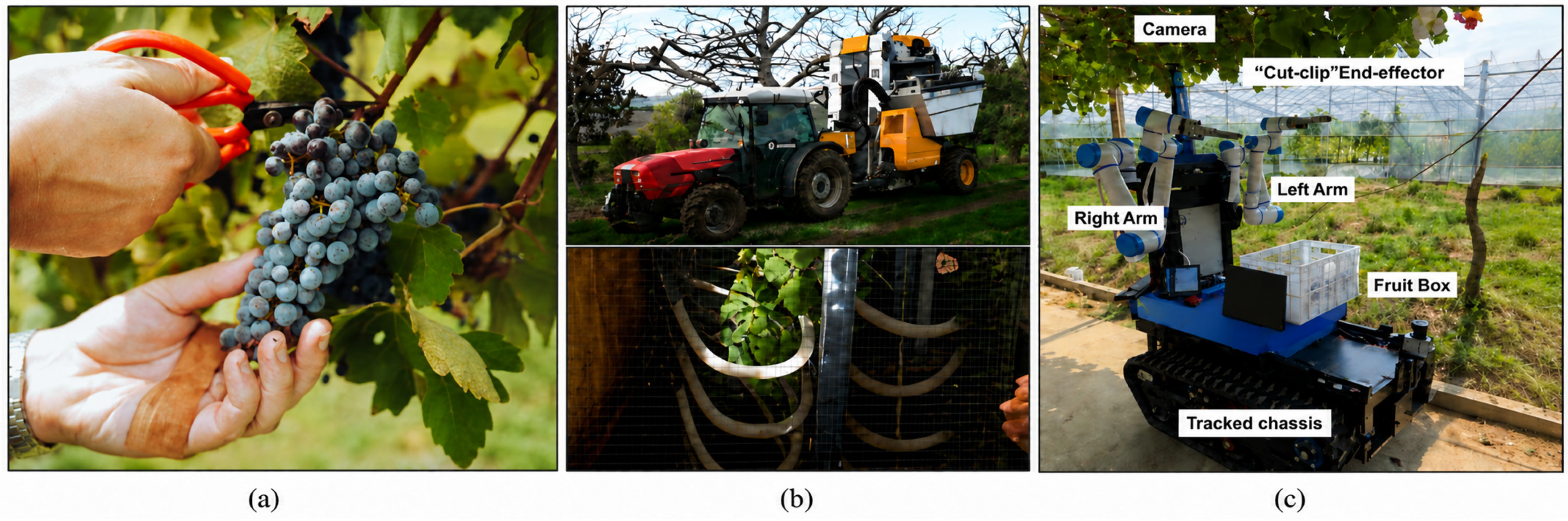
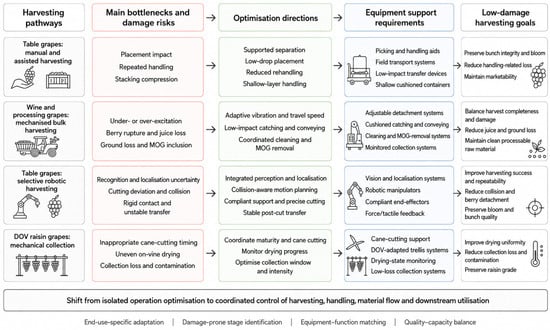
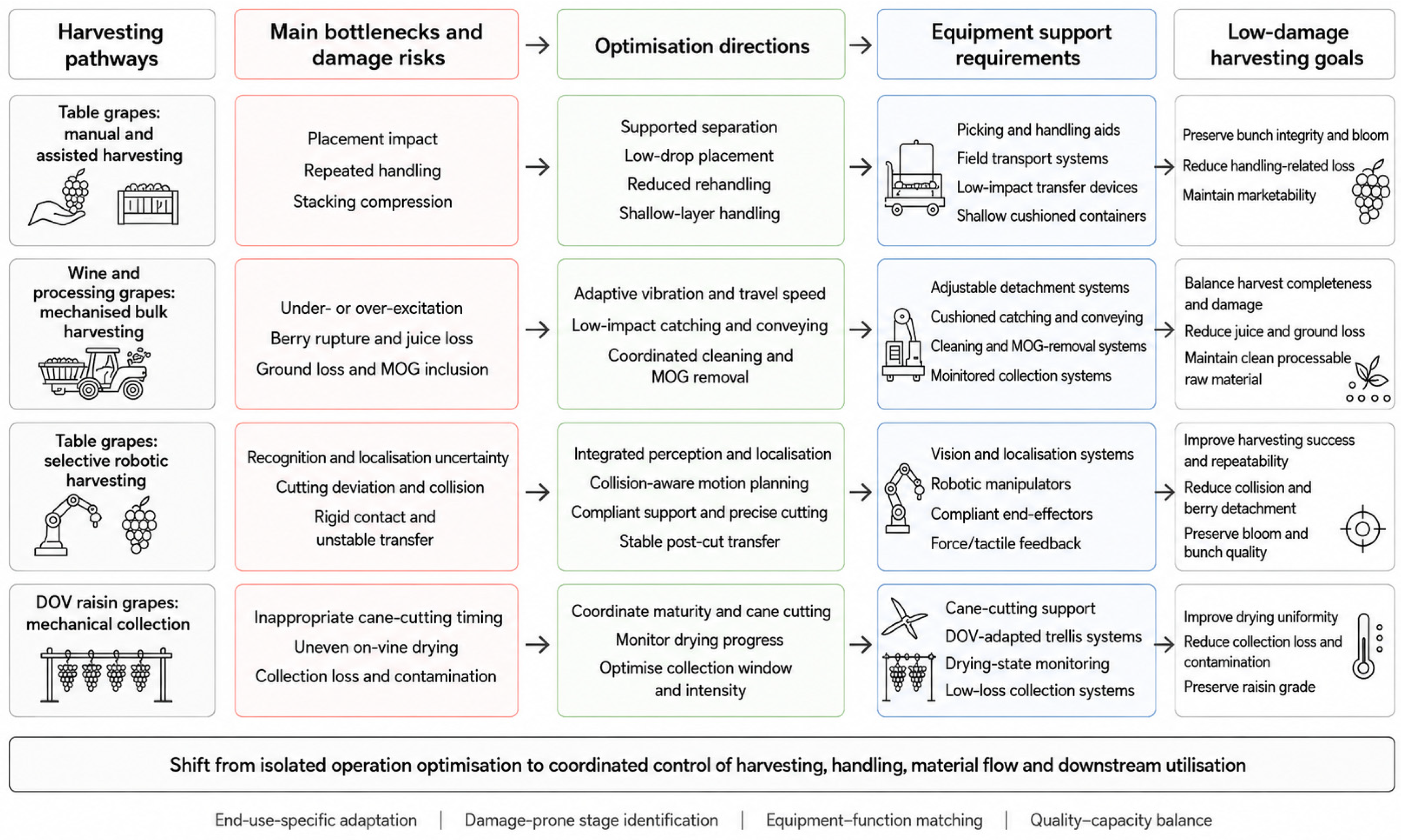
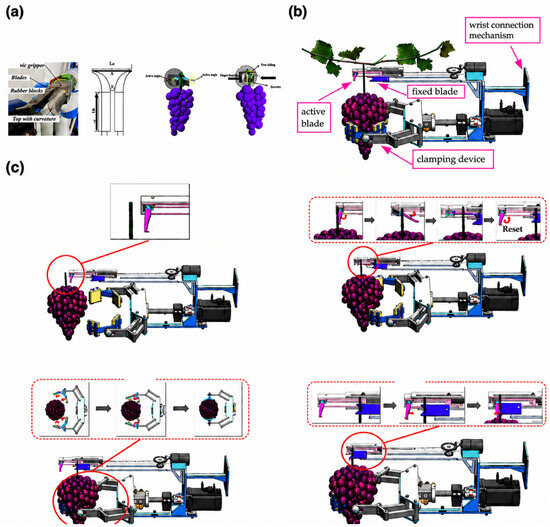
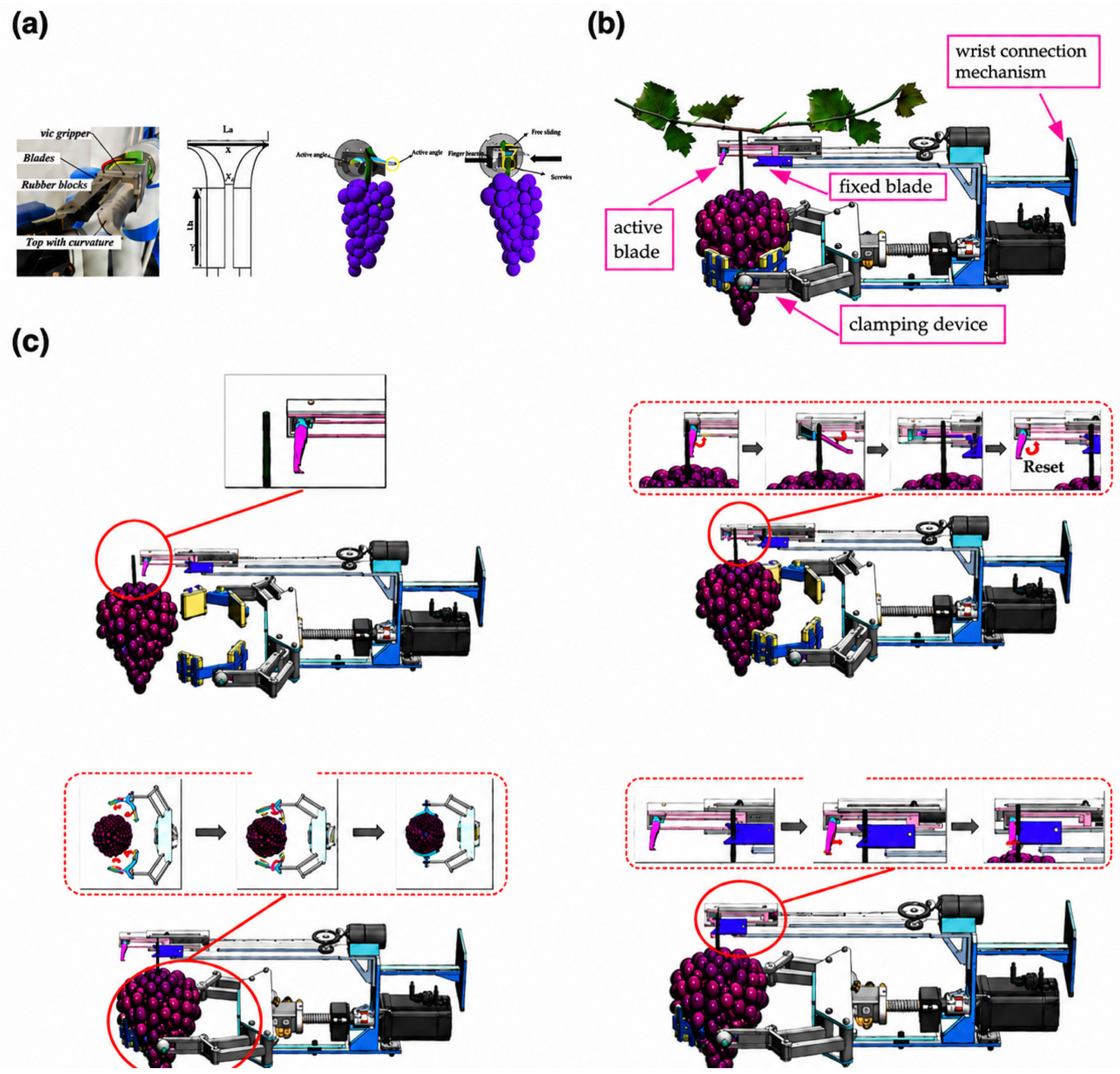
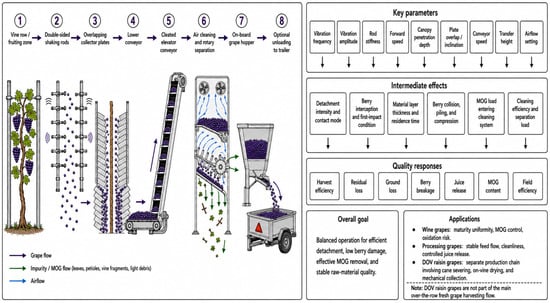
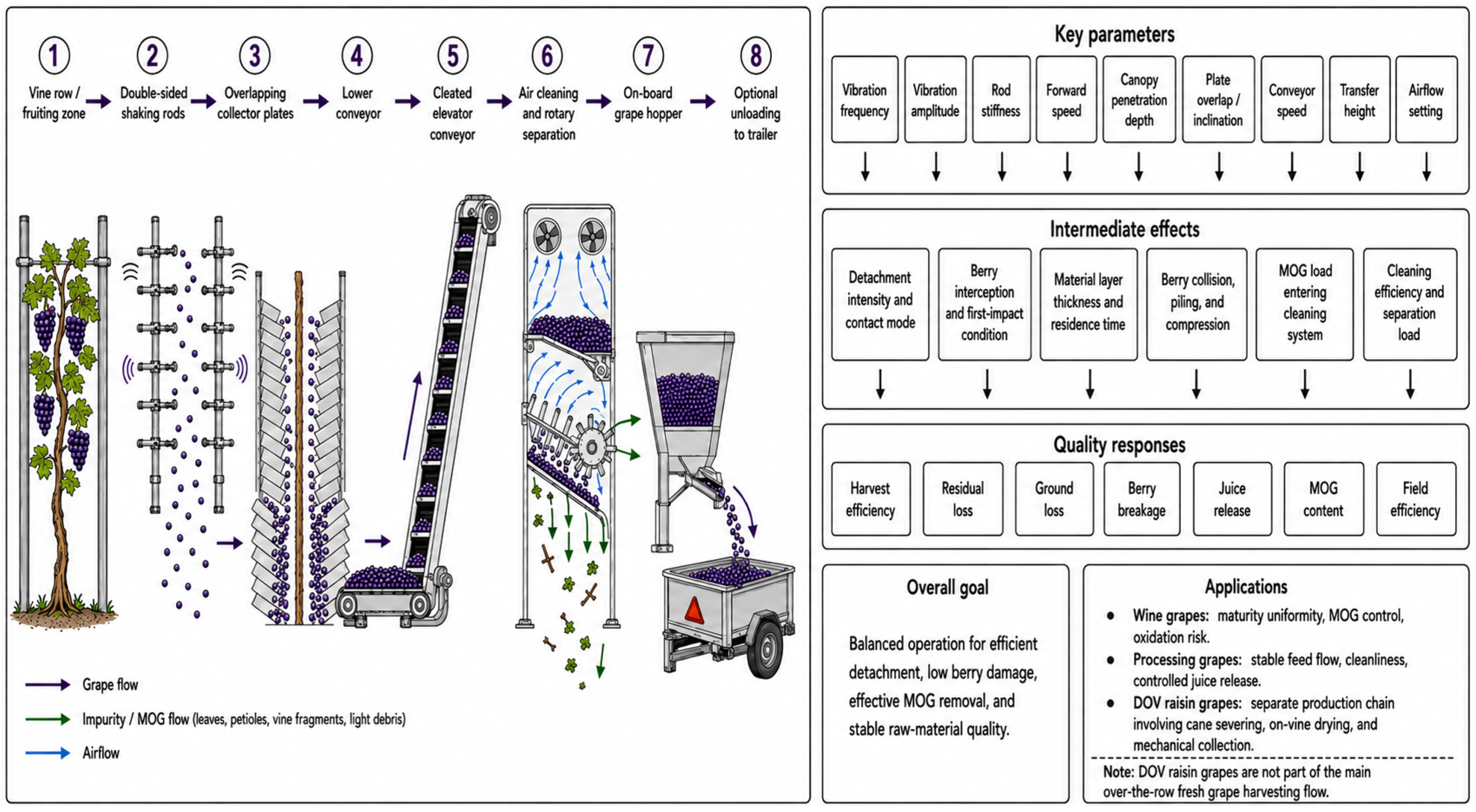
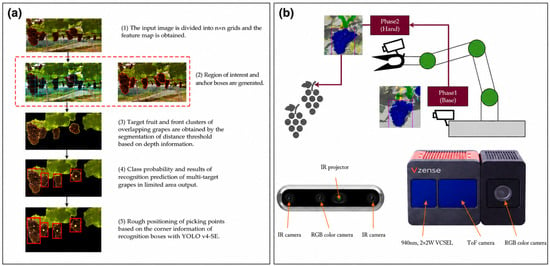
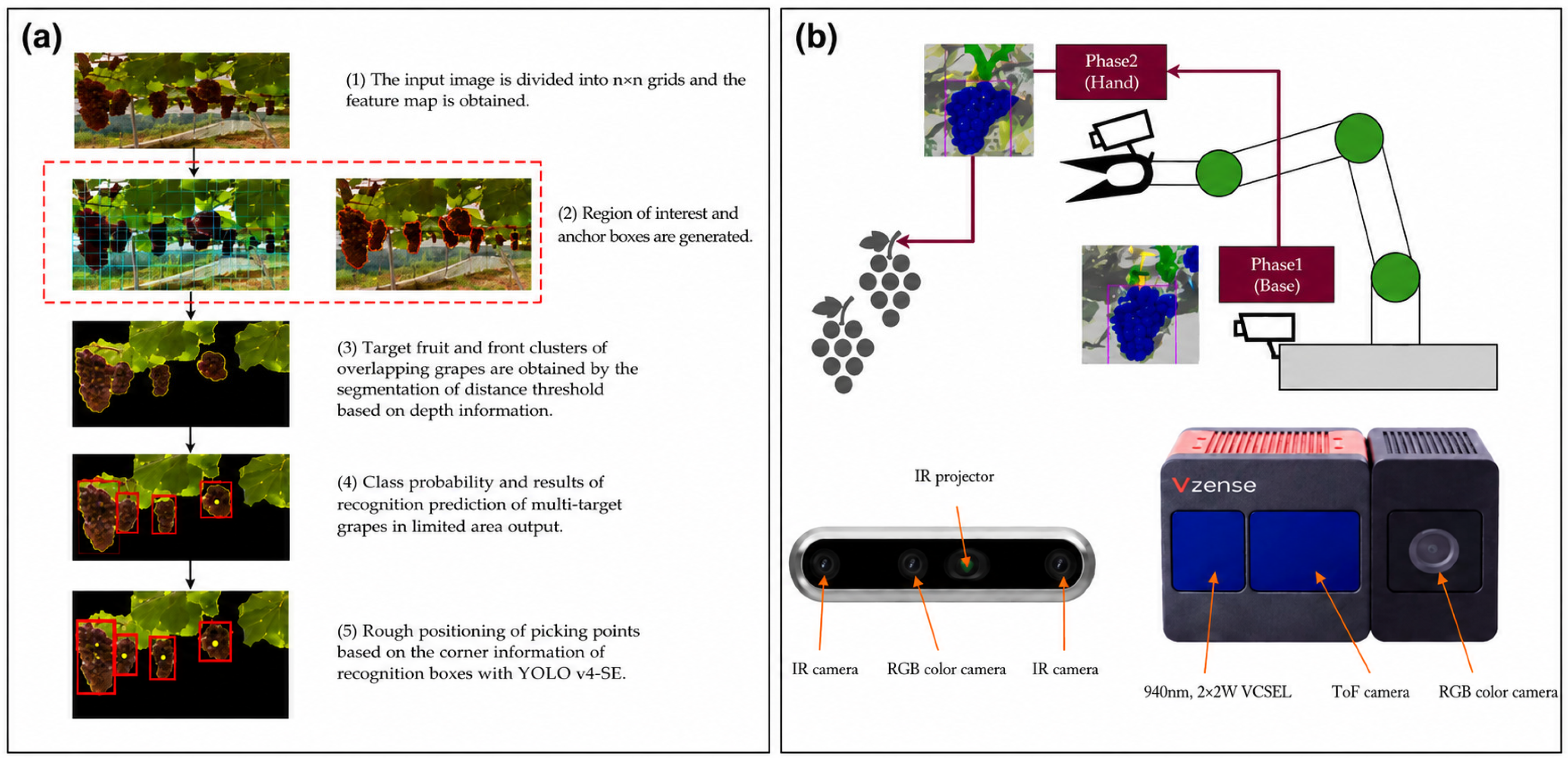
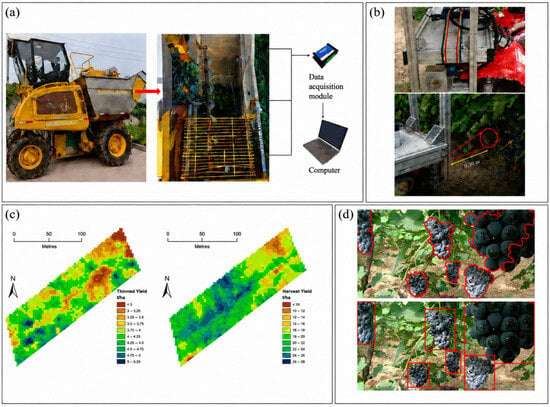
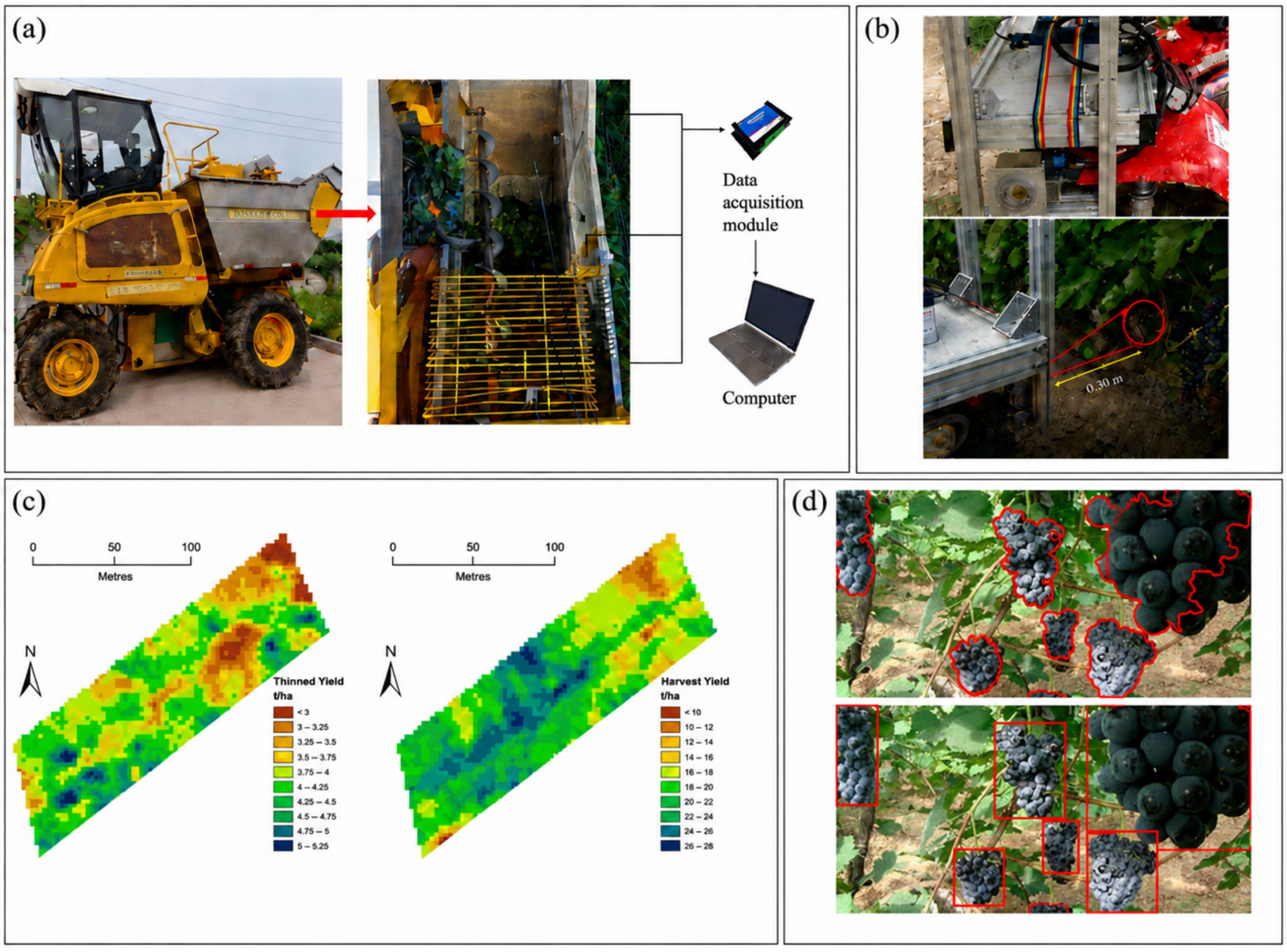
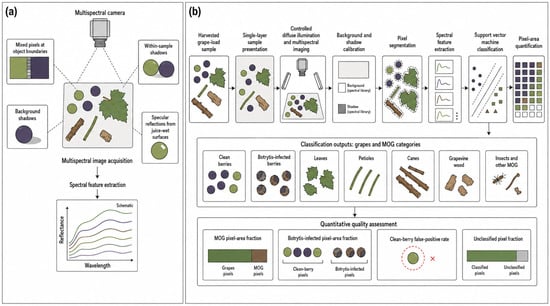
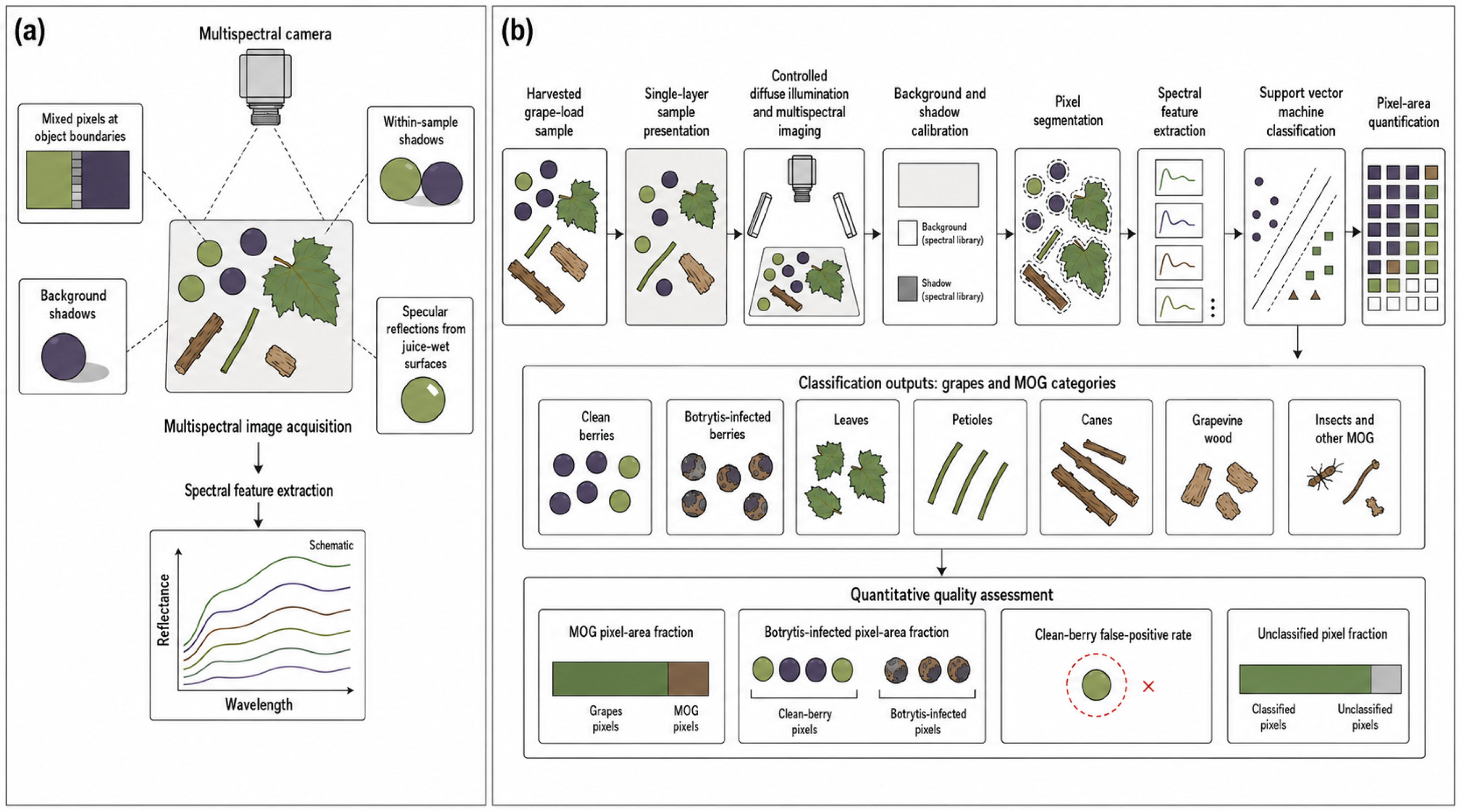
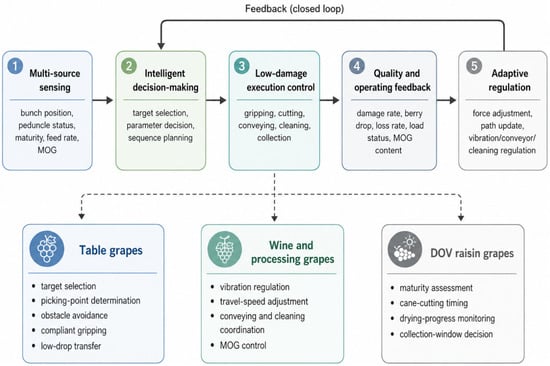
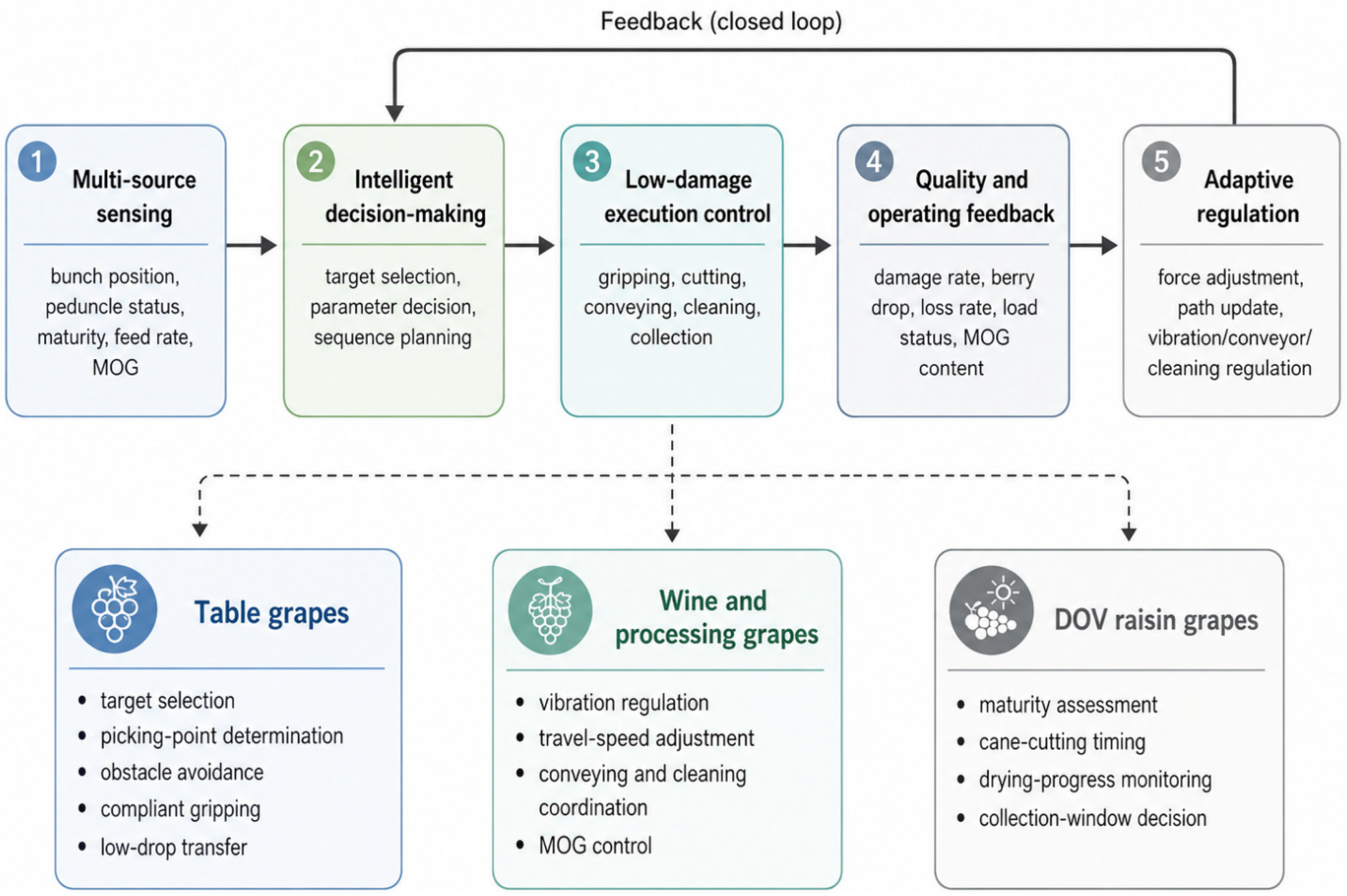

Disclaimer/Publisher’s Note: The statements, opinions and data contained in all publications are solely those of the individual author(s) and contributor(s) and not of MDPI and/or the editor(s). MDPI and/or the editor(s) disclaim responsibility for any injury to people or property resulting from any ideas, methods, instructions or products referred to in the content. |
© 2026 by the authors. Licensee MDPI, Basel, Switzerland. This article is an open access article distributed under the terms and conditions of the Creative Commons Attribution (CC BY) license.