


Abstract
Common prosperity constitutes a fundamental goal of Chinese modernization, and digital rural development has emerged as an important pathway for advancing sustainable rural transformation. Based on balanced panel data covering 61 counties in Hubei Province from 2014 to 2023, this study empirically investigates the impact of digital rural development on county-level common prosperity and explores its underlying mechanisms. The entropy weight method is employed to construct the Digital Rural Development Index and the County-Level Common Prosperity Index. A fixed-effects model is adopted for baseline estimation, supplemented by mediation analysis, moderation analysis, and a series of robustness tests. The results reveal that digital rural development significantly promotes county-level common prosperity. Significant heterogeneity exists across county types, with stronger effects observed in Type II counties due to their stronger compatibility between agricultural foundations and digital transformation. Furthermore, financing constraint alleviation serves as an important mediating mechanism, while industrial agglomeration positively moderates this relationship by enhancing counties’ capacity to transform digital resources into inclusive development outcomes. These findings underscore the importance of strengthening rural digital infrastructure, expanding inclusive digital financial services, and implementing differentiated regional strategies to improve the effectiveness of digital rural development and promote county-level common prosperity.
1. Introduction
The 2026 No. 1 Central Document of China emphasizes the need to foster county-level industries that increase rural incomes, advance high-quality digital rural development, improve rural digital infrastructure, and enhance public service provision. These policy priorities indicate that digital rural development has become an important strategic initiative for advancing agricultural and rural modernization and promoting urban–rural integration, thereby providing a solid institutional foundation for achieving common prosperity at the county level [1]. With the rapid development of new-generation digital technologies, such as big data, artificial intelligence (AI), and the Internet of Things (IoT), digital technologies have been increasingly integrated into rural production, public service provision, and grassroots governance, reshaping production systems, governance models, and resource allocation in rural areas [2]. Previous studies have shown that digital rural development contributes to more efficient factor allocation, improved public service delivery, and higher rural household incomes, making it an increasingly important pathway for narrowing the urban–rural development gap and promoting common prosperity [3]. Hubei Province, located in central China, lies at the intersection of several major national development strategies, including the Yangtze River Economic Belt, the Rise of Central China Strategy, and the Middle Reaches of the Yangtze River Urban Agglomeration. It is also one of China’s key provinces for implementing digital rural development policies. Owing to its diverse geographical conditions—including plains, hills, and mountainous areas—counties within Hubei exhibit substantial differences in economic development, industrial structure, resource endowments, and levels of digital rural development. These characteristics make Hubei a representative case for examining county-level digital rural development in China. In recent years, Hubei has implemented a series of policies, such as the Three-Year Action Plan for Building a Strong Digital Economy Province (2022–2024), to promote digital rural development and strengthen county-level economic development. Although these initiatives have generated positive outcomes, challenges such as insufficient industrial integration and unequal public service provision continue to constrain high-quality county development and the realization of common prosperity. Therefore, Hubei provides an appropriate empirical setting for examining the effects and underlying mechanisms through which digital rural development promotes county-level common prosperity.
Against the backdrop of growing scholarly attention to digital rural development and common prosperity, it is necessary to revisit the theoretical foundations of common prosperity. Early classical theories suggest that income inequality follows an inverted-U trajectory during economic development, thereby providing an important theoretical foundation for subsequent studies on common prosperity [4]. Building on this perspective, subsequent empirical research has confirmed a significant nonlinear relationship between income inequality and economic growth, accompanied by pronounced regional heterogeneity [5,6]. As the theoretical framework has evolved, increasing attention has been paid to the concept of inclusive growth, which emphasizes that economic development should enable all members of society to participate in and benefit from the development process [7]. Meanwhile, rapid advances in digital technologies have created new opportunities for promoting common prosperity. Existing studies indicate that digital technologies can stimulate innovation in agricultural production, improve industrial efficiency [8], reshape agricultural production, circulation, and consumption through information and communication technologies [9], and optimize rural resource allocation through digital infrastructure development [10]. Building on these theoretical foundations, a growing body of literature has examined the role of digital rural development in promoting common prosperity from both macro-and micro-level perspectives. Accumulating evidence suggests that the digital economy promotes common prosperity through optimized resource allocation, industrial upgrading, enhanced public service provision, and significant cross-county spatial spillover effects [11]. At the macro level, digital rural development has been found to strengthen the rural collective economy [12], promote high-quality agricultural development and rural modernization [13], facilitate the implementation of rural revitalization strategies [14], enhance urban–rural integration [15], narrow the urban–rural income gap [16], reduce rural income inequality by fostering rural e-commerce, expand farmers’ income-generating opportunities [17], and optimize regional economic structures, thereby creating favorable conditions for achieving common prosperity. At the micro level, digital technologies and digital services—including big data, artificial intelligence, and information and communication technologies—can expand farmers’ income-generating opportunities [18], stimulate rural consumption [19], improve digital literacy and financial market participation [20], and enhance endogenous regional development. Furthermore, policy evaluations indicate that initiatives such as the National Digital Rural Pilot Program [21], the Smart City Pilot Program [22], and the Comprehensive Demonstration Program for Rural E-commerce [23] have significantly promoted regional common prosperity. Collectively, these studies provide a solid theoretical and empirical basis for investigating the relationship between digital rural development and county-level common prosperity.
Despite these important advances, several research gaps remain. First, most previous studies have focused on the macroeconomic effects of digital technologies or examined only a single dimension of rural revitalization, while relatively little attention has been paid to the mechanisms through which digital rural development promotes county-level common prosperity within an integrated analytical framework. Second, most empirical studies rely on provincial- or prefecture-level data, making it difficult to identify intra-provincial heterogeneity and the underlying mechanisms operating at the county level. As the basic governance unit for implementing digital rural development and common prosperity strategies, counties also represent the key spatial scale for integrating urban and rural development. Compared with provincial-level studies, county-level analysis is better suited to capturing regional heterogeneity and identifying localized transmission mechanisms that are often obscured in more aggregated analyses. Moreover, this county-level analytical perspective offers new empirical evidence on the localized effects and underlying transmission mechanisms of digital rural development, thereby complementing the findings of existing provincial-level studies and offering more targeted and practical policy implications for Hubei Province and other regions with similar development characteristics.
Against this background, this study employs county-level panel data from Hubei Province to examine the effects of digital rural development on county-level common prosperity and to explore the underlying mechanisms, with particular attention to the moderating role of industrial agglomeration. Accordingly, this study makes two principal contributions to the existing literature. First, it develops an integrated analytical framework linking digital rural development with county-level common prosperity from a county-level perspective, thereby enriching the theoretical understanding of how digital rural development contributes to common prosperity. Second, by exploiting the substantial heterogeneity across counties in Hubei Province, this study identifies the heterogeneous effects and transmission mechanisms of digital rural development and offers targeted and practical policy implications for Hubei Province and other regions with similar development characteristics seeking to promote county-level common prosperity through digital rural development.
2. Theoretical Analysis and Research Hypotheses
2.1. The Impact of Digital Rural Development on County-Level Common Prosperity
County-level common prosperity is characterized by the coordinated advancement of high-quality economic development and sustained improvements in residents’ well-being [24]. As an integrated development strategy, digital rural development encompasses digital infrastructure, digital industries development, digital public services, and digital inclusion mechanisms within a unified development framework [25,26]. By improving factor allocation efficiency, facilitating industrial transformation, enhancing the accessibility of public services, and strengthening inclusive institutional arrangements, digital rural development creates favorable conditions for simultaneously promoting economic efficiency and developmental equity. Collectively, these mutually reinforcing mechanisms establish a solid foundation for achieving county-level common prosperity. First, digital infrastructure serves as the foundational pillar of digital rural development. Continuous improvements in broadband networks, communication facilities, and digital platforms help bridge the urban–rural digital divide by reducing information asymmetry and transaction costs while facilitating the efficient flow of capital, technology, labor, and data across regions. As rural areas gain greater access to external markets and high-quality production factors, the efficiency of resource allocation substantially improves, thereby strengthening the material foundation for county-level common prosperity [27]. Second, digital rural development promotes industrial transformation and upgrading by accelerating the integration of digital technologies into traditional agriculture and rural industries. Emerging business models, including rural e-commerce, smart agriculture, and digital rural tourism, diversify employment opportunities, expand household income sources, and enhance industrial resilience. These developments not only optimize county-level industrial structures but also stimulate endogenous economic growth, thereby providing sustained momentum for county-level common prosperity [28]. Third, digital public services improve both the accessibility and quality of essential public services through digital technologies such as online education, telemedicine, and digital cultural platforms. Moreover, digital technologies empower farmers by enhancing agricultural productivity, strengthening digital participation, and expanding income-generating opportunities. These improvements not only enhance farmers’ productive capacity and digital inclusion but also narrow disparities in public service provision between urban and rural areas, facilitate human capital accumulation, and improve residents’ quality of life [29]. Consequently, digital rural development promotes more equitable sharing of development outcomes, enhances social welfare and inclusive development, and ultimately advances county-level common prosperity [30]. Finally, digital inclusion mechanisms reinforce the equitable distribution of development benefits through policy support and institutional innovation. Instruments such as digital financial inclusion, digital governance, and targeted digital assistance improve financial accessibility, optimize the allocation of development resources, and expand development opportunities for disadvantaged groups and less-developed counties. These inclusive institutional arrangements not only reduce regional disparities and strengthen social equity but also ensure that the economic gains generated by digital rural development are shared more broadly, thereby providing long-term institutional support for county-level common prosperity.
Taken together, these complementary mechanisms suggest that digital rural development promotes county-level common prosperity through multiple and mutually reinforcing pathways involving more efficient resource allocation, industrial upgrading, human capital accumulation, and inclusive institutional development. The interaction of these pathways not only enhances the quality and sustainability of county-level economic growth but also facilitates a more equitable distribution of development opportunities and welfare gains across counties. Accordingly, the following hypothesis is advanced:
H1.
Digital rural development exerts a significantly positive effect on county-level common prosperity.
2.2. The Mediating Effect of Financing Constraint Alleviation
Financing constraints constitute a major obstacle to county-level economic development and the realization of common prosperity, particularly in rural areas characterized by underdeveloped financial markets and severe information asymmetry. As a systematic development strategy, digital rural development alleviates financing constraints by improving digital infrastructure, optimizing digital financial services, and expanding digital application scenarios. These complementary mechanisms enhance financial accessibility, reduce financing frictions, and improve the efficiency of financial resource allocation, thereby creating favorable conditions for county-level common prosperity. First, from the perspective of digital infrastructure, digital rural development promotes the deployment and upgrading of broadband networks, mobile communication systems, and the Internet of Things (IoT). These improvements strengthen rural connectivity and data transmission capacity, lowering the physical and informational costs of financial service provision in geographically dispersed areas. Consequently, financial institutions can expand service coverage more efficiently, while rural households, agricultural enterprises, and other county-level economic entities gain easier access to credit and financial resources, effectively alleviating financing constraints [31,32]. Second, from the perspective of digital financial services, digital technologies reshape the rural financial ecosystem by integrating multidimensional information on agricultural production, business operations, and household consumption. The application of big data, cloud computing, and intelligent risk assessment enhances the accuracy of credit evaluation, enabling financial institutions to provide more targeted financial products while reducing transaction costs and information asymmetry. As financing constraints are gradually relaxed, county-level economic actors are better able to undertake productive investment, entrepreneurial activities, and income-generating opportunities, thereby fostering more inclusive economic development [33]. Third, from the perspective of digital applications, digital rural development enhances financial literacy and expands the use of digital financial services. Digital skills training and the widespread adoption of digital financial tools improve the financing capability of rural households and small and medium-sized enterprises. Meanwhile, emerging industries such as rural e-commerce, smart agriculture, and digital rural tourism generate diversified financing demand, encouraging financial innovations including supply chain finance, order financing, and agricultural product pledge loans. These scenario-driven financial services strengthen the integration of digital technologies, rural industries, and financial resources, improve capital allocation efficiency, and further alleviate financing constraints, providing sustained momentum for county-level common prosperity [34,35].
Taken together, digital rural development alleviates financing constraints through the synergistic effects of digital infrastructure, digital financial services, and digital application scenarios. By improving financial accessibility, reducing financing frictions, mitigating information asymmetry, and enhancing the efficiency of financial resource allocation, these mechanisms stimulate productive investment, entrepreneurship, and income growth, thereby providing an important transmission pathway through which digital rural development promotes county-level common prosperity. Accordingly, the following hypothesis is proposed:
H2.
Digital rural development effectively alleviates financing constraints, thereby promoting improvements in county-level common prosperity.
2.3. The Moderating Effect of Industrial Agglomeration
Existing studies have documented that industrial upgrading, economic agglomeration, and spatial spillover effects significantly influence rural revitalization and common prosperity, suggesting that industrial agglomeration (IA) constitutes an important external condition influencing the effectiveness of digital rural development [36,37]. By improving resource allocation efficiency, production capacity, and development resilience, industrial development and technological progress lay an essential foundation for achieving common prosperity. In this context, IA serves as an important boundary condition that shapes the relationship between digital rural development and county-level common prosperity. However, the socioeconomic outcomes of digital rural development are likely to vary across regions with different levels of IA. The contribution of digital resources to common prosperity depends not only on digital infrastructure and technological availability but also on complementary conditions, including industrial foundations, factor integration capacity, and market coordination mechanisms. In counties with relatively weak industrial bases, limited market linkages, insufficient technological absorptive capacity, and underdeveloped supporting systems may hinder the transformation of digital resources into inclusive development outcomes. Conversely, IA can alleviate these constraints by improving factor allocation efficiency, enhancing technological absorptive capacity, and strengthening industrial coordination. Therefore, IA may not necessarily alter the direction of the relationship between digital rural development and county-level common prosperity; rather, it influences the magnitude of this relationship by shaping the environment in which digital resources are absorbed, integrated, and transformed into tangible benefits.
Specifically, IA moderates the relationship between digital rural development and county-level common prosperity through three mutually reinforcing mechanisms. First, from the perspective of economies of scale, IA facilitates the shared utilization of production resources, technological resources, and professional services. The geographic clustering of related industries reduces transaction costs, improves factor allocation efficiency, and enhances the capacity to apply advanced technologies in practice. Previous studies have shown that industrial co-agglomeration promotes high-quality economic development by optimizing resource allocation and stimulating technological innovation [38]. Therefore, IA helps mitigate mismatches between digital investment and economic returns, thereby alleviating constraints that limit the contribution of digital rural development to county-level common prosperity. Second, drawing on knowledge spillover theory, the spatial concentration of enterprises, research institutions, and skilled workers accelerates the diffusion of knowledge, digital technologies, and managerial expertise. Knowledge spillovers generated by IA enhance regional innovation capacity and technological absorptive capacity, enabling local economic actors to adopt and apply digital technologies more effectively [39]. Consequently, IA helps overcome barriers arising from insufficient technological absorption and digital application capabilities, thereby facilitating the transformation of digital resources into economic and social benefits. Third, based on industrial linkage theory, IA strengthens inter-industry connections and promotes coordination along industrial chains. Strong industrial linkages create broader application scenarios for digital technologies, foster cooperation between upstream and downstream sectors, and improve the efficiency with which digital resources are transformed into development outcomes. Existing evidence suggests that IA enhances economic performance by reinforcing input–output linkages and industrial cooperation among related sectors [40]. Therefore, IA improves the conditions under which digital rural development contributes to county-level common prosperity through enhanced industrial coordination and resource integration.
Overall, IA moderates the relationship between digital rural development and county-level common prosperity through economies of scale, knowledge spillovers, and industrial linkages. By improving factor allocation efficiency, enhancing technological absorptive capacity, and strengthening industrial coordination, IA alleviates the constraints that hinder the transformation of digital resources into inclusive development outcomes. Specifically, counties with higher levels of IA possess stronger capabilities to absorb, integrate, and utilize digital resources, thereby reducing the barriers that limit the contribution of digital rural development to common prosperity. Consequently, higher levels of IA are expected to alleviate the constraints associated with insufficient industrial foundations and facilitate the realization of the potential contribution of digital rural development to county-level common prosperity.
Accordingly, this study proposes the following hypothesis:
H3.
Industrial agglomeration moderates the relationship between digital rural development and county-level common prosperity by alleviating constraints related to factor allocation efficiency, technological absorptive capacity, and industrial coordination, thereby weakening the negative marginal effect of digital rural development.
Based on the above theoretical analysis and hypotheses development, Figure 1 presents the conceptual framework of this study, which depicts the direct effect, mediating mechanism, and moderating role of digital rural development in promoting county-level common prosperity.
Figure 1.
Conceptual Framework.
3. Research Design
3.1. Model Specification
3.1.1. Baseline Regression Model
To systematically investigate the relationship between digital rural development and county-level common prosperity and identify the potential mechanisms through which this relationship may operate, this study specifies the following regression model:
In Equation (1), and denote the county and year, respectively. represents the level of county-level common prosperity, while denotes the digital rural development index. is a vector of control variables. and capture time-fixed effects and county-fixed effects, respectively. is the stochastic error term. is the constant term, and and are the coefficients to be estimated.
3.1.2. Mediating Effect Model
To further investigate the potential mechanisms through which the relationship between digital rural development and county-level common prosperity may operate, this study adopts the mediation testing procedure proposed by Baron and Kenny (1986) [41] and extends the benchmark model (1) by constructing the following econometric models:
In Models (2) and (3), represents the potential mediating variable, measured by the alleviation of financing constraints. and denote the constant terms, while , , , and are the coefficients to be estimated. The definitions of all other variables remain consistent with those in Equation (1).
3.1.3. Moderation Model
To further examine the boundary conditions under which digital rural development affects county-level common prosperity, this study introduces industrial agglomeration as a moderating variable. Following the conventional approach for testing moderation effects, an interaction term between digital rural development and industrial agglomeration (DRC × IA) is added to the baseline regression model (1). The resulting moderation model is expressed as follows:
In Equation (4), represents the mean-centered industrial agglomeration index and serves as the moderating variable. DRC denotes the mean-centered digital rural development index, while × represents the interaction term generated by multiplying the centered digital rural development index with the centered industrial agglomeration index. This interaction term is included to examine whether industrial agglomeration strengthens or weakens the effect of digital rural development on county-level common prosperity. is the constant term, and , and , are the coefficients of the corresponding variables. The definitions of the other variables remain consistent with those in Equation (1).
3.2. Variable Selection
3.2.1. Dependent Variable
County-level Common Prosperity Level (CLCP). Drawing on the analytical frameworks proposed by Qiao et al. (2025) [42] and Zhang et al. (2025) [43], this study constructs a multi-dimensional evaluation index system for county-level common prosperity. The index system consists of four dimensions: economic development level, development capacity and momentum, income distribution, and inclusiveness of public services. Considering the specific economic characteristics and data availability of counties in Hubei Province, the evaluation framework is appropriately adapted to reflect the county-level context, with detailed indicators presented in Table 1. Subsequently, the entropy method is employed to objectively determine indicator weights and calculate the comprehensive index of county-level common prosperity for each county.
Table 1.
Indicator System for County-Level Common Prosperity.
Economic development provides the material foundation for county-level common prosperity by underpinning income growth, public service delivery, and improvements in residents’ well-being. A higher level of economic development strengthens local fiscal capacity, facilitates industrial upgrading, and enhances resource allocation efficiency, thereby creating favorable conditions for the achievement of common prosperity. This study employs two indicators to measure economic development: per capita GDP and per capita fiscal revenue. Specifically, per capita GDP reflects the overall level of economic development, whereas per capita fiscal revenue captures local fiscal capacity and the government’s ability to provide public services and support regional development. Both indicators are positively associated with economic development, with higher values indicating a higher level of county economic development.
Development momentum reflects the endogenous capacity for sustained county development and serves as an important driver of common prosperity. Strong development momentum promotes capital accumulation, expands market demand, stimulates market activity, and enhances the quality of economic growth. This study measures development momentum using per capita fixed asset investment, per capita retail sales of consumer goods, and entrepreneurship intensity. Per capita fixed asset investment reflects investment activity, per capita retail sales of consumer goods reflect local consumption demand, and entrepreneurship intensity indicates regional innovation and entrepreneurial vitality. All indicators are positive, with higher values indicating stronger development momentum.
Income distribution represents the sharing dimension of common prosperity. A more equitable income distribution helps narrow the urban–rural income gap and enables residents to share the benefits of economic development more broadly. This study measures income distribution using the urban–rural disposable income ratio, the regional sharing degree of per capita GDP, and the regional sharing degree of per capita disposable income. The urban–rural disposable income ratio reflects urban–rural income disparity, while the latter two indicators measure the extent to which economic output and household income are shared across the region. The urban–rural disposable income ratio is treated as a negative indicator, whereas the remaining indicators are positive. Higher composite scores indicate more equitable income distribution and greater sharing of development outcomes.
Inclusive public services and green development reflect the quality and sustainability of county-level common prosperity. Well-developed education, healthcare, and social security systems improve the accessibility and equity of basic public services, while green and low-carbon development emphasizes the coordination between economic growth and environmental sustainability, which is an essential component of common prosperity. Accordingly, this study measures this dimension using the medical development level, education development level, social security level, and carbon emissions per unit of GDP. The first three indicators capture the provision of basic public services, whereas carbon emissions per unit of GDP measure regional green development efficiency by reflecting the carbon intensity of economic output. Lower carbon intensity indicates lower resource consumption and environmental pressure per unit of economic output, which is more consistent with the green and sustainable development objectives of common prosperity. Therefore, carbon emissions per unit of GDP are treated as a negative indicator, while the remaining indicators are positive. Higher composite scores indicate a higher level of inclusive public services and green development. Incorporating green development indicators into the common prosperity evaluation system is consistent with the growing literature, which recognizes sustainability as an essential dimension of common prosperity [44].
3.2.2. Core Explanatory Variable
The Digital Rural Development Action Plan (2022–2025) prioritizes digital infrastructure, smart agriculture, emerging digital business models, digital governance, and public service digitalization, emphasizing the integration of digital technologies into rural infrastructure, public services, and industrial development to advance rural digital transformation. Based on this policy framework and the measurement approaches of Bukht and Heeks (2017) [45] and Du et al. (2022) [46], this study constructs the digital rural development Index (DRC) using eight indicators across three dimensions: digital infrastructure, digital service environment, and digital application environment. The detailed indicators are reported in Table 2.
Table 2.
Indicator System for County-Level Digital Rural Development.
Digital infrastructure provides the physical foundation for digital rural development by supporting digital technology adoption and digital resource connectivity. Since digital rural development relies on both information and transportation infrastructure, this study measures digital infrastructure using the number of mobile phone subscribers, internet broadband subscribers, and total road network length. The first two indicators reflect county-level digital network coverage and communication capacity. Although total road network length is a traditional infrastructure indicator, it supports digital logistics, rural e-commerce, and public service delivery, and is therefore included as a complementary indicator of digital infrastructure. All indicators are positive, with higher values indicating stronger digital infrastructure support capacity. The digital service environment reflects county-level capacity to provide digital resources and services. A well-developed digital service environment facilitates access to digital finance, e-commerce, and information services, thereby promoting the application of digital technologies in rural areas. Accordingly, this study measures it using the number of Taobao villages and enterprises engaged in information transmission, software, and information technology services. All indicators are positive, with higher values indicating a more developed digital service environment. The digital application environment reflects the application of digital technologies in agricultural production and the rural economy. Due to the limited availability of county-level digital agriculture data, proxy indicators are adopted to capture the equipment foundation for digital agriculture and regional innovation capacity. Total agricultural machinery power is not used as a direct measure of digitalization but serves as a proxy for the equipment foundation supporting digital agricultural technologies such as smart agricultural machinery and precision agriculture. The number of authorized domestic patents reflects regional innovation capacity and the potential for digital technology application [47]. Accordingly, these two indicators are jointly used to measure the digital application environment by capturing the equipment foundation and innovation capacity supporting digital agriculture. Both indicators are positive, with higher values indicating stronger digital application capacity.
3.2.3. Mediating Variable
Financing constraint alleviation (FCA). Following Lin and Ma (2022) [48], this study uses the ratio of the year-end loan balance of financial institutions to the rural population as a proxy measure for financing constraint alleviation. A higher value of this indicator indicates greater accessibility of financial resources in rural areas and, therefore, a lower degree of financing constraints. To reduce potential heteroscedasticity and mitigate the influence of scale differences, the indicator is transformed using the natural logarithm in the empirical analysis.
3.2.4. Moderating Variable
Industrial agglomeration (IA). Following Wang and Han (2023) [49], this study measures industrial agglomeration as the ratio of the combined added value of the secondary and tertiary industries to the administrative area of the county. This indicator reflects the degree of industrial concentration and the intensity of economic activities within a county. The natural logarithmic transformation is further applied to this indicator in the empirical analysis.
3.2.5. Control Variables
Considering the availability of county-level data, this study selects a set of control variables based on existing literature to mitigate potential omitted variable bias and improve the reliability and robustness of the empirical results. These variables capture several important dimensions, including economic development, fiscal capacity, household financial conditions, and policy support [50,51]. Specifically, the following control variables are included: (1) Nighttime light intensity (NL). Following previous studies, nighttime light intensity is used as a proxy for local economic activity and development level. It is measured as the natural logarithm of the average nighttime light brightness at the county level. (2) Fiscal self-sufficiency rate (FSR). This variable is measured as the ratio of local general public budget revenue to total general public budget expenditure, reflecting the fiscal capacity and financial autonomy of local governments. (3) Household savings rate (HSR). This variable is calculated as the ratio of household deposit savings to regional gross domestic product (GDP), which reflects the financial conditions and consumption potential of local residents. (4) E-commerce into villages policy (EP). A dummy variable is introduced to capture the impact of the National Rural E-commerce Comprehensive Demonstration Policy. The variable is assigned a value of 1 if a county is included in the comprehensive demonstration program for rural e-commerce promotion in a given year, and 0 otherwise.
3.3. Data Sources
This study uses a panel dataset of 61 counties in Hubei Province (excluding municipal districts) over the period 2014–2023. According to the administrative divisions of Hubei Province, the initial sample included all county-level administrative units within the province. To ensure comparability among county-level development entities, municipal districts were excluded because they differ substantially from county-level rural development entities in terms of administrative functions, economic structures, and development trajectories. In addition, observations with unavailable key information during the study period were excluded, while a small number of missing values were supplemented using linear interpolation. After the sample screening process, 61 county-level jurisdictions were retained, yielding a balanced panel dataset with 610 county-year observations. Data on newly registered enterprises are collected from the Tianyancha and Aiqicha platforms. Carbon emission data are obtained from the China Carbon Accounting Database (CEADs). Information on Taobao villages is compiled from the annual lists released by the AliResearch Institute. Patent data are retrieved from the China National Intellectual Property Administration. The Digital Inclusive Finance Index is obtained from the dataset provided by the Institute of Digital Finance at Peking University. Nighttime light data are derived from the dataset developed by Wu et al. (2022) [52] and accessed through Harvard Dataverse. The list of national comprehensive demonstration counties for rural e-commerce is collected from the official website of the Ministry of Commerce of China. All other socioeconomic and county-level data are obtained from the China County Statistical Yearbook, the Hubei Provincial Statistical Yearbook, and the statistical yearbooks of relevant prefecture-level cities for the corresponding years. A small number of missing observations are supplemented using linear interpolation. Descriptive statistics for all variables are reported in Table 3.
Table 3.
Descriptive Statistics Results.
The results indicate considerable heterogeneity in both county-level common prosperity (CLCP) and digital rural development (DRC) across the sample counties. Specifically, CLCP varies from 0.085 to 0.812, with a mean value of 0.258, while DRC ranges from 0.011 to 0.713, with a mean value of 0.065, suggesting pronounced disparities in the levels of common prosperity and digital rural development among counties in Hubei Province. Financing constraint alleviation (FCA) and industrial agglomeration (IA) also exhibit substantial variation, reflecting marked differences in rural financing accessibility and industrial concentration across counties. Overall, the relatively large dispersions of the core variables indicate sufficient cross-county variation for subsequent empirical estimation, while the control variables fall within reasonable ranges, providing a sound basis for the subsequent empirical analysis.
4. Empirical Tests and Analysis
4.1. Baseline Regression Results
To examine whether multicollinearity affects the regression results, this study conducts a Variance Inflation Factor (VIF) test for all explanatory and control variables. As reported in Table 4, the VIF values of all variables are below 10, suggesting that multicollinearity is not a serious concern in the model. These results confirm that the estimated coefficients are not substantially distorted by correlations among the independent variables, thereby enhancing confidence in the subsequent regression analysis.
Table 4.
Multicollinearity Diagnostics.
Prior to conducting the baseline regression analysis, the Hausman test is performed to determine the appropriate model between the fixed-effects and random-effects estimators. The test yields a p-value close to zero, rejecting the null hypothesis that the random-effects model is appropriate and supporting the adoption of the fixed-effects specification. This study employs the fixed-effects model for the baseline estimation, with the results presented in Table 5. As shown in column (1), the coefficient on digital rural development is positive and statistically significant at the 1% level, indicating that digital rural development is significantly associated with higher levels of county-level common prosperity. After the sequential inclusion of control variables in columns (2)–(6), the estimated coefficient remains positive and statistically significant, demonstrating the stability of the estimated relationship. These findings provide evidence that digital rural development has a significant positive effect on county-level common prosperity, and the results remain robust after accounting for additional covariates. A plausible mechanism underlying this relationship is that digital rural development improves factor allocation efficiency, mitigates information asymmetry, broadens access to digital public services, and creates new opportunities for rural employment and entrepreneurship. Furthermore, the widespread adoption of digital technologies facilitates the integrated development of agricultural production, rural industries, and public service delivery, thereby strengthening rural income-generating capacity and boosting household welfare. As a result, digital rural development promotes more balanced and inclusive county-level common prosperity, thereby providing empirical support for Hypothesis H1.
Table 5.
Baseline Regression Estimates.
According to the regression results of the control variables, the estimated coefficients of average nighttime light intensity are significantly positive under all model specifications. This indicates that higher levels of regional economic development contribute to the advancement of county-level common prosperity. Consistent with theoretical expectations, this finding highlights the important supporting role of regional economic activities in improving residents’ living standards and promoting balanced development. The coefficient of the “E-commerce into Villages” policy is also significantly positive, suggesting that targeted national policies can strengthen rural digital infrastructure, improve market connectivity, and foster the development of rural commercial ecosystems, thereby providing institutional support for advancing county-level common prosperity. Furthermore, the estimated coefficient of the household savings rate is significantly positive, indicating that higher household savings enhance households’ capacity to cope with economic risks and provide financial support for long-term human capital investment and livelihood improvement. The coefficient of fiscal self-sufficiency is positive but statistically insignificant. This suggests that fiscal self-sufficiency does not exhibit a statistically significant association with county-level common prosperity over the sample period. This finding may reflect the complexity of county-level fiscal mechanisms, where the role of local fiscal capacity in promoting common prosperity depends not only on fiscal revenue conditions but also on resource allocation efficiency, expenditure priorities, and the effectiveness of public service provision.
Overall, after accounting for an extensive set of county-level economic and social characteristics, digital rural development continues to exert a statistically significant positive effect on county-level common prosperity. This suggests that the estimated relationship is robust and not merely driven by disparities in regional socioeconomic conditions. These findings indicate that digital rural development represents an important pathway toward inclusive county-level development by advancing digital transformation, enhancing resource accessibility, and strengthening the foundations for coordinated urban–rural development. Meanwhile, the results indicate that regional economic development, the “E-commerce into Villages” policy, and household savings are significantly associated with county-level common prosperity. This highlights the roles of economic fundamentals, institutional support, and household financial capacity in shaping county-level development outcomes. Nevertheless, fiscal self-sufficiency does not exhibit a statistically significant association with county-level common prosperity over the sample period. This finding suggests that the contribution of local fiscal conditions may depend on multiple factors, including fiscal resource allocation efficiency, expenditure priorities, and the effectiveness of public service provision. Collectively, these results provide robust empirical evidence that digital rural development promotes county-level common prosperity and provide a foundation for the subsequent mechanism and heterogeneity analyses.
4.2. Robustness Checks
To further assess the robustness of the baseline results, this study conducts two additional robustness checks. First, observations from 2020 to 2022 are excluded to eliminate the potential influence of the COVID-19 pandemic, which substantially disrupted regional economic activities, agricultural production, and rural public service delivery. The exclusion of this period helps determine whether the estimated relationship is driven by temporary external shocks rather than the long-term development effects of digital rural development. As shown in Column (1) of Table 6, the coefficient of digital rural development remains positive and statistically significant at the 1% level, suggesting that the baseline findings are not sensitive to the inclusion of the pandemic period. Second, all continuous variables are winsorized at the 1% level to reduce the influence of extreme observations and potential data irregularities. By limiting the impact of extreme values while retaining the original sample structure, this approach further examines whether the estimated effect is sensitive to abnormal observations. Column (2) of Table 6 reports that the coefficient of digital rural development remains positive and statistically significant, with a magnitude comparable to that of the baseline estimates.
Table 6.
Results of Robustness and Endogeneity Tests.
Overall, these robustness checks confirm that the positive effect of digital rural development on county-level common prosperity remains stable across alternative sample periods and data treatment procedures.
4.3. Endogeneity Analysis
To alleviate potential endogeneity concerns arising from reverse causality, omitted variables, and sample selection, this study employs both the instrumental variable (IV) approach and Propensity Score Matching (PSM) as additional robustness checks. Specifically, the one-period lagged value of digital rural development is used as an instrumental variable, and the two-stage least squares (2SLS) method is applied for estimation. To address potential endogeneity concerns, this study employs the one-period lagged value of digital rural development (L.DRC) as an instrumental variable. The validity of this instrument is grounded in the dynamic characteristics of digital rural development. Specifically, digital rural development exhibits strong path dependence, cumulative investment effects, and policy continuity, implying that past levels of digital development are highly correlated with current levels. Therefore, the lagged measure satisfies the relevance condition required for a valid instrumental variable. Regarding the exclusion restriction, although historical digital development may generate persistent effects, the inclusion of county-fixed effects and a comprehensive set of time-varying control variables helps reduce concerns that lagged digital development may influence county-level common prosperity through alternative channels. County-fixed effects control for time-invariant differences in economic foundations, geographical conditions, and institutional characteristics, while time-varying covariates account for changes in socioeconomic conditions and development trajectories. Conditional on these controls, the lagged measure is less likely to affect current county-level common prosperity through channels other than its association with contemporaneous digital rural development. Therefore, the lagged DRC measure provides a theoretically defensible instrument for identifying the causal effect of digital rural development. As reported in Columns (3) and (4) of Table 6, the Kleibergen–Paap rk LM statistic is 7.176 (p = 0.007), rejecting the null hypothesis of underidentification at the 1% significance level. This result indicates that the instrumental variable is sufficiently correlated with the endogenous explanatory variable. Furthermore, the Kleibergen–Paap rk Wald F statistic is 272.879, which substantially exceeds the Stock–Yogo critical value of 16.38 at the 10% maximal IV bias level, indicating that the instrument does not suffer from weak identification concerns. After addressing potential endogeneity using the IV approach, the coefficient of digital rural development remains positive and statistically significant, further corroborating the reliability of the baseline findings.
To further mitigate potential bias caused by sample self-selection, this study conducts a PSM analysis as a supplementary robustness test. The treatment group is defined based on the sample median of digital rural development, with counties above the median classified as the treatment group and the remaining counties assigned to the control group. A Probit model is first estimated to obtain propensity scores, followed by Kernel Matching with a bandwidth of 0.06 under the common support condition. Compared with alternative matching methods, Kernel Matching utilizes information from all available control observations and improves matching efficiency by reducing the influence of observable differences between groups. As shown in Column (5) of Table 6, all treated observations satisfy the common support requirement, resulting in a matched sample of 610 observations. The estimated Average Treatment Effect on the Treated (ATT) is 0.060 and statistically significant at the 1% level, indicating that counties with higher levels of digital rural development experience a significant improvement in county-level common prosperity after controlling for observable characteristics. Overall, the IV and PSM results remain consistent with the baseline regression results in terms of coefficient direction and statistical significance, providing further evidence that the positive effect of digital rural development on county-level common prosperity is robust to potential endogeneity and sample selection concerns.
To verify the reliability of the matching procedure, this study further conducts covariate balance diagnostics before and after Kernel Matching. As reported in Table 7, the matching procedure substantially improves the comparability between the treatment and control groups. Specifically, the mean standardized bias decreases from 38.2% before matching to 2.1% after matching, while the median standardized bias declines from 28.3% to 1.8%. Moreover, the pseudo R² decreases from 0.178 to 0.001, and the likelihood ratio test becomes statistically insignificant after matching (p = 0.966), indicating that observable differences between the two groups are substantially reduced after matching. These results suggest that the Kernel Matching procedure achieves a satisfactory balance of observable covariates and constructs a more comparable counterfactual group for estimating the effect of digital rural development on county-level common prosperity. In addition, the standardized mean difference provides a more appropriate assessment of matching quality than conventional significance tests, as it directly measures the magnitude of covariate imbalance and is less affected by sample size. Therefore, the balance diagnostics confirm the validity and reliability of the subsequent PSM estimation.
Table 7.
Covariate Balance Diagnostics Before and After Kernel Matching.
To visually evaluate the improvement in covariate balance, Figure 2 reports the standardized mean differences (SMDs) of all covariates before and after kernel matching. Prior to matching, considerable disparities existed between the treatment and control groups, particularly for NL and HSR, indicating substantial observable heterogeneity between counties with different levels of digital rural development. Following kernel matching, however, the SMDs of all covariates were substantially reduced and fell below the recommended threshold of 0.1, suggesting that the matching procedure effectively improved covariate balance between the two groups. Overall, these findings indicate that kernel matching successfully reduces observable differences between treatment and control counties and provides further evidence for the reliability and robustness of the PSM estimation results.
Figure 2.
Standardized Mean Differences Before and After Kernel Matching.
In addition to covariate balance tests, this study further examines the overlap of propensity score distributions between the treatment and control groups. Figure 3 presents the estimated propensity score distributions and the corresponding common support region. The results reveal substantial overlap between the two groups, indicating that treated counties have comparable counterparts in the control group with similar observable characteristics. After imposing the common support restriction, 590 county-year observations remain in the matched sample, including 285 treated observations and 305 control observations. Although a small number of treated observations are excluded due to the absence of comparable control counterparts, the vast majority of treated counties remain within the common support region. This indicates that the ATT estimation is conducted based on sufficiently comparable observations and further enhances the credibility of the PSM results.
Figure 3.
Propensity Score Distribution and Common Support.
To further examine the sensitivity of the estimated treatment effect to the choice of matching algorithms, this study employs alternative matching approaches, specifically nearest-neighbor matching and radius matching. The corresponding estimation results are presented in Table 8. As shown in Table 8, the estimated ATT remains positive and statistically significant at the 1% level across all matching algorithms. The ATT estimate derived from kernel matching is consistent with the baseline PSM results reported in Table 6, while those obtained from nearest-neighbor matching and radius matching yield comparable magnitudes. Although the coefficient estimates vary slightly across different algorithms, the sign and statistical significance remain unchanged. Collectively, these findings indicate that the positive effect of digital rural development on county-level common prosperity is robust to alternative matching approaches.
Table 8.
Robustness of PSM Estimates under Alternative Matching Algorithms.
4.4. Heterogeneity Analysis
Regional Heterogeneity
To examine regional heterogeneity in the association between digital rural development and county-level common prosperity, the 61 county-level administrative units were classified into three categories based on the Trial Plan for Comprehensive Evaluation of High-Quality County Economic Development in Hubei Province issued by the General Offices of the CPC Hubei Provincial Committee and the Hubei Provincial People’s Government. This classification further incorporates regional functional zoning, differences in resource endowments, and distinct development orientations, resulting in three groups: leading development counties, county-level cities, and ecological functional counties. This policy-oriented classification framework enables a more nuanced assessment of heterogeneous relationships between digital rural development and common prosperity across different types of counties.
The regression results of Models (1)–(3) in Table 9 indicate that the effect of digital rural development on county-level common prosperity exhibits heterogeneous patterns across counties with distinct functional positioning. Type II counties present the largest coefficient (0.769, p < 0.01), followed by Type I counties (0.264, p < 0.01), while Type III counties show the weakest effect (0.186, p < 0.10). These results suggest that the effectiveness of digital rural development is highly contingent on county-specific conditions, including agricultural foundations, industrial characteristics, digital infrastructure endowments, and ecological constraints. To further verify whether these cross-group differences are statistically significant, this study conducts formal coefficient difference tests by introducing interaction terms between digital rural development and county functional classifications. The results demonstrate that the coefficient difference between Type II and Type I counties is statistically significant (F = 4.14, p = 0.042), and the difference between Type II and Type III counties is also significant (F = 9.33, p = 0.002). By contrast, the difference between Type I and Type III counties is not statistically significant (F = 2.27, p = 0.133). These findings confirm that the stronger promotional effect of digital rural development is primarily concentrated in Type II counties, rather than indicating a uniform difference among all county groups.
Table 9.
Regional Heterogeneity Analysis Results.
The stronger promotional effect identified in Type II counties can largely be attributed to their solid agricultural foundations and the high compatibility between digital technologies and agricultural modernization. Supported by national policies promoting digital agriculture and rural e-commerce, digital rural development enhances agricultural productivity, facilitates online marketing, optimizes agricultural supply chains, and alleviates rural financing constraints, thereby increasing farmers’ income and advancing county-level common prosperity. Qianjiang City provides a representative example. By promoting the digital transformation of its crayfish industry and integrating digital platforms into production, processing, logistics, and marketing processes, Qianjiang has improved value-chain efficiency, increased the added value of agricultural products, and created additional income opportunities for rural households. This case illustrates how digital rural development can effectively facilitate common prosperity in major agricultural production counties. In comparison, Type I counties generally possess stronger economic foundations, more diversified industrial structures, and relatively mature digital infrastructure. Although digital rural development continues to contribute to county-level common prosperity, its marginal effect is relatively moderate. This may be because these counties already enjoy relatively higher levels of economic development and digitalization, leaving less room for additional improvements generated by further digital investment. By contrast, Type III counties face multiple constraints, including stringent ecological protection requirements, mountainous terrain, dispersed populations, and relatively high infrastructure construction costs. These factors may hinder the diffusion of digital technologies and weaken the efficiency of translating digital investment into economic and social benefits. Shennongjia Forest District represents a typical ecological function area. As a nationally designated ecological conservation zone, its industrial development is subject to strict environmental regulations, which limits opportunities for large-scale industrial expansion and constrains the short-term economic benefits generated by digital investment. Consequently, the contribution of digital rural development to common prosperity is relatively weaker in ecological function counties than in major agricultural production counties.
Overall, the results reveal a differentiated pattern in the effectiveness of digital rural development, with the strongest effects observed in major agricultural production counties and comparatively weaker effects in ecological function counties. These findings underscore the importance of tailoring digital rural development strategies to county-specific functional characteristics. In major agricultural production counties, policy efforts should prioritize digital agriculture, rural e-commerce, and the upgrading of agricultural value chains to enhance the transformation of digital resources into agricultural development outcomes. In ecological function counties, by contrast, policy initiatives should focus on environmentally sustainable digital infrastructure, inclusive digital public services, and green digital industries, thereby promoting a better balance between ecological conservation and county-level common prosperity.
4.5. Mediating Effect Test
To examine whether financing constraint alleviation mediates the relationship between digital rural development and county-level common prosperity, this study employs a stepwise regression approach, with the results reported in Table 10. Model (1) shows that digital rural development has a significant positive effect on county-level common prosperity. Model (2) indicates that digital rural development significantly alleviates financing constraints, suggesting that improvements in digital infrastructure and the expansion of inclusive digital financial services enhance access to financial resources for rural households and agricultural enterprises. After incorporating financing constraint alleviation into Model (3), both digital rural development and the mediating variable remain statistically significant, while the coefficient of digital rural development decreases compared with Model (1). These results indicate that financing constraint alleviation partially mediates the relationship between digital rural development and county-level common prosperity.
Table 10.
Results of the Mediation Effect Test.
The underlying mechanism can be explained through the financial inclusion channel. Digital rural development facilitates access to financial services by reducing information asymmetry, lowering transaction costs, and improving credit accessibility. Improved financial accessibility enables rural households and agricultural enterprises to increase investment in agricultural production, entrepreneurship, technological adoption, and human capital accumulation, thereby improving income opportunities and stimulating local economic vitality. Moreover, improved financing conditions promote more efficient allocation of production factors and support rural industrial development, strengthening counties’ capacity for inclusive and sustainable development.
To further verify the robustness of the mediation effect, this study conducts the Sobel test and bootstrap analysis. As reported in Table 10, the Sobel test yields a Z-statistic of 3.950 with a p-value of 0.000, confirming the significance of the indirect effect at the 1% level. Furthermore, as reported in Table 11, based on 5000 bootstrap replications, the estimated indirect effect of digital rural development via financing constraint alleviation is 0.185, with a county-clustered 95% bootstrap confidence interval of [0.122, 0.315] that excludes zero, indicating a statistically significant mediating effect. These findings suggest that financing constraint alleviation serves as an important mechanism through which digital rural development contributes to county-level common prosperity.
Table 11.
Bootstrap Results for the Mediating Effect.
Overall, the results demonstrate that digital rural development contributes to county-level common prosperity partly by alleviating financing constraints, thereby providing empirical support for Hypothesis H2.
4.6. Moderating Effect Test
To further explore the contingent conditions under which digital rural development affects county-level common prosperity, this study introduces industrial agglomeration (IA) as a moderator and constructs an interaction model between digital rural development (DRC) and IA. Prior to estimation, both DRC and IA are mean-centered to facilitate the interpretation of lower-order coefficients and conditional marginal effects in the presence of the interaction term. The regression results are reported in Table 12.
Table 12.
Moderating Effect Analysis Results.
Column (1) presents the baseline specification incorporating industrial agglomeration as an additional explanatory variable. The coefficient of digital rural development remains significantly positive at the 1% level, suggesting that DRC is positively associated with county-level common prosperity after controlling for differences in IA. Meanwhile, the coefficient of IA is also significantly positive, indicating that counties with higher levels of industrial agglomeration generally possess stronger economic foundations, more efficient factor allocation mechanisms, and greater comprehensive development capacity. Column (2) introduces the mean-centered interaction term between DRC and IA. The coefficient of the interaction term (DRC_c × IA_c) is positive and statistically significant at the 1% level (β = 0.364), confirming that IA significantly moderates the relationship between digital rural development and county-level common prosperity. However, a positive interaction coefficient does not necessarily imply that IA amplifies the beneficial effect of DRC. Rather, it indicates that the marginal effect of DRC varies systematically across different levels of IA. Therefore, conditional marginal effects are further estimated at economically meaningful levels of IA to identify the direction and magnitude of this moderating effect. This approach provides a more precise interpretation of interaction effects than relying solely on the coefficient of the interaction term.
It is important to note that, in the interaction model, the coefficient of DRC_c does not represent the unconditional average effect of digital rural development. After mean-centering, this coefficient captures the effect of DRC when IA is at its sample mean. Following standard practices for interpreting interaction models, this study calculates the conditional marginal effects of DRC at different levels of IA based on Equation (5):
where denotes the coefficient of centered digital rural development, represents the coefficient of the interaction term, and denotes the mean-centered industrial agglomeration variable. This equation indicates that the marginal effect of digital rural development depends on the level of industrial agglomeration.
Specifically, marginal effects are evaluated at three representative levels of IA: one standard deviation below the mean (low IA), the sample mean (medium IA), and one standard deviation above the mean (high IA). According to the descriptive statistics reported in Table 3, the standard deviation of IA is 0.935. Accordingly, the conditional marginal effects are calculated at −0.935, 0, and 0.935, respectively. The estimated marginal effects and their 95% confidence intervals are reported in Table 13, and the corresponding graphical illustration is presented in Figure 4.
Table 13.
Conditional Marginal Effects of Digital Rural Development.
Figure 4.
Conditional Marginal Effects Plot.
The results show that the marginal effect of digital rural development becomes progressively less negative as industrial agglomeration increases. At low IA (−1 SD), the marginal effect of digital rural development is −0.768 and statistically significant at the 1% level, with a 95% confidence interval of [−1.201, −0.336]. At the mean level of IA, the marginal effect increases to −0.428 and remains statistically significant at the 1% level (95% CI: [−0.737, −0.119]). At high IA (+1 SD), the marginal effect further increases to −0.088, while the 95% confidence interval [−0.285, 0.110] contains zero, indicating that the effect is statistically insignificant. These findings indicate that industrial agglomeration does not transform the effect of digital rural development into a statistically positive impact. Instead, IA functions as a buffering mechanism that gradually reduces the magnitude of the negative association between digital rural development and county-level common prosperity. For counties with underdeveloped industrial bases, limited market connections, weak factor integration capacity, and incomplete industrial supporting systems, digital resources may face difficulties in being transformed into inclusive development outcomes. As industrial agglomeration increases, these constraints are gradually alleviated, allowing digital resources to be translated into development outcomes with fewer barriers and causing the negative marginal effect of DRC to approach zero.
Several mechanisms may explain this buffering effect. First, industrial agglomeration enhances regional absorptive capacity through knowledge spillovers, technological diffusion, and resource sharing. Geographic concentration facilitates information exchange and improves local actors’ ability to adopt and utilize digital technologies. Second, IA promotes the integration of digital technologies into rural economic activities. Counties with higher IA typically possess more developed market networks and supporting systems, enabling digital infrastructure and services to better connect with agricultural production, entrepreneurship, and employment opportunities. Third, industrial agglomeration improves the allocation efficiency of production factors, including capital, labor, technology, and information. A more mature industrial ecosystem reduces coordination costs and factor mobility barriers, thereby weakening the constraints that limit the contribution of DRC to common prosperity.
Overall, the evidence confirms that industrial agglomeration significantly moderates the relationship between digital rural development and county-level common prosperity. However, this moderating effect should be interpreted as a buffering mechanism rather than an amplification of positive effects. Higher levels of IA gradually reduce the magnitude of DRC’s negative marginal effect, eventually making the effect statistically insignificant. Therefore, Hypothesis H3 is supported.
5. Discussion
The empirical results provide robust evidence that digital rural development exerts a significantly positive effect on county-level common prosperity. This core relationship remains stable after a series of robustness checks and additional identification strategies, including winsorization, exclusion of the COVID-19 period, instrumental variable (IV) estimation, and Propensity Score Matching (PSM). These results suggest that the observed positive effect of digital rural development on county-level common prosperity is unlikely to be driven by extreme observations, temporal shocks, or potential endogeneity concerns. Beyond mere technological upgrading, digital rural development facilitates comprehensive rural transformation by improving information accessibility, mitigating information asymmetry, and promoting the deeper integration of digital technologies with rural industries.
A core finding of this study is that the alleviation of financing constraints serves as an important mechanism through which digital rural development promotes county-level common prosperity. The expansion of digital infrastructure and digital financial services enhances information accessibility, mitigates information asymmetry between financial institutions and rural economic agents, and reduces transaction costs. By broadening access to inclusive financial services, digital rural development enables rural households, family farms, agricultural cooperatives, and small and medium-sized enterprises to overcome financing barriers and participate more effectively in economic activities. Improved financial accessibility may further facilitate productive investment, technology adoption, and rural entrepreneurship, thereby contributing to income growth, employment expansion, and rural industrial development. Furthermore, the moderation analysis indicates that industrial agglomeration strengthens the positive effect of digital rural development on county-level common prosperity. This finding suggests that the effectiveness of digital rural transformation depends not only on the availability of digital resources but also on regional capacities to absorb, integrate, and utilize these resources. Counties with higher levels of industrial agglomeration generally possess stronger enterprise networks, greater factor mobility, and more developed supporting industries, which facilitate knowledge diffusion, technological adoption, and industrial coordination. Consequently, industrial agglomeration enhances the capacity of local economies to translate digital resources into tangible socioeconomic benefits, thereby amplifying the contribution of digital rural development to county-level common prosperity.
The findings of this study are broadly consistent with previous research highlighting the positive association between digitalization and rural development and common prosperity [53]. Existing studies have shown that digital technologies, digital infrastructure, and digital finance can improve resource allocation efficiency and financial accessibility, thereby contributing to more inclusive economic development [54]. Likewise, previous county-level studies have suggested that digital transformation is closely related to the alleviation of financing constraints and regional economic development. Building on this literature, the present study provides additional county-level evidence from Hubei Province on the relationship between digital rural development and county-level common prosperity. Compared with previous studies mainly focusing on provincial- or prefectural-level analyses, this study adopts a county-level perspective. As counties constitute the primary implementation units of China’s Rural Revitalization Strategy, this research provides more localized empirical evidence for understanding the outcomes associated with digital rural development policies and enriches the literature on county-level rural development. Compared with previous studies, this research makes three main contributions. First, whereas most existing studies have concentrated on digital inclusive finance or the digital economy, this study investigates digital rural development from a county-level perspective, providing a more comprehensive assessment of rural digital transformation. This perspective contributes to a deeper understanding of how digital rural development is associated with regional economic and social development under China’s Rural Revitalization Strategy [55]. Second, this study identifies the alleviation of financing constraints as a potential transmission mechanism linking digital rural development and county-level common prosperity, extending the theoretical understanding of how improved financial accessibility may contribute to rural economic development and investment opportunities [56]. Third, by incorporating industrial agglomeration as a contextual factor, this study further explores how regional industrial conditions may influence the relationship between digital rural development and county-level common prosperity, providing additional evidence on the interaction between digital transformation and regional industrial development. The findings of this study also provide important policy implications. Since the relationship between digital rural development and county-level common prosperity is closely associated with local development conditions, policymakers should continue improving rural digital infrastructure while expanding inclusive digital financial services and strengthening industrial foundations. Particular attention should be given to counties with relatively weak digital infrastructure, limited financial accessibility, and underdeveloped industrial bases. Targeted fiscal support, infrastructure investment, and institutional improvements may help reduce regional disparities and enhance the inclusiveness of digital rural development. Furthermore, integrating digital rural development strategies with regional industrial planning, rural financial development, and rural revitalization initiatives may contribute to more balanced and sustainable county-level development.
6. Conclusions and Policy Implications
6.1. Conclusions of the Research
Using balanced panel data from 61 counties in Hubei Province covering 2014–2023, this study examines the relationship between digital rural development and county-level common prosperity. The Digital Rural Development Index and County-Level Common Prosperity Index are constructed using the entropy method. A fixed-effects model, combined with mediation analysis, moderation analysis, and robustness tests, is employed to investigate the relationship between digital rural development and county-level common prosperity and explore potential mechanisms and contextual factors.
The main findings are as follows. First, digital rural development exhibits a significantly positive association with county-level common prosperity, and this relationship remains robust after a series of robustness checks and endogeneity tests. Second, significant heterogeneity exists across county types, as Type II counties experience stronger effects due to their agricultural foundations and greater capacity to translate digital resources into value-chain upgrading and common prosperity. Third, financing constraint alleviation serves as an important mechanism linking digital rural development with common prosperity. Digitalization improves financial accessibility by reducing information asymmetry and transaction costs, thereby strengthening rural actors’ capacity for investment, entrepreneurship, and development. Finally, industrial agglomeration represents an important contextual factor shaping this relationship. Rather than simply amplifying the positive effect of digital rural development, industrial agglomeration functions as a buffering mechanism by improving factor allocation efficiency, technological absorptive capacity, and industrial coordination, thereby reducing constraints that hinder the transformation of digital resources into inclusive development outcomes.
6.2. Policy Implications
Based on the above empirical findings, this study proposes the following policy implications.
First, governments should continue improving rural digital infrastructure, public digital services, and institutional support, particularly in counties with relatively weak digital foundations. Priority should be given to upgrading broadband networks, improving rural logistics systems, expanding digital financial services, and developing integrated digital public service platforms. Meanwhile, targeted fiscal support and digital talent cultivation should be strengthened to enhance the sustainability and effectiveness of digital rural development.
Second, differentiated digital rural development strategies should be formulated according to county-specific characteristics, resource endowments, and geographical conditions. Type I counties should prioritize digital innovation, technology diffusion, and regional innovation capacity enhancement to generate stronger spillover effects. Type II counties should further promote the integration of digital technologies with modern agriculture, rural e-commerce, and rural tourism, thereby strengthening endogenous development capacity and upgrading agricultural value chains. Type III counties should focus on improving digital infrastructure and public services through targeted fiscal support and project-based investment, thereby enhancing digital inclusiveness.
Third, policymakers should further improve rural financial accessibility by expanding digital financial services and strengthening county-level rural credit information systems. Financial institutions should be encouraged to develop diversified digital financial products tailored to the needs of rural households, agricultural cooperatives, family farms, and agricultural enterprises. These measures would help alleviate financing constraints, stimulate productive investment and rural entrepreneurship, and provide stronger financial support for agricultural modernization and industrial upgrading.
Finally, greater efforts should be made to facilitate the development of appropriate industrial agglomeration based on local comparative advantages and resource endowments. Rather than pursuing excessive concentration, policymakers should foster specialized rural industries, strengthen cross-county industrial cooperation, and deepen the integration of digital technologies into agricultural value chains. By improving factor allocation efficiency, enhancing technological absorptive capacity, and strengthening industrial coordination, industrial agglomeration can alleviate the constraints that hinder the transformation of digital resources into inclusive development outcomes. Such coordinated industrial development will enhance counties’ ability to absorb and utilize digital resources, thereby facilitating the realization of county-level common prosperity and advancing China’s Rural Revitalization Strategy.
6.3. Limitations and Future Research
Despite its theoretical contributions and practical implications, this study has several limitations that provide opportunities for future research. First, owing to the availability of official county-level statistical data, the empirical analysis relies on a balanced panel dataset of 61 counties in Hubei Province covering 2014–2023. The geographical scope and temporal coverage of the sample may limit the generalizability of the findings and constrain the assessment of the longer-term evolution of the relationship between digital rural development and county-level common prosperity. Second, this study focuses on financing constraint alleviation as a potential mechanism and industrial agglomeration as a contextual factor, while other possible channels remain unexplored. Future research could extend the analysis using nationwide county-level panel data, longer observation periods, and additional mechanisms, such as digital human capital, rural entrepreneurship, institutional quality, regional innovation capacity, and spatial spillover effects.
Future studies could further employ spatial econometric models or dynamic panel approaches to examine the long-term, heterogeneous, and spatial dimensions of this relationship. Such efforts would contribute to a more comprehensive understanding of digital rural development and provide additional empirical evidence for promoting inclusive, coordinated, and sustainable rural development in China. Overall, this study provides evidence that digital rural development is closely associated with county-level common prosperity and highlights the importance of considering regional conditions and development contexts in understanding the outcomes of rural digital transformation.
Author Contributions
Conceptualization, M.Z.; Methodology, Q.C.; Formal Analysis, Q.C.; Investigation, Q.C. and M.Z.; Validation, Q.C.; Data Curation, Q.C. and B.Z.; Visualization, Q.C.; Resources, M.Z.; Writing—Original Draft Preparation, Q.C. and B.Z.; Writing—Review and Editing, Q.C. and M.Z.; Supervision, M.Z.; Project Administration, M.Z.; Funding Acquisition, M.Z. All authors have read and agreed to the published version of the manuscript.
Funding
This study was supported by the 2021 Yangtze University Social Sciences Fund project titled “A Study on Mechanisms for Ensuring Food Production Security in the Yangtze River Economic Belt from the Perspective of the Dual Circulation Strategy” (Project No.: 2021csy05).
Institutional Review Board Statement
Not applicable.
Informed Consent Statement
Not applicable.
Data Availability Statement
The raw data supporting the conclusions of this article will be made available by the authors on request.
Conflicts of Interest
The authors declare no conflicts of interest.
References
- He, C.; Shi, R.; Wen, H.; Chu, J. Impact of Digital Literacy on Rural Residents’ Subjective Well-Being: An Empirical Study in China. Agriculture 2025, 15, 586. [Google Scholar] [CrossRef] [Scilit]
- Shan, T.C.; Shi, R.Z. Impact of Digital Village Development on the Urban–Rural Income Gap—A Spillover Effects Perspective. Financ. Res. Lett. 2025, 86, 108557. [Google Scholar] [CrossRef] [Scilit]
- Xia, H.; Yu, H.; Wang, S.; Yang, H. Digital Economy and the Urban–Rural Income Gap: Impact, Mechanisms, and Spatial Heterogeneity. J. Innov. Knowl. 2024, 9, 100505. [Google Scholar] [CrossRef] [Scilit]
- Kuznets, S. Economic Growth and Income Inequality. In The Gap Between Rich and Poor: Contending Perspectives on the Political Economy of Development; Seligson, M.A., Ed.; Routledge: London, UK, 2019; pp. 25–37. [Google Scholar]
- Campano, F.; Salvatore, D. Economic Development, Income Inequality and Kuznets’ U-Shaped Hypothesis. J. Policy Model. 1988, 10, 265–280. [Google Scholar] [CrossRef] [Scilit]
- Hailemariam, A.; Dzhumashev, R. Income Inequality and Economic Growth: Heterogeneity and Nonlinearity. Stud. Nonlinear Dyn. Econom. 2020, 24, 20180084. [Google Scholar] [CrossRef] [Scilit]
- Ianchovichina, E.; Lundstrom, S. Inclusive Growth Analytics: Framework and Application; Policy Research Working Paper No. 4851; World Bank: Washington, DC, USA, 2009. [Google Scholar]
- Fu, Y.; Zhu, Y. Internet Use and Technical Efficiency of Grain Production in China: A Bias-Corrected Stochastic Frontier Model. Humanit. Soc. Sci. Commun. 2023, 10, 643. [Google Scholar] [CrossRef] [Scilit]
- Kang, S.; Ait Sidhoum, A.; Frick, F.; Sauer, J.; Zheng, S. The Impact of Information and Communication Technology on the Technical Efficiency of Smallholder Vegetable Farms in Shandong of China. Q Open 2023, 3, qoad017. [Google Scholar] [CrossRef] [Scilit]
- Liu, J.; Li, F. Rural Revitalization Driven by Digital Infrastructure: Mechanisms and Empirical Verification. J. Digit. Econ. 2024, 3, 103–116. [Google Scholar] [CrossRef] [Scilit]
- Wei, L.; Di, J.; Zhou, Q. Exploring the Pathways Through Which the Digital Economy Drives Common Prosperity in the Context of Sustainable Development. Sustainability 2025, 17, 3709. [Google Scholar] [CrossRef] [Scilit]
- Zhang, Z.; Lu, Y. Digital Technology-Driven Rural Common Prosperity: A Case Study of China Narrowing the Income Gap Between Urban and Rural Areas. Front. Sustain. Food Syst. 2025, 9, 1725607. [Google Scholar] [CrossRef] [Scilit]
- Zhang, W.; Yan, X. Unlocking Common Prosperity Through Digital Agricultural Innovation: Evidence from Urban China with Threshold Effects. Int. Rev. Econ. Financ. 2025, 103, 104422. [Google Scholar] [CrossRef] [Scilit]
- Zeng, L.; Zou, Y.; Fu, Y.; Jiang, Y.; Zhang, X.; Dai, L.; Su, Y. China’s Agricultural Upgrade: Digital Inclusive Finance Driving High-Quality Development. J. Rural Stud. 2026, 121, 103927. [Google Scholar] [CrossRef] [Scilit]
- Sun, X.; Kuang, X. Will Advances in Digital Technology Reduce the Rural–Urban Income Gap? Econ. Res.-Ekon. Istraž. 2023, 36, 2194954. [Google Scholar] [CrossRef] [Scilit]
- Han, J.; Wang, J.; Zhang, W. Digital Adoption Levels and Income Generation in Rural Households in China. Heliyon 2023, 9, e21045. [Google Scholar] [CrossRef] [Scilit] [PubMed]
- Lv, J.; Guo, X.; Jiang, H. Rural E-Commerce and Income Inequality: Evidence from China. Sustainability 2025, 17, 4720. [Google Scholar] [CrossRef] [Scilit]
- Aker, J.C.; Mbiti, I.M. Mobile Phones and Economic Development in Africa. J. Econ. Perspect. 2010, 24, 207–232. [Google Scholar] [CrossRef] [Scilit]
- Wan, J.; Nie, C.; Zhang, F. Does Broadband Infrastructure Really Affect Consumption of Rural Households? A Quasi-Natural Experiment Evidence from China. China Agric. Econ. Rev. 2021, 13, 832–850. [Google Scholar] [CrossRef] [Scilit]
- Aron, J. Mobile Money and the Economy: A Review of the Evidence. World Bank Res. Obs. 2018, 33, 135–188. [Google Scholar] [CrossRef] [Scilit]
- Jiao, W.; Zhang, C.; Wang, Y. The Impact of Digital Government Construction on Common Prosperity: Using Data Collected from 293 Prefecture-Level Cities in China over the 2016–2022 Period. Int. Rev. Econ. Financ. 2025, 102, 104353. [Google Scholar] [CrossRef] [Scilit]
- Lu, Z.; Gou, D.; Wu, Q.; Feng, H. Does the Rural Digital Economy Promote Shared Prosperity Among Farmers? Evidence from China. Front. Sustain. Food Syst. 2025, 9, 1649753. [Google Scholar] [CrossRef] [Scilit]
- Wei, X.; Yang, Z.; Yan, Y.; Sun, J. Rural E-Commerce, Digital Finance, and Urban–Rural Common Prosperity: A Quasi-Natural Experiment Based on China’s Comprehensive Demonstration of E-Commerce Entering Rural Areas Policy. Financ. Res. Lett. 2024, 69, 106237. [Google Scholar] [CrossRef] [Scilit]
- Fioramonti, L.; Coscieme, L.; Costanza, R.; Kubiszewski, I.; Trebeck, K.; Wallis, S.; Roberts, D.; Mortensen, L.F.; Pickett, K.E.; Wilkinson, R.; et al. Wellbeing Economy: An Effective Paradigm to Mainstream Post-Growth Policies? Ecol. Econ. 2022, 192, 107261. [Google Scholar] [CrossRef] [Scilit]
- Chen, W.; Song, H. Digital Village Construction and National Innovation Systems: Coordinated Development Dynamics. Humanit. Soc. Sci. Commun. 2025, 12, 499. [Google Scholar] [CrossRef] [Scilit]
- Liu, H.; Zhang, Y.; Wang, S.; Zhao, H. Comprehensive Evaluation of Digital Village Development in the Context of Rural Revitalization: A Case Study from Jiangxi Province of China. PLoS ONE 2024, 19, e0303847. [Google Scholar] [CrossRef] [Scilit] [PubMed]
- Aldashev, A.; Batkeyev, B. Broadband Infrastructure and Economic Growth in Rural Areas. Inf. Econ. Policy 2021, 57, 100936. [Google Scholar] [CrossRef] [Scilit]
- Che, W.; Fu, J.; Jiao, X. Digital Villages, Green Finance, and High-Quality Agricultural Development. Int. Rev. Econ. Financ. 2025, 102, 104256. [Google Scholar] [CrossRef] [Scilit]
- Liu, C.; Dong, Y.; Yuan, H.; Cai, Y.; Li, Z.; He, B. Research on the Role Mechanism and Path of Digital Technology Empowering Farmers’ Common Prosperity. Sustainability 2025, 17, 8346. [Google Scholar] [CrossRef] [Scilit]
- He, Z.; Chen, M.; Gu, D. How Digital Village Construction Affects the Effectiveness of Rural Governance? Research on the NCA and QCA Methods. Cities 2025, 156, 105514. [Google Scholar] [CrossRef] [Scilit]
- Niu, G.; Jin, X.S.; Wang, Q.; Zhou, Y. Broadband Infrastructure and Digital Financial Inclusion in Rural China. China Econ. Rev. 2022, 76, 101853. [Google Scholar] [CrossRef] [Scilit]
- Wang, Y.Z.; Zhang, Z.T. Digital Development and Rural Financial Inclusion: Evidence from China. Res. Int. Bus. Financ. 2025, 73, 102637. [Google Scholar] [CrossRef] [Scilit]
- Jagtiani, J.; Lemieux, C. The Roles of Alternative Data and Machine Learning in Fintech Lending: Evidence from the LendingClub Consumer Platform. Financ. Manag. 2019, 48, 1009–1029. [Google Scholar] [CrossRef] [Scilit]
- Suri, T.; Jack, W. The Long-Run Poverty and Gender Impacts of Mobile Money. Science 2016, 354, 1288–1292. [Google Scholar] [CrossRef] [Scilit] [PubMed]
- Kong, S.T.; Loubere, N. Digitally Down to the Countryside: Fintech and Rural Development in China. J. Dev. Stud. 2021, 57, 1739–1754. [Google Scholar] [CrossRef] [Scilit]
- Wang, H.; Huang, Y.; Liu, Y. Industrial Upgrading and Spatial Spillover Effects on Rural Revitalization: Evidence from County-Level Fujian in China. Sustainability 2026, 18, 146. [Google Scholar] [CrossRef] [Scilit]
- Liu, S.; Zeng, Z.; Kong, Y. The Impact of New Quality Productive Forces on Common Prosperity: Evidence from Chinese Cities. Sustainability 2025, 17, 7703. [Google Scholar] [CrossRef] [Scilit]
- Zheng, H.; He, Y. How Does Industrial Co-Agglomeration Affect High-Quality Economic Development? Evidence from the Chengdu–Chongqing Economic Circle in China. J. Clean Prod. 2022, 371, 133485. [Google Scholar] [CrossRef] [Scilit]
- Kekezi, O.; Klaesson, J. Agglomeration and Innovation of Knowledge Intensive Business Services. Ind. Innov. 2020, 27, 538–561. [Google Scholar] [CrossRef] [Scilit]
- Bao, X.; Gao, L.; Jin, Y. Industrial Agglomeration and Firm Exports: Micro-Evidence Based on Input–Output Linkages. Econ. Model. 2023, 119, 106123. [Google Scholar] [CrossRef] [Scilit]
- Baron, R.M.; Kenny, D.A. The Moderator–Mediator Variable Distinction in Social Psychological Research: Conceptual, Strategic, and Statistical Considerations. J. Pers. Soc. Psychol. 1986, 51, 1173–1182. [Google Scholar] [CrossRef] [PubMed]
- Qiao, L.; Guo, D.; Wu, C.; Wang, H. Exploring Common Prosperity in China’s Counties: From the Perspective of Bank Branch Expansion. Cities 2025, 158, 105724. [Google Scholar] [CrossRef] [Scilit]
- Zhang, J.; Chen, S.; Prettner, K. Measuring “High-Quality Development” and Progress Toward “Common Prosperity” in China. Soc. Indic. Res. 2025, 179, 153–200. [Google Scholar] [CrossRef] [Scilit]
- Zhao, M.; Chan, H.S. Balancing through Agglomeration: A Third Path to Sustainable Development between Common Prosperity and Carbon Neutrality in China. Technol. Forecast. Soc. Change 2024, 208, 123737. [Google Scholar] [CrossRef] [Scilit]
- Bukht, R.; Heeks, R. Defining, Conceptualising and Measuring the Digital Economy. Dev. Inform. Work. Pap. 2017, 68. [Google Scholar] [CrossRef] [Scilit]
- Du, M.; Huang, Y.; Dong, H.; Zhou, X.; Wang, Y. The Measurement, Sources of Variation, and Factors Influencing the Coupled and Coordinated Development of Rural Revitalization and Digital Economy in China. PLoS ONE 2022, 17, e0277910. [Google Scholar] [CrossRef] [Scilit] [PubMed]
- Daum, T.; Adegbola, P.Y.; Adegbola, C.; Daudu, C.; Issa, F.; Kamau, G.; Kergna, A.O.; Mose, L.; Ndirpaya, Y.; Fatunbi, O.; et al. Stakeholder Perceptions on Three Mega-Topics for Agricultural Transformation in Four African Countries. Glob. Food Secur. 2022, 32, 100616. [Google Scholar] [CrossRef] [Scilit]
- Lin, B.; Ma, R. How Does Digital Finance Influence Green Technology Innovation in China? Evidence from the Financing Constraints Perspective. J. Environ. Manag. 2022, 320, 115833. [Google Scholar] [CrossRef] [Scilit] [PubMed]
- Wang, J.; Han, P. The Impact of Industrial Agglomeration on Urban Green Land Use Efficiency in the Yangtze River Economic Belt. Sci. Rep. 2023, 13, 974. [Google Scholar] [CrossRef] [Scilit] [PubMed]
- Gibson, J.; Boe-Gibson, G. Nighttime Lights and County-Level Economic Activity in the United States: 2001–2019. Remote Sens. 2021, 13, 2741. [Google Scholar] [CrossRef] [Scilit]
- Yu, Y.; Tu, H.; Tian, Q. The Impacts of Rural E-Commerce on County Economic Development: Evidence from the National Rural E-Commerce Comprehensive Demonstration Policy in China. J. Theor. Appl. Electron. Commer. Res. 2025, 20, 235. [Google Scholar] [CrossRef] [Scilit]
- Wu, Y.; Shi, K.; Chen, Z. Developing Time-Series of Improved DMSP-OLS-Like Data (1992–2019) in China by Integrating DMSP-OLS and SNPP-VIIRS. IEEE Trans. Geosci. Remote Sens. 2022, 60, 1109–1121. [Google Scholar] [CrossRef] [Scilit]
- Guo, D.; Li, L.; Pang, G. How Does Digital Inclusive Finance Affect County’s Common Prosperity: Theoretical and Empirical Evidence from China. Econ. Anal. Policy 2024, 82, 340–358. [Google Scholar] [CrossRef] [Scilit]
- Bai, C.; Guan, W.; Wang, D.; Chen, X. Digital Village Construction and the Quality of Life of Rural Residents. Int. Rev. Econ. Financ. 2024, 96, 103729. [Google Scholar] [CrossRef] [Scilit]
- Liu, Y.; Zhang, H.; Ning, M.; Wang, L. Has Digital Village Construction Narrowed the Urban–Rural Income Gap: Evidence from Chinese Counties. Sustainability 2024, 16, 5330. [Google Scholar] [CrossRef] [Scilit]
- Zhang, M.; Zhu, T.; Huo, Z.; Wan, P. A Study of the Promotion Mechanism of Digital Inclusive Finance for the Common Prosperity of Chinese Rural Households. Front. Earth Sci. 2024, 12, 1301632. [Google Scholar] [CrossRef] [Scilit]
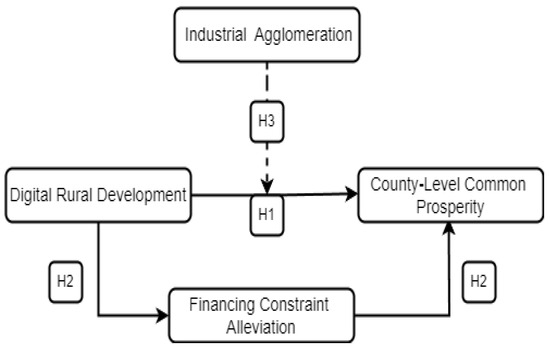
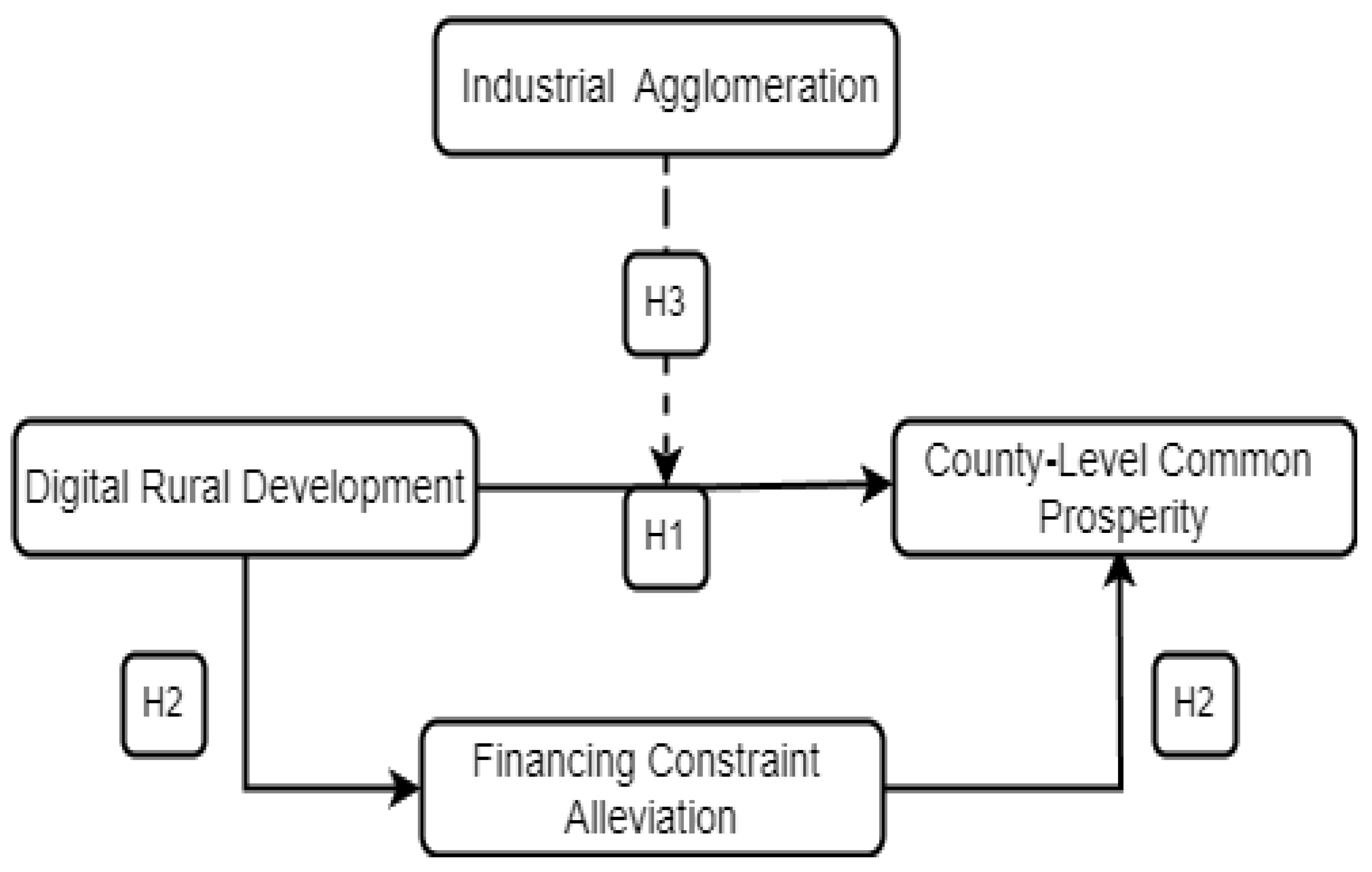
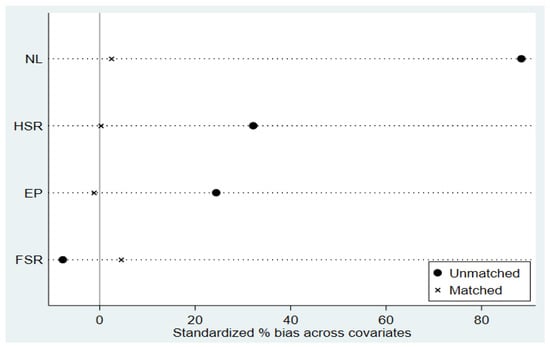
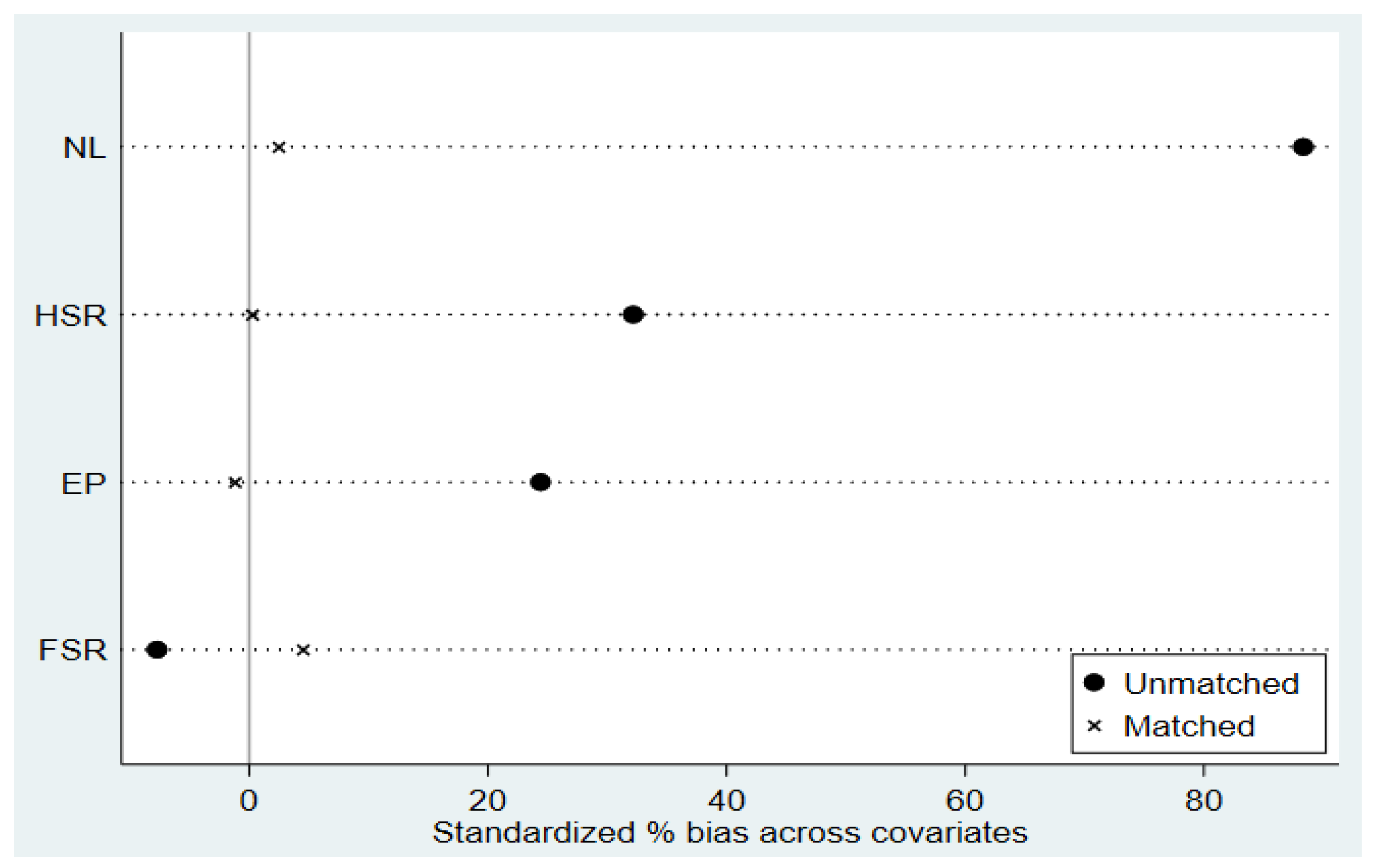
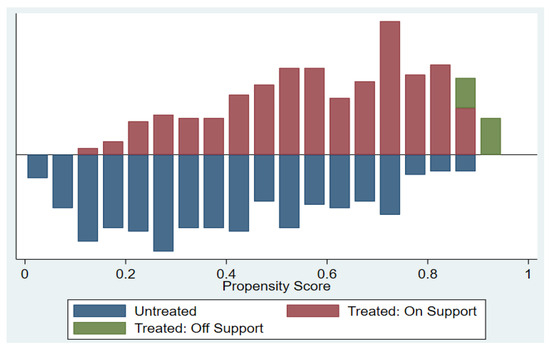
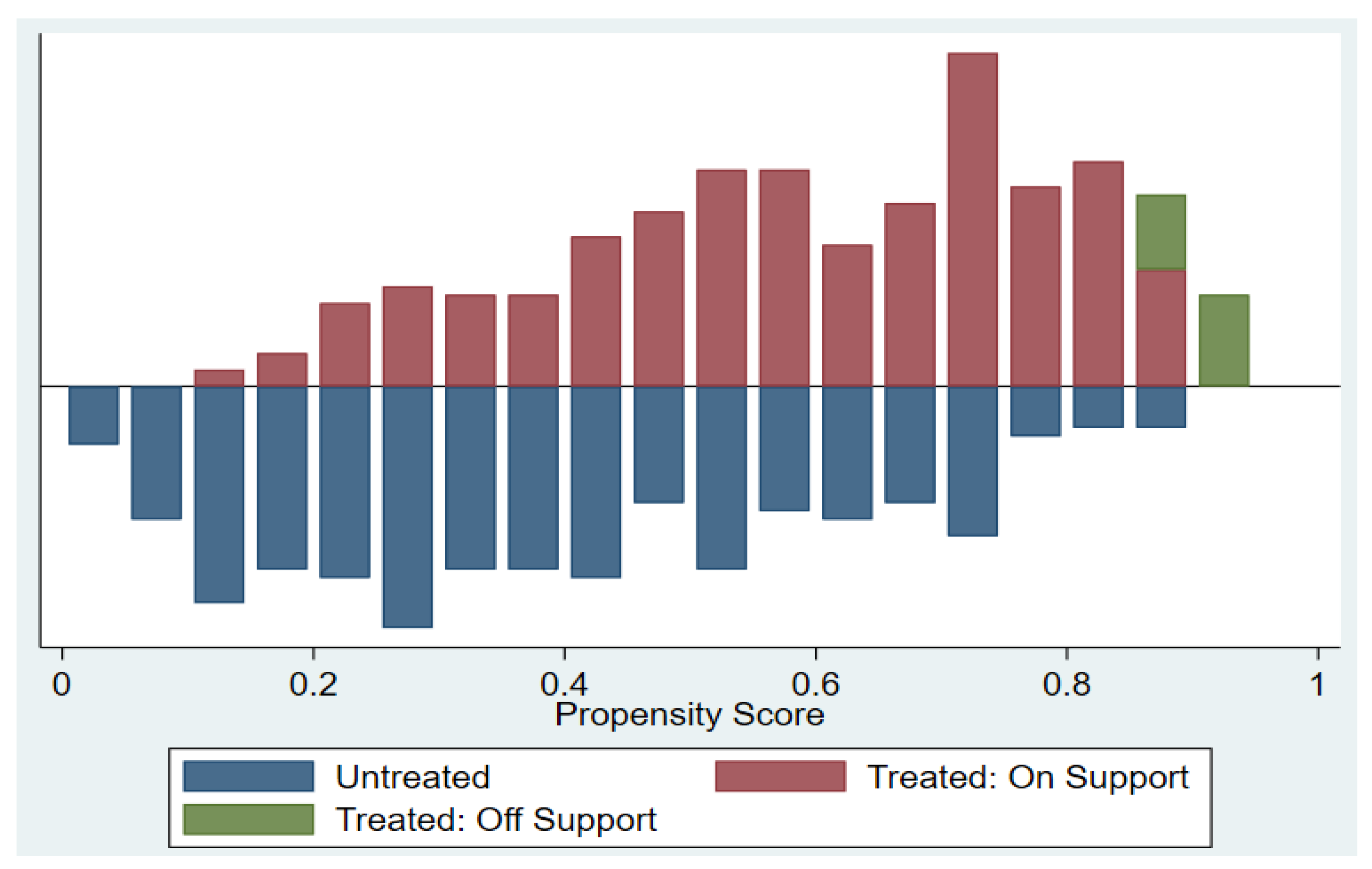
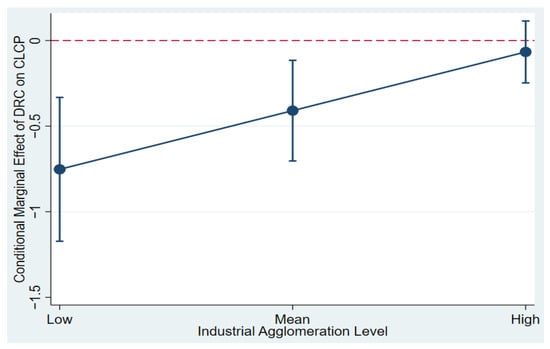
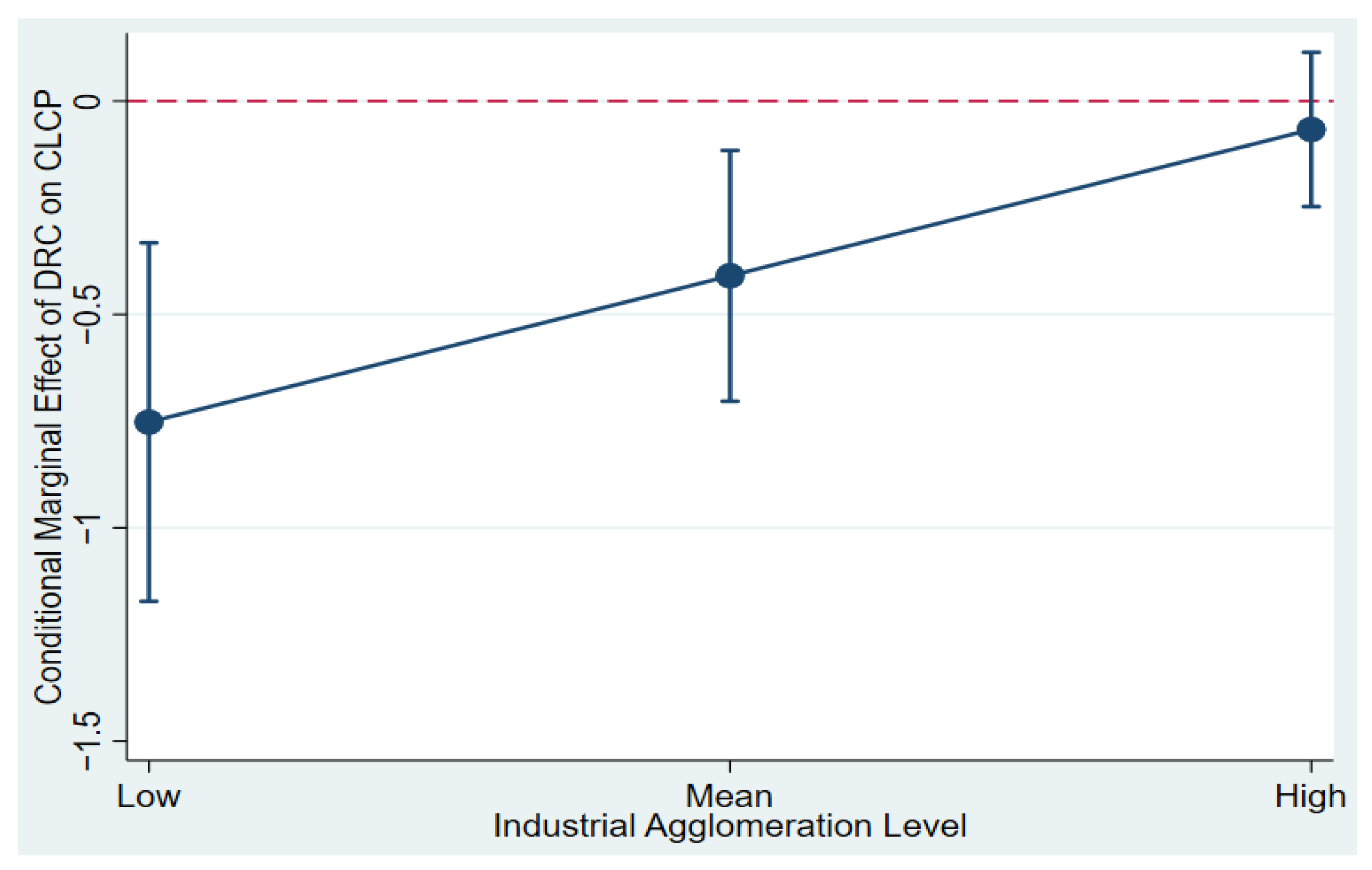

Disclaimer/Publisher’s Note: The statements, opinions and data contained in all publications are solely those of the individual author(s) and contributor(s) and not of MDPI and/or the editor(s). MDPI and/or the editor(s) disclaim responsibility for any injury to people or property resulting from any ideas, methods, instructions or products referred to in the content. |
© 2026 by the authors. Licensee MDPI, Basel, Switzerland. This article is an open access article distributed under the terms and conditions of the Creative Commons Attribution (CC BY) license.