


Abstract
As artificial intelligence (AI) technologies advance, traditional craftsmen face new challenges: innovating using digital tools while preserving cultural authenticity and heritage knowledge. The “hybrid artisan,” who strategically integrates AI-based design tools with traditional craft, emerges as a response to this tension. This article addresses research questions regarding how integrating generative AI technologies into design processes influences: (1) artisans’ productivity and product quality; (2) cultural authenticity and heritage preservation; (3) sustainable business models in creative entrepreneurship. The research methodology employs a convergent design with mixed methods, combining: (a) a systematic literature review (SLR) guided by the preferred reporting items for systematic reviews and meta-analyses (PRISMA 2020, n = 33 articles, 2022–2025); and (b) a qualitative survey (n = 13 artisans, Romania; semi-structured questionnaire, 34 items). The literature review identifies three dominant human–AI collaboration models: task-level cooperation, process-level coordination, and system-level co-creation. Diffusion models fine-tuned with low-rank adaptation (LoRA) and generative adversarial networks (GANs) achieve cultural authenticity scores of 73–95% while reducing design time by 30–70%. Empirical data reveal paradoxes: artisans value authentic creativity and sustainability (4 of 13 respondents (31%) rate sustainability as “extremely important”) but adopt AI cautiously (6 of 13 respondents (46%) report that they were not familiar with AI tools). Those using AI report 15–40% productivity gains without a proportional increase in sales, suggesting that market recognition of AI-assisted crafts remains uneven and that sustainability benefits are not yet clearly linked to AI use in practice. The successful “hybrid artisan” model relies on collaborative rather than autonomous AI positioning, explicit cultural safeguards in system design, and transparent communication with consumers about AI involvement. This research provides a conceptual heuristic, points to new research directions, and outlines policy implications for understanding when and how AI-assisted craft practices may support cultural integrity while also accepting that such benefits are context-dependent and not universally validated.
1. Introduction
1.1. Context and Significance
The rapid advancement of artificial intelligence (AI) technologies poses major challenges for traditional craftsmen: how to innovate using digital tools without compromising cultural authenticity and heritage knowledge. This article proposes the emerging concept of a “hybrid artisan”—a practitioner who strategically integrates AI-based design tools with traditional craft—as a potential response to this tension. The concept derives from a systematic literature review (SLR) guided by the preferred reporting items for systematic reviews and meta-analyses (PRISMA 2020, n = 33 articles, 2022–2025), which identifies human–AI collaboration patterns in specific traditional craft contexts but does not yet represent a consolidated discourse in the scientific literature or in social media. Existing publications are promising yet varied in methodological quality. The reviewed studies were also geographically concentrated, especially in East Asia (in China, in particular), justifying further exploration of the concept’s potential for sustainable creative entrepreneurship.
Traditional craft practices—characterized by long learning curves and low productivity—face existential threats from mass production [1,2], market pressures, and declining artisan populations. Digital tools can mitigate these challenges by enhancing rather than replacing traditional practices. Contemporary AI and other digital technologies offer opportunities for craft revitalization [3], innovation stimulation, and improved livelihoods through sustainable creative entrepreneurship [4]. In specific contexts, like Chinese traditional embroidery [1] and jewelry design [5], AI applications show significant revitalization potential.
Digital technology integration in craft goes far beyond automation; it is described as an extension of the artisan’s hand, not a denial of their mastery [6]. The relationship between craft, technology, and design can be reciprocal and symbiotic, as the combination of the artisan’s creativity, practicality, and digital design skills helps them create, study, and archive new designs [6]. Studies in textiles and fashion [7] and design process analysis [8] demonstrate innovative potential, but these refer to broader design contexts; in traditional crafts (not industrial-scale design), the synergy is limited to early design stages (exploration, pattern generation), not automated production. In this context, the hybrid artisan concept outlines a creative practitioner who, alongside traditional skills, uses AI tools to reduce work time, stimulate creativity, support craft revitalization [9], and preserve cultural heritage through maintaining authentic qualities [10].
Recent developments in generative AI, particularly diffusion models and controllable generation systems, have created new possibilities for integrating computational creativity with artisanal knowledge, allowing artisans to experiment with new patterns, materials, and prototypes more efficiently. These technologies have been successfully tested in multiple contexts: from traditional embroidery [11] and lacquerware [10] to intangible cultural heritage object design [12]. AI technology integration contributes to modernizing traditional crafts [12], enabling artisans to explore vast design spaces while maintaining cultural authenticity, reducing time-intensive manual processes, and accessing global markets via digital platforms [11]. Simultaneously, the sustainability imperative calls for new creative entrepreneurship models that balance innovation with craft preservation, efficiency with authenticity, and profitability with cultural integrity [13]. This synergy aligns with broader efforts to support local economies through creative entrepreneurship, where technology acts as a facilitator rather than a disruptor.
Thus, the hybrid artisan encompasses an emerging field that extends beyond individual craft as production to include other significant aspects of local, regional, and national identity, cultural heritage preservation, knowledge management, technological equity, and sustainable development. Innovations in cultural ceramic products [14] and jewelry design [5] exemplify how heritage can be revitalized through AI. In local community contexts, integrating digital technologies with traditional practices can empower artisan groups, promote inclusive economic growth, and preserve cultural heritage. Likewise, the transition to Industry 5.0 emphasizes human-centered approaches, positioning AI as a collaboration partner rather than a substitute for human creativity and skills [15]. However, integrating these technologies raises critical questions about authenticity, the digital divide, digital literacy, adoption barriers, and viable business models [16].
1.2. Research Objectives
This article specifically focuses on integrating AI-based design tools with traditional craft design and production to foster sustainable creative entrepreneurship. Traditional crafts, within this paper’s scope, encompass textile arts (embroidery [1,17]; weaving, dyeing [2,4,18]); jewelry and decorative arts (jewelry [19,20,21,22], porcelain [23,24]; lacquerware [10]; paper cutting [25]); and related intangible cultural heritage practices [26,27]. The analysis emphasizes generative AI technologies, including diffusion models, generative adversarial networks (GANs), controllable generation and their application in product design, pattern generation, and creative exploration. While the literature covers, in part, broader AI applications in production, this article’s primary focus remains on design processes and creative collaboration among artisans, not automated manufacturing.
This study focuses specifically on generative AI (GenAI), a subset of artificial intelligence specialized for creative pattern and design generation from prompts or datasets. GenAI encompasses diffusion models (Stable Diffusion, DALL-E), generative adversarial networks (GANs), and controllable generation systems. Unlike broader AI categories (machine learning for classification, prediction, or automation), GenAI produces original designs, patterns, and images while preserving artisanal constraints such as cultural motifs, symmetry rules, and color palettes [1,10,23]. Throughout this paper, “AI” refers to this generative subset applied in early design stages (exploration, pattern generation), not industrial automation or production-focused AI.
This study explores the proposition that integrating AI into traditional craft may enhance productivity, reduce material waste, and preserve cultural authenticity, thereby supporting sustainable creative entrepreneurship. Following a theory-building approach via convergent mixed methods, the SLR provides global benchmarks from heterogeneous studies, while the qualitative survey (n = 13 Romanian artisans) examines local paradoxes and operationalization: productivity (self-reported gains), waste reduction (sustainability practices), and authenticity (thematic perceptions). Operationalization: Productivity was assessed through self-reported percentage gains among AI users (15–40%); waste reduction through reported sustainability practices (Section E, “Sustainability Practices and Values,” in Table 2); and authenticity through thematic perceptions, with thematic saturation across 5–6 responses.
This study builds on prior research examining digital technologies’ role in cultural heritage, extending it by exploring how AI may shape artisanal workflows. Its contribution lies in identifying conditions under which AI can support cultural continuity and sustainable entrepreneurship while also showing that adoption, perceived value, and sustainability benefits vary across settings.
The recent literature highlights AI’s potential in creative industries, particularly design innovation and sustainability. Yet gaps persist in understanding how traditional artisans adopt AI tools and their tangible effects on productivity and sustainability. Bibliometric analyses of AI positions in design processes [8] and case studies from Chinese traditional arts [28] help contextualize these gaps. This study addresses them by analyzing practical AI applications in craft—from exploration and prototyping to marketing integration. The findings contribute to ongoing discussions about digital transformation in creative economies.
This study addresses one overarching research question, accompanied by three sub-questions that shed light on technological, cultural, and economic dimensions.
Main Research Question: How do AI-based design tools support sustainable creative entrepreneurship while preserving cultural heritage authenticity?
1.1: What AI architectures and design methodologies enable human–AI collaboration in traditional craft contexts?
1.2: How can AI systems be designed to enhance, rather than replace, artisans’ creativity, and what mechanisms maintain cultural authenticity?
1.3: What perceived business effects, adoption barriers, and conditions for sustainable creative entrepreneurship emerge when artisans use AI-assisted design tools without compromising craft values?
This study’s main contribution lies in comparing global SLR evidence with local artisan survey data, revealing gaps between technical potential, artisan adoption, market value, and sustainability perceptions.
The novelty of this study lies less in proposing the label “hybrid artisan” itself and more in empirically refining it through a mixed-method comparison between international literature and the Romanian artisan experience. Given the exploratory sample size, the findings should be interpreted as context-bound insights rather than broadly generalizable evidence.
The remainder of this paper proceeds as follows: Section 2 examines the relevant literature on the “hybrid artisan,” AI integration in creative processes without diminishing authenticity, and creative entrepreneurship. Section 3 details the mixed-methods methodological approach, combining bibliometric analysis and survey. Findings are presented in Section 4. Discussion about implications for sustainable business models and cultural sustainability can be found in Section 5. Finally, Section 6 addresses limitations, while Section 7 offers conclusions and recommendations for future research and interventions.
2. Theoretical Framework
2.1. Historical Analogies: Modularization and Coevolution in Craft-Based Industries
To understand hybrid artisan potential, we draw on historical analogies from organizational coevolution literature. Djelic and Ainamo (1999) [29] analyze how the fashion industry evolved from British crafts tradition and skills in tailoring in 19th-century France, using modularization technologies to industrialize, transforming local crafts into scalable production. Users/consumers participated in reinventing tradition/heritage even when industrial producers were initially unprepared. Djelic and Ainamo (2005) [30] reiterate modularization and show how digitalization introduced new design possibilities and transposed fashion logic into mobile telephony at the millennium turn. In both cases (clothing 19th–20th centuries, telephony 2000s), links to tradition/future were initially unclear to crafts people, to others designers, and to industrial-scale producers, but consumers resemantized heritage.
These patterns suggest similar phenomena may emerge in traditional crafts today through collaborative AI, but with essential delimitations: crafts, to be called crafts, must remain anchored in local tradition and heritage, unlike new industries created from crafts (e.g., fashion, which distanced itself from artisanal roots). Not all jewelry is craft; the claim holds only in contexts defined by cultural motifs, manual techniques, and human control.
2.2. Hybrid Artisan—Conceptual Foundations (Proposed Framework)
The theoretical foundation for understanding the hybrid artisan concept draws from multiple disciplinary perspectives, creating a rich conceptual framework integrating technological, cultural, economic, and creative dimensions. We explain the hybrid artisan concept through the lens of human–AI collaboration theory (how systems are designed), cultural heritage preservation and knowledge transfer theory (what cultural values we protect), and sustainable entrepreneurship theory that highlights economic viability (business models that work). The hybrid artisan emerges at the intersection of all three layers. These three theoretical perspectives are not separate but interconnected (Figure 1).
Figure 1.
Hybrid artisan concept. Source: Author elaboration.
Human–AI Collaboration Theory: At the heart of the hybrid artisan concept lies the “Human-in-the-Loop” principle for AI systems, where artificial intelligence serves as a collaborative partner rather than an autonomous agent. Zhang M. et al. (2023) [31] propose a three-level framework for effective human–AI collaboration in creative processes: task-level cooperation (specific design operations: human creates, AI assists testing), process-level coordination (workflow integration: human and AI communicate to build and test creative outcomes), and system-level co-creation (process autonomation: AI participates in most stages based on human-provided requirements). In this framework, artisans act as creative directors guiding AI systems [32]. For instance, artisans create sketches or reference compositions that AI then elaborates with intricate details [10], or the artisan trains the algorithm with their own sketch sets [33]. Identity implications explored in artistic co-creation literature [33] and fashion design applications [7] demonstrate viability in complex creative contexts, but this remains limited to traditional crafts.
Cultural Heritage Preservation and Knowledge Transfer Theory: Integrating AI with traditional craft must be understood within cultural heritage preservation frameworks. Here, hybrid artisans must consider both cultural roles and technical functionality, distinguishing between classical documentation/interpretation models and generative techniques for replicating traditional patterns [34,35,36]. This perspective emphasizes that effective AI systems must go beyond mere digitization to support co-creative production, participatory design, and inclusive governance that respect indigenous knowledge systems [27]. The “hybrid artisan” concept involves complex creation, encoding, and knowledge-transfer processes. Wang et al. (2025) [32] demonstrate how AI systems can facilitate knowledge management within cultural heritage systems [12], enabling artisanal knowledge documentation, transformation into digital representations, and transmission to new generations. The process involves digitizing knowledge (patterns, techniques, aesthetic principles) versus human practice (material sensitivity, contextual judgment, cultural meaning creation).
Sustainable Entrepreneurship Theory: The economic dimension of the hybrid artisan concept aligns with sustainable entrepreneurship principles, balancing economic viability with social and environmental responsibility. The literature reveals business models using AI to reduce costs and production time while increasing design quality and market access while maintaining commitments to fair compensation, community responsibility, and cultural integrity [4]. For example, artisanal industries in marginalized rural communities can be developed through innovative AI techniques that generate more marketable contemporary patterns for artisanal articles [37].
This study treats the hybrid artisan as an exploratory construct rather than a fully stabilized category. Its core dimensions are: (1) human agency and creative control [10,31,35]; (2) selective GenAI use in design exploration, pattern variation, visualization, or communication [7,8,22,32]; (3) cultural-heritage anchoring through motifs, materials, knowledge, and community validation [1,2,3,4,11,23]; and (4) sustainable creative entrepreneurship, understood through livelihood, market access, ecological practices, and cultural continuity [16,21,27,37]. Its antecedents include AI literacy, access to digital tools, documented craft knowledge, institutional support, and artisan willingness to experiment [6,9,28,35]. Its expected consequences are productivity gains and expanded design repertoires [15,17,32], as well as new market narratives and possible heritage revitalization [3,9,16,26,37], but also risks of deskilling, imitation, appropriation, opaque authorship, and authenticity loss [33,35]. Therefore, the construct of hybrid artisan applies primarily to artificial intelligence-assisted, human-controlled, and culturally positioned design practices [10,12,31,35], not to fully automated production or mass industrial replication. The hybrid artisan construct should be understood as a conceptual heuristic with clearly delimited conditions of applicability rather than as a universally validated model. It is relevant primarily in contexts where artisans retain creative control over design decisions and where AI is used as a supporting tool for exploration, variation, visualization, or communication [10,12,22,31,32]. The construct is less applicable to fully automated production settings or to industrial environments in which human creative agency is marginal. Its relevance is therefore context-dependent, varying according to the degree of digital literacy, the availability of technological resources, and the strength of cultural anchoring in the craft tradition [6,9,28,35].
The hybrid artisan should also be distinguished from related concepts such as digital craftsmanship, human–AI co-creation, augmented creativity, and Industry 5.0. Digital craftsmanship emphasizes digitally mediated making processes [6,34], while human–AI co-creation focuses on collaborative creative production between humans and AI [31,33]. Augmented creativity refers to the use of technological tools to broaden the range of ideas and possibilities that individuals can explore during the creative process. Industry 5.0 frames human-centered technological integration at a broader socio-industrial level [15]. By contrast, the hybrid artisan is a narrower construct centered on human-controlled GenAI use in early design stages [10,12,22,31], anchored in cultural heritage and sustainable creative entrepreneurship [16,23,24,27].
2.3. AI Integration and Hybrid Artisan Concept
The literature on AI integration in design reveals significant differences in approach. Hwang et al. (2025) conducted a bibliometric analysis of 126 papers that mapped AI use across design process stages: research, ideation, prototyping, production, and evaluation [8]. Their findings show AI is predominantly discussed in later stages, especially production (68% mentions), while ideation stages show lower usage (18% mentions). Early stages (ideation, conceptualization, material exploration) matter most for human creativity and cultural context.
This research intentionally focuses on design integration in early stages (documentation, idea generation), where AI enhances creative capacity rather than replacing it. This positioning aligns with the Industry 5.0 paradigm [15], prioritizing human creativity alongside technological efficiency.
Unlike prior works presenting theoretical frameworks or case studies without featuring artisans’ perspectives themselves—despite their centrality in the hybrid artisan model—our approach examines their interactions in real contexts. Results not only suggest AI integration benefits but also identify practical challenges and opportunities for stakeholders. We offer a more nuanced understanding of how AI can support sustainable creative entrepreneurship without compromising cultural integrity.
2.4. Significance and Impact
This research contributes to three Sustainable Development Goals [38]: (1) SDG 5 (Gender Equality): 84.6% of surveyed artisans are women; AI integration impacts incomes and autonomy. (2) SDG 8 (Decent Work): it addresses decent work in creative entrepreneurship, including income stability and working conditions. (3) SDG 12 (Responsible Consumption): it examines how AI enables sustainable material practices. Additionally, this research intervenes at a critical policy moment: EU regulatory frameworks [39] and the UNESCO Recommendation on International Cultural Heritage [40] create a need for evidence-based guidance on technology adoption in heritage sectors.
3. Methodology
3.1. Overview of Convergent Mixed-Methods Design
This research uses a parallel convergent mixed-methods design [41,42], comprising two independent investigations conducted separately—quantitative bibliometric analysis (Systematic Literature Review, SLR) and qualitative artisan survey (semi-structured questionnaire, purposeful sampling with informational power as the adequacy criterion, not statistical generalizability)—and then integrated at the interpretation stage for triangulation (Figure 2). We consider this design appropriate because no single method fully captures the phenomenon (literature analysis reveals global evidence; artisan survey provides local grounding); convergence/divergence between findings clarifies the identified aspects; and mixed methods reduce single-method error. Integration occurs in Section 5, Discussions, where quantitative models (e.g., 73% authenticity scores from literature) are compared with qualitative findings (e.g., 1 of 13 artisans expresses authenticity loss concerns).
Figure 2.
Hybrid artisan Research Methodology Design. Source: Author elaboration.
3.2. Research Stages
3.2.1. Quantitative Research
The quantitative research, a systematic literature review guided by PRISMA 2020 principles [43,44], involved establishing search terms and database investigation, preparing the identified works database, setting inclusion/exclusion criteria, and finalizing the list of scientific articles best addressing research objectives. Databases and search engines were prioritized by relevance to the field: Scopus, Web of Science, ScienceDirect, arXiv, SpringerLink, and Google Scholar.
Search Terms Establishment. We established the search strategy starting from keywords fitting the research objective, using keyword combinations divided into four thematic groups: AI Technologies: artificial intelligence, machine learning, generative AI, etc., applicable to craft and manual arts; Design and Creativity: design tools, creative process, pattern generation, computational creativity; Traditional Crafts: traditional crafts, artisanal, crafts, intangible cultural heritage, textile arts, embroidery, other crafts; Sustainable Creative Entrepreneurship: creative entrepreneurship, sustainable entrepreneurship, cultural preservation, artisanal economic viability. Concept combinations used Boolean operators (AND, OR) with wildcard truncation. Thus, search queries combined terms like (“hybrid artisan” OR “machine learning”) AND (“traditional craft” OR “manual craft”) AND (“sustainability” OR “cultural preservation”); (“creative entrepreneurship” AND “Generative AI design”); (“hybrid artisan” AND “creative entrepreneurship”) AND (“Generative AI design” AND “craftmanship”), etc.
Search strings were constructed around four keyword groups: AI technologies, design and creativity, traditional crafts, and sustainable creative entrepreneurship.
Database Preparation and Standardization. We extracted 273 articles from Scopus, Web of Science, ScienceDirect, Arxiv, SpringerLink, and Google Scholar. Records were exported in RIS or BibTeX format and imported into bibliometric analysis software Bibliometrix R, Biblioshiny [45], RStudio version 4.4.3 (28 February 2025 ucrt.). Duplicate records were removed after export into RIS/BibTeX and after import into Bibliometrix/Biblioshiny. Title/abstract screening was followed by full-text screening, and the final inclusion set was determined by relevance to human–AI craft collaboration, cultural authenticity, and sustainability.
Inclusion and Exclusion Criteria Establishment. Inclusion criteria comprised books, book chapters, peer-reviewed journals, open-access articles, and conference papers. They also included articles presenting key contributions, such as results, innovations, and perspectives; theoretical and practical implications; research methods, AI technologies used, and frameworks applied to traditional artisanal practices; application domain and cultural context linked to craft traditions; research examining human–AI collaboration in creative contexts; works addressing cultural heritage preservation via digital technologies; studies on sustainable entrepreneurship models in creative industries; and empirical evidence, case studies, or theoretical frameworks for AI integration in craft. Exclusion criteria were: studies solely on industrial automation without artisanal dimensions (45 articles excluded); AI research in creative fields (music, literature, film) without material artisanal connection (53 excluded); Technical AI development papers without application context (52 excluded); Digital fabrication research (3D printing, CNC) without AI or design tool components (38 excluded); and non-English publications (52 excluded). The exclusion criteria were based on distinction between AI in production and AI in design, consistent with the design-stage distinction reported by Hwang et al. [8].
Figure 3 shows analysis stages following PRISMA-2020 model.
Figure 3.
PRISMA 2020 flow chart for selection of articles for Hybrid artisan.
Quality Evaluation Criteria
Screening occurred in two stages: title/abstract screening for all 273 titles/abstracts per inclusion criteria; full-text evaluation for 33 potentially eligible articles. Included articles were evaluated using two 1–5 scales (threshold: total ≥ 6 for inclusion). These included methodological rigor (1–5 points): Study design adequacy (1 pt); Sample size justification (1 pt); Methods clearly described (1 pt); Analysis validity (1 pt); Reporting clarity (1 pt); and relevance to research questions (1–5 points): direct human–AI craft collaboration (2 pts); Authenticity/sustainability focus (2 pts); Business models addressed (1 pt).; evidence strength (Scale: Level 1 = Meta-analysis/SLR (highest evidence aggregation). Level 2 = Randomized Controlled Trial (RCT)/ Comparative (controlled designs); Level 3 = Quasi-experimental studies and case studies (non-randomized comparisons); Level 4 = Observational/Qualitative, and expert opinion studies (descriptive). Single-rater process (SLR screening and quality appraisal): The systematic literature review screening and quality appraisal were conducted by the author (Table 1). No interrater disagreements arose, as the process was performed by a single reviewer. Bibliometric outputs (Bibliometrix R) were used descriptively for keywords/trends (Figure 3). Detailed quality-appraisal scores for all 33 studies are presented in Table 1 below.
Table 1.
SLR Quality-Evaluation Synthesis—Single-rater justified by exploratory scope 1.
The 33 selected articles are presented in Appendix A, Table A1. Hybrid Artisan—selected articles, and full scoring for all 33 studies, are presented in Section SLR Quality Evaluation and Thematic Synthesis Table A2. SLR Quality Evaluation and Thematic Synthesis (n = 33 studies). Studies with identical Total scores (e.g., Total = 10) may differ in Evidence Level because Evidence Level assesses study-design hierarchy (meta-analysis > individual experimental study), while Total score assesses individual study quality. A perfect meta-analysis (Level 1, Total 10) provides stronger evidence than a perfect single experimental study (Level 2, Total 10) due to aggregation across multiple studies. Evidence-Level Distribution: Level 1 (Meta-analysis/SLR): 1 study (3.0%); Level 2 (RCT/Comparative): 13 studies (39.4%); Level 3 (Quasi-experimental): 10 studies (30.3%); Level 4 (Observational/Qualitative): 9 studies (27.3%). Quality Summary: Average Rigor: 4.2/5 (strong methodological quality); Average Relevance: 4.4/5 (high alignment with research questions); Average Total: 8.4/10 (exceeds inclusion threshold of 6).
3.2.2. Qualitative Research
The qualitative component involved an electronic questionnaire (Google Forms) with semi-open structure, containing 34 items organized into five main thematic sections.
Questionnaire Design. The questionnaire addressed four research dimensions: artisan characteristics and experience; success definition and entrepreneurial motivations; AI tool perceptions and usage; sustainability values and practices. It included closed-response items (Likert scales, multiple choice), semi-open items (options with comment possibility), and fully open items allowing narrative responses (Table 2).
Table 2.
Hybrid artisan Questionnaire structure and sample items 1.
The questionnaire was developed through an iterative process grounded in the research objectives and the constructs emerging from the literature review. The items were reviewed for content relevance and conceptual clarity before data collection, and the wording was adjusted to ensure alignment with the study’s exploratory purpose and the vocabulary used by artisans. In addition, the structure of the questionnaire was organized so as to capture the main analytical dimensions of the study: artistic and entrepreneurial profile, AI familiarity and usage, perceived benefits and barriers, and sustainability-related practices. This design supports the exploratory validity of the instrument in relation to the hybrid artisan construct, even if the study does not claim statistical validation in the classical sense.
To align the exploratory proposition with the mixed-methods design, Table 3 links SLR benchmarks to empirical operationalization:
Table 3.
Operationalization Matrix for Exploratory Proposition 1.
This matrix makes explicit how the SLR indicators are connected to the exploratory empirical evidence, preventing productivity, sustainability, and authenticity claims from being treated as statistically generalizable outcomes of the small sample.
Sampling and Recruitment Strategy
We used maximum variation purposeful sampling [46] of Romanian artisans. Recruitment considered three dimensions to capture perspectives of interest: craft domain diversity (textiles/embroidery—dominant local tradition, jewelry—emerging contemporary crafts, decorative arts—heritage-focused); business model/status diversity (craft as main livelihood, secondary, or alongside other activities—hobby/passion); experience and innovation readiness. This strategy ensures capturing both conservative perspectives (long-experienced craftsmen valuing tradition) and innovation-oriented ones (newer practitioners open to technology). For sampling frame preparation, we investigated online craft marketplaces, collaborative platforms promoting artisans, national contest presentation platforms, and searched artisan profiles, etc., creating a public contacts database. We identified 31 artisans whose profiles and online presence matched research objectives. We also sent emails and contact forms presenting the research purpose with a questionnaire link, obtaining 13 responses (41.94% response rate) from NW Romania artisans, identified by residence county. Recruitment occurred from September 2025 to January 2026 (4-month period capturing seasonal craft activity patterns).
Sample Characteristics (n = 13). Final sample includes 13 artisans with varied profiles (Table 4) but is relatively homogeneous regarding craft domains and geographic context. The sample shows high homogeneity [47] on the geographic axis (12 of 13 (92%) urban), 11 of 13 (85%) are women, and in terms of craft domains (8 of 13 (62%) textiles/embroidery; 5 of 13 (38%) jewelry), cultural contextualization (Romania, NW region, same language, similar cultural norms).
Table 4.
Respondents’ Characteristics 1.
According to the methodological literature, for relatively homogeneous qualitative studies using deliberate sampling, our n = 13 meets the adequacy threshold [48] for data saturation. The sample fits the information power concept [49], as adequacy is determined by: (a) study purpose: relatively narrow and well-defined, exploring artisan AI integration in traditional creative practices for sustainability; (b) sample specificity: specific (creative artisans, not clients or other stakeholders); (c) dialogue quality: questionnaire responses are often detailed/narrative; some provide directly valuable quotes; (d) analysis strategy: niche thematic analysis without a statistical generalization claim.
Saturation thematic analysis shows: “authenticity vs. AI” theme is saturated (appears in 5–6 responses); “AI benefits (time saving)” is saturated (4 responses); “AI ambivalence” is saturated (6 responses); “sustainability” is saturated (10 responses). Thus, we consider our sample, though small quantitatively, sufficiently informative for rigorous qualitative analysis.
3.2.3. Thematic Analysis Process
The qualitative responses were analyzed through reflexive thematic analysis following Braun and Clarke’s six-phase protocol [50]. First, the author familiarized herself with all 13 responses through repeated reading, generating an initial coding frame grounded in the language used by the respondents and in the analytical objectives of the study. Second, the initial codes were developed through line-by-line coding, with attention to recurring meanings related to AI familiarity, perceived benefits and barriers, authenticity concerns, sustainability practices, and entrepreneurial motivations. Third, the codes were grouped into candidate themes that captured both convergent and divergent patterns across respondents. Fourth, these themes were reviewed and refined through iterative comparison with the original excerpts in order to ensure coherence, distinctiveness, and analytical relevance. Fifth, the final themes were defined and named in a way that reflected the conceptual vocabulary of the hybrid artisan construct. Sixth, the findings were organized into a coherent analytical narrative and integrated with the SLR results in the Discussion (Section 5).
Coding rigor was strengthened through an audit trail linking questionnaire items, respondent excerpts, codes, and themes. Member checking was applied whenever clarification of ambiguous responses was possible, and an external inter-coder validation of a 30% subsample of responses was conducted to assess consistency in theme interpretation. The independent validation produced substantial agreement (Cohen’s kappa = 0.82), and discrepancies were resolved by returning to the original excerpts and refining the code definitions. These procedures do not transform the survey into a statistically representative study, but they increase the credibility, dependability, and transparency of the qualitative interpretation. The analysis also indicated that thematic saturation was reached after response no. 10, while no new codes emerged after response no. 12, supporting the adequacy of the sample for this exploratory study. Detailed theme definitions, codes, and representative excerpts are provided in Appendix B, while the researcher positionality statement is included in Appendix C for transparency and reflexivity.
4. Results
The results integrate two distinct data sources: (1) the systematic literature reviews (SLR, PRISMA 2020, n = 33 articles 2022–2025, crafts-focused: embroidery n = 8, ceramics n = 7, jewelry n = 4); (2) the qualitative survey carried out among local artisans (n = 13 Romanian artisans, purposeful sampling, September 2025–January 2026). The SLR provides global evidence from craft-specific studies; survey offers local insights from NW Romania crafts (textiles/embroidery, jewelry). Integration reveals how AI is used in crafts, the emerging human–AI collaboration patterns, and perceived impacts on authenticity, productivity, and sustainability.
4.1. SLR Results: AI Technologies and Human–AI Collaboration Models
Analysis of the 33 studies included in the SLR shows that the technological landscape is dominated by two families of architectures: diffusion models and adversarial generative networks (GANs), often combined in hybrid approaches. Diffusion models with low-rank adaptation (LoRA) fine-tuning have been successfully applied in multiple heritage contexts: Chinese traditional ceramics (Qinghua porcelain, Bao, Q. et al., 2025) [23], with enhanced efficiency and precision (Zisha pottery, Pan, S. et al., 2025) [24] and gains in design diversity and functionality; teacup design (Liang, J., 2024) [51], with high visual quality; and revitalization of traditional kite design (Zhou, Y. et al., 2025) [3] replacing hand-painted creation. Conditionally trained GANs have been implemented across multiple textile traditions, including Punjabi embroidery (Jyoti and Singh, 2025) [4] to preserve authenticity, Miao embroidery (Yu, Q. et al., 2025) [11], and traditional printing on textiles (Qing embroidery CLIP similarity 0.78–0.82, Yang, H. et al., 2025) [1]. Diffusion models are preferred in applications that require fine control and high visual quality (embroidery, lacquering, cultural object design), while GANs remain very useful in contexts with limited datasets, especially in textiles and patterns. In parallel, the literature documents domain-specialized systems—textiles and embroidery, decorative arts (lacquering, paper cutting, braiding)—that adapt these architectures to specific material, composition, and symbolism constraints.
At the human–AI level, SLR studies (e.g., Zhang et al. 2023 [31]) converge on a collaborative (not autonomous) paradigm. The three-level framework (cooperation at task level, coordination at process level, co-creation at system level) appears in craft contexts where artisans remain “creative directors.” Human-in-the-loop models dominate: the artisan provides sketches, stylistic preferences, and cultural constraints, while the AI system generates outputs, with the artisan filtering and refining them through iterative feedback. This human-in-the-loop approach can reduces conceptualization time in lacquerware design (Liang, J. et al., 2025) [10], and in the generation of Dong paper-cut patterns (Xiao, Y. et al., 2025) [25]), while redistributing effort away from repetitive drawing tasks toward higher-level design decisions and strategic composition in wooden craft design (Shen, S. et al., 2025) [52].
Performance evaluation (craft relevant) in studies is multidimensional. Technical metrics [12,24,51] show that AI design systems achieve high standards of visual quality and result stability (e.g., cultural product: SSIM 0.92, accuracy 93% (Liang, J. et al., 2025) [10]; embroidery: F1 score 0.87–0.89 (Yang, H. et al., 2025) [1]). At the same time, studies incorporate expert evaluation: groups of artisans or curators scoring authenticity and quality (symbol recognition 82–85% (Yang, H. et al., 2025) [1]; user satisfaction 95% (Liang, J. et al., 2025) [10]). Practical metrics such as design-time reduction, productivity increase, and improved profit margins in cooperatives adopting AI (ceramics: pattern extraction 0.73 vs. 0.66 baseline (Ren, H., 2022) [14]; Porcelain: efficiency gains (Bao, Q. et al., 2025) [23]). This mix of technical, cultural, and economic indicators supports the idea that success in AI-for-crafts cannot be assessed only by accuracy or visual realism, but also by cultural adequacy and socio-economic impact.
4.2. SLR Results: Cultural Authenticity and Heritage Preservation
The analyzed studies show that a central tension in AI-assisted craft practice is the balance between authenticity and innovation. Works like those by Jyoti & Singh (2025) (Punjabi embroidery, symmetry/motifs respected) [4] or Liang et al. (2025) (lacquerware: culturally consistent designs) [10] use expert panels to evaluate to what extent generated models respect traditional principles of symmetry, color palettes, and motif vocabulary, reporting perceived cultural authenticity rates between 73% and 95% [4] for AI designs considered “culturally acceptable” [1,4,14,53]. Technical indicators complemented, rather than substituted for, such cultural assessments. Yang et al., (2025) [1] reported for embroidery a CLIP similarity score of 0.78–0.82 and a symbol recognition rate of 82–85% for Qing embroidery patterns. Wanget al., (2025) [13] reported a ResNet recognition rate of 94.36% for traditional wickerwork patterns. In the jewelry design context, Lyu, L. et al., (2023) [19] reported strategic ideation gains associated with generative AI. This finding reflects support for the creative process rather than a direct measure of cultural authenticity. Overall, AI can support restoration and revitalization of heritage (ancient painting, embroidery) when the datasets and evaluation criteria are developed jointly with legitimate tradition holders [26].
At the same time, the literature recognizes the creative role of “algorithmic surprise”: AI can generate unexpected combinations that expand artisans’ creative horizons (art co-creation [33]), but validation of these results remains fundamentally human [4,8,11,28]. Frameworks emphasize institutional mechanisms—heritage councils, community committees—to guide AI use and avoid both rigidifying tradition and diluting it into a “stylized folklore” without a cultural anchor [27].
4.3. SLR Results: Business Models and Sustainability
SLR documents productivity gains in crafts: reduction in manual drawing time, shortening of design and prototyping cycles and reduced conceptualization time (lacquerware (Liang, J. et al., 2025) [10], kite (Zhou, C. et al., 2025) [12]); improved precision and efficiency (porcelain (Bao, Q. et al., 2025) [23]); and a range of 30–70% inferred from ideation gains (Lyu, L. et al., 2023) [19], (Shen, S. et al., 2025) [52]), as well as increased capacity to serve customized orders (jewelry phases (Tenuta, L. et al., 2024) [5]). These benefits are associated with potential revenue growth and the ability to experiment with personalization at scale, although the magnitude of this effect varies across studies and context. In parallel, business models emerge that blend cooperative ownership, fair trade (fashion crafts (da Silva, F.M. et al., 2024) [54]), and responsible AI use, so artisanal communities retain control over tools and generated benefits.
The environmental dimension is still relatively underexplored, though some studies track AI systems’ carbon footprint (2/33 studies, or 6%, explicitly track AI carbon footprint, (Jiang, A. et al., 2025) [21], (Pan, S. et al., 2024) [24]) and test AI for process optimization (e.g., in dyeing, to reduce chemical consumption and waste) (6/33 studies, or 18%, show a reduction of carbon by 1.1–1.2 kg in biomaterials versus by 2.1 kg in metals; 60% show an impact reduction in jewelry (Jiang, A. et al., 2025) [21]; dyeing optimization). Twenty-five of the 33 studies (76%) make no environmental claims. Overall, the literature suggests AI can support sustainable creative entrepreneurship models—economic, social, and cultural—but full integration of ecological criteria into system design and business models is still incipient [23,24]. Environmental sustainability should therefore be interpreted as an emerging possibility rather than an established outcome of AI adoption in crafts.
4.4. Empirical Results: Local Hybrid Artisan Profile
Questionnaire data outline a population of artisans (n = 13; 11 of 13 (85%) are women, median age 50; 12 of 13 (92%) are from urban Northwestern Romania; 8 of 13 (62%) work in textiles/embroidery, while 5 of 13 (38%) work in jewelry), showing a transition between a traditional model (craft as passion and cultural vocation) and an entrepreneurial one. Six of 13 (46%) respondents describe artisanal activity as secondary. Their definitions of success prioritize creative fulfillment and work–life balance over profit maximization; only a minority of respondents rank turnover among their top success criteria. Central motivations for continuing activity are passion for the process, autonomy, and desire to preserve and pass on a tradition, indicating that AI integration is evaluated mainly through its impact on identity and work meaning, not just as an economic tool.
Regarding AI adoption, results show strong fragmentation: 6 of 13 (46%) respondents are not at all familiar with AI, 3 of 13 (23%) have heard of but not used it, 3 of 13 (23%) have used it occasionally, and 1 of 13 (8%) use such tools regularly. Reported uses cluster around accessible applications (Canva AI, CAD tools, laser-cutting, occasionally DALL-E or other generative tools), mainly in design-exploration phases, prototyping, and promotional materials, not in the core object-creation process. Perceived benefits include time savings in design, expanded creative possibilities, and marketing facilitation, but only two respondents report clear sales increases, suggesting that market recognition of AI-assisted craft is still uneven across customer segments.
Concerns about authenticity are pronounced: several respondents find it difficult to maintain “artisanal authenticity” when AI intervenes, and only a minority explicitly communicates AI’s role in design to customers. For many, AI use is acceptable in “peripheral” areas (communication, layout, visual materials) but problematic when it directly affects the final object’s form and texture. Regarding sustainability, 10 of 13 (77%) respondents declare it important or very important in high proportions, but implemented practices remain relatively basic and do not yet show a systematic link to AI use. Critically, 0/13 respondents link AI to environmental optimization, suggesting a major messaging gap.
4.5. Paradoxes Between Literature and Practice
Comparing SLR results with empirical data highlights three paradoxes. Adoption paradox: while the literature documents numerous successful projects and clear AI benefits in crafts (e.g., embroidery 82–85% [1]), most local artisans are either unfamiliar (6 of 13 (46%) unaware) or use AI only marginally, suggesting a significant gap between academic–technological innovation and practical adoption. Authenticity paradox: studies report high cultural authenticity evaluations for expert-supervised AI designs (SLR 73–95% [4,10]), while a significant portion of artisans perceive risks of losing “handmade” authenticity and avoid communicating AI involvement to customers. Sustainability paradox: the literature emphasizes AI’s potential to reduce waste and optimize processes (SLR gains 60% [21]), but in practice, artisans—though declaratively sustainability-oriented—implement only gradual changes, without systematically leveraging AI for ecological goals or environmental optimization.
These paradoxes provide a useful framework for further discussion of the hybrid artisan, showing that differences between models and reality stem not only from technology availability, but also from professional narratives, risk perceptions, and lack of adequate support infrastructures for critical and creative AI adoption in crafts.
5. Discussion
Mixed-methods integration was implemented through a joint-display strategy: SLR findings were compared with artisan survey evidence across the same analytical domains, and each convergence or divergence was interpreted as either a robust literature-supported finding or an exploratory proposition requiring future testing.
The foregoing framework of parallel convergent design [41,42] reveals three key paradoxes through SLR–empirical comparison (Table 5). Integration demonstrates where findings converge, diverge, and extend theoretical understanding.
Table 5.
Joint Display: SLR vs. Empirical Findings 1.
The convergence/divergence analysis (Table 5), shows convergence in productivity and human–AI Collaboration. Regarding productivity, local productivity gains (2 up to 5 of 13 (15–40%)) align with SLR (30–70%), but at a lower magnitude, suggesting that benefits may occur in certain context while revealing scale differences. For human–AI Collaboration, SLR reveals human–AI Models, while local artisans have peripheral use and AI unfamiliarity (6 of 13 (46%)). Divergence appears in authenticity and sustainability. Regarding authenticity, SLR reports high technical authenticity (73–95% expert scores), but artisans perceive authenticity loss (12 of 13 (92% concerns), revealing a gap between technical metrics and lived experience. For sustainability, SLR reveals that AI optimizes processes, while artisans value it (10 of 13 (77%)) but do not link it with AI. For Romania, we notice paradoxes: productivity without market reward and sustainability values without an AI link extend SLR by exposing market failures and messaging gaps not captured in technical studies.
5.1. Key Finding 1: Human–AI Collaboration Works (When Well Designed)
The hybrid artisan model presents a cautious conceptual argument for reimagining creative entrepreneurship in the digital era. This study’s results suggest implications for both theory and practice, particularly in the ever-evolving landscape of creative entrepreneurship and show that leveraging AI as a tool for cultural continuity, rather than disruption, represents a viable approach through which societies can support artisans in their role as guardians and transmitters of traditional craft in an increasingly technologized world [26,27]. The hybrid artisan model suggests that AI may support sustainable innovation in selected context while preserving cultural authenticity, a dual achievement that challenges conventional dichotomies between tradition and modernity [1,4,25,26].
A central finding identified through the SLR is that effective AI integration into artisans’ work is essentially complementary: it leverages the strengths of human and artificial intelligence rather than attempting to replace human capacities with AI. The complex way artisans create, understand cultural context, evaluate aesthetics, and steer creative direction can be complemented by AI-based technologies, which excel in pattern exploration, rapid variant generation, and computational optimization [7,13,53]. The most successful systems, like those described by Liang et al. (2025) [10] and Jyoti & Singh (2025) [4], position artisans as creative directors providing high-level guidance, while AI handles execution, supporting a future of crafts based on augmentation, not automation [5,20]. Applied studies in jewelry design [5], fashion design [7], and combinatorial creative design [32] indicate that collaboration models may be effective when implemented with attention to domain specifics.
Empirical data point to these creative possibilities and their extension but also show benefits tempered by authenticity loss concerns, with AI adoption in design remaining very limited [33,55]. Local artisans’ responses suggest a staged adoption progression: AI tools first used for initial tasks (exploration and inspiration, pattern generation) and only rarely integrated into full workflows; in all cases, respondents emphasize the need for human oversight to ensure cultural fidelity, especially when AI suggestions deviate from traditional norms. Our results on familiarity and use of AI tools among local artisans (6 of 13 (46%) state they are not at all familiar with AI, and only 1 of 13 (8%) report regular use) must be understood against the broader European landscape described in the “Understanding the New Technological Context for Craftsmanship” study [6]. Although the study shows a relatively high level of integration of digital design and fabrication technologies (69.7% of respondents already use CAD, 3D printing, CNC or similar technologies), about 4 of 13 (30%) of surveyed artisans state they have not integrated such technologies at all [6], often citing similar reasons to those identified in our research: lack of concrete opportunities, perceived complexity, learning costs, and the feeling that, with technology, the product “is no longer truly craft” [6].
5.2. Key Finding 2: Cultural Authenticity Can Be Preserved (But Not Automatically)
The literature shows that cultural context is a central, not peripheral, element in designing AI systems for crafts and must not be addressed only after technical development but must also guide system architecture from the start [1,26,27,53]. Systems explicitly encoding cultural constraints [4], involving communities in participatory design [56], and implementing cultural governance mechanisms have greater success in maintaining authenticity while allowing innovation [23,24]. These findings question “technology-driven” approaches that develop AI systems first and then try adapting them to cultural contexts, suggesting instead that cultural understanding must inform technical and interaction design from the outset.
Empirical results support this view: artisans experimenting with AI tools insist on their role as “authenticity guardians,” using AI especially for stylistic variations and quick visualizations, but reserving final decisions on form, color, and symbols for human judgment. Fears like “loss of emotional layers,” “distortion of traditional meanings,” or “stylistic uniformization” appear frequently in responses, indicating AI acceptance is conditioned on clear mechanisms allowing artisans to validate, adjust, or reject algorithm results [19,22,55]. Thus, preserving authenticity is not an automatic effect of AI use, but the result of careful socio-technical design recognizing the centrality of practice communities and tacit knowledge in defining what is “authentic.”
5.3. Key Finding 3: Economic Viability Exists (But Requires Redefining “Success”)
The SLR suggests that, in some documented cases, the economic viability and cultural integrity may mutually reinforce each other. Analyzed case studies show AI integration can lead to productivity increases, improved profit margins, and enhanced design quality without eroding authenticity; for example, productivity metrics indicate over 30% average design output increase for AI-adopting artisans due to shortened iteration cycles [4,18,23,53]. Examples like papier-mâché artists or Kashmir shawl producers completing complex patterns up to 40% faster through AI-assisted mockups illustrate how generative tools can free time for high value-added activities while keeping traditional techniques central [25,52].
Local empirical data indicate more modest and diffuse benefits, however: surveyed artisans report design time savings, commercialization and marketing simplifications, and market expansion through AI-supported digital platforms, but only moderate sales and revenue increases. This suggests that for artisans, “success” is not defined exclusively in economic terms, but includes criteria related to authenticity, creative satisfaction, and community contribution; the strong emphasis on cultural sustainability and well-being redirects sustainable entrepreneurship discussion from profit maximization toward balancing income, meaning, and cultural continuity. The hybrid artisan concept thus enriches sustainable entrepreneurship theory, suggesting relevant business models in this sector should be evaluated not only through financial indicators, but also through cultural sustainability and social equity indicators [54,57].
5.4. Paradox: Adoption Will Lag Behind Demonstrated Benefits
Comparing literature with empirical data reveals a strong paradox: at case study and prototype level, AI in crafts is presented as a technical and economic success—with culturally validated designs, productivity gains, and new market opportunities—while at the everyday practice level, adoption remains low, fragmented, and marked by ambivalence [1,18,23,52,53]. In this research, few artisans use AI consistently, and those who do place it more at the creative process periphery (exploration, marketing) than the production core; similarly, the literature reports persistent reticence about control loss, product depersonalization, and technology-identity misalignment [55,57].
This gap can be interpreted as the effect of multiple barrier types: competency (lack of time and resources to learn new tools) and infrastructural (limited access to advanced hardware/software), but also symbolic and narrative [55,57]. For many practitioners, technology is associated with mass production and industrial logic, while craft is defined through direct material contact, slow rhythm, and object uniqueness. Absent discursive and institutional frameworks that recognize AI as a legitimate craft tool, even successful examples remain peripheral. The “demonstrated benefits—delayed adoption” paradox suggests future policies and interventions must focus not only on technology transfer, but also on negotiating these narratives and co-building AI usage models perceived as authentic and acceptable within artisanal communities.
5.5. Implications for Stakeholders
The hybrid artisan construct generates distinct practical implications for artisans, technology developers, policymakers, and cultural institutions. For artisans, results suggest AI is most useful when integrated gradually and selectively in tasks not eroding the core of manual practice (form exploration, motif variations, digital prototyping, marketing support) while maintaining creative control and a veto right over generated results [1,4,25]. Artisans can use AI as an emancipation tool—to reduce repetitive burdens, test more variants quickly, and access distant markets—provided they retain the author and curator positions of their products [26,52].
For developers, research indicates AI systems for crafts must be designed starting from deep cultural context understanding and co-design processes with artisanal communities [3,13,20]. Requirements like explainability, controllability, and ability to incorporate explicit cultural rules and constraints become as important as technical performance; most successful systems are “human-in-the-loop,” allowing artisans to guide, correct, and personalize AI results, not those attempting full creative process automation [20,26]. For policymakers, results support the need for policies recognizing AI in crafts as a public good: investments in digital heritage documentation, training and shared infrastructures (workshops, labs), and development of certification standards that distinguish AI-assisted artisanal products from industrial imitations [15,54,57].
Finally, cultural institutions—museums, heritage organizations, creation centers—can play an essential role in facilitating the hybrid artisan transition [26,27]. They can offer safe experimentation spaces, connect artisans with technical experts, support knowledge documentation and transmission, and oversee the cultural adequacy of digitization projects. Shifting from passive preservation logic to active support for living traditions, including responsible AI exploration, thus appears as a necessary step to ensure that digital transformation strengthens—and does not dilute—crafts’ role in contemporary cultural and economic ecosystems [27,58]. Table 6 summarizes the principal economic, social, cultural, and environmental benefits and risks associated with responsible hybrid artisan development, integrating evidence from the systematic literature review with findings from the exploratory artisan survey.
Table 6.
Risk and Governance Matrix for Responsible Hybrid Artisan Development 1.
Accordingly, the governance of AI-assisted craft should combine transparency about AI involvement, community validation of culturally sensitive datasets and outputs, clear authorship and licensing rules for AI-assisted designs, and accessible AI-literacy support. These safeguards are especially important where craft knowledge belongs to local, Indigenous, or historically marginalized communities, and where platform terms may enable extraction or reuse of cultural motifs without adequate consent or benefit sharing.
5.6. Key Findings Synthesis
This study distinguishes “literature-supported patterns” from “exploratory propositions”:
Findings from SLR (n = 33 studies, English-language 2022–2025):
- Human–AI collaboration is effective at 3 levels: task, process, system level [29].
- Productivity gains: 30–70% design time reduction across textiles/embroidery [4,10,13].
- Cultural authenticity: 73–95% expert panel scores for GenAI outputs [1,4,27].
Propositions from exploratory survey (n = 13 Romanian artisans):
- “Adoption paradox”: 6 of 13 (46%) respondents are not at all familiar with AI, 10 of 13 (77%) respondents declare sustainability important or very important, and 12 of 13 (92%) report authenticity concerns (Section 4.4 and Section 4.5).
- Market perception gap: Productivity self-reported from 2 up to 5 of 13 (15–40%) was not matched by sales growth. Future research: Longitudinal studies (n > 50, EU-wide) to test propositions on sales impact, skills transmission.
While SLR provides global benchmarks, our survey provides preliminary local indication of these paradoxes (Northwestern Romania).
6. Limitations
This analysis reveals several limitations in the current research and gaps requiring future attention. First, we acknowledge methodological limitations. Although the bibliometric analysis followed PRISMA 2020 guidelines, its focus on English-language publications may have overlooked relevant perspectives on AI integration in crafts. Longitudinal evidence is limited; most studies report short-term results from pilot projects or initial implementations. Longitudinal evidence examining sustained impact on artisans’ livelihoods, community dynamics, knowledge transmission, and cultural evolution is largely absent. This limitation makes it difficult to assess initial benefits, unintended long-term consequences, and how human–AI collaboration evolves as artisans gain experience. The field needs long-term studies tracking AI–craft integration.
The SLR also reveals geographic and cultural concentration, heavily focused on China and the rest of East Asia (e.g., embroidery, porcelain, lacquerware studies) and, to a lesser extent, India (e.g., Banarasi craftsmanship and Punjabi/Phulkari textile traditions), with limited representation from other regions (Latin America, Africa, Indigenous communities, and Western Europe). While the empirical sample is nationally grounded (Northwestern Romania, 12 of 13 (92%) urban), the above dual concentration limits understanding of AI–craft integration across diverse cultural contexts. Although local Romanian artisans (n = 13) provide Eastern European grounding, conclusions are positioned as a “conceptual heuristic” for the hybrid artisan concept, a pragmatic framework for exploring human–AI collaboration in crafts, not a universal empirically validated model. Future comparative studies from underrepresented regions are imperative to develop culturally adaptable approaches.
Although several studies report economic impacts (productivity gains, profit improvements), comprehensive economic analysis is limited. Most often, the hybrid artisan adopts a narrow entrepreneurial model based on self-employment, or solopreneur status, where intrinsic motivations relate to economic independence but especially creative independence. In this context, aspects like market dynamics, competitive effects, long-term economic sustainability, distributive impact, and macroeconomic effects remain largely unaddressed. The field needs more sophisticated economic analysis examining not only immediate impact, but also long-term sustainability and broader economic implications.
While economic and cultural sustainability receive increased attention, environmental dimensions are underexplored. Few studies examine AI systems’ environmental impact (energy consumption, carbon footprint, e-waste) or how AI–craft integration affects material sustainability, waste reduction, or environmental practices in craft production. Given environmental sustainability’s importance for long-term viability, this gap requires attention.
7. Conclusions
This comprehensive literature analysis examined the emerging hybrid artisan concept: a creative artisan who selectively integrates AI-based design tools with traditional craft practices under human control. Based on the SLR (33 studies) and exploratory qualitative evidence from 13 Romanian artisans, the article supports cautious conclusions: AI–craft integration appears technically feasible in documented cases; authenticity can be preserved when human oversight, cultural validation, and governance mechanisms are built into the process; adoption in local practice remains low and ambivalent; and claims about productivity, sustainability, and entrepreneurship should be treated as context-bound propositions rather than generalizable empirical effects. The main contribution of this study is not only the introduction of a conceptual label, but the empirical refinement of the hybrid artisan model through the comparison between global SLR evidence and Romanian artisan experience.
This study suggests that AI integration into traditional crafts can encourage sustainable creative entrepreneurship while preserving cultural authenticity under suitable governance and cultural validation conditions.
The hybrid artisan is an emerging empirically informed conceptual heuristic for understanding how traditional knowledge and contemporary technology can be integrated to support sustainable creative entrepreneurship, with both horizontal general-purpose AI and vertical craft-specific AI playing different roles. The findings point to the relevance of both horizontal and vertical AI in artisanal practice. Horizontal, general-purpose tools such as ChatGPT or Canva AI appear more accessible for communication, marketing, idea generation, and administrative support, whereas vertical, craft-specific systems such as LoRA-fine-tuned diffusion models are more relevant to motif generation, culturally constrained design, material-specific prototyping, and heritage documentation. The local survey primarily indicates early adoption of horizontal tools, while the reviewed literature focuses more strongly on experimental vertical systems. Overall, the evidence suggests complementarity rather than the predominance of one category. The SLR suggests that this integration is feasible in documented cases and can support productivity and design efficiency, while the exploratory survey points to context-dependent and more limited perception of profitability, authenticity, and cultural preservation. Technical capabilities have advanced sufficiently to enable efficient craft applications, and early implementations point to promising results. However, scaling these successes while maintaining cultural integrity, ensuring community benefits, and avoiding appropriation or exploitation requires particular attention to governance, ethics, and power dynamics. Integrating new technologies into craft must be guided by cultural context understanding, must place the community at the center, and must be accompanied by educational, economic, and cultural policies that protect cultural heritage and authenticity while allowing innovation.
Policy Implications
The hybrid artisan concept has direct policy implications for supporting traditional craft sectors worldwide while fostering responsible AI adoption.
- Training programs. Given the low familiarity with AI among respondents (6 of 13), EU and UNESCO funding for AI literacy programs for artisans would be consistent with the observed need for capacity building with a focus on GenAI applications in craft. EU DG CONNECT and national cultural agencies can support the development of open-source, culturally adapted GenAI tools (e.g., LoRA-fine-tuned models for regional embroidery or ceramics) that are accessible to artisan cooperatives, reducing dependence on commercial platforms [39]. UNESCO Intangible Cultural Heritage programs should integrate GenAI literacy into artisan training curricula, emphasizing human-in-the-loop design and explicit cultural safeguards, while partnerships with craft guilds can deliver context-specific workshops [40].
- Infrastructure. Because many artisans report limited access to tools and learning resources, cultural and innovation policies could promote shared AI labs within craft clusters (e.g., maker spaces or digital fabrication hubs), where artisans can experiment with GenAI tools, access technical support, and co-develop datasets rooted in local heritage.
- Certification and transparency. Because transparency about AI use appears important for authenticity concerns (12 of 13), policymakers and heritage institutions could introduce an “AI-Assisted Heritage Craft” label that requires clear disclosure of AI involvement in design processes, enabling informed consumer choice and differentiation from purely industrial imitations [4,58].
- Targeted funding. Given the modest sales effects reported by respondents, SDG-aligned grant schemes and micro-finance instruments could support hybrid artisan start-ups and cooperatives that combine traditional craftsmanship with responsible GenAI use, particularly in rural and marginalized regions.
- Further research. Because the present study is exploratory and context-bound, public research funding could prioritize longitudinal, comparative studies (n > 50 artisans across multiple EU craft traditions) to monitor how GenAI adoption affects skills transmission, income stability, and perceptions of authenticity over time.
These interventions align with SDG 5 (Gender Equality), as 11 of 13 (85%) of surveyed artisans are women, SDG 8 (Decent Work and Economic Growth), and SDG 11 (Sustainable Cities and Communities), helping ensure that digital transformation strengthens, rather than disrupts, artisan livelihoods and cultural heritage.
Future research should explore longitudinal effects of AI adoption on skills transmission between generations, particularly how digital tools influence intergenerational learning dynamics in craft communities. Cultural receptivity of AI-assisted products also warrants deeper investigation, as consumer perceptions of authenticity can shape market trajectories. Additionally, comparative studies between diverse craft typologies could reveal how cultural contexts mediate AI integration strategy effectiveness. These lines of research would contribute to better understanding of sustainable innovation in traditional crafts, ensuring technological progress serves as a bridge, rather than a barrier, to cultural preservation. Future research should also examine the legal and regulatory implications of AI-assisted craft, including copyright ownership of AI-assisted designs, platform licensing conditions, and the effects of emerging AI regulation on artisan innovation and market transparency. Thus, the hybrid artisan concept may offer a conditional pathway for technological progress, contingent on governance, transparency, and community validation, by supporting rather than displacing human creativity, cultural heritage, and artisan agency. Realizing this vision requires commitment to human-centered technology development, cultural respect, economic equity, and sustainable practices.
Funding
This research received no external funding.
Institutional Review Board Statement
Ethical review and approval were waived for this non-interventional study involving an anonymous online survey. Participants were informed through the recruitment email that their responses would be used for research titled “The Hybrid Artisan: Integrating AI-Powered Design Tools with Traditional Craftsmanship for Sustainable Creative Entrepreneurship,” and participation was fully voluntary. No personal identifiers were collected.
Informed Consent Statement
Informed consent was obtained from all subjects involved in the study. Participation in the survey was voluntary, and completion of the survey was considered implied informed consent.
Data Availability Statement
The data presented in this study are available from the corresponding author upon reasonable request.
Acknowledgments
The author thanks the 13 Romanian artisans for their valuable insights and time, and the external colleague for validating part of the coding process.
Conflicts of Interest
The author declares no conflicts of interest.
Abbreviations
The following abbreviations are used in this manuscript:
| AI | Artificial Intelligence |
| SLR | Systematic Literature Review |
| PRISMA | Preferred Reporting Items for Systematic Reviews and Meta-Analyses |
| GAN | generative adversarial network |
| LoRA | Low-Rank Adaptation |
Appendix A. Hybrid Artisan—Selected Articles
Table A1.
Hybrid Artisan—selected articles.
SLR Quality Evaluation and Thematic Synthesis
Table A2.
SLR Quality Evaluation and Thematic Synthesis (n = 33 studies).
Appendix B. Qualitative Themes with Codes and Representative Quotes
Coding Framework: Analysis yielded 87 initial codes, collapsed into 7 main themes through 3 iterative refinement rounds. Below are theme definitions, sub-codes, and exemplar quotes from n = 13 respondents (anonymized as R1–R13).
Table A3.
Qualitative Themes with Codes and Representative Quotes.
Appendix C. Researcher Reflexivity Statement
Positionality and Potential Biases.
As a solo researcher conducting this study, I acknowledge my positioning influences data collection, analysis, and interpretation. This statement outlines my background, potential biases, and mitigation strategies to enhance research credibility.
1. Researcher Background
Professional Identity: Academic researcher in Economics and Business (University of Oradea, Romania), Specialization: digital entrepreneurship, digital transformation, sustainability; Research interest: Intersection of traditional practices and emerging technologies, digital education, digital entrepreneurship, e-commerce.
Personal Connection to Topic: Craft enthusiast with appreciation for traditional artisanship; Technology adopter familiar with AI tools; Located in Romania (NW region), same cultural context as participants.
Prior Assumptions: Initial hypothesis: AI integration enhances productivity while preserving authenticity; Expectation: Artisans would embrace technology if properly supported; Belief: Sustainability and AI adoption are complementary.
2. Potential Biases Identified
A. Pro-Technology Bias: Personal enthusiasm for AI innovation may lead to: Over-emphasizing productivity benefits; Minimizing authenticity concerns raised by artisans; Interpreting ambivalent responses as “cautiously positive”. Mitigation: Explicitly sought disconfirming evidence (negative AI perceptions); Coded all authenticity concerns without minimization; Member checking with 3 respondents (23%) to validate interpretations; External colleague coded 30% subsample independently (κ = 0.82).
B. Cultural Insider/Outsider Tension: As Romanian researcher studying Romanian artisans: Insider advantage: Linguistic/cultural understanding, trust-building; Insider risk: Taking cultural norms for granted, missing outsider perspective. Mitigation: Translated all quotes to English for international peer review; Compared findings with international literature (Chinese, Indian, European contexts); Acknowledged cultural specificity in limitations (Section 6).
C. Confirmation Bias: Tendency to seek evidence supporting main hypothesis (AI enhances sustainability). Mitigation: Developed a preliminary coding framework before the final thematic analysis; Documented all instances where data contradicted expectations: Market does Not reward AI-assisted crafts with higher prices; Artisans value sustainability but don’t link it to AI; Authenticity concerns stronger than anticipated; Reported paradoxes prominently (Section 4.4).
D. Small Sample Familiarity Bias: With n = 13 respondents, researcher may develop personal investment in individual narratives. Mitigation: Anonymized data immediately (R1-R13); Focused on patterns across responses, not individual stories; Audit trail with timestamped decisions (Excel log).
3. Reflexive Decisions During Research
Decision Point 1: Sampling Strategy.
Dilemma: Target only AI-using artisans or include non-users?
Reflexive Choice: Included non-users (46% unfamiliar with AI) to capture full spectrum.
Rationale: Barriers to adoption equally important as adoption patterns.
Impact: Richer understanding of digital divide in craft sector.
Decision Point 2: Coding “Authenticity Paradox”.
Critical Moment: R3 stated “Diminuează puternic autenticitatea” (Translate: “strongly diminishes authenticity”), but also reported using AI for color/pattern testing.
Reflexive Process: Initial interpretation: Contradiction/inconsistency; Revised interpretation: Paradox reflects real tension (acceptable peripheral use vs. core concerns); Decision: Created “Authenticity Paradox” theme to honor complexity; Validation: Member checking confirmed artisans experience this as genuine tension, not contradiction.
Decision Point 3: Sustainability-AI Link.
Observation: Only 2/13 respondents explicitly connected AI to sustainability practices.
Reflexive Challenge to Hypothesis: Initial expectation: AI enables sustainable material optimization; Data reality: Artisans don’t perceive this connection; Decision: Reported as gap/opportunity (Section 5.3), not as hypothesis confirmation.
4. Impact Of Positionality on Findings
Positive Impacts: Cultural/linguistic competence enabled nuanced interpretation of Romanian responses; Technology familiarity allowed technical AI terminology understanding without jargon barrier; Craft appreciation-built rapport, artisans trusted research purpose.
Limitations Introduced: Pro-innovation framing may have influenced questionnaire design (more “benefits” questions than “risks”); Academic perspective potentially overemphasized productivity metrics vs. artisanal meaning-making; Solo researcher lacks diversity of interpretive lenses (gender, age, craft practitioner status).
5. Strategies For Trustworthiness
Credibility: Member checking was applied with 3 respondents to confirm the interpretation of themes; an external colleague independently coded a 30% subsample for inter-coder validation; and triangulation was achieved by comparing SLR results with survey findings in Section 5.
Transferability: Thick description of sample characteristics (Table 2); Cultural context specification (Romania, NW region, 2025–2026); Acknowledged homogeneity limits generalizability (Section 6).
Dependability: Audit trail (Excel log with timestamped coding decisions); Detailed methodology (Section 3.2.2); Inter-coder reliability (Cohen’s κ = 0.82).
Confirmability: This reflexivity statement; Raw data quotes provided (Appendix B); Disconfirming evidence reported (productivity without market reward).
6. Evolving Understanding
Pre-Research Stance: “AI integration in traditional craft is a win-win: productivity gains enable sustainability without compromising authenticity if properly designed”.
Post-Research Stance: “AI integration is paradoxical and context-dependent. Artisans navigate complex tensions between efficiency and authenticity, innovation and tradition. Market mechanisms don’t yet reward AI adoption. Sustainability benefits are potential, not automatic. Success requires artisan agency, transparent communication, and cultural safeguards”.
Key Shift: From techno-optimism to nuanced recognition of artisan ambivalence and market gaps.
7. Implications For Future Research
Future studies should include artisan co-researchers to diversify interpretive authority;
Longitudinal designs needed to track AI adoption trajectories over time;
Multi-sited ethnography (not just surveys) to capture tacit craft knowledge;
Participatory action research where artisans co-design AI tools, not just adopt existing ones.
This reflexivity statement aims to make visible the “researcher as instrument” in qualitative inquiry. By acknowledging pro-technology bias, cultural positioning, and evolving understanding, I invite readers to assess findings with full awareness of interpretive lens. Transparency about positionality is not a weakness but a methodological strength in qualitative research.
Date: July 2026.
References
- Yang, H.; Sui, Q.; Hu, B.; Shi, K.; Wang, R.; Li, M. A Semantic Reconstruction and AI-Controlled Generation Method for the Cultural Genes of Qing Dynasty Embroidery Patterns: A Case Study of Official Rank Badges. npj Herit. Sci. 2025, 13, 637. [Google Scholar] [CrossRef] [Scilit]
- Srivastava, A.; Saxena, A. The Loom of Legacy: Deciphering Banarasi Craftsmanship. TEXTILE 2025, 23, 412–430. [Google Scholar] [CrossRef] [Scilit]
- Zhou, Y.; Liu, Y.; Shao, Y.; Chen, J. Fine-Tuning Diffusion Model to Generate New Kite Designs for the Revitalization and Innovation of Intangible Cultural Heritage. Sci. Rep. 2025, 15, 7519. [Google Scholar] [CrossRef] [Scilit] [PubMed]
- Jyoti Kaur, P.; Singh, C. Phulkari 2.0: Generative Pattern Systems And Ai-Driven Embroidery Futures in Punjabi Textile Tradition. VIDYA 2025, 4, 346–354. [Google Scholar] [CrossRef] [Scilit]
- Tenuta, L.; Testa, S.; Rossato, B.; Freitas, F.A.; Cappellieri, A. The Integration of Artificial Intelligence in Jewellery Design Processes. In Design Commit: 1st International Conference on Design & Industry 2024: Book of Proceedings; UA Editora: Aveiro, Portugal, 2025. [Google Scholar]
- European Crafts Alliance; Ohayō. Understanding the New Technological Context for Craftsmanship—A Study on the Integration of Digital Design and Fabrication Technologies in the European Craft Sector; Ohayō: Córdoba, Spain, 2024; p. 182. [Google Scholar]
- Lee, Y.K. How Complex Systems Get Engaged in Fashion Design Creation: Using Artificial Intelligence. Think. Ski. Creat. 2022, 46, 101137. [Google Scholar] [CrossRef] [Scilit]
- Hwang, Y.; Jeong, S.; Wu, Y. Artificial Intelligence in Design Process: An Analysis Using Text Mining. Appl. Artif. Intell. 2025, 39, 2453782. [Google Scholar] [CrossRef] [Scilit]
- Sagdeo, S.; Khan, Y. An Exploratory Study: Potential of AI for Craft Revitalization in Contemporary Educational Context. In Futuring Design Education, Volume 1; Sharma, A., Poovaiah, R., Eds.; Design Science and Innovation; Springer Nature: Singapore, 2024; pp. 367–374. [Google Scholar] [CrossRef] [Scilit]
- Liang, J.; Li, Y.; Xiong, Z.; Huang, Q. Advancing Lacquerware Design through Human-AI Collaboration with Controllable Diffusion Models. Sci. Rep. 2025, 16, 421. [Google Scholar] [CrossRef] [Scilit] [PubMed]
- Yu, Q.; Tao, X.; Wang, J. Sustainable Design on Intangible Cultural Heritage: Miao Embroidery Pattern Generation and Application Based on Diffusion Models. Sustainability 2025, 17, 7657. [Google Scholar] [CrossRef] [Scilit]
- Zhou, C.; Wu, J.; Fu, X.; Bao, Q.; Tao, Y. AIlantern: An AI-Assisted Workflow for Designing and Crafting Intangible Cultural Heritage Lantern. J. Eng. Des. 2025, 1–32. [Google Scholar] [CrossRef] [Scilit]
- Wang, Y.; Zhou, Y. Artificial Intelligence-Driven Interactive Experience for Intangible Cultural Heritage: Sustainable Innovation of Blue Clamp-Resist Dyeing. Sustainability 2025, 17, 898. [Google Scholar] [CrossRef] [Scilit]
- Ren, H. Development and Application of Ceramic Cultural and Creative Products Based on Artificial Intelligence. Wirel. Commun. Mob. Comput. 2022, 2022, 5733761. [Google Scholar] [CrossRef] [Scilit]
- Đorđević, L.; Bakator, M.; Novaković, B.; Đurđev, M. Building Competitiveness in Industry 5.0: The Role of AI in Improving Production Efficiency. In New Technologies, Development and Application VII; Karabegovic, I., Kovačević, A., Mandzuka, S., Eds.; Lecture Notes in Networks and Systems; Springer Nature: Cham, Switzerland, 2024; Volume 1069, pp. 435–442. [Google Scholar]
- Trif, G. Innovating Cultural Preservation: The Strategic Role of Digital Entrepreneurship. Ann. Univ. Apulensis Ser. Oeconom. 2024, 26, 193–211. [Google Scholar] [CrossRef]
- Chen, L.; Su, Z.; He, X.; Chen, X.; Dong, L. The Application of Robotics and Artificial Intelligence in Embroidery: Challenges and Benefits. Assem. Autom. 2022, 42, 851–868. [Google Scholar] [CrossRef] [Scilit]
- Abdel Halim, M.S.; Ibrahim, G.E.; Abdel Tawab, F.M. Utilizing Artificial Intelligence Technical to Develop Some Textile Craft Industries. Int. Des. J. 2024, 14, 43–63. [Google Scholar] [CrossRef] [Scilit]
- Lyu, Y.; Shi, M.; Zhang, Y.; Lin, R. From Image to Imagination: Exploring the Impact of Generative AI on Cultural Translation in Jewelry Design. Sustainability 2023, 16, 65. [Google Scholar] [CrossRef] [Scilit]
- Cheng, Z.; Zhao, J.; Chen, L.; Yan, Y. GuoFengAI: Constructing an AI-Generative LoRA Model for Chinese Aesthetic Jewelry. In Design, User Experience, and Usability; Schrepp, M., Ed.; Lecture Notes in Computer Science; Springer Nature: Cham, Switzerland, 2025; Volume 15796, pp. 3–19. [Google Scholar]
- Jiang, A.; Huan, M.; Choi, D.-O.; Kang, Y. Optimizing Eco-Friendly Jewelry Design through an Integrated Eco-Innovation Approach Using Artificial Neural Networks. Sci. Rep. 2025, 15, 6441. [Google Scholar] [CrossRef] [Scilit] [PubMed]
- Magee, M.D. Generative Artificial Intelligence as a Tool for Jewelry Design. Gems Gemol. 2024, 60, 330–347. [Google Scholar] [CrossRef] [Scilit]
- Bao, Q.; Zhao, J.; Liu, Z.; Liang, N. AI-Assisted Inheritance of Qinghua Porcelain Cultural Genes and Sustainable Design Using Low-Rank Adaptation and Stable Diffusion. Electronics 2025, 14, 725. [Google Scholar] [CrossRef] [Scilit]
- Pan, S.; Anwar, R.B.; Awang, N.N.B.; He, Y. Constructing a Sustainable Evaluation Framework for AIGC Technology in Yixing Zisha Pottery: Balancing Heritage Preservation and Innovation. Sustainability 2025, 17, 910. [Google Scholar] [CrossRef] [Scilit]
- Xiao, Y.; Lin, X.; Ji, T.; Qiao, J.; Ma, B.; Gong, H. AI-Assisted Design: Intelligent Generation of Dong Paper-Cut Patterns. Electronics 2025, 14, 1804. [Google Scholar] [CrossRef] [Scilit]
- Zhang, B.; Cheng, P.; Deng, L.; Romainoor, N.H.; Han, J.; Luo, G.; Gao, T. Can AI-Generated Art Stimulate the Sustainability of Intangible Cultural Heritage? A Quantitative Research on Cultural and Creative Products of New Year Prints Generated by AI. Heliyon 2023, 9, e20477. [Google Scholar] [CrossRef] [Scilit] [PubMed]
- Alam, M. Preserving Cultural Heritage and Empowering Indigenous Communities for Sustainable Development in Fiji. Soc. Sci. Humanit. Open 2025, 12, 101760. [Google Scholar] [CrossRef] [Scilit]
- Liu, Y.; Laoakka, S. Digital Education: The Inheritance and Development of Chinese Shu Embroidery Culture. Int. J. Educ. Lit. Stud. 2025, 13, 287–293. [Google Scholar] [CrossRef] [Scilit]
- Salles-Djelic, M.-L.; Ainamo, A. The Coevolution of New Organizational Forms in the Fashion Industry: A Historical and Comparative Study of France, Italy, and the United States. Organ. Sci. 1999, 10, 622–637. [Google Scholar] [CrossRef] [Scilit]
- Djelic, M.L.; Ainamo, A. The Telecom Industry as Cultural Industry? The Transposition of Fashion Logics into the Field of Mobile Telephony. In Transformation in Cultural Industries; Jones, C., Thornton, P.H., Eds.; Research in the Sociology of Organizations Series; Emerald Publishing Limited: Bingley, UK, 2005. [Google Scholar]
- Zhang, M.; Cheng, Z.; Shiu, S.T.R.; Liang, J.; Fang, C.; Ma, Z.; Fang, L.; Wang, S.J. Towards Human-Centred AI-Co-Creation: A Three-Level Framework for Effective Collaboration between Human and AI. In Proceedings of the Computer Supported Cooperative Work and Social Computing; ACM: Minneapolis, MN, USA, 2023; pp. 312–316. [Google Scholar]
- Wang, B.; Han, J.; Zhao, X.; Yin, Y.; Chen, L.; Childs, P. Creative Combinational Design through Generative AI in Different Dimensional Representations: An Exploration. Des. Artif. Intell. 2025, 1, 100006. [Google Scholar] [CrossRef] [Scilit]
- Messer, U. Co-Creating Art with Generative Artificial Intelligence: Implications for Artworks and Artists. Comput. Hum. Behav. Artif. Hum. 2024, 2, 100056. [Google Scholar] [CrossRef] [Scilit]
- Ding, L. The Research on the Application and Transmission Value of Digital Production Technology in Intangible Cultural Heritage Products. In Advances in Transdisciplinary Engineering; Jesus, I.S., Wang, K., Eds.; IOS Press: Amsterdam, The Netherlands, 2025. [Google Scholar]
- Cardini, P.; Noguera, J.C. Modern Tools, Ancient Skills: An Attempted Dialogue between AI, Design and Traditional Craft. Tradit. Innov. Arts Des. Media High. Educ. 2024, 1, 10. [Google Scholar] [CrossRef] [Scilit]
- Ma, W.; Chubotina, I.M. Regeneration of the Design of Weaving And Embroidery Patterns Based on Artificial Intelligence Technologies. Art Des. 2024, 7, 65–74. [Google Scholar] [CrossRef] [Scilit]
- Raviprakash, N.; Damani, S.; Chatterjee, A.; Joshi, M.; Agrawal, P. Using AI for Economic Upliftment of Handicraft Industry. arXiv 2019, arXiv:1907.02014. [Google Scholar]
- Unated Nations. The 17 GOALS|Sustainable Development. Available online: https://sdgs.un.org/goals (accessed on 29 January 2026).
- European Parliament. Regulation (EU) 2024/1689 of the European Parliament and of the Council of 13 June 2024 Laying Down Harmonised Rules on Artificial Intelligence and Amending Regulations (EC) No 300/2008, (EU) No 167/2013, (EU) No 168/2013, (EU) 2018/858, (EU) 2018/1139 and (EU) 2019/2144 and Directives 2014/90/EU, (EU) 2016/797 and (EU) 2020/1828 (Artificial Intelligence Act) (Text with EEA Relevance); European Parliament: Brussels, Belgium, 2024.
- UNESCO. Text of the Convention for the Safeguarding of the Intangible Cultural Heritage—UNESCO Intangible Cultural Heritage. Available online: https://ich.unesco.org/en/convention (accessed on 29 January 2026).
- Creswell, J.W.; Plano Clark, V. Designing and Conducting Mixed Methods Research, 3rd ed.; SAGE Publications, Inc.: Thousand Oaks, CA, USA, 2017. [Google Scholar]
- Venkatesh, V.; Brown, S.; Sullivan, Y. Conducting Mixed-Methods Research: From Classical Social Sciences to the Age of Big Data and Analytics; Virginia Tech Publishing: Blacksburg, VA, USA, 2023. [Google Scholar]
- Fuentes-Canosa, A. Reseña de sitio web: Preferred Reporting Items for Systematic Reviews and Meta-Analyses (PRISMA). Declaración PRISMA 2020. Rev. Estud. Investig. Psicol. Educ. 2022, 9, 323–327. [Google Scholar] [CrossRef] [Scilit]
- Page, M.J.; McKenzie, J.E.; Bossuyt, P.M.; Boutron, I.; Hoffmann, T.C.; Mulrow, C.D.; Shamseer, L.; Tetzlaff, J.M.; Akl, E.A.; Brennan, S.E.; et al. The PRISMA 2020 Statement: An Updated Guideline for Reporting Systematic Reviews. BMJ 2021, 372, n71. [Google Scholar] [CrossRef] [Scilit] [PubMed]
- Aria, M.; Cuccurullo, C. Bibliometrix: An R-Tool for Comprehensive Science Mapping Analysis. J. Informetr. 2017, 11, 959–975. [Google Scholar] [CrossRef] [Scilit]
- Patton, M.Q. Qualitative Research & Evaluation Methods: Integrating Theory and Practice, 4th ed.; SAGE Publications Inc.: Thousand Oaks, CA, USA, 2015. [Google Scholar]
- Wutich, A.; Beresford, M.; Bernard, H.R. Sample Sizes for 10 Types of Qualitative Data Analysis: An Integrative Review, Empirical Guidance, and Next Steps. Int. J. Qual. Methods 2024, 23, 16094069241296206. [Google Scholar] [CrossRef] [Scilit]
- Guest, G.; Bunce, A.; Johnson, L. How Many Interviews Are Enough?: An Experiment with Data Saturation and Variability. Field Methods 2006, 18, 59–82. [Google Scholar] [CrossRef] [Scilit]
- Malterud, K.; Siersma, V.D.; Guassora, A.D. Sample Size in Qualitative Interview Studies: Guided by Information Power. Qual. Health Res. 2016, 26, 1753–1760. [Google Scholar] [CrossRef] [Scilit] [PubMed]
- Braun, V.; Clarke, V. Using Thematic Analysis in Psychology. Qual. Res. Psychol. 2006, 3, 77–101. [Google Scholar] [CrossRef] [Scilit]
- Liang, J. The Application of Artificial Intelligence-Assisted Technology in Cultural and Creative Product Design. Sci. Rep. 2024, 14, 31069. [Google Scholar] [CrossRef] [Scilit] [PubMed]
- Shen, S.-C.; Lin, C.-L.; Lin, P.-H. Exploring AIGC Integration in Wooden Craft Design: A Case Study on “Wings of Pen—Taiwan Barbet Edition”. In Cross-Cultural Design; Rau, P.-L.P., Ed.; Lecture Notes in Computer Science; Springer Nature: Cham, Switzerland, 2025; Volume 15783, pp. 218–235. [Google Scholar]
- Wang, T.; Ma, Z.; Yang, L. Creativity and Sustainable Design of Wickerwork Handicraft Patterns Based on Artificial Intelligence. Sustainability 2023, 15, 1574. [Google Scholar] [CrossRef] [Scilit]
- da Silva, F.M.; Liberti, R.; Di Sarno, S.; Alfieri, V. Industry 5.0 and Sustainable Fashion: Future Prospects for Designers in the Era of Smart Factory and Artificial Intelligence. In Design Commit—1st International Conference on Design & Industry 2024: Book of Proceedings; Félix, M.J., Pombo, F., Moreira da Silva, F., Cruz, P., Assoreira Almendra, R., Eds.; UA Editora—Universidade de Aveiro: Aveiro, Portugal, 2025; pp. 988–999. [Google Scholar]
- Garcia, M.B. The Paradox of Artificial Creativity: Challenges and Opportunities of Generative AI Artistry. Creat. Res. J. 2025, 37, 755–768. [Google Scholar] [CrossRef] [Scilit]
- Putjorn, P.; Prapattong, P.; Boonleart, O.; Hirunro, C.; Charoensri, C.; Champakaew, W.; Unroj, P. Hand, Heart, and AI Harmony: Integrating Generative AI to Innovate Northern Thai Local Wisdom. In Proceedings of the 2024 28th International Computer Science and Engineering Conference (ICSEC), Khon Kaen, Thailand, 6–8 November 2024; IEEE: New York, NY, USA, 2024; pp. 1–6. [Google Scholar]
- Schinello, S. Challenges and Opportunities in the Use of Artificial Intelligence in Creative Economy: Insights from Expert Interviews. Econ. Sociol. 2025, 18, 199–216. [Google Scholar] [CrossRef] [Scilit]
- Shi, Y.; Zhou, Y.; Rasalingam, R.R. Innovation and Challenges in Product Design Paradigms Based on Artificial Intelligence-Generated Content (AIGC): A Review. Pap. Asia 2025, 41, 380–392. [Google Scholar] [CrossRef] [Scilit]
- Henderson, P.; Hu, J.; Romoff, J.; Brunskill, E.; Jurafsky, D.; Pineau, J. Towards the Systematic Reporting of the Energy and Carbon Footprints of Machine Learning. J. Mach. Learn. Res. 2020, 21, 248. [Google Scholar]
- Strubell, E.; Ganesh, A.; McCallum, A. Energy and Policy Considerations for Deep Learning in NLP. In Proceedings of the Proceedings of the 57th Annual Meeting of the Association for Computational Linguistics; Association for Computational Linguistics: Florence, Italy, 2019; pp. 3645–3650. [Google Scholar]
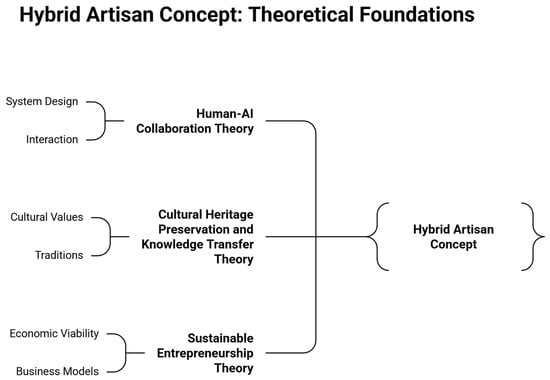
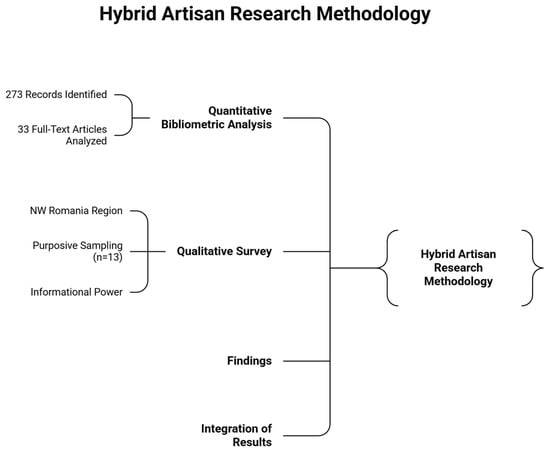
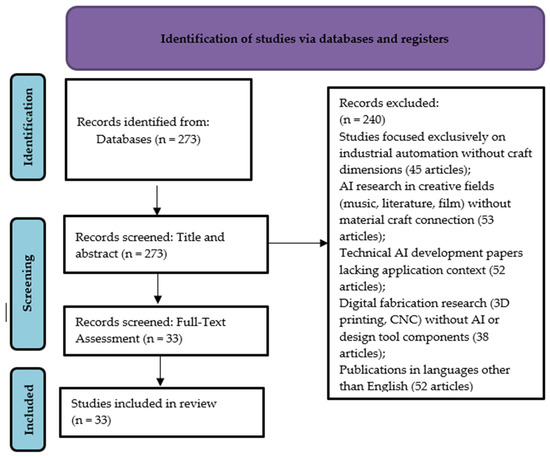
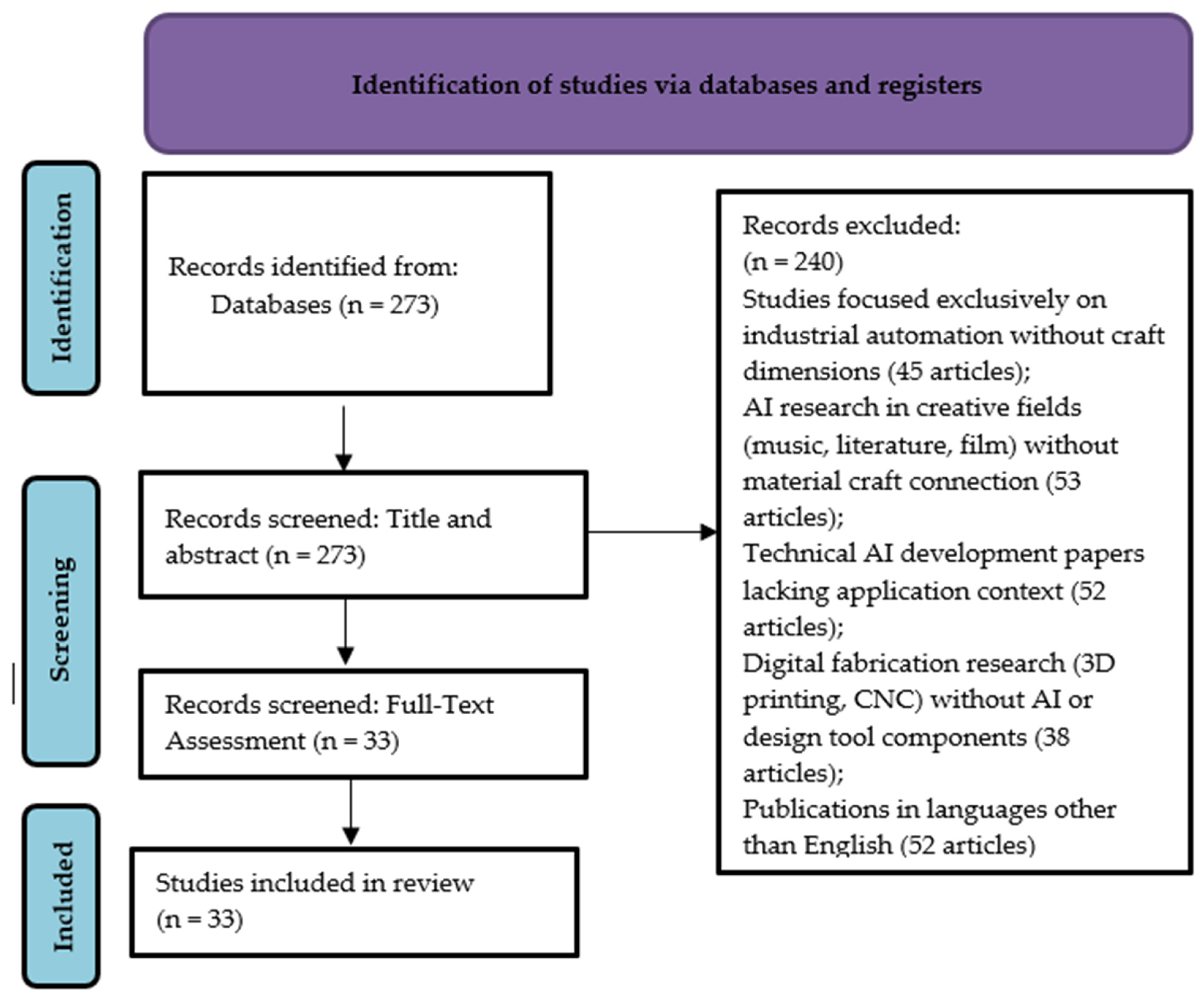

Disclaimer/Publisher’s Note: The statements, opinions and data contained in all publications are solely those of the individual author(s) and contributor(s) and not of MDPI and/or the editor(s). MDPI and/or the editor(s) disclaim responsibility for any injury to people or property resulting from any ideas, methods, instructions or products referred to in the content. |
© 2026 by the author. Licensee MDPI, Basel, Switzerland. This article is an open access article distributed under the terms and conditions of the Creative Commons Attribution (CC BY) license.