


Abstract
This study examines how a food supplier’s perceptions of customer trustworthiness relate to its customer concentration, the extent to which a supplier’s sales are unevenly distributed across its major customers, and how customer concentration is associated with procedural fairness perceptions and relationship marketing performance amid market uncertainty in the food supply industry. The multilevel model results show that trustworthy relationships are more strongly associated with perceptions of procedural fairness in stable food supply markets, where product demand, price forecasts, retail sales, and input costs are more predictable. While high customer concentration promotes perceptions of procedural fairness, customer trustworthiness is more strongly related to those perceptions when the food supplier has a more diverse customer base. More importantly, customer trustworthiness is not directly related to food suppliers’ relationship marketing performance. Rather, customer trustworthiness shapes a food supplier’s perceptions of procedural fairness, which, in turn, provides an active pathway to improved relationship marketing performance. The study contributes to a better understanding of customer trustworthiness and procedural fairness in the development of sustainable food supply networks amid market uncertainty.
1. Introduction
A key strategic decision for suppliers in food supply networks characterized by increasing uncertainty is to manage relationships with multiple customers that differ in strategic importance, trustworthiness, and decision-making processes [1,2,3]. Food suppliers are routinely subject to customers’ procedural decisions—for example, how customers inspect supplier product quality, administer compliance requirements, negotiate contract terms, and resolve disputes [4,5]. In contrast to distributive fairness, which examines economic outcomes, procedural fairness focuses on judgments and perceptions elicited by informational signals during relationship partners’ decision-making processes [6,7]. Whether decision-making procedures, initiated and controlled by customers, are consistent, unbiased, and respectful directly and continuously shapes a food supplier’s perceptions of procedural fairness, which is critical for the sustainable development of supplier-customer relationships in food supply networks [5,8,9].
The relationship marketing literature over the past few decades indicates that procedural fairness is positively related to various relationship outcomes, such as trust, relationship satisfaction, and willingness to cooperate [6,10,11]. Procedural fairness influences relationship governance, such as joint adaptation and interorganizational learning [4]. It is a cornerstone of long-term supplier-customer collaboration, dispute resolution, and effective contract management [3,12,13]. Table 1 summarizes recent empirical findings on procedural fairness across various interorganizational settings.
Table 1.
The summary table of recent empirical research on procedural fairness in interorganizational settings.
Despite extensive research on procedural fairness in relationship quality and governance from a relationship marketing perspective, recent empirical research on procedural fairness shows that three significant research gaps remain. First, the impact of customer trustworthiness on perceptions of supplier procedural fairness in multi-customer relationships remains underdeveloped. Customer trustworthiness refers to a food supplier’s judgment of whether the customer is reliable and merits trust based on a supplier’s evaluation of the customer’s competence, benevolence, and integrity [18,19]. As multiple customer relationships are connected through a focal supplier, a food supplier’s evaluation of one customer’s trustworthiness may amplify or attenuate its assessment of other relationships, with important implications for the formation of perceptions of procedural fairness.
Second, while studies show that governance and relational mechanisms that embed transparency, voice, and remedy pathways can increase the impacts of procedural fairness on satisfaction, relationship quality, and conflict resolution, especially for vulnerable suppliers [10,15,20], these studies ignore how customer concentration, a structural condition in multi-customer relationships, may systematically alter the impacts of procedural fairness on relationship marketing performance in food supply networks. Customer concentration reflects the extent to which a supplier’s sales are unevenly distributed across its major customers [21,22]. High customer concentration indicates strong sales dependence on a few key customers, whereas low customer concentration reflects a more diversified customer base. In recent decades, customer concentration has received increasing research attention in the accounting, finance, economics, and agri-food supply chain literature [23,24]. Findings show that customer concentration is an important risk factor that affects merger performance through switching costs and relationship-specific investments [24]. A supplier with a more concentrated customer base has higher equity and debt costs [23], which is detrimental to the supplier’s profitability when the supplier is in vulnerable customer relationships [2]. In the food network literature, customer concentration has been examined in terms of supplier dependency [1] and power imbalance [5] in recent years. Empirical research demonstrates that supplier dependency influences supplier financial performance and customer opportunism in agri-food supplier-buyer relationships [1]. However, the vast majority of prior studies adopt a single-dyadic relationship perspective, implicitly treating a supplier as engaging with only one focal customer at a time [25,26,27]. However, a supplier rarely operates within a single, isolated exchange relationship in the food supply networks. Most suppliers maintain concurrent relationships with multiple customers to safeguard their relationship-specific investments and balance their marketing efforts based on customer trustworthiness, thereby mitigating market risk from overdependence on a single customer in uncertain food supply networks [5,28].
Third, little is known about how customer trustworthiness and procedural fairness, amid market uncertainty, affect a food supplier’s relationship marketing performance. Existing studies tend to emphasize relational outcomes—such as collaboration, satisfaction, and relationship quality—while paying limited attention to marketing performance outcomes [14,29,30]. This research gap is particularly salient in volatile food supply networks, where customer relationships are complex and heavily shaped by consistent, impartial procedures that govern decision-making transparency, information accuracy and timeliness, and respectful interpersonal treatment [15,31]. Investigating how customer trustworthiness and procedural fairness directly or indirectly affect relationship marketing performance in multi-customer relationships under market uncertainty is, therefore, critical for shedding new light on how trust-based informational signals and fair decision-making procedures serve as a non-price mechanism that enables a food supplier to allocate sales among multiple customers effectively for market success.
Relationship marketing research suggests that marketing relationships are inherently processual, and relationship partners evaluate ongoing exchanges based on their perceived benefits, costs, and fairness, with an emphasis on expectations of reciprocity over time [32,33,34]. Relational signals in exchanges, such as reliability and fairness, and the structural conditions, such as resource concentration and switching costs, shape relationship partners’ behaviors and responses [3,10,35]. Building on relationship marketing research, we develop and empirically test a multilevel moderated-mediation model to examine how customer trustworthiness affects perceptions of procedural fairness through customer concentration, and how procedural fairness, in turn, affects relationship marketing performance of food suppliers. Figure 1 shows the conceptual model.
Figure 1.
The conceptual framework of customer trustworthiness and procedural fairness on relationship marketing performance.
We empirically tested the multilevel moderated mediation model using mixed linear models to account for the hierarchical structure of the survey dataset collected from 53 suppliers, each reporting their relationship perceptions toward four current customers. The findings show that procedural fairness mediates the effect of customer trustworthiness on relationship marketing performance. The impact of customer trustworthiness on perceptions of procedural fairness decreases as customer concentration and market uncertainty increase.
In the following sections, we first develop the hypothesized relationships within the conceptual model, drawing on a literature review of relationship marketing and food supply network research. We then outline the research methodology for empirically testing the conceptual model. Finally, we present the findings and discuss their theoretical and managerial implication.
2. Theoretical Background
Procedural fairness perceptions, rooted in justice theory, reflect the subjective judgment about whether decision-making procedures are impartial, unbiased, respectful, and applied consistently [11,17,36]. It emphasizes communication signals during ongoing exchanges that demonstrate courtesy and inclusion in decision-making processes [17,37]. Core mechanisms of procedural fairness include the evaluation of process control, transparency, consistent criteria and procedures applied over time and across parties, and impartial decision-making based on evidence [4,6].
2.1. Customer Trustworthiness and Procedural Fairness
Fairness and trust are dynamically intertwined and co-evolve in relationships [38]. Customer trustworthiness refers to a food supplier’s assessment of customers on three key elements: competence, benevolence, and integrity [37,39]. Competence emphasizes the customer’s ability to perform its purchasing tasks; benevolence focuses on whether the customer acts in a supplier’s interest; and integrity highlights the customer’s honesty, consistency, and promise-keeping. Modern marketing contexts of online consumers, networks, and AI applications validate the ability–benevolence–integrity structure of the trustworthiness construct [19,40].
From a relational governance perspective, customer trustworthiness serves as a foundational condition that stabilizes assessments of customer behavior [39]. Food suppliers rely on social cues and relational beliefs when assessing whether procedures, such as quality inspection, price adjustment, and delivery terms, are fair, where trustworthiness beliefs provide a lens for interpreting procedural actions, since perceptions of procedural fairness are inherently interpretive [37]. Customer trustworthiness can reduce food suppliers’ concerns amid information asymmetry, thereby fostering the expectation that customers will apply procedures impartially [39,41]. Customer trustworthiness can also signal predictability and help convey that governance mechanisms are legitimate and appropriate [42]. Such trust-based cues are particularly salient in food supply networks where procedures are multifaceted and not fully transparent [43]. When food suppliers trust their customers, they are more likely to interpret customers’ decision-making processes, such as contract adjustment or product quality evaluation, as legitimate rather than as biased or exploitative controls [44]. These positive expectations create a confirmation bias, allowing procedural decisions to be more readily interpreted as fair. Therefore, customer trustworthiness can shape food suppliers’ expectations of decision-making consistency and impartiality and guide the evaluation of fair procedures. In contrast, low customer trustworthiness can heighten food suppliers’ concerns about procedural issues and increase the likelihood that they perceive procedures as unfair.
When food suppliers engage with multiple customers, they can compare each customer’s trustworthiness within their customer base to assess whether the customer and its personnel understand the market conditions food suppliers face and whether the customer applies transparent purchasing procedures [41]. Customer trustworthiness serves as a signal and perceptual filter, shaping perceptions of the legitimacy of each customer’s decision-making procedures [45]. Therefore, we argue that customer trustworthiness is a critical antecedent of perceptions of procedural fairness, as it can influence food suppliers’ interpretations of whether purchasing processes are consistent, unbiased, and legitimate.
H1.
Customer trustworthiness is positively related to perceptions of procedural fairness.
2.2. Customer Trustworthiness and Customer Concentration
Marketing relationships are sustained through reciprocal exchanges of benefits, with potential costs taken into account [35,46]. A core assumption is that partners value predictability and anticipated rewards in exchange relationships [47]. Customer trustworthiness plays a critical role in shaping a supplier’s evaluations of whether the outcomes they receive are proportional to the investments and risks they undertake [48]. It also brings socio-emotional benefits that extend beyond immediate economic gains in supplier-customer relationships [41]. As customer trustworthiness increases, the supplier shifts from short-term transactional behaviors toward trust-based resource commitment [27]. Customer trustworthiness creates an obligation for the supplier to reciprocate not only through a continued relationship but also by making trust-based relationship-specific investments, such as specialized production equipment, customized packaging, and traceability labeling to increase the customer’s share of business [49]. Moreover, high levels of customer trustworthiness reduce perceived relational risk, thereby increasing food suppliers’ willingness to concentrate sales and commit to a few customers rather than diversify across multiple customers [50]. Food suppliers with high perceptions of customer trustworthiness will rationally choose to consolidate transactions with a few trustworthy customers over time. In contrast, low levels of customer trustworthiness heighten food suppliers’ fears of opportunistic and exploitative customer behavior [51]. One crucial protective strategy for the food supplier in such a situation is to diversify its customer portfolio to mitigate risk. Therefore, customer trustworthiness shapes the structure of sales allocation by motivating food suppliers to allocate a greater share of their business to customers who demonstrate higher levels of trustworthiness, thereby increasing customer concentration.
H2.
Customer trustworthiness is positively related to customer concentration.
2.3. The Mediating Role of Customer Concentration
Customer trustworthiness shapes the structure of supplier-customer relationships through customer concentration, which in turn may have important implications for suppliers’ perceptions of procedural fairness. The relationship marketing literature shows that economic dependence, characterized by concentrated relationships, is a key pathway to trust-based perceptions [52]. Tangpong, Hung, and Ro [53] further support the view that supplier dependence as reflected in sales concentration is a significant antecedent to fair procedural governance.
Customer trustworthiness reduces perceived risk and transaction costs, making the supplier more willing to commit to a single or limited set of customers and to develop stable, cooperative supplier-customer relationships [27]. When a food supplier maintains trust-based cooperative relationships with a few major customers, customer decision-making processes are more likely to be perceived as legitimate, consistent, and respectful of the supplier’s interests [6]. When a food supplier rationally consolidates its business with reliable customers rather than spreading it across many unfamiliar ones, the concentrated relationship becomes strategically critical to the customers. Customers have strong incentives to invest in transparent decision-making, consistent rule application, and voice mechanisms to sustain the relationships, since the cost of losing such a food supplier would be substantial [54]. Procedural fairness increases not solely because the food supplier finds the customer trustworthy, but because customer trustworthiness allows the food supplier to reorganize the economic stakes through customer concentration, which now demands a fair decision-making process that is hard for the customer to deny. Therefore, customer trustworthiness not only directly affects procedural fairness; it also structurally reshapes the supplier relationship portfolio through customer concentration, which, in turn, drives procedural fairness.
H3.
Customer trustworthiness has an indirect effect on procedural fairness through customer concentration.
2.4. The Moderating Role of Customer Concentration
Customer concentration reflects the extent to which a supplier’s sales depend on multiple customers [55]. It is a double-edged sword: high customer concentration can mean stable demand from a dominant customer, which facilitates collaboration and strong relationships, thereby enhancing perceptions of procedural fairness [27,54]. However, high customer concentration may lead to excessive dependence, increase severance risks, and cause rent extraction, thereby putting suppliers at a disadvantage in the relationship [2,56].
Governance choices reflect the complementary interplay between structural and relational mechanisms. Poppo and Zenger [57] show that trust, as a relational governance mechanism, carries greater explanatory power for cooperative behavior when structural or economic safeguards are low. Low customer concentration means that a food supplier’s sales are spread across multiple customers, and there is little structural pressure through economic weights to compel customers to adopt fair decision-making procedures. In this situation, the translation of customer trustworthiness, as the relational mechanism marked as a credible, unconfounded signal of genuine relational commitment, into procedural fairness is therefore stronger. Low customer concentration means that the supplier is less dependent on any single customer, and customer trustworthiness is more likely to translate into collaborative governance and transparent procedures because no single customer possesses sufficient economic leverage to dominate the process [1]. Consequently, customer trustworthiness, reflecting goodwill and benevolence, becomes the dominant relational governance signal for ensuring the fairness of customer decision-making procedures in low-customer-concentration situations.
In contrast, when customer concentration is high, a food supplier is highly dependent on a small number of major customers. Such dependence often grants dominant customers substantial bargaining power, enabling them to influence decision-making processes more closely aligned with their interests [27,54,56]. In high-dependency relationships, even when customer trustworthiness is high, it is hard for the food supplier to counterbalance the power imbalance by ensuring customers adopt unbiased and consistent procedures [58]. As a result, decision-making processes may be aligned with the best interests of powerful customers rather than with broadly accepted fair procedures. The signal of customer trustworthiness is therefore partially confounded with the economic compulsion, reducing its effect on procedural fairness. Taken together, we argue that customer concentration may weaken the relationship between customer trustworthiness and procedural fairness in high-customer-concentration situations, thereby constraining the impact of customer trustworthiness on impartial, consistent decision-making.
H4.
Customer concentration moderates the relationship between customer trustworthiness and procedural fairness, where customer trustworthiness has a weaker positive relationship with procedural fairness when customer concentration is high.
2.5. The Moderating Role of Market Uncertainty
According to relationship marketing research, when the market is unpredictable, the parties in the relationship resort to calculative governance—based on monitoring and contractual safeguards rather than trust-based relational mechanisms [59,60]. Customer trustworthiness can become ambiguous in a high-uncertainty market due to situational necessity [61]. Customers operating in unpredictable markets may lack the resources to invest in inclusive decision-making processes and transparent communication systems, as they must devote significant resources to responding to market changes [59]. When customers face greater market-condition unpredictability, they also rely more heavily on flexible decision-making processes to manage risks, thereby reducing the extent to which customer trustworthiness alone shapes consistent decision-making [62]. High market uncertainty introduces noise and a lens of suspicion into the interpretation of relational signals, where even genuinely trust-induced procedural fairness can be misinterpreted as strategic maneuvering driven by customer self-interest [63]. High market uncertainty, therefore, weakens the ability of customer trustworthiness to translate into consistently applied procedures.
In contrast, when market uncertainty is low, customer behavior is more predictable because market noise is lower [64]. Relationships follow efficient reciprocity cycles, which allow customer trustworthiness to serve as a confidence-building mechanism [65]. In such a stable market, behavioral intentions and expectations are transparent, unambiguous, and mutually understood. A food supplier who perceives the customer as trustworthy can rely on established norms and expect consistent procedures, without resorting to extensive monitoring or formal controls. Therefore, customer trustworthiness can enhance perceptions of procedural fairness in a low-uncertainty market.
H5.
Market uncertainty moderates the relationship between customer trustworthiness and procedural fairness, where customer trustworthiness has a stronger relationship with procedural fairness when market uncertainty is low.
2.6. Procedural Fairness and Relationship Marketing Performance
Relationship marketing research suggests that perceptions of procedural fairness can reduce relationship friction and enhance value co-creation, which directly translates into financial gains, including sales growth and profitability [36]. Procedural fairness can create a transparent link between food suppliers’ efforts and financial rewards, motivating food suppliers to make targeted investments in production, harvesting, and post-harvest activities to meet customer-designated standards. High levels of procedural fairness are also characterized by shared norms and strong cooperation in pricing negotiations, quality inspections, and delivery scheduling, which reduce opportunism and monitoring costs while enhancing relational stability and joint quality-control practices [16]. Furthermore, procedural fairness strengthens relationship marketing performance by facilitating value co-creation. It enables food suppliers and their customers to integrate complementary resources and capabilities to improve product quality, address market needs, and deliver customized solutions, thereby driving repeat purchases, positive word-of-mouth, and long-term revenue growth [3,35]. It can also improve relationship marketing performance by enhancing relational stability and sustainable revenues. A positive review of the customer’s procedural fairness signals to the food supplier that the customer values the relationship and has relational intent beyond immediate short-term transactional gains [16]. Procedural fairness fosters commitment and relational continuity, motivating both food suppliers and customers to invest in relationship-specific assets for joint marketing solutions, thereby increasing customer lifetime value and a food supplier’s competitive position in the food supply networks. Such reciprocal actions foster mutual commitments and relationship stability, thereby contributing to better relationship marketing performance.
In multi-customer contexts, a food supplier’s procedural fairness experiences can be heterogeneous, with some customers behaving impartially in decision-making while others may be arbitrary or opportunistic. Such variation shapes a food supplier’s perception of procedural fairness toward each customer, based on the comparative fairness climate across relationships. Considering the varied perceptions of procedural fairness, a food supplier can more effectively adjust collaborative efforts and allocate relationship resources among customers, thereby enhancing relationship marketing performance. Therefore, we hypothesize:
H6.
Procedural fairness perceptions are positively related to relationship marketing performance.
3. Research Methodology
We developed the conceptual model through a comprehensive literature review, using ChatGPT (GPT-5.5) to assist in identifying potentially relevant recent research articles. All AI-generated article suggestions were independently reviewed and verified for relevance and accuracy before being included in the literature review and discussion.
3.1. Sample
We empirically test the conceptual model using survey data from food suppliers in the United States. Before data collection, we developed construct measures based on a comprehensive literature review of existing scales. We also solicited feedback from suppliers, agricultural specialists, and academic colleagues through focus groups and individual interviews. We obtained a list of around 590 suppliers from a Midwest supplier database. We then sent surveys to collect data. The survey cover letter, signed by both the primary investigators and the agriculture specialist, explained the study’s purpose, voluntary participation, and the confidentiality of responses. We received responses from 61 suppliers after two rounds of surveys, each reporting their perceptions of their relationships with up to four current customers. The response rate was around 10%. After removing surveys with excessive missing data, the final dataset includes responses from 53 suppliers, yielding 212 customer-level observations. The food suppliers operate small, family-owned businesses across four major categories: commodity grains; commodity livestock; value-added operations such as ethanol plants and branded meat companies; and contract growing/raising. 22 suppliers had sales below 100,000 U.S. dollars, 16 suppliers had sales between 100,000 U.S. dollars and half a million U.S. dollars, 11 suppliers had sales between half a million U.S. dollars and 1 million U.S. dollars, and 4 suppliers had sales above 1 million U.S. dollars. 47 survey respondents were male, and 6 were female.
3.2. Measures of Key Constructs
The survey asked food suppliers to list their four customers, report each customer’s share of the supplier’s gross sales, and answer questions about their relationships with each customer. We measured the supplier’s perceptions of customer trustworthiness and procedural fairness for each customer relationship. We adapted Kumar et al. (1995)’s [10] procedural fairness scale, which measures a supplier’s assessment of whether the customer adheres to consistent policies and decision-making procedures, behaves impartially and courteously, and maintains open communication with the supplier. The final scale comprised six items rated on a five-point Likert scale (1 = strongly disagree, 5 = strongly agree).
Following Doney and Cannon’s (1997) [66] scale, we assessed customer trustworthiness by asking the respondent to evaluate the customer’s competence, integrity, and benevolence. The final scale comprised 4 items on a five-point Likert scale, with 1 = strongly disagree and 5 = strongly agree. We followed Griffith et al.’s (2006) [67] scale and measured relationship market performance with two items that asked the supplier to rate how their relationships with customers affect their sales growth in dollars and their overall profitability relative to other suppliers. The scale was anchored on a five-point Likert scale, with 1 = significantly worse and 5 = significantly better. We adapted the environmental uncertainty scale [10] to measure market uncertainty, based on interviews with food suppliers. The final scale has four items that measure suppliers’ ratings of the following uncertainties for the past fiscal year: product demand, price forecasts, retail sales, and input costs. The scale was anchored on a five-point Likert scale, with 1 = extremely low and 5 = extremely high. We asked the supplier to indicate the percentage of their gross sales for each of the four customers.
While previous research used both the Herfindahl–Hirschman Index (HHI) and the Gini coefficient to measure customer concentration, these measures capture different aspects of concentration [21,22]. The HHI assesses concentration by focusing on dominant customers, assigning disproportionately greater weight to larger customers. Therefore, the HHI has been widely used as the standard measure for evaluating dependence and competition. In contrast, the Gini coefficient incorporates information from all customers, reflecting not only sales concentration among dominant customers but also the overall configuration of sales allocation across small, medium, and large customers. It reflects how evenly or unevenly sales are allocated across multiple customers from a structural perspective, which fits our theoretical interest in understanding how the underlying structure of concentration, rather than the dominance of individual customers alone, relates to relationship marketing performance. Therefore, following Boccaletti et al. [22]’s measurement of customer concentration in the European agricultural sector, we adopted the Gini coefficient to measure customer concentration to capture the overall inequality in the distribution of sales shares among key customers. We then calculated customer concentration using the Gini index, a single number that summarizes the distribution of sales across customers [24]. The following formula calculates the Gini index:
where and represent sales percentages for two customers i and j, and is the mean sales per customer. Gini index ranges from 0 to 1, where “0” indicates that each customer contributes equally to the supplier’s sales, and “1” indicates that one customer accounts for all sales.
We controlled for the number of full-time employees of the food supplier, supplier sales volume, customer business size, customer business location, supplier-customer relationship length, and respondent gender in the model testing, as these variables may influence the dependent variables and have been used as control variables in various supply chain empirical research papers [7,10]. The number of full-time employees of the food supplier, supplier sales volume, and customer business size are controlled because business sizes may influence the relationship alternatives and power dynamics between food suppliers and customers, which may potentially influence suppliers’ customer concentration and procedural fairness perceptions [7]. We measured a food supplier’s employee count by asking the respondent to report the number of full-time employees. We measured supplier business size by the question, “What is your approximate gross sales for the past fiscal year?” with four categories: 1. less than $100,000; 2. $100,000–500,000; 3. $500,000–$ 1 million; and 4. greater than $ 1 million. We measured customer business size by asking respondents to indicate their perception of the customer’s business size by selecting one of three categories: 1. small, 2. medium, or 3. large. Relationship length is controlled because long relationship duration and frequent interactions may allow food suppliers to build trust, establish relational norms, and increase tolerance for occasional procedural disagreements. Longer relationships may also heighten expectations regarding impartiality and transparency in the decision-making process, making perceived violations of procedural fairness more salient [35]. We measure relationship length by asking the respondent how many years the supplier has been in business with the customer. Customer location is controlled because institutional norms, cultural practices, communication styles, and regulatory requirements change with the geographic scopes of customers, which may shape the nature of supplier-customer interactions and influence procedural fairness expectations of food suppliers [68]. We measured customer location by asking respondents to select the customer’s geographic location from four options: 1. local, 2. regional, 3. national, and 4. multinational. Gender is controlled because prior research shows that gender differences are potentially an important source of individual-level heterogeneity in procedural fairness perceptions involving consistent and respectful interpersonal interactions, communication, and decision-making practices [69]. We measured the respondent’s gender with 1. male and 2. female.
We conducted exploratory factor analysis and examined the multi-item scale’s reliability and validity using factor loadings and Cronbach’s alpha before multilevel model testing. The factor loadings of all scale items exceeded the acceptable threshold of 0.60, indicating satisfactory internal reliability. Cronbach’s alpha coefficients are all above 0.70, further confirming the reliability of the multi-item scales. Appendix A presents the survey items, their factor loadings, and the scales’ Cronbach’s alpha.
We conducted Harman’s single-factor test and found that the first unrotated factor explained 35.7% of the total variance. As the test did not indicate a dominant general factor (below the 50% threshold), we concluded that common method bias was unlikely to represent a serious concern for the study.
We further conducted a multilevel confirmatory factor analysis (CFA) to assess the reliability and convergent validity of the multi-item scales [70]. The overall multilevel CFA indices indicated an acceptable model fit to the data, with GFI around 0.91, CFI around 0.92, and RMSEA around 0.08. We assessed the internal consistency and convergent validity using composite reliability (CR) and average variance extracted (AVE) [71]. The results indicated satisfactory convergent validity and reliability for customer trustworthiness (AVE ≈ 0.56, CR ≈ 0.83), procedural fairness (AVE ≈ 0.67, CR ≈ 0.92), and relationship marketing performance (AVE ≈ 0.86, CR ≈ 0.93). Market uncertainty demonstrated acceptable composite reliability (CR ≈ 0.73), indicating satisfactory internal consistency, whereas its AVE (around 0.42) was below the conventional 0.50 threshold. The lower AVE of market uncertainty was primarily attributable to variability in indicator loadings, rather than uniformly poor measurement across the four indicators. Following Fornell and Larcker [71], we retained all four indicators of the market uncertainty scale because its composite reliability exceeded the recommended threshold, it was theoretically relevant, and it contributed adequately to the overall measurement model.
We followed the Fornell–Larcker criterion and checked the square root of the AVE for the multi-item scales to assess discriminant validity [71]. The finding showed that the square root of the AVE for customer trustworthiness (0.75) was slightly lower than its correlation with procedural fairness (0.77), while all other constructs in the measurement model satisfied the criterion. This finding is interpreted in light of the study’s theoretical and methodological context. As we used widely validated and adopted customer trustworthiness and procedural fairness scales from prior research, they have demonstrated satisfactory psychometric properties and discriminant validity across multiple studies and contexts. The marginal difference between the two values suggested substantial conceptual relatedness between customer trustworthiness and procedural fairness rather than empirical redundancy, as the theoretical distinction between them is well established in the literature. Because the two constructs represent conceptually related but distinct dimensions, a relatively high correlation is consistent with previous empirical findings. We further assessed discriminant validity between customer trustworthiness and procedural fairness with the heterotrait-monotrait ratio (HTMT) using the within-cluster covariance matrix. The HTMT was 0.81, which is below the commonly recommended threshold of 0.90, showing acceptable discriminant validity between the two constructs. Considering the strong theoretical support, the acceptable measurement model, the multilevel nature of the data, and the acceptable HTMT value, we retained all the items for both constructs in the model testing.
4. Analysis and Results
Due to the hierarchical structure of repeated customer observations within food suppliers, we adopted linear mixed-effects models to account for the multilevel structure of variables measured at the customer (Level 1) and supplier (Level 2) levels [72]. Prior research suggests that sample sizes are generally considered adequate for estimating multilevel moderated mediation models when cluster sizes are balanced, while acknowledging that statistical power to detect very small cross-level interaction effects may remain limited [73,74]. To justify the use of the linear mixed-effects models, we first estimated the baseline (null) models. Specifically, we compared two baseline models with procedural fairness as the dependent variable and no predictors to assess the extent of between-supplier variability: one with no supplier-level random intercept and the other with one. Model comparisons indicated that adding a subject-level random intercept substantially improved model fit, with the AIC dropping from 362.3 (no random intercept model) to 269.1 (random intercept model) (ΔAIC = 93.2). This significant improvement in model fit supported the presence of clustering and justified the use of random-intercept models to appropriately account for the hierarchical structure and obtain unbiased parameter estimates and standard errors. The intra-class correlation (ICC) coefficient for the random-intercept model is around 0.78, further supporting strong clustering among food suppliers and providing strong justification for appropriately using mixed-effects models to account for within-supplier dependence in the dataset [74].
Before model testing, we averaged the multi-item scales to compute a score for each construct, which was then used in the linear mixed-effects models. Table 2 presents descriptive statistics for the variables, including means, standard deviations, and correlations.
Table 2.
Descriptive statistics and correlations among Level 1 and Level II variables *.
We set up five hierarchical mixed-effects models with procedural fairness perceptions as the dependent variable and used SAS 9.4 linear mixed models to test the hypothesized relationships. Model 1 was the baseline model, with six control variables: the food supplier’s employee count, supplier sales volume, customer size, supplier-customer relationship length, customer location, and the respondent’s gender, with customer location and the respondent’s gender treated as categorical [7]. The AIC of Model 1 is 270.8. We tested the first hypothesis by including customer trustworthiness as the independent variable in Model 2. The AIC of Model 2 is 205.5, indicating a substantially improved model fit compared with Model 1 (ΔAIC = 65.3). Model 2 findings indicated that customer trustworthiness positively affects perceptions of procedural fairness (β = 0.77, p < 0.01), supporting Hypothesis 1. These findings show that customer trustworthiness, as indicated by customer competence, integrity, and benevolence, promotes a supplier’s perception of procedural fairness. Model 3 included customer concentration in addition to the main effect of customer trustworthiness. Model 3 has the lowest AIC value (184.5) among the three models and shows a substantially improved model fit compared with Model 2 (ΔAIC = 41.0). Model 3 findings indicated that customer concentration has a significant impact on procedural fairness (β = 0.84, p < 0.05). The finding suggested that high levels of customer concentration, in which a supplier derives most of its sales from a few customers, lead to higher perceptions of procedural fairness (as the Herfindahl–Hirschman Index (HHI) is also a widely used measure of customer concentration, we conducted an additional analysis using the HHI as an alternative operationalization of customer concentration. The finding with HHI in the hierarchical mixed-effects model was not statistically significant. Such a finding is not unexpected, which shows the Gini coefficient and the HHI capture different aspects of customer concentration. Specifically, the Gini coefficient reflects the overall inequality in a food supplier’s sales distribution across customers and captures the structural differences in sales distribution, whereas the HHI places greater emphasis on dominant customers. The findings suggest that customer concentration operationalized in the Gini index and the HHI are neither theoretically nor empirically interchangeable. They represent distinct conceptualizations of customer concentration and should be employed selectively based on research questions and theoretical arguments under investigation). Model 3 findings indicated that customer trustworthiness still had a significant impact on procedural fairness (β = 0.72, p < 0.01) after controlling for customer concentration, indicating that customer trustworthiness has both a direct and an indirect effect on procedural fairness through customer concentration as the mediator. This finding suggested that customer concentration partially mediates the relationship between customer trustworthiness and perceptions of procedural fairness, meaning that part of the effect of customer trustworthiness on these perceptions operated through changes in customer concentration. At the same time, customer trustworthiness continued to influence perceptions of procedural fairness independently of customer concentration. Table 3 summarizes the results of multilevel model testing.
Table 3.
Multilevel analysis of customer trustworthiness, customer concentration and market uncertainty on procedural fairness *.
Model 4 included the moderation effect of customer concentration in the relationship between customer trustworthiness and procedural fairness. Model 4 provides the best fit with the lowest AIC (180.8) among the four models. The moderation test revealed a significant effect (β = −0.76, p < 0.05), indicating that customer concentration moderates the relationship between customer trustworthiness and perceptions of procedural fairness, supporting Hypothesis 4. We plotted the interaction effect in Figure 2. Figure 2 shows that the impact of customer trustworthiness on perceptions of procedural fairness is stronger at lower levels of customer concentration. The findings indicated that the positive relationship between customer trustworthiness and perceptions of procedural fairness weakens as customer concentration increases. Customer trustworthiness is most effective in low-customer-concentration situations, but less so in high-customer-concentration situations, even though both customer trustworthiness and customer concentration independently improve perceptions of procedural fairness.
Figure 2.
The moderating effect of customer concentration on the relationship between customer trustworthiness and procedural fairness.
Model 5 included market uncertainty as the moderating variable. Model 5 showed a slightly higher AIC than Model 4 (AIC value = 182.7). The moderation test revealed a significant effect (β = −0.16, p < 0.05), indicating that market uncertainty moderates the relationship between customer trustworthiness and perceptions of procedural fairness, supporting Hypothesis 5. We plotted the interaction effect in Figure 3. Figure 3 showed that the impact of customer trustworthiness on perceptions of procedural fairness is the weakest at the highest levels of market uncertainty. The findings indicated that customer trustworthiness is most effective in low-market-uncertainty situations but less so in high-market-uncertainty situations, even though customer trustworthiness improves perceptions of procedural fairness.
Figure 3.
The moderating effect of market uncertainty on the relationship between customer concentration and procedural fairness.
Considering the relatively small sample size, we conducted a full Monte Carlo simulation-based power analysis with 1000 simulation iterations with the fitted Model 4, preserving the observed sample size, random-effects structure, and parameter estimates. The simulation performed well, as indicated by an empirical Type I error rate of 0.048, which was close to the nominal significance level of 0.05. For the observed cross-level interaction (β = −0.76) in Model 4, the estimated statistical power was 0.61 (Monte Carlo 95% confidence interval [0.58, 0.64]). For the observed cross-level interaction (β = −0.16) in Model 5, the estimated statistical power was 0.50 (Monte Carlo 95% confidence interval [0.47, 0.53]). These results indicate that the study had moderate power to detect interactions of the observed magnitude, and the study may have been underpowered to detect smaller effects. Accordingly, although the interactions were statistically significant, the finding should be interpreted with appropriate caution and would benefit from validation in a larger sample.
Model 6 included customer concentration as the dependent variable, while Model 7 contained three models with relationship marketing performance as the dependent variable. As customer concentration is at the supplier level (Level 2) and we measured relationship marketing performance at the supplier level (Level 2), these dependent variables have no within-group variation and cannot be incorporated into the multilevel mediation model. Therefore, we used regression as the second stage to estimate customer concentration and relationship marketing performance as the dependent variables in separate Level 2 regression models. Such a two-stage analytical strategy is consistent with the hierarchical structure of the data and enables us to address the research questions at their appropriate levels of analysis. Specifically, the models included aggregated Level 1 constructs by computing the mean responses for each supplier, yielding a single observation per supplier. The aggregation procedure enabled the Level 1 variables to capture the collective characteristics of each supplier, thereby aligning the predictors with the Level 2 dependent variables, customer concentration and relationship marketing performance, in the regression models. Before aggregation, we examined the reliability of the aggregated group means for the two Level 1 variables: customer trustworthiness and perceptions of procedural fairness. Customer trustworthiness has a group-mean reliability of around 0.97, and procedural fairness perceptions have a group-mean reliability of around 0.93, indicating that the supplier-level aggregated means are highly reliable and supporting their use as Level 2 variables in the regression analysis.
Table 4 summarizes the results of Model 6 with customer trustworthiness as the dependent variable and Model 7a, 7b, and 7c with relationship marketing performance as the dependent variable. Model 6 showed that customer trustworthiness has a positive relationship with customer concentration (β = 0.09, p < 0.05), supporting Hypothesis 2. The finding shows that food suppliers with higher average levels of customer trustworthiness tended to exhibit higher levels of customer concentration. The model explained approximately 18% of the variance in customer concentration (R2 = 0.18), indicating that customer trustworthiness accounted for a meaningful proportion of variation in customer concentration. While the coefficient of the customer trustworthiness-to-customer concentration path was modest in magnitude, the indirect effect depends on the product of the customer trustworthiness-to-customer concentration and customer concentration-to-procedural fairness path coefficients, rather than on the magnitude of either path alone. We used the product-of-coefficients approach as a follow-up check to evaluate the indirect effect, with the path coefficients obtained from Model 3 and Model 6. We then conducted a Monte Carlo simulation with 50,000 draws from the asymptotic sampling distributions of the estimated coefficients to generate the empirical sampling distribution of the indirect effect. The follow-up mediation test showed an estimated indirect effect of 0.076, with a 95% Monte Carlo confidence interval of 0.001 to 0.191, indicating a significant mediation effect and supporting Hypothesis 3. The findings also showed that all variance inflation factor (VIF) scores in Models 6, 7a, 7b, and 7c were below 3, indicating that the independent variables were not excessively correlated and that multicollinearity did not significantly inflate the standard errors of the estimated coefficients. The R2 value of Model 7b (0.33) is higher than that of Model 7a (0.14), indicating that Model 7b has a better fit and explains a greater proportion of the variance in relationship marketing performance. The findings for Model 7b indicate that customer trustworthiness significantly affects relationship marketing performance (β = 0.45, p < 0.05), suggesting that when customer trustworthiness is high, the supplier exhibits better firm-level marketing performance. Model 7c shows the best model fit with the R2 value of Model 7c (0.50), which is higher than that of Model 7b (0.33). Model 7c findings show that procedural fairness significantly affects relationship marketing performance (β = 0.64, p < 0.01), supporting Hypothesis 6. As the Model 7c findings indicate, customer trustworthiness has no significant impact on relationship marketing performance after controlling for perceptions of procedural fairness. This finding suggests that procedural fairness fully mediates the relationship between customer trustworthiness and relationship marketing performance.
Table 4.
Results of regression analysis with customer concentration and relationship marketing performance as the dependent variable *.
5. Discussion
5.1. Theoretical Implications
Drawing on relationship marketing and food supply network research, we investigate how customer trustworthiness affects the relationship marketing performance of food suppliers. Our findings show that a food supplier’s structural relationships with multiple customers have important implications for the development of sustainable food supply networks, as customer concentration plays a crucial dual role: both a mediator and a moderator of the effect of customer trustworthiness on perceptions of procedural fairness, which, in turn, directly impacts the relationship marketing performance. The findings bring food supply network research closer to the business realities and offer a more holistic account of a food supplier’s relationship marketing performance by shedding light on how a supplier integrates trust-based informational signals into perceptions of procedural fairness across multi-customer relational contexts, particularly when customer trustworthiness varies.
The two-stage linked multilevel mixed model results, shown in Table 3 and Table 4, demonstrate that customer concentration plays a crucial partial mediating role in shaping perceptions of procedural fairness, which, in turn, affects relationship marketing performance. Customer trustworthiness, reflecting customers’ competence, integrity, and benevolence, motivates food suppliers to focus their sales efforts on a few trustworthy customers. When a food supplier relies on a few trustworthy customers for sales, concentrated customer relationships compel customers to adopt transparent, consistent decision-making procedures under economic and social pressures, thereby improving relationship marketing performance. More importantly, the findings show that customer concentration also moderates the marginal impact of customer trustworthiness on perceptions of procedural fairness, with a higher impact when a food supplier has a more diverse customer base. Food suppliers simultaneously respond to trust-based relationship signals and adjust their sales dependence on multiple customers as perceptions of procedural fairness vary across multiple customer relationships. The findings offer a better understanding of how the relationship marketing performance of food suppliers is determined by the structural allocations of sales among multiple customers with varying levels of trustworthiness and procedural fairness.
The dual role of customer concentration as a mediator and a moderator reflects two complementary relational governance mechanisms through the higher-level construct. The mediating effect suggests that customer concentration is part of the process through which customer trustworthiness, as a relational condition, is indirectly related to perceptions of procedural fairness. More specifically, perceptions of customer trustworthiness developed through sales relationships can strengthen food suppliers’ relational commitment, and such commitment may lead food suppliers to allocate a larger share of sales to a few trustworthy customers, resulting in a more concentrated customer portfolio. In this regard, customer concentration represents the structural outcome of accumulated relationship marketing processes, and is positively associated with procedural fairness perceptions. The moderating role of customer concentration captures an important boundary condition and intervening mechanism under which customer trustworthiness is directly related to procedural fairness perceptions. While customer trustworthiness generally promotes procedural fairness perceptions by fostering positive relational exchange practices, a highly concentrated customer portfolio creates structural constraints that may reduce the food supplier’s bargaining power, thereby limiting the extent to which customer trustworthiness can translate into procedural fairness perceptions. In other words, although customer trustworthiness continues to facilitate positive exchanges, the structural imbalance associated with a highly concentrated customer portfolio constrains the relational benefits of customer trustworthiness, as the positive effect of customer trustworthiness on procedural fairness perceptions becomes less pronounced when customer concentration increases. Conversely, when customer concentration is lower and sales are more evenly distributed across customers, food suppliers have more autonomy in relationships, which allows customer trustworthiness to have a stronger relationship with procedural fairness perceptions. By distinguishing between these indirect and direct mechanisms of customer concentration, the findings provide a more nuanced understanding of how higher-level contexts both transmit and constrain level 1 relationship outcomes. The findings of Model 7b and 7c in Table 4 reveal that customer trustworthiness improves relationship marketing performance not directly, but by enabling and legitimizing procedural norms, including impartial transaction rules that prevent unfair practices, in the food supply network characterized by uncertainty in demand, retail prices, retail sales, and input costs. A food supplier’s perceptions of procedural fairness were not only a function of trust-based relationships but also depended on volatile external conditions. Considering the trade-offs between sales commitment and flexibility, higher customer trustworthiness significantly increases a food supplier’s sales engagement, and this effect is more pronounced in stable markets with predictable product demand, price forecasts, retail sales, and input costs. The implicit performance implication is that when the food supply market is highly uncertain, understanding customer trustworthiness and procedural fairness in a single dyadic relationship is insufficient, as the quality of any single relationship does not shape relationship marketing performance outcomes. More importantly, securing fair treatment from multiple customers reduces vulnerability to uncertainty, which subsequently generates relationship performance benefits in the food supply industry.
Interestingly, customer trustworthiness does not directly contribute to relationship marketing performance, as Model 7c in Table 4 shows. Rather, customer trustworthiness shapes a food supplier’s perceptions of procedural fairness; those perceived-fairness judgments, in turn, drive sales and profitability growth that constitutes relationship marketing performance. Therefore, procedural fairness is not merely a consequence of customer trustworthiness but an important intervening mechanism through which customer trustworthiness produces its economic value in the food supply networks.
5.2. Managerial, Social-Economic, Environmental and Policy Implications
The significant findings on the moderated-mediating role of customer concentration in the relationship between customer trustworthiness and perceptions of procedural fairness provide practical insights into key growth pathways for the sustainable development of food supply networks. Food supply chain managers must move beyond a narrow, dyadic view and adopt a multi-customer approach to monitor their relationship marketing performance. Customer concentration, reflecting sales allocation among multiple customers, shapes and is shaped by customer trustworthiness, which affects a food supplier’s strategic leverage with customers over fair pricing, quality standards, delivery terms, and complaint-handling procedures. Lower customer concentration creates a more favorable environment for customer trustworthiness to translate into higher perceived procedural fairness. Specifically, when food suppliers distribute sales across a broader customer base, customer trustworthiness plays a stronger role in ensuring fair decision-making procedures and respectful interactions. In contrast, when food suppliers concentrate sales among a limited number of customers, high customer concentration may increase food suppliers’ perceived vulnerability and bargaining power asymmetries, thereby reducing the positive influence of customer trustworthiness on perceptions of procedural fairness. Therefore, food suppliers in uncertain markets should balance their dependence on multiple customers, as customer concentration can alter the relationship between customer trustworthiness and procedural fairness in each relationship.
Managerially, the findings underscore that customer concentration, as a structural factor, is a key mechanism linking customer trustworthiness to procedural fairness and shapes the extent to which customer trustworthiness contributes to procedural fairness perceptions. Supply chain managers should view customer concentration and trustworthiness as complementary resources, rather than placing sole emphasis on customer trustworthiness. It is strategic for them to seek an appropriate balance between customer trustworthiness and customer concentration. From a resource allocation perspective, food suppliers with low customer concentration should prioritize seeking customers with high trustworthiness to ensure procedural fairness. In contrast, when customer concentration is high, it is strategic for supply chain managers to direct resources toward other factors that influence procedural fairness perceptions, such as adopting technological tools, including blockchain, artificial intelligence, electronic traceability systems, and real-time data analytics with digital traceability and verifiable data to safeguard the transparency and impartiality of food procurement decision-making processes instead of purely relying on customer trustworthiness to mitigate relationship concerns amid information asymmetry in a market with increasing uncertainty and volatility. For example, food supply chain managers can implement blockchain-based traceability platforms to record key supply chain events such as product origin, quality inspections, food processing batches, and logistics transactions, which can be shared among all authorized supply chain stakeholders. With this effort, blockchain’s immutable and transparent records can promote perceptions of procedural fairness among food suppliers, helping reduce information asymmetry and minimize disputes in cases of food recalls, food grading inconsistency, and other critical issues in customer decision-making processes. Customer trustworthiness serves as a perceptual filter, shaping perceptions of the legitimacy of each customer’s decision-making procedures. It not only directly affects procedural fairness; it also structurally reshapes the food supplier portfolio through customer concentration, which, in turn, drives procedural fairness. Perceptions of procedural fairness—not customer trustworthiness—drive relationship marketing performance. Food suppliers need to note that customer trustworthiness operates through a mechanism whereby procedural fairness is the active pathway to sales growth and profitability. Even when baseline trustworthiness is moderate, a diverse customer base has a stronger impact on customers’ transparent, consistent decision-making processes, leading to higher-level relationship marketing performance. Customer trustworthiness sets out the conditions under which procedural fairness becomes the decisive signal for performance outcomes. While customer trustworthiness fosters perceptions of credibility and competence, perceptions of procedural fairness provide food suppliers with assurances about sales commitments, reduce concerns about opportunistic behavior and arbitrary decision-making, and are ultimately tied to relationship marketing performance.
The study’s findings on relationship marketing perceptions and performance outcomes from the upstream food suppliers’ perspective also have significant socio-economic implications, as relationship marketing performance influences food suppliers’ profit margins, market access, and the livelihoods of millions of stakeholders involved in food supply networks. When procedural fairness perceptions are low, supply chain managers may receive lower profit margins for their produce, which limits their ability to invest in improved production methods, technology, and sustainable rural community development, even when customer trustworthiness is high. In contrast, improving food suppliers’ relationship marketing performance through perceptions of procedural fairness can increase food availability and affordability while supporting employment opportunities throughout agricultural and distribution networks, thereby building food system resilience in response to market uncertainty and changing consumer demands.
From an environmental perspective, supplier relationship marketing performance plays a crucial role in promoting sustainable agricultural practices. Customers increasingly influence food production practices by requiring environmental performance standards that not only comply with government regulations but also their ethical standards, such as reducing greenhouse gas emissions, conserving water, minimizing chemical use, and protecting biodiversity. Relationship marketing through a fair decision-making process is critical to ensure food supply managers receive needed technical support, financial incentives, and long-term purchasing commitments that can facilitate sustainable farming practices in response to customer requests, directly shaping the resilience and equity of food supply chains.
Finally, the findings provide critical insights for policymakers seeking to regulate equitable food supply networks. As procedural fairness plays such an important role in facilitating downstream food suppliers’ relationship marketing performance, policymakers need to actively promote technological tools that enhance transparency and impartiality in decision-making within food supply networks. As adoption of these technologies often faces barriers, such as high implementation costs, unbalanced regional/area development in digital infrastructure, and unequal access among vulnerable small-sized food suppliers, policy support from the government is critical to ensure investment in financial incentives and relevant training programs to support digital infrastructure improvements that can benefit both social and environmental sustainability, ultimately contributing to a more sustainable food supply network. To support small and medium-sized suppliers with limited financial resources, the government can adopt a phased support strategy. For example, the government can provide incentives or support for small and medium-sized suppliers to adopt electronic traceability systems to collect reliable data. Once sufficient digital data are stored, the government can provide funds to establish blockchain traceability platforms to enhance data transparency and integrity among supply chain stakeholders, with real-time data analytics subsequently introduced to demand forecasting, quality evaluation, and inventory optimization. This staged approach helps reduce the need for a large upfront investment while allowing small and medium-sized suppliers to realize incremental operational benefits, such as reduced product recalls, lower inspection costs, and improved regulatory compliance, which can improve their perceptions of procedural fairness towards customers, thereby leading to higher relationship marketing performance.
5.3. Limitations and Future Research
The study supports a structural view of trust-driven relationship marketing performance, in which the relative impact of customer trustworthiness on performance depends on customer concentration, perceptions of procedural fairness, and market uncertainty within the food supply networks. Despite offering important theoretical and managerial implications, this study has several limitations that present opportunities for future research. One limitation of this study is its reliance on supplier-reported survey data to assess relationship marketing performance. While the two-item scale of relationship marketing performance fitted the measurement model well and demonstrated acceptable reliability and validity, it may only capture relationship marketing performance from a financial perspective, without fully covering the complexity and multidimensionality of other facets of the constructs, such as customer retention, satisfaction, and long-term orientation. Future research needs to develop and validate a more comprehensive multi-item scale to improve the content validity of the measurement.
Additionally, the measurement may suffer from single-informant bias, in which supplier perceptions of multi-customer relationships may inflate or deflate performance outcomes. Single-informant survey design may also lead to common method bias, as both predictors and outcomes were reported by the same respondents in a self-report survey; however, the multilevel analytical approach, which separates Level 1 and Level 2 variances, reduces the likelihood that common method bias substantially influences the findings. Future research could build on the present findings by developing multi-informant or matched dyadic designs that capture both sides of the relationships to shed light on how supplier relationship marketing performance is affected by multi-customer relationships.
Another limitation of the study is that the empirical setting employs a cross-sectional design, which does not accurately capture the longitudinal dynamics of multi-customer relationship management in the food supply networks, as relational and governance mechanisms evolve in response to supplier-customer interactions and market uncertainty. Although the moderated mediation model is grounded in established theoretical arguments that specify the expected directional relationships among the constructs and the findings suggest a temporal sequence, the cross-sectional nature of the data limits the extent to which temporal dynamics can be assessed. Therefore, the findings need to be interpreted as consistent with the proposed theoretical framework rather than as conclusive evidence of causal effects. Future longitudinal research is needed to confirm the directionality and causal pathways of the findings by shedding more light on the dynamic interplay among customer trustworthiness, procedural fairness, and customer concentration in the volatile food supply networks. Using case studies or longitudinal data, future research can better capture how these perceptions evolve and explain other motivating factors underlying complex sales commitment in multi-customer relationship management in the food supply networks.
Finally, while the sample size was sufficient to conduct the analyses, the study sample is relatively small, which may limit the detection of very small cross-level effects [1,2]. Future research with larger sample sizes is needed to increase the statistical power of the study, improve the precision of effect size estimates, and further validate the study’s findings. The relatively small sample may also be susceptible to non-response bias because participation was voluntary and information about non-respondents was unavailable. Consequently, the findings regarding food suppliers’ perceptions of their relationships with customers should be interpreted with appropriate caution. Future research should seek to improve response rates to increase the sample size and assess potential differences between respondents and non-respondents to strengthen the generalizability and external validity of the results in the food supply industry. The study context may also limit the generalizability of the findings to supplier-customer relationships in industrial markets, as the sample was drawn from the food supply industry. Future research exploring supplier-customer relationships across multiple industries can examine the robustness and external validity of the findings, which will undoubtedly yield further insights into the effects of customer trustworthiness and procedural fairness on relationship marketing performance under different environmental, technological, or institutional conditions.
Funding
This research received no external funding.
Institutional Review Board Statement
The research was exempt from ethical review because the research activities met applicable criteria set forth by the federal regulations (45 CFR 46.104) and involved no greater than minimal risk. The data collection was strictly anonymous, voluntary, and non-interventional.
Informed Consent Statement
Informed consent for participation was obtained from all subjects involved in the study.
Data Availability Statement
The data analyzed during this study are available from the corresponding author upon reasonable request.
Acknowledgments
The author would like to thank three anonymous reviewers for their comments. During the preparation of this manuscript, the author used ChatGPT (GPT-5.5) to identify potentially relevant recent research articles. The author has reviewed and edited the output and takes full responsibility for the content of this publication.
Conflicts of Interest
The author declares no conflicts of interest.
Appendix A

References
- Glavee-Geo, R.; Engelseth, P.; Buvik, A. Power Imbalance and the Dark Side of the Captive Agri-Food Supplier–Buyer Relationship. J. Bus. Ethics 2022, 178, 609–628. [Google Scholar] [CrossRef] [Scilit] [PubMed]
- Hui, K.W.; Liang, C.; Yeung, P.E. The Effect of Major Customer Concentration on Firm Profitability: Competitive or Collaborative? Rev. Account. Stud. 2019, 24, 189–229. [Google Scholar] [CrossRef] [Scilit]
- Ülgen, V.; Björklund, M.; Simm, N.; Forslund, H. Inter-Organizational Supply Chain Interaction for Sustainability: A Systematic Literature Review. Sustainability 2019, 11, 5488. [Google Scholar] [CrossRef] [Scilit]
- Busch, M.; Mühlrath, D.; Herzig, C. Fairness and Trust in Organic Food Supply Chains. Br. Food J. 2024, 126, 864–878. [Google Scholar] [CrossRef] [Scilit]
- Gudbrandsdottir, I.Y.; Olafsdottir, G.; Oddsson, G.V.; Stefansson, H.; Bogason, S.G. Operationalization of Interorganizational Fairness in Food Systems: From a Social Construct to Quantitative Indicators. Agriculture 2021, 11, 36. [Google Scholar] [CrossRef] [Scilit]
- Cassia, F.; Haugland, S.A.; Magno, F. Fairness and Behavioral Intentions in Discrete B2B Transactions: A Study of Small Business Firms. J. Bus. Ind. Mark. 2021, 36, 129–141. [Google Scholar] [CrossRef] [Scilit]
- Wang, Y.; Liang, H.; Sun, S.; Xue, Y. Contractual Governance, Fairness, and Extra-Role Altruistic Behavior in Chinese Buyer–Seller Relationships. J. Bus.-Bus. Mark. 2024, 31, 115–140. [Google Scholar] [CrossRef] [Scilit]
- Mahama, H.; Wang, Z. Impact of the Interactive and Diagnostic uses of Performance Measurement Systems on Procedural Fairness Perception, Cooperation and Performance in Supply Alliances. Account. Finance 2023, 63, 3253–3296. [Google Scholar] [CrossRef] [Scilit]
- Morse, L.; Teodorescu, M.H.; Kane, G.C. Do the Ends Justify the Means? Variation in the Distributive and Procedural Fairness of Machine Learning Algorithms. J. Bus. Ethics 2022, 181, 1083–1095. [Google Scholar] [CrossRef] [Scilit]
- Kumar, N.; Scheer, L.K.; Steenkamp, J.-B.E.M. The Effects of Supplier Fairness on Vulnerable Resellers. J. Mark. Res. 1995, 32, 54. [Google Scholar] [CrossRef] [Scilit]
- Luo, Y. Procedural Fairness and Interfirm Cooperation in Strategic Alliances. Strateg. Manag. J. 2008, 29, 27–46. [Google Scholar] [CrossRef] [Scilit]
- Ariño, A.; Ring, P.S. The Role of Fairness in Alliance Formation. Strateg. Manag. J. 2010, 31, 1054–1087. [Google Scholar] [CrossRef] [Scilit]
- Poppo, L.; Zhou, K.Z. Managing Contracts for Fairness in Buyer–Supplier Exchanges. Strateg. Manag. J. 2014, 35, 1508–1527. [Google Scholar] [CrossRef] [Scilit]
- Oyedijo, A.; Yang, Y.; Koukpaki, A.S.F.; Mishra, N. The Role of Fairness in Multi-Tier Sustainable Supply Chains. Int. J. Prod. Res. 2023, 61, 4893–4917. [Google Scholar] [CrossRef] [Scilit]
- Mir, S.; Blessley, M.; Zacharia, Z.; Aloysius, J. Mending Fences in a Buyer–Supplier Relationship: The Role of Justice in Relationship Restoration. J. Supply Chain Manag. 2022, 58, 23–46. [Google Scholar] [CrossRef] [Scilit]
- Jia, F.; Wei, L.; Jiang, L.; Hu, Z.; Yang, Z. Curbing Opportunism in Marketing Channels: The Roles of Influence Strategy and Perceived Fairness. J. Bus. Res. 2021, 131, 69–80. [Google Scholar] [CrossRef] [Scilit]
- Mathur, P.; Jain, S.S. Not All That Glitters Is Golden: The Impact of Procedural Fairness Perceptions on Firm Evaluations and Customer Satisfaction with Favorable Outcomes. J. Bus. Res. 2020, 117, 357–367. [Google Scholar] [CrossRef] [Scilit]
- Clark, W.R.; Scholder Ellen, P.; Boles, J.S. An Examination of Trust Dimensions across High and Low Dependence Situations. J. Bus.-Bus. Mark. 2010, 17, 215–248. [Google Scholar] [CrossRef] [Scilit]
- Hallikainen, H.; Hirvonen, S.; Laukkanen, T. Perceived Trustworthiness in Using B2B Digital Services. Ind. Manag. Data Syst. 2019, 120, 587–607. [Google Scholar] [CrossRef] [Scilit]
- Li, S.; Chen, H.; Feng, C.; Zhuang, G. Revisiting the Expropriation and Bonding Effects of Specific Asset Investments from the Perspective of Channel Role Behaviors. J. Bus. Ind. Mark. 2026, 41, 521–538. [Google Scholar] [CrossRef] [Scilit]
- Giorgi, G.M.; Gigliarano, C. The GINI Concentration Index: A Review of the Inference Literature. J. Econ. Surv. 2017, 31, 1130–1148. [Google Scholar] [CrossRef] [Scilit]
- Boccaletti, S.; Maranzano, P.; Viegas, M. Inequality and Concentration in Farmland Production and Size: Regional Analysis for the European Union from 2010 to 2020. Bio-Based Appl. Econ. 2025, 15, 45–62. [Google Scholar] [CrossRef] [Scilit]
- Dhaliwal, D.; Judd, J.S.; Serfling, M.; Shaikh, S. Customer Concentration Risk and the Cost of Equity Capital. J. Account. Econ. 2016, 61, 23–48. [Google Scholar] [CrossRef] [Scilit]
- Dong, Y.; Li, C.; Li, H. Customer Concentration and M&A Performance. J. Corp. Finance 2021, 69, 102021. [Google Scholar] [CrossRef] [Scilit]
- Lavan, T.; Tran, K.T.; Chen, J.; Yao, J.; Wang, D.; Huang, Y. Knowledge Transfer in Business-to-Business Customer Relationship Development. Ind. Mark. Manag. 2025, 125, 319–338. [Google Scholar] [CrossRef] [Scilit]
- Pikos, A.; Latusek, D.; Ebrahimpour, M. An Integrative Approach to Assessing Buyer-Supplier Relationships: Scale Development and Validation. Cent. Eur. Manag. J. 2024, 32, 585–603. [Google Scholar] [CrossRef] [Scilit]
- Padgett, D.; Hopkins, C.D.; Williams, Z. Buyer Dependence in B2B Relationships: The Role of Supplier Investments, Commitment form, and Trust. J. Bus. Res. 2020, 119, 13–24. [Google Scholar] [CrossRef] [Scilit]
- Hobbs, J.E.; Young, L.M. Closer Vertical Co-ordination in Agri-food Supply Chains: A Conceptual Framework and Some Preliminary Evidence. Supply Chain Manag. Int. J. 2000, 5, 131–143. [Google Scholar] [CrossRef] [Scilit]
- Hoeck, I.; Schuster, T. The Multifaceted Role of Trust in Circular Ecosystems: A Systematic Literature Review and Research Agenda. Bus. Strategy Environ. 2026. [Google Scholar] [CrossRef] [Scilit]
- Vanpoucke, E.; Wetzels, M.; Rozemeijer, F.; Pilzak-Blonska, M. The Impact of Asymmetric Perceptions of Buyer-Supplier Governance Mechanisms on Relational Rents. Int. J. Oper. Prod. Manag. 2022, 42, 91–121. [Google Scholar] [CrossRef] [Scilit]
- Lee, C.; Ha, B.-C. Interactional Justice, Informational Quality, and Sustainable Supply Chain Management: A Comparison of Domestic and Multinational Pharmaceutical Companies. Sustainability 2021, 13, 998. [Google Scholar] [CrossRef] [Scilit]
- Morgan, R.M.; Hunt, S.D. The Commitment-Trust Theory of Relationship Marketing. J. Mark. 1994, 58, 20–38. [Google Scholar] [CrossRef] [Scilit]
- Palmatier, R.W.; Steinhoff, L. Relationship Marketing in the Digital Age, 1st ed.; Routledge: Abingdon, UK, 2019; ISBN 978-1-315-14358-3. [Google Scholar]
- Rosário, A.; Casaca, J.A. Relationship Marketing and Customer Retention—A Systematic Literature Review. Stud. Bus. Econ. 2023, 18, 44–66. [Google Scholar] [CrossRef] [Scilit]
- Palmatier, R.W.; Dant, R.P.; Grewal, D.; Evans, K.R. Factors Influencing the Effectiveness of Relationship Marketing: A Meta-Analysis. J. Mark. 2006, 70, 136–153. [Google Scholar] [CrossRef] [Scilit]
- Hersch, G.; Hersch, G. Procedural Fairness in Exchange Matching Systems. J. Bus. Ethics 2023, 188, 367–377. [Google Scholar] [CrossRef] [Scilit] [PubMed]
- van Dijke, M.; Verboon, P. Trust in Authorities as a Boundary Condition to Procedural Fairness Effects on Tax Compliance. J. Econ. Psychol. 2010, 31, 80–91. [Google Scholar] [CrossRef] [Scilit]
- Cook, K.S.; Cheshire, C.; Rice, E.R.W.; Nakagawa, S. Social Exchange Theory. In Handbook of Social Psychology; DeLamater, J., Ward, A., Eds.; Springer Netherlands: Dordrecht, The Netherlands, 2013; pp. 61–88. ISBN 978-94-007-6772-0. [Google Scholar]
- Shanka, M.S.; Buvik, A. When Does Relational Exchange Matters? Social Bond, Trust and Satisfaction. J. Bus.-Bus. Mark. 2019, 26, 57–74. [Google Scholar] [CrossRef] [Scilit]
- Choung, H.; David, P.; Ross, A. Trust in AI and Its Role in the Acceptance of AI Technologies. Int. J. Human–Computer Interact. 2023, 39, 1727–1739. [Google Scholar] [CrossRef] [Scilit]
- Sun, Y.; Zhu, Z.; Yang, H. Fairness Perception, Trust Perception, and Relationship Quality in Agricultural Supply Chains. J. Food Qual. 2021, 2021, 1–10. [Google Scholar] [CrossRef] [Scilit]
- Liao, Y.; Mai, E.S. Actualizing Transaction Affordances and Trust: An Empirical Study of Digital B2B Platform. J. Bus.-Bus. Mark. 2025, 1–19. [Google Scholar] [CrossRef] [Scilit]
- Nawaz, R.R.; Wagner, R. Disclosing Transparency: A Review of B2B Marketing and Supply Chain Research. Ind. Mark. Manag. 2025, 124, 73–94. [Google Scholar] [CrossRef] [Scilit]
- Lumineau, F. How Contracts Influence Trust and Distrust. J. Manag. 2017, 43, 1553–1577. [Google Scholar] [CrossRef] [Scilit]
- Fawcett, S.E.; Jin, Y.H.; Fawcett, A.M.; Magnan, G. I Know It when I See It: The Nature of Trust, Trustworthiness Signals, and Strategic Trust Construction. Int. J. Logist. Manag. 2017, 28, 914–938. [Google Scholar] [CrossRef] [Scilit]
- Voss, K.E.; Tanner, E.C.; Mohan, M.; Lee, Y.-K.; Kim, H.K. Integrating Reciprocity Into a Social Exchange Model of Inter-firm B2B Relationships. J. Bus. Ind. Mark. 2019, 34, 1668–1680. [Google Scholar] [CrossRef] [Scilit]
- Stafford, L.; Kuiper, K. Social Exchange Theories. In Engaging Theories in Interpersonal Communication: Multiple Perspectives; Routledge: Abingdon, UK, 2021. [Google Scholar]
- Khalid, S.; Ali, T. An Integrated Perspective of Social Exchange Theory and Transaction Cost Approach on the Antecedents of Trust in International Joint Ventures. Int. Bus. Rev. 2017, 26, 491–501. [Google Scholar] [CrossRef] [Scilit]
- Liu, Y.-H.S.; Deligonul, S.; Cavusgil, E.; Chiou, J.-S. Always Trust in Old Friends? Effects of Reciprocity in Bilateral Asset Specificity on Trust in International B2B Partnerships. J. Bus. Res. 2018, 90, 171–185. [Google Scholar] [CrossRef] [Scilit]
- Gansser, O.A.; Boßow-Thies, S.; Krol, B. Creating Trust and Commitment in B2B Services. Ind. Mark. Manag. 2021, 97, 274–285. [Google Scholar] [CrossRef] [Scilit]
- Kang, M.; Dai, F.; Liu, J.; Um, K.-H.; Li, S. Unethical Behaviors in Buyer-Supplier Relationships: An Integrative Review and Future Research Agenda. J. Bus.-Bus. Mark. 2026, 33, 95–132. [Google Scholar] [CrossRef] [Scilit]
- Palmatier, R.W.; Scheer, L.K.; Evans, K.R.; Arnold, T.J. Achieving Relationship Marketing Effectiveness in Business-to-Business Exchanges. J. Acad. Mark. Sci. 2008, 36, 174–190. [Google Scholar] [CrossRef] [Scilit]
- Tangpong, C.; Hung, K.; Ro, Y.K. The Interaction Effect of Relational Norms and Agent Cooperativeness on Opportunism in Buyer–Supplier Relationships. J. Oper. Manag. 2010, 28, 398–414. [Google Scholar] [CrossRef] [Scilit]
- Qiu, T. Dependence Concentration and Fairness Perceptions in Asymmetric Supplier–Buyer Relationships. J. Mark. Manag. 2018, 34, 395–419. [Google Scholar] [CrossRef] [Scilit]
- Cohen, D.A.; Li, B. Customer-Base Concentration, Investment, and Profitability: The U.S. Government as a Major Customer. Account. Rev. 2020, 95, 101–131. [Google Scholar] [CrossRef] [Scilit]
- Paulraj, A.; Subramanian, N.; Jayaram, J.; Blome, C. The Dark and Bright Sides of Dependence Relationships and Their Effect on Buyer-Supplier Unethical Behaviour. Int. J. Prod. Res. 2025, 63, 7637–7658. [Google Scholar] [CrossRef] [Scilit]
- Poppo, L.; Zenger, T. Do Formal Contracts and Relational Governance Function as Substitutes or Complements? Strateg. Manag. J. 2002, 23, 707–725. [Google Scholar] [CrossRef] [Scilit]
- Arthur, E.; Agbemabiese, G.C.; Amoako, G.K.; Anim, P.A. Commitment, Trust, Relative Dependence, and Customer Loyalty in the B2B Setting: The Role of Customer Satisfaction. J. Bus. Ind. Mark. 2024, 39, 933–948. [Google Scholar] [CrossRef] [Scilit]
- Abdi, M.; Aulakh, P.S. Locus of Uncertainty and the Relationship Between Contractual and Relational Governance in Cross-Border Interfirm Relationships. J. Manag. 2017, 43, 771–803. [Google Scholar] [CrossRef] [Scilit]
- Li, X.; Zhang, R.; Yin, Y.; Deng, J. Reviewing Global Relational Governance Research from 2002 to 2020. J. Bus.-Bus. Mark. 2021, 28, 421–439. [Google Scholar] [CrossRef] [Scilit]
- Plötner, O.; Lakotta, J.; Jacob, F. Differentiating Market Offerings Using Complexity and Co-creation: Implications for Customer Decision-making Uncertainty. Eur. Bus. Rev. 2013, 25, 65–85. [Google Scholar] [CrossRef] [Scilit]
- Valero-Gil, J.; Suárez-Perales, I.; Ferrón-Vílchez, V. Would You Date a Liar? The Impact of Greenwashing on B2B Relationships under the Managerial Trust View. BRQ Bus. Res. Q. 2025, 28, 731–749. [Google Scholar] [CrossRef] [Scilit]
- Papadimitriou, D. Trading under Uncertainty about Other Market Participants. Financ. Rev. 2023, 58, 343–367. [Google Scholar] [CrossRef] [Scilit]
- Zhang, L.; Zhang, L.; Zeng, Y.; Niu, X. Predicting the Unpredictable: How Behavioral Predictability Displays Enhance Service Quality Perceptions through Cognitive Ease. J. Retail. Consum. Serv. 2026, 92, 104786. [Google Scholar] [CrossRef] [Scilit]
- Majeed, M. Exploring Trust Dynamics in Online Relationship Marketing and Customer Outcomes Within the Banking Sector. In Marketing Intelligence, Part B; Sinha, M., Bhandari, A., Priya, S.S., Kabiraj, S., Eds.; Emerald Publishing Limited: West Sussex, UK, 2025; pp. 47–77. ISBN 978-1-83662-561-2. [Google Scholar]
- Doney, P.M.; Cannon, J.P. An Examination of the Nature of Trust in Buyer-Seller Relationships. J. Mark. 1997, 61, 35–51. [Google Scholar] [CrossRef] [Scilit] [PubMed]
- Griffith, D.A.; Harvey, M.G.; Lusch, R.F. Social Exchange in Supply Chain Relationships: The Resulting Benefits of Procedural and Distributive Justice. J. Ops. Manag. 2006, 24, 85–98. [Google Scholar] [CrossRef] [Scilit]
- Wiengarten, F.; Ambrose, E. The Role of Geographical Distance and Its Efficacy on Global Purchasing Practices. Int. J. Oper. Prod. Manag. 2017, 37, 865–881. [Google Scholar] [CrossRef] [Scilit]
- Strah, N.; Rupp, D.E.; Shao, R.; King, E.; Skarlicki, D. Why Have We Not Detected Gender Differences in Organizational Justice Perceptions?! An Evidenced-based Argument for Increasing Inclusivity within Justice Research. J. Organ. Behav. 2024, 45, 1117–1146. [Google Scholar] [CrossRef] [Scilit]
- Brown, T.A. Confirmatory Factor Analysis for Applied Research; Guilford Press: New York, NY, USA, 2006. [Google Scholar]
- Fornell, C.; Larcker, D.F. Evaluating Structural Equation Models with Unobservable Variables and Measurement Error. J. Mark. Res. 1981, 18, 39. [Google Scholar] [CrossRef] [Scilit]
- Lazega, E.; Snijders, T.A.B. (Eds.) Multilevel Network Analysis for the Social Sciences: Theory, Methods and Applications; Methodos Series; Springer: Berlin/Heidelberg, Germany, 2016; ISBN 978-1-84920-201-5. [Google Scholar]
- Maas, C.J.M.; Hox, J.J. Sufficient Sample Sizes for Multilevel Modeling. Methodology 2005, 1, 86–92. [Google Scholar] [CrossRef] [Scilit]
- McNeish, D.M.; Stapleton, L.M. The Effect of Small Sample Size on Two-Level Model Estimates: A Review and Illustration. Educ. Psychol. Rev. 2016, 28, 295–314. [Google Scholar] [CrossRef] [Scilit]
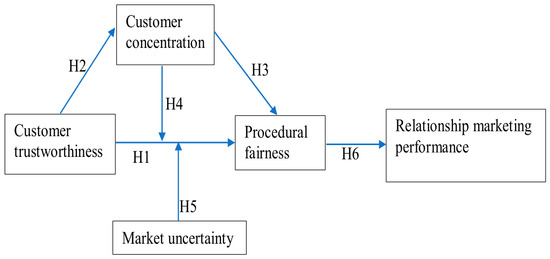
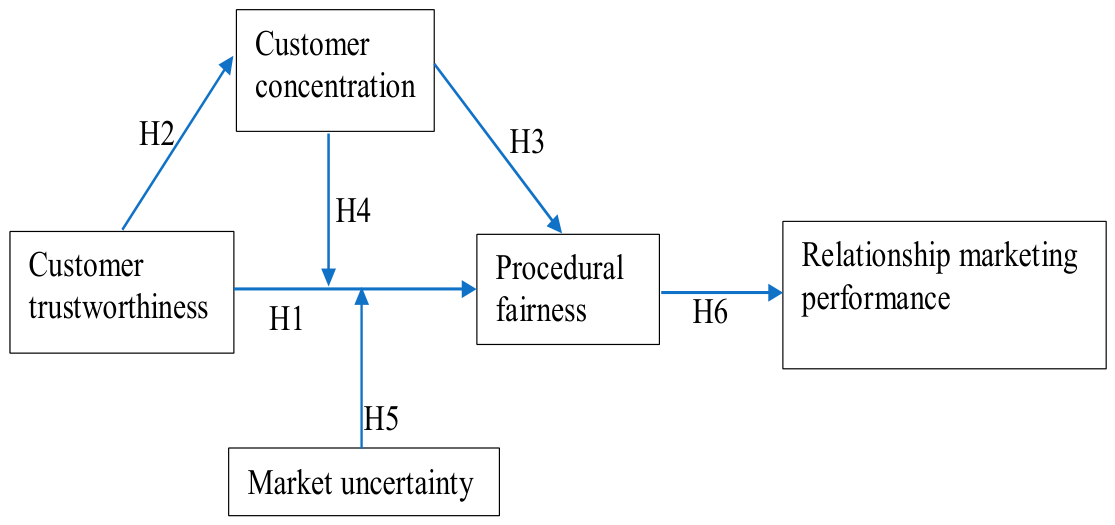
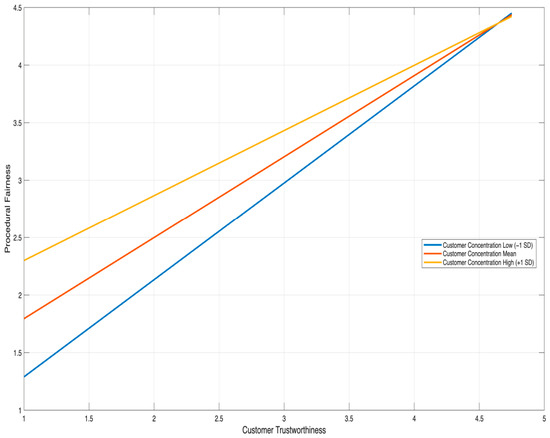
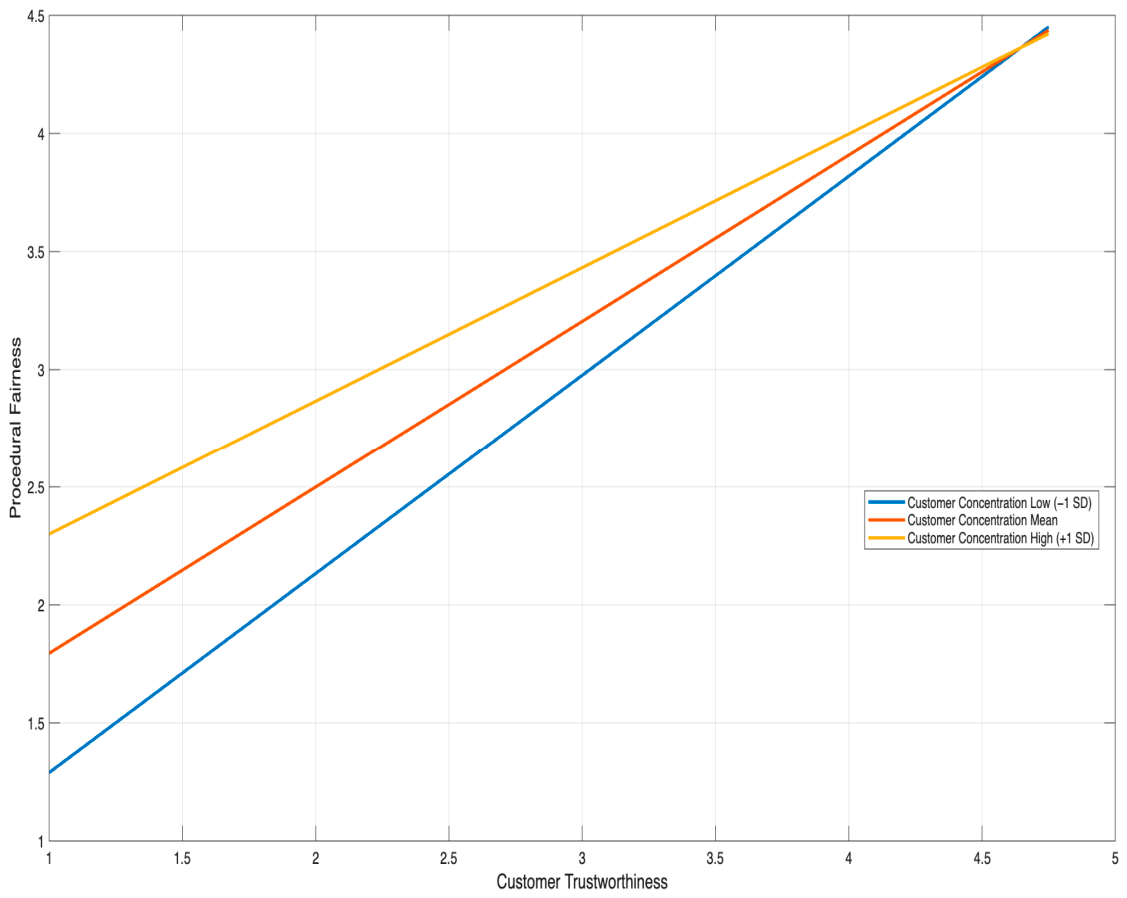
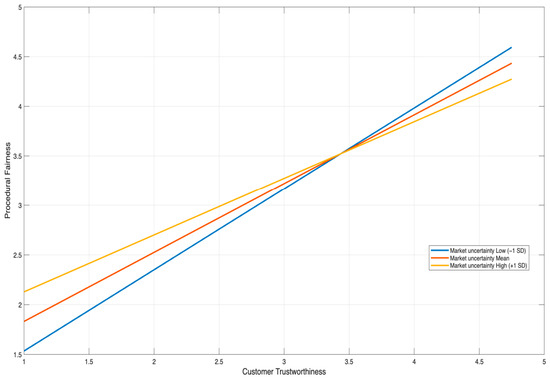
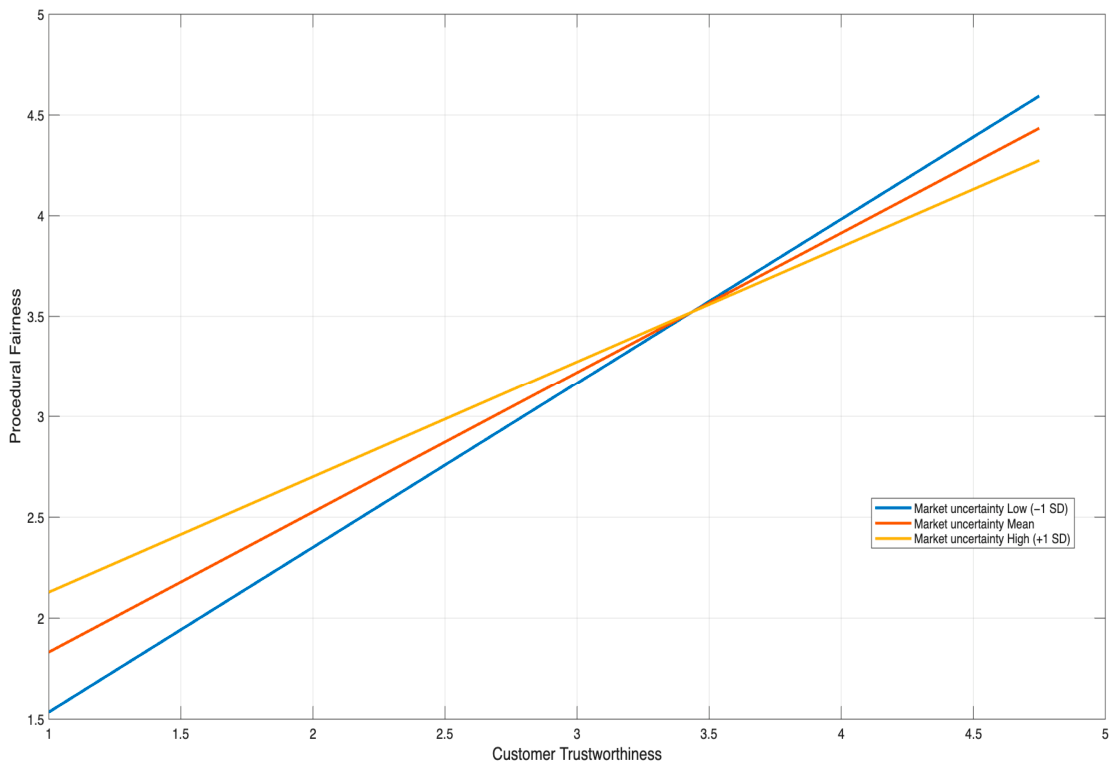
Disclaimer/Publisher’s Note: The statements, opinions and data contained in all publications are solely those of the individual author(s) and contributor(s) and not of MDPI and/or the editor(s). MDPI and/or the editor(s) disclaim responsibility for any injury to people or property resulting from any ideas, methods, instructions or products referred to in the content. |
© 2026 by the author. Licensee MDPI, Basel, Switzerland. This article is an open access article distributed under the terms and conditions of the Creative Commons Attribution (CC BY) license.