


Abstract
This study examines how Generative AI (GenAI) was integrated into creative sustainability education through the STEM Education for Sustainability (STEM4S) framework. Conducted in 2024, the study examined a nine-week intervention comprising a breastfeeding-room track in a second-year interior-design course and a sports-gym track in a third-year commercial-space-design course. Twenty students completed the pre-assignment questionnaire, and 18 completed matched pre- and post-assignment questionnaires after two withdrawals. GenAI was introduced as a scaffolded method-bank tool to support prompt-based ideation, visualization, and critique. A qualitative-dominant mixed-methods case-study design combined matched pre- and post-assignment questionnaires, student reflections, classroom observations, project outcomes, and professional critique records. Paired comparisons showed that students’ self-rated SDG 11 knowledge increased from 2.94 ± 1.16 to 3.56 ± 0.92 (p = 0.012, Cohen’s dz = 0.67), while SDG 5 knowledge decreased from 4.39 ± 0.70 to 3.72 ± 1.02 (p = 0.014, Cohen’s dz = −0.65); both findings are interpreted as exploratory due to the small sample. Qualitative findings indicate that GenAI supported visual exploration but also produced prompt difficulty, visual repetition, and spatial inconsistency. The findings suggest that GenAI can extend the STEM4S method bank when embedded within civic learning, critique, and human design judgment, while its transferability requires further testing across contexts.
1. Introduction
Integrating sustainability principles into education has become a global necessity, driven by challenges such as the United Nations’ Sustainable Development Goals (SDGs), rapid technological advancements, and a growing societal awareness of environmental and social equity issues [1,2,3,4,5]. In this context, the STEM Education for Sustainability (STEM4S) framework has emerged as a vital approach to equipping students with the knowledge, skills, and values required to address complex global challenges [6,7,8]. Within this framework, a method bank can connect abstract sustainability concepts with concrete design activities, civic contexts, and reflective learning processes [9,10].
Generative AI (GenAI) tools, such as text-to-image models, have been examined for their potential to enhance traditional creative practices [11,12,13]. Recent systematic reviews of AI in STEM education highlight various AI applications, including adaptive learning, automated feedback, and generative systems that support instructional goals [14,15,16]. Within creative education, GenAI can support reflective thinking, personalized learning, rapid ideation, and human–AI collaboration [17,18,19,20,21,22,23,24]. However, these benefits are accompanied by concerns over the accuracy of AI-generated content, the risk of over-reliance, and ethical questions related to authorship, originality, and fairness [25,26,27]. These concerns are especially relevant when GenAI is used in sustainability-oriented design education, where visual outputs may appear persuasive while remaining disconnected from users, public responsibility, spatial feasibility, or ethical design judgment.
Despite this growing literature, limited research has examined how GenAI can be systematically embedded within sustainability-oriented pedagogical frameworks that connect classroom learning with civic design practice. More specifically, few studies have investigated GenAI as a method-bank tool within STEM4S, particularly in design courses that require students to translate SDG-oriented values into spatial proposals. The STEM4S framework and method-bank approach have previously been used to support sustainability-oriented design learning and project-based inquiry [6,9], while related studies have emphasized the importance of connecting sustainability literacy with design-based practice, green building awareness, and interdisciplinary learning [28,29,30]. This gap matters because sustainability education should move beyond conceptual awareness toward practical, socially situated, and ethically complex design problems [2,31]. To address this gap, this study examines a civic design intervention implemented across two undergraduate courses centered on social sustainability, particularly gender equity, reduced inequalities, inclusive public infrastructure, and public responsibility.
This study examines the integration of GenAI as a method-bank tool within a common nine-week pedagogical intervention implemented across two undergraduate courses at a public university in Taiwan. Second-year students in Interior Design II developed proposals for a breastfeeding room, while third-year students in Commercial Space Design II developed proposals for a sports gym. Both courses followed a 16-week semester structure; the research focused only on the nine-week focal assignment, while an earlier assignment was outside the intervention and data-collection scope. The courses addressed the challenges of gender-inclusive public-space design for a breastfeeding room and a gym in the second New Taipei City Hall, which is scheduled for completion in 2026. It emphasizes SDG 5 (Gender Equality), 10 (Reduced Inequalities), and 11 (Sustainable Cities and Communities). The intervention provided a civic design context in which students were asked to move from SDG-oriented concepts to spatial decisions related to privacy, accessibility, public use, care, gender inclusivity, and social equity. The study examines how students used GenAI during early ideation and how civic engagement shaped their interpretation of AI-generated references.
This article makes three contributions. First, it extends the STEM4S method-bank model by positioning GenAI as a scaffolded tool for creative sustainability education rather than an independent technological solution. Second, it provides empirical evidence of how students used GenAI for early spatial exploration and reported difficulties with prompt formulation, visual repetition, and spatial inconsistency; authorship, bias, and responsible use were addressed as course-level pedagogical concerns. Third, it shows how collaboration with local government can connect SDG-oriented learning with public-space observation and professional critique. Together, these contributions position GenAI within a structured pedagogical ecology of SDG framing, civic context, human judgment, and reflective revision.
The following research questions guide the study:
- How can GenAI be integrated as a method-bank tool within a STEM4S-based design intervention?
- How did students use and perceive GenAI-supported ideation and visualization when working on SDG-oriented inclusive design challenges?
- What pedagogical challenges emerged when students used GenAI to translate sustainability and gender-equity concepts into spatial design proposals?
- How did civic engagement support the connection between sustainability theory and design practice?
The empirical focus is on the learning-design and governance dimensions of creative sustainability education within a GenAI-supported intervention across two courses involving local-government participation. The environmental footprint of GenAI was not measured and is treated as a limitation and future research direction.
2. Literature Review and Study Context
2.1. Creative Sustainability Education and the Green-Digital Transition
Sustainability education increasingly operates at the intersection of green and digital transitions [5,31,32,33]. Creative disciplines therefore require pedagogies that connect sustainability literacy with digital experimentation, interdisciplinary inquiry, and real-world problem solving. Here, creative sustainability education refers to learning that translates environmental and social values into material, visual, spatial, and civic design decisions.
GenAI can widen access to visual possibilities, but acceleration does not by itself produce deeper sustainability understanding [34,35,36]. In design education, generated imagery may represent sustainability through greenery, natural materials, or neutral palettes without addressing equity, public responsibility, feasibility, or environmental consequences. This risk provides the rationale for examining GenAI within a structured sustainability pedagogy rather than as a standalone creative tool.
2.2. STEM4S and the Method-Bank Approach
The STEM4S framework organizes interdisciplinary learning around real sustainability challenges and supports domain-specific literacies, including environmentally and socially responsive design [6,9,28]. Prior research has shown that project-based learning and the double-diamond design process can effectively support STEM4S goals by enhancing students’ creative and critical thinking [10,30]. This finding aligns with broader research on the challenges and strategies of implementing project-based learning in diverse STEM learning environments [37,38]. The double-diamond design process provides the design-thinking structure for moving from broad SDG-related problems toward actionable proposals through divergent and convergent inquiry [39]. In this study, a “method bank” is defined as a documented set of pedagogical methods that can be selected, combined, and sequenced to support STEM4S learning objectives. It differs from general instructional scaffolding because it does not refer only to temporary instructor support; rather, it identifies concrete learning methods, their pedagogical functions, and their relationship to phases of sustainability-oriented design inquiry. It also differs from a generic toolkit because the methods are organized in relation to SDG framing, design-thinking processes, civic engagement, and reflective assessment.
The method bank operationalizes STEM4S by linking each method to a specific pedagogical function, such as problem framing, visual exploration, critique, or contextual validation. Conceptually, GenAI occupies the visual-exploration component of this method bank, while SDG framing, site observation, and critique provide the criteria through which its outputs are evaluated. Its course implementation is described in Section 3.
2.3. GenAI as an Enabling and Critical Pedagogical Method
Text-to-image systems can support creative learning by generating visual references, testing atmospheres, and externalizing concepts that may be difficult to communicate verbally [11,12,13,14,15,16]. In sustainability-oriented design, prompting also requires students to translate broad values such as “inclusive,” “gender-inclusive,” and “sustainable” into more specific descriptions of users, privacy, accessibility, material atmosphere, and spatial use.
Generated images may nevertheless be generic, biased, repetitive, or spatially unrealistic. Their visual fluency can obscure omissions relating to circulation, care, safety, maintenance, accessibility, and public responsibility. Accordingly, this study approaches GenAI as both an enabling and critical pedagogical method: it expands early visual exploration while requiring students to evaluate generated outputs as provisional references.
2.4. Social Sustainability, Gender-Inclusive Design, and Civic Context
In 2020, the Taiwan Ministry of Education created the education manual for SDGs to assist higher education institutions in understanding and implementing these goals in alignment with the global agenda [29]. Additionally, the Taiwanese government has actively encouraged citizens to engage with sustainable development objectives [40]. Taiwan has also made significant advancements in gender equality, particularly in legal frameworks and societal attitudes [41]. However, despite growing awareness of the importance of gender equality, integrating these principles into day-to-day educational practice remains a work in progress, with gaps in implementation and measurable impact still widely reported [42].
University–public-sector sustainability collaborations often address environmental-management topics such as water, energy, waste, or air quality. The present study focuses on a different but related domain: social sustainability and inclusive public infrastructure. In this case, the public-sector context was not used to test an environmental-management intervention, but to situate SDG-oriented learning within municipal governance, gender-inclusive facilities, and public-space design. This positioning aligns the study with creative sustainability education by treating civic infrastructure as a site where sustainability values are translated into spatial and experiential decisions.
New Taipei City provides an analytically relevant civic context because its sustainability agenda combines SDG localization, inclusive infrastructure, gender-related public policy, and public engagement [43,44,45]. Existing initiatives—including all-gender facilities and parental-care functions—made it possible to frame SDGs 5, 10, and 11 as spatial and governance concerns rather than abstract policy categories. This civic infrastructure provided a relevant context for the present study by allowing students to connect SDG-oriented learning with actual public-space design concerns. For the present study, this context positioned SDGs 5, 10, and 11 as social-sustainability and governance concerns that could be explored through public interior design.
The design industry is sensitive to gender issues and can perpetuate gender stereotypes, which may overshadow professional responsibilities in this area [46]. Additionally, interdisciplinary design education fosters critical thinking and enhances students’ understanding of sustainability [30]. The study therefore examines social sustainability through gender equity, reduced inequalities, inclusive public infrastructure, and civic responsibility. Detailed focal-assignment activities and local-government collaboration are described in Section 3.
2.5. Conceptual Positioning of the Study
Figure 1 summarizes a three-stage pedagogical sequence supported by the STEM4S method bank. In the first stage, the civic design brief, SDGs 5, 10, and 11, the guest lecture, and site observation establish the social-sustainability and public-space criteria used to inform prompt formulation. In the second stage, students translate these criteria into text prompts and generate provisional visual references for the breastfeeding-room and sports-gym tracks. These outputs are used to explore atmosphere and spatial possibilities rather than as completed design solutions. In the third stage, students evaluate the generated references in relation to inclusivity, feasibility, stereotype risk, observed public-space conditions, and their own design intentions before undertaking prompt revision, studio critique, and professional feedback. The horizontal arrows indicate this pedagogical progression, while the lower method-bank band shows that SDG briefing, gender-inclusive design framing, civic and policy references, site observation, GenAI prompting, studio critique, and professional review operate as interconnected methods across the sequence. Thus, the transformation represented in the figure is not a direct progression from AI image to final proposal, but a movement from civic and SDG framing through AI-supported exploration to human-led evaluation and design refinement.
Figure 1.
Integration of GenAI within the STEM4S method bank.
3. Research Method
3.1. Research Design
This study used a qualitative-dominant mixed-methods educational case-study design centered on a common nine-week pedagogical intervention implemented across two 16-week undergraduate design courses [47]. The bounded case was the shared pedagogical structure, which comprised two course-specific assignment tracks: a breastfeeding-room track in Interior Design II and a sports-gym track in Commercial Space Design II. The case did not encompass either course in its entirety or the full semester. The design followed an embedded mixed-methods configuration: qualitative evidence from student reflections, classroom observations, project outcomes, and professional critique records formed the primary strand, while matched pre- and post-assignment questionnaire data provided supplementary exploratory indicators of students’ self-perceived SDG learning and assignment experience. The case-study approach was selected because both assignment tracks embedded GenAI within the same wider learning environment comprising SDG framing, design thinking, civic engagement, studio critique, and professional critique rather than introducing it as an isolated intervention. The qualitative and quantitative strands were integrated during interpretation through joint comparison of questionnaire patterns, reflection themes, observation notes, project evidence, and professional feedback.
The instructor served as both teacher and researcher, designing the assignment, facilitating GenAI activities, documenting classroom processes, and participating in interpretation. This dual role enabled close access to studio learning but also required reflexive attention to potential interpretive bias. Accordingly, the study prioritizes situated process interpretation over causal generalization.
3.2. Assignment Context and Participants
The research was conducted across two undergraduate courses at a public university in Taiwan: Interior Design II, taken by second-year students, and Commercial Space Design II, taken by third-year students. Each course followed a 16-week semester. The present analysis focuses on a common nine-week pedagogical sequence with different course-specific briefs. The nine-week intervention comprised two course-specific tracks: a breastfeeding-room design assignment in Interior Design II and a sports-gym design assignment in Commercial Space Design II. Both tracks addressed privacy, accessibility, diverse user needs, comfort, inclusion, and public responsibility. Each course also included an earlier assignment, which was outside the focal intervention and excluded from data collection and analysis.
The matched sample comprised 11 second-year students enrolled in Interior Design II and seven third-year students enrolled in Commercial Space Design II. Students in both courses had prior experience in studio learning, including concept development, spatial planning, visual presentation, and critique. The two courses shared the same nine-week pedagogical sequence, GenAI activity, civic-learning components, and data-collection procedures, but used different design briefs. Data were pooled because the study examined the common pedagogical intervention across the two assignment tracks and was not designed or statistically powered to compare courses, year levels, or design briefs. However, students’ familiarity with GenAI varied. No prior advanced proficiency in GenAI was required.
Twenty students completed the pre-assignment questionnaire. Two withdrew before assignment completion, leaving 18 students who completed the post-assignment questionnaire and the remaining focal-assignment activities. The matched analysis therefore included the 18 course completers; the two unmatched pre-assignment responses were excluded from paired comparison. To minimize identifiability in this small course-based dataset, demographic variables such as age and gender were not collected. Available participant information was limited to course enrollment status, year level, and completion of the pre- and post-assignment questionnaires.
3.3. Focal-Assignment Structure and STEM4S Method-Bank Framework
The assignment was structured around a modified double-diamond design process to guide students through iterative problem exploration and solution development stages. This process was adapted to align with the STEM4S pedagogical model, emphasizing multidisciplinary thinking, sustainability integration, civic relevance, and design-based inquiry.
The STEM4S method-bank approach provided the organizing framework for the course. In this study, the method bank refers to a curated set of pedagogical tools and learning activities that help students move between sustainability theory and design practice. Rather than treating GenAI as an isolated tool, the course positioned it among SDG briefing, civic and policy references, site observation, precedent analysis, prompt-based visualization, studio critique, and final professional critique.
Students applied GenAI tools during the ideation and visualization phases and aligned their proposals with SDG 5: Gender Equality, SDG 10: Reduced Inequalities, and SDG 11: Sustainable Cities and Communities. Civic collaboration with the New Taipei City Government added real-world constraints and relevance. The course design, therefore, connected four learning layers: SDG-oriented sustainability concepts, GenAI-supported creative exploration, design-thinking processes, and civic design practice.
To make the intervention more reproducible, Table 1 summarizes the common nine-week pedagogical sequence used across the two course-specific assignment tracks, including major learning activities, STEM4S/method-bank components, and data-collection points. The sequence shows how SDG framing, civic learning, GenAI-supported ideation, studio critique, and professional critique were organized within the focal assignment rather than introduced as separate activities.
Table 1.
Common nine-week pedagogical sequence and data-collection points across the two course-specific design tracks.
3.4. GenAI Tool Specification and Prompt Activity
Following the Week 1 demonstration, students conducted Stability AI prompt-to-image experiments outside scheduled class time and discussed selected outputs in Week 4, after the civic-context lecture and New Taipei City facility visit. The demonstration introduced prompt components related to users, activities, privacy, accessibility, material atmosphere, and sustainability intention. This sequence enabled the outputs to be evaluated against observed public-space conditions.
The classroom demonstration used Stable Diffusion XL 1.0 with 400 steps and a CFG scale of 5. Because students conducted the experiments outside scheduled class time, the total number of generated images was not systematically recorded. For this reason, the number of generated outputs was not used as an analytical variable. The analysis therefore focuses on selected student-generated outputs that were discussed in class, reflected upon in open-ended responses, and connected to later student proposals.
A representative prompt asked for “an inclusive interior space for a breastfeeding room, gender-inclusive, with warm natural materials, soft lighting, plants, curved forms, a calm and welcoming atmosphere, and accessibility for all users.” Figure 2 presents illustrative cases from the two course-specific tracks: the breastfeeding-room track completed in Interior Design II and the sports-gym track completed in Commercial Space Design II. The examples were selected because they show a traceable relationship between provisional GenAI visual references and later student proposal development. The two tracks followed the same prompt-development logic, although the spatial type, target activities, and design requirements differed according to the course brief. The figure is illustrative rather than exhaustive; it does not represent all generated outputs. Its purpose is to show how students used AI-generated images as provisional references and translated selected cues into design proposals through critique, revision, and spatial judgment.
Figure 2.
Prompt-to-image workflow across two design tracks. Common prompt logic was used to generate provisional GenAI references for the breastfeeding room and sports gym design tracks. Selected visual cues were translated into student proposals through critique, revision, and spatial judgment rather than adopted as final design solutions.
The activity was designed to help students understand prompting as a design act rather than a purely technical command. Students were encouraged to specify spatial type, user needs, inclusive design intentions, atmosphere, material qualities, privacy concerns, accessibility, and sustainability-related values.
The GenAI activity followed three stages:
- Prompt formulation: students translated design intentions and sustainability-related values into textual descriptions.
- Image generation and comparison: students generated visual outputs and compared them with their intended spatial concepts.
- Critical interpretation and revision: students identified useful visual cues, misleading features, repeated styles, spatial inconsistencies, and ethical concerns before refining their design proposals.
Students were instructed to use the outputs only as provisional references; authorship and final spatial decisions remained their responsibility and were developed through critique and contextual reasoning.
3.5. Civic Collaboration and Theory-Practice Bridging
The assignment integrated key activities with the New Taipei City Government to enhance real-world relevance:
- Guest lecture: introduced urban sustainability priorities, gender-related public policy, and civic design challenges.
- City Hall visit: enabled students to observe existing public facilities, including gender-friendly spatial features.
- Professional critique: local architects and interior designers evaluated students’ final proposals in relation to spatial feasibility, user needs, and inclusive design criteria.
These civic-learning activities were included to bridge sustainability theory and design practice. Students were not asked to apply SDGs only as abstract concepts. Instead, they were asked to consider how gender equality, reduced inequalities, and sustainable communities could be translated into public interior design decisions. The civic context also provided a counterbalance to AI-generated imagery by grounding students’ visual ideas in public needs, institutional constraints, and professional criteria. Professional reviewers were invited based on their experience in architecture, interior design, public-space design, or civic design review. The critique was formative and qualitative rather than based on a standardized scoring rubric; reviewers focused on spatial feasibility, user needs, design communication, and inclusive design criteria.
3.6. Data Collection
Multiple data sources were employed to triangulate findings and ensure a comprehensive understanding of students’ experiences and learning outcomes (Table 2). The study used four main data sources: pre- and post-assignment questionnaires, student reflections, classroom observations, and project outcomes/final critique materials.
Table 2.
Data sources and analytical focus.
3.6.1. Pre- and Post-Assignment Questionnaires
Students completed structured Likert-scale questionnaires immediately before and after the nine-week focal assignment. The pre- and post-assignment questionnaires included directly comparable items on students’ self-rated SDG knowledge, perceived significance of SDGs in daily life, and perceived significance of SDGs for future careers. The post-assignment questionnaire additionally included items on GenAI use, civic-learning activities, gender-inclusive design, and perceived learning outcomes. The pre- and post-assignment questionnaire comparison was conducted using the matched responses of the 18 students who completed both surveys.
The questionnaire was designed as an assignment-based exploratory instrument rather than a fully validated psychometric scale. Therefore, the results are interpreted as exploratory self-report indicators rather than definitive measures of sustainability literacy or design competence. This limitation is especially important given the small sample size and the absence of a comparison group. Quantitative findings were interpreted alongside student reflections, classroom observations, project outcomes, and critique records.
The questionnaire was developed for assignment evaluation and exploratory research purposes. The SDG items used parallel pre- and post-assignment wording to allow matched comparison. Responses were recorded on a five-point Likert-type scale, where higher values indicated greater self-rated knowledge, perceived significance, or agreement, depending on the item category.
Although the questionnaire covered all 17 SDGs, the main analysis focuses on SDG 5, SDG 10, and SDG 11 because these goals were most closely aligned with the design brief. SDG 5 was central to gender-inclusive public facilities; SDG 10 to inclusive access and diverse user needs; and SDG 11 to public-space design and sustainable civic infrastructure. Because multiple SDG items were examined, the paired comparisons are reported as exploratory and should not be interpreted as confirmatory tests of intervention effects. The selected results reported in later section focus on SDG 5, SDG 10, and SDG 11 because these goals were defined in the assignment brief as directly related to the design task before analysis. The full questionnaire, anonymized response data, and complete analyses for all 17 SDGs are provided in Supplementary File S1.
3.6.2. Student Reflection
At the end of the assignment, students submitted written reflections describing their experiences using GenAI in the design process. These open-ended responses addressed the helpfulness of GenAI, the relevance of generated images to their projects, and the difficulties students encountered when using the tool.
Student reflections were especially critical because they revealed how students interpreted AI-generated outputs. The reflections provided evidence of both enabling functions, such as rapid ideation and material exploration, and critical challenges, such as prompt ambiguity, repeated visual styles, illogical outputs, and difficulty translating abstract concepts into spatial compositions.
3.6.3. Classroom Observations
The instructor-researcher documented how students engaged with GenAI tools, responded to peer and expert feedback, and navigated inclusive design tasks. These observations provided insight into students’ collaborative behaviors, decision-making processes, and critical thinking during design iterations.
Observation notes focused particularly on moments when students encountered mismatches between AI-generated images and their design intentions. These moments were important for understanding how students moved from AI-supported visualization toward critical evaluation and design revision. Because the instructor also served as a researcher, the observation data were interpreted cautiously and triangulated with student reflections and project outcomes.
3.6.4. Project Outcomes and Final Critique
Student project outcomes, including design presentations, visual materials, and final review feedback, were collected as evidence of how students translated sustainability and inclusive design values into spatial proposals.
The final critique provided an additional layer of external feedback. A total of two professional reviewers participated in the final critique along with the instructor. Professional reviewers commented on students’ design communication, spatial feasibility, user needs, and inclusive design strategies. These critique records helped connect students’ AI-supported ideation with practical design judgment and civic design criteria.
3.7. Data Analysis
Quantitative analysis used descriptive statistics to compare Likert-scale responses from pre- and post-assignment surveys. Means and standard deviations were calculated to identify changes in students’ self-perceived understanding of the SDGs, perceived relevance of sustainability issues, and evaluations of assignment activities. No causal or generalizable inference was drawn from the questionnaire data. For the selected SDG items reported later, exploratory paired-sample t-tests were conducted using matched pre- and post-assignment responses, and Cohen’s dz was calculated as the paired-sample effect size. Because multiple SDG items were examined and the sample size was small, the paired comparisons were treated as exploratory indicators rather than confirmatory statistical tests.
The qualitative analysis used an iterative thematic coding process. The unit of analysis was a meaningful statement within each student reflection or observation note referring to GenAI use, sustainability learning, inclusive design reasoning, civic engagement, or design development. Eighteen post- assignment student reflections were coded. Classroom observation records from the nine-week assignment were reviewed alongside project outcomes and critique records. Student reflections and observation notes were read repeatedly to identify recurring patterns related to GenAI use, sustainability learning, inclusive design reasoning, and civic engagement. The coding followed a hybrid inductive–deductive approach: initial codes were generated from the student reflections and observation notes, while STEM4S, method-bank pedagogy, civic theory–practice bridging, and reflective friction served as sensitizing concepts during theme development. Initial codes included “rapid visual reference,” “color and material exploration,” “prompt difficulty,” “AI misunderstanding,” “repetitive image style,” “lack of spatial logic,” “gender-inclusive atmosphere,” “privacy,” “accessibility,” “site observation,” and “professional feedback.”
These initial codes were then grouped into broader analytical categories. For example, comments about visual reference, concept clarification, and material atmosphere were grouped under “AI-supported ideation and visualization.” Comments about prompt ambiguity, output mismatch, repeated image styles, and illogical spatial results were grouped under “GenAI challenges and reflective friction.” Comments about privacy, accessibility, caregiving needs, gender neutrality, and public use were grouped under “inclusive design and sustainability reasoning.” Comments on guest lectures, site visits, professional critiques, and government context were grouped under “civic theory–practice bridging.”
Initial coding was conducted by the first author, and the coding categories and thematic interpretations were reviewed by the third author (Table 3). Differences in interpretation were discussed until agreement was reached. Project outcomes and professional critique records were reviewed as contextual evidence of how GenAI-supported ideation was translated into later design proposals, rather than as independently scored performance outcomes. Because the instructor also served as researcher, the analysis relied on triangulation across reflections, observations, project materials, and critique records to reduce overreliance on instructor interpretation. As a sensitivity check for the small sample size and ordinal Likert-type response scale, approximate Wilcoxon signed-rank tests were also conducted for paired pre- and post- assignment questionnaire comparisons. These analyses were used to assess whether the paired t-test pattern was robust to the ordinal response format.
Table 3.
Coding framework for qualitative analysis.
Quantitative and qualitative strands were integrated during interpretation through a joint comparison of questionnaire patterns, reflection themes, observation notes, project outcomes, and critique records. This integration was used to identify convergence, complementarity, and tension across sources rather than to treat any single source as definitive evidence.
3.8. Ethical Considerations
Ethical considerations were addressed at both the research and pedagogical levels. At the research level, students were informed that their questionnaire responses, reflections, observations, and assignment materials could be used for research purposes, provided they were anonymized. Participation in the research analysis did not affect assignment grading. Student identities were removed from the data before analysis, and examples were reported without personally identifying information. Written consent for publication of identifiable classroom and site-visit photographs was obtained from the individuals shown.
At the pedagogical level, ethical instruction addressed authorship, reliability, representational bias, and student responsibility for final design decisions. Students evaluated whether AI-generated images aligned with user needs, spatial feasibility, sustainability goals, and inclusive-design values. This framing was vital because visually persuasive outputs may conceal stereotypes, generic assumptions, or unrealistic spatial conditions.
3.9. Analytical Scope
The research design prioritizes situated process interpretation over causal or psychometric inference. The exploratory questionnaire, instructor-researcher role, and absence of direct performance measures delimit the claims made here; broader limitations concerning generalizability, self-report bias, attrition, and long-term outcomes are discussed in Section 5.6.
4. Results
This section reports questionnaire patterns, civic-learning evidence, student accounts of GenAI use, and changes visible between provisional GenAI references and developed design proposals. Interpretive implications are reserved primarily for the Discussion.
4.1. Exploratory Changes in SDG Knowledge and Perceived Relevance
The pre- and post- assignment questionnaires provided exploratory evidence of students’ self-rated SDG knowledge and their perceived significance of the SDGs to daily life and future careers. These results are treated as exploratory within-sample evidence. They do not establish causal effects of either the assignment or GenAI and are not statistically generalizable beyond this case.
Across the full set of 17 SDGs, statistically significant paired changes were confined to the SDG knowledge category. Self-rated knowledge increased significantly for SDG 3 (Good Health and Well-being), SDG 4 (Quality Education), SDG 11 (Sustainable Cities and Communities), and SDG 15 (Life on Land), while it decreased significantly for SDG 5 (Gender Equality). No statistically significant changes were observed in students’ perceived significance of the SDGs in daily life or future careers. Within the matched sample, the measurable changes were therefore concentrated in self-rated SDG knowledge rather than in students’ general perceptions of SDG relevance.
The selected analysis reported in Table 4 focuses on SDG 5, SDG 10, and SDG 11 because these goals were identified in advance as most directly aligned with the design brief. Students’ self-rated knowledge of SDG 11 increased from 2.94 ± 1.16 to 3.56 ± 0.92, representing a statistically significant increase with a moderate paired-sample effect size, t(17) = 2.83, p = 0.012, Cohen’s dz = 0.67. By contrast, self-rated knowledge of SDG 5 decreased from 4.39 ± 0.70 to 3.72 ± 1.02, also representing a statistically significant change with a moderate effect size, t(17) = −2.75, p = 0.014, Cohen’s dz = −0.65. SDG 10 knowledge showed a small, non-significant increase from 3.00 ± 1.03 to 3.22 ± 1.00, t(17) = 1.00, p = 0.331, Cohen’s dz = 0.24. Perceived significance in daily life and future careers remained comparatively stable across all three selected SDGs.
Table 4.
Selected paired comparison results for matched pre- and post- assignment SDG responses (n = 18).
Post-assignment responses to separate design-specific items concerning gender-inclusive facilities remained high (M = 4.1–4.4). However, these post-assignment items measured agreement with specific design propositions and were not directly comparable with the pre–post SDG 5 knowledge item. They therefore provide contextual evidence of students’ engagement with gender-inclusive design but do not explain why their self-rated SDG 5 knowledge decreased. Possible interpretations of this decline, together with alternative explanations, are examined cautiously in Section 5.4.
4.2. Civic Learning as a Bridge Between Sustainability Theory and Design Practice
The post-assignment questionnaire and student reflections suggest that civic learning activities played an important role in helping students translate SDG-oriented concepts into design practice. The guest lecture, site visit, and final professional critique provided students with opportunities to connect sustainability theory with public-space conditions, governance priorities, and practical design criteria.
Students rated the visit to gender-friendly facilities highly, with a mean score of 4.40. They also reported that the visit increased their interest in gender equality and expanded their understanding of it in relation to urban governance. The guest lecture similarly helped students recognize how sustainability and gender issues are addressed in local government policy and public facilities. These responses identify the site visit and guest lecture as prominent supports for connecting the design brief with civic context.
The civic context was particularly important because the assignment asked students to work on socially sensitive, spatially complex design issues. Gender-inclusive public facilities require students to consider privacy, accessibility, caregiving needs, safety, signage, comfort, and public use. These concerns cannot be fully understood through AI-generated images or abstract SDG concepts alone. The site visit and civic lecture allowed students to observe how inclusive design principles were implemented in existing public facilities and to consider how their proposals might respond to real institutional and user contexts.
The final professional critique also supported the theory–practice bridge. Figure 3 documents the movement from site-based observation to design critique. External reviewers evaluated students’ proposals not only for visual communication but also for spatial feasibility, user needs, and inclusive design strategies. This feedback helped students test whether their concepts could move beyond visual intention toward practical design decisions. The broader pedagogical meaning of this civic grounding is discussed in Section 5.2.
Figure 3.
From civic observation to design critique. The figure shows how site observation of inclusive public facilities and professional critique connected SDG-oriented learning with public-space design decisions.
4.3. GenAI as a Method-Bank Tool for Ideation and Visualization
Student reflections indicate that GenAI supported early-stage ideation and visualization in several ways. Students frequently described GenAI as helpful for generating quick visual references, exploring color and material choices, clarifying design concepts, and imagining spatial atmosphere. These responses show that students primarily used GenAI for early visual exploration.
The post-assignment questionnaire results also showed moderate student acceptance of GenAI. Students rated the ease of using GenAI in the design project at 3.60 and its usefulness for understanding the assignment scope at 3.50. These scores suggest that students found GenAI useful but not sufficient on its own. GenAI helped students explore ideas, but the tool still required instructor guidance, prompt scaffolding, and design critique. Table 5 summarizes selected post-assignment questionnaire results related to GenAI use, civic learning, and inclusive design. These results provide descriptive context for understanding how students perceived GenAI alongside other assignment components, including gender-equity knowledge, the site visit, and design-specific inclusive public-space issues.
Table 5.
Selected questionnaire results relevant to GenAI, civic learning, and inclusive design.
Project outcomes provide visible evidence of this translation. In the Interior Design II breastfeeding-room track, students transformed rounded, protective forms, warm materials, and calm atmospheres from provisional references into floor plans, privacy zones, caregiving functions, and accessibility criteria. In the Commercial Space Design II sports-gym track, the blue linear feature and urban-circulation imagery were reinterpreted as organizing spatial elements within the developed proposal. These examples illustrate translation within each track but were not used to compare the two courses or establish differences in student performance. These cases indicate selective translation rather than direct reproduction of AI-generated imagery (Figure 2).
4.4. GenAI Challenges as Reflective Learning Opportunities
The coded difficulties comprised prompt formulation and control, output mismatch, spatial or logical inconsistency, and visual repetition (Table 6). Prompt formulation was the most frequent theme (11/18), followed by output mismatch (5/18), spatial or logical inconsistency (4/18), and visual repetition (2/18). Authorship, bias, stereotype reproduction, and responsible use were addressed through instructor guidance and are therefore treated as pedagogical concerns rather than student-reported findings.
Table 6.
Thematic coding of open-ended responses on GenAI use.
4.5. Cross-Source Synthesis Through the STEM4S Method Bank
Across sources, convergence was evident in the characterization of GenAI as an early visual-exploration resource rather than a complete design solution. Questionnaire ratings of GenAI usefulness and ease of use were moderate (M = 3.50 and 3.60), while 14 of 18 open-ended responses identified quick image generation as helpful. These findings are complementary rather than contradictory: the aggregate ratings indicate that GenAI was not uniformly easy or sufficient, whereas the qualitative responses identify specific functions—rapid reference generation, atmosphere exploration, and concept clarification—that students valued.
A second area of convergence concerned the need for human intervention. Prompt-formulation difficulty was coded in 11 of 18 responses, and project evidence showed that generated imagery was selectively translated into spatial organization and design criteria rather than reproduced directly. Civic observation and professional critique provided contextual information that neither the questionnaire nor the AI-generated images could supply. A remaining tension is that positive accounts of particular GenAI functions coexist with prompt difficulty, output mismatch, and spatial inconsistency. Taken together, the sources support a conditional interpretation: GenAI was useful within the wider method bank, but the data do not demonstrate independent improvement in design competence or sustainability literacy.
5. Discussion
The following sections interpret the cross-source patterns in relation to the four research questions, focusing on the STEM4S method-bank contribution, civic theory–practice bridging, reflective friction, the SDG 5 finding, and responsible GenAI use.
5.1. RQ1: GenAI as a STEM4S Method-Bank Tool
The study extends the STEM4S method bank by showing how a generative visual tool can be incorporated without becoming the center of the learning process. GenAI supported divergent exploration, while SDG framing, site observation, critique, and professional feedback supplied the evaluative conditions needed for convergence. This finding supports previous accounts of STEM4S and project-based design learning, in which structured methods connect sustainability concepts with contextualized action [6,9,10,37,38].
The contribution is therefore pedagogical rather than technological. GenAI did not independently produce sustainability learning; it created visual propositions that students could compare with users, public responsibilities, spatial feasibility, and civic context. For academic sustainability projects, this finding means that GenAI should be introduced as part of a sequenced learning ecology rather than as a standalone tool. The model should be understood as a context-specific, multi-course assignment-level proposition: a common pedagogical sequence can accommodate different spatial briefs, but its effectiveness across course types or year levels requires direct comparative testing.
5.2. RQ4: Civic Engagement as Theory–Practice Bridge
A central concern in sustainability education is how students move from knowing about sustainability concepts to applying them in situated practice. In this study, civic engagement helped turn SDGs 5, 10, and 11 into spatial and governance concerns rather than abstract policy categories.
This theory–practice bridge is particularly important for creative sustainability education, as design students must translate values into artifacts, spaces, and experiences. SDG-oriented learning becomes meaningful when students must decide how equality, inclusion, and sustainable communities are expressed through layout, circulation, privacy, material choice, signage, comfort, and public accessibility. This position aligns with broader discussions of sustainability education in higher education, which emphasize the importance of connecting sustainability knowledge with applied learning, institutional action, and social responsibility [2,31].
Civic observation and professional critique supplied institutional, operational, and user-context information absent from generated imagery. This contextual benchmark enabled students to assess whether visual ideas responded to actual public needs, extending place-based STEM education by linking social-equity concerns with design practice [6].
The theory–practice bridge therefore emerged from the combination of SDG framing, local-government engagement, studio critique, and GenAI-supported visualization, rather than from GenAI alone.
5.3. RQ2/RQ3: Student Use, Perceived Challenges, and Reflective Friction
The challenges reported in Section 4.4 become pedagogically significant when understood as reflective friction. In this article, “reflective friction” is used as an interpretive category developed from this case, rather than as a validated construct. It describes moments when AI-generated outputs did not align with students’ intentions, sustainability values, or spatial criteria and therefore became occasions for critique, revision, and design reasoning. This interpretation aligns with studies suggesting that GenAI can support higher-order learning when learners engage with outputs reflectively rather than passively [17,18,19].
Prompt difficulty was one important form of reflective friction. Students had to convert broad values such as “inclusive,” “gender-inclusive,” and “sustainable” into more specific spatial language related to users, privacy, accessibility, material atmosphere, and spatial use. In this sense, prompt writing became more than a technical operation; it required students to clarify what sustainability and inclusion meant in relation to a concrete design brief. Spatial inconsistency created a related form of friction. When AI-generated interiors appeared visually plausible but lacked clear circulation, privacy, accessibility, or functional organization, students had to distinguish visual appeal from spatial feasibility. These moments helped shift GenAI use from passive image selection toward evaluative design reasoning.
Visual repetition was another form of reflective friction. The repeated styles reported by students suggest that GenAI may expand visual possibilities while also reproducing generic aesthetic conventions. In sustainability-oriented design education, this issue is especially crucial because sustainability can easily be reduced to visual clichés, such as plants, wood, soft colors, natural light, or minimalist atmosphere. Such cues may support early ideation, but they do not necessarily represent deeper social or environmental performance. This concern aligns with broader debates on originality, standardization, and cultural reproduction in GenAI-supported creative work [20,22].
Together, prompt difficulty, spatial inconsistency, and visual repetition show why GenAI should be embedded within critique-based pedagogy rather than used as a stand-alone image generator. These forms of reflective friction required students to question AI outputs, revise design language, and reconnect generated imagery with SDG-oriented values, civic context, and human design judgment. The ethical implications of this process are discussed further in Section 5.5.
5.4. Interpreting the SDG 5 Decline: Possible Complexity Recognition and Alternative Explanations
One noteworthy finding concerns students’ self-rated understanding of SDG 5 Gender Equality. The post-assignment mean score decreased compared with the pre-assignment score, even though students reported strong agreement with design-specific gender-related items. This pattern should be interpreted cautiously because the questionnaire did not ask students to explain why their self-ratings changed.
One possible interpretation is that the decline reflects greater recognition of complexity or a response-shift effect, in which students applied a more demanding understanding of “gender equality” after the assignment. At the beginning of the assignment, students may have considered gender equality a familiar social value and therefore rated their understanding highly. After engaging with gender-inclusive public facilities, they encountered more specific and difficult questions: how to organize privacy, how to support caregiving, how to design for different bodies and identities, how to avoid gender stereotypes, and how to make public facilities inclusive without reducing inclusion to symbolic appearance. This interpretation aligns with prior research noting that gender equality education in Taiwan has advanced institutionally but remains complex in everyday educational and social practice [41,42].
This interpretation also aligns with the nature of sustainability learning. Deeper learning does not always produce higher self-confidence. In some cases, students become more aware of the complexity of an issue and therefore rate their understanding more cautiously. For sustainability education, such a shift can be valuable because it suggests a move from superficial awareness toward a more critical, situated understanding. Students may learn not only what an SDG means, but also how difficult it is to apply that SDG responsibly in practice. This point is consistent with research on students’ SDG perceptions in Taiwan, which indicates that understanding and performance of SDG knowledge must be interpreted in relation to educational context and perceived relevance [29].
The design-specific questionnaire items provide contextual evidence but do not directly confirm this interpretation. Students strongly agreed that design can help avoid gender stereotypes and that public facilities can respond to the needs of various genders. These responses suggest that students did not lose interest in gender equality. However, they cannot by themselves demonstrate that the lower SDG 5 score resulted from deeper learning or complexity recognition.
The pattern cautions against equating higher self-ratings with deeper sustainability literacy. In creative sustainability education, literacy also includes uncertainty, critical awareness, and the ability to recognize complexity. However, ceiling effects, item reinterpretation, and measurement instability are also plausible explanations. Because students were not interviewed specifically about the decline, the complexity-recognition interpretation remains tentative.
The data also do not allow the specific contribution of GenAI to the SDG 5 decline to be isolated. GenAI-generated images may have provided occasions for students to compare visual atmosphere with inclusive design criteria, but the observed change may also have resulted from the civic lecture, site visit, studio critique, professional feedback, or the overall difficulty of translating gender equality into spatial proposals. Therefore, the possible relationship between GenAI-supported visualization and students’ recognition of complexity should be treated as a hypothesis for future investigation rather than as a demonstrated outcome of this study.
5.5. Responsible GenAI Use, Bias, and Environmental Footprint
The study also highlights the importance of ethical scaffolding when integrating GenAI into sustainability education. The empirical reflections primarily document prompt-formulation, visual-repetition, and spatial-logic difficulties; authorship, bias, stereotype reproduction, and responsible use were introduced and discussed through assignment scaffolding. These ethical concerns were especially relevant because the assignment asked students to visualize socially sensitive public facilities.
Ethical scaffolding focused on provisional use, comparison with user and civic needs, and continued student responsibility for design decisions. This approach responds to calls for explicit scaffolding in ethical and responsible GenAI use, particularly in educational contexts where AI tools may otherwise be adopted uncritically [25,27].
This ethical framing positioned GenAI as part of a reflective design process rather than as a replacement for student creativity or responsibility. Students generated images, interpreted them, identified limitations, and integrated selected visual cues into their own proposals. The assignment, therefore, positioned human judgment as central to AI-supported design learning, echoing arguments that AI should amplify rather than replace human creativity [24].
Bias and stereotype reproduction were also important concerns. AI-generated images are shaped by existing datasets and visual conventions. When students use prompts such as “gender-inclusive,” “public,” or “sustainable,” the outputs may reproduce dominant cultural assumptions about what inclusive or sustainable spaces should look like. For this reason, GenAI-supported sustainability education must include critical discussion of how AI represents social values and whose experiences may be excluded from generated images. Similar concerns have been raised regarding authorship and originality in AI-generated works, where the relationship between prompts, outputs, and human creative responsibility remains contested [23].
Data-use awareness is another important ethical dimension. Although this study did not systematically assess students’ understanding of data governance, GenAI-supported design education should remind students not to upload sensitive personal data, identifiable user information, or confidential project materials into external AI platforms. In future assignment iterations, data-use protocols could be made more explicit as part of the STEM4S method bank.
The findings suggest that ethical GenAI education should not be separated from design practice. Rather than adding ethics only as a theoretical lecture, instructors can embed ethical reflection into prompt writing, image evaluation, critique, and revision. In this assignment, ethical reflection was approached through students’ evaluation of whether AI outputs were feasible, inclusive, original, or socially responsible.
Responsible integration therefore requires explicit attribution practices, evaluation of representational bias, and continued emphasis on student authorship and accountability. Although this study did not measure the environmental footprint of GenAI use, the issue is directly relevant to creative sustainability education. The use of text-to-image generation depends on computational infrastructures that consume energy and material resources [48,49]. A STEM4S approach to responsible AI should therefore not only ask whether GenAI supports sustainability-oriented design learning, but also ask how students can critically evaluate the resource implications of AI-supported workflows. Future iterations of the assignment could include prompt logs, output-count tracking, and discussion of AI-related energy use so that environmental-footprint awareness becomes part of the method bank rather than a separate technical issue.
5.6. Limitations, Scalability, and Future Research
Several limitations should be acknowledged. First, the study examined one common nine-week pedagogical intervention implemented through two course-specific tracks at a single university: a breastfeeding-room track in second-year Interior Design II and a sports-gym track in third-year Commercial Space Design II. Because course, year level, and design brief coincided, their respective influences cannot be separated. The pooled sample was also too small to support meaningful between-course or between-track comparison. The findings therefore cannot be generalized to other design, STEM, or sustainability education contexts. Second, the final sample size was small, with 18 students completing the assignment and post-assignment questionnaire. The quantitative findings should therefore be interpreted as exploratory and descriptive. Third, the study relied partly on self-reported questionnaires and reflection data. Such data may be affected by socially desirable responding and common-method bias, particularly when perceptions and outcomes are collected through related self-report instruments [50,51]. Although these data were triangulated with classroom observations, project outcomes, and critique records, future research could strengthen the evidence through interviews, independent coding, comparative class sections, or longitudinal follow-up. Awareness of being observed may also introduce research-participation or reactivity effects, while the instructor-researcher role requires reflexive attention to how positionality may shape data collection and interpretation [52,53]. Fourth, the intervention covered a nine-week assignment within a 16-week semester, limiting the ability to examine long-term changes in sustainability literacy, GenAI competence, or subsequent studio practice. Students had completed another assignment earlier in the semester. Although that assignment was excluded from data collection and analysis, the research design cannot fully separate the focal assignment from possible carryover effects associated with prior semester learning. The two withdrawals occurred before completion of the post-assignment questionnaire; because no post-assignment data were available from these students, the possibility of attrition bias cannot be fully excluded.
Future research could extend this work in several directions. Comparative studies could examine how GenAI functions across different design disciplines, such as product design, architecture, urban design, or visual communication [6,9,11,12,13]. Longitudinal studies could investigate whether students retain critical GenAI literacy and sustainability reasoning after the assignment [33,34,35,36]. Future research could also develop rubrics to assess AI-supported sustainability design outcomes, including criteria for inclusivity, spatial feasibility, ethical reasoning, and civic relevance. The interpretation of the SDG 5 decline is also limited because students were not asked directly why their ratings changed. The study did not use a validated sustainability-literacy instrument, directly measure critical thinking, formally score final design quality, or quantify the environmental footprint of GenAI use. Future work should address these gaps through validated measures, interviews, independent project assessment, longitudinal follow-up, and comparison across design disciplines and institutions.
6. Conclusions
This study examined how GenAI functioned as a scaffolded tool within a common nine-week intervention comprising two course-specific design tracks: a breastfeeding-room track in second-year Interior Design II and a sports-gym track in third-year Commercial Space Design II. The assignment connected SDGs 5, 10, and 11 with civic observation, prompt-based visual exploration, studio critique, and professional feedback.
GenAI supported early ideation by helping students explore atmosphere, material direction, and spatial possibilities. Its contribution was nevertheless conditional. Students reported difficulties with prompt formulation, repeated imagery, and spatial inconsistency, and the selected project examples illustrate how generated outputs were selected, transformed, and contextualized rather than reproduced directly. These mismatches created reflective friction through which students clarified intentions and tested imagery against inclusivity, feasibility, and public-space requirements.
Civic observation and professional critique supplied contextual standards absent from generated imagery, linking SDG-oriented values to institutional responsibilities, user diversity, and practical design constraints.
The decrease in students’ self-rated understanding of SDG 5, alongside high design-specific gender-related ratings, is potentially important but should be interpreted cautiously. Greater recognition of complexity is one possible explanation, but response shift, ceiling effects, and measurement instability cannot be excluded.
The evidence is limited by the small pooled sample, the coincidence of course, year level, and design brief, the nine-week intervention period, and the absence of a design capable of comparing the two tracks independently. Even so, the article offers a context-specific assignment-level proposition for integrating GenAI into broader sustainability-oriented design courses. The structure may be adapted to architecture, product design, urban design, visual communication, or other sustainability-oriented fields by replacing the civic brief, SDG focus, and professional evaluation criteria with locally relevant equivalents. Such applications should be evaluated empirically rather than assumed to produce comparable outcomes. Future research should test this model across settings and examine both learning outcomes and the resource implications of AI-supported creative practice.
Supplementary Materials
The following supporting information can be downloaded at: https://www.mdpi.com/article/10.3390/su18168034/s1, Supplementary File S1: anonymized questionnaire dataset and complete paired comparison analysis, including matched pre- and post-assignment SDG responses, selected post-assignment questionnaire items, and coded/anonymized open-ended reflection data.
Author Contributions
Conceptualization, D.N.; methodology, D.N.; formal analysis, D.N. and M.-N.C.; investigation, D.N. and C.-Y.Y.; data curation, D.N.; writing—original draft preparation, D.N.; writing—review and editing, D.N., C.-Y.Y. and M.-N.C. All authors have read and agreed to the published version of the manuscript.
Funding
This research was supported by the National Science and Technology Council of Taiwan under project number 113-2621-M-003-002. The APC was funded by National Taiwan Normal University.
Institutional Review Board Statement
Ethical review and approval were waived for this study by the National Taiwan Normal University Research Ethics Review Association as per official letter No. 1010265075 of the Department of Health/Ministry of Health and Welfare and the exemption categories under Taiwan’s Human Subjects Research Act (Articles 5, 8, and 12). The study involved routine course-based educational activities with anonymized questionnaire and reflection data, did not collect sensitive personal information, and did not involve biomedical procedures. The study was confirmed as eligible for exemption through the institutional self-judgement system on 15 April 2025.
Informed Consent Statement
Informed consent for participation was obtained from all subjects involved in the study.
Data Availability Statement
The anonymized questionnaire dataset and complete paired comparison analysis are provided as Supplementary File S1. Additional assignment materials and full student project files are not publicly available because they may contain identifiable student work or contextual information.
Acknowledgments
We would like to acknowledge the New Taipei City Government Secretariat for their collaboration, review committee member David Lee for his feedback, and National Taiwan Normal University for supporting the publication of this research.
Conflicts of Interest
The authors declare no conflicts of interest.
References
- Filho, W.L.; Chris, S.; do Paço, A. Integrative approaches to environmental sustainability at universities: An overview of challenges and priorities. J. Integr. Environ. Sci. 2015, 12, 1–14. [Google Scholar] [CrossRef] [Scilit]
- Leal Filho, W.; Trevisan, L.V.; Sivapalan, S.; Mazhar, M.; Kounani, A.; Mbah, M.F.; Abubakar, I.R.; Matandirotya, N.R.; Dinis, M.A.P.; Borsari, B.; et al. Assessing the impacts of sustainability teaching at higher education institutions. Discov. Sustain. 2025, 6, 227. [Google Scholar] [CrossRef] [Scilit]
- Shen, Y.; Deng, Y.; Xiao, Z.; Zhang, Z.; Dai, R. Driving green digital innovation in higher education: The influence of leadership and dynamic capabilities on cultivating a green digital mindset and knowledge sharing for sustainable practices. BMC Psychol. 2025, 13, 288. [Google Scholar] [CrossRef] [Scilit] [PubMed]
- Tafese, M.B.; Kopp, E. Education for sustainable development: Analyzing research trends in higher education for sustainable development goals through bibliometric analysis. Discov. Sustain. 2025, 6, 51. [Google Scholar] [CrossRef] [Scilit]
- Ghasemy, M. Servant leadership for sustainability in higher education: Policy implications based on ethical behavior and conceptual skills of scholars with science-related backgrounds. Educ. Res. Policy Pract. 2025, 24, 1–23. [Google Scholar] [CrossRef] [Scilit]
- Bascopé, M.; Reiss, K. Place-Based STEM Education for Sustainability: A Path towards Socioecological Resilience. Sustainability 2021, 13, 8414. [Google Scholar] [CrossRef] [Scilit]
- Cordaro, J.A.; Murphy, C.; Redman, E. Bridging STEM Education and Sustainability: Insights from Pennsylvania Educators. Educ. Sci. 2025, 15, 282. [Google Scholar] [CrossRef] [Scilit]
- Abanoz, T.; Yabaş, D. Seeding sustainable futures: Enhancing children’s knowledge of content and skills through early STEM education. Environ. Educ. Res. 2025, 31, 981–1000. [Google Scholar] [CrossRef] [Scilit]
- Chan, M.-N.; Nagatomo, D. Study of STEM for Sustainability in Design Education: Framework for Student Learning and Outcomes with Design for a Disaster Project. Sustainability 2021, 14, 312. [Google Scholar] [CrossRef] [Scilit]
- Nagatomo, D. Defining the Scope and Framework of STEM4S for Design Education: Case Analysis of Design Course Topic with Single-Use Food Packaging Waste. In Sustainability in the Curriculum and Operations of Universities; Leal Filho, W., Silva Borsatto, J.M.L., Marcolin, C.B., Salvia, A.L., Eustachio, J., Sharifi, A., Eds.; Springer Nature: Cham, Switzerland, 2026; pp. 453–473. [Google Scholar]
- Vartiainen, H.; Tedre, M. Using artificial intelligence in craft education: Crafting with text-to-image generative models. Digit. Creat. 2023, 34, 1–21. [Google Scholar] [CrossRef] [Scilit]
- Kicklighter, C.; Andreassen, M.; Bujnoch, E. Empowering Creativity with Generative AI in Digital Art Education; Association for Computing Machinery: New York, NY, USA, 2024; pp. 1–2. [Google Scholar]
- Moharam, M.M.R.; Tawalbeh, A. The role of gen AI in enhancing creativity and efficiency in content marketing creation: Scoping review and future insights. Int. J. Innov. Res. Sci. Stud. 2025, 8, 2804–2814. [Google Scholar] [CrossRef] [Scilit]
- Xu, W.; Ouyang, F. The application of AI technologies in STEM education: A systematic review from 2011 to 2021. Int. J. STEM Educ. 2022, 9, 59. [Google Scholar] [CrossRef] [Scilit]
- Lin, C.-J.; Lee, H.-Y.; Wang, W.-S.; Huang, Y.-M.; Wu, T.-T. Enhancing reflective thinking in STEM education through experiential learning: The role of generative AI as a learning aid. Educ. Inf. Technol. 2025, 30, 6315–6337. [Google Scholar] [CrossRef] [Scilit]
- El Fathi, T.; Saad, A.; Larhzil, H.; Lamri, D.; Al Ibrahmi, E.M. Integrating generative AI into STEM education: Enhancing conceptual understanding, addressing misconceptions, and assessing student acceptance. Discipl. Interdiscip. Sci. Educ. Res. 2025, 7, 6. [Google Scholar] [CrossRef] [Scilit]
- Ruiz-Rojas, L.I.; Salvador-Ullauri, L.; Acosta-Vargas, P. Collaborative Working and Critical Thinking: Adoption of Generative Artificial Intelligence Tools in Higher Education. Sustainability 2024, 16, 5367. [Google Scholar] [CrossRef] [Scilit]
- Zhai, X.; Nyaaba, M.; Ma, W. Can Generative AI and ChatGPT Outperform Humans on Cognitive-Demanding Problem-Solving Tasks in Science? Sci. Educ. 2025, 34, 649–670. [Google Scholar] [CrossRef] [Scilit]
- Patel, N.S.; Lim, J.T.-h. Critical design futures thinking and GenerativeAI: A Foresight 3.0 approach in higher education to design preferred futures for the industry. Foresight 2025, 27, 380–402. [Google Scholar] [CrossRef] [Scilit]
- Amankwah-Amoah, J.; Abdalla, S.; Mogaji, E.; Elbanna, A.; Dwivedi, Y.K. The impending disruption of creative industries by generative AI: Opportunities, challenges, and research agenda. Int. J. Inf. Manag. 2024, 79, 102759. [Google Scholar] [CrossRef] [Scilit]
- Elrawy, S.; Wagdy, B. Perceptions of generative AI in the architectural profession in Egypt: Opportunities, threats, concerns for the future, and steps to improve. AI Soc. 2025, 40, 4235–4263. [Google Scholar] [CrossRef] [Scilit]
- Galuszka, P. The influence of generative AI on popular music: Fan productions and the reimagination of iconic voices. Media Cult. Soc. 2024, 47, 603–612. [Google Scholar] [CrossRef] [Scilit]
- Mazzi, F. Authorship in artificial intelligence-generated works: Exploring originality in text prompts and artificial intelligence outputs through philosophical foundations of copyright and collage protection. J. World Intellect. Prop. 2024, 27, 410–427. [Google Scholar] [CrossRef] [Scilit]
- Vinchon, F.; Lubart, T.; Bartolotta, S.; Gironnay, V.; Botella, M.; Bourgeois-Bougrine, S.; Burkhardt, J.; Bonnardel, N.; Corazza, G.E.; Glăveanu, V.; et al. Artificial Intelligence & Creativity: A Manifesto for Collaboration. J. Creat. Behav. 2023, 57, 472–484. [Google Scholar] [CrossRef] [Scilit]
- Chan, C.K.Y.; Hu, W. Students’ voices on generative AI: Perceptions, benefits, and challenges in higher education. Int. J. Educ. Technol. High. Educ. 2023, 20, 43. [Google Scholar] [CrossRef] [Scilit]
- Liu, M.; Ren, Y.; Nyagoga, L.M.; Stonier, F.; Wu, Z.; Yu, L. Future of education in the era of generative artificial intelligence: Consensus among Chinese scholars on applications of ChatGPT in schools. Future Educ. Res. 2023, 1, 72–101. [Google Scholar] [CrossRef] [Scilit]
- Chinedu, C.C.; Justin, G.; Eriagbondia, J.D.-O.; Lopez, A.T.; Osabiya, A. Ethical and Responsible Generative AI Use: Perspectives from STEM and Non-STEM Educational Contexts. In Reimagining Transformative Educational Spaces: Technological Synergy for Future Education; Edwards, B.I., Tanko, B.L., Klufallah, M., Abuhassna, H., Chinedu, C.C., Eds.; Springer Nature: Singapore, 2024; pp. 347–364. [Google Scholar]
- Cole, L.B. Green building literacy: A framework for advancing green building education. Int. J. STEM Educ. 2019, 6, 18. [Google Scholar] [CrossRef] [Scilit]
- Ho, S.S.-H.; Lin, H.-C.; Hsieh, C.-C.; Chen, R.J.-C. Importance and performance of SDGs perception among college students in Taiwan. Asia Pac. Educ. Rev. 2022, 23, 683–693. [Google Scholar] [CrossRef] [Scilit]
- Nagatomo, D. Research on Education for Sustainable Development with Design-Based Research by Employing Industry 4.0 Technologies for the Issue of Single-Use Plastic Waste in Taiwan. Sustainability 2024, 16, 9832. [Google Scholar] [CrossRef] [Scilit]
- Chankseliani, M.; McCowan, T. Higher education and the Sustainable Development Goals. High. Educ. 2021, 81, 1–8. [Google Scholar] [CrossRef] [Scilit] [PubMed]
- Aggarwal, P.; Agarwala, T. Relationship between leadership, sustainable practices and green behaviour of students in higher education institutions: The mediating role of sustainability policy. Int. J. Sustain. High. Educ. 2025, 27, 845–863. [Google Scholar] [CrossRef] [Scilit]
- Ferk Savec, V.; Jedrinović, S. The Role of AI Implementation in Higher Education in Achieving the Sustainable Development Goals: A Case Study from Slovenia. Sustainability 2024, 17, 183. [Google Scholar] [CrossRef] [Scilit]
- Appio, F.P.; Platania, F.; Hernandez, C.T. Pairing AI and Sustainability: Envisioning Entrepreneurial Initiatives for Virtuous Twin Paths. IEEE Trans. Eng. Manag. 2024, 71, 11669–11686. [Google Scholar] [CrossRef] [Scilit]
- Goralski, M.A.; Tan, T.K. Artificial intelligence and sustainable development. Int. J. Manag. Educ. 2020, 18, 100330. [Google Scholar] [CrossRef] [Scilit]
- Verma, R.; Dadhich, M.; Sharma, A. Bridging Data-Driven Learning and Generative AI: A Framework for Sustainable Education Through Metacognitive Resource Utilization. In Integrating Generative AI in Education to Achieve Sustainable Development Goals; Doshi, R., Dadhich, M., Poddar, S., Hiran, K.K., Eds.; IGI Global: Hershey, PA, USA, 2024; pp. 459–466. [Google Scholar]
- Kurnaz, A.; Aniktar, S. Developing students’ sustainability consciousness: The role of attitude and practice toward incorporating new uses of old buildings into architectural education. Int. J. Technol. Des. Educ. 2025, 35, 747–762. [Google Scholar] [CrossRef] [Scilit]
- Lin, K.-Y.; Wu, Y.-T.; Hsu, Y.-T.; Williams, P.J. Effects of infusing the engineering design process into STEM project-based learning to develop preservice technology teachers’ engineering design thinking. Int. J. STEM Educ. 2021, 8, 1. [Google Scholar] [CrossRef] [Scilit]
- Design Council. Design for Innovation; Design Council: London, UK, 2011; p. 14. [Google Scholar]
- Huang, Y.-S.; Harvey, B.; Asghar, A. Bureaucratic exercise? Education for sustainable development in Taiwan through the stories of policy implementers. Environ. Educ. Res. 2021, 27, 1099–1114. [Google Scholar] [CrossRef] [Scilit]
- Wang, Y.; Paul, A.M. Global Care Policy Index 2021 Country Report: Taiwan. 2022. Available online: https://doi.org/10.31235/osf.io/6udah (accessed on 5 April 2025). [CrossRef] [Scilit]
- Sinacore, A.L.; Chao, S.-C.; Ho, J. Gender Equity Education Act in Taiwan: Influences on the school community. Int. J. Educ. Vocat. Guid. 2019, 19, 293–312. [Google Scholar] [CrossRef] [Scilit]
- New Taipei City Government. 2021 Voluntary Local Review. Available online: https://sdgs.ntpc.gov.tw/en/home.jsp?id=eb99d34af4f4ff80 (accessed on 5 April 2025).
- Zhou, Y.; Yao, C.-Y. (Eds.) One City, Many Worlds; GeoExtent Pte Ltd.: Singapore, 2024. [Google Scholar]
- New Taipei City Government. Climate Action. Available online: https://foreigner.ntpc.gov.tw/home.jsp?id=0e5a1b2e43639bf0 (accessed on 5 April 2025).
- Reina, M.I. A didactic tool for gender-sensitive practices in design education. GENDER 2017, 9, 13–14. [Google Scholar] [CrossRef] [Scilit]
- Chen, P.-J. Learning experiences and usability perceptions of an immersive virtual reality simulation for cardiotocography interpretation education: A qualitative-dominant mixed methods inquiry. BMC Nurs. 2026, 25, 113. [Google Scholar] [CrossRef] [Scilit] [PubMed]
- Oliveira, A.P.; Carraquico, T.; Martinez-Perez, C. Beyond Efficiency: A Systematic Review of Energy Consumption and Carbon Footprint Across the AI Lifecycle. Sustainability 2026, 18, 1359. [Google Scholar] [CrossRef] [Scilit]
- Wang, Q.; Li, Y.; Li, R. Ecological footprints, carbon emissions, and energy transitions: The impact of artificial intelligence (AI). Humanit. Soc. Sci. Commun. 2024, 11, 1043. [Google Scholar] [CrossRef] [Scilit]
- Podsakoff, P.; MacKenzie, S.; Lee, J.-Y.; Podsakoff, N. Common Method Biases in Behavioral Research: A Critical Review of the Literature and Recommended Remedies. J. Appl. Psychol. 2003, 88, 879–903. [Google Scholar] [CrossRef] [Scilit] [PubMed]
- Gnambs, T.; Kaspar, K. Socially Desirable Responding in Web-Based Questionnaires: A Meta-Analytic Review of the Candor Hypothesis. Assessment 2017, 24, 746–762. [Google Scholar] [CrossRef] [Scilit] [PubMed]
- McCambridge, J.; Witton, J.; Elbourne, D.R. Systematic review of the Hawthorne effect: New concepts are needed to study research participation effects. J. Clin. Epidemiol. 2014, 67, 267–277. [Google Scholar] [CrossRef] [Scilit] [PubMed]
- Berger, R. Now I see it, now I don’t: Researcher’s position and reflexivity in qualitative research. Qual. Res. 2015, 15, 219–234. [Google Scholar] [CrossRef] [Scilit]
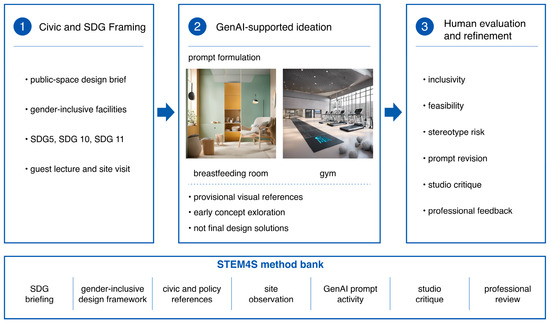
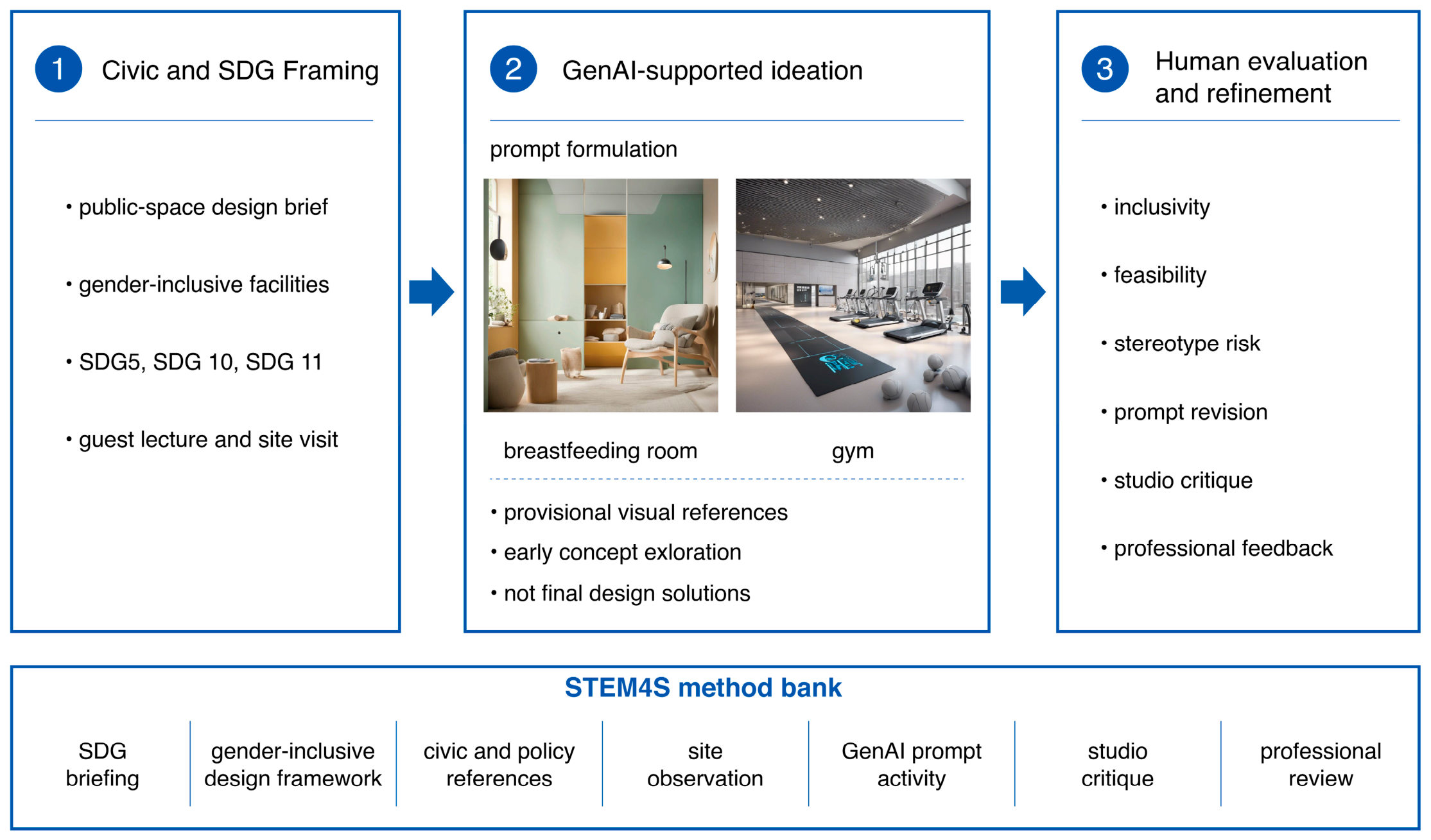
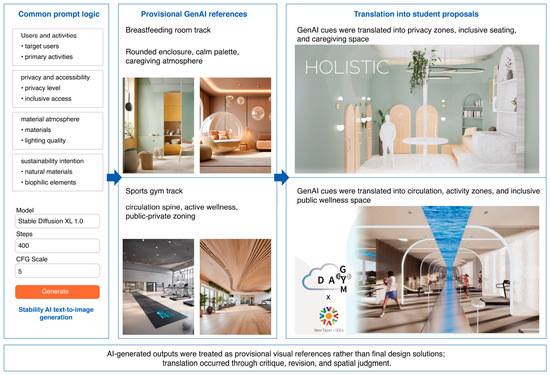
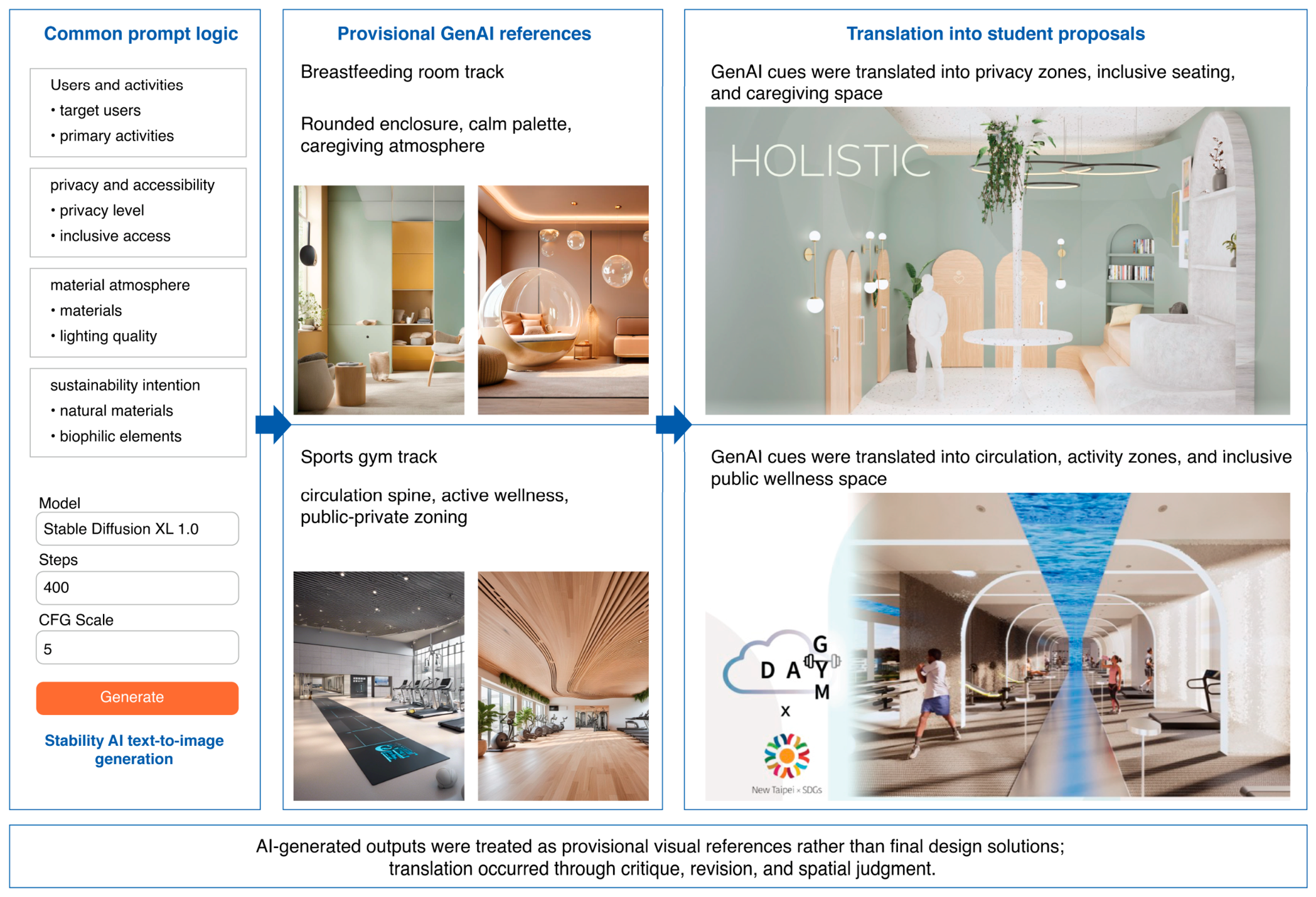
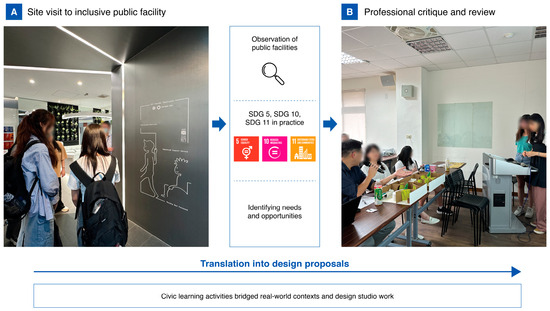
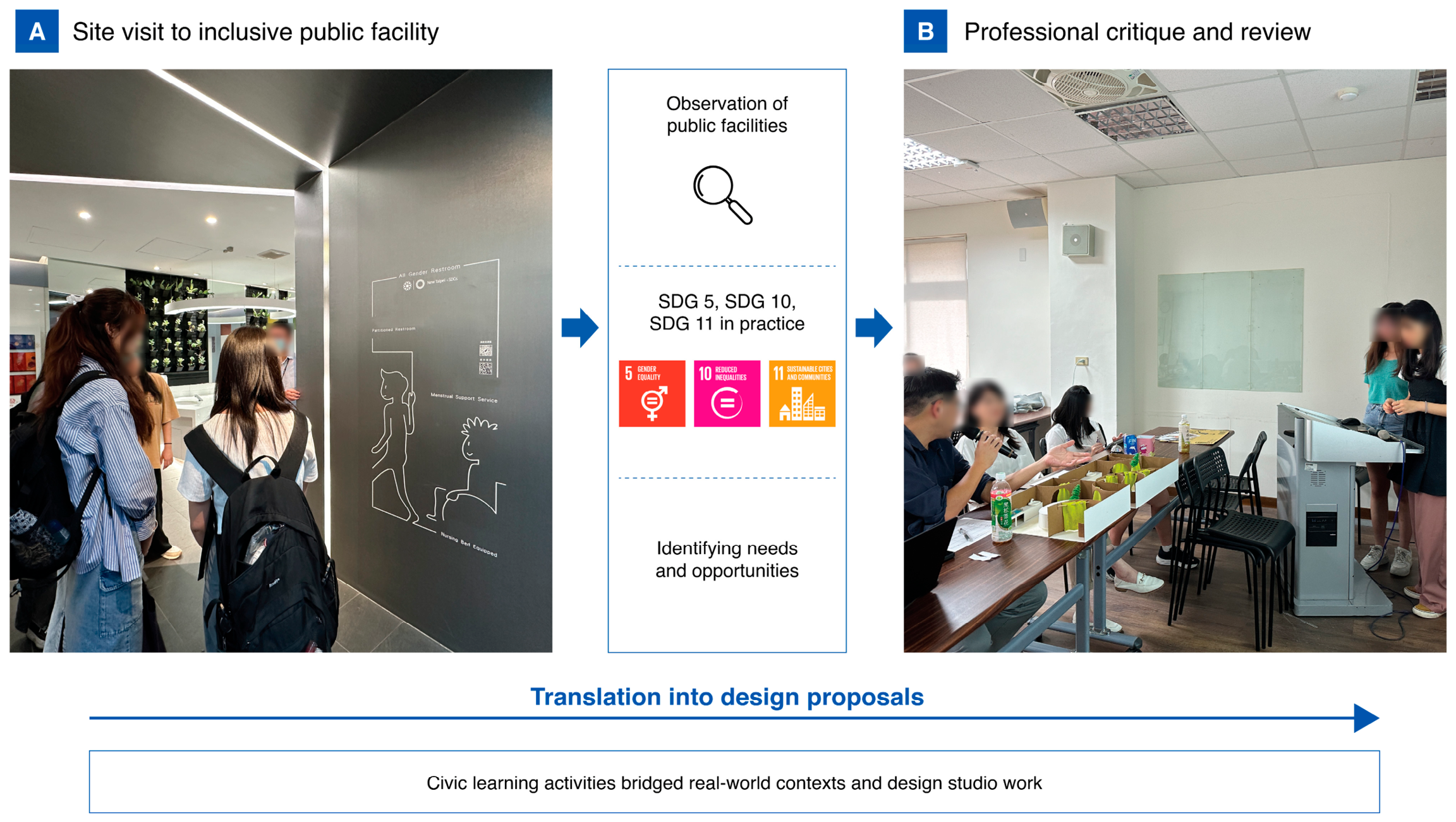

Disclaimer/Publisher’s Note: The statements, opinions and data contained in all publications are solely those of the individual author(s) and contributor(s) and not of MDPI and/or the editor(s). MDPI and/or the editor(s) disclaim responsibility for any injury to people or property resulting from any ideas, methods, instructions or products referred to in the content. |
© 2026 by the authors. Licensee MDPI, Basel, Switzerland. This article is an open access article distributed under the terms and conditions of the Creative Commons Attribution (CC BY) license.