


Abstract
Against the background of healthy aging, age-friendly communities, and social sustainability, community public spaces are important everyday settings for older adults’ outdoor activities and social connections. However, it remains insufficiently explained how public space environments are translated into social health benefits through specific social activities. From an environment-behavior-health perspective, this study examines Chongwen Jincheng Community in Nanjing through a concentrated sample design within a single large community. Based on 217 valid questionnaires from residents aged 60 years and above, an AMOS latent-variable structural equation model was constructed, and a standardized composite-variable Bootstrap model was used for robustness checking. The results show that the community public space environment has a significant total association with older adults’ social health. After social activities are included, the direct associations between traffic convenience, environmental comfort and safety, service facility supportiveness, and social health become non-significant, whereas multiple indirect paths through social activities remain significant, supporting a full mediation pattern in this case study. Traffic convenience is mainly linked to social health through passive and brief social interaction, environmental comfort and safety through brief and sustained social interaction, and service facility supportiveness through passive and sustained social interaction. These findings suggest that, within the cross-sectional SEM framework, the social health value of community public spaces is mainly linked to everyday encounters, weak-tie contact, brief communication, and sustained participation.
1. Introduction
Population aging is reshaping the spatial needs and governance tasks of urban communities. The World Health Organization has noted the continuing growth of the global older population, and healthy aging has become an important issue in public policy and urban development worldwide. In China, population aging is intertwined with social transitions such as smaller family structures, intergenerational residential separation, and weakened neighborhood relations, making loneliness, social isolation, and community adaptation among older adults increasingly salient. According to the World Health Organization’s classic definition of health, health refers not only to the absence of disease or infirmity, but also to a state of physical, mental, and social well-being [1]. Therefore, in healthy aging research, social health should not be treated as an ancillary dimension outside physical and mental health, but as an important component of older adults’ overall well-being.
The community is the most immediate and stable spatial unit of older adults’ everyday life. For older adults whose travel radius is relatively limited and whose daily activities depend strongly on the residential environment, community public spaces not only provide places for walking, exercise, childcare, lingering, and rest, but also create basic conditions for neighborhood encounters, brief conversations, shared activities, and the maintenance of social connections. Research on age-friendly cities and age-friendly communities emphasizes the importance of outdoor spaces, transport conditions, service facilities, and opportunities for social participation in maintaining older adults’ independent living, community integration, and quality of life [2]. Thus, community public spaces are not merely physical sites; they are everyday media through which older adults’ social relations are formed, maintained, and reproduced.
From the perspective of social sustainability, older adults’ social health is not only an individual health issue but is also related to whether communities can continuously support social participation, neighborhood mutual assistance, and inclusive public life. Among the United Nations Sustainable Development Goals, SDG 3 emphasizes ensuring healthy lives and promoting well-being for all at all ages, while SDG 11 emphasizes making cities and human settlements inclusive, safe, resilient, and sustainable. The safety, inclusiveness, and accessibility of public spaces directly affect the everyday participation opportunities of older adults and other groups [3,4]. In the context of population aging, social sustainability research increasingly emphasizes that older adults’ participation, relationships, care, and environmental support should be understood within a single framework [5]. Community public space can therefore be regarded as a form of social infrastructure in age-friendly communities: its value lies not only in providing activity venues, but also in supporting older adults’ social health through everyday contact, weak-tie interaction, and opportunities for sustained participation.
Existing studies have examined the relationships between community environments and residents’ health from the perspectives of the built environment, neighborhood environment, green-space exposure, and public space quality [6,7,8]. They have also indicated that walkability, safety, comfort, facility support, and green environments may affect older adults’ outdoor activities, social participation, and health status [9]. Nevertheless, three gaps remain. Conceptually, social health has often been discussed together with general well-being, social participation, or quality of life, but it has less often been specified as an individual-level outcome in public-space research on older adults. In terms of measurement, previous studies more commonly use broad indicators such as activity participation, perceived support, loneliness, or quality of life, while less attention has been paid to social health scales that capture social support, social adaptation, and social relationships in community life. Empirically and methodologically, many studies acknowledge that public spaces may facilitate interaction, but fewer studies quantitatively test whether and through which everyday activity pathways different public-space environmental dimensions are associated with older adults’ social health. Therefore, the key gap addressed by this study is not whether public spaces matter in general, but how public-space environmental quality may be translated into social health benefits through specific social activities in daily community life.
From an environment-behavior perspective, this study argues that the influence of community public space environments on older adults’ social health does not derive solely from the physical environment itself, but must be realized through older adults’ everyday social activities in public spaces. Favorable traffic convenience, environmental comfort and safety, and service facility supportiveness can reduce the costs of going out, arriving, and staying, thereby increasing opportunities for onlooking, that is, watching or observing others in public spaces, as well as incidental encounters, greetings, brief communication, and sustained participation. Social activities of different intensities may then further enhance older adults’ social connections, social support, and sense of community belonging, and thus be associated with higher levels of social health. Social activities can therefore be regarded as a key behavioral pathway linking community public space environments and older adults’ social health.
This study addresses four main questions. First, is the community public space environment significantly associated with older adults’ social health? Second, is this association mediated by older adults’ social activities in community public spaces? Third, do passive, brief, and sustained social interaction play differentiated mediating roles in this process? Fourth, can a concentrated sample within a single large community, under relatively consistent socioeconomic, locational, and governance conditions, help reveal the mechanism linking public space environments, social activities, and social health more clearly? These questions are related but not identical in function: the first identifies the basic environment-health association, the second and third focus on the behavioral mediation mechanism, and the fourth concerns the research design used to examine this mechanism.
To answer these questions, this study uses 217 valid questionnaires from older residents aged 60 years and above, constructs a structural equation model of “community public space environment-social activities-social health”, and verifies the mediation paths using an AMOS latent-variable Bootstrap mediation test and a standardized composite-variable Bootstrap model.
Specifically, this study adopts a concentrated sample design within a single large community. Unlike cross-community samples, this design does not seek to cover multiple community types. Instead, it examines how differences in public space environments within one community are translated into differences in older adults’ social activities and social health under relatively consistent locational conditions, community governance, public services, and socioeconomic background. Chongwen Jincheng Community in Nanjing was selected as the case. The community is large in scale, has relatively complete types of public spaces, and contains several residential sections that are similar but environmentally differentiated, providing a suitable basis for identifying intra-community spatial environmental differences and their behavioral transformation mechanisms.
The contributions of this study are threefold. First, at the conceptual and measurement levels, it introduces individual-level social health into age-friendly community public-space research and uses the SRHMS V1.0 social health subscale to connect public-space studies with social support, social adaptation, and social relationships. Second, at the empirical level, it focuses on an intra-community sample from a large residential community, which allows the study to examine environment-behavior-health associations under relatively consistent locational, governance, public service, and socioeconomic conditions. Third, at the methodological level, it distinguishes passive, brief, and sustained social activities and tests their mediating roles using an AMOS latent-variable Bootstrap model and a standardized composite-variable Bootstrap robustness model. In this way, the study clarifies not only whether community public space environments are associated with older adults’ social health, but also through which activity-based pathways this association may operate.
2. Literature Review and Research Hypotheses
2.1. The Concept and Measurement of Older Adults’ Social Health
Social health is commonly used to describe an individual’s functional status in social relationships, social roles, social support, and social adaptation. Larson discussed the measurement of social health from the perspective of social well-being at an early stage [10], while Keyes further conceptualized social well-being in terms of social integration, social contribution, social actualization, social acceptance, and social coherence [11]. As the concept of health has gradually shifted from the absence of disease to individual adaptive capacity, self-management capacity, and quality of life, social health has also been regarded as an important foundation for older adults to cope with role transitions, maintain social connections, and resist the risk of loneliness [12,13].
For older adults, social health reflects not only whether they have stable social relationships and social support, but also whether they can continue participating in community life, adapt to changes in social roles, and maintain a sense of community belonging. In later life, individuals may face multiple changes such as retirement, changing family roles, declining physical function, and shrinking social networks. Work-related relationships and previous social roles may gradually weaken, making community spaces and neighborhood relations important sources for maintaining social connections. In research on age-friendly communities and social sustainability, older adults’ social health is closely related to community participation, social inclusion, intergenerational connection, and place belonging. The age-friendly cities and communities framework also emphasizes that outdoor spaces, transport, social participation, respect, and social inclusion jointly constitute environmental conditions that support older adults’ sustained participation in community life [14]. Treating social health as an outcome variable in community public space research therefore helps connect individual-level health and well-being with community-level inclusion and sustainability.
This study focuses on the social health of older individuals in community life rather than macro-level social attributes such as social capital or community cohesion. In the Chinese context, individual-level social health is usually related to social support, social participation, social relationships, and social adaptation. Considering that the research subjects are community-dwelling older adults, this study uses the social health subscale of the Self-Rated Health Measurement Scale (SRHMS V1.0) developed by Xu et al. as the measurement basis for the dependent variable. Developed under Chinese cultural and social conditions, the scale covers dimensions such as individual social support, social adaptation, and social relationships, and has good local applicability [15]. Accordingly, this study understands older adults’ social health as an integrated state in which they obtain social support, maintain social relationships, adapt to social roles, and integrate into community life in everyday community settings.
The choice of the SRHMS V1.0 social health subscale is also related to the scope of this study. Existing measures such as social connectedness, loneliness, perceived social support, social well-being, and community belonging are useful, but each captures a relatively specific aspect of older adults’ social life. Social connectedness and community belonging mainly emphasize perceived attachment and integration; loneliness focuses on the subjective experience of insufficient social relationships; perceived social support measures available emotional or instrumental support; and social well-being captures broader evaluations of social functioning. By contrast, the SRHMS V1.0 social health subscale provides a more integrated individual-level assessment, covering social support, social adaptation, and social relationships under Chinese cultural and social conditions. This is consistent with the purpose of this study, which does not examine only one emotional or relational outcome, but asks whether community public spaces and everyday social activities are associated with older adults’ overall social functioning in community life. Therefore, SRHMS V1.0 is more suitable for linking the public-space/social-activity mechanism with older adults’ social health as a multidimensional outcome.
2.2. Community Public Space Environment and Older Adults’ Social Health
Environmental behavior studies argue that spatial environments affect individuals’ perceptions, behavioral choices, and activity patterns, and further influence physical and mental states as well as social life [16,17]. Ecological models of health behavior also emphasize that health behavior is not determined by individual factors alone, but is formed through the combined effects of individual, social, physical, and policy environments [18]. Accordingly, the effect of community public spaces on older adults’ social health should not be understood as simple spatial determinism; rather, it should be interpreted as a process in which environmental conditions are gradually transformed into health benefits through behavioral opportunities, interaction frequency, and interaction quality.
Public space research has long focused on the relationship between spatial form and social interaction. Gehl argued that higher spatial quality makes optional and social activities more likely to occur [19]. Whyte’s observations of small urban spaces showed that seating, accessibility, sunlight, edges, and activity foci significantly affect people’s lingering and interaction [20]. Mehta further emphasized that the sociability of public space depends on whether the space provides opportunities for comfortable staying, participatory activities, and encounters among people [21]. These studies indicate that the social value of public space comes not only from spatial provision itself, but also from its support for staying, contact, and interactive behavior.
Community public spaces are particularly important for older adults. Owing to changes in physical function, mobility, and social relationship networks, many older adults’ daily activities depend strongly on their residential communities. Studies of age-friendly community public spaces for older adults in China identify road transport, site facilities, public services, basic supporting facilities, and green landscapes as key spatial elements, while accessibility, safety, comfort, diversity, and sociability are important perceptual goals of age-friendliness [22,23,24,25,26,27,28,29,30]. Research shows that convenient pedestrian networks can reduce the cost of going out, safe and comfortable plazas and green spaces can enhance willingness to stay, and facilities such as seating, lighting, and signage support longer stays, observation, and conversation. Green spaces and public spaces may promote health by increasing social contact [31], and neighborhood environments are closely related to older adults’ activity participation and social participation [32,33,34,35,36]. Community public space environments can therefore be regarded as important environmental antecedents of older adults’ social health.
However, the relationship between public space environments and social health is not necessarily direct. Environmental elements such as traffic convenience, environmental comfort and safety, and service facility supportiveness first affect whether older adults are willing to go out, whether they can reach public spaces smoothly, whether they are willing to stay, and whether they have opportunities for contact and interaction with others. In other words, only when spatial conditions are transformed into older adults’ behaviors of going out, staying, contacting, and interacting can they further influence social connections, social support, and social adaptation. This means that specific behavioral processes must be introduced to explain the relationship between community public space environments and older adults’ social health, and social activities constitute the key mediating link.
2.3. Social Activities as Behavioral Mediators in the Environment-Health Relationship
Social activities are an important behavioral link connecting community public space environments and older adults’ social health. Although community public spaces have potential health-promoting functions, space itself does not automatically produce social health benefits. Only when older adults actually enter public spaces and engage in behaviors such as watching or observing others, greeting, talking, accompanying others, exercising together, and sustained participation can the public space environment be transformed into improved social support, social participation, and social adaptation.
From the environment-behavior-health chain, the community public space environment first influences the likelihood that older adults enter spaces, stay in spaces, and use facilities, thereby affecting the frequency, intensity, and duration of their social activities. These social activities then strengthen older adults’ social connections, community belonging, and social support, and are associated with higher levels of social health. Previous studies have shown that benches can become ‘porches’ that trigger neighborhood interaction [37], accessible and mobility-friendly environments can enhance social participation among people with mobility limitations [38], and lack of perceived safety may inhibit older adults’ outdoor activities and public space use [39]. These findings all suggest that social activities can explain how public space environments are translated into social health benefits.
It should further be noted that older adults’ social activities in community public spaces are not homogeneous. Although different activities may all occur in public spaces, they differ substantially in social contact intensity, duration, and relationship-maintenance mode. For older adults, social interaction does not always appear as formal interaction or organized participation; more often, it is embedded in everyday public life such as onlooking, walking, exercise, childcare, chess and card games, and casual chatting. Therefore, the social activities discussed in this study do not refer only to activities whose sole purpose is interaction, but to everyday activities in community public spaces that can generate social presence, social contact, verbal communication, or co-participation.
In this study, these activities are not treated as evidence that every activity necessarily involved direct verbal communication. They are treated as activity-based social exposure and interaction opportunities generated in community public spaces. Walking, jogging, and equipment-based exercise, for example, may be performed alone. However, when they occur in shared community spaces, they can increase the likelihood of visual contact, greetings, incidental encounters, and short conversations. Picking up or caring for grandchildren is also partly a family-related activity. In community public spaces, however, it may involve repeated co-presence with other residents, intergenerational encounters, and opportunities for relationship maintenance. The classification is therefore based on the intensity, duration, and relational potential of social contact opportunities, rather than on the assumption that all respondents experienced actual interaction during each activity.
Based on contact intensity and behavioral purpose [40], this study classifies older adults’ community social activities into three types: passive, brief, and sustained social interaction. Passive social interaction refers to low-intensity social exposure, such as watching, being present, and observing others in public spaces. Brief social interaction refers to everyday activities that may generate short-term contact, greetings, incidental encounters, or brief conversations, such as walking, jogging, and equipment-based exercise. Sustained social interaction refers to activities that usually involve longer co-presence, repeated participation, or relationship maintenance, including sitting and chatting, chess and card games, square dancing, tai chi, ball games, and childcare-related public-space activities. This classification captures different levels of social contact opportunity embedded in older adults’ everyday public-space activities.
Distinguishing passive, brief, and sustained social interaction makes it possible to identify more precisely the behavioral pathways through which different public space environmental elements influence social health. Compared with treating ‘social activities’ as a single general mediator, this classification helps explain why different environmental dimensions may affect older adults’ social health through social activities that differ in intensity, duration, and relationship quality.
2.4. Research Hypotheses and Conceptual Model
The research questions proposed in the Introduction define the overall empirical scope of this study, including the basic environment-health association, the mediation mechanism, the differentiation of social activity pathways, and the intra-community research design. The hypotheses in this section focus more specifically on the theoretically testable mediation mechanism. Based on the theoretical analysis above, this study argues that the influence of community public space environments on older adults’ social health does not derive solely from the physical environment itself, but must be realized through older adults’ social activities in public spaces. At the same time, different types of social activities differ in contact intensity, duration, and relationship-maintenance mode, and therefore may play differentiated roles in the process through which the environment is associated with social health. Accordingly, this study proposes the following hypotheses:
H1.
Older adults’ social activities mediate the relationship between the community public space environment and older adults’ social health.
H2.
Different types of social activities play differentiated mediating roles between community public space environments and older adults’ social health.
Further, drawing on existing studies of age-friendly communities in China, this study extracts key perceived dimensions of community public space environments. At the same time, based on contact intensity and behavioral purpose, it classifies older adults’ social activities into passive, brief, and sustained social interaction, and tests the specific pathways through which different environmental dimensions are associated with social health through different types of social activities. The conceptual model is shown in Figure 1.
Figure 1.
Research Model of Community Public Space Environment, Social Activities, and Social Health among Older Adults.
3. Materials and Methods
3.1. Case Community and Data Sources
3.1.1. Selection of the Case Community and Survey Participants
This study adopts a concentrated sample design within a single large community. The basic logic of this design is that collecting older adult samples within the same community system can, to some extent, reduce the interference of socioeconomic background, housing type, management level, and public service differences that commonly occur in cross-community studies. At the same time, several sections within the community have both similarities and differences in public space organization and facility configuration, providing a basis for identifying differences in perceived public space environments and their transformation into social activities. This study does not build separate models for multiple sections within one community; instead, it treats them as sources of intra-community spatial heterogeneity and tests the mediating mechanism among community public space environments, older adults’ social activities, and social health at the overall sample level.
Based on this research logic and considering both urban context and community suitability, this study selected Chongwen Jincheng, located within Xinyue Community, Shuangzha Subdistrict, Jianye District, Nanjing, as the empirical case. For ease of expression, the case is referred to hereafter as Chongwen Jincheng. At the macro level, Nanjing provides a practical basis for studying community public spaces under the dual background of healthy city development and an aging society. The Healthy China 2030 Planning Outline proposes integrating health concepts into the entire process of urban development and identifies healthy city construction as an important means of advancing the Healthy China strategy. As one of China’s pilot cities for healthy city construction, Nanjing has in recent years continuously promoted the Healthy Nanjing action plan and developed a relatively systematic practical foundation in health environment creation, public service improvement, and grassroots governance innovation. As the capital of Jiangsu Province and an important megacity in the Yangtze River Delta, Nanjing also has a relatively high level of economic development, well-developed infrastructure, and an early entry into population aging. According to the 2024 Report on Nanjing’s Older Population Information and Aging Affairs Development, by the end of 2024 Nanjing had 1.9071 million residents aged 60 and above, accounting for 25.57% of the total population, indicating a pronounced stage of deep aging. To actively respond to population aging, Nanjing has formulated and implemented the 14th Five-Year Plan for the Development of Aging Affairs in Nanjing, emphasizing the community as the core unit for advancing an age-friendly society and improving older adults’ quality of life. Thus, under the dual contexts of healthy city construction and aging-society governance, Nanjing provides an appropriate practical basis and policy context for this study.
At the micro level, Chongwen Jincheng is not intended to represent all types of urban communities; rather, it is highly suitable for mechanism identification. The community is located within Xinyue Community, Shuangzha Subdistrict, Jianye District, Nanjing, in the core area of Hexi New Town. Its surrounding medical, commercial, educational, cultural, and sports facilities are relatively complete, and transport accessibility is favorable, making it suitable for field observation, questionnaire surveys, and interviews (Figure 2). According to statistics from relevant community departments, Chongwen Jincheng has approximately 6500 permanent residents. Registered homeowners are generally younger and have relatively high income levels. Many older adults live with younger families, and some undertake daily family tasks such as caring for grandchildren, leading to frequent use of community public spaces. The community consists of several construction phases and residential sections, with a relatively rich variety of public spaces, including residential building entrances, community entrances, internal road spaces, small fitness plazas, children’s play plazas, integrated central plazas, community green spaces, and service facilities. Different sections vary in plaza organization, the relationship between children’s play spaces and fitness spaces, and the degree of functional integration in central plazas, while sharing similar locational conditions, community service resources, and governance background. The case is therefore suitable for examining how environmental differences in public spaces within the same large residential community are associated with older adults’ social activities and social health.
Figure 2.
Location Map of the Surveyed Community, Chongwen Jincheng.
The survey participants were older adults aged 60 years and above in Chongwen Jincheng who had basic outdoor mobility and the ability to understand the questionnaire. They included permanent community residents, non-owner residents, and older adults who stayed or engaged in activities in the community for extended periods. The inclusion criteria were: first, being aged 60 years or above; second, being able to understand the basic content of the questionnaire and complete it independently or with explanation and assistance from the researchers; and third, living in, staying in, or frequently using the public spaces of Chongwen Jincheng. The exclusion criteria were: first, not meeting the age requirement; second, being unable to understand the questionnaire because of severe cognitive impairment, hearing impairment, or communication difficulties; and third, questionnaires with obvious incompleteness or invalid response patterns such as long strings of identical answers.
Before the survey, the researchers explained the research purpose, questionnaire content, completion method, and scope of data use to participants, and informed them that the questionnaire would be used only for academic research, that all data would be processed anonymously, and that no personally identifiable information would be involved. Participants took part on an informed and voluntary basis and could stop answering at any time during the survey. When needed, the researchers explained item meanings but did not guide responses, thereby improving the validity and credibility of the questionnaire data.
Accordingly, the findings of this case should not be interpreted as statistically representative of all communities in Nanjing or of Chinese urban communities as a whole. They are most relevant to similar large, relatively new, high-density urban residential communities in major Chinese cities, especially those with comparatively complete public facilities, organized property management, and internally differentiated public-space environments.
3.1.2. Basic Environmental Characteristics of the Case Community
As the case community in this study, Chongwen Jincheng is located in the southern Hexi area of Jianye District, Nanjing, within a low-carbon, ecological, and smart core demonstration area. It is adjacent to Nanjing Foreign Language School Hexi Campus and near Yuzui Business District. Chongwen Jincheng covers a total land area of approximately 136,000 m2, has a total residential building area of approximately 363,000 m2, and a floor area ratio of 2.67. The surrounding supporting facilities are relatively complete, covering medical, educational, cultural, commercial, sports, and other services. In terms of medical resources, the community is about 10 min from Nanjing BenQ Hospital and Hexi Children’s Hospital, which can generally meet residents’ daily medical needs. In terms of educational resources, it is adjacent to Nanjing Foreign Language School Hexi Campus, and surrounding educational resources are of relatively high quality. In terms of commercial services, large complexes such as Hexi Gemdale Plaza are located nearby and provide shopping, leisure, and cultural-entertainment services. In terms of sports and cultural facilities, the Olympic Sports Center, Nanjing International Expo Center, and Central Park are all within walking or cycling distance, indicating favorable overall living service conditions.
In terms of internal spatial structure, Chongwen Jincheng was built in three phases. Phase I includes eight residential buildings, mainly with three-bedroom duplex units; Phase II includes seven residential buildings and adopts an enclosed landscape flat-floor layout; Phase III mainly consists of small dwelling units. The community as a whole can be divided into five sections, A, B, C, D, and E. Sections B and C belong to Phase I, Section A to Phase II, and Sections D and E to Phase III. Although the sections are generally consistent in architectural style and landscape greening, they differ in the organization of public activity spaces, facility configuration, and degree of functional integration, as shown in Figure 3.
Figure 3.
Site Plan of Chongwen Jincheng Community.
Regarding the arrangement of fitness plazas and children’s play plazas, Sections A and C both use a separated layout, but the spatial relationship between the two differs: in Section A, the fitness area and children’s play area are relatively far apart and spatially independent; in Section C, the fitness area and children’s play area are closer and separated by shrub planting (Table 1). In Sections B, D, and E, the fitness and children’s play areas are located on the same site without clear separation, showing a mixed layout. In terms of central plaza layout, Section A has a more functionally integrated central plaza equipped with rest, exercise, landscape, and other activity spaces, meeting multiple needs for leisure, exercise, communication, and cultural activities. By contrast, the central plazas in Sections B, C, D, and E are relatively single-function, with weaker spatial attraction and lower levels of mixed use (Table 2). These differences create clear internal public space heterogeneity in Chongwen Jincheng under similar overall locational and governance conditions, providing an empirical setting for comparing older adults’ social activities and social health under different public space environments.
Table 1.
Types of fitness and children’s play areas in the community.
Table 2.
Types of central plaza space in the community.
In this study, the A–E sections are used to describe the internal spatial heterogeneity of Chongwen Jincheng and to support within-community sampling. They help identify differences in plaza layout, children’s play areas, fitness spaces, green spaces, and central plazas within the same community. However, these sections are not treated as independent statistical comparison units. Instead, the subsequent analysis focuses on older adults’ individual-level perceptions of public-space conditions across these spatial settings.
3.2. Variable Measurement and Questionnaire Design
The variable system of this study includes the independent variable of community public space environment (X), the mediating variable of older adults’ social activities (M), and the dependent variable of older adults’ social health (Y). Based on older adults’ understanding, responses, and feedback after the pilot survey, the questionnaire was divided into four parts: the first part corresponded to older adults’ social activities (M), the second to the community public space environment (X), the third to older adults’ social health (Y), and the fourth collected basic information about older adults.
3.2.1. Measurement of the Community Public Space Environment (X)
Community public spaces are important places for residents’ everyday interaction, leisure and recreation, physical activity, and community participation. For older adults, community public spaces include not only physical spaces such as plazas, green spaces, and roads, but also supporting conditions such as seating, lighting, signage, fitness equipment, and activity facilities. Drawing on studies related to health and health behavior among older adults in China, community public space can be understood as an integrated environmental system composed of activity spaces, social spaces, rest spaces, green spaces, circulation spaces, and service facilities.
Through a preliminary review of age-friendly community construction standards for older adults in China (Table 3) and related studies (Table 4), this study selected residential building entrance spaces, community entrance spaces, road traffic spaces, small fitness plazas, children’s play plazas, integrated central plazas, community green spaces, rest facilities, signage facilities, lighting facilities, and other basic service facilities as public space environmental evaluation objects. Their accessibility, convenience, comfort, safety, and facility support were examined, forming 11 evaluation items (B1–B11).
Table 3.
Policies and standards/technical guidelines related to the construction of age-friendly communities.
Table 4.
Summary of research on community public spaces for older adults in China.
The B1–B11 items were designed as perceived-environment items. They do not measure objective spatial attributes directly, but record older adults’ evaluations of the accessibility, convenience, comfort, safety, and facility support of community public spaces. The item domains were derived from age-friendly community standards, previous public-space studies, and the spatial characteristics of Chongwen Jincheng.
These items reflect both the convenience with which older adults enter and reach public spaces and the environmental support required for staying, activity, and interaction in public spaces. Because the community public space environment evaluation section is a self-developed perceived scale based on the literature review, age-friendly community construction standards, and analysis of the spatial characteristics of the case community, subsequent analyses use reliability testing and factor extraction to identify the latent environmental dimensions behind these items and treat them as community public space environment variables in the structural equation model.
3.2.2. Measurement of Older Adults’ Social Activities (M)
Social activities are behaviors through which individuals establish, maintain, and develop social relationships through interaction and communication in everyday life, and they are an important route to improving quality of life and social health. Especially for older adults, social activities occur not only in formal organized activities or settings explicitly aimed at interaction, but are also often embedded in everyday public life processes such as walking, exercise, chess and card games, sitting, onlooking, and picking up or caring for children. For example, older adults may build familiarity and trust through conversation during chess and card games, or may form shared topics and neighborhood connections while jointly picking up or caring for children or observing community activities. Therefore, the social activities examined in this study are not limited to formal social participation, but include everyday activities in community public spaces that can generate social presence, social contact, verbal communication, or co-participation. From different research perspectives, existing studies have classified older adults’ social activities in multiple ways, such as by activity initiative and participation requirements, activity content, dynamic-static characteristics, and contact intensity and behavioral purpose (Table 5). These classification perspectives provide alternative ways to understand the social meaning of older adults’ everyday activities. After comparing these approaches, this study adopts the classification based on contact intensity and behavioral purpose, because it is most closely aligned with the research focus on how community public space environments are transformed into different levels of social contact and then associated with social health.
Table 5.
Classification perspectives and activity types of older adults’ social activities.
Accordingly, this study classifies older adults’ community social activities into passive, brief, and sustained social interaction according to contact intensity and behavioral purpose. Passive social interaction refers to incidental and low-intensity social exposure in public spaces, including onlooking. Brief social interaction refers to relatively active but short-term contact opportunities, including walking or jogging and equipment-based exercise. Sustained social interaction refers to longer-duration activities involving repeated co-presence, communication, or relationship maintenance, including sitting and chatting, chess or card games, square dancing, tai chi or martial arts, ball games, and picking up or caring for children. These categories correspond to items A1–A9 in the questionnaire.
In social science research, social activities can be measured in various ways, including quantitative measurement, qualitative measurement, and technology-assisted measurement, each of which aims to capture the diversity and complexity of social activities from different dimensions. This study adopts quantitative measurement and collects older adults’ participation frequency in different social activities through a questionnaire survey. The questionnaire design referred to relevant items from the China Health and Retirement Longitudinal Study 2018 (CHARLS 2018) [43], such as ‘Have you engaged in the following social activities in the past month? (multiple choices allowed)’ and ‘How often did you do these activities in the past month: almost daily, almost weekly, or not regularly?’, to obtain data on older adults’ level of social activity.
The A1–A9 items were designed with reference to publicly available social activity questions in CHARLS-style surveys and adapted to the context of everyday activities in community public spaces. They record self-reported participation frequency rather than observed interaction behavior. This study converted older adults’ participation frequency in different social activities into ordered numerical variables. Specifically, ‘never’ was assigned a value of 1, ‘infrequently’ a value of 2, ‘once a week’ a value of 3, ‘2–3 times per week’ a value of 4, and ‘almost every day’ a value of 5. Then, according to the classification logic of contact intensity and behavioral purpose described above, related items were assigned to passive, brief, and sustained social interaction, and the mean value of the items in each category was calculated as the corresponding social activity variable. Higher values indicate higher participation frequency in that type of social activity.
The A1–A9 items recorded self-reported participation frequency using an ordered five-point response scale. Following common practice in questionnaire-based social activity research, and with reference to CHARLS-style activity frequency questions, the responses were coded from 1 to 5 and averaged within each activity type to construct the passive, brief, and sustained social activity variables. This approach provides a consistent and interpretable measure of relative participation frequency across activity types. However, it also simplifies the ordinal nature of the response categories and assigns equal weight to activities within the same category. Therefore, the results should be interpreted as reflecting relative levels of activity participation rather than exact behavioral intervals or weighted behavioral intensity.
It should be noted that this study does not separate activity content from social contact in measuring social activities. For community-dwelling older adults, activities such as walking, equipment-based exercise, childcare, onlooking, and sitting are often not purely physical activities or personal affairs, but everyday social processes accompanied by neighborhood encounters, observation, greetings, brief conversations, and shared staying in community public spaces. Therefore, this study uses activity frequency as the basis for measuring social activity levels, focusing on the opportunities for social contact and relationship maintenance carried by these activities.
3.2.3. Measurement of Older Adults’ Social Health (Y)
As an important component of holistic health, social health reflects an individual’s ability to obtain support in the social environment, adapt to social changes, and realize self-roles. The measurement and evaluation of social health are key to understanding older adults’ level of social health and its influencing factors. The core task is to assess individuals’ adaptive capacity, support networks, and social relationship status in the social environment through a multidimensional indicator system.
After reviewing social health scales from China and abroad, and considering the research population and questionnaire design needs, this study selected the social health subscale of the Self-Rated Health Measurement Scale (SRHMS V1.0) developed by Xu Jun as the tool for measuring social health [15]. Accordingly, this study uses the SRHMS V1.0 social health subscale because it captures older adults’ social support, social adaptation, and social relationships as an integrated social-health outcome, rather than measuring only a single aspect such as loneliness or perceived support. It was also developed according to Chinese social conditions and cultural context, has good local applicability, reliability, and validity, and therefore provides a reliable measurement basis for this study.
The social health section contains 13 items (C1–C13). Because the SRHMS V1.0 social health subscale is a published scale, this study follows its original dimensional structure and scoring requirements rather than reproducing all item wording in the main text. This study coded each item according to the scoring requirements of the scale and reverse-scored items requiring reverse treatment. The scores of the social health subscale items were then summed or averaged as the measurement result for older adults’ social health level. Higher scores indicate better social support, social adaptation, and social relationship status, and thus a higher level of social health. Considering that this study focuses on the perceived structure of the community public space environment and its mediating pathways through social activities, and that the social health scale already has a mature measurement basis, social health is treated as an observed outcome variable in the structural model to reduce model complexity and improve estimation stability.
3.2.4. Data Collection: Pilot Survey, Questionnaire Revision, and Formal Survey
The data for this study mainly come from field observation, community materials, and questionnaire surveys. To ensure that the questionnaire was suitable for older adults in the community, the survey process included a pilot survey and a formal survey (Figure 4). In March 2025, the research team conducted a small-scale pilot survey in Chongwen Jincheng Community and distributed and collected 54 paper questionnaires. The pilot survey was mainly used to test questionnaire wording, item order, interview duration, and older respondents’ understanding. The formal survey was conducted in May 2025.
Figure 4.
Process of the Questionnaire Survey.
Based on feedback from the pilot survey, the research team revised the questionnaire in four ways. First, some professional or abstract item wording was simplified to make it easier for older adults to understand. Second, questions on activity locations and activity times were added to the section on older adults’ social activities to better capture the spatial and temporal characteristics of social activities. Third, open-ended questions were added to the community public space environment satisfaction section to collect supplementary qualitative information on respondents’ public space use experiences, environmental perceptions, and improvement needs. Fourth, the questionnaire structure was optimized by placing older adults’ social activities, community public space environment evaluation, and social health questions at the front and moving basic personal information such as age and residence information to the end, so as to reduce respondents’ psychological burden and improve completion quality.
The revised formal questionnaire consisted of four parts. The first part concerned older adults’ social activities and corresponded to the mediating variable (M); the second part was the community public space environment satisfaction survey and corresponded to the independent variable (X); the third part was the Self-Rated Health Measurement Scale and corresponded to the dependent variable (Y); and the fourth part collected basic information about older adults.
Because this study uses structural equation modeling for data analysis, the sample size needed to meet the basic requirements of model estimation. Previous studies generally suggest that the sample size for structural equation modeling should be greater than 100 and that a sample size above 200 is more reliable. At the same time, an excessively large sample may affect the χ2 value and increase the likelihood of model rejection [44,45]. Therefore, this study comprehensively considered sample availability, model estimation stability, and fit testing requirements, and set more than 200 valid samples as the basic target for the formal survey.
The formal survey was conducted using paper questionnaires through two distribution routes. First, in cooperation with the community residents’ committee, questionnaires were completed collectively on site at the older adult service center. Second, the researchers conducted random intercept surveys in community public spaces. Random intercepts were mainly carried out at public space nodes where older adults’ daily activities were concentrated, including residential building entrances, community entrances, road nodes, small fitness plazas, children’s play plazas, central plazas, and community green spaces, so as to improve the coverage of community public space users in the sample.
During the survey, the researchers first confirmed whether respondents met the inclusion criteria, such as being aged 60 years or above, having basic comprehension ability, and living or engaging in activities in the community. They then explained the questionnaire completion requirements and provided explanation and assistance when needed. To reduce response error, the researchers explained only the meaning of items and did not suggest answer directions. After collection, the research team screened the data and excluded questionnaires with ineligible age, substantial missing responses, obvious straight-line responses, inconsistent answers, or abnormal completion time.
A total of 270 questionnaires were distributed in this survey. After excluding questionnaires that were incomplete, did not meet the age requirement, or contained invalid responses, 217 valid questionnaires were finally obtained. The valid sample covered the five community sections A–E with relatively balanced proportions, supporting subsequent structural equation modeling and mediation effect analysis.
3.3. Data Analysis Method Based on a Dual-Model Mediation Test
To test the mechanism linking the community public space environment, older adults’ social activities, and social health, this study adopts an analytical strategy in which a latent-variable structural equation model is used as the main model and a standardized composite-variable model is used for verification. First, descriptive statistics are used to present sample characteristics, social activity frequency, and social health status. Second, reliability tests are conducted for the community public space environment evaluation items, and factor extraction based on principal component analysis is used to identify the main environmental dimensions perceived by older adults. Third, an AMOS latent-variable structural equation model is used as the main model to test the path relationships among the community public space environment, different types of social activities, and social health, and Bootstrap methods are used to test mediation effects. Finally, a standardized composite-variable Bootstrap model is used for robustness checking to determine whether significant paths in the main model are stable and to compare the relative strength of different mediating pathways.
This dual testing strategy is used because the AMOS latent-variable model can better handle measurement error in community public space environment variables and is suitable as the main basis for judging the mediation mechanism. The standardized composite-variable model, by contrast, makes it possible to compare the strength of different path effects on a common scale and to test whether the conclusions depend on the latent-variable model specification. Mutual confirmation between the two models can improve the robustness of mediation effect judgments.
A–E section membership was not included as a formal control variable in the SEM. First, the number of respondents within each section was limited and uneven, and adding section dummy variables would increase model complexity relative to the sample size. Second, the spatial differences among sections were represented at the individual level by respondents’ perceived public-space environment scores, including traffic convenience, environmental comfort and safety, and service facility supportiveness. These perceived environmental variables are more directly aligned with the theoretical mechanism of this study, which examines how older adults’ perceived public-space conditions are associated with social activities and social health. Therefore, section-level spatial heterogeneity was incorporated indirectly through individual-level environmental perception variables rather than through formal section controls.
This modeling choice is aligned with the substantive focus of the study. The main purpose is to examine how community public space environments are associated with older adults’ social health through different types of social activities, rather than to revalidate the measurement structure of social health. Therefore, the public space environment variables, which were measured by self-developed perceived-environment items, were modeled as latent variables, whereas social health, measured by the published SRHMS V1.0 social health subscale, was used as an integrated observed outcome score.
3.3.1. Descriptive Statistics
Descriptive statistical analysis was conducted on basic sample characteristics, older adults’ social activity frequency, and social health status. Basic sample characteristics included gender, age, residential section, education level, and monthly income. Social activity frequency was used to describe older adults’ participation in different types of activities in community public spaces. Social health status was used to present respondents’ overall social health level and differences across community sections.
3.3.2. Common Method Bias, Reliability Testing, and Factor Extraction Based on Principal Component Analysis (PCA)
Because the data on community public space environments, social activities, and social health in this study were all collected from questionnaire surveys at the same time point, common method bias may exist. Following recommendations on common method bias and post hoc diagnostic techniques in prior behavioral and organizational research [46,47,48], this study used Harman’s single-factor test as a preliminary diagnostic and further conducted a common latent factor check. In the common latent factor check, the 33 self-reported items A1–A9, B1–B11, and C1–C13 were included in the measurement model, and a common method factor was added and constrained to be orthogonal to the substantive factors.
Reliability and structural validity tests were conducted for the community public space environment evaluation items. The first part of the questionnaire, concerning older adults’ social activities, mainly measured activity frequency, while the third part, concerning social health, mainly used a mature scale. The second part, ‘community public space environment evaluation’, was a self-developed perceived scale based on literature review, theoretical framework construction, and analysis of the spatial characteristics of the case community. Therefore, this study focuses on testing the measurement quality of the items in the second part.
The community public space environment evaluation contained 11 items, involving residential building entrances, community entrances, road traffic spaces, fitness areas, children’s activity areas, integrated central plazas, community green spaces, rest facilities, signage facilities, lighting facilities, and other basic service facilities. This study used Cronbach’s alpha coefficient to test internal consistency and used the KMO test and Bartlett’s test of sphericity to determine whether the item data were suitable for factor extraction.
On the basis that the item data were suitable for dimensionality reduction, this study used principal component analysis (PCA) with varimax rotation as an exploratory data-reduction step for the self-developed B1–B11 public-space environment items. The purpose of using PCA was to identify the main perceived environmental dimensions in a parsimonious and interpretable way, rather than to replace a common-factor measurement model. Specifically, PCA was used to summarize multiple related observed items into several environmental dimensions with statistical and explanatory meaning. These extracted dimensions were then further evaluated through reliability testing, convergent validity assessment, and confirmatory factor analysis before being incorporated as latent variables in the subsequent structural equation model.
3.3.3. Confirmatory Factor Analysis (CFA), Validity Assessment, and Model Fit Testing (SEM)
After identifying perceived dimensions of the community public space environment through PCA, this study further used AMOS to conduct confirmatory factor analysis (CFA) on the community public space environment variables and then constructed the structural equation model. Confirmatory factor analysis was conducted only for community public space environment variables treated as latent variables. Social activity variables were treated as observed mediating variables in the structural model, and social health was treated as an observed outcome variable; therefore, neither was included in the measurement model for confirmatory factor analysis.
This treatment is based on three considerations. First, the community public space environment evaluation is a self-developed perceived scale whose latent structure needs to be identified and tested through factor extraction and confirmatory factor analysis. Second, social activity variables are measured by activity frequency and merged into passive, brief, and sustained social interaction according to contact intensity and behavioral purpose. Because each activity category contains a limited number of items and this study focuses more on their role as behavioral mediating variables, they are treated as composite observed variables. Third, social health uses the social health subscale of a mature scale and is calculated as a total score or mean according to scale requirements. Considering sample size and model complexity, social health is treated as an observed outcome variable to improve model estimation stability.
After the CFA, this study evaluated the measurement quality of the environmental latent variables using standardized factor loadings, composite reliability (CR), average variance extracted (AVE), and discriminant validity. The study calculated CR and AVE from the standardized factor loadings output by AMOS. Discriminant validity was assessed using the Fornell–Larcker criterion, by comparing the square root of AVE for each environmental factor with its correlations with the other environmental factors. Model fit was evaluated using multiple indices, including χ2/df, RMSEA, GFI, AGFI, IFI, NFI, and CFI. The SEM analysis was conducted in AMOS 26.0 using maximum likelihood estimation. Questionnaires with substantial missing responses or invalid response patterns were excluded before model estimation; therefore, the final dataset contained 217 valid cases, and the main measurement items used in the model had no missing values. Before SEM estimation, the distributions of the main observed variables were inspected using skewness and kurtosis. The observed variables used in the SEM did not show severe univariate non-normality, although some variables showed moderate departures from normality. Modification indices were inspected only as diagnostic information, and no additional paths or correlated error terms were added solely on the basis of modification indices.
3.3.4. Path and Mediation Testing in the AMOS Latent-Variable Structural Equation Model
After completing reliability and validity tests and latent dimension extraction, this study used AMOS to construct a latent-variable structural equation model to test the path relationships among community public space environments, older adults’ social activities, and social health. In the model, the community public space environment is treated as an exogenous variable and includes the environmental dimensions (F) identified by factor extraction based on principal component analysis. Older adults’ social activities are treated as mediating variables and include passive, brief, and sustained social interaction. Older adults’ social health is treated as the outcome variable.
The AMOS main model mainly tests three types of paths: first, the effects of each dimension of the community public space environment on different types of social activities; second, the effects of passive, brief, and sustained social interaction on older adults’ social health; and third, the direct effects of each environmental dimension on older adults’ social health. These path settings make it possible to determine whether there is a direct association between the community public space environment and social health or whether the environment primarily affects social health indirectly through social activities.
Model fit was evaluated using multiple indices. If the overall model fit met the requirements, path coefficient interpretation and mediation effect testing were then conducted.
3.3.5. Bootstrap Mediation Effect Testing in the Latent-Variable Model
Based on the AMOS latent-variable structural equation model, this study used the Bootstrap method to test the mediating effects of social activities. The Bootstrap method does not rely on the assumption that indirect effects are normally distributed and is suitable for testing the significance of mediation effects. This study set the number of Bootstrap resamples to 5000 and used 95% Bootstrap confidence intervals for indirect effects. When the 95% confidence interval of an indirect effect did not include 0, the mediating path was considered significant.
Specifically, this study tested 3N mediating paths. Here, F denotes the environmental dimensions identified by factor extraction based on principal component analysis in Section 3.3.2, N denotes the number of environmental dimensions, and 3 denotes the mediating paths through passive, brief, and sustained social interaction. The Bootstrap test in the AMOS latent-variable model is mainly used to determine whether each ‘community public space environment-social activity-social health’ path is supported and serves as the main model basis for judging the mediation mechanism in this study.
It should be noted that the Bootstrap results in the AMOS model are mainly judged on the basis of latent-variable structure and unstandardized indirect effects. This approach can better control measurement error in observed variables, but the scales of different variables may affect direct comparison of the strength of different path effects. Therefore, this study further uses a standardized composite-variable model for verification.
3.3.6. Robustness Check Based on Standardized Composite Variables
To test whether the main model conclusions depend on the latent-variable model specification and to facilitate comparison of standardized effect strength across mediating paths, this study further constructed a standardized composite-variable Bootstrap model for robustness checking. According to the factor extraction results based on principal component analysis, the model calculated composite variables for traffic convenience, environmental comfort and safety, service facility supportiveness, passive social interaction, brief social interaction, sustained social interaction, and social health, and standardized them during Bootstrap resampling.
The standardized composite-variable model also used 5000 Bootstrap resamples. The 95% confidence intervals for standardized indirect effects were calculated using the percentile method. When the 95% confidence interval of a standardized indirect effect did not include 0, the mediation effect of that path was considered significant. The model serves two main purposes: first, to verify whether significant paths in the AMOS latent-variable model are stable; and second, to compare the relative strength of different environmental dimensions and different social activity pathways through standardized indirect effects.
In interpreting the results, if a path reaches significance in both the AMOS latent-variable model and the standardized composite-variable model, it is regarded as a relatively stable core mediating path. If a path is non-significant in both models, it is considered not to be a major mechanism. If a path reaches weak significance only in the standardized composite-variable model but not in the AMOS latent-variable model, it indicates that the path may have a weak influence but is sensitive to model specification; this study treats it only as a supplementary finding and discusses it cautiously.
3.3.7. Criteria for Judging Full and Partial Mediation
The type of mediation effect is judged in this study by comprehensively comparing total effects, direct effects, and indirect effects. First, when social activity mediators are not included, the community public space environment should have a significant total effect on older adults’ social health, indicating an overall association between the two. Second, after passive, brief, and sustained social interaction are included, if the direct effect of the community public space environment on social health is no longer significant while the indirect effect through social activities is significant, then social activities show a full mediation pattern between the community public space environment and social health. Conversely, if both the direct and indirect effects are significant, social activities play a partial mediating role.
Based on this criterion, this study focuses on the direct effects and total indirect effects of the environmental dimensions (F). On the one hand, the AMOS main model is used to determine whether the direct paths from traffic convenience, environmental comfort and safety, and service facility supportiveness to social health are significant. On the other hand, the Bootstrap mediation test is used to determine whether they can produce significant indirect effects through passive, brief, and sustained social interaction. If both models show non-significant direct effects and significant indirect effects, social activities can be considered to play a relatively robust full mediating role in the process through which the community public space environment influences older adults’ social health.
4. Results
4.1. Sample Characteristics and Descriptive Statistics
Based on 217 valid questionnaires, descriptive analysis was conducted on older respondents’ basic characteristics, the frequency and spatiotemporal distribution of social activities in community public spaces, and social health status across sections.
Overall, the descriptive results present two basic features. First, older adults’ social activities in the community are clearly everyday, low-threshold, and weakly interactive; activities such as walking, chatting, and onlooking are more common than formally organized activities. Second, social health levels across sections show certain correspondence with spatial environmental conditions. Areas with weaker rest facilities, activity venues, and barrier-free connections tend to have lower mean social health or greater internal differences. These findings provide a descriptive basis for further testing the influence paths and mediation mechanism of ‘community public space environment-social activities-social health’.
4.1.1. Basic Sample Characteristics
In terms of sample composition, active users in the community were mainly female, and the age structure was dominated by young-old adults aged 60–74. The sample was relatively evenly distributed across Sections A, B, C, D, and E. In socioeconomic characteristics, respondents’ education levels were mainly concentrated at junior high school, senior high school, or junior college levels, and most older adults had stable and relatively substantial monthly incomes. Overall, the sample covered different age, education, and income groups and corresponded well to older adults with daily activity capacity in community public spaces (Table 6).
Table 6.
Basic characteristics of the older adult participants (n = 217).
4.1.2. Frequency and Spatiotemporal Distribution of Social Activities
In terms of social activity frequency, older adults’ everyday interaction in the community does not mainly depend on formally organized activities, but occurs more often in low-threshold activities such as walking, chatting, and onlooking (Table 7; Figure 5). Ranked by the proportion of ‘almost every day’, walking or jogging was the highest at 50.2%, followed by sitting and chatting at 34.6%, onlooking at 28.6%, and equipment-based exercise at 24.0%. These activities have low entry thresholds, flexible duration, and relatively weak dependence on organizational conditions, indicating that older adults’ social contact is often embedded in everyday outings, brief stays, and incidental encounters.
Table 7.
Social activities of older adults in community public spaces.
Figure 5.
Frequency distribution of social activities.
By contrast, activities such as chess or card games, square dancing, tai chi or martial arts, and ball games are more interactive but also more differentiated among participants. For example, the proportions of respondents who ‘never’ participated in square dancing and tai chi or martial arts reached 60.8% and 62.6%, respectively, and the proportions who never participated in chess or card games and ball games were also close to half. This indicates that social forms with stronger organization or higher activity intensity are not common choices for all older adults, while weak interaction and brief social interaction constitute a more common everyday social foundation in community public spaces.
In terms of temporal distribution, older adults’ social activities were mainly concentrated between 8:00 and 10:00 in the morning and between 14:00 and 18:00 in the afternoon, with 16:00–18:00 being a particularly active period (Figure 6). Morning activities were mainly walking or jogging and sitting and chatting, while afternoon activities included more chatting, picking up or caring for children, chess or card games, and walking or jogging. The temporal distribution indicates that older adults’ community social activities are highly related to the rhythm of everyday life, including morning activities as well as afternoon childcare, rest, and neighborhood interaction.
Figure 6.
Temporal distribution of daily social activities among older adults.
In terms of spatial distribution, social activities were mainly concentrated in children’s play plazas, integrated central plazas, and community green spaces (Figure 7). Children’s play plazas serve not only children’s play but also become important nodes for intergenerational interaction and neighborhood communication because many older adults care for grandchildren. Integrated central plazas can accommodate multiple activities such as chatting, chess and card games, and exercise. Green spaces, because of their relatively comfortable environments, are more suitable for walking, viewing, and low-intensity communication.
Figure 7.
Spatial distribution of daily social activities among older adults.
4.1.3. Community Public Space Evaluation and Social Health Differences
Regarding community public space environment evaluation, respondents’ overall satisfaction was relatively high. Better-rated items mainly included basic conditions such as entrance passage, road flatness, lighting, and signage. Lower-rated items were concentrated in spatial elements directly related to staying, activity, and interaction, such as rest facilities, small fitness plazas, and integrated central plazas. Specifically, Section A had more prominent problems in rest facilities, fitness equipment maintenance, and barrier-free connections. The integrated central plazas in Sections B and C still had deficiencies in maintenance management, facility richness, and seating configuration. Sections D and E showed mixed use of fitness spaces and children’s play spaces, with activity areas being compressed.
The descriptive results for social health show that respondents’ self-rated social health was generally at a good level, but differences remained across sections (Table 8). This suggests that older adults’ social health may be related to the public space environment and social opportunities in their section. Section E had the highest mean social health score, at 8.18; Section A had the lowest, at 7.29; and Sections B, C, and D scored 7.87, 7.73, and 7.63, respectively. In terms of dispersion in self-rated social health, Sections A and B were relatively high, indicating more obvious internal differences in older adults’ social health evaluations in these two sections. Sections with weaker spatial conditions or insufficient facility maintenance may be more likely to show lower social health scores or greater individual variation.
Table 8.
Self-reported social health of older adults.
4.2. Reliability, Validity, and Environmental Factor Extraction
On the basis of the descriptive analysis, this section tests the measurement quality and latent structure of the community public space environment evaluation items. The first part of the questionnaire mainly records older adults’ social activity frequency in community public spaces, with the design referring to relevant items from the China Health and Retirement Longitudinal Study 2018 (CHARLS 2018) [43]. The third part, measuring social health, refers to an existing mature scale. The second part, ‘community public space environment evaluation’, is an environmental perception scale developed from literature review, theoretical framework construction, and analysis of the spatial characteristics of the case community. This study first included A1–A9, B1–B11, and C1–C13 in Harman’s single-factor test and a common latent factor check to examine whether the data, as cross-sectional data, involved common method bias. It then focused on reliability, validity, and environmental factor extraction for items B1–B11 in the second part, providing a basis for latent variable construction in the subsequent structural equation model.
4.2.1. Common Method Bias Test
Because the data on the community public space environment, social activities, and social health were collected from questionnaire surveys at the same time point, common method bias may exist. To assess this issue, this study first used Harman’s single-factor test as a preliminary diagnostic. Specifically, the social activity frequency items A1–A9, community public space environment evaluation items B1–B11, and social health items C1–C13, for a total of 33 main measurement items, were included in unrotated factor analysis. The results showed a KMO value of 0.905 and a significant Bartlett’s test of sphericity (χ2 = 4021.126, df = 528, p < 0.001), indicating that the item correlation matrix was suitable for factor analysis. The unrotated factor analysis extracted seven factors with eigenvalues greater than 1, with cumulative explained variance of 65.740%. The first factor explained 34.482% of the variance, indicating that the item responses did not show an obvious single-factor structure.
However, Harman’s single-factor test was used only as a preliminary diagnostic and was not treated as sufficient evidence to rule out common method variance. Therefore, this study further conducted a common latent factor check using the same 33 items. Adding a common method factor did not significantly improve model fit compared with the baseline measurement model (Δχ2(1) = 2.243, p = 0.134), and RMSEA remained almost unchanged (0.07050 vs. 0.07049). The average standardized loading of the common method factor was 0.210, corresponding to an average item-level variance share of approximately 5.5%. These results suggest that a general common method factor did not dominate the measurement structure. Nevertheless, because both Harman’s single-factor test and the common latent factor check are post hoc diagnostics, common method variance cannot be completely ruled out.
4.2.2. Reliability and Validity
The community public space environment evaluation contained 11 items involving residential building entrances, community entrances, road traffic spaces, fitness areas, children’s activity areas, integrated central plazas, community green spaces, rest facilities, signage facilities, lighting facilities, and other basic service facilities. This study used Cronbach’s alpha coefficient to test the internal consistency of the scale, and used the KMO test and Bartlett’s test of sphericity to determine whether the item correlation matrix was suitable for factor analysis.
As shown in Table 9, the overall Cronbach’s alpha coefficient for B1–B11 was 0.816, indicating that the community public space environment evaluation items had good internal consistency. The KMO value was 0.816, and Bartlett’s test of sphericity produced an approximate χ2 of 823.903 with 55 degrees of freedom and p < 0.001, indicating strong correlations among the 11 items and suitability for factor extraction based on principal component analysis.
Table 9.
Reliability and Factor Analysis Suitability for Community Public Space Items.
4.2.3. Environmental Factor Extraction
After the reliability and factor analysis suitability tests were passed, this study further used factor extraction based on principal component analysis to identify the latent environmental dimensions behind the community public space environment evaluation items. The purpose of factor extraction was not to regenerate theoretical hypotheses, but to examine respondents’ actual perceived structure of public space environmental elements based on the existing theoretical classification and item design, and to summarize multiple related observed items into several environmental factors with statistical and explanatory meaning.
This study used principal component analysis to extract public space environmental factors and applied Kaiser-normalized varimax orthogonal rotation. According to the criterion of eigenvalues greater than 1, three common factors were extracted. The initial eigenvalues of the first three factors were 3.968, 1.824, and 1.409, respectively, and their cumulative variance explained was 65.463% (Table 10). This indicates that the three latent environmental factors retained the main information in the original 11 items relatively well, and that the community public space environment evaluation scale had a relatively clear latent structure.
Table 10.
Total variance explained for community public space environmental factors.
The rotated factor loadings show that B1–B3 mainly converged on the first type of environmental factor, reflecting the support provided by residential building entrances, community entrances, and road traffic spaces for older adults’ arrival, passage, and continuous movement. This factor was named traffic convenience (F1). B4–B7 mainly converged on the second type of environmental factor, reflecting environmental perceptions of fitness areas, children’s activity areas, central plazas, and green spaces in terms of comfort, safety, and activity experience. This factor was named environmental comfort and safety (F2). B8–B11 mainly converged on the third type of environmental factor, reflecting the support provided by rest, signage, lighting, and basic service facilities for staying, orientation, nighttime travel, and safety assurance. This factor was named service facility supportiveness (F3). The rotated loadings of all items on their respective factors were higher than 0.50, indicating relatively clear item assignment.
After clarifying the factor assignment of the items, this study further tested the reliability of the items within each factor. As shown in Table 11, the Cronbach’s alpha coefficients of all factors were higher than 0.70, indicating that the three environmental dimensions formed through principal component factor extraction had acceptable internal consistency.
Table 11.
Factor loadings and item assignment for community public space environmental factors.
Overall, the community public space environment evaluation items had good internal consistency and were suitable for factor extraction based on principal component analysis. The three environmental factors extracted were generally consistent with the theoretical classification of public space environmental elements in the theoretical section, and also show that older respondents’ perceptions of multiple specific spatial items further converge into three higher-level environmental dimensions: traffic convenience, environmental comfort and safety, and service facility supportiveness. The subsequent structural equation model uses these three environmental factors as latent dimensions of the community public space environment to further test the path mechanism through which they are associated with older adults’ social health via social activities.
4.3. Measurement Model and Overall Model Fit
After extracting three latent factors of the community public space environment through principal component analysis, this study further used confirmatory factor analysis to test the reliability and convergent validity of the measurement model. This part mainly examined whether the observed items could effectively represent their corresponding latent variables and whether the overall structural equation model fit the sample data well.
4.3.1. Confirmatory Factor Analysis, Convergent Validity, and Discriminant Validity
Using AMOS 26.0, this study tested the structural equation model with the sample data. The confirmatory factor analysis results (Table 12) show that the standardized factor loadings of all observed items for the community public space environment were higher than 0.60, indicating that the observed variables had acceptable explanatory capacity for their respective latent variables. To further test the convergent validity of the measurement model, this study recalculated composite reliability (CR) and average variance extracted (AVE) based on the standardized factor loadings output by AMOS. Discriminant validity was then assessed using the Fornell–Larcker criterion. In Table 13, the diagonal values are the square roots of AVE, and the off-diagonal values are inter-factor correlations based on composite scores of B1–B11.
Table 12.
Confirmatory factor analysis and convergent validity of environmental factors.
Table 13.
Fornell–Larcker discriminant validity assessment of environmental factors.
The recalculated results show that the CR values for traffic convenience, environmental comfort and safety, and service facility supportiveness were 0.784, 0.796, and 0.811, respectively, all higher than the recommended threshold of 0.70. The AVE values were 0.549, 0.495, and 0.519, respectively. Although the AVE for environmental comfort and safety was slightly below 0.50, it was very close to the threshold and its CR exceeded 0.70; therefore, the convergent validity of this dimension can be considered basically acceptable. For discriminant validity, the square roots of AVE for traffic convenience, environmental comfort and safety, and service facility supportiveness were 0.741, 0.703, and 0.721, respectively, all higher than their corresponding inter-factor correlations, which ranged from 0.283 to 0.397. Overall, the community public space environment measurement model had acceptable composite reliability, convergent validity, and discriminant validity.
4.3.2. Overall Model Fit
On the basis of the measurement model test, this study further used multiple fit indices to evaluate the match between the overall structural equation model and the sample data. The selected fit indices included the χ2 value, degrees of freedom, χ2/df, RMSEA, GFI, AGFI, IFI, NFI, and CFI.
As shown in Table 14, the model χ2 value was 102.951 with 76 degrees of freedom, and χ2/df was 1.355, below the commonly used criterion of 3.00. RMSEA was 0.041, below 0.05, indicating good approximate fit. GFI, AGFI, IFI, NFI, and CFI were 0.937, 0.901, 0.979, 0.924, and 0.978, respectively, all meeting or exceeding the commonly used criterion of 0.90. These results indicate that the measurement model and the overall structural model constructed in this study had good fit and could be used for subsequent structural path and mediation effect analyses.
Table 14.
Overall model fit indices.
4.4. Path Results of the AMOS Latent-Variable Model
After the measurement model and overall model fit reached acceptable levels, this study further used the AMOS latent-variable structural equation model to test the structural paths among the community public space environment (X), older adults’ social activities (M), and older adults’ social health (Y). The model simultaneously included three environmental latent variables—traffic convenience, environmental comfort and safety, and service facility supportiveness—three mediating variables—passive, brief, and sustained social interaction—and the social health outcome variable.
To make the logic of mediation effect judgment clearer, the total effect of the community public space environment on older adults’ social health was first tested without including social activities, followed by the structural paths of the AMOS latent-variable main model after the three types of social activities were included.
4.4.1. Baseline Model: Total Effects of the Community Public Space Environment on Older Adults’ Social Health
Before testing the mediation effects, it was necessary to determine whether an overall association existed between the community public space environment and older adults’ social health. A baseline model without social activity variables was first constructed, in which the three environmental dimensions—traffic convenience, environmental comfort and safety, and service facility supportiveness—simultaneously predicted older adults’ social health. This step corresponded to the total effect test in mediation analysis (Table 15) and addressed the preliminary question of whether the spatial environment was overall associated with social health.
Table 15.
Total effects of the community public space environment on older adults’ social health in the baseline model.
Without passive, brief, and sustained social interaction included, all three environmental dimensions showed significant positive total effects on older adults’ social health. Environmental comfort and safety had the largest total effect (β = 0.299, 95% CI [0.191, 0.401], p < 0.001), followed by service facility supportiveness (β = 0.259, 95% CI [0.100, 0.395], p = 0.002). Traffic convenience also reached significance (β = 0.173, 95% CI [0.051, 0.303], p = 0.004). This indicates a significant overall association between the community public space environment and older adults’ social health, providing a basis for further testing the mediation mechanism of social activities.
4.4.2. Measurement Path Results of the AMOS Latent-Variable Main Model
After confirming that the community public space environment had significant total effects on older adults’ social health, passive, brief, and sustained social interaction were further included in the model to test whether the spatial environment was associated social health through social activities. The structural path estimates of the AMOS latent-variable main model are shown in Table 16, and the path relationships are shown in Figure 8. In the table, β denotes standardized path coefficients, while S.E., C.R., and p values come from the AMOS regression weights test. To facilitate correspondence with the path diagram, the significance column uses asterisks, where *** denotes p < 0.001, ** denotes p < 0.01, * denotes p < 0.05, and N.S. denotes a non-significant path.
Table 16.
Path results of the AMOS latent-variable model.
Figure 8.
Path diagram of the AMOS latent-variable main model.
Overall, all three types of social activities had significant positive effects on social health, whereas the direct paths from the three environmental dimensions to social health did not reach significance. This indicates that the association between community public space environments and older adults’ social health is not mainly reflected in residual direct paths after social activities are included, but is more likely to operate through older adults’ everyday social activity opportunities in public spaces.
4.4.3. Effects of Community Public Space Environmental Dimensions on Social Activities
Traffic convenience had significant positive effects on both passive and brief social interaction, with standardized path coefficients of 0.278 and 0.286, respectively, both reaching p < 0.001; however, its effect on sustained social interaction was not significant (β = 0.098, p = 0.215). This indicates that entrance passage, road connectivity, and spatial accessibility more directly reduce the behavioral costs of going out, passing through, observing public life, and engaging in short-term activities, and therefore are more readily transformed into low-threshold or brief social activities such as onlooking, walking, and equipment-based exercise.
Environmental comfort and safety had significant positive effects on both brief and sustained social interaction, with path coefficients of 0.454 and 0.368, respectively, both reaching p < 0.001; however, its effect on passive social interaction was not significant (β = −0.048, p = 0.459). This result suggests that comfortable, safe, and well-maintained activity spaces are more able to support older adults’ active participation in walking, exercise, chatting, chess and card games, and square dancing, and to extend their staying and interaction time. By contrast, simple onlooking or being present is not the main behavioral channel through which comfortable and safe environments operate.
Service facility supportiveness had significant positive effects on passive and sustained social interaction, with path coefficients of 0.557 and 0.320, respectively, both reaching p < 0.001. However, the path to brief social interaction was weaker and did not reach significance (β = 0.115, p = 0.115). This shows that seating, lighting, signage, and basic service facilities more clearly support behaviors such as staying, onlooking, waiting, chatting, and sustained participation, whereas their independent effect on short-term activities such as walking, jogging, and equipment-based exercise is relatively limited.
4.4.4. Effects of Social Activities on Older Adults’ Social Health
All three types of social activities had significant positive effects on social health. Brief social interaction had the strongest effect on social health (β = 0.367, p < 0.001), followed by sustained social interaction (β = 0.264, p < 0.001), while passive social interaction also reached significance (β = 0.205, p = 0.006). This indicates that older adults’ social health benefits do not come only from activities of longer duration or higher levels of organization, but also from everyday weak-interaction processes such as walking, equipment-based exercise, onlooking, and standing observation.
In terms of behavioral mechanisms, brief social interaction combines spatial movement, physical activity, and incidental communication. It not only increases the frequency with which older adults enter public spaces, but also creates opportunities for greetings, short conversations, and encounters with acquaintances. Sustained social interaction maintains more stable social connections through longer shared activities. Passive social interaction, although low in interaction intensity, allows older adults to maintain awareness of and presence in community life. Thus, the three types of social activities together constitute an important behavioral foundation through which community public spaces are associated with social health.
4.4.5. Direct Effects of Community Public Space Environmental Dimensions on Older Adults’ Social Health
After the three types of social activities were included simultaneously, the direct paths from traffic convenience, environmental comfort and safety, and service facility supportiveness to social health did not reach significance. Specifically, the direct path coefficient from traffic convenience to social health was −0.030 (p = 0.696), that from environmental comfort and safety was 0.068 (p = 0.388), and that from service facility supportiveness was 0.051 (p = 0.561). All three direct paths were non-significant, indicating that after controlling for social activities, the residual direct association between the community public space environment and social health was weak.
4.5. Bootstrap Mediation Effects in the AMOS Latent-Variable Model
In the previous section, the AMOS latent-variable main model was first used to test the significance of each structural path, including the effects of environmental dimensions on social activities, the effects of social activities on social health, and the direct paths from environmental dimensions to social health. These results reflect the statistical associations of each single path in the model. On this basis, the Bootstrap mediation test examines whether specific indirect paths consisting of ‘environmental dimension → social activity → social health’ are significant, that is, whether social activities mediate the relationship between the community public space environment and older adults’ social health.
4.5.1. AMOS Bootstrap Results for Specific Indirect Effects
Based on the AMOS latent-variable main model, 5000 Bootstrap resamples were used, and 95% Bootstrap confidence intervals were calculated for indirect effects. Whether the 95% confidence interval included 0 was used as the criterion for judging the significance of mediation effects. The results are shown in Table 17.
Table 17.
Bootstrap mediation test results of the AMOS latent-variable model.
The results show that six of the nine specific indirect paths reached significance. Traffic convenience had significant indirect effects on social health through passive and brief social interaction, with neither 95% confidence interval including 0. However, the indirect effect of traffic convenience through sustained social interaction was not significant. This indicates that traffic convenience primarily is mainly linked to low-threshold or brief contact activities such as onlooking, walking, and equipment-based exercise by reducing the behavioral costs of older adults’ going out, passing through, observing public life, and engaging in short-term activities and thereby associated with social health.
Environmental comfort and safety had significant indirect effects on social health through brief and sustained social interaction, whereas the indirect effect through passive social interaction was not significant. This indicates that comfortable, safe, and well-maintained activity spaces are more conducive to supporting older adults’ active entry into public spaces and participation in activities with a certain duration, such as walking, exercise, chatting, chess and card games, and square dancing, rather than operating mainly through simple onlooking or social presence.
Service facility supportiveness had significant indirect effects on social health through passive and sustained social interaction, while the indirect effect through brief social interaction did not reach significance. This result indicates that seating, lighting, signage, and basic service facilities more clearly support activities such as staying, onlooking, waiting, chatting, and sustained participation, creating opportunities for weak interaction and longer social contact for older adults. By contrast, their indirect effect on short-term activities such as walking, jogging, and equipment-based exercise was not stable in the AMOS latent-variable main model.
4.5.2. Hypothesis Testing Based on the AMOS Mediation Model
Taken together, Table 14, Table 15 and Table 16 show that all three environmental dimensions had significant total effects on social health before social activities were included. After passive, brief, and sustained social interaction were included, the direct paths from the three environmental dimensions to social health became non-significant, while multiple indirect paths through social activities reached significance. Therefore, the AMOS latent-variable model supports the mediating role of social activities between the community public space environment and older adults’ social health and, overall, supports a full mediation pattern in this case study. This result supports H1.
At the same time, the significant mediating paths differed across environmental dimensions. Traffic convenience was mainly associated with social health through passive and brief social interaction; environmental comfort and safety were mainly associated with social health through brief and sustained social interaction; and service facility supportiveness was mainly associated with social health through passive and sustained social interaction. Because not all ‘environmental dimension-social activity-social health’ paths reached significance, the AMOS latent-variable model shows that different types of social activities do form differentiated mediating pathways. Thus, H2 is partially supported.
4.6. Robustness Check Using the Standardized Composite-Variable Bootstrap Model
Section 4.5 showed that AMOS Bootstrap supports the mediation paths in the AMOS latent-variable main model. However, because the mediation effects in that model are unstandardized indirect effects output by the latent-variable model, they can be used to judge whether specific mediating paths are significant but are not suitable for direct comparison with standardized path coefficients or effect values of variables on different scales. To further test the robustness of the conclusions and compare the relative strength of different indirect paths, this study additionally constructed a standardized composite-variable Bootstrap model. In this model, B1–B3 were combined into traffic convenience, B4–B7 into environmental comfort and safety, B8–B11 into service facility supportiveness, A9 was used as passive social interaction, A2 and A4 were combined into brief social interaction, A1, A3, A5, A6, A7, and A8 were combined into sustained social interaction, and the social health score was used as the outcome variable.
4.6.1. Standardized Bootstrap Results for Specific Indirect Paths
In the calculation, the independent variables, mediating variables, and dependent variable were re-standardized as z-scores after each Bootstrap resampling. The a path from environmental dimension to social activity, the b path from social activity to social health, and the direct effect c’ after mediators were included were then estimated. The specific indirect effect was calculated as a × b, and the total indirect effect was the sum of the indirect effects through the three types of social activities. The number of Bootstrap resamples was 5000. The 95% confidence intervals were calculated using the percentile method, and p values were approximate two-sided p values based on the sign proportion of the Bootstrap distribution. Because effect values, SEs, and CIs were all calculated on the same standardized scale, the values in Table 18 can be used to compare path strength.
Table 18.
Standardized composite-variable Bootstrap mediation effects.
Among the nine specific indirect paths, all except ‘environmental comfort and safety → passive social interaction → social health’ had standardized Bootstrap confidence intervals that did not include 0. Among them, the indirect effect of environmental comfort and safety through brief social interaction was the largest (IE = 0.150, 95% CI [0.093, 0.212], p < 0.001), followed by the indirect effect of service facility supportiveness through passive social interaction (IE = 0.105, 95% CI [0.053, 0.164], p < 0.001), and the indirect effect of traffic convenience through brief social interaction was also relatively clear (IE = 0.102, 95% CI [0.050, 0.162], p < 0.001). These results indicate that brief and passive social interaction are important behavioral channels connecting the community public space environment and older adults’ social health.
It should be noted that although the indirect effect of traffic convenience through sustained social interaction (IE = 0.035, 95% CI [0.001, 0.075], p = 0.044) and the indirect effect of service facility supportiveness through brief social interaction (IE = 0.052, 95% CI [0.004, 0.102], p = 0.034) reached significance in the composite-variable Bootstrap model, their lower confidence interval bounds were very close to 0 and these paths were not supported in the AMOS latent-variable main model. Therefore, they are treated as weak and model-sensitive supplementary findings rather than stable core mediating pathways.
4.6.2. Decomposition of Total Indirect, Direct, and Total Effects
From the perspective of the environmental dimensions identified by principal component factor extraction, the decomposition of total effects shows that the standardized total indirect effects of all three environmental dimensions reached significance, and the direct effects after the three types of social activities were included were all non-significant (Table 19). The total indirect effect of traffic convenience was 0.196, with a direct effect of −0.023; the total indirect effect of environmental comfort and safety was 0.239, with a direct effect of 0.060; and the total indirect effect of service facility supportiveness was 0.230, with a direct effect of 0.029. This result is consistent with the AMOS latent-variable model judgments in Section 4.4 and Section 4.5, namely, that the association between the community public space environment and older adults’ social health is mainly realized through social activities and, overall, supports a full mediation pattern in this case study.
Table 19.
Decomposition of standardized total, direct, and indirect effects.
Combining the results in Table 18 and Table 19, the stable and model-sensitive paths are integrated in Figure 9. The figure shows that traffic convenience is more prominently connected to passive and brief social interaction, indicating that accessibility, circulation continuity, and entrance convenience mainly influence social health by increasing older adults’ everyday opportunities for passing through, onlooking, walking, and brief encounters. Environmental comfort and safety mainly operate through brief and sustained social interaction, indicating that safe, comfortable, and well-maintained spaces are more likely to support active activities and longer stays. Service facility supportiveness has more stable effects on passive and sustained social interaction, indicating that facilities such as seating, lighting, and signage directly support staying, onlooking, waiting, chatting, and sustained participation.
Figure 9.
Mediation path diagram of the standardized composite-variable Bootstrap model.
4.7. Cross-Model Comparison of Mediation Mechanisms
4.7.1. Cross-Model Consistency and Robustness
A synthesis of the AMOS latent-variable model and the standardized composite-variable Bootstrap verification results (Table 20) shows that H1 is supported: older adults’ social activities mediate the relationship between the community public space environment and social health. Specifically, after passive, brief, and sustained social interaction were included, the direct effect of the community public space environment on social health was no longer significant, whereas multiple indirect paths through social activities reached significance. Because the data in this study come from a cross-sectional questionnaire survey, these results should not be interpreted as strict causal relationships, but rather as a full statistical mediation pattern in which the community public space environment and older adults’ social health are linked through social activities.
Table 20.
Cross-model comparison of mediation mechanisms.
H2 is partially supported. Different types of social activities indeed form differentiated mediating pathways between different environmental dimensions and social health, but not all ‘environmental dimension-social activity-social health’ paths are significant. Specifically, the AMOS latent-variable model supports six relatively stable core paths: traffic convenience is mainly associated with social health through passive and brief social interaction; environmental comfort and safety are mainly associated with social health through brief and sustained social interaction; and service facility supportiveness is mainly associated with social health through passive and sustained social interaction. The two model-sensitive paths appearing only in the standardized composite-variable model suggest that traffic convenience through sustained social interaction and service facility supportiveness through brief social interaction may have weak indirect effects. However, these paths are not stable in the latent-variable SEM and therefore should not be overinterpreted as core mechanisms.
4.7.2. Cross-Model Differences and Model-Specific Interpretations
The differences between the two models are mainly concentrated in two model-sensitive paths: traffic convenience → sustained social interaction → social health, and service facility supportiveness → brief social interaction → social health. In the AMOS latent-variable model, these two paths did not reach significance; in the standardized composite-variable Bootstrap model, they reached p < 0.05, but their confidence interval lower bounds were only 0.001 and 0.004, respectively. Therefore, they are treated as model-sensitive supplementary findings rather than stable core mediating pathways. This difference does not mean that the two models contradict each other; rather, it reflects the influence of model specification on boundary paths. The AMOS latent-variable model simultaneously estimates measurement loadings and handles measurement error, whereas the composite-variable model is based on item means and OLS path estimation. The two differ in variable construction, error treatment, estimation method, and Bootstrap standardization procedure, and therefore may differ in judging the significance of weaker paths.
Based on this comparison, this study treats the AMOS latent-variable model as the main model and the standardized composite-variable Bootstrap model as a robustness and effect-strength check. The six paths supported by both models are taken as core conclusions. The two model-sensitive paths identified only in the composite-variable model are described as supplementary findings: they may indicate weak indirect effects, but they are unstable in the latent-variable SEM and require cautious interpretation. This approach retains information provided by the supplementary model while avoiding overinterpretation of boundary-significant results as robust mechanisms.
Overall, the dual-model test strengthens the credibility of the research conclusions: the community public space environment does not directly and automatically translate into social health benefits for older adults, but is mainly associated with social health through older adults’ social activities in public spaces. Traffic convenience provides the basic condition of ‘being able to arrive and pass through’; environmental comfort and safety enhance the spatial experience of ‘being willing to engage in activities and stay’; and service facility supportiveness strengthens the facility conditions for ‘being able to stay, orient oneself, and participate continuously’. These three dimensions are associated with social health through different types of social activities, forming the main behavioral pathways through which community public space environments are related to older adults’ social health.
5. Discussion
5.1. Social Activities as a Behavioral Pathway Linking Public Space Environments and Social Health
The core finding of this study is that the relationship between the community public space environment and older adults’ social health is mainly manifested through the behavioral process of social activities. In other words, public space does not operate directly in a simple ‘physical environment-health outcome’ manner. Instead, it is associated with older adults’ social support, social relationships, and community adaptation by influencing whether they go out, arrive, stay, observe public life, communicate, and participate continuously in activities. This result indicates that in age-friendly and socially sustainable community development, the health value of public spaces should not be evaluated only in terms of facility provision, landscape quality, or circulation conditions, but should also consider whether they can generate sustained opportunities for social contact.
This finding is consistent with basic arguments in environmental behavior studies and public space research. High-quality public spaces can attract people to stay, but whether staying further develops into social connection depends on whether the space provides conditions for approachability, staying, observation, conversation, and sustained activity [19,20,21,49]. For older adults, social activities mean not only communicating with others, but also maintaining daily rhythms, obtaining community information, perceiving the presence of neighbors, and confirming their own social roles. Existing studies have shown that social participation and social support are closely related to older adults’ mental health, subjective well-being, and life satisfaction [50,51], and social relationships are even associated with long-term health and mortality risk [52]. Therefore, treating social activities as mediating variables helps explain how public space environments are related to older adults’ social health through everyday behavioral processes.
It should be emphasized that the results support a full mediation pattern rather than a simple spatial-deterministic relationship. After social activities were included, the residual direct association between the community public space environment and social health was no longer significant, indicating that the social health significance of public space environments is mainly reflected in their support for everyday social activities. Because this study uses cross-sectional questionnaire data, this finding should be understood as a statistical full mediation pattern rather than strict causal proof. Even so, it suggests that the social health value of public space renewal may depend on whether spatial improvements are translated into opportunities for older adults to go out, stay, communicate, and participate.
In addition, the concentrated sample design within a single large community helps clarify the mechanism. Cross-community research can increase sample coverage, but communities often differ simultaneously in income structure, housing type, property management, public services, and location, and these differences may jointly affect older adults’ social activities and social health together with public space environments. This study is conducted within one large community. It does not attempt to claim that Chongwen Jincheng represents all urban communities; instead, it uses public space differences among sections within the community to examine the relationships among environmental perception, social activities, and social health under relatively consistent locational, governance, and public service conditions. This design helps shift the research focus from ‘which community is better’ to ‘how different spatial conditions within the same community are associated with social health through everyday social activities’, thereby presenting the environment-behavior-health mechanism more clearly.
5.2. Differentiated Mechanisms of Passive, Brief, and Sustained Social Interaction
This study further finds that different public space environmental dimensions correspond to different social activity pathways, indicating that community public space environments are not associated with social health in a single uniform manner. Traffic convenience mainly operates through passive and brief social interaction, showing that road passage, entrance accessibility, and spatial connectivity first affect whether older adults can leave home, pass through public spaces, and generate incidental encounters, opportunities for onlooking, and brief communication. For older adults with limited travel radii, convenient traffic conditions are not only mobility support but also a low-threshold foundation for social contact. The robustness model identifies a model-sensitive supplementary path from traffic convenience through sustained social interaction, suggesting that accessibility may also indirectly support some long-term activities. However, this path is unstable in the AMOS latent-variable model and is therefore more appropriately interpreted cautiously as a supplementary finding.
Environmental comfort and safety mainly operate through brief and sustained social interaction, indicating that older adults’ willingness to stay, communicate, and engage in shared activities in public spaces depends largely on whether the space is safe, comfortable, clean, and provides a good staying experience. Comfortable, safe, legible, and attractive public spaces can reduce older adults’ concerns about falls, disturbance, crowding, or discomfort, thereby increasing their likelihood of staying and participating in plazas, green spaces, and activity areas. The high loading of children’s play plazas in this study also indicates that, in the context of intergenerational care, children’s activity spaces may become important nodes where older adults watch, accompany, converse, and form neighborhood connections.
Service facility supportiveness mainly operates through passive and sustained social interaction, indicating that seating, lighting, signage, fitness equipment, and activity facilities are not only functional supporting elements, but also affect older adults’ social presence and sustained participation. Facilities such as seats, pergolas, and chess/card tables allow older adults to ‘have a place to sit, a position from which to watch, and a space in which to gather’, thereby supporting staying, onlooking, chatting, and stable interaction. Existing research has also noted that benches have a porch-like meaning for older adults’ mobility and well-being [37]. The present results further show that rest facilities are the most critical indicator of service facility supportiveness. In the verification model, the path from service facility supportiveness through brief social interaction appeared only as a model-sensitive supplementary path in the verification model, indicating that facility conditions may also support short-term activities such as walking, jogging, and equipment-based exercise to some extent. However, this path did not reach significance in the AMOS model and should still be cautiously interpreted as a secondary mechanism.
Accordingly, H2 is partially supported. Different types of social activities do form differentiated mediating pathways, but not every environmental dimension is stably associated with social health through every social activity type. This shows that community public space renewal cannot simply expect ‘environmental improvement to naturally increase social interaction’; rather, it needs to identify the specific social forms supported by different environmental elements. For example, traffic convenience is more suitable for supporting low-threshold outings, passing through, and brief contact; comfortable and safe activity spaces are more suitable for supporting staying and shared activities; and service facilities are more suitable for supporting onlooking, waiting, chatting, and repeated participation.
The partial support for H2 does not weaken the research value of this study. Instead, it shows that the relationships between different environmental elements and different social activities are not homogeneous. If all environmental dimensions were significantly associated with social health through all social types, the model would instead lack differentiation. The results show that different environmental conditions correspond to different behavioral transformation modes: traffic convenience tends to support low-threshold contact involving ‘going out-passing through-encountering’; environmental comfort and safety tend to support sustained participation involving ‘staying-communicating-shared activity’; and service facility supportiveness tends to support social presence and relationship maintenance involving ‘onlooking-waiting-repeated use’. Thus, differentiated mediating pathways are not only statistical results, but also important mechanistic clues for understanding the social health significance of community public spaces.
5.3. Implications for Social Sustainability and Age-Friendly Community Renewal
This study has the following implications for age-friendly community public space renewal. The empirical results suggest that public space renewal should not be understood only as the improvement of roads, facilities, greening, or environmental quality. More importantly, renewal should consider whether these physical improvements can be transformed into everyday opportunities for older adults to observe public life, encounter neighbors, communicate briefly, and participate in shared activities. In this sense, the design implications of this study are closely related to the differentiated mediating pathways identified above.
The path related to traffic convenience shows that circulation spaces have social significance beyond mobility. Because traffic convenience is mainly associated with social health through passive and brief social interaction, pedestrian networks, residential building entrances, community gates, road intersections, and greenway edges should be designed not only for smooth movement, but also for incidental contact. For older adults, a convenient route may also be a route for seeing familiar people, greeting neighbors, pausing briefly, or joining a short conversation. Therefore, optimizing traffic convenience should shift from simply ensuring “arrival” to supporting a continuous process of “going out-passing through-encountering-communicating”.
For plazas, green spaces, fitness areas, and children’s activity spaces, the key issue is whether older adults feel willing and safe enough to stay. The results show that environmental comfort and safety are mainly associated with social health through brief and sustained social interaction. This means that anti-slip paving, shading, lighting, cleanliness, visual openness, dynamic-static zoning, and soft boundaries are not merely environmental details, but conditions that support walking, exercise, conversation, accompanying grandchildren, and repeated participation in shared activities. In newer residential communities, children’s activity spaces are especially worth attention, because they may become intergenerational contact nodes where older adults watch, accompany, talk, and gradually form neighborhood connections.
The findings on service facility supportiveness further indicate that facilities should be evaluated by how they support staying, watching, orientation, and repeated use. Seating, pergolas, chess/card tables, lighting, signage, and fitness equipment should be arranged in relation to plazas, walking routes, children’s activity areas, and green nodes, rather than being scattered as isolated objects. Since service facility supportiveness is mainly associated with social health through passive and sustained social interaction, rest facilities should provide not only a place to sit, but also a position from which older adults can observe, wait, chat, and remain connected with everyday community life.
Finally, the significant role of passive social interaction suggests that weak social interaction should be explicitly incorporated into age-friendly design. Watching, waiting, accompanying, and incidental encounters may appear low-intensity, but they help older adults maintain awareness of public life and a sense of connection with the community. Community public spaces should therefore support not only organized activities and strong-tie interaction, but also ordinary, low-threshold forms of social presence, especially for older adults whose mobility has declined, whose social networks have narrowed, or who are unwilling to participate actively in group activities.
5.4. Research Limitations and Future Directions
This study still has several limitations. First, it uses cross-sectional questionnaire data, which can reveal associations among variables and mediation patterns but cannot fully prove strict causal relationships. Future studies could combine follow-up surveys, before-and-after comparisons of spatial renewal, or quasi-experimental designs to further verify the long-term effects of public space environmental improvements on social activities and social health.
Second, the concentrated sample design within a single large community helps reduce the interference of cross-community differences in socioeconomic status, location, and governance, but the generalizability of the conclusions still needs to be further tested in different cities, community types, and socioeconomic contexts. Future studies should further test whether the mechanisms identified in this case also apply to older, low-income, smaller-scale, or less intensively managed communities, as well as to communities in different cities and socioeconomic contexts, so as to test whether the environment-social activity-social health mechanism proposed in this study has broader applicability.
Third, the sample collection procedure may have introduced some selection bias. Because part of the questionnaires were collected through the older adult service center and public-space intercept surveys, the sample may include a relatively higher proportion of older adults who are more mobile, more willing to go outdoors, and more active in community life. During fieldwork, the research team also observed that many older adults who regularly used the community public spaces were women involved in grandchild care. This reflects a common intergenerational-care pattern in relatively new urban residential communities, where some older adults move temporarily or regularly to help their adult children with childcare. In Chongwen Jincheng, this pattern was especially visible because of the community’s residential background and the presence of children’s activity spaces. Therefore, the high proportion of female respondents may partly reflect the actual composition of older adults who are active in the community’s public spaces during everyday use, rather than only a recruitment artifact. Nevertheless, the gender imbalance means that the findings may more strongly reflect the activity patterns and social-health experiences of socially active older women in this case community. Future studies should use more balanced sampling strategies and, where possible, compare sample characteristics with the demographic structure of the target older-adult population.
Fourth, this study mainly measures public space environments, social activities, and social health through self-reported questionnaires collected at the same time point, and common method variance cannot be completely ruled out. Although Harman’s single-factor test and the common latent factor check suggest that a general common method factor did not dominate the measurement structure, these diagnostics are not definitive. The measurement of social activities also involves certain simplifications. The five-point frequency scale was treated as an ordered numerical variable, and the items within each activity type were averaged to construct the passive, brief, and sustained social activity variables. This approach provides comparable indicators of relative participation frequency, but it cannot fully capture unequal behavioral intervals between response categories or differences in the social intensity of specific activities. Future research could combine questionnaire data with behavioral observation, environmental audits, activity trajectories, space syntax, or multi-source data to further improve the precision of environmental and behavioral measurement.
Finally, this study did not include control variables such as gender, age, education level, monthly income, and residential section in the main model. The main reason is that the study focuses on identifying the overall mediation mechanism among perceived community public space environments, social activities, and social health, and the sample size is relatively limited; including too many control variables could increase model complexity. Future studies could further control individual sociodemographic characteristics and section differences based on larger samples to test the robustness of the conclusions. In addition, although this study classifies social activities into passive, brief, and sustained social interaction, differences in relationship objects, activity quality, and emotional support still exist within each activity type. Subsequent research could further distinguish more detailed types of social connections, such as weak ties, acquaintance relationships, family relationships, and organized participation.
6. Conclusions
From an environment-behavior-health perspective, this study took Chongwen Jincheng in Nanjing as an intra-community case and examined how perceived community public space environments are associated with older adults’ social health through social activities. Based on 217 valid questionnaires, the results show that traffic convenience, environmental comfort and safety, and service facility supportiveness are associated with social health mainly through passive, brief, and sustained social interaction, supporting a full mediation pattern in this case study. Given the cross-sectional design, this pattern should be understood as a model-based associational mechanism rather than definitive evidence of causal transmission.
The study further shows that different environmental dimensions are associated with social health through different social activity pathways. Traffic convenience is mainly linked to passive and brief social interaction, suggesting that accessibility, entrances, internal roads, and circulation spaces provide low-threshold opportunities for going out, encountering others, observing public life, and brief communication. Environmental comfort and safety are mainly linked to brief and sustained social interaction, indicating that safe, comfortable, and stayable plazas, green spaces, fitness areas, and children’s activity spaces are important for communication, accompanying, and shared participation. Service facility supportiveness is mainly linked to passive and sustained social interaction, showing that seats, lighting, signage, fitness equipment, and rest facilities help older adults stay, watch, orient themselves, chat, and participate repeatedly. These differentiated results indicate that social activities mediate the environment-health relationship, but not through a uniform or all-path mechanism.
The theoretical contribution of this study is to shift the interpretation of age-friendly public-space benefits from a direct environment-health relationship to an environment-behavior-health mechanism, with everyday social activities serving as the behavioral pathway through which public spaces gain social-health significance. The methodological contribution lies in using a concentrated sample within one large community, combined with a dual-model mediation test, to examine intra-community spatial differences while reducing cross-community heterogeneity. The practical contribution is to translate the differentiated pathways into targeted renewal priorities: traffic convenience should support low-threshold encounters and brief contact, environmental comfort and safety should support staying and shared activities, and service facility supportiveness should support weak social presence and repeated participation.
Overall, the findings suggest that the social health value of community public spaces is not automatically produced by physical environmental improvement alone. It depends on whether spatial conditions can be transformed into everyday opportunities for older adults to go out, stay, observe public life, communicate, and participate. Age-friendly community renewal should therefore move beyond facility provision and environmental beautification toward the creation of public spaces that sustain different levels of social interaction.
Author Contributions
Conceptualization, S.Z. and X.F.; methodology, S.Z., X.F. and S.L.; software, X.F.; validation, S.Z. and S.L.; investigation, S.Z., X.F. and S.L.; writing—original draft preparation, X.F. and S.Z.; writing—review and editing, S.Z.; visualization, S.Z. and X.F.; supervision, S.L.; project administration, S.Z.; funding acquisition, S.Z. and S.L. All authors have read and agreed to the published version of the manuscript.
Funding
This research was funded by the Humanities and Social Sciences Foundation, Ministry of Education of the People’s Republic of China, grant number 23YJC840039 and the Social Science Foundation of Jiangsu Province, China, grant number 22SHC008.
Institutional Review Board Statement
Ethical review and approval were waived for this study because it involved only anonymous questionnaire surveys with older adults and did not include any medical intervention, clinical trial, or collection of personally identifiable sensitive data. According to the institutional regulations and Chinese laws governing research ethics, such social/behavioral studies with minimal risk do not require formal approval from an ethics committee. The study was nevertheless conducted in accordance with the Declaration of Helsinki.
Informed Consent Statement
Informed consent was obtained from all subjects involved in the study.
Data Availability Statement
The data presented in this study are available from the corresponding author upon reasonable request. Due to privacy and ethical restrictions related to questionnaire responses from older adults, the data are not publicly available.
Acknowledgments
The authors would like to thank Xinyue Community, Shuangzha Subdistrict, Jianye District, Nanjing, for supporting the field survey in Chongwen Jincheng. Finally, the authors sincerely thank all older adults who participated in the interviews for their time, trust, and valuable contributions to this study. During the preparation of this manuscript, the authors used OpenAI ChatGPT-5.5 for the purpose of language drafting and editing. The authors have reviewed and edited the output and take full responsibility for the content of this publication.
Conflicts of Interest
The authors declare no conflicts of interest.
References
- World Health Organization. Preamble to the Constitution of the World Health Organization as Adopted by the International Health Conference. Off. Rec. World Health Organ. 1946, 2, 100. [Google Scholar] [CrossRef] [Scilit]
- Greenfield, E.A.; Oberlink, M.; Scharlach, A.E.; Neal, M.B.; Stafford, P.B. Age-Friendly Community Initiatives: Conceptual Issues and Key Questions. Gerontologist 2015, 55, 191–198. [Google Scholar] [CrossRef] [Scilit] [PubMed]
- United Nations. Goal 3: Ensure Healthy Lives and Promote Well-Being for All at All Ages. Available online: https://www.un.org/sustainabledevelopment/health/ (accessed on 27 May 2026).
- United Nations Department of Economic and Social Affairs. Goal 11: Make Cities and Human Settlements Inclusive, Safe, Resilient and Sustainable. Available online: https://sdgs.un.org/goals/goal11 (accessed on 27 May 2026).
- Komp-Leukkunen, K.; Sarasma, J. Social Sustainability in Aging Populations: A Systematic Literature Review. Gerontologist 2024, 64, gnad097. [Google Scholar] [CrossRef] [Scilit] [PubMed]
- Liu, L.; Tu, Y.; Zhou, D.; He, J. Research Progress and Implications of the Impacts of Community Built Environments on Older Adults’ Health in China and Abroad. Archit. J. 2025, 1–7. [Google Scholar]
- Liu, N.; Li, Z. The Impact of Community Environment on Older Adults’ Mental Health: Based on an Environment-Behavior-Health Framework. Popul. Dev. 2025, 31, 60–69. [Google Scholar]
- Yang, W.; Feng, X.; Chen, Y. Association between Perceived Neighborhood Green Space and Individual Social Health: Evidence from Guangzhou. Sci. Geogr. Sin. 2026, 46, 1403–1415. [Google Scholar] [CrossRef]
- Wang, Y.; Chen, G. Mechanisms of the Influence of Urban and Rural Community Built Environments on Older Adults’ Social Adaptation. Popul. Dev. 2025, 31, 110–119. [Google Scholar] [CrossRef] [Scilit]
- Larson, J.S. The Measurement of Social Well-Being. Soc. Indic. Res. 1993, 28, 285–296. [Google Scholar] [CrossRef] [Scilit]
- Keyes, C.L.M. Social Well-Being. Soc. Psychol. Q. 1998, 61, 121–140. [Google Scholar] [CrossRef] [Scilit] [PubMed]
- Huber, M.; Knottnerus, J.A.; Green, L.; Van Der Horst, H.; Jadad, A.R.; Kromhout, D.; Leonard, B.; Lorig, K.; Loureiro, M.I.; Van Der Meer, J.W.; et al. How Should We Define Health? BMJ 2011, 343, d4163. [Google Scholar] [CrossRef] [Scilit] [PubMed]
- Dai, H.L.; Yu, Z.B.; You, L.Q.; Fan, M.H.; Zhu, H.W.; Jiang, D.J.; Wu, M.Y.; Lin, S.J.; Zhang, X.C.; Chen, K. Association between Social Health Status and Depressive Symptoms among Community-Dwelling Elderly Adults in Zhejiang Province, China. J. Zhejiang Univ. Sci. B 2019, 20, 910–919. [Google Scholar] [CrossRef] [Scilit] [PubMed]
- World Health Organization. Creating Age-Friendly Cities and Communities. Available online: https://www.who.int/activities/creating-age-friendly-cities-and-communities (accessed on 27 May 2026).
- Xu, J.; Tan, J.; Wang, Y.; Hu, M. Evaluation of the Revised Self-Rated Health Measurement Scale (SRHMS V1.0). Chin. Ment. Health J. 2003, 5, 301–305. [Google Scholar] [CrossRef] [Scilit]
- Moore, G.T. Environment and Behavior Research in North America: History, Developments, and Unresolved Issues. In Handbook of Environmental Psychology; Stokols, D., Altman, I., Eds.; Wiley: New York, NY, USA, 1987; Volume 2, pp. 1359–1410. [Google Scholar]
- Li, D. Introduction to Environmental Behavior Studies; Tsinghua University Press: Beijing, China, 1999. [Google Scholar]
- Sallis, J.F.; Owen, N.; Fisher, E. Ecological Models of Health Behavior. In Health Behavior: Theory, Research, and Practice, 5th ed.; Glanz, K., Rimer, B.K., Viswanath, K., Eds.; Jossey-Bass: San Francisco, CA, USA, 2015; pp. 43–64. [Google Scholar]
- Gehl, J. Life Between Buildings: Using Public Space; He, R., Translator. Original work published 1971; China Architecture & Building Press: Beijing, China, 2002. (In Chinese) [Google Scholar]
- Whyte, W.H. The Social Life of Small Urban Spaces; Conservation Foundation: Washington, DC, USA, 1980. [Google Scholar]
- Mehta, V. Evaluating Public Space. J. Urban Des. 2014, 19, 53–88. [Google Scholar] [CrossRef] [Scilit]
- Chen, Z. Research on the Planning of Urban Facilities for Older Adults Under the Guidance of Age-Friendly Cities. Master’s Thesis, Northwest University, Xi’an, China, 2014. [Google Scholar]
- Wang, Q. Research on the Evaluation System of Age-Friendliness of Outdoor Environments in Existing Residential Communities. Master’s Thesis, Dalian University of Technology, Dalian, China, 2020. [Google Scholar]
- Wang, J.P. Planning and Design of Outdoor Residential Environments for Older Adults; China Electric Power Press: Beijing, China, 2009. [Google Scholar]
- Zhou, Y.M.; Wang, C.Y. What are the key points in age-friendly renovation of old residential communities? China Soc. Work 2020, 14, 16. [Google Scholar] [CrossRef] [Scilit]
- Qin, G.H. Research on Community Outdoor Environment Design Based on the Concept of “Age-Friendly”. Master’s Thesis, South China University of Technology, Guangzhou, China, 2016. [Google Scholar]
- Zhang, Y. Research on Age-Friendly Design of Urban Streets. Master’s Thesis, Chongqing University, Chongqing, China, 2016. [Google Scholar]
- Tian, C.Y. Research on the Evaluation System of Age-Friendliness of Residential Space and Environment in Urban Residential Communities. Master’s Thesis, Hebei Institute of Architecture and Civil Engineering, Zhangjiakou, China, 2017. [Google Scholar]
- Yu, W.Y.; Hu, H. Research on the evaluation index system of age-friendliness of urban leisure green spaces: A case study of the old urban area of central Shangrao. For. Resour. Manag. 2018, 4, 69–75. [Google Scholar]
- Sun, C.T. Research on the Health Evaluation Index System of Green Space in Age-Friendly Rural Courtyards in Cold Regions. Master’s Thesis, Harbin Institute of Technology, Harbin, China, 2018. [Google Scholar]
- Yang, J.Y.; Wu, H.; Zheng, Y. Spatial characteristics and optimization strategies of urban street walkability based on multi-source big data: A case study of the central urban area of Nanjing. Urban Plan. Int. 2019, 34, 33–42. [Google Scholar]
- Maas, J.; Van Dillen, S.M.; Verheij, R.A.; Groenewegen, P.P. Social Contacts as a Possible Mechanism behind the Relation between Green Space and Health. Health Place 2009, 15, 586–595. [Google Scholar] [CrossRef] [Scilit] [PubMed]
- Kim, H.; Hino, K.; Fujiwara, Y. The Relationship between the Participation of Japanese Older Adults in Various Activities and Neighborhood Environment. J. Hous. Built Environ. 2021, 36, 325–340. [Google Scholar] [CrossRef] [Scilit]
- Hand, C.L.; Howrey, B.T. Associations among Neighborhood Characteristics, Mobility Limitation, and Social Participation in Late Life. J. Gerontol. Ser. B 2019, 74, 546–555. [Google Scholar] [CrossRef] [Scilit] [PubMed]
- Levasseur, M.; Naud, D.; Bruneau, J.-F.; Généreux, M. Environmental Characteristics Associated with Older Adults’ Social Participation: The Contribution of Sociodemography and Transportation in Metropolitan, Urban, and Rural Areas. Int. J. Environ. Res. Public Health 2020, 17, 8399. [Google Scholar] [CrossRef] [Scilit] [PubMed]
- Asiamah, N.; Conduah, A.K.; Eduafo, R. Social Network Moderators of the Association between Ghanaian Older Adults’ Neighbourhood Walkability and Social Activity. Health Promot. Int. 2021, 36, 1357–1367. [Google Scholar] [CrossRef] [Scilit] [PubMed]
- Ottoni, C.A.; Sims-Gould, J.; Winters, M.; Heijnen, M.; McKay, H.A. ‘Benches Become like Porches’: Built and Social Environment Influences on Older Adults’ Experiences of Mobility and Well-Being. Soc. Sci. Med. 2016, 169, 33–41. [Google Scholar] [CrossRef] [Scilit] [PubMed]
- Bigonnesse, C.; Mahmood, A.; Chaudhury, H.; Mortenson, W.B.; Miller, W.C.; Martin Ginis, K.A. The Role of Neighborhood Physical Environment on Mobility and Social Participation among People Using Mobility Assistive Technology. Disabil. Soc. 2018, 33, 866–893. [Google Scholar] [CrossRef] [Scilit]
- De Donder, L.; Buffel, T.; Dury, S.; De Witte, N.; Verté, D. Perceptual Quality of Neighbourhood Design and Feelings of Unsafety. Ageing Soc. 2013, 33, 917–937. [Google Scholar] [CrossRef] [Scilit]
- Mehta, V. The Street: A Quintessential Social Public Space; Routledge: New York, NY, USA, 2013. [Google Scholar]
- Dong, H.; He, Y.; Wang, Z. Street Life, Collectivity, and Neighborhood: A Study on Open Space and Older Adults’ Social Interaction in Chinese Residential Areas and Their Relationships: An Empirical Comparison of Multi-Mode Residential Areas in Wuhan. Chin. Landsc. Archit. 2019, 35, 23–27. [Google Scholar]
- Shi, Y.; Zhu, X.; Sun, J. Effects of Green Open Space on Different Social Interaction Activities of Older Adults: A Case Study of Nanjing. J. Hum. Settl. West China 2022, 37, 62–68. [Google Scholar]
- China Health and Retirement Longitudinal Study. In CHARLS 2018 User’s Guide; National School of Development, Peking University: Beijing, China, 2019; Available online: https://charls.charlsdata.com/Public/ashelf/public/uploads/document/2018-charls-wave4/application/CHARLS_2018_Users_Guide.pdf (accessed on 27 May 2026).
- Boomsma, A. Nonconvergence, improper solutions, and starting values in LISREL maximum likelihood estimation. Psychometrika 1985, 50, 229–242. [Google Scholar] [CrossRef] [Scilit]
- Schumacker, R.E.; Lomax, R.G. A Beginner’s Guide to Structural Equation Modeling, 2nd ed.; Lawrence Erlbaum Associates: Mahwah, NJ, USA, 2004. [Google Scholar]
- Podsakoff, P.M.; MacKenzie, S.B.; Lee, J.Y.; Podsakoff, N.P. Common method biases in behavioral research: A critical review of the literature and recommended remedies. J. Appl. Psychol. 2003, 88, 879–903. [Google Scholar] [CrossRef] [Scilit] [PubMed]
- Richardson, H.A.; Simmering, M.J.; Sturman, M.C. A tale of three perspectives: Examining post hoc statistical techniques for detection and correction of common method variance. Organ. Res. Methods 2009, 12, 762–800. [Google Scholar] [CrossRef] [Scilit]
- Podsakoff, P.M.; MacKenzie, S.B.; Podsakoff, N.P. Sources of method bias in social science research and recommendations on how to control it. Annu. Rev. Psychol. 2012, 63, 539–569. [Google Scholar] [CrossRef] [Scilit] [PubMed]
- Carr, S.; Francis, M.; Rivlin, L.G.; Stone, A.M. Public Space; Cambridge University Press: Cambridge, UK, 1992. [Google Scholar]
- Choi, E.; Han, K.M.; Chang, J.; Lee, Y.J.; Choi, K.W.; Han, C.; Ham, B.J. Social Participation and Depressive Symptoms in Community-Dwelling Older Adults: Emotional Social Support as a Mediator. J. Psychiatr. Res. 2021, 137, 589–596. [Google Scholar] [CrossRef] [Scilit] [PubMed]
- Reynolds, K.A.; Sommer, J.; Mackenzie, C.S.; Koven, L. A Profile of Social Participation in a Nationally Representative Sample of Canadian Older Adults: Findings from the Canadian Longitudinal Study on Aging. Can. J. Aging 2022, 41, 505–513. [Google Scholar] [CrossRef] [Scilit] [PubMed]
- Holt-Lunstad, J.; Smith, T.B.; Layton, J.B. Social Relationships and Mortality Risk: A Meta-Analytic Review. PLoS Med. 2010, 7, e1000316. [Google Scholar] [CrossRef] [Scilit] [PubMed]
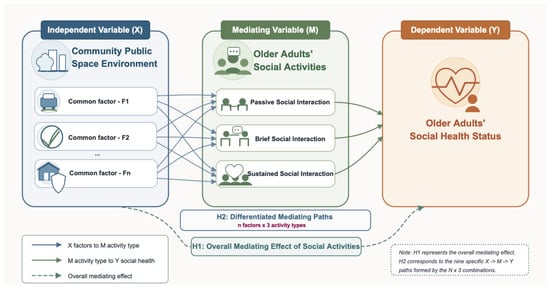
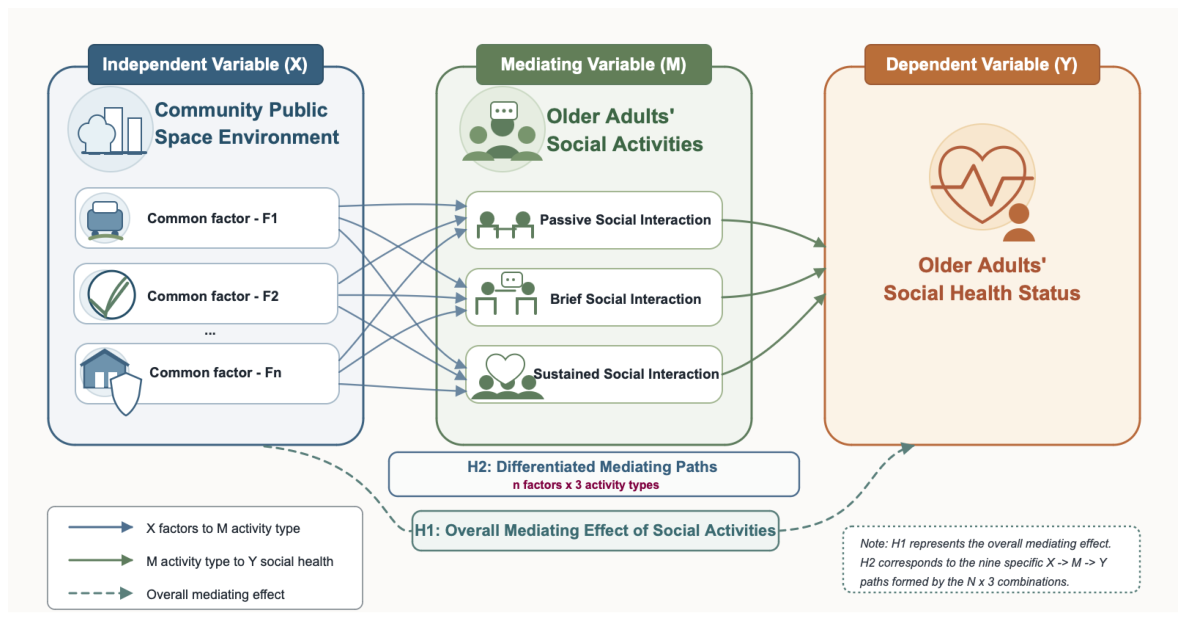
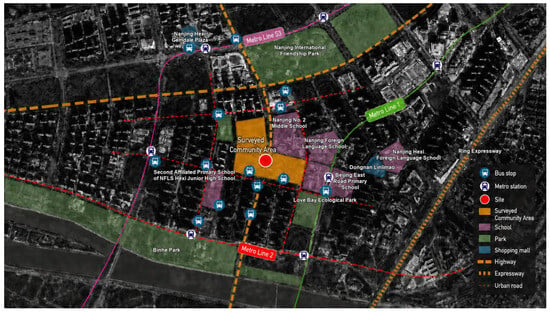
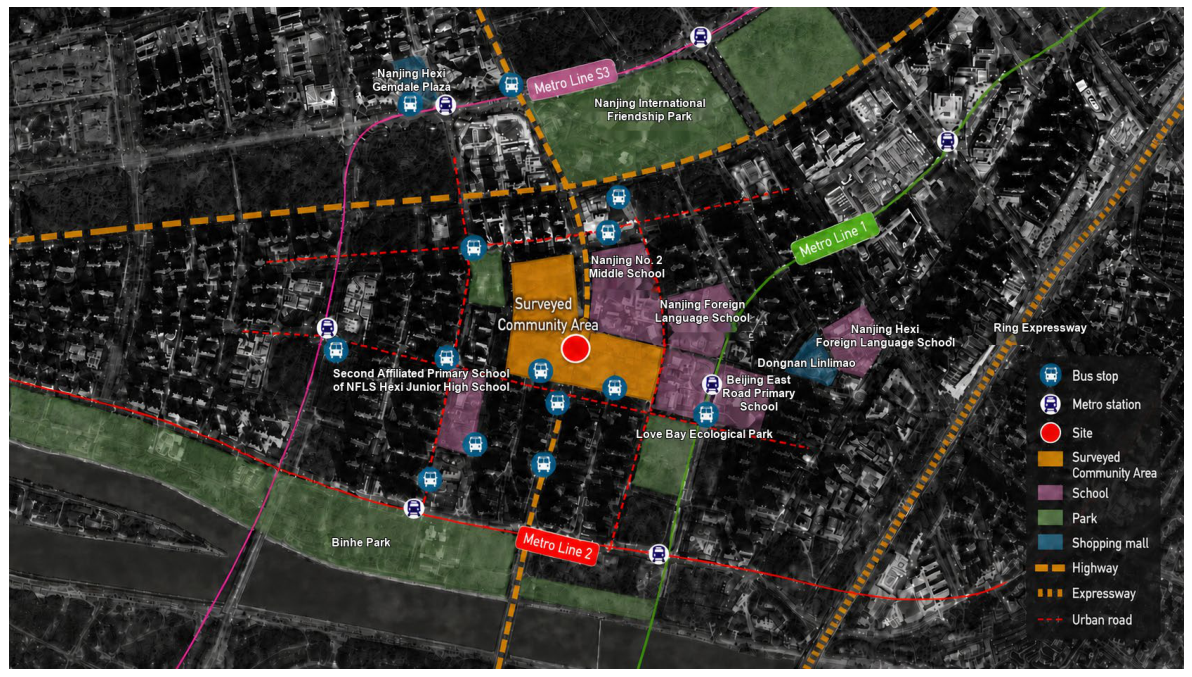
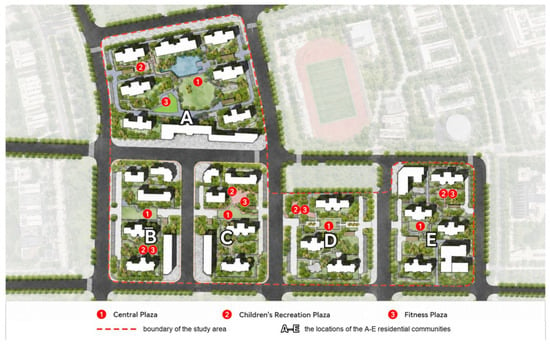
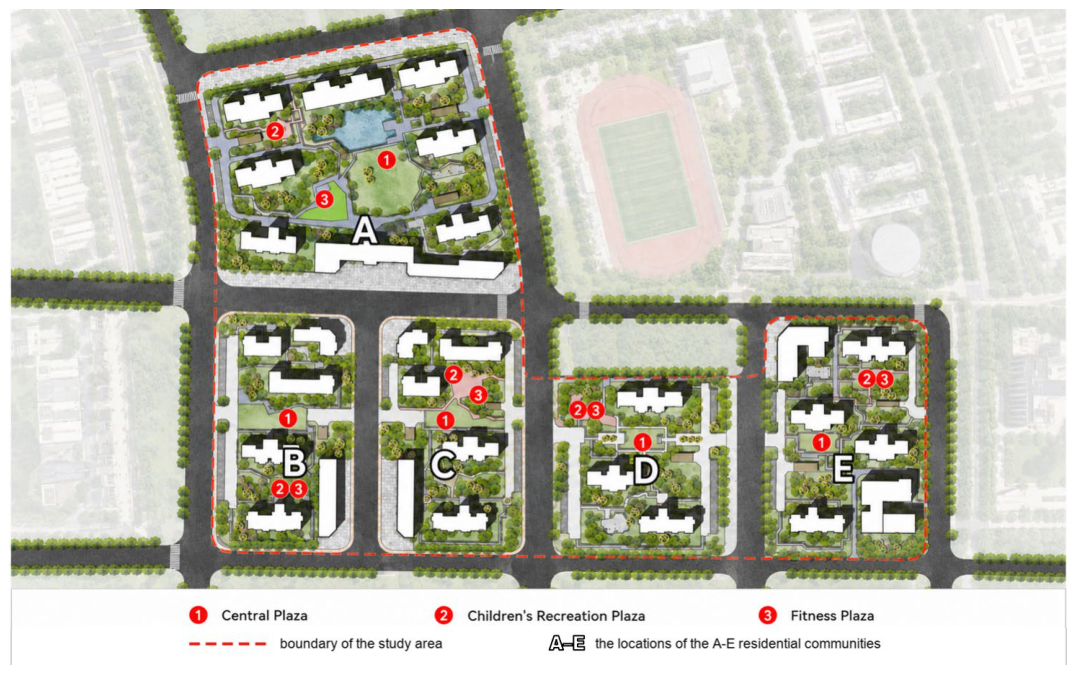
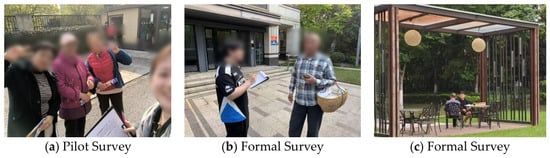
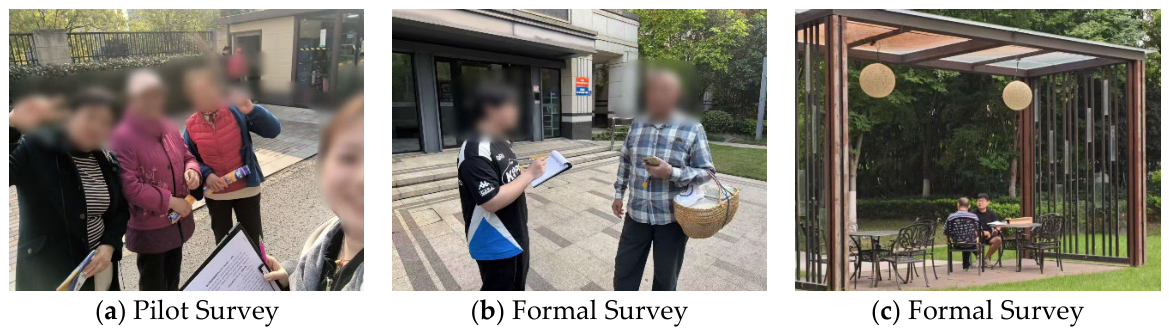
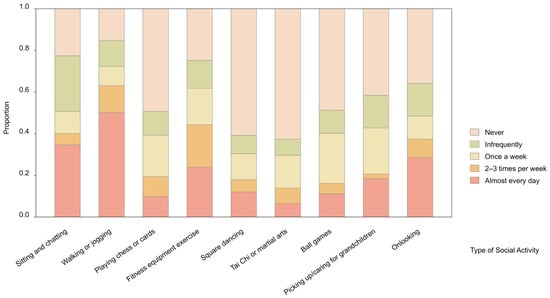
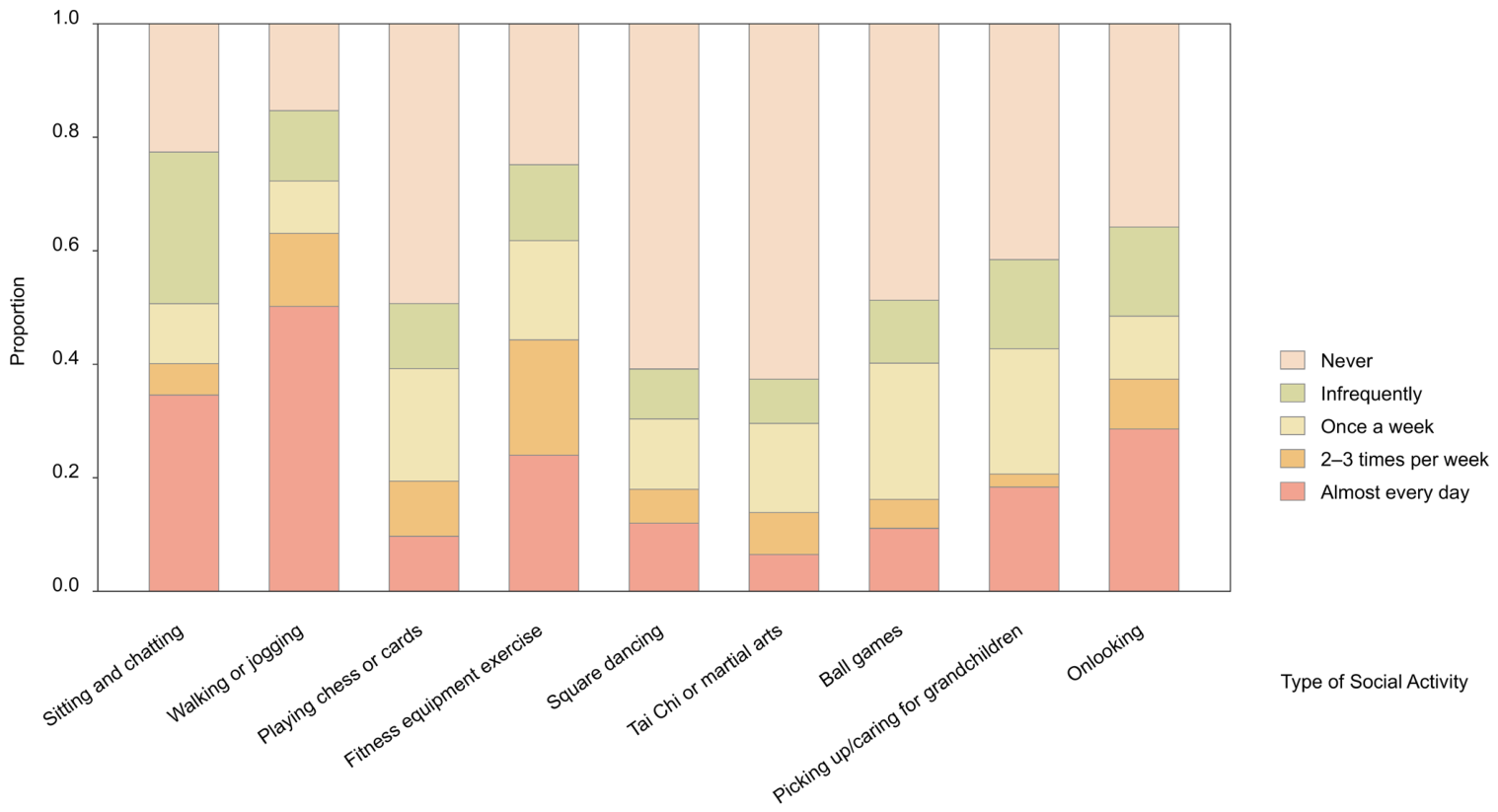
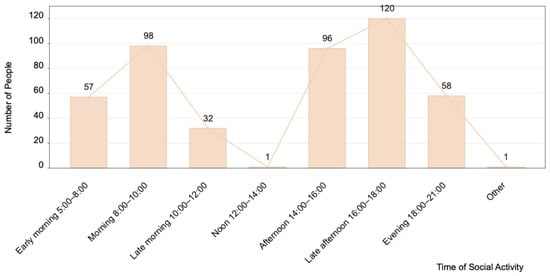
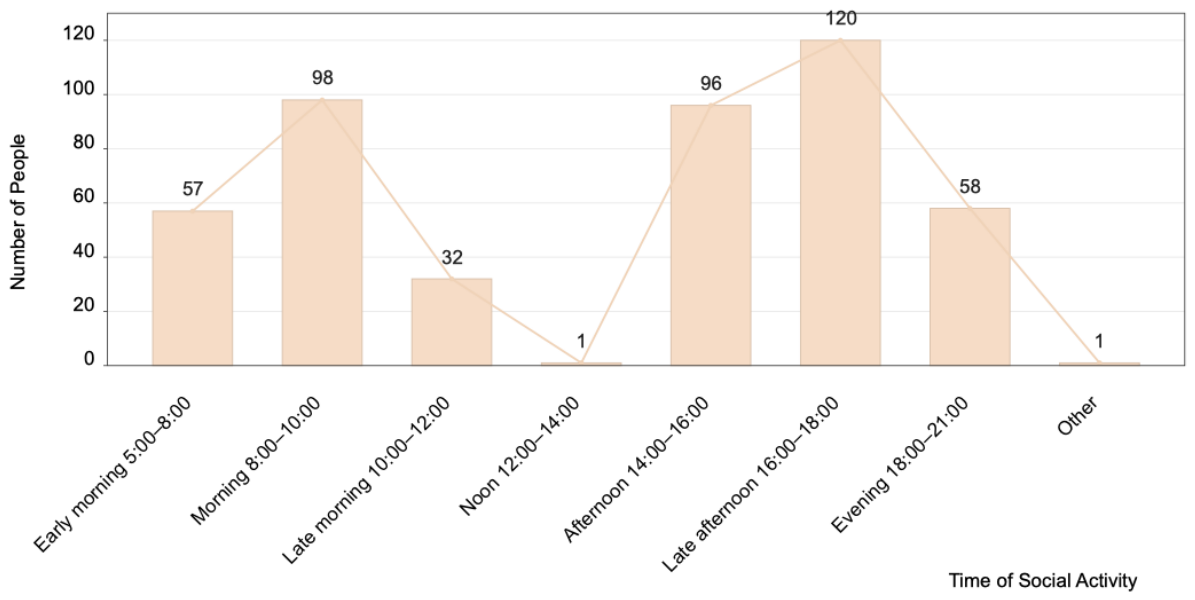
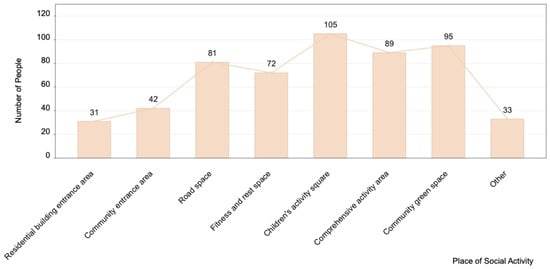
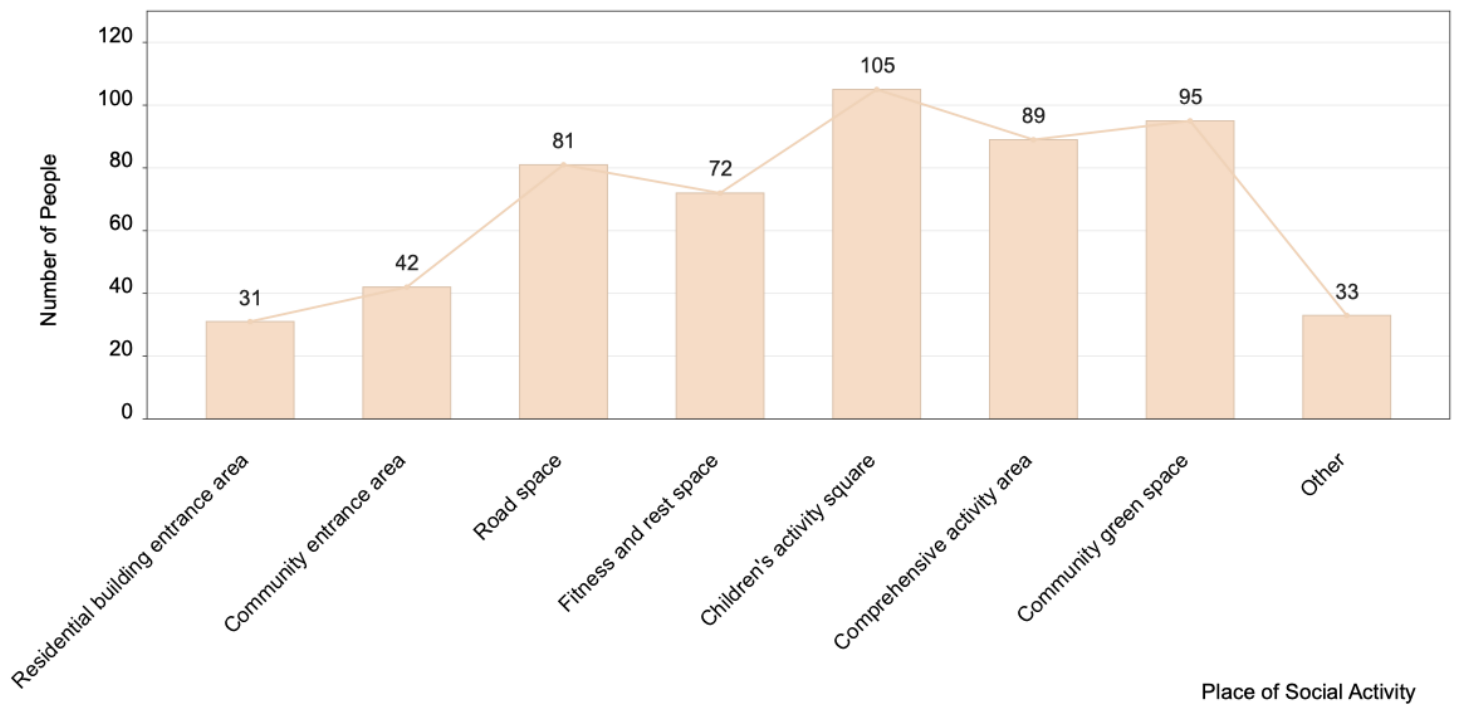
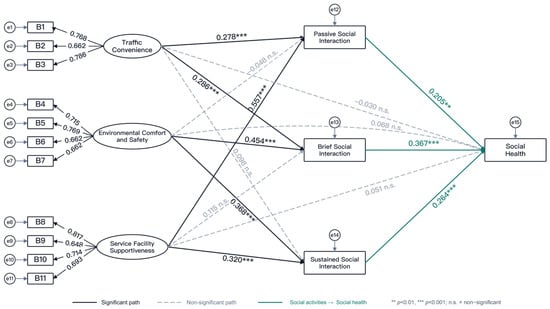
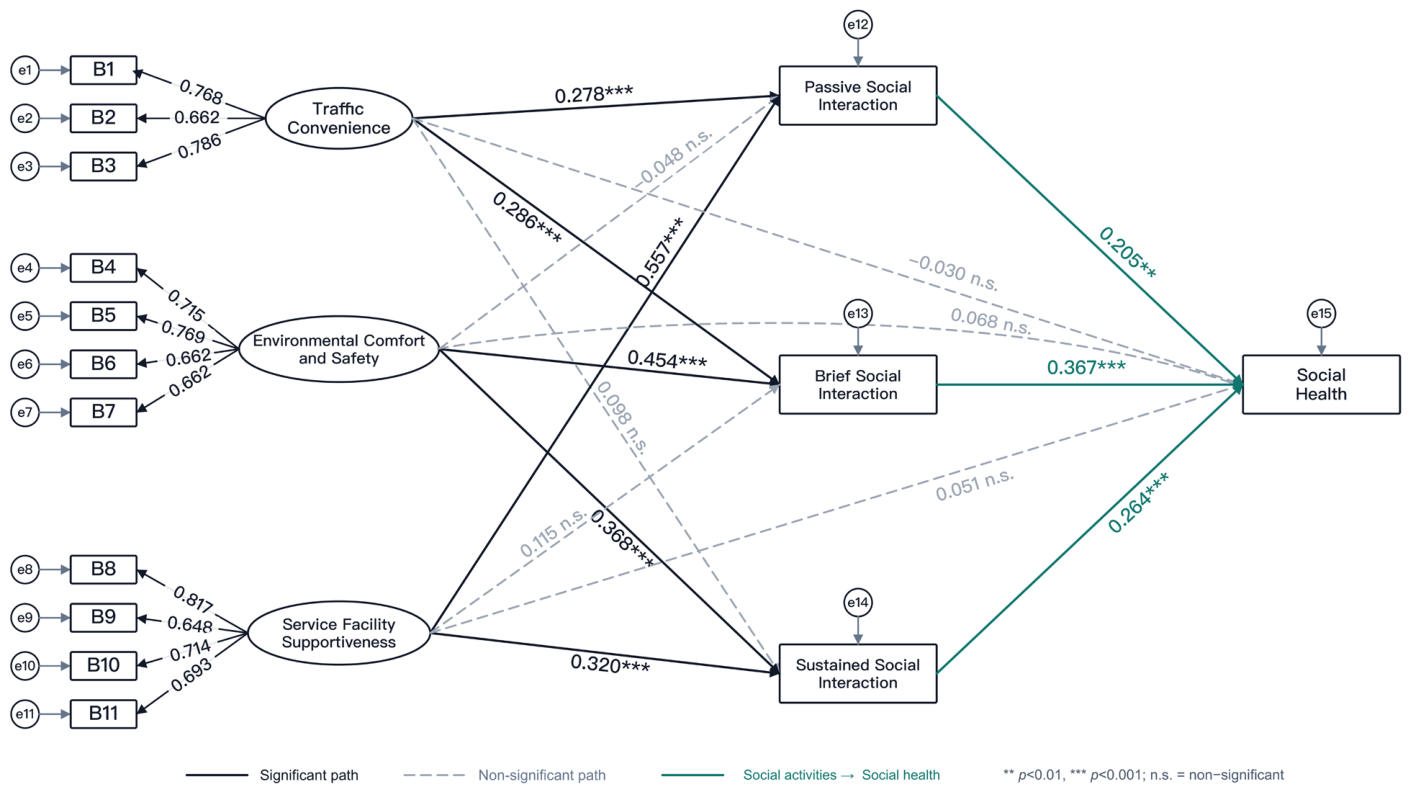
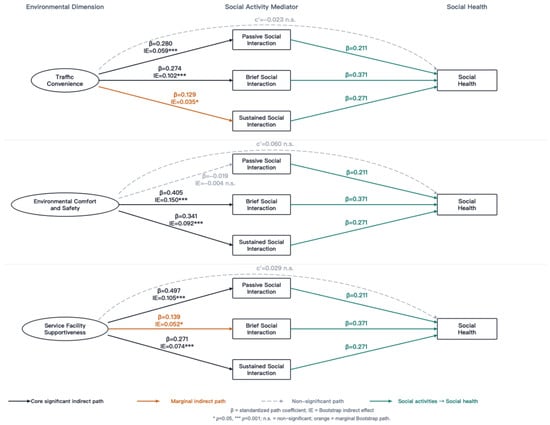
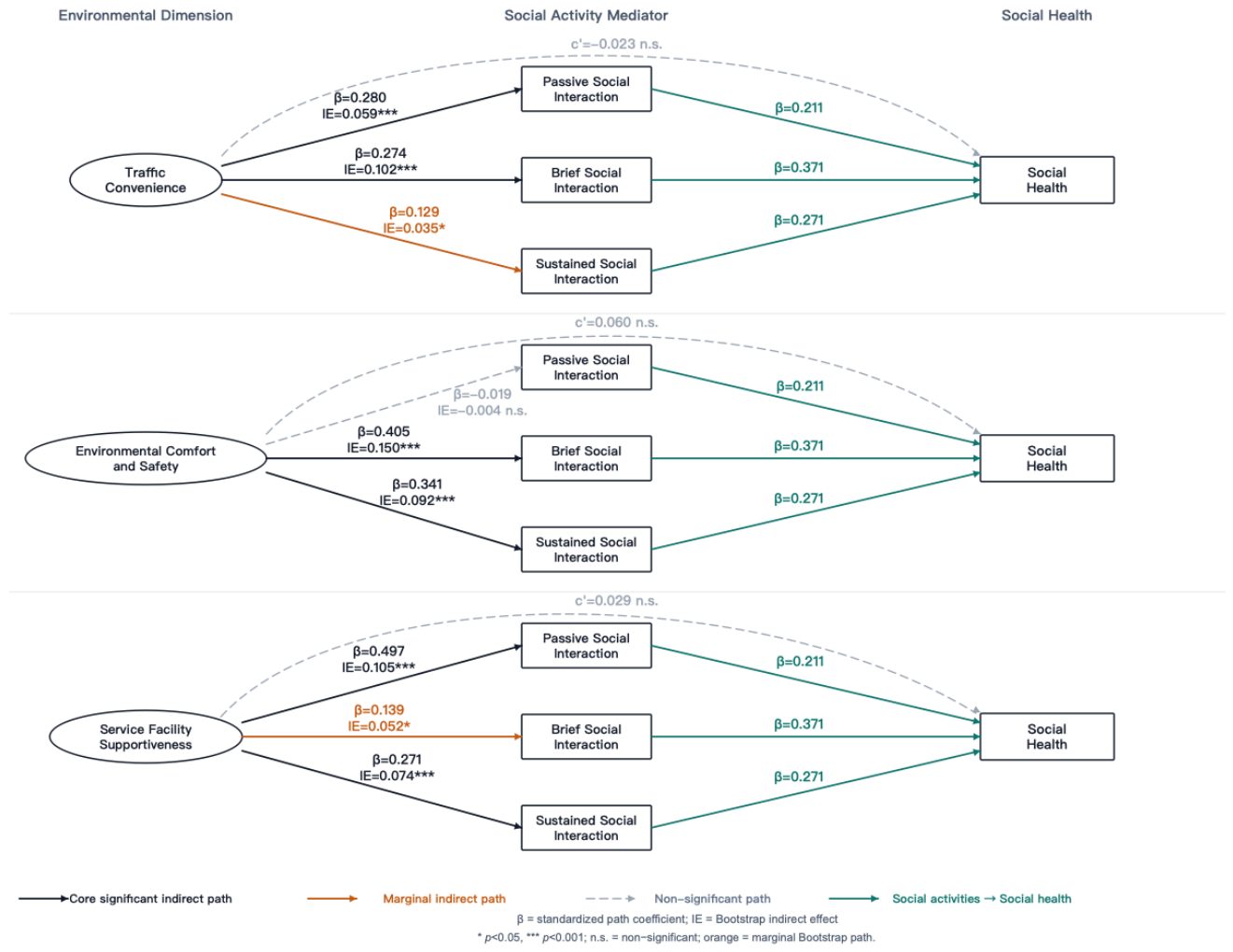

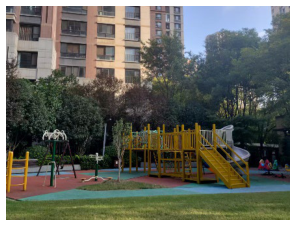
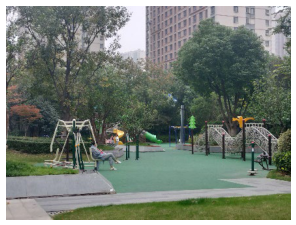
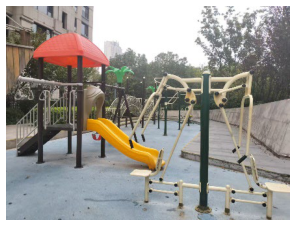
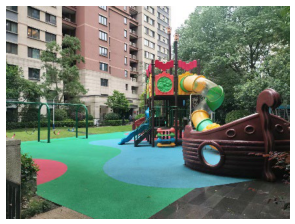
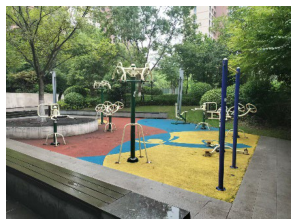
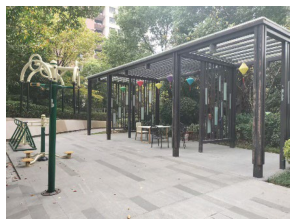
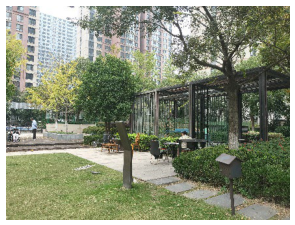
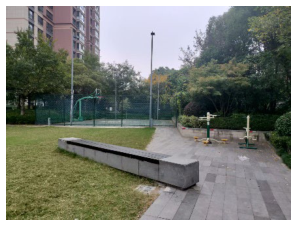
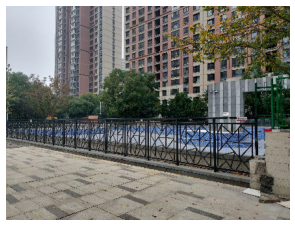
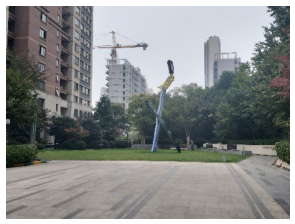
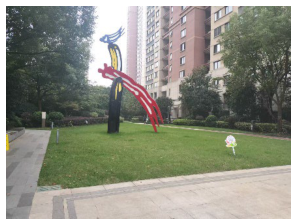
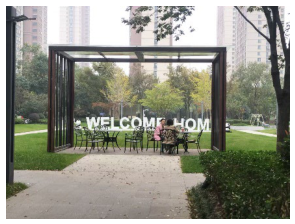
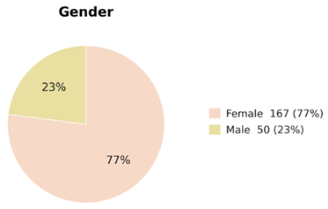
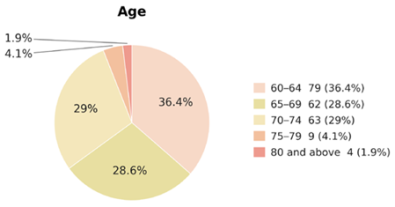
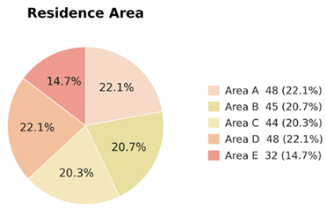
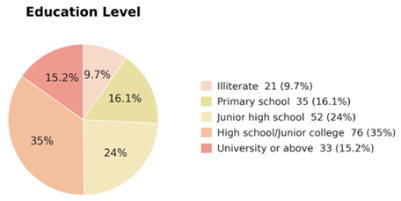
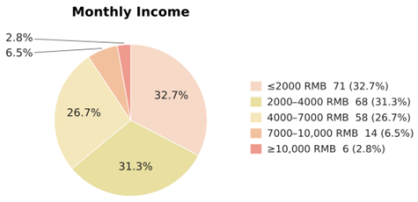
Disclaimer/Publisher’s Note: The statements, opinions and data contained in all publications are solely those of the individual author(s) and contributor(s) and not of MDPI and/or the editor(s). MDPI and/or the editor(s) disclaim responsibility for any injury to people or property resulting from any ideas, methods, instructions or products referred to in the content. |
© 2026 by the authors. Licensee MDPI, Basel, Switzerland. This article is an open access article distributed under the terms and conditions of the Creative Commons Attribution (CC BY) license.