


Abstract
Early-stage entrepreneurship involves making decisions under conditions of high uncertainty, which makes risk appetite an important component of the entrepreneurial decision-making process. This paper analyzes the influence of non-financial factors on risk appetite in early-stage entrepreneurship in Romania and their relevance in shaping the entrepreneurial decision-making process. The research uses an exploratory qualitative approach, based on focus groups and semi-structured interviews conducted with entrepreneurs in the early stages of business development. The results highlight that entrepreneurs’ risk appetite is not merely an impulsive reaction or the exclusive result of economic reasoning, but reflects a process of evaluation and adaptation to conditions of uncertainty, influenced by the interaction between psychological and human capital factors, such as previous experience and entrepreneurial education. In the analyzed context, the results suggest a moderate risk appetite of the entrepreneurs participating in the study, which favors the adoption of entrepreneurial decisions oriented towards adaptability, continuity of activity and sustainable business development. Based on the results, the authors propose an integrated conceptual framework that highlights the relationship between entrepreneurial education, previous experience, psychological factors, risk appetite and the entrepreneurial decision-making process, with implications for sustainable business development in the context of an emerging economy.
1. Introduction
Uncertainty has become a constant in the contemporary economic environment, and the way entrepreneurs relate to risk significantly influences the decision-making process and business evolution. In this context, understanding the factors that influence risk appetite in early entrepreneurship becomes essential for the ability of entrepreneurs to adapt to contexts with a high level of uncertainty and to ensure the sustainability of entrepreneurial initiatives.
Not all individuals are equally inclined toward entrepreneurship. This is due to the influence that personal and behavioral traits have on entrepreneurial appetite [1], which differentiates the way people act in such a context. Entrepreneurs stand out for their ability to take the initiative, coordinate resources and monitor performance, frequently assuming the role of a leader [2]. The uncertainty of the entrepreneurial environment makes risk-taking an integral part of the decision-making process [3]. Therefore, the effects of an entrepreneur’s action or inaction are conditioned by the level of risk assumed by the risk appetite. Depending on the manifestation of this behavior, the results can vary from success to failure. Risk appetite is often studied from an economic perspective, being associated with classical decision-making theories and, in particular, the expected utility theory, which explains risk-taking by relating it to financial efficiency and profit maximization [4]. This perspective assumes rational behavior, based on probabilistic assessments. However, such an approach fails to fully capture the complexity of entrepreneurial behavior, especially under conditions of high uncertainty [5]. If entrepreneurial decisions were based solely on maximizing financial utility, the high probability of failure associated with startups would discourage entrepreneurial initiative. However, entrepreneurs continue to take risks, even when the probability of failure is high. This indicates that entrepreneurial decisions cannot be explained solely by economic rationality but also involve other factors [6] that influence how risks are managed in relation to long-term objectives and lead to better-founded decisions [7]. Thus, non-financial factors can significantly influence entrepreneurial behavior and support internal motivations, as well as the ability to act under conditions of uncertainty [8]. Entrepreneurs are often willing to prioritize non-financial motivations, such as the desire for independence or the need for achievement, even at the expense of financial gains [9]. This is especially relevant in the case of sustainability-oriented entrepreneurship, where the objectives go beyond the economic dimension [10]. Psychological factors, such as self-efficacy, resilience or tolerance for ambiguity, influence how individuals perceive risky situations. In contrast, the fear of failure can limit entrepreneurial initiative [11]. At the same time, human capital factors are equally relevant. Entrepreneurship education and previous experience contribute to the development of skills for analyzing and evaluating uncertain contexts [12] and to improving the capacity for risk assessment [13,14]. Thus, the sustainability of entrepreneurial initiatives does not depend exclusively on financial resources, but also on the ability of entrepreneurs to adapt to an uncertain context, to manage risks and to correctly assess opportunities.
In the context of entrepreneurship specific to emerging economies in Central and Eastern Europe, there is a higher level of uncertainty avoidance and a stronger influence of the social environment on individual decisions [15]. In this context, family, society and professional networks can significantly influence entrepreneurial behavior and risk perception [16,17]. At the same time, limited access to resources and information, as well as limited experience in the entrepreneurial environment, contribute to shaping specific characteristics of entrepreneurs in this area [18]. Research highlights the fact that they attach greater importance to social support compared to those in Western economies [19]. Beyond these contextual influences, the literature emphasizes the determining role of psychological factors in explaining entrepreneurial risk appetite [20] and their influence on ability to effectively manage resources [21]. Therefore, understanding how non-financial factors shape risk perception and management is significant for making sustainable entrepreneurial decisions, oriented towards long-term business development. In the case of entrepreneurs in the early stages of business development, the influence of non-financial factors becomes even more significant. The perception of risk is shaped not only by enthusiasm, optimism and the desire for independence, but also by lack of experience, limited resources and insufficiently developed professional networks [22]. Based on these considerations, this research aims to analyze the influence of non-financial factors on risk appetite in early entrepreneurship in Romania, highlighting their relevance in shaping the entrepreneurial decision-making process, with implications for the sustainable development of the business.
Two qualitative research methods were used in the study, namely: the focus group method and the semi-directive individual interview method. The participants were chosen based on the list of students enrolled in the “Postgraduate Program—Up to start—entrepreneurial skills”, within the Faculty of Economic Sciences and Business Administration of Transilvania University of Brașov, Romania, entrepreneurs in the early stages of business development, who are following a postgraduate program to develop their entrepreneurial skills.
Research results indicate that psychological traits, such as self-efficacy, resilience, tolerance for ambiguity, optimism, and proactivity, influence how entrepreneurs perceive and manage uncertainty, contributing to the development of a more balanced and controlled approach to risk. At the same time, previous experience and entrepreneurial education contribute to the development of the capacity to assess and manage risk and make entrepreneurial decisions under conditions of uncertainty.
Although psychological and human capital factors are frequently associated with risk-taking behavior, previous studies have predominantly analyzed their effects separately [23,24,25]. Therefore, further research is needed to better understand how the interaction between these factors shapes risk appetite and decision-making, as well as the implications of these mechanisms for sustainable business development. This limitation is even more pronounced in the case of emerging economies, such as Romania, where research on this topic is limited, especially regarding entrepreneurs in the early stages of business development.
The paper contributes to the development of the current state of knowledge regarding early entrepreneurship by highlighting the integrated role of non-financial factors in the configuration of risk appetite and in the entrepreneurial decision-making process, with implications for business sustainability. Based on the research results, an integrated conceptual framework of non-financial factors was developed, which provides an explanatory perspective on the relationship between entrepreneurial education, previous experience, psychological factors, risk appetite and the entrepreneurial decision-making process, based on empirical evidence from an emerging economy. Also, the results can offer interesting perspectives to entrepreneurs, educators and decision-makers regarding the importance of non-financial factors in developing entrepreneurial skills and supporting sustainable entrepreneurial initiatives.
The paper is further structured as follows: Section 2 presents the theoretical framework and literature review; Section 3 explains the research methodology; Section 4 presents and discusses the research results; and Section 5 is dedicated to the conclusions, implications, limitations and future research directions.
2. Literature Review
In recent years, the economic transformations associated with the transition to Industry 5.0 [26] have increasingly emphasized individual initiative and the ability to transform ideas into real opportunities for capitalization. In this context, entrepreneurial activity represents the main mechanism through which opportunities are identified and capitalized on. Entrepreneurship is defined in the literature as a process of action carried out under conditions of uncertainty [27], in which decisions are made in the absence of complete information or clearly defined probabilities [28]. From this perspective, risk is not a secondary element, but becomes an essential condition of entrepreneurial activity, being directly linked to the identification and exploitation of economic opportunities [29]. Under these conditions, entrepreneurs do not react to a universally valid form of risk but identify it according to each person’s perception [30]. In this sense, entrepreneurial decisions are influenced by cognitive mechanisms, such as biases and subjective interpretations of uncertainty [31,32]. This means that the way in which risk is perceived becomes as important as its objective level. Consequently, the entrepreneurial decision-making process becomes complex, being influenced by experience, knowledge and how entrepreneurs understand the environment they operate in [33,34]. This explains why some individuals choose to start businesses even in conditions where the probability of failure is high [35]. Moreover, the literature suggests that uncertainty should not be viewed exclusively as a constraint, but can also represent a source of opportunity, as it creates space for initiative and innovation [36,37]. At the same time, entrepreneurial risk guides entrepreneurs towards identifying needs and capitalizing on sustainable opportunities [38,39]. Thus, risk cannot be reduced to a strictly economic variable, being treated as a central dimension of entrepreneurial behavior [40], which determines both the initiation of a business and the way it is developed over time [41,42].
Risk appetite is presented in the literature as a person’s tendency to engage in risky behaviors [43] and to assume risks in a decision-making context [44]. This trait plays an essential role in individuals’ orientation towards entrepreneurship, influencing both the decisions made based on the assessment of anticipated benefits and potential losses [45], and the way in which the firm’s strategy is built [46]. Therefore, what makes the difference in this process is the individual perception [47], which determines how some individuals identify and capitalize on opportunities in contexts that others perceive as risky or unfavorable [48]. This inclination differs from one person to another, as it is influenced by individual characteristics and the way uncertainty is managed [49]. Entrepreneurs who demonstrate a higher level of risk appetite are more likely to act under conditions of uncertainty, assuming risks to capitalize on opportunities with high potential [50,51]. The tendency is supported by a more favorable perception of risky outcomes [52]. In turn, entrepreneurs characterized by risk aversion tend to avoid uncertain situations and adopt conservative decisions, oriented towards reducing losses [53]. The literature also highlights the category of entrepreneurs who demonstrate a moderate risk appetite. They evaluate both risks and benefits in a balanced manner in order to identify opportunities that are viable in the long term [54]. This middle category is represented, in particular, by experienced entrepreneurs, who have reached a certain level of maturity in business and have the ability to effectively manage uncertainty [55]. This ability results of learning processes and adaptation to uncertain business contexts [56]. Therefore, entrepreneurs’ risk appetite and the way they manage uncertainty are influenced not only by economic factors, but also by individual psychological factors, experience, level of knowledge and the way they relate to the environment in which they operate [21,57]. Psychological traits, such as tolerance for ambiguity, self-efficacy, resilience, optimism, and proactivity [58,59], play a determining role in explaining differences in the manifestation of risk appetite among entrepreneurs [60]. Thus, entrepreneurs with a high level of tolerance for ambiguity, reflected by the individual’s ability to accept unclear, uncertain or incomplete situations [61], are more likely to make risky decisions [62,63]. In turn, self-efficacy denotes the confidence that entrepreneurs have in their own ability to manage difficult situations, perceiving risk as easier to control [64]. A high level of self-efficacy is associated with success-oriented entrepreneurial behaviors [65] and is also correlated with a greater openness to taking risks in contexts with a high level of uncertainty [66]. At the same time, resilience supports the risk appetite in difficult conditions, through the ability to return to balance, adapt and maintain activity, allowing entrepreneurs to remain involved and persist in continuing their entrepreneurial activity [67,68]. On the other hand, optimistic entrepreneurs tend to perceive the chances of success more favorably, which can support the risk appetite [69,70]. In addition, proactivity, defined as initiative orientation and the ability to anticipate changes [71], is associated with initiating and capitalizing on entrepreneurial opportunities [72]. This psychological trait may contribute to increasing entrepreneurs’ risk appetite in dynamic and uncertain contexts [73]. Thus, the literature highlights the fact that psychological factors are important determinants of entrepreneurial behavior [74], shaping entrepreneurs’ perception of risk [75], as well as their intentions and willingness to assume it [69,76].
Along with psychological traits, human capital factors, such as entrepreneurial experience and education, contribute to shaping risk appetite, influencing how entrepreneurs manage uncertainty and make decisions relevant to long-term business development [45,77,78]. In this sense, prior experience facilitates the development of cognitive skills and mechanisms, acquired over time through exposure to diverse events and situations, which influence how entrepreneurs interpret uncertain situations, react to the context [79] and take risks [80,81]. At the same time, entrepreneurial education contributes to the accumulation of knowledge and the development of skills [82,83] relevant to long-term entrepreneurial behavior [84]. It also indirectly influences risk perception [85] and entrepreneurs’ willingness to make decisions under conditions of uncertainty [86,87].
Recent empirical studies highlight that human capital development strengthens the capacity for innovation, adaptation, and long-term value creation, thereby supporting sustainable business development [88]. Established theories, such as Human Capital Theory [89], provide a theoretical foundation for these perspectives, considering education and previous experience as components of human capital that contribute to the development of the knowledge, skills, and abilities necessary to assess risks and support entrepreneurial decisions. At the same time, the Upper Echelons Theory [90] claims that the psychological and cognitive characteristics of leaders and entrepreneurs influence the way risk is perceived and evaluated, with effects on strategic decisions and organizational performance, a perspective also confirmed by the meta-analysis carried out by [91]. Therefore, these theoretical foundations and the analyzed empirical studies support the conclusion that entrepreneurial education, prior experience, and psychological characteristics influence risk appetite and the entrepreneurial decision-making process. In this context, the recent literature highlights that the way entrepreneurs assess and manage risk can influence the adoption of development-oriented decisions in sustainable business [7,10].
3. Methodology
The following research objectives were established starting from the research questions: (1) How do psychological traits influence the risk appetite of entrepreneurs in the early stages of business development? (2) What is the role of previous experience in shaping the risk appetite and decision-making process in early entrepreneurship? (3) How does entrepreneurial education contribute to the formation of the risk appetite of entrepreneurs in the early stages of business development?
- O1. Analysis of how psychological factors influence the risk appetite of entrepreneurs in the early stages of business development.
- O2. Examination of how prior experience influences the risk appetite and decision-making process in early entrepreneurship.
- O3. Investigation of the role of entrepreneurial education in shaping the risk appetite of entrepreneurs in the early stages of business development.
Given the formulated objectives, which require an in-depth investigation of the researched aspects, we considered that qualitative research is suitable for this scientific endeavor. The advantages of qualitative research for the in-depth understanding of the phenomena studied are confirmed in the literature [92,93]. In addition, qualitative research allows a clearer understanding of the analyzed phenomenon, by relating it to the context in which it manifests itself, by using various data sources [94].
We used two qualitative research methods in our study, namely: the focus group method and the semi-directive individual interview method.
The focus group method was chosen to generate collective ideas on how entrepreneurs consider, think or act in relation to risk, reflecting perceptions of entrepreneurial experiences [95]. We believe that this method is valuable for this study because the participants are entrepreneurs at the beginning of their journey, and through collective interaction they can have different perspectives on the phenomenon analyzed [96]. The semi-directive interviews, applied later, allowed for a deeper exploration of the experiences and perceptions of the respondents individually, providing the guarantee that all relevant topics were covered and the behaviors were correctly understood, without being influenced by the group dynamics [97].
The research was conducted in two stages using the methods described above. Data was collected, in the first stage, in January 2026, when the two focus groups took place, and, in the second stage, in the period February–March 2026, when the semi-structured interviews took place. The selection of participants was carried out using a purposive sampling method; they were chosen based on their relevance to the researched topic [98,99].
The participants were chosen based on the list of students enrolled in the “Postgraduate Program—Up to start—entrepreneurial skills”, within the Faculty of Economic Sciences and Business Administration of Transilvania University of Brașov, Romania. The program is aimed at people who own or manage a business and aims to develop entrepreneurial skills. Therefore, within this program, learners have the opportunity to develop their skills, expand their networking network, and more effectively identify business opportunities.
The research was conducted in compliance with ethical principles. Participants were informed about the context and objectives of the study, as well as the voluntary nature of participation. Participants were also informed about the possibility of withdrawing their consent at any time. The operators requested explicit consent regarding the recording of the discussions. Throughout the discussions, participants were encouraged to freely express their opinions and beliefs.
The sample consisted of 18 participants, early-stage entrepreneurs with an entrepreneurial experience ranging from 6 months to 3 years. Although the number of participants is relatively small, it is considered adequate for a qualitative approach. The literature suggests that, in the case of relatively homogeneous samples, thematic saturation can be reached after approximately 12 interviews [100]. At the same time, the justification of the sample size in qualitative research is evaluated in relation to the achievement of theoretical saturation and the informational richness of the data obtained, rather than based on statistical rules [101]. In our cases, additional interviews did not yield new information or insights relevant to the objectives pursued, indicating the achievement of thematic saturation.
Table 1 presents the sample distribution by industry sector, business sub-sector, and venture operational age. The authors aimed for the sample structure to be representative of businesses from different fields.
Table 1.
Sample distribution by industry sector, business sub-sector, and venture operational age.
The data summarized in Table 2 highlight that the majority of participants (66.7%) have been running businesses for between one and three years, while 33.3% have been engaged in entrepreneurial activities for less than a year.
Table 2.
Sample distribution by venture operational age.
In the first stage of the research, two focus groups were organized, each consisting of nine participants per group. The smooth conduct of the discussions was ensured by two moderators based on a semi-structured interview guide, in accordance with the research objectives. The interview guide included open-ended questions regarding non-financial factors considered relevant in shaping entrepreneurs’ risk appetite. The moderators’ interest focused on exploring risk appetite by investigating how the study participants describe the influence of psychological characteristics, entrepreneurial experience, and entrepreneurial education on risk perception and assessment, uncertainty management, and entrepreneurial decision-making. Subsequently, in the second stage of the research, the 18 individuals participated in in-depth individual interviews. The interviews were conducted face-to-face and online, depending on the participants’ availability, and were moderated by the paper’s authors. The interviews were designed to capture, in depth, the participants’ entrepreneurial experiences with risk-taking and decision-making in contexts characterized by uncertainty. The entrepreneurs were asked to discuss how they make decisions in such situations and the role of psychological characteristics in the way they perceive and respond to risk. Subsequently, the discussion was oriented towards the role of previous experience in developing the capacity to assess and manage risks and to make decisions in uncertain situations. Finally, the participants were invited to discuss the contribution of entrepreneurship education to the development of knowledge and skills in analyzing and assessing risks.
The data analysis went through the specific stages of qualitative research, using content analysis [102]. The recorded data were sorted, structured and coded. Significant content was simplified by eliminating redundant information and was organized into analysis categories. Coding was achieved by identifying and grouping recurring ideas and concepts relevant to the research objectives. The main and secondary categories were identified based on the frequency of occurrence and repetition of certain ideas and concepts [103]. Subsequently, these were iteratively revised by the authors until consensus was reached on the interpretation and classification of the data. The qualitative analysis software NVivo 15 was used to process the data. The results were presented in a manner specific to qualitative research by describing and interpreting the identified categories, supported by examples and representative quotes drawn from participants’ responses. The credibi-lity of the research results was tested by using methodological triangulation [104]. The information gained from the focus groups was compared with the results from the semi-structured interviews to achieve convergence of ideas and consistency across the identified categories.
The research flowchart is shown in Figure 1.
Figure 1.
Research flowchart.
4. Results and Discussion
The results obtained were structured according to the research objectives pursued.
O1. Analysis of how psychological factors influence the risk appetite of entrepreneurs in the early stages of business development
Semi-structured interviews and focus group discussions highlighted the fact that psychological factors directly influence the risk appetite of entrepreneurs participating in the research. The analysis carried out using NVivo software allowed the identification of five major psychological factors associated with risk-taking behavior: resilience, self-efficacy, tolerance for ambiguity, proactivity and optimism. The frequency distribution of psychological factors identified through content analysis is described in Table 3.
Table 3.
Frequency distribution of psychological factors identified through qualitative content analysis.
The frequency analysis of thematic codes highlighted resilience as one of the most frequently mentioned factors. In explaining this dimension, adaptability stands out as one of the most relevant components of entrepreneurial behavior in contexts of uncertainty. As participant P13 explained, “Even if I lost an opportunity, I adapt and prepare to identify another”, illustrating how resilience and adaptability support entrepreneurial decision-making under conditions of risk. Similar responses indicate a high capacity to bounce back after failure among the study participants, this reaction initially manifesting itself at an emotional level and later transforming into a motivational factor for action under conditions of change and pressure. Respondents perceived risk as an inherent component of entrepreneurial activity and business development rather than as an obstacle to action. “I have to move forward, taking into account the existing risks, and ensure the continuity of the business”, stated participant P17. This perspective is consistent with previous research highlighting the importance of resilience, adaptability, and business continuity in contexts characterized by uncertainty [67]. Therefore, resilience contributes to shaping risk appetite, favoring entrepreneurs’ willingness to capitalize on opportunities and continue their activity despite the difficulties encountered. At the same time, resilience supports the entrepreneurial decision-making process in contexts characterized by uncertainty, by strengthening the capacity for adaptation, perseverance and the ability to manage the challenges inherent in the business environment. The results highlight the role of resilience in shaping risk appetite and maintaining decision-making balance in entrepreneurial contexts characterized by uncertainty and are consistent with the findings of previous studies in the literature [68].
Self-efficacy is as important as resilience in defining entrepreneurial behavior. Most respondents emphasized confidence in one’s own decisions and the ability to manage risks in a controlled manner. As participant P10 explained, “I carefully analyze the risks and, if I am willing to take them, I do so”, highlighting an approach based on careful risk assessment before making decisions under conditions of uncertainty. This finding supports the results reported by Shukla and Kumar [64], according to which a high level of entrepreneurial self-efficacy favors controlled risk-taking and supports the decision-making process. The study participants demonstrate a good perception of one’s own ability to manage uncertain situations and a high level of confidence in the decisions made. “I am confident in the decisions I make in situations of uncertainty because I know my capabilities and my limits”, said participant P9. Respondents believe that self-efficacy influences risk appetite by relating decisions to one’s own ability to evaluate, manage and control uncertain situations. This perception favors taking the initiative and supports involvement in contexts characterized by uncertainty. On the other hand, these aspects contribute to entrepreneurial decision-making and the effective exploitation of entrepreneurial opportunities, consistent with the findings of previous studies [65,66].
Risk-taking is not impulsive, but is based on a realistic assessment of risks, management of uncertainty, and a balanced approach to decisions, which reflects a moderate risk appetite.
Tolerance for ambiguity was described by a significant part of the participants as the ability to act in situations characterized by lack of clarity and incomplete information. “I can continue to act even when I do not have sufficient information”, stated participant P6. In the opinion of the respondents, tolerance for ambiguity is a behavior that must be assumed in entrepreneurial activity, which reflects a good ability to adapt to uncertainty and to contexts characterized by incomplete information. A high tolerance for uncertainty can favor the assumption of a calculated risk and the adoption of decisions in situations characterized by a lack of predictability. However, some respondents expressed feelings of discomfort and difficulty in making decisions when they do not have sufficient information, an aspect that suggests the existence of limits in tolerating ambiguity and in managing uncertain contexts. “It is not easy for me to make decisions in situations where I do not have the necessary information. I evaluate them very carefully in order to be able to prevent and reduce the risks to which the business is exposed”, mentioned participant P16. These reactions suggest that the low level of information clarity tempers risk appetite, leading to cautious decision-making behavior in uncertain and unpredictable situations. Therefore, the level of tolerance for ambiguity may be a factor with an important role in shaping risk appetite. It may influence the way entrepreneurs perceive, evaluate, and manage situations of uncertainty inherent in the business environment, as also suggested by previous studies [61,62,63].
With regard to proactivity, respondents associated it with the ability to anticipate contextual changes, to capitalize on opportunities to initiate actions and to identify adaptive solutions to meet the challenges of the business environment. In this context, participant P8 emphasized that “if you are only reactive, you spend the whole day solving problems,” while participant P10 considered it essential “to anticipate several steps ahead.” Participant P3 stated, “I look for opportunities even in risky times,” highlighting a proactive approach in situations perceived as unfavorable and risky. Similarly, participant P11 emphasized, “If we identify an opportunity, we must analyze it quickly, take the risk, and act first instead of waiting for someone else to do it for us.” This behavior suggests initiative, willingness to assume risk and the ability to capitalize on opportunities before they are exploited by other market players. At the same time, the results show that this orientation is not impulsive but is supported by processes of analysis and anticipation of consequences. The responses of the study participants reveal that they act especially in situations where the existence of a real opportunity is perceived. This finding suggests that risk-taking is calculated, and shaped by the specific context, as well as by entrepreneurs’ ability to identify and capitalize on favorable opportunities at the appropriate time as also suggested by previous studies [58,59]. The proactive behaviors identified among the respondents contribute to strengthening the capacity to adapt and identify opportunities in contexts of uncertainty. At the same time, proactivity seems to influence the risk appetite, favoring the willingness of entrepreneurs to act in uncertain conditions, which is also suggested by the findings of other studies [71]. The responses of the study participants reveal their orientation towards assuming a calculated risk in capitalizing on opportunities in uncertain contexts. They highlighted the fact that decisions are made only after careful assessment of potential consequences and anticipated benefits, which suggests a moderate risk appetite and a balanced approach to uncertainty [72].
Regarding optimism, it appears with a lower frequency in the participants’ responses, compared to the other factors analyzed. However, the interviewed subjects describe it as the trait that supports confidence in the future of the business and in their ability to manage challenges and overcome difficult situations. In the case of the majority of respondents, optimism manifests itself in a moderate form and anchored in reality. “A positive attitude helps me to face difficult situations with more confidence in my strengths and more inner balance”, said respondent P15. The results show that optimism contributes to maintaining motivation, favoring entrepreneurial behavior oriented towards initiative and the capitalization of opportunities, only to the extent that it is accompanied by a realistic assessment of the entrepreneurial context. In this sense, optimism does not directly influence the risk appetite [69] but rather supports the maintenance of involvement and perseverance in continuing the activity in difficult contexts, characterized by a high level of uncertainty [70].
Therefore, these findings are consistent with the literature [60,67,73], which highlights the role of psychological factors in shaping risk appetite.
The main psychological factors identified by respondents as shaping entrepreneurial risk appetite and their frequency distribution are presented in Figure 2.
Figure 2.
Frequency distribution of the psychological factors shaping entrepreneurial risk appetite.
O2. Examining how prior experience influences risk appetite and decision-making in early entrepreneurship
The qualitative content analysis identified four main dimensions through which prior experience shapes entrepreneurial risk appetite and entrepreneurial decision-making: learning from experience, risk assessment, adaptation to uncertainty and informed decision-making. Table 4 presents the frequency distribution of these factors.
Table 4.
Frequency distribution of prior experience factors identified through qualitative content analysis.
From the perspective of the entrepreneurs participating in the study, prior experience plays an important role in developing the ability to assess and manage risks, while helping entrepreneurs base their learning decisions on previously accumulated experience. “Prior experiences helped me to better understand business risks and make well-founded decisions,” stated participant P17. Respondents associate prior experience with the development of skills that contribute to a more efficient assessment of available alternatives and to the anticipation of possible consequences of decisions. Participants linked their prior professional experience to important business skills, such as “logical thinking, critical thinking and planning,” highlighted by participant P1, and “the ability to build relationships with people and suppliers,” emphasized by participant P8. As participant P10 explained, “I analyze the worst and best scenarios and compare the options,”. At the same time, the participants’ responses reflect the fact that prior experience facilitates better adaptation to contexts with a high level of uncertainty, contributing to the efficient assessment and management of risks. The research subjects believe that the experience gained from facing previous challenges supports the decision-making process by adopting better-founded decisions in relation to market conditions, available resources and existing constraints, with implications for long-term business development. “Prior experience helped me to correctly analyze the current economic context and to decide, in the current uncertain conditions, what I need to change in the business model to ensure that I will survive in the market in the long term,” stated participant P15. The results show that prior experience contributes to the development of the capacity to analyze and manage uncertain situations, influencing the risk appetite and the entrepreneurial decision-making process, findings supported by other research in the field [79,80]. Participants further emphasized that prior experience relevant because it helped them “analyze and prevent risks,” as emphasized by participant P18, or develop “an action plan” when risk avoidance was not possible, as stated by participant P8. These findings align with those of Peng, Chang and Liu [80], who argue that prior experience strengthens entrepreneurs’ ability to assess and respond to risk, thereby supporting more effective decision-making under conditions of uncertainty.
In the case of the entrepreneurs participating in the study, prior experience favors a moderate risk appetite, manifested by a balanced approach to situations of uncertainty and by a decision-making process oriented towards adaptation, continuity and sustainable development of the business. At the same time, the results highlight the fact that the influence of experience on entrepreneurial behavior and on their risk orientation is not uniform. It depends on the way entrepreneurs interpret and capitalize on the experience accumulated in managing uncertain contexts, which is also shown by the findings of other studies [81].
The main prior experience factors shaping entrepreneurial risk appetite and entrepreneurial decision-making and their frequency distribution are presented in Figure 3.
Figure 3.
Frequency distribution of the prior experience factors shaping entrepreneurial risk appetite and entrepreneurial decision-making.
O3. Investigating the role of entrepreneurship education in shaping the risk appetite of entrepreneurs in early stages of business development
The qualitative content analysis identified four main dimensions through which entrepreneurial education shapes entrepreneurial risk appetite: entrepreneurial knowledge, analysis and planning, opportunity assessment and risk management. Table 5 presents the frequency distribution of these factors.
Table 5.
Frequency distribution of entrepreneurial education factors identified through qualitative content analysis.
The research results revealed that all individuals included in the research highlighted the role of entrepreneurship education in shaping risk appetite. The ideas expressed by the respondents highlight several key aspects regarding the investigated issue, including the development of risk analysis and assessment skills in uncertain contexts, improved decision-making in situations characterized by uncertainty and the complementarity between formal and informal learning in shaping entrepreneurial behavior and risk appetite. The respondents perceive entrepreneurship education as an important factor in developing the capacity to adapt to and understand contexts characterized by uncertainty. They also believe that it contributes to improving the knowledge and skills necessary to analyze business opportunities and manage the associated risks “After the courses I took, I began to understand the risks associated with the business more clearly and to be more attentive to their analysis before making important decisions,” said participant P11. In most responses, the development of risk analysis and opportunity assessment skills is associated with improving the ability to make decisions under conditions of uncertainty. “What I have learned and the experience I have gained helps me adapt more easily to the business context, to correctly assess risks and to make decisions that strengthen the business on the market,” explained participant P14. In this way, opportunity assessment and risk management becomes part of a more structured and controlled decision-making process, oriented towards adaptation and maintaining the continuity of entrepreneurial activity, as also suggested by the findings of previous studies [82,83].
The findings also suggest that respondents perceive entrepreneurial education as a combination of formal learning and experiential learning. The participants indicated mentoring, practical experience, individual study, participation in business events as forms that complement formal education and contribute to the development of more efficient mechanisms for risk perception and managing specific business challenges. Participant P7 compared these forms of learning to “pieces of my entrepreneurial puzzle”, highlighting the importance of integrating different learning experiences. Participant P5 acknowledged, “I know I still have a lot to learn,” emphasizing openness to continuous learning. Similarly, participant P8 stated, “The courses I took in college provided me with the necessary theoretical foundation, but mentoring and interaction with successful entrepreneurs truly influenced the way I approach uncertain situations and risk”. Participants considered that entrepreneurship education helped them understand “where it is worth taking risks and where it is not,” as emphasized by participant P9, enabling them to take “calculated risks,” as stated by participant P18, and to manage entrepreneurial decisions more effectively. Therefore, the findings indicate that entrepreneurial education contributes to shaping the risk appetite of the entrepreneurs participating in the study by developing the knowledge, skills and capabilities necessary to assess and manage situations characterized by uncertainty. This favors the adoption of entrepreneurial behavior based on analysis, assessment and responsible risk management. These findings are consistent with those reported by Arpianen and Kurczewska [56], who show that experiential entrepreneurship education strengthens individuals’ ability to cope with uncertainty and supports a more controlled approach to risk-taking and the evaluation of entrepreneurial opportunities. The findings of other studies, show that entrepreneurship education contributes to the development of the knowledge and skills required to evaluate opportunities and manage uncertainty. It also consolidates the competencies involved in the entrepreneurial decision-making process, indirectly influencing how entrepreneurs perceive and respond to risk [84,85,87]. In this sense, entrepreneurship education supports a more balanced decision-making process under conditions of uncertainty, oriented both towards capitalizing on opportunities and ensuring business continuity, resilience and sustainability.
The main entrepreneurial education factors identified by respondents as shaping entrepreneurial risk appetite and their frequency distribution are presented in Figure 4.
Figure 4.
Frequency distribution of the entrepreneurial education factors shaping entrepreneurial risk appetite.
The main results of the research are summarized in Table 6. It highlights the categories and subcategories identified through content analysis, as well as their contribution to shaping the risk appetite of the entrepreneurs participating in the study.
Table 6.
Synthesis of the main categories and subcategories influencing entrepreneurial risk appetite.
The results of the content analysis highlight that psychological factors, previous experience, and entrepreneurial education do not act independently but interact and complement one another in shaping entrepreneurs’ risk appetite in the early stages of business development. The relationships identified among these categories formed the basis for developing the conceptual framework presented in Figure 5.
Figure 5.
Conceptual framework of the non-financial factors involved in modeling risk appetite and the entrepreneurial decision-making process.
The starting point in building the conceptual framework is entrepreneurial education and previous experience. Entrepreneurial education supports the development of the capacity to analyze, evaluate and anticipate risks, providing useful knowledge for substantiating decisions. At the same time, previous experience facilitates understanding and a balanced approach to uncertain situations and the adaptation of decisions depending on the context.
On this basis, entrepreneurs in the early stages of business form and develop a series of cognitive capacities that influence the psychological dimension of entrepreneurial behavior. From this perspective, resilience supports the ability to adapt and maintain activity in difficult contexts, self-efficacy strengthens confidence in one’s own ability to manage uncertain situations, and tolerance for ambiguity facilitates the management of contexts characterized by a lack of clarity and insufficient information. At the same time, proactivity supports initiative and the capitalization of opportunities in conditions of uncertainty, while optimism contributes to maintaining motivation and confidence in the ability to face challenges and changes in the entrepreneurial environment. These psychological dimensions influence the risk appetite of entrepreneurs in the early stages of business development and shape the entrepreneurial decision-making process. The research results suggest a moderate risk appetite of the entrepreneurs participating in the study, characterized by assuming calculated risks based on analysis, evaluation and anticipation of consequences. This profile is reflected in entrepreneurial decision-making by fostering well-informed decisions oriented toward adaptability, careful opportunity evaluation, and responsible risk management, with implications for sustainable business development. Such a decision-making process, characterized by a moderate risk appetite, supports sustainable business development by strengthening long-term business resilience and promoting the responsible use of resources.
Compared to the existing approaches in the specialized literature, which usually separately analyze the influence of psychological factors on risk appetite [64,72] and the role of previous experience and entrepreneurial education in the development of the skills necessary to manage uncertainty [80,84], the proposed conceptual framework offers an integrated perspective on these dimensions in the context of early entrepreneurship. It highlights how interactions among entrepreneurial education, prior experience, and psychological factors shape risk appetite and influence entrepreneurial decision-making. At the same time, the conceptual framework illustrates the implications of these mechanisms on sustainable business development, by promoting the responsible use of resources and strengthening the long-term resilience of businesses.
The results of the research are consistent with the specialized literature on the role of entrepreneurial education, experience, and psychological factors in shaping entrepreneurial behavior. The theoretical contribution of the study lies in highlighting how these factors interact to shape entrepreneurs’ risk appetite in the early stages of business development. At the same time, the results suggest that non-financial factors influence entrepreneurial decision-making, with implications for sustainable business development. Thus, psychological factors, previous experience, and entrepreneurial education contribute to sustainable business development by shaping entrepreneurs’ risk appetite and supporting well-informed decision-making, fostering responsible entrepreneurial behavior and long-term development.
5. Conclusions
The study analyzed the role of non-financial factors in shaping risk appetite in early entrepreneurship. The results highlight that the risk appetite of entrepreneurs in the early stages of business development is not a spontaneous reaction nor the exclusive result of economic reasoning, but reflects a complex decision-making process, influenced by psychological dimensions and human capital factors. Traits such as self-efficacy, resilience, tolerance for ambiguity, proactivity and optimism, along with previous experience and entrepreneurial education, influence the way entrepreneurs perceive risk, assess and manage uncertainty and support their decisions. The study results suggest that a moderate risk appetite favors decisions that support sustainable business development by carefully evaluating opportunities, strengthening long-term resilience, and using resources responsibly. Thus, entrepreneurship education, prior experience, and psychological factors contribute to sustainable business development by shaping risk appetite and entrepreneurial decision-making.
This research has theoretical and practical implications. From a theoretical perspective, the study contributes to extending the existing knowledge on how non-financial factors influence entrepreneurs’ risk appetite in the early stages of business development and shape the entrepreneurial decision-making process in the context of an emerging economy.
Based on the findings the study proposes an integrated conceptual framework that explains the role of entrepreneurial education, prior experience, and psychological factors in shaping risk appetite and entrepreneurial decision-making, highlighting how these mechanisms contribute to sustainable business development.
From a practical perspective, the results obtained may be useful to several actors involved in the development of the entrepreneurial ecosystem. Thus, for universities and educators, the research results may be relevant in terms of developing entrepreneurial education programs that emphasize strengthening resilience, self-efficacy and the ability to make decisions under conditions of uncertainty. At the same time, the research may be useful to current and future entrepreneurs, who may become more aware of the importance of psychological factors involved in risk management and the sustainable development of entrepreneurial initiatives. The research results may also provide benchmarks for entrepreneurs in the mature stage of business development, who may initiate support programs based on collaboration and professional networks to strengthen sustainable entrepreneurial behavior among entrepreneurs at the beginning of their business journey. At the same time, policymakers could consider these findings when developing public policies and support programs for early-stage entrepreneurs. In addition to financial support, such initiatives could include measures aimed at developing the cognitive competencies and psychological resources needed for effective risk management and sustainable business development. National implementation of entrepreneurship support programs can also involve experienced entrepreneurs in structured mentoring for budding entrepreneurs. By sharing practical experiences, examples of market risk assessment, and lessons learned from uncertain business contexts, experienced entrepreneurs can help budding entrepreneurs develop a more balanced risk appetite, make resilient decisions, use resources responsibly, and develop sustainable businesses.
Beyond the results, the research presents a number of limitations. First, the qualitative approach’s specificity and the small sample size do not permit generalization of the results to the entire population of entrepreneurs in Romania. In addition, the participants were selected from among the students of a postgraduate program dedicated to developing entrepreneurial skills, which may influence how entrepreneurial risk is perceived and evaluated. Future research could include larger, more diverse samples across entrepreneurial experience, geographic regions, and the types of economies in which entrepreneurs operate. A comparative design could examine the extent to which the relationships identified in this study are verified in different entrepreneurial contexts by comparing entrepreneurs from emerging and developed economies, as well as those at different stages of business development. At the same time, a sequential exploratory design with mixed methods, quantitative and qualitative, would allow for the statistical validation of the relationships identified in the study on a larger sample of entrepreneurs. Future research could develop and empirically test the proposed conceptual framework, thereby contributing to a deeper understanding of the relationships among non-financial factors, risk appetite, entrepreneurial decision-making, and sustainable business development. In this sense, the use of quantitative analysis methods, such as structural equation modeling based on the least squares method (PLS-SEM), could represent an appropriate direction for testing the proposed relationships.
Author Contributions
Conceptualization, C.-C.D.-P., T.F., G.-B.S., L.-N.R. and L.-E.S.; methodology, C.-C.D.-P. and G.-B.S.; software, T.F., L.-E.S. and L.-N.R.; validation, C.-C.D.-P., T.F., G.-B.S., L.-N.R. and L.-E.S.; investigation, C.-C.D.-P., G.-B.S., L.-N.R. and L.-E.S.; resources, T.F., L.-N.R. and L.-E.S. writing—original draft preparation, C.-C.D.-P., G.-B.S., L.-N.R. and L.-E.S.; writing—review and editing, C.-C.D.-P., G.-B.S. and L.-E.S.; visualization, G.-B.S., L.-E.S. and L.-N.R.; supervision, C.-C.D.-P.; project administration, C.-C.D.-P. and T.F.; funding acquisition, T.F. All authors have read and agreed to the published version of the manuscript.
Funding
This research was funded by the Transilvania University of Brasov, Romania.
Institutional Review Board Statement
Ethical review and approval were waived for this study by the official Code of Ethics of Transylvania University of Brasov. https://www.unitbv.ro/documente/about/regulations/students/1.3_Codul_de_etica_cercetare_stiintifica_participanti_umani_14.06.2023.pdf (accessed on 15 January 2026). According to Article 2(e), research involving interviews or focus groups that does not expose participants to legal, professional, financial, or reputational risks is exempt from ethics committee approval.
Informed Consent Statement
Informed consent for publication was obtained from all identifiable human participants.
Data Availability Statement
Data are available on request to the authors.
Acknowledgments
The authors express their gratitude to the anonymous reviewers for their constructive comments and helpful suggestions, which improved the quality of this manuscript. Throughout the manuscript’s preparation process, ChatGPT 5.1 (OpenAI, San Francisco, CA, USA) was used as a support tool to refine some sections of the text, without replacing the contribution of the authors. The final content was fully reviewed, verified, and validated by the authors, to ensure the scientific accuracy and academic integrity of the paper.
Conflicts of Interest
The authors declare no conflicts of interest. The funders had no role in the design of the study; in the collection, analyses, or interpretation of data; in the writing of the manuscript; or in the decision to publish the results.
References
- Travis, J.; Craig, S.B. Personality and Entrepreneurial Behavior: Relations among Entrepreneurship-Relevant Traits and Entrepreneurial Status, Intentions, and Prior Venture Experiences. Psych 2022, 4, 918–933. [Google Scholar] [CrossRef] [Scilit]
- Kerr, S.P.; Kerr, W.R.; Xu, T. Personality Traits of Entrepreneurs: A Review of Recent Literature. Found. Trends® Entrep. 2018, 14, 279–356. [Google Scholar] [CrossRef] [Scilit]
- Akinboye, A.K.; Morrish, S.C. Conceptualizing Post-Disaster Entrepreneurial Decision-Making: Prediction and Control under Extreme Environmental Uncertainty. Int. J. Disaster Risk Reduct. 2022, 68, 102703. [Google Scholar] [CrossRef] [Scilit]
- Åstebro, T.; Herz, H.; Nanda, R.; Weber, R.A. Seeking the Roots of Entrepreneurship: Insights from Behavioral Economics. J. Econ. Perspect. 2014, 28, 49–70. [Google Scholar] [CrossRef] [Scilit]
- Murnieks, C.Y.; Klotz, A.C.; Shepherd, D.A. Entrepreneurial Motivation: A Review of the Literature and an Agenda for Future Research. J. Organ. Behav. 2020, 41, 115–143. [Google Scholar] [CrossRef] [Scilit]
- Pollack, J.M.; Cardon, M.S.; Rutherford, M.W.; Ruggs, E.N.; Balachandra, L.; Baron, R.A. Rationality in the Entrepreneurship Process: Is Being Rational Actually Rational? Introduction to the Special Issue. J. Bus. Ventur. 2023, 38, 106301. [Google Scholar] [CrossRef] [Scilit]
- Hauschild, M.Z.; McKone, T.E.; Arnbjerg-Nielsen, K.; Hald, T.; Nielsen, B.F.; Mabit, S.E.; Fantke, P. Risk and Sustainability: Trade-Offs and Synergies for Robust Decision Making. Environ. Sci. Eur. 2022, 34, 11. [Google Scholar] [CrossRef] [Scilit]
- Frese, M.; Gielnik, M.M. The Psychology of Entrepreneurship. Annu. Rev. Organ. Psychol. Organ. Behav. 2014, 1, 413–438. [Google Scholar] [CrossRef] [Scilit]
- Wiklund, J.; Nikolaev, B.; Shir, N.; Foo, M.-D.; Bradley, S. Entrepreneurship and Well-Being: Past, Present, and Future. J. Bus. Ventur. 2019, 34, 579–588. [Google Scholar] [CrossRef] [Scilit]
- Hoogendoorn, B.; Van Der Zwan, P.; Thurik, R. Sustainable Entrepreneurship: The Role of Perceived Barriers and Risk. J. Bus. Ethics 2019, 157, 1133–1154. [Google Scholar] [CrossRef] [Scilit]
- Yin, L.; Wu, Y.J. Opportunities or Threats? The Role of Entrepreneurial Risk Perception in Shaping the Entrepreneurial Motivation. J. Risk Financ. Manag. 2023, 16, 48. [Google Scholar] [CrossRef] [Scilit]
- Chishty, S.K. The Mediating Roles of Environmental Values and Risk Propensity in Linking Theory of Planned Behavior and Entrepreneurial Self Efficiency to Global Sustainable Ventures. Discov. Sustain. 2025, 6, 609. [Google Scholar] [CrossRef] [Scilit]
- Karabulut, A.T. Personality Traits on Entrepreneurial Intention. Procedia Soc. Behav. Sci. 2016, 229, 12–21. [Google Scholar] [CrossRef] [Scilit]
- Zheng, X.; Yang, Y.; Zhang, Q.; Yang, J. Linking Entrepreneurial Learning to Entrepreneurial Competencies: The Moderating Role of Personality Traits. Curr. Psychol. 2023, 42, 11597–11612. [Google Scholar] [CrossRef] [Scilit]
- Cieślik, J.; Nolan, E.; O’Hagan-Luff, M.; Van Stel, A. Overconfidence among Solo Entrepreneurs: The Role of National Culture. J. Small Bus. Enterp. Dev. 2023, 30, 667–691. [Google Scholar] [CrossRef] [Scilit]
- Rienda, L.; Andreu, R.; Yang, Y. Entrepreneurs’ Proactive Personality, Network Involvement, and International Entrepreneurial Intention in Family SMEs. Rev. Manag. Sci. 2026, 20, 929–956. [Google Scholar] [CrossRef] [Scilit]
- Cardella, G.M.; Hernández-Sánchez, B.R.; Sánchez García, J.C. Entrepreneurship and Family Role: A Systematic Review of a Growing Research. Front. Psychol. 2020, 10, 2939. [Google Scholar] [CrossRef] [Scilit] [PubMed]
- Sekliuckiene, J. International Entrepreneurship: Linking Entrepreneurial Motivation, Orientation and Network Relationship. Amfiteatru Econ. J. 2015, 17, 327–341. [Google Scholar]
- Fernández-Guadaño, J.; Diez, R.M. Social Entrepreneurship Impact in Ten EU Countries with Supportive Regulations. J. Knowl. Econ. 2023, 15, 10781–10798. [Google Scholar] [CrossRef] [Scilit]
- Nasip, S.; Amirul, S.R.; Sondoh, S.L., Jr.; Tanakinjal, G.H. Psychological Characteristics and Entrepreneurial Intention: A Study among University Students in North Borneo, Malaysia. Educ. Train. 2017, 59, 825–840. [Google Scholar] [CrossRef] [Scilit]
- Korpysa, J.; Singh, U.S.; Singh, S. Validation of Decision Criteria and Determining Factors Importance in Advocating for Sustainability of Entrepreneurial Startups towards Social Inclusion and Capacity Building. Sustainability 2023, 15, 9938. [Google Scholar] [CrossRef] [Scilit]
- Hoorvitch Lavi, A.; Yaniv, E. The Role of Entrepreneurs’ Attributes in Early-Stage Investment Decisions. Int. J. Entrep. Innov. 2025, 14657503251317631. [Google Scholar] [CrossRef] [Scilit]
- Loi, M.; Martínez-Gregorio, S.; Barbieri, B.; Fayolle, A.J.-C. Psychological Capital in Entrepreneurship: A Systematic Literature Review to Take Stock and Move Knowledge Forward. J. Small Bus. Enterp. Dev. 2025, 32, 1474–1498. [Google Scholar] [CrossRef] [Scilit]
- Marvel, M.R.; Davis, J.L.; Sproul, C.R. Human Capital and Entrepreneurship Research: A Critical Review and Future Directions. Entrep. Theory Pract. 2016, 40, 599–626. [Google Scholar] [CrossRef] [Scilit]
- Howard, M.C.; Boudreaux, M. A Systematic Literature Review and Meta-Analysis of Entrepreneurial Personality. Entrep. Res. J. 2024, 14, 283–312. [Google Scholar] [CrossRef] [Scilit]
- Leng, J.; Sha, W.; Wang, B.; Zheng, P.; Zhuang, C.; Liu, Q.; Wuest, T.; Mourtzis, D.; Wang, L. Industry 5.0: Prospect and Retrospect. J. Manuf. Syst. 2022, 65, 279–295. [Google Scholar] [CrossRef] [Scilit]
- Prince, S.; Chapman, S.; Cassey, P. The Definition of Entrepreneurship: Is It Less Complex than We Think? Int. J. Entrep. Behav. Res. 2021, 27, 26–47. [Google Scholar] [CrossRef] [Scilit]
- Townsend, D.M.; Hunt, R.A.; McMullen, J.S.; Sarasvathy, S.D. Uncertainty, Knowledge Problems, and Entrepreneurial Action. Acad. Manag. Ann. 2018, 12, 659–687. [Google Scholar] [CrossRef] [Scilit]
- Chowdhury, F.; Audretsch, D.B. A Dynamic Relationship between Entrepreneurial Orientation and Entrepreneurial Activity. J. Int. Entrep. 2021, 19, 339–356. [Google Scholar] [CrossRef] [Scilit]
- Middermann, L.H.; Kratzer, J.; Perner, S. The Impact of Environmental Risk Exposure on the Determinants of Sustainable Entrepreneurship. Sustainability 2020, 12, 1534. [Google Scholar] [CrossRef] [Scilit]
- Schropp, T.C. Entrepreneurial Decision-Makers and Their Cognitive Biases in View of Uncertainty—A Literature Review and Conceptual Framework. Manag. Rev. Q. 2026. [Google Scholar] [CrossRef] [Scilit]
- Shepherd, D.A.; Williams, T.A.; Patzelt, H. Thinking About Entrepreneurial Decision Making: Review and Research Agenda. J. Manag. 2015, 41, 11–46. [Google Scholar] [CrossRef] [Scilit]
- Baciu, E.-L.; Vîrgă, D.; Lazăr, T.-A. What Characteristics Help Entrepreneurs ‘Make It’ Early on in Their Entrepreneurial Careers? Findings of a Regional Study from Romania. Sustainability 2020, 12, 5028. [Google Scholar] [CrossRef] [Scilit]
- Cristofaro, M. “I Feel and Think, Therefore I Am”: An Affect-Cognitive Theory of Management Decisions. Eur. Manag. J. 2020, 38, 344–355. [Google Scholar] [CrossRef] [Scilit]
- Zhilkina, A.N.; Karp, M.V.; Bodiako, A.V.; Smagulova, S.M.; Rogulenko, T.M.; Ponomareva, S.V. Socially-Oriented Approach to Financial Risk Management as the Basis of Support for the SDGs in Entrepreneurship. Risks 2022, 10, 42. [Google Scholar] [CrossRef] [Scilit]
- Peng, X.; Li, Y.; Guo, C.; Peng, L.; Tan, S. “Risk” or “Opportunity”? The High Sensitivity of Corporate Green Innovation to Environmental Policy Uncertainty: Evidence from China. Sustainability 2023, 15, 8983. [Google Scholar] [CrossRef] [Scilit]
- Qazi, A.; Dikmen, I.; Birgonul, M.T. Mapping Uncertainty for Risk and Opportunity Assessment in Projects. Eng. Manag. J. 2020, 32, 86–97. [Google Scholar] [CrossRef] [Scilit]
- Butnaru, G.I.; Dragolea, L.-L.; Butnaru, R.C.; Anichiti, A.; Brînză, G. Entrepreneurial Education, Risk Perception and Self-Efficacy as Drivers of Entrepreneurial Intentions in a Sustainability Orientated Context. Sustainability 2026, 18, 2133. [Google Scholar] [CrossRef] [Scilit]
- Chupin, A.; Chupina, Z.; Bolsunovskaya, M.; Shirokova, S.; Kulyashova, Z.; Vorotinceva, T. Sustainable Entrepreneurship: Interval Analysis in Risk Management and Uncertain Economies. Sustainability 2024, 16, 8263. [Google Scholar] [CrossRef] [Scilit]
- Guo, Z.; Jiang, W. Risk-Taking for Entrepreneurial New Entry: Risk-Taking Dimensions and Contingencies. Int. Entrep. Manag. J. 2020, 16, 739–781. [Google Scholar] [CrossRef] [Scilit]
- Caputo, A.; Nguyen, V.H.A.; Delladio, S. Risk-Taking, Knowledge, and Mindset: Unpacking the Antecedents of Entrepreneurial Intention. Int. Entrep. Manag. J. 2025, 21, 48. [Google Scholar] [CrossRef] [Scilit]
- Skandalis, K.S.; Skandali, D. Digital Transformation and Entrepreneurial Risk-Taking: Navigating Affordance and Apprehension in SME Intentions. Risks 2025, 13, 177. [Google Scholar] [CrossRef] [Scilit]
- Tsai, H.-F.; Luan, C.-J. What Makes Firms Embrace Risks? A Risk-Taking Capability Perspective. BRQ Bus. Res. Q. 2016, 19, 219–231. [Google Scholar] [CrossRef] [Scilit]
- Tran, T.T.; Pham, N.K. Risk Preferences and Entrepreneurial Decision-Making: Evidence from Experimental Methods in Vietnam. Sustainability 2024, 16, 4392. [Google Scholar] [CrossRef] [Scilit]
- Li, Y.; Ahlstrom, D. Risk-Taking in Entrepreneurial Decision-Making: A Dynamic Model of Venture Decision. Asia Pac. J. Manag. 2020, 37, 899–933. [Google Scholar] [CrossRef] [Scilit]
- Li, R.; Cui, Y.; Zheng, Y. The Impact of Corporate Strategy on Enterprise Innovation Based on the Mediating Effect of Corporate Risk-Taking. Sustainability 2021, 13, 1023. [Google Scholar] [CrossRef] [Scilit]
- Chang, Y.-Y.; Chen, M.-H. Creative Entrepreneurs’ Creativity, Opportunity Recognition, and Career Success: Is Resource Availability a Double-Edged Sword? Eur. Manag. J. 2020, 38, 750–762. [Google Scholar] [CrossRef] [Scilit]
- Stroe, S.; Parida, V.; Wincent, J. Effectuation or Causation: An fsQCA Analysis of Entrepreneurial Passion, Risk Perception, and Self-Efficacy. J. Bus. Res. 2018, 89, 265–272. [Google Scholar] [CrossRef] [Scilit]
- Visschers, V.H.M.; Siegrist, M. Differences in Risk Perception Between Hazards and Between Individuals. In Psychological Perspectives on Risk and Risk Analysis; Raue, M., Lermer, E., Streicher, B., Eds.; Springer International Publishing: Cham, Switzerland, 2018; pp. 63–80. [Google Scholar] [CrossRef] [Scilit]
- Hvide, H.K.; Panos, G.A. Risk Tolerance and Entrepreneurship. J. Financ. Econ. 2014, 111, 200–223. [Google Scholar] [CrossRef] [Scilit]
- Kuckertz, A.; Kollmann, T.; Krell, P.; Stöckmann, C. Understanding, Differentiating, and Measuring Opportunity Recognition and Opportunity Exploitation. Int. J. Entrep. Behav. Res. 2017, 23, 78–97. [Google Scholar] [CrossRef] [Scilit]
- Zaleskiewicz, T.; Bernady, A.; Traczyk, J. Entrepreneurial Risk Taking Is Related to Mental Imagery: A Fresh Look at the Old Issue of Entrepreneurship and Risk. Appl. Psychol. 2020, 69, 1438–1469. [Google Scholar] [CrossRef] [Scilit]
- Bonilla, C.A.; Vergara, M. Risk Aversion, Downside Risk Aversion, and the Transition to Entrepreneurship. Theory Decis. 2021, 91, 123–133. [Google Scholar] [CrossRef] [Scilit]
- Norton, W.I.; Moore, W.T. Entrepreneurial Risk: Have We Been Asking the Wrong Question? Small Bus. Econ. 2002, 18, 281–287. [Google Scholar] [CrossRef] [Scilit]
- Shyti, A.; Paraschiv, C. Does Entrepreneurial Experience Affect Risk and Ambiguity Attitudes? An Experimental Study. Acad. Manag. Proc. 2015, 2015, 17530. [Google Scholar] [CrossRef] [Scilit]
- Arpiainen, R.-L.; Kurczewska, A. Learning Risk-Taking and Coping with Uncertainty through Experiential, Team-Based Entrepreneurship Education. Ind. High. Educ. 2017, 31, 143–155. [Google Scholar] [CrossRef] [Scilit]
- Hmieleski, K.M.; Carr, J.C.; Baron, R.A. Integrating Discovery and Creation Perspectives of Entrepreneurial Action: The Relative Roles of Founding CEO Human Capital, Social Capital, and Psychological Capital in Contexts of Risk Versus Uncertainty. Strateg. Entrep. J. 2015, 9, 289–312. [Google Scholar] [CrossRef] [Scilit]
- Bilal, A.R.; Fatima, T.; Iqbal, S.; Imran, M.K. I Can See the Opportunity That You Cannot! A Nexus between Individual Entrepreneurial Orientation, Alertness, and Access to Finance. Eur. Bus. Rev. 2022, 34, 556–577. [Google Scholar] [CrossRef] [Scilit]
- Anwar, M.; Clauss, T.; Issah, W.B. Entrepreneurial Orientation and New Venture Performance in Emerging Markets: The Mediating Role of Opportunity Recognition. Rev. Manag. Sci. 2022, 16, 769–796. [Google Scholar] [CrossRef] [Scilit]
- Antončič, B.; Auer Antončič, J. Psychological and Sociological Determinants of Entrepreneurial Intentions and Behaviors. Front. Psychol. 2023, 14, 1076768. [Google Scholar] [CrossRef] [Scilit] [PubMed]
- Zhang, G.; Zhao, W.; Wang, Y.; Zhang, X. Uncertainty Tolerance and Entrepreneurial Behavior Tendency: The Mediating Role of Radical Innovation. Curr. Psychol. 2025, 44, 18206–18219. [Google Scholar] [CrossRef] [Scilit]
- Chanda, A.; Unel, B. Do Attitudes toward Risk Taking Affect Entrepreneurship? Evidence from Second-Generation Americans. J. Econ. Growth 2021, 26, 385–413. [Google Scholar] [CrossRef] [Scilit]
- Lee, A.; Jung, E. The Mediating Role of Entrepreneurial Mindset between Intolerance of Uncertainty and Career Adaptability. Sustainability 2021, 13, 7099. [Google Scholar] [CrossRef] [Scilit]
- Shukla, S.; Kumar, R. Venturing into a New Business: Do Self-Efficacy and Risk-Taking Propensity Help? Vikalpa J. Decis. Mak. 2024, 49, 25–44. [Google Scholar] [CrossRef] [Scilit]
- Talukdar, B. How Psychological Determinants Influence Entrepreneurial Success Behavior? Evidence from Migrant Entrepreneurship. Future Bus. J. 2025, 11, 220. [Google Scholar] [CrossRef] [Scilit]
- Lucas, M.M.; Samnallathampi, M.G.; Rohit; George, H.J.; Parayitam, S. Risk Taking and Need for Achievement as Mediators in the Relationship between Self-Efficacy and Entrepreneurial Intention. Int. Entrep. Manag. J. 2025, 21, 69. [Google Scholar] [CrossRef] [Scilit]
- Zhao, H.; Wibowo, A. Entrepreneurship Resilience: Can Psychological Traits of Entrepreneurial Intention Support Overcoming Entrepreneurial Failure? Front. Psychol. 2021, 12, 707803. [Google Scholar] [CrossRef] [Scilit] [PubMed]
- Corner, P.D.; Singh, S.; Pavlovich, K. Entrepreneurial Resilience and Venture Failure. Int. Small Bus. J. Res. Entrep. 2017, 35, 687–708. [Google Scholar] [CrossRef] [Scilit]
- Kozubíková, L.; Dvorský, J.; Cepel, M.; Balcerzak, A.P. Important Characteristics of an Entrepreneur in Relation to Risk Taking: Czech Republic Case Study. J. Int. Stud. 2017, 10, 220–233. [Google Scholar] [CrossRef] [Scilit]
- Hwang, K.; Choi, J. How Do Failed Entrepreneurs Cope with Their Prior Failure When They Seek Subsequent Re-Entry into Serial Entrepreneurship? Failed Entrepreneurs’ Optimism and Defensive Pessimism and Coping Humor as a Moderator. Int. J. Environ. Res. Public Health 2021, 18, 7021. [Google Scholar] [CrossRef] [Scilit] [PubMed]
- Cheng, P.; Wu, S.; Xiao, J. Exploring the Impact of Entrepreneurial Orientation and Market Orientation on Entrepreneurial Performance in the Context of Environmental Uncertainty. Sci. Rep. 2025, 15, 1913. [Google Scholar] [CrossRef] [Scilit] [PubMed]
- Neneh, B.N. From Entrepreneurial Alertness to Entrepreneurial Behavior: The Role of Trait Competitiveness and Proactive Personality. Personal. Individ. Differ. 2019, 138, 273–279. [Google Scholar] [CrossRef] [Scilit]
- Ngo, T.T.; Vu, T.H. The Impacts of Psychological Capital, Risk-Taking Propensity, and Entrepreneurial Competence on the Sustainability Performance of SMEs. Cogent Bus. Manag. 2025, 12, 2466810. [Google Scholar] [CrossRef] [Scilit]
- Ndofirepi, T.M. Relationship between Entrepreneurship Education and Entrepreneurial Goal Intentions: Psychological Traits as Mediators. J. Innov. Entrep. 2020, 9, 2. [Google Scholar] [CrossRef] [Scilit]
- Ahmed, M.A.; Khattak, M.S.; Anwar, M. Personality Traits and Entrepreneurial Intention: The Mediating Role of Risk Aversion. J. Public Aff. 2022, 22, e2275. [Google Scholar] [CrossRef] [Scilit]
- Chirico, F.; Gomez-Mejia, L.R.; Kotlar, J.; Cruz, C.; Baù, M.; Eddleston, K.A.; Berrone, P.; Hoskisson, R.E. Entrepreneurial Decision-making under Uncertainty and Competing Goals. Strateg. Entrep. J. 2026, 20, 3–19. [Google Scholar] [CrossRef] [Scilit]
- Kurdoglu, R.S.; Ates, N.Y.; Lerner, D.A. Decision-Making under Extreme Uncertainty: Eristic Rather than Heuristic. Int. J. Entrep. Behav. Res. 2023, 29, 763–782. [Google Scholar] [CrossRef] [Scilit]
- Elfghi, O.; Iyiola, K.; Alzubi, A.B.; Aljuhmani, H.Y. Improvisation and New Venture Performance: Unpacking the Roles of Entrepreneurial Self-Efficacy and Learning Orientation. Sustainability 2026, 18, 975. [Google Scholar] [CrossRef] [Scilit]
- Zhuang, J.; Sun, H. Perceived Institutional Environment and Entrepreneurial Behavior: The Mediating Role of Risk-Taking Propensity and Moderating Role of Human Capital Factors. Sage Open 2024, 14, 21582440241233950. [Google Scholar] [CrossRef] [Scilit]
- Peng, H.; Chang, Y.; Liu, Y. Risk Preference, Prior Experience, and Serial Entrepreneurship Performance: Evidence from China. Asia Pac. Bus. Rev. 2023, 29, 613–631. [Google Scholar] [CrossRef] [Scilit]
- Jiao, K.; Ling, Y.; Kellermanns, F.W. Does Prior Experience Matter? A Meta-Analysis of the Relationship between Prior Experience of Entrepreneurs and Firm Performance. J. Small Bus. Manag. 2023, 61, 2938–2985. [Google Scholar] [CrossRef] [Scilit]
- Bernadó, E.; Wrobel, M. Uncertainty by Design: Pedagogical Approaches for Learning to Navigate Uncertainty in Entrepreneurship Education. Educ. Train. 2026, 68, 849–869. [Google Scholar] [CrossRef] [Scilit]
- Zichella, G.; Reichstein, T. Students of Entrepreneurship: Sorting, Risk Behaviour and Implications for Entrepreneurship Programmes. Manag. Learn. 2023, 54, 727–752. [Google Scholar] [CrossRef] [Scilit]
- Passaro, R.; Quinto, I.; Thomas, A. The Impact of Higher Education on Entrepreneurial Intention and Human Capital. J. Intellect. Cap. 2018, 19, 135–156. [Google Scholar] [CrossRef] [Scilit]
- Miço, H.; Cungu, J. Entrepreneurship Education, a Challenging Learning Process towards Entrepreneurial Competence in Education. Adm. Sci. 2023, 13, 22. [Google Scholar] [CrossRef] [Scilit]
- Develaki, M. Uncertainty, Risk, and Decision-Making: Concepts, Guidelines, and Educational Implications. Sci. Educ. 2025, 34, 3123–3154. [Google Scholar] [CrossRef] [Scilit]
- Ratten, V.; Jones, P. Entrepreneurship and Management Education: Exploring Trends and Gaps. Int. J. Manag. Educ. 2021, 19, 100431. [Google Scholar] [CrossRef] [Scilit]
- Esan, O.; Nwulu, N.; Adepoju, O.O. A Validated Multi-Level Human Capital Framework for 4IR-Enabled Innovation Within the WEF Nexus. Sustainability 2026, 18, 2364. [Google Scholar] [CrossRef] [Scilit]
- Becker, G.S. Human Capital: A Theoretical and Empirical Analysis, with Special Reference to Education, 3rd ed.; University of Chicago Press: Chicago, IL, USA, 1993. [Google Scholar]
- Hambrick, D.C.; Mason, P.A. Upper Echelons: The Organization as a Reflection of Its Top Managers. Acad. Manag. Rev. 1984, 9, 193. [Google Scholar] [CrossRef] [Scilit] [PubMed]
- Wang, G.; Holmes, R.M.; Oh, I.; Zhu, W. Do CEOs Matter to Firm Strategic Actions and Firm Performance? A Meta-Analytic Investigation Based on Upper Echelons Theory. Pers. Psychol. 2016, 69, 775–862. [Google Scholar] [CrossRef] [Scilit]
- Andriopoulos, C.; Slater, S. Exploring the Landscape of Qualitative Research in International Marketing: Two Decades of IMR. Int. Mark. Rev. 2013, 30, 384–412. [Google Scholar] [CrossRef] [Scilit]
- Petrescu, M.; Lauer, B. Qualitative Marketing Research: The State of Journal Publications. Qual. Rep. 2017, 22, 2248. [Google Scholar] [CrossRef] [Scilit]
- Iqbal, S.; Chepo, M.; Hébert, M.; Vindrola-Padros, C. To Scope or Not to Scope? The Benefits and Challenges of Integrating Scoping Studies in Rapid Qualitative Research and Evaluation. Eval. Program Plan. 2025, 108, 102495. [Google Scholar] [CrossRef] [Scilit] [PubMed]
- Krueger, R.A. Focus Groups: A Practical Guide for Applied Research, 5th ed.; SAGE Publications: Thousand Oaks, CA, USA, 2015. [Google Scholar]
- Morgan, D.L. Basic and Advanced Focus Groups; SAGE Publications: Thousand Oaks, CA, USA, 2018. [Google Scholar]
- Karatsareas, P. Semi-Structured Interviews. In Research Methods in Language Attitudes; Cambridge University Press: Cambridge, UK, 2022; pp. 99–101. [Google Scholar]
- Etikan, I. Comparison of Convenience Sampling and Purposive Sampling. Am. J. Theor. Appl. Stat. 2016, 5, 1. [Google Scholar] [CrossRef] [Scilit]
- Palinkas, L.A.; Horwitz, S.M.; Green, C.A.; Wisdom, J.P.; Duan, N.; Hoagwood, K. Purposeful Sampling for Qualitative Data Collection and Analysis in Mixed Method Implementation Research. Adm. Policy Ment. Health Ment. Health Serv. Res. 2015, 42, 533–544. [Google Scholar] [CrossRef] [Scilit] [PubMed]
- Guest, G.; Bunce, A.; Johnson, L. How Many Interviews Are Enough?: An Experiment with Data Saturation and Variability. Field Methods 2006, 18, 59–82. [Google Scholar] [CrossRef] [Scilit]
- Saunders, B.; Sim, J.; Kingstone, T.; Baker, S.; Waterfield, J.; Bartlam, B.; Burroughs, H.; Jinks, C. Saturation in Qualitative Research: Exploring Its Conceptualization and Operationalization. Qual. Quant. 2018, 52, 1893–1907. [Google Scholar] [CrossRef] [Scilit] [PubMed]
- Bengtsson, M. How to Plan and Perform a Qualitative Study Using Content Analysis. NursingPlus Open 2016, 2, 8–14. [Google Scholar] [CrossRef] [Scilit]
- Krippendorff, K. Content Analysis: An Introduction to Its Methodology, 4th ed.; SAGE Publications: Thousand Oaks, CA, USA, 2018. [Google Scholar]
- Carter, N.; Bryant-Lukosius, D.; DiCenso, A.; Blythe, J.; Neville, A.J. The Use of Triangulation in Qualitative Research. Oncol. Nurs. Forum 2014, 41, 545–547. [Google Scholar] [CrossRef] [Scilit] [PubMed]
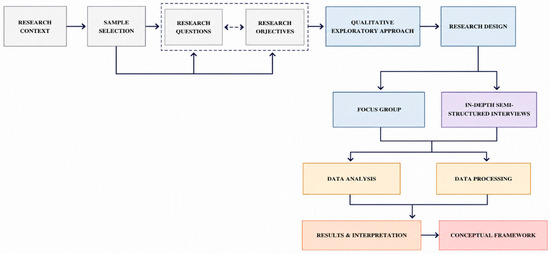
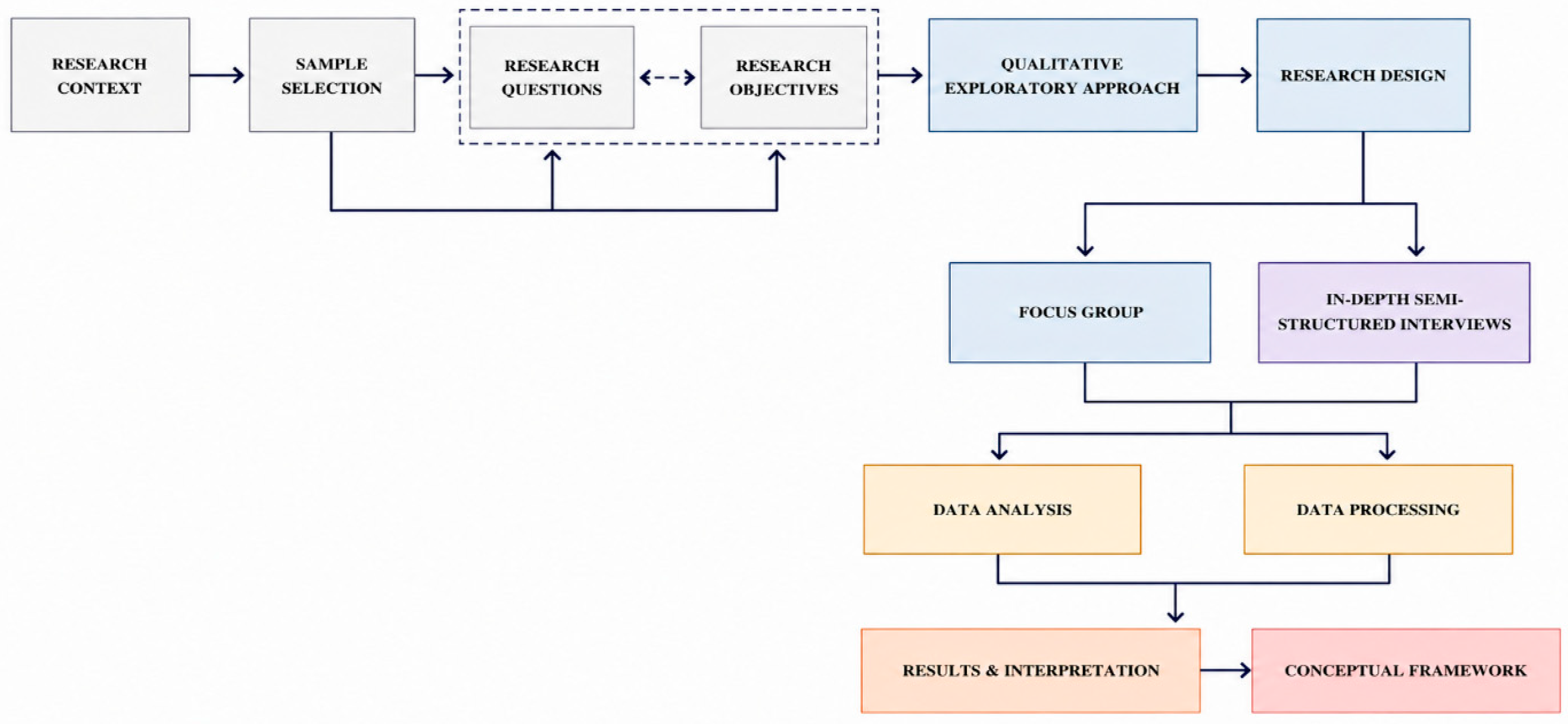
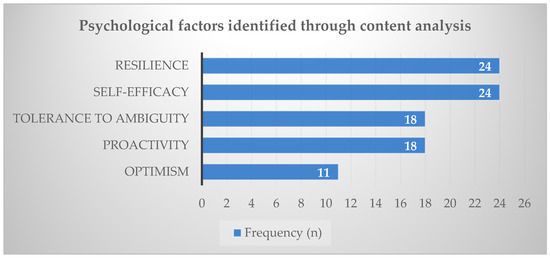
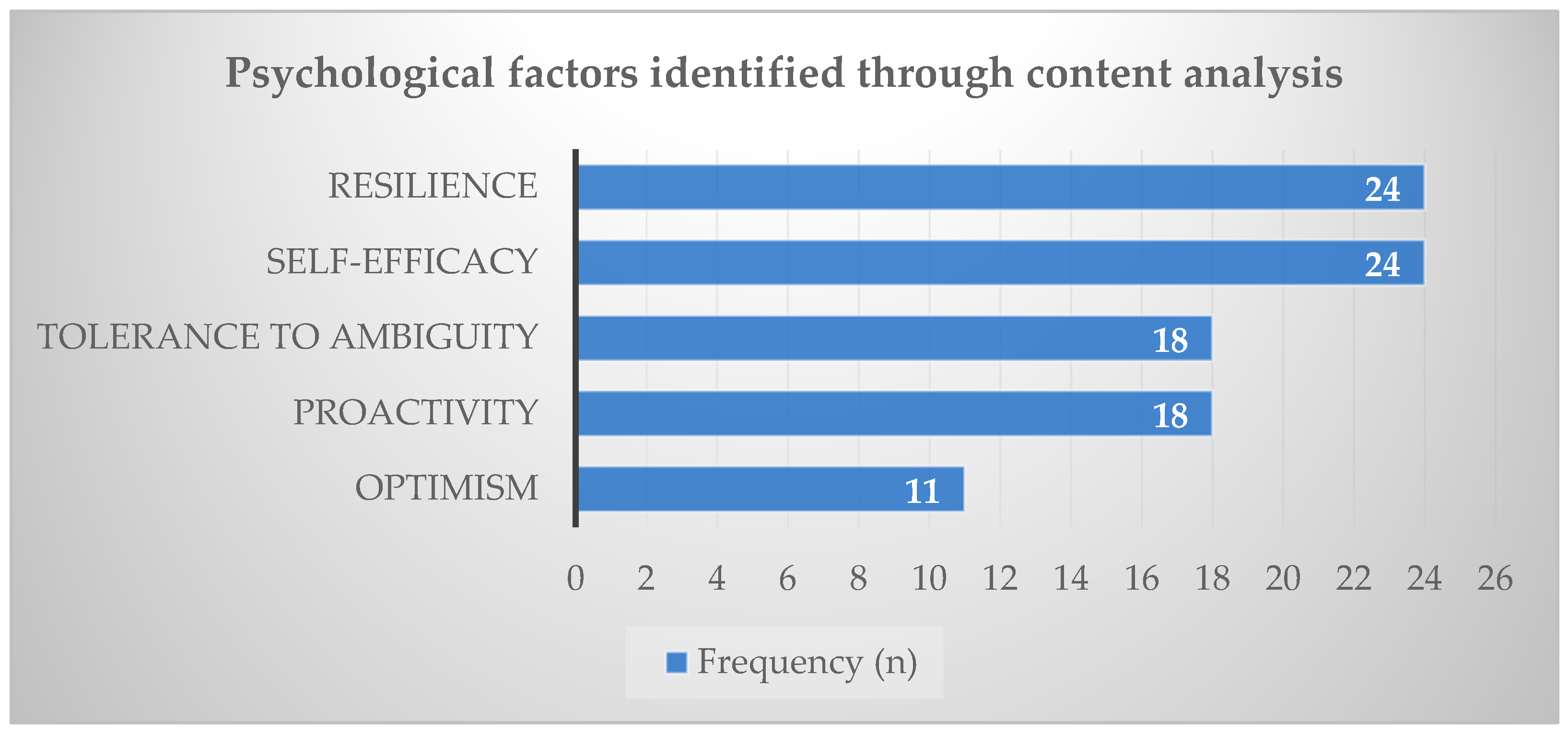
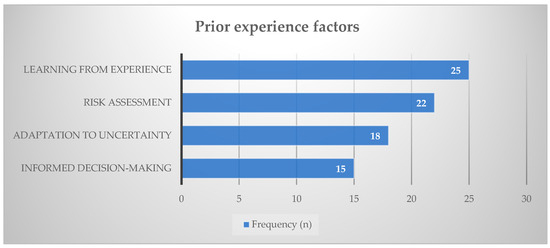
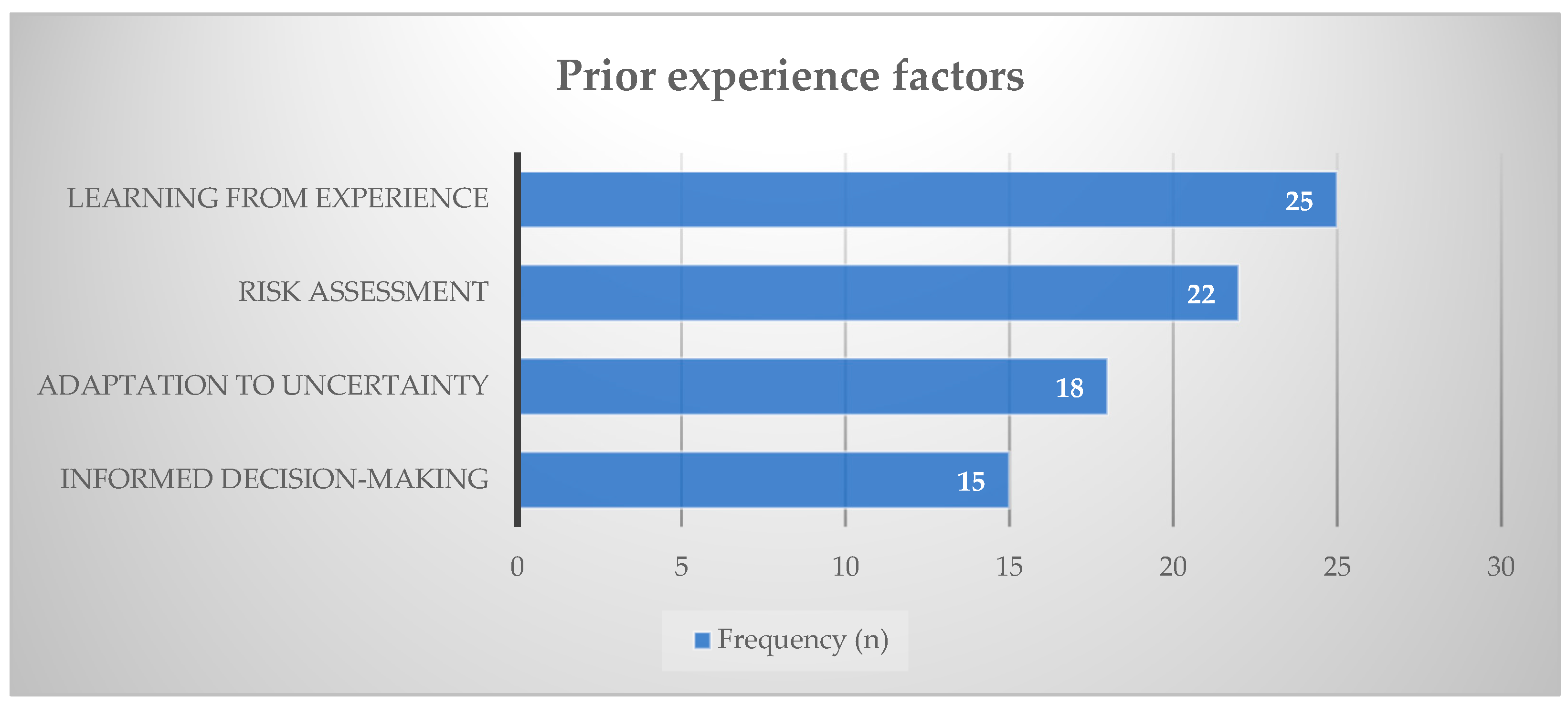
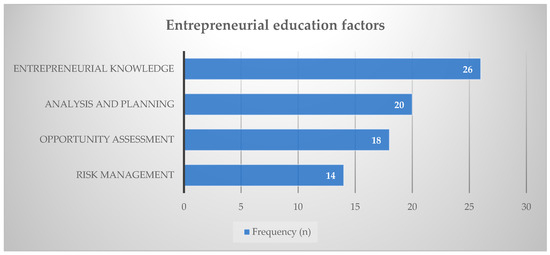
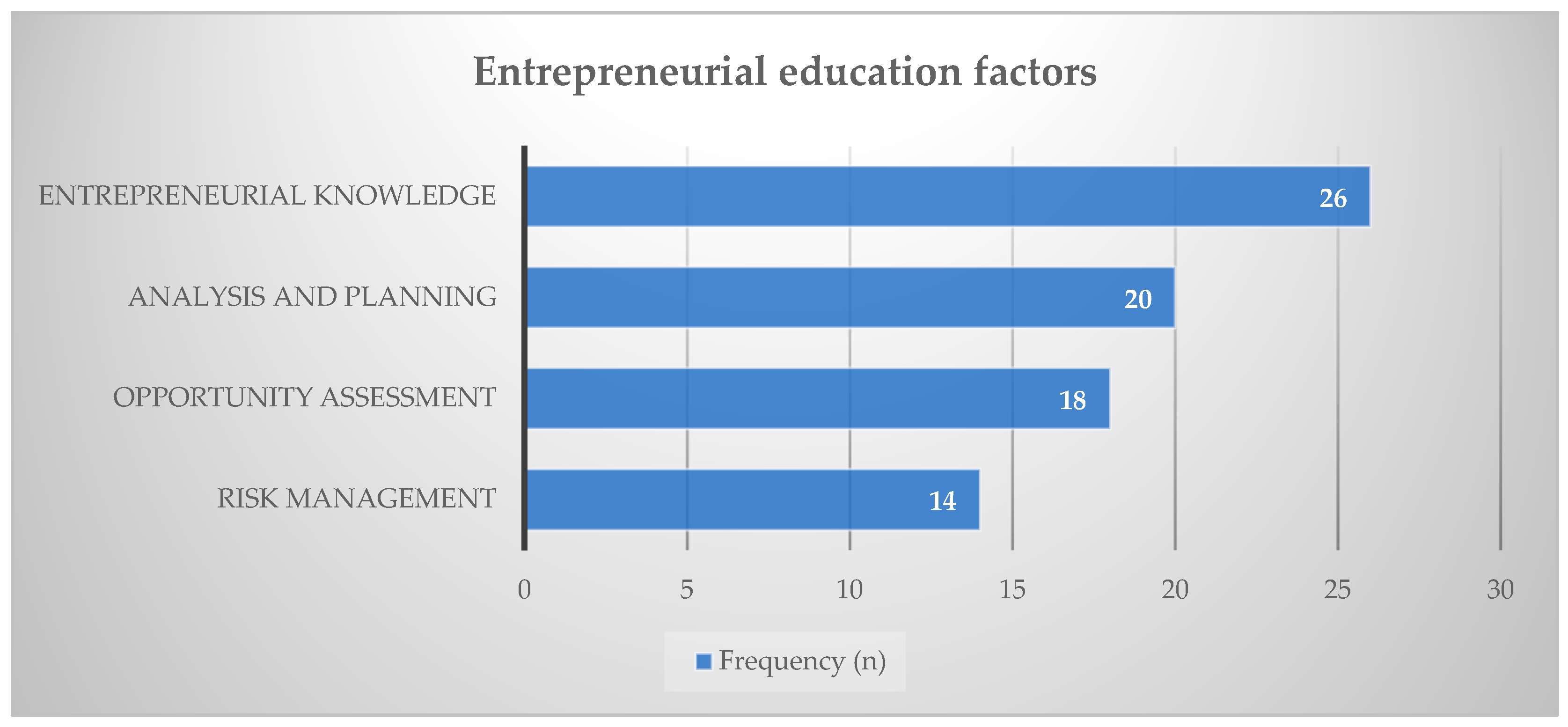
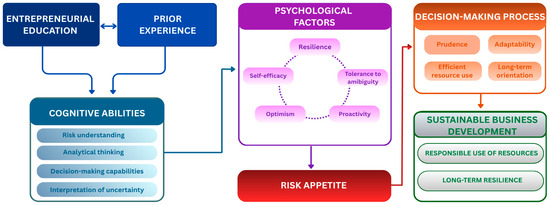
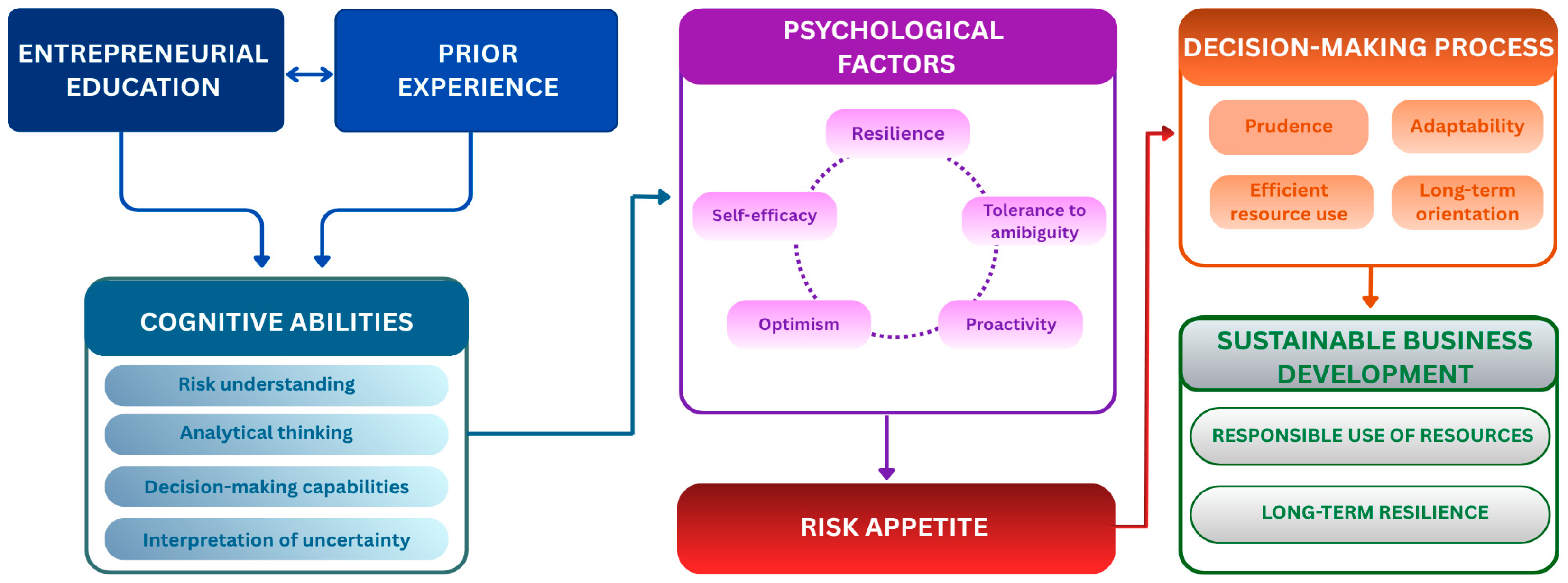

Disclaimer/Publisher’s Note: The statements, opinions and data contained in all publications are solely those of the individual author(s) and contributor(s) and not of MDPI and/or the editor(s). MDPI and/or the editor(s) disclaim responsibility for any injury to people or property resulting from any ideas, methods, instructions or products referred to in the content. |
© 2026 by the authors. Licensee MDPI, Basel, Switzerland. This article is an open access article distributed under the terms and conditions of the Creative Commons Attribution (CC BY) license.