


Abstract
Effective environmental sustainability decision-making requires the consideration of both positive and negative information, as well as the integration of weighting methods, to ensure decisions are accurate and representative of real-world conditions. This study presents a Systematic Literature Review (SLR) on the development of the Weighted Bipolar Fuzzy Soft Set (WBFSS) framework for environmental sustainability decision-making. Articles were retrieved from three databases: Scopus, ScienceDirect, and Dimensions. The screening process adhered to PRISMA 2020 guidelines and identified 27 relevant articles. VOSviewer was subsequently used to conduct a bibliometric analysis, mapping keyword co-occurrences and the structural landscape of research topics. The analysis examined the evolution of Bipolar Fuzzy Soft Set (BFSS) frameworks, their application domains, and the integration of weighting methods within BFSS and related Fuzzy Soft Set (FSS) frameworks. The review found that, although 11 studies addressed environmental sustainability applications, only three explicitly employed BFSS-based frameworks, indicating that the application of BFSS in this domain remains limited. Furthermore, the incorporation of explicit weighting techniques within BFSS remains scarce, particularly for objective, data-driven weighting approaches. These findings provide a comprehensive overview of current research trends, identify important methodological gaps, and support the conceptual development of the WBFSS framework as a direction for future research rather than an established decision-making framework. This study highlights opportunities to advance decision-support methods for environmental sustainability, which may support future climate-related and sustainability-oriented decision-making in the context of Sustainable Development Goal 13 (Climate Action).
1. Introduction
Environmental sustainability has emerged as one of the most urgent and complex challenges of the twenty-first century. As noted by Liu [1], evaluating environmental sustainability has become a critical issue for supporting economic development worldwide. Decision-making in this domain is inherently characterized by multiple forms of uncertainty arising from data limitations, ambiguous information, and conflicting parameters. Soroudi and Amraee [2] emphasize that managing uncertainty has long been a central concern in decision-making processes. These conditions require flexible methodological frameworks for representing uncertainty and producing rational and justifiable decisions.
The study of decision-making methodologies is essential for identifying models that align with the structural characteristics and requirements of specific problems. In the context of environmental sustainability, an alternative may simultaneously exhibit both beneficial and adverse impacts on a given parameter. Consequently, decision-makers must account not only for potential benefits but also for possible drawbacks under conditions of vague and uncertain information [3]. Moreover, parameter weighting constitutes a crucial component in sustainability assessment, ensuring that decisions reflect real-world priorities and conditions [4]. Therefore, an appropriate decision-making framework should capture both bipolar information and the differential importance of parameters.
The BFSS framework is particularly well-suited to addressing environmental sustainability problems for several reasons. First, soft set theory provides a flexible parameterized structure for decision-making, enabling the representation of uncertainty that cannot be adequately captured by a single numerical value or variable [5]. Second, fuzzy set theory facilitates the modeling of vagueness through membership degrees, allowing each alternative to be evaluated based on its level of satisfaction with respect to specific parameters. Third, the bipolar concept enables the simultaneous representation of positive and negative aspects of alternatives, which is essential for addressing the inherent complexity of sustainability-related decision problems. In recent years, BFSS-based frameworks have undergone rapid development, encompassing theoretical advancements [6,7], practical applications [8,9], model extensions [10,11,12], and integrations with various multi-criteria decision-making (MCDM) methods [13,14,15].
Despite these advancements, classical BFSS frameworks generally lack a systematic parameter-weighting mechanism. In real-world environmental sustainability decision-making, however, parameters often differ in importance. As highlighted by Gan et al. [4], weighting plays a pivotal role in sustainability evaluation. Recognizing this, several studies have sought to integrate weighting techniques into soft set-based decision-making frameworks. For instance, Lestari et al. [5] proposed the CRITIC-Weighted Fuzzy Soft Set (CRITIC-WFSS), where the CRITIC method determines objective parameter weights based on contrast intensity and inter-criteria correlation. Similarly, Carnia et al. [16] combined Weighted Fuzzy N-Soft Sets (WF-NSS) with the CODAS method using AHP-based weighting to enhance the accuracy of alternative evaluation. Additional studies have also explored the incorporation of weighting mechanisms within soft set-based frameworks [17,18,19].
Notwithstanding the growing interest in BFSS-based decision-making frameworks, the literature still lacks a comprehensive synthesis that addresses several of the following key aspects: the evolution of BFSS frameworks, their application domains, particularly in environmental sustainability, the potential integration of weighting techniques and MCDM methods, and the identification of research gaps for future development. To address these deficiencies, this study conducted a Systematic Literature Review (SLR) to provide a structured overview of research trends in the development of the WBFSS framework, weighting methodologies, and application domains. The effectiveness of a SLR in identifying research gaps has been demonstrated in prior studies [20,21].
Specifically, this study aims to analyze the development and research trends of BFSS-based decision-making frameworks, with particular emphasis placed on applications in environmental sustainability. It further identifies the domains in which BFSS frameworks have been applied, examines the decision-making and weighting approaches integrated within these models, and evaluates their principal contributions. Ultimately, this study seeks to reveal existing research gaps and explore the development of the WBFSS framework to enhance the effectiveness of sustainability-oriented decision-making.
The SLR process follows the PRISMA 2020 guidelines (Supplementary Materials) and utilizes three major databases, Scopus, ScienceDirect, and Dimensions, to identify relevant studies. In addition, bibliometric analysis was conducted using VOSviewer to map keyword relationships and the evolution of research topics. Through a transparent and systematic methodology, this study is expected to contribute theoretically by providing a state-of-the-art mapping of BFSS research and practically by offering directions for future research. Furthermore, it may serve as a reference for researchers and practitioners in developing more accurate and adaptive decision-support systems for environmental sustainability. In this regard, the proposed framework may provide a conceptual foundation for future climate-related decision-support applications that are relevant to Sustainable Development Goal (SDG) 13 (Climate Action), subject to further methodological development and empirical validation.
2. Materials and Methods
2.1. A Review of Bipolar Fuzzy Soft Set
Although it has been extended into various models with increasingly complex structures, soft set theory remains a fundamental basis for defining these models. In general, the construction of soft set-based models, whether simple generalizations or more sophisticated formulations, relies on three essential components. These components are described as follows:
- (1)
- The universal set (): The set represents the collection of objects of alternatives under consideration. In general, a universal set containing elements is denoted as Equation (1).
- (2)
- Parameter set (): This set consists of criteria or attributes used to evaluate the objects in . In general, a parameter set containing elements is denoted as Equation (2).
- (3)
- The mapping (): A function that assigns each element in to a subset of , denoted by the power set . In general, this mapping is expressed as Equation (3).
These three components were introduced in the original formulation of soft set theory by Molodtsov [22] in 1999. However, as the theory has evolved toward more complex model structures, some studies have adopted variations in notation to ensure consistency with other integrated frameworks. The soft set approach has developed extensively, encompassing both theoretical and practical dimensions, and has led to the emergence of numerous models tailored to address uncertainty in diverse contexts. One notable extension is the BFSS framework, which enables the simultaneous representation of positive and negative information within a decision-making system. Before analyzing the development trends of this model, it is necessary to establish a clear, explicit understanding of its foundational definitions. Accordingly, the definitions of Bipolar Fuzzy Sets (BFS) and BFSS, as introduced by Ali et al. [6], are presented in the following section.
Definition 1
([6]). Let be a universal set with and . A bipolar fuzzy set on is defined as:
Here, denotes the positive membership degree of , representing the extent to which the element satisfies a given attribute, whereas denotes the negative membership degree of , representing the extent to which satisfies the counter-property of that attribute.
Definition 2
([6]). Let be a universal set and be a set of parameters, with . A pair is called a BFSS over , where , and denotes the set of all BFS defined on . The BFSS is defined as follows:
2.2. Research Methodology
A Systematic Literature Review (SLR) approach was employed to examine recent developments in soft set theory, with particular emphasis placed on advances in BFSS frameworks and their applications to environmental sustainability challenges. This methodology was chosen for its capacity to systematically identify, evaluate, and interpret relevant research findings in a transparent and reproducible manner. The SLR facilitates a comprehensive understanding of the research domain, including the identification of current challenges and potential directions for future research. The SLR process consists of several structured stages: (1) formulation of research questions (RQs) to establish the conceptual foundation and define the review’s direction and scope; (2) development of a research strategy, including database selection, keyword specification, and search procedure design; (3) systematic selection of literature to ensure inclusion of only relevant and high-quality studies; and (4) data extraction and synthesis to integrate key findings, identify research trends, and derive comprehensive conclusions [23].
To ensure methodological rigor and completeness, the review adheres to the internationally recognized Preferred Reporting Items for Systematic Reviews and Meta-Analyses (PRISMA) guidelines. The PRISMA framework organizes the review process into four main phases: identification, screening, eligibility, and inclusion [24,25]. In the identification phase, data are collected from multiple academic databases using predefined keywords and search criteria to capture all relevant studies. The screening phase involves removing duplicate records and evaluating titles and abstracts for relevance. The eligibility phase requires a full-text assessment of the remaining articles to determine their suitability for inclusion. The final phase, inclusion, involves selecting studies that meet all predefined criteria for further analysis. The selected articles are subsequently subjected to bibliometric analysis to identify publication patterns, research trends, and thematic relationships within the field. This analytical approach establishes a structured basis for understanding the evolution of research topics and their interconnections.
2.2.1. Research Questions
This study aims to analyze publication trends, application domains, and the integration of weighting mechanisms and MCDM techniques, and to examine the strengths and limitations of the identified soft set-based frameworks. In addition, it seeks to identify existing research directions, particularly regarding the WBFSS framework and its application to environmental sustainability.
To address these objectives, a set of research questions is formulated as follows:
- RQ1: How have BFSS frameworks evolved in decision-making research, particularly within the context of environmental sustainability?
- RQ2: In which application domains have BFSS frameworks been employed for environmental sustainability decision-making?
- RQ3: What decision-making methods and weighting approaches have been integrated with BFSS or related FSS frameworks?
- RQ4: What research gaps remain, and how can the WBFSS framework be further developed to enhance environmental sustainability decision-making?
Collectively, these four RQs provide a coherent analytical framework for examining the research landscape, encompassing theoretical developments, methodological approaches, practical applications, and future research directions. By employing a structured SLR methodology, this study is expected to produce a comprehensive synthesis of the current state of the art and to establish a robust foundation for subsequent research in this field.
2.2.2. Research Strategy
In this study, the literature search was conducted using three major databases: Scopus, ScienceDirect, and Dimensions. Scopus was selected as the primary database due to its broad multidisciplinary coverage and robust indexing of high-quality, peer-reviewed journals. Furthermore, its comprehensive coverage of publications makes it particularly well-suited to identifying influential and relevant studies within the scope of this research. ScienceDirect was included because it provides direct access to an extensive collection of full-text publications from leading journals in applied mathematics, computational intelligence, and environmental sciences. Dimensions were incorporated to broaden the search by capturing recent publications and additional scholarly outputs that may not be indexed in the other two databases. The combination of these three databases was intended to provide a comprehensive and complementary body of literature relevant to this review. Nevertheless, we acknowledge that restricting the search to these three databases may have resulted in the omission of relevant studies indexed exclusively in other sources, such as Web of Science, IEEE Xplore, or SpringerLink. This represents a limitation of the present review and should be considered when interpreting the comprehensiveness of the retrieved literature.
The search was restricted to peer-reviewed research articles written in English and published between 2017 and 2026. This criterion ensures that the selected studies reflect recent developments in the field. The literature search was conducted using five conceptual Boolean search strategies (Q1–Q5). To improve transparency and reproducibility, the exact queries used in Scopus, ScienceDirect, and Dimensions are provided in Table 1.
Table 1.
Search queries to identify relevant articles.
To ensure the quality and relevance of the studies analyzed, a set of inclusion criteria was established to guide the selection process. The inclusion criteria applied in this study are as follows:
- (1)
- The article is written in English;
- (2)
- The article was published between 2017 and 2026 (accessed between 2 and 5 May 2026);
- (3)
- The article is published in a peer-reviewed journal;
- (4)
- The article is available in open access and has not been retracted;
- (5)
- The article addresses soft set-based frameworks, particularly BFSS and its variants, in a decision-making context, including studies that either do not incorporate weighting approaches or do not use related MCDM methods.
Studies that did not meet these criteria were excluded from the analysis. These criteria were applied consistently throughout all stages of the selection process to ensure transparency and reproducibility of the SLR.
The open-access criterion was adopted to ensure full-text availability, allowing a comprehensive assessment of the mathematical formulations, methodological details, and application contexts of the selected studies. Nevertheless, this requirement may have excluded relevant subscription-based publications, thereby representing a potential source of selection bias. Accordingly, the findings of this review should be interpreted within the scope of the accessible literature included in the analysis.
Next, the records retrieved for 2026 reflect only publications indexed in the selected databases up to the search date (2–5 May 2026). In addition, indexing delays may affect the availability of recently published articles, particularly in large bibliographic databases such as Scopus. Consequently, the publication count for 2026 should be interpreted as a partial snapshot rather than a complete representation of the year’s research output. Early-access or in-press articles were included only if they were retrievable and indexed at the time of the search; records that were unavailable during this period were excluded.
2.2.3. Selection and Data Extraction Process
An initial search was conducted using the comprehensive Boolean query (Q1), which combined all predefined keyword groups to identify studies integrating BFSS, weighting mechanisms, decision-making, environmental sustainability, and the broader soft set terminology in a single search strategy. The inclusion of the keyword group (“soft set” OR “soft sets”) was intended to explicitly capture studies situated within the wider soft set framework. However, when combined with the other conceptual components, this additional requirement resulted in a highly restrictive query. Consequently, Q1 did not retrieve any relevant records from Scopus, ScienceDirect, or Dimensions. This outcome suggests that studies explicitly integrating all of these conceptual aspects remain limited in the selected databases and over the search period. Instead, the existing literature appears to focus primarily on individual dimensions, such as BFSS framework development, weighting techniques, decision-making applications, or environmental sustainability, rather than combining them into a unified framework. This observation provides additional motivation for the present study. It supports the conceptual development of the proposed WBFSS framework as a direction for future methodological research rather than as an already established decision-making model.
To ensure comprehensive literature retrieval while maintaining the objectives of the review, the search strategy was subsequently refined into complementary searches. Each is designed to capture a specific aspect of the research objectives:
- (1)
- Q2: To retrieve studies related to the development of WBFSS frameworks, irrespective of their application context (serving as the methodological foundation of the review);
- (2)
- Q3: To capture studies applying BFSS frameworks in decision-making without considering weighting integration or environmental applications;
- (3)
- Q4: To identify studies applying BFSS frameworks within environmental or sustainability domains;
- (4)
- Q5 (Supplementary studies): To retrieve studies on weighted soft set frameworks in environmental sustainability, serving as complementary references.
The searches using Q1, Q2, and Q3 were conducted on 2 May 2026, followed by Q4 on 4 May 2026 and the supplementary search Q5 on 5 May 2026. The same conceptual Boolean search strategy was applied across Scopus, ScienceDirect, and Dimensions, with only minor database-specific adaptations to accommodate differences in search syntax and platform limitations. Specifically, Scopus searches used the TITLE-ABS-KEY() field operator to restrict retrieval to titles, abstracts, and keywords, whereas implementing Q1 in ScienceDirect required a minor simplification due to the limited number of Boolean operators permitted in a single search expression. These adaptations did not alter the underlying conceptual structure of the search strategy and are presented in Table 1. Furthermore, the corresponding search fields and database-specific filtering criteria are summarized in Table 2.
Table 2.
Database-specific search settings and applied filters.
The number of records retrieved for each search combination and database is presented in Figure 1.
Figure 1.
PRISMA diagram.
In total, 135 articles were identified in the initial search phase. Subsequently, duplicate removal, title and abstract screening according to predefined criteria, and full-text evaluation were conducted to identify studies relevant to this review. The overall selection process is illustrated in Figure 1.
Although the comprehensive query Q1 was executed as an exploratory search, it did not retrieve any records from the selected databases. Consequently, it did not contribute to the pool of studies subjected to screening and eligibility assessment and is therefore not represented as a separate branch in the PRISMA flow diagram. The PRISMA diagram summarizes only the search pathways that yielded records for subsequent screening (Q2–Q5).
From the initial set of 135 articles obtained through the main keyword combinations, 87 were identified as duplicates using JabRef version 5.15, an open-source reference management software that supports bibliographic organization and duplicate detection, and were subsequently removed, leaving 48 articles for further screening. The high number of duplicates is attributable to the use of three databases and multiple search combinations, which increased the likelihood of retrieving the same records. The remaining articles were then screened based on their titles and abstracts using the predefined inclusion and exclusion criteria. To facilitate systematic classification during this stage, records were assigned internal categories in JabRef to distinguish non-English publications, non-relevant topics, retracted articles, partially relevant studies, and studies considered eligible for full-text assessment. This process was conducted separately for each search query and resulted in 42 articles deemed relevant for full-text evaluation. The study selection process followed predefined eligibility criteria and was carried out in a structured and systematic manner. Any issues requiring clarification regarding study eligibility or classification during the review process were resolved through discussion among the authors to ensure consistent application of the review protocol and alignment with the objectives of the study.
Subsequently, a full-text assessment was performed to evaluate the eligibility of the remaining studies in greater detail. The assessment considered the research objectives, methodological approaches, application domains, integration of weighting mechanisms, and consistency with the scope of this review. During this stage, the accessibility of the full text was also verified. Only studies with accessible full-text versions (i.e., open-access articles) were retained, as complete access was necessary to examine the mathematical formulations, methodological procedures, and application details required for this systematic review. Consequently, articles that were inaccessible or available only through restricted subscription access were excluded. Additional exclusions were made for studies that did not satisfy the predefined eligibility criteria, including insufficient relevance to BFSS or related soft set-based decision-making frameworks or inadequate methodological information for analysis. As a result, 19 articles retrieved through the primary BFSS- and environmental sustainability-related searches were retained [10,11,12,26,27,28,29,30,31,32,33,34,35,36,37,38,39,40,41].
In parallel, an additional identification process was conducted using the supplementary search strategy (Q5) following the same screening procedure. To avoid duplication in the final dataset, studies already identified through the primary searches were removed. This supplementary process yielded 8 additional articles [16,42,43,44,45,46,47,48]. Consequently, 27 articles were included in the final analysis. The bibliographic database of these 27 articles is available in .bib format and can be accessed via the following link: http://bit.ly/4tTTKLY, accessed on 22 May 2026.
For each study retained after the full-text assessment, relevant information was systematically extracted using a standardized framework to support data organization and synthesis. The extracted data included publication information, methodological aspects, application context, and other details necessary to address the objectives of this review. These data were subsequently synthesized for comparative analysis and to identify research gaps relevant to the proposed WBFSS framework.
3. Results
3.1. Bibliometric Analysis
Based on the analysis of the 27 selected articles, publication trends over the past decade show fluctuations, as illustrated in Figure 2.
Figure 2.
Distribution of number of articles by year of publication.
During the early observation period (2017–2020), the number of publications remained relatively low, with only one article identified per year and none in 2019. This suggests that the topic had not yet attracted substantial research attention, likely because it was in its early stages of development. A significant increase occurred in 2021, with six published articles, indicating a growing interest in the field. However, this upward trend was not sustained, as the number of publications declined and fluctuated during the subsequent years (2022–2024), a pattern commonly observed in emerging research areas. The trend rose again, peaking in 2025 at eight publications. In 2026, the number decreased to two articles; however, this apparent decline should be interpreted with caution, as the literature search was conducted between 2 May and 5 May 2026. Consequently, the reported value reflects only publications indexed up to the search date.
To ensure transparency of the systematic review process, the characteristics of the selected studies were extracted and summarized. Table 3 presents the bibliographic information and research characteristics of the 27 selected articles, including authors, publication year, title, journal, and source of identification (main or supplementary search).
Table 3.
Characteristics of the included studies.
To assess the influence of the selected studies, citation analysis was conducted. Citation counts are commonly used as indicators of a publication’s impact in the scientific literature. Figure 3 presents the top ten most cited articles.
Figure 3.
Top 10 most-cited studies included in the review based on Google Scholar citation counts (retrieved on 10 May 2026) [11,12,36,37,38,39,40,41,43,48].
The citation counts reported in Figure 3 were obtained from Google Scholar and collected on 10 May 2026. Google Scholar was used solely as a source for citation metrics due to its broad coverage of scholarly publications and citation records. It was not used for literature identification or study selection, which were conducted exclusively through Scopus, ScienceDirect, and Dimensions.
The study by Zulqarnain et al. [48] ranks first with 109 citations, followed by Al-Qudah and Hassan [41] with 85 citations, and Ali and Ansari [36] with 81 citations. These three studies exert the greatest influence in this research domain. The remaining seven highly cited articles also make substantial contributions to advancing soft set-based frameworks, particularly BFSS, in addressing uncertainty and complex decision-making problems. It is important to note that higher citation counts are often associated with earlier publication years, as such articles have had more time to accumulate references.
The study by Ashraf et al. [43], although relatively recent (published in 2025), has already received 25 citations. This suggests that the study has attracted considerable attention within the academic community in a relatively short period of time. The relatively high citation count suggests that the study addresses a topic of current relevance, particularly in the development of the WBFSS framework and its application to sustainable decision-making. This observation may reflect the study’s relevance to ongoing research in BFSS frameworks and sustainable decision-making. However, citation counts can also be influenced by factors such as publication visibility and dissemination.
Overall, the highly cited studies predominantly focus on the development of BFSS-based frameworks and related frameworks in MCDM. Several studies propose alternative formulations, including the Pythagorean Fuzzy Soft Set (PFSS) [48], the Fermatean Fuzzy Bipolar Soft Set (FFBSS) [36], the q-Rung Orthopair Fuzzy Bipolar Soft Set (q-ROFBSS) [37], and the Picture Hesitant Fuzzy Soft Set (PHFSS) [43]. This reflects a broader trend toward increasingly flexible frameworks capable of handling more complex forms of uncertainty. Moreover, many highly cited studies integrate soft set-based frameworks with established decision-making methods, such as the Technique for Order Preference by Similarity to Ideal Solution (TOPSIS) method [48] and the multi-attribute decision-making (MADM) framework [37], demonstrating that research in this field is not limited to theoretical development but is also oriented toward practical problem-solving. The application domains are diverse, ranging from green supply chain management [48] and sustainable solar energy management [43] to the evaluation of COVID-19 test effectiveness [11], indicating the wide applicability of BFSS-based frameworks in uncertainty-driven decision-making contexts.
In addition, a bibliometric analysis was conducted using VOSviewer version 1.6.20 to map keyword relationships and the structural organization of research topics. The resulting visualization is presented in Figure 4. This analysis was performed on a broader study of 72 unique articles that passed the title and abstract screening stage using both the primary and supplementary keyword combinations, with overlapping records removed prior to analysis. The use of this broader study was intended to capture the overall research landscape of BFSS-based and related soft set-based studies. By contrast, the qualitative synthesis and discussion presented in this review are based exclusively on the final 27 articles selected after full-text assessment.
Figure 4.
Word-mapping network visualization.
The bibliometric visualization presented in Figure 4 was generated using VOSviewer version 1.6.20 by creating a map based on bibliographic data imported from reference manager files. A keyword co-occurrence analysis was performed using the full counting method with a minimum occurrence threshold of two. To improve the interpretability of the network and emphasize concepts directly relevant to the objectives of this review, several broad or application-oriented keywords, such as “information management”, “algorithm”, “risk assessment”, “optimization”, and “score function”, were manually excluded from the final visualization. The remaining network was generated using the default normalization and layout settings provided by VOSviewer.
In the network visualization, each node represents a keyword used in the articles, with node size indicating the frequency of occurrence. Larger nodes correspond to more frequently used keywords. The connections between nodes represent co-occurrence relationships, where thicker links indicate stronger associations. Node colors represent clusters of thematically related topics, enabling the identification of emerging subfields within the domain.
The keyword “decision making” appears as the most dominant node and occupies a central position in the network. This indicates that most of the analyzed studies focus primarily on developing decision-making models. Its large node size reflects its high frequency of occurrence. At the same time, its extensive connectivity suggests that it serves as a central linking concept across various fuzzy and soft set-based frameworks.
Cluster analysis reveals that the network is divided into five main clusters, each represented by a distinct color. The red cluster is associated with the development of aggregation operators and MCDM methods integrated with set theory. The green cluster reflects ongoing advancements in fuzzy theory aimed at representing uncertainty through increasingly sophisticated mathematical structures. The yellow cluster highlights the relationship between bipolar fuzzy sets and bipolar soft sets, indicating that bipolar approaches have been utilized to capture the duality of positive and negative information in decision-making. However, the term “weighted bipolar fuzzy soft set” does not appear explicitly as a prominent node, suggesting that the incorporation of weighting mechanisms within the BFSS framework remains relatively underexplored compared to other fuzzy approaches. The blue cluster represents methodological developments in fuzzy bipolar soft set frameworks, while the purple cluster reflects the growing adoption of modern fuzzy-based MCDM techniques. Nevertheless, the connections between these clusters and themes, such as environmental sustainability or green decision-making, remain relatively weak and have not yet emerged as a central research focus. This indicates that integrating WBFSS frameworks with environmental sustainability evaluation—particularly by incorporating modern MCDM methods and weighted operators—remains an open research area with significant potential for future contributions.
3.2. SLR Results
This section presents the SLR results based on the RQs formulated in Section 2.2.1. The presentation follows the order of the questions to make the discussion more structured and easier to follow.
3.2.1. Trends and Evolution of BFSS-Based Decision-Making Frameworks
Based on the analysis of the 27 selected articles, the development of BFSS frameworks in decision-making exhibits a clear evolutionary pattern. During the period 2017–2020, research in this field was dominated primarily by foundational conceptual developments, including frameworks such as the Bipolar Fuzzy Soft Expert Set (BFSES) [41], Bipolar Fuzzy Soft Graphs (BFSG) [40], and BFS topology [39]. In the subsequent period (2021–2022), the number of publications increased significantly, as shown in Figure 2. During this phase, the research focus shifted toward integrating BFSS frameworks with MCDM techniques and enhancing framework structures through more advanced fuzzy extensions, including Pythagorean [35], Fermatean [36], q-rung orthopair [37], and spherical fuzzy bipolar soft [34]. From 2023 to 2026, research trends expanded further, emphasizing the incorporation of weighting mechanisms, aggregation operators, similarity and correlation measures, and the application of BFSS frameworks to real-world problems, particularly in environmental sustainability.
Through this analysis, several variants of BFSS frameworks were identified across the selected studies, including BFSS, BFSES, Fuzzy Bipolar Soft Expert Set (FBSES), BFSG, Bipolar Complex Fuzzy Soft Set (BCFSS), Bipolar Interval-Valued Fuzzy Soft Set (BIV-FSS), Possibility Pythagorean Bipolar Fuzzy Soft Set (PPBFSS), Possibility Neutrosophic Bipolar Fuzzy Soft Set (denoted as PNBSS in the source), FFBSS, Spherical Fuzzy Bipolar Soft Set (SFBSS), q-ROFBSS, Type-II Generalized Pythagorean Bipolar Fuzzy Soft Sets (TII-GPBFSS), Multi-Q Cubic Bipolar Fuzzy Soft Set (MQCBFSS), and Double-Framed Bipolar Fuzzy Soft Set (DFBFSS), as summarized in Table 4. Simpler frameworks are presented first to facilitate a gradual understanding of the evolutionary trajectory. To enhance clarity, the notation for each framework is also provided, following the conventions of the respective source articles, which may result in variations in symbolic representation. Moreover, several BFSS-based frameworks have been further extended by integrating MCDM methods and weighted aggregation operators, as reported in [10,26,28,29,30,33,44]. A more detailed discussion of these integrations is provided in Section 3.2.3.
Table 4.
Variations in soft set frameworks identified in the selected studies.
The notational systems employed across these frameworks are summarized in Table 5.
Table 5.
List of notations.
The mathematical notation in Table 4 and Table 5 follows the original notation adopted in the cited references. Although symbols may differ across frameworks, their original forms have been retained to preserve the accuracy of the respective definitions.
In general, all models presented in Table 4 preserve the core characteristic of BFSS, namely the ability to represent both positive and negative membership degrees simultaneously. The evolution of these frameworks reflects a progression from basic formulations to more sophisticated structures designed to address uncertainty in decision-making contexts. These developments include incorporating expert opinions (BFSES), integrating graph structures (BFSG), and using complex numbers to capture more dynamic information (BCFSS). Furthermore, several models enhance uncertainty representation using advanced fuzzy frameworks, such as Pythagorean and Fermatean fuzzy sets (PPBFSS and FFBSS). Other models demonstrate increased flexibility and the ability to handle multidimensional data, including SFBSS, which incorporates three evaluation dimensions (positive, neutral, negative); q-ROFBSS, which introduces the parameter () to expand the uncertainty space; and MQCBFSS, which combines interval-valued and multi-Q representations. Meanwhile, DFBFSS emphasizes the simultaneous dual framing of positive and negative evaluations. Overall, these developments indicate that the evolution of BFSS frameworks is primarily driven by the need to better represent vague, ambiguous, and conflicting information, thereby improving their suitability for complex decision-making applications, including environmental sustainability and multi-criteria evaluation contexts.
3.2.2. Application Domains in Environmental Sustainability
Based on the analysis, the application domains identified in the selected articles were not limited to environmental sustainability issues. This reflects the design of the search strategy, which intentionally included the query search Q2 ((“bipolar fuzzy soft set” OR “fuzzy bipolar soft set”) AND (“weighted” OR “weighting” OR “parameter weight”)) and Q3 ((“bipolar fuzzy soft set” OR “fuzzy bipolar soft set”) AND (“decision making” OR “decision-making” OR “MCDM”)) to capture methodological developments in BFSS and related decision-making frameworks beyond environmental sustainability applications. As a result, only 11 of the 27 selected articles (40.7%) explicitly addressed sustainability-related applications, as summarized in Table 6.
Table 6.
Frequency distribution of BFSS applications in environmental sustainability.
The inclusion of the remaining 16 studies was deliberate and aligned with the objectives of this review. First, these studies provide important methodological foundations and theoretical developments of BFSS and related frameworks that can be applied to sustainability contexts. Second, these studies demonstrate a variety of MCDM integrations and weighting approaches that may be adapted for environmental sustainability applications. Third, the limited use of BFSS in sustainability-related contexts constitutes a significant research gap that can only be identified through a broader examination of the literature. Therefore, although only 11 of the selected studies directly addressed environmental sustainability, the remaining 16 studies were retained because they provide methodological foundations and theoretical insights essential to understanding the evolution of BFSS and informing its future application to environmental sustainability decision-making.
The classification of application domains within the context of environmental sustainability can be outlined as follows:
- (1)
- Sustainable Industry: Sarfraz and Alharbi [42] integrate picture fuzzy soft sets with Aczel–Alsina aggregation operators for decision-making in the sustainable green industry; similarly, Khan et al. [47] use an Interval-Valued Pythagorean Fuzzy Hypersoft Set (IVPFHSS) for the same domain.
- (2)
- Debris Flow Mitigation: Dhurmas et al. [44] combine T-spherical fuzzy soft Dombi operators with the Evaluation Based on Distance from Average Solution (EDAS) method for debris flow mitigation.
- (3)
- Hydroelectric Projects: Ali et al. [34] use the SFBSS framework to rank fish-migration pathway designs.
- (4)
- Afforestation: Aldhuhayyan and Alsager [30] apply the Cubic Bipolar Fuzzy Soft Rough Sets (CBFSRS) framework to evaluate tree species suitability.
- (5)
- Circular Economy: Carnia et al. [16] integrated the WF-NSS framework with the CODAS method for waste management in the Citarum watershed.
- (6)
- Thermal Energy Storage: Mushtaq et al. [46] employ the q-Rung Orthopair Fuzzy Hypersoft Sets (q-ROFHS) framework to prioritize energy storage techniques.
- (7)
- Renewable Energy: Ashraf et al. [43] develop the PHFSS framework for solar energy management, while Zeb et al. [45] use Fermatean fuzzy soft sets (FFSS) to optimize solar projects.
- (8)
- Green Supply Chain Management (GSCM): Zulqarnain et al. [48] apply the Pythagorean fuzzy soft sets (PFSS) framework integrated with TOPSIS for green supplier selection.
- (9)
- Software Development: Zhongjie et al. [28] employ the FBSS framework to select software projects.
Although a broader set of methodological studies was included in this review, only 3 of the 11 sustainability-related studies explicitly employ BFSS-based frameworks [28,30,34]. This finding indicates that the application of the BFSS framework in environmental sustainability decision-making remains relatively limited compared to other FSS variants. Consequently, this gap highlights a significant opportunity for further research, particularly in extending BFSS-based frameworks across a broader range of environmental sustainability domains.
3.2.3. Decision-Making Methods and Weighting Approaches
The integration of MCDM methods with soft set-based frameworks has led to the development of various integrative frameworks, particularly in accommodating differences in parameter importance. For this review, a study was classified as weighting-based if it incorporated a mechanism that assigned differential importance to criteria, parameters, expert evaluations, or aggregated information during the decision-making process. This classification includes both explicit criteria or parameter weighting and weighting embedded within aggregation operators, provided that the weighting mechanism influences the final evaluation or ranking of alternatives. Accordingly, frameworks without any explicit or implicit weighting mechanism were categorized as non-weighting models. Based on this criterion, frameworks that do not incorporate weighting mechanisms are slightly more prevalent than those that explicitly do, as shown in Table 7.
Table 7.
Frequency distribution of weighting approaches in the reviewed frameworks.
Of the 27 articles analyzed, 12 studies incorporated weighting mechanisms. These comprise three broad categories: weighting based on explicit criterion importance [16,42,45], weighting implemented through aggregation operators [28,29,36,43,44,46,47], and weighting derived from correlation or similarity measures [32,48]. Although all three categories involve weighting concepts, they differ in their methodological implementation and interpretation.
- (1)
- Criteria weighting was conducted using the Analytic Hierarchy Process (AHP) method in articles [16,42,45]. This approach relies on expert judgments to determine the relative importance of parameters and systematically generate criterion weights. However, this method has several limitations, including a high degree of subjectivity and a strong dependence on respondents’ consistency and expertise in providing assessments. Objective weighting methods, such as the entropy weight method, CRITIC, and the Standard Deviation (SD) method, were not identified in the articles analyzed. Furthermore, these three studies did not directly integrate the BFSS framework; instead, they employed extensions of soft set or other FSS frameworks as the underlying mathematical framework for decision-making.
- (2)
- The most common weighting mechanism identified in the reviewed literature is the use of weighted aggregation operators, such as Einstein, Aczel–Alsina, Dombi, and prioritized aggregation operators, where weights are incorporated during information fusion rather than being explicitly attached to the parameters of the soft set. Consequently, these studies were classified as weighting-based frameworks because the weighting mechanism directly influences the aggregation outcomes and, ultimately, the final ranking of alternatives.
- (3)
- In correlation- or similarity-based weighting, weights are incorporated into correlation or similarity measures used to evaluate alternatives or assess their association with reference patterns. Consequently, weighting influences the calculation of closeness, resemblance, or correlation, thereby affecting the final ranking or selection results. Compared with weighted aggregation operators, this mechanism emphasizes relational evaluation rather than information fusion. However, its application within BFSS-based decision-making remains relatively limited.
In addition to weighting approaches, the analysis also revealed several integrations of the frameworks with MCDM methods. First, the TOPSIS method, as reported in articles [42,48], was selected for its ability to rank alternatives based on their closeness to the positive ideal solution and their distance from the negative ideal solution. In the context of weighting, TOPSIS enables the direct integration of criterion weights through a weighted decision matrix. Second, the CODAS method was identified in articles [16,29]. This method measures the distance of alternatives from the ideal solution by combining Euclidean and Taxicab distances, making it more sensitive to variations in attribute values. Both articles integrated weighting mechanisms into the proposed models. Carnia et al. [16] employed AHP to determine criterion weights in Citarum waste management, while Jaleel et al. [29] utilized the Frank Aggregation Operator within the BCFSS framework. These findings indicate that CODAS has strong potential for integration with weighted frameworks, although its application to BFSS remains very limited. Third, the EDAS method was identified in [44] to evaluate alternatives by their positive and negative distances from the average solution, making it suitable for situations involving highly uncertain data. The article integrated EDAS with the Dombi aggregation operator and weighting mechanisms; however, it was not directly applied to BFSS. This indicates that the integration of modern MCDM methods with BFSS is still in its early stages and has not yet reached the same level of maturity as classical MCDM methods.
3.2.4. Comparative Analysis
Table 8 presents a comparative overview of the reviewed studies by summarizing their underlying mathematical architectures, the types of uncertainty represented, weighting mechanisms, integration with MCDM methods, sustainability application domains, levels of empirical validation, and identified theoretical limitations. This comparative analysis provides a comprehensive perspective on the current development of BFSS-based frameworks and related soft set frameworks, while highlighting the diversity of methodological strategies adopted in the literature.
Table 8.
Comparative analysis of BFSS-based frameworks and related approaches.
As shown in Table 8, the reviewed studies exhibit substantial diversity in their underlying mathematical architecture and mechanisms for representing uncertainty. The classical BFSS-based framework employs bipolar membership structures that simultaneously represent positive and negative information. In contrast, several extensions, including q-rung orthopair, Fermatean, spherical, picture fuzzy, interval-valued, and neutrosophic frameworks, have been developed to enhance the expressive power of uncertainty representation. Similarly, graph-based, topological, rough-set, and hypersoft extensions introduce additional mathematical structures to accommodate relational, neighborhood-based, incomplete, and multi-attribute information. These developments demonstrate that existing research has primarily focused on expanding the representation of uncertainty while preserving the general soft set paradigm.
With respect to weighting mechanisms, the comparative analysis reveals that explicit parameter weighting remains relatively uncommon within BFSS-based frameworks. Most reviewed BFSS frameworks either assume equal parameter importance or incorporate weighting through external procedures, such as aggregation operators, correlation measures, prioritization schemes, or expert-based methods. Consequently, parameter importance is generally treated as an auxiliary component of the decision-making procedure rather than as an intrinsic component of the mathematical structure itself.
Regarding integration with MCDM methods, several reviewed studies combine BFSS or related soft set frameworks with established decision-support techniques, including AHP, TOPSIS, CODAS, correlation-based methods, Einstein operators, Dombi operators, and other aggregation procedures. The level of empirical validation also varies considerably, ranging from illustrative numerical examples and simulation studies to comparative and sensitivity analyses and real-world case studies. Nevertheless, these integrations predominantly affect the aggregation, ranking, or evaluation stages and do not fundamentally modify the mathematical representation of BFSS by embedding parameter importance directly within the framework.
From the perspective of application domains, BFSS and related soft set frameworks have been applied to diverse problems, including software selection, hydroelectric project evaluation, afforestation planning, green supply chain management, renewable energy systems, waste management, debris mitigation, and industrial sustainability assessment. However, only a limited number of studies explicitly address environmental sustainability using BFSS-based frameworks, and even fewer simultaneously account for the heterogeneous importance of evaluation criteria via an embedded weighting mechanism.
The theoretical boundaries summarized in Table 8 further reveal that most BFSS-based frameworks remain constrained by assumptions of equal parameter importance, reliance on external weighting mechanisms, or a primary focus on enhancing uncertainty representation. Likewise, studies employing aggregation operators or correlation-based measures primarily aim to improve information fusion and ranking performance rather than explicitly modeling parameter significance. Although several non-BFSS frameworks incorporate weighting mechanisms, these approaches are developed within different mathematical structures. They therefore cannot be directly transferred to the BFSS framework without substantial reformulation.
Overall, the comparative evidence presented in Table 8 suggests that existing research has concentrated primarily on extending uncertainty representations and integrating BFSS with external MCDM procedures. At the same time, the direct incorporation of parameter importance into the mathematical structure of BFSS remains largely unexplored. This observation constitutes the principal theoretical and methodological gap identified in this review and motivates the conceptual development of the proposed WBFSS framework. By embedding parameter weights directly into the BFSS representation, the proposed framework aims to bridge the gap between advanced uncertainty modeling and the practical requirements of sustainability-oriented decision-making, in which evaluation criteria often have unequal importance.
4. Discussion
4.1. Critical Synthesis of Reviewed Studies and Research Gaps
A comprehensive analysis of the review findings reveals several important patterns that reflect current research trends. In general, the development of BFSS-based frameworks has demonstrated substantial progress; however, their practical application in environmental sustainability decision-making remains limited. Furthermore, the integration of parameter-weighting mechanisms within BFSS frameworks has not kept pace with advances in uncertainty representation. These observations suggest that the current literature has evolved unevenly, creating a methodological gap between theoretical model development and the practical requirements of decision support.
From the perspective of uncertainty representation, BFSS frameworks have undergone considerable theoretical development. The classical BFSS framework has been extended into various variants, as shown in Table 8, including BFSES, BFSG, q-ROFBSS, FFBSS, PPBFSS, SFBSS, TII-GPBFSS, PNBSS, MQCBFSS, CBFSRS, BCFSS, BIV-FSS, and DFBFSS. These developments aim to improve uncertainty representation through the expansion of membership domains, the incorporation of multiple dimensions of uncertainty, and the adoption of more flexible mathematical structures. For example, q-rung orthopair, Fermatean, and spherical extensions expand the permissible ranges of membership and non-membership degrees. In contrast, type-II generalized and multi-level approaches introduce additional layers of uncertainty representation. Despite the substantial theoretical progress achieved by BFSS variants, current BFSS-based frameworks remain inadequate for many sustainability-oriented decision-making problems. This limitation arises because existing models primarily focus on improving uncertainty representation while paying comparatively little attention to the explicit treatment of parameter importance. Consequently, these approaches may fail to adequately reflect the heterogeneous importance of sustainability criteria, which is often essential for obtaining transparent and realistic decision outcomes.
From the perspective of integrating BFSS models with MCDM methods, several studies have incorporated aggregation operators, similarity measures, correlation coefficients, and ranking procedures to improve decision-making performance. Furthermore, hybrid approaches integrating FSS-based frameworks with established MCDM techniques, such as TOPSIS and AHP, have been developed and successfully applied in various decision-making contexts. However, these integrations primarily focus on enhancing ranking and aggregation procedures. At the same time, parameter weighting mechanisms are generally treated as external components of the decision-making process and have not been formally embedded within the mathematical structure of BFSS.
This limitation becomes particularly significant in the context of environmental sustainability decision-making. Sustainability problems typically involve multiple criteria with substantially different levels of importance, thereby requiring transparent, adaptive, and reproducible weighting mechanisms. However, the reviewed literature indicates that environmental sustainability applications remain dominated by conventional FSS models, whereas the use of BFSS-based frameworks remains relatively limited. Moreover, studies incorporating weighting mechanisms in sustainability applications generally rely on subjective approaches, such as AHP, expert judgment, or specific aggregation operators. In contrast, objective weighting methods, including entropy-based weighting, standard deviation weighting, and CRITIC weighting, although extensively investigated in the broader FSS literature, have rarely been integrated into BFSS-based frameworks.
Furthermore, the comparative analysis presented in Table 8 synthesizes the principal findings of the reviewed literature and reveals several important methodological implications as follows:
- (1)
- Although BFSS possesses strong theoretical capabilities for simultaneously representing positive and negative information, its application in environmental sustainability remains relatively limited.
- (2)
- Most BFSS developments have concentrated on extending uncertainty representation, whereas the incorporation of parameter importance into the model structure has received comparatively little attention.
- (3)
- Existing weighting approaches are generally implemented through external procedures, hybrid MCDM frameworks, or subjective expert judgments, which may reduce the transparency and reproducibility of the decision-making process.
- (4)
- The increasing complexity of contemporary sustainability assessment problems requires decision-support frameworks capable of simultaneously integrating uncertainty representation and parameter weighting, a capability that existing BFSS frameworks do not sufficiently provide.
Therefore, the principal methodological gap identified in this review is the absence of a generalized mechanism for incorporating parameter importance directly within the BFSS mathematical framework. Although numerous BFSS variants have been developed to improve uncertainty representation, existing approaches generally assume equal parameter importance or rely on external weighting procedures. Consequently, there remains no generalized BFSS framework capable of simultaneously representing bipolar uncertainty and explicitly accommodating parameter importance within its mathematical structure. The proposed WBFSS framework is intended to bridge this specific methodological gap.
4.2. Conceptual Development of the WBFSS Framework
Based on the identified limitations and methodological gaps, we propose the conceptual definition of the WBFSS framework, as presented in Definition 3. In this study, the proposed WBFSS framework is not intended to represent a fully developed or empirically validated decision-making framework. Rather, it serves as a conceptual and theoretical foundation for future methodological developments that directly integrate parameter weighting into the BFSS structure. Such integration may facilitate the development of more transparent, adaptive, and data-driven decision-support frameworks, particularly in environmental sustainability applications where evaluation criteria often differ substantially in their relative importance.
Definition 3.
Let be a universal set and be a parameter set. Suppose that is a weighting function assigning a weight to each parameter , where with and . A pair is called a WBFSS over , where . The WBFSS is defined as follows:
where
The weight associated with parameter represents its relative importance in the decision-making process. It should be emphasized that the proposed WBFSS framework does not introduce a fundamentally new algebraic structure or alter the underlying bipolar fuzzy membership functions of the classical BFSS framework. Instead, WBFSS extends the standard BFSS framework by incorporating an explicit parameter-weighting function directly into the mathematical representation of the model. Consequently, the positive membership function () and negative membership functions (), for each and , remain unchanged, while parameter importance becomes an integral component of the framework definition itself.
Unlike most existing BFSS-based frameworks, in which parameter weights are introduced externally during aggregation, evaluation, or ranking, the proposed WBFSS framework explicitly associates each parameter with its corresponding weight within the mathematical structure. The parameter weights are subsequently incorporated into aggregation, evaluation, or ranking procedures, where each parameter’s contribution is adjusted according to its assigned importance. Consequently, parameters with higher weights may exert greater influence on the overall assessment than those with lower weights. In this way, the proposed WBFSS extends the classical BFSS framework by explicitly accommodating differences in parameter importance while preserving its original bipolar fuzzy representation.
The contribution of the proposed definition lies not in introducing weighting itself, as weighted structures have previously been developed for other FSS variants, but in providing a general formalization of parameter weighting within the BFSS framework. Accordingly, this definition does not restrict the type of weighting method used and is intended to serve as a flexible conceptual foundation for future methodological developments. Specifically, parameter weights can be determined using specific methods, such as CRITIC or AHP, resulting in a more specific form of WBFSS. Lestari et al. [5] defined weights obtained through the CRITIC method and integrated them into the previously general WFSS framework. A similar approach can also be applied to the BFSS framework to form a WBFSS framework based on a specific weighting method. In the context of environmental sustainability decision-making, objective weighting methods may be preferable because they derive parameter weights directly from data, thereby reducing reliance on subjective judgments. The current research provides the theoretical justification and formal definition; the operationalization and testing can be reserved for future work.
To further clarify the mathematical interpretation of the proposed WBFSS framework and illustrate its potential applicability in environmental sustainability decision-making, a simplified afforestation planning problem is considered. This example is intended solely as a conceptual demonstration and does not constitute empirical validation of the proposed framework.
Suppose that a decision-maker seeks to identify the most suitable tree species for afforestation in arid regions from three candidate tree species, i.e., . Assume that the evaluation is conducted using three criteria, i.e., , where , , and represent drought resistance, carbon sequestration potential, and maintenance cost, respectively. Assume that the decision-maker considers the criteria to have different levels of importance, i.e., , , and .
The bipolar fuzzy evaluations of the candidate tree species are assumed as in Table 9.
Table 9.
Bipolar fuzzy evaluations of candidate tree species.
In the BFSS framework, a positive membership value indicates the degree to which an alternative satisfies a criterion. In contrast, a negative membership value represents the degree of undesirable characteristics associated with that criterion. For example, the pair assigned to under indicates that this alternative exhibits a relatively high degree of drought tolerance with comparatively low unfavorable characteristics, while the pair assigned to this alternative under maintenance cost suggests that the alternative demonstrates a moderate level of suitability accompanied by a relatively high degree of undesirable maintenance-related characteristics. This illustrates the BFSS framework’s ability to represent both favorable and unfavorable aspects of an alternative.
According to Definition 3, the corresponding WBFSS representation is constructed as:
where
The illustrative example highlights the principal distinction between the classical BFSS and the proposed WBFSS framework. In the classical BFSS framework, all evaluation parameters are implicitly treated as equally important unless additional weighting procedures are introduced externally. In contrast, the proposed WBFSS framework explicitly incorporates parameter importance into the mathematical representation through the weighting function . In this example, drought resistance and carbon sequestration potential are assigned greater importance than maintenance cost , thereby enabling future aggregation or decision-making procedures to account for differences in criterion importance while preserving the original bipolar fuzzy representation.
This simplified afforestation scenario demonstrates the proposed WBFSS framework’s potential applicability to environmental sustainability decision-making problems involving multiple criteria with varying levels of importance. By explicitly incorporating parameter weights into the mathematical representation, the WBFSS framework provides a conceptual basis for developing future decision-support methods that can simultaneously accommodate bipolar uncertainty and heterogeneous criterion importance in environmental assessment problems.
4.3. Limitations of the Present Study
Despite the contributions provided by this study, several limitations should be acknowledged. First, the literature search was limited to three bibliographic databases, namely Scopus, ScienceDirect, and Dimensions. Although these databases provide broad coverage of scientific publications, relevant studies indexed exclusively in other databases may not have been identified. Second, this review considered only studies with accessible full-text versions. Consequently, subscription-based publications and articles behind paywalls were excluded, potentially introducing selection bias and reducing the comprehensiveness of the reviewed literature. Third, although systematic search procedures and supplementary searches were employed, some relevant studies may have been overlooked due to variations in terminology, differences in database indexing practices, and incomplete indexing of recently published articles, particularly those published in 2026.
Furthermore, the application of BFSS-based frameworks to environmental sustainability problems remains relatively limited, and the proposed WBFSS framework itself has not yet undergone empirical validation or real-world implementation. Therefore, the proposed model should be regarded as a preliminary conceptual foundation intended to guide future methodological developments rather than as a fully validated decision-support model. These limitations should be considered when interpreting the findings of this review and the proposed conceptual development of the WBFSS framework.
4.4. Future Research Direction
The proposed WBFSS framework opens several promising directions for future research. First, future studies may develop operational WBFSS-based frameworks by integrating objective weighting methods, such as CRITIC, entropy, and standard deviation approaches, to construct transparent and data-driven decision-support frameworks. Second, empirical validation through real-world environmental sustainability applications, such as renewable energy planning, waste management, ecological risk assessment, and afforestation prioritization, is necessary to evaluate the practical performance of WBFSS-based frameworks.
Furthermore, another promising direction for future research is the integration of BFSS with rough-set and topological frameworks. Recent advances in uncertainty modeling have demonstrated that neighborhood-based rough approximations and topological soft rough structures can provide more flexible representations of incomplete and imprecise information while improving decision-making under complex conditions [49,50]. These developments suggest that extending the BFSS framework by incorporating rough approximations, neighborhood systems, or topological concepts may further enhance its ability to model uncertainty in environmental sustainability applications. Although such integrations have not yet been explored within the BFSS literature reviewed in this study, they represent a promising avenue for future methodological development.
5. Conclusions
This study presents a systematic literature review on WBFSS research in the context of environmental sustainability decision-making. Articles were collected from three major databases, namely Scopus, ScienceDirect, and Dimensions, and screened following the PRISMA methodology, resulting in 27 studies included in the final review. A bibliometric analysis using VOSviewer was subsequently conducted to map keyword relationships and the overall research landscape. The results indicate that interest in BFSS-related research has increased in recent years, particularly in 2025, reflecting growing attention to its potential applications in decision-making.
Several important findings emerged from this review. First, the development of BFSS research has progressed along three main directions: the advancement of fundamental concepts, integration with MCDM methods and other fuzzy extensions, and the incorporation of weighting mechanisms in decision-making applications. Second, although 11 of the reviewed studies address environmental sustainability problems, only three explicitly employ BFSS-based frameworks. This finding indicates that the application of BFSS in environmental sustainability remains limited and that existing evidence supporting its use in this domain is still relatively scarce. Third, while 12 studies incorporate weighting mechanisms, none directly integrate explicit parameter weighting into the BFSS framework itself. In addition, the identified weighting approaches are predominantly based on subjective techniques, such as AHP, whereas objective weighting methods remain largely unexplored.
Based on these identified research gaps, this study proposes a general theoretical definition of the WBFSS framework as a conceptual foundation for future methodological development. Rather than presenting a fully developed or empirically validated decision-making framework, the proposed definition is intended to provide a formal basis for subsequent research on integrating explicit weighting mechanisms into the BFSS framework. The findings suggest that such integration may represent a promising direction for enhancing future decision-making models to account for differences in parameter importance while preserving the bipolar representation of positive and negative information. However, its effectiveness in practical environmental sustainability applications remains to be demonstrated through empirical studies.
Overall, this review provides a comprehensive overview of the current state of BFSS research and identifies several methodological gaps that warrant further investigation. In particular, the small number of BFSS-based studies in environmental sustainability demonstrates that this field is still in its early stages of development. Future research should focus on developing and evaluating concrete WBFSS methodologies, integrating objective weighting techniques, and validating their performance through real-world case studies in environmental sustainability areas, such as renewable energy, waste management, and environmental planning, before broader claims regarding their practical effectiveness can be established.
Supplementary Materials
The following supporting information can be downloaded at: https://www.mdpi.com/article/10.3390/su18136873/s1, PRISMA 2020 Checklist.
Author Contributions
Conceptualization, E.C., S. and D.S.; methodology, E.C. and M.L.; software, M.L. and A.A.S.H.; validation, S. and M.Z.A.C.; formal analysis, E.C., D.S. and M.P.A.S.; investigation, S.; resources, D.S. and A.A.S.H.; data curation, E.C. and D.S.; writing—original draft preparation, M.L. and A.A.S.H.; writing—review and editing, S. and M.Z.A.C.; visualization, M.L. and M.P.A.S.; supervision, S. and M.Z.A.C.; project administration, D.S. and M.P.A.S.; funding acquisition, E.C. All authors have read and agreed to the published version of the manuscript.
Funding
This research was supported by the Equity-WCU Review Article Grant (Number: 3913/UN6.3.1/PT.00/2025). This APC is funded by Unpad through the Indonesian Endowment Fund for Education (LPDP) on behalf of the Indonesian Ministry of Higher Education, Science and Technology, and managed under the EQUITY Program (Contract No. 4303/B3/DT.03.08/2025 and 3927/UN6.RKT/HK.07.00/2025).
Institutional Review Board Statement
Not applicable.
Informed Consent Statement
Not applicable.
Data Availability Statement
The original contributions presented in this study are included in the article/Supplementary Materials. Further inquiries can be directed to the corresponding author.
Acknowledgments
Thank you to Universitas Padjadjaran (Unpad) for providing Article Processing Charge (APC) support.
Conflicts of Interest
The authors declare no conflicts of interest.
References
- Liu, K.F.R. Evaluating environmental sustainability: An integration of multiple-criteria decision-making and fuzzy logic. Environ. Manag. 2007, 39, 721–736. [Google Scholar] [CrossRef] [Scilit]
- Soroudi, A.; Amraee, T. Decision making under uncertainty in energy systems: State of the art. Renew. Sustain. Energy Rev. 2013, 28, 376–384. [Google Scholar] [CrossRef] [Scilit]
- Saeed, M.M.; Musa, S.Y.; Asaad, B.A.; Ameen, Z.A. Pythagorean fuzzy N-bipolar soft sets-based multi-criteria decision-making framework for sustainability evaluation and risk assessment in manufacturing industries. Sci. Rep. 2025, 15, 29648. [Google Scholar] [CrossRef] [Scilit] [PubMed]
- Gan, X.; Fernandez, I.C.; Guo, J.; Wilson, M.; Zhao, Y.; Zhou, B.; Wu, J. When to use what: Methods for weighting and aggregating sustainability indicators. Ecol. Indic. 2017, 81, 491–502. [Google Scholar] [CrossRef] [Scilit]
- Lestari, M.; Carnia, E.; Sukono. An Integrated CRITIC–Weighted Fuzzy Soft Set Framework for Sustainable Stock Investment Decision-Making in Indonesia. Mathematics 2025, 13, 3952. [Google Scholar] [CrossRef] [Scilit]
- Ali, G.; Akram, M.; Koam, A.N.A.; Alcantud, J.C.R. Parameter reductions of bipolar fuzzy soft sets with their decision-making algorithms. Symmetry 2019, 11, 949. [Google Scholar] [CrossRef] [Scilit]
- Abdullah, S.; Aslam, M.; Ullah, K. Bipolar fuzzy soft sets and its applications in decision making problem. J. Intell. Fuzzy Syst. 2014, 27, 729–742. [Google Scholar] [CrossRef] [Scilit]
- Rehman, U.U. Evaluation and assessment of clean energy technologies: A bipolar fuzzy BWM-EDAS method for sustainable solution. Renew. Energy 2025, 254, 123592. [Google Scholar] [CrossRef] [Scilit]
- Demirtaş, N.; Dalkılıç, O. Bipolar Fuzzy Soft Set Theory Applied to Medical Diagnosis. Turk. J. Math. Comput. Sci. 2024, 16, 314–324. [Google Scholar] [CrossRef] [Scilit]
- Hammad, N.M.; Al-Sharqi, F.; Rodzi, Z.M. Similarity measures of bipolar interval valued-fuzzy soft sets and their application in multi-criteria decision-making method. J. Appl. Math. Inform. 2025, 43, 821–837. [Google Scholar] [CrossRef]
- Ali, G.; Muhiuddin, G.; Adeel, A.; Abidin, M.Z.U. Ranking effectiveness of COVID-19 tests using fuzzy bipolar soft expert sets. Math. Probl. Eng. 2021, 2021, 5874216. [Google Scholar] [CrossRef] [Scilit]
- Palanikumar, M.; Arulmozhi, K. Possibility Pythagorean bipolar fuzzy soft sets and its application. Open J. Discret. Appl. Math. 2021, 4, 17–29. [Google Scholar] [CrossRef] [Scilit]
- Jaleel, A.; Mahmood, T. The integrating of environmental sustainability assessment by using bipolar complex fuzzy soft Aczel-Alsina aggregation operators with EDAS approach. J. Environ. Manag. 2025, 375, 123642. [Google Scholar] [CrossRef] [Scilit] [PubMed]
- Gul, R. An extension of VIKOR approach for MCDM using bipolar fuzzy preference δ-covering based bipolar fuzzy rough set model. Spectr. Oper. Res. 2025, 2, 72–91. [Google Scholar]
- Tufail, F.; Shabir, M. VIKOR method for MCDM based on bipolar fuzzy soft β-covering based bipolar fuzzy rough set model and its application to site selection of solar power plant. J. Intell. Fuzzy Syst. 2022, 42, 1835–1857. [Google Scholar] [CrossRef] [Scilit]
- Carnia, E.; Saputra, M.P.A.; Mashadi; Sukono; HS, A.A.S.; Lestari, M.; Zamri, N.; Azahra, A.S. An Integrated Weighted Fuzzy N-Soft Set–CODAS Framework for Decision-Making in Circular Economy-Based Waste Management Supporting the Blue Economy: A Case Study of the Citarum River Basin, Indonesia. Mathematics 2026, 14, 238. [Google Scholar] [CrossRef] [Scilit]
- Carnia, E.; Sukono; Saputra, M.P.A.; Lestari, M.; HS, A.A.S.; Azahra, A.S.; Chek, M.Z.A. Integrated Framework of Generalized Interval-Valued Hesitant Intuitionistic Fuzzy Soft Sets with the AHP for Investment Decision-Making Under Uncertainty. Mathematics 2025, 13, 3188. [Google Scholar] [CrossRef] [Scilit]
- Granados, C.; Das, A.K.; Osu, B.O. Weighted neutrosophic soft multiset and its application to decision making. Yugosl. J. Oper. Res. 2023, 33, 293–308. [Google Scholar] [CrossRef] [Scilit]
- Das, A.K.; Gupta, N.; Mahmood, T.; Tripathy, B.C.; Das, R.; Das, S. Assessing anthropogenic influences on the water quality of Gomati River using an innovative weighted fuzzy soft set based water pollution rating system. Discov. Water 2024, 4, 73. [Google Scholar] [CrossRef] [Scilit]
- Ibrahim, R.A.; Sukono; Napitupulu, H.; Ibrahim, R.I. How to price catastrophe bonds for sustainable earthquake funding? A systematic review of the pricing framework. Sustainability 2023, 15, 97705. [Google Scholar] [CrossRef] [Scilit]
- Sukono; Juahir, H.; Ibrahim, R.A.; Saputra, M.P.A.; Hidayat, Y.; Prihanto, I.G. Application of compound Poisson process in pricing catastrophe bonds: A systematic literature review. Mathematics 2022, 10, 2668. [Google Scholar] [CrossRef] [Scilit]
- Molodtsov, D. Soft Set Theory—First Results. Comput. Math. Appl. 1999, 37, 19–31. [Google Scholar] [CrossRef] [Scilit]
- Costa, J.; Silva, M. Multicriteria Decision-Making in Public Security: A Systematic Review. Mathematics 2024, 12, 1754. [Google Scholar] [CrossRef] [Scilit]
- Liberati, A.; Altman, D.G.; Tetzlaff, J.; Mulrow, C.; Gotzsche, P.C.; Ioannidis, J.P.A.; Clarke, M.; Devereaux, P.J.; Kleijnen, J.; Moher, D. The PRISMA statement for reporting systematic reviews and meta-analyses of studies that evaluate healthcare interventions: Explanation and elaboration. BMJ 2009, 339, b2700. [Google Scholar] [CrossRef] [Scilit] [PubMed]
- Page, M.J.; McKenzie, J.E.; Bossuyt, P.M.; Boutron, I.; Hoffmann, T.C.; Mulrow, C.D.; Shamseer, L.; Tetzlaff, J.M.; Akl, E.A.; Brennan, S.E.; et al. The PRISMA 2020 statement: An updated guideline for reporting systematic reviews. BMJ 2021, 372, n71. [Google Scholar] [CrossRef] [Scilit] [PubMed]
- Mershkhan, S.M.; Asaad, B.A. Double-framed bipolar fuzzy soft sets and algorithmic approaches with symmetry for multi-criteria decision-making under uncertainty. Symmetry 2026, 18, 119. [Google Scholar] [CrossRef] [Scilit]
- Demir, İ.; Saldamlı, M.; Okurer, M. Bipolar fuzzy soft filter and its application to multi-criteria group decision-making. Filomat 2025, 39, 3297–3313. [Google Scholar] [CrossRef]
- Zhongjie, S.; Ullah, Z.; Deebani, W.; Amin, F.; Alreshidi, N.A.; Shutaywi, M. Selecting software development project using fuzzy bipolar soft prioritized aggregation operators. Expert Syst. Appl. 2025, 288, 128261. [Google Scholar] [CrossRef] [Scilit]
- Jaleel, A.; Mahmood, T.; Pamucar, D.; Iftikhar, M. Optimizing computer engineering problems using CODAS method with bipolar complex fuzzy soft Frank aggregation operators. Contemp. Math. 2025, 6, 5145–5171. [Google Scholar] [CrossRef] [Scilit]
- Aldhuhayyan, D.S.; Alsager, K.M. multi-criteria evaluation of tree species for afforestation in arid regions using a hybrid cubic bipolar fuzzy soft rough set framework. AIMS Math. 2025, 10, 11813–11841. [Google Scholar] [CrossRef] [Scilit]
- Alqablan, K.A.; Alsager, K.M. Multi-Q cubic bipolar fuzzy soft sets and cosine similarity methods for multi-criteria decision making. Symmetry 2024, 16, 1032. [Google Scholar] [CrossRef] [Scilit]
- Mustafa, S.; Mahmood, S.; Salleh, Z. An application of fuzzy bipolar weighted correlation coefficient in decision-making problem. PLoS ONE 2023, 18, e0283516. [Google Scholar] [CrossRef] [Scilit] [PubMed]
- Priya, A.; Meenakshi, P.M.; Iampan, A.; Rajesh, N.; Mariyappan, S. Possibility neutrosophic bipolar fuzzy soft sets and their applications. Int. J. Neutrosophic Sci. 2023, 23, 176–192. [Google Scholar] [CrossRef] [Scilit]
- Ali, G.; Abidin, M.Z.U.; Xin, Q.; Tawfiq, F.M.O. Ranking of downstream fish passage designs for a hydroelectric project under spherical fuzzy bipolar soft framework. Symmetry 2022, 14, 2141. [Google Scholar] [CrossRef] [Scilit]
- Palanikumar, M.; Arulmozhi, K. Type-II generalized Pythagorean bipolar fuzzy soft sets and application for decision making. Open J. Discret. Appl. Math. 2022, 5, 36–51. [Google Scholar] [CrossRef] [Scilit]
- Ali, G.; Ansari, M.N. Multiattribute decision-making under Fermatean fuzzy bipolar soft framework. Granul. Comput. 2021, 7, 337–352. [Google Scholar] [CrossRef] [Scilit] [PubMed]
- Ali, G.; Alolaiyan, H.; Pamučar, D.; Asif, M.; Lateef, N. A novel MADM framework under q-rung orthopair fuzzy bipolar soft sets. Mathematics 2021, 9, 2163. [Google Scholar] [CrossRef] [Scilit]
- Mustafa, S.; Safdar, N.; Bibi, M.; Sayed, A.F.; Khan, M.G.; Salleh, Z. A study of bipolar fuzzy soft sets and its application in decision-making problems. Math. Probl. Eng. 2021, 2021, 5742288. [Google Scholar] [CrossRef] [Scilit]
- Riaz, M.; Tehrim, S.T. On bipolar fuzzy soft topology with decision-making. Soft Comput. 2020, 24, 18259–18272. [Google Scholar] [CrossRef] [Scilit]
- Akram, M.; Feng, F.; Borumand Saeid, A.; Leoreanu-Fotea, V. A new multiple criteria decision-making method based on bipolar fuzzy soft graphs. Iran. J. Fuzzy Syst. 2018, 15, 73–92. [Google Scholar] [CrossRef] [Scilit]
- Al-Qudah, Y.; Hassan, N. Bipolar fuzzy soft expert set and its application in decision making. Int. J. Appl. Decis. Sci. 2017, 10, 175–191. [Google Scholar] [CrossRef] [Scilit]
- Sarfraz, M.; Alharbi, T.M. Optimal decision model for sustainable green industry using AHP and TOPSIS with picture fuzzy soft Aczel-Alsina operators. J. Stat. Appl. Probab. 2025, 14, 637–667. [Google Scholar] [CrossRef] [Scilit]
- Ashraf, S.; Jana, C.; Sohail, M.; Choudhary, R.; Ahmad, S.; Deveci, M. Multi-criteria decision-making model based on picture hesitant fuzzy soft set approach: An application of sustainable solar energy management. Inf. Sci. 2025, 686, 121334. [Google Scholar] [CrossRef] [Scilit]
- Dhumras, H.; Kumar, M.; Bajaj, R.K. Effectiveness of debris flow mitigation measures through T-spherical fuzzy soft Dombi aggregation operators with EDAS-based multi-criteria decision making in mountainous regions. J. Ind. Inf. Integr. 2025, 48, 100968. [Google Scholar] [CrossRef] [Scilit]
- Zeb, A.; Ahmad, W.; Asif, M.; Hou, M. A comprehensive decision support system for optimizing solar power projects using Fermatean fuzzy soft Einstein aggregation operators. Comput. Electr. Eng. 2024, 119, 109519. [Google Scholar] [CrossRef] [Scilit]
- Mushtaq, I.; Siddique, I.; Eldin, S.M.; Majdoubi, J.; Gurmani, S.H.; Samar, M.; Zulqarnain, R.M. Prioritization of thermal energy storage techniques based on Einstein-ordered aggregation operators of q-rung orthopair fuzzy hypersoft sets. Front. Energy Res. 2023, 11, 1119463. [Google Scholar] [CrossRef] [Scilit]
- Khan, N.; Ayaz, S.; Siddique, I.; Ahmad, H.; Askar, S.; Zulqarnain, R.M. Sustainable practices to reduce environmental impact of industry using interaction aggregation operators under interval-valued Pythagorean fuzzy hypersoft set. AIMS Math. 2023, 8, 14644–14683. [Google Scholar] [CrossRef] [Scilit]
- Zulqarnain, R.M.; Xin, X.L.; Siddique, I.; Khan, W.A.; Yousif, M.A. TOPSIS method based on correlation coefficient under Pythagorean fuzzy soft environment and its application towards green supply chain management. Sustainability 2021, 13, 1642. [Google Scholar] [CrossRef] [Scilit]
- El-Bably, M.K.; Hosny, R.A.; El-Gayar, M.A. Innovative Rough Set Approaches Using Novel Initial-Neighborhood Systems: Applications in Medical Diagnosis of COVID-19 Variants. Inf. Sci. 2025, 708, 122044. [Google Scholar] [CrossRef] [Scilit]
- Ali, M.I.; El-Bably, M.K.; Abo-Tabl, E.-S.A. Topological Approach to Generalized Soft Rough Sets via Near Concepts. Soft Comput. 2022, 26, 499–509. [Google Scholar] [CrossRef] [Scilit]
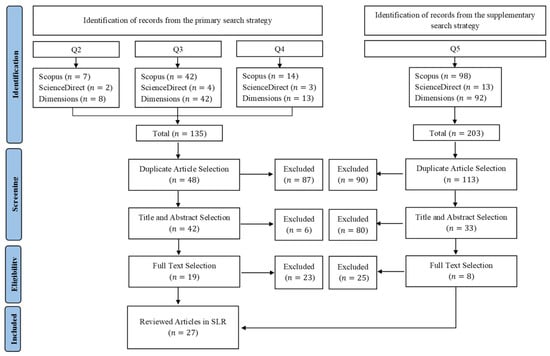
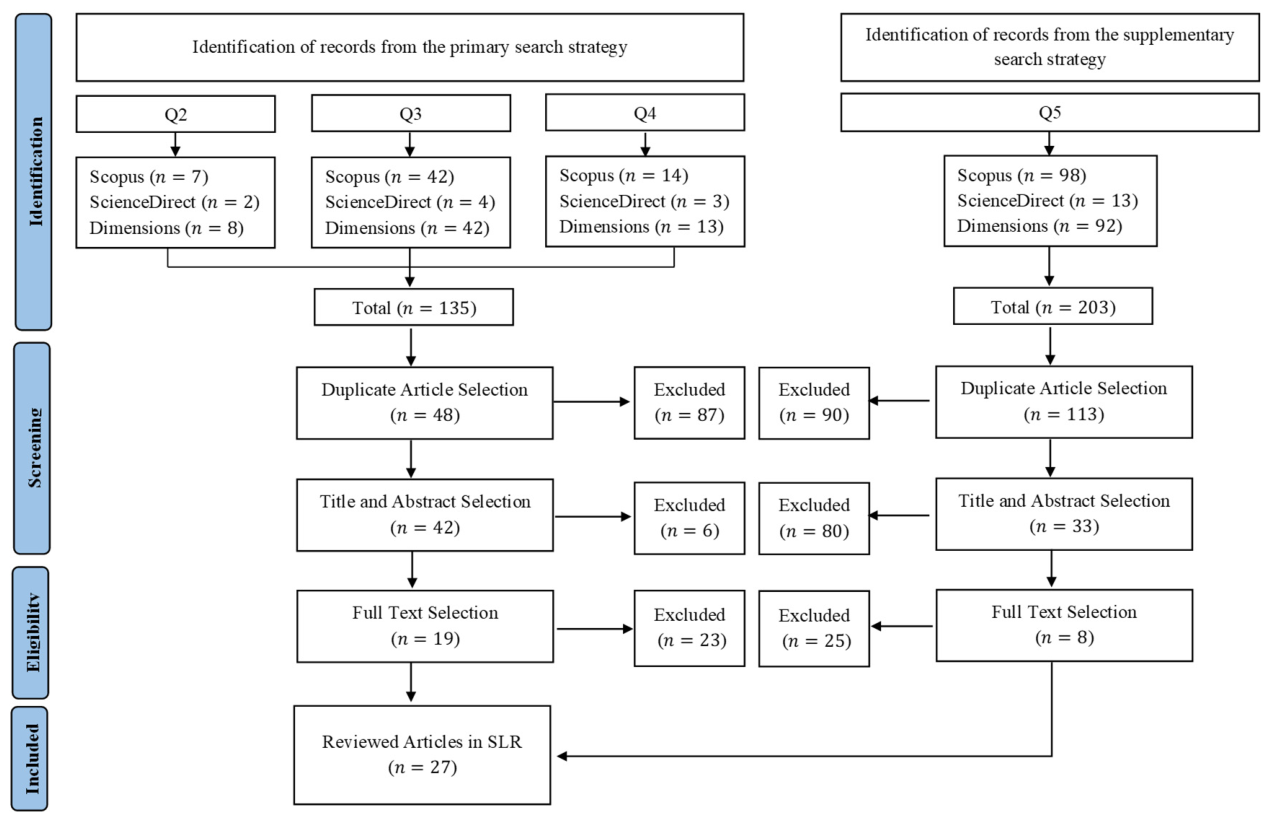
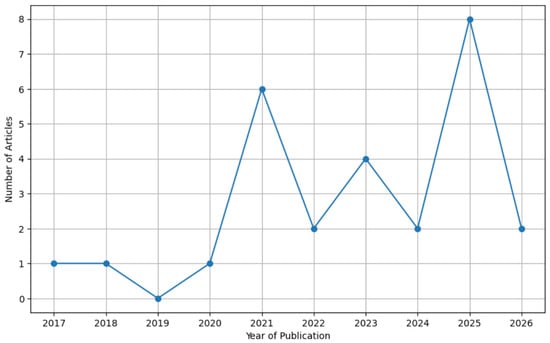
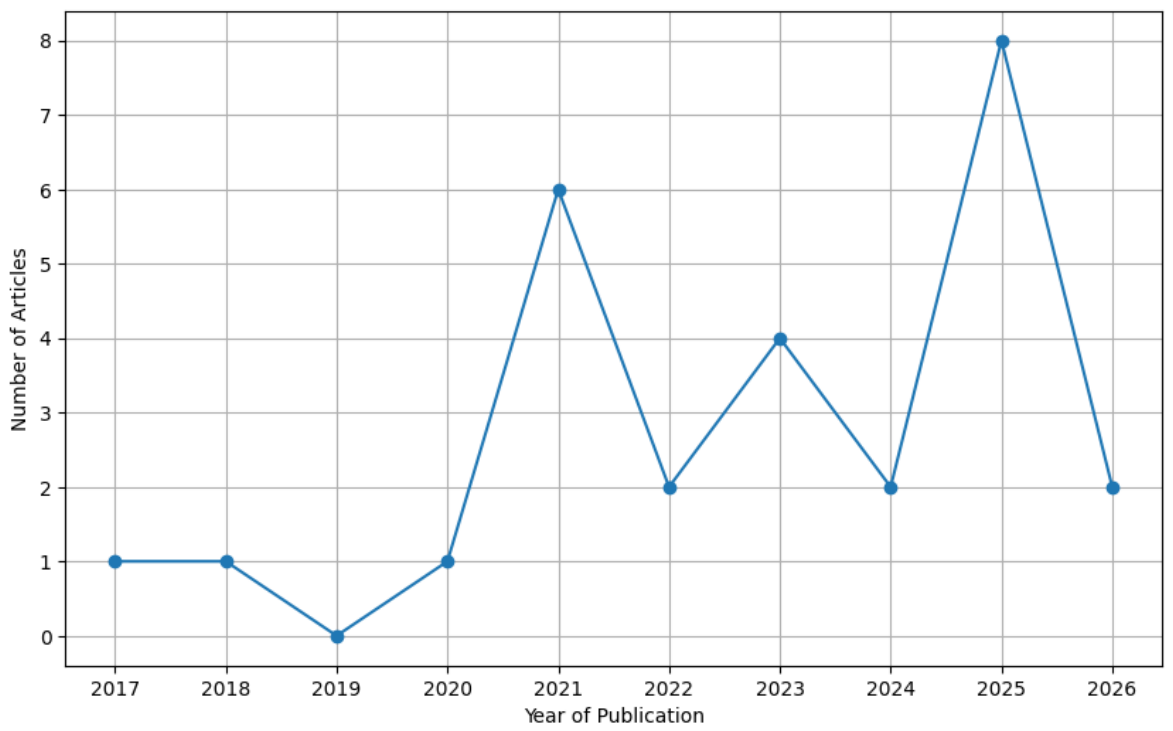
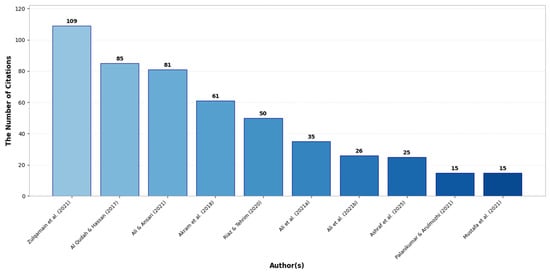
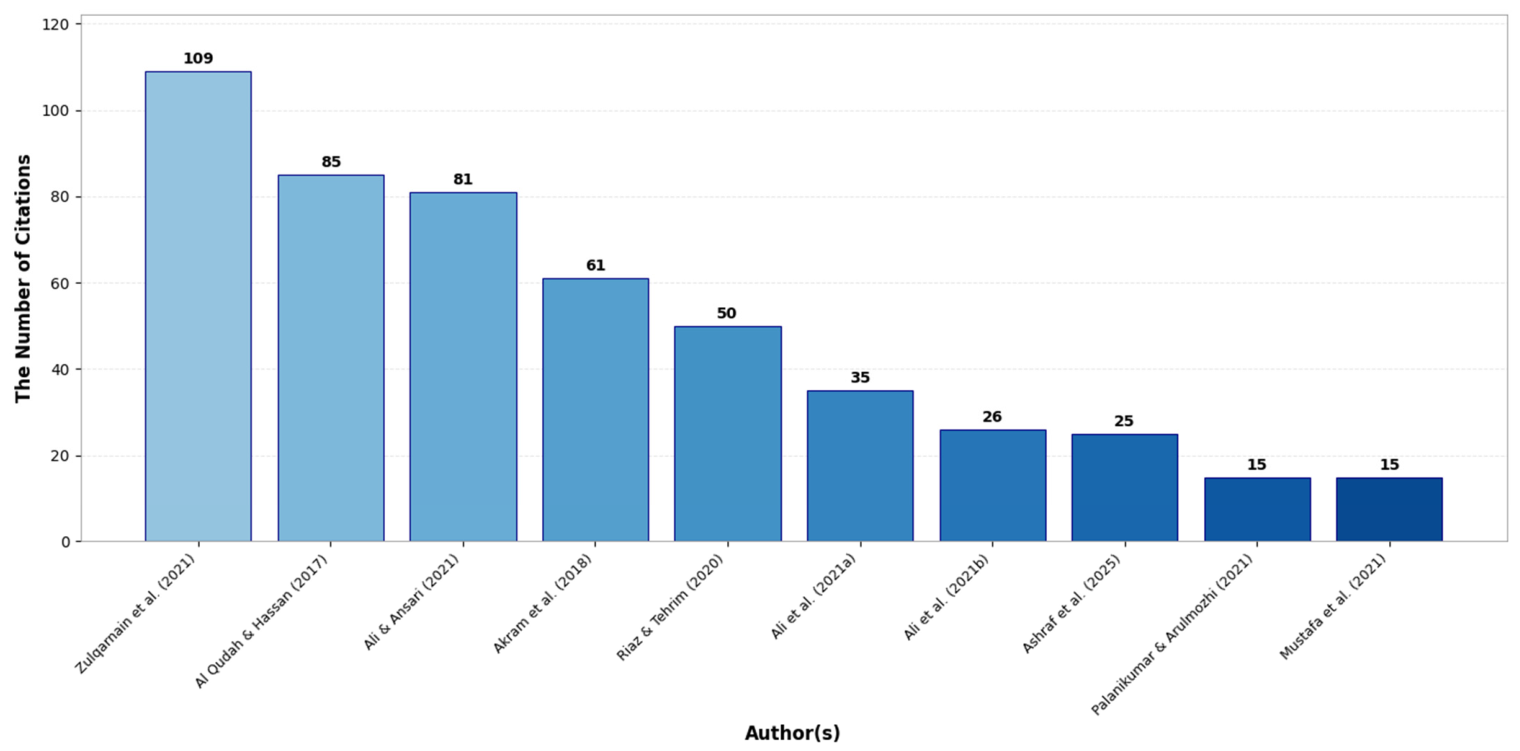
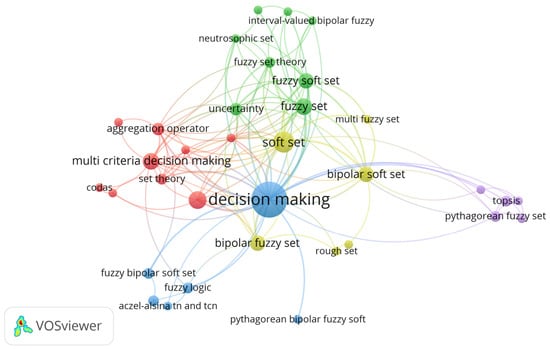
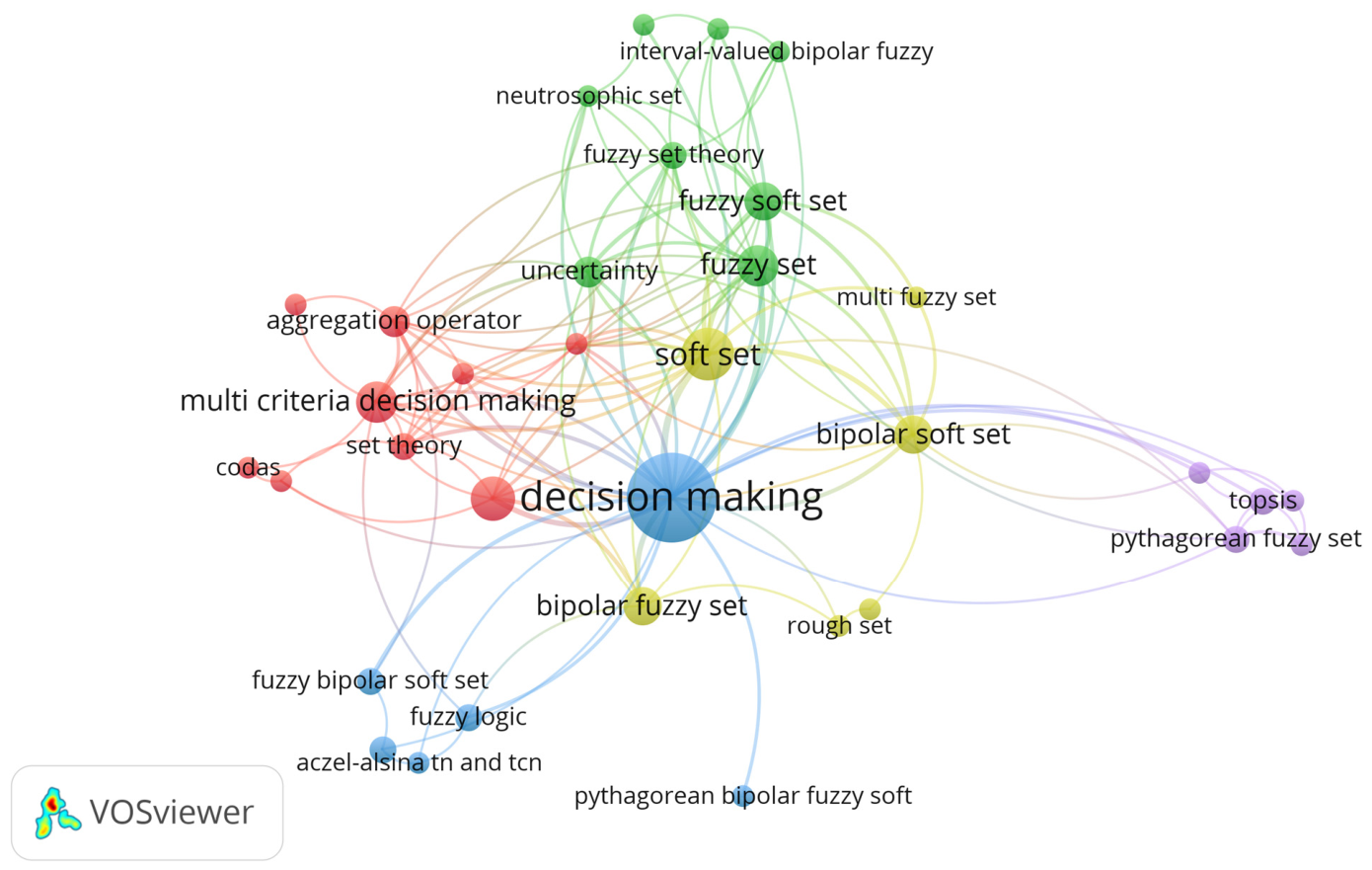

Disclaimer/Publisher’s Note: The statements, opinions and data contained in all publications are solely those of the individual author(s) and contributor(s) and not of MDPI and/or the editor(s). MDPI and/or the editor(s) disclaim responsibility for any injury to people or property resulting from any ideas, methods, instructions or products referred to in the content. |
© 2026 by the authors. Licensee MDPI, Basel, Switzerland. This article is an open access article distributed under the terms and conditions of the Creative Commons Attribution (CC BY) license.