


Abstract
Nature-based wellness resorts have emerged as tourism spaces that integrate leisure, wellness, and sustainability. However, the psychological mechanism through which these resort experiences shape visitors’ positive emotions and sustainable behavioral intention remains insufficiently understood. Drawing on Schmitt’s strategic experiential modules and the stimulus–organism–response framework, this study examines the relationships among nature-based wellness resort experiences, positive emotional experience, leisure satisfaction, attitude toward sustainable resort use, and sustainable behavioral intention. An online survey was conducted among Korean adults who had visited green-season nature-based wellness resorts in Gangwon-do and Gyeonggi-do, South Korea, within the previous 12 months. Using 786 valid responses, the data were analyzed through confirmatory factor analysis and structural equation modeling. The results showed that feel, act, and relate experiences significantly influenced positive emotional experience, with act experience having the strongest effect, whereas sense and think experiences were not significant predictors. Positive emotional experience positively influenced leisure satisfaction, attitude toward sustainable resort use, and sustainable behavioral intention. Leisure satisfaction and attitude toward sustainable resort use also had positive effects on sustainable behavioral intention. In addition, mediation analysis confirmed that leisure satisfaction and attitude toward sustainable resort use partially mediated the relationship between positive emotional experience and sustainable behavioral intention. These findings extend experiential marketing theory and the S-O-R framework to nature-based wellness resort research and demonstrate that positive emotional experience serves as a key psychological pathway linking resort experiences to sustainable behavioral intention.
1. Introduction
In recent tourism and hospitality research, resorts have gradually been redefined as experiential spaces that go beyond their traditional roles of accommodation and leisure provision. Contemporary resorts are expected to provide visitors with integrated experiences that include sensory pleasure, emotional recovery, healthy leisure lifestyles, and sustainable tourism consumption [1,2,3]. This transformation is particularly evident in ski and mountain resorts. Traditionally, ski resorts have been regarded as seasonal recreational facilities that rely heavily on snow-based winter sports. More recently, however, many ski resorts have been repositioned as four-season mountain tourism destinations by combining mountain landscapes, forest resources, walking trails, wellness facilities, and nature-based leisure activities.
This transition is closely related to structural changes in the ski tourism market. Ski tourism is vulnerable to climate change, unstable snowfall, and changing leisure preferences. Recent studies on Alpine ski destinations suggest that climate adaptation in snow-dependent destinations requires not only technical responses, such as snowmaking, but also broader diversification strategies [4]. In this regard, the development of green-season wellness experiences can be understood not merely as an additional leisure product but as part of a broader strategy for transforming ski and mountain resorts into sustainable year-round mountain destinations [5]. In response, many ski resorts have expanded non-ski activities and wellness-oriented services and facilities to reduce seasonal dependence and diversify visitor demand [6,7]. Previous studies have also shown that ski resorts are diversifying their winter sport-centered business models by introducing hiking, mountain biking, events, nature-based leisure activities, and wellness programs, thereby transforming themselves into year-round mountain tourism destinations [8]. This trend indicates that resort visitors’ motivations are no longer limited to sport participation or accommodation services, but have expanded to include rest in natural environments, psychological stability, emotional recovery, social bonding with family members or companions, and the pursuit of healthier lifestyles [9,10,11]. In this sense, green-season resort experiences have become an important strategic basis for reinterpreting ski and mountain resorts as nature-based wellness destinations.
Research on wellness hotels, resort hotels, and forest-based tourism supports this broader shift. Wellness-oriented hospitality settings have been conceptualized as hospitality environments that promote physical and psychological recovery through environmental, physical, mental, sensory, social, cultural, and natural dimensions [12,13,14]. These studies suggest that resorts with nature-based resources such as arboretums, forests, walking trails, and forest bathing areas can be conceptualized as nature-based wellness resorts that facilitate emotional recovery, leisure satisfaction, social bonding, and wellness-oriented experiences.
Growing interest in nature-based wellness experiences is also evident in forest bathing research. In tourism and hospitality studies, forest bathing has increasingly been interpreted as a nature-based wellness tourism practice associated with immersion, mindfulness, well-being, and restorative experiences. Farkic et al. [10] conceptualized forest bathing as a mindful tourism practice, while Li and Wen [15] empirically examined the psychological mechanism through which forest-based wellness tourism is linked to trust, self-efficacy, perceived value, and tourism intention. These studies suggest that natural environments can shape visitors’ psychological responses and subsequent behavioral intentions. However, nature-based wellness resorts differ from stand-alone forest bathing sites because they combine natural resources, accommodation, leisure infrastructure, wellness programs, and resort-based services within an integrated destination setting. Therefore, it is necessary to examine the psychological and behavioral effects of nature-based wellness resort experiences among visitors who experience natural resources such as arboretums, forest bathing areas, and mountain landscapes [16].
Despite growing interest in wellness and nature-based tourism, existing resort and ski resort studies have largely focused on traditional marketing outcome variables such as service quality, facility attributes, customer satisfaction, choice attributes, revisit intention, and recommendation intention. Although these approaches have contributed to explaining visitor satisfaction and loyalty, they have not sufficiently clarified the psychological process through which nature-based resort experiences generate emotional responses and are translated into sustainable behavioral intention. This limitation is important because, in nature-based wellness resorts, the natural environment is not merely a scenic background. It is a core experiential resource and also a sustainability-related asset that must be managed, protected, and continuously valued by visitors. Thus, in the context of nature-based wellness resorts, visitors’ behavioral intention should not be understood merely as the result of facility satisfaction or functional evaluation. Rather, it needs to be explained as outcomes formed through internal psychological responses, such as positive emotional experience, leisure satisfaction, and attitude toward sustainable resort use. Sustainable behavioral intention is especially relevant in this context because it extends the meaning of conventional revisit or recommendation intention. It reflects visitors’ willingness to continue using, recommending, and supporting resort experiences that are compatible with nature-friendly and sustainable resort development. This perspective is particularly meaningful for ski and mountain resorts seeking to reduce winter-season dependence and develop green-season wellness experiences.
Based on this research gap, the present study applies Schmitt’s experiential marketing theory to the context of nature-based wellness resorts. This theory posits that consumers evaluate services and spaces not only through functional benefits but also through holistic experiences involving sensory, affective, cognitive, behavioral, and relational dimensions [17]. This multidimensional experiential approach is particularly useful for explaining resort experiences because nature-based wellness resorts are not consumed through a single attribute or service encounter. Rather, visitors experience them through natural scenery, emotional comfort, reflections on wellness and sustainability, participation in outdoor or wellness activities, and relationships with companions, local environments, and resort values. Accordingly, Schmitt’s sense, feel, think, act, and relate experiential modules provide a structured basis for explaining the experiential stimuli offered by nature-based wellness resorts.
This study also adopts the stimulus–organism–response framework to explain how nature-based wellness resort experiences are transformed into sustainable behavioral intention through visitors’ internal psychological responses [18,19,20]. The S-O-R framework proposes that external environmental stimuli influence individuals’ internal affective or cognitive states, which subsequently shape behavioral responses. In this study, sense, feel, think, act, and relate experiences are conceptualized as experiential stimuli provided by nature-based wellness resorts. These stimuli are expected to generate visitors’ positive emotional experience, which may then extend to leisure satisfaction and attitude toward sustainable resort use. Ultimately, these internal responses may lead to sustainable behavioral intention as the final behavioral response. This framework allows the study to move beyond a simple satisfaction–loyalty logic and to clarify the process through which green-season nature-based wellness resort experiences become linked to sustainable tourism consumption behavior.
The specific objectives of this study are threefold. First, it examines how the five experiential dimensions of sense, feel, think, act, and relate influence positive emotional experience in nature-based wellness resorts. Second, it investigates how positive emotional experience affects leisure satisfaction, attitude toward sustainable resort use, and sustainable behavioral intention. Third, it tests the mediating roles of leisure satisfaction and attitude toward sustainable resort use in the relationship between positive emotional experience and sustainable behavioral intention. This study contributes to the literature in several ways. First, it extends resort and wellness tourism research by shifting attention from service quality and satisfaction-centered approaches to the experiential and psychological mechanisms underlying nature-based wellness resort experiences. Second, it clarifies how Schmitt’s experiential modules can be integrated into an S-O-R-based model of sustainable behavioral intention. Third, it provides practical implications for ski and mountain resorts seeking to reposition themselves as green-season, nature-based wellness destinations while responding to climate vulnerability, seasonality, and changing visitor demand.
2. Literature Review and Hypothesis Development
2.1. Nature-Based Wellness Resort Experiences and Positive Emotional Experience
Unlike general hotels, resorts have been conceptualized as tourism spaces that provide complex stay experiences by combining accommodation functions with diverse amenities, recreational facilities, natural environments, and leisure programs. Accordingly, resorts have been classified into various types, such as ski resorts, marina resorts, golf resorts, and spa resorts, depending on their location, core activities, facility composition, and visitor purposes [21]. However, although wellness resorts have rapidly expanded in tourism and hospitality practice, they have not yet been firmly established in the academic literature as an independent resort type based on specific activities or locations in the same way as ski resorts or marina resorts. In particular, the concept of wellness resorts partially overlaps with adjacent concepts such as wellness hotels, spa resorts, resort hotels, healing tourism, and wellness tourism. Previous studies have also noted conceptual ambiguity regarding the definitions and boundaries of wellness customers and wellness-related tourism concepts [22,23].
From this perspective, this study conceptualizes nature-based wellness resorts as resort contexts that provide visitors with multidimensional wellness experiences through nature-based resources, accommodation services, leisure infrastructure, and wellness-oriented programs. These resorts are distinguished from general wellness hotels or stand-alone forest healing sites because they integrate natural landscapes, resort facilities, activity programs, and hospitality services within a single destination setting. This conceptualization is consistent with studies suggesting that wellness hotels can be understood as spaces that provide environmental, physical, and psychological wellness, as well as recent research showing that healing experiences at resort hotels may consist of sensory, social, wellness-cultural, and natural dimensions [11,12]. Recent wellness tourism research also supports the importance of restorative environments in explaining tourists’ perceptions of wellness tourism destinations. Jeong [24] showed that tourists’ perceived restorative environments are closely related to how they evaluate wellness tourism destinations. This suggests that the restorative qualities of natural environments can serve as an important experiential condition in nature-based wellness resorts, particularly in shaping visitors’ positive emotional responses. Thus, nature-based wellness resort experiences should not be understood merely as nature appreciation or facility use. Rather, they can be viewed as holistic experiences that stimulate visitors’ senses, emotions, thoughts, behaviors, and relationships.
To explain nature-based wellness resort experiences, this study adopts Schmitt’s experiential marketing theory. Experiential marketing theory assumes that consumers evaluate services or spaces not only through functional benefits but also through holistic experiences involving sensory, affective, cognitive, behavioral, and relational dimensions [25]. Schmitt proposed five strategic experiential modules—sense, feel, think, act, and relate—which provide a useful framework for explaining what consumers perceive, feel, think, do, and how they connect with others and the broader social context in a given service environment [26]. This framework is particularly useful for nature-based wellness resorts because visitors experience such resorts through natural scenery, emotional comfort, wellness-related reflection, participation in outdoor activities, and relational connections with companions, local environments, and resort values.
In the context of this study, sense experience includes sensory stimuli such as the scent of forests, sounds of nature, mountain landscapes, and the seasonal atmosphere of arboretums. Feel experience refers to comfort, pleasure, and a sense of healing in nature, whereas think experience involves reflection on nature, health, wellness, and sustainability. Act experience can be understood as participation in physical activities such as walking, hiking, forest bathing, and wellness programs. Relate experience includes visitors’ sense of connection with family members, companions, local communities, natural environments, and the values pursued by the resort. Therefore, nature-based wellness resort experiences need to be understood not as a single service attribute but as a complex experiential structure composed of multiple experiential stimuli.
The relationship between these experiential stimuli and visitors’ psychological responses can be explained through the stimulus–organism–response framework. The S-O-R framework suggests that external environmental stimuli influence individuals’ internal psychological states, which subsequently shape behavioral responses. Jacoby [19] argued that the stimulus–organism–response structure provides a useful framework for integrating the relationships among external stimuli, internal responses, and behavioral outcomes in consumer behavior research. From the S-O-R perspective, sense, feel, think, act, and relate experiences in nature-based wellness resorts can be conceptualized as external experiential stimuli perceived by visitors. Positive emotional experience, in turn, represents a key organism-level psychological response generated by these stimuli [27,28].
Positive emotional experience refers to visitors’ positive psychological responses during nature-based wellness resort experiences, including pleasure, happiness, comfort, restoration, hope, and a sense of meaningfulness [9]. Wellness tourism research suggests that tourists seek multidimensional benefits beyond simple rest or consumption, including escape from daily life, physical health, self-esteem recovery, relationships with significant others, and personal transformation [29]. In addition, studies on resort hotel healing experiences and forest bathing have shown that natural environments, sensory stimuli, social relationships, and wellness-oriented activities can contribute to visitors’ restorative experiences and well-being [11,14,30].
In hotel and resort contexts, physical environments and guest experiences have also been identified as important antecedents of customers’ emotional well-being and affective responses. Lockwood and Pyun [31] demonstrated that hotel servicescapes influence customers’ emotional states and behavioral responses. Ali and Amin [32] showed that the physical environment of resort hotels in China can affect customers’ emotions, satisfaction, and behavioral intentions. Park et al. [33] further confirmed that hotel servicescapes are associated with positive affect, satisfaction, and behavioral intentions. Kim and Perdue [34] found that not only cognitive attributes but also affective and sensory attributes play important roles in hotel choice. These studies support the view that sensory, affective, cognitive, behavioral, and relational experiences in nature-based wellness resorts can function as core experiential stimuli that elicit visitors’ positive emotional experience.
Accordingly, this study predicts that the multidimensional experiential factors of nature-based wellness resorts serve as major antecedents of visitors’ positive emotional experience. Specifically, sense, feel, think, act, and relate experiences represent experiential stimuli at the stimulus stage of the S-O-R framework, and these stimuli may generate positive emotional experience such as pleasure, happiness, comfort, restoration, hope, and meaningfulness. Based on this reasoning, the following hypotheses are proposed:
Hypothesis 1.
Nature-based wellness resort experiences positively influence positive emotional experience.
Hypothesis 1-1.
Sense experience positively influences positive emotional experience.
Hypothesis 1-2.
Feel experience positively influences positive emotional experience.
Hypothesis 1-3.
Think experience positively influences positive emotional experience.
Hypothesis 1-4.
Act experience positively influences positive emotional experience.
Hypothesis 1-5.
Relate experience positively influences positive emotional experience.
2.2. Positive Emotional Experience and Leisure Satisfaction
In tourism and hospitality research, emotion is understood not as a peripheral affective reaction but as a central psychological mechanism that explains post-experience evaluations and behavioral responses. Positive emotions experienced by tourists in a particular place or service environment play an important role in shaping subsequent responses, such as satisfaction, revisit intention, and recommendation intention. Previous studies have suggested that tourists’ emotional experiences can directly influence satisfaction and behavioral intention and may also form an indirect pathway in which satisfaction links emotional experience to behavioral intention [35]. From this perspective, positive emotional experience can be regarded as an important antecedent of leisure satisfaction among visitors to nature-based wellness resorts [36].
Leisure satisfaction refers to an individual’s overall evaluation of leisure activities and leisure time. Unlike transaction-specific satisfaction with a single service or facility, leisure satisfaction reflects psychological fulfillment, perceived quality of leisure life, and the value attached to leisure activities [37,38]. Leisure studies have argued that when individuals perceive their leisure activities positively and experience pleasant emotions during leisure, their leisure satisfaction increases, which may further contribute to improved quality of life [39]. Thus, positive emotions experienced at nature-based wellness resorts may not remain temporary reactions to a single visit. Instead, they can extend to visitors’ broader evaluation of their leisure experiences and leisure life.
This logic is further supported in the context of nature-based tourism. Previous studies have identified enjoyment of natural environments, escape from everyday life, pursuit of a healthy lifestyle, and intimacy with others as key motivations for nature-based tourism. Nature-based tourism experiences have also been shown to provide mental, social, and environmental well-being benefits [40,41]. In addition, psychological restoration and place attachment in nature-based destinations are closely associated with visit satisfaction, while perceived restorative environments may lead to happiness and satisfaction through restorative experiences and positive emotions [42,43]. These findings suggest that nature-based experiences such as arboretums, forests, forest bathing areas, and walking trails can generate psychological restoration, physical relaxation, and social bonding. The positive emotions formed through these experiences may subsequently enhance visitors’ leisure satisfaction.
Wellness tourism research further supports the relationship between positive emotional experience and satisfaction. Wellness tourists seek multidimensional benefits, including health promotion, psychological recovery, personal transformation, relationships with significant others, and improved quality of life. Recent studies have also treated wellness tourism experiences as key antecedents of tourist satisfaction, well-being, and loyalty. Liu et al. [44] found that wellness tourism experiences influence tourist satisfaction as well as hedonic and eudaimonic well-being, and that tourist satisfaction can mediate the relationship between wellness tourism experiences and well-being. Ahn and Kim [45] also showed that experiential and reflective engagement among wellness tourists can be positively associated with satisfaction and destination loyalty. Together, these studies indicate that wellness-oriented experiences can extend positive emotional responses into broader evaluations of leisure satisfaction, well-being, and loyalty.
Accordingly, this study predicts that positive emotional experience formed during nature-based wellness resort visits enhances visitors’ leisure satisfaction. Based on this reasoning, the following hypothesis is proposed:
Hypothesis 2.
Positive emotional experience positively influences leisure satisfaction.
2.3. Positive Emotional Experience and Attitude Toward Sustainable Resort Use
In this study, attitude toward sustainable resort use is defined as visitors’ positive evaluation of nature conservation, eco-friendly resort operations, coexistence with local communities, and sustainable leisure consumption. This conceptualization is consistent with the view that sustainable tourism attitudes include multidimensional components such as environmental sustainability, community participation, and long-term planning [46]. Tourists’ attitudes toward sustainable development may also involve empathetic evaluations of nature conservation and community development, which serve as important psychological foundations for understanding sustainable tourism behavior [47]. In green hotel research, eco-friendly operations, environmental knowledge, green attitudes, and green consumption values have been shown to influence customers’ green hotel choice and revisit intention [48,49]. These studies suggest that attitude toward sustainable resort use can be understood not merely as environmental awareness but as an evaluative attitudinal construct related to sustainable tourism consumption and responsible resort use.
In sustainable tourism research, the attitude–behavior gap and the intention–behavior gap have been widely discussed as important research issues. These gaps imply that tourists’ favorable perceptions of sustainability do not always lead to actual behavior or behavioral intention [50]. Therefore, to understand sustainable behavior more precisely, it is necessary to examine the experiential and emotional processes through which tourists’ sustainable attitudes are formed. This perspective is particularly relevant to nature-based wellness resorts because the natural environment functions not only as a setting for leisure activities but also as a core experiential and sustainability-related resource. In such settings, visitors’ positive emotional experiences may play an important role in shaping favorable attitudes toward sustainable resort use.
From an emotional perspective, tourists’ sustainable attitudes are not formed solely through rational judgment or normative awareness; they may also be closely connected to positive emotions formed during tourism experiences. Gezhi and Xiang [51] showed that tourists’ positive emotions can be associated with ethical and philanthropic environmentally responsible behaviors, while also noting that emotional states have been relatively overlooked in research on tourists’ environmentally responsible behavior. This finding suggests that positive emotions may serve as a psychological basis for forming favorable evaluations of sustainable tourism practices. Similarly, in nature-based tourism and ecotourism research, emotion has been treated as an important psychological pathway for explaining sustainable behavior. Jiang et al. [52] found that perceptions of natural environments influence tourists’ awe and satisfaction, and that these internal responses can be linked to environmentally responsible behavior. This indicates that natural environments may influence sustainable behavior not only directly but also indirectly through affective and evaluative responses, such as awe and satisfaction.
Recent studies further emphasize the need to consider emotional experiences alongside normative and cognitive judgments when explaining sustainable tourism behavior. Tang et al. [53] suggested that eco-friendly destination evaluations can influence tourists’ emotions, pro-environmental responsibility, and environmental intentions in the context of eco-destinations. They also highlighted the important role of emotional experience in shaping tourists’ pro-environmental responsibility and intentions. These findings imply that positive emotional experience formed in nature-based wellness resorts may encourage visitors to evaluate nature conservation, eco-friendly resort operations, and sustainable leisure consumption more favorably.
Wellness tourism research also reports a relationship between attitudes and future use intentions. Recent studies have shown that attitudes toward wellness tourism can positively influence intentions to use wellness tourism services [54], suggesting that favorable evaluations of wellness experiences may promote future wellness tourism consumption. In this study, positive emotions such as pleasure, happiness, and restoration experienced in nature-based wellness resorts are expected to extend beyond personal satisfaction and develop into favorable attitudes toward nature conservation, eco-friendly resort operations, coexistence with local communities, and sustainable leisure consumption. Based on this reasoning, the following hypothesis is proposed:
Hypothesis 3.
Positive emotional experience positively influences attitude toward sustainable resort use.
2.4. Leisure Satisfaction, Attitude Toward Sustainable Resort Use, and Sustainable Behavioral Intention
In this study, sustainable behavioral intention is defined as a broader behavioral tendency that extends beyond conventional revisit and recommendation intentions. It includes visitors’ intentions to continue using nature-based wellness resorts, engage in sustainable leisure consumption, support eco-friendly resort operations, and pay a premium for sustainability-oriented resort services. This definition is consistent with green hotel research, in which behavioral intentions have often been measured through intentions to use eco-friendly lodging, positive word of mouth, revisit intention, and in some studies, willingness to pay a premium [48,55,56]. In addition, nature-based tourism studies have suggested that place satisfaction, place attachment, pro-environmental behavioral intention, and environmentally responsible behavior are closely interrelated [57]. Therefore, sustainable behavioral intention can be understood as a broad behavioral tendency among visitors to nature-based wellness resorts to revisit the resort, recommend it to others, and support its sustainable operating practices.
From the perspective of the S-O-R framework, sustainable behavioral intention can be regarded as the final behavioral response that emerges from visitors’ emotional and evaluative reactions formed through nature-based wellness resort experiences. The S-O-R framework explains that external stimuli influence individuals’ cognitive and affective responses, which subsequently shape behavioral intentions [19]. In tourism and hospitality research, resort hotel experiences, rural tourism servicescapes, and green hotel experiential stimuli have been shown to influence outcomes such as eWOM, continuance intention, and pro-environmental behavioral intention through internal responses, including well-being, emotions, satisfaction, and attitudes [2,58]. This suggests that leisure satisfaction and attitude toward sustainable resort use may serve as important psychological pathways through which nature-based wellness resort experiences are translated into sustainable behavioral intention.
Leisure satisfaction can first be understood as an important evaluative response that contributes to the formation of sustainable behavioral intention. In the context of this study, leisure satisfaction refers to the extent to which visitors evaluate the leisure time and activities experienced at the resort as meaningful, enjoyable, restorative, and valuable. In tourism and hospitality research, satisfaction has long been treated as a key predictor of subsequent behavioral intentions, including revisit intention, recommendation intention, word of mouth, and loyalty. Chen and Chen [59] empirically demonstrated that experience quality in heritage tourism can lead to behavioral intention through perceived value and satisfaction. Similarly, Wang and Li [60], in their meta-analysis of tourist loyalty, identified satisfaction as one of the major determinants of tourist loyalty.
Satisfaction has also been recognized as an important factor explaining post-visit behavioral responses in ski tourism and nature-based tourism contexts. Kong et al. [61] showed that ski tourism service quality can influence tourists’ leisure satisfaction and loyalty. Cheng et al. [62] further demonstrated that visitor satisfaction in nature-based destinations can be associated with behavioral intentions and destination sustainability. These findings support the argument that, in the context of nature-based wellness resorts, visitors who evaluate their leisure experiences more positively are more likely to continue using the resort, recommend it to others, and support its sustainable operations.
Accordingly, leisure satisfaction may function as a key antecedent in the process through which positive evaluations formed during nature-based wellness resort experiences are transformed into sustainable behavioral responses. Based on this reasoning, the following hypothesis is proposed:
Hypothesis 4.
Leisure satisfaction positively influences sustainable behavioral intention.
Positive emotional experience may serve as a key psychological antecedent of sustainable behavioral intention. In the context of nature-based wellness resorts, positive emotional experience refers to visitors’ affective responses during the resort experience, including pleasure, happiness, hope, psychological stability, and restoration. In tourism research, emotional experience has been widely regarded as a central psychological mechanism through which tourists evaluate the quality of their experiences and form subsequent behavioral intentions. The structural relationships among positive emotion, satisfaction, and behavioral intention have also been consistently examined in prior studies [15,63]. From this perspective, positive emotional experience should not be understood merely as a temporary affective response formed during a visit. Rather, it can function as an important psychological basis that encourages visitors’ future choices, recommendations, revisit intention, and supportive behaviors.
In the context of sustainable tourism, positive emotion has been discussed as a key factor that promotes environmentally responsible behavior and pro-environmental behavioral intention. Gezhi and Xiang [51] demonstrated that tourists’ positive emotions can be positively associated with ethical and philanthropic environmentally responsible behaviors. Tang et al. [53] showed that emotional experience can play an important role in shaping tourists’ pro-environmental responsibility and environmental intentions in eco-destination contexts. These studies indicate that positive emotional experience may extend beyond personal enjoyment and develop into behavioral intentions that support nature conservation and sustainable tourism consumption.
In nature-based wellness resorts, nature-based experiences such as forests, arboretums, walking trails, and forest bathing areas can provide visitors with pleasure, psychological stability, restoration, and happiness. These positive emotions may lead not only to intentions to revisit the resort or recommend it to others but also to behavioral intentions that support nature conservation and sustainable resort operations. Thus, visitors whose resort experiences generate positive emotional responses may be more willing to continue using the resort, recommend it to others, and support its sustainability-oriented values and operations.
Recent studies further support this interpretation. Restorative tourism environments have been found to promote tourists’ well-being and environmentally responsible behavior, while positive emotions have been identified as important affective mechanisms that encourage tourists’ pro-environmental choices and environmentally responsible behaviors [64,65]. In addition, ecotourism research has shown that tourist experience quality can strengthen place attachment and pro-environmental behavior. Similarly, studies on nature-based camping have demonstrated structural relationships among ecotourism motivation, satisfaction, place attachment, and environmentally responsible behavioral intention [66,67]. These findings further support the view that positive emotional experience formed in nature-based wellness resorts may directly contribute to sustainable behavioral intention.
Accordingly, positive emotional experience may function not only as an indirect antecedent of sustainable behavioral intention through leisure satisfaction and attitude toward sustainable resort use but also as a direct psychological driver of sustainable behavioral intention. Based on this reasoning, the following hypothesis is proposed:
Hypothesis 5.
Positive emotional experience positively influences sustainable behavioral intention.
Attitude toward sustainable resort use can be defined as visitors’ positive evaluation of nature conservation, coexistence with local communities, eco-friendly resort operations, and sustainable leisure consumption. In tourism and hospitality research, attitude has been widely treated as an evaluative orientation that influences behavioral intention toward a particular object, service, or behavior. The relationship between attitude and behavioral intention is supported by studies suggesting that sustainable tourism attitudes include environmental sustainability, community participation, and long-term planning, as well as by research showing that attitude plays a central psychological role in tourists’ sustainable choices [46,68].
This relationship has also been consistently examined in green hotel and sustainable tourism studies. Green hotel research has shown that environmental knowledge, eco-friendly attitudes, and green consumption values can influence customers’ choices of green lodging and behavioral intentions [49,69]. In addition, hospitality and tourism studies have reported that customers’ perceptions of eco-friendly operating practices, such as water conservation and waste reduction, can increase their intentions to participate in green practices and enhance loyalty intentions. Hotel sustainability practices have also been found to play an important role in shaping guests’ attitudinal loyalty [70,71]. Recent studies further suggest that green hotel practices can promote not only revisit and recommendation intentions but also green customer citizenship behavioral intentions [72,73]. Recent green hotel research further supports the role of attitude in predicting sustainability-related visit intention. Wang et al. [74] showed that attitude positively influences young adults’ intention to visit green hotels, even within an extended theory of planned behavior model that includes familiarity, novelty, trust, and perceived risk. This finding suggests that favorable evaluations of sustainability-oriented hospitality practices can serve as important psychological antecedents of sustainable behavioral intention in resort and accommodation contexts.
This logic can also be applied to the context of nature-based wellness resorts. Because the natural environment itself serves as a core experiential resource in nature-based wellness resorts, visitors who positively evaluate a resort’s nature conservation efforts, eco-friendly operating practices, community-oriented strategies, and sustainable leisure consumption values are more likely to continue using the resort, recommend it to others, and support its sustainable operations. In this sense, attitude toward sustainable resort use may function not merely as environmental awareness but as an important psychological foundation that supports the sustainable operation and use of nature-based wellness resorts [75,76,77].
Accordingly, this study predicts that visitors’ attitude toward sustainable resort use in nature-based wellness resorts positively influences sustainable behavioral intention. Based on this reasoning, the following hypothesis is proposed:
Hypothesis 6.
Attitude toward sustainable resort use positively influences sustainable behavioral intention.
2.5. Mediating Effects of Leisure Satisfaction and Attitude Toward Sustainable Resort Use
The process through which nature-based wellness resort experiences lead to sustainable behavioral intention cannot be fully explained as a simple stimulus–response relationship. Rather, the natural environment, wellness programs, restorative atmosphere, and experiential cues of resorts may first evoke visitors’ emotional responses, which are then translated into behavioral intentions through cognitive evaluations and value-based attitude formation [19,35,78,79,80]. In tourism and hospitality research, service environments and experiential cues have been shown to elicit tourists’ emotional responses, which subsequently lead to satisfaction, attitudes, and behavioral intentions [81,82]. In nature-based tourism contexts, perceived value, flow experience, and satisfaction have also been discussed as important mechanisms linking tourism experiences to environmentally responsible behavior and destination loyalty [79,83].
From this perspective, in nature-based wellness resorts where natural landscapes, restorative qualities, wellness activities, and eco-friendly operating practices are combined, positive emotional experience may influence sustainable behavioral intention both directly and indirectly. More specifically, part of this effect may be transmitted through visitors’ leisure satisfaction and attitude toward sustainable resort use [44,55,84]. In other words, even when visitors experience positive emotions such as pleasure, happiness, and restoration at a resort, these emotions may become more behaviorally meaningful when accompanied by favorable evaluations of their leisure experience and positive attitudes toward sustainable resort use as they develop into sustainable behavioral intention.
Mediation refers to the process through which a specific variable explains the pathway or mechanism by which an independent variable influences a dependent variable [85]. Recent mediation research has emphasized that mediation should not be interpreted solely based on whether the direct effect between the independent and dependent variables is significant. Instead, greater attention should be paid to whether the theoretically specified indirect effect is statistically significant and whether it provides meaningful insight into the psychological mechanism underlying the research model [86,87,88]. Accordingly, this study examines the mediating roles of leisure satisfaction and attitude toward sustainable resort use in the relationship between positive emotional experience and sustainable behavioral intention.
First, leisure satisfaction can be regarded as an important evaluative mediator that explains the relationship between positive emotional experience and sustainable behavioral intention in nature-based wellness resorts [89]. Leisure satisfaction reflects the extent to which visitors evaluate their leisure activities and leisure time as meaningful, enjoyable, restorative, and valuable. When visitors experience positive emotions in nature-based wellness resorts, they are more likely to evaluate their leisure experience favorably. Such satisfaction may, in turn, strengthen their intentions to continue using the resort, recommend it to others, and support its sustainable operating practices [90,91]. Therefore, leisure satisfaction may serve as a key mediating factor that explains the emotion–satisfaction–behavior pathway from positive emotional experience to sustainable behavioral intention.
Second, attitude toward sustainable resort use can be understood as a value-based evaluative mediator that explains the relationship between positive emotional experience and sustainable behavioral intention [74,92,93]. Attitude toward sustainable resort use refers to visitors’ positive evaluation of the resort’s responsible values, including nature conservation, eco-friendly operations, coexistence with local communities, and sustainable leisure consumption. According to the theory of planned behavior, attitude toward a specific behavior is a key antecedent of behavioral intention. Green hotel and sustainable tourism studies have also shown that attitude plays an important role in shaping green lodging choices, environmentally responsible behavior, and sustainable tourism behavioral intention [94,95]. Thus, positive emotional experience formed in nature-based wellness resorts may enhance favorable attitudes toward sustainable resort use, which can subsequently lead to sustainable behavioral intention.
Taken together, positive emotional experience in nature-based wellness resorts may also contribute to sustainable behavioral intention through two psychological pathways. First, positive emotional experience may enhance visitors’ overall satisfaction with their leisure experience, thereby strengthening intentions to continue using the resort, recommend it to others, and support sustainable resort operations. This represents an emotion–satisfaction pathway. Second, positive emotional experience may foster favorable attitudes toward sustainable resort use, which in turn may enhance sustainable behavioral intention. This represents an emotion–attitude pathway. Therefore, leisure satisfaction and attitude toward sustainable resort use can be understood as key mediating mechanisms that explain the relationship between positive emotional experience and sustainable behavioral intention. Based on this reasoning, the following hypotheses are proposed:
Hypothesis 7.
Leisure satisfaction mediates the relationship between positive emotional experience and sustainable behavioral intention.
Hypothesis 8.
Attitude toward sustainable resort use mediates the relationship between positive emotional experience and sustainable behavioral intention.
Drawing on the literature review and hypothesis development, this study proposes the research model shown in Figure 1.
Figure 1.
Proposed research model.
3. Research Method
3.1. Study Sites
This study selected major nature-based wellness resorts in South Korea as its research sites. The selected sites were four-season integrated resorts located in Gangwon-do and Gyeonggi-do. These resorts operate ski facilities during the winter season and provide nature-based wellness activities during the green season, including arboretums, forest bathing areas, walking trails, hiking courses, spas, and trekking programs. Specifically, the study sites included Mona Yongpyong Resort, Phoenix Park, Welli Hilli Park, Vivaldi Park, and Alpensia Resort in Gangwon-do, as well as Konjiam Resort in Gyeonggi-do. These resorts were considered appropriate for the purpose of this study because they function as four-season resorts that provide a combination of seasonal leisure, recreation, healing, and nature-based experiential activities beyond simple accommodation and relaxation. During the green season, these resorts offer nature-based wellness experiences that combine outdoor recreation, restorative natural environments, and resort-based leisure services. Therefore, the selected study sites were deemed suitable for examining the context of nature-based wellness resorts, where nature-based resources, wellness activities, and resort stay experiences are integrated.
3.2. Measures
The questionnaire was constructed by adapting measurement items whose reliability and validity had been established in prior research. It included 33 items for the focal constructs and additional items for respondents’ demographic profiles. The focal constructs were nature-based wellness resort experience, positive emotional experience, leisure satisfaction, attitude toward sustainable resort use, and sustainable behavioral intention. To measure nature-based wellness resort experience, this study drew on Schmitt’s strategic experiential modules and specified five experiential dimensions: sense, feel, think, act, and relate [17,96,97]. The scale comprised three items for sense experience, three for feel experience, three for think experience, four for act experience, and four for relate experience, yielding 17 items in total. Positive emotional experience was captured through four items reflecting visitors’ affective responses, including pleasure, happiness, and hope during their resort experience [53,98,99]. Leisure satisfaction was measured with four items that assessed visitors’ overall evaluation of their leisure experience and leisure time [59,100,101]. Attitude toward sustainable resort use was assessed using four items related to favorable evaluations of nature conservation, eco-friendly resort operations, and sustainable resort use [102,103,104]. Sustainable behavioral intention was measured with four items covering revisit intention, recommendation intention, willingness to pay a premium, and intention to prioritize the resort when making future sustainable resort choices [72,105,106].
All items were rated on a five-point Likert scale, anchored by 1 = “strongly disagree” and 5 = “strongly agree.” Since most of the measurement items were adapted from English-language studies, an English–Korean translation and back-translation procedure was applied to maintain semantic equivalence. The original items were first translated into Korean, after which two tourism scholars proficient in both Korean and English independently translated the Korean version back into English. The research team then compared the original and back-translated versions to check for semantic inconsistencies, unclear wording, and cultural appropriateness. In addition, the translated items were reviewed by tourism and hospitality scholars to assess content validity and contextual suitability for nature-based wellness resort experiences. Minor wording revisions were made where necessary to ensure that the items were appropriate for the nature-based wellness resort context and adequately reflected the intended constructs.
3.3. Data Collection and Analysis
The target population of this study consisted of adult visitors who had experienced green-season nature-based wellness experiences at selected resorts in South Korea within the past 12 months. Data collection was carried out through an online survey from 10 May to 31 August 2025. To ensure consistency with the research context, participants were screened based on whether they had visited one of the selected green-season wellness resorts in Gyeonggi-do or Gangwon-do during the previous year. The study specifically focused on green-season nature-based wellness experiences, including visits to arboretums and forest bathing areas, walking on trails, trekking, hiking, and spa activities, rather than winter ski experiences. Respondents who had used the selected resorts solely for winter sports purposes were excluded from the final sample. Prior to the survey, respondents were provided with information about the study purpose, anonymity of responses, voluntary participation, personal data protection, and their right to discontinue participation at any point. These procedural steps were also intended to reduce potential common method bias by ensuring voluntary participation, anonymity, and independent completion of the questionnaire. Only those who acknowledged this information and agreed to participate proceeded to the self-administered online questionnaire. Respondents completed the survey independently by reading and answering each item, and only those who satisfied the screening requirements were retained for analysis.
In total, 805 questionnaires were collected. Responses were removed if they contained missing values, showed repetitive response patterns, had unusually short completion times, or were judged to be insufficiently reliable. After this screening process, 786 valid responses were used for the final analysis, yielding a valid response rate of 97.6%. The data were analyzed with SPSS 23.0 and AMOS 23.0. Frequency analysis was first used to describe respondents’ demographic profiles. Confirmatory factor analysis was then conducted to evaluate the reliability and validity of the measurement model, including convergent validity, discriminant validity, and internal consistency. The heterotrait–monotrait ratio of correlations (HTMT) was additionally examined to provide further evidence of discriminant validity. Next, structural equation modeling was applied to examine the hypothesized relationships among nature-based wellness resort experience, positive emotional experience, leisure satisfaction, attitude toward sustainable resort use, and sustainable behavioral intention. Common method bias was assessed using Harman’s single-factor test. Finally, indirect effect analysis was performed to test whether leisure satisfaction and attitude toward sustainable resort use mediated the relationship between positive emotional experience and sustainable behavioral intention. Specific indirect effects were estimated using 5000 bootstrap samples and bias-corrected confidence intervals.
3.4. Research Design and Methodology Flowchart
A quantitative cross-sectional survey design was adopted to investigate the relationships among nature-based wellness resort experience, positive emotional experience, leisure satisfaction, attitude toward sustainable resort use, and sustainable behavioral intention. The research process was organized into five stages: developing the research topic and model, designing the questionnaire, collecting data, analyzing the data, and reporting the results. First, the research topic, conceptual model, and hypotheses were developed based on prior studies on nature-based wellness resorts, experiential marketing, the S-O-R framework, and sustainable tourism behavior. Second, the questionnaire was designed by adapting validated measurement items, applying translation and back-translation procedures, and reviewing the items for contextual appropriateness. Third, data were collected through a self-administered online survey of Korean adult visitors who had experienced green-season nature-based wellness activities at the selected resorts. Fourth, the data were analyzed using frequency analysis, confirmatory factor analysis, structural equation modeling, common method bias assessment, HTMT analysis, and bootstrapping-based indirect effect analysis. Fifth, the findings were interpreted to evaluate the proposed hypotheses and derive theoretical and practical implications for nature-based wellness resort management and sustainable tourism research. The overall methodological flow is illustrated in Figure 2.
Figure 2.
Flowchart of this study. The arrows indicate the hypothesized or structural relationships among the constructs, while the arrows in the flowchart indicate the sequence of the research process.
4. Results
4.1. Respondents’ Profile
Table 1 summarizes the demographic profile of the respondents. Female respondents accounted for 62.1% of the sample, while male respondents represented 37.9%. The largest age group was respondents in their 30 s (34.6%), followed by those in their 40 s (30.5%) and 20 s (23.4%). Most participants were married (68.7%), and office workers formed the largest occupational category (42.9%). With respect to education, 82.6% of respondents were either enrolled in or had graduated from college or university. The most common monthly income range was KRW 3.00–3.99 million (34.2%), followed by KRW 4.00–4.99 million (28.6%) and KRW 2.00–2.99 million (18.3%). Regarding visit frequency, 65.8% of respondents reported that they had visited a nature-based wellness resort once during the previous year.
Table 1.
Profile of respondents.
4.2. Measurement Model
This study conducted confirmatory factor analysis (CFA) using AMOS 23.0 to assess the reliability and validity of the measurement instrument. The CFA results showed that all standardized factor loadings for the measurement items included in the nine latent constructs were 0.595 or higher. All factor loadings were statistically significant at the p < 0.001 level, indicating that the measurement items adequately represented their respective latent constructs.
The measurement model demonstrated the following fit indices: χ2 = 1542.950, df = 448, χ2/df = 3.444, p < 0.001, NFI = 0.897, IFI = 0.925, CFI = 0.924, TLI = 0.911, and RMSEA = 0.056. Although the χ2 test was significant at p < 0.001, χ2 is known to be sensitive to sample size. Therefore, model fit was evaluated by considering χ2/df, incremental fit indices, and RMSEA together. The χ2/df value was below the recommended threshold of 5.0, and IFI, CFI, and TLI exceeded 0.90. Although NFI was slightly below the conventional 0.90 threshold, its value of 0.897 was close to the recommended criterion. In addition, RMSEA was below 0.08. These results suggest that the measurement model achieved an overall acceptable level of fit [107,108]. The reliability and convergent validity of the constructs were also examined. The composite reliability (CR) values of the nine constructs ranged from 0.833 to 0.920, exceeding the commonly recommended threshold of 0.70. This indicates that the measurement items consistently assessed their corresponding constructs. The average variance extracted (AVE) values ranged from 0.624 to 0.741, exceeding the recommended threshold of 0.50. Thus, the constructs were judged to have adequate convergent validity. Although one item showed a relatively modest standardized loading, it was retained because the overall construct reliability and AVE exceeded the recommended thresholds and the item was theoretically consistent with the leisure satisfaction construct. The results of the reliability and convergent validity assessment are presented in Table 2.
Table 2.
Validity and reliability assessment.
Finally, discriminant validity was evaluated using the Fornell–Larcker criterion [109]. Specifically, the square root of the AVE for each construct was compared with the correlations between that construct and the other constructs. The square roots of the AVE values ranged from 0.790 to 0.861, and each value was greater than the corresponding inter-construct correlations. This indicates that the constructs used in this study were empirically distinct from one another. To further assess discriminant validity, the heterotrait–monotrait ratio of correlations (HTMT) was also examined. The HTMT values were mostly below the conservative threshold of 0.90; although the highest value was 0.903, it was only slightly above 0.90 and remained below the more liberal threshold of 0.95. In addition, the bootstrap confidence intervals for the HTMT values did not include 1.00. These results provide additional evidence supporting discriminant validity. Therefore, the measurement model was considered to have adequate discriminant validity. The results of the discriminant validity assessment are presented in Table 3.
Table 3.
Discriminant validity assessment.
4.3. Structural Model and Hypothesis Testing
Structural equation modeling (SEM) was conducted to test the proposed research hypotheses, and the results are presented in Table 4. The structural model showed the following fit indices: χ2 = 1792.941, df = 459, χ2/df = 3.906, p < 0.001, NFI = 0.881, IFI = 0.908, CFI = 0.908, TLI = 0.894, and RMSEA = 0.061. Because the χ2 statistic is sensitive to sample size, model fit was evaluated by jointly considering χ2/df, incremental fit indices, and RMSEA. The χ2/df value was below the recommended threshold of 5.0, IFI and CFI exceeded 0.90, and RMSEA was below 0.08. Although NFI and TLI were slightly below the conventional 0.90 threshold, the remaining fit indices met the recommended criteria. Therefore, the structural model was considered acceptable for hypothesis testing, although some indices indicated a marginal level of fit. The hypothesis testing results showed that, among the subdimensions of nature-based wellness resort experience, feel experience (FEL), act experience (ACT), and relate experience (REL) had significant positive effects on positive emotional experience (PEE). Specifically, FEL had a significant positive effect on PEE (β = 0.198, p < 0.05), and ACT also significantly influenced PEE (β = 0.498, p < 0.001). In addition, REL had a significant positive effect on PEE (β = 0.129, p < 0.001). Therefore, H1-2, H1-4, and H1-5 were supported. In contrast, sense experience (SEN) did not have a significant effect on PEE (β = 0.002, p > 0.05), and think experience (THI) was also not significantly related to PEE (β = −0.035, p > 0.05). Thus, H1-1 and H1-3 were not supported.
Table 4.
Standardized parameter estimates for structural model.
Next, positive emotional experience (PEE) had significant positive effects on both leisure satisfaction (LS) and attitude toward sustainable resort use (SRA). PEE exerted a strong positive effect on LS (β = 0.725, p < 0.001) and also had a significant positive effect on SRA (β = 0.718, p < 0.001). Accordingly, H2 and H3 were supported. Finally, leisure satisfaction (LS), positive emotional experience (PEE), and attitude toward sustainable resort use (SRA) all had significant positive effects on sustainable behavioral intention (SBI). LS significantly influenced SBI (β = 0.262, p < 0.001), and PEE also had a significant positive effect on SBI (β = 0.660, p < 0.001). In addition, SRA significantly and positively affected SBI (β = 0.154, p < 0.01). Therefore, H4, H5, and H6 were supported. The explanatory power of the structural model was also examined. The model explained 50.4% of the variance in positive emotional experience, 42.1% of the variance in leisure satisfaction, 43.4% of the variance in attitude toward sustainable resort use, and 61.9% of the variance in sustainable behavioral intention. These results indicate that the proposed model had substantial explanatory power for visitors’ sustainable behavioral intention in the context of nature-based wellness resorts. The empirical results of the structural model are illustrated in Figure 3.
Figure 3.
Results of SEM. Note: Numbers in the parenthesis are t-values. Dotted lines indicate insignificant paths. * p < 0.05; ** p < 0.01; *** p < 0.001.The arrows indicate the structural paths among the constructs, and the dotted arrows indicate insignificant paths.
4.4. Mediation Analysis
In this study, the mediating effects of leisure satisfaction (LS) and attitude toward sustainable resort use (SRA) in the relationship between positive emotional experience (PEE) and sustainable behavioral intention (SBI) were examined using the bootstrapping procedure in AMOS. Specifically, the specific indirect effects and the total indirect effect were estimated using bias-corrected bootstrap confidence intervals. The results showed that the indirect effect of PEE on SBI through LS was 0.347, with a 95% bias-corrected bootstrap confidence interval of [0.181, 0.536]. The indirect effect of PEE on SBI through SRA was 0.143, with a 95% bias-corrected bootstrap confidence interval of [0.040, 0.276]. The total indirect effect, including both mediating paths, was 0.490, with a 95% bias-corrected bootstrap confidence interval of [0.296, 0.723]. Because none of these confidence intervals included zero, both specific indirect effects and the total indirect effect were considered statistically significant.
These findings indicate that positive emotional experience not only directly influences sustainable behavioral intention but also indirectly affects it through leisure satisfaction and attitude toward sustainable resort use. More specifically, the PEE → LS → SBI path explains the process by which positive emotional experiences formed in nature-based wellness resorts enhance visitors’ leisure satisfaction, which subsequently strengthens sustainable behavioral intention. In addition, the PEE → SRA → SBI path shows that positive emotional experience can foster favorable attitudes toward sustainable resort use, which in turn lead to sustainable behavioral intention. Because the direct effect of PEE on SBI remained significant in the structural model, LS and SRA can be interpreted as partial mediators in the relationship between PEE and SBI. Therefore, H7 and H8 were supported. The results of the mediation analysis are presented in Table 5.
Table 5.
Results of Mediation Analysis.
5. Conclusions and Implications
This study investigated how nature-based wellness resort experiences influence visitors’ positive emotional experience, leisure satisfaction, attitude toward sustainable resort use, and sustainable behavioral intention. Specifically, Schmitt’s strategic experiential modules were applied to the context of nature-based wellness resorts to examine the roles of sense, feel, think, act, and relate experiences in shaping positive emotional experience. Drawing on the S-O-R framework, the study also explained how environmental and experiential stimuli embedded in nature-based wellness resorts are transformed into leisure satisfaction, sustainability-related attitudes, and sustainable behavioral intention through visitors’ emotional responses. By integrating these two perspectives, this study provides a more structured explanation of how nature-based wellness resort experiences generate emotional, evaluative, and behavioral outcomes.
The findings revealed that feel, act, and relate experiences significantly enhanced positive emotional experience. This suggests that visitors’ positive emotions are not generated simply by using resort facilities or observing natural scenery. Instead, they appear to emerge from affective immersion in nature, direct participation in physical activities, stimulation of a healthy lifestyle, and perceived connection with the resort’s nature-friendly values. Among the five experiential dimensions, act experience showed the strongest effect on positive emotional experience. This result is particularly meaningful because it suggests that active participation may be more important than passive appreciation in generating positive emotions in nature-based wellness resorts. Visitors may experience stronger pleasure, happiness, and restoration when they actively participate in forest trail walking, trekking, forest bathing, spa programs, or other wellness activities. Thus, the emotional value of nature-based wellness resorts appears to depend less on the mere presence of natural resources and more on visitors’ active and meaningful engagement with those resources. Sense and think experiences, however, were not significant predictors of positive emotional experience. This result should not be interpreted as evidence that sensory or cognitive elements are irrelevant. Visual landscapes, sounds of nature, and spatial atmosphere may operate as basic environmental conditions that support the overall resort experience. Yet these elements alone may not be sufficient to generate positive emotions unless they are accompanied by affective immersion, bodily participation, or relational connection. Similarly, the non-significant role of think experience suggests that visitors’ positive emotions in nature-based wellness resorts may be shaped more directly by emotional stability, physical restoration, and relational identification than by creative thinking or the development of new perspectives. This finding suggests a boundary condition of Schmitt’s experiential modules in nature-based wellness resort settings: not all experiential dimensions contribute equally to positive emotional experience.
Positive emotional experience also had a significant positive effect on leisure satisfaction. This indicates that emotions such as pleasure, happiness, hope, and restoration experienced in nature-based wellness resorts are associated with visitors’ more favorable evaluations of their leisure experience and leisure time. Leisure satisfaction is not limited to short-term satisfaction with a single tourism experience; rather, it reflects a more comprehensive subjective assessment of one’s leisure activities and leisure time [89,100]. The findings therefore suggest that nature-based wellness resorts may contribute to visitors’ leisure satisfaction by providing emotionally restorative and meaningful leisure experiences beyond accommodation and relaxation.
The results further showed that positive emotional experience positively influenced attitude toward sustainable resort use and sustainable behavioral intention. Visitors who experience positive emotions in nature-based wellness resorts may be more likely to evaluate nature conservation, sustainable resort operations, and nature-based wellness values favorably. In the context of nature-based wellness resorts, positive emotional experience can therefore be understood as an important psychological basis for forming favorable attitudes toward sustainable resort use. A direct positive effect of positive emotional experience on sustainable behavioral intention was also found. This implies that positive emotions generated in nature-based wellness resorts may strengthen visitors’ intentions to revisit, recommend, pay a premium for, and prioritize sustainable resorts in future choices. Thus, the present findings suggest that emotional experiences in nature-based wellness resorts may extend beyond psychological satisfaction and become linked to sustainable resort-use intentions. Leisure satisfaction and attitude toward sustainable resort use were both significant predictors of sustainable behavioral intention. Visitors who are satisfied with their leisure experience and who regard sustainable resort use as a desirable and valuable choice are more likely to express intentions to support sustainable resort use. The significant role of attitude toward sustainable resort use is especially important, as it indicates that sustainability functions not merely as an operational strategy or promotional message, but as an evaluative psychological factor that shapes visitors’ behavioral intention. This result is consistent with prior green hotel and sustainable tourism studies examining the relationships among attitudes, values, satisfaction, and behavioral intentions [55,56,69,104].
The mediation results showed that positive emotional experience also indirectly affected sustainable behavioral intention through leisure satisfaction and attitude toward sustainable resort use. Both the PEE → LS → SBI pathway and the PEE → SRA → SBI pathway were supported, while the direct effect of PEE on SBI remained significant. This pattern indicates partial mediation. In other words, positive emotional experience is linked to sustainable behavioral intention not only directly but also indirectly by enhancing leisure satisfaction and fostering favorable attitudes toward sustainable resort use. Sustainable behavioral intention in nature-based wellness resorts therefore appears to be shaped through a psychological process in which emotional experience, leisure evaluation, and sustainability-related attitude operate together.
Overall, the findings demonstrate that affective, behavioral, and relational experiences were more salient than sensory and cognitive experiences in forming positive emotional experience in nature-based wellness resorts. These emotional experiences subsequently contribute to sustainable behavioral intention through leisure satisfaction and attitude toward sustainable resort use. The study suggests that nature-based wellness resorts should be understood not simply as accommodation or recreation spaces, but as experience-based tourism settings that may support emotional restoration, leisure satisfaction, and sustainable resort-use intentions.
5.1. Theoretical Implications
This study offers several theoretical implications by examining the structural relationships among nature-based wellness resort experience, positive emotional experience, leisure satisfaction, attitude toward sustainable resort use, and sustainable behavioral intention.
First, this study broadens the application of Schmitt’s strategic experiential modules to the context of nature-based wellness resorts [17]. Previous experiential marketing research has mainly examined the roles of sense, feel, think, act, and relate experiences in brand, event, and service settings. However, relatively little attention has been paid to how these experiential dimensions operate in nature-based wellness resorts, where natural environments, wellness activities, and sustainability values are combined. By showing that feel, act, and relate experiences significantly influence positive emotional experience, this study suggests that visitors’ emotional responses in nature-based wellness resorts are shaped more strongly by affective immersion, active participation, and relational connection than by simple facility use or landscape appreciation. At the same time, the non-significant effects of sense and think experiences suggest a boundary condition of Schmitt’s experiential modules: not all experiential dimensions contribute equally to positive emotional experience in nature-based wellness resort settings.
Second, this study advances the S-O-R framework by specifying the psychological mechanism through which nature-based wellness resort experiences are linked to sustainable behavioral intention. In this study, nature-based wellness resort experience was conceptualized as the stimulus, positive emotional experience, leisure satisfaction, and attitude toward sustainable resort use were treated as internal affective and evaluative states, and sustainable behavioral intention was conceptualized as the behavioral response. The results showed that positive emotional experience influenced not only leisure satisfaction and attitude toward sustainable resort use but also sustainable behavioral intention. In this respect, the study provides empirical support for an experiential stimulus–internal affective and evaluative state–sustainable behavioral intention pathway in the context of nature-based wellness resorts and sustainable tourism behavior.
Third, this study highlights the central role of positive emotional experience and clarifies its direct and indirect effects on sustainable behavioral intention. Much of the existing hotel and resort literature has focused on service quality, physical environment, satisfaction, and revisit intention. In contrast, this study demonstrates that positive emotions such as pleasure, hope, happiness, and restoration serve as key psychological factors connecting nature-based wellness resort experience with leisure satisfaction, sustainability-related attitudes, and sustainable behavioral intention. Positive emotional experience had a direct effect on sustainable behavioral intention and also exerted indirect effects through leisure satisfaction and attitude toward sustainable resort use. These findings indicate that positive emotional experience is not merely an outcome of resort experience; rather, it functions as a core psychological mechanism through which nature-based wellness resort experiences are associated with sustainable behavioral intention. These findings further suggest that sustainable behavioral intention in nature-based wellness resorts is shaped not only by emotional responses themselves but also by visitors’ leisure evaluation and favorable attitudes toward sustainable resort use.
Fourth, this study clarifies the theoretical role of attitude toward sustainable resort use in the context of nature-based wellness resorts. Previous sustainable tourism research has largely focused on eco-friendly attitudes, environmentally responsible behavior, green hotel choice intention, and sustainable tourism behavioral intention. In nature-based wellness resorts, however, sustainability has a distinctive meaning because the natural environment itself serves as both a core experiential resource and a foundation of resort competitiveness. Therefore, how visitors evaluate nature conservation and sustainable resort operations becomes an important theoretical issue. By confirming that attitude toward sustainable resort use significantly influences sustainable behavioral intention and mediates the relationship between positive emotional experience and sustainable behavioral intention, this study shows that favorable sustainability-related attitudes play an important role in linking emotional resort experiences to sustainable resort-use intentions.
Overall, this study contributes to reconceptualizing nature-based wellness resorts not simply as accommodation or recreation facilities but as experience-based tourism spaces that shape visitors’ positive emotions, leisure satisfaction, sustainable attitudes, and behavioral intentions. In particular, by suggesting that ski resorts and mountain resorts can transition into four-season sustainable tourism spaces through green-season nature-based wellness experiences, this study provides a theoretical basis for expanding the intersection between resort research and sustainable tourism behavior research.
5.2. Practical Implications
The findings of this study offer several practical implications for nature-based wellness resort operators, marketing managers, product planners, and practitioners involved in sustainable tourism management.
First, nature-based wellness resorts should move beyond simply providing natural scenery or facility-centered recreation spaces and strengthen wellness experiences that allow visitors to become emotionally immersed and actively engaged. In this study, feel, act, and relate experiences significantly influenced positive emotional experience, with act experience showing the strongest effect. This suggests that visitors are more likely to experience pleasure, happiness, and restoration when they participate in physically and emotionally engaging activities, such as forest trail walking, trekking, forest bathing, healing forest programs, spa programs, and wellness classes, rather than merely appreciating nature passively. Resort operators should therefore treat green-season programs not as supplementary facilities or off-season products, but as core experiential offerings that enhance visitors’ physical vitality and emotional restoration.
Second, marketing strategies for nature-based wellness resorts should focus on communicating positive emotional experiences and linking sustainability messages to wellness value. The results showed that positive emotional experience had significant effects on leisure satisfaction, attitude toward sustainable resort use, and sustainable behavioral intention. This implies that resort marketing should go beyond functional information such as rooms, facilities, prices, and accessibility. Instead, marketing communication needs to convey emotional values such as pleasure, comfort, happiness, restoration, and escape from daily life. At the same time, sustainability should not be presented only as a normative obligation or environmental restriction. Rather, resorts should communicate that using a resort in a way that protects nature can create a healthier, more restorative, and more meaningful leisure experience. For example, social media content, resort websites, short-form videos, and advertising messages could emphasize themes such as “recovering in nature,” “wellness beyond everyday life,” or “a healthy day with the forest.” Such communication can help visitors perceive the resort not merely as an accommodation facility but as an experience-based space that connects wellness, restoration, and sustainable resort use.
Third, resort operators should design stay-based experiences that enhance visitors’ leisure satisfaction. This study found that positive emotional experience significantly influenced leisure satisfaction, which in turn positively influenced sustainable behavioral intention. This indicates that nature-based wellness resort experiences can be connected not only to short-term visit satisfaction but also to visitors’ broader evaluation of their leisure experience and leisure time. Therefore, resorts should position themselves not simply as places for a one-day rest but as spaces that help visitors perceive their leisure time as more valuable and meaningful. To achieve this, resorts need to develop integrated packages that connect accommodation, food and beverage services, walking, forest experiences, spa programs, meditation, and local tourism into a coherent visitor journey. Such integrated packages can help visitors experience nature-based wellness resorts as coherent leisure spaces rather than as a collection of separate facilities.
Fourth, to strengthen visitors’ attitudes toward sustainable resort use, resorts need to make their eco-friendly operations and nature conservation efforts visible and tangible. The findings showed that attitude toward sustainable resort use significantly influenced sustainable behavioral intention. This means that when visitors evaluate a resort’s sustainability practices as desirable and valuable, they are more likely to revisit, recommend, pay a premium to use the resort, and prioritize the resort in future choices. Accordingly, resorts should not treat energy saving, plastic reduction, local food sourcing, forest and environmental conservation, carbon reduction, and community collaboration merely as internal management policies. These practices should be translated into visitor-facing initiatives, such as ESG campaigns, eco-friendly room programs, food and beverage content based on local agricultural products, benefits for low-carbon mobility, and visitor-participatory conservation activities.
Overall, the competitiveness of nature-based wellness resorts is not determined solely by facility scale or scenic resources. Leisure satisfaction and sustainable behavioral intention can be strengthened when visitors experience emotional restoration in nature, actively participate in wellness activities, and identify with the resort’s sustainability values. Resort operators should therefore integrate natural environments, wellness programs, sustainability practices, brand communication, and visitor-participatory ESG activities in order to develop nature-based wellness resorts as sustainable experience platforms.
5.3. Limitations and Future Research Directions
Although this study provides empirical evidence on the structural relationships among nature-based wellness resort experience, positive emotional experience, leisure satisfaction, attitude toward sustainable resort use, and sustainable behavioral intention, it has several limitations. Addressing these limitations in future research would help advance a more nuanced understanding of nature-based wellness resort experiences and their behavioral intention outcomes.
First, the empirical setting of this study was limited to major nature-based wellness resorts in Gyeonggi-do and Gangwon-do, South Korea. These resorts are characterized by their dual seasonal functions: they operate ski facilities in winter and provide green-season nature-based wellness experiences, including arboretum visits, forest bathing, walking trails, and trekking. This setting was suitable for examining how ski resorts and mountain resorts may transition into four-season wellness destinations. However, the regional and national scope of the sample limits the extent to which the findings can be generalized to other wellness resort contexts. Future studies should broaden the research scope by including various types of nature-based wellness resorts in both domestic and international settings, such as marine healing resorts, hot spring resorts, forest healing resorts, and coastal resorts. Comparative analyses across resort types and natural resource characteristics would provide a deeper understanding of how different resort environments shape visitors’ psychological and behavioral responses.
Second, this study relied on a cross-sectional and retrospective self-reported survey of visitors who had visited nature-based wellness resorts within the previous 12 months. Although this design was appropriate for examining the structural relationships among the study variables, it limits the ability to infer causal relationships and may involve recall bias or subjective response bias. In addition, this study measured sustainable behavioral intention rather than actual sustainable behavior. Therefore, the findings should be interpreted as evidence of intention formation rather than direct evidence of visitors’ actual sustainable resort-use behavior. Future research should consider longitudinal designs, panel data approaches, or behavioral data to examine how visitors’ emotional responses, leisure satisfaction, sustainability-related attitudes, and sustainable behaviors develop before, during, and after resort visits.
Third, this study focused on green-season nature-based wellness resort experiences and did not compare them with winter-season ski resort experiences. Although this focus was appropriate for examining the transition of ski and mountain resorts into four-season wellness destinations, it limits the ability to identify seasonal differences in visitors’ psychological responses and sustainable behavioral intentions. Future research should compare winter- and green-season resort experiences to examine whether the effects of experiential dimensions vary by seasonal context. Such comparative research would offer deeper insights into year-round resort experience management strategies. Future research should also examine why sense and think experiences did not significantly influence positive emotional experience in this study. Qualitative interviews, experimental designs, or on-site observational studies could help clarify whether sensory and cognitive stimuli operate differently depending on resort type, activity intensity, visitor motivation, or the degree of active participation in nature-based wellness programs. In addition, future research could incorporate demographic and behavioral control variables, such as age, gender, income, education, visit frequency, and prior wellness tourism experience, or test their moderating effects through multigroup analysis or extended structural models. Finally, the present model could be extended to regenerative tourism by examining whether nature-based wellness resort experiences contribute not only to visitors’ sustainable behavioral intentions but also to broader outcomes such as ecological restoration, community benefit, and visitor transformation [110].
Author Contributions
Conceptualization, J.H.; methodology, J.H.; software, J.H.; validation, J.H. and K.A.; formal analysis, J.H.; investigation, J.H.; data curation, J.H.; writing—original draft preparation, J.H.; writing—review and editing, J.H. and K.A.; supervision, K.A.; project administration, J.H. and K.A. All authors have read and agreed to the published version of the manuscript.
Funding
This research received no external funding.
Institutional Review Board Statement
Ethical review and approval were waived for this study in accordance with Article 15(2) of the Bioethics and Safety Act of the Republic of Korea and Article 13 of its Enforcement Rule, which state that human-subject research that involves minimal risk and does not collect or record personally identifiable information may be exempt from Institutional Review Board review.
Informed Consent Statement
Informed consent for participation was obtained from all subjects involved in the study.
Data Availability Statement
The data are not publicly available due to ethical and privacy considerations related to anonymous survey responses but may be made available from the corresponding author upon reasonable request.
Conflicts of Interest
The authors declare no conflicts of interest.
References
- Ahn, J.; Back, K.J.; Boger, C. Effects of integrated resort experience on customers’ hedonic and eudaimonic well-being. J. Hosp. Tour. Res. 2019, 43, 1225–1255. [Google Scholar] [CrossRef] [Scilit]
- Fan, Y.; Isa, S.M.; Yang, S.; Wen, J. Effects of the guest experience, well-being, and eWOM intention for resort hotels: A positive psychology perspective. J. Hosp. Tour. Manag. 2023, 56, 197–206. [Google Scholar] [CrossRef] [Scilit]
- Chen, X.; Cheung, L.T.O. Balancing nature-based tourism and sustainable well-being: Exploring aesthetic quality, environmental benefits, and pro-environmental behaviour. Asia Pac. J. Tour. Res. 2025, 30, 809–830. [Google Scholar] [CrossRef] [Scilit]
- Chevrollier, N.; de Graaf, A.; Kaja, F. Experiencing pressures: The transition of ski resorts into year-round sustainable mountain destinations. Curr. Issues Tour. 2025, 1–18. [Google Scholar] [CrossRef] [Scilit]
- Bérard-Chenu, L.; François, H.; George, E. Responses to climate change in Alpine ski destinations. In Handbook on Managing Nature-Based Tourism Destinations Amid Climate Change; Mandić, A., Spenceley, A., Fennell, D.A., Eds.; Edward Elgar Publishing: Cheltenham, UK, 2024; pp. 121–135. [Google Scholar]
- Steiger, R.; Scott, D.; Abegg, B.; Pons, M.; Aall, C. A critical review of climate change risk for ski tourism. Curr. Issues Tour. 2019, 22, 1343–1379. [Google Scholar]
- Knowles, N.L.; Scott, D.; Steiger, R. Climate change and the future of ski tourism in Canada’s western mountains. Tour. Hosp. 2024, 5, 187–202. [Google Scholar] [CrossRef] [Scilit]
- Gilani, H.R.; Innes, J.L.; De Grave, A. The effects of seasonal business diversification of British Columbia ski resorts on forest management. J. Outdoor Recreat. Tour. 2018, 23, 51–58. [Google Scholar] [CrossRef] [Scilit]
- Voigt, C.; Brown, G.; Howat, G. Wellness tourists: In search of transformation. Tour. Rev. 2011, 66, 16–30. [Google Scholar] [CrossRef] [Scilit]
- Farkic, J.; Isailovic, G.; Taylor, S. Forest bathing as a mindful tourism practice. Ann. Tour. Res. Empir. Insights 2021, 2, 100028. [Google Scholar] [CrossRef] [Scilit]
- Liu, C.R.; Wang, Y.C.; Kuo, T.M.; Tsui, C.H.; Chen, H. Healing experiences at resort hotels (HERH): Conceptualization and scale development. Int. J. Hosp. Manag. 2024, 120, 103749. [Google Scholar] [CrossRef] [Scilit]
- Chi, C.G.Q.; Chi, O.H.; Ouyang, Z. Wellness hotel: Conceptualization, scale development, and validation. Int. J. Hosp. Manag. 2020, 89, 102404. [Google Scholar] [CrossRef] [Scilit]
- Dimitrovski, D.; Marinković, V.; Djordjevic, A.; Sthapit, E. Wellness spa hotel experience: Evidence from spa hotel guests in Serbia. Tour. Rev. 2025, 80, 1300–1319. [Google Scholar]
- Konu, H. Developing a forest-based wellbeing tourism product together with customers: An ethnographic approach. Tour. Manag. 2015, 49, 1–16. [Google Scholar] [CrossRef] [Scilit]
- Li, Y.; Wen, T. Psychological mechanism of forest-based wellness tourism decision-making during the prevention and control of COVID-19. For. Policy Econ. 2024, 160, 103140. [Google Scholar] [CrossRef] [Scilit]
- Xu, H.; Fang, Y.; Jiang, Y.; Jiang, C.; Huang, X. How do different ski resort attributes affect skiers’ positive sentiments? Evidence from China. J. Destin. Mark. Manag. 2025, 36, 100998. [Google Scholar] [CrossRef] [Scilit]
- Schmitt, B. Experiential marketing. J. Mark. Manag. 1999, 15, 53–67. [Google Scholar] [CrossRef] [Scilit]
- Mehrabian, A.; Russell, J.A. An Approach to Environmental Psychology; MIT Press: Cambridge, MA, USA, 1974. [Google Scholar]
- Jacoby, J. Stimulus–organism–response reconsidered: An evolutionary step in modeling consumer behavior. J. Consum. Psychol. 2002, 12, 51–57. [Google Scholar] [CrossRef] [Scilit]
- Chen, K.H.; Huang, L.; Ye, Y. Research on the relationship between wellness tourism experiencescape and revisit intention: A chain mediation model. Int. J. Contemp. Hosp. Manag. 2023, 35, 893–918. [Google Scholar]
- Brey, E.T. A taxonomy for resorts. Cornell Hosp. Q. 2011, 52, 283–290. [Google Scholar] [CrossRef] [Scilit]
- Mihók, P.; Marčeková, R. Considerations on spa, spa tourism and some related terms definitions and positioning. Int. J. Spa Wellness 2022, 5, 320–329. [Google Scholar] [CrossRef] [Scilit]
- Yodsuwan, C.; Yiamjanya, S.; Suwanthep, D.; Butcher, K.; Song, H. Managing the heterogeneity in resort guests’ wellness needs. J. Vacat. Mark. 2025. [Google Scholar] [CrossRef] [Scilit]
- Jeong, H. Relationship between tourists’ perceived restorative environment and wellness tourism destinations. Int. J. Tour. Res. 2024, 26, e2765. [Google Scholar] [CrossRef] [Scilit]
- Yuan, Y.H.E.; Wu, C.K. Relationships among experiential marketing, experiential value, and customer satisfaction. J. Hosp. Tour. Res. 2008, 32, 387–410. [Google Scholar] [CrossRef] [Scilit]
- Xu, W.; Jung, H.; Han, J. The influences of experiential marketing factors on brand trust, brand attachment, and behavioral intention: Focused on integrated resort tourists. Sustainability 2022, 14, 13000. [Google Scholar] [CrossRef] [Scilit]
- Guo, Z.; Yao, Y.; Chang, Y.C. Research on customer behavioral intention of hot spring resorts based on SOR model: The multiple mediation effects of service climate and employee engagement. Sustainability 2022, 14, 8869. [Google Scholar] [CrossRef] [Scilit]
- Su, L.; Swanson, S.R. The effect of destination social responsibility on tourist environmentally responsible behavior: Compared analysis of first-time and repeat tourists. Tour. Manag. 2017, 60, 308–321. [Google Scholar] [CrossRef] [Scilit]
- Han, H.; Moon, H.; Hyun, S.S. Indoor and outdoor physical surroundings and guests’ emotional well-being: A luxury resort hotel context. Int. J. Contemp. Hosp. Manag. 2019, 31, 2759–2775. [Google Scholar] [CrossRef] [Scilit]
- Peng, C.; Zou, Y.G.; Jin, D. Wellness tourism healing: A systematic review unveiling how cultural symbolic experiences influence health recovery. Tour. Rev. 2026, 81, 1490–1510. [Google Scholar]
- Lockwood, A.; Pyun, K. How do customers respond to the hotel servicescape? Int. J. Hosp. Manag. 2019, 82, 231–241. [Google Scholar] [CrossRef] [Scilit]
- Ali, F.; Amin, M. The influence of physical environment on emotions, customer satisfaction and behavioural intentions in Chinese resort hotel industry. J. Glob. Bus. Adv. 2014, 7, 249–266. [Google Scholar] [CrossRef] [Scilit]
- Park, J.Y.; Back, R.M.; Bufquin, D.; Shapoval, V. Servicescape, positive affect, satisfaction and behavioral intentions: The moderating role of familiarity. Int. J. Hosp. Manag. 2019, 78, 102–111. [Google Scholar] [CrossRef] [Scilit]
- Kim, D.; Perdue, R.R. The effects of cognitive, affective, and sensory attributes on hotel choice. Int. J. Hosp. Manag. 2013, 35, 246–257. [Google Scholar] [CrossRef] [Scilit]
- Prayag, G.; Hosany, S.; Odeh, K. The role of tourists’ emotional experiences and satisfaction in understanding behavioral intentions. J. Destin. Mark. Manag. 2013, 2, 118–127. [Google Scholar] [CrossRef] [Scilit]
- Mirehie, M.; Sato, S.; Krohn, B. Participation in active sport tourism and life satisfaction: Comparing golf, snowboarding, and long-distance running. Sustainability 2021, 13, 10316. [Google Scholar] [CrossRef] [Scilit]
- Yoo, J. Attitude toward leisure, satisfaction with leisure policy, and happiness are mediated by satisfaction with leisure activities. Sci. Rep. 2022, 12, 11723. [Google Scholar] [CrossRef] [Scilit] [PubMed]
- Wang, S. Leisure travel outcomes and life satisfaction: An integrative look. Ann. Tour. Res. 2017, 63, 169–182. [Google Scholar] [CrossRef] [Scilit]
- Spiers, A.; Walker, G.J. The effects of ethnicity and leisure satisfaction on happiness, peacefulness, and quality of life. Leis. Sci. 2008, 31, 84–99. [Google Scholar] [CrossRef] [Scilit]
- Kim, H.; Lee, S.; Uysal, M.; Kim, J.; Ahn, K. Nature-based tourism: Motivation and subjective well-being. J. Travel Tour. Mark. 2015, 32, S76–S96. [Google Scholar] [CrossRef] [Scilit]
- Clissold, R.; Westoby, R.; McNamara, K.E.; Fleming, C. Wellbeing outcomes of nature tourism: Mt Barney Lodge. Ann. Tour. Res. Empir. Insights 2022, 3, 100077. [Google Scholar] [CrossRef] [Scilit]
- Randler, C.; Friedrich, S.; Koch, S. Psychological restoration, place attachment and satisfaction in birders and non-birding visitors. J. Outdoor Recreat. Tour. 2023, 44, 100679. [Google Scholar] [CrossRef] [Scilit]
- Li, C.; Ye, L.; Li, R. The influence of restorative environment perception in rural tourism on tourist experience quality: The multiple mediation models. J. Resour. Ecol. 2024, 15, 1653–1665. [Google Scholar] [CrossRef] [Scilit]
- Liu, L.; Zhou, Y.; Sun, X. The impact of the wellness tourism experience on tourist well-being: The mediating role of tourist satisfaction. Sustainability 2023, 15, 1872. [Google Scholar] [CrossRef] [Scilit]
- Ahn, Y.J.; Kim, K.B. Understanding the interplay between wellness motivation, engagement, satisfaction, and destination loyalty. Behav. Sci. 2024, 14, 239. [Google Scholar] [CrossRef] [Scilit] [PubMed]
- Choi, H.S.C.; Sirakaya, E. Measuring residents’ attitude toward sustainable tourism: Development of sustainable tourism attitude scale. J. Travel Res. 2005, 43, 380–394. [Google Scholar] [CrossRef] [Scilit]
- Adongo, C.A.; Taale, F.; Adam, I. Tourists’ values and empathic attitude toward sustainable development in tourism. Ecol. Econ. 2018, 150, 251–263. [Google Scholar] [CrossRef] [Scilit]
- Filimonau, V.; Matute, J.; Mika, M.; Kubal-Czerwińska, M.; Krzesiwo, K.; Pawłowska-Legwand, A. Predictors of patronage intentions towards green hotels in an emerging tourism market. Int. J. Hosp. Manag. 2022, 103, 103221. [Google Scholar] [CrossRef] [Scilit]
- Dang-Van, T.; Vo-Thanh, T.; Wang, J.; Nguyen, H.V.; Nguyen, N. Green hotel practices and consumer revisit intention: A mediating model of consumer promotion focus, brand identification, and green consumption value. J. Vacat. Mark. 2024, 30, 677–693. [Google Scholar]
- Wut, T.M.; Lee, D.; Lee, S.W. Does attitude or intention affect behavior in sustainable tourism? A review and research agenda. Sustainability 2023, 15, 14076. [Google Scholar] [CrossRef] [Scilit]
- Gezhi, C.; Xiang, H. From good feelings to good behavior: Exploring the impacts of positive emotions on tourist environmentally responsible behavior. J. Hosp. Tour. Manag. 2022, 50, 1–9. [Google Scholar] [CrossRef] [Scilit]
- Jiang, J.; Gao, B.W.; Su, X. Antecedents of tourists’ environmentally responsible behavior: The perspective of awe. Front. Psychol. 2022, 13, 619815. [Google Scholar] [CrossRef] [Scilit] [PubMed]
- Tang, H.; Yang, H.; Gan, D.; He, H.; Wang, S. Transforming tourist behavior: An integrated emotional and normative framework for promoting environmental intentions at eco-destinations. J. Destin. Mark. Manag. 2025, 36, 100993. [Google Scholar] [CrossRef] [Scilit]
- Theerathitichaipa, K.; Seefong, M.; Prasomsab, P.; Wisutwattanasak, P.; Banyong, C.; Ratanavaraha, V.; Jansirisuk, N.; Ariyarit, A.; Kasemsri, R. Exploring determinants of wellness tourism and behavioral intentions: An SEM-based study of holistic health. Sustainability 2025, 17, 7824. [Google Scholar] [CrossRef] [Scilit]
- Han, H.; Hsu, L.T.J.; Sheu, C. Application of the theory of planned behavior to green hotel choice: Testing the effect of environmental friendly activities. Tour. Manag. 2010, 31, 325–334. [Google Scholar] [CrossRef] [Scilit]
- Han, H.; Hsu, L.T.J.; Lee, J.S.; Sheu, C. Are lodging customers ready to go green? An examination of attitudes, demographics, and eco-friendly intentions. Int. J. Hosp. Manag. 2011, 30, 345–355. [Google Scholar] [CrossRef] [Scilit]
- Ramkissoon, H.; Smith, L.D.G.; Weiler, B. Testing the dimensionality of place attachment and its relationships with place satisfaction and pro-environmental behaviours: A structural equation modelling approach. Tour. Manag. 2013, 36, 552–566. [Google Scholar] [CrossRef] [Scilit]
- Tan, L.L. A stimulus-organism-response perspective to examine green hotel patronage intention. Asia Pac. J. Mark. Logist. 2023, 35, 1552–1568. [Google Scholar]
- Chen, C.F.; Chen, F.S. Experience quality, perceived value, satisfaction and behavioral intentions for heritage tourists. Tour. Manag. 2010, 31, 29–35. [Google Scholar] [CrossRef] [Scilit]
- Wang, L.; Li, X. The five influencing factors of tourist loyalty: A meta-analysis. PLoS ONE 2023, 18, e0283963. [Google Scholar] [CrossRef] [Scilit] [PubMed]
- Kong, L.; Yu, C.; Chen, C. The influence of ski tourism service quality on tourists’ leisure satisfaction and loyalty: The moderating role of novelty seeking. Acta Psychol. 2025, 261, 105819. [Google Scholar] [CrossRef] [Scilit]
- Cheng, Y.; Hu, F.; Wang, J.; Wang, G.; Innes, J.L.; Xie, Y.; Wang, G. Visitor satisfaction and behavioral intentions in nature-based tourism during the COVID-19 pandemic: A case study from Zhangjiajie National Forest Park, China. Int. J. Geoherit. Parks 2022, 10, 143–159. [Google Scholar] [CrossRef] [Scilit]
- Al-Msallam, S. The impact of tourists’ emotions on satisfaction and destination loyalty: An integrative moderated mediation model: Tourists’ experience in Switzerland. J. Hosp. Tour. Insights 2020, 3, 509–528. [Google Scholar] [CrossRef] [Scilit]
- Qiu, H.; Wang, G.; Ren, L.; Zhang, J.; Wang, J. The impact of restorative destination environments on tourists’ well-being and environmentally responsible behavior: A Reasonable Person Model. Tour. Manag. Perspect. 2022, 44, 101028. [Google Scholar] [CrossRef] [Scilit]
- Gao, Y.; Zhao, Z.; Qin, K.; Liu, Y.; Li, Y. How do current and anticipated positive emotions nudge tourists’ pro-environmental behavior? Joint evidence from laboratory and field survey experiment studies. Tour. Manag. Perspect. 2024, 54, 101322. [Google Scholar] [CrossRef] [Scilit]
- Kim, K.; Wang, Y.; Shi, J.; Guo, W.; Zhou, Z.; Liu, Z. Structural relationship between ecotourism motivation, satisfaction, place attachment, and environmentally responsible behavior intention in nature-based camping. Sustainability 2023, 15, 8668. [Google Scholar] [CrossRef] [Scilit]
- Zhang, J.; Jin, L.; Pan, X.; Wang, Y. Pro-environmental behavior of tourists in ecotourism scenic spots: The promoting role of tourist experience quality in place attachment. Sustainability 2024, 16, 8984. [Google Scholar] [CrossRef] [Scilit]
- Passafaro, P. Attitudes and tourists’ sustainable behavior: An overview of the literature and discussion of some theoretical and methodological issues. J. Travel Res. 2020, 59, 579–601. [Google Scholar]
- Sadiq, M.; Adil, M.; Paul, J. Eco-friendly hotel stay and environmental attitude: A value-attitude-behaviour perspective. Int. J. Hosp. Manag. 2022, 100, 103094. [Google Scholar] [CrossRef] [Scilit]
- Han, H.; Lee, J.S.; Trang, H.L.T.; Kim, W. Water conservation and waste reduction management for increasing guest loyalty and green hotel practices. Int. J. Hosp. Manag. 2018, 75, 58–66. [Google Scholar] [CrossRef] [Scilit]
- Han, H.; Yu, J.; Lee, J.S.; Kim, W. Impact of hotels’ sustainability practices on guest attitudinal loyalty: Application of loyalty chain stages theory. J. Hosp. Mark. Manag. 2019, 28, 905–925. [Google Scholar] [CrossRef] [Scilit]
- Tran, D.V.; Nguyen, D.M.; Nguyen, T. Fostering green customer citizenship behavioral intentions through green hotel practices: The roles of pride, moral elevation, and hotel star ratings. J. Sustain. Tour. 2025, 33, 122–142. [Google Scholar]
- Genç, G.; Zengin, B. How do green hotel practices affect guests’ behavioral intentions? A PLS-SEM approach. Tour. Manag. Stud. 2025, 21, 1–16. [Google Scholar] [CrossRef] [Scilit]
- Wang, L.; Zhang, Q.; Ye, M.-J.; Wong, P.P.W.; Gong, Y. Green hotels visit intention among young adults: Integrating the familiarity, novelty, trust, perceived risk, and theory of planned behaviour. Humanit. Soc. Sci. Commun. 2024, 11, 1390. [Google Scholar] [CrossRef] [Scilit]
- Wang, J.; Vo-Thanh, T.; Gursoy, D.; Dang-Van, T.; Nguyen, N. Effects of hotels’ green practices on consumer citizenship behavior. Int. J. Hosp. Manag. 2024, 118, 103679. [Google Scholar] [CrossRef] [Scilit]
- Schönherr, S.; Pikkemaat, B. Young peoples’ environmentally sustainable tourism attitude and responsible behavioral intention. Tour. Rev. 2024, 79, 939–952. [Google Scholar]
- Gomes, S.; Lopes, J.M. Insights for pro-sustainable tourist behavior: The role of sustainable destination information and pro-sustainable tourist habits. Sustainability 2023, 15, 8856. [Google Scholar] [CrossRef] [Scilit]
- Del Bosque, I.R.; San Martín, H. Tourist satisfaction: A cognitive-affective model. Ann. Tour. Res. 2008, 35, 551–573. [Google Scholar] [CrossRef] [Scilit]
- Kim, M.; Thapa, B. Perceived value and flow experience: Application in a nature-based tourism context. J. Destin. Mark. Manag. 2018, 8, 373–384. [Google Scholar] [CrossRef] [Scilit]
- Kim, M.S.; Kim, J.; Thapa, B. Influence of environmental knowledge on affect, nature affiliation and pro-environmental behaviors among tourists. Sustainability 2018, 10, 3109. [Google Scholar] [CrossRef] [Scilit]
- Ryu, K.; Jang, S.S. The effect of environmental perceptions on behavioral intentions through emotions: The case of upscale restaurants. J. Hosp. Tour. Res. 2007, 31, 56–72. [Google Scholar] [CrossRef] [Scilit]
- Jang, S.S.; Namkung, Y. Perceived quality, emotions, and behavioral intentions: Application of an extended Mehrabian–Russell model to restaurants. J. Bus. Res. 2009, 62, 451–460. [Google Scholar] [CrossRef] [Scilit]
- Prayag, G.; Hosany, S.; Muskat, B.; Del Chiappa, G. Understanding the relationships between tourists’ emotional experiences, perceived overall image, satisfaction, and intention to recommend. J. Travel Res. 2017, 56, 41–54. [Google Scholar]
- Hansen, T.; Olk, S.; Thomsen, T.U. A meta-analysis of sustainable tourist behavioral intention and the moderating effects of national culture. J. Sustain. Tour. 2024, 32, 883–903. [Google Scholar]
- Baron, R.M.; Kenny, D.A. The moderator–mediator variable distinction in social psychological research: Conceptual, strategic, and statistical considerations. J. Personal. Soc. Psychol. 1986, 51, 1173–1182. [Google Scholar] [CrossRef] [PubMed]
- MacKinnon, D.P.; Fairchild, A.J.; Fritz, M.S. Mediation analysis. Annu. Rev. Psychol. 2007, 58, 593–614. [Google Scholar] [CrossRef] [Scilit] [PubMed]
- Rucker, D.D.; Preacher, K.J.; Tormala, Z.L.; Petty, R.E. Mediation analysis in social psychology: Current practices and new recommendations. Soc. Personal. Psychol. Compass 2011, 5, 359–371. [Google Scholar] [CrossRef] [Scilit]
- Hayes, A.F.; Rockwood, N.J. Regression-based statistical mediation and moderation analysis in clinical research: Observations, recommendations, and implementation. Behav. Res. Ther. 2017, 98, 39–57. [Google Scholar] [CrossRef] [Scilit] [PubMed]
- Beard, J.G.; Ragheb, M.G. Measuring leisure satisfaction. J. Leis. Res. 1980, 12, 20–33. [Google Scholar] [CrossRef] [Scilit]
- Chen, C.F.; Tsai, D. How destination image and evaluative factors affect behavioral intentions? Tour. Manag. 2007, 28, 1115–1122. [Google Scholar] [CrossRef] [Scilit]
- Berezan, O.; Raab, C.; Yoo, M.; Love, C. Sustainable hotel practices and nationality: The impact on guest satisfaction and guest intention to return. Int. J. Hosp. Manag. 2013, 34, 227–233. [Google Scholar] [CrossRef] [Scilit]
- Zhang, Y.; Wang, L. Influence of sustainable development by tourists’ place emotion: Analysis of the multiply mediating effect of attitude. Sustainability 2019, 11, 1384. [Google Scholar] [CrossRef] [Scilit]
- Van Huy, L.; Nguyen, H.T.; Hoang Long, P.; Quyen Phu Thi, P.; Pham, N.T. Going green: Predicting tourists’ intentions to stay at eco-friendly hotels: The roles of green attitude and environmental concern. J. Hosp. Tour. Insights 2024, 7, 2723–2741. [Google Scholar]
- Lin, M.T.B.; Zhu, D.; Liu, C.; Kim, P.B. A meta-analysis of antecedents of pro-environmental behavioral intention of tourists and hospitality consumers. Tour. Manag. 2022, 93, 104566. [Google Scholar] [CrossRef] [Scilit]
- Li, J.; Coca-Stefaniak, J.A.; Nguyen, T.H.H.; Morrison, A.M. Sustainable tourist behavior: A systematic literature review and research agenda. Sustain. Dev. 2024, 32, 3356–3374. [Google Scholar]
- Song, H.J.; Ahn, Y.J.; Lee, C.K. Structural relationships among strategic experiential modules, emotion and satisfaction at the Expo 2012 Yeosu Korea. Int. J. Tour. Res. 2015, 17, 239–248. [Google Scholar]
- Tsaur, S.H.; Chiu, Y.T.; Wang, C.H. The visitors’ behavioral consequences of experiential marketing: An empirical study on Taipei Zoo. J. Travel Tour. Mark. 2007, 21, 47–64. [Google Scholar] [CrossRef] [Scilit]
- Wang, L.; Hou, Y.; Chen, Z. Are rich and diverse emotions beneficial? The impact of emodiversity on tourists’ experiences. J. Travel Res. 2021, 60, 1085–1103. [Google Scholar]
- Hosany, S.; Gilbert, D. Measuring tourists’ emotional experiences toward hedonic holiday destinations. J. Travel Res. 2010, 49, 513–526. [Google Scholar]
- Neal, J.D.; Sirgy, M.J.; Uysal, M. The role of satisfaction with leisure travel/tourism services and experience in satisfaction with leisure life and overall life. J. Bus. Res. 1999, 44, 153–163. [Google Scholar] [CrossRef] [Scilit]
- Kuykendall, L.; Lei, X.; Tay, L.; Cheung, H.K.; Kolze, M.; Lindsey, A.; Silvers, M.; Engelsted, L. Subjective quality of leisure and worker well-being: Validating measures and testing theory. J. Vocat. Behav. 2017, 103, 14–40. [Google Scholar] [CrossRef] [Scilit]
- Eid, R.; Agag, G.; Shehawy, Y.M. Understanding guests’ intention to visit green hotels. J. Hosp. Tour. Res. 2021, 45, 494–528. [Google Scholar]
- Olya, H.G.; Bagheri, P.; Tümer, M. Decoding behavioural responses of green hotel guests: A deeper insight into the application of the theory of planned behaviour. Int. J. Contemp. Hosp. Manag. 2019, 31, 2509–2525. [Google Scholar] [CrossRef] [Scilit]
- Wang, X.; Wang, L.J.; Wu, W.; Chen, Y.; Tian, R. Tourists’ environmentally responsible behavior: A new path of sustainable development of grassland tourism. Bus. Strategy Environ. 2024, 33, 2143–2158. [Google Scholar]
- Lee, J.S.; Hsu, L.T.; Han, H.; Kim, Y. Understanding how consumers view green hotels: How a hotel’s green image can influence behavioural intentions. J. Sustain. Tour. 2010, 18, 901–914. [Google Scholar] [CrossRef] [Scilit]
- Kang, K.H.; Stein, L.; Heo, C.Y.; Lee, S. Consumers’ willingness to pay for green initiatives of the hotel industry. Int. J. Hosp. Manag. 2012, 31, 564–572. [Google Scholar] [CrossRef] [Scilit]
- Hooper, D.; Coughlan, J.; Mullen, M.R. Structural equation modelling: Guidelines for determining model fit. Electron. J. Bus. Res. Methods 2008, 6, 53–60. [Google Scholar]
- Schermelleh-Engel, K.; Moosbrugger, H.; Müller, H. Evaluating the fit of structural equation models: Tests of significance and descriptive goodness-of-fit measures. Methods Psychol. Res. Online 2003, 8, 23–74. [Google Scholar]
- Fornell, C.; Larcker, D.F. Evaluating structural equation models with unobservable variables and measurement error. J. Mark. Res. 1981, 18, 39–50. [Google Scholar] [CrossRef] [Scilit]
- Iddawala, J.; Lee, D. Regenerative tourism: Context and conceptualisations. Tour. Plan. Dev. 2026, 23, 185–215. [Google Scholar]
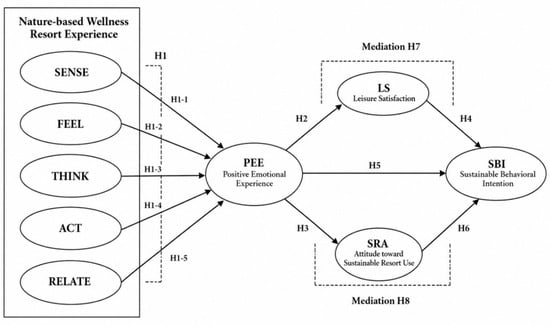
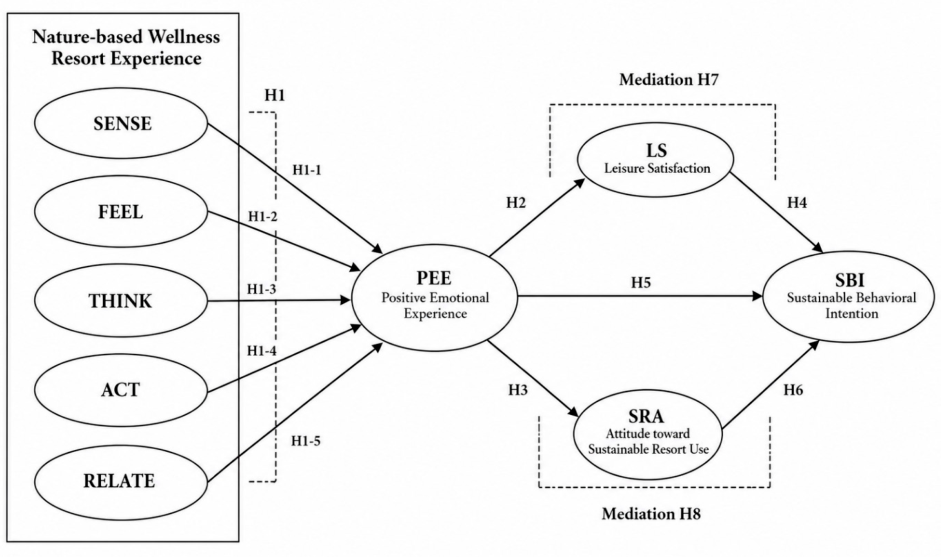
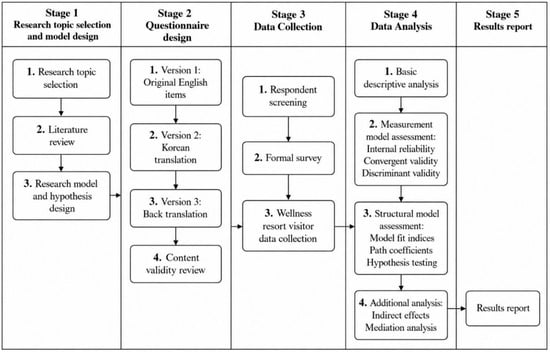
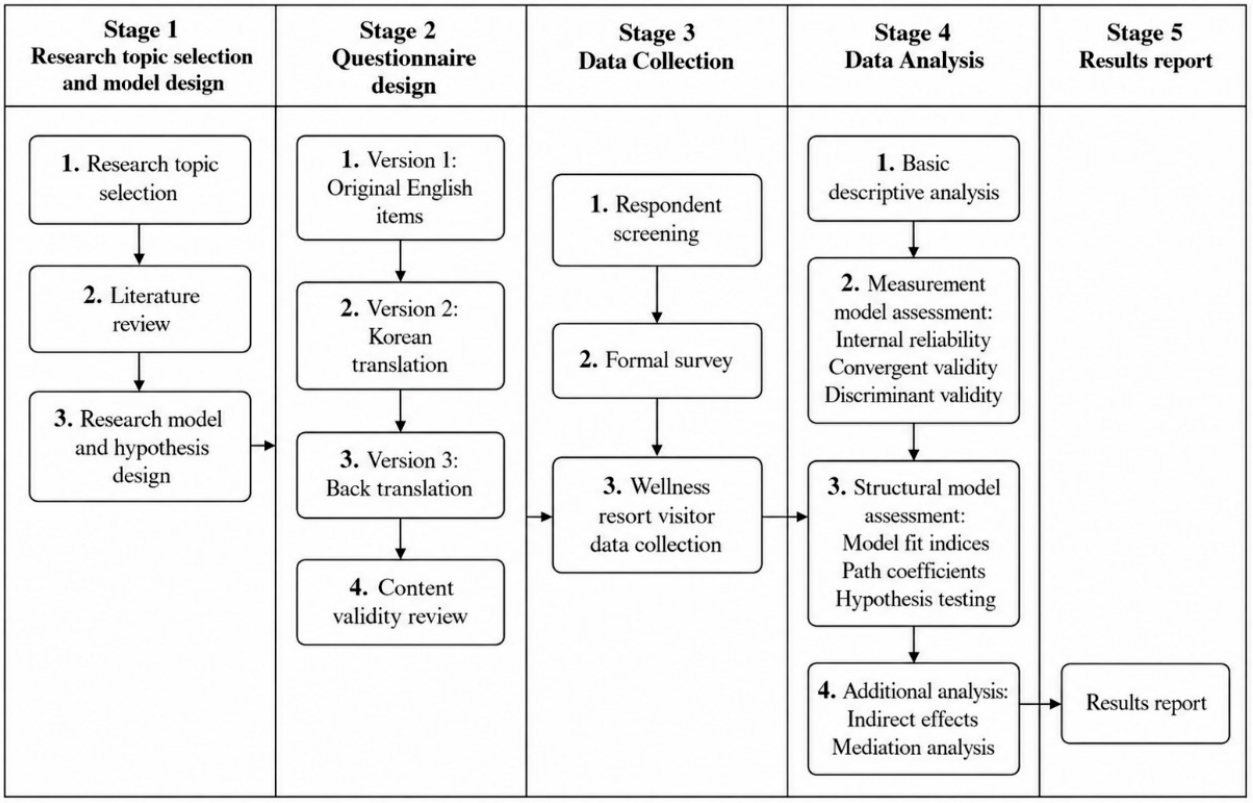
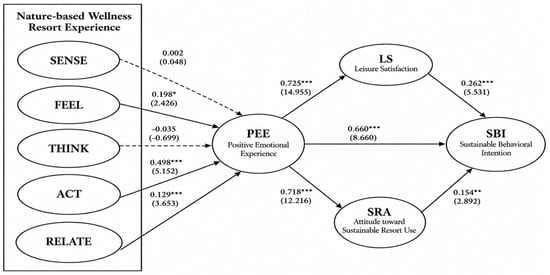
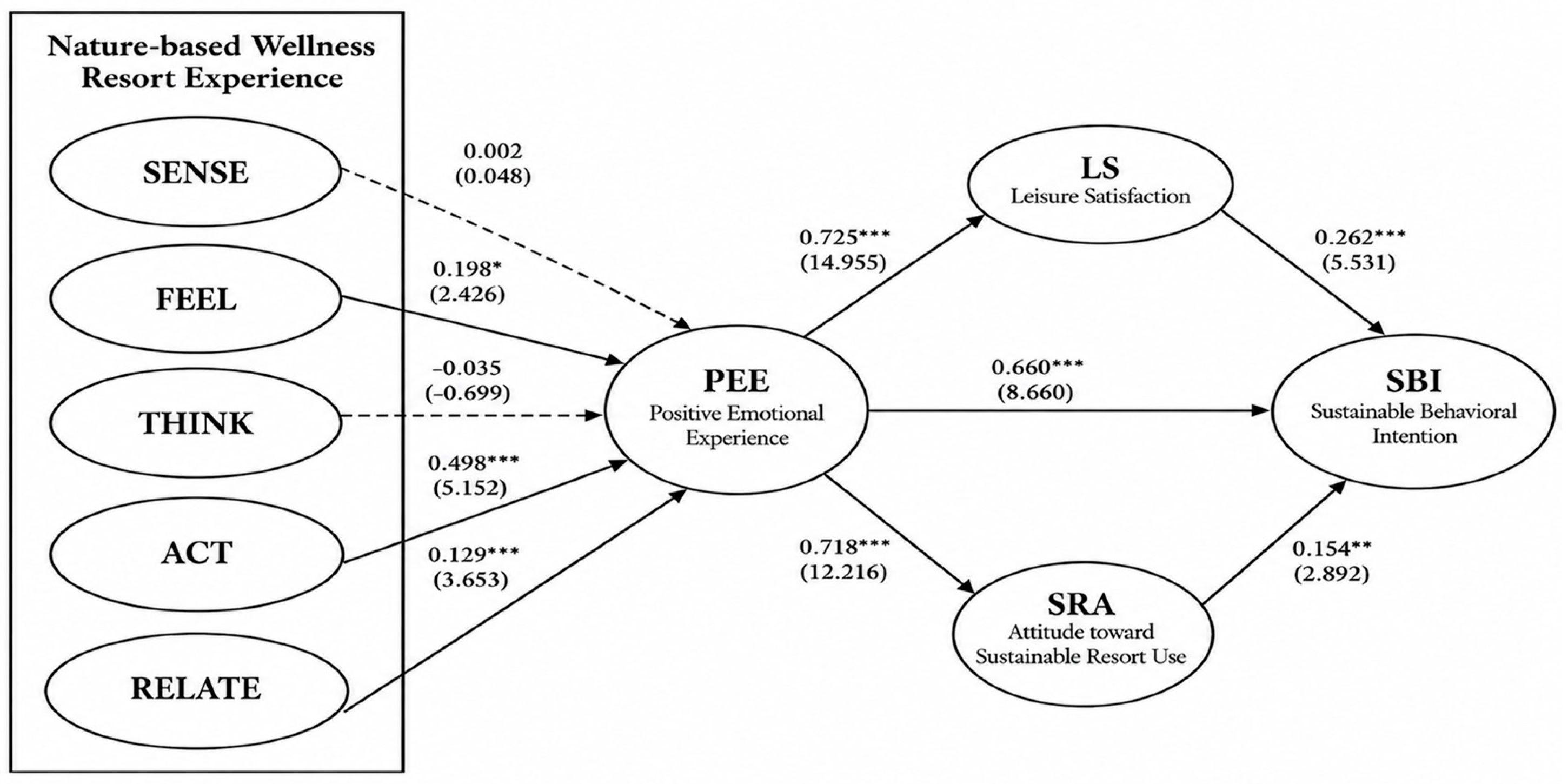

Disclaimer/Publisher’s Note: The statements, opinions and data contained in all publications are solely those of the individual author(s) and contributor(s) and not of MDPI and/or the editor(s). MDPI and/or the editor(s) disclaim responsibility for any injury to people or property resulting from any ideas, methods, instructions or products referred to in the content. |
© 2026 by the authors. Licensee MDPI, Basel, Switzerland. This article is an open access article distributed under the terms and conditions of the Creative Commons Attribution (CC BY) license.