


Abstract
The transition towards sustainable, resilient and digitally integrated port ecosystems has increased the need for collaborative innovation approaches capable of supporting broader sustainability transitions. In this context, open and sustainable innovation (OSI) offers a strategic mechanism for integrating economic, environmental and social objectives within complex maritime ecosystems. Although previous studies have explored technological innovation and isolated sustainability initiatives in ports, limited empirical attention has been given to how stakeholders perceive OSI and how its implementation is operationalised across a national port system. This study addresses this gap by investigating the central research question: how do key stakeholders perceive and implement OSI practices within the Portuguese port system? Specifically, it analyses organisational culture, governance structures, stakeholder engagement mechanisms, institutional barriers and sustainability-oriented innovation practices. The research adopts a qualitative approach based on ten semi-structured interviews with representatives of five Portuguese port authorities occupying senior management and strategic positions. The findings show that OSI is widely recognised as important for competitiveness, sustainability performance and alignment with transition agendas, but its implementation remains uneven across ports. Organisational resistance, fragmented governance, regulatory complexity and limited monitoring mechanisms constrain the institutionalisation of OSI practices. Nevertheless, collaborative initiatives involving universities, innovation networks, public–private partnerships and digital platforms indicate a gradual shift towards more integrated and participatory governance models. The study concludes that OSI can support sustainability transitions in port ecosystems when enabled by coordinated governance, stakeholder collaboration and organisational capabilities.
1. Introduction
Ports are undergoing a profound transformation driven by the combined pressures of digitalisation and sustainability transitions. Increasing regulatory demands, environmental concerns, decarbonisation objectives, and intensifying global competition are compelling port authorities to move beyond traditional operational models and adopt more collaborative, adaptive, and innovation-driven approaches. As ports operate as complex logistics, institutional, and territorial systems, their capacity to innovate increasingly depends on the coordination of infrastructure, governance, environmental management, and stakeholder relationships [1,2]. In this context, open innovation (OI) has emerged as a key paradigm, enabling organisations to leverage external knowledge flows, inter-organisational collaboration, and stakeholder partnerships to enhance competitiveness, resilience, and long-term adaptability [3,4].
More recently, the integration of sustainability objectives into innovation processes has contributed to the emergence of open and sustainable innovation (OSI), which extends the logic of OI beyond economic performance to incorporate environmental and social dimensions. This perspective positions innovation as a driver of systemic transformation, requiring collaboration among multiple stakeholders and alignment with broader sustainability goals and sustainability-oriented governance mechanisms [5,6]. It also highlights the importance of shared-value creation, systematic knowledge management, and triple-bottom-line outcomes as conditions for embedding sustainability into innovation processes [7,8,9]. In this sense, OSI has increasingly been associated with the development of sustainability capabilities, including collaborative learning, stakeholder integration, knowledge sharing, and institutional adaptability, which are essential for supporting green and digital transitions in complex organisational ecosystems.
Within the maritime sector, ports play a particularly strategic role in advancing sustainability agendas due to their function as critical logistics and economic hubs connecting global supply chains. At the same time, ports face growing pressure to reduce environmental impacts, improve energy efficiency, support low-carbon logistics, and align with international sustainability objectives, including the United Nations Sustainable Development Goals (SDGs). In particular, goals related to industry innovation and infrastructure (SDG 9), sustainable cities and communities (SDG 11), responsible consumption and production (SDG 12), and climate action (SDG 13) have become increasingly relevant to port development strategies [10]. In this context, OSI can contribute to sustainability performance by enabling coordinated responses to environmental and operational challenges through collaborative governance and stakeholder engagement.
The relevance of OSI is particularly evident in port ecosystems, where innovation processes are inherently relational and dependent on interactions among multiple actors, including port authorities, terminal operators, logistics providers, policymakers, research institutions, and local communities. Innovation ecosystem theory emphasises that value creation depends on complementarities, interdependencies, and the co-evolution of heterogeneous actors [11,12,13]. In such environments, sustainable innovation cannot be achieved through isolated organisational efforts alone; it depends on stakeholders’ capacity to cooperate, share knowledge, and collectively develop solutions to interconnected economic, environmental, and social challenges.
Despite the growing prominence of OI and sustainability in both academic and policy discourse, their integration within the maritime port sector remains uneven and insufficiently understood. Existing literature has largely focused on technological advancements, digital platforms, and isolated sustainability initiatives, often neglecting the organisational and institutional conditions that shape innovation processes in practice [14]. Moreover, studies have highlighted a persistent gap between the conceptualisation of open innovation and its implementation in real-world contexts, particularly in complex organisational environments [15].
Although innovation in port ecosystems is increasingly recognised as a systemic and governance-related process, empirical evidence on how these dynamics unfold from stakeholders’ perspectives remains limited. There is still insufficient understanding of how actors within port systems perceive, interpret, and operationalise OSI, and of how governance structures, organisational culture, institutional coordination, and stakeholder engagement mechanisms influence sustainability-oriented innovation practices.
This gap is especially relevant in the Portuguese context, where ports play a strategic role in national and international logistics networks while simultaneously facing increasing pressure to align with digitalisation strategies, environmental objectives, and sustainability transitions [16]. Although innovation and sustainability are frequently incorporated into strategic agendas and policy frameworks, the implementation of OSI practices remains heterogeneous across Portuguese ports, reflecting differences in organisational capabilities, institutional arrangements, governance models, and stakeholder collaboration mechanisms [17,18,19].
Against this background, this study aims to analyse stakeholder perspectives on OSI within the Portuguese port system. Drawing on qualitative evidence from semi-structured interviews with key actors across multiple port authorities, the research explores how OSI is perceived, enacted, and constrained in practice. The study focuses on critical dimensions such as organisational culture, stakeholder engagement, governance structures, sustainability-oriented collaboration, and systemic barriers to implementing innovation.
The findings reveal a clear tension between the widespread strategic recognition of OSI and its uneven institutionalisation across ports. While stakeholders broadly acknowledge the importance of collaborative and sustainability-oriented innovation, its implementation remains fragmented and constrained by cultural resistance, regulatory complexity, limited coordination mechanisms, and institutional inertia. At the same time, emerging collaborative practices and innovation initiatives indicate a gradual transition towards more integrated, participatory, and sustainability-oriented governance models within the Portuguese port ecosystem.
This study contributes to the literature in two main ways. First, it provides empirically grounded insights into the dynamics of OSI in port ecosystems from a stakeholder perspective, helping bridge the gap between conceptual frameworks and organisational practice. Second, it advances understanding of the governance, organisational, and institutional conditions required to support sustainability transitions in complex multi-actor environments. From a practical perspective, the findings offer relevant implications for policymakers and port authorities seeking to strengthen collaborative governance frameworks, enhance stakeholder engagement, develop sustainability capabilities, and foster the transition towards more resilient, sustainable, and innovation-driven port systems.
The remainder of the article is organised as follows. Section 2 reviews the relevant literature. Section 3 describes methodological procedures and research design. Section 4 presents the empirical findings according to the analytical dimensions adopted in the research. Section 5 discusses the findings in relation to the literature and research objectives. Finally, Section 6 presents the conclusions, implications, limitations, and directions for future research.
2. Literature Review
2.1. Open Innovation: Concept and Evolution
The concept of open innovation (OI), introduced by Chesbrough [20], represents a fundamental shift from traditional, closed models of innovation towards more collaborative and externally oriented approaches. Rather than relying solely on internal research and development, organisations are encouraged to leverage both internal and external knowledge sources to enhance innovation performance. This paradigm emphasises the permeability of organisational boundaries, the strategic importance of knowledge flows across firms and institutions, and the need to connect open innovation research with managerial and policy practice [4,21,22].
Early contributions to the field highlight the limitations of closed innovation systems, which often restrict collaboration and hinder the co-creation of value [23]. In contrast, OI fosters more dynamic and flexible innovation processes, enabling organisations to access diverse capabilities, reduce development costs, and accelerate time-to-market. The development of frameworks such as the open innovation maturity model further underscores the importance of organisational readiness, cultural alignment, and structured processes in supporting effective implementation [24]. As the concept evolved, research increasingly recognised that innovation does not occur in isolation but within networks of interconnected actors. This shift has laid the foundation for more systemic and ecosystem-based perspectives on innovation, particularly relevant in complex sectors such as maritime logistics.
2.2. From Open Innovation to Open and Sustainable Innovation
The integration of sustainability considerations into innovation processes has led to the emergence of open and sustainable innovation (OSI), which extends the principles of OI to encompass environmental and social dimensions. This transition reflects a broader shift in innovation paradigms, from a primary focus on economic performance to a more holistic approach aligned with the triple bottom line [5].
OSI emphasises the role of collaboration in addressing complex sustainability challenges, requiring organisations to engage with a wide range of stakeholders to co-create solutions that generate economic, environmental, and social value [6]. Within this context, open eco-innovation emerges as a key operational dimension, focusing on developing environmentally sustainable solutions through multi-level collaboration among firms, supply chains, and broader ecosystems [25,26].
This perspective reinforces the importance of knowledge sharing, transparency, stakeholder engagement, and shared-value creation in driving sustainable transformation [7,8]. At the same time, it highlights the increasing complexity of innovation processes, which require coordination across organisational, institutional, and societal levels and must be evaluated against economic, environmental, and social outcomes.
2.3. From Open Innovation to Open and Sustainable Innovation in Port Ecosystems
Innovation is increasingly understood as a systemic and relational process embedded within innovation ecosystems, where multiple actors co-evolve and interact to create value. These ecosystems typically involve a diverse set of stakeholders, including firms, public institutions, research organisations, and communities, whose collaboration is essential for addressing complex challenges [13,27,28].
In the context of port ecosystems, this multi-actor dynamic is particularly pronounced. Ports operate as complex socio-technical systems in which coordination among logistics operators, port authorities, policymakers, technology providers, research institutions, and external partners is critical to effective innovation. Research highlights the role of digital technologies, open data, and port community systems in supporting collaboration among stakeholders. Innovation intermediaries also facilitate knowledge exchange, improve operational efficiency, and contribute to sustainability objectives [29,30,31,32].
Collaborative mechanisms such as living labs, innovation platforms, and public–private partnerships play an important role in supporting stakeholder engagement and co-creation. These arrangements create opportunities for experimentation, learning, and joint problem-solving across organisational boundaries [33]. Recent studies have further demonstrated that innovation in port ecosystems increasingly depends on the integration of digital technologies, collaborative governance arrangements, and service innovation capabilities. Comparative analyses of innovation ecosystems in ports such as Rotterdam and Valencia show that innovation performance is strongly influenced by the ability of port authorities to orchestrate relationships among firms, research institutions, public agencies, and technology providers [31]. Similarly, refs. [32,34] highlight the importance of innovation intermediaries, collaborative platforms, and ecosystem governance mechanisms in facilitating knowledge exchange and stakeholder coordination across port environments.
The growing digitalisation of port operations is also reshaping innovation processes. Digital platforms, data-sharing infrastructures, artificial intelligence, and smart service solutions increasingly support operational efficiency, sustainability performance, and stakeholder interaction. In this regard, ref. [35] demonstrate that the convergence of smart, green, and sustainable technological trajectories in maritime port operations creates complex socio-technical demands. These trajectories require a balanced integration of automated operational efficiency and environmental compliance. Likewise, ref. [36] argue that integrating artificial intelligence into service innovation processes creates new opportunities for organisational transformation. However, this integration also generates governance, regulatory, and compliance challenges. These findings reinforce the view that successful innovation in port ecosystems requires not only technological capabilities but also adaptive governance structures, institutional coordination, and collaborative stakeholder engagement. Despite these advances, the literature suggests that the implementation of ecosystem-based innovation remains uneven, particularly in traditional and highly regulated sectors such as maritime transport.
2.4. Challenges in Implementing Open and Sustainable Innovation
While OI and OSI have gained significant traction in academic and policy discourse, their implementation in practice presents substantial challenges. One of the most widely recognised issues is the gap between theoretical models and organisational realities, where practices labelled as “open” do not always align with their conceptual definitions [15].
Organisational culture has been identified as a critical factor influencing the success of open innovation initiatives. Resistance to change, hierarchical structures, and limited trust can hinder collaboration and reduce the effectiveness of innovation processes [37]. In addition, the complexity of coordinating multiple stakeholders with divergent interests poses significant challenges, particularly in environments characterised by strong institutional and regulatory constraints.
Regulatory frameworks, resource limitations, and the need to align technological innovation with sustainability objectives further complicate implementation. Studies emphasise that successful OSI requires not only technological capabilities but also adaptive governance structures, clear strategic alignment, and effective mechanisms for stakeholder coordination [26,33]. Overall, the literature highlights that although the conceptual foundations of OSI are well established, its practical application remains fragmented and context-dependent. This gap is particularly evident in port ecosystems, where the interplay between organisational, institutional, and stakeholder dynamics shapes the trajectory of innovation processes.
2.5. Open and Sustainable Innovation as a Sustainability Transition Mechanism in Port Ecosystems
The growing pressure for environmental sustainability, digital transformation, and operational resilience has intensified the need for systemic changes within port ecosystems. In this context, open and sustainable innovation (OSI) can be understood not only as a managerial approach to innovation but also as a mechanism supporting broader sustainability transitions. These transitions entail structural transformations in socio-technical systems, requiring changes to technologies, governance arrangements, institutional practices, stakeholder relationships, and value-creation models [5,38].
Port ecosystems represent complex socio-technical environments in which multiple actors, including port authorities, logistics operators, shipping companies, policymakers, research institutions, and local communities—interact within interconnected operational and institutional networks. As innovation increasingly depends on collaborative, ecosystem-based dynamics, the ability of ports to support sustainability transitions relies on coordinating heterogeneous stakeholders and integrating shared sustainability objectives into innovation processes.
Within this context, OSI extends traditional open innovation logic by incorporating environmental and social value creation alongside economic performance. Rather than focusing exclusively on competitiveness or technological efficiency, OSI promotes collaborative approaches to address complex sustainability challenges through knowledge sharing, stakeholder participation, and cross-sectoral cooperation [5,6]. This perspective aligns with sustainability-oriented innovation frameworks, which emphasise the importance of systemic transformation and multi-level coordination across organisations, supply chains, and institutional environments.
Literature increasingly highlights that sustainability transitions in ports depend on the development of collaborative innovation ecosystems that facilitate experimentation, co-creation, and adaptive governance. Campana et al. [39] demonstrate how partnerships between research institutions and industry actors can accelerate technological and sustainability advancements through resource sharing and collective learning. Similarly, refs. [40,41] emphasise the role of collaborative governance networks and partnerships in supporting sustainable transformation processes in maritime and urban-port environments.
Collaborative mechanisms such as living labs, innovation platforms, and public–private partnerships have also emerged as important instruments for enabling sustainability-oriented experimentation and stakeholder integration in port ecosystems. These structures create environments that support knowledge exchange, participatory problem-solving, and the co-development of innovative solutions adapted to sector-specific sustainability challenges [33,37]. In highly regulated and operationally fragmented sectors such as maritime transport, these collaborative arrangements become particularly important for overcoming institutional inertia and facilitating coordinated transitions.
Governance, therefore, assumes a central role in enabling OSI-driven sustainability transitions. Existing studies argue that successful implementation depends not only on technological capabilities but also on adaptive governance frameworks that promote transparency, stakeholder alignment, accountability, and long-term strategic coordination [42]. Governance structures also influence ports’ capacity to align innovation strategies with sustainability goals, including decarbonisation, circular economy practices, and digital transformation agendas. In this regard, de Langen et al. [43] argue that port development organisations increasingly function as orchestrators of ecosystem-level transitions, particularly in implementing circular and sustainability-oriented activities.
The integration of digital technologies further reinforces OSI’s role as a transition mechanism. Technologies such as open data systems, smart platforms, 5G connectivity, and integrated logistics information systems improve coordination among stakeholders while simultaneously enhancing operational efficiency and environmental performance [29,44]. In Portuguese ports, initiatives such as the Single Logistics Window (JUL) and collaborative programmes associated with the Nexus Agenda illustrate how digitalisation and sustainability are becoming increasingly interconnected within broader innovation ecosystems.
At the same time, sustainability transitions require the development of organisational and institutional capabilities that support continuous learning, stakeholder engagement, and cultural adaptation. Organisational resistance, fragmented governance structures, and limited coordination mechanisms remain significant barriers to OSI implementation in port systems. Studies emphasise that effective sustainability transitions depend on fostering trust-based collaboration, strengthening innovation culture, and developing mechanisms that facilitate knowledge sharing across institutional boundaries [7,37].
Finally, OSI contributes to sustainability transitions by supporting broader societal and policy objectives associated with sustainable development. The integration of environmental, economic, and social dimensions into innovation processes aligns port transformation strategies with global sustainability agendas, including the Sustainable Development Goals (SDGs), particularly those related to sustainable industry, climate action, responsible consumption, and resilient infrastructure [45]. Consequently, OSI should be understood not merely as an operational innovation approach but as a systemic transition mechanism that enables ports to evolve into more collaborative, adaptive, and sustainability-oriented ecosystems.
3. Materials and Methods
3.1. Research Design
This study adopts a qualitative, interpretivist research design to explore stakeholders’ perceptions of OSI within the Portuguese port system. A qualitative approach is particularly suited to understanding how actors perceive and enact innovation, sustainability, collaboration, and governance within dynamic port environments [46].
Given the multi-actor nature of OSI in maritime sectors, an exploratory, descriptive, multiple-case study design was adopted. Case study research is particularly suitable for examining complex phenomena within their real-life contexts and for developing context-sensitive analytical insights from multiple sources of evidence [47,48].
The Portuguese port system provides a relevant empirical setting because it comprises ports of different sizes, governance arrangements, and innovation trajectories operating within a common national regulatory framework [19]. This diversity offers an opportunity to explore how OSI is understood and implemented across different organisational contexts while maintaining institutional comparability.
3.2. Data Collection
Data were collected through ten semi-structured interviews conducted with representatives of five Portuguese port authorities. The five port authorities were selected to reflect the structural diversity of the Portuguese port system, encompassing large-scale Atlantic gateways, medium- and small-scale regional infrastructures (as detailed in Section 4.1), thereby enabling a comprehensive cross-case analysis. Participants were selected through purposive sampling based on their involvement in innovation, sustainability, governance, and strategic development activities within the port sector.
The objective of the study was not statistical representativeness but analytical depth. Participants occupied senior strategic positions within their organisations and were selected as key informants capable of providing rich insights into innovation, sustainability, governance, and collaborative practices within the Portuguese port ecosystem.
Interviews were conducted between November 2024 and February 2025 using a hybrid format, combining face-to-face and online meetings according to participant availability and logistical considerations.
3.3. Interview Instrument
The interview protocol was developed based on established methodological recommendations for semi-structured interviews, informed by the study’s conceptual framework and the literature on open innovation, sustainability-oriented innovation, innovation ecosystems, and port governance [49]. To enable both structured comparison and an in-depth exploration of stakeholder perspectives, the instrument combined closed-ended, rating-scale, and open-ended questions.
The interview guide was organised into six sections covering: (i) contextual and organisational characteristics; (ii) perceptions of open and sustainable innovation; (iii) sources and drivers of innovation; (iv) stakeholder participation and barriers across innovation phases; (v) monitoring and evaluation practices; and (vi) future challenges and opportunities for innovation in Portuguese ports. A summary of the interview protocol is presented in Appendix A.
To ensure construct validity, relevance, and clarity, the primary research instrument underwent a two-stage validation process. First, the initial draft was reviewed by the doctoral supervisory committee, comprising three senior academics with expertise in maritime logistics, innovation governance, and research methodology, to assess the alignment of the questions with the conceptual framework. Second, a pilot interview was conducted with a senior expert from the port sector. Based on feedback regarding sector-specific terminology and interview length, minor adjustments were made to refine the questions before full-scale deployment.
3.4. Data Analysis
Interview data were analysed using thematic analysis following [50]. The analytical process adopted abductive logic, combining deductive categories derived from the conceptual framework with inductively emerging themes identified during data analysis.
The qualitative data collected from the interview transcripts were subjected to systematic Computer-Assisted Qualitative Data Analysis (CAQDAS) using MAXQDA Analytics Pro 24.8.0. The software was used to organise interview data, develop and refine coding structures, retrieve coded segments, and support thematic clustering. Initial codes were associated with key dimensions identified in the literature, including organisational, cultural, environmental, and technological factors. Additional codes emerged during iterative examination of the interview material.
The coding framework combined deductive categories derived from the conceptual framework with inductively emerging themes identified during the analysis. A summary of the coding structure, including analytical dimensions, codes, and thematic groupings, is presented in Appendix B.
To guarantee data traceability and methodological rigour, a structured thematic analysis was operationalised through a combination of deductive and inductive coding. Initial coding was organised around four analytical dimensions derived from the conceptual framework: environmental, organisational, cultural, and technological factors. Additional cross-cutting themes emerged inductively during analysis and were incorporated into the final coding structure.
Coding consistency was enhanced through iterative review of code definitions and regular discussion of emerging themes with the doctoral supervisory team, ensuring transparency and coherence throughout the analytical process. Following coding, related codes were grouped into higher-order themes that formed the basis of the findings presented in Section 4.
3.5. Trustworthiness and Ethical Considerations
To enhance analytical credibility, coding decisions and thematic interpretations were continuously reviewed throughout the analytical process to ensure consistency between empirical evidence and emerging findings. The study followed established qualitative trustworthiness principles, including credibility, transferability, dependability, and confirmability [51].
The study followed standard ethical principles applicable to qualitative research. Participation was voluntary; informed consent was obtained from all interviewees; and the confidentiality of participants and institutions was maintained throughout the research process.
4. Results
This section presents and discusses the empirical findings derived from a comparative analysis of stakeholder perspectives across the Portuguese port system. The results are structured around key analytical dimensions of OSI, including institutional diversity, stakeholder perceptions, organisational culture, engagement mechanisms, and systemic barriers. Drawing on qualitative evidence from semi-structured interviews, complemented by descriptive and comparative analyses, the section identifies recurrent patterns, divergences among port authorities, and underlying structural dynamics that shape OSI implementation. The findings reveal a consistent recognition of the strategic importance of OSI, contrasted with heterogeneous levels of institutionalisation, stakeholder integration, and operational capacity across the port ecosystem.
4.1. Institutional Profiles and System Diversity
The Portuguese port system exhibits significant institutional diversity, reflected in variations in size, governance structures, service scope, and organisational maturity. The empirical data show that the ports analysed range from large-scale Atlantic gateways to medium and smaller regional infrastructures, with differentiated operational profiles and strategic orientations. Respondents predominantly hold senior or executive roles and have substantial experience in port management, reinforcing the strategic relevance of the perspectives collected.
The diversity of the participant group, including representatives from all major Portuguese port authorities, is shown in Table 1. The sample comprises participants in strategic and managerial positions, providing insights into both the operational and policy dimensions of open and sustainable innovation within the Portuguese port sector.
Table 1.
Characterisation and Count of Respondents in Portuguese Ports.
This diversity constitutes a critical contextual factor shaping the adoption and development of OSI. Larger port authorities, such as APS and APDL, demonstrate broader operational complexity and greater exposure to international markets, which tend to favour more diversified innovation approaches. In contrast, medium and smaller ports, including APA, APSS, and APL, exhibit more constrained resource bases and a stronger focus on incremental improvements aligned with operational needs.
Across cases, ports provide a combination of traditional logistics services—such as cargo handling, storage, and intermodal transport—alongside emerging digital solutions, including platforms such as the Single Logistics Window (JUL). However, the extent to which these capabilities translate into structured OSI practices varies considerably across institutions.
Overall, the findings indicate that institutional scale, resource availability, and governance configurations play a decisive role in shaping port authorities’ capacity to engage in OSI. This structural heterogeneity provides the basis for understanding subsequent differences in stakeholder perceptions, organisational engagement, and innovation practices across the Portuguese port ecosystem.
4.2. Strategic Alignment and Stakeholder Profiles in OSI
The findings reveal a strong and consistent recognition of OSI’s strategic relevance across the Portuguese port system. Respondents across all port authorities assign high importance to open innovation as a driver of competitiveness and sustainability, indicating a shared conceptual alignment at the strategic level.
Table 2 provides a comparative overview of innovation profiles across the analysed ports, including their degree of openness, key drivers, organisational size, technological posture, and level of internal involvement. The table highlights that most ports are positioned as “partially open” or “partially closed”, with openness shaped by a combination of public policy, technological pressures, and private sector motivation. A clear pattern emerges: ports classified as partially closed—such as APA and APSS—tend to adopt incremental or follower technological postures, suggesting a more conservative approach to innovation. In contrast, APS displays internal variation, ranging from partially open to fully open, and combining incremental and more advanced technological orientations. Similarly, APDL exhibits heterogeneous technological postures despite being consistently characterised as partially closed, indicating internal diversity in innovation practices.
Table 2.
Innovation Profiles Reported by Individual Interviewees Across Portuguese Port Authorities.
The results presented in Table 2 reveal considerable variation in interviewees’ perceptions of openness to innovation. Although several participants reported a relatively open-innovation orientation, differences emerged in the extent of stakeholder involvement and the degree of external collaboration. These findings suggest that openness is not uniformly interpreted across Portuguese port authorities and that innovation practices remain influenced by organisational culture, governance arrangements, and local strategic priorities.
The table further shows that internal involvement levels are generally high across ports, particularly in larger organisations, with values frequently ranging between 8 and 10. This suggests that internal engagement constitutes a relevant enabling condition for OSI, although it does not necessarily translate into higher levels of openness, reinforcing the existence of structural and institutional constraints.
Figure 1 complements this analysis by illustrating stakeholder perceptions of open innovation across four dimensions: strategic importance, contribution to competitiveness and sustainability, existence of internal collaboration mechanisms, and perceived governmental support. The horizontal axis represents the participating port authorities, while the vertical axis indicates the average score attributed by respondents on a five-point Likert scale.
Figure 1.
Average stakeholder perceptions of OI across Portuguese port authorities (Likert scale: 1 = very low, 2 = low, 3 = moderate, 4 = high, 5 = very high).
The figure demonstrates a strong consensus regarding the strategic importance of open innovation, with most respondents assigning high scores across all ports. However, greater dispersion is observed in perceptions of governmental support and the effectiveness of internal collaboration mechanisms, indicating uneven institutional conditions for implementing OSI.
More specifically, APS reports consistently high scores across dimensions, reflecting a more developed perception of institutional support and collaborative capacity. In contrast, APA expresses lower confidence in collaborative mechanisms, whereas APDL offers more moderate and balanced assessments. These differences suggest that, although OSI is widely recognised as strategically relevant, its practical implementation is shaped by varying degrees of institutional maturity and organisational capability.
The data also reveal intra-organisational variability, particularly in larger port authorities such as APS and APDL, where respondents from the same organisation report differing levels of openness and support. This indicates asymmetries in access to innovation processes, organisational alignment, and awareness of strategic priorities.
Overall, the findings point to a clear gap between the widespread strategic endorsement of OSI and its uneven institutionalisation in practice. While the conceptual importance of OSI is firmly established across the Portuguese port system, its operationalisation remains fragmented, reflecting differences in governance structures, organisational capacity, and internal coordination mechanisms.
4.3. Organisational Culture and Internal Barriers to Collaboration
Organisational culture emerges as a critical determinant of the effective implementation of OSI within the Portuguese port system. The findings indicate that, although innovation is widely recognised as strategically important, its integration into organisational routines and practices remains uneven across port authorities. As one port executive observed, “We need to institutionalise innovation, not just let it depend on who is temporarily motivated.” This observation raises concerns about the limited formalisation of innovation processes and the reliance on individual initiative rather than organisational routines.
Figure 2 presents the average score reported by interviewees regarding the level of internal staff involvement in innovation strategy formulation, measured on a ten-point scale. The results suggest relatively higher levels of internal engagement in APS and APL, whereas lower levels were reported in APA. Given the exploratory nature of the study and the unequal number of respondents across port authorities, the results should be interpreted as stakeholder perceptions rather than institutional performance indicators.
Figure 2.
Average interviewee assessment of internal staff involvement in innovation strategy formulation (scale: 1–10).
These findings suggest that, despite a general awareness of the importance of OSI, internal engagement is not yet fully embedded as a systematic organisational practice. In several cases, innovation processes remain concentrated at managerial levels, with limited participation from broader organisational layers. Another interviewee noted: “Cultural issues are the main barrier. We need engagement from those at the very top; only then can we deal with shared resources”. This observation reinforces the importance of leadership commitment and organisational engagement in fostering innovation-oriented cultures.
Figure 3 further deepens this analysis by comparing internal engagement levels with the perceived frequency of innovation practices within organisations. The results reveal a misalignment between participation and practice: higher levels of staff involvement do not necessarily correspond to a perception of innovation as a routine activity. In several ports, respondents report relatively high engagement in strategic processes while simultaneously characterising innovation as sporadic or opportunistic rather than continuous.
Figure 3.
Alignment Between Perceived Engagement and Innovation Routine.
This discrepancy indicates that the institutionalisation of innovation within organisational routines remains limited. While some ports, such as APS, APSS, and APDL, describe innovation as a recurring managerial function, others—particularly APL and APA—characterise it as emergent and project-based. Structured innovation programmes, including initiatives such as accelerators and technological pilots, are present but remain restricted to a limited number of port authorities.
Qualitative evidence reinforces these patterns. Respondents highlight the persistence of cultural barriers, including resistance to change, low tolerance for failure, and rigid organisational structures. One APDL respondent emphasised the cultural nature of innovation barriers: “It really is a question of culture. We need to create more opportunities to bring people to the table to discuss ideas and challenges.” This statement highlights how innovation challenges are often associated not only with technical capabilities but also with communication practices, organisational learning, and openness to change.
In several cases, innovation is described as being in its early stages of development, lacking formalised processes and cross-departmental integration. Additional constraints include ageing workforces, limited capacity to recruit specialised personnel, and insufficient internal structures dedicated to innovation management.
At the same time, there are indications of a gradual cultural transformation. Some ports report increasing openness to collaboration with external partners, as well as efforts to institutionalise innovation through strategic planning, capacity-building initiatives, and participation in innovation programmes. However, these developments remain uneven and often disconnected from broader organisational practices.
Overall, the findings demonstrate that organisational culture and internal engagement constitute key enabling and constraining factors for OSI. While ports exhibit growing awareness and initial efforts to embed innovation, the transition to fully institutionalised and participatory innovation practices is still in progress, reflecting broader structural and cultural challenges within the port ecosystem.
4.4. Ecosystem Coordination, Platforms, and Governance Models
Stakeholder engagement constitutes a central dimension of OSI within port ecosystems, reflecting the extent to which ports integrate external actors into their innovation processes. The findings reveal significant variation in both the diversity of engagement mechanisms and the breadth of stakeholder participation across Portuguese port authorities.
Table 3 reports the frequency with which respondents mentioned different sources of innovation ideation for each port authority. The table indicates that innovation ideas in Portuguese ports originate primarily from internal organisational initiatives and collaboration with universities and research centres, each receiving seven mentions. Customer feedback and private partners also emerged as important sources of innovation, suggesting that both internal knowledge and external collaboration contribute to innovation generation. In contrast, sources such as business associations, innovation clusters, supplier proposals, and municipal collaborations were mentioned less frequently, indicating that these channels currently play a more limited role in the ideation process. Overall, the findings highlight the importance of combining internal capabilities with external knowledge networks to support open and sustainable innovation within port ecosystems. As a senior executive from the APSS emphasised that “There is no innovation process without collaboration with external partners… a port is not a closed ecosystem.”
Table 3.
Sources of Innovation Ideas Identified by Interviewees.
Figure 4 further examines the initiatives and channels used to stimulate OSI. The results indicate that APL and APSS report the highest number of initiatives, followed by APS and APDL, while APA presents a more limited portfolio. Common mechanisms across ports include collaboration with universities and research centres, innovation centres or agencies, and the integration of customer feedback. More advanced practices—such as idea competitions, digital interaction platforms, and joint funding partnerships—are more prevalent in ports with higher levels of innovation maturity.
Figure 4.
Initiatives and Channels of Open and Sustainable Innovation by Port.
These findings indicate that although all ports engage in some form of stakeholder collaboration, the degree of institutionalisation and the diversity of engagement mechanisms vary significantly. One respondent from APDL noted that “Initiatives often emerge from idea exchanges with partners, particularly research centres and universities, allowing us to adapt their insights to our challenges.” This statement reinforces the role of external actors not only as implementation partners but also as sources of ideation and knowledge transfer.
Table 4 illustrates the stakeholder categories most frequently associated with different phases of the innovation process. Managers and directors were consistently identified as key actors throughout the initiation, development, and implementation phases, highlighting the central role of port authority leadership in orchestrating innovation activities. Universities and research institutions were predominantly associated with the initiation and development phases, reflecting their contribution to knowledge generation, research collaboration, and solution design. In contrast, operational actors, including division heads, senior technicians, operational staff, and private port operators, became more prominent during implementation, suggesting a shift from strategic planning to operational execution.
Table 4.
Stakeholder Participation Across Innovation Phases.
The findings also reveal comparatively limited participation of local communities, shipping companies, and other supply chain actors, indicating that broader ecosystem engagement remains uneven across the Portuguese port system. These results suggest that innovation processes continue to be driven primarily by institutional and organisational actors, while wider stakeholder inclusion remains an area for further development.
External stakeholder involvement also displays asymmetries. Universities and research institutions are among the most consistently engaged actors, particularly in APS, APDL, and APSS, reflecting the growing importance of academic partnerships. External partners and port operators are also relatively well integrated, especially in larger ports. However, other actors—such as transport companies, local communities, and startups—show more sporadic participation, indicating incomplete integration of broader stakeholder groups into innovation processes.
Among the ports analysed, APS and APDL demonstrate the most inclusive engagement patterns, involving a wider range of actors across all phases. In contrast, APL shows stronger participation at the initiation stage and more limited involvement during implementation, whereas APA and APSS exhibit intermediate levels of stakeholder integration.
Table 5 provides further insight into the structure and dynamics of innovation partnerships across ports. The data show that APS and APDL combine formal and informal collaboration mechanisms, enabling both structured and flexible interactions. In contrast, APL and APSS rely predominantly on formalised partnerships. Interaction frequency also varies, with APL and APSS reporting more frequent engagement (weekly), whereas APS and APDL tend to interact monthly or biweekly.
Table 5.
Comparative Overview of Port Innovation Partnerships.
Table 5 highlights the central role of collaborative networks in supporting innovation activities within Portuguese ports. Universities, technology providers, public institutions, and industry associations emerge as the most frequently cited partners. However, the results also indicate significant differences in the intensity and diversity of stakeholder engagement across ports. While some organisations demonstrate broad ecosystem participation, others rely on more limited and project-based forms of collaboration, suggesting different levels of ecosystem maturity. The table also highlights key motivations for collaboration, including access to knowledge, market development, co-creation of solutions, and enhancement of port competitiveness. At the same time, several barriers have been identified, including resource constraints, conflicts of interest, legal issues, and institutional rigidity, that limit the effectiveness of collaborative arrangements.
Qualitative evidence reinforces the central role of external collaboration in enabling innovation. One APS respondent stressed the importance of trust-building in collaborative innovation: “It is essential to establish a relationship of trust with those who can provide data, and to demonstrate the extent to which the products resulting from innovation can benefit their business”. This statement suggests that collaboration depends not only on technical interoperability but also on trust and the perceived value generated for participating actors.
Respondents consistently emphasise that innovation processes depend on interaction with external partners, including universities, technology firms, research centres, and innovation networks. In several cases, collaboration is described not only as a mechanism for implementation but also as a source of ideation and strategic alignment.
However, the level of institutional readiness to support such collaboration varies. An APL respondent highlighted the importance of structured collaborative ecosystems: “I suggest that all ports adopt open innovation programmes”. The statement reflects the perception that formal mechanisms for stakeholder engagement can strengthen knowledge exchange and the diffusion of innovation across the port system.
Some ports actively engage in structured innovation ecosystems and national or European programmes, others face limitations due to resource constraints, lack of dedicated personnel, or insufficient organisational structures to manage external relationships.
Overall, the findings demonstrate that stakeholder engagement in the Portuguese port system is expanding but remains unevenly distributed. While larger ports exhibit more diversified and institutionalised co-creation mechanisms, smaller ports continue to rely on more limited and less formalised approaches. This uneven integration of stakeholders reflects broader structural and organisational differences, with implications for the development and scaling of OSI across the port ecosystem.
4.5. Barriers to Open and Sustainable Innovation
The findings identify a consistent set of structural and organisational barriers that constrain the implementation of OSI across the Portuguese port system. These barriers emerge across different stages of the innovation process and reflect both cultural and institutional limitations.
Figure 5 presents the distribution of barriers across the development and implementation phases of innovation. In the development phase, the most frequently reported obstacles include internal resistance to adopting new technologies, bureaucratic procedures, and the absence of a structured innovation culture. In the implementation phase, resistance to change remains the most recurrent challenge, followed by high costs and difficulties in integrating new solutions into existing systems.
Figure 5.
Frequencies of Innovation Barriers by Phase.
The figure highlights a clear continuity between phases, indicating that barriers are not isolated but evolve throughout the innovation process. The institutional dimension of these barriers was explicitly recognised by one APSS respondent: “The biggest issue is legality. It is about the legal framework required to make innovation happen within the port. Following that, it is also about changing the internal mindset that exists towards innovation”. This comment illustrates the combined influence of regulatory constraints and organisational culture in shaping innovation outcomes.
Similarly, an APDL respondent observed: “Another issue is resource constraints, given that innovation is an investment and not an expense”. This perception highlights the tension between short-term budgetary constraints and the long-term strategic benefits associated with innovation investments.
Thus, cultural resistance identified during development tends to persist in implementation, while early structural constraints—such as limited funding and organisational capacity—translate into operational challenges, including high costs and resource limitations. This path-dependent dynamic suggests that addressing barriers at early stages is critical to enabling effective implementation.
The barriers identified across the development and implementation phases suggest that challenges to OSI are not limited to technological issues. Rather, respondents highlighted a combination of organisational, cultural, regulatory, financial, and human-resource-related constraints that affect the innovation process at different stages.
To facilitate interpretation, the barriers reported by interviewees were grouped into five thematic dimensions derived from thematic analysis: culture and mindset, policy and regulation, finance and resources, technology and systems, and human resources. Table 6 presents this thematic categorisation and illustrates how organisational and cultural challenges emerged more frequently than purely technological barriers.
Table 6.
Thematic Categorisation of Innovation Barriers.
This thematic distribution underscores that the main challenges to OSI are primarily rooted in organisational culture and governance rather than in technological capability alone. Financial constraints, technological integration issues, and human resource limitations also play a role but are secondary to cultural resistance and regulatory complexity.
Qualitative evidence supports these findings, highlighting the persistence of deeply embedded organisational practices that hinder innovation. Respondents frequently cite resistance to change, a lack of an innovation-oriented vision, and rigid institutional frameworks as key obstacles. Regulatory constraints, particularly those related to legal procedures and public-sector governance, are also identified as significant barriers to flexibility and experimentation.
Respondents also highlighted structural obstacles associated with existing organisational arrangements. In APS, for example, interviewees referred to resource limitations and the persistence of a “status quo” that hinders innovation efforts.
At the same time, resource-related challenges—including limited funding, a shortage of specialised personnel, and insufficient training—further constrain ports’ ability to implement and scale innovation initiatives. Issues related to data sharing and competitive sensitivity also emerge as relevant concerns, particularly in collaborative contexts involving multiple stakeholders.
Overall, the results indicate that barriers to OSI in the Portuguese port system are systemic, multi-layered, and interrelated. Cultural resistance, regulatory rigidity, and resource constraints jointly shape the limited institutionalisation of innovation practices. Addressing these challenges requires not only technological investment but also organisational transformation, improved governance frameworks, and enhanced coordination across stakeholders.
4.6. Monitoring, Incentives, and Future Directions
The findings indicate that practices for monitoring and evaluating innovation outcomes remain limited and uneven across the Portuguese port system. While some port authorities report using internal performance reports, audits, and stakeholder feedback mechanisms, others acknowledge the absence of formalised tools or consistent evaluation frameworks. This lack of systematic monitoring constrains the ability to assess the impact of OSI initiatives and to support evidence-based decision-making.
Across cases, respondents highlight the need for more robust and harmonised evaluation systems, particularly for environmental and operational performance indicators. One APL respondent emphasised the need for coordinated national support: “Innovation must, in fact, emanate from central government. A cohesive and clear innovation strategy for the entire national port sector”. This statement reflects stakeholder expectations regarding stronger policy coordination and strategic alignment at the national level.
The absence of standardised metrics and national reference frameworks is identified as a key limitation, contributing to fragmented approaches to assessing innovation outcomes. In addition to monitoring challenges, the results reveal several mechanisms that could strengthen the implementation of OSI. Respondents emphasise the importance of cultural transformation, greater internal engagement, and more flexible governance structures. The adoption of digital tools and enhanced data transparency are also identified as critical enablers that facilitate coordination and improve decision-making among stakeholders.
Furthermore, the strategic use of public funding is a relevant incentive, particularly when aligned with clear, accessible frameworks that support participation across port authorities. Increased collaboration with universities, municipalities, and local innovation ecosystems is also highlighted as essential for expanding co-creation practices and strengthening innovation capacity.
Looking ahead, respondents express a cautiously optimistic outlook regarding the future of innovation in the port sector. The transition towards more sustainable, digital, and efficient port systems is widely perceived as both necessary and inevitable, driven by regulatory pressures and environmental imperatives. Innovation is increasingly understood as a central mechanism for achieving these objectives.
However, the findings also indicate that this transition depends on port authorities’ ability to address existing structural and organisational constraints. The consolidation of OSI will require stronger governance frameworks, improved coordination mechanisms, and the institutionalisation of innovation as a continuous and integrated organisational practice.
Looking ahead, an APA respondent stressed the importance of organisational transformation: “Improving the cultural aspect… If we had better tools, we would certainly be in a better position to innovate”. This perspective reinforces the view that future innovation capacity will depend on the combined development of organisational culture, digital capabilities, and managerial practices.
Overall, the results suggest that while important steps have been taken towards embedding OSI within the Portuguese port system, its long-term development will depend on alignment among monitoring systems, incentive structures, and collaborative governance approaches.
4.7. Conceptual Framework of Open and Sustainable Innovation in Portuguese Port Ecosystems
Based on the literature reviewed and the analytical dimensions emerging from the empirical context of Portuguese ports, this study proposes a conceptual framework for understanding OSI as a sustainability transition mechanism within port ecosystems. The framework integrates the main drivers, organisational dimensions, governance mechanisms, institutional barriers, and sustainability-oriented outcomes associated with the implementation of OSI in maritime environments.
The framework conceptualises Portuguese ports as complex socio-technical ecosystems shaped by interactions among multiple stakeholders, including port authorities, logistics operators, shipping companies, public institutions, research centres, and local communities. Within these ecosystems, OSI is understood as a relational and systemic process dependent on collaboration, knowledge sharing, institutional coordination, and stakeholder engagement. This perspective aligns with ecosystem-based approaches to innovation, which emphasise the co-evolution of actors, interdependence among complementary capabilities, and the collective creation of value in complex organisational environments [11,12,27,28].
The framework identifies a set of antecedent drivers that stimulate the adoption of OSI practices in ports. These include increasing digitalisation pressures, sustainability transition requirements, regulatory demands, global competitiveness pressures, and growing stakeholder expectations regarding environmental and social performance. These drivers reflect the broader transformation currently affecting maritime and logistics systems, where ports are expected to simultaneously improve operational efficiency, reduce environmental impacts, and contribute to sustainable development agendas.
At the core of the framework are four interrelated dimensions supporting OSI implementation in port ecosystems: governance structures, organisational culture, stakeholder engagement, and technological and digital enablers. Governance structures encompass the institutional arrangements, coordination mechanisms, and strategic alignment processes that support collaborative innovation and sustainability-oriented decision-making. Organisational culture encompasses openness to innovation, trust, learning orientation, and the capacity to overcome resistance to change, which are recognised as critical factors influencing innovation performance [7,37].
Stakeholder engagement represents another central dimension, reflecting the importance of collaborative networks, co-creation processes, partnerships, and knowledge-sharing mechanisms within innovation ecosystems. Existing studies highlight that sustainable innovation in ports increasingly depends on stakeholders’ ability to cooperate across organisational and institutional boundaries [31,39,40,41]. Technological and digital enablers—including digital platforms, port community systems, smart port technologies, open data systems, and integrated logistics solutions such as JUL—facilitate operational integration, stakeholder coordination, and sustainability-oriented innovation processes [29,30,44].
The framework also incorporates a set of institutional and organisational barriers that constrain the effective implementation of OSI. These include institutional inertia, fragmented governance structures, regulatory complexity, limited resources, and cultural resistance to organisational change. The literature consistently highlights that the existence of sustainability-oriented strategies does not necessarily translate into effective operational implementation, particularly in highly regulated and structurally fragmented sectors such as maritime transport [15].
Finally, the framework conceptualises OSI as a mechanism capable of generating multidimensional sustainability transition outcomes. These outcomes include economic impacts, such as competitiveness, operational efficiency, and innovation capability; environmental impacts, including decarbonisation support, circular economy practices, and resource efficiency; and social and ecosystem-level impacts related to stakeholder integration, collaborative governance, resilience, and regional development. In this sense, OSI contributes not only to organisational innovation performance but also to broader sustainability objectives aligned with the SDGs and contemporary sustainability transition agendas [45,52,53].
Figure 6 summarises the proposed conceptual framework and illustrates the systemic relationships between drivers, organisational dimensions, institutional constraints, and sustainability transition outcomes within Portuguese port ecosystems.
Figure 6.
Proposed Framework for OSI in Portuguese Port Ecosystems.
5. Discussion
The findings of this study provide important empirical insights into how OSI is perceived and implemented within the Portuguese port system. Three principal findings emerge from the analysis. First, stakeholders consistently recognised OSI as strategically important for competitiveness, sustainability, and long-term development. Second, the implementation of OSI remains uneven across Portuguese port authorities, reflecting differences in organisational culture, governance arrangements, and stakeholder engagement mechanisms. Third, respondents identified cultural resistance, regulatory constraints, and resource limitations as more significant barriers than technological challenges, highlighting the systemic nature of innovation processes within port ecosystems.
The widespread recognition of the strategic value of OSI aligns with the foundational premise that openness enhances organisational competitiveness through external knowledge flows and collaborative practices [3,4]. However, the findings also reveal a persistent gap between strategic awareness and operational implementation. Although respondents generally acknowledged the importance of collaboration, sustainability, and external engagement, the degree to which these principles were institutionalised varied considerably across the participating port authorities. This finding supports previous research highlighting discrepancies between the conceptual understanding of open innovation and its practical application within organisations [15].
The variation observed in how OSI is interpreted further reinforces the notion that open innovation remains a context-dependent and evolving construct. While some respondents emphasised technological innovation and digital transformation, others highlighted collaboration, ecosystem engagement, and governance mechanisms as the defining characteristics of innovation. These findings are consistent with studies suggesting that innovation in ports increasingly depends on interactions among technological, organisational, and institutional dimensions [31,34].
A central contribution of this study concerns the role of organisational culture. Across the interviews, respondents repeatedly identified resistance to change, limited innovation-oriented mindsets, and insufficient internal engagement as major obstacles to innovation implementation. These findings corroborate previous research emphasising cultural readiness, organisational openness, and leadership commitment as critical conditions for successful innovation adoption [7,24]. The results further suggest that although innovation is increasingly recognised as strategically relevant, it has not yet become fully embedded in everyday organisational routines across several port authorities.
The findings also highlight the importance of stakeholder engagement and collaborative innovation ecosystems. Respondents consistently emphasised the value of collaboration with universities, research institutions, private partners, and other external actors in generating ideas, accessing knowledge, and supporting innovation. These findings are aligned with the literature on innovation ecosystems, which emphasises the importance of collaborative networks and intermediary organisations in facilitating knowledge exchange and co-creation processes [27,28,31,32]. However, the relatively limited involvement of local communities and other peripheral stakeholders suggests that the broader ecosystem potential remains only partially realised.
Another important finding concerns the nature of innovation barriers. Contrary to the assumption that technological limitations constitute the primary obstacle to innovation, respondents more frequently identified cultural, organisational, regulatory, and governance-related challenges. Resistance to change, bureaucratic procedures, regulatory constraints, and limited access to resources emerged as recurring themes across the interviews. These findings support previous studies that characterise innovation in ports as a systemic challenge requiring institutional coordination, adaptive governance arrangements, and cross-organisational collaboration rather than purely technological solutions [26,33,43].
The study also reveals important weaknesses in the monitoring and evaluation of innovation outcomes. Although several respondents reported using performance indicators, audits, and periodic reporting mechanisms, innovation assessment practices remain fragmented and uneven across the participating port authorities. This finding reinforces concerns raised in previous studies about the limited availability of integrated frameworks for measuring the operational, environmental, and strategic impacts of innovation initiatives in port ecosystems [43,44].
In the Portuguese context, this variation is heavily shaped by organisational size and historical governance models. Larger Atlantic gateways demonstrate a more relational and ecosystem-oriented understanding of innovation. Conversely, smaller regional port authorities often restrict their focus to reactive, isolated technological adoptions. This uneven trajectory aligns with the findings of [35], who argue that the convergence of smart and green technological trajectories in port operations demands a level of socio-technical orchestrating capacity that traditional organisational structures rarely possess. Without a deliberate shift from purely technological purchasing to relational governance, ports remain locked in incremental, non-systemic changes [23,54].
From a theoretical perspective, this study contributes to the literature by bridging the gap between conceptual models of OSI and their empirical manifestation in port ecosystems. By adopting a stakeholder-based perspective, the research provides insights into how innovation is interpreted, enacted, and constrained within complex socio-technical environments. From a practical perspective, the findings highlight the need for stronger governance mechanisms, more inclusive stakeholder engagement processes, and the institutionalisation of innovation practices that support sustainability transitions in the maritime sector.
6. Conclusions
This study explored stakeholder perspectives on OSI within the Portuguese port system. The findings demonstrate that while OSI is widely recognised as an important mechanism for enhancing competitiveness, sustainability, and long-term resilience, its implementation remains uneven across Portuguese port authorities.
The results indicate that organisational culture, governance arrangements, stakeholder engagement practices, and resource availability play a more influential role in shaping innovation outcomes than purely technological factors. Although respondents consistently acknowledge the value of collaboration and openness, significant barriers persist, particularly regarding cultural resistance, institutional rigidity, regulatory complexity, and the limited formalisation of innovation processes. The findings, therefore, suggest that innovation in port ecosystems should be understood as a systemic and relational process requiring coordinated action across organisational and institutional boundaries.
From a theoretical perspective, this study contributes to the growing body of literature on OSI, innovation ecosystems, and sustainability transitions by providing empirical evidence from the Portuguese port context. The research demonstrates that the implementation of OSI depends on the interaction between organisational capabilities, governance structures, collaborative networks, and sustainability-oriented objectives. In doing so, it extends current understanding of how innovation is operationalised within complex maritime ecosystems.
6.1. Practical and Policy Recommendations
The findings suggest several practical implications for port authorities and policymakers. First, port organisations should strengthen their internal innovation capabilities by promoting an innovation-oriented culture, encouraging cross-functional collaboration, and supporting organisational learning processes. Second, governance mechanisms should be designed to facilitate stakeholder coordination and reduce barriers to collaboration across institutional boundaries.
At the policy level, the results highlight the importance of developing coherent national frameworks that support innovation, sustainability, and digital transformation across the port sector. Funding instruments, collaborative innovation programmes, and regulatory mechanisms that encourage experimentation and knowledge sharing may help reduce disparities in innovation capacity across ports. In addition, greater investment in digital infrastructures, open data systems, and collaborative platforms could facilitate the integration of sustainability and innovation objectives.
6.2. Limitations
This study presents several limitations that should be considered when interpreting the findings. The analysis is based on ten semi-structured interviews with representatives of Portuguese port authorities and therefore prioritises analytical depth rather than statistical representativeness. Consequently, the findings should be interpreted as stakeholder perceptions rather than objective measures of organisational performance.
In addition, the study focuses primarily on port authority perspectives and does not incorporate the views of other stakeholder groups, such as terminal operators, shipping companies, logistics providers, policymakers, or local communities. The inclusion of these actors could provide additional insights into the dynamics of OSI implementation. Finally, the study is situated within a single national context, which may limit the transferability of findings to other institutional and geographical settings.
6.3. Future Research Directions
Future research could extend this work by incorporating a broader range of stakeholders involved in port innovation ecosystems, including private operators, logistics actors, public authorities, research institutions, and local communities. Comparative studies involving different national port systems would also contribute to understanding how institutional and governance arrangements influence the adoption of OSI practices.
Longitudinal research could further explore how organisational culture, stakeholder collaboration, and sustainability-oriented innovation evolve over time in response to digital transformation and sustainability transition agendas. Finally, additional research is needed to develop and validate more robust frameworks for measuring the impacts of OSI, thereby supporting benchmarking and evidence-based decision-making across port ecosystems.
In conclusion, the Portuguese port system appears to be at a transitional stage in the evolution of OSI. While strategic awareness of sustainability and collaborative innovation is increasingly established, the consolidation of OSI as an integrated, systemic practice still depends on the alignment of organisational culture, governance structures, stakeholder engagement mechanisms, and evaluation capabilities. Strengthening these dimensions will be essential to enabling ports to respond effectively to the challenges of digital transformation, sustainability transitions, and long-term sectoral resilience.
Author Contributions
M.R.S.: Conceptualisation, Investigation, Writing—Original Draft; M.d.R.C.: Review & Editing; M.C.: Writing—Review & Editing; T.P.: Funding Acquisition. A.J.M.: Project Administration. All authors have read and agreed to the published version of the manuscript.
Funding
Content produced within the scope of the agenda “NEXUS—Pacto de Inovação—Transição Verde e Digital para Transportes, Logística e Mobilidade”, financed by the Portuguese Recovery and Resilience Plan (PRR), with no. C645112083-00000059 (investment project n. º 53). The APC will be funded by the Polytechnic Institute of Setubal—IPS.
Institutional Review Board Statement
Ethical review and approval were waived for this study by Institution Committee as per Decree-Law No. 80/2018, of 15 October, the principles and rules governing ethics committees in Portugal apply to health institutions, higher education institutions conducting clinical research, and biomedical research centres developing clinical research. The present study is a low-risk qualitative study in the field of management, innovation, and port governance. It involved semi-structured interviews with professional stakeholders in the Portuguese port ecosystem and did not involve patients, vulnerable participants, medical intervention, biological material, clinical data, or sensitive personal data.
Informed Consent Statement
Informed consent was obtained from all subjects involved in the study.
Data Availability Statement
The original contributions presented in this study are included in the article. Further inquiries can be directed to the corresponding author.
Acknowledgments
NECE, Research Centre for Business Sciences, Research Centre and this work are funded by FCT—Fundação para a Ciência e a Tecnologia, IP, project UIDB/04630/2020 and DOI identifier https://doi.org/10.54499/UIDB/04630/2020.
Conflicts of Interest
The authors declare no conflicts of interest.
Appendix A. Summary of Interview Protocol
| Section | Purpose | Example Questions |
| Contextual Information | Participant profile | Role, experience, port size |
| Innovation Dimensions | Perceptions of OI and OSI | Importance of OI, collaboration mechanisms |
| Sources and Drivers | Innovation triggers | Sources of ideas, drivers of innovation |
| Innovation Process | Stakeholders and barriers | Actors involved, development barriers |
| Evaluation | Monitoring and assessment | Performance indicators, audits |
| Open Questions | Future perspectives | Challenges, recommendations |
Appendix B. Coding Framework
| Analytical Dimension | Example Codes | Illustrative Theme |
| Organisational Factors | Leadership commitment; Innovation culture | Organisational Readiness |
| Cultural Factors | Resistance to change; Risk aversion | Cultural Barriers |
| Environmental Factors | Regulation; External partnerships | Institutional Environment |
| Technological Factors | Digital systems; Integration challenges | Technology Adoption |
| Cross-Cutting Themes | Collaboration; Governance; Sustainability | Ecosystem Coordination |
References
- Notteboom, T.; Pallis, A.; Rodrigue, J.-P. Port Economics, Management and Policy; Routledge: London, UK, 2021. [Google Scholar] [CrossRef] [Scilit]
- Acciaro, M.; Vanelslander, T.; Sys, C.; Ferrari, C.; Roumboutsos, A.; Giuliano, G.; Lee Lam, J.S.; Kapros, S. Environmental sustainability in seaports: A framework for successful innovation. Marit. Policy Manag. 2014, 41, 480–500. [Google Scholar] [CrossRef] [Scilit]
- West, J.; Bogers, M. Open innovation: Current status and research opportunities. Innov. Organ. Manag. 2017, 19, 43–50. [Google Scholar] [CrossRef] [Scilit]
- Bogers, M.; Chesbrough, H.; Moedas, C. Open Innovation: Research, Practices, and Policies. Calif. Manag. Rev. 2018, 60, 5–16. [Google Scholar] [CrossRef] [Scilit]
- Adams, R.; Jeanrenaud, S.; Bessant, J.; Denyer, D.; Overy, P. Sustainability-oriented Innovation: A Systematic Review. Int. J. Manag. Rev. 2016, 18, 180–205. [Google Scholar] [CrossRef] [Scilit]
- Kimpimäki, J.P.; Malacina, I.; Lähdeaho, O. Open and sustainable: An emerging frontier in innovation management? Technol. Forecast. Soc. Change 2022, 174, 121229. [Google Scholar] [CrossRef] [Scilit]
- Chaurasia, S.S.; Kaul, N.; Yadav, B.; Shukla, D. Open innovation for sustainability through creating shared value-role of knowledge management system, openness and organizational structure. J. Knowl. Manag. 2020, 24, 2491–2511. [Google Scholar] [CrossRef] [Scilit]
- Bigliardi, B.; Filippelli, S. Sustainability and Open Innovation: Main Themes and Research Trajectories. Sustainability 2022, 14, 6763. [Google Scholar] [CrossRef] [Scilit]
- Urbinati, A.; Esfandabadi, Z.S.; Petruzzelli, A.M. Assessing the interplay between Open Innovation and Sustainability-Oriented Innovation: A systematic literature review and a research agenda. Bus. Ethics Environ. Responsib. 2023, 32, 1078–1095. [Google Scholar] [CrossRef] [Scilit]
- European Commission. Directorate-General for Communication Towards a sustainable Europe by 2030—Reflection Paper; European Commission: Brussels, Belgium, 2019. [Google Scholar]
- Adner, R. Match Your Innovation Strategy to Your Innovation Ecosystem. 2006. Available online: www.hbrreprints.org (accessed on 3 February 2026).
- Adner, R.; Kapoor, R. Value creation in innovation ecosystems: How the structure of technological interdependence affects firm performance in new technology generations. Strateg. Manag. J. 2010, 31, 306–333. [Google Scholar] [CrossRef]
- Ferasso, M.; Wunsch Takahashi, A.R.; Prado Gimenez, F.A. Innovation ecosystems: A meta-synthesis. Int. J. Innov. Sci. 2018, 10, 495–518. [Google Scholar] [CrossRef] [Scilit]
- Zou, Y.; Xiao, G.; Li, Q.; Biancardo, S.A. Intelligent Maritime Shipping: A Bibliometric Analysis of Internet Technologies and Automated Port Infrastructure Applications. J. Mar. Sci. Eng. 2025, 13, 979. [Google Scholar] [CrossRef] [Scilit]
- Teplov, R.; Albats, E.; Podmetina, D. What does open innovation mean? Business versus academic perceptions. Int. J. Innov. Manag. 2019, 23, 1950002. [Google Scholar] [CrossRef] [Scilit]
- Basulo-Ribeiro, J.; Pimentel, C.; Teixeira, L. Digital Transformation in Maritime Ports: Defining Smart Gates through Process Improvement in a Portuguese Container Terminal. Future Internet 2024, 16, 350. [Google Scholar] [CrossRef] [Scilit]
- Nunes, R.A.O.; Alvim-Ferraz, M.C.M.; Martins, F.G.; Sousa, S.I.V. Environmental and social valuation of shipping emissions on four ports of Portugal. J. Environ. Manag. 2019, 235, 62–69. [Google Scholar] [CrossRef] [Scilit] [PubMed]
- Lopes, L.S.; Nabais, J.L.; Pinto, C.; Caldeirinha, V.; Pinho, T. Essential Competencies in Maritime and Port Logistics: A Study on the Current Needs of the Sector. Sustainability 2025, 17, 2378. [Google Scholar] [CrossRef] [Scilit]
- Lopes, L.S.; Caldeirinha, V.; Felício, J.A.; De Langen, P. The influence of the port innovation system on port services optimization: Evidence from Lisbon and Setúbal. Eur. Transp. Res. Rev. 2026, 18, 12. [Google Scholar] [CrossRef] [Scilit]
- Chesbrough, H.W. Open Innovation—The New Imperative for Creating and Profiting from Technology; Harvard Business School Publishing Corporation: Boston, MA, USA, 2003. [Google Scholar]
- Chesbrough, H.; Bogers, M. Explicating Open Innovation: Clarifying an Emerging Paradigm for Understanding Innovation; Oxford University Press: Oxford, UK, 2014; Available online: https://papers.ssrn.com/sol3/papers.cfm?abstract_id=2427233 (accessed on 21 June 2026).
- Miriam, M.; Dolfsma, W. Managing Knowledge Boundaries for Open Innovation: Lessons from the Automotive Industry. Int. J. Oper. Prod. Manag. 2018, 38, 230–248. [Google Scholar] [CrossRef] [Scilit]
- Dahlander, L.; Gann, D.M. How open is innovation? Res. Policy 2010, 39, 699–709. [Google Scholar] [CrossRef] [Scilit]
- Enkel, E.; Bell, J.; Hogenkamp, H. Open Innovation Maturity Framework. Int. J. Innov. Manag. 2011, 15, 1161–1189. [Google Scholar] [CrossRef] [Scilit]
- Garcia, R.; Wigger, K.; Hermann, R.R. Challenges of creating and capturing value in open eco-innovation: Evidence from the maritime industry in Denmark. J. Clean. Prod. 2019, 220, 642–654. [Google Scholar] [CrossRef] [Scilit]
- Hermann, R.; Wigger, K. Eco-Innovation Drivers in Value-Creating Networks: A Case Study of Ship Retrofitting Services. Sustainability 2017, 9, 733. [Google Scholar] [CrossRef] [Scilit]
- Gifford, E.; McKelvey, M.; Saemundsson, R. The evolution of knowledge-intensive innovation ecosystems: Co-evolving entrepreneurial activity and innovation policy in the West Swedish maritime system. Ind. Innov. 2021, 28, 651–676. [Google Scholar] [CrossRef] [Scilit]
- Costa, J.; Matias, J.C.O. Open innovation 4.0 as an enhancer of sustainable innovation ecosystems. Sustainability 2020, 12, 8112. [Google Scholar] [CrossRef] [Scilit]
- Inkinen, T.; Helminen, R.; Saarikoski, J. Port Digitalization with Open Data: Challenges, Opportunities, and Integrations. J. Open Innov. Technol. Mark. Complex. 2019, 5, 30. [Google Scholar] [CrossRef] [Scilit]
- Carlan, V.; Sys, C.; Vanelslander, T. How port community systems can contribute to port competitiveness: Developing a cost–benefit framework. Res. Transp. Bus. Manag. 2016, 19, 51–64. [Google Scholar] [CrossRef] [Scilit]
- Mendes Constante, J.; de Langen, P.W.; Furió Pruñonosa, S. Innovation ecosystems in ports: A comparative analysis of Rotterdam and Valencia. J. Shipp. Trade 2023, 8, 18. [Google Scholar] [CrossRef] [Scilit]
- Witte, P.; Slack, B.; Keesman, M.; Jugie, J.-H.; Wiegmans, B. Facilitating start-ups in port-city innovation ecosystems: A case study of Montreal and Rotterdam. J. Transp. Geogr. 2018, 71, 224–234. [Google Scholar] [CrossRef] [Scilit]
- Rupo, D.; Perano, M.; Centorrino, G.; Sanchez, A.V. A framework based on sustainability, open innovation, and value cocreation paradigms-A case in an Italian maritime cluster. Sustainability 2018, 10, 729. [Google Scholar] [CrossRef] [Scilit]
- Roumboutsos, A.; Sys, C.; Vanelslander, T. Imitation, co-opetition and open innovation in network industries: Cases from ports. Case Stud. Transp. Policy 2022, 10, 1627–1639. [Google Scholar] [CrossRef] [Scilit]
- Gerrero-Molina, M.-I.; Vásquez-Suárez, Y.-A.; Valdés-Mosquera, D.-M. Smart, Green, and Sustainable: Unveiling Technological Trajectories in Maritime Port Operations. IEEE Access 2024, 12, 47713–47723. [Google Scholar] [CrossRef] [Scilit]
- Li, Y.; Wang, S.; Khaskheli, M.B. Integrating Artificial Intelligence into Service Innovation, Business Development, and Legal Compliance: Insights from the Hainan Free Trade Port Era. Systems 2024, 12, 463. [Google Scholar] [CrossRef] [Scilit]
- Imset, M.; Haavardtun, P.; Tannum, M.S. Exploring the Use of Stakeholder Analysis Methodology in the Establishment of a Living Lab. Technol. Innov. Manag. Rev. 2018, 8, 26–39. [Google Scholar] [CrossRef] [Scilit] [PubMed]
- Damman, S.; Steen, M. A socio-technical perspective on the scope for ports to enable energy transition. Transp. Res. D Transp. Environ. 2021, 91, 102691. [Google Scholar] [CrossRef] [Scilit]
- Campana, E.F.; Ferro, E. An Open Innovation Model: Six Projects in the Maritime Field. Ercim News, 6 October 2020; pp. 9–10.
- Frantzeskaki, N.; Wittmayer, J.; Loorbach, D. The role of partnerships in ‘realising’ urban sustainability in Rotterdam’s City Ports Area, The Netherlands. J. Clean. Prod. 2014, 65, 406–417. [Google Scholar] [CrossRef] [Scilit]
- Hessevik, A. Network-led advocacy for a green shipping transformation: A case study of governance networks in the Norwegian maritime sector. Regul. Gov. 2022, 16, 1101–1118. [Google Scholar] [CrossRef] [Scilit]
- Suárez-Gargallo, C.; Zaragoza-Sáez, P. Port Authority of Cartagena: Evidence of a Sustainability Balanced Scorecard. Sustain. Dev. 2023, 31, 3761–3785. [Google Scholar] [CrossRef] [Scilit]
- de Langen, P.W.; Sornn-Friese, H.; Hallworth, J. The Role of Port Development Companies in Transitioning the Port Business Ecosystem; The Case of Port of Amsterdam’s Circular Activities. Sustainability 2020, 12, 4397. [Google Scholar] [CrossRef] [Scilit]
- Cavalli, L.; Lizzi, G.; Guerrieri, L.; Querci, A.; De Bari, F.; Barbieri, G.; Ferrini, S.; Di Meglio, R.; Cardone, R.; Tardo, A.; et al. Addressing efficiency and sustainability in the port of the future with 5G: The experience of the Livorno port. a methodological insight to measure innovation technologies’ benefits on port operations. Sustainability 2021, 13, 12146. [Google Scholar] [CrossRef] [Scilit]
- Diniz, N.V.; Cunha, D.R.; Porte, M.D.; Oliveira, C.B.M. Disclosure of the sustainable development goals in the maritime industry and port sector. Rev. Gest. E Secr.-GESEC 2023, 14, 8129–8149. [Google Scholar] [CrossRef] [Scilit]
- Saunders, M.N.K.; Lewis, P.; Thornhill, A. Research Methods for Business Students, 9th ed.; Pearson Education Limited: London, UK, 2023. [Google Scholar]
- Stake, R.E. The Art of Case Study Research; Sage Publications: Thousand Oaks, CA, USA, 1995. [Google Scholar]
- Yin, R.K. Case Study Research: Design and Methods, 6th ed.; Sage Publications, Inc.: Thousand Oaks, CA, USA, 2018. [Google Scholar]
- Kallio, H.; Pietilä, A.; Johnson, M.; Kangasniemi, M. Systematic methodological review: Developing a framework for a qualitative semi-structured interview guide. J. Adv. Nurs. 2016, 72, 2954–2965. [Google Scholar] [CrossRef] [Scilit] [PubMed]
- Braun, V.; Clarke, V. Using thematic analysis in psychology. Qual. Res. Psychol. 2006, 3, 77–101. [Google Scholar] [CrossRef] [Scilit]
- Lincoln, Y.S.; Guba, E.G.; Pilotta, J.J. Naturalistic inquiry. Int. J. Intercult. Relat. 1985, 9, 438–439. [Google Scholar] [CrossRef] [Scilit]
- De Martino, M. Value Creation for Sustainability in Port: Perspectives of Analysis and Future Research Directions. Sustainability 2021, 13, 12268. [Google Scholar] [CrossRef] [Scilit]
- Acciaro, M.; Sys, C. Innovation in the maritime sector: Aligning strategy with outcomes. Marit. Policy Manag. 2020, 47, 1045–1063. [Google Scholar] [CrossRef] [Scilit]
- Ahmad, S.; Xu, B. A cognitive mapping approach to analyse stakeholders’ perspectives on sustainable aviation fuels. Transp. Res. D Transp. Environ. 2021, 100, 103076. [Google Scholar] [CrossRef] [Scilit]
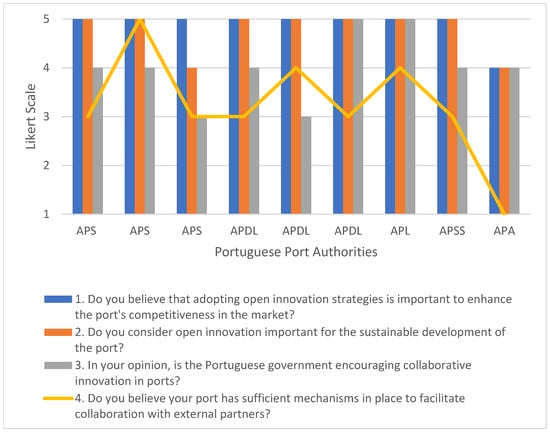
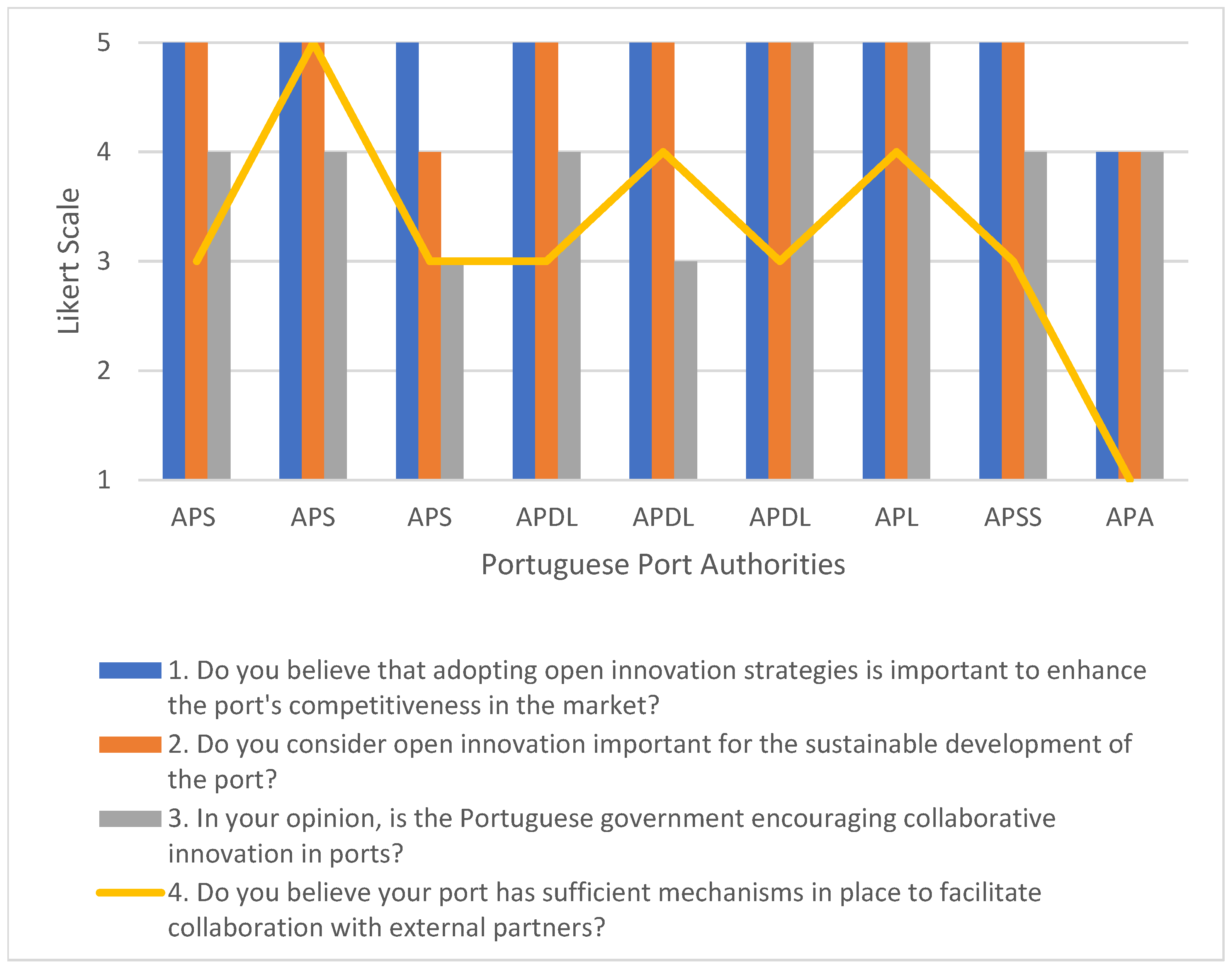
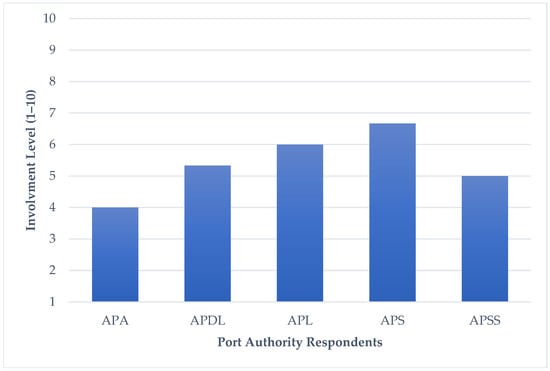
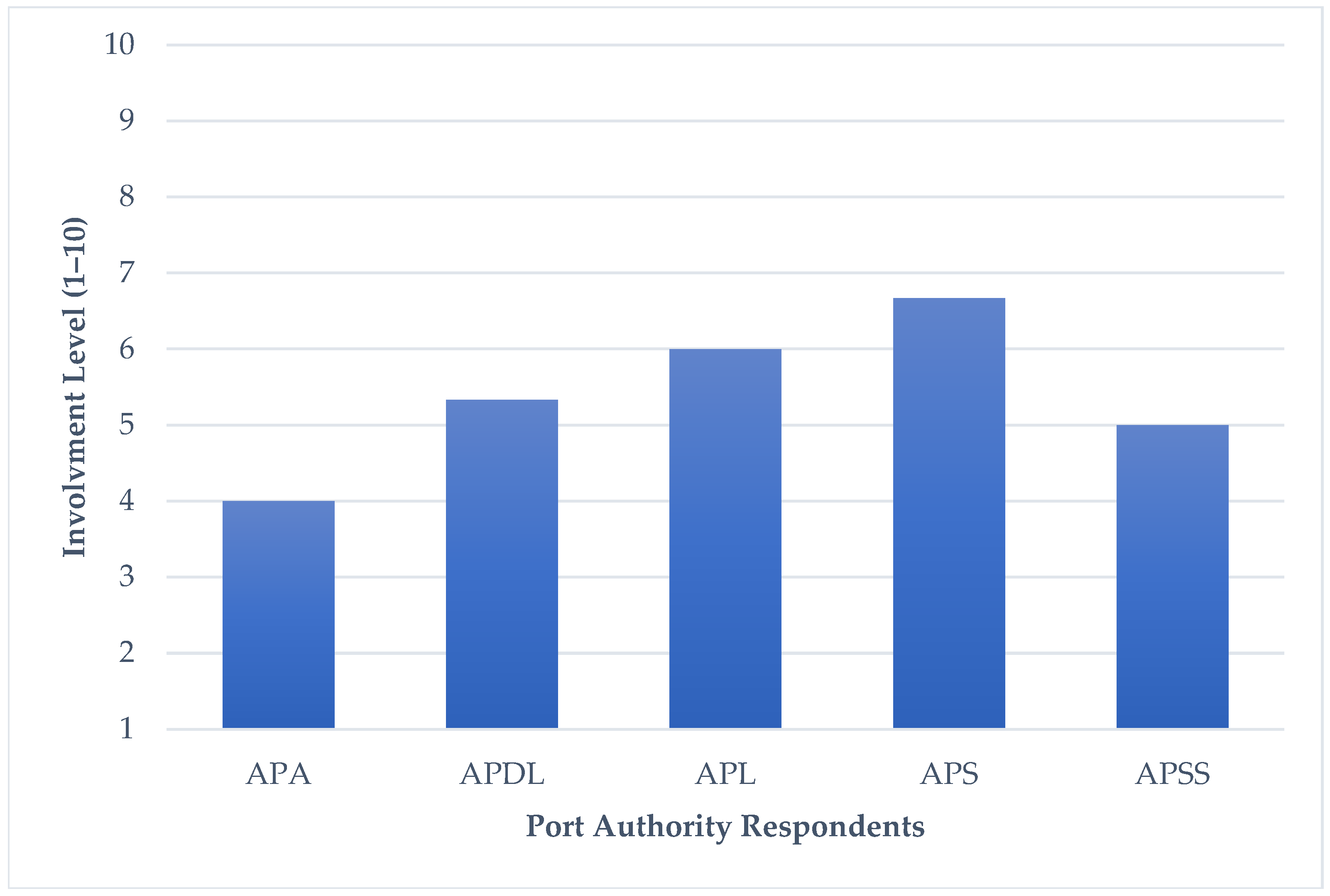
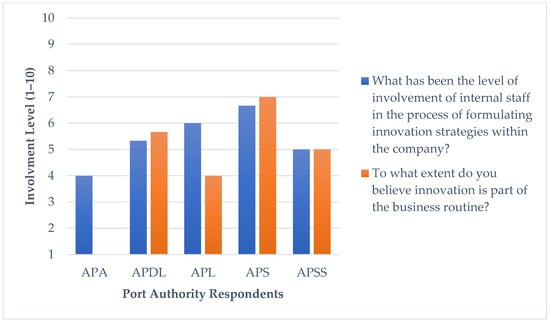
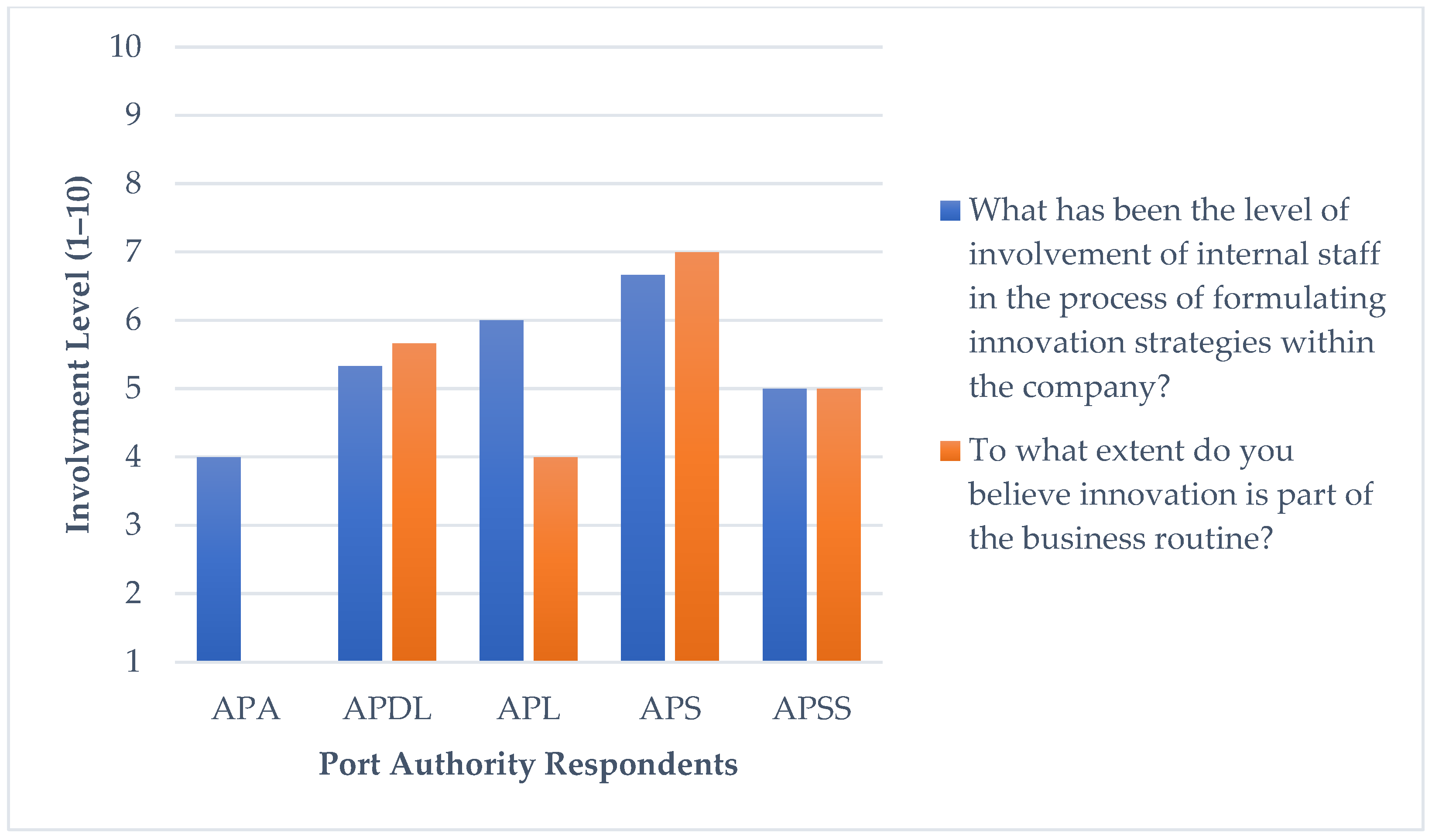
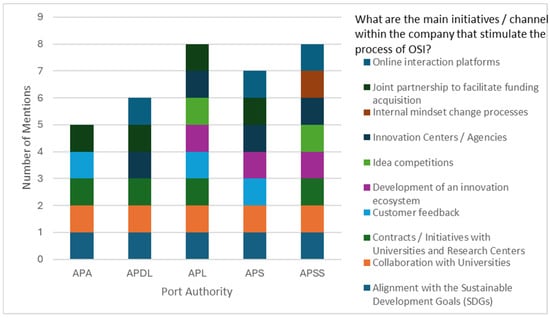
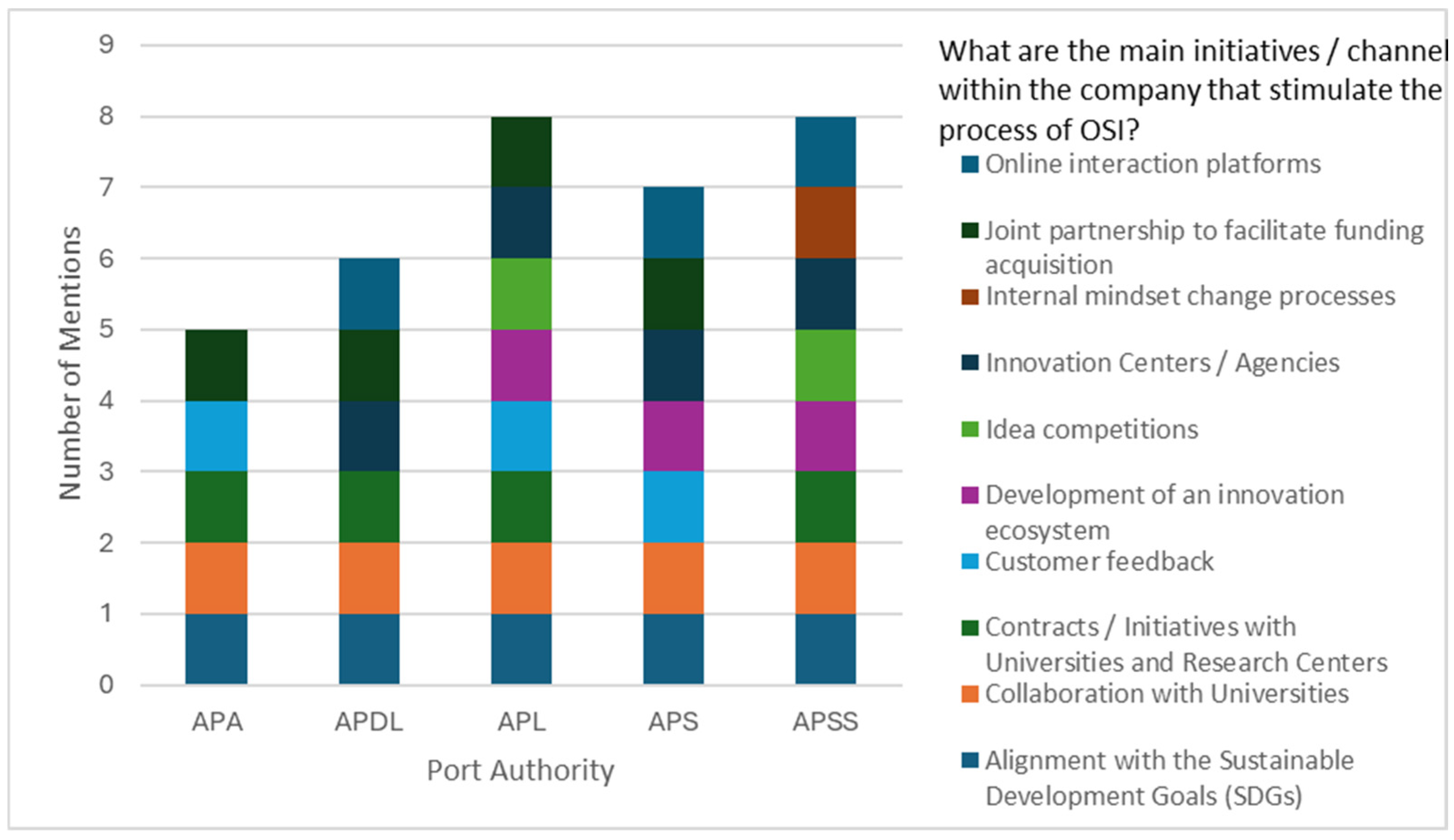
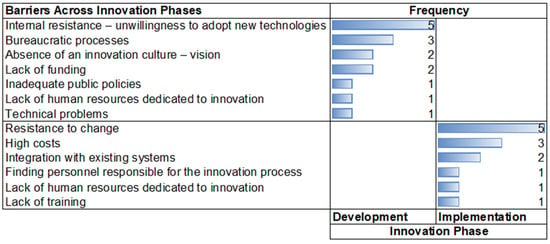
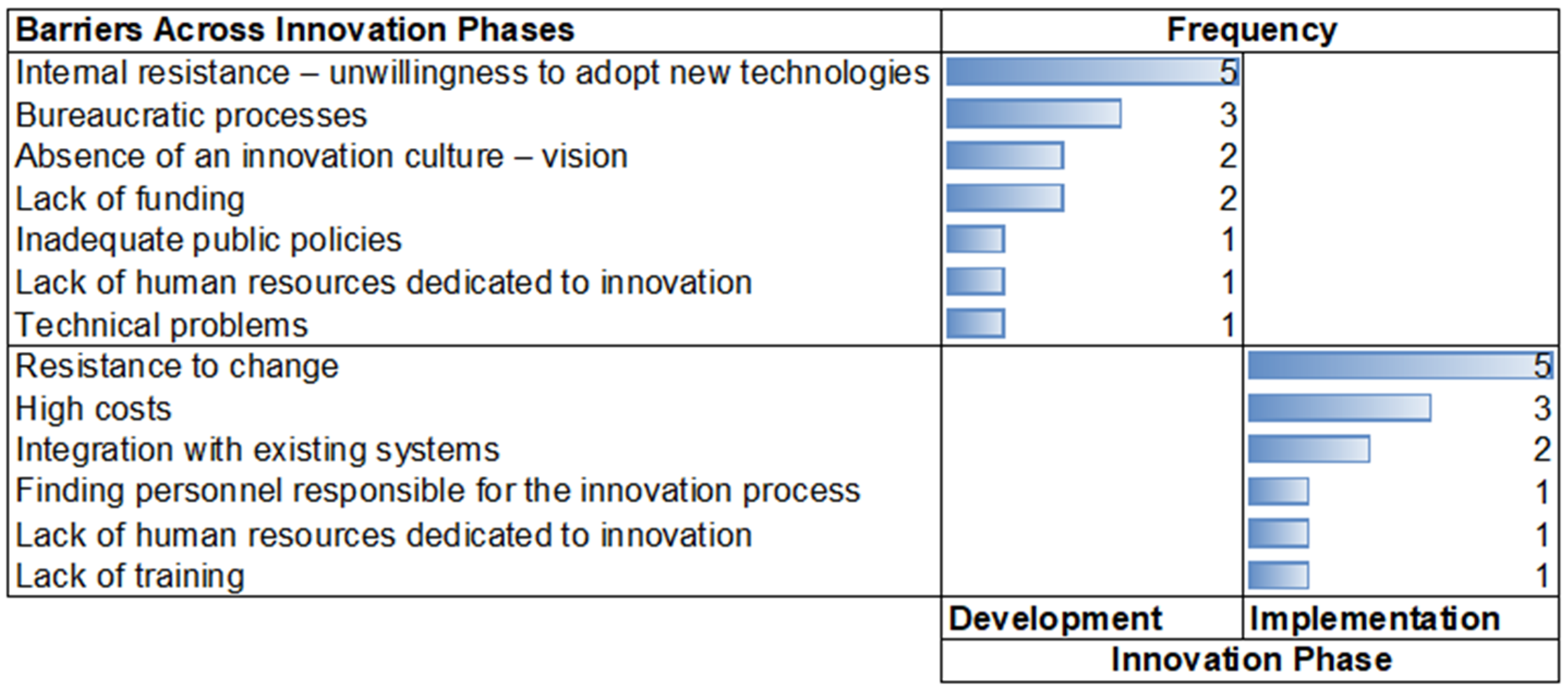
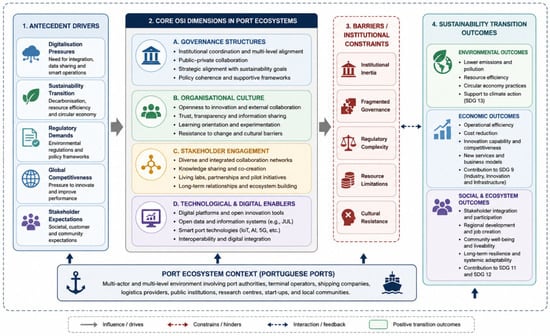
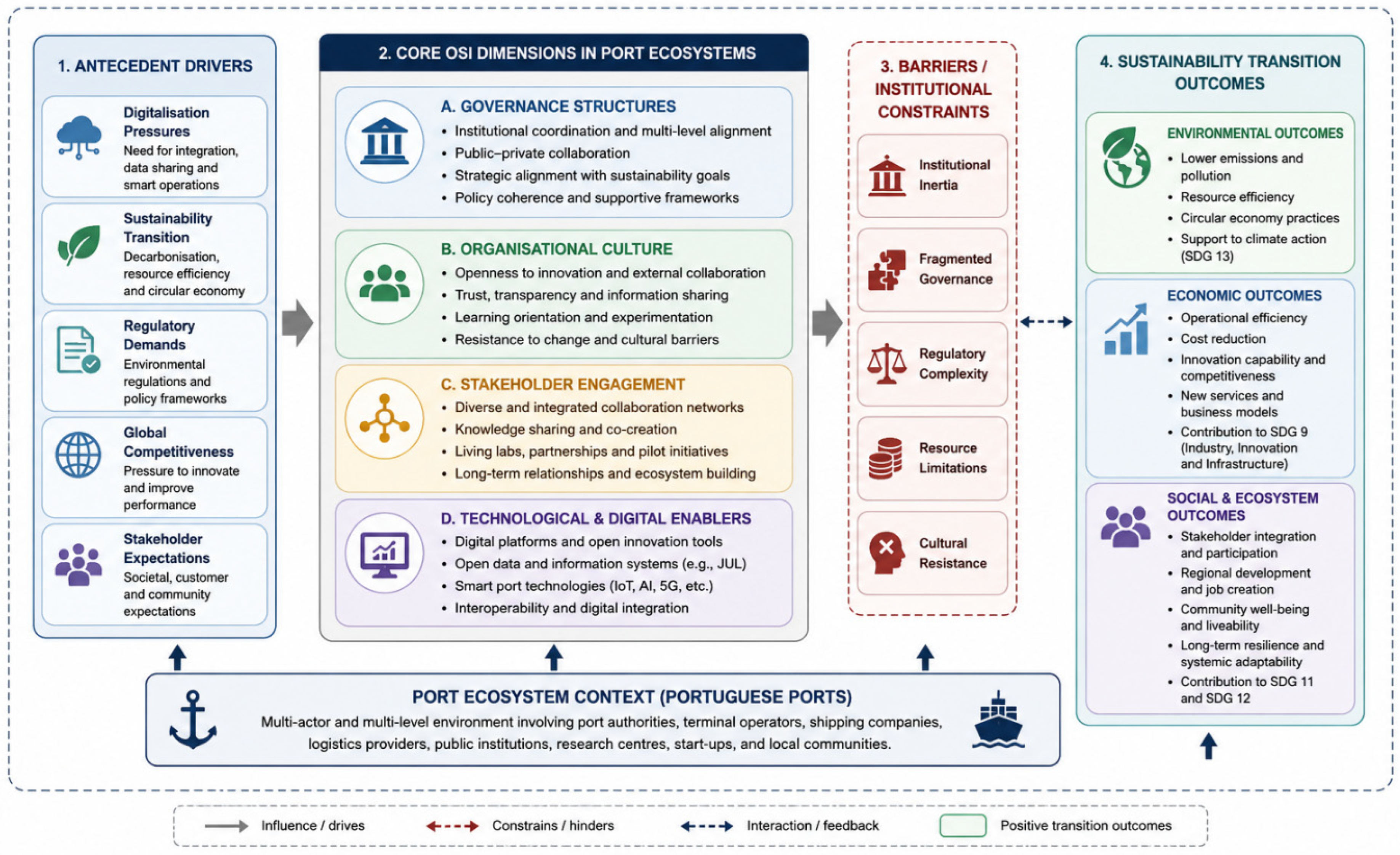

Disclaimer/Publisher’s Note: The statements, opinions and data contained in all publications are solely those of the individual author(s) and contributor(s) and not of MDPI and/or the editor(s). MDPI and/or the editor(s) disclaim responsibility for any injury to people or property resulting from any ideas, methods, instructions or products referred to in the content. |
© 2026 by the authors. Licensee MDPI, Basel, Switzerland. This article is an open access article distributed under the terms and conditions of the Creative Commons Attribution (CC BY) license.