


Abstract
In protracted humanitarian crises, solid waste management (SWM) becomes a major challenge due to limited resources, inadequate infrastructure, and competing response priorities. Waste generated in humanitarian settings typically consist of heterogeneous streams, where plastics, biodegradable fractions, and packaging materials represent the dominant components. Proper management of this waste is essential to reduce health risks and environmental impacts on local communities. Within this framework, sustainable bio-based alternatives and compostable solutions represent promising alternatives. The EU-funded Bio4HUMAN project promotes the integration of innovative bio-based solutions aligned with humanitarian and sustainability goals. An exploratory assessment focused on analyzing waste production, material composition, and handling practices in two case study locations in Sub-Saharan Africa (Democratic Republic of Congo (DRC) and South Sudan (SS)). The results indicate that humanitarian waste cannot be clearly distinguished from household or commercial waste, as streams are typically mixed. Waste composition is dominated by organic matter (43–65%), followed by plastics (15–33%), while other fractions such as paper, glass, metals, and textiles are less significant. Further insights into challenges and opportunities were obtained through a combination of quantitative surveys (n = 29), qualitative interviews with key informants (KIIs) (44) and group discussions sessions (FDG) (9), direct observations, and literature review. Subsequently, a scoping approach was applied to map and classify suitable sustainable solutions into two main categories: bio-based products (BBPs) and organic waste valorization technologies. These were assessed through life cycle assessment (LCA) in accordance with ISO 14040 and 14044, applying SimaPro v.10.2.0.3 software and the Ecoinvent 3.10 database, and compared against fossil-based alternatives. This study compares two case scenarios: a HDPE oil bottle versus PLA alternative (functional unit 6 L), and PE water container versus PLA alternative (functional unit 10 L). For the oil bottle, PLA shows a lower carbon footprint (1.33 kg CO2-eq) than HDPE (2.37 kg CO2-eq). In contrast, for the water container, PLA performs worse (2.22 kg CO2-eq) compared to PE (1.59 kg CO2-eq), due to higher material demand. The results suggest that benefits are context-dependent and most evident for lightweight products with high leakage risks, particularly when composting infrastructure is accessible. This study advances previous work on humanitarian SWM by integrating field-based waste flow characterization with context-specific screening and life cycle assessment of bio-based alternatives, providing quantitative evidence on the conditions under which these solutions can effectively reduce environmental burdens in protracted crisis settings.
1. Introduction
In humanitarian context, proper solid waste management (SWM) is crucial for limiting environmental degradation and protecting public health among both displaced populations and host communities. Humanitarian solid waste comprises heterogeneous waste flows with distinct implications for the applicability of BBSs. Household and community waste, typically dominated by organic residues and packaging materials (plastic bottles, sachets, plastic bags, cans, etc.), offers the greatest potential for biodegradable and compostable BBSs that can be integrated into organic recovery pathways such as composting or anaerobic digestion. In contrast, healthcare and sanitary waste, including infectious materials and contaminated single-use products, requires strict biosafety management and controlled treatment systems, limiting BBS implementation to materials compatible with sterilization or specialized disposal processes. Meanwhile, emergency infrastructure waste, such as damaged shelter components, construction debris, and logistics-related materials, is generally characterized by high volumes and heterogeneous composition, making durable, reusable, and recyclable bio-based materials more suitable than rapidly degradable alternatives. These waste fractions differ substantially in composition, contamination risk, and end-of-life treatment requirements, making context-specific waste segregation and management strategies critical for safe and sustainable humanitarian operations [1,2,3,4].
Evidence from the literature shows that waste composition tends to follow similar patterns, with a predominance of biodegradable fractions (43–65%) and lower shares of recyclable materials. Plastics represent 15 to 33% of the total waste stream, followed by smaller fractions of paper, glass, metals, and textiles [5,6,7]. Once integrated into broader waste streams, humanitarian waste can no longer be clearly differentiated from other waste types unless dedicated separation or labelling mechanisms are applied [8]. In protracted crises, the absence of formal SWM infrastructure often leads to suboptimal disposal practices. In Sub-Saharan Africa, around 69% of waste is openly dumped, often accompanied by burning practices. Approximately 24% is disposed of in several types of landfills, while only about 7% is recycled or otherwise recovered [5,9,10]. In SS and DRC, the two locations studied in the Bio4HUMAN project, waste management is similar to the regional averages reported for Sub-Saharan Africa [6,11]. As a result, inadequate waste treatment can lead to significant environmental challenges, particularly in settings with limited resources and insufficient waste management infrastructure.
The Bio4HUMAN project (Identifying BIO-based solutions FOR waste management applicable to HUMANitarian sector) [12], funded under the Horizon Europe framework program, which focuses on identifying and assessing bio-based solutions for improving waste management in humanitarian contexts. The project examines two Sub-Saharan Africa countries (DRC and SS).
These countries were selected as case studies within the Bio4HUMAN project because they exemplify highly constrained humanitarian contexts, characterized by protracted crises, weak infrastructure, and limited waste management capacity. Such contexts are frequently exposed to recurring natural hazards and/or insecurity contexts, persistent food shortages, disrupted income-generating activities, and weak institutional capacity to manage emergency situations [8]. The consortium includes the NGOs People in Need (PIN) and Polska Akcja Humanitarna (PAH), which have existing operational presence in both the DRC and SS.
Growing attention has been given to the environmental implication of humanitarian activities in recent years. According to a recent report of humanitarian supply chains [13], 23% of surveyed organizations in 2023 were tracking greenhouse gas (GHG) emissions across Scopes 1–3, a notable increase from 9% in 2022. A range of studies was reviewed to examine environmental concerns, methodological approaches, and key challenges [14,15,16,17,18]. Despite growing awareness among humanitarian organizations, sustainability remains insufficiently integrated into operations. Environmental issues, such as GHG emissions, inefficient procurement, and inadequate waste management, are still rarely addressed systematically and are often overlooked in decision-making processes. The literature highlights major emission sources, including long-distance transport, diesel-based operations, and centralized production, alongside the widespread use of short-lived plastic products and limited recycling practices. Overall, sustainability efforts remain disconnected, and different impact dimensions (environmental, social, and economic impacts) are rarely considered together.
Conducting environmental assessments in humanitarian contexts is challenged by several structural and contextual constraints, including the limited integration of sustainability considerations into decision-making processes, scarce and unreliable context-specific data, and a lack of technical expertise in environmental assessment methods. These difficulties are further exacerbated by the time-sensitive nature of emergency responses and rapidly changing field conditions and the absence of standardized tools to assess environmental, social, and economic impacts in an integrated manner.
Within this framework, the Bio4HUMAN project is specifically designed to address these limitations by promoting the integration of environmental, social, and economic impacts of BBS and compostable materials, across the complete value chain of humanitarian aid, which represents a promising pathway to improve SWM performance in humanitarian operations. In this regard, a range of bio-based alternatives have been explored in the scoping exercise, including materials such as PLA, PBAT, mycelium-based materials, corn-derived products, paper, bio-based insulation, wool insulation, and starch-based polyesters. All the proposed solutions are supported by certified compostability credentials provided by the suppliers, ensuring their compatibility with biological waste processing as a feasible end-of-life pathway in the targeted contexts. Among these, PLA has emerged as the most widely used bio-based material in the proposed solutions. Although specific LCA studies on PLA in African contexts remain limited, the existing literature highlights that, due to its environmental friendliness, it is among the most widely produced bioplastics globally; however, the end-of-life treatment selection for this bio-based material can significantly influence the LCA results [19,20]. Studies show that PLA can achieve high biodegradation rates under controlled composting conditions, making it a technically viable disposal pathway [21].
In the specific case of South Sudan, research on municipal waste management in Juba indicates that the waste stream is largely composed of organic fractions and highlights composting as a suitable and promising option for improving waste management practices under local conditions [9]. Warm tropical conditions typical of Sub-Saharan Africa significantly influence biodegradation kinetics, compost stabilization efficiency, pathogen inactivation, and operational suitability of decentralized organic waste treatment systems. This is consistent with findings from Sub-Saharan Africa, where life cycle-based assessments, such as a case study in Côte d’Ivoire, show that decentralized organic treatment systems can reduce up to 87% of GHG emissions compared to open dumping [22]. Different composting approaches can be applied, such as open systems (e.g., windrows) or in enclosed treatment units. From a cost perspective, passively aerated open windrows represent a particularly suitable and low-cost solution, especially for African countries [23].
In addition, studies conducted in African contexts, such as Mozambique, underline that composting can reduce the amount of organic waste directed to landfill while simultaneously generating a high-quality soil amendment that can be valorised and commercialized, thereby contributing to circular economy approaches [24]. More broadly, the literature on life cycle assessment of composting highlights its potential as a sustainable alternative for treating organic waste, while also noting that its environmental performance is highly dependent on process conditions, management practices, and emissions during decomposition. In particular, key parameters such as feedstock composition, operating conditions, and emission control strategies can significantly influence impact categories such as global warming potential and acidification [25]. Among the available options, simple open-air composting configurations with natural aeration are widely recognized for their affordability, particularly in Sub-Saharan African contexts.
This study addresses a critical gap in the existing literature by systematically assessing the applicability of bio-based solutions within humanitarian solid waste management systems, combining both field-based stakeholder insights and quantitative life cycle assessment (LCA). Although PLA and other bio-based materials are widely studied in industrial contexts, there is a clear lack of research assessing their environmental performance in humanitarian settings, where waste management systems are often constrained and uncontrolled.
2. Materials and Methods—Research Strategy
The methodological approach applied in this study focuses on identifying challenges and opportunities in waste management in humanitarian environments, alongside the assessment of sustainable alternatives and the implementation of the LCA.
By integrating a structured scoping methodology with environmental impact assessment, this study aims to provide evidence-based guidance on the selection, prioritization, and implementation of bio-based solutions that are both environmentally beneficial and contextually feasible in protracted crisis environments. The present project report describes the approach followed to develop a comprehensive inventory of sustainable alternatives for humanitarian actors and key actors in the bioeconomy field. It further includes the environmental assessment of two selected solutions, serving as illustrative examples of prioritization and selection methodology. The framework combines an assessment of key actors and local waste management needs in the selected case study areas, together with a scoping process aimed at identifying sustainable solutions across different application types, as well as the LCA of the identified solutions. Figure 1 shows the workflow applied.
Figure 1.
Bio-based solution selection process applied in the framework of the Bio4HUMAN project.
2.1. Solid Waste Management in Humanitarian Contexts: Key Challenges and Opportunities
An integrated methodological approach combined different methods to analyze challenges in waste management in humanitarian environments, evaluate the potential of selected sustainable solutions in these contexts, and conduct the LCA of the selected alternatives. Information on waste management practices in the two case studies was obtained through a combination of primary and secondary data sources [26]. Primary data collection relied on three main approaches: quantitative surveys with international and national humanitarian organizations, qualitative methods including interviews with key informants and group discussions with representatives from multiple actor groups (e.g., industry, academia, community, government, and humanitarian organizations), and direct field observations. In addition, secondary information was sourced from the scientific and grey literature. Table 1 summarizes the methods of collection for primary and secondary data [8].
Table 1.
Primary and secondary data collection methods for SWM practices in SS and DRC.
In Bio4HUMAN, the data collected quantitively were analyzed to generate tables and graphs summarizing the information gathered by PIN and PAH teams, enabling the development of descriptive statistics. Qualitative data were analyzed using a content analysis approach, in which themes were identified, and the data were grouped or coded into meaningful categories to facilitate interpretation. While the research was guided by predefined research questions, the coding framework was developed iteratively from the data collected based on data obtained from interviews with key informants and group discussion sessions. Themes and codes emerged from the data rather than being based on a predefined theoretical framework.
The analysis was conducted using ATLAS.ti 24 software, which supported the systematic coding, organization, and comparison of qualitative data. The software’s analytical functions, including code frequency tables, code-document tables, and visualization tools, were used to identify recurring themes, assess their relative prominence, and compare findings across stakeholder groups, data collection methods, and countries. To strengthen the validity of the findings, triangulation was applied at multiple levels. Findings were compared across the five stakeholder groups represented in the study, across data collection methods (KIIs and FGDs), and across the two study countries (DRC and South Sudan). This process was used to identify both common and context-specific barriers, enablers, needs, and priorities. The prioritization of themes was informed by their frequency of occurrence in the data and by the extent to which they were emphasized by different stakeholder groups.
The combined analysis of quantitative and qualitative data allowed for the identification of key challenges and opportunities in humanitarian settings, as well as the BBS that can help mitigate these challenges and associated risks [6].
2.2. Bio-Based Solutions with Potential Applicability in Humanitarian Context: Products and Technologies
The purpose of this phase was to identify the already existing innovative BBS (or solutions at the pre-commercialization stage) with potential application in the humanitarian phase. The scoping of bio-based solutions was conducted through (a) a systematic survey of entities within the Bio-based Industries Consortium (BIC), including both full and associated members. This process was complemented by the analysis of multiple data sources, including results from CBE-funded projects, publicly available sustainable materials from organizations operating across multiple territorial levels, intellectual property records, and recognition programs related to innovative solution [28].
- (a)
- Stakeholder Survey. BIC is the largest European network of companies engaged in the development of solutions derived from renewable biological resources, combining investment, technological progress, and specialized knowledge. Information was gathered through a structured survey designed to collect information on product and technology portfolios, as well as R&D&I, relevant to addressing SWM. Questions were structured to capture multiple dimensions of each product, technology, or service, and their potential deployment. This included criteria for filtering solutions, such as the specified EoL, climate condition dependency, and feasibility of implementing the solution as a standalone or autonomous unit. The main categories of data collected through the survey are presented in Figure 2.Figure 2. Data collection categories defined for the BIC stakeholder survey.
- (b)
- CBE JU Project Analysis. A comprehensive list of all CBE projects funded during 2016–2023 was compiled. To identify projects relevant to the Bio4HUMAN scope, key information was extracted and evaluated, covering relevant project attributes, including timing, level of development, general description, and feedstock characteristics.
- (c)
- Web-based scoping. The search targeted a range of specialized databases and websites, including the Red Cross Items Catalogue [29], Bio-based Consultancy Database [30], Kompass Nachhaltigkeit [31], Sustainable Biomaterials [32], Bio-based Content [33], DIN-Certco [34], Stora Enso [35], ECBF [36], PBPC [37], State of Green [38], and TP Organics [39]. Search terms targeted both bio-based products (e.g., construction materials, hygiene products, biodegradable packaging, bio-fertilizers) and bio-based technologies (e.g., waste valorization, composting, bioremediation, biorefinery processes) and were combined with the “humanitarian” criterion.
- (d)
- Patent-based scoping. A systematic review of patent applications was conducted using Derwent Innovation, incorporating information from leading international patent authorities. Keyword combinations guided the search, prioritizing patents from Europe, the United States, and WIPO. Industrial designs were excluded as they protect appearance only rather than functional properties.
- (e)
- Trade Fair and Award-Based Scoping. International trade fair organizers were contacted to gather information on sustainable showcased innovations and recognized solutions.
The screening and prioritization of candidate solutions were conducted through a structured, multi-criteria analytical framework to ensure robustness, transparency, and relevance to humanitarian contexts. Each solution from the initial inventory collected from the five investigation lines (a–e) was systematically assessed against a harmonized set of evaluation criteria.
The practical applicability to humanitarian purposes constituted a primary filter, focusing on the capacity of each solution to respond to operational needs across different phases of humanitarian interventions. This included considerations such as ease of deployment, adaptability to resource-constrained environments, and compatibility with existing humanitarian logistics and operational standards.
- (1)
- A key criterion for selection was the extent to which solution providers were able to share detailed technical information, especially data required to support LCA. Solutions with limited data transparency or restricted access to primary information were deprioritized, given the central role of LCA in enabling evidence-based environmental evaluation.
- (2)
- Climatic suitability was assessed qualitatively based on the broad environmental conditions of the target case study regions (South Sudan and the Democratic Republic of Congo), characterized by warm tropical and sub-equatorial climates with high annual temperatures and seasonal rainfall variability. The evaluation focused on identifying solutions inherently compatible with these general conditions and replicable across comparable humanitarian settings.
- (3)
- In addition, the scale of potential investment was considered for technological solutions, distinguishing between low-cost, rapidly deployable options and those requiring significant capital expenditure or infrastructure. For product-based solutions, the analysis focused instead on their integration within humanitarian supply chains, including procurement, transport, storage, and distribution constraints.
- (4)
- The Technology Readiness Level (TRL) was used as an overarching indicator of maturity, ensuring that selected solutions demonstrated sufficient development to enable realistic deployment scenarios, while still allowing for innovative approaches at pre-commercial stages.
- (5)
- The probability of encountering cultural or societal barriers was also explicitly assessed, recognizing that acceptability and user perception are critical determinants of successful implementation in humanitarian contexts. Following this evaluation, the shortlisted solutions were grouped into thematic clusters to facilitate comparative analysis and context-specific assessment.
- (6)
- Finally, the degree of innovativeness was assessed qualitatively against the current state of the art by considering advances in material composition, processing technologies, design strategies, and circularity potential relative to conventional alternatives. Both incremental and disruptive innovations were considered. However, this criterion was used as a complementary differentiator rather than a decisive selection factor, with greater weight assigned to operationally relevant criteria such as TRL, adaptability to humanitarian context-specific constraints, and implementation feasibility.
2.3. Life Cycle Assessment Methodology
Despite growing awareness of sustainability within humanitarian organizations, environmental considerations are still not consistently embedded in humanitarian activities. Major environmental concerns, such as greenhouse gas emissions (GHG), deforestation, and intensive water use, are often addressed inconsistently and receive limited priority in both funding allocation and program development [18]. Bio4HUMAN represents an innovative step forward by incorporating LCA for bio-based products, enabling a more structured assessment of their environmental effects and supporting the integration of sustainability considerations into humanitarian interventions.
The methodology implemented for the LCA followed ISO 14040:2006 and ISO 14044:2006 standards [40,41], which structure the LCA into four main phases: (1) Goal and Scope of the study, (2) Life Cycle Inventory (LCI), (3) Life Cycle Impact Assessment (LCIA), and (4) Interpretation.
2.3.1. Goal and System Boundaries
The Bio4HUMAN LCA examines and compares the environmental effects associated with the innovative BBS and technologies of EoL, such as composting, with current SWM practices in humanitarian contexts. The analysis included an evaluation of the impact of geographical conditions on feasibility and performance of localized solutions across different community types, specifically in the DRC and SS.
Figure 3 presents an overview of the humanitarian aid life cycle, covering all stages from raw material sourcing to final disposal at distribution sites, thus reflecting a cradle-to-grave approach. In the baseline scenario, approximately, 69% of waste is openly dumped, often accompanied by burning practices, and 24% is disposed of in various types of landfills, while only about 7% is recycled or otherwise recovered [5,9,10]. Within the Bio4HUMAN approach, the EoL of the bio-based products presented as examples in this manuscript (PLA bottle for water and oil) is modelled as composting. We acknowledge that the results associated with this composting scenario reflect a prospective approach and therefore do not directly represent current disposal practices in the regions studied. Rather, they illustrate the environmental performance that could be achieved if bio-based materials were implemented alongside appropriate waste management solutions.
Figure 3.
Conceptual framework of humanitarian aid life cycle and scope of the Bio4HUMAN LCA.
Information provided by NGOs (PIN and PAH) enabled the classification of humanitarian aid kits into four main categories: food [42,43], WASH (Water, Sanitation, and Hygiene) [44], agricultural [45,46], and non-food item (NFI) kits [47]. Within the baseline scenario, these kits are predominantly composed of fossil-based materials. For this manuscript, the following conventional packaging solutions were selected: PE water bottle, which is one of the items of the WASH kit, and HDPE oil container, which is part of the food basket. These two items have been selected to be compared with the sustainable alternatives identified as part of the Bio4HUMAN project.
A range of bio-based solutions was assessed to evaluate their potential integration into these kits. The initial list of 27 bio-based solutions identified during the scoping phase was narrowed down to 13 bio-based products and two EoL technologies, by grouping similar options. The analysis presented in this study will focus specifically on PLA bottles for water and oil.
Consistent with LCA methodology, establishing a clear functional unit allows for consistent comparison between the baseline scenario and the alternative sustainable solutions. Table 2 summarizes the selected conventional and bio-based solutions that were selected from the 13 bio-based solution list, for being assessed through LCA in this article, and their functional units [48].
Table 2.
Selected bio-based solutions for LCA and functional units.
2.3.2. Life Cycle Inventory (LCI)
Information was compiled to assess the environmental outcomes of both existing solutions and innovative sustainable alternatives. The data collection carried out by the LCA partners, based on their expertise, covered all phases of the life cycle, from resource extraction to its final disposal.
The BBS data were collected from consultations with the solution providers. When data availability was limited or confidential, established databases, scientific articles, sector-specific documents, and expert input were used. The inventory data for the two solutions are presented in Table 3 and Table 4 [49]. Data for the fossil-based solutions was extracted from Ecoinvent 3.10.
Table 3.
Inventory dataset for PLA water bottle.
Table 4.
Inventory dataset for PLA bottle for oil.
2.3.3. Life Cycle Environmental Impact Assessment (LCIA)
Impacts were calculated using the SimaPro v.10.2.0.3 LCA software to determine major environmental impact areas among proposed solutions. The modelling relied primarily on the Ecoinvent 3.10 database, complemented with data gathered from the literature review.
The BBS were compared with their respective conventional counterparts. For this manuscript, specifically, HDPE water bottle and HDPE oil container were assessed against PLA bottles. Consistent system boundaries were applied across all models to ensure comparability. Impact assessment was carried out using internationally established methodologies, including Environmental Footprint (EF) 3.1 and Impact World+. In addition to EF3.1 indicators, further metrics were selected based on their relevance in similar EU projects, including biogenic carbon, plastic effects on biota, ecosystem quality, material durability indicators, and resource criticality. For the method of determining the effects of plastics on biota, the characterization factors of the mariLCA framework were utilized [50,51]. It is important to highlight that the assessment of microplastics impacts in LCA is still an emerging and evolving area. The characterization models and factors are currently under development and discussion within the LCA community and may be subject to further refinement and updates as the scientific consensus advances.
To support interpretation, results were also expressed using a single score approach, which aggregates multiple environmental impact categories into a unified metric. The use of a single-score approach enhances interpretability and supports decision processes by enabling the comparison of different environmental impacts on a comparable scale. Nevertheless, it should be noted that single-score results are influenced by methodological assumptions, including the choice of normalization references and weighting factors. Therefore, the results should be complemented with analyses at the impact category level to enable a more holistic evaluation of the environmental outcomes.
Regarding EoL stages, bio-based solutions may generate not only waste, but also beneficial outputs. For instance, biological valorization pathways applied to bio-based alternatives can produce nutrient-enriched outputs with the potential to offset the use of traditional fertilizers; in LCA, such benefits are quantified as avoided environmental burdens. Using the EF3.1 framework, these credits are reported separately from different impacts, providing additional insight into the overall environmental performance of each solution.
3. Study Findings
This part of the study outlines the main findings obtained within the Bio4HUMAN project, including the challenges and opportunities in SWM, the selected BBS, and a summary of the LCA results. While the analysis identifies principal barriers and potential opportunities associated with solid waste management in humanitarian contexts, the uniqueness of Bio4HUMAN lies in going beyond this systemic diagnosis by integrating LCA into the selection of bio-based solutions. By providing a quantitative, life cycle-based evaluation of environmental impacts, LCA guides the selection of the most suitable bio-based solutions acting as a sustainability-driven decision-making tool, contributing to the mitigation of the identified challenges and enabling the effective exploitation of the existing opportunities.
3.1. Barriers and Opportunities in Waste Management in Humanitarian Settings: Evidence from DRC and SS
From the analysis of the primary and secondary data gathered, the main challenges and opportunities in humanitarian settings with regard to SWM were identified. These include the lack of infrastructure and services, insufficient coordination and planning, limited financial resources, weak policy enforcement, and low levels of public awareness. At the same time, several opportunities to address these challenges were identified, such as the application of waste prevention principles, sustainable packaging practices, the provision of accessible and safe disposal sites, waste-to-energy EoL options, and improved digitalization and data collection. The findings are summarized in Figure 4.
Figure 4.
Barriers and opportunities in waste management in humanitarian settings.
3.2. Bio-Based Solutions with Potential Applicability in Humanitarian Context
Products and technologies identified through the stakeholder survey (line a, described in Section 2.2) resulted in an initial selection of 18 solutions with potential relevance for SWM after reviewing the 57 survey responses received. From the portfolio of 189 projects funded by the CBE JU program (line b), 17 potentially relevant solutions were identified, while the web-based scoping exercise (line c) yielded an additional 15 candidate solutions. Patent-based scoping (line d) retrieved 114 patents related to bio-based products and services and 177 patents related to bio-based technologies; after screening, 22 patents were retained for further analysis. Finally, from the 24 awarded bio-based products and technologies reviewed (line e), six solutions were selected.
The main filtering criteria applied during the screening process are summarized in Figure 5. Overall, 78 solutions were compiled during the first screening round. These solutions were subsequently clustered according to the categories presented in Figure 6.
Figure 5.
Main criteria guiding the selection of high-potential bio-based solutions for humanitarian contexts.
Figure 6.
Classification of identified solutions based on their source (left) and by technology or product type (right).
Following an iterative screening process based on technical feasibility, end-of-life conditions, and relevance to humanitarian contexts, as described in Section 2.2, the initial inventory was consolidated into a final shortlist of 27 priority solutions. The shortlisted solutions were grouped into five categories according to their intended application, as follows:
- (1)
- Multipurpose packaging products. The selected solutions in this category include solutions that provide fastening, sealing, and protective functions across different humanitarian kits. Representative examples include mycelium-based protective materials derived from fungal biomass [52] combined with agricultural or wood-processing residues, which are fully biodegradable according to ASTM D5988-18 [53]. Additional solutions comprise adhesive tapes largely based on sustainable raw materials [54]. These are suitable for sealing biodegradable packaging and medium to high density cardboard and are compliant with home-compostability standards under specific conditions, although their degradation performance may vary depending on local composting practices and environmental conditions. Biodegradable laminating films derived from renewable feedstocks such as corn are also included and are certified as 100% industrially compostable [55].
- (2)
- Packaging solutions designed for food and beverage applications. The solutions selected within this category are intended to serve as alternatives to traditional primary-level materials in packaging in the humanitarian food and beverage supply chains. Representative examples include PLA-based bottles for water or oil [56], produced entirely from plant-based, non-GMO feedstocks (e.g., sugarcane), including caps and labels, and certified as industrially compostable. PLA is a widely used bioplastic synthesized from lactic acid monomers derived from sugars obtained from crops such as maize, sugarcane, or biowaste. Additional solutions include compostable pouches for Ready-to-Use Therapeutic Food (RUTF) [57], manufactured from combinations of PLA, metallised cellulose, and cellophane, which are fully biodegradable and suitable for home composting.
- (3)
- Hygiene products (WASH kits). The selected solutions in this category comprise bio-based hygiene solutions intended for sanitation and personal care in humanitarian contexts. Representative examples include sanitary pads produced from agricultural residues such as jute, bagasse, banana fibre, and water hyacinth [58]. These products represent fully certified, 100% home-compostable alternatives to conventional fossil-based hygiene products, with potential for integration into locally oriented production systems.
- (4)
- Construction-related materials. The selected solutions in this category include materials with potential applications in humanitarian shelter and infrastructure, particularly in post-conflict and emergency housing contexts. Examples comprise insulation foams containing 65–75% renewable content and designed for recyclability. Additional solutions include insulation materials based on 100% natural sheep wool, which are reusable and biodegradable [59], as well as hemp-based insulation materials offering high bio-based content, good thermal performance, and potential for reuse [60].
- (5)
- Other products for humanitarian applications. The selected solutions in this category include cross-cutting solutions with broader applicability in humanitarian interventions. Representative examples comprise compostable disposable bags [61] made from renewable resources and certified according to DIN EN 13432 [62], enabling disposal alongside organic waste under industrial composting conditions, provided that appropriate waste collection and treatment infrastructure is available. It also includes monofilament fishing nets and mosquito nets produced from PLA-based bioplastics, which are biodegradable alternatives to conventional fossil-based products [63].
- (6)
- Small-scale technologies: The selected solutions in this category include decentralized and resource-efficient solutions for waste treatment. Black soldier fly-based systems [64,65,66] enable the valorization of organic waste through its conversion into insect biomass and nutrient-rich residues with potential applications in animal feed and soil amendments. Modular micro anaerobic digestion systems [67], including single-stage [68] and micro biogas digesters [69,70], were highlighted for their ability to transform organic waste into biogas and digestate at a small scale, supporting local energy generation and nutrient recovery. Mobile composting systems [71] for use in closed areas were also identified as suitable solutions where centralized infrastructure is limited. In addition, innovative biological approaches such as polystyrene-consuming lesser mealworms [72,73] and the ROBONOVA® bioremediation technology [74] demonstrated potential for the treatment of plastic waste and contaminated matrices, respectively.
3.3. Life Cycle Assessment Results: PLA Bottle for Water and Oil
A comparative assessment is conducted between the conventional materials and proposed sustainable alternatives in this section. The evaluation is based on a single indicator capturing the aggregated environmental burden associated with each option. This analysis also includes the EoL scenario of composting as an ideal or best-case situation. However, this option is not yet consistently accessible in the geographical context of the project, SS and DRC, and therefore it represents a theoretical LCA of optimal conditions.
It should be noted that in many humanitarian settings, bio-based and biodegradable materials that undergo open burning would likely result in impacts similar to those of fossil-based plastics, particularly in terms of emissions of particulate matter and other pollutants. Similarly, in open dumping scenarios, the overall environmental impacts may be comparable. However, one potential difference lies in the “plastic effects on biota” indicator, where bio-based materials such as PLA may exhibit lower impacts due to reduced persistence and physical effects in the environment compared to conventional plastics. While a quantitative analysis based on current EoL practices could provide additional insights, it falls outside the primary objective of the Bio4HUMAN project, which is to explore the potential benefits of transitioning toward more sustainable waste management systems.
Firstly, within the framework of the Bio4HUMAN project, a total of 14 solutions were evaluated through LCA. However, only two illustrative case studies are presented in this manuscript, selected due to their comparability: both use the same PLA bottle format, applied to two different use cases (water and oil packaging). These examples were intentionally chosen to emphasize that the environmental performance of PLA-based solutions is highly dependent on the application and functional requirements.
Figure 7 presents the comparison of the single-score results for the benchmark 3L HDPE oil bottle and the bio-based alternative 2L PLA oil bottle. The single score result for the PLA solution is 121.17 µPt, while the reference HDPE oil bottle reached 171.59 µPt. The functional unit considered in this analysis is defined as “6-litre oil container(s) corresponding to the storage and supply of edible oil for a duration of one month”. Accordingly, this functional unit is represented by the reference flows of two HDPE bottles and three PLA bottles. The results per functional unit indicate that the PLA-based option shows an approximate 29% reduction in total environmental footprint, as expressed by the single-score indicator. This reduction is mainly attributed to improvements across principal impact categories, including climate change and fossil resource use, reflecting the lower reliance on fossil-based resources of PLA compared to HDPE.
Figure 7.
HDPE oil bottle vs. PLA oil bottle.
More specifically, in the climate change category, the PLA bottle shows significantly lower impacts (1.33 kg CO2 eq) compared to the HDPE bottle (2.37 kg CO2 eq). Similarly, in fossil resource use, the PLA solution requires 14.1 MJ, whereas the HDPE bottle reaches 31.9 MJ, confirming the reduced dependence on fossil resources. In contrast, the PLA solution exhibits higher impacts in the water use category, with 1.29 m3 deprivation compared to 0.343 m3 for the HDPE bottle. This increase is primarily due to the irrigation requirements associated with maize cultivation used as feedstock for PLA production.
Figure 8 illustrates the comparison based on single-score metrics between the conventional HDPE jerrycan of 10L and the alternative configuration comprising five PLA bottles of 2L capacity. In contrast to the previous case study, in which PLA-based material for oil bottles exhibited better environmental performance than fossil-based options, the PLA solution for the water container in this case results in approximately 80% higher overall impacts. The single score result for the PLA solution is 201.96 µPt, while the reference HDPE oil bottle reached 114.76 µPt.
Figure 8.
PE water bottle vs. PLA water bottle.
More specifically, in the climate change category, the PLA water bottle shows significantly higher impacts (2.22 kg CO2 eq) compared to the HDPE bottle (1.59 kg CO2 eq). Similarly, in fossil resource use, the PLA solution requires 23.4 MJ, whereas the HDPE bottle reaches 21.3 MJ. The PLA solution also exhibits higher impacts in the water use category, with 2.15 m3 deprivation compared to 0.23 m3 for the HDPE bottle. This increase is mainly driven by the water demand linked to maize cultivation used as raw material for PLA manufacturing.
This outcome is mainly attributed to the higher total material mass required (reference flow) to meet the functional unit “10-litre water container(s) related to the storage and provision of water over a one-month timeframe”. This means that for the PLA option, five 2L bottles are required (345 g) compared to the 1 bottle of HDPE (210 g). The increased weight compensates for the currently lower mechanical strength of PLA, which constrains the production of larger single-capacity containers. Considering the relatively lower technological maturity of the bioeconomy sector compared to petroleum-based plastics, continued development of sustainable degradable materials is anticipated to enhance performance. Consequently, future developments in PLA formulations may allow for lighter and more durable containers, potentially narrowing this performance gap.
These results emphasize that the environmental performance of PLA-based packaging is highly context-dependent and strongly influenced by design optimization, particularly container size and material efficiency, rather than solely on material substitution. Moreover, it is worth highlighting that EoL strategies play a key role in mitigating particulate matter emissions, toxic impacts, and adverse ecological effects (including impacts of plastics on biological communities). Although sustainable materials usually present reduced impacts during the end-of-life phase, these advantages can only be fully achieved when appropriate disposal and treatment pathways are accessible. A wide range of sustainable materials, such as PLA-based material, require specific large-scale composting facilities for proper degradation, while others (e.g., biodegradable tapes) can degrade under specific home-composting conditions. With regard to the life cycle cost across the assessed kits, replacing conventional packaging with bio-based packaging generally leads to only small changes in total kit cost. This is because packaging represents a relatively small share of overall kit costs, while total costs are mainly driven by key kit components.
However, in the absence of adequate waste management infrastructure, the potential environmental benefits of these materials are significantly reduced. In fact, a significant share of the proposed alternatives undergo degradation only within controlled processing systems and would not degrade under natural conditions if released into the environment. Furthermore, if these bio-based solutions are not composted, which represents the ideal scenario, but are instead subjected to open burning or disposed of in open dumping, their environmental impacts can become comparable to those of conventional fossil-based materials, particularly in terms of emissions. Consequently, further development of end-of-life management systems is crucial and must be prioritized, particularly when the aim is to reduce waste generation locally and its associated health and environmental consequences.
Figure 9 summarizes the recommendations derived from the LCA of the BBS to support their selection and implementation. The figure brings together several areas of action, including waste management, local partnerships, supply chain optimization, improved packaging design, among others, highlighting the need for a systemic approach that maximizes environmental benefits across the entire life cycle.
Figure 9.
LCA recommendations for bio-based solutions.
4. Discussion
The results of this research provide further understanding into the role of bio-based materials in addressing SWM challenges in humanitarian settings, highlighting both their potential benefits and important contextual limitations. The predominance of organic and plastic waste streams identified in the Bio4HUMAN project cases is consistent with previous assessments conducted in humanitarian settings across Sub-Saharan Africa, where biodegradable fractions and plastics constitute a significant share of unmanaged waste due to limited collection and treatment systems [5]. This reinforces the relevance of targeting both streams through integrated bio-based and circular approaches.
The broad portfolio of BBS identified in this study reflects the diversity of intervention points along the humanitarian supply chain, ranging from material substitution to waste valorization technologies. Similar approaches have been highlighted in prior research on bio-based systems and circular economy solutions, which emphasize the importance of combining product innovation (e.g., bio-based packaging) with EoL strategies such as recycling or organic waste conversion to maximize environmental benefits. In particular, the valorization of organic waste into biogas, fertilizers, or animal feed is widely recognized as an effective pathway to simultaneously address waste accumulation and resource scarcity, contributing to both waste reduction and local value creation [22,24].
Overall, the portfolio of scoped BBS is both extensive and diverse. It encompasses products based on materials derived from renewable sources, combinations of sustainable feedstocks and solid waste flows, bio-derived plastics, hybrid materials integrating recycled content, and polysaccharides derived from renewable sources. Notably, a large proportion of these products are designed to be compostable and/or biodegradable. From a technological perspective, the identified solutions are capable of processing a wide range of feedstocks, including both fibrous and non-fibrous materials such as plant residues and animal waste, and in some cases, also enable plastic recycling. Most technologies are suited to deployment in rural and remote contexts, with several also adaptable to urban environments.
Importantly, evidence from real-world implementations supports the feasibility of bio-based and circular solutions in humanitarian contexts. A notable example is the Zaatari refugee camp in Jordan, where an integrated circular economy model has been successfully implemented, converting organic waste into compost, biogas, and treated water, while simultaneously generating employment opportunities and reducing environmental impacts. This case demonstrates how bio-based waste valorization can contribute not only to waste reduction but also to broader socio-economic resilience in displacement settings [75]. In addition, successful efforts to replace conventional plastics in humanitarian supply chains further highlight the applicability of bio-based alternatives. For instance, initiatives led by organizations such as ShelterBox and the ICRC have demonstrated that reducing or substituting single-use plastic packaging can significantly decrease waste generation without compromising operational effectiveness [76]. Altogether, these case studies support the results of the present study by confirming that bio-based solutions can be effectively implemented in humanitarian contexts when supported by appropriate infrastructure, stakeholder engagement, and system-level integration.
From an environmental perspective, the results align with life cycle assessment (LCA)-based evidence showing that bio-based alternatives can significantly reduce climate impacts and fossil resource use compared to conventional materials when appropriate conditions are met [6,21]. However, the findings also confirm a critical issue widely discussed in the literature: the environmental benefits of materials derived from renewable sources and designed for composting is highly contingent on the availability of suitable infrastructure [77,78]. Previous studies have demonstrated that inadequate waste management systems, particularly the lack of collection, sorting, and industrial composting facilities, represent a major barrier to the effective deployment of compostable plastics. In such contexts, biodegradable materials may not degrade as intended and can exhibit impacts comparable to conventional plastics when disposed of in open environments or landfills. This infrastructural limitation is particularly acute in humanitarian settings such as SS and DRC, in which infrastructure for waste management is often underdeveloped or absent. Evidence from international organizations indicates that large volumes of waste remain uncollected, and practices such as uncontrolled disposal and open-air burning are widespread, exacerbating environmental and health risks. This is especially critical for bio-based and compostable materials, whose environmental benefits are highly dependent on the availability of suitable EoL pathways (e.g., industrial composting). These findings support the interpretation that improving SWM infrastructure should be considered a prerequisite for the successful implementation of BBS, rather than a parallel objective.
Beyond infrastructure, the study highlights additional barriers related to feedstock availability, operational constraints, and socio-economic factors. These findings are consistent with research on sustainable humanitarian supply chains, which identifies logistical complexity, resource constraints, and limited coordination as key challenges affecting the implementation of innovative solutions. In particular, the need for rapid deployment in emergency contexts often conflicts with the time required to adapt and implement bio-based systems, limiting their short-term feasibility despite their long-term potential [19]. Furthermore, the importance of social acceptance and user behaviour observed in this study is well supported by prior literature, which emphasizes that community engagement and awareness are critical for the adoption and correct use of bio-based and waste management solutions. Without adequate training and communication, even technically viable solutions may fail due to misuse, misunderstanding, or lack of trust [79].
From a policy and governance perspective [23], some implications emerge. First, there is a strong need to strengthen and enforce regulatory frameworks and standards for bio-based and compostable materials in humanitarian contexts, as these are currently lacking in countries such as the DRC and South Sudan. Second, financial and institutional mechanisms, such as targeted funding, procurement incentives, and donor-driven standards, are critical to support initial investments, scale-up, and market development. Third, stronger cross-sector collaboration is required to bridge the gap between the bio-based industry and the humanitarian sector, including awareness-raising, pilot programs, and shared platforms to demonstrate feasibility and performance. In addition, integrating bio-based criteria into humanitarian procurement guidelines and operational standards would play a key role in creating stable demand and accelerating adoption at scale. Finally, community acceptance must be recognized as a context-dependent factor: while there is generally support for reducing non-biodegradable waste, adoption depends on familiarity, usability, cost, and alignment with existing practices.
Overall, while the results confirm the substantial capacity of renewable-based alternatives to reduce environmental burdens and enhance circularity in humanitarian operations, they also demonstrate that their effectiveness is highly context-dependent. These findings contribute to the growing body of evidence suggesting that technological innovation alone is insufficient, and must be complemented by investments in infrastructure, capacity building, policy development, and stakeholder engagement to achieve sustainable outcomes in complex humanitarian settings.
5. Conclusions
This study demonstrates that bio-based solutions have significant potential to contribute to more sustainable SWM in humanitarian settings. However, their environmental and operational performance is highly context-dependent, reflecting the complex and constrained conditions that characterized humanitarian systems. The scoping exercise conducted within the Bio4HUMAN project reveals that a diverse portfolio of innovative BBS products and technologies is already accessible to reduce reliance on fossil-based plastics across multiple stages of the humanitarian value chain. Importantly, these solutions are not generic but are explicitly aligned with humanitarian operations, particularly through their applicability to key aid delivery components such as food, WASH, agricultural and non-food items kits. As such, they represent concrete opportunities for integrating sustainability into core humanitarian practices.
A key insight emerging from this analysis is the diversity, flexibility, and adaptability of the identified solutions. Many of the proposed alternatives are biodegradable and/or compostable and derived from renewable or waste-based feedstocks, while the technologies show strong potential for decentralized implementation in rural and resource-constrained environments. This is particularly relevant in humanitarian contexts, where infrastructure limitations require flexible, low-cost, and locally adaptable approaches. At the same time, the inclusion of solutions designed to process organic waste into value-added products, such as nutrient-rich soil amendments, animal feed, and biogas, highlight an opportunity to transition from waste management towards resource recovery and local value creation, reinforcing circular economy principles in humanitarian operations.
At the same time, important challenges remain regarding scalability, cost, and technological maturity, which limit the widespread deployment of certain solutions. The exclusion of some advanced technologies due to high investment requirements or limited readiness levels illustrate the persistent gap between innovation and field implementation. Addressing this gap will require targeted support measures, including dedicated funding schemes, capacity building, and stronger policy alignment, to ensure that promising solutions can be effectively translated into real-world humanitarian practice. The findings also underline the importance of robust and context-sensitive assessment methodologies.
The combined application of LCA and sLCA methodologies, together with validation from practitioner and local stakeholders (including local communities and NGOs), is essential to accurately assess the feasibility, impacts, and long-term performance of bio-based solutions. As an illustrative example, this report also presents the environmental results of one of the solutions evaluated in the project using LCA, along with a comparison to its fossil fuel-based equivalents. The results demonstrate that the environmental performance of bio-based solutions cannot be generalized, as this performance strongly depends on system boundaries, application context, functional design, and the waste management system for its EoL. In this sense, the environmental outcomes of materials derived from PLA are largely driven by design optimization and efficient material use, instead of focusing solely on the substitution of fossil-based plastics.
Overall, while the results confirm the strong potential of bio-based solutions to support more sustainable and circular waste management in humanitarian settings, they also demonstrate that their success depends on system-level conditions. Continued technological innovation, improved infrastructure, supportive policy frameworks, and closer collaboration between humanitarian actors and the bio-based sector will be essential to unlock this potential. In this context, the present study contributes by explicitly linking bio-based innovation to humanitarian supply chains and operational realities, thereby reinforcing the relevance of context-specific approaches to sustainability in complex crisis environments. Ultimately, the overarching objective of the Bio4HUMAN project is to facilitate the effective implementation of these solutions in real humanitarian contexts. In this regard, the findings highlight a clear opportunity for knowledge and technology transfer from the bio-based industry to humanitarian actors, enabling the uptake of already available solutions and bridging the gap between innovation and practical field application.
Despite these contributions, several limitations should be acknowledged. First, data collection in humanitarian contexts is inherently constrained, and the datasets considered (surveys, interviews, and observations) may not adequately represent the diversity and complexity of local waste management systems. In addition, the difficulty in distinguishing humanitarian waste from household or commercial waste introduces further uncertainty in the characterization. Second, the LCA results rely on modelling assumptions and secondary data sources (e.g., Ecoinvent database, literature review), and the end-of-life scenarios for bio-based solutions, particularly composting, reflect prospective conditions rather than current practices in the case study regions.
Subsequent research should prioritize improvements in the accessibility and reliability of primary data in humanitarian settings, including long-term monitoring of waste flows and pilot implementations of bio-based solutions in real contexts. Further work is also needed to assess the economic feasibility, scalability, and operational integration of these solutions, as well as to refine LCA methodologies to better capture context-specific conditions, including informal waste management systems. Expanding the analysis to additional materials, technologies, and geographical contexts would further support the development of robust, scalable, and sustainable waste management strategies for humanitarian operations.
Author Contributions
Conceptualization, C.B.R., A.R.G. and C.P.R.; Methodology, all authors; validation, all authors; formal analysis, all authors; investigation, all authors; resources, all authors; data curation, all authors; writing original draft preparation, C.B.R., A.R.G. and C.P.R.; Writing review and editing, all authors; visualization C.B.R., C.P.R., C.S., P.S. and E.G.; Supervision C.B.R. and C.P.R.; project administration A.R.M.; funding acquisition, A.R.M. All authors have read and agreed to the published version of the manuscript.
Funding
This research was funded by the European Union, grant number 101135144. Funded by the European Union. Views and opinions expressed are, however, those of the author(s) only and do not necessarily reflect those of the European Union or the European Research Executive Agency (REA). Neither the European Union nor the granting authority can be held responsible for them.
Institutional Review Board Statement
Not applicable.
Informed Consent Statement
Not applicable.
Data Availability Statement
All the Supporting Information can be consulted at: Zenodo-EU Open Research Repository. Available at: Search Bio4HUMAN|Zenodo (https://zenodo.org/communities/bio4human/records?q=&l=list&p=1&s=10&sort=newest, 17 June 2026).
Acknowledgments
The authors of the project report would like to thank Bio-based Industry Consortium (BIC) for their support in the distribution of the survey among their members.
Conflicts of Interest
Authors Carolina Szablewski, Perrine Sebastien and Emilie Guilvert were employed by the company WeLOOP; author Andrea Motola was employed by the company Enspire Science; author Artur Sobolewski was employed by the PRO Civis Foundation for Education and Social Dialogue; author Anna Górska was employed by the Polska Akcja Humanitarna; authors Clara Casado, Marta Rumayor and Behestha Dawood were employed by Cantabria University; author María Llácer was employed by AIMPLAS; authors Carla Bartolomé, Andrea Rodenas and Cristina Pérez were employed by ITENE. All of the authors declare that the research was conducted in the absence of any commercial or financial relationships that could be construed as a potential conflict of interest.
Abbreviations
The following abbreviations are used in this manuscript:
| ASTM | American Society for Testing and Materials |
| BBPs | Bio-Based Products |
| BBSs | Bio-Based Solutions |
| BIC | Bio-based Industries Consortium |
| CBE JU | Circular Bio-based Europe |
| DRC | Democratic Republic of the Congo |
| EF 3.1 | Environmental Footprint Method version 3.1 |
| EoL | End-of-Life |
| FGD | Focus Group Discussion |
| GHG | Greenhouse Gas |
| HDPE | High-Density Polyethylene |
| HO | Humanitarian Organization |
| IDP | Internally Displaced Person |
| ISO | International Organization for Standardization |
| KII | Key Informant Interview |
| LCA | Life Cycle Assessment |
| LCI | Life Cycle Inventory |
| LCIA | Life Cycle Impact Assessment |
| NGO | Non-Governmental Organization |
| NFI | Non-Food Item |
| PAH | Polska Akcja Humanitarna |
| PE | Polyethylene |
| PIN | People in Need |
| PLA | Polylactic Acid |
| RDC | République Démocratique du Congo |
| R&D&I | Research, Development and Innovation |
| RUTF | Ready-to-Use Therapeutic Food |
| SS | South Sudan |
| SWM | Solid Waste Management |
| WASH | Water, Sanitation and Hygiene |
| WIPO | World Intellectual Property Organisation |
| WMA | Waste Management Area |
| WREC | Waste and Resources in Emergency Contexts |
References
- Ferronato, N.; Torretta, V. Waste mismanagement in developing countries: A review of global issues. Int. J. Environ. Res. Public Health 2019, 16, 1060. [Google Scholar] [CrossRef] [Scilit] [PubMed]
- UNHCR Waste Management Concept Note. 2023. Available online: https://www.unhcr.org/sites/default/files/2023-09/waste-management-concept-note.pdf (accessed on 1 April 2026).
- Logistics Cluster. Quick Guide to Solid Waste Management. 2024. Available online: https://logcluster.org/sites/default/files/public/2024-02/quickguidesolid-waste-managementfinal_100224.pdf (accessed on 1 April 2026).
- NHCR Guidelines for Safe Disposal of Solid Waste in Humanitarian Contexts. 2024. Available online: https://www.unhcr.org/sites/default/files/2024-04/guidlines-for-safe-disposal-of-solid-waste-in-humanitarian-contexts.pdf (accessed on 1 April 2026).
- UNEP Global Waste Management Outlook. Available online: https://wedocs.unep.org/items/1348f91b-de40-4ff3-880d-61357456aaeb (accessed on 1 April 2026).
- Kang, Y.O.; Yabar, H.; Mizunoya, T.; Higano, Y. Environmental and economic performances of municipal solid waste management strategies based on LCA method: A case study of Kinshasa. Heliyon 2023, 9, e14372. [Google Scholar] [CrossRef] [Scilit] [PubMed]
- Onguta, O.C.M. Roles of waste management in Juba city, South Sudan. Int. J. Acad. Res. Dev. 2025, 10, 58–59. Available online: https://allreviewjournal.com/assets/archives/2025/vol10issue2/10019.pdf (accessed on 1 April 2026).
- Bio4HUMAN Humanitarian Sector Needs Assessment Report. Deliverable 3.3. 2024. Available online: https://www.bio4human.eu/deliverables/D3.3.pdf (accessed on 1 April 2026).
- Otim, G.A.; Kurauchi, F.; Jian, X. Current status of municipal solid waste management in Juba City, South Sudan. Int. J. Environ. Sci. Dev. 2017, 8, 870–873. [Google Scholar]
- Kaza, S.; Yao, L.; Bhada-Tata, P.; Van Woerden, F. What a Waste 2.0: A Global Snapshot of Solid Waste Management to 2050; World Bank: Washington, DC, USA, 2018; Available online: https://openknowledge.worldbank.org/bitstreams/df788c58-3c21-52a2-a224-1445f0a1850b/download (accessed on 1 April 2026).
- JICA Official Launching of “Solid Waste Management Master Plan in Juba City 2021–2030”. Available online: https://www.jica.go.jp/english/our_work/where_we_work/africa/south_sudan/topics/2021/20211217_01.html (accessed on 1 April 2026).
- Bio4HUMAN. Bio4HUMAN Project Website. Available online: https://bio4human.eu/ (accessed on 1 April 2026).
- Logistics Cluster. Measuring the Greenhouse Gas Emissions and Waste of Humanitarian Supply Chains. 2024. Available online: https://logcluster.org/en/document/wrecklu-research-measuring-greenhouse-gas-emissions-and-waste-humanitarian-supply-chains (accessed on 1 June 2026).
- Brangeon, S.; Crowley, F. Report on Environmental Footprint of Humanitarian Assistance for DG ECHO. Groupe URD. 2020. Available online: https://www.urd.org/en/publication/report-on-environmental-footprint-of-humanitarian-assistance-for-dg-echo-2020/ (accessed on 1 April 2026).
- Berggren, K. Measuring Environmental Impact in Humanitarian Operations: A Case Study of an Emergency Response Unit for Water Treatment and Supply from a Life Cycle Perspective. Master’s Thesis, KTH Royal Institute of Technology, Stockholm, Sweden, 2020. Available online: https://kth.diva-portal.org/smash/get/diva2:1470868/FULLTEXT02.pdf (accessed on 1 April 2026).
- Handler, R.M.; Roy, R.; Pearce, J.M. Environmental life cycle analysis of manufacturing options for humanitarian supplies: Drinking water containers. Clean Technol. Environ. Policy 2025, 27, 1151–1168. [Google Scholar] [CrossRef] [Scilit]
- van Kempen, E.A.; Spiliotopoulou, E.; de Leeuw, S. Using life cycle sustainability assessment to trade off sourcing strategies for humanitarian relief items. Int. J. Life Cycle Assess. 2017, 22, 1718–1730. [Google Scholar] [CrossRef] [Scilit]
- Anjomshoae, A.; Banomyong, R.; Hossein Azadnia, A.; Kunz, N.; Blome, C. Sustainable humanitarian supply chains: A systematic literature review and research propositions. Prod. Plan. Control 2025, 36, 357–377. [Google Scholar] [CrossRef] [Scilit]
- Fonseca, A.; Ramalho, E.; Gouveia, A.; Figueiredo, F.; Nunes, J. Life cycle assessment of PLA products: A systematic literature review. Sustainability 2023, 15, 12470. [Google Scholar] [CrossRef] [Scilit]
- Swetha, T.A.; Ananthi, V.; Bora, A.; Sengottuvelan, N.; Ponnuchamy, K.; Muthusamy, G.; Arun, A. A review on biodegradable polylactic acid (PLA) production from fermentative food waste: Its applications and degradation. Int. J. Biol. Macromol. 2023, 246, 123703. [Google Scholar] [CrossRef] [Scilit] [PubMed]
- Hajilou, N.; Mostafayi, S.S.; Yarin, A.L.; Shokuhfar, T. A comparative review on biodegradation of poly (lactic acid) in soil, compost, water, and wastewater environments: Incorporating mathematical modeling perspectives. AppliedChem 2025, 5, 1. [Google Scholar] [CrossRef] [Scilit]
- Yeo, D.; Dongo, K.; Mertenat, A.; Lüssenhop, P.; Körner, I.; Zurbrügg, C. Material flows and greenhouse gas emissions reduction potential of decentralized composting in Sub-Saharan Africa: A case study in Tiassalé, Côte d’Ivoire. Int. J. Environ. Res. Public Health 2020, 17, 7229. [Google Scholar] [CrossRef] [Scilit] [PubMed]
- Couth, R.; Trois, C. Cost effective waste management through composting in Africa. Waste Manag. 2012, 32, 2158–2164. [Google Scholar] [CrossRef] [Scilit] [PubMed]
- Caminati, V.; Ragazzi, M.; Silvestri, S.; Berghi, F.; Guirreri, D.; Castellucci, A.; Rama, I. Collection and composting of organic waste: A case study in the city of Beira, Mozambique. Int. J. Environ. Impacts 2022, 5, 259–270. [Google Scholar] [CrossRef] [Scilit]
- Joseph, B.; Stichnothe, H. Influences of management practices and methodological choices on life cycle assessment results of composting mixtures of biowaste and green cuts. Waste 2023, 1, 919–934. [Google Scholar] [CrossRef] [Scilit]
- KoboToolbox. KoboToolbox Data Collection Platform. Available online: https://www.kobotoolbox.org/ (accessed on 1 April 2026).
- Tuomala, V.; Aminoff, A.; Kovács, G. Waste management and reverse logistics in the humanitarian context. In NOFOMA 2022 Conference Proceedings, Reykjavik, Iceland, 8–10 June 2022; HUMLOG Institute: Helsinki, Finland, 2022. [Google Scholar]
- Bio4HUMAN. List of Bio-Based Solutions. Deliverable 4.1. 2024. Zenodo. Available online: https://zenodo.org/records/15295393 (accessed on 1 April 2026).
- IFRC; ICRC. International Committee of the Red Cross Standard Products Catalogue. Available online: https://itemscatalogue.redcross.int/ (accessed on 1 April 2026).
- Bio4Products. New Bio-Based Products Database. Available online: https://bio4products.eu/new-database-of-bio-based-products/ (accessed on 1 April 2026).
- Kompass Nachhaltigkeit. Kompass Nachhaltigkeit Platform. Available online: https://www.kompass-nachhaltigkeit.de/ (accessed on 1 April 2026).
- Institute for Sustainable Biomaterials. Sustainable Biomaterials Website. Available online: https://sustainablebiomaterials.org/.%20 (accessed on 1 April 2026).
- Bio-Based Content. Bio-Based Content Platform. Available online: https://biobasedcontent.eu/?page_id=152 (accessed on 1 April 2026).
- DINCERTCO DIN CERTCO Database. Available online: https://www.dincertco.de/din-certco/en/main navigation/certificates-and-registrations/the-din-certco-database/ (accessed on 1 April 2026).
- Stora Enso. Stora Enso Corporate Website. Available online: https://www.storaenso.com/pl-pl/ (accessed on 1 April 2026).
- European Circular Bioeconomy Fund. ECBF Website. Available online: https://www.ecbf.vc/ (accessed on 1 April 2026).
- PBPC PBPC Corporate Website. Available online: https://pbpc.com/ (accessed on 1 April 2026).
- State of Green. State of Green Platform. Available online: https://stateofgreen.com/en/ (accessed on 1 April 2026).
- TP Organics. TP Organics Website. TP Organics—Shaping Research & Innovation. Available online: https://tporganics.eu/ (accessed on 1 April 2026).
- ISO 14040:2006; Environmental Management—Life Cycle Assessment—Principles and Framework. ISO: Geneva, Switzerland, 2006.
- ISO 14044:2006; Environmental Management—Life Cycle Assessment—Requirements and Guidelines. ISO: Geneva, Switzerland, 2006.
- Food Security Cluster. FSAC Unconditional Cash Transfer Guidelines. 2023. Available online: https://fscluster.org/sites/default/files/documents/fsac_unconditional_cash_transfer_guidelines_03.2023_update.pdf (accessed on 1 April 2026).
- World Health Organization; UNHCR; UNICEF; World Food Programme. Food and Nutrition Needs in Emergencies; WHO: Geneva, Switzerland, 2024; Available online: https://www.who.int/publications/i/item/food-and-nutrition-needs-in-emergencies (accessed on 1 April 2026).
- United Nations Children’s Fund. WASH Dignity Kits Guidance Note; UNICEF: New York, NY, USA, 2019; Available online: https://gbvguidelines.org/wp/wp-content/uploads/2019/01/UNICEF-WASH-Dignity-Kit-Guidance.pdf (accessed on 1 April 2026).
- Food and Agriculture Organization of the United Nations. Democratic Republic of the Congo: Humanitarian Response Plan 2024; FAO: Rome, Italy, 2024; Available online: https://openknowledge.fao.org/items/63247ace-0680-42e6-ab6c-83436058daaf (accessed on 1 April 2026).
- Food and Agriculture Organization of the United Nations. Agricultural Aid Is Humanitarian Aid; FAO: Rome, Italy, 2023; Available online: https://www.fao.org/interactive/agricultural-aid-humanitarian-aid/en/ (accessed on 1 April 2026).
- Shelter Cluster. Shelter and NFI Cluster Sudan: Standard NFI Kit Composition. 2022. Available online: https://www.sheltercluster.org/sudan/documents/shelter-and-nfi-cluster-sudan-standard-nfi-kit-composition (accessed on 1 April 2026).
- Bio4HUMAN. Identification of the Best Available Innovative Solutions Based on Environmental LCA. Deliverable 5.3. 2025. Available online: https://bio4human.eu/wp-content/uploads/2025/12/Bio4HUMAN-D5.3-FV.pdf (accessed on 1 April 2026).
- Bio4HUMAN. Data Collection from Partners: State-of-the-Art and Innovative Solutions. Deliverable 5.1. 2024. Zenodo. Available online: https://zenodo.org/records/16743463 (accessed on 1 April 2026).
- MarILCA (Marine Impacts in Life Cycle Assessment). Characterization Factors for Microplastics Impacts in, L.C.A; MarILCA: Berlin, Germany, 2023; Available online: https://marilca.org/characterization-factors/ (accessed on 1 May 2026).
- Saadi, N.; Lavoie, J.; Fantke, P.; Redondo-Hasselerharm, P.; Boulay, A.M. Including impacts of microplastics in marine water and sediments in life cycle assessment. J. Clean. Prod. 2025, 474, 146037. [Google Scholar] [CrossRef] [Scilit]
- Myco s.r.o. MYCO 4Pack and SafePads. Available online: https://www.myco.cz/en/myco-4pack-safepads/ (accessed on 1 June 2026).
- ASTM D5988-18; Standard Test Method for Determining Aerobic Biodegradation of Plastic Materials in Soil. ASTM International: West Conshohocken, PA, USA, 2018.
- Monta Monta Biopack: Biodegradable Adhesive Tape Based on, P.L.A. Available online: https://monta.de/en/products/biopack (accessed on 1 June 2026).
- LAM’ON Bio-Based Compostable Laminating and Packaging Films. Available online: https://www.lam-on.com/ (accessed on 1 June 2026).
- GS Companies. PLA Bottles: Sustainable Biodegradable Packaging Solutions. Available online: https://www.gs-companies.com/pla-bottles/ (accessed on 1 June 2026).
- Packaging. Flexible Packaging Solutions Manufacturer. Available online: https://www.valuepackaging.cn/ (accessed on 1 June 2026).
- Anandi Life. Sustainable Sanitary Products and Menstrual Health Solutions. Available online: https://anandilife.com/ (accessed on 1 June 2026).
- Indresmat. Products: Bio-Based and Compostable Materials. Available online: https://www.indresmat.com/products (accessed on 1 June 2026).
- Kingspan. Our New Insulation Products Based on Bio-Based Raw Materials. Available online: https://www.kingspan.com/gb/en/campaigns/our-new-insulation-products-based-on-bio-based-raw-materials/ (accessed on 1 June 2026).
- Bio4Pack. Sustainable Packaging Solutions. Available online: https://www.bio4pack.com (accessed on 1 June 2026).
- EN 13432:2000; Packaging-Requirements for Packaging Recoverable Through Composting and Biodegradation—Test Scheme and Evaluation Criteria for the Final Acceptance of Packaging. European Committee for Standardization (CEN): Brussels, Belgium, 2000.
- SeaBird. Biopolymers and SEA® Compounds for Sustainable Plastics. Available online: https://www.seabird.fr/ (accessed on 1 June 2026).
- Barragán-Fonseca, K.B.; Gómez, D.; Lalander, C.H.; Dzepe, D.; Chia, S.Y. Insect farming for food and feed in the Global South: Focus on black soldier fly production. Animal 2024, 19, 101397. [Google Scholar] [CrossRef] [Scilit]
- Wilson, D.D.; Ray, R.L.; Lohakare, J. Black soldier fly (Hermetia illucens) applications in circular economy and agricultural sustainability: A review. Discov. Sustain. 2025, 6, 1347. [Google Scholar] [CrossRef] [Scilit]
- Sustainable Smallholder Resilience Upscaling Programme (SSRUP). Black Soldier Fly Fact Sheet. 2024. Available online: https://divagri.org/wp-content/uploads/2024/04/SSRUP-Black-Soldier-Fly-Fact-Sheet.pdf (accessed on 1 June 2026).
- Qube Renewables. DryQube: Off-Grid Cold Storage Solution. Available online: https://www.quberenewables.co.uk/dryqube (accessed on 1 June 2026).
- ivAgri. Biogas Fact Sheet. 2024. Available online: https://cordis.europa.eu/project/id/101000348 (accessed on 1 June 2026).
- Smart Rural 21. Micro-Biogas Digester. European Commission (DG AGRI). 2022. Available online: https://www.smartrural21.eu/smart-solution/micro-biogas-digester/ (accessed on 1 June 2026).
- Ministry of Energy and Petroleum (Kenya). Biogas; Government of Kenya: Nairobi, Kenya, 2023; Available online: https://energy.go.ke/biogas/ (accessed on 1 June 2026).
- Ataíde, A.; Pereira, H.; Martins, A. Device for Producing Biogas. Portugal Patent PT104890A, 15 June 2010. [Google Scholar]
- Pham, T.Q.; Longing, S.; Siebecker, M.G. Consumption and degradation of different consumer plastics by mealworms (Tenebrio molitor): Effects of plastic type, time, and mealworm origin. J. Clean. Prod. 2023, 403, 136842. [Google Scholar] [CrossRef] [Scilit]
- Ndotono, E.W.; Tanga, C.M.; Kelemu, S.; Khamis, F.M. Mitogenomic profiling and gut microbial analysis of the newly identified polystyrene-consuming lesser mealworm in Kenya. Sci. Rep. 2024, 14, 21370. [Google Scholar] [CrossRef] [Scilit] [PubMed]
- DND Biotech. ROBONOVA® System: Mobile Pilot Plant for Bioremediation Processes. Available online: https://www.dndbiotech.it/robonova/?lang=en (accessed on 1 June 2026).
- Food and Agriculture Organization of the United Nations. Circular Waste Management in Zaatari Refugee Camp: Turning Waste into Compost, Energy, and Job Creation; FAO: Rome, Italy, 2024; Available online: https://www.fao.org/neareast/news/stories/details/circular-waste-management-in-zaatari-refugee-camp--turning-waste-into-compost--energy--and-job-creation/en (accessed on 1 June 2026).
- Joint Initiative. Humanitarian Case Studies Compendium. Available online: https://archive.eecentre.org/eecentre.org/wp-content/uploads/2019/07/1.-JI-Humanitarian-Case-Studies_Compendium_March-2024_ENG.pdf (accessed on 1 June 2026).
- Raźniewska, M. Compostable packaging waste management—Main barriers, reasons, and the potential directions for development. Sustainability 2022, 14, 3748. [Google Scholar] [CrossRef] [Scilit]
- European Commission. Biodegradable and Compostable Plastics: Challenges and Opportunities; European Commission: Brussels, Belgium, 2020; Available online: https://circulareconomy.europa.eu/platform/sites/default/files/biodegradable-and-compostable-plastics-challenges.pdf (accessed on 1 June 2026).
- Mhaddolkar, N.; Astrup, T.F.; Tischberger-Aldrian, A.; Pomberger, R.; Vollprecht, D. Challenges and opportunities in managing biodegradable plastic waste: A review. Waste Manag. Res. 2025, 43, 911–934. [Google Scholar] [CrossRef] [Scilit] [PubMed]
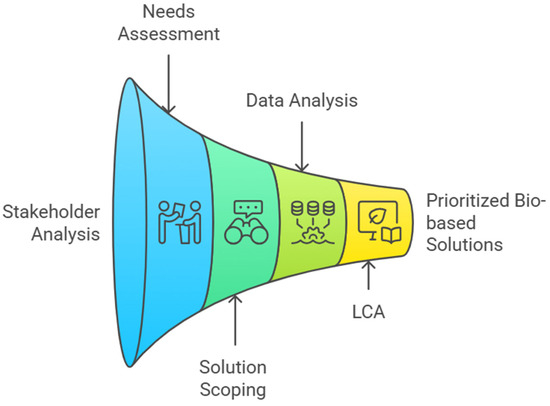
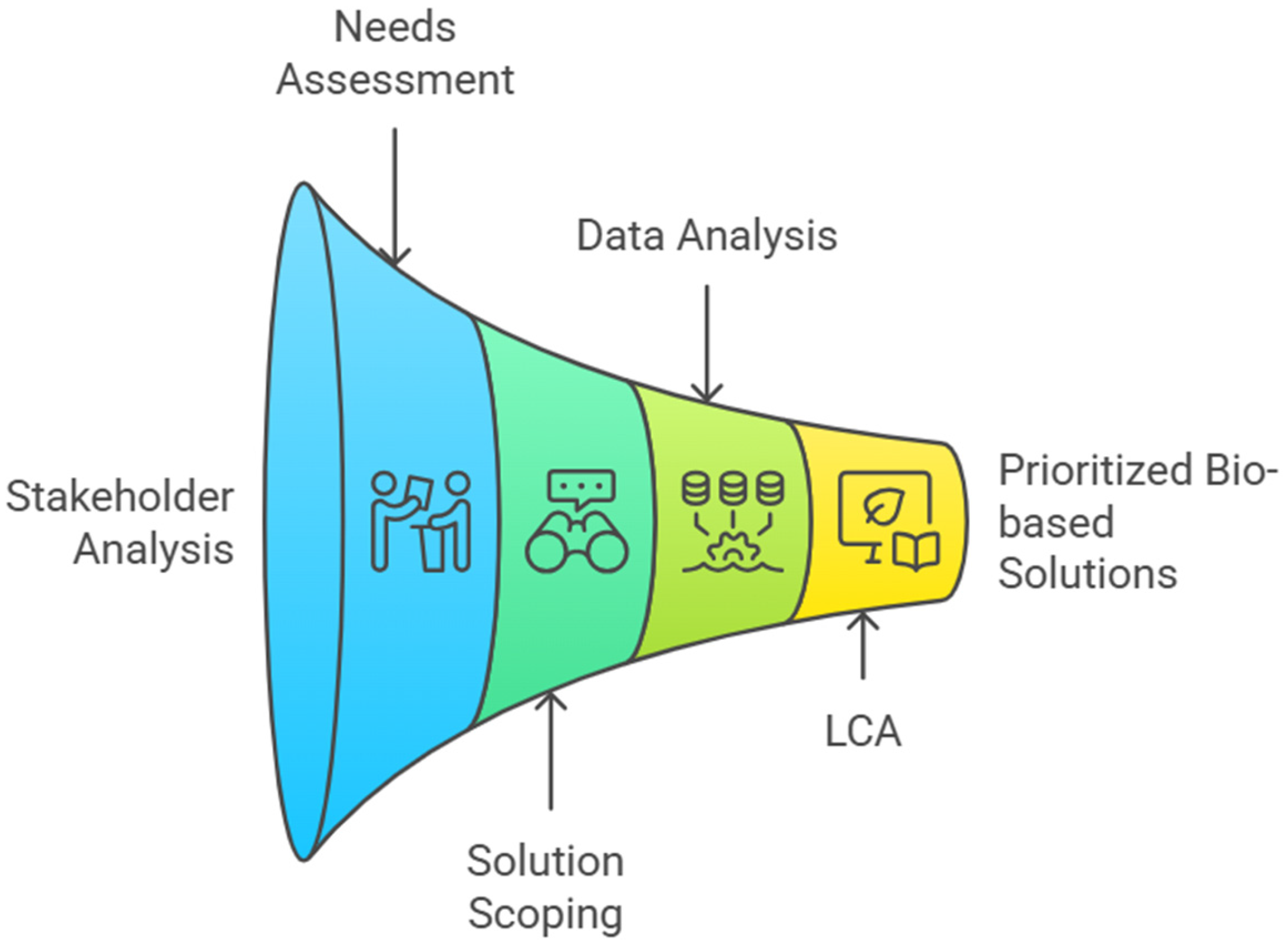
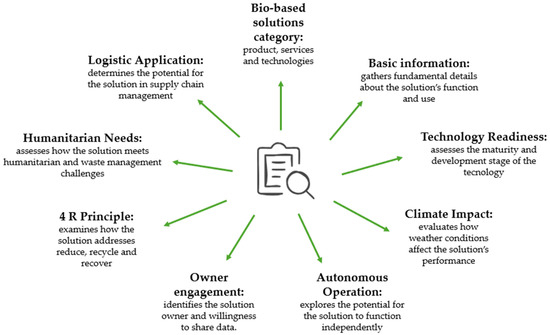
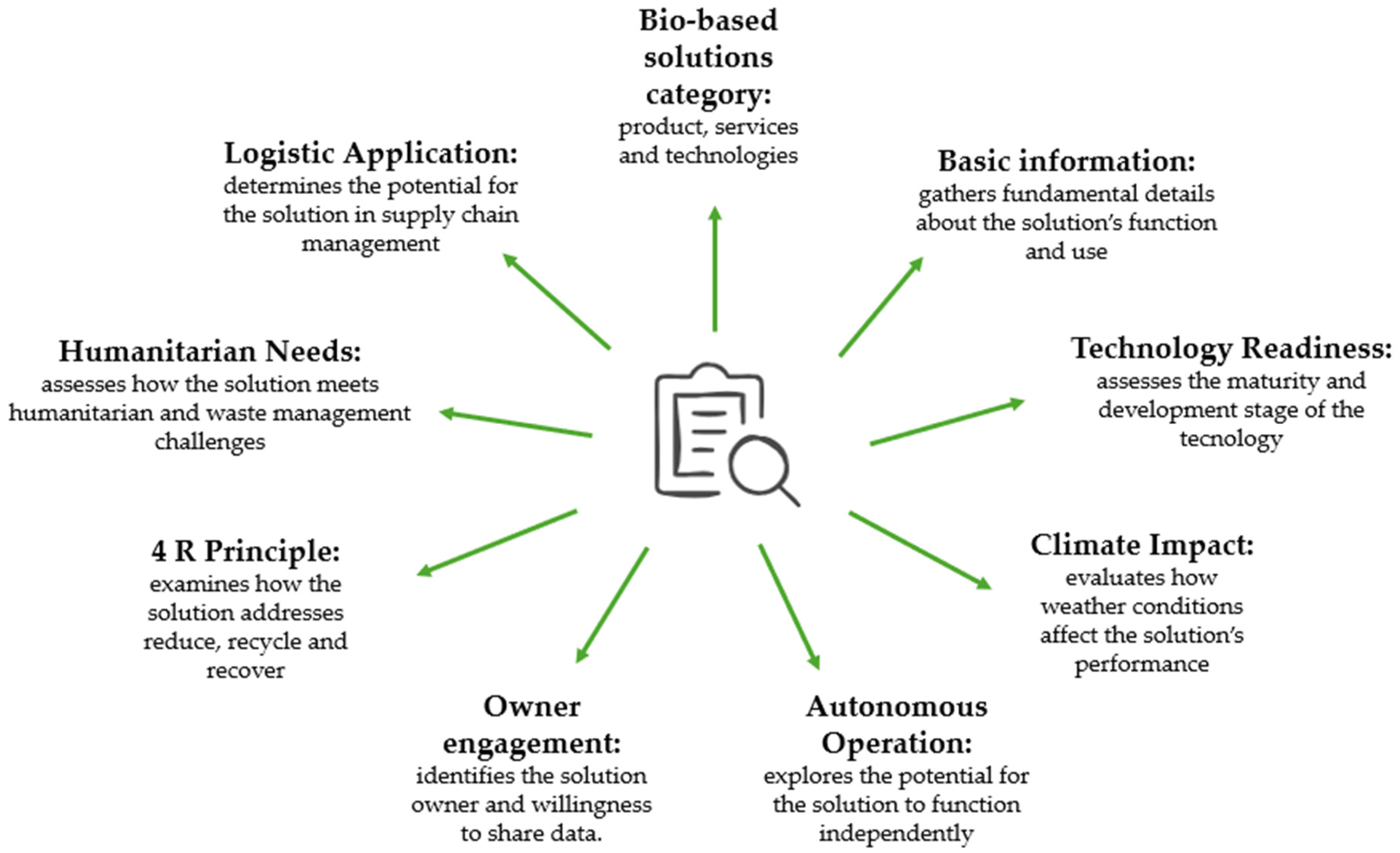
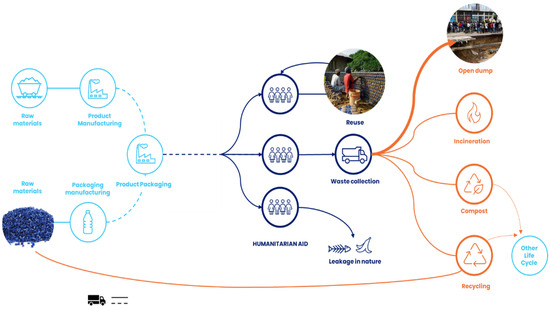
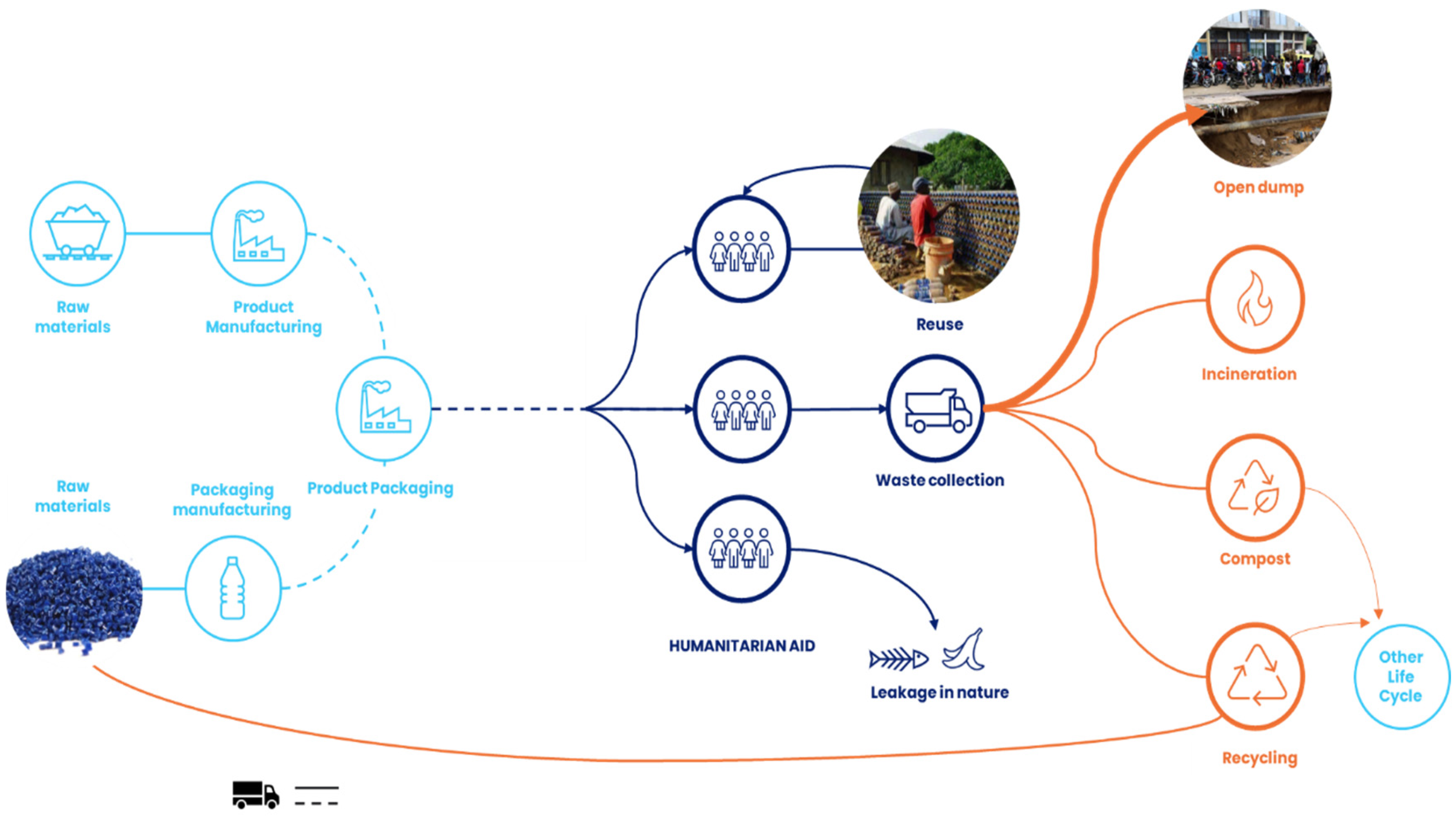
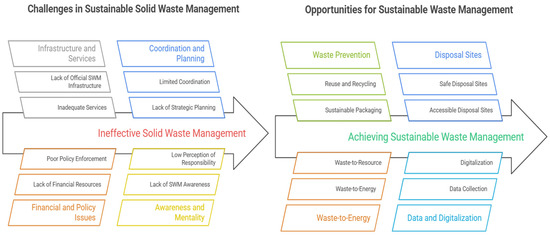
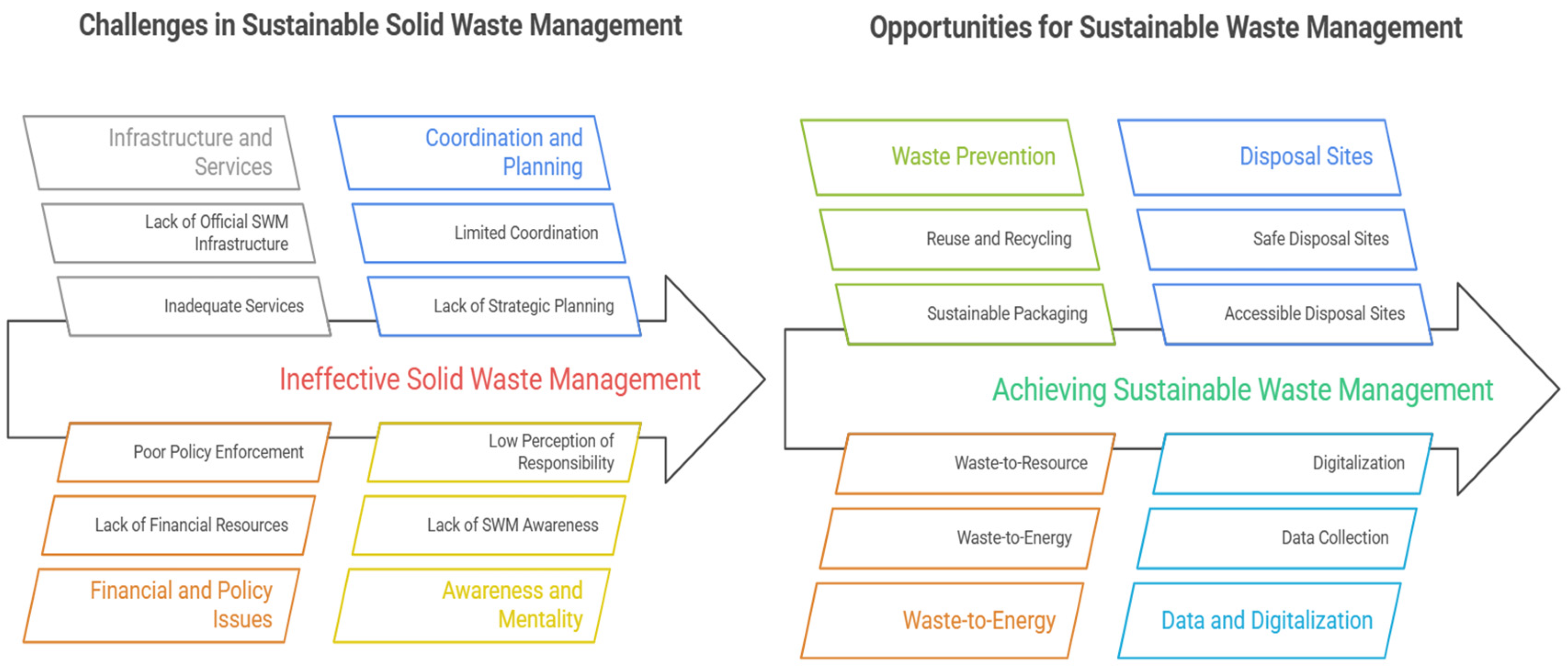
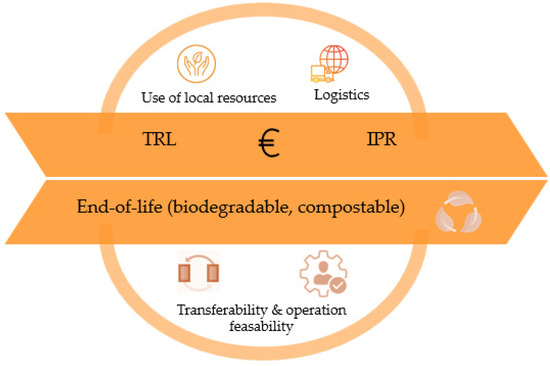
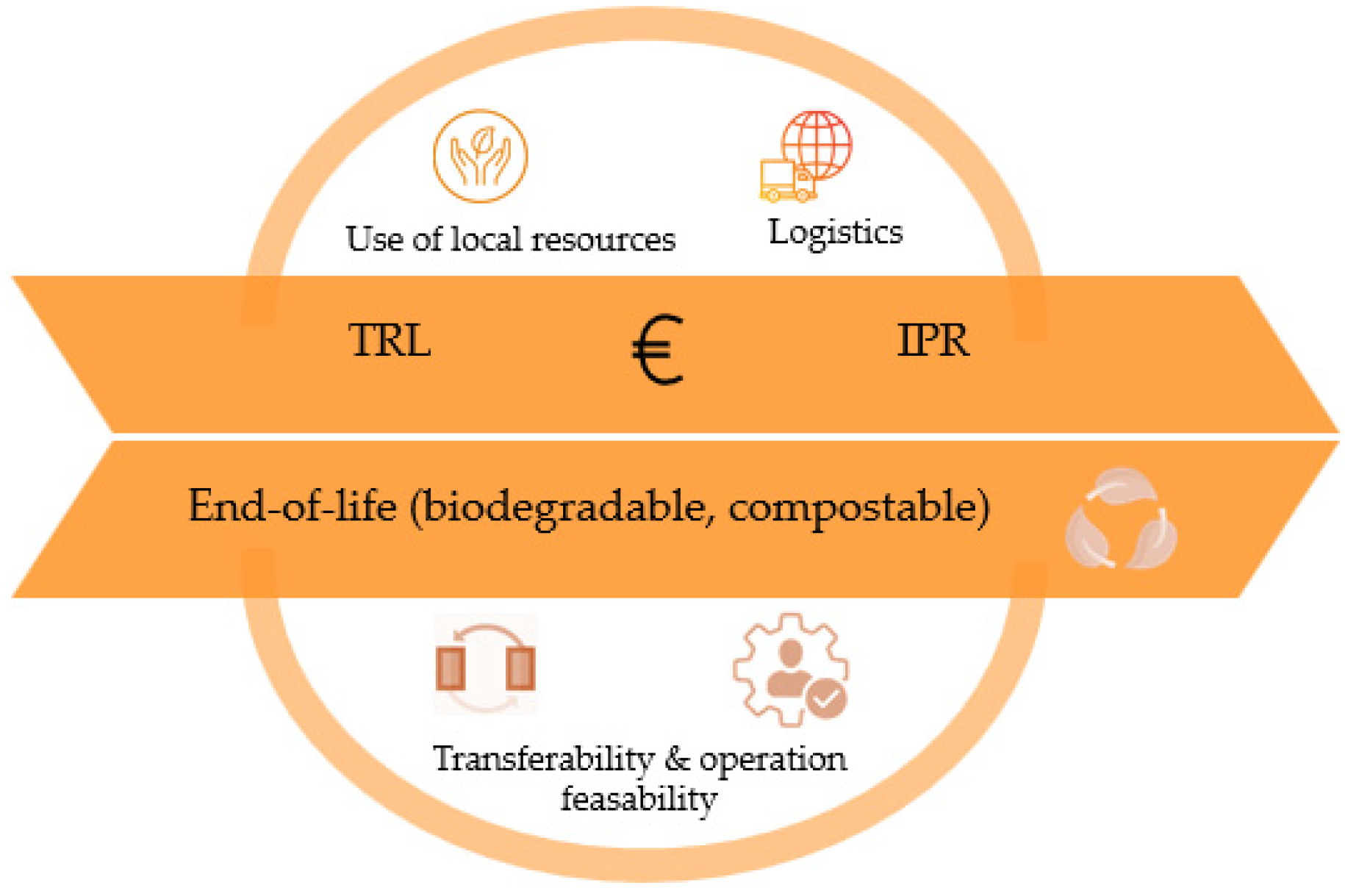
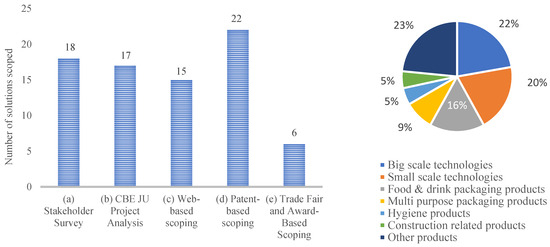
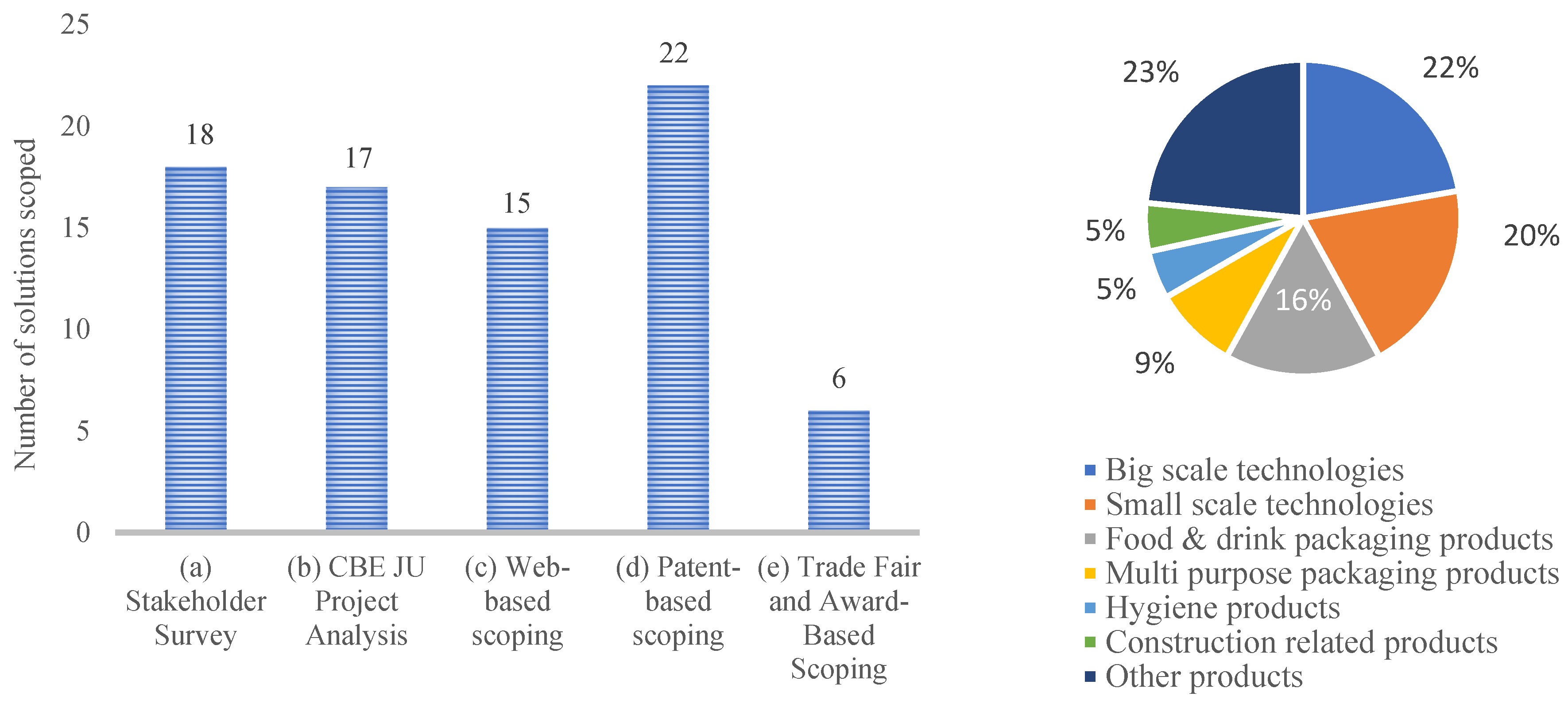
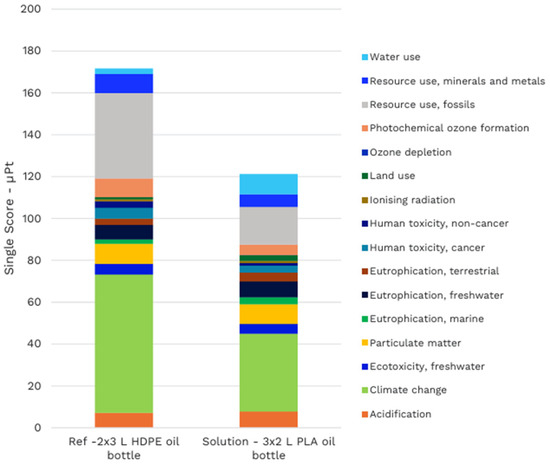
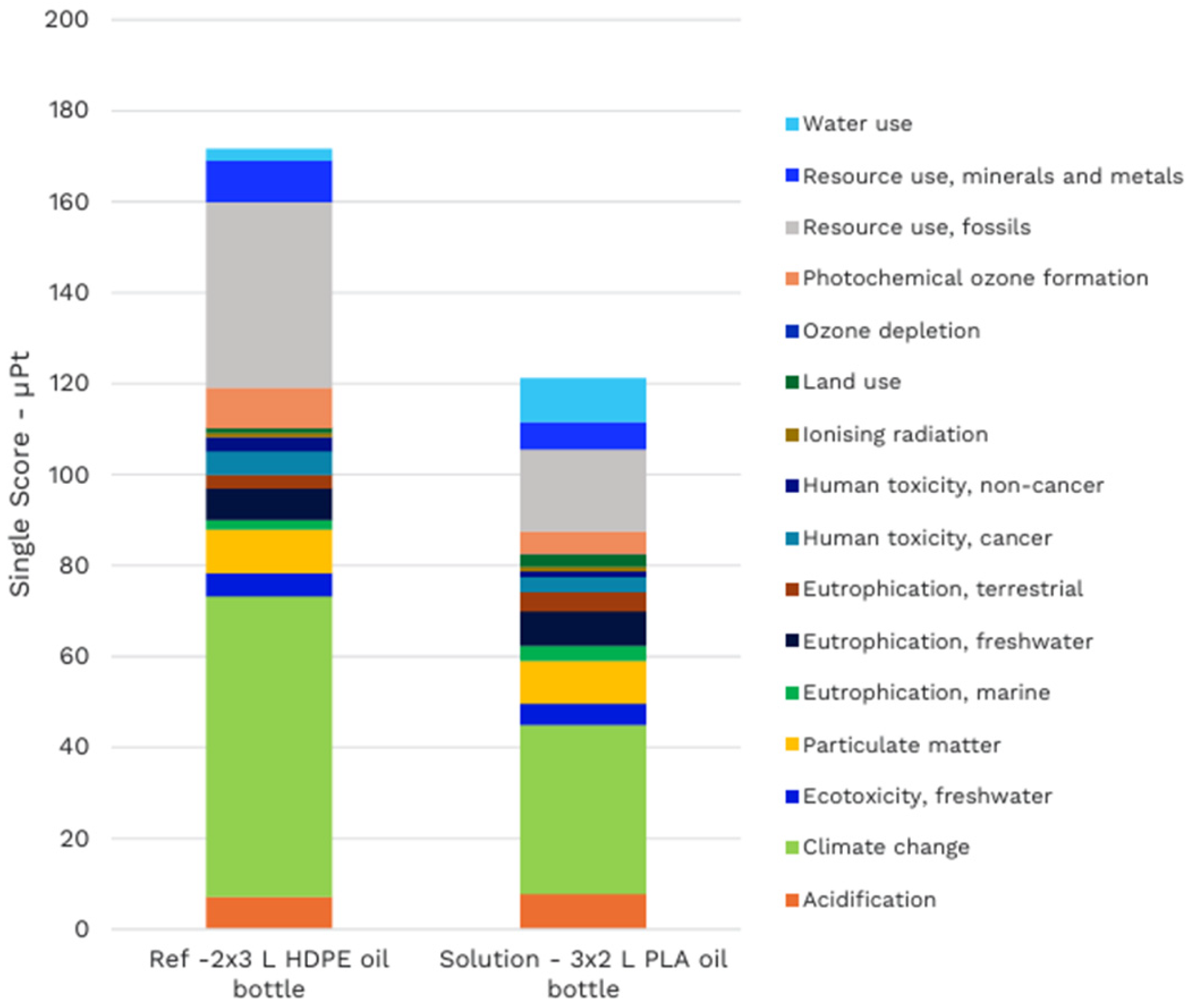
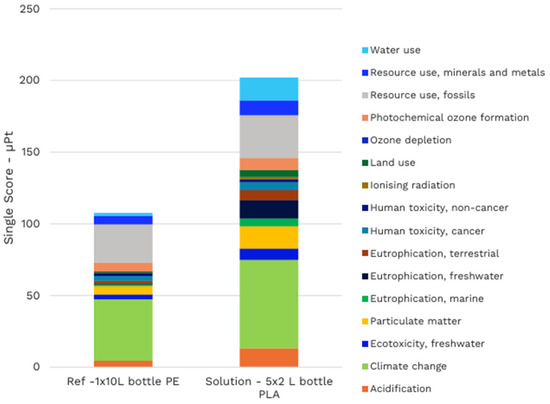
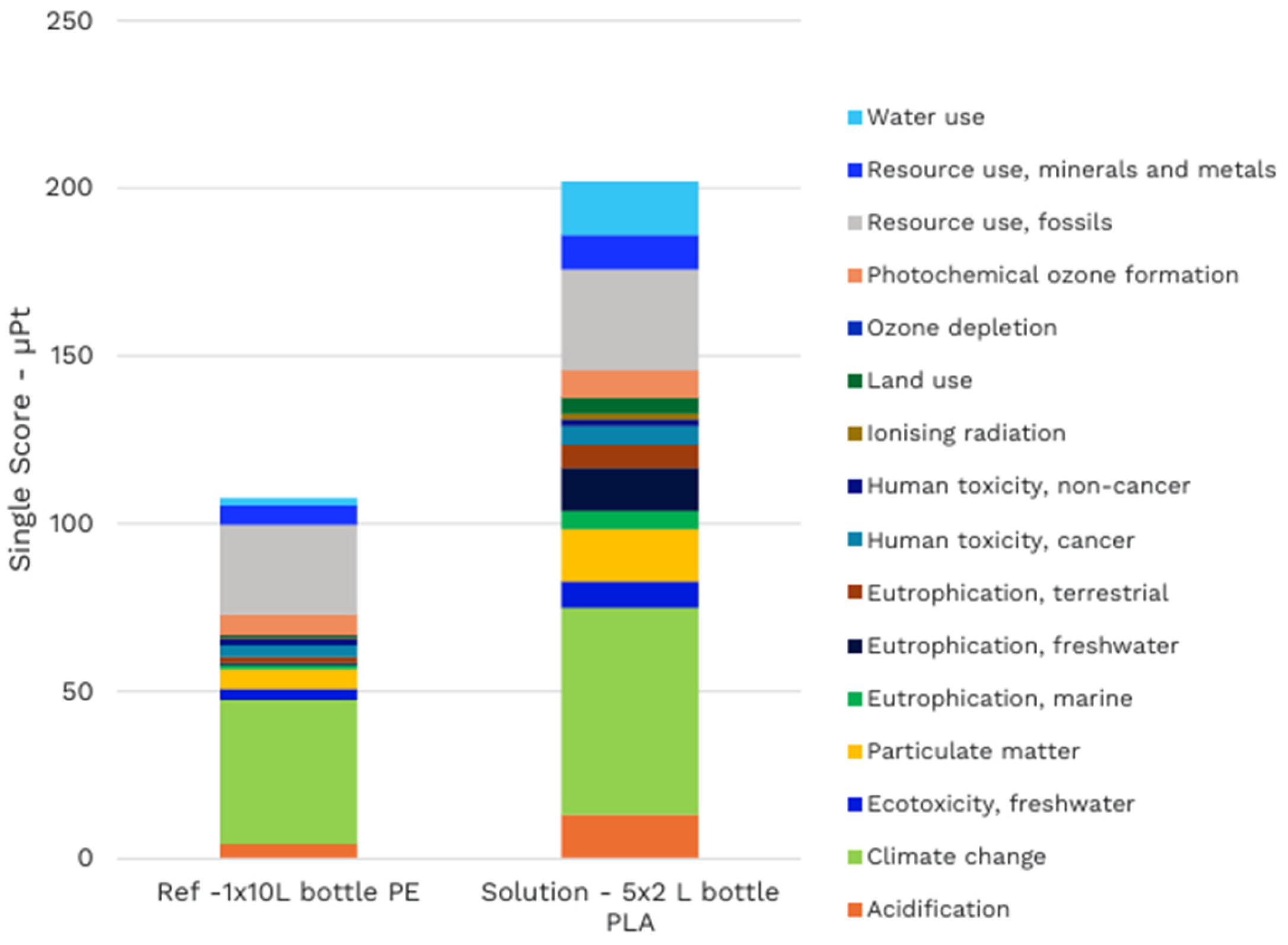
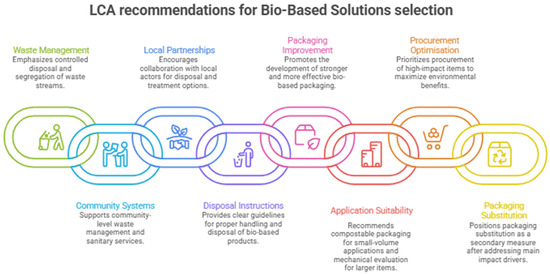
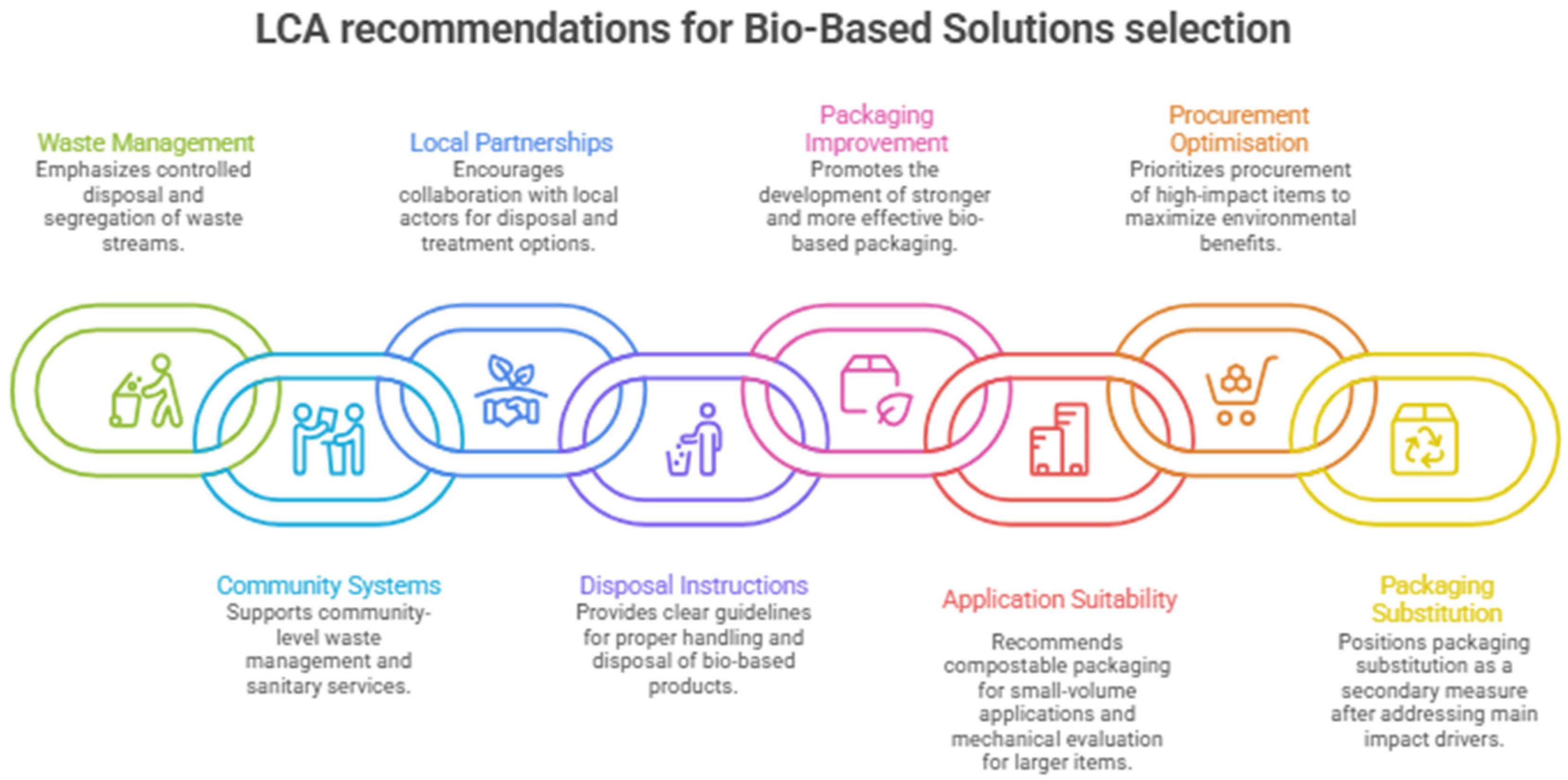

Disclaimer/Publisher’s Note: The statements, opinions and data contained in all publications are solely those of the individual author(s) and contributor(s) and not of MDPI and/or the editor(s). MDPI and/or the editor(s) disclaim responsibility for any injury to people or property resulting from any ideas, methods, instructions or products referred to in the content. |
© 2026 by the authors. Licensee MDPI, Basel, Switzerland. This article is an open access article distributed under the terms and conditions of the Creative Commons Attribution (CC BY) license.