


Abstract
Photosynthetic biogas upgrading (PBU) using microalgae is a promising biological approach for converting raw biogas into biomethane while recovering nutrients and fixing part of the biogenic CO2 into algal biomass. Unlike conventional physicochemical technologies, which mainly separate CO2 from CH4, PBU can combine gas upgrading with wastewater or digestate treatment, nutrient recycling, and biomass production. This review assesses the current state of PBU technology, with particular emphasis on high-rate algal ponds, absorption columns, and closed photobioreactors. It examines the main operating parameters that control gas–liquid mass transfer, carbonate buffering, and photosynthetic activity, including the liquid-to-gas ratio, pH, alkalinity, temperature, light regime, light intensity, and gas retention time. Special attention is given to the combined effects of the L/G ratio, pH, and alkalinity, as these parameters strongly influence CO2 absorption, CH4 enrichment, and O2 contamination of the upgraded gas. The use of wastewater or anaerobic digestate instead of synthetic growth media is identified as an important sustainability advantage, particularly at wastewater treatment plants with existing anaerobic digestion and nutrient-rich side streams. However, digestate use may also create operational challenges related to turbidity, ammonium inhibition, solids, and variable composition. Available studies indicate that PBU may reduce operating costs and greenhouse gas emissions under favorable conditions while creating additional value from algal biomass. Nevertheless, wider deployment is still limited by high land requirements, seasonal variability, O2 contamination, biomass harvesting, and limited evidence from large-scale systems. Future development should therefore focus on improved oxygen management, more efficient reactor designs, nanoparticle-assisted enhancement of photosynthetic activity, better integration with wastewater treatment, and AI-supported monitoring and control to improve process stability and support scale-up.
1. Introduction
Global climate commitments and energy security requirements have positioned biomethane as a critical renewable gas in the transition toward net-zero economies. The European Union has set an ambitious target of producing 35 billion cubic meters of biomethane by 2030 under the REPowerEU plan, projecting EUR 37 billion in investment by 2030 directed toward new biomethane plants [1]. Currently, biogas provides 22 bcm of renewable gas to the European market. Private investment of EUR 27 billion will flow into the biomethane sector alone by 2030. Looking ahead to 2040, the potential is staggering: the sector could deliver up to 101 bcm of biomethane to the European Union, effectively covering more than 80% of EU gas consumption at that time [2]. Biogas produced via anaerobic digestion (AD) typically contains 50–70% CH4, 30–40% CO2, and trace contaminants including H2S (100–10,000 ppm) [3,4,5], water vapor, and ammonia [3]. Raw biogas must be upgraded using conventional physicochemical or biological upgrading technologies [3,4] to meet biomethane grid-injection requirements, which commonly require CH4 enrichment to ≥95–97% and reductions of CO2 to ≤1–2%, O2 to ≤1%, and H2S to ≤5 mg m−3 [6]. Microalgae-based biological upgrading is increasingly considered a sustainable alternative to conventional physicochemical biogas upgrading, as it integrates CO2 removal, biomass valorization and resource recovery while supporting carbon-neutral energy production and the Sustainable Development Goals (SDGs) [5].
Established physicochemical upgrading technologies remove CO2 and H2S through absorption, adsorption, membrane separation or cryogenic processes, achieving high CH4 purity but often requiring compression, solvent regeneration, water management or additional pretreatment [7,8,9,10]. These mature technologies provide the standard for biomethane quality, energy demand and cost, but they generally separate rather than biologically fix CO2 and do not provide nutrient recovery or biomass valorization.
Biological upgrading technologies integrate CO2 removal with resource recovery [11]. PBU is one of the biological approaches being explored for this purpose. The process typically relies on mixed microalgal–bacterial cultures, which use dissolved CO2 and HCO3− while also contributing to the removal of H2S and nutrients. At the same time, the system produces biomass that may be recovered for further use [12,13,14,15]. Microalgae are commonly reported to fix about 1.83 g of CO2 per gram of dry biomass [16,17,18] and their areal carbon-fixation capacity can exceed that of many land-based crops [19]. It is important to mention that the actual climate benefit depends not only on biomass production, but also on how efficiently the biomass is harvested and ultimately used.
Figure 1 presents the general process layout. Raw biogas, typically containing 60–70% CH4 and 30–40% CO2, is introduced into an absorption column with microalgae broth. In this unit, CO2 and H2S are transferred from the gas phase into a recirculating liquid stream by mass-transfer process. Microalgae broth is then directed by recirculation system to either a PBR or HRAP, where the absorbed compounds are biologically converted through photosynthesis process. Microalgae (e.g., Chlorella vulgaris, Scenedesmus obliquus) fix CO2 via photosynthesis (≈1.83 g CO2 g−1 biomass) under controlled illumination (150–400 μmol photons m−2 s−1). Process performance depends mainly on the liquid-to-gas (L/G) ratio, pH, alkalinity and biomass concentration. L/G ratios of about 0.5–2 may be sufficient when inorganic carbon availability and alkalinity are high, typically around 1.5–2.5 g L−1 CaCO3. At lower alkalinity or buffering capacity, a higher liquid flow may be needed to improve CO2 transfer and maintain stable upgrading. Reported L/G ratios commonly range from 2 to 4, although values up to 10 have been applied depending on reactor design and operating conditions. When combined with a pH of 8.5–9.5 and biomass concentrations generally between 0.5 and 1.4 g L−1, biomethane containing more than 95% CH4 can be produced, although biomass concentrations reported in the literature vary more widely, from approximately 0.05 to 2.6 g L−1 [17,18,20,21,22]. By integrating gas purification with carbon and nutrient recovery, the process follows circular bioeconomy principles and may reduce the secondary waste streams commonly associated with conventional upgrading technologies [16,17,18,20,21,22]. Figure 1 presents the conceptual scheme of a circular economy-based microalgae biogas upgrading and biomass valorization.
Figure 1.
Conceptual scheme of circular economy microalgae-based biogas upgrading and biomass valorization.
A critical practical advantage of PBU is the use of wastewater, centrate or anaerobic digestate instead of costly synthetic media. Digestate supplies ammonium–nitrogen (800–5000 mg NH4+-N L−1), phosphate (50–300 mg PO43−-P L−1) and inorganic carbon (IC, 900–1400 mg L−1), supporting both microalgal growth and alkaline CO2 absorption [23,24,25]. This makes WWTPs and AD facilities natural first adopters, because biogas upgrading, digestate treatment, nutrient recovery and biomass valorization can be integrated within one process [23,26,27].
HRAP/AC systems require low energy input (0.056–0.19 kWh Nm−3 of treated biogas) and may achieve OPEX around €0.03 Nm−3 under favorable conditions, but this advantage is balanced by higher investment cost (~€6000 per Nm3 h−1), large land demand (~1860× physicochemical systems), O2 contamination and seasonal variability [17,28,29,30,31].
Previous reviews have provided important foundations for the development of this field. Muñoz et al. [3] established a broad comparative framework for physical, chemical and biological biogas upgrading technologies. Bose et al. [32] provided a focused perspective on photosynthetic biogas upgrading optimization, particularly system design and microalgae selection. More recently, Wojaczek et al. [33] reviewed the contribution of microalgae to sustainable biomethane and renewable energy production. Building on these complementary reviews, the present work provides an integrated and scale-up-oriented synthesis of PBU technology by linking reactor engineering, L/G–pH–alkalinity interactions, CO2 absorption and biological fixation, O2 contamination control, wastewater/digestate integration, TEA and LCA assumptions, and pilot-to-demonstration scale evidence.
The literature base of this review therefore combines five main groups of studies: (i) general biogas upgrading and biomethane-quality studies; (ii) photosynthetic biogas upgrading studies focused on HRAPs, absorption columns and closed photobioreactors; (iii) operational studies addressing L/G ratio, pH, alkalinity, inorganic carbon, light regime, GRT and HRT; (iv) sustainability studies covering LCA, TEA, GHG performance and biomass valorization; and (v) pilot, demonstration and EU project-based studies relevant to scale-up readiness. By considering reactor configuration, operating conditions and scale-up together, PBU can be evaluated more realistically as an integrated technology for biomethane production and resource recovery.
Although interest in PBU has increased, several unresolved issues continue to limit its robust evaluation and wider implementation. Comparisons among published studies are often difficult because experimental conditions vary, operational parameters are not reported consistently and reactor designs differ significantly. Economic and environmental assessments are also strongly influenced by the assumptions used, while geographical concentration of the available research and limited validation under different climatic conditions reduce the transferability of reported findings. These problems are reinforced by the limited evidence available at larger scales and by uncertainty surrounding newer technological approaches. Figure 2 groups the principal limitations identified in the reviewed literature: geographical bias [28,33,34,35,36,37], inconsistent reporting of operational parameters [17,22,32,38,39,40,41], variation in reactor design and geometry [22,32,40,41,42,43], sensitivity of TEA results [4,29,31,44,45], variability in LCA outcomes [4,37,44,46,47,48], gaps in scale-up evidence [17,28,32,37,40,49], and uncertainty related to emerging technologies [22,50,51,52,53,54].
Figure 2.
Key limitations of PBU technology. Review-based ranking by severity, relevance to scale-up, and suggested mitigation.
This review provides a systematic assessment of PBU with respect to reactor design, optimization of operating conditions, scale-up, LCA, TEA and environmental performance. Its novelty lies in connecting process parameters with reactor-specific trade-offs, carbon-sink potential, O2 contamination management, integration with WWTP infrastructure and evidence from demonstration-scale applications. This integrated approach is intended to support the sustainable industrial development of PBU. A literature review on PBU technology was carried out, covering CO2 removal, reactor engineering, operational parameters, scale-up readiness, LCA, TEA and environmental performance. Peer-reviewed studies written in English were searched in Web of Science, Scopus, Google Scholar, and MDPI journals. The search combined terms related to the main technological, operational and economic aspects of PBU, including “microalgae”, “photosynthetic biogas upgrading”, “biogas upgrading”, “biomethane”, “CO2 removal”, “CO2 biofixation”, “photobioreactor”, “high-rate algal pond”, “absorption column”, “liquid-to-gas ratio”, “alkalinity”, “digestate”, “wastewater”, “life cycle assessment”, “techno-economic assessment”, “CAPEX” and “OPEX”.
The literature-selection process was organized according to a PRISMA-style workflow, as shown in Figure 3. In total, 178 publications were retrieved during the initial search. Duplicate entries and records that were clearly outside the scope of the review were excluded. The remaining titles and abstracts were then examined to determine their relevance to PBU, biological CO2 removal, reactor engineering, operating conditions, sustainability assessment, and scale-up. All selected publications were evaluated according to inclusion criteria. First, they were required to be peer-reviewed and published in English language to provide quantitative, mechanistic, review-based or assessment-related information relevant to PBU or directly comparable biogas-upgrading technologies. Second, reviewed studies also required reporting of sufficient information on reactor configuration, operating conditions, performance indicators, environmental assumptions, economic assumptions or scale-up evidence. Studies were not included if they did not addressed biogas upgrading, lacked relevant process-performance or assessment data and focused on general microalgal cultivation.
Figure 3.
A PRISMA-style literature selection workflow.
2. Biogas Upgrading Technologies: Overview and Assessment
Biogas upgrading can be carried out using physicochemical or biological methods, with each approach offering a different efficiency of biogas final output, energy use, capital and operational investment, operating cost and environmental performance (Table 1). Established physicochemical technologies, such as water scrubbing (WS), pressure swing adsorption (PSA), and membrane separation, typically produce biomethane containing 92–99% CH4. Reported electrical energy demand is generally 0.16–0.35 kWh Nm−3, while capital costs are considered moderate [4,8,45]. Amine scrubbing (AS) can produce methane purities above 99% with minimal methane slip, although it requires substantial thermal energy, typically 0.55–0.75 kWh Nm−3, together with continuous solvent management [4,8,44]. Cryogenic separation can produce liquid biomethane (LBM) and liquid CO2 stream, but its high energy demand generally limits its use to large-scale facilities [4]. Emerging biological technologies, such as ex situ hydrogenotrophic methanation and anaerobic gas fermentation, remains limited by low technological readiness level, high hydrogen requirements and insufficient selectivity [55,56,57]. PBU is increasingly considered a promising alternative because it may combine low electrical energy consumption (especially HRAP), near-zero methane slip, low OPEX, nutrient recovery, carbon sink potential and the simultaneous production of microalgal biomass that can be used as biofertiliser, animal feed or a source of high-value biochemicals [8,29,31].
2.1. Physicochemical Biogas Upgrading Technologies
Physicochemical technologies dominate commercial biomethane production because they provide stable CH4 purity and are supported by extensive industrial experience. Water scrubbing, pressure swing adsorption (PSA), amine scrubbing, membrane separation, organic scrubbing, and cryogenic separation generally produce biomethane containing 95–99% CH4. However, these methods differ in energy use, methane losses, water or solvent demand, capital cost, and operational complexity [3,4,7,8,9,10,30,45].
Water scrubbing is simple and does not require chemical absorbents, but it may use large amounts of water. PSA is modular and widely used, although methane slip and adsorbent sensitivity may reduce performance. Amine scrubbing can achieve very high CH4 purity but requires heat for solvent regeneration and careful solvent management. Membrane systems are compact, but pretreatment, fouling, and membrane selectivity must be controlled. Cryogenic upgrading can produce high-purity biomethane or bio-LNG, but it requires high energy input and capital investment. These technologies continue to serve as the main industrial standard because they can produce high-quality biomethane in relatively compact systems. Additionally, most physicochemical processes separate CO2, but do not provide nutrient recovery or generate a biomass co-product. This limitation has contributed to growing interest in biological upgrading, particularly PBU, in which CO2 removal may be integrated with wastewater treatment, H2S oxidation, nutrient recovery, and algal biomass valorization [30,33,58].
2.2. Biological Biogas Upgrading Technologies
Biological upgrading technologies offer lower energy demand and integration with resource recovery. Chemoautotrophic biological methanation (BM) converts CO2 and H2 to CH4 via hydrogenotrophic methanogens (CO2 + 4H2 → CH4 + 2H2O), achieving CH4 purities >92% but requiring costly electrolytic H2 (43–66 kWh kgH2−1) [55,58]. Organic acid production via CO2 fermentation (succinic acid, yield 0.9 g g−1 substrate) remains at early technology readiness level (TRL) stages [56,57]. Photosynthetic biogas upgrading (PBU) uses microalgal–bacterial consortia to remove CO2, H2S, and NH3 via photosynthesis and nitrification, producing biomethane with CH4 >92% alongside valuable biomass. Microalgal growth and productivity are strongly influenced by light availability, temperature, nutrient composition, pH, mixing, and culture density, all of which must be controlled to maintain stable photobioreactor performance [59].
Table 1.
Comparison of PBU with other biogas upgrading technologies.
Chlorella sp. and Scenedesmus sp. are particularly relevant due to their high growth rates, tolerance to variable wastewater composition, ability to assimilate inorganic carbon and nutrients, and suitability for cultivation in mixed microalgae–bacteria consortia [61,62]. Biological CO2 conversion has also been demonstrated using Actinobacillus succinogenes 130Z, which upgraded biogas to 95.4% CH4 while producing 14.4 g L−1 biosuccinic acid at 140 kPa [63]. The biological engine driving PBU is oxygenic photosynthesis, the process by which microalgae convert light energy, CO2, and water into organic biomass and molecular oxygen. Photosynthesis proceeds in two coupled stages. In the light-dependent reactions (thylakoid membranes), absorbed photons drive the photolysis of water (2H2O → 4H+ + 4e− + O2), generating ATP and NADPH via the electron transport chain (Photosystems II and I) and releasing O2 as a by-product [16,18]. The O2 generated through photosynthesis performs two important functions in PBU systems: it supports aerobic sulfur-oxidizing bacteria involved in H2S removal and supplies the oxygen required by nitrifying bacteria to convert NH4+ into NO3−. As a result, biogas purification and nutrient transformation can occur simultaneously [64].
During the light-independent reactions of photosynthesis, also known as the Calvin–Benson–Bassham cycle, ATP and NADPH produced during the light reactions are used to convert CO2 into organic carbon in the chloroplast stroma. This process is catalysed by ribulose-1,5-bisphosphate carboxylase/oxygenase (RuBisCO). For every three molecules of CO2 entering the cycle, one molecule of glyceraldehyde-3-phosphate (G3P) is produced. G3P subsequently serves as a precursor for the sugars, lipids, and proteins that form algal biomass. The corresponding stoichiometric requirement is approximately 1.83 g CO2 for each gram of dry algal biomass produced, a value widely applied in PBU mass-balance calculations [16,18]. Under practical cultivation conditions, microalgae are not limited to dissolved CO2 as their carbon source. They can also take up bicarbonate (HCO3−) through carbon-concentrating mechanisms (CCMs), which convert HCO3− into CO2 close to the active site of RuBisCO. This ability broadens the range of available inorganic carbon and can improve CO2 capture under alkaline conditions [18].
Respiration, in contrast to photosynthesis, continues during both illuminated and dark periods. Stored organic material is oxidized through glycolysis and the tricarboxylic acid (TCA) cycle, consuming O2 and producing CO2 and water according to the reaction C6H12O6 + 6O2 → 6CO2 + 6H2O + ATP. During the subsequent light period, part of the CO2 released through respiration can be reassimilated by photosynthesis. This creates an internal carbon-recycling mechanism that contributes to the overall removal of CO2 from the biogas stream [17,18].
The alternating day–night cycle therefore creates an important operational dynamic in PBU systems. During the light period, which commonly lasts 12–16 h, net photosynthesis predominates. CO2 is assimilated, O2 accumulates, pH may rise to 9–11 because protons are consumed, and the concentration of inorganic carbon in the liquid decreases. The resulting carbon depletion helps maintain the driving force for further CO2 absorption from the incoming biogas [65,66,67,68]. During the dark period, typically lasting 8–12 h, photosynthesis stops and respiration becomes dominant. O2 is consumed, CO2 is released, and pH may decrease to 7.5–8.5, partially restoring the dissolved inorganic carbon pool. These daily pH fluctuations arise from the changing balance between photosynthetic CO2 uptake and respiratory CO2 production. They are a characteristic feature of PBU systems because they directly affect carbonate–bicarbonate equilibria and, consequently, CO2 absorption throughout the daily cycle [18,65]. Photoperiod and light intensity must therefore be carefully optimized. Longer illumination periods and greater light availability generally increase net CO2 fixation and improve biomethane purity. However, prolonged dark periods may cause the pH to decline sufficiently for dissolved CO2 to be released back into the gas phase, thereby reducing upgrading efficiency [36]. In outdoor and semi-outdoor systems, this behavior is largely controlled by natural solar conditions. Seasonal changes in irradiance and day length must therefore be incorporated into reactor design, process operation, and performance modelling [18,64].
2.3. Principles of Photosynthetic Biogas Upgrading
2.3.1. CO2 Absorption and Biological Fixation as a Carbon Sink
According to Henry’s law, CO2 dissolves more easily than CH4, allowing PBU to remove CO2 while keeping most CH4 in the gas phase. At 25 °C, the liquid-to-gas concentration ratio is 0.83 for CO2 and about 0.03 for CH4, making CO2 around 28 times more soluble [69]. Under alkaline conditions (pH 8.5–10.5), CO2 is rapidly converted into bicarbonate and carbonate species (CO2 + H2O ⇌ H2CO3 ⇌ HCO3− + H+ ⇌ CO32− + 2H+), increasing apparent solubility by 2.5–3 times at pH > 9 and enhancing gas–liquid mass transfer [4,18,69]. The overall CO2 transfer rate mainly depends on the volumetric mass transfer coefficient (kLa). This value is affected by reactor mixing, bubble size, sparger design, and the liquid-to-gas ratio. However, their effects have not been fully measured in pilot-scale PBU systems [40]. Ramírez-Lozano et al. [70] found that, at about pH 9 in an alkaline carbonate medium, the effective Henry’s law constant for CO2 decreased by up to three times, while that of CH4 increased by up to 2.5 times compared with water. These changes improve CO2 transfer into the liquid and reduce CH4 dissolution. At 25 °C, the Henry’s law solubility constants for CO2 and CH4 in water are approximately 3.3 × 10⁻² and 1.4 × 10⁻³ mol L−1 atm−1, respectively. On this basis, CO2 is about 24 times more soluble than CH4 [69]. When the constants are expressed as dimensionless liquid-to-gas concentration ratios, approximate values of 0.83 for CO2 and 0.03 for CH4 indicate an apparent selectivity of about 28-fold [69,70]. The calculated ratio therefore varies according to the form of Henry’s law used and the corresponding units. Reliable values for the Henry’s law constants of CO2 and CH4 are essential when designing absorption systems because they allow gas–liquid equilibrium and mass transfer in algal cultivation media to be estimated more accurately [69].
Absorption performance also depends on operating conditions. High alkalinity, such as 1500–2500 mg L−1 as CaCO3, and alkaline pH retains inorganic carbon in the liquid and maintain CO2 transfer. Under optimized conditions, CO2 removal of 96–98% and biomethane purity above 97% CH4 have been reported [17,40,71]. Performance decreases when the absorption column approaches equilibrium and the driving force for CO2 transfer becomes weak. Therefore, good hydrodynamic control and effective integration of the absorption and biological units are important [40].
Microalgae use dissolved CO2 and HCO3− during photosynthesis and convert them into biomass. About 1.83 g of CO2 is incorporated into each gram of biomass produced, although reported carbon-fixation efficiencies range from 5.7% to 99.9% [17,18]. Photosynthesis also increases the pH, shifting carbon toward bicarbonate and carbonate forms. This helps retain more inorganic carbon in the liquid and supports further CO2 absorption [18,40].
For example, assuming an areal biomass productivity of 20 g m−2 d−1 and a fixation factor of 1.83 g CO2 g−1 biomass, a 1000 m2 HRAP could theoretically incorporate approximately 36.6 kg CO2 d−1 into algal biomass [16,17,72]. Additional greenhouse-gas savings may be obtained when the harvested biomass substitutes for synthetic fertilizer. Nevertheless, the final GHG balance remains sensitive to the energy and material requirements of harvesting, drying, transportation, land occupation, and the selected biomass end use [4,73]. Unlike physicochemical technologies, which mainly transfer CO2 from one phase to another, PBU combines gas purification with biological carbon fixation and resource recovery. It can therefore support biomethane production, nutrient removal, and biomass valorization within a single process, in line with circular bioeconomy principles [5,72,74].
CO2 absorption in PBU is strongly affected by carbonate–bicarbonate reactions under alkaline conditions. At 25 °C, CO2 is about 24–28 times more soluble than CH4, depending on the Henry’s law equation and units used [69,70]. At pH values above 9, dissolved CO2 is quickly converted into HCO3− and CO32−. This keeps inorganic carbon in the liquid and supports continued CO2 transfer from the biogas [4,18]. Alkalinity levels of 1500–2500 mg L−1 as CaCO3 are considered suitable for closed PBR systems. Higher alkalinity generally improves CO2 removal and biomethane quality [17,21]. The carbonate–bicarbonate system also stabilizes pH and stores inorganic carbon for photosynthesis. Microalgae can use either dissolved CO2 or HCO3−, depending on their carbon uptake mechanisms [18].
During photosynthesis, inorganic carbon and H+ ions are consumed, causing the pH to increase and shifting the equilibrium toward carbonate forms. Therefore, stronger photosynthetic activity can improve biogas upgrading. For example, nanoparticle-assisted biostimulation has achieved CO2 removal above 98% by increasing photosynthesis and maintaining favorable pH conditions [71]. This shows the close link between carbonate chemistry and microalgal metabolism [18,40]. Microalgal photobioreactors may also remove other trace contaminants. Recent studies have investigated microalgal–bacterial systems for removing volatile methylsiloxanes. These systems may therefore support more complete biogas purification, not only CO2 and H2S removal [75]. Light availability and photoperiod have a direct effect on microalgal growth, nutrient removal, and CO2 biofixation. Chlorella sorokiniana cultivated in digestate at light intensities of 20, 68, and 162 µmol photons m−2 s−1 under a 16:8 h light:dark cycle showed a five-fold increase in biomass productivity between the lowest and highest light treatments over a 30-day period [76]. At 162 µmol m−2 s−1, ammonium-nitrogen removal reached 94% within 7 days. At 20 µmol m−2 s−1, only 55% removal was achieved after 30 days. Phosphorus was completely removed within 7 days at both 68 and 162 µmol m−2 s−1. The light regime also affected biomass composition. As irradiance increased, lipid content rose from 29.7% to 34%, whereas protein content declined from 30.9% to 26.1% [76]. This change suggests that higher light levels redirected a greater proportion of assimilated carbon toward energy-storage compounds, which may influence the most suitable route for subsequent biomass valorization [18,76]. Photoperiod is similarly important. Factorial experiments identified a 16:8 h light:dark cycle as favorable for the growth of Chlorella sp., while CO2 biofixation rates doubled between the least and most favorable combinations of light intensity and photoperiod. The strain also tolerated digestate containing nitrogen concentrations of up to approximately 5 g L−1, indicating its potential for integration with anaerobic digestion effluents [76].
Nanoparticles are being studied to improve photosynthesis in PBU systems. Pilot-scale tests showed that carbon-coated zero-valent iron or liquid nanoparticles increased biomass productivity by more than 100%, while also improving photosynthetic activity and CO2 removal [71]. This approach may help reduce light limitations and improve overall PBU performance [18,71].
Reactor design and hydrodynamic conditions determine how well light is distributed, how effectively gas and liquid interact, and how efficiently biomass is retained. Ángeles et al. [49] reported a biomass productivity of 15.8 ± 4.3 g m−2 d−1 in a closed tubular photobioreactor (TPBR) connected to mixing chambers and biogas absorption columns. The system had a working volume of 132 L and was operated at an HRT of 26.8 days. Compared with open HRAPs, closed systems can provide higher photosynthetic efficiency, lower N2 contamination, and improved CO2 mass transfer. However, these advantages come with higher capital and operating costs [37,49].
Open ponds connected to absorption columns can be scaled up and usually require lower investment. However, they have lower biomass concentrations, higher evaporation losses, and greater contamination risks [37,40]. They also require longer HRTs and more land to achieve similar CO2 removal efficiencies [37]. The connection between mixing chambers, absorption columns, and photobioreactors is important for maintaining CO2 transfer and preventing gas–liquid equilibrium, which can reduce CO2 removal. Detailed hydrodynamic parameters (Reynolds number, power input, sparger geometry, bubble size distributions) remains poorly reported in the PBU literature, complicating scale-up efforts [40].
Comparisons between biological methanation and PBU show differences in process complexity, energy use, and biomass production [58]. PBU offers the advantage of nutrient removal and biomass generation alongside biogas upgrading, aligning with circular economy principles in the waste-to-energy sector [74]. However, scale-up from laboratory and pilot reactors to larger demonstration and industrial systems requires systematic optimization of hydrodynamic design, light distribution, gas–liquid contacting, pH/alkalinity control, and O2 management to maintain high CO2 removal efficiencies and biomethane quality [37,40].
2.3.2. H2S Oxidation and Nutrient Recovery
H2S is highly soluble in water (CL/CG ≈ 2.44 at 25 °C), enabling efficient absorption even at low liquid-to-gas (L/G) ratios [69]. Dissolved H2S is subsequently oxidized to sulfate (H2S + 2O2 → SO42− + 2H+) by aerobic sulfur-oxidizing bacteria using the O2 generated by microalgal photosynthesis, achieving complete H2S removal in well-operated systems [12]. This eliminates the need for separate desulfurization units (activated carbon beds, iron sponge), reducing both CAPEX and chemical consumption. Acclimated Chlorella vulgaris has been shown to upgrade biogas containing up to 4000 ppm H2S while growing in digestate with 1.63 g L−1 NH4-N [77].
Nutrient recovery is a critical co-benefit of PBU. When operated with wastewater or digestate as the liquid medium, microalgal–bacterial consortia assimilate ammonium-nitrogen (NH4+-N) and phosphate (PO43−-P) into biomass, achieving 70–100% nitrogen removal and 50–100% phosphorus removal depending on HRT and biomass productivity [72,78]. The harvested biomass, containing nitrogen and phosphorus, can be directly applied as a slow-release biofertilizer, closing the nutrient loop [73].
2.3.3. Wastewater and Digestate as Growth Medium: Replacing Synthetic Media
Laboratory-scale PBU studies have traditionally employed wastewater or digestate or synthetic mineral media such as BG-11, which requires the preparation of multiple chemical salt solutions (NaNO3, K2HPO4, MgSO4, CaCl2, Na2CO3, citric acid, ferric ammonium citrate, EDTA, and trace metals) [79]. At pilot and industrial scale, synthetic media are too expensive and reduce the circular economy benefits of PBU [80].
Anaerobic digestion generates a liquid residue known as digestate. This stream generally contains 800–5000 mg L−1 NH4+-N, 50–300 mg L−1 PO43−-P, and 900–1400 mg L−1 inorganic carbon, mainly in the form of bicarbonate and carbonate. Digestate pH usually falls between 7.5 and 8.5 and provides natural buffering that helps limit acidification and supports CO2 absorption and microalgal photosynthesis [23,24,25,73]. Centrate, which is the liquid fraction obtained after digestate dewatering, is often even more concentrated in nutrients. Pilot-scale studies have confirmed its suitability as a growth medium, with reported CH4 purities of up to 90.6% and biomass productivities of 25–30 g m−2 d−1 [36].
Integrating PBU with digestate treatment is especially relevant for WWTPs that operate anaerobic digestion units on the same site. This arrangement is increasingly used in municipal, agro-industrial, and food-processing facilities. In these systems, biogas requires upgrading, while digestate must be treated to reduce or recover nutrients before discharge. PBU can address both requirements within one biological treatment process [23,26]. The main advantages include a lower demand for synthetic growth media, partial nutrient recovery, reduced digestate treatment requirements, and the simultaneous production of biomethane and nutrient-rich biomass [81]. Anyhow, the use of digestate can also create operational problems, particularly during long-term PBU operation. Its composition may vary considerably according to feedstock type, anaerobic digestion conditions and dewatering method. This can lead to changes in NH4+-N, phosphate, alkalinity, suspended solids, and trace contaminant concentrations [23,24,25,73]. High ammonium levels may inhibit microalgal growth, especially at high pH, where the formation of free ammonia increases. This can lower photosynthetic activity and reduce CO2 uptake. Suspended solids may also accumulate in the cultivation medium, increasing turbidity, limiting light penetration, promoting fouling and making biomass harvesting more difficult [23,36,73,80]. In addition, non-sterile digestate may introduce competing microorganisms or grazers, affecting culture stability. Therefore, digestate-based PBU requires careful monitoring and may need dilution, solid–liquid separation, pre-treatment, or adaptive HRT and loading-rate control to maintain stable long-term performance. However, the magnitude of these benefits depends on site-specific digestate composition, gas loading, reactor design, biomass productivity, effluent quality requirements, and the feasibility of biomass valorization. This model represents a genuinely circular economy approach in which waste streams from water and energy infrastructure are transformed into renewable energy, recovered nutrients, and carbon-sequestering biomass, with no net consumption of synthetic chemicals or external energy beyond sunlight (Figure 1).
3. Reactor Engineering and Design
PBU can be implemented using open, closed, or hybrid algal cultivation systems coupled to a gas–liquid absorption step. In most PBU configurations, the upgrading process is divided into two functional units: (i) an absorption column or gas–liquid contactor, where raw biogas is contacted with the alkaline algal-bacterial broth and CO2/H2S are transferred into the liquid phase; and (ii) an illuminated algal cultivation unit, such as HRAP, tubular PBR, flat-panel PBR or airlift PBR, where dissolved inorganic carbon is biologically assimilated, pH and alkalinity are regenerated, nutrients are taken up, and biomass is produced [28,32,40]. Therefore, reactor performance depends not only on the photobioreactor geometry, but also on the hydraulic coupling between the absorption column and the algal cultivation unit, including L/G ratio, liquid recirculation, gas retention time, pH, alkalinity, light availability and oxygen control [32,38,40,65].
The main photobioreactor configurations used in PBU include HRAPs coupled with absorption columns, absorption/bubble-column contactors, closed tubular PBRs, flat-panel PBRs and airlift PBRs (Figure 4). These systems differ in light path, gas–liquid contact, mixing regime, land requirement, oxygen accumulation risk and scalability [28,32,40,49,66].
Figure 4.
Schematic comparison of main photobioreactor configurations for photosynthetic biogas upgrading: HRAP coupled with an absorption column (A), absorption/bubble-column contactor (B), closed tubular PBR (C), closed flat-panel PBR (D) and airlift PBR (E).
Table 2 summarizes the main reactor configurations used or proposed for PBU. HRAP-based systems have the widest demonstrated scale because they are inexpensive, simple to construct and suitable for outdoor operation, but they require a large illuminated surface area and are sensitive to climate, evaporation and contamination. Bubble columns are usually not complete PBU reactors by themselves, but rather gas–liquid contactors coupled to HRAPs or PBRs; their performance is governed by column geometry, sparger design, bubble size, GRT and liquid recirculation. Closed tubular, flat-panel and airlift PBRs provide better environmental control, higher surface-to-volume ratios and reduced contamination risk, but they also increase CAPEX, energy demand, fouling risk and operational complexity. Overall, open HRAP/absorption-column systems are more suitable for low-cost large-scale applications where land is available, whereas closed PBR-based systems are more appropriate where compactness, process control, winter operation or high-value biomass production are prioritized [32,40,49,66].
Table 2.
Comparison of photobioreactor configurations for photosynthetic biogas upgrading.
3.1. High-Rate Algal Ponds Coupled to Absorption Columns
HRAPs are shallow open raceway ponds, typically 0.2–0.5 m deep, mixed by paddlewheels to maintain biomass suspension, improve light exposure and prevent sedimentation. In PBU, the HRAP is usually coupled to an external absorption column: the alkaline algal broth is recirculated from the HRAP to the column, where it absorbs CO2 and H2S from raw biogas, and the CO2-enriched broth is then returned to the HRAP for photosynthetic regeneration. Thus, the HRAP provides biological carbon fixation, nutrient assimilation and pH recovery, while the absorption column provides the intensive gas–liquid contact required for upgrading [12,13,14,28,32]. This configuration is attractive because of low construction cost, simple operation and compatibility with wastewater or digestate as nutrient medium. Reported HRAP-based PBU systems achieve biomass productivities of approximately 2–30 g m−2 d−1 under outdoor conditions, with CO2 removal efficiencies of 70–99% and CH4 contents typically in the range of 88–94%, depending on season, L/G ratio, alkalinity and O2/N2 stripping [14,28,34,36,82]. However, HRAPs have the highest land requirement among PBU configurations. Comparative assessments estimate that upgrading 300 Nm3 h−1 of biogas may require approximately 13.4 ha of illuminated HRAP surface, corresponding to about 621 m2 per Nm3 h−1 and much higher land demand than compact physicochemical upgrading systems [17,18,30,32]. Therefore, HRAPs are most suitable for WWTPs, agricultural biogas plants or agro-industrial sites where biogas, digestate, wastewater and land are already co-located.
3.2. Absorption Columns and Bubble-Column Contactors
The absorption column is the central gas–liquid contactor in most HRAP- and PBR-based PBU systems. Raw biogas is introduced at the bottom of the column, commonly through a fine-bubble diffuser, while the algal-bacterial broth flows counter-currently or co-currently through the column. CO2 and H2S dissolve into the liquid phase, whereas CH4 remains mostly in the gas phase due to its much lower solubility. The upgraded gas exits from the top of the column, while the CO2/H2S-enriched liquid is returned to the illuminated algal unit [28,38,40,65]. Absorption-column design strongly affects upgrading efficiency. Important parameters include column height, diameter, aspect ratio, working volume, sparger type, bubble size, gas retention time, liquid recirculation rate and L/G ratio [38,39,40,41,42,43]. Reported laboratory and pilot columns range from small-scale contactors of a few liters to pilot-scale units of several hundred or thousand liters, with column diameters from approximately 2 to 110 cm and working volumes from 2.5 to 2500 L [41,43]. Fine metallic diffusers or spargers generating small bubbles improve interfacial area and CO2 mass transfer compared with larger-bubble ceramic or plastic diffusers. However, longer GRT or higher L/G ratio does not automatically improve biomethane quality, because excessive liquid recirculation may strip dissolved O2 and N2 into the upgraded gas. Therefore, absorption-column performance should always be evaluated together with pH, alkalinity, IC concentration and O2 contamination risk [13,38,65]. Bubble columns can also be considered as compact PBU contactors when microalgae are cultivated directly in the column, but in many PBU systems their primary role is gas absorption rather than biomass production. Their main strengths are straightforward construction, a low pressure drop, and good gas–liquid contact. Anyhow, performance becomes more difficult to maintain as reactor diameter increases because light penetration decreases and biomass distribution becomes less uniform. Scale-up is also challenging because gas transfer, illumination, and O2 removal must be optimized at the same time [21,32,41,43].
3.3. Tubular Photobioreactors
Tubular photobioreactors consist of transparent plastic tubes filled with a microalgal suspension and arranged horizontally, vertically, or in helical loops. Compared with open ponds, these reactors provide a larger illuminated surface area relative to their volume, which can support higher biomass productivity and tighter process control. In PBU applications, the tubular unit may be connected to a separate absorption column, or CO2-enriched biogas may be introduced into a dedicated gas-exchange section. Tube diameters are generally small, typically around 5–15 cm, to ensure efficient illumination and mixing [32,49,66]. These systems allow more controlled operation than HRAPs and are less susceptible to contamination and evaporation. However, their operation is affected by several design-related challenges. O2 may accumulate in long tube loops, while gradients in pH and inorganic carbon may develop along the circulation path. Biofilm formation on the tube walls, fouling, and the need for regular cleaning create additional maintenance requirements. Longer tubes increase both the illuminated area and residence time, but they also increase pressure losses and make gas removal more difficult. For this reason, tubular PBRs often require separate degassing units, suitable circulation velocities, and careful control of gas injection and liquid flow. Tubular PBRs require less land than HRAPs, although their higher capital and operating costs generally make them more suitable for applications in which biomass quality, winter operation, or a small footprint is particularly important [32,49,66]. These reactors are also more suitable for use in cold-climate regions.
3.4. Flat-Panel Photobioreactors
Flat-panel PBRs consist of thin, transparent chambers with short optical paths, typically about 1.5–3 cm. The limited depth improves light distribution and reduces the extent of dark zones, which can result in high areal and volumetric productivities. In PBU systems, flat-panel reactors may be connected to an external absorption column or operated with direct internal gas sparging. Their short light path can enhance photosynthetic performance and may also reduce O2 accumulation compared with long tubular loops [32,49]. An important advantage of this configuration is its high surface-to-volume ratio, which enables efficient light utilization, compact installation, and tighter control of biomass concentration, pH, and temperature. However, flat-panel systems are more expensive than open ponds. Their scale-up requires careful consideration of panel spacing, circulation patterns, gas distribution, heat removal, and cleaning procedures. They are most suitable for controlled PBU operation, high-value biomass production, or locations where outdoor ponds cannot operate reliably throughout the year. Compared with HRAPs, they require less land but involve higher capital costs and greater operational complexity [32,49].
3.5. Airlift Photobioreactors
Airlift PBRs use gas injection to circulate the culture between the riser and downcomer sections. This circulation improves gas–liquid mass transfer without mechanical stirring and usually causes less shear stress than pumped systems. In PBU, it can enhance CO2 transfer and help remove some O2. However, excessive aeration or recirculation may increase O2 contamination in the upgraded biomethane [32,40,49]. Compared with conventional bubble columns, airlift reactors usually provide better liquid circulation and mass transfer at relatively low energy demand. Their performance is highly dependent on riser and downcomer geometry, gas holdup, superficial gas velocity, and gas retention time [40,49]. Overall, they represent an intermediate option between simple bubble columns and more sophisticated closed PBRs. They offer more control than open systems, but they are more complex and costly than HRAPs. Their scale-up is limited by sensitivity to hydrodynamic conditions and by the need to improve CO2 transfer without increasing O2 stripping [32,40,49].
Table 2 shows that reactor choice is impacted by many parameters and can vary from different conditions. HRAP-AC systems remain the most practical low-cost option for outdoor and large-scale use, especially at WWTPs and agricultural biogas facilities where sufficient land is available. PBU requirements for high surface-area demand, seasonal changes, evaporation, contamination, and relatively limited process control are main limitations for scale-up. Closed tubular and flat-panel PBRs offer a smaller footprint, better light management and greater protection from contamination. These features are useful where land is scarce or continuous year-round operation is required. The benefits are accompanied by higher CAPEX, more demanding cleaning and fouling control, and additional problems associated with pressure loss, heat removal, O2 accumulation, and degassing.
Airlift PBRs improve internal circulation and gas–liquid transfer without extensive mechanical equipment, but their effectiveness depends strongly on riser-downcomer design, gas holdup, circulation velocity, and the balance between CO2 absorption and O2 stripping. The long-term industrial suitability of each reactor therefore depends on the conditions of deployment. Relevant factors include land availability, local climate, required biomethane quality, the selected O2-control method, the intended use of the biomass, maintenance needs, and the level of CAPEX and OPEX that can be accepted [32,40,49,66].
4. Key Operational Parameters
4.1. Liquid-to-Gas (L/G) Ratio
The L/G ratio is the most operationally critical parameter in PBU, governing the balance between CO2/H2S absorption efficiency by mass-transfer process and CH4 purity. Increasing L/G enhances CO2 and H2S removal by providing greater liquid-phase contact, but also strips photosynthetically generated O2 and N2 from the liquid into the upgraded biogas reducing CH4 content. [11,13]. Increasing the L/G ratio generally improves CO2 and H2S absorption by increasing liquid-phase contact, but excessive liquid recirculation can promote O2 and N2 stripping into the upgraded gas, reducing CH4 purity. Therefore, L/G optimization must balance CO2 removal efficiency with O2 contamination and final biomethane quality [13,38,65]. At L/G = 3.5, CO2-RE of 99.1% is achievable, but CH4 drops to 88.2% with 11.4% N2 + O2 contamination [28].
Optimal L/G is not a universal constant but is strongly co-determined by the alkalinity (IC concentration) and pH of the circulating liquid—a point that explains the wide divergence in reported optimal values across the literature. At high IC (~1900 mg L−1, pH 9.50), the liquid already has a large capacity to absorb CO2 chemically, so a lower L/G (0.8–1.3) is sufficient to achieve CO2-RE > 97% while keeping O2 < 1% [34,65]. At lower IC (~900 mg L−1, pH 9.05), the chemical driving force is weaker and the optimal L/G shifts to 2.1–2.4 to compensate through increased liquid throughput [38,65]. Studies reporting high optimal L/G values (>3) typically operated at lower alkalinity or with synthetic media rather than digestate, which naturally maintains high IC. This substrate dependency explains why direct comparison of L/G optima across studies is only meaningful when IC and pH are reported alongside—a methodological inconsistency that the field has not yet fully standardized. Additionally, biogas supply regimes can be continuous or semi-continuous, and this operational choice can significantly affect biomethane quality. In an enclosed tubular photobioreactor operated at high alkalinity, 12 h biogas feeding during the light period achieved 95.9 ± 1.3% CH4 and only 0.1 ± 0.1% O2, whereas continuous 24 h feeding reduced CH4 to 88.8 ± 1.6% and increased CO2 to 9.3 ± 1.1% [66].
Dilution rate is also essential in PBU because it controls nutrient supply, biomass harvesting, light penetration and culture stability, helping to avoid both biomass overgrowth and washout. Since D = 1/HRT, reported studies show a broad range: domestic wastewater operation at HRT 3.5–8 d corresponds to D = 0.286–0.125 d−1, while high-strength centrate required HRT ≈ 73 d (D ≈ 0.014 d−1) to avoid inhibition [28]. Other reported values include D ≈ 0.105 d−1 for HRAP operation [68] and D ≈ 0.037 d−1 for closed PBR systems [66]. Thus, dilution should be adjusted according to substrate strength, biomass concentration, pH and alkalinity to maintain stable reactor performance and reliable carbon-retention estimates.
Key operational windows include a recent review which identified L/G values of approximately 0.5–1.0 as a typical range that balances CO2 removal with limited CH4 dilution, particularly under alkaline conditions with pH > 9 and high inorganic carbon availability [17]. Experimentally, L/G = 1.0 produced biomethane containing 97.2 ± 0.2% CH4 and 0.03 ± 0.04% O2 in an HRAP-based system, whereas very high L/G ratios caused substantial O2/N2 stripping and reduced CH4 purity [13]. Demo-scale studies further show that higher L/G values, such as 2.1–3.5, can increase CO2 removal efficiency but may limit final CH4 content because of N2 and O2 stripping [28,38]. Real-time automated L/G control, using online CH4/CO2 analyzers and variable-speed pumps, significantly improves system stability and biomethane quality [83].
4.2. Levels of pH and Alkalinity
A pH of 8.5–9.5 is essential for efficient CO2 absorption: at pH 9–10, >90% of dissolved inorganic carbon exists as HCO3−/CO32−, creating a large chemical driving force for CO2 uptake from biogas [65,70]. The IC concentration determines the buffering capacity of the system: at IC 1500 mg L−1 and pH 10.5, CO2-RE reaches 98%; at IC 100 mg L−1 and pH 7, CO2-RE falls to 23% [42]. This is where digestate offer a decisive advantage over synthetic media: their naturally high IC (800–2200 mg L−1) and alkalinity maintain the pH and buffering conditions required for high-performance upgrading without chemical addition [38,65]. Rodero et al. [65] evaluated the influence of inorganic carbon concentration (1500, 500 and 100 mg L−1) and temperature (12 and 35 °C) on photosynthetic biogas upgrading in a 180 L HRAP coupled to a 2.5 L absorption column and showed that the highest alkalinity enabled CO2 removal efficiencies of 99.3 ± 0.1% and 97.8 ± 0.8%, producing upgraded biogas with 98.9 ± 0.2% and 98.2 ± 1.0% CH4 at 12 and 35 °C, respectively [65]. In long-term HRAP operation, IC concentrations above 2400 mg C L−1 maintained CO2 in the upgraded biogas at 0.7 ± 0.1%, but increasing IC from 1203 to 3476 mg C L−1 also increased C–CO2 stripping from 14.5% to 33.4% of the IC input, while H2S removal remained 100% [67]. Optimal cultivation conditions generally involve inorganic carbon concentrations between 1.5 and 2.5 g L-1 [17,21]. CO2 desorption from the liquid back to the upgraded gas stream represents ~50% of total CO2 transfer at high IC concentrations, making IC management a key process control variable [40].
4.3. Temperature
Temperature plays a major role in microalgal metabolic activity, biomass growth, and photosynthesis, while also affecting CO2 solubility. The Henry’s law constant for CO2 decreases from 1.27 at 8.3 °C to 0.59 at 40.3 °C, indicating that lower temperatures favor CO2 absorption [69]. However, commonly used microalgae, including Chlorella vulgaris and Scenedesmus obliquus, generally grow best at 20–30 °C, while their performance declines substantially below 10 °C and above 35 °C [76,80]. Outdoor HRAPs are therefore strongly affected by seasonal conditions. Pilot-scale HRAP studies have reported CH4 purities of approximately 88% in winter and 94% in summer [34,36]. Therefore, an appropriate balance must be achieved between microalgal metabolic activity and CO2 solubility, with an optimal operating temperature typically around 20–23 °C.
4.4. Light Intensity and Photoperiod
For large outdoor PBU systems (HRAP), sunlight is natural source of illumination and significantly reduces operational cost. Laboratory and indoor experiments typically use artificial light intensities of 100–400 μmol m−2 s−1. Reported photoperiods range from 10:14 to 24:0 h light:dark, although 16:8 h cycles generally produce 10–20% more biomass than 12:12 h cycles when the same daily photon dose is supplied [18,76]. Continuous illumination at 24:0 h does not lead to a proportional increase in productivity because photoinhibition may occur above 400–600 μmol m−2 s−1. In dense algal cultures, light attenuation follows the Lambert–Beer law. Effective mixing is therefore required to move cells repeatedly between illuminated and shaded zones. This is achieved through paddlewheel circulation in HRAPs and turbulent flow in closed PBRs [80].
4.5. Gas Retention Time (GRT) and Hydraulic Retention Time (HRT)
GRT in the absorption column determines the contact time available for CO2 and H2S mass transfer. Reported GRT values vary widely with absorption-column volume, gas flowrate and sparger design; therefore, GRT should be reported together with L/G ratio, pH, alkalinity and gas-flow conditions rather than treated as an independent optimum [3,32,40]. HRT in the algal reactor is substrate-dependent: domestic wastewater has been operated at HRTs of 3.5–8 days, whereas high-strength centrate may require much longer HRTs (up to approximately 73 days) to avoid excessive ammonium loading and culture inhibition [14,28,36].
Table 3 summarizes the reported operational parameters and recommended high-performing range for photosynthetic upgrading. These values should be considered indicative rather than universal, as optimal ranges must be evaluated for each specific reactor configuration, geometry, hydrodynamic regime, mass-transfer conditions, algal culture, and biological performance.
Table 3.
Reported operational parameters and recommended/high performing range values for photosynthetic biogas upgrading.
Overall, differences in reported PBU performance reflect the combined influence of gas–liquid mass transfer, carbonate chemistry, light availability, biomass activity and operational stability. Key variables such as kLa, gas and liquid flow rates, L/G ratio, bubble size, GRT, pH, alkalinity, IC, biomass concentration, optical density, PPFD, effective light availability, photoperiod, temperature, HRT and dilution rate jointly determine CO2 transfer, carbonate buffering, photosynthetic uptake and O2 stripping. Even relatively small differences in experimental configuration or operating conditions can result in different CH4 purity, CO2 removal efficiency and O2 contamination. Higher L/G ratios may enhance CO2 absorption when alkalinity is low, but they can also promote greater transfer of O2 into the upgraded gas. Therefore, CO2 removal efficiency should not be treated as a direct measure of biological fixation alone. The observed removal results from several processes acting together, including physical absorption, IC accumulation, carbonate buffering, and photosynthetic uptake by microalgae.
4.6. Oxygen Contamination: Mechanisms and Mitigation Strategies
Oxygen contamination is main technical limitation to the commercial application of PBU. European Union standard EN 16723-1 sets a maximum O2 concentration of 1% for biomethane injected into the gas grid [6]. During photosynthesis in the HRAP, microalgae release O2, part of which dissolves in the circulating liquid. When this liquid enters the absorption column and comes into contact with biogas, the dissolved O2 may transfer back into the gas phase and increase the O2 content of the upgraded biomethane [13].
Several engineering measures have been proposed or tested to limit this problem. The most direct option is to optimize the L/G ratio. Lowering the L/G ratio reduces the amount of O2-rich liquid brought into contact with each unit of biogas and therefore limits O2 transfer to the gas phase [13,38]. Another approach is to place a dark settling zone or a degassing chamber between the HRAP and the absorption column. This gives dissolved O2 time to leave the liquid before the stream reaches the biogas contactor. Using this method, O2 concentrations in the upgraded gas have been reduced from above 3% to below 1% without a decrease in CO2 removal efficiency [13]. One option is also to control the timing of liquid recirculation. Operating the recirculation mainly during dark periods, when photosynthetic O2 production is absent or very low, can reduce the amount of dissolved O2 entering the absorption column [13]. Sub-saturating light intensities, for example 100–200 μmol m−2 s−1 rather than photo saturating conditions, may reduce net O2 evolution while maintaining adequate CO2 fixation rates [13,76]. Additionally, biological O2 consumption by heterotrophic bacteria can consume photosynthetically generated O2 through aerobic respiration, reducing dissolved O2 concentration before liquid recirculation [12]. The combination of optimized L/G ratio (0.8–1.3) with a dark degassing chamber has been reported to achieve O2 < 0.5% in upgraded biomethane at pilot scale [13,34].
Additional O2 mitigation options include membrane degassing, vacuum degassing, intermittent gas feeding, improved headspace management and selective O2 removal, stripping or post-treatment polishing. Membrane or vacuum degassing can remove dissolved O2 from the recirculating broth before it enters the absorption column, reducing O2 transfer into the upgraded gas; however, these units introduce additional CAPEX, energy demand, membrane fouling or maintenance requirements and process-control complexity [4,8,13,30]. Intermittent gas feeding can reduce O2 transfer by aligning gas–liquid contact with periods of lower photosynthetic O2 production, but excessive dark exposure may reduce pH recovery, CO2 uptake and biomass productivity [13,34,76]. Selective O2 removal or post-treatment polishing may help meet grid-injection limits, but it also reduces the low-cost advantage of PBU by adding auxiliary equipment and operational energy demand [4,8,30]. Therefore, O2 mitigation should be integrated into reactor design and evaluated together with TEA and LCA assumptions rather than treated as a purely technical add-on [4,30,44].
4.7. Nanoparticle-Assisted Enhancement and Risks
Nanoparticles (NPs) can enhance CO2 capture in photosynthetic biogas upgrading by increasing gas–liquid mass transfer due to their high surface area and active adsorption sites. For example, CaCO3-based NPs have been reported to increase the volumetric mass transfer coefficient (kLa) by up to 44% [50], contributing to CO2 removal efficiencies exceeding 98% and biomethane purities of ~94.9% even at lower inorganic carbon levels [71]. Additionally, nanomaterials such as iron oxide-based polymeric nanofibers have achieved CO2 biofixation rates up to 310.9 mg L−1 d−1 under outdoor conditions [51]. Anyhow, these benefits are strongly dose-dependent. Excessive NP concentrations can induce reactive oxygen species (ROS), leading to oxidative stress, membrane damage, and reduced biomass productivity [53], with reported biomass reductions of up to 83.7% in Chlorella vulgaris at 100 mg L−1 α-Fe2O3 [84]. High NP loading may also limit light penetration due to turbidity, inhibiting photosynthesis. Furthermore, NPs can persist in the environment, accumulate across trophic levels, and pose ecotoxicological risks [53,54,85]. Related nanoparticle studies in anaerobic digestion and biogas systems also show that nanoparticle effects are strongly material- and dose-dependent, supporting the need for technology-specific validation before deployment [86,87,88].
Therefore, nanoparticle-assisted PBU should be interpreted as an emerging enhancement strategy rather than a validated scale-up solution. Although some studies report improved kLa, CO2 removal or biomass productivity, cross-study comparison remains limited because nanoparticle type, dose, coating, exposure time, reactor configuration, algal strain and wastewater/digestate composition differ substantially [50,51,53,54,71,84,85,86,87,88]. In addition, nanoparticle recovery, ecotoxicity, regulatory acceptance, possible accumulation in harvested biomass and implications for downstream biofertilizer or feed use remain unresolved. Consequently, nanoparticle supplementation may be useful for mechanistic studies and targeted process intensification, but it cannot yet be considered a mature or broadly deployable strategy for PBU without long-term outdoor validation and environmental-risk assessment [53,54,85,86,87,88].
4.8. AI-Assisted Process Control of PBU
Photosynthetic biogas upgrading (PBU) is affected by fluctuating light, temperature, biogas composition, pH, alkalinity, biomass activity, and O2 release. Therefore, fixed setpoints are often insufficient to maintain stable CH4 purity, CO2 removal, and low O2 contamination [83,89].
The main controllable parameters are L/G ratio, liquid recirculation rate, biogas flow rate, pH, alkalinity/inorganic carbon, digestate feeding, biomass concentration, light intensity, photoperiod, and harvesting rate. L/G ratio is especially important because it improves CO2 absorption and mass-transfer, but may increase O2 stripping [13,38].
AI-assisted PBU control can use real-time sensor data, including CH4, CO2, O2, pH, dissolved oxygen, temperature, light intensity, photoperiod and alkalinity, to predict biomethane quality and adjust operating conditions. In practical implementation, online sensors, high-accuracy pumps, variable-speed drives and SCADA systems can be integrated with AI models to automatically regulate L/G ratio, liquid recirculation, biogas flow, digestate or medium feeding, pH/alkalinity control, lighting regime and biomass harvesting. Additional AI mechanisms such as machine learning, artificial neural networks, predictive modelling, soft sensors, anomaly detection, model-predictive control and reinforcement learning can increase process effectiveness and stability. These tools can support prediction and optimization of CH4 enrichment, CO2 removal, O2 contamination, biomass growth, nutrient uptake, energy use and process stability under variable operating conditions [18,20].
However, AI-assisted control should also be interpreted cautiously. Most reported applications remain at conceptual, modelling or laboratory scale, while long-term outdoor datasets for PBU are still limited. The practical value of AI depends on reliable online sensors, high-frequency monitoring of gas and liquid parameters, robust calibration, model transferability between sites, and integration with real actuators such as liquid recirculation, gas loading, pH/alkalinity dosing, artificial lighting, harvesting and degassing. In addition, models trained under one reactor configuration, climate or wastewater/digestate composition may not be directly transferable to another system. Therefore, AI should be considered a decision-support and process-stabilization tool rather than an already proven solution for PBU commercialization [18,20,83,89].
5. Large-Scale Implementation
Scale-up of PBU has been demonstrated through several pilot and demonstration projects reported in the scientific literature (Table 4), with HRAP volumes ranging from 9.6 m3 to 320 m3 and confirming operational feasibility at TRL 6–7 [8,28]. These projects show both the progress made and the remaining challenges for industrial use. The transition from laboratory (1–10 L) to pilot scale (1–10 m3) consistently reveals that CO2 removal efficiency and CH4 purity decline [28]. The primary causes are as follows: (i) reduced light penetration per unit volume due to increased pond depth and higher biomass concentrations; (ii) greater thermal mass reducing the ability to maintain optimal temperature during cold periods; (iii) increased O2 accumulation in longer liquid recirculation loops; and (iv) greater variability in biogas composition and flow rate from real AD digesters compared to controlled laboratory gas supplies [28,82]. These scale-dependent performance losses must be explicitly accounted for in techno-economic models, as laboratory-derived efficiency figures are not directly transferable to industrial projections.
Table 4.
European pilot and demonstration-scale photosynthetic biogas upgrading systems.
Geographical bias is a major limitation in the current PBU evidence base. Outdoor HRAP/AC systems are most frequently validated under high-solar or Mediterranean-type conditions, where irradiance, temperature and photoperiod favor microalgal productivity. Therefore, reported laboratory or pilot-scale CH4 purity and CO2 removal efficiencies should not be assumed to be continuously maintainable at commercial scale under outdoor conditions. Transfer to colder, northern or highly seasonal climates requires correction for reduced irradiance, shorter photoperiods, lower temperatures, contamination risk and long-term operational instability. In cold climates, outdoor HRAP operation may also be constrained by freezing risk, while low temperatures can substantially reduce photosynthetic activity, since efficient microalgal growth and CO2 uptake generally require temperatures above approximately 18 °C. During low-irradiance or low-temperature periods, reduced photosynthetic activity limits pH recovery and IC uptake, weakening CO2 absorption and increasing the risk of unstable CH4 purity. Consequently, year-round HRAP operation in northern regions may only be feasible in covered or indoor systems; however, this would introduce additional electricity and heat demand for artificial lighting and temperature control, reducing the low-cost advantage of open HRAP configurations. Commercial implementation in temperate or northern regions may therefore require larger illuminated areas, longer hydraulic retention times, greenhouse enclosure, seasonal operation, supplemental lighting, hybrid HRAP–closed PBR systems, or integration with waste heat from AD/CHP units.
Table 4 provides an overview of an EU pilot, demonstration and planned PBU systems. It shows that PBU has progressed beyond laboratory scale, but commercial readiness remains constrained by seasonal stability, O2 management, land demand and biomass handling. Performance data from these large-scale implementations confirm CO2 removal efficiencies of 70–95% and H2S removal >99% at demonstration scale [8,28]. Biomethane quality ranges from 88% in winter to 94% in summer for outdoor HRAP systems in temperate climates [34,36], with closed tubular PBRs achieving more stable year-round performance of 90–97% CH4 [28]. Well-managed demonstration plants achieve >90% uptime, with disruptions mainly caused by biofilm formation, cold-induced biomass crashes (<10 °C), and insufficient mixing leading to O2 contamination [13,28].
The land requirement remains the primary scale-up constraint: upgrading 300 Nm3 h−1 of biogas requires ~13.4 ha of HRAP surface area (621 m2 per Nm3 h−1), approximately 1860 times more than equivalent physicochemical systems [18,30]. This constraint is most readily addressed at large agricultural or municipal sites where land is available adjacent to existing AD infrastructure, reinforcing the logic of co-locating PBU with WWTPs or farm-scale biogas plants.
6. Techno-Economic Assessment
6.1. Capital and Operational Expenditure
CAPEX for a 300 Nm3 h−1 biogas flow PBU plant was estimated at ~€6034 (Nm3 h−1)−1 for open pond algae cultivation [18,30]. Biological upgrading systems currently carry approximately 1.6× higher CAPEX than activated carbon-water scrubbing based systems per unit capacity, primarily due to the large civil construction requirements for HRAP earthworks [3]. This CAPEX disadvantage is partially offset by lower OPEX: at €0.03 Nm−3, PBU OPEX is 5–7 times lower than physicochemical methods (€0.15–0.20 Nm−3), driven by the use of sunlight rather than electricity and the elimination of chemical reagents [3,28]. These costs are applicable for a 1Mwe biogas power plant (generating around 479 Nm3/h biogas or 10 GJ/h). For a flat plate PBR system, although less land would be required than an open pond system, the high cost of the PBRs would lead to an increased CAPEX [3,45]. Total energy demand for a 120 m3 d−1 biogas plant is approximately 22.8 kWh d−1, predominantly for liquid recirculation pumping and paddlewheel operation [28]. Biomethane production cost is estimated at ~€7 GJ−1, compared to €9–25 GJ−1 for conventional technologies [3]. This value is retained as a historical TEA benchmark because updated, directly comparable full-scale PBU cost assessments remain limited. However, it should not be interpreted as a current generalized market cost, since capital costs, energy prices, financing conditions and reference plant scales may differ substantially from those assumed in the original study. TEA results should therefore be interpreted cautiously because reported biomethane costs and CAPEX/OPEX values are not always based on identical assumptions. Across studies, differences may arise from reference plant scale, cost year, energy prices, system boundaries, land requirement, harvesting and dewatering assumptions, nutrient-source credits, biomass valorization pathways and inclusion or exclusion of auxiliary units such as compression, drying, H2S removal, polishing and methane-slip control. Therefore, the costs reported in this review are indicative values from the literature rather than standardized current market costs.
Land cost is a major uncertainty in PBU economic assessments. It is often excluded from reported CAPEX, although it may strongly affect site selection. At €5000–50,000 ha−1, the land required for a 300 Nm3 h−1 plant could add €0.7–7 million to the project cost, equal to about 12–116% of the equipment CAPEX. Land cost and biomass selling price are therefore key factors affecting project viability. This highlights the benefits of locating PBU systems at wastewater treatment plants, where land may already be available, and integrating them with biorefineries that can generate revenue from biomass.
6.2. Revenue Streams and Circular Economy Value
Using wastewater or digestate instead of synthetic growth media can significantly improve the economic viability of PBU. Eliminating BG-11 or equivalent synthetic media reduces media costs by an estimated €0.05–0.15 Nm−3, while simultaneously generating revenue from wastewater treatment services (tipping fees: €5–25 m−3 depending on substrate) and avoided costs of conventional nutrient removal (€0.5–2.0 kg−1 N removed) [81]. For a WWTP treating digestate centrate, the combination of biogas upgrading, nutrient removal, and biomass valorization can reduce overall operating costs by 20–35% compared to separate treatment pathways [14,81].
Biomass valorization is the key to economic viability at small-to-medium scale. Harvested algal biomass (10–30 g m−2 d−1) can be valorized as biofertilizer, animal feed supplement, protein-rich biomass, pigments, carotenoids or biodiesel-related feedstock, although the achievable value depends on biomass quality, cultivation medium and regulatory acceptance [90,91,92,93,94]. A biorefinery approach can improve the economic feasibility of PBU, but profitability remains strongly dependent on site-specific assumptions, biomass harvesting costs and product valorization pathway [29,31,94]. Nanoparticle (NP) biostimulation using olive mill wastewater-derived NPs (OMWW-NPs) has been reported to increase biomass productivity and CO2 removal under specific experimental conditions; however, reproducibility across species and reactor types, together with the ecotoxicological implications of NP accumulation in biomass applied as biofertilizer, require further investigation before this approach can be recommended for industrial deployment [20,71]. Table 5 presents indicative economic ranges for biogas upgrading technologies. Direct comparison is limited because cost boundaries, plant scale, energy inputs, and co-product assumptions differ between studies.
Table 5.
Techno-economic comparison of biogas upgrading technologies (300 Nm3 h−1 reference plant).
6.3. Sensitivity Analysis and Key Economic Drivers
A structured sensitivity analysis for a reference PBU plant of 300 Nm3 h−1 identifies biomass valorization, land requirement, energy price, seasonal CH4 stability and harvesting technology as the main drivers of the levelized cost of biomethane (LCOB) [3,28]. These values are indicative literature benchmarks and were not adjusted for inflation, recent CAPEX/OPEX changes, financing conditions or country-specific cost differences. The biomass valorization pathway has the strongest influence on economic feasibility. Moving from low-value applications, such as biofertilizers or soil amendments, toward animal-feed ingredients, biostimulants, or higher-value products such as phycocyanin could considerably improve the LCOB. However, the economic benefit depends strongly on product purity, downstream processing needs, market demand, regulatory approval, and the selected biomass valorization route [44,90,94]. Land demand is also a significant limitation. A biogas facility with a capacity of 300 Nm3 h−1 may require about 13.4 ha of illuminated area, corresponding to approximately 621 m2 per Nm3 h−1 of biogas capacity [30].
Electricity prices have a direct effect on OPEX. An increase from €0.10 to €0.20 kWh−1 may raise annual operating costs by roughly €15,000–25,000 for a 300 Nm3 h−1 plant. Seasonal variation in CH4 concentration is another important consideration for outdoor HRAPs operating in temperate climates. Reported CH4 contents of 88–94% may reduce annual biomethane production by 5–8% relative to laboratory-based performance estimates [36]. The choice of biomass-harvesting method also influences both CAPEX and OPEX. Centrifugation, with estimated costs of EUR 30,000–60,000, can recover higher-quality biomass, but it requires more energy and capital than gravity settling, which typically costs 5000–15,000 EUR.
Overall, economic feasibility remains highly site-dependent and is governed by biomethane price, land availability, biomass valorization, harvesting costs, seasonal CH4 stability and integration with existing WWTP or agricultural AD infrastructure [29,30,31]. A critical commercial threshold is consistent year-round CH4 purity ≥95%, which currently limits many outdoor HRAP systems to seasonal operation or requires hybrid closed-PBR configurations [28].
7. Environmental Impact and Life Cycle Assessment
7.1. LCA/EIA Perspective Across Biogas Upgrading Technologies
The environmental performance of biogas upgrading technologies should be interpreted within clearly defined LCA/EIA system boundaries, because published studies differ in functional units, energy mixes, allocation methods and co-product credits [4,47,48]. Therefore, direct comparison across upgrading routes is uncertain, and the present review uses literature-reported data together with a semi-quantitative LCA/EIA screening approach rather than treating reported values as fully harmonized benchmarks.
For conventional upgrading technologies, the main environmental hotspots are typically associated with compression, electricity or heat demand, methane slip, exhaust-gas management, water or solvent circulation, and replacement of process materials such as membranes, adsorbents or solvents [3,4,45]. Water scrubbing and related absorption-based systems provide useful benchmarks because their energy demand is commonly reported around 0.2–0.3 kWh Nm−3 of input biogas, with modelled and measured values of approximately 0.23–0.26 kWh Nm−3 for upgrading to high CH4 purity [95].
PBU has a different environmental burden structure because it combines CO2/H2S absorption with biological CO2 fixation, wastewater or digestate treatment, nutrient recovery and algal biomass production [28,73]. However, its environmental advantage depends strongly on operating context. Ferreira et al. [96] showed that artificial illumination in indoor HRAP operation can dominate energy demand, whereas in real-scale or outdoor systems the main burdens shift toward biomass recovery, harvesting and downstream handling. Therefore, PBU is environmentally favorable mainly when sunlight replaces artificial illumination, digestate or wastewater replaces synthetic medium, and biomass recovery follows low-energy valorization pathways [73,96,97].
Figure 5 summarizes the relative environmental pressures of the main upgrading technologies using a semi-quantitative screening matrix. This approach avoids false precision while still reflecting the dominant burden categories identified in LCA/EIA literature.
Figure 5.
Semi-quantitative LCA/EIA comparison of major biogas upgrading technologies. Scores represent relative environmental pressure from 1 = favorable/low burden to 5 = unfavorable/high burden. The comparison integrates raw-material demand, processing intensity, energy and water consumption, land requirement, biodiversity/land-use pressure, natural-resource use, air- and water-pollution risk and waste/recycling potential. Scores are literature-based screening indicators and should not be interpreted as absolute LCA values [3,4,7,8,9,10,30,37,45,47,48,58,60,95,96,97,98,99].
7.2. Water Scrubbing as the Most Relevant Benchmark for PBU
Among well-established biogas-upgrading technologies, water scrubbing is the most related technology for PBU. It is a mature and widely applied technology based on the transfer of CO2 from the gas phase into water. Lorenzi et al. [99] identified water scrubbing as one of the most often used upgrading methods, while Nock et al. [95] described it as a counter-current absorption process in which pressurized biogas and water flow through an absorption column.
The main difference between water scrubbing and PBU is the fate of the absorbed CO2. In water scrubbing, CO2 is removed from the water in a desorption unit or discharged in an off-gas stream. In PBU, gas–liquid absorption is integrated with biological CO2 assimilation, nutrient recovery, and algal biomass production. Water scrubbing can achieve high biomethane purity, with reported energy requirements of approximately 0.23–0.26 kWh Nm−3. However, these values depend on the calculation basis, operating pressure, water recirculation rate, column design, and methane recovery efficiency [95].
PBU should the evaluated as an integrated treatment process rather than only as a gas-upgrading technology. Its environmental performance depends not only on CH4 purity and energy consumption, but also on avoided nutrient-treatment requirements, reduced use of synthetic growth media, biomass valorization, carbon sink potential and contribution to climate change [30,46,47,48,73,96,97].
7.3. LCA/EIA Comparison Between PBU and Water Scrubbing
A direct comparison with water scrubbing helps clarify the main environmental trade-offs associated with PBU. Water scrubbing is compact, reliable, and less affected by seasonal or climatic conditions. Its environmental burdens, however, are linked to pressurized operation, water circulation, gas compression, methane recovery, and the generation of secondary gas or liquid streams. Cozma et al. [98] reported that high-pressure water scrubbing contributes mainly to global warming, acidification, and human toxicity. These impacts were largely associated with exhaust gas from the desorption column and indirect emissions from energy consumption. Nock et al. [95] also found that water pumping, biogas compression, and cooling account for most of the process energy demand. For biogas containing 40% CO2 and 60% CH4, the calculated energy demand to upgrade biogas to 98% CH4 was 0.23 kWh Nm−3, close to the measured value of 0.26 kWh Nm−3; broader literature values range around 0.2–0.3 kWh Nm−3 of input biogas or 0.3–0.6 kWh Nm−3 of output biomethane, depending on plant configuration and reporting basis [95].
PBU has a more variable but potentially more multifunctional LCA profile. Ferreira et al. [96] showed that artificial illumination can account for approximately 90% of total energy consumption in indoor pilot HRAP systems, meaning that laboratory-scale PBU results cannot be directly extrapolated to sustainable industrial operation when artificial lighting is required. At larger or outdoor scale, the main hotspots shift toward biomass recovery and handling, so harvesting, thickening, drying or direct biomass use can strongly influence the final LCA outcome [96]. Broader assessments also show that land availability, climate, reactor configuration, biomass productivity and co-product allocation can substantially shift PBU results [4,30,37,47,48].
Thus, water scrubbing is a compact and predictable physical separation process, whereas PBU is less mature, more climate-sensitive and more land-intensive, with reported HRAP land demand around 621 m2 per Nm3 h−1 of biogas capacity [17,30]. However, PBU can integrate biomethane production with CO2 bio fixation, nutrient recovery and biomass valorization. Figure 6 therefore presents the PBU–water scrubbing comparison as a relative LCA/EIA screening, not as an absolute LCA result.
Figure 6.
Focused PBU–water scrubbing LCA/EIA comparison. Scores indicate relative environmental pressure from 1 = low burden to 5 = high burden. PBU scores better in circularity, nutrient recovery, biological CO2 fixation and biomass valorization, but is limited by land demand, seasonal sensitivity, harvesting burden and lower maturity. Water scrubbing is compact, mature and seasonally robust, with predictable energy demand, but provides limited nutrient-recovery or carbon-retention co-benefits [28,30,35,36,37,46,47,48,73,78,95,96,97,98,99].
7.4. Greenhouse Gas Balance, Carbon Retention and Biomass Fate
PBU has been reported to achieve substantially lower GHG emissions than conventional upgrading under favorable assumptions, particularly when digestate use, biological CO2 fixation, nutrient recovery and biomass valorization are included within the system boundary. The commonly used stoichiometric factor of approximately 1.83 g CO2 fixed per g dry algal biomass supports carbon-retention accounting [16,17,18]. However, this benefit should not be interpreted as inherent or permanent carbon sequestration. The net climate effect depends on the electricity mix, system boundary, biomass harvesting and dewatering energy, biomass drying, downstream processing, transport, avoided fertilizer production and final biomass-use pathway [4,37,44,46,47,48,73,80,96,97]. Digestate variability may also affect nutrient balance, alkalinity, turbidity and microalgal stability, requiring pre-treatment, dilution or additional monitoring [23,24,25,73]. In colder or low-irradiance climates, greenhouse enclosure, supplemental heating or artificial illumination may be required, which can reduce or even offset the low-energy advantage of HRAP-based systems [28,33,34,35,36,37]. Therefore, favorable TEA or LCA outcomes should be interpreted cautiously and considered site-specific rather than universally applicable.
The biomass-use pathway is especially important because the environmental credit from PBU biomass is not automatic. Crippa et al. [97] evaluated the LCA of microalgal cultivation integrated into a wastewater-treatment process and compared four biomass valorization routes: direct agricultural use, incineration with energy recovery, use as auxiliary fuel in a cement plant, and bio stimulant production. Their results showed that biomass valorization credits can strongly influence LCA outcomes, particularly when fertilizer substitution or improved nutrient-use efficiency is assumed [97]. This finding is directly relevant to PBU because it shows that biomass valorization benefits are highly assumption sensitive.
Therefore, PBU should be described as a carbon-retention and resource-recovery platform rather than as an inherently carbon-negative technology. Gross photosynthetic CO2 uptake alone is not sufficient to claim a net climate benefit. The relevant metric is whether fixed carbon and recovered nutrients are retained or substituted in a way that reduces net emissions within a clearly defined LCA boundary. In practice, this requires verified biomass harvesting, realistic assumptions about biomass fate, and transparent accounting of avoided fertilizer, avoided wastewater treatment and avoided product emissions [46,47,48,73,96,97].
7.5. EIA Categories and Future LCA Boundaries
Future PBU LCAs should move beyond GHG emissions alone and include land occupation, biodiversity or land-use pressure, water balance, eutrophication potential, N2O emissions, nutrient discharge, biomass contamination risk and end-of-life management [4,37,47,48,64]. This is particularly important for HRAP-based PBU, where land demand has been reported at around 621 m2 per Nm3 h−1 of biogas capacity, representing a major disadvantage compared with compact technologies such as water scrubbing, PSA, membranes or amine scrubbing [17,30]. However, when PBU is co-located with WWTPs, farms or agro-industrial AD plants, this land-use burden may be partly reduced through integration with existing land, digestate, wastewater and biogas streams [14,28,30,73].
Water and nutrient impacts should also be explicitly included. Water scrubbing depends on process-water circulation and regeneration, whereas PBU can reduce freshwater demand by using digestate, centrate or wastewater, although HRAP evaporation may create water make-up requirements in warm or arid climates [30,35,36,95,98]. Nitrogen-related emissions are also important: N2O from algal-bacterial nitrogen conversion can partially offset GHG benefits, particularly under high nitrogen loads [64]. At the same time, PBU can reduce eutrophication pressure by removing 70–100% of nitrogen and 50–100% of phosphorus from wastewater, centrate or digestate [73,78].
Future LCA/EIA boundaries for PBU should therefore include biogas upgrading, digestate or wastewater treatment, nutrient recovery, biomass harvesting, biomass fate, avoided synthetic medium, avoided fertilizer production, secondary emissions and land/water impacts [4,37,46,47,48,64,73,96,97]. For water scrubbing, the boundary should include compression, pumping, water circulation, desorption, methane slip, off-gas treatment, water make-up and management of dissolved contaminants [95,98,99]. Only with such technology-specific boundaries can PBU and water scrubbing be compared fairly.
8. SWOT Analysis
A SWOT analysis (Figure 7) was conducted to systematically evaluate the technical, environmental, and economic performance of photosynthetic biogas upgrading (PBU) relative to conventional technologies. This assessment identifies key advantages in carbon capture, resource recovery, and process sustainability, while highlighting critical limitations related to land use, mass transfer, and scalability, as well as emerging opportunities and external risks influencing future deployment.
Figure 7.
SWOT analysis of microalgae-based photosynthetic biogas upgrading [13,17,22,28,30,33,35,58,68,74,81,83].
9. Synthesis, Barriers and Future Perspectives
PBU should be evaluated as an integrated technical–economic–environmental system rather than only by CH4 purity. Optimal performance requires coordinated control of L/G ratio, pH, alkalinity, IC, light, GRT/HRT, dilution and biomass concentration [13,28,38,65,66,100,101]. Its strongest economic and environmental case occurs where sunlight, wastewater/digestate nutrients, available land and biomass valorization are co-located, especially at WWTPs, farms and agro-industrial AD facilities [3,28,29,30,31].
The main commercialization barriers are O2 contamination, scale-up uncertainty, seasonal variability and land requirement. O2 contamination is inherent to oxygenic photosynthesis but can be mitigated by L/G optimization, degassing, controlled recirculation and biological O2 consumption [12,13,38]. Scale-up and seasonal performance are engineering challenges requiring better hydrodynamics, light management, outdoor validation and adaptive control [28,34,36,40]. Land demand remains the most site-specific constraint and favors deployment at facilities with existing low-value land [30].
Future research should prioritize long-term operation with real biogas and real digestate/centrate, standardized reporting of L/G, pH, alkalinity, HRT, dilution, biomass concentration, light regime and O2 contamination, and harmonized TEA/LCA assumptions [22,32,38,40,41]. Emerging approaches such as improved absorption columns, hybrid HRAP-PBR systems, AI-assisted control, digital twins and soft sensors may improve stability, while nanoparticle-assisted enhancement requires careful toxicity and environmental-risk assessment [50,51,53,54,71,83,89,102]. PBU systems should be assessed as integrated processes that provide not only biogas upgrading, but also wastewater treatment, nutrient recovery, biomass valorization, and potential carbon sequestration benefits that may contribute to climate change mitigation.
10. Conclusions
PBU offers a circular approach in which biomethane production can be combined with CO2 biofixation, H2S removal, treatment of wastewater or digestate, nutrient recovery and biomass valorization. Its main benefit over conventional upgrading technologies lies in this ability to perform several functions within one process. The approach is especially attractive where sunlight, existing WWTP/AD infrastructure, waste-derived nutrients, and feasible routes for biomass use are already available.
Its practical implementation, however, remains constrained by O2 contamination, high land demand, seasonal fluctuations, variable digestate composition, ammonium inhibition, fouling, biomass harvesting requirements, and uncertainty during scale-up. Therefore, PBU should not be evaluated solely on the basis of CH4 purity and CO2 removal efficiency, but as an integrated process whose performance depends on the L/G ratio, pH, alkalinity, inorganic carbon availability, GRT, HRT, dilution rate, light conditions, biomass concentration, and reactor design.
Author Contributions
Conceptualization, L.D. and A.Z.; writing—original draft preparation, L.D.; writing—review and editing, A.Z. and T.J.; visualization, L.D. and A.Z.; supervision, A.Z. and T.J.; funding acquisition, T.J. All authors have read and agreed to the published version of the manuscript.
Funding
This research received no external funding.
Institutional Review Board Statement
Not applicable.
Informed Consent Statement
Not applicable.
Data Availability Statement
No new data were created or analyzed in this study. Data sharing is not applicable to this article.
Conflicts of Interest
The authors declare no conflicts of interest.
Abbreviations
The following abbreviations are used in this manuscript:
| PBU | Photosynthetic Biogas Upgrading |
| HRAP | High-Rate Algal Pond |
| PBR | Photobioreactor |
| AC | Absorption Column |
| AD | Anaerobic Digestion |
| L/G | Liquid-to-Gas Ratio |
| GRT | Gas Retention Time |
| HRT | Hydraulic Retention Time |
| DO | Dissolved oxygen |
| IC | Inorganic Carbon |
| LCA | Life Cycle Assessment |
| TEA | Techno-Economic Analysis |
| CAPEX | Capital Expenditure |
| OPEX | Operational Expenditure |
| GHG | Greenhouse Gas |
| TSS | Total Suspended Solids |
| VSS | Volatile Suspended Solids |
| TRL | Technology Readiness Level |
| WWTP | Wastewater Treatment Plant |
| NP | Nanoparticle |
| PSA | Pressure Swing Adsorption |
| WS | Water Scrubbing |
| AS | Amine Scrubbing |
| MS | Membrane Separation |
| EU | European Union |
| LCOB | Levelized cost of biomethane |
| PPFD | Photosynthetic photon flux density |
| PAR | Photosynthetically active radiation |
| EIA | Environmental impact assessment |
References
- European Commission. REPowerEU Plan. Communication from the Commission to the European Parliament, the European Council, the Council, the European Economic and Social Committee and the Committee of the Regions; COM(2022) 230 Final; European Commission: Brussels, Belgium, 2022. [Google Scholar]
- European Biogas Association. EBA Statistical Report 2024; European Biogas Association: Brussels, Belgium, 2024. [Google Scholar]
- Muñoz, R.; Meier, L.; Diaz, I.; Jeison, D. A Review on the State-of-the-Art of Physical/Chemical and Biological Technologies for Biogas Upgrading. Rev. Environ. Sci. Biotechnol. 2015, 14, 727–759. [Google Scholar] [CrossRef] [Scilit]
- Ardolino, F.; Cardamone, G.F.; Parrillo, F.; Arena, U. Biogas-to-Biomethane Upgrading: A Comparative Review and Assessment in a Life Cycle Perspective. Renew. Sustain. Energy Rev. 2021, 139, 110588. [Google Scholar] [CrossRef] [Scilit]
- Manasa, P.; Doriya, K.; Saroj, P.; Gunasekaran, S.; Hemalatha, M.; Habibullah, S.; Mallick, S.P. Advancements and Challenges in Biogas Technology: A Comprehensive Review on Sustainable Approach to Waste Management and Renewable Energy. BioEnergy Res. 2026, 19, 7. [Google Scholar] [CrossRef] [Scilit]
- EN 16723-1:2016; Natural Gas and Biomethane for Use in Transport and Biomethane for Injection in the Natural Gas Network. Part 1: Specifications for Biomethane for Injection in the Natural Gas Network. European Committee for Standardization (CEN): Brussels, Belgium, 2016.
- Petersson, A.; Wellinger, A. Biogas Upgrading Technologies—Developments and Innovations; IEA Bioenergy Task 37: Paris, France, 2009. [Google Scholar]
- Kapoor, R.; Ghosh, P.; Kumar, M.; Vijay, V.K. Evaluation of Biogas Upgrading Technologies and Future Perspectives: A Review. Environ. Sci. Pollut. Res. 2019, 26, 11631–11661. [Google Scholar] [CrossRef] [Scilit] [PubMed]
- Bauer, F.; Hulteberg, C.; Persson, T.; Tamm, D. Biogas Upgrading—Review of Commercial Technologies; SGC: Malmo, Sweden, 2013. [Google Scholar]
- del Rosario Rodero, M.; Muñoz, R.; González-Sánchez, A.; Ruiz, H.A.; Quijano, G. Membrane Materials for Biogas Purification and Upgrading: Fundamentals, Recent Advances and Challenges. J. Environ. Chem. Eng. 2024, 12, 114106. [Google Scholar] [CrossRef] [Scilit]
- Lebrero, R.; Toledo-Cervantes, A.; Muñoz, R.; del Nery, V.; Foresti, E. Biogas Upgrading from Vinasse Digesters: A Comparison between an Anoxic Biotrickling Filter and Algal-Bacterial Photobioreactor. J. Chem. Technol. Biotechnol. 2016, 91, 2488–2495. [Google Scholar] [CrossRef] [Scilit]
- Bahr, M.; Díaz, I.; Domínguez, A.; González Sánchez, A.; Muñoz, R. Microalgal-Biotechnology as a Platform for an Integral Biogas Upgrading and Nutrient Removal from Anaerobic Effluents. Environ. Sci. Technol. 2014, 48, 573–581. [Google Scholar] [CrossRef] [Scilit] [PubMed]
- Posadas, E.; Serejo, M.L.; Blanco, S.; Pérez, R.; García-Encina, P.A.; Muñoz, R. Minimization of Biomethane Oxygen Concentration during Biogas Upgrading in Algal–Bacterial Photobioreactors. Algal Res. 2015, 12, 221–229. [Google Scholar] [CrossRef] [Scilit]
- Posadas, E.; Marín, D.; Blanco, S.; Lebrero, R.; Muñoz, R. Simultaneous Biogas Upgrading and Centrate Treatment in an Outdoors Pilot Scale High Rate Algal Pond. Bioresour. Technol. 2017, 232, 133–141. [Google Scholar] [CrossRef] [Scilit] [PubMed]
- Marín, D.; Méndez, L.; Suero, I.; Díaz, I.; Blanco, S.; Fdz-Polanco, M.; Muñoz, R. Anaerobic Digestion of Food Waste Coupled with Biogas Upgrading in an Outdoors Algal-Bacterial Photobioreactor at Pilot Scale. Fuel 2022, 324, 124554. [Google Scholar] [CrossRef] [Scilit]
- Chisti, Y. Biodiesel from Microalgae. Biotechnol. Adv. 2007, 25, 294–306. [Google Scholar] [CrossRef] [Scilit] [PubMed]
- Rodero, M.R.; Drazdiene, L.; Muñoz, R. Photosynthetic Biogas Upgrading Using Microalgal–Bacterial Consortia: Fundamentals, Process Optimization and Challenges. Microorganisms 2026, 14, 735. [Google Scholar] [CrossRef] [Scilit] [PubMed]
- Sadvakasova, A.K.; Balouch, H.; Bauenova, M.O.; Kossalbayev, B.D.; Allakhverdiev, S.I.; Shabala, S. Strategies to Intensify CO2 Capture by Microalgae for the Circular Bioeconomy. Trends Plant Sci. 2026, 31, 456–468. [Google Scholar] [CrossRef] [Scilit] [PubMed]
- Saravanan, A.; Senthil Kumar, P.; Badawi, M.; Mohanakrishna, G.; Aminabhavi, T.M. Valorization of Micro-Algae Biomass for the Development of Green Biorefinery: Perspectives on Techno-Economic Analysis and the Way towards Sustainability. Chem. Eng. J. 2023, 453, 139754. [Google Scholar] [CrossRef] [Scilit]
- Vargas-Estrada, L.; Muñoz, R. Exploring the Future of Photosynthetic Biogas Upgrading Process. Curr. Opin. Environ. Sustain. 2026, 79, 101605. [Google Scholar] [CrossRef] [Scilit]
- Bose, A.; O’Shea, R.; Lin, R.; Murphy, J.D. Optimisation and Performance Prediction of Photosynthetic Biogas Upgrading Using a Bubble Column. Chem. Eng. J. 2022, 437, 134988. [Google Scholar] [CrossRef] [Scilit]
- Barragán-Trinidad, M.; Vargas-Estrada, L.; Torres-Arellano, S.; Arias, D.M.; Sebastian, P.J. Microalgae–Nanoparticle Systems as an Alternative for Biogas Upgrading: A Review. Fermentation 2024, 10, 551. [Google Scholar] [CrossRef] [Scilit]
- Posadas, E.; García-Encina, P.A.; Soltau, A.; Domínguez, A.; Díaz, I.; Muñoz, R. Carbon and Nutrient Removal from Centrates and Domestic Wastewater Using Algal–Bacterial Biofilm Bioreactors. Bioresour. Technol. 2013, 139, 50–58. [Google Scholar] [CrossRef] [Scilit] [PubMed]
- Manzo, R.; Papirio, S.; Esposito, G.; Matassa, S. Enabling Protein-Rich Microalgae Production from Anaerobic Digestate through Direct Aeration Stripping for Gaseous Nitrogen and Carbon Supply. Waste Manag. 2026, 209, 115187. [Google Scholar] [CrossRef] [Scilit] [PubMed]
- Ali, M.; De Vrieze, J. Phosphate Recovery from Sludge Digestate: Biological and Chemical Approaches for Sustainable Nutrient Recycling. J. Water Process Eng. 2026, 87, 110108. [Google Scholar] [CrossRef] [Scilit]
- Alcántara, C.; Domínguez, J.M.; García, D.; Blanco, S.; Pérez, R.; García-Encina, P.A.; Muñoz, R. Evaluation of Wastewater Treatment in a Novel Anoxic–Aerobic Algal–Bacterial Photobioreactor with Biomass Recycling through Carbon and Nitrogen Mass Balances. Bioresour. Technol. 2015, 191, 173–186. [Google Scholar] [CrossRef] [Scilit] [PubMed]
- Guenka Scarcelli, P.; Ruas, G.; Lopez-Serna, R.; Leite Serejo, M.; Blanco, S.; Boncz, M.A.; Muñoz, R. Integration of Algae-Based Sewage Treatment with Anaerobic Digestion of the Bacterial-Algal Biomass and Biogas Upgrading. Bioresour. Technol. 2021, 340, 125552. [Google Scholar] [CrossRef] [Scilit] [PubMed]
- Rodero, M.R.; Lebrero, R.; Serrano, E.; Lara, E.; Arbib, Z.; García-Encina, P.A.; Muñoz, R. Technology Validation of Photosynthetic Biogas Upgrading in a Semi-Industrial Scale Algal-Bacterial Photobioreactor. Bioresour. Technol. 2019, 279, 43–52. [Google Scholar] [CrossRef] [Scilit] [PubMed]
- Ruíz Palomar, C.; García Álvaro, A.; Muñoz, R.; Repáraz, C.; Ortega, M.F.; de Godos, I. Pre-Commercial Demonstration of a Photosynthetic Upgrading Plant: Investment and Operating Cost Analysis. Processes 2024, 12, 2794. [Google Scholar] [CrossRef] [Scilit]
- Toledo-Cervantes, A.; Estrada, J.M.; Lebrero, R.; Muñoz, R. A Comparative Analysis of Biogas Upgrading Technologies: Photosynthetic vs Physical/Chemical Processes. Algal Res. 2017, 25, 237–243. [Google Scholar] [CrossRef] [Scilit]
- Bose, A.; O’Shea, R.; Lin, R.; Long, A.; Rajendran, K.; Wall, D.; De, S.; Murphy, J.D. The Marginal Abatement Cost of Co-Producing Biomethane, Food and Biofertiliser in a Circular Economy System. Renew. Sustain. Energy Rev. 2022, 169, 112946. [Google Scholar] [CrossRef] [Scilit]
- Bose, A.; Lin, R.; Rajendran, K.; O’Shea, R.; Xia, A.; Murphy, J.D. How to Optimize Photosynthetic Biogas Upgrading: A Perspective on System Design and Microalgae Selection. Biotechnol. Adv. 2019, 37, 107444. [Google Scholar] [CrossRef] [Scilit] [PubMed]
- Wojaczek, B.; Singer, E.; Vivekanand, V.; Lindenberger, C. From Biogas to Biomethane: Evaluating the Role of Microalgae in Sustainable Energy Production—A Review. Algal Res. 2025, 85, 103835. [Google Scholar] [CrossRef] [Scilit]
- Marín, D.; Posadas, E.; Cano, P.; Pérez, V.; Blanco, S.; Lebrero, R.; Muñoz, R. Seasonal Variation of Biogas Upgrading Coupled with Digestate Treatment in an Outdoors Pilot Scale Algal-Bacterial Photobioreactor. Bioresour. Technol. 2018, 263, 58–66. [Google Scholar] [CrossRef] [Scilit] [PubMed]
- Marín, D.; Carmona-Martínez, A.A.; Blanco, S.; Lebrero, R.; Muñoz, R. Innovative Operational Strategies in Photosynthetic Biogas Upgrading in an Outdoors Pilot Scale Algal-Bacterial Photobioreactor. Chemosphere 2021, 264, 128470. [Google Scholar] [CrossRef] [Scilit] [PubMed]
- Marín, D.; Posadas, E.; Cano, P.; Pérez, V.; Lebrero, R.; Muñoz, R. Influence of the Seasonal Variation of Environmental Conditions on Biogas Upgrading in an Outdoors Pilot Scale High Rate Algal Pond. Bioresour. Technol. 2018, 255, 354–358. [Google Scholar] [CrossRef] [Scilit] [PubMed]
- Madureira, L.; Soares, A.; Duarte, M.S.; Pereira, F.; Francisco, D.; Maciel, F.; Vicente, A.A.; Vasconcelos, V.; Pereira, M.A.; Geada, P. Insights on Microalgae-Based Technologies with Potential Impact on Global Methane Budget—Perspectives for Industrial Applications. Bioresour. Technol. 2025, 431, 132591. [Google Scholar] [CrossRef] [Scilit] [PubMed]
- Marín, D.; Ortíz, A.; Díez-Montero, R.; Uggetti, E.; García, J.; Lebrero, R.; Muñoz, R. Influence of Liquid-to-Biogas Ratio and Alkalinity on the Biogas Upgrading Performance in a Demo Scale Algal-Bacterial Photobioreactor. Bioresour. Technol. 2019, 280, 112–117. [Google Scholar] [CrossRef] [Scilit] [PubMed]
- Serejo, M.L.; Posadas, E.; Boncz, M.A.; Blanco, S.; García-Encina, P.; Muñoz, R. Influence of Biogas Flow Rate on Biomass Composition During the Optimization of Biogas Upgrading in Microalgal-Bacterial Processes. Environ. Sci. Technol. 2015, 49, 3228–3236. [Google Scholar] [CrossRef] [Scilit] [PubMed]
- Hoyos, E.G.; Kuri, R.; Toda, T.; Muñoz, R. Innovative Design and Operational Strategies to Improve CO2 Mass Transfer during Photosynthetic Biogas Upgrading. Bioresour. Technol. 2024, 391, 129955. [Google Scholar] [CrossRef] [Scilit]
- Bose, A.; O’Shea, R.; Lin, R.; Murphy, J.D. A Comparative Evaluation of Design Factors on Bubble Column Operation in Photosynthetic Biogas Upgrading. Biofuel Res. J. 2021, 8, 1351–1373. [Google Scholar] [CrossRef] [Scilit]
- Toledo-Cervantes, A.; Madrid-Chirinos, C.; Cantera, S.; Lebrero, R.; Muñoz, R. Influence of the Gas–Liquid Flow Configuration in the Absorption Column on Photosynthetic Biogas Upgrading in Algal-Bacterial Photobioreactors. Bioresour. Technol. 2017, 225, 336–342. [Google Scholar] [CrossRef] [Scilit] [PubMed]
- Bose, A.; O’Shea, R.; Lin, R.; Murphy, J.D. Design, Commissioning, and Performance Assessment of a Lab-Scale Bubble Column Reactor for Photosynthetic Biogas Upgrading with Spirulina platensis. Ind. Eng. Chem. Res. 2021, 60, 5688–5704. [Google Scholar] [CrossRef] [Scilit] [PubMed]
- Collet, P.; Flottes, E.; Favre, A.; Raynal, L.; Pierre, H.; Capela, S.; Peregrina, C. Techno-Economic and Life Cycle Assessment of Methane Production via Biogas Upgrading and Power to Gas Technology. Appl. Energy 2017, 192, 282–295. [Google Scholar] [CrossRef] [Scilit]
- Scholz, M.; Frank, B.; Stockmeier, F.; Falß, S.; Wessling, M. Techno-Economic Analysis of Hybrid Processes for Biogas Upgrading. Ind. Eng. Chem. Res. 2013, 52, 16929–16938. [Google Scholar] [CrossRef] [Scilit]
- Smetana, S.; Sandmann, M.; Rohn, S.; Pleissner, D.; Heinz, V. Autotrophic and Heterotrophic Microalgae and Cyanobacteria Cultivation for Food and Feed: Life Cycle Assessment. Bioresour. Technol. 2017, 245, 162–170. [Google Scholar] [CrossRef] [Scilit] [PubMed]
- Zuiderveen, E.A.R.; Kuipers, K.J.J.; Caldeira, C.; Hanssen, S.V.; van der Hulst, M.K.; de Jonge, M.M.J.; Vlysidis, A.; van Zelm, R.; Sala, S.; Huijbregts, M.A.J. The Potential of Emerging Bio-Based Products to Reduce Environmental Impacts. Nat. Commun. 2023, 14, 8521. [Google Scholar] [CrossRef] [Scilit] [PubMed]
- Castro, J.S.; Ferreira, J.; Magalhães, I.B.; Jesus Junior, M.M.; Marangon, B.B.; Pereira, A.S.A.P.; Lorentz, J.F.; Gama, R.C.N.; Rodrigues, F.A.; Calijuri, M.L. Life Cycle Assessment and Techno-Economic Analysis for Biofuel and Biofertilizer Recovery as By-Products from Microalgae. Renew. Sustain. Energy Rev. 2023, 187, 113781. [Google Scholar] [CrossRef] [Scilit]
- Ángeles, R.; Arnaiz, E.; Gutiérrez, J.; Sepúlveda-Muñoz, C.A.; Fernández-Ramos, O.; Muñoz, R.; Lebrero, R. Optimization of Photosynthetic Biogas Upgrading in Closed Photobioreactors Combined with Algal Biomass Production. J. Water Process Eng. 2020, 38, 101554. [Google Scholar] [CrossRef] [Scilit]
- Vargas-Estrada, L.; Hoyos, E.G.; Sebastian, P.J.; Muñoz, R. Elucidating the Role of Nanoparticles on Photosynthetic Biogas Upgrading: Influence of Biogas Type, Nanoparticle Concentration and Light Source. Algal Res. 2022, 68, 102899. [Google Scholar] [CrossRef] [Scilit]
- Hoyos, E.G.; Amo-Duodu, G.; Kiral, U.G.; Vargas-Estrada, L.; Lebrero, R.; Muñoz, R. Influence of Carbon-Coated Zero-Valent Iron-Based Nanoparticle Concentration on Continuous Photosynthetic Biogas Upgrading. Fuel 2024, 356, 129610. [Google Scholar] [CrossRef] [Scilit]
- Vargas-Estrada, L.; Hoyos, E.G.; Méndez, L.; Sebastian, P.J.; Muñoz, R. Boosting Photosynthetic Biogas Upgrading via Carbon-Coated Zero-Valent Iron Nanoparticle Addition: A Pilot Proof of Concept Study. Sustain. Chem. Pharm. 2023, 31, 100952. [Google Scholar] [CrossRef] [Scilit]
- Yu, Z.; Li, Q.; Wang, J.; Yu, Y.; Wang, Y.; Zhou, Q.; Li, P. Reactive Oxygen Species-Related Nanoparticle Toxicity in the Biomedical Field. Nanoscale Res. Lett. 2020, 15, 115. [Google Scholar] [CrossRef] [Scilit] [PubMed]
- Santás-Miguel, V.; Arias-Estévez, M.; Rodríguez-Seijo, A.; Arenas-Lago, D. Use of Metal Nanoparticles in Agriculture. A Review on the Effects on Plant Germination. Environ. Pollut. 2023, 334, 122222. [Google Scholar] [CrossRef] [Scilit] [PubMed]
- Elhaus, N.; Volkmann, M.; Kolb, S.; Schindhelm, L.; Herkendell, K.; Karl, J. Techno-Economic Evaluation of Anaerobic Digestion and Biological Methanation in Power-to-Methane Systems. Energy Convers. Manag. 2024, 315, 118787. [Google Scholar] [CrossRef] [Scilit]
- Omar, B.; El-Gammal, M.I.; Abou-Shanab, R.A.I.; Fotidis, I.A.; Angelidaki, I.; Zhang, Y. Biogas Upgrading and Biochemical Production from Gas Fermentation: Impact of Microbial Community and Gas Composition. Bioresour. Technol. 2019, 286, 121413. [Google Scholar] [CrossRef] [Scilit] [PubMed]
- Omar, B.; Abou-Shanab, R.A.I.; El-Gammal, M.I.; Fotidis, I.A.; Kougias, P.G.; Zhang, Y.; Angelidaki, I. Simultaneous Biogas Upgrading and biochemicals production using anaerobic bacterial mixed cultures. Water Res. 2018, 142, 86–95. [Google Scholar] [CrossRef] [Scilit] [PubMed]
- Yörüklü, H.C.; Kamravamanesh, D.; Köroğlu, E.O.; Patel, G.H.; Havukainen, J.; Karjunen, H.; Sillman, J.; Kokko, M. A Comprehensive Review on Biological Methanation Processes: From Gaseous Feedstocks to Biomethane. Energy Convers. Manag. 2025, 341, 120075. [Google Scholar] [CrossRef] [Scilit]
- Rana, M.S.; Bhushan, S.; Sudhakar, D.R.; Prajapati, S.K. Effect of Iron Oxide Nanoparticles on Growth and Biofuel Potential of Chlorella spp. Algal Res. 2020, 49, 101942. [Google Scholar] [CrossRef] [Scilit]
- Bellini, R.; Bassani, I.; Vizzarro, A.; Azim, A.A.; Vasile, N.S.; Pirri, C.F.; Verga, F.; Menin, B. Biological Aspects, Advancements and Techno-Economical Evaluation of Biological Methanation for the Recycling and Valorization of CO2. Energies 2022, 15, 4064. [Google Scholar] [CrossRef] [Scilit]
- Kong, W.; Kong, J.; Feng, S.; Yang, T.; Xu, L.; Shen, B.; Bi, Y.; Lyu, H. Cultivation of Microalgae–Bacteria Consortium by Waste Gas–Waste Water to Achieve CO2 Fixation, Wastewater Purification and Bioproducts Production. Biotechnol. Biofuels Bioprod. 2024, 17, 26. [Google Scholar] [CrossRef] [Scilit] [PubMed]
- Barragán-Trinidad, M.; Buitrón, G. Hydrogen and Methane Production from Microalgal Biomass Hydrolyzed in a Discontinuous Reactor Inoculated with Ruminal Microorganisms. Biomass Bioenergy 2020, 143, 105825. [Google Scholar] [CrossRef] [Scilit]
- Gunnarsson, I.B.; Alvarado-Morales, M.; Angelidaki, I. Utilization of CO2-Fixating Bacterium Actinobacillus succinogenes 130Z for Simultaneous Biogas Upgrading and Biosuccinic Acid Production. Environ. Sci. Technol. 2014, 48, 12464–12468. [Google Scholar] [CrossRef] [Scilit] [PubMed]
- Alcántara, C.; Muñoz, R.; Norvill, Z.; Plouviez, M.; Guieysse, B. Nitrous Oxide Emissions from High Rate Algal Ponds Treating Domestic Wastewater. Bioresour. Technol. 2015, 177, 110–117. [Google Scholar] [CrossRef] [Scilit] [PubMed]
- Rodero, M.D.R.; Posadas, E.; Toledo-Cervantes, A.; Lebrero, R.; Muñoz, R. Influence of Alkalinity and Temperature on Photosynthetic Biogas Upgrading Efficiency in High Rate Algal Ponds. Algal Res. 2018, 33, 284–290. [Google Scholar] [CrossRef] [Scilit]
- Ángeles, R.; Vega-Quiel, M.J.; Batista, A.; Fernández-Ramos, O.; Lebrero, R.; Muñoz, R. Influence of Biogas Supply Regime on Photosynthetic Biogas Upgrading Performance in an Enclosed Algal-Bacterial Photobioreactor. Algal Res. 2021, 57, 102350. [Google Scholar] [CrossRef] [Scilit]
- Rodero, M.D.R.; Severi, C.A.; Rocher-Rivas, R.; Quijano, G.; Muñoz, R. Long-Term Influence of High Alkalinity on the Performance of Photosynthetic Biogas Upgrading. Fuel 2020, 281, 118804. [Google Scholar] [CrossRef] [Scilit]
- Franco-Morgado, M.; Toledo-Cervantes, A.; González-Sánchez, A.; Lebrero, R.; Muñoz, R. Integral (VOCs, CO2, Mercaptans and H2S) Photosynthetic Biogas Upgrading Using Innovative Biogas and Digestate Supply Strategies. Chem. Eng. J. 2018, 354, 363–369. [Google Scholar] [CrossRef] [Scilit]
- Sander, R. Compilation of Henry’s Law Constants (Version 5.0.0) for Water as Solvent. Atmos. Chem. Phys. 2023, 23, 10901–12440. [Google Scholar] [CrossRef] [Scilit]
- Ramírez-Lozano, M.; Rojas-Hernández, A.; Guerra-Flores, R.; González-Sánchez, A. Carbon Dioxide and Methane Experimental Henry’s Law Constants Assessment in Alkaline Scrubbing Solutions Deployed for Biogas Upgrading at Moderate Pressure and Temperature. Chem. Eng. J. Adv. 2026, 26, 101095. [Google Scholar] [CrossRef] [Scilit]
- de Mello, B.S.; Sarti, A.; Muñoz, R. Long-Term Effects of Liquid Nanoparticles on Algal Growth and Photosynthetic Biogas Upgrading. Renew. Energy 2025, 251, 123467. [Google Scholar] [CrossRef] [Scilit]
- Craggs, R.; Sutherland, D.; Campbell, H. Hectare-Scale Demonstration of High Rate Algal Ponds for Enhanced Wastewater Treatment and Biofuel Production. J. Appl. Phycol. 2012, 24, 329–337. [Google Scholar] [CrossRef] [Scilit]
- Álvarez-González, A.; Uggetti, E.; Serrano, L.; Gorchs, G.; Ferrer, I.; Díez-Montero, R. Can Microalgae Grown in Wastewater Reduce the Use of Inorganic Fertilizers? J. Environ. Manag. 2022, 323, 116224. [Google Scholar] [CrossRef] [Scilit]
- Lisbona, P.; Pascual, S.; Pérez, V. Waste to Energy: Trends and Perspectives. Chem. Eng. J. Adv. 2023, 14, 100494. [Google Scholar] [CrossRef] [Scilit]
- Salgado, E.M.; Rodríguez, N.; Ángeles-Torres, R.; Gonçalves, A.L.; Ratola, N.; Pires, J.C.M.; Cantera, S.; Lebrero, R. Microalgal-Bacterial Consortium for the Removal of Volatile Methylsiloxanes from Biogas in a Multi-Channel Capillary Photobioreactor. Chem. Eng. J. 2026, 536, 175747. [Google Scholar] [CrossRef] [Scilit]
- Palikrousis, T.L.; Manolis, C.; Kalamaras, S.D.; Samaras, P. Effect of Light Intensity on the Growth and Nutrient Uptake of the Microalga Chlorella sorokiniana Cultivated in Biogas Plant Digestate. Water 2024, 16, 2782. [Google Scholar] [CrossRef] [Scilit]
- Xie, T.; Herbert, C.; Zitomer, D.; Kimbell, L.; Stafford, M.; Venkiteshwaran, K. Biogas Conditioning and Digestate Recycling by Microalgae: Acclimation of Chlorella vulgaris to H2S-Containing Biogas and High NH4-N Digestate and Effect of Biogas: Digestate Ratio. Chem. Eng. J. 2023, 453, 139788. [Google Scholar] [CrossRef] [Scilit]
- Ruiz-Marin, A.; Mendoza-Espinosa, L.G.; Stephenson, T. Growth and Nutrient Removal in Free and Immobilized Green Algae in Batch and Semi-Continuous Cultures Treating Real and Artificial Wastewater. Bioresour. Technol. 2010, 101, 58–64. [Google Scholar] [CrossRef] [Scilit] [PubMed]
- Rippka, R.; Deruelles, J.; Waterbury, J.B.; Herdman, M.; Stanier, R.Y. Generic Assignments, Strain Histories and Properties of Pure Cultures of Cyanobacteria. J. Gen. Microbiol. 1979, 111, 1–61. [Google Scholar] [CrossRef] [Scilit]
- Richmond, A. Handbook of Microalgal Culture: Biotechnology and Applied Phycology; Blackwell Science: Oxford, UK, 2004. [Google Scholar]
- Acién Fernández, F.G.; Gómez-Serrano, C.; Fernández-Sevilla, J.M. Recovery of Nutrients from Wastewaters Using Microalgae. Front. Sustain. Food Syst. 2018, 2, 59. [Google Scholar] [CrossRef] [Scilit]
- Méndez, L.; García, D.; Perez, E.; Blanco, S.; Muñoz, R. Photosynthetic Upgrading of Biogas from Anaerobic Digestion of Mixed Sludge in an Outdoors Algal-Bacterial Photobioreactor at Pilot Scale. J. Water Process Eng. 2022, 48, 102891. [Google Scholar] [CrossRef] [Scilit]
- Rodero, M.R.; Carvajal, A.; Arbib, Z.; Lara, E.; de Prada, C.; Lebrero, R.; Muñoz, R. Performance Evaluation of a Control Strategy for Photosynthetic Biogas Upgrading in a Semi-Industrial Scale Photobioreactor. Bioresour. Technol. 2020, 307, 123207. [Google Scholar] [CrossRef] [Scilit] [PubMed]
- Bibi, M.; Zhu, X.; Munir, M.; Angelidaki, I. Bioavailability and Effect of α-Fe2O3 Nanoparticles on Growth, Fatty Acid Composition and Morphological Indices of Chlorella vulgaris. Chemosphere 2021, 282, 131044. [Google Scholar] [CrossRef] [Scilit]
- Mgadi, K.; Ndaba, B.; Roopnarain, A.; Rama, H.; Adeleke, R. Nanoparticle Applications in Agriculture: Overview and Response of Plant-Associated Microorganisms. Front. Microbiol. 2024, 15, 1354440. [Google Scholar] [CrossRef] [Scilit] [PubMed]
- Abdelwahab, T.A.M.; Mohanty, M.K.; Sahoo, P.K.; Behera, D. Metal Nanoparticle Mixtures to Improve the Biogas Yield of Cattle Manure. Biomass Convers. Biorefin. 2023, 13, 2243–2254. [Google Scholar] [CrossRef] [Scilit]
- Al Bkoor Alrawashdeh, K.; Al-Zboon, K.K.; Rabadi, S.A.; Gul, E.; Al-Samrraie, L.A.; Ali, R.; Al-Tabbal, J.A. Impact of Iron Oxide Nanoparticles on Sustainable Production of Biogas through Anaerobic Co-Digestion of Chicken Waste and Wastewater. Front. Chem. Eng. 2022, 4, 974546. [Google Scholar] [CrossRef] [Scilit]
- Juntupally, S.; Begum, S.; Arelli, V.; Mamindlapelli, N.K.; Srinivasan, S.; Anupoju, G.R. Evaluating the Impact of Iron Oxide Nanoparticles (IO-NPs) and IO-NPs Doped Granular Activated Carbon on the Anaerobic Digestion of Food Waste at Mesophilic and Thermophilic Temperature. J. Environ. Chem. Eng. 2022, 10, 107388. [Google Scholar] [CrossRef] [Scilit]
- Rodero, M.D.R.; Carvajal, A.; Castro, V.; Navia, D.; de Prada, C.; Lebrero, R.; Muñoz, R. Development of a Control Strategy to Cope with Biogas Flowrate Variations during Photosynthetic Biogas Upgrading. Biomass Bioenergy 2019, 131, 105414. [Google Scholar] [CrossRef] [Scilit]
- Spolaore, P.; Joannis-Cassan, C.; Duran, E.; Isambert, A. Commercial Applications of Microalgae. J. Biosci. Bioeng. 2006, 101, 87–96. [Google Scholar] [CrossRef] [Scilit] [PubMed]
- Wang, Y.; Tibbetts, S.M.; McGinn, P.J. Microalgae as Sources of High-Quality Protein for Human Food and Protein Supplements. Foods 2021, 10, 3002. [Google Scholar] [CrossRef] [Scilit] [PubMed]
- Zhu, J.; Wakisaka, M.; Omura, T.; Yang, Z.; Yin, Y.; Fang, W. Advances in Industrial Harvesting Techniques for Edible Microalgae: Recent Insights into Sustainable, Efficient Methods and Future Directions. J. Clean. Prod. 2024, 436, 140626. [Google Scholar] [CrossRef] [Scilit]
- Zhang, S.; Zhang, L.; Xu, G.; Li, F.; Li, X. A Review on Biodiesel Production from Microalgae: Influencing Parameters and Recent Advanced Technologies. Front. Microbiol. 2022, 13, 970028. [Google Scholar] [CrossRef] [Scilit]
- Ferreira, J.; Braga, M.Q.; da Gama, R.C.N.; Magalhães, I.B.; Marangon, B.B.; Castro, J.d.S.; Lorentz, J.F.; Henriques, B.S.; Pereira, A.S.A.d.P.; Assemany, P.P.; et al. Carotenoids from Wastewater-Grown Microalgae Biomass: Life Cycle Assessment and Techno-Economical Analysis. J. Clean. Prod. 2024, 434, 140526. [Google Scholar] [CrossRef] [Scilit]
- Nock, W.J.; Walker, M.; Kapoor, R.; Heaven, S. Modeling the Water Scrubbing Process and Energy Requirements for CO2 Capture to Upgrade Biogas to Biomethane. Ind. Eng. Chem. Res. 2014, 53, 12783–12792. [Google Scholar] [CrossRef] [Scilit]
- Ferreira, A.F.; Toledo-Cervantes, A.; de Godos, I.; Gouveia, L.; Muñoz, R. Life Cycle Assessment of Pilot and Real Scale Photosynthetic Biogas Upgrading Units. Algal Res. 2019, 44, 101668. [Google Scholar] [CrossRef] [Scilit]
- Crippa, I.; Dolci, G.; Grosso, M.; Rigamonti, L. Life Cycle Assessment of Microalgal Biomass Valorization from a Wastewater Treatment Process. Waste Biomass Valorization 2025, 16, 525–541. [Google Scholar] [CrossRef] [Scilit]
- Cozma, P.; Ghinea, C.; Mămăligă, I.; Wukovits, W.; Friedl, A.; Gavrilescu, M. Environmental Impact Assessment of High Pressure Water Scrubbing Biogas Upgrading Technology. CLEAN Soil Air Water 2013, 41, 917–927. [Google Scholar] [CrossRef] [Scilit]
- Lorenzi, G.; Gorgoroni, M.; Silva, C.S.; Santarelli, M. Life Cycle Assessment of Biogas Upgrading Routes. Energy Procedia 2019, 158, 2012–2018. [Google Scholar] [CrossRef] [Scilit]
- Ryckebosch, E.; Drouillon, M.; Vervaeren, H. Techniques for Transformation of Biogas to Biomethane. Biomass Bioenergy 2011, 35, 1633–1645. [Google Scholar] [CrossRef] [Scilit]
- Kumar, D.J.P.; Mishra, R.K.; Chinnam, S.; Binnal, P.; Dwivedi, N. A Comprehensive Study on Anaerobic Digestion of Organic Solid Waste: A Review on Configurations, Operating Parameters, Techno-Economic Analysis and Current Trends. Biotechnol. Notes 2024, 5, 33–49. [Google Scholar] [CrossRef] [Scilit] [PubMed]
- Calbry-Muzyka, A.; Madi, H.; Rüsch-Pfund, F.; Gandiglio, M.; Biollaz, S. Biogas Composition from Agricultural Sources and Organic Fraction of Municipal Solid Waste. Renew. Energy 2022, 181, 1000–1007. [Google Scholar] [CrossRef] [Scilit]
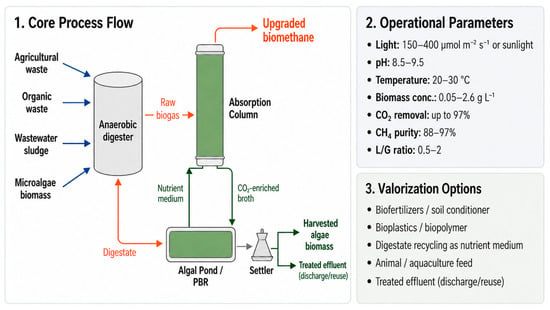
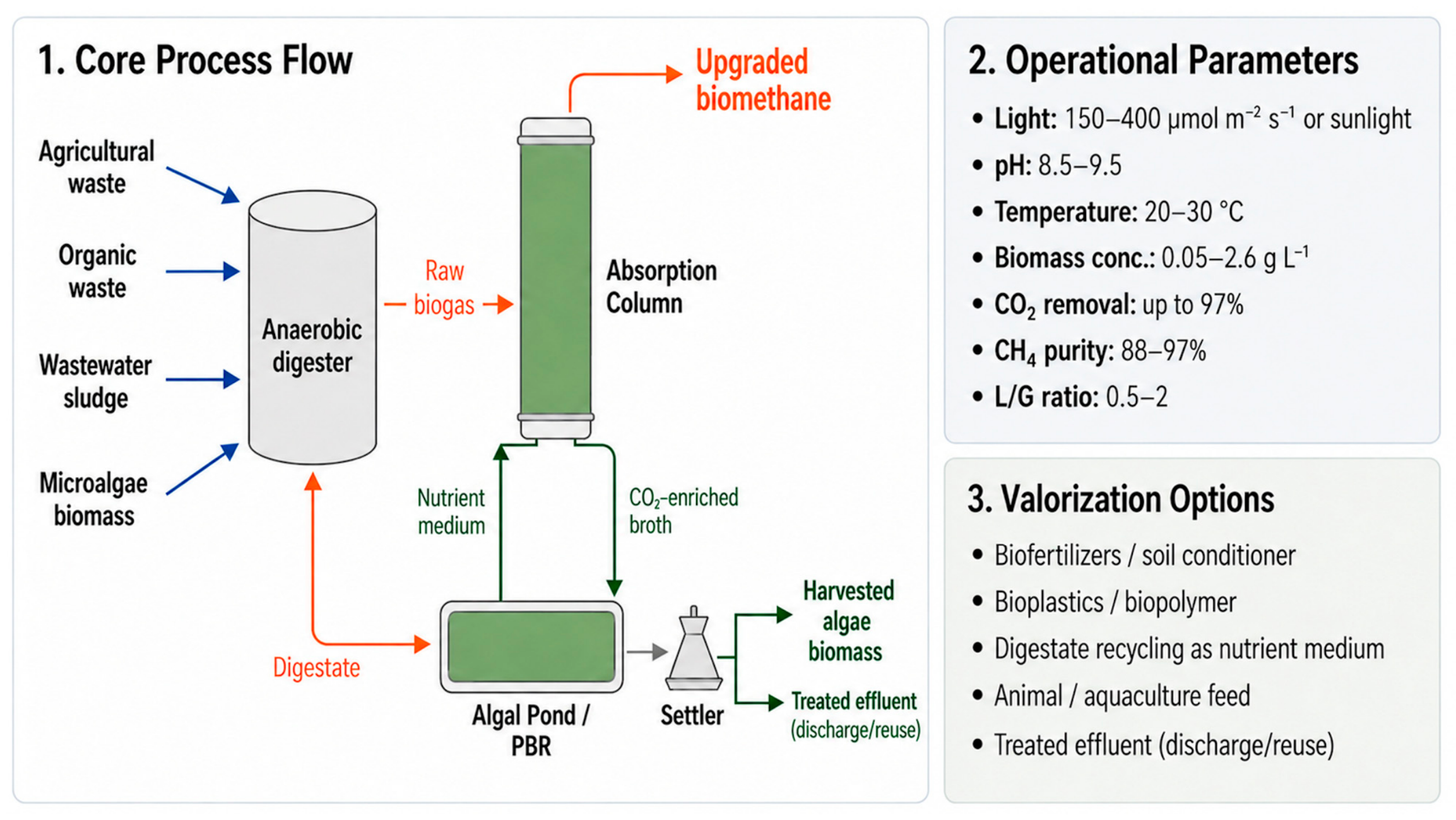
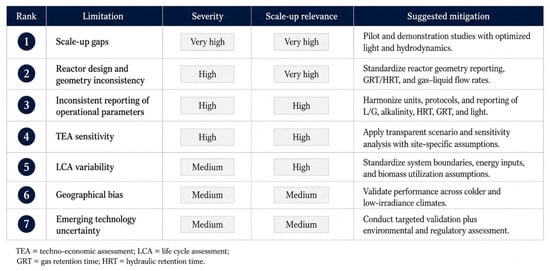
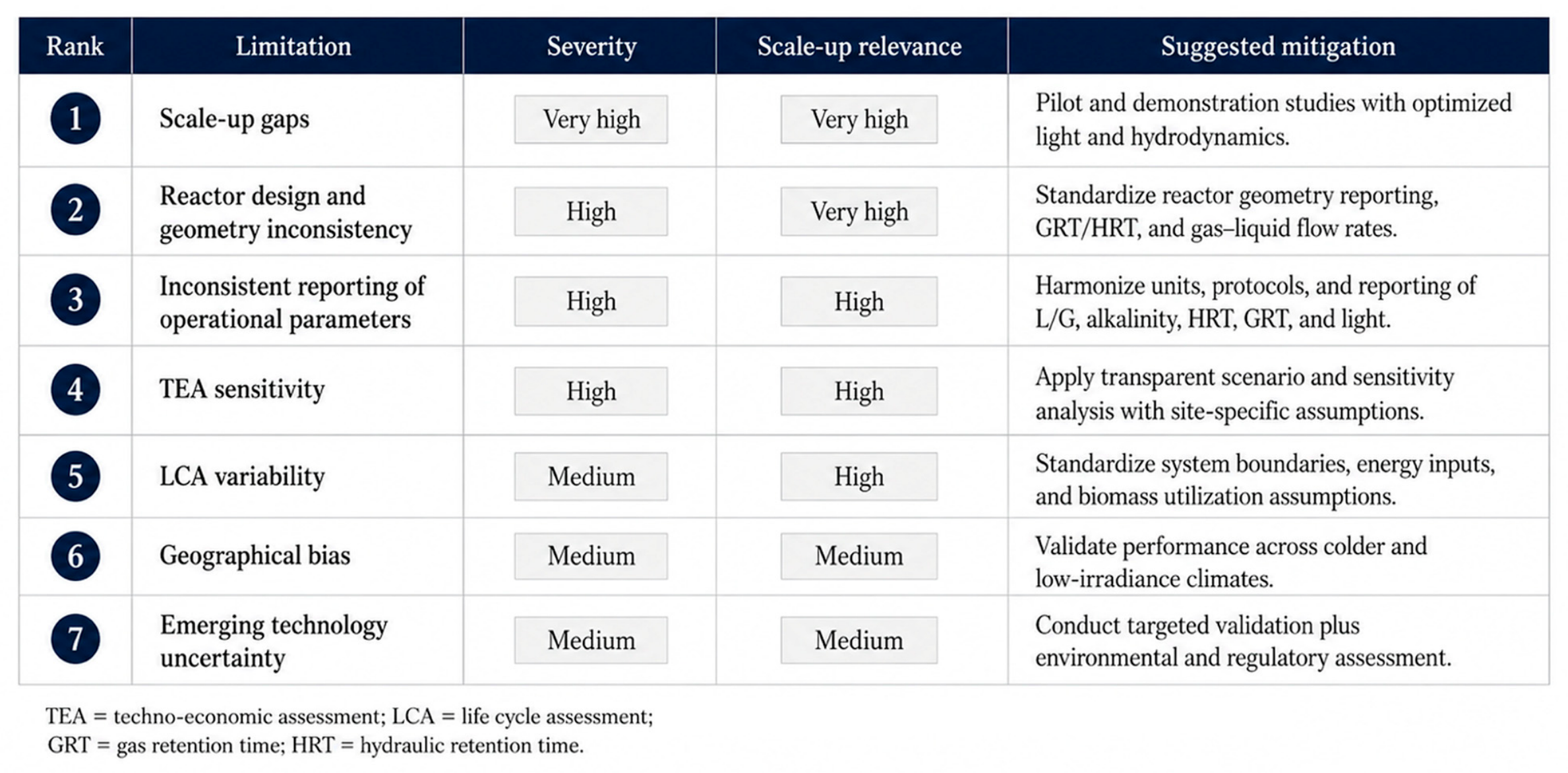
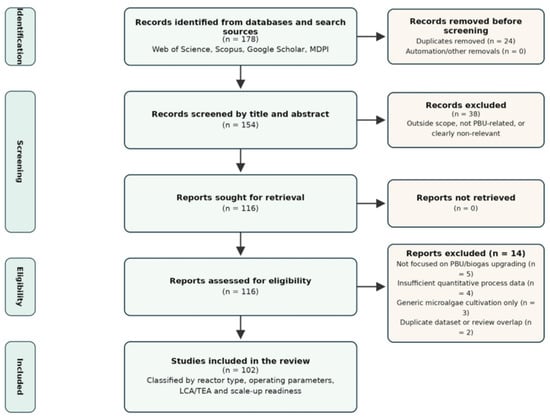
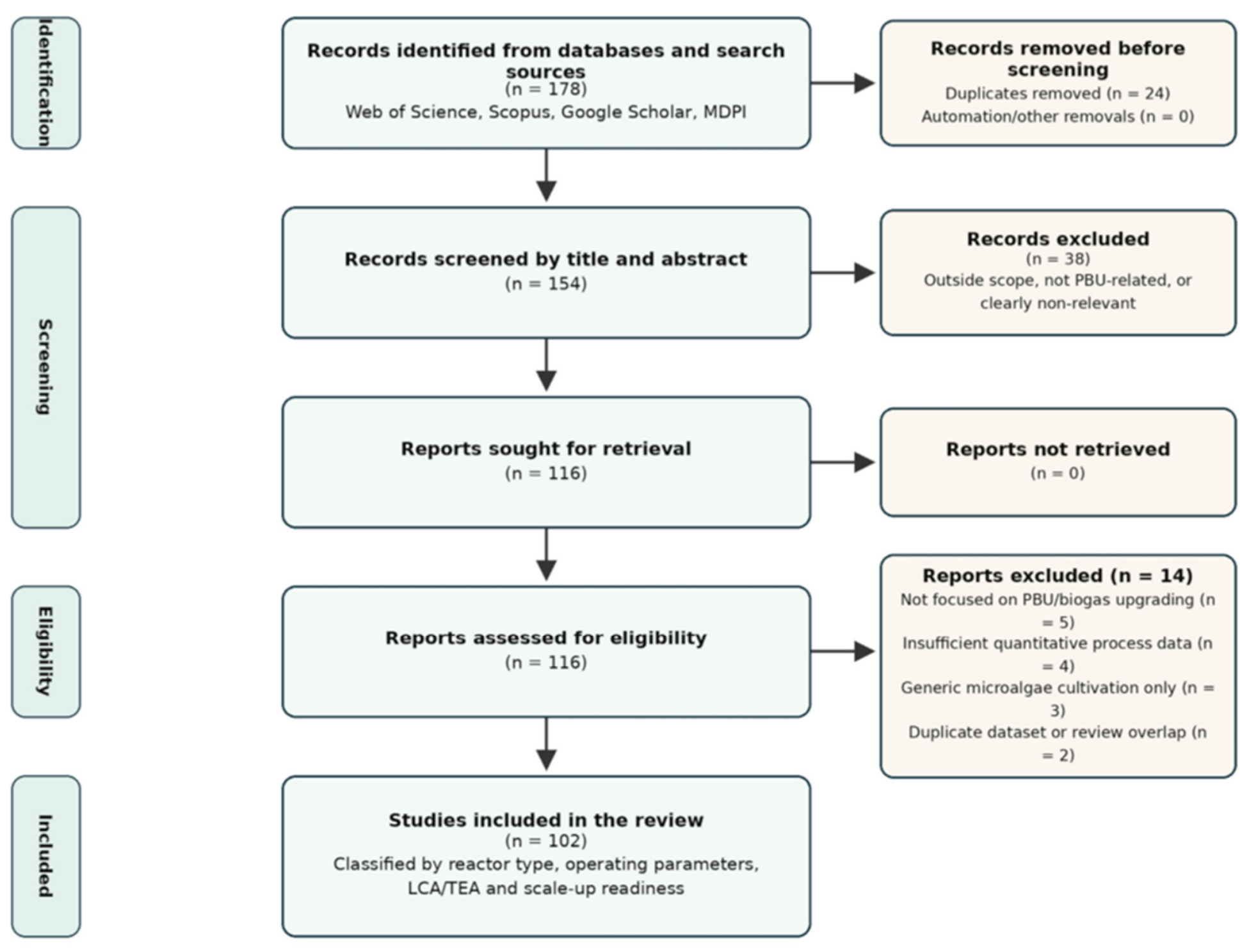
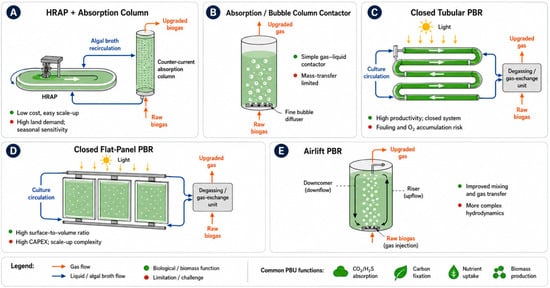
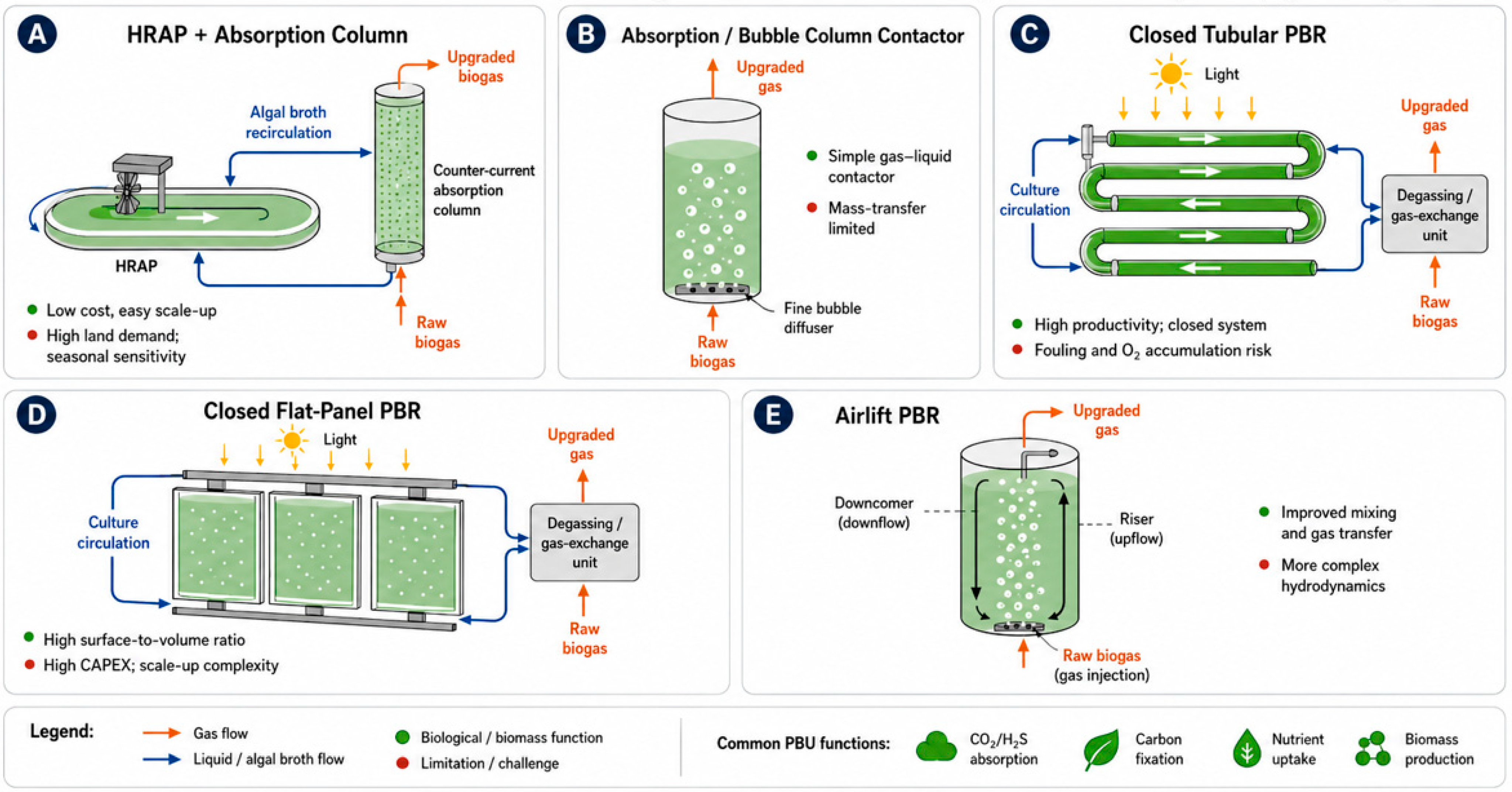
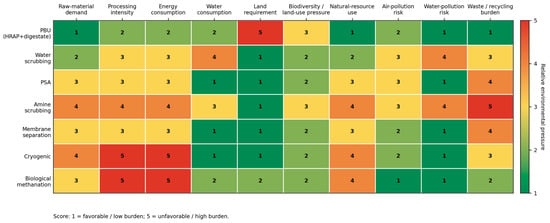
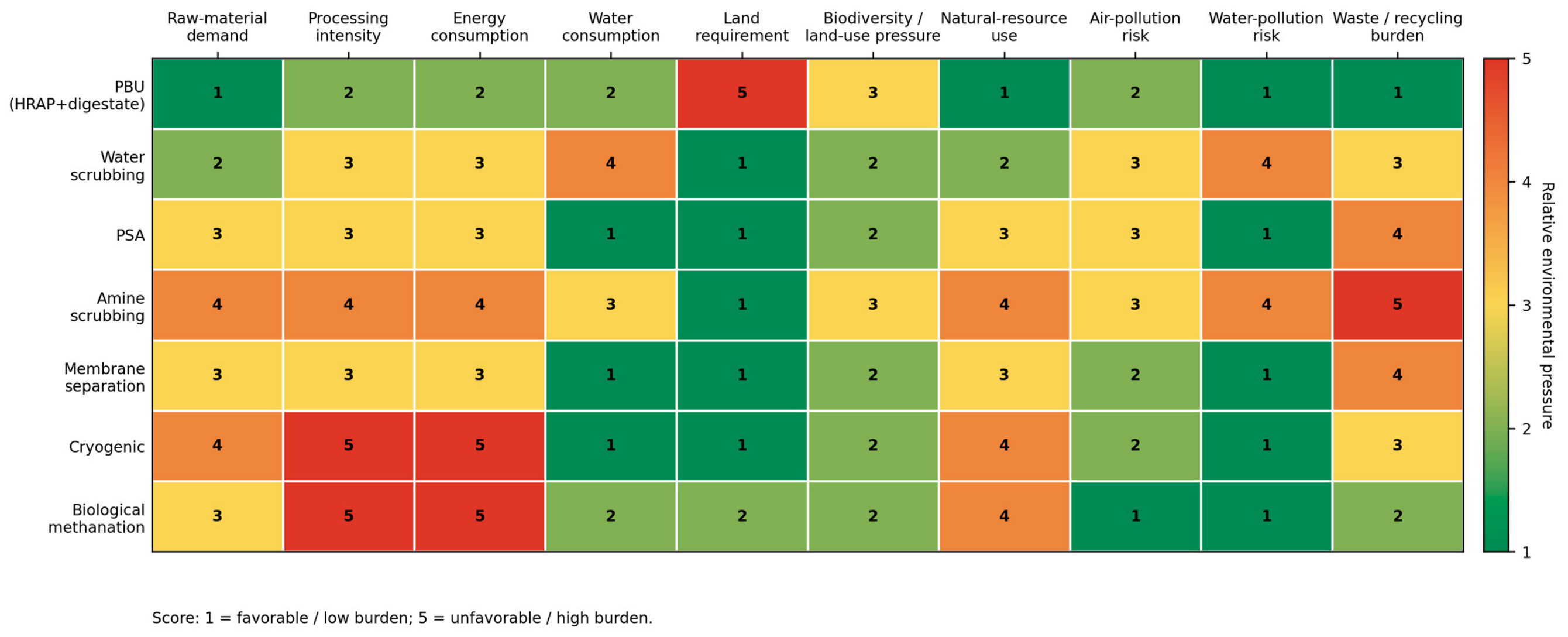
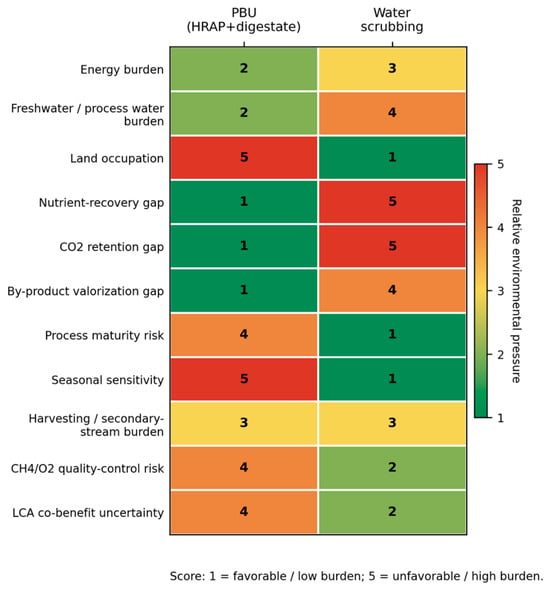
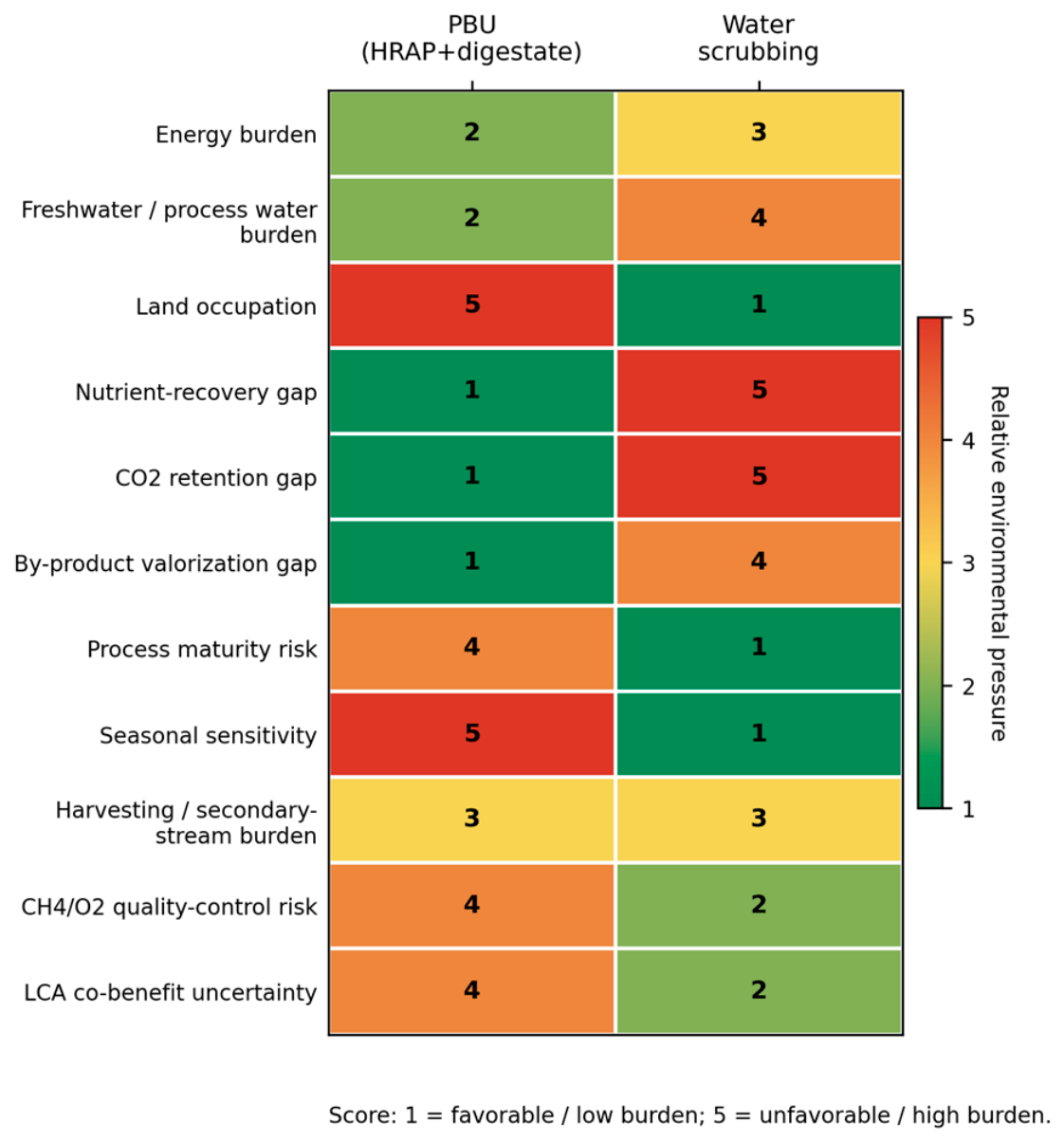
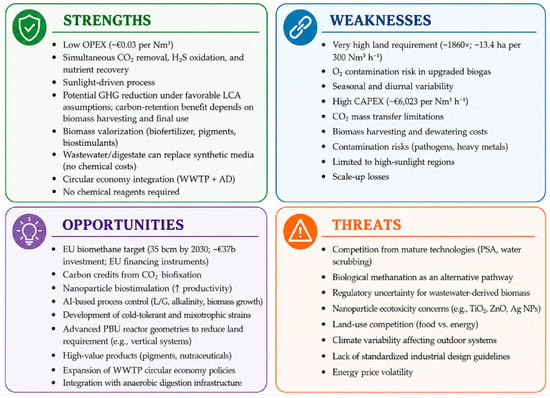
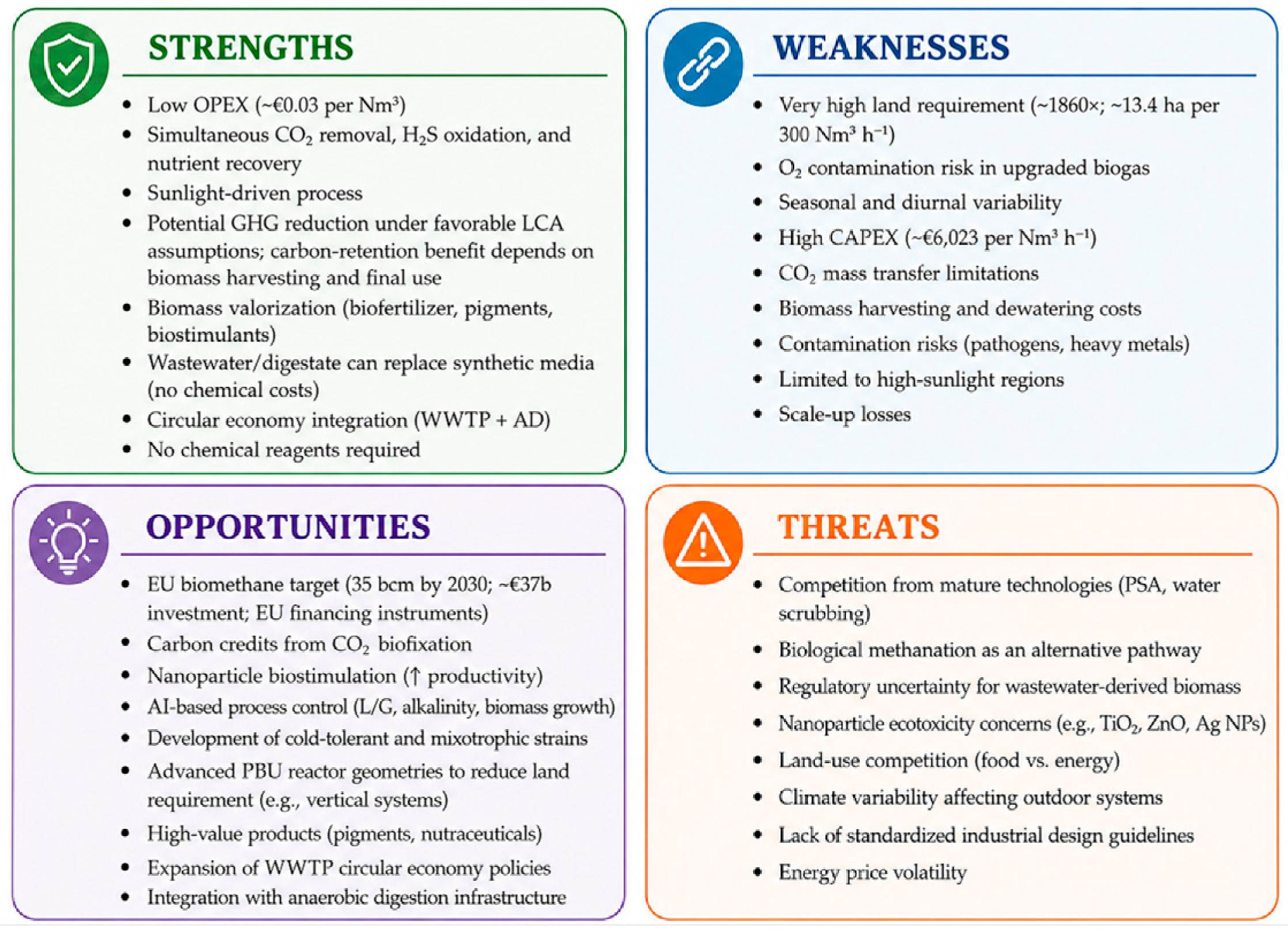

Disclaimer/Publisher’s Note: The statements, opinions and data contained in all publications are solely those of the individual author(s) and contributor(s) and not of MDPI and/or the editor(s). MDPI and/or the editor(s) disclaim responsibility for any injury to people or property resulting from any ideas, methods, instructions or products referred to in the content. |
© 2026 by the authors. Licensee MDPI, Basel, Switzerland. This article is an open access article distributed under the terms and conditions of the Creative Commons Attribution (CC BY) license.