


Abstract
As plant-based diets catalyze a global shift toward sustainable consumption, Chinese plant-based food firms are experiencing rapid growth and seeking to expand their international footprint. This study investigates the mechanisms underlying the internationalization performance of these firms by integrating the Technology–Organization–Environment (TOE) framework with a configurational perspective. We operationalize nine antecedents across three dimensions: the technological dimension (technological maturity, supply chain resilience, and digital transformation), the organizational dimension (food safety certification intensity, strategic partnership intensity, and talent acquisition intensity), and the environmental dimension (market adaptability, compliance and risk management, and product line breadth). Utilizing fuzzy-set qualitative comparative analysis (fsQCA) on a sample of N = 29 publicly listed Chinese plant-based firms, this research identifies three distinct equifinal pathways to superior internationalization performance. The first is the Collaboration-Compliance configuration (Organization–Environment-driven), which is primarily characterized by the synergy between strategic partnerships and regulatory risk management. The second is the Supply Chain-Compliance-Product Diversification configuration (Technology-Environment-driven), where international success is predicated on the interplay among supply chain resilience, institutional compliance, and product variety. The third is the Full-Factor Synergy configuration (Technology-Organization-Environment jointly driven), which emphasizes a holistic coupling of technological innovation, organizational coordination, and external institutional adaptation. By uncovering these complex causal mechanisms, this study moves beyond traditional linear analysis to reveal how diverse capability configurations can lead to equivalent internationalization outcomes. The findings provide actionable strategic guidance for firms navigating the global plant-based market and offer theoretical insights for policy frameworks supporting sustainable dietary transitions.
1. Introduction
Plant-based foods, which are engineered from plant-derived raw materials to replicate the sensory attributes of animal products, have achieved significant global traction. Propelled by heightened health consciousness and ecological imperatives, these products offer a superior nutritional profile characterized by zero cholesterol and low saturated fats, while simultaneously mitigating environmental externalities such as land degradation, water scarcity, and greenhouse gas emissions [1,2,3,4]. In 2020, the “Plant-Based Revolution” identified by Innova Market Insights marked a pivotal paradigm shift, transitioning these products from niche vegetarian offerings to a mainstream force within the global food system [5]. Projections by Grand View Research suggest substantial market expansion through 2030, with North America, Europe, and the Asia-Pacific emerging as the primary growth engines [6]. As a dominant producer of soy and pea proteins, China has positioned itself as a critical nexus for this industry. Despite a burgeoning domestic market, Chinese firms navigate a complex landscape defined by technological bottlenecks, underutilized capacity, and uneven consumer acceptance [7]. Consequently, internationalization serves as a vital strategic lever to achieve economies of scale, capture premium segments through “clean-label” positioning, and catalyze technological upgrading by adhering to rigorous global standards [8]. This highlights the need to systematically examine how Chinese plant-based food firms can achieve strong internationalization performance, which is both theoretically significant and practically urgent.
Over the past half-century, internationalization research has consolidated into several dominant frameworks. The Uppsala internationalization process model conceptualizes internationalization as a gradual, experiential learning process and emphasizes the dynamic interplay between state variables and change variables [9]. It argues that firms typically enter culturally and geographically proximate markets first before expanding into more distant ones, and that experiential knowledge is the core determinant of success [10]. Conversely, Dunning’s Eclectic Paradigm (OLI) emphasizes the alignment of ownership, location, and internalization advantages in shaping entry-mode decisions [11]. More recently, the “Springboard Perspective” has gained prominence in explaining the behavior of emerging market multinationals (EMNEs), suggesting that latecomer firms utilize internationalization to aggressively acquire strategic assets and offset domestic capability deficits [12]. A meta-analysis by Contractor et al. further indicates that the relationship between internationalization depth and performance among EMNEs often follows an inverse S-shaped pattern, diverging from traditional linear assumptions [13]. Although these theories have substantially advanced the field, they primarily focus on manufacturing or general service industries and rarely address the specific characteristics of food products—especially novel food categories such as plant-based alternatives, which face distinctive regulatory and cultural barriers.
For food firms, internationalization performance is shaped by a distinct set of drivers because food products are highly sensitive to food safety concerns, culturally embedded, and affected by institutional distance. Dietary habits and religious beliefs create profound cultural barriers; excessive distance often precipitates localization failure and undermines performance [14]. Conversely, a moderate level of institutional distance may encourage firms to adopt more rigorous Food Safety Certification Intensity, obtain international certifications such as BRCGS and IFS, and enhance brand credibility, ultimately improving performance [15]. Santos et al. find that food safety concerns play a central role in internationalization decisions [16], while Serrano et al. show that food firms with greater geographic diversification tend to achieve superior performance [17]. Zhang and Wang demonstrate that combinations of technological R&D, compliance system development, market adaptability, and supply chain sustainability can facilitate the overseas expansion of convenience food firms [18]. More recently, supply chain transparency and traceability have emerged as additional performance dimensions that significantly enhance international competitiveness [19]. However, existing studies largely focus on traditional categories such as dairy, meat, and grains, with limited in-depth discussion of emerging alternative-protein segments. Meanwhile, most research centers on food multinationals from developed economies, paying insufficient attention to the antecedent mechanisms of internationalization performance among food firms in emerging markets, where institutional voids and rapidly growing domestic demand create a very different competitive environment [20].
The global plant-based food market has attracted increasing research attention. According to Grand View Research, the global plant-based food market is projected to increase from USD 17.1 billion in 2024 to USD 54.8 billion by 2035, representing a compound annual growth rate of 11.16% [21]. Governments worldwide are promoting technological innovation in plant-based foods through financial support and regulatory incentives to strengthen industrial competitiveness [22]. Developed economies continue to lead innovation and actively participate in the formulation of international standards for plant-based meat products. Existing research on the internationalization of plant-based firms has examined the global competitive landscape [23], cross-border R&D and technological innovation [24], cross-cultural and market-policy factors [25], and commercialization models [26]. Boukid outlined the pathway through which plant-based meat evolved from a niche segment into the mainstream market, although the analysis primarily focuses on product quality and processing technologies [21]. Several case studies of Western market leaders offer valuable lessons. Beyond Meat partnered with Brazilian retailers and carried out consumer education campaigns centered on health and environmental concerns, which proved essential for market penetration [27]. Nestlé has built a diversified future-protein ecosystem to develop long-term competitive advantages. Nevertheless, plant-based products are generally regarded as “novel foods” and face heterogeneous regulatory regimes across jurisdictions. The European Union imposes strict labeling restrictions on plant-based dairy alternatives, whereas Singapore and the United States are actively developing regulatory frameworks for cultivated meat [28]. These regulatory divergences substantially increase compliance costs and market-entry uncertainty, thereby directly affecting internationalization performance. Despite these insights, the literature remains largely industry-level, emphasizing market size and competitive dynamics, or relies on single-case descriptions. Systematic firm-level empirical analysis of the configurational antecedents of internationalization performance is still lacking.
China’s plant-based food market is in a phase of rapid growth. According to Verified Market Research, China’s plant-based food and beverage sector reached approximately USD 10 billion in 2024, accounting for nearly half of the global market share. Chinese firms have significant advantages in raw material supply and have made notable progress in technological innovation, patent portfolio development, and brand building [29,30,31]. Nevertheless, domestic research remains preoccupied with consumer behavior and product formulation [32,33], leaving the mechanisms of global expansion underexplored. In addition, the absence of dedicated domestic regulations for plant-based foods often results in costly certification redundancies for firms targeting overseas markets [34]. While some studies discuss foreign brands entering China, the “reverse perspective”namely how Chinese firms proactively scale globally, receives scant attention [35]. Overall, current research on Chinese plant-based food firms is characterized by limited scope, fragmented perspectives, and conventional methodologies. Critical issues, such as how technological maturity translates into overseas patent deployment and how differences in certification systems substantially affect market access, have not been sufficiently investigated empirically. In particular, configurational approaches such as fsQCA have not yet been applied to this domain.
The foregoing literature review reveals two critical research voids. Theoretically, classical internationalization models offer only fragmented insights into the unique trajectory of Chinese plant-based firms. These firms operate within an institutionally idiosyncratic home market and face divergent global regulations, requiring an integration of technological readiness, organizational capabilities, and environmental factors that existing theories largely overlook. Methodologically, prior empirical investigations have been dominated by linear regression models designed to isolate the net effects of individual variables. Such an approach fails to capture the configurational complexity of internationalization, where multiple pathways may lead to high performance and the influence of a single factor remains contingent upon the presence of others [36].
To address these gaps, we draw on the Technology–Organization–Environment (TOE) framework [37]. Originally proposed by Tornatzky and Fleischer, the TOE framework posits that technology adoption and innovation outcomes are shaped by three interacting dimensions: the technological context, the organizational context, and the environmental context. The TOE framework is particularly suitable for studying internationalization performance because it explicitly accommodates multi-condition interactions and treats performance as the outcome of configurational fit rather than isolated linear drivers. While TOE has been widely applied in information systems and green innovation research [38], its use in the internationalization domain, especially for plant-based food firms, remains novel.
We adopt fuzzy-set Qualitative Comparative Analysis (fsQCA) as our analytical method [39]. fsQCA is rooted in configurational theory and is specifically designed to uncover causal complexity, including conjunctural causation, equifinality, and causal asymmetry, which traditional regression methods cannot capture. Given the moderate sample size of publicly listed Chinese plant-based food firms, fsQCA offers a rigorous yet flexible approach for identifying necessary and sufficient condition combinations that lead to high internationalization performance. The method preserves case-level integrity while enabling systematic cross-case comparison, thereby combining the strengths of qualitative and quantitative research [40].
Against this backdrop, this study pursues three interrelated objectives. Specifically, we seek to identify, within the TOE framework, the core technological, organizational, and environmental conditions that influence the internationalization performance of Chinese plant-based food firms, including how to define and measure these variables appropriately given the sector’s specificities. We also aim to uncover the configurational pathways that consistently lead to high internationalization performance and to examine whether these pathways differ across firms with different resource endowments or strategic orientations. Finally, based on the empirical findings, we intend to derive actionable strategic implications for both corporate decision-makers and policymakers, particularly in terms of leveraging resource advantages, overcoming institutional barriers, and selecting context-appropriate internationalization strategies. By integrating the TOE framework with a configurational perspective and applying fsQCA to a unique multicase dataset, we hope to move beyond one-size-fits-all logic and provide a nuanced understanding of how Chinese plant-based food firms can achieve successful global expansion.
This study makes three main contributions. It extends the TOE framework to the internationalization domain, providing a holistic lens that bridges technology, organization, and the external environment. It also identifies equifinal configurations that explain how firms with different resource endowments can achieve high performance, thereby enriching the literature on internationalization antecedents with a configurational perspective. Finally, it offers actionable insights for Chinese plant-based food firms to design tailored internationalization strategies and for policymakers to reduce institutional barriers.
2. Theoretical Foundation and Research Framework
The Technology–Organization–Environment (TOE) framework represents a robust theoretical lens for elucidating the mechanisms underlying firms’ adoption of innovations and digital transformations. Since its inception, this framework has demonstrated exceptional explanatory power in analyzing technological integration, organizational restructuring, and environmental adaptation [41]. Its primary utility lies in its structural flexibility, enabling researchers to configure specific condition sets tailored to empirical contexts while maintaining a rigorous account of the interplay between internal and external factors [42]. Consequently, the TOE framework is particularly suitable for evaluating internationalization performance, as it encapsulates both the internal resource base and the external constraints inherent in cross-border expansion. Furthermore, the framework’s extensive application in green innovation and strategic management underscores its versatility and academic rigor [43].
In alignment with TOE logic, this study identifies nine critical condition variables categorized into three dimensions. These variables are selected not merely for empirical convenience but due to their theoretical necessity within the specific landscape of Chinese plant-based food firms.
As outlined in Table 1, the technological dimension is characterized by a firm’s technical expertise, operational agility, and its capacity to integrate intelligent systems into production and management workflows. In the plant-based food sector, technological prowess is pivotal to enhancing product quality and navigating volatile international demand. The TOE framework is frequently invoked to explain technology-driven organizational transitions precisely because it delineates how internal competencies and external catalysts jointly determine innovation outcomes [44]. Technological maturity, grounded in the Resource-Based View, constitutes a strategic resource that facilitates product differentiation and long-term competitiveness in foreign markets [45]. Firms possessing high technological maturity are better equipped to refine processing precision and thereby accelerate the deployment of competitive offerings. Similarly, supply chain resilience reflects an adaptive mechanism, which is consistent with Dynamic Capabilities, through which firms reconfigure resources to maintain operational continuity amidst global uncertainties [46]. Furthermore, intelligent IT and automation represent the degree of digital tool integration; such systems enhance traceability and scalability, which are essential for cost control and standardization. As suggested by the technology acceptance literature from Venkatesh (2003), adoption is significantly predicated on the perceived utility and operational value of these systems [47].
Table 1.
Theoretical grounding of TOE condition variables.
Aligned with the theoretical foundations specified in Table 1, the organizational dimension encompasses a firm’s internal governance and resource integration mechanisms, focusing on the capacity to reconfigure assets in response to turbulent environments. Within internationalization research, organizational factors are paramount, as cross-border ventures require managing high levels of ambiguity and strategic flexibility. Dynamic Capabilities theory provides a rigorous foundation for this dimension, emphasizing the necessity of sensing, seizing, and transforming organizational routines to navigate complex global landscapes [53]. For plant-based firms, such capabilities are indispensable for recalibrating strategies across diverse regulatory settings. Additionally, the Food Safety Certification Intensity (FSMS) serves as more than a compliance tool; it functions as a critical signal of reliability. According to Signaling Theory, rigorous certification systems mitigate information asymmetry, thereby fostering trust among international stakeholders [54]. Moreover, partnership networks constitute a firm’s relational capital; Network Theory posits that firms embedded in diverse collaborative ecosystems gain superior access to information, legitimacy, and risk-sharing channels. Collectively, dynamic capabilities, Food Safety Certification Intensity, and partnership networks form the organizational pillars that sustain internationalization performance.
Building on the institutional and resource-based theories presented in Table 1, the environmental dimension accounts for the external contingencies shaping the internationalization trajectory, including institutional constraints and heterogeneous market conditions. For plant-based food firms, these external factors are particularly salient due to varying consumer preferences and regulatory divergence across jurisdictions. Institutional Theory is instrumental in explaining how firms attain legitimacy by aligning with the formal and informal pressures of host countries. Market adaptability, namely the capacity to recalibrate product positioning and communication, is particularly suitable for ensuring alignment with local cultural norms and competitive structures. Furthermore, compliance and risk management reflect a firm’s proficiency in navigating complex certification hurdles and policy shifts. In contrast to purely internal capabilities, this dimension emphasizes the proactive mitigation of institutional risks to ensure operational survival [55]. Finally, Product Line Breadth is conceptualized as a strategic response to market diversity; from a Resource-Based View perspective, a diversified portfolio enables broader market coverage and reduces reliance on singular product categories. Consequently, this study identifies market adaptability, compliance and risk management, and Product Line Breadth as the primary environmental determinants of international success. Based on the above theoretical discussion, the conceptual framework of this study is depicted in Figure 1.
Figure 1.
Research model.
3. Data and Method
3.1. Research Methodology
Fuzzy-set qualitative comparative analysis (fsQCA) is an established method for examining configurational effects and causal interdependence [56]. By conceptualizing combinations of conditions as configurations rather than isolated variables, fsQCA identifies how multiple antecedents jointly generate a specific outcome. This approach effectively addresses the limitations inherent in traditional regression-based methodologies, which primarily focus on estimating net effects and often fail to capture the intricate interdependencies among various conditions.
Traditional internationalization research has predominantly relied on regression-based models, which posit additive and linear relationships between predictors and performance. Such frameworks implicitly treat each factor as an independent contributor to the outcome. In contrast, internationalization performance within complex institutional environments is rarely the result of isolated factors; instead, it emerges from the dynamic interplay of technological readiness, organizational capabilities, and environmental opportunity structures. fsQCA is particularly suitable for capturing such causal complexity, as it accommodates conjunctural causation, equifinality, and causal asymmetry [16,17]. These methodological features are especially appropriate for the study of Chinese plant-based food firms, where empirical data on successful internationalization often remains limited, and multiple pathways to global expansion are likely to coexist.
Grounded in configurational thinking, fsQCA facilitates the identification of diverse equifinal pathways by distinguishing between core and peripheral conditions. Unlike conventional quantitative techniques, this method preserves case-level integrity while enabling systematic cross-case comparison, thereby bridging the gap between qualitative depth and quantitative rigor [16,17]. More recently, the application of fsQCA has attracted increasing attention across diverse domains of management research, particularly in settings characterized by substantial causal complexity and small-to-medium sample sizes [57].
The specific sample structure and research objectives of this study further justify the selection of fsQCA. By calibrating multidimensional variables into fuzzy sets, the method enables the integration of technological, organizational, and environmental conditions within a unified analytical framework. This configurational approach is invaluable for uncovering how Chinese plant-based firms leverage distinct capability sets to achieve high internationalization performance, providing more nuanced and policy-relevant insights than traditional linear models.
3.2. Sample and Data Sources
The plant-based food industry in China is characterized by its nascent stage of development, where the majority of domestic firms prioritize the local market while overall international expansion remains limited. Against this backdrop, this study focuses on publicly listed Chinese plant-based food firms that have actively engaged in international business. Firms with a global market presence generally represent the industry’s leading actors, and their strategic practices provide meaningful benchmarks for understanding internationalization performance. Furthermore, listed firms are subject to mandatory disclosure requirements for financial and operational data, thereby ensuring the availability of sufficient and comparable information for configurational analysis.
The final selection encompasses both upstream ingredient suppliers with substantial international engagement (specifically pea and soy protein producers) and downstream entities specializing in plant-based yogurt and cheese, whose internationalization intensity is relatively lower. Such heterogeneity is intentional, as it reflects the current structural nuances of China’s plant-based sector, where internationalization pathways often differ substantially between B2B ingredient suppliers and B2C brand manufacturers. Ultimately, a total of N = 29 Chinese plant-based food firms were identified as the research sample.
To ensure transparency and replicability, the sample was constructed through a rigorous, multi-stage screening process. Initially, candidate firms were identified using the CSRC (China Securities Regulatory Commission) industry classification for food manufacturing and agricultural product processing, cross-referenced with keyword searches in the CSMAR database. These keywords included “plant-based,” “plant protein,” “soy protein,” “pea protein,” “artificial meat,” “meat analogue,” and “dairy alternative.” Subsequently, firms were retained only if their 2024 annual reports disclosed explicit international business activities, such as export revenue or the operation of overseas subsidiaries. Firms were further excluded if more than 70% of their revenue was derived from unrelated activities, such as traditional animal meat processing without substantive plant-based diversification. Finally, each candidate’s involvement in the plant-based value chain was manually verified through business descriptions in annual reports and official corporate websites, resulting in a final sample of 29 firms (comprising 12 upstream, 10 midstream, and 7 downstream firms).
Focusing exclusively on publicly listed firms potentially introduces sample selection bias, given that many innovative plant-based firms in China operate as private, smaller-scale entities. In contrast to listed incumbents, these private firms may demonstrate distinct internationalization strategies and risk profiles. Accordingly, the findings of this study should be interpreted within this boundary condition. Future research may extend the analysis to private firms and startups to assess the generalizability of the identified configurational pathways.
To enhance the timeliness and relevance of the analysis, this study adopts a cross-sectional design with 2024 as the primary observation year. Data were synthesized from 2024 annual reports, the CSMAR database, Eastmoney, and the China Research Data Service Platform (CNRDS). This temporal focus is justified by three primary considerations. Primarily, 2024 marks a period of strategic divergence in the industry, as leading firms transition from raw material exports toward branded global expansion. Additionally, the 2024 annual reports offer the most current and comparable data regarding financial performance and internationalization metrics. Lastly, a cross-sectional approach was adopted to mitigate the issues of incomplete disclosure observed in earlier periods. While this study provides a snapshot of current configurations, future research could utilize multi-year panel data to examine the dynamic evolution of these internationalization pathways.
3.3. Variable Measurement
3.3.1. Conditional Variables
- (1)
- Technological Maturity: Technological maturity is characterized by the accumulation of systematic knowledge and the stability of innovation capability, which collectively facilitate product optimization and process efficiency [58]. In the plant-based food sector, this indicator is particularly suitable for assessing firms’ capabilities in formulation development and quality upgrading. Given the specificities of Chinese plant-based enterprises and the restricted accessibility of proprietary patent data, this research measures technological maturity through the cumulative total number of patents obtained by each firm. Patent data were retrieved from the CSMAR database and the China National Intellectual Property Administration (CNIPA) public search platform. These data were cross-validated against annual reports to ensure the robustness of this discrete indicator.
- (2)
- Supply Chain Resilience: Supply chain resilience denotes a firm’s capacity to maintain operational continuity and stable raw material procurement amid disruptions. For food enterprises, this capability is critical as raw material compliance directly influences sustainable development [59,60]. This study utilizes inventory redundancy as a proxy for supply chain resilience. In the plant-based food industry, inventory redundancy reflects a firm’s operational buffer against supply shocks, quality fluctuations, and seasonal shortages, rendering it a quantifiable foundational dimension. Inventory redundancy is calculated as the ratio of year-end raw material inventory to average daily demand. This continuous variable indicates the number of days a firm can sustain normal operations using existing stocks.
- (3)
- Digital Transformation: Digital transformation evaluates the integration of digital technologies into organizational activities and decision-making to enhance strategic responsiveness. For plant-based food firms, such integration optimizes production coordination and supply chain visibility. This indicator is quantified through a disclosure index derived from textual analysis of annual reports, specifically the Management Discussion and Analysis (MD&A) section. The index captures the frequency of digitalization-related terms, such as “intelligent,” “automation,” and “information systems.” Although keyword frequency may be subject to impression management, it captures the institutionalization of digital discourse within a firm’s strategic communication. Firms with higher disclosure frequencies signal that digitalization has been incorporated into their governance framework. This variable is treated as a discrete variable.
- (4)
- Food Safety Certification Intensity: Food safety certification intensity reflects a firm’s commitment to internationally recognized standards and serves as a primary indicator of product legitimacy in overseas markets [39]. To assess this construct, this study calculates the number and level of certifications obtained, including HACCP, ISO 22000 [61], FSSC 22000 [62], and BRCGS [63]. Notably, BRCGS is widely adopted and recognized by the Global Food Safety Initiative (GFSI). The BRCGS safety standard encompasses five grades: AA, A, B, C, and D. This research adopts BRCGS as a conservative benchmark; firms achieving a grade of A or above are assigned a score of 1, while others are assigned 0. This discrete indicator, compiled from official certification records, quantifies regulatory compliance and quality assurance capabilities.
- (5)
- Strategic Partnership Intensity: Strategic partnership intensity refers to the degree of formalized, long-term cooperative relationships established for resource sharing and market access [64]. Such relational capital is instrumental in mitigating the uncertainties of international expansion. In the Chinese plant-based food industry, where consistent raw material quality is essential for meeting international standards, high supplier concentration often implies operational interdependence. This necessitates close coordination and joint quality assurance. Consequently, strategic partnership intensity is operationalized as the proportion of procurement from the top five suppliers relative to total procurement. This variable is continuous.
- (6)
- Talent Acquisition Intensity: Talent acquisition intensity denotes the emphasis an organization places on recruiting well-educated, adaptable human resources to foster organizational learning [65,66]. In the Chinese context, campus recruitment is intrinsically linked to internationalization capability, as it signals a strategic orientation toward internal adaptability. This study measures the emphasis on fresh talent by the ratio of campus recruitment personnel to total employees during the period 2022–2024. This continuous variable, derived from human resource disclosures, reflects investment in a future-oriented capability base.
- (7)
- Market Adaptability: Market adaptability represents a firm’s capacity to flexibly adjust its market positioning relative to industry leaders in response to shifting demand [67]. While this capability remains inherently latent, its effects are manifested in relative revenue performance. Sustained high relative revenue shares in the competitive plant-based market validate the effectiveness of a firm’s strategic adjustments. Although the relative revenue ratio is a proxy measure, it provides market-validated evidence of adaptability. Accordingly, this study employs a discrete scale based on the ratio of firm revenue to the industry leader’s revenue: firms with a ratio exceeding 0.8 are classified as leaders (value = 1); those between 0.3 and 0.8 are challengers (value = 0.6); and those below 0.3 are followers (value = 0).
- (8)
- Compliance and Risk Management Capability: The essence of compliance and risk management capability lies in the allocation of internal resources to navigate regulatory barriers, which is vital for plant-based firms facing diverse international labeling and safety standards. Given that firms are exposed to heterogeneous regulatory regimes, dedicated compliance personnel represent the minimum threshold for meeting entry requirements. Furthermore, staffing ratios for compliance are consistently disclosed across firms. This research operationalizes this continuous variable as the ratio of full-time compliance personnel to total employees, with data sourced from corporate human resource disclosures.
- (9)
- Product Line Breadth: Product line breadth refers to the diversity of products and solutions offered, reflecting the ability to satisfy heterogeneous market demands. A broader portfolio enables firms to address varied consumer preferences in international markets [68] and signals robust innovation capability. In the plant-based food industry, production lines are typically organized by product category; thus, the number of lines serves as a structurally meaningful indicator of technological and market scope. Additionally, production line data can be objectively verified through capacity disclosures in annual reports. From an internationalization perspective, diversity in production lines facilitates the customization of formulations for different regulatory environments. This research quantifies product line breadth using the number of production lines as a discrete proxy indicator.
3.3.2. Outcome Variable
This study defines the internationalization performance (IP) of Chinese plant-based food firms as the outcome variable. Regarding the measurement of corporate internationalization, Dunning [19] proposed several dimensions, including the scale of foreign subsidiaries, the number of host countries, and the proportion of overseas revenue. Based on the characteristics of the sector and data availability, this research evaluates IP through financial and structural dimensions.
In the financial dimension, the relative overseas sales ratio is calculated by dividing each firm’s overseas sales ratio by the sample maximum. In the structural dimension, the relative number of overseas branches is determined by dividing the firm’s branch count by the sample maximum. The composite measure of IP is derived from the average of these two standardized indicators. This “relativization” approach ensures unit consistency and aligns with the classical composite index methodology established by Sullivan [69], which combines foreign sales to total sales (FSTS) and overseas subsidiaries to total subsidiaries (OSTS). More recently, research in emerging economies has validated the use of simplified composite measures involving “foreign sales ratio + number of foreign affiliates” [70]. By standardizing relative to the sample maximum, this approach enhances comparability across the 29 firms while preventing the information loss associated with categorical treatment. This variable is defined as a continuous variable.
This section provides detailed operationalization of all conditional and outcome variables. For each variable, we specify its theoretical definition, expected relationship with internationalization performance based on prior literature, measurement indicator/formula, data source, and variable type. Table 2 summarizes the coding rules and variable types. Following established practice in fsQCA research [71], we combine crisp-set and fuzzy-set calibration approaches based on the inherent nature of each variable, as explained below.
Table 2.
Variable descriptions.
4. Empirical Analysis
4.1. Variable Calibration
In fsQCA, each condition and the outcome are conceptualized as sets, where cases are assigned membership scores through a process known as calibration. This procedure transforms raw data into fuzzy-set scores ranging from 0 to 1, indicating the degree of case belongingness. Following the calibration logic proposed by Fiss (2011) [71], this study determines anchors based on the specific distribution of each variable. Notably, Food Safety Certification Intensity and Market Adaptability are calibrated using a binary crisp-set method, as these variables are inherently categorical (e.g., certified vs. non-certified) rather than continuous. The crisp-set approach is particularly suitable for preserving their qualitative distinctiveness without introducing artificial gradations.
Discrete variables (including Technological Maturity, Digital Transformation, Strategic Partnership Intensity, and Product Line Breadth) are calibrated using the direct method with sample-based quartiles (25th, 50th, and 75th percentiles) as anchors. Quartile-based anchors are preferred here because count variables, such as patent volumes, are typically characterized by right-skewed distributions, and quartiles offer robust thresholds that are less sensitive to extreme outliers. For continuous variables, including Supply Chain Resilience, Talent Acquisition Intensity, and Compliance and Risk Management Capability, the 5th, 50th, and 95th percentiles are utilized as anchors for full non-membership, the crossover point, and full membership, respectively. Given that our sample size (N = 29) remains limited, adopting the 5th and 95th percentiles (instead of 0 and 100) effectively mitigates the influence of extreme values. Table 3 summarizes the calibration protocols for all variables.
Table 3.
Calibration of condition variables and outcome variables.
4.2. Necessity Analysis
From a set-theoretic perspective, necessity analysis of a single condition examines whether the outcome set is a subset of a given condition set. In fsQCA, a condition is considered necessary if it is always present whenever the outcome occurs [56]. Consistency serves as the key criterion for assessing necessity; when the consistency level exceeds 0.90, the condition can be regarded as necessary for the outcome [56]. Table 4 reports the results of the necessity analysis for high internationalization performance obtained using fsQCA 4.1. The findings indicate that the consistency values for all conditions are below the 0.90 threshold. Therefore, none of the nine conditions constitutes a necessary condition for achieving high internationalization performance.
Table 4.
Necessity analysis of conditional variables for plant-based firm internationalization.
4.3. Sufficiency Analysis of Configurations
Configurational analysis examines the sufficiency of different combinations of conditions in producing the outcome. From a set-theoretic perspective, this involves testing whether the set represented by a given configuration of multiple conditions constitutes a subset of the outcome set. Consistency is also used to assess configurational sufficiency; however, the acceptable threshold and calculation differ from those used in necessity analysis. Schneider and Wagemann (2012) [72] suggest that the consistency level for sufficiency should not fall below 0.75. The frequency threshold depends on sample size [72]: for small and medium samples, a threshold of 1 is generally appropriate, whereas larger samples require a threshold greater than 1. In this study, the consistency threshold is set at 0.80, the frequency threshold at 1, and the PRI consistency threshold at 0.70. Using fsQCA 4.1 and taking high internationalization performance as the outcome variable, the analysis identifies the core and peripheral conditions of each configurational pathway. The fsQCA 4.1 software produces three types of solutions with different levels of complexity: the complex solution, the parsimonious solution, and the intermediate solution. Consistent with prior research [71], this study primarily interprets the intermediate solution, supplemented by the parsimonious solution. When a condition appears in both the parsimonious and intermediate solutions, it is identified as a core condition; when it appears only in the intermediate solution, it is treated as a peripheral condition. Table 5 reports the configurational results formed by the nine TOE-based conditions affecting internationalization performance. Following the presentation conventions of Ragin [56] and Fiss [71], solid circles indicate the presence of a condition, while crossed circles indicate its absence. Large circles denote conditions (appearing in both the parsimonious and intermediate solutions), and small circles denote peripheral conditions (appearing only in the intermediate solution).
Table 5.
Configuration analysis results of internationalization pathways.
Table 5 presents five configurations that serve as sufficient condition combinations for high internationalization performance. The consistency scores for these configurations range from approximately 0.876 to 0.985, with an overall solution consistency of 0.891. These values significantly exceed the acceptable threshold of 0.75 [30], indicating high empirical reliability. The overall solution coverage is 0.478, suggesting that the model captures nearly half of the cases exhibiting high performance. In light of the shared core conditions, these configurations are categorized into three primary pathways: the Collaboration-Compliance configuration, the Supply Chain-Compliance-Product Diversification configuration, and the Full-Factor Synergy configuration.
(1) Type I: Collaboration–Compliance Configuration (Organization–Environment-Driven)
This pathway corresponds to Configuration 1, where Strategic Partnership Intensity and Compliance and Risk Management operate as core conditions, while the remaining technological and resource variables are either peripheral or absent. Within this configuration, plant-based food firms facilitate rapid international market entry by forging stable collaborations with key overseas partners, thereby leveraging their local distribution networks, market knowledge, and institutional embeddedness. Compliance and Risk Management serve as necessary prerequisites for accessing high-standard markets, enabling firms to satisfy host-country legal, technical, and quality requirements through systematic risk-control frameworks without necessitating full-scale foreign direct investment (FDI).
A representative case is Vanilla Fan, a Shanghai-based plant-based ice cream brand characterized by its coconut-milk products catering to lactose-intolerant and health-conscious consumers. Rather than establishing overseas subsidiaries, the firm adopts an asset-light, partnership-based entry model for the European market. This strategy leverages the brand and distribution infrastructure of overseas partners while ensuring that product formulations and labeling documentation strictly align with EU food safety standards, including hygiene and allergen requirements. Concurrently, the firm emphasizes proprietary intellectual property protection and customized solutions, thereby laying the regulatory groundwork for potential future expansion.
The Vanilla Fan case illustrates a common pattern among early-stage internationalizers: reducing entry barriers through external relational leverage and standardized technical specifications. This path is particularly suitable for firms with limited internal resources and narrower technological portfolios. Empirically, this configuration accounts for approximately 19.4% of internationalization cases in the sample, with 12.6% uniquely explained by this pathway.
From the TOE perspective, this reflects a compensatory alignment between organizational partnerships and environmental compliance. When technological capabilities remain limited, firms substitute internal resources with external collaboration, thereby reducing the liability of foreignness and securing legitimacy. This combination generates high performance by constituting a “resource acquisition–institutional access” set, where partnerships lower trust costs and compliance reduces regulatory uncertainty. Nevertheless, long-term sustainability depends on partnership stability, as partner withdrawal may trigger path-dependency risks.
(2) Type II: Supply Chain–Compliance–Product Diversification Configuration (Technology–Environment-Driven)
This pathway corresponds to Configurations 2, 4, and 5. The core conditions comprise Supply Chain Resilience, Compliance and Risk Management, and Product Line Breadth. Supply Chain Resilience ensures continuous delivery capability and facilitates rapid adjustments amid disruptions. Compliance and Risk Management persist as core conditions, ensuring that products overcome cross-national technical and legal barriers. Furthermore, Product Line Breadth enables firms to satisfy heterogeneous consumer demands, thereby enhancing market coverage. Talent Recruitment Intensity functions as a peripheral condition, providing organizational support to respond to evolving market needs.
A representative example is SoRoo Protein, a leading Chinese plant protein supplier. The firm has established a vertically integrated value chain, from raw material procurement to processing, enabling rapid responsiveness to international demand fluctuations. Its products have obtained multiple international certifications—including EU organic certification, U.S. FDA GRAS status, and non-GMO IP certification—while building a stringent traceability system. Concurrently, the firm has expanded from single soybean protein to a diversified matrix including pea and wheat proteins, allowing for customized solutions across segments such as plant-based meat and dairy.
The SoRoo Protein case demonstrates that midstream firms can enhance their bargaining power by strengthening upstream supply chain advantages and obtaining multiple certifications. Empirically, this pathway explains approximately 28% of internationalization cases, with 15.2% uniquely explained by this configuration.
From the TOE perspective, this reflects synergy between technological and environmental dimensions. Unlike the external reliance seen in Configuration 1, these firms substitute relational governance with internalized operational assets. This triad establishes a closed-loop of “produce–certify–adapt”: resilience guarantees operational feasibility, compliance ensures legitimacy, and breadth enables market fit. These elements are mutually reinforcing, vertical integration provides the flexibility to customize formulations, while multi-certification opens premium channels. Yet, this mode remains capital-intensive, and supply-chain cost escalation may precipitate margin-compression risks.
(3) Type III: Full-Factor Synergy Configuration (Technology–Organization–Environment Jointly Driven)
This pathway corresponds to Configuration 3, where core conditions include Technological Maturity, Supply Chain Resilience, Digital Transformation, Food Safety Certification Intensity, Strategic Partnership Intensity, and Product Line Breadth. Market Adaptability is present as a peripheral condition. Within this configuration, plant-based food firms generate international competitive advantages through concurrent multidimensional capability orchestration rather than reliance on isolated strengths.
A representative case is the industry leader Angel Yeast, whose strategy exemplifies system-level capability orchestration. As a global leader, the firm has mastered core technologies in fermentation and synthetic biology, with patent coverage across major global markets. Internationally, it has established production bases in regions such as Egypt and Russia, forming a globally distributed capacity network. The company utilizes intelligent manufacturing for real-time supply chain coordination and has obtained extensive certifications, including ISO 22000 [61], BRC [63], KOSHER [73], and HALAL [74]. Strategically, Angel Yeast collaborates with global food giants while diversifying into animal and human nutrition. Empirically, this pathway explains approximately 12.8% of cases, with 12.1% uniquely covered.
From the TOE perspective, this reflects high-order coupling across all three dimensions. Technological, organizational, and environmental capabilities operate as complementary assets: digital systems enhance supply-chain coordination, while food-safety certifications amplify partnership credibility. These six conditions form an integrated capability ecosystem where technological maturity enables diversification and partnerships expedite compliance. This allows firms to coordinate global resources internally and advance across multiple markets simultaneously. However, this mode demands substantial resource investment and entails high managerial complexity. Any degradation in a single dimension may precipitate systemic risks due to tight interdependence. Consequently, while this pathway yields superior internationalization performance, its maintenance costs remain high.
4.4. Robustness Test
A common approach to robustness testing in fsQCA is to adjust the calibration anchors and consistency thresholds. Prior research suggests that if the configurational results remain largely unchanged after parameter adjustments, the findings can be considered robust [75]. In this study, the original consistency threshold is increased from 0.80 to 0.85 while keeping other analytical settings unchanged. The fsQCA 4.1 results remain consistent with those reported in Table 5. Furthermore, when the PRI consistency threshold is raised to 0.73, the resulting configurations also remain unchanged. Overall, after adjusting both the consistency threshold and the PRI consistency level, no substantive differences are observed in the core conditions, peripheral conditions, or the consistency and coverage of the configurations. These results indicate that the findings of this study demonstrate a high degree of robustness.
To further address methodological concerns regarding calibration sensitivity, we conducted additional robustness checks by adjusting the calibration anchors for continuous variables. Specifically, we re-ran the analysis using the 10th–50th–90th percentile anchors (instead of 5th–50th–95th) for SCR, CPR, TSA, CRM, and IP. The resulting intermediate solution retained the same three configurational pathways (collaboration–compliance; supply chain–compliance–product diversification; full-factor synergy), with only minor changes in peripheral conditions. This stability across alternative calibration specifications increases confidence that our findings are not artifacts of specific threshold choices.
5. Discussion
5.1. Theoretical Contributions
This study advances existing theoretical boundaries across three distinct dimensions: the application of the TOE framework, the advancement of configurational theory, and the enrichment of emerging-market internationalization research.
Initially, this research extends the application of the TOE framework within the food sector, where its utilization in internationalization contexts remains limited. While the framework has attracted increasing attention in technology adoption and green innovation [41,43], this study demonstrates its efficacy as a diagnostic lens for mapping technological maturity, organizational resilience, and environmental compliance onto the international performance of plant-based firms. In contrast to traditional views that treat the “environment” merely as an exogenous constraint, our findings suggest that environmental factors, such as regulatory standards, can be transformed into strategic resources when coupled with specific organizational capabilities. This transition effectively repositions TOE from a conventional “adoption-centric” model to a “performance-generation” framework, thereby providing a more dynamic understanding of how complex environments shape global expansion.
On top of that, this study contributes to configurational theory by identifying three distinct equifinal pathways in a nascent empirical setting. The discovery that high internationalization performance can be achieved through partnership leverage (Type I), supply chain–compliance alignment (Type II), or full-factor synergy (Type III) is particularly suitable for validating the principle of equifinality in international business. Moreover, the analysis uncovers substantial causal asymmetry regarding the role of compliance and risk management (CRM). Specifically, CRM serves as a core condition when internal technological resources are scarce but becomes a peripheral or background factor in the presence of comprehensive capability portfolios (Type III). Such theoretical granularity remains limited in conventional regression-based research, which often overlooks how the significance of a single factor shifts depending on the overall configuration.
Last but not least, this research supplements emerging-market internationalization literature by highlighting the heterogeneous strategic logics of sustainability-oriented firms. Existing research on EMNEs has predominantly emphasized asset-seeking “springboard” strategies [20] and the multinationality-performance relationship [21]. Our study adds a new layer to this discourse by showing that Chinese plant-based food enterprises follow configurational logics that diverge from traditional manufacturing incumbents. Specifically, the finding that “asset-light” partnership strategies (Type I) can be as effective as “asset-heavy” synergies (Type III) suggests that resource-constrained firms in nascent industries can leverage relational and compliance capabilities as substitutes for technological ownership. This insight nuances the springboard perspective by introducing the concept of “relational springboards,” illustrating how firms use external networks rather than just direct asset acquisition to leapfrog into high-standard global markets.
5.2. Boundary Conditions and Generalizability
The findings of this research are applicable within three deliberate scope specifications. Initially, the emphasis on publicly listed companies targets the specific cohort that currently dominates formalized international investment and disclosure within China’s plant-based industry. In contrast, privately held startups may adhere to distinct strategic logics that lie beyond the current analytical scope. Furthermore, the inclusion of a pooled sample across both upstream and downstream segments is intended to capture structural heterogeneity throughout the value chain, thereby identifying equifinal patterns that single-segment studies might otherwise overlook. Additionally, the reliance on CSRC classifications and official annual reports ensures methodological transparency and reflects the current empirical landscape, in which large-scale conglomerates are increasingly diversifying into plant-based sectors rather than operating exclusively as pure-play enterprises. Within these boundary conditions, this study provides a rigorous initial mapping of internationalization pathways for listed, multi-segment incumbents within the 2024 regulatory environment.
5.3. Managerial Implications
Based on the TOE framework and employing the fuzzy-set qualitative comparative analysis (fsQCA) method, this study identifies three configurational pathways and their core condition combinations for enhancing the internationalization performance of Chinese plant-based food firms. The findings show that the collaboration–compliance configuration is driven by the core conditions of core partnership relationships and compliance and risk management (explaining 19.4% of cases); the supply chain–compliance–product diversification configuration is characterized by supply chain resilience, compliance and risk management, and product line breadth (explaining 28% of cases); and the full-factor synergy configuration features the coordinated presence of multidimensional technological, organizational, and environmental core conditions (explaining 12.8% of cases). Based on the above configurational characteristics, differentiated recommendations are proposed according to firms’ resource endowments, technological capabilities, and stages of internationalization.
5.3.1. Recommendations for Decision-Makers in Plant-Based Food Firms
Under the collaboration–compliance pathway, firms typically face relatively constrained resources and possess narrower technological or product lines. Their primary strategic task is therefore to strengthen the two core conditions (core partnership relationships and compliance and risk management) to secure market entry opportunities. From a compliance and risk management perspective, firms should initiate regulatory intelligence activities in target markets one to two years prior to entry, with particular attention to key access requirements such as EU organic regulations and U.S. certification systems. Establishing a dynamic risk early-warning mechanism is essential, especially to monitor changes in plant-based product classification standards across jurisdictions. Firms are also advised to proactively prepare market-specific compliance dossiers to lay the regulatory groundwork for future direct exports. From a partnership strategy perspective, firms should select overseas partners with verified EU registration credentials and strong channel coverage capabilities. Deeper interest alignment and commitment can be achieved through equity participation, long-term exclusive agreements, or profit-sharing arrangements. At the same time, firms should strive to retain the right to access technical documentation and participation rights in formulation improvement during collaborations. This approach enables the gradual accumulation of international market intelligence and customer insights, thereby preparing the foundation for subsequent independent brand globalization.
Under the supply chain–compliance–product diversification pathway, firms’ central task is to strengthen the coordinated development of the three core conditions, namely supply chain resilience, compliance and risk management, and product line breadth, while also cultivating peripheral capabilities such as Talent Acquisition Intensity. From a supply chain resilience perspective, firms should implement a dual structure combining core production bases with flexible and reconfigurable backup centers. Establishing raw material sourcing hubs in major production regions can reduce climate and geographic concentration risks. In parallel, firms should build supply chain visualization platforms to enable real-time tracking of international logistics, inventory levels, and production status. Regarding product line breadth, firms are advised to develop region-specific diversified product portfolios and establish rapid product iteration mechanisms to respond to heterogeneous market demands. From a compliance and risk management standpoint, firms should build portfolio advantages in certification, actively obtaining plant-based food–relevant international certifications. Ensuring full compliance with international legal and quality standards will strengthen brand credibility and enhance global competitiveness.
Under the full-factor synergy pathway, the strategic priority is to achieve coordinated advancement across the six core conditions (technological maturity, supply chain resilience, Strategic Partnership Intensity, Food Safety Certification Intensity, core partnership relationships, and product line breadth) while leveraging market adaptability as an amplifying peripheral capability. From a technological maturity perspective, firms should increase investment in frontier R&D and develop proprietary plant-based technologies. Priority should be given to filing patents in key target markets to build technological barriers and convert technical advantages into rule-setting influence. Leading firms may also consider taking the lead in national key R&D programs, specifically the “Plant-Based Food Manufacturing” special program, to strengthen innovation leadership. In terms of Strategic Partnership Intensity, firms should deploy AI-driven integrated platforms for demand forecasting, production scheduling, and quality traceability, enabling intelligent global capacity allocation. Establishing cross-regional production coordination systems will allow dynamic adjustment of capacity in response to regional demand fluctuations. Regarding organizational and compliance capabilities, firms should benchmark against the highest standards recognized by the Global Food Safety Initiative (GFSI) and build fully compliant, end-to-end food safety systems. At the same time, they should cultivate strategic technology partnerships with universities and research institutes and establish regional innovation centers to achieve synergy between localized R&D and global standards. Through the orchestration of these full-spectrum capabilities, firms can build a systemic international competitive advantage.
5.3.2. Recommendations for Government Decision-Makers
(1) Design differentiated policies based on configurational pathways to precisely support firm internationalization
Governments should organize international food industry exhibitions and business matchmaking events to build global cooperation platforms and facilitate connections between Chinese firms and key overseas partners. Expert task forces can be established to provide compliance consulting and training services, helping firms develop robust compliance management systems and strengthen regulatory capabilities. Targeted subsidies may be granted to plant-based firms engaging in international cooperation and to firms obtaining EU organic certification for the first time, thereby lowering initial market-entry barriers. To enhance supply chain resilience, policymakers may offer tax incentives or fiscal subsidies to firms establishing raw material sourcing bases in multiple regions, and provide low-interest financing to support the construction of overseas warehouses and backup production lines. Dedicated R&D funds should be set up to support new product development, encouraging continuous innovation and enabling firms to launch diversified product portfolios tailored to different international markets. Key plant-based technologies should be incorporated into national priority R&D programs with firm leadership encouraged. In addition, governments should fund and facilitate firm participation in international standard-setting bodies such as ISO and CAC, promoting the internationalization of Chinese technical standards. The internationalization needs of leading firms can be integrated into economic and trade missions and high-level diplomatic agendas. Finally, strengthened industry–academia–research collaboration should be promoted to enable universities and research institutes to provide sustained technological support and talent pipelines for plant-based firms’ global expansion.
(2) Address common bottlenecks in configurational conditions by building public service platforms
Governments should establish a global plant-based food regulatory database that provides functions such as market access requirements, baseline regulatory queries, and cross-regional regulatory comparisons. A free, dynamically updated international regulatory information platform would significantly reduce firms’ compliance search costs. In parallel, an early warning mechanism should be developed to promptly disseminate updates on international regulatory changes and trade policy adjustments. To mitigate overseas legal risks, authorities can set up overseas intellectual property protection and dispute resolution centers to support firms in handling patent litigation and trademark squatting. Additionally, building an international logistics information-sharing platform would help reduce resource misallocation, lower cross-border logistics costs, and alleviate information asymmetry faced by firms during global expansion.
(3) Promote institutional openness and an enabling environment aligned with regulatory needs
Authorities should establish a clear classification catalogue for plant-based foods, explicitly defining categories such as plant-based meat, dairy alternatives, and plant-based ice cream, thereby providing regulatory certainty for firm compliance. In parallel, China should develop domestic carbon footprint accounting standards and pursue mutual recognition with frameworks such as the EU Product Environmental Footprint (PEF) [76] and ISO 14067 [77] to support the international communication of the environmental value of plant-based raw materials. Governments should also advance regulatory mutual recognition mechanisms. Priority may be given to negotiating mutual recognition of plant-based food classification standards with key Belt and Road partner countries and RCEP members to reduce firms’ compliance costs. At the same time, efforts should be made to promote mutual recognition of compliance outcomes with high-standard markets such as the European Union and the United States to minimize duplicative certification burdens. Finally, policymakers should strengthen guidance services to help firms anticipate and respond to emerging trade barriers in international markets and provide timely alerts on critical regulatory and geopolitical risks.
In summary, firms should “choose the appropriate pathway and pursue targeted capability enhancement,” while governments should “address systemic bottlenecks and provide institutional support.” Together, these efforts will jointly promote the internationalization of Chinese plant-based food firms.
6. Conclusions and Future Prospects
6.1. Research Conclusions
This study provides an exploratory application of the fsQCA method to a sample of 29 Chinese plant-based food firms to conduct a configurational analysis of the joint effects and driving pathways of technological, organizational, and environmental factors on internationalization performance. The findings reveal the configurational effects of nine key determinants (technological maturity, supply chain resilience, digital transformation, food safety certification intensity, strategic partnership intensity, talent acquisition intensity, market adaptability, compliance and risk management, and product line breadth) on the internationalization performance of plant-based food firms. The main conclusions of this study are as follows:
First, there is no single pathway to achieving internationalization among plant-based food firms; instead, multiple equifinal paths lead to enhanced internationalization performance. The internationalization trajectories of plant-based food firms can be categorized into three types: the collaboration–compliance configuration, the supply chain–compliance–product diversification configuration, and the full-factor synergy configuration.
Second, no single factor within the technological, organizational, or environmental dimensions constitutes a necessary condition for achieving high internationalization performance in plant-based food firms. Likewise, no individual factor alone is sufficient to produce high internationalization performance. Rather, such performance is driven by the synergistic interaction of multiple conditions. Specifically, the collaboration–compliance configuration is driven by organizational and environmental factors, with core partnership relationships and compliance and risk management serving as the key supports. The supply chain–compliance–product diversification configuration is driven by technological and environmental factors, characterized by the joint effect of supply chain resilience, compliance and risk management, and product line breadth. The full-factor synergy configuration is jointly driven by technological, organizational, and environmental forces, emphasizing the systemic coupling of technological capabilities, organizational collaboration, and the external institutional environment.
Third, across the different pathways leading to high internationalization performance, supply chain resilience, core partnership relationships, compliance and risk management, and product line breadth repeatedly emerge as core conditions. This indicates that these four elements constitute the key capabilities and primary driving forces behind the successful internationalization of plant-based food firms. However, these core conditions do not operate effectively in isolation; rather, they generate internationalization performance only when embedded within specific configurational combinations. From an fsQCA perspective, the role of each factor is not determined solely by its intrinsic attributes but by the overall causal configuration in which it is situated. When a given factor is combined with different “accompanying conditions,” its functional significance is contextually redefined.
Fourth, in terms of strategic implications, plant-based food firms should select internationalization pathways aligned with their resource endowments. Firms following the collaboration–compliance configuration should leverage core partners while front-loading compliance and risk management. Those adopting the supply chain–compliance–product diversification configuration should strengthen supply chain resilience, pursue region-specific product customization, and enhance talent acquisition. Firms pursuing the full-factor synergy configuration should increase investment in advanced technologies and build globally integrated innovation ecosystems. At the policy level, governments should design differentiated support measures based on configurational pathways to provide targeted assistance for firm internationalization. They should also address common bottlenecks by developing public service platforms and advancing institutional openness and enabling environments that align with firms’ regulatory needs. Through coordinated efforts between firms and government, the internationalization of Chinese plant-based food firms can be effectively accelerated.
Summary of Key Contributions. This study makes contributions along three dimensions. Theoretically, it extends the TOE framework to the plant-based food internationalization context and provides an integrative configurational model that complements traditional internationalization theories (Uppsala, OLI) by highlighting multi-factor synergy and equifinality. Practically, it identifies three distinct, actionable internationalization pathways tailored to different resource endowments, offering benchmarkable strategic templates for firm managers and policymakers. Methodologically, it demonstrates the applicability of fsQCA to small-sample research in an emerging industry, providing a replicable analytical template for future studies on food firm internationalization and contributing to the methodological diversity of the field.
6.2. Future Research Directions
Although this research employs the fsQCA method to offer an in-depth analysis of the internationalization performance (IP) of Chinese plant-based food firms, yielding several preliminary insights, certain limitations remain that warrant further refinement. Initially, constraints regarding data availability and the nascent nature of the industry necessitated the use of 2024 as a cross-sectional observation point. Such cross-sectional data may not fully capture the dynamic upgrading process of firms’ internationalization pathways. Future research should extend the temporal scope to include longitudinal data, thereby enhancing the robustness of the findings and revealing long-term trends and cyclical patterns in the development of plant-based enterprises. Furthermore, the overall solution coverage in this study stands at 0.478, suggesting that the explanatory power of the current model remains limited. This coverage level implies that additional antecedent conditions, such as consumer behavior dynamics, geopolitical risk exposure, and the maturity of novel food processing technologies, may influence IP but were not incorporated into the current configuration. Future studies should expand the sample size, particularly by including more plant-based firms active in diverse overseas markets, to improve coverage and external validity. Additionally, exploring a broader range of contextual variables is warranted to further refine and optimize the theoretical model. Regarding specific variable operationalization, the use of patent stock as a proxy for technological maturity, while objective, may not fully reflect the multidimensional nature of technological accumulation. Future research could construct a composite index incorporating quality-weighted indicators, such as citation frequency or patent family size. Similarly, while textual analysis of annual reports captures the institutionalization of digital discourse, it remains susceptible to impression management bias. Subsequent studies could utilize more direct operational data (such as ERP system logs or IoT deployment metrics) to more accurately assess the actual depth of digital adoption and verify whether strategic communication aligns with operational reality. The measurement of food safety certification intensity and talent recruitment also offers opportunities for refinement. This study adopted a binary threshold based on BRCGS grade A or above; however, this approach may overlook the nuanced information available in multi-standard certification systems. Future research could develop a more comprehensive certification index incorporating the number and level of various international schemes (e.g., HACCP, ISO 22000, FSSC 22000). Moreover, while the campus recruitment ratio reflects an orientation toward fresh talent, it does not directly evaluate the cross-cultural adaptability of personnel. Utilizing employee surveys or professional networking data (e.g., LinkedIn) could provide more direct indicators of talent capability and its specific contribution to internationalization. Last but not least, the use of the number of production lines as a proxy for product line breadth serves as a structural indicator, yet a potential gap may exist between manufacturing capacity and market-facing product diversity. Future studies could integrate production line data with export registration records or SKU (Stock Keeping Unit) lists from cross-border e-commerce platforms to more precisely align production configurations with actual market offerings. Beyond these methodological considerations, as this study focuses exclusively on publicly listed Chinese firms, future research should broaden the sample to include private startups and international counterparts. Conducting segmented analyses across different product categories (such as plant-based meat versus plant-based dairy) would facilitate the development of more tailored expansion strategies and provide richer theoretical insights for the sustainable development of the global industry.
Author Contributions
Conceptualization, G.W. and J.L.; methodology, resources, data curation, formal analysis, writing—original draft preparation, and visualization, J.L. and H.Z.; writing—review and editing, G.W. and H.Z.; project administration, supervision, G.W.; funding acquisition, G.W. All authors have read and agreed to the published version of the manuscript.
Funding
This research was funded by the Logistics Research Center of the Key Research Base of Humanities and Social Sciences of Henan Province fund Project (grant number: 2022-JD-01), the Henan University of Technology High-level Talents Scientific Research Start-up Fund Project (grant number: 31401371), the Henan University of Technology School of International Education Undergraduate Education Teaching Re-form Research and Practice Project (grant number: GJXY202530), and the 2026 University-level Undergraduate Innovation Training Program Project (grant number: 121).
Institutional Review Board Statement
Not applicable.
Informed Consent Statement
Not applicable.
Data Availability Statement
The original contributions presented in the study are included in the article; further inquiries can be directed to the corresponding author.
Acknowledgments
The authors sincerely thank their editors and reviewers for their valuable opinions and contributions to this research.
Conflicts of Interest
The authors have no conflicts of interest.
Abbreviations
| TOE | Technology–Organization–Environment Framework |
| TM | Technology Maturity |
| SCR | Supply Chain Resilience |
| DI | Digital Transformation |
| FSCI | Food Safety Certification Intensity |
| SPI | Strategic Partnership Intensity |
| TAI | Talent Acquisition Intensity |
| MA | Market Adaptability |
| CRM | Compliance and Risk Management |
| PPB | Product Portfolio Breadth |
| IP | Internationalization Performance |
References
- Chen, X.; Niu, H.; McClements, D.J. Utilization of Bottom-up Approaches to Produce Plant-Based Milk Analogs: A Review of Compositional, Structural, Physicochemical, Functional, and Nutritional Properties. Crit. Rev. Food Sci. Nutr. 2026, 66, 1404–1427. [Google Scholar] [CrossRef] [Scilit]
- Chen, Q.; Zhang, J.; Zhang, Y.; Meng, S.; Wang, Q. Rheological Properties of Pea Protein Isolate-Amylose/Amylopectin Mixtures and the Application in the High-Moisture Extruded Meat Substitutes. Food Hydrocoll. 2021, 117, 106732. [Google Scholar] [CrossRef] [Scilit]
- Boukid, F. Holistic Benefits of Plant-Based Foods for Sustainable Agrifood Systems. Curr. Opin. Food Sci. 2024, 58, 101184. [Google Scholar] [CrossRef] [Scilit]
- ten Caat, N.; Tenpierik, M.; van den Dobbelsteen, A. Towards a More Sustainable Urban Food System—Carbon Emissions Assessment of a Diet Transition with the FEWprint Platform. Sustainability 2022, 14, 1797. [Google Scholar] [CrossRef] [Scilit]
- Wang, Y.; Beydoun, M.A. Meat Consumption Is Associated with Obesity and Central Obesity among US Adults. Int. J. Obes. 2009, 33, 621–628. [Google Scholar] [CrossRef] [Scilit] [PubMed]
- Krzywonos, M.; Piwowar-Sulej, K. Plant-Based Innovations for the Transition to Sustainability: A Bibliometric and in-Depth Content Analysis. Foods 2022, 11, 3137. [Google Scholar] [CrossRef] [Scilit]
- Li, P.; Lin, I.-K.; Chen, H.-S. Low Carbon Sustainable Diet Choices—An Analysis of the Driving Factors behind Plant-Based Egg Purchasing Behavior. Nutrients 2024, 16, 2604. [Google Scholar] [CrossRef] [Scilit]
- Auyeskhan, U.; Azhbagambetov, A.; Sadykov, T.; Dairabayeva, D.; Talamona, D.; Chan, M.-Y. Reducing Meat Consumption in Central Asia through 3D Printing of Plant-Based Protein—Enhanced Alternatives—A Mini Review. Front. Nutr. 2024, 10, 1308836. [Google Scholar] [CrossRef] [Scilit]
- Henchion, M.; Moloney, A.P.; Hyland, J.; Zimmermann, J.; McCarthy, S. Review: Trends for Meat, Milk and Egg Consumption for the next Decades and the Role Played by Livestock Systems in the Global Production of Proteins. Animal 2021, 15, 100287. [Google Scholar] [CrossRef] [Scilit]
- Liu, X.; Xin, L. A More Plant-Based Diet Can Boost Public Health and Reduce Environmental Impact in China. Food Secur. 2024, 16, 411–422. [Google Scholar] [CrossRef] [Scilit]
- Shen, C.; Wu, X.; Zhang, E.; Liu, Y. Factors Impacting Plant-Based Meat Product Consumption: A Consumer Survey Conducted in a New First-Tier City in China. Foods 2024, 13, 3496. [Google Scholar] [CrossRef] [Scilit]
- Chau, P.Y.K.; Tam, K.Y. Factors Affecting the Adoption of Open Systems: An Exploratory Study. Manag. Inf. Syst. Q. 1997, 21, 1–24. [Google Scholar] [CrossRef] [Scilit]
- Walker, R.M. Internal and External Antecedents of Process Innovation: A Review and Extension. Public Manag. Rev. 2014, 16, 21–44. [Google Scholar] [CrossRef] [Scilit]
- Ganguly, K.K. Understanding the Challenges of the Adoption of Blockchain Technology in the Logistics Sector: The TOE Framework. Technol. Anal. Strateg. Manag. 2024, 36, 457–471. [Google Scholar] [CrossRef] [Scilit]
- Barney, J. Firm Resources and Sustained Competitive Advantage. J. Manag. 1991, 17, 99–120. [Google Scholar] [CrossRef] [Scilit]
- Gligor, D.M.; Golgeci, I.; Rego, C.; Russo, I.; Bozkurt, S.; Pohlen, T.; Hiatt, B.; Garg, V. Examining the Use of fsQCA in B2B Marketing Research: Benefits, Current State and Agenda for Future Research. J. Bus. Ind. Mark. 2021, 37, 1542–1552. [Google Scholar] [CrossRef] [Scilit]
- Li, X.; Yao, Y.; Shen, Q. From Dilemma to Breakthrough: Fuzzy-Set Qualitative Comparative Analysis of Green Development Behavior Pathways in Construction Materials firms. Humanit. Soc. Sci. Commun. 2025, 12, 198. [Google Scholar] [CrossRef] [Scilit]
- Brennan, L.; Garvey, D. The Role of Knowledge in Internationalization. Res. Int. Bus. Financ. 2009, 23, 121–133. [Google Scholar] [CrossRef] [Scilit]
- Verbeke, A. Multinational firms and the Global Economy. J. Int. Bus. Stud. 2008, 39, 1236–1238. [Google Scholar] [CrossRef] [Scilit]
- Luo, Y.; Tung, R.L. International Expansion of Emerging Market firms: A Springboard Perspective. J. Int. Bus. Stud. 2007, 38, 481–498. [Google Scholar] [CrossRef] [Scilit]
- Contractor, F.J.; Kundu, S.K.; Hsu, C.-C. A Three-Stage Theory of International Expansion: The Link between Multinationality and Performance in the Service Sector. J. Int. Bus. Stud. 2003, 34, 5–18. [Google Scholar] [CrossRef] [Scilit]
- Hutzschenreuter, T.; Pedersen, T.; Volberda, H.W. The Role of Path Dependency and Managerial Intentionality: A Perspective on International Business Research. J. Int. Bus. Stud. 2007, 38, 1055–1068. [Google Scholar] [CrossRef] [Scilit]
- Zhong, W.; Peng, J.; Liu, C. Internationalization Performance of Chinese Multinational Companies in the Developed Markets. J. Bus. Res. 2013, 66, 2479–2484. [Google Scholar] [CrossRef] [Scilit]
- Nielsen, B.B.; Nielsen, S. The Role of Top Management Team International Orientation in International Strategic Decision-Making: The Choice of Foreign Entry Mode. J. World Bus. 2011, 46, 185–193. [Google Scholar] [CrossRef] [Scilit]
- Li, J.; Li, P.; Wang, B. Do Cross-Border Acquisitions Create Value? Evidence from Overseas Acquisitions by Chinese Firms. Int. Bus. Rev. 2016, 25, 471–483. [Google Scholar] [CrossRef] [Scilit]
- Sui, S.; Baum, M. Internationalization Strategy, Firm Resources and the Survival of SMEs in the Export Market. J. Int. Bus. Stud. 2014, 45, 821–841. [Google Scholar] [CrossRef] [Scilit]
- Oura, M.M.; Zilber, S.N.; Lopes, E.L. Innovation Capacity, International Experience and Export Performance of SMEs in Brazil. Int. Bus. Rev. 2016, 25, 921–932. [Google Scholar] [CrossRef] [Scilit]
- Majocchi, A.; Bacchiocchi, E.; Mayrhofer, U. Firm Size, Business Experience and Export Intensity in SMEs: A Longitudinal Approach to Complex Relationships. Int. Bus. Rev. 2005, 14, 719–738. [Google Scholar] [CrossRef] [Scilit]
- Shamsuddoha, A.K.; Yunus Ali, M.; Oly Ndubisi, N. Impact of Government Export Assistance on Internationalization of SMEs from Developing Nations. J. Enterp. Inf. Manag. 2009, 22, 408–422. [Google Scholar] [CrossRef] [Scilit]
- Gupta, A.K.; Govindarajan, V. Cultivating a Global Mindset. Acad. Manag. Perspect. 2002, 16, 116–126. [Google Scholar] [CrossRef] [Scilit]
- Herrmann, P.; Datta, D.K. Relationships between Top Management Team Characteristics and International Diversification: An Empirical Investigation. Br. J. Manag. 2005, 16, 69–78. [Google Scholar] [CrossRef] [Scilit]
- Nguyen, Q.T.K. Multinationality and Performance Literature: A Critical Review and Future Research Agenda. Manag. Int. Rev. 2017, 57, 311–347. [Google Scholar] [CrossRef] [Scilit]
- Sullivan, D. Measuring the Degree of Internationalization of a Firm. J. Int. Bus. Stud. 1994, 25, 325–342. [Google Scholar] [CrossRef] [Scilit]
- Nguyen, Q.T.K.; Kim, S. The Multinationality and Performance Relationship: Revisiting the Literature and Exploring the Implications. Int. Bus. Rev. 2020, 29, 101670. [Google Scholar] [CrossRef] [Scilit]
- Li, L. Multinationality and Performance: A Synthetic Review and Research Agenda. Int. J. Manag. Rev. 2007, 9, 117–139. [Google Scholar] [CrossRef] [Scilit]
- de Perea, J.G.-Á.; Ramírez-García, C.; Cubo-Molina, A.D. Internationalization Business Models and Patterns of SMEs and MNEs: A Qualitative Multi-Case Study in the Agrifood Sector. Sustainability 2019, 11, 2755. [Google Scholar] [CrossRef] [Scilit]
- Tihanyi, L.; Griffith, D.A.; Russell, C.J. The Effect of Cultural Distance on Entry Mode Choice, International Diversification, and MNE Performance: A Meta-Analysis. J. Int. Bus. Stud. 2005, 36, 271–283. [Google Scholar] [CrossRef] [Scilit]
- Liou, R.-S.; Chao, M.C.-H.; Yang, M. Emerging Economies and Institutional Quality: Assessing the Differential Effects of Institutional Distances on Ownership Strategy. J. World Bus. 2016, 51, 601–611. [Google Scholar] [CrossRef] [Scilit]
- Santos, A.B.; Batalha, M.O.; Larue, B. The Internationalization Process of Agrifood Firms: A Proposed Conceptual Framework. Br. Food J. 2020, 123, 1513–1530. [Google Scholar] [CrossRef] [Scilit]
- Serrano Lázaro, V.R.; Fernández Olmos, M.; Pinilla Navarro, V.J. Internationalization and Performance in Agri-Food Firms. Span. J. Agric. Res. 2018, 16, 4. [Google Scholar] [CrossRef] [Scilit]
- Zhang, Z.; Feng, H.; Wang, L.; Yang, L. How to Achieve High-Quality Development of SRDI firms—A Study of the TOE Framework-Based Configuration. PLoS ONE 2024, 19, e0304688. [Google Scholar] [CrossRef] [Scilit]
- Chittipaka, V.; Kumar, S.; Sivarajah, U.; Bowden, J.L.-H.; Baral, M.M. Blockchain Technology for Supply Chains Operating in Emerging Markets: An Empirical Examination of Technology-Organization-Environment (TOE) Framework. Ann. Oper. Res. 2023, 327, 465–492. [Google Scholar] [CrossRef] [Scilit]
- Gangwar, H.; Date, H.; Ramaswamy, R. Understanding Determinants of Cloud Computing Adoption Using an Integrated TAM-TOE Model. J. Enterp. Inf. Manag. 2015, 28, 107–130. [Google Scholar] [CrossRef] [Scilit]
- Yu, W.T.; Chavez, R.; Jacobs, M.A.; Wong, C.Y. Openness to Technological Innovation, Supply Chain Resilience, and Operational Performance: Exploring the Role of Information Processing Capabilities. IEEE Trans. Eng. Manag. 2024, 71, 1258–1270. [Google Scholar] [CrossRef] [Scilit]
- Bharadwaj, A.S. A Resource-Based Perspective on Information Technology Capability and Firm Performance: An Empirical Investigation. MIS Q. 2000, 24, 169–196. [Google Scholar] [CrossRef] [Scilit]
- Ambulkar, S.; Blackhurst, J.; Grawe, S. Firm‘s Resilience to Supply Chain Disruptions: Scale Development and Empirical Examination. J. Bus. Logist. 2015, 33–34, 111–122. [Google Scholar] [CrossRef] [Scilit]
- Venkatesh, V.; Morris, M.G.; Davis, G.B.; Davis, F.D. User Acceptance of Information Technology: Toward a Unified View. MIS Q. 2003, 27, 425–478. [Google Scholar] [CrossRef] [Scilit]
- Teece, D.J.; Pisano, G.P.; Shuen, A. Dynamic capabilities and strategic management. Strateg. Manag. J. 1997, 18, 509–533. [Google Scholar] [CrossRef] [Scilit]
- Teece, D.J. Explicating dynamic capabilities: The nature and microfoundations of (sustainable) enterprise performance. Strateg. Manag. J. 2007, 28, 1319–1350. [Google Scholar] [CrossRef] [Scilit]
- Spence, M. Job market signaling. Q. J. Econ. 1973, 87, 355–374. [Google Scholar] [CrossRef] [Scilit]
- Granovetter, M. Economic action and social structure: The problem of embeddedness. Am. J. Sociol. 1985, 91, 481–510. [Google Scholar] [CrossRef] [Scilit]
- DiMaggio, P.J.; Powell, W.W. The iron cage revisited: Institutional isomorphism and collective rationality in organizational fields. Am. Sociol. Rev. 1983, 48, 147–160. [Google Scholar] [CrossRef] [Scilit]
- Fernandes, C.; Fernandes, C.; Ferreira, J.J.; Raposo, M.L.; Estevao, C.; Peris-Ortiz, M.; Rueda-Armengot, C. The Dynamic Capabilities Perspective of Strategic Management: A Co-citation Analysis. Scientometrics 2017, 112, 529–555. [Google Scholar] [CrossRef] [Scilit]
- Haddadou, N.; Rachedi, A.; Ghamri-Doudane, Y. A Job Market Signaling Scheme for Incentive and Trust Management in Vehicular Ad Hoc Networks. IEEE Trans. Veh. Technol. 2015, 64, 3657–3674. [Google Scholar] [CrossRef] [Scilit]
- Meyer, K.E.; Mudambi, R.; Narula, R. Multinational Enterprises and Local Contexts: The Opportunities and Challenges of Multiple Embeddedness. J. Manag. Stud. 2011, 48, 235–252. [Google Scholar] [CrossRef] [Scilit]
- Morgan, S.L. Redesigning Social Inquiry: Fuzzy Sets and beyond (Review). Soc. Forces 2010, 88, 1936–1938. [Google Scholar] [CrossRef] [Scilit]
- Pirouz, B.; Guerriero, F. Multi-Objective Stochastic Optimization Problem: A Systematic Literature Review. Appl. Energy 2026, 405, 127237. [Google Scholar] [CrossRef] [Scilit]
- Lavie, D.; Rosenkopf, L. Balancing Exploration and Exploitation in Alliance Formation. Acad. Manag. J. 2006, 49, 797–818. [Google Scholar] [CrossRef] [Scilit]
- Tukamuhabwa, B.R.; Stevenson, M.; Busby, J.; Zorzini, M. Supply Chain Resilience: Definition, Review and Theoretical Foundations for Further Study. Int. J. Prod. Res. 2015, 53, 5592–5623. [Google Scholar] [CrossRef] [Scilit]
- Ponomarov, S.Y.; Holcomb, M.C. Understanding the Concept of Supply Chain Resilience. Int. J. Logist. Manag. 2009, 20, 124–143. [Google Scholar] [CrossRef] [Scilit]
- ISO 22000:2018; Food Safety Management Systems—Requirements for Any Organization in the Food Chain. International Organization for Standardization: Geneva, Switzerland, 2018.
- FSSC 22000:2020; Food Safety System Certification Scheme for Food Chain Organizations. Foundation for Food Safety Certification: Utrecht, The Netherlands, 2020.
- BRCGS. Global Standard for Food Safety; Issue 8; BRCGS: London, UK, 2022. [Google Scholar]
- Cropanzano, R.; Mitchell, M.S. Social Exchange Theory: An Interdisciplinary Review. J. Manag. 2005, 31, 874–900. [Google Scholar] [CrossRef] [Scilit]
- Thunnissen, M.; Boselie, P.; Fruytier, B. Talent Management and the Relevance of Context: Towards a Pluralistic Approach. Hum. Resour. Manag. Rev. 2013, 23, 326–336. [Google Scholar] [CrossRef] [Scilit]
- Cheng, S.; Ma, W.; Luo, L.; Li, Y. Can the Development of Digital Economy Improve the Quality of Regional Investment?—Empirical Evidence from Chinese Cities. Econ. Anal. Policy 2023, 80, 214–221. [Google Scholar] [CrossRef] [Scilit]
- Keskin, H.; Akgün, A.E.; Esen, E.; Yilmaz, T. The Manufacturing Adaptive Capabilities of Firms: The Role of Technology, Market and Management Systems-Related Adaptive Capabilities. J. Manuf. Technol. Manag. 2022, 33, 1429–1449. [Google Scholar] [CrossRef] [Scilit]
- Li, L.; Qian, G.; Qian, Z. The Performance of Small and Medium-Sized Technology-Based firms: Do Product Diversity and International Diversity Matter? Int. Bus. Rev. 2012, 21, 941–956. [Google Scholar] [CrossRef] [Scilit]
- Hassel, A.; Höpner, M.; Kurdelbusch, A.; Rehder, B.; Zugehör, R. Two Dimensions of the Internationalization of Firms. J. Manag. Stud. 2003, 40, 705–723. [Google Scholar] [CrossRef] [Scilit]
- Arata, N.; Sheng, H.H.; Lora, M.I. Internationalization and Corporate Cash Holdings: Evidence from Brazil and Mexico. Rev. Adm. Contemp. 2015, 19, 1–19. [Google Scholar] [CrossRef] [Scilit]
- Fiss, P.C. Building Better Causal Theories: A Fuzzy Set Approach to Typologies in Organization Research. Acad. Manag. J. 2011, 54, 393–420. [Google Scholar] [CrossRef] [Scilit]
- Schneider, C.Q.; Wagemann, C. Set-Theoretic Methods for the Social Sciences: A Guide to Qualitative Comparative Analysis; Cambridge University Press: Cambridge, UK, 2012. [Google Scholar]
- Orthodox Union. Kosher Certification Standards, Orthodox Union Kosher Program; Orthodox Union: New York, NY, USA, 2024. [Google Scholar]
- MS 1500:2019; Halal Food—General Requirements. SIRIM Standards Technology: Kuala Lumpur, Malaysia, 2019.
- Miao, Z.; Zhao, G. Configurational Paths to the Green Transformation of Chinese Manufacturing firms: A TOE Framework Based on the fsQCA and NCA Approaches. Sci. Rep. 2023, 13, 19181. [Google Scholar] [CrossRef] [Scilit]
- EUR 26492 EN; Product Environmental Footprint (PEF) Guide. European Commission: Luxembourg, 2013.
- ISO 14067:2018; Greenhouse Gases—Carbon Footprint of Products—Requirements and Guidelines for Quantification and Communication. International Organization for Standardization: Geneva, Switzerland, 2018.
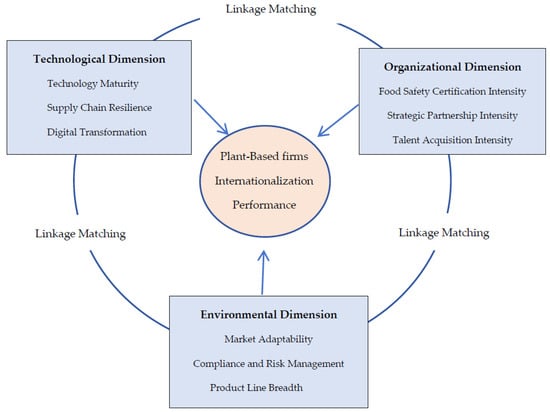
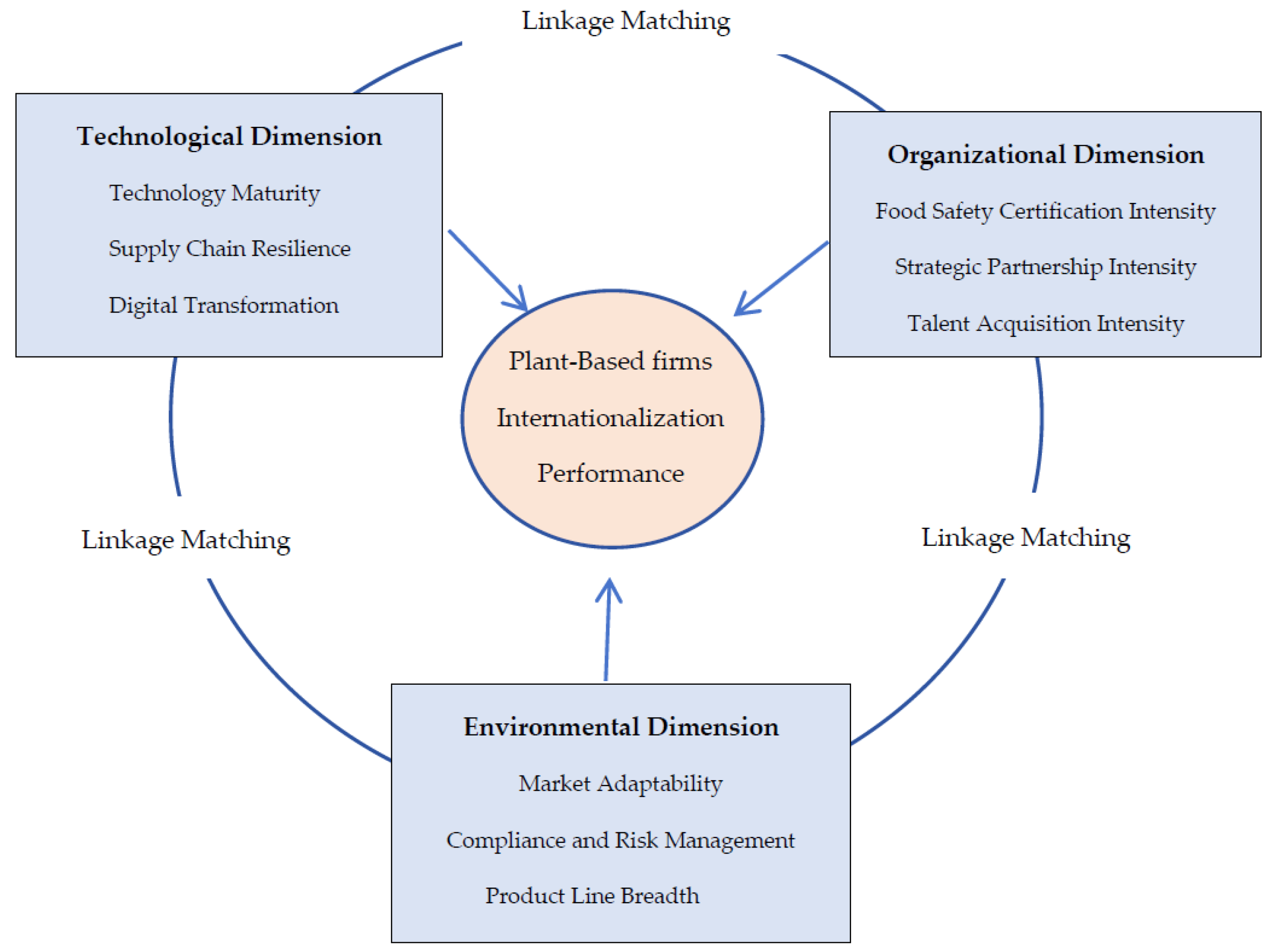

Disclaimer/Publisher’s Note: The statements, opinions and data contained in all publications are solely those of the individual author(s) and contributor(s) and not of MDPI and/or the editor(s). MDPI and/or the editor(s) disclaim responsibility for any injury to people or property resulting from any ideas, methods, instructions or products referred to in the content. |
© 2026 by the authors. Licensee MDPI, Basel, Switzerland. This article is an open access article distributed under the terms and conditions of the Creative Commons Attribution (CC BY) license.