


Abstract
This study examines the global wood products market to propose an eco-label for the Chilean sector with an international orientation. A national prior certification framework and governance structure were established, aligned with international regulations to ensure compliance with target market standards. By doing so, the initiative aims to expedite the entry of Chilean products into foreign markets while incentivizing the supply and demand for sustainable goods locally. Through a historical review of eco-labels and an assessment of environmental declarations in the timber industry, this research identified critical regulations and designed a comprehensive management model. The findings reveal that existing certifications predominantly focus on indoor air quality (IAQ), specifically regarding volatile organic compound (VOC) and formaldehyde (HCHO) emissions in wood products for the construction sector (CLT, GLULAM, panels, etc.) using fossil-based adhesives. This study concluded that governance should be spearheaded by the Chilean Environment Ministry in collaboration with a specialized technical committee. Consequently, as a result, a hybrid (quantitative and qualitative) eco-label is proposed to communicate emissions limit compliance, enabling Chilean firms to report it emissions, prior to initiating formal international certification processes.
1. Introduction
The challenges associated with climate change, as well as the exponential depletion of renewable natural resources over time, are consequences of global population growth. At a turning point that appears increasingly complex, there is a growing need to create sustainable and inclusive pathways for socioeconomic growth [1]. In this regard, the 1987 Brundtland Report, presented by the UN, promotes the idea of sustainability as actions that meet the needs of the present without compromising the ability of future generations, in terms of the responsiveness and availability of the necessary resources. The report highlights three fundamental aspects: safeguarding environmental sustainability (ecological aspect), encouraging behaviors related to equal treatment within the same generation as well as between different generations (social aspect), and meeting the basic needs of human beings (economic aspect) [2].
From an ecological perspective, sustainability is directly linked to biodiversity and the health aspects of ecosystems. Both have been undermined by human daily activities, such as urban development, indiscriminate exploitation of forest and water resources, various industrial activities, excessive land use, and inefficient management of agricultural lands, which, taken together, have caused significant changes in climate patterns worldwide [3]. This has resulted in an increase in species loss ranging from 100 to 1000 times that of natural extinction (pre-human) [4], leading the planet into a state of environmental crisis that has an immediate impact on human health [5]. Furthermore, sustainability in the social field aims for equity in both benefits and costs regarding environmental management by each and every individual. In this regard, diverse human resources must be integrated to promote cultural and economic diversity, as well as the unique identity of each place and its biodiversity. Consequently, sustainable social development is based on equity, improved quality of life, and the well-being of individuals and communities, where the evolution of public and private entities—which design policies and practices for development—ensures conscious and responsible management of the planet’s available resources [6]. On the other hand, economic sustainability must aim to meet people’s short-term needs (food, poverty reduction, improved quality of life), which are often contingent upon the growth of the local economy. Today, in order to promote economic growth, non-renewable resources are managed to the limit of their availability, compounded by a lack of responsibility in the management of those that do, indeed, renew over time. Naturally, this is not sustainable for human development [2]; thus, it has been observed that achieving sustainable economic development is linked to market instruments and systems aligned with sustainable development goals through marketing policies and standards that promote those goals, including improvements in the environmental performance of production processes from start to finish [7]. Sustainable economic development, therefore, refers to the financial viability and economic growth of a system without depleting available resources [8].
Therefore, the greatest challenge facing humanity is to harmonize ecological and social development and economic growth for the comprehensive advancement of humanity, without neglecting the environment [9]. The construction industry has a significant impact on these three areas, as it consumes a large portion of natural resources [10], generating high volumes of CO2 emissions and solid waste; nevertheless, it has a positive impact on the social and economic development of communities. Thus, wood emerges as an interesting alternative for mitigating the environmental impact of this industrial sector [11].
From an environmental perspective, wood is an attractive material because it is renewable, environmentally friendly, and capable of storing CO2, the primary gas responsible for global warming (GW) [12], thereby contributing to decarbonization [13,14] and reducing greenhouse gas (GHG) emissions [11,15,16].
According to Frühwald et al., 2003 [17], every cubic meter of wood used to replace conventional construction materials can reduce CO2 emissions into the atmosphere by an average of 1.1 tons. Including the 0.9 tons of carbon sequestered in timber, the total offset reaches 2 tons of CO2 per cubic meter. Furthermore, it is well known that the construction sector has a significant impact on the effects of climate change (CC) [18,19], as it consumes 50% of natural resources, 40% of annual energy, and 12% of global drinking water, respectively, accounting for 38% of global GHG emissions. Therefore, it is precisely in this sector where the challenges of mitigating these effects must be addressed [20].
Wood, as a biomaterial, offers great potential due to its low environmental impact, related to climate change [21], especially in products such as plywood, fiberboard, and particleboard [22], whose value is directly linked to their aesthetic appeal and lower environmental impact compared to materials such as steel or concrete [23]. Nevertheless, incorporating wood into sustainable building systems requires consideration of the technical and environmental aspects of its processing across the entire value chain.
On the one hand, the forestry and timber industry has agreed to disclose the environmental impact of its economic activities at the international level through certifications known as the Forest Stewardship Council (FSC) and the Program for the Endorsement of Forest Certification (PEFC), which aim to ensure sustainable forest management by safeguarding aspects such as biodiversity, as well as social and economic standards, for communities surrounding forest resources [24]. The FSC is quite popular among these types of certifications, as implementing it opens the door to international markets that promote environmentally responsible production. Both the FSC and PEFC are present in Chile; the latter operates through CERTFOR, a Chilean standard that endorses sustainable practices in forest management, along with its chain of custody [25].
Moreover, processed wood involves a wide range of products that may require additional processes, specific to their application, which could undermine its characteristics as a sustainable material. In general, coated and glued wood contributes to the generation of VOC emissions, such as terpenes, aldehydes, ketones, alcohols, aromatic hydrocarbons, acids, and esters [26] Although wood itself generates VOCs, significant emissions come from the products applied to it (primarily coatings and adhesives). It is estimated that more than two-thirds of wood-based products require adhesives for assembly [27]. Although these adhesives are essential for ensuring structural integrity, they can compromise the sustainability of the final product due to their petrochemical origin and VOC emissions throughout their life cycle. Currently, more than 90% of the adhesives (of the market share in the wood adhesive industry) [28] used in the manufacture of wood products are of petrochemical origin, primarily formaldehyde-based resins, such as urea–formaldehyde (UF), phenol–formaldehyde (PF), and melamine–formaldehyde (MF) [29,30]. It has been reported that their petrochemical base and the use of aldehydes such as formaldehyde, glutaraldehyde, or acetaldehyde raise serious challenges in terms of toxicity and sustainability [31,32,33]. In this regard, wood adhesives are the products that raise the greatest concern due to the VOCs they emit, which affect indoor air quality (IAQ) and cause respiratory diseases, allergies, cognitive impairments, and cancer, among other health problems [34,35,36]. In the case of wood products bonded with formaldehyde-based adhesives, it has been reported that these primarily emit formaldehyde (HCHO) [31], a compound classified as carcinogenic by the World Health Organization (WHO) (according to the International Agency for Research on Cancer, IARC, 2005), which has established a limit concentration for free HCHO in indoor environments of 0.1 mg/m3 or 0.08 ppm [37]. The release of this compound in indoor and outdoor environments has been the subject of numerous regulations and scientific reviews due to its impact on human health and the environment [33]. Currently, the United Kingdom, China, and Japan have complied with this requirement for non-occupational indoor spaces. In 2019, FORMACARE (the HCHO sector group of the European Chemical Industry Council, CEFIC) established a voluntary agreement to apply an occupational exposure limit of 0.3 ppm (8 h average) of free HCHO, which was approved by the EU on 11 July 2021 [38], with Austria, Belgium, Denmark, Finland, France, Germany, and Italy adopting it [37].
Regarding wood-based products, in August 2026, Germany will implement a market emission limit of 0.062 mg/m3 of HCHO [39], becoming the country with the strictest safety requirements. On the other hand, the North American market demands formaldehyde emissions limits for wood products in the range of 0.05–0.13 ppm, depending on the type of product [40]. Nowadays, domestic companies are deeply concerned about the emissions of volatile organic compounds (VOCs), not only because of their impact on human health, but also because of the resulting restrictions on the entry of wood-based products into various global markets, which impose demanding health and environmental barriers [41,42,43,44,45], as well as the lack of eco-design in these products, which is necessary to achieve sustainable industrial development worldwide [46,47,48,49].
Furthermore, the problem of VOCs is exacerbated indoors, where various types can be found, such as benzene, toluene, ethylbenzene, xylene (BTEX), formaldehyde (HCHO), polycyclic aromatic hydrocarbons (PAHs), and inorganic pollutant compounds (O3, NOx; or groups of highly reactive gases such as nitric oxide (NO) and/or nitrogen dioxide (NO2); CO2, SO2), which remain in the air at very high concentrations and often reach higher levels inside rather than outside a building [50]. Figure 1 shows a diagram of the main sources of VOCs, both outside and inside a home.
Figure 1.
Main sources of indoor air pollutants.
Given the above and the fact that the main export markets for the Chilean timber industry are China, the United States, Mexico, South Korea, Japan, and the Netherlands [51,52], Chile must align itself with the quality and safety standards in formaldehyde emissions, led by the United States, and gradually approach European requirements in VOC emissions, if it intends to enter new markets.
Given Chile’s current situation and its growing presence in international markets as an exporter of wood-based products to North America, along with promising growth in the European market, which involves the use of Product Category Rules (PCRs) established by the Environmental Product Declaration (EPD) certification system, the objective of this research was to propose an eco-label for wood products in Chile along with a governance model, aligned with international regulations on volatile organic compound (VOC) and formaldehyde (HCHO) emissions. This is achieved through a pre-certification framework designed to facilitate and expedite international certification, thereby saving time and financial resources for companies in the sector. Also, the proposal seeks to increase competitiveness while promoting the supply of sustainable wood-based products within the local construction industry.
2. Methodology
It is important to highlight that this study is exploratory and descriptive in nature. Following the framework of Hernández Sampieri et al., 2014 [53], and Creswell, J.W., 2014 [54], it employs a qualitative methodology and a comprehensive documentary review based on available global and local data—the latter being notably scarce in Chile. Also, it is important to clarify that the main focus of this research is not to measure the economic or environmental outcomes derived from the implementation of the proposed eco-labeling system. Instead, this study aims to identify and structure, based on a strategic certification need of the Chilean wood industry—facing international markets characterized by different and increasingly demanding regulatory systems—a local response capable of ensuring compliance with the standards required by those markets.
Consequently, the purpose of this work is not to establish causal or statistical relationships. Instead, it aims to analyze in detail the specific needs of the Chilean forestry and timber sector, while promoting environmental awareness at both the production and end-consumer levels.
This section analyzes the most relevant and essential elements for design and management proposal of an eco-labeling strategy for VOC emissions in wood products in Chile and includes two stages of development. The first stage analyzes the historical background and definition of eco-labels to trace their development and evolution, their global use, their application in the construction sector and supply chains, as well as their use in Chile’s wood industry and the industry’s approach to the use of these types of labels. The second stage provides a situation state to identify the development of eco-labels or environmental declarations in the global wood sector. Likewise, it covers the use of wood in sustainable construction, the identification of IAQ indicators for wood-based products, and informative labels regarding VOC emissions worldwide. Finally, the standards and methods for determining HCHO and VOC emissions in the North American and European markets were reported, according to the product’s destination. Figure 2 shows the methodology applied, for a better understanding of the study carried out.
Figure 2.
Methodology scheme applied to achieve the results.
2.1. Historical Background and Definition of Eco-Labels
Conceptually, an eco-label is a voluntary tool [55], designed to manage and communicate the environmental aspects of a product or service, giving it an identity that highlights its environmentally friendly production [56]. Historically, eco-labels emerged following the 1992 Rio Summit, where the International Organization for Standardization (ISO) was tasked with developing a set of standards to communicate the environmental impact of marketable products, based on an analysis of environmental aspects and potential impacts associated with their life cycle, thereby defining a methodology known as Life Cycle Assessment (LCA), established in accordance with ISO 14040 [57], upon which Environmental Product Declarations (EPDs) are based [58]. EPDs, determined by the Environmental Product Declarations System (EPD System) [59], also define Product Category Rules (PCRs) for reporting environmental impact to avoid information asymmetries and facilitate the comparison of the environmental performance of products that serve the same function [60], and are very useful for technical description, measurement, evaluation, and reporting regarding a specific product undergoing LCA [61].
Therefore, to quantitatively assess the various types of environmental impacts, a series of measurement indicators were developed, focusing on production processes from an engineering rather than an environmental perspective [62]; thus, the possibilities for intervention are more limited when compared to the initial stages of a product’s design and conceptualization, which is where the most radical innovation processes originate and where 80% of a product’s environmental impact has being determined [63].
In this regard, certain authors [64,65] have proposed that, to design sustainable products, they must be conceived with environmental considerations in mind from the earliest stages of their life cycle—defined as the moment when a design opportunity or need is identified, through conceptualization and life cycle planning, all the way to the recovery of raw materials at the end of the product’s useful life. This is done in an effort to extend a product’s life cycle [66], and this approach can be applied both to the creation of unmet needs and to those that have been poorly satisfied, or that may be susceptible to improvement through technological changes and advancements related to environmental enhancements.
2.1.1. Development and Evolution of Eco-Labels
Specifically, the use of eco-labels did not develop as expected. This was primarily due to four key reasons:
First, related to the different types of labels, such as: Type I or qualitative eco-labels (ISO 14024), Type II eco-labels—based on manufacturers’ declarations, known as “self-declared”—(ISO 14021), and Type III or quantitative labels, which present quantified and measurable information based on Life Cycle Assessment (LCA) (ISO 14025) [67]. Of these, Type I and III labels require certifications issued by a third party, demanding a large amount of information regarding production processes and specifications for materials, raw materials, and energy consumption [55,68], which makes the certification process slow and cumbersome, with limited validity periods, thereby increasing the cost of obtaining them and forcing companies to disclose critical information about their production processes and product characteristics [69]. Consequently, despite being highly reliable labels, they have not achieved widespread adoption in the industry or in the market. Second, Type II or qualitative eco-labels are not certified by a third party outside the company; therefore, in addition to being free to obtain, they are very easy to acquire and remain valid indefinitely [70]. The third issue relates to the use of different indicators to communicate the environmental performance of products, creating information asymmetry at the market level. This has prevented comparisons of environmental performance between similar products within the same category in a specific industry, leading to consumer confusion and making it, in these respects, an ineffective tool for guiding product preferences in the market [71].
Finally, the use of ambiguous and inaccurate statements, which led to confusion and mistrust among consumers [72,73,74], within the framework of a concept known as “greenwashing.” This concept refers to a marketing strategy that is misleading and inaccurate, in which certain companies or institutions promote ecological or sustainable production policies without actually adhering to them. To do so, they resort to advertising that makes them appear responsible; nevertheless, they lack established and genuine environmental actions to back up their supposed environmental responsibility policies, which has, over time, created confusion among consumers [75]. For this reason, in the absence of clear guidelines for declaring the environmental attributes of various products that claim to be environmentally responsible, “greenwashing” has been gaining more and more ground in the market because, even though the information is misleading, consumers perceive it as true, and this has allowed the concept to increase the competitive advantages of those who have adopted it as part of their strategy for the mass marketing of their products [76].
For years, consumers have become increasingly concerned with identifying reliable environmental information and the methodologies that support it. At the same time, the market faces the challenge of communicating these data clearly, recognizing the direct link between knowledge and environmental awareness. In this context, the use of eco-labels, the development of political and economic strategies that subsidize sustainable products, and the standardization of credible certifications are fundamental to promoting sustainable consumption [77,78,79,80].
2.1.2. Global Use of Eco-Labels
The global scope of eco-labels is primarily framed within production policies, where ecological attributes, technological innovation, and sustainability are of great importance. In this regard, eco-labels aim to encourage producers and suppliers to offer products and services that exceed minimum requirements, in order to develop a market system where sustainability prevails. Therefore, the governments of each nation are called upon to implement mandatory instruments and public policies (subsidies, environmental taxes, economic incentives, etc.) to regulate such development [81].
A clear example is Germany, with its “Blue Angel” eco-label, which is classified as a Type I label; this certification covers more than 12,000 products and services across 120 product categories at approximately 1500 companies worldwide [82]. Other countries around the world also have eco-label certifications. The United States, for example, has the “Green Seal” eco-label [83]; Japan has the “Eco-Rail Mark” [84], and China has developed its “China Environmental Labelling Program” (CELP), led by the Ministry of Ecology and Environment of the People’s Republic of China (MEE) [85].
Australia, meanwhile, has the “Good Environmental Choice Australia” (GECA) eco-label [86], while Canada offers tools such as EcoLogo and UL Environment [87,88].
Concerning standards governing environmental attributes in major regions of the world, the European Union—comprising mainly countries such as France, Germany, Italy, and Spain—has the “EU Eco-label” certification [89] while countries such as Denmark, Finland, Iceland, Norway, and Sweden are grouped under the “Nordic Swan” Eco-label, which is consistent with the “EU Eco-label” [55,90].
It has been reported that in Latin America, countries such as Brazil [91], Colombia, Mexico, and Costa Rica use local and international eco-labels or are attempting to develop environmental communication strategies to improve and reduce information asymmetries regarding the environmental attributes of various products [82]. In general, most of these eco-labels can provide environmental certification for a variety of products; however, it is important to note that this tool has been developed to expand local production into international markets, adding greater value to products, reducing disparities in the information provided, and increasing market competitiveness [92].
Findings from the literature on the evolution and use of eco-labeling globally (1246 scientific publications) [93], indicated the following: The United States is the country with the highest concentration of research and scientific publications related to eco-labeling, accounting for 15.5% of all research conducted, and that this research focuses on the relationship between market analysis, incentives, and the promotion of sustainable consumption with a view to improving people’s quality of life. It was found that Europe is the continent with the longest history of label use and that there has been an increase in demand for Type III or quantitative eco-labels based on the management of information rigorously collected, verified, and certified by a third party (external to the company), with an emphasis on environmental protection and human health, using LCA methodology.
Since 2010, various studies have identified a specific focus of eco-labeling on particular sectors; for example, Type I (or qualitative) labels were found primarily in the food, agriculture, and seafood sectors. Similarly, Type III labels were primarily found in the construction and forest products sectors, a trend that continues to rise for various materials in this field [90]. Finally, it was found that between 2015 and 2019, there was an increase in scientific publications regarding Type III eco-labels, focused primarily on unit-based indicators related to carbon footprint or multiple indicators related to the environmental footprint of products, emphasizing their focus on the type of consumer, supply chains, and government policies related to high-economic-impact productive sectors, such as the food sector, which has increasingly integrated Type III eco-labeling over time [94]. Evidence was also found regarding certifications for forest production or wood products, as well as the level of consumer education regarding the management and use of eco-labels in the aforementioned sectors.
2.1.3. Eco-Labels in the Construction Sector and Supply Chains
To supplement what was stated in the previous section, in the construction sector, the development of sustainable products is of vital importance for optimizing global resources, since in this sector, a linear life cycle is generally assumed for product use, with no recovery of materials at the end of the product’s useful life [66,95,96], and in this regard, the development of eco-labels or environmental declarations has been directed towards designers and construction companies or suppliers of building materials, but not towards end consumers. This is because the construction sector has focused on meeting certification standards such as Leadership in Energy and Environmental Design (LEED), developed by the U.S. Green Building Council (USGBC), which have emerged in response to market demands, in response to requirements from the sector itself rather than from political legislation or social demands, aimed at minimizing environmental impacts resulting from the use of raw materials, production processes, and/or operational phases in building construction. Furthermore, these requirements have been addressed only to a limited extent based on quantitative indicators, but primarily on qualitative environmental aspects [97]. Furthermore, it has been proposed that qualitative attributes take precedence over quantitative ones, since evaluating the latter tends to increase the price of the final product, and consumers are not willing to pay more than 10% to 13% extra for a sustainable product [98]. There is mistrust regarding the information provided about the product, as well as its functional performance, leading to confusion regarding the concepts associated with such information [71]. In addition, it has been reported that shifts in consumer habits towards sustainable products are feasible but require significant social commitment, personal responsibility, democratic participation, and cooperative behavior, [99,100,101]. To this must be added the difficulty related to international socioeconomic inequality, which has given rise to rich and poor countries, with a poorly homogeneous global distribution of world wealth [102].
Furthermore, with regard to supply chains related to sustainable production, it has been argued that the development of a potentially sustainable product is based on a viable business model, and that this viability is influenced by a set of regulations and political-economic strategies, as well as both social and business actions [103]. The former factors are intended to generate demand, and the latter to establish supply in response to those social demands, thereby maintaining a balance between environmental and economic pressures [104]. In this regard, maintaining this balance has become difficult due to the globalization of supply chains and an increase in overconsumption [105]. Thus, for companies to achieve sustainable economic performance, they will need to strengthen complex linkages between products, remanufacturers, environmental metrics, return volumes, timelines, and quality throughout the entire supply chain and with each of its participants [62]. In this regard, the development of a conceptual framework for “sustainable supply chains” is of vital importance, given the relationship between the “distributor,” “suppliers,” “sector-specific regulations,” “government policies,” and pressures from “consumer demand” [106]. Likewise, it is important to note that existing tools on the market are also not very fast in terms of environmental communication; more than 25 industrial sectors and 199 countries internationally, Denmark, Finland, Iceland, Norway, and Sweden (Nordic Swan Eco-label), as well as the United States (ENERGY STAR) and China (MEE), have implemented nearly 460 certification eco-labels [92]. In this regard, it has been observed that the certification label features only a single type or category of environmental performance, providing market-level information only on that type of performance, which creates significant challenges for companies in communicating the environmental aspects of their products. Additionally, there are multi-attribute eco-labels, such as Cradle to Cradle (C2C) (Material Safety, Circularity, Energy/Climate, Water, and Fair Treatment), developed in the U.S. and Germany with certification levels (Bronze, Silver, Gold, Platinum), where the category with the worst performance determines the final certification [107,108]. There is also the case of China and its Carbon Certification or eco-label, which features three classifications—one, two, and three stars—for residential and commercial construction, where the highest level of sustainability is achieved with three stars, based on the carbon footprint [109,110]. All of this further complicates how companies communicate when seeking to compete in the market by the ecological attributes of their products, a factor that is becoming increasingly relevant given the current trend among consumers, who are more environmentally conscious and, as a result, are willing to pay higher prices for goods and services designed with environmental performance in mind [111]. Consequently, at the global level, it is clear that the use of eco-labels has fallen into two categories: on the one hand, companies and supply chains for products with long life cycles, featuring certified environmental claims and quantitative environmental impact criteria, primarily products from the construction sector [112]; and, on the other hand, among end consumers of products with short or daily life cycles, featuring qualitative environmental claims and lacking certification from a third party external to the company, predominantly those from supermarkets whose packaging generally displays “eco-friendly” information that confuses consumers [113].
2.1.4. Development of the Timber Industry in Chile, Environmental Claims, and the Use of Eco-Labels
Currently, according to Statistical Bulletin 207 of the 2025 Yearbook published by the Chilean Forestry Institute [51], the forestry and timber industry in Chile accounts for 1.47% of the total Gross Domestic Product (GDP) reported for the year 2024, with a total national export value of USD 6370.7 million “free on board” (FOB), where the product with the largest participation in the secondary wood industry’s production line is radiata pine plywood. Regarding exported wood products, the three with the highest demand are: bleached eucalyptus pulp (26.2%); bleached radiata pine pulp (19.9%); and pine plywood (6.9%) [114].
In terms of the market, and as shown in Figure 3, by 2025, China will be the timber industry’s main trading partner, accounting for 37.2% of product volume; followed by the United States, with 18–22%; Mexico, with approximately 5%; South Korea with 4 to 5%, Japan with 3 to 4%, and the Netherlands with 3.3% [52,114], among other countries worldwide.
Figure 3.
Main export markets for Chilean products in the forestry and timber sector.
In this regard, it has been observed that the United States is the largest consumer of Chilean wood-based products, with a particular preference for solid wood moldings, plywood, MDF moldings, edge-glued panels, and finger-jointed lumber, among others [51].
With regard to the target markets described in the previous paragraph, the environmental statements of the country’s two largest forestry companies—namely, Forestal Arauco S.A. [115] and Compañía Manufacturera de Papeles y Cartones (CMPC) [116]—have been analyzed. Here, the following certifications were identified: FSC (Forest Stewardship Council) in the value chain, which certifies sustainable and responsible forest management, where products such as wood and paper are sourced from forest plantations managed according to principles of environmental responsibility, social equity, and economic viability, with the aim of conserving and developing forest resources. Likewise, Environmentally Certified Timber Product under the Programme for the Endorsement of Forest Certification (PEFC) and CertforChile (the Chilean sustainable forest management certification system) for sustainable forest management are programs associated with international forest certification recognition, which legitimizes sustainable forest management through responsible forest practices, protection of the environment and its biodiversity, as well as the communities surrounding the forests and local legislation. SOIL (Soil Association Certification), another FSC certification standard, certifies that large-scale forest plantations are managed according to standards of environmental sustainability, social rights, and economic viability [117].
These certifications enable the entry of products with environmental attributes from companies in the forestry and timber sector into international markets through sustainability labels or seals, allowing them to compete on an equal footing in the international market, as these attributes are covered by ISO 14001, OHSAS 18001, ISO 9001, and ISO 50001, primarily to meet high standards in environmental resource management, social responsibility, economic security, and labor rights [118,119].
Furthermore, regarding the impact on human health and toxic emissions into the environment from wood-based products, the company Forestal Arauco S.A. holds certifications from the Environmental Protection Agency (EPA) dating from 2019 [115], specifically for formaldehyde emissions in wood panels (plywood, particleboard, among others), in accordance with standards established by the California Air Resources Board [120] and in compliance with the standards of the “Toxic Substances Control Act—TSCA, Title VI,” defined by the EPA, which is equivalent to CARB, in all other U.S. states except California, and the Airborne Toxic Control Measures (ATCM 93120) standards, for the protection of public health through indoor air quality [121].
Consequently, and in light of the above, it can be observed that Chilean companies in the forestry and timber sector hold a number of certifications related to sustainable forest management, chain of custody and controlled timber, quality management systems, environmental impact, health and safety, as well as energy management. Furthermore, emissions standards are not very robust, as only those related to formaldehyde—which constitutes a portion of total volatile organic compounds (TVOCs)—were identified. TVOCs, as an indicator of indoor air quality, are associated with indoor emissions from glued wood products [122], building materials [123], furniture, or décor [124]. Their significance relates to the harmful effects these emissions have on the human respiratory system [125,126].
It is worth noting that the EPD System for the construction sector, which includes wood-based products, establishes PCR 2019:14, based on the European standard EN 15804:2012 + A2:2019, which has required, since December 2020, the recovery and recycling of products intended for this sector at the end of their life cycle. This provides an insight into the complex situation facing suppliers of construction materials, who regularly direct their products to various markets in Europe [127].
2.1.5. The Use of Wood in Sustainable Construction
Sustainable construction is defined as an activity that contributes to a positive impact on the environment and influences society, the economy, and technology. Consequently, materials are the primary determinants of cost and environmental impact in a construction project; the use of renewable raw materials managed according to responsible standards is of great importance for safeguarding these resources for future generations [11]. It is well known that the construction sector worldwide consumes nearly 34% of energy resources, with CO2 emissions accounting for 37% [10,128]. Likewise, it consumes significant volumes of non-renewable resources, generating waste that can reach up to 38% only in the EU, making it of the highest urgency that the construction sector be developed in accordance with environmental guidelines. This is because it is estimated that the built-up area will increase by nearly 75% between 2020 and 2050 worldwide [10]. Additionally, it is worth noting that the construction sector globally accounts for between 10% and 40% of Gross Domestic Product (GDP), suggesting that its environmental performance has sufficient potential to drive sustainable growth worldwide [129].
Therefore, wood emerges as a promising alternative in this sector for reducing the high levels of pollutant emissions generated by traditional construction systems (steel and concrete) [18]. Nevertheless, it is worth noting that wood, as a sustainable material, has the greatest environmental impacts—in terms of its life cycle—related to forest management, durability, and end-of-life in construction; however, its impact is positive as a building material when used as a replacement for reinforced concrete, for example, in walls and floors, achieving a reduction of approximately 25% in greenhouse gas emissions. Therefore, its widespread adoption in the construction sector could help achieve the objectives of the EU, which aim to reduce emissions in that sector [130].
Focusing primarily on structural wood elements in walls and floors, a case study characterized two construction projects in terms of their particle emissions, both made with completely different materials: cross-laminated timber (CLT) and steel. CLT construction exhibited a particulate matter (PM) emissions rate ranging from 18.3% to 55.1%, while the rate generated by steel construction fluctuated between 68.7% and 83.1%. Overall, it was found that the volume of emissions generated by CLT construction was significantly lower than the national average and EPA standards [131]. This is highly relevant when assessing indoor air quality, particularly regarding emissions within commercial and residential buildings due to the presence of PM and VOCs from various indoor activities and materials—a critical consideration given that people spend an average of 87% of their time indoors [132]. Although CLT products offer many advantages in building construction—due to their ease of fabrication, the sustainability of their raw materials, energy performance, etc. [133]—there must be specific regulations both in terms of building codes and regarding the product itself, considering that as of 2014, global CLT production reached a volume of 625,000 m3 [134] and by 2025, in Spain alone, production reached nearly 40,100 m3, with estimates indicating that this figure will double by 2027 [135].
Furthermore, attention has been focused on the general manufacturing of wood-based products due to thermosetting adhesives derived from fossil resources, such as phenol–formaldehyde (PF), urea–formaldehyde (UF), melamine–urea–formaldehyde (MUF), and polymeric adhesives (pMDI), among others [136]. This is because these types of adhesives are responsible for HCHO gas emissions (except pMDI) both during their production processes and in wood products once installed [66], which are highly harmful to human health due to their carcinogenic properties. This is a highly concerning situation, considering that the projected sales volume of these adhesives by 2025 was USD 624 billion [137].
2.1.6. Indoor Air Quality (IAQ) Indicators and VOC Emissions Labels on Wood Products
Volatile organic compounds (VOCs) are defined as a type of chemical substance capable of evaporating at room temperature, which leads to their accumulation in indoor spaces, giving rise to sick building syndrome (SBS), in which tropospheric ozone, smog, and carcinogenic, mutagenic, and teratogenic compounds are generated [138]. Compounds such as benzene, formaldehyde, acetaldehyde, toluene, and xylenes have been identified as the main VOCs posing a toxicological risk [139]. People suffering from SBS experience headaches, irritation of the ocular, nasal, and respiratory mucous membranes, accompanied by coughing, respiratory and skin allergies, as well as poor sleep, dizziness, nausea, attention deficits, and lack of energy, among other symptoms [45]. For this reason, in the construction sector, indoor air quality (IAQ) is a critical factor when it comes to the well-being and health of those who, for several reasons, occupy enclosed spaces. It has been reported that exposure to VOCs may be higher indoors than outdoors, which primarily affects people who must remain confined to such spaces due to a vulnerability (children, sick elderly people, among others) [50].
In general terms, the construction industry is governed by emissions standards designed to protect the “indoor air quality” for people who spend several hours in these spaces with moderate ventilation [140]. It has been indicated that VOCs originate from construction materials, including wood and its use in flooring (parquet), building envelopes (non-structural wood-based panels), furniture, and general wood products bonded with formaldehyde resins [45]. These VOCs can also be emitted from paints, interior coatings, and other products, which affect the respiratory system, kidneys, and liver in people exposed to these gases. Consequently, developed countries have established their own regulations that consider the sum of all VOCs, or total volatile organic compounds (TVOCs), including restrictions on potential combinations of carcinogenic, mutagenic, or reprotoxic (CMR) substances, through the concept of the lowest concentration of interest (LCI) [45]. For example, regarding the requirements of the AgBB (Committee for Health-related Evaluation of Building Products, 2021) in Germany, TVOCs after 28 days, without considering CMRs, must not exceed 1 mg/m3; in Belgium (VOC Regulation 2014), this value must not exceed 1 μg/m3; and the same applies in France (VOC Regulation 2011) for the same time period [141].
In this regard, wood-based products emit VOCs, the most concerning of which is HCHO, due to its carcinogenic nature; it is primarily found in the adhesives used to manufacture wood-based products (urea–formaldehyde, phenol–formaldehyde, melamine–urea–formaldehyde, etc.) [45]. For this reason, the World Health Organization (WHO) has established an emissions limit of 0.1 mg/m3 or 0.08 ppm, which countries such as the United Kingdom, China, and Japan have adopted. Furthermore, in 1985, Europe established a category for permissible HCHO emissions in wood-based panels, known as E1, with a limit of 0.1 ppm, which countries such as Austria, Denmark, Germany, and Sweden adopted. Subsequently, the classes designated E1 and E2, with emissions limits of less than 0.124 mg/m3 (the more stringent standard) and greater than 0.124 mg/m3 (up to certain limits, according to specific regulations), respectively, were established for wood products in indoor spaces [142].
According to information provided by Eurofins (testing laboratories and services, an expert in food and environmental analysis, among other fields), several European countries, including Belgium, France, Germany, and Italy, use eco-labels that declare VOC emissions in wood products; these labels are voluntary in nature [143]. These labels may be associated with manufactured products and administered by private or public organizations. For example, the EMICODE® label is administered by the German association GEV (Gemeinschaft Emissionskontrollierte Verlegewerkstoffe, or Association for Low-Emission Installation Products). The product must be analyzed according to the GEV test method to determine greenhouse gas (GHG) emissions. The VOC emissions test must cover a 28-day period, during which the product is classified into EC2, EC1, and EC1Plus categories; the latter represents the lowest emissions level compared to the other two categories. The comparison parameters include TVOC assessments after 3 and 28 days, and formaldehyde and acetaldehyde [144] after 3 days. Similarly, the M1 label, administered by the Finnish Building Information Foundation RTS (Rakennustietosäätiö RTS sr), aims to promote best practices in architecture and engineering within the construction industry. This label covers emissions of VOCs, formaldehyde, and ammonia in accordance with standard EN 16516, as well as odor assessments in accordance with standard ISO 16000-28.
On the other hand, the longest-standing and best-known German label, the Blue Angel (Blauer Engel) [82], administered by the RAL Institute (Reichs-Ausschuss für Lieferbedingungen), is awarded by the German Federal Ministry for the Environment, Nature Conservation, and Nuclear Safety. This label establishes VOC content limits for more than 100 different types of products, including specific regulations and limits regarding product composition. The VOC emissions specifications for each product require a 3-day and 28-day test using a chamber method in accordance with standard EN 16516. For this type of specification, the Blue Angel label also requires formaldehyde emissions testing [145]. Alongside the aforementioned labels or certifications, there is also the GUT, of Danish origin, awarded by the Association of Ecological Carpets e.V. (Gemeinschaft umweltfreundlicher Teppichboden) [146]. It primarily involves requirements for emissions of VOCs, SVOCs (Semi-Volatile Organic Compounds) [147], and odors. Also, there is the Danish Indoor Climate Label (DICL), established by the Danish Ministry of Housing and administered by the Danish Technological Institute (DTI). This certifies TVOC and formaldehyde emissions (28 days) into indoor air originating from building materials and items placed in an enclosed space (furniture, decor, etc.), carcinogenic compounds, and LCI in accordance with the EN 16516 standard and ISO 16000-28 for odors.
2.2. Situation State of Eco-Labeling and Environmental Declarations in the Timber Industry at a Global Level
The current state of eco-labeling and environmental claims in forest management, as well as for wood products, indicates that most studies on this topic are conducted in countries within the European Union, the United States, Canada, the Nordic countries, and England. Most of the studies found focus on the use of certified wood and wood products from two perspectives: one targeting builders, architects, and timber producers, and the other focusing on product life cycle assessments. However, very few studies address the end consumer, who is primarily involved in purchasing decisions, mostly regarding furniture, and the willingness to buy products made from certified wood.
In the early 2000s, Teisl, 2001 [148], conducted a study in the forestry sector in the city of Maine, United States. The study investigated 600 companies, finding that approximately 50% of environmental advertising was misleading and that only 3 of them were willing and able to substantiate their marketing-related sustainability claims. Another study conducted by Veisten et al., 2002 [149], in the United Kingdom and Norway, regarding the willingness to pay for a certified wood product, found that certain interviewees were willing to purchase certified products and that this willingness was linked to the degree of commitment, culture, and environmental knowledge of consumers with interests that were more intellectual than economic, who were willing to pay a higher price for these products. Similarly, Cashore et al., 2003 [150], conducted research on forest certification in Canada (British Columbia), the United Kingdom, the United States, and Germany, finding that forestry companies were influenced by local and market conditions. The latter, intended for international markets, would favor the implementation of sustainable forest management measures to qualify for FSC certification, whereas the opposite was found to be true for wood products intended for local markets. Certified companies would be able to reduce export barriers by establishing a corporate image with greater environmental awareness, granting them a certain social “license” for their operations. Another study conducted by Veisten y Solberg, 2004 [151], in the United Kingdom and Norway on certified wood products and sustainable forest management noted that, at that time, such products were not widely available. It was found that the greater the price difference compared to a traditional equivalent product, the lower the willingness to purchase it. Meanwhile, Archer et al., 2005 [152], conducted a study in Canada on awareness of wood certifications. Awareness was very low among end consumers; however, a significant group of respondents were concerned about the environment and willing to change their purchasing habits in terms of price, and they preferred to obtain information through a label rather than through advertising campaigns. Therefore, this trend would open up valuable opportunities for the market, large-scale manufacturers, and retailers who support forest certification. Another study on the influence of eco-labeling on sustainable forests and wood products, conducted in Switzerland by Hansmann et al., 2006 [72], found that consumers place greater importance on the social and ecological aspects of forests than on economic issues, and that this was due to the strong environmental education and ecological orientation of Swiss citizens. Furthermore, Anders & Anders, 2008 [153], conducted a study in Denmark, Norway, and Sweden, finding that consumers less inclined to purchase eco-friendly products based their preferences on aesthetic criteria, materiality, finishes, and price. In the early 2000s, research by Bowers et al., 2014 [154], suggested that the architectural sector in the U.S. was aware of the existence of certified wood programs such as FSC and the Sustainable Forestry Initiative (SFI), but that at the market level, these programs would significantly increase costs and reduce profit margins due to low demand. Thus, economic rather than environmental competitiveness would prevail in construction projects. Nevertheless, they recognized the importance of using certified wood to facilitate obtaining LEED-HOME and Green Building Program (GBP) certifications. Räty et al., 2014 [155], conducted a study of Finnish, Swedish, and Norwegian companies regarding the use of forest eco-labels, finding that raw material suppliers (business-to-business) were more proactive than companies that sold directly to consumers. Furthermore, the use of certifications such as Sustainable Forest Management (SFM) and Environmental Management System (EMS) was limited to compliance with legal regulations and standards, with less willingness to purchase certified products due to their high cost. It was also found that the environmental value of wood is not only related to climate change mitigation and the replacement of traditional construction materials, but also to the positive impact it can have throughout the entire value chain. Consequently, Jaung et al., 2016 [156], argued that aspects such as CO2 storage, biodiversity conservation, watershed protection, ecotourism, and soil protection are not considered in forest certifications like FSC; this could reinforce the communication message that helps promote the value of certified wood while also encouraging the use of this type of certification. In the 2000s, Doremus, 2020 [157], conducted an analysis in Central Africa on the benefits of using eco-labels in forest management, establishing a margin of between 14% and 28% in the price increase in a certified product, compared to an uncertified one, and a 9–17% increase for the same products certified by a nongovernmental organization, where the implementation of restrictive policies on the use of less rigorous certifications would increase environmental benefits by 17% at the consumer level. Additionally, demographic aspects were studied by Shahsavar et al., 2020 [158], and Krause, 2015 [159], in the Czech Republic, as well as by Higgins et al., 2020 [160], in Ireland; Brusselaers et al., 2020 [161], in Belgium; and Cerri et al., 2018 [162] in Italy, who found a direct relationship between high levels of education, age, marital status, knowledge, awareness, and environmental commitment, and the preference and willingness to pay up to 20% more for a certified wood product. Similarly, Poratelli et al., 2022 [163], in a critical literature review (2010–2020), indicated that consumers would be willing to pay a higher price for Environmentally Certified Timber Product (ECTP)-certified products, reaching nearly 17% for higher-priced items such as furniture and 68% for lower-priced items such as paper. Furthermore, consumers would prefer ECTP certification due to sociodemographic factors, brand loyalty, label recognition, and the declaration of the product’s environmental attributes, where a smart marketing strategy should define appropriate and effective information to guide the purchasing decisions of the end consumer. Klarić et al., 2023 [164], explored the impact of FSC certification on timber exports from Croatia to European Union (EU) countries and how this would affect the timber industry. The period from 2000 to 2021 was analyzed, confirming that this certification is essential for export activities and competitiveness in the international market. An increase in Gross Domestic Product (GDP) and GDP per capita was observed, with a positive impact on the local economy, a decrease in unemployment, as well as the need for specific certifications for the particleboard and sawn timber industry sector. Zubizarreta et al., 2024 [165], analyzed the influence of forest certification standards on Spanish companies certified by the PEFC, with regard to corporate management and market performance. It was found that forest certification in itself did not lead to improved business performance; however, it did influence the quality of the final product, reduced costs, and improved the speed and efficiency of delivery, as well as fostering innovation and greater profitability. The importance of forest certification information and its dissemination to various levels of institutions was highlighted, normalizing the implemented regulations—independent of external audits—with the knowledge of company executives, certification entities, and public management, among others. Dröge et al., 2025 [166], conducted a study to assess the impact of FSC and PEFC certifications on forest sustainability and deforestation, using data from approximately 113 countries between 2005 and 2019. It was observed that, while certification improves environmental and social aspects, because it is only voluntary, it is not sufficient to stop global forest loss, making it difficult to achieve the COP26 goals of halting deforestation by 2030. To achieve this, strict jurisdictional measures and economic incentives such as REDD+ (Reducing Emissions from Deforestation and Forest Degradation)—which funds and supports countries in reducing forest emissions—would be required; market regulations such as the EUDR (EU Deforestation Regulation) prohibit products derived from deforestation, as well as sustainability and governance measures for the forestry sector according to local realities. Additionally, weaknesses were identified in determining the location of forest areas, affecting the level of transparency in certification systems.
2.3. Standards and Methods for Determining HCHO and VOCs: North American and European Markets
Analyzing the certification systems of the main and potential destination markets for Chilean timber exports, a significant difference is found between the Environmental Protection Agency (EPA) (at national level) and the CARB (at state level).
In North America, the Airborne Toxic Control Measures (ATCM) Title VI standard, ASTM E1333, and ASTM D6007 are used. On the other hand, in Europe, EN standards are applied, based on ISO 16000, EN 13986, and EN 717-1. Comparing both markets, it is possible to identify that North American regulations establish a chamber test procedure to measure the concentration of formaldehyde in air and the emissions rates under controlled conditions in a chamber simulating sizes and real conditions use, directly measuring the formaldehyde concentration in air (ppm) and the emissions rate, under controlled conditions of temperature, relative humidity, air renewal rate, and surface/volume ratio of the material tested [167]. This method was developed and applied for the U.S. market, first by CARB and later adopted by the EPA in accordance with the ATCM and Toxic Substances Control Act (TSCA) Title VI regulations, with a purely regulatory focus, to allow, restrict, or sanction the entry of a product into the North American market, being of a mandatory nature. In contrast, European regulations are based on the ISO 16000 (VOC) standard, which has a technical tool approach, voluntary for mainly European markets and specifically for the use of panels, with the EN 717-1 standard. This establishes the measurement of VOCs through the use of standardized and controlled chambers [168,169]. This standard is embedded in EN 13986, which regulates the sale of boards in Europe, according to critical declarations of mechanical strength, fire retardancy, moisture resistance, etc., and includes the formaldehyde classification established by EN 717. The method establishes the use of chambers (mg/m3) under standardized conditions (23 °C, 45% RH, defined ventilation rate) and the procedures established by EN 120 or the Perforator Method, which is based on solvent extraction (toluene) from the material to quantify the total formaldehyde content (mg/100 g), instead of its emissions into the environment (chamber method) [170].
Thus, it is possible to identify that there is an important methodological and conceptual difference between the standards used for certification in both markets, where the North American standard (ASTM) measures a compound oriented towards the identification and control of specific hazardous substances with a toxicological approach [171] using chambers designed to simulate real-world usage conditions, controlling temperature, humidity, and ventilation [167], European regulations (EN-717-1) use cameras under standardized conditions, and EN 120 measures the amount of formaldehyde contained in the board, providing a comprehensive and systemic measurement view that incorporates multiple variables for a broader environmental emissions assessment from wood products.
Therefore, the use of the proposed eco-label should be aligned with the requirements of the North American and European markets regarding VOC limits, which include formaldehyde. According to Federal Register (The Daily Journal of the United States Government) [39], for the North American market, formaldehyde limits for wood panels are: 0.09 ppm for particleboard; 0.11 ppm for MDF; 0.13 ppm for thin MDF; and 0.05 ppm for hardwood plywood (veneer core or a composite core). On the other hand, according to the Wood Panel Industries Federation (Health and Safety) [40], a new and stricter formaldehyde limit will come into effect in the European Union on August 6, 2026 (Commission Regulation (EU) 2023/1464). This new requirement, known as E05, replaces the previous E1 formaldehyde limit of 0.124 mg/m3, affecting all products marketed in the EU, with emissions limits of 0.062 mg/m3 for wood panels, furniture, and vehicles, and 0.08 mg/m3 for all other products.
3. Results: Analysis to Define a Proposal for Eco-Labeling of VOC Emissions and Its Governance Model in Chile
The results presented below include an analysis of eco-label designs for wood products regarding VOC emissions, targeting international markets, as well as the development of labels and certifications sponsored by the Chilean Ministry of the Environment to identify conditions in the local market that would allow the implementation of an eco-label for the national timber sector. By doing so, it will be possible to define a baseline to encourage companies in the wood sector to report objectively on the VOC emissions of their products, with the aim of improving their competitiveness (expansion into other global markets) and increasing their added value. This will be achieved by proposing the design of an eco-label that is easy to understand and provides qualitative and quantitative information, initially in accordance with local reality.
3.1. Analysis for the Definition of a Proposed Governance Model for a Future VOC Emissions Eco-Label for Wood Products in the Chilean Market with International Projection
Based on the reviewed literature, it is clear that there are three factors that make an eco-label viable. The first relates to the feasibility and market conditions for its use, which depend on political, economic, and social factors [172,173]. The second is the existence of a definition and agreement on the indicators used to measure the environmental impact of production processes [77,78], as well as the environmental criteria established both to evaluate the environmental performance of products and to communicate this information, resulting in the use of reliable data that lend credibility to the eco-labeling system [174]. Finally, the third factor relates to the procedures and institutions involved in verifying and certifying compliance with the requirements for a product to obtain an eco-label [175,176]. Figure 4 displays a diagram of the factors related to the effective positioning of an eco-label.
Figure 4.
A representative diagram of the factors associated with the potential placement of an eco-label.
Furthermore, considering the three factors outlined above and the eco-labeling studies conducted in the timber sector by Bowers et al., 2014 [154], Räty et al., 2014 [155], Doremus, 2020 [157], Klaric et al., 2023 [164], and Zubizarreta et al., 2024 [165], in the United States, Europe, the Nordic countries, and Africa, it is possible to identify that the market conditions in Chile exist for the implementation of an eco-label in the timber sector, and that the drivers for this sector are primarily internal or external in nature. Internal motivations, then, may be related to moral and/or environmental considerations on the part of company owners. Likewise, external factors respond to global market demands, profit margins, and resource management (raw materials), but not necessarily with an environmental or sustainable approach to natural resources.
Regarding the second factor—which is essential for the viability of an eco-label and relates to the definition of indicators for measuring environmental impact—according to Dórea et al., 2022 [93], there is a significant difference in the development and use of indicators across different geographic regions, such as Europe and North America (the U.S. and Canada). In Europe, there is a clear focus on the environment and human health. In general, Europeans are informed consumers with a strong environmental culture and awareness, prioritizing the use of Type I eco-labels (qualitative, such as the German Blue Angel) and Type III eco-labels (quantitative, such as the “Emissions dans l’air intérieur” label regarding VOC emissions from the Syndicat des Joints et Façades (SFJF)) [177], aimed at compliance with ISO regulations, EU standards, and the use of PCRs from the EPD System. However, in North America, Type I labels are predominantly used, most of which focus on sustainable forest management, such as FSC and PEFC. Nevertheless, in the United States, specifically in the State of California, through the California Air Resources Board (CARB), the use of a mandatory certification has been established in accordance with the Formaldehyde Emissions Regulation of the Environmental Protection Agency (EPA). This certification is known as CARB ATCM/Phase 2 and applies to MDF, PB, HWPW panels, finished wood products, etc., intended for sale specifically in this U.S. state. Figure 5 shows the distribution of certifications according to the two geographic regions (Europe and North America) of greatest international relevance regarding eco-labeling.
Figure 5.
Certifications in accordance with the two geographic regions (Europe and North America) that are most significant internationally in terms of eco-labeling.
Finally, regarding the third factor—which relates to the procedures and institutions involved in verifying and certifying compliance with the requirements for a product’s eco-labeling—the feasibility of certification for finished wood-based products has been identified. This is because most labels are either qualitative or quantitative in nature, requiring an external third party to verify compliance with standards and requirements. Furthermore, they have a limited validity period, which requires periodic review and monitoring to continuously update the certification.
Therefore, given that the majority of Chile’s wood product production is destined for North American markets and potentially for the European market as well, it seems reasonable to consider the need for an eco-label for the Chilean timber sector, one that would need to meet a combination of criteria. On the one hand, the label would need to communicate aspects related to forest management, and on the other, regarding pollutant emissions harmful to human health (VOCs and formaldehyde).
Based on the background information analyzed, it can be concluded that the Chilean timber sector is ready for the implementation of a Chilean eco-label, and that this label should include a combination of indicators (qualitative and quantitative) focused on forest management (qualitative) and VOC emissions (quantitative), as proposed by Lim & Moon, 2009 [78]. This was validated by Cereceda & Betancourt, 2014 [178], who, after analyzing Chilean regulations and legislation, through a field study to find ways to encourage the consumption of sustainable products in the Chilean market, designed and validated a communication strategy for sustainable products in Chile. In this study, they defined an eco-label system for communicating carbon footprint, as well as an administration and governance model for said eco-label. Regarding the proposed carbon footprint eco-label, this study demonstrated that 85% of the consumers surveyed stated they preferred the use of mixed (qualitative–quantitative) information, as it makes environmental claims more credible and reliable; 53% stated they understood how the product communicates its carbon footprint (using a system of environmental impact indicators, similar to that used to communicate energy consumption in household appliances); and 59% stated they understood the level of impact used on the label, despite not knowing the meaning of what a carbon footprint is. Furthermore, regarding the use of a qualitative government label, certified by the Ministry of the Environment, 88% of consumers stated that this makes the environmental impact statement contained on the product more reliable. In accordance with the levels of environmental awareness and culture in Chile, the authors concluded that a national eco-label should contain mixed information, tailored to the sensibilities of the local consumer. Considering the above, similarly, Cereceda et al., 2016 [179], through the development of a communication management model to encourage the supply and consumption (demand) of sustainable products in Chile, argued that such a model must first and foremost “define environmental indicators and regulations.” This should be done through Chile’s Ministry of the Environment (MMA) [180], in collaboration with six committees, Political, Scientific, Environmental, Business, Economic, and Social, with each committee comprising recognized representatives of national significance. Figure 6 shows a proposed structure for defining regulations and indicators that promote a model for managing communication regarding environmental aspects of sustainable products in Chile.
Figure 6.
Proposed structure for defining regulations and indicators that promote a communication management model for environmental aspects of sustainable products in Chile.
The MMA must therefore establish and regulate the use of an environmental certification system that standardizes, regulates, validates, and monitors the use of environmental information for consumers. Figure 7 illustrates a proposed operational framework for environmental certification as part of a communication management model for environmental aspects of sustainable products in Chile.
Figure 7.
Proposal for an operational structure for environmental certification to support a communication management model for environmental aspects of sustainable products in Chile.
Likewise, it must implement a hybrid strategy involving both “suppliers” and “distributors” to identify, promote, and categorize the range of sustainable products, with the aim of facilitating the recognition of these products in the market and at points of sale. Figure 8 presents a proposed organizational framework for outreach and awareness campaigns that encourage sustainable consumption, based on a communication management model for environmental aspects of sustainable products in Chile.
Figure 8.
Proposed framework for outreach and awareness campaigns designed to promote sustainable consumption, based on a communication management model for environmental aspects of sustainable products in Chile.
In line with the above, Vivanco, 2022 [181], noted the existence in Chile of a green label called “Elijo Reciclar” as part of the Clean Production Agreement (APL) on Eco-labeling, led by the Chilean Manufacturers’ Association (SOFOFA), the Ministry of the Environment (MMA), and the Agency for Sustainability and Climate Change (ASCC) [182]. This initiative has an “Agreement Validation Committee,” which is responsible for defining the rules and processes for obtaining the label, resolving disputes, and ensuring the agreement’s success. Thus, the Committee is composed of government representatives (ASCC and MMA), representatives from the business sector (SOFOFA), members of the academic community (universities and innovation centers), and consumer representatives, such as the National Consumer Service (SERNAC) and the Consumer Association.
Similarly, the Organization of Consumers and Users (ODECU) [183], affiliated with the Consumer Observatory on Public Policy, in its working paper No. 7 of 2024 [183], notes the existence of the National Program for Sustainable Consumption and Production since 2016, led by the MMA, whose objective is to incorporate sustainability into civic culture through accurate product information. Furthermore, it proposes the implementation of the Clean Production Agreement (APL) “Eco-labeling of Containers and Packaging,” also led by the MMA, which seeks to establish a collaborative public–private agenda to address the development of this measure.
Given this situation, it can be inferred that Chile already recognizes the need for an eco-labeling system in the public–private sector, a need that has been addressed by the Ministry of the Environment (MMA) through the development of eco-labels or green seals. These labels feature environmental impact indicators defined and standardized by committees whose members represent the government, environmental, academic, business, and consumer sectors.
3.1.1. International Eco-Labels in the Wood Industry: Production and VOC Emissions
The analysis of Figure 9 focuses on the graphic and communication elements used in the eco-labels shown, which may be representative of the sector.
Figure 9.
Examples of international eco-labels aimed at protecting natural resources, the environment, and human health by addressing VOC emissions. (A) Global Forest Stewardship Council – FSC, sustainable forest management; (B) Programme for the Endorsement of Forest Certification, sustainable forest management; (C) Sustainable Forestry Initiative, sustainable forest management, USA and Canada; (D) PEFC, Sustainable Forest Management, Canada; (E) German Blue Angel, formaldehyde and VOC emissions in construction products, Europe; (F) Emissions for construction materials, German Independent Institute GEV, Europe; (G) Eurofins, VOC emissions, construction materials, Europe; (H) French government, VOC emissions, construction materials; (I) Formaldehyde emissions for wood products, California, USA, California Air Resources Board.
With regard to the type of certification, all the labels analyzed are either qualitative or quantitative; therefore, it is assumed that an external third party is involved in the rigorous analysis of the information provided by the company and its supply chains, as well as in the process of obtaining each certification.
On the other hand, regarding eco-labels A, B, C, and D and their communicational analysis, the first point to note is that they are all Type I, that is, qualitative. Additionally, the use of greens in the design of icons or logos conveys an ecological context. Similarly, the use of infographics representing trees or leaves references a type of certification; in the case of Canada, for example, this emphasizes local/national identity through the iconic presence of the maple leaf. Finally, the use of a circular element conveys the idea of continuity at the beginning and end of a cycle, a concept widely used in discussions of sustainability and the circular economy.
With regard to the definition of quantitative indicators, these depend on the standards to be met, which are established by the country or geographic region of a product’s destination, in accordance with market regulations. In addition, it should be noted that each standard includes different protocols and methodologies for measuring indicators, in order to assess compliance with the standards required for each certification. In summary, these types of labels are configured under an institutional validation model, where the priority lies in credibility and global recognition. Their visual language is characterized by iconic simplicity, high memorability, and a dominant use of the color green, achieving rapid identification, although with poor communication of environmental performance levels, which prevents the end user from comparing performance to make a purchasing decision.
On the other hand, eco-labels E, F, G, H, and I stand out for specifying their impact on the environment and human health, particularly regarding VOC emissions and indoor air quality in homes (qualitative and quantitative eco-labels). Notable is the case of the French “Indoor Air Emissions” label, or “ÉMISSIONS DE L’AIR INTÉRIEUR,” which uses icons to communicate the type of impact and a measurement system that allows for comparisons of environmental performance among products using this same communication system. This system is very similar to the one used in the household appliance sector, which is already well-established in the market and recognizable by all consumers, regardless of their level of education, cultural background, or environmental awareness.
Consequently, the color green is retained, and blue is also used, which could represent fresh air or the blue of the sky. In addition, the color gray appears both within and outside the iconography, alluding to internal and external pollution, in contrast to the immaculate white of the home.
Regarding this group of eco-labels, it is possible to affirm that they are geared towards effective communication so that the user can make purchasing decisions based on visual hierarchies and color scales in an attempt to communicate environmental performance with respect to compliance with the standard (especially in the case of the French label, letter H).
3.1.2. Analysis for the Design of a VOC Emissions Label in Chile, Based on the Study of Environmental Seals and Declarations Sponsored by the Ministry of the Environment (MMA) of Chile
Regarding the initiatives undertaken by the MMA to promote sustainability in Chile, programs such as “Estado Verde” and “Oficina Verde” have been established. Their goal is to reduce the environmental impact of public and private offices through waste management, water and energy efficiency, and sustainable public purchases, thereby fostering an environmental culture within institutions. Additionally, the “Elijo Reciclar” program, defined as a “Clean Production Agreement (APL),” is led by the Sociedad de Fomento Fabril, the MMA, and Chile’s Agency for Sustainability and Climate Change (ASCC). This program seeks to educate the population to encourage recycling through proper waste separation in households and the circular economy, by providing expedited access to recycling centers for all citizens. Likewise, the “Municipal Environmental Certification” (SCAM) and “HuellaChile” are initiatives aimed at managing greenhouse gas emissions by promoting their quantification, reporting, and reduction. These programs feature various seals or logos that certify sustainable practices across different sectors. Therefore, the infographics and colors used for each one are of extreme importance, given the challenge of communicating complex information related to sustainability through graphics that are clear, quick, and easy to understand. In this regard, an analysis of each of these seals reveals the use of green and blue, accompanied by leaves and stars. Furthermore, a relevant pattern in the use of labels employed by the MMA is the progressive assessment of goal achievement according to each program, whether in terms of percentage or levels of compliance, associated with the number of stars or colors. This reflects a national reality where the initial level of commitment is nonexistent or low, gradually scaling up towards the goal of the program the institution wishes to join. On the other hand, strategies for implementing these programs in the public or private sectors do not initially consider the use of quantitative labels, but rather qualitative seals that help position both the need and demand for products and credible environmental claims. Figure 10 shows the various seals established by Chile’s MMA, with qualitative statements associated with the aforementioned programs.
Figure 10.
Labels established by Chile’s Ministry of the Environment (MMA): (a) Oficina verde (Green Office) and Estado verde (Green State); (b) Elijo Reciclar (I Choose to Recycle); (c) Municipal Environmental Certification System; (d) Huella-Chile Program.
Analyzing the environmental labels and declarations sponsored by the Ministry of the Environment (MMA), it is evident that they are less developed compared to the sustainable forest management or air quality labels, and that their graphic design prioritizes the MMA’s institutional identity over an information system that can guide users’ purchasing decisions. Furthermore, the use of generic graphic resources and a lack of information hierarchy are observed, which does not help communicate or explain the impact and benefits of these labels or declarations.
Based on the data analyzed, it is evident that Chile has a solid foundation for the eventual implementation of an eco-label in the Chilean timber sector for processed products. This is primarily due to the significant volume of products from this sector destined for foreign markets with high environmental requirements or barriers. This is without considering new market niches whose standards exceed, for example, the limits for regular VOC emissions such as HCHO in wood products.
In this regard, exports of products such as CLT, glulam, and wood panels could benefit from declaring their environmental impact—whether through management practices in the production chain or through their performance regarding indoor air quality, the latter of which is primarily affected by the use of products manufactured with fossil-based adhesives. Consequently, the requirement to declare the environmental impacts of wood-based products is already in place in the national manufacturing sector.
In addition to the above, at the national level, it has become clear that the MMA leads several programs aimed at promoting the use of voluntary quality labels, as shown in Figure 10, which is consistent with the progress made by the country in environmental terms. Consequently, there is a need for the various productive sectors (suppliers) to join these initiatives in order to generate and gradually increase demand for sustainable products, which would allow them to tap into new market niches, improve competitiveness, and add value to the goods they offer.
In addition, and in relation to the information provided in the previous sections of this document, it should be noted that an eco-label for the timber sector in Chile should be delivered/issued/certified by the MMA, in conjunction with a public–private committee composed of representatives from the business sector, academia, the scientific community, the economic sector, and consumer associations, as indicated by Cereceda et al., 2014, 2016 [178,179], and Lim & Moon [65]. Likewise, these declarations should contain qualitative and quantitative (mixed) information related both to the origin and processing of raw materials and to indoor air quality through information on VOC emissions.
From a graphic design perspective, an eco-label for the timber sector in Chile should follow the guidelines set by the Ministry of the Environment (MMA), using infographics that feature shades of blue and green, images of leaves, and qualitative information regarding the origin of raw materials—primarily indicated by the color green—as well as quantitative information, including VOC emission indicators, identified by the color blue.
Given that these products are intended for international markets, a VOC emissions declaration should be provided that demonstrates 100% compliance with the regulations or standards established by the destination market. Nevertheless, the use of this certification or label in the local market requires a gradual implementation within the manufacturing sector, taking into account the level of demand, education, culture, and environmental awareness among domestic market participants.
3.1.3. Design Proposal for a VOC Emissions Label for Wood-Based Products for the Chilean Market with International Projection
In graphical terms, a proposed eco-label for the timber sector targeting the Chilean market with international reach should include both qualitative and quantitative information. The first is to establish that products from the timber industry have a sustainable production chain, which should be certified by the MMA. The second is relevant to the environmental impact of the sector’s products, in this case regarding VOC emissions, making it possible to use the same indicator for a given product category, as established by the EPD System with its PCRs. This would facilitate comparisons of products’ environmental performance and competitiveness, allowing end users to make purchasing decisions regarding products with a lower environmental impact.
In light of the above, the proposed qualitative eco-label for wood-based products, administered by the MMA, is shown in Figure 11a. The design incorporates a circle with a green border, a color associated with most global environmental claims that emphasize circularity in the product life cycle. In the center of this circle, there is a Chilean flag to highlight the government’s role in the environmental declaration of the product. The use of leaves in the logos, similar to the “Estado verde” and “Oficina verde” seals used by the MMA, reinforces the Ministry’s message. Finally, the proposed label would be accompanied by the text “Ministry of the Environment—Sustainable Product,” associated with the quality of an environmentally responsible product.
Figure 11.
Results of a design proposal for a combined eco-label for wood-based products and VOC emissions, for the Chilean and international markets: (a) Qualitative statement; (b) Quantitative statement for the North American market; (c) Quantitative declaration for the European market.
Similarly, for the design of the quantitative label shown in Figure 11b,c, the use of blue was chosen to symbolize the impact on indoor air quality due to VOC emissions, in line with the MMA’s graphic style featuring leaves, linking the eco-label text vertically at its far-right edge. Regarding the iconography used to indicate VOC emissions, the communication strategy of the electronics and home appliance sector regarding energy consumption has been adapted, along with the concept defined by the French label “ÉMISSIONS DE L’AIR INTÉRIEUR.” With this in mind, indoor air quality levels have been established using horizontal bars in shades of blue that gradually transition to sky blue (a blue gradient), which consequently indicate levels of pollutant emissions ranging from the highest to the lowest. Likewise, the white circles within the horizontal bars, which vary in number and size, complement the information regarding VOC emissions volumes, reinforcing the level of impact with the same indicator associated with the letters.
The eco-label proposal for wood products and their VOC emissions is based on a proven communication model that has been established in both local and international markets—primarily for electronic products—which would facilitate the understanding of the information that needs to be communicated to consumers or end users.
It should be noted that the text blocks containing information regarding compliance with the European standard “EN 13986” and the “E1” and “E2” limits refer to formaldehyde emissions resulting from the use of adhesives derived from fossil fuels, which are necessary for the manufacture of wood-based products, where it should be mentioned that, from August 2026, the designation E1 will be replaced by E05, with more stringent limits as mentioned in Section 2.3. Then, the purpose of this is to inform local consumers about the regulations in place, as well as the measurement standards used by the MMA to grant this certification, through the label proposed in this study. In addition, the goal is to increase the sector’s competitiveness, with an emphasis on innovation in its glued products, manufactured using unconventional adhesives with reduced VOCs, in order to open export opportunities to European markets while complying with each country’s specific standards. For example, an A+ certification would establish a quantitative indicator of formaldehyde emissions according to the requirements of the destination market. That is, for the European market, the EN 13986 standard for wood products would apply; however, if Chilean production expands commercially to other markets, the regulations and standards established by the countries to which these products are exported could be considered.
As with any new initiative involving the use of eco-labels, environmental claims, and communication strategies regarding the environmental impact of sustainable products, consideration should be given, to first implement this initiative at the local level (the Chilean market), doing so progressively in accordance with the environmental awareness and culture of the end consumer and the potential “resistance” to the implementation of a new certification by the local Chilean market. Therefore, Figure 11 displays the proposed hybrid qualitative-quantitative eco-label de-signed for the target market (European, North American, or both).
4. Discussion
Based on the results presented, it can be noted that the feasibility of launching an eco-label in the market depends on the synergistic interaction of three key factors: a market that accepts the label’s terms, coupled with new sales policies and regulations; rigorous definition of environmental impact indicators; as well as the procedures for collecting them; and institutional commitment and integrity in addressing the certification processes.
Therefore, the effectiveness of an eco-label as a sustainability tool depends on the participation of scientific stakeholders who provide highly reliable data; on the market, which generates supply and demand to drive commercial activity; and, finally, on institutions that act as guarantors of a transparent process, verifying compliance with regulatory requirements. The absence of any one of these three aspects risks the effectiveness of the distinctive instrument in terms of its credibility, where it may exist but in a category that is not very representative or not representative at all, thereby affecting the paradigm shift regarding existing models of production and consumption. This point gains further weight in light of the observations made by Binsar & Ellyany, 2025 [184], in a study that examined how consumers in Indonesia responded to eco-labeled products in terms of their purchasing decisions. The study found that eco-labels that are easy to read, based on credible information, and quickly recognizable influence consumers’ purchasing decisions.
In this regard, and with respect to eco-labeling for the wood sector in Chile, it is important to note that its viability is directly linked to the transition from a phase focused on the conservation of natural resources (forestry and timber) to one that demonstrates the comprehensive environmental performance of the finished product. Furthermore, the introduction of the Chilean eco-label into European markets with strict requirements regarding VOC emissions requires that it report indicators obtained through rigorous measurement processes that prioritize characteristics promoting human health over profit margins, through clear communication necessary to meet global market demands. Consequently, labels that include quantitative indicators demonstrate compliance with the regulations defined for the marketing of a certain product, as indicated by Roesch et al., 2025 [185].
Fortunately, the implementation of an eco-label for wood products in Chile has a promising theoretical foundation in terms of proposing legislative changes that will establish its position in the market. Thus, the proposed management model (Figure 6, Figure 7 and Figure 8) lays the groundwork for launching the process of operationalizing a sustainable instrument or label for products in the wood industry. This precedes a process of standardizing the indicators to be measured, in consensus with the various stakeholders in the sector, to ensure that the concept of sustainability ceases to sound like an ambiguous or trendy buzzword, but rather relates to specific metrics communicated in a simple manner and backed by certification. This initiative arises from concerns about greenwashing, as the provision of confusing information through an eco-label encourages such practices. Thus, a certified eco-label can serve as an effective tool to identify products and services that are truly responsible towards the environment and human health, as highlighted by Nagy-Kercsó (2023) [186] and his study of the use of eco-labels in Romania, which involved stakeholders such as the government, businesses, and consumers.
However, evaluating a real implementation of both the proposed eco-label and its management model inherently requires a validation study involving stakeholders and interested parties, including political, scientific, and industrial actors, in order to conduct an actual cost–benefit analysis of implementation, pilot testing, technical feasibility assessments for chambers and laboratories, among other aspects not considered within the scope of this research. These elements establish the basis for future investigations in this field of study, since the proposal presented in this research corresponds to a conceptual and strategic framework that still requires empirical validation. Consequently, the novelty of these proposals stems from their target sector (forestry and timber), filling a critical gap in local information while addressing the specific requirements of industry stakeholders.
Regarding communication methods, an eco-label for wood products should include national identity and infographics related to circularity processes. Additionally, it should incorporate quantitative information systems (environmental impact indicators) that foster familiarity, to avoid public resistance to learning a system different from the one they already know. The use of green (vegetation, forest, leaves, etc.), blue (sky, fresh air, etc.), and white (cleanliness, health, etc.) indicates that the market is driving consumption of products whose labels communicate direct benefits to the end consumer through iconography and color tones that visually convey a sense of efficiency. In general, these shapes and color tones have been previously tested by other industries in the international market, with excellent consumer reception. This aligns with the findings of Esra Tuncalı (2016) [187], where a good graphic design for a communication tool helps it stick in people’s minds, as part of its appeal and specific message, thereby promoting environmental awareness.
Programs from Chile’s Ministry of the Environment suggest that a level-based structure for certain properties is an effective way to communicate sustainability. This applies to an eco-label for wood products, serving as a beneficial approach for the industry to begin its journey towards sustainability through qualitative labels that communicate basic management agreements. Then, as the market matures environmentally and technically, this sector can integrate quantitative certifications that include, for example, LCA. Precisely, Tiburcio et al., 2016 [188], point out that trends in environmental issues point to high demands on companies and their respective standards, where voluntary actions still play a significant role in the market. However, environmental awareness, which is growing daily in societies around the world, is strongly pushing for environmental protection. For this reason, it is estimated that tools such as LCA will, in the not-too-distant future, be necessary to open the doors to the markets of certain countries (which will not allow pollution to enter), given that these countries themselves are making significant investments to regulate their own environmental impacts.
Given the market’s significant maturity, it should be emphasized that the forestry and timber sector is well-positioned to develop its own eco-label, as it offers high-quality finished products with significant competitive potential (GLULAM, CLT, wood boards, etc.). Therefore, the declaration of VOC emissions—including formaldehyde—plays a fundamental role in the environmental characteristics of the finished product. This, rather than being a problem, encourages suppliers of wood adhesives to develop alternatives to fossil-based products, promoting improved indoor air quality and, consequently, viewing wood as a healthy and well-being-enhancing building resource, rather than just a commodity. In this regard, the sector already operates under an eco-label that meets international standards; however, developing a certification mark—administered by the MMA—that incorporates a graphic design capable of effectively communicating its message could boost Chile’s image as a country brand, thereby meeting the needs of the construction sector both nationally and internationally. Thus, in accordance with the findings of Kilduff and Tabales (2016) [189], the proposed eco-label for wood products should be viewed as an opportunity for Chile to establish a unique and distinctive image both domestically and internationally. Likewise, stakeholders in the public and private sectors are called upon to promote this national image, as fostering a positive international reputation supports export and import activities, tourism, and the inflow of capital from foreign investors.
In summary, after analyzing the available background information and the results presented in this study, it can be stated that the main contribution of this research lies in the proposal of a VOC emissions eco-label for the Chilean wood industry, which currently does not exist in Chile, together with a management model aligned with the initiatives promoted by the Ministry of the Environment to strengthen sustainability and environmental awareness across different productive sectors. Furthermore, the proposal introduces an innovative hybrid approach, both from a qualitative and quantitative environmental communication perspective and through its function as a pre-certification system for international markets, simultaneously integrating North American and European regulatory standards for formaldehyde and VOC emissions. In this context, the proposed system would allow a preliminary assessment of regulatory compliance for different target markets, identification of deficiencies in national production processes, and implementation of improvements aimed at optimizing environmental performance and facilitating future international certification processes, thereby contributing to reducing market-entry barriers and strengthening the environmental competitiveness of the Chilean wood industry.
5. Conclusions
Based on the situation state of eco-labeling implementation in the forestry and timber sector, the following conclusions can be drawn:
The price increase (9–17%) for a forest-certified product, due to its high implementation costs (14–28%), compared to an uncertified product in the same category, leads to a preference for the second, especially among customer groups with lower levels of commitment, environmental awareness, knowledge, and education. This is exacerbated by the lack of information regarding the environmental attributes of products from the forestry and timber industry, specifically targeted at end consumers residing in countries other than those in the EU, North America (Canada and the U.S.), and China. On the other hand, it has been shown that forest certification reduces export barriers and increases competitiveness. Nevertheless, there is some resistance to the use of these standards within local markets themselves. In this regard, certification would prioritize aspects related to economic benefits over environmental and social ones. In addition, it has been recognized that providing workers with clear information about certifications within the organization or company is essential to making the established standards part of the institution’s daily and organic operations. Similarly, it has been identified that indicators such as CO2 storage, biodiversity conservation, environmental protection (water and soil), and ecotourism—among other aspects not considered in forest certifications—could help increase the value of certified wood, significantly impacting the use of this type of certification. In general, given the lack of stricter regulations and policies for sustainable forest management, it has been observed that it will be very difficult to achieve the COP26 objectives related to halting deforestation by 2030. Finally, regarding finished products from the forestry and timber industry, it was noted that there is a need for specific environmental certifications for wood products such as wood panels, sawn timber, and others.
Furthermore, the factors that would make the implementation of an eco-label for wood-based products in Chile feasible include market conditions for its use, which depend on political, economic, and social factors. Likewise, it is important to define indicators to measure the environmental impact of production processes and aspects for evaluating the environmental performance of products, as well as how this information will be communicated, thereby safeguarding the credibility of the label. Furthermore, it should be emphasized that the indicators for measuring environmental impact also depend on the geographic area of implementation; for example, in Europe, there is a clear focus on the environment and human health.
Therefore, it is of the utmost importance to establish the procedures and institutions involved in verifying and certifying compliance with the requirements necessary for obtaining an eco-label.
In this regard, and according to this study, products from the Chilean timber sector should meet a set of mixed indicators that address aspects related to forest management as well as emissions of pollutants harmful to human health (VOCs and formaldehyde), involving both the “supplier” and the “distributor,” all of this through the coordination of a government agency responsible for environmental issues, such as the MMA in Chile. Thus, this agency could identify, promote, and sectorize the supply of sustainable products, with the aim of facilitating their recognition in the market. Consistently, the infographics for the label provided by the MMA should follow the same graphic style as the “Oficina verde” and “Estado verde” (Figure 10) seals.
Given that these products are intended for international markets, the VOC emissions declaration must comply 100% with the standards set by the target market. However, the implementation of this eco-label in the local market is contingent upon a process of gradually raising awareness regarding the benefits for the sector, factors such as the supply and demand for these products, education, culture, and environmental awareness, as well as potential “resistance” from the Chilean local market to the implementation of a new certification.
Finally, it is concluded that the eco-label proposal presented in this study considers aspects related to the rigor of engineering through VOC indicators (quantitative data), combined with an intuitive infographic, in line with the guidelines of the MMA—the institution that supports the initiative—and in accordance with international emissions standards. Therefore, considering what has been presented in this work, the challenge for the national timber sector lies in the simultaneous compliance with non-equivalent regulations, which means duplication of tests, additional costs, and a high risk of non-compliance in one of the two measurement protocols since, by passing the American standards, it does not necessarily imply passing the European standards and vice versa—a market situation that reinforces the need for a local certification system that helps evaluate compliance with standards according to the destination of national products, and even more so, considering that Chile has potential to grow towards the European market, where national companies, manufacturers of wood-based products and adhesives, could encounter difficulties entering, given the environmental barriers (specifically VOC emissions) for the marketing of their products. In accordance with the above, given the different technical complexities between North American and European standards, it is concluded that the national label should be compatible with both standards. Thus, the national certification should provide results regarding: A, Certification of compliance with TSCA Title VI, ASTM E1333, and ASTM D6007 standards for the North American market (EPA and CARB); B, Certification of compliance with ISO 16000, EN 13986, and EN 717-E1 (current) and E05 (short-term) standards for the European market; and C, Mixed A + B certification for national products intended for both markets. Due to the high costs of this type of certification internationally, and the conceptual and technical differences in measurement systems, this research concludes that the relevance of a national label lies in measurements aligned with the standards and regulations of the target market as a prior certification in the local market. This would assess the emissions of wood products before they are submitted for international certification, allowing measuring and evaluating environmental performance, identifying indicators, parts of the production process that are not compliant, and implementing remedial measures or improvements, including new measurements, until the required standards are met. This would mean lower costs and faster response times, thanks to the participation of local labor. Thus, the proposed eco-label can serve as a tool to strengthen the link between the forestry and timber sectors, in accordance with the regulatory requirements governing the sustainable construction sector in international markets, positioning Chile as a benchmark for quality in finished wood products.
Author Contributions
Conceptualization, G.C.-B. and M.V.-V.; methodology, G.C.-B. and M.V.-V.; validation, G.C.-B., M.V.-V., M.N.-D., and C.F.-B.; formal analysis, G.C.-B., M.V.-V., M.N.-D., and C.F.-B.; investigation, G.C.-B., M.V.-V., M.N.-D., and C.F.-B.; resources, G.C.-B. and M.V.-V.; data curation, G.C.-B. and M.V.-V.; writing—original draft preparation, G.C.-B. and M.V.-V.; writing—review and editing, G.C.-B. and M.V.-V.; visualization, G.C.-B. and M.V.-V.; supervision, G.C.-B. and M.V.-V.; project administration, G.C.-B. and M.V.-V.; funding acquisition, G.C.-B. and M.V.-V. All authors have read and agreed to the published version of the manuscript.
Funding
This research received no external funding. Nevertheless, the APC was funded by ANID BASAL FB210015 (CENAMAD).
Institutional Review Board Statement
Not applicable.
Informed Consent Statement
Not applicable.
Data Availability Statement
Data are unavailable due to privacy restrictions.
Acknowledgments
The authors thank ANID BASAL FB210015 (CENAMAD).
Conflicts of Interest
The authors declare no conflicts of interest.
Abbreviations
The following abbreviations are used in this manuscript:
| GW | Global Warming |
| GHG | Greenhouse Gas |
| EPF | European Panel Federation |
| CC | Climate Change |
| FSC | Forest Stewardship Council |
| PEFC | Programme for the Endorsement of Forest Certification |
| VOC | Volatile Organic Compound |
| UF | Urea–Formaldehyde |
| PF | Phenol–Formaldehyde |
| MF | Melamine–Formaldehyde |
| IAQ | Indoor Air Quality |
| WHO | World Health Organization |
| IARC | International Agency for Research on Cancer |
| BTEX | Benceno, Tolueno, Etilbenceno, Xileno |
| HAP | Hidrocarburos Aromáticos Policíclicos |
| PCRs | Product Category Rules |
| EDP | Environmental Product Declaration |
| DAPs | Declaraciones Ambientales de Productos |
| LCA | Life Cycle Assessment |
| CELP | China Environmental Labelling Program |
| MME | Ministry of Ecology and Environment of the People’s Republic of China |
| GECA | Good Environmental Choice Australia |
| LEED | Leadership in Energy and Environmental Design |
| USGBC | U.S. Green Building Council |
| C2C | Cradle to Cradle |
| GDP | Gross Domestic Product |
| CMPC | Compañía Manufacturera de Papeles y Cartones |
| EPA | Environmental Protection Agency |
| TSCA | Toxic Substances Control Act |
| TVOCs | Total Volatile Organic Compounds |
| CLT | Cross-Laminated Timber |
| MUF | Melamine–Urea–Formaldehyde |
| GEV | Gemeinschaft Emissionskontrollierte Verlegewerkstoffe |
| DICL | Danish Indoor Climate Label |
| DTI | Danish Technological Institute |
| SFI | Sustainable Forestry Initiative |
| GBP | Green Building Program |
| SFM | Sustainable Forest Management |
| EMS | Environmental Management System |
| ECTP | Environmentally Certified Timber Product |
| MMA | Chilean Ministry of the Environment |
| APL | Clean Production Agreement |
| SOFOFA | Chilean Manufacturers’ Association |
| ASCC | Agency for Sustainability and Climate Change |
| SERNAC | National Consumer Service |
| SCAM | Municipal Environmental Certification |
References
- Khan, R.Z.; Razak, L.A.; Premaratne, G. Green Growth and Sustainability: A Systematic Literature Review on Theories, Measures and Future Directions. Clean. Responsible Consum. 2025, 17, 100274. [Google Scholar] [CrossRef] [Scilit]
- United Nations. Report of the World Commission on Environment and Development: Note/by the Secretary-General. Available online: https://digitallibrary.un.org/record/139811?v=pdf (accessed on 6 May 2026).
- Tennakoon, W.D.N.M.S.; Janadari, M.P.N.; Wattuhewa, I.D. Environmental Sustainability Practices: A Systematic Literature Review. Eur. J. Sustain. Dev. Res. 2024, 8, 18. [Google Scholar] [CrossRef] [Scilit]
- De Vos, J.M.; Joppa, L.N.; Gittleman, J.L.; Stephens, P.R.; Pimm, S.L. Estimating the Normal Background Rate of Species Extinction. Conserv. Biol. 2015, 29, 452–462. [Google Scholar] [CrossRef] [Scilit] [PubMed]
- Niesenbaum, R.A. The Integration of Conservation, Biodiversity, and Sustainability. Sustainability 2019, 11, 4676. [Google Scholar] [CrossRef] [Scilit]
- Nota, L.; Santilli, S.; Zucchini, D. Inclusion, Sustainability, and Equity at the Heart of a 5.0 Society. In Design for Inclusion: Dialogues on Universal Design: Theory, Ethics and Practice; IOS Press: Amsterdam, The Netherlands, 2023; pp. 59–67. [Google Scholar]
- Viles, E.; Kalemkerian, F.; Garza-Reyes, J.A.; Antony, J.; Santos, J. Theorizing the Principles of Sustainable Production in the Context of Circular Economy and Industry 4.0. Sustain. Prod. Consum. 2022, 33, 1043–1058. [Google Scholar] [CrossRef] [Scilit]
- Houda, B.; Lamia, M.J. Interaction between Financial Development and Sustainable Development, Evidence from Developing Countries: A Panel Data Study. Int. J. Econ. Financ. 2016, 8, 243. [Google Scholar] [CrossRef] [Scilit]
- El Khoury, R.; Min Du, A.; Nasrallah, N.; Marashdeh, H.; Atayah, O.F. Towards Sustainability: Examining Financial, Economic, and Societal Determinants of Environmental Degradation. Res. Int. Bus. Financ. 2025, 73, 102557. [Google Scholar] [CrossRef] [Scilit]
- Augonis, M.; Banionis, K.; Dobilaitė, V.; Jucienė, M.; Sakalauskas, A. Towards Sustainable Construction: Methodology for Wood Content Assessment in Buildings. Case Stud. Constr. Mater. 2025, 23, e05528. [Google Scholar] [CrossRef] [Scilit]
- Lestari, L.; Ikaputra, I. Toward Sustainable Construction Using Wood Material. Int. J. Environ. Archit. Soc. 2024, 4, 77–90. [Google Scholar] [CrossRef] [Scilit]
- Goldhahn, C.; Cabane, E.; Chanana, M. Sustainability in Wood Materials Science: An Opinion about Current Material Development Techniques and the End of Lifetime Perspectives. Philos. Trans. R. Soc. A Math. Phys. Eng. Sci. 2021, 379, 20200339. [Google Scholar] [CrossRef] [Scilit]
- Ramage, M.H.; Burridge, H.; Busse-Wicher, M.; Fereday, G.; Reynolds, T.; Shah, D.U.; Wu, G.; Yu, L.; Fleming, P.; Densley-Tingley, D.; et al. The Wood from the Trees: The Use of Timber in Construction. Renew. Sustain. Energy Rev. 2017, 68, 333–359. [Google Scholar] [CrossRef] [Scilit]
- Pomponi, F.; Hart, J.; Arehart, J.H.; D’Amico, B. Buildings as a Global Carbon Sink? A Reality Check on Feasibility Limits. One Earth 2020, 3, 157–161. [Google Scholar] [CrossRef] [Scilit]
- Hull, T.R.; Witkowski, A.; Hollingbery, L. Fire Retardant Action of Mineral Fillers. Polym. Degrad. Stab. 2011, 96, 1462–1469. [Google Scholar] [CrossRef] [Scilit]
- Ximenes, F.A.; Grant, T. Quantifying the Greenhouse Benefits of the Use of Wood Products in Two Popular House Designs in Sydney, Australia. Int. J. Life Cycle Assess. 2013, 18, 891–908. [Google Scholar] [CrossRef] [Scilit]
- Kovács, Z.; Molnár, S.; Führer, E. Strategies for the Sound Use of Wood 2023. Available online: https://unece.org/DAM/timber/docs/sem-1/EN/semRO1.pdf (accessed on 6 May 2026).
- Kromoser, B.; Reichenbach, S.; Hellmayr, R.; Myna, R.; Wimmer, R. Circular Economy in Wood Construction—Additive Manufacturing of Fully Recyclable Walls Made from Renewables: Proof of Concept and Preliminary Data. Constr. Build. Mater. 2022, 344, 128219. [Google Scholar] [CrossRef] [Scilit]
- Morganti, L.; Rudenå, A.; Brunklaus, B.; Bomark, P.; Armijo, A.; Skog, J.; Zaffagnini, T.; Pracucci, A. Wood-for-Construction Supply Chain Digital Twin to Drive Circular Economy and Actor-Based LCA Information. J. Clean. Prod. 2025, 520, 146074. [Google Scholar] [CrossRef] [Scilit]
- Rodriguez-Potes, L.; Meza-Estrada, C.E. La Construcción Sostenible Frente a La Mitigacion Del Cambio Climatico. Módulo Arquit. CUC 2018, 21, 9–22. [Google Scholar] [CrossRef] [Scilit]
- Head, M.; Levasseur, A.; Beauregard, R.; Margni, M. Dynamic Greenhouse Gas Life Cycle Inventory and Impact Profiles of Wood Used in Canadian Buildings. Build. Environ. 2020, 173, 106751. [Google Scholar] [CrossRef] [Scilit]
- Vetroni, M.; Salvador, R.; Arias, A.; Gonz, S.; Carlos, A.; Francisco, D.; Moro, C.; Teresa, M. Recent Developments in Bio-Based Adhesives from Renewable Natural Resources. J. Clean. Prod. 2021, 314, 127892. [Google Scholar] [CrossRef] [Scilit]
- Robertson, A.B.; Lam, F.C.F.; Cole, R.J. A Comparative Cradle-to-Gate Life Cycle Assessment of Mid-Rise Office Building Construction Alternatives: Laminated Timber or Reinforced Concrete. Buildings 2012, 2, 245–270. [Google Scholar] [CrossRef] [Scilit]
- Estévez Malvar, M.; Martínez Martínez, S.; Anguita Alegret, G.; Rojo-Alboreca, A. Ampliación Del Alcance de La Certificación FSC de Gestión Forestal a Los Servicios Ecosistémicos: Contexto Global y Perspectivas de Aplicación En España. In Proceedings of the 7° Congreso Forestal Español, Plasencia, Spain, 26–30 June 2017; pp. 1–10. [Google Scholar]
- Tricallotis, M. Environmental, Social and Economic Performance of Non-Certified Firms. Bosque 2016, 37, 613–624. [Google Scholar] [CrossRef] [Scilit]
- Saša Bjelanović, A. Emissions of Volatile Organic Compounds (VOCs) from Interior Wood Panelling. Atmos. Chem. Phys. 2020, 17, 4945–4956. [Google Scholar] [CrossRef] [Scilit]
- Bergsagel, D.; Heisel, F.; Owen, J.; Rodencal, M. Engineered Wood Products for Circular Construction: A Multi-Factor Evaluation of Lamination Methods. npj Mater. Sustain. 2025, 3, 25. [Google Scholar] [CrossRef] [Scilit]
- Calvez, I.; Garcia, R.; Koubaa, A.; Landry, V.; Cloutier, A. Recent Advances in Bio-Based Adhesives and Formaldehyde-Free Technologies for Wood-Based Panel Manufacturing. Curr. For. Rep. 2024, 10, 386–400. [Google Scholar] [CrossRef] [Scilit]
- Yang, M.; Rosentrater, K.A. Life Cycle Assessment of Urea-Formaldehyde Adhesive and Phenol-Formaldehyde Adhesives. Environ. Process. 2020, 7, 553–561. [Google Scholar] [CrossRef] [Scilit]
- Yang, Y.; Wu, H.; Zhang, J.; Wen, T.; Du, G.; Essawy, H.; Pizzi, A.; Wu, J.; Zhou, X.; Yang, Y.; et al. Soybean Protein Wood Adhesive with Enhanced Water Resistance and Low Environmental Impact Through Lignin-Protein Hybridization. Ind. Crops Prod. 2025, 234, 121571. [Google Scholar] [CrossRef] [Scilit]
- Cavallo, D.; Fresegna, A.M.; Ciervo, A.; Ursini, C.L.; Maiello, R.; Del Frate, V.; Ferrante, R.; Mabilia, R.; Pizzo, B.; Grossi, B.; et al. New Formaldehyde-Free Adhesives for Wood Manufacturing: In Vitro Evaluation of Potential Toxicity of Fine Dust Collected during Wood Sawing Using a New Experimental Model to Simulate Occupational Inhalation Exposure. Toxicology 2022, 466, 153085. [Google Scholar] [CrossRef] [Scilit] [PubMed]
- Chang, M.; Shen, P.; Wang, L.; Ma, Q.; Jia, Z.; Hu, C.; Zhang, X. Research Progress of Eco-Friendly Plant-Derived Biomass-Based Wood Adhesives: A Review. Ind. Crops Prod. 2024, 222, 120093. [Google Scholar] [CrossRef] [Scilit]
- Hu, W.; Zhang, Y.; Zhou, Y.; Zhang, Y.; Han, S. Tannin Formaldehyde Wood Adhesives Synthesized by Photocatalytic Degradation Larch Tannins to Avoid the Harm of Formaldehyde. J. Hazard. Mater. 2025, 490, 137754. [Google Scholar] [CrossRef] [Scilit]
- Annesi-Maesano, I.; Baiz, N.; Banerjee, S.; Rudnai, P.; Rive, S. Indoor Air Quality and Sources in Schools and Related Health Effects. J. Toxicol. Environ. Health B Crit. Rev. 2013, 16, 491–550. [Google Scholar] [CrossRef] [Scilit]
- Allen, J.G.; MacNaughton, P.; Satish, U.; Santanam, S.; Vallarino, J.; Spengler, J.D. Associations of Cognitive Function Scores with Carbon Dioxide, Ventilation, and Volatile Organic Compound Exposures in Office Workers: A Controlled Exposure Study of Green and Conventional Office Environments. Environ. Health Perspect. 2016, 124, 805–812. [Google Scholar] [CrossRef] [Scilit]
- IARC. Chemical Agents and Related Occupations. In IARC Monographs on the Evaluation of Carcinogenic Risks to Humans; IARC: Lyon, France, 2012. [Google Scholar]
- Raydan, N.D.V.; Leroyer, L.; Charrier, B.; Robles, E. Recent Advances on the Development of Protein-Based Adhesives for Wood Composite Materials—A Review. Molecules 2021, 26, 7617. [Google Scholar] [CrossRef] [Scilit]
- Formacare Assembly, F.G. Voluntary Agreement on Workers Exposure to Formaldehyde. Available online: https://www.formacare.eu/voluntary-agreement-and-workplace-safety (accessed on 6 May 2026).
- Environmental Protection Agency. 40 CFR Part 770 Formaldehyde Emission Standards for Composite Wood Products. Available online: https://www.ecfr.gov/current/title-40/chapter-I/subchapter-R/part-770 (accessed on 6 May 2026).
- Von der Leyen, U. Commission Regulation (EU) 2023/1464—Amending Annex XVII to Regulation (EC) No 1907/2006 of the European Parliament and of the Council as Regards Formaldehyde and Formaldehyde Releasers 2023. Available online: https://eur-lex.europa.eu/eli/reg/2023/1464/oj/eng (accessed on 6 May 2026).
- Oppl, R. New European VOC Emissions Testing Method CEN/TS 16516 and CE Marking of Construction Products. Gefahrstoffe—Reinhalt. Luft 2014, 74, 62–68. [Google Scholar]
- Bulian, F.; Fragassa, C. VOC Emissions from Wood Products and Furniture: A Survey about Legislation, Standards and Measures Referred to Different Materials. FME Trans. 2016, 44, 358–364. [Google Scholar] [CrossRef] [Scilit]
- Jiménez-López, A.M.; Hincapié-Llanos, G.A. Identification of Factors Affecting the Reduction of VOC Emissions in the Paint Industry: Systematic Literature Review—SLR. Prog. Org. Coat. 2022, 170, 106945. [Google Scholar] [CrossRef] [Scilit]
- Łebkowska, M.; Załęska-Radziwiłł, M.; Tabernacka, A. Adhesives Based on Formaldehyde—Environmental Problems. Biotechnologia 2017, 98, 53–65. [Google Scholar] [CrossRef] [Scilit]
- Adamová, T.; Hradecký, J.; Pánek, M. Volatile Organic Compounds (VOCs) from Wood and Wood-Based Panels: Methods for Evaluation, Potential Health Risks, and Mitigation. Polymers 2020, 12, 2289. [Google Scholar] [CrossRef] [Scilit]
- Kazulis, V.; Muizniece, I.; Blumberga, D. Eco-Design Analysis for Innovative Bio-Product from Forest Biomass Assessment. Energy Procedia 2017, 128, 368–372. [Google Scholar] [CrossRef] [Scilit]
- Neykov, N.; Antov, P.; Savov, V. Circular Economy Opportunities for Economic Efficiency Improvement in Wood-Based Panel Industry. In Proceedings of the 11th International Scientific Conference “Business and Management 2020”, Vilnius, Lithuania, 7–8 May 2020. [Google Scholar] [CrossRef] [Scilit]
- Wungkana, F.A.; Siagian, H.; Tarigan, Z.J.H. The Influence of Eco-Design, Green Information Systems, Green Manufacturing, and Green Purchasing on Manufacturing Performance. Int. J. Data Netw. Sci. 2023, 7, 1045–1058. [Google Scholar] [CrossRef] [Scilit]
- Singhal, T.S.; Jain, J.K.; Ramacharyulu, D.A.; Jain, A.; Abdul-Zahra, D.S.; Manjunatha; Srivastava, A.P. Eco-Design of Products and Processes: A Review on Principles and Tools for Sustainable Manufacturing. E3S Web Conf. 2024, 505, 01033. [Google Scholar] [CrossRef] [Scilit]
- Ravindra, K.; Mor, S. Phytoremediation Potential of Indoor Plants in Reducing Air Pollutants. Front. Sustain. Cities 2022, 4, 1039710. [Google Scholar] [CrossRef] [Scilit]
- Poblete Hernández, P.; Carlos, J.; Munita, B.; Caselli, J.G.; Kahler González, C.; Pardo Velásquez, E.; Rocha, D.B.; Catelicán Vera, L.; Pineda, J.H.; Celis Cantillana, B.; et al. Statistical Bulletin N°207: Anuario Forestal. Chil. Stat. Yearb. For. 2025, 2025, 278. [Google Scholar]
- Exportaciones Forestales*—Región Del Biobío. Available online: https://regiones.ine.cl/documentos/default-source/region-viii/estadisticas/exportaciones/boletines/exportaciones-forestales/2024/exportaciones-forestales-biobio-trimestre-enero-marzo-2024.pdf?sfvrsn=46b27530_5#:~:text=Edici%20%C2%B4on%20No%204%20%2F%2022%20de%20m (accessed on 6 May 2026).
- Hernández Sampieri, R.; Fernández Collado, C.; Baptista Lucio, P. Metodología de La Investigación, 6th ed.; Mc Graw Hill Education: Ciudad de Mexico, Mexico, 2014. [Google Scholar]
- Creswell, J.W.; Creswell, J.D. Research Design: Qualitative, Quantitative, and Mixed Methods Approaches, 6th ed.; SAGE: Thousand Oaks, CA, USA, 2014. [Google Scholar]
- Science, E. Analysis of Eco-Label Certification Implementation on Eco-Friendly Products in Indonesia Analysis of Eco-Label Certification Implementation on Eco-Friendly Products in Indonesia. In IOP Conference Series: Earth and Environmental Science; IOP Publishing: Ancona, Italy, 2022. [Google Scholar] [CrossRef] [Scilit]
- Mallick, S.S.; Hota, S.L.; Kumar, A.; Agarwall, H. The Influence of Eco-Friendly Marketing Tools on Sustainable Consumer Choices: A Comprehensive Review Study. Environ. Soc. Psychol. 2024, 9, 1–11. [Google Scholar] [CrossRef] [Scilit]
- ISO 14040; Environmental Management—Life Cycle Assessment—Principles and Framework 2006. International Organization for Standardization: Geneva, Switzerland.
- Moshood, T.D.; Rotimi, J.O.B.; Rotimi, F.E. Combating Greenwashing of Construction Products in New Zealand and Australia: A Critical Analysis of Environmental Product Declarations. Sustainability 2024, 16, 9671. [Google Scholar] [CrossRef] [Scilit]
- International EPD System Transition Towards Sustainability Through EPD. Credible Environmental Impact Data for a Sustainable Future. Available online: https://www.environdec.com/home (accessed on 6 May 2026).
- Subramanian, V.; Ingwersen, W.; Hensler, C.; Collie, H. Comparing Product Category Rules from Different Programs: Learned Outcomes towards Global Alignment. Int. J. Life Cycle Assess. 2012, 17, 892–903. [Google Scholar] [CrossRef] [Scilit]
- Science, E. Product Category Rules Development as a Reference for PROPER Life Cycle Assessment Reporting: Recommendations Product Category Rules Development as a Reference for PROPER Life Cycle Assessment Reporting: Recommendations. In IOP Conference Series: Earth and Environmental Science; IOP Publishing: Bristol, UK, 2023. [Google Scholar] [CrossRef] [Scilit]
- Behrisch, J.; Ramirez, M.; Giurco, D. Representation of ecodesign practice: international comparison of industrial design consultancies. Sustainability 2011, 3, 1778–1791. [Google Scholar] [CrossRef] [Scilit]
- Diaz, A.; Schöggl, J.; Reyes, T.; Baumgartner, R.J. Sustainable Product Development in a Circular Economy: Implications for Products, Actors, Decision-Making Support and Lifecycle Information Management. Sustain. Prod. Consum. 2021, 26, 1031–1045. [Google Scholar] [CrossRef] [Scilit]
- Kobayashi, H. A Systematic Approach to Eco-Innovative Product Design Based on Life Cycle Planning. Adv. Eng. Inform. 2006, 20, 113–125. [Google Scholar] [CrossRef] [Scilit]
- Peattie, K. Green Consumption: Behavior and Norms. Annu. Rev. Environ. Resour. 2010, 35, 195–228. [Google Scholar] [CrossRef] [Scilit]
- McDonough, W.; Braungart, M. Cradle to Cradle: Remaking the Way We Make Things, 1st ed.; North Point Press: New York, NY, USA, 2002. [Google Scholar]
- Dzhyndzhoian, V.; Khodak, O. Features of Eco-Labeling in the Context of Sustainable Development Goals. E3S Web Conf. 2023, 452, 05012. [Google Scholar] [CrossRef] [Scilit]
- Ghazzai, H.; Lahmandi-Ayed, R. Ecolabel: Is More Information Better? Environ. Model. Assess. 2021, 27, 505–524. [Google Scholar] [CrossRef] [Scilit]
- Paul, D.; Malik, S.; Mishra, D.K.; Teotia, A. A Study on Effectiveness of Ecolabels in the Fast- Moving Consumer Goods Sector A Study on Effectiveness of Ecolabels in the Fast- Moving Consumer Goods Sector. In IOP Conference Series: Earth and Environmental Science; IOP Publishing: Bristol, UK, 2023; pp. 1–13. [Google Scholar]
- Rusko, M.; Korauš, A. Types I, II and III of Ecolabels. J. Environ. Prot. Saf. Educ. Manag. 2013, 1, 1–10. [Google Scholar]
- Atănăsoaie, G.S. Eco-Label and Its Role in the Development of Organic Products Market. Econ. Transdiscipl. Cogn. 2013, 16, 122–129. [Google Scholar]
- Harbaugh, R.; Maxwell, J.W.; Roussillon, B. Label Confusion: The Groucho Effect of Uncertain Standards. Manag. Sci. 2011, 57, 1512–1527. [Google Scholar] [CrossRef] [Scilit]
- Leire, C. Product-Related Environmental Information to Guide Consumer Purchases—A Review and Analysis of Research on Perceptions, Understanding and Use among Nordic Consumers. J. Clean. Prod. 2005, 13, 1061–1070. [Google Scholar] [CrossRef] [Scilit]
- Delmas, M.; Grant, L. Eco-Labeling Strategies and Price-Premium. Bus. Soc. 2014, 53, 6–44. [Google Scholar] [CrossRef] [Scilit]
- Savi, M.; Frfulanovi, D. Greenwashing as a Marketing Strategy in the Fashion Industry. In Proceedings of the VII International Scientific Conference “Contemporary Trends and Innovations in the Textile Industry”, Belgrade, Serbia, 19–20 September 2024; pp. 530–540. [Google Scholar]
- Spaniol, M.J.; Danilova-jensen, E.; Nielsen, M.; Rosdahl, C.G.; Schmidt, C.J. Defining Greenwashing: A Concept Analysis. Sustainability 2024, 16, 9055. [Google Scholar] [CrossRef] [Scilit]
- Schumacher, I. Ecolabeling, Consumers’ Preferences and Taxation. Ecol. Econ. 2010, 69, 2202–2212. [Google Scholar] [CrossRef] [Scilit]
- Lim, S.; Moon, J. Environmental Indicators for Communication of Life Cycle Impact Assessment Results and Their Applications. J. Environ. Manag. 2009, 90, 3305–3312. [Google Scholar] [CrossRef] [Scilit] [PubMed]
- Olsen, S.; Galimidi, B. Catalog of Approaches to Impact Measurement: Assessing Social Impact in Private Ventures; The Rockfeller Foundation: New York, NY, USA, 2008. [Google Scholar]
- Peschel, A.O.; Grebitus, C.; Steiner, B.; Veeman, M. How Does Consumer Knowledge Affect Environmentally Sustainable Choices? Evidence from a Cross-Country Latent Class Analysis of Food Labels. Appetite 2016, 106, 78–91. [Google Scholar] [CrossRef] [Scilit]
- Hou, Y.; Guo, P.; Kannan, D.; Govindan, K. Optimal Eco-Label Choice Strategy for Environmentally Responsible Corporations Considering Government Regulations. J. Clean. Prod. 2023, 418, 138013. [Google Scholar] [CrossRef] [Scilit]
- Prakash, S.; Hilbert, I.; Manhart, A.; Rüdenauer, I. Methodological Challenges for Eco-Labels in the Global Ecolabelling Network. Available online: https://www.oneplanetnetwork.org/sites/default/files/from-crm/11-0b6402b3bd99adc9ce72b934511c5d27_2020-07-06_texte_131-2020_methodological_challenges_for_ecolabels.pdf (accessed on 6 May 2026).
- Green Seal. A Universal Symbol of Health and Environmental Leadership. Available online: https://greenseal.org/ (accessed on 6 March 2026).
- Japanese Ministry of Land. Infrastructure and Transport Eco-Rail Mark. Available online: https://www.ecolabelindex.com/ecolabel/eco-rail-mark (accessed on 6 March 2026).
- China Environmental United Certification Centre (CEC). China Environmental Labelling Program (CELP). Available online: https://certrip.org/celp/ (accessed on 6 March 2026).
- Good Environmental Choice Australia (GECA). Better Choices for People and Planet. Available online: https://www.geca.eco/ (accessed on 6 March 2026).
- Trade Facilitation Office (TFO). Canada EcoLogo. Available online: https://tfocanada.ca/certifications/the-canadian-ecologo-program/?lang=es (accessed on 6 March 2026).
- UL Solutions. UL Solutions Programs. Available online: https://canada.ul.com/ (accessed on 6 March 2026).
- European Comission. EU Ecolabel the Official European Union Voluntary Label for Environmental Excellence. Available online: https://environment.ec.europa.eu/topics/circular-economy-topics/eu-ecolabel_en (accessed on 6 March 2026).
- Nordic Ecolabelling Nordic Swan Ecolabelled Building Operations—Consultation Response. Available online: https://www.nordic-swan-ecolabel.org/4a4284/contentassets/664ae0e73d964bf684e394bf32539569/consultation-responses-116_116_building-operations-116_english.pdf (accessed on 6 March 2026).
- Pereira, K.; Ramirez, K.N. Green Buildings: A Worldwide Overview on Leed, Breeam and Green Star Certifications Green Buildings: Uma Análise Do Panorama Mundial Das Certificações Leed, Breeam e Green Star. Braz. J. Dev. 2021, 7, 82761–82778. [Google Scholar] [CrossRef] [Scilit]
- Lou, G.; Zhang, Y.; Ma, H.; Tu, X.; Wei, Y. Eco-Label Strategy Selection for Green Product Development in Supply Chain. Sustain. Oper. Comput. 2024, 5, 51–59. [Google Scholar] [CrossRef] [Scilit]
- Dórea, R.J.D.S.; Lopes Silva, D.A.; de Almeida Neto, J.A.; Rodrigues, L.B. Rodrigues Environmental Labeling: An Analysis of the Past 22 Years of Research Environmental Labeling: An Analysis of the Past 22 Years of Research. J. Int. Consum. Mark. 2022, 34, 184–200. [Google Scholar] [CrossRef] [Scilit]
- Zhen, H.; Colomb, V.; Boone, K.; Mogensen, L.; Hashemi, F.; Trydeman, M. Status of European Food Ecolabels Based on Life Cycle Assessment: Methodological Challenges toward Convergence. Sustain. Prod. Consum. 2025, 61, 94–105. [Google Scholar] [CrossRef] [Scilit]
- Wadel, G.; Avellaneda, J.; Cuchí, A. La Sostenibilidad En La Arquitectura Industrializada: Cerrando El Ciclo de Los Materiales. Inf. Constr. 2010, 62, 37–51. [Google Scholar] [CrossRef] [Scilit]
- Uso, A.A.; Scarpellini, S.; Bribia, I.Z. Life Cycle Assessment in Buildings: State-of-the-Art and Simplified LCA Methodology as a Complement for Building Certification. Build. Environ. 2009, 44, 2510–2520. [Google Scholar] [CrossRef] [Scilit]
- Oguntona, O.; Aigbavboa, C. The Role of Product Eco-Labels in Realising the Greening Agenda of the Construction Industry. In Proceedings of the Creative Construction Conference, Budapest, Hungary, 29 June–2 July 2019. [Google Scholar] [CrossRef] [Scilit]
- Anis, U.; Zaheer, S.A.; Frooghi, R. Willingness to Pay More for Sustainable Products by Sustainability Generation (Generation Z)—Empirical Evidence from Pakistan. RADS J. Bus. Manag. 2023, 5, 158–179. [Google Scholar] [CrossRef] [Scilit]
- Buenstorf, G.; Cordes, C. Can Sustainable Consumption Be Learned? In Papers on Economics and Evolution; Max Planck Institute of Economics: Jena, Germany, 2007; pp. 1–27. [Google Scholar]
- Lilley, D. Design for Sustainable Behaviour: Strategies and Perceptions. Des. Stud. 2009, 30, 704–720. [Google Scholar] [CrossRef] [Scilit]
- Baviskar, D.; Chattaraj, A.; Patil, A. Consumer Behaviour and Sustainable Product Choices: Insights from Visual Trends. E3S Web Conf. 2024, 472, 02002. [Google Scholar] [CrossRef] [Scilit]
- Seo, H.-J.; Kim, H.; Lee, Y. The Dynamic Relationship between Inequality and Sustainable Economic Growth. Sustainability 2020, 12, 5740. [Google Scholar] [CrossRef] [Scilit]
- Gutterman, A.S. Sustainable Product Development. Available online: https://esa.un.org/marrakechprocess/pdf/Issues_Sustainable_Products.pdf (accessed on 6 March 2026).
- Schor, J.B. Prices and Quantities: Unsustainable Consumption and the Global Economy. Ecol. Econ. 2005, 55, 309–320. [Google Scholar] [CrossRef] [Scilit]
- Rock, M.; Murphy, J.T.; Rasiah, R.; van Seters, P.; Managi, S. A Hard Slog, Not a Leap Frog: Globalization and Sustainability Transitions in Developing Asia. Technol. Forecast. Soc. Change 2009, 76, 241–254. [Google Scholar] [CrossRef] [Scilit]
- van Bommel, H.W.M. A Conceptual Framework for Analyzing Sustainability Strategies in Industrial Supply Networks from an Innovation Perspective. J. Clean. Prod. 2011, 19, 895–904. [Google Scholar] [CrossRef] [Scilit]
- Llorach-massana, P.; Farreny, R. Are Cradle to Cradle Certified Products Environmentally Preferable? Analysis from an LCA Approach. J. Clean. Prod. 2015, 93, 243–250. [Google Scholar] [CrossRef] [Scilit]
- Minkov, N. Characterization of the Cradle to Cradle CertifiedTM Products Program in the Context of Eco-Labels and Environmental Declarations. Sustainability 2018, 10, 738. [Google Scholar] [CrossRef] [Scilit]
- Allan, A. Decarbonising the Built Environment. In Decarbonising the Built Environment; Springer: Berlin/Heidelberg, Germany, 2019. [Google Scholar] [CrossRef] [Scilit]
- Guo, Z.; Wang, Q.; Zhao, N.; Dai, R. Carbon Emissions from Buildings Based on a Life Cycle Analysis: Carbon Reduction Measures and Effects of Green Building Standards in China. Low-Carbon Mater. Green Constr. 2023, 1, 10. [Google Scholar] [CrossRef] [Scilit]
- Xu, M.; Lin, B. Leveraging Carbon Label to Achieve Low-Carbon Economy: Evidence from a Survey in Chinese First-Tier Cities. J. Environ. Manag. 2021, 286, 112201. [Google Scholar] [CrossRef] [Scilit]
- Holland, M.J. Green Building Certification System Review: Findings Report. Available online: https://www.gsa.gov/system/files/GBCS_Findings Report June 2024-508-v1.1.pdf (accessed on 6 May 2026).
- Uysal-unalan, I.; Krauter, V.; Weinrich, R.; Incarnato, L.; Karlovits, I.; Arranz, E.; Marcos, B.; Frigerio, V.; Corredig, M.; Curto, B. Del Sustainable Food Packaging: An Updated Definition Following a Holistic Approach. Front. Sustain. Food Syst. 2023, 7, 1119052. [Google Scholar] [CrossRef] [Scilit]
- Poblete Hernández, P.; Hernández Pineda, J. Boletín Estadístico—Exportaciones Forestales. 2025. Available online: https://bibliotecadigital.infor.cl/handle/20.500.12220/33143 (accessed on 6 May 2026).
- ARAUCO. Available online: https://arauco.com/chile/ (accessed on 6 May 2026).
- CMCP. Available online: https://www.cmpc.com/ (accessed on 6 March 2026).
- Programa para el Reconocimiento de la Certificación Forestal (PEFC). ¿Qué Es CERTFOR (PEFC Chile)? Available online: https://www.pefc.cl/pefc-chile/que-es-certfor-pefc-chile (accessed on 6 March 2026).
- Gestión de Requisitos Legales Para ISO 14001, ISO 45001, ISO 9001 e ISO 50001. Available online: https://better.cl/gestion-iso/ (accessed on 6 March 2026).
- Ibarloza, A. Motivación e Información Sobre Seguridad y Salud Laboral En Las Memorias de Sostenibilidad: El Caso de OHSAS 18001 e ISO 45001 Motivation and Reporting on Occupational Health and Safety in Sustainability Reporting: The Case of OHSAS 18001 and ISO 4500. SSRN 2022, 40. [Google Scholar] [CrossRef] [Scilit]
- The California Air Resources Board (CARB). Available online: https://ww2.arb.ca.gov/ (accessed on 6 May 2026).
- United States Environmental Protection Agency (EPA) Formaldehyde Emission Standards for Composite Wood Products. Available online: https://www.epa.gov/formaldehyde/formaldehyde-emission-standards-composite-wood-products (accessed on 6 March 2026).
- World Health Organization (WHO). WHO Guidelines for Indoor Air Quality: Selected Pollutants. Available online: https://www.who.int/publications/i/item/9789289002134 (accessed on 6 May 2026).
- Harb, P.; Locoge, N.; Thevenet, F. Emissions and Treatment of VOCs Emitted from Wood-Based Construction Materials: Impact on Indoor Air Quality. Chem. Eng. J. 2018, 354, 641–652. [Google Scholar] [CrossRef] [Scilit]
- Gao, M.; Liu, W.; Wang, H.; Shao, X.; Shi, A.; An, X.; Li, G.; Nie, L. Science of the Total Environment Emission Factors and Characteristics of Volatile Organic Compounds (VOCs) from Adhesive Application in Indoor Decoration in China. Sci. Total Environ. 2021, 779, 145169. [Google Scholar] [CrossRef] [Scilit]
- Carazo, L.; Fernández, R.; González-barcala, F.J.; Rodríguez, A. Contaminación Del Aire Interior y Su Impacto En La Patología Respiratoria. Arch. Bronconeumol. 2013, 49, 22–27. [Google Scholar] [CrossRef] [Scilit]
- Kwon, J.; Park, H.; Kim, W.J.; Kim, M.; Lee, S. Exposure to Volatile Organic Compounds and Airway Inflammation. Environ. Health 2018, 17, 8. [Google Scholar] [CrossRef] [Scilit]
- Alvarez, R.-; Benito, S.; García-martínez, A. Building Material Toxicity and Life Cycle Assessment: A Systematic Critical Review. J. Clean. Prod. 2022, 341, 130838. [Google Scholar] [CrossRef] [Scilit]
- United Nations Environment Programme (UNEP) Global Status Report for Buildings and Construction: Beyond Foundations: Mainstreaming Sustainable Solutions to Cut Emissions from the Buildings Sector. Available online: https://globalabc.org/resources/publications/global-status-report-buildings-and-construction-beyond-foundations (accessed on 6 March 2026).
- Takano, A. Wood in Sustainable Construction-a Research and Practice. In Proceedings of the WCTE 2016 e-book: Containing All Full Papers Submitted to the World Conference on Timber Engineering (WCTE 2016); Eberhardsteiner, J., Winter, W., Fadai, A., Pöll, M., Eds.; TU Verlag: Wien, Austria, 2016. [Google Scholar]
- Pittau, F.; Dotelli, G.; Arrigoni, A.; Habert, G.; Iannaccone, G. Massive Timber Building vs. Conventional Masonry Building. A Comparative Life Cycle Assessment of an Italian Case Study. In Proceedings of the IOP Conference Series: Earth and Environmental Science; Institute of Physics Publishing: Bristol, UK, 2019; Volume 323. [Google Scholar]
- Ahmed, S.; Arocho, I. Emission of Particulate Matters during Construction: A Comparative Study on a Cross Laminated Timber (CLT) and a Steel Building Construction Project. J. Build. Eng. 2019, 22, 281–294. [Google Scholar] [CrossRef] [Scilit]
- Mannan, M.; Al-Ghamdi, S.G. Indoor Air Quality in Buildings: A Comprehensive Review on the Factors Influencing Air Pollution in Residential and Commercial Structure. Int. J. Environ. Res. Public Health 2021, 18, 3276. [Google Scholar] [CrossRef] [Scilit]
- Galván, J.; Carabaño, R.; Oteiza, I.; Martínez, E. Madera Contralaminada (CLT), Situación Actual. Alternativa Para Una Construcción Sostenible En España. In Proceedings of the 1st International Congress on research in Construction and Architectural Technologies, Madrid, Spain, 11–13 June 2014. [Google Scholar]
- Hermoso, E.; Luengo, E.; Cabrero, J.C. Methodologies for Bonding Quality Assessment of Cross-Laminated Timber (CLT). In Proceedings of the CLEM+CIMAD2017 II Congreso Latinoamericano de Estructuras de Madera, Buenos Aires, Argentina, 17–19 May 2017. [Google Scholar]
- Bugarin, J.; Correal, E.; Ferrer, C.; Guallart, V.; Guerra, G.; Ibañez, D.; Jimeno, I.; Riola, F.; Rojas, E.; Salka, M.; et al. Red Española Para El Impulso Del Uso de La Madera Maciza Industrializada Para La Edificación. Available online: https://massmadera.org/wp-content/uploads/2025/10/MASS_MADERA_BBN_INFORME_2025.pdf#:~:text=70%25%20de%20la%20producci%C3%B3n%20global%20de%20CLT,que%20las%20dos%20nuevas%20plantas%20a%C3%BAn%20no (accessed on 6 May 2026).
- Kumar, C.; Leggate, W. International Journal of Adhesion and Adhesives an Overview of Bio-Adhesives for Engineered Wood Products. Int. J. Adhes. Adhes. 2022, 118, 103187. [Google Scholar] [CrossRef] [Scilit]
- Grand View Research Wood Adhesives Market Growth & Trends. Available online: https://www.grandviewresearch.com/press-release/global-wood-adhesives-market (accessed on 6 March 2026).
- Indexed, S.; Adebayo, O.J.; Abosede, O.O.; Sunday, F.B.; Adetayo, A.J.; State, K.; Ademola, S.J.; Alaba, A.F. Indoor Air Quality Level of Total Volatile Organic Compounds (TVOCS) in a University Offices. Int. J. Civ. Eng. Technol. 2018, 9, 2872–2882. [Google Scholar]
- Čech, P.; Tesařová, D.; Hadačová, J.; Jeřábková, E. The Quality of Indoor Air in Wooden Based Buildings and the Factors with Impact of Them. Wood Res. 2016, 61, 583–597. [Google Scholar]
- Yrieix, C.; Maupetit, F.; Ramalho, O. Determination of VOC Emissions from French Wood Products. In Proceedings of the 4th European Wood-Based Panel Symposium, Hanover, Germany, 15–17 September 2004; pp. 1–10. [Google Scholar]
- Salthammer, T. Review Article TVOC—Revisited. Environ. Int. 2022, 167, 107440. [Google Scholar] [CrossRef] [Scilit]
- Salem, M.Z.; Böhm, M. Understanding of Formaldehyde Emissions from Solid Wood: An Overview. Bioresources 2013, 8, 4775–4790. [Google Scholar] [CrossRef] [Scilit]
- Eurofins. Available online: https://www.eurofins.com/consumer-product-testing/services/certifications-international-approvals/voc/ecolabels-quality-labels/ (accessed on 18 February 2026).
- Oppl, R.; Broege, M.; Kuebart, F.; Neuhaus, T.; Wensing, M. Reliability of VOC Emission Chamber Testing—A Round-Robin Test with Flooring Adhesives and a Parquet Lacquer. Gefahrstoffe 2020, 80, 141–150. [Google Scholar] [CrossRef] [Scilit]
- BLAUER ENGEL—Emissions- Und Schadstoffarme Lacke. Available online: http://www.blauer-engel.de (accessed on 6 March 2026).
- Environment tested for a better living GUT Test Criteria 2020. Available online: http://www.pro-dis.info (accessed on 6 March 2026).
- Ausschuss zur Gesundheitlichen Bewertung von Bauprodukten (AgBB) Anforderungen an Die Innenraumluftqualität in Gebäuden: Gesundheitliche Bewertung Der Emissionen von Flüchtigen Verbindungen (VVOC, VOC Und SVOC) Aus Bauprodukten. Available online: https://www.umweltbundesamt.de/system/files/medien/4031/dokumente/agbb_bewertungsschema_2024.pdf (accessed on 6 May 2026).
- Teisl, M.F.; Peavey, S.; O’Brien, K. Certification and Labeling of Forest Products: Will It Lead to More Environmentally Benign Forestry in Maine? Maine Policy Rev. 2001, 10, 72–78. [Google Scholar] [CrossRef] [Scilit]
- Veisten, K. Potential Demand for Certified Wood Products in the United Kingdom and Norway. For. Sci. 2002, 48, 767–778. [Google Scholar] [CrossRef] [Scilit]
- Cashore, B.; Auld, G.; Newsom, D. Forest Certification (Eco-Labeling) Programs and Their Policy-Making Authority: Explaining Divergence among North American and European Case Studies. For. Policy Econ. 2003, 5, 225–247. [Google Scholar] [CrossRef] [Scilit]
- Veisten, K.; Solberg, B. Willingness to Pay for Certified Wooden Furniture: A Market Segment Analysis. Wood Fiber Sci. 2004, 36, 40–55. [Google Scholar]
- Archer, H.; Kozak, R.; Balsillie, D. The Impact of Forest Certification Labelling and Advertising: An Exploratory Assessment of Consumer Purchase Intent in Canada. For. Chron. 2005, 81, 229–244. [Google Scholar] [CrossRef] [Scilit]
- Roos, A.; Nyrud, A.Q. Description of Green versus Environmentally Indifferent Consumers of Wood Products in Scandinavia: Fl Ooring and Decking. J. Wood Sci. 2008, 54, 402–407. [Google Scholar] [CrossRef] [Scilit]
- Bowers, T.; Ganguly, I.; Eastin, I. Eco-Labeled Wood Products in the US Residential Construction Industry: Architects’ Awareness and Usage of Certified Wood and Green Building Programs. For. Chron. 2014, 90, 605–613. [Google Scholar] [CrossRef] [Scilit]
- Räty, T.; Toppinen, A.; Roos, A.; Riala, M.; Nyrud, A.Q. Environmental Policy in the Nordic Wood Product Industry: Insights Into Firms’ Strategies and Communication. Bus. Strategy Environ. 2016, 25, 10–27. [Google Scholar] [CrossRef] [Scilit]
- Jaung, W.; Putzel, L.; Bull, G.Q.; Kozak, R.; Elliott, C. Forest Policy and Economics Forest Stewardship Council Certi Fi Cation for Forest Ecosystem Services: An Analysis of Stakeholder Adaptability. For. Policy Econ. 2016, 70, 91–98. [Google Scholar] [CrossRef] [Scilit]
- Doremus, J.; Doremus, J. How Does Eco-Label Competition Affect Environmental Benefits? The Case of Central Africa’ s Forests. J. Environ. Econ. Manag. 2020, 103, 102344. [Google Scholar] [CrossRef] [Scilit]
- Shahsavar, T.; Kube, V. Willingness to Pay for Eco-Friendly Furniture Based on Demographic Factors. J. Clean. Prod. 2020, 250, 119466. [Google Scholar] [CrossRef] [Scilit]
- Krause, J. The Potential of an Environmentally Friendly Business Strategy—Research from the Czech Republic. Int. J. Eng. Bus. Manag. 2015, 7, 6. [Google Scholar] [CrossRef] [Scilit]
- Higgins, K.; Hutchinson, W.G.; Longo, A. Journal of Behavioral and Experimental Economics Willingness-to-Pay for Eco-Labelled Forest Products in Northern Ireland: An Experimental Auction Approach. J. Behav. Exp. Econ. 2020, 87, 101572. [Google Scholar] [CrossRef] [Scilit]
- Brusselaers, J.; Verbeke, W.; Mettepenningen, E.; Buysse, J. Unravelling the True Drivers for Eco-Certified Wood Consumption by Introducing Scarcity. For. Policy Econ. 2020, 111, 102026. [Google Scholar] [CrossRef] [Scilit]
- Cerri, J.; Testa, F.; Rizzi, F. The More I Care, the Less I Will Listen to You: How Information, Environmental Concern and Ethical Production in Fl Uence Consumers’ Attitudes and the Purchasing of Sustainable Products. J. Clean. Prod. 2018, 175, 343–353. [Google Scholar] [CrossRef] [Scilit]
- Poratelli, F.; Blanc, S.; Pippinato, L.; Bruzzese, S.; Brun, F. Willingness to Pay for Certified Wooden Products: A Critical Literature Review. For. Stud. 2022, 76, 46–63. [Google Scholar] [CrossRef] [Scilit]
- Klarić, K. Assessing the Role of Forest Certification and Macroeconomic Indicators on Croatian Wood Exports to the EU: A Panel Data Approach. Forest 2023, 14, 1908. [Google Scholar] [CrossRef] [Scilit]
- Zubizarreta, M.; Siguenza, W.; Cuadrado, J. Forest Policy and Economics Forest Certification and Its Impact on Business Management and Market Performance: The Key Role of Motivations. For. Policy Econ. 2024, 166, 103266. [Google Scholar] [CrossRef] [Scilit]
- Depoorter, C.; Marx, A.; Muys, B. Does Forest Management Certification Halt Forest Loss at Country Level? A Global Analysis. Clean. Prod. Lett. 2025, 9, 100104. [Google Scholar] [CrossRef] [Scilit]
- ASTM E1333; Standard Test Method for Determining Formaldehyde Concentrations in Air and Emission Rates from Wood Products Using a Large Chamber 2022. ASTM International: West Conshohocken, PA, USA.
- Salthammer, T.; Mentese, S.; Marutzky, R. Formaldehyde in the Indoor Environment. Chem. Rev. 2010, 110, 2536–2572. [Google Scholar] [CrossRef] [Scilit] [PubMed]
- Brown, S.K. Chamber Assessment of Formaldehyde and VOC Emissions from Wood-Based Panels. Indoor Air 1999, 9, 209–215. [Google Scholar] [CrossRef] [Scilit]
- Salem, M.Z.M.; Böhm, M.; Srba, J.; Beránková, J. Evaluation of Formaldehyde Emission from Different Types of Wood-Based Panels and Flooring Materials Using Different Standard Test Methods. Build. Environ. 2012, 49, 86–96. [Google Scholar] [CrossRef] [Scilit]
- Gonçalves, F.D.; Carvalho, L.H.; Rodrigues, J.A.; Ramos, R.M. Wood-Based Panels and Volatile Organic Compounds (VOCs): An Overview on Production, Emission Sources and Analysis. Molecules 2025, 30, 3195. [Google Scholar] [CrossRef] [Scilit]
- Foxall, G.R.; Oliveira-Castro, J.M.; Schrezenmaier, T.C. The Behavioral Economics of Consumer Brand Choice: Patterns of Reinforcement and Utility Maximization. Behav. Process. 2004, 66, 235–260. [Google Scholar] [CrossRef]
- Olsen, S.; Galimidi, B. Social Venture Technology Group with the support of The Rockefeller Foundation. In Catalog of Approaches to Impact Measurement Assessing Social Impact in Private Ventures; The Rockfeller Foundation: New York, NY, USA, 2008. [Google Scholar]
- Maneiro Jurjo, J.M.; Burguillo Cuesta, M. El Ecoetiquetado ¿Un Instrumento Eficiente de Política Ambiental?|Boletín Económico de ICE (Serie Histórica). Available online: https://revistasice.com/index.php/BICE/article/view/4309 (accessed on 6 March 2026).
- Hopwood, B.; Mellor, M.; O’Brien, G. Sustainable Development: Mapping Different Approaches. Sustain. Dev. 2005, 13, 38–52. [Google Scholar] [CrossRef] [Scilit]
- Füssel, H.-M. Climate Change, Impacts and Vulnerability in Europe 2016—An Indicator-Based Report. Available online: https://www.eea.europa.eu/en/analysis/publications/climate-change-impacts-and-vulnerability-2016 (accessed on 6 May 2026).
- Building Material Scout French VOC Label Émissions Dans l’air Intérieur. Available online: https://building-material-scout.com/en/sustainable-building/product-labels/french-voc-label/ (accessed on 6 March 2026).
- Betancourt Velasco, M.C.; Cereceda Balic, G. The Role of Reliable Information and Packaging on Sustainable Consumption in Chile, a Developing Country. In DS 77: Proceedings of the DESIGN 2014 13th International Design Conference; The Design Society: Singapore, 2014; pp. 1483–1490. [Google Scholar]
- Cereceda, G.; Vidal, M.; Betancourt, M.C. Comunication Management Model of Environmental Issues to Encourage the Consumption of Sustainable Products in Chile. In DS 84: Proceedings of the DESIGN 2016 14th International Design Conference; The Design Society: Singapore, 2016; Volume DS 84, pp. 165–174. [Google Scholar]
- Gobierno de Chile Ministerio Del Medio Ambiente. Available online: https://mma.gob.cl (accessed on 6 March 2026).
- Font, E.V. Asesoría Técnica Parlamentaria Junio 2022 Ecoetiquetado En Chile Casos de Ecoetiquetas En La Unión Europea y Sellos Verdes En Gran Bretaña y Francia; Biblioteca del Congreso Nacional de Chile (BCN): Santiago, Chile, 2022. [Google Scholar]
- Agencia de Sustentabilidad y Cambio Climático CORFO. Available online: https://www.ascc.cl/ (accessed on 6 March 2026).
- Organización de Consumidores y Usuarios (ODECU). Análisis Acerca Del Eco En Chile y En Comparada. Available online: https://odecu.cl/ (accessed on 6 March 2026).
- Binsar Kristian Panjaitan, F.A.; Ellyany Sinaga, H.D. Consumer Responses to Sustainable Product Labeling (Eco-Label) in Purchasing Decisions. West Sci. Bus. Manag. 2025, 3, 677–687. [Google Scholar] [CrossRef] [Scilit]
- Roesch, A.; Douziech, M.; Mann, S.; Lansche, J.; Gaillard, G. Consequences of the Use or Absence of Life Cycle Assessment in Novel Environmental Assessment Methods and Food Ecolabels. Clean. Prod. Lett. 2025, 8, 100087. [Google Scholar] [CrossRef] [Scilit]
- Nagy-Kercsó, K. Towards Sustainability on a Sea of Eco-Labels. Leading or Misleading? Acta Univ. Sapientiae Econ. Bus. 2023, 11, 186–207. [Google Scholar] [CrossRef] [Scilit]
- Tuncalı, E. The Infographics Which Are Designed for Environmental Issues. New Trends Issues Proc. Humanit. Soc. Sci. 2016, 2, 14–19. [Google Scholar] [CrossRef] [Scilit]
- Tiburcio-Hernández, A.J.; Robles-Hernández, M.F.; García-Rodríguez, R.; Barrón-Santiago, S. Análisis de Ciclo de Vida (ACV) y Su Impacto En El Sector Productivo. Rev. Interdiscip. Ing. Sustentable Y Desarro. Soc. 2016, 2, 89–100. [Google Scholar] [CrossRef] [Scilit]
- Kilduff, K.; Núñez Tabales, J.M. Country Branding and Its Effect on the Consumer in the Global Market. Cuad. Gest. 2017, 17, 83–104. [Google Scholar] [CrossRef] [Scilit]


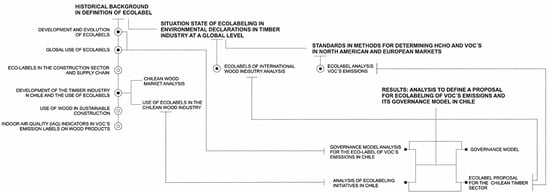
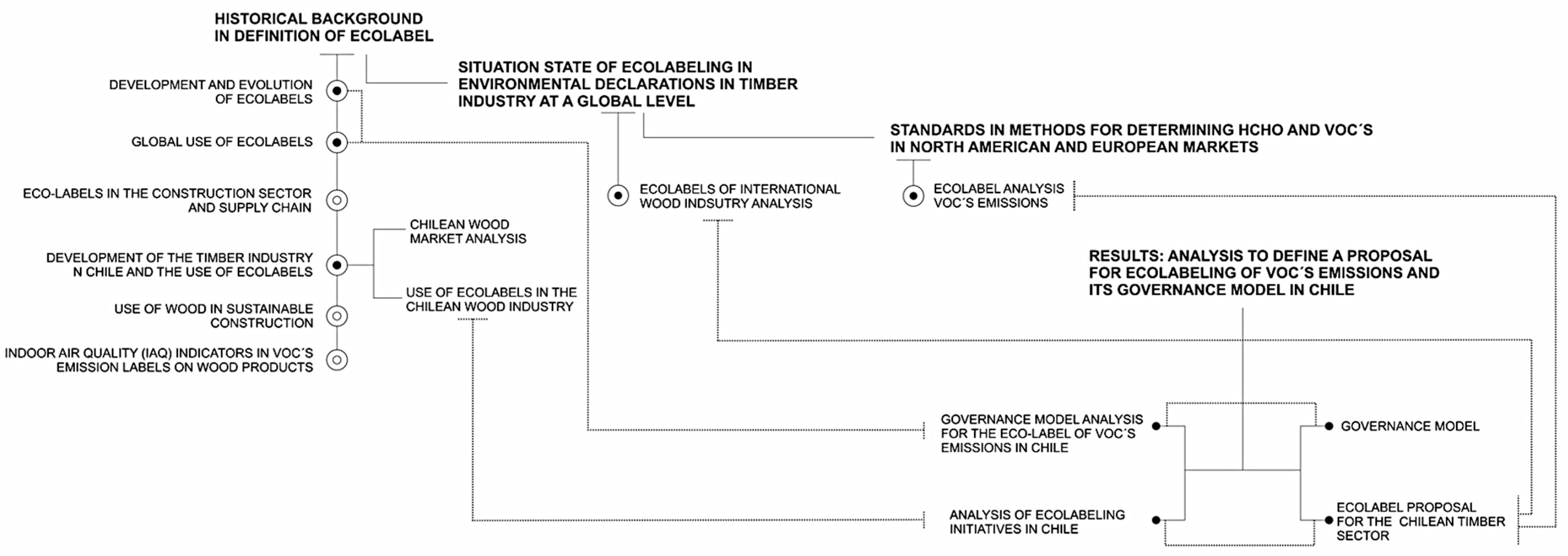
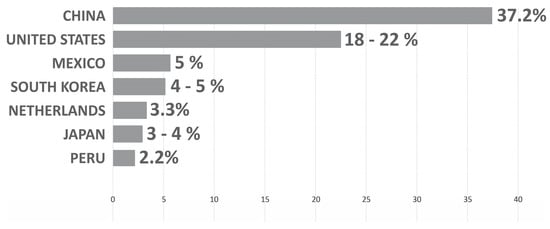
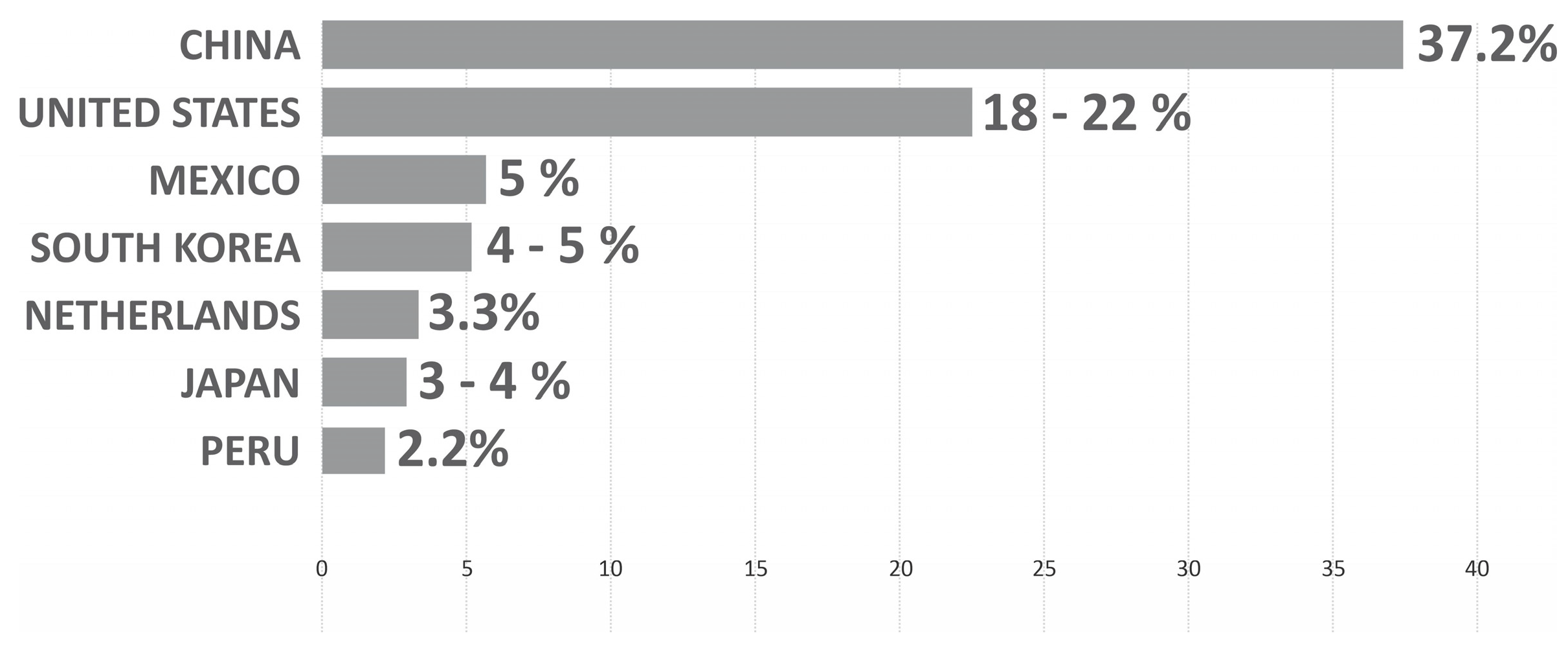
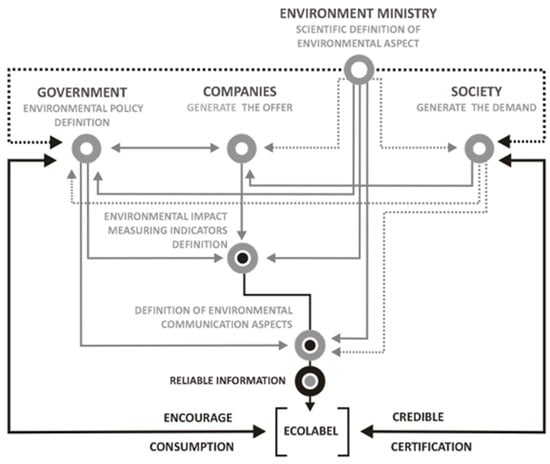
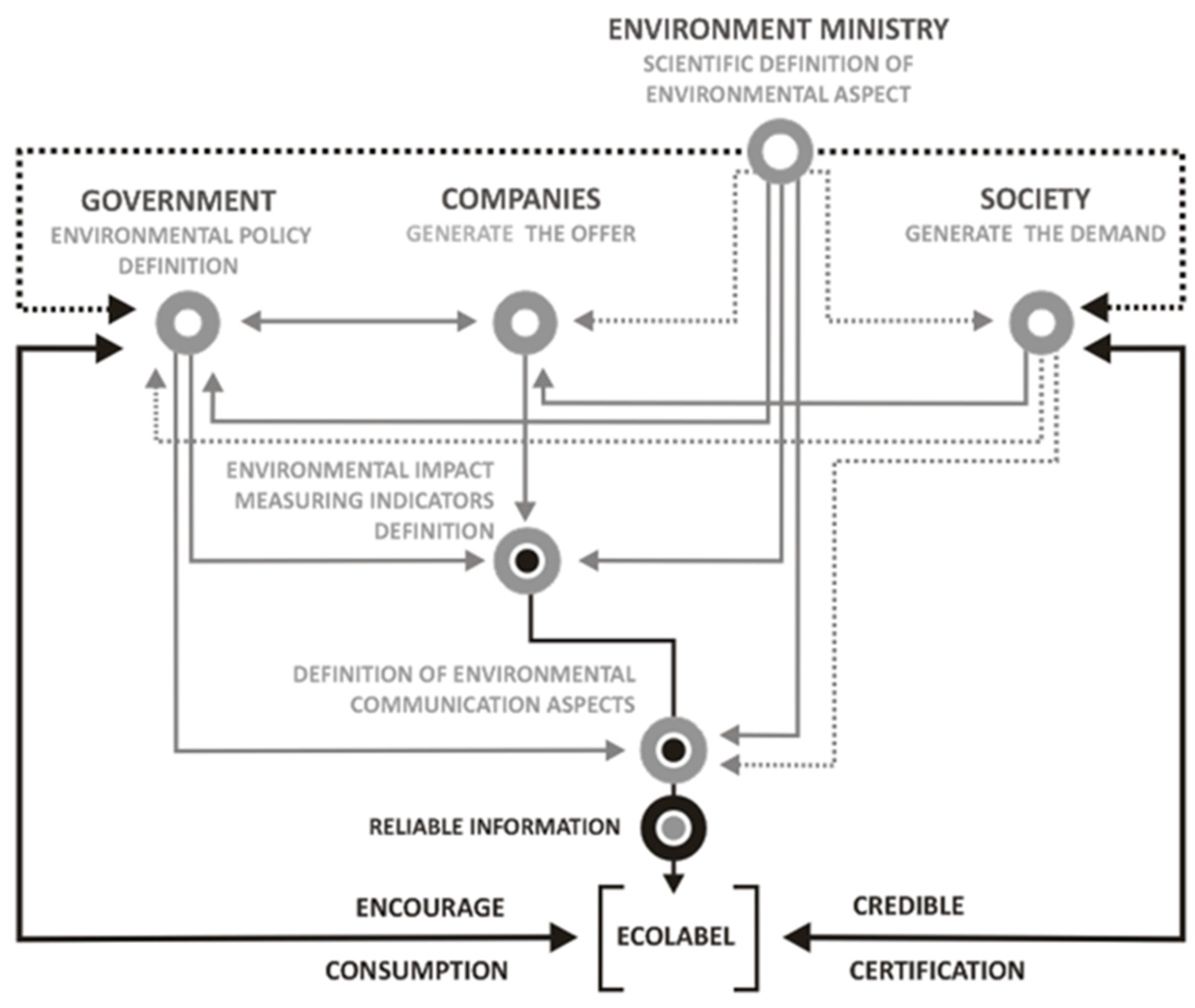
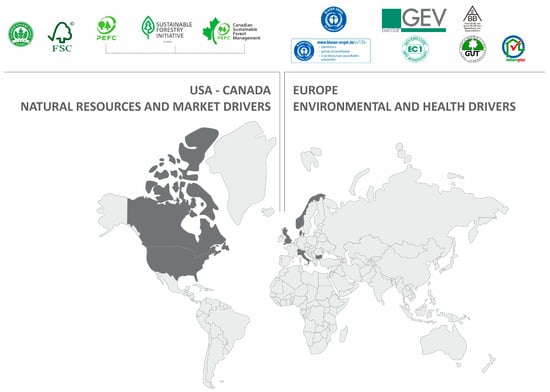
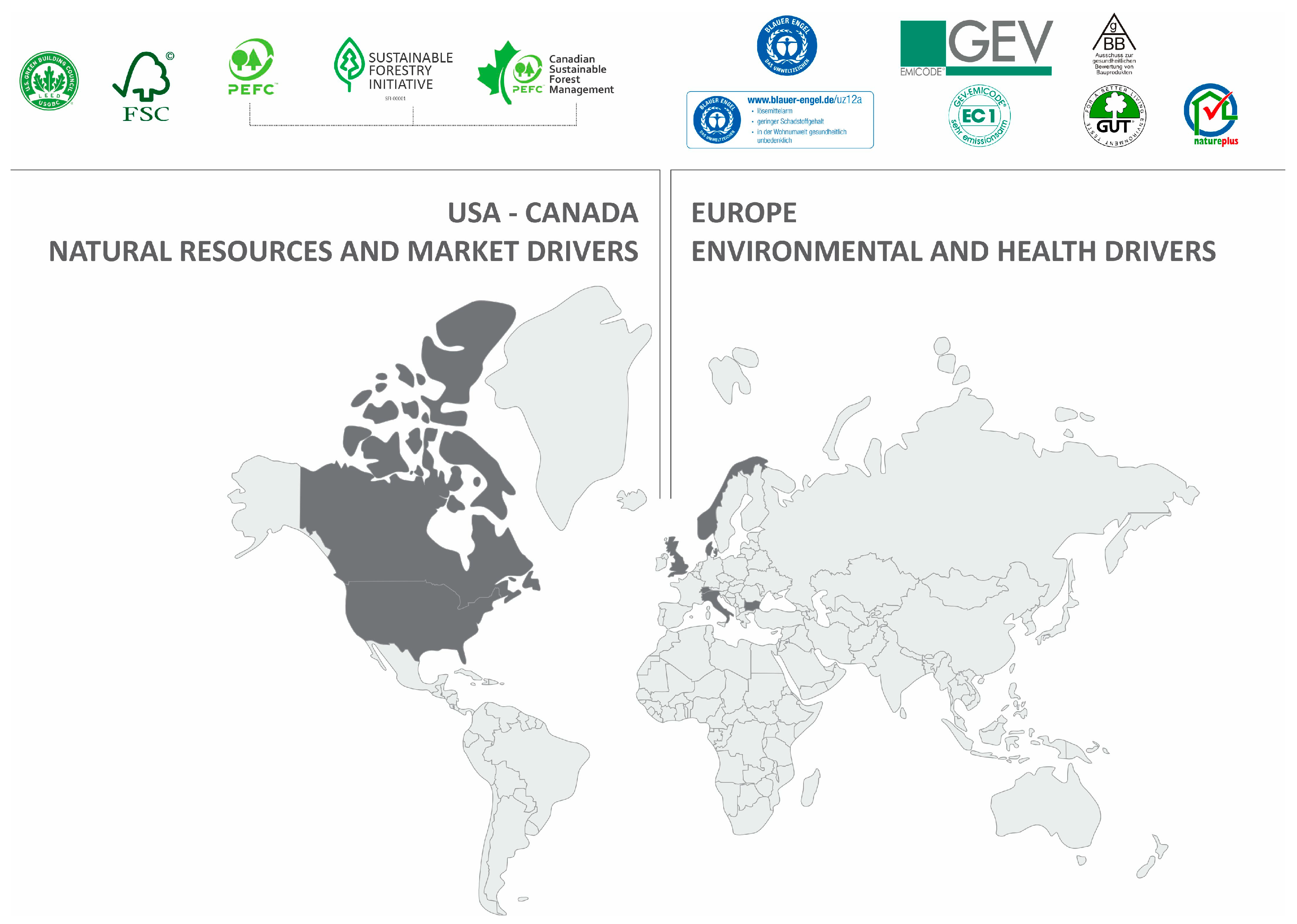
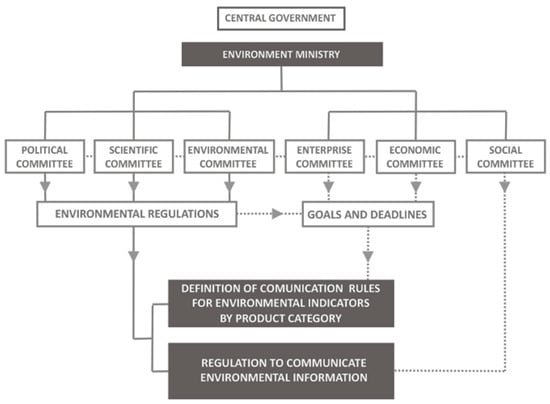
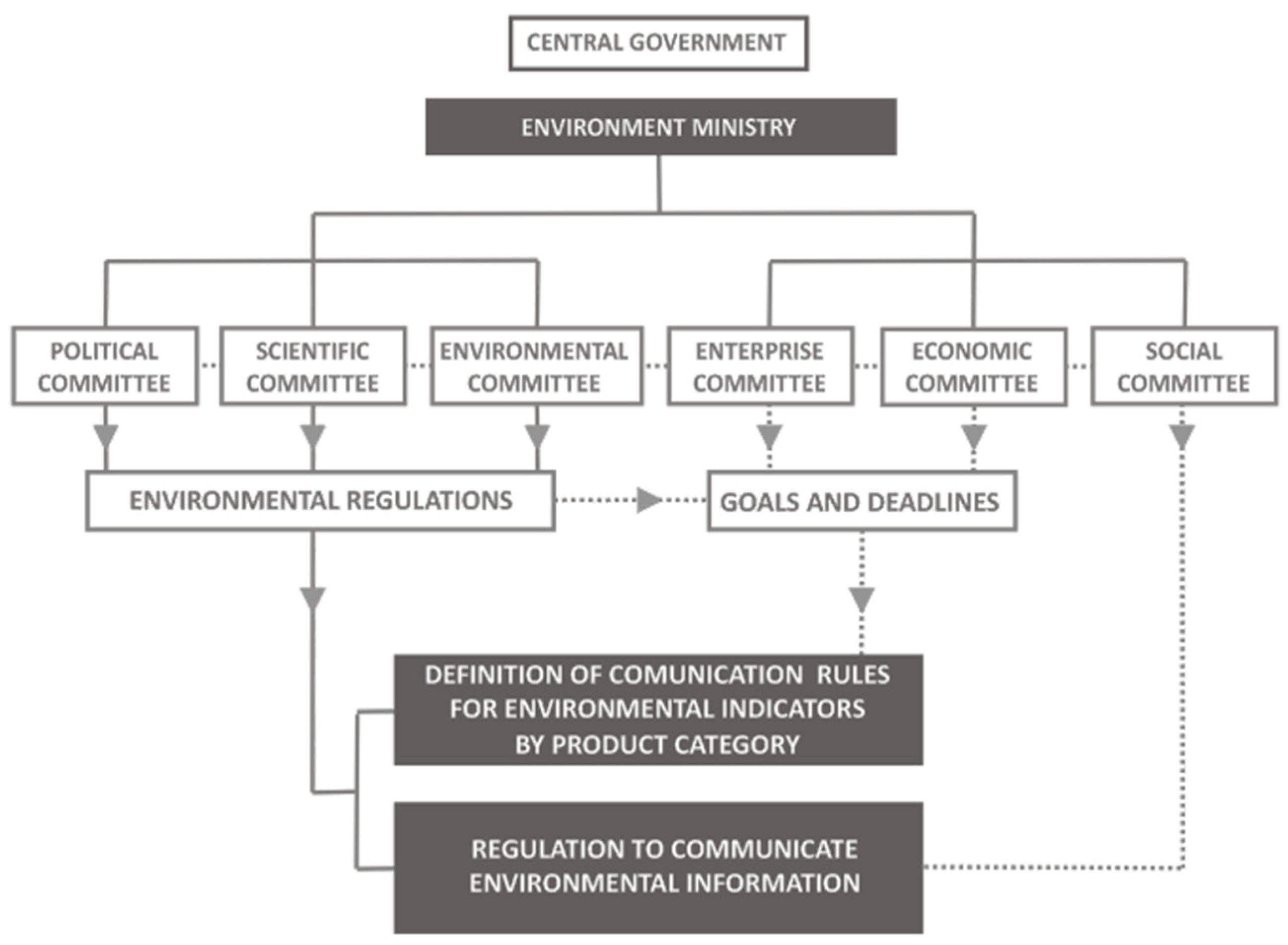
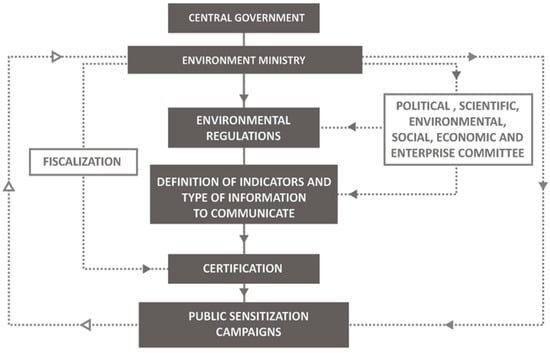
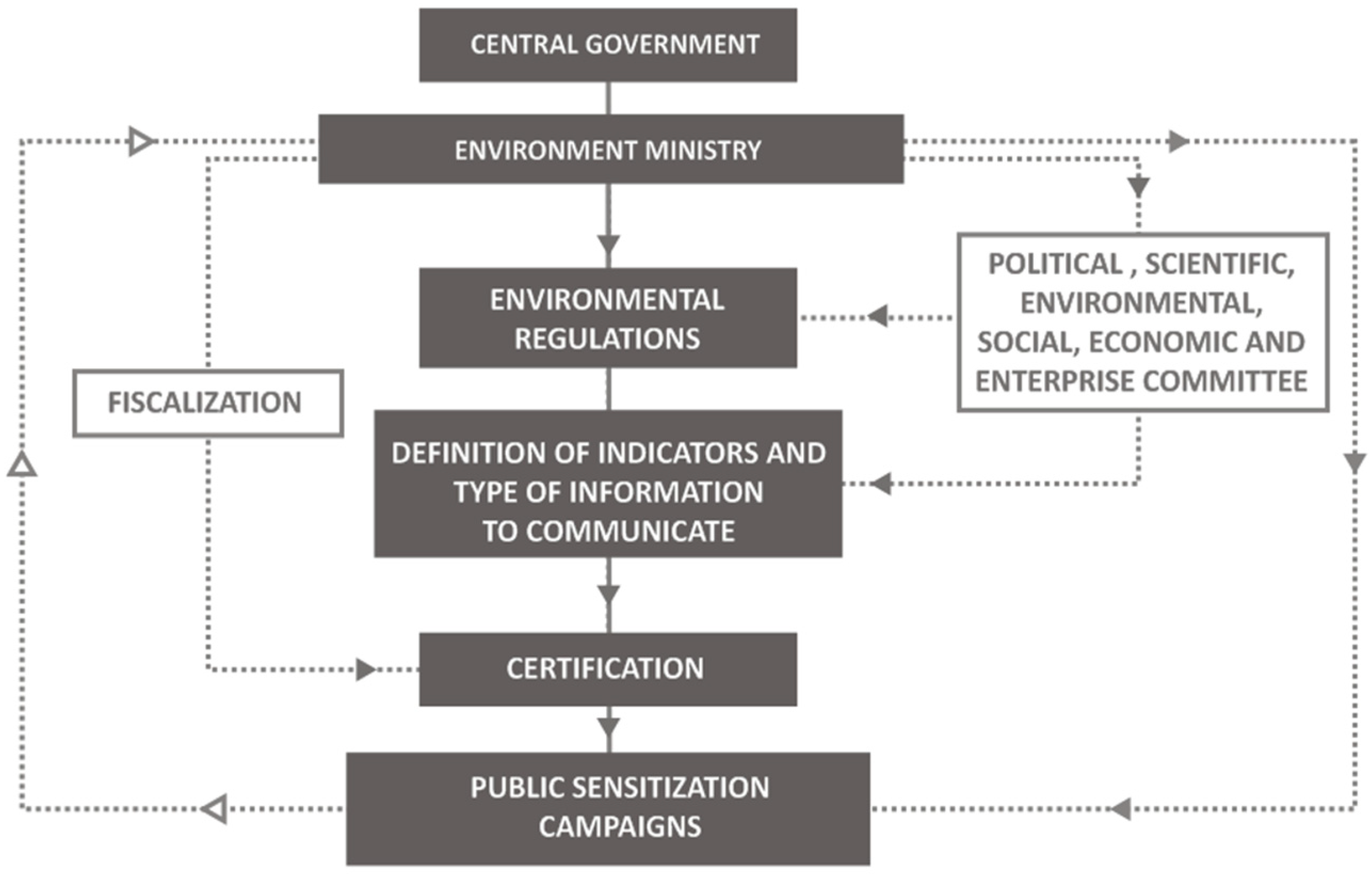
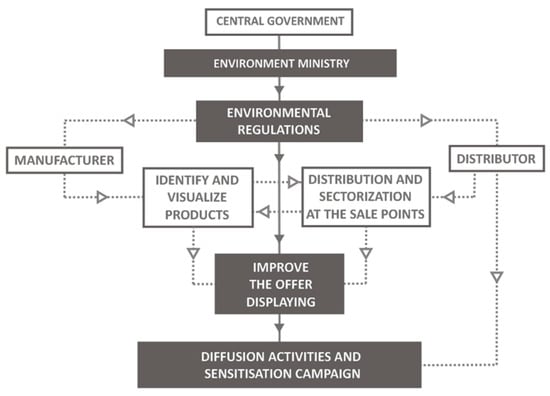
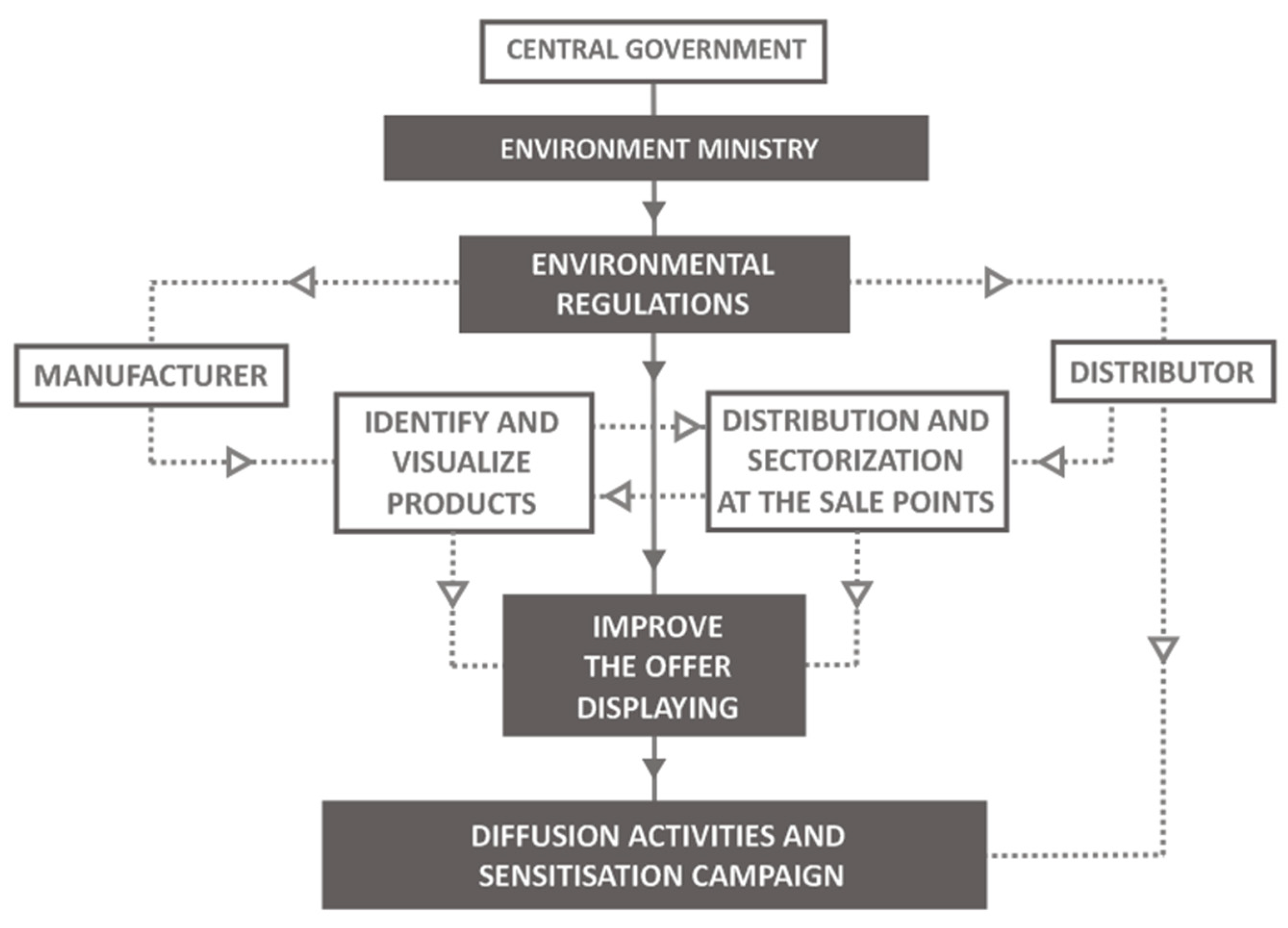
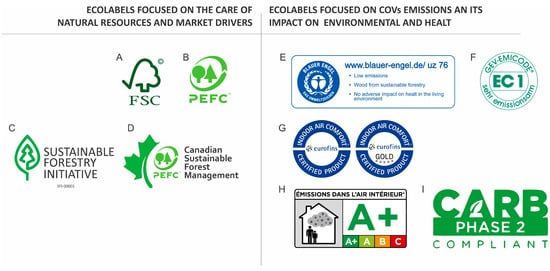
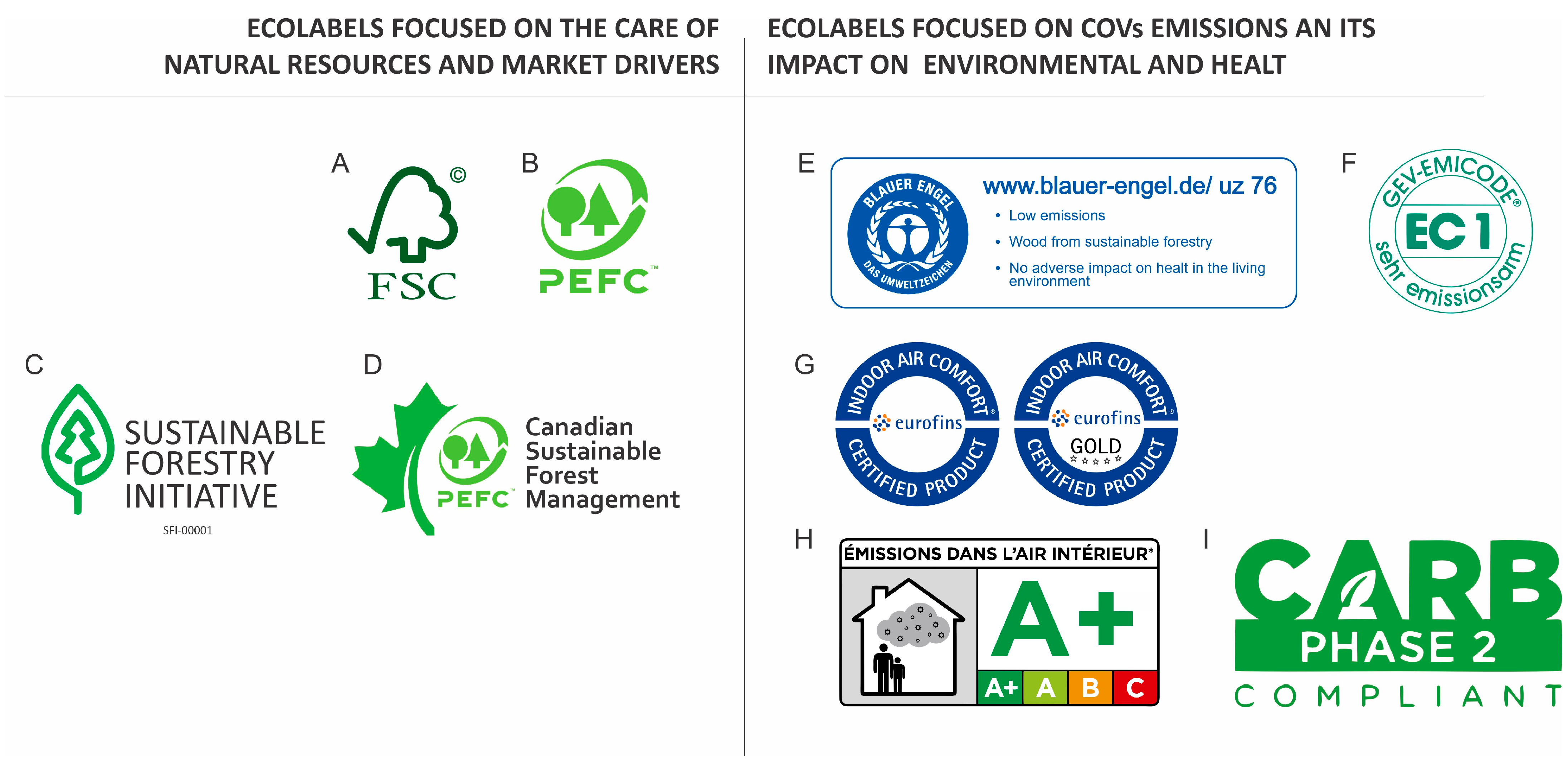
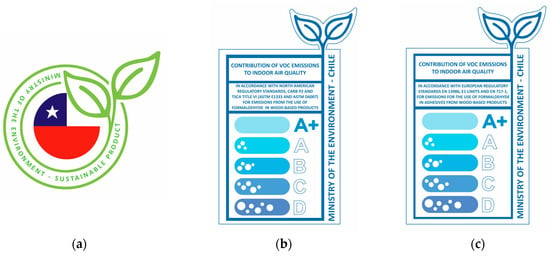
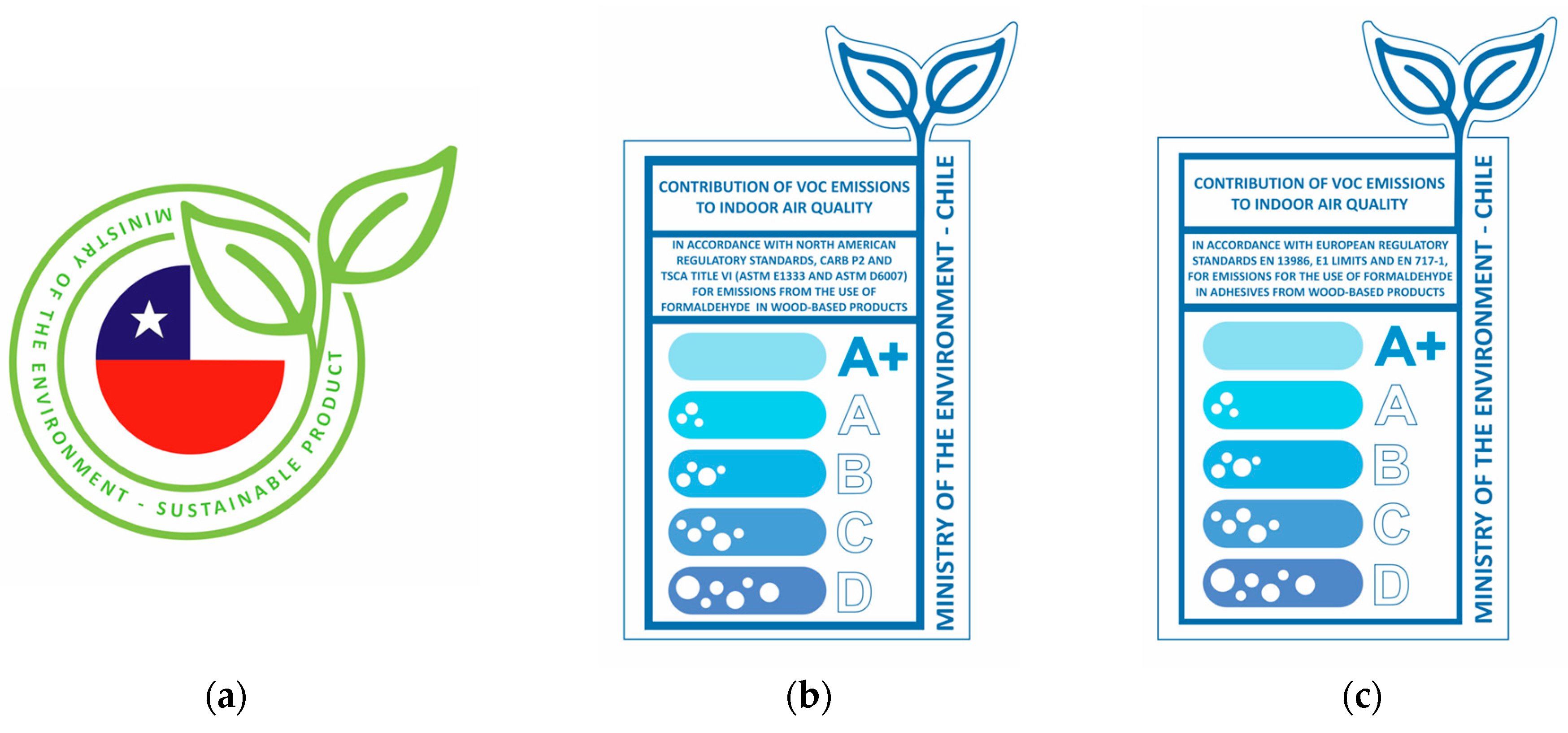
Disclaimer/Publisher’s Note: The statements, opinions and data contained in all publications are solely those of the individual author(s) and contributor(s) and not of MDPI and/or the editor(s). MDPI and/or the editor(s) disclaim responsibility for any injury to people or property resulting from any ideas, methods, instructions or products referred to in the content. |
© 2026 by the authors. Licensee MDPI, Basel, Switzerland. This article is an open access article distributed under the terms and conditions of the Creative Commons Attribution (CC BY) license.