


Abstract
Plastic pollution has emerged as a critical global environmental challenge, driven by rising production, consumption, and inadequate waste management. Major plastic-consuming economies play a disproportionate role in global plastic leakage and therefore strongly influence international mitigation efforts. This review comparatively examines plastic policy frameworks in the European Union, the United States, China, India, and Japan to identify policy strengths, limitations, and transferable governance strategies. Due to the heterogeneous nature of the information sources, a narrative review methodology was employed, drawing on peer-reviewed literature, policy documents, institutional reports, and statistical datasets. Policy effectiveness was qualitatively evaluated using cross-comparable indicators, including per capita plastic consumption, waste generation, recycling rates, mismanaged waste, environmental leakage, and Extended Producer Responsibility (EPR) coverage. The analysis reveals substantial divergence in policy approaches: the EU demonstrates a comprehensive lifecycle-based framework with strong recycling performance and low leakage; China exhibits high enforcement capacity and effective upstream controls but faces scale-related challenges; the United States shows limited effectiveness due to fragmented governance and low recycling rates; India has robust regulatory intent but is constrained by high mismanaged waste and infrastructure gaps; and Japan achieves high downstream efficiency but relies heavily on thermal recycling with limited upstream reduction. The review highlights that effective plastic governance requires integrated lifecycle policies, strong enforcement, infrastructure investment, and international policy coordination rather than reliance on isolated downstream measures alone.
1. Introduction
Plastic pollution has emerged as one of the most pressing global environmental challenges of the 21st century, driven by the rapid expansion of plastic production and consumption alongside inadequate waste management systems. Global plastics production reached approximately 413–436 million metric tons in 2023 [1], representing a dramatic increase from around 200–234 million metric tons in the early 2000s, while annual plastic waste generation has risen to roughly 350–360 million metric tons [2]. Despite growing policy attention, recycling remains limited, accounting for less than 10% of global plastic waste, with the majority disposed of in landfills, incinerated, or mismanaged in the environment [3]. As a result, an estimated 19–23 million metric tons of plastic waste leak into aquatic ecosystems each year, exacerbating contamination of marine and freshwater environments and contributing to the proliferation of microplastics and nanoplastics [4]. Without substantial intervention, global plastic waste generation is projected to exceed 600 million metric tons annually by 2040, underscoring the urgency of coordinated and effective policy responses [5].
The global plastic crisis is highly unevenly distributed, with a relatively small number of countries or regions responsible for a disproportionate share of plastic consumption and waste generation [6]. At the same time, plastics play a globally significant economic and societal role due to their extensive applications in packaging, healthcare, construction, agriculture, transportation, and consumer products [7]. The versatility, durability, and low production costs of plastics have made them deeply embedded within modern economies and global supply chains [8]. Consequently, policies targeting plastics have implications extending beyond waste management, influencing trade, industrial competitiveness, resource security, public health, and transitions toward circular economy systems [9]. The transboundary nature of plastic production, consumption, and waste trade further means that policy decisions implemented in major economies can generate cascading global environmental and economic consequences.
Major consumers, including the United States, China, the European Union (EU), India, and Japan, play a dominant role across the plastic lifecycle and are therefore critical to any meaningful mitigation strategy. In absolute terms, China is the world’s largest producer and consumer of plastics, accounting for approximately 32% of global plastics production, reflecting its role as a global manufacturing hub [10]. Collectively, it has been estimated that nearly 70% of global plastic waste originates from just 20 countries [2], of which China, the United States, India, the EU member states, and Japan contribute a substantial share due to their high levels of plastic production, consumption, and post-consumer waste generation. Recent estimates suggest that these economies collectively generate well over 150 million metric tons of plastic waste annually, representing a major share of global plastic waste streams and associated environmental leakage [11,12,13,14,15].
Despite the central role of these nations, current efforts to mitigate plastic pollution are hindered by substantial policy fragmentation at both national and international levels [16]. Countries have adopted divergent regulatory approaches reflecting differences in economic structure, governance systems, and societal priorities. For example, the EU has implemented a comprehensive circular economy framework, including the Single-Use Plastics Directive and robust Extended Producer Responsibility (EPR) schemes, targeting the entire plastic lifecycle [17]. In contrast, the United States lacks a unified federal plastic policy, relying instead on a patchwork of state-level regulations and voluntary industry initiatives [18]. China has adopted a more centralized and directive approach, including phased bans on single-use plastics and strict waste import restrictions under the National Sword Policy [19]. Similarly, India has introduced nationwide bans on selected single-use plastics and strengthened its Plastic Waste Management Rules, although enforcement remains inconsistent [20]. Japan, while maintaining advanced waste management systems, relies heavily on recycling and thermal recovery, raising concerns regarding the true circularity of its approach [21].
This heterogeneity in policy frameworks creates significant barriers to effective global mitigation. Differences in regulatory scope, definitions (e.g., what constitutes “recyclable” or “biodegradable”), and enforcement capacity limit policy comparability and hinder the development of harmonized strategies [22]. Furthermore, policy misalignment has contributed to unintended transboundary consequences, particularly in the global trade of plastic waste [23]. For instance, China’s import restrictions led to the redirection of plastic waste flows to Southeast Asia, often overwhelming local waste management systems and exacerbating environmental leakage [24]. These governance challenges have intensified international efforts to establish a legally binding global plastics treaty under the United Nations Environment Program (UNEP). Since the adoption of the 2022 United Nations Environment Assembly (UNEA) resolution to end plastic pollution, intergovernmental negotiations have sought to develop a comprehensive agreement addressing the full lifecycle of plastics, including production, consumption, waste management, and environmental leakage [25]. However, negotiations remain contentious due to disagreements over legally binding production caps, financial responsibilities, trade measures, and differentiated national obligations between developed and developing economies [26]. The divergent policy priorities among major plastic-producing and consuming countries further highlight the need for comparative policy analyses capable of identifying areas of convergence, policy gaps, and transferable best practices.
Existing review studies on plastic policy and governance remain fragmented in scope and analytical depth. For example, ref. [27] primarily compared plastic waste management approaches between North America and Europe, with a strong emphasis on recycling systems and waste diversion strategies. Similarly, ref. [28] focused specifically on plastic recycling policies in Japan and Malaysia, highlighting differences in institutional implementation and public participation. Broader global overviews by authors such as [29,30] catalogued international and national plastic policies but provided limited comparative evaluation of policy effectiveness across major plastic-consuming economies. Other reviews have concentrated narrowly on specific policy instruments, particularly single-use plastic bans and levies [31,32,33,34], without systematically examining how combinations of regulatory, economic, and voluntary instruments interact across different governance systems.
Consequently, several important research gaps remain insufficiently addressed in the literature. First, there is currently no comprehensive comparative review focused specifically on the world’s largest plastic-consuming countries and regions that collectively dominate global plastic production, consumption, and waste generation. Second, existing reviews rarely integrate qualitative policy evaluation with broader governance dimensions such as policy coherence, enforcement capacity, lifecycle coverage, and EPR implementation. Third, limited attention has been given to identifying transferable policy mechanisms and explaining why similar policy instruments produce differing outcomes under different socio-economic and governance contexts. These limitations constrain the ability of existing reviews to generate actionable insights for harmonized global plastic governance.
Given these complexities and the lack of detailed review of plastic policies of major plastic-consuming countries/regions, a comparative analysis of plastic policies among major consumers is both timely and necessary. Unlike previous reviews that primarily provide descriptive policy inventories or focus on isolated policy instruments [29,33,34], this review adopts an integrative comparative framework that systematically evaluates regulatory, economic, and voluntary policy approaches across the major plastic-consuming economies. The novelty of this review lies not only in the breadth of geographic comparison but also in its emphasis on identifying cross-jurisdictional policy patterns, governance trade-offs, and structural factors influencing policy effectiveness. By synthesizing evidence across diverse national contexts, this study moves beyond descriptive compilation to develop broader conceptual insights into how policy fragmentation, institutional capacity, and economic priorities shape outcomes of global plastic governance.
This review aims to: (1) compare the policy frameworks adopted by leading plastic-consuming countries/regions across regulatory, economic, and voluntary instruments; (2) qualitatively evaluate their effectiveness in reducing plastic consumption, improving waste management efficiency, and minimizing environmental leakage; and (3) identify the broader implications of policy divergence for global plastic pollution and governance. By synthesizing insights across diverse national contexts, this study seeks to identify best practices, highlight critical gaps, and contribute to the development of more coherent and effective global strategies. The remainder of this review is structured as follows: Section 2 outlines the review methodology; Section 3 examines the major plastic policy instruments adopted by each country or region; Section 4 compares policy effectiveness and implementation challenges; and Section 5 concludes with policy implications, key recommendations, and future research directions.
2. Review Methodology
This study adopts a narrative review methodology to provide a structured yet flexible synthesis of plastic policy frameworks among major consumer nations. These countries and regions were selected not only because of their substantial contributions to global plastic production and waste generation, but also because they collectively represent diverse governance models, regulatory philosophies, economic structures, and stages of industrial development. In contrast to a conventional systematic review focused primarily on narrowly defined intervention outcomes, the narrative approach adopted here is better suited to synthesizing multidimensional policy evidence, governance structures, regulatory instruments, and institutional contexts that are often reported using heterogeneous methodologies and non-standardized indicators. Nevertheless, systematic review elements, including transparent search procedures, screening criteria, and structured data extraction, were incorporated to enhance methodological rigor and reproducibility.
A comprehensive literature search was conducted across multiple academic databases, including Web of Science, Scopus, and ScienceDirect, complemented by targeted searches of institutional and policy-oriented databases such as OECD iLibrary, UNEP, World Bank, and governmental repositories. In addition, statistical data were sourced from reputable platforms such as official national statistics agencies to ensure up-to-date and comparable quantitative information. Official policy documents were obtained directly from governmental ministries, environmental agencies, and legislative repositories of the selected countries/regions, including the European Commission, United States Environmental Protection Agency (EPA), China’s National Development and Reform Commission, India’s Ministry of Environment, Forest and Climate Change, and Japan’s Ministry of the Environment. Where applicable, the most recent policy versions and amendments available up to January 2026 were used in the analysis.
Search strings combined keywords related to plastic pollution and policy, including: “plastic policy,” “plastic waste management,” “single-use plastics regulation,” “extended producer responsibility,” “plastic ban,” “circular economy plastics,” and “plastic governance”, along with country-specific terms (e.g., United States, China, European Union, India, Japan). The search focused primarily on literature published between 2016 and 2026 to capture recent policy developments, although earlier foundational studies were included where relevant. Additional Boolean operators and combinations (e.g., AND, OR) were used to refine searches across databases. Reference lists of selected studies were also manually screened to identify additional relevant publications not captured in the primary search process.
Sources were selected based on the following inclusion criteria: (1) relevance to plastic policy, regulation, or governance; (2) focus on one or more of the selected countries/regions; (3) provision of empirical data, policy analysis, or evaluative insights; and (4) publication in peer-reviewed journals, official reports, or credible institutional publications. Exclusion criteria included: (1) studies focusing solely on technical recycling and disposal processes without policy context; and (2) non-English publications where reliable translations were unavailable. Conference abstracts lacking sufficient methodological detail, opinion articles without analytical content, duplicate publications, and non-authoritative web sources were also excluded.
The literature screening process was conducted in three stages: title screening, abstract screening, and full-text assessment. A total of approximately 328 records were initially identified through database and institutional searches. After removal of duplicates, 294 studies underwent title and abstract screening, of which 206 articles and policy documents were retained for full-text evaluation. Ultimately, 143 sources were included in the final synthesis. A PRISMA-style flow diagram summarizing the screening and selection process has been added as Figure 1 to improve transparency and reproducibility.
Figure 1.
Literature selection flowchart.
Both qualitative and quantitative studies were included to ensure a comprehensive understanding of policy frameworks and their outcomes. To facilitate comparison, a structured data extraction framework was developed. Extracted variables included: (1) governance structure; (2) policy approach and instruments; (3) lifecycle coverage; (4) EPR implementation; (5) policy coherence; (6) enforcement capacity; and (7) socioeconomic implications, particularly the involvement of informal sectors. Policies were then comparatively synthesized across countries to identify convergences, divergences, and recurring governance patterns.
Policy effectiveness was operationalized using a qualitative comparative evaluation framework based on multiple dimensions reported consistently across the literature and policy documents. These dimensions included: (1) plastic consumption or waste generation; (2) recycling and waste management performance; (3) environmental leakage or mismanaged waste; (4) EPR coverage; and (5) policy stringency. This review employed a qualitative, evidence-based assessment approach, drawing on findings from multiple studies and institutional reports. This approach has a major limitation: it does not include a systematic quantitative scoring or weighting system to reduce subjectivity in the evaluation process.
Several measures were undertaken to minimize bias and improve analytical consistency. First, multiple databases and institutional repositories were used to reduce source selection bias. Second, findings were triangulated across peer-reviewed studies, governmental documents, and international organization reports wherever possible. Third, the use of predefined inclusion criteria and standardized extraction categories improved consistency in study selection and synthesis.
3. Regional Plastic Policies
Plastic pollution has emerged as a complex environmental stressor affecting soil, freshwater, and marine systems through both physical and chemical pathways. Physically, plastics, particularly microplastics, can alter soil structure, water retention, sediment transport, and aquatic habitats. Biologically, microplastics disrupt microbial communities and food webs [35]. Chemically, plastics release additives and transport contaminants, such as persistent organic pollutants and heavy metals, contributing to ecological and human health risks [36,37]. These impacts highlight that plastic pollution cannot be addressed solely through downstream waste management but requires integrated lifecycle governance spanning production, consumption, material design, and waste management. Consequently, major plastic-consuming economies have adopted diverse policy frameworks shaped by differing governance systems, economic priorities, and institutional capacities. The following sections comparatively examine the plastic policies of the EU, the United States, China, India, and Japan, focusing on their approaches, strengths, and limitations in addressing plastic pollution across the lifecycle.
3.1. Plastic Policies of the European Union and Their Strengths and Limitations
The EU has established one of the most comprehensive and progressive regulatory frameworks for addressing plastic pollution, underpinned by its broader transition toward a circular economy [38]. Central to this approach is the EU Circular Economy Action Plan, which prioritizes resource efficiency, waste minimization, and the decoupling of economic growth from resource consumption (Figure 2). Within this framework, plastics are identified as a key value chain requiring systemic intervention, leading to the adoption of targeted strategies such as the European Strategy for Plastics in a Circular Economy [39] (Figure 2). These initiatives collectively emphasize lifecycle-based management, addressing upstream material design, midstream consumption patterns, and downstream waste management.
Figure 2.
EU regulatory framework for plastic pollution.
A cornerstone of the EU’s regulatory approach is the Single-Use Plastics Directive (Directive (EU) 2019/904), which targets the most commonly littered plastic items in marine environments (Figure 2). The Directive introduces a combination of measures, including outright bans on specific products (e.g., plastic cutlery, straws, and expanded polystyrene food containers), consumption reduction targets for others, and design requirements such as tethered caps on beverage containers [40]. Importantly, it also incorporates labeling requirements and awareness-raising measures, reflecting an integrated strategy that combines regulatory restrictions with behavioral interventions [41]. Early evidence suggests that these measures have contributed to reductions in the consumption of targeted single-use plastics in several member states, although the extent of impact varies depending on national implementation and enforcement [42].
In addition to the Single-Use Plastics Directive, the EU has strengthened its regulatory framework through the proposed Packaging and Packaging Waste Regulation (PPWR), which represents a significant shift toward harmonized, binding requirements across member states [17] (Figure 2). Unlike its predecessor directive, the PPWR is designed as a regulation, ensuring direct applicability and reducing inconsistencies in national implementation. The regulation introduces stringent targets for packaging waste reduction, mandates that all packaging placed on the EU market be recyclable by 2030, and establishes minimum thresholds for recycled content in plastic packaging. It also promotes reuse systems, restricts unnecessary packaging, and standardizes labeling to improve waste sorting and consumer awareness [43].
Extended Producer Responsibility (EPR) represents another critical pillar of the EU’s plastic policy framework. Under EPR schemes, producers are required to assume financial and, in some cases, operational responsibility for the post-consumer phase of plastic products (Figure 2). This includes covering the costs of collection, sorting, recycling, and litter cleanup, as well as contributing to public awareness campaigns [44]. The EU has expanded EPR obligations under the Single-Use Plastics Directive to include additional product categories such as tobacco filters and fishing gear, thereby broadening the scope of producer accountability [45]. The PPWR further reinforces EPR schemes by aligning packaging requirements with producer obligations, thereby enhancing accountability across the value chain [43]. In principle, EPR incentivizes eco-design and the reduction of unnecessary plastic use by internalizing environmental externalities. In practice, however, the effectiveness of EPR systems varies across member states, depending on fee modulation mechanisms, governance structures, and enforcement rigor [46].
One of the key strengths of the EU approach lies in its comprehensive lifecycle perspective, which integrates regulatory, economic, and informational instruments across multiple stages of the plastic value chain [38,39]. Unlike more fragmented systems, the EU framework explicitly links product design requirements (e.g., recyclability targets) with waste management objectives (e.g., recycling rates), thereby promoting systemic coherence [17]. Furthermore, the EU has established legally binding targets, such as achieving 55% recycling of plastic packaging waste by 2030, which provide clear benchmarks for policy evaluation and accountability [43,46]. The integration of plastic policy into broader climate and sustainability agendas also enhances policy synergy, particularly in relation to carbon reduction and resource efficiency goals.
Despite these strengths, several limitations constrain the overall effectiveness of EU plastic policies. Foremost among these is the variability in implementation across member states, which reflects differences in economic capacity, institutional structures, and political priorities. While EU directives establish common objectives, their transposition into national law allows for a degree of flexibility that can result in uneven enforcement and outcomes [46]. For example, disparities in waste management infrastructure and recycling capabilities lead to significant differences in recycling rates among member states. Similarly, the design and operation of EPR systems vary widely, affecting their ability to drive meaningful changes in producer behavior [47].
Additionally, the effectiveness of EPR systems in the EU varies widely across member states. Countries such as Germany, Belgium, and the Netherlands generally demonstrate higher collection and recycling performance due to mature infrastructure, clearer fee modulation systems, and stronger enforcement mechanisms, whereas several Southern and Eastern European member states continue to face lower collection efficiency and weaker institutional capacity [36]. Furthermore, the implementation costs of EPR systems can be substantial, particularly for small and medium-sized enterprises, and some of these costs are frequently passed on to consumers through higher product prices or packaging costs [48]. Critics have also argued that some EPR systems prioritize meeting quantitative recycling targets rather than incentivizing substantial reductions in plastic production and consumption [47,49]. In some cases, weak eco-modulation of producer fees limits incentives for redesigning packaging toward genuine circularity [46]. These disparities highlight the importance of governance quality, enforcement consistency, and market conditions in determining EPR effectiveness across the EU.
Despite the EU’s comparatively advanced circular economy framework, practical implementation challenges persist, including cross-border differences in waste classification systems, inconsistencies in recyclability standards, and limited harmonization of recycled-content verification methodologies. These issues complicate transnational waste trade and undermine the development of fully integrated secondary plastic markets within the EU.
3.2. Plastic Policies of the United States and Their Strengths and Limitations
Plastic policy in the United States is characterized by a fragmented and decentralized governance structure, reflecting the broader federal system in which environmental regulation is shared across federal, state, and local authorities [50]. Unlike the EU’s cohesive and legally binding framework, the United States lacks a comprehensive, binding national strategy specifically targeting plastic pollution, although recent efforts such as the National Strategy to Prevent Plastic Pollution (2024) signal a move toward greater federal coordination (Figure 3). Instead, its policy landscape consists of a combination of federal legislation addressing solid waste management, state-level regulatory initiatives, and voluntary industry actions [51]. This multi-layered approach has resulted in significant regional variability in policy design, implementation, and effectiveness. Recent policy developments between 2024 and 2026 indicate increasing federal engagement in plastic governance, primarily through the ongoing implementation of National Strategy to Prevent Plastic Pollution (updated in late 2025). These include expanded federal procurement targets for recycled-content materials, strengthened national strategies for microplastic monitoring, and increased funding for domestic recycling infrastructure under broader environmental and industrial policy initiatives [52]. However, many of these measures remain strategic or incentive-based rather than legally binding, limiting their transformative capacity compared to more regulatory-oriented systems such as the EU.
Figure 3.
Regulatory framework of the United States for plastic pollution.
Furthermore, a reversal to curbing plastic pollution emerged with the signing of Executive Order 14208, titled “Ending Procurement and Forced Use of Paper Straws”. The Order directs U.S. federal agencies to stop purchasing and distributing paper straws and to remove policies that discourage the use of plastic straws. It also required the development of a national strategy to reduce or eliminate paper straw use across federal operations [53].
At the federal level, plastic waste is primarily regulated under broader environmental statutes such as the Resource Conservation and Recovery Act (RCRA), which governs the management of solid and hazardous waste [54] (Figure 3). However, RCRA does not specifically target plastics as a distinct category, nor does it establish binding national reduction or recycling targets. More recently, federal efforts have increasingly focused on marine debris and environmental leakage, exemplified by legislation such as the Save Our Seas Act and its subsequent amendments, as well as the National Strategy to Prevent Plastic Pollution (2024), which outlines lifecycle-oriented objectives including source reduction, improved product design, and enhanced waste management systems [55]. While these initiatives signal growing recognition of the plastic crisis, they remain largely non-binding and do not constitute a comprehensive regulatory framework.
In the absence of strong federal mandates, state and local governments have emerged as key drivers of plastic policy innovation. Numerous states have enacted bans or restrictions on specific single-use plastic products, including plastic bags, polystyrene food containers, and microbeads. For example, states such as California and New York have implemented statewide plastic bag bans, while others have introduced fees or EPR laws targeting packaging waste [56]. Notably, several states, including Maine, Oregon, California, and Colorado, have recently adopted EPR legislation for packaging, marking a significant shift toward greater producer accountability (Figure 3). These policies require producers to finance and manage the collection and recycling of packaging materials, aligning partially with approaches seen in the EU [57].
In addition to regulatory measures, the United States places considerable emphasis on voluntary and market-based initiatives. Industry-led programs, such as commitments to increase recycled content or improve packaging recyclability, play a prominent role in the policy landscape (Figure 3). Public–private partnerships and corporate sustainability pledges have also contributed to incremental progress, particularly in areas such as recycling infrastructure investment and innovation in alternative materials [58] (Figure 3). However, these voluntary approaches are often criticized for being unenforceable and inconsistent, thereby limiting their overall impact.
The United States exhibits several notable strengths in its approach to plastic policy. First, the decentralized system enables policy experimentation and innovation at the state level, allowing jurisdictions to tailor interventions to local conditions and serve as “policy laboratories.” This has facilitated the development of diverse policy instruments, including EPR schemes, deposit-refund systems, and product bans, some of which may inform future national strategies [59]. Second, the strong involvement of the private sector has driven technological innovation, particularly in recycling technologies, material science, and waste management systems [58]. Third, recent policy developments, including the 2024 national strategy, indicate growing momentum toward a more coordinated and lifecycle-based approach [60].
Despite these strengths, the limitations of the United States’ approach are substantial and have significant implications for policy effectiveness. The most prominent challenge is the lack of a unified, binding national framework, which results in regulatory fragmentation and inconsistency across jurisdictions [54]. This patchwork of policies creates compliance challenges for industry, reduces economies of scale in waste management systems, and limits the overall impact on national plastic consumption and waste reduction. Furthermore, the absence of enforceable federal targets for plastic reduction or recycling contrasts sharply with more centralized systems, such as that of the EU, and constrains long-term strategic planning [61].
The effectiveness of state-level EPR schemes remains uneven and difficult to evaluate comprehensively due to differences in implementation timelines, covered materials, reporting standards, and financing structures [56]. For example, Oregon’s framework emphasizes producer-financed modernization of recycling infrastructure, whereas California incorporates broader source reduction and recyclability requirements [62,63]. Early evidence suggests that states with more comprehensive EPR provisions and stronger regulatory oversight may achieve higher collection efficiency and greater recycled-content integration, although long-term effectiveness data remain limited because many programs were recently adopted [18,56].
Another key limitation is the continued reliance on downstream solutions, particularly recycling, rather than upstream measures aimed at reducing plastic production and consumption. Although recycling rates have improved in some regions, the overall plastic recycling rate in the United States remains relatively low, estimated at around 5–9% in recent years, reflecting structural challenges such as contamination, inadequate infrastructure, and fluctuating markets for recycled materials [64]. Additionally, the historical dependence on exporting plastic waste, particularly prior to China’s import restrictions, has exposed vulnerabilities in domestic waste management capacity [65].
Equity and environmental justice concerns also pose critical challenges in the United States. Waste management facilities, including landfills and incinerators, are often disproportionately located in marginalized communities, raising concerns about environmental health and social equity. Moreover, disparities in policy adoption and enforcement across states can exacerbate regional inequalities in environmental outcomes [66]. The fragmented nature of U.S. plastic governance also complicates international policy coordination, as divergent state-level regulations pose challenges to harmonization with emerging global plastics treaty frameworks and to multinational producer compliance strategies. A further governance weakness is the strong influence of political polarization and industry in U.S. environmental policymaking. Plastic regulation in the United States often changes significantly between administrations, reducing long-term policy stability.
3.3. Plastic Policies of China and Their Strengths and Limitations
China has emerged as a pivotal actor in global plastic governance, reflecting its dual role as the world’s largest producer, consumer, and, increasingly, regulator of plastics. In contrast to more decentralized systems, China’s plastic policy framework is characterized by a centralized, state-driven approach, enabling rapid policy formulation and implementation [67]. Over the past decade, China has transitioned from a largely reactive waste management strategy to a more proactive and comprehensive regulatory regime targeting plastic production, consumption, and disposal.
A defining milestone in China’s plastic policy landscape is the National Sword Policy, introduced in 2017, which imposed stringent restrictions on the import of foreign plastic waste. This policy effectively disrupted the global plastic waste trade by banning or severely limiting imports of contaminated and low-grade recyclable materials [68]. As a result, countries that previously relied on China as a major destination for waste were forced to reassess their domestic waste management systems. Domestically, the policy also accelerated improvements in waste sorting, recycling infrastructure, and regulatory oversight, marking a significant shift toward internalizing waste management responsibilities [69].
Building on this foundation, China introduced a series of increasingly stringent measures to curb plastic pollution, most notably the Plastic Pollution Control Action Plan. This policy outlines a phased approach (2020–2025) to restrict and eventually ban selected single-use plastic products across sectors. Key measures include bans on ultra-thin plastic bags, restrictions on single-use plastics in major cities, and the gradual elimination of non-degradable plastic products in the e-commerce, food delivery, and hospitality industries. The plan also promotes the adoption of biodegradable alternatives, encourages the development of green packaging, and mandates improvements in waste collection and recycling systems [70]. China’s regulatory framework is further reinforced by broader environmental and circular economy policies, including the Circular Economy Promotion Law and national solid waste management regulations. These policies emphasize resource efficiency, waste reduction, and recycling, aligning plastic governance with broader sustainability goals [71,72]. In recent years, China has also intensified efforts to improve waste segregation at source, particularly in major urban centers such as Shanghai, where mandatory waste sorting policies have been implemented with strict enforcement mechanisms [73].
One of the primary strengths of China’s approach lies in its centralized governance structure, which enables the rapid rollout and enforcement of nationwide policies. Unlike more fragmented systems, China can implement uniform regulations across provinces, supported by strong administrative capacity and political commitment. This has facilitated significant progress in reducing certain categories of plastic consumption, particularly single-use plastics, in urban areas [67]. Additionally, China’s policies demonstrate a clear shift toward upstream intervention, targeting production and consumption patterns rather than relying solely on downstream waste management [74].
Another notable strength is the integration of plastic policy within broader environmental and industrial strategies. China has actively promoted innovation in alternative materials, including biodegradable plastics, and has invested heavily in recycling technologies and infrastructure [75]. The emphasis on domestic waste management capacity following the National Sword Policy has also contributed to improvements in recycling systems and reduced reliance on imported waste [68]. Furthermore, China’s policies have had global ripple effects, prompting other countries to strengthen their own waste management systems and reconsider international waste trade practices [69].
Despite these strengths, several limitations constrain the effectiveness and sustainability of China’s plastic policy framework. A key challenge lies in the uneven implementation and enforcement across regions, particularly between urban and rural areas. While major cities have demonstrated substantial progress in waste sorting and plastic reduction, less developed regions often lack the infrastructure and administrative capacity to fully implement national policies [76]. This spatial disparity can lead to inconsistencies in outcomes and continued environmental leakage.
Another limitation concerns the continued reliance on substitution rather than reduction, particularly the promotion of biodegradable plastics [77]. While these materials are often presented as environmentally friendly alternatives, their actual environmental benefits depend on appropriate disposal and processing conditions, which are not always available. Inadequate infrastructure for composting or biodegradation may result in these materials behaving similarly to conventional plastics in the environment, thereby limiting their effectiveness as a solution [78,79]. Concerns have also emerged regarding the rapid expansion of degradable and biodegradable plastics as substitutes for conventional plastics. Some degradable plastics may fragment into microplastics under natural environmental conditions if industrial composting infrastructure is unavailable, while others may introduce contamination risks into existing recycling streams [75,78]. Consequently, substitution strategies alone may not adequately address the broader structural drivers of plastic pollution without parallel reductions in consumption and improvements in waste management systems.
Additionally, China’s rapid economic growth and expanding consumer markets continue to drive increasing plastic demand, particularly in sectors such as e-commerce and food delivery. This creates a structural tension between economic development and environmental protection, potentially offsetting gains achieved through regulatory measures [80]. Moreover, while the National Sword Policy reduced the import of foreign waste, it also led to the redistribution of global plastic waste flows to other developing countries, raising concerns about the externalization of environmental impacts [69]. Although the National Sword Policy stimulated domestic recycling investments, it exposed structural weaknesses within China’s recycling sector, including domestic overcapacity in lower-value recycling operations and potential practices in which collected plastics are inadequately processed, stockpiled, downcycled into low-value products, or ultimately disposed of through incineration or informal dumping [81,82]. These practices reduce the actual circularity benefits associated with reported recycling rates and may transfer environmental burdens to less-regulated regions.
Furthermore, inconsistencies among official statistics, provincial reports, and independent scholarly estimates continue to complicate the assessment of China’s true recycling performance and environmental leakage levels [82,83]. These discrepancies partly reflect differences in accounting methodologies, treatment of informal recycling activities, and inclusion of imported or exported waste streams.
3.4. Plastic Policies of India and Their Strengths and Limitations
India plays an increasingly important role in global plastic governance, reflecting its large population, rapidly expanding economy, and growing contribution to global plastic waste generation. Despite relatively low per capita plastic consumption compared to developed economies, India faces significant challenges related to plastic waste management, mismanaged waste, and environmental leakage, making policy intervention both urgent and complex [84]. In recent years, the country has developed an increasingly comprehensive regulatory framework to address plastic pollution across multiple stages of the lifecycle.
The cornerstone of India’s plastic policy framework is the Plastic Waste Management Rules, first introduced in 2016 and subsequently amended in 2018 and 2022. These rules establish a legal foundation for plastic waste management, emphasizing source segregation, collection, recycling, and environmentally sound disposal. A key feature of the framework is the incorporation of EPR, which mandates that producers, importers, and brand owners are responsible for the collection and processing of plastic waste generated from their products [85]. The 2022 amendments further strengthened EPR by introducing mandatory targets, digital tracking systems, and compliance mechanisms, representing a shift toward greater accountability and traceability [86].
In addition to these systemic measures, India has implemented a nationwide ban on selected single-use plastics under the Single-Use Plastic Ban, which came into effect in July 2022. This ban targets low-utility, high-litter items such as plastic cutlery, straws, stirrers, and certain packaging materials. The policy aims to reduce the prevalence of easily disposable plastics that contribute disproportionately to environmental pollution [87]. Complementary measures include thickness requirements for plastic carry bags to promote reuse and facilitate recycling, as well as public awareness campaigns to encourage behavioral change [88].
India’s policy framework also recognizes the significant role of the informal sector, which is deeply embedded in the country’s recycling ecosystem. Informal waste pickers and recyclers contribute substantially to plastic waste collection and recovery, often achieving higher recycling rates than formal systems in certain contexts [89]. Policies have increasingly acknowledged this sector, promoting its integration into formal waste management systems through registration, capacity building, and inclusion in municipal operations [90].
One of the key strengths of India’s approach lies in its comprehensive regulatory scope, which combines legal mandates, economic instruments, and social dimensions. The expansion of EPR with enforceable targets represents a major advancement, aligning India with global trends toward producer accountability [85,86]. Additionally, the nationwide single-use plastic ban demonstrates strong political commitment and provides a clear regulatory signal to industry and consumers [20]. The inclusion of the informal sector further enhances the practical effectiveness of policies by leveraging existing waste collection networks, particularly in urban areas [90].
However, the effectiveness of India’s plastic policies is constrained by several structural and operational challenges. Foremost among these is the issue of implementation and enforcement, which varies significantly across states and municipalities. Limited institutional capacity, inadequate monitoring systems, and resource constraints often hinder the consistent application of regulations [91,92]. As a result, despite robust policy frameworks, compliance levels remain uneven, and the illegal production and use of banned plastic items persist in some regions.
Another major limitation is the insufficient waste management infrastructure, particularly in rural and peri-urban areas. While urban centers have made progress in waste collection and segregation, large portions of the country still lack adequate systems for processing and recycling plastic waste [84]. This contributes to high levels of mismanaged waste and environmental leakage, including open dumping and burning. Furthermore, like China, the rapid growth of sectors such as e-commerce and packaged goods continues to drive rising plastic consumption, potentially offsetting gains from regulatory measures [93].
The reliance on the informal sector, while being a strength, also poses challenges for worker safety, social protection, and system efficiency. The informal sector is highly heterogeneous and characterized by substantial social and occupational vulnerabilities. Many waste pickers operate under precarious conditions, with limited labor protections, unstable incomes, and frequent exposure to hazardous waste, smoke emissions, and toxic additives associated with plastic handling and informal recycling practices. Child labor and gender inequities also remain a concern in certain regions [13,90]. Integrating this sector into formal systems requires careful policy design to balance efficiency with social inclusion. Consequently, policy effectiveness in India depends not only on regulatory stringency but also on broader socio-economic reforms, infrastructure investment, and institutional coordination.
3.5. Plastic Policies of Japan and Their Strengths and Limitations
Japan has developed a mature and structured approach to plastic waste management within the broader context of its Sound Material-Cycle Society framework, which emphasizes resource efficiency, waste minimization, and high rates of material recovery [94]. As a high-income economy with significant per capita plastic consumption, Japan has long prioritized waste management and recycling, resulting in one of the most advanced waste treatment systems globally. However, its approach to plastic governance is distinct in its strong reliance on recycling and thermal recovery, rather than aggressive upstream reduction measures [21].
A central component of Japan’s contemporary plastic policy is the Plastic Resource Circulation Act, which came into force in 2022. This legislation adopts a lifecycle-oriented approach, targeting all stages from product design to waste management. It requires businesses to improve the design of plastic products to enhance recyclability and reduce material use, promotes the use of recycled materials, and encourages consumers to reduce plastic waste. The Act also introduces obligations for municipalities and businesses to strengthen collection and recycling systems, while allowing flexibility in implementation through voluntary action plans and guidelines [95,96].
Complementing this framework is the earlier Containers and Packaging Recycling Law, which established a system of shared responsibility among consumers, municipalities, and producers for the recycling of packaging waste. Under this system, consumers are required to sort waste, municipalities manage collection, and producers finance recycling processes. This model reflects a form of EPR, although it is less stringent and less cost-internalizing than EPR systems in regions such as the EU. Additional measures, including the promotion of plastic bag charges introduced nationwide in 2020, further support waste reduction efforts through behavioral change [97,98].
Japan’s policy framework is further reinforced by national strategies such as the Resource Circulation Strategy for Plastics, which sets targets for reducing single-use plastics, increasing recycling rates, and promoting the use of bioplastics [96]. These policies collectively aim to enhance circularity while maintaining economic efficiency and consumer convenience, reflecting Japan’s pragmatic and industry-aligned approach to environmental governance [28].
One of the primary strengths of Japan’s plastic policy lies in its highly efficient waste management and recycling infrastructure. Japan achieves very high rates of plastic recycling, supported by well-established collection systems, advanced sorting technologies, and strong public participation in waste segregation [95]. The integration of policy across the plastic lifecycle, combined with clear institutional roles, contributes to a stable and effective governance framework. Furthermore, Japan’s emphasis on technological innovation has supported the development of advanced recycling processes and alternative materials [98].
Another strength is the strong alignment between government, industry, and society, which facilitates policy implementation and compliance. Public awareness of waste sorting practices is high, and corporate actors are actively engaged in improving packaging design and recycling processes. This collaborative approach enhances the operational effectiveness of policies and supports incremental improvements in resource efficiency [99].
Despite these strengths, Japan’s approach faces several important limitations. A key concern is the heavy reliance on thermal recycling (energy recovery), which accounts for a substantial proportion of reported plastic recycling rates. While energy recovery reduces landfill use, it does not represent true material circularity and is associated with greenhouse gas emissions and potential environmental impacts. As a result, Japan’s high recycling rates may overstate the extent of actual material recovery and circularity [94,95].
Another limitation is the relatively weak emphasis on upstream reduction measures, particularly in comparison with jurisdictions such as the EU. Although recent policies encourage eco-design and reduction, regulatory measures such as bans on single-use plastics remain limited in scope [96,100]. This reflects a broader policy preference for maintaining consumer convenience and economic stability, which can constrain more transformative interventions. Critics have argued that classifying thermal recovery as recycling may weaken incentives for upstream reduction, reusable packaging systems, and closed-loop material recycling [95,101]. Moreover, incineration infrastructure can create technological lock-in by generating long-term dependence on waste-to-energy systems that require continuous waste input to remain economically viable [102].
Additionally, Japan faces challenges related to plastic consumption patterns, particularly the widespread use of single-use packaging in retail and food services. Cultural and logistical factors, including high standards for hygiene and product presentation, contribute to sustained demand for plastic packaging. While policy measures such as plastic bag charges have had some impact, broader behavioral change remains gradual [103]. Finally, Japan’s dependence on exporting certain categories of plastic waste, although reduced in recent years, raises concerns regarding the externalization of environmental impacts, particularly to countries with less developed waste management systems [104]. A summary of the plastic policies of the five largest consumers is presented in Table 1.
Table 1.
Summary of plastic policies in major consumer nations/regions.
3.6. Comparative Analysis of Policies Across the Five Largest Plastic-Consuming Economies
A comparative assessment of plastic policies across the EU, United States, China, India, and Japan reveals substantial divergence in governance structures, policy orientations, and levels of regulatory ambition, reflecting differences in economic development, institutional capacity, and environmental priorities. The EU stands out for its comprehensive, legally binding, and lifecycle-based framework, integrating upstream design requirements, midstream consumption controls, and downstream waste management obligations within a coherent circular economy agenda [17,42]. In contrast, China has adopted a highly centralized and directive model, characterized by strong state control, rapid policy deployment, and an increasing emphasis on restricting problematic plastic products and restructuring waste systems [67,70]. The United States exhibits a decentralized and fragmented governance system, where federal initiatives provide strategic guidance but lack binding force, leaving substantial regulatory authority to state and local governments [54,61]. India and Japan represent intermediate but distinct models. India combines an expanding regulatory framework with strong reliance on informal systems and evolving institutional capacity, while Japan emphasizes system efficiency and coordination, supported by well-established waste management infrastructure and a culture of compliance [86,100].
Differences in policy instruments further illustrate the diversity of national approaches. The EU employs a broad mix of regulatory, economic, and informational instruments, including binding directives, recycled content mandates, eco-design requirements, and advanced EPR schemes. This multi-instrument approach enables the EU to target multiple leverage points across the plastic value chain [17,57]. China similarly relies heavily on command-and-control instruments, particularly bans, restrictions, and production controls, complemented by industrial policies that promote domestic recycling capacity and alternative materials [70,81]. India has adopted a hybrid instrument mix, combining regulatory mandates such as nationwide bans and EPR obligations with digital monitoring tools and engagement of the informal sector to enhance collection efficiency [91,105]. In contrast, the United States places greater emphasis on voluntary initiatives, market-based mechanisms, and subnational regulation, with relatively limited use of binding federal instruments [29,54]. Japan’s approach is more collaborative and consensus-driven, relying on shared responsibility frameworks, voluntary compliance, and industry participation, particularly in areas such as packaging design and recycling systems [98,100].
From a lifecycle perspective, the extent to which policies address upstream, midstream, and downstream stages varies significantly across jurisdictions. The EU demonstrates the most balanced and integrated lifecycle coverage, with strong emphasis on upstream interventions such as eco-design, material reduction, and packaging standardization, alongside downstream recycling targets and waste management requirements [27,106]. China has increasingly incorporated upstream controls through bans on specific plastic products and restrictions on production and consumption, although the depth of lifecycle integration varies across regions [70,107]. India’s framework addresses multiple lifecycle stages, but in practice remains more downstream-oriented, reflecting the urgency of managing large volumes of mismanaged waste and improving collection and recycling systems [85,86]. Japan’s system is also predominantly downstream-focused, with highly developed waste collection, sorting, and recycling infrastructure, but comparatively limited regulatory pressure on production and consumption reduction [21]. Similarly, the United States has historically concentrated on downstream waste management, particularly recycling, although recent strategic developments indicate a gradual shift toward incorporating upstream considerations such as product design and source reduction [54,108].
Governance structures and implementation capacity represent another critical dimension of comparison. China’s centralized political system enables uniform policy implementation and strong enforcement, facilitating rapid nationwide adoption of regulatory measures [67,109]. The EU benefits from a robust supranational legal framework; however, its effectiveness is moderated by variability in implementation across member states, reflecting differences in administrative capacity, infrastructure, and political priorities [106]. Japan demonstrates high levels of compliance and operational efficiency due to strong institutional coordination and deeply embedded social norms regarding waste segregation and environmental responsibility [28,104]. In contrast, the United States’ decentralized governance structure results in policy heterogeneity and uneven enforcement, with significant differences in regulatory stringency and capacity across states [50,61]. India faces similar challenges, albeit more pronounced, with institutional and infrastructural constraints leading to uneven enforcement and regional disparities in policy outcomes. The role of the informal sector in India adds an additional layer of complexity, offering both opportunities for efficient waste collection and challenges related to regulation, standardization, and social protection [13,90].
Another important dimension of comparison is the degree of policy coherence and integration within broader environmental and economic strategies. The EU has achieved a relatively high level of coherence by embedding plastic policies within its circular economy and climate agendas, ensuring alignment across sectors and policy domains [43,110]. China similarly integrates plastic governance within broader national strategies on resource efficiency, pollution control, and industrial development, enabling coordinated policy implementation [95]. Japan’s approach reflects strong internal coherence, particularly in aligning waste management systems with industrial practices and societal behavior, although this coherence is more operational than transformative [100]. In contrast, the United States exhibits lower policy coherence at the national level, with fragmentation across jurisdictions and sectors limiting the integration of plastic policies into a unified strategic framework [61]. India has made progress in aligning plastic policies with national environmental objectives, but challenges remain in translating policy coherence into consistent implementation on the ground [88].
Beyond national policy differences, the comparative analysis highlights the fundamentally transboundary nature of plastic pollution and the growing importance of international coordination of governance. Plastic production supply chains, waste trade, marine litter transport, and secondary material markets operate across national borders, limiting the effectiveness of isolated domestic interventions [23]. Policies implemented in one jurisdiction can generate unintended spillover effects elsewhere, as illustrated by the redistribution of global waste flows following China’s National Sword Policy [69]. These dynamics underscore the importance of globally harmonized definitions, reporting standards, recyclability criteria, and monitoring systems.
Ongoing negotiations toward a legally binding global plastics treaty, therefore, represent a critical opportunity to improve policy coherence, strengthen lifecycle governance, and address disparities in technical and financial capacity between developed and developing economies. However, substantial challenges remain, including disagreements over production caps, financing responsibilities, trade measures, and differentiated obligations [25]. The comparative findings presented in this review suggest that effective global governance will likely require hybrid approaches combining binding international standards with flexible national implementation pathways adapted to differing socio-economic and institutional contexts.
Overall, the comparison highlights that plastic policy approaches among major consumer nations are shaped by distinct governance models and strategic priorities, resulting in varied configurations of policy instruments, lifecycle coverage, and institutional arrangements. These differences underscore the complexity of developing harmonized global responses to plastic pollution and point to the need for greater alignment in regulatory approaches, improved integration across lifecycle stages, and strengthened governance capacity to address the transboundary nature of plastic pollution. Table 2 summarizes the comparative analysis of the plastic policies in the five countries/regions.
Table 2.
Cross-country/region comparison of plastic policy frameworks.
4. Effectiveness of Plastic Policies
The effectiveness of plastic policies across major consumers can be systematically evaluated using a set of core, cross-comparable metrics that capture performance across the plastic lifecycle. These include upstream indicators such as per capita plastic consumption and the share of recycled content, midstream measures such as plastic waste generation per capita, and downstream metrics such as recycling rates, mismanaged waste rates, and environmental leakage. In addition, governance-related indicators such as EPR coverage provide insight into the institutional effectiveness of regulatory frameworks [29,111,112].
4.1. Effectiveness of Plastic Policies of the European Union
From an upstream perspective, per capita plastic consumption in the EU remains relatively high, estimated at more than 100 kg per year (107 kg/capita in 2020 and 140 kg/capita in 2022), reflecting the continued dependence on plastic-intensive consumption patterns, particularly in packaging [113]. The plastic packaging waste generated ranged from 27.7 to 36.3 kg per capita between 2005 and 2023 (Figure 4), while the recycling rate increased steadily in the period [113]. Recent policy interventions, including the Single-Use Plastics Directive in 2019 and packaging regulations, have contributed to stabilization or modest reductions in the consumption of targeted single-use plastic items. However, quantitative evidence on the reductions remains limited, and overall plastic consumption is likely to increase with global plastic production [114]. Official data shows the use of plastic carrier bags reduced from 95 in 2018 to 65 bags per person in 2023 [115]. This trend is further supported by rising recycled-content requirements [113], which have incentivized the substitution of virgin plastics with secondary materials in certain sectors.
Figure 4.
Plastic packaging waste generated and recycled in the EU [113].
In terms of plastic packaging waste generation, the EU produces approximately 42.5 million metric tons of plastic waste annually, corresponding to relatively high per capita values compared to the global average. While this reflects high consumption levels, it is partially offset by improvements in waste management systems, such as recycling [116]. Importantly, the EU has made progress in decoupling waste generation from economic growth, although this decoupling remains incomplete and varies across member states [117].
The EU demonstrates comparatively strong performance in waste management and circularity metrics, particularly in recycling. The recycling rate for plastic packaging waste has reached approximately 40–45%, significantly higher than global averages [113]. However, when considering true material recycling, excluding energy recovery and export-related uncertainties, the effective recycling rate is somewhat lower (e.g., at 14% excluding energy recovery and exported waste labeled as recycled) [118]. Despite this, the EU’s emphasis on closed-loop recycling and legally binding targets, such as achieving 55% recycling of plastic packaging by 2030, reflects a clear trajectory toward improved circularity [114,118]. The widespread implementation of EPR schemes has played a critical role in enhancing collection and recycling rates, as well as in internalizing waste management costs within product systems [17].
A key strength of the EU framework is its relatively low level of mismanaged plastic waste, generally estimated at about 11.5% of total plastic waste generated, in comparison to the global average of approximately 25% [119]. This indicates a high degree of efficiency in waste collection and treatment systems, reducing the risk of environmental leakage. Correspondingly, the EU contributes a relatively small share to global plastic leakage into the environment, particularly when compared to regions with less developed waste management infrastructure [2]. Nonetheless, leakage persists through pathways such as littering, illegal dumping, and microplastic emissions, suggesting that further improvements are needed, particularly to address diffuse sources of pollution [119].
From a governance perspective, the EU exhibits a high degree of policy stringency and coverage, with regulatory instruments spanning the entire plastic lifecycle. The integration of EPR systems across multiple product categories, combined with eco-design requirements and consumption reduction targets, has strengthened policy coherence and accountability [47]. However, the effectiveness of these measures is moderated by variability in implementation and enforcement across member states, leading to disparities in recycling rates, infrastructure capacity, and compliance levels [17].
Overall, the EU demonstrates relatively high effectiveness across multiple policy indicators, particularly in waste management, recycling, and governance. Its comprehensive and binding policy framework has enabled measurable progress toward circularity and reduced environmental leakage.
4.2. Effectiveness of Plastic Policies of the United States
From an upstream perspective, the United States has one of the highest per capita plastic consumption rates globally, estimated at approximately 216 kg per person per year, significantly exceeding the global average of around 60 kg [10,120]. Packaging accounts for a substantial share of this demand, reflecting a consumption model heavily reliant on single-use plastics. Despite growing awareness and policy attention, there is limited evidence of substantial reductions in overall plastic consumption, particularly at the national scale [121]. While certain states have implemented bans on plastic bags and other single-use items, these measures remain geographically uneven and insufficient to drive nationwide change [54]. The recent introduction of the National Strategy to Prevent Plastic Pollution (2024) signals a shift toward lifecycle thinking, but its non-binding nature limits immediate upstream impact [60].
According to the United States Environmental Protection Agency, plastic waste generation reached approximately 35.7 million metric tons in 2018 [122]. Another estimate by Hendrikson et al. revealed 57 million metric tons of plastic waste produced in 2019 [123]. However, a lack of the latest data on plastic waste makes policy evaluation challenging. Generally, the available official and scholarly data indicate a coupling between consumption patterns and waste generation, with limited evidence of decoupling from economic growth.
The United States performs relatively poorly in waste management and circularity metrics, particularly recycling. The national plastic recycling rate is estimated at less than 7%, substantially lower than the EU average and far below policy targets in leading jurisdictions, such as the 50% recycling target under the National Recycling Policy by 2030 [123,124]. Structural challenges, including contamination of waste streams, insufficient recycling infrastructure, and weak market demand for secondary plastics, contribute to this low performance [125]. In addition, the absence of a nationwide EPR system limits financial incentives for producers to reduce plastic use or improve product design. Although several states (e.g., California, Maine, and Oregon) have recently adopted EPR legislation, overall national coverage remains limited [61].
With respect to mismanaged waste and environmental leakage, the United States performs better than many developing countries due to relatively high waste collection coverage. However, it still contributes significantly to global plastic pollution due to its high consumption levels. The only quantitative assessment available thus far indicates that the United States contributed approximately 1.13 to 2.24 million metric tons of plastic waste to the environment in 2016, accounting for both domestic mismanagement and exported waste streams that were inadequately processed abroad (0.15 to 0.99 million metric tons) [126]. Despite relatively low domestic mismanagement rates, the country’s high overall plastic waste generation results in a substantial absolute leakage burden. Prior to 2018, a significant proportion of plastic waste was exported for recycling; however, following China’s import restrictions, the United States has faced increased pressure on its domestic waste management systems, exposing infrastructural limitations [127].
From a governance perspective, the United States exhibits low policy stringency and coherence at the federal level, with regulatory authority largely fragmented across states and municipalities [29]. While this decentralized system enables policy innovation, it also results in inconsistent implementation and uneven performance. The absence of binding national targets for plastic reduction or recycling further constrains long-term progress [61]. Voluntary industry initiatives and corporate commitments have contributed to incremental improvements, particularly in recycled content and packaging design, but their overall impact remains limited due to a lack of enforceability [18].
In summary, the United States demonstrates relatively low effectiveness in plastic policy performance, particularly in upstream reduction and recycling outcomes. While recent policy developments and state-level initiatives indicate growing momentum, structural challenges related to fragmentation, limited regulatory stringency, and infrastructure constraints continue to hinder progress toward a more circular plastics economy.
4.3. Effectiveness of Plastic Policies of China
From an upstream perspective, China is the world’s largest producer and consumer of plastics, accounting for approximately 32% of global plastic production [10]. Although per capita plastic consumption (estimated at ~60–95 kg per year from 2014 onwards) (see Figure 5) remains lower than in high-income economies, the country’s large population results in substantial total demand [128]. Policy measures under the Plastic Pollution Control Action Plan (2020–2025), including phased bans on single-use plastics in major cities and restrictions on non-degradable plastic bags, have contributed to measurable reductions in targeted product categories, particularly in urban retail and e-commerce sectors [67]. However, comprehensive national data on total consumption reduction remains limited.
Figure 5.
Plastic consumption per capita: China, Japan, and the world [128].
In terms of plastic waste generation, the estimates for China vary widely, with 55.7 million metric tons of plastic waste annually reported in an official document [129] and 26.7 million metric tons in 2019, in a scholarly study [130]. These estimates make China one of the largest contributors globally. While rapid economic growth has historically driven increases in waste generation, recent policies have aimed to decouple waste growth from consumption, particularly through restrictions on disposable plastics and promotion of reusable alternatives. Nevertheless, this decoupling remains partial, with continued growth in sectors such as food delivery and online retail contributing to rising plastic use [70].
China has made significant progress in waste management and circularity metrics, particularly following the implementation of the National Sword Policy, which banned the import of most foreign plastic waste. This policy catalyzed major investments in domestic recycling infrastructure and improved regulation of waste processing [68]. Estimates suggest that China’s plastic recycling rate is approximately 30%, although figures vary depending on methodology and inclusion of informal recycling activities [95,131]. The country has also introduced pilot EPR schemes targeting sectors such as packaging and electronics, although these remain less comprehensive than those in the EU [132].
With respect to mismanaged waste and environmental leakage, China has historically been a major contributor to global plastic leakage due to gaps in waste collection and treatment, particularly in rural areas. A 2022 estimate suggested the environmental leakage level to be 5.18 million metric tons per year [133], marking a significant decrease from 6.9 million metric tons in 2006 and 8.2 million metric tons in 2021 [134], probably due to enhanced infrastructure and regulatory controls. Despite these improvements, regional disparities remain a key challenge, with urban areas achieving higher collection and recycling rates than rural regions [132].
From a governance perspective, China exhibits high policy stringency and enforcement capacity, supported by its centralized political system. Policies such as nationwide bans on certain single-use plastics and strict waste import controls have been implemented rapidly and at scale [67]. The integration of plastic policy within broader national strategies on pollution control and circular economy development further enhances coherence. However, policy effectiveness is influenced by variability in local implementation, as enforcement capacity and infrastructure differ across provinces [129].
In summary, China demonstrates relatively strong effectiveness in upstream regulation and policy enforcement, supported by centralized governance and large-scale interventions. Significant progress has been made in improving waste management and reducing environmental leakage, particularly following the implementation of the National Sword Policy. However, the country’s large production and consumption base, combined with regional disparities and evolving consumption patterns, continue to pose challenges for achieving comprehensive plastic pollution mitigation.
4.4. Effectiveness of Plastic Policies of India
India’s per capita plastic consumption remains relatively low, estimated at approximately 11–14 kg per person per year, significantly below that of high-income economies. However, due to its large population, total plastic consumption is substantial and growing [135]. Evidence of a reduction in single-use plastics has been inconsistent since the nationwide ban took effect in 2022, particularly for low-value items such as cutlery and straws. Some cities like Delhi and Mumbai were reported to show signs of reduction in the use of these plastic items, although quantitative national-level reduction data remain limited [13]. Structural drivers such as rapid urbanization, expansion of e-commerce, and increased packaging demand continue to offset gains from regulatory measures [92].
In terms of plastic waste generation, India produces a highly uncertain but significant volume of waste. Official estimates suggest around 9.4–10.8 million metric tons annually [136,137]. This discrepancy reflects challenges in waste data collection and the large role of informal systems [90]. Although per capita waste generation remains relatively low, total waste volumes are high, and decoupling from economic growth remains limited.
India’s performance in waste management and circularity metrics is mixed. Approximately 20% of plastic waste is collected for recycling, but after accounting for processing losses, only about 13% is effectively recycled [138]. The number does not include recycling for energy recovery, which was estimated at 1.25 million metric tons annually [139]. This places India close to or slightly above the global average (~9%), but far below leading regions such as the EU [140]. A distinctive feature of India’s system is the dominant role of the informal sector, which is responsible for a large share of plastic waste collection and recycling. While this contributes to relatively high recovery of certain high-value plastics, it also results in inefficiencies, limited traceability, and occupational health risks [90].
A critical weakness is evident in mismanaged waste and environmental leakage metrics. It is estimated that about 70% of plastic waste (7.34 million metric tons) in India was mismanaged or littered in 2023, with some estimates suggesting that nearly half of the total plastic waste remains inadequately managed [137]. Consequently, India is among the largest contributors to global plastic leakage, including marine pollution [141]. High levels of mismanaged waste are primarily attributed to insufficient collection coverage, inadequate segregation, and limited processing infrastructure, particularly in rural and peri-urban areas [92].
From a governance perspective, India has made significant progress in policy stringency and coverage, particularly with the strengthening of EPR under the Plastic Waste Management Rules (amended 2022) [93]. The introduction of mandatory recycling targets (30–50% for packaging by 2024–25, progressively increasing thereafter) and digital tracking systems represents a major step toward improving accountability [142]. However, implementation and enforcement remain inconsistent, with substantial variation across states and municipalities. Limited institutional capacity, financial constraints, and weak monitoring systems continue to hinder the effective implementation of policies [84].
In summary, India’s plastic policy framework demonstrates moderate effectiveness, characterized by strong regulatory intent but constrained operational outcomes. While progress is evident in policy development and partial improvements in recycling, high levels of mismanaged waste and environmental leakage highlight persistent systemic challenges. Achieving greater effectiveness will require substantial investment in waste management infrastructure, improved enforcement, and stronger integration of informal recycling systems into formal governance frameworks.
4.5. Effectiveness of Plastic Policies of Japan
Japan exhibits high per capita plastic consumption, estimated at approximately 80–100 kg per person per year since 2009, among the highest globally (Figure 5). This is driven largely by extensive use of plastic packaging, particularly in food retail and convenience sectors. Packaging remains the dominant source of plastic waste, reflecting cultural preferences for hygiene, product protection, and convenience [95]. Despite policy efforts, including plastic bag charges and eco-design initiatives under the Plastic Resource Circulation Act, evidence of significant reductions in overall plastic consumption remains limited, with demand for single-use packaging continuing to grow in sectors such as takeaway food and e-commerce [104].
In terms of plastic waste generation, Japan produces over 8 million metric tons annually, contributing significantly to global totals. Moreover, plastic waste per capita in Japan exceeds the OECD average, indicating a relatively high waste intensity compared to other developed economies [104]. While total waste volumes have shown some stabilization, decoupling between consumption and waste generation remains partial, reflecting continued reliance on plastic-intensive consumption systems (Figure 5) [97].
Japan performs strongly on waste management and recovery metrics, often reporting very high plastic recycling rates of around 80–90%. However, this figure includes thermal recycling (energy recovery), which constitutes a major share of waste treatment [95]. In practice, only about 20–25% of plastic waste is mechanically or chemically recycled into new materials, while the majority is incinerated with energy recovery [21,104]. Additionally, overall municipal waste recycling rates remain relatively low, at approximately 20% since 2008, reflecting limited material recovery compared to other OECD countries [143]. These findings highlight a key limitation in Japan’s circularity performance, where high recovery rates do not necessarily translate into closed-loop material reuse.
Regarding mismanaged waste and environmental leakage, Japan performs relatively well due to its highly efficient waste collection and treatment systems. Mismanaged waste rates are low (<1–2%), and the country contributes comparatively less to global plastic leakage than many developing economies [104,144]. However, leakage still occurs through pathways such as littering and microplastic emissions, and historical reliance on exporting plastic waste has raised concerns about the externalization of environmental impacts [144].
From a governance perspective, Japan exhibits high policy coherence and implementation effectiveness, supported by strong institutional coordination, a clear division of responsibilities, and high public compliance with waste-sorting practices. Policies such as the Plastic Resource Circulation Act and the Containers and Packaging Recycling Law provide a structured framework for lifecycle management [96,98]. However, Japan’s policy approach is relatively less stringent in upstream regulation, relying more on voluntary measures and industry cooperation than binding reduction targets or bans. This limits the extent of transformative change in consumption patterns [28].
In summary, Japan demonstrates high effectiveness in downstream waste management and governance, characterized by efficient systems and strong societal participation. However, its reliance on thermal recycling and limited emphasis on upstream reduction constrain overall policy effectiveness in achieving a fully circular plastics economy. Future improvements will depend on shifting toward material recycling, reducing single-use plastics, and strengthening upstream interventions. Table 3 summarizes policy effectiveness across the major plastic-consuming countries/regions.
Table 3.
Cross-country comparison of plastic policy frameworks.
5. Conclusions and Policy Implications
The comparative analysis of plastic policies across the EU, United States, China, India, and Japan highlights that no single governance model fully addresses the complexity of plastic pollution, but each offers distinct strengths that can inform a more effective and integrated global policy framework. The EU demonstrates the value of a comprehensive, legally binding, lifecycle-based approach that combines upstream reduction measures, strong EPR systems, and clear recycling targets. China illustrates the effectiveness of centralized governance and rapid policy enforcement, particularly in implementing large-scale bans and restructuring waste systems. The United States, despite overall fragmentation, shows evidence of policy innovation at the subnational level and strong private-sector engagement. India contributes a unique perspective by integrating the informal sector, which plays a critical role in waste collection and recycling in resource-constrained settings. Japan exemplifies highly efficient downstream waste management systems, supported by advanced infrastructure and strong societal compliance.
An effective policy framework for mitigating plastic pollution should therefore adopt a hybrid and adaptive model that integrates these complementary strengths. First, a binding lifecycle-based regulatory structure, similar to that of the EU, is essential to ensure comprehensive coverage of production, consumption, and waste management stages. This should include enforceable targets for plastic reduction, recycling, and recycled content, supported by harmonized definitions and reporting standards to enable comparability across jurisdictions. Second, strong institutional capacity and enforcement mechanisms, as demonstrated by China, are critical for translating policy ambition into measurable outcomes. This includes clear regulatory authority, monitoring systems, and penalties for non-compliance.
Third, the expansion and standardization of EPR systems should serve as a central pillar of global plastic governance. EPR schemes must be designed to fully internalize the environmental costs of plastic production, incentivize eco-design, and ensure adequate financing for waste management infrastructure. Lessons from India suggest that such systems should also incorporate mechanisms to formally recognize and integrate informal waste sectors, particularly in developing economies, thereby improving collection efficiency while addressing social equity concerns. Fourth, investment in advanced waste management infrastructure and recycling technologies, as seen in Japan, is essential to improve downstream efficiency, although this must be accompanied by a shift away from excessive reliance on thermal recycling toward true material circularity.
To enhance overall policy effectiveness, greater emphasis must be placed on upstream reduction strategies, including restrictions on unnecessary single-use plastics, promotion of reusable systems, and material substitution where appropriate. At the same time, policy coherence and coordination at national and international levels are crucial for addressing transboundary challenges, such as the plastic waste trade and environmental leakage. The development of a legally binding global plastics treaty represents a critical opportunity to harmonize standards, align national policies, and establish shared targets.
Finally, improving effectiveness requires robust monitoring and evaluation frameworks based on standardized metrics, including consumption rates, recycling performance, mismanaged waste, and environmental leakage. Addressing data gaps and inconsistencies will be essential for evidence-based policymaking and accountability. In conclusion, a globally coordinated, lifecycle-oriented, and enforcement-driven policy framework, supported by inclusive governance and technological innovation, offers the most promising pathway toward reducing plastic pollution and advancing a sustainable circular plastics economy.
Funding
This research received no external funding.
Institutional Review Board Statement
Not applicable.
Informed Consent Statement
Not applicable.
Data Availability Statement
No new data were created or analyzed in this study. Data sharing is not applicable to this article. All information presented in this review is based on previously published studies, which have been cited within the article.
Acknowledgments
The author wishes to thank the University of Arizona for the administrative support provided.
Conflicts of Interest
The author declares no conflicts of interest.
References
- UN Trade & Development. Global Trade Update (August 2025): Mobilising Trade to Curb Plastic Pollution. Available online: https://unctad.org/publication/global-trade-update-august-2025-mobilising-trade-curb-plastic-pollution (accessed on 11 May 2026).
- Ritchie, H.; Samborska, V.; Roser, M. Plastic Pollution. Available online: https://ourworldindata.org/plastic-pollution (accessed on 27 March 2026).
- Abahussain, A.A.M.; Nasr, F.A.; Jumah, A.b.; Saravanan, P.; Siva Kumar, N.; Al-zharani, M.; Guganathan, L.; Sasikumar, G.; Alsalamah, S.A.; Qurtam, A.A.; et al. Toxic threats from plastic waste: Human health impacts, challenges, and policy solutions. RSC Adv. 2025, 15, 40761–40788. [Google Scholar] [CrossRef] [Scilit]
- United Nations Environment Programme. Plastic Pollution. Available online: https://www.unep.org/plastic-pollution (accessed on 27 March 2026).
- OECD. Policy Scenarios for Eliminating Plastic Pollution by 2040. Available online: https://www.oecd.org/en/publications/policy-scenarios-for-eliminating-plastic-pollution-by-2040_76400890-en.html (accessed on 28 March 2026).
- Tang, K.H.D. Enhanced plastic economy: A perspective and a call for international action. Environ. Sci. Adv. 2023, 2, 1011–1018. [Google Scholar] [CrossRef] [Scilit]
- Nayanathara Thathsarani Pilapitiya, P.G.C.; Ratnayake, A.S. The world of plastic waste: A review. Clean. Mater. 2024, 11, 100220. [Google Scholar] [CrossRef] [Scilit]
- Tang, K.H.D.; Li, R. The effects of plastisphere on the physicochemical properties of microplastics. Bioprocess Biosyst. Eng. 2024, 48, 1–15. [Google Scholar] [CrossRef] [Scilit]
- Tang, K.H.D. Attitudes towards Plastic Pollution: A Review and Mitigations beyond Circular Economy. Waste 2023, 1, 569–587. [Google Scholar] [CrossRef] [Scilit]
- Houssini, K.; Li, J.; Tan, Q. Complexities of the global plastics supply chain revealed in a trade-linked material flow analysis. Commun. Earth Environ. 2025, 6, 257. [Google Scholar] [CrossRef] [Scilit]
- OECD. Regional Plastics Outlook for Southeast and East Asia. Available online: https://www.oecd.org/en/publications/regional-plastics-outlook-for-southeast-and-east-asia_5a8ff43c-en/full-report/the-current-situation-for-plastics-use-waste-and-end-of-life-fates_795c5aff.html (accessed on 29 March 2026).
- Amadei, A.; Venturelli, S.; Manfredi, S. Plastics Materials Flows in the EU-27 and Their Environmental Impacts: Unveiling the European Plastic Value Chain; Publications Office of the European Union: Luxembourg, 2025. [Google Scholar]
- Nøklebye, E.; Adam, H.N.; Roy-Basu, A.; Bharat, G.K.; Steindal, E.H. Plastic bans in India—Addressing the socio-economic and environmental complexities. Environ. Sci. Policy 2023, 139, 219–227. [Google Scholar] [CrossRef] [Scilit]
- Tapsuwan, S.; Moglia, M.; Po, M.; Walton, A.; Gardner, J.; Niazi, Z.; Uttam, A.; Schandl, H. Circular Economy in India: A Bayesian belief network analysis of household purchasing and disposal behaviour of plastics. Resour. Conserv. Recycl. 2025, 220, 108327. [Google Scholar] [CrossRef] [Scilit]
- Cottom, J.W.; Cook, E.; Velis, C.A. A local-to-global emissions inventory of macroplastic pollution. Nature 2024, 633, 101–108. [Google Scholar] [CrossRef] [Scilit]
- Yang, X.; Zhou, Y.; Li, Y.; Wang, S. International Law and Regulation of Marine Microplastics: Current Situation, Problems, and Development. Sustainability 2024, 16, 9337. [Google Scholar] [CrossRef] [Scilit]
- Bokor, B. Legal analysis of the EU regulatory framework on circular economy and sustainability principles in plastic food packaging. Clean. Waste Syst. 2025, 12, 100412. [Google Scholar] [CrossRef] [Scilit]
- Hickle, G.T. Moving beyond the “patchwork”: A review of strategies to promote consistency for extended producer responsibility policy in the U.S. J. Clean. Prod. 2014, 64, 266–276. [Google Scholar] [CrossRef] [Scilit]
- Nagtzaam, G.; Karataeva, E. Seeking to be ‘Like Water’ Plastic Regulation in the People’s Republic of China. Nat. Resour. J. 2023, 63, 283–313. [Google Scholar]
- Andsun, Y. Ban on Single-Use Plastics in India: Success or Challenges? Available online: https://www.taxtmi.com/article/detailed?id=13527 (accessed on 30 March 2026).
- Yu, Z.; Liu, X.; Yu, J.; Sujauddin, M.; Manago, G. A Cluster Analysis of Cooperative Recycling Behaviors for Post-Consumer Plastic Waste in Urban Areas: A Case Study on Sendai, Kawasaki, and Kyoto City in Japan. Sustainability 2025, 17, 7939. [Google Scholar] [CrossRef] [Scilit]
- Kibria, M.G.; Masuk, N.I.; Safayet, R.; Nguyen, H.Q.; Mourshed, M. Plastic Waste: Challenges and Opportunities to Mitigate Pollution and Effective Management. Int. J. Environ. Res. 2023, 17, 20. [Google Scholar] [CrossRef] [Scilit]
- Hui, Z.; Haider, A.; Khan, A. International trade and plastic waste in oceans: Legal and policy challenges. Front. Mar. Sci. 2025, 12, 1627829. [Google Scholar] [CrossRef] [Scilit]
- Parker, L. China’s Ban on Trash Imports Shifts Waste Crisis to Southeast Asia. Available online: https://www.nationalgeographic.com/environment/article/china-ban-plastic-trash-imports-shifts-waste-crisis-southeast-asia-malaysia (accessed on 30 March 2026).
- UNEP. Intergovernmental Negotiating Committee on Plastic Pollution. Available online: https://www.unep.org/inc-plastic-pollution (accessed on 13 May 2026).
- Xu, C. The application of common but differentiated responsibilities in the global governance of marine plastic pollution: A study in the context of the global plastics treaty negotiations. Front. Mar. Sci. 2025, 12, 1707460. [Google Scholar] [CrossRef] [Scilit]
- Ackerman, J.; Levin, D.B. Rethinking plastic recycling: A comparison between North America and Europe. J. Environ. Manag. 2023, 340, 117859. [Google Scholar] [CrossRef] [Scilit] [PubMed]
- Kuan, S.H.; Low, F.S.; Chieng, S. Towards regional cooperation on sustainable plastic recycling: Comparative analysis of plastic waste recycling policies and legislations in Japan and Malaysia. Clean Technol. Environ. Policy 2022, 24, 761–777. [Google Scholar] [CrossRef] [Scilit]
- Diana, Z.; Vegh, T.; Karasik, R.; Bering, J.; Llano Caldas, J.D.; Pickle, A.; Rittschof, D.; Lau, W.; Virdin, J. The evolving global plastics policy landscape: An inventory and effectiveness review. Environ. Sci. Policy 2022, 134, 34–45. [Google Scholar] [CrossRef] [Scilit]
- Knoblauch, D.; Mederake, L. Government policies combatting plastic pollution. Curr. Opin. Toxicol. 2021, 28, 87–96. [Google Scholar] [CrossRef] [Scilit]
- Xanthos, D.; Walker, T.R. International policies to reduce plastic marine pollution from single-use plastics (plastic bags and microbeads): A review. Mar. Pollut. Bull. 2017, 118, 17–26. [Google Scholar] [CrossRef] [Scilit]
- Neto, A.M.; Gomes, T.S.; Pertel, M.; Vieira, L.A.V.P.; Pacheco, E.B.A.V. An overview of plastic straw policies in the Americas. Mar. Pollut. Bull. 2021, 172, 112813. [Google Scholar] [CrossRef] [Scilit]
- Nielsen, T.D.; Holmberg, K.; Stripple, J. Need a bag? A review of public policies on plastic carrier bags—Where, how and to what effect? Waste Manag. 2019, 87, 428–440. [Google Scholar] [CrossRef] [Scilit]
- Nyathi, B.; Togo, C.A. Overview of Legal and Policy Framework Approaches for Plastic Bag Waste Management in African Countries. J. Environ. Public Health 2020, 2020, 8892773. [Google Scholar] [CrossRef] [Scilit]
- Sajjad, M.; Huang, Q.; Khan, S.; Khan, M.A.; Liu, Y.; Wang, J.; Lian, F.; Wang, Q.; Guo, G. Microplastics in the soil environment: A critical review. Environ. Technol. Innov. 2022, 27, 102408. [Google Scholar] [CrossRef] [Scilit]
- Tang, K.H.D. Microplastics in Soil: Uncovering Their Hidden Chemical Implications. Trop. Aquat. Soil Pollut. 2025, 5, 88–109. [Google Scholar] [CrossRef] [Scilit]
- Tang, K.H.D. Microplastics and Antibiotics in Aquatic Environments: A Review of Their Interactions and Ecotoxicological Implications. Trop. Aquat. Soil Pollut. 2024, 4, 60–78. [Google Scholar] [CrossRef] [Scilit]
- European Commission. Plastics in a Circular Economy. Available online: https://research-and-innovation.ec.europa.eu/research-area/environment/circular-economy/plastics-circular-economy_en (accessed on 31 March 2026).
- European Commission. A New Circular Economy Action Plan—For a Cleaner and More Competitive Europe. Available online: https://circular-cities-and-regions.ec.europa.eu/support-materials/eu-regulations-legislation/new-circular-economy-action-plan-cleaner-and-more (accessed on 31 March 2026).
- Pavón Losada, J.A.; Ferrando, M.; Moncada, V.; Operato, L.; Gomes, L.; Rosenow, P.; Hamd, W. Food packaging business models as drivers for sustainability in the food packaging industry. Front. Sustain. Food Syst. 2025, 9, 1563904. [Google Scholar] [CrossRef] [Scilit]
- European Commission. Single-Use Plastics (SUP) Directive—Directive (EU) 2019/904. Available online: https://eur-lex.europa.eu/EN/legal-content/summary/single-use-plastics-fighting-the-impact-on-the-environment.html (accessed on 1 April 2026).
- Kiessling, T.; Hinzmann, M.; Mederake, L.; Dittmann, S.; Brennecke, D.; Böhm-Beck, M.; Knickmeier, K.; Thiel, M. What potential does the EU Single-Use Plastics Directive have for reducing plastic pollution at coastlines and riversides? An evaluation based on citizen science data. Waste Manag. 2023, 164, 106–118. [Google Scholar] [CrossRef] [Scilit]
- European Commission. Packaging Waste: EU Rules on Packaging and Packaging Waste, Including Design and Waste Management. Available online: https://environment.ec.europa.eu/topics/waste-and-recycling/packaging-waste_en (accessed on 1 April 2026).
- Leal Filho, W.; Saari, U.; Fedoruk, M.; Iital, A.; Moora, H.; Klöga, M.; Voronova, V. An overview of the problems posed by plastic products and the role of extended producer responsibility in Europe. J. Clean. Prod. 2019, 214, 550–558. [Google Scholar] [CrossRef] [Scilit]
- Räisänen, M.; Mosoni, C.; Kauppi, S. How Is Europe Responding to the Plastic Challenge? An Overview of Strategies in Selected Countries; Finnish Environment Institute: Helsinki, Finland, 2022. [Google Scholar]
- Colelli, F.P.; Croci, E.; Bruno Pontoni, F.; Floriana Zanini, S. Assessment of the effectiveness and efficiency of packaging waste EPR schemes in Europe. Waste Manag. 2022, 148, 61–70. [Google Scholar] [CrossRef] [Scilit]
- Mallick, P.K.; Salling, K.B.; Pigosso, D.C.A.; McAloone, T.C. Designing and operationalising extended producer responsibility under the EU Green Deal. Environ. Chall. 2024, 16, 100977. [Google Scholar] [CrossRef] [Scilit]
- Laubinger, F.; Brown, A.; Dubois, M.; Börkey, P. Modulated Fees for Extended Producer Responsibility Schemes (EPR). Available online: https://www.oecd.org/content/dam/oecd/en/publications/reports/2021/11/modulated-fees-for-extended-producer-responsibility-schemes-epr_bbf84337/2a42f54b-en.pdf (accessed on 13 May 2026).
- Steenmans, K. Perceived legal risks of extended producer responsibility. Rev. Eur. Comp. Int. Environ. Law 2025, 34, 337–351. [Google Scholar] [CrossRef] [Scilit]
- Kim, Y.; Oh, C.B.; Oh, S.C.; Sivanandan, T.; Small, J.M. Identifying the Determinants of Recycling Rates in the US: A Multi-Level Analysis. Sustainability 2024, 16, 10701. [Google Scholar] [CrossRef] [Scilit]
- Aiguobarueghian, I.; Adanma, U.M.; Ogunbiyi, E.O.; Solomon, N.O. Reviewing the effectiveness of plastic waste management in the USA. World J. Adv. Res. Rev. 2024, 22, 1720–1733. [Google Scholar] [CrossRef] [Scilit]
- de Lima, D.L.S.A.; da Silva Ruy, A.D.; Pinto, J.C.; Pontes, L.A.M. The complexities of plastic waste legislation implementation: A comparative study across the European Union, United States, and Brazil. J. Mater. Cycles Waste Manag. 2026, 28, 1729–1746. [Google Scholar] [CrossRef] [Scilit]
- Telesetsky, A.U.S. Executive Orders Dismantle U.S. Ocean Agencies and Change Policy Directions. Asia-Pac. J. Ocean Law Policy 2025, 10, 192–195. [Google Scholar] [CrossRef]
- Sorensen, R.M.; Kanwar, R.S.; Jovanovi, B. Past, present, and possible future policies on plastic use in the United States, particularly microplastics and nanoplastics: A review. Integr. Environ. Assess. Manag. 2023, 19, 474–488. [Google Scholar] [CrossRef] [Scilit]
- Telesetsky, A. United States: U.S. Congress Responds to Challenges of Marine Debris and Maritime Safety with the Save our Seas Act (2018). Asia-Pac. J. Ocean. Law Policy 2019, 4, 109–113. [Google Scholar] [CrossRef] [Scilit]
- Tumu, K.; Vorst, K.; Curtzwiler, G. Global plastic waste recycling and extended producer responsibility laws. J. Environ. Manag. 2023, 348, 119242. [Google Scholar] [CrossRef] [Scilit]
- Saldaña-Pierard, C.; Nguyen, P.M.; Debeaufort, F.; Vitrac, O.; Auras, R. Impact of emerging packaging regulations on international trade and product safety with emphasis on plastic reuse and recycling in Europe and North America. J. Ind. Ecol. 2025, 29, 1473–1504. [Google Scholar] [CrossRef] [Scilit]
- Diana, Z.; Reilly, K.; Karasik, R.; Vegh, T.; Wang, Y.; Wong, Z.; Dunn, L.; Blasiak, R.; Dunphy-Daly, M.M.; Rittschof, D.; et al. Voluntary commitments made by the world’s largest companies focus on recycling and packaging over other actions to address the plastics crisis. One Earth 2022, 5, 1286–1306. [Google Scholar] [CrossRef] [Scilit]
- Song, W.; Zhao, K. Navigating the innovation policy dilemma: How subnational governments balance expenditure competition pressures and long-term innovation goals. Heliyon 2024, 10, e34787. [Google Scholar] [CrossRef] [Scilit] [PubMed]
- United States Environmental Protection Agency. National Strategy to Prevent Plastic Pollution. Available online: https://www.epa.gov/circulareconomy/national-strategy-prevent-plastic-pollution (accessed on 1 April 2026).
- Wang, Q.; Tweedy, A.; Wang, H.G. Reducing plastic waste through legislative interventions in the United States: Development, obstacles, potentials, and challenges. Sustain. Horiz. 2022, 2, 100013. [Google Scholar] [CrossRef] [Scilit]
- Circular Action Alliance. Oregon Program Plan (2025–2027). Available online: https://www.oregon.gov/deq/recycling/Documents/CAAApprovedPlan.pdf (accessed on 13 May 2026).
- Valderrama, G. Pioneering EPR Policies in the United States. Available online: https://closup.umich.edu/sites/closup/files/2021-06/closup-swp-72-Valderrama-Pioneering-EPR-Policies-in-the-United-States.pdf (accessed on 13 May 2026).
- National Academies of Sciences, Engineering and Medicine. Municipal Solid Waste Recycling in the United States: Analysis of Current and Alternative Approaches; National Academies of Sciences, Engineering and Medicine: Washington, DC, USA, 2025. [Google Scholar] [CrossRef] [Scilit]
- Bourtsalas, A.C. Impacts of China’s import ban on US state-level paper waste exports. Sustain. Prod. Consum. 2024, 44, 55–73. [Google Scholar] [CrossRef] [Scilit]
- Jayasinghe, R. Waste Management in the Global North. In Garbage Crisis: A Global Challenge for Engineers; Jayasinghe, R., Mushtaq, U., Smythe, T.A., Baillie, C., Eds.; Springer International Publishing: Cham, Switzerland, 2013; pp. 69–86. [Google Scholar]
- Liu, J.; Yang, Y.; An, L.; Liu, Q.; Ding, J. The Value of China’s Legislation on Plastic Pollution Prevention in 2020. Bull. Environ. Contam. Toxicol. 2022, 108, 601–608. [Google Scholar] [CrossRef] [Scilit] [PubMed]
- Lin, C.; Paengsri, P.; Yang, Y. Impact of China’s National Sword Policy on waste import:A difference-in-differences approach. Econ. Anal. Policy 2023, 78, 887–903. [Google Scholar] [CrossRef] [Scilit]
- Wahab, S.N.; Lim, F.Y.J. China’s National Sword Policy Reaction to Southeast Asia’s Waste Trade and the Transition to a Circular Economy. J. Technol. Oper. Manag. 2022, 17, 1–10. [Google Scholar] [CrossRef] [Scilit]
- Fürst, K.; Feng, Y. China’s regulatory respond to plastic pollution: Trends and trajectories. Front. Mar. Sci. 2022, 9, 982546. [Google Scholar] [CrossRef] [Scilit]
- Bleischwitz, R.; Yang, M.; Huang, B.; Xu, X.; Zhou, J.; McDowall, W.; Andrews-Speed, P.; Liu, Z.; Yong, G. The circular economy in China: Achievements, challenges and potential implications for decarbonisation. Resour. Conserv. Recycl. 2022, 183, 106350. [Google Scholar] [CrossRef] [Scilit]
- Lu, C.; Yi, X.; Zou, Y. Does the new municipal solid waste management regulation promote residents’ waste separation behaviour? Evidence from survey data in Beijing, China. Waste Manag. Res. 2024, 42, 556–568. [Google Scholar] [CrossRef] [Scilit]
- Zhou, M.-H.; Shen, S.-L.; Xu, Y.-S.; Zhou, A.-N. New Policy and Implementation of Municipal Solid Waste Classification in Shanghai, China. Int. J. Environ. Res. Public Health 2019, 16, 3099. [Google Scholar] [CrossRef] [Scilit]
- Zhu, J.; Fan, C.; Shi, H.; Shi, L. Efforts for a Circular Economy in China: A Comprehensive Review of Policies. J. Ind. Ecol. 2019, 23, 110–118. [Google Scholar] [CrossRef] [Scilit]
- Tang, K.H.D. Biobased Biodegradable Plastics for Food Packaging: Recent Progress, Feasibility and Limitations. J. Polym. Mater. 2026, 43, 1. [Google Scholar] [CrossRef] [Scilit]
- Zhang, A.; Xie, S.; Gong, Y.; Li, C.; Liu, Y. Barriers to compulsory waste sorting for a circular economy in China. J. Environ. Manag. 2023, 342, 118180. [Google Scholar] [CrossRef] [Scilit] [PubMed]
- Chen, G.; Li, J.; Sun, Y.; Wang, Z.; Leeke, G.A.; Moretti, C.; Cheng, Z.; Wang, Y.; Li, N.; Mu, L.; et al. Replacing Traditional Plastics with Biodegradable Plastics: Impact on Carbon Emissions. Engineering 2024, 32, 152–162. [Google Scholar] [CrossRef] [Scilit]
- Tang, K.H.D.; Zhou, J. Ecotoxicity of Biodegradable Microplastics and Bio-based Microplastics: A Review of in vitro and in vivo Studies. Environ. Manag. 2024, 75, 663–679. [Google Scholar] [CrossRef] [Scilit]
- Huang, S.; Dong, Q.; Che, S.; Li, R.; Tang, K.H.D. Bioplastics and biodegradable plastics: A review of recent advances, feasibility and cleaner production. Sci. Total Environ. 2025, 969, 178911. [Google Scholar] [CrossRef] [Scilit]
- Chen, P.; Steuer, B.; Wu, G.; Dong, L.; Tong, X.; de Jong, M.; Sauerwein, M. A life cycle assessment on food delivery packaging in Guangzhou, China: Using consumer preferences to infer viable circular economy policy pathways. J. Environ. Manag. 2025, 391, 126478. [Google Scholar] [CrossRef] [Scilit]
- Song, N.; McLellan, I.; Liu, W.; Wang, Z.; Hursthouse, A. The waste ban in China: What happened next? Assessing the impact of new policies on the waste management sector in China. Environ. Geochem. Health 2023, 45, 1117–1131. [Google Scholar] [CrossRef] [Scilit]
- Xiao, S.; Dong, H.; Geng, Y.; Brander, M. An overview of China’s recyclable waste recycling and recommendations for integrated solutions. Resour. Conserv. Recycl. 2018, 134, 112–120. [Google Scholar] [CrossRef] [Scilit]
- Ma, B.; Song, G.; Zhang, L.; Sonnenfeld, D.A. Explaining sectoral discrepancies between national and provincial statistics in China. China Econ. Rev. 2014, 30, 353–369. [Google Scholar] [CrossRef] [Scilit]
- Hossain, R.; Islam, M.T.; Shanker, R.; Khan, D.; Locock, K.E.; Ghose, A.; Schandl, H.; Dhodapkar, R.; Sahajwalla, V. Plastic Waste Management in India: Challenges, Opportunities, and Roadmap for Circular Economy. Sustainability 2022, 14, 4425. [Google Scholar] [CrossRef] [Scilit]
- Chand, S.K.; Yatirajula, S.K.; Dalai, A.; Singh, S.; Boorla, V.; Singh, S.; Chand, S. Strategic pathways for sustainable plastic management through a circular economy approach in India. Discov. Sustain. 2025, 6, 1374. [Google Scholar] [CrossRef] [Scilit]
- Bharat, G.K.; Basu, A.R.; Atiq, A.; Nøklebye, E.; Furuseth, I.S.; Dev, T.; Adam, H.N. Regulatory Framework, Policies, and Programs in Plastic Waste Management: Global and Indian. In Efficient and Enhanced Management of Plastic Waste in India: Case Studies from Vapi and Surat; Chakraborty, P., Bharat, G.K., Steindal, E.H., Mohanty, S., Hurley, R., Olsen, M., Pandey, S., Eds.; Springer Nature Switzerland: Cham, Switzerland, 2025; pp. 179–214. [Google Scholar]
- MOEFCC. Ban on Identified Single Use Plastic Items from 1st July 2022. Available online: https://www.pib.gov.in/PressReleasePage.aspx?PRID=1837518®=3&lang=2 (accessed on 2 April 2026).
- Singh, S.; Biswas, M.K. Management strategies for single-use plastics: Lessons to learn from Indian approach of minimizing microplastic waste. Environ. Sci. Adv. 2023, 2, 1680–1695. [Google Scholar] [CrossRef] [Scilit]
- Velis, C.A.; Hardesty, B.D.; Cottom, J.W.; Wilcox, C. Enabling the informal recycling sector to prevent plastic pollution and deliver an inclusive circular economy. Environ. Sci. Policy 2022, 138, 20–25. [Google Scholar] [CrossRef] [Scilit]
- Kala, K.; Bolia, N.B. Empowering the informal sector in urban waste management: Towards a comprehensive waste management policy for India. Environ. Dev. 2024, 49, 100968. [Google Scholar] [CrossRef] [Scilit]
- Gupta, D.; Dash, S. Challenges of implementing extended producer responsibility for plastic-waste management: Lessons from India. Soc. Responsib. J. 2023, 19, 1595–1612. [Google Scholar] [CrossRef] [Scilit]
- Rafey, A.; Siddiqui, F.Z. A review of plastic waste management in India—Challenges and opportunities. Int. J. Environ. Anal. Chem. 2023, 103, 3971–3987. [Google Scholar] [CrossRef] [Scilit]
- Syed Ali, S.A.; Ilankoon, I.M.S.K.; Zhang, L.; Tan, J. Packaging plastic waste from e-commerce sector: The Indian scenario and a multi-faceted cleaner production solution towards waste minimisation. J. Clean. Prod. 2024, 447, 141444. [Google Scholar] [CrossRef] [Scilit]
- Moshkal, M.; Akhapov, Y.; Ogihara, A. Sustainable Waste Management in Japan: Challenges, Achievements, and Future Prospects: A Review. Sustainability 2024, 16, 7347. [Google Scholar] [CrossRef] [Scilit]
- Vuk, A.; Szűcs, I.; Bauerné Gáthy, A. Waste management and plastic waste recycling in Japan, China, Singapore and South Korea—What trends can be observed under different regulations. Int. Rev. Appl. Sci. Eng. 2025, 16, 118–131. [Google Scholar] [CrossRef] [Scilit]
- Tsuji, K. Japan’s Policy related to Plastic Resource Circulation. Available online: https://www.iges.or.jp/sites/default/files/2024-04/Keitaro%20Tsuji%20MOEJ.pdf (accessed on 2 April 2026).
- Ishimura, Y. The effects of the containers and packaging recycling law on the domestic recycling of plastic waste: Evidence from Japan. Ecol. Econ. 2022, 201, 107535. [Google Scholar] [CrossRef] [Scilit]
- Hibiki, A. Recycling Laws and Their Evaluation in Japan. In Introduction to Environmental Economics and Policy in Japan; Arimura, T.H., Hibiki, A., Eds.; Springer: Singapore, 2024; pp. 91–106. [Google Scholar]
- Vaverková, M.D.; Matsui, Y.; Koda, E. From waste crisis to sustainable solutions: Lessons from Japan. Anthr. Rev. 2026, 13, 89–111. [Google Scholar] [CrossRef] [Scilit]
- Xu, Q.; Zhang, M.; Guo, P. Reflections on Japan’s participation in negotiations of the global plastic pollution instrument under international environmental law. Front. Mar. Sci. 2023, 10, 1323748. [Google Scholar] [CrossRef] [Scilit]
- Iacovidou, E.; Hahladakis, J.N.; Purnell, P. A systems thinking approach to understanding the challenges of achieving the circular economy. Environ. Sci. Pollut. Res. 2021, 28, 24785–24806. [Google Scholar] [CrossRef] [Scilit]
- Institute for Global Environmental Strategies. Japan’s Plastic Waste Management—Challenges and Potential Solutions. Available online: https://www.iges.or.jp/en/publication_documents/pub/reportchapter/en/12341/PlasticAtlasAsia2022_en_WEB_1.pdf (accessed on 13 May 2026).
- Asari, M.; Sun, J.; Ando, Y. The behavior of plastic products consumption in Japan: An international comparison. Clean. Responsible Consum. 2026, 21, 100378. [Google Scholar] [CrossRef] [Scilit]
- Tehrani, M.; Cui, Y. Governance and Innovation in Plastic Waste Management: The Case of Japan. Sustainability 2025, 17, 9387. [Google Scholar] [CrossRef] [Scilit]
- Jardosh, N.; Kathuria, V. Impact of regulatory policy instruments on plastic waste generation in India: A system dynamics approach. Waste Manag. Res. 2025, 43, 1268–1285. [Google Scholar] [CrossRef] [Scilit]
- Eckert, S.; Karassin, O.; Steinebach, Y. A policy portfolio approach to plastics throughout their life cycle: Supranational and national regulation in the European Union. Environ. Policy Gov. 2024, 34, 427–441. [Google Scholar] [CrossRef] [Scilit]
- Wang, W.; Themelis, N.J.; Sun, K.; Bourtsalas, A.C.; Huang, Q.; Zhang, Y.; Wu, Z. Current influence of China’s ban on plastic waste imports. Waste Dispos. Sustain. Energy 2019, 1, 67–78. [Google Scholar] [CrossRef] [Scilit]
- Fayshal, M.A. Current practices of plastic waste management, environmental impacts, and potential alternatives for reducing pollution and improving management. Heliyon 2024, 10, e40838. [Google Scholar] [CrossRef] [Scilit]
- Yuan, L. Environmental Regulation at the Crossroads: A Review of Catalysts and Barriers in Circular Economy Transitions. Bus. Strategy Environ. 2026, 1–16. [Google Scholar] [CrossRef] [Scilit]
- European Regional Policy Research Consortium. Circular Economy Policies in Europe: Assessing Regional Policy Integration. Available online: https://pure.strath.ac.uk/ws/portalfiles/portal/270937869/Fonseca-Michie-EPRC-2025-Circular-economy-policies-in-Europe.pdf (accessed on 3 April 2026).
- March, A.; Karasik, R.; Roberts, K.; Evans, T. Limited knowledge of national plastics policy effectiveness may hinder global progress. Camb. Prism. Plast. 2023, 1, e14. [Google Scholar] [CrossRef] [Scilit]
- Nikiema, J.; Asiedu, Z. A review of the cost and effectiveness of solutions to address plastic pollution. Environ. Sci. Pollut. Res. 2022, 29, 24547–24573. [Google Scholar] [CrossRef] [Scilit]
- Eurostat. Plastic Packaging Waste in the EU: 35.3 kg Per Person. Available online: https://ec.europa.eu/eurostat/web/products-eurostat-news/w/ddn-20251022-1 (accessed on 2 April 2026).
- European Environment Agency. The Role of Plastics in Europe’s Circular Economy. Available online: https://www.eea.europa.eu/en/analysis/publications/the-role-of-plastics-in-europes (accessed on 3 April 2026).
- Eurostat. Consumption of Plastic Carrier Bags—Estimates. Available online: https://ec.europa.eu/eurostat/statistics-explained/index.php?title=Consumption_of_plastic_carrier_bags_-_estimates (accessed on 3 April 2026).
- European Commission. Can the Plastics Sector Become More Sustainable? Available online: https://joint-research-centre.ec.europa.eu/jrc-news-and-updates/can-plastics-sector-become-more-sustainable-2025-08-11_en (accessed on 3 April 2026).
- María Regueiro-Ferreira, R.; Alonso-Fernández, P. Ecological elasticity, decoupling, and dematerialization: Insights from the EU-15 study (1970–2018). Ecol. Indic. 2022, 140, 109010. [Google Scholar] [CrossRef] [Scilit]
- Antonopoulos, I.; Faraca, G.; Tonini, D. Recycling of post-consumer plastic packaging waste in the EU: Recovery rates, material flows, and barriers. Waste Manag. 2021, 126, 694–705. [Google Scholar] [CrossRef] [Scilit]
- Winterstetter, A.; Veiga, J.M.; Sholokhova, A.; Šubelj, G. Country-specific assessment of mismanaged plastic packaging waste as a main contributor to marine litter in Europe. Front. Sustain. 2023, 3, 1039149. [Google Scholar] [CrossRef] [Scilit]
- European Commission. 5 Things You Should Know About Single-Use Plastics. Available online: https://environment.ec.europa.eu/news/5-things-you-should-know-about-single-use-plastics-2025-07-01_en (accessed on 4 April 2026).
- Kochanska, E.; Wozniak, K.; Nowaczyk, A.; Piedade, P.J.; de Almeida Lavorato, M.L.; Almeida, A.M.; Morais, A.R.C.; Lukasik, R.M. Global Ban on Plastic and What Next? Are Consumers Ready to Replace Plastic with the Second-Generation Bioplastic? Results of the Snowball Sample Consumer Research in China, Western and Eastern Europe, North America and Brazil. Int. J. Environ. Res. Public Health 2022, 19, 13970. [Google Scholar] [CrossRef] [Scilit]
- United States Environmental Protection Agency. National Overview: Facts and Figures on Materials, Wastes and Recycling. Available online: https://www.epa.gov/facts-and-figures-about-materials-waste-and-recycling/national-overview-facts-and-figures-materials (accessed on 4 April 2026).
- Hendrickson, T.P.; Bose, B.; Vora, N.; Huntington, T.; Nordahl, S.L.; Helms, B.A.; Scown, C.D. Paths to circularity for plastics in the United States. One Earth 2024, 7, 520–531. [Google Scholar] [CrossRef] [Scilit]
- United States Environmental Protection Agency. National Recycling Strategy. Available online: https://www.epa.gov/circulareconomy/national-recycling-strategy (accessed on 4 April 2026).
- United States Environmental Protection Agency. An Assessment of the U.S. Recycling System: Financial Estimates to Modernize Material Recovery Infrastructure. Available online: https://www.epa.gov/system/files/documents/2024-12/financial_assessment_of_us_recycling_system_infrastructure.pdf (accessed on 4 April 2026).
- Law, K.L.; Starr, N.; Siegler, T.R.; Jambeck, J.R.; Mallos, N.J.; Leonard, G.H. The United States’ contribution of plastic waste to land and ocean. Sci. Adv. 2020, 6, eabd0288. [Google Scholar] [CrossRef] [Scilit]
- Vedantam, A.; Suresh, N.C.; Ajmal, K.; Shelly, M. Impact of China’s National Sword Policy on the U.S. Landfill and Plastics Recycling Industry. Sustainability 2022, 14, 2456. [Google Scholar] [CrossRef] [Scilit]
- Chong, S.; Xiong, H. Study on China’s Plastic Consumption Trend and Sustainable Development Countermeasures. Sustainability 2025, 17, 4218. [Google Scholar] [CrossRef] [Scilit]
- SWITCH-Asia. Plastic Policies in China. Available online: https://www.switch-asia.eu/site/assets/files/4516/plastic_policies_cn-2.pdf (accessed on 5 April 2026).
- Sun, Y.; Liu, S.; Wang, P.; Jian, X.; Liao, X.; Chen, W.-Q. China’s roadmap to plastic waste management and associated economic costs. J. Environ. Manag. 2022, 309, 114686. [Google Scholar] [CrossRef] [Scilit]
- Dong, L.; Zhi, W.; Gu, B.; Li, J.; Li, W.; Zhang, P. Challenges and Opportunities in China’s Journey in the Recycling of Plastic Wastes. ACS Sustain. Resour. Manag. 2024, 1, 1612–1615. [Google Scholar] [CrossRef] [Scilit]
- Browning, S.; Beymer-Farris, B.; Seay, J.R. Addressing the challenges associated with plastic waste disposal and management in developing countries. Curr. Opin. Chem. Eng. 2021, 32, 100682. [Google Scholar] [CrossRef] [Scilit]
- Zhang, R.; Yin, Z.; Liu, G.; Liu, H.; Liu, Y.; Zhu, M.; Guo, J.; Feng, Q.; Liu, L.; Chen, Y. Life-cycle quantification and metabolic model analysis of macroplastic leakage to the environment in China. Resour. Conserv. Recycl. 2026, 230, 108880. [Google Scholar] [CrossRef] [Scilit]
- Bai, J.; Huang, Z.; Liu, X.; Liu, Y.; Tai, L.; Lou, Z.; Fellner, J.; Liu, W.; Ma, W. Strategies for synergistic reduction of plastic leakage and greenhouse gas emissions in China. Nat. Commun. 2026, 17, 3178. [Google Scholar] [CrossRef] [Scilit]
- Gurjar, R.S.; Kumar, S.; Mohan, C.; Patel, M.V. Current and future approaches for managing plastic waste pollution in India: A sustainable pathway. Discov. Appl. Sci. 2025, 8, 41. [Google Scholar] [CrossRef] [Scilit]
- Dhanshyam, M.; Srivastava, S.K. Effective policy mix for plastic waste mitigation in India using System Dynamics. Resour. Conserv. Recycl. 2021, 168, 105455. [Google Scholar] [CrossRef] [Scilit]
- SWITCH-Asia. Plastic Policies in India. Available online: https://www.switch-asia.eu/site/assets/files/4277/plastic_policies_in.pdf (accessed on 5 April 2026).
- Emami, N.; Baynes, T.M.; Kaushik, T.; Singh, M.; Bhattacharjya, S.; Locock, K.; Schandl, H. Plastics in the Indian economy: A comprehensive material flow analysis. J. Mater. Cycles Waste Manag. 2024, 26, 3584–3595. [Google Scholar] [CrossRef] [Scilit]
- Shanker, R.; Khan, D.; Hossain, R.; Islam, M.T.; Locock, K.; Ghose, A.; Sahajwalla, V.; Schandl, H.; Dhodapkar, R. Plastic waste recycling: Existing Indian scenario and future opportunities. Int. J. Environ. Sci. Technol. 2023, 20, 5895–5912. [Google Scholar] [CrossRef] [Scilit]
- Vogt, B.D.; Stokes, K.K.; Kumar, S.K. Why is Recycling of Postconsumer Plastics so Challenging? ACS Appl. Polym. Mater. 2021, 3, 4325–4346. [Google Scholar] [CrossRef] [Scilit]
- Sivadas, S.K.; Mishra, P.; Kaviarasan, T.; Sambandam, M.; Dhineka, K.; Murthy, M.V.R.; Nayak, S.; Sivyer, D.; Hoehn, D. Litter and plastic monitoring in the Indian marine environment: A review of current research, policies, waste management, and a roadmap for multidisciplinary action. Mar. Pollut. Bull. 2022, 176, 113424. [Google Scholar] [CrossRef] [Scilit]
- Press Information Bureau Delhi. Plastic Recycling Targets. Available online: https://www.pib.gov.in/PressReleasePage.aspx?PRID=1881760®=3&lang=2 (accessed on 5 April 2026).
- Honma, S.; Hu, J.-L. Cost efficiency of recycling and waste disposal in Japan. J. Clean. Prod. 2021, 284, 125274. [Google Scholar] [CrossRef] [Scilit]
- Nakayama, T.; Osako, M. Plastic trade-off: Impact of export and import of waste plastic on plastic dynamics in Asian region. Ecol. Model. 2024, 489, 110624. [Google Scholar] [CrossRef] [Scilit]
- European Environment Agency. Microplastics Unintentionally Released Into the Environment in the EU. Available online: https://www.eea.europa.eu/en/circularity/sectoral-modules/plastics/microplastics-unintentionally-released-into-the-environment-in-the-eu (accessed on 4 April 2026).
- Center for Sustainable Systems. Plastic Waste Factsheet. Available online: https://css.umich.edu/publications/factsheets/material-resources/plastic-waste-factsheet (accessed on 11 May 2026).
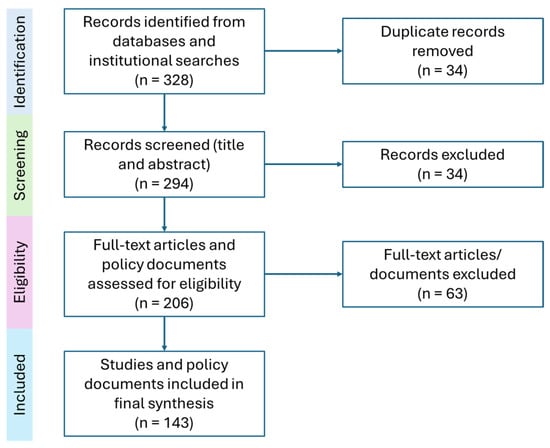
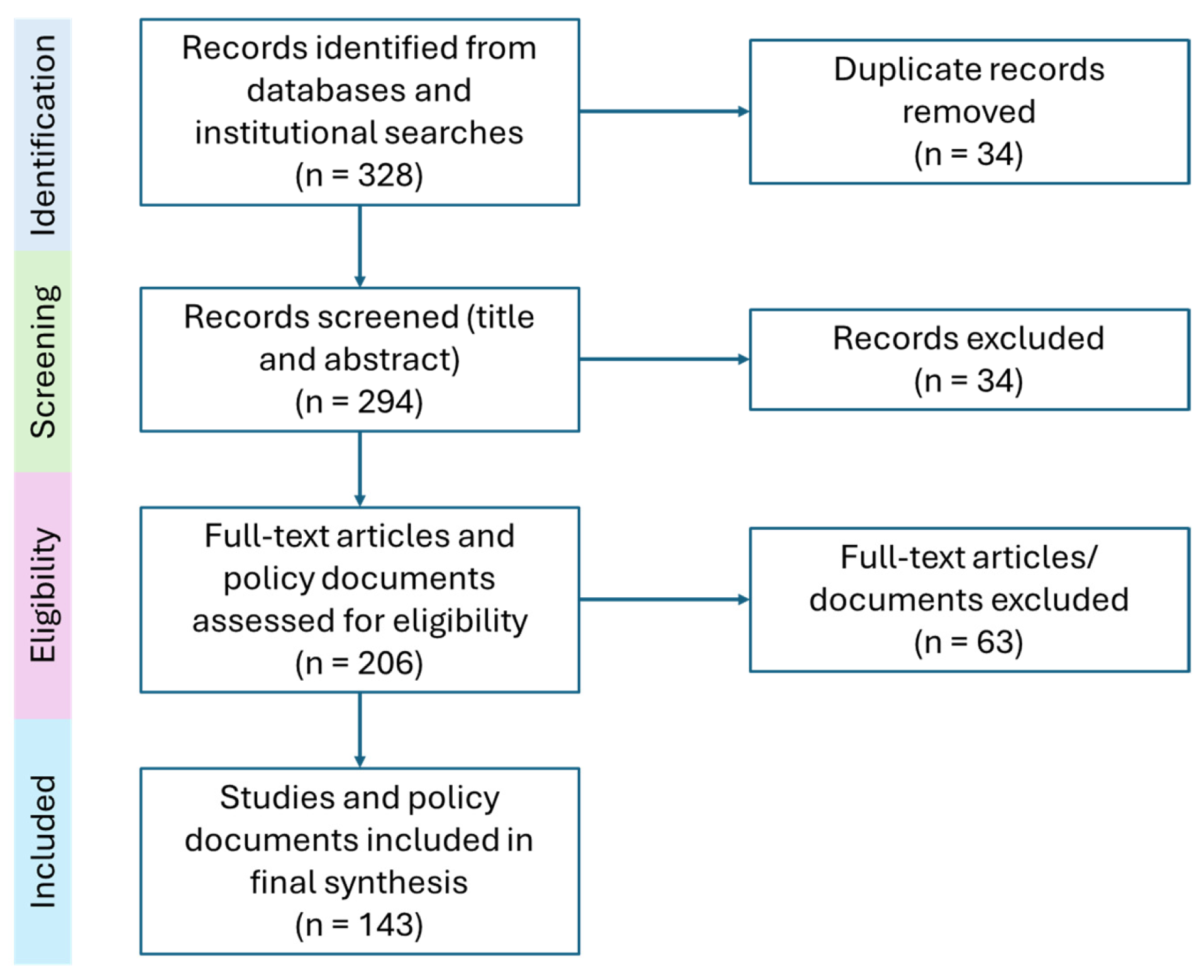
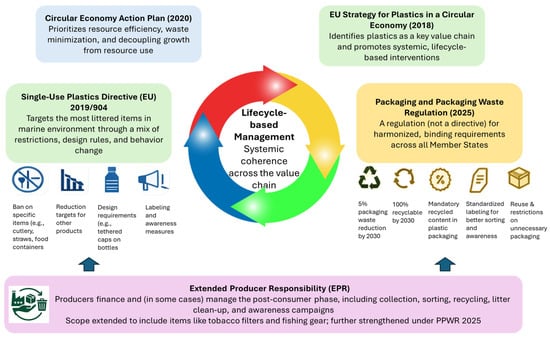
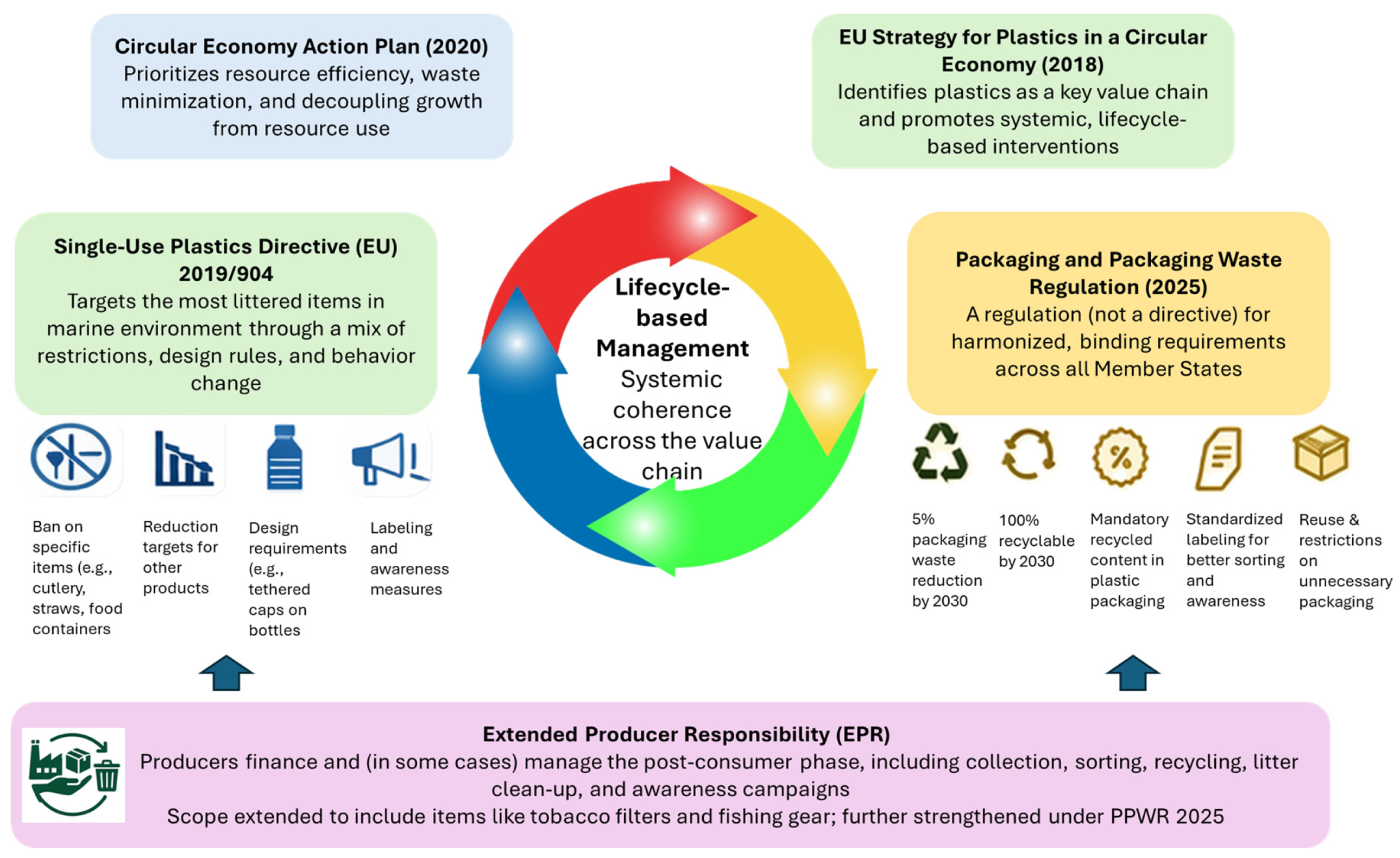
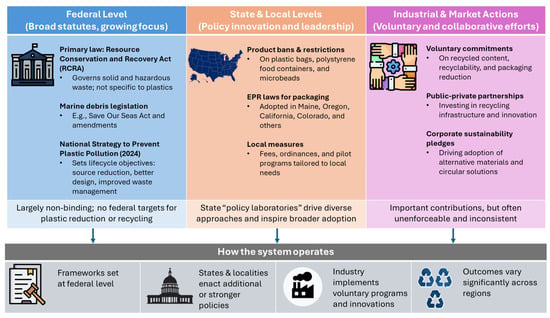
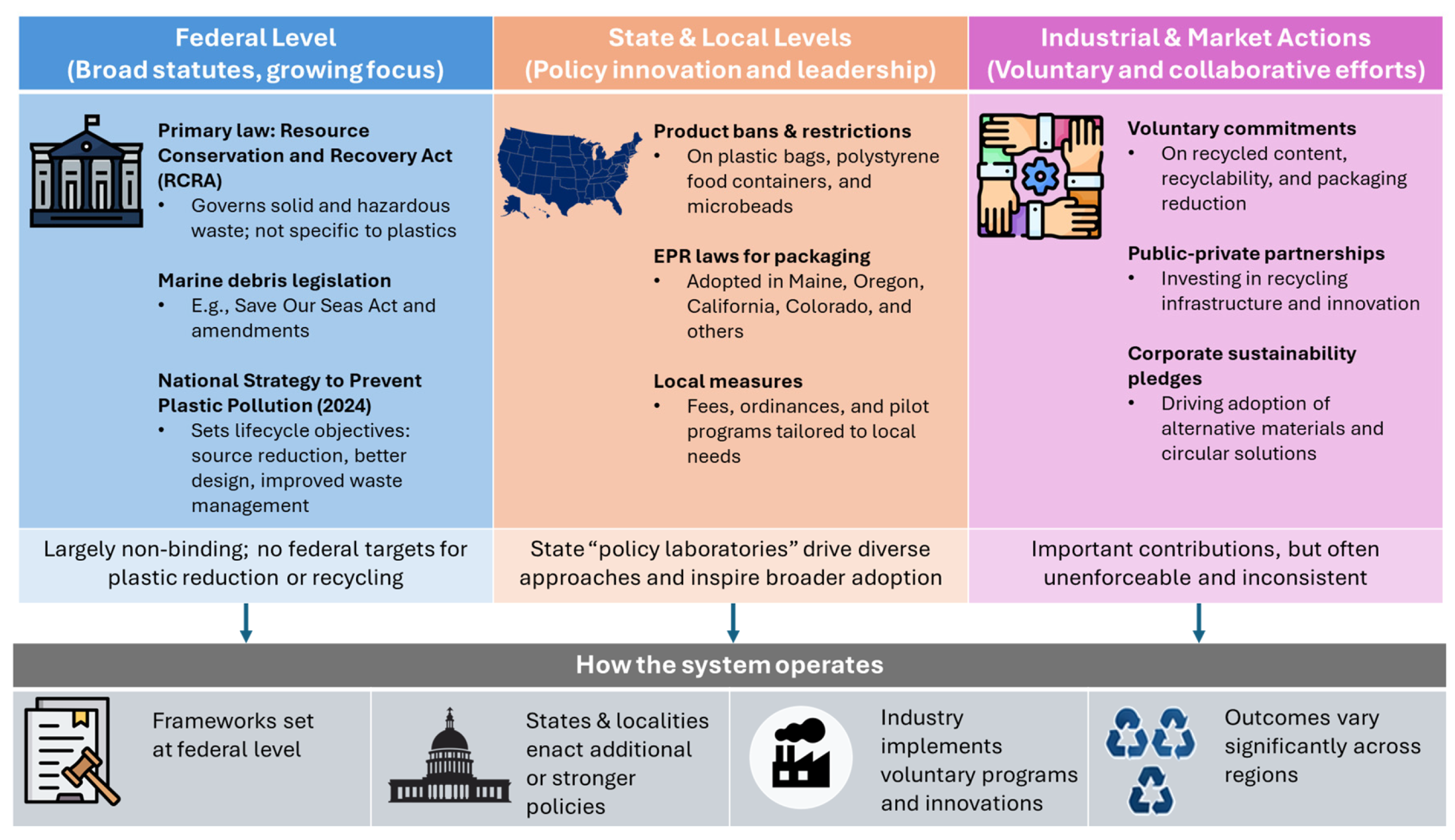
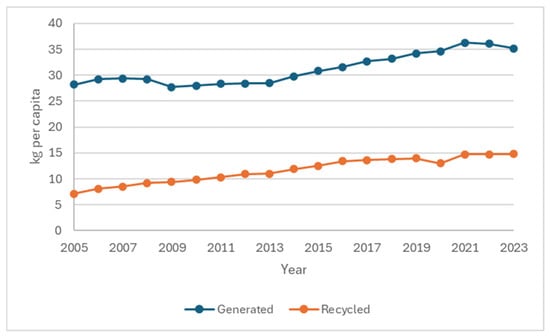
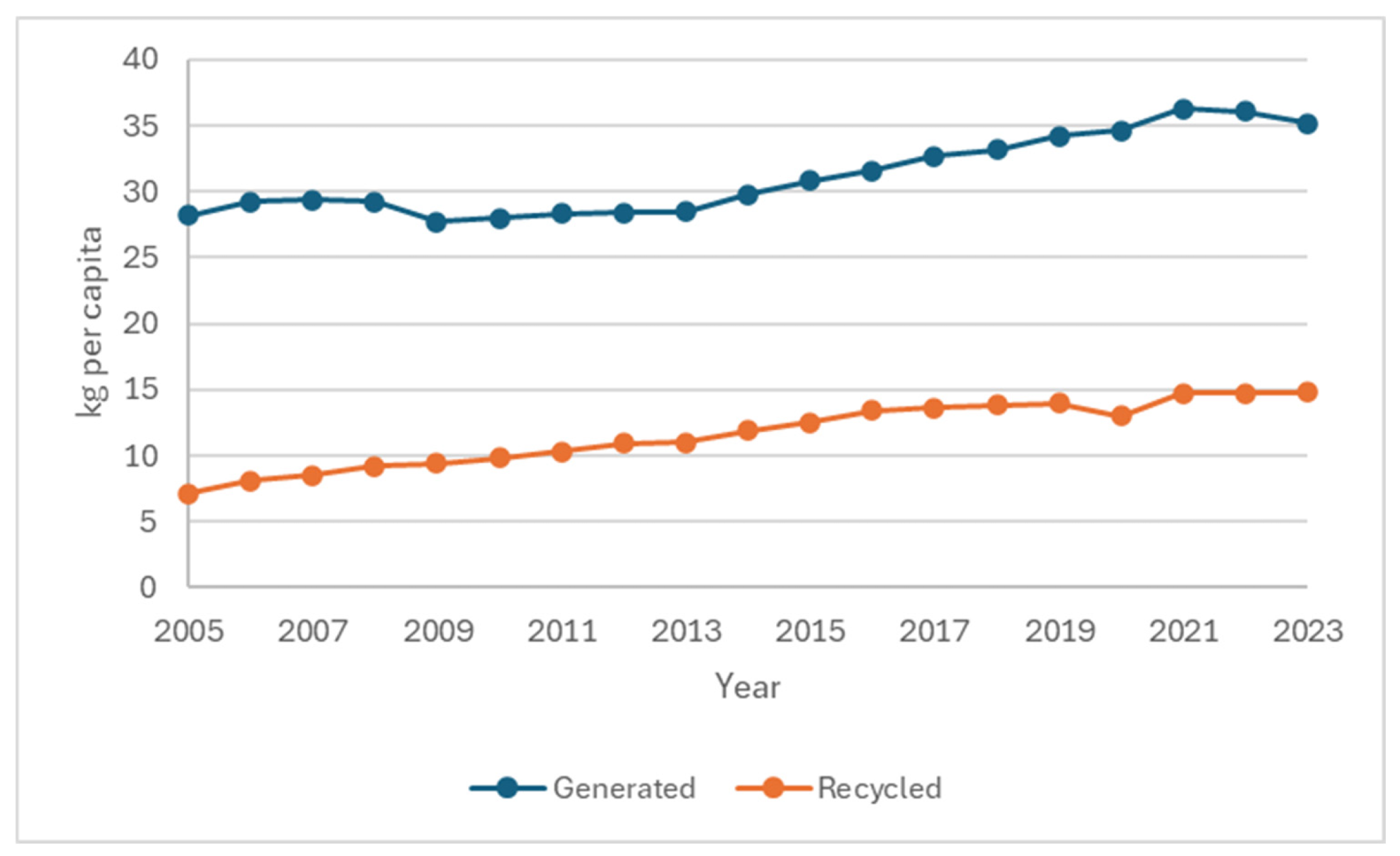
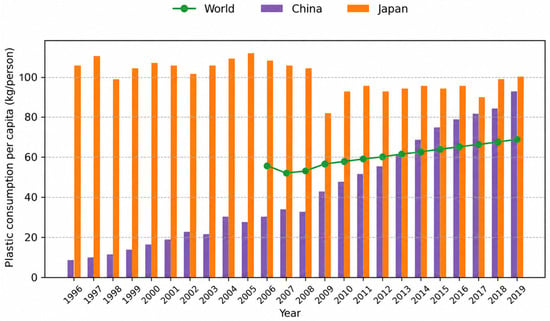

Disclaimer/Publisher’s Note: The statements, opinions and data contained in all publications are solely those of the individual author(s) and contributor(s) and not of MDPI and/or the editor(s). MDPI and/or the editor(s) disclaim responsibility for any injury to people or property resulting from any ideas, methods, instructions or products referred to in the content. |
© 2026 by the author. Licensee MDPI, Basel, Switzerland. This article is an open access article distributed under the terms and conditions of the Creative Commons Attribution (CC BY) license.