


Abstract
Across Latin America, numerous traditional agroecological systems face increasing challenges in integrating into formal markets. This issue is also evident in the Chakra Kichwa, an ancestral agroecological production system primarily managed by Indigenous women. Despite its cultural, environmental, and nutritional significance, its integration into the formal market is hindered by structural limitations that keep producers in conditions of subsistence and marginalization. This study analyzes the economic benefits derived from the commercialization of agricultural products by 642 producers, intermediaries, and vendors who belong to 20 associations based in the rural parishes of Tena canton (Napo Province) and who market their products in urban areas. A total of 234 surveys were conducted, with a 95% confidence level and a 5.2% margin of error. Findings indicate that the sale of Chakra products generates an average monthly net income of $211.06, provided the value of family labor is not accounted for. However, when imputing the monthly cost of this unpaid labor, the system shows losses of $409.48. Additionally, four scenarios are simulated: the first three assess the profitability of the commercial circuit under alternative transportation logistics; the fourth explores potential gains from increased selling prices associated with improvements in infrastructure, inputs, and transportation. In all cases, sales labor is replaced with hired personnel. The results indicate that these scenarios could increase net income by between 28.45% and 92.23%. Nevertheless, when accounting for family labor costs, all scenarios continue to reflect losses. Consequently, the model indicates that achieving economic breakeven would require quadrupling the current productivity of the Chakra system.
1. Introduction
In Latin America and the Caribbean (LAC), Peasant Family Farming (PFF), commonly understood as a form of agricultural production based on family labor, the direct management of the production unit, and a close articulation between self-consumption and market-oriented activities, remains a strategic component of agri-food systems [1,2]. Recent literature further emphasizes that PFF should not be treated as a residual category, but rather as a central form of productive organization linked to sustainable food systems, particularly when articulated with public procurement, territorial development, and inclusive markets [3,4]. In Ecuador, recent evidence also highlights the contribution of PFF to territorial food sovereignty, which confirms its analytical relevance for studies on commercialization, sustainability, and rural social reproduction [5].
Beyond its economic role, PFF contributes to the preservation of agroecological and biocultural diversity through specific and observable mechanisms. These include the maintenance of polycultural production systems, the transmission of local ecological knowledge, intergenerational seed management, multifunctional land-use practices, and collective forms of labor organization. Recent studies have linked these dynamics to the conservation of agrobiodiversity, the continuity of Indigenous and local knowledge, and the reproduction of cultural practices associated with food, landscapes, and territorial governance [6,7]. In Amazonian contexts, such linkages are especially visible in traditional agroforestry systems, where households combine production, forest use, and ecological management practices in ways that sustain both livelihoods and ecosystem functions. These systems are increasingly pressured by agricultural intensification, market integration, and territorial change [8,9,10].
At the same time, caution is needed when presenting regional statistics on family farming. Estimates of the contribution of family farming to food production, employment, and land use vary considerably depending on operational definitions, statistical coverage, and national information systems. For this reason, rather than reproducing older numerical ranges as if they directly reflected current realities, a more methodologically robust approach is to emphasize that recent institutional evidence consistently identifies family farming as the dominant form of agricultural holding in the region and as a major pillar of rural employment, food supply, and territorial resilience, albeit with significant cross-country heterogeneity [11]. However, the continuity of PFF is threatened by the expansion of entrepreneurial and capitalist agricultural systems, which prioritize capital accumulation and production intensification. These models foster relationships of dependence, marginalization, and the erosion of peasant autonomy [12]. The relative autonomy of PFF has historically been grounded in its lower dependence on globalized market dynamics, since it tends to rely on self-managed labor, localized knowledge, and endogenous production factors and inputs. Nevertheless, as market integration deepens, family farming may shift toward entrepreneurial or capitalist logics, often under unequal conditions [13]. Entrepreneurial agriculture (EA) and capitalist agriculture (CA) differ from PFF in that they are driven by extensification and intensification dynamics aimed at maximizing yields and economic efficiency, frequently at the expense of productive diversity and local control [14]. In LAC, these dynamics have been associated with the concentration of productive assets, increased dependence on agrochemicals, and stronger forms of producer subordination within agri-food markets [15].
In response to these dynamics, PFF continues to function as a space of resistance, reproduction and sustainability. Yet it also faces structural constraints, including limited productivity, weak investment capacity, financial exclusion, and restricted access to formal or better-remunerated markets [16]. On the demand side, growing interest in healthy, local, and nutritious foods has stimulated alternative commercialization arrangements that seek to improve the marginal conditions of small-scale producers. Nevertheless, market access remains uneven, and participation is often constrained by logistical barriers, storage and transport costs, information asymmetries, and weak bargaining power [17].
Among these alternatives, Short Food Supply Chains (SFSCs) have gained increasing attention as potentially more inclusive and sustainable commercialization arrangements. Recent literature suggests that SFSCs should not be defined solely by a reduced number of intermediaries or by shorter physical distances between production and consumption. Rather, their analytical relevance lies in the construction of multiple forms of proximity, including geographical, relational, informational, and, in some cases, cultural proximity. From this perspective, SFSCs can reduce social distance between producers and consumers, strengthen trust, improve traceability, and enhance the valorization of territorial food attributes [18,19,20]. At the same time, systematic reviews warn that intermediation does not necessarily disappear in these circuits; rather, it may be reconfigured into “intermediate” forms that remain short in terms of governance, coordination, and scale, while still depending on specific logistical arrangements [21,22]. In Latin America, recent experiences with alternative food networks further show that participation, trust, and social certification are key dimensions for sustaining these circuits beyond mere physical proximity [23]. In this study, the term Short Food Supply Chains (SFSCs) is used as the broader international analytical category, while Short Marketing Circuits (Circuitos Cortos de Comercialización, CCC) refers to its Latin American and territorially grounded expression. Both concepts overlap in their emphasis on proximity, reduced intermediation, and closer producer–consumer relations, but in the context of the Kichwa Chakra they must be understood in a localized way. In Tena Canton, these circuits are “short” not because intermediation disappears entirely, but because commercialization remains territorially embedded, socially mediated, and strongly shaped by local organizational arrangements, gendered labor, and logistical constraints. This distinction helps avoid conceptual confusion and allows the Chakra system to be interpreted as a localized form of proximity-based commercialization operating under conditions of structural market precarity.
In Ecuador, some sectors within PFF have responded to marginalization by restructuring into small-scale agricultural enterprises specialized in monocultures [24]. Although this strategy may improve market insertion for some producers, it has also reinforced the structural dominance of entrepreneurial agriculture, with direct implications for local food security and resource inequality. Recent evidence suggests that agricultural development policies and market dynamics have facilitated the concentration of strategic resources such as land and water, while competition for scarce productive assets has deepened socioeconomic inequalities in rural areas [25]. This structural asymmetry is reflected in the unequal distribution of productive assets, where small-scale farmers operate under severe land and resource constraints, while larger units concentrate a disproportionate share of agricultural assets. Recent studies have linked these inequalities to persistent forms of rural marginalization, limited productive autonomy, and unequal market opportunities [24,25,26]. Despite these asymmetries, PFF remains central to Ecuadorian food provisioning and rural livelihoods. Recent evidence indicates that it continues to play a decisive role in national food security and in the reproduction of rural life, particularly in territories affected by persistent poverty and exclusion [26].
Recent typologies of family farming in Ecuador also suggest that not all PFF follows the same productive logic. Some systems maintain strong links with agrobiodiversity, food sovereignty, and ancestral knowledge, whereas others have progressively shifted toward market-oriented strategies or remain trapped in subsistence conditions [27]. In this debate, Martínez [28] provides an earlier typological characterization that remains analytically useful for distinguishing between Specialized Family Farming (SFF), where agricultural activities account for most household income, and Diversified Family Farming (DFF), where farming is combined with other livelihood sources. Rather than treating this classification as a current statistical portrait of the Ecuadorian Amazon, it is used here as a conceptual background for interpreting the productive orientation of Chakra households. Within this context, the province of Napo constitutes a particularly relevant case for examining Amazonian family farming, especially through the Chakra system. This agroforestry model managed organically and characterized by high biodiversity, has been recognized by the FAO as one of the Globally Important Agricultural Heritage Systems (GIAHS) [29]. Since 2017, the Decentralized Autonomous Government of Napo (GADPN) has also officially recognized the “Chakra Kichwa as a Sustainable System that Promotes the Production, Research, and Marketing of Agroecological Foods in the Province of Napo” [30].
Nevertheless, despite its cultural and environmental recognition, the Chakra system continues to face economic viability challenges. These difficulties cannot be attributed to a single factor. Recent evidence on smallholder market access and SFSCs indicates that producer margins are frequently constrained by transport, storage, packaging, coordination, and scaling costs, as well as by information asymmetries and unfavorable commercialization arrangements [17,21,22]. In addition, several recent studies show that apparent profitability may be overestimated when unpaid family labor is not properly valued, especially in systems where household labor effectively subsidizes farm reproduction [31,32]. In Ecuador, recent official policy documents likewise recognize logistics and commercialization costs as major constraints on the competitiveness of small-scale agricultural producers [33].
Beyond these structural constraints, feminist political economy highlights that Indigenous food systems often depend heavily on unpaid family labor, particularly the labor performed by women. Because this labor is frequently excluded from conventional economic accounting, the apparent profitability of these systems may conceal a hidden subsidy provided by household labor, which disappears once such labor is fully valued [34,35]. This is especially relevant in agroecological and family-farming systems, where productive and reproductive activities are deeply intertwined. Intersectionality further helps explain why these forms of economic invisibilization are not gender-neutral. Ref. [36] proposed intersectionality as a framework for understanding how multiple axes of subordination interact simultaneously, while ref. [37] expanded this perspective in Latin America by incorporating the territorial and historical dimensions of domination. In the case of the Chakra Kichwa, this means that economic viability cannot be assessed only in terms of monetary income or sales margins; it must also account for how gendered, ethnic, class-based, and territorial labor relations shape the long-term sustainability of commercialization over time.
In this regard, the Chakra Kichwa system faces a dual challenge: preserving its sociocultural and environmental functions while achieving the degree of economic profitability to ensure its long-term sustainability. This study addresses that challenge through three objectives: (1) characterizing the current commercial circuit used by Chakra producers; (2) assessing the net income generated under the current marketing model; and (3) analyzing more efficient marketing mechanisms through an ex ante simulation of alternative scenarios aimed at improving producer profitability, considering local policies and labor redistribution. Despite the growing literature on family farming, Indigenous agroforestry, and SFSCs, there is still limited quantitative evidence on the profitability of Chakra commercialization once unpaid family labor is properly valued. Existing studies on the Chakra system in Ecuador, particularly those focused on Napo and the wider Ecuadorian Amazon, have largely emphasized its agroecological, socio-cultural, food-security, or governance dimensions, while comparatively less attention has been paid to the economic performance of commercialization under full labor valuation [38,39,40,41]. There is also little evidence combining accounting-based profitability assessment, production-function estimation, and ex ante policy simulations in Amazonian Indigenous agroforestry systems. By addressing these gaps, this study contributes empirical evidence from a relatively underexplored territorial and analytical perspective and advances current debates on the sustainability of Indigenous agriculture, the limits of proximity-based commercialization, and the structural vulnerability of subsistence economies. More specifically, it contributes to understanding how gendered, ethnic, class-based, and territorial labor relations shape the long-term economic sustainability of Indigenous agroforestry systems once unpaid family labor is fully valued. At the same time, it adopts a BioTrade perspective that emphasizes the fair and equitable sharing of biodiversity-derived benefits, socioeconomic sustainability, and the protection of the rights of the actors involved [42].
2. Materials and Methods
This study adopted a quantitative–analytical approach based on primary data collected from producers, intermediaries, and vendors linked to the Chakra Kichwa agroforestry system in Tena Canton, Napo Province, Ecuador. Field data were collected during August and September 2024 through in situ surveys administered at commercialization sites and supported by offline mobile data collection tools. Methodologically, the study combines four complementary components: (i) survey-based characterization of the commercial circuit; (ii) an accounting-based profitability assessment; (iii) estimation of a Cobb–Douglas production function; and (iv) ex ante simulation of alternative commercialization scenarios.
This combined design is relevant because previous studies on Chakra Kichwa and related Indigenous agroforestry systems in the Ecuadorian Amazon have mainly emphasized socio-environmental sustainability, bio-social organization, or household production patterns, whereas fewer studies have integrated profitability accounting, econometric estimation, and policy simulation within a single analytical framework [38,39,41]. In this sense, the methodological strategy adopted here makes it possible not only to describe the current commercialization structure, but also to estimate its economic performance and explore feasible intervention scenarios for improving producer profitability.
2.1. Data and Research Design
The study population consisted of 20 agricultural producer associations, predominantly composed of women, operating under the Chakra system. These producers reside and cultivate their products in the rural parishes of Tena Canton, Napo Province (Ecuador) (see Figure 1), and commercialize them at three sales points located in the urban parish of the same canton, generating a rural–urban exchange dynamic (see Figure 2).
Figure 1.
Location of Tena Canton, Napo Province—Ecuador.
Figure 2.
Distribution of rural and urban parishes in Tena Canton.
The first sales point, known as the “Mercado de Productos de la Zona” is composed of 19 women-led producer associations, of which only four are legally constituted. Nevertheless, the remaining associations have been operating informally for over 45 years. As part of a process led by municipal government entities in response to the COVID-19 pandemic, in 2020 they were relocated to a multi-use covered court located at the intersection of Av. del Chofer and Llanganates Street (Point A). In 2024, thanks to the joint efforts of the associations and the municipal government, they were provided with dedicated infrastructure for product commercialization, located adjacent to the original site (Point B) (see Figure 3).
Figure 3.
Location of the sales point “Mercado de Productos de la Zona”.
Although designed for daily operation, the high number of participating associations makes internal organization difficult. As a result, informal agreements have been established to regulate the use of space and control sales volumes. These agreements stipulate that each association must be present at the sales point daily. Consequently, within each association, producers are allowed to sell at the market up to two times per week. Additionally, specific volume limits have been set for high-demand products, restricting the quantity each producer can bring per visit.
The second sales point corresponds to the “Asociación de mujeres emprendedoras Lumu Sisa Warmi”, which in Kichwa means “Cassava Flower Women.” This association is organized to operate throughout the week, with each producer typically attending twice per week. In 2024, they were relocated to facilities provided by the Ministry of Economic and Social Inclusion (MIES) (Point B) in the same Simon Bolivar Avenue (see Figure 4), after several years of selling in an informal, rented space (Point A). Unlike the first sales point, this association does not enforce internal agreements on sales volumes but has agreed on standardized prices among its members.
Figure 4.
Location of the “Lumu Sisa Warmi” sales point.
The third sales point has no official name and is not structured as an association. For the purposes of this study, it is referred to as the “Vendedores de la calle Tamiahurco”. This site comprises seven individuals who act as intermediaries, buying products and reselling them. It operates daily with extended hours, from 06:00 to 20:00. Vendors rely on family support to maintain the extended service schedule.
2.1.1. Sampling
The study population consisted of 642 individuals, classified as producers, intermediaries, and vendors. To ensure the quality of the data collected, preliminary meetings were held with the general leadership and the presidents of the 20 associations. These leaders subsequently communicated the research objectives and process to all members of their respective organizations.
Field data collection was conducted over a two-month period, from August to September 2024, from Sunday to Sunday, in order to capture weekly variations in the commercialization of all products. A total of 234 surveys were completed, representing a 5.2% margin of error and a 95% confidence level, corresponding to a Z-value of 1.96 ≈ 2.
These parameters are consistent with commonly accepted standards in social science research [43], and sample size was calculated following the formulation proposed by Mendenhall [44]. The formula used to calculate the sample size was:
where n denotes the sample size, N the total population size, Z the critical value of the standard normal distribution associated with the desired confidence level, p the expected proportion of the population exhibiting the characteristic of interest (assumed to be 0.5 in this case in order to maximize variance and thus yield a conservative sample size estimate), and e the allowable margin of error. Although the sample was analyzed in aggregate for the profitability and econometric estimations, the surveyed population was also classified according to its functional role in the commercialization chain producers, intermediaries, and vendors in order to support a differentiated descriptive reading of market participation, labor involvement, and commercialization dynamics across the main actors linked to the Chakra system.
2.1.2. Survey
The survey was conducted in situ, using the KoboToolbox platform, which was selected for its ability to support offline data collection through the Kobo Collect mobile application, an especially useful feature in contexts with limited or unstable internet connectivity [45]. The questionnaire was structured into three main sections: general information, producer information, and intermediary information. This structure is consistent with previous empirical work on Kichwa chakra systems and related Amazonian Indigenous agroforestry contexts, where household-level surveys have been used to document production, income, labor organization, sustainability, and commercialization dynamics [38,39,41]. In the present study, the survey design was intended to generate information for three analytical levels: first, the reconstruction of the current commercial circuit; second, the estimation of household income, expenditures, and profitability; and third, the simulation of alternative scenarios aimed at assessing potential improvements in the economic sustainability of the Chakra system.
General Information
This section was designed to collect demographic data on the study population.
Producer Information
This section aimed to identify the destinations of each producer’s goods, the costs and expenses incurred, and any other income sources, if applicable. It was divided into four subsections: land, production by product, costs/expenses, and additional income.
- Land: Information was gathered on the number of plots per producer, the size of agricultural production units (UPAs), and the form of land tenure (owned, rented, or borrowed).
- Production by product: This subsection collected detailed data on each commercialized product, including prices, quantities sold, harvest and sales frequency, and distribution channels. The latter were categorized as: final consumer, wholesaler, retailer, restaurant, collector, and market vendor. This structure made it possible to estimate producer income and offered a detailed view of the production, supply, and commercialization dynamics of Chakra-based products.
- Costs/expenses: This subsection recorded the monthly expenditures in U.S. dollars (USD) on production inputs such as utilities and fertilizers. It also included questions related to transportation, food, and wage payments for both external workers and family members involved in fieldwork and sales. Additionally, the time spent on sales and cultivation was considered for estimating labor costs.
- Additional income: This subsection identified income from the producer’s secondary economic activities as well as earnings generated by other household members, allowing for the estimation of total household income.
Intermediary Information
This section was directed at individuals whose primary activity involves purchasing products for resale. Accordingly, the questions focused on purchase and resale prices and quantities for each product, taking transaction frequency into account. This structure provided a comprehensive view of the commercial dynamics within this group of respondents.
2.2. Economic Evaluation and Profitability Analysis
To ensure the quality, consistency, and reliability of the data collected, a cleaning and validation process was carried out using Stata 16 [46]. This included the identification of anomalous patterns, detection of outliers, and correction of internal inconsistencies. A descriptive statistical analysis was then performed to characterize the demographic and productive landscape, as well as key variables related to the commercial circuit of Chakra producers. Based on these results, an accounting-based profitability assessment and an economic analysis were developed to support the simulation of alternative scenarios. This accounting approach is consistent with the literature on farm- and household-level economic viability, which highlights the importance of incorporating both family labor valuation and extra-farm income when assessing the sustainability of smallholder production systems [47].
Profitability Assessment: Accounting Model
The monthly agricultural income () of producer was estimated by multiplying the quantity (), price (), and frequency of sale () for each product ():
The household’s monthly income () for producer was calculated as the sum of agricultural income (), additional income earned by the producer (), and income from other household members ():
To estimate monthly expenditures () for producer , both sales-related expenses and production costs were considered. Sales expenses included transport () and food for the vendor at the sales point (). Production costs included agricultural inputs (), land rent (), and utility services on the production unit (). Additionally, labor costs were considered for the producer (), family members (), and hired workers (). The breakdown of these expenses is shown in Equations (4a)–(4f):
In Equation (3), transport costs () for producer were calculated by adding the costs of travel to and from the sales point (i.e., outbound and return ), and multiplying the result by the travel frequency ():
Labor costs for producer () include time spent in the Chakra () and at the sales point ():
where
The wage rate of USD 2.61 per hour reflects Ecuador’s official minimum wage (Unified Basic Salary) without social benefits [48], and was multiplied by the hours worked in the Chakra () and at the sales point ().
Wages paid to family members () were calculated as the sum of payments made for work in the Chakra () and at the sales point ():
Each was calculated based on the number of paid family workers (), the wage amount (), and the frequency of contracting ():
Wages paid to external workers () were similarly divided between field work () and sales work ():
These were calculated using the number of external workers (), the wage paid (), and the frequency of contracting ():
Finally, the monthly profit () for each producer was estimated as the difference between agricultural income () and total monthly expenditures ():
2.3. Production Function Estimation and Simulation
This phase of the study aimed to identify the key factors influencing agricultural production and to evaluate strategies that could improve the economic sustainability of the Chakra system. For this purpose, a log-linear Cobb–Douglas production function ref. [49] was employed, a specification commonly applied in agricultural efficiency studies to estimate output elasticities. The model was estimated using the Ordinary Least Squares (OLS) method [50], using the following functional form:
where , , , and ; and denote the estimated coefficients, and indexes the producer.
represents monthly agricultural income (); denotes the cultivated area, measured in hectares; refers to the monthly cost of labor (); denotes the producer’s level of education; and the number of household members.
In the specific context of the Kichwa Chakra, the explanatory variables were selected to capture structural and household-level determinants that may influence agricultural income. Cultivated areas were included as a proxy for productive scale, which is particularly relevant in smallholder agroforestry systems where access to land may constrain the generation of marketable surplus. Labor cost was incorporated because Chakra production and commercialization depend substantially on household labor and, in some cases, hired labor; thus, labor availability and allocation are directly associated with productive performance and market participation. Education level was included not as a substitute for traditional ecological knowledge, but as an indicator of formal capacities that may affect access to market information, organizational participation, administrative management, and the ability to engage with commercialization channels. Household size was also considered because family composition is closely linked to labor availability for cultivation, transport, and sales activities, particularly in a system where women play a central role in both production and direct marketing. This variable selection is consistent with previous studies on the Kichwa Chakra and related Indigenous agroforestry systems, which emphasize the role of productive scale, household labor organization, gendered participation, and livelihood composition in shaping economic outcomes [38,39,41]. The model was tested for the classical statistical assumptions of linearity, normality, independence, homoscedasticity, and absence of multicollinearity. These were verified using the Breusch–Pagan test and the Variance Inflation Factor (VIF), ensuring model validity and robustness [51,52].
The Breusch–Pagan (BP) test assumes a null hypothesis of no heteroscedasticity in the model. To accept this null hypothesis, the p-value must be greater than 5% (Prob. ) [53]. To check for multicollinearity, ref. [54] recommend including only variables with VIF values below 10. However, other authors suggest a more flexible threshold of up to 30 [53,54,55].
Natural conditions and public support were recognized as potentially relevant determinants of agricultural income. However, they were not incorporated into the production function because consistent household-level measures were unavailable for all surveyed units. This omission is acknowledged as a methodological limitation and is further discussed in the final section of the manuscript.
2.3.1. Economic Theory of the Model
Land, as a form of physical capital, and human capital both exert a positive and statistically significant influence on agricultural production [56]. The relationship between agricultural production units (UPAs) size and productivity remains an open empirical debate and should not be presented as a univocal pattern. Recent literature shows that conclusions vary significantly depending on the productivity measure employed: while yield per hectare may suggest an inverse relationship between size and productivity, indicators such as total factor productivity often provide more nuanced or even contrasting results [57,58]. Accordingly, it is more accurate to state that some studies identify advantages associated with larger farm sizes in terms of access to complementary inputs, labor organization, and income-generating capacity, although these outcomes depend on context, measurement approaches, and the market imperfections faced by producers [59,60]. In the Latin American context, this debate is particularly relevant, as farm size is also linked to inequalities in agricultural income distribution and differential access to productive resources.
This supports the existence of a positive and proportional relationship between cultivated area (K) and agricultural income (Y). However, as the model aims to demonstrate, this relationship is not deterministic depending on additional structural and contextual variables. While some authors highlight the so-called “inverse size–productivity relationship” (measured as yield per hectare), they also emphasize the role of labor productivity. Specifically, in contexts where UPAs are too small to be profitable, access to additional land may significantly enhance their income-generating capacity [61].
Aligned with this reasoning, and particularly in the case of family farming (AFC), family labor is positively associated with agricultural output, there is a direct and positive relationship between labor () and production () [62]. Furthermore, this may also reflect a positive relationship between household size () and productivity.
Finally, several studies have shown that higher education levels among producers increase their access to resources, opportunities, and capacities to address agricultural challenges, which in turn improves the long-term economic sustainability of farming activities [63]. Accordingly, a positive relationship between education () and productivity () is expected, as education has become a key factor for the economic development of rural producers.
2.3.2. Simulation and Scenarios
The simulations in this study were constructed as ex ante analytical exercises—designed to anticipate outcomes under specific hypothetical conditions [64], to estimate how alternative organizational and commercialization arrangements could influence producer income under the current structural conditions of the Chakra system. This approach aligns with scenario-based research that utilizes household-level data to examine how shifts in prices, infrastructure, or institutional support affect economic and sustainability outcomes [65].
In scenarios where labor previously dedicated to commercialization is replaced by hired personnel, the objective is to model the economic implications of redistributing household time from sales activities toward production, rather than assuming a generalized substitution of family labor. The wage standard follows the official hourly reference derived from Ecuador’s minimum wage regulations [48]. Although personnel management costs were not separately modeled an acknowledged simplification of the simulation exercise the scenarios capture the first-order effects of logistical reorganization.
Furthermore, Scenario 2 incorporates a 30% increase in selling prices. This is treated as an analytical assumption grounded in literature suggesting that differentiated commercialization channels and improved market coordination can increase value capture for smallholders [66]. Similarly, the fourfold productivity increase discussed later in this manuscript is not a baseline assumption, but a break-even threshold derived to identify the point at which simulated income covers total costs when family labor is fully valued.
These scenarios are grounded in Ecuador’s national and regional legal and policy framework. At the national level, the Organic Code of Territorial Organization, Autonomy and Decentralization (COOTAD) mandates that provincial, municipal, and rural parish governments plan and construct the infrastructure necessary to promote the production, conservation, and commercialization of food, with priority given to small-scale and peasant producers [67]. Under this institutional mandate, the Provincial Decentralized Autonomous Government of Napo (GADPN) issued the Ordinance to Declare the Chakra Kichwa as a Sustainable System [30].
This regional regulatory instrument recognizes the Chakra Kichwa as an agroecological system of territorial importance and establishes guidelines for identifying strategic locations for local collection and distribution centers. Moreover, it mandates that specific budget allocations be included in annual financial planning to implement these agroecological networks. Consequently, the simulations in this study evaluate the potential economic impact of implementing these existing public policies through four distinct arrangements.
Scenario 1: Centralized Commercialization
This scenario proposes the creation of a centralized sales unit, coordinated by the organization’s central leadership. Under this model, the association would hire ten individuals dedicated exclusively to sales, logistics, and inventory control.
In addition, the labor currently devoted to sales activities would be redirected toward agricultural production. Mathematically, the labor variable () is adjusted as follows:
- Scenario 1.1: Modernized Transport System
Building on Scenario 1, this variation incorporates logistical modernization. It proposes that GADPN provide two transport trucks to facilitate the movement of goods from family production units to the main commercialization centers.
From an analytical perspective, this scenario combines the labor reallocation toward production (as in Scenario 1) with logistical optimization through public infrastructure, representing a comprehensive strategy of institutional support and organizational efficiency.
- Scenario 1.2: Self-Managed Transport System
Unlike Scenario 1.1, where transport is publicly provided, this scenario envisions a self-managed model in which the producers’ organization assumes full responsibility for the ownership, operation, and maintenance of the transport system.
Economically, this scenario incorporates credit-related costs such as interest, amortization, and the initial investment into the accounting framework, allowing for the estimation of net profitability under conditions of operational autonomy.
Scenario 2: 30% Price Increase Due to Commercial Space Modernization
This scenario builds on Scenario 1.1 by adding the modernization of the sales space. It proposes that GADPN invest in infrastructure and equipment to create a modern marketplace with shelving, refrigeration systems, signage, and institutional transportation for goods.
Consequently, a 30% increase in product prices is assumed, consistent with average willingness-to-pay premiums for sustainable and SFSC products [68,69], and with evidence that hygiene and safety upgrades in traditional markets generate substantial price premiums [70,71,72].
The new agricultural income () is estimated as follows:
3. Results
3.1. Demographic and Productive Overview of the Study Population
A total of 94.87% of producers identified themselves as Kichwa Indigenous, with an average age of 47 years and originating from the seven rural parishes of the Tena canton. Each household is composed, on average, of six members—reflecting an extended family structure that is characteristic of smallholder family farming systems in the Ecuadorian Amazon. Female participation is predominant (97.84%), and most women are responsible for both agricultural production and the commercialization of farm products. This demographic pattern is analytically relevant because it indicates that the productive and commercial functioning of the Chakra system is sustained primarily by women, a feature that becomes central in the later profitability assessment once family labor is economically valued.
Regarding educational attainment, 63.36% of the population has completed primary education, 28.45% reached secondary education, 1.90% holds a higher education degree, and 6.90% has no formal schooling. In addition, 70.65% of households receive the Human Development Voucher (Bono de Desarrollo Humano), highlighting their high reliance on government transfer programs as a form of economic support.
On average, producers own 1.29 land plots, with a total cultivated area of 2.05 hectares. Agricultural activities are mainly sustained through family labor: 64.68% of producers involve other household members in Chakra tasks, and 97.87% of those collaborators belong to the nuclear family. Moreover, 63.37% of households allocate part of their production for self-consumption, while the surplus is marketed locally. This inherent duality integrating economic viability with nutritional security, constitutes a defining characteristic of the Chakra system and broader peasant family agriculture.
In total, the study recorded 49 agricultural products cultivated under the Chakra system, with 790 individual observations. These findings underscore the system’s high level of productive diversity and its agroecological orientation. The ten most prevalent products, which constitute the core of the system’s productive and commercial structure, are detailed in Table 1.
Table 1.
Top Ten Products from the Chakra System.
Characterization of the Current Commercial Circuit
The commercial circuit used by Chakra producers is characterized by a rural–urban exchange dynamic primarily managed by women. Female producers are responsible for commercial management activities, including product transportation and direct interaction with customers.
This circuit operates predominantly through a direct sales channel, as 86.40% of producers sell their products directly to final consumers. Family labor plays a central role, with 31.05% of producers attending the sales point accompanied by another person, of whom 98.53% are family members. Commercial logistics entail average monthly expenses of USD 54.33 for transportation and USD 20.62 for food. Sales activities last an average of eight hours per day and are carried out up to two times per week.
3.2. Profitability Assessment: Accounting Model
The income and expenditure figures used in the initial profitability assessment are based on the criteria outlined in Section 2.2. Table 2 presents a breakdown of average monthly income, expenditures, and net profit by category.
Table 2.
Average Monthly Income, Expenditure, and Profit/Loss per Producer.
Two income categories are considered: (A) agricultural income only, and (B) agricultural income combined with additional income from the producer and household members.
Similarly, expenditures are categorized as follows: (A) total expenditures excluding labor costs in the Chakra and sales activities performed by the producer, and (B) total expenditures including those labor costs. These distinctions allow for a more precise analysis of the net profitability associated with the current commercial model.
The accounting model reveals that the monthly profit derived from agricultural activity when excluding the cost and expenditure associated with the producer’s own labor in production and commercialization is limited and marginal. The maximum profit observed amounts to USD 211.06 when additional income from the producer and household members is included, while the minimum profit reaches USD 103.08 when only agricultural income is considered. In both cases, these values fall short of the Unified Basic Salary (UBS). In contrast, once the cost and expenditure associated with labor employed in both production and sales activities are fully accounted for, agricultural activity records a monthly loss of USD 409.48, highlighting the economic fragility of the system under the current commercialization scheme.
3.3. Production Function Estimation and Simulations
Table 3 reports the results of the production function estimation for the current situation (Model A), Scenario 1.1 (Model B), and Scenario 1.2 (Model C). The estimated coefficients are consistent with the principles of economic theory and are statistically significant in most cases, supporting the validity of the econometric model.
Table 3.
Model Comparison.
Moreover, diagnostic tests confirm the absence of multicollinearity, as none of the explanatory variables exhibit Variance Inflation Factor (VIF) values above 10. Regarding homoscedasticity, the results of the Breusch–Pagan test indicate no evidence of heteroskedasticity, as the null hypothesis is accepted .
3.4. Comparison of Simulation Scenarios
Table 4 presents the average income values obtained from the econometric estimations shown in Table 3.
Table 4.
Average Producer Income According to Estimated Production Function.
Finally, Table 5 reports the net profit for each scenario based on the corresponding aggregated income and expenditure levels.
Table 5.
Monthly Profit Based on Baseline and Simulated Scenarios.
Table 5 presents the monthly profit obtained under the simulated scenarios. In the baseline scenario, aggregated profit excluding labor costs amounts to USD 91,806.71; however, once labor is accounted for, profit becomes negative (–USD 237,256.81). This result indicates that the current system fails to cover total production costs when labor inputs are properly valued, confirming its condition of structural economic subsistence within Family Farming (AFC).
Scenario 1 (centralized commercialization) shows a substantial improvement, with aggregated profit excluding labor of USD 118,880.29, representing a 28.45% increase relative to the baseline. This improvement is primarily explained by reduced commercialization costs and more efficient labor allocation. Nevertheless, when labor costs are included, profit remains negative (–USD 196,123.75), albeit with a smaller deficit, suggesting gains in productive efficiency.
Scenario 1.1, which combines centralization with further reductions in commercialization costs, reaches a profit excluding labor of USD 153,464.83, corresponding to a 65.82% increase over the baseline. Similarly, Scenario 1.2, which incorporates logistics-related transport costs, maintains a comparable profit level (USD 151,543.01), with a 63.74% increase. In both cases, losses after accounting for labor are substantially reduced (–USD 161,540.30 and –USD 163,462.12, respectively), positioning these scenarios as the most efficient among the associative alternatives analyzed.
Scenario 2 (infrastructure and transport modernization supported by GADPN) yields the highest profit excluding labor (USD 177,904.17) and the largest relative growth (92.23%) compared to the baseline. Although total expenditure remains similar to those observed in Scenarios 1.1 and 1.2, improved logistics significantly reduce losses and enhance net producer profitability, reaching a disaggregated profit excluding labor of USD 277.11.
Overall, the results reveal a progressive improvement in profitability as organizational coordination mechanisms and logistical support are introduced. The centralized model-based scenarios (1.1 and 1.2) offer the best balance between organizational efficiency and profitability, while Scenario 2 exhibits the greatest potential for economic growth through public intervention. However, in all cases, profit remains negative once labor costs are included, indicating that full economic viability of the Chakra system would require at least a fourfold increase (4×) in productivity to reach economic break-even.
In summary, the quantitative evidence confirms that the Chakra system operates under conditions of structural subsistence, where even public intervention scenarios fail to offset losses when family labor is economically valued.
4. Discussion
The findings confirm that the Amazonian Chakra shares core features commonly associated with Peasant Family Farming, including diversified production, partial self-consumption, local sales, and a strong reliance on family labor [1,2]. This characterization is consistent with previous studies on Kichwa chakra and related Indigenous agroforestry systems in the Ecuadorian Amazon, which have emphasized their multifunctional role in sustaining food provision, household reproduction, socio-ecological management, and territorial continuity [38,39,41]. In this sense, the present results confirm that the Chakra should not be interpreted solely as a production unit, but as a territorialized system that combines livelihood generation, biodiversity management, and cultural continuity.
At the same time, the present study goes beyond descriptive characterization by showing that these attributes coexist with a structurally fragile commercialization model. As in other Amazonian agroforestry contexts, ecological and socio-cultural value does not automatically translate into economic viability. Recent studies on cacao and chakra-like systems in the Ecuadorian Amazon have likewise reported low monetary returns, commercialization constraints, and weak household-level economic viability, even where environmental and food-related functions remain significant [8,40,73]. The present results reinforce this diagnosis by demonstrating that current commercialization arrangements generate only marginal returns and remain highly dependent on unpaid household labor.
A key finding of this research is the underestimation of labor costs in the Chakra. Once family labor is incorporated into cost calculations, average profitability becomes negative roughly equivalent to the national minimum wage (Salario Básico Unificado, SBU). This result illustrates the devaluation of peasant labor, especially women’s labor, since 97% of producers are women who receive no monetary compensation for their work. This pattern is consistent with existing evidence showing that 68% of Amazonian agriculture operates at subsistence level [28,74], reinforcing the structural gender inequality inherent in rural production systems.
From an intersectional perspective, the devaluation of labor observed in the Chakra cannot be reduced to gender alone or ethnicity alone; it is produced through the articulation of gendered, ethnic, socioeconomic, and territorial hierarchies. Crenshaw [36] showed that racialized women often occupy structural positions that cannot be adequately interpreted through isolated categories of analysis. Building on this insight, ref. [37] argues that, in Latin America, such forms of domination are historically and territorially configured. In the case of the Chakramamas, their position as women, Indigenous persons, and rural producers results in a form of economic and political invisibility in which their labor remains indispensable to food sovereignty, biodiversity conservation, and local commercialization, yet is neither institutionally recognized nor monetarily compensated [75,76]. The contribution of this study is to show that this invisibility is not merely symbolic or social: it is materially embedded in the economic functioning of the system itself, since once women’s unpaid household labor is fully accounted for, the apparent commercial viability of the Chakra is substantially undermined.
These structural constraints also help explain the weak capacity of the Chakra system to generate stable agricultural income and, therefore, its limited ability to retain younger generations within rural territories. Previous studies in Latin America have linked low returns in family farming to increasing rural outmigration, especially among youth and women, toward urban or extractive sectors [16,76]. In the Amazonian context, this process is especially critical because leaving the territory is not merely an economic adjustment; it may also weaken the socio-productive relations and knowledge systems that sustain agroecological continuity. Thus, the economic fragility identified in this study should be interpreted not only as an income problem, but also as a threat to intergenerational reproduction and territorial resilience.
Against this backdrop, the results of this study show that targeted public intervention, especially in commercial infrastructure and transportation combined with organizational centralization mechanisms, can significantly reduce losses and partially reverse the structural vulnerabilities faced by the Amazonian Chakra. This finding is consistent with previous evidence showing that associative or cooperative commercialization systems can reduce distribution costs and improve coordination among small-scale producers [77]. At the same time, studies on alternative commercialization arrangements suggest that organizational innovations, including closer and more coordinated producer–consumer relations, can improve financial performance and reduce market risk for smallholders [66]. The present study contributes a more operational perspective by estimating the magnitude of these potential improvements through ex ante scenarios. In other words, rather than merely suggesting that organization and infrastructure matter, the analysis quantifies how different commercialization arrangements may affect household-level profitability under the conditions of the Chakra system.
Nonetheless, achieving full self-management as simulated in Scenario 1.2 is severely constrained by the structural conditions of the Amazonian rural economy. In territories where agricultural credit is limited and savings capacity is minimal, small-scale producers struggle to sustain independent investment processes [78]. Therefore, a strategy more aligned with agroecological and economic justice principles lies not in absolute self-sufficiency, but in the virtuous articulation between public support, organizational strengthening, and collective financing. This does not imply passive dependence on the State; rather, it points to a collaborative governance model capable of redistributing risks, reducing asymmetries, and improving the economic sustainability of Indigenous farming communities.
Within this logic, Short Marketing Circuits (SFSCs) reaffirm their relevance for connecting rural and urban spaces and supporting food security. However, the present results also nuance optimistic interpretations of these circuits. For Chakra producers in Tena Canton, improvements in commercialization, coordination, and transport may increase returns, but they are insufficient on their own to achieve full economic viability once family labor is properly valued. The finding that break-even would require a fourfold increase in productivity reveals a critical structural threshold that cannot be resolved by proximity-based commercialization alone. Instead, it points to the need for agroecological technification capable of increasing yields while preserving biodiversity and strengthening Indigenous family economies. This interpretation is consistent with recent studies showing that market-oriented agroforestry systems may improve specific income flows while remaining insufficient to overcome structural poverty or reproductive vulnerability in Indigenous and smallholder households [41]. In this regard, the findings suggest that Biotrade offers both a theoretical and operational framework for moving beyond the limitations of conventional commercialization circuits and traditional agricultural policies. As UNCTAD [42] notes, BioTrade is not limited to sustainable production but encompasses the entire value chain from biodiversity management to transformation, distribution, and consumption, promoting fair income generation and local reinvestment in producer communities. The adoption of BioTrade principles in the Amazonian Chakra would involve a transition toward a peasant bioindustrial economy, in which by-products and residues are valorized, processes are diversified, and agricultural goods acquire added value. This transformation would not only enhance the competitiveness of Amazonian products but also reduce the economic losses observed in the simulated scenarios by linking ecological sustainability with economic viability. In this sense, BioTrade emerges not as an abstract normative aspiration, but as a plausible rural development strategy for reconfiguring market relations through a territorial, equitable, and Indigenous knowledge-respecting lens, thus creating more favorable conditions for the Chakra to move beyond subsistence and consolidate itself as a sustainable biocultural economy.
From this perspective, the Napo Provincial Government’s (GADPN) formal recognition of the Chakra as a sustainable production system provides an important institutional foundation for advancing this transition. However, the present results suggest that such recognition must be translated into more concrete and operational measures adapted to local institutional capacities. In the short term, feasible actions may include better coordination of transport, improved organization of sales shifts, basic price-standardization agreements, and low-cost improvements in market presentation and hygiene conditions. In the medium term, more demanding measures could include collection centers, storage and cooling infrastructure, commercialization training, and collective financing mechanisms. These actions should be implemented according to the organizational capacity of producers and the fiscal and administrative possibilities of local public institutions. This would require coordinated action among public institutions, producer associations, and academia under a framework of co-managed knowledge, capacity building, and territorial planning.
5. Conclusions
The Chakra Kichwa represents a key food and production system in the Ecuadorian Amazon. Beyond its symbolic and cultural dimensions, it constitutes a living economic system that integrates ecological sustainability, productive diversity, and Indigenous family farming. However, the findings of this study reveal that its economic potential remains constrained by structural factors, most notably the undervaluation of family labor, particularly women’s labor, low agricultural productivity, and limited commercialization efficiency.
The empirical analysis, based on primary data and ex ante simulations, shows that average profit margins are negative when the value of labor used in production and commercialization is accounted for, evidencing the subsistence conditions faced by producers. This situation is directly linked to the economic invisibility of Indigenous women’s labor, whose essential contribution to sustaining the production system is neither recognized nor monetized. In this context, the intersectionality of gender, ethnicity, and rurality emerges as a key analytical lens for understanding the structural limitations of the Chakra system and guiding inclusive rural public policy.
In addition, the simulations developed in this study help identify concrete pathways to improve the system’s economic viability. These include enhanced transportation and storage infrastructure, organizational centralization of commercialization, and agroecological technical innovation. When combined with state support and collective financing, these strategies have the potential to significantly increase agricultural income and producer efficiency. However, the results show that economic equilibrium is only reached when productivity is quadrupled, indicating the need for a structural transformation grounded in agroecological innovation, local knowledge management, and organizational strengthening rather than conventional intensification strategies.
Within this framework, BioTrade emerges as a strategic approach to strengthen the economic sustainability of the Chakra system. Its application could enable the addition of bio-industrial value to Chakra-based products, reduce losses, diversify production processes, and improve access to niche markets, linking social justice with environmental sustainability. Therefore, the consolidation of the Kichwa Chakra as a sustainable economic model requires a public policy agenda based on collaborative governance that brings together the State, producer associations, academia, and consumers. Such articulation should aim to recognize Indigenous and peasant labor as a strategic common good, promoting policies focused on training, innovation, and inclusive financing. This study presents certain limitations that should be acknowledged. Specifically, the analysis is limited to a specific territory and a defined period of time which constrains the generalizability of the findings. Additionally, while the valuation of unpaid labor is methodologically sound, it faces inherent challenges in measuring time and productivity in family farming contexts.
Future research should expand this analysis through comparative studies in other Indigenous agroecological systems, longitudinal assessments of labor allocation and commercialization outcomes, and gender-disaggregated analyses of unpaid labor, decision-making, and income distribution. In this way, the study provides an empirical basis for a broader research agenda on the economic sustainability of Indigenous agriculture and the recognition of unpaid labor in rural production systems.
Author Contributions
Conceptualization, N.M., C.T., P.C. and M.Q.; Methodology, N.M., C.T., P.C. and M.Q.; Software, N.M., C.T., P.C. and M.Q.; Validation, N.M., C.T., P.C. and M.Q.; Formal analysis, N.M., C.T., P.C. and M.Q.; Investigation, N.M., C.T., P.C. and M.Q.; Data curation, N.M., C.T., P.C. and M.Q.; Writing—original draft, N.M., C.T., P.C. and M.Q.; Writing—review & editing, N.M., C.T., P.C. and M.Q.; Supervision, P.C. and M.Q. All authors have read and agreed to the published version of the manuscript.
Funding
This work was financially supported by the Universidad Regional Amazónica Ikiam through the institutional research project BIO-B-004-2024, “Turismo inteligente en la Amazonía ecuatoriana: creación de un Observatorio turístico y económico en la provincia de Napo para la toma de decisiones”.
Institutional Review Board Statement
Ethical review and approval were waived for this study in accordance with the 2021 Ecuadorian Organic Law on Personal Data Protection, as the study consisted of a non-interventional, minimal-risk socioeconomic field survey focused on the commercialization of Kichwa Chakra products. It did not involve clinical interventions, biomedical procedures, biological samples, human tissues, access to medical records, or any form of experimental manipulation. Data collection was limited to questionnaires administered to adult participants involved in production and commercialization activities.
Informed Consent Statement
Informed consent was obtained from all subjects involved in the study.
Data Availability Statement
The data presented in this study are available on request from the corresponding author. The data are not publicly available because they contain socioeconomic survey information from human participants and could compromise participant confidentiality and privacy, particularly given the localized nature of the study population and commercialization sites.
Acknowledgments
The authors sincerely thank the producers, intermediaries, vendors, and association leaders involved in the Kichwa Chakra commercialization system in Tena Canton for their time and collaboration during fieldwork. In particular, we acknowledge Lidia Mamallacta, Mercado de Productos de la Zona, and Eugenia Tanguila, the Asociación Lumu Sisa Warmi, for their support in facilitating communication and survey coordination. We also thank the vendors of calle Tamiahurco for their willingness to participate and share information under the informal conditions of that commercialization space.
Conflicts of Interest
The authors declare no conflicts of interest.
References
- FAO. Final Version Family Farming Definition; FAO: Rome, Italy, 2013. [Google Scholar]
- Garner, E.; de la O Campos, A.P. Identifying the “Family Farm” an Informal Discussion of the Concepts and Definitions; FAO: Rome, Italy, 2014. [Google Scholar]
- Cervantes, M.; Yagüe, J.L.; De Nicolás, V.L.; Ramirez, A. Benefits of Public Procurement from Family Farming in Latin-American Countries: Identification and Prioritization. J. Clean. Prod. 2020, 277, 123466. [Google Scholar] [CrossRef] [Scilit]
- Gaitán, D.; Klerkx, L.; Aguilar, N.; Duncan, J.; Pizzolón, A.; Dogliotti, S.; Rossing, W. Public Food Procurement from Family Farming: A Food System and Social Network Perspective. Food Policy 2022, 111, 102325. [Google Scholar] [CrossRef] [Scilit]
- Verdugo, G.; Cuadrado, G.; Castillo, Y. Family Farming as a Contribution to Food Sovereignty, Case Guarainag Parish. Agriculture 2023, 13, 1827. [Google Scholar] [CrossRef] [Scilit]
- Burke, L.; Díaz, I.; Lam, D.; Hanspach, J. Indigenous and Local Knowledge in Biocultural Approaches to Sustainability: A Review of the Literature in Spanish. Ecosyst. People 2023, 19, 2157490. [Google Scholar] [CrossRef] [Scilit]
- Swiderska, K.; Argumedo, A.; Wekesa, C.; Ndalilo, L.; Song, Y.; Rastogi, A.; Ryan, P. Indigenous Peoples’ Food Systems and Biocultural Heritage: Addressing Indigenous Priorities Using Decolonial and Interdisciplinary Research Approaches. Sustainability 2022, 14, 11311. [Google Scholar] [CrossRef] [Scilit]
- Caicedo, C.; Pérez, D.; Abad, J.; Gallar, D. Assessment of the Environmental Impact and Economic Performance of Cacao Agroforestry Systems in the Ecuadorian Amazon Region: An LCA Approach. Sci. Total Environ. 2022, 849, 157795. [Google Scholar] [CrossRef] [Scilit]
- Heredia, M.; Torres, B.; Vasseur, L.; Puhl, L.; Barreto, D.; Díaz, C. Sustainability Dimensions Assessment in Four Traditional Agricultural Systems in the Amazon. Front. Sustain. Food Syst. 2022, 5, 782633. [Google Scholar] [CrossRef] [Scilit]
- Jiménez, A.; Burgos, A.; Cepeda, E.; Lam, D.P.M.; Martín, B. Indigenous and Local Communities’ Initiatives Have Transformative Potential to Guide Shifts toward Sustainability in South America. Commun. Earth Environ. 2025, 6, 481. [Google Scholar] [CrossRef] [Scilit]
- ECLAC-FAO-IICA. The Outlook for Agriculture and Rural Development in the Americas: A Perspective on Latin America and the Caribbean 2021–2022; ECLAC: Santiago, Chile, 2021; ISBN 9789292489212. [Google Scholar]
- Van Der Ploeg, J.D. Peasant Agriculture. In International Encyclopedia of Human Geography, 2nd ed.; Elsevier: Amsterdam, The Netherlands, 2020; pp. 49–54. [Google Scholar] [CrossRef] [Scilit]
- Van Der Ploeg, J.D. Peasant Agriculture. In International Encyclopedia of Human Geography: Volume 1–12; Elsevier: Amsterdam, The Netherlands, 2009; pp. 108–113. [Google Scholar] [CrossRef] [Scilit]
- Cáceres, D. Agricultura Orgánica versus Agricultura Industrial: Su Relación Con La Diversificación Productiva y La Seguridad Alimentaria. Agroalimentaria 2003, 8, 29–39. [Google Scholar]
- Suárez, D.B.; Cruz, J.; Pérez, M. El campesino en la agricultura capitalista: Sus manifestaciones en Ecuador. Econ. Desarro. 2022, 166. [Google Scholar]
- Morales, M.; Mideros, A. Análisis de La Pobreza Multidimensional En Los Hogares de La Agricultura Familiar Campesina En El Ecuador, 2009 2019. Rev. Econ. 2021, 73, 7–21. [Google Scholar] [CrossRef] [Scilit]
- Ma, W.; Rahut, D.B.; Sonobe, T.; Gong, B. Linking Farmers to Markets: Barriers, Solutions, and Policy Options. Econ. Anal. Policy 2024, 82, 1102–1112. [Google Scholar] [CrossRef] [Scilit]
- Craviotti, C. Circuitos Cortos de Comercialización. In Diccionario del Agro Iberoamericano; TeseoPressV: Buenos Aires, Argentina, 2020; pp. 301–306. [Google Scholar] [CrossRef] [Scilit]
- Gori, F.; Castellini, A. Alternative Food Networks and Short Food Supply Chains: A Systematic Literature Review Based on a Case Study Approach. Sustainability 2023, 15, 8140. [Google Scholar] [CrossRef] [Scilit]
- León, V.; Borrello, B.; Ciccullo, F.; Caniato, F. Unpacking Proximity for Sustainability in Short Food Supply Chains. Bus. Strategy Environ. 2025, 34, 1792–1809. [Google Scholar] [CrossRef] [Scilit]
- Migliore, G.; Schifani, G.; Tóth, J.; Bayir, B.; Charles, A.; Sekhari, A.; Ouzrout, Y. Issues and Challenges in Short Food Supply Chains: A Systematic Literature Review. Sustainability 2022, 14, 3029. [Google Scholar] [CrossRef] [Scilit]
- Renkema, M.; Hilletofth, P. Intermediate Short Food Supply Chains: A Systematic Review. Br. Food J. 2022, 124, 541–558. [Google Scholar] [CrossRef] [Scilit]
- Kaufmann, S.; Hruschka, N.; Vildozo, L.; Vogl, C.R. Alternative Food Networks in Latin America—Exploring PGS (Participatory Guarantee Systems) Markets and Their Consumers: A Cross-Country Comparison. Agric. Hum. Values 2022, 40, 193–216. [Google Scholar] [CrossRef] [Scilit]
- Lechón, W.; Chicaiza, J. De La Agricultura Familiar Campesina a Las Microempresas de Monocultivo. Reestructura Socio-Territorial En La Sierra Norte Del Ecuador. Eutopía. Rev. Desarro. Económico Territ. 2019, 193–210. [Google Scholar] [CrossRef] [Scilit]
- Chengot, R.; Zylberman, R.; Momblanch, A.; Salazar, O.V.; Hess, T.; Knox, J.W.; Rey, D. Evaluating the Impacts of Agricultural Development and Climate Change on the Water-Energy Nexus in Santa Elena (Ecuador). Environ. Sci. Policy 2024, 152, 103656. [Google Scholar] [CrossRef] [Scilit]
- Espinel, R.L.; Solórzano, N. Social Justice and Sustainability of Peasant Family Farming. Rev. Tecnológica-ESPOL 2025, 37, 89–103. [Google Scholar] [CrossRef] [Scilit]
- Vivar, M.; Haro, J.; Carrillo, W.; López, S.; Usmanovich, B. Multicriteria Evaluation of Ancestral Family Agricultural Systems, Chimborazo Province, Ecuador. J. Environ. Sci. 2023, 21, 1123–1134. [Google Scholar]
- Martínez, L. La Agricultura Familiar En El Ecuador. Informe Del Proyecto Análisis de La Pobreza y de La Desigualdad En América Latina Rural; Centro Latinoamericano para el Desarrollo Rural: Santiago, Chile, 2013. [Google Scholar]
- FAO; OCDE. OCDE-FAO Perspectivas Agrícolas 2023–2032; OECD Publishing: Paris, France, 2023. [Google Scholar] [CrossRef] [Scilit]
- GADPN. Ordenanza Para Declarar a La Chakra Kichwa Como Sistema Sostenible Que Fomenta La Producción, Investigación y Comercialización de Alimentos Agroecológicos En La Provincia de Napo; GADPN: Tena, Ecuador, 2017. [Google Scholar]
- Rogers, N.A.; Martínez, F.E.; Callejas, N.; Herrera, J.G.; Vilchis, G.B.; Cruz, A.; Domínguez, D.A.; González, R.; Ruiz, M.E.; Zarco, M.M.; et al. Economic and Financial Performance of Smallholder Dairy Farms in the Mexican Highlands: Prospective to 2033. Agriculture 2025, 15, 2593. [Google Scholar] [CrossRef] [Scilit]
- Touch, V.; Tan, D.; Cook, B.; Liu, D.L.; Cross, R.; Tran, T.A.; Utomo, A.; Yous, S.; Grunbuhel, C.; Cowie, A. Smallholder Farmers’ Challenges and Opportunities: Implications for Agricultural Production, Environment and Food Security. J. Environ. Manag. 2024, 370, 122536. [Google Scholar] [CrossRef] [Scilit] [PubMed]
- MAG. Política Pública de Estado Para El Sector Agropecuario Ecuatoriano 2025–2034; MAG: Quito, Ecuador, 2025. [Google Scholar]
- Elson, D. The Economic, the Political and the Domestic: Businesses, States and Households in the Organisation of Production. New Political Econ. 1998, 3, 189–208. [Google Scholar] [CrossRef] [Scilit]
- Folbre, N. The Invisible Heart: Economics and Family Values. J. Socio. Econ. 2001, 32, 105–106. [Google Scholar] [CrossRef] [Scilit]
- Crenshaw, K. Demarginalizing the Intersection of Race and Sex: A Black Feminist Critique of Antidiscrimination Doctrine, Feminist Theory and Antiracist Politics. Univ. Chic. Leg. Forum 1989, 1989, 8. [Google Scholar]
- Viveros, M. La Interseccionalidad: Una Aproximación Situada a La Dominación. Debate Fem. 2016, 52, 1–17. [Google Scholar] [CrossRef] [Scilit]
- Coq, D.; Higuchi, A.; Alfalla, R.; Burgos, R.; Arias, R. Co-Evolution and Bio-Social Construction: The Kichwa Agroforestry Systems (Chakras) in the Ecuadorian Amazonia. Sustainability 2017, 9, 1920. [Google Scholar] [CrossRef] [Scilit]
- Heredia, M.; Torres, B.; Cayambe, J.; Ramos, N.; Luna, M.; Diaz, C. Sustainability Assessment of Smallholder Agroforestry Indigenous Farming in the Amazon: A Case Study of Ecuadorian Kichwas. Agronomy 2020, 10, 1973. [Google Scholar] [CrossRef] [Scilit]
- Torres, B.; Luna, M.; Tipán, C.; Ramírez, P.; Muñoz, J.C.; García, A. A Simplified Integrative Approach to Assessing Productive Sustainability and Livelihoods in the “Amazonian Chakra” in Ecuador. Land 2024, 13, 2247. [Google Scholar] [CrossRef] [Scilit]
- Viejó, M.J.; Higuchi, A.; Coq, D. Food, Monetary, Energy, and Socio-Environmental Features of a Post-Cacao Agroforestry System in the Ecuadorian Amazonia: The Case of Rukullakta. Agrofor. Syst. 2025, 99, 171. [Google Scholar] [CrossRef] [Scilit]
- UNCTAD. BioTrade Principles and Criteria for Terrestrial, Marine and Other Aquatic Biodiversity-Based Products and Services; UNCTAD: Geneva, Switzerland, 2020. [Google Scholar]
- Torres, A. Researching in the Theoretical Limits of the Social Science. Folios 2008, 27, 51–62. [Google Scholar]
- Scheaffer, R.; Mendenhall, W. Elementos de Muestreo; Thomson: Madrid, Spain, 2006; ISBN 8497324935. [Google Scholar]
- International Food Policy Research Institute. Training on KoBoToolbox for Data Collection & Introduction to Data Analysis Using Stata; IFPRI: Washington, DC, USA, 2022. [Google Scholar]
- StataCorp. Stata Statistical Software: Release 16; StataCorp LLC.: College Station, TX, USA, 2019. [Google Scholar]
- Spicka, J.; Hlavsa, T.; Soukupova, K.; Stolbova, M. Approaches to Estimation the Farm-Level Economic Viability and Sustainability in Agriculture: A Literature Review. Agric. Econ. 2019, 65, 289–297. [Google Scholar] [CrossRef] [Scilit]
- Ministerio de Trabajo Salarios Mínimos Sectoriales y Tarifas 2024; Ministerio del Trabajo: Quito, Ecuador, 2024.
- Cobb, C.; Douglas, P. A Theory of Production. Am. Econ. Rev. 1928, 18, 139–165. [Google Scholar]
- Gujarati, D.N.; Porter, D.C.; Pal, M. Basic Econometrics, 6th ed.; McGraw-Hill Education: Columbus, OH, USA, 2021; ISBN 9390219299. [Google Scholar]
- Hill, R.C.; Griffiths, W.E.; Lim, G.C. Principles of Econometrics, 5th ed.; John Wiley & Sons: Hoboken, NJ, USA, 2018; ISBN 978-1-118-45227-1. [Google Scholar]
- Vilà, R.; Torrado, M.; Reguant, M. Multiple Regression Analysis Using SPSS Statistics: A Practical Example. REIRE Rev. d’Innovació Recer. Educ. 2019, 12, 1–10. [Google Scholar]
- Vela, L.; Guerrero, G. Guía Para La Construcción de Modelos de Regresión Lineal Clásico y Modelos de Elección Binaria Con STATA 15; Universidad Nacional “Pedro Ruiz Gallo”: Chiclayo, Perú, 2020. [Google Scholar]
- Escobar, M.; Fernández, E.; Bernardi, F. Análisis de Datos Con Stata: 3.aedición Revisada; Cuadernos Metodológicos; Centro de Investigaciones Sociológicas: Madrid, Spain, 2021; ISBN 9788474768510. [Google Scholar]
- Montero, R. Modelos de Regresión Lineal Múltiple; Departamento de Economía Aplicada, Universidad de Granada: Granada, Spain, 2016. [Google Scholar]
- Warsi, A.; Shujaat, M. Determinants of Agricultural Production: A Cross-Country Sensitivity Analysis. South Asian J. Manag. Sci. 2015, 9, 32–42. [Google Scholar]
- Aragón, F.M.; Restuccia, D.; Rud, J.P. Are Small Farms Really More Productive than Large Farms? Food Policy 2022, 106, 102168. [Google Scholar] [CrossRef] [Scilit]
- Helfand, S.M.; Taylor, M.P.H. The Inverse Relationship between Farm Size and Productivity: Refocusing the Debate. Food Policy 2020, 99, 101977. [Google Scholar] [CrossRef] [Scilit]
- Gáfaro, M.; Ibáñez, A.M.; Sánchez-Ordoñez, D.; Ortiz, M.C. Farm Size and Income Distribution of Latin American Agriculture New Perspectives on an Old Issue. Oxf. Open Econ. 2023, 4, i148–i166. [Google Scholar] [CrossRef] [Scilit]
- Muyanga, M.; Jayne, T.S. Revisiting the Farm Size-Productivity Relationship Based on a Relatively Wide Range of Farm Sizes: Evidence from Kenya. Am. J. Agric. Econ. 2019, 101, 1140–1163. [Google Scholar] [CrossRef] [Scilit]
- Gollin, D. Farm Size and Productivity. Lessons from Recent Literature; IFAD, International Fund for Agricultural Development: Rome, Italy, 2018. [Google Scholar]
- Arévalo, J. El tamaño de la Unidad Productiva y su Relación con la Productividad: Evidencia para Colombia, Universidad de los Andes, 2020. Available online: https://repositorio.uniandes.edu.co/server/api/core/bitstreams/372b8123-ad42-4043-92a1-8d4d3b08cdfb/content (accessed on 10 May 2026).
- Becerra, J. La Tenencia de Tierra y su Impacto en los Ingresos de los Agricultores Ecuatorianos en el año 2022. 2025. Available online: https://dspace.unl.edu.ec/items/78503c94-261c-4fdf-b55c-43a9845d3d07 (accessed on 10 May 2026).
- Absalón, C.; Urzúa, C.M. Modelos de microsimulación para el análisis de las políticas públicas. Gest. Política Pública 2012, 21, 87–106. [Google Scholar]
- Ansari, L.; Chenoune, R.; Yigezu, Y.A.; Komarek, A.M.; Gary, C.; Belhouchette, H. Intensification Options in Cereal-Legume Production Systems Generate Trade-Offs between Sustainability Pillars for Farm Households in Northern Morocco. Agric. Syst. 2023, 212, 103769. [Google Scholar] [CrossRef] [Scilit]
- Cechin, A.; da Silva Araújo, V.; Amand, L. Exploring the Synergy between Community Supported Agriculture and Agroforestry: Institutional Innovation from Smallholders in a Brazilian Rural Settlement. J. Rural Stud. 2021, 81, 246–258. [Google Scholar] [CrossRef] [Scilit]
- Asamblea Nacional del Ecuador. Código Orgánico de Organización Territorial, Autonomía y Descentralización (COOTAD); Asamblea Nacional del Ecuador: Quito, Ecuador, 2010. [Google Scholar]
- Li, S.; Kallas, Z. Meta-Analysis of Consumers’ Willingness to Pay for Sustainable Food Products. Appetite 2021, 163, 105239. [Google Scholar] [CrossRef] [Scilit]
- Mustapa, M.A.C.; Baba, Y.; Kallas, Z.; Garcia, M.B.; Gonzalez, C.E.; López-Mas, L. Consumers’ Attitudes toward and Willingness to Pay for Organic Aquaculture Products: Evidence from Spain. Aquaculture 2025, 599, 742126. [Google Scholar] [CrossRef] [Scilit]
- Ngo, H.H.T.; Dang, S.; Målqvist, M.; Pham, P.; Nguyen, P.; Le, H.; Nguyen, H.; Le, T.T.H.; Grace, D.; Lindahl, J.F.; et al. Impact of Perception and Assessment of Consumers on Willingness to Pay for Upgraded Fresh Pork: An Experimental Study in Vietnam. Front. Sustain. Food Syst. 2023, 7, 1055877. [Google Scholar] [CrossRef] [Scilit]
- Habiyaremye, N.; Mtimet, N.; Ouma, E.A.; Obare, G.A. Consumers’ Willingness to Pay for Safe and Quality Milk: Evidence from Experimental Auctions in Rwanda. Agribusiness 2023, 39, 1049–1074. [Google Scholar] [CrossRef] [Scilit]
- Indah, L.N.; Sibuea, A.M.; Tanjung, S. The Effect of Learning Models and Learning Styles on Social Science Learning Outcomes of Arrahman Percut Students. Bp. Int. Res. Crit. Linguist. Educ. (BirLE) J. 2020, 3, 2076–2083. [Google Scholar] [CrossRef] [Scilit]
- Castañeda, J.; Bilhaut, A.G.; Mazé, A.; Fernández, J. Unveiling Cacao Agroforestry Sustainability through the Socio-Ecological Systems Diagnostic Framework: The Case of Four Amazonian Rural Communities in Ecuador. Sustainability 2020, 12, 5934. [Google Scholar] [CrossRef] [Scilit]
- Martínez, A.; Flores, R. 2024. Available online: https://abyayala.ups.edu.ec/index.php/abayayala/catalog/view/80/603/1053 (accessed on 10 May 2026).
- Luzuriaga, C.; del Barco, M.H.; Blanco, J.; Cerón, C.; Ruiz, T. Plant Biodiversity Knowledge Varies by Gender in Sustainable Amazonian Agricultural Systems Called Chacras. Sustainability 2019, 11, 4211. [Google Scholar] [CrossRef] [Scilit]
- Aguinaga, A.; Astudillo, D.; Medina, J.; Radwan, A. Las Mujeres Kichwas de La Amazonía Ecuatoriana, Globalización, Crisis Ecológica y Resistencia. Eur. Public Soc. Innov. Rev. 2025, 10, 1–19. [Google Scholar] [CrossRef] [Scilit]
- Furnaro, A.; Ramírez, E.; Eguillor, P.; Laval, E.; Acuña, D.; Sotomayor, N.; Jiménez, J.; Namdar-Irani, M.; Peñailillo, L.; Vidal, J.; et al. Cómo Vender en Circuitos Cortos. Desafíos y Oportunidades para la Agricultura Familiar Campesina. 2015. Available online: https://www.rimisp.org/wp-content/files_mf/1448285606manual_circuitos_cortos.pdf (accessed on 10 May 2026).
- Syed, S.; Miyazako, M. Promover la Inversión en Agricultura a fin de Aumentar la Producción y la Productividad. 2013. Available online: https://openknowledge.fao.org/handle/20.500.14283/az725s (accessed on 10 May 2026).
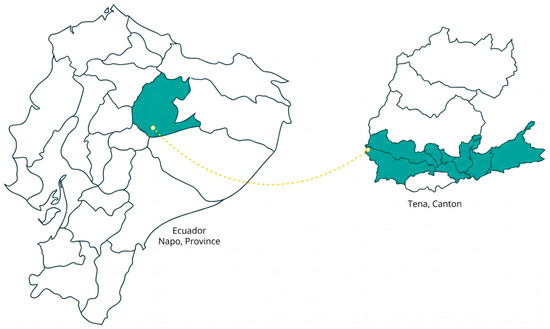
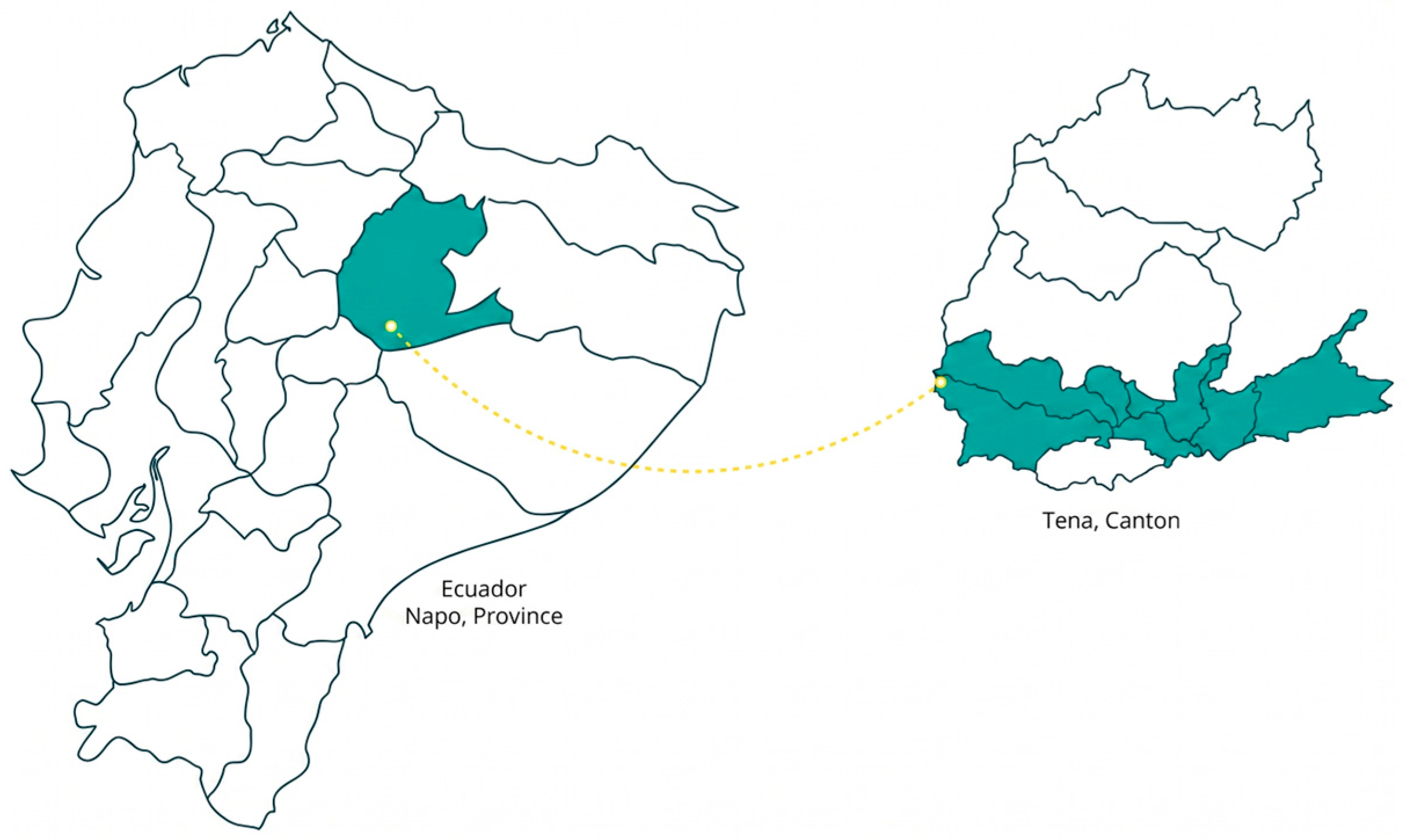
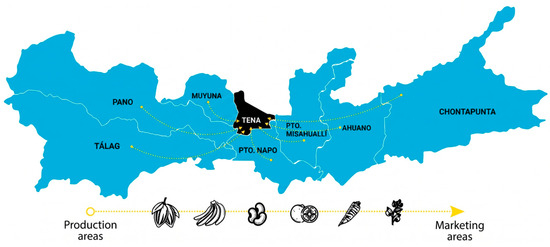
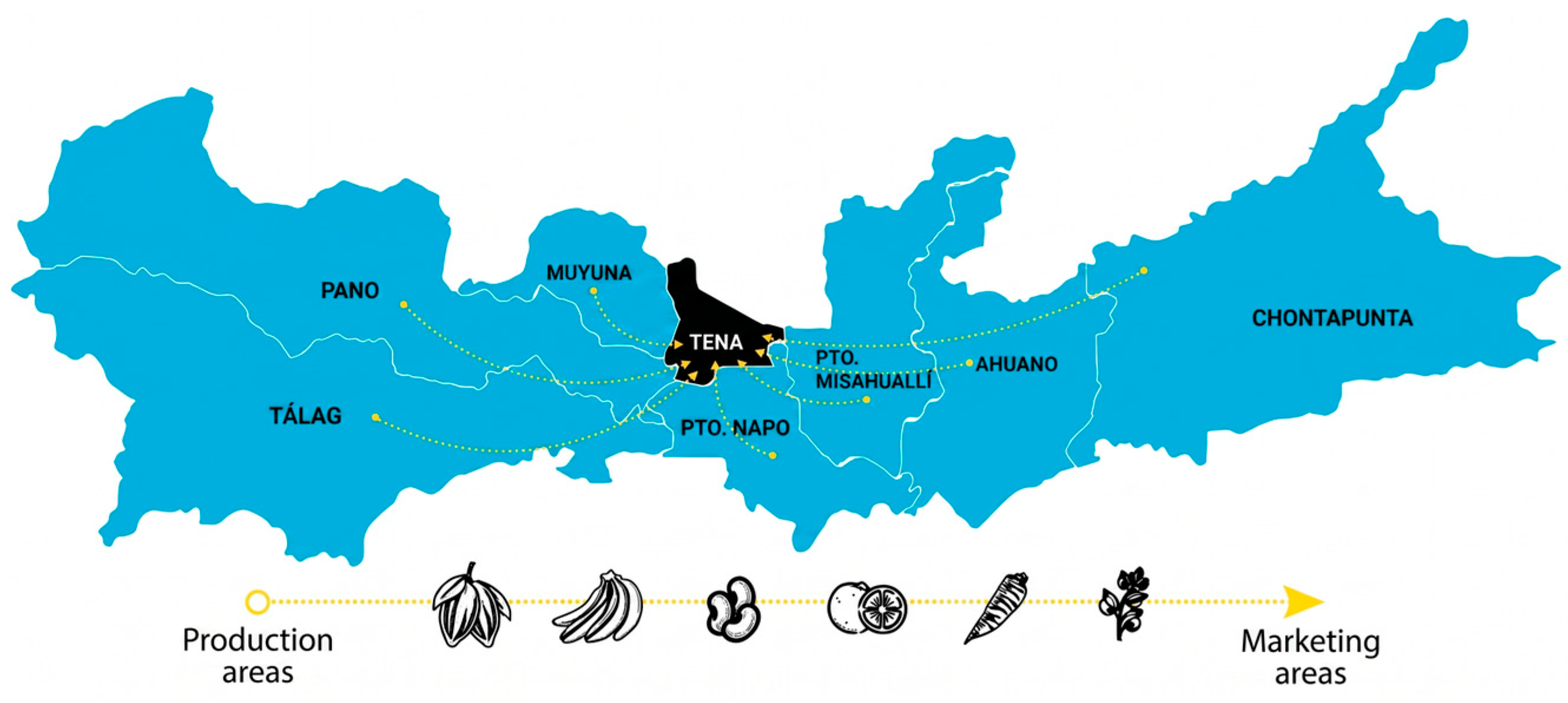
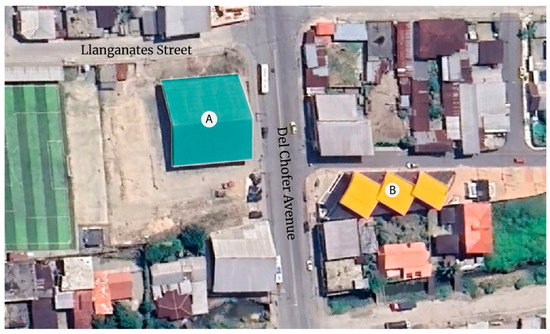
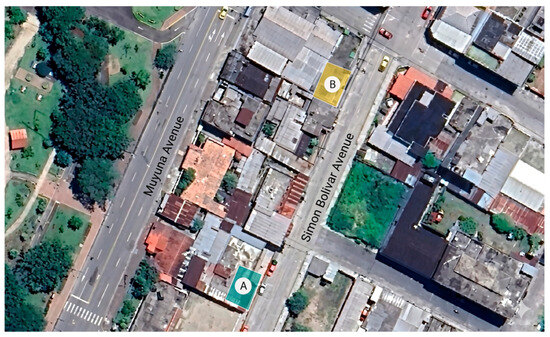

Disclaimer/Publisher’s Note: The statements, opinions and data contained in all publications are solely those of the individual author(s) and contributor(s) and not of MDPI and/or the editor(s). MDPI and/or the editor(s) disclaim responsibility for any injury to people or property resulting from any ideas, methods, instructions or products referred to in the content. |
© 2026 by the authors. Licensee MDPI, Basel, Switzerland. This article is an open access article distributed under the terms and conditions of the Creative Commons Attribution (CC BY) license.