


Abstract
This study develops an emergent explanatory model examining the relationship between innovation management and organizational sustainability in service sector SMEs within an emerging Latin American economy. Using a cross-sectional quantitative design, data from 370 firms were analyzed through Spearman correlations, moderation analysis, and multiple regression models. While both innovation and sustainability reported high mean levels, no significant global association was found (ρ = −0.067, p = 0.196). However, firm size significantly moderated this relationship (B = −0.399, p = 0.008). In medium-sized firms, organizational innovation (β = −0.320, p = 0.013) and marketing innovation (β = −0.286, p = 0.042) negatively predicted sustainability, explaining 21.7% of variance. The findings suggest that innovation–sustainability dynamics are contingent upon organizational scale and growth stage, challenging universalistic assumptions. The study contributes to the contingency theory and dynamic capabilities literature by identifying size-dependent tensions during organizational expansion.
1. Introduction
The growing overlap between ecological deterioration, shrinking natural resources, and increasing normative pressures has placed sustainable innovation at the forefront of current corporate planning [1,2].The United Nations 2030 Agenda has catalyzed the incorporation of environmental, social, and governance (ESG) criteria into corporate strategic planning [3,4], although debate persists over whether technological, organizational, or financial innovation effectively advances or undermines sustainability outcomes.
Emerging economies face the dual challenge of fostering growth while managing environmental risks that directly affect business performance [5,6], while the integration of digital technologies such as artificial intelligence (AI), blockchain, and big data analytics has simultaneously emerged as a driver of sustainable innovation and a source of new organizational complexities [6,7,8,9].
In Peru specifically, SMEs represent over 99% of formally registered firms and account for approximately 60% of national employment, yet systematic evidence on how their innovation practices relate to organizational sustainability remains scarce [5,10]. This empirical gap is significant because Peru combines high institutional informality, rapid digitalization pressures, and an expanding service sector, creating a particularly demanding context for SME sustainability [5,6]. The central research question driving this study is as follows: Does innovation management predict organizational sustainability in Peruvian service sector SMEs, and does firm size moderate this relationship? Addressing this question is important for three reasons. First, the prevailing theoretical assumption of a positive innovation–sustainability link has been built primarily on evidence from large firms in high-income economies, making its applicability to emerging-economy SMEs uncertain. Second, understanding which specific innovation dimensions generate tensions with sustainability allows managers to sequence change initiatives strategically. Third, empirical evidence from Peru can inform both national policy on SME development and broader theory on contingency conditions in sustainability transitions. Consistent with these goals, the contributions of this study are as follows: (i) empirical evidence on the innovation–sustainability relationship in Peruvian service sector SMEs; (ii) identification of firm size as a significant moderator using moderation analysis; and (iii) an emergent explanatory model that differentiates effects by innovation dimension, extending contingency theory to an under-studied Latin American context [2,11]. The resource-based view and contingency theory have been integrated to analyze how green finance and management efficiency determine firm performance in emerging economies [5]. From a macroeconomic perspective, green technological innovation can paradoxically exert negative effects due to rebound dynamics [12] while management control systems face distinctive challenges when implementing sustainability-oriented innovation strategies [13]. Likewise, ref. [14] showed that the relationship between digital dynamic capabilities and the circular economy is curvilinear, and ref. [3] demonstrated that green entrepreneurship orientation, combined with green transformational leadership and digital transformation, enhances sustainable innovation ecosystems.
At the organizational level, recent research has illuminated critical dimensions of the innovation–sustainability nexus. Green Organizational Identity has emerged as a construct linking sustainability, employee behavior, and corporate performance [15], while green finance operates as an operational bridge integrating corporate social responsibility and financial innovation [16]. Greenwashing has been shown to undermine financial sustainability by hindering genuine green innovation [4]. The digital transformation of supply chains shows that generative AI improves transparency [1], blockchain technology optimizes green supply chain performance [8], and AI-enabled sustainable dynamic capabilities accelerate the transition toward the economy [17]. Additionally, ref. [18] revealed that SMEs foster innovative performance through green intellectual capital and AI capabilities, ref. [19] confirmed that green R&D investment strengthens environmental and financial performance, and ref. [20] demonstrated that ESG performance promotes corporate green innovation.
Beyond the firm level, triple helix trust and knowledge spillovers drive sustainable innovation through collaborative governance and digital infrastructure [21]. Living labs face legitimacy tensions as innovation intermediaries for sustainable water resource management [22], and paradox management capabilities are fundamental in multi-stakeholder co-creation oriented toward grand sustainability challenges [23]. In the energy sector, financial institutions exhibit learning curves in capital allocation to renewable technologies [24], while CEO ideology moderates the translation of leadership values into sustainability outcomes [25] demonstrated synergies between Industry 4.0 technologies and clean production, and ref. [26] showed that institutional pressure in Latin America drives sustainable innovation in extractive sectors with variations according to national governance.
Despite these advances, critical gaps persist: the scarcity of research on dynamic capabilities in energy-intensive industries [10]; the paradoxical effects of green innovation demanding further research on rebound mechanisms [12]; the geographic concentration of Green Organizational Identity studies in the Asia-Pacific [15]; the absence of unified frameworks addressing the combined effect of big data and AI on sustainability considering value chain dynamics [9]; insufficient understanding of how management control systems adapt to sustainable innovation strategies [13]; the need to empirically validate the integration of green finance and corporate social responsibility as determinants of sustainability performance [16]; the nonlinear relationship between digital capabilities and green innovation in emerging economies [14]; and the underexplored role of responsible management education in the Global South [27,28]. Evidence on green growth in Europe confirms that technological innovation significantly improves green growth, with differentiated effects by income level [29], and recent ESG studies demonstrate that it fosters green innovation and sustainable competitive advantages [30]. These gaps align with SDGs 8, 9, 12, 13, and 17.
This study examines the relationship between innovation management and organizational sustainability in Peruvian service sector SMEs through a cross-sectional quantitative design applied to 370 firms. Three specific objectives guide the analysis: (1) to describe innovation management practices across four dimensions (service, process, organizational, and marketing innovation); (2) to examine organizational sustainability across economic, social, and environmental dimensions; and (3) to test whether organizational size moderates the innovation–sustainability relationship and to identify which innovation dimensions predict sustainability in size-stratified subgroups [31,32,33]. By empirically testing a model derived from this literature base, this research contributes to the theoretical consolidation of sustainable innovation management and provides applicable knowledge for organizational leaders, policymakers, and educators committed to the 2030 Agenda.
2. Theoretical Framework
2.1. Innovation Management as an Organizational Capability
Innovation management, as conceptualized by Tidd and Bessant [34], encompasses four interrelated types of change: product or service innovation, process innovation, position innovation, and paradigm innovation. Applied to service sector SMEs, this taxonomy has been refined by Tsakalerou et al. [35], who identify the innovation capability equation as a composite construct in which firm-level learning routines, strategic leadership, and environmental scanning interact to determine the organization’s capacity to generate and sustain innovative outputs. Their systematic review of 87 studies across 34 countries confirms that no single determinant dominates; rather, it is the orchestrated combination of internal capabilities and external knowledge sources that distinguishes innovative from non-innovative SMEs. This systemic perspective aligns with Silva and Leitão’s [36] finding that innovation results from an evolutionary, nonlinear, and interactive process between firms and their environment; their empirical analysis of Portuguese industrial firms demonstrated that relationships with external partners—particularly universities and other higher education institutions—significantly stimulate the propensity to make innovative advances at the product level, with science partners exerting a stronger effect than business partners on radical (new-to-market) innovations. This evidence is especially pertinent to the present study because it highlights potential tensions: while external partnerships may enhance innovation capability, the resource demands and coordination costs they impose could temporarily undermine organizational sustainability during implementation phases—a dynamic that may be exacerbated in growing SMEs with limited managerial bandwidth. This finding is particularly relevant for the Peruvian service sector, where resource constraints and institutional informality make the orchestration of limited capabilities a central managerial challenge.
The knowledge management dimension of innovation has received renewed attention with the emergence of digital intelligence. Huang and Zhou [37] demonstrate that integrating open innovation and circular economy principles through digital knowledge management models significantly amplifies a firm’s innovative capacity. Raina et al. [38] extend this argument by showing that artificial intelligence-driven management bridges knowledge creation, innovation output, and sustainable business practices. Lopez-Torres et al. [39] establish that visibility—the degree to which managers can observe and act upon information flows—moderates the relationship between IT adoption and innovation management effectiveness. Rabal-Conesa et al. [40] demonstrate that dynamic knowledge management capabilities are a necessary antecedent of successful product eco-innovation. At the cultural level, Baquero [10] provides evidence that green knowledge management and environmental culture jointly transform organizational readiness into green innovation.
Under the dynamic capabilities analytical framework, innovation management represents the organizational competence to articulate, build, and reconfigure internal and external skills in constantly changing environments. This perspective is especially relevant in the service sector, where intangibility and co-production with users require specific knowledge management and organizational coordination mechanisms [37,38]. Recent studies have identified fundamental components that shape innovation management in organizational contexts: ref. [39] highlights the relevance of formalized management practices, ref. [40] emphasizes the role of organizational learning as an antecedent of innovative capability, and ref. [10] highlights the importance of organizational culture as a catalyst for innovation processes.
Four foundational components structure the empirical measurement of innovation management. First, Al Koliby et al. [41] demonstrate that green organizational learning capability, combined with total quality management, mediates the conversion of data insights into green innovation outputs. Second, Zu et al. [42] show that AI technology innovation amplifies the impact of knowledge management on corporate environmental sustainability. Third, Chadha et al. [43] provide evidence that organizational culture shapes environmental disclosure behavior, with innovation-supportive cultures generating higher-quality sustainability reporting. Fourth, Liao et al. [44] establish that business analytics capabilities enhance ESG performance by strengthening the strategic decision-making dimension of innovation management. Taken together—learning systems, knowledge-technology linkages, cultural climate, and strategic analytics—these components constitute the measurable dimensions of innovation management adopted in the present study.
In the specific domain of SMEs, innovation management presents distinctive characteristics derived from resource limitations, and the lower formalization of organizational structures [45] suggests that these organizations require flexible approaches that take advantage of their agility and proximity to the market. Similarly, ref. [46] identifies organizational readiness to innovate as a determining factor for innovation success in this segment. The multidimensional nature of innovation management has been widely documented. A first facet comprises innovation management practices, understood as organizational routines aimed at facilitating ideation, evaluation, and implementation of innovative proposals, including idea capture mechanisms, project selection processes, and initiative tracking systems [41]. Another central component relates to collective learning within the firm, understood as the capacity to capture, produce, share, and employ knowledge. Ref. [42] shows that knowledge management functions as a decisive link between technology-based innovations and sustainability achievements; within service firms, where employees’ tacit knowledge prevails, this aspect acquires singular strategic importance. A third component is the climate conducive to renewal, that is, the fabric of principles, convictions, and collective norms that encourage the pursuit of novelty. Ref. [43] provides evidence that the organization’s internal environment significantly impacts sustainability-related actions and outcomes, highlighting openness to controlled error, willingness to hear fresh proposals, and valuation of creative effort. Finally, strategic decisions represent an axis cutting across all other facets, encompassing how funds are allocated and innovation priorities are defined. Ref. [44] demonstrates that the organization’s analytical skills and speed of response improve the quality of strategic choices linked to change processes. These four theoretical components—organizational learning systems, knowledge-technology linkages, innovation-conducive culture, and strategic analytics—are operationalized in the present study through Tidd and Bessant’s [34] taxonomy: service innovation captures learning-system outputs; process innovation reflects knowledge-technology integration; organizational innovation embodies the structural reconfigurations required for sustained renewal; and marketing innovation operationalizes strategic repositioning. This mapping ensures theoretical coherence between the literature review and the empirical measurement instrument.
2.2. Organizational Sustainability: Perspectives and Dimensions
The concept of organizational sustainability has gained a central place in management publications, transcending the purely ecological meaning to integrate facets of financial solvency, community engagement, and institutional robustness. From a conceptual standpoint, it refers to an entity’s ability to maintain its performance and continue producing benefits without interruption while simultaneously responding to the demands of various stakeholders [47,48]. From a business management perspective, being sustainable implies forging competencies that ensure the survival and permanent expansion of the business. Ref. [49] argues that technological robustness, visionary leadership, and long-term orientation shape organizations capable of resisting and adjusting to volatile contexts.
The measurement of organizational sustainability has progressively shifted from single-metric financial proxies toward multidimensional frameworks integrating economic, social, and environmental performance. Klassen et al. [47] propose a sustainability culture diagnostic operationalized through behavioral indicators of strategic commitment, stakeholder engagement, and adaptive capacity, arguing that culture constitutes the invisible infrastructure that either enables or inhibits sustainability practices. Vashdi and Birman [48] advance a complementary argument by demonstrating that transforming human resource management practices along five capability dimensions—competence, commitment, collaboration, creativity, and continuity—directly accelerates progress toward sustainable development goals, positioning the social dimension of sustainability not as a peripheral concern but as a strategic driver. Rashed et al. [49] further confirm that technological robustness, innovation leadership, and long-term orientation jointly determine organizational resilience and sustainability performance, establishing a direct link between innovation management capacity and the ability to sustain operations under volatile environmental conditions. These theoretical perspectives converge on the view that organizational sustainability is not a static outcome but a dynamic process requiring continuous managerial attention, resource allocation, and cultural reinforcement.
In the domain of service sector SMEs, organizational sustainability raises particular challenges [50]. These organizations experience tensions between short- and long-term objectives, as well as difficulties in institutionalizing formalized sustainability practices; nevertheless, their structural flexibility may favor the adoption of innovative sustainable management approaches. The literature has identified constitutive dimensions of organizational sustainability: organizational continuity, referring to the capacity to maintain operations and honor commitments over time, incorporating aspects of financial strength, strategic talent retention, and preservation of institutional knowledge. The authors of [51] note that organizational ambidexterity contributes to balancing exploitation and exploration, fostering continuity.
In the specific context of service sector startups and SMEs, Zangara et al. [50] identify three pathways through which social sustainability is implemented—stakeholder integration, employee wellbeing programs, and community engagement initiatives—and find that organizations following more comprehensive pathways exhibit superior performance outcomes, suggesting that the depth of sustainability implementation matters beyond mere compliance. Primadasa et al. [51] provide further evidence that organizational ambidexterity—the simultaneous pursuit of exploration and exploitation—combined with supply chain agility, enhances SME sustainability by enabling firms to respond to environmental uncertainty without sacrificing operational efficiency. This dual mechanism is theoretically significant for the present study: ambidexterity requires firms to manage inherent tensions between stability and change, a challenge that parallels the innovation–sustainability trade-offs observed in the medium-firm segment analyzed here. The capacity to maintain continuity while innovating depends not only on available resources but on the organizational architecture that governs how those resources are deployed.
Organizational performance constitutes a second facet encompassing the capacity to achieve strategic objectives efficiently and effectively [52], demonstrating that a focus on sustainability and the integration of environmental knowledge has a positive impact on sustainable performance, combining financial indicators with metrics of operational efficiency and stakeholder satisfaction. Organizational adaptability represents the ability to adjust to changes in the internal and external environment [53]. Demonstrate that organizational capabilities and environmental dynamism condition the transition towards circular economy practices, a facet that proves crucial in contexts of high uncertainty and sectoral transformation. Strategic orientation, in turn, entails the capacity to formulate and pursue a long-term vision coherent with environmental demands [54] argue that digital transparency and response to multilevel environmental pressures catalyze sustainable innovation, which requires committed leadership and organizational resource alignment.
2.3. Linking Innovation Management and Organizational Sustainability
The connection between innovation management and organizational sustainability has generated increasing academic interest. The authors of [55] demonstrate that responsible innovation and organizational resilience configure multiple pathways toward sustainable performance, while ref. [56] identifies productive dialogues as constitutive components of dynamic capabilities oriented toward sustainable innovation. Empirical evidence indicates that effective innovation management operates as a facilitating mechanism for organizational sustainability. The authors of [57] verify that green ambidextrous innovation, mediated by green intellectual capital and ambidextrous leadership, favorably impacts sustainable performance. Similarly, ref. [58] demonstrates that sustainable leadership innovation capabilities enhance organizational sustainability performance.
Recent empirical research confirms that the innovation–sustainability nexus operates through multiple, sometimes competing pathways. Ooi and Memon [55] demonstrate that responsible innovation, when integrated with circular economy practices and organizational resilience, configures multiple pathways toward sustainability performance, with the strength of each pathway contingent on industry dynamism and firm absorptive capacity. Ortiz-Avram et al. [56] unpack the dialogic foundations of this relationship, showing that productive internal dialogues—structured conversations that surface conflicting perspectives and generate shared understanding—function as building blocks of dynamic capabilities for sustainability-oriented innovation. Nguyen-Van et al. [57] extend the analysis to the green ambidexterity concept, demonstrating that firms pursuing incremental green improvements and radical green innovations simultaneously achieve superior sustainable performance, mediated by green intellectual capital and ambidextrous leadership. Kampilong et al. [58] contribute evidence that sustainable leadership innovation capability—integrating visionary leadership, strategic innovation orientation, and sustainability commitment—directly enhances organizational sustainability performance.
In the specific context of SMEs, this linkage acquires strategic relevance; entrepreneurship centers favor the advancement of sustainable innovation through knowledge transfer and the formation of collaborative networks [59] argue that emerging technologies can drive organizational transformation toward sustainability when properly managed. Ref. [60] proposes that digital antecedents and mechanisms oriented toward sustainable digital innovation ecosystems must contemplate circular supply chain resilience, a systemic vision consistent with the arguments of [61] who show that the diffusion of social sustainability innovation practices is linked to organizational improvements.
The digital transformation of innovation ecosystems introduces additional complexity into the innovation–sustainability relationship. Schwaeke et al. [59] examine how artificial intelligence enables organizational change toward sustainability, finding that AI-mediated innovation processes reduce transition costs when managerial champions actively translate technological capabilities into sustainability-oriented routines, but generate fragmentation when implementation is decoupled from strategic sustainability objectives. Zeng et al. [60] propose a conceptual model of sustainable digital innovation ecosystems in which digital antecedents—platform governance, data infrastructure, and algorithmic capabilities—interact with organizational mechanisms to produce sustainability outcomes. Tran et al. [61] provide longitudinal evidence from Asia-Pacific service firms demonstrating that the diffusion of social sustainability practices is closely linked to organizational improvement across multiple performance dimensions. These studies collectively suggest that the innovation–sustainability relationship is neither simple nor universally positive, but depends on the organizational conditions under which both are pursued.
Theoretically, the potential for negative innovation–sustainability relationships in growing SMEs can be understood through two complementary mechanisms. First, resource diversion theory [62,63] suggests that when SMEs implement structural changes (organizational innovation) or reorient their commercial positioning (marketing innovation), finite managerial attention and financial resources are redirected from sustaining daily operations toward the innovation effort, temporarily eroding operational continuity and economic stability. Second, the dynamic capabilities framework [38] recognizes that reconfiguration processes—even when strategically appropriate—impose transitional costs that manifest as short-term performance disruptions. These tensions are expected to be most acute in medium-sized, early-stage firms that simultaneously face growth pressures and consolidation needs, making the negative moderation predicted in H2 and H4 theoretically coherent rather than paradoxical. The conceptual framework developed supports the operationalization of variables for empirical measurement. Innovation management dimensions become observable indicators capturing specific organizational practices: presence of formal idea generation mechanisms, systematic recording of lessons learned, shared values driving innovation, and participatory strategic decision-making processes. Regarding organizational sustainability, indicators assess management team stability and succession plans, goal achievement and operational efficiency, speed of response to environmental changes, and clarity of long-term vision. Indicators are operationalized through Likert-scale items administered to managers and employees of service sector SMEs, a measurement strategy consistent with prior approaches in the field that enables collecting data suitable for multivariate analysis. Based on empirically observed relationships, an emergent explanatory model is configured that captures significant connections between the dimensions of both variables.
2.4. Hypothesis Formulation
Based on the literature on dynamic capabilities, contingency theory, and SME management, the following hypotheses are formulated:
H1:
Innovation management is significantly related to organizational sustainability in SMEs in the service sector.
H2:
Organizational size negatively moderates the relationship between innovation management and organizational sustainability, such that the relationship becomes more negative as firm size increases (i.e., larger SMEs experience greater tension between innovation and sustainability than smaller ones).
H3:
The relationship between innovation management and organizational sustainability differs by innovation dimension: organizational innovation and marketing innovation will be negatively associated with sustainability in medium-sized firms (due to resource diversion and structural disruption during implementation), while service innovation and process innovation will show no significant or positive association (due to their lower structural disruptiveness). This prediction is grounded in dynamic capabilities theory [38], which holds that reconfiguring internal structures and market-facing strategies imposes greater transitional costs than incremental operational improvements.
H4:
In early-stage medium-sized firms, the relationship between organizational innovation and marketing innovation with organizational sustainability will be negative and significant. These relationships are illustrated in Figure 1.
Figure 1.
Proposed Conceptual Model.
The proposed conceptual model represents the direct relationship between innovation management (independent variable, composed of four dimensions: service innovation, process innovation, organizational innovation, and marketing innovation) and organizational sustainability (dependent variable, comprising economic, social, and environmental sustainability). Organizational Size operates as a moderating variable of this relationship. Additionally, a segmented analysis by specific innovation dimensions is contemplated to identify differentiated effects according to the structural or commercial nature of each innovation type.
3. Materials and Methods
3.1. Research Design
This study adopted a quantitative, cross-sectional, explanatory design focused on examining the connection between innovation management mechanisms and organizational sustainability in service sector SMEs. The selection of a quantitative approach stems from its suitability for analyzing relationships between organizational variables through standardized measurement instruments and statistical processing techniques. The cross-sectional design enabled data collection at a single point in time, which is appropriate for exploratory studies seeking to identify associative patterns between constructs in a given population. The explanatory scope was oriented toward deriving an empirically grounded model from identified relationships, without claiming to establish causal inferences that would require longitudinal or experimental designs.
3.2. Population and Sample
The target population consisted of SMEs operating in the service sector within the Peruvian context. For the purposes of this study, SMEs were delimited according to national classification criteria based on the number of workers, comprising microenterprises (1–10 workers) and small enterprises (11–50 workers), with the inclusion of medium-sized enterprises (51–250 workers) given the exploratory nature of the research. The choice of the service sector responds to its significant contribution to economic activity and employment generation, as well as the particularities that distinguish innovation processes in services from manufacturing contexts.
A non-probability convenience sampling procedure was used, which is appropriate for exploratory research in the organizational field where population parameters lack precise definition. The inclusion criteria required that participating organizations: (a) be legally constituted as SMEs under national law; (b) operate in the service sector; (c) have been in operation for at least six months; and (d) give voluntary informed consent. The final sample consisted of 370 valid responses, a volume that exceeds the minimum requirements for multivariate statistical analysis. An a priori power analysis (G*Power 3.1; f2 = 0.15, α = 0.05, power = 0.80) indicated a minimum sample of 85 for the regression model and 77 for the moderation model; the obtained n = 370 substantially surpasses both thresholds, consistent with recommendations of 10–20 observations per predictor variable.
The sample configuration reflected heterogeneity in organizational characteristics. Regarding size, 54.1% corresponded to microenterprises (1–5 workers), 18.9% to small enterprises (6–10 workers), 11.1% to small enterprises (11–20 workers), and 15.9% to medium-sized enterprises (more than 20 workers). Regarding tenure, 40.5% had less than one year of operation, 32.7% between 1–3 years, 13.0% between 4–6 years, and 13.8% more than six years. Represented subsectors included food services (28.4%), retail trade (24.1%), personal and technical services (21.6%), meat and food processing (14.9%), and other miscellaneous service activities (11.0%). Of the questionnaires distributed, 412 were collected and 370 were retained after excluding 42 responses with more than 10% missing data, yielding a usable response rate of 89.8%.
3.3. Data Collection Instrument
Data were collected through a structured self-administered questionnaire designed to measure the study variables. The instrument comprised three sections: (a) sociodemographic and organizational characteristics of participants and their organizations; (b) innovation management practices; and (c) organizational sustainability dimensions. All substantive items employed a five-point Likert scale ranging from 1 (Strongly disagree) to 5 (Strongly agree), a format widely used in organizational research for its capacity to capture gradations in perceptions and attitudes.
The innovation management practices section included 24 items distributed across four dimensions: service innovation (6 items), process innovation (6 items), organizational innovation (6 items), and marketing innovation (6 items). These dimensions align with conceptualizations established in the innovation management literature, particularly the Oslo Manual and subsequent theoretical developments on innovation in the service sector. The organizational sustainability section comprised 18 items organized into three dimensions: economic sustainability (6 items), social sustainability (6 items), and environmental sustainability (6 items), reflecting the triple-bottom-line approach that has achieved consensus in the academic literature on organizational sustainability.
The instrument construction process followed established procedures for questionnaire design in organizational research. Items were derived from previously validated scales and adapted to the service sector SME context. Content validity was assessed through expert review, and a pilot test was conducted to evaluate item clarity and response time. The final instrument required approximately 15–20 min for completion.
3.4. Variables and Operationalization
The central research constructs were translated into measurable indicators following the dimensional organization outlined in the conceptual section.
The variable of innovative management, conceptualized as the network of mechanisms, actions, and institutional dynamics aimed at producing and integrating innovations in a planned manner, was measured through four distinct facets. The first facet captured the ability of companies to introduce and improve their service offerings; the second covered optimisations in internal operating procedures; the third assessed transformations in management structures, the configuration of the working environment, and links with external actors; and the fourth recorded the adoption of novel methods in the field of marketing and promotion. The dimensional scores were calculated as the arithmetic mean of the constituent items, and the overall innovative management score was computed as the mean of the four-dimensional scores.
Organizational sustainability, conceived as the firm’s capacity to maintain its level of activity and generate wealth continuously while simultaneously addressing financial, community, and ecological demands, was decomposed into three measurement axes. The financial axis evaluated monetary soundness, utilization of available resources, and profit generation; the social axis inquired about staff conditions, equity in treatment, and stakeholder relationships; and the environmental axis recorded initiatives for environmental stewardship and ecological footprint reduction. Applying the same synthesis procedure, both axis-level and overall sustainability scores were obtained by arithmetically averaging the responses. Table 1 presents the operationalization of both study variables, including dimensions, number of items, and measurement scale for each construct.
Table 1.
Operationalization of study variables.
3.5. Data Collection Procedure
Data collection was carried out during the fourth quarter of 2024, employing both in-person and digital administration modalities. Online surveys were distributed through digital platforms, while in-person collection involved direct contact with potential participants at their business establishments. Research assistants received standardized training on survey administration protocols to ensure consistency in collection procedures.
Potential participants were informed about the research objectives, the voluntary nature of participation, and data confidentiality guarantees. Those who agreed to participate provided informed consent before completing the questionnaire. To ensure data quality, completed questionnaires were reviewed for completeness, and cases with substantial missing data (more than 10% of items) were excluded from analysis. The final dataset comprised 370 valid responses suitable for statistical processing.
3.6. Data Analysis
Statistical processing was performed using Python 3.11 with the following specialized libraries: pandas for data management, scipy for inferential statistics, and statsmodels for regression modeling. The analytical strategy followed a sequential approach aligned with the research objectives.
The descriptive analysis included the calculation of means, standard deviations, minimum and maximum values, asymmetry, and kurtosis for all study variables and their dimensions. Normality was assessed using the Kolmogorov–Smirnov test, which revealed significant deviations from the assumption of normality in all dimensions (p < 0.001), justifying the use of nonparametric techniques for inferential analyses. The correlational analysis used Spearman’s rho coefficient, appropriate for ordinal data and non-normal distributions. Confidence intervals for the correlation coefficients were estimated using bootstrap resampling with 1000 iterations. Moderation analysis was conducted to assess whether the organizational dimension conditioned the relationship between innovation management and sustainability. Multiple regression analysis was used to evaluate the predictive contribution of innovative management dimensions on organizational sustainability. Standardized coefficients (β) were calculated to allow comparison of the relative importance of the predictors.
3.7. Ethical Considerations
This research was conducted in accordance with fundamental ethical principles for research involving human participants. Informed consent was obtained from all participants prior to data collection. Information confidentiality was safeguarded throughout the entire research process. Individual responses were anonymized and data were stored in secure digital formats. The research team affirms that this study was conducted with integrity, transparency, and commitment to the ethical standards expected in organizational research. No conflict of interest influenced the design, execution, or reporting of this research.
3.8. Reliability and Validity Analysis
Internal consistency of the instrument was assessed using Cronbach’s Alpha coefficient. Results showed satisfactory reliability levels: innovation management composite (α = 0.91); service innovation (α = 0.87), process innovation (α = 0.88), organizational innovation (α = 0.86), marketing innovation (α = 0.85); organizational sustainability composite (α = 0.89); economic sustainability (α = 0.84), social sustainability (α = 0.86), environmental sustainability (α = 0.83). All values exceed the 0.70 threshold recommended by Hair et al. [64].
An exploratory factor analysis (EFA) was performed using principal component extraction with varimax rotation. The KMO index was 0.92 and Bartlett’s sphericity test was significant (p < 0.001), confirming the suitability of the data for factor analysis. Factor loadings exceeded 0.60 for all retained items.
Convergent validity was assessed by calculating the Average Variance Extracted (AVE), yielding values above 0.50 across all dimensions.
Collinearity was examined using the Variance Inflation Factor (VIF), with values below 3 recorded, ruling out multicollinearity problems.
To control for common method bias, Harman’s single-factor test was applied, finding that the first factor explained less than 40% of total variance, suggesting the absence of dominant common variance.
4. Results
This section presents the empirical findings derived from the analysis of 370 SMEs in the service sector. Statistical procedures included nonparametric tests given the ordinal nature of the measurement scales and the violation of the assumption of multivariate normality (Kolmogorov–Smirnov, p < 0.001 in all dimensions). Table 2 summarizes the sociodemographic and organizational characteristics of the sample.
Table 2.
Sociodemographic and organizational characteristics of the sample.
The composition of participants shows a predominance of females (57.6%), a finding that reflects the growing incorporation of women into tertiary entrepreneurial activity in the Latin American context and coincides with trends documented in middle-income economies. Nearly half of respondents (44.3%) fall within the 25–34 age range, an age bracket typically associated with greater risk propensity and exploration of business opportunities, which could influence the openness to innovative practices reported below.
University education accounts for nearly four-fifths of the sample (78.9%), complemented by a segment with postgraduate studies (20.8%). This educational profile enhances the reliability of responses, insofar as informants possess sufficient competencies to understand and assess the evaluated constructs. Regarding roles within the organization, the largest group comprises employees (58.4%), followed by managers (24.1%) and owners (17.6%); the inclusion of these three functional perspectives enriches the ecological validity of the study, given that each level perceives innovation and organizational sustainability dynamics differently.
From an organizational standpoint, the sample shows a marked predominance of microenterprises with one to five workers (54.1%) and an appreciable share of medium-sized units (15.9%), a segment that will prove key in subsequent analyses. The most relevant finding for interpreting inferential results is that nearly three-quarters of firms (73.2%) have less than three years of operation, configuring a collective dominated by ventures in their takeoff phase, a circumstance that conditions both the resources available for innovation and the perception of institutional stability reported by informants.
The figures reported in Table 3 reveal that surveyed service sector SMEs perceive themselves as organizations with considerably developed innovative activity. All four dimensions yield means above 4.14 on a five-point scale, with differences among them barely reaching five hundredths, denoting relatively balanced innovative behavior not dependent on a single dimension. Process innovation slightly stands out as the highest-rated facet (M = 4.19, SD = 0.29), an expected result in the service sector, where operational improvements represent the most direct path to efficiency gains without requiring substantial capital investments.
Table 3.
Descriptive statistics for innovation management dimensions.
The low dispersion of the overall innovation management score (SD = 0.15, IQR = 0.17) deserves special attention, indicating high perceptual convergence among respondents. This homogeneity can be interpreted in two complementary ways: on one hand, it suggests that competitive pressures and digitalization demands have driven a common baseline of innovative practices in these organizations; on the other, it warns of a possible ceiling effect that would limit the variability needed to detect strong associations with other study variables. Negative skewness values across the four dimensions (between −0.55 and −0.81) confirm that distributions are concentrated at the upper end of the scale, with few cases below the midpoint—a pattern consistent with the social desirability tendency common in self-administered instruments, which should be kept in mind when interpreting subsequent inferential analyses. Table 4 presents the descriptive statistics for the organizational sustainability dimensions.
Table 4.
Descriptive statistics for organizational sustainability dimensions.
Descriptive statistics for the second variable reveal a profile analogous to that observed in innovation management: high means, contained dispersions, and distributions slightly skewed toward the upper end of the scale. The social facet achieves the highest score (M = 4.29, SD = 0.26), followed closely by the economic (M = 4.26, SD = 0.27) and environmental dimensions (M = 4.25, SD = 0.29). That the social dimension leads is congruent with the interpersonally intensive nature characterizing the tertiary sector, where labor conditions, equitable treatment, and linkages with environmental actors occupy a central place in the perception of sustainability.
The overall organizational sustainability score (M = 4.26, SD = 0.15) exhibits an interquartile range of 0.22, slightly higher than that recorded for the innovation variable, although equally narrow. This parallelism between both variables—high means, low variabilities, and negative skewness—configures a scenario in which bivariate association may be attenuated by range restriction, a methodological circumstance that must be considered when evaluating subsequent correlations. Kurtosis values close to zero or slightly negative in the overall score (Kurt. = −0.45) point to platykurtic distributions, that is, somewhat flatter than the normal curve, which reinforces the relevance of using nonparametric techniques for inferential analysis.
Table 5 presents the Spearman correlation matrix, which reveals a landscape dominated by weak coefficients, the vast majority lacking statistical significance. The only association that exceeds the conventional threshold corresponds to the pair organizational innovation–marketing innovation (ρ = 0.108, p < 0.05), an intravariable link whose magnitude is, nevertheless, modest. Between innovation management and sustainability dimensions, the coefficients range from −0.090 to 0.054, with none reaching significance, indicating virtually complete statistical independence when examining the unsegmented sample.
Table 5.
Spearman correlation matrix between dimensions.
The overall correlation between the two central constructs of the study was also insignificant (ρ = −0.067, 95% CI [−0.169, 0.037], p = 0.196). This finding, far from being uninteresting, raises a substantive question: how is it possible that organizations that report high levels of innovation and sustainability show no link between the two variables? The answer, as will be explored in subsequent moderation analyses, lies in the possibility that opposite associations coexist within specific subgroups of the sample and cancel each other out when calculating a single coefficient for the total. Additionally, the range restriction detected in the descriptive statistics scores concentrated between 4.00 and 4.50 in both variables reduces the shared variability available for strong correlations to emerge, a phenomenon widely documented in the psychometric literature.
Table 6 presents the moderation model, which provides the missing piece to make sense of the absence of overall correlation. Neither innovation management alone (B = −0.034, p = 0.569) nor organizational size in isolation (B = 0.005, p = 0.812) predicts sustainability; however, their interaction achieves significance at the one percent level (B = −0.399, SE = 0.150, t = −2.67, p = 0.008), with a confidence interval that comfortably excludes zero (95% CI [−0.693, −0.105]). The negative sign of the multiplicative term indicates that as firm size increases, the relationship between innovation and sustainability becomes more negative—a finding that contradicts the dominant intuition in the literature.
Table 6.
Moderation analysis: organizational size as moderator.
Although the complete model explains a modest proportion of the total variance (R2 = 0.027), the change in R2 attributable exclusively to the interaction (ΔR2 = 0.019, F change = 7.12, p = 0.008) is statistically robust and theoretically relevant. In organizational research, where multiple factors simultaneously influence the variables of interest, a moderating effect of this magnitude deserves attention because it reveals that the relationship between two central constructs cannot be interpreted universally, but rather depends on a specific contingent factor, the size of the workforce, whose effect remained hidden in the aggregate analyses.
Table 7 presents the breakdown by company size, which confirms and reinforces what was anticipated by the moderation model. Micro-enterprises (ρ = −0.031, p = 0.668) and the two categories of small firms (ρ = 0.004 and ρ = 0.039, respectively) show no link between innovation and sustainability, while medium-sized companies show a moderate and statistically robust inverse correlation (ρ = −0.364, p = 0.005, 95% CI [−0.562, −0.131]). The difference between micro and medium-sized companies, quantified using Cohen’s q (0.35), places the effect in the medium range according to standard behavioral science norms, reinforcing the practical relevance of the finding.
Table 7.
Correlations between innovation management and organizational sustainability by organizational size and informant position.
The analysis by informant position introduces an additional nuance of great interest: it is the owners who perceive the friction between innovation and permanence most clearly (ρ = −0.336, p = 0.006), while managers and employees barely register any association. This pattern suggests that the tension captured by the data is not due to a generalized perceptual distortion, but rather to the specific experience of those who assume ultimate responsibility for the resources and direction of the business. The most striking finding in the table corresponds to medium-sized companies in the early stages of operation (less than three years), where the inverse correlation is accentuated to ρ = −0.489 (p < 0.001), a coefficient that, in the field of organizational phenomena, can be described as substantial. In contrast, established medium-sized companies (three years or more) show a non-significant positive trend (ρ = 0.223, p = 0.425), although the small size of this subgroup (n = 15) calls for caution in interpretation.
Table 8 presents the regression models by firm size. The contrast between the two models reinforces the thesis that organizational size is a key differentiating factor. In the aggregate sample, the four dimensions of innovation lack predictive power regarding sustainability (R2 = 0.009, F = 0.83, p = 0.505); the model explains virtually no variance and its adjusted R2 is negative, confirming its statistical irrelevance. However, when the analysis is restricted to medium-sized companies, the explanatory power increases significantly (R2 = 0.217, adjusted R2 = 0.159, F = 3.75, p = 0.009), and two of the four dimensions emerge as significant predictors with standardized coefficients of considerable magnitude.
Table 8.
Multiple regression models: innovation management dimensions as predictors of organizational sustainability.
Organizational innovation (β = −0.320, p = 0.013) ranks as the most significant predictor, followed by marketing innovation (β = −0.286, p = 0.042). Both negative signs indicate that, within medium-sized firms, a greater perception of innovative activity in these two areas is associated with lower perceived levels of sustainability. It is noteworthy that process innovation does not reach significance (β = −0.007, p = 0.952), suggesting that internal operational improvements, by not requiring deep restructuring, manage to coexist with the perception of stability. Durbin–Watson values close to two in both models (1.94 and 2.01) rule out significant autocorrelation problems in residuals. The 21.7% explained variance for the medium-firm segment corresponds to Cohen’s f2 = 0.28, a medium-to-large effect size by conventional standards, which exceeds usual thresholds in SME management research. Post hoc power analysis confirmed adequate statistical power for the interaction term (1 − β = 0.81). The non-significant effects of service innovation (β = −0.050, p = 0.335) and process innovation (β = −0.024, p = 0.648) in both subsamples are consistent with H3’s prediction that incremental, operationally focused innovations do not generate resource tensions sufficient to affect organizational sustainability perceptions. Table 9 presents the regression models disaggregated by each sustainability dimension for the medium-sized firm subsample (n = 59).
Table 9.
Regression models by sustainability dimension in medium-sized firms (n = 59).
The model decomposition by each sustainability facet offers a finer map of the tensions operating in medium-sized firms. On the economic dimension, organizational innovation proves to be the only significant predictor (β = −0.271, p = 0.041), pointing to internal restructuring eroding the perception of the firm’s financial soundness while being implemented. On the social dimension, marketing innovation assumes the leading role (β = −0.324, p = 0.027), a finding that could reflect the shift in managerial attention from workforce wellbeing toward commercial repositioning needs. On the environmental dimension, the same predictor shows a trend-level negative effect (β = −0.268, p = 0.071), indicating that marketing priorities may compete with the organization’s ecological commitments, although the effect magnitude does not reach the conventional significance threshold.
Taken together, the models by dimension complement the global regression and reveal that each type of innovation selectively affects different sustainability facets—a finding that advises against interpreting the relationship between both constructs as a unitary phenomenon and underscores the need for differentiated analyses when investigating organizations in full growth processes.
Regarding H3 (that different innovation dimensions have different effects on sustainability), Table 8 supported H3 in the medium-firm subsample: organizational innovation (β = −0.320, p = 0.013) and marketing innovation (β = −0.286, p = 0.042) were significant negative predictors, while service innovation (β = −0.050, p = 0.335) and process innovation (β = −0.024, p = 0.648) were non-significant in both subsamples, consistent with H3’s prediction that structurally disruptive innovations (organizational and marketing) generate greater friction than incremental ones. Regarding H4 (that in early-stage medium-sized firms the relationship between organizational and marketing innovation and sustainability is negative and significant), the segmented analysis in Table 7 supported H4: the inverse correlation was strongest for medium-sized firms with less than three years of operation (ρ = −0.489, p < 0.001), compared to a non-significant trend in established medium-sized firms (ρ = 0.223, p = 0.425). In synthesis, the empirical journey allows condensing four core findings. First, service sector SMEs in Peru report high levels in both innovation management (M = 4.16) and organizational sustainability (M = 4.26), with homogeneous distributions pointing to a common baseline of practices in the sector. Second, the global correlation between both constructs is non-significant (ρ = −0.067, p = 0.196), which would apparently suggest independence between the variables. Third, moderation analysis dismantles that superficial reading by demonstrating that firm size constitutes a robust contingent factor (B = −0.399, p = 0.008). Fourth, the regression model restricted to medium-sized firms identifies organizational innovation (β = −0.320, p = 0.013) and marketing innovation (β = −0.286, p = 0.042) as significant predictors of lower perceived sustainability, with a joint explanatory capacity of 21.7% of variance.
5. Discussion
5.1. General Discussion of Findings
The central purpose of this research was to analyze an emergent explanatory model based on the connection between innovation management practices and organizational sustainability in service sector SMEs in Peru. The empirical results reveal an apparent contradiction that broadens the theoretical horizon on this link: although the two variables simultaneously register high scores in the productive units analyzed, the nature of their interrelationship varies markedly depending on the size of the organization. Regarding H1 (that innovation management is significantly related to organizational sustainability in SMEs), the aggregate Spearman correlation was non-significant (ρ = −0.067, p = 0.196; Table 5), leading to the rejection of H1 at the overall sample level. This finding contrasts with predominant postulates in the literature anticipating a positive relationship between innovation and sustainability [55,58], and underscores that aggregate analyses mask important heterogeneity by firm size.
However, what at first glance seems to contradict conventional logic acquires meaning within the conceptual framework when considering that firm size conditions the nature of this link. Detecting this contingent variable represents the core contribution of the research, as it demonstrates that the interaction between business renewal and organizational continuity does not follow a homogeneous pattern but depends on specific environmental circumstances and the internal configuration of each firm. That medium-sized firms present a moderately intense inverse link challenges theoretical assumptions that take for granted a natural collaboration between change capacity and business continuity. This result suggests internal struggles and reciprocal concessions that emerge in concrete organizational arrangements, especially when firms are in the midst of expansion. The collected data are consistent with the observations of [51], who warn that SMEs become trapped in dilemmas between exploring the new and exploiting the existing, with repercussions on their continuity. However, this study goes further by showing that these struggles intensify in relatively larger organizations still in their early consolidation stages.
5.2. Discussion of Findings by Specific Objectives
Regarding the first specific objective, aimed at describing innovation management practices in service sector SMEs, descriptive findings show consistently high levels across all four analyzed dimensions, with process innovation emerging as the most developed facet (M = 4.19). This pattern is congruent with service organizations, where operational improvements represent accessible competitive differentiation mechanisms that do not require substantial capital investments [34]. Tsakalerou et al. [35] document SMEs’ tendency to prioritize incremental process-level innovations due to resource constraints. The observed perceptual homogeneity—reflected in the narrow IQR of the overall innovation management score (IQR = 0.17)—suggests that competitive pressures and digitalization expectations have driven a common baseline of innovative practices across the sector. The arguments of Raina et al. [38] on innovation management as a dynamic capability are relevant: it is not the mere presence of innovative practices but their strategic articulation that generates sustainable competitive advantages.
Regarding the second specific objective, focused on examining organizational sustainability dimensions, results reveal a configuration where the social dimension slightly predominates (M = 4.29 vs. 4.26 and 4.25 for economic and environmental, respectively). This finding is significant in light of Vashdi and Birman’s [48] argument that social sustainability—operationalized through human resource management transformation—constitutes a critical enabler for achieving sustainable development goals. The interpersonally intensive nature of the service sector explains this hierarchy: firms relying on employee-customer interactions naturally prioritize labor conditions, equitable treatment, and stakeholder engagement as the most immediate expressions of organizational sustainability.
The third objective generated the study’s most substantive findings. Regarding H2 (that firm size negatively moderates the innovation–sustainability relationship), the moderation analysis in Table 6 confirmed H2: the interaction term was significant (B = −0.399, p = 0.008), indicating that as firm size increases, the innovation–sustainability relationship becomes more negative. This result is consistent with contingency theory and with the arguments of [45], who argue that SMEs require specific approaches given their distinctive organizational configuration.
5.3. Discussion of the Derived Explanatory Model
The interpretive framework emerging from the data constitutes a contribution that distinguishes this study from the rest. It should be clarified that this framework was not prefigured in theory nor does it claim to establish cause-and-effect links; it was built bottom-up from regularities detected in responses, consistent with the cross-sectional design of the study. Its relevance lies in having brought to light variable combinations that previous frameworks had not anticipated, especially the differentiated role that changes in management structure and marketing strategies play as predictors of lower perceived continuity among medium-sized firms.
The model reveals that organizational innovation and marketing innovation present significant negative associations with sustainability in the medium-firm segment, jointly explaining 21.7% of variance. This explanatory capacity, while modest in absolute terms, is substantive considering the inherent complexity of organizational phenomena and exceeds usual standards in SME management research. The finding is partially consistent with the arguments of [56] regarding tensions emerging during sustainable innovation processes, although it extends their scope by identifying specific innovation dimensions generating greater friction.
Transformations in management practices and the internal architecture of firms, characteristic of organizational innovation, could provoke transitory disruptions that deteriorate the perception of institutional stability while being implemented. Something similar occurs with marketing innovation, whose implementation demands allocating resources to brand repositioning and communication strategies, which can be interpreted as a diversion of effort from the need to consolidate daily operations. These patterns are coherent with the dynamic capabilities analytical framework [38], which warns about the costs inherent to any organizational reconfiguration process.
A particularly significant finding is the intensification of the inverse association in medium-sized firms in early development stages. This behavior indicates that friction between innovative activities and organizational continuity manifests more intensely during business expansion periods, when firms must simultaneously address growth demands and the urgency to consolidate their operational foundations. The argument of [53] regarding the role of environmental dynamism in the transition toward sustainable practices acquires high relevance: growing firms operate in high-uncertainty configurations where resources allocated to innovation may directly compete with those required to ensure sustainability. On the other hand, the absence of detectable links in microenterprises and smaller units suggests that these organizations operate under configurations in which both variables coexist without generating observable contradictions. This relative autonomy could be attributed to the simplicity of their internal structures and the operational versatility that distinguishes them [45], characteristics that allow incorporating innovative initiatives without causing significant perturbations in regular business operations.
5.4. Methodological Triangulation
The consistency of findings is strengthened through the triangulation of multiple analytical approaches. The moderating effect of organizational size manifested consistently in both segmented correlations and the interaction term of the moderation model. Likewise, the identification of owners as the group that most clearly perceives the innovation–sustainability tension provides convergent validity. This methodological convergence is consistent with the recommendations of [39] regarding the need for multidimensional approaches to understand the relationships between innovation and sustainability.
5.5. Theoretical and Practical Implications
From a conceptual perspective, the results enrich the discussion about the link between renewal and sustainability in three relevant ways. First, concrete data are presented that challenge the belief that both constructs always mutually reinforce each other. Furthermore, by verifying that workforce size acts as a significant conditioning factor, existing knowledge about small and medium firm management is expanded. Finally, the evidence-derived framework shows that different innovation facets do not exert an equal influence on business continuity.
At the theoretical level, the findings carry implications for three interconnected bodies of literature. For contingency theory, the study demonstrates that the conditions under which innovation drives or undermines sustainability depend critically on organizational size and growth stage—extending prior contingency arguments to include the firm’s developmental trajectory. For the dynamic capabilities framework, the results introduce empirical nuance: reconfiguration processes theoretically beneficial in the long term impose measurable short-term costs on perceived sustainability, particularly when they involve structural reorganization (organizational innovation) or market repositioning (marketing innovation). For the green innovation literature, the differential effects across innovation dimensions challenge the assumption that all forms of organizational change contribute equally to sustainability outcomes; the neutral effects of service and process innovation versus the negative effects of organizational and marketing innovation in medium-sized firms suggest that the structural disruptiveness of an innovation type determines its sustainability implications. These insights are consistent with Baquero’s [10] argument that organizational readiness—including cultural alignment and knowledge management capacity—must precede innovation implementation if sustainability benefits are to materialize without eroding operational continuity.
On a practical level, the findings offer guidance for service sector SME managers. For microenterprises and small firms, the absence of detectable tension suggests they can simultaneously pursue innovation and sustainability objectives without significant trade-offs. The arguments in [10] on the importance of organizational culture as a facilitator of innovation processes are particularly relevant for these organizations.
5.6. Limitations and Future Research
Several limitations should be acknowledged. First, the cross-sectional design precludes causal inference; the observed negative associations between innovation and sustainability could reflect reverse causality (firms with lower sustainability perceptions may be more likely to pursue disruptive innovation) or confounding by omitted variables (e.g., managerial experience, sector dynamism). Future research should employ longitudinal or panel designs to disentangle temporal dynamics and establish directionality. Second, convenience sampling introduces selection bias; firms willing to participate may systematically differ from non-participants in their innovation or sustainability orientations, limiting external generalizability to the broader population of Peruvian service sector SMEs. The high mean scores and narrow interquartile ranges in both constructs (IM: IQR = 0.17; OS: IQR = 0.22) indicate a ceiling effect and range restriction that attenuates detectable correlations—a substantive finding suggesting that competitive pressures have established a common innovation–sustainability baseline across the sector. Future studies should deliberately sample firms with more heterogeneous profiles (e.g., including informal-sector firms) to amplify variance and reveal weaker associations. Third, single-source self-report measurement creates common method variance risk; although Harman’s test suggested this was not dominant (<40%), multi-informant designs or objective administrative records would strengthen construct validity. Fourth, the moderation model in Table 6 includes only two predictors and their interaction, which may be subject to omitted variable bias; firm age, sector, managerial education, and access to finance are plausible confounders that future studies should control. Fifth, the medium-firm subsample (n = 59) is relatively small for regression analysis, which constrains precision; replication with larger stratified samples is advisable. Future research should employ longitudinal designs, probabilistic sampling, instrumental variable approaches, and objective financial and environmental performance metrics.
5.7. Theoretical Contribution
The study contributes to the literature at three levels:
Contingency level: demonstrates that the innovation–sustainability relationship is not universal but dependent on organizational size, expanding contingency theory in Latin American SME contexts.
Dimensional level: shows that not all forms of innovation homogeneously impact sustainability, differentiating effects according to structural or commercial nature.
Dynamic level: introduces empirical evidence on transitory tensions in expanding firms, contributing an evolutionary perspective to the dynamic capabilities literature.
6. Conclusions
The central purpose of this study was to construct an interpretive framework based on the nexus between business renewal actions and the capacity for continuity in small and medium service sector firms, adopting an organizational management perspective. The results show that this relationship is neither homogeneous nor consistent with the prevailing assumption in scientific literature that innovation and stability automatically reinforce each other. On the contrary, very specific contextual variables, particularly the size of the workforce, influence the direction and extent of this relationship.
The simultaneous occurrence of high values for innovation and corporate stability, as well as the absence of a significant correlation when considering the overall sample, presented a seemingly contradictory picture. However, the inclusion of a moderator analysis showed that this apparent global independence concealed differentiated relationships that depended on company size, and that medium-sized companies face qualitatively different challenges than smaller entities.
The findings enable a comprehensive description of innovation management practices in service sector SMEs, revealing a profile where process innovations slightly predominate over service, organizational, and marketing innovations.
The examination of the empirical link between the two central variables represented the fundamental axis of the research, from which the evidence-based explanatory framework was configured. This model identifies organizational innovation and marketing innovation as the dimensions generating the greatest tension with sustainability in the medium-firm segment, while process innovation maintains relative independence.
These results contribute to the debate on managing small and medium service sector firms by providing empirical evidence that the innovation–sustainability relationship is not universally positive, and that firm size and growth stage constitute important contingent conditions. It is important to note that, given the cross-sectional design, no causal claims are warranted; the observed associations may reflect unobserved heterogeneity or reverse causality. The interpretive framework emerging from the data thus represents a set of theoretically coherent associations that warrant further testing through longitudinal and quasi-experimental designs, rather than established causal mechanisms.
The uniqueness of this research is grounded in three convergent aspects. First, the identification of organizational size as a significant moderator of the innovation–sustainability relationship. Second, the differentiation of impact by innovation dimensions enables moving beyond aggregate approaches. Third, the integration of moderation analysis with segmented multiple regression provides a comprehensive methodological approach.
For managers of medium-sized firms undergoing a growth stage, it is highly beneficial to openly acknowledge the dilemmas accompanying any expansion, especially when change initiatives entail reorganizations of the management structure or rethinking of commercial strategy that absorb appreciable resources. Anticipating these tensions opens the door to scheduling the implementation of innovations in such a way as to mitigate the negative effects they may exert on the firm’s sense of internal solidity.
The scope of this study should be interpreted within the limits inherent to its methodological design. The cross-sectional nature prevents establishing temporal sequences between variables. Nevertheless, these limitations do not invalidate the study’s contribution, which resides precisely in the identification of contingent patterns that demand exploration in other contexts and through complementary designs.
Author Contributions
Conceptualization, E.J.S.C. and G.V.V.B.; methodology, E.J.S.C.; software, C.P.L.G.Z.; validation, C.A.A.C.; formal analysis, G.V.V.B. and J.F.G.V.; investigation, E.J.S.C.; resources, C.P.L.G.Z. and J.F.G.V.; data curation, G.V.V.B.; writing—original draft, C.A.A.C.; writing—review and editing, E.J.S.C., G.V.V.B., C.A.A.C., C.P.L.G.Z. and J.F.G.V.; supervision, C.A.A.C. and J.F.G.V.; project administration, C.P.L.G.Z. All authors have read and agreed to the published version of the manuscript.
Funding
This research was funded by the Universidad César Vallejo, grant number P-2025-033-VI-UCV.
Institutional Review Board Statement
The Institutional Research Ethics Committee of the School of Business Administration indicates that the study was classified as exempt from full ethical review in accordance with applicable institutional guidelines.
Informed Consent Statement
Informed consent was obtained from all subjects involved in the study. Participants were informed of the research objectives, the voluntary nature of participation, and the confidentiality of their responses prior to completing the questionnaire.
Data Availability Statement
The data that support the findings of this study are available upon reasonable request to the corresponding author. The data are not publicly available due to the confidentiality commitments made to participants at the time of data collection.
Acknowledgments
The authors thank the service sector SME managers and employees who voluntarily participated in this study, as well as the Instituto de Investigación en Ciencia y Tecnología of Universidad César Vallejo for institutional support.
Conflicts of Interest
The authors declare no conflicts of interest.
References
- Xia, Y.; Qiu, Y.; Gu, Z.; Zhang, H.; Chen, L. Leveraging generative AI and circular innovation for equitable and resilient supply chains: The mediating role of transparency. Technol. Forecast. Soc. Change 2026, 225, 124556. [Google Scholar] [CrossRef] [Scilit]
- Firdaus, N.; Mori, A.; Sambodo, M.T. Dynamic capabilities and strategic responses to transition risks in Indonesian coal companies. Discov. Sustain. 2026, 7, 151. [Google Scholar] [CrossRef] [Scilit]
- Lee, F.-P.; Ting, I.W.K.; Lu, W.-M. Driving sustainability: ESG and business strategy in global autonomous driving industry. Technol. Soc. 2026, 85, 103225. [Google Scholar] [CrossRef] [Scilit]
- Ma, Y.; Han, W.Z. How false-disclosure greenwashing affects corporate financial sustainability. Discov. Sustain. 2026, 7, 136. [Google Scholar] [CrossRef] [Scilit]
- Azad, M.A.K.; Begum, H.; Amin, M.B.; Fenyves, V. Green finance and management efficiency as determinants of firm performance in an emerging economy. Discov. Sustain. 2026, 7, 141. [Google Scholar] [CrossRef] [Scilit]
- Feng, L.; Hu, J.; Wu, K.; Li, Y.; Yang, T.; Wang, S. Digitizing supply chains to boost renewable energy technological innovation. Renew. Energy 2026, 260, 125153. [Google Scholar] [CrossRef] [Scilit]
- Zhang, L.; Wang, S.; Liu, Y. Digital supply chain transformation and renewable energy technological innovation: Evidence from a multi-country panel. Renew. Energy 2026, 261, 125298. [Google Scholar] [CrossRef] [Scilit]
- Shan, B.; Nisar, Q.A.; Ali, I. Leveraging blockchain technology and process innovation for green supply chain performance in environmentally sensitive industries. Technol. Forecast. Soc. Change 2026, 224, 124505. [Google Scholar] [CrossRef] [Scilit]
- Nabi, M.N.; Islam, M.F.; Miah, M.S.; Islam, M.R.; Ullah, M.A.; Hoque, M.A.; Sanzari, S.S. Investigating the effects of big data analytics-AI on sustainable performance through supply chain innovation capabilities and industry dynamism. Discov. Sustain. 2026, 7, 55. [Google Scholar] [CrossRef] [Scilit]
- Baquero, A. Transforming organizational readiness into green innovation: The crucial roles of green knowledge management and environmental culture. Bus. Strategy Environ. 2025, 34, 3245–3262. [Google Scholar] [CrossRef] [Scilit]
- Hareebin, Y.; Rakangthong, N.K.; Imjai, N.; Abror, A.; Aujirapongpan, S. The development model of innovative leadership among HR managers in hotel management entering wellness tourism. World Dev. Sustain. 2026, 8, 100270. [Google Scholar] [CrossRef] [Scilit]
- Nur, T.; Topaloglu, E.E.; Balsalobre-Lorente, D.; Şahin, S.; Pilář, L.; Ege, I. The impact of financial innovation, economic complexity, and green technologies on natural resource management in EU countries. Financ. Innov. 2026, 12, 39. [Google Scholar] [CrossRef] [Scilit]
- Fagerlin, W.P.; Wen, W.; Lövstål, E. The adaptation of management control systems in sustainability-oriented innovation strategy implementation. Manag. Account. Res. 2026, 68, 100957. [Google Scholar] [CrossRef] [Scilit]
- Duong, C.D. Wiring the green shift: How digital dynamic capabilities shape the circular economy through curvilinear effects of green innovation. Thunderbird Int. Bus. Rev. 2026, 70077. [Google Scholar] [CrossRef] [Scilit]
- Doan, H.H.; Thi, H.D.; Linh, T.T.M. Exploring green organizational identity: A bibliometric review using keyword co-occurrence and performance analysis. Multidiscip. Rev. 2026, 9, e2026343. [Google Scholar] [CrossRef] [Scilit]
- Mocharref, F.; Errabih, S.; Marghich, A. Green finance as an operational bridge: Integrating corporate social responsibility, top management support, and innovation. Multidiscip. Rev. 2026, 9, e2026267. [Google Scholar] [CrossRef] [Scilit]
- Renfei, C.; Zhongwen, L. Empirical analysis of the roles of dynamic sustainable capabilities and artificial intelligence in accelerating circular business model innovation. Technol. Soc. 2026, 85, 103176. [Google Scholar] [CrossRef] [Scilit]
- Mehmood, K.; Kautish, P.; Basahel, S.; Buhimam, A.S.; Hakeem, A.; Ojo, A.O. Unseen seeds, green minds in the digital era: How SMEs foster innovation through green intellectual capital, AI, and resource commitment. Technol. Soc. 2026, 84, 103108. [Google Scholar] [CrossRef] [Scilit]
- Rehman, S.U.; Bresciani, S.; Ashfaq, K.; Oc, B. Green R&D investment and eco-innovation for environmental and financial performance in emerging economies. Bus. Strategy Environ. 2026, 35, 1142–1160. [Google Scholar] [CrossRef] [Scilit]
- Zhou, G.; Liu, W.; Zhang, L. Does corporate ESG performance enhance sustained green innovation? Empirical evidence from China. Economics 2026, 19, 20250167. [Google Scholar] [CrossRef] [Scilit]
- Liu, L.; Zhou, L.; Sharma, P.; Xue, F.; Zhang, Y. Triple helix trust and spillovers for sustainable innovation: The role of governance, openness, and digital infrastructure. Technol. Forecast. Soc. Change 2026, 225, 124548. [Google Scholar] [CrossRef] [Scilit]
- Gibert, C.; Plantec, Q. The living lab and the cursed catalyst: Navigating the legitimacy challenges of innovation intermediaries for sustainable innovation. Res. Policy 2026, 55, 105403. [Google Scholar] [CrossRef] [Scilit]
- De Silva, M.; Rossi, F.; Paunov, C. Managing multi-stakeholder co-creation to address grand challenges: The role of paradox management capabilities. Res. Policy 2026, 55, 105408. [Google Scholar] [CrossRef] [Scilit]
- Papari, C.-A.; Polzin, F.; Egli, F.; Steffen, B.; Schmidt, T.S. How does the financial sector learn in socio-technical transitions? Technovation 2026, 151, 103467. [Google Scholar] [CrossRef] [Scilit]
- Eyuboglu, K.; Uzar, U. The social, economic, and environmental drivers of renewable energy: Is income inequality a threat to renewable energy transition? J. Clean. Prod. 2025, 490, 144780. [Google Scholar] [CrossRef] [Scilit]
- Trivedi, A.; Trivedi, V.; Singh, R. Road to decarbonization: Navigating India’s green hydrogen transition challenges through grey DEMATEL. J. Clean. Prod. 2025, 486, 144502. [Google Scholar] [CrossRef] [Scilit]
- Adiningrum, T.S.; Margiono, A.; Rohman, A. Scaffolding sustainable entrepreneurship: Adaptive teaching and empathy in a Global South business school. Int. J. Manag. Educ. 2026, 24, 101280. [Google Scholar] [CrossRef] [Scilit]
- Yu, H.; Zhao, N.; Wang, Z. From reflection to action: A student-led framework for responsible management education through community-engaged business projects in Southeast Asia. Int. J. Manag. Educ. 2026, 24, 101371. [Google Scholar] [CrossRef] [Scilit]
- Ahmad, M.; Sohail, S.; Rehman, A.; Ozturk, I. Green growth and sustainable energy transitions: Evaluating the critical role of technology, resource efficiency, and innovation in Europe’s low-carbon future. Humanit. Soc. Sci. Commun. 2025, 12, 1412. [Google Scholar] [CrossRef] [Scilit]
- Widyantoro, T.; Rusmanto, T.; Warganegara, D.L.; Furinto, A. How ESG activities foster green innovation and sustainable competitive advantage: Insights from public and private companies using multi-group PLS-SEM. Front. Sustain. 2025, 6, 1592076. [Google Scholar] [CrossRef] [Scilit]
- Zhang, L.; Innab, N.; Shuhidan, S.M.; Pan, Y.; Zhang, Y.; Som, H.M.; Alasbali, N. Artificial intelligence-driven internet of things-based green supply chain for carbon reduction in sustainable manufacturing. J. Environ. Manag. 2025, 389, 126170. [Google Scholar] [CrossRef] [Scilit]
- Mohsin, M.; Rasheed, A.; Sadia, H. Examining the evolution of sustainable supply chain management: A systematic review and bibliometric analysis. Sustain. Dev. 2025, 33, e70093. [Google Scholar] [CrossRef] [Scilit]
- Malik, A.H.; Rehan, M.; Hussain, A.; Khan, S.A.; Faridi, M.R. Balancing innovation and sustainability: The E-waste challenge in achieving SDG 13 across EEA countries. Technol. Soc. 2026, 84, 103119. [Google Scholar] [CrossRef] [Scilit]
- Tidd, J.; Bessant, J. Managing Innovation: Integrating Technological, Market and Organizational Change; Wiley: Hoboken, NJ, USA, 2021. [Google Scholar]
- Tsakalerou, M.; Abil, A.; Ribière, V.; Lukhmanov, Y.; Tynybayeva, N. The innovation capability equation: A systematic review of global determinants of SME’s success. J. Innov. Knowl. 2025, 10, 100389. [Google Scholar] [CrossRef] [Scilit]
- Silva, M.J.; Leitão, J. Cooperation in innovation practices among firms in Portugal: Do external partners stimulate innovative advances? Int. J. Entrep. Small Bus. 2009, 7, 391–403. [Google Scholar] [CrossRef] [Scilit]
- Huang, X.; Zhou, Q. Knowledge management model in the integration of open innovation and circular economy driven by digital intelligence. J. Innov. Knowl. 2025, 10, 100356. [Google Scholar] [CrossRef] [Scilit]
- Raina, K.; Sharma, G.D.; Taheri, B.; Dev, D.; Chavriya, S. Artificial intelligence-driven management: Bridging innovation, knowledge creation, and sustainable business practices. J. Innov. Knowl. 2026, 11, 100456. [Google Scholar] [CrossRef] [Scilit]
- López-Torres, G.C.; Schiuma, G.; Muñoz-Arteaga, J.; Alvarez-Torres, F.J. Unveiling the relationships between visibility, information technologies and innovation management for sustainability performance. Eur. J. Innov. Manag. 2025, 28, 456–481. [Google Scholar] [CrossRef] [Scilit]
- Rabal-Conesa, J.; Jiménez-Jiménez, D.; Martínez-Costa, M. Dynamic knowledge management capabilities for successful product eco-innovation. Bus. Strategy Environ. 2025, 34, 1567–1584. [Google Scholar] [CrossRef] [Scilit]
- Al Koliby, I.S.; Al-Swidi, A.K.; Al-Hakimi, M.A.; Mehat, N.A.B.; Gelaidan, H.M.; Al-Hattami, H.M. From data to green innovation: The role of green organizational learning capability and total quality management. Sustain. Futur. 2025, 9, 100267. [Google Scholar] [CrossRef] [Scilit]
- Zu, X.; Ni, G.; Hu, R. AI technology innovation, knowledge management and corporate environmental sustainability. Technol. Soc. 2025, 84, 102456. [Google Scholar]
- Chadha, G.; Singhania, M.; Gupta, S. Greening the narrative: How organizational culture impacts environmental disclosures. Bus. Strategy Environ. 2026, 35, 1–16. [Google Scholar] [CrossRef] [Scilit]
- Liao, J.; Batool, M.; Kazmi, S.J.A.; Feng, F.; Alzuman, A. Studying the nexus of business analytics capabilities with ESG performance. Int. Entrep. Manag. J. 2025, 21, 234–267. [Google Scholar] [CrossRef] [Scilit]
- Tajpour, M.; Dekamini, F.; SafarMohammadluo, S.; Movahed, M.N.; Madadpour, F. The impact of innovation management on the sustainability of small and medium enterprises. Int. Entrep. Manag. J. 2025, 21, 145–178. [Google Scholar] [CrossRef] [Scilit]
- Dubickis, M.; Putans, R.; Hovlanne, Z. Method for assessing organizational readiness to innovate in clothing and textile industry. J. Open Innov. Technol. Mark. Complex. 2025, 11, 100234. [Google Scholar] [CrossRef] [Scilit]
- Klassen, M.; Dobni, C.B.; Sheehan, N.T. Measure what matters: A blueprint for a sustainability culture diagnostic. Bus. Horiz. 2025, 68, 387–399. [Google Scholar] [CrossRef] [Scilit]
- Vashdi, D.R.; Birman, N.A. 5Cs for 5Ps: Achieving sustainable development goals through transforming human resource management. J. Clean. Prod. 2025, 438, 140712. [Google Scholar] [CrossRef] [Scilit]
- Rashed, M.; Uddin, M.K.; Islam, M.F.; Faisal-E-Alam, M.; Tushar, H.; Ahmed, M.E. Building resilient organizations: The role of technological capability, innovation leadership, and sustainability. Glob. J. Flex. Syst. Manag. 2025, 26, 78–96. [Google Scholar] [CrossRef] [Scilit]
- Zangara, G.; Corvello, V.; Filice, L. Social sustainability in startups: Implementation pathways and their effects on performance. Corp. Soc. Responsib. Environ. Manag. 2026, 33, 234–251. [Google Scholar] [CrossRef] [Scilit]
- Primadasa, R.; Kusrini, E.; Mansur, A.; Masudin, I. Enhancing SME supply chain sustainability through organizational ambidexterity and supply chain agility. Sustain. Futur. 2025, 9, 100312. [Google Scholar]
- De Sena Silva, N.; Gomes, S.C.; Filho, E.J.M.A.A.; Galina, S.V.R. Sustainability orientation, environmental knowledge integration, and strength of ties. Corp. Soc. Responsib. Environ. Manag. 2025, 32, 2156–2174. [Google Scholar] [CrossRef] [Scilit]
- Arsawan, I.; Kartikasari, A.; Suhartanto, D.; Choirisa, S. Transitioning towards circular economy practices: The role of organizational capabilities and environmental dynamism. Bus. Strategy Environ. 2026, 35, 1–18. [Google Scholar] [CrossRef] [Scilit]
- Zheng, L.; Chotia, V.; Alshaghdali, N.; Broccardo, L.; Wang, L. Navigating multilevel environmental pressures and harnessing digital transparency as a catalyst for sustainable innovation. Bus. Strategy Environ. 2025, 34, 2456–2478. [Google Scholar] [CrossRef] [Scilit]
- Ooi, S.; Memon, K. Responsible innovation, circular economy and organizational resilience: Investigating multiple pathways towards sustainability performance. Bus. Strategy Environ. 2025, 34, 1876–1895. [Google Scholar] [CrossRef] [Scilit]
- Ortiz-Avram, D.; Andraos, M.; Salomon, K.; Kump, B. Unpacking productive dialogues as building blocks of dynamic capabilities for sustainability-oriented innovation. Bus. Strategy Environ. 2025, 34, 2234–2251. [Google Scholar] [CrossRef] [Scilit]
- Nguyen-Van, H.; Le, A.H.; Nguyen, C.V.; Ho, L.D.; Nguyen, Q.T.T. Green ambidextrous innovation and sustainable performance in Vietnam’s low-carbon transition. J. Open Innov. Technol. Mark. Complex. 2025, 11, 100267. [Google Scholar]
- Kampilong, J.K.; Karauwan, W.; Suatan, M.; Merentek, T.C.; Korua, S.R.N. Sustainable leadership innovation capability (SLIC): Enhancing organizational sustainability performance. Sustain. Futur. 2025, 9, 100289. [Google Scholar] [CrossRef] [Scilit]
- Schwaeke, J.; Gerlich, C.; Nguyen, H.L.; Kanbach, D.K.; Gast, J. Artificial intelligence (AI) for good? Enabling organizational change towards sustainability. Rev. Manag. Sci. 2025, 19, 567–598. [Google Scholar] [CrossRef] [Scilit]
- Zeng, B.; Chotia, V.; Ghosh, V.; Cheng, J. Digital antecedents and mechanisms towards sustainable digital innovation ecosystems. Technol. Forecast. Soc. Change 2025, 198, 122934. [Google Scholar]
- Tran, T.H.U.; Lau, K.H.; Ong, C.E. Social sustainability practice innovation diffusion and its relationship to organizational improvement. Asia Pac. J. Manag. 2025, 42, 567–592. [Google Scholar] [CrossRef] [Scilit]
- Macpherson, A.; Holt, R. Knowledge, learning and small firm growth: A systematic review of the evidence. Res. Policy 2007, 36, 172–192. [Google Scholar] [CrossRef] [Scilit]
- Macpherson, A. External knowledge sources and the absorptive capacity of small manufacturing firms. Int. J. Entrep. Small Bus. 2009, 8, 234–255. [Google Scholar]
- Hair, J.F.; Risher, J.J.; Sarstedt, M.; Ringle, C.M. When to use and how to report results of PLS-SEM. Eur. Bus. Rev. 2019, 31, 2–24. [Google Scholar] [CrossRef] [Scilit]
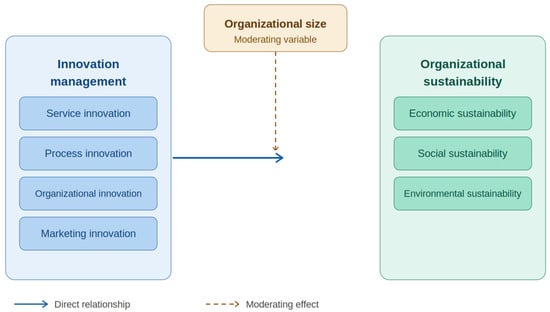
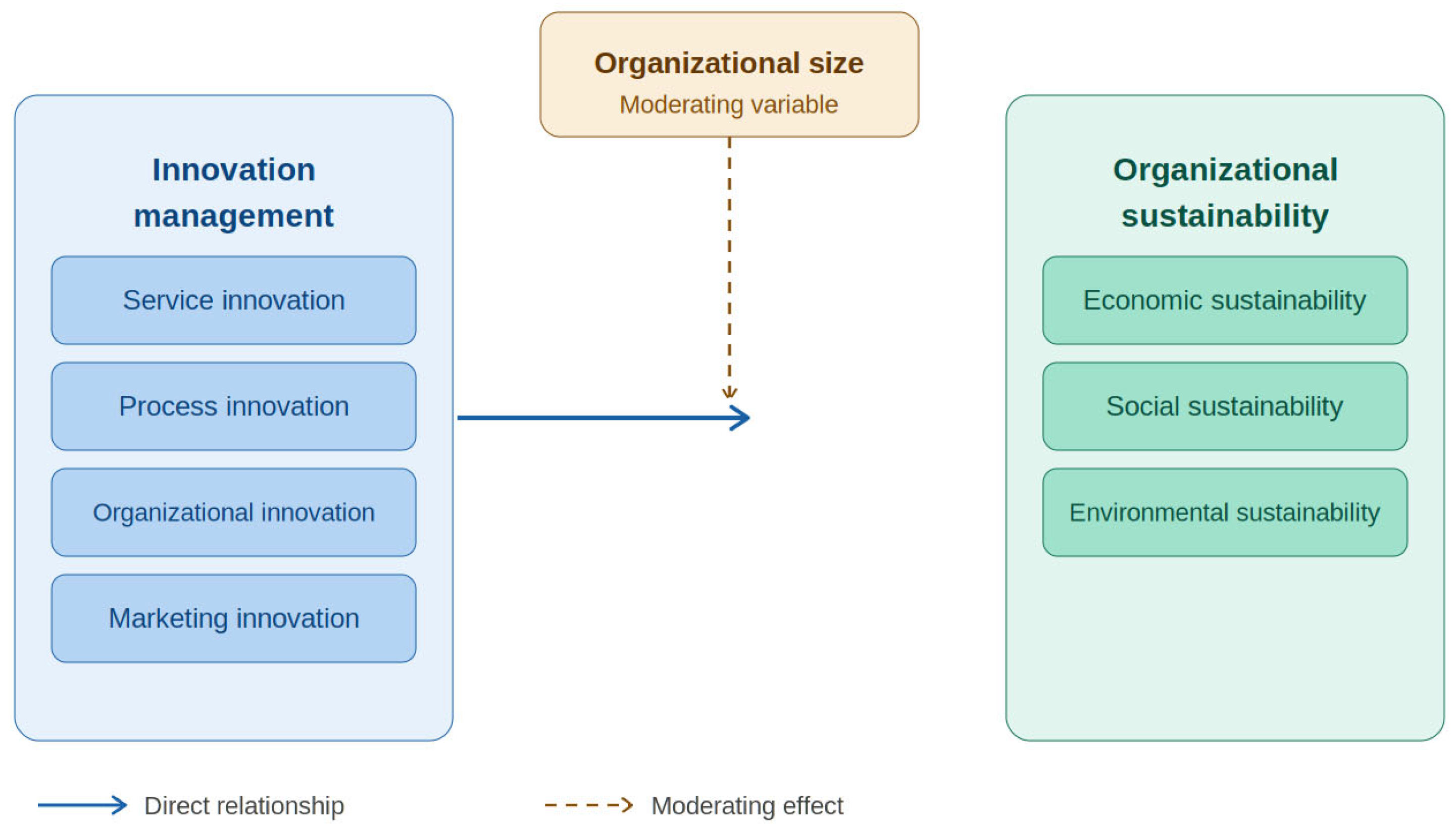

Disclaimer/Publisher’s Note: The statements, opinions and data contained in all publications are solely those of the individual author(s) and contributor(s) and not of MDPI and/or the editor(s). MDPI and/or the editor(s) disclaim responsibility for any injury to people or property resulting from any ideas, methods, instructions or products referred to in the content. |
© 2026 by the authors. Licensee MDPI, Basel, Switzerland. This article is an open access article distributed under the terms and conditions of the Creative Commons Attribution (CC BY) license.