


Abstract
Theoretical perspective: The function of rural human settlements serves as a crucial perspective for interpreting rural community restructuring, and hybridity is a powerful tool for decoding the function of rural human settlements. Objectives and methodology: Based on rural communities’ sample survey data in typical counties and cities of the Jianghan Plain in 2012 and 2022, an evaluation index system for rural community restructuring was constructed across three dimensions: entity hybridity, network hybridity, and meaning hybridity. This paper aimed to analyze the characteristics of rural community restructuring and human settlement functions evolving in the traditional agricultural plain using the weighted TOPSIS method, the Markov chain, and the synergy model. Results and conclusions: From 2012 to 2022, the level of rural community restructuring in the Jianghan Plain has significantly improved, and the comprehensive index of rural community restructuring has gradually narrowed across different rural communities. Meaning hybridity plays a major role in rural community restructuring in the Jianghan Plain. Social culture is the dominant element of rural community restructuring. Public security situation contributes 21.35% to rural community restructuring as the key indicator. Both macro humanistic environment and micro spatial attributes have significant influences on rural community restructuring. These findings can provide a scientific basis for the optimization of the rural community system in the Jianghan Plain.
1. Introduction
Rural communities are everyday living spaces for rural residents [1]. Since the beginning of the 21st century, rural areas in developed countries have faced a series of social, technological, and governance challenges, such as climate change, population loss, and sluggish economic growth [2]. Decades of neoliberal policies have generated multiple forms of violence in rural areas, depriving rural communities of their legitimacy and living space under the logic of global capital, thereby exacerbating rural decline on a global scale [3]. China currently has nearly 700,000 administrative villages and is affecting the livelihoods and ways of life of hundreds of millions of people, and can thus be regarded as a great nation of villages. In a society where the agricultural population constitutes the majority, peasants and villages are destined to remain among the most profound and complex dimensions of the modernization process.
Rural communities are undergoing intense reconstruction in contemporary China [4]. On the one hand, resources such as population, land, and capital for development are flowing out at an accelerated pace because of industrialization, urbanization, and marketization. Traditional village communities in China are gradually disintegrating due to the continuous erosion of their economic, social, and cultural foundation. Spatial degradation phenomena such as population aging, rural settlement disuse, and environmental contamination happened in these communities [5,6].
Since the onset of industrialization, the foundations of China’s traditional villages have been destabilized, and peasants’ means of livelihood have undergone profound change, with modes of production shifting from the traditional pattern of men farming and women weaving to wage labor in factories. Urbanization, meanwhile, has transformed villages into cities or led to their outright disappearance. Its most immediate effect has been to alter the use and physical form of land, thereby directly erasing the spatial texture of traditional villages, including such features as alleyways, courtyards, and wells. The disintegration of China’s village communities and peasant household collectivities due to market forces has, in a sense, been an inherent requirement of this process. For instance, when the labor power of a migrant worker is purchased at low cost, it is impossible to simultaneously assume responsibility for the well-being of the worker’s entire family.
On the other hand, the government encourages the orderly flow of talents, capital, and technologies to the countryside to boost rural revitalization and new countryside construction. Migrant workers return home to start businesses. A series of measures have advanced in rural communities, such as village mergers, infrastructure construction, the equalization of public services, and the construction of new-type communities [6,7]. The level of development, construction, and governance in rural communities has been improving.
In 2005, China formally launched the initiative to build a new socialist countryside, which primarily sought to address the dual challenges facing rural areas: inadequate physical infrastructure and the difficulty of retaining human and institutional resources. A notable example is Zhejiang Province’s Thousand Villages Demonstration, Ten Thousand Villages Renovation program, under which Meilin Village in Xiaoshan District established such facilities as a digital rural reading room and a smart health service station, illustrating an emerging model of digitally enabled governance in future rural communities.
In 2012, the 18th National Congress of the Communist Party of China first explicitly called for adhering to a path of new-type urbanization with Chinese characteristics. The core principle of this new type of urbanization is people-centered development. By promoting the two-way flow of urban and rural factors of production, it seeks to transform the countryside from a passive blood donor into an interactive partner of the city. For example, through household registration reform, Chongqing enabled large numbers of the rural migrant population to obtain urban hukou and thereby gain access to urban public services.
In 2017, China first introduced the Rural Revitalization Strategy, and in 2022, it further called for its comprehensive advancement. This strategy has fundamentally shifted rural communities toward a model of endogenous growth. Rural living environments have moved beyond the conditions of dirt, disorder, and neglect, while emerging industries such as processing, e-commerce, and tourism have created more employment opportunities for rural communities. At the same time, innovative governance mechanisms, including the points-based system and the list-based system, have helped address governance challenges associated with rural hollowing-out, while initiatives such as the Returning Geese Program and the cultivation of new farmers have infused rural communities with renewed vitality.
Given the vast and diverse nature of China’s rural areas, rural communities present a picture of intricate and complex changes under the dual influence of market mechanisms and government policies. It is necessary to accurately reveal the laws of rural community restructuring. This study aimed to provide a scientific basis for rural community construction, comprehensive rural revitalization, and the sustainable development of rural communities.
Rural community restructuring represents a radical transformation of the rural community system. It is manifested as the reorganization of constituent elements of rural communities and the reshaping of their spatial structure [8,9]. It also implies the reconstruction of rural community habitation functions [10]. Research on rural community restructuring has progressed into the post-rural era in the international academic world. Scholars focus on exploring special types of rural communities. They have prompted reflection on and transcendence of the homogeneous thinking regarding traditional rural communities against the backdrop of the cultural and relational turn in geography and the spatial turn in sociology. Rural communities around the world exhibit characteristics such as multiple entities, networking, and multi-function [11,12]. At the macro level, rural communities have largely undergone restructuring and transformation in developed Western countries. Specifically, rural communities have transformed from mere survival spaces into multi-functional spaces encompassing residence, employment, leisure, consumption, and environmental protection [13]. At the meso level, suburbanization has promoted the homogenization of both the material and social environments of rural communities [14]. Gentrification has led to dual effects of community revitalization and community segregation [15]. Spatial inequality and social exclusion were major challenges for the government when formulating policies for the development of rural communities [16]. At the micro level, spatial pioneers who seek a rural lifestyle were reshaping the spatial representation of rural communities through emotional space reproduction [17]. The changes in rural residents’ livelihoods resulted from technological advances and institutional reforms [18]. The land was sustainably utilized in rural communities, and social equity and justice have been basically achieved [19].
Research on rural community restructuring in China primarily focuses on two aspects: socio-cultural change and material environmental reconfiguration. The former centers on human–human relations, focusing on the composition and changes in the structure of social relations within rural communities [20]. The latter centers on human–land relations, examining the composition and spatial changes in the material environment of rural communities [21]. Against the poststructuralist backdrop, research on rural community restructuring has begun to systematically synthesize the form-connotation-meaning triadic integration [22]. Theoretically, a rural community embodies geographical, social, and cultural triple connotations. It can be further decomposed into village environment, living conditions, service facilities, and public spaces [23]. These constituent elements show geographical, social, and cultural connotations of rural communities. In practice, rural communities under tourism intervention emphasized uncovering the social and cultural connotations of tourism resources. Rural tourism development plays a crucial role in the sustainable development of rural communities [24]. Moreover, there are also some recent studies on inter-local network linkages [25] and the emotional interweaving of traditional-modern elements [26] in rural communities. They offer valuable insights for a comprehensive understanding of the complex evolution of rural community systems.
In summary, existing studies have largely focused on the flows of elements and structural changes within rural community systems. Scholars address both element circulation, social relations, and their interconnections, as well as infrastructure construction, residential environment design, and spatial structural adjustments. However, relatively few studies have incorporated changes in rural community functions into the analytical framework of rural community restructuring, which somewhat diminishes the normative significance of research on rural community restructuring. It indicates that the shift from homogeneity to hybridity is the main characteristic of functional change in Chinese rural communities at this stage [27,28]. Accordingly, this paper introduces hybridity into the analysis of rural community restructuring, using Jianghan Plain—a major agricultural production area in China—as a case study. The study employed methods including weighted TOPSIS, Markov chains, and a coupling coordination model based primarily on survey data from rural communities in 2012 and 2022. An evaluation index system for rural community restructuring was constructed from three dimensions: entity hybridity, network hybridity, and meaning hybridity.
This study aimed to address the following problems: (1) What characteristics does rural community restructuring in China’s traditional agricultural areas present? (2) What characteristics do different dimensions of rural community restructuring exhibit? (3) What is the variation pattern of human settlement functions in traditional agricultural areas of central China? This research is dedicated to enriching the perspectives of rural community restructuring. It also provides practical insights for optimizing rural community systems in the case area and similar regions.
This paper first identifies the key research questions and provides a literature review on rural community restructuring. Section 2 introduces the perspective of hybridity and describes the research methods in detail. Section 3 presents the characteristics of rural community restructuring, including an overall analysis, a structural analysis, and a spatial analysis. Section 4 highlights the value and distinctive features of this study and points out directions for future research. Finally, Section 5 summarizes the main findings of the study.
2. Research Design and Case Description
2.1. Research Design
2.1.1. The Concept of Hybridity and the Functional Perspective on Rural Community Restructuring
Rural community restructuring represents a dramatic transformation of rural community systems, which can be characterized from various perspectives, including elements, structure, and function (Table 1).
Table 1.
Different perspectives on rural community restructuring.
From the perspective of elements, the mobility of population, capital, land, and other elements in rural communities has not led to a universal improvement in well-being. Instead, it has given rise to spatial poverty traps and individual livelihood traps [16]. In relatively more developed rural communities, land abandonment may reduce internet penetration and widen the digital divide [19]. From a structural perspective, rural community space constitutes a complex giant system. Infrastructure represents the objective material resources that reflect the interactive spatial linkages both within and beyond the system. The living environment encompasses natural, social, and cultural dimensions, and spatial organization serves as a bridge connecting external exchanges with internal circulation within the system [23]. Meanwhile, in the course of suburbanization, disparities have emerged between new and old groups in rural communities in terms of access to infrastructure and public services, while architectural landscapes embodying local identity have been replaced by homogenized urban-style landscapes [15].
The rural community is a fundamental human settlement system, and hybridity is a powerful tool for interpreting changes in rural human settlement functions [27,28]. Hybridity refers to the state in which heterogeneous entities merge to form novel entities. It encompasses three dimensions: entity hybridity, network hybridity, and meaning hybridity [28,29]. In contemporary China, development elements within rural communities flow frequently at the urban-rural interface. The flow of elements induced functional hybridity, with rural communities gradually shifting from homogeneity to hybridity [27,28].
First, heterogeneous populations are gathering in rural communities, including permanent residents, migrants, and returnees. Non-human entities play an important role in rural communities, such as animals, plants, and landscapes. The intensifying interactions between humans and non-humans are driving rural communities toward entity hybridity. Second, the free flow of elements has altered urban-rural relations under marketization, producing an interactive state between local and trans-local forces. As a result, rural communities are increasingly characterized by network hybridity. Finally, the closed nature and stability of traditional villages have been disrupted in the context of urbanization and globalization. The localization discourses of place and identity have evolved, leading rural communities to exhibit meaning hybridity [30,31].
Accompanied by the continuous enrichment of rural community population structures, the circulation of elements among diverse actors forms complex networks. Multiple subjects give rise to different meanings depending on distinct socio-spatial scenarios [28] (Figure 1). Thus, hybridity provides a unique interpretive perspective for promoting difference, plurality, connectedness, dynamism, and networks in rural community restructuring. Hybridity plays a positive role in fostering internal and external linkages within rural communities and enhancing their sustainability. External actors collaborate with local actors to avoid resource idleness caused by the insufficient funding or technical capacity of any single actor. Human and non-human entities coexist harmoniously, helping to optimize the rural living environment. Intrafamilial clustering networks and externally connected networks play complementary roles in the sustainability of rural communities. Intrafamilial clustering networks reduce the costs of spatial friction, while externally connected networks enhance the community’s voice in regional development. The coexistence and interaction of different values and cultural perceptions constitute a deep driving force for achieving the sustainable development of rural communities. However, the processes and outcomes of hybridity also introduce new problems and challenges for rural communities.
Figure 1.
The logical relationship of hybridity describing rural community restructuring. Source: Drawn by the authors.
2.1.2. Quantitative Characterization of Rural Community Restructuring
Rural community restructuring is characterized by three aspects: entity hybridity, network hybridity, and meaning hybridity (Table 2). ➀ Entity hybridity reveals the integrative effects of heterogeneous human groups and non-human entities within rural communities. Rural communities involve multiple entities, including both human and non-human actors. Interactions among these heterogeneous entities produce varied impacts on the community’s population structure and material landscape [32]. A diverse plurality of stakeholders consists of indigenous residents, in-migrants, returnees, government officials, tourists, and others. The types of land use and the landscape of human settlements have become more diverse. Native residents, returnee residents, and non-local residents were selected to represent human entities. Community carrying capacity for habitation was measured by local population density, the population density of outsiders, and the population density of people returning home. Capital, technology, and natural resources were selected to represent a non-human entity. Community living-environment quality was measured by per capita rural electricity consumption, the proportion of irrigated and drained area by pumping, and per capita cultivated land.
Table 2.
Evaluation index system for rural community restructuring.
➁ Network hybridity reveals the efficiency and level of internal-external linkages within rural communities. Rural communities exhibit multidimensional relationships, including cohesive internal organizations and external linkages. Multidimensional relational networks facilitated community transformation and reorganization through internal cohesion and the establishment of external ties [27]. A cohesive network and an externally connected network represent network hybridity. A cohesive network is an internally emergent organizational structure formed to resist external shocks [33]. It is often tightly connected with the community’s internal core nodes [34]. Therefore, connectivity of the road network and node reachability were used as indicators. An externally connected network comprises interactions between rural and urban areas to obtain transformational development momentum [35]. Urban-rural connectivity promotes optimal allocation of public resources [36]. The balanced and coordinated development of urban–rural areas is expected to be achieved. Hence, infrastructure integration and the equalization of public services were used as indicators.
➂ Meaning hybridity elucidates change in the social coordination function of rural communities. Rural communities intertwine multiple values, encompassing traditional local cultural connotations while integrating elements of modern urban civilization. Rurality is a reciprocal conversion between the real and the virtual, and a hybrid production wherein both the modern and the traditional are deconstructed and reconstituted. It is the outcome of rural life practices and of the interaction between residents and the external world. From the meaning-hybrid perspective of rural community restructuring, social culture and daily life represent multiple community values [28]. Residents’ spiritual life, cultural beliefs, and folk customs play an irreplaceable role in enriching the spiritual world and promoting holistic human development [37]. Thus, cultural activities and cultural facilities were used to represent social culture. Interpersonal relationships and public security conditions are integral to community governance capacity and sustainable development [38,39]. Therefore, neighborly relations and public security situation were used to represent daily life.
2.2. Research Methods
2.2.1. Weighted TOPSIS Method
The weighted TOPSIS method combines the entropy weight method with the TOPSIS model, offering a more objective assessment of the importance of each indicator [40]. It imposes no strict restrictions on samples and produces reasonable results. This paper employed the weighted TOPSIS method to measure the level of rural community restructuring in the Jianghan Plain. Data were analyzed using MATLAB R2014a (MathWorks, Natick, MA, USA). The steps are as follows:
- Determine indicator weights using the entropy weight method and construct a weighted judgment matrix.
- Determine the positive and negative ideal solutions for the indicators:
In the formula, Vi+ denotes the positive ideal solution, Vi− denotes the negative ideal solution.
- Determine the distance between each indicator of the j-th rural community and the ideal solution:
In the formula, Dj+ denotes the distance of the various indicators of the j-th rural community to the positive ideal solution. The smaller its value, the higher the level of rural community restructuring. Dj− denotes the distance of the various indicators of the j-th rural community to the negative ideal solution. The smaller its value, the lower the level of rural community restructuring.
- Compute the closeness of the j-th rural community to the ideal solution:
In the formula, Cj denotes proximity, that is, the index of rural community restructuring, which ranges between 0 and 1. The larger the value, the higher the level of rural community restructuring, and vice versa.
2.2.2. Markov Chain
Markov chains can reveal the spatiotemporal dynamics of regional phenomena [41]. By introducing the transition probability matrix analysis method, this paper calculated the dynamic evolution process of each sample village in Jianghan Plain during the study period. Data were processed using Microsoft Excel (version 2016, Microsoft Corporation, Redmond, WA, USA), and the same treatment was applied to the system synergy degree results. The specific formula is as follows:
2.2.3. Synergy Degree Model
The degree of collaboration in rural community restructuring is driven by both the internal order of each subsystem and the coordination among subsystems. Drawing on related research [42], a coupling coordination degree model was constructed to measure the system’s stability and orderliness over a given time period. The specific steps are as follows:
- Indicator orderliness. Let the system’s order parameter be hji = (hj1, hj2, …, hjn), where n is the number of indicators influencing the system’s operation, n ≥ 1, and αji ≤ hji ≤ βji (i = 1, 2, …, n). βji and αji denote, respectively, the maximum and minimum values of the order parameter hji that ensure stable system operation. The formula for calculating indicator orderliness is as follows:
- Subsystem order. Construct an ordered evaluation system for rural community restructuring, including entity hybridity (EH), network hybridity (NH), and meaning hybridity (MH) subsystems. These are denoted by j = 1, 2, 3, respectively, and written as S = f (EH, NH, MH), where f is the rural community ordering model. The weighted TOPSIS method was used to calculate the order degree of each subsystem. The formulas are as follows:
- System Synergy Degree. The geometric mean method is used to measure the system synergy degree. Let the initial period be t0, and the order degree of each subsystem be uj0 (hj). When the subsystem is in period t1, its order degree value is uj1 (hj). Define cm as the synergy degree of the rural community system. The coefficient ϴ denotes the direction of the subsystem’s effect on the composite system’s synergy degree. The calculation formula is as follows:
The range of cm is [−1, 1]. The larger its value, the higher the system synergy, and vice versa. System synergy is categorized into four types: non-synergistic (cm ≤ 0), low synergy (0 < cm ≤ 0.5), moderate synergy (0.5 < cm ≤ 0.8), and high synergy (0.8 < cm ≤ 1) [40].
2.3. Case Illustration and Data Sources
2.3.1. Overview of the Study Area
The Jianghan Plain is located in the south-central part of Hubei Province, China. As a key component of the middle Yangtze River plain, it boasts extensive arable land, a relatively high proportion of grain marketed, and notable cotton production. These advantages collectively make it one of China’s major bases for commercial grain and cotton. Xiantao City, Jingshan City, and Gongan County were selected as case counties based on their economic development, urbanization rate, marketization level, and geographic location within the Jianghan Plain. (Table 3). Fifteen townships were selected based on their development level and geographic conditions, and 76 rural communities were ultimately chosen as sample sites according to their development capacity (Figure 2).
Table 3.
Environment and conditions of sample counties in the Jianghan Plain, 2022.
Figure 2.
Geographical features of the study area. Source: Drawn by the authors.
2.3.2. Data Sources
Population, land, and agricultural input data for the case townships were drawn from their respective Statistical Yearbooks or Agricultural Yearbooks for 2012 and 2022. Spatial data were calculated using GIS network analysis tools. The required datasets—including rural administrative boundaries, hardened-road conditions, and inter-node distance—were derived from the case townships’ administrative division maps and transportation maps for the corresponding years. Urban infrastructure penetration rates and public land data were obtained from the China City Construction Statistical Yearbook or China County Town Construction Statistical Yearbook, while rural data were collected by project team members during field surveys and visits to sampled villages in April 2023. Data for social culture and daily life were scored by the research team. The scoring was based on semi-structured interviews conducted with village grassroots leaders (e.g., committee chairs, party branch secretaries, accountants) and a random sample of permanent residents. Data from ten years earlier were sourced from the project team’s prior accumulated survey materials.
A total of 772 respondents were interviewed. After excluding 10 invalid interview records, 762 valid cases remained. The interview covered the following topics: ➀ Whether the village organizes cultural activities, and whether there are local cultural leaders or key participants in artistic and cultural activities. How many such activities are held each year, and whether traditional festivals such as the Spring Festival or the Lantern Festival feature fixed folk customs or ritual activities? ➁ Is the rural community equipped with facilities such as a multifunctional cultural activity room, a rural reading room, or a sports and recreation square? What is the floor area of these facilities in square meters, and do they have fixed opening hours? ➂ Are villagers in the habit of visiting one another socially? Are places such as village shops, public squares, or mahjong/card rooms usually well frequented? Whether, when banquets are held, the whole village comes to help and offers monetary gifts? ➃ Whether video surveillance has been installed at road intersections, village entrances, and around schools? Whether there is a volunteer patrol team organized by villagers, and whether any recent cases of theft, robbery, fraud, or similar incidents have occurred in the village?
3. Results
3.1. Overall Analysis of Rural Community Restructuring
3.1.1. Comprehensive Evaluation of Rural Community Restructuring
An overview of rural community restructuring in the Jianghan Plain from 2012 to 2022 is provided in Table 4. Overall, the level of rural community restructuring in the Jianghan Plain has steadily improved, with regional disparities narrowing. The mean index of rural community restructuring increased from 0.3547 to 0.4434, a rise of 25.01%, while the coefficient of variation decreased from 0.1917 to 0.1401, a decline of 26.92%. These changes are reflected in the accelerated two-way flow of population, deepened urban-rural network connectivity, and enhanced comprehensive governance in rural communities.
Table 4.
Descriptive statistics of rural community restructuring in the Jianghan Plain.
In 2012, the highest index of rural community restructuring was observed in Fengshiyan Village, Chenchang Town, Xiantao City (0.5156). The lowest value was found in Leizhou Village, Buhe Town, Gong’an County (0.2068). The range of the rural community restructuring index is 0.3088. By 2022, the maximum (0.6450) and minimum (0.3025) values of the rural community restructuring were recorded in Qibaoshan Village, Qianchang Town, and Madiàn Village, Luodian Town, respectively. Both are located in Jingshan City, yielding a range of 0.3425. The decomposition of the Theil index reveals that within-region differences account for a larger share of the overall disparity than inter-regional differences, and this gap is expanding. This suggests that the influence of macro-level environments on rural community restructuring is weakening, while the influence of micro-level conditions is strengthening.
3.1.2. Changes in the Pattern of Rural Community Restructuring
Using the tertile partitioning method to classify the indices of rural community restructuring in Jianghan Plain for the period 2012–2022, the study area can be divided into three levels: low level (C ≤ 0.3666), medium level (0.3666 < C < 0.4315), and high level (C ≥ 0.4315). In 2012, low-level restructuring was predominant among the rural communities in the study area, with 46 communities accounting for 60.53%. The number of medium- and high-level reconstructed rural communities was 19 and 11, accounting for 25.00% and 14.47%, respectively. By 2022, rural communities exhibiting high-level restructuring had become the dominant category, reaching 39 communities and accounting for 51.31%. Low- and medium-level reconstructed rural communities numbered 5 and 32, accounting for 6.58% and 42.11%, respectively.
In summary, in 2012, rural communities in the study area were still in the early stages of restructuring. This initial phase was marked by slow mobility of heterogeneous groups, insufficient urban-rural network linkages, and limited interaction between traditional and modern discourses. By 2022, the study area had implemented measures including talent recruitment, industrial restructuring, urban-rural integration, and cultural transition. These efforts resulted in rural communities developing a pronounced multifunctional character.
Given that rural community restructuring exhibits a dynamic evolutionary pattern, a Markov transition probability matrix was constructed (Figure 3). The results showed that the probabilities of upward transitions and cross-level transitions from low- and medium-level restructuring are significantly higher than the probabilities of maintaining the status quo. In contrast, the probability of maintaining the status quo in high-level restructuring is notably greater than the probability of undergoing a transition. Overall, the shift from low-level to high-level restructuring in rural communities within the study area is a widespread phenomenon, with communities maintaining the status quo being the next most common outcome.
Figure 3.
Markov transfer level of rural community restructuring type in the Jianghan Plain. Source: Drawn by the authors.
From 2012 to 2022, 54 rural communities (71.05%) experienced upward transitions in their restructuring level, while 22 communities (28.95%) maintained their original level. Rural communities that remained at a low restructuring level experienced sustained population outflow and lacked sufficient endogenous power. Those at a medium reconstruction level established professional cooperatives and expanded collective economies by leveraging locally advantaged resource endowments. Communities at a high restructuring level relied on abundant tourism resources or unique geographic advantages to pursue differentiated development paths, thereby unleashing community vitality.
Conversely, rural communities that transitioned from low to medium reconstruction levels consolidated their material foundation through the construction of flood control and disaster mitigation facilities. Those transitioning from low to high restructuring levels injected strong momentum into community construction by efficiently utilizing capital, technology, and natural resources. Finally, those who moved from medium to high restructuring levels strengthened human settlement function by seizing opportunities presented by pilot comprehensive reforms.
3.2. Structural Analysis of Rural Community Restructuring
3.2.1. The Dimensional Layer Analysis of Rural Community Restructuring
The dimensional layers of rural community restructuring in the Jianghan Plain from 2012 to 2022 are presented in Table 5. During the study period, meaning hybridity was most pronounced in the case site, and the values of multidimensional restructuring varied across different rural communities. The mean values of the dimensions, ranked from high to low: meaning hybridity, entity hybridity, and network hybridity, with growth rates of 36.87%, 22.84%, and 10.54%, respectively. This indicates that meaning hybridity had the highest level of restructuring and the strongest degree of human–cultural interaction. From 2012 to 2022, disparities in entity hybridity, network hybridity, and meaning hybridity across the case rural communities diminished, although disparities in network hybridity remained relatively high. Due to disparities among sample communities in economic development, historical and cultural heritage, and geographic location, there are notable gaps in internal and external connectivity within rural communities. Consequently, attaining effective road connectivity and integrated urban-rural development remains a formidable challenge. Finally, during the study period, meaning hybridity contributed the most to overall restructuring in the case site, at 61.79%, followed by entity hybridity (25.42%) and network hybridity (12.79%). This indicates that changes in meaning hybridity were the primary driver of intense rural community restructuring in the case site, reflecting the high complexity of cultural hybridization effects in the cross-boundary flows of globalization and urbanization.
Table 5.
The dimension layer of rural community restructuring in the Jianghan Plain.
The composite system coordination degree of rural community restructuring is analyzed based on Equations (6) through (8). The mean coordination degree of rural community restructuring in the case area from 2012 to 2022 is 0.0102, indicating a low level of system coordination. Specifically, rural communities in the Jianghan Plain are predominantly characterized by low coordination, with 54 communities accounting for 71.05%. A minority of communities exhibit non-coordination, numbering 22 and accounting for 28.95%. Overall, the coordination level of rural community restructuring is unsatisfactory in the case area.
The reason for this is that the change in the index of entity hybridity is 0.0226, reflecting a moderate magnitude of change. This indicates that the degree of human–environment interaction requires further development in the case area. The change in the index of network hybridity is 0.0113, the smallest magnitude of change, suggesting that there is considerable room for improvement in internal-external connectivity levels in the case area. Future efforts should focus on enhancing interconnections between urban and rural areas, as well as on improving node linkages within villages. The change in the index of meaning hybridity is 0.0547, which plays a key role in the coordinated evolution of the rural community system. This suggests that rural communities in the Jianghan Plain have effectively become habitation complexes where multiple values are intertwined.
3.2.2. The Elemental Layer Analysis of Rural Community Restructuring
The results presented in Figure 4 indicate the status of element-layer restructuring in rural communities in the Jianghan Plain from 2012 to 2022. The restructuring index for daily life rose from 0.0819 to 0.1092, an increase of 33.33%, contributing 30.80% to rural community restructuring. Daily life restructuring was the most pronounced, with both a high growth rate and contribution rate, indicating that interpersonal exchanges and daily mutual assistance among rural community residents in the Jianghan Plain are common. The restructuring index for social culture increased from 0.0666 to 0.0941, a growth of 41.21%, contributing 30.99% to rural community restructuring. Social and cultural restructuring consistently remained at a high level, and its strong growth rate made a major contribution to the rural community restructuring in the Jianghan Plain.
Figure 4.
The element layer of rural community restructuring in the Jianghan Plain. Source: Drawn by the authors.
The restructuring index for non-human entities rose from 0.0661 to 0.0851, an increase of 28.62%, contributing 21.35% to rural community restructuring. The importance and influence of non-human entities have grown increasingly prominent. In contrast, the restructuring levels of externally connected networks, cohesive networks, and human entities are relatively low, with slow growth rates, contributing little to the overall restructuring of rural communities in the Jianghan Plain. This indicates weakened urban–rural integration, internal stagnation, and a significant talent gap in rural communities.
3.2.3. The Indicator Layer Analysis of Rural Community Restructuring
The results presented in Table 6 indicate the indicator-level situation of rural community restructuring in the Jianghan Plain from 2012 to 2022. The index of public security restructuring increased from 0.0423 to 0.0612, a rise of 44.79%, with its contribution to rural community restructuring reaching 21.35%. Public security thus became a key indicator of rural community restructuring in the Jianghan Plain. Four indicators—neighborly relations, cultural activities, cultural facilities, and per capita rural electricity consumption—demonstrated high restructuring intensity and significantly contributed to rural community restructuring. This reflects a concurrent enrichment of residents’ spiritual and cultural lives alongside enhanced material well-being. The restructuring levels of the remaining indicators were relatively low, with weaker impacts on rural community restructuring.
Table 6.
The indicator layer of rural community restructuring in the Jianghan Plain.
Notably, the restructuring levels of three indicators—local population density, population density of people returning home, and the equalization of public services—showed downward trends, decreasing by 4.83%, 16.74%, and 0.99%, respectively. These indicators have become constraining factors for rural community restructuring in the Jianghan Plain. The outflow of population from rural communities in the Jianghan Plain has long exceeded the inflow from other areas, making the return of the rural population a lengthy process. The decline in the index of equitable access to public services highlights the continued imbalance between urban and rural development in the Jianghan Plain. Ensuring that urban and rural functions are coordinated and complementary continues to be a difficult, long-term task.
3.3. Spatial Analysis of Rural Community Restructuring
Rural community restructuring is closely tied to the natural and cultural environments on which they depend. At the macro level, the case counties exhibit little difference in elevation, meteorological, and climatic conditions. However, alongside external drivers such as urbanization and marketization, and internal responses such as industrial restructuring and spatial governance, their economic development and population structures have gradually diverged. Therefore, this paper selected per capita GDP, the proportion of the rural population, and the industrial structure to measure the extent to which the county-level human environment influences rural community restructuring.
At the micro level, the spatial attributes of rural communities are shaped by geographic location and spatial linkages. To analyze the primary causes of spatial differentiation in rural community hybridity, this paper analyzed four spatial attributes: village altitude, the distances to major rivers, transportation arteries, and town centers.
3.3.1. County-Scale
The results of rural community restructuring for the case counties are shown in Table 7. In 2012, the rural community restructuring indices of the case counties, ranked from highest to lowest, were: Jingshan City > Xiantao City > Gong’an County. By 2022, the ranking changed to: Xiantao City > Jingshan City > Gong’an County. Based on the actual development of the study area, at the beginning of the study period, Jingshan City ranked first in per capita GDP. However, by the end of the period, Xiantao City demonstrated clear advantages in per capita GDP, urbanization level, and regional industrial structure, while Gong’an County had the lowest comprehensive development level throughout the study period. These findings indicate that the spatial characteristics of rural community restructuring in the Jianghan Plain are closely related to the regional human environment.
Table 7.
Comprehensive and fractal dimension index of rural community restructuring in sample counties.
Additionally, the coefficients of variation for the case counties all showed a downward trend, suggesting that differences in rural community restructuring within the counties have been narrowing to varying degrees. The main sources of overall differentiation in rural community restructuring in the case area in 2012 and 2022 were Gong’an County and Jingshan City.
Table 7 presents the dimensional characteristics of rural community restructuring in the case counties. In terms of mean values, in 2012, Jingshan City’s rural communities recorded the highest indices for entity hybridity and meaning hybridity, at 0.1038 and 0.1762, respectively, while Xiantao City had the highest network hybridity index at 0.1214. By 2022, Xiantao’s rural communities ranked first in entity hybridity, network hybridity, and meaning hybridity, followed by Jingshan City and Gong’an County. This indicates that Jingshan had already exhibited relatively tight linkages among diverse entities and rich resident daily life practices as early as 2012, while Xiantao maintained comparatively strong resilience to external shocks and frequent exchanges with the outside throughout the study period. In contrast, rural communities in Gong’an County had weaker conditions for restructuring and a lower starting point.
The coefficients of variation show that for the entity-hybridity dimension, Gong’an’s rural communities had the largest coefficient of variation in 2012 (0.2590), while in 2022, Xiantao had the largest (0.2349), indicating substantial changes over time in the degree of heterogeneous entities among sample villages. For the network-hybridity dimension, the maximum coefficients of variation in 2012 and 2022 were Gong’an (0.2720) and Jingshan (0.2738), respectively, reflecting pronounced changes in urban–rural relations in the case area against the macro backdrop of China’s rural transformations. For the meaning-hybridity dimension, Gong’an exhibited the largest coefficient of variation throughout the study period, reflecting varying degrees of the interweaving of multiple values in its rural communities. In terms of contribution rates, the maxima for entity hybridity and meaning hybridity were in Xiantao, while the maximum for network hybridity was in Gong’an, indicating differences in the driving forces behind rural community restructuring across the case counties.
3.3.2. Village-Scale
The distribution and restructuring characteristics of rural communities in the Jianghan Plain under different spatial attributes were analyzed (Figure 5). As shown in Figure 5a, in 2012, the altitude range of 30–60 m exhibited the highest concentration of rural communities, while high-level restructuring of rural communities was primarily concentrated in the 0–30 m and >60 m elevation ranges. By 2022, the altitude of rural communities had changed noticeably, and there was no significant difference in the index of rural community restructuring across different elevation ranges in the Jianghan Plain. During the study period, the number of rural communities in the Jianghan Plain was evenly distributed across the three river-distance categories, and the index of rural community restructuring gradually decreased with increasing distance from the main rivers (Figure 5b).
Figure 5.
The distribution and restructuring characteristics of rural communities under different spatial attributes in the Jianghan Plain. (a) Distribution and restructuring characteristics of rural communities at different elevations; (b) Distribution and restructuring characteristics of rural communities at different distances from rivers; (c) Distribution and restructuring characteristics of rural communities at different distances from roads; (d) Distribution and restructuring characteristics of rural communities at different distances from town governments. Source: Drawn by the authors.
Figure 5c shows that in 2012, rural communities in the Jianghan Plain were primarily located more than 3 km from major roads. A decade later, this situation had improved to some extent. Over the study period, the index of rural community restructuring declined as the distance from roads increased. The distance of rural communities from town governments did not change over the ten years (Figure 5d). The number of rural communities at distances of 0–3 km, 3–6 km, and >6 km was 20, 23, and 33, accounting for 26.32%, 30.26%, and 43.42%, respectively. Rural communities closer to town governments exhibited higher levels of restructuring.
The relationship between rural community restructuring and spatial attributes was further analyzed by establishing regression equations for rural community restructuring in the Jianghan Plain with respect to distance from rivers, roads, and town governments (Figure 6). Distance to major rivers is significantly negatively correlated with rural community restructuring. As a traditional agricultural region in China, water availability in the Jianghan Plain imposes considerable constraints on local agricultural production and residents’ livelihoods.
Figure 6.
Relationship between rural community restructuring and the distances of rivers, roads, and town governments in the Jianghan Plain. (a) Relationship between rural community restructuring and the distances of rivers; (b) Relationship between rural community restructuring and the distances of roads; (c) Relationship between rural community restructuring and the distances of town governments. Note: * p < 0.1, *** p < 0.01. Source: drawn by authors.
Distance to major roads is significantly negatively correlated with rural community restructuring at the 1% level. Transportation underpins economic development and is essential for improving livelihoods. Rural communities located closer to major roads and higher-grade highways enjoy clear advantages in internal connectivity, external linkage, and innovation.
Distance to the town center is significantly negatively correlated with rural community restructuring at the 1% level. The town government serves as the local transportation hub and economic and cultural center, and rural communities closer to the town government benefit from the spillover and driving effects of the center, optimizing community functions.
4. Discussion
4.1. Hybridity as a Theoretical Tool for Rural Community Restructuring
Hybridity serves as a powerful theoretical tool for interpreting the reconfiguration of the rural community function. Traditional perspectives have often overlooked the hybridity of rural communities. Although the political economy approach has become the dominant discourse in rural geography, many studies grounded in this perspective have failed to adequately explain the agency, practices, and values of rural actors in specific contexts [43]. In the context of post-productivism, the landscape, recreational, and cultural value of rural land has been elevated to an unprecedented level. Multiple stakeholders now participate in decision-making on rural community development, and the social and cultural heterogeneity of rural populations has increased [44]. The concept of the hybrid rural community inherits the central claims of post-rural theory, recognizing that the characteristics of rural communities may be detached from a purely geographical foundation and become intertwined with the socio-spatial logics of the global, the urban, and the networked [45]. Moreover, hybridity does not remain confined to the post-rural emphasis on representation and spatial mobility. Rather, it introduces richer and more grounded analytical dimensions by examining different groups’ emotional attachments to place and their embodied practices.
The rural community is an organic habitation system composed of people, industries, and land, with population carrying capacity as its fundamental function. In the context of mobility, the shift from homogeneity to hybridity is the primary characteristic of the reconfiguration of rural community function in current China [27,28].
Entity hybridity is formed through the interactions of diverse human and non-human entities [20]. Heterogeneous populations include permanent residents, migrants, and returnees, while non-human entities encompass animals, plants, and landscapes. In this study, the human entity indicators measure the actual structure of population mobility, while the non-human entity indicators capture the material foundations of rural ways of life. This suggests that entity hybridity is jointly shaped by human–land relations and technological embeddedness, rather than remaining merely at the level of the philosophical reflections associated with the post-rural [45]. Although actor-network theory extends rural subjectivity to include non-human entities, it tends to emphasize case-based description [46]. By contrast, this study of entity hybridity in the Jianghan Plain extends the analysis to the regional scale and uses empirical data to demonstrate how non-human actors shape the structure of rural populations. Indigenous residents, in-migrants, and returnees converge in rural communities, transforming external intellectual resources into endogenous driving forces for rural development. However, in the absence of effective benefit-sharing mechanisms, this may intensify the complexity of community governance.
Network hybridity in rural communities arises from cross-scale connections and interactions. These interactions connect diverse elements—human and nonhuman, modern and traditional—forming relational networks that span community boundaries [47]. The network hybridity indicator system developed in this study engages in a profound and explicit theoretical dialogue with the concepts of the relational rural and the global countryside [48]. The intrafamilial clustering network directly measures the strength of internal connections and the topological structure of rural communities, while the externally connected network corresponds to the core concern with local–supralocal interconnectedness. This demonstrates that rural communities are not isolated islands of development. Internal road connectivity and external urban–rural linkages together form the fundamental support system for rural modernization, but caution must be exercised against inadequate planning of transportation and public service facilities.
Additionally, heterogeneous actors interweave within hybrid networks. Meaning hybridity is reconstituted in rural community space, arising from the dynamic interplay between new and old, real and virtual forces [49]. Inspired by the dwelling perspective, the meaning hybridity indicator system proposed in this study represents an important step toward operationalization and quantification. The dwelling perspective focuses on how individual residents, through everyday embodied practices, develop emotional and relational meanings in connection with specific landscape objects [50]. In contrast, this study concentrates on the overall state of meaning hybridity at the level of the rural community and operationalizes it into comparable indicators of social culture and daily life. Hybrid meaning, by sustaining cultural identity and community cohesion, can effectively counter the social atomization caused by the shocks of modernization. However, outdated customs and unhealthy social practices may undermine the quality of community life.
Rural community restructuring is fraught with uncertainties. Hybridity offers a powerful way to understand this process in China. The Rural community is a hybrid, tension-filled, and dynamic functional complex from the perspective of hybridity. It provides a robust explanatory framework for understanding the diverse and intense rural community restructuring in China.
Through the three-dimensional framework of entity, network, and meaning, this study demonstrates that hybridity is not merely a condition but also an internal driving force behind the restructuring of rural communities. The findings show that meaning hybridity accounts for as much as 61.79% of the contribution to rural community restructuring in the Jianghan Plain. This powerfully challenges the singular perspective of material determinism in traditional political economy [43]. Specifically, in lowland agricultural regions, transformations in sociocultural perceptions and emotional identification are more explanatorily powerful than changes in physical space and population structure. Public security situation is a key indicator of rural community restructuring, with a contribution rate of 21.35%. This suggests that the effectiveness of grassroots rural governance provides the foundation for maintaining community stability and advancing restructuring, which is fundamentally different from the Western pattern of rural community restructuring driven by counter-urbanization or gentrification [51]. The distances between villages and major rivers, transport arteries, and township governments exert a negative influence on rural community restructuring. This should not be understood as a simple form of locational determinism [52], but rather as the spatial projection of institutional arrangements and capacities for network embeddedness.
4.2. Comparison with Typical Regions
Rural community restructuring exhibits regional characteristics in the Jianghan Plain. As a traditional agricultural area, the functional system of the rural community underwent continuous reconfiguration here. Heterogeneous entities gather in rural communities. The interaction of traditional and modern cultures profoundly influenced the reconfiguration of rural community function, generating both risks and opportunities. Fieldwork in rural communities in Colombia shows that class polarization arising from income inequality has fostered a form of meaning hybridity that transcends social boundaries, with a shared need for security becoming the core meaning connecting different groups [53]. Depictions of social interactions in rural communities in sub-Saharan Africa show that social networks radiate outward from the household, extending to the residential compound, the neighborhood, the village, and even to other regions within Senegal and beyond [54].
Structural analysis reveals that emotional cohesion and identification of rural communities are relatively high, and the contribution of non-human entities has tended to increase. However, the coevolutionary synergy remains unsatisfactory in the reconfiguration of rural community function. Spatial analysis reveals that rural community restructuring is predominantly influenced by environmental factors. It is mainly driven by county-level variables (e.g., per capita GDP, rural population proportion, industry structure) and village-level factors (e.g., distance to major rivers, roads, and town centers).
In comparison, rural community restructuring in post-socialist countries is closely linked to state policies, as local governments have the authority to determine the legal zoning of manor settlements, which directly constrains the legitimacy of local residents’ living conditions [55]. Tourism activities have brought in large numbers of non-local actors. Tourists, investors, and retirement migrants, together with local villagers, have formed new hybrid communities. As a result, the rural plains have been transformed from closed spaces into hybrid social spaces characterized by interactions among multiple entities [56].
Rural communities have undergone more thorough transformations in China’s eastern coastal areas [57]. Land-use patterns have been altered by sustained interactions among heterogeneous groups. In situ urbanization of rural communities has been achieved in these regions. In some parts of western inland China, rural communities have been characterized by growing heterogeneity in their economic and social structures due to the development of tourism resources [58]. It led to the rapid disintegration of previously stable and homogeneous communities. In ecologically fragile and sensitive areas, non-human entities such as famous ancient trees, rare animals, and plants were protected and valued [59]. However, the disturbance caused by tourism activities in the local area has also brought severe ecological protection challenges. The deterioration of ecosystem health has intensified the internal conflict between resource protection and social and economic development.
4.3. Policy Implications and Practical Value of Hybridity
Research on rural community restructuring emphasizes humanistic concern and practical value from a hybridity perspective. Unlike the perspective of element and structure, hybridity conceives of the rural community as a functional settlement system centered on its residents. Through entity hybridity, network hybridity, and meaning hybridity, it addresses key issues such as rural community population size and structure, living conditions, and quality of life. This research trajectory is distinctly human-centered and yields results with clear practical value.
The case study shows that meaning hybridity is the core dimension of rural community restructuring in the Jianghan Plain. In the policy discourse and project design of lowland agricultural regions, it is important to recognize the legitimate identities of new villagers, returning entrepreneurs, and rural professional managers. Some resources should be shifted from hardware construction toward support for community cultural initiatives such as village history museums, rural arts festivals, and community-building workshops. These efforts can help villages reconstruct collective memory and future visions.
Social culture contributes 30.99% to rural community restructuring. In the performance evaluation indicators for rural revitalization, soft indicators such as the activity levels of community organizations, the frequency of mutual aid among neighbors, and the participation rate in public activities should be added. These indicators will guide grassroots governments to attach greater importance to social development. The public security situation is a key indicator of rural community restructuring. Policy should therefore focus on restoring and strengthening the moral constraints and mutual-watch functions of the acquaintance society. At the same time, policies should emphasize the early resolution of conflicts and disputes to prevent minor issues from escalating into major problems and undermining community trust.
Differences in the level of rural community restructuring within the same county—or even within the same township—have already exceeded those between different counties and cities. This calls for a shift in rural community planning from the traditional blueprint-based, standardized, and materially oriented approach to one that is process-oriented, differentiated, and governance-centered. This transition includes moving the planning scale downward from township-level coordination to the village unit. In the case area, the dominant pattern shifted from low-level restructuring in 2012 to high-level restructuring in 2022. This shift marks the need for planning logic to move decisively from inclusive gap-filling to structural prevention of differentiation. For the 51.31% of rural communities undergoing high-level restructuring, rigid regulations on specific spatial forms should be reduced, and greater autonomy should be granted in land use and functional mix. For the 42.11% of rural communities undergoing medium-level restructuring, their developmental shortcomings need to be accurately identified. For example, if the degree of entity hybridity is low, planning should focus on attracting people. For the 6.58% of rural communities undergoing low-level restructuring, shrinkage-oriented planning or regional collaborative planning should be initiated. Instead of continuing to plan for independent and fully equipped public service facilities, efforts should shift toward designing mobile service circles, such as mobile cultural stations and traveling medical vehicles.
The macro-level humanistic environment and micro-level spatial attributes have an important influence on rural community restructuring. Rural community development must shift from lighting a fire in every village to selective cultivation and step-by-step advancement, thereby building a tiered service system of central villages, grassroots villages, and shrinking villages. It is worth noting that the restructuring levels of three indicators—local population density, returnee population density, and equalization of public services—declined by 4.83%, 16.74%, and 0.99%, respectively. It is therefore recommended that returnee talent associations be established at the township level to address the problem of their social relationship islands and reduce the cost of integration through organization. A dynamic population–service matching mechanism should also be created so that more flexible service provision can be supplied to nodal villages where returnee and local populations are concentrated. Where high wages cannot be provided, the soft value of local living can be enhanced by improving neighborhood relations, strengthening the sense of community safety, and lowering the cost of living.
4.4. Research Limitations and Prospects
This paper incorporated hybridity into the index system for rural community restructuring, focusing on analyzing the characteristics of rural community restructuring and the evolution of human settlement function in China’s major grain-producing areas. It provides a nuanced understanding of rural community hybridity. Specifically, after separately explaining the connotations of hybridity and rural community restructuring, the paper clarified the potential connections between the two. Rural community restructuring from the perspective of hybridity aims to interpret changes in rural residential function. The survey data covered 76 sampled villages in the Jianghan Plain, including statistical, vector, raster, and interview data.
However, constrained by data availability, the study relied solely on data pertaining to the years 2012 and 2022. The lack of long-term continuous data makes it difficult to explore the protracted process of rural community restructuring. As an example of China’s major grain-producing area, the locality faces challenges such as population outmigration, external disturbances, and cultural erosion. The findings of this paper can provide valuable insights for other grain-producing regions globally, but they cannot fully represent rural communities in vastly different geographic environments.
Future research should obtain continuous data with broader coverage and higher precision, leveraging big data and artificial intelligence technologies in the digital intelligence era. This will facilitate a deeper understanding of the complex process of rural community restructuring. Future studies should aim to characterize the rich attributes of rural community restructuring based on spatial location, resource endowment, and entity behavior. It is crucial to analyze the changing mechanism of human settlement function in rural communities under the new mobility paradigm. It is of great importance to identify the key external drivers of rural community restructuring.
5. Conclusions
(1) The level of rural community restructuring in the Jianghan Plain has increased significantly, and regional differences have gradually narrowed. Rural community restructuring has been profoundly impacted by exogenous drivers and strategic deployments in the region. Rural community restructuring in the Jianghan Plain has resulted in three distinct tiers: low, medium, and high. The dynamic transitions comprise two primary states: upward transition and stability.
(2) Rural community restructuring in the Jianghan Plain was primarily attributable to its core dimension, dominant element, and key indicator. Meaning hybridity constitutes the core dimension of rural community restructuring in the Jianghan Plain. Social culture plays a leading role in rural community restructuring in the region. The public security situation serves as the key indicator of rural community restructuring in the Jianghan Plain.
(3) Rural community restructuring in the Jianghan Plain is closely related to both the macro human-cultural environment and micro spatial attributes. The distinctiveness of regional rural community restructuring emerges from the interplay of per capita GDP, the rural population proportion, and industrial structure. At the village scale, it reveals a negative correlation between the intensity of rural community restructuring in the Jianghan Plain and the proximity to rivers, roads, and town governments.
Author Contributions
Conceptualization, X.Z. and B.Y.; methodology, X.Z. and M.H.; validation, X.Z. and Z.Z.; formal analysis, X.Z.; investigation, X.Z. and M.H.; resources, B.Y.; data curation, X.Z.; writing—original draft preparation, X.Z.; writing—review and editing, X.Z. and B.Y.; visualization, X.Z. and Z.Z.; supervision, B.Y.; project administration, B.Y.; funding acquisition, B.Y. All authors have read and agreed to the published version of the manuscript.
Funding
This research was funded by the National Natural Science Foundation of China (grant number 42271227), and the APC was funded by the National Natural Science Foundation of China. This research was supported by the 2025 Central China Normal University Outstanding Graduate Education Innovation Funding Project (2025CXZZ156).
Institutional Review Board Statement
IRB approval obtained (approved by the Ethics Committee of Central China Normal University (1220953) on [1 March 2023]).
Informed Consent Statement
Informed consent for participation was obtained from all subjects involved in the study.
Data Availability Statement
The data presented in this study are available on request from the corresponding author due to privacy and ethical restrictions (the data contain sensitive interview and survey responses from rural community residents in the Jianghan Plain).
Conflicts of Interest
The authors declare no conflicts of interest.
References
- Barrett, G. Deconstructing community. Sociol. Rural. 2015, 55, 182–204. [Google Scholar] [CrossRef] [Scilit]
- Frank, K.I.; Hibbard, M. What Can Rural Planning Learn from Community Development? Some Lessons Moving Forward. J. Am. Plan. Assoc. 2026, 92, 45–62. [Google Scholar] [CrossRef] [Scilit]
- Kasabov, E. Ignored, Silenced, Caricatured, Ridiculed, Patronised, and Hijacked: What Next for a Post-Populist, Post-Gilded-Age Countryside? J. Rural Stud. 2020, 75, 143–151. [Google Scholar] [CrossRef] [Scilit]
- Chen, C.; Gao, J.; Chen, J. Behavioral logics of local actors enrolled in the restructuring of rural China: A case study of Haoqiao Village in northern Jiangsu. J. Rural Stud. 2022, 93, 223–233. [Google Scholar] [CrossRef] [Scilit]
- Jiang, Y.; Long, H.; Tang, Y.T.; Deng, W. Deciphering how promoting land consolidation for village revitalization in rural China: A comparison study. J. Rural Stud. 2024, 110, 103349. [Google Scholar] [CrossRef] [Scilit]
- Zhang, L.; Zhao, Y.; Zhang, X.; Du, H. Effect mechanisms of peasant relocation decision-making behaviours in the process of rural spatial restructuring: The case of Hotan Region, China. Sustain. Cities Soc. 2020, 63, 102429. [Google Scholar] [CrossRef] [Scilit]
- Xin, S.; Gallent, N. Conceptualising ‘neo-exogenous development’: The active party-state and activated communities in Chinese rural governance and development. J. Rural Stud. 2024, 109, 103306. [Google Scholar] [CrossRef] [Scilit]
- Chanda, H.; Mohareb, E.; Peters, M.; Harty, C. Exploring the nexus of solar adoption, sustainability, and rural community development through the role of white commercial farmers: The case of Mkushi, Zambia. Energy Res. Soc. Sci. 2025, 128, 104336. [Google Scholar] [CrossRef] [Scilit]
- Fink, M.; Lang, R.; Harms, R. Local responses to global technological change—Contrasting restructuring practices in two rural communities in Austria. Technol. Forecast. Soc. Change 2013, 80, 243–252. [Google Scholar] [CrossRef] [Scilit]
- Baldwin, C.; Hamerlinck, J.; McKinlay, A. Institutional support for building resilience within rural communities characterised by multifunctional land use. Land Use Policy 2023, 132, 106808. [Google Scholar] [CrossRef] [Scilit]
- Sheller, M. From spatial turn to mobilities turn. Curr. Sociol. 2017, 65, 623–639. [Google Scholar] [CrossRef] [Scilit]
- Tuulentie, S.; Kietäväinen, A. New rural community? Narratives from second home owners about everyday life in a tourist region in Finnish Lapland. Sociol. Rural. 2020, 60, 357–374. [Google Scholar] [CrossRef] [Scilit]
- Wilson, G. Multifunctional ‘quality’ and rural community resilience. Trans. Inst. Br. Geogr. 2010, 35, 364–381. [Google Scholar] [CrossRef] [Scilit]
- Willett, J. Counter-urbanisation and a politics of place: A coastal community in Cornwall and rural gentrification. Habitat Int. 2023, 141, 102935. [Google Scholar] [CrossRef] [Scilit]
- Salamon, S. From hometown to nontown: Rural community effects of suburbanization. Rural Sociol. 2003, 68, 1–24. [Google Scholar] [CrossRef] [Scilit]
- Andriesse, E.; Dinh, T.L.; Kittitornkool, J.; Kodir, A.; Kongkaew, C.; Markphol, A.; Pham, Q.T.N.; Sumadio, W. Immiserizing growth and the middle-income trap in rural South East Asia: Comparing exclusion and coping mechanisms among farming and fishing communities. World Dev. 2025, 185, 106783. [Google Scholar] [CrossRef] [Scilit]
- Imhoff, F.; Rainer, G. Affective spaces of the rural: A praxeological analysis of the “spatial pioneers” of Upper Lusatia (Germany). J. Rural Stud. 2024, 111, 103420. [Google Scholar] [CrossRef] [Scilit]
- Hjorthen, S.L.; Sund, E.R.; Kjørholt, A.T.; Engevold, M.H.; Krokstad, S. Public health in restructuring coastal communities: Generational trends in self-rated health following the decline in small-scale fishing. The HUNT study, Norway. J. Rural Stud. 2021, 88, 307–316. [Google Scholar] [CrossRef] [Scilit]
- Pelucha, M.; Shemetev, A. Unravelling the link between land use policy and digital infrastructure: Insights from Czech rural communities. Land Use Policy 2025, 150, 107452. [Google Scholar] [CrossRef] [Scilit]
- Yang, R.; Xu, X.; Zhou, J.D.; Chen, Y. Mechanism of rural space transformation in Fengjian Acient village of Shunde district, Foshan based on the actor network. Geogr. Sci. 2018, 38, 1817–1827. [Google Scholar] [CrossRef]
- Long, H.; Chen, K. Transformations of rural residential morphologies and related spatial governance in the process of new-type urbanization in China. Econ. Geogr. 2024, 44, 12–21. [Google Scholar] [CrossRef]
- Uleri, F.; Viganò, F.; Musolino, M. Understanding rural energy transitions through the spatial dynamics between rural change and energy system transformation. J. Rural Stud. 2025, 120, 103895. [Google Scholar] [CrossRef] [Scilit]
- Hu, M.; Yu, B.; Yan, M.; He, L.; Zhang, Z. Evolution mechanism and optimization guidelines of rural community space in Jianghan Plain from the perspective of complex systems. Prog. Geogr. 2024, 43, 2183–2196. [Google Scholar] [CrossRef] [Scilit]
- Reina-Usuga, L.; Camino, F.; Gomez-Casero, G.; Alba, C.A.J. Rural tourism initiatives and their relationship to collaborative governance and perceived value: A review of recent research and trends. J. Destin. Mark. Manag. 2024, 34, 100926. [Google Scholar] [CrossRef] [Scilit]
- Mathisen, T.; Jansson, J.; Power, D. Female artists work and creativity in the rural: Beyond core and periphery. J. Rural Stud. 2024, 111, 103427. [Google Scholar] [CrossRef] [Scilit]
- Zumbrunn, A.; Lang, A.; del Horno, R.G. Where does place-based identity come from? The role of place experience. J. Rural Stud. 2025, 120, 103830. [Google Scholar] [CrossRef] [Scilit]
- Yu, B.; Lu, Y.; Zeng, J.; Zhu, Y. Progress and prospect on rural living space. Geogr. Sci. 2017, 37, 375–385. [Google Scholar] [CrossRef]
- Lv, Z.; Lin, G. Hybridity: Rethinking rurality. Geogr. Res. 2017, 36, 1873–1885. [Google Scholar]
- Brunori, G. Post-rural processes in wealthy rural areas: Hybrid networks and symbolic capital. In Between the Local and the Global; Emerald Group Publishing Limited: Bingley, UK, 2006; pp. 121–145. [Google Scholar] [CrossRef] [Scilit]
- Wang, Y.; Wang, H. Constructing ideal wanghong villages on social media: The rural aesthetics, e-commerce livestreaming, and digital representations of Chinese rurality. J. Rural Stud. 2025, 119, 103782. [Google Scholar] [CrossRef] [Scilit]
- Chen, N. Rural community unbound: Trans-locality, rural-to-rural connections and the formation of inter-regional surname associations in China. J. Rural Stud. 2020, 78, 378–386. [Google Scholar] [CrossRef] [Scilit]
- Delgado, L.E.; de Ríos, R.; Perevochtchikova, M.; Marín, I.A.; Fuster, R.; Marín, V.H. Water governance in rural communities of Chiloé Island, southern Chile: A multi-level analysis. J. Rural Stud. 2021, 83, 236–245. [Google Scholar] [CrossRef] [Scilit]
- Yang, B.; Feldman, M.W.; Li, S. The status of perceived community resilience in transitional rural society: An empirical study from central China. J. Rural Stud. 2020, 80, 427–438. [Google Scholar] [CrossRef] [Scilit]
- Skerratt, S. Enhancing the analysis of rural community resilience: Evidence from community land ownership. J. Rural Stud. 2013, 31, 36–46. [Google Scholar] [CrossRef] [Scilit]
- Chaudhury, A.S.; Thornton, T.F.; Helfgott, A.; Ventresca, M.J.; Sova, C. Ties that bind: Local networks, communities and adaptive capacity in rural Ghana. J. Rural Stud. 2017, 53, 214–228. [Google Scholar] [CrossRef] [Scilit]
- Ran, H.; Liu, R.; Xing, L.; Zhao, Y.; Zhang, K. Can urban-rural public services drive the realization of sustainable development goals? An empirical study of a typical rural-urban integration pilot area in China. J. Rural Stud. 2025, 120, 103818. [Google Scholar] [CrossRef] [Scilit]
- Hale, J.; Irish, A.; Carolan, M.; Clark, J.K.; Inwood, S.; Jablonski, B.B.; Johnson, T. A systematic review of cultural capital in US community development research. J. Rural Stud. 2023, 103, 103113. [Google Scholar] [CrossRef] [Scilit]
- Luo, X.I.; Hipp, J.R.; Butts, C.T. Does the spatial distribution of social ties impact neighborhood and city attachment? Differentials among urban/rural contexts. Soc. Netw. 2022, 68, 374–385. [Google Scholar] [CrossRef] [Scilit]
- Abraham, J.; Ceccato, V. Crime and safety in rural areas: A systematic review of the English-language literature 1980–2020. J. Rural Stud. 2022, 94, 250–273. [Google Scholar] [CrossRef] [Scilit]
- Lin, S.; Hou, L. SDGs-oriented evaluation of the sustainability of rural human settlement environment in Zhejiang, China. Heliyon 2023, 9, e13492. [Google Scholar] [CrossRef] [Scilit]
- Geiger, B.C. Information-theoretic reduction of Markov chains. Comput. Sci. Rev. 2026, 59, 100802. [Google Scholar] [CrossRef] [Scilit]
- Zhao, L.; Zhang, G. Evaluation and welfare effect of coordinated ecological development of the Beijing-Tianjin-Hebei region. China Popul. Resour. Environ. 2020, 30, 36–44. [Google Scholar] [CrossRef] [Scilit]
- Madsen, L.M.; Adriansen, H.K. Understanding the use of rural space: The need for multi-methods. J. Rural Stud. 2004, 20, 485–497. [Google Scholar] [CrossRef] [Scilit]
- Argent, N. From pillar to post? In search of the post-productivist countryside in Australia. Aust. Geogr. 2002, 33, 97–114. [Google Scholar] [CrossRef] [Scilit]
- Halfacree, K. Rurality and post-rurality. In International Encyclopedia of Human Geography; Kitchin, R., Thrift, N., Eds.; Elsevier: London, UK, 2009; pp. 449–456. [Google Scholar] [CrossRef] [Scilit]
- Riggs, R.A.; Langston, J.D.; Phann, S. Actor network analysis to leverage improvements in conservation and development outcomes in Cambodia. Ecol. Soc. 2020, 25, 28. [Google Scholar] [CrossRef] [Scilit]
- Richter, R. Rural social enterprises as embedded intermediaries: The innovative power of connecting rural communities with supra-regional networks. J. Rural Stud. 2019, 70, 179–187. [Google Scholar] [CrossRef] [Scilit]
- Heley, J.; Jones, L. Relational rurals: Some thoughts on relating things and theory in rural studies. J. Rural Stud. 2012, 28, 208–217. [Google Scholar] [CrossRef] [Scilit]
- O’Gorman, J.A.; Conner, M.D. Making community: Implications of hybridity and coalescence at Morton Village. Am. Antiq. 2023, 88, 79–98. [Google Scholar] [CrossRef] [Scilit]
- Lee, C.H. Understanding rural landscape for better resident-led management: Residents’ perceptions on rural landscape as everyday landscapes. Land Use Policy 2020, 94, 104565. [Google Scholar] [CrossRef] [Scilit]
- Sheppard, D.; Pemberton, S. The actions of key agents in facilitating rural super-gentrification: Evidence from the English countryside. J. Rural Stud. 2023, 97, 485–494. [Google Scholar] [CrossRef] [Scilit]
- Ploeckl, F. The next town over: On the clustering of towns and settlements before modern economic growth. Reg. Sci. Urban Econ. 2021, 89, 103619. [Google Scholar] [CrossRef] [Scilit]
- Villamizar-Santamaría, S.F. Eyes on the Screen: Digital Interclass Coalitions Against Crime in a Gentrifying Rural Town. City Community 2022, 21, 62–81. [Google Scholar] [CrossRef] [Scilit]
- Deslauriers, V.; Bignami, S.; Sandberg, J. A Typology of Social Network Interactions in Sub-Saharan Africa: Evidence from a Rural Population in Senegal. Popul. Stud. 2024, 78, 251–268. [Google Scholar] [CrossRef] [Scilit]
- Schmied, D. (Ed.) Winning and Losing: The Changing Geography of Europe’s Rural Areas; Taylor & Francis: Abingdon, UK, 2022. [Google Scholar] [CrossRef] [Scilit]
- Mikle, G. Long-Term Transformation of Hungarian Manors: The Relevance of the Rural Restructuring Approach and the Concept of the Precariat. J. Rural Stud. 2020, 77, 105–112. [Google Scholar] [CrossRef] [Scilit]
- Kan, K.; Sun, J. Dispossession and beyond: Politics of rural land conversion in China’s tourism villages. J. Rural Stud. 2024, 112, 103429. [Google Scholar] [CrossRef] [Scilit]
- Chen, X. A phenomenological explication of guanxi in rural tourism management: A case study of a village in China. Tour. Manag. 2017, 63, 383–394. [Google Scholar] [CrossRef] [Scilit]
- He, L.; Zhang, J.; Yu, B.; Hu, M.; Zhang, Z. Assessment of ecosystem health and driving forces in response to landscape pattern dynamics: The Shibing Karst world natural heritage site case study. Herit. Sci. 2024, 12, 182. [Google Scholar] [CrossRef] [Scilit]
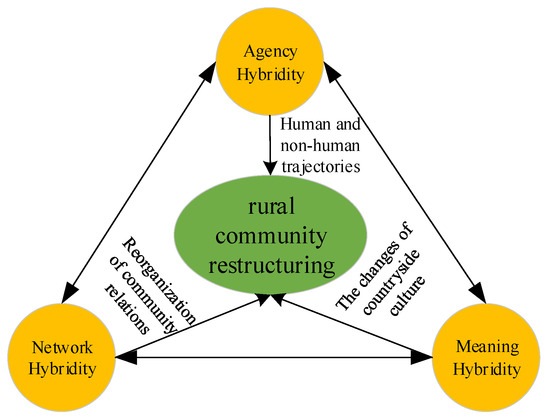
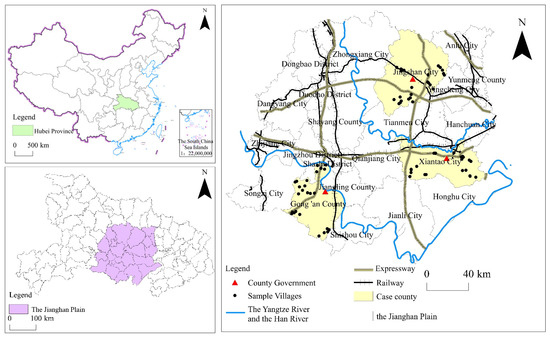
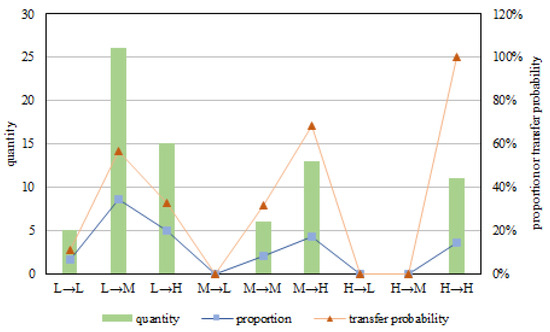
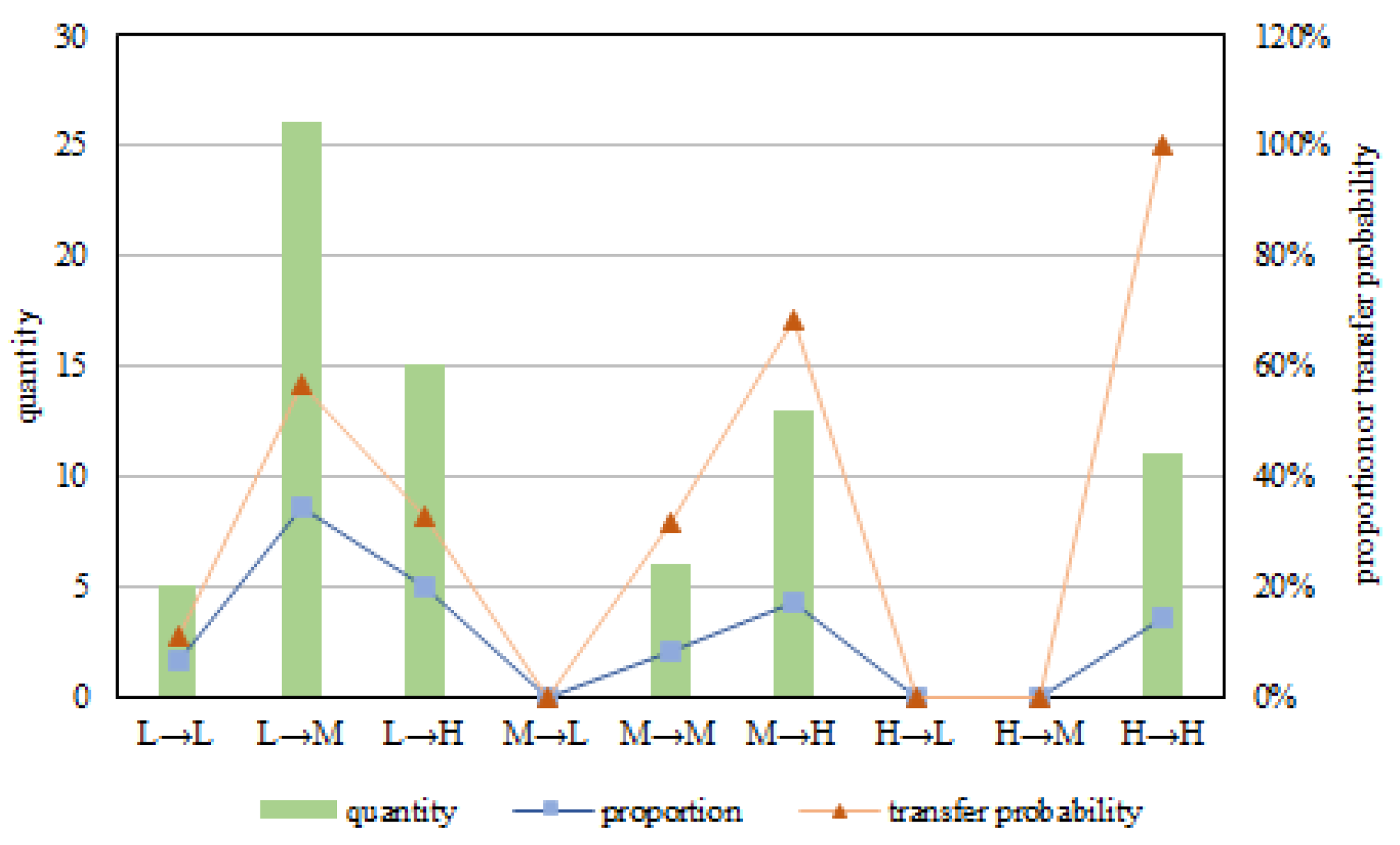
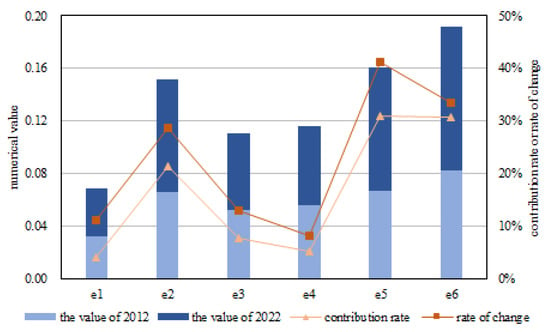
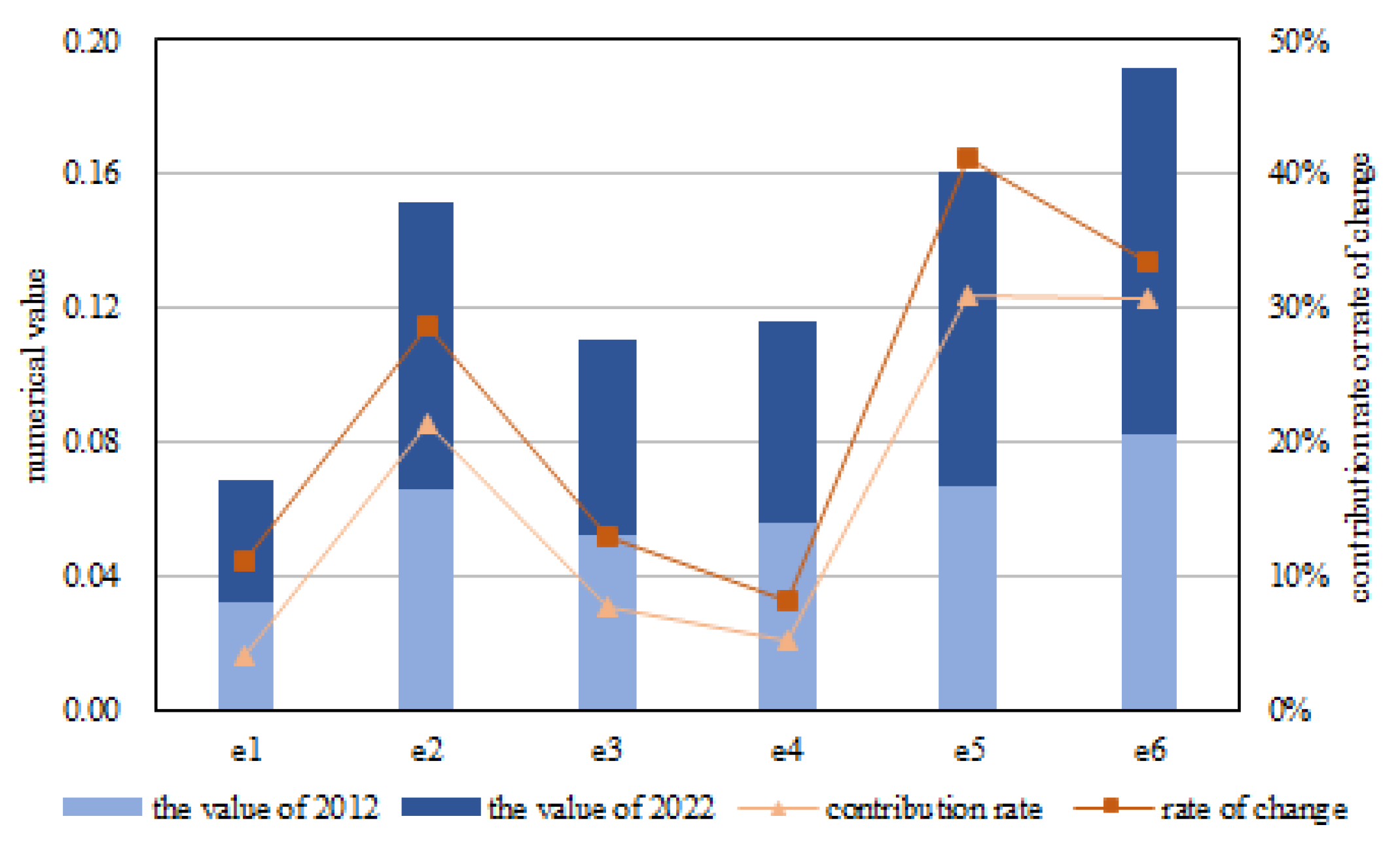
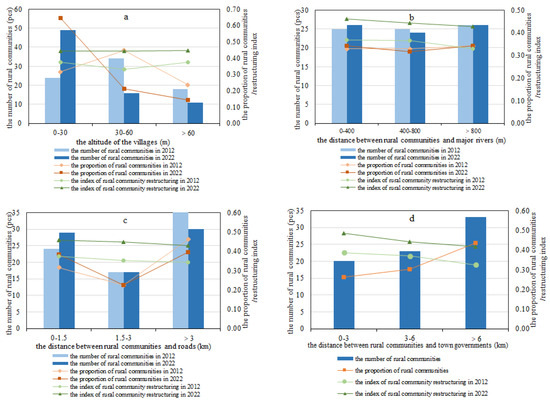
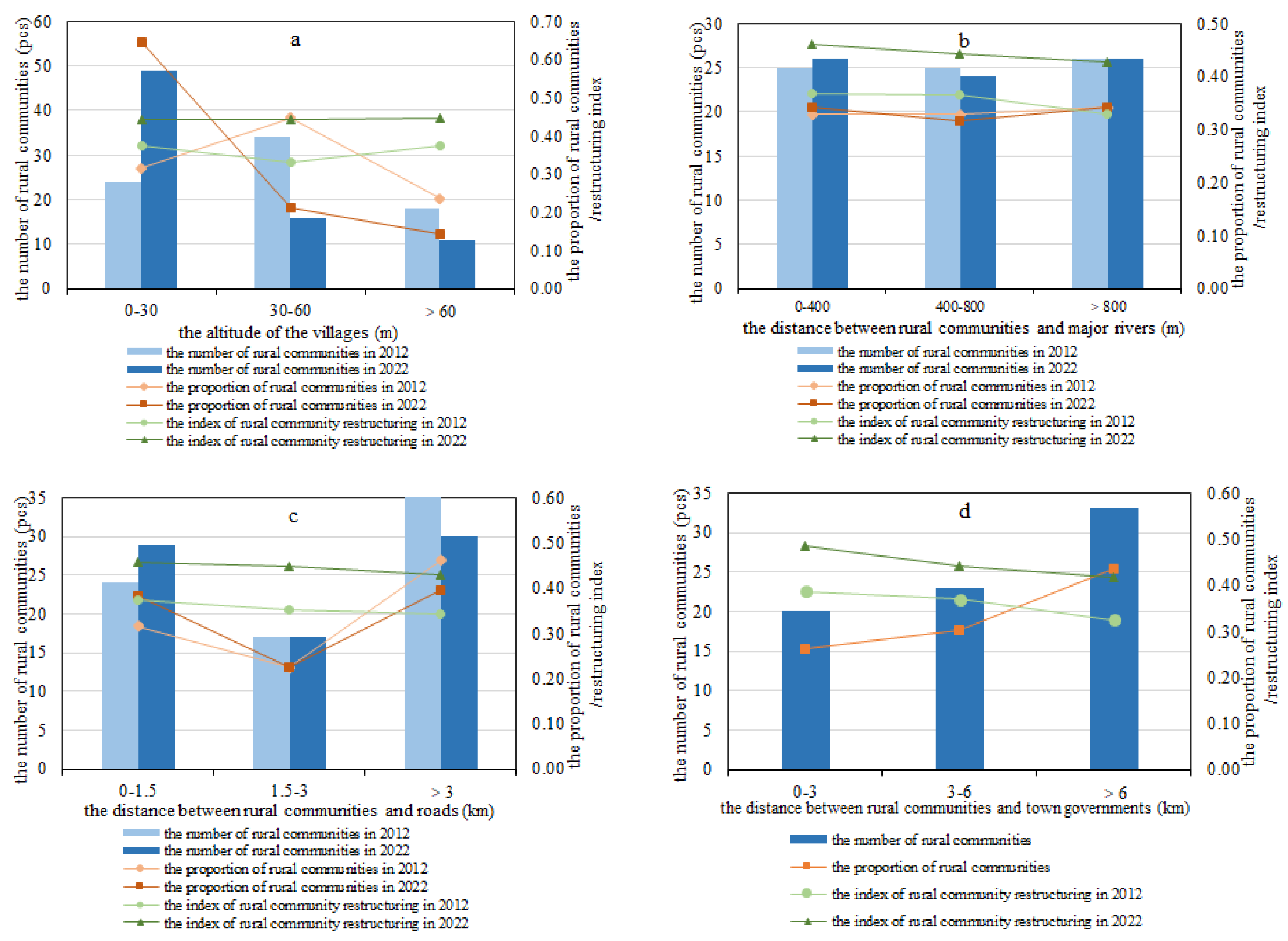
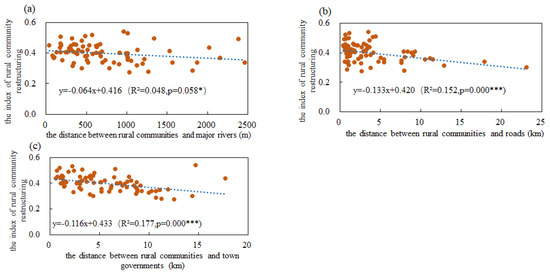
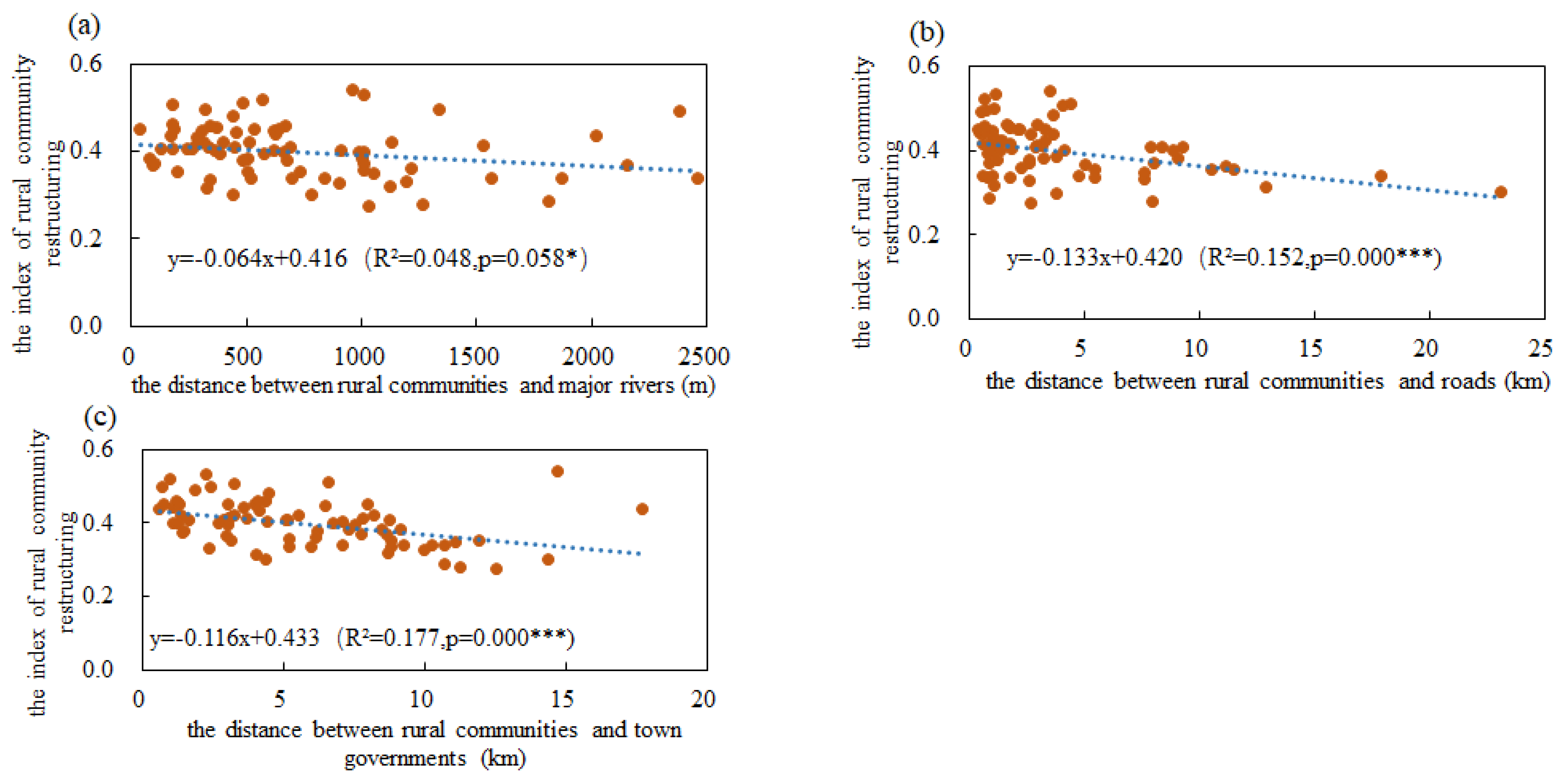

Disclaimer/Publisher’s Note: The statements, opinions and data contained in all publications are solely those of the individual author(s) and contributor(s) and not of MDPI and/or the editor(s). MDPI and/or the editor(s) disclaim responsibility for any injury to people or property resulting from any ideas, methods, instructions or products referred to in the content. |
© 2026 by the authors. Licensee MDPI, Basel, Switzerland. This article is an open access article distributed under the terms and conditions of the Creative Commons Attribution (CC BY) license.