Article

Government Subsidies and the Competitiveness of Energy Storage Enterprises: The Moderating Effect of Electricity Price

1
School of Economics and Management, Changsha University of Science & Technology, Changsha 410014, China
2
Hunan New Type Urbanization Research Institute, Yiyang 413000, China
*
Author to whom correspondence should be addressed.
Sustainability 2025, 17(23), 10789; https://doi.org/10.3390/su172310789
Submission received: 14 October 2025 / Revised: 17 November 2025 / Accepted: 24 November 2025 / Published: 2 December 2025

Abstract

Compared with single indicators such as total factor productivity and financial performance, enterprise competitiveness represents the pivotal factor for energy storage enterprises (ESEs) to survive, develop and maintain a leading position in the market. Government subsidies are crucial for guiding the development of the energy storage industry. As countries globally increase their financial backing for ESEs, efficiently utilizing these subsidies has become a major focus. In this study, we examine the impact and mechanisms of government subsidies on the competitiveness of ESEs, using panel data from 248 listed ESEs in China between 2014 and 2023. Employing a range of analytical methods, including two-way fixed effects regression, instrumental variable estimation, and propensity score matching (PSM) tests, the findings demonstrate that government subsidies significantly enhance the competitiveness of ESEs, particularly for non-state-owned ESEs, energy storage system integration enterprises, and ESEs in resource-rich provinces. Further analysis indicates that research and development (R&D) expenditure and financial constraints act as key channels through which subsidies influence competitiveness. Furthermore, electricity prices exert a positive effect on the competitiveness of ESEs, with government subsidies and electricity prices exhibiting a significant substitution relationship in this regard. These findings offer valuable insights for exploring the role of government subsidies in advancing the sustainable development of the energy storage industry and supporting the transition towards achieving dual-carbon goals, while also providing important references for the development of the energy storage industry in other emerging economies.

1. Introduction

As global demand for renewable energy continues to grow, the energy storage market is witnessing an influx of new entrants, leading to intensifying competition. In this context, the ability of a company to compete effectively has become a pivotal factor in determining its ability to gain a competitive advantage. The investment policy incentives offered by countries such as Europe and the United States provide energy enterprises (ESEs) with a more pronounced competitive advantage in these markets. In contrast, in other countries, there remains a significant opportunity for the further expansion of incentives designed to enhance the competitiveness of ESEs [1]; it is thus imperative to reassess the effectiveness of current subsidy policies on the competitiveness of ESEs.
In this study, we focus on enterprise competitiveness, which is a pivotal factor in economic development. It denotes an enterprise’s capacity to navigate market dynamics and actualize its intrinsic value [2]. For technology-driven ESEs, the enhancement of long-term capabilities is of paramount importance. The development of ESEs cannot rely solely on internal resources; government support is also necessary to increase R&D expenditure, thereby fostering technological innovation, providing reliable technical support for grid-connected renewable energy sources, and enhancing the flexibility and adaptability of the power system [3,4]. It is regrettable that there is a paucity of empirical research on these issues, and as a result, the precise impact of government subsidies on ESEs’ competitiveness remains unclear. In the instance, factors such as ownership type and unfair competition may give rise to rent-seeking behavior, which diverts resources from technological advancement [5,6]. Conversely, government subsidies relieve financial constraints and share R&D risks, thereby indirectly enhancing the enterprise competitiveness [7].
Evidence from China allows us to verify the impact of policy incentives on the competitiveness of enterprises in emerging energy storage markets. In this paper, we present an analysis of data from 248 listed concept-up style ESEs in China from 2014 to 2023. The primary aim of this study is to examine the efficacy of government subsidy policies, with a specific emphasis on competitive advantage. The potential marginal contributions are as follows: Firstly, in this study, we offer a novel perspective on the overall impact of government subsidies on ESEs. While the authors of previous studies have explored the government subsidies’ influence on ESEs’ total factor productivity (TFP) [8] and their economic profit in hydrogen storage [9], their focus was indirect. This study directly assesses subsidies’ influence on ESE competitiveness, providing clearer evidence of how subsidies incentivize ESEs to scale up, thus enriching the existing literature in this area. Secondly, we introduce a novel perspective for understanding the drivers of competitiveness in ESEs. R&D innovation and financing constraints significantly influence the competitiveness of ESEs and are crucial for achieving sustainable development [7]. By examining the pathways through which government subsidies affect the competitiveness of ESEs from the perspectives of R&D expenditure and financing constraints, we thereby lay the groundwork for further evaluating the effectiveness of subsidy policies and deepen the understanding of the formation process of competitiveness within ESEs. Lastly, we present a thorough investigation into the efficacy of government subsidies and electricity prices within the emerging energy storage market. China acts as a useful case study for examining the impact of policy incentives and electricity prices on the competitiveness of ESEs in an emerging energy storage market. The aim of this study is to elucidate the differential effects of government subsidies and electricity price on the competitiveness of ESEs.
The remainder of this paper is structured as follows. Section 2 provides a summary of existing literature and the model justifications. Section 3 presents the hypotheses development. Section 4 outlines the research design. Section 5 presents the research findings and discussion. The final section concludes with policy recommendations and directions for future research aligned with dual-carbon goals.

2. Literature Review and Model Justifications

2.1. Literature Review

Enterprise competitiveness denotes an enterprise’s capacity to thrive and generate profits in a competitive market. It encompasses the ability to seize market opportunities, create value, sustain growth, and effectively manage resources [10]. This paper argues that for ESEs, competitiveness extends further, encompassing adaptability to internal and external changes, efficient resource allocation, innovation in products or services, profit generation, and overall development. Ultimately, it drives the entire energy storage industry chain and boosts enterprise revenue.
As an emerging industry, ESEs may encounter difficulties in their survival and development due to information asymmetry, while their growth also exhibits significant positive externalities [11]. Relying solely on the market mechanisms may lead to insufficient private investment [12] Compounded by the high initial investment costs, substantial risk, and extended payback periods characteristic of energy storage projects, securing financial backing from institutions proves challenging. Therefore, government subsidies are required to support the development of ESEs [4]. However, relatively few studies have examined the relationship between government subsidies and enterprise competitiveness, and there is yet to be an academic consensus on whether government subsidies serve as incentives or impediments to enterprise competitiveness.

2.1.1. The Incentive Effect of Government Subsidies

Studies that support the incentive effects of subsidies have emphasized the resource supplementation and signal transmission functions of subsidies. Enterprise competitiveness is crucial in today’s highly competitive business environment [13]. Specifically, enterprise value, operating performance, and profitability reflect competitiveness to varying degrees [14]. Moreover, government subsidies can alleviate market failure by reducing an enterprise’s financial burden and enhancing R&D willingness [15]. The injection of subsidy funds significantly eases the financing constraints of innovation activities and reduces the marginal cost and risk of R&D, thereby directly increasing innovation investment efficiency and improving enterprise value and competitiveness [16]. Furthermore, government subsidies can transmit signals of policy support to the market, thereby helping ESEs secure external financing. This effort enables them to attract external capital and talent, which, in turn, exerts a leverage effect of resource agglomeration, corrects investment externalities, and enhances enterprise competitiveness [17].

2.1.2. The Adverse Consequences of Government Subsidies

In contrast, the subsidy suppression theory highlights the potential negative effects of subsidies from agency cost and institutional deficiency perspectives [5,18]. Firstly, the resource allocation distortion mechanism indicates that, under information asymmetry, government subsidies may trigger adverse selection and moral hazard in enterprises. Chiefly, enterprises may engage in “rent-seeking “or strategic innovation (i.e., “catering behavior”) to obtain subsidies, rather than focusing on improving their competitive capabilities, leading to resource misallocation and inefficient subsidy use [19]. Particularly in environments with soft regulations, policy dependence in some enterprises becomes more pronounced, thereby weakening the incentivizing effect of government subsidies on enterprise competitiveness [20]. Additionally, moral hazard from adverse selection leads to biases in subsidy targeting, thus weakening policy effectiveness. Specifically, government subsidies often flow to inefficient and less competitive zombie enterprises. While the intention of such subsidies is to maintain industrial chains and ensure stable economic and social development, they may instead prolong inefficiency [21]. Second is the policy dependence mechanism, indicating that the continuous subsidies may weaken the enterprises’ self-sustaining capabilities. The resulting subsidy dependence reduces operational efficiency and suppresses production enthusiasm, thus weakening enterprise competitiveness [22,23]. The overcapacity issue once observed in China’s new-energy vehicle industry exemplifies how excessive subsidies can distort market signals and hinder the enhancement of enterprise competitiveness [24].

2.1.3. Literature Gaps

Although previous research on this topic has produced substantial results, significant gaps remain, which provided the impetus for this study. Existing research predominantly focuses on the macro-policy level, such as examining the impact of policy uncertainty on energy storage investment [4,25], sequential investment behavior under subsidy policy uncertainty [26], and the impact of government policies on the choice of energy storage technology licensing strategies [27]. However, empirical analysis is lacking at the micro-enterprise level for the strategic emerging industry of energy storage, which is characterized as technology-intensive, capital-intensive, and strongly policy-driven. Furthermore, the majority of studies primarily examine the relationship between government subsidies and short-term enterprise performance, without delving into their impact on enterprises’ long-term competitiveness. The associated transmission pathways and boundary conditions also require more detailed examination. China’s energy storage industry, with its extensive market potential, comprehensive industrial chain, and continuously improving policy support system, offers a valuable sample for further research. Therefore, this study empirically examines the impact of government subsidies on the competitiveness of ESEs in China, and identifies the key mechanisms involved. It aims to provide more detailed empirical evidence for the theoretical debate between “subsidy incentive” and “subsidy suppression”. In addition, this study provides practical insights for other emerging economies shaping their energy storage industries and related policy instruments.

2.2. Theoretical Justifications

In accordance with input-output theory, the competitiveness of ESEs can be evaluated from the standpoint of ‘input-output’ [28], encompassing investment and market share. The synergistic mechanism between the government and the market has provided a stable foundation for the high-quality development of ESEs. It is noteworthy that the initial investment subsidy for ESEs is one of the most common forms of subsidies provided in China [29]. Consequently, the potential for government subsidies to enhance the investment viability of ESEs is contingent upon the extent of government subsidies for initial investment.
To facilitate the analysis, a decision model based on investment benefit analysis provides a viable framework for examining the effect of government subsidies on the investment viability of ESEs. It is assumed that the ESEs’ grid storage is fully grid-connected, and thus its investment return is derived primarily from grid-connected electricity revenue. Operation and maintenance (O&M) costs are incurred for equipment inspection, replacement, maintenance, and fault repair. The local government awards investment subsidies in accordance with the specific attributes of the energy storage project. Accordingly, the expected economic profit of the ESE can be calculated as follows:
π = R I + I θ C o m
where π represents the expected economic profit, R denotes the grid-connected electricity revenue, I represents the initial investment cost, θ ( θ > 0 ) signifies the investment subsidy ratio, and C o m corresponds to the operation and maintenance costs.
Government subsidies, as a key policy tool, will further stimulate the investment vitality of ESEs through orderly guidance by the local government, which in turn serves to enhance their competitiveness. It is assumed that the investment of ESEs is not influenced by other policy factors, and that only the investment subsidy is under consideration. Consequently, the expected economic profit can be expressed as a function of subsidy:
π ( S ) = R ( S ) I ( S ) ( 1 θ ) C o m ( S )
where S represents the investment subsidy. Given that investment returns, O&M costs are all influenced by the investment subsidy, it is possible to express these as a function of the subsidy, which we denote by R ( S ) , I ( S ) and C o m ( S ) , respectively. In a perfectly competitive market, it is assumed that the ESE neither enters nor exits, and that its economic profit is stable at zero. The marginal impact of government subsidies on the amount of investment can be derived by mathematical derivation as follows:
I S = R / S C o m / S ( 1 θ )
where I / S represents the marginal impact of government subsidies on the amount of investment, R / S denotes the marginal impact of government subsidies on investment returns, and C o m / S signifies the marginal impact of government subsidies on O&M costs. In theory, if ESEs were to utilize the majority of the subsidies for investment profit rather than for O&M, then C o m / S would become irrelevant. Nonetheless, the competitiveness of ESEs is predominantly influenced by technological advancements, which may lead to an increase in the financial outlay required for equipment maintenance and renewal. Consequently, if R / S C o m / S > 0 , then I / S > 0 is demonstrated to be true, indicating that government subsidies result in an increase in the amount of investment by ESEs. In other words, when subsidies stimulate the development of the energy storage market and local governments adopt a larger proportion of subsidies, ESEs will enter the market with a larger investment for competition, and capture the investment profit by increasing market share and technology innovation, thus enhancing their competitiveness.
The theoretical model design provides a robust theoretical foundation for elucidating the relationship between government subsidies and investment by ESEs. The external manifestation of such enterprise investment is ultimately observed in the formation of long-term competitiveness. From this perspective, the research conclusions are well-grounded.

3. Hypothesis Development

3.1. The Direct Impact of Government Subsidies on the Competitiveness of ESEs

The energy storage industry in China is currently undergoing a critical transitional phase, progressing from the initial commercialization stage towards the next phase of large-scale development. From the perspective of market failure theory, appropriate government intervention can effectively counteract the blindness inherent in market operations and enhance resource allocation efficiency [30]. Firstly, subsidies provide crucial external policy resources that reduce capital costs, stabilize cash flow, and facilitate technological upgrading, thereby strengthening the investment resilience of ESEs. This positive resource allocation effect ultimately results in expanded investment scale and enhanced competitiveness through the reallocation of policy resources to production activities, a mechanism corroborated by theoretical models. Secondly, in accordance with signaling theory, government provision of financial subsidies to ESEs effectively conveys positive signals to the market. This signaling reduces financing costs for such enterprises, thereby increasing additional cash inflow. When energy storage enterprises secure adequate external financing, it further stimulates their investment behavior, thereby enhancing resource allocation efficiency and market competitiveness [31]. Furthermore, the stakeholder theory highlights the close interaction and interdependence between the government and ESEs. The government helps reduce operational burdens by fostering a stable market environment and fair competition mechanisms. In turn, ESEs respond to governmental support through technological innovation and R&D expenditure, forming an implicit, mutually dependent contractual relationship [32].
It is imperative to emphasize that government subsidies alone are insufficient for establishing a sustainable competitive advantage. While benefiting from policy support, ESEs must concurrently strengthen internal governance and operational capabilities to genuinely transform external subsidies into enduring, difficult-to-imitate competitive advantages. Based on the above analysis, this study proposes the following hypothesis:
H1. 
Government subsidies serve as an incentive for enhancing the competitiveness of ESEs.

3.2. The Indirect Impact of Government Subsidies on the Competitiveness of ESEs

The energy storage industry is characterized by its substantial resource and technology requirements, thereby exerting dual pressures on enterprises that often lack sufficient funding for research and development (R&D) and face limitations in external financing [33]. Government subsidies represent a key policy instrument in the development of the energy storage industry, exerting multifaceted effects on enhancing the competitiveness of ESEs through the following channels. On the one hand, the capital inflow from government grants alleviates initial investment cost pressures and reduces uncertainties associated with R&D activities. This, in turn, incentivizes ESEs to expand innovation investments. The extant research indicates that ESEs are instrumental in driving technological innovation by increasing R&D expenditure, thereby enhancing production factor utilization efficiency and translating innovation inputs into tangible outputs and market competitiveness through continuously upgraded products or technologies [34].
Furthermore, the act of ‘government endorsement’ functions as an economic signal, thereby conveying information regarding the technical advantages of ESEs to external parties. This facilitates investors in identifying corporate value, thereby providing effective support for smoothing external financing channels for ESEs [33]. Furthermore, subsidy support effectively directs capital flows towards ESEs, either directly or indirectly. Enterprises receiving government subsidies are better positioned to seize investment opportunities through financing facilitation effects, thereby indirectly enhancing their competitiveness by expanding their investment scale. In light of the aforementioned analysis, the following hypothesis is proposed:
H2. 
Government subsidies serve to enhance the competitiveness of ESEs by increasing R&D expenditure and alleviating financing constraints.
The theoretical framework is illustrated in Figure 1.

4. Research Design

4.1. Sample Selection and Data Source

In this study, a sample comprising data from Chinese A-share listed companies categorized under the energy storage concept from 2014 to 2023 is selected to systematically examine the comprehensive effect of government subsidies on the competitiveness of ESEs. Given the absence of a universal standard for defining “energy storage enterprise”, we combine the screening criteria of Flush and Southern Wealth Network, selecting A-share listed companies whose primary business involves the “energy storage” concept sector, alongside other A-share listed companies whose operations activities encompass energy storage products, systems, or services. We chose 2014 as the sample starting point because it marks when China first proposed the utilization of energy storage technology to address renewable energy grid integration challenges. To ensure the reliability and validity of the research, a series of filters are applied during data collection process: (1) companies labeled as ST, ST*, and PT status are excluded during the sample period; (2) only companies generating over 40% of their primary business revenue from energy storage-related products or services, such as energy storage components and energy storage system integration, were retained; (3) a two-sided winsorization at the 1% and 99% is applied to all continuous variables; and (4) samples with less than two years of observations are removed. Subsequent to the implementation of these processing steps, and with the utilization of linear interpolation to address missing data, the final sample comprises 2480 valid observations. Data on R&D investment is sourced from the China Research Data Service Platform (CNRDS), while other micro-level data are obtained from the WIND and China Stock Market Accounting Research Database (CSMAR).

4.2. Measures of Variables

4.2.1. Dependent Variable

The core dependent variable in this study is enterprise competitiveness (Firmcompte), which is a multidimensional and complex concept with connotations and extensions that are difficult to define precisely. Researchers have constructed various measurement frameworks for this indicator, among which the comprehensive evaluation system proposed by [35] has demonstrated value in related fields. Therefore, we adopt Jin’s calculation method to construct a comprehensive index system from three dimensions: scale, growth, and efficiency. All sub-indicators are standardized to eliminate dimensional differences. The final quantitative measure of enterprise competitiveness is obtained through weighted average calculations. This system comprehensively reflects the overall performance of ESEs in terms of resource agglomeration, market expansion, and resource allocation. The specific index composition and weight allocation are detailed in Table 1.

4.2.2. Independent Variable

The core independent variable in this study is government subsidies (InSubs). Owing to inconsistent statistical caliber and a lack of unified disclosure forms for government subsidies, this study follows the approach of [8] by selecting subsidies recognized current profits and losses—specifically, the “government subsidy details” under the “non-operating income” account in the notes of the financial statements of listed companies. The subsidy level is measured by the natural logarithm of the government subsidy amount.

4.2.3. Mechanism Variables

The study selects R&D expenditure (RD) and financing constraints (SA) as the key mechanism variables. Referring to existing literature, R&D expenditure (RD) is measured by the ratio of enterprise R&D expenditure to its operating revenue. The SA index at the firm level serves as a proxy for financing constraints, calculated according to the method established by [36]. The specific formula is as follows: SA = −0.737 × Size + 0.043Size2 − 0.040 × Age, where Size denotes the natural logarithm of total assets, and Age is the firm’s age. A larger absolute value of the SA index indicates a lower external financing constraint faced by the ESEs.

4.2.4. Moderating Variable

Electricity price, an important factor affecting the development of the energy storage industry, is a regulatory tool used at different stages along with government subsidies. Therefore, we employ electricity price (elecprice) as a moderating variable to explore whether it moderates the relationship between government subsidies and the competitiveness of ESEs. Owing to the particularity of electricity data, it is difficult to publicly obtain available time-varying electricity prices at the provincial level. Therefore, we collect data from the China Electric Power Statistical Yearbook and the annual electricity price data officially released by the Development and Reform Commissions and Energy Bureaus of each province (autonomous region, municipality), and we organized the average commercial and industrial electricity prices in each province by year to approximate the specific electricity price levels at the provincial level. This approach balances data accessibility with the need to reflect the general provincial-level price context.

4.2.5. Control Variables

The study also takes into account a series of factors that have been identified in previous research as potentially influencing the competitiveness of ESEs. Specifically, at the firm level, we control for indicators such as asset-leverage ratio (Lev), firm growth rate (Growth), state ownership (SOE), enterprise size (Size), and cash holding ratio (Cashflow). For enterprise governance, controls include the ownership concentration (TOP1) and the proportion of independent directors (Indep). The impact of the macroeconomic growth rate (Gdp) is also controlled at the macro level. Furthermore, the model accounts for individual firm and year fixed effects. The definitions and measurements of these primary variables are summarized in Table 2.

4.3. Model Specification

To determine the direct effect of government subsidies on the competitiveness of ESEs, this paper employs an identification test using the following model, informed by the existing literature [37] on factors that influence enterprise competitiveness.
F i r m c o m p t e i , t = α 0 + α 1 I n S u b s i , t + C o n t r o l s + μ i + δ t + ε i , t
where i , t denote firm and year, respectively; c o n t r o l s denotes the set of control variables; μ i indicates firm fixed effects and δ t denotes time fixed effects, and ε i , t denotes the random error term.
Moreover, as postulated in H2 of this paper, a mechanism test is necessitated. In consideration of the aforementioned factors, the research model of the transmission mechanism, as presented in Equation (5), is as follows:
M i t = β 0 + β 1 I n S u b s i t + C o n t r o l s + η i + μ t + ε i t
where M denotes the mechanism test factors. The definitions of other variables are as previously outlined.

5. Results and Discussion

5.1. Descriptive Statistics

Table 3 presents the descriptive statistics of key variables. It is evident that the competitiveness of China’s ESEs (Firmcompte) exhibits considerable variation, with an overall sound level of performance (as indicated by a mean value of 0.715) and notable inter-regional discrepancies (with a minimum value of 0.015 and a maximum value of 1.301). Similarly, the degree of government subsidies (InSubs) exhibits a comparable distribution pattern, with a mean value of 16.16 and a standard deviation of 1.954. This indicates that the intensity of government subsidies also varies considerably, as anticipated.

5.2. Benchmark Regression Results

To comprehensively examine the impact of government subsidies on the competitiveness of ESEs, we employ a fixed-effects model, sequentially introducing control variables into the analysis. The regression results are presented in Table 4. The findings indicate that, when controlling only for individual and year dual fixed effects, the regression coefficient for government subsidies is 0.027, which is statistically significant at the 1% level. This preliminary suggests that government subsidies exert a positive incentive effect on the competitiveness of ESEs. The estimated results remain robust after progressively incorporating control variables. In the final column of Table 4, with all control variables included, the coefficient for InSubs is 0.019 and remains significantly positive at the 1% level. This finding suggests that government subsidies can motivate ESEs to strategically utilize external resource support, thereby effectively transforming it into an enhancement of their competitive advantage, consistent with core hypothesis H1. The regression coefficients for enterprise growth, shareholding concentration, enterprise size, cash holdings and economic growth all demonstrate statistical significance at the 1% and 5% levels, respectively. Conversely, the leverage and the ownership exert a negative influence, as evidenced by statistical significance at the 1% level, in line with the expectation.

5.3. Robustness Checks

To further verify the robustness of the core conclusions, we employ several alternative approaches to test the baseline regression results. Specifically, the following adjustments are made: (1) employing an alternative measure for the dependent variable by substituting the enterprise competitiveness indicator with the asset contribution ratio, defined as the ratio of earnings before interest and taxes (EBIT) to average total assets; (2) replacing the core independent variable with the proportion of government subsidies to operating revenue (Subs) as a modified indicator of the explanatory variable (InSubs); (3) excluding the sample period from 2020 to 2022 to mitigate the impact of the unique economic conditions during COVID-19 pandemic on the energy storage industry; and (4) introducing province-year interaction fixed effects to more effectively isolate the influence of time-varying regional policies. The corresponding test results are sequentially presented in columns (1)–(4) of Table 5.
The findings demonstrate that the coefficient of the explanatory variable remains significantly positive, thereby validating the robustness and validity of the research conclusions.

5.4. Endogeneity Issues

In the examination of the relationship between government subsidies and the competitiveness of ESEs, endogeneity issues involving reverse causality may arise. This implies that the competitiveness of ESEs may consequently impact the effectiveness of government subsidies, complicating the accurate identification of causal relationships. To mitigate endogeneity concerns, we employ an instrumental variable approach and conduct a two-stage least squares (2SLS) regression [38]. Based on the methodology of [6], the instrumental variable is constructed as the interaction term between the lagged first-order term of government subsidies (L.InSubs) and the temporal variation in the annual average government subsidies within the energy storage industry. As reported in Table 6, column (1) presents the first-stage regression results from the 2SLS analysis, where the estimated coefficient for the instrumental variable (IV) is 0.403 and remains statistically significant at the 1% level. The second-stage regression results are displayed in column (2). The Cragg-Donald Wald F-statistic for the weak instrument test consistently exceeds the Stock-Yogo critical value at the 10% significance level, indicating that the selected instrumental variables do not suffer from weak identification issues and are correlated with the explanatory variables. Subsequent to accounting for the endogeneity issues, the estimated coefficient for government subsidies is 0.091, which remains statistically significant at the 1% level and consistent with the baseline regression results.
In addition to instrumental variables, we employ propensity score matching (PSM) to mitigate the potential sample selection bias. We employ both nearest neighbor matching and kernel matching methods, conducting PSM balance tests on the covariates matched by both approaches. The results indicate that post-matching differences in all covariates significantly narrowed towards zero, demonstrating that matched experimental group firms and control group firms exhibit similar financial characteristics, corporate governance features, and macroeconomic attributes. As illustrated in columns (1) and (2) of Table 7, the regression results are based on the matched sample. The coefficients for government subsidies are 0.0162 and 0.0190, respectively, both of which are statistically significant at the 1% level, which further confirms the positive impact of government subsidies on the competitiveness of ESEs. Following the implementation of a propensity score matching to control for selection bias, the findings remain robust and consistent with the benchmark results.

5.5. Mechanism Analysis

Based on the preceding theoretical analyses, we posit that government subsidies can serve to enhance the competitiveness of ESEs through increasing the R&D expenditure and alleviating financing constraints. To this end, the variables of R&D expenditure (RD) and financing constraints (SA) are incorporated into Equation (5) as mechanism variables for regression analysis, thereby verifying the model’s validity.
The results of the mechanism analysis are presented in Table 8. The coefficient of InSubs in column (1) is significantly positive at the 1% level, indicating that government subsidies can increase R&D innovation in ESEs. Previous studies have demonstrated that R&D expenditure is a pivotal factor in enhancing enterprise competitiveness [16,39]. It can therefore be posited that government subsidies may serve to enhance the competitiveness of ESEs by stimulating their R&D innovation. In column (2), the coefficient of financing constraints (SA) is −0.0815, which is statistically significant at the 1% level. This finding indicates that government subsidies play an important role in alleviating the financing constraints experienced by ESEs. Given the significance of alleviating financing constraints in enhancing enterprise competitiveness, as highlighted by [40,41], it can be concluded that government subsidies are vital for reducing financing constraints for ESEs, thereby indirectly improving their competitiveness.
To further verify the reliability of the aforementioned mechanisms, we employ the Bootstrap method with 1000 random samples to test the mediating effect of R&D expenditure and financing constraints. The results demonstrate that at the 95% confidence level, the interval for the indirect effect of RD is [0.0009, 0.0033], while that for SA is [0.0015, 0.0035]. Neither interval includes zero, indicating that the mediating effects are statistically significant and that both RD and SA serve as valid mechanisms in the model. All the aforementioned analyses corroborate the validity of hypothesis H2.

5.6. Heterogeneity Analysis

In practice, government subsidies may reveal some discrepancies in the distribution of resources. To illustrate, the regional endowment of resources may exert a disparate impact on the competitiveness of ESEs. Additionally, the impact of different property rights on ESEs may be subject to variation in terms of government subsidies. Furthermore, the energy storage industry chain may be susceptible to the impact of differentiated government subsidies. To gain a deeper understanding of the complex relationship between government subsidies and the competitiveness of ESEs, we analyze potential heterogeneity in this impact.

5.6.1. Ownership Type Characteristics

State-owned enterprises (SOEs) and non-SOEs possess unique advantages and features that can affect how government subsidies influence enterprise competitiveness. This effect is contingent on the type of property rights the enterprises hold [42]. A key factor is the fact that SOEs are usually larger and significantly contribute to local economic growth. Unlike non-SOEs, SOEs have closer ties with central and local governments, granting them access to broader policy support, such as financial subsidies, tax breaks, and financing options [6]. Conversely, non-state-owned enterprises receive fewer subsidies and breaks and face greater financing challenges. To address intense market competition, non-SOEs are driven to enhance technological innovation to boost productivity, thus offsetting the negative effects of financing constraints on enterprise competitiveness. Consequently, government subsidies have a limited impact on enhancing SOE competitiveness but play a more significant role in improving the competitiveness of non-SOEs. Additionally, the government often adopts a “paternalistic” stance towards SOEs, guiding their financing and production to secure tax revenues, increase employment, and stabilize regional economic development, which strengthens the reliance of SOEs on the “bottom-up” behavior of local governments, leading to subsidies becoming a financial lifeline for some SOEs, allowing them to survive without needing to repay the funds. The bureaucratic management structure and flexible budgets of SOEs may encourage government officials and SOE leaders to form implicit agreements for collusion and mutual benefit [43], which distorts subsidy practices and diminishes their effectiveness.
To validate these findings, we refer to [6], who employ the dummy variable NSOE to distinguish non-state-owned ESEs (NSOE = 1) from state-owned ESEs (NSOE = 0). Table 9, column (1), indicates that the coefficient of InSubs × NSOE is significantly positive. This supports the claim that government subsidies have a stronger impact on the competitiveness of non-state-owned ESEs. An additional subgroup regression indicated a significantly positive effect of government subsidies on the non-state-owned ESEs at the 5% level. Conversely, the regression coefficients for state-owned ESEs were not significant.

5.6.2. Industry Chain Links Characteristics

Energy storage system integration connects equipment manufacturers with grid services, forming a crucial link in the energy storage industry chain. The “Guiding Opinions on Promoting the Development of Energy Storage Technology and Industry” highlight the development of energy storage system integration and intelligent control technology as priorities to enhance the coordinated operation of energy storage systems and renewable energy [44]. This indicates that energy storage system integration becomes a key business in advancing energy storage, facilitating the grid integration of renewable energy, and playing an increasingly vital role in the power system. Currently, the energy storage industry is characterized by a high-capacity supply-demand ratio, resulting in intense market competition. Therefore, energy storage system integration enterprises (ESSIEs) are compelled to perpetually innovate, prioritize R&D, and introduce novel products to align with the demands of the power market to avoid being outcompeted. ESSIEs that prioritize innovative development and differentiated value-added services are better positioned to capitalize on market opportunities for achieving coordinated and optimized operations of energy storage and modern power systems. In contrast, non-ESSIEs tend to prioritize cost reduction through economies of scale and typically invest less in R&D. Generally, enterprises with higher R&D expenditure demonstrate greater competitiveness [45], implying that government subsidies may significantly enhance the competitiveness of ESSIEs.
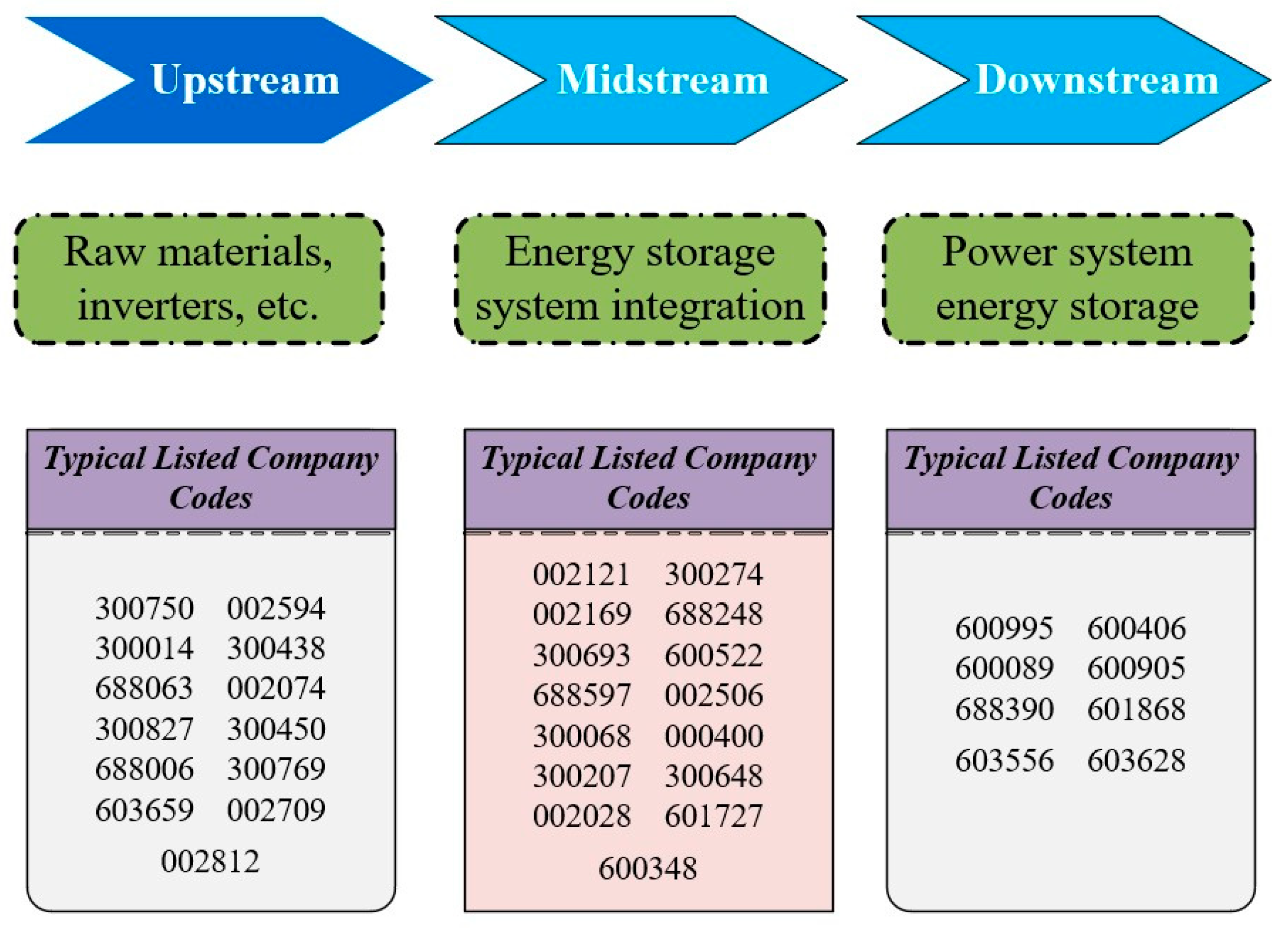
To verify this conclusion, we combine the screening rules from Tonghuashun and Southern Fortune Network to classify enterprises in the energy storage industry chain into ESSIEs and non-ESSIEs. The classification is based on whether energy storage system integration is their primary revenue source. For brevity, please refer to Appendix A for the detailed classification of ESEs. Similarly, we introduce a dummy variable, SI, where SI = 1 for ESSIEs and SI = 0 for non-ESSIEs. As demonstrated in column (2) of Table 9, the coefficient of InSubs × SI is significantly positive, indicating that government subsidies have a more substantial effect on the competitiveness of ESSIEs compared to non-ESSIEs.

5.6.3. Resource Endowments Characteristics

China’s economic and technological development exhibits considerable regional variation, which has a significant impact on the competitiveness of ESEs in provinces with different resource endowments. On the one hand, the cumulative installed capacity of energy storage in China has been increasing annually. The term “resource-based provinces” refers to those with the highest cumulative installed energy storage capacity, including Shandong, Ningxia, Guangdong, Hunan, Inner Mongolia, Hubei, Jiangsu, Qinghai, and Anhui, which collectively represent approximately 48.05% of the country’s total capacity [46]. These provinces primarily utilize new energy sources and have active incentives for energy storage, resulting in a rapid increase in installed capacity, which gives ESEs a pronounced resource endowment advantage [47]. In contrast, non-resource-based provinces have smaller cumulative installed capacities, limited energy storage resources, slower development processes, and weaker industry competition. Conversely, the rapid development of the energy storage industry in resource-rich provinces has garnered government attention and policy support, which ESEs have leveraged to intensify their research and development activities in energy storage patents, thereby enhancing their enterprise competitiveness [18,48]. The above indicates that ESEs in these provinces exhibit higher scientific and technological activity, more effectively utilize energy storage technology, more accurately anticipate the direction of the energy storage industry, and demonstrate stronger competitive advantages [49]. Consequently, it can be surmised that the positive influence mechanism between government subsidies and the competitiveness of ESEs may be further stimulated in resource-based provinces.
To verify this conclusion, we employ the criterion of whether the cumulative installed capacity of energy storage in a province is among the highest in the country. This allows us to categorize ESEs into two groups: those in resource-rich provinces (RRESEs) and those in non-resource-rich provinces (non-RRESEs). A dummy variable is also introduced, with RS = 1 for RRESEs and RS = 0 for non-RRESEs. Column (3) of Table 9 demonstrates that the coefficient of InSubs × RS is significantly positive, indicating that government subsidies have a greater impact on the competitiveness of ESEs in resource-rich provinces.

5.7. Further Analysis

According to the resource-based view and institutional theory, electricity prices and government subsidies, as critical factors influencing the development of the energy storage industry, serve as important regulatory tools at different stages. Currently, China’s energy storage industry is undergoing a critical transition from commercial application to large-scale deployment. In several provinces, commercial and industrial electricity prices are still relatively low and have not yet reached a critical economic threshold level. Concurrently the participation of energy storage as a flexible adjustment resource in the ancillary services market lacks unified standards. However, with the gradual deepening of power market reform, an improved electricity market mechanism will help encourage and guide diverse entities to participate in energy storage investment and construction, effectively aligning with power market reform policies.
Notably, this dual-driven approach of market mechanisms and policy guidance to foster industry is also a common path in many emerging economies. For example, Vietnam employs mandatory energy storage deployment requirements to support renewable energy integration, while countries like Indonesia implement localization rate (TKDN) policies, aiming to attract foreign investment while simultaneously building a local energy storage industry chain. These diverse practices demonstrate that, despite variations in policy tools and market scales among countries, policy support and continuously improving electricity market mechanisms have become a common trend in enhancing the competitiveness of ESEs. In light of the aforementioned, this study further explores whether electricity price (elecprice) moderates the relationship between government subsidies and the competitiveness of ESEs.
Based on the above analysis, this study incorporates an interaction term between electricity price and government subsidies (InSubs × elecprice) and employs a two-way fixed effects model for estimation. The moderating effect results are presented in Table 10. It can be observed that in column (1), the estimated coefficient for the interaction term InSubs × elecprice is −0.144, remaining statistically significant at the 1% level. This finding indicates that the electricity price weakens the marginal effect of government subsidies on enhancing the competitiveness of ESEs. In other words, as industrial and commercial electricity prices rise, electricity price exerts a crowding-out effect on the positive relationship between government subsidies and the competitiveness of ESEs. The regression coefficients presented in column (1) demonstrate that when the average electricity price across the full sample exceeds 0.8819 RMB/kWh (0.127/0.144), government subsidies will impede the enhancement of ESEs’ competitiveness. For each 0.1 RMB/kWh increase in electricity price, the contribution of government subsidies to competitiveness decreases by 0.51% (0.127/2.471 × 0.1). These findings are consistent with the actual development trend of China’s energy storage industry.
Significant disparities in industrial and commercial electricity prices exist across different provinces in China, which profoundly shape the pathways for enhancing the competitiveness of ESEs. As demonstrated in the results presented in columns (2) and (3) of Table 10, the interaction between electricity price and government subsidies exhibits distinctly regional characteristics. In eastern Chinese provinces, the electricity price is higher, leading to a substitution relationship with government subsidies in enhancing ESEs’ competitiveness. Specifically, when the electricity price exceeds 0.8489 RMB/kWh, the effect of electricity price entirely substitutes that of government subsidies. In contrast, western provinces, which are characterized by lower electricity prices, still rely primarily on government subsidies for enterprise competitiveness. Electricity prices have not yet emerged as an effective market driver, nor have they exerted a crowding-out effect on subsidy efficacy.
In summary, the regression results presented in Table 10 corroborate the significant moderating role of electricity price in the relationship between government subsidies and the competitiveness of ESEs. The analysis indicates that electricity price not only exerts a significant positive effect on the industry’s development but also yields critical insights for its sustainable growth. In regions characterized by low electricity prices, government subsidies serve as a primary catalyst for stimulating market vitality. Conversely, in provinces with well-developed electricity markets, policy should be geared towards facilitating a transition from reliance on external subsidies to self-sustaining growth. This transition can be strategically supported by leveraging electricity pricing mechanisms to enhance the competitiveness of ESEs. Concurrently, the implementation of gradual subsidy phase-out mechanisms can incentivize technological innovation. Accordingly, policy resources ought to be prioritized to support breakthroughs in long-duration energy storage technologies, thereby fostering industrial collaboration and facilitating upgrades across the entire value chain.

6. Conclusions and Policy Implications

6.1. Main Findings

The development of the energy storage industry is vital for energy transition and the accelerated construction of new-type power systems. A deeper understanding of how government subsidies affect the competitiveness of ESEs is essential for the industry’s advancement and provides a scientific basis for governmental decision-making, thereby facilitating the achievement of dual-carbon goals. The following conclusions were derived from this study:
(a)
Overall, government subsidies demonstrate a marked enhancing effect on the competitiveness of ESEs. The baseline regression results indicate a coefficient of 0.019 for the core explanatory variable, InSubs, which is statistically significant at the 1% level. This finding indicates that government subsidies enable ESEs to integrate and utilize external resources more effectively, thereby cultivating sustainable competitiveness. The robustness of this conclusion is affirmed through a series of tests, including addressing potential endogeneity via the instrumental variable approach and applying Propensity Score Matching (PSM). The consistent outcomes underscore the reliability of the findings and highlight the indispensable role of government subsidies as a policy instrument in motivating ESEs to enhance their core competitiveness.
(b)
Heterogeneity analysis results indicate that the positive impact of government subsidies on enterprise competitiveness is more pronounced in non-state-owned ESEs, energy storage system integration enterprises, and ESEs in resource-rich provinces. A more intriguing outcome is that the incentive effects of subsidies on resource endowment and industry chain integration are more pronounced than those on the ownership type, which exhibit relatively minor differential incentive effects.
(c)
The findings further demonstrate that electricity prices exert a positive moderating effect on the relationship between government subsidies and the competitiveness of ESEs. Specifically, when electricity prices exceed a certain threshold (0.8819 RMB/kWh), a crowding-out effect on the positive correlation between subsidies and corporate competitiveness becomes evident. Consequently, the complementary effects of market mechanisms and policy incentives should be fully leveraged to stimulate the sustainable development of the energy storage industry.

6.2. Policy Implications

The findings of theoretical models and empirical analysis all indicate that the efficacy of government subsidies varies across different regions, and that the impact of their implementation on ESE competitiveness is contingent upon the specific mechanisms of action employed. To further stimulate the vitality of the energy storage market, we present the following recommendations:
(1)
The government should improve the effectiveness of subsidy policies to further encourage investment in the energy storage industry. China has witnessed a gradual acceleration in the pace of energy storage construction, with local governments playing a pivotal role in the promotion of this industry. Nevertheless, the substantial subsidies flowing into the energy storage industry have exhibited a “flood, flooding” and “too much but not the best” characteristic. Consequently, government bodies in emerging markets should leverage market competition as a tool to identify eligible ESEs for subsidies, conduct a scientific assessment of the market value of energy storage, and provide targeted support for high-quality energy storage resources, leading enterprises, and direct energy storage demonstration projects with advanced technology and greater competitiveness. This approach is preferable to a uniform subsidy policy, as it has the potential to enhance the policy’s effectiveness in fostering the growth of the energy storage industry.
(2)
The extensive deployment of ‘government subsidies’ is a crucial element of China’s industrial strategy, with the advancement of the energy storage sector intricately linked to national energy policies and regional economic growth. It would be prudent for local authorities to prioritize the advancement of energy storage technologies within their jurisdictions and implement a range of targeted subsidy strategies. Our research demonstrates that government subsidies exert a considerable influence on non-state-owned energy storage enterprises, energy storage system integrators, and enterprises situated in resource-abundant regions. In light of these insights, it is recommended that local governments adapt their subsidy programs and types in accordance with ownership structures, industry chain positions, and local cumulative installed energy storage capacity. Such efforts will ensure that precise ‘policy incentive’ signals encourage ESEs to enhance R&D innovation, external financing conditions, and the efficacy of subsidies. In addition, given the divergent moderating effects of electricity prices on subsidy efficacy across different regions, governments should formulate regional subsidy policies tailored to local conditions. In regions with higher electricity prices, subsidies should be appropriately reduced to guide ESEs toward leveraging market-based mechanisms to improve operational efficiency. Conversely, in regions with lower electricity prices, while maintaining reasonable subsidies, it is imperative to refine electricity pricing mechanisms and explore the incorporation of energy storage costs into the electricity pricing system.
(3)
In addition to providing financial assistance, the government should consider the implementation of a robust regulatory framework, placing greater focus on the daily management of subsidized energy storage projects, and refining the rules for the utilization of subsidized funds. It would be prudent for regulatory bodies to periodically audit the R&D projects funded by subsidies to ensure that funds are not misallocated. Preventing rent-seeking and fraudulent activities is essential to ensure that government subsidies are allocated to genuinely competitive enterprises. This approach will better fulfill the intended incentive role of subsidies and promote the high-quality and sustainable development of the energy storage industry.

6.3. Research Limitations

This study examines the impact of government subsidies on the competitiveness of ESEs in China, and the conclusions drawn withstand rigorous scrutiny. However, it is important to note that the findings are subject to certain limitations due to data constraints and potential industry-specific particularities. Future research could facilitate more dynamic and comprehensive analysis by extending the observation period and incorporating a broader set of industrial characteristics. Furthermore, developing more integrated measurement approaches will aid in the precise assessment of how government subsidies influence the development of the energy storage industry. As the energy storage industry continues to advance towards high-quality development, subsequent research should undertake a more in-depth analysis of the mechanisms through which government subsidies influence the competitiveness of ESEs.

Author Contributions

Conceptualization, M.Z.; methodology, M.Z. and L.L.; software, M.Z.; validation, M.Z. and X.Z.; formal analysis, X.Z.; data curation, Q.Z.; writing—original draft preparation, M.Z.; writing—review and editing, X.Z.; visualization, L.L.; supervision, X.Z.; project administration, X.Z. All authors have read and agreed to the published version of the manuscript.

Funding

This research was supported by the Hunan Provincial Social Science Foundation: Research on Digital and Intelligent Technologies Empowering the Development of Carbon-Intensive Industries in Hunan’s Power Sector (24JD077).

Institutional Review Board Statement

Not applicable.

Informed Consent Statement

Not applicable.

Data Availability Statement

Data are available on request.

Acknowledgments

The authors would like to thank the editors and the anonymous reviewers for their meticulous and constructive feedback.

Conflicts of Interest

The authors declare no conflicts of interest.

Appendix A

The segmentation of the energy storage industry chain and its representative listed companies.
Figure A1. Energy storage industry chain and its representative enterprises.
Sustainability 17 10789 g0a1

References

  1. Zhang, Z.; Chen, Y.; Chen, X.; Liao, H. A real options-based framework for multi-generation liquid air energy storage investment decision under multiple uncertainties and policy incentives. Energy 2024, 309, 133025. [Google Scholar] [CrossRef]
  2. Porter, M.E. Competitive Advantage: Creating and Sustaining Superior Performance; Simon and Schuster: New York, NY, USA, 2008. [Google Scholar]
  3. Wang, X.; Wang, D.; Zhao, Y. Energy Storage Technology Innovation, Performance Appraisal Pressure of Officials and Energy Security: An Empirical Study in the Context of Energy Transition. Renew. Energy 2025, 251, 123482. [Google Scholar] [CrossRef]
  4. Zhao, M.; Zhang, X.; Hueng, C.J. The user-side energy storage investment under subsidy policy uncertainty. Appl. Energy 2025, 386, 125508. [Google Scholar] [CrossRef]
  5. Du, J.; Mickiewicz, T. Subsidies, rent seeking and performance: Being young, small or private in China. J. Bus. Ventur. 2016, 31, 22–38. [Google Scholar] [CrossRef]
  6. Lin, B.; Zhang, A. Impact of government subsidies on total factor productivity of energy storage enterprises under dual-carbon targets. Energy Policy 2024, 187, 114046. [Google Scholar] [CrossRef]
  7. Tang, S.; Chen, Z.; Chen, J.; Quan, L.; Guan, K. Does FinTech promote corporate competitiveness? Evidence from China. Financ. Res. Lett. 2023, 58, 104660. [Google Scholar] [CrossRef]
  8. Lin, B.; Zhang, A. Government subsidies, market competition and the TFP of new energy enterprises. Renew. Energy 2023, 216, 119090. [Google Scholar] [CrossRef]
  9. Pan, X.; Yuan, G.; Wu, X.; Xie, P. The effects of government subsidies on the economic profits of hydrogen energy enterprises–An analysis based on A-share listed enterprises in China. Renew. Energy 2023, 211, 445–451. [Google Scholar] [CrossRef]
  10. Liu, X.; Li, W.; Guo, X.; Su, B.; Guo, S.; Jing, Y.; Zhang, X. Advancements in Energy-Storage Technologies: A Review of Current Developments and Applications. Sustainability 2025, 17, 8316. [Google Scholar] [CrossRef]
  11. Li, M.; Lin, B. Clean energy business expansion and financing availability: The role of government and market. Energy Policy 2024, 191, 114183. [Google Scholar] [CrossRef]
  12. Arrow, K.J. The economic implications of learning by doing. Rev. Econ. Stud. 1962, 29, 155–173. [Google Scholar] [CrossRef]
  13. Madhok, A.; Marques, R. Towards an action-based perspective on firm competitiveness. BRQ Bus. Res. Q. 2014, 17, 77–81. [Google Scholar] [CrossRef]
  14. Duan, Y.; Xi, B.; Xu, X.; Xuan, S. The impact of government subsidies on green innovation performance in new energy enterprises: A digital transformation perspective. Int. Rev. Econ. Financ. 2024, 94, 103414. [Google Scholar] [CrossRef]
  15. Shao, W.; Yang, K.; Bai, X. Impact of financial subsidies on the R&D intensity of new energy vehicles: A case study of 88 listed enterprises in China. Energy Strategy Rev. 2021, 33, 100580. [Google Scholar]
  16. Chatzoglou, P.; Chatzoudes, D. The role of innovation in building competitive advantages: An empirical investigation. Eur. J. Innov. Manag. 2018, 21, 44–69. [Google Scholar] [CrossRef]
  17. Qiao, L.; Fei, J. Government subsidies, enterprise operating efficiency, and “stiff but deathless” zombie firms. Econ. Model. 2022, 107, 105728. [Google Scholar] [CrossRef]
  18. Xu, X.; Cui, X.; Chen, X.; Zhou, Y. Impact of government subsidies on the innovation performance of the photovoltaic industry: Based on the moderating effect of carbon trading prices. Energy Policy 2022, 170, 113216. [Google Scholar] [CrossRef]
  19. Adelino, M.; Dinc, I.S. Corporate distress and lobbying: Evidence from the Stimulus Act. J. Financ. Econ. 2014, 114, 256–272. [Google Scholar] [CrossRef]
  20. Ma, Y.; Ni, H.; Yang, X.; Kong, L.; Liu, C. Government subsidies and total factor productivity of enterprises: A life cycle perspective. Econ. Politica 2023, 40, 153–188. [Google Scholar] [CrossRef]
  21. Luan, R.; Lin, B. Positive or negative? Study on the impact of government subsidy on the business performance of China’s solar photovoltaic industry. Renew. Energy 2022, 189, 1145–1153. [Google Scholar] [CrossRef]
  22. Li, G.; Wang, X.; Su, S.; Su, Y. How green technological innovation ability influences enterprise competitiveness. Technol. Soc. 2019, 59, 101136. [Google Scholar] [CrossRef]
  23. Ren, S.; Sun, H.; Zhang, T. Do environmental subsidies spur environmental innovation? Empirical evidence from Chinese listed firms. Technol. Forecast. Soc. Change 2021, 173, 121123. [Google Scholar] [CrossRef]
  24. Sun, Y.-F.; Zhang, Y.-J.; Su, B. Impact of government subsidy on the optimal R&D and advertising investment in the cooperative supply chain of new energy vehicles. Energy Policy 2022, 164, 112885. [Google Scholar] [CrossRef]
  25. Sun, B.; Fan, B.; Zhang, Y.; Xie, J. Investment decisions and strategies of China’s energy storage technology under policy uncertainty: A real options approach. Energy 2023, 278, 127905. [Google Scholar] [CrossRef]
  26. Sun, B.; Zhang, Y.; Fan, B.; Xie, P. An optimal sequential investment decision model for generation-side energy storage projects in China considering policy uncertainty. J. Energy Storage 2024, 83, 110748. [Google Scholar] [CrossRef]
  27. Ma, X.; Pan, Y.; Zhang, M.; Ma, J.; Yang, W. A study of licensing strategies for energy storage technologies in the renewable electricity supply chain under government subsidies. J. Clean. Prod. 2023, 420, 138343. [Google Scholar] [CrossRef]
  28. Wang, J.; Dong, X.; Dong, K. How digital industries affect China’s carbon emissions? Analysis of the direct and indirect structural effects. Technol. Soc. 2022, 68, 101911. [Google Scholar] [CrossRef]
  29. Lin, B.; Chen, J.; Wesseh Jr, P.K. Peak-valley tariffs and solar prosumers: Why renewable energy policies should target local electricity markets. Energy Policy 2022, 165, 112984. [Google Scholar] [CrossRef]
  30. Tang, P.; Liu, X.; Hong, Y.; Yang, S. Moving beyond economic criteria: Exploring the social impact of green innovation from the stakeholder management perspective. Corp. Soc. Responsib. Environ. Manag. 2023, 30, 1042–1052. [Google Scholar] [CrossRef]
  31. Zhang, H.; Zhang, X.; Tan, H.; Tu, Y. Government subsidies, market competition and firms’ technological innovation efficiency. Int. Rev. Econ. Financ. 2024, 96, 103567. [Google Scholar] [CrossRef]
  32. Freeman, R.E.; Dmytriyev, S.D.; Phillips, R.A. Stakeholder theory and the resource-based view of the firm. J. Manag. 2021, 47, 1757–1770. [Google Scholar] [CrossRef]
  33. He, M.; Xiao, W.; Zhou, J.; Zhang, Q.; Cui, L. Performance characteristics, spatial connection and industry prospects for China’s energy storage industry based on Chinese listed companies. J. Energy Storage 2023, 62, 106907. [Google Scholar] [CrossRef]
  34. Duan, W.; Khurshid, A.; Rauf, A.; Calin, A.C. Government subsidies’ influence on corporate social responsibility of private firms in a competitive environment. J. Innov. Knowl. 2022, 7, 100189. [Google Scholar] [CrossRef]
  35. Jin, B. Theory and methods of enterprise competitiveness assessment. China Ind. Econ. 2003, 3, 5–13. [Google Scholar]
  36. Hadlock, C.J.; Pierce, J.R. New evidence on measuring financial constraints: Moving beyond the KZ index. Rev. Financ. Stud. 2010, 23, 1909–1940. [Google Scholar]
  37. Li, H.; Yu, Y.; Liu, F.; Zhou, B. Multi-path adjustment in digital transformation and enhancement of enterprise competitiveness. J. Innov. Knowl. 2025, 10, 100735. [Google Scholar] [CrossRef]
  38. Hamilton, B.H.; Nickerson, J.A. Correcting for endogeneity in strategic management research. Strateg. Organ. 2003, 1, 51–78. [Google Scholar]
  39. Wang, H.; Fang, C.-C. The influence of corporate networks on competitive advantage: The mediating effect of ambidextrous innovation. Technol. Anal. Strateg. Manag. 2022, 34, 946–960. [Google Scholar]
  40. Zhang, D.; Lucey, B.M. Sustainable behaviors and firm performance: The role of financial constraints’ alleviation. Econ. Anal. Policy 2022, 74, 220–233. [Google Scholar] [CrossRef]
  41. Zhang, X.; Zhang, Q.; Dai, Z.; Zhang, X. The impact of carbon markets on the financial performance of power producers: Evidence based on China. Energy Econ. 2023, 127, 107119. [Google Scholar] [CrossRef]
  42. Zhang, X.; Zhu, Q.; Li, X.; Pan, Y. The impact of government subsidy on photovoltaic enterprises independent innovation based on the evolutionary game theory. Energy 2023, 285, 129385. [Google Scholar] [CrossRef]
  43. Wang, Z.; Li, X.; Xue, X.; Liu, Y. More government subsidies, more green innovation? The evidence from Chinese new energy vehicle enterprises. Renew. Energy 2022, 197, 11–21. [Google Scholar] [CrossRef]
  44. NDRC. The notice on “Guiding Opinions on Promoting the Development of Energy Storage Technology and Industry”. 2017. Available online: https://www.gov.cn/xinwen/2017-10/12/content_5231304.htm (accessed on 20 September 2025).
  45. Sukumar, A.; Jafari-Sadeghi, V.; Garcia-Perez, A.; Dutta, D.K. The potential link between corporate innovations and corporate competitiveness: Evidence from IT firms in the UK. J. Knowl. Manag. 2020, 24, 965–983. [Google Scholar] [CrossRef]
  46. NDRC & NEA. The Implementation Programme for the Development of New Energy Storage in the 14th Five-Year Plan. 2022. Available online: https://www.gov.cn/xinwen/2022-03/22/content_5680358.htm (accessed on 20 September 2025).
  47. Zhang, H.; Gao, S.; Zhou, P. Role of digitalization in energy storage technological innovation: Evidence from China. Renew. Sustain. Energy Rev. 2023, 171, 113014. [Google Scholar] [CrossRef]
  48. Tang, S.; Zhou, W.; Li, X.; Chen, Y.; Zhang, Q.; Zhang, X. Subsidy strategy for distributed photovoltaics: A combined view of cost change and economic development. Energy Econ. 2021, 97, 105087. [Google Scholar] [CrossRef]
  49. Liu, Y.; He, Q.; Shi, X.; Zhang, Q.; An, X. Energy storage in China: Development progress and business model. J. Energy Storage 2023, 72, 108240. [Google Scholar] [CrossRef]
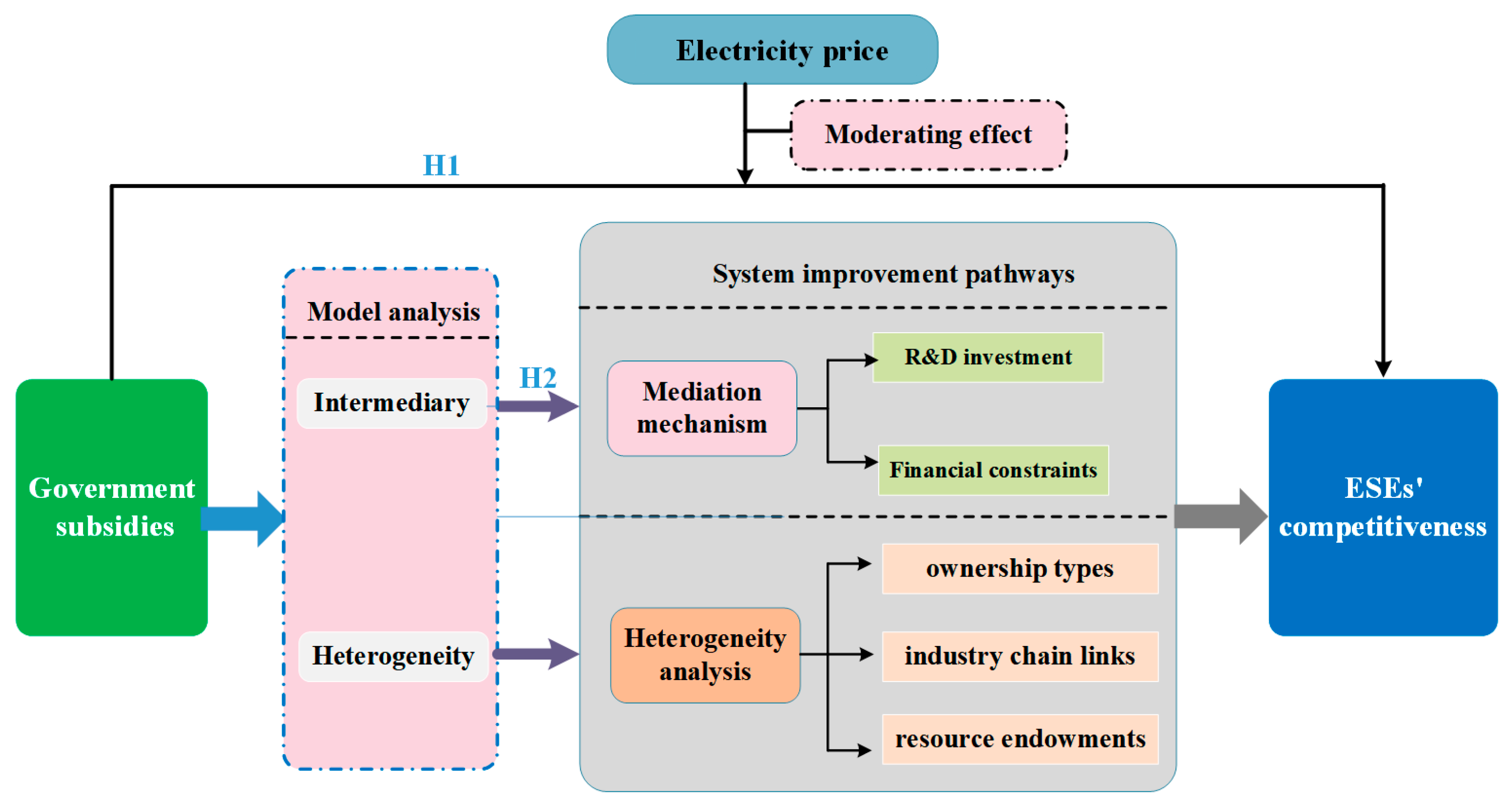
Figure 1. Research conceptual framework.
Sustainability 17 10789 g001
Table 1. Indicator measurement of enterprise competitiveness.
Indicator DimensionSub-IndicatorsWeight (%)Data Definition
Enterprise
competitiveness
Scale
dimension
Operating Revenue20Directly obtained from the CSMAR database
Net assets11
Net profit16
Growth
dimension
Average annual growth rate of operating revenue over the past 3 years17(Current period operating revenue/Operating revenue three years ago) (1/3) − 1
Average annual growth rate of net profit over the past 3 years14(Current period net profit/Net profit three years ago) (1/3) − 1
Efficiency
dimension
Return on total assets8Net profit/Total assets
Return on net assets8Net profit/Net assets
Labor efficiency6Operating Revenue/Total number of employees
Table 2. Variable definitions.
VariableSymbolDefinition
Enterprise competitivenessFirmcompteThe calculation was performed in accordance with the established indicator system.
Government subsidiesInSubsThe natural logarithm of “Government subsidies to current profit and loss”
R&D expenditureRDR&D expenditure as a percentage of operating revenue (%)
Financing constraintsSASA index
LeverageLevTotal liabilities at year-end/total assets at year-end
Enterprise growthGrowthGrowth rate of business revenue
OwnershipSOEThe value of state-owned enterprises is equal to 1; otherwise,0
Shareholding concentrationTOP1Number of shares held by the largest shareholder/total number of shares
Proportion of independent directorsIndepNumber of independent directors/total board members
Enterprise sizeSizeThe natural logarithm of total assets
Cash holding ratioCashflowNet cash flows from operating activities/total assets
Economic growthGdpThe natural logarithm of the regional gross domestic product
Table 3. Descriptive statistics.
VariableObs.MeanStd.Dev.MinMax
Firmcompte24800.7150.3650.0151.301
InSubs248016.1601.9549.39320.340
RD24800.0380.03100.0000.146
SA2480−3.1421.495−4.4700.000
Lev24800.4770.1900.0000.900
Growth24800.1850.354−0.4901.857
SOE24800.2950.4560.0001.000
TOP124800.3040.1930.0000.930
Indep24800.3630.2040.0000.857
Size248022.4301.51219.32026.480
Cashflow24800.1460.230−0.3101.202
Gdp248010.8800.6589.10711.820
Table 4. Baseline regression.
Variable(1)(2)(3)
FirmcompteFirmcompteFirmcompte
InSubs0.0271 ***0.0226 ***0.0190 ***
(3.77)(3.37)(2.83)
Lev −1.045 ***−0.966 ***
(−10.53)(−9.70)
Growth 0.421 ***0.430 ***
(11.14)(11.52)
SOE −0.108 **−0.208 ***
(−2.15)(−3.20)
TOP1 0.732 ***0.682 ***
(8.50)(8.10)
Indep −0.131−0.111
(−1.37)(−1.17)
Size 0.036 *
(1.69)
Cashflow 0.480 ***
(6.99)
Gdp 0.308 *
(1.80)
Constant0.1470.705 ***−3.593 *
(0.98)(4.39)(−1.88)
Firm FEYESYESYES
Year FEYESYESYES
Observations248024802480
R20.3600.4680.488
Note: Robust t-statistics in parentheses. *** p < 0.01, ** p < 0.05, and * p < 0.1.
Table 5. Robustness test results.
Variable(1)(2)(3)(4)
Firmcompte1FirmcompteFirmcompteFirmcompte
InSubs0.0187 *** 0.0238 ***0.0181 **
(5.13) (2.88)(2.17)
Subs 0.0839 ***
(5.40)
Constant−2.729 ***−2.769−7.303 ***1.682
(−3.20)(−1.46)(−3.03)(1.48)
ControlsYESYESYESYES
Firm FEYESYESYESYES
Year FEYESYESYESYES
Observations2480248017362480
R20.3580.4950.5410.330
Note: Robust t-statistics in parentheses. *** p < 0.01, ** p < 0.05, and * p < 0.1.
Table 6. Instrumental variable regression results.
Variable(1)(2)
2SLS (1st)2SLS (2nd)
IV0.403 ***
(14.30)
InSubs 0.091 ***
(5.72)
Constant4.340 ***−1.980 ***
(6.68)(−9.07)
ControlsYESYES
Firm FEYESYES
Year FEYESYES
Observations22322232
R2 0.321
KP-LM statistic0.0000.000
[202.151][202.151]
CD-Wald statistic559.133559.133
Note: Robust t-statistics in parentheses. *** p < 0.01, ** p < 0.05, and * p < 0.1. The value in [] is the F statistic.
Table 7. PSM regression results.
Variable(1)(2)
1:1 Nearest Neighbor MatchingKernel Matching Balance
FirmcompteFirmcompte
InSubs0.0162 ***0.0190 ***
(4.18)(5.19)
Constant−2.503 ***−2.551 ***
(−2.63)(−2.82)
ControlsYESYES
Firm FEYESYES
Year FEYESYES
Observations22962465
R20.6240.624
Note: Robust t-statistics in parentheses. *** p < 0.01, ** p < 0.05, and * p < 0.1.
Table 8. Mechanism tests.
Variable(1)(2)
RDSA
InSubs0.0987 ***−0.0815 ***
(3.52)(−6.40)
Constant−10.002.787
(−1.43)(1.01)
ControlsYESYES
Firm FEYESYES
Year FEYESYES
Observations24802.480
R20.6960.716
Note: Robust t-statistics in parentheses. *** p < 0.01, ** p < 0.05, and * p < 0.1.
Table 9. Heterogeneity analysis.
Variable(1)(2)(3)
FirmcompteFirmcompteFirmcompte
InSubs × NSOE0.004 ***
(2.50)
InSubs × SI 0.0224 *
(1.65)
InSubs × RS 0.0389 ***
(2.11)
Constant−1.664 ***−1.307 ***−1.314 ***
(−6.81)(−7.95)(−4.54)
ControlsYESYESYES
Firm FEYESYESYES
Year FEYESYESYES
Observations248024802480
R20.2580.2560.257
Note: Robust t-statistics in parentheses. *** p < 0.01, ** p < 0.05, and * p < 0.1.
Table 10. Moderating effect results.
Variable(1)(2)(3)
Full SampleEastern ProvincesWestern Provinces
FirmcompteFirmcompteFirmcompte
InSubs0.127 ***0.191 ***0.104 *
(3.11)(5.74)(1.75)
elecprice2.471 ***3.797 ***2.326
(2.83)(5.45)(1.63)
InSubs × elecprice−0.144 ***−0.225 ***−0.133
(−2.68)(−5.32)(−1.46)
Constant−5.514 ***−18.60 ***−6.501 ***
(−2.71)(−3.18)(−2.65)
ControlsYESYESYES
Firm FEYESYESYES
Year FEYESYESYES
Observations24801450244
R20.4900.4190.433
Note: Robust t-statistics in parentheses. *** p < 0.01, ** p < 0.05, and * p < 0.1.
Disclaimer/Publisher’s Note: The statements, opinions and data contained in all publications are solely those of the individual author(s) and contributor(s) and not of MDPI and/or the editor(s). MDPI and/or the editor(s) disclaim responsibility for any injury to people or property resulting from any ideas, methods, instructions or products referred to in the content.