


Abstract
Agricultural landscapes often exhibit low tree cover and homogeneity, leading to various environmental challenges. Traditional farmsteads, as scattered built environments in agricultural landscapes with diverse woody vegetation, enhance ecological heterogeneity and provide significant ecosystem services (ES), yet their dendroflora remains understudied. This study assesses woody vegetation on ten traditional farmsteads in Vojvodina, Serbia as case studies, through field surveys of woody species, biodiversity indices, GIS-based spatial analyses, and classification of species according to functional and ecosystem-related traits, offering insights into ecological patterns within these landscapes. The analysis examines species composition, abundance, origin, structural traits (tree cover, density, age, height, and crown width), and functional roles in ES provision. The vegetation shows potential to contribute to ES, especially through melliferous species (about 80%), food sources (about 82% for humans; 91% for birds, 91% for small mammals, 87% for domestic animals), and windbreak functions (about 76%). Phytoncide-producing species (about 62%) suggest a potential provision of air quality benefits, while entomophilous species (about 83%) indicate a potential provision of pollination support. Traditional farmsteads support biodiversity conservation, habitat provision, and preservation of genetic resources, particularly through old and rare species. Integrating these systems into agroforestry and biodiversity-friendly practices may increase ecological resilience and balance in intensive farming areas. Recognising traditional farmsteads as biodiversity reservoirs is vital for sustainable land use, and for conserving cultural and natural heritage within agricultural landscapes.
1. Introduction
1.1. Ecological and Cultural Importance of Farmsteads
Agricultural landscapes face a wide range of environmental challenges due to intensified high-yield farming practices, which often degrade soil, water, and air quality [1,2] and reduce biodiversity by eliminating habitats [2,3,4]. This leads to isolated habitat patches within fragmented landscapes, characterised by low connectivity [5] and low ecological stability [6]. Even in vast agricultural landscapes, valuable patches, as well as linear elements and systems of green spaces persist, including hedges, field-margins, infield islands of uncultivated ground, field-forest ecotones, ditches, grasslands, windbreaks and groves, small woodlands, shrublands, roadside and riverbank vegetation, wetlands and marshes, traditional vineyards and orchards and other non-forest woody vegetation [3,7,8,9]. From this perspective, farmlands and farmsteads, whether existing and operating, abandoned or even extinct, serve as valuable and—in many cases—the only habitat for various wildlife species dependent on or adapted to agricultural landscapes [3,5].
A farmstead, defined as an isolated agricultural homestead with a farmhouse and outbuildings with an associated yard and garden, located out of the village, used for both operating and housing purposes, is a traditional small-scale farming system [10,11]. Dating back to the 18th century, a traditional farmstead type known as salaš, typical for the Pannonian region and Vojvodina Province, Serbia, is a self-sufficient family-operated rural estate integrating labour, housing, and land [12], recognised as part of the cultural heritage of the Pannonian region [13,14,15,16,17]. Beyond their ecological role as biodiversity reservoirs, all types of farmsteads and vernacular settlements, including salaš farmsteads, are increasingly recognised within cultural landscapes for their important heritage values [18,19].
These tree-covered patches contribute to farmland biodiversity in agricultural landscapes by providing refuge for insects, birds and small mammals [3,11,20,21,22]. Farmstead owners have traditionally practiced sustainable agroforestry—windbreaks, silvoarable and silvopastoral systems, and bee pasture plantations, while designing their estates as harmonious and functional units, economically, architecturally, and aesthetically adapted to their original environment [23]. Since farmers still engage in arable farming, fruit growing, viticulture, beekeeping and fishing, farmsteads with diverse tree species and a combination of agricultural and forestry elements serve as an ideal example of sustainable agroforestry practices.
Although not officially classified as High Nature and Cultural Value (HNCV) systems, traditional farmsteads like salaši exhibit characteristics that correspond to the criteria by combining woody vegetation, crops, and livestock, while preserving biodiversity and cultural heritage [24]. Similarly, they show features that could make them potential candidates for recognition as Globally Important Agricultural Heritage Systems (GIAHSs), which recognise landscapes shaped by traditional, sustainable agro-silvo-pastoral practices [25,26]. Despite lower yields, such systems ensure long-term productivity through multifunctional use of local resources [7], conserve biodiversity, support ecosystem services (ES), and reflect biocultural diversity. Salaši, shaped by historical, environmental, and social conditions, hold multifunctional value and, while not formally evaluated within these frameworks, could be acknowledged for their contribution to cultural landscape preservation and agro-tourism, which strengthens their relevance within such frameworks.
1.2. Woody Vegetation on Farmsteads
Woody plants are essential for the functional structuring of rural settlements, of which farmsteads are part, contributing to their environmental, ecological, and social functions while providing a range of ES and benefits [27]. Trees used in agroforestry provide numerous ES [28], particularly on farmsteads where they benefit both nature and smallholder farmers [29]. Besides supplying resources, including fuelwood, timber, medicines, and food [30,31], woody species play a crucial role in providing both environmental and cultural services, such as climate change mitigation, enhancing soil, water and air quality, preventing erosion, preserving genetic resources, enhancing biodiversity, preserving heritage values and contributing to human health and well-being [32,33,34,35,36,37].
Traditional settlements, including their buildings, farmyards, and gardens, create diverse microhabitats that support farmland biodiversity [20]. Farm trees create habitats for various plant and animal species that are absent in purely agricultural or forested landscapes [3,30]. Even on abandoned farmsteads, cultivated species, especially non-native, can survive long-term, and may even spread to the surrounding landscape [11]. Farmstead often have shelterbelts—small, artificial woodland patches (typically less than 1 ha) composed of parallel rows of trees and shrubs, designed to protect farmhouses, buildings, and livestock from the wind and snow which often, in addition to their protective role, serve as important habitats for small mammals [21]. Numerous studies showed that farmsteads are diversity hotspots for birds [3,10,20,22].
The composition and abundance of tree species on farms are shaped by local socio-economic and environmental factors [30]. Farmers often prefer fast-growing, adaptable species that provide minimal shade to crops [38]. Agricultural practices also play a significant role in influencing plant species richness and composition within agricultural landscapes. Farmers, through their management decisions, play a crucial role in either maintaining or enhancing biodiversity on their land [39]. Less intensively managed areas, such as hedgerows and field margins, along with the proximity of natural and semi-natural habitats, contribute to the preservation and enhancement of plant diversity [40]. The species composition in these areas directly affects the character of the surrounding rural landscape [27]. The lasting presence of farmsteads leaves a distinct ecological imprint on both local and regional flora, shaping biodiversity within agricultural landscapes [11]. Recognising this, numerous authors highlight the importance of monitoring the distribution and condition of trees on farms and non-forest vegetation in agricultural landscapes [8,9,11,27,28].
1.3. Research Gap and Objectives
Research in agroforestry and traditional farming systems has employed various approaches to assess ES, including field surveys and ecological assessments [41,42,43], emphasising the complex roles woody vegetation plays in providing diverse ES. Several studies have demonstrated that agricultural landscapes provide a wide range of ES, including provisioning, regulating, supporting, and cultural services [44,45,46,47]. Together, these studies underline the multifunctionality of woody vegetation in supporting ES provision. Therefore, understanding tree diversity on farmsteads is crucial for managing both biodiversity and ES in agricultural landscapes.
While large-scale agroforestry systems have been widely studied, there is a lack of research on the species composition and ecological roles of woody plants on traditional European farmsteads (salaši). Little is known about dominant tree species, their ES potential, and how their species composition compares to the surrounding landscape. Addressing this gap is important, as the tree diversity influences the type and extent of ES provided, and species differ in traits like canopy structure, rooting depth, phenology and resource provision. Effective on-farm tree management and conservation requires knowledge of which species to promote in specific socio-ecological contexts, and guidelines must be developed using site-specific knowledge and shared with farming communities [48]. Moreover, the role of farmsteads in sustainable development and rural economy has been stressed in recent studies [49]. The traditional farmsteads of the Pannonian Plain in Vojvodina, northern Serbia, present an ideal case to study these topics; however, scientific documentation of their woody flora is scarce. To address this research gap, the present study aims to achieve the following:
- Assess the current state of dendroflora on traditional farmsteads and;
- Evaluate the role of this woody vegetation in providing ES within agricultural landscapes.
Specific objectives include (a) Species composition analysis which includes identifying and analysing the most frequent and abundant species on traditional farmsteads based on their origin, structural characteristics, and functional importance, and evaluating biodiversity trends through the calculation of biodiversity indices; (b) Structural characteristics analysis focuses on assessing tree cover and density on farmsteads while also examining morphological traits, including age, height, and crown width; (c) Ecosystem service analysis which involves classifying tree species based on their contribution to provisioning and regulating ES, as well as their role in ecosystem disservices (EDS) and evaluating their potential for providing these services based on their abundance on farmsteads. By achieving these objectives, the study seeks to enhance the understanding of how traditional farmstead trees contribute to biodiversity conservation and ES in rural agricultural landscapes.
2. Materials and Methods
2.1. Study Area
The Autonomous Province of Vojvodina (APV), located in northern Serbia, is characterised by its specific geographical position, rich history, and natural and cultural heritage [50,51]. It covers an area of 21,506 km2 within the Pannonian Plain. The majority of Vojvodina’s territory is lowland, with smaller areas covered by low mountains. Of the total utilised agricultural land in the APV, amounting to 1,574,366 ha, arable land and gardens cover 1,433,130 ha (91.03%), orchards 19,494 ha (1.24%), vineyards 4614 ha (0.29%), meadows and pastures 112,742 ha (7.16%), and finally, fishponds, reeds, and wetlands account for 4386 ha (0.28%). Forests in Vojvodina cover only 7.1% of the territory, which is approximately 154,000 ha [52]. The dominant tree species include black locust, pedunculate oak, ash, Euro-American poplar, hornbeam, and silver linden [53]. Most of the forests are state-owned and located within protected areas, while outside these areas, protective-regulatory forests, forming shelterbelts, are insufficiently represented [52].
APV consists of three geographical regions: Bačka, Banat, and Srem. For this study, Bačka and part of North Banat were selected as the research area due to their historically high concentration of farmsteads and the largest number of preserved ones today, making them a representative area for analysis. This research is framed as an application to a limited set of ten carefully selected case studies of traditional farmsteads in Vojvodina. Ten well-preserved and active farmsteads were chosen for field research to document their dendroflora. Although the sample does not allow full generalisation of the results, the case study approach provides in-depth insights into the ecological and cultural characteristics of farmstead vegetation and enables their understanding as biodiversity reservoirs. The farmsteads were selected to reflect historical significance, diversity of functions, and landscape context, ensuring that the findings illustrate representative patterns while remaining rooted in specific case study examples. The criteria for selection included active farmsteads with historical significance that are geographically well distributed across Bačka and North Banat and situated in different landscape contexts.
The selected farmsteads (Supplementary S1) are as follows: North Bačka District: Orluškov (OR) and Rokin (RO) near Subotica and Udvardi farmstead (UD) near Bačka Topola. West Bačka District: Sedam Dudova farmstead (SE) and Dida Hornjakov farmstead (DI) near Sombor. South Bačka District: Barvalov (BA), Cvejin (CV), Brkin (BR), and Pejićev farmsteads (PE). North Banat District: Although geographically located in Bačka, Koš farmstead (KO) near Ada, which administratively belongs to the North Banat District, was also included in the study. The maps supporting the spatial context of the study were created using ArcGIS10.8/ArcMap10.8, and are presented in Figure 1.
Figure 1.
The position of Serbia in Europe (a), Vojvodina (with the regions of Bačka, Banat, and Srem and their respective districts) within Serbia (b), and the investigated farmsteads in Vojvodina (c).
The selected farmsteads represent diverse historical, architectural, and functional features of traditional farmsteads. Some, like OR and RO, are cultural heritage sites promoting rural tourism and traditional crafts, while others, such as DI and UD, maintain their agricultural functions alongside tourism. Several, including SE and KO, have been adapted for hospitality and events, whereas PE and CV remain primarily private properties preserving traditional architecture. Their selection ensures representation of different historical backgrounds, cultural influences, and economic uses.
2.2. Research Methodology
The methodology included several phases represented in Figure 2.
Figure 2.
Methodological framework. Software sources: LocusGIS (Version 1.24.1; Asamm Software, s.r.o., 2024), Excel (Version 2016; Microsoft Corporation, 2016), Google Earth Pro (Version 10.84.0.2, Multi-threaded; Google LLC, Mountain View, CA, USA, 2024), STATISTICA 13 (Version 13.0; TIBCO Software Inc., Santa Clara, CA, USA 2020).
2.2.1. Mapping of Woody Individuals
Tree individuals on each farmstead were precisely mapped and documented. A bioecological analysis was subsequently applied to assess their characteristics [54]. The documented parameters included taxa scientific name identified by [55], tree maturity (young, medium, mature), tree height classification—large (>25 m), medium (12–25 m), and small (<12 m) [56]—as well as crown width categories: small-canopy (≤4 m), medium-canopy (4–8 m), and large-canopy (>8 m). Tree height and crown width were measured with a Vertex V altimeter.
2.2.2. Dendroflora Analysis
After determining the abundance and percentage share of woody taxa, their frequency (F) was calculated according to [8,9] with the adapted formula:
F = number of farmsteads where the taxa occurs/total number of farmsteads × 100.
The taxa were divided into very frequent (if they are present >80% farmsteads), frequent (if they are present on 79–50% farmsteads), occasionally present (if they are present on 49–21% farmsteads), and rare (if they are present on <20% farmsteads).
The categorisation of tree taxa was performed based on the origin (native, non-native), lifespan, invasive and allergenic potential, and ecosystem services related traits (melliferous, medicinal, fast-growing, food source for humans, birds, small mammals and domestic animals, phytoncides, entomophilous and windbreak species). Based on their lifespan, taxa were classified according to [8] into three categories: long-lived species with high or significantly high relative age (200–500 or more than 500 years), medium-lived species with medium age (100–200 years) and short-lived species with very low or low age (up to 50 years or between 50 and 100 years). To avoid subjectivity, woody species were classified according to their ecological and functional traits using published evidence wherever available: when specific ES had been directly measured and documented in previous studies, species were grouped based on those references; in cases where such data were lacking, classifications were complemented and confirmed using specialised dendrological literature and textbooks covering ecological and functional traits [8,55,56,57,58]. Considering the large number of species identified, individual references for each species were not listed to avoid overburdening the text.
A taxa was classified as common if it accounted for >50% of the total, occasional at 25–50%, and rare at <25%. This analysis was conducted for both individual taxa and tree taxa categories.
For the diversity analysis, besides counting tree individuals, biodiversity indices were calculated: Shannon index (H) for species richness [59] and evenness, and Simpson’s diversity index (D) for species dominance and evenness [60]. The Shannon diversity index values usually vary in the interval 1.5–3.5. Zero is the minimum, meaning no diversity. Maximum equals log(k), where k is the number of species.
H—Shannon diversity index;
pi—Proportion of individuals belonging to species;
pi = n/N;
n—Individuals of a given species;
N—Total number of individuals in a community.
The Simpson index values vary in the interval from 0 to 1. A high score shows high diversity, a low score indicates low diversity, and a zero means that the community contains only one species (i.e., no diversity).
D—Simpson’s index;
n—Number of individuals of a specific species;
N—Total number of individuals in a community.
2.2.3. Spatial Analysis
Tree canopy cover (TCC, %), the percentage of a reference area covered by tree canopies [61], was calculated as follows:
TCC = Total tree cover area/farmstead area × 100.
Tree density (TD, tree/ha), the number of trees located within a specific area [61], was calculated as follows:
TD = Total number of trees/farmstead area.
2.2.4. Statistical Analysis of Dendroflora Data
For the purposes of the spatial analysis (e.g., TCC), farmstead areas were calculated through Google Earth. First, the percentile distribution was calculated, and based on this, tercile categories were established corresponding to the following: (a) small farmsteads: ≤0.647 ha (33rd percentile), (b) medium farmsteads: 0.647–1.08 ha (66th percentile), (c) large farmsteads: >1.08 ha (above the 66th percentile).
Morphometric characteristics (tree height and crown width), spatial attributes (tree canopy cover (%), and tree density (trees/ha), and diversity metrics, including abundance, frequency, dominance, and Shannon and Simpson diversity indices, were analysed using descriptive statistics and correlation analysis. Pearson correlation analyses were conducted to examine the relationships between various parameters, including the number of woody taxa and farmstead area, the number of woody plants and farmstead area, taxa diversity and area, as well as farmstead area in relation to tree cover, tree density, and the number of individuals. For data visualisation, a word cloud using the Mentimeter platform [62] was developed in order to show the frequency of woody taxa. A heatmap using the Excel Conditional formatting tool was developed in order to group taxa on farmsteads based on their ES provision.
2.2.5. Ecosystem Services Analysis
The study adopts the Millennium Ecosystem Assessment typology—provisioning, regulating, supporting, and cultural services—as the most widely used, policy-relevant framework for ecosystem service classification [63]. Alongside ecosystem services (ES), the study also considers ecosystem disservices (EDS), defined as functions of ecosystems that are perceived as negative for human well-being [64] or are actual negative impacts on human well-being [65], such as allergenic pollen release, provision of habitat for crop pests, and the spread of invasive woody species.
The selection of ES and EDS was limited to those services that could be associated with specific woody taxa through their observable or known ecological or functional traits, as documented in relevant literature [55,56,57,58,66] through a trait-based approach recognised by many authors [67,68,69]. Recent research increasingly recognises the importance of agroforestry systems and traditional landscapes in the provision of diverse ES, reinforcing the relevance of studying these systems through ecologically grounded approaches [41,42,43,70,71,72].
From provisioning services—timber and fibre for construction and energy, food (including fruits, herbs, seeds, and honey), and medicine were selected. From regulation services—air quality regulation, wind protection, including erosion control, and pollination, were selected. Other services, like carbon sequestration and oxygen production, are contributed by all plant groups and do not allow differentiation between species, except if these ES were specifically measured, which was beyond the scope of this study. The selection further reflects the relevance to the farmstead context, focusing on services that are characteristic of these environments; for example, windbreak functions are a typical feature of these sites, while services such as flood control are less relevant in small traditional farmstead settings. The invasive and allergenic potential were also evaluated as part of the EDS. Biodiversity conservation as a supporting ES was addressed through biodiversity indices and the presence of old and rare tree taxa on farmsteads. Cultural services were also considered, focusing on traits contributing to aesthetic value, cultural identity, and the overall ambiance of traditional farmsteads. All selected services and disservices were treated as equally important, as the goal was to assess their potential presence rather than their measured value. Uniform criteria ensured comparability across farmsteads, following qualitative ES matrix approaches (e.g., [73]). ES were not measured directly, but their potential provision was estimated based on the relative abundance (%) of taxa known to contribute to each service. For example, if melliferous taxa accounted for more than 50% of all individuals on a farmstead, the potential for pollination service provision was classified as high. Based on the abundance (% share) of categorised taxa important for ES providing, the potential for ES on farmsteads was evaluated as high (>50%), medium (50–25%), and low (<25%). A similar categorisation for the significance of ES provision (high, medium, and low) was performed by [74].
The taxa that contribute to the highest number of selected ES have been identified and presented using heat maps. Heat maps were generated in Microsoft Excel, using conditional formatting with colour scales applied to visualise the distribution of values and highlight differences between tree taxa in contributing to selected ES. For each woody species, the presence/absence of contribution to ten selected ecosystem services (seven provisioning and three regulating) was coded as a binary value (1 = present, 0 = absent). These values were summed to obtain the total number of services provided by each taxon. Based on the total score, taxa were categorised into three groups: low providers (1–3 services), medium providers (4–6 services), and high providers (7–9 services). The scores were entered into Microsoft Excel, where conditional formatting with three colour scales was applied to generate heat maps. In this way, darker shades illustrated higher multifunctionality and a greater contribution to ES, while lighter shades corresponded to lower contributions.
To assess the cultural ES of woody taxa on farmsteads, emphasis was placed on traits contributing to both aesthetic value and cultural significance. The evaluation included taxa with decorative flowers (flowers that are visually appealing due to their colour, shape, or size), taxa with ornamental fruits (fruits that stand out in shape, colour, or texture) and taxa with distinctive autumn colours (vibrant foliage in shades of red, orange, or yellow), as well as solitary trees functioning as visual landmarks in the landscape (high solitary trees seen from a distance, in front of farmland or farmsteads and small woodland). Additionally, taxa traditionally planted for symbolic or practical reasons were considered for their role in shaping the cultural identity and ambiance of farmsteads, contributing to a sense of place and well-being as one of the selected cultural ES. Each taxon was evaluated according to the number of these characteristics it exhibited and categorised into three levels of cultural ES potential: high (4–5 traits), medium (2–3 traits), and low (0–1 trait). The evaluation was conducted on very frequent, frequent, and occasionally present taxa found on farmsteads that exhibited the selected traits. A heat map was again used to visualise the data, with darker shades indicating a higher provision of cultural ES.
3. Results
3.1. Taxa Composition Analysis
Tree mapping and biodiversity indices show that farmsteads host a diverse range of woody taxa, although the abundance and distribution of individuals vary among them (Supplementary S2). A total of 55 taxa from 25 families were recorded on ten selected traditional farmsteads (Figure 3).
Figure 3.
Graphical representation of the number of taxa and the total number of individuals on farmsteads, along with their area.
The highest variability had the parameter-farmland area (Cv 58.43%), ranging from 0.635 ha (KO) to 2.618 ha (PE). Based on terciles and quantile distribution, farmsteads are divided as: (a) Small farmsteads—≤0.647 ha (33rd percentile) including CV, SE and KO, (b) Medium farmsteads −0.647–1.08 ha (66th percentile): BR, DI, UD, and RO, (c) Large—>1.08 ha (above the 66th percentile): BA, OR and PE. The correlation analysis in this study (Table 1) revealed that there is a strong positive correlation between the number of woody individuals and farmland area (0.858774), indicating that larger farmsteads generally have a greater number of trees due to the availability of space for orchards, windbreaks, or scattered vegetation.
Table 1.
Pearson correlation coefficients between farmstead area and woody vegetation characteristics, * Statistically significant values (p < 0.05) are marked in red.
The scatter plot visually confirms this positive correlation (Figure 4). However, while the number of individuals increases with farmstead size, taxa richness does not show a statistically significant correlation with farmstead area (−0.449404). This implies that a greater size of farmland does not necessarily result in a higher number of taxa. Instead, a few taxa may be dominating the larger farmsteads. Smaller farmsteads, despite having fewer individuals, tend to maintain higher species richness and diversity, possibly because their planting was oriented towards multifunctional uses (including a mix of fruit trees, shade trees, and ornamentals) rather than being used for specific purposes (large orchards, biomass production, alley planting, and windbreaks) which can often be found on larger farms.
Figure 4.
A scatter plot indicating a positive correlation between the farmland area and the absolute number of woody individuals.
The farmland area showed strong negative correlation to biodiversity indices. A strong negative correlation between the farmland area and the Shannon diversity index (−0.817458) shows that larger farmsteads are associated with lower taxa evenness, meaning that certain taxa are much more dominant than others. Simpson’s negative correlation (−0.907324) that is slightly stronger confirms that larger farmsteads tend to have certain taxa that are likely extremely dominant. For instance, in OR farmstead, honey locust (Gleditsia triacanthos L.) is extremely dominant due to its role as a tree alley, supporting this trend.
The analysis of diversity indices (Figure 5) also points to a certain level of taxa richness on farmsteads, though with notable differences in taxa distribution.
Figure 5.
Diversity indices (Shannon * and Simpson **) analysis on ten analysed farmsteads. * Shannon diversity index average range 1.5–3.5 (zero is minimum meaning no diversity. Maximum equals log(k), where k is the number of species). ** Simpson’s diversity index score varies between 0 and 1. A high score shows high diversity, a low score indicates low diversity and a zero means that the community contains only one taxa (i.e., no diversity).
The average Shannon diversity index across the surveyed farmsteads is 1.67, which falls within the typical range of 1.5 to 3.5, reflecting moderate taxa diversity. However, the values range widely, from 0.751 (PE) to 2.55 (CV), reflecting substantial variability (Cv 30.22%) and uneven taxa distribution. Lower Shannon values reveal a strong dominance of one or a few taxa, as seen at PE (H = 0.751), where Robinia pseudoacacia L. constitutes 84.03% of individuals, and at OR (H = 1.32), where Gleditsia triacanthos L. dominates with 61.04% of individuals. In contrast, CV (H = 2.55) and UD (H = 2.23) exhibit the highest diversity, indicating that farmsteads can have greater taxa richness and more balanced taxa distribution.
Similarly, the Simpson index, which measures species dominance, ranges from 0.29 (PE) to 0.9 (CV), with an average of 0.66. Lower values, such as those at PE (D = 0.29) and BA (D = 0.51), again points to a high dominance of a few taxa (e.g., Robinia pseudoacacia L., making up 84.03% of PE and 64.49% of BA). Conversely, higher values at CV (D = 0.9) and UD (D = 0.82) implying greater evenness, meaning taxa are more evenly distributed. Farmsteads with higher Shannon values generally correspond to higher Simpson values, emphasising both high taxa richness and evenness (e.g., CV and UD).
This negative correlation between farmstead size and biodiversity indices further explains the previous findings—larger farmsteads do not necessarily have fewer taxa, but they do have lower evenness, meaning that one or a few taxa usually dominate. These patterns may result from the intentional planting of specific taxa for functional purposes. Black locust (Robinia pseudoacacia L.) is commonly planted for windbreaks [75], while honey locust (Gleditsia triacanthos L.) is frequently used for alley planting [76], both with a significant importance for beekeeping and honey production. Also, most farmsteads have orchards in which one or two taxa dominate. However, it should be emphasised that this analysis was conducted on a limited case study of 10 farmsteads, and the results therefore indicate tendencies rather than providing definitive conclusions. Broader studies with larger samples would be necessary to confirm whether these patterns are consistent across the wider rural landscape of Vojvodina.
The present state of the dendroflora on farmsteads shows that five species, occurring on >80% of the mapped farmsteads, are very frequent (Figure 6): Juglans regia L. (100%), Robinia pseudoacacia L. (100%), Pyrus communis L. (90%), Prunus cerasus L. (90%), and Morus alba L. (80%). Other fruit species are also frequent (occurring on 79–50% of mapped farmsteads): Prunus domestica L. (70%), Cydonia oblonga Mill. (50%), and Malus domestica Borkh. (50%), Prunus armeniaca L. (50%), Prunus avium L. (50%), and Prunus cerasifera Ehrh. (50%). Additionally, Tilia tomentosa Moench. (60%), though not a fruit species, is among the frequently occurring trees. The presence of fruit trees is evidence of a strong cultural and economic link between traditional farmsteads and fruit cultivation, which has historically played a crucial role in the region [77]. Occasionally present taxa, occurring on 49–21% of mapped farmsteads, include: Ulmus pumila L. (40%), Paulownia tomentosa Thunb. Steud. (40%), Quercus robur L. (40%), Aesculus hippocastanum L. (30%), Albizia julibrissin Dur. (30%), Celtis australis L. (30%), Corylus avellana L. (30%), Picea abies Karst. (30%), Populus nigra ‘Italica’ (30%), Sambucus nigra L. (30%), and Thuja orientalis L. (30%). Rare species, typically found on one or two farmsteads with only a few individuals, such as Betula pendula Roth., Rhus typhina L. Pinus nigra J. F. Arnold., Cercis siliquastrum L., and Quercus rubra L., were mostly planted for their ornamental value and for ornamental purposes. Other rare species are also listed in Figure 6. This word cloud visualises the full set of woody taxa identified across the surveyed farmsteads. Species names are displayed in proportion to their frequency of occurrence—the more frequent a taxon is across farmsteads, the larger and more prominent its name appears in the image. This format provides a quick visual overview of taxa dominance, highlighting Juglans regia L., Robinia pseudoacacia L., Prunus cerasus L., and Pyrus communis L. as the most prevalent.
Figure 6.
Word cloud of all woody taxa recorded on traditional farmsteads, with name size based on the frequency on farmsteads.
Non-native taxa were found to be highly dominant in this study, comprising 70.18% of all recorded tree individuals across farmsteads. A high presence of non-native taxa was observed at nine out of ten sites, while one site showed a moderate presence. Among them, Robinia pseudoacacia L. exhibited the highest abundance, which is not surprising given that this species is widely recognised as one of the most invasive woody plants in Europe [75,76,77,78,79,80,81].
In terms of lifespan distribution of farmstead taxa, long-lived dominate (71.43%), particularly Robinia pseudoacacia L. and fruit taxa such as Pyrus communis L. Medium-lived represent 21.78%, while short-lived taxa make up only 6.79%, indicating their limited presence.
3.2. Structural Characteristics Analysis
The data reveals notable variations across farmsteads in tree canopy area (Cv 47.08%) (Table 2) and overall tree abundance (Cv 43.03%), as previously shown in Figure 3. In contrast, tree cover (Cv 18.12%) and density (Cv 23.97%) exhibit significantly lower variation. With an average of 49.28%, tree canopy cover (%) ranges from 34.73% (BA) to 62.64% (DI). Field observations reveal that several factors influence these variations, including farmstead size, tree abundance, crown width, tree density, crown overlap, and the presence of open areas or water elements. Tree density ranges from 145.91 trees/ha (PE) to 298.49 trees/ha (BR).
Table 2.
Structural characteristics of woody vegetation on farmsteads.
Larger farmsteads (BA, OR, and PE) tend to have lower tree canopy cover and lower tree density, with the exception of OR, which has a higher tree density due to an uneven tree distribution pattern (a tree alley of Gleditsia triacanthos L.). For instance, BR (0.797 ha), a medium-sized farmstead, exhibits one of the highest canopy cover values (61.65%) and the highest tree density (298.49 trees/ha), demonstrating a more intensive tree planting. Conversely, larger farmsteads, such as PE (2.618 ha) and BA (1.172 ha), display lower canopy cover and tree density, indicating a greater proportion of open spaces used for other functions and a more scattered tree arrangement. No statistically significant correlation was found between farmstead area and tree cover, nor between tree density and farmstead area.
The results show that high tree cover can be achieved in several ways. A comparison of BR and DI illustrates how different structural compositions can lead to similar tree cover values. Both farmsteads have comparable overall canopy cover (61.65% for BR and 62.64% for DI), yet their distribution of individuals across canopy width categories differs significantly. BR achieves its tree cover primarily through a higher number of small-canopy trees (83 individuals) and fewer large-canopy trees (43 individuals). DI, on the other hand, has significantly more large-canopy trees (80 individuals) but fewer small-canopy trees (20 individuals). Additionally, these farmsteads differ in total area (Table 2), implying that tree count alone is not the sole determinant of canopy cover. Other influencing factors include tree spacing and crown overlap, species composition, and growth form. This comparison highlights that similar canopy cover percentages can be achieved through distinct tree structural patterns, reinforcing the importance of spatial tree distribution on farmsteads.
The morphometric analysis (Figure 7) reveals that medium-canopy trees (4–8 m) dominate across all farmsteads, consistently representing the largest proportion of individuals. The highest percentages were recorded at PE (63.35%) and OR (65.58%). The dominance of medium-sized trees suggests that most trees on farmsteads are either mature fruit species or fast-growing pioneer species such as Robinia pseudoacacia L., as confirmed by their high abundance (Supplementary S2). In contrast, the presence of small-canopy trees (≤4 m) and large-canopy trees (>8 m) varies significantly across farmsteads, with coefficients of variation (Cv) of 85.17% and 71.24%. No statistically significant correlation was found between small, medium, and large canopy width and tree cover (0.229547; −0.383505; −0.066313, p < 0.05).
Figure 7.
Morphometric characteristics of trees on farms.
Since farmsteads are typically surrounded by agricultural fields [82] (Figure 8) and situated in predominantly open landscapes with minimal forested areas, they can serve as stepping stones and habitat refugees within agricultural mosaics. With a high tree cover (mean 49.28%) and diversity of taxa, they enhance tree presence and contribute to a higher tree cover of agricultural land. In five out of the ten surveyed farmsteads, planted woodland patches were identified in addition to the regular farmstead dendroflora, further highlighting their role as high tree-cover fragments within open-field landscapes. Through this added structural complexity, farmsteads influence landscape fragmentation by modifying patch size and structure, buffering edge effects, and improving connectivity among forested areas [83], ultimately strengthening ecological networks and enhancing landscape resilience.
Figure 8.
Tree canopy cover and Google Earth images of representative farmsteads: PE—Pejićev farmstead, BR—Brkin farmstead, CV—Cvejićev farmstead, BA—Barvalov farmstead, SE—Sedam dudova farmstead, DI—Dida Hornjakov farmstead, UD—Udvardi farmstead, KO—Koš farmsteads, RO—Rokin farmstead, and OR—Orluškov farmstead.
3.3. Ecosystem Services Analysis
In this study, woody taxa have great potential in providing ES (Figure 9). Regarding taxa relevant to provisioning services, an average of 80.23% of individuals on farmsteads are melliferous, 82.01% provide a food source for humans, 90.77% serve as a food source for birds, 90.61% provide food for small mammals, and 87.28% provide food for domestic animals —indicating a high potential for food-related ES. In contrast, the potential for medicinal use is moderate, with only 28% of taxa associated with medicinal properties or pharmacologically active compounds. Fast-growing taxa are common (63.56%), which points to a high potential for timber and fibre production, particularly for construction and energy use.
Figure 9.
Functional traits of woody taxa contributing to the provision of ES and their potential on traditional farmsteads.
Farmsteads also have potential in providing regulating ES. Phytoncide-producing taxa are common, averaging 62.05%. While all woody taxa contribute to air quality, phytoncides play a particularly significant role in this regard [84], indicating that this ES also has high potential. Entomophilous taxa make up 83.48% of individuals, indicating high potential for pollination services. Windbreak taxa are common (76.54%), highlighting their important role in mitigating wind impact and soil erosion. Climate regulation is another important function of farmsteads, with all woody taxa contributing, particularly deciduous trees, which dominate with an average presence of 98%.
Invasive taxa are considerably present (Table 3), accounting for 57.64% of individuals across the surveyed farmsteads, primarily due to the dominance of Robinia pseudoacacia L. Seven farmsteads show high, two moderate, and one low presence of invasive taxa. Allergenic species are generally less common, with an average presence of 24.93%. While six farmsteads have a low share of allergenic taxa, three show moderate and one high levels.
Table 3.
Tree taxa characteristics that contribute to EDS.
Figure 10 presents a heatmap illustrating the significance of tree taxa in delivering provisioning and regulating ES based on the literature. Three species stand out for their diverse ES: Cornus mas L. contributes to pollination as an entomophilous species and serves as a valuable melliferous plant [55]. It provides edible fruit for humans, livestock, small mammals, and birds, contains medicinal compounds, and exhibits phytoncidal properties [85]. Additionally, its growth characteristics make it suitable for windbreaks. Elaeagnus angustifolia L., which, according to [86], is considered invasive, and Sambucus nigra L., a domestic, non-invasive species, offer multiple benefits [87,88], including melliferous and medicinal properties, rapid growth, and suitability for windbreak belts. They provide food resources for various species and support pollinators [55].
Figure 10.
Ranking woody taxa on farmsteads based on the number of provisioning and regulating ES they provide.
In terms of supporting ES, farmsteads can play a crucial role in biodiversity conservation, genetic resource preservation, and habitat provisioning. Since the biodiversity indices on farmsteads fall within the average range (Figure 6), they contribute to the ecological stability of farmsteads, providing habitat and food source for various wildlife species, including small wild animals, birds, and domestic animals. Among the ten surveyed farmsteads, six host domestic animals, further emphasising the multifunctional role of farmsteads. Since long-lived species are dominant (71.43%), the presence of old and rare varieties underscores their value as significant genetic resources, further enhancing the natural and cultural heritage of farmsteads. For example, old trees are represented by the following taxa (Figure 11): Tilia tomentosa Moench. (DI), Juglans regia L. (BA), Quercus robur L. (PE and UD), Thuja orientalis L. (UD), Morus alba L. (SE), and old local rare varieties of Pyrus communis L. ‘Kiferka’ and ‘Nacika’ on the OR farmstead.
Figure 11.
Old tree individuals on farmsteads: (a) Morus alba L. on SE, (b) Populus nigra ‘Italica’ on DI, (c) Tilia tomentosa L. on DI, (d) Morus alba L. on SE, (e) Morus alba L. on SE, (f) Quercus robur L. on UD, (g) Pyrus communis L. on OR, (h) Pyrus communis L. on BR and (i) Juglans regia L. on BA.
When it comes to cultural ES, Figure 12 presents an evaluation of the cultural ES potential of selected very frequent, frequent woody taxa, and occasionally present species found on farmsteads, based on the number of aesthetic and symbolic traits they exhibit. These traits include ornamental flowers and fruits, distinctive autumn foliage, landmark function, and their contribution to the cultural identity and ambiance of the rural landscape.
Figure 12.
Ranking the cultural ES provision potential of selected taxa on farmsteads based on the number of characteristics they exhibit that are related to cultural ES.
Taxa such as Aesculus hippocastanum L. and Robinia pseudoacacia L. scored the highest, displaying all five assessed traits, indicating their strong visual and cultural relevance. Other taxa, including Pyrus communis L., Quercus robur L., and Prunus cerasifera L., also showed high potential with four traits. Most taxa fell into the medium range, with two or three traits, such as Sambucus nigra L., Cydonia oblonga Mill. and Juglans regia L. while a few were associated with only one of the observed characteristics.
Additionally, the scale and arrangement of trees in harmony with farmstead traditional architecture enhances the overall ambiance, making these spaces more inviting for tourism and recreation—both important cultural ES. Trees have long been a source of inspiration for artists, with many notable art colonies historically held on farmsteads. Furthermore, the presence of old fruit varieties adds educational value, highlighting the importance of preserving traditional knowledge and genetic resources.
4. Discussion
4.1. Species Composition and Diversity in Farmsteads and Agricultural Landscapes
Since our results demonstrate that larger farmsteads generally have a greater number of trees, but not necessarily a higher number of taxa, comparing these results with other studies reveals different trends regarding the relationship between farm size and taxa richness. While studies in Nepal [30] found higher species richness on medium and large farms, and research in Sweden [89] reported greater richness on smaller farms, our results from Vojvodina observed variation across farmsteads but no direct correlation between farmstead size and taxa richness, suggesting that other ecological and management factors play a more important role.
The Czech study [90] shows that the selection and maintenance of tree species on farmlands depend on multiple factors, including farmers’ knowledge, economic priorities, land use history, and policy environment. However, while on Vojvodina farmsteads these taxa are deliberately planted and maintained for honey production, wind protection, and fruit yield, Czech farmers largely retain trees as remnants without active management, primarily valuing their aesthetic and erosion control functions. This contrast reflects that species choice is not solely determined by ecological suitability, but is strongly shaped by farmers’ perceptions, knowledge of agroforestry practices, market opportunities, administrative conditions, and the legal status of land ownership. In contexts where knowledge and market structures support multifunctional land use, as observed in Vojvodina, tree planting is more intentional and diversified, while in areas where such support is lacking, as on many Czech farms, the presence of woody species is more limited to existing remnants rather than actively managed plantings.
Similar patterns of species composition can be found across agricultural landscapes of Central Europe have been reported by several authors [8,9,11,90,91]. Author [8] investigated the composition and diversity of woody species in non-forest woody vegetation along roads in lowland agricultural areas of Slovakia, revealing a clear dominance of introduced species, particularly Robinia pseudoacacia L., which often occurs up to four times more frequently than other species, followed by Populus alba L., Salix alba L., and Populus nigra L. Additionally, in two-thirds of the study areas, Fraxinus excelsior L., Prunus domestica L., and Acer negundo L. were recorded, while in one-third, Prunus cerasifera Ehrh., Acer platanoides L., Fraxinus angustifolia Vahl., and Gleditsia triacanthos L. were also present. In total, 58% of recorded species were introduced, while 42% were native. These findings are particularly relevant given that both the Nitra region in Slovakia and Vojvodina in Serbia are lowland regions with a strong agricultural character. This corresponds with the present study, where introduced taxa accounted for 70.18% of all recorded species, again with Robinia pseudoacacia L. as the most frequently occurring taxon. Additionally, some species categorised as complementary in Slovakia (Prunus cerasifera L., Juglans regia L.) are also prevalent on farmsteads in Vojvodina, further revealing shared patterns of taxa selection in agricultural landscapes.
These findings demonstrate that in lowland agricultural landscapes across Central Europe, species composition in non-forest woody vegetation—whether along roads, in field margins, or on farmsteads—is strongly influenced by both historical planting practices and functional requirements, with introduced, fast-growing, and multifunctional species playing a dominant role.
Our results also show strong parallels with the findings of [90], who analysed the presence and perception of woody species on farmlands in two regions of the Czech Republic. In both cases, long-lived, multifunctional tree taxa such as Juglans regia L., Pyrus communis L., Prunus cerasus L., Prunus avium L., Prunus domestica L., Malus domestica Borkh., Morus alba L., and Robinia pseudoacacia L. were among the most commonly recorded species, highlighting a shared pattern in rural landscapes where fruit-bearing and resilient trees persist even in differing management contexts.
This dominance is not surprising, since many of these taxa also have resilience-related functions: for example, Juglans regia L. contributes to carbon sequestration, air pollution removal, microclimatic regulation, and habitat provision [92,93,94]; Pyrus communis L. is valued not only for fruit production but also for its adaptability to changing climatic conditions [95]; species of the genus Prunus, are recognised for their resilience to climate variability and their role in supporting biodiversity in multifunctional landscapes [96]; while Morus alba L., though non-native, offers timber, fodder, and multiple ES, including carbon sequestration [97,98]. Similarly, Robinia pseudoacacia L., also non-native, is widely considered invasive in Europe and is known to accumulate substantial biomass and carbon stocks under high stand densities [99,100].
While the Czech study focused on predominantly conventional farms with minimal active tree planting, where trees mostly remained as remnants in non-productive or marginal areas, farmsteads in Vojvodina are characterised by deliberate taxa selection and structured planting. This includes a higher proportion of melliferous, phytoncide-producing, windbreak, and culturally valuable taxa, intentionally maintained as part of the farmstead system. A key difference between the two contexts lies in the perception and function of woody vegetation. Czech farmers largely associate trees with aesthetic value and erosion control, whereas in Vojvodina, tree planting is strongly linked to windbreak and productive functions, such as honey production and fruit yield.
4.2. Ecological Functions of Woody Taxa and ES on Farmsteads
Based on the evaluation of 48 European countries by [101], non-native plant species constitute 58.5% of the flora in agricultural landscapes, parks, and gardens [9,101]. In our study, non-native taxa are even more dominant, representing 70.18% of tree individuals on farmsteads, with nine out of ten sites exhibiting a high presence and one farmstead showing a moderate presence. This shows that non-native taxa play an even more significant role in shaping tree composition within the studied agricultural landscapes. Findings in the relevant study by [9] illustrate a lower proportion of non-native species compared to native species in non-forest woody vegetation in Slovakia. The most common native species included Acer campestre L., Fraxinus angustifolia Vahl, Fraxinus excelsior L., Populus alba L., Populus nigra L., Quercus robur L., Salix alba L., and Ulmus laevis Pall., while introduced species such as Acer negundo L., Acer saccharinum L., Ailanthus altissima (Mill.) Swingle, Celtis occidentalis L., Populus × canadensis Moench., Prunus cerasifera Ehrh., and Robinia pseudoacacia L. were also present. Notably, Robinia pseudoacacia L. was recorded in 58 out of 77 examined habitats, particularly in planted windbreaks, protective belts, and roadside tree alleys. Most of these species were also observed in our case studies, which points to similarities in non-forest woody vegetation in Slovakia and Serbia.
The presence of non-native tree species on farmsteads—some of which are considered invasive—does not necessarily imply a negative impact on rural landscapes. On the contrary, their contribution to ES can be substantial. For example, Robinia pseudoacacia L., although widely recognised as an invasive species [75,79,81], plays a prominent role on many farmsteads by supporting a variety of important ES. These include erosion control, windbreak formation, honey production, and its use in rural construction. As [102] note, certain invasive species can simultaneously generate both ES and EDS, depending on the traits expressed and the ecological context. The case of R. pseudoacacia L. illustrates this duality well, as its multifunctionality supports key regulating, provisioning, and cultural services in landscapes. Rather than adopting a simplistic, binary perspective, the findings of this study highlight the importance of assessing non-native taxa through a nuanced approach—one that weighs both their potential benefits and associated risks. As emphasised by [103], such complexity of invasive plant species roles calls for integrated management strategies that aim to understand the interaction between ES and EDS and mitigate negative impacts while responsibly making use of their ecological or economic benefits, supporting landscape resilience and rural sustainability.
Biodiversity plays a crucial role in maintaining ecosystem functions and provisioning of ES [104], particularly in agricultural landscapes. ES, like maintaining biodiversity are influenced by agricultural intensification [5], highlighting the importance of agroforestry and traditional agricultural practices on farmsteads, which, particularly due to trees, play a key role in providing essential ES. Agricultural systems with high biodiversity offer multiple benefits, including improved soil fertility, enhanced pollination, natural pest control, and water regulation, which reduces chemical fertilisers and pesticides, carbon sequestration, biodiversity support, and cultural services. This is supported by the literature [105,106]. That is why farmsteads with greater biodiversity contribute significantly to key ES, such as pollination, carbon sequestration, and habitat provision. The high presence of food-producing and melliferous species observed in this study reflects historical planting practices, where trees were primarily selected for their utilitarian value—providing food, fuel, and construction. As for other ES, according to other studies [3,10,20,22], farmsteads act as habitats for farmland bird species in agricultural landscapes, having more bird species and individuals than semi-natural pastures and infield non-crop islands, probably due to a larger area of non-field habitats at farmstead sites [3]. This indicates that farmsteads provide an abundance of woody tree and shrub species essential for bird nesting and foraging. Our case studies further support this, as 90.61% of recorded tree individuals were identified as food sources for birds, with many species also offering suitable conditions for nesting. As fast-growing taxa are common, this underscores a strong potential for timber and fibre production, particularly for construction and energy use. This was supported by studies on farms in other parts of the world [30,31].
Beyond their ecological and economical function, trees on farmsteads hold significant cultural and historical values, as they are deeply connected to the tradition and identity of local landscapes. Certain species, such as mulberry, walnut, oak, and various fruit trees, have been cultivated for centuries, serving both practical and symbolic purposes [55,107,108]. This is particularly evident in the presence of old and rare individuals on farmsteads found in our study, which represent natural heritage.
The provision of ES in farmlands is shaped by their design and management and influenced by the function and diversity of the surrounding landscape [104], while also relying on species richness, composition, and interactions among species [109].
4.3. Resilience of Long-Lived Taxa as Natural Heritage in Rural Landscapes
Even long after abandonment, as farmsteads gradually evolve into semi-natural environments, these habitats can preserve cultivated species such as Robinia pseudoacacia L., Morus alba L., Syringa vulgaris L., Ribes aureum Pursh, Prunus domestica L., Juglans regia L., Cydonia oblonga Mill., Pyrus communis L., Gleditsia triacanthos L., Populus nigra L. var. Italica, Malus domestica Borkh., Elaeagnus angustifolia L., and others, often maintain similar frequencies regardless of the time elapsed since their abandonment. The lasting presence of farmsteads containing long-lifespan species leaves a distinct ecological imprint, influencing both local and regional flora and shaping the biodiversity of agricultural landscapes, serving as a refugia where many species persist for decades [11].
A botanical survey of woody species was carried out on 14 abandoned homesteads in the village of Zsörk, Hungary, focusing on the long-term survival of cultivated fruit trees and the spontaneous colonisation of wild-growing species [91]. Confirming [11] their findings show that despite complete abandonment, certain long-lived fruit trees such as Juglans regia L., Prunus domestica L., Cerasus avium L., and Pyrus communis L. remained present, alongside wild berry shrubs, while invasive species were notably absent.
These results show strong parallels with our study on active farmsteads in Vojvodina. In both cases, the woody vegetation is dominated by similar long-lived fruit-bearing taxa—walnut, plum, sweet cherry, and pear—highlighting their resilience and functional importance in rural landscapes. Additionally, Robinia pseudoacacia L. and Syringa vulgaris L. as ornamental species, were recorded in both contexts, reflecting their long tradition of use as ornamental and multifunctional species, while Tilia platyphyllos Scop., similarly to Tilia tomentosa Moench. on farmsteads, it also appears as a culturally valued tree.
The key difference lies in species composition related to land use: while farmsteads in Vojvodina show a high presence of non-native and often invasive taxa, such taxa were unexpectedly absent in the abandoned village, where spontaneous succession was dominated by native shrubs. Despite differences in management intensity and land use continuity, these results highlight that certain tree species consistently contribute to the structure and functioning of agricultural and rural landscapes in Central Europe. This reveals a shared pattern in rural landscapes, where species with economic, ecological, and cultural significance—particularly fruit trees, black locust, and other multifunctional species—play a central role, regardless of the degree of maintenance or abandonment.
In contrast to our results, where long-lived taxa dominate (71.43%), ref. [9] examined non-forest woody vegetation in Slovakia, where medium-lived trees accounted for 58%, short-lived species 31.5%, and long-lived trees 10.5%. This notable difference likely reflects contrasting land use and planting strategies, with traditional farmsteads in Vojvodina showing a stronger tendency towards preserving heritage trees and species of high cultural and ecological value. The presence of long-lived species on traditional farmsteads contributes significantly to their role as carriers of natural heritage, particularly through individuals already over 100 or even 150 years old. These trees contribute significantly to ecosystem stability, carbon sequestration, and long-term economic benefits, counterbalancing the usual emphasis on fast-growing, economically valuable short-lived species in managed environments [31,38].
While the mentioned studies [8,9] provide insight into the composition of woody vegetation in agricultural landscapes, they differ from our study in terms of land use context. The woody vegetation recorded on farmsteads in Vojvodina primarily consists of intentionally planted trees, selected by farmstead owners for specific purposes such as fruit production, shade, wind protection, or aesthetic value. In contrast, the studies by [8,9] examined non-forest woody vegetation, which includes both intentionally planted elements (such as windbreaks, roadside belts, and protective vegetation) and naturally regenerating tree stands. This distinction is important, as it shows that while introduced species dominate both categories of landscapes, their distribution is influenced by different factors. On farmsteads, taxa composition is shaped by historical land use and owner preferences, whereas in broader rural landscapes, species are distributed based on a combination of deliberate planting and spontaneous regeneration. These findings highlight the unique role of farmstead vegetation within the broader agricultural landscape, emphasising the importance of considering historical, functional, and cultural factors when analysing tree species composition in such settings. Therefore, gaining a deeper understanding of taxa composition and vegetation structure on farmland is essential for improving land use planning, conserving biodiversity, and enhancing the sustainability and ecological balance within agricultural landscapes.
At the same time, this study has certain limitations: the survey was carried out within a short period and on a limited number of case studies, which restricts broad generalisation. Moreover, ES were inferred indirectly from species traits rather than measured in the field, which introduces a degree of subjectivity. Future research should therefore include long-term monitoring, larger samples, and direct assessments of ES to better capture processes of change and succession in rural landscapes. Despite these limitations, our results provide a valuable baseline for understanding the ecological and cultural role and value of traditional farmsteads in Vojvodina and highlight their potential as biodiversity reservoirs, ES providers, and both cultural and natural heritage within agricultural landscapes.
5. Conclusions
This study is significant as the first to systematically analyse woody vegetation on traditional farmsteads in Vojvodina, highlighting their ecological functions and potential for integration into biodiversity-friendly agricultural practices and green infrastructure. Traditional farmsteads are important elements of agricultural landscapes, supporting biodiversity and ecosystem services (ES). Their high tree cover (mean 49.28%) contrasts with the surrounding open farmland, contributing to connectivity, habitat conservation, and ecological stability.
Taxa composition is dominated by non-native and long-lived trees such as Robinia pseudoacacia L., Juglans regia L., Pyrus communis L., Prunus cerasus L., and Morus alba L. The strong presence of fruit-bearing taxa reflects the historical and economic role of farmsteads in fruit production, while the prevalence of fast-growing and melliferous taxa underscores their functional and ecological importance. Larger farmsteads show lower taxa evenness due to the dominance of taxa selected for specific uses (wind protection, fruit or timber production).
Tree structure varies with farm size, taxa choice, and spacing, but different canopy types can result in similar overall cover. Farmsteads support a high share of melliferous (80.23%), food-producing (82.01% for humans, 90.77% for birds, 90.61% for small mammals, and 87.28% for domestic animals), windbreak (76.54%), phytoncide-producing (62.05%), and entomophilous (83,48%) taxa, enhancing ecological and human well-being. Farmsteads also play a crucial role in biodiversity conservation, habitat provisioning, and genetic resource preservation, through old and rare varieties and to cultural ES, contributing to rural identity, aesthetics, and heritage.
The findings of this study highlight the need for further research and conservation efforts of traditional farmsteads focused on enhancing the ecological value while maintaining their cultural and economic functions. Primarily through quantitative measurements, complex modelling, or socio-economic elements (e.g., carbon sequestration, recreation, or spiritual value). Also, to ensure their continued contribution to biodiversity and sustainability, and to strengthen their resilience in agricultural landscapes threatened by intensified agriculture, further conservation and integration of agroforestry practices are needed. Given their multifunctional role in biodiversity conservation, ES provision, and cultural and natural heritage preservation, traditional farmsteads should be recognised as key landscape features that can enhance the sustainability and ecological balance within agricultural landscapes.
From a broader and application-oriented perspective, this research provides a foundation for developing guidelines and pilot projects that integrate traditional farmsteads into contemporary agri-environmental and rural development policies. Their spatial and ecological characteristics can inform green infrastructure planning, habitat restoration, and climate adaptation strategies in agricultural regions, serving as a basis for creating planning scenarios and models for both abandoned and active farmsteads. Such models can guide strategies for preserving natural and cultural heritage in rural landscapes, while positioning farmsteads as multifunctional nodes within green infrastructure networks that promote sustainable rural development and enhance the long-term resilience of agricultural landscapes.
Supplementary Materials
The following supporting information can be downloaded at: https://www.mdpi.com/article/10.3390/su17219865/s1. S1: Overview of study areas with coordinates and elevations. S2. Woody species composition and relative abundance on farmsteads.
Author Contributions
Conceptualization, S.Đ., J.Č. and A.T.; methodology, S.Đ., J.Č. and M.O.; software, S.Đ., J.Č. and M.O.; validation, A.T., M.O., D.P. and S.O.; investigation, S.Đ.; data curation, J.Č., M.O. and D.P.; writing—original draft preparation, S.Đ., A.T. and J.Č.; writing—review and editing, S.Đ., A.T., G.K., M.L., M.O., D.P. and S.O.; visualisation, S.Đ. and M.O.; funding acquisition, A.T. and G.K.; project administration, A.T. and G.K., supervision, A.T. and S.O. All authors have read and agreed to the published version of the manuscript.
Funding
This research has been supported by the Ministry of Science, Technological Development and Innovation of the Republic of Serbia, Contract No. 451-03-137/2025-03/200117 and 451-03-136/2025-03/200117. In addition, this manuscript covered one of the research topics conducted by the researchers gathered in the Centre of Excellence Agro-Ur-For at the Faculty of Agriculture in Novi Sad, supported by the Ministry of Science, Technological Development and Innovations, contract number 451-03-1524/2023-04/17. International cooperation on this research was implemented within the projects KEGA 004SPU-4/2023 KR:EK:IN and VEGA 1/0535/24 STRO:ViD supported by the Ministry of Education, Research, Development and Youth of the Slovak Republic.
Institutional Review Board Statement
Not applicable.
Informed Consent Statement
Not applicable.
Data Availability Statement
The original contributions presented in this study are included in the article. Further inquiries can be directed to the corresponding author.
Conflicts of Interest
The authors declare no conflicts of interest.
Abbreviations
The following abbreviations are used in this manuscript:
| ES | Ecosystem services |
| EDS | Ecosystem disservices |
| TCC | Tree canopy cover |
| TD | Tree density |
References
- Kopittke, P.M.; Menzies, N.W.; Wang, P.; McKenna, B.A.; Lombi, E. Soil and the intensification of agriculture for global food security. Environ. Int. 2019, 132, 105078. [Google Scholar] [CrossRef] [Scilit] [PubMed]
- Raven, P.H.; Wagner, D.L. Agricultural intensification and climate change are rapidly decreasing insect biodiversity. Proc. Natl. Acad. Sci. USA 2021, 118, e2002548117. [Google Scholar] [CrossRef] [Scilit]
- Hiron, M.; Berg, Å.; Eggers, S.; Pärt, T. Are farmsteads overlooked biodiversity hotspots in intensive agricultural ecosystems? Biol. Conserv. 2013, 159, 332–342. [Google Scholar] [CrossRef] [Scilit]
- Emmerson, M.; Morales, M.B.; Oñate, J.J.; Batáry, P.; Berendse, F.; Liira, J.; Aavik, T.; Guerrero, I.; Bommarco, R.; Eggers, S.; et al. How agricultural intensification affects biodiversity and ecosystem services. In Advances in Ecological Research; Academic Press: Cambridge, MA, USA, 2016; Volume 55, pp. 43–97. [Google Scholar]
- Ahnström, J. Farmland Biodiversity in the Hands and Minds of Farmers. Ph.D. Thesis, Swedish University of Agricultural Sciences, Uppsala, Sweden, 2009. [Google Scholar]
- Izakovičová, Z.; Špulerová, J.; Raniak, A. The development of the Slovak agricultural landscape in a changing world. Front. Sustain. Food Syst. 2022, 6, 862451. [Google Scholar] [CrossRef] [Scilit]
- Kurz, P.; Machatschek, M.; Iglhauser, B. Hecken: Geschichte und Ökologie; Anlage, Erhaltung und Nutzung, 2nd ed; Stocker Leopold Verlag: Graz, Austria, 2011. [Google Scholar]
- Tóth, A.; Kuczman, G.; Feriancová, L. Species composition and diversity of non-forest woody vegetation along roads in the agricultural landscape. Cent. Eur. For. J. 2016, 62, 56. [Google Scholar] [CrossRef] [Scilit]
- Supuka, J.; Tóth, A.; Bihuňová, M.; Verešová, M.; Šinka, K. Alien and native woody plants in scattered vegetation in agricultural landscape. Folia Oecol. 2020, 47, 2. [Google Scholar] [CrossRef] [Scilit]
- Ahnström, J.; Berg, Å.; Söderlund, H. Birds on farmsteads—Effects of landscape and farming characteristics. Ornis Fenn. 2008, 85, 98–108. [Google Scholar]
- Pándi, I.; Penksza, K.; Botta-Dukát, Z.; Kröel-Dulay, G. People move but cultivated plants stay: Abandoned farmsteads support the persistence and spread of alien plants. Biodivers. Conserv. 2014, 23, 1289–1302. [Google Scholar] [CrossRef] [Scilit]
- Košić, K.; Pivac, T.; Romelić, J.; Besermenji, S.; Penić, M. Farms (salaši) as an important aspect of the development of rural tourism in Vojvodina. Res. Rev. Dep. Geogr. Tour. Hosp. 2014, 43, 60–74. [Google Scholar]
- Milošev, D.; Vujanić, R. Osnova salaša i njegova dispozicija. In Ej Salaši, X Zbornik Radova; PČESA, Izdavačko preduzeće Matice Srpske: Novi Sad, Serbia, 1994; pp. 107–117. [Google Scholar]
- Košić, K.; Pejanović, R.; Radović, G. Značaj salaša za ruralni turizam Vojvodine. Agroznanje 2013, 14, 231–240. [Google Scholar]
- Nedeljković Angelovska, V. Salaši–Između Idealizovanog I Stvarnog; Muzej Grada Novog Sada: Novi Sad, Serbia, 2014. [Google Scholar]
- Vidović, N.; Beriša, H. Potential and Perspectives of Rural Tourism in Development of the Serbian Economy: Case Study—Vojvodina Farmsteads. In Proceedings of the Tourism International Scientific Conference Vrnjačka Banja (TISC), Vrnjačka Banja, Serbia, 31 May–2 June 2018; Volume 3, pp. 575–590. Available online: https://www.tisc.rs/proceedings/index.php/hitmc/article/view/76 (accessed on 3 November 2025).
- Đerčan, B.; Gatarić, D.; Bubalo Živković, M.; Belij Radin, M.; Vukoičić, D.; Kalenjuk Pivarski, B.; Lukić, T.; Vasić, P.; Nikolić, M.; Lutovac, M.; et al. Evaluating farm tourism development for sustainability: A case study of farms in the peri-urban area of Novi Sad (Serbia). Sustainability 2023, 15, 12952. [Google Scholar] [CrossRef] [Scilit]
- Mitchell, N.J.; Barrett, B. Heritage values and agricultural landscapes: Towards a new synthesis. In 21st Century Challenges Facing Cultural Landscapes; Routledge: London, UK, 2019; pp. 53–68. [Google Scholar]
- Motemasek, F.; Khakzand, M.; Raie, H. Heritage Landscapes and Vernacular Settlements: An Inquiry into the Farmsteads in Iran. ISVS E-J. 2024, 11, 164–182. [Google Scholar]
- Rosin, Z.M.; Skórka, P.; Pärt, T.; Żmihorski, M.; Ekner-Grzyb, A.; Kwieciński, Z.; Tryjanowski, P. Villages and their old farmsteads are hot spots of bird diversity in agricultural landscapes. J. Appl. Ecol. 2016, 53, 1363–1372. [Google Scholar] [CrossRef] [Scilit]
- Yahner, R.H. Small mammals in farmstead shelterbelts: Habitat correlates of seasonal abundance and community structure. J. Wildl. Manag. 1983, 47, 74–84. [Google Scholar] [CrossRef] [Scilit]
- Šálek, M.; Bažant, M.; Żmihorski, M. Active farmsteads are year-round strongholds for farmland birds. J. Appl. Ecol. 2018, 55, 1908–1918. [Google Scholar] [CrossRef] [Scilit]
- Katić, V. Bagrem u svakodnevnom životu somborskih salašara. In Proleće na Čenejskim Salašima, 2nd ed.; PČESA: Novi Sad, Serbia, 1986; pp. 16–20. [Google Scholar]
- Moreno, G.; Aviron, S.; Berg, S.; Crous-Duran, J.; Franca, A.; de Jalón, S.G.; Hartel, T.; Mirck, J.; Pantera, A.; Palma, J.H.N.; et al. Agroforestry systems of high nature and cultural value in Europe: Provision of commercial goods and other ecosystem services. Agrofor. Syst. 2018, 92, 877–891. [Google Scholar] [CrossRef] [Scilit]
- Food and Agriculture Organization of the United Nations. Globally Important Agricultural Heritage Systems (GIAHS). Available online: https://www.fao.org/giahs/en (accessed on 18 March 2025).
- Agnoletti, M.; Santoro, A. Agricultural heritage systems and agrobiodiversity. Biodivers. Conserv. 2022, 31, 2231–2241. [Google Scholar] [CrossRef] [Scilit]
- Kuczman, G.; Bechera, D.; Rózová, Z.; Tóth, A. Roadside vegetation functions, woody plant values, and ecosystem services in rural streetscapes: A qualitative study on rural settlements in Western Slovakia. Land 2024, 13, 272. [Google Scholar] [CrossRef] [Scilit]
- Liknes, G.C.; Perry, C.H.; Meneguzzo, D.M. Assessing tree cover in agricultural landscapes using high-resolution aerial imagery. J. Terr. Obs. 2010, 2, 5. [Google Scholar]
- Leakey, R.R.B. Should We Be Growing More Trees on Farms to Enhance the Sustainability of Agriculture and Increase Resilience to Climate Change? Special Report, February 2010, International Society of Tree Sciences. Available online: https://www.researchgate.net/publication/269395002_Leakey_RRB_2010_Should_we_be_growing_more_trees_on_farms_to_enhance_the_sustainability_of_agriculture_and_increase_resilience_to_climate_change_Special_Report_February_2010_International_Society_of_Tr (accessed on 3 November 2025).
- Acharya, K.P. Linking trees on farms with biodiversity conservation in subsistence farming systems in Nepal. Biodivers. Conserv. 2006, 15, 631–646. [Google Scholar] [CrossRef] [Scilit]
- Giday, K.; Debebe, F.; Raj, A.J.; Gebremeskel, D. Studies on farmland woody species diversity and their socioeconomic importance in Northwestern Ethiopia. Trop. Plant Res. 2019, 6, 241–249. [Google Scholar] [CrossRef] [Scilit]
- Duguma, L.A.; Hager, H. Woody plants diversity and possession, and their future prospects in small-scale tree and shrub growing in agricultural landscapes in central highlands of Ethiopia. Small-Scale For. 2010, 9, 153–174. [Google Scholar] [CrossRef] [Scilit]
- Tabuti, J.R.; Muwanika, V.B.; Arinaitwe, M.Z.; Ticktin, T. Conservation of priority woody species on farmlands: A case study from Nawaikoke sub-county, Uganda. Appl. Geogr. 2011, 31, 456–462. [Google Scholar] [CrossRef] [Scilit]
- Sprenkle-Hyppolite, S.; Griscom, B.; Griffey, V.; Munshi, E.; Chapman, M. Maximizing tree carbon in croplands and grazing lands while sustaining yields. Carbon Balance Manag. 2024, 19, 23. [Google Scholar] [CrossRef] [Scilit] [PubMed]
- Čukanović, J.; Ljubojević, M.; Djordjević, S.; Narandžić, T.; Petrov, D.; Ocokoljić, M. The impact of climate variability on the blooming of Fraxinus ornus ‘Globosa’ as a component of Novi Sad’s (Serbia) green infrastructure. Sustainability 2024, 16, 8404. [Google Scholar] [CrossRef] [Scilit]
- Ljubojević, M.; Čukanović, J.; Đorđević, S.; Petrov, D.; Galečić, N.; Skočajić, D.; Ocokoljić, M. Characterizing the flowering phenology of Rosa rugosa Thunb. as an ecosystem service in the context of climate change in Kupinovo (Vojvodina), Serbia. Plants 2025, 14, 1875. [Google Scholar] [CrossRef] [Scilit]
- Ocokoljić, M.; Galečić, N.; Skočajić, D.; Čukanović, J.; Đorđević, S.; Kolarov, R.; Petrov, D. Flowering patterns of Cornus mas L. in the landscape phenology of roadside green infrastructure under climate change conditions in Serbia. Sustainability 2025, 17, 5334. [Google Scholar] [CrossRef] [Scilit]
- Okullo, J.B.; Waithum, G. Diversity and conservation of on-farm woody plants by field types in Paromo Subcounty, Nebbi District, north-western Uganda. Afr. J. Ecol. 2007, 45, 59–66. [Google Scholar] [CrossRef] [Scilit]
- Gabel, V.; Home, R.; Stöckli, S.; Meier, M.; Stolze, M.; Köpke, U. Evaluating on-farm biodiversity: A comparison of assessment methods. Sustainability 2018, 10, 4812. [Google Scholar] [CrossRef] [Scilit]
- Boutin, C.; Baril, A.; Martin, P.A. Plant diversity in crop fields and woody hedgerows of organic and conventional farms in contrasting landscapes. Agric. Ecosyst. Environ. 2008, 123, 185–193. [Google Scholar] [CrossRef] [Scilit]
- Castle, S.E.; Miller, D.C.; Merten, N.; Ordonez, P.J.; Baylis, K. Evidence for the impacts of agroforestry on ecosystem services and human well-being in high-income countries: A systematic map. Environ. Evid. 2022, 11, 10. [Google Scholar] [CrossRef] [Scilit]
- Fagerholm, N.; Torralba, M.; Burgess, P.J.; Plieninger, T. A systematic map of ecosystem services assessments around European agroforestry. Ecol. Indic. 2016, 62, 47–65. [Google Scholar] [CrossRef] [Scilit]
- Rahman, M.H.U.; Ahrends, H.E.; Raza, A.; Gaiser, T. Current approaches for modeling ecosystem services and biodiversity in agroforestry systems: Challenges and ways forward. Front. For. Glob. Change 2023, 5, 1032442. [Google Scholar] [CrossRef] [Scilit]
- Dittrich, A.; von Wehrden, H.; Abson, D.J.; Bartkowski, B.; Cord, A.F.; Fust, P.; Hoyer, C.; Kambach, S.; Meyer, M.A.; Radzevičiūtė, R.; et al. Mapping and analysing historical indicators of ecosystem services in Germany. Ecol. Indic. 2017, 75, 101–110. [Google Scholar] [CrossRef] [Scilit]
- Dramstad, W.E.; Tsegaye, D.; Krøgli, S.O.; Pedersen, C.; Aune-Lundberg, L. Beyond provisioning: Unveiling ecosystem services of agricultural landscapes. Norsk Geogr. Tidsskr. 2025, 79, 101–107. [Google Scholar] [CrossRef] [Scilit]
- Bullock, J.M.; Aronson, J.; Newton, A.C.; Pywell, R.F.; Rey-Benayas, J.M. Restoration of ecosystem services and biodiversity: Conflicts and opportunities. Trends Ecol. Evol. 2011, 26, 541–549. [Google Scholar] [CrossRef] [Scilit] [PubMed]
- Robertson, G.P.; Gross, K.L.; Hamilton, S.K.; Landis, D.A.; Schmidt, T.M.; Snapp, S.S.; Swinton, S.M. Farming for ecosystem services: An ecological approach to production agriculture. BioScience 2014, 64, 404–415. [Google Scholar] [CrossRef] [Scilit]
- Nature-Based Solutions Initiative. Contribution of Trees to the Conservation of Biodiversity and Ecosystem Services in Agricultural Landscapes. Available online: https://www.naturebasedsolutionsinitiative.org/publications/contribution-of-trees-to-the-conservation-of-biodiversity-and-ecosystem-services-in-agricultural-landscapes/ (accessed on 18 March 2025).
- Górka, A. The role of isolated farmsteads in the open landscape protection on the example of Kashubia. Architectus 2023, 3, 49–59. [Google Scholar] [CrossRef] [Scilit]
- Vujović, S.; Janković, D.; Štetić, S.; Šimičević, D.; Premović, J. Economic evaluation of the external effects of cultural heritage as a developmental environment of agro-tourism (Vojvodina sample). TTEM-Tech. Technol. Educ. Manag. 2012, 7, 4. [Google Scholar]
- Arsenijević, O.M.; Cvijić, L.R. Knowledge management: Development potential of tourism in Vojvodina. Baština 2021, 53, 175–203. [Google Scholar] [CrossRef] [Scilit]
- Provincial Secretariat for Urban Planning and Environmental Protection. Regional Spatial Plan of the Autonomous Province of Vojvodina for the Period 2021–2035 (in Preparation), 2020. Available online: https://www.google.com.hk/url?sa=t&source=web&rct=j&opi=89978449&url=https://www.mmediu.ro/app/webroot/uploads/files/SPATIAL%2520PLAN%2520OF%2520THE%2520REPUBLIC%2520OF%2520SERBIA%2520ENG%2520_Raspunsul%2520Serbiei%2520la%2520Comentariile%2520partii%2520romane_%2520Comments%25281%2529.pdf (accessed on 18 March 2025).
- Forest Administration of the Republic of Serbia. National Forest Inventory of the Republic of Serbia. Forest Administration. Available online: https://upravazasume.gov.rs/wp-content/uploads/2020/06/Nacionalna-inventura-suma-Srbije.pdf (accessed on 18 March 2025).
- Anastasijević, N. Podizanje i Negovanje Zelenih Površina; Faculty of Forestry, University of Belgrade: Belgrade, Serbia, 2007. [Google Scholar]
- Ocokoljić, M.; Petrov, Đ. Dekorativna Dendrologija; Faculty of Forestry, University of Belgrade: Belgrade, Serbia, 2022. [Google Scholar]
- Vukićević, E. Dekorativna Dendrologija; Faculty of Forestry, University of Belgrade: Belgrade, Serbia, 1996. [Google Scholar]
- Idžojtić, M. Dendrologija—Cvijet, Češer, Plod, Sjeme; Sveučilište u Zagrebu, Šumarski Fakultet: Zagreb, Croatia, 2013. [Google Scholar]
- Cvjetićanin, R. Dendrologija; Univerzitet u Beogradu, Šumarski Fakultet: Beograd, Serbia, 2015. [Google Scholar]
- Shannon, C.E. A mathematical theory of communication. Bell Syst. Tech. J. 1948, 27, 379–423. [Google Scholar] [CrossRef] [Scilit]
- Simpson, E.H. Measurement of diversity. Nature 1949, 163, 688. [Google Scholar] [CrossRef] [Scilit]
- Karlson, M.; Bolin, D.; Bazié, H.R.; Ouedraogo, A.S.; Soro, B.; Sanou, J.; Bayala, J.; Ostwald, M. Exploring the landscape scale influences of tree cover on crop yield in an agroforestry parkland using satellite data and spatial statistics. J. Arid Environ. 2023, 218, 105051. [Google Scholar] [CrossRef] [Scilit]
- Mentimeter, A.B. Mentimeter. Stockholm, Sweden. Available online: https://www.mentimeter.com/ (accessed on 25 June 2025).
- Millennium Ecosystem Assessment. Ecosystems and Human Well-Being: Synthesis; Island Press: Washington, DC, USA, 2005; Available online: https://www.millenniumassessment.org (accessed on 18 March 2025).
- Lyytimäki, J.; Sipilä, M. Hopping on one leg—The challenge of ecosystem disservices for urban green management. Urban For. Urban Green. 2009, 8, 309–315. [Google Scholar] [CrossRef] [Scilit]
- Shackleton, C.M.; Ruwanza, S.; Sinasson Sanni, G.K.; Bennett, S.; De Lacy, P.; Modipa, R.; Mtati, N.; Sachikonye, M.; Thondhlana, G. Unpacking Pandora’s box: Understanding and categorising ecosystem disservices for environmental management and human wellbeing. Ecosystems 2016, 19, 587–600. [Google Scholar] [CrossRef] [Scilit]
- Šilić, Č. Ukrasno Drveće I Grmlje; IP “Svjetlost”, Zavod za Udžbenike i Nastavna Sredstva: Sarajevo, Bosnia; Zavod za Udžbenike i Nastavna Sredstva: Belgrade, Serbia, 1990. [Google Scholar]
- de Jonge, I.K.; Olff, H.; Mayemba, E.P.; Berger, S.J.; Veldhuis, M.P. Understanding woody plant encroachment: A plant functional trait approach. Ecol. Monogr. 2024, 94, e1618. [Google Scholar] [CrossRef] [Scilit]
- Van Bodegom, P.M.; Douma, J.C.; Verheijen, L.M. A fully traits-based approach to modeling global vegetation distribution. Proc. Natl. Acad. Sci. USA 2014, 111, 13733–13738. [Google Scholar] [CrossRef] [Scilit] [PubMed]
- Stahl, U.; Kattge, J.; Reu, B.; Voigt, W.; Ogle, K.; Dickie, J.; Wirth, C. Whole-plant trait spectra of North American woody plant species reflect fundamental ecological strategies. Ecosphere 2013, 4, 1–28. [Google Scholar] [CrossRef] [Scilit]
- Fagerholm, N.; Oteros-Rozas, E.; Raymond, C.M.; Torralba, M.; Moreno, G.; Plieninger, T. Assessing linkages between ecosystem services, land-use and well-being in an agroforestry landscape using public participation GIS. Appl. Geogr. 2016, 74, 30–46. [Google Scholar] [CrossRef] [Scilit]
- Tsonkova, P.; Quinkenstein, A.; Böhm, C.; Freese, D.; Schaller, E. Ecosystem services assessment tool for agroforestry (ESAT-A): An approach to assess selected ecosystem services provided by alley cropping systems. Ecol. Indic. 2014, 45, 285–299. [Google Scholar] [CrossRef] [Scilit]
- Castle, S.E.; Miller, D.C.; Ordonez, P.J.; Baylis, K.; Hughes, K. The impacts of agroforestry interventions on agricultural productivity, ecosystem services, and human well-being in low- and middle-income countries: A systematic review. Campbell Syst. Rev. 2021, 17, e1167. [Google Scholar] [CrossRef] [Scilit] [PubMed]
- Burkhard, B.; Kroll, F.; Nedkov, S.; Müller, F. Mapping ecosystem service supply, demand and budgets. Ecol. Indic. 2012, 21, 17–29. [Google Scholar] [CrossRef] [Scilit]
- Pušić, M.; Narandžić, T.; Ostojić, J.; Grubač, M.; Ljubojević, M. Assessment and potential of ecosystem services of ornamental dendroflora in public green areas. Environ. Sci. Pollut. Res. 2023, 30, 2850–2865. [Google Scholar] [CrossRef] [Scilit] [PubMed]
- Nicolescu, V.N.; Rédei, K.; Mason, W.L.; Vor, T.; Pöetzelsberger, E.; Bastien, J.C.; Brus, R.; Benčať, T.; Đodan, M.; Cvjetković, B.; et al. Ecology, growth and management of black locust (Robinia pseudoacacia L.), a non-native species integrated into European forests. J. For. Res. 2020, 31, 1081–1101. [Google Scholar] [CrossRef] [Scilit]
- Csontos, P.; Kalapos, T.; Faradhimu, T.; Laborczi, A.; Hardi, T.; Tamás, J. Effects of tree size and park maintenance on soil seed bank of Gleditsia triacanthos, an exotic tree in urban green areas. Biol. Futura 2020, 71, 81–91. [Google Scholar] [CrossRef] [Scilit]
- Litavsky, P. Skica za portret vojvođanskih salaša i salašara. In Ej Salaši, X Zbornik Radova; PČESA: Novi Sad, Serbia, 1994; pp. 180–184. [Google Scholar]
- Sádlo, J.; Vítková, M.; Pergl, J.; Pyšek, P. Towards site-specific management of invasive alien trees based on the assessment of their impacts: The case of Robinia pseudoacacia. NeoBiota 2017, 35, 1–34. [Google Scholar] [CrossRef] [Scilit]
- Uzelac, M.; Sladonja, B.; Šola, I.; Dudaš, S.; Bilić, J.; Famuyide, I.M.; McGaw, L.J.; Eloff, J.N.; Mikulic-Petkovsek, M.; Poljuha, D. Invasive alien species as a potential source of phytopharmaceuticals: Phenolic composition and antimicrobial and cytotoxic activity of Robinia pseudoacacia L. leaf and flower extracts. Plants 2023, 12, 2715. [Google Scholar] [CrossRef] [Scilit]
- Kato-Noguchi, H.; Kato, M. Invasive characteristics of Robinia pseudoacacia and its impacts on species diversity. Diversity 2024, 16, 773. [Google Scholar] [CrossRef] [Scilit]
- Đorđević, S.; Čukanović, J.; Pavlović, L.; Kolarov, R.; Kalozi, O.; Orlović, S. Black locust (Robinia pseudoacacia L.) on farmsteads: Invasive threat or functional resource? In Proceedings of the 15th CASEE Conference “Green Transitions in Agriculture, Forestry, Veterinary Medicine and Food Systems under a Changing Climate”, Novi Sad, Serbia, 25–27 June 2025. [Google Scholar]
- Ćurčić, S. Geografski Razmeštaj Salaša U Vojvodini. In Ej salaši, X Zbornik Radova; PČESA, Izdavačko Preduzeće Matice Srpske: Novi Sad, Serbia, 1994; pp. 433–447. [Google Scholar]
- Navarro-Cerrillo, R.M.; Rivas, C.A.; Quinto, L.; Navarro, S.H.; Varo-Martínez, M.Á.; Palacios-Rodríguez, P. Afforestation on agricultural land in southern Spain: An important driver to improve forest landscape connectivity. New For. 2023, 54, 1061–1084. [Google Scholar] [CrossRef] [Scilit]
- Chuenko, N.F.; Lobkis, M.A.; Tsybulya, N.V.; Fershalova, T.D.; Novikova, I.I. Evaluating the effectiveness of using phytoncides to reduce microbial contamination of indoor air in order to minimize the risk of illnesses in preschool educational settings. Sci. Educ. Today 2022, 128, 152–171. [Google Scholar] [CrossRef] [Scilit]
- Kashirina, N.A.; Bagrikova, N.A.; Zhaldak, S.N.; Pashtetsky, V.S.; Drobotova, E.N. Morphological and morphometric characteristics of Cornelian Cherry (Cornus mas L.) in natural conditions of the Crimean Peninsula. Agron. Res. 2021, 19, 108–125. [Google Scholar]
- Pušić, M.; Ljubojević, M.; Prvulović, D.; Kolarov, R.; Tomić, M.; Simikić, M.; Vejnović, S.; Narandžić, T. Bioenergy and biopesticides production in Serbia—Could invasive alien species contribute to sustainability? Processes 2024, 12, 407. [Google Scholar] [CrossRef] [Scilit]
- Enescu, C.M. Russian olive (Elaeagnus angustifolia L.): A multipurpose species with an important role in land reclamation. Curr. Trends Nat. Sci. 2018, 7, 54–60. [Google Scholar]
- Sala, G.; Pasta, S.; Maggio, A.; La Mantia, T. Sambucus nigra L. (fam. Viburnaceae) in Sicily: Distribution, ecology, traditional use and therapeutic properties. Plants 2023, 12, 3457. [Google Scholar] [CrossRef] [Scilit]
- Belfrage, K.; Björklund, J.; Salomonsson, L. Effects of farm size and on-farm landscape heterogeneity on biodiversity—Case study of twelve farms in a Swedish landscape. Agroecol. Sustain. Food Syst. 2015, 39, 170–188. [Google Scholar] [CrossRef] [Scilit]
- Krčmářová, J.; Kala, L.; Brendzová, A.; Chabada, T. Building agroforestry policy bottom-up: Knowledge of Czech farmers on trees in farmland. Land 2021, 10, 278. [Google Scholar] [CrossRef] [Scilit]
- Hardi, T.; Csontos, P.; Tamás, J. Environmental consequences of the rural abandonment—A pilot survey of gardens in a Hungarian ghost village. Tájökol. Lapok 2019, 17, 121–129. [Google Scholar] [CrossRef] [Scilit]
- Tenche-Constantinescu, A.-M.; Lalescu, D.V.; Popescu, S.; Sarac, I.; Petolescu, C.; Camen, D.; Horablaga, A.; Popescu, C.A.; Herbei, M.V.; Dragomir, L.; et al. Juglans regia as urban trees: Genetic diversity and walnut kernel quality assessment. Horticulturae 2024, 10, 1027. [Google Scholar] [CrossRef] [Scilit]
- Pataki, D.E.; Alberti, M.; Cadenasso, M.L.; Felson, A.J.; McDonnell, M.J.; Pincetl, S.; Pouyat, R.V.; Setälä, H.; Whitlow, T.H. The benefits and limits of urban tree planting for environmental and human health. Front. Ecol. 2021, 9, 603757. [Google Scholar] [CrossRef] [Scilit]
- Jones, L.; Anderson, S.; Læssøe, J.; Banzhaf, E.; Jensen, A.; Bird, D.N.; Miller, J.; Hutchins, M.G.; Yang, J.; Garrett, J.; et al. A typology for urban green infrastructure to guide multifunctional planning of nature-based solutions. Nat. Based Solut. 2022, 2, 100041. [Google Scholar] [CrossRef] [Scilit]
- Gilad, G.; Flaishman, M.A. Genetic and molecular regulation of chilling requirements in pear: Breeding for climate change resilience. Front. Plant Sci. 2024, 15, 1347527. [Google Scholar] [CrossRef] [Scilit]
- Petrov, D.; Ocokoljić, M.; Galečić, N.; Skočajić, D.; Simović, I. Adaptability of Prunus cerasifera Ehrh. to climate changes in multifunctional landscape. Atmosphere 2024, 15, 335. [Google Scholar] [CrossRef] [Scilit]
- Dimobe, K.; Tondoh, J.E.; Weber, J.C.; Bayala, J.; Ouédraogo, K.; Greenough, K. Farmers’ preferred tree species and their potential carbon stocks in southern Burkina Faso: Implications for bio-carbon initiatives. PLoS ONE 2018, 13, e0199488. [Google Scholar] [CrossRef] [Scilit] [PubMed]
- Li, Y.; Wang, Y.; He, Q.; Yang, Y.L. Calculation and evaluation of carbon footprint in mulberry production: A case of Haining in China. Int. J. Environ. Res. Public Health 2020, 17, 1339. [Google Scholar] [CrossRef] [Scilit] [PubMed]
- Hu, Y.; Zhao, J.; Li, Y.; Tang, P.; Yang, Z.; Zhang, J.; Sun, R. Biomass and carbon stock capacity of Robinia pseudoacacia plantations at different densities on the Loess Plateau. Forests 2024, 15, 1242. [Google Scholar] [CrossRef] [Scilit]
- Dai, L.L.; Zhou, L.L.; Wu, L.H.; Liu, L.; Huang, Y.; Peng, T.T.; Qiu, J.; He, Z.M.; Cao, G.M. Carbon density and vertical spatial distribution characteristics of Cunninghamia lanceolata forest ecosystem with different stand density. Acta Ecol. Sin. 2022, 42, 710–719. [Google Scholar] [CrossRef] [Scilit]
- Lambdon, P.; Pyšek, P.; Basnou, C.; Hejda, M.; Arianoutsou, M.; Essl, F.; Vilà, M. Alien flora of Europe: Species diversity, temporal trends, geographical patterns and research needs. Preslia 2008, 80, 101–149. [Google Scholar]
- Milanović, M.; Knapp, S.; Pyšek, P.; Kühn, I. Linking traits of invasive plants with ecosystem services and disservices. Ecosyst. Serv. 2020, 42, 101072. [Google Scholar] [CrossRef] [Scilit]
- Guo, R.Z.; Song, Y.B.; Dong, M. Progress and prospects of ecosystem disservices: An updated literature review. Sustainability 2022, 14, 10396. [Google Scholar] [CrossRef] [Scilit]
- Garbach, K.; Milder, J.C.; Montenegro, M.; Karp, D.S.; DeClerck, F.A.J. Biodiversity and ecosystem services in agroecosystems. In Encyclopedia of Agriculture and Food Systems; Van Alfen, N.K., Ed.; Elsevier: San Diego, CA, USA, 2014; Volume 2, pp. 21–40. [Google Scholar]
- Power, A.G. Ecosystem services and agriculture: Tradeoffs and synergies. Philos. Trans. R. Soc. B Biol. Sci. 2010, 365, 2959–2971. [Google Scholar] [CrossRef] [Scilit]
- Diyaolu, C.O.; Folarin, I.O. The role of biodiversity in agricultural resilience: Protecting ecosystem services for sustainable food production. Int. J. Res. Publ. Rev. 2024, 5, 1560–1573. [Google Scholar] [CrossRef] [Scilit]
- Nedelcheva, A.; Dogan, Y.; Obratov-Petkovic, D.; Padure, I.M. The traditional use of plants for handicrafts in southeastern Europe. Hum. Ecol. 2011, 39, 813–828. [Google Scholar] [CrossRef] [Scilit]
- Tóth, A.; Timpe, A.; Stiles, R.; Damyanovic, D.; Valánszki, I.; Salašová, A.; Cieszewska, A.; Brabec, E. Small sacral Christian architecture in the cultural landscapes of Europe. Acta Hortic. Regiotect. 2019, 22, 1–7. [Google Scholar] [CrossRef] [Scilit]
- Hooper, D.U.; Chapin, F.S.; Ewel, J.J.; Hector, A.; Inchausti, P.; Lavorel, S.; Lawton, J.H.; Lodge, D.M.; Loreau, M.; Naeem, S.; et al. Effects of biodiversity on ecosystem functioning: A consensus of current knowledge. Ecol. Monogr. 2005, 75, 3–35. [Google Scholar] [CrossRef] [Scilit]
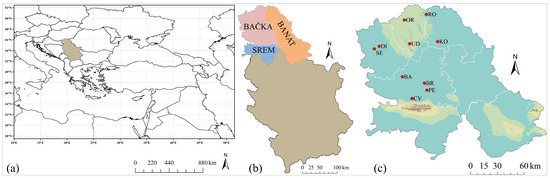
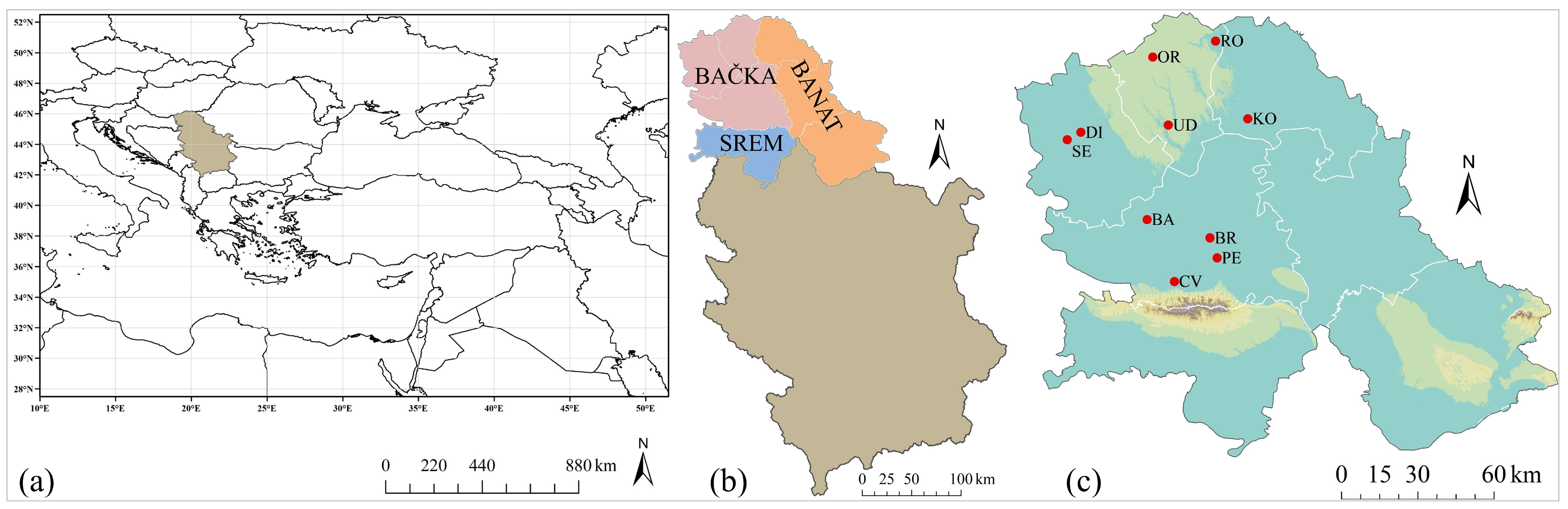
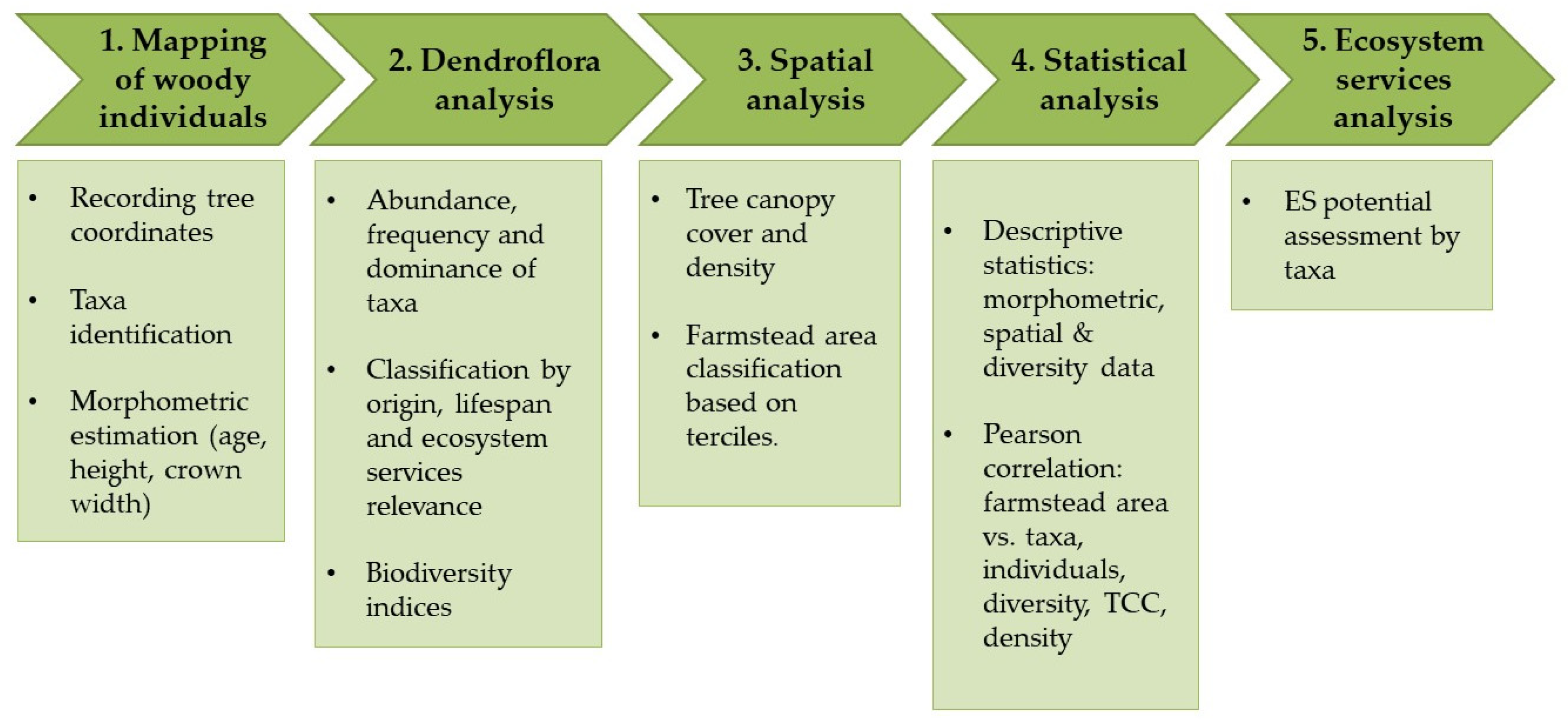
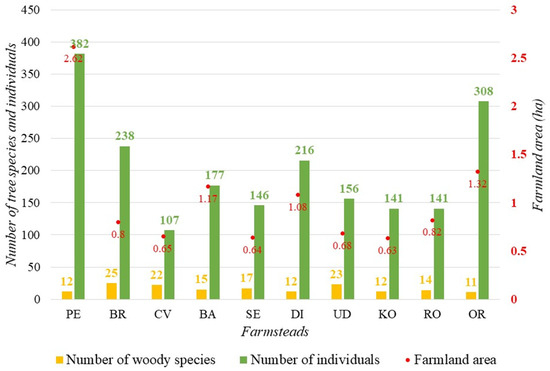
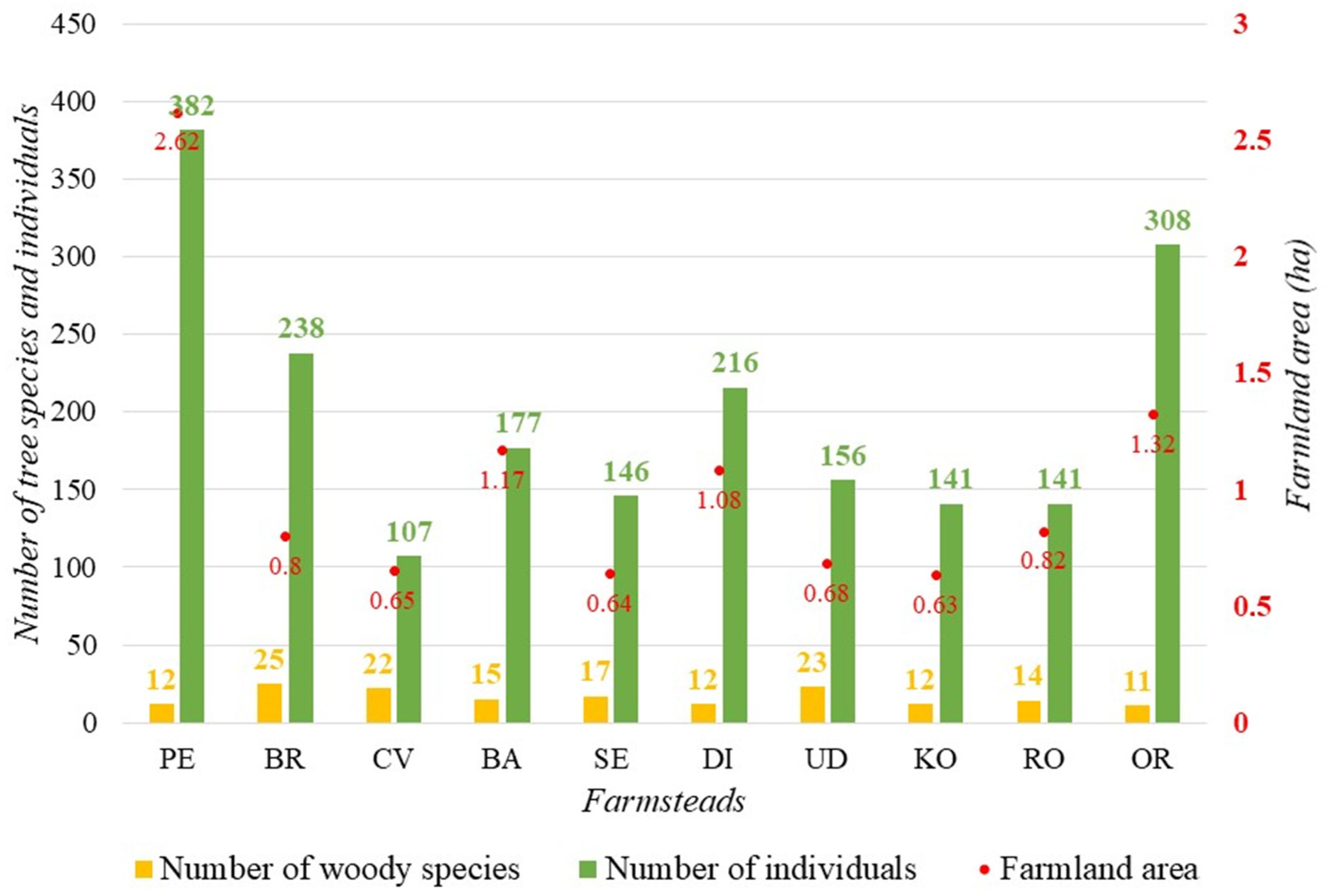
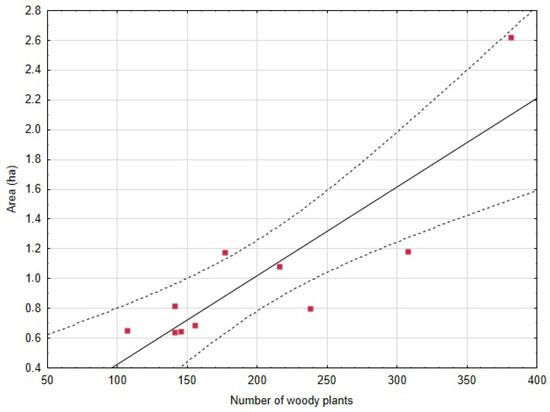
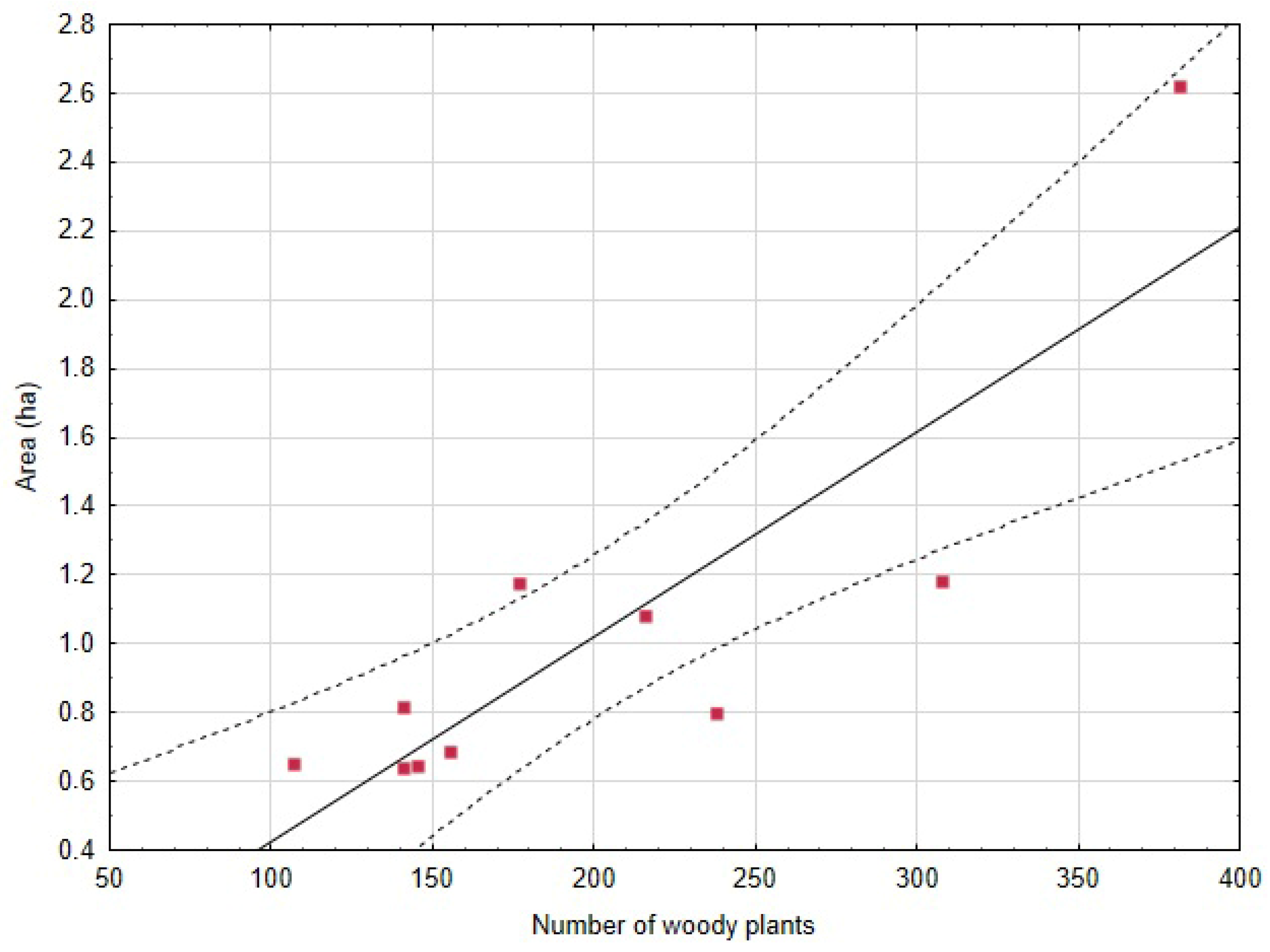
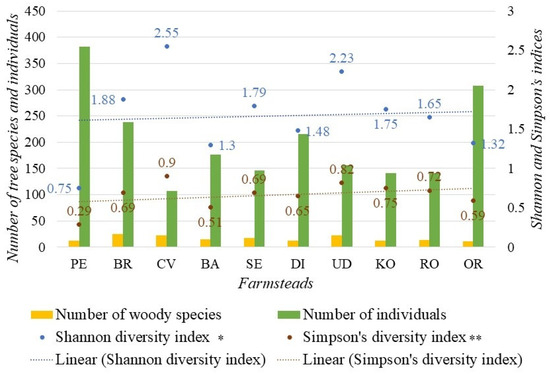
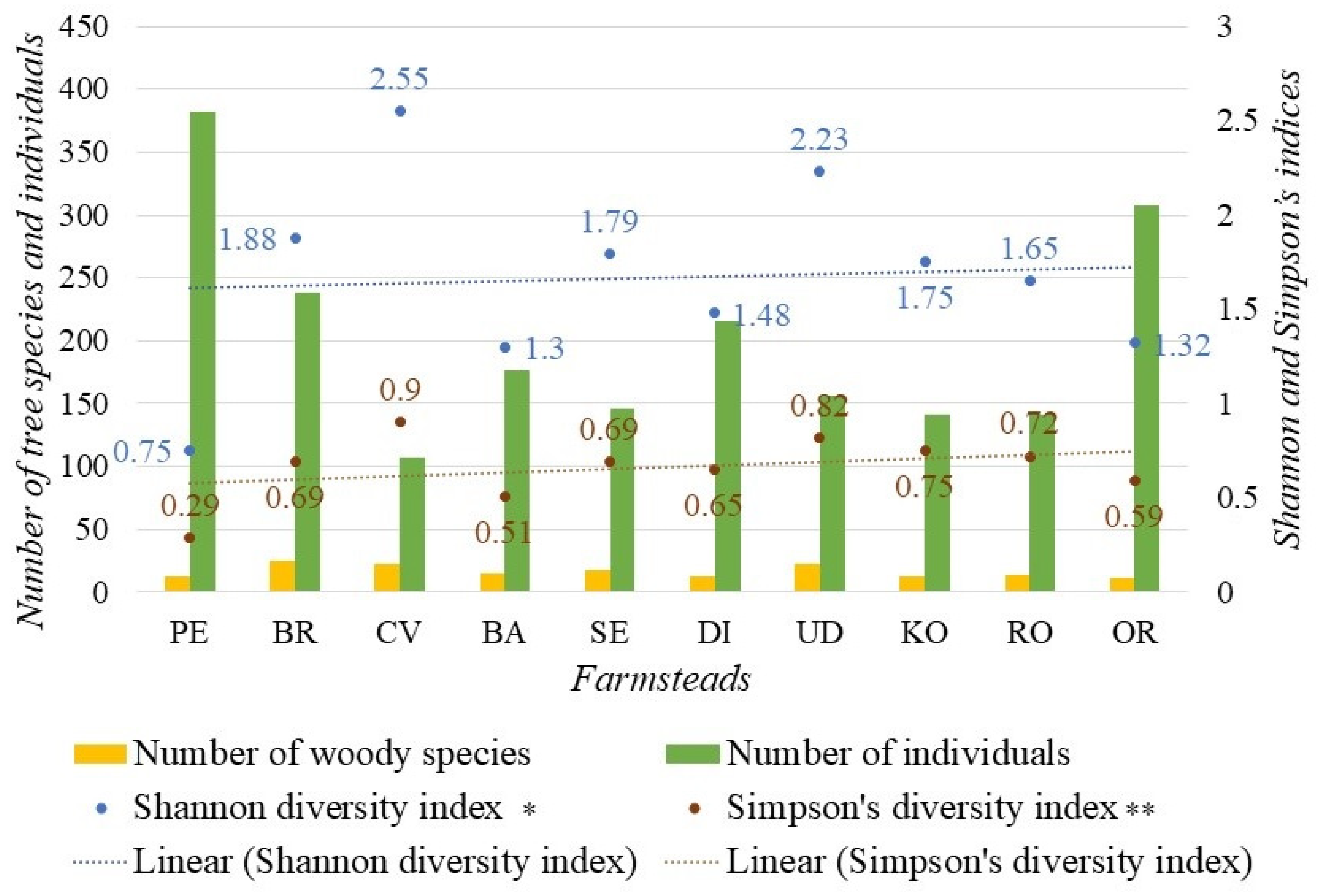
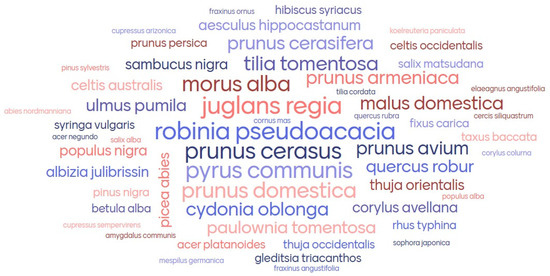
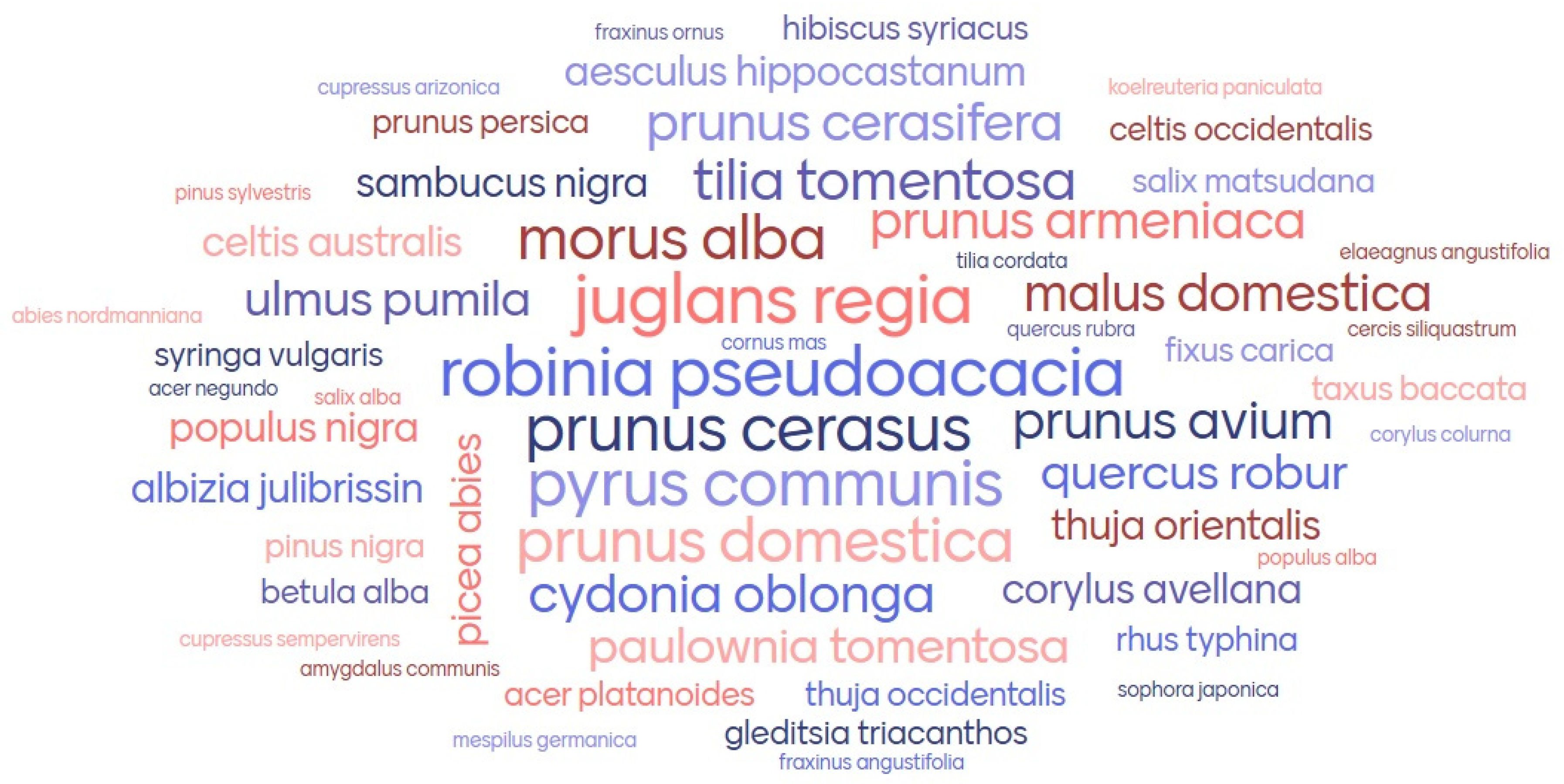
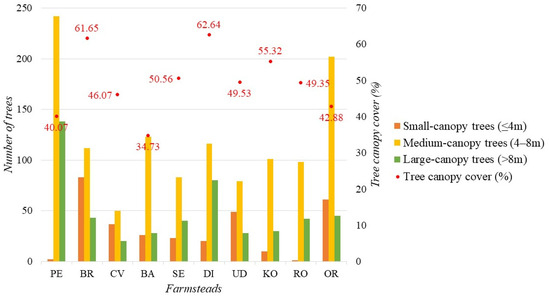
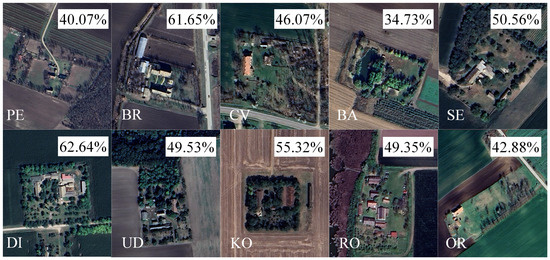
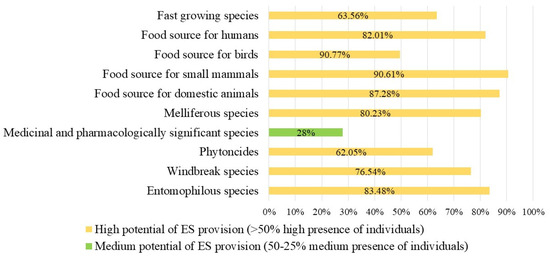
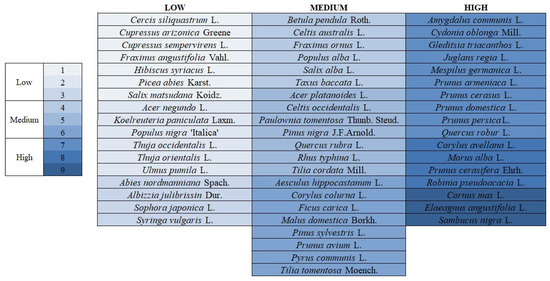
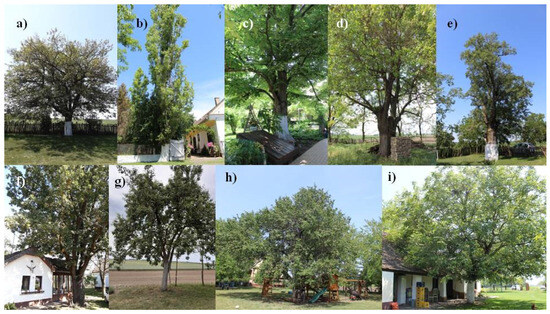
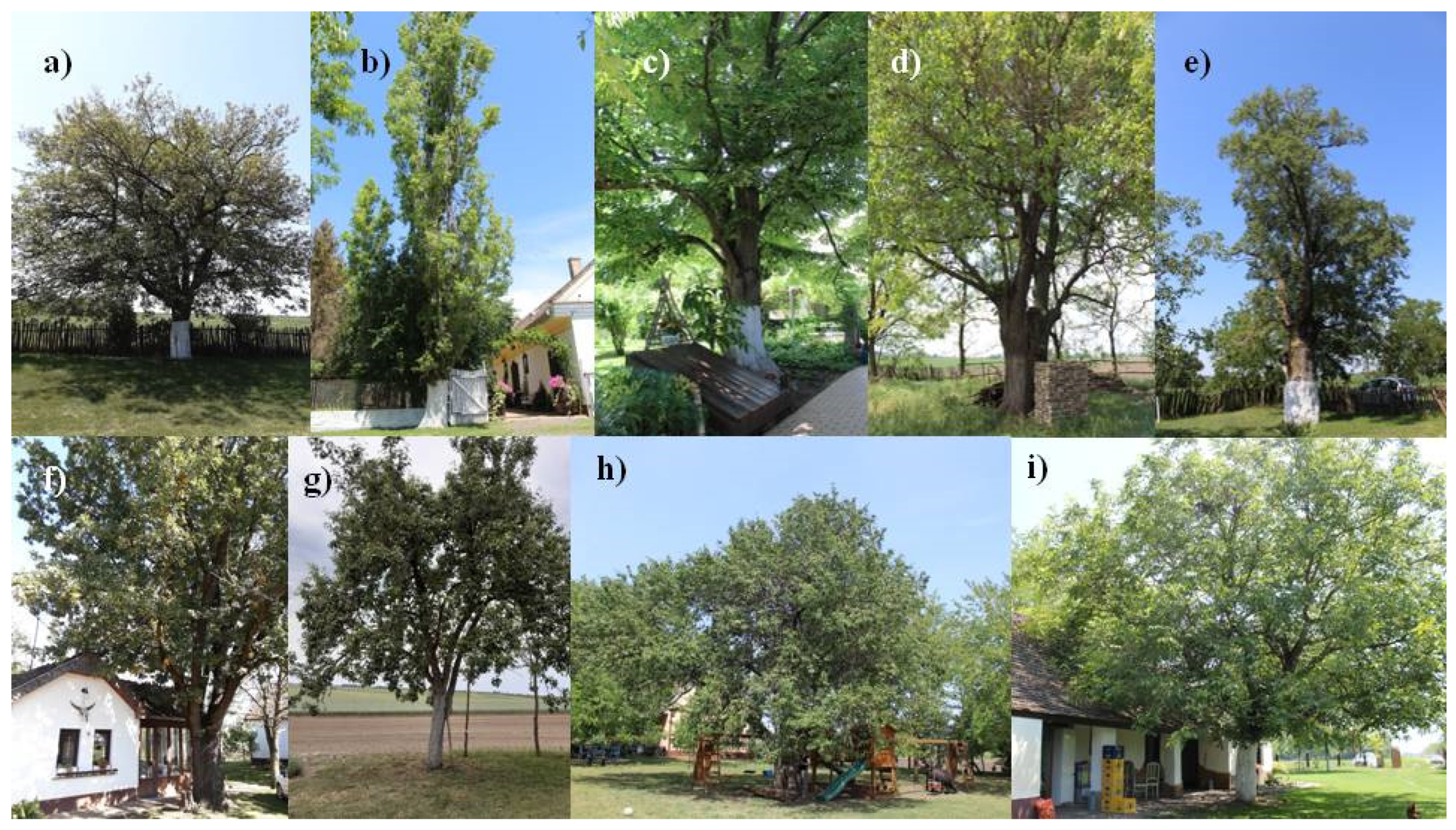
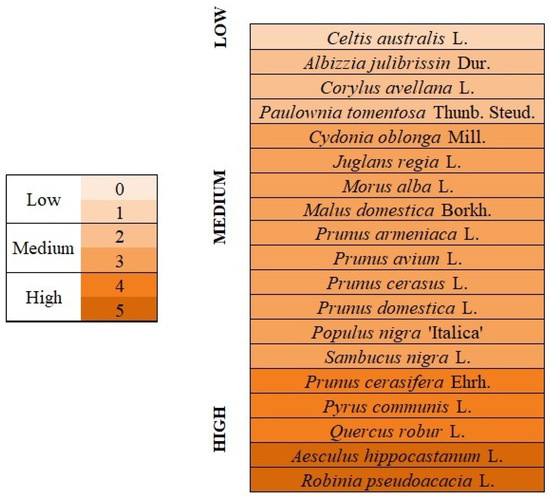
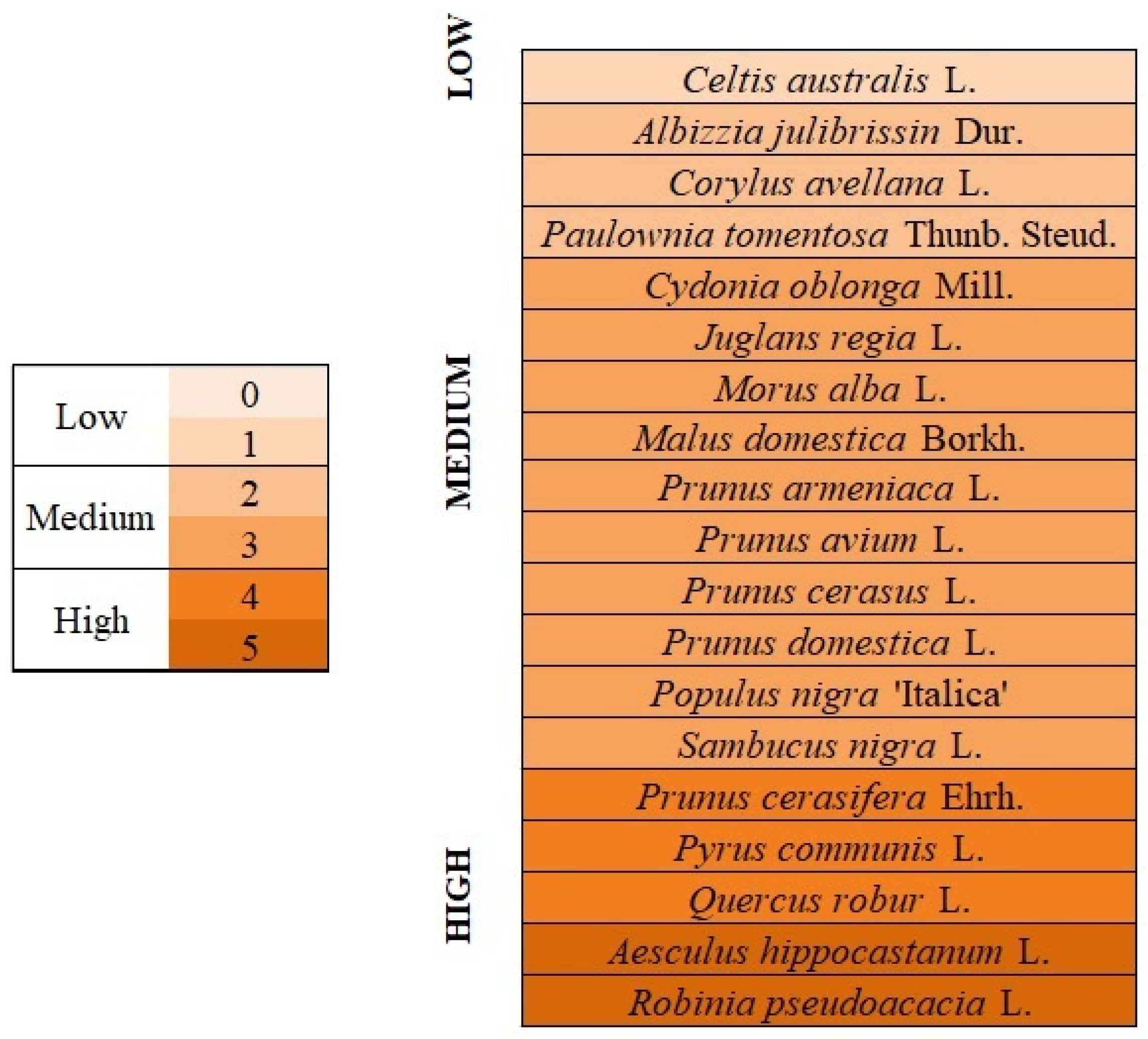

Disclaimer/Publisher’s Note: The statements, opinions and data contained in all publications are solely those of the individual author(s) and contributor(s) and not of MDPI and/or the editor(s). MDPI and/or the editor(s) disclaim responsibility for any injury to people or property resulting from any ideas, methods, instructions or products referred to in the content. |
© 2025 by the authors. Licensee MDPI, Basel, Switzerland. This article is an open access article distributed under the terms and conditions of the Creative Commons Attribution (CC BY) license (https://creativecommons.org/licenses/by/4.0/).