


Abstract
Digital literacy (DL) among farmers serves as a vital link between digital technology and green sustainable development, significantly enhancing agricultural green total factor productivity (AGTFP). This study employs panel data from the China Family Panel Studies (CFPS) covering 2014–2020, applying a two-way fixed effects model and machine learning techniques to examine the influence of farmers’ digital literacy on AGTFP. The results indicate that DL positively contributes to AGTFP. Further heterogeneity analysis shows stronger effects among male farmers, households with low trust, and those within the working-age population. Mechanism analysis indicates that social capital accumulation mediates the relationship, whereas agricultural socialization services strengthen the positive impact of DL on AGTFP. Additional analysis using machine learning models reveals that the impact of farmers’ digital literacy on AGTFP changes over time. Specifically, entertainment and learning-oriented network use enhances AGTFP, whereas work-related, social, and lifestyle-related use suppresses it. This study offers a more nuanced understanding by shifting from traditional macro-level frameworks to a micro-level perspective focused on farmers’ digital literacy. Moreover, the innovative application of explainable machine learning provides empirical evidence for the underlying drivers of AGTFP.
1. Introduction
Under the combined pressures of resource constraints and ecological protection [1,2], promoting green transformation in agriculture and improving production efficiency has become a global consensus. As a major agricultural producer meeting nearly 20% of global food demand, China’s experience in agricultural green transition holds significant lessons for developing nations [3]. Despite achieving a green agricultural development index of 77.9, China still faces notable structural tensions between ecological limitations and sustainable growth [4]. AGTFP serves as a comprehensive indicator for measuring agricultural production efficiency under resource and environmental constraints [5]. Against the backdrop of global efforts to address climate change, food security, and ecological conservation, enhancing AGTFP is not only a crucial component in achieving the United Nations Sustainable Development Goals (SDGs) but also an important pathway for developing countries to navigate the green transition and enhance efficiency. Drawing on neoclassical economic growth theory [6], enhancing productivity, particularly agricultural green total factor productivity (AGTFP), is viewed as a key pathway to overcoming obstacles to green agricultural transformation and sustainable development [7]. Within the multidimensional pathways for enhancing AGTFP, technological advancement and innovation are regarded as the core driving forces [8]. However, the effective adoption of technology depends on farmers’ understanding and ability to apply it [9]. Digital literacy (DL), defined as farmers’ capacity to access, comprehend, and use agricultural information [10], not only directly influences their receptiveness to modern agricultural technologies but also indirectly determines the effectiveness of technology extension and the efficiency of green production. The mechanisms through which DL influences AGTFP merit further investigation [11].
As the concept of digital literacy has evolved from basic operations to encompass a multidimensional competency framework involving information processing, innovative application, and ethical awareness [12,13], its research value within the agricultural sector has become increasingly prominent. Previous studies indicate that the digital economy improves agricultural green efficiency by optimizing resource allocation and facilitating policy implementation [14], thereby providing a theoretical foundation for examining the impact of DL on AGTFP [15]. Scholars recognize that DL is a critical factor shaping green production behavior [16]. It not only strengthens farmers’ ability to acquire market and technical information [17] but also enhances their ecological awareness and sustainable development consciousness, thereby promoting green production practices [18]. Additionally, DL enhances agricultural production efficiency and resource use by broadening farmers’ knowledge and adoption of green technologies, such as smart agricultural machinery and precision irrigation [19]. While Gong [20] confirmed that farmers’ digital literacy has a positive effect on green agricultural production efficiency, comprehensive examinations of the underlying mechanisms and the contributions of different DL dimensions remain limited. Much of the existing research has emphasized institutional and technological changes at the macro level without sufficiently exploring how specific dimensions of DL affect AGTFP at the micro level. Although most studies support a positive link between DL and agricultural production efficiency [21], some indicate that smallholder farmers encounter challenges in adapting to digital technologies, thereby exacerbating the digital divide [22]. Consequently, no clear consensus has yet emerged regarding the overall impact of DL on agricultural productivity, underscoring the need for further investigation.
This study employs panel data from the China Family Panel Studies (CFPS) covering 2014–2020, using a two-way fixed effects model and interpretable machine learning methods to investigate the relationship between farmers’ digital literacy and AGTFP. The analysis proceeds in three stages: First, this paper conducts an empirical analysis at the micro level of the impact of digital literacy on AGTFP. Second, it explores the mediating role of social capital and the moderating effect of agricultural socialization services. Third, it deconstructs the multidimensional factors influencing farmers’ digital literacy using machine learning. This study makes three key contributions. First, by examining the mechanisms of DL at the micro level, it transcends the macro-level focus of prior AGTFP research and provides a theoretical foundation for addressing the “technology supply-application gap”. This approach not only enriches the theoretical understanding of digital empowerment in agriculture but also offers new insights and practical pathways for promoting sustainable agricultural development and advancing digital village construction in China and beyond. Second, by establishing a chain-based analytical framework of “DL-social networks-service supply”, this study systematically explores the transmission mechanisms of social capital and agricultural socialization services, thereby proposing a novel strategy for reconciling the structural tensions between smallholder farmers and large-scale markets. Third, by applying the SHAP (Shapley Additive Explanations) explainable machine learning method, the study identifies threshold patterns and factor allocation mechanisms underlying digital technology empowerment. This approach quantifies the differentiated pathways through which various dimensions of farmers’ digital literacy influence AGTFP and provides evidence-based guidance for targeted interventions to accelerate the green transformation of agriculture—offering practical significance for achieving agricultural sustainability.
2. Theoretical Framework and Research Hypotheses
2.1. Analysis of Farmers’ Digital Literacy and Its Impact on AGTFP
As the backbone of agricultural production, farmers face significant limitations arising from the unequal distribution of digital resources between urban and rural areas. This disparity has long fostered a gap in digital literacy and cognitive understanding, which in turn influences production decisions [23]. According to Ajzen’s Theory of Planned Behavior (1986), cognitive structures and the external environment shape individual behavior [24]. For a detailed introduction to the theory presented in this paper, see Appendix B. In the digital transformation era, farmers’ ability to understand and apply digital technologies has become a critical determinant of their behavioral choices. Extending this theoretical framework agriculture reveals that enhancing farmers’ digital literacy—defined as the ability to effectively acquire, utilize, and process information through smart devices and digital technologies [12]—reshapes their cognitive systems and decision-making capabilities.
However, uneven access to digital technologies has produced significant individual differences in farmers’ DL levels. The awareness and usage dimensions reflect farmers’ depth of understanding and breadth of engagement with digital technologies, respectively [25]. Digital literacy enhances AGTFP primarily through awareness. AGTFP, a comprehensive indicator of agricultural productivity efficiency, measures the balance between agricultural output and environmental impact while promoting economic growth [14]. Farmers with higher digital literacy can leverage technology to access ecological data on soil, water, and air quality more intuitively, deepening their understanding of environmental conditions and their interconnections with production practices. This awareness fosters a shift from traditional extensive cultivation to environmentally conscious, intensive farming. Moreover, exposure to green development models via digital media strengthens farmers’ awareness of market demand for eco-friendly products, thereby increasing their commitment to sustainable production.
In addition, the usage dimension of digital literacy further enhances AGTFP. Digitally literate farmers exhibit stronger abilities to acquire and filter information, enabling them to extract valuable insights from complex digital sources [26]. This accelerates their adoption of green agricultural knowledge and technologies. Through e-commerce platforms, such farmers expand distribution channels and reduce reliance on intermediaries, overcoming information asymmetries [27,28] and increasing their motivation to engage in green production. Furthermore, digitally proficient farmers are more likely to adopt smart agricultural technologies—such as precision fertilization and intelligent irrigation—that improve input efficiency and environmental performance [6]. Based on these arguments, we propose that:
H1.
Farmers’ digital literacy positively promotes AGTFP.
2.2. Mediating Role of Social Capital
Traditional agricultural production systems rely heavily on strong relational networks based on kinship and locality to transmit information. However, this traditional mode of information transmission restricts resource circulation and limits farmers’ adaptability to external environmental changes, thereby constraining the sustainable development of agricultural production.
Social capital, initially defined as both tangible and intangible resources that foster the development of individuals and communities [29], plays a pivotal role in this context. Coleman (1988) posits that social capital facilitates individual behavior and collective action through trust, underscoring its significance in enhancing social interaction [30]. By establishing broader networks of trust and collaboration, social capital can transcend the informational constraints inherent in strong-tie networks, thereby creating more open and diversified channels for knowledge and resource exchange among farmers.
Enhancing farmers’ digital literacy further stimulates the accumulation of social capital. Digitally literate farmers can leverage the internet to promote two-way information flow [31]. This transparent communication model strengthens mutual trust, reshapes interaction patterns in the digital era [32,33], and enables more efficient utilization of external resources. Moreover, it enhances farmers’ sense of participation in public affairs [34], fostering greater engagement in mutual assistance and social networks, which in turn facilitates the accumulation of social capital [35].
Recent empirical studies indicate that social capital promotes AGTFP through multiple mechanisms. First, the diverse social networks embedded in social capital facilitate the diffusion of green knowledge [36], transaction costs of interactive learning among farmers. Second, peer influence within these networks encourages the adoption of green production practices, accelerating the spread of sustainable agricultural behavior [37]. Third, farmer interactions enhance their understanding of green production techniques and strengthen their perception of the benefits of sustainable practices. This combination of knowledge diffusion and attitudinal change drives farmers to transition from traditional to green agricultural methods [38], ultimately improving AGTFP. Based on these insights, we propose that:
H2.
Farmers’ digital literacy exerts a positive influence on social capital.
H3.
Social capital exerts a positive promoting effect on AGTFP.
H4.
Farmers’ digital literacy enhances AGTFP by fostering social capital.
2.3. The Moderating Role of Agricultural Socialization Services
Persistent information asymmetry and resource misallocation between smallholder farmers and larger markets remain critical barriers to agricultural development, particularly in developing economies [39]. As marketization, professionalization, and green transformation accelerate, individual farmers often encounter difficulties in accessing resources, adopting modern technologies, and commercializing their products. In response, agricultural socialization services have emerged as a vital intermediary mechanism linking smallholder farmers to modern agricultural systems and promoting agricultural modernization [40].
Agricultural socialization services encompass a comprehensive suite of production-related services, ranging from input supply and technical support to product marketing [31,41]. Theoretically, these services reduce farmers’ information acquisition costs [42] by providing transparent and integrated agricultural information systems. For digitally literate farmers, agricultural socialization services amplify their ability to search, evaluate, and utilize information effectively. This enhanced capacity facilitates more efficient allocation of production factors, thereby accelerating the improvement of AGTFP [40].
Furthermore, through online training and remote advisory platforms, agricultural socialization services provide digitally proficient farmers with customized environments for technological application. These services not only accelerate the absorption of digital agricultural technologies but also improve the efficiency of green production practices, thereby strengthening the role of digital literacy in promoting AGTFP. At the practical level, agricultural socialization services use digital marketing and supply chain management platforms to enable real-time matching between supply and demand. This mechanism assists farmers in developing differentiated marketing strategies that align with market needs [43]. Digitally literate farmers, in particular, can leverage these services to enhance market identification and strategic execution, further optimizing resource allocation and driving AGTFP growth. Accordingly, we propose the following hypothesis:
H5.
Agricultural social services positively moderate the relationship between farmers’ digital literacy and AGTFP.
2.4. The Role of Control Variables in the Impact of Farmers’ Digital Literacy on AGTFP
Younger farmers generally demonstrate stronger digital literacy and a greater propensity to adopt emerging technologies [44], enabling them to adapt more rapidly to innovations and thereby enhance the efficiency of green agricultural production. In contrast, older farmers often face challenges in adopting and applying digital technologies due to physical constraints and limited learning capacity, which may hinder improvements in AGTFP. Gender differences also play a notable role in this process [45]. Male farmers typically possess greater access to digital tools and higher proficiency in technology application, facilitating the positive effect of digital literacy on AGTFP, whereas female farmers may encounter barriers related to time constraints, household responsibilities, and access to training opportunities.
Furthermore, health status directly affects farmers’ labor capacity and willingness to learn. Farmers in good health can devote more time and energy to developing and applying digital skills, thereby leveraging technology more effectively to improve AGTFP [46]. Conversely, farmers in poor health may struggle to utilize digital tools fully, weakening the positive linkage between digital literacy and AGTFP.
Educational attainment also exerts a significant influence. Households with higher educational levels generally exhibit greater cognitive capacity to understand and implement digital technologies [47], thereby enhancing overall digital literacy and contributing to the improvement of AGTFP. At the same time, households with a higher proportion of elderly members (aged 60 and above) may face greater caregiving and labor burdens, prompting them to rely more heavily on digital tools and social services to compensate for limited manpower [48]. This reliance can, in turn, stimulate stronger motivation to enhance digital literacy and indirectly promote AGTFP. Finally, financial capacity and risk tolerance fundamentally determine whether farmers can invest in digital infrastructure and green technologies. Farming households with greater financial resources are better positioned to adopt digital tools and environmentally sustainable technologies, thereby improving agricultural productivity and accelerating green transformation [23].
The research framework constructed in this paper is illustrated in Figure 1.
Figure 1.
Research framework.
3. Materials and Methods
3.1. Data Sources
This study utilizes data from two primary sources: the China Family Panel Studies (CFPS) (https://www.isss.pku.edu.cn/cfps/), accessed on 28 September 2025 conducted by the China Social Science Survey Center at Peking University, and the China Environmental Statistics Yearbook (https://www.stats.gov.cn/english/), accessed on 28 September 2025. The CFPS covers 25 provinces, autonomous regions, and municipalities, providing rich micro-level data on individuals, households, and communities. Its extensive and representative sampling framework allows for a detailed analysis of the relationship between farmers’ digital literacy and AGTFP. Using the State Council’s 2014 “Guiding Opinions on Promoting the Accelerated Development of Rural E-commerce” as a policy benchmark for digital village development, this study integrates data from four CFPS survey waves (2014, 2016, 2018, and 2020) to construct a balanced panel dataset. All data were processed and analyzed using Stata version 18. The following procedures were applied: (1) missing and anomalous values were either imputed or removed; (2) urban samples were excluded based on the national statistical urban–rural classifications; (3) continuous variables were log-transformed to mitigate the influence of outliers; and (4) CFPS microdata were merged with data from the Environmental Statistics Yearbook using district and county codes. The final dataset includes 4685 farmer-level observations, ensuring both statistical reliability and representativeness for empirical analysis.
3.2. Model Design
3.2.1. Two-Way Fixed Effects Model
This study empirically investigates the effect of farmers’ digital literacy on AGTFP. Employing a two-way fixed effects model to control for individual and time effects, the benchmark regression model is constructed as follows:
In this model, represents the explained variable denoting the AGTFP of individual i in year t; is the core explanatory variable measuring farmers’ digital literacy. includes control variables such as household head and family characteristics. is the individual solid effect, and is the time fixed effect, respectively; is the random disturbance term; is the constant, and is the estimated coefficient of the core explanatory variable.
3.2.2. The Mediation Effect Model
This study constructs the following mediation model to examine whether farmers’ digital literacy promotes AGTFP through the mediating effect of social capital:
In the above equation, represents the mediator variable, and and are constant terms; , , and denote estimated coefficients, while the remaining variables are identical to those in Equation (1).
Following Baron and Kenny [49] mediation effect testing method, the first step is to examine the significance of coefficient in Equation (1). If it is significant, the second step involves testing the significance of coefficient in Equation (2). The third step then simultaneously tests coefficients and in Equation (3). When all three conditions are satisfied, it confirms that farmers’ digital literacy influences AGTFP through social capital’s mediating effect.
3.2.3. The Moderation Effect Model
To examine how agricultural socialized services moderate the relationship between farmers’ digital literacy and AGTFP, this study develops a moderation effect model based on the benchmark regression framework:
represents agricultural socialized services, denotes the interaction term between farmers’ digital literacy and agricultural socialized services, is a constant term, and , , and are the estimated coefficients, with the remaining variables identical to those in Equation (1).
3.3. Variable Description
3.3.1. Dependent Variable: AGTFP
Since measuring AGTFP requires accounting for multiple input–output factors, DEA (Data Envelopment Analysis) is well suited to handle this complexity while avoiding the error risks associated with SFA (Stochastic Frontier Analysis) [50]. Building on the work of Chung [51], this study applies the Directional Distance Function (DDF) within the DEA framework to incorporate undesirable output productivity. Furthermore, it employs the Malmquist–Luenberger index to measure AGTFP over time. In this approach, provinces are treated as decision-making units, with representing the input vector, the desired output vector, the undesired output, and the production set.
In the above equation, the variables , , and denote the expected output , unexpected (undesirable) output , and number of inputs , respectively. The term represents the number of undetermined parameters , indicates the period, and refers to the unexpected output’s upper bound. The DDF is defined with as the direction vector, while denotes the maximum ratio by which the expected output can be expanded and the unexpected output can be reduced along the direction , ensuring that the adjusted output combination remains within the production set . This function is particularly applicable in cases where an increase in expected output is accompanied by a decrease in unexpected output g = (b,−c).
Under the technological conditions of period , the Malmquist–Luenberger productivity index can be decomposed into the product of efficiency change (MLEFFCH) and technological change (MLTECH), expressed as follows:
This study employs as the measurement indicator for AGTFP, where values greater than 1 indicate an increase, equal to 1 indicate no change, and less than 1 indicate a decrease. Following established research methodologies, AGTFP is assessed across three dimensions: input, expected output, and unexpected output [41,52]. The input indicators include capital, labor, and land resources, while the expected output is represented by the total agricultural output. Unexpected outputs are captured through agricultural nonpoint source pollution and subjective perception, thereby forming a comprehensive input–output system for evaluating farmers’ green production (Table 1). We use data on agricultural nonpoint source pollution, and the pollutant evaluation standards set at 20 mg/L for chemical oxygen demand (COD), 1 mg/L for total nitrogen (TN), and 0.2 mg/L for total phosphorus (TP). All remaining indicator variables are sourced from the CFPS database.
Table 1.
Measurement system of green production by farmers.
3.3.2. Core Explanatory Variable: Digital Literacy of Farmers
The awareness and usage dimensions reflect the depth of understanding and breadth of practice of farmers regarding digital technology [25]. This study constructs a two-dimensional indicator system comprising awareness and usage to assess DL. The awareness dimension includes five variables evaluating the perceived importance of the Internet in work, leisure and entertainment, maintaining family and social contact, learning, and daily life, each measured on a five-point scale ranging from 1 (“not at all important”) to 5 (“extremely important”). The usage dimension is represented by the number of hours that farmers spend online for leisure each week. A DL indicator system is developed by integrating these dimensions, and the entropy method is applied to calculate scores. The resulting values quantify the digital proficiency of farmers.
3.3.3. Mediating Variables
This study measures social capital using the questionnaire item, “In the past 12 months, how much did your family spend on gifts for weddings, school enrollment, and other events among your relatives and friends?”, as a proxy variable, since social networks form a core component of social capital [53], and gift expenditure reflects farmers’ ability to access resources within these networks, thereby providing a quantifiable indicator of their social capital levels.
3.3.4. Regulation Variables
Agricultural socialization services were selected as the moderating variable in this study because they help address farmers’ technology application, information access, and green production practices constraints [54]. To measure this, the study employs a proxy variable derived from the sum of responses to two survey questions: (1) “How much does your household spend on labor costs and machinery rental fees for crop and forestry production?” and (2) “How much does your household spend on labor costs and machinery rental fees for raising poultry, livestock, and aquatic products?” If the total expenditure is greater than 0, it is coded as 1, indicating the purchase of agricultural socialization services; if the value is 0, it is coded as 0, indicating no purchase.
3.3.5. Control Variables
The control variables in this study include household head characteristics and household-level factors. Household head characteristics include age, gender, health status, and marital status. Following Niu [55], gender is coded as 1 for males and 0 for females, while marital status is coded as 1 for married individuals with spouses and 0 for those who are unmarried, cohabiting, divorced, or widowed. Household-level control variables include the average number of years of education, the number of family members aged 60 or older, and family financial assets.
4. Empirical Results
4.1. Benchmark Regression
This study applies a two-way fixed-effects model for regression analysis, with the benchmark regression results reported in Table 2. Column (1) incorporates time and individual fixed effects; Column (2) includes control variables with individual fixed effects; Column (3) introduces control variables with time fixed effects; and Column (4) presents results with both time and individual fixed effects. Across all specifications, the regression results show that farmers’ digital literacy significantly enhances AGTFP at the 1% level, regardless of whether individual or time effect controls are included. This finding confirms that improved DL substantially promotes AGTFP, thereby validating hypothesis H1. The effect likely arises from the role of DL in reshaping farmers’ cognitive frameworks, which influences their adoption of green agricultural practices. This mechanism is consistent with Ajzen’s “theory of planned behavior” [24].
Table 2.
Benchmark regression results.
4.2. Endogeneity Test
To address potential endogeneity concerns, this study adopts the approach of Liu [56] by using the terrain slope of farmers’ county locations as an instrumental variable (IV). Terrain gradient influences the development of digital infrastructure, while the level of infrastructure development determines the penetration of internet technology, which in turn affects farmers’ digital literacy. However, there is no direct correlation between terrain gradient and AGTFP. On this basis, we employ the two-stage least squares (2SLS) method for estimation. As shown in Table 3, the first-stage results indicate that the coefficient of the IV is positive and significant at the 1% level, whereas the Cragg–Donald Wald F statistic exceeds the conventional threshold of 10, confirming the instrument’s strength. The second-stage results show that the Kleibergen–Paap rk Wald F statistic is 17.182, which exceeds the 10% Stock–Yogo critical value, thereby confirming that the weak instrument test is successful for the IVs. Furthermore, the Kleibergen–Paap rk LM statistic is 19.881 and significant at the 1% level, indicating the IVs’ identifiability. The regression coefficient for DL is 5.603 and passes the test at the 1% significance level, indicating that DL’s positive promotional effect on AGTFP remains statistically significant. Overall, these results empirically confirm that the benchmark regression estimates are robust to endogeneity concerns and affirm the positive role of farmers’ digital literacy in promoting AGTFP.
Table 3.
Endogeneity test.
4.3. Robustness Test
This study employed four different approaches to test the robustness of the AGTFP regression results with respect to farmers’ digital literacy. Considering the truncated nature of the AGTFP data, the first robustness check involved re-estimating the model using a Tobit regression. As shown in column (1) of Table 4, the regression coefficient for farmers’ digital literacy is 0.441 and remains significant at the 1% level. This finding is consistent with both the direction and significance level of the benchmark model, thereby confirming the robustness of the study’s conclusions.
Table 4.
Robustness test.
Further robustness tests were conducted using two alternative measures of the explanatory variable. The first approach, following Zhou [57], employed the “frequency of Internet use for learning, work, socializing, entertainment, and commercial activities” as a proxy for farmers’ digital literacy. The second approach, based on Lu [58] and Yue [59], applied an entropy-weighted method to calculate farmers’ digital literacy across three dimensions, depending on data availability: digital occupational literacy, digital operational literacy, and digital information literacy. As shown in columns (2) and (3) of Table 4, DL consistently exhibits a significant positive effect on AGTFP, thereby reinforcing the robustness of the benchmark regression findings.
To test for the influence of extreme values, the study applied 1% and 5% two-sided trimming to the sample, and the results in columns (4) and (5) of Table 4 show that all coefficient estimates remained statistically significant, thereby confirming the robustness of the findings.
Finally, to account for the unique characteristics of Beijing, Shanghai, Tianjin, and Chongqing—municipalities with advanced economic development, high urbanization rates, and relatively high levels of farmer digitalization—the study re-estimated the regression after excluding these samples. As shown in column (6) of Table 4, the estimated coefficient remained significantly positive, indicating that the main findings are robust and valid even after removing these special cases.
4.4. Heterogeneity Test
This study accounts for the heterogeneous characteristics of household heads and examines them across three key dimensions to better clarify the underlying mechanisms in analyzing the impact of farmers’ digital literacy on AGTFP.
Examining the heterogeneous impact of farmers’ digital literacy on AGTFP from a gender perspective offers valuable insights for addressing gender-related structural barriers in agricultural green transformation. The positive effect of DL on AGTFP is more significant among male farmers, with a coefficient of 0.279 (Table 5). This disparity may be explained by men’s relative advantage in adopting and applying digital technologies [60], which enables them to enhance AGTFP more effectively.
Table 5.
Heterogeneity test.
The trust propensity of household heads can influence their willingness to adopt and apply new technologies. To capture this effect, trust levels were categorized into “high trust” and “low trust” groups, enabling an analysis of the heterogeneous impact of farmers’ digital literacy on AGTFP. As shown in Table 5, DL exerts a significant positive effect on AGTFP in both groups, with a stronger impact observed in the low-trust group (coefficient = 0.209). This greater effect may arise because low-trust farmers tend to scrutinize information more carefully and critically assess technological reliability [61], whereas highly trusting farmers may adopt guidance more passively, which could limit their ability to maximize the benefits of digital technology.
Age differences can shape the adaptability of farmers to digital technologies and influence their efficiency in accessing information, thereby affecting the role of DL in promoting AGTFP. Following the National Bureau of Statistics of China’s working-age classification, this study distinguishes between working-age farmers (16–59 years) and non-working-age farmers (60 years and above) to analyze heterogeneity. The non-working-age group exhibits a higher marginal effect, with a coefficient of 0.254, as shown in Table 5. This result may reflect the fact that working-age farmers, having been exposed to digital technology earlier, face limited room for further improvements in DL, which constrains its impact on AGTFP. Conversely, non-working-age farmers, who have had less exposure and slower adaptation to digital tools, demonstrate greater potential for skill improvement [62], thereby achieving larger gains in AGTFP.
4.5. Mechanism Verification
4.5.1. Mediation Effect Test
Table 6 presents the results of the mediation effect model. Model (1) presents the benchmark regression assessing the impact of farmers’ digital literacy on AGTFP. Model (2) explores the relationship between farmers’ digital literacy and social capital, showing an estimated coefficient of −0.029, significant at the 1% level, which indicates that DL negatively affects social capital. This adverse effect may result from the shift of social interactions from traditional physical spaces to virtual platforms driven by digital technology, thereby reducing reliance on face-to-face networks. Such a shift can weaken traditional kinship ties and geographical connections [63,64,65], leading to a decline in social capital. Model (3) evaluates the combined relationship among farmers’ digital literacy, AGTFP, and social capital. After incorporating social capital into the analysis, the coefficient of farmers’ digital literacy on AGTFP increased to 0.189, whereas the correlation coefficient between social capital and AGTFP was 0.841; both were significant at the 1% level. These findings indicate that social capital exerts a masking effect on the model. Specifically, without controlling for social capital, the negative correlation between social capital and farmers’ digital literacy partially obscures the positive effect of DL on AGTFP. Once social capital is controlled for, this positive effect becomes more pronounced, thereby contradicting the initial hypothesis (H2).
Table 6.
Mediation effect test.
4.5.2. Moderation Effect Test
Building on the chain theory framework of “DL-social network-service supply,” this study investigates how agricultural socialization service moderates the relationship between farmers’ digital literacy and AGTFP. As shown in Equation (2) of Table 7, the interaction term coefficient of 0.081 is statistically significant and positive, indicating that agricultural socialization services strengthen the impact of farmers’ digital literacy on AGTFP, thereby confirming Hypothesis H3. This moderating effect can be explained by the role of agricultural socialization services in facilitating technology diffusion networks and resource integration platforms, which lower barriers to digital technology adoption, amplify knowledge spillover effects, and mitigate individual farmers’ production constraints [66].
Table 7.
Moderation effect test.
4.6. Further Analysis
4.6.1. Feature Importance Analysis
To gain deeper insight into the heterogeneous effects of different dimensions of farmers’ digital literacy on AGTFP, this study adopts the SHAP explainable machine learning method following Xue (2024) [67]. A higher absolute SHAP value indicates a greater marginal contribution of a variable to the model’s prediction, thereby reflecting its relative importance. For a detailed introduction to SHAP, see Appendix A. In constructing composite indicators for the sub-dimensions of farmers’ digital literacy, this study selected the perceived importance of various internet usage purposes (x1–x5) and the duration of leisure internet use (x6) as key measurement indicators. Specific details are provided in Table 8. Based on these variables, SHAP values were computed using the shapviz package in the R version 4.4.3 programming environment, in combination with a gradient-boosted decision tree (GBDT) model, to evaluate and visualize feature importance.
Table 8.
Variable descriptions.
This study applies a gradient-boosted decision tree model to calculate the SHAP feature importance ranking for each dimension to analyze the varying impacts of various dimensions of farmers’ digital literacy on AGTFP. The results in Figure 2 reveal significant differences in the relative importance of these dimensions in influencing AGTFP.
Figure 2.
SHAP importance ranking.
The SHAP analysis indicates that social network dependency (x3), with a value of 0.0716, exerts the strongest positive impact on AGTFP. SHAP values of 0.045 and 0.0225 are followed by learning-oriented network usage (x4) and work-related network usage intensity (x1), together accounting for 36.99% of the total contribution. Life-empowering network dependence (x5) and cumulative digital contact effect (x6) show SHAP values of 0.0187 and 0.0183, respectively, reflecting secondary influence. Hedonistic online behavior motivation (x2) registers the lowest SHAP value of 0.0104, indicating only a marginal effect. Overall, the ranking reveals that social, learning, and work-related network usage constitute the primary drivers of agricultural green transformation, likely because social networks promote green technology diffusion and enhance production efficiency through resource coordination. Knowledge-based applications enhance green production decision-making by enhancing farmers’ human capital [74], while work-related network usage improves resource allocation efficiency. In contrast, life-empowering and hedonistic behaviors that prioritize personal experience over production objectives contribute less effectively to agricultural outcomes and tend to yield diminishing marginal returns.
4.6.2. Threshold Effect Analysis
To systematically assess the differentiated impacts of farmers’ digital literacy on AGTFP, this study employs SHAP values to identify multi-dimensional threshold patterns. As shown in Figure 3, the analysis reveals significant structural differences in the influence pathways, with multiple dimensions interacting to jointly moderate the effect of DL on AGTFP.
Figure 3.
Threshold effect analysis of DL dimensions on AGTFP.
The analysis shows that work-related network dimensions exhibit a clear threshold effect on AGTFP, with SHAP values declining as scores increase from 3.25 to 3.75. The maximum gain occurs at a score of 4.25, after which the SHAP value gradually decreases. This pattern indicates that excessive work orientation may reduce farmers’ attention and creativity, thereby limiting the flexible application of digital technologies and ultimately lowering green production efficiency.
Hedonistic online behavior motivation shows a distinct threshold pattern: when entertainment importance scores range from 2.5 to 3.5, SHAP values increase positively, indicating that moderate entertainment-oriented online activities contribute to improving AGTFP [75]. This positive effect may stem from relaxation’s role in enhancing concentration and the ability to absorb technical knowledge. However, when entertainment importance exceeds 3.6, SHAP values decline rapidly, indicating that excessive entertainment-oriented use diminishes the marginal benefits of AGTFP.
Social network dependency exhibits a clear threshold effect: SHAP values rise sharply once social importance scores surpass 3.5, reaching their peak within the range of 4.0–4.25 range. The subsequent decline beyond 4.25 indicates that moderate social dependence enhances the efficiency of green resource allocation by facilitating knowledge spillovers. However, excessive reliance on social networking can result in information overload [76], which diminishes the efficiency of digital technology use.
Learning-oriented network usage shows a distinct threshold pattern: SHAP values remain negative when learning importance scores are below 3.5, indicating that superficial digital learning does not generate meaningful knowledge spillover effects. The SHAP value reaches its peak at 3.75, indicating that this level represents the optimal point for maximizing the benefits of DL in promoting green technology innovation. SHAP values decline beyond this threshold, likely because excessive or over-specialized learning increases cognitive load and reduces knowledge conversion efficiency [77].
Life-empowering network dependence demonstrates relatively low SHAP values when the importance scores fall between 2.5 and 3.5, indicating a persistent tension between traditional lifestyles and digital adoption. As the scores increased beyond this range, the SHAP values increased, reflecting a positive relationship between the importance of digital applications in daily life and AGTFP. This effect is likely driven by the digitization of everyday scenarios, which enhances technology spillover and supports AGTFP improvements [78].
The cumulative effect of digital exposure can be summarized as follows: when leisure internet use is ≤8 h, the SHAP value rises from 0 to +0.025, indicating that green technology learning enhances AGTFP through moderate online activity. However, when daily usage extends to 8–11 h, the SHAP value declines sharply into negative territory, implying that excessive online time disperses cognitive resources [79]. For usage between 11 and 20 h, the AGTFP gains fluctuate at consistently low levels. The optimal threshold of 5.2 h represents the convergence of technical learning and production practice efficiency, as this level of exposure provides sufficient information input for green technology learning while preventing overdependence on digital tools.
4.6.3. Analysis of the Strength of Directional Contributions
This study applies directional contribution strength to explore the asymmetric impact of farmers’ digital literacy dimensions on AGTFP. The findings strengthen the theoretical framework on the relationship between DL and green agricultural transformation. Figure 4 shows that work-related network usage intensity (x1), social network dependency (x3), and life-empowering network dependency (x5) exert significant negative effects on AGTFP, indicating that excessive reliance on digital tools may cause technology overload and distraction, thereby hindering the adoption of green technologies. Conversely, hedonistic online behavior (x2), learning-oriented internet use (x4), and leisure internet usage duration (x6) have positive effects on AGTFP, highlighting the value of informal learning and digital media incentives in promoting green agricultural transformation [80].
Figure 4.
Directional contributions of variables to AGTFP.
These findings provide valuable insights for enhancing DL in rural areas and formulating more effective green agriculture policies. Rather than prioritizing widespread equipment adoption or the sheer breadth of application, current policies should emphasize the comprehensive understanding and purposeful use of digital tools by farmers. Such an approach would optimize digital behavior patterns, reduce efficiency losses caused by technology misuse, and ultimately foster more sustainable green agricultural development.
5. Discussion
These findings systematically elucidate the mechanisms and dynamic patterns through which farmers’ digital literacy (DL) influences AGTFP. The results confirm that enhanced DL significantly improves AGTFP, thereby validating the initial hypothesis and aligning with previous studies [20]. This outcome reinforces the theoretical proposition that digital literacy serves as a key driver of agricultural green transformation [3] and underscores the crucial role of digital capabilities in advancing sustainable agricultural productivity [21].
Notably, several novel insights emerge. Building upon existing literature, this study proposes and empirically validates a new mechanism within the theoretical chain framework of “DL–social network–service supply.” The findings reveal that social capital exerts a masking effect on the relationship between farmers’ digital literacy and AGTFP. Specifically, DL expands farmers’ social networks and accelerates technology diffusion while simultaneously reducing reliance on traditional kinship and geographic ties. As neighborhood interactions increasingly shift to digital spaces, traditional community cohesion weakens [65], thereby hindering the accumulation of social capital. This result supports Nowland and Necka’s [64] assertion that digital technologies restructure social capital and extends Calderon’s [35] limited exploration of digital technology-based social capital formation. Empirically, the observed negative correlation between social capital and DL conceals the latter’s positive impact on AGTFP in regression models. Once social capital is controlled for, the regression coefficient of DL increases significantly, thereby highlighting the masking effect and revealing how digital transformation reshapes farmers’ social connections. This restructuring of social networks offers a new theoretical lens for analyzing the pathways through which digital literacy affects AGTFP.
Furthermore, the study finds that agricultural social services positively moderate the relationship between DL and AGTFP, corroborating the arguments of Fabregas [23] and Wu [81] that such services reduce barriers to digital adoption and promote technological diffusion among farmers. Distinct from prior research that primarily emphasized the yield-enhancing or cost-reducing effects of agricultural social services [42], this study demonstrates their synergistic function in advancing AGTFP through digital literacy, thereby broadening the discourse on agricultural social services within the context of digital agriculture.
Taken together, the study identifies a threshold effect in the relationship between the various dimensions of DL and AGTFP. The marginal positive impact of DL on AGTFP peaks when farmers spend approximately 5.2 h of weekly online leisure time, after which it declines. This finding aligns with Zhong (2024) and Szopiński and Bachnik (2022), who argue that excessive technological engagement can reduce efficiency [82,83]. It implies that beyond a certain point, the productivity benefits of digital technology use diminish and may even become negative [82,83]. For the first time, this study specifies an optimal temporal threshold for digital technology usage at the household level, thereby advancing understanding of the mechanisms linking household digital literacy to AGTFP.
6. Conclusions
6.1. Key Findings
This study employs panel data from the CFPS (2014–2020) to investigate the multidimensional impact of farmers’ digital literacy on AGTFP using a two-way fixed effects model and interpretable machine learning methods. The results reveal several important findings. First, AGTFP increases by an average of 16.5% for each unit increase in farmers’ digital literacy, a conclusion supported by multiple robustness tests. Second, social capital exerts a masking effect on the relationship between DL and AGTFP, whereas agricultural socialization services play a positive moderating role. Third, the effects vary substantially across demographic groups, with the promotional influence of DL on AGTFP being stronger among males (25.4%), high-trust farmers (20.9%), and non-working-age farmers (25.4%) than among their counterparts. Finally, among the different dimensions of DL, social network dependence exhibits the greatest importance for AGTFP with a SHAP value of 0.0716, followed by learning-oriented network use (0.045). The analysis also identified optimal thresholds for AGTFP improvement, occurring at importance scores of 4.25 for work-related use, 4.0 for socializing, and 3.75 for learning.
6.2. Theoretical Significance
This study makes several theoretical contributions to the literature on digital transformation and sustainable agricultural development. First, it transcends the limitations of previous studies that predominantly examined macro-level indicators—such as information infrastructure and internet penetration—to focus instead on micro-level digital capabilities at the individual farming household level. This perspective enriches the theoretical understanding of how farmers’ digital literacy contributes to green agricultural development. Second, it elucidates the mechanistic role of social capital in mediating the relationship between digital literacy and AGTFP. As an informal institution, social capital enhances our theoretical grasp of how trust, cooperation, and information exchange foster the diffusion of green agricultural practices. Third, this study addresses the structural mismatch between smallholder farmers and larger markets, extending the theoretical boundaries of digital capability frameworks by demonstrating how digital literacy can mitigate institutional and informational constraints in diverse agricultural contexts. Finally, the study offers an innovative quantitative analysis of the differentiated pathways through which multiple dimensions of digital literacy influence AGTFP. By clarifying both the direction and magnitude of these effects, it provides a nuanced theoretical foundation for targeted strategies to enhance green productivity in agriculture.
6.3. Practical Significance
The findings of this study offer important implications for policymakers, rural development practitioners, and agricultural stakeholders aiming to promote sustainable agricultural transformation. First, enhancing farmers’ digital literacy is essential for advancing green production. In the era of agricultural digitalization, farmers must complement traditional practices with strong digital competencies. Policymakers should implement multi-channel digital education programs that blend online and offline learning to improve farmers’ ability to access, process, and apply information. Tailored training initiatives—adapted to variations in age, education, and resource levels—can ensure the inclusive diffusion of green technologies.
Second, efforts should be directed toward strengthening social capital and agricultural social service systems. In contexts where formal institutions are weak, social capital can act as a bridging mechanism to facilitate information sharing and cooperative engagement. Community-based activities and digital information platforms can enhance mutual trust, thereby improving technology adoption. Concurrently, developing comprehensive agricultural service systems—providing pre-, in-, and post-production support—can amplify the effect of digital literacy on green productivity.
Third, expanding social and learning networks for farmers through digital platforms and social media can foster peer learning and transnational knowledge exchange. Virtual forums, online workshops, and technology-sharing platforms can enable farmers to exchange experiences and best practices, thereby accelerating the diffusion of green innovations and strengthening the impact of digital literacy on AGTFP.
6.4. Research Limitations and Future Prospects
Despite its significant contributions, this study presents several avenues for future inquiry. First, although the analysis draws on panel data from the China Family Panel Studies (CFPS) covering 2014–2020, which offers strong representativeness, it does not capture the long-term evolution of farmers’ digital literacy or its sustained impact on AGTFP. Future research should employ longitudinal or cross-national datasets to examine the dynamic relationship between digital literacy and AGTFP, while identifying cross-regional similarities and differences in digital transformation and green agricultural development. Second, although this study evaluates farmers’ digital literacy across multiple dimensions, the conceptual and measurement frameworks of digital literacy may vary across social and cultural contexts. Future work should integrate field surveys and assessments of farmers’ actual digital skill applications to refine the measurement of digital literacy and more accurately capture its practical impact on agricultural productivity. Finally, this study does not sufficiently account for the moderating influence of institutional environments on the relationship between digital literacy and AGTFP. Future research should explore how institutional frameworks and agricultural social services interact to shape the role of digital literacy in fostering AGTFP across diverse regions and market contexts—particularly regarding the diffusion of green technologies and the reduction of information asymmetries.
Author Contributions
Conceptualization, H.W.; methodology, H.W. and M.Z.; data curation, Y.M. and X.L.; software, M.Z.; validation, Y.M.; formal analysis, Y.M.; investigation, Y.M., M.Z. and X.L.; visualization, Y.M. and X.L.; resources, M.Z.; writing—original draft, Y.M. and M.Z.; writing—review and editing, H.W. and X.L.; supervision, H.W.; project administration, H.W.; funding acquisition, H.W. All authors have read and agreed to the published version of the manuscript.
Funding
This work was supported by The National Social Science Fund of China (22BTJ054).
Institutional Review Board Statement
Not applicable.
Informed Consent Statement
Not applicable.
Data Availability Statement
The data presented in this study are available from the first author upon reasonable request.
Conflicts of Interest
The authors declare no conflicts of interest.
Appendix A
To comprehensively elucidate the causal mechanisms through which different dimensions of farmers’ digital literacy influence agricultural green total factor productivity (AGTFP), this study incorporates the SHAP (Shapley Additive Explanations) method into the empirical analysis to enhance model interpretability. Originally proposed by economist Lloyd Shapley (1953) for the equitable distribution of contributions among participants in cooperative games [84], the SHAP framework was later introduced to machine learning by Lundberg and Lee (2017) to explain complex model predictions [85]. Its core principle involves calculating the marginal contribution of each feature to a model’s output and decomposing the prediction into the sum of individual feature contributions, thereby ensuring fairness and consistency in interpretability.
Compared with traditional regression approaches, SHAP provides both local and global interpretability, identifying the drivers behind individual predictions while also ranking the overall importance of features. This dual explanatory capability is particularly valuable for examining the heterogeneous effects of farmers’ digital literacy on AGTFP, given that digital literacy comprises multiple dimensions with potentially varying influences.
Accordingly, this study defines six sub-dimensions of farmers’ digital literacy: work-related internet usage intensity (x1), hedonistic or entertainment-oriented motivation (x2), social network dependency (x3), learning-oriented internet use (x4), life-empowering internet dependency (x5), and the cumulative effect of digital engagement (x6). SHAP values were calculated and visualized using the shapviz package in the R programming environment, combined with a gradient-boosted decision tree (GBDT) model to evaluate and visualize feature importance. The SHAP value is defined as follows:
where denotes the contribution value of feature to the prediction result, represents the total number of features, indicates the model prediction value obtained from training excluding feature , and denotes the model prediction value obtained from training including feature .
Appendix B
Appendix B.1. The Neoclassical Theory of Economic Growth
The neoclassical theory of economic growth was first proposed by Robert Solow in 1956 to address fundamental questions in economics concerning the sources of long-term growth and the role of technological progress in output expansion. Solow’s framework systematically explains the mechanisms driving economic growth through capital accumulation, labor input, and technological progress [86].
The theory rests on three central elements: (1) capital accumulation, referring to the process whereby savings and investment expand the stock of productive assets; (2) labor growth, representing the increase in the available workforce; and (3) technological progress, denoting improvements in production efficiency. The model assumes diminishing marginal returns to capital and labor, while treating technological progress as an exogenous factor that sustains long-term economic growth. The key production function can be expressed as:
where Y denotes total output, A represents the level of technology, K signifies the capital stock, and L indicates the labor input. This formulation underscores the pivotal role of technological progress in sustaining growth beyond the limits imposed by diminishing returns to other inputs. In the context of agricultural production, farmers’ digital literacy may be regarded as a critical driver of technological advancement. By improving their ability to access, analyze, and apply digital information, farmers can adopt advanced green technologies more effectively, thereby enhancing agricultural productivity. Within the neoclassical framework, digital literacy contributes to technological progress pathways, optimizes resource allocation, and promotes the sustainable development of green agriculture.
Appendix B.2. Theory of Planned Behavior
The Theory of Planned Behavior was proposed by Icek Ajzen in 1985. It offers a comprehensive explanation of the psychological mechanisms underlying individual decision-making. It posits that attitudes, subjective norms, and perceived behavioral control jointly determine behavioral intention, which in turn predicts actual behavior [24]. The core relationship is expressed as follows:
where BI denotes behavioral intention, A represents attitude, SN signifies subjective norm, PBC indicates perceived behavioral control, and are the corresponding weighting coefficients.
Within the agricultural context, the TPB provides a robust framework for understanding how digital literacy shapes farmers’ behavioral intentions toward green production practices. Enhanced digital literacy strengthens farmers’ attitudes toward sustainable technologies, improves their perception of social support (subjective norms), and increases their confidence in managing digital and green technologies (perceived behavioral control). Collectively, these psychological mechanisms encourage the actual adoption of green production techniques, thereby indirectly enhancing agricultural green total factor productivity (AGTFP).
References
- Liu, H.; Zhang, Y.; Zhang, Y. How does digital literacy impact household carbon emissions? Evidence from household survey in China. Sustain. Futures 2024, 7, 100220. [Google Scholar] [CrossRef] [Scilit]
- Ali, R.; Ishaq, R.; Bakhsh, K.; Yasin, M.A. Do Agriculture Technologies Influence Carbon Emissions in Pakistan? Evidence based on ARDL technique. Environ. Sci. Pollut. Res. Int. 2022, 29, 43361–43370. [Google Scholar] [CrossRef] [Scilit]
- Li, J.; Lin, Q. Threshold effects of green technology application on sustainable grain production: Evidence from China. Front. Plant Sci. 2023, 14, 1107970. [Google Scholar] [CrossRef] [Scilit] [PubMed]
- Ahmed, N.; Hamid, Z.; Mahboob, F.; Rehman, K.U.; Ali, M.S.e.; Senkus, P.; Wysokińska-Senkus, A.; Siemiński, P.; Skrzypek, A. Causal Linkage among Agricultural Insurance, Air Pollution, and Agricultural Green Total Factor Productivity in United States: Pairwise Granger Causality Approach. Agriculture 2022, 12, 1320. [Google Scholar] [CrossRef] [Scilit]
- Liu, S.; Lei, P.; Li, X.; Li, Y. A nonseparable undesirable output modified three-stage data envelopment analysis application for evaluation of agricultural green total factor productivity in China. Sci. Total Environ. 2022, 838, 155947. [Google Scholar] [CrossRef] [Scilit] [PubMed]
- Li, Z.; Ding, Y.; Chen, J.; Zhao, M. How far are green products from the Chinese dinner table?—Chinese farmers’ acceptance of green planting technology. J. Clean. Prod. 2023, 410, 137141. [Google Scholar] [CrossRef] [Scilit]
- Cai, Q.; Han, X. Impacts and mechanisms of digital village construction on agricultural green total factor productivity. Front. Sustain. Food Syst. 2024, 8, 1431294. [Google Scholar] [CrossRef] [Scilit]
- Shi, Y.; Lu, W.; Lin, L.; Li, Z.; Chen, H. Does Environmental Regulation Affect China’s Agricultural Green Total Factor Productivity? Considering the Role of Technological Innovation. Agriculture 2025, 15, 649. [Google Scholar] [CrossRef] [Scilit]
- Raj, M.; Gupta, S.; Chamola, V.; Elhence, A.; Garg, T.; Atiquzzaman, M.; Niyato, D. A survey on the role of Internet of Things for adopting and promoting Agriculture 4.0. J. Netw. Comput. Appl. 2021, 187, 103107. [Google Scholar] [CrossRef] [Scilit]
- Petraki, D.; Gazoulis, I.; Kokkini, M.; Danaskos, M.; Kanatas, P.; Rekkas, A.; Travlos, I. Digital Tools and Decision Support Systems in Agroecology: Benefits, Challenges, and Practical Implementations. Agronomy 2025, 15, 236. [Google Scholar] [CrossRef] [Scilit]
- Bejaković, P.; Mrnjavac, Ž. The importance of digital literacy on the labour market. Empl. Relat. 2020, 42, 921–932. [Google Scholar] [CrossRef] [Scilit]
- Falloon, G. From digital literacy to digital competence: The teacher digital competency (TDC) framework. ETR&D-Educ. Technol. Res. Dev. 2020, 68, 2449–2472. [Google Scholar]
- Tinmaz, H.; Lee, Y.T.; Fanea-Ivanovici, M.; Baber, H. A systematic review on digital literacy. Smart Learn. Environ. 2022, 9, 21. [Google Scholar] [CrossRef] [Scilit] [PubMed]
- Jiang, Z.; Guo, Y.; Wang, Z. Digital twin to improve the virtual-real integration of industrial IoT. J. Ind. Inf. Integr. 2021, 22, 100196. [Google Scholar] [CrossRef] [Scilit]
- Jiang, Q.; Li, J.; Si, H.; Su, Y. The Impact of the Digital Economy on Agricultural Green Development: Evidence from China. Agriculture 2022, 12, 1107. [Google Scholar] [CrossRef] [Scilit]
- Zhu, Y.; Zhang, Y.; Piao, H. Does Agricultural Mechanization Improve the Green Total Factor Productivity of China’s Planting Industry? Energies 2022, 15, 940. [Google Scholar] [CrossRef] [Scilit]
- Hong, M.; Tian, M.; Wang, J. The impact of digital economy on green development of agriculture and its spatial spillover effect. China Agric. Econ. Rev. 2023, 15, 708–726. [Google Scholar] [CrossRef] [Scilit]
- Lu, D.; Zhang, X.; Yang, D.; Zhang, S. What Affects Agricultural Green Total Factor Productivity in China? A Configurational Perspective Based on Dynamic Fuzzy-Set Qualitative Comparative Analysis. Agriculture 2025, 15, 136. [Google Scholar] [CrossRef] [Scilit]
- Shen, Z.; Wang, S.; Boussemart, J.-P.; Hao, Y. Digital transition and green growth in Chinese agriculture. Technol. Forecast. Soc. Change 2022, 181, 121742. [Google Scholar] [CrossRef] [Scilit]
- Gong, S.; Sun, Z.; Wang, B.; Yu, Z. Could Digital Literacy Contribute to the Improvement of Green Production Efficiency in Agriculture? Sage Open 2024, 14, 21582440241. [Google Scholar] [CrossRef] [Scilit]
- Zhao, L.; Zhang, Y.; Zhang, H. Research on the impact of digital literacy on farmer households’ green cooking energy consumption: Evidence from rural China. Int. J. Environ. Res. Public Health 2022, 19, 13464. [Google Scholar] [CrossRef] [Scilit]
- Chandra, R.; Collis, S. Digital agriculture for small-scale producers. Commun. ACM 2021, 64, 75–84. [Google Scholar] [CrossRef] [Scilit]
- Fabregas, R.; Kremer, M.; Schilbach, F. Realizing the potential of digital development: The case of agricultural advice. Science 2019, 366, eaay3038. [Google Scholar] [CrossRef] [Scilit]
- Ajzen, I.; Madden, T.J. Prediction of goal-directed behavior: Attitudes, intentions, and perceived behavioral control. J. Exp. Soc. Psychol. 1986, 22, 453–474. [Google Scholar] [CrossRef] [Scilit]
- Hennessy, T.; Läpple, D.; Moran, B. The Digital Divide in Farming: A Problem of Access or Engagement? Appl. Econ. Perspect. Policy 2016, 38, 474–491. [Google Scholar] [CrossRef] [Scilit]
- Silamut, A.-a.; Petsangsri, S. Self-directed learning with knowledge management model to enhance digital literacy abilities. Educ. Inf. Technol. 2020, 25, 4797–4815. [Google Scholar] [CrossRef] [Scilit]
- Van Campenhout, B.; Spielman, D.J.; Lecoutere, E. Information and Communication Technologies to Provide Agricultural Advice to Smallholder Farmers: Experimental Evidence from Uganda. Am. J. Agric. Econ. 2020, 103, 317–337. [Google Scholar] [CrossRef] [Scilit]
- Dzanku, F.M.; Osei, R.D.; Nkegbe, P.K.; Osei-Akoto, I. Information delivery channels and agricultural technology uptake: Experimental evidence from Ghana. Eur. Rev. Agric. Econ. 2022, 49, 82–120. [Google Scholar] [CrossRef] [Scilit]
- Hanifan, L.J. The rural school community center. Ann. Am. Acad. Political Soc. Sci. 1916, 67, 130–138. [Google Scholar] [CrossRef] [Scilit]
- Coleman, J.S. Social capital in the creation of human capital. Am. J. Sociol. 1988, 94, S95–S120. [Google Scholar] [CrossRef] [Scilit]
- Liao, R.; Chen, Z.; Sirisrisakulchai, J.; Liu, J. Enhancing Rural Economic Sustainability in China Through Agricultural Socialization Services: A Novel Perspective on Spatial-Temporal Dynamics. Agriculture 2025, 15, 267. [Google Scholar] [CrossRef] [Scilit]
- Jung, H.; Lee, H.; Nam, E.W. Mediating Effect of Social Capital on the Association Between Digital Literacy and Life Satisfaction Among Older Adults in South Korea: Cross-Sectional Study. JMIR Form. Res. 2025, 9, e68163. [Google Scholar] [CrossRef] [Scilit] [PubMed]
- Widén, G.; Ahmad, F.; Huvila, I. Connecting information literacy and social capital to better utilise knowledge resources in the workplace. J. Inf. Sci. 2021, 49, 1481–1492. [Google Scholar] [CrossRef] [Scilit]
- Sabet, N.S.; Khaksar, S. The performance of local government, social capital and participation of villagers in sustainable rural development. Soc. Sci. J. 2020, 61, 1–29. [Google Scholar] [CrossRef] [Scilit]
- Calderón Gómez, D. The third digital divide and Bourdieu: Bidirectional conversion of economic, cultural, and social capital to (and from) digital capital among young people in Madrid. New Media Soc. 2020, 23, 2534–2553. [Google Scholar] [CrossRef] [Scilit]
- Ali, A.; Jiang, X.; Ali, A. Social ties, absorptive capacity, and the adoption of green innovation: A social capital perspective. Int. J. Manpow. 2023, 44, 214–230. [Google Scholar] [CrossRef] [Scilit]
- Guo, Z.; Chen, X.; Zhang, Y. Impact of environmental regulation perception on farmers’ agricultural green production technology adoption: A new perspective of social capital. Technol. Soc. 2022, 71, 102085. [Google Scholar] [CrossRef] [Scilit]
- Wang, W.; Zhao, X.; Li, H.; Zhang, Q. Will social capital affect farmers’ choices of climate change adaptation strategies? Evidences from rural households in the Qinghai-Tibetan Plateau, China. J. Rural Stud. 2021, 83, 127–137. [Google Scholar] [CrossRef] [Scilit]
- Chen, Y.; Sun, Z.; Wang, Y.; Ma, Y.; Zhou, Y. The Green Development in Saline–Alkali Lands: The Evolutionary Game Framework of Small Farmers, Family Farms, and Seed Industry Enterprises. Land 2024, 13, 436. [Google Scholar] [CrossRef] [Scilit]
- Na, H.; Yan, X.; Xing, R.; Jiang, A. The empirical effect of agricultural social services on pesticide inputs. Sci. Rep. 2024, 14, 15907. [Google Scholar] [CrossRef] [Scilit]
- Huan, M.; Li, Y.; Chi, L.; Zhan, S. The Effects of Agricultural Socialized Services on Sustainable Agricultural Practice Adoption among Smallholder Farmers in China. Agronomy 2022, 12, 2198. [Google Scholar] [CrossRef] [Scilit]
- Li, R.; Chen, J.; Xu, D. The impact of agricultural socialized service on grain production: Evidence from rural China. Agriculture 2024, 14, 785. [Google Scholar] [CrossRef] [Scilit]
- Fang, L.; Hu, R.; Mao, H.; Chen, S. How crop insurance influences agricultural green total factor productivity: Evidence from Chinese farmers. J. Clean. Prod. 2021, 321, 128977. [Google Scholar] [CrossRef] [Scilit]
- Tan, S.; Xie, D.; Ni, J.; Chen, F.; Ni, C.; Shao, J.; Zhu, D.; Wang, S.; Lei, P.; Zhao, G. Characteristics and influencing factors of chemical fertilizer and pesticide applications by farmers in hilly and mountainous areas of Southwest, China. Ecol. Indic. 2022, 143, 109346. [Google Scholar] [CrossRef] [Scilit]
- Ge, Y.; Fan, L.; Li, Y.; Guo, J.; Niu, H. Gender differences in smallholder farmers’ adoption of crop diversification: Evidence from Shaanxi Plain, China. Clim. Risk Manag. 2023, 39, 100482. [Google Scholar] [CrossRef] [Scilit]
- Li, C.; Shi, Y.; Khan, S.U.; Zhao, M. Research on the impact of agricultural green production on farmers’ technical efficiency: Evidence from China. Environ. Sci. Pollut. Res. 2021, 28, 38535–38551. [Google Scholar] [CrossRef] [Scilit]
- Golden, A.R.; Srisarajivakul, E.N.; Hasselle, A.J.; Pfund, R.A.; Knox, J. What was a gap is now a chasm: Remote schooling, the digital divide, and educational inequities resulting from the COVID-19 pandemic. Curr. Opin. Psychol. 2023, 52, 101632. [Google Scholar] [CrossRef] [Scilit]
- Zhang, Y. Measuring and applying digital literacy: Implications for access for the elderly in rural China. Educ. Inf. Technol. 2023, 28, 9509–9528. [Google Scholar]
- Baron, R.M.; Kenny, D.A. The moderator–mediator variable distinction in social psychological research: Conceptual, strategic, and statistical considerations. J. Personal. Soc. Psychol. 1986, 51, 1173. [Google Scholar]
- Tone, K. A strange case of the cost and allocative efficiencies in DEA. J. Oper. Res. Soc. 2017, 53, 1225–1231. [Google Scholar]
- Chung, Y.H.; Färe, R.; Grosskopf, S. Productivity and Undesirable Outputs: A Directional Distance Function Approach. J. Environ. Manag. 1997, 51, 229–240. [Google Scholar] [CrossRef] [Scilit]
- Luo, J.; Huang, M.; Hu, M.; Bai, Y. How does agricultural production agglomeration affect green total factor productivity?: Empirical evidence from China. Environ. Sci. Pollut. Res. 2023, 30, 67865–67879. [Google Scholar] [CrossRef] [Scilit]
- Afzali, M.; Silvola, H.; Terjesen, S. Social capital and board gender diversity. Corp. Gov. Int. Rev. 2021, 30, 461–481. [Google Scholar] [CrossRef] [Scilit]
- Chen, T.; Rizwan, M.; Abbas, A. Exploring the Role of Agricultural Services in Production Efficiency in Chinese Agriculture: A Case of the Socialized Agricultural Service System. Land 2022, 11, 347. [Google Scholar] [CrossRef] [Scilit]
- Niu, Z.; Chen, C.; Gao, Y.; Wang, Y.; Chen, Y.; Zhao, K. Peer effects, attention allocation and farmers’ adoption of cleaner production technology: Taking green control techniques as an example. J. Clean. Prod. 2022, 339, 130700. [Google Scholar] [CrossRef] [Scilit]
- Liu, S.; Zhang, Y.; Cao, J. Can High-Speed Rail Help Achieve Urban Green Development? From a Spatial Perspective. Front. Environ. Sci. 2022, 10, 894697. [Google Scholar] [CrossRef] [Scilit]
- Zhou, D.; Zha, F.; Qiu, W.; Zhang, X. Does digital literacy reduce the risk of returning to poverty? Evidence from China. Telecommun. Policy 2024, 48, 102768. [Google Scholar] [CrossRef] [Scilit]
- Lu, S.; Sun, Z.; Huang, M. The impact of digital literacy on farmers’ pro-environmental behavior: An analysis with the Theory of Planned Behavior. Front. Sustain. Food Syst. 2024, 8, 1432184. [Google Scholar] [CrossRef] [Scilit]
- Yue, Q.; Zhang, M.; Song, Y. Impact of digital divide on energy poverty across the globe: The mediating role of income inequality. Energy Policy 2024, 195, 114349. [Google Scholar] [CrossRef] [Scilit]
- Mumporeze, N.; Prieler, M. Gender digital divide in Rwanda: A qualitative analysis of socioeconomic factors. Telemat. Inform. 2017, 34, 1285–1293. [Google Scholar] [CrossRef] [Scilit]
- Ihli, H.; Seegers, R.; Winter, E.; Chiputwa, B.; Gassner, A. Preferences for tree fruit market attributes among smallholder farmers in Eastern Rwanda. Agric. Econ. 2021, 53, 5–21. [Google Scholar] [CrossRef] [Scilit]
- Elena-Bucea, A.; Cruz-Jesus, F.; Oliveira, T.; Coelho, P.S. Assessing the Role of Age, Education, Gender and Income on the Digital Divide: Evidence for the European Union. Inf. Syst. Front. 2020, 23, 1007–1021. [Google Scholar] [CrossRef] [Scilit]
- Wellman, B. Physical Place and Cyberplace: The Rise of Personalized Networking. Int. J. Urban Reg. Res. 2008, 25, 227–252. [Google Scholar] [CrossRef] [Scilit]
- Nowland, R.; Necka, E.A.; Cacioppo, J.T. Loneliness and Social Internet Use: Pathways to Reconnection in a Digital World? Perspect. Psychol. Sci. 2018, 13, 70–87. [Google Scholar] [CrossRef] [Scilit] [PubMed]
- Watts, G. COVID-19 and the digital divide in the UK. Lancet Digit. Health 2020, 2, e395–e396. [Google Scholar] [CrossRef] [Scilit]
- Xu, Q.; Zhu, P.; Tang, L. Agricultural Services: Another Way of Farmland Utilization and Its Effect on Agricultural Green Total Factor Productivity in China. Land 2022, 11, 1170. [Google Scholar] [CrossRef] [Scilit]
- Xue, C.; Ghirardelli, A.; Chen, J.; Tarolli, P. Investigating agricultural drought in Northern Italy through explainable Machine Learning: Insights from the 2022 drought. Comput. Electron. Agric. 2024, 227, 109572. [Google Scholar] [CrossRef] [Scilit]
- Vayre, E.; Vonthron, A.M. Identifying Work-Related Internet’s Uses-at Work and Outside Usual Workplaces and Hours-and Their Relationships With Work-Home Interface, Work Engagement, and Problematic Internet Behavior. Front. Psychol. 2019, 10, 2118. [Google Scholar] [CrossRef] [Scilit]
- van der Heijden, H. User Acceptance of Hedonic Information Systems. MIS Q. 2004, 28, 695. [Google Scholar] [CrossRef] [Scilit]
- Andreassen, C.S. Online Social Network Site Addiction: A Comprehensive Review. Curr. Addict. Rep. 2015, 2, 175–184. [Google Scholar] [CrossRef] [Scilit]
- Eynon, R.; Malmberg, L.E. Lifelong learning and the Internet: Who benefits most from learning online? Br. J. Educ. Technol. 2020, 52, 569–583. [Google Scholar] [CrossRef] [Scilit]
- Seifert, A.; Schelling, H.R. Seniors Online: Attitudes Toward the Internet and Coping With Everyday Life. J. Appl. Gerontol. 2018, 37, 99–109. [Google Scholar] [CrossRef] [Scilit] [PubMed]
- Sexton, K.; Linder, S.H. Cumulative risk assessment for combined health effects from chemical and nonchemical stressors. Am. J. Public Health 2011, 101 (Suppl. 1), S81–S88. [Google Scholar] [CrossRef] [Scilit] [PubMed]
- Pham, D.D.T.; Paillé, P.; Halilem, N. Systematic review on environmental innovativeness: A knowledge-based resource view. J. Clean. Prod. 2019, 211, 1088–1099. [Google Scholar] [CrossRef] [Scilit]
- Wang, J.; Yang, G.; Zhou, C. Does internet use promote agricultural green development?Evidence from China. Int. Rev. Econ. Financ. 2024, 93, 98–111. [Google Scholar] [CrossRef] [Scilit]
- Lee, A.R.; Son, S.-M.; Kim, K.K. Information and communication technology overload and social networking service fatigue: A stress perspective. Comput. Hum. Behav. 2016, 55, 51–61. [Google Scholar] [CrossRef] [Scilit]
- Gkintoni, E.; Antonopoulou, H.; Sortwell, A.; Halkiopoulos, C. Challenging cognitive load theory: The role of educational neuroscience and artificial intelligence in redefining learning efficacy. Brain Sci. 2025, 15, 203. [Google Scholar] [CrossRef] [Scilit]
- Proeger, T.; Runst, P. Digitization and knowledge spillover effectiveness—Evidence from the “German Mittelstand”. J. Knowl. Econ. 2020, 11, 1509–1528. [Google Scholar] [CrossRef] [Scilit]
- Pang, H.; Ruan, Y. Can information and communication overload influence smartphone app users’ social network exhaustion, privacy invasion and discontinuance intention? A cognition-affect-conation approach. J. Retail. Consum. Serv. 2023, 73, 103378. [Google Scholar] [CrossRef] [Scilit]
- Tazhenova, G.; Mikhaylova, N.; Turgunbayeva, B. Digital media in informal learning activities. Educ. Inf. Technol. 2024, 29, 21673–21690. [Google Scholar] [CrossRef] [Scilit]
- Wu, Y.; Duan, X.; Liu, R.; Ma, H.; Zhang, Y. How does full-cost insurance for wheat affect pesticide use? From the perspective of the differentiation of farmers’ production scale. Environ. Res. 2024, 242, 117766. [Google Scholar] [CrossRef] [Scilit]
- Zhong, W.; Xue, B.; Li, D. The dark side of internet usage in farmers’ adoption of green prevention and control technology. Environ. Dev. Sustain. 2024, 27, 19779–19797. [Google Scholar] [CrossRef] [Scilit]
- Szopiński, T.; Bachnik, K. Student evaluation of online learning during the COVID-19 pandemic. Technol. Forecast. Soc. Change 2022, 174, 121203. [Google Scholar] [CrossRef] [Scilit]
- Shapley, L.S. A value for n-person games. In Contributions to the Theory of Games; Kuhn, H.W., Tucker, A.W., Eds.; Princeton University Press: Princeton, NJ, USA, 1953; Volume II, pp. 307–317. [Google Scholar]
- Lundberg, S.M.; Lee, S.I. A unified approach to interpreting model predictions. In Proceedings of the Advances in Neural Information Processing Systems, Long Beach, CA, USA, 4–9 December 2017; Curran Associates, Inc.: Red Hook, NY, USA, 2017. [Google Scholar]
- Solow, R.M. A contribution to the theory of economic growth. Q. J. Econ. 1956, 70, 65–94. [Google Scholar] [CrossRef] [Scilit]
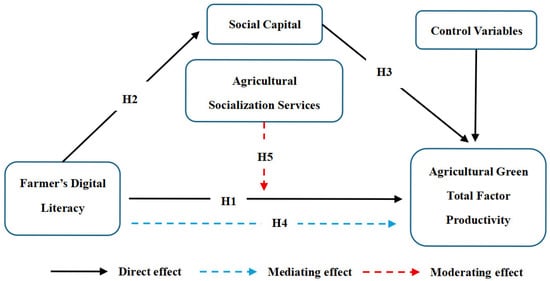
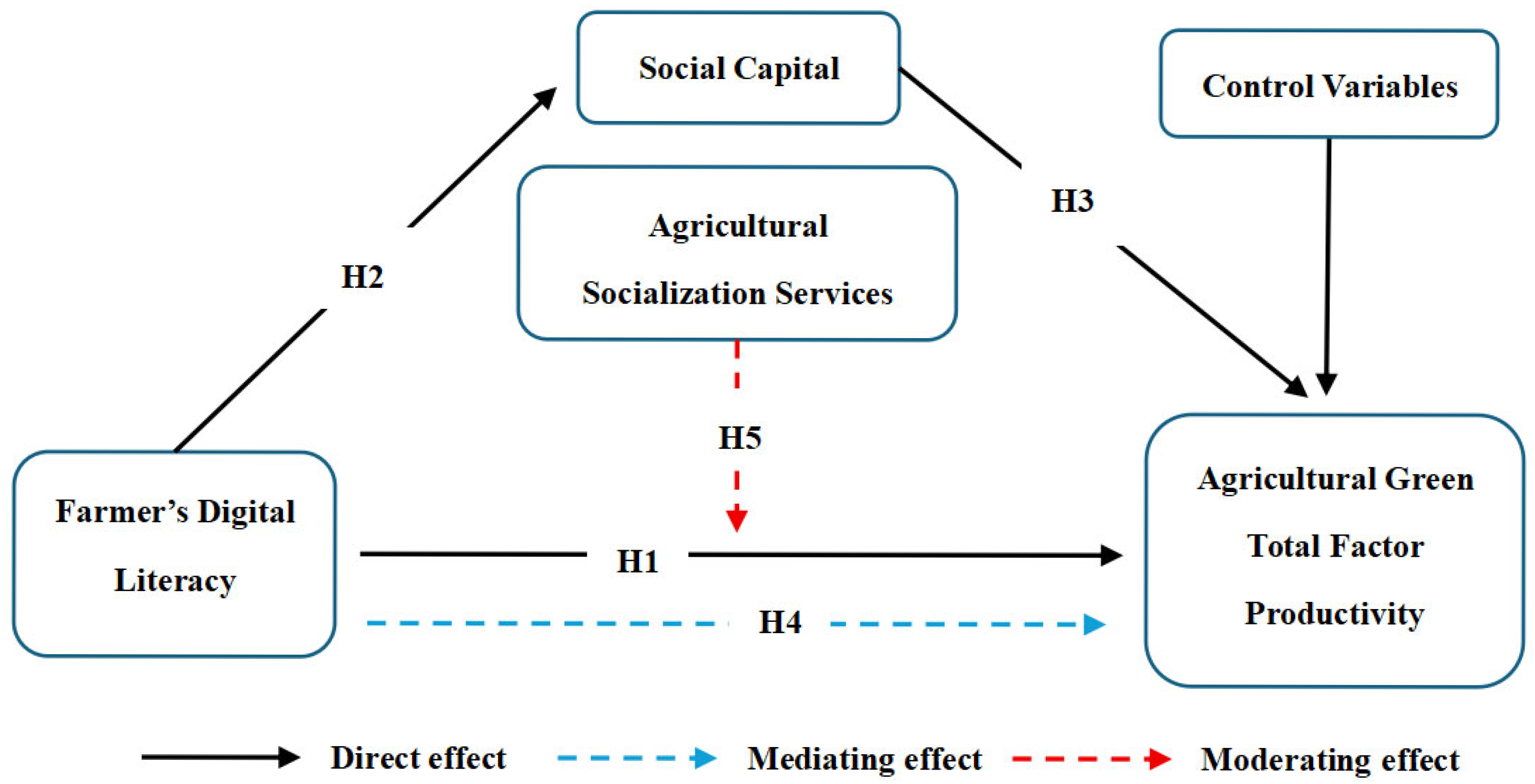
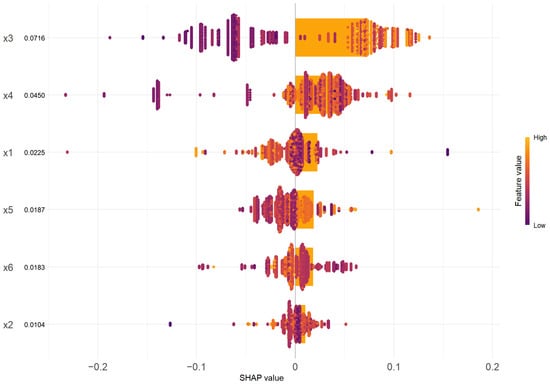
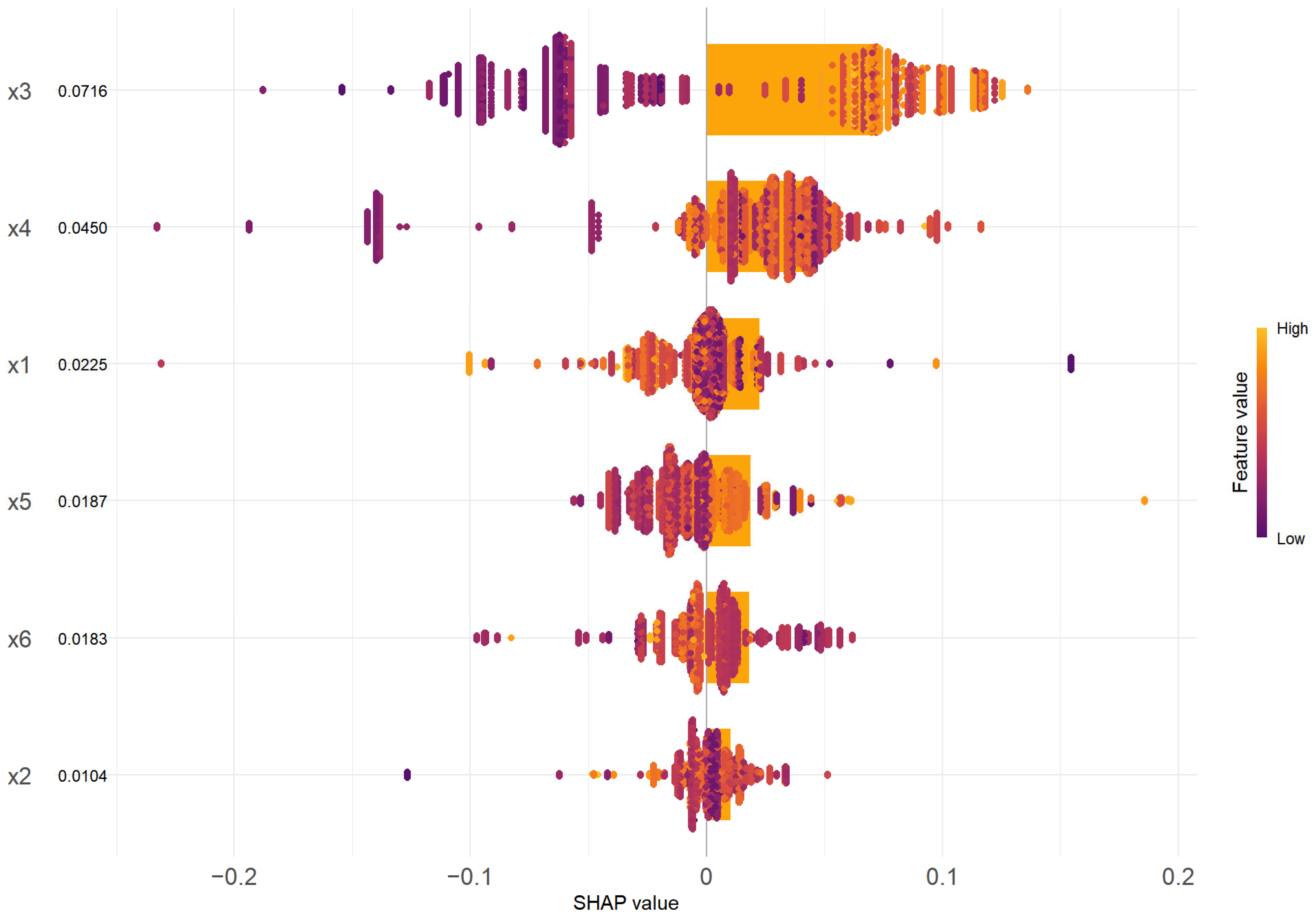
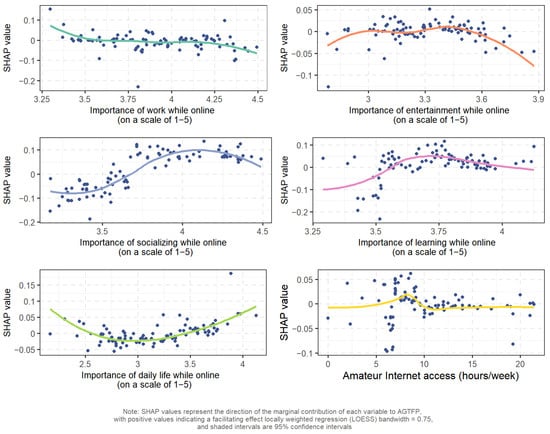
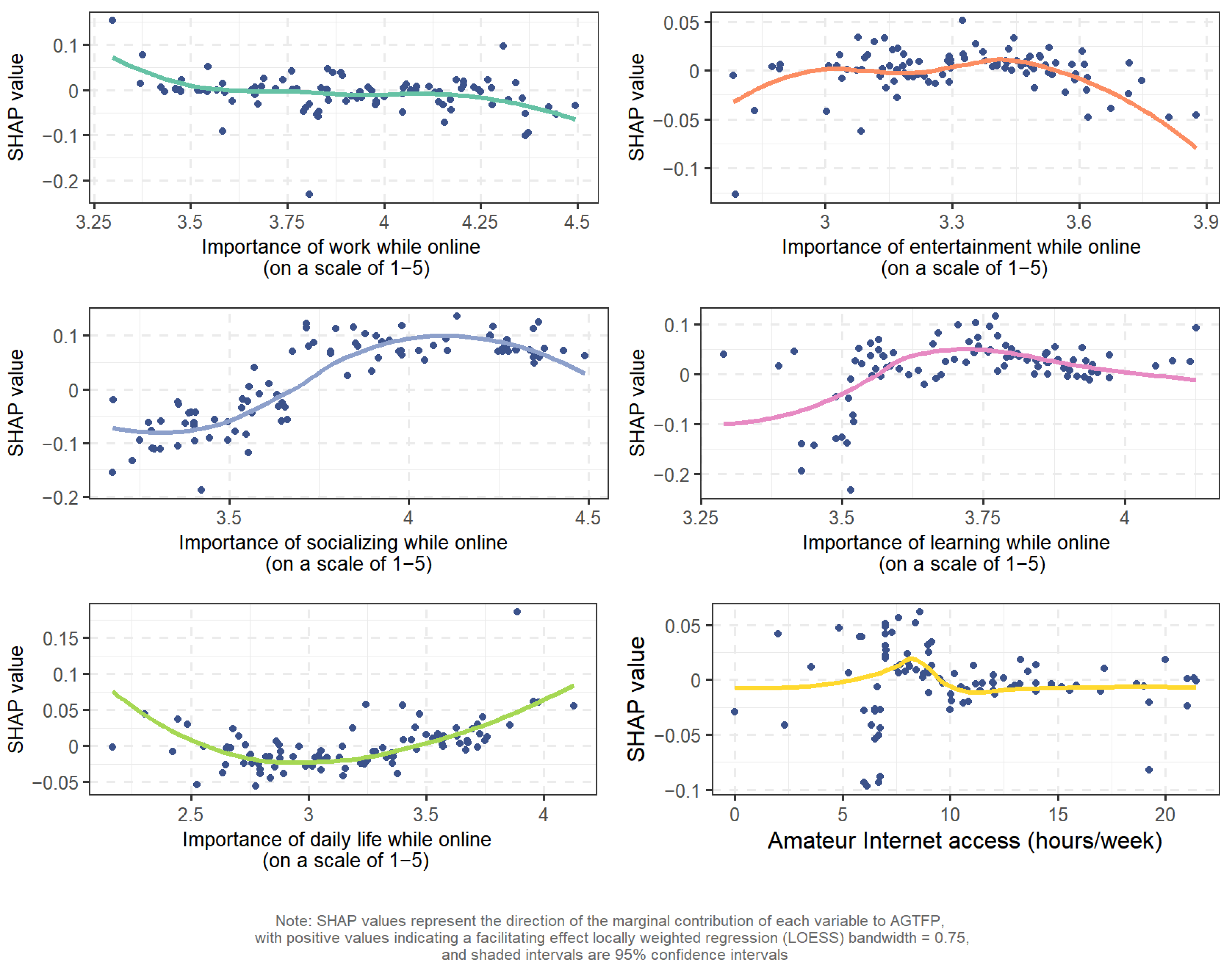
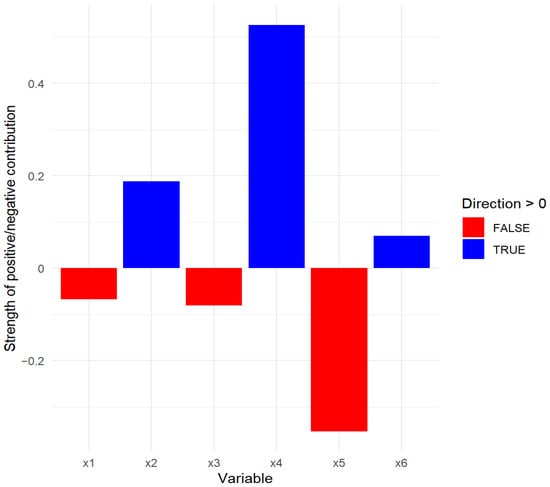
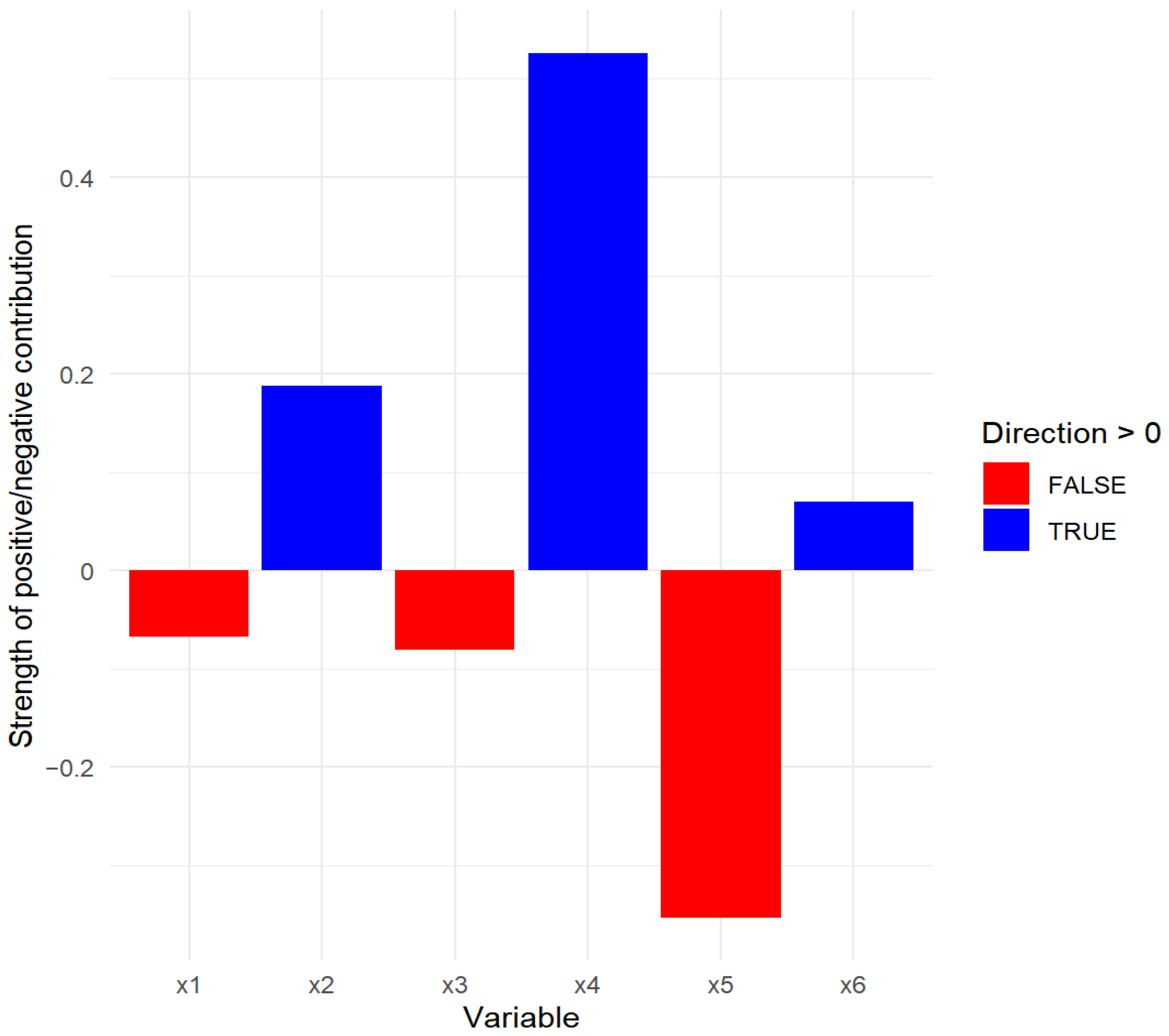

Disclaimer/Publisher’s Note: The statements, opinions and data contained in all publications are solely those of the individual author(s) and contributor(s) and not of MDPI and/or the editor(s). MDPI and/or the editor(s) disclaim responsibility for any injury to people or property resulting from any ideas, methods, instructions or products referred to in the content. |
© 2025 by the authors. Licensee MDPI, Basel, Switzerland. This article is an open access article distributed under the terms and conditions of the Creative Commons Attribution (CC BY) license (https://creativecommons.org/licenses/by/4.0/).