Article

Study on Non-Metal-Induced EPFRs in PM2.5 Generated from Flue Gas of Cellulose Combustion
School of Environmental Science and Engineering, Shaanxi University of Science and Technology, Xi’an 710021, China
*
Author to whom correspondence should be addressed.
Sustainability 2025, 17(1), 301; https://doi.org/10.3390/su17010301
Submission received: 9 December 2024 / Revised: 31 December 2024 / Accepted: 1 January 2025 / Published: 3 January 2025

Abstract

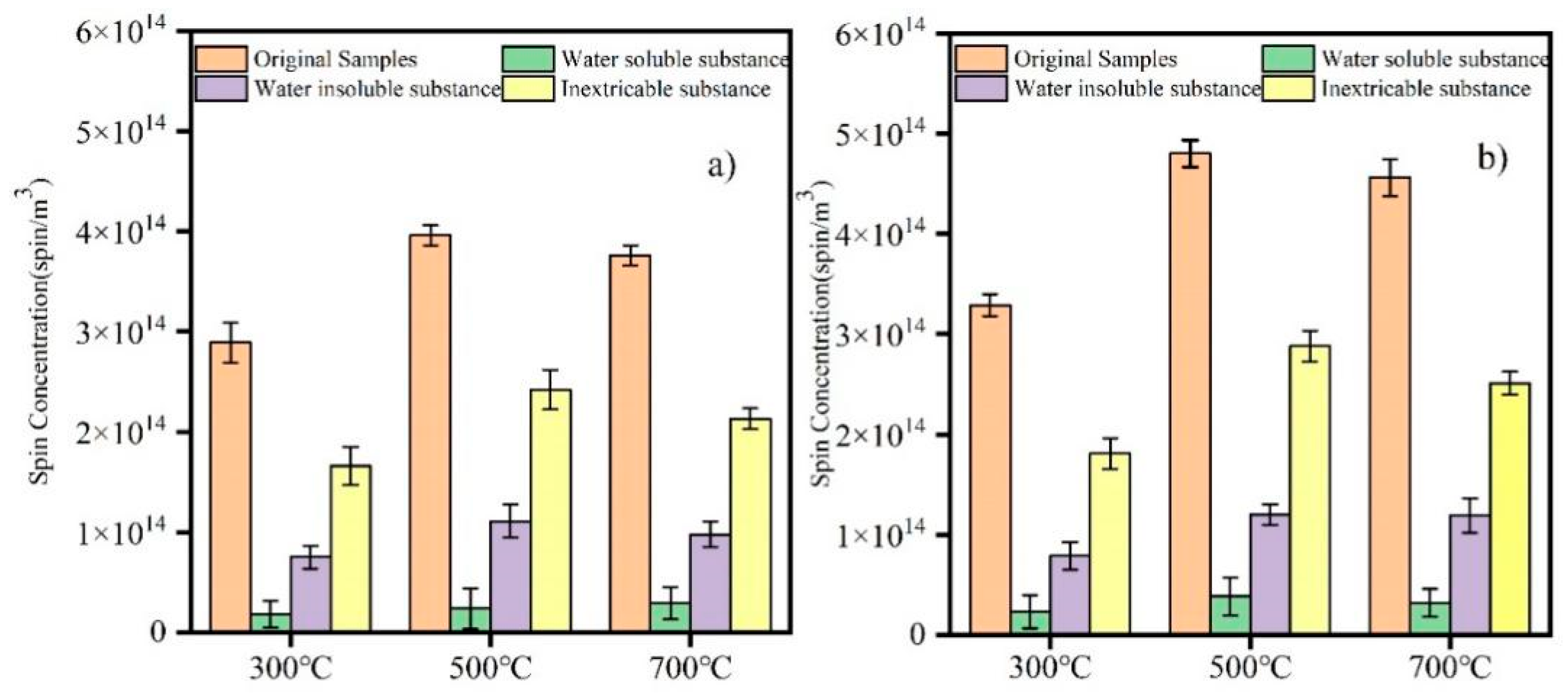
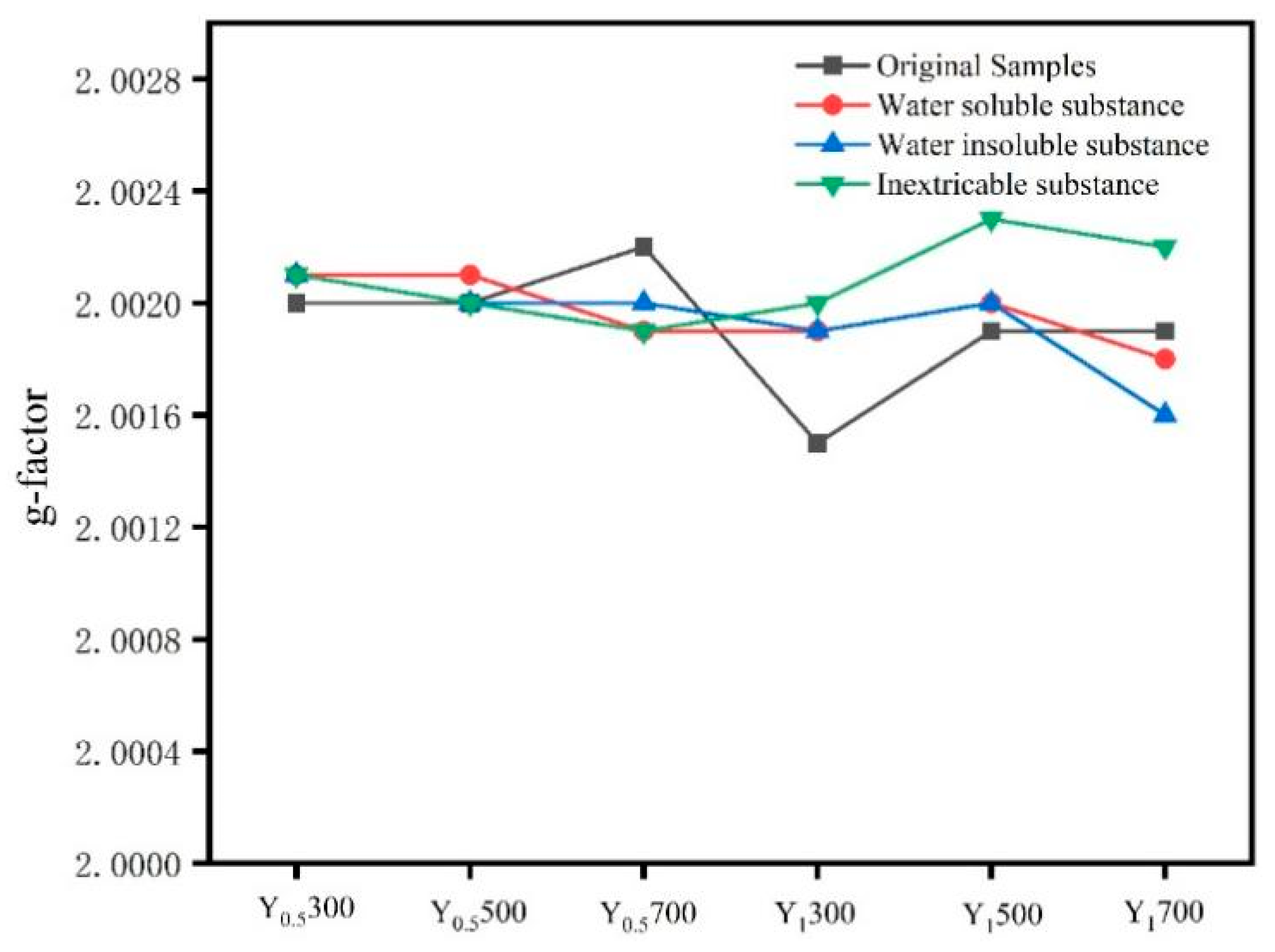
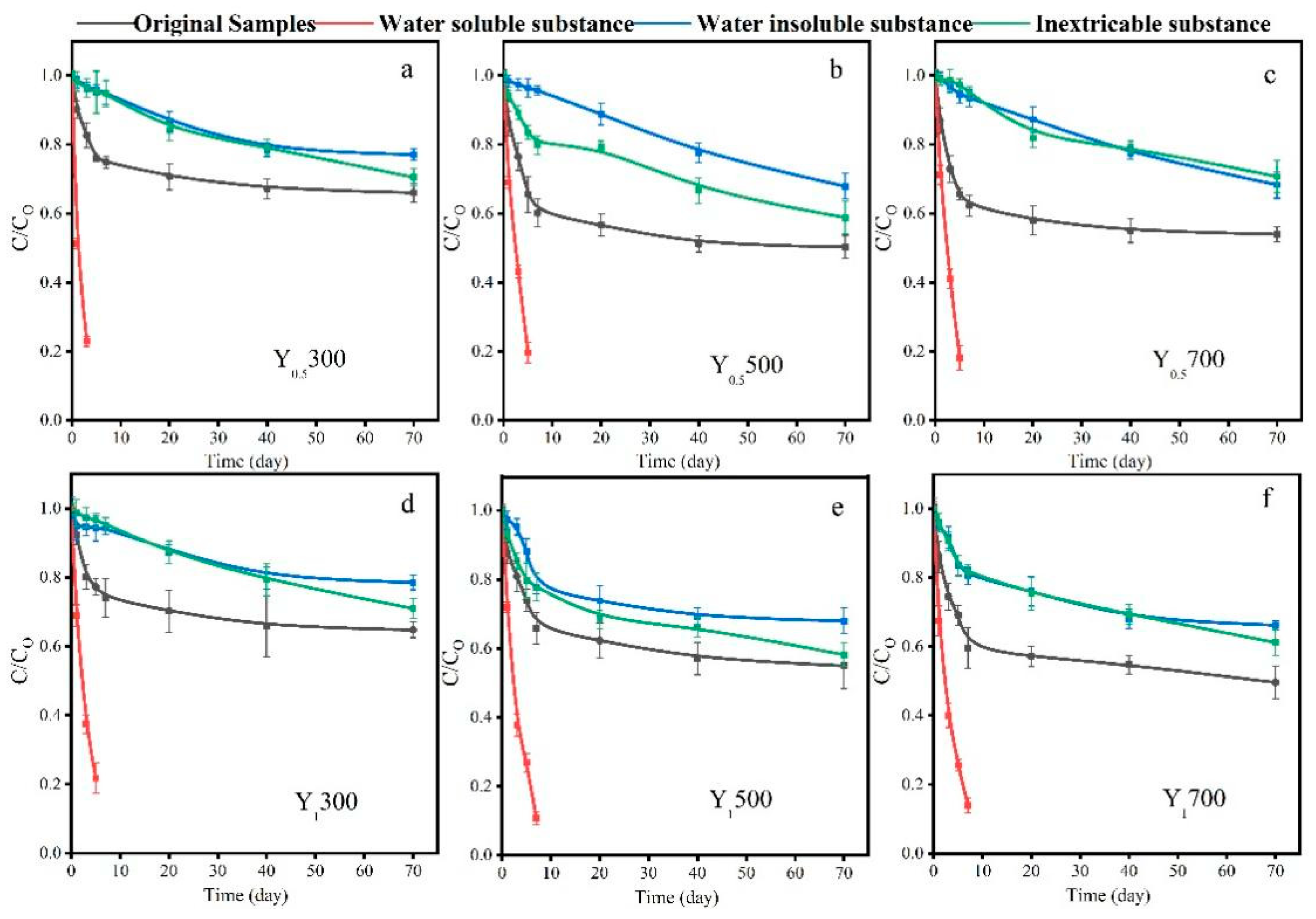
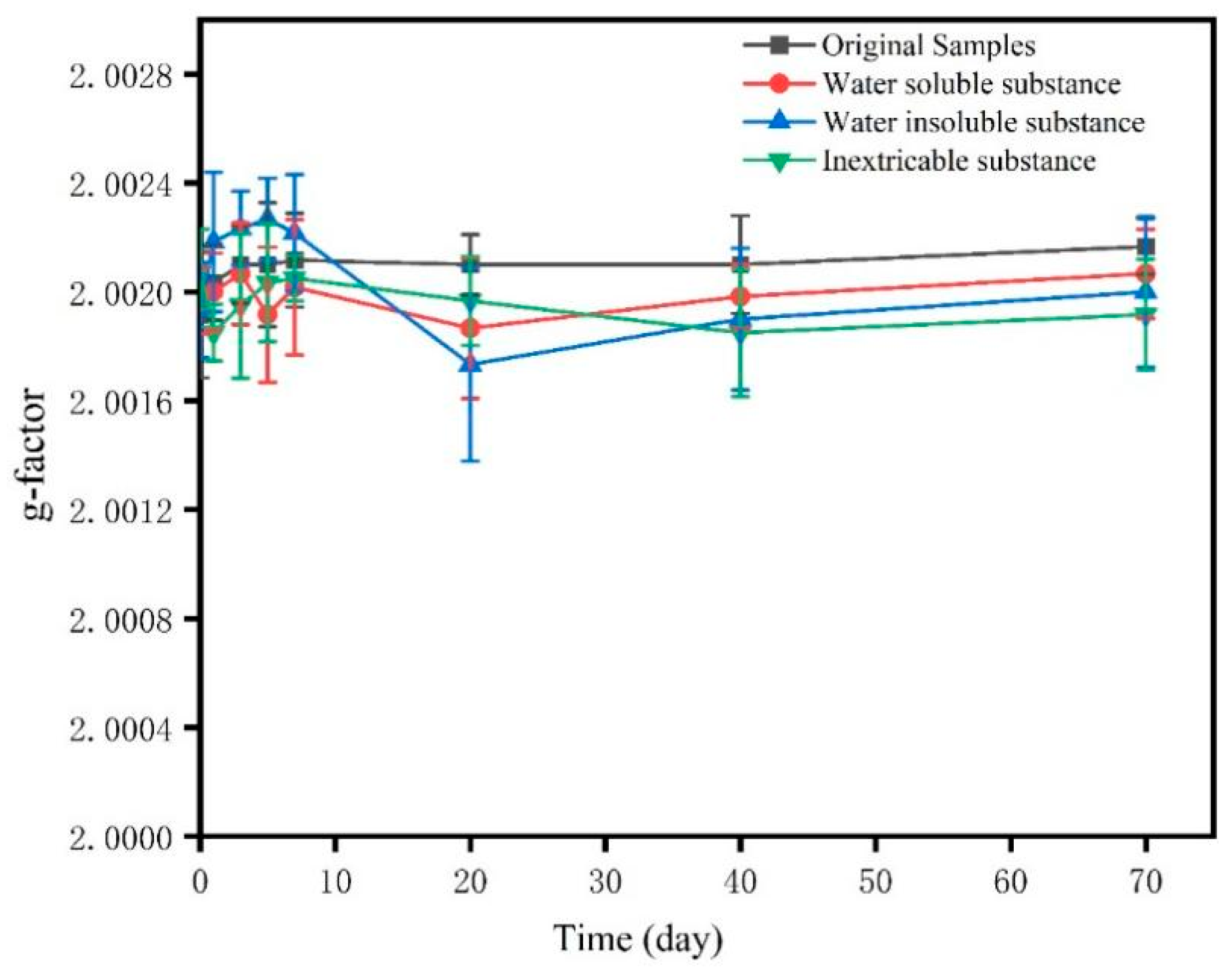
Environmental persistent free radicals (EPFRs) are a type of environmental risk substances existing in atmospheric particulate matter, which pose a challenge to human survival and sustainable development. The current understanding is that the formation mechanism of EPFRs is generally related to metallic materials. However, this study analyzed the PM2.5 generated from cellulose combustion and found that EPFRs could be generated even without the metallic materials. Therefore, this paper explores the emission characteristics of non-metal-induced EPFRs, aiming to reveal the influencing factors, distribution, and decay characteristics of non-metal-induced EPFRs generated from cellulose combustion. The results show that combustion conditions such as combustion temperature and oxygen concentration have a significant impact on the emission concentration of non-metal-induced EPFRs in PM2.5 from cellulose combustion. The emission concentrations of non-metal-induced EPFRs in PM2.5 are at the order of magnitude of 1014 spins/m3 and over 50% is distributed in the inextricable substances. Their g-factor are in the range from 2.0015 to 2.0022, indicating that these EPFRs are carbon-centered radicals. Furthermore, non-metal-induced EPFRs in PM2.5 from cellulose combustion have a half-life of several years or even longer, which exhibit distinct characteristics different from metal-induced EPFRs.
Keywords: non-metal-induced EPFRs; cellulose; influencing factors; decay characteristics non-metal-induced EPFRs; cellulose; influencing factors; decay characteristics