


Abstract
AI-generated content (AIGC) is uniquely positioned to drive the digital transformation of professional education in the animation, comic, and game (ACG) industries. However, its collaborative application also faces initial novelty effects and user discontinuance. Existing studies often employ single-variable analytical methods, which struggle to capture the complex mechanisms influencing technology adoption. This study innovatively combines necessary condition analysis (NCA) and fuzzy-set qualitative comparative analysis (fsQCA) and applies them to the field of ACG education. Using this mixed-method approach, it systematically explores the necessary conditions and configurational effects influencing educational users’ continuance intention to adopt AIGC tools for collaborative design learning, aiming to address existing research gaps. A survey of 312 Chinese ACG educational users revealed that no single factor constitutes a necessary condition for their continuance intention to adopt AIGC tools. Additionally, five pathways leading to high adoption intention and three pathways leading to low adoption intention were identified. Notably, the absence or insufficiency of task–technology fit, and perceived quality do not hinder ACG educational users’ willingness to actively adopt AIGC tools. This reflects the creativity-driven learning characteristics, and the flexible and diverse tool demands of the ACG discipline. The findings provide theoretical and empirical insights to enhance the effective synergy and sustainable development between ACG education and AIGC tools.
1. Introduction
Artificial intelligence-generated content (AIGC) is a significant branch of artificial intelligence technology (AI), focusing on the automated generation of creative content [1]. It is regarded as a new content production model following professionally generated content (PGC) and user-generated content (UGC) [2,3]. AIGC has rapidly and profoundly transformed traditional methods of content creation, with its applications in the fields of animation, comics, and games (ACG) becoming a focal point of industry discussion and practice [4,5]. At the same time, AI offers unprecedented opportunities for technological innovation and sustainable development in the field of education [6]. The design and learning of ACG involve a complex multi-stage process. The efficiency improvement and innovation potential brought about by AIGC technology have played an important role in alleviating the resource, time, and skill bottlenecks faced by creators and learners [7].
ACG workflows are rapidly iterating as mainstream film and entertainment companies incorporate AIGC into various production stages such as script design, character and scene design, special effects generation, and post-production and distribution. AI technology not only changes the traditional design and production modes, but also puts forward new requirements on the technical capabilities of future professionals [8]. For example, positions such as AI animator and AI modeller have emerged, and the new technical positions will require students and practitioners to have the ability to collaborate and co-create with AI tools. This shift further challenges the adaptability of the professional education system. However, the adoption and practice of AIGC technologies in the higher education system, which is an important institution for training these professionals, has failed to adapt to the technological advances in the industry in a timely manner, often lagging behind the pace of the development of the technology and the industry [9]. As a result, students face barriers to the use of technological tools, insufficient creative thinking, and lagging skills updates [10,11]. This gap highlights the urgent need for educational reform to cultivate interdisciplinary talents capable of adapting to digital and AI-augmented environments.
Although AIGC is considered to be a powerful tool for promoting educational change, there are still many challenges to the continued intention and deep collaboration of the AIGC tool in the field of education [12]. Previous studies have pointed out that the adoption of AIGC tools in higher education may be influenced by many factors. For example, AIGC technology can show significant potential in enhancing learning experience and effectiveness with rich data resource support, ease of use and flexibility, and efficient feedback mechanisms [13]. However, the user’s adoption attitude and usage effect vary in different disciplines and task contexts, which reflects the diversity and complexity of AIGC’s willingness to adopt [14]. At the same time, concerns persist among educational users regarding the quality, originality, and novelty effects of AIGC-generated content [15,16,17]. These issues may cause educated users to reduce or even stop using AIGC tools, thereby affecting the continued intention to adopt the technology and the continued intention to educate.
Despite existing studies having explored various factors influencing AIGC in education, most of these studies focus on technology-intensive disciplines such as computer science, engineering, and medicine [18]. Research on the unique demands and adoption dynamics within ACG education remains relatively scarce. Furthermore, most studies rely on single-variable analysis methods, such as the use of regression analysis or structural equation modelling (SEM) to assess the net effect of a single factor [19,20], which limits the understanding of complex interactions between multiple factors. To address these limitations, this study employs a mixed-method approach combining fuzzy-set qualitative comparative analysis (fsQCA) and necessary condition analysis (NCA) to explore the determinants influencing AIGC tool adoption in ACG education contexts. fsQCA is effective in uncovering complex interrelationships among multiple factors and identifying configurational combinations that explain adoption outcomes, aligning well with the multifaceted nature of technology adoption in educational environments. Meanwhile, NCA helps determine whether specific factors serve as prerequisites for the continued adoption of AIGC tools, providing critical insight into necessary conditions. Guided by this methodological approach, the study proceeds through four key steps. First, it identifies key variables influencing the continuance intention to adopt AIGC tools in ACG education, based on complexity theory. Second, NCA is conducted to determine essential conditions for educational users’ continued adoption of AIGC tools. Third, fsQCA is applied to explore configurational effects, uncovering how combinations of conditions lead to high or low continuance intention. Finally, the complex interrelationships among influencing factors are interpreted, enabling predictions of adoption behaviours in ACG education contexts. Together, these steps create a comprehensive analytical framework for investigating the multifaceted dynamics of technology adoption in educational environments.
As a result, this study makes several key contributions to the existing literature. First, it constructs an analytical framework for understanding continuance intention toward AIGC adoption in ACG education settings, systematically explaining various factors influencing technological co-creation experiences. Second, it extends the theoretical perspective of technology adoption by integrating NCA and fsQCA methodologies within the complexity theory framework. Third, by comparing the configurational relationships among key factors and their effects, the study identifies various pathways that either promote or hinder continuance intention for learning. These findings provide practical recommendations for optimizing AI tool adoption, curriculum design, and instructional strategies.
This article is structured as follows: Section 2 provides a theoretical background and literature review on AIGC and educational technology adoption. Section 3 explains the NCA and fsQCA research methodologies, and the data collection process. Section 4 presents the results of the data analyses of NCA and fsQCA, including the assessment of reliability and validity and the testing of hypotheses. In Section 5, we discuss the empirical findings and research implications. Section 6 explores the study limitations and future research directions.
2. Research Background and Related Work
This chapter reviews the applications of AIGC and related literature, establishing the theoretical and practical foundation for this study. First, it explores the transformative impact of AIGC technology in the ACG field, focusing on its integration into creative workflows and the dynamic changes in design learning and collaboration demands it has triggered. Building on this, the study examines research on the adoption of emerging technologies in educational environments, highlighting the multi-dimensional and dynamic nature of AIGC adoption, particularly in the technology-driven ACG professional education context. To systematically analyse this complex phenomenon, this chapter introduces complexity theory and the configurational perspective as guiding theoretical frameworks. Complexity theory emphasizes the interdependence and non-linear relationships among factors influencing technology adoption, while the configurational perspective focuses on the roles of sufficient and necessary conditions in shaping adoption outcomes. Guided by this theoretical framework, a comprehensive review and analysis of existing literature are conducted. Key structural factors such as relative advantage (RA), task–technology fit (TTF), social influence (SI), and facilitating conditions (FC) are integrated with personal factors including technology expectations (TE), perceived quality (PQ), and perceived trust (PT) to construct a multi-dimensional explanatory framework for technology adoption behaviour in educational settings. Finally, the causal structure and dynamic relationships among these factors are systematically elaborated, providing a solid theoretical basis for subsequent empirical research.
2.1. Applications of AIGC in the ACG Domain
Artificial intelligence-generated content (AIGC) technology has achieved ground-breaking advancements in key areas such as machine learning, deep learning, and natural language processing in recent years. This technology can rapidly generate various forms of content—including text, images, audio, video, and 3D models—by analysing and processing input data or instructions to meet specific requirements [21]. Driven by the optimisation of large-scale pre-trained models, AIGC has gradually evolved from simple content generation to the stage of cognitive functions such as exploration and decision-making. With the emergence of various intelligent and automated tools, this “human-machine co-creation” model demonstrates significant application potential in the fields of animation, comics, and games (ACG), attracting widespread attention from both academia and industry [21].
Artificial intelligence has been supporting creative design since the 1980s through systems such as computer-aided design (CAD) [8]. Since 2021, the emergence of AIGC models such as Stable Diffusion, DALL-E 2, MidJourney, and Chat GPT has significantly advanced the field. In 2024, Open AI released the Sora text-to-video model, which enables seamless conversion from textual descriptions to video content. With the advantages of natural language interaction and graphic generation, these AIGC tools are rapidly integrating with ACG-related fields. The traditional ACG production process involves a lot of repetitive work, such as sketching, background refinement, and motion generation (Figure 1). The introduction of AIGC tools at key stages of the workflow has dramatically increased the automation of heavy tasks such as split-screen drawing, colour filling, scene modelling, motion capture, and special effects editing, significantly improving the creative efficiency [21,22]. AIGC tools can automatically generate plot lines, character dialogue, and full action based on a small amount of information based on background and character settings. In addition, through AI-driven deep learning capabilities, the AIGC tool can automatically optimise elements such as brightness, contrast, and texture in game graphics, effectively breaking through the bottleneck of traditional rendering in terms of detail performance [23]. This demonstrates that AIGC technology not only helps creators break free from the limitations of traditional design, but also plays a significant role in the innovation of content creation, visual effects, and narrative techniques [22,24].
Figure 1.
AIGC in ACG production.
AIGC tools are transforming from tools to improve efficiency to the core of driving content innovation. With the development of the human–computer collaboration model, AIGC gradually improves the industry’s production standards and employment demand development [25]. In the future, mastering AIGC technology and design innovation will become the core competence of ACG practitioners [26].
2.2. Adoption of AIGC Tools in Education
The United Nations Educational, Scientific and Cultural Organization (UNESCO) has identified the digitalisation of education as a key strategy for achieving sustainable development in education, with the aim of leveraging the power of digital technology to achieve equitable, quality education for all throughout life [27]. Higher education institutions, as key stakeholders in the development of creative industry talent, are responsible for providing cutting-edge technologies and responding to industry developments [28].
Existing research shows that AIGC can simplify the learning process for complex tasks, reduce the learning curve, and increase the availability of educational resources and the inclusiveness of education [29]. In ACG education, the technological advantages of AIGC not only improve the efficiency of learning and idea realisation, but also stimulate innovative thinking and enhance students’ higher-order competencies and learning performance [13,19]. Thurzo et al. [30] state that educational institutions need to continuously update their curricula and teaching methods to help students acquire the basics of AI and promote the use of AIGC. However, many higher education institutions face the “time lag dilemma”, whereby new knowledge and technologies are embedded in the curriculum at a rate that lags behind the pace of technological and industry developments [9,31].
Prior to the advent of AIGC technology, extensive research has been conducted on the successful implementation of new digital technologies such as augmented reality (AR), virtual reality (VR), and chatbots in education. Previous studies have used a variety of theoretical and practical approaches to predict and explain the determinants of effective user adoption of educational technologies. The results show that the factors influencing technology adoption are complex and multidimensional [32,33]. From an environmental and organizational perspective, technical training and resource support provided by the organization can increase the confidence and willingness of educational users [8]. At the individual level, prior experience with the technology, usage habits, and perceived efficacy can influence users’ attitudes [34]. In addition, educational users’ concerns about the quality of AIGC-generated content, trust, and ethical issues can lead to cautious adoption of AIGC tools in the educational domain [35]. And Buabeng-Andoh [36] emphasised that AIGC technology acceptance is also closely related to exclusivity and its relevance and applicability to specific professional learning tasks, which shows the need for research on the adaptation of AIGC tools in specific domains.
AIGC technology is currently undergoing rapid development, with its generative capabilities and the adoption willingness of educational users exhibiting dynamic changes. Existing theoretical frameworks and research findings may not be able to fully reveal how AIGC is actively adopted and effectively collaborated with in professional education scenarios. In the ACG education environment, which is characterised by VUCA (volatility, uncertainty, complexity, and ambiguity) [37], it is particularly important to gain a deeper understanding of the adoption behaviours of educational users of new technologies, and to understand the impacts of AIGC on the learning experience and the quality of education.
2.3. Research Propositions
2.3.1. Complexity Theory and Configurational Perspective
Complexity theory emphasizes the intricate interactions between antecedent variables and outcome variables, where causal relationships may vary depending on different configurations [38]. This suggests that influencing factors rarely act in isolation, and the same factor may produce opposite outcomes due to differing configurational relationships [39]. Complexity theory is underpinned by three core principles: equifinality, conjunctural causation, and causal asymmetry [40]. Equifinality refers to the idea that multiple, distinct antecedent conditions can lead to the same outcome. Conjunctural causation highlights the combined effects of variables in generating outcomes. Causal asymmetry implies that under different contexts, a specific condition may either appear or not appear when a particular outcome occurs [41].
This theoretical foundation aligns well with the diverse and dynamic nature of AIGC tools in the ACG educational environment, characterized by context-specific user behaviours. To explore the continued adoption of AIGC tools in ACG education, this study selects three key dimensions: technological attributes, user perceptions, and environmental factors. The selection of these dimensions is based on multiple academic and practical considerations: First, technological attributes determine how users evaluate and adopt new technologies. Drawing on the Diffusion of Innovations Theory (DIT), technological characteristics such as relative advantage (RA) and task–technology fit (TTF) play a crucial role in understanding adoption decisions. Second, environmental factors encompass the social and organizational contexts influencing technology adoption. This dimension is supported by the Unified Theory of Acceptance and Use of Technology (UTAUT), which highlights the critical role of external social influence and resource availability in driving technology implementation. Finally, user perceptions capture subjective evaluations related to psychological expectations and trust. This dimension is guided by the Information Systems Success Model (ISSM) and related theories, emphasizing the importance of users’ perceptions of system performance, content quality, and security for long-term adoption intentions. By integrating these three dimensions, this study constructs a robust explanatory framework that systematically reveals the interdependencies among multiple factors, non-linear dynamics, and diverse outcome possibilities emphasized in complexity theory, providing comprehensive theoretical support and a basis for empirical analysis.
2.3.2. AIGC Continued Intention
Continued intention to adopt AIGC technologies refers to the user’s intention and behaviour to continuously integrate AI tools into the design process or learning process in an ACG educational environment [42]. This continued intention not only reflects the user’s commitment to the long-term use of these tools in creative and educational activities, but also their choice based on a comprehensive consideration of multiple factors such as technical features, organisational environment, and personal cognition [42,43].
The continued intention to use technology is seen as an important manifestation of post-adoption behaviour, which goes beyond the initial acceptance stage and focuses on how users interact with technology over the long term and on an ongoing basis [43]. Previous studies have established theoretical foundations for analysing users’ continued adoption behaviour through frameworks such as the Technology Acceptance Model (TAM) [44], the Unified Theory of Acceptance and Use of Technology (UTAUT) [45], and the Diffusion of Innovation Theory (DOI) [46]. In the adoption of AIGC technology, users are usually motivated to repeatedly use and continuously integrate it based on positive feedback such as experience with innovative technologies, efficiency gains, and improved educational outcomes [47]. In addition, users’ perceptions of the technology’s reliability, demand fit, and long-term collaboration potential are also key factors driving continued intention [48]. However, during the diffusion of innovation stage, users may refuse or stop using an innovative technology after adopting it [49,50]. Therefore, it is particularly important to study ACG education users’ continued intention to use AIGC tools for educational collaboration in a dynamic technological context. This will not only help reveal user behaviour patterns in the professional field, but also support the long-term integration of AIGC technology in education.
2.3.3. Technological Attributes: Relative Advantage (RA) and Task–Technology Fit (TTF)
Relative advantage (RA) refers to the extent to which people perceive that a new technology is superior to existing technologies in some respects [51]. According to Diffusion of Innovations Theory (DIT), the relative advantage of a new technology is an important influencing factor for user adoption and innovation [46]. When new technologies are more effective, convenient, or economical than traditional methods, they can drive the adoption and long-term use of the technology by educational users and designers [52,53,54,55]. However, in Ertemel’s [56] study on e-technology, relative advantage had no significant effect on attitudes and behavioural intentions. In this study, the relative advantage of AIGC tools is defined as a significant advantage in terms of production efficiency, ease of use, and creativity. For example, tools such as Midjourney are characterised by their ability to quickly generate character prototypes and iteratively optimise them, the ease and high degree of the personalisation of cross-modal interactions, and the advantages of observability and experimentation [57,58,59].
Task–Technology Fit (TTF) refers to the alignment between the characteristics of a technology and the specific requirements of a task [48]. According to TTF theory, the adoption of a technology depends not only on users’ perceptions of the technology’s inherent features (e.g., relative advantage and the ease of use) but also on whether the new technology effectively supports the specific task requirements of the users [60,61]. In an ACG educational setting, TTF refers to the degree of fit between AIGC tools and tasks at various stages of the design process, such as animation production and game effects, from idea generation to technical execution. Strong et al. [62] found that higher TTF increased user satisfaction and increased the adoption of intelligent software, while reducing perceived risk and ultimately improving learning motivation and performance [63,64,65]. Given the high complexity of professional learning and design tasks in the ACG field, students are likely to prioritize adopting technological tools that better align with their design tasks, thereby maximizing the benefits derived from new technologies [66].
2.3.4. Environmental Factors: Social Influence (SI) and Facilitating Conditions (FC)
Social influence (SI) and facilitating conditions (FC) are the core influencing factors in the Unified Theory of Acceptance and Use of Technology (UTAUT) [20]. Social influence refers to a widespread social-psychological phenomenon in which an individual’s behaviour, attitudes, or beliefs are influenced by others or the surrounding social environment [20,45]. The prevailing environmental trends created by AGC industry standards, school teaching settings, and media opinion will serve as norms and guides for users’ technology adoption behaviours. In emerging technology environments, social influencing significantly drives the mixed implementation of the new technologies in teaching and learning and is a major predictor of technology adoption behaviour [45,65].
Facilitating conditions refer to the perceived availability of organizational and technical infrastructure required to support the use of specific technologies [45]. In AGC educational scenarios, this factor mainly includes computer equipment, design software, stable Internet connections, and well-structured educational resources (e.g., lesson plans and technical training). It has been shown that the availability and timeliness of conditional resources are important factors limiting the use of AI technologies [8,67]. Positive organisational support can help boost user confidence in use, while adequate hardware and software resources reduce cognitive load and alleviate the technical challenges posed by new tools [68]. All of these facilitating conditions affect users’ judgement of their ability to use the new technology [69], so we include facilitating conditions in the discussion of antecedent variables.
2.3.5. User Perception: Perceived Quality (PQ), Technology Expectations (TE), and Perceived Trust (PT)
Perceived quality (PQ) typically encompasses multiple dimensions of system performance and content generation outcomes [70]. It reflects users’ subjective evaluation of the technical and creative outputs of AIGC tools, with a particular focus on the accuracy, usability, and innovativeness of the generated content [71]. Perceived quality is often used as an important indicator when evaluating the effectiveness of educational technology tools [72,73]. High quality AIGC-generated content, characterized by creativity, visual appeal, and consistent performance, can significantly enhance user satisfaction and acceptance of the new technologies [74,75].
In this study, technology expectations (TE) are defined as ACG education users’ psychological expectations regarding the functionality, ease of use, and innovativeness of AIGC tools. In the context of ACG education, users’ expectations of technology encompass not only its ability to enhance design efficiency but also its potential innovative value, including performance expectations, effort expectations, and innovativeness expectations [45,76]. Liu [68] found in his study that university students’ expectations of AI tools like ChatGPT for solving complex problems and improving creative efficiency significantly impact adoption rates. These expectations influence not only users’ initial attitudes but also determine their long-term usage behaviours and levels of reliance [77,78].
Perceived trust (PT) refers to users’ subjective expectations and assessments of the long-term reliability and security of AIGC tools when using them. In this study, perceived trust covers not only the stability and accuracy of content generated by AI technology, but also users’ concerns about design data privacy protection, industry code compliance, and safeguarding intellectual property rights. Data licensing ambiguity and misuse can lead to originality disputes and infringement [16,79], especially in ACG projects involving confidential content, and data security affects designers’ trust in AIGC. In addition, many teachers are concerned that AIGC may weaken students’ ability to think critically, creatively, and independently, and the educational field is more cautious as a result [80,81]. As a result, educational scenarios show a more cautious attitude towards the trust factor when introducing AIGC tools.
2.3.6. Research Framework
Based on the above discussion, we propose a conceptual framework (see Figure 2), which illustrates the structural relationships between the factors influencing technology adoption and their impact on the continuance intention of ACG education users. The antecedent variables include three dimensions: technological factors, environmental factors, and user perceptions. Specifically, these are seven causal conditions: relative advantage, task–technology fit, social influence, facilitating conditions, perceived quality, technology expectations, and perceived trust. The outcome variable is the continuance intention of ACG education users towards AIGC technology tools. This study proposes the following questions:
Figure 2.
Conceptual framework.
- Question 1. Is there a single factor that serves as a necessary condition for ACG education users’ continuance intention to adopt AIGC tools?
- Question 2. What sufficient configurations of antecedent factors promote or inhibit the continuance intention to adopt AIGC tools, and what are the dominant factors in these configurations?
- Question 3. How do these configurations interact and drive user adoption?
3. Materials and Methods
3.1. Methods
This study employs a combination of fsQCA and NCA to examine the configurational effects of factors influencing the willingness to adopt AIGC tools. Qualitative comparative analysis (QCA) is an analytical method that integrates the strengths of both quantitative and qualitative research, making it suitable for exploring the interactive effects among multiple factors within specific social phenomena [82]. Two commonly used forms of QCA are crisp-set QCA (csQCA) and fuzzy-set QCA (fsQCA) [82,83]. Among them, fsQCA is a fuzzy-set qualitative comparative analysis based on the truth table and path analysis can explain the causal relationship and subordination between variables in a finer way, which has strong applicability in both theoretical research and practice [84]. In this study, users’ continued adoption intention is not necessarily caused by a single reason and may have complex causal relationships. Therefore, applying fsQCA to process and analyse quantitative data helps identify the combinatorial effects of various configurations [39]. As a complement to fsQCA, NCA is used to identify and validate the unique impact of individual factors on the outcome [85]. NCA is particularly effective when combined with fsQCA in fuzzy-set contexts, as it not only identifies necessary conditions for the outcome variable but also quantifies the strength and bottleneck effects of these conditions [86]. Researchers have used NCA in a wide range of applications [87].
As shown in Figure 3, the analytical process in this study begins with specifying the condition sets and the outcome set, followed by reliability and validity tests to ensure the robustness of the data. On this basis, calibration is performed to convert the raw data into fuzzy-set membership scores, using percentile thresholds (e.g., fully in, fully out, and the crossover point) for classification. This process lays the foundation for the subsequent fsQCA sufficiency analysis, which identifies the configurational pathways leading to high and non-high continuance intention, revealing the underlying logic of sufficient condition combinations. In addition, NCA is incorporated prior to pathway analysis to identify necessary conditions and quantify their strength and bottleneck effects. By combining NCA and fsQCA, the analytical process examines both the necessity of individual factors and the sufficiency of multiple-factor combinations in shaping user intention, providing a more comprehensive and valuable analytical perspective.
Figure 3.
The process of NCA and fsQCA analysis.
3.2. Data Collection
3.2.1. Instrument
This study designed a survey questionnaire based on previously validated scales. The questionnaire consists of two main sections. The first section consists of six items, designed to collect basic demographic information, including gender, age, and educational background. The second section contains thirty items, measuring seven antecedent variables and one outcome variable within the research model, aimed at gaining deeper insights into participants’ learning and collaboration experiences. To ensure the reliability of the questionnaire, all measurement items were adapted from existing scales and were appropriately modified based on previous studies to align with the use of AIGC tools in professional educational settings. The questionnaire employs a seven-point Likert scale, with responses ranging from 1 (“significantly disagree”) to 7 (“strongly agree”). After the initial draft of the questionnaire was developed, the researchers conducted a pilot test with 10 participants who had used AIGC tools in 2024. Feedback was also solicited from two experts in ACG education. Based on the feedback and considering the context of Chinese universities, minor adjustments were made to the wording of the questionnaire. Finally, multiple rounds of translation and comparison were performed by professional translators to ensure the accuracy of the questionnaire. The finalized questionnaire is presented in Table 1.
Table 1.
Questionnaire scales and references.
3.2.2. Participants and Data Collection
Data for this study were collected online through the professional third-party platform “Questionnaire Star” (https://www.wjx.cn/), accessed on 5 July 2024. The questionnaire survey specifically targets educational users from Chinese universities who major in animation, comics, and games. A snowball sampling technique was employed to distribute the questionnaire to ACG education users in different regions through social media [94]. Initial participants were encouraged to recruit additional respondents from their own social networks. This approach facilitated data collection from a specific yet geographically dispersed population, enhancing the diversity, comprehensiveness, and representativeness of the sample.
In order to ensure that the survey respondents were in line with the research theme, the questionnaire set screening questions related to the basic user profile, asking participants whether they had used AIGC for professional learning or design collaboration in the past, and the length of time they had used it. Participants responded according to their own experiences and attitudes towards the use of AIGC design tools. A total of 336 questionnaires were collected, of which 312 were valid, with a valid response rate of 92.8%, after excluding questionnaires that took less time and those with obvious irregularities. All respondents were fully informed of the purpose of the study, the voluntary nature of participation, the potential risks involved, and the principle of confidentiality before completing the questionnaires. The demographic information of the respondents is shown in Table 2.
Table 2.
The demographic information of the participants (N = 312).
4. Results
4.1. Reliability and Validity Test
To ensure the reliability and validity of the questionnaire instrument before conducting the fsQCA analysis, this study examined both reliability and validity measures. Table 3 represents the validity and reliability of each variable. All variables’ Cronbach’s α are greater than 0.7, with the majority exceeding 0.8, indicating strong internal consistency [95]. Each variable’s factor loading is greater than 0.7, suggesting robust correlations with their respective latent factors and high explanatory power. Additionally, the composite reliability (CR), all exceeding 0.7, further confirms the variables’ internal consistency [96]. All average variance extracted (AVE) values are greater than 0.5, suggesting satisfactory convergent validity for the questionnaire. Moreover, as illustrated in Table 4, the square roots of the AVE values for each variable were greater than the correlation coefficients with other variables, thus providing evidence of strong discriminant validity [97].
Table 3.
Results of reliability and validity tests.
Table 4.
Differential validity test.
4.2. Calibration
According to the methodological requirements of fsQCA, variable data must be calibrated prior to conducting necessity and configurational pathway analyses. Calibration involves converting raw data into fuzzy sets using Boolean algebra, with values ranging from zero to one. This process is crucial for understanding complex causal relationships and capturing data granularity. Calibration methods can be divided into direct and indirect approaches [40]. As this study uses data from Likert-scale questionnaires, the direct method is more suitable for set calibration [98]. Following the guidelines of Ragin [99], the thresholds for full membership, crossover, and full non-membership were set at the 0.95, 0.5, and 0.05 percentiles for each variable, respectively. To ensure that no cases are excluded when calculating fuzzy sets, membership scores of exactly 0.5 were uniformly increased by 0.001 [83]. The specific anchor points for the variables are shown in Table 5.
Table 5.
Variable calibration anchors.
4.3. Necessary Condition Analysis by NCA
After the calibration phase, the researchers performed the necessary condition analysis to identify any conditions that must be present to achieve the expected outcome. NCA not only identifies whether a specific condition is a necessary condition for a particular outcome but also analyses the effect size of the necessary condition. Necessary condition analysis (NCA) distinguishes between observed and unobserved areas within an x–y scatter plot by constructing a ceiling line. According to Dul [100], for a variable to be classified as a necessary condition, it must meet two criteria: the effect size (d) should be ≥0.1, and the result must be statistically significant (p ≤ 0.1). Typically, the effect size for necessary conditions falls between zero and one, representing the strength of necessity [86,100].
In NCA, ceiling regression (CR) and ceiling envelopment (CE) methods were used to analyse the effects of the seven antecedent variables. As shown in Table 6, none of the variables met the dual thresholds of d ≥ 0.1 and p ≤ 0.05. This indicates that none of the examined factors are necessary conditions for predicting users’ willingness to adopt the system.
Table 6.
Results of NCA.
The bottleneck level refers to the minimum percentage of an independent variable’s observed range that must be met for the outcome to occur [86]. In this study, we used CE to calculate the bottleneck level [101]. As shown in Table 7, at 0% to 10% levels of user adoption intention, none of the independent variables have an impact on the outcome. At 100% user adoption intention, certain antecedent variables create bottlenecks for adoption. Specifically, this requires 77.3% relative advantage, 33.5% social influence, 56% facilitating conditions, 4.3% perceived quality, 51.1% technology expectations, and 5% perceived trust. These findings suggest that the level of user adoption intention is jointly determined by multiple conditional variables.
Table 7.
Bottleneck table.
Building on this, the fsQCA method was applied to conduct a necessary condition analysis to validate the accuracy of the results obtained through NCA. As shown in Table 8, the consistency scores of the antecedent variables influencing user adoption willingness are all below 0.9, indicating that none of the individual antecedent variables are necessary conditions for influencing user adoption willingness [102]. This finding is consistent with the results obtained through the NCA method. Therefore, it becomes critical to further explore how multiple independent variables interact in combination to influence user adoption intentions. This highlights the importance of examining the synergistic effects of various factors rather than relying solely on individual conditions.
Table 8.
Analysis of necessary conditions based on fsQCA.
4.4. Sufficiency Analysis
Building on the necessary condition analysis (NCA), the researchers conducted a sufficiency analysis of seven antecedent variables. Following the thresholds commonly used by previous scholars, the original consistency threshold was set at 0.8, and cases with a PRI consistency below 0.7 were manually assigned a value of zero. The case frequency threshold was set to one [83]. The analysis was performed using fsQCA 3.0, generating complex, parsimonious, and intermediate solutions [103]. Most studies primarily focus on intermediate solutions to understand the configurational effects of antecedents on the outcome variable [104,105].
Consistent with Fiss’s study [83], this research identifies conditions that appear in both the parsimonious solution and the intermediate solution as core conditions, while those present only in the intermediate solution are considered peripheral conditions. If an antecedent variable is identified as a core condition, it signifies a strong causal relationship with the outcome variable. Conversely, if a condition variable is classified as a peripheral condition, it indicates a weaker causal relationship with the outcome variable.
4.4.1. Sufficiency Analysis of High Continuance Intention
Through the sufficiency analysis, five configuration pathways were identified to explain the high continuance intention of ACG education users toward adopting AIGC tools. The overall solution coverage of these five configurations is 0.68084, and the overall solution consistency is 0.810903, indicating that the five configurations explain approximately 68.1% of the case [103], as shown in Table 9 and Table 10.
Table 9.
Configurations of high and non-high continuance intention for users.
Table 10.
Configurations of high continuance intention and key insights.
Configuration H1 (RA*~TTF*SI*FC*PQ*TE*PT) is a driving pathway characterized by dual core conditions: relative advantage and facilitating conditions. Relative advantage and facilitating conditions collectively establish an efficient and convenient creative environment. Facilitating conditions provide users with organizational support, which further promotes the use and exploitation of technological advantages, which is important in educational contexts. In this configuration environment, the lack of TTF does not affect users’ willingness to adopt, because the dual drive of technological advantages and facilitating conditions already provides users with a strong driving force to adopt.
In the configuration paths of H2 and H3, relative advantage serves as the sole core driver of users’ continued adoption. In configuration H2 (RA*~TTF*~SI*~FC*PQ*TE*PT), task–technology fit is a core absent condition, while social influence and facilitating conditions are absent as peripheral conditions. However, perceived quality, technology expectation, and perceived trust act as supplementary conditions that promote continued adoption intentions. This indicates that even in the absence of peer feedback or sufficient organizational support, the AIGC tool can still attract continued adoption due to its performance advantages. In the H3 (RA*~TTF*~SI*FC*~PQ*TE*~PT) path, both task–technology fit, and perceived quality are simultaneously core missing conditions, indicating that ACG education users are not demanding about the quality of the final output content. Although facilitating conditions and technology expectations are only peripheral conditions in the path, they still play a supporting role. This shows that when educational users experience convenience and high performance, their reliance on social influence and their requirements for task–technology fit may be reduced accordingly. A higher technology advantage and technology expectations can enhance users’ confidence in the future of the tool, thereby making up for the lack of perceived trust [54]. These configurational effects enable users to maintain a high level of continued adoption intention for AIGC tools, even in the absence of external support or strong task congruence.
In Configuration H4 (RA*TTF*SI*FC*~PQ*PT), facilitating conditions serve as the core condition, playing a dominant role in shaping users’ adoption intentions. This indicates that in an environment where the perceived relative advantage of the technological tool is low and perceived quality is absent as a core condition, the visibility and availability of organizational and technical support become critical. The presence of peripheral conditions, such as relative advantage and task–technology fit, suggests that users still expect functionality diversity and task adaptability when using the tool. Additionally, the presence of social influence and perceived trust further supports users’ continued adoption intention. Notably, when organizational resource support is highly visible, the impact of these peripheral conditions becomes even more pronounced.
In Path H5 (~RA*TTF*SI*FC*~PQ*~TE), we observed that no core conditions were present, indicating that no single factor acts as the primary driver of users’ continuance intention to adopt AIGC tools. Task–technology fit, social influence, and facilitating conditions serve as peripheral presence conditions, demonstrating that while these factors are not decisive, they provide some degree of support for users’ willingness to use AIGC tools. Meanwhile, the absence of relative advantage, perceived quality, and technology expectations as peripheral conditions reflects users’ relatively low demand for improvements in tool performance, content quality, and future potential applications.
4.4.2. Sufficiency Analysis of Non-High Continuance Intention
As shown in Table 9 and Table 11, the fsQCA results reveal three configurations associated with non-high continuance intention of AIGC tools in the context of ACG education. These configurations exhibit a consistency score of 0.810903, exceeding the threshold of 0.8, indicating that they effectively explain the non-high continuance intention of participants toward AIGC tools [103]. Additionally, the coverage value is 0.645929, suggesting that these three configurations account for 64.5% of the cases with non-high behaviour intention.
Table 11.
Configurations of non-high continuance intention and key insights.
Specifically, configuration N1 (RA*~TTF*~SI*~FC*~PQ*TE*~PT) identifies technology expectation as the sole core condition. However, the absence of social influence, facilitating conditions, and perceived trust as core conditions results in weaker continuance intention. This highlights that a lack of external environmental support hampers users’ ability to adopt AIGC tools. Particularly in educational contexts, the absence of peer recognition and facilitating conditions may lead to operational or learning challenges when using AIGC tools, thereby making it difficult for users to establish trust in the new technology. While technology expectation may initially attract users, it remains insufficient on its own to sustain a high level of continuance intention over time.
In path N2 (~RA*~TTF*SI*~FC*PQ*TE*~PT), technology expectations again emerge as a core present condition, with perceived trust remaining absent. The lack of relative advantage, task–technology fit, and adequate facilitating conditions is observed as peripheral absent conditions. This indicates that, despite users’ positive expectations for the future development of the tool, the effect of technology expectations is weakened due to a lack of trust. The reduced technological advantages may further make users doubt the future potential of AIGC and reduce their motivation to use it.
In addition, in Pathway N3 (~RA*~SI*FC*~PQ*~TE), relative advantage is identified as the core absent condition, indicating that when the perceived relative advantage of the tool is not significant, users’ adoption intentions are significantly hindered. Particularly in the absence of technology expectations, social influence and quality performance, the only facilitating conditions cannot be used as core conditions to increase the user’s continued intention to use.
4.5. Robustness Tests
To assess the robustness of the research findings, we conducted additional tests by adjusting the consistency threshold, the minimum case frequency, and the PRI threshold [106,107]. In this study, the original consistency threshold was increased from 0.80 to 0.85. After reapplying the truth table minimization, the resulting solutions remained unchanged. Therefore, the solution pathways generated in this study are robust and reliable.
5. Discussion
Based on previous research and complexity theory, this study explores the key configuration paths of users’ continued adoption of AIGC tools in the ACG education scenario. The research results verify and respond to the research propositions proposed previously.
5.1. The Synergistic Effects of Multiple Factors
First, the results of the necessary condition analysis (NCA) indicate that no single factor meets the threshold for necessity, meaning that no individual factor can solely determine users’ continuance intention. This finding is consistent with the assumptions of Complexity Theory, which states that the adoption of educational technology is the result of the interaction of multidimensional factors such as technological characteristics, user perceptions and the external environment [108]. The research results also show that although technological advantages and facilitating conditions appear in multiple paths, their effectiveness still needs to be supported by peripheral conditions. This observation is consistent with the study by Tiwari et al. [109], further highlighting the intricate impact of multi-condition combinations on educational technology adoption behaviours.
5.2. Configuration Path Characteristics and Mechanisms of Action
Through sufficiency analysis, we identified five high continuance intention paths (H1–H5) and three low continuance intention paths (N1–N3). Based on the core elements and configurational relationships within these paths, they can be categorized into three types: “Technology-Driven”, “Resource-Dependent”, and “Peripheral-Support”.
Firstly, Paths H1, H2, and H3 represent “Technology-Driven” configurations, where the functional advantages of AIGC tools serve as the key drivers of user adoption. These findings suggest that developers and educational institutions should optimize the core technological capabilities of these tools and effectively communicate their practical advantages in design tasks to generate greater appeal among educational users. In these paths, despite the lack of task–technology fit and social influence and other conditioning factors, the prominence of technological advantages can still effectively attract users. This echoes previous research, which has shown that the AIGC tool’s superior personalised functionality and production efficiency significantly affect users’ willingness to adopt it [110,111] and can enhance technology expectations and trust [79,88]. However, Awe and Ertemel present a contrasting perspective, arguing that relative advantage has no significant effect on attitudes and behavioural intentions [56]. This discrepancy may arise from the context-specific nature of technology adoption. In the ACG educational context, users focus more on leveraging the functional advantages of tools to enhance self-expression and future development potential, where technological superiority directly impacts learning outcomes and user engagement. Therefore, for developers and educational institutions, optimizing the core technological capabilities of AIGC tools and effectively communicating their practical advantages in real-world design tasks will generate greater appeal among educational users.
Secondly, Paths H1 and H4 exhibit the characteristics of “Resource-Dependent” configurations. In this type, facilitating conditions serve as core conditions that play a critical role, especially when the relative advantage of technology is less pronounced. Organizational support and adequate resources significantly enhance users’ adoption intentions. The findings indicate that providing additional educational resources, such as hardware facilities and technical assistance, can partially compensate for the functional limitations of AIGC tools, lower adoption barriers, and boost users’ confidence in using these tools [76,112]. This aligns with prior research emphasizing the positive effects of resource availability and technical support on the adoption of the new technologies [8,67], further underscoring the importance of facilitating conditions in educational settings.
Thirdly, Path H5 represents a “Peripheral-Support” configuration. The characteristics of this path show that not all educational contexts require the high performance of AIGC technology to support them, and that the configuration of peripheral conditions can also maintain users’ willingness to actively adopt. The interaction of facilitating conditions, task–technology fit, and social influence aligns with the fundamental support elements typical of traditional educational environments. Under this configuration, AIGC tools, even if they do not fully meet the specific requirements of each task, can still be widely accepted and actively used by users. This is particularly applicable to foundational education or simple design tasks, offering practical guidance for resource-constrained teaching environments. Additionally, the effective configuration of peripheral conditions further underscores the significance and complexity of multi-factor configurations in specific educational contexts [113,114,115].
5.3. Non-Core Roles of Task–Technology Fit and Perceived Quality
An intriguing finding emerged in the configurations: task–technology fit, and perceived quality were not identified as key factors promoting positive adoption intentions in most paths. This result is different from the traditional task–technology fit theory and Information Systems Success Model perspectives. These theories usually emphasise the importance of task–technology fit and system content quality in user adoption intention [65,66,116]. This difference may stem from the technology-intensive and idea-driven nature of ACG education [117,118]. Students and teachers in the ACG field are more concerned with the flexibility of tools and their ability to support diverse creative needs than with the strict fit of tools to specific tasks. In creative education contexts, where projects often involve non-linear, exploratory design processes, users may value adaptive tool features more than pre-defined task compatibility. Furthermore, the fact that perceived quality was not a core factor further suggests that educational users adopt AIGC tools primarily for ideation, experimentation, and inspiration generation, rather than expecting polished, final outputs. This behaviour aligns with constructivist learning theories and cognitive science research, which highlight the importance of exploratory and experiential learning [119,120].
5.4. Significance
This study employed NCA and fsQCA to investigate the determinants of ACG users’ continuance intention to adopt AIGC tools, elucidating their distinct configurational paths and synergistic effects. These findings contribute theoretical advancements to the existing literature. While previous studies have explored various determinants of digital technology adoption in educational innovation, they primarily focused on linear and symmetric relationships, failing to capture the complex interplay among multiple factors. By introducing Complexity Theory into the study of AIGC tool adoption, this research enriches the theoretical perspectives in the technology adoption domain and provides a novel approach to understanding the holistic adoption experiences of educational users. Through the identification of five distinct configurational paths, this study demonstrates how various causal conditions interact to drive the positive application of AIGC tools in ACG education. Notably, the findings reveal that task–technology fit and perceived quality are not key factors in specific contexts, challenging their traditionally assumed universality in technology adoption models. This insight provides a new understanding of the applicability of traditional technology adoption theories to the unique professional context of ACG education, extending their relevance and explanatory power. Additionally, the study’s results offer a comprehensive perspective for future research to explore the complex causal relationships underlying the integration of technology and education.
As the AIGC tool continues to improve and develop, and as the needs and experiences of ACG education users continue to change, the different configuration paths identified by this study will help create a sustainable education framework and provide a good reference for educational institutions and teaching administrators to formulate personalised and intelligent teaching policies for the future.
First, educational institutions should prioritise improving facilitating conditions, optimising resource configuration, and promoting the fair distribution of educational resources. By providing resource support and technical infrastructure guarantees, students can be ensured convenient access to AIGC tools. Building a supportive technical environment not only enhances students’ self-confidence, but also promotes independence and creativity, helping students complete learning and design tasks more efficiently. Second, by taking full advantage of the efficiency and flexibility of AIGC tools, the strict fit between tools and learning tasks in the teaching process can be reduced, allowing them to adapt to diverse design and learning needs and enhance student engagement. Educational institutions should focus on the innovative functions of the tools to stimulate students’ creativity and inspiration, and further enhance the learning motivation and self-efficacy of educational users. Finally, although perceived trust is not a core factor in all paths, it has a potential influence on the long-term adoption of technology. Educational institutions should establish a sound support and feedback mechanism to help users understand the functional advantages and controllability of AIGC tools, thereby enhancing their sense of trust in the tools and promoting their willingness to use them in the long term.
6. Conclusions
This study employed the fsQCA method to explore different configurational pathways influencing Chinese users’ continuance intention to adopt AIGC tools in ACG educational contexts. While previous research suggests that relative advantage, task–technology fit, social influence, facilitating conditions, perceived quality, technology expectations, and perceived trust may positively affect the adoption and diffusion of the new technologies, the results of NCA and fsQCA indicate that no single factor is sufficient to serve as a necessary condition for the continued adoption of AIGC tools in ACG education. However, relative advantage and facilitating conditions demonstrated stronger influence. Notably, task–technology fit and perceived quality did not exhibit significant effects in the high adoption intention pathways. The study identified five configurational pathways leading to high user adoption intention, categorized into “Technology-Driven”, “Resource-Dependent”, and “ Peripheral-Support“ models. The findings reveal the diversity and nonlinearity of the factors influencing the adoption of AIGC tools within the field of ACG professional education. The analysis highlights the positive impact of various configurational pathways on enhancing user experience and offers a deeper understanding of the complex interactions among multiple factors. These results further deepen our understanding of how AIGC tools can be applied in specific educational contexts, providing key insights and empirical support for their long-term integration into the education system. It also proposes a more inclusive, personalised, and sustainable strategy for the use of educational technology for the development of creative education.
While this study has yielded valuable insights, it also has the following limitations. First, it identified seven key factors as the configurational conditions influencing the continued adoption of AIGC tools by ACG education users. However, the number of factors considered may limit the comprehensiveness of the analysis. Future research could expand the configurational perspective to incorporate additional potential influencing factors, such as innovation support, learning motivation, and personal digital literacy, to enhance both the breadth and depth of the configurational analysis. In addition, the data collection in this study focused on the ACG education scenario in China, and the results may be influenced by specific cultures and education systems. Therefore, future research should be validated in more countries and regions to explore the applicability and validity of configuration pathways in different educational contexts.
Author Contributions
Conceptualization, J.H.; methodology, J.H.; software, J.H. and R.L.; validation, J.H. and Y.P.; formal analysis, J.H. and J.X.; investigation, J.H., J.X. and R.L.; resources, J.H.; writing—original draft preparation, J.H.; writing—review and editing, J.H. and Y.P.; visualization, J.H. and J.X.; supervision, Y.P. All authors have read and agreed to the published version of the manuscript.
Funding
This research received no external funding.
Institutional Review Board Statement
All subjects gave their informed consent for inclusion before they participated in the study. Ethics approval is not required for this type of study. The study was conducted following the local legislation: https://www.law.go.kr/LSW//lsLinkCommonInfo.do?lspttninfSeq=75929&chrClsCd=010202. (accessed on 14 November 2024).
Informed Consent Statement
Informed consent was obtained from all subjects involved in the study.
Data Availability Statement
All data generated or analysed during this study are included in this article. The raw data are available from the corresponding author upon reasonable request.
Acknowledgments
The authors would like to thank all of those who supported us in this work. Thanks to the reviewers for their comments and efforts to help improve the paper.
Conflicts of Interest
The authors declare no conflicts of interest.
References
- Wu, J.; Cai, Y.; Sun, T.; Ma, K.; Lu, C. Integrating AIGC with Design: Dependence, Application, and Evolution—A Systematic Literature Review. J. Eng. Des. 2024, 1–39. [Google Scholar] [CrossRef] [Scilit]
- Russell, S. Rationality and Intelligence: A Brief Update. In Fundamental Issues of Artificial Intelligence; Müller, V.C., Ed.; Springer International Publishing: Cham, Switzerland, 2016; pp. 7–28. ISBN 978-3-319-26485-1. [Google Scholar]
- Xu, M.; Du, H.; Niyato, D.; Kang, J.; Xiong, Z.; Mao, S.; Han, Z.; Jamalipour, A.; Kim, D.I.; Shen, X.; et al. Unleashing the Power of Edge-Cloud Generative AI in Mobile Networks: A Survey of AIGC Services. IEEE Commun. Surv. Tutor. 2024, 26, 1127–1170. [Google Scholar] [CrossRef] [Scilit]
- Cao, Y.; Li, S.; Liu, Y.; Yan, Z.; Dai, Y.; Yu, P.S.; Sun, L. A Comprehensive Survey of AI-Generated Content (AIGC): A History of Generative AI from GAN to ChatGPT. arXiv 2023, arXiv:2303.04226. [Google Scholar]
- Cetinic, E.; She, J. Understanding and Creating Art with AI: Review and Outlook. ACM Trans. Multimed. Comput. Commun. Appl. 2022, 18, 1–22. [Google Scholar] [CrossRef] [Scilit]
- Kamalov, F.; Santandreu Calonge, D.; Gurrib, I. New Era of Artificial Intelligence in Education: Towards a Sustainable Multifaceted Revolution. Sustainability 2023, 15, 12451. [Google Scholar] [CrossRef] [Scilit]
- Mailangkay, A.; Sutjipto, H.T.; Halim, E. Analysis of the Technology Acceptance Model for Artificial Intelligence Applications in the Film Industry. In Proceedings of the 2023 6th International Seminar on Research of Information Technology and Intelligent Systems (ISRITI), Batam, Indonesia, 11 December 2023; p. 76. [Google Scholar]
- Jiang, Q.; Zhang, Y.; Wei, W.; Gu, C. Evaluating Technological and Instructional Factors Influencing the Acceptance of AIGC-Assisted Design Courses. Comput. Educ. Artif. Intell. 2024, 7, 100287. [Google Scholar] [CrossRef] [Scilit]
- Desha, C.J.; Hargroves, K.; Smith, M.H. Addressing the Time Lag Dilemma in Curriculum Renewal towards Engineering Education for Sustainable Development. Int. J. Sustain. High. Educ. 2009, 10, 184–199. [Google Scholar] [CrossRef] [Scilit]
- Sayer, K.; Wilson, J.; Challis, S. Seamless Knitwear—The Design Skills Gap. Des. J. 2006, 9, 39–51. [Google Scholar] [CrossRef] [Scilit]
- Zhu, W. Study of Creative Thinking in Digital Media Art Design Education. Creat. Educ. 2020, 11, 77–85. [Google Scholar] [CrossRef]
- Gilbert, J.R.; Gonzalez-Fuentes, M. Choose-Your-Own Adventure in Marketing Education: Empowering Students to Increase Engagement and Rigor through Mass Customization. Mark. Educ. Rev. 2023, 33, 163–169. [Google Scholar] [CrossRef] [Scilit]
- Wang, S.; Sun, Z.; Chen, Y. Effects of Higher Education Institutes’ Artificial Intelligence Capability on Students’ Self-Efficacy, Creativity and Learning Performance. Educ. Inf. Technol. 2023, 28, 4919–4939. [Google Scholar] [CrossRef] [Scilit]
- Timotheou, S.; Miliou, O.; Dimitridis, Y.; Sobrino, S.V.; Giannoutsou, N.; Cachia, R.; Martínez Monés, A.; Ioannou, A. Impacts of Digital Technologies on Education and Factors Influencing Schools’ Digital Capacity and Transformation: A Literature Review. Educ. Inf. Technol. 2022, 28, 6695–6726. [Google Scholar] [CrossRef] [Scilit] [PubMed]
- Not Just Novelty: A Longitudinal Study on Utility and Customization of AI Workflows. Available online: https://ar5iv.labs.arxiv.org/html/2402.09894 (accessed on 14 November 2024).
- Wang, Y.; Pan, Y.; Yan, M.; Su, Z.; Luan, T.H. A Survey on ChatGPT: AI–Generated Contents, Challenges, and Solutions. IEEE Open J. Comput. Soc. 2023, 4, 280–302. [Google Scholar] [CrossRef] [Scilit]
- Zhang, K.; Aslan, A.B. AI Technologies for Education: Recent Research & Future Directions. Comput. Educ. Artif. Intell. 2021, 2, 100025. [Google Scholar] [CrossRef] [Scilit]
- Crompton, H.; Burke, D. Artificial Intelligence in Higher Education: The State of the Field. Int. J. Educ. Technol. High. Educ. 2023, 20, 22. [Google Scholar] [CrossRef] [Scilit]
- Huang, K.-L.; Liu, Y.; Dong, M.-Q. Incorporating AIGC into Design Ideation: A Study on Self-Efficacy and Learning Experience Acceptance under Higher-Order Thinking. Think. Ski. Creat. 2024, 52, 101508. [Google Scholar] [CrossRef] [Scilit]
- Li, W. A Study on Factors Influencing Designers’ Behavioral Intention in Using AI-Generated Content for Assisted Design: Perceived Anxiety, Perceived Risk, and UTAUT. Int. J. Hum.-Comput. Interact. 2024, 1–14. [Google Scholar] [CrossRef] [Scilit]
- Gao, R. AIGC Technology: Reshaping the Future of the Animation Industry. Highlights Sci. Eng. Technol. 2023, 56, 148–152. [Google Scholar] [CrossRef] [Scilit]
- Anantrasirichai, N.; Bull, D. Artificial Intelligence in the Creative Industries: A Review. Artif. Intell. Rev. 2022, 55, 589–656. [Google Scholar] [CrossRef] [Scilit]
- Liu, D. From “Black Myth: Wukong” to New Models of AI-Driven Cultural Industries. Available online: https://mp.weixin.qq.com/s/kwTK2LeWTzSfZOi0g0vA1w (accessed on 14 November 2024).
- Yuan, P.F. Toward a Generative AI-Augmented Design Era. Archit. Intell. 2023, 2, 16. [Google Scholar] [CrossRef] [Scilit]
- Yan, Y. Application of AIGC Technology in Teaching Reform of Animation Design Major in Universities. Shanghai Fash. 2023, 10, 154–157. [Google Scholar]
- Bender, S.M. Coexistence and Creativity: Screen Media Education in the Age of Artificial Intelligence Content Generators. Media Pract. Educ. 2023, 24, 351–366. [Google Scholar] [CrossRef] [Scilit]
- Lin, C.-C.; Huang, A.Y.Q.; Lu, O.H.T. Artificial Intelligence in Intelligent Tutoring Systems toward Sustainable Education: A Systematic Review. Smart Learn. Environ. 2023, 10, 41. [Google Scholar] [CrossRef] [Scilit]
- Bearman, M.; Ryan, J.; Ajjawi, R. Discourses of Artificial Intelligence in Higher Education: A Critical Literature Review. High. Educ. 2023, 86, 369–385. [Google Scholar] [CrossRef] [Scilit]
- Dai, Y.; Liu, A.; Lim, C.P. Reconceptualizing ChatGPT and Generative AI as a Student-Driven Innovation in Higher Education. Procedia CIRP 2023, 119, 84–90. [Google Scholar] [CrossRef] [Scilit]
- Thurzo, A.; Strunga, M.; Urban, R.; Surovková, J.; Afrashtehfar, K.I. Impact of Artificial Intelligence on Dental Education: A Review and Guide for Curriculum Update. Educ. Sci. 2023, 13, 150. [Google Scholar] [CrossRef] [Scilit]
- Abulibdeh, A.; Zaidan, E.; Abulibdeh, R. Navigating the Confluence of Artificial Intelligence and Education for Sustainable Development in the Era of Industry 4.0: Challenges, Opportunities, and Ethical Dimensions. J. Clean. Prod. 2024, 437, 140527. [Google Scholar] [CrossRef] [Scilit]
- Lee, D.; Arnold, M.; Srivastava, A.; Plastow, K.; Strelan, P.; Ploeckl, F.; Lekkas, D.; Palmer, E. The Impact of Generative AI on Higher Education Learning and Teaching: A Study of Educators’ Perspectives. Comput. Educ. Artif. Intell. 2024, 6, 100221. [Google Scholar] [CrossRef] [Scilit]
- McGrath, C.; Cerratto Pargman, T.; Juth, N.; Palmgren, P.J. University Teachers’ Perceptions of Responsibility and Artificial Intelligence in Higher Education—An Experimental Philosophical Study. Comput. Educ. Artif. Intell. 2023, 4, 100139. [Google Scholar] [CrossRef] [Scilit]
- Amuko, S.; Miheso, M.; Ndeuthi, S. Opportunities and Challenges: Integration of ICT in Teaching and Learning Mathematics in Secondary Schools, Nairobi, Kenya. J. Educ. Pract. 2015, 6, 1–6. [Google Scholar]
- Chen, X.; Hu, Z.; Wang, C. Empowering Education Development through AIGC: A Systematic Literature Review. Educ. Inf. Technol. 2024, 29, 17485–17537. [Google Scholar] [CrossRef] [Scilit]
- Buabeng-Andoh, C. Factors Influencing Teachers’ Adoption and Integration of Information and Communication Technology into Teaching: A Review of the Literature. Int. J. Educ. Dev. Using ICT 2012, 8, 1. [Google Scholar]
- Lemoine, P.A.; Hackett, P.T.; Richardson, M.D. Global Higher Education and VUCA—Volatility, Uncertainty, Complexity, Ambiguity. In Handbook of Research on Administration, Policy, and Leadership in Higher Education; IGI Global Scientific Publishing: Hershey, PA, USA, 2017; pp. 549–568. ISBN 978-1-5225-0672-0. [Google Scholar]
- Morrison, K. Educational Philosophy and the Challenge of Complexity Theory. Educ. Philos. Theory 2008, 40, 19–34. [Google Scholar] [CrossRef] [Scilit]
- Eastman, J.K.; Shin, H.; Jain, V.; Wang, X. Determinants of Positive Consumer Affect toward Luxury Brands’ Social Media Posts on Sustainability: A fsQCA Approach. J. Bus. Res. 2024, 183, 114871. [Google Scholar] [CrossRef] [Scilit]
- Pappas, I.O.; Woodside, A.G. Fuzzy-set Qualitative Comparative Analysis (fsQCA): Guidelines for research practice in Information Systems and marketing. Int. J. Inf. Manag. 2021, 58, 102310. [Google Scholar] [CrossRef] [Scilit]
- Misangyi, V.F.; Greckhamer, T.; Furnari, S.; Fiss, P.C.; Crilly, D.; Aguilera, R. Embracing Causal Complexity: The Emergence of a Neo-Configurational Perspective. J. Manag. 2017, 43, 255–282. [Google Scholar] [CrossRef] [Scilit]
- Ni, A.; Cheung, A. Understanding Secondary Students’ Continuance Intention to Adopt AI-Powered Intelligent Tutoring System for English Learning. Educ. Inf. Technol. 2022, 28, 3191–3216. [Google Scholar] [CrossRef] [Scilit]
- Li, H.; Li, L.; Gan, C.; Liu, Y.; Tan, C.-W.; Deng, Z. Disentangling the Factors Driving Users’ Continuance Intention towards Social Media: A Configurational Perspective. Comput. Hum. Behav. 2018, 85, 175–182. [Google Scholar] [CrossRef] [Scilit]
- Davis, F.D. Perceived Usefulness, Perceived Ease of Use, and User Acceptance of Information Technology. MIS Q. 1989, 13, 319–340. [Google Scholar] [CrossRef] [Scilit]
- Venkatesh, V.; Morris, M.G.; Davis, G.B.; Davis, F.D. User Acceptance of Information Technology: Toward a Unified View. MIS Q. 2003, 27, 425–478. [Google Scholar] [CrossRef] [Scilit]
- Rogers, E.M.; Singhal, A.; Quinlan, M.M. Diffusion of Innovations. In An Integrated Approach to Communication Theory and Research; Routledge: Abingdon-on-Thames, UK, 2008; Available online: https://www.taylorfrancis.com/chapters/edit/10.4324/9780203887011-36/diffusion-innovations-everett-rogers-arvind-singhal-margaret-quinlan (accessed on 11 November 2024)ISBN 978-0-203-88701-1.
- Han, H.; Kim, S.; Hailu, T.B.; Al-Ansi, A.; Lee, J.; Kim, J.J. Effects of Cognitive, Affective and Normative Drivers of Artificial Intelligence ChatGPT on Continuous Use Intention. J. Hosp. Tour. Technol. 2024, 15, 629–647. [Google Scholar] [CrossRef] [Scilit]
- Wu, B.; Chen, X. Continuance Intention to Use MOOCs: Integrating the Technology Acceptance Model (TAM) and Task Technology Fit (TTF) Model. Comput. Hum. Behav. 2017, 67, 221–232. [Google Scholar] [CrossRef] [Scilit]
- Ng, Y.M.M. Twitter Intermittent and Permanent Discontinuance: A Multi-Method Approach to Study Innovation Diffusion. Comput. Hum. Behav. 2023, 138, 107482. [Google Scholar] [CrossRef] [Scilit]
- Dai, H.M.; Teo, T.; Rappa, N.A. Understanding Continuance Intention among MOOC Participants: The Role of Habit and MOOC Performance. Comput. Hum. Behav. 2020, 112, 106455. [Google Scholar] [CrossRef] [Scilit]
- Moore, G.C.; Benbasat, I. Development of an Instrument to Measure the Perceptions of Adopting an Information Technology Innovation. Inf. Syst. Res. 1991, 2, 192–222. [Google Scholar] [CrossRef] [Scilit]
- Merhi, M.I. Factors Influencing Higher Education Students to Adopt Podcast: An Empirical Study. Comput. Educ. 2015, 83, 32–43. [Google Scholar] [CrossRef] [Scilit]
- Low, C.; Chen, Y.; Wu, M. Understanding the Determinants of Cloud Computing Adoption. Ind. Manag. Data Syst. 2011, 111, 1006–1023. [Google Scholar] [CrossRef] [Scilit]
- Singh, J.; Mansotra, V. Factors Affecting Cloud Computing Adoption in the Indian School Education System. Educ. Inf. Technol. 2019, 24, 2453–2475. [Google Scholar] [CrossRef] [Scilit]
- Venkatesh, V.; Thong, J.Y.L.; Xu, X. Consumer Acceptance and Use of Information Technology: Extending the Unified Theory of Acceptance and Use of Technology. MIS Q. 2012, 36, 157–178. [Google Scholar] [CrossRef] [Scilit]
- Awe, Y.N.; Ertemel, A.P.D.V.A. Enhancement of Micro Small Businesses in The Gambia through Digitalization: Investigating Youth Entrepreneurs Perception, Use and Inhibitor of E-Commerce Technology. Work. Pap. Ser. Derg. 2021, 2, 25–42. [Google Scholar]
- Sun, L. Research on Digital Media Art Film and Television Special Effects Technology Based on Virtual and Reality Algorithm. Sci. Program. 2022, 2022, 4424772. [Google Scholar] [CrossRef] [Scilit]
- Wu, Y.; Yi, A.; Ma, C.; Chen, L.; Wu, Y.; Yi, A.; Ma, C.; Chen, L. Artificial Intelligence for Video Game Visualization, Advancements, Benefits and Challenges. Math. Biosci. Eng. 2023, 20, 15345–15373. [Google Scholar] [CrossRef] [Scilit] [PubMed]
- Li, Y. Film and TV Animation Production Based on Artificial Intelligence AlphaGd. Mob. Inf. Syst. 2021, 2021, 1104248. [Google Scholar] [CrossRef] [Scilit]
- Goodhue, D.L.; Thompson, R.L. Task-Technology Fit and Individual Performance. MIS Q. 1995, 19, 213–236. [Google Scholar] [CrossRef] [Scilit]
- Akpur, U. Critical, Reflective, Creative Thinking and Their Reflections on Academic Achievement. Think. Ski. Creat. 2020, 37, 100683. [Google Scholar] [CrossRef] [Scilit]
- Strong, D.M.; Dishaw, M.T.; Bandy, D.B. Extending Task Technology Fit with Computer Self-Efficacy. SIGMIS Database 2006, 37, 96–107. [Google Scholar] [CrossRef] [Scilit]
- Chang, H.H. Intelligent Agent’s Technology Characteristics Applied to Online Auctions’ Task: A Combined Model of TTF and TAM. Technovation 2008, 28, 564–577. [Google Scholar] [CrossRef] [Scilit]
- Al-Maatouk, Q.; Othman, M.S.; Aldraiweesh, A.; Alturki, U.; Al-Rahmi, W.M.; Aljeraiwi, A.A. Task-Technology Fit and Technology Acceptance Model Application to Structure and Evaluate the Adoption of Social Media in Academia. IEEE Access 2020, 8, 78427–78440. [Google Scholar] [CrossRef] [Scilit]
- Faqih, K.M.S.; Jaradat, M.-I.R.M. Integrating TTF and UTAUT2 Theories to Investigate the Adoption of Augmented Reality Technology in Education: Perspective from a Developing Country. Technol. Soc. 2021, 67, 101787. [Google Scholar] [CrossRef] [Scilit]
- Sari, R.C.; Pranesti, A.; Solikhatun, I.; Nurbaiti, N.; Yuniarti, N. Cognitive Overload in Immersive Virtual Reality in Education: More Presence but Less Learnt? Educ. Inf. Technol. 2024, 29, 12887–12909. [Google Scholar] [CrossRef] [Scilit]
- Nelson, A.E.; Kotcherlakota, S. Development of Technology-Based Resource to Promote Students Academic Success. Teach. Learn. Nurs. 2019, 14, 231–234. [Google Scholar] [CrossRef] [Scilit]
- Zheng, Y.; Wang, J.; Doll, W.; Deng, X.; Williams, M. The Impact of Organisational Support, Technical Support, and Self-Efficacy on Faculty Perceived Benefits of Using Learning Management System. Behav. Inf. Technol. 2018, 37, 311–319. [Google Scholar] [CrossRef] [Scilit]
- Cokins, G.; Oncioiu, I.; Türkeș, M.C.; Topor, D.I.; Căpuşneanu, S.; Paștiu, C.A.; Deliu, D.; Solovăstru, A.N. Intention to Use Accounting Platforms in Romania: A Quantitative Study on Sustainability and Social Influence. Sustainability 2020, 12, 6127. [Google Scholar] [CrossRef] [Scilit]
- Snoj, B.; Pisnik Korda, A.; Mumel, D. The Relationships among Perceived Quality, Perceived Risk and Perceived Product Value. J. Prod. Brand Manag. 2004, 13, 156–167. [Google Scholar] [CrossRef] [Scilit]
- Koivumäki, T.; Ristola, A.; Kesti, M. The Effects of Information Quality of Mobile Information Services on User Satisfaction and Service Acceptance–Empirical Evidence from Finland. Behav. Inf. Technol. 2008, 27, 375–385. [Google Scholar] [CrossRef] [Scilit]
- Ramayah, T.; Ahmad, N.H.; Lo, M.-C. The Role of Quality Factors in Intention to Continue Using an E-Learning System in Malaysia. Procedia-Soc. Behav. Sci. 2010, 2, 5422–5426. [Google Scholar] [CrossRef] [Scilit]
- Delone, W.H.; McLean, E.R. The DeLone and McLean Model of Information Systems Success: A Ten-Year Update. J. Manag. Inf. Syst. 2003, 19, 9–30. [Google Scholar]
- Rahimullah, N.A.; Damayanti, S.B.; Izra, A.A.; Handayani, P.W. Assessing the Factors Influencing Users Accessing Higher Education Content on TikTok. Cogent Educ. 2022, 9, 2148498. [Google Scholar] [CrossRef] [Scilit]
- Almulla, M.A. Investigating Influencing Factors of Learning Satisfaction in AI ChatGPT for Research: University Students Perspective. Heliyon 2024, 10, e32220. [Google Scholar] [CrossRef] [Scilit]
- Chavoshi, A.; Hamidi, H. Social, Individual, Technological and Pedagogical Factors Influencing Mobile Learning Acceptance in Higher Education: A Case from Iran. Telemat. Inform. 2019, 38, 133–165. [Google Scholar] [CrossRef] [Scilit]
- Liu, Z.; Zhang, W. A Qualitative Analysis of Chinese Higher Education Students’ Intentions and Influencing Factors in Using ChatGPT: A Grounded Theory Approach. Sci. Rep. 2024, 14, 18100. [Google Scholar] [CrossRef] [Scilit]
- Yilmaz, F.G.K.; Yilmaz, R.; Ceylan, M. Generative Artificial Intelligence Acceptance Scale: A Validity and Reliability Study. Int. J. Hum.–Comput. Interact. 2024, 40, 8703–8715. [Google Scholar] [CrossRef] [Scilit]
- Xu, J.; Zhang, X.; Li, H.; Yoo, C.; Pan, Y. Is Everyone an Artist? A Study on User Experience of AI-Based Painting System. Appl. Sci. 2023, 13, 6496. [Google Scholar] [CrossRef] [Scilit]
- Dakakni, D.; Safa, N. Artificial Intelligence in the L2 Classroom: Implications and Challenges on Ethics and Equity in Higher Education: A 21st Century Pandora’s Box. Comput. Educ. Artif. Intell. 2023, 5, 100179. [Google Scholar] [CrossRef] [Scilit]
- Aiken, R.M.; Epstein, R.G.; Chester, W. Ethical Guidelines for AI in Education: Starting a Conversation. Int. J. Artif. Intell. Educ. 2000, 11, 163–176. [Google Scholar]
- Ragin, C.C. The Comparative Method: Moving Beyond Qualitative and Quantitative Strategies; University of California Press: Berkeley, CA, USA, 2014; ISBN 978-0-520-28003-8. [Google Scholar]
- Fiss, P.C. Building Better Causal Theories: A Fuzzy Set Approach to Typologies in Organization Research. Acad. Manag. J. 2011, 54, 393–420. [Google Scholar] [CrossRef] [Scilit]
- Influencing Factors and Path on Continuous Use Intention of Digital Reading Users: Configuration Path Analysis Based on QCA–CNKI. Available online: https://www.cnki.net/KCMS/detail/detail.aspx?dbcode=CAPJ&dbname=CAPJLAST&filename=QBKX20240429008&uniplatform=OVERSEA&v=or1wNpxgpPGT0XHWBwqkbMmkuo9iRapzgm-MqRjh62FfrJGGrDoXkACFYPkKbgsZ (accessed on 15 September 2024).
- Vis, B.; Dul, J. Analyzing Relationships of Necessity Not Just in Kind But Also in Degree: Complementing fsQCA With NCA. Sociol. Methods Res. 2018, 47, 872–899. [Google Scholar] [CrossRef] [Scilit]
- Dul, J.; van der Laan, E.; Kuik, R. A Statistical Significance Test for Necessary Condition Analysis. Organ. Res. Methods 2020, 23, 385–395. [Google Scholar] [CrossRef] [Scilit]
- Dul, J. A Different Causal Perspective with Necessary Condition Analysis. J. Bus. Res. 2024, 177, 114618. [Google Scholar] [CrossRef] [Scilit]
- Al Breiki, M.; Al Abri, A.; Al Moosawi, A.M.; Alburaiki, A. Investigating Science Teachers’ Intention to Adopt Virtual Reality through the Integration of Diffusion of Innovation Theory and Theory of Planned Behaviour: The Moderating Role of Perceived Skills Readiness. Educ. Inf. Technol. 2023, 28, 6165–6187. [Google Scholar] [CrossRef] [Scilit]
- Alyoussef, I.Y. E-Learning Acceptance: The Role of Task–Technology Fit as Sustainability in Higher Education. Sustainability 2021, 13, 6450. [Google Scholar] [CrossRef] [Scilit]
- Almusawi, H.A.; Durugbo, C.M. Linking Task-Technology Fit, Innovativeness, and Teacher Readiness Using Structural Equation Modelling. Educ. Inf. Technol. 2024, 29, 14899–14928. [Google Scholar] [CrossRef] [Scilit]
- Suhail, F.; Adel, M.; Al-Emran, M.; AlQudah, A.A. Are Students Ready for Robots in Higher Education? Examining the Adoption of Robots by Integrating UTAUT2 and TTF Using a Hybrid SEM-ANN Approach. Technol. Soc. 2024, 77, 102524. [Google Scholar] [CrossRef] [Scilit]
- Tian, W.; Ge, J.; Zhao, Y.; Zheng, X. AI Chatbots in Chinese Higher Education: Adoption, Perception, and Influence among Graduate Students—An Integrated Analysis Utilizing UTAUT and ECM Models. Front. Psychol. 2024, 15, 1268549. [Google Scholar] [CrossRef] [Scilit]
- Duong, C.D.; Nguyen, T.H.; Ngo, T.V.N.; Dao, V.T.; Do, N.D.; Pham, T.V. Exploring Higher Education Students’ Continuance Usage Intention of ChatGPT: Amalgamation of the Information System Success Model and the Stimulus-Organism-Response Paradigm. Int. J. Inf. Learn. Technol. 2024; ahead-of-print. [CrossRef] [Scilit]
- Biernacki, P.; Waldorf, D. Snowball Sampling: Problems and Techniques of Chain Referral Sampling. Sociol. Methods Res. 1981, 10, 141–163. [Google Scholar] [CrossRef] [Scilit]
- Cronbach, L.J. Coefficient Alpha and the Internal Structure of Tests. Psychometrika 1951, 16, 297–334. [Google Scholar] [CrossRef] [Scilit]
- Karros, D.J. Statistical Methodology: II. Reliability and Validity Assessment in Study Design, Part B. Acad. Emerg. Med. 1997, 4, 144–147. [Google Scholar] [CrossRef] [Scilit]
- Fornell, C.; Larcker, D.F. Evaluating Structural Equation Models with Unobservable Variables and Measurement Error. J. Mark. Res. 1981, 18, 39–50. [Google Scholar] [CrossRef] [Scilit]
- Cragun, D.; Pal, T.; Vadaparampil, S.T.; Baldwin, J.; Hampel, H.; DeBate, R.D. Qualitative Comparative Analysis: A Hybrid Method for Identifying Factors Associated With Program Effectiveness. J. Mix. Methods Res. 2016, 10, 251–272. [Google Scholar] [CrossRef] [Scilit]
- Ragin, C.C. Measurement Versus Calibration: A Set-Theoretic Approach. In The Oxford Handbook of Political Methodology; Box-Steffensmeier, J.M., Brady, H.E., Collier, D., Eds.; Oxford University Press: Oxford, UK, 2008; Available online: https://academic.oup.com/edited-volume/28340 (accessed on 25 November 2024)ISBN 978-0-19-928654-6.
- Dul, J. Necessary Condition Analysis (NCA): Logic and Methodology of “Necessary but Not Sufficient” Causality. Organ. Res. Methods 2016, 19, 10–52. [Google Scholar] [CrossRef] [Scilit]
- Fan, X.; Li, J.; Wang, Y. The Driving Factors of Innovation Quality of Agricultural Enterprises—A Study Based on NCA and fsQCA Methods. Sustainability 2023, 15, 1809. [Google Scholar] [CrossRef] [Scilit]
- Ragin, C.C. Using Qualitative Comparative Analysis to Study Causal Complexity. Health Serv. Res. 1999, 34, 1225–1239. [Google Scholar] [PubMed]
- Ragin, C.C. Redesigning Social Inquiry: Fuzzy Sets and Beyond; University of Chicago Press: Chicago, IL, USA, 2009; ISBN 978-0-226-70279-7. [Google Scholar]
- Woodside, A.G. Moving beyond Multiple Regression Analysis to Algorithms: Calling for Adoption of a Paradigm Shift from Symmetric to Asymmetric Thinking in Data Analysis and Crafting Theory. J. Bus. Res. 2013, 66, 463–472. [Google Scholar] [CrossRef] [Scilit]
- Chuah, S.H.-W.; Aw, E.C.-X.; Yee, D. Unveiling the Complexity of Consumers’ Intention to Use Service Robots: An fsQCA Approach. Comput. Hum. Behav. 2021, 123, 106870. [Google Scholar] [CrossRef] [Scilit]
- White, L.; Lockett, A.; Currie, G.; Hayton, J. Hybrid Context, Management Practices and Organizational Performance: A Configurational Approach. J. Manag. Stud. 2021, 58, 718–748. [Google Scholar] [CrossRef] [Scilit]
- Explaining online shopping behavior with fsQCA: The role of cognitive and affective perceptions. J. Bus. Res. 2016, 69, 794–803. [CrossRef] [Scilit]
- Foroughi, B.; Senali, M.G.; Iranmanesh, M.; Khanfar, A.; Ghobakhloo, M.; Annamalai, N.; Naghmeh-Abbaspour, B. Determinants of Intention to Use ChatGPT for Educational Purposes: Findings from PLS-SEM and fsQCA. Int. J. Hum.–Comput. Interact. 2024, 40, 4501–4520. [Google Scholar] [CrossRef] [Scilit]
- Tiwari, C.K.; Bhat, M.A.; Khan, S.T.; Subramaniam, R.; Khan, M.A.I. What Drives Students toward ChatGPT? An Investigation of the Factors Influencing Adoption and Usage of ChatGPT. Interact. Technol. Smart Educ. 2023, 21, 333–355. [Google Scholar] [CrossRef] [Scilit]
- Ayanwale, M.A.; Ndlovu, M. Investigating Factors of Students’ Behavioral Intentions to Adopt Chatbot Technologies in Higher Education: Perspective from Expanded Diffusion Theory of Innovation. Comput. Hum. Behav. Rep. 2024, 14, 100396. [Google Scholar] [CrossRef] [Scilit]
- Uzumcu, O.; Acilmis, H. Do Innovative Teachers Use AI-Powered Tools More Interactively? A Study in the Context of Diffusion of Innovation Theory. Technol. Knowl. Learn. 2024, 29, 1109–1128. [Google Scholar] [CrossRef] [Scilit]
- Al-Emran, M.; AlQudah, A.A.; Abbasi, G.A.; Al-Sharafi, M.A.; Iranmanesh, M. Determinants of Using AI-Based Chatbots for Knowledge Sharing: Evidence From PLS-SEM and Fuzzy Sets (fsQCA). IEEE Trans. Eng. Manag. 2024, 71, 4985–4999. [Google Scholar] [CrossRef] [Scilit]
- Labadze, L.; Grigolia, M.; Machaidze, L. Role of AI Chatbots in Education: Systematic Literature Review. Int. J. Educ. Technol. High. Educ. 2023, 20, 56. [Google Scholar] [CrossRef] [Scilit]
- Fan, J.; Tian, M. Satisfaction with Online Chinese Learning among International Students in China: A Study Based on the fsQCA Method. Sustainability 2024, 16, 1086. [Google Scholar] [CrossRef] [Scilit]
- Zheng, H.; Qian, Y.; Wang, Z.; Wu, Y. Research on the Influence of E-Learning Quality on the Intention to Continue E-Learning: Evidence from SEM and fsQCA. Sustainability 2023, 15, 5557. [Google Scholar] [CrossRef] [Scilit]
- Dahri, N.A.; Yahaya, N.; Al-Rahmi, W.M.; Almogren, A.S.; Vighio, M.S. Investigating Factors Affecting Teachers’ Training through Mobile Learning: Task Technology Fit Perspective. Educ. Inf. Technol. 2024, 29, 14553–14589. [Google Scholar] [CrossRef] [Scilit]
- Szarowicz, A.; Amiguet-Vercher, J.; Forte, P.; Briggs, J.; Gelepithis, P.; Remagnino, P. The Application of AI to Automatically Generated Animation. In AI 2001: Advances in Artificial Intelligence; Stumptner, M., Corbett, D., Brooks, M., Eds.; Springer: Berlin/Heidelberg, Germany, 2001; pp. 487–494. [Google Scholar]
- Tang, T.; Li, P.; Tang, Q. New Strategies and Practices of Design Education Under the Background of Artificial Intelligence Technology: Online Animation Design Studio. Front. Psychol. 2022, 13, 767295. [Google Scholar] [CrossRef] [Scilit]
- Bliss, J.; Ogborn, J. Tools for Exploratory Learning: A Research Programme. J. Comput. Assist. Learn. 1989, 5, 37–50. [Google Scholar] [CrossRef] [Scilit]
- de Freitas, S.; Neumann, T. The Use of ‘Exploratory Learning’ for Supporting Immersive Learning in Virtual Environments. Comput. Educ. 2009, 52, 343–352. [Google Scholar] [CrossRef] [Scilit]
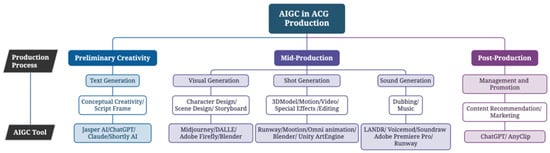
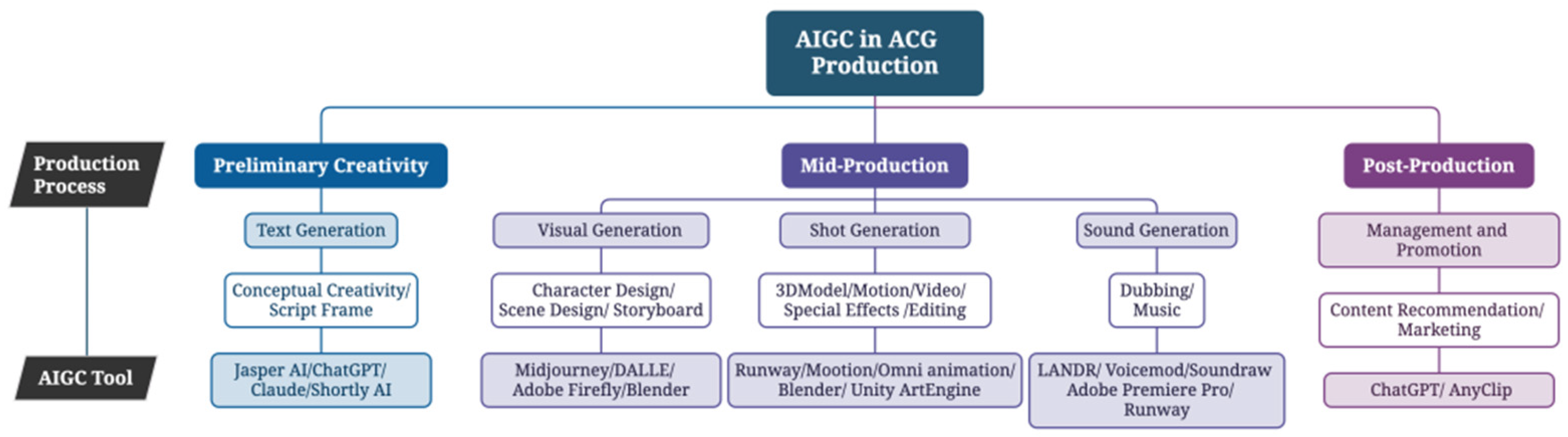
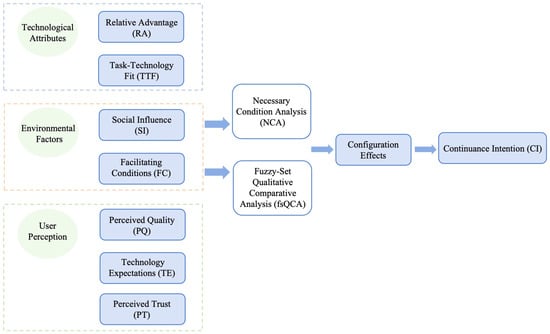
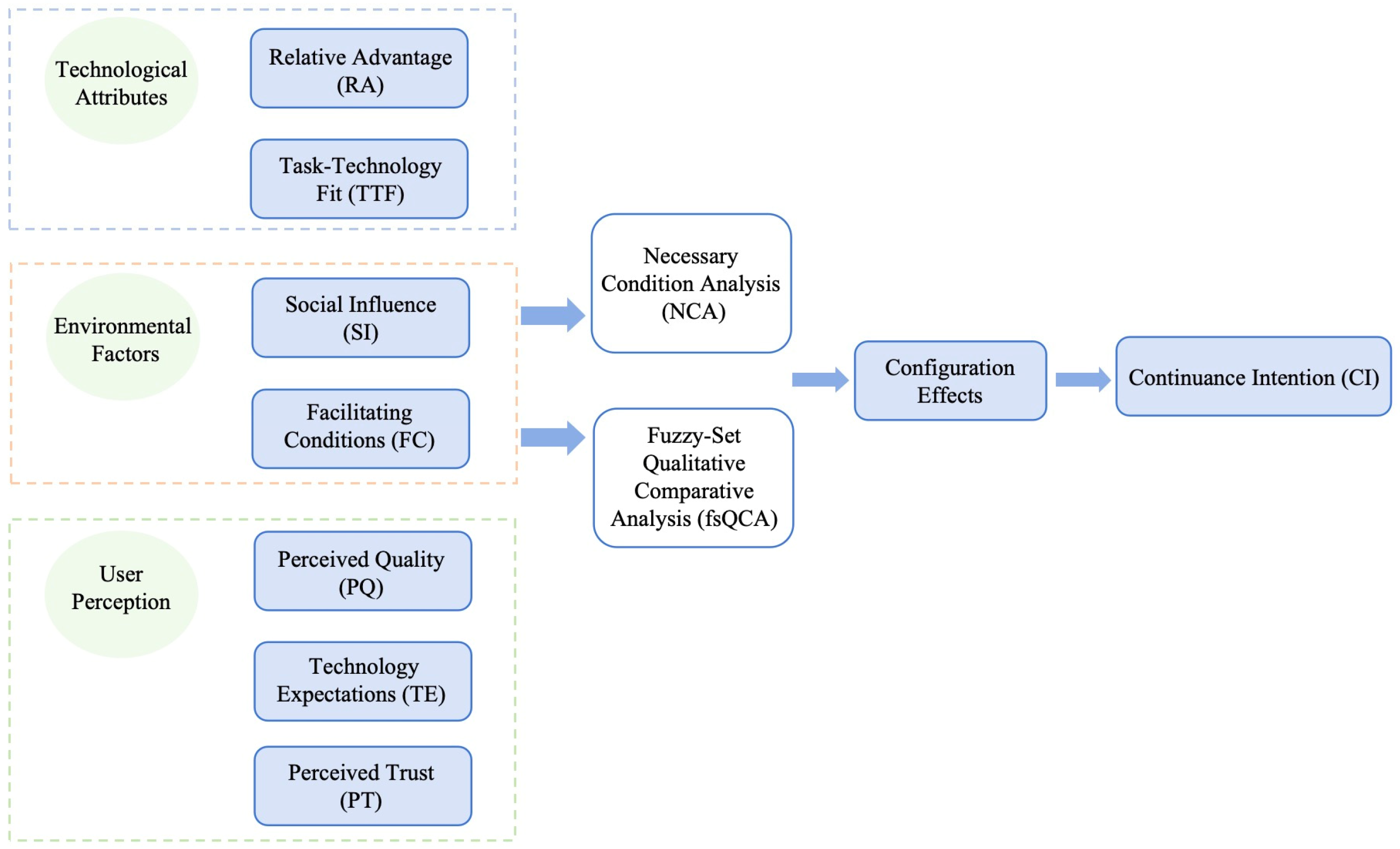
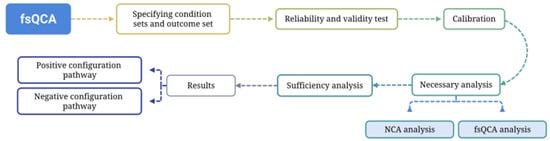
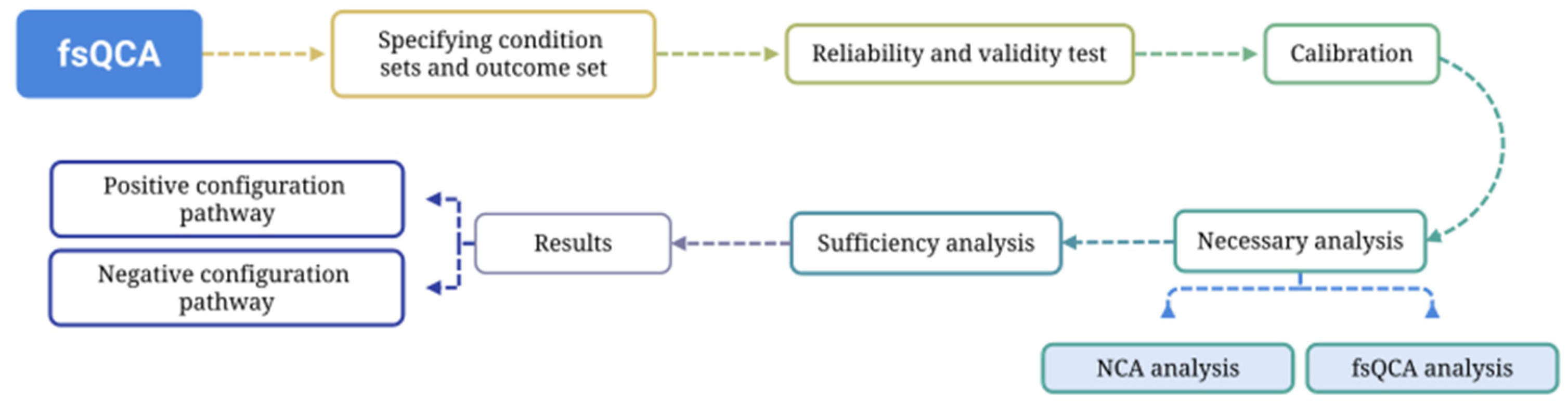


Disclaimer/Publisher’s Note: The statements, opinions and data contained in all publications are solely those of the individual author(s) and contributor(s) and not of MDPI and/or the editor(s). MDPI and/or the editor(s) disclaim responsibility for any injury to people or property resulting from any ideas, methods, instructions or products referred to in the content. |
© 2024 by the authors. Licensee MDPI, Basel, Switzerland. This article is an open access article distributed under the terms and conditions of the Creative Commons Attribution (CC BY) license (https://creativecommons.org/licenses/by/4.0/).