


Abstract
The Circular Economy (CE) is defined as a concept that replaces the end of life of a linear productive process, based on new circular flows of reuse, which also allow for restoration together with renewal in a composite process In this sense, it is considered as one of the key elements to promote the decoupling that arises between economic growth and increasing resource consumption in a new relationship. This study aims to investigate the progress, challenges, opportunities and trends in the Circular Economy (CE) in agriculture in Ibero-America. To this end, a documentary review was carried out to conceptualise the characteristics of the CE and the way in which it has been implemented in Ibero-American countries such as Colombia, Brazil, Chile, Venezuela, Costa Rica, Spain and Portugal. Additionally, a bibliometric analysis was carried out, based on the “Scopus” and “Wos” databases, which facilitates the identification of the frequency of writings, number of publications, topics related to CE, key words and authors, among other fundamental criteria, to recognise the importance in the academic and business spheres. This study uses different statistical programmes such as R-tool 4.3.2, R-Package 4.3.2, Bibliometrix 4.0.0, VOSviewer 1.6.18 and Biblioshiny 4.0.0. The results show a growing trend towards the analysis of sustainability and CE processes in agriculture.
1. Introduction
Concern for the environment has led to the establishment of institutional frameworks designed to mitigate the negative effects of the various productive activities of organisations. This issue is particularly relevant for the agricultural and agro-industrial sectors, which play a crucial role in the economy of countries and generate a significant amount of organic waste (biomass). Therefore, it is important to highlight the need to manage them, which allows the production of biogas that rural enterprises can take advantage of, thus contributing to reduce their energy costs [1,2]. Furthermore, the implementation of the Sustainable Development Goals (SDGs) represents a global effort to safeguard the environment, combat climate change, eliminate poverty and ensure a high standard of living and well-being for all. The next decade will be critical in setting the planet’s course and ensuring that humanity can adapt to the challenges of climate change [3].
It is important to note that human activities negatively impact ecosystems and agricultural production, and these effects are exacerbated by economic growth. In addition, with the world’s population set to increase by an estimated 2 billion by 2050, there will be an increased demand for phosphorus (P), an essential nutrient for all living things and a key driver of eutrophication. To address these challenges in a sustainable way, it is crucial to manage the transition from an intensive agricultural model to one based on the Circular Economy
Innovation has played a key role in precision agriculture, responding to population growth, the need for quality food, waste reduction, food security and sustainability in environmental resource management. Challenges include increasing the productivity of cultivated land, managing the use of potable water—which is limited in many regions—maintaining soil fertility and minimising waste through reuse and optimisation of resources. In addition, operational and strategic management based on accurate data on planting, harvesting and environmental conditions is required, objectives that are also aligned with the Circular Economy. Therefore, the implementation of Industry 4.0 technologies in agriculture is essential to address these challenges [4].
It is noteworthy that much of the thinking on social change has focused on linear cause-and-effect relationships that can be managed to achieve predictable and often desirable changes. The environmental problems faced today, however, cannot be tackled with this linear approach; they require an understanding of non-linear patterns of interdependencies and dynamic feedback loops at different levels within a system [5] in terms of the environmental problems that we face today. Both modern industrialised and emerging societies face complex and unstructured issues (such as healthcare, climate change, agriculture, energy and mobility) that demand the creation of long-term sustainable solution strategies [6,7].
1.1. Background of Circular Economy
There is no absolute definition of CE; the Ellen MacArthur Foundation believes that there are resources in the economy that can be harnessed. In other words, CE, moving away from the linear concept, focuses on the protection and perseverance of this valorisation of natural capital and the minimisation of waste, focusing on ‘closing the loop’ along the value chain, also opening up prospects for so-called Industrial Symbiosis [8,9].
CE is based on four principles: (a) mitigation of waste production and pollution; (b) circulation of products and materials; (c) efficiency improvement; and (d) regeneration of nature [10]. These principles underpin a transition to renewable energy and materials, addressing those economic activities that involve strictly finite resource consumption. This system is considered resilient and allows businesses, people and the environment to thrive. In this sense, agriculture contributes to the circularity of the economy, not only through the incorporation of such agricultural and forestry practices, but also through its potential to close production cycles of other activities. Hence, the importance of integrating good practices for the efficient use of resources (water, energy, soil, biodiversity) and the recovery of waste/by-products [11].
Agricultural waste management is also an important CE practice, and there are some practices and strategies that can be adopted. It is therefore based on the concept of waste hierarchy. This approach integrates a set of methodologies, the main objective of which is to reduce the production and disposal of waste and improve its traceability throughout the production cycle [12,13].
In this sense, the concept of CE goes far beyond the focus on waste management and recycling actions; it includes concepts related to restructuring/reinvention in each of the processes, revising products and structuring business models, in order to optimise the use of resources (by circulating more products, components and materials in the technical media) and/or biological cycles. These measures enable companies to generate significant economic savings [14].
Mirabella, Castellani and Sala indicate in their research that the increase in food waste production is a scenario that directly and indirectly affects each and every country in the world, due to the large amount of food that ends up as waste, generating environmental and economic problems [15].
Irrational consumption and increasing levels of pollution have led some economies to develop public and business policies to promote responsible production and consumption. Thus, CE aims to generate the development of activities that provide a better level of utility to the inputs or resources used in the production process, reducing the footprint that production leaves on the environment, favouring the achievement of economic and social benefits [16,17].
Other authors such as Lamba, Kumar and Dhir consider that CE enables the economic growth of organisations, improving the efficient use of resources and minimising the consequences on the environment [18]. In turn, Patwa et al. state that CE allows people to satisfy diverse needs, and therefore to respond to the growing demand in the markets, leading to the use of processes that do not affect environmental conditions or people’s quality of life [19,20].
Peng, Pivato and Diacono et al. indicate that in Europe, an inadequate exploitation of natural resources is developing, affected by severe climate change, loss of biodiversity and an increase in food waste, due to the growing world population. Hence, CE has led to a redesign of production systems in order to innovate on the basis of existing agricultural systems by promoting the recycling of agricultural waste, which requires innovation research to bring about radical changes in lifestyle and resource use [21,22].
In recent years, authors such as Ghosh [23], Ghisellini [24], Lieder and Rashid [25], Blomsma [26] and Sauvé et al. [27] conducted research to summarise and redefine the concepts of CE. Other studies such as Murray et al. [28], Geisendorf et al. [29] and Korhonen et al. [30] focused on its relation to sustainable development. Hence, two schools of thought emerge that are starting points for CE as a concept and theory. The first is systems thinking, and the second is social ecology (see Figure 1).
Figure 1.
Key Concepts. Own elaboration based on Yhdego (2021) [31].
The founder of general systems thinking is Von Bertalantiffy [32], who developed a general systems theory in the fields of fortified sciences and was extended by Ashby [33] in the field of cybernetics. Bertalantiffy considered that “a system is a complex of interacting elements that are open to its environment and interact with it” [30]. It is an open system: input and output models. These systems have influenced biology, ecology, complexity science and economics, which are also associated with ecological economics.
Schools of thought use different concepts and words, but resource is the key concept to manage it. Social ecology developed from human ecology, which was developed by anthropology, geography and ecology (environmental history) [28], industrial ecology, ecological economics and socio-ecological economics are part of the sustainable schools of thought in which CE is framed and come from closed loop and design to redesign, which includes low energy consumption, high efficiency and low emission of pollutants. CE focuses on optimising systems rather than components and uses restorative methods, i.e., repairing by design damaged materials in the context of industrial production [31].
Thus, the evolution See Figure 2, of CE began in the early 1970s and was supported by European countries. Germany aimed to solve the scarcity of natural resources and raw materials by introducing the CE concept into its environmental policy. China promoted the eco-industrial park model and later applied the concept of waste recycling for economic growth. In the United States the CE concept does not originate from a single platform [34]. The main contributors that gave rise to the concept of CE are considered to be John Lyle, an American professor, and his student William McDonough, Walter Stahel, an economist and architect, and Michael Braungart, a German chemist. Conceptual frameworks were contributed by Pearce and Turner [35].
Figure 2.
Timeline. Own elaboration based on [1].
Subsequently, many researchers introduced the concept with R-principles. Thus, the concept of closed loop, R-principles (3R, 6R and 10R), industrial ecology approach, industrial symbiosis structure, 3 principles, ReSOLVE model, cleaner and higher quality production method, product-service system, environmental economy concept, biomimicry concept, performance economy concept, eco-efficiency, cradle-to-cradle design, regenerative design, environmental economics concept and others, focus on improving the circular flow of biological and technical materials in the value circle, keeping all products, materials and components at their highest value and consumption, while minimising waste [36]. see Figure 3.
Figure 3.
R-principles applied to the circular economy. Own elaboration based on [1].
Digital technologies bring value to companies aiming for sustainability, especially for start-ups that face more start-up challenges compared to large companies. These include artificial intelligence, IoT, blockchain, big data and others.
Below in Table 1, we have for each country statistical data on waste recycling, energy consumption, challenges and social, political and societal aspects.
Table 1.
Statistical data, challenges and social, political and economic scope.
1.2. Development of the Circular Economy in Ibero-America
This research analyses the development of CE practices in agriculture in seven Latin American countries: Colombia, Brazil, Chile, Venezuela, Costa Rica, Spain and Portugal, which have developed a series of government policies aimed at improving conditions that favour people’s quality of life and at the same time ensure the good use of resources.
Thus, in Colombia, for example, the EC strategy began in May 2020 from the logic of production through conservation, which favoured the percentage increase in the recycling rate and the appropriate use of solid waste to reduce greenhouse gases by 2030, i.e., it is a commitment of the national government in which the current development model is rethought, through the collaboration of companies, public and private institutions, community, state and NGOs, among others.
In Brazil, CE is related to Corporate Social Responsibility (CSR). Its growing development has led to an increase in the use of raw materials and the generation of construction and demolition waste. These processes have negative environmental effects, which has led to the articulation of measures to ensure the safe use of resources.
The case of Chile has shown efficient results in the management of production factors. Thus, the CE is the process that minimises the environmental impact of products, services and processes, all with the aim of eliminating waste and pollution through intelligent design that can be used by all. The Circular Economy roadmap was also established, in which the Ministry of Environment with the help of the Ministry of Economy, CORFO and the Agency for Sustainability and Climate Change established agreements to control the demand for raw materials, production operations, resource scarcity, consumption habits, environmental degradation and the extension of the life cycle of materials, so as to have a linear development model that facilitates economic growth.
Venezuela incorporates CE elements as an alternative and solution to the existing linear model, so that it is developed throughout the useful life of goods and services by applying design criteria. Business models and entrepreneurial activities are promoted and encouraged to provide solidity, and to take into account external factors, both negative and positive, while maintaining institutional transparency and the efficiency of each process.
The legal framework in which the measures established by the countries under study converge and which facilitate the development of CE in agriculture is presented below. It also lists the institutions that generate articulation between actors and markets, some cases of applicability in the agricultural sector and the challenges that they face.
1.2.1. Colombia
In Colombia there is a legal framework that has different laws that highlight the importance of the Circular Economy, which is why it is in charge of promoting and encouraging the efficiency of new systems, through the CE, it is here where the productive system focused on the industrial field is motivated, this economy has for a concept “Green Economy, industrial ecology, cradle-to-cradle design, […] performance, biomimetics, eco-efficiency, resilience science, natural capitalism and cleaner production” [30,37]. The different laws that we can evidence are:
Law 1819 of 2016, which approves the National Development Plan 2014–2018. This law is guided by the Pact for Sustainability, which aims to accelerate the transition to a Circular Economy model [38].
Law 1930 of 2018, which establishes the National Policy for Integrated Solid Waste Management, sets out the guidelines for integrated solid waste management, including the promotion of the Circular Economy [39].
Law 2232 of 2022, which amends the 2016 law, establishes new goals for the correct integrated management of solid waste, including the reduction of single-use plastic waste generation [40].
The National Development Plan 2020–2024, Pact for Colombia, Pact for Equity, unveils the Pact for the Circular Economy, which promotes innovation in production and consumption processes to reduce environmental impact [41].
The Circular Economy has had a positive impact in Colombia by improving land productivity and reducing the consumption of natural resources. This model promotes the reuse of recovered materials, instead of using virgin raw materials, which reduces pressure on resources. It also encourages the incorporation of new business strategies and business models based on sustainability, such as reuse, recycling and product redesign. This not only reduces environmental impact, but can also generate economic benefits by optimising manufacturing processes and reducing costs [42].
It is worth noting that Colombia promotes investment in new businesses, for which a committed government is needed to establish guidelines and policies that promote innovation, good practices, the use of organic technology packages, efficient irrigation for agriculture, efficient processes for composting and logistics, a decrease in the use of agrochemicals and the substitution of frequently used elements that are more organic. In addition, it is necessary to continue working on raising awareness in society, creating infrastructures for the production and use of circular products and materials and encouraging these changes to happen and people together with companies to actively participate in these changes and new challenges.
1.2.2. Brazil
The legal framework of the Circular Economy in Brazil is made up of a set of regulations and public policies that seek to promote the transition towards a more sustainable production and consumption model.
- Law 12.305 of 2010, which establishes the National Solid Waste Policy in which integrated solid waste management can be carried out [43].
- Law 13.465 of 2017, which amends Law 12.305 of 2010. This law establishes new goals for the integrated management of solid waste, focusing on reducing the generation of single-use plastic waste [44].
- Law 14.133 of 2021, which establishes the Public Procurement Law. This law has sustainability criteria for public procurement, including the promotion of the Circular Economy [45].
The entities promoting the Circular Economy in Brazil for its early immersion are the Ministry of Environment (MMA), Brazilian Agency for Industrial Innovation (ABDI), Business Council for Sustainable Development (CEBDS), Ethos Institute, Ellen MacArthur Foundation, Brazilian Network of Circular Economy (RBEC), Getulio Vargas Foundation (FGV), Federal University of São Carlos (UFSCar), São Paulo Institute of Technology (ITA), Brazilian Institute of Consumer Defence (Idec), Brazilian Alliance for Recycling (ABR), National Agency of Technical Standards (ABR), National Agency of Technical Standards (ITA), Brazilian Institute of Consumer Defence (Idec), Brazilian Institute for Consumer Protection (Idec), Brazilian Alliance for Recycling (ABR), Instituto de Tecnologia de São Paulo (ITA), Instituto Brasileiro de Defesa do Consumidor (Idec), Aliança Brasileira pela Reciclagem (ABR), Agencia Nacional de Normas Técnicas (ABNT), Instituto Brasileiro de Meio Ambiente e Recursos Naturais Renováveis (Ibama), Conselho Nacional do Meio Ambiente (Conama), Ministério da Economia (ME), Secretaria de Comércio Exterior (Secex) and Secretaria de Vigilância e Comércio Exterior (SVS).
The Circular Economy is currently being developed in Brazil through regenerative agriculture, which is a system that is being used in production for the care and recovery of soil, water and biodiversity. This agricultural practice aims to reduce soil erosion, improve water quality and increase biodiversity. Examples of regenerative agriculture in Brazil include the use of organic fertilisers, crop rotation and cover cropping.
- Water recirculation: Water recirculation is used to reuse water for irrigation, among others, so that freshwater demand is reduced, and also helps prevent water pollution. Examples of water recirculation in Brazil include the use of drip irrigation systems and rainwater harvesting.
- Waste recycling: Waste recycling is the practice of converting waste into new products. This process helps to reduce the amount of waste going to landfills and to conserve natural resources. Examples of waste recycling in Brazil include composting of organic waste and recovery of plastics.
- Local food production: This practice focuses on growing and producing food in the same region where it is consumed. It also helps to reduce greenhouse gas emissions and promote the local economy. Examples of local food production in Brazil include urban agriculture and family farming.
The Brazilian government is investing in infrastructure to actively support the Circular Economy. For example, it is building new composting plants and recycling centres that can be used by everyone, so that the change in thinking in society is by example and not just by words and advertising.
It is worth noting that Brazilian companies are developing new technologies and processes to support the Circular Economy, as evidenced by some companies developing new biodegradable materials and more efficient recycling processes. Additionally, non-profit organisations are working to educate the public about the benefits of the Circular Economy through events and campaigns. Despite this, there are challenges that need to be addressed, such as developing a more robust, adaptable infrastructure for recycling, composting and water recirculation. Additionally, high costs need to be managed, as CE can be more expensive than the linear or usual production and consumption model used.
On the other hand, although new generations are more open to change, there is resistance to change, and governments and businesses must educate the public about the benefits of the Circular Economy to promote its adoption.
Brazil is recognised as one of the largest emerging economies and is rich in biodiversity. The country has taken significant steps in the direction of the Circular Economy; advances have been seen in the potential of bioeconomy where biofuels, biomaterials and other sustainable products are produced. On the other hand, politics has played an important role because the recognition of the new model has implemented relevant policies and programmes. Additionally, the industrial sector diversified in agricultural, forestry and food sectors, and the active civil society has contributed in their success stories, making local initiatives indispensable. They continue to face challenges, but their progress has been significant.
1.2.3. Chile
The legal framework for the Circular Economy in Chile is constantly developing, and the following laws have been established for this purpose.
- Law 20.920, which establishes the framework for Waste Management, Extended Producer Responsibility and the Promotion of Recycling. This law provides for integrated waste management [46].
- Law 21.314, which defines the Climate Change Law, obliges public and private companies to reduce their greenhouse gas emissions [47].
- The National Circular Economy Policy (PNEC) and the National Development Plan 2020–2023, Chile Verde, establish different plans with the Pact for the Circular Economy.
The companies that contribute or collaborate with the correct immersion of the Circular Economy are: Ministry of Environment (MMA), Superintendence of Environment (SMA), Ministry of Economy, Development and Tourism (MIDEPLAN), National Council of Clean Production (CPL), Ellen MacArthur Foundation, Chilean Chamber of Construction (CChC), Santiago Chamber of Commerce (CCS), NGOs and private companies.
In the agricultural sector, regenerative agriculture practices are being developed, which aim to restore and maintain the health of soil, water and biodiversity. These practices include the use of organic fertilisers, crop rotation and cover cropping.
The industrial sector implements more efficient and sustainable production processes, which considerably reduce the use of natural resources and the generation of waste. These processes include the use of recycled materials, the optimisation of production processes and the reduction of waste.
It also highlights that in the construction sector, more sustainable materials are being used, such as wood, recycled concrete and low environmental impact building materials.
In Chile, there are no economic incentives for companies and consumers to adopt Circular Economy practices. This makes it more difficult for these stakeholders to switch to more sustainable models.
Lack of knowledge about the CE is vital, as many people in Chile are not familiar with the benefits of the Circular Economy. This hinders the promotion of this model and its adoption.
1.2.4. Venezuela
The legal framework of the Circular Economy in Venezuela is in constant development, so the laws in place are the following:
- The 2015 Organic Law on Spatial Planning (LOOT) has principles for sustainable development.
- The 2013 Organic Law for the Protection of the Environment (LOPA), including the promotion of integrated solid waste management.
- The 2010 Organic Law of Communes, the National Plan for Economic and Social Development 2020–2025 (Plan de la Patria). This plan establishes the Pact for the Circular Economy, which promotes innovation in production and consumption processes to reduce environmental impact.
- The Action Plan for the Circular Economy (PACE). This plan establishes a series of measures to promote the implementation of the Circular Economy in Venezuela, such as the reduction of waste generation, recycling and materials recovery.
The entities that collaborate and contribute to the immersion of the Circular Economy in Venezuela are: Ministry of Ecosocialism and Water (MEA), National Circular Economy (PNEC), Ministry of National Trade (MINCOMERCIO), National Council for the Circular Economy (CNEC), Ellen MacArthur Foundation, Universities and research centres, NGOs and private companies.
Research on sustainable agricultural practices is being carried out at the National Agricultural Research Institute (INIA), while the Ministry of Agriculture and Lands (MAT) is working to promote local food production.
The Circular Economy in Venezuela is characterised by the following aspects:
- Inclusion of the Circular Economy in public policy, which establishes the objectives and guidelines for the development of this model in the country. This strategy includes measures to promote waste reduction, reuse and recycling, as well as innovation and technological development to support the Circular Economy.
- Infrastructure development for the Circular Economy: The Venezuelan government is investing in infrastructure, especially recycling plants, composting centres and water recirculation systems. This is necessary to facilitate waste reduction, reuse and recycling.
- Promotion of the Circular Economy among businesses and consumers.
It is important to note that high inflation has made it more difficult for businesses and consumers to invest in sustainable products and services, and also to work on resource scarcity; Venezuela has shortages of some natural resources, such as water and energy. This can make it difficult to adopt Circular Economy practices that require more resources.
1.2.5. Spain
The legal framework for the Circular Economy in Spain is under development.
- Law 7/2022 of 8 April on waste and contaminated soils for a Circular Economy [48].
- Law 11/2018, of 28 December, amending Law 26/2007, of 23 October, on the Environmental Responsibility of Producers in the Field of Waste and Contaminated Soil [49].
- The Spanish Circular Economy Strategy 2030. This strategy establishes the objectives and lines of action for the implementation of the Circular Economy in Spain.
- The National Waste Plan 2030, which supports the Circular Economy in the best and most consistent way.
- The Circular Economy Action Plan 2023–2025. This plan establishes a series of measures to promote the implementation of the Circular Economy in Spain, such as the reduction of waste generation, recycling and materials recovery [50].
The Spanish institutions that are encouraging and supporting the Circular Economy are the following: Ministry for Ecological Transition and the Demographic Challenge (MITECO), Ministry of Industry, Trade and Tourism (MINCOTUR), Advisory Council for the Circular Economy (CAEC), Spanish Circular Economy Network (REEC), Ellen MacArthur Foundation, Universities and research centres, The Technological Centre for Materials and Environment (AIMPLAS), The Technological Institute of Materials (INTEMA), The Technological Institute of Construction (ITEC), The Institute of Chemical Technology (ITQ), NGOs and private companies and Universities and research centres.
The Ministry of Agriculture, Fisheries and Food (MAPA) is developing research on sustainable agricultural practices, and the National Institute for Agricultural and Food Research and Technology (INIA) is developing new technologies to support circular farming by reducing the use of natural resources such as water, land and energy, whcih would contribute significantly because it makes farming practices more efficient, such as crop rotation and the use of organic fertilisers, and collaborates with the environment.
The Spanish government has developed a plan that focuses on reducing the amount of plastic waste going to landfills by calling for a ban on single-use plastics and promoting the recycling of plastics. It has also established a strategy that includes measures to promote waste reduction, reuse and recycling, as well as innovation and technological development.
1.2.6. Portugal
The legal framework of the Circular Economy in Portugal is based on new regulations and public policies.
- The Decree Law 102-D/2020 of 10 December, this law of its approval on waste management, the legal regime for landfill waste and makes a change in the specific waste streams [51].
- Directive (EU) 2018/851 of the European Parliament and of the Council of 30 May 2018 amending Directive 2008/98/EC on waste.
- The National Circular Economy Strategy (ENEC).
- The National Waste Plan 2030. It aims to achieve the objectives of the Circular Economy. The Action Plan for the Circular Economy 2022–2025. This plan sets out a series of measures to promote the implementation of the Circular Economy in Portugal, such as the reduction of waste generation, recycling and materials recovery.
In addition, the following measures have been put in place for the development of CE:
- The use of sensors for irrigation management: Sensors can be used to measure soil moisture and air temperature, which can help farmers irrigate their crops more quickly and efficiently. This can help reduce water use by using as much water as necessary, which is an increasingly scarce resource.
- The use of bioplastics for food packaging: these are plastics made from renewable materials, such as corn or sugar cane. These plastics biodegrade in the environment, reducing the amount of plastic waste going to landfill.
- The inclusion of the Circular Economy in public policy: The Portuguese government has developed a National Circular Economy Strategy, which sets out the objectives and guidelines for the development of this model in the country. The strategy includes measures to promote waste reduction, reuse and recycling, as well as innovation and technological development to support the Circular Economy.
- Agricultural Waste Management: These materials can be used for the production of biomass, biogas or even green building materials.
- Crop Management Technology: The adoption of advanced agricultural technology, such as precise crop monitoring and management, enables more efficient use of resources such as water and nutrients, reducing waste and improving productivity.
- Irrigation Water Reuse: Some regions in Portugal are implementing wastewater collection and treatment systems for reuse in agriculture, which helps to conserve water resources.
Portugal has demonstrated a remarkable commitment and different advances and persistent challenges in working towards a transition to a Circular Economy, implementing various initiatives and policies that promote sustainability and collaborate in becoming a more resource efficient country. However, it has the National Strategy for the Circular Economy (ENECP), which works in different economic sectors and implements basic principles for the management, use, innovation and design of waste or products. On the other hand, each company implements its own entrepreneurship and creates new markets and employment opportunities. Additionally, this country has made an investment in Innovation and Technology, especially in sectors such as construction, fashion and agriculture, working on resource management and minimising the waste that is left over.
1.2.7. Costa Rica
The legal framework for the Circular Economy in Costa Rica is under development, and has been strengthened in recent years with the enactment of new regulations and public policies.
- The General Law on Solid Waste (Law No. 8839) of 2010 [52].
- The Recycling Incentive Law (Law No. 8955) of 2011 for waste recycling [53].
- The 2022 National Circular Economy Strategy (ENEC).
- The National Solid Waste Plan 2020–2030. This plan sets out the measures needed to achieve the objectives of the ENEC.
- The Circular Economy Action Plan 2023–2025. This plan establishes a series of measures to promote the implementation of the Circular Economy in Costa Rica, such as the reduction of waste generation, recycling and materials recovery.
The entities collaborating in this country are the Ministry of Environment and Energy (MINAE), Ministry of Economy, Industry and Commerce (MEIC), National Council of Circular Economy (CNEC), Ellen MacArthur Foundation, Universities and research centres, the University of Costa Rica, the National University, the National Technical University, the Technological Institute of Costa Rica, NGOs and private companies.
Costa Rica has implemented the following actions in favour of CE:
- Recycling Organic Waste: Instead of simply throwing away organic waste, such as crop residues, fruit and vegetable peels, it can be used to produce high quality compost. This compost is used to improve soil fertility, thus reducing the need for chemical fertilisers.
- Vertical Agriculture and Green Roofs: In urban areas of Costa Rica, different vertical farming systems are being added to buildings and green roofs. These systems have the possibility of growing food in small spaces and use efficient irrigation systems, contributing to the reduction of the ecological footprint and the transport distance of food.
- Use of Solar Energy: Agriculture is an energy-intensive activity; however, several farmers in Costa Rica are using solar panels on a daily basis to generate clean and sustainable energy. This reduces dependence on fossil fuels and energy costs.
- Growing Native Fruit: Instead of relying on imported fruit varieties, some farmers are promoting the cultivation and consumption of native fruits. This not only promotes biodiversity, but also reduces the carbon footprint associated with food transport.
- Agroforestry systems: The implementation of agroforestry systems achieves a mix between agriculture and reforestation. This not only helps to conserve biodiversity and water resources, but can also provide additional income through the sale of timber and other forest products.
- Short Supply Chain: Encouraging direct sales of agricultural products through local markets or community farming programmes reduces the need for packaging and transport over long distances, thereby reducing waste and carbon footprint.
- Irrigation Water Reuse: Some farms in Costa Rica have added wastewater collection and treatment systems to their irrigation process for reuse in irrigation. This helps conserve water resources and reduces pollution.
- Rainwater harvesting: Rainwater harvesting and storage are being used in agriculture to reduce dependence on non-renewable water sources and reduce irrigation costs.
- The implementation of the Circular Economy in Costa Rica faces several challenges such as Coordination and Collaboration: The Circular Economy commonly requires greater collaboration between different stakeholders, such as businesses, governments, NGOs and civil society. Coordinating these efforts can be a challenge.
- Technology and Training: The correct coupling of circular technologies and practices call for training and skills development. Ensuring that people are trained to work in a circular environment is essential.
- Life Cycle Assessment: Life cycle assessment of products and processes is crucial to make informed decisions on circularity. This requires access to appropriate data and tools.
- Sectoral Challenges: Each sector of the economy may face specific challenges for the implementation of the Circular Economy. For example, agriculture may need to address agricultural waste management issues.
1.2.8. Ecuador
The legal framework for the Circular Economy in Ecuador is under development:
- The 2008 Constitution of the Republic of Ecuador. This constitution promotes and focuses on the right to a healthy and ecologically balanced environment.
- The Organic Law on Inclusive Circular Economy of 2021. The National Circular Economy Strategy of 2022. This strategy establishes the objectives and lines of action for the implementation of the Circular Economy in Ecuador.
- The National Development Plan 2020–2023, Pact for Ecuador, Pact for Equity. This plan establishes the Pact for the Circular Economy, which aims to promote innovation in production and consumption processes to reduce environmental impact.
- The Action Plan for the Circular Economy 2023–2025. This plan establishes a series of measures to promote the implementation of the Circular Economy in Ecuador, such as the reduction of waste generation, recycling and materials recovery.
The different companies collaborating with the inclusion of the Ministry of Environment, Water and Ecological Transition (MAATE), Ministry of Production, Foreign Trade, Investment and Fisheries (MPCEIP), National Council of Circular Economy (CNEC), Ellen MacArthur Foundation, Universities and research centres, San Francisco de Quito University, Pontifical Catholic University of Ecuador, University of Cuenca, Technical University of Ambato, NGOs and private companies.
In Ecuador, different models that take circular technology into account have been in evidence, for example:
- Organic Waste Recycling: Farmers in Ecuador are using organic waste, such as crop residues and food waste, to produce high quality compost. This compost is used to improve soil fertility and reduce reliance on chemical fertilisers.
- Organic agriculture: Organic agriculture and agroecology have been implemented in Ecuador, which promote circularity by minimising the use of synthetic chemicals and focusing on soil health and biodiversity.
- Agroforestry: combining agricultural crops with trees and shrubs, which not only increases the diversity of products, but also improves soil conservation and carbon sequestration, contributing to the fight against climate change.
- Integrated Pest and Residue Management: The application of integrated pest and residue management (IPM) methods promotes sustainability by minimising pesticide use and maximising efficiency in agricultural residue management.
- Renewable Energy Production: Some farmers in Ecuador are adopting solar energy systems to power their operations, reducing dependence on fossil fuels and energy costs.
- Recycling of agricultural materials: The reuse of agricultural materials, such as packaging and equipment, is being promoted in Ecuadorian agriculture. This reduces the need to manufacture new products and reduces waste generation.
The implementation of the Circular Economy in Ecuador presents challenges such as a lack of awareness and education on the principles of the Circular Economy. Significant effort is needed to educate the population, businesses and farmers about how the Circular Economy works and how they can contribute.
Also, the implementation of circular technologies and practices often requires significant investments. The availability of funding and resources to support these initiatives is a major challenge, especially for small businesses and farmers.
The lack of adequate infrastructure for waste management, recycling and reuse is a challenge in Costa Rica. Investment is needed in recycling and composting facilities, as well as in more advanced waste management systems.
1.2.9. Salvador
The legal framework of the Circular Economy in El Salvador has the following laws:
- The General Law on Waste and Integrated Solid Waste Management, No. 1014 of 2011.
- The Extended Producer Responsibility (EPR) Law 8298 of 2012. It focuses on the obligation of producers to bear the costs of waste management of their products.
- The National Circular Economy Strategy 2022.
- The National Development Plan 2020–2023, El Salvador Grows Without Poverty. This plan establishes the Pact for the Circular Economy, in production and consumption processes to reduce environmental impact.
- The Circular Economy Action Plan 2023–2025. This plan establishes a series of measures to promote the implementation of the Circular Economy in El Salvador, such as the reduction of waste generation, recycling and materials recovery.
The entities that collaborate with the Circular Economy in Salvador are the Ellen MacArthur Foundation, the National Council of Circular Economy (CNEC), the Universities and research centres, the University of El Salvador, the Catholic University of El Salvador, the University Dr. José Matías Delgado, the Technological University of El Salvador, NGOs and private companies, the Ministry of Environment and Natural Resources (MARN), the Ministry of Economy, the Ministry of Industry and Commerce, the Ministry of Agriculture and Livestock and the Ministry of Tourism.
Thus, it is evident that these countries have implemented practices related to CE, some of them with actions more oriented to environmental protection.
Spain and Portugal have been generating activities in which waste and water are used appropriately, recycling processes are developed, packaging is carried out and the inputs used are reinvested. Examples of this are the fruit and vegetable and rice sectors, among others, which have been taken into account by many companies to improve their production cycle.
In Colombia, through the National Circular Economy Strategy (ENEC), the participation of various sectors and the linkage of policies that protect natural resources and provide consumers with benefits that meet their needs have been obtained [8].
A successful example is that developed by the University of the Andes through the programme “Circular Agriculture in the cocoa chain”, in which 25 producers from the Meta department participated initially, with whom a methodology was structured to take advantage of resources and reduce the consumption of water and energy and minimise the use of plastics and chemicals, in order to become a sustainable business. The experience has been replicated by several entrepreneurs in the region and has become an example to be implemented by other producers of agricultural goods. However, it is also evident that there is a lack of resources and greater actions to link actors and develop this type of initiative.
The same situation is evident in Costa Rica, which in 2023 established the “Circular Economy from agroforestry waste for decarbonization” project, whose objective was to create a circular economy model based on the processing of agroforestry waste, which would allow for the proper management of waste and reduce CO2 emissions. The actions developed allowed the integration of productive chains and the generation of employment [9].
In Brazil, cases have been identified such as the one developed by Enel Green Power, which has developed actions for the treatment of domestic water to be used in the agricultural sector, in addition to being a mechanism that allows the use of new techniques for energy generation. In addition to being sustainable, this system links producers and families, who make the most of resources and generate consumption awareness [10].
A similar case occurred in Chile, where a strategy was generated through the processing of organic waste that is then converted into compost to be used in the agricultural sector. This experience is being developed in the Talca composting plant and has become one of the most successful cases in the country [11].
In the case of Venezuela, there is no evidence of the implementation of public sector projects aimed at CE; however, the use of practices promoted by farmers to take advantage of resources is not unknown.
Therefore, it is identified that Ibero-American countries have established in the framework of their policies, a series of strategies to minimise environmental impact, especially in a sector that is one of the most resource-intensive and requires more actions to integrate the community and other actors, raise awareness and develop bio-based products.
2. Materials and Methods
The methodology of this research is based on a quantitative approach, in which bibliometric analysis facilitates the identification of patterns and trends in the scientific literature related to the Circular Economy in Agriculture [54]. This analysis also involves the use of specialized software tools. Through the collection and study of bibliographic data, such as citations, co-citations, and frequency of occurrence of key terms, this method provides a solid basis for understanding how tools contribute to advances in the area, and which are the most relevant in different contexts.
This research is based on two pillars. The first describes the data extraction process, covering database selection and search strategy. Subsequently, a bibliometric analysis was performed using appropriate techniques with the support of specialized software (Biblio-metrix and VOSviewer). The details of the workflow are illustrated in Figure 4.
Figure 4.
Flow chart of the methodology used.
To collect data for this review, we used the following search equation: (TITLE-ABS-KEY (circular AND economy) AND TITLE-ABS-KEY (waste) AND TITLE-ABS-KEY (agriculture) AND TITLE-ABS-KEY (sustainability)). This query retrieved 427 articles, and the citation information, bibliographic information, abstract and keywords, and other information were exported to .txt format files. Then, the dataset in a Bibliometrix package file was transferred from the Rstudio software to perform bibliometric analysis and thematic trend analysis [55]. It was then transferred to SciMat software to extract strategic diagrams and thematic evolution maps, after which a specific analysis was performed.
Bibliometrics applies mathematical and statistical techniques to perform a quantitative analysis of the scientific literature, considering aspects such as production, growth, evolution and consumption of publications. It has established itself as a key tool for assessing progress in research, encompassing the output of researchers [56]. Bibliometric analysis is divided into two approaches: performance analysis, which uses indicators to measure the output and impact of authors, institutions and journals, and scientific mapping analysis, which visually represents the cognitive and social structure of a specific area of research.
Biblioshiny [57] is an open-source tool that allows the import of data from various sources, such as Scopus and Web of Science, and offers multiple types of bibliometric analysis [58]. In this analysis, different modules available in the Bibliometrix application have been used [59], including basic information, annual scientific production, citations, most significant sources, leading authors and affiliations, as well as an analysis by country and a word cloud. This approach allows us to validate the identification of the periodicity of topics or articles, connections, centrality, clusters of authors and texts, publication trends, knowledge bases, citation patterns, author networks, readership, influence and importance. It is essential to measure, compare and establish key objectives to understand scientific activity, as the measurement process must determine what the impact of scientific activity is, what role bibliometrics plays and its importance, as this assigns a value that is measurable and can be quantified according to the results of scientific activity. Finally, it concludes with a review of the number of queries made on search engines such as Google Trends, particularly in the 22 Ibero-American countries listed below. Europe: Andorra, Spain and Portugal; Americas: Argentina, Bolivia, Brazil, Chile, Colombia, Costa Rica, Cuba, Dominican Republic, Ecuador, El Salvador, Guatemala, Honduras, Mexico, Nicaragua, Panama, Paraguay, Peru, Uruguay and Venezuela.
VOSviewer [58] is a widely recognised bibliometric tool for creating bibliometric networks involving different actors, such as authors and organisations. It uses various network analysis methods, including co-authorship, co-citation, co-occurrence of terms and bibliographic coupling [59]. In this study, co-occurrence of terms analysis was applied to identify the predominant themes within a research area. The maps generated by this tool show nodes, which represent keywords, and edges, which illustrate the relationships between them.
3. Discussion
The bibliometric analysis of the evolution of the Circular Economy in Agriculture research theme related to the data retrieved from Scopus, yielded 427 articles in terms of publication, citations and impact. The following types of analysis were considered: data information, trends and characteristics of research publication, most preferred and productive journals, productive author, journal and country, most cited papers, keyword analysis and thematic evaluation.
Table 2 provides information on articles retrieved from Scopus published between 2012 and 2024. It was found that 427 publications published in 209 sources use 1472 keywords and with a participation of 1979 authors, a relevant number. There is a high collaboration in the literature on the topic in question, 5.02, as shown by the collaboration index. The average number of citations per article is 22.71, see Figure 5.
Table 2.
Number of articles by year and participation.
Figure 5.
Statistical and descriptive information. Own elaboration using Bibliometrix.
In Figure 6, the most prominent journals publishing articles in the field of CE in Agriculture have been explored, among them are: Sustentabily (100), Journal Clearne (70), Journal Envireme (108), as shown in Figure 2. The main journals in which the articles were published were related to agronomy, cleaner production, resources, conservation and recycling, environment and sustainability.
Figure 6.
Journals. Own elaboration using Bibliometrix.
Based on the trend in the number of publications, the results are divided into three periods to analyse research trends and explore the characteristics of this topic:
- 2014–2016 (start-up period). The number of publications is estimated to be less than three per year and shows no signs of growth.
- 2016–2019 (initial development period). In this period, research on this topic began to show signs of growth, and the number of articles published at this stage was double that of the previous one, growing to around seven articles.
- 2019–2024 (rapid development period). The number of Circular Economy oriented research articles increased in 2019 and shows considerable growth in the following years, from 30 articles in 2020 to 100 articles by 2024.
Figure 7 and Table 2 show the annual growth of publications and the % of participation per year, where it can be seen that for the year 2012, this thematic area produced 5 articles, for the years 2013 to 2016 each one participated with 6 articles, in the year 2020 there is a publication of 40 articles, and for the year 2024 a production of 100 articles, which reflects a continuous increasing trend.
Figure 7.
Annual scientific production. Own elaboration using Bibliometrix.
In the documentary review, it was possible to identify 179 authors who have published the most articles on CE applied to agriculture. Some of them are listed below: Aznar-Sánchez, J.A. with three publications, followed by Panedey A., Velasco-Muñoz, J.F., each with three articles, followed by Achillas, C. Aguilar, A. Ameto, A., Awasthi, MK., Baker, L.A., Beccci, A., each with two papers. See Table 3.
Table 3.
Authors who have generated articles on CE applied to agriculture.
Figure 8 and Table 4 show the percentage of contributions made in the world. China had the highest number of articles published, with a calculated percentage share of 18%, followed by Spain (14%) and the United States (12%).
Figure 8.
Author’s country of correspondence. Own elaboration using Bibliometrix.
Table 4.
Production by country.
It is worth noting that the most representative years for this topic are 2008, 2009, 2011, 2012, 2015, 2015, 2017, 2017, 2018, 2019, 2021 and 2022, with Boyer T.H., Acnar Sanchéz J.A., Velasco Muñoz J.F., Blaowlec A. and Aguilar A. being the authors with the highest number of publications in this period with topics on CE. Other authors such as Zhang Z., Pandey A. and Kumor S. stand out with topics on sustainability, and Velasco Muñoz J.F., Belaud J.F. and Zhang Z. on topics of sustainable agriculture (See Figure 9).
Figure 9.
Authors by period and subject matter.
In addition, the results allow for a chronological analysis of the evolution of the different themes. The first milestone is in 2018 with the term nutrient cycling, followed in 2019 with the themes of water quality, biotechnology and soils. The next milestone is in 2020 with terms such as Circular Economy and sustainability. In 2021, the terms sustainability, waste management, sustainable development and agriculture, and in 2022 with solid waste, environmental impact, water treatment and water (Figure 10).
Figure 10.
Trend themes. Own elaboration using Bibliometrix.
Partnerships between countries are vital to account for the progress of exploration in this area. The results show that the United States is the country with the highest number of collaborations.
Partnerships between countries are vital to account for the progress of exploration in this area. The results show that the United States is the country with the highest number of collaborations, including African countries such as Cameroon and Congo. In Latin America, only Argentina, Colombia and Brazil stand out (Figure 11 and Table 5).
Figure 11.
Cross-country collaboration in writing articles on CE in agriculture.
Table 5.
Countries.
Figure 12 shows co-authorship between countries, taking into account 10 published papers per country and a minimum number of 10 citations per country. Out of 84 countries, 21 meet the above conditions.
Figure 12.
Map of co-authorship between countries. Own elaboration using Bibliometrix.
Italy is the country with the highest number of publications: 104 articles, of which 72 articles are written by Italian authors alone and 30 articles are co-authored with authors from several countries. In second place is Spain with 37, of which 21 refer to research carried out by Spaniards only and 16 articles are co-authored with authors from several countries. In third place is India with 30 articles, of which 10 refer to publications by Indian authors only. From Latin America, Brazil stands out with 20 articles.
Co-occurrence and all keywords, taking into account the following criteria: minimum number of occurrences of a keyword 15 times, with 4069 occurrences, 83 of which meet the criteria. In addition, the results allow for a chronological analysis of the evolution of the different topics. The first milestone occurs in 2018 with the term nutrient cycle, followed in 2019 with the topics of water quality, biotechnology and soils. The next milestone is in 2020 with terms such as Circular Economy and sustainability. In 2021, the terms sustainability, waste management, sustainable development and agriculture, and in 2022 with solid waste, environmental impact, water treatment and water (Figure 13).
Figure 13.
Co-occurrence and all keywords. Compiled from VosViewer.
Co-occurrence map based on tex data, taking into account the following criteria: the terms in both the title and the abstract, the minimum amount of concurrence of the term is 20 times; out of 12,315 terms in total, 125 meet these criteria. Figure 8 shows the co-occurrence of the keywords waste management, environmental impact, circularity, sustainability, sustainable development, wastewater, food security and agriculture. These topics contribute substantially to increasing the number of articles to be published in the world’s leading research journals.
The fourth map shows co-citation and cited authors, taking into account the following criteria: the minimum number of citations per author is 20 times out of 74,895 authors, and 378 meet this criterion. Figure 14 shows that there are collaborative links with several authors such as Zhang Z. from China, Humar M. from India, Taherazdeh M. from Sweden, Pandey A. from Italy, Sirohi R. and Awasthi W. The existence of various interrelationships between countries is evident.
Figure 14.
Map 4: Co-citation and cited authors. Compiled from VosViewer.
The strategic diagrams, Figure 15, indicate the research themes based on two indicators of cluster centrality (indicating the degree of strength of interdisciplinary links and the centrality of the theme) and density (indicating the degree of strength) [60].
Figure 15.
Strategic diagrams. Own elaboration using Bibliometrix.
Quadrant C1, driving themes for this case we have fertilisers, wastewater treatment, sustainable development; Quadrant C2, peripheral themes in this quadrant we have agriculture, sustainability and Circular Economy themes; Quadrant C3, emerging themes biomass, coal and agricultural waste; Quadrant C4, base and cross-cutting themes, in this quadrant we have sustainable development and waste management.
The results of the bibliometric analysis show that research and development on the Circular Economy is more present in developed countries than in emerging countries, and is also more intensive in Europe than in Latin America. This trend highlights the need for more investment and commitment from developing countries to address the challenges in implementing a Circular Economy.
As for the studies published on this topic, they started in 2012 with 5 articles and from this year until 2017 there was a similar production of 5 to 6 articles per year, and in 2018 there was an increase to 20 articles related to topics such as water quality and fertilisers, in 2020 we have a significant increase in scientific production with topics such as silviculture and biotechnology, for the year 2022 we appreciate a significant increase of articles with 60 on topics such as phosphorus, biomass and sustainable development, and so far in 2024 we have a production of 100 articles on topics such as greenhouse gases and alternative agriculture. Additionally, the leading countries in this area of research are Italy, Spain, India, China, Brazil and the United States; as we can see, there is only one Latin American country that participates in this ranking.
Most of the documents reviewed are articles from indexed journals. However, there is concern about the concentration of advanced knowledge in certain countries, institutions and authors. Co-authorship could be an effective strategy for developing country institutions to produce high-impact publications on topics related to the Circular Economy in agriculture.
Implementing a Circular Economy approach to water management enables global sectors and actors to ensure safe, sustainable and high-quality water supplies for the future. The Circular Economy is presented as a framework that integrates economic and environmental outcomes. In this context, this study aims to analyse water reuse from a Circular Economy perspective, investigating the opportunities and risks associated during this transition. The analysis uses an inductive approach in the research phase, a Cartesian method for data processing and a deductive-inductive approach in reporting. The economic justification for adopting circular approaches is based on the benefits that its principles bring, by maintaining more value in products, components and materials, prolonging their use and addressing waste management from the outset. Thus, the Circular Economy is established as a key tool to achieve sustainability, making the Circular Economy fundamental to achieving a sustainable society, although it represents a considerable challenge that needs to be addressed promptly [61].
Several Latin American countries lack the necessary infrastructure to effectively manage waste and promote recycling, including recycling facilities and efficient waste collection systems. In some countries, legislation on waste management and the Circular Economy is insufficient or non-existent, making it difficult to implement effective policies.
Lack of public awareness of the benefits of the Circular Economy and sustainable resource management limits citizen and business participation. Businesses, especially small and medium-sized enterprises, often face difficulties in accessing finance to invest in sustainable practices and clean technologies.
The availability of advanced technologies for waste management and recycling is limited in some countries, which hinders the effective implementation of innovative solutions in Latin American countries, while the difficulty in measuring the impact of Circular Economy initiatives can make it difficult to justify investments and monitor progress.
4. Conclusions
This study has important theoretical implications for the field of CE applied to agriculture. It contributes to a global and comprehensible vision of the evolution of this practice in Ibero-American countries. Furthermore, it reflects the importance that governments and other actors set to favour the construction of environmentally friendly processes in sectors such as agriculture.
The governments of developed countries are generating policies with a CE approach aimed at strengthening sustainable agricultural production, based on the design of mechanisms in which research, innovation, technological development and sustainability are the basis for articulating good practices, especially in the processes of reduction, reuse and recycling, together with the generation of projects that seek the use of alternative energies and the minimisation of environmental impact.
Among the main obstacles to developing the Circular Economy in agriculture in Ibero-America are waste management, inadequate infrastructure for the implementation of a system for the collection and processing of agricultural waste, limited access to technologies that optimise the reuse of waste in agricultural work, lack of training on issues related to the Circular Economy and its benefits and the creation by some governments of appropriate regulations containing incentives and frameworks that encourage the transition to a Circular Economy.
The governments of the Ibero-American countries are generating policies with a CE approach aimed at strengthening sustainable agricultural production, based on the design of mechanisms in which research, innovation, technological development and sustainability are the basis for articulating good practices, especially in the processes of reduction, reuse and recycling, together with the generation of projects that seek the use of alternative energies and the minimisation of environmental impact.
The Circular Economy (CE) has the potential to address environmental and developmental challenges associated with excessive resource use both locally and globally. Moreover, it can contribute to the creation of a sustainable economic growth model that seeks to regularise and solve social problems, such as precarious employment, the generation of jobs in safe environments and the forced displacement of climate refugees [62].
Future Research
It is important to generate research to identify technologies that promote the circulation of materials in agriculture, such as composting and biodigestion, to close nutrient cycles and minimise waste. In addition, it is necessary to generate economic models that encourage the adoption of agricultural practices under the pillars of the Circular Economy, integrating fiscal and financial incentives.
Author Contributions
Conceptualisation, M.G.A.; methodology, M.I.G.C.; validation, M.G.A.; formal analysis, M.I.G.C., writing—original draft preparation, M.G.A. and M.I.G.C.; methodology and writing, M.T.B. All authors have read and agreed to the published version of the manuscript.
Funding
This research was funded by the Konrad Lorenz University Foundation, Fundación Universitaria Los Libetadores.
Conflicts of Interest
The authors declare that they have no potential conflicts of interest related to the research, authorship, and/or publication of this article.
References
- Pinheiro, M.A.P.; Jugend, D.; Jabbour, A.B.L.d.S.; Jabbour, C.J.C.; Latan, H. Circular Economy-based New Products and Company Performance: The Role of Stakeholders and Industry 4.0 Technologies. Bus. Strategy Environ. 2021, 31, 483–499. [Google Scholar] [CrossRef] [Scilit]
- Cristiano, G.S.; Buitrago, C.G. Can Biogas, Generated from Cattle Waste Reduce Negative Externalities? A Case of Study in Argentina. Econ. Semester 2020, 23, 129–144. [Google Scholar] [CrossRef] [Scilit]
- Mishra, M.; Desul, S.; Santos, C.A.G.; Mishra, S.K.; Kamal, A.H.M.; Goswami, S.; Kalumba, A.M.; Biswal, R.; da Silva, R.M.; dos Santos, C.A.C.; et al. A Bibliometric Analysis of Sustainable Development Goals (SDGs): A Review of Progress, Challenges, and Opportunities. Environ. Dev. Sustain. 2024, 26, 11101–11143. [Google Scholar] [CrossRef] [Scilit]
- Varella, W.A.; Oliveira Neto, G.C.d.; Stefani, E.; Costa, I.; Monteiro, R.C.; Conde, W.; da Silva Junior, W.; Baptestone, R.C.; Goes, R.d.S.; Riccotta, R.; et al. Integrated Service Architecture to Promote the Circular Economy in Agriculture 4. 0. Sustainability 2024, 16, 2535. [Google Scholar] [CrossRef] [Scilit]
- Funtowicz, S.O.; Ravetz, J.R. Science for the Post-Normal Age. Futures 1993, 25, 739–755. [Google Scholar] [CrossRef] [Scilit]
- Loorbach, D. Transition Management for Sustainable Development: A Prescriptive, Complexity-Based Governance Framework. Governance 2010, 23, 161–183. [Google Scholar] [CrossRef] [Scilit]
- Weber, K.M.; Rohracher, H. Legitimizing Research, Technology and Innovation Policies for Transformative Change: Combining Insights from Innovation Systems and Multi-Level Perspective in a Comprehensive ‘Failures’ Framework. Res. Policy 2012, 41, 1037–1047. [Google Scholar] [CrossRef] [Scilit]
- Ellen MacArthur Foundation. Completing the Picture: How the Circular Economy Tackles Climate Change; Ellen MacArthur Foundation: Estados Unidos, NA, USA, 2019. [Google Scholar]
- Mirata, M.; Emtairah, T. Industrial Symbiosis Networks and the Contribution to Environmental Innovation: The Case of the Landskrona Industrial Symbiosis Programme. J. Clean. Prod. 2005, 13, 993–1002. [Google Scholar] [CrossRef] [Scilit]
- Hernández, R.E.; Céspedes, J. Bioeconomical: A Sustainability Strategy in the Fourth Industrial Revolution. Rev. Investig. Innov. Agropecu. Recur. Nat. 2020, 7, 126–133. [Google Scholar]
- Adeyemi, O.; Grove, I.; Peets, S.; Norton, T. Advanced Monitoring and Management Systems for Improving Sustainability in Precision Irrigation. Sustainability 2017, 9, 353. [Google Scholar] [CrossRef] [Scilit]
- Shah, K.J.; Pan, S.-Y.; Lee, I.; Kim, H.; You, Z.; Zheng, J.-M.; Chiang, P.-C. Green Transportation for Sustainability: Review of Current Barriers, Strategies, and Innovative Technologies. J. Clean. Prod. 2021, 326, 129392. [Google Scholar] [CrossRef] [Scilit]
- Koul, B.; Yakoob, M.; Shah, M.P. Agricultural Waste Management Strategies for Environmental Sustainability. Environ. Res. 2022, 206, 112285. [Google Scholar] [CrossRef] [Scilit] [PubMed]
- Velasco-Muñoz, J.F.; Mendoza, J.M.F.; Aznar-Sánchez, J.A.; Gallego-Schmid, A. Circular Economy Implementation in the Agricultural Sector: Definition, Strategies and Indicators. Resour. Conserv. Recycl. 2021, 170, 105618. [Google Scholar] [CrossRef] [Scilit]
- Mirabella, N.; Castellani, V.; Sala, S. Current Options for the Valorization of Food Manufacturing Waste: A Review. J. Clean. Prod. 2014, 65, 28–41. [Google Scholar] [CrossRef] [Scilit]
- Sehnem, S.; Vazquez-Brust, D.; Pereira, S.C.F.; Campos, L.M.S. Circular Economy: Benefits, Impacts and Overlapping. Supply Chain. Manag. Int. J. 2019, 24, 784–804. [Google Scholar] [CrossRef] [Scilit]
- Ionescu, C.; Coman, M.; Lixandru, M. Business Model in Circular Economy. Valahian J. Econ. Stud. 2019, 8, 101–108. [Google Scholar]
- Lamba, H.K.; Kumar, N.S.; Dhir, S. Circular Economy and Sustainable Development: A Review and Research Agenda. Int. J. Product. Perform. Manag. 2023, 73, 497–522. [Google Scholar] [CrossRef] [Scilit]
- Patwa, N.; Sivarajah, U.; Seetharaman, A.; Sarkar, S.; Maiti, K.; Hingorani, K. Towards a Circular Economy: An Emerging Economies Context. J. Bus. Res. 2021, 122, 725–735. [Google Scholar] [CrossRef] [Scilit]
- Peng, H.; Tan, H.; Zhang, Y. Human Capital, Financial Constraints, and Innovation Investment Persistence. Asian Journal of Technology Innovation. 2020, 28, 453–475. [Google Scholar] [CrossRef] [Scilit]
- Peng, W.; Pivato, A. Sustainable Management of Digestate from the Organic Fraction of Municipal Solid Waste and Food Waste Under the Concepts of Back to Earth Alternatives and Circular Economy. Waste Biomass Valorization 2019, 10, 465–481. [Google Scholar] [CrossRef] [Scilit]
- Diacono, M.; Persiani, A.; Testani, E.; Montemurro, F.; Ciaccia, C. Recycling Agricultural Wastes and By-Products in Organic Farming: Biofertilizer Production, Yield Performance and Carbon Footprint Analysis. Sustainability 2019, 11, 2–17. [Google Scholar] [CrossRef] [Scilit]
- Ghosh, S. Circular Economy: A Review and Its Implications for Sustainable Development. J. Glob. Responsib. 2020, 11, 165–180. [Google Scholar]
- Ghisellini, P.; Cialani, C.; Ulgiati, S. A Review on Circular Economy: The Expected Transition to a Balanced Interplay of Environmental and Economic Systems. J. Clean. Prod. 2016, 114, 11–32. [Google Scholar] [CrossRef] [Scilit]
- Lieder, M.; Rashid, A. Towards Circular Economy Implementation: A Comprehensive Review in Context of Manufacturing Industry. J. Clean. Prod. 2016, 115, 36–51. [Google Scholar] [CrossRef] [Scilit]
- Blomsma, F.; Brennan, G. The Emergence of Circular Economy-A New Framing Around Prolonging Resource Productivity. J. Ind. Ecol. 2017, 21, 603–614. [Google Scholar] [CrossRef] [Scilit]
- Sauvé, S.; Bernard, S.; Sloan, P. Environmental Sciences, Sustainable Development and Circular Economy: Alternative Concepts for Trans-Disciplinary Research. Environ. Dev. 2016, 17, 48–56. [Google Scholar] [CrossRef] [Scilit]
- Murray, A.; Skene, K.; Haynes, K. The Circular Economy: An Interdisciplinary Exploration of the Concept and Application in a Global Context. J. Bus. Ethics 2017, 140, 369–380. [Google Scholar] [CrossRef] [Scilit]
- Geisendorf, S.; Pietrulla, F. The Circular Economy and Circular Economic Concepts—A Literature Analysis and Redefinition. Thunderbird Int. Bus. Rev. 2018, 60, 771–782. [Google Scholar] [CrossRef] [Scilit]
- Korhonen, J.; Honkasalo, A.; Seppälä, J. Circular Economy: The Concept and Its Limitations. Ecol. Econ. 2018, 143, 37–46. [Google Scholar] [CrossRef] [Scilit]
- Yhdego, M. The Circular Economy in Tanzania: A Self-Referential System. In Circular Economy: Recent Trends in Global Perspective; Ghosh, S.K., Ghosh, S.K., Eds.; Springer Nature: Singapore, 2021; pp. 69–112. ISBN 9789811609138. [Google Scholar]
- Bertalanffy, L.V. General System Theory: Foundations, Development, Applications; George Braziller: New York, NY, USA, 1969; ISBN 978-0-8076-0453-3. [Google Scholar]
- Ashby, W.R. An Introduction to Cybernetics; John Wiley & Sons, Ltd.: New York, NY, USA, 1956. [Google Scholar]
- De Jaramillo, E.H. Bioeconomy: A sustainability strategy in the fourth industrial revolution. Rev. Acad. Colomb. Cienc. Exactas Físicas Nat. 2018, 42, 188–201. [Google Scholar] [CrossRef] [Scilit]
- Ronaghi, M. Effects of COVID-19 on Iran’s Livestock and Meat Market. J. Agric. Sci. Technol. 2022, 24, 1017–1028. [Google Scholar]
- Gularte Mendoza, A.C.C. Circular Economy and Sustainable Development in the Agricultural Sector in the Province of Barranca, 2022; Universidad César Vallejo: Trujillo, Perú, 2023. [Google Scholar]
- Corvellec, H.; Böhm, S.; Stowell, A.; Valenzuela, F. Introduction to the Special Issue on the Contested Realities of the Circular Economy. Cult. Organ. 2020, 26, 97–102. [Google Scholar] [CrossRef] [Scilit]
- Congreso de Colombia Law 1819 de 2016. Available online: https://www.funcionpublica.gov.co/eva/gestornormativo/norma.php?i=79140 (accessed on 1 November 2024).
- Congreso de Colombia Ley 1930 de 2018. Available online: https://www.funcionpublica.gov.co/eva/gestornormativo/norma.php?i=87764 (accessed on 1 November 2024).
- Congreso de la República Law 2232 de 2022. Available online: https://www.alcaldiabogota.gov.co/sisjur/normas/Norma1.jsp?i=125439 (accessed on 1 November 2024).
- Gobierno de Colombia National Development Plan 2022–2026. Available online: https://www.dnp.gov.co/plan-nacional-desarrollo/pnd-2022-2026 (accessed on 1 November 2024).
- Androniceanu, A.; Kinnunen, J.; Georgescu, I. Circular Economy as a Strategic Option to Promote Sustainable Economic Growth and Effective Human Development. J. Int. Stud. 2021, 14, 60–73. [Google Scholar] [CrossRef] [Scilit]
- Congreso Nacional de Brazil Law 12.305 of 2010. Available online: https://braziliannr.com/brazilian-environmental-legislation/law-no-12305-brazilian-national-policy-solid-waste/ (accessed on 18 November 2024).
- Presidencia de la República Law 13.465 de 2017. Available online: https://plataformaurbana.cepal.org/es/instrumentos/legal/lei-ndeg-134652017-regularizacao-fundiaria-brasil (accessed on 1 November 2024).
- Congreso Nacional de Brazil Law 14.133 of 2021. Available online: https://www.oecd.org/content/dam/oecd/en/publications/reports/2022/06/regulatory-reform-in-brazil_da75f3f8/d81c15d7-en.pdf (accessed on 18 November 2024).
- Ministerio del Ambiente de Chile Law 20.920. Available online: https://www.bcn.cl/leychile (accessed on 1 November 2024).
- Ministerio de Hacienda Law 21.314 de 2021. Available online: https://www.spensiones.cl/portal/institucional/594/w3-article-15370.html (accessed on 1 November 2024).
- Ministerio de la Presidencia, Justicia y Relaciones con las Cortes Law 7/2022, of April 8, on Waste and Contaminated Soils for a Circular Economy. Available online: https://sede.agenciatributaria.gob.es/Sede/en_gb/iva/novedades-iva/novedades-normativa/ley-7-2022-8-abril-contaminados.html (accessed on 18 November 2024).
- Ministerio de la Presidencia, Justicia y Relaciones con las Cortes Law 11/2018, of 28 December, Amending Law 26/2007, of 23 October, on the Envi-Ronmental Responsibility of Producers in the Field of Waste and Contaminated Soil. Available online: https://www.garrigues.com/en_GB/new/publication-law-112018-amending-commercial-code-capital-companies-law-and-audit-law-regards-non (accessed on 18 November 2024).
- European Commission Circular Economy Action Plan. Available online: https://environment.ec.europa.eu/strategy/circular-economy-action-plan_en (accessed on 20 June 2024).
- Presidency of the Council of Ministers Decree Law 102-D/2020. Available online: https://diariodarepublica.pt/dr/en/detail/decree-law/102-d-2020-150908012 (accessed on 18 November 2024).
- Asamblea Legislativa de la República de Costa Rica Law 8839: Law for the Integral Management of Waste. Available online: https://www.fao.org/faolex/results/details/en/c/LEX-FAOC095887/ (accessed on 18 November 2024).
- Asamblea Legislativa de la República de Costa Rica Law 8955 de 2011. Available online: https://acortar.link/8c05vT (accessed on 1 November 2024).
- Di Vaio, A.; Palladino, R.; Hassan, R.; Escobar, O. Artificial Intelligence and Business Models in the Sustainable Development Goals Perspective: A Systematic Literature Review. J. Bus. Res. 2020, 121, 283–314. [Google Scholar] [CrossRef] [Scilit]
- Aria, M.; Cuccurullo, C. Bibliometrix: An R-Tool for Comprehensive Science Mapping Analysis. J. Informetr. 2017, 11, 959–975. [Google Scholar] [CrossRef] [Scilit]
- Ellegaard, O.; Wallin, J.A. The Bibliometric Analysis of Scholarly Production: How Great Is the Impact? Scientometrics 2015, 105, 1809–1831. [Google Scholar] [CrossRef] [Scilit] [PubMed]
- Huang, S.-C.; McIntosh, S.; Sobolevsky, S.; Hung, P.C.K. Big Data Analytics and Business Intelligence in Industry. Inf. Syst. Front. 2017, 19, 1229–1232. [Google Scholar] [CrossRef] [Scilit]
- Van Eck, N.J.; Waltman, L. Citation-Based Clustering of Publications Using CitNetExplorer and VOSviewer. Scientometrics 2017, 111, 1053–1070. [Google Scholar] [CrossRef] [Scilit]
- Van Eck, N.J.; Waltman, L. Software Survey: VOSviewer, a Computer Program for Bibliometric Mapping. Scientometrics 2010, 84, 523–538. [Google Scholar] [CrossRef] [Scilit] [PubMed]
- Cobo, M.J.; López-Herrera, A.G.; Herrera-Viedma, E.; Herrera, F. Science Mapping Software Tools: Review, Analysis, and Cooperative Study among Tools. J. Am. Soc. Inf. Sci. 2011, 62, 1382–1402. [Google Scholar] [CrossRef] [Scilit]
- Cansi, F.; Cruz, P.M. “New water”: Notes on sustainability from the circular economy. Sostenibilidad Económica Soc. y Ambient. 2020, 2, 49–65. [Google Scholar]
- Rubio, L.S.; Núñez, R.B.C. The contribution of the Circular Economy to the SDGs versus the limitations of the Linear System. Rev. Iberoam. Econ. Solidar. Innov. Socioecológica 2021, 4, 149–170. [Google Scholar] [CrossRef] [Scilit]
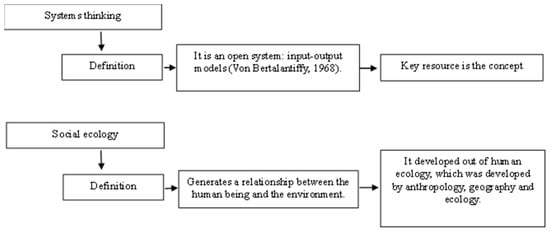
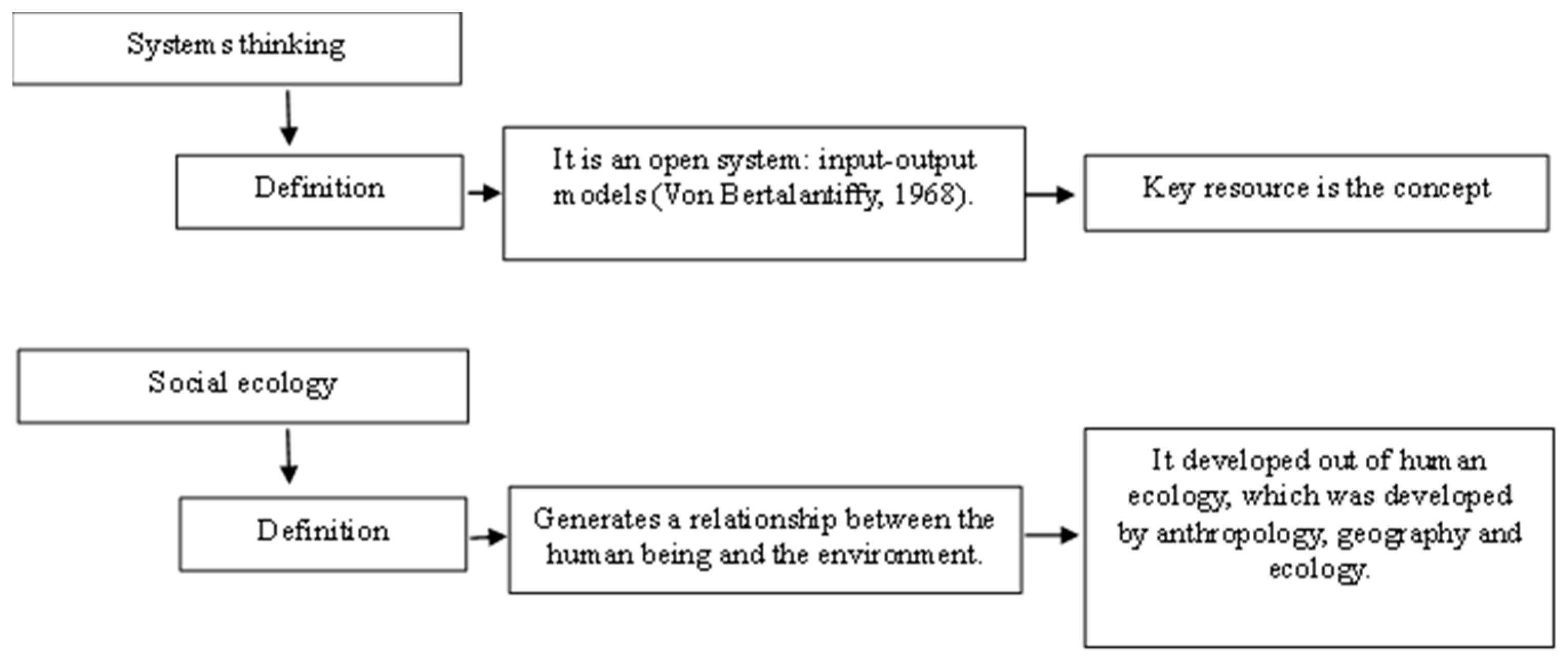
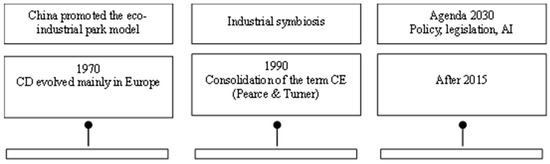
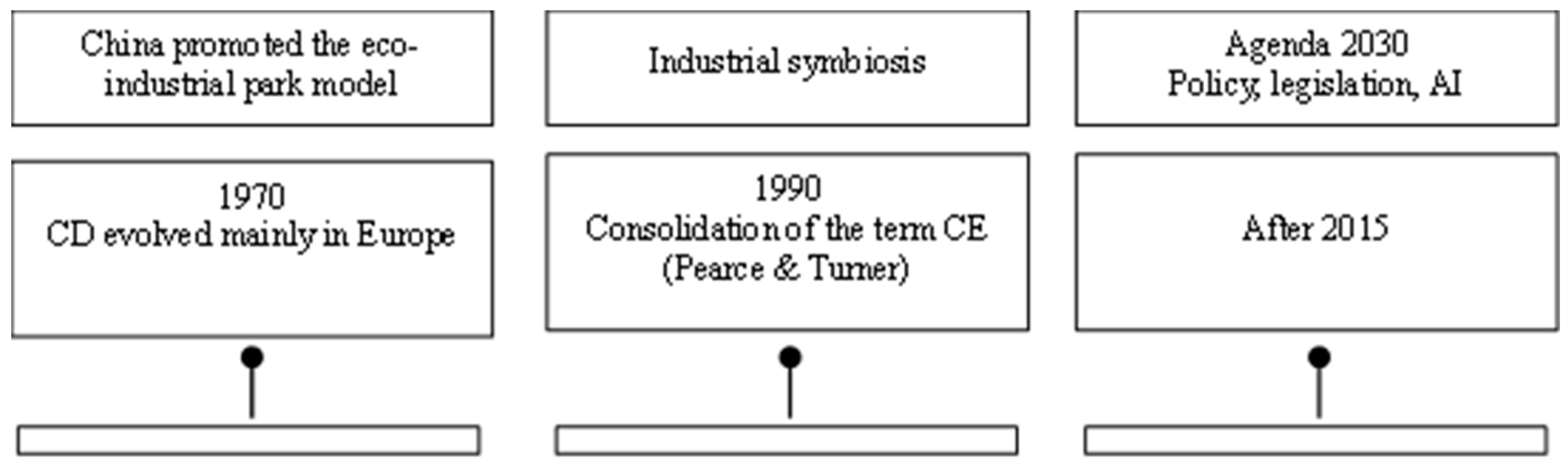
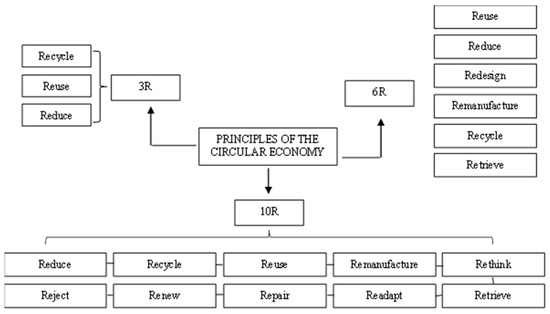
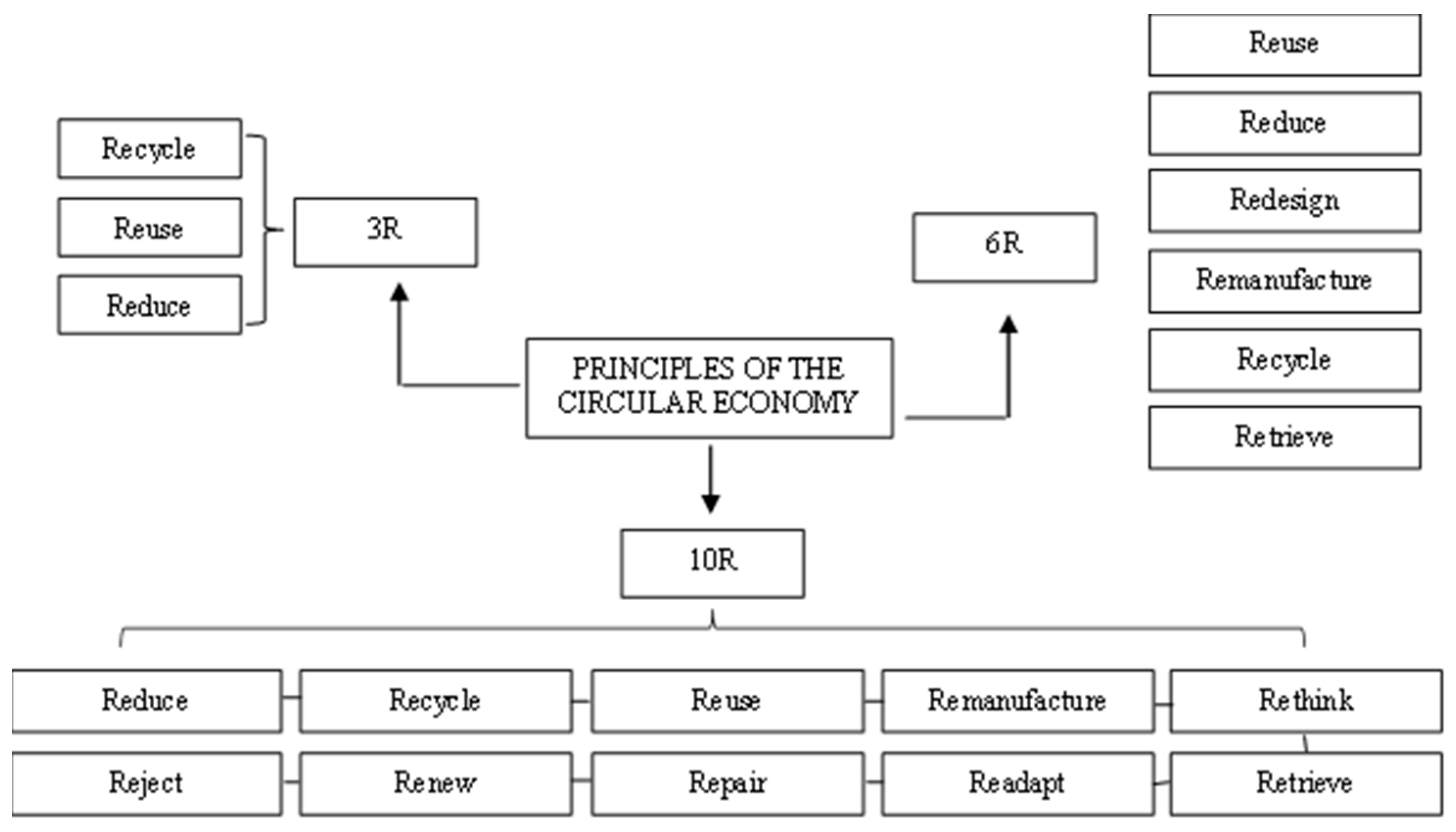
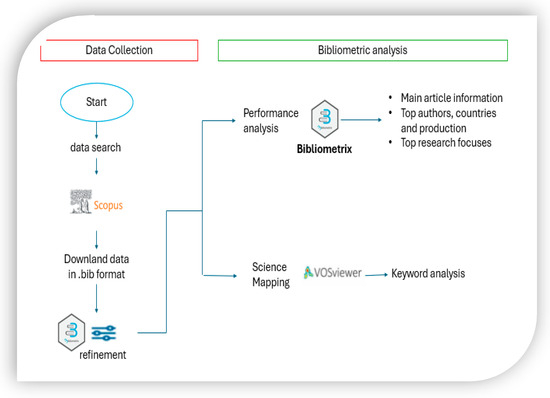
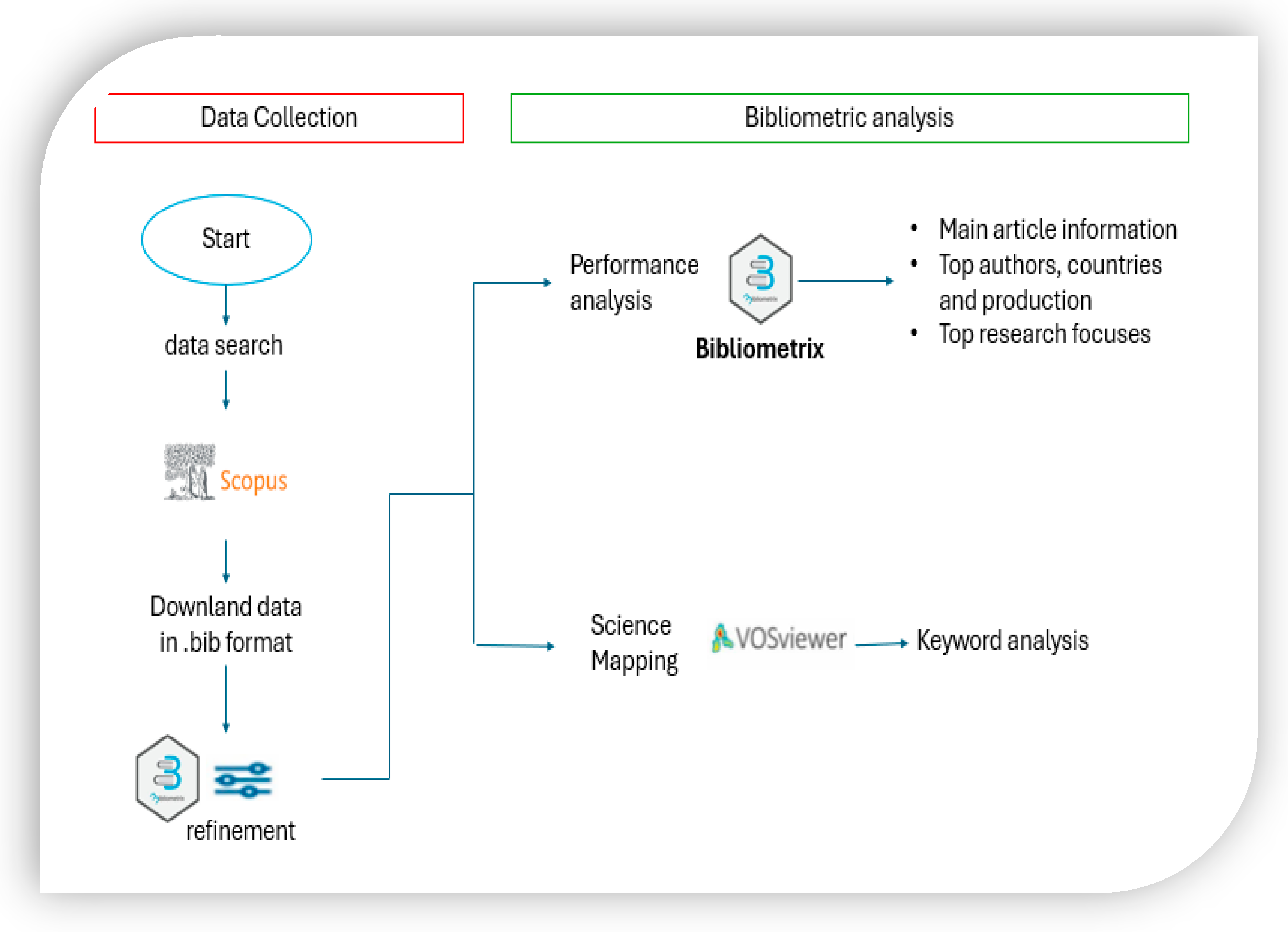
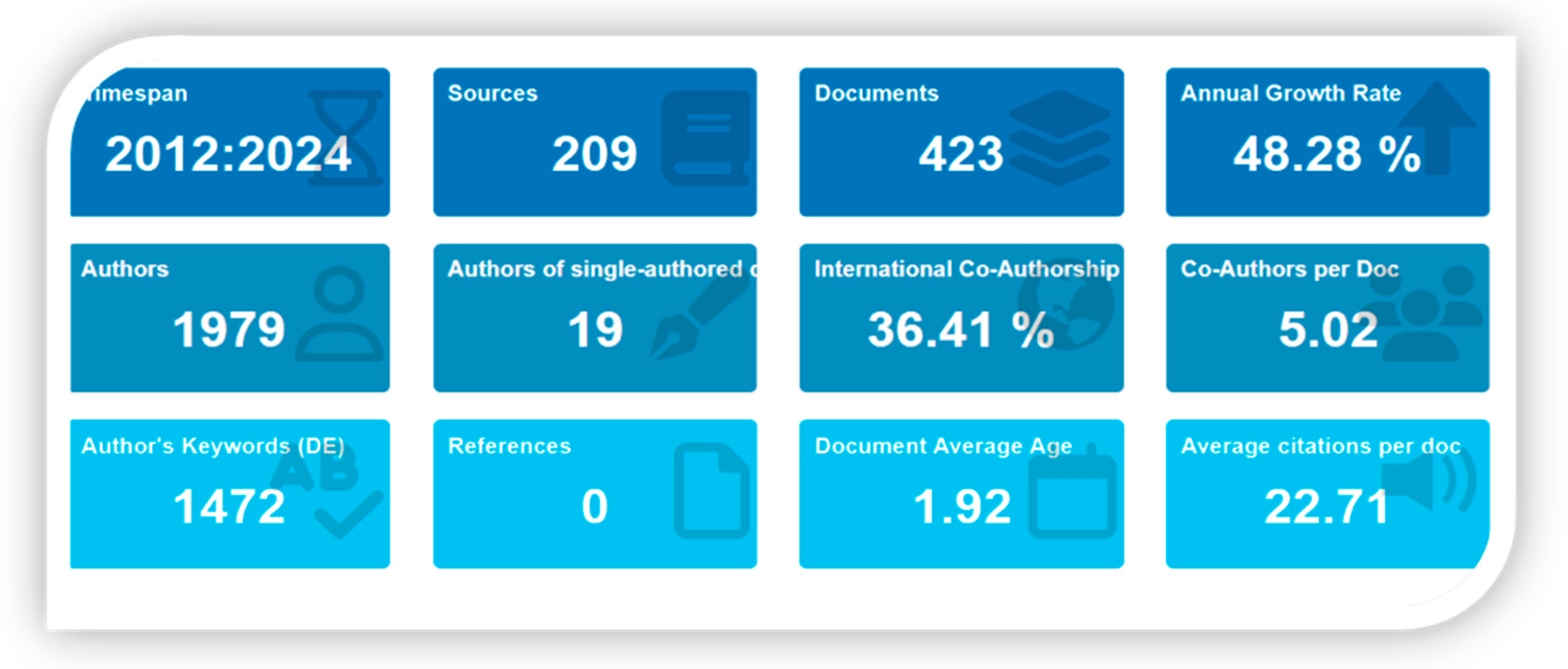
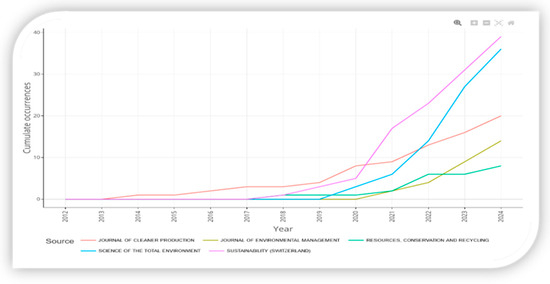
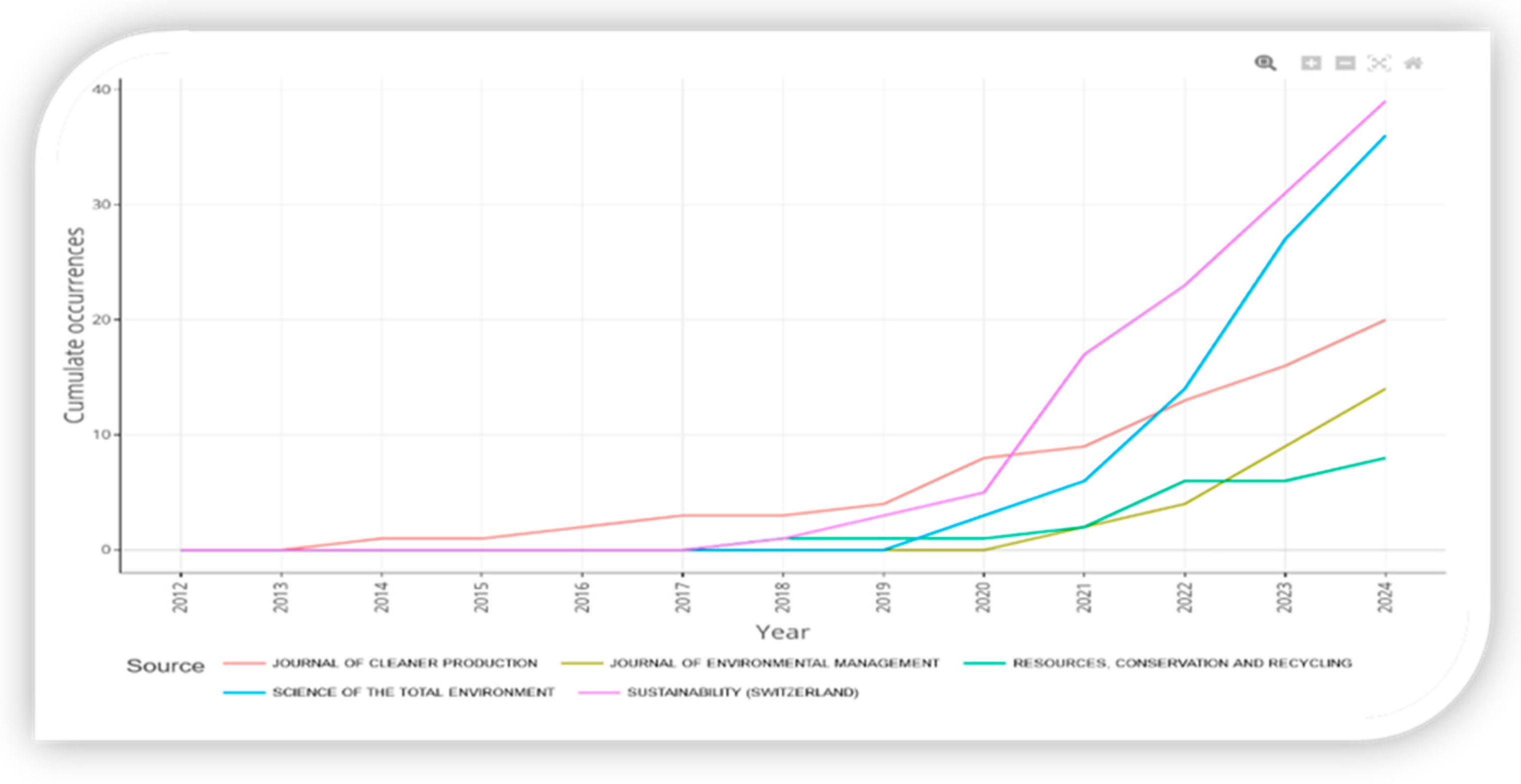
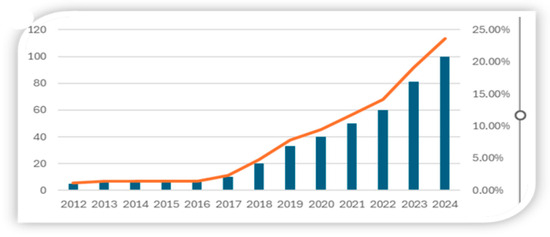
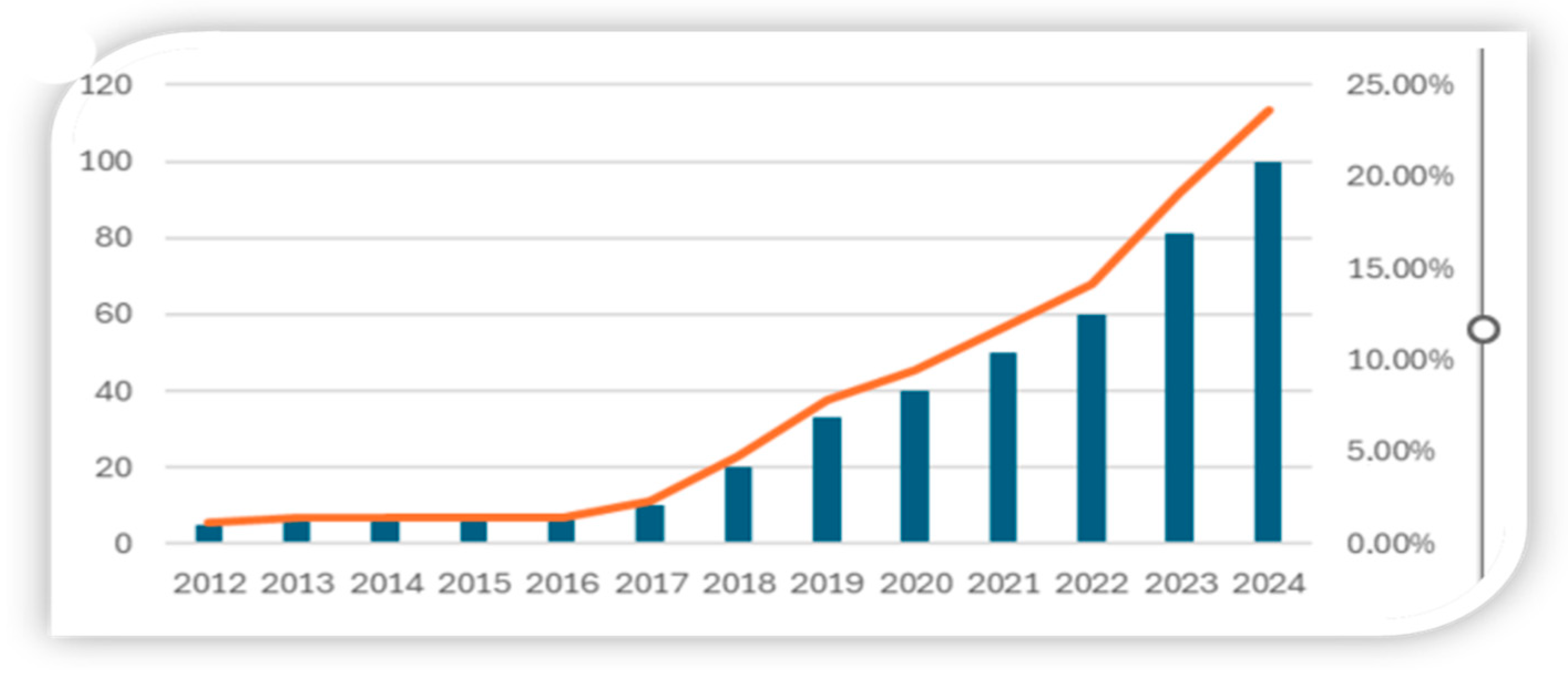
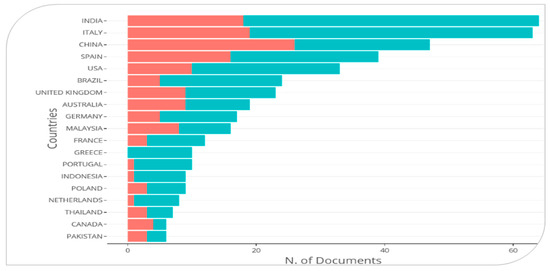
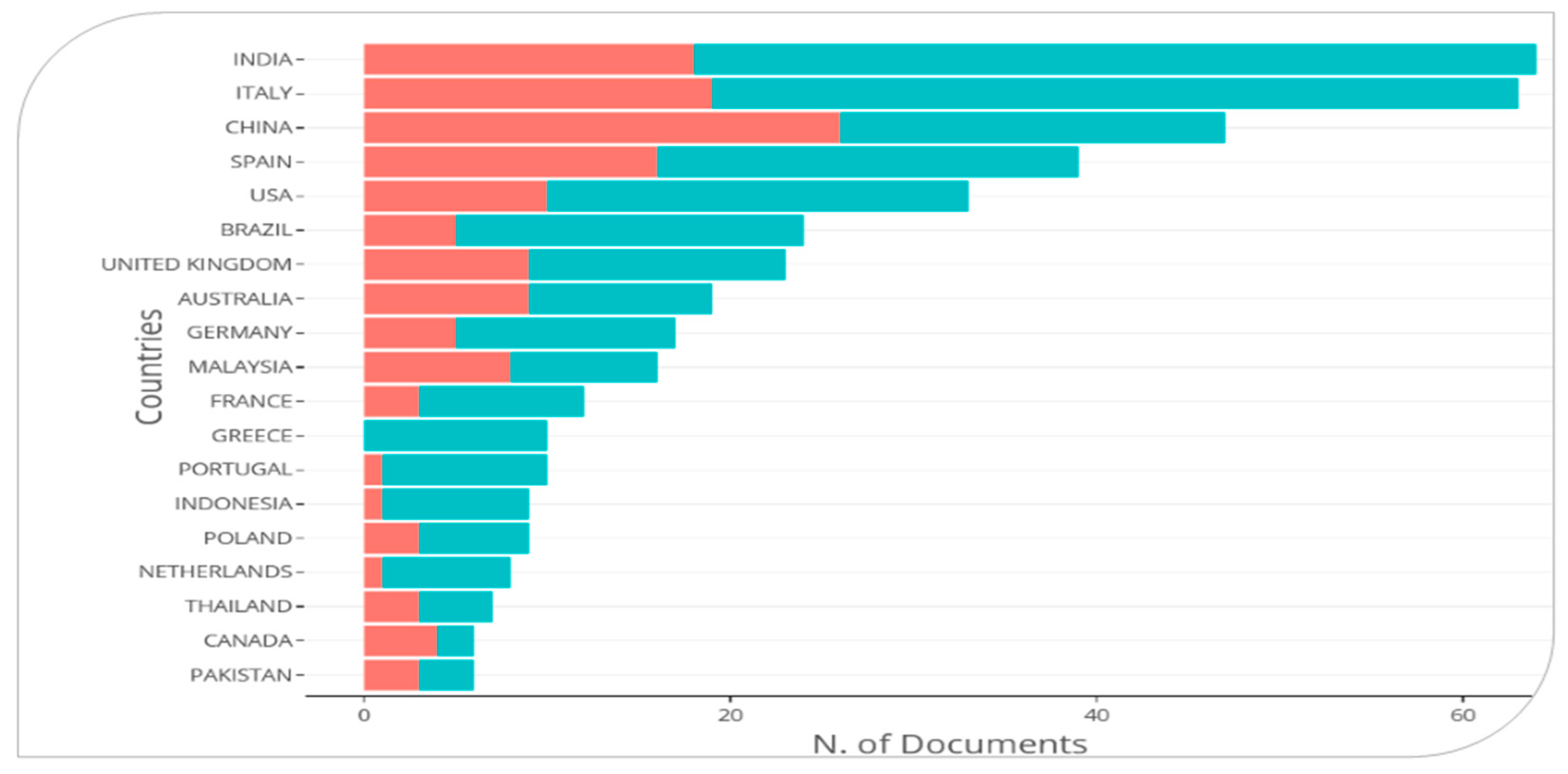
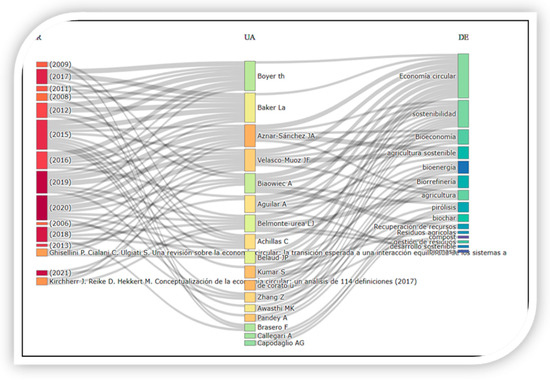
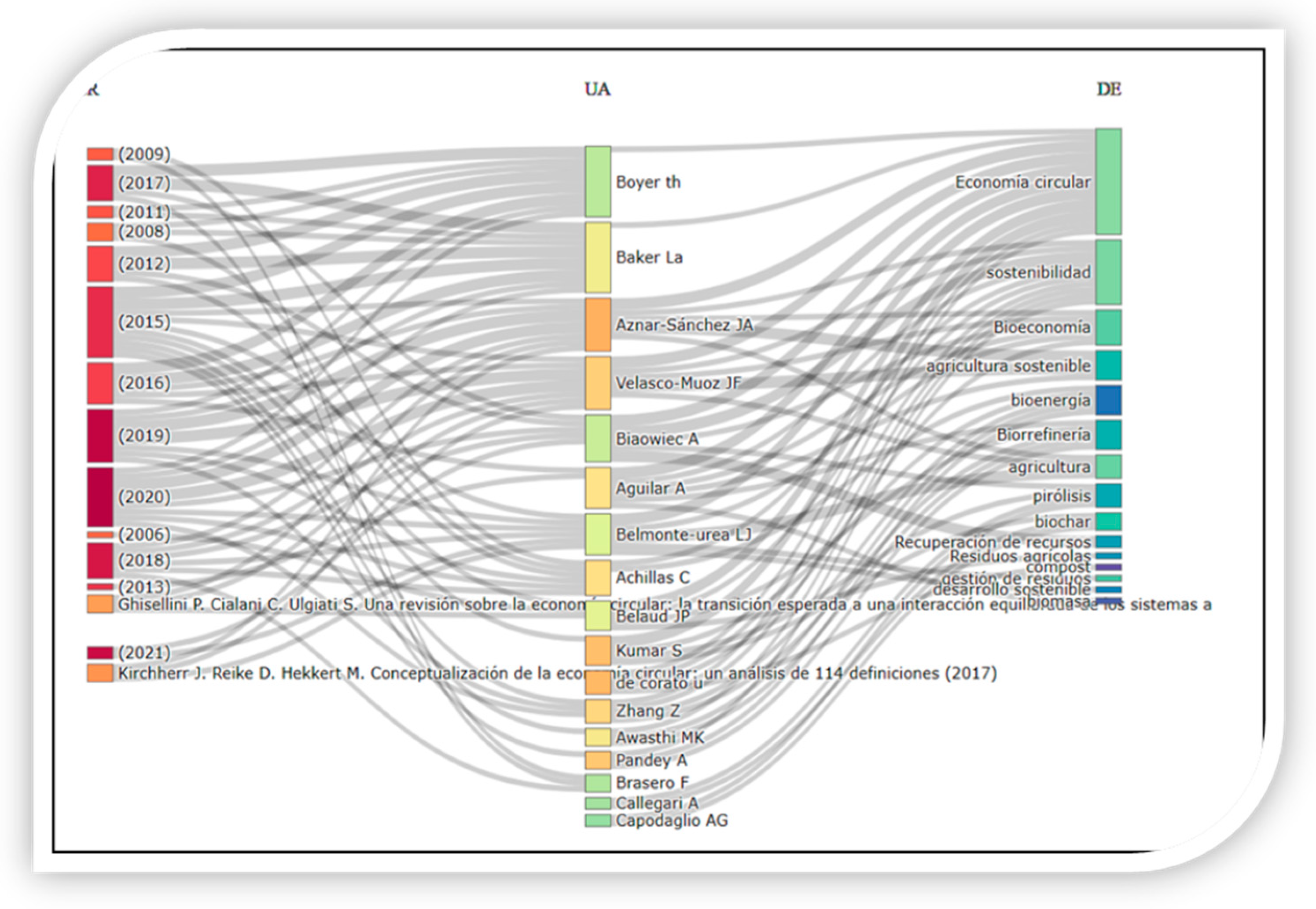
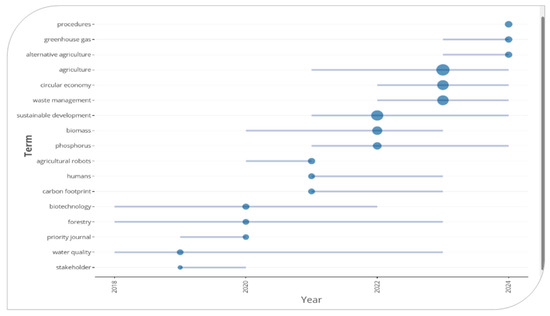
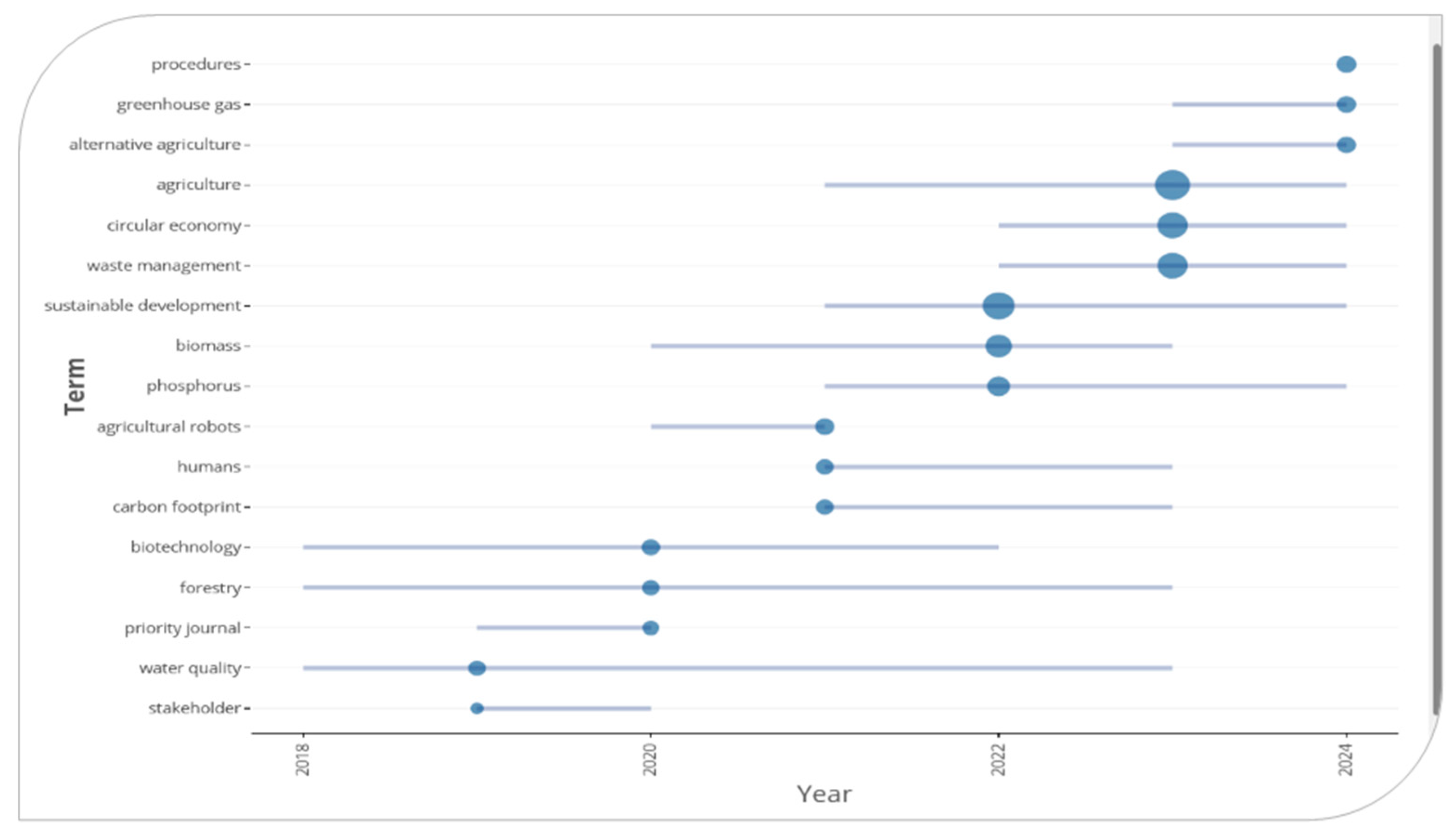
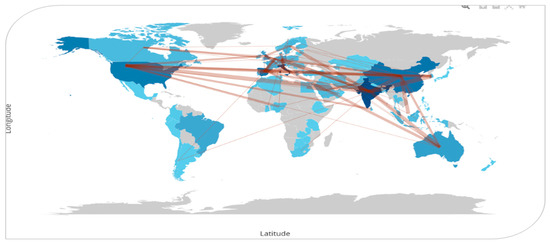
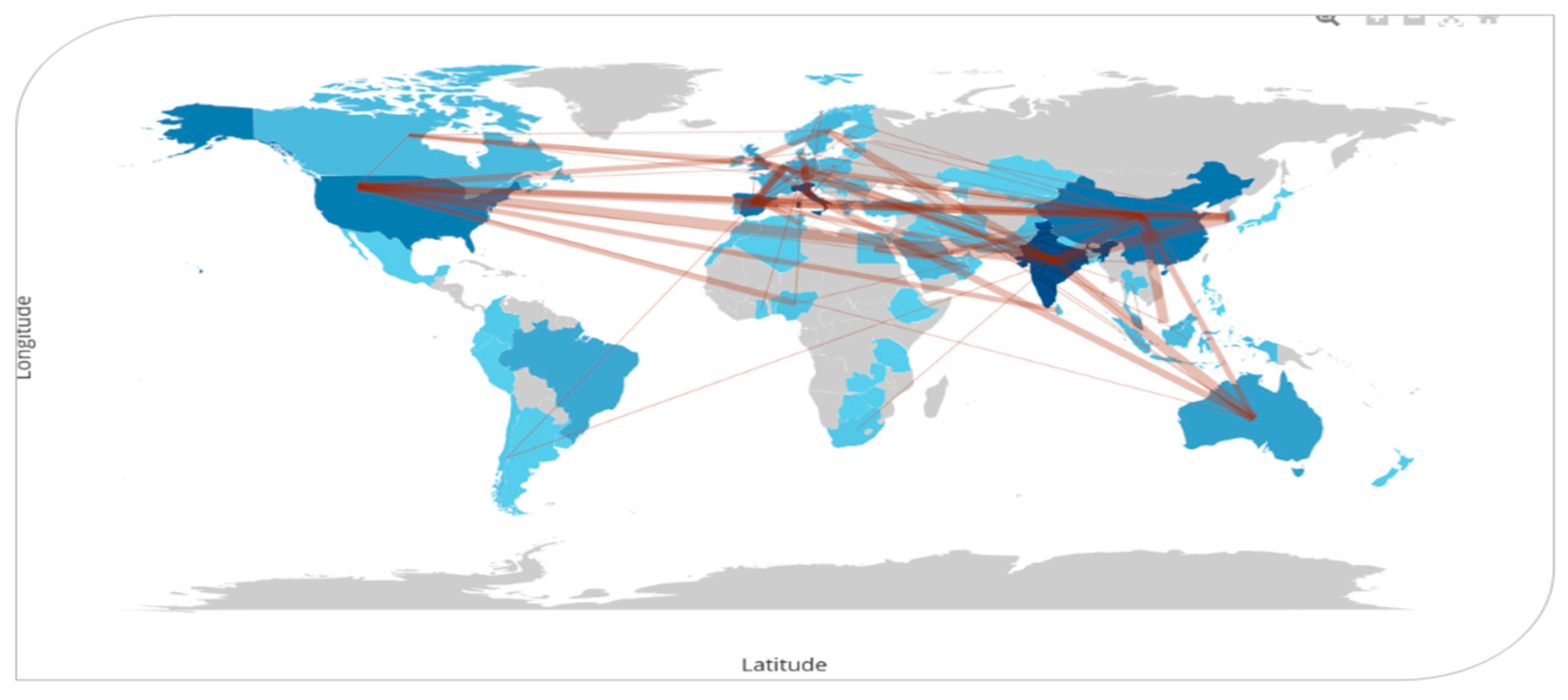
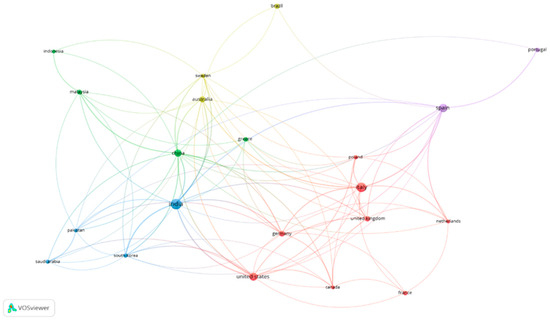
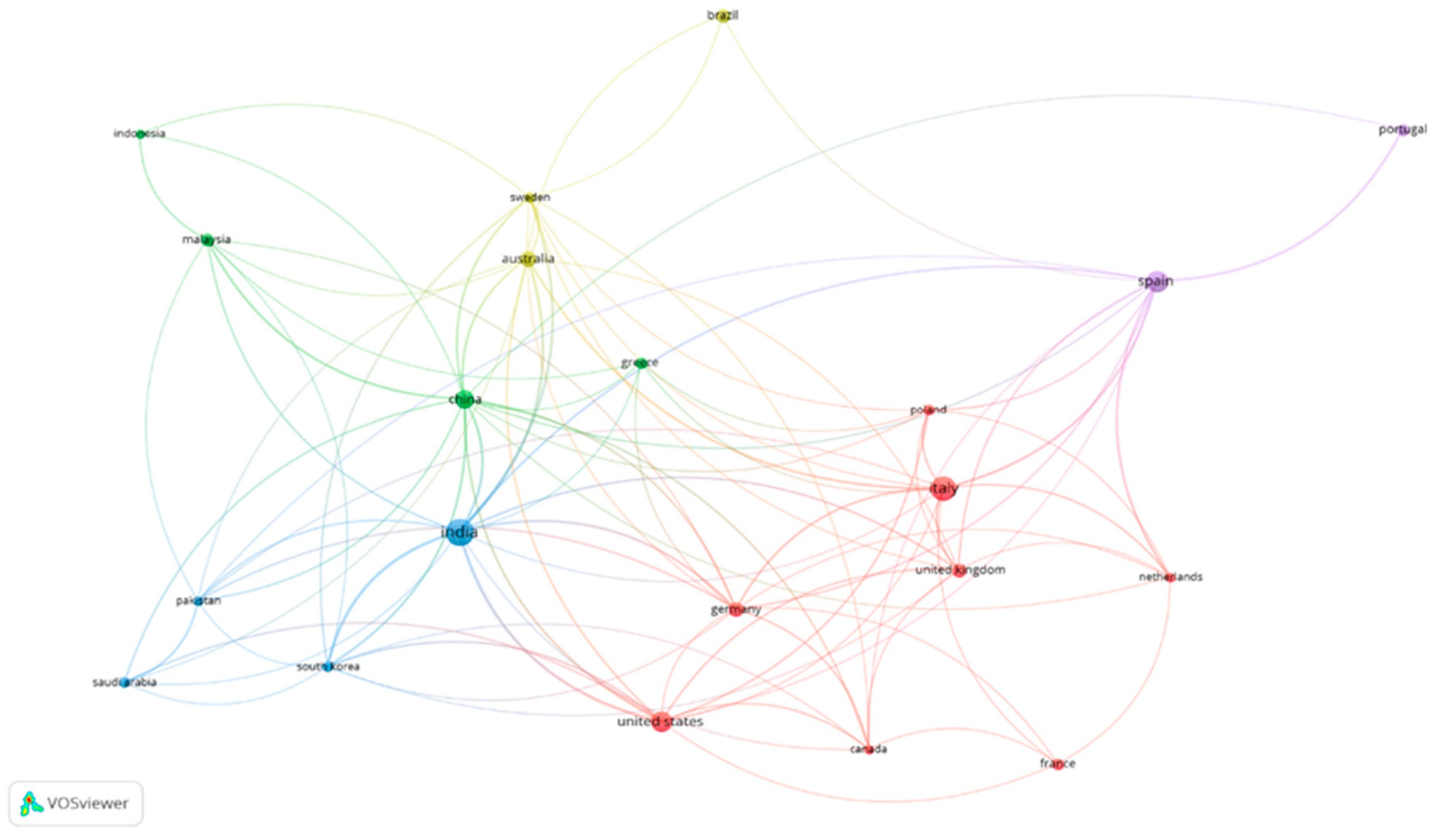
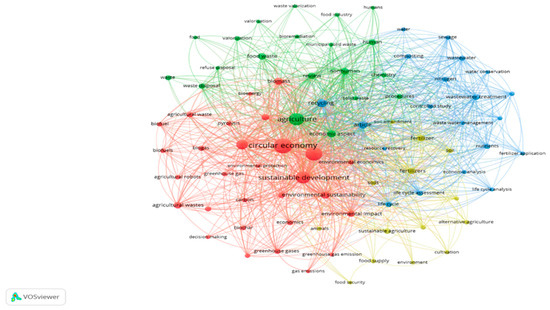
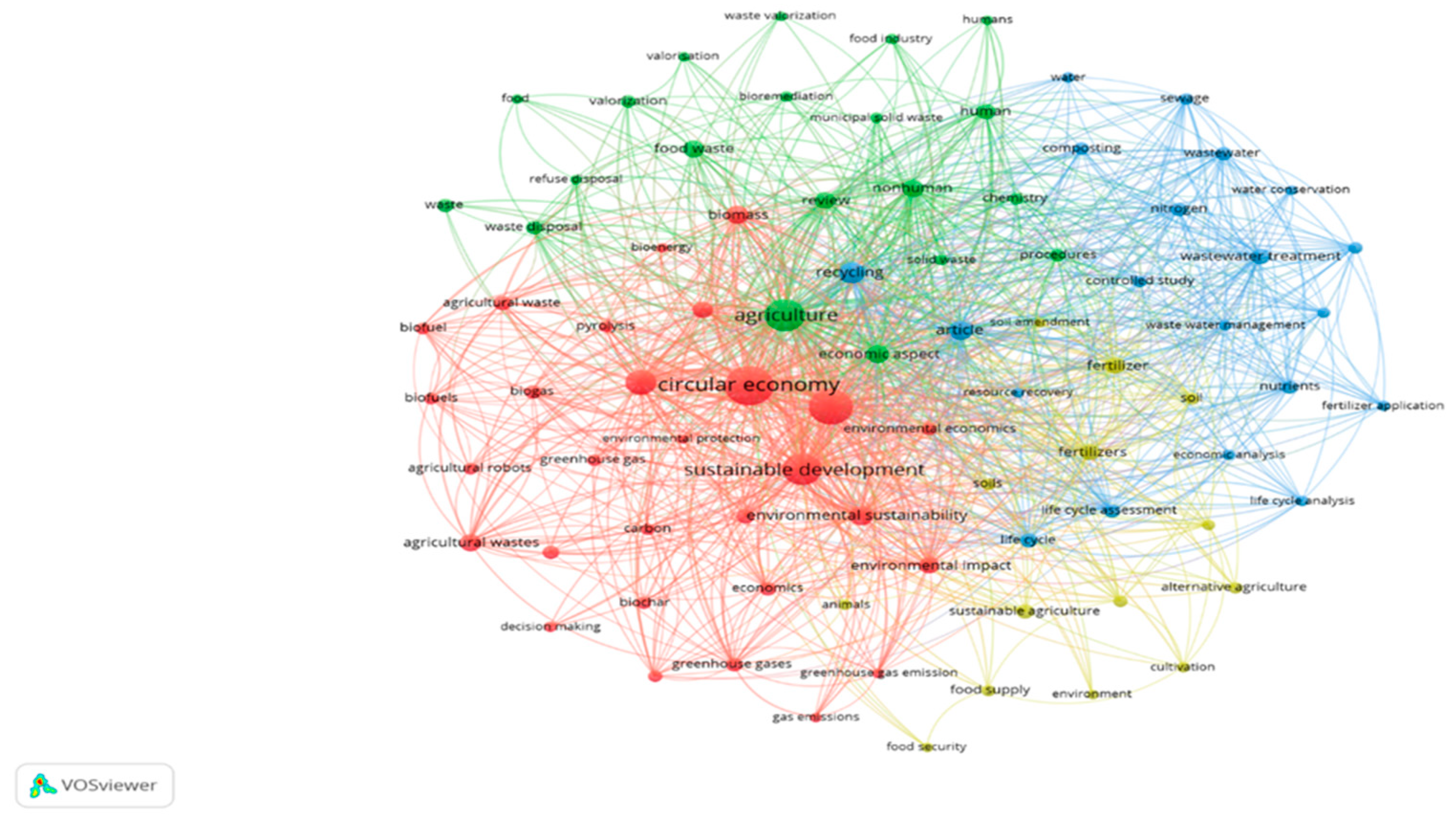
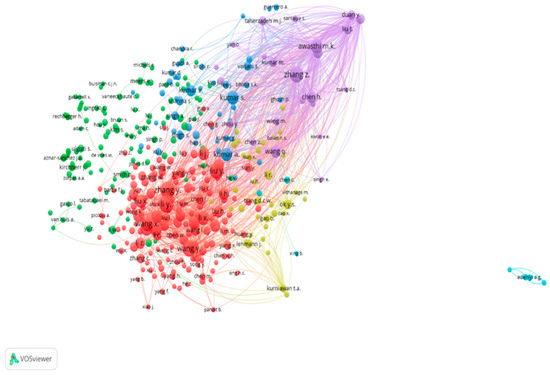
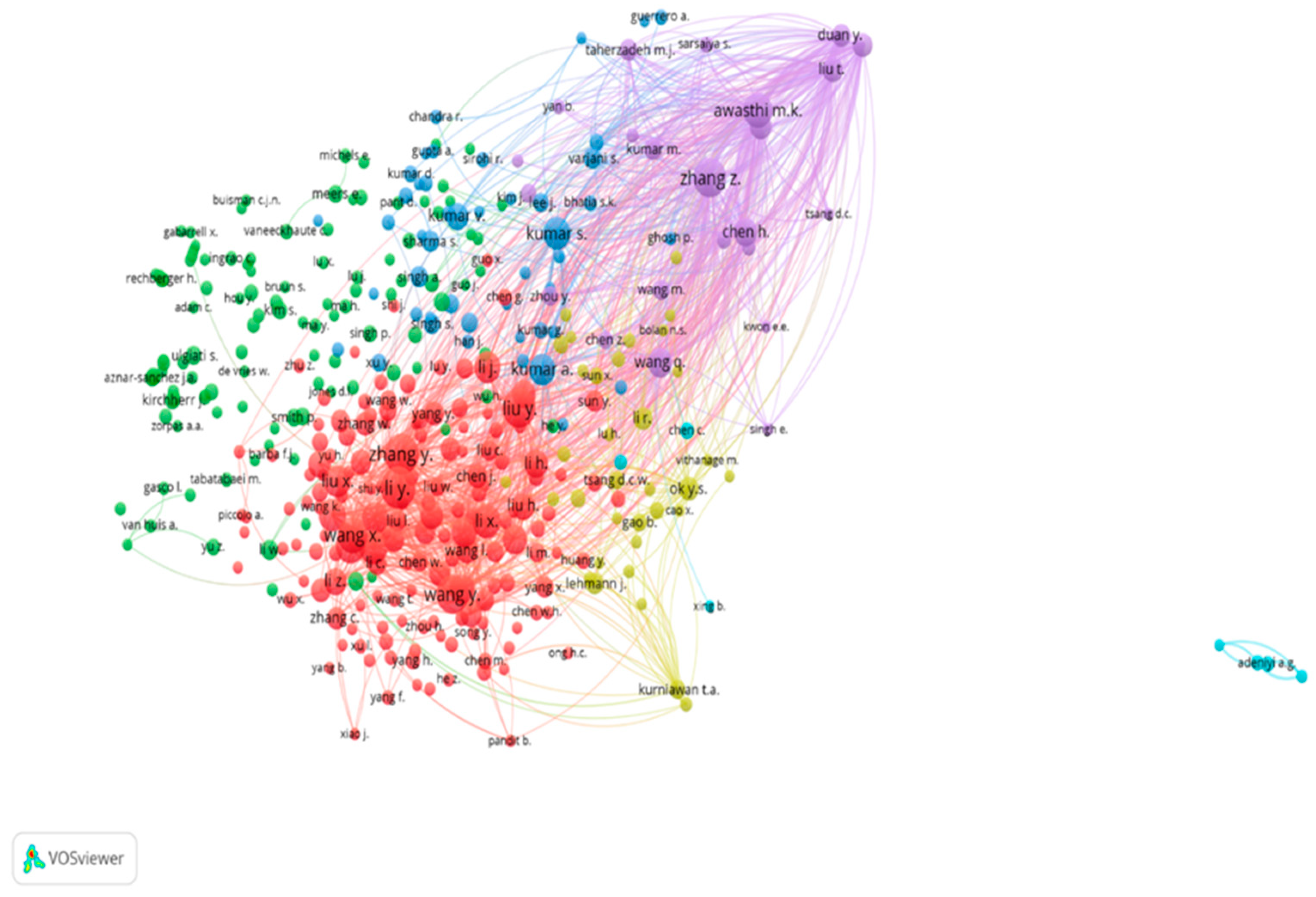
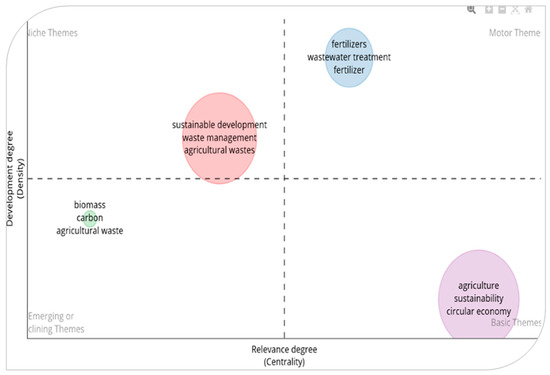
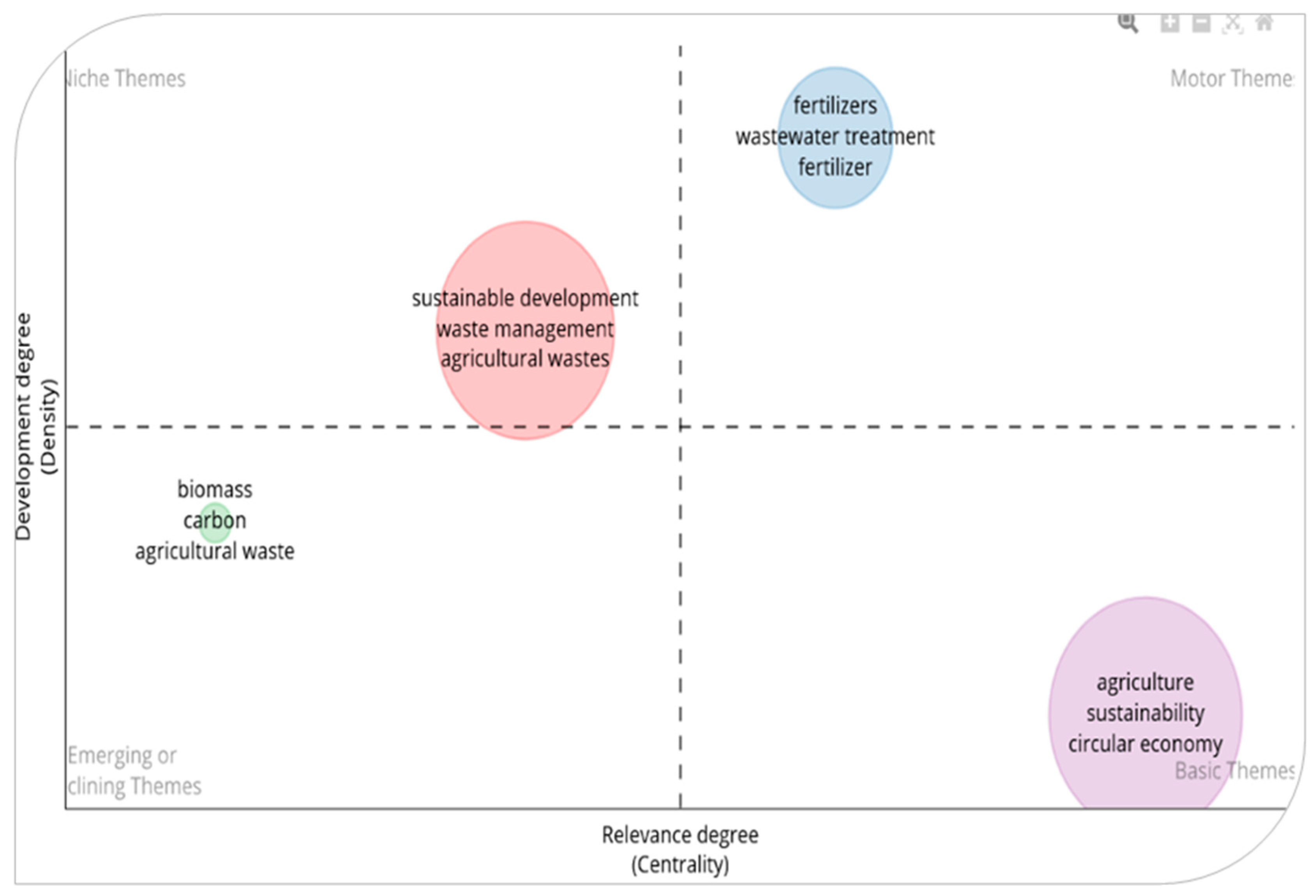

Disclaimer/Publisher’s Note: The statements, opinions and data contained in all publications are solely those of the individual author(s) and contributor(s) and not of MDPI and/or the editor(s). MDPI and/or the editor(s) disclaim responsibility for any injury to people or property resulting from any ideas, methods, instructions or products referred to in the content. |
© 2024 by the authors. Licensee MDPI, Basel, Switzerland. This article is an open access article distributed under the terms and conditions of the Creative Commons Attribution (CC BY) license (https://creativecommons.org/licenses/by/4.0/).