Article

An AI-Based Evaluation Framework for Smart Building Integration into Smart City

by
Mustafa Muthanna Najm Shahrabani
* and
Rasa Apanaviciene
*
Faculty of Civil Engineering and Architecture, Kaunas University of Technology, Studentų Str. 48, LT-51367 Kaunas, Lithuania
*
Authors to whom correspondence should be addressed.
Sustainability 2024, 16(18), 8032; https://doi.org/10.3390/su16188032
Submission received: 5 June 2024 / Revised: 28 August 2024 / Accepted: 9 September 2024 / Published: 13 September 2024

Abstract

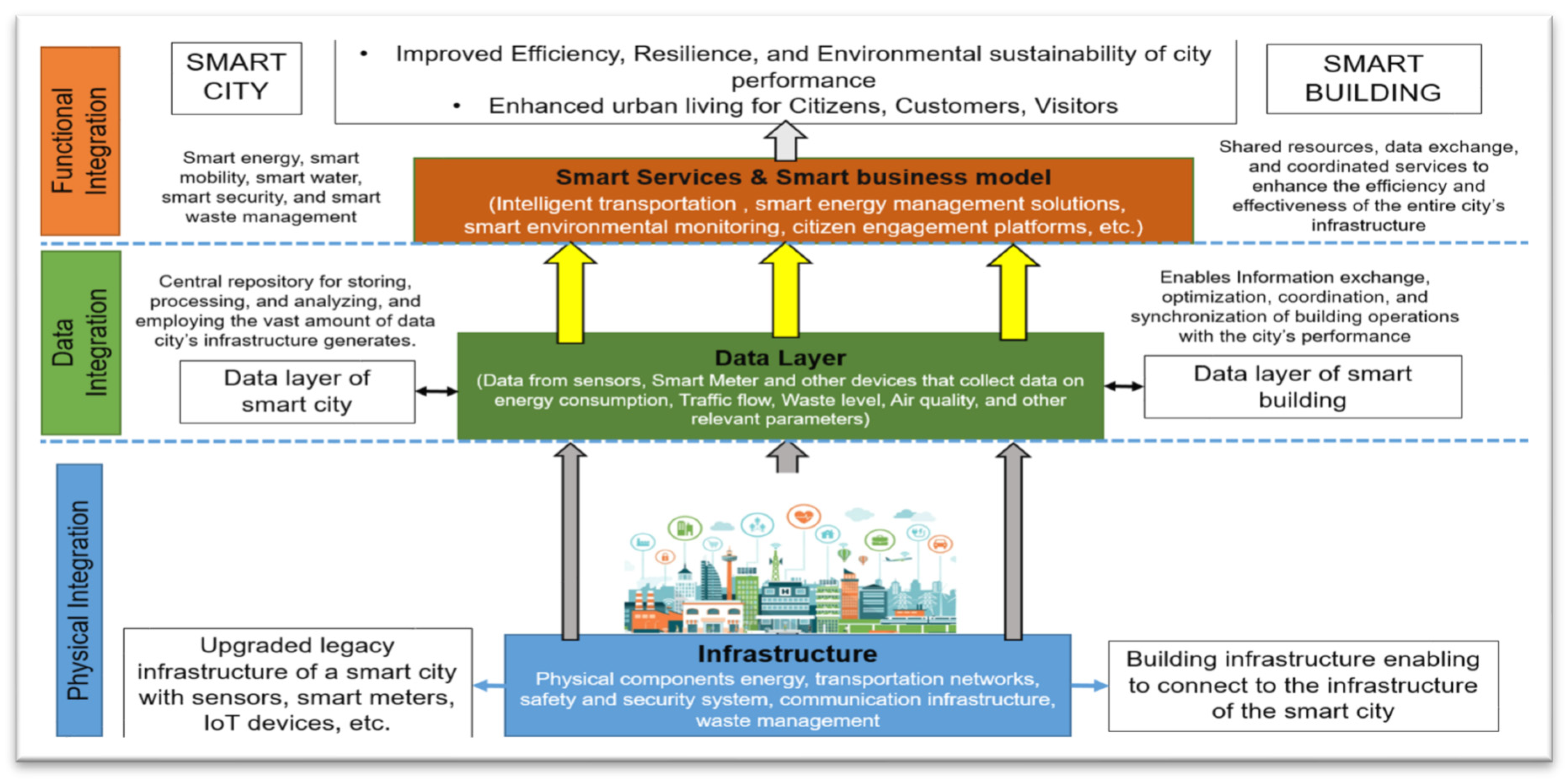
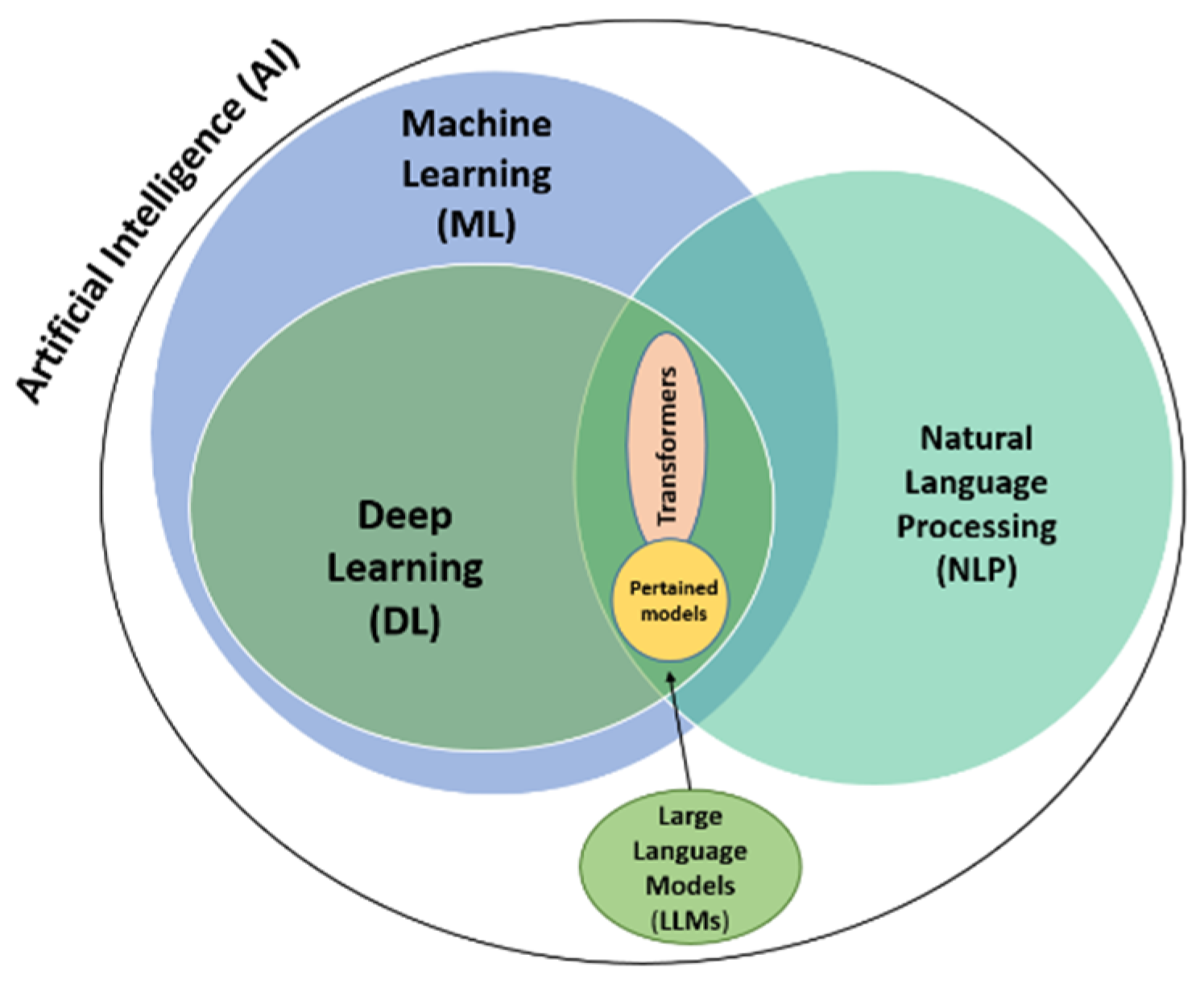
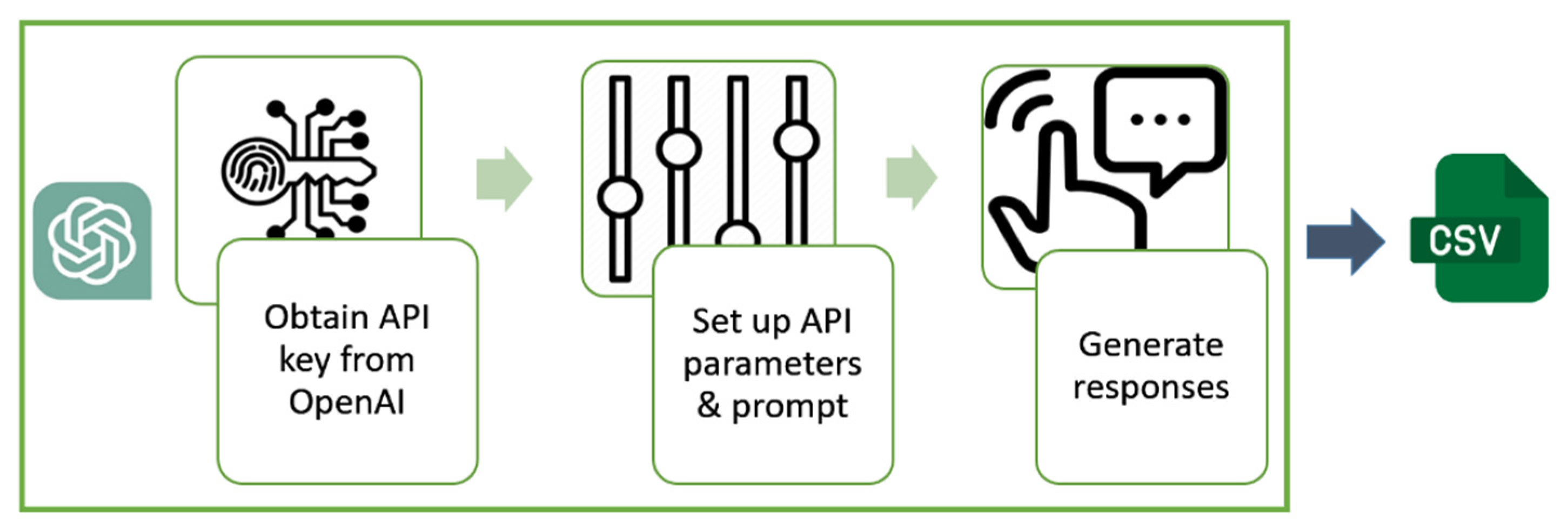
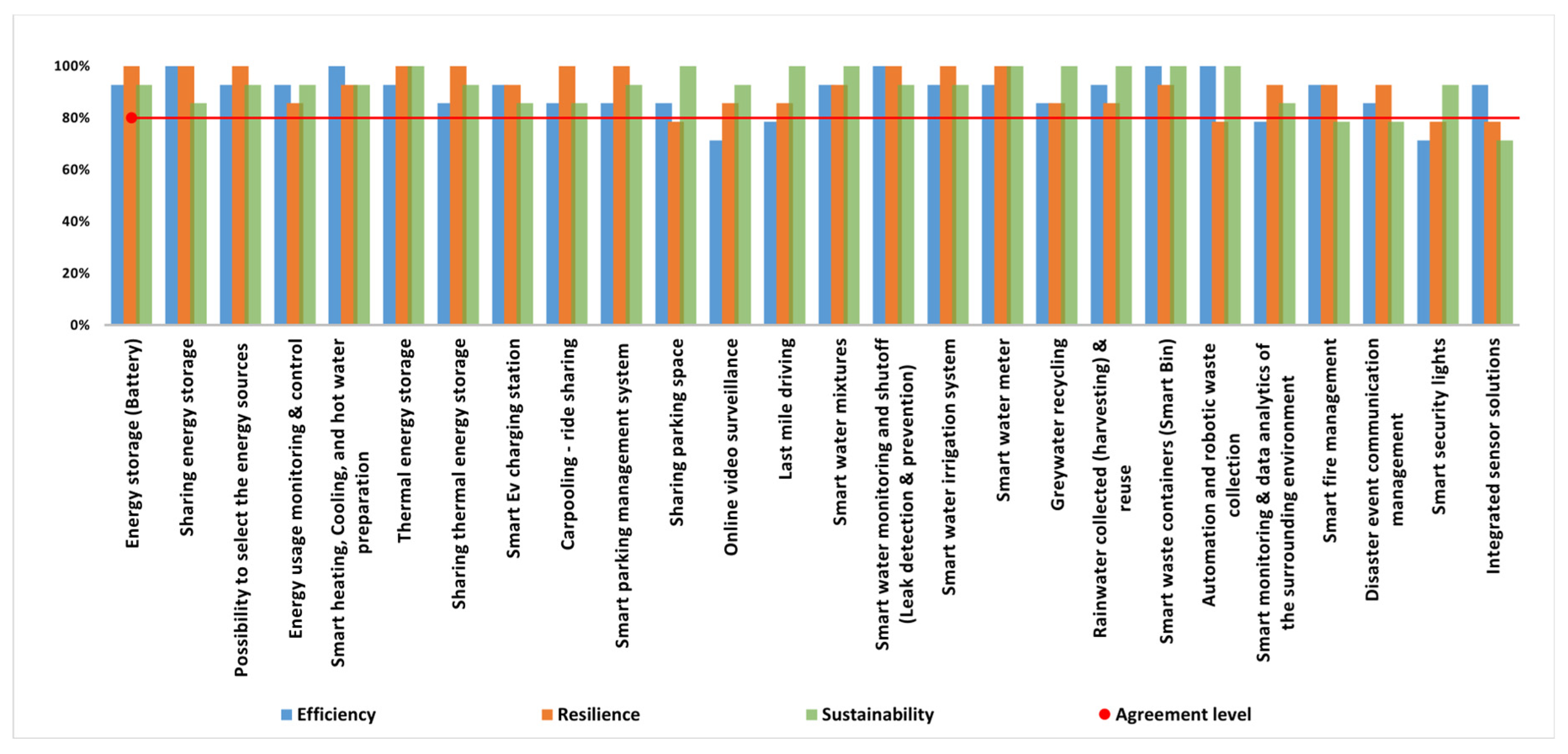
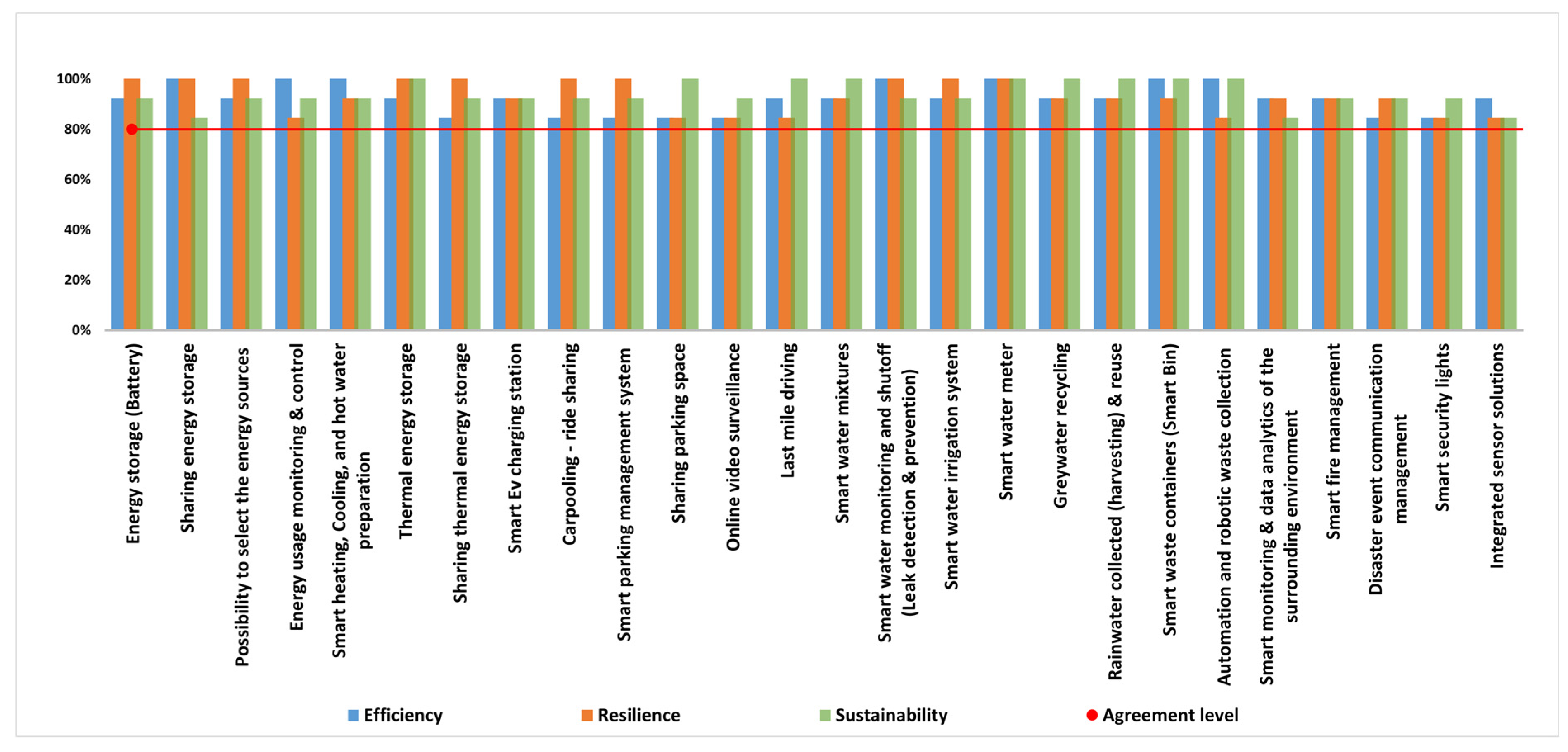
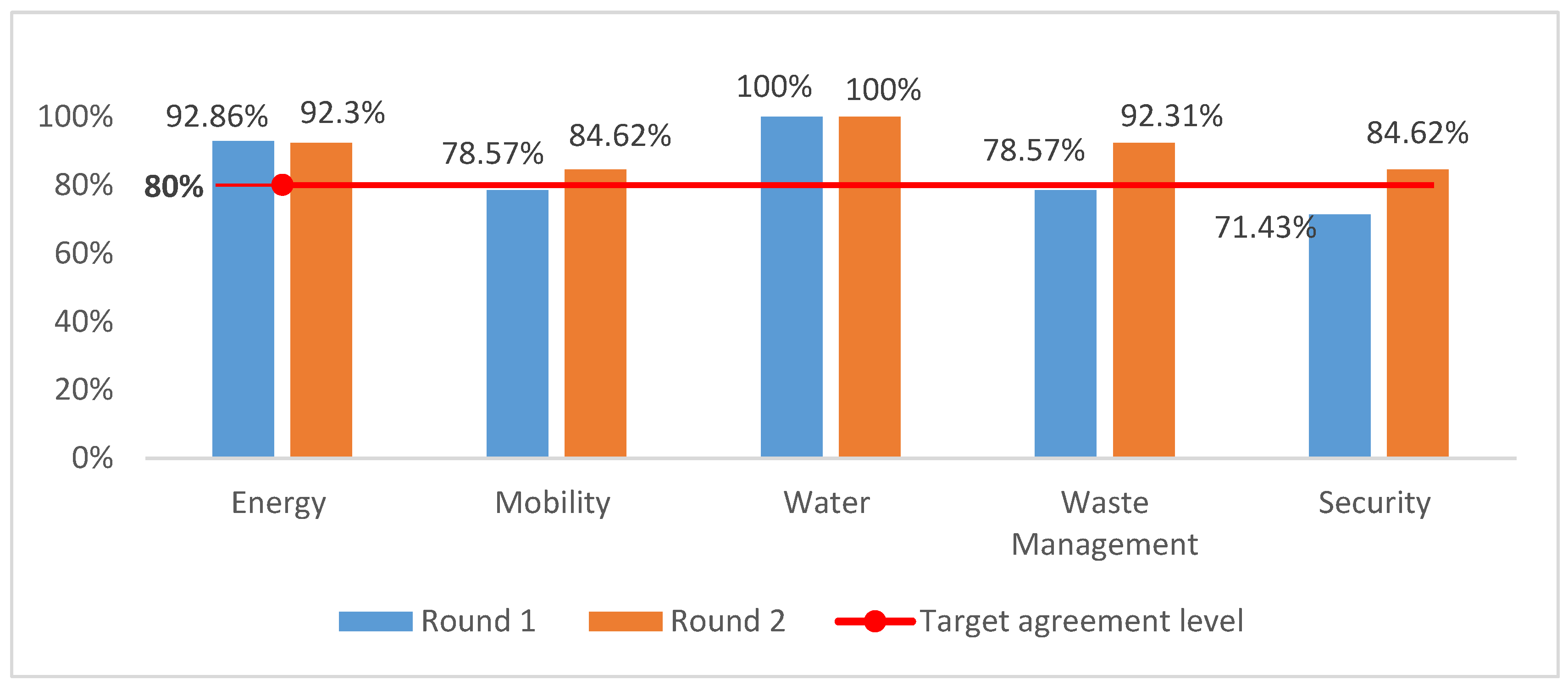
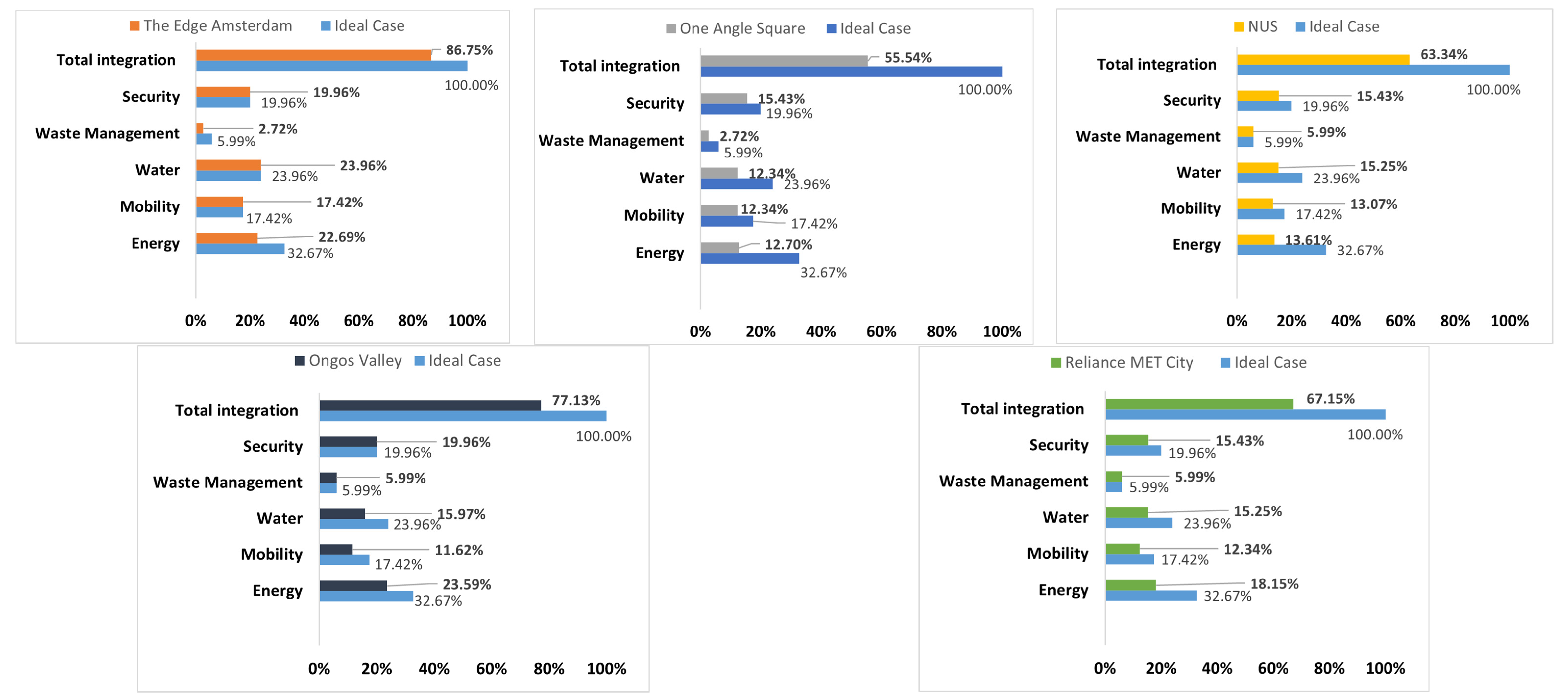
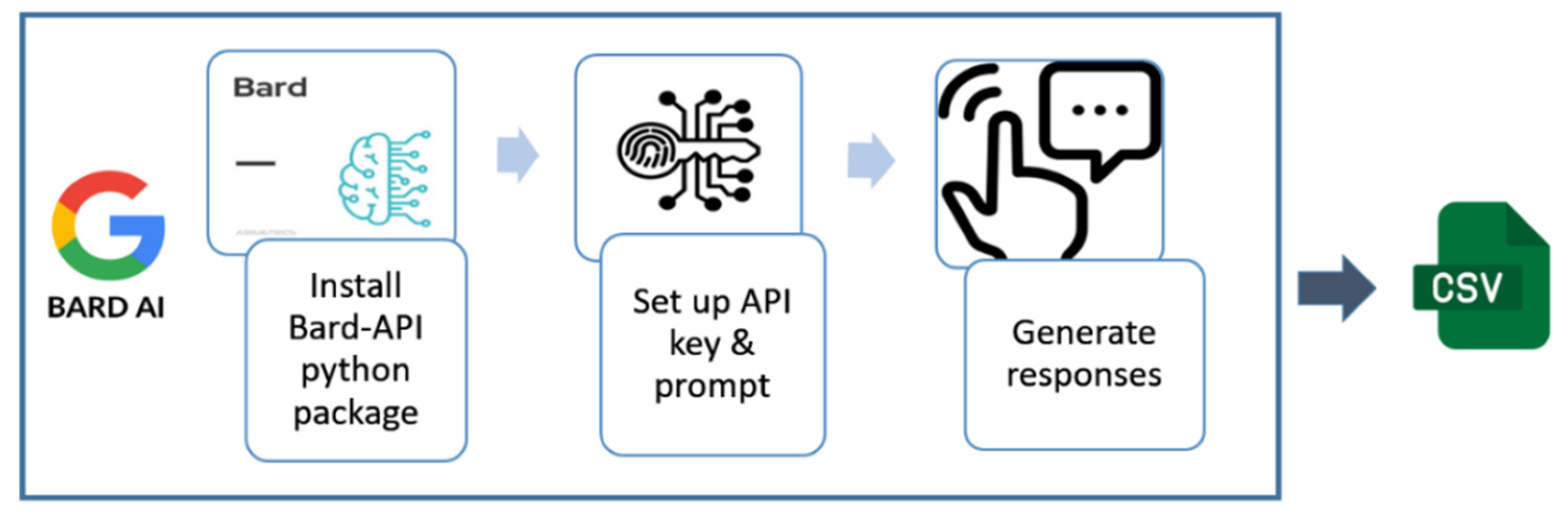
The integration of smart buildings (SBs) into smart cities (SCs) is critical to urban development, with the potential to improve SCs’ performance. Artificial intelligence (AI) applications have emerged as a promising tool to enhance SB and SC development. The authors apply an AI-based methodology, particularly Large Language Models of OpenAI ChatGPT-3 and Google Bard as AI experts, to uniquely evaluate 26 criteria that represent SB services across five SC infrastructure domains (energy, mobility, water, waste management, and security), emphasizing their contributions to the integration of SB into SC and quantifying their impact on the efficiency, resilience, and environmental sustainability of SC. The framework was then validated through two rounds of the Delphi method, leveraging human expert knowledge and an iterative consensus-building process. The framework’s efficiency in analyzing complicated information and generating important insights is demonstrated via five case studies. These findings contribute to a deeper understanding of the effects of SB services on SC infrastructure domains, highlighting the intricate nature of SC, as well as revealing areas that require further integration to realize the SC performance objectives.
Keywords: smart building; smart city; evaluation framework; artificial intelligence; OpenAI ChatGPT-3; Google Bard smart building; smart city; evaluation framework; artificial intelligence; OpenAI ChatGPT-3; Google Bard