Review

Towards a Sustainable Preservation of Medieval Colors through the Identification of the Binding Media, the Medieval Tempera


by
Márcia Vieira
1,*,
Maria J. Melo
1,2,* and
Luís Mendonça de Carvalho
3
1
LAQV-REQUIMTE and Department of Conservation and Restoration (DCR), NOVA School of Science and Technology, 2829-516 Caparica, Portugal
2
Institute of Medieval Studies (IEM), NOVA University of Lisbon, Av. Prof. Gama Pinto, 1646-003 Lisboa, Portugal
3
IN2PAST and IHC-FCSH, NOVA University of Lisbon, Av. de Berna, 26 C, 1069-061 Lisboa, Portugal
*
Authors to whom correspondence should be addressed.
Sustainability 2024, 16(12), 5027; https://doi.org/10.3390/su16125027
Submission received: 29 April 2024 / Revised: 22 May 2024 / Accepted: 27 May 2024 / Published: 13 June 2024
(This article belongs to the Special Issue Sustainability in Cultural Heritage Conservation)

Abstract

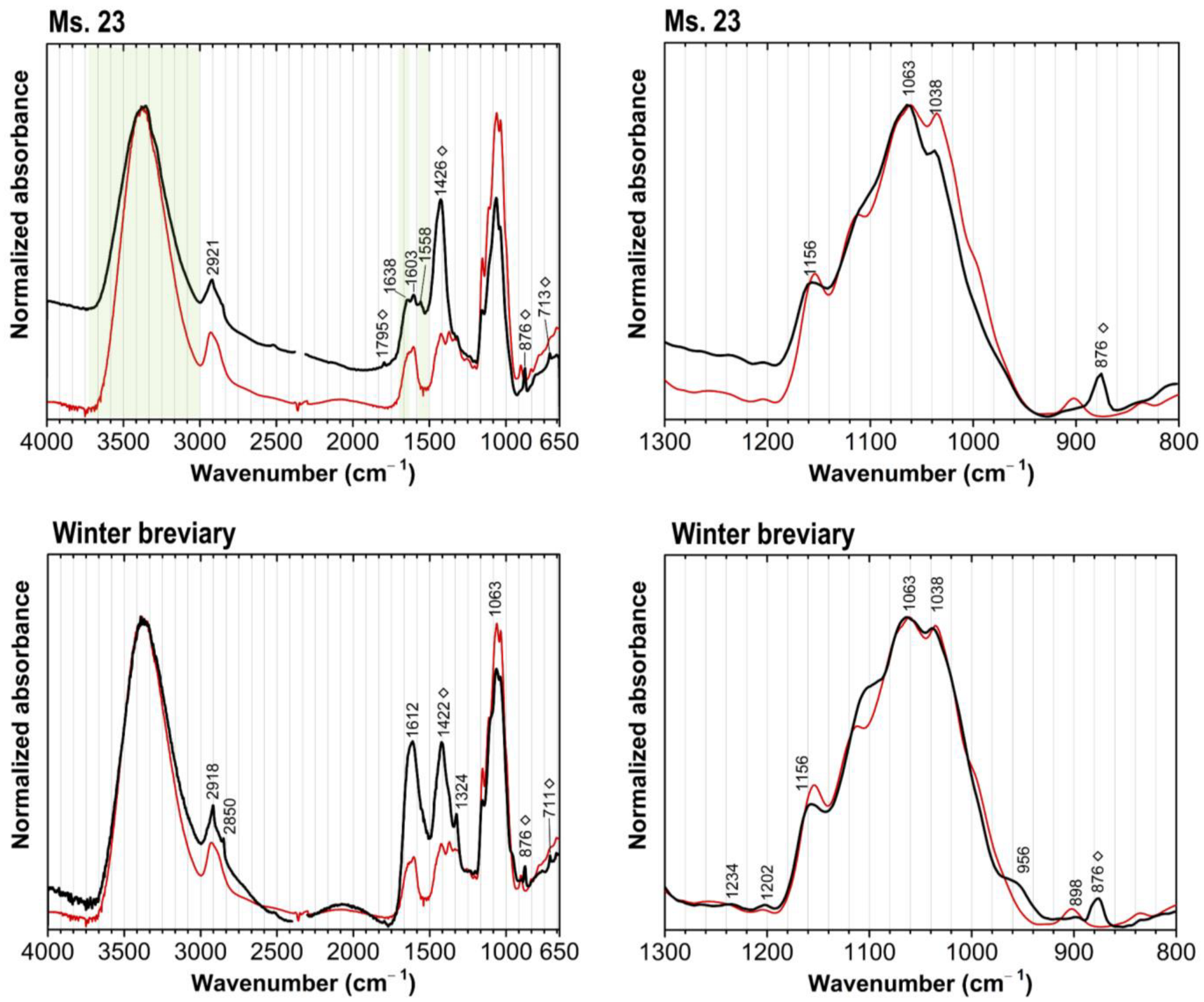
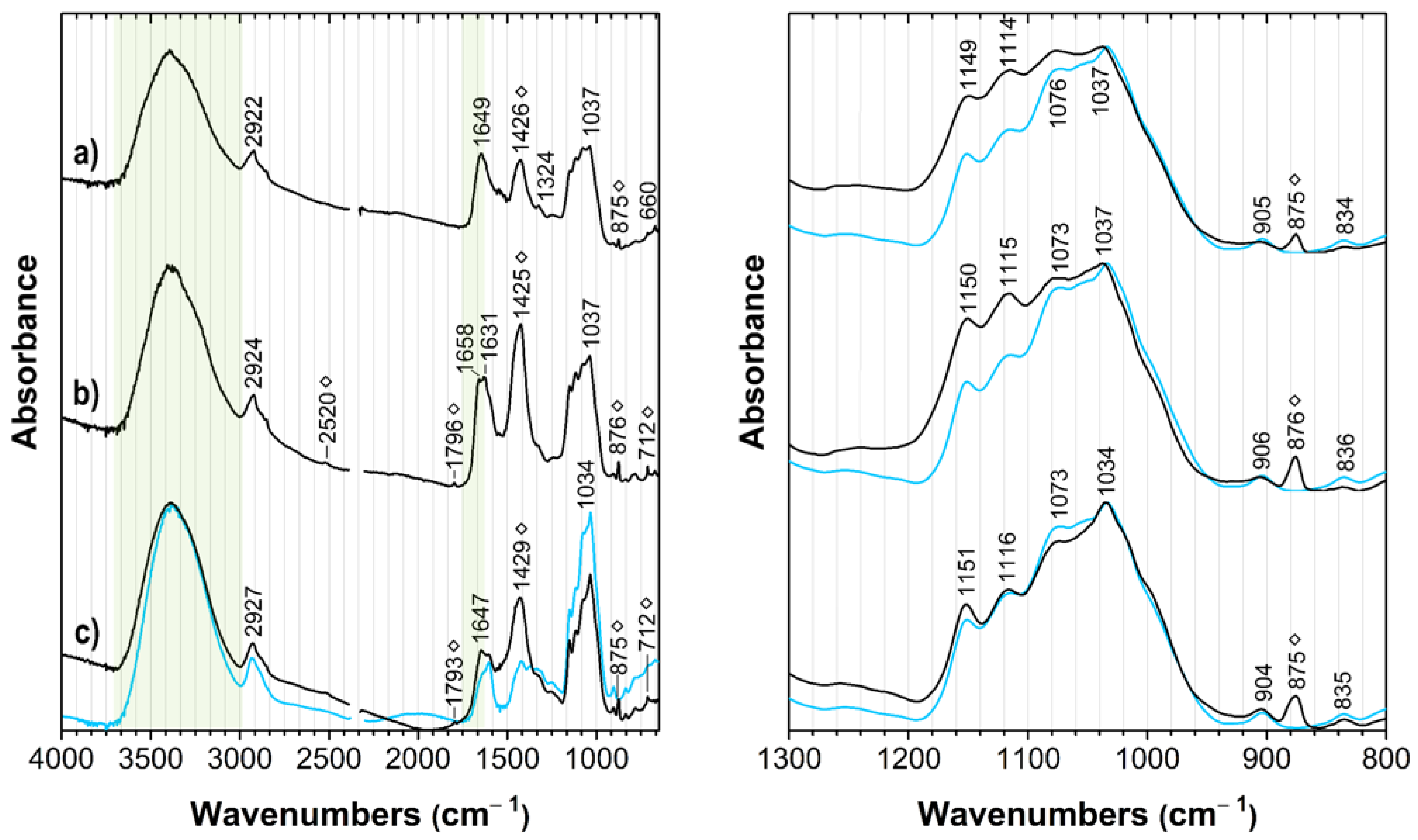
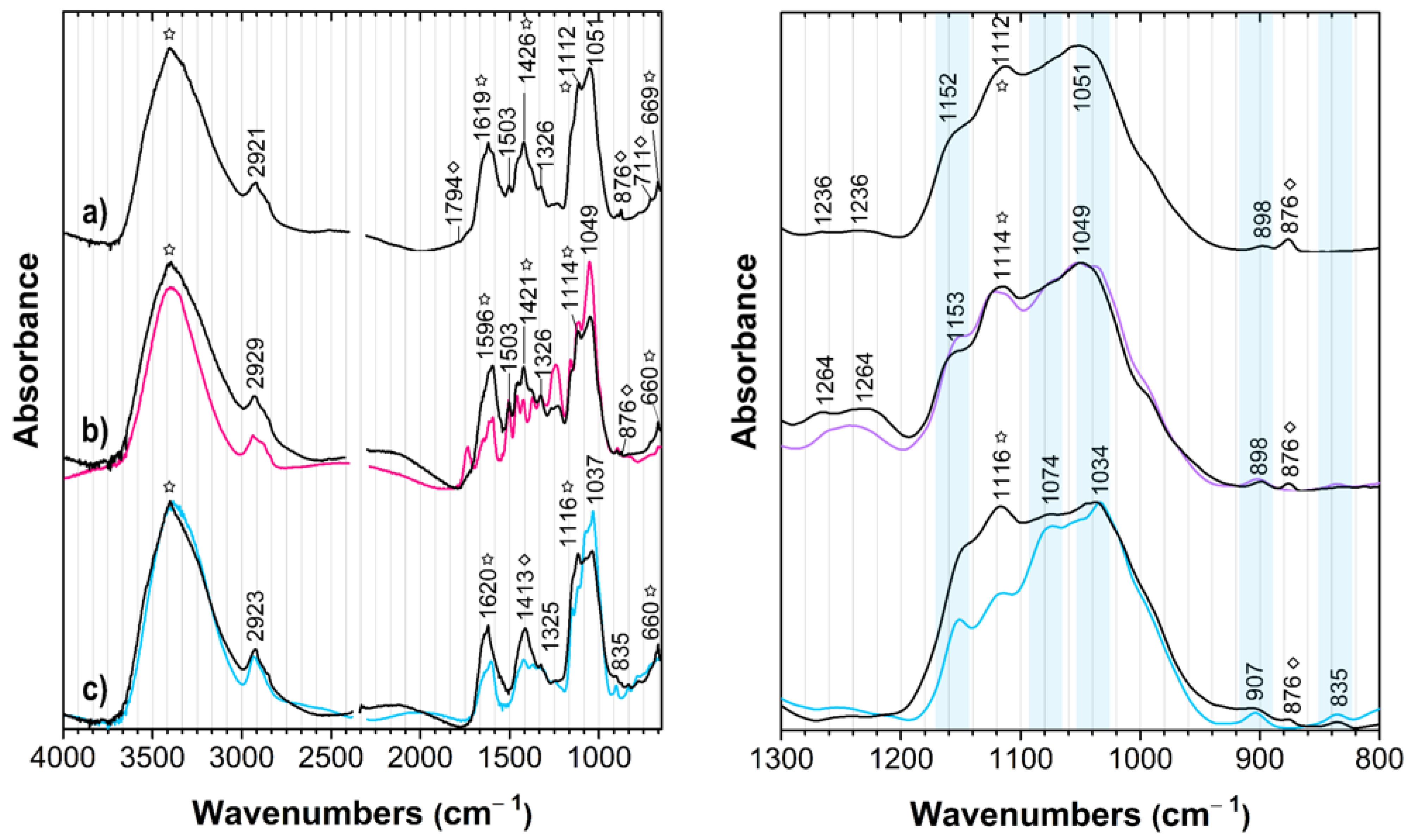
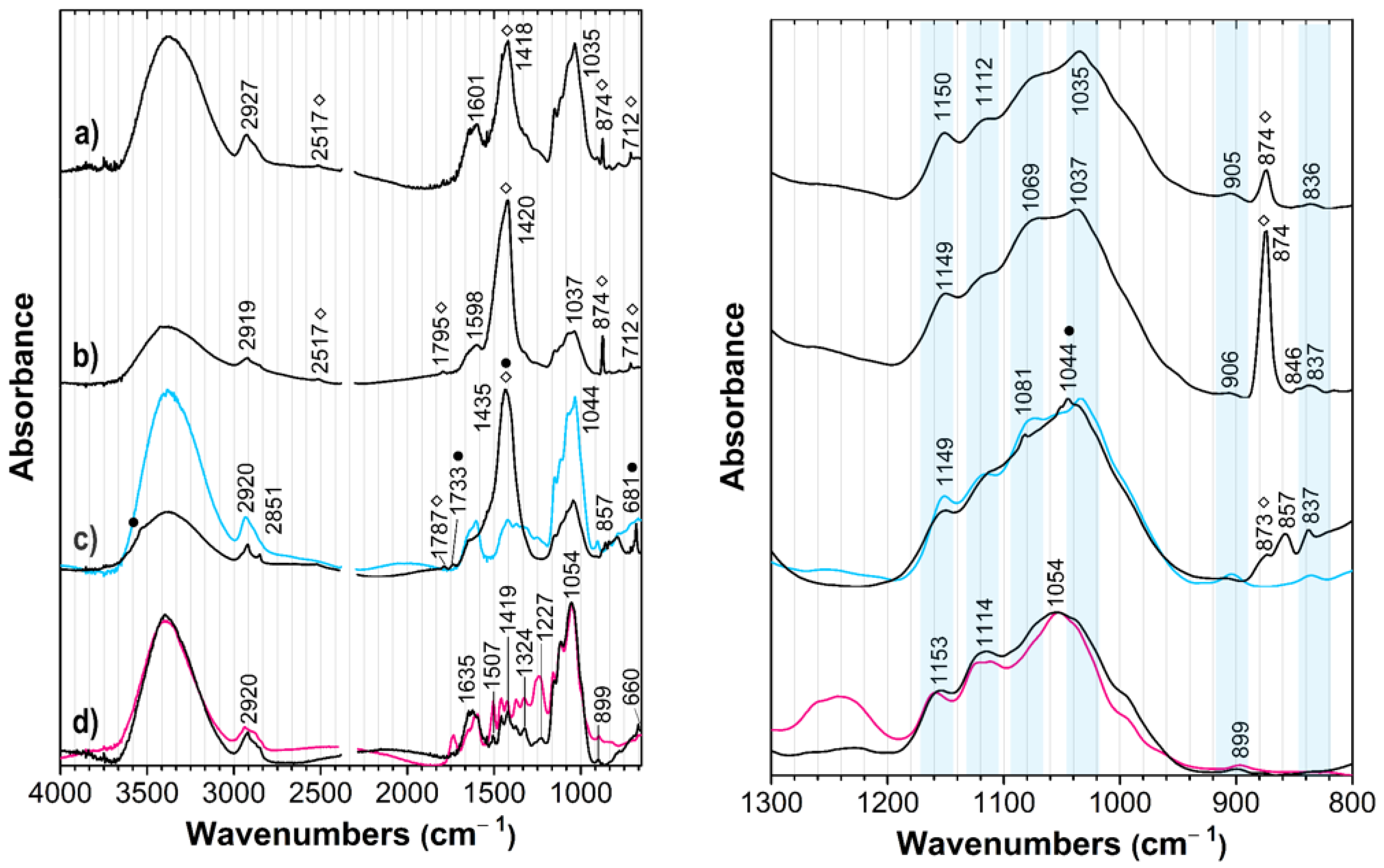
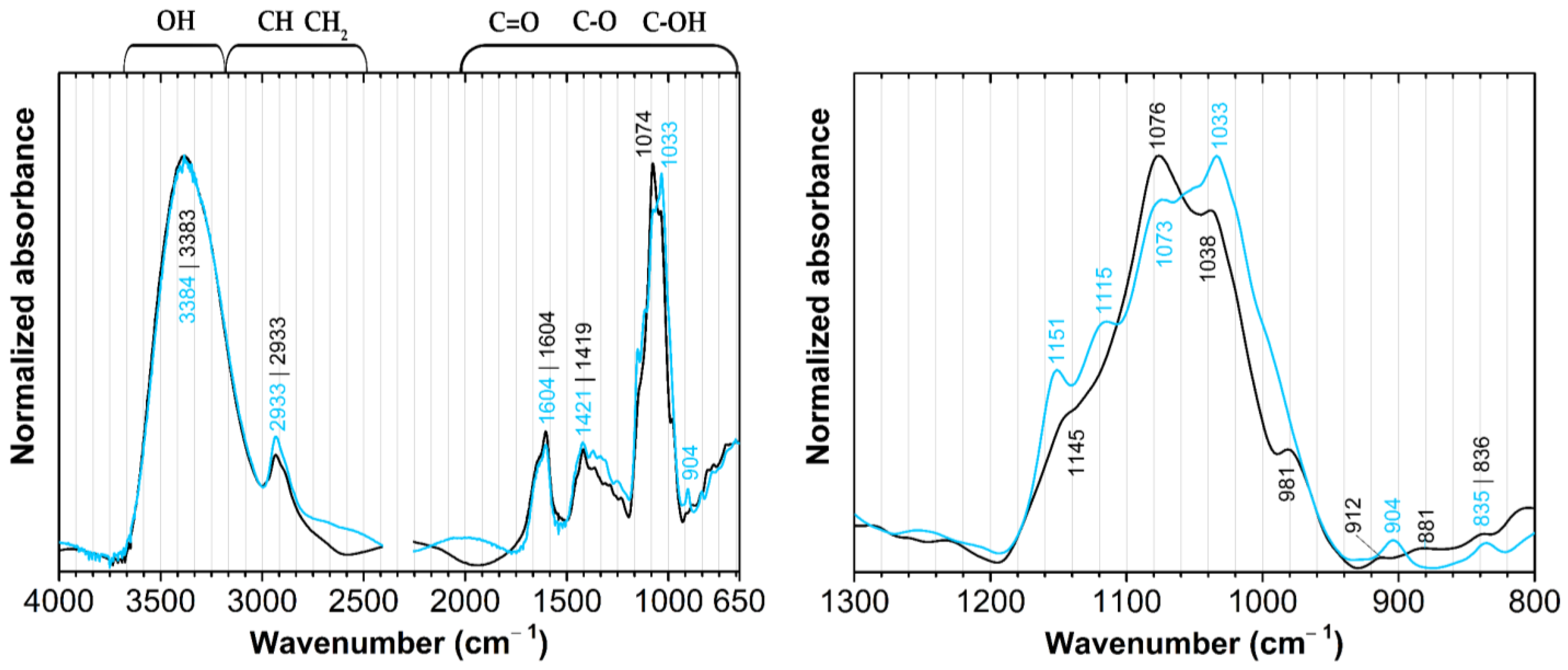
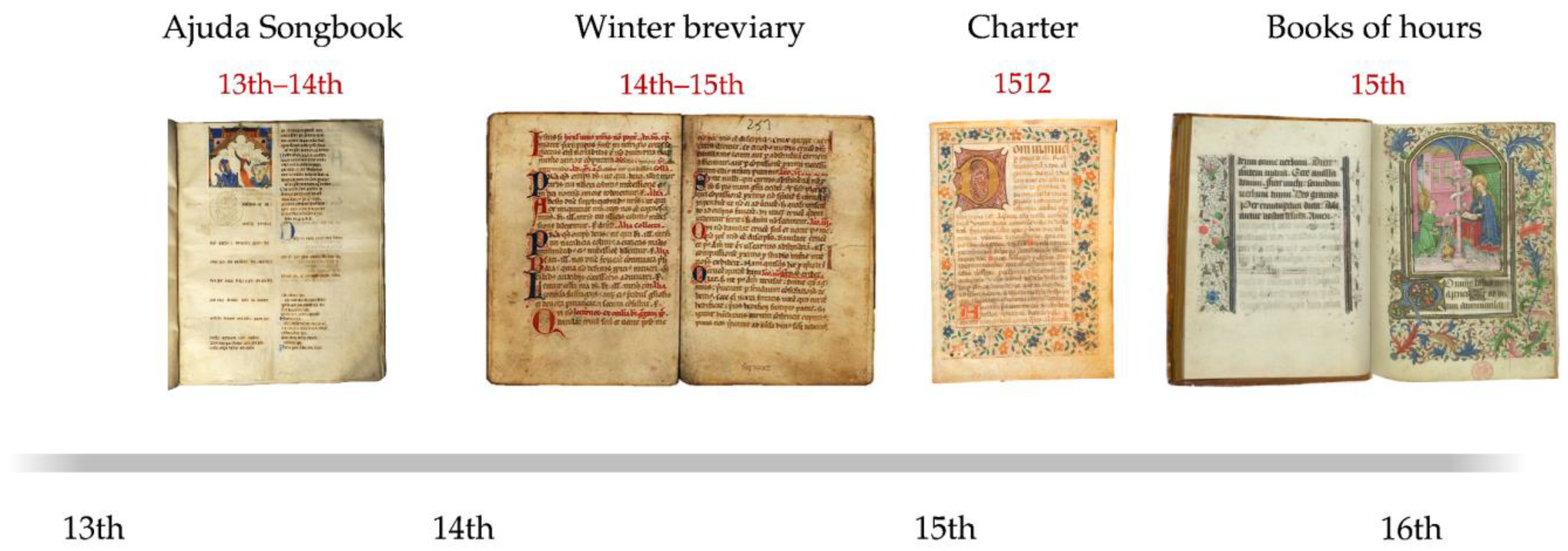
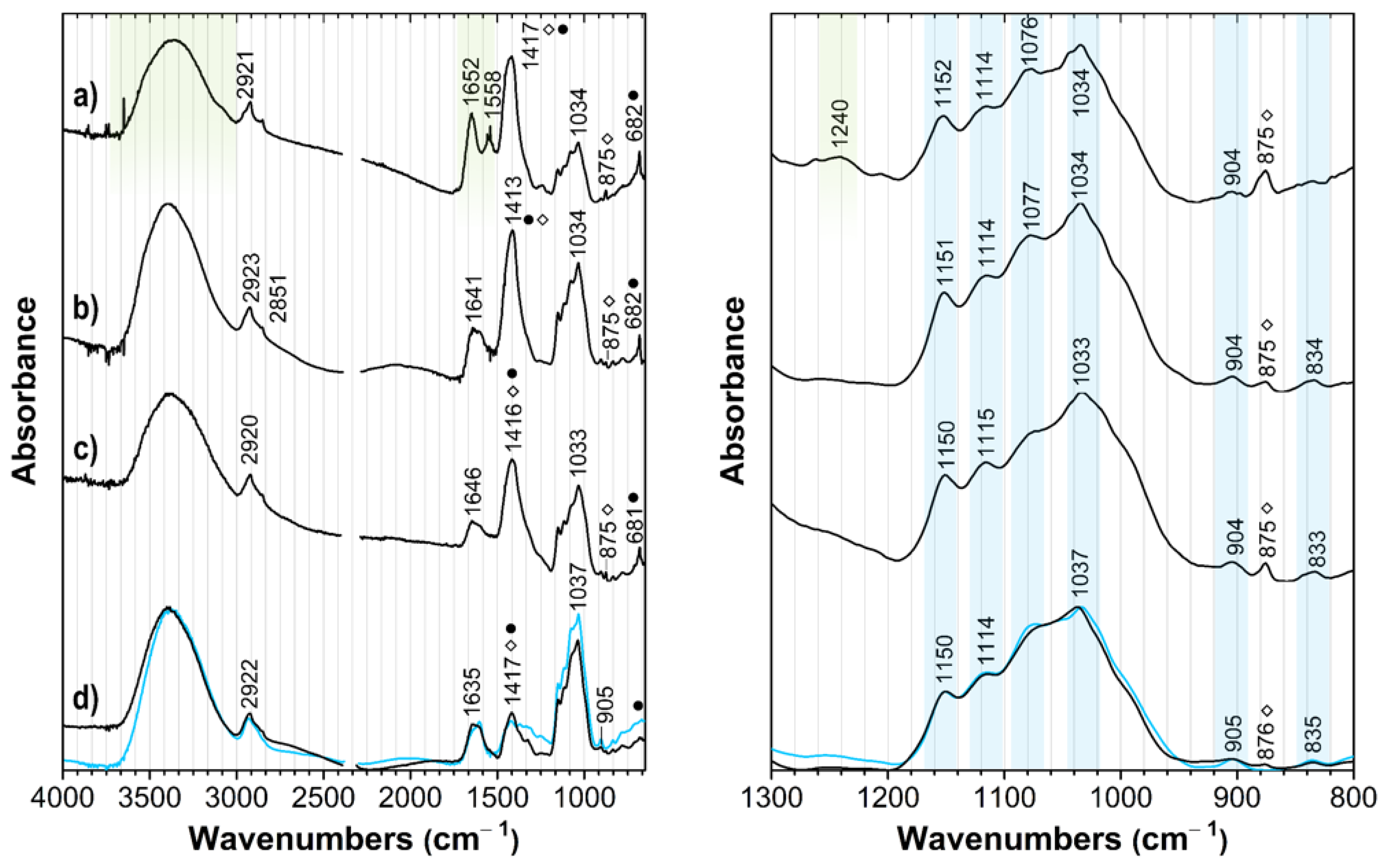
Medieval colors used in illuminated manuscripts from the 12th to 15th centuries can be at risk. Knowing the binding media used, the medieval tempera, is fundamental to developing new and greener methodologies to increase sustainability in Cultural Heritage. A closer look at the tempera used in medieval illuminated manuscripts kept in Portuguese collections, namely, the Ajuda Songbook (13th c.), the winter breviary (14th to 15th c.), the books of hours (15th c.), and a Renaissance Charter (1512), shows that most of the paints analyzed used a tempera similar to gum mesquite. Infrared spectra were the basis for the differentiation between the gums used in medieval times originating from Prosopis spp. and Senegalia spp., gum mesquite and gum arabic, respectively. The ethnobotanical uses of gum mesquite further engage the reader. This micro review represents a significant step forward in Heritage Conservation, offering new perspectives for innovative and greener treatments. Our research, focusing on the differentiation of gums used in medieval times and the identification of the binding media, has the potential to revolutionize our understanding and the preservation of illuminated manuscripts in Cultural Heritage.
Keywords: medieval illuminated manuscripts; gums; gum mesquite; gum arabic; Prosopis spp.; Senegalia spp.; infrared spectroscopy; Ajuda Songbook; books of hours; Charter of Flower Town medieval illuminated manuscripts; gums; gum mesquite; gum arabic; Prosopis spp.; Senegalia spp.; infrared spectroscopy; Ajuda Songbook; books of hours; Charter of Flower Town