Article

The Relationship between Distance and Risk Perception in Multi-Tier Supply Chain: The Psychological Typhoon Eye Effect

1
School of Transportation, Fujian University of Technology, Fuzhou 350108, China
2
CAS Key Laboratory of Behavioral Science, Institute of Psychology, Chinese Academy of Sciences, Beijing 100101, China
3
Department of Psychology, University of Chinese Academy of Sciences, Beijing 100049, China
4
Department of Psychology, School of Humanities and Social Sciences, Fuzhou University, Fuzhou 350108, China
5
School of Economics and Management, Fuzhou University, Fuzhou 350108, China
*
Author to whom correspondence should be addressed.
Sustainability 2023, 15(9), 7507; https://doi.org/10.3390/su15097507
Submission received: 31 March 2023 / Revised: 26 April 2023 / Accepted: 28 April 2023 / Published: 4 May 2023

Abstract

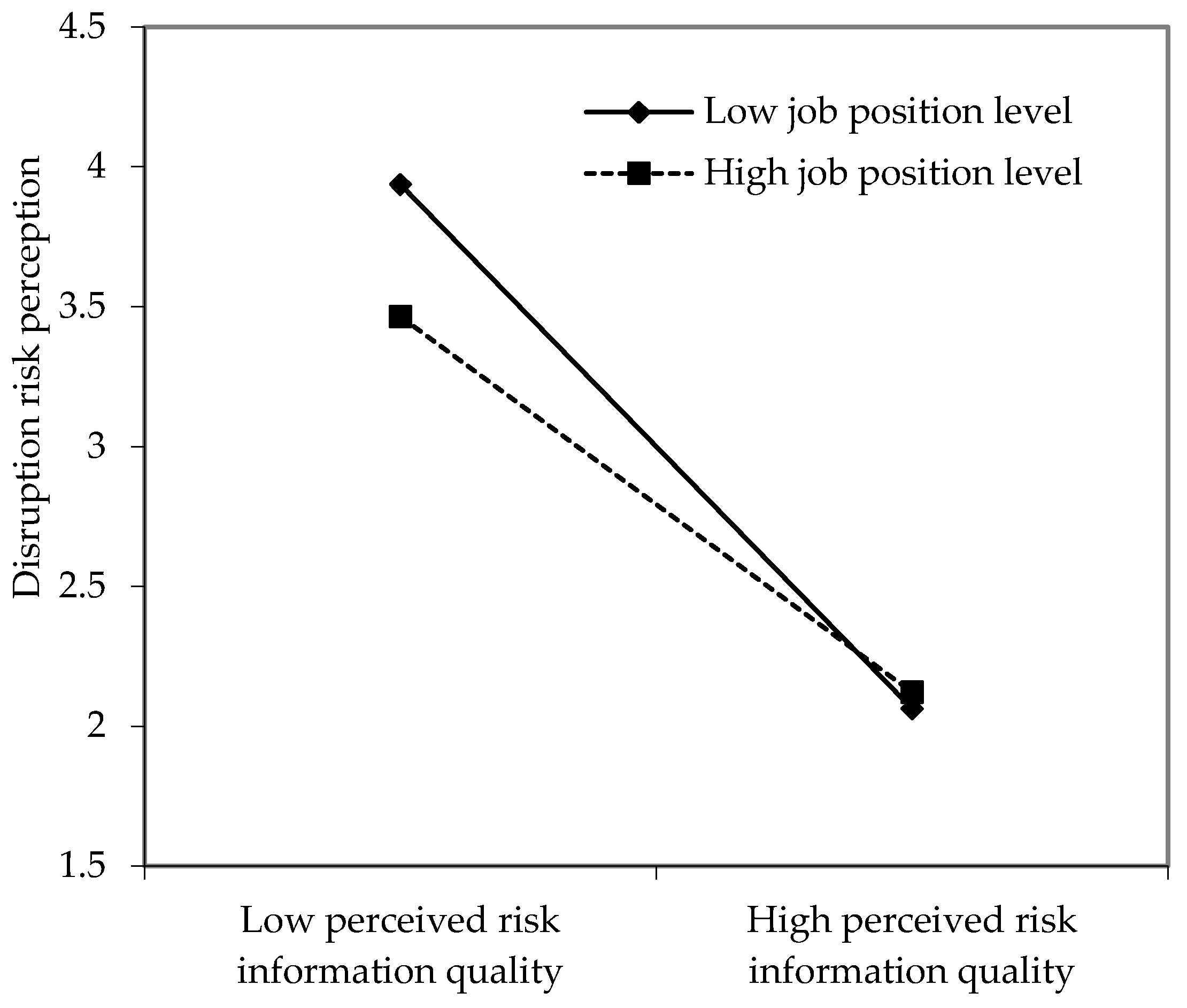
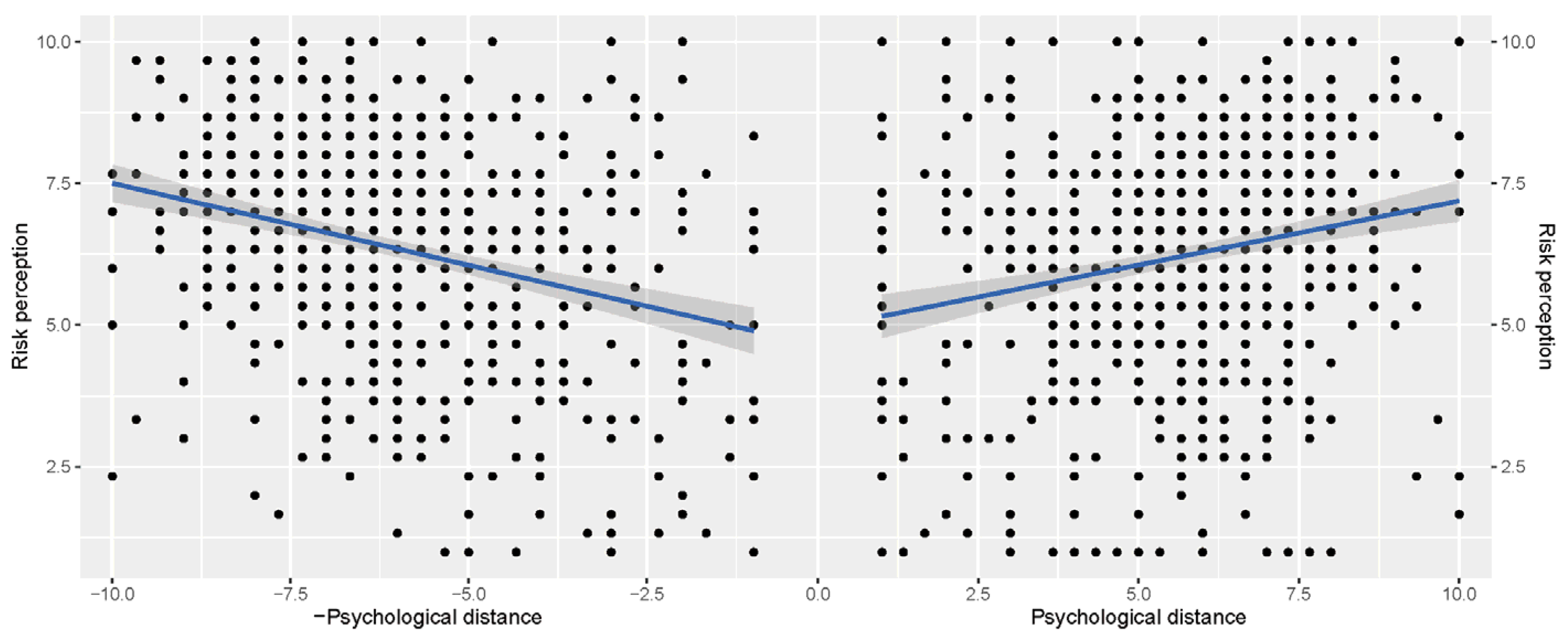
Previous research has shown that an individual’s proximity to the epicenter can influence their perception and response to risk. However, this aspect has been largely overlooked in the supply chain risk literature. This paper aims to fill this gap by investigating the impact of distance on the perception and response to supply chain disruption risk. An online survey was conducted with 1055 managers working within the supply chain of ZTE, a Chinese multinational company providing integrated communications and information solutions. The survey aimed to examine how their distance from the disruption epicenter (i.e., ZTE) affected their risk perception and subsequent managerial responses. The findings indicate that those closer to the epicenter perceive a lower risk of disruption compared to those farther away, resulting in a reduced likelihood of taking management action. This phenomenon is referred to as the “psychological typhoon eye” (PTE) effect in supply chain disruption risk. Further analysis revealed that risk information quality mediated the relationship between distance and risk perception, while an individual’s job position level moderated the relationship between risk information quality and disruption risk perception. To mitigate the PTE effect in the multi-tier supply chain, the focal firm must prioritize high-quality information synchronization, extending beyond single-company initiatives.
Keywords: disruption risk perception; psychological typhoon eye effect; multi-tier supply chain; risk information quality disruption risk perception; psychological typhoon eye effect; multi-tier supply chain; risk information quality