Article

Travel-Energy-Based Timetable Optimization in Urban Subway Systems

1
Beijing Rail Transit Construction Management, Co., Ltd., Beijing 100068, China
2
Beijing Key Laboratory of Automatic Operation System and Safety Monitoring of Urban Rail Transit, Beijing 100037, China
3
State Key Laboratory of Rail Traffic Control and Safety, Beijing Jiaotong University, Beijing 100044, China
*
Author to whom correspondence should be addressed.
Sustainability 2023, 15(3), 1930; https://doi.org/10.3390/su15031930
Submission received: 26 September 2022 / Revised: 21 December 2022 / Accepted: 11 January 2023 / Published: 19 January 2023

Abstract

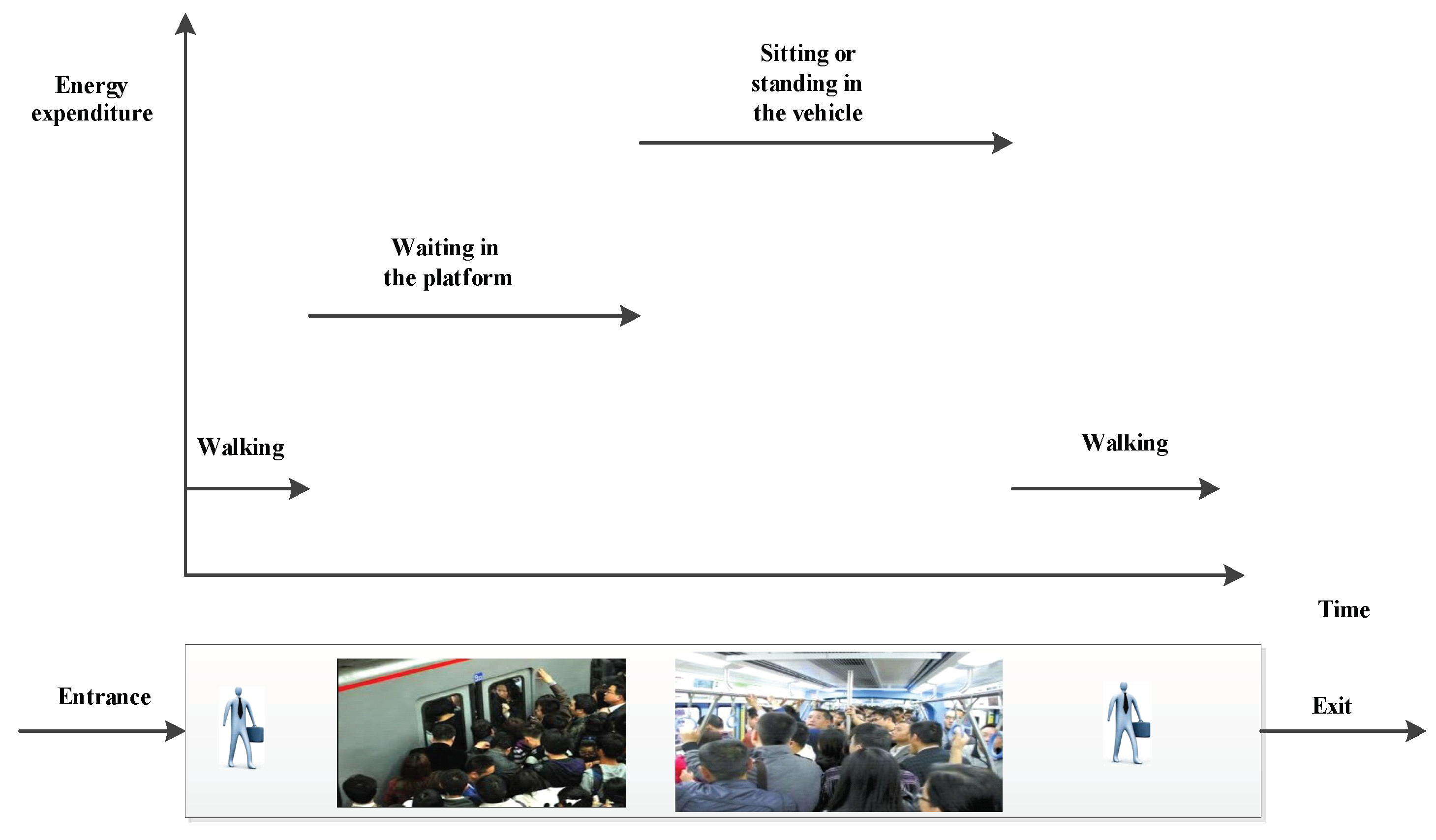
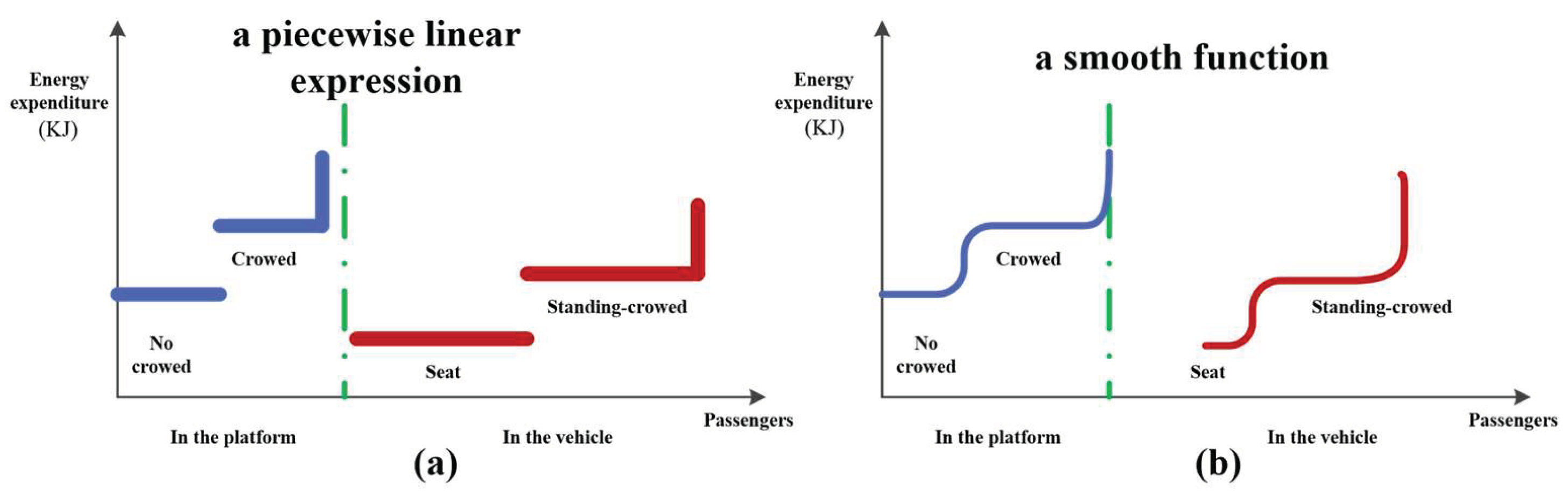
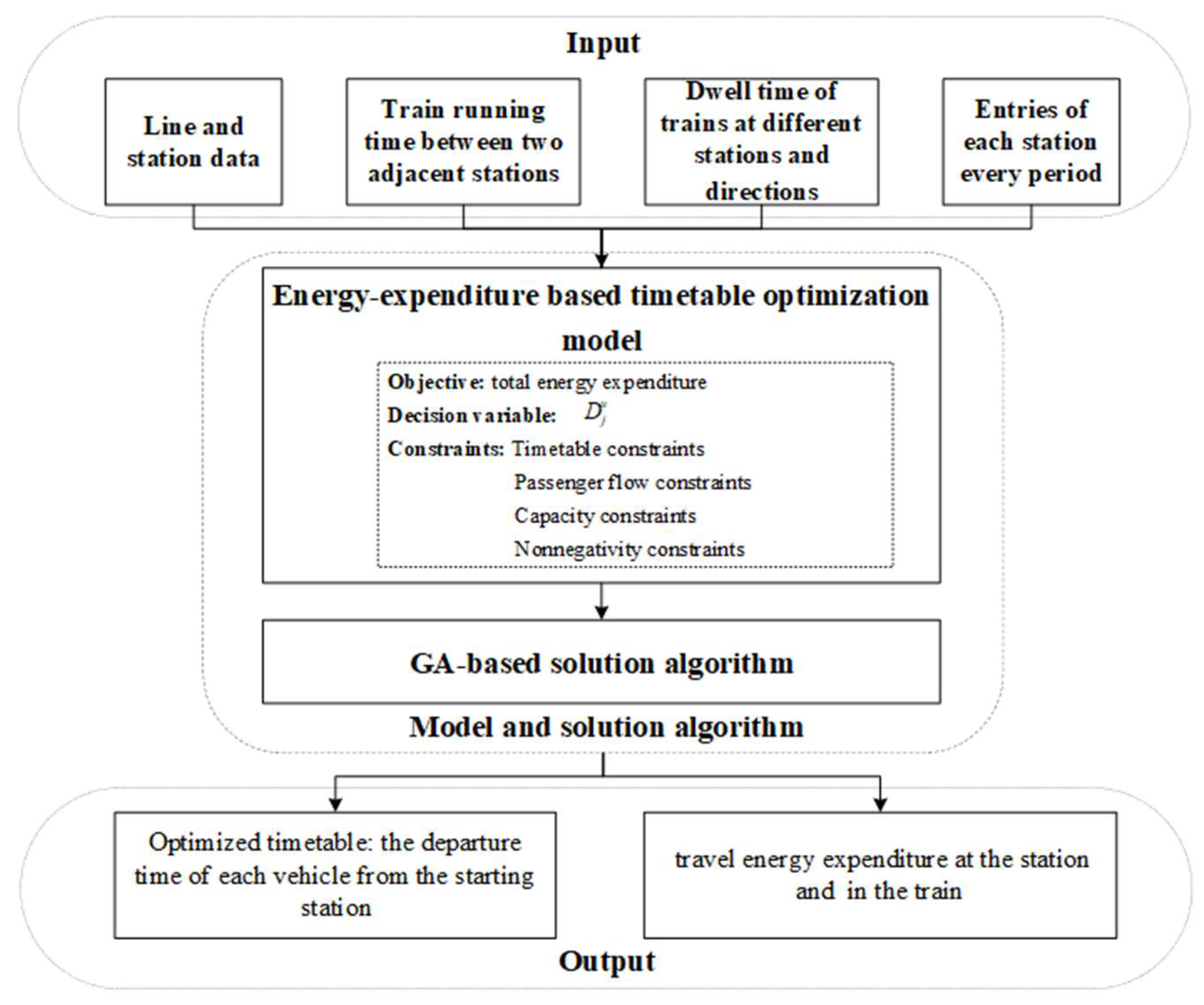
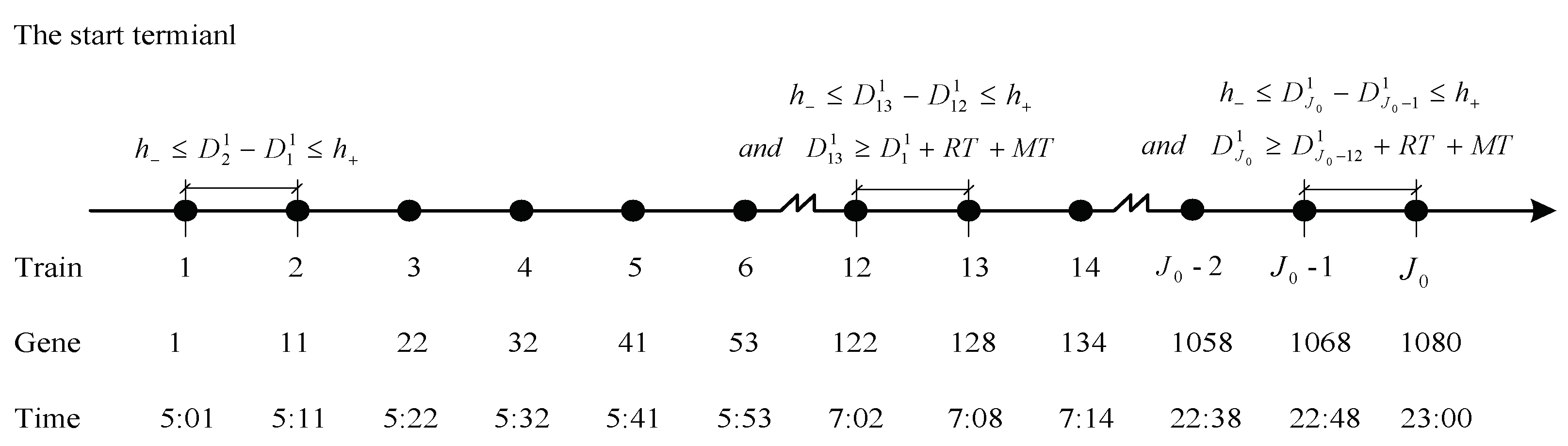
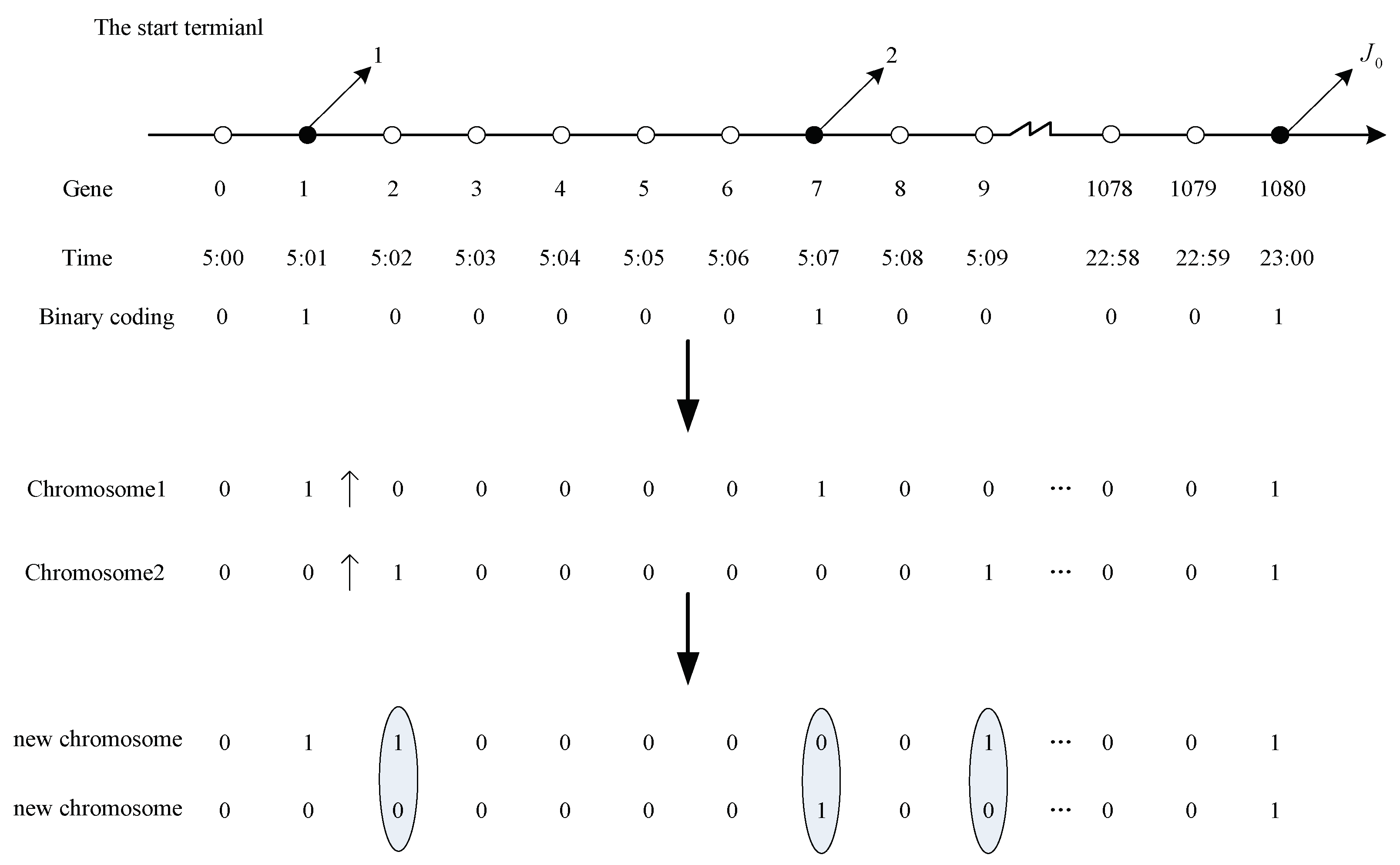
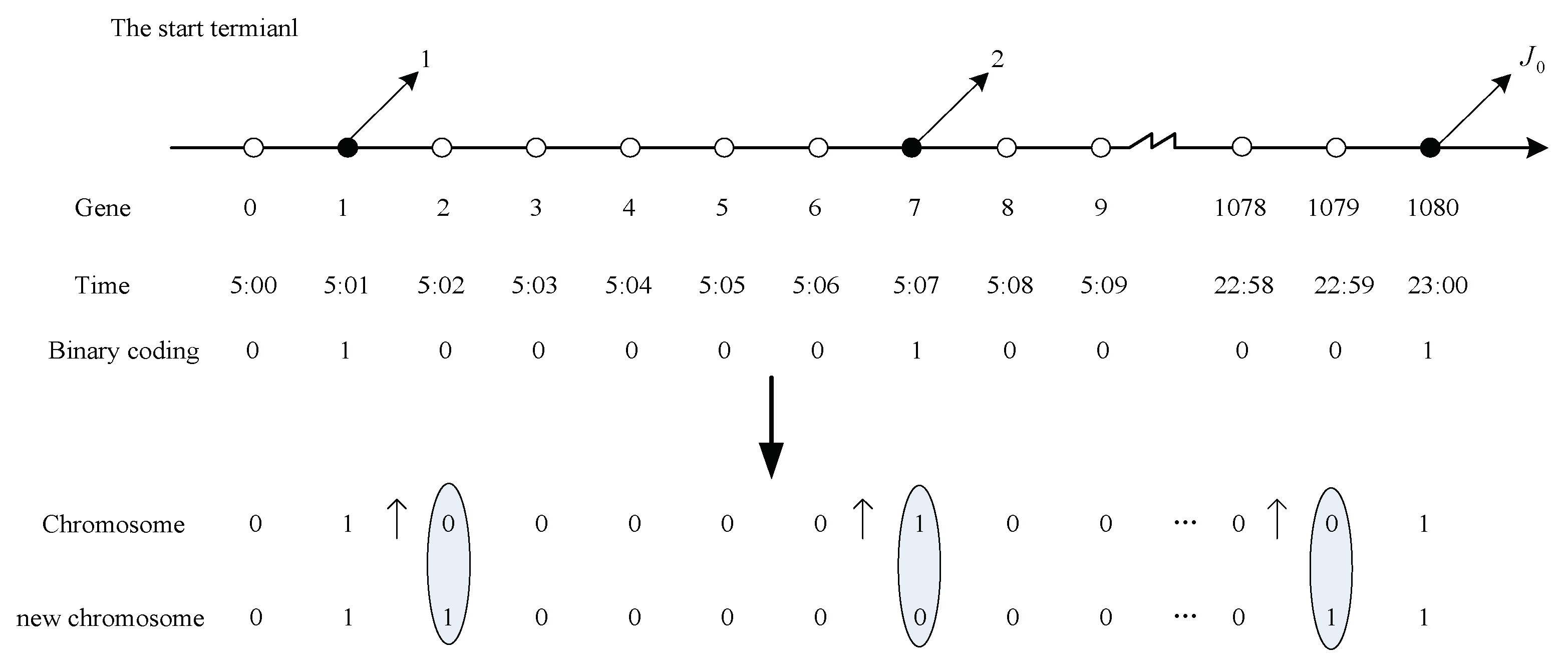
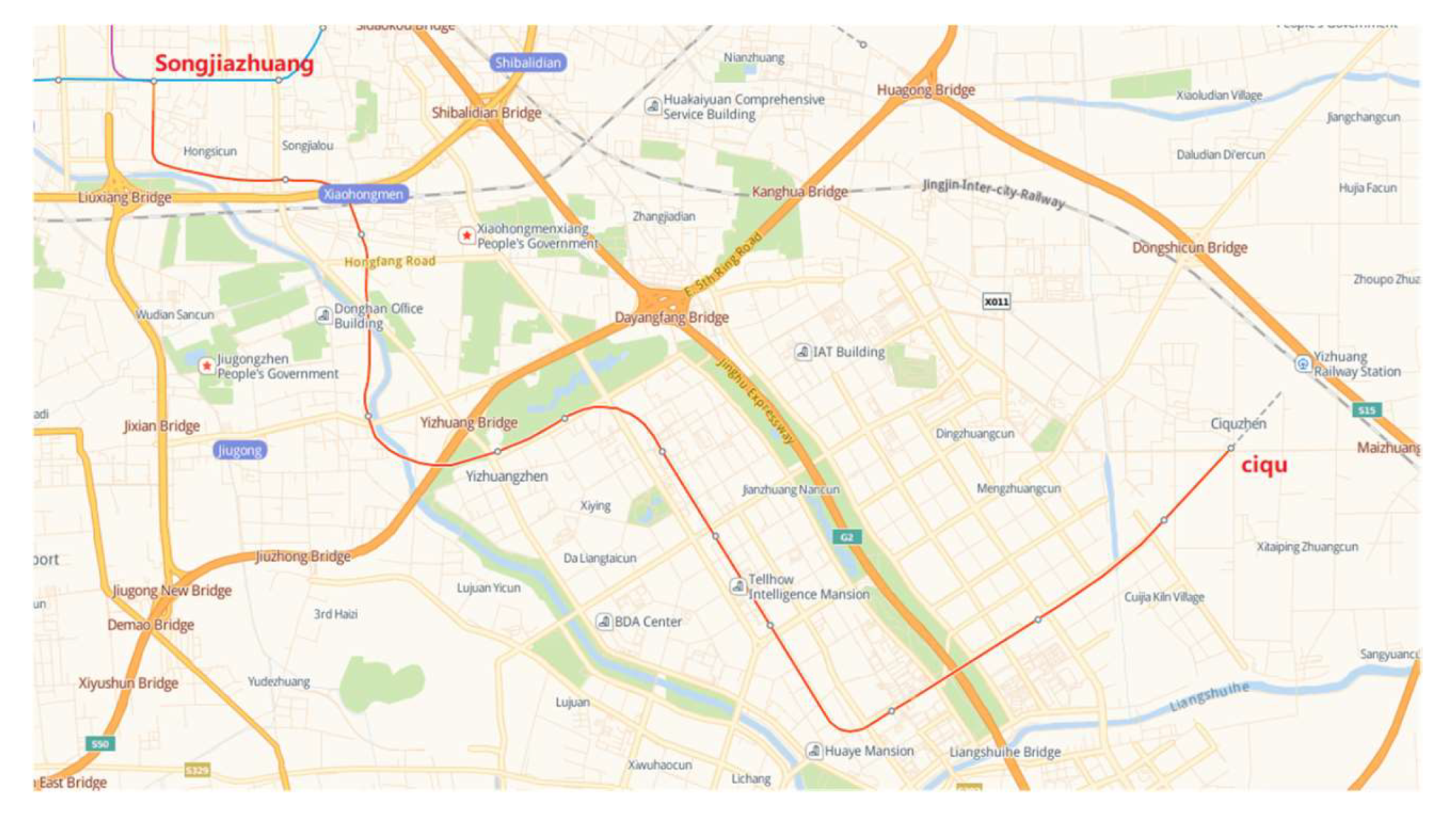
Timetable optimization for urban subways is aimed at improving the transportation service. In congested subway systems, the effects of crowding at stations and inside the vehicles have not been properly addressed in timetabling. Moreover, it is difficult to show the time of values in different riding conditions. In this paper, we consider the passenger-travel process as a physical activity expending energy and formulate a travel energy expenditure function for a heavily congested urban subway corridor. A timetable optimization model is proposed to minimize the total energy expenditure, including waiting on the platform and travelling in the vehicle. We develop a heuristic generic algorithm to solve the optimization problem through a special binary coding method. The model is applied to the Yi-zhuang line in the Beijing subway system to obtain a passenger-oriented energy-minimizing timetable. Compared with using the existing timetable, we find a 20% reduction in average energy expenditure per passenger and a RMB 47,500 increase in social profits as the result of the timetable optimization.
Keywords: timetable optimization; urban subway; passenger energy expenditure; genetic algorithm timetable optimization; urban subway; passenger energy expenditure; genetic algorithm