


Abstract
Stroke is a major global health concern, particularly among the elderly, who frequently present with multiple comorbidities, most notably cardiovascular diseases. Importantly, atrial fibrillation confers a nearly fivefold increase in stroke risk and accounts for up to one-quarter of ischemic strokes in older adults. Stroke is a neurological disease characterised by a strong cardiovascular interplay, and its multifactorial nature requires an integrated preventive approach. This review focuses on primary and secondary prevention in this population, with a frailty-informed perspective. We synthesise evidence on blood pressure control, lipid-lowering (including LDL-C targets), glycemic management, and antithrombotic strategies—particularly oral anticoagulation for atrial fibrillation—as well as the role of frailty indices in guiding individualised risk–benefit decisions. We also discuss practical care pathways, including structured post-discharge programs, continuity of care, and the need for multidisciplinary collaboration involving cardiologists, neurologists, and primary care. We highlight how frailty indices refine risk–benefit assessments without justifying therapeutic nihilism, and how sex- and age-related factors shape treatment effectiveness and safety. By narrowing scope and emphasising practical, multidisciplinary prevention strategies, this review aims to support clinicians in reducing recurrent events, disability, and mortality in very old patients. Future work should prioritise pragmatic trials, including those involving the oldest old and the use of standardised frailty metrics, to inform prevention decisions.
1. Introduction
Stroke represents a significant cause of mortality and disability [1]. Its impact is particularly pronounced in the elderly, who are more vulnerable because of the concurrence of factors such as senescence changes and a higher prevalence of comorbidities [1], including atrial fibrillation (AF), arterial hypertension (AH), diabetes mellitus (DM), heart failure (HF), and coronary artery disease (CAD) [2,3,4]. It is common knowledge that an effective prevention in this population requires blood pressure (BP) and metabolic control, smoking cessation, and oral anticoagulation therapy (OAC) if patients are affected by AF [5,6].
Clinically, stroke is classified into two main forms, known as ischemic and hemorrhagic (Figure 1A) [7,8,9]. Ischemic stroke, the most common type, results from thrombosis, embolism, or systemic hypoperfusion, often linked to cardiac arrhythmias, acute myocardial infarction (AMI), or HF. Hemorrhagic stroke, including intracerebral haemorrhage (ICH) and subarachnoid haemorrhage (SAH), occurs due to vessel rupture, frequently caused by AH, coagulopathies, cerebral amyloid angiopathy, or vascular malformations. SAH, often triggered by aneurysmal rupture, results in the rapid dispersion of blood into the cerebrospinal fluid, thereby increasing intracranial pressure.
Figure 1.
(A) Stroke Classification. This figure illustrates the main categories of stroke, distinguishing between ischemic and hemorrhagic subtypes. Ischemic strokes are further divided based on aetiology, including large-artery atherosclerosis, cardioembolism, and small-vessel occlusion. Hemorrhagic strokes are categorised into intracerebral and subarachnoid types, emphasising the underlying pathophysiological differences. (B) Multifactorial Etiologies of Stroke. In addition to conventional vascular risk factors (hypertension, dyslipidemia, endothelial dysfunction), major contributors include cardiac disorders (atrial fibrillation, heart failure, valvular disease, cardiomyopathies), metabolic derangements (diabetes mellitus, obesity, systemic inflammation, hemodynamic disturbances), and genetic or acquired prothrombotic states. A broad spectrum of atypical causes—such as vasculitis, haematological disorders, neoplastic/paraneoplastic mechanisms, venous sinus thrombosis, infective endocarditis, drug-induced vasospasm, mitochondrial/metabolic syndromes, and migraine-related vasculopathy—further underlines that stroke represents the final common pathway of multiple, often overlapping, pathogenic processes. Abbreviations: AF: Atrial fibrillation, AH: Arterial hypertension, APS: Antiphospholipid antibody syndrome, DM: Diabetes mellitus, ET: Essential thrombocythemia, FI: Frailty Index, HF: Heart failure, OAC: Oral anticoagulation.
It is essential to identify the aetiology of stroke according to the Toast classification, which includes five subtypes: atherosclerosis of the great arteries (LAA), cardioembolic, small-vessel occlusion (SVO), stroke of undetermined cause (e.g., cryptogenic stroke) and stroke of ‘other’ cause in light of the fact that on the basis of this classification an appropriate therapy should be required [10].
However, it is worth noting that stroke has been recently recognised as a neurological disease after the recent ICD classification update, although it remains strongly conditioned by cardiovascular (CV) risk factors and CV comorbidities [11,12,13].
This condition is heterogeneous and multifactorial, resulting from vascular, cardiac, metabolic, genetic, and environmental factors, which must be considered [14]. Frailty is a multidimensional clinical syndrome characterised by reduced physiological reserve, impaired homeostatic mechanisms, and increased vulnerability to stressors. It reflects the cumulative effect of comorbidities, functional limitations, cognitive impairment, and metabolic dysregulation, resulting in a higher risk of adverse outcomes, including falls, disability, hospitalisation, and mortality. In patients with cardiovascular disease (CVD), frailty interacts with polypharmacy, multimorbidity, and age-related vascular changes, influencing treatment tolerance and therapeutic decision-making. Its identification is therefore essential in elderly individuals at risk of stroke, as it supports tailored strategies for primary and secondary prevention [14,15].
Structural cardiac disorders (including valvular disease, HF, and cardiomyopathies) and acquired or inherited prothrombotic states further increase susceptibility to cerebral ischemia [16,17,18,19].
Beyond these established mechanisms, a broad spectrum of less common etiologies underscores the complexity of stroke pathogenesis [20,21,22,23]. Infectious or inflammatory vasculitis can precipitate cerebrovascular events [24,25,26,27]. Haematological disorders, including antiphospholipid antibody syndrome, essential thrombocythemia, polycythemia vera, and rare inherited thrombophilias, contribute to hypercoagulability [28,29]. Neoplastic processes may promote cerebral ischemia via cancer-associated coagulopathy or paraneoplastic syndromes [30,31]. Other atypical causes include cerebral venous sinus thrombosis, septic or marantic endocarditis, drug-induced vasospasm, mitochondrial or metabolic syndromes, and migraine-related vasculopathy [32,33,34]. This broad etiologic spectrum emphasises that stroke should be regarded not as a single disease, but as the final common manifestation of multiple, often overlapping, pathogenic pathways [20,35] (Figure 1B).
In light of this complex interplay, an integrated, multidisciplinary approach is required, particularly in older adults [36]. Beyond acute management, which is outside the scope of this review, it is essential to include neurologists alongside cardiologists, geriatricians, internal medicine physicians, radiologists, emergency medicine professionals, rehabilitation specialists, surgeons and other specialists in the preventive and long-term care pathways [37]. Additionally, nurses, caregivers, and family members play a pivotal role in patient care, being essential to long-term care and recovery [38].
This review aims to provide a focused analysis of primary and secondary prevention of ischemic stroke in the elderly, with particular attention to the oldest old. Special emphasis is placed on the role of frailty indices in guiding risk–benefit decisions and on the implementation of practical care pathways. Within this framework, the review centres on the frail, elderly patient with a history of ischemic stroke who is managed in the post-acute phase within non-neurological care settings, reflecting a real-world scenario in which prevention strategies must be adapted to complex comorbidity profiles, shifting care environments, and persistent unmet clinical needs.
2. Epidemiology of Stroke in the Elderly with CVD
It is well established that stroke incidence notably increases with age, imposing a substantial burden on elderly populations, particularly those with underlying CVD [9,39] (Figure 2).
Figure 2.
Stroke epidemiology in older adults with cardiovascular disease. The left panel illustrates the progressive increase in incidence with advancing age, exceeding 10% in patients aged 85 years and older.
Among CV comorbidities, AF, CAD, and HF are the key drivers of stroke in older adults. These conditions not only increase baseline stroke incidence (with primary prevention relevance) but also significantly affect recurrence rates and long-term outcomes (with secondary prevention relevance) [40,41,42,43].
Gender differences add further complexity. Frailty further amplifies this risk, as it is associated with multimorbidity, polypharmacy, and impaired resilience to vascular insults. Women, who generally have a longer life expectancy, experience a higher overall prevalence of stroke and greater disability after the event, partly due to delayed access to optimal prevention and rehabilitation strategies [9,35,40,41,43,44].
Despite clear guideline recommendations, effective preventive therapies remain underutilised in frail older patients due to concerns about bleeding, comorbidity, or life expectancy [45].
Women tend to experience greater post-stroke disability than men, in part due to a higher prevalence of post-stroke depression, which can impede rehabilitation efforts [45].
Notably, cardioembolic stroke is more frequent in individuals over 80 years old, largely due to the higher prevalence of AF in the elderly [3]. Women demonstrate a higher burden of post-stroke disability compared with men, with observational analyses reporting approximately 30% greater odds of functional impairment and long-term dependency [44]. In parallel, cardioembolic stroke becomes increasingly prevalent with advanced age: in individuals aged ≥80 years, the cardioembolic subtype accounts for nearly 36–40% of ischemic strokes, primarily driven by the sharply rising incidence of atrial fibrillation in this age group. These data reinforce the importance of risk factor optimisation and anticoagulation strategies in older adults, particularly women, who experience disproportionately worse post-stroke outcomes [40].
3. Frailty and Decision-Making
Stroke is a multifactorial disease with numerous potential causes that may interact in complex ways. In older adults, this complexity is amplified by age-related frailty, comorbidities, and polypharmacy [46,47]. Ageing also promotes vascular changes such as loss of arterial elasticity and increased stiffness, which increase susceptibility to cerebrovascular events and increased stiffness [48,49]. The interplay of frailty and comorbid conditions not only increases the risk of stroke but also influences clinical presentation, diagnostic accuracy, therapeutic response, and long-term outcomes. Frailty has been increasingly recognised as an independent determinant of prognosis, underscoring the importance of structured assessments—such as the Clinical Frailty Scale (CFS), the Fried criteria, the Frailty Index (FI), and the Edmonton Frail Scale (EFS), to inform treatment decisions and care planning [50] (Table 1).
Significantly, chronological age alone should not drive therapeutic choices, as two patients of the same age may differ profoundly in functional reserve and tolerance to treatment.
In clinical practice, frailty-informed decision-making prioritises risk stratification and focuses on major modifiable factors, such as blood pressure, lipids, and AF, as the cornerstone of prevention strategies. Effective risk factor management should not be withheld from frail individuals: AH, dyslipidaemia, and smoking cessation require tailored but active intervention, complemented by lifestyle measures such as regular physical activity and adherence to a heart-healthy diet. Critically, frailty alone should not preclude OAC. A patient-centred balance of risks and benefits is recommended, as the protective effect against stroke usually outweighs the bleeding risk, provided that close monitoring and fall-prevention strategies are implemented [6,51]. Despite this, OAC remains underutilised in frail elderly patients due to concerns about bleeding and falls.
Beyond pharmacology, frailty assessment supports shared decision-making with patients and caregivers, helping to align treatment intensity with realistic care goals and expected life expectancy. Rather than promoting therapeutic nihilism, frailty evaluation provides a framework for personalised, pragmatic choices that balance efficacy, safety, and quality of life in elderly patients with cardiovascular disease (CVD) at risk of stroke.
Table 1.
Validated frailty assessment tools in elderly patients with stroke and CVD.
4. Primary Prevention of Stroke in the Elderly
In elderly and frail patients, risk factor management is crucial to reduce stroke incidence, but treatment strategies must be tailored to frailty, comorbidities, and life expectancy (Table 2). Conventional risk factors, including AH, dyslipidemia, DM, AF, and smoking, interact with age-related vascular changes such as arterial stiffness, endothelial dysfunction, systemic inflammation, and polypharmacy, thereby amplifying cerebrovascular risk [43,46,47,48,49].
Cardiac disorders, including HF, valvular disease, and cardiomyopathies, further predispose to ischemic events by impairing cerebral perfusion and increasing embolic risk [59].
Hypertension. AH, defined as systolic blood pressure ≥ 140 mmHg and/or diastolic blood pressure ≥ 90 mmHg, remains one of the leading modifiable risk factors for ischemic stroke [60], contributing to approximately one-quarter of stroke cases [61]. While BP lowering is a cornerstone of prevention, abrupt reductions may be harmful, particularly in patients with carotid stenosis [62]. In the frail elderly, aggressive BP reduction may cause orthostatic hypotension and falls, so therapeutic goals should be less stringent and titration should be gradual [63,64].
Dyslipidemia. Dyslipidemia accelerates atherosclerosis, the leading cause of CVD after 65 years of age. Risk stratification should guide the intensity of lipid-lowering therapy (LLT). High CV risk in elderly patients is often linked to long-standing DM, established CVD, familial hypercholesterolemia, or elevated coronary calcium scores. Statins are well established in secondary prevention, including in those over 75, but their role in primary prevention in this age group is debated. Evidence remains limited as older and frail patients were underrepresented in trials [65,66,67,68,69,70,71]. Observational data suggest possible benefit in high-risk elders [72], but safety concerns—polypharmacy, hepatic dysfunction, and myopathy—are particularly relevant [70,73]. Guidelines therefore recommend an individualised initiation of lipid-lowering therapy, often starting at low doses (e.g., atorvastatin 10–20 mg/day, rosuvastatin 5–10 mg/day, or simvastatin 10–20 mg/day), with careful up-titration based on tolerance, frailty status, and comorbidity burden [68,71,74,75]. LDL-C targets remain the same as in younger adults [76,77,78,79]. However, the role of statins in elderly patients requires careful clinical consideration [70]. Evidence from secondary prevention trials supports statin therapy in older adults with established atherosclerotic CVD, demonstrating meaningful reductions in recurrent stroke and major vascular events. Nonetheless, data on primary prevention beyond the age of 75 remain limited because frail and elderly individuals are under-represented in randomised studies [70]. Clinical decision-making must therefore integrate comorbidity burden, polypharmacy, functional reserve, and estimated life expectancy [70]. Potential disadvantages include statin-associated myopathy, hepatic dysfunction, and drug–drug interactions—risks that may be amplified in frail older patients. For this reason, guidelines favour an individualised approach, often beginning with low-dose regimens and gradual titration. In selected high-risk patients who are unable to achieve LDL-C targets or are statin-intolerant, non-statin therapies such as ezetimibe or PCSK9 inhibitors may be appropriate adjuncts [80]. Overall, age alone should not exclude lipid-lowering therapy, but treatment intensity should be tailored to biological age, frailty phenotype, and patient priorities [70]. In asymptomatic carotid stenosis > 50%, a comprehensive strategy including statins, antiplatelets, and smoking cessation is indicated [78,81]; for stenosis > 70%, referral to a vascular neurologist is recommended [82].
Diabetes and metabolism. Insulin resistance is associated with increased recurrence and poorer outcomes [83], and the triglyceride–glucose (TyG) index has been proposed as a marker of recurrence risk [84]. Tight glycaemic control reduces CV risk [81,85], but in frail elderly patients, HbA1c targets should be more permissive than the standard 7% to avoid hypoglycaemia [86,87].
Lifestyle. Smoking cessation, diet optimisation, and physical activity remain effective preventive strategies; however, in frail patients, interventions must be realistic and tailored to their functional capacity.
Cardiac comorbidities. AF is considered one of the strongest risk factors for ischemic stroke [43]. HF and CAD contribute to the vulnerability by worsening perfusion and increasing the risk [59]. OAC is the most effective preventive intervention, with Direct Oral Anticoagulants (DOACs) preferred over warfarin due to lower intracranial bleeding [88]. Frailty alone should not preclude anticoagulation, but treatment requires careful assessment of renal function, drug interactions, fall risk, and closer follow-up [89]. In cases of concomitant CAD requiring antiplatelet therapy, combined regimens should be short and individualised.
Antiplatelet therapy. Antiplatelet agents are not routinely recommended for primary prevention in the elderly due to the risk of bleeding [90,91,92]. According to the AHA guidelines, aspirin use for primary prevention is recommended at Class III patients over 70 years of age.
Table 2.
Frailty-Adapted Approaches to Primary Stroke Prevention in Older Adults.
5. Secondary Prevention of Stroke in Elderly Patients with CVD
Secondary stroke prevention in elderly patients with CVD requires a personalised, evidence-based strategy that judiciously weighs the protective effects of antithrombotic treatment against the potential for bleeding complications [81,90,101]. Advances in imaging modalities, long-term cardiac monitoring, and targeted pharmacological interventions have enhanced the ability to personalise treatment strategies, thereby reducing stroke recurrence and improving overall patient outcomes [81].
In frail elderly patients, secondary prevention must always be contextualised within functional status, comorbidity burden, polypharmacy, and life expectancy, with the primary goal of reducing recurrence while preserving safety and quality of life (Table 3).
An effective strategy for secondary stroke prevention must be tailored to the underlying aetiology, as determined by TOAST classification criteria [102]. Key components include the management of modifiable risk factors, antithrombotic therapy, and lipid-lowering treatment with high-intensity statins [90] (Figure 3).
Figure 3.
Risk factors for ischemic and hemorrhagic stroke. Vascular risk factors and lifestyle behaviours promote ischemic stroke, while hemorrhagic stroke is mainly driven by uncontrolled hypertension, anticoagulant use, trauma, and cerebral amyloid angiopathy.
5.1. Risk Factor Management
Optimal blood pressure control is an essential strategy for secondary prevention of stroke; however, aggressive reductions in the acute phase should be avoided to prevent cerebral hypoperfusion [81].
According to the most recent guidelines, blood pressure should be lowered to the lowest safely achievable level, with a preferred systolic target below 140 mmHg in cases where the optimal range of 120–129 mmHg (Class I recommendation) cannot be tolerated [81,103]. This applies particularly to patients with pre-treatment symptomatic orthostatic hypotension, individuals aged 85 years or older (Class IIa), or those with a moderate to severe degree of frailty (Class IIb) [62,81,104].
Another suggestion for treatment strategy confirmed in the recent guidelines is to start with monotherapy in those patients.
Additionally, the ESH Guidelines establish different targets for patients aged over 80 years, based on their functional capacity and autonomy status [104].
Although the optimal blood pressure targets remain a subject of ongoing debate, current clinical guidelines advocate maintaining values below 140/90 mmHg [105,106,107]. However, there is a general consensus of opinion over the fact that in individuals with T2DM, a more stringent target of less than 130/80 mmHg is typically recommended to reduce CV risk. Resumption of antihypertensive therapy is generally advised within 24 h of stroke onset, with careful titration to minimise the risk of recurrent stroke or hemodynamic instability [108,109].
Glycaemic control and smoking cessation are also critical. In patients with T2DM, a target HbA1c of approximately 7% is recommended, with more relaxed thresholds in frail individuals to minimise hypoglycaemia risk. Lifestyle measures—including dietary optimisation, regular physical activity, and weight control—should complement pharmacological treatment [110].
For frail elderly patients, lifestyle recommendations should be realistic and tailored to their functional reserve, with an emphasis on safety and feasibility rather than adhering to strict numerical targets.
In elderly patients, prolonged cardiac rhythm monitoring with an implantable loop recorder is particularly valuable for detecting subclinical AF, which is a major cause of cardioembolic stroke [3]. Other significant risk factors, including AH, T2DM and smoking, contribute predominantly to small-vessel disease and require aggressive management [110].
5.2. Antithrombotic Therapy
The timing and choice of antithrombotic therapy depend on stroke aetiology and associated risks. In patients already on anticoagulation at the time of stroke, temporary discontinuation may be necessary, particularly if thrombolysis is being considered [111,112].
For cardioembolic stroke, DOACs are preferred [113]. A simple, severity-based timing approach can be adopted (e.g., starting around day 3 after a minor stroke, day 6 after a moderate stroke, and day 12 after a severe stroke), balancing the risk of hemorrhagic transformation and infarct size [113]. Where bleeding risk is high, initiation can be deferred within the 2–14-day window with careful BP control. Frailty alone should not delay or preclude anticoagulation, but warrants individualised monitoring and fall-risk mitigation [81].
It has been suggested that early DOAC initiation (≤4 days after ischemic stroke onset) may reduce the risk of recurrent stroke and intracranial haemorrhage compared to later initiation (≥5 days) [114,115]. However, this benefit was not statistically significant at 90 days [114,115]. However, the optimal anticoagulation timing in this subgroup remains debated.
In patients with recent AMI and left ventricular (LV) dysfunction (ejection fraction < 40%), short-term warfarin therapy (up to 3 months) may be considered, even in the absence of intracardiac thrombi, to mitigate thromboembolic risk [116,117]. The role of thrombophilia screening in stroke prevention remains uncertain and requires further investigation.
Antiplatelet therapy remains the standard approach for non-cardioembolic stroke. Aspirin (80–365 mg) is the first-line treatment, with clopidogrel or P2Y12 inhibitors as alternatives. Dual-antiplatelet therapy (DAPT) with aspirin and clopidogrel may be initiated within 24 h of stroke onset and continued for 21 days, particularly in patients with CAD or high-risk transient ischemic attack (TIA) [118]. However, long-term DAPT is generally not recommended due to an increased risk of bleeding without additional mortality benefits [119,120].
In cases of hemorrhagic infarction, antiplatelet or anticoagulant therapy should be withheld for one to two weeks until clinical stabilisation [121]. In selected patients with mild and stable hemorrhagic transformation, low-dose aspirin (e.g., 75–100 mg/day) may be continued under careful clinical and imaging surveillance [122]. It has been widely accepted that in patients at high risk due to intracranial atherosclerosis, aggressive medical therapy has proven more effective than intracranial stent placement in reducing the risk of recurrent cerebrovascular events [123,124,125]. In frail elderly patients, the use of antiplatelet or anticoagulant therapy should always be guided by a careful evaluation of bleeding risk, comorbidities, and expected benefit, avoiding overtreatment.
5.3. Lipid Management and Statin Therapy
Lipid-lowering therapy is a fundamental aspect of secondary stroke prevention, particularly in patients with concomitant CVD [81,101,126]. High-intensity statin therapy (e.g., atorvastatin 80 mg) or PCSK9 inhibitors should be considered to achieve an LDL cholesterol target of <55 mg/dL, particularly in patients with coexisting cardiac disease [127]. It has been pointed out that achieving this target has been associated with a 28% reduction in stroke recurrence [127]. In the frail elderly, treatment should be individualised: the benefit of intensive LDL-C lowering must be balanced against polypharmacy, drug–drug interactions, and risk of adverse effects such as myopathy or hepatic dysfunction. Age alone should not exclude therapy; however, treatment intensity should be tailored to match overall frailty and life expectancy.
5.4. Carotid Disease and Revascularisation
Carotid endarterectomy (CEA) [128] is preferred over carotid artery stenting (CAS) in elderly patients, particularly when performed within two weeks of stroke onset in cases of carotid stenosis > 70%. The choice between CEA and CAS in elderly patients remains complex. Current AHA/ASA guidelines recommend CEA over CAS in patients aged ≥ 70 years (Class IIa, Level of Evidence B), largely due to a higher periprocedural stroke risk reported with CAS in this age group [15]. However, CEA has been associated with an increased incidence of perioperative cardiac complications in older adults, highlighting important trade-offs [129]. Therefore, treatment should be individualised, and CAS may represent a viable option in elderly patients who are poor surgical candidates or at elevated surgical risk [129,130,131]. For patients with moderate carotid stenosis (50–69%), surgical intervention is generally not indicated, as medical therapy alone is sufficient to prevent stroke recurrence. In frail patients, decisions on revascularisation should carefully consider perioperative risk, functional autonomy, and overall prognosis, with a preference for best medical therapy when surgical benefit is marginal.
Table 3.
Frailty-Adapted Approaches to Secondary Stroke Prevention in Older Adults.
6. Diagnostic Work-Up for Secondary Prevention
Diagnostic evaluation after ischemic stroke plays a pivotal role in shaping secondary prevention strategies, particularly in frail elderly patients [148]. In this population, clinical presentation is frequently atypical, physiological reserve is reduced, and comorbidity burden may affect both diagnostic yield and test feasibility [149]. Understanding how diagnostic pathways must be adapted to cognitive status, mobility limitations, sarcopenia, renal function, and tolerance to invasive procedures is essential to guide personalised anticoagulation, antiplatelet therapy, lipid management, and arrhythmia detection. Therefore, etiologic work-up must not simply replicate standard approaches but incorporate frailty status and life expectancy to avoid overtesting, undertesting, or inappropriate treatment intensification [148,149,150,151,152].
These diagnostic considerations are particularly prominent in elderly patients with cardiovascular disease (CVD), in whom establishing the aetiology of stroke is particularly challenging, since clinical features may overlap with comorbidities [17]. From a neurological perspective, frailty modifies ischemic lesion patterns, increases the rate of silent infarcts, and is associated with delayed recognition due to cognitive and behavioural fluctuations. These factors must be considered when interpreting neuroimaging findings and planning [153] follow-up strategies. In practical terms, imaging results in frail patients may carry a different prognostic weight than in fitter individuals, and this has direct implications for long-term stroke recurrence prevention [149,151]. Furthermore, atypical or nonspecific presentations, such as confusion, fatigue, or altered mental status, can be easily misinterpreted as dementia or delirium [154]. Meanwhile, concomitant CV symptoms (e.g., chest pain, dyspnea, syncope) may further obscure the underlying neurological event [17].
For secondary prevention, the priority is to identify the causal mechanism of stroke, as management differs according to aetiology. In frail older individuals, this step becomes particularly meaningful, as the etiologic definition of stroke directly informs treatment intensity. Confirming a cardioembolic source, for example, may justify anticoagulation even in the presence of falls or cognitive impairment, whereas recognising a small-vessel mechanism might encourage a more conservative approach to reduce bleeding risk and drug interactions. In practice, diagnostic clarification supports individualised choices and avoids therapeutic extremes [155]. This diagnostic-to-therapeutic transition is fundamental, as tailoring treatment to this classification is crucial to prevent recurrence. This linkage between diagnosis and prevention begins in the acute setting, where the diagnostic pathway already determines key therapeutic decisions in elderly patients [153,155,156,157,158]. The diagnostic pathway initiated during the acute phase also influences secondary prevention decisions in elderly patients. Early brain imaging affects timing of anticoagulation in cardioembolic stroke, while acute vascular imaging informs the need for carotid revascularisation. Likewise, echocardiographic evaluation performed during hospitalisation enables risk stratification for left ventricular thrombus, guiding anticoagulation intensity and duration. In frail individuals, the feasibility and tolerance of early MRI, CTA, or transesophageal echocardiography may be limited, requiring pragmatic adaptations without compromising diagnostic accuracy [159].
Imaging retains a central role, not to establish the initial diagnosis but to define stroke subtype and guide preventive strategies. MRI—particularly diffusion-weighted imaging (DWI) and perfusion sequences—offers high sensitivity for small cortical and subcortical infarcts, microangiopathy, and silent infarcts, all of which are frequent in the elderly [160]. CT angiography (CTA) and CT perfusion (CTP) provide additional insights into vascular anatomy and haemodynamics, supporting the identification of large-artery disease or hemodynamic compromise [161]. Advanced MRI paradigms are increasingly recommended to refine etiologic classification and stratify recurrence risk [162].
When a stroke is cryptogenic, identifying the potential cause is crucial [163]. Transesophageal echocardiography (TEE) is particularly valuable for detecting left atrial thrombi, valvular vegetations, and complex aortic plaques [81]. Transthoracic echocardiography (TTE) complements this assessment by evaluating cardiac function and structural abnormalities. In parallel, prolonged cardiac monitoring is strongly advised in elderly patients, since paroxysmal AF is highly prevalent and frequently missed on routine ECG [164].
From a frailty perspective, the extent of the diagnostic work-up must be balanced with feasibility and safety (Table 4). Some elderly patients may not tolerate prolonged MRI protocols, invasive echocardiography, or repeated contrast studies. Nonetheless, a pragmatic yet comprehensive etiologic assessment remains indispensable, as it enables clinicians to tailor secondary prevention and reduce the risk of recurrence.
Table 4.
Diagnostic Modalities for Secondary Stroke Prevention in the Elderly: Strengths, Limitations, and Clinical Role.
7. Long-Term Stroke Management and Rehabilitation
7.1. Rehabilitation
After the acute phase, long-term stroke management in elderly patients with CVD focuses on rehabilitation, secondary prevention, and continuous monitoring of CV and neurological health [169]. Stroke rehabilitation aims to maximise functional recovery through a multidisciplinary approach incorporating physical, occupational, and speech therapy [81].
Indeed, it has been claimed that approximately 30% of stroke survivors experience persistent functional impairments, increasing the risk of falls, instability, and pressure ulcers [170].
7.2. Lifestyle Management
Nutritional optimisation, including sodium restriction (2–4 g/day), plays a crucial role in post-stroke recovery [171]. Sleep assessment, particularly for sleep apnea, is vital given that its high prevalence in this population and its association with worse outcomes [172].
Secondary prevention involves rigorous control of modifiable risk factors, such as AH, hyperlipidemia, and DM, alongside the management of underlying cardiac conditions (Figure 4).
Figure 4.
Secondary stroke prevention in elderly patients. Key strategies include comprehensive risk assessment, optimisation of medical therapy (antiplatelets or anticoagulants, statins, blood pressure and glucose control), and lifestyle interventions such as smoking cessation, physical activity, and dietary moderation. Regular follow-up supports adherence and addresses psychological factors.
7.3. Cognitive Support
Stroke also significantly exacerbates cognitive decline in elderly patients [173]. Evidence from randomised studies suggests that structured exercise combined with mental stimulation may improve cognitive function [173].
7.4. Psychosocial Support
Depression and anxiety are frequent after stroke, hampering recovery and adherence to treatment [174]. In many cases, care is improvised through family support or telemedicine, which may not always be feasible for elderly patients. Psychosocial support through family involvement, psychological care, and telemedicine-based interventions helps address these barriers and improves quality of life [76].
7.5. Cardiac Rehabilitation
Cardiac rehabilitation is particularly beneficial for patients with HF or CAD, as it reduces the risk of recurrent stroke and improves overall CV well-being [81].
8. Multidisciplinary Care and Coordination
Effective stroke management in the elderly with CVD requires a coordinated approach involving multiple healthcare professionals [175]. Neurologists, cardiologists, geriatricians, and rehabilitation specialists must collaborate to develop a comprehensive care plan tailored to the individual’s specific needs [173].
In a multidisciplinary team, each professional has a specific role that contributes to comprehensive care. Neurologists play a central role in the diagnostic process, selecting acute treatments, and planning secondary prevention. Cardiologists evaluate and manage AF, CAD and HF, which are frequent comorbidities in this setting. Geriatricians assess frailty, polypharmacy, and functional capacity, helping to tailor treatment strategies to the patient’s overall condition. Rehabilitation specialists and physiatrists design and supervise programmes aimed at motor and cognitive recovery, thereby supporting functional independence. Nutritionists provide dietary counselling and help control CV risk factors through nutritional interventions. Psychiatrists and psychologists assist in the management of depression, anxiety, and cognitive impairment, which often complicate the recovery process [36,38,76].
Close monitoring and early intervention can prevent complications and optimise recovery.
Furthermore, patient and caregiver education on the risks of stroke recurrence, the importance of medication adherence, and lifestyle modifications are essential components of long-term care [175] (Figure 5).
Figure 5.
Multidisciplinary stroke management in the elderly. Optimal care requires collaboration among neurologists, cardiologists, geriatricians, rehabilitation experts, nutritionists, psychiatrists, and physiatrists to address the medical, functional, and psychosocial needs of older patients.
9. Ethical Considerations in the Management of Stroke in the Elderly
Management of stroke in elderly patients with CVD presents significant ethical challenges, especially concerning therapeutic decision-making and the consideration of end-of-life care preferences [176]. The decision to pursue aggressive interventions such as thrombolysis or mechanical thrombectomy in frail elderly patients with multiple comorbidities requires careful consideration of the risks and benefits. In cases of severe stroke or poor prognosis, discussions regarding palliative care and advanced directives should be initiated early to respect the patient’s autonomy and ensure that the care provided aligns with their values and preferences [177].
10. Conclusions
Stroke in elderly patients with CVD is a complex clinical challenge requiring an individualised, multidisciplinary approach. Timely identification and early therapeutic intervention are essential to limit the long-term consequences of stroke. Moreover, the implementation of evidence-based secondary prevention measures significantly decreases the likelihood of recurrence. Balancing stroke-specific therapies with CVD management is necessary to optimise outcomes in this vulnerable population. As the ageing population continues to grow, research into more effective treatments and management strategies for stroke in the elderly with CVD will remain a priority for clinicians and healthcare systems worldwide. Future efforts should prioritise the development of care models that integrate neurology, cardiology, geriatrics, and rehabilitation, ensuring continuity from the acute phase to long-term follow-up. Moreover, prospective studies specifically designed for elderly populations are urgently needed, as current evidence is often derived from subanalyses of trials that underrepresent this group.
Notably, the frailty-adjusted intervention frameworks presented in this review represent a synthesis of current evidence and clinical experience, supported by the literature cited throughout the manuscript, and are intended to provide a practical, transparent basis for informed clinical decision-making in real-world care settings.
Addressing these gaps is essential to provide equitable, effective, and patient-centred stroke care for the growing population of older adults with CVD.
Author Contributions
F.L.: Conceptualization, methodology, validation, writing—original draft preparation, project administration. R.C.: Methodology, investigation. M.M.G.: Conceptualization, validation, writing—review and editing, supervision, funding acquisition. S.G.: Methodology, validation, writing—review and editing, supervision. C.M.R.: Conceptualization, writing—original draft preparation, project administration, funding acquisition. N.I.: Investigation, data curation. G.V.: Formal analysis. G.G.: Investigation, data curation. A.I.: Investigation. P.S.: Software, formal analysis, visualization. A.M.: Software, investigation. C.B.: Validation. L.G.: Formal analysis. F.C.: Writing—review and editing, supervision, resources. F.O.: Resources, writing—review and editing. F.N.: Resources. M.G.: Resources, writing—review and editing. I.P.: Data curation, visualization. All authors have read and agreed to the published version of the manuscript.
Funding
This research received no external funding.
Data Availability Statement
No new data were created or analyzed in this study. Data sharing is not applicable to this article.
Conflicts of Interest
The authors declare no conflict of interest.
References
- Roth, G.A.; Mensah, G.A.; Johnson, C.O.; Addolorato, G.; Ammirati, E.; Baddour, L.M.; Barengo, N.C.; Beaton, A.Z.; Benjamin, E.J.; Benziger, C.P.; et al. Global Burden of Cardiovascular Diseases and Risk Factors, 1990–2019: Update from the GBD 2019 Study. J. Am. Coll. Cardiol. 2020, 76, 2982–3021. [Google Scholar] [CrossRef] [Scilit]
- Guasti, L.; Ambrosetti, M.; Ferrari, M.; Marino, F.; Ferrini, M.; Sudano, I.; Tanda, M.L.; Parrini, I.; Asteggiano, R.; Cosentino, M. Management of Hypertension in the Elderly and Frail Patient. Drugs Aging 2022, 39, 763–772. [Google Scholar] [CrossRef] [Scilit]
- Lucà, F.; Parrini, I. The Elderly Patient with Atrial Fibrillation: Optimal Treatment Strategies. J. Clin. Med. 2025, 14, 1753. [Google Scholar] [CrossRef] [Scilit]
- Van Gelder, I.C.; Rienstra, M.; Bunting, K.V.; Casado-Arroyo, R.; Caso, V.; Crijns, H.; De Potter, T.J.R.; Dwight, J.; Guasti, L.; Hanke, T.; et al. 2024 ESC Guidelines for the management of atrial fibrillation developed in collaboration with the European Association for Cardio-Thoracic Surgery (EACTS). Eur. Heart J. 2024, 45, 3314–3414. [Google Scholar] [CrossRef] [Scilit] [PubMed]
- Chao, T.-F.; Potpara, T.S.; Lip, G.Y.H. Atrial fibrillation: Stroke prevention. Lancet Reg. Health-Eur. 2024, 37, 100797. [Google Scholar] [CrossRef] [Scilit] [PubMed]
- Parrini, I.; Lucà, F.; Rao, C.M.; Ceravolo, R.; Gelsomino, S.; Ammendolea, C.; Pezzi, L.; Ingianni, N.; Del Sindaco, D.; Murrone, A.; et al. Management of Atrial Fibrillation in Elderly Patients: A Whole New Ballgame? J. Clin. Med. 2025, 14, 2328. [Google Scholar] [CrossRef] [Scilit]
- Sacco, R.L.; Kasner, S.E.; Broderick, J.P.; Caplan, L.R.; Connors, J.J.; Culebras, A.; Elkind, M.S.V.; George, M.G.; Hamdan, A.D.; Higashida, R.T.; et al. An Updated Definition of Stroke for the 21st Century. Stroke 2013, 44, 2064–2089. [Google Scholar] [CrossRef] [Scilit] [PubMed]
- Magid-Bernstein, J.; Girard, R.; Polster, S.; Srinath, A.; Romanos, S.; Awad, I.A.; Sansing, L.H. Cerebral Hemorrhage: Pathophysiology, Treatment, and Future Directions. Circ. Res. 2022, 130, 1204–1229. [Google Scholar] [CrossRef] [Scilit]
- Feigin, V.L.; Stark, B.A.; Johnson, C.O.; Roth, G.A.; Bisignano, C.; Abady, G.G.; Abbasifard, M.; Abbasi-Kangevari, M.; Abd-Allah, F.; Abedi, V.; et al. Global, regional, and national burden of stroke and its risk factors, 1990–2019: A systematic analysis for the Global Burden of Disease Study 2019. Lancet Neurol. 2021, 20, 795–820. [Google Scholar] [CrossRef] [Scilit]
- Adams, H.P., Jr.; Bendixen, B.H.; Kappelle, L.J.; Biller, J.; Love, B.B.; Gordon, D.L.; Marsh, E.E., 3rd. Classification of subtype of acute ischemic stroke. Definitions for use in a multicenter clinical trial. TOAST. Trial of Org 10172 in Acute Stroke Treatment. Stroke 1993, 24, 35–41. [Google Scholar] [CrossRef] [Scilit]
- Groff, H.; Yousfani, S.; Pantoja-Ruiz, C.; Douiri, A.; Bhalla, A.; Wolfe, C.; Marshall, I.J. A systematic review of the incidence and outcomes of ICD-11 defined stroke. J. Stroke Cerebrovasc. Dis. 2024, 33, 107784. [Google Scholar] [CrossRef] [Scilit]
- Kokotailo, R.A.; Hill, M.D. Coding of Stroke and Stroke Risk Factors Using International Classification of Diseases, Revisions 9 and 10. Stroke 2005, 36, 1776–1781. [Google Scholar] [CrossRef] [Scilit]
- Kamel, H.; Liberman, A.L.; Merkler, A.E.; Parikh, N.S.; Mir, S.A.; Segal, A.Z.; Zhang, C.; Díaz, I.; Navi, B.B. Validation of the International Classification of Diseases, Tenth Revision Code for the National Institutes of Health Stroke Scale Score. Circ. Cardiovasc. Qual. Outcomes 2023, 16, e009215. [Google Scholar] [CrossRef] [Scilit]
- Hillen, T.; Coshall, C.; Tilling, K.; Rudd, A.G.; McGovern, R.; Wolfe, C.D.A. Cause of Stroke Recurrence Is Multifactorial. Stroke 2003, 34, 1457–1463. [Google Scholar] [CrossRef] [Scilit]
- Chelu, G.C.; Băjenaru, O.L.; Nuță, C.R.; Băjenaru, L.; Prada, G.I. Frailty Syndrome and Cardiovascular Diseases in Older People. Healthcare 2025, 13, 3275. [Google Scholar] [CrossRef] [Scilit]
- Bilski, A.E.; Kochav, J.; Waldrop, G.; Mammadli, G.; Sariyeva, M.; Argenio, M.; Willey, J.Z.; Ibeh, C.; Rosenbaum, M.; Lewis, M.; et al. Incidence of Stroke in Adults with Congenital Heart Disease. JACC Adv. 2025, 4, 101898. [Google Scholar] [CrossRef] [Scilit]
- Scheitz, J.F.; Sposato, L.A.; Schulz-Menger, J.; Nolte, C.H.; Backs, J.; Endres, M. Stroke–Heart Syndrome: Recent Advances and Challenges. J. Am. Heart Assoc. 2022, 11, e026528. [Google Scholar] [CrossRef] [Scilit] [PubMed]
- Katano, T.; Mori, H.; Suda, S. Heart Failure and Stroke: A Narrative Review. J. Clin. Med. 2025, 14, 6044. [Google Scholar] [CrossRef] [Scilit] [PubMed]
- Kim, W.; Kim, E.J. Heart Failure as a Risk Factor for Stroke. J. Stroke 2018, 20, 33–45. [Google Scholar] [CrossRef] [Scilit] [PubMed]
- Salaudeen, M.A.; Bello, N.; Danraka, R.N.; Ammani, M.L. Understanding the Pathophysiology of Ischemic Stroke: The Basis of Current Therapies and Opportunity for New Ones. Biomolecules 2024, 14, 305. [Google Scholar] [CrossRef] [Scilit]
- Osteraas, N.D.; Dafer, R.M. Advances in Management of the Stroke Etiology One-Percenters. Curr. Neurol. Neurosci. Rep. 2023, 23, 301–325. [Google Scholar] [CrossRef] [Scilit] [PubMed]
- Biller, J.; Sacco, R.L.; Albuquerque, F.C.; Demaerschalk, B.M.; Fayad, P.; Long, P.H.; Noorollah, L.D.; Panagos, P.D.; Schievink, W.I.; Schwartz, N.E.; et al. Cervical Arterial Dissections and Association with Cervical Manipulative Therapy. Stroke 2014, 45, 3155–3174. [Google Scholar] [CrossRef] [Scilit]
- Bax, M.; Romanov, V.; Junday, K.; Giannoulatou, E.; Martinac, B.; Kovacic, J.C.; Liu, R.; Iismaa, S.E.; Graham, R.M. Arterial dissections: Common features and new perspectives. Front. Cardiovasc. Med. 2022, 9, 1055862. [Google Scholar] [CrossRef] [Scilit]
- Mahjoub, Y.; McKenzie, E.D.; Raouf, S.; Almekhlafi, M. Progressive Vertebrobasilar Vasculopathy and Stroke Secondary to Giant Cell Arteritis. Stroke 2022, 53, e435–e438. [Google Scholar] [CrossRef] [Scilit] [PubMed]
- Saadoun, D.; Vautier, M.; Cacoub, P. Medium- and Large-Vessel Vasculitis. Circulation 2021, 143, 267–282. [Google Scholar] [CrossRef] [Scilit]
- Behrouz, R. The risk of ischemic stroke in major rheumatic disorders. J. Neuroimmunol. 2014, 277, 1–5. [Google Scholar] [CrossRef] [Scilit]
- George, M.G. Risk Factors for Ischemic Stroke in Younger Adults. Stroke 2020, 51, 729–735. [Google Scholar] [CrossRef] [Scilit] [PubMed]
- Levine, S.R. Hypercoagulable states and stroke: A selective review. CNS Spectr. 2005, 10, 567–578. [Google Scholar] [CrossRef] [Scilit]
- Leiva, O.; Hobbs, G.; Ravid, K.; Libby, P. Cardiovascular Disease in Myeloproliferative Neoplasms: JACC: CardioOncology State-of-the-Art Review. JACC CardioOncol. 2022, 4, 166–182. [Google Scholar] [CrossRef] [Scilit]
- Grisold, W.; Födinger, M.; Oberndorfer, S. Stroke in cancer patients. A paraneoplastic neurological syndrome? Nervenarzt 2010, 81, 418–422. [Google Scholar] [CrossRef] [Scilit]
- Hansda, S.; Das, H. Insights into Cancer-Associated Thrombosis Leading Towards Ischemic Stroke. Biology 2025, 14, 50. [Google Scholar] [CrossRef] [Scilit]
- Murala, S.; Nagarajan, E.; Bollu, P.C. Infectious Causes of Stroke. J. Stroke Cerebrovasc. Dis. 2022, 31, 106274. [Google Scholar] [CrossRef] [Scilit]
- Nathan, N.; Ngo, A.; Khoromi, S. Migraine and Stroke: A Scoping Review. J. Clin. Med. 2024, 13, 5380. [Google Scholar] [CrossRef] [Scilit]
- Zhou, Y.; Jiang, H.; Wei, H.; Liu, L.; Zhou, C.; Ji, X. Venous stroke-a stroke subtype that should not be ignored. Front. Neurol. 2022, 13, 1019671. [Google Scholar] [CrossRef] [Scilit] [PubMed]
- Boehme, A.K.; Esenwa, C.; Elkind, M.S.V. Stroke Risk Factors, Genetics, and Prevention. Circ. Res. 2017, 120, 472–495. [Google Scholar] [CrossRef] [Scilit]
- Lucà, F.; Abrignani, M.G.; Oliva, F.; Canale, M.L.; Parrini, I.; Murrone, A.; Rao, C.M.; Nesti, M.; Cornara, S.; Di Matteo, I.; et al. Multidisciplinary Approach in Atrial Fibrillation: As Good as Gold. J. Clin. Med. 2024, 13, 4621. [Google Scholar] [CrossRef] [Scilit] [PubMed]
- Aïdoud, A.; Gana, W.; Poitau, F.; Debacq, C.; Leroy, V.; Nkodo, J.A.; Poupin, P.; Angoulvant, D.; Fougère, B. High Prevalence of Geriatric Conditions Among Older Adults with Cardiovascular Disease. J. Am. Heart Assoc. 2023, 12, e026850. [Google Scholar]
- Batchelor, W.B.; Anwaruddin, S.; Wang, D.D.; Perpetua, E.M.; Krishnaswami, A.; Velagapudi, P.; Wyman, J.F.; Fullerton, D.; Keegan, P.; Phillips, A.; et al. The Multidisciplinary Heart Team in Cardiovascular Medicine: Current Role and Future Challenges. JACC Adv. 2023, 2, 100160. [Google Scholar] [PubMed]
- Rajati, F.; Rajati, M.; Rasulehvandi, R.; Kazeminia, M. Prevalence of stroke in the elderly: A systematic review and meta-analysis. Interdiscip. Neurosurg. 2023, 32, 101746. [Google Scholar] [CrossRef] [Scilit]
- Xu, M.; Amarilla Vallejo, A.; Cantalapiedra Calvete, C.; Rudd, A.; Wolfe, C.; O’Connell, M.D.L.; Douiri, A. Stroke Outcomes in Women: A Population-Based Cohort Study. Stroke 2022, 53, 3072–3081. [Google Scholar] [CrossRef] [Scilit]
- Hanna, M.; Wabnitz, A.; Grewal, P. Sex and stroke risk factors: A review of differences and impact. J. Stroke Cerebrovasc. Dis. 2024, 33, 107624. [Google Scholar] [CrossRef] [Scilit]
- Lucà, F.; Pavan, D.; Gulizia, M.M.; Manes, M.T.; Abrignani, M.G.; Benedetto, F.A.; Bisceglia, I.; Brigido, S.; Caldarola, P.; Calvanese, R.; et al. Gender discrepancy: Time to implement gender-based clinical management. G. Ital. Cardiol. 2024, 25, 126–139. [Google Scholar]
- Elsheikh, S.; Hill, A.; Irving, G.; Lip, G.Y.H.; Abdul-Rahim, A.H. Atrial fibrillation and stroke: State-of-the-art and future directions. Curr. Probl. Cardiol. 2024, 49, 102181. [Google Scholar] [CrossRef] [Scilit]
- Rexrode, K.M.; Madsen, T.E.; Yu, A.Y.X.; Carcel, C.; Lichtman, J.H.; Miller, E.C. The Impact of Sex and Gender on Stroke. Circ. Res. 2022, 130, 512–528. [Google Scholar] [CrossRef] [Scilit]
- Tsiakiri, A.; Plakias, S.; Vlotinou, P.; Terzoudi, A.; Serdari, A.; Tsiptsios, D.; Karakitsiou, G.; Psatha, E.; Kitmeridou, S.; Karavasilis, E.; et al. Predictive Markers of Post-Stroke Cognitive Recovery and Depression in Ischemic Stroke Patients: A 6-Month Longitudinal Study. Eur. J. Investig. Health Psychol. Educ. 2024, 14, 3056–3072. [Google Scholar] [CrossRef] [Scilit] [PubMed]
- Kernan, W.N.; Ovbiagele, B.; Black, H.R.; Bravata, D.M.; Chimowitz, M.I.; Ezekowitz, M.D.; Fang, M.C.; Fisher, M.; Furie, K.L.; Heck, D.V.; et al. Guidelines for the prevention of stroke in patients with stroke and transient ischemic attack: A guideline for healthcare professionals from the American Heart Association/American Stroke Association. Stroke 2014, 45, 2160–2236. [Google Scholar] [PubMed]
- Delgardo, M.; Rabin, G.; Tudor, T.; Tang, A.J.; Reeves, G.; Connolly, E.S. Monitoring risk and preventing ischemic stroke in the very old. Expert Rev. Neurother. 2023, 23, 791–801. [Google Scholar] [CrossRef] [Scilit]
- Mitchell, G.F.; van Buchem, M.A.; Sigurdsson, S.; Gotal, J.D.; Jonsdottir, M.K.; Kjartansson, Ó.; Garcia, M.; Aspelund, T.; Harris, T.B.; Gudnason, V.; et al. Arterial stiffness, pressure and flow pulsatility and brain structure and function: The Age, Gene/Environment Susceptibility—Reykjavik study. Brain 2011, 134, 3398–3407. [Google Scholar] [CrossRef] [Scilit] [PubMed]
- Vlachopoulos, C.; Aznaouridis, K.; Stefanadis, C. Prediction of cardiovascular events and all-cause mortality with arterial stiffness: A systematic review and meta-analysis. J. Am. Coll. Cardiol. 2010, 55, 1318–1327. [Google Scholar] [CrossRef] [Scilit]
- Tang, K.S.; Fan, W. Beyond the Sum of Their Parts. JACC Asia 2025, 5, 1168–1170. [Google Scholar]
- Perera, V.; Bajorek, B.V.; Matthews, S.; Hilmer, S.N. The impact of frailty on the utilisation of antithrombotic therapy in older patients with atrial fibrillation. Age Ageing 2009, 38, 156–162. [Google Scholar] [PubMed]
- Church, S.; Rogers, E.; Rockwood, K.; Theou, O. A scoping review of the Clinical Frailty Scale. BMC Geriatr. 2020, 20, 393. [Google Scholar] [CrossRef] [Scilit]
- Juma, S.; Taabazuing, M.M.; Montero-Odasso, M. Clinical Frailty Scale in an Acute Medicine Unit: A Simple Tool That Predicts Length of Stay. Can. Geriatr. J. 2016, 19, 34–39. [Google Scholar] [CrossRef] [Scilit] [PubMed]
- Fried, L.P.; Tangen, C.M.; Walston, J.; Newman, A.B.; Hirsch, C.; Gottdiener, J.; Seeman, T.; Tracy, R.; Kop, W.J.; Burke, G.; et al. Frailty in older adults: Evidence for a phenotype. J. Gerontol. A Biol. Sci. Med. Sci. 2001, 56, M146–M156. [Google Scholar] [CrossRef] [Scilit]
- Rockwood, K.; Mitnitski, A. Frailty in relation to the accumulation of deficits. J. Gerontol. A Biol. Sci. Med. Sci. 2007, 62, 722–727. [Google Scholar]
- Searle, S.D.; Mitnitski, A.; Gahbauer, E.A.; Gill, T.M.; Rockwood, K. A standard procedure for creating a frailty index. BMC Geriatr. 2008, 8, 24. [Google Scholar] [CrossRef] [Scilit]
- Perna, S.; Francis, M.D.; Bologna, C.; Moncaglieri, F.; Riva, A.; Morazzoni, P.; Allegrini, P.; Isu, A.; Vigo, B.; Guerriero, F.; et al. Performance of Edmonton Frail Scale on frailty assessment: Its association with multi-dimensional geriatric conditions assessed with specific screening tools. BMC Geriatr. 2017, 17, 2. [Google Scholar] [CrossRef] [Scilit]
- Rolfson, D.B.; Majumdar, S.R.; Tsuyuki, R.T.; Tahir, A.; Rockwood, K. Validity and reliability of the Edmonton Frail Scale. Age Ageing 2006, 35, 526–529. [Google Scholar]
- Jalli, E.; Langén, V.; Jaakkola, J.; Airaksinen, K.E.J.; Halminen, O.; Putaala, J.; Mustonen, P.; Haukka, J.; Hartikainen, J.; Linna, M.; et al. Heart Failure and Stroke Risk in Atrial Fibrillation: Temporal Trends from a Nationwide Cohort Study. J. Am. Heart Assoc. 2025, 14, e040758. [Google Scholar]
- Hong, K.S. Blood Pressure Management for Stroke Prevention and in Acute Stroke. J. Stroke 2017, 19, 152–165. [Google Scholar] [CrossRef] [Scilit] [PubMed]
- Boan, A.D.; Lackland, D.T.; Ovbiagele, B. Lowering of Blood Pressure for Recurrent Stroke Prevention. Stroke 2014, 45, 2506–2513. [Google Scholar] [CrossRef] [Scilit]
- McEvoy, J.W.; McCarthy, C.P.; Bruno, R.M.; Brouwers, S.; Canavan, M.D.; Ceconi, C.; Christodorescu, R.M.; Daskalopoulou, S.S.; Ferro, C.J.; Gerdts, E.; et al. 2024 ESC Guidelines for the management of elevated blood pressure and hypertension. Eur. Heart J. 2024, 45, 3912–4018. [Google Scholar] [CrossRef] [Scilit]
- Wiersinga, J.; Jansen, S.; Peters, M.J.L.; Rhodius-Meester, H.F.M.; Trappenburg, M.C.; Claassen, J.A.H.R.; Muller, M. Hypertension and orthostatic hypotension in the elderly: A challenging balance. Lancet Reg. Health Eur. 2025, 48, 101154. [Google Scholar] [CrossRef] [Scilit]
- Lucà, F.; Oliva, F.; Abrignani, M.G.; Di Fusco, S.A.; Parrini, I.; Canale, M.L.; Giubilato, S.; Cornara, S.; Nesti, M.; Rao, C.M.; et al. Management of Patients Treated with Direct Oral Anticoagulants in Clinical Practice and Challenging Scenarios. J. Clin. Med. 2023, 12, 5955. [Google Scholar] [CrossRef] [Scilit]
- Hazzard, W.R.; Ettinger, W.H., Jr. Aging and Atherosclerosis: Changing Considerations in Cardiovascular Disease Prevention as the Barrier to Immortality is Approached in Old Age. Am. J. Geriatr. Cardiol. 1995, 4, 16–36. [Google Scholar]
- Goff, D.C., Jr.; Lloyd-Jones, D.M.; Bennett, G.; Coady, S.; D’Agostino, R.B.; Gibbons, R.; Greenland, P.; Lackland, D.T.; Levy, D.; O’Donnell, C.J.; et al. 2013 ACC/AHA guideline on the assessment of cardiovascular risk: A report of the American College of Cardiology/American Heart Association Task Force on Practice Guidelines. Circulation 2014, 129, S49–S73. [Google Scholar] [CrossRef] [Scilit] [PubMed]
- Aeschbacher-Germann, M.; Kaiser, N.; Speierer, A.; Blum, M.R.; Bauer, D.C.; Del Giovane, C.; Aujesky, D.; Gencer, B.; Rodondi, N.; Moutzouri, E. Lipid-Lowering Trials Are Not Representative of Patients Managed in Clinical Practice: A Systematic Review and Meta-Analysis of Exclusion Criteria. J. Am. Heart Assoc. 2023, 12, e026551. [Google Scholar] [CrossRef] [Scilit] [PubMed]
- Perna, G.P. Statins and age: Is there a limit beyond which primary prevention is futile? Eur. Heart J. Suppl. 2021, 23, E109–E111. [Google Scholar] [CrossRef] [Scilit] [PubMed]
- Jun, J.E.; Cho, I.J.; Han, K.; Jeong, I.K.; Ahn, K.J.; Chung, H.Y.; Hwang, Y.C. Statins for primary prevention in adults aged 75 years and older: A nationwide population-based case-control study. Atherosclerosis 2019, 283, 28–34. [Google Scholar] [CrossRef] [Scilit]
- Awad, K.; Mohammed, M.; Zaki, M.M.; Abushouk, A.I.; Lip, G.Y.H.; Blaha, M.J.; Lavie, C.J.; Toth, P.P.; Jukema, J.W.; Sattar, N.; et al. Association of statin use in older people primary prevention group with risk of cardiovascular events and mortality: A systematic review and meta-analysis of observational studies. BMC Med. 2021, 19, 139. [Google Scholar] [CrossRef] [Scilit]
- Xu, W.; Yau, Y.K.; Pan, Y.; Tse, E.T.Y.; Lam, C.L.K.; Wan, E.Y.F. Effectiveness and safety of using statin therapy for the primary prevention of cardiovascular diseases in older patients with chronic kidney disease who are hypercholesterolemic: A target trial emulation study. Lancet Healthy Longev. 2025, 6, 100683. [Google Scholar] [CrossRef] [Scilit]
- Nanna, M.G.; Abdullah, A.; Mortensen, M.B.; Navar, A.M. Primary prevention statin therapy in older adults. Curr. Opin. Cardiol. 2023, 38, 11–20. [Google Scholar] [CrossRef] [Scilit] [PubMed]
- Verschuere, B.; Yasrebi-de Kom, F.M.; van Zelm, I.; Lilienfeld, S.O. A Plea for Preregistration in Personality Disorders Research: The Case of Psychopathy. J. Pers. Disord. 2021, 35, 161–176. [Google Scholar] [CrossRef] [Scilit]
- Bittner, V.; Linnebur, S.A.; Dixon, D.L.; Forman, D.E.; Green, A.R.; Jacobson, T.A.; Orkaby, A.R.; Saseen, J.J.; Virani, S.S. Managing Hypercholesterolemia in Adults Older Than 75 years Without a History of Atherosclerotic Cardiovascular Disease: An Expert Clinical Consensus from the National Lipid Association and the American Geriatrics Society. J. Am. Geriatr. Soc. 2025, 73, 1674–1696. [Google Scholar] [CrossRef] [Scilit] [PubMed]
- Strandberg, T.E. Role of Statin Therapy in Primary Prevention of Cardiovascular Disease in Elderly Patients. Curr. Atheroscler. Rep. 2019, 21, 28. [Google Scholar] [CrossRef] [Scilit]
- Francesconi, M.; Martina, M.R.; Armenia, S.; Buzzelli, A.; Di Franco, G.; Gemignani, V.; Bianchini, E.; Bruno, R.M. Technical Validation and Usability of a Portable Ultrasound-Based System for Carotid Assessment of Vascular Ageing: A Pilot Study. Heart Lung Circ. 2021, 30, 1734–1743. [Google Scholar] [CrossRef] [Scilit] [PubMed]
- Amarenco, P.; Labreuche, J. Lipid management in the prevention of stroke: Review and updated meta-analysis of statins for stroke prevention. Lancet Neurol. 2009, 8, 453–463. [Google Scholar] [CrossRef] [Scilit]
- Bétrisey, S.; Haller, M.L.; Efthimiou, O.; Speierer, A.; Del Giovane, C.; Moutzouri, E.; Blum, M.R.; Aujesky, D.; Rodondi, N.; Gencer, B. Lipid-Lowering Therapy and Risk of Hemorrhagic Stroke: A Systematic Review and Meta-Analysis of Randomized Controlled Trials. J. Am. Heart Assoc. 2024, 13, e030714. [Google Scholar] [CrossRef] [Scilit]
- Bao, A.; Karalis, D.G. Statin Therapy for Primary and Secondary Prevention in Older Adults. Curr. Atheroscler. Rep. 2024, 27, 11. [Google Scholar] [CrossRef] [Scilit]
- Amarenco, P. Transient ischemic attack. N. Engl. J. Med. 2020, 382, 1933–1941. [Google Scholar] [CrossRef] [Scilit]
- Kleindorfer, D.O.; Towfighi, A.; Chaturvedi, S.; Cockroft, K.M.; Gutierrez, J.; Lombardi-Hill, D.; Kamel, H.; Kernan, W.N.; Kittner, S.J.; Leira, E.C.; et al. 2021 Guideline for the Prevention of Stroke in Patients with Stroke and Transient Ischemic Attack: A Guideline from the American Heart Association/American Stroke Association. Stroke 2021, 52, e364–e467. [Google Scholar] [CrossRef] [Scilit]
- Naylor, R.; Rantner, B.; Ancetti, S.; de Borst, G.J.; De Carlo, M.; Halliday, A.; Kakkos, S.K.; Markus, H.S.; McCabe, D.J.H.; Sillesen, H.; et al. Editor’s Choice–European Society for Vascular Surgery (ESVS) 2023 Clinical Practice Guidelines on the Management of Atherosclerotic Carotid and Vertebral Artery Disease. Eur. J. Vasc. Endovasc. Surg. 2023, 65, 7–111. [Google Scholar] [CrossRef] [Scilit]
- Ago, T.; Matsuo, R.; Hata, J.; Wakisaka, Y.; Kuroda, J.; Kitazono, T.; Kamouchi, M. Insulin resistance and clinical outcomes after acute ischemic stroke. Neurology 2018, 90, e1470–e1477. [Google Scholar] [CrossRef] [Scilit]
- Kuriakose, D.; Xiao, Z. Pathophysiology and Treatment of Stroke: Present Status and Future Perspectives. Int. J. Mol. Sci. 2020, 21, 7609. [Google Scholar] [CrossRef] [Scilit] [PubMed]
- ElSayed, N.A.; Aleppo, G.; Aroda, V.R.; Bannuru, R.R.; Brown, F.M.; Bruemmer, D.; Collins, B.S.; Cusi, K.; Das, S.R.; Gibbons, C.H.; et al. Introduction and Methodology: Standards of Care in Diabetes-2023. Diabetes Care 2023, 46, S1–S4. [Google Scholar] [CrossRef] [Scilit]
- Fox, C.S.; Golden, S.H.; Anderson, C.; Bray, G.A.; Burke, L.E.; de Boer, I.H.; Deedwania, P.; Eckel, R.H.; Ershow, A.G.; Fradkin, J.; et al. Update on Prevention of Cardiovascular Disease in Adults with Type 2 Diabetes Mellitus in Light of Recent Evidence: A Scientific Statement from the American Heart Association and the American Diabetes Association. Diabetes Care 2015, 38, 1777–1803. [Google Scholar] [CrossRef] [Scilit]
- Abdelhafiz, D.; Abdelhafiz, A. Practical Considerations in the Management of Frail Older People with Diabetes. Diseases 2025, 13, 249. [Google Scholar] [CrossRef] [Scilit] [PubMed]
- Kumbhani, D.J.; Cannon, C.P.; Beavers, C.J.; Bhatt, D.L.; Cuker, A.; Gluckman, T.J.; Marine, J.E.; Mehran, R.; Messe, S.R.; Patel, N.S.; et al. 2020 ACC Expert Consensus Decision Pathway for Anticoagulant and Antiplatelet Therapy in Patients with Atrial Fibrillation or Venous Thromboembolism Undergoing Percutaneous Coronary Intervention or with Atherosclerotic Cardiovascular Disease. JACC 2021, 77, 629–658. [Google Scholar] [CrossRef] [Scilit]
- Wenger, N.K. The Intersectionality of Frailty and Anticoagulation for Atrial Fibrillation. JACC Adv. 2023, 2, 100571. [Google Scholar] [CrossRef] [Scilit] [PubMed]
- Greco, A.; Occhipinti, G.; Giacoppo, D.; Agnello, F.; Laudani, C.; Spagnolo, M.; Mauro, M.S.; Rochira, C.; Finocchiaro, S.; Mazzone, P.M.; et al. Antithrombotic Therapy for Primary and Secondary Prevention of Ischemic Stroke: JACC State-of-the-Art Review. J. Am. Coll. Cardiol. 2023, 82, 1538–1557. [Google Scholar] [CrossRef] [Scilit]
- Lucà, F.; Colivicchi, F.; Oliva, F.; Abrignani, M.; Caretta, G.; Di Fusco, S.A.; Giubilato, S.; Cornara, S.; Di Nora, C.; Pozzi, A.; et al. Management of oral anticoagulant therapy after intracranial hemorrhage in patients with atrial fibrillation. Front. Cardiovasc. Med. 2023, 10, 1061618. [Google Scholar] [CrossRef] [Scilit] [PubMed]
- Ha, A.C.T.; Bhatt, D.L.; Rutka, J.T.; Johnston, S.C.; Mazer, C.D.; Verma, S. Intracranial Hemorrhage During Dual Antiplatelet Therapy. JACC 2021, 78, 1372–1384. [Google Scholar] [CrossRef] [Scilit] [PubMed]
- Teng, L.; Wang, D.; Zhou, Z.; Sun, J.; Zhu, M.; Wang, R. Associations among frailty status, hypertension, and fall risk in community-dwelling older adults. Int. J. Nurs. Sci. 2024, 11, 11–17. [Google Scholar] [CrossRef] [Scilit]
- Baratta, F.; Moscucci, F.; Lospinuso, I.; Cocomello, N.; Colantoni, A.; Di Costanzo, A.; Tramontano, D.; D’Erasmo, L.; Pastori, D.; Ettorre, E.; et al. Lipid-Lowering Therapy and Cardiovascular Prevention in Elderly. Drugs 2025, 85, 801–812. [Google Scholar] [CrossRef] [Scilit]
- Bolt, J.; Carvalho, V.; Lin, K.; Lee, S.J.; Inglis, C. Systematic review of guideline recommendations for older and frail adults with type 2 diabetes mellitus. Age Ageing 2024, 53, afae259. [Google Scholar] [CrossRef] [Scilit]
- Bollig, C.; Torbahn, G.; Bauer, J.; Brefka, S.; Dallmeier, D.; Denkinger, M.; Eidam, A.; Klöppel, S.; Zeyfang, A.; Voigt-Radloff, S. Evidence gap on antihyperglycemic pharmacotherapy in frail older adults: A systematic review. Z. Gerontol. Geriatr. 2021, 54, 278–284. [Google Scholar] [CrossRef] [Scilit]
- Christiaens, A.; Henrard, S.; Zerah, L.; Dalleur, O.; Bourdel-Marchasson, I.; Boland, B. Individualisation of glycaemic management in older people with type 2 diabetes: A systematic review of clinical practice guidelines recommendations. Age Ageing 2021, 50, 1935–1942. [Google Scholar] [CrossRef] [Scilit]
- Søgaard, M.; Ording, A.G.; Skjøth, F.; Larsen, T.B.; Nielsen, P.B. Effectiveness and safety of direct oral anticoagulation vs. warfarin in frail patients with atrial fibrillation. Eur. Heart J. Cardiovasc. Pharmacother. 2024, 10, 137–146. [Google Scholar] [CrossRef] [Scilit] [PubMed]
- Montgomery, S.; Miedema, M.D.; Dodson, J.A. Aspirin and statin therapy for primary prevention of cardiovascular disease in older adults. Heart 2022, 108, 1090–1097. [Google Scholar] [CrossRef] [Scilit]
- Arnett, D.K.; Blumenthal, R.S.; Albert, M.A.; Buroker, A.B.; Goldberger, Z.D.; Hahn, E.J.; Himmelfarb, C.D.; Khera, A.; Lloyd-Jones, D.; McEvoy, J.W.; et al. 2019 ACC/AHA Guideline on the Primary Prevention of Cardiovascular Disease: A Report of the American College of Cardiology/American Heart Association Task Force on Clinical Practice Guidelines. Circulation 2019, 140, e596–e646. [Google Scholar] [CrossRef] [Scilit]
- Dawson, J.; Béjot, Y.; Christensen, L.M.; De Marchis, G.M.; Dichgans, M.; Hagberg, G.; Heldner, M.R.; Milionis, H.; Li, L.; Pezzella, F.R.; et al. European Stroke Organisation (ESO) guideline on pharmacological interventions for long-term secondary prevention after ischaemic stroke or transient ischaemic attack. Eur. Stroke J. 2022, 7, I–II. [Google Scholar] [CrossRef] [Scilit]
- Ay, H.; Benner, T.; Arsava, E.M.; Furie, K.L.; Singhal, A.B.; Jensen, M.B.; Ayata, C.; Towfighi, A.; Smith, E.E.; Chong, J.Y.; et al. A computerized algorithm for etiologic classification of ischemic stroke: The Causative Classification of Stroke System. Stroke 2007, 38, 2979–2984. [Google Scholar] [CrossRef] [Scilit]
- Cipolli, G.C.; de Assumpção, D.; Borim, F.S.A.; Aprahamian, I.; da Silva Falcão, D.V.; Cachioni, M.; Batistoni, S.S.T.; de Melo, R.C.; Corona, L.P.; Neri, A.L.; et al. Cognitive Impairment Predicts Sarcopenia 9 Years Later among Older Adults. J. Am. Med. Dir. Assoc. 2023, 24, 1207–1212. [Google Scholar] [CrossRef] [Scilit]
- Kreutz, R.; Brunström, M.; Burnier, M.; Grassi, G.; Januszewicz, A.; Muiesan, M.L.; Tsioufis, K.; de Pinho, R.M.; Albini, F.L.; Boivin, J.M.; et al. 2024 European Society of Hypertension clinical practice guidelines for the management of arterial hypertension. Eur. J. Intern. Med. 2024, 126, 1–15. [Google Scholar] [CrossRef] [Scilit] [PubMed]
- Campbell, N.R.C.; Paccot Burnens, M.; Whelton, P.K.; Angell, S.Y.; Jaffe, M.G.; Cohn, J.; Espinosa Brito, A.; Irazola, V.; Brettler, J.W.; Roccella, E.J.; et al. 2021 World Health Organization guideline on pharmacological treatment of hypertension: Policy implications for the region of the Americas. Lancet Reg. Health Am. 2022, 9, 100219. [Google Scholar] [CrossRef] [Scilit]
- McCarthy, C.P.; Bruno, R.M.; Rahimi, K.; Touyz, R.M.; McEvoy, J.W. Global and European landscape of major hypertension guidelines. Lancet 2025, 405, 874–876. [Google Scholar] [CrossRef] [Scilit] [PubMed]
- Lauder, L.; Rahimi, K.; Böhm, M.; Mahfoud, F. Debate on the 2025 Guideline for the Prevention, Detection, Evaluation, and Management of High Blood Pressure in Adults: New Blood Pressure Targets, Lower Is Better-And Possible. Hypertension 2025, 82, 1551–1558. [Google Scholar] [CrossRef] [Scilit]
- Woodhouse, L.J.; Manning, L.; Potter, J.F.; Berge, E.; Sprigg, N.; Wardlaw, J.; Lees, K.R.; Bath, P.M.; Robinson, T.G. Continuing or Temporarily Stopping Prestroke Antihypertensive Medication in Acute Stroke: An Individual Patient Data Meta-Analysis. Hypertension 2017, 69, 933–941. [Google Scholar] [CrossRef] [Scilit] [PubMed]
- Wajngarten, M.; Silva, G.S. Hypertension and Stroke: Update on Treatment. Eur. Cardiol. 2019, 14, 111–115. [Google Scholar] [CrossRef] [Scilit]
- Cosentino, F.; Grant, P.J.; Aboyans, V.; Bailey, C.J.; Ceriello, A.; Delgado, V.; Federici, M.; Filippatos, G.; Grobbee, D.E.; Hansen, T.B.; et al. 2019 ESC Guidelines on diabetes, pre-diabetes, and cardiovascular diseases developed in collaboration with the EASD. Eur. Heart J. 2020, 41, 255–323. [Google Scholar] [CrossRef] [Scilit]
- Berge, E.; Whiteley, W.; Audebert, H.; De Marchis, G.M.; Fonseca, A.C.; Padiglioni, C.; de la Ossa, N.P.; Strbian, D.; Tsivgoulis, G.; Turc, G. European Stroke Organisation (ESO) guidelines on intravenous thrombolysis for acute ischaemic stroke. Eur. Stroke J. 2021, 6, I–LXII. [Google Scholar] [CrossRef] [Scilit]
- Meinel, T.R.; Wilson, D.; Gensicke, H.; Scheitz, J.F.; Ringleb, P.; Goganau, I.; Kaesmacher, J.; Bae, H.-J.; Kim, D.Y.; Kermer, P.; et al. Intravenous Thrombolysis in Patients with Ischemic Stroke and Recent Ingestion of Direct Oral Anticoagulants. JAMA Neurol. 2023, 80, 233–243. [Google Scholar] [CrossRef] [Scilit]
- Steffel, J.; Heidbüchel, H. 2021 European Heart Rhythm Association Practical Guide on the use of non-vitamin K antagonist oral anticoagulants in patients with atrial fibrillation: Comment-Authors’ reply. Europace 2021, 23, 1685–1686. [Google Scholar] [CrossRef] [Scilit] [PubMed]
- Uawithya, E.; Saengphatrachai, W.; Srisurapanont, K.; Praditukrit, K.; Kaveeta, C. Early versus delayed direct oral anticoagulant initiation in nonvalvular atrial fibrillation–associated acute ischemic stroke: A systematic review and meta-analysis. J. Stroke Cerebrovasc. Dis. 2025, 34, 108371. [Google Scholar] [CrossRef] [Scilit] [PubMed]
- Werring, D.J.; Dehbi, H.-M.; Ahmed, N.; Arram, L.; Best, J.G.; Balogun, M.; Bennett, K.; Bordea, E.; Caverly, E.; Chau, M.; et al. Optimal timing of anticoagulation after acute ischaemic stroke with atrial fibrillation (OPTIMAS): A multicentre, blinded-endpoint, phase 4, randomised controlled trial. Lancet 2024, 404, 1731–1741. [Google Scholar] [CrossRef] [Scilit] [PubMed]
- Mathur, P.; Fnu, A.; Mehta, J.L. How to treat left ventricular thrombi—Warfarin or direct oral anti-coagulants? Am. Heart J. Plus 2022, 13, 100078. [Google Scholar]
- Cho, K.-H.; You, S.-H.; Cho, B.-H.; Yu, S.; Park, H.K.; Cho, A.H. Differentiation of hemorrhagic infarction from primary intracerebral hemorrhage in the chronic period. J. Clin. Neurosci. 2020, 79, 118–122. [Google Scholar] [CrossRef] [Scilit]
- Wang, Y.; Wang, Y.; Zhao, X.; Liu, L.; Wang, D.; Wang, C.; Wang, C.; Li, H.; Meng, X.; Cui, L.; et al. Clopidogrel with aspirin in acute minor stroke or transient ischemic attack. N. Engl. J. Med. 2013, 369, 11–19. [Google Scholar] [CrossRef] [Scilit]
- Ahmed, M.; Ahsan, A.; Fatima, L.; Basit, J.; Nashwan, A.J.; Ali, S.; Hamza, M.; Karalis, I.; Ahmed, R.; Alareed, A.; et al. Efficacy and safety of aspirin plus clopidogrel versus aspirin alone in ischemic stroke or high-risk transient ischemic attack: A meta-analysis of randomized controlled trials. Vasc. Med. 2024, 29, 517–525. [Google Scholar] [CrossRef] [Scilit]
- Benavente, O.R.; Hart, R.G.; McClure, L.A.; Szychowski, J.M.; Coffey, C.S.; Pearce, L.A. Effects of clopidogrel added to aspirin in patients with recent lacunar stroke. N. Engl. J. Med. 2012, 367, 817–825. [Google Scholar]
- Moussouttas, M. Challenges and controversies in the medical management of primary and antithrombotic-related intracerebral hemorrhage. Ther. Adv. Neurol. Disord. 2012, 5, 43–56. [Google Scholar] [CrossRef] [Scilit]
- Kovács, K.B.; Bencs, V.; Hudák, L.; Oláh, L.; Csiba, L. Hemorrhagic Transformation of Ischemic Strokes. Int. J. Mol. Sci. 2023, 24, 14067. [Google Scholar] [CrossRef] [Scilit]
- Dmytriw, A.A.; Ku, J.; Azzam, A.Y.; Elamin, O.; Cancelliere, N.; Kapadia, A.; Rabinov, J.D.; Stapleton, C.J.; Regenhardt, R.W.; Pereira, V.M.; et al. Intracranial stenting compared to medical treatment alone for intracranial atherosclerosis patients: An updated meta-analysis. J. Cerebrovasc. Endovasc. Neurosurg. 2024, 26, 152–162. [Google Scholar] [CrossRef] [Scilit] [PubMed]
- Alexander, M.J.; Yu, W. Intracranial atherosclerosis update for neurointerventionalists. J. NeuroInterventional Surg. 2024, 16, 522–528. [Google Scholar] [CrossRef] [Scilit]
- Chimowitz, M.I.; Lynn, M.J.; Derdeyn, C.P.; Turan, T.N.; Fiorella, D.; Lane, B.F.; Janis, L.S.; Lutsep, H.L.; Barnwell, S.L.; Waters, M.F.; et al. Stenting versus aggressive medical therapy for intracranial arterial stenosis. N. Engl. J. Med. 2011, 365, 993–1003. [Google Scholar] [CrossRef] [Scilit]
- Amarenco, P.; Kim, J.S.; Labreuche, J.; Charles, H.; Abtan, J.; Béjot, Y.; Cabrejo, L.; Cha, J.K.; Ducrocq, G.; Giroud, M.; et al. A Comparison of Two LDL Cholesterol Targets after Ischemic Stroke. N. Engl. J. Med. 2020, 382, 9. [Google Scholar] [CrossRef] [Scilit] [PubMed]
- Mach, F.; Baigent, C.; Catapano, A.L.; Koskinas, K.C.; Casula, M.; Badimon, L.; Chapman, M.J.; De Backer, G.G.; Delgado, V.; Ference, B.A.; et al. 2019 ESC/EAS Guidelines for the management of dyslipidaemias: Lipid modification to reduce cardiovascular risk. Eur. Heart J. 2019, 41, 111–188. [Google Scholar] [CrossRef] [Scilit]
- Ferguson, G.G.; Eliasziw, M.; Barr, H.W.; Clagett, G.P.; Barnes, R.W.; Wallace, M.C.; Taylor, D.W.; Haynes, R.B.; Finan, J.W.; Hachinski, V.C.; et al. The North American Symptomatic Carotid Endarterectomy Trial: Surgical results in 1415 patients. Stroke 1999, 30, 1751–1758. [Google Scholar] [CrossRef] [Scilit]
- Brott, T.G.; Hobson, R.W., 2nd; Howard, G.; Roubin, G.S.; Clark, W.M.; Brooks, W.; Mackey, A.; Hill, M.D.; Leimgruber, P.P.; Sheffet, A.J.; et al. Stenting versus endarterectomy for treatment of carotid-artery stenosis. N. Engl. J. Med. 2010, 363, 11–23. [Google Scholar] [CrossRef] [Scilit] [PubMed]
- Eckstein, H.H.; Ringleb, P.; Allenberg, J.R.; Berger, J.; Fraedrich, G.; Hacke, W.; Hennerici, M.; Stingele, R.; Fiehler, J.; Zeumer, H.; et al. Results of the Stent-Protected Angioplasty versus Carotid Endarterectomy (SPACE) study to treat symptomatic stenoses at 2 years: A multinational, prospective, randomised trial. Lancet Neurol. 2008, 7, 893–902. [Google Scholar] [CrossRef] [Scilit]
- Chiam, P.T.L.; Roubin, G.S.; Iyer, S.S.; Green, R.M.; Soffer, D.E.; Brennan, C.; Vitek, J.J. Carotid artery stenting in elderly patients: Importance of case selection. Catheter. Cardiovasc. Interv. 2008, 72, 318–324. [Google Scholar] [CrossRef] [Scilit]
- O’Neill, D.E.; Forman, D.E. Cardiovascular care of older adults. BMJ 2021, 374, n1593. [Google Scholar] [CrossRef] [Scilit]
- Benetos, A.; Petrovic, M.; Strandberg, T. Hypertension Management in Older and Frail Older Patients. Circ. Res. 2019, 124, 1045–1060. [Google Scholar] [CrossRef] [Scilit]
- Stoll, F.; Eidam, A.; Michael, L.; Bauer, J.M.; Haefeli, W.E. Drug Treatment of Hypercholesterolemia in Older Adults: Focus on Newer Agents. Drugs Aging 2022, 39, 251–256. [Google Scholar] [CrossRef] [Scilit]
- Sinnaeve, P.R.; Schwartz, G.G.; Wojdyla, D.M.; Alings, M.; Bhatt, D.L.; Bittner, V.A.; Chiang, C.-E.; Correa Flores, R.M.; Diaz, R.; Dorobantu, M.; et al. Effect of alirocumab on cardiovascular outcomes after acute coronary syndromes according to age: An ODYSSEY OUTCOMES trial analysis. Eur. Heart J. 2019, 41, 2248–2258. [Google Scholar] [CrossRef] [Scilit]
- Dawson, J.; Merwick, Á.; Webb, A.; Dennis, M.; Ferrari, J.; Fonseca, A.C. European Stroke Organisation expedited recommendation for the use of short-term dual antiplatelet therapy early after minor stroke and high-risk TIA. Eur. Stroke J. 2021, 6, CLXXXVII–CXCI. [Google Scholar] [CrossRef] [Scilit]
- Prasad, K.; Siemieniuk, R.; Hao, Q.; Guyatt, G.; O’Donnell, M.; Lytvyn, L.; Heen, A.F.; Agoritsas, T.; Vandvik, P.O.; Gorthi, S.P.; et al. Dual antiplatelet therapy with aspirin and clopidogrel for acute high risk transient ischaemic attack and minor ischaemic stroke: A clinical practice guideline. BMJ 2018, 363, k5130. [Google Scholar] [CrossRef] [Scilit] [PubMed]
- Johansen, M.C.; Sposato, L.A. Advances in Neurocardiology: Timing of Anticoagulation in Patients with Ischemic Stroke and Atrial Fibrillation. Stroke 2025, 56, 3306–3309. [Google Scholar] [CrossRef] [Scilit]
- Spruit, J.R.; de Vries, T.A.C.; Hemels, M.E.W.; Pisters, R.; de Groot, J.R.; Jansen, R. Direct Oral Anticoagulants in Older and Frail Patients with Atrial Fibrillation: A Decade of Experience. Drugs Aging 2024, 41, 725–740. [Google Scholar] [CrossRef] [Scilit] [PubMed]
- Vedovati, M.C.; Agnelli, G. Direct Oral Anticoagulants in Old and Frail Patients with Atrial Fibrillation: The Advantages of an Anticoagulation Service. J. Pers. Med. 2022, 12, 1339. [Google Scholar] [CrossRef] [Scilit] [PubMed]
- Okumura, K.; Yamashita, T.; Akao, M.; Atarashi, H.; Ikeda, T.; Koretsune, Y.; Shimizu, W.; Suzuki, S.; Tsutsui, H.; Toyoda, K.; et al. Oral Anticoagulants in Very Elderly Nonvalvular Atrial Fibrillation Patients with High Bleeding Risks. JACC Asia 2022, 2, 720–733. [Google Scholar] [CrossRef] [Scilit] [PubMed]
- Volgman, A.S.; Nair, G.; Lyubarova, R.; Merchant, F.M.; Mason, P.; Curtis, A.B.; Wenger, N.K.; Aggarwal, N.T.; Kirkpatrick, J.N.; Benjamin, E.J. Management of Atrial Fibrillation in Patients 75 Years and Older. JACC 2022, 79, 166–179. [Google Scholar] [CrossRef] [Scilit]
- Ballotta, E.; Toniato, A.; Da Roit, A.; Lorenzetti, R.; Piatto, G.; Baracchini, C. Carotid endarterectomy for asymptomatic carotid stenosis in the very elderly. J. Vasc. Surg. 2015, 61, 382–388. [Google Scholar] [CrossRef] [Scilit] [PubMed]
- Leung, Y.Y.R.; Bera, K.; Urriza Rodriguez, D.; Dardik, A.; Mas, J.-L.; Simonte, G.; Rerkasem, K.; Howard, D.P.J. Safety of Carotid Endarterectomy for Symptomatic Stenosis by Age: Meta-Analysis with Individual Patient Data. Stroke 2023, 54, 457–467. [Google Scholar] [CrossRef] [Scilit] [PubMed]
- Antoniou, G.A.; Georgiadis, G.S.; Georgakarakos, E.I.; Antoniou, S.A.; Bessias, N.; Smyth, J.V.; Murray, D.; Lazarides, M.K. Meta-analysis and Meta-Regression Analysis of Outcomes of Carotid Endarterectomy and Stenting in the Elderly. JAMA Surg. 2013, 148, 1140–1152. [Google Scholar] [CrossRef] [Scilit]
- Pandit, V.; Lee, A.; Zeeshan, M.; Goshima, K.; Tan, T.W.; Jhajj, S.; Trinidad, B.; Weinkauf, C.; Zhou, W. Effect of frailty syndrome on the outcomes of patients with carotid stenosis. J. Vasc. Surg. 2020, 71, 1595–1600. [Google Scholar] [CrossRef] [Scilit]
- Tabibian, K.; Vadlakonda, A.; Cherif, A.; Balian, J.; Kwon, O.J.; Tabibian, D.; Coaston, T.; Benharash, P.; de Virgilio, C. Association of Age and Frailty with the Development of Adverse Events Following Carotid Endarterectomy in Asymptomatic Patients. Ann. Vasc. Surg. 2026, 122, 698–706. [Google Scholar] [CrossRef] [Scilit]
- Bushnell, C.D.; Colón-Emeric, C.S. Secondary stroke prevention strategies for the oldest patients: Possibilities and challenges. Drugs Aging 2009, 26, 209–230. [Google Scholar] [CrossRef] [Scilit]
- Smithard, D.G. Stroke in Frail Older People. Geriatrics 2017, 2, 24. [Google Scholar] [CrossRef] [Scilit] [PubMed]
- Nguyen, N.H.; Luong, T.T.; Le, T.N.; Nguyen, H.T.T.; Nguyen, D.V. Prevalence of frailty among older patients with acute ischemic stroke and its association with short-term functional outcome: A cohort study in Vietnam. BMC Geriatr. 2025, 25, 430. [Google Scholar] [CrossRef] [Scilit]
- Park, J.-W.; Kim, J.-T.; Lee, J.S.; Kim, B.; Yoo, J.; Han, J.; Kim, B.J.; Kim, C.; Kim, J.G.; Baik, S.H.; et al. Brain Frailty and Outcomes of Acute Minor Ischemic Stroke with Large-Vessel Occlusion. J. Clin. Neurol. 2024, 20, 175. [Google Scholar] [CrossRef] [Scilit]
- Bernick, C.; Kuller, L.; Dulberg, C.; Longstreth, W.T.L., Jr.; Manolio, T.; Beauchamp, N.; Price, T. Silent MRI infarcts and the risk of future stroke. Neurology 2001, 57, 1222–1229. [Google Scholar] [CrossRef] [Scilit]
- Mailhot, T.; McManus, D.D.; Waring, M.E.; Lessard, D.; Goldberg, R.; Bamgbade, B.A.; Saczynski, J.S. Frailty, Cognitive Impairment, and Anticoagulation Among Older Adults with Nonvalvular Atrial Fibrillation. J. Am. Geriatr. Soc. 2020, 68, 2778–2786. [Google Scholar] [CrossRef] [Scilit]
- Nerdal, V.; Gjestad, E.; Saltvedt, I.; Munthe-Kaas, R.; Ihle-Hansen, H.; Ryum, T.; Lydersen, S.; Grambaite, R. The relationship of acute delirium with cognitive and psychiatric symptoms after stroke: A longitudinal study. BMC Neurol. 2022, 22, 234. [Google Scholar] [CrossRef] [Scilit]
- Fabbri, E.; Maestri, L.; Muratori, P. Anticoagulation in Frail Older Adults with Non-Valvular Atrial Fibrillation: Clinical Challenges and Personalized Approach. J. Clin. Med. 2025, 14, 8079. [Google Scholar] [CrossRef] [Scilit] [PubMed]
- Erbguth, F. Acute stroke treatment in old age. Z. Gerontol. Geriatr. 2020, 53, 59–74. [Google Scholar] [CrossRef] [Scilit] [PubMed]
- Kauffmann, J.; Grün, D.; Yilmaz, U.; Wagenpfeil, G.; Faßbender, K.; Fousse, M.; Unger, M.M. Acute stroke treatment and outcome in the oldest old (90 years and older) at a tertiary care medical centre in Germany-a retrospective study showing safety and efficacy in this particular patient population. BMC Geriatr. 2021, 21, 611. [Google Scholar] [CrossRef] [Scilit] [PubMed]
- Parr, E.; Ferdinand, P.; Roffe, C. Management of Acute Stroke in the Older Person. Geriatrics 2017, 2, 27. [Google Scholar] [CrossRef] [Scilit]
- Patel, K.K.; Strom, J.; Syed, M.A.; Parikh, R.; Shaw, L.J.; Gardin, J.M.; Rich, M.W.; Lyubarova, R. Noninvasive Cardiac Imaging in Older Adults. JACC Adv. 2025, 4, 102284. [Google Scholar] [CrossRef] [Scilit]
- Powers, W.J.; Rabinstein, A.A.; Ackerson, T.; Adeoye, O.M.; Bambakidis, N.C.; Becker, K.; Biller, J.; Brown, M.; Demaerschalk, B.M.; Hoh, B.; et al. 2018 Guidelines for the Early Management of Patients with Acute Ischemic Stroke: A Guideline for Healthcare Professionals from the American Heart Association/American Stroke Association. Stroke 2018, 49, e46–e110. [Google Scholar] [CrossRef] [Scilit]
- Kansagra, A.P.; Goyal, M.S. Discovering New Imaging Biomarkers of Stroke Etiology. Radiology 2021, 298, 382–383. [Google Scholar] [CrossRef] [Scilit]
- Rapillo, C.M.; Dunet, V.; Pistocchi, S.; Salerno, A.; Darioli, V.; Bartolini, B.; Hajdu, S.D.; Michel, P.; Strambo, D. Moving from CT to MRI Paradigm in Acute Ischemic Stroke: Feasibility, Effects on Stroke Diagnosis and Long-Term Outcomes. Stroke 2024, 55, 1329–1338. [Google Scholar] [CrossRef] [Scilit]
- Hart, R.G.; Diener, H.C.; Coutts, S.B.; Easton, J.D.; Granger, C.B.; O’Donnell, M.J.; Sacco, R.L.; Connolly, S.J. Embolic strokes of undetermined source: The case for a new clinical construct. Lancet Neurol. 2014, 13, 429–438. [Google Scholar] [CrossRef] [Scilit]
- Markus, H.S.; van Der Flier, W.M.; Smith, E.E.; Bath, P.; Biessels, G.J.; Briceno, E.; Brodtman, A.; Chabriat, H.; Chen, C.; de Leeuw, F.E.; et al. Framework for Clinical Trials in Cerebral Small Vessel Disease (FINESSE): A Review. JAMA Neurol. 2022, 79, 1187–1198. [Google Scholar] [CrossRef] [Scilit]
- Lin, M.P.; Liebeskind, D.S. Imaging of Ischemic Stroke. Continuum 2016, 22, 1399–1423. [Google Scholar] [CrossRef] [Scilit]
- Wintermark, M.; Albers, G.W.; Broderick, J.P.; Demchuk, A.M.; Fiebach, J.B.; Fiehler, J.; Grotta, J.C.; Houser, G.; Jovin, T.G.; Lees, K.R.; et al. Acute Stroke Imaging Research Roadmap II. Stroke 2013, 44, 2628–2639. [Google Scholar] [CrossRef] [Scilit]
- Latchaw, R.E.; Alberts, M.J.; Lev, M.H.; Connors, J.J.; Harbaugh, R.E.; Higashida, R.T.; Hobson, R.; Kidwell, C.S.; Koroshetz, W.J.; Mathews, V.; et al. Recommendations for Imaging of Acute Ischemic Stroke. Stroke 2009, 40, 3646–3678. [Google Scholar] [CrossRef] [Scilit] [PubMed]
- Wintermark, M.; Sanelli, P.C.; Albers, G.W.; Bello, J.; Derdeyn, C.; Hetts, S.W.; Johnson, M.H.; Kidwell, C.; Lev, M.H.; Liebeskind, D.S.; et al. Imaging recommendations for acute stroke and transient ischemic attack patients: A joint statement by the American Society of Neuroradiology, the American College of Radiology, and the Society of NeuroInterventional Surgery. AJNR Am. J. Neuroradiol. 2013, 34, E117–E127. [Google Scholar] [CrossRef] [Scilit] [PubMed]
- Kwakkel, G.; Stinear, C.; Essers, B.; Munoz-Novoa, M.; Branscheidt, M.; Cabanas-Valdés, R.; Lakičević, S.; Lampropoulou, S.; Luft, A.R.; Marque, P.; et al. Motor rehabilitation after stroke: European Stroke Organisation (ESO) consensus-based definition and guiding framework. Eur. Stroke J. 2023, 8, 880–894. [Google Scholar] [CrossRef] [Scilit] [PubMed]
- Kernan, W.N.; Viera, A.J.; Billinger, S.A.; Bravata, D.M.; Stark, S.L.; Kasner, S.E.; Kuritzky, L.; Towfighi, A. Council on Arteriosclerosis, Thrombosis and Vascular Biology; Council on Cardiovascular Radiology and Intervention; et al. Primary Care of Adult Patients After Stroke: A Scientific Statement from the American Heart Association/American Stroke Association. Stroke 2021, 52, e558–e571. [Google Scholar] [CrossRef] [Scilit]
- Winstein, C.J.; Stein, J.; Arena, R.; Bates, B.; Cherney, L.R.; Cramer, S.C.; Deruyter, F.; Eng, J.J.; Fisher, B.; Harvey, R.L.; et al. Guidelines for Adult Stroke Rehabilitation and Recovery. Stroke 2016, 47, e98–e169. [Google Scholar] [CrossRef] [Scilit]
- Xu, T.; Clemson, L.; O’Loughlin, K.; Lannin, N.A.; Dean, C.; Koh, G. Risk Factors for Falls in Community Stroke Survivors: A Systematic Review and Meta-Analysis. Arch. Phys. Med. Rehabil. 2018, 99, 563–573.e565. [Google Scholar] [PubMed]
- Myooran, J.; Rahman, F.; Cordato, D.; Chróinín, D.N. Cognitive outcomes following ischaemic stroke: A narrative review. Aging Health Res. 2025, 5, 100232. [Google Scholar] [CrossRef] [Scilit]
- Chun, H.-Y.Y.; Ford, A.; Kutlubaev, M.A.; Almeida, O.P.; Mead, G.E. Depression, Anxiety, and Suicide After Stroke: A Narrative Review of the Best Available Evidence. Stroke 2022, 53, 1402–1410. [Google Scholar] [CrossRef] [Scilit] [PubMed]
- Lip, G.Y.H.; Lane, D.A.; Lenarczyk, R.; Boriani, G.; Doehner, W.; Benjamin, L.A.; Fisher, M.; Lowe, D.; Sacco, R.L.; Schnabel, R.; et al. Integrated care for optimizing the management of stroke and associated heart disease: A position paper of the European Society of Cardiology Council on Stroke. Eur. Heart J. 2022, 43, 2442–2460. [Google Scholar] [CrossRef] [Scilit] [PubMed]
- Goyal, P.; Kwak, M.J.; Malouf, C.A.; Kumar, M.; Rohant, N.; Damluji, A.A.; Denfeld, Q.E.; Bircher, K.K.; Krishnaswami, A.; Alexander, K.P.; et al. Geriatric Cardiology: Coming of Age. JACC Adv. 2022, 1, 100070. [Google Scholar]
- Rich, M.W.; Chyun, D.A.; Skolnick, A.H.; Alexander, K.P.; Forman, D.E.; Kitzman, D.W.; Maurer, M.S.; McClurken, J.B.; Resnick, B.M.; Shen, W.K.; et al. Knowledge Gaps in Cardiovascular Care of the Older Adult Population: A Scientific Statement from the American Heart Association, American College of Cardiology, and American Geriatrics Society. J. Am. Coll. Cardiol. 2016, 67, 2419–2440. [Google Scholar] [CrossRef] [Scilit]
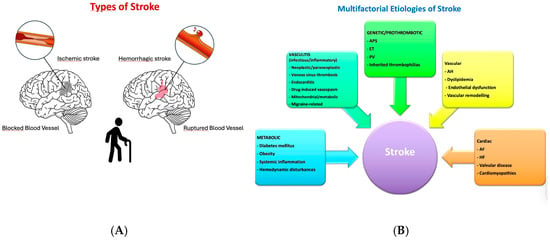
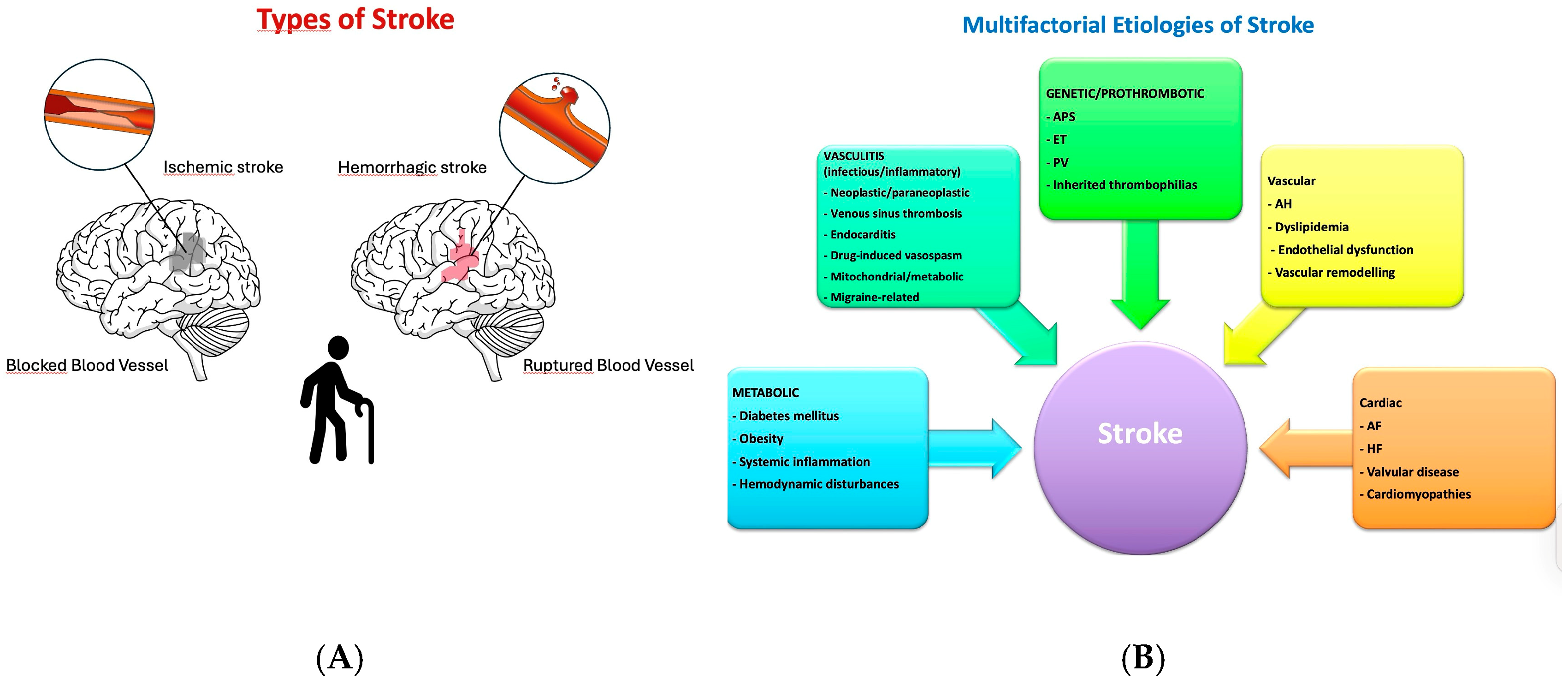
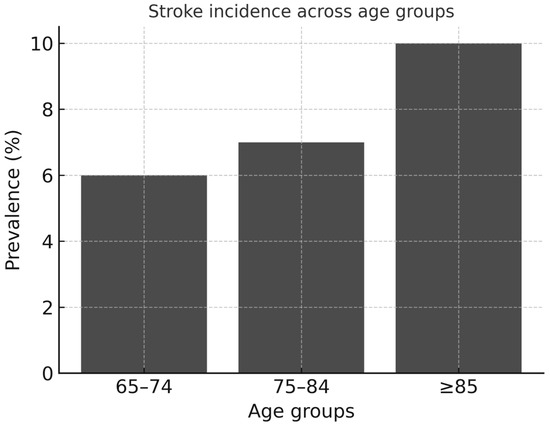
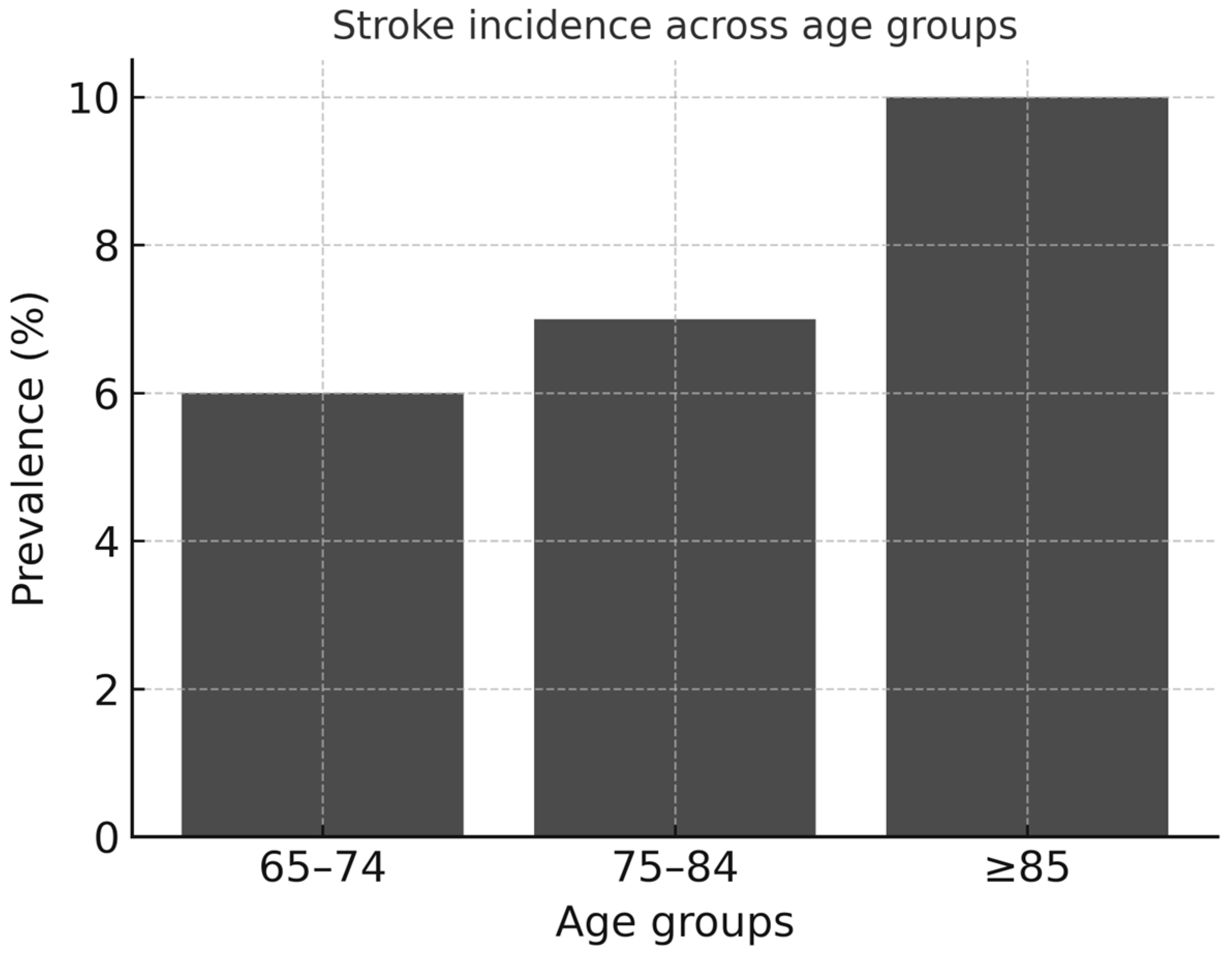
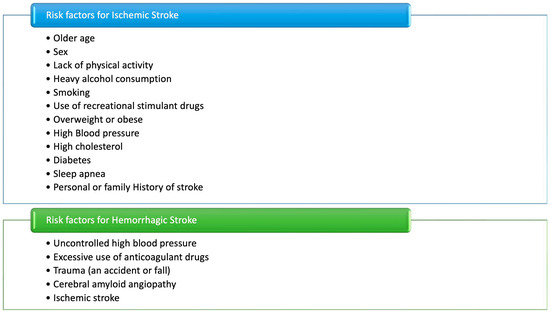
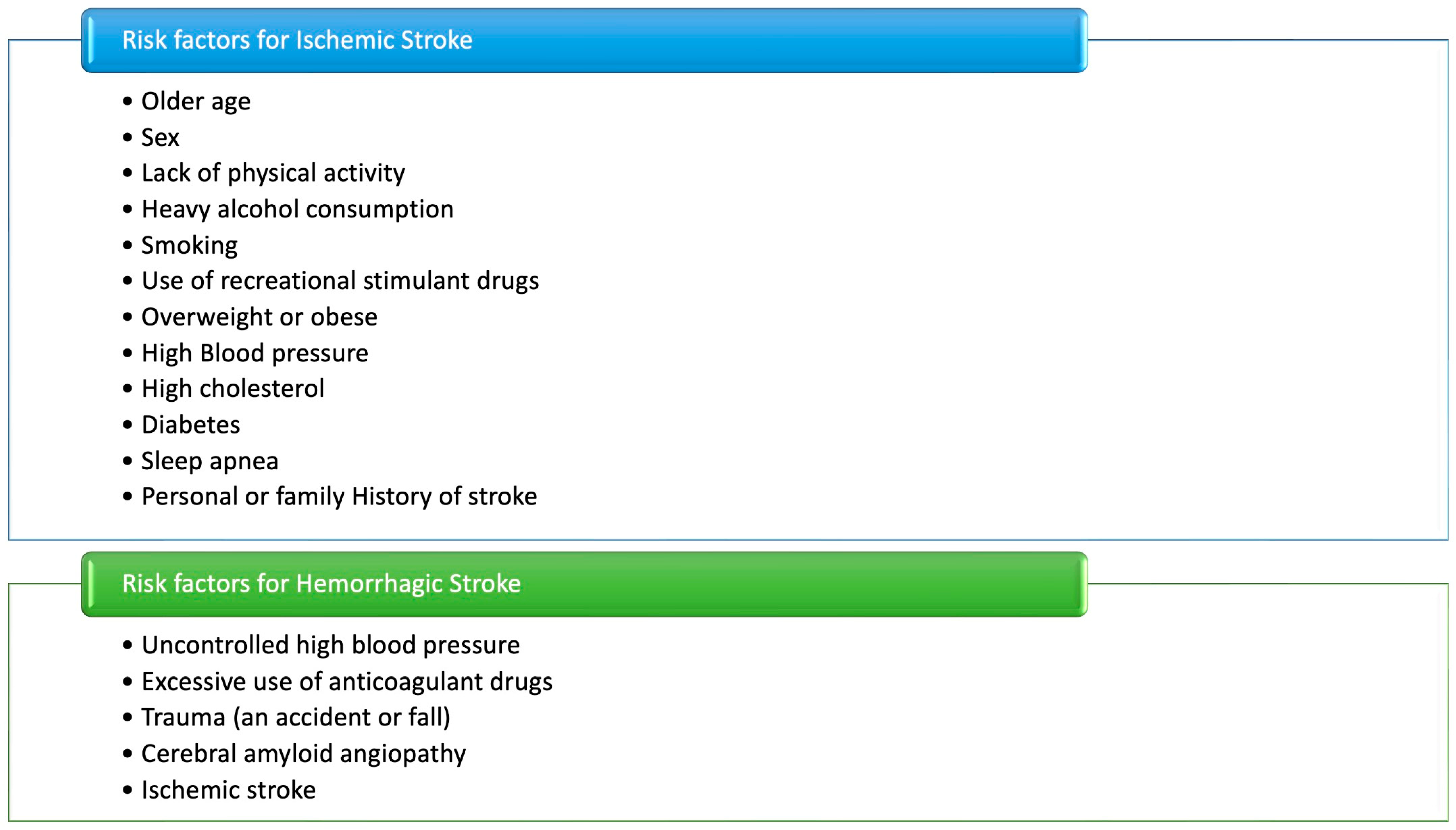
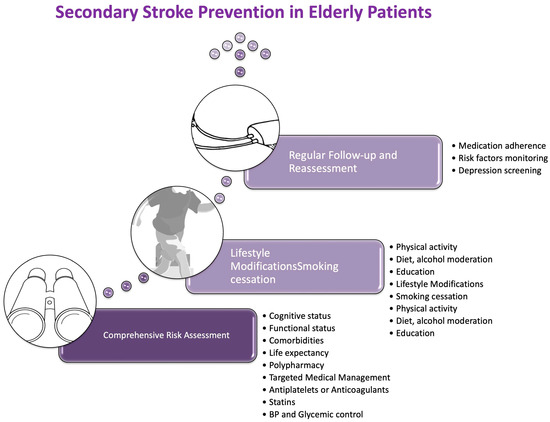
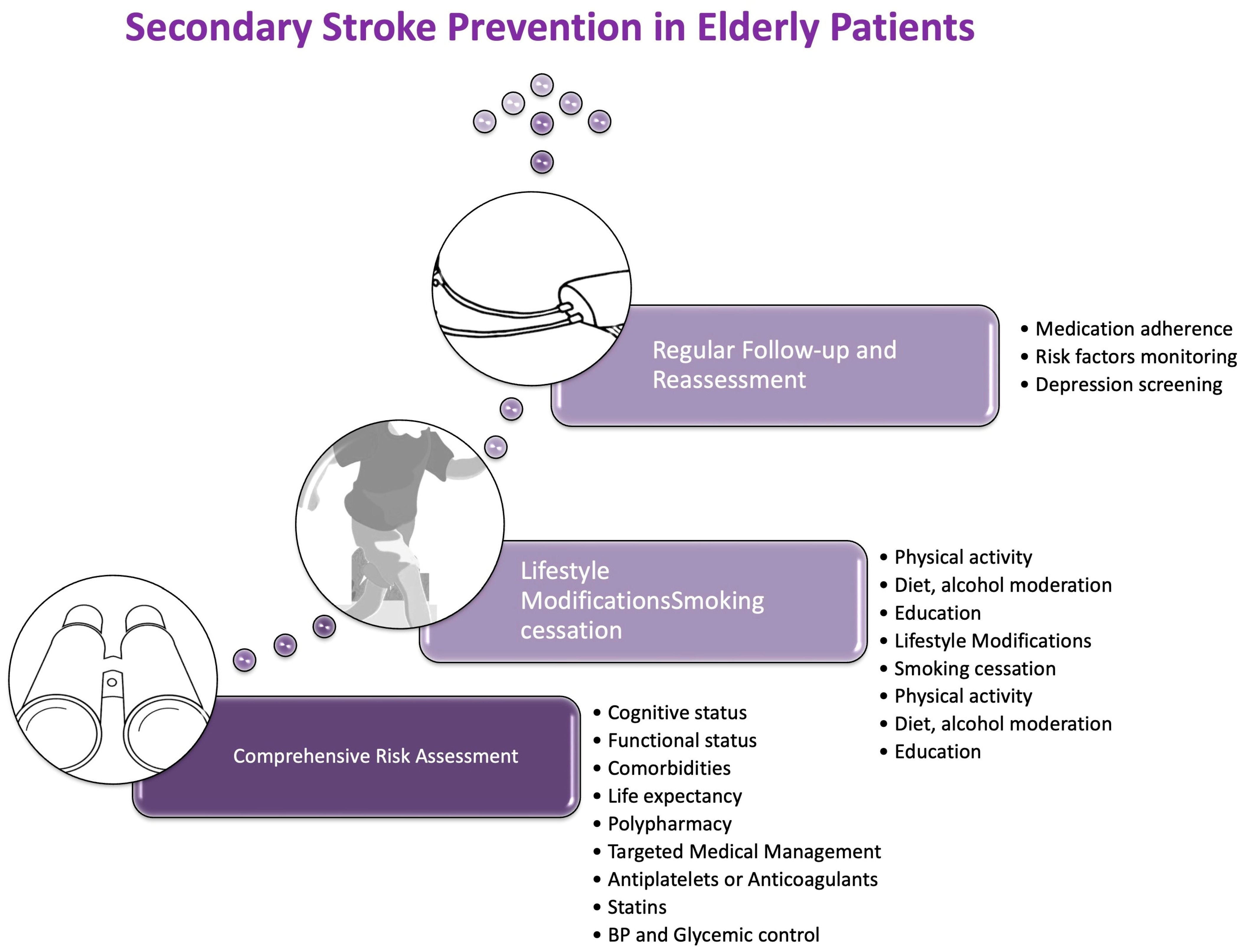
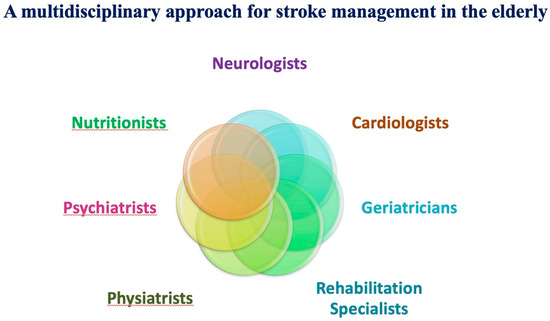
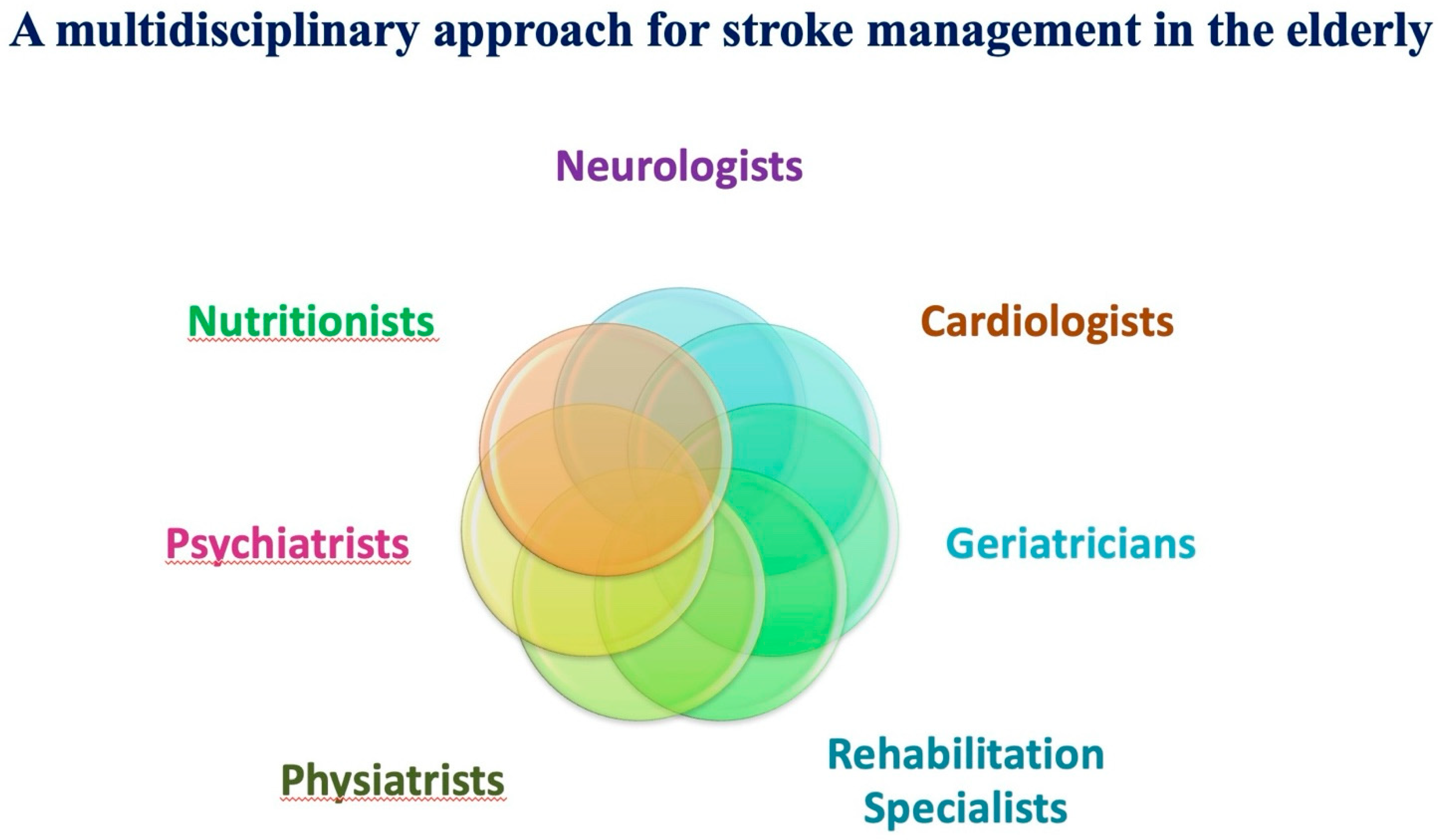
Disclaimer/Publisher’s Note: The statements, opinions and data contained in all publications are solely those of the individual author(s) and contributor(s) and not of MDPI and/or the editor(s). MDPI and/or the editor(s) disclaim responsibility for any injury to people or property resulting from any ideas, methods, instructions or products referred to in the content. |
© 2026 by the authors. Licensee MDPI, Basel, Switzerland. This article is an open access article distributed under the terms and conditions of the Creative Commons Attribution (CC BY) license.