


Abstract
The rapid adoption of electric vehicles (EVs) has intensified the demand for advanced energy storage technologies capable of delivering high energy density, high power density, enhanced safety, and extended service life. Although lithium-ion batteries remain the dominant energy storage technology for EVs, their limited power capability, thermal degradation, and accelerated aging under high transient loads constrain vehicle performance. Battery–supercapacitor hybrid energy storage systems (HESSs) have emerged as a promising solution by combining the high energy density of batteries with the high-power density and rapid charge–discharge capability of supercapacitors. However, the increasing complexity of HESS architecture requires intelligent energy management strategies to optimize power allocation, battery protection, thermal regulation, and overall system efficiency. Existing review papers primarily address individual aspects of HESS architecture, battery management, or artificial intelligence (AI)-based control, leaving a lack of a unified review integrating these topics. This paper addresses this gap by reviewing 181 publications published between 2020 and 2026, covering HESS architectures, conventional and AI-driven energy management strategies, machine learning, deep learning, reinforcement learning, battery state estimation, diagnostics, prognostics, thermal management, and fault diagnosis. The reviewed studies are critically analyzed to assess the impact of AI on battery lifetime, regenerative braking, charging performance, thermal behavior, and energy efficiency. The review further identifies emerging research directions, including explainable AI, digital twins, federated learning, edge intelligence, vehicle-to-grid integration, and cybersecurity-aware energy management. The findings indicate that AI-based approaches generally demonstrate greater adaptability, predictive capability, and battery protection than conventional methods under dynamic operating conditions, although challenges related to computational complexity, real-time implementation, data availability, explainability, cybersecurity, and standardization remain significant barriers to large-scale deployment.
1. Introduction
The global transition toward sustainable transportation has accelerated the adoption of electric vehicles (EVs) as a critical strategy for reducing greenhouse gas emissions, dependence on fossil fuels, and environmental pollution. Rapid advancements in battery technologies, charging infrastructure, and vehicle electrification policies have significantly increased EV deployment across passenger transportation, public transit, logistics and industrial mobility sectors. Recent studies indicate that the continuous growth of EV adoption is driven by global decarbonization initiatives, stricter emission regulations and increasing investments in intelligent transportation systems [1]. As EV penetration increases, the performance, reliability, efficiency and longevity of onboard energy storage systems become increasingly important because they directly influence driving range, charging requirements, vehicle cost and operational sustainability. Consequently, energy storage technologies have emerged as one of the most critical components determining the future success of large-scale transportation electrification. Despite substantial progress in battery technology, standalone battery systems continue to face several challenges that limit their long-term performance in electric vehicles. Lithium-ion batteries, which currently dominate EV applications due to their high energy density and maturity, experience accelerated degradation under high-power transients, rapid charging conditions and repetitive regenerative braking events. Frequent exposure to large current fluctuations increases internal resistance growth, thermal stress and capacity fading, ultimately reducing battery lifespan and increasing replacement costs. Batteries exhibit relatively low power density compared with vehicle acceleration and regenerative braking requirements, making them less suitable for handling sudden power surges efficiently. These limitations become particularly significant in urban driving environments characterized by frequent stop-and-go operation and highly dynamic load profiles. Several recent studies have reported that battery-only EV architectures suffer from reduced efficiency and increased aging under aggressive driving cycles, highlighting the need for complementary energy storage technologies capable of handling transient power demands more effectively [2].
To address these limitations, supercapacitors have attracted considerable attention as supplementary energy storage devices in electric vehicle applications. Unlike batteries, supercapacitors possess extremely high-power density, rapid charge–discharge capability, excellent lifecycle and superior efficiency under transient operating conditions. These characteristics make them highly effective for capturing regenerative braking energy, supporting vehicle acceleration, reducing battery peak-current stress, and improving overall energy utilization. Supercapacitors can undergo millions of charge–discharge cycles with minimal degradation, making them particularly suitable for applications involving frequent power fluctuations. However, despite these advantages, their relatively low energy density prevents them from functioning as standalone energy storage devices in electric vehicles. As a result, researchers have increasingly explored the integration of batteries and supercapacitors into unified Hybrid Energy Storage Systems (HESS), where batteries provide long-term energy supply while supercapacitors handle short-duration high-power demands. Such hybridization combines the complementary strengths of both technologies and has been widely recognized as a promising approach for improving EV performance and energy efficiency [3]. Hybrid battery–supercapacitor energy storage systems have therefore emerged as a major research area in modern electric vehicle development. Various HESS configurations including passive, semi-active and active topologies have been investigated to improve power-sharing capability, battery lifetime, thermal performance and regenerative braking efficiency. Recent studies have demonstrated that hybrid energy storage architectures can significantly reduce battery stress, enhance energy recovery, stabilize DC bus voltage and improve vehicle performance under dynamic driving conditions. Experimental investigations have further shown reductions in peak battery current and improvements in voltage stability when supercapacitors are integrated into EV power systems. These benefits make HESS increasingly attractive for passenger EVs, electric buses, heavy-duty transportation systems and autonomous mobility platforms. Nevertheless, the effectiveness of hybrid energy storage systems depends strongly on how power is allocated between batteries and supercapacitors during vehicle operation [4,5]. Consequently, energy management strategies (EMS) have become a central research focus in the development of intelligent HESS architecture. Conventional energy management strategies have traditionally relied on rule-based control, optimization-based methods, model predictive control (MPC) and fuzzy logic approaches to regulate power distribution within hybrid energy storage systems. Rule-based methods offer simplicity and ease of implementation but often depend heavily on predefined operating conditions and expert-designed rules. Optimization-based strategies can achieve improved performance but frequently require significant computational resources and accurate system models. Model predictive control provides predictive capabilities but becomes increasingly complex when dealing with uncertain driving environments and nonlinear system dynamics. Similarly, fuzzy logic systems improve adaptability but may still struggle under highly variable operating conditions. As electric vehicles become more connected, autonomous, and data-rich, traditional EMS approaches face increasing difficulty in adapting to changing traffic conditions, driver behavior, environmental factors, and battery health variations in real time. These limitations have motivated the growing adoption of artificial intelligence techniques for intelligent energy management and decision-making. Recent advances in artificial intelligence (AI) have transformed the design of energy management systems for electric vehicles. Machine learning, deep learning, and reinforcement learning techniques provide data-driven frameworks capable of learning complex system behaviors, adapting to uncertain operating conditions, and optimizing energy allocation dynamically. Artificial neural networks, support vector machines, random forests, convolutional neural networks (CNNs), long short-term memory (LSTM) networks and deep reinforcement learning algorithms have increasingly been applied to battery management, state estimation, predictive control, fault diagnosis and energy optimization [6]. AI-driven energy management systems offer several advantages over conventional approaches, including improved adaptability, enhanced prediction accuracy, reduced dependence on explicit mathematical models and the ability to exploit large-scale vehicle operational data. Emerging AI techniques have demonstrated significant potential for improving battery lifespan, thermal regulation, charging efficiency, and regenerative braking recovery within hybrid battery–supercapacitor systems. As a result, AI-driven HESS architecture is rapidly becoming a key enabling technology for next-generation intelligent electric vehicles. In parallel with advances in energy management, AI techniques are increasingly being applied to battery diagnostics and prognostics. State-of-charge (SOC) estimation, state-of-health (SOH) prediction, remaining useful life (RUL) estimation, thermal state prediction, and fault diagnosis have become critical functions for ensuring safe and reliable EV operation. Deep learning and reinforcement learning methods have shown promising results in extracting hidden relationships from battery data, enabling more accurate health monitoring and predictive maintenance compared with conventional estimation techniques. The integration of intelligent diagnostics with AI-driven energy management creates opportunities for health-aware control strategies capable of optimizing energy allocation while simultaneously minimizing battery degradation [7]. Such developments are expected to play a major role in future autonomous and connected electric vehicle ecosystems.
Although numerous review papers have examined aspects of hybrid energy storage systems, battery management systems, artificial intelligence, and electric vehicle energy management, the existing literature remains fragmented. Gopi and Ramesh reviewed battery–supercapacitor hybrid energy storage systems primarily from the perspective of storage architectures and system configurations but provided limited discussion of AI-driven energy management and intelligent diagnostics [8]. Mohammed et al. focused on optimal sizing and power management strategies for fuel-cell/battery/supercapacitor systems, emphasizing optimization techniques rather than broader AI methodologies [9]. Kermansaravi et al. presented a comprehensive review of AI-based energy management systems for electric vehicles; however, the review was not specifically centered on battery–supercapacitor hybrid energy storage architectures [10]. Similarly, recent reinforcement learning reviews have focused primarily on RL algorithms without providing comprehensive analysis of battery technologies, supercapacitor technologies, state estimation, diagnostics, and future intelligent EV ecosystems [11,12,13]. Other studies have concentrated on battery management systems, thermal management, or specific AI techniques while neglecting the broader integration of energy storage technologies, intelligent control, and system-level performance evaluation [14,15]. Consequently, a significant gap remains for a unified review that simultaneously examines hybrid battery-supercapacitor architectures, conventional and AI-driven energy management strategies, reinforcement learning approaches, intelligent diagnostics, performance evaluation metrics, and future opportunities within a single framework. This review provides a comprehensive analysis of AI-driven hybrid battery–supercapacitor systems for electric vehicles. Unlike previous reviews that focus on isolated aspects of energy storage or energy management, this work integrates battery technologies, supercapacitor technologies, hybrid energy storage architectures, conventional energy management methods, artificial intelligence techniques, intelligent diagnostics, quantitative performance analysis, and future intelligent transportation ecosystems within a unified framework. The review emphasizes recent developments from 2020–2026 and critically evaluates emerging machine learning, deep learning and reinforcement learning approaches for improving energy efficiency, battery lifetime, thermal performance and vehicle operation.
The major contributions of this review are as follows:
- Comprehensive review of battery technologies, supercapacitor technologies, and hybrid battery–supercapacitor energy storage architectures for electric vehicles.
- Critical analysis of conventional and AI-driven energy management strategies, including machine learning, deep learning, and reinforcement learning approaches.
- Dedicated discussion of AI-based state estimation, diagnostics, prognostics, and battery health monitoring techniques.
- Quantitative evaluation of performance metrics including battery lifetime, power density, energy efficiency, thermal performance, regenerative braking recovery, and driving-cycle behavior.
- Comparative assessment of existing review literature to identify research gaps and emerging opportunities.
- Examination of future directions including battery digital twins, edge AI, vehicle-to-grid intelligence, federated learning, and 6G-connected EV ecosystems.
- Development of a unified system-level perspective linking energy storage technologies, intelligent control, diagnostics, and future autonomous EV energy management frameworks.
Table 1 compares this review on AI-Driven Hybrid Battery–Supercapacitor Systems for Electric Vehicles with recent review articles in the field.
Table 1.
Comparison with Existing Reviews on AI-Driven Hybrid Battery–Supercapacitor Systems for Electric Vehicles.
The remainder of this paper is organized as follows. Section 2 describes the literature collection methodology employed in this review. Section 3 presents the fundamentals of hybrid battery–supercapacitor systems, including battery technologies, supercapacitor technologies and hybrid architectures. Section 4, Section 5 and Section 6 review conventional and AI-driven energy management strategies, state estimation techniques and intelligent diagnostics. Section 7 provides comprehensive performance evaluation and comparative analysis. Section 8 discusses applications in electric vehicles, current challenges and emerging trends. Section 9 highlights future opportunities and research directions. Finally, Section 10 concludes the article.
2. Literature Collection Methodology
A structured literature collection methodology was adopted to ensure comprehensive coverage of recent developments in artificial intelligence (AI)-enabled battery–supercapacitor hybrid energy storage systems (HESSs) for electric vehicles. Rather than conducting a formal systematic review, this study employed a rigorous and reproducible literature survey to identify, evaluate, and synthesize high-quality publications representing the current state of research in the field. Relevant literature was retrieved from major scientific databases, including IEEE Xplore, ScienceDirect, SpringerLink, Web of Science, Scopus, MDPI, Wiley Online Library, Springer Nature, SAGE Journals, and Google Scholar. These databases were selected because they provide extensive coverage of electric vehicles, energy storage technologies, battery management systems, artificial intelligence, machine learning, power electronics, and intelligent transportation systems. The literature search employed combinations of keywords connected using Boolean operators, including “Hybrid Energy Storage System” OR “HESS”, “Battery–Supercapacitor Hybrid Energy Storage”, “Electric Vehicle Energy Management”, “Battery Management System”, “Artificial Intelligence”, “Machine Learning”, “Deep Learning”, “Reinforcement Learning”, “State of Charge Estimation”, “State of Health Prediction”, “Remaining Useful Life”, “Thermal Management”, “Vehicle-to-Grid”, and “Digital Twin”. A representative search string used during the literature search was (“Hybrid Energy Storage System” OR HESS OR “Battery–Supercapacitor Hybrid Energy Storage”) AND (“Electric Vehicle” OR EV) AND (“Artificial Intelligence” OR “Machine Learning” OR “Deep Learning” OR “Reinforcement Learning”). Priority was given to publications appearing between 2020 and 2026 to ensure that the review reflects the latest developments in intelligent energy management for electric vehicles, while a limited number of earlier seminal publications were retained where necessary to provide historical context and foundational concepts. The literature search was conducted between January and April 2026, and the final database search was completed in April 2026.
Only peer-reviewed journal articles and selected high-quality conference papers published in English were considered. The selected studies focused on battery technologies, supercapacitors, hybrid energy storage architectures, conventional and AI-based energy management strategies, battery management systems, state estimation, diagnostics, prognostics, thermal management, electric vehicle applications, and emerging intelligent energy management technologies. Publications lacking sufficient technical detail, unrelated to hybrid energy storage systems, or unavailable in full text were excluded. Duplicate records identified across multiple databases were removed before title and abstract screening. The remaining articles were subsequently assessed through full-text review to determine their relevance to the scope of this study. Following the literature screening process, 181 publications were selected for detailed analysis. The reviewed literature was subsequently organized into major thematic areas covering battery and supercapacitor technologies, hybrid energy storage architectures, conventional energy management strategies, machine learning, deep learning, reinforcement learning, AI-based battery diagnostics and prognostics, performance evaluation, practical applications, technical challenges, and future research directions. Figure 1 summarizes the overall literature identification and publication distribution adopted in this review. Although this work is not a formal PRISMA-based systematic review, a structured literature selection process was employed to enhance the transparency and reproducibility of the review. This thematic organization enabled a systematic assessment of current technological developments while identifying existing research gaps and emerging opportunities for future investigation.
Figure 1.
(a) Literature selection process adopted in this review. (b) Annual distribution of the 181 publications reviewed in this study (2020–2026).
As shown in Figure 1, research activity has increased substantially over the past few years, with 148 of the 181 reviewed publications (81.8%) published between 2024 and 2026, demonstrating the rapid expansion of research on AI-enabled hybrid energy storage systems for electric vehicles. In particular, 79 publications were published in 2025, representing the largest proportion of the reviewed literature, while 38publications were published in 2026, highlighting the continued momentum of research in intelligent battery management, hybrid energy storage optimization, and AI-driven electric mobility. This publication trend confirms that AI-enabled battery–supercapacitor hybrid energy storage systems remain one of the fastest-growing research areas in electric vehicle technology.
3. Fundamentals of Hybrid Battery–Supercapacitor Systems
Hybrid battery–supercapacitor energy storage systems (HESSs) have emerged as an effective solution for addressing the conflicting energy and power requirements of modern electric vehicles. While batteries provide high energy density for sustained driving range, supercapacitors offer exceptionally high power density and rapid charge–discharge capability, making them suitable for handling transient power demands. The integration of these complementary storage devices enables improved energy utilization, enhanced regenerative braking recovery, reduced battery stress, and longer system lifetime. Consequently, HESS architecture has attracted considerable attention as a means of improving vehicle performance, reliability, and efficiency. The effectiveness of a hybrid energy storage system depends on several interrelated factors, including the characteristics of battery technology, the type of supercapacitor employed, the electrical topology used to connect the storage devices, and the mechanisms governing energy exchange between them. Recent advances in battery materials, supercapacitor technologies, power electronics, and intelligent control strategies have further expanded the capabilities of HESSs, enabling their deployment in passenger electric vehicles, electric buses, heavy-duty transportation systems, and autonomous mobility platforms. To establish the foundation for the subsequent discussions on energy management strategies and artificial intelligence-based control, this section reviews the principal battery technologies used in electric vehicles, the major categories of supercapacitors, hybrid energy storage system architectures, and the interaction mechanisms that govern power sharing between batteries and supercapacitors.
3.1. Battery Technologies for Electric Vehicles
Batteries constitute the primary energy storage component in modern electric vehicles and are largely responsible for determining driving range, energy efficiency, charging characteristics, and overall vehicle performance. The rapid growth of the electric vehicle industry has stimulated significant research and development efforts aimed at improving battery energy density, safety, cycle life, charging speed, and cost. Consequently, several battery chemistries have been developed and optimized to meet the diverse requirements of electric mobility applications. Among the various battery technologies, lithium-ion batteries have emerged as the dominant choice for electric vehicles because of their high energy density, long cycle life, and relatively mature manufacturing processes. Within the lithium-ion family, lithium iron phosphate (LFP) batteries have gained widespread adoption due to their superior safety, thermal stability, and affordability, while solid-state batteries are being actively investigated as a next-generation technology capable of delivering higher energy densities and improved safety. Understanding the characteristics, advantages, and limitations of these battery technologies is essential for designing efficient hybrid battery–supercapacitor energy storage systems and developing intelligent energy management strategies for electric vehicles. This section reviews the operating principles, structural characteristics, advantages, limitations, applications, and recent developments of the major battery technologies employed in electric vehicles, namely lithium-ion batteries, lithium iron phosphate batteries, and solid-state batteries.
3.1.1. Lithium-Ion Batteries
Lithium-ion batteries (LIBs) are currently the dominant energy storage technology in electric vehicles due to their high energy density, long cycle life, relatively low self-discharge rate, and favorable power-to-weight ratio. Their ability to store large amounts of energy within a compact volume has made them the preferred choice for passenger electric vehicles, plug-in hybrid electric vehicles, and commercial electric transportation systems. Recent reviews indicate that LIBs continue to dominate the EV market because they provide an effective balance between energy density, power capability, efficiency, and cost compared with alternative battery technologies [20,21]. A typical lithium-ion battery as shown in Figure 2 consists of four principal components: the cathode, anode, electrolyte, and separator. The cathode is commonly composed of lithium-containing materials such as lithium nickel manganese cobalt oxide (NMC), lithium iron phosphate (LFP), or lithium nickel cobalt aluminum oxide (NCA). The anode is generally graphite-based, although silicon-enhanced and lithium-metal anodes are increasingly being investigated to improve energy density. The electrolyte provides ionic conductivity between the electrodes, while the separator prevents direct electrical contact between the cathode and anode while allowing ion transport. Together, these components form the electrochemical structure responsible for energy storage and delivery. The operating principle of a lithium-ion battery is based on the reversible movement of lithium ions between the anode and cathode through an electrolyte during charging and discharging processes. During charging, lithium ions migrate from the cathode to the anode, where they are stored within the electrode structure. During discharge, the ions move back to the cathode while electrons flow through the external circuit, supplying electrical energy to the vehicle load. This reversible electrochemical process enables repeated charge–discharge cycling while maintaining relatively high energy efficiency [22].
Figure 2.
Basic structure and working principle of a lithium-ion battery, Reprinted from Ref. [22].
Lithium-ion batteries offer several advantages that have contributed to their widespread adoption in electric vehicles. These advantages include high specific energy, high energy density, fast charging capability, low self-discharge characteristics, and relatively long operational lifetime. Furthermore, continuous improvements in battery management systems, thermal management techniques, and cell chemistry have enhanced safety, reliability, and overall vehicle performance. These characteristics enable modern EVs to achieve extended driving ranges while maintaining acceptable vehicle weight and packaging constraints [23]. Despite these advantages, lithium-ion batteries also exhibit several limitations. Battery degradation remains a major concern because repeated charging and discharging cycles gradually reduce capacity and increase internal resistance. High-power charging, aggressive driving conditions, and elevated operating temperatures can accelerate aging mechanisms and reduce battery lifespan. Thermal runaway remains another significant challenge, particularly when cells are subjected to mechanical damage, overcharging, or abnormal operating conditions. In addition, lithium-ion batteries possess lower power density than supercapacitors, making them less effective for handling short-duration peak power demands and regenerative braking transients [24,25]. These limitations have motivated the development of hybrid battery–supercapacitor energy storage systems, where supercapacitors assist in managing high-power fluctuations and reducing battery stress. Lithium-ion batteries are currently employed across a wide range of electric vehicle platforms, including battery electric vehicles (BEVs), hybrid electric vehicles (HEVs), plug-in hybrid electric vehicles (PHEVs), and fuel-cell electric vehicles (FCEVs). Among the various lithium-ion chemistries, nickel manganese cobalt (NMC) batteries have historically dominated the EV market because of their high energy density, while lithium iron phosphate (LFP) batteries have experienced rapid growth due to their lower cost, improved thermal stability, and extended cycle life. According to recent industry analyses, NMC and LFP chemistries collectively account for the majority of global EV battery deployments [26]. Recent developments in lithium-ion battery technology have focused on improving energy density, fast-charging capability, safety, sustainability, and battery lifetime. Advances in electrode materials, electrolyte formulations, and interface engineering have enabled higher charging rates while mitigating degradation effects. Research efforts are also exploring silicon-rich anodes, lithium-metal batteries, advanced thermal management techniques, intelligent battery management systems, and enhanced state-of-health monitoring algorithms. Furthermore, growing interest in battery recycling and second-life applications is helping address sustainability concerns associated with large-scale EV deployment. These developments are expected to further strengthen the role of lithium-ion batteries as the primary energy source in future electric vehicles while supporting their integration within intelligent hybrid battery–supercapacitor energy storage systems [27,28].
3.1.2. Lithium Iron Phosphate Batteries
Lithium Iron Phosphate (LFP) batteries are a class of lithium-ion batteries that employ lithium iron phosphate (LiFePO4) as the cathode material. Due to their excellent thermal stability, long cycle life, low cost, and enhanced safety, LFP batteries have become increasingly popular in electric vehicle applications and currently account for a significant share of the global EV battery market. The operating principle of LFP batteries is similar to that of conventional lithium-ion batteries and is based on the reversible movement of lithium ions between the cathode and anode during charging and discharging. A typical LFP cell consists of a LiFePO4 cathode, graphite anode, electrolyte, and separator. The stable olivine crystal structure of LiFePO4 contributes significantly to its superior thermal and chemical stability. The major advantages of LFP batteries include high safety, long cycle life, good thermal stability, low self-discharge rate, and reduced dependence on expensive materials such as cobalt and nickel. Cycle lives exceeding 3000 cycles have been reported, making LFP batteries particularly suitable for electric buses, commercial fleets, and passenger EVs requiring long-term durability [29]. However, LFP batteries exhibit lower energy density than nickel-rich lithium-ion chemistries such as NMC and NCA batteries. Consequently, larger battery packs are often required to achieve comparable driving ranges. In addition, low-temperature performance remains a challenge due to reduced ion mobility under cold operating conditions. LFP batteries are currently employed in a wide range of electric vehicles owing to their favorable balance between cost, safety, and durability. Recent developments have focused on improving energy density through nanostructured cathode materials, advanced electrolytes, cell-to-pack integration technologies, and intelligent battery management systems. These advancements are expected to further strengthen the role of LFP batteries in future hybrid battery–supercapacitor energy storage systems for electric vehicles [30].
3.1.3. Solid-State Batteries
Solid-state batteries (SSBs) are considered one of the most promising next-generation energy storage technologies for electric vehicles because they replace the flammable liquid electrolyte used in conventional lithium-ion batteries with a solid electrolyte. This design improves safety while enabling higher energy density, making solid-state batteries attractive for future long-range electric vehicles [31]. The operating principle of solid-state batteries is similar to that of conventional lithium-ion batteries, where lithium ions migrate between the cathode and anode during charging and discharging processes. However, ion transport occurs through a solid electrolyte rather than a liquid medium. Depending on the material employed, solid electrolytes are generally classified into sulfide-based, oxide-based, and polymer-based electrolytes. A typical solid-state battery consists of a cathode, solid electrolyte, and anode, which may be graphite-based, silicon-based, or lithium-metal based [32]. One of the primary advantages of solid-state batteries is their improved safety. The absence of flammable liquid electrolytes significantly reduces the risk of leakage, combustion, and thermal runaway. In addition, solid-state batteries can support the use of lithium-metal anodes, resulting in substantially higher energy densities than conventional lithium-ion batteries. These characteristics can potentially increase driving range while improving overall battery safety and reliability [31,32]. Despite their advantages, several challenges hinder large-scale commercialization. These include high manufacturing costs, interface instability between electrodes and solid electrolytes, limited ionic conductivity in certain electrolyte materials, and difficulties associated with mass production. Long-term cycling stability and mechanical durability also remain active areas of research. Recent developments have focused on advanced solid electrolyte materials, interface engineering, and scalable manufacturing techniques aimed at improving performance and reducing cost. Consequently, solid-state batteries are widely regarded as a key technology for next-generation electric vehicles and future hybrid battery–supercapacitor energy storage systems [33]. Table 2 compares the principal characteristics of conventional lithium-ion and solid-state batteries. Although solid-state batteries offer superior safety and higher energy-density potential, challenges related to manufacturing cost, interface stability, and large-scale commercialization continue to limit their widespread adoption.
Table 2.
Comparison between Conventional Lithium-Ion Batteries and Solid-State Batteries.
3.2. Supercapacitor Technologies
Supercapacitors, also known as electrochemical capacitors or ultracapacitors, have emerged as an important energy storage technology for electric vehicle applications due to their exceptionally high-power density, rapid charge–discharge capability, and long cycle life. Unlike batteries, which store energy through electrochemical reactions, supercapacitors primarily store energy through electrostatic charge accumulation or fast surface redox reactions. These characteristics enable them to deliver large bursts of power within short time intervals, making them particularly suitable for vehicle acceleration, regenerative braking, and peak-power assistance in hybrid energy storage systems. Although supercapacitors generally possess lower energy density than batteries, their ability to withstand millions of charge–discharge cycles with minimal degradation makes them an attractive complementary energy storage technology. Depending on the charge storage mechanism employed, supercapacitors are commonly classified into Electric Double-Layer Capacitors (EDLCs), Pseudocapacitors, and Hybrid Supercapacitors. Understanding the characteristics of these technologies is essential for designing efficient battery–supercapacitor hybrid energy storage systems for electric vehicles.
3.2.1. Electric Double-Layer Capacitors (EDLCs)
Electric Double-Layer Capacitors (EDLCs), commonly referred to as ultracapacitors or supercapacitors, are the most mature and widely deployed class of supercapacitors. Unlike batteries, which store energy through electrochemical reactions, EDLCs store energy electrostatically through the accumulation of charges at the interface between the electrode surface and electrolyte. This charge separation forms an electric double layer, enabling rapid energy storage and release without significant chemical transformation of the electrode materials [34]. A typical EDLC consists of two porous carbon-based electrodes, an electrolyte, and a separator. The porous structure of the electrodes provides a very large surface area for charge accumulation, significantly increasing capacitance. During charging, positive and negative ions from the electrolyte accumulate on the surfaces of the oppositely charged electrodes, creating an electric double layer that stores energy. During discharge, the stored charges are released to supply electrical power to the external load. EDLCs offer several advantages that make them attractive for electric vehicle applications. Their exceptionally high-power density enables rapid charging and discharging, while their long cycle life allows millions of charge–discharge cycles with minimal degradation. In addition, EDLCs exhibit high efficiency, excellent low-temperature performance, and superior reliability under frequent cycling conditions. These characteristics make them particularly suitable for handling short-duration power demands such as vehicle acceleration, regenerative braking, and load leveling in hybrid energy storage systems [35]. Despite these advantages, EDLCs possess significantly lower energy density than batteries, limiting their ability to provide sustained energy over long durations. Consequently, EDLCs cannot serve as the sole energy storage source in electric vehicles and are typically integrated with batteries in hybrid energy storage systems. Self-discharge rates are also generally higher than those of batteries, which may affect long-term energy retention. In electric vehicle applications, EDLCs are commonly employed as auxiliary energy storage devices that absorb regenerative braking energy and provide peak power support during acceleration. By reducing high-current stress on the battery, EDLCs contribute to improved battery lifespan, enhanced system efficiency, and better overall vehicle performance. Recent developments have focused on advanced carbon nanomaterials, graphene-based electrodes, improved electrolytes, and optimized electrode architectures to increase energy density while preserving the inherent high-power characteristics of EDLCs. These advancements continue to strengthen the role of EDLCs in hybrid battery–supercapacitor energy storage systems for electric vehicles [29].
3.2.2. Pseudocapacitors
Pseudocapacitors represent a class of electrochemical capacitors that store energy through fast and reversible Faradaic redox reactions occurring at or near the electrode surface. Unlike Electric Double-Layer Capacitors (EDLCs), which rely primarily on electrostatic charge accumulation, pseudocapacitors involve charge transfer between the electrode and electrolyte, resulting in significantly higher capacitance and energy density. A typical pseudocapacitor consists of transition metal oxides, conducting polymers, or other electroactive materials deposited on conductive substrates. Common electrode materials include ruthenium oxide (RuO2), manganese oxide (MnO2), nickel oxide (NiO), polyaniline (PANI), and polypyrrole (PPy). During charging and discharging, ions from the electrolyte participate in rapid surface redox reactions, enabling efficient energy storage and release. One of the major advantages of pseudocapacitors is their higher energy density compared with EDLCs while maintaining relatively high-power density and fast charge–discharge capability. These characteristics make pseudocapacitors attractive for applications requiring both rapid power delivery and moderate energy storage. Pseudocapacitors can achieve greater capacitance because charge storage occurs through both electrostatic and electrochemical mechanisms [36]. Despite these advantages, pseudocapacitors generally exhibit lower cycle life and reduced long-term stability compared with EDLCs due to repeated Faradaic reactions occurring at the electrode surface. Some electrode materials also suffer from structural degradation during prolonged cycling, while the use of certain transition metal oxides may increase manufacturing costs. These limitations continue to motivate research into novel electrode materials and nanostructured architectures aimed at improving durability and electrochemical performance [35]. In electric vehicle applications, pseudocapacitors have been investigated as intermediate energy storage devices capable of providing higher energy density than conventional EDLCs while preserving rapid charge–discharge characteristics. Recent developments have focused on nanostructured metal oxides, conductive polymers, carbon-based composites, and hybrid electrode materials designed to enhance energy density, cycling stability, and power capability. These advances are expected to improve the suitability of pseudocapacitors for future hybrid battery–supercapacitor energy storage systems and next-generation electric mobility platforms [37].
3.2.3. Hybrid Supercapacitors
Hybrid supercapacitors combine the operating principles of Electric Double-Layer Capacitors (EDLCs) and pseudocapacitors to achieve a balance between high power density and improved energy density. Unlike EDLCs, which store energy through electrostatic charge accumulation, and pseudocapacitors, which rely on Faradaic redox reactions, hybrid supercapacitors integrate both charge storage mechanisms within a single device. As a result, they are capable of delivering higher energy density than conventional EDLCs while maintaining superior power characteristics compared with batteries. The structure of a hybrid supercapacitor typically consists of two dissimilar electrodes, where one electrode operates through an electrostatic mechanism like an EDLC, while the other electrode utilizes Faradaic reactions characteristic of battery-type or pseudocapacitive materials. Common configurations include carbon-based electrodes paired with lithium-ion, metal oxide, or conducting polymer electrodes. This asymmetric design enables the device to exploit the advantages of both capacitor-like and battery-like energy storage processes [38]. The principal advantage of hybrid supercapacitors is their ability to provide a favorable compromise between energy density, power density, and cycle life. Compared with EDLCs, hybrid supercapacitors generally exhibit significantly higher energy storage capacity, while maintaining faster charge–discharge capability than conventional batteries. These characteristics make them attractive for applications requiring both rapid power delivery and moderate energy storage capability. Despite these benefits, hybrid supercapacitors still face several challenges, including higher manufacturing complexity, increased cost, and material compatibility issues arising from the use of different electrode technologies. Balancing the electrochemical behavior of both electrodes remains a critical design consideration for achieving optimal performance and long-term stability [38]. In electric vehicle applications, hybrid supercapacitors have attracted increasing interest as energy storage devices capable of supporting acceleration, regenerative braking, and transient load management. Recent developments have focused on advanced nanostructured electrodes, graphene-based composites, metal oxide–carbon hybrid materials, and lithium-ion capacitor technologies aimed at improving energy density, cycle life, and power capability. These advances are expected to strengthen the role of hybrid supercapacitors in future intelligent hybrid battery–supercapacitor energy storage systems and next-generation electric mobility platforms [39,40,41]. Figure 3 illustrates the charge storage mechanisms of the three major supercapacitor technologies, namely the Electric Double-Layer Capacitor (EDLC), pseudocapacitor, and hybrid supercapacitor. As shown in Figure 3a, the EDLC stores energy through electrostatic charge accumulation at the electrode–electrolyte interface. Figure 3b depicts the pseudocapacitor, which stores energy through fast and reversible Faradaic redox reactions, while Figure 3c illustrates the hybrid supercapacitor that combines both electrostatic and Faradaic charge storage mechanisms. Table 3 summarizes the key characteristics of EDLCs, pseudocapacitors, and hybrid supercapacitors for electric vehicle energy storage applications.
Figure 3.
Storage mechanisms in supercapacitor technologies: (a) electric double-layer capacitor (EDLC), (b) pseudocapacitor, and (c) hybrid supercapacitor.
Table 3.
Comparison of EDLCs, Pseudocapacitorsand Hybrid Supercapacitors.
3.3. Hybrid Energy Storage Architectures and Battery–Supercapacitor Interaction Mechanisms
Hybrid Energy Storage Systems (HESSs) combine batteries and supercapacitors to exploit the complementary characteristics of both technologies. Batteries provide high energy density and long-duration energy supply, whereas supercapacitors offer high power density, rapid charge–discharge capability, and excellent cycle life. By integrating these devices within a unified energy storage framework, HESSs can satisfy the diverse power and energy requirements of electric vehicles more effectively than standalone storage technologies. Consequently, HESSs have attracted considerable attention as a promising solution for improving vehicle performance, extending battery lifetime, enhancing regenerative braking efficiency, and increasing overall energy utilization. The effectiveness of a battery–supercapacitor hybrid system largely depends on the architecture used to interconnect the storage devices and manage power flow between them. Appropriate system architectures enable efficient allocation of high-power transient loads to the supercapacitor while allowing the battery to operate under smoother current profiles. This coordinated operation reduces battery degradation, mitigates thermal stress, and improves energy efficiency. Hybrid architecture facilitates effective recovery of regenerative braking energy, which can be rapidly absorbed by the supercapacitor and subsequently transferred to the battery or vehicle load when required. Battery–supercapacitor interaction mechanisms are therefore closely linked to the selected system architecture. During vehicle acceleration, the supercapacitor typically supplies peak power demands, reducing the burden on the battery. During cruising conditions, the battery serves as the primary energy source, while the supercapacitor remains available for transient power support. During regenerative braking, the supercapacitor absorbs high-power braking energy that would otherwise stress the battery, thereby improving energy recovery efficiency and prolonging battery lifespan. Depending on the degree of power electronic control employed, hybrid energy storage systems are generally categorized into passive, semi-active, and active topologies. The following subsections discuss these architectures and their associated battery–supercapacitor interaction mechanisms.
3.3.1. Passive Topology
The passive topology is the simplest and most cost-effective hybrid energy storage architecture used for integrating batteries and supercapacitors in electric vehicles. In this configuration, the battery and supercapacitor are directly connected in parallel without the use of DC–DC converters or complex power electronic interfaces. Owing to its simple structure, the passive topology offers low implementation cost, reduced control complexity, and high reliability. The operating principle of the passive topology relies on the natural distribution of current between the battery and supercapacitor according to their internal characteristics. During high-power-demand conditions such as vehicle acceleration, the supercapacitor automatically supplies a significant portion of the transient current because of its lower internal resistance and higher power density. Conversely, during normal driving conditions, the battery provides the majority of the energy required for vehicle propulsion. During regenerative braking, the supercapacitor rapidly absorbs high-power braking energy, thereby reducing current stress on the battery and improving energy recovery efficiency [42]. One of the major advantages of passive topologies is their simplicity. The absence of power converters minimizes system losses, reduces hardware requirements, and improves overall reliability. Passive configurations are relatively easy to implement and maintain, making them attractive for low-cost electric vehicle applications. The supercapacitor also assists in mitigating battery current fluctuations, thereby reducing battery degradation and extending operational lifespan. Despite these benefits, passive topologies provide limited control over power flow between the battery and supercapacitor. Since current sharing occurs naturally according to component impedance, it is difficult to independently regulate the operating conditions of each storage device. Consequently, the supercapacitor may not always operate at its optimal voltage range, and overall system performance may be lower than that achievable with more advanced hybrid architectures. These limitations have motivated the development of semi-active and active topologies that provide enhanced power management capabilities [43]. Passive battery–supercapacitor systems have been investigated in various electric vehicle applications, particularly in low-cost and lightweight vehicle platforms where simplicity and reliability are prioritized. Recent research has focused on optimizing component sizing, improving energy management strategies, and enhancing system performance through intelligent control algorithms that compensate for the inherent limitations of passive power-sharing mechanisms [42,43].
3.3.2. Semi-Active Topology
The semi-active topology represents an intermediate hybrid energy storage architecture that provides greater flexibility and power management capability than passive configurations while maintaining lower complexity than fully active systems. In this topology, either the battery or the supercapacitor is connected to the DC bus through a bidirectional DC–DC converter, while the other storage device is directly connected to the load. The introduction of a converter enables partial control of power flow, allowing more effective utilization of the complementary characteristics of batteries and supercapacitors. The operating principle of the semi-active topology is based on controlled power sharing between the battery and supercapacitor. During vehicle acceleration or other high-power demand conditions, the converter regulates energy exchange so that the supercapacitor can provide transient power support, thereby reducing battery current stress. During regenerative breaking, excess braking energy can be efficiently directed to the supercapacitor for temporary storage before being redistributed to the battery or load as required. This controlled interaction improves energy utilization and enhances overall system performance [44,45]. Compared with passive topologies, semi-active architecture offers improved flexibility in managing the operating conditions of both storage devices. The ability to regulate power flow enables better voltage matching, improved energy recovery efficiency, and enhanced battery protection. Consequently, semi-active systems can achieve longer battery lifespan, higher efficiency, and superior dynamic performance. In addition, the reduced battery current fluctuations contribute to lower thermal stress and improved reliability [46]. Despite these advantages, semi-active topologies require additional power electronic components and control algorithms, resulting in higher system complexity and cost than passive architecture. Converter losses may also reduce overall efficiency if not properly managed. The performance of the system depends significantly on the effectiveness of the energy management strategy employed to coordinate battery–supercapacitor interactions. Semi-active topologies have gained considerable attention in electric vehicle research because they provide a practical compromise between performance and implementation cost. Recent developments have focused on advanced converter designs, intelligent energy management strategies, and artificial intelligence-based control methods aimed at further improving power allocation, regenerative braking recovery, and battery lifetime. These characteristics make semi-active architectures one of the most widely investigated hybrid energy storage configurations for modern electric vehicles [47,48].
3.3.3. Active Topology
The active topology is the most advanced and flexible hybrid energy storage architecture for battery–supercapacitor systems in electric vehicles. In this configuration, both the battery and the supercapacitor are connected to the DC bus through dedicated bidirectional DC–DC converters, enabling independent control of power flow between each storage device and the vehicle load. This architecture provides complete flexibility in energy management and allows the battery and supercapacitor to operate within their optimal operating conditions. The operating principle of the active topology relies on sophisticated control strategies that continuously monitor vehicle power demand, battery state of charge, supercapacitor voltage, and other operating parameters. During vehicle acceleration, the supercapacitor can be commanded to supply most of the transient power demand, thereby minimizing battery current stress. During cruising conditions, the battery serves as the primary energy source while the supercapacitor remains available for dynamic load support. During regenerative braking, the control system directs braking energy to the supercapacitor for rapid storage and subsequently redistributes the recovered energy according to system requirements [49,50,51,52]. One of the major advantages of active topologies is their superior power flow control capability. Independent converter control enables optimal power allocation, improved energy utilization, enhanced regenerative braking efficiency, and significant reduction in battery stress. As a result, active architecture can improve battery lifespan, increase system efficiency, and enhance vehicle performance. This architecture supports the implementation of advanced energy management strategies, including model predictive control, fuzzy logic systems, machine learning algorithms, and reinforcement learning techniques [53]. Despite these benefits, active topologies exhibit higher complexity, cost, and control requirements than passive and semi-active systems. The use of multiple converters increases hardware cost, system weight, and converter-related losses. In addition, sophisticated control algorithms and real-time monitoring systems are required to achieve optimal operation. These factors may increase implementation challenges, particularly in cost-sensitive electric vehicle applications [51]. Active topologies are widely regarded as the most suitable architecture for high-performance electric vehicles, electric buses, autonomous vehicles, and next-generation intelligent transportation systems. Recent developments have focused on artificial intelligence-assisted energy management, adaptive power allocation algorithms, digital twin technologies, and predictive control frameworks capable of further enhancing system performance. Consequently, active architectures are expected to play a central role in future AI-driven hybrid battery–supercapacitor energy storage systems [53,54]. Figure 4 illustrates the three principal hybrid battery–supercapacitor energy storage architectures discussed in Section 3.3, namely the passive, semi-active, and active topologies. As shown in Figure 4a, the passive topology directly connects the battery and supercapacitor to the DC bus without power electronic converters, resulting in a simple and low-cost configuration. Figure 4b depicts the semi-active topology, where a bidirectional DC–DC converter is incorporated to provide partial control over power flow and energy allocation. Figure 4c presents the active topology, which employs dedicated bidirectional DC–DC converters for both the battery and supercapacitor, enabling independent power management and enhanced system performance. These architectures form the foundation of modern hybrid energy storage systems and significantly influence energy utilization, regenerative braking efficiency, battery lifetime, and overall electric vehicle performance.
Figure 4.
Hybrid battery–supercapacitor energy storage architectures: (a) passive topology, (b) semi-active topology, and (c) active topology.
Table 4 compares the principal characteristics of passive, semi-active, and active hybrid energy storage architectures. While passive topologies offer simplicity and low implementation cost, semi-active and active architectures provide progressively greater control over battery–supercapacitor interactions, resulting in improved energy utilization, regenerative braking recovery, and battery lifetime. The choice of architecture therefore depends on application requirements, performance objectives, and cost considerations.
Table 4.
Comparison of Passive, Semi-Active, and Active Hybrid Energy Storage Architectures.
4. Energy Management Strategies
The performance of a hybrid battery–supercapacitor energy storage system depends not only on the selected architecture but also on the effectiveness of the energy management strategy (EMS) used to coordinate power flow between the storage devices. Energy management strategies determine how power demand is allocated between the battery and supercapacitor under varying driving conditions, ensuring efficient utilization of available energy while maintaining system reliability and longevity. An effective EMS aims to reduce battery stress, maximize regenerative braking energy recovery, improve vehicle efficiency, and extend the operational lifetime of both storage components. In electric vehicles, power demand continuously varies during acceleration, cruising, hill climbing, and regenerative braking. Consequently, intelligent energy management is required to exploit the complementary characteristics of batteries and supercapacitors. During high-power transients, the supercapacitor is typically utilized to supply or absorb peak power, whereas the battery provides the primary energy required for sustained vehicle operation. Appropriate coordination between these storage devices can significantly improve overall system performance while reducing battery degradation and thermal stress. Over the past decade, numerous energy management approaches have been proposed for hybrid energy storage systems. These approaches range from simple rule-based techniques to advanced optimization algorithms and artificial intelligence-driven methods capable of adapting to dynamic operating conditions. As electric vehicles become increasingly connected, autonomous, and data-driven, intelligent energy management has emerged as a critical research area for maximizing the benefits of battery–supercapacitor hybridization. The following subsections review the most widely adopted energy management strategies, including rule-based control, optimization-based approaches, model predictive control, and fuzzy logic systems, which collectively provide the foundation for modern AI-driven energy management frameworks.
4.1. Rule-Based Control
Rule-based control is one of the earliest and most widely adopted energy management strategies for battery–supercapacitor hybrid energy storage systems. The method allocates power between the battery and supercapacitor using predefined decision rules, thresholds, and logical conditions derived from expert knowledge of system operation. Typical control variables include battery state of charge (SOC), supercapacitor voltage, vehicle power demand, and regenerative braking conditions. When power demand exceeds a predefined threshold, the supercapacitor is usually activated to supply peak power, whereas the battery provides the average energy required for sustained vehicle operation. The popularity of rule-based control stems from its simplicity, low computational requirements, ease of implementation, and suitability for real-time vehicle applications. Unlike optimization-based approaches, rule-based methods do not require extensive mathematical modeling or high-performance processors, making them attractive for practical deployment in commercial electric vehicles.
Recent studies have demonstrated the effectiveness of rule-based control strategies in hybrid battery–supercapacitor systems. Noui et al. [55] developed a rule-based energy management strategy for a battery–supercapacitor hybrid electric vehicle and reported significant reductions in battery current fluctuations while improving power-sharing performance. The proposed controller effectively utilized the supercapacitor during acceleration and regenerative braking events, thereby reducing battery stress and enhancing overall system stability. However, the strategy relied heavily on predefined thresholds, limiting its adaptability to changing driving conditions and traffic patterns. Similarly, Wai et al. [56] proposed an adaptive rule-based energy management strategy for hybrid energy storage systems operating under multiple driving cycles. Their results indicated improved utilization of regenerative braking energy and reduced battery energy consumption compared with conventional rule-based controllers. The study also demonstrated enhanced battery protection through more effective power allocation. Nevertheless, the controller required extensive parameter tuning and remained dependent on manually designed decision rules, which may reduce scalability across different vehicle platforms. Veerendra et al. [57] investigated rule-based energy management techniques for electric vehicle hybrid energy storage systems and reported improvements in energy efficiency and battery lifespan when compared with battery-only configurations. The study confirmed that simple rule-based approaches can provide satisfactory performance under predictable operating conditions. However, the controller exhibited reduced effectiveness under highly dynamic driving scenarios where optimal power allocation requires adaptation to rapidly changing system states. Although rule-based control remains attractive because of its simplicity and reliability, its dependence on fixed rules prevents it from achieving globally optimal energy allocation. Its strategy lacks learning capability and cannot automatically adapt to unknown operating conditions. These limitations have motivated the development of optimization-based energy management strategies that determine power allocation through mathematical optimization techniques, which are discussed in the next subsection.
4.2. Optimization-Based Energy Management Strategies
Optimization-based energy management strategies were developed to overcome the limitations of rule-based control by determining the optimal power allocation between batteries and supercapacitors according to predefined objective functions and system constraints. Unlike rule-based approaches that rely on fixed thresholds and expert knowledge, optimization-based methods employ mathematical algorithms to minimize energy consumption, battery degradation, operating costs, or power losses while satisfying vehicle performance requirements. Consequently, these strategies can achieve more efficient utilization of hybrid energy storage systems under varying driving conditions. The fundamental principle of optimization-based EMS is to formulate power management as an optimization problem in which the battery and supercapacitor power contributions are continuously adjusted to achieve a desired objective. Common optimization techniques include Dynamic Programming (DP), Genetic Algorithms (GA), Particle Swarm Optimization (PSO), Pontryagin’s Minimum Principle (PMP), and other metaheuristic approaches. These methods aim to improve energy efficiency, extend battery lifespan, and enhance regenerative braking energy recovery by identifying optimal power-sharing strategies [58].
Several recent studies have demonstrated the effectiveness of optimization-based EMS for battery–supercapacitor hybrid energy storage systems. Wang et al. [59] developed an optimization-based energy management strategy that explicitly considered battery degradation in electric vehicle hybrid energy storage systems. Using Dynamic Programming (DP), the authors achieved a 16.68% reduction in battery capacity degradation compared with a fuzzy-control strategy while maintaining effective power allocation between the battery and supercapacitor. The study confirmed the potential of optimization methods for extending battery lifespan; however, the DP algorithm required substantial computational resources and is therefore more suitable for offline optimization than real-time implementation. Similarly, Ghadbane et al. [60] proposed an energy management strategy based on Slap Swarm Optimization combined with Differential Flatness Control for battery–supercapacitor electric vehicles. The proposed approach dynamically optimized power allocation between the battery and supercapacitor using real-time operating conditions. Simulation results demonstrated improved system performance, enhanced energy utilization, and effective management of transient power demands. Nevertheless, the optimization process increased computational complexity and may present implementation challenges in low-cost vehicle controllers. Another notable contribution was presented by Jiang et al. [61], who proposed a dual-layer optimization framework for hybrid energy storage systems incorporating batteries and supercapacitors. The strategy combined rule-based control with higher-level optimization mechanisms to improve energy distribution and regenerative braking recovery. The results showed enhanced vehicle energy efficiency and better utilization of supercapacitor capabilities. However, the hierarchical structure increased control complexity and required accurate system modeling to achieve optimal performance. Optimization techniques have consistently demonstrated superior performance compared with conventional rule-based strategies in terms of battery lifetime extension, energy efficiency, and power allocation effectiveness. Nevertheless, many optimization algorithms suffer from high computational burden, dependence on accurate system models, and limited adaptability to rapidly changing driving conditions. These challenges have motivated the development of predictive and adaptive control approaches capable of achieving near-optimal performance while remaining suitable for real-time vehicle operation. One of the most promising solutions is Model Predictive Control (MPC), which is discussed in the next subsection.
4.3. Model Predictive Control
Model Predictive Control (MPC) has emerged as one of the most effective energy management strategies for battery–supercapacitor hybrid energy storage systems due to its ability to predict future operating conditions and optimize power allocation accordingly. Unlike conventional rule-based and optimization-based methods that primarily react to current system states, MPC utilizes a mathematical model of the hybrid energy storage system to predict future behavior over a finite prediction horizon. At each control interval, an optimization problem is solved to determine the optimal power distribution between the battery and supercapacitor while satisfying system constraints such as battery state of charge, supercapacitor voltage limits, and vehicle power demand. The predictive capability of MPC enables proactive energy management, allowing the controller to anticipate future load variations and allocate power more efficiently. During acceleration, MPC can direct transient power demands to the supercapacitor, thereby reducing battery stress and minimizing degradation. Similarly, during regenerative braking, the controller can determine the optimal energy recovery strategy by considering future operating conditions. These features make MPC particularly attractive for electric vehicle applications where power demand varies significantly over time.
Several recent studies have demonstrated the effectiveness of MPC-based energy management strategies. Jia et al. [62] proposed a Real-Time Model Predictive Control framework for battery–supercapacitor hybrid energy storage systems using Linear Parameter-Varying (LPV) models. The proposed LPV-MPC strategy effectively coordinated power sharing between the battery and supercapacitor, resulting in reduced battery degradation and lower energy losses. Experimental validation confirmed the feasibility of real-time implementation and demonstrated improved energy utilization compared with conventional control approaches. However, the effectiveness of the controller depended heavily on the accuracy of the system model and parameter estimation, which may be challenging under varying operating conditions. Similarly, Wang et al. [63] developed an Adaptive Model Predictive Control-based power distribution strategy for battery–supercapacitor hybrid energy storage systems. The adaptive controller dynamically adjusted power allocation according to changing vehicle operating conditions, resulting in improved system efficiency and enhanced battery protection during transient load events. The study demonstrated the capability of MPC to provide effective real-time power management while reducing battery current fluctuations. Nevertheless, the adaptive framework increased controller complexity and required additional computational resources for online optimization. Shen et al. [64] proposed an MPC-based energy management strategy for battery–supercapacitor hybrid energy storage systems and evaluated its performance under varying driving conditions. The results showed improved energy allocation, enhanced utilization of supercapacitor capabilities, and superior control flexibility compared with conventional control techniques. The controller was particularly effective in managing rapid power fluctuations and regenerative braking energy recovery. Despite these advantages, the computational burden increased as the prediction horizon expanded, potentially limiting real-time implementation in resource-constrained vehicle controllers. Overall, MPC provides significant advantages over conventional rule-based and optimization-based approaches by incorporating predictive capabilities, constraint handling, and near-optimal power allocation. These characteristics enable improved battery lifetime, enhanced energy efficiency, and superior utilization of supercapacitor resources. However, the requirement for accurate mathematical models, increased computational complexity, and real-time optimization challenges remain important limitations. These challenges have motivated researchers to investigate intelligent control approaches capable of handling nonlinearities and uncertainties without relying heavily on precise system models. One of the most widely adopted intelligent control techniques is Fuzzy Logic Control (FLC), which utilizes expert knowledge and linguistic rules to manage energy flow under uncertain operating conditions. Consequently, fuzzy logic systems have emerged as a promising alternative to model-dependent control approaches and are discussed in the next subsection.
4.4. Fuzzy Logic Systems
Fuzzy Logic Control (FLC) has emerged as one of the most widely adopted intelligent energy management strategies for battery–supercapacitor hybrid energy storage systems due to its ability to handle nonlinear system behavior and uncertainties without requiring an accurate mathematical model. Unlike conventional control approaches that rely on precise numerical relationships, fuzzy logic systems utilize linguistic variables, expert knowledge, and a set of IF–THEN rules to determine appropriate power allocation decisions. This capability makes FLC particularly suitable for electric vehicle applications, where driving conditions, power demand, and energy storage system states vary continuously and unpredictably. In battery–supercapacitor hybrid energy storage systems, fuzzy controllers typically use input variables such as battery state of charge (SOC), supercapacitor state of charge, power demand, and vehicle operating conditions to determine the optimal distribution of power between the battery and supercapacitor. During acceleration, the controller can allocate transient power demands to the supercapacitor to reduce battery stress, while during regenerative braking, the supercapacitor can be prioritized for rapid energy absorption. Through this intelligent power-sharing mechanism, fuzzy logic controllers improve energy efficiency, enhance battery lifetime, and increase regenerative braking effectiveness.
Several recent studies have demonstrated the effectiveness of fuzzy logic-based energy management strategies. Researchers investigated fuzzy logic control techniques for hybrid energy storage systems in electric vehicles and reported improved energy utilization, reduced battery current fluctuations, and enhanced battery lifespan compared with conventional rule-based strategies. The study highlighted the ability of fuzzy controllers to effectively manage nonlinear operating conditions while maintaining low computational requirements [57,65]. However, controller performance remained dependent on the quality of the predefined fuzzy rules and membership functions. Similarly, Gao et al. [65] proposed a fuzzy logic-based energy management strategy for battery–supercapacitor hybrid electric vehicles and demonstrated improved power allocation efficiency under varying driving cycles. The proposed controller successfully reduced peak battery currents and increased the utilization of regenerative braking energy. Nevertheless, the design process required significant expert knowledge and manual tuning of fuzzy rules, which may limit adaptability to different vehicle platforms and operating environments. Another notable contribution was presented by Li et al. [66], who developed an adaptive fuzzy energy management framework capable of adjusting membership functions according to changing operating conditions. The proposed strategy achieved improved robustness and energy efficiency compared with conventional fuzzy controllers while providing better battery protection. Despite these advantages, the adaptive mechanism increased algorithm complexity and required additional computational resources for online parameter adjustment. Although fuzzy logic systems provide significant advantages in terms of robustness, simplicity, and adaptability to nonlinear operating conditions, they still depend heavily on expert knowledge and manually designed rule bases. Furthermore, conventional fuzzy controllers lack learning capability and cannot automatically improve performance through experience. These limitations have encouraged the integration of artificial intelligence techniques such as machine learning, deep learning, and reinforcement learning into hybrid energy storage system control frameworks. Consequently, modern research is increasingly focused on AI-driven energy management systems capable of learning from historical data, adapting to changing operating conditions, and continuously optimizing power allocation decisions. These developments represent the next evolution of hybrid energy storage system control and are discussed in Section 5.
5. Artificial Intelligence in Hybrid Energy Storage Systems
The increasing complexity of electric vehicle power management has exposed the limitations of conventional energy management strategies, including rule-based control, optimization-based methods, model predictive control, and fuzzy logic systems. Although these techniques have demonstrated effectiveness in improving energy efficiency and battery lifespan, many of them rely on predefined rules, accurate mathematical models, or extensive computational resources. Consequently, their ability to adapt to highly dynamic driving conditions, uncertain operating environments, and evolving vehicle characteristics remains limited. Recent advances in Artificial Intelligence (AI) have created new opportunities for intelligent energy management in battery–supercapacitor hybrid energy storage systems. AI techniques enable controllers to learn from historical operating data, identify complex nonlinear relationships, predict future system behavior, and continuously optimize power allocation decisions. Unlike traditional approaches, AI-based methods can improve performance through experience and adapt to changing operating conditions without requiring complete mathematical descriptions of the underlying system. The integration of AI into hybrid energy storage systems has attracted significant research interest because of its potential to improve energy efficiency, extend battery lifetime, enhance regenerative braking recovery, and support autonomous decision-making. Machine learning algorithms have been employed to predict power demand and optimize energy allocation, while deep learning techniques have demonstrated superior capability in modeling complex nonlinear system behavior. More recently, reinforcement learning has emerged as a promising approach for real-time energy management by enabling autonomous learning through interactions with the operating environment. In addition, AI-based state estimation techniques have improved the accuracy of battery state-of-charge, state-of-health, and remaining useful life prediction, thereby enhancing overall system reliability and performance. The following subsections review the major AI techniques applied to battery–supercapacitor hybrid energy storage systems, including machine learning approaches, deep learning methods, reinforcement learning algorithms, and AI-based state estimation frameworks.
5.1. Machine Learning Approaches
Machine Learning (ML) has emerged as a powerful tool for enhancing energy management in battery–supercapacitor hybrid energy storage systems (HESSs) for electric vehicles. Unlike conventional rule-based, optimization-based, and model-dependent control techniques, machine learning algorithms can learn complex relationships from historical and real-time operating data, enabling adaptive and data-driven decision-making. Through pattern recognition, prediction, and optimization capabilities, ML-based energy management systems can improve power allocation, enhance energy efficiency, reduce battery degradation, and maximize regenerative braking recovery. The application of machine learning in hybrid energy storage systems is primarily motivated by the highly dynamic nature of electric vehicle operation. Variations in driving conditions, traffic patterns, road gradients, and driver behavior introduce significant uncertainties that are difficult to capture using conventional mathematical models. Machine learning algorithms can analyze these complex operating conditions and generate intelligent control decisions that continuously adapt to changing environments. As a result, ML-based energy management strategies have attracted increasing attention as a promising pathway toward intelligent and autonomous electric vehicle energy management.
Punyavathi et al. [67] proposed a machine learning-based sustainable power management strategy for light electric vehicles equipped with battery–supercapacitor hybrid energy storage systems. The study utilized machine learning techniques to optimize power allocation between the battery and supercapacitor under varying driving conditions. Experimental results demonstrated improved energy utilization, enhanced regenerative braking recovery, and reduced battery stress compared with conventional control approaches. The authors reported that the machine learning controller effectively adapted to different operating scenarios, thereby improving the overall sustainability and efficiency of the vehicle energy management system. However, the proposed approach relied heavily on the availability of representative training data, and its performance under unseen operating conditions was not extensively investigated. Similarly, Bhargav [68] developed an adaptive machine learning-based energy management system for hybrid electric vehicles. The proposed framework dynamically adjusted power-sharing decisions according to real-time vehicle operating conditions and driving demands. The results indicated improved energy efficiency and enhanced battery protection compared with traditional rule-based energy management strategies. The adaptive learning capability enabled the controller to respond more effectively to changing driving patterns and load conditions. Nevertheless, the study highlighted the challenges associated with model training, computational requirements, and the need for large datasets to ensure reliable system performance across diverse operating environments. In addition to these application-focused studies, recent review investigations have emphasized the growing importance of machine learning in electric vehicle energy management. Kermansaravi et al. [10] and Ogbuanya et al. [69] identified machine learning as one of the most promising approaches for future intelligent energy management systems because of its ability to process large volumes of operational data and support adaptive decision-making. The review highlighted the potential of supervised learning, unsupervised learning, and hybrid learning frameworks for improving energy efficiency and extending battery lifetime. However, the authors also noted challenges related to data quality, model generalization, interpretability, and cybersecurity. Similarly, Xu et al. [15] and Mohammadbeigi et al. [70] conducted a comparative study of energy management strategies for lithium-ion battery–ultracapacitor hybrid energy storage systems and reported that intelligent data-driven approaches can significantly improve energy allocation and battery protection compared with conventional control methods. Their findings suggested that machine learning-based strategies provide superior adaptability and flexibility under varying driving conditions. Nevertheless, the authors emphasized that practical implementation remains challenging because of computational complexity, training requirements, and real-time deployment constraints. Machine learning approaches offer significant advantages for hybrid battery–supercapacitor energy management, including adaptive learning capability, improved prediction accuracy, enhanced energy utilization, and reduced dependence on predefined control rules. Despite these benefits, challenges associated with data availability, model interpretability, computational cost, and generalization across different vehicle platforms remain active research areas.
5.1.1. Artificial Neural Networks
Artificial Neural Networks (ANNs) are among the most widely applied machine learning techniques for intelligent energy management and battery management in electric vehicles. Inspired by the structure of the human brain, ANNs consist of interconnected neurons organized into input, hidden, and output layers that learn complex nonlinear relationships from historical and real-time data. Artificial Neural Networks operate through interconnected processing units known as neurons, which are arranged in input, hidden, and output layers. During training, the network receives input data and adjusts the connection weights between neurons using learning algorithms such as backpropagation to minimize prediction errors. Through this iterative learning process, ANNs can capture complex nonlinear relationships between system variables and generate accurate predictions or control decisions. In battery–supercapacitor hybrid energy storage systems, ANN models can learn the relationships between vehicle operating conditions, battery state, supercapacitor status, and power demand, enabling intelligent energy management and adaptive power allocation. Their ability to model highly nonlinear systems makes them particularly suitable for battery–supercapacitor hybrid energy storage systems (HESSs), where energy flow, battery degradation, regenerative braking, and power demand exhibit dynamic and uncertain behavior. In electric vehicle applications, ANNs have been employed for state-of-charge (SOC) estimation, state-of-health (SOH) prediction, driving pattern recognition, power demand forecasting, and energy management optimization. Unlike conventional model-based approaches, ANN-based methods can learn directly from operational data without requiring detailed electrochemical models. This capability enables improved adaptability to changing driving conditions and varying battery characteristics.
Recent studies have demonstrated the effectiveness of ANN-based approaches for hybrid energy storage systems. Zhu et al. [71] proposed an adaptive energy management strategy for a battery–supercapacitor hybrid energy storage system using flexible perception and neural network fitting. The proposed framework combined neural-network-based prediction with adaptive control mechanisms to optimize power allocation between the battery and supercapacitor under real-time driving conditions. The results showed improved operating cost optimization, enhanced power-sharing performance, and reduced computational complexity compared with conventional approaches. However, the strategy relied on accurate neural-network training and required sufficient driving data to maintain prediction accuracy. Similarly, Bourenane et al. [72] developed an ANN-based power management strategy for a battery–supercapacitor hybrid storage system integrated with photovoltaic-assisted electric vehicles. The neural network was trained to determine optimal power flow between the battery and supercapacitor, thereby improving energy utilization and reducing battery stress during transient operating conditions. The study demonstrated the potential of ANN-based controllers for intelligent power management in hybrid energy storage systems. Nevertheless, the performance of the controller remained dependent on training quality and system-specific tuning requirements. Beyond energy management, ANN techniques have shown remarkable success in battery state estimation. Dini and Paolini [73] reviewed recent ANN-based methods for state-of-charge estimation in electric vehicle batteries and concluded that neural networks significantly improve SOC estimation accuracy, fault detection capability, and battery safety compared with traditional estimation approaches. The authors identified ANN models as a key enabling technology for next-generation battery management systems, although challenges related to interpretability, computational requirements, and model generalization remain unresolved. Further evidence of ANN effectiveness was reported by Challoob et al. [74] who proposed a robust energy management system based on artificial neural networks for electric vehicles. The ANN-assisted controller improved energy distribution and system robustness under varying operating conditions while reducing battery stress and enhancing overall energy utilization. However, increased computational complexity and the requirement for continuous model updating were identified as major challenges for practical deployment. Artificial Neural Networks offer significant advantages for battery–supercapacitor hybrid energy storage systems, including nonlinear modeling capability, adaptive learning, improved prediction accuracy, and enhanced energy management performance. Despite these strengths, ANN-based methods often require large training datasets, extensive computational resources, and careful hyperparameter tuning to achieve reliable operation. In addition, conventional neural networks may experience difficulties in handling high-dimensional datasets and ensuring model interpretability. These limitations have motivated the exploration of alternative machine learning techniques such as Support Vector Machines (SVMs), which can provide strong predictive performance with smaller datasets and improved generalization capability. Consequently, SVM-based approaches are discussed in the next subsection.
5.1.2. Support Vector Machines
Support Vector Machines (SVMs) are supervised machine learning algorithms widely employed for classification, regression, and prediction tasks in electric vehicle energy management systems. Unlike Artificial Neural Networks, which typically require large training datasets and extensive parameter tuning, SVMs are particularly effective when dealing with limited datasets and high-dimensional feature spaces. Support Vector Machines operate by identifying an optimal decision boundary, known as a hyperplane, that separates data points in a multidimensional feature space. For nonlinear problems, kernel functions are employed to transform the original data into higher-dimensional spaces where separation becomes easier. In regression applications, Support Vector Regression (SVR) predicts continuous output variables by identifying the function that best fits the training data while minimizing prediction errors. By constructing optimal decision boundaries in transformed feature spaces through kernel functions, SVMs can accurately model complex nonlinear relationships while maintaining strong generalization capability. In electric vehicle applications, SVMs have been extensively utilized for battery state-of-charge (SOC) estimation, state-of-health (SOH) prediction, driving pattern recognition, fault diagnosis, and energy management optimization. Accurate prediction of battery states is essential for battery–supercapacitor hybrid energy storage systems because reliable energy management decisions depend on accurate knowledge of battery operating conditions. Consequently, SVM-based prediction models have become important components of intelligent energy management frameworks.
Recent studies have demonstrated the effectiveness of SVM techniques for battery management and electric vehicle applications. Osman et al. [75] developed a Support Vector Machine Regression (SVR)-based framework for lithium-ion battery state-of-charge estimation in electric vehicles. Using real battery data and MATLAB R2023a-based validation, the proposed model achieved accurate SOC prediction under varying environmental and operating conditions. The authors reported that the SVM approach effectively improved SOC estimation accuracy and demonstrated strong robustness compared with conventional estimation methods. However, the model required careful parameter tuning and performance was influenced by the quality of the training dataset. Similarly, Zhang et al. [76] proposed an Adaptive Extended Kalman Filter–Support Vector Machine (AEKF–SVM) hybrid approach for lithium-ion battery SOC estimation. Experimental evaluation under Hybrid Pulse Power Characterization (HPPC) and Dynamic Stress Test (DST) conditions demonstrated superior estimation performance compared with conventional AEKF techniques. The authors reported a maximum SOC estimation error of only 0.037%, representing an improvement of approximately 8.9% over the standalone AEKF method. Despite the improved accuracy, the hybrid framework introduced additional computational complexity and required careful model calibration. Support Vector Machine techniques have also been applied to battery management system development and intelligent energy prediction. Recent reviews of electric vehicle battery management systems have identified SVMs as one of the most reliable machine learning tools for SOC estimation because of their strong prediction accuracy, robustness to limited datasets, and ability to handle nonlinear battery behavior. Compared with traditional estimation techniques, SVM-based approaches often provide improved prediction performance while avoiding the extensive data requirements associated with deep neural networks. Nevertheless, their effectiveness can decrease when confronted with highly dynamic operating environments or large-scale datasets containing significant uncertainty. Although SVMs offer several advantages, including strong generalization capability, high prediction accuracy, and effectiveness with relatively small datasets, they also exhibit certain limitations. The selection of appropriate kernel functions and hyperparameters can significantly influence performance, and computational complexity may increase as dataset size grows. Furthermore, SVMs are generally less effective than deep learning approaches when handling large-scale, high-dimensional datasets with complex temporal dependencies [77,78]. Support Vector Machines provide a valuable machine learning framework for intelligent battery management and energy prediction in electric vehicles. Their ability to accurately estimate battery states and support energy management decision-making contributes significantly to the development of intelligent hybrid energy storage systems. However, the limitations associated with feature engineering and scalability have motivated researchers to explore ensemble-learning techniques capable of improving prediction robustness and interpretability. Among these approaches, Random Forest (RF) methods have gained considerable attention and are discussed in the next subsection.
5.1.3. Random Forest Methods
Random Forest (RF) is an ensemble machine learning technique that combines multiple decision trees to improve prediction accuracy, robustness, and generalization performance. Unlike a single decision tree, which may suffer from overfitting and instability, Random Forest generates numerous decision trees using randomly selected subsets of training data and input features. The final prediction is obtained through majority voting for classification problems or averaging for regression tasks. Owing to its ability to handle nonlinear relationships, noisy datasets, and high-dimensional input variables, Random Forest has become a popular machine learning tool for battery diagnostics, state estimation, and energy prediction in electric vehicles. The operation of Random Forest is based on two fundamental principles: bootstrap aggregation (bagging) and ensemble learning. During training, multiple decision trees are independently constructed using randomly sampled subsets of the available dataset. Each tree learns different patterns from the data and produces an individual prediction. These predictions are subsequently combined to generate a final output with improved stability and reduced variance. In battery–supercapacitor hybrid energy storage systems, Random Forest algorithms have been applied to battery state-of-charge (SOC) estimation, state-of-health (SOH) prediction, remaining useful life estimation, energy consumption forecasting, and intelligent energy management support.
Recent studies have demonstrated the effectiveness of Random Forest techniques in battery management applications. Sulaiman et al. [79] employed a Random Forest algorithm for lithium-ion battery SOC estimation in electric vehicles. The study demonstrated improved estimation accuracy under varying battery temperatures and operating conditions compared with conventional estimation techniques. The authors concluded that the Random Forest model effectively captured complex nonlinear battery behavior while maintaining strong robustness and prediction accuracy. However, the performance remained dependent on feature selection and the quality of the training dataset. Similarly, Anitha et al. [80] proposed a data-driven Random Forest Regression framework for electric vehicle battery state-of-health estimation. The model successfully identified battery degradation patterns and provided accurate SOH predictions using operational battery data. The study demonstrated that Random Forest Regression can effectively support predictive battery maintenance and battery lifetime management. Nevertheless, the prediction accuracy depended strongly on the availability of representative degradation data, and the model required periodic retraining to accommodate evolving battery aging characteristics. Another notable contribution was reported by Qu et al. [81], who applied Random Forest algorithms for battery remaining useful life (RUL) prediction. The proposed framework utilized multiple battery health indicators and operational parameters to estimate the remaining service life of lithium-ion batteries. Experimental results showed that the Random Forest model achieved high prediction accuracy while maintaining strong robustness against measurement noise and data uncertainty. The authors concluded that ensemble-learning approaches can significantly improve battery prognostics and support intelligent battery management systems. However, the model’s performance decreased when training data did not adequately represent real-world operating conditions and battery degradation patterns. Recent review studies have further highlighted the growing importance of Random Forest methods in electric vehicle battery management systems. Researchers have identified Random Forest as one of the most reliable machine learning techniques for battery diagnostics because of its ability to process large numbers of input variables, automatically identify important features, and provide interpretable prediction results. Compared with Artificial Neural Networks, Random Forest models generally require less parameter tuning and are less susceptible to overfitting, while maintaining competitive prediction accuracy. However, Random Forest algorithms may struggle to capture complex temporal dependencies that characterize long-term battery behavior and dynamic vehicle operating conditions [79,80,81]. The increasing availability of large-scale operational datasets and the need to model complex temporal relationships have motivated researchers to explore Deep Learning approaches that can automatically learn hierarchical features from raw data. These advanced techniques are discussed in the next section.
5.2. Deep Learning Approaches
Deep Learning (DL) represents an advanced branch of machine learning that utilizes multi-layer neural network architectures to automatically learn hierarchical representations from large and complex datasets. Unlike conventional machine learning techniques, which often require manual feature extraction and engineering, deep learning models can automatically identify relevant features and hidden patterns directly from raw data. This capability has made deep learning particularly attractive for battery–supercapacitor hybrid energy storage systems (HESSs), where large volumes of operational data are generated from batteries, supercapacitors, sensors, vehicle controllers, and battery management systems. The growing adoption of electric vehicles has resulted in increasingly complex energy management challenges involving nonlinear system behavior, uncertain operating conditions, battery aging, and highly dynamic power demands. Traditional machine learning approaches such as Artificial Neural Networks, Support Vector Machines, and Random Forest methods have demonstrated promising performance; however, their effectiveness may be limited when handling large-scale datasets and long-term temporal dependencies. Deep learning techniques address these limitations through multiple hidden layers capable of extracting high-level features and learning intricate relationships within the data. In battery–supercapacitor hybrid energy storage systems, deep learning has been applied to battery state-of-charge estimation, state-of-health prediction, remaining useful life forecasting, driving pattern recognition, energy consumption prediction, and intelligent energy management. The ability of deep learning models to process high-dimensional datasets and capture complex nonlinear interactions has enabled significant improvements in prediction accuracy and decision-making performance compared with conventional machine learning techniques. Among the most widely adopted deep learning architectures in electric vehicle applications are Convolutional Neural Networks (CNNs), Long Short-Term Memory (LSTM) networks, and hybrid deep learning models that combine multiple architectures to exploit their complementary strengths. These approaches have demonstrated remarkable potential for enhancing intelligent energy management and battery diagnostics in next-generation hybrid energy storage systems. The following subsections review the major deep learning techniques and their applications in electric vehicle energy management.
5.2.1. CNN-Based Models
Convolutional Neural Networks (CNNs) are a class of deep learning architectures originally developed for image recognition and computer vision applications. However, their powerful feature extraction capability has led to widespread adoption in electric vehicle battery management and hybrid energy storage systems. Unlike conventional machine learning algorithms that rely on manually engineered features, CNNs automatically learn hierarchical feature representations directly from raw input data, enabling improved prediction accuracy and reduced dependence on expert-defined parameters. CNNs operate through three primary components: convolutional layers, pooling layers, and fully connected layers. The convolutional layers apply multiple filters to the input data to extract local features and hidden patterns. These filters learn important characteristics such as temporal variations, battery degradation signatures, and energy consumption trends. The extracted features are subsequently processed by pooling layers, which reduce data dimensionality while retaining the most significant information. Finally, the fully connected layers combine the extracted features and perform prediction, classification, or decision-making tasks. Through this hierarchical learning process, CNNs can efficiently identify complex nonlinear relationships within large datasets generated by batteries, supercapacitors, and vehicle monitoring systems. In battery–supercapacitor hybrid energy storage systems, CNNs have been applied to battery state-of-charge estimation, state-of-health prediction, remaining useful life forecasting, fault diagnosis, driving pattern recognition, and energy management optimization. Their ability to automatically extract relevant features from raw sensor measurements enables more accurate and reliable predictions than many conventional machine learning techniques.
Recent studies have demonstrated the effectiveness of CNN-based approaches for battery monitoring and electric vehicle applications. Li et al. [82] developed a CNN-based battery state-of-charge estimation framework using operational data collected under varying driving conditions. The proposed model successfully extracted hidden battery characteristics from voltage, current, and temperature measurements, resulting in improved estimation accuracy compared with conventional machine learning approaches. The authors reported enhanced robustness under dynamic operating conditions and reduced sensitivity to measurement noise. However, the model required substantial training data and computational resources to achieve optimal performance. Similarly, Kumar et al. [83] proposed a deep CNN architecture for lithium-ion battery state-of-health prediction. The model automatically learned degradation-related features from battery cycling data and achieved highly accurate health estimation throughout the battery lifecycle. The results demonstrated improved prediction reliability and earlier detection of battery degradation compared with traditional feature-based approaches. Nevertheless, the study highlighted the challenge of obtaining sufficiently diverse training datasets capable of representing different battery chemistries and operating conditions. Another notable contribution was reported by Akhtar et al. [84], who employed CNN-based feature extraction for intelligent battery fault diagnosis in electric vehicles. The proposed framework effectively identified abnormal battery behavior and fault conditions from large-scale operational datasets. Experimental validation demonstrated improved diagnostic accuracy and faster fault detection compared with conventional machine learning methods. Despite these advantages, the computational complexity of the CNN model increased significantly as network depth and dataset size expanded. Compared with traditional machine learning techniques such as Support Vector Machines and Random Forests, CNNs often provide superior performance when large volumes of data are available. However, CNN models generally require substantial computational resources, extensive training datasets, and careful hyperparameter optimization. CNN-based models provide powerful feature extraction and prediction capabilities for battery–supercapacitor hybrid energy storage systems. Their ability to automatically identify complex patterns from raw battery and vehicle data has enabled significant improvements in battery state estimation, health monitoring, and fault diagnosis. Nevertheless, CNN architectures are primarily designed for spatial feature extraction and may exhibit limitations when modeling long-term temporal dependencies present in battery degradation and vehicle operating data. These challenges have motivated the adoption of Long Short-Term Memory (LSTM) networks, which are specifically designed to capture sequential and temporal relationships. Consequently, LSTM-based models are discussed in the next subsection.
5.2.2. LSTM-Based Models
Long Short-Term Memory (LSTM) networks are a specialized form of Recurrent Neural Networks (RNNs) designed to overcome the limitations of traditional neural networks in modeling sequential and time-dependent data. Unlike conventional machine learning and deep learning models that process inputs independently, LSTM networks can retain information from previous observations and utilize historical knowledge to improve future predictions. This capability makes LSTMs particularly suitable for battery–supercapacitor hybrid energy storage systems, where battery degradation, charging behavior, energy consumption, and vehicle operating conditions evolve continuously over time. The operation of an LSTM network is based on a memory cell and three gating mechanisms: the forget gate, input gate, and output gate. The memory cell serves as a storage unit that preserves relevant information over long periods. The forget gate determines which information from previous states should be discarded, thereby preventing the accumulation of irrelevant data. The input gate controls the amount of new information entering the memory cell, while the output gate determines which information is transferred to the next hidden state and ultimately contributes to the prediction output. Through this gating mechanism, LSTM networks effectively capture long-term temporal dependencies and mitigate the vanishing gradient problem commonly encountered in traditional recurrent neural networks. In battery–supercapacitor hybrid energy storage systems, LSTM models have been widely applied to battery state-of-charge estimation, state-of-health prediction, remaining useful life forecasting, battery degradation analysis, driving pattern recognition, and energy demand prediction. Their ability to process sequential operational data enables more accurate prediction of battery behavior under dynamic operating conditions, making them highly valuable for intelligent energy management and predictive maintenance applications.
Recent studies have demonstrated the effectiveness of LSTM-based approaches in battery monitoring and electric vehicle energy management. Carrera et al. [85] developed an LSTM-based framework for lithium-ion battery state-of-charge estimation using voltage, current, and temperature measurements collected under varying operating conditions. The proposed model achieved higher estimation accuracy than conventional machine learning techniques and demonstrated strong robustness against measurement noise and battery parameter variations. However, the model required large volumes of training data and significant computational resources to achieve optimal performance. Similarly, Wang et al. [86] proposed an LSTM-based battery state-of-health prediction model capable of learning long-term degradation patterns from battery cycling data. Experimental results demonstrated improved health estimation accuracy and earlier identification of degradation trends compared with conventional machine learning approaches. The study highlighted the effectiveness of LSTM networks in modeling the temporal evolution of battery aging. Nevertheless, the prediction accuracy remained dependent on the availability of representative historical battery data covering different operating conditions and degradation mechanisms. Another notable contribution was reported by Chu et al. [87], who applied LSTM networks for battery remaining useful life prediction in electric vehicles. The proposed framework successfully captured long-term battery degradation characteristics and provided accurate predictions of future battery performance. The results indicated improved prognostic capability and enhanced support for predictive maintenance strategies. However, the complexity of the network architecture increased training time and computational requirements, potentially limiting deployment in resource-constrained embedded systems. LSTM has been identified as one of the most effective deep learning techniques for sequential battery data analysis because of its ability to capture temporal dependencies and long-term operating trends. Compared with conventional machine learning techniques and CNN-based models, LSTM networks often provide superior performance for battery degradation modeling and long-horizon prediction tasks. Nevertheless, challenges associated with computational complexity, hyperparameter optimization, and large training data requirements remain active research concerns. Individual LSTM networks may not fully exploit spatial feature extraction capabilities available in CNN architecture. Consequently, researchers have increasingly combined CNN and LSTM models to leverage the strengths of both approaches. These hybrid deep learning architectures are discussed in the next subsection.
5.2.3. Hybrid Deep Learning Models
Hybrid Deep Learning Models combine two or more deep learning architectures to exploit their complementary strengths and overcome the limitations associated with individual models. In battery–supercapacitor hybrid energy storage systems, hybrid models are increasingly employed to improve battery state estimation, degradation prediction, energy demand forecasting, fault diagnosis, and intelligent energy management. By integrating multiple learning mechanisms, hybrid architectures can simultaneously capture spatial features, temporal dependencies, and complex nonlinear relationships within battery and vehicle operating data. The most common hybrid deep learning architecture in electric vehicle applications is the CNN–LSTM model. In this framework, the Convolutional Neural Network first extracts relevant features from raw input data such as voltage, current, temperature, and vehicle operating parameters. These extracted features are then supplied to the LSTM network, which models temporal dependencies and long-term relationships within the data. As a result, CNN–LSTM models can effectively exploit both spatial and temporal information, leading to improved prediction accuracy and robustness compared with standalone CNN or LSTM architectures. Hybrid deep learning models have found extensive applications in battery state-of-charge (SOC) estimation, state-of-health (SOH) prediction, remaining useful life (RUL) forecasting, battery fault diagnosis, and intelligent energy management. Their ability to process large-scale multidimensional datasets makes them particularly attractive for next-generation electric vehicles equipped with advanced battery management systems and hybrid energy storage architectures.
Recent studies have demonstrated the effectiveness of hybrid deep learning approaches in battery monitoring and energy management applications. Zhang et al. [88] proposed a CNN–LSTM framework for lithium-ion battery state-of-charge estimation using operational battery data collected under dynamic driving conditions. The CNN component automatically extracted representative battery features, while the LSTM component captured temporal battery behavior. Experimental results demonstrated improved SOC estimation accuracy compared with standalone CNN and LSTM models, highlighting the benefits of combining spatial and temporal learning capabilities. However, the model required extensive training datasets and considerable computational resources. Ge and Ma [89] developed a hybrid CNN–LSTM architecture for battery state-of-health prediction and degradation analysis. The proposed framework successfully identified complex degradation patterns from battery cycling data and achieved superior health estimation performance compared with conventional machine learning and single-network deep learning approaches. The study demonstrated improved robustness under varying operating conditions. Nevertheless, the increased architectural complexity resulted in longer training times and higher implementation costs. Li and Tang [90], applied a hybrid deep learning framework for battery remaining useful life prediction in electric vehicles. The model combined convolutional feature extraction with temporal sequence learning to improve long-term degradation forecasting. The results indicated enhanced prediction accuracy and improved support for predictive maintenance strategies. However, the framework required careful hyperparameter optimization and substantial computational resources to achieve optimal performance. Beyond CNN–LSTM architectures, recent research has explored other hybrid models such as CNN–GRU, attention-based deep learning networks, transformer-assisted architectures, and multi-stage ensemble learning frameworks [91,92]. These approaches aim to further improve feature extraction, temporal learning, and prediction robustness in complex battery management applications. Researchers have reported that hybrid architecture generally outperform individual deep learning models when sufficient training data are available, particularly for long-term prediction tasks and highly nonlinear battery systems. Despite their excellent predictive performance, hybrid deep learning models present several challenges. The integration of multiple network architectures increases model complexity, computational burden, and training requirements. Furthermore, large volumes of high-quality data are often required to achieve reliable performance, while hyperparameter tuning becomes increasingly difficult as model complexity grows. Model interpretability also remains a significant concern, particularly for safety-critical battery management applications where transparent decision-making is desirable. Most hybrid deep learning models remain supervised learning techniques that rely on historical datasets and offline training. These limitations have motivated the development of Reinforcement Learning approaches capable of learning optimal energy management policies through continuous interaction with the operating environment. Consequently, reinforcement learning techniques are discussed in the next section.
5.3. Reinforcement Learning-Based Energy Management
Reinforcement Learning (RL) has emerged as one of the most promising artificial intelligence techniques for intelligent energy management in battery–supercapacitor hybrid energy storage systems. Unlike conventional machine learning and deep learning approaches that primarily rely on historical datasets for training, reinforcement learning enables an agent to learn optimal decision-making strategies through continuous interaction with its operating environment. By receiving rewards or penalties based on the outcomes of its actions, the agent gradually learns policies that maximize long-term performance objectives. The growing interest in reinforcement learning for electric vehicle applications is driven by the highly dynamic and uncertain nature of vehicle operation. Variations in driving patterns, traffic conditions, road gradients, battery degradation, and power demand create complex operating environments that are difficult to model accurately using conventional control techniques. Reinforcement learning addresses these challenges by continuously adapting its decision-making strategy according to real-time environmental feedback. As a result, RL-based energy management systems can autonomously optimize power allocation between batteries and supercapacitors while simultaneously improving energy efficiency, reducing battery stress, and enhancing regenerative braking recovery. In battery–supercapacitor hybrid energy storage systems, reinforcement learning algorithms have been applied to power management, charging control, battery degradation mitigation, energy consumption reduction, and intelligent decision support. Unlike rule-based and optimization-based approaches that often require predefined control rules or detailed mathematical models, RL techniques can learn optimal control policies directly from interactions with the operating environment. This capability enables adaptive and autonomous energy management under diverse operating conditions. Recent advances in computational intelligence and battery management technologies have accelerated the adoption of reinforcement learning techniques in electric vehicles. Various RL algorithms have been investigated, ranging from conventional Q-Learning methods to advanced Deep Reinforcement Learning frameworks. These approaches differ in terms of learning capability, computational complexity, scalability, and suitability for real-world deployment. Among the most widely studied techniques are Q-Learning, Deep Q Networks (DQNs), Actor–Critic methods, and Proximal Policy Optimization (PPO), each offering unique advantages for intelligent energy management applications. Although reinforcement learning has demonstrated significant potential for improving battery utilization, energy efficiency, and system adaptability, several challenges remain. These include long training times, computational requirements, reward function design, convergence stability, and real-world implementation constraints. Nevertheless, ongoing advances in reinforcement learning algorithms continue to improve their practicality and effectiveness for next-generation electric vehicle energy management systems. The following subsections review the major reinforcement learning techniques applied to battery–supercapacitor hybrid energy storage systems, including Q-Learning, Deep Q Networks, Actor–Critic methods, and PPO-based strategies.
5.3.1. Q-Learning
Q-Learning is one of the earliest and most widely adopted reinforcement learning algorithms for sequential decision-making problems. It is a model-free learning approach that enables an agent to learn optimal actions through repeated interactions with an environment without requiring a mathematical model of the system. By continuously receiving rewards or penalties based on its actions, the agent gradually develops a policy that maximizes long-term cumulative rewards. Owing to its simplicity and autonomous learning capability, Q-Learning has attracted considerable attention for intelligent energy management in battery–supercapacitor hybrid energy storage systems. The operation of Q-Learning is based on a state–action value function known as the Q-function. During learning, the agent observes the current system state, selects an action, receives a reward from the environment, and updates the corresponding Q-value according to the Bellman equation. These Q-values are stored in a Q-table that represents the expected long-term reward associated with each state–action pair. Through iterative exploration and exploitation, the agent gradually learns the optimal control policy that maximizes future rewards. In energy management applications, the state may include battery state-of-charge, supercapacitor state-of-charge, vehicle speed, and power demand, while actions correspond to different power allocation decisions between the battery and supercapacitor. In battery–supercapacitor hybrid energy storage systems, Q-Learning has been applied to power allocation optimization, battery degradation reduction, regenerative braking management, and energy consumption minimization. By learning optimal power-sharing strategies directly from operating data, Q-Learning can reduce reliance on predefined control rules and improve adaptability under varying driving conditions.
Recent studies have demonstrated the effectiveness of Q-Learning-based energy management strategies. Xu et al. [93] proposed a Q-Learning strategy for a battery–ultracapacitor electric vehicle with the objective of simultaneously minimizing energy consumption and battery aging. The proposed framework optimized power allocation between the battery and ultracapacitor while considering battery degradation effects. Simulation results showed that the Q-Learning strategy reduced battery degradation by approximately 13–20% and increased vehicle driving range by 1.5–2% compared with a baseline vehicle without ultracapacitor support. The study demonstrated the ability of Q-Learning to balance energy efficiency and battery lifetime objectives. However, the learning process required extensive training episodes before convergence could be achieved. Similarly, Ye et al. [94] developed a fast Q-Learning-based energy management strategy for battery–supercapacitor electric vehicles considering both energy saving and battery aging. The proposed approach accelerated the learning process while maintaining effective energy management performance. The results indicated improved economic performance, reduced battery stress, and enhanced learning efficiency compared with several conventional optimization approaches. Nevertheless, the method remained dependent on appropriate reward-function design and still required considerable exploration during training. Ahn and Lim [95] proposed a reinforcement-learning-based hybrid energy management system specifically designed for battery–supercapacitor electric vehicles. The study introduced a reward function that explicitly considered battery state-of-health (SOH) preservation while optimizing power distribution between the battery and supercapacitor. Experimental evaluation demonstrated improved battery health management and more efficient utilization of the complementary characteristics of batteries and supercapacitors. However, the proposed framework was validated under specific operating conditions, and further investigations are required to evaluate its scalability under broader driving scenarios. Despite its advantages, Q-Learning exhibits several limitations when applied to complex energy management problems. The algorithm relies on tabular representations of state–action values, which become increasingly difficult to manage as system dimensionality increases. For practical battery–supercapacitor hybrid energy storage systems involving multiple state variables and operating constraints, the size of the Q-table can grow exponentially, leading to increased memory requirements and slow convergence. Furthermore, learning efficiency may deteriorate in highly dynamic environments where extensive exploration is required before an effective policy is obtained. Q-Learning represents an important milestone in the development of reinforcement-learning-based energy management systems for electric vehicles. Its ability to autonomously learn optimal power allocation strategies has demonstrated significant potential for improving energy efficiency, battery lifetime, and overall system performance. Nevertheless, the scalability limitations associated with tabular Q-Learning have motivated the development of Deep Q Networks (DQNs), which integrate deep neural networks with reinforcement learning to handle high-dimensional state spaces more effectively. Consequently, DQN-based approaches are discussed in the next subsection.
5.3.2. Deep Q Networks
Deep Q Networks (DQNs) represent an advanced form of Q-Learning that integrates deep neural networks with reinforcement learning to overcome the scalability limitations of conventional Q-Learning. While traditional Q-Learning relies on a Q-table to store state–action values, DQNs employ a deep neural network to approximate the Q-function. This enables the algorithm to handle high-dimensional and continuous state spaces that are common in battery–supercapacitor hybrid energy storage systems and electric vehicle energy management applications. The operation of a DQN is based on three key components: a Q-network, an experience replay mechanism, and a target network. The Q-network estimates the expected cumulative reward associated with different actions under a given system state. Experience replay stores historical state–action transitions in a memory buffer and randomly samples them during training to improve learning stability and reduce correlation among samples. The target network provides stable learning targets by periodically updating network parameters, thereby mitigating the instability often encountered in reinforcement learning training. Through these mechanisms, DQNs can learn effective control policies while maintaining improved convergence and robustness. In battery–supercapacitor hybrid energy storage systems, DQNs have been widely applied to energy management optimization, power allocation control, battery degradation reduction, regenerative braking recovery, and driving range enhancement. Compared with conventional Q-Learning, DQNs can process significantly larger state spaces and adapt more effectively to complex and dynamic operating environments.
Recent studies have demonstrated the effectiveness of DQN-based energy management strategies for electrified transportation systems. Zhu et al. [96] developed a DQN-based energy management framework for hybrid electric vehicles and demonstrated that deep reinforcement learning could effectively optimize power distribution under varying driving conditions. The proposed controller learned energy management policies directly from operational data without requiring predefined driving patterns or detailed mathematical models. The study highlighted the ability of DQN algorithms to achieve near-optimal energy management performance while maintaining real-time applicability. Similarly, Tang et al. [97] proposed a Double Deep Reinforcement Learning-based energy management strategy for hybrid electric vehicles. The developed framework improved learning stability and reduced the overestimation problems commonly associated with standard DQN algorithms. Experimental evaluation demonstrated improved fuel economy and more effective energy allocation compared with conventional reinforcement learning approaches. The study further showed that advanced DQN variants can significantly improve the robustness of intelligent energy management systems. Guo et al. [98] proposed a Quadruple Deep Q-Network (QDQN) energy management strategy for plug-in hybrid electric vehicles. The proposed architecture extended conventional DQN and Double DQN approaches by introducing additional Q-networks to enhance learning performance and avoid local optima [98]. The results showed that the QDQN strategy improved energy utilization efficiency and achieved up to an 11% improvement in performance compared with dynamic programming-based benchmarks. The authors concluded that advanced DQN architectures provide significant potential for intelligent vehicle energy management under complex operating conditions. Furthermore, recent studies on battery–supercapacitor hybrid energy storage systems have shown that DQN-based energy management can effectively reduce battery stress, mitigate degradation, and improve overall system efficiency. Nambisan and Khanra [99] reported a hybrid DQN–Pontryagin’s Minimum Principle framework for battery–supercapacitor hybrid energy storage systems. Their results indicated battery life extension of approximately 900 operating cycles and a reduction in energy depletion of about 12% compared with conventional optimization-based methods. These findings demonstrate the capability of DQN algorithms to simultaneously optimize energy efficiency and battery longevity. Despite their impressive performance, DQN-based approaches exhibit several limitations. Training deep neural networks requires substantial computational resources and large volumes of representative training data. Hyperparameter selection, network architecture design, and reward-function formulation can significantly influence learning performance. In addition, DQN algorithms may experience convergence instability when operating in highly complex environments. Although experience replay and target networks improve training stability, real-world implementation remains challenging because of computational requirements and safety considerations. The discrete-action nature of DQNs may limit their effectiveness in certain continuous control problems. These limitations have motivated the development of Actor–Critic methods, which combine value-based and policy-based learning to provide more efficient control in complex energy management applications. Consequently, Actor–Critic approaches are discussed in the next subsection.
5.3.3. Actor–Critic Methods
Actor–Critic methods are advanced reinforcement learning algorithms that combine the advantages of value-based and policy-based learning approaches. Unlike Q-Learning and Deep Q Networks (DQNs), which primarily estimate action-value functions, Actor–Critic algorithms simultaneously learn a policy for selecting actions and a value function for evaluating those actions. This dual-learning mechanism enables more efficient learning, improved convergence, and enhanced suitability for continuous control problems. Consequently, Actor–Critic methods have attracted significant attention for intelligent energy management in battery–supercapacitor hybrid energy storage systems (HESSs) and electric vehicles. The operation of Actor–Critic algorithms is based on two interacting components: the Actor and the Critic. The Actor determines the control action according to the current state of the system, while the Critic evaluates the quality of that action by estimating the expected future reward. During training, the Critic provides feedback that guides the Actor toward better decision-making policies. Through continuous interaction with the environment, the Actor gradually learns an optimal control strategy that maximizes long-term cumulative rewards. This architecture allows Actor–Critic methods to effectively handle continuous action spaces, making them particularly suitable for battery–supercapacitor power allocation where control decisions are inherently continuous. In battery–supercapacitor hybrid energy storage systems, Actor–Critic methods have been applied to energy management optimization, battery degradation mitigation, regenerative braking recovery, charging control, and energy consumption reduction. Their ability to directly learn continuous power-splitting policies enables smoother and more adaptive energy management compared with conventional reinforcement learning approaches.
Recent studies have demonstrated the effectiveness of Actor–Critic methods in hybrid energy storage applications. Xu et al. [100] proposed a Soft Actor–Critic (SAC)-based energy management strategy for electric vehicles equipped with battery–supercapacitor hybrid energy storage systems. The SAC framework was designed to optimize power allocation while improving learning efficiency and convergence stability. The results showed that the proposed strategy reduced HESS energy loss by approximately 8.75% compared with DQN and 6.09% compared with DDPG. Furthermore, the SAC algorithm achieved a convergence speed improvement of more than 200% relative to DDPG, demonstrating superior learning efficiency and adaptability under varying driving conditions. However, the framework required extensive offline training and substantial computational resources to achieve optimal performance. Similarly, Wang et al. [101] developed a deep reinforcement learning-based energy management strategy for a fuel cell–battery–supercapacitor electric vehicle. The Actor–Critic architecture optimized power distribution among the three energy sources while adapting to dynamic operating conditions [101]. Experimental results indicated improved power allocation efficiency, reduced battery stress, and enhanced overall energy utilization compared with conventional energy management strategies. Nevertheless, the effectiveness of the approach depended strongly on reward-function design and the quality of training data. More recently, Xu et al. [15] conducted a comparative evaluation of advanced energy management strategies for lithium-ion battery–ultracapacitor hybrid energy storage systems. Their analysis showed that DDPG-based control strategies significantly improved energy allocation performance and reduced HESS energy loss by approximately 28.3% compared with baseline control approaches. Twin Delayed DDPG (TD3), have further optimized these results, achieving additional reductions in system energy consumption [102]. The study further demonstrated that Actor–Critic algorithms can effectively balance battery protection and energy efficiency objectives under varying operating conditions. However, training stability and hyperparameter sensitivity remained important challenges. Another notable contribution was reported in a DDPG-based energy management framework incorporating improved exploration mechanisms for battery–supercapacitor hybrid electric vehicles. The proposed approach enhanced learning efficiency through prioritized experience replay and optimized battery–supercapacitor power sharing. Simulation results demonstrated an 8.5% reduction in lithium-ion battery power consumption, a 6.25% increase in supercapacitor energy recovery, and a 15.7% reduction in battery current fluctuations [103]. These improvements indicate the strong potential of Actor–Critic methods for extending battery lifetime and improving overall HESS performance. Nevertheless, the enhanced exploration mechanism increased algorithmic complexity and computational requirements. Despite their advantages, Actor–Critic methods present several challenges. Their performance depends heavily on neural network architecture selection, reward-function formulation, and hyperparameter tuning. In addition, training deep Actor–Critic algorithms often require large datasets and significant computational resources. Safe exploration during learning also remains a critical concern for practical battery management applications. Furthermore, implementation complexity is generally higher than that of conventional reinforcement learning methods, which may limit real-time deployment in resource-constrained embedded systems. Among the various Actor–Critic algorithms, Proximal Policy Optimization (PPO) has emerged as one of the most promising approaches because of its balance between learning stability, computational efficiency, and implementation simplicity. Consequently, PPO-based strategies are discussed in the next subsection.
5.3.4. PPO-Based Strategies
Proximal Policy Optimization (PPO) is a policy-gradient reinforcement learning algorithm developed to improve the stability and efficiency of policy optimization. PPO belongs to the Actor–Critic family of reinforcement learning methods and has become one of the most widely adopted deep reinforcement learning algorithms because of its simplicity, robustness, and strong convergence performance. Compared with conventional policy-gradient methods, PPO introduces a clipped objective function that prevents excessively large policy updates during training, thereby improving learning stability and reducing the risk of performance degradation. The operation of PPO is based on an Actor–Critic architecture consisting of a policy network (Actor) and a value network (Critic). The Actor generates actions according to the current policy, while the Critic estimates the expected cumulative reward associated with the current state. During training, PPO updates the policy using a clipped surrogate objective that limits abrupt changes in the policy parameters. This mechanism enables more stable learning while maintaining efficient policy improvement. Consequently, PPO achieves a favorable balance between learning performance, computational efficiency, and implementation simplicity. In battery–supercapacitor hybrid energy storage systems, PPO has been applied to power allocation optimization, battery degradation mitigation, regenerative braking management, charging control, and energy consumption reduction. The algorithm is particularly attractive for intelligent energy management because it can effectively handle continuous control problems while maintaining stable training behavior. Furthermore, PPO can adapt to varying driving conditions, battery states, and power demand profiles, enabling autonomous and adaptive energy management.
Recent studies have demonstrated the effectiveness of PPO-based energy management strategies in electric vehicles. Researchers have reported that PPO algorithms can successfully optimize power-sharing decisions between batteries and supercapacitors while improving energy utilization and reducing battery stress. Compared with conventional reinforcement learning approaches, PPO generally exhibits faster convergence, improved training stability, and enhanced adaptability under dynamic operating conditions. These characteristics make PPO a promising candidate for real-time energy management applications. PPO has also been investigated for battery health preservation and battery lifetime extension. By incorporating battery degradation indicators into the reward function, PPO-based controllers can learn energy management policies that simultaneously optimize vehicle performance and battery longevity. Several studies have shown that PPO can effectively balance competing objectives such as energy efficiency, regenerative braking recovery, and battery protection, thereby supporting the development of intelligent battery management systems. Despite its advantages, PPO exhibits several limitations. The performance of the algorithm remains dependent on reward-function design, neural network architecture selection, and hyperparameter tuning [104,105,106,107]. Although PPO is generally more stable than many reinforcement learning algorithms, substantial training data and computational resources are still required to achieve optimal performance. The transfer of policies learned in simulation environments to real-world vehicle systems also remains a significant research challenge.
5.4. Comparative Evaluation of AI-Based EMS Methods
The rapid advancement of artificial intelligence has resulted in a wide range of intelligent energy management strategies for battery–supercapacitor hybrid energy storage systems. Machine learning, deep learning, and reinforcement learning techniques each offer unique advantages for power allocation optimization, battery state estimation, battery degradation mitigation, and intelligent decision-making. However, no single technique is universally superior under all operating conditions. The selection of an appropriate AI-based energy management strategy depends on several factors, including prediction accuracy, computational complexity, data requirements, interpretability, scalability, and real-time implementation constraints. Machine learning techniques such as Artificial Neural Networks (ANNs), Support Vector Machines (SVMs), and Random Forests have demonstrated strong performance in battery state estimation, degradation prediction, and energy consumption forecasting. Among these methods, ANNs provide excellent nonlinear modeling capability but often require large datasets and extensive training. SVMs generally perform well with limited datasets and provide strong generalization capability, whereas Random Forest methods offer improved interpretability and robustness against overfitting. Deep learning approaches, including Convolutional Neural Networks (CNNs), Long Short-Term Memory (LSTM) networks, and Hybrid Deep Learning Models, have significantly improved prediction accuracy for battery state-of-charge estimation, state-of-health prediction, and remaining useful life forecasting. CNNs excel at extracting spatial features from large datasets, while LSTMs effectively capture temporal dependencies in battery degradation and operating data. Hybrid architectures such as CNN–LSTM models combine these strengths and frequently achieve superior predictive performance. However, deep learning models generally require large training datasets, substantial computational resources, and careful hyperparameter optimization. Reinforcement learning techniques provide a fundamentally different approach by learning optimal control policies through interaction with the operating environment. Q-Learning offers simplicity and ease of implementation but suffers from scalability limitations in high-dimensional systems. Deep Q Networks overcome many of these limitations through deep neural network function approximation, enabling more effective control of complex hybrid energy storage systems. Actor–Critic methods further improve learning efficiency and continuous-control capability, while PPO-based strategies provide enhanced learning stability and robustness. As a result, reinforcement learning approaches have become increasingly attractive for real-time adaptive energy management in electric vehicles. Table 5 compares the AI-based energy management methods. Future intelligent energy management systems are expected to increasingly integrate these approaches through hybrid AI frameworks that combine prediction, optimization, and decision-making capabilities within a unified control architecture.
Table 5.
Comparative Evaluation of AI-Based Energy Management Methods.
5.5. Critical Comparison of Conventional and AI-Based Energy Management Strategies
Although conventional and AI-based energy management strategies have each demonstrated significant potential for improving the performance of battery–supercapacitor hybrid energy storage systems, their effectiveness depends on the specific operating conditions, control objectives, computational resources, and vehicle requirements. Conventional approaches remain attractive because of their simplicity, reliability, and ease of real-time implementation, whereas AI-based methods offer enhanced adaptability and intelligent decision-making capabilities under dynamic operating conditions. Therefore, rather than assuming the universal superiority of any single approach, it is important to critically compare these strategies based on key performance criteria, including computational complexity, real-time implementation, robustness, battery lifetime improvement, scalability, adaptability, and suitability for different electric vehicle applications. Table 6 presents a comparative evaluation of the major conventional and AI-based energy management strategies discussed in this review.
Table 6.
Comparison of Conventional and AI-Based Energy Management Strategies.
As shown in Table 6, no single energy management strategy is universally optimal for all electric vehicle applications. Conventional methods, particularly rule-based control and fuzzy logic, remain attractive for commercial electric vehicles because of their low computational complexity, deterministic behavior, and ease of real-time implementation. Optimization-based and model predictive control approaches are well suited to applications where accurate system models are available and computational resources are sufficient. In contrast, AI-based energy management strategies are particularly advantageous for intelligent and connected electric vehicles operating under highly dynamic driving conditions, where adaptive learning and predictive decision-making can improve energy utilization and battery lifetime. Consequently, the selection of an appropriate energy management strategy should be guided by the specific application requirements rather than by assuming the universal superiority of any single approach. While Table 5 and Table 6 provide qualitative comparisons of AI techniques and conventional versus AI-based energy management strategies, the quantitative results reported in representative studies provide additional evidence of the performance improvements achieved by different energy management approaches. Table 7 summarizes these reported improvements in terms of battery degradation, HESS energy loss, battery lifetime, driving range, energy utilization, and convergence speed.
Table 7.
Quantitative Performance Comparison of Representative Energy Management Strategies for Hybrid Battery–Supercapacitor Energy Storage Systems.
The results summarized in Table 7 indicate that AI-based energy management strategies generally achieve measurable improvements in battery lifetime, energy efficiency, and battery degradation mitigation. However, the reported gains vary across studies because of differences in vehicle architectures, driving cycles, battery chemistries, and evaluation methodologies. Although the studies summarized in Table 7 demonstrate significant performance improvements achieved by deep reinforcement learning (DRL)-based energy management strategies, most reported results have been validated primarily through numerical simulations under controlled operating conditions. Consequently, a considerable simulation-to-real (sim-to-real) gap remains before these algorithms can be widely deployed in commercial electric vehicles. Practical implementation requires addressing challenges related to computational complexity, real-time execution on embedded automotive hardware, robustness under diverse driving conditions, safety and reliability verification, and extensive validation using hardware-in-the-loop (HIL), prototype, and real-vehicle experiments. Table 8 summarizes the current deployment readiness of representative AI-based energy management algorithms and highlights the key challenges that must be addressed for practical implementation.
Table 8.
Deployment Readiness of Representative AI-Based Energy Management Algorithms for Hybrid Battery–Supercapacitor Systems.
6. AI-Based State Estimation, Diagnostics and Prognostics
Accurate monitoring and prediction of the operational condition of batteries and supercapacitors are essential for ensuring the safety, reliability, and efficiency of hybrid energy storage systems (HESSs). While energy management strategies determine how power is distributed between batteries and supercapacitors, state estimation, diagnostics, and prognostics provide the information required for intelligent decision-making. These functions enable battery management systems (BMSs) to estimate available energy, assess degradation levels, predict future performance, identify faults, and optimize maintenance schedules. Traditional estimation and diagnostic techniques often rely on equivalent circuit models, electrochemical models, Kalman filtering methods, and empirical approaches. Although these methods can provide satisfactory performance under specific operating conditions, their accuracy may deteriorate in the presence of nonlinear battery behavior, aging effects, parameter uncertainties, and varying environmental conditions. Recent advances in artificial intelligence have provided new opportunities to address these challenges through data-driven learning and adaptive prediction. Machine learning, deep learning, and reinforcement learning algorithms can extract hidden patterns from large volumes of operational data, enabling improved estimation accuracy and predictive capability. Consequently, AI-based techniques have become increasingly important for state-of-charge estimation, state-of-health assessment, remaining useful life prediction, thermal state monitoring, fault diagnosis, and supercapacitor condition monitoring. The following subsections review the major applications of artificial intelligence in state estimation, diagnostics, and prognostics for battery–supercapacitor hybrid energy storage systems.
6.1. State-of-Charge Estimation
State-of-Charge (SOC) represents the remaining available energy stored within a battery or supercapacitor relative to its maximum usable capacity. Accurate SOC estimation is one of the most important functions of battery management systems because it directly influences energy management decisions, driving-range prediction, charging control, and battery protection. However, SOC cannot be measured directly and must therefore be estimated from measurable parameters such as voltage, current, temperature, and historical operating data. Conventional SOC estimation methods include coulomb counting, open-circuit voltage techniques, Kalman filtering approaches, and model-based estimation algorithms. Although these methods have been widely adopted, their performance may be affected by measurement noise, parameter variations, battery aging, and modeling inaccuracies. Artificial intelligence techniques have emerged as powerful alternatives because of their ability to learn complex nonlinear relationships directly from operational data without requiring highly detailed physical models. Machine learning approaches such as Artificial Neural Networks (ANNs), Support Vector Machines (SVMs), and Random Forests have demonstrated promising performance in SOC estimation. These methods can identify nonlinear relationships between battery operating variables and SOC while maintaining relatively low computational requirements. More recently, deep learning techniques, including Convolutional Neural Networks (CNNs), Long Short-Term Memory (LSTM) networks, and hybrid CNN–LSTM architectures, have achieved superior estimation accuracy by automatically extracting complex features and temporal dependencies from battery data.
Recent advances in artificial intelligence have significantly improved SOC estimation accuracy under complex operating conditions. Liu and Pei [108] proposed a Wavelet-Guided Temporal Feature Enhanced Informer model for multi-step SOC prediction in electric vehicle batteries. The proposed framework combined wavelet decomposition with a Transformer-based Informer architecture to capture both local signal characteristics and long-range temporal dependencies. Experimental results demonstrated highly accurate SOC prediction over multiple forecasting horizons, highlighting the effectiveness of Transformer-based models for battery state estimation. The study further showed improved robustness under dynamic operating conditions compared with conventional recurrent neural network approaches. However, the computational complexity of Informer architecture may limit deployment in resource-constrained battery management systems, and additional validation across different battery chemistries is required. Similarly, Çimen [109] developed a Distribution, Scale, and Context Sensitive Convolutional Neural Network (DSCS-CNN) for lithium-ion battery SOC estimation. The proposed CNN architecture was designed to improve feature extraction by simultaneously considering distributional information, multi-scale characteristics, and contextual relationships within battery measurement data. The results demonstrated improved SOC estimation accuracy and robustness under varying operating conditions compared with conventional machine learning methods. The study highlighted the capability of deep convolutional architectures to automatically learn complex battery behavior without extensive manual feature engineering. Nevertheless, the model required substantial training data and computational resources, while its ability to capture long-term temporal dependencies remained limited compared with recurrent and Transformer-based architecture. Another notable contribution was reported by researchers who proposed a machine-learning-assisted SOC estimation framework based on Electrochemical Impedance Spectroscopy (EIS) data and equivalent circuit modeling. The study utilized impedance measurements as diagnostic features and combined them with machine learning algorithms to improve SOC prediction accuracy. The results demonstrated that the integration of EIS features significantly enhanced estimation performance, particularly under conditions where conventional voltage- and current-based estimation methods experienced reduced accuracy. Furthermore, the equivalent circuit model provided additional physical interpretability, improving the reliability of the estimation process [110]. However, the requirement for impedance measurements introduces additional sensing complexity and may increase implementation costs in practical battery management systems. Collectively, these studies demonstrate the growing transition from conventional machine learning techniques toward advanced deep learning and Transformer-based architectures for SOC estimation. CNN-based methods provide effective feature extraction capabilities, Transformer models offer superior long-term temporal learning, and EIS-assisted machine learning approaches improve interpretability through the incorporation of electrochemical information. Despite these advances, challenges related to computational complexity, data availability, model generalization, and real-time implementation remain important research directions.
6.2. State-of-Health Estimation
State-of-Health (SOH) is a critical indicator of battery condition and reflects the ability of a battery to store and deliver energy relative to its initial performance. It is commonly expressed as the ratio of the current maximum capacity to the rated capacity of a new battery. Accurate SOH estimation is essential for battery management systems because it supports predictive maintenance, energy management optimization, safety enhancement, warranty assessment, and battery replacement planning. Unlike State-of-Charge (SOC), which indicates the remaining available energy, SOH characterizes long-term battery degradation resulting from cycling, temperature variations, aging mechanisms, and operating conditions. Traditional SOH estimation methods typically rely on electrochemical models, equivalent circuit models, impedance measurements, and empirical degradation models. However, battery degradation is governed by complex nonlinear processes that are difficult to model accurately under real-world operating conditions. Consequently, artificial intelligence techniques have become increasingly attractive because of their ability to learn degradation patterns directly from historical battery data without requiring detailed physical models. Machine learning and deep learning algorithms such as Artificial Neural Networks, Support Vector Machines, Random Forests, Convolutional Neural Networks (CNNs), Long Short-Term Memory (LSTM) networks, Transformers, and hybrid architectures have demonstrated promising performance in SOH estimation. These approaches can automatically extract degradation-related features from voltage, current, temperature, and charging–discharging data, thereby improving prediction accuracy and robustness.
Recent studies have demonstrated significant advances in AI-based SOH estimation. A CNN–LSTM hybrid network with transfer learning was proposed in 2026 for accurate lithium-ion battery SOH estimation. The framework combined the feature extraction capability of CNNs with the temporal learning capability of LSTMs while employing transfer learning to improve model adaptability across different battery datasets. Experimental results demonstrated improved SOH estimation accuracy and enhanced generalization capability compared with conventional deep learning models [88]. The study further showed that transfer learning reduced the dependence on large quantities of labeled training data, making the approach more practical for real-world battery management systems. However, this architecture introduced increased computational complexity and required careful selection of transfer-learning parameters. Similarly, Chen et al. [111] proposed a Hybrid Transformer–KAN model for lithium-ion battery SOH estimation. The model integrated the long-range sequence learning capability of Transformer networks with the nonlinear function approximation capability of Kolmogorov–Arnold Networks (KANs). The proposed framework effectively captured complex battery degradation dynamics and achieved highly accurate SOH prediction across different operating conditions. The authors reported improved prediction accuracy compared with conventional Transformer-based approaches and demonstrated strong robustness against data variability. Nevertheless, the model required substantial computational resources and extensive training data, potentially limiting deployment in resource-constrained battery management systems. Another notable contribution was presented through a Hybrid XGBoost–LSTM framework for simultaneous estimation of SOC, SOH, depth of discharge (DOD), and internal resistance in lithium-ion cells. The framework combined the feature selection and regression capabilities of XGBoost with the temporal learning strengths of LSTM networks. Experimental results indicated improved estimation accuracy and enhanced robustness compared with standalone machine learning and deep learning approaches [112]. The integration of multiple battery health indicators further improved diagnostic capability and enabled more comprehensive battery condition assessment. However, the increased model complexity resulted in longer training times and additional hyperparameter optimization requirements. These studies demonstrate a clear shift toward hybrid artificial intelligence architectures for battery SOH estimation. CNN–LSTM models leverage both spatial and temporal feature extraction, Transformer-based architectures provide superior sequence learning capability, and hybrid machine learning–deep learning frameworks improve estimation robustness through complementary learning mechanisms. While these approaches have significantly improved SOH prediction accuracy, challenges related to computational complexity, model interpretability, dataset availability, and cross-platform generalization remain active research topics.
6.3. Remaining Useful Life Prediction
Remaining Useful Life (RUL) prediction refers to the estimation of the remaining operational lifetime of a battery before it reaches its end-of-life condition. In lithium-ion batteries, end-of-life is commonly defined as the point at which the available capacity decreases to approximately 80% of the rated capacity. Accurate RUL prediction is essential for battery management systems because it supports predictive maintenance, replacement scheduling, safety enhancement, warranty management, and lifecycle cost reduction. Furthermore, reliable RUL estimation enables energy management systems to optimize battery utilization while minimizing the risks associated with unexpected battery failure. Traditional RUL prediction approaches are generally based on empirical degradation models, electrochemical modeling, equivalent circuit models, and statistical methods. Although these techniques provide useful insights into battery degradation behavior, their prediction accuracy may deteriorate under complex operating conditions because battery aging is influenced by highly nonlinear electrochemical, thermal, and mechanical processes. Artificial intelligence techniques have therefore emerged as promising alternatives because of their ability to learn degradation patterns directly from historical battery data and adapt to changing operating environments. Recent advances in machine learning and deep learning have significantly improved battery RUL prediction performance. Artificial Neural Networks, Support Vector Machines, Random Forests, Long Short-Term Memory (LSTM) networks, Convolutional Neural Networks (CNNs), Transformer architectures, and hybrid deep learning frameworks have all been investigated for battery prognostics. Among these approaches, hybrid and physics-informed models have attracted considerable attention because they combine data-driven learning capability with domain-specific battery knowledge.
Recent studies have demonstrated substantial progress in AI-based RUL prediction. A CNN–LSTM fusion model combined with Grey Relational Analysis (GRA) was proposed for lithium-ion battery remaining useful life prediction. The framework utilized CNN layers to automatically extract degradation-related features from battery cycling data, while the LSTM component captured long-term temporal dependencies associated with battery aging. Grey Relational Analysis was incorporated to identify the most influential degradation indicators and improve feature selection. Experimental results demonstrated enhanced prediction accuracy and improved robustness compared with conventional machine learning approaches. The study showed that the integration of spatial feature extraction and temporal sequence learning significantly improved battery prognostic performance [113]. However, the model required extensive training data and considerable computational resources for optimal performance. Another notable contribution was reported through an improved Transformer-based framework for lithium-ion battery RUL prediction. The proposed approach combined advanced data denoising techniques with Transformer architectures to improve the extraction of long-range temporal relationships from battery degradation sequences [114]. The results demonstrated improved prediction accuracy and stronger generalization capability compared with conventional recurrent neural network approaches. Furthermore, the denoising mechanism reduced the influence of the noise measurement and improved model stability. Despite these advantages, the Transformer architecture exhibited relatively high computational complexity and required large training datasets, which may limit implementation in resource-constrained battery management systems. More recently, a cycle-aware and physics-informed framework was developed for battery remaining useful life prediction. Unlike purely data-driven approaches, the proposed framework integrated battery degradation physics with machine learning algorithms to improve prediction reliability and interpretability [115]. The model incorporated cycle-dependent degradation mechanisms and physical battery constraints into the learning process, enabling more realistic degradation forecasting. Experimental evaluation demonstrated improved prediction accuracy, stronger robustness across operating conditions, and enhanced generalization performance compared with conventional data-driven models. Furthermore, the integration of physical knowledge reduced the risk of unrealistic predictions and improved model trustworthiness. Nevertheless, the development of physics-informed models requires substantial domain expertise and may increase implementation complexity. These studies demonstrate a clear evolution in battery prognostics from purely data-driven models toward hybrid and physics-informed artificial intelligence frameworks. CNN–LSTM architectures effectively combine feature extraction and temporal learning, Transformer-based models provide superior long-range sequence modeling capability, and physics-informed approaches improve prediction reliability through the incorporation of battery degradation knowledge. Despite these advances, challenges related to data availability, computational requirements, model interpretability, and cross-platform generalization remain active research topics.
6.4. Thermal Monitoring, Fault Diagnosis, and Supercapacitor Health Assessment
Beyond state-of-charge, state-of-health, and remaining useful life estimation, intelligent battery management systems increasingly rely on artificial intelligence for thermal monitoring, fault diagnosis, and supercapacitor condition assessment. These functions are essential for maintaining the safety, reliability, and performance of battery–supercapacitor hybrid energy storage systems operating under highly dynamic electric vehicle conditions. Recent advances in machine learning and deep learning have enabled the development of intelligent monitoring frameworks capable of detecting abnormal behavior, predicting thermal conditions, and assessing component health in real time. Thermal monitoring is a critical aspect of hybrid energy storage system management because excessive temperatures accelerate battery degradation, reduce energy efficiency, and increase safety risks. Accurate temperature prediction enables proactive thermal management and helps prevent hazardous operating conditions. AI-based thermal monitoring systems utilize voltage, current, power demand, ambient temperature, and historical operating data to predict future thermal behavior. Deep learning models, particularly Long Short-Term Memory (LSTM) networks and Transformer-based architectures, have demonstrated strong capability in capturing complex thermal dynamics and predicting temperature evolution under varying operating conditions. These approaches enable intelligent cooling control and thermal stress mitigation, thereby extending battery lifetime and improving system reliability. Nevertheless, model accuracy remains dependent on the availability of representative thermal datasets covering diverse environmental and operational scenarios [116,117].
Fault diagnosis and anomaly detection have also become important research areas in intelligent energy storage systems. Potential faults include sensor malfunctions, internal short circuits, abnormal degradation, thermal runaway initiation, communication failures, and cell imbalance conditions. Traditional threshold-based diagnostic methods often struggle to detect incipient faults because fault signatures may be subtle and highly nonlinear. Artificial intelligence techniques overcome these limitations by learning normal system behavior and identifying deviations that indicate potential failures. Machine learning algorithms, convolutional neural networks, autoencoders, and hybrid deep learning frameworks have demonstrated promising performance in early fault detection and anomaly identification. Early diagnosis enables preventive maintenance and reduces the likelihood of catastrophic failures. However, reducing false alarms and improving fault generalization across different battery chemistries remain important challenges [118,119].
While batteries have received significant attention in artificial intelligence research, supercapacitor monitoring has emerged as an increasingly important topic within hybrid energy storage systems. Supercapacitors are responsible for high-power transient support, peak-load management, and regenerative braking energy recovery. Consequently, monitoring their state-of-charge, state-of-health, temperature, and degradation characteristics is essential for ensuring effective coordination with battery systems. Recent studies have explored the use of machine learning and deep learning techniques for supercapacitor health assessment by analyzing voltage profiles, current characteristics, internal resistance variations, and cycling behavior [120,121]. AI-based monitoring approaches have demonstrated improved diagnostic accuracy and enhanced predictive capability compared with conventional monitoring techniques. However, research in supercapacitor prognostics remains relatively limited compared with battery diagnostics, indicating substantial opportunities for future investigation. Although state estimation, thermal monitoring, fault diagnosis, and energy management have traditionally been developed as separate functional modules, future AI-enabled battery management systems should increasingly adopt integrated co-design approaches that jointly optimize these interconnected functions. For example, accurate SOC, SOH, and RUL estimation provides essential information for intelligent energy management, enabling adaptive power allocation between the battery and supercapacitor while minimizing degradation and improving energy efficiency. Likewise, thermal monitoring influences charging strategies and power distribution decisions, whereas fault diagnosis can trigger protective control actions and reconfigure energy management strategies to maintain safe system operation. Conversely, energy management decisions directly affect battery temperature, degradation rate, and fault evolution, creating strong interdependencies among these functional modules. Consequently, future research should focus on unified AI frameworks capable of simultaneously integrating state estimation, diagnostics, prognostics, thermal management, and energy management within a coordinated battery management architecture to improve overall system performance, safety, reliability, and lifetime. Thermal monitoring, fault diagnosis, and supercapacitor health assessment represent important complementary functions within intelligent battery–supercapacitor hybrid energy storage systems. Artificial intelligence techniques provide significant advantages in handling nonlinear system behavior, extracting hidden operational patterns, and enabling predictive decision-making. Nevertheless, challenges associated with data availability, computational complexity, model interpretability, and real-time implementation continue to limit widespread deployment.
7. Performance Evaluation and Comparative Analysis
The growing adoption of battery–supercapacitor hybrid energy storage systems (HESSs) in electric vehicles has stimulated extensive research into advanced energy management strategies capable of improving system performance, reliability, efficiency, and battery longevity. While Section 5 and Section 6 examined the artificial intelligence techniques used for energy management, state estimation, diagnostics, and prognostics, it is equally important to evaluate the practical performance benefits achieved through their implementation. Performance evaluation provides quantitative evidence regarding the effectiveness of intelligent control strategies and enables objective comparison between conventional battery energy storage systems (BESSs), hybrid battery–supercapacitor configurations, and AI-enabled energy management frameworks. The performance of hybrid energy storage systems is commonly assessed using several key indicators, including battery lifetime extension, energy efficiency improvement, power density enhancement, regenerative braking recovery capability, thermal behavior, charging and discharging performance, and driving-cycle adaptability. These performance metrics directly influence vehicle range, operational reliability, maintenance requirements, and lifecycle cost. Consequently, comprehensive evaluation is essential for determining the suitability of different energy management approaches for practical electric vehicle applications. Recent studies have demonstrated that intelligent energy management strategies can significantly improve the operational characteristics of hybrid energy storage systems. By optimally coordinating power flow between batteries and supercapacitors, advanced control algorithms reduce battery stress, improve regenerative energy utilization, mitigate thermal effects, and enhance overall energy efficiency. Furthermore, the integration of machine learning, deep learning, and reinforcement learning techniques has enabled adaptive energy management capable of responding to varying driving conditions and vehicle operating states. This section critically evaluates the performance benefits of AI-enabled hybrid energy storage systems using evidence reported in the literature. Particular attention is given to battery lifetime improvement, energy utilization enhancement, power-sharing effectiveness, driving-cycle performance, regenerative braking recovery, thermal behavior, and charging characteristics. Through the analysis of published experimental and simulation results, the practical advantages and limitations of intelligent hybrid energy storage systems are identified and discussed. It should be noted that the performance results presented throughout this section are compiled from representative studies employing different evaluation methodologies, including numerical simulations, laboratory-scale experiments, hardware-in-the-loop validation, and prototype demonstrations. Furthermore, the reported results are based on different hybrid energy storage configurations, battery chemistries, driving cycles, control objectives, and operating conditions. Consequently, the figures are intended to illustrate representative performance trends rather than provide direct numerical comparisons between different energy management strategies. Accordingly, the discussion focuses on identifying common performance trends and practical insights across the literature rather than establishing direct numerical superiority among individual studies. The section is organized into three major subsections. Section 7.1 examines the performance benefits of AI-enabled hybrid energy storage systems, focusing on battery stress reduction, power allocation efficiency, and battery lifetime extension. Section 7.2 investigates driving-cycle performance and regenerative braking characteristics under realistic vehicle operating conditions. Finally, Section 7.3 evaluates charging behavior, thermal performance, and long-term lifecycle characteristics, providing a comprehensive assessment of the impact of intelligent energy management on hybrid energy storage system operation.
7.1. Performance Benefits of AI-Enabled Hybrid Energy Storage Systems
The integration of batteries and supercapacitors within hybrid energy storage systems has been widely recognized as an effective solution for overcoming the limitations of standalone battery energy storage systems in electric vehicles. While batteries provide high energy density, they are susceptible to accelerated degradation when exposed to frequent high-current transients, rapid charge–discharge cycles, and regenerative braking events. Supercapacitors, on the other hand, possess excellent power density and rapid charge acceptance capabilities but have relatively low energy density. By combining these complementary characteristics and coordinating their operation through intelligent energy management strategies, hybrid energy storage systems can significantly improve overall vehicle performance while extending battery lifetime. One of the primary advantages of AI-enabled hybrid energy storage systems is the reduction in battery current stress. Figure 5 compares the battery current profiles obtained under different energy management strategies. Although both strategies satisfy the vehicle power demand, the Pontryagin’s Minimum Principle (PMP)-based strategy exhibits reduced current fluctuations and slightly lower peak current magnitudes compared with the fuzzy control strategy. The smoother current profile indicates that transient power demands are more effectively managed, thereby reducing the electrochemical stress imposed on the battery. Since battery degradation is strongly influenced by repeated exposure to high current peaks, minimizing current fluctuations contributes directly to slower aging and improved battery durability. Consequently, intelligent energy management strategies can enhance battery lifetime indirectly through more effective power allocation.
Figure 5.
Comparison of battery current profiles under different energy management strategies, Reprinted from Ref. [122].
Beyond reducing battery stress, intelligent hybrid energy storage systems improve overall energy utilization through coordinated power sharing between batteries and supercapacitors. Figure 6 illustrates the power distribution behavior of the PMP-based energy management strategy. The total vehicle power demand is supplied through coordinated contributions from the battery and ultracapacitor subsystems. During acceleration events and transient operating conditions, the ultracapacitor delivers a significant portion of the peak power demand, thereby preventing excessive battery loading. Conversely, during low-demand conditions, the battery supplies the average power requirement while the ultracapacitor remains available to absorb rapid power fluctuations. Furthermore, during regenerative braking events, the ultracapacitor efficiently captures recovered energy because of its superior charge acceptance capability. This coordinated power-sharing mechanism improves energy utilization efficiency, reduces battery loading, and enhances overall system performance.
Figure 6.
Power distribution behavior under PMP-based energy management, Reprinted from Ref. [122].
The benefits of battery stress reduction and improved power allocation become more evident when examining long-term battery degradation. Figure 7 compares the capacity retention characteristics of a conventional battery energy storage system (BESS) and a proposed hybrid battery–supercapacitor energy storage system (H-HESS) over approximately 700 h of operation. Both systems initially exhibit similar battery capacities of approximately 58.4 Ah. However, the conventional BESS experiences a significantly steeper decline in capacity compared with the H-HESS. After the evaluation period, the battery capacity in the conventional system decreases to approximately 56.75 Ah, whereas the hybrid system retains approximately 57.94 Ah. This substantial difference demonstrates that the hybrid architecture effectively mitigates battery degradation by reducing current stress and redistributing transient power demands to the supercapacitor subsystem.
Figure 7.
Capacity loss comparison between the proposed H-HESS and conventional BESS, Reprinted from Ref. [123].
The degradation curves provide direct evidence of the long-term benefits of intelligent hybrid energy storage systems. While Figure 5 demonstrates the reduction in battery current stress and Figure 6 illustrates efficient power allocation, Figure 7 confirms that these operational improvements translate into measurable reductions in battery capacity loss. Consequently, AI-enabled hybrid energy storage systems not only improve short-term operating efficiency but also contribute significantly to battery health preservation and lifecycle extension. The results presented in Figure 5, Figure 6 and Figure 7 demonstrate that intelligent hybrid energy storage systems provide multiple performance benefits, including reduced battery stress, improved power-sharing effectiveness, enhanced energy utilization efficiency, and extended battery lifetime. These improvements are particularly important for electric vehicle applications where battery replacement costs, driving range, and long-term reliability are critical considerations. The findings further highlight the importance of advanced energy management strategies in maximizing the advantages offered by battery–supercapacitor hybrid architectures.
7.2. Driving-Cycle and Regenerative Braking Performance
The practical effectiveness of battery–supercapacitor hybrid energy storage systems is largely determined by their performance under realistic driving conditions. Electric vehicles operate in highly dynamic environments characterized by frequent acceleration, deceleration, cruising, and braking events. Consequently, driving-cycle evaluation has become an essential approach for assessing the effectiveness of advanced energy management strategies. Standardized and real-world driving cycles provide valuable insight into how hybrid energy storage systems respond to varying power demands, manage transient loads, and recover regenerative braking energy. Recent advances in artificial intelligence have enabled energy management systems to adapt their control actions according to changing driving conditions. Figure 8 illustrates the driving-cycle recognition results obtained using an adaptive energy management strategy for a hybrid energy storage system. The vehicle speed profile exhibits significant variations throughout the driving cycle, representing different operating conditions ranging from low-speed urban traffic to high-speed cruising. The figure further demonstrates that the intelligent controller accurately identifies the prevailing driving condition and closely matches the actual operating state. Such adaptive driving-condition recognition is particularly important because different operating scenarios impose different power demands on the energy storage system. By accurately recognizing the driving environment, the energy management system can dynamically adjust power allocation between the battery and supercapacitor, thereby improving overall efficiency and reducing battery stress.
Figure 8.
Driving-cycle recognition and operating-condition classification under complex vehicle operating conditions, Reprinted from Ref. [124].
The effectiveness of regenerative braking is another important performance indicator for hybrid energy storage systems. Regenerative braking enables the recovery of kinetic energy during vehicle deceleration and converts it into electrical energy that can be stored for future use. Figure 9 presents experimental results obtained during a regenerative braking test. During the initial acceleration phase, motor speed increases rapidly while the traction motor produces positive torque and positive power output. However, during the braking interval, the motor torque becomes negative, and the motor power changes from positive to negative values. This transition clearly indicates that the traction motor operates as a generator, converting vehicle kinetic energy into electrical energy. Simultaneously, an increase in DC-link voltage is observed, confirming the transfer of recovered energy to the energy storage system. These results demonstrate the effectiveness of regenerative braking in capturing energy that would otherwise be dissipated as heat through conventional friction braking systems.
Figure 9.
Experimental regenerative braking performance showing (a) motor speed, (b) torque, power, (c) DC-link voltageandphase current responses, Reprinted from Ref. [125].
While regenerative braking generates recoverable electrical energy, the ability of the energy storage system to effectively absorb and utilize this energy is equally important. Figure 10 illustrates the power distribution among the battery, ultracapacitor, and traction motor during both propulsion and regenerative braking operation. During normal propulsion, the battery and ultracapacitor jointly supply power to satisfy the motor demand. The battery provides the primary energy source, whereas the ultracapacitor assists during transient high-power events. During regenerative braking, the motor output power becomes negative, indicating energy recovery. Correspondingly, both battery power and ultracapacitor power become negative, signifying energy absorption by the storage devices. Notably, the ultracapacitor exhibits a rapid response to the transient power fluctuations associated with braking events, absorbing a substantial portion of the recovered energy. This behavior highlights one of the principal advantages of hybrid energy storage systems: the ultracapacitor can efficiently capture high-power regenerative energy that may otherwise exceed the charge acceptance capability of the battery.
Figure 10.
Power distribution among the battery, ultracapacitor, and traction motor during propulsion and regenerative braking operation, Reprinted from Ref. [125].
The combined evidence from Figure 8, Figure 9 and Figure 10 demonstrates the significant benefits of AI-enabled hybrid energy storage systems under realistic vehicle operating conditions. Intelligent driving-condition recognition allows adaptive control of power allocation, regenerative braking recovers valuable energy during deceleration and coordinated battery–supercapacitor power sharing improves the utilization of recovered energy. Together, these capabilities reduce battery current stress, enhance energy efficiency, improve regenerative braking effectiveness, and contribute to longer battery lifetime. Consequently, driving-cycle adaptability and regenerative braking performance represent important advantages of modern intelligent hybrid energy storage architectures for next-generation electric vehicles.
7.3. Thermal Performance, Charging Characteristics, and Lifecycle Evaluation
The thermal behavior and charging characteristics of battery–supercapacitor hybrid energy storage systems are critical determinants of electric vehicle safety, reliability, efficiency, and battery longevity. Excessive battery temperature accelerates electrochemical degradation, increases internal resistance, and shortens cycle life, while high charging currents may induce severe thermal stress and reduce battery durability. Consequently, intelligent energy management strategies increasingly aim to optimize not only power allocation but also the thermal and charging behavior of hybrid energy storage systems. Recent studies have demonstrated that adaptive control algorithms can effectively regulate battery current, reduce temperature rise, and improve charging performance by exploiting the complementary characteristics of batteries and supercapacitors. Figure 11 illustrates the battery state-of-charge (SOC) and temperature evolution obtained using the Dynamic Programming-Optimized Control Rules (DP-OCR) adaptive energy management strategy and a conventional deterministic rule-based strategy. The SOC profiles indicate that both control strategies maintain stable battery operation throughout the driving cycle. However, the DP-OCR strategy consistently maintains a slightly higher battery SOC than the deterministic controller, indicating more efficient utilization of the hybrid energy storage system. More importantly, the corresponding battery temperature profile demonstrates that the adaptive strategy suppresses battery temperature rise throughout the operating cycle. At the end of the driving cycle, the battery temperature under the DP-OCR strategy remains noticeably lower than that of the deterministic controller, illustrating the effectiveness of intelligent power allocation in reducing thermal stress. The lower operating temperature is attributed to the adaptive redistribution of transient power demands to the supercapacitor, thereby reducing high-current loading of the battery and mitigating heat generation.
Figure 11.
Battery SOC and temperature evolution under adaptive and deterministic energy management strategies: (a) SOC curve of lithium battery; (b) temperature curve of lithium battery, Reprinted from Ref. [124].
The influence of hybrid energy storage architecture on battery thermal behavior during fast charging is further demonstrated in Figure 12. The figure compares the battery temperature profiles of passive, semi-active, and fully active hybrid energy storage systems during a twenty-minute fast-charging process. The passive HESS exhibits the highest temperature rise, reaching approximately 47 °C, while the semi-active configuration limits the peak temperature to approximately 43 °C. In contrast, the fully active HESS maintains the battery temperature below approximately 39 °C throughout the charging process. The substantial reduction in peak temperature demonstrates the effectiveness of active power management in minimizing battery heating during high-current charging operations. Lower operating temperatures reduce thermal stress, improve battery safety, and slow the electrochemical degradation processes responsible for capacity fading and shortened battery lifetime.
Figure 12.
Battery temperature profiles of passive, semi-active and fully active hybrid energy storage systems during fast charging, Reprinted from Ref. [126].
In addition to thermal regulation, hybrid energy storage systems significantly improve charging and discharging performance through effective utilization of supercapacitors. Figure 13 presents the charging and discharging current profiles of the supercapacitor for passive, semi-active, and fully active HESS configurations. The fully active HESS accommodates the largest charging and discharging currents because of its advanced power electronic control, enabling rapid absorption and release of transient energy. During regenerative braking and fast charging, the supercapacitor efficiently captures high-power energy pulses that would otherwise be imposed directly on the battery. Conversely, during rapid acceleration, the stored energy is rapidly discharged to supplement battery power. This capability substantially reduces battery peak current demand, minimizes current fluctuations, and improves overall charging efficiency. The passive configuration exhibits the smallest current response, whereas the semi-active configuration provides intermediate performance, highlighting the benefits of increasingly sophisticated energy management architectures.
Figure 13.
Supercapacitor charging and discharging current profiles for passive, semi-active, and fully active hybrid energy storage systems, Reprinted from Ref. [126].
Figure 11, Figure 12 and Figure 13 demonstrate that intelligent energy management strategies significantly enhance the thermal stability and charging characteristics of hybrid energy storage systems. Adaptive power allocation maintains higher battery SOC while reducing battery temperature during vehicle operation. Active hybrid energy storage architectures effectively suppress thermal rise during fast charging and enable rapid supercapacitor charge–discharge cycles that reduce battery current stress. These improvements collectively enhance charging efficiency, improve thermal safety, reduce battery degradation, and contribute to extended battery service life. The findings further confirm that thermal management and intelligent charging control are indispensable components of next-generation AI-enabled battery–supercapacitor hybrid energy storage systems for electric vehicles.
8. Applications, Challenges, and Emerging Trends
The rapid advancement of artificial intelligence (AI) has significantly transformed the design and operation of battery–supercapacitor hybrid energy storage systems (HESSs) for electric vehicles. As discussed in the preceding sections, machine learning, deep learning, and reinforcement learning techniques have substantially improved intelligent energy management, battery state estimation, fault diagnosis, thermal regulation, and overall system performance. These developments have accelerated the transition of AI-enabled HESSs from laboratory research toward practical deployment across diverse electric mobility applications. The increasing demand for longer driving range, enhanced battery durability, higher energy efficiency, faster charging capability, and improved operational reliability has further stimulated the adoption of intelligent hybrid energy storage technologies. By combining the high energy density of lithium-ion batteries with the high-power density and rapid charge–discharge capability of supercapacitors, AI-enabled HESSs provide an effective solution for addressing the conflicting power and energy requirements encountered in modern electric vehicles. Intelligent energy management algorithms continuously optimize power allocation between both storage devices, enabling improved regenerative braking recovery, reduced battery degradation, enhanced thermal stability, and adaptive operation under varying driving conditions. Despite these remarkable achievements, several technical and practical challenges continue to hinder the widespread commercialization of AI-based hybrid energy storage systems. Issues such as computational complexity, limited availability of high-quality datasets, real-time implementation constraints, cybersecurity risks, hardware limitations, and the absence of standardized evaluation frameworks remain active areas of research. Furthermore, the increasing complexity of next-generation electric vehicles requires more intelligent, adaptive, and explainable energy management systems capable of operating reliably under highly dynamic environments. At the same time, several emerging technologies are reshaping the future of intelligent hybrid energy storage systems. Recent developments in digital twin technology, explainable artificial intelligence, federated learning, edge intelligence, vehicle-to-grid integration, and next-generation wireless communication networks are expected to significantly enhance the intelligence, autonomy, and scalability of future electric vehicle energy management systems [127,128,129,130,131]. Furthermore, integrating auxiliary ambient power techniques, such as the RF energy-harvesting frameworks offers a viable path toward powering the decentralized low-power IoT sensor networks required for real-time vehicular data tracking [132]. These technological advances are driving the evolution of conventional energy management systems toward fully autonomous, predictive, and self-optimizing energy management architectures. This section provides a comprehensive discussion of the current applications of AI-enabled battery–supercapacitor hybrid energy storage systems, the major technical challenges affecting their large-scale deployment, and the emerging technological trends that are expected to shape future research and industrial implementation. The objective is to provide a holistic perspective on the current state of technology while identifying the opportunities and challenges that will influence the next generation of intelligent electric vehicle energy management systems.
8.1. Applications of AI-Based HESSs
Artificial intelligence-enabled battery–supercapacitor hybrid energy storage systems have found increasing application across a broad spectrum of electric mobility platforms owing to their ability to improve energy efficiency, enhance battery longevity, optimize power allocation, and support intelligent vehicle operation. By integrating machine learning, deep learning, and reinforcement learning algorithms with advanced power electronic converters, AI-based HESSs continuously optimize the interaction between batteries and supercapacitors according to vehicle operating conditions. Consequently, these intelligent energy management systems have become essential enabling technology for next-generation electric transportation. The most widespread application of AI-enabled HESSs is in passenger electric vehicles, where intelligent energy management algorithms optimize power distribution to improve driving range, reduce battery degradation, and maximize regenerative braking recovery. Urban driving environments are characterized by frequent acceleration, deceleration, and stop-and-go traffic, resulting in rapid variations in power demand. AI-based controllers continuously analyze vehicle speed, driver behavior, road conditions, and battery state information to determine the optimal power-sharing strategy between the battery and supercapacitor. By allocating transient high-power demands to the supercapacitor while reserving the battery for sustained energy delivery, intelligent HESSs significantly reduce battery current fluctuations and extend battery service life. Recent studies have demonstrated that adaptive AI-based energy management strategies consistently outperform conventional rule-based controllers in terms of energy utilization, battery protection, and overall vehicle efficiency. Studies by Hussain and Aamir, Bouteraa and Khishe presented a lithium-ion battery–supercapacitor HESS with an intelligent real-time power management algorithm and mobile monitoring platform, demonstrating reduced battery stress, lower thermal effects, and improved cycle life through simulations and laboratory experiments [133,134].
AI-enabled hybrid energy storage systems have also demonstrated significant advantages in public transportation systems, particularly electric buses, metro systems, and light rail vehicles. These transportation platforms experience frequent stopping and braking events, creating substantial opportunities for regenerative energy recovery. Intelligent HESS controllers effectively capture and redistribute regenerative braking energy by utilizing the rapid charging capability of supercapacitors, thereby reducing energy losses and improving vehicle efficiency. Furthermore, AI algorithms optimize power allocation according to passenger load, traffic conditions, and route characteristics, resulting in improved battery lifetime and reduced operational costs. Several experimental and simulation studies have reported considerable improvements in energy recovery efficiency and battery durability when intelligent HESS architectures are deployed in urban public transportation. A 2025 study on metro applications showed that a battery–supercapacitor HESS improved bus-voltage stability and coordinated energy exchange during acceleration and braking, illustrating the suitability of HESSs for frequent stop–start operations common in urban transit [29,135]. Heavy-duty electric vehicles, including commercial trucks, mining equipment, agricultural machinery, and construction vehicles, represent another important application area for AI-based HESSs. These vehicles operate under highly demanding load conditions characterized by prolonged high-power operation, steep road gradients, and frequent heavy acceleration. Such operating conditions impose significant stress on lithium-ion batteries and accelerate capacity degradation. AI-driven hybrid energy management systems mitigate these challenges by dynamically distributing high transient power demands to supercapacitors while maintaining stable battery operation. The resulting reduction in battery current peaks, thermal stress, and charge–discharge cycling contributes to improved system reliability, enhanced operational efficiency, and extended battery lifespan, making intelligent HESSs particularly attractive for heavy-duty electrification. Recent studies emphasize reduced battery stress, improved thermal performance, and enhanced durability in demanding duty cycles through intelligent hybrid energy management [136].
Beyond conventional transportation, AI-based HESSs are becoming increasingly important in autonomous and connected electric vehicles. Autonomous vehicles rely on numerous sensors, communication modules, and high-performance computing platforms that substantially increase onboard energy consumption. Intelligent energy management systems capable of predicting future power demand using vehicle trajectory information, traffic conditions, and driving behavior enable more efficient utilization of available energy resources. In connected vehicle environments, cloud computing, edge intelligence, and vehicle-to-everything (V2X) communication further enhance energy management by allowing real-time exchange of operational information among vehicles, charging infrastructure, and traffic management systems. These capabilities support predictive energy optimization, cooperative energy management, and adaptive charging strategies that improve both vehicle performance and energy efficiency. Recent predictive AI frameworks have demonstrated that combining physics-based and machine-learning models significantly improves energy prediction accuracy for battery electric vehicles, supporting intelligent route planning and autonomous energy management [137]. Another rapidly emerging application of AI-enabled hybrid energy storage systems is vehicle-to-grid (V2G) integration. As electric vehicles increasingly participate in smart grid operations, intelligent HESSs can optimize bidirectional power exchange between vehicles and the electrical grid while simultaneously preserving battery health. AI algorithms determine optimal charging and discharging schedules based on electricity prices, battery state-of-health, renewable energy availability, grid demand, and user mobility requirements. Supercapacitors further enhance V2G operation by absorbing rapid power fluctuations and reducing battery cycling stress during frequent charge–discharge operations. Recent studies highlight the growing role of AI in scheduling bidirectional power flow, supporting grid stability, and integrating renewable energy while protecting battery health [138]. Consequently, AI-enabled HESSs are expected to play an important role in future smart grids by supporting renewable energy integration, grid stability, peak-load management, and distributed energy storage services. The diverse applications of AI-enabled battery–supercapacitor hybrid energy storage systems demonstrate their growing importance in modern electric mobility. From passenger vehicles and urban public transportation to heavy-duty electric platforms, autonomous vehicles, and smart grid integration, intelligent HESSs have consistently demonstrated superior energy management capability compared with conventional battery-only systems. As electric transportation continues to evolve toward greater autonomy, connectivity, and sustainability, AI-enabled hybrid energy storage technologies are expected to become a fundamental component of future intelligent transportation ecosystems.
8.2. Technical Challenges
Despite the remarkable progress achieved in artificial intelligence (AI)-enabled battery–supercapacitor hybrid energy storage systems (HESSs), several technical challenges continue to hinder their widespread commercialization and large-scale deployment in electric vehicles. Although recent investigations have demonstrated significant improvements in energy management, battery lifetime extension, thermal regulation, and regenerative braking recovery, practical implementation remains constrained by system complexity, computational limitations, data availability, cybersecurity concerns, economic considerations, and the absence of standardized evaluation frameworks. Addressing these challenges is essential for translating laboratory-scale developments into reliable, cost-effective, and commercially viable intelligent energy management systems. One of the most significant challenges is the inherent complexity of hybrid energy storage systems. Unlike conventional battery-only architectures, AI-enabled HESSs require the coordinated operation of lithium-ion batteries, supercapacitors, bidirectional DC/DC converters, power electronic interfaces, multiple sensors, and intelligent control algorithms. The simultaneous optimization of battery protection, power allocation, thermal regulation, regenerative braking, and energy efficiency introduces a highly coupled multi-objective control problem. Recent studies demonstrated that although AI-assisted HESSs significantly improve voltage stability and power management under complex acceleration and braking conditions, the increasing interaction among system components considerably complicates controller design, parameter optimization, and real-time coordination. The authors concluded that future HESS architectures require more scalable and adaptive control frameworks capable of managing increasing system complexity while maintaining stable operation under highly dynamic driving conditions [29,139,140].
Another major challenge concerns the real-time implementation of advanced AI algorithms. Deep learning and deep reinforcement learning techniques have demonstrated excellent prediction accuracy and adaptive control capability; however, their computational requirements often exceed the processing capability of conventional automotive electronic control units (ECUs). Recent reviews have emphasized that sophisticated neural network models require substantial memory resources, computational power, and low-latency execution, making direct deployment on embedded vehicle controllers difficult. Consequently, researchers are increasingly investigating lightweight neural networks, model compression techniques, hardware acceleration, and edge AI architectures capable of delivering real-time performance without compromising control accuracy. Recent comprehensive reviews identify real-time deployment as one of the principal barriers to industrial implementation of AI-based energy management systems [50,141]. The availability and quality of operational data also remain fundamental limitations for AI-driven energy management. Most machine learning and deep learning algorithms require extensive datasets representing diverse driving cycles, battery chemistries, environmental conditions, aging characteristics, and vehicle operating scenarios. However, publicly available benchmark datasets remain scarce, while many industrial datasets are proprietary and inaccessible to researchers. Furthermore, sensor noise, missing measurements, communication delays, and inconsistent data acquisition procedures reduce model robustness and limit the generalization capability of trained AI models. Recent reviews have highlighted the urgent need for standardized datasets and benchmarking protocols that enable objective comparison of AI algorithms across different HESS configurations and electric vehicle platforms [142,143,144,145].
Computational efficiency represents another important challenge, particularly as AI models become increasingly sophisticated. Modern energy management strategies frequently integrate convolutional neural networks, long short-term memory networks, transformer architectures, and deep reinforcement learning algorithms that require continuous processing of large volumes of real-time sensor data. Although these models improve prediction accuracy and control performance, they also increase computational latency and energy consumption. Recent studies therefore advocate the development of computationally efficient AI algorithms capable of maintaining high prediction accuracy while satisfying the strict timing constraints of embedded automotive applications. Such lightweight AI models are expected to play an important role in future intelligent battery management systems [142]. As electric vehicles become increasingly connected through cloud computing, vehicle-to-everything (V2X) communication, and vehicle-to-grid (V2G) services, cybersecurity and operational reliability have emerged as additional concerns. AI-enabled HESSs rely on continuous communication among onboard controllers, charging infrastructure, cloud servers, and smart grid platforms. Malicious cyberattacks, false data injection, communication failures, or compromised sensors may therefore influence AI-based control decisions, potentially affecting battery safety, energy management performance, and grid stability. Consequently, recent studies have emphasized the importance of secure communication protocols, resilient AI architectures, anomaly detection algorithms, and trustworthy AI frameworks to ensure reliable operation within increasingly interconnected electric mobility ecosystems [146,147,148]. Economic feasibility and scalability also influence the practical adoption of intelligent HESS technologies. Although supercapacitors significantly improve power density, regenerative braking efficiency, and battery lifetime, they increase system cost, packaging complexity, converter requirements, and integration challenges. Likewise, AI hardware accelerators and embedded computing platforms introduce additional implementation costs. Future commercial deployment therefore requires simultaneous optimization of technical performance, lifecycle economics, and manufacturing scalability to ensure that the performance gains justify the additional investment [149,150]. The absence of universally accepted testing procedures and benchmarking standards remains a significant obstacle to objective performance evaluation. Current studies employ different battery chemistries, supercapacitor configurations, driving cycles, simulation environments, datasets, and evaluation metrics, making direct comparison among AI-based energy management strategies difficult. Establishing standardized datasets, unified testing procedures, and internationally recognized performance benchmarks will therefore be essential for accelerating technology maturation and supporting industrial adoption of AI-enabled hybrid energy storage systems [151,152]. Overcoming these technical challenges will require interdisciplinary collaboration among researchers in artificial intelligence, battery technology, power electronics, communication systems, and automotive engineering. Continued advances in lightweight AI algorithms, explainable artificial intelligence, standardized datasets, secure communication frameworks, and edge computing technologies are expected to facilitate the next generation of intelligent battery–supercapacitor hybrid energy storage systems capable of supporting reliable, efficient, and autonomous electric vehicle operation.
8.3. Emerging Trends
The rapid evolution of artificial intelligence, advanced sensing technologies, high-performance computing, and next-generation communication networks is reshaping the future of battery–supercapacitor hybrid energy storage systems for electric vehicles. While current AI-based energy management systems have demonstrated remarkable improvements in energy efficiency, battery lifetime, and thermal management, emerging technologies are expected to further enhance system autonomy, predictive capability, scalability, and reliability. Recent research has increasingly focused on integrating advanced AI paradigms with digitalization, distributed intelligence, and connected mobility to enable self-learning, adaptive, and autonomous hybrid energy storage systems. One of the most promising emerging trends is the development of digital twins for battery–supercapacitor hybrid energy storage systems. A digital twin is a virtual representation of the physical energy storage system that continuously synchronizes with real-time operational data. By integrating physics-based battery models with machine learning algorithms, digital twins enable continuous monitoring, fault prediction, performance optimization, and predictive maintenance throughout the battery lifecycle. Recent studies have demonstrated that AI-enabled digital twins significantly improve battery state estimation accuracy while enabling proactive maintenance and lifecycle management, making them an attractive technology for future intelligent battery management systems [153]. Another rapidly developing research direction is Explainable Artificial Intelligence (XAI). Although deep learning and reinforcement learning algorithms have demonstrated superior prediction accuracy, their decision-making processes are often difficult to interpret. This lack of transparency presents challenges for safety-critical automotive applications, where engineers and manufacturers require clear explanations for autonomous control decisions. Recent research therefore focuses on integrating explainable AI techniques into intelligent energy management systems to improve transparency, reliability, and user confidence while maintaining high predictive performance. Explainable AI is expected to become increasingly important as AI-enabled HESSs move toward commercial deployment and regulatory approval [154,155,156,157].
Federated learning has also emerged as a promising solution for overcoming data privacy and scalability challenges in connected electric vehicle fleets. Unlike conventional centralized machine learning, federated learning enables multiple vehicles to collaboratively train AI models without sharing raw operational data. Instead, only model parameters are exchanged, thereby preserving data privacy while allowing continuous improvement of energy management algorithms across geographically distributed vehicle fleets. Recent investigations indicate that federated learning can improve model generalization while reducing communication overhead and enhancing cybersecurity in large-scale intelligent transportation systems [158,159,160]. The increasing computational capability of embedded automotive hardware has accelerated the adoption of edge AI for intelligent energy management. Instead of relying exclusively on cloud computing, edge AI performs data processing and decision-making directly within the vehicle, thereby reducing communication latency and improving system reliability. Real-time battery monitoring, fault diagnosis, thermal prediction, and adaptive energy management can therefore be executed locally with minimal communication delay. Recent studies have shown that edge AI significantly enhances the responsiveness of intelligent battery management systems while supporting autonomous vehicle operation under rapidly changing driving conditions [161,162,163]. Another important trend is the convergence of vehicle-to-grid (V2G) technology with AI-enabled energy management. Future electric vehicles will increasingly operate as distributed energy resources capable of exchanging electrical energy with smart grids. AI algorithms can optimize charging schedules, predict renewable energy availability, balance electricity demand, and minimize battery degradation during bidirectional power transfer. Consequently, AI-enabled hybrid energy storage systems are expected to play a central role in supporting renewable energy integration, grid resilience, and intelligent energy trading within future smart cities [138,164,165,166]. The emergence of 6G-enabled intelligent transportation systems is expected to fundamentally transform hybrid energy storage management. Future 6G communication networks will provide ultra-low latency, high reliability, and massive machine-type communication, enabling real-time interaction among electric vehicles, charging stations, cloud servers, roadside infrastructure, and smart grids [167]. As demonstrated by recent studies, optimizing resource allocation in advanced 5G/6G infrastructures can drastically mitigate communication latency, which is foundational for supporting the massive data throughput requirements of such systems [168,169]. Combined with advances in autonomous driving, multi-agent reinforcement learning, and distributed artificial intelligence, these technologies will facilitate fully autonomous energy management systems capable of continuously learning, adapting, and optimizing energy utilization across entire transportation ecosystems. These emerging technologies indicate that future battery–supercapacitor hybrid energy storage systems will evolve beyond conventional energy management toward intelligent, interconnected, and self-optimizing energy ecosystems. The convergence of digital twins, explainable AI, federated learning, edge intelligence, vehicle-to-grid integration, and next-generation communication networks is expected to significantly improve system efficiency, reliability, safety, and sustainability while enabling the widespread deployment of autonomous electric mobility.
9. Future Research Directions
Although artificial intelligence has significantly advanced battery–supercapacitor hybrid energy storage systems (HESSs) for electric vehicles, the field remains in a transitional stage between laboratory research and large-scale industrial deployment. Current AI-based energy management systems have demonstrated substantial improvements in power allocation, battery state estimation, thermal regulation, fault diagnosis, and regenerative braking performance. However, most existing solutions remain application-specific, computationally intensive, and dependent on predefined datasets or offline training procedures. Consequently, future research should move beyond incremental improvements in prediction accuracy toward the development of intelligent, adaptive, trustworthy, and autonomous energy management frameworks capable of operating reliably under diverse real-world conditions. The next generation of AI-enabled HESSs will require seamless integration of advanced battery management systems, distributed intelligence, cloud-edge collaboration, digital infrastructures, and autonomous decision-making. Future research must therefore address not only technical performance but also scalability, explainability, cybersecurity, interoperability, and lifecycle sustainability. Achieving these objectives will require close collaboration among researchers in artificial intelligence, electrochemical energy storage, power electronics, automotive engineering, communication networks, and smart grid technologies. This section presents the major research directions that are expected to shape the future evolution of AI-enabled battery–supercapacitor hybrid energy storage systems. Emphasis is placed on developing next-generation intelligent battery management systems, enabling connected and cooperative energy management ecosystems, and realizing fully autonomous AI-driven hybrid energy storage architectures for future electric mobility.
9.1. Next-Generation Intelligent Battery Management Systems
Future battery management systems (BMSs) must evolve beyond their traditional role of monitoring battery voltage, current, and temperature to become intelligent decision-making platforms capable of continuously optimizing the operation of battery–supercapacitor hybrid energy storage systems throughout their entire service life. Rather than operating as isolated monitoring units, next-generation BMSs are expected to function as integrated control centers that simultaneously manage battery safety, energy allocation, thermal behavior, degradation mechanisms, charging strategies, and predictive maintenance using advanced artificial intelligence. One important research direction is the development of unified multi-objective battery management systems. Most existing AI-based approaches address individual tasks such as state-of-charge estimation, state-of-health prediction, remaining useful life forecasting, or thermal management independently. Future research should focus on unified AI frameworks capable of simultaneously optimizing these interrelated objectives while considering energy efficiency, battery degradation, charging time, thermal safety, and driving performance. Such integrated optimization will enable more effective decision-making under complex and rapidly changing operating conditions. Another promising direction is the development of self-learning battery management systems that continuously adapt to battery aging, environmental conditions, and driver behavior. Most current AI models are trained offline using historical datasets and remain unchanged after deployment. However, battery characteristics evolve throughout their operational lifetime, making static AI models progressively less accurate. Future BMSs should therefore incorporate online learning, continual learning, and adaptive reinforcement learning techniques that enable continuous model updating without interrupting normal vehicle operation. Such adaptive intelligence will improve long-term prediction accuracy while extending battery service life under diverse real-world operating conditions [170].
Future research should also focus on the seamless integration of digital twin-assisted battery management into commercial electric vehicles. Rather than functioning solely as monitoring tools, digital twins should operate as intelligent virtual counterparts that continuously interact with physical battery–supercapacitor systems to evaluate alternative control actions, predict future operating conditions, detect incipient faults, and optimize charging strategies before control decisions are implemented. Achieving real-time synchronization between physical and virtual systems remains a significant research challenge requiring advances in sensing technologies, communication infrastructure, and computational efficiency. Another critical research priority is the development of trustworthy and explainable battery management systems. As AI algorithms increasingly assume responsibility for safety-critical control decisions, future BMSs must provide transparent explanations for energy management actions, fault diagnoses, and battery health predictions. Explainability will become increasingly important for industrial certification, regulatory approval, and user confidence. Consequently, future research should establish standardized explainability metrics, verification procedures, and safety validation frameworks specifically designed for AI-enabled battery management systems operating in electric vehicles. Future battery management systems should also incorporate physics-guided intelligence that combines electrochemical battery models with data-driven artificial intelligence. Instead of relying exclusively on large training datasets, future AI models should exploit knowledge of battery electrochemistry, degradation mechanisms, thermal dynamics, and power electronics to improve robustness under unseen operating conditions. Such hybrid modeling approaches are expected to enhance prediction accuracy, reduce data requirements, and improve model transferability across different battery chemistries and vehicle platforms [171,172]. The future evolution of battery management systems should focus on developing unified, adaptive, explainable, and physics-guided intelligent control platforms capable of continuously learning from operational experience while simultaneously optimizing battery performance, safety, efficiency, and durability. These next-generation BMSs will serve as the intelligent core of future battery–supercapacitor hybrid energy storage systems, enabling highly reliable and autonomous energy management for next-generation electric vehicles.
9.2. Connected and Cooperative Energy Management Ecosystems
The future of battery–supercapacitor hybrid energy storage systems will extend beyond the intelligent management of individual electric vehicles toward highly connected and cooperative energy ecosystems. As electric vehicles become increasingly integrated with cloud computing platforms, intelligent transportation systems, renewable energy infrastructure, and smart grids, future energy management strategies must evolve from isolated vehicle-based optimization to collaborative decision-making across multiple vehicles and energy resources. Such cooperative intelligence will enable more efficient utilization of energy resources while improving system reliability, charging efficiency, and overall transportation sustainability. One important research direction is the development of fleet-level collaborative energy management. Current energy management strategies primarily optimize battery and supercapacitor operation for individual vehicles without considering interactions among neighboring vehicles or charging infrastructure. Future research should investigate cooperative optimization algorithms capable of sharing operational knowledge among entire electric vehicle fleets. Such collaborative learning would enable vehicles operating under similar environmental conditions, driving patterns, or battery aging characteristics to benefit from shared experience, thereby improving prediction accuracy and reducing training time for intelligent energy management algorithms. Another promising research direction involves cloud-edge collaborative intelligence for hybrid energy storage management. Although edge computing enables real-time onboard decision-making with minimal latency, cloud platforms possess significantly greater computational resources for large-scale optimization, long-term learning, and fleet-wide data analysis. Future HESS architecture should therefore integrate cloud and edge intelligence into unified computational frameworks that distribute energy management tasks according to their computational requirements. Critical safety decisions can be executed locally at the vehicle edge, whereas computationally intensive model training, digital twin synchronization, and fleet optimization can be performed in the cloud. Such cloud-edge collaboration is expected to improve scalability while maintaining real-time responsiveness [173,174,175].
Future research should also prioritize the development of cooperative vehicle-to-grid (V2G) and vehicle-to-everything (V2X) energy management systems. As electric vehicles increasingly participate in bidirectional energy exchange, intelligent HESSs will become active components of distributed energy networks rather than passive electricity consumers. AI-based cooperative control algorithms should optimize charging schedules, energy trading, renewable energy utilization, and grid support while simultaneously preserving battery health and minimizing degradation. Coordinated energy management among electric vehicles, charging stations, renewable energy sources, and utility operators will play an essential role in enhancing grid stability and facilitating large-scale renewable energy integration. Another emerging research opportunity involves the integration of digital communication networks with cooperative artificial intelligence. Future intelligent transportation systems supported by next-generation wireless communication technologies will enable continuous information exchange among vehicles, roadside infrastructure, charging stations, and cloud services. Such communication capabilities will facilitate cooperative route planning, predictive charging reservation, traffic-aware energy optimization, and intelligent coordination of battery–supercapacitor power allocation. By combining communication intelligence with AI-driven energy management, future HESSs will become increasingly adaptive to dynamic transportation environments. Interoperability and standardization will also become increasingly important as connected energy ecosystems continue to expand. Future research should establish common communication protocols, standardized data formats, cybersecurity frameworks, and interoperable software architectures capable of supporting seamless interaction among electric vehicles manufactured by different vendors. Standardization will facilitate data sharing, improve algorithm portability, and accelerate commercial deployment of cooperative AI-enabled hybrid energy storage systems [176,177]. Future connected energy management ecosystems should evolve toward highly collaborative, distributed, and intelligent platforms capable of optimizing energy utilization at both the individual vehicle and transportation network levels. Through cloud-edge collaboration, cooperative artificial intelligence, vehicle-to-grid integration, and interoperable communication infrastructures, next-generation battery–supercapacitor hybrid energy storage systems will contribute significantly to the realization of sustainable, intelligent, and resilient electric mobility ecosystems.
9.3. Towards Fully Autonomous AI-Enabled Hybrid Energy Storage Systems
The ultimate objective of future battery–supercapacitor hybrid energy storage systems is the realization of fully autonomous energy management capable of making intelligent decisions with minimal human intervention. While current artificial intelligence (AI)-based energy management systems have demonstrated remarkable improvements in battery protection, power allocation, state estimation, and thermal regulation, most existing solutions remain dependent on predefined operating constraints, offline training, and limited adaptation to unforeseen operating conditions. Future research should therefore focus on developing autonomous energy management architectures capable of continuously learning, reasoning, and optimizing their control strategies throughout the entire operational lifetime of electric vehicles. One of the most promising research directions is the adoption of multi-agent artificial intelligence for distributed energy management. Instead of relying on a single centralized controller, future hybrid energy storage systems may consist of multiple intelligent agents responsible for battery management, supercapacitor control, thermal regulation, charging coordination, regenerative braking optimization, and communication with external infrastructure. These agents would cooperate to achieve global optimization while maintaining local autonomy, thereby improving system robustness, scalability, and fault tolerance. Recent studies have identified multi-agent reinforcement learning as a promising framework for managing increasingly complex energy systems involving multiple decision-makers and interconnected transportation infrastructures. Future autonomous energy management systems should also possess context-aware decision-making capability. Rather than responding solely to instantaneous sensor measurements, future controllers should integrate information related to traffic conditions, weather forecasts, road topology, charging station availability, electricity prices, renewable energy generation, driver behavior, and battery aging into a unified decision-making framework. Such contextual awareness will enable proactive rather than reactive energy management, allowing intelligent HESSs to anticipate future operating conditions and optimize energy allocation before adverse events occur. Another important research direction is the development of self-evolving AI models capable of continuous learning throughout vehicle operation. Current AI algorithms are generally trained using historical datasets before deployment, making their performance susceptible to degradation as battery characteristics and operating environments evolve [178,179,180]. Future autonomous HESSs should therefore incorporate continual learning, transfer learning, and adaptive reinforcement learning techniques that enable AI models to update their knowledge without complete retraining. Such self-evolving intelligence will improve long-term prediction accuracy while maintaining reliable operation across different battery chemistries, driving conditions, and climatic environments.
Future research should also investigate the integration of foundation AI models and generative artificial intelligence into battery management and energy optimization. Large-scale AI models trained on extensive battery datasets could provide generalized knowledge applicable across multiple electric vehicle platforms, reducing the dependence on application-specific model development. Combined with digital twins and physics-informed modeling, these foundation models may enable intelligent reasoning, automated fault diagnosis, predictive maintenance planning, and adaptive optimization of hybrid energy storage systems [181]. Although these technologies remain at an early stage of development, they represent a promising direction for creating more flexible and transferable intelligent energy management systems. The realization of fully autonomous hybrid energy storage systems will also require significant advances in functional safety, verification, and regulatory compliance. As AI algorithms increasingly assume responsibility for safety-critical decisions, future research must establish rigorous validation methodologies capable of guaranteeing reliability, robustness, transparency, and cybersecurity under all operating conditions. Standardized testing protocols, trustworthy AI frameworks, and certification procedures specifically designed for autonomous battery management systems will become increasingly important for industrial deployment and public acceptance. Ultimately, future battery–supercapacitor hybrid energy storage systems are expected to evolve into intelligent, interconnected, and self-optimizing energy ecosystems capable of cooperating with connected vehicles, charging infrastructure, renewable energy resources, and smart electrical grids. Through the convergence of autonomous artificial intelligence, distributed decision-making, digital infrastructures, and advanced communication technologies, future HESSs will continuously optimize energy utilization, maximize battery lifetime, enhance operational safety, and support sustainable intelligent transportation systems. The transition from today’s adaptive energy management strategies to fully autonomous AI-enabled hybrid energy storage systems therefore represent one of the most promising long-term research directions for next-generation electric mobility.
To accelerate the practical deployment of these emerging technologies, future research should establish standardized development and evaluation frameworks. Key technical barriers include the limited availability of large-scale multimodal data sets, interoperability among heterogeneous battery chemistries and vehicle platforms, computational constraints for real-time onboard AI, cybersecurity, and the absence of standardized benchmarking procedures. Future studies should therefore utilize comprehensive datasets combining battery operational data, driving cycles, environmental conditions, thermal measurements, and vehicle telemetry collected from laboratory experiments, hardware-in-the-loop platforms, digital twins, and real-vehicle demonstrations. Performance evaluation should extend beyond prediction accuracy to include battery degradation, energy efficiency, computational latency, real-time response, robustness, reliability, communication overhead, scalability, cybersecurity resilience, explainability, and generalization across diverse operating conditions. Such standardized evaluation practices will facilitate objective comparison among emerging AI-enabled hybrid energy storage systems and accelerate industrial adoption.
10. Conclusions
Battery–supercapacitor hybrid energy storage systems have emerged as a promising solution for addressing the conflicting energy and power requirements of modern electric vehicles by combining the high energy density of lithium-ion batteries with the high-power density and rapid charge–discharge capability of supercapacitors. However, the increasing complexity of hybrid energy storage architecture has exposed the limitations of conventional rule-based energy management strategies, thereby driving the adoption of artificial intelligence for intelligent power allocation, battery protection, thermal regulation, and predictive decision-making. This review presented a comprehensive assessment of recent advances in AI-enabled battery–supercapacitor hybrid energy storage systems. Conventional energy management strategies were critically evaluated alongside machine learning, deep learning, and reinforcement learning approaches for intelligent energy management. The review further examined recent developments in AI-based state estimation, diagnostics, prognostics, and performance evaluation, demonstrating that intelligent algorithms significantly improve battery state-of-charge estimation, state-of-health prediction, remaining useful life forecasting, regenerative braking efficiency, charging characteristics, thermal stability, and overall energy utilization. Despite these advances, challenges related to computational complexity, real-time implementation, data availability, explainability, cybersecurity, and standardization continue to limit large-scale commercialization. The review also highlighted the expanding applications of AI-enabled hybrid energy storage systems, the emerging technological trends shaping their evolution, and the future research directions required to realize intelligent and autonomous energy management. Future battery management systems are expected to evolve toward unified, adaptive, and self-learning platforms capable of integrating digital twins, cloud-edge collaboration, explainable artificial intelligence, distributed intelligence, and cooperative decision-making to support next-generation electric mobility. Artificial intelligence will play a central role in the future evolution of battery–supercapacitor hybrid energy storage systems. Continued advances in intelligent battery management, connected energy ecosystems, and autonomous energy management will accelerate the development of safer, more efficient, and more sustainable electric vehicles, supporting the broader transition toward intelligent transportation systems and low-carbon mobility.
Funding
This research received no external funding.
Institutional Review Board Statement
Not applicable.
Informed Consent Statement
Not applicable.
Data Availability Statement
No new data were created or analyzed in this study. Data sharing is not applicable to this article.
Conflicts of Interest
The authors declare no conflict of interest.
References
- Satpathy, P.R.; Ramachandaramurthy, V.K.; Radha Krishnan, T.R.; Padmanaban, S. Technological innovations and sustainable strategies for advancing electric vehicle performance and market integration. Energy Strategy Rev. 2025, 60, 101790. [Google Scholar] [CrossRef] [Scilit]
- Aleksic, A.; Terlizzi, C.; Bifaretti, S. State-of-the-Art of Hybrid Energy Storage Systems for Electric Vehicles. IEEE Open J. Ind. Appl. 2026, 7, 191–215. [Google Scholar] [CrossRef] [Scilit]
- Hussain, A.; Aamir, M.F. Hybrid energy storage system integrating lithium-ion batteries and supercapacitors for enhanced electric vehicle performance. Energy Storage Convers. 2025, 3, 3933. [Google Scholar] [CrossRef] [Scilit]
- Hannan, N.; Shib, S.K.; Shufian, A.; Islam, M.A.; Islam Sharan, S.M.; Gupta, A.D. Advanced regenerative braking system for EVs: Leveraging BLDC-supercapacitor technologies for optimized energy recovery, economic viability, and maintenance strategies. Future Batter. 2025, 7, 100103. [Google Scholar] [CrossRef] [Scilit]
- Chiranjeevi, M.; Kumar, D.V.A.; Kiranmayi, R. Coordinated control of optimal energy management in hybrid energy storage systems for electric vehicle technology. Comput. Electr. Eng. 2026, 129, 110781. [Google Scholar] [CrossRef] [Scilit]
- Arinze, S.N.; Nwajana, A.O. A Comprehensive Review of Battery-Free Energy Efficient RF and Microwave Systems. J. Eng. 2026, 2026, 4227736. [Google Scholar] [CrossRef] [Scilit]
- Jafari, S.; Son, S.-Y. AI-driven battery intelligence for energy management in electric vehicles: Strategies to enhance safety, performance, and lifetime—A review. Appl. Energy 2026, 415, 127927. [Google Scholar] [CrossRef] [Scilit]
- Muralee Gopi, C.V.V.; Ramesh, R. Review of battery-supercapacitor hybrid energy storage systems for electric vehicles. Results Eng. 2024, 24, 103598. [Google Scholar] [CrossRef] [Scilit]
- Mohammed, A.S.; Atnaw, S.M.; Salau, A.O.; Eneh, J.N. Review of optimal sizing and power management strategies for fuel cell/battery/super capacitor hybrid electric vehicles. Energy Rep. 2023, 9, 2213–2228. [Google Scholar] [CrossRef] [Scilit]
- Kermansaravi, A.; Refaat, S.S.; Trabelsi, M.; Vahedi, H. AI-based energy management strategies for electric vehicles: Challenges and future directions. Energy Rep. 2025, 13, 5535–5550. [Google Scholar] [CrossRef] [Scilit]
- Tang, X.; Chen, J.; Qin, Y.; Liu, T.; Yang, K.; Khajepour, A.; Li, S. Reinforcement Learning-Based Energy Management for Hybrid Power Systems: State-of-the-Art Survey, Review, and Perspectives. Chin. J. Mech. Eng./Chin. J. Mech. Eng. 2024, 37, 43. [Google Scholar] [CrossRef] [Scilit]
- Boukoberine, M.N.; Zia, M.F.; Berghout, T.; Benbouzid, M. Reinforcement learning-based energy management for hybrid electric vehicles: A comprehensive up-to-date review on methods, challenges, and research gaps. Energy AI 2025, 21, 100514. [Google Scholar] [CrossRef] [Scilit]
- Ananganó-Alvarado, G.; Umaña-Morel, I.; Keith-Norambuena, B. Reinforcement learning in electric vehicle energy management: A comprehensive open-access review of methods, challenges, and future innovations. Front. Future Transp. 2025, 6, 1555250. [Google Scholar] [CrossRef] [Scilit]
- Wang, X.; Li, Y. Design of intelligent energy management system for electric vehicles based on multi-objective optimization. Energy Inform. 2025, 8, 93. [Google Scholar] [CrossRef] [Scilit]
- Xu, W.; Huang, H.; Wang, C.; Xia, S.; Gao, X. A Comparative Study of Energy Management Strategies for Battery-Ultracapacitor Electric Vehicles Based on Different Deep Reinforcement Learning Methods. Energies 2025, 18, 1280. [Google Scholar] [CrossRef] [Scilit]
- Lemian, D.; Bode, F. Battery-Supercapacitor Energy Storage Systems for Electrical Vehicles: A Review. Energies 2022, 15, 5683. [Google Scholar] [CrossRef] [Scilit]
- Arévalo, P.; Ochoa-Correa, D.; Villa-Ávila, E. A Systematic Review on the Integration of Artificial Intelligence into Energy Management Systems for Electric Vehicles: Recent Advances and Future Perspectives. World Electr. Veh. J. 2024, 15, 364. [Google Scholar] [CrossRef] [Scilit]
- Kumar, N.; Prabhansu. Next-generation battery energy management systems in electric vehicles: An overview of artificial intelligence. Future Batter. 2025, 7, 100087. [Google Scholar] [CrossRef] [Scilit]
- Huang, B.; Yu, W.; Ma, M.; Wei, X.; Wang, G. Artificial-Intelligence-Based Energy Management Strategies for Hybrid Electric Vehicles: A Comprehensive Review. Energies 2025, 18, 3600. [Google Scholar] [CrossRef] [Scilit]
- Sciatti, F.; Tamburrano, P.; Distaso, E.; Amirante, R.; Radogna, A.V.; Morciano, A.; Grassi, G. A comprehensive overview of lithium-ion batteries for electric vehicles: Materials, performance, safety, recycling, and emerging technologies. J. Energy Storage 2025, 144, 119694. [Google Scholar] [CrossRef] [Scilit]
- Sang, V.T.D.; Duong, Q.H.; Zhou, L.; Arranz, C.F.A. Electric Vehicle Battery Technologies and Capacity Prediction: A Comprehensive Literature Review of Trends and Influencing Factors. Batteries 2024, 10, 451. [Google Scholar] [CrossRef] [Scilit]
- Koech, A.K.; Mwandila, G.; Mulolani, F. A review of improvements on electric vehicle battery. Heliyon 2024, 10, e34806. [Google Scholar] [CrossRef] [Scilit] [PubMed]
- Xiao, H.; Zhao, J.; Gao, Q.; Zhang, W.; Cheng, X.; Song, C.; Li, G. Recent advances in fast-charging lithium-ion batteries: Mechanism, materials, and future opportunities. Chem. Eng. J. 2025, 506, 159927. [Google Scholar] [CrossRef] [Scilit]
- Ji, G.; He, L.; Wu, T.; Cui, G. The design of fast charging strategy for lithium-ion batteries and intelligent application: A comprehensive review. Appl. Energy 2024, 377, 124538. [Google Scholar] [CrossRef] [Scilit]
- Le, P.A. A review of construction and sustainable recycling strategies of lithium-ion batteries across electric vehicle platforms. RSC Adv. 2025, 15, 35687–35725. [Google Scholar] [CrossRef] [Scilit] [PubMed]
- Evro, S.; Ajumobi, A.; Mayon, D.; Tomomewo, O.S. Navigating battery choices: A comparative study of lithium iron phosphate and nickel manganese cobalt battery technologies. Future Batter. 2024, 4, 100007. [Google Scholar] [CrossRef] [Scilit]
- Zhang, J.; Li, K. State-of-Health Estimation for Lithium-Ion Batteries in Hybrid Electric Vehicles—A Review. Energies 2024, 17, 5753. [Google Scholar] [CrossRef] [Scilit]
- Rezaei, M.; Nekahi, A.; Anil Kumar, M.R.; Nizami, A.; Li, X.; Deng, S.; Nanda, J.; Zaghib, K. A review of lithium-ion battery recycling for enabling a circular economy. J. Power Sources 2025, 630, 236157. [Google Scholar] [CrossRef] [Scilit]
- Han, J.; Shen, B.; Chen, Y.; Zhang, Y.; Li, M.; Mo, W.; Fu, L. Study on Battery-Supercapacitor Hybrid Energy Storage System for Metros. Appl. Sci. 2025, 15, 13243. [Google Scholar] [CrossRef] [Scilit]
- Díaz-González, F.; Heredero-Peris, D.; Borrego-Orpinell, G.; Capó-Lliteras, M. Modeling and impact assessment of hybrid battery–supercapacitor energy storage solutions for electric vehicles. J. Energy Storage 2026, 152, 120811. [Google Scholar] [CrossRef] [Scilit]
- Chen, Y.; Kong, S. Advances and challenges in dry electrode process for solid-state batteries. J. Solid State Electrochem. 2026, 30, 1441–1455. [Google Scholar] [CrossRef] [Scilit]
- Antony Jose, S.; Gallant, A.; Gomez, P.L.; Jaggers, Z.; Johansson, E.; LaPierre, Z.; Menezes, P.L. Solid-State Lithium Batteries: Advances, Challenges, and Future Perspectives. Batteries 2025, 11, 90. [Google Scholar] [CrossRef] [Scilit]
- Cao, J.; Meng, J.; Shen, H.; Ye, X.; Liu, H.; Guo, C.; Li, J.; Zhang, G.; Bao, W.; Yu, F. Solid-state electrolytes for next-generation Batteries: Recent advances and interfacial challenges. J. Power Sources 2025, 654, 237870. [Google Scholar] [CrossRef] [Scilit]
- Simon, P.; Gogotsi, Y. Perspectives for electrochemical capacitors and related devices. Nat. Mater. 2020, 19, 1151–1163. [Google Scholar] [CrossRef] [Scilit] [PubMed]
- Urooj, A.; Nasir, A. Review of Hybrid Energy Storage Systems for Hybrid Electric Vehicles. World Electr. Veh. J. 2024, 15, 342. [Google Scholar] [CrossRef] [Scilit]
- Wei, Y.-M.; Kumar, K.D.; Zhang, L.; Li, J.-F. Pseudocapacitive materials for energy storage: Properties, mechanisms, and applications in supercapacitors and batteries. Front. Chem. 2025, 13, 1636683. [Google Scholar] [CrossRef] [Scilit] [PubMed]
- Muralee Gopi, C.V.V.; Alzahmi, S.; Al-Haik, M.Y.; Kumar, Y.A.; Hamed, F.; Haik, Y.; Obaidat, I.M. Recent advances in pseudocapacitive electrode materials for high energy density aqueous supercapacitors: Combining transition metal oxides with carbon nanomaterials. Mater. Today Sustain. 2024, 28, 100981. [Google Scholar] [CrossRef] [Scilit]
- Emmanuel, M. Advances in supercapacitor technology: Materials, design, and emerging applications. Next Nanotechnol. 2026, 9, 100479. [Google Scholar] [CrossRef] [Scilit]
- Elsehsah, K.A.A.A.; Noorden, Z.A.; Saman, N.M.; Ahmad, N.A.; Hasan, M.F. Advances in graphene-based electrodes for high-performance supercapacitors. Mater. Today Sustain. 2025, 31, 101211. [Google Scholar] [CrossRef] [Scilit]
- Boudene, I.; Oubakalla, M.; El Bouji, M.; Belakhmima, R.A.; Beraich, M.; Zarrouk, A.; Touhami, M.E. Superior energy storage performance of metastable β-Bi2O3 nanostructured electrode for advanced supercapacitor applications. J. Energy Storage 2025, 136, 118519. [Google Scholar] [CrossRef] [Scilit]
- Maharana, B.; Chatterjee, S. Ion beam engineering of nanostructured materials for superior performance in supercapacitor applications: Recent progress and future perspectives. J. Energy Storage 2025, 109, 115039. [Google Scholar] [CrossRef] [Scilit]
- Pipicelli, M.; Sessa, B.; De Nola, F.; Gimelli, A.; Di Blasio, G. Assessment of Battery–Supercapacitor Topologies of an Electric Vehicle under Real Driving Conditions. Vehicles 2023, 5, 424–445. [Google Scholar] [CrossRef] [Scilit]
- Ahmed, S.; Sospiro, P.; Gulino, M.-S.; Laschi, M.; Vangi, D.; Bregoli, D. Hybrid Energy Storage Systems as Circular and Sustainable Enablers for Electric Mobility: A Comparative Assessment of Batteries and Supercapacitors. Sustainability 2026, 18, 2686. [Google Scholar] [CrossRef] [Scilit]
- Shan, W.; Schwalm, M.; Shan, M. A Design Tool for Battery/Supercapacitor Hybrid Energy Storage Systems Based on the Physical–Electrochemical Degradation Battery Model BaSiS. Energies 2024, 17, 3481. [Google Scholar] [CrossRef] [Scilit]
- Babar, R.; Muhammad, A.; Khan, R.S.; Khan, W.; Aziz, A.; Yousaf, M.Z.; Bajaj, M.; Zaitsev, I. Operational strategies for EV fast-charging and their impact on power grid and renewable integration. Energy Explor. Exploit. 2025, 43, 1–41. [Google Scholar] [CrossRef] [Scilit]
- Al Takrouri, M.; Ayob, S.M.; Idris, N.; Aziz, A.; Ayop, R.M. Comparative Analysis of Passive and Semi-active Hybrid Energy Storage System Topologies for Electric Vehicle. In Proceedings of the IEEE Conference on Energy Conversion (CENCON), Kuching, Malaysia, 23–24 October 2023. [Google Scholar] [CrossRef] [Scilit]
- Hu, T.; Li, Y.; Zhang, Z.; Zhao, Y.; Liu, D. Energy Management Strategy of Hybrid Energy Storage System Based on Road Slope Information. Energies 2021, 14, 2358. [Google Scholar] [CrossRef] [Scilit]
- Ramos, G.A.; Costa-Castelló, R. Energy Management Strategies for Hybrid Energy Storage Systems Based on Filter Control: Analysis and Comparison. Electronics 2022, 11, 1631. [Google Scholar] [CrossRef] [Scilit]
- Gokul Krishna, N.; Sreelekshmi, R.S.; Nair, M.G. Comprehensive Review on the Developments in Battery/Supercapacitor-Based Hybrid Energy Storage System for Electric Vehicles. Lect. Notes Electr. Eng. 2023, 1022, 341–361. [Google Scholar] [CrossRef] [Scilit]
- Sayed, I.A.; Mahmoud, Y. Energy Management of Battery–Supercapacitor Hybrid Storage in Electric Vehicles with Solar Integration: A Review. IEEE Access 2025, 13, 200555–200583. [Google Scholar] [CrossRef] [Scilit]
- Raut, K.; Shendge, A.; Chaudhari, J.; Lamba, R.; Alshammari, N.F. Modeling and simulation of photovoltaic powered battery-supercapacitor hybrid energy storage system for electric vehicles. J. Energy Storage 2024, 82, 110324. [Google Scholar] [CrossRef] [Scilit]
- Zhang, Z.; Tang, J.; Zhang, J.; Li, T.; Chen, H. Research on Online Energy Management Strategy for Hybrid Energy Storage Electric Vehicles Under Adaptive Cruising Conditions. Sustainability 2025, 17, 3232. [Google Scholar] [CrossRef] [Scilit]
- Hu, J.; Lin, Y.; Li, J.; Hou, Z.; Chu, L.; Zhao, D.; Zhou, Q.; Jiang, J.; Zhang, Y. Performance analysis of AI-based energy management in electric vehicles: A case study on classic reinforcement learning. Energy Convers. Manag. 2023, 300, 117964. [Google Scholar] [CrossRef] [Scilit]
- Paulraj, T.; Obulesu, Y.P. Machine learning-based approach for reduction of energy consumption in hybrid energy storage electric vehicle. Sci. Rep. 2025, 15, 29303. [Google Scholar] [CrossRef] [Scilit] [PubMed]
- Noui, M.; Achour, Y.; Lashab, A.; Benidir, M. Rule-Based Strategy for Optimal Energy Management in Battery-Supercapacitor Hybrid Electric Vehicles. In Proceedings of the IEEE International Conference on Electrical Systems for Aircraft, Railway, Ship Propulsion and Road Vehicles & International Transportation Electrification Conference (ESARS-ITEC), Naples, Italy, 26–29 November 2024; pp. 1–6. [Google Scholar] [CrossRef] [Scilit]
- Wai, C.K.; Sadeq, T.; Hau, L.C. Advanced Adaptive Rule-Based Energy Management for Hybrid Energy Storage Systems (HESSs) to Enhance the Driving Range of Electric Vehicles. Vehicles 2025, 7, 6. [Google Scholar] [CrossRef] [Scilit]
- Veerendra, A.S.; Mohamed, M.R.B.; García Márquez, F.P. Energy management control strategies for energy storage systems of hybrid electric vehicle: A review. Energy Storage 2024, 6, e573. [Google Scholar] [CrossRef] [Scilit]
- Wangsupphaphol, A.; Phichaisawat, S.; Nik Idris, N.R.; Jusoh, A.; Muhamad, N.D.; Lengkayan, R. A Systematic Review of Energy Management Systems for Battery/Supercapacitor Electric Vehicle Applications. Sustainability 2023, 15, 11200. [Google Scholar] [CrossRef] [Scilit]
- Wang, J.; Pan, C.; Li, Z. Energy management strategy that optimizes battery degradation for electric vehicles with hybrid energy storage system. Sci. China Technol. Sci. 2025, 68, 1220104. [Google Scholar] [CrossRef] [Scilit]
- Ghadbane, H.E.; Barkat, S.; Djerioui, A.; Houari, A.; Oproescu, M.; Bizon, N. Energy management of electric vehicle using a new strategy based on slap swarm optimization and differential flatness control. Sci. Rep. 2024, 14, 3629. [Google Scholar] [CrossRef] [Scilit] [PubMed]
- Jiang, H.; Zhao, Y.; Ma, S. Dual-Layer Energy Management Strategy for a Hybrid Energy Storage System to Enhance PHEV Performance. Energies 2025, 18, 1667. [Google Scholar] [CrossRef] [Scilit]
- Jia, C.; Cui, J.; Qiao, W.; Qu, L. Real-Time Model Predictive Control for Battery-Supercapacitor Hybrid Energy Storage Systems Using Linear Parameter Varying Models. IEEE J. Emerg. Sel. Top. Power Electron. 2021, 11, 251–263. [Google Scholar] [CrossRef] [Scilit]
- Wang, L.; Wang, Y.; Liu, C.; Yang, D.; Chen, Z. A Power Distribution Strategy for Hybrid Energy Storage System Using Adaptive Model Predictive Control. IEEE Trans. Power Electron. 2020, 35, 5897–5906. [Google Scholar] [CrossRef] [Scilit]
- Shen, Y.; Li, Y.; Liu, D.; Wang, Y.; Sun, J.; Sun, S. Energy Management Strategy for Hybrid Energy Storage System based on Model Predictive Control. J. Electr. Eng. Technol. 2023, 18, 3265–3275. [Google Scholar] [CrossRef] [Scilit]
- Gao, R.; Tao, J.; Zhang, J.; Ma, L.; Xu, M. NSGA-III-SD based Fuzzy energy management system optimization for lithium battery/supercapacitor HEV. Appl. Soft Comput. 2023, 142, 110280. [Google Scholar] [CrossRef] [Scilit]
- Li, M.; Yang, D.; Tian, J.; Fan, Y.; Pan, T. An adaptive fuzzy energy management strategy for fuel cell hybrid vehicles considering soft classification for driving pattern. Int. J. Hydrogen Energy 2025, 138, 273–285. [Google Scholar] [CrossRef] [Scilit]
- Punyavathi, R.; Pandian, A.; Singh, A.R.; Bajaj, M.; Tuka, M.B.; Blazek, V. Sustainable power management in light electric vehicles with hybrid energy storage and machine learning control. Sci. Rep. 2024, 14, 5661. [Google Scholar] [CrossRef] [Scilit] [PubMed]
- Bhargav, M. Adaptive Machine Learning-Based Energy Management System for Hybrid Electric Vehicles; SAE Technical Paper Series; SAE International: Warrendale, PA, USA, 2024. [Google Scholar] [CrossRef] [Scilit]
- Ogbuanya, C.E.; Eneh, J.N.; Udanor, C.N. AI-driven smart home optimization for sustainable energy and water management: A systematic review. Front. Control Eng. 2026, 7, 1793880. [Google Scholar] [CrossRef] [Scilit]
- Mohammadbeigi, M.; Rezazadeh, A.; Sedighizadeh, M. A hierarchical multi-timescale reinforcement learning framework for hybrid energy storage management with aging-aware constraint adaptation. Sci. Rep. 2026, 16, 1065. [Google Scholar] [CrossRef] [Scilit] [PubMed]
- Zhu, T.; Wills, R.G.A.; Lot, R.; Ruan, H.; Jiang, Z. Adaptive energy management of a battery-supercapacitor energy storage system for electric vehicles based on flexible perception and neural network fitting. Appl. Energy 2021, 292, 116932. [Google Scholar] [CrossRef] [Scilit]
- Bourenane, H.; Berkani, A.; Negadi, K.; Marignetti, F.; Hebri, K. Artificial neural networks based power management for a battery/supercapacitor and integrated photovoltaic hybrid storage system for electric vehicles. J. Eur. Systèmes Autom. 2023, 56, 139–151. [Google Scholar] [CrossRef] [Scilit]
- Dini, P.; Paolini, D. Exploiting Artificial Neural Networks for the State of Charge Estimation in EV/HV Battery Systems: A Review. Batteries 2025, 11, 107. [Google Scholar] [CrossRef] [Scilit]
- Challoob, A.F.; Nur, V.; Humaidi, A.J. Robust energy management system for electric vehicle. Int. Rev. Appl. Sci. Eng. 2024, 16, 98–117. [Google Scholar] [CrossRef] [Scilit]
- Osman, A.A.; Hamad, M.S.; Abdel-Khalik, A.S.; Dessouky, Y.G. State of Charge Estimation for Electric Vehicle Battery Using Support Vector Machines Technique. In Proceedings of the 25th International Middle East Power System Conference (MEPCON), Cairo, Egypt, 17–19 December 2024; pp. 1–7. [Google Scholar] [CrossRef] [Scilit]
- Zhang, L.; Song, Q.; Li, J. SOC Estimation for Lithium-Ion Batteries Based on the AEKF-SVM Algorithm. Acad. J. Comput. Inf. Sci. 2024, 7, 190–198. [Google Scholar] [CrossRef] [Scilit]
- Sarda, J.; Patel, H.; Popat, Y.; Hui, K.L.; Sain, M. Review of Management System and State-of-Charge Estimation Methods for Electric Vehicles. World Electr. Veh. J. 2023, 14, 325. [Google Scholar] [CrossRef] [Scilit]
- Sadaphale, R.B.; Akotkar, G.G.; Gaikwad, K.R.; Nikam, M.R. Swappable Battery Management System (BMS) For Light Electrical Vehicles (LEVs). Tuijin Jishu/J. Propuls. Technol. 2026, 47, 1021–1032. [Google Scholar] [CrossRef] [Scilit]
- Sulaiman, M.H.; Zuriani, M. State of Charge Estimation for Electric Vehicles Using Random Forest. Green Energy Intell. Transp. 2024, 3, 100177. [Google Scholar] [CrossRef] [Scilit]
- Anitha, K.; Szymański, J.R.; Zurek-Mortka, M.; Sathiyanarayanan, M. Data-Driven Approach Using Random Forest Regression for Accurate Electric Vehicle Battery State of Health Estimation. Int. J. Electr. Electron. Eng. 2025, 12, 104–113. [Google Scholar] [CrossRef] [Scilit]
- Qu, J.; Wang, Y.; Zheng, R.; Li, M.; Zhang, D. A novel sequential estimation framework for battery state of health and remaining useful life based on sparse and limited data. J. Energy Storage 2024, 99, 113086. [Google Scholar] [CrossRef] [Scilit]
- Li, C.; Zhu, S.; Zhang, L.; Liu, X.; Li, M.; Zhou, H.; Zhang, Q.; Rao, Z. State of charge estimation of lithium-ion battery based on state of temperature estimation using weight clustered-convolutional neural network-long short-term memory. Green Energy Intell. Transp. 2024, 4, 100226. [Google Scholar] [CrossRef] [Scilit]
- Kumar, G.; Vetrivelan, P.; Kumba, K.; Ajeyprasaath, K. Estimating Remaining Useful Life and State of Health of EV Lithium Ion Batteries Using Sequential CNNs. In Proceedings of the Innovations in Power and Advanced Computing Technologies (I-PACT), Kuala Lumpur, Malaysia, 8–10 December 2023. [Google Scholar] [CrossRef] [Scilit]
- Akhtar, I.; Nabeel, M.; Shahid, U.; Munir, K.; Raza, A.; Noya, I.D.; Villar, S.G.; Ashraf, I. Enhancing fault detection in new energy vehicles via novel ensemble approach. Sci. Rep. 2026, 16, 3899. [Google Scholar] [CrossRef] [Scilit] [PubMed]
- Carrera, R.; Quiroz, L.; Guevara, C.; Acosta-Vargas, P. State-of-Charge Estimation of Medium- and High-Voltage Batteries Using LSTM Neural Networks Optimized with Genetic Algorithms. Sensors 2025, 25, 4632. [Google Scholar] [CrossRef] [Scilit] [PubMed]
- Wang, D.; Wei, Z.; Li, C.; Jiao, Y. DAXP-Net: A dual-branch multi-step prediction model with attention-enhanced extended LSTM and patch-based bidirectional gated recurrent unit for lithium-ion battery state of health. J. Power Sources 2026, 678, 240063. [Google Scholar] [CrossRef] [Scilit]
- Chu, X.; Deng, S.; Roy, N.; Zhang, B. Adaptive Hyperparameter-Tuned Transformer–LSTM for Lithium-Ion Battery State-of-Health Prediction. Batteries 2026, 12, 156. [Google Scholar] [CrossRef] [Scilit]
- Zhang, X.; Wang, L.; Gong, Q.; Wang, Y. A CNN-LSTM hybrid network with transfer learning for accurate lithium-ion battery state of health estimation. J. Energy Storage 2026, 141, 119450. [Google Scholar] [CrossRef] [Scilit]
- Ge, Q.; Ma, D. State of charge estimation for lithium-ion batteries using a convolutional and Long Short-Term Memory neural network with an Adaptive Unscented Kalman Filter. J. Energy Storage 2026, 164, 122251. [Google Scholar] [CrossRef] [Scilit]
- Li, Y.-B.; Tang, R.-L. CNN-LSTM Lithium-Ion Battery SOH Prediction Model Based on SSA Optimization and Dual-Attention Mechanism. Electronics 2026, 15, 2042. [Google Scholar] [CrossRef] [Scilit]
- Lee, S.-H. A Study on the Performance Evaluation of the Convolutional Neural Network–Transformer Hybrid Model for Positional Analysis. Appl. Sci. 2023, 13, 11258. [Google Scholar] [CrossRef] [Scilit]
- Mu, B.-Q.; Doukhi, O.; Wang, L.; Lee, D.-J. State-of-charge estimation of commercial electric vehicles by using battery-aware transformer network algorithms. J. Comput. Des. Eng. 2025, 12, 73–95. [Google Scholar] [CrossRef] [Scilit]
- Xu, B.; Shi, J.; Li, S.; Li, H.; Wang, Z. Energy consumption and battery aging minimization using a Q-learning strategy for a battery/ultracapacitor electric vehicle. Energy 2021, 229, 120705. [Google Scholar] [CrossRef] [Scilit]
- Ye, Y.; Zhang, J.; Xu, B. A Fast Q-learning Energy Management Strategy for Battery/Supercapacitor Electric Vehicles Considering Energy Saving and Battery Aging. In Proceedings of the 2021 International Conference on Electrical, Computer and Energy Technologies (ICECET), Cape Town, South Africa, 9–10 December 2021; pp. 1–6. [Google Scholar] [CrossRef] [Scilit]
- Ahn, T.; Lim, W. Battery-Supercapacitor Hybrid Energy Management System Based on Reinforcement Learning. Trans. Korean Soc. Automot. Eng. 2024, 32, 917–924. [Google Scholar] [CrossRef] [Scilit]
- Zhu, Z.; Liu, Y.; Canova, M. Energy Management of Hybrid Electric Vehicles via Deep Q-Networks. In Proceedings of the 2020 American Control Conference (ACC), Denver, CO, USA, 1–3 July 2020. [Google Scholar] [CrossRef] [Scilit]
- Tang, X.; Chen, J.; Pu, H.; Li, T.; Khajepour, A. Double Deep Reinforcement Learning-Based Energy Management for a Parallel Hybrid Electric Vehicle with Engine Start–Stop Strategy. IEEE Trans. Transp. Electrif. 2022, 8, 1376–1388. [Google Scholar] [CrossRef] [Scilit]
- Guo, D.; Lei, G.; Zhao, H.; Yang, F.; Zhang, Q. Quadruple Deep Q-Network-Based Energy Management Strategy for Plug-In Hybrid Electric Vehicles. Energies 2024, 17, 6298. [Google Scholar] [CrossRef] [Scilit]
- Nambisan, P.; Khanra, M. Optimal power-split of hybrid energy storage system using Pontryagin’s minimum principle and deep reinforcement learning approach for electric vehicle application. Eng. Appl. Artif. Intell. 2024, 135, 108769. [Google Scholar] [CrossRef] [Scilit]
- Xu, D.; Cui, Y.; Ye, J.; Cha, S.W.; Li, A.; Zheng, C. A soft actor-critic-based energy management strategy for electric vehicles with hybrid energy storage systems. J. Power Sources 2022, 524, 231099. [Google Scholar] [CrossRef] [Scilit]
- Wang, J.; Zhou, J.; Zhao, W. Deep Reinforcement Learning Based Energy Management Strategy for Fuel Cell/Battery/Supercapacitor Powered Electric Vehicle. Green Energy Intell. Transp. 2022, 1, 100028. [Google Scholar] [CrossRef] [Scilit]
- Chen, B.; Wang, M.; Hu, L.; Zhang, R.; Li, H.; Wen, X.; Gao, K. A hierarchical cooperative eco-driving and energy management strategy of hybrid electric vehicle based on improved TD3 with multi-experience. Energy Convers. Manag. 2025, 326, 119508. [Google Scholar] [CrossRef] [Scilit]
- Zhang, J.; Tao, J.; Hu, Y.; Ma, L. An Energy Management Strategy Based on DDPG With Improved Exploration for Battery/Supercapacitor Hybrid Electric Vehicle. IEEE Trans. Intell. Transp. Syst. 2024, 25, 3999–4008. [Google Scholar] [CrossRef] [Scilit]
- Chen, B.; Yan, H.; Zhang, R.; Liu, H.; Wang, M.; Liu, W.; Zhang, Y.; Zhu, L.; Gao, K. Residual-Enhanced Proximal Policy Optimization for Optimal Energy Management in Hybrid Energy Storage Systems. In Proceedings of the IECON 2025—51st Annual Conference of the IEEE Industrial Electronics Society, Madrid, Spain, 14–17 October 2025; pp. 1–6. [Google Scholar] [CrossRef] [Scilit]
- Zhang, P.; Yang, T.; Yan, H.; Zhu, Y.; Hu, Y.; Zeng, D.; Liu, J. Two-level deep reinforcement learning approach for energy management of integrated energy system considering deep peak shaving for combined heat and power and coordinated scheduling of electric vehicles. Appl. Therm. Eng. 2025, 275, 126773. [Google Scholar] [CrossRef] [Scilit]
- Zhang, C.; Li, T.; Cui, W.; Cui, N. Proximal Policy Optimization Based Intelligent Energy Management for Plug-In Hybrid Electric Bus Considering Battery Thermal Characteristic. World Electr. Veh. J. 2023, 14, 47. [Google Scholar] [CrossRef] [Scilit]
- Li, B.; Cui, Y.; Xiao, Y.; Fu, S.; Choi, J.; Zheng, C. An improved energy management strategy of fuel cell hybrid vehicles based on proximal policy optimization algorithm. Energy 2025, 317, 134585. [Google Scholar] [CrossRef] [Scilit]
- Liu, C.; Pei, L. Accurate Multi-Step State of Charge Prediction for Electric Vehicle Batteries Using the Wavelet-Guided Temporal Feature Enhanced Informer. Appl. Sci. 2025, 15, 11431. [Google Scholar] [CrossRef] [Scilit]
- Çimen, H. Distribution, Scale, and Context Sensitive, Convolutional Neural Network-Based SOC Estimation for Li-ion Batteries. IEEE Trans. Ind. Inform. 2025, 21, 1990–1999. [Google Scholar] [CrossRef] [Scilit]
- Buchicchio, E.; De Angelis, A.; Santoni, F.; Carbone, P.; Bianconi, F.; Smeraldi, F. Battery SOC estimation from EIS data based on machine learning and equivalent circuit model. Energy 2023, 283, 128461. [Google Scholar] [CrossRef] [Scilit]
- Chen, Z.; Lu, J.; Wei, Q.; Wen, J.; Wang, Y.; Li, K.; Xu, A. Estimation of Lithium-Ion Battery SOH Based on a Hybrid Transformer–KAN Model. Electronics 2025, 14, 4859. [Google Scholar] [CrossRef] [Scilit]
- Putra Pralano, A.; John, F.G.P.; Hermana, R. Hybrid XGBoost-LSTM Framework for Accurate SOC, SOH, DOD and Internal Resistance Estimation in Li-ion Cells. Adv. Sustain. Sci. Eng. Technol. 2026, 8, 02602037. [Google Scholar] [CrossRef] [Scilit]
- Chen, D.; Zheng, X.; Chen, C.; Zhao, W. Remaining useful life prediction of the lithium-ion battery based on CNN-LSTM fusion model and grey relational analysis. Electron. Res. Arch. 2022, 31, 633–655. [Google Scholar] [CrossRef] [Scilit]
- Zhou, K.; Zhang, Z. Remaining useful life prediction of lithium-ion batteries based on data denoising and improved transformer. J. Energy Storage 2024, 100, 113749. [Google Scholar] [CrossRef] [Scilit]
- Chen, Y.; Wu, Y.; Li, C. A cycle-aware and physics-informed framework for battery remaining useful life prediction. Sci. Rep. 2025, 15, 45775. [Google Scholar] [CrossRef] [Scilit] [PubMed]
- Meng, D.; Wang, X.; Hu, W.; Zhao, C.; Wang, J. A comparative investigation of charging conditions on thermal runaway of lithium-ion batteries induced by different incident heat fluxes. Process Saf. Environ. Prot. 2024, 184, 25–37. [Google Scholar] [CrossRef] [Scilit]
- Han, J.; Kim, J.; Ryu, M.; Lee, B.J. Transient temperature prediction of a Li-ion battery using an LSTM-based nondimensionalized thermal model. Case Stud. Therm. Eng. 2025, 74, 106902. [Google Scholar] [CrossRef] [Scilit]
- Dasari, H.A.; Rammohan, A. Evaluating fault detection strategies for lithium-ion batteries in electric vehicles. Eng. Res. Express 2024, 6, 032302. [Google Scholar] [CrossRef] [Scilit]
- Kumar, N.; Agrawal, A.; Kumar, R.; Badoni, M. Autoencoder-Based Latent Representation Learning, SoH Estimation, and Anomaly Detection in Electric Vehicle Battery Energy Storage Systems. Vehicles 2026, 8, 81. [Google Scholar] [CrossRef] [Scilit]
- Pameté, E.; Köps, L.; Kreth, F.A.; Pohlmann, S.; Varzi, A.; Brousse, T.; Balducci, A.; Presser, V. The Many Deaths of Supercapacitors: Degradation, Aging, and Performance Fading. Adv. Energy Mater. 2023, 13, 2301008. [Google Scholar] [CrossRef] [Scilit]
- Keerthana, M.; Abitha, M.; Ponpandian, N. True performance metrics of supercapacitor. Sustain. Mater. Supercapacitors 2026, 2026, 101–134. [Google Scholar] [CrossRef] [Scilit]
- Yi, F.; Lu, D.; Wang, X.; Pan, C.; Tao, Y.; Zhou, J.; Zhao, C. Energy Management Strategy for Hybrid Energy Storage Electric Vehicles Based on Pontryagin’s Minimum Principle Considering Battery Degradation. Sustainability 2022, 14, 1214. [Google Scholar] [CrossRef] [Scilit]
- ElGhanam, E.; Sharf, H.; Hassan, M.S.; Osman, A. Performance Evaluation of Hybrid Battery–Supercapacitor-Based Energy Storage Systems for Urban-Driven Electric Vehicles. Sustainability 2023, 15, 8747. [Google Scholar] [CrossRef] [Scilit]
- Lu, Z.; Zhang, T.; Li, R.; Ni, X. Driving-Cycle-Adaptive Energy Management Strategy for Hybrid Energy Storage Electric Vehicles. World Electr. Veh. J. 2025, 16, 313. [Google Scholar] [CrossRef] [Scilit]
- Ahmed, A.A.; Lee, Y.I.; Al Dawsari, S.; Diab, A.A.Z.; Ezzat, A.A. Energy Management and Power Distribution for Battery/Ultracapacitor Hybrid Energy Storage System in Electric Vehicles with Regenerative Braking Control. Math. Comput. Appl. 2025, 30, 82. [Google Scholar] [CrossRef] [Scilit]
- Sindhu, S. Comparative Analysis of Battery-Supercapacitor Hybrids for Fast EV Charging Infrastructure. Trans. Energy Storage Syst. Innov. 2025, 1, 26–33. [Google Scholar] [CrossRef]
- Tanvir, M. A Review on Artificial Intelligence Enabled Battery Energy Storage: Fault Diagnosis, Health Estimation and Predictive Optimization. J. Electr. Electron. Eng. 2025, 13, 226–241. [Google Scholar] [CrossRef] [Scilit]
- Ali, M.A.; Aljanabi, M.; Ali, F.M. Battery Management System for Solar Powered Li-Ion Battery in Electric Vehicle Applications: A Comprehensive Review. Nexus Sustain. Energy Technol. J. 2025, 1, 136–149. [Google Scholar] [CrossRef] [Scilit]
- Ramasamy, D.; Subramaniam, S.; Bin Ezani, M.D.Z. Prediction of Battery Thermal Management System Performance by AI Method. Nexus Sustain. Energy Technol. J. 2025, 1, 7–17. [Google Scholar] [CrossRef] [Scilit]
- Kotsis, K.T. Artificial Intelligence-Based Forecasting and Battery Energy Storage Optimization for Large-Scale Renewable Energy Integration. J. Artif. Intell. Technol. Dev. 2026, 2, 74–82. [Google Scholar] [CrossRef] [Scilit]
- Rajalingam, S.; Kanagamalliga, S.; Jenifer, A.; Jaisuriya, N. Sustainable Energy Utilization in EVs Using Battery-Supercapacitor Hybrid Storage. In Proceedings of the 4th International Conference on Applied Artificial Intelligence and Computing (ICAAIC), Salem, India, 17–19 December 2025; pp. 1785–1790. [Google Scholar] [CrossRef] [Scilit]
- Arinze, S.N.; Obi, E.R.; Ebenuwa, S.H.; Nwajana, A.O. RF Energy-Harvesting Techniques: Applications, Recent Developments, Challenges, and Future Opportunities. Telecom 2025, 6, 45. [Google Scholar] [CrossRef] [Scilit]
- Khadse, D.C. Battery–Supercapacitor Hybrid Energy Storage System for Performance Optimization in Electric Vehicles. Int. J. Res. Appl. Sci. Eng. Technol. 2025, 13, 2588–2590. [Google Scholar] [CrossRef] [Scilit]
- Bouteraa, Y.; Khishe, M. Hybrid Energy Management for Electric Vehicles: Enhancing Battery Lifespan and Efficiency with Marine Predator Algorithm and Dynamic Floating Mechanism. Eng. Rep. 2026, 8, e70667. [Google Scholar] [CrossRef] [Scilit]
- Fu, L.; Chen, Y.; Li, S.; Zhang, M.; Jiang, S.; Chen, X.; Shen, B. Hydrogen-electricity hybrid-energy system with superconducting-battery energy storage for urban rail transit: Design, case study, and techno-economic analysis. Appl. Energy 2026, 405, 127198. [Google Scholar] [CrossRef] [Scilit]
- Zhang, X.; Ji, L. Energy storage capacity configuration and optimisation of electric/thermal integrated energy systems in the context of electric vehicle clusters. Int. J. Veh. Inf. Commun. Syst. 2025, 10, 406–422. [Google Scholar] [CrossRef] [Scilit]
- Huang, Y.-W.; Prehofer, C.; Lindskog, W.; Puts, R.; Mosca, P.; Kauermann, G. Predictive Energy Management for Battery Electric Vehicles with Hybrid Models. arXiv 2023, arXiv:2405.10984. [Google Scholar] [CrossRef] [Scilit]
- Elnady, M.; Ozana, S. Artificial Intelligence techniques in Vehicle-to-Grid (V2G) systems: A review, comparative study, and model evaluation. J. Energy Storage 2025, 135, 118155. [Google Scholar] [CrossRef] [Scilit]
- Jackson, N.; Oseghale, F.; von Jouanne, A.; Yokochi, A. A Review of Intelligent Power Management and AI-Assisted Energy-Efficient Control in Robotics. Energies 2026, 19, 780. [Google Scholar] [CrossRef] [Scilit]
- Bancel, B.; Kali, Y.; Nerguizian, V.; Saad, M. Fixed-Time Lateral Control of Autonomous Vehicles with Prescribed Performance. SAE Int. J. Veh. Dyn. Stab. NVH 2026, 10, 259–279. [Google Scholar] [CrossRef] [Scilit]
- Ismail, L.S.; Jamil, A.S.; Ali, T.A.M.; Al-Dosari, I.H.M.; Salman, K.; Maidin, S.S. Edge Computing Frameworks for Real-Time Optimisation in Autonomous Electric Vehicle Networks. Int. J. Eng. Sci. Inf. Technol. 2025, 5, 554–563. [Google Scholar] [CrossRef] [Scilit]
- Gangwar, P.; Narain, A.; Kumar, A.; Kumar, N.; Saxena, K.K.; Challa, B.; Gopal, K.; Kumar, A. Artificial intelligence and machine learning applications in electric vehicles: A comprehensive review of recent advances and emerging trends. Innov. Emerg. Technol. 2026, 13, 2630002. [Google Scholar] [CrossRef] [Scilit]
- Sbai, Z. Model checking deep neural networks: Opportunities and challenges. Front. Comput. Sci. 2025, 7, 1557977. [Google Scholar] [CrossRef] [Scilit]
- Saranathan, L.; Vairavasundaram, I.; Ashok, B. Navigating the Spectrum of Battery Health Management in Electric Vehicles: A Comprehensive Review. Results Eng. 2025, 27, 106038. [Google Scholar] [CrossRef] [Scilit]
- Ahmed, N.; Ding, Y.; Canti, G.; Anglani, N. Sustainable building’s energy management with artificial intelligence and machine learning: A decadal scoping review (2014–2024). Energy Rep. 2026, 15, 109082. [Google Scholar] [CrossRef] [Scilit]
- Cavus, M.; Ayan, H.; Bell, M.; Dissanayake, D. Advances in Energy Storage, AI Optimisation, and Cybersecurity for Electric Vehicle Grid Integration. Energies 2025, 18, 4599. [Google Scholar] [CrossRef] [Scilit]
- Jia, Z.; Wang, Z.; Sun, Z.; Sun, X.; Liu, P.; Ruzzenenti, F. A multi-scenario data-driven approach for anomaly detection in electric vehicle battery systems. ETransportation 2025, 24, 100418. [Google Scholar] [CrossRef] [Scilit]
- Ejiyi, C.J.; Cai, D.; Thomas, D.; Obiora, S.; Osei-Mensah, E.; Acen, C.; Eze, F.O.; Sam, F.; Zhang, Q.; Bamisile, O.O. Comprehensive review of artificial intelligence applications in renewable energy systems: Current implementations and emerging trends. J. Big Data 2025, 12, 169. [Google Scholar] [CrossRef] [Scilit]
- Xu, Z. Degradation-aware sizing of hybrid energy storage system for next-generation electric vehicles. Green Technol. Sustain. 2026, 4, 100443. [Google Scholar] [CrossRef] [Scilit]
- Buchajczyk, M.; Korjani, S.; Duranti, M.; Naebi Toutounchi, A.; Conde de Melo Freitas da Silva, D.; Macchi, E.G. Dual-timeframe optimisation of hybrid salt-based battery–supercapacitor systems—A techno-economic sizing framework. J. Energy Storage 2026, 154, 121347. [Google Scholar] [CrossRef] [Scilit]
- Madani, S.S.; Shabeer, Y.; Nair, A.S.; Fowler, M.; Panchal, S.; Ziebert, C.; Chaoui, H.; Dou, S.X.; See, K.; Mekhilef, S.; et al. Advances in Battery Modeling and Management Systems: A Comprehensive Review of Techniques, Challenges, and Future Perspectives. Batteries 2025, 11, 426. [Google Scholar] [CrossRef] [Scilit]
- Kumar, R.; Chauhan, P.R.; Rathod, M.K.; Kumar, K.; Sharma, P.; Said, Z.; Choudhary, P.; Lamba, R.; Tyagi, P.K. Advancing energy storage systems through machine learning: Current developments, technical challenges, and future directions. Appl. Therm. Eng. 2026, 298, 131023. [Google Scholar] [CrossRef] [Scilit]
- Lakshmi, M.S.; Sarma, V.A. Energy Storage System Using Digital Twins with AI and IoT for Efficient Energy Management and Prolonged Battery Life in Electric Vehicles. In Proceedings of the 2025 International Conference on Multi-Agent Systems for Collaborative Intelligence (ICMSCI), Erode, India, 20–22 January 2025; pp. 177–184. [Google Scholar] [CrossRef] [Scilit]
- Aysel, H.I.; Cai, X.; Prugel-Bennett, A. Explainable Artificial Intelligence: Advancements and Limitations. Appl. Sci. 2025, 15, 7261. [Google Scholar] [CrossRef] [Scilit]
- Hettikankanamage, N.; Shafiabady, N.; Chatteur, F.; Wu, R.M.X.; Ud Din, F.; Zhou, J. eXplainable Artificial Intelligence (XAI): A Systematic Review for Unveiling the Black Box Models and Their Relevance to Biomedical Imaging and Sensing. Sensors 2025, 25, 6649. [Google Scholar] [CrossRef] [Scilit] [PubMed]
- Ghosh, S.; Sibi, A.; Thomas, T. Machine learning and explainable artificial intelligence reveal physical insights into biomass-derived carbon for high-performance supercapacitors. J. Power Sources 2026, 665, 239040. [Google Scholar] [CrossRef] [Scilit]
- Chinnaraju, A. Explainable AI (XAI) for Trustworthy and Transparent decision-making: A Theoretical Framework for AI Interpretability. World J. Adv. Eng. Technol. Sci. 2025, 14, 170–207. [Google Scholar] [CrossRef] [Scilit]
- Udeogu, C.U.; Lim, W. Improved Deep Learning-Based Energy Management Strategy for Battery-Supercapacitor Hybrid Electric Vehicle with Adaptive Velocity Prediction. IEEE Access 2022, 10, 133789–133802. [Google Scholar] [CrossRef] [Scilit]
- Mekala, K.; Sumathi, S.; Gandhi, R.; Shobana, S. Federated Learning-Based Deep Stacked Autoencoder—Long Short-Term Memory Model for Electric Vehicle Energy Demand Prediction. Int. J. Adapt. Control. Signal Process. 2026, 40, 935–950. [Google Scholar] [CrossRef] [Scilit]
- Saleem, M.; Arishi, A.; Farooq, M.S.; Khan, M.A.; Adnan, K.M. Weighted explainable federated learning for privacy-preserving and scalable energy optimization in autonomous vehicular networks. Egypt. Inform. J. 2025, 31, 100758. [Google Scholar] [CrossRef] [Scilit]
- Anushree, N. Edge AI: Revolutionizing Embedded Systems through On-Device Processing. Int. J. Sci. Res. Comput. Sci. Eng. Inf. Technol. 2025, 11, 2871–2880. [Google Scholar] [CrossRef] [Scilit]
- Ryu, D.; Kang, Y.; Jeong, M.; Batzorig, M.; Yim, K. Edge AI in Vehicle Modules Using Heterogeneous Networks: Research Trends and Future Directions. In Innovative Mobile and Internet Services in Ubiquitous Computing; Lecture Notes on Data Engineering and Communications Technologies; Springer: Cham, Switzerland, 2025; pp. 314–324. [Google Scholar] [CrossRef] [Scilit]
- Turek, R.U.; Walewski, S.W.; Ziemba, Z. Edge AI-Driven Optimization for Multi-Sensor Data Processing in Intelligent Vehicles. Data Eng. Appl. 2025, 4, 14–29. [Google Scholar] [CrossRef] [Scilit] [PubMed]
- Goswami, A. Artificial Intelligence Approaches in Electric Vehicle-to-Grid (V2G) Systems: A Review of Mechanisms and Challenges. Curr. Sustain./Renew. Energy Rep. 2026, 13, 4. [Google Scholar] [CrossRef] [Scilit]
- Shen, Q. AI-Driven Vehicle-to-Grid (V2G) in Smart Grids: A Theoretical Study. Appl. Comput. Eng. 2025, 180, 33–38. [Google Scholar] [CrossRef] [Scilit]
- Sen, K. Wireless EV Charging with V2V Support. Int. J. Res. Appl. Sci. Eng. Technol. 2025, 13, 1719–1735. [Google Scholar] [CrossRef] [Scilit]
- Santhoshi, B.K.; Sundaram, K.M.; Naidu, K.B. Advancements in fast charging systems for electric vehicles. In Elsevier eBooks; Elsevier: Amsterdam, The Netherlands, 2025; pp. 159–194. [Google Scholar] [CrossRef] [Scilit]
- Arinze, S.N.; Nwajana, A.O. RFID -Based Enhanced Resource Optimization for 5G/6G Network Applications. Eng. Rep. 2025, 7, e70218. [Google Scholar] [CrossRef] [Scilit]
- Arinze, S.N.; Kure, H.I.; Nwajana, A.O. Improving 5G/B5G Network Performance with RFID-Enabled Resource Management Systems. In Proceedings of the Photonics & Electromagnetics Research Symposium—Spring (PIERS-Spring), Abu Dhabi, United Arab Emirates, 4–8 May 2025; pp. 1–10. [Google Scholar] [CrossRef] [Scilit]
- Das, K.; Rawat, S.; Kumar, R.; Chauhan, P.; Saini, D.K.; Singh, N. Autonomous diagnostics and prognostics in lithium-ion battery systems via self-healing machine learning. Clean Energy 2025, 10, 60–82. [Google Scholar] [CrossRef] [Scilit]
- Esakkiappan, K.; Gowtham, P.; Ammal, V.B.S.A.; Shalini, D.; Mariprasath, T.; Al Bustanji, S.; Bereznychenko, V. A physics-guided temporal convolutional learning with XGBoost integration for degradation-aware and robust electric vehicle range prediction. Sci. Rep. 2026, 16, 18050. [Google Scholar] [CrossRef] [Scilit] [PubMed]
- Kim, J.M. Explainable Artificial intelligence (XAI) in Battery Management Systems: A Comprehensive review. Int. J. Sci. Technol. Res. Arch. 2025, 8, 14–26. [Google Scholar] [CrossRef] [Scilit]
- Ma, S.; Niu, C.; Zhang, M.; Yun, L.; Xiao, Q.; Yue, B.; Xu, J. Edge-cloud collaboration-driven predictive planning of electric vehicle charging load for microgrids. Appl. Energy 2026, 408, 127362. [Google Scholar] [CrossRef] [Scilit]
- Jin, Z.; Fu, S.; Fan, H.; Tao, Y.; Dong, Y.; Wang, Y.; Sun, Y. Edge-cloud collaborative method for state of charge estimation of lithium-ion batteries by combining Kalman filter and deep learning. Energy 2025, 332, 137234. [Google Scholar] [CrossRef] [Scilit]
- Mittal, V.; Shah, R. Energy Management Strategies for Hybrid Electric Vehicles: A Technology Roadmap. World Electr. Veh. J. 2024, 15, 424. [Google Scholar] [CrossRef] [Scilit]
- Hao, F. Impact of electric vehicle charging demand on clean energy regional power grid control. Energy Inform. 2025, 8, 83. [Google Scholar] [CrossRef] [Scilit]
- Boroukhian, T.; Supyen, K.; Mclaughlan, C.W.; Bashyal, A.; Pham, T.; Wicaksono, H. Semantic middleware for demand response systems: Enhancing data interoperability in green electricity management for manufacturing. Comput. Ind. 2025, 172, 104354. [Google Scholar] [CrossRef] [Scilit]
- Álvarez-López, C.; González-Briones, A.; Li, T. Explainable AI and Multi-Agent Systems for Energy Management in IoT-Edge Environments: A State of the Art Review. Electronics 2026, 15, 385. [Google Scholar] [CrossRef] [Scilit]
- Zhang, T.; Xie, X.; Xie, X.; Xie, X.; Luo, M. Artificial intelligence-driven methods for energy storage innovation and intelligent management. J. Energy Storage 2026, 157, 121602. [Google Scholar] [CrossRef] [Scilit]
- Anil, A.I.A.; Al Muttaki, M.R.; Afrin, S.; Hasan, S. The next generation of energy storage for smart and sustainable power grids: A systematic review. Energy Convers. Manag. X 2026, 30, 101771. [Google Scholar] [CrossRef] [Scilit]
- Huang, T.; Chen, J.; Yin, J.; Meo, M. Artificial Intelligence Applications in Energy Systems: A Comprehensive Review. Power Energy Future 2025, 1, 9650001. [Google Scholar] [CrossRef] [Scilit]
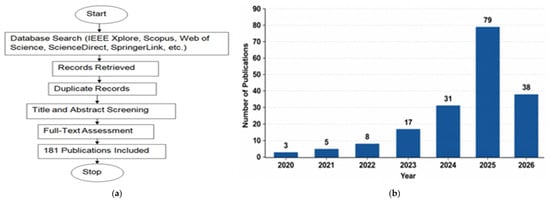
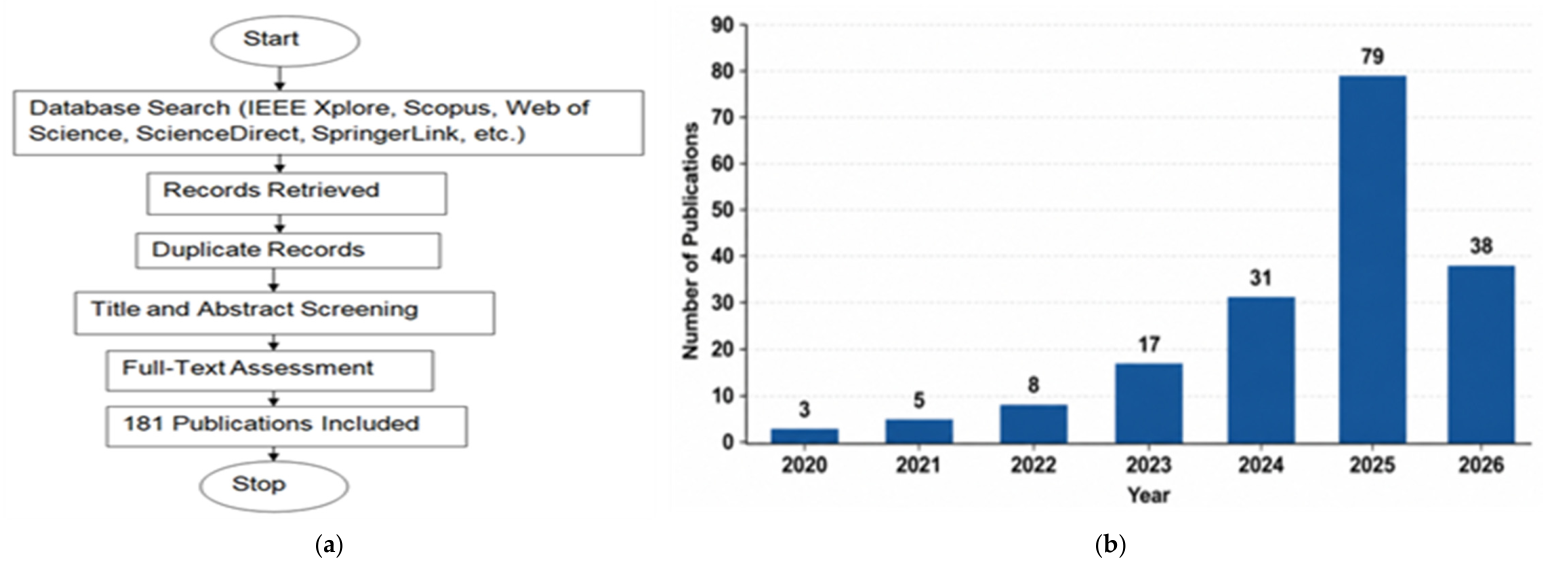
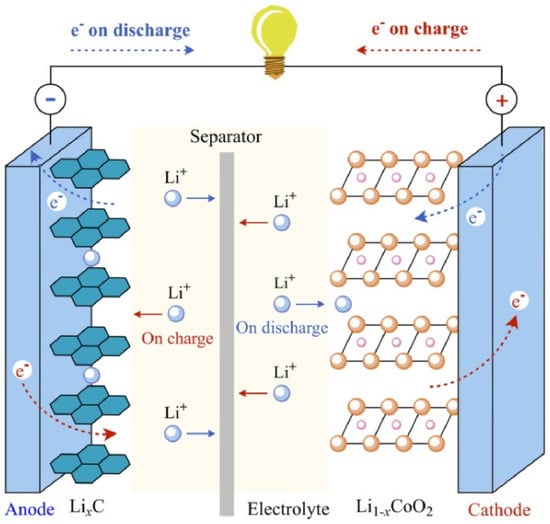
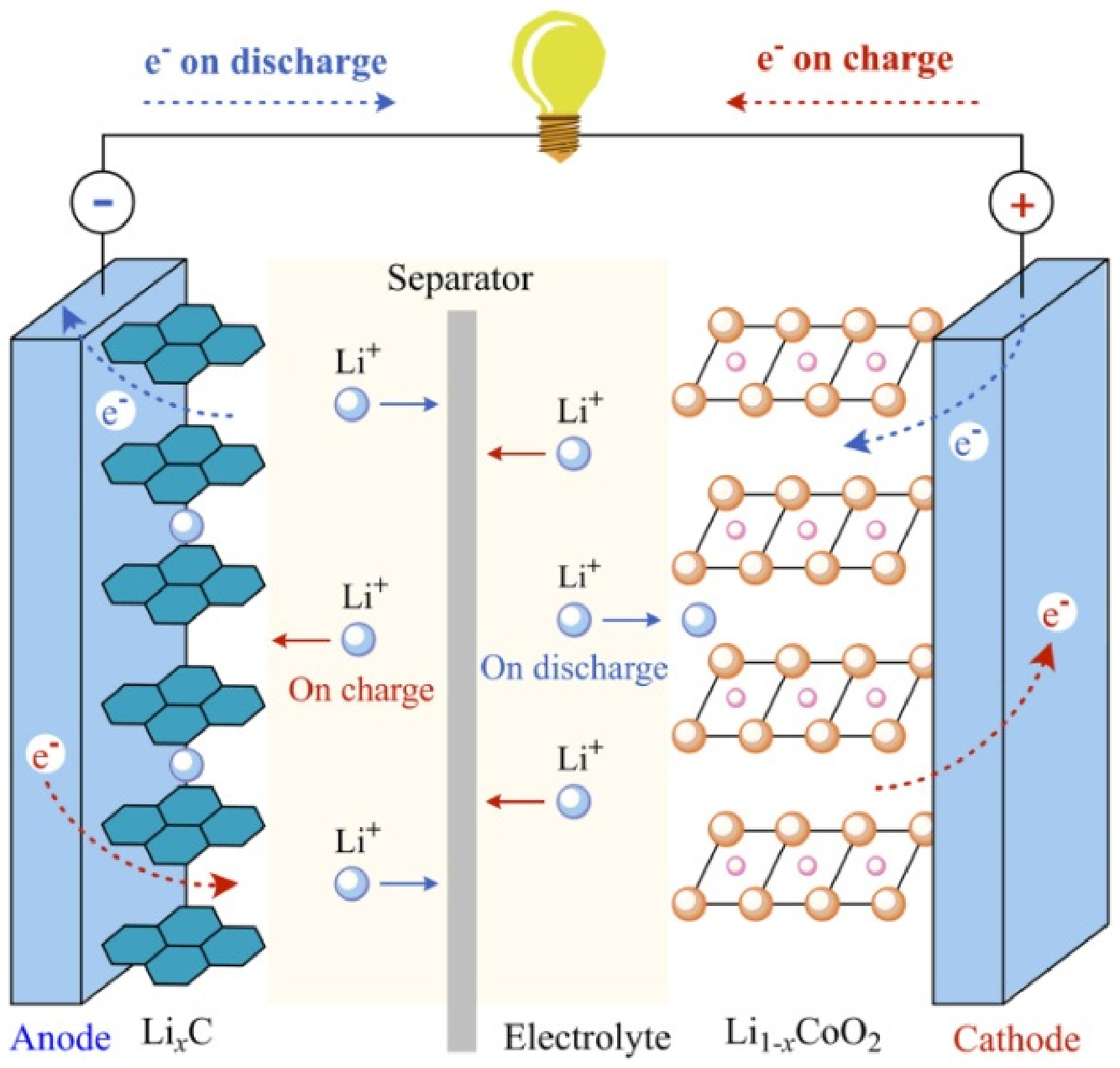
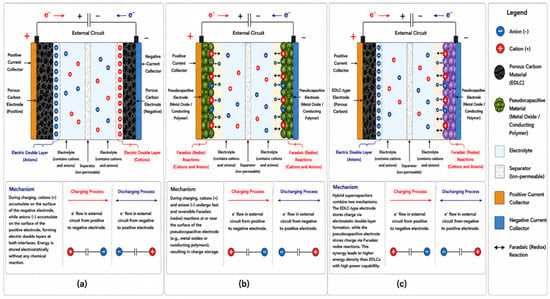
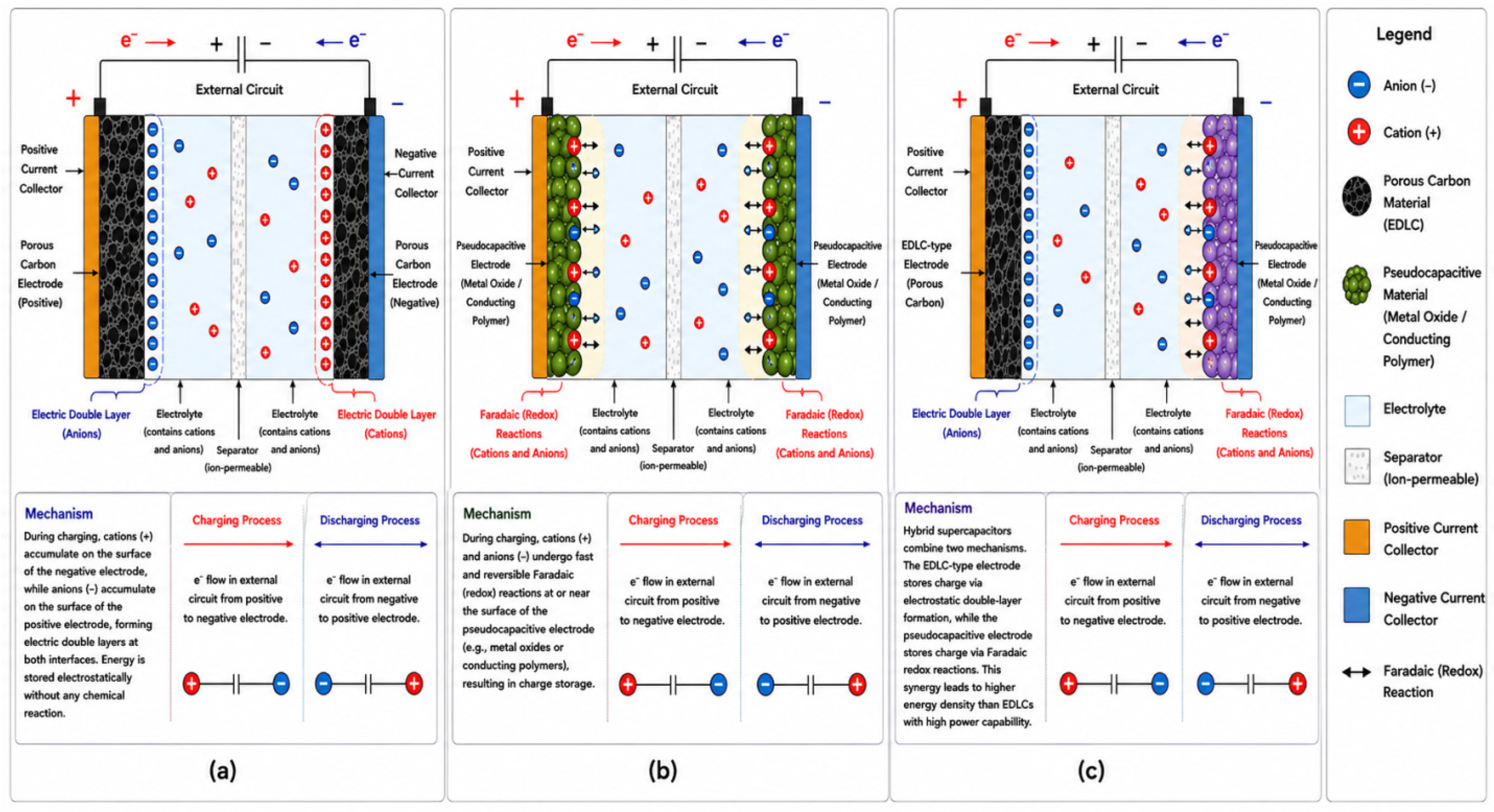
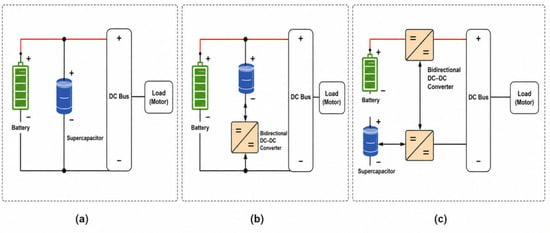
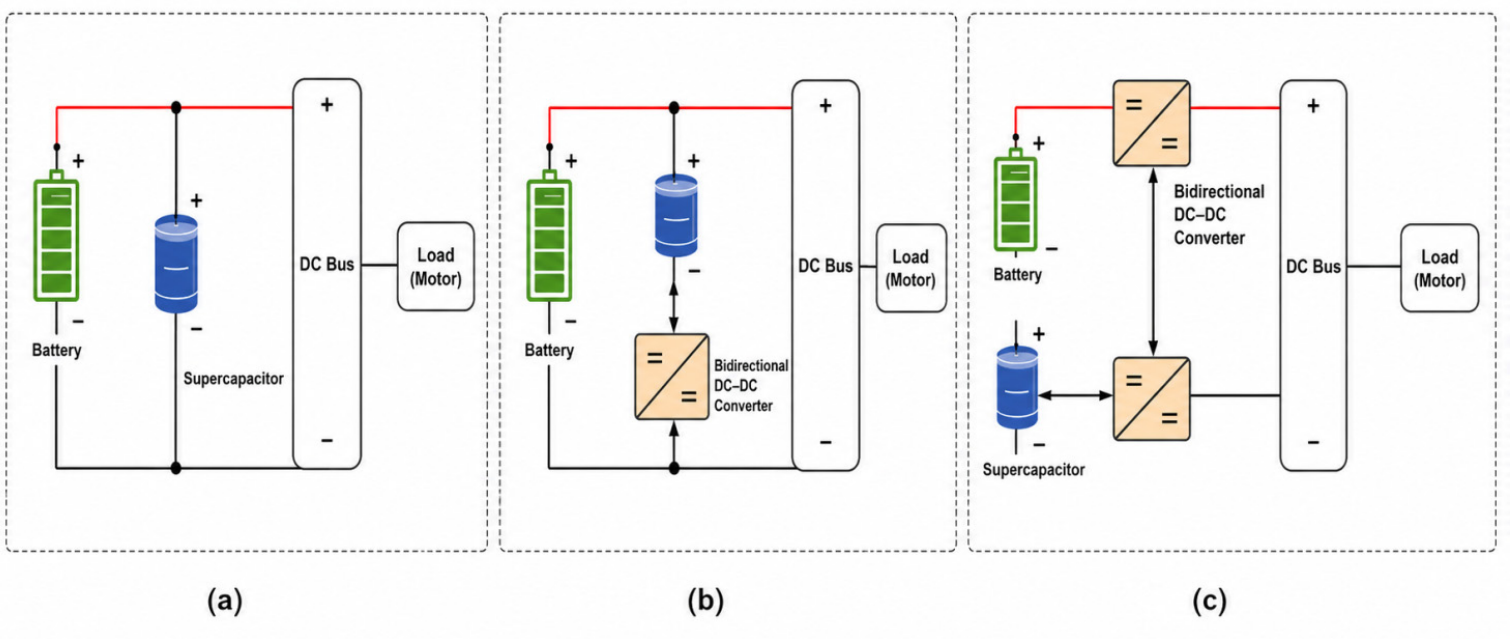
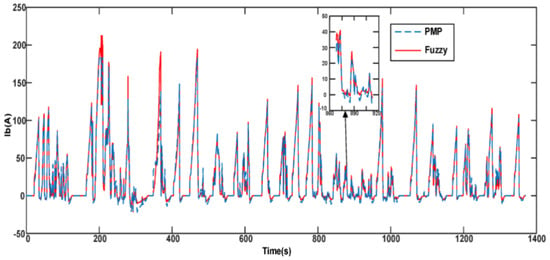
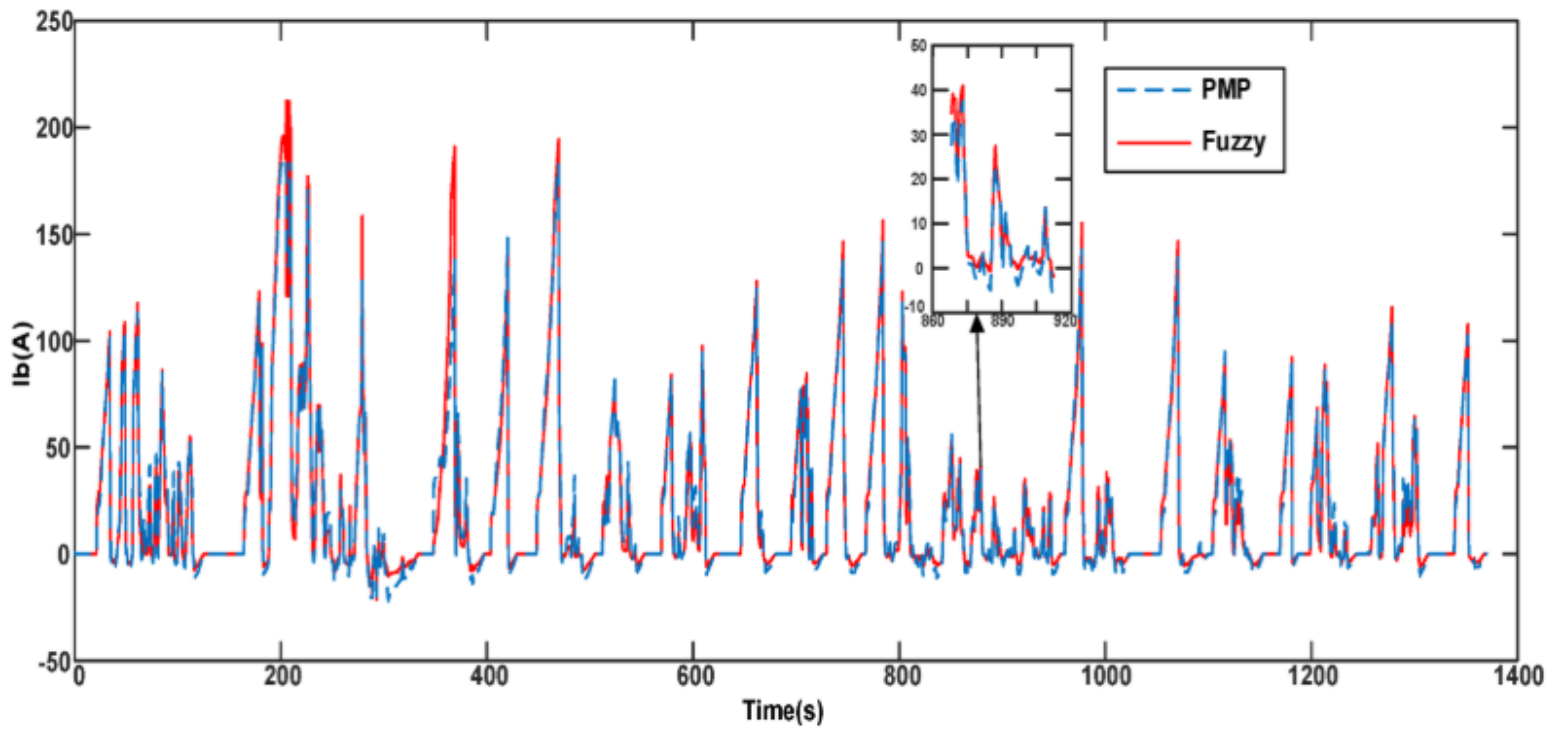
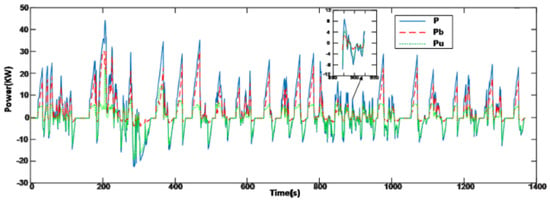
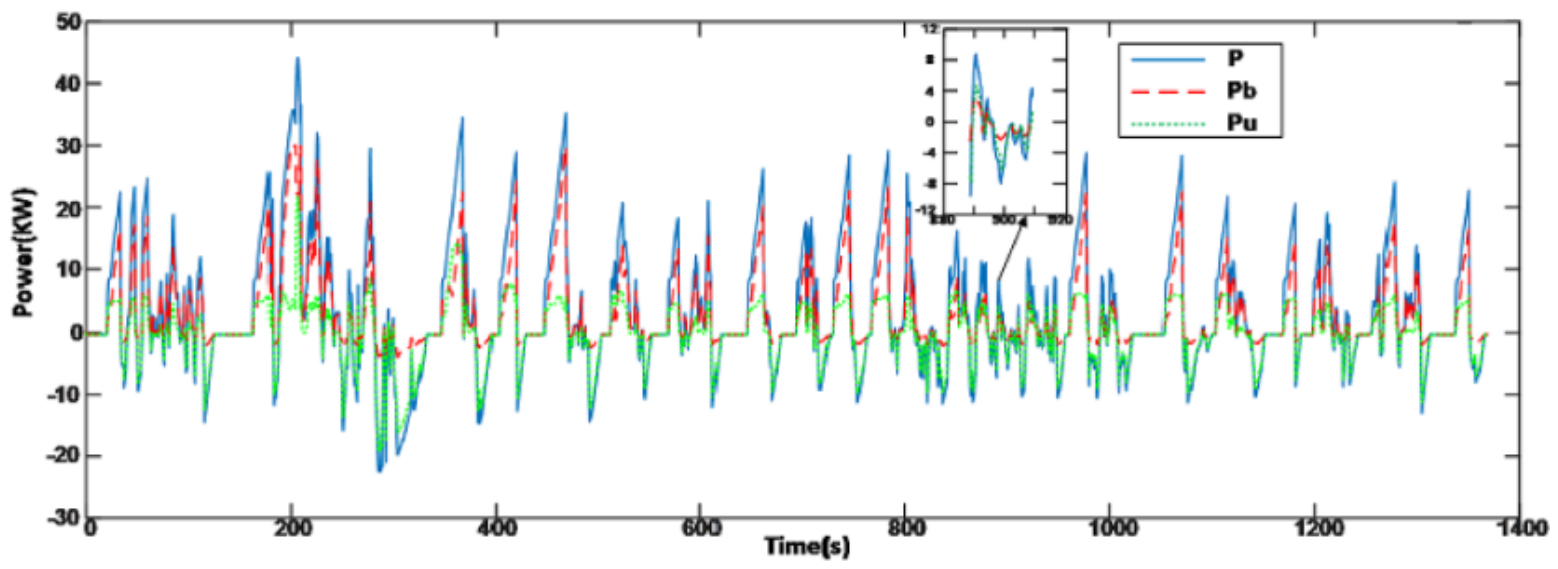
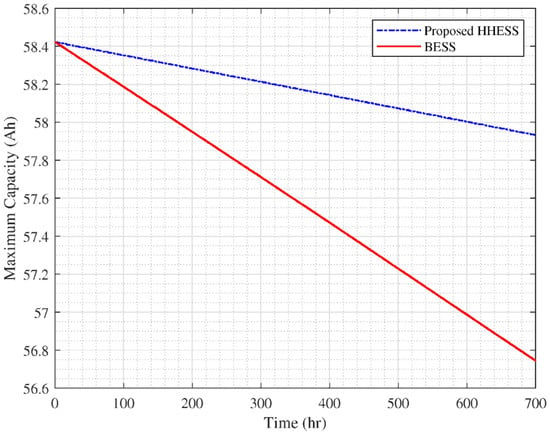
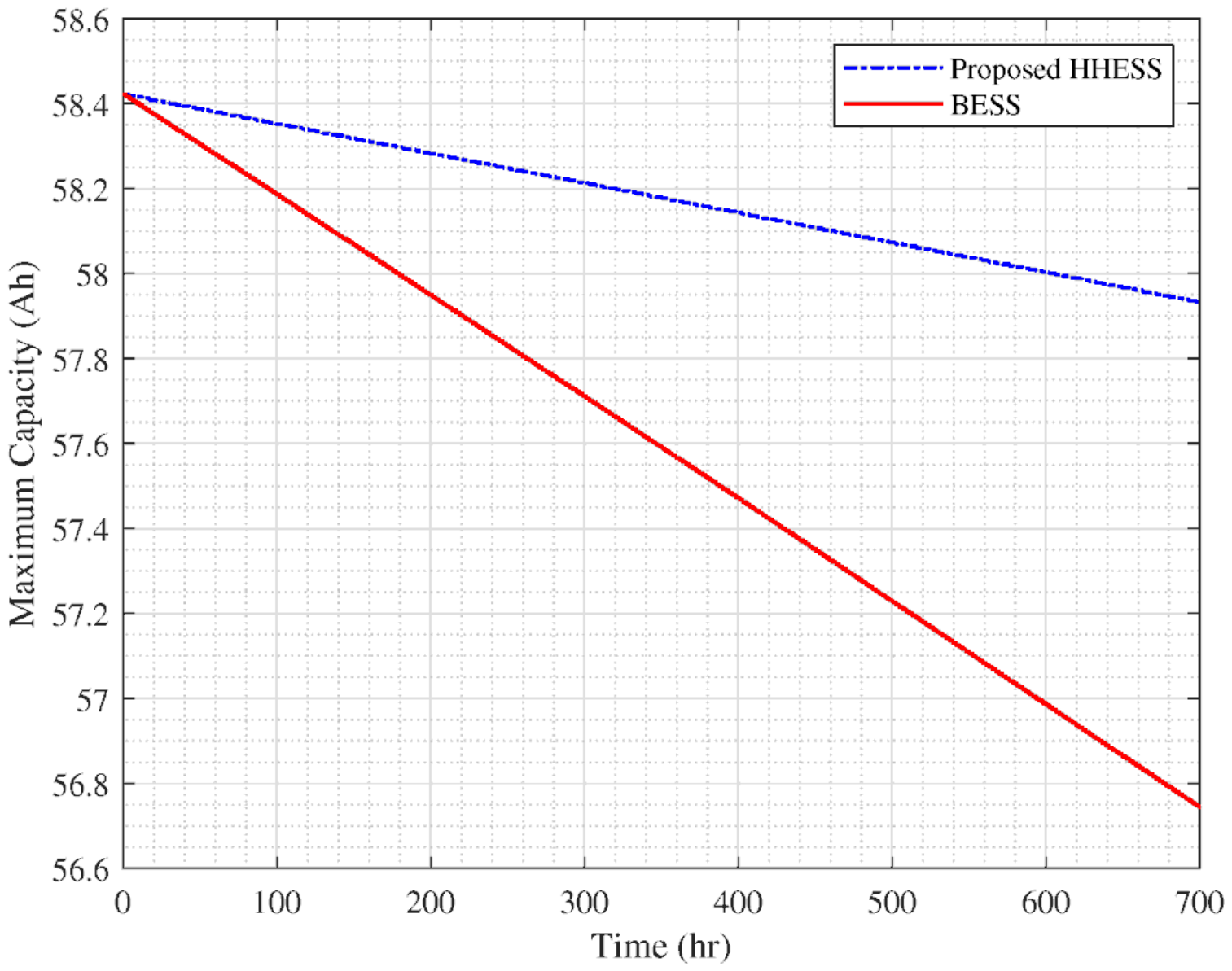
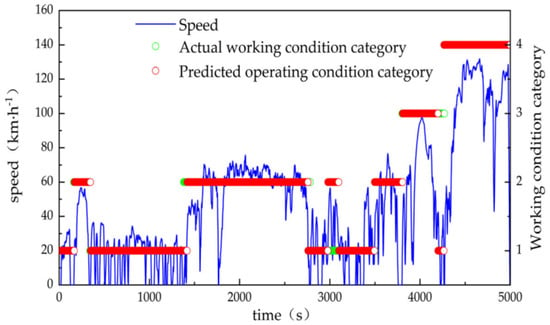
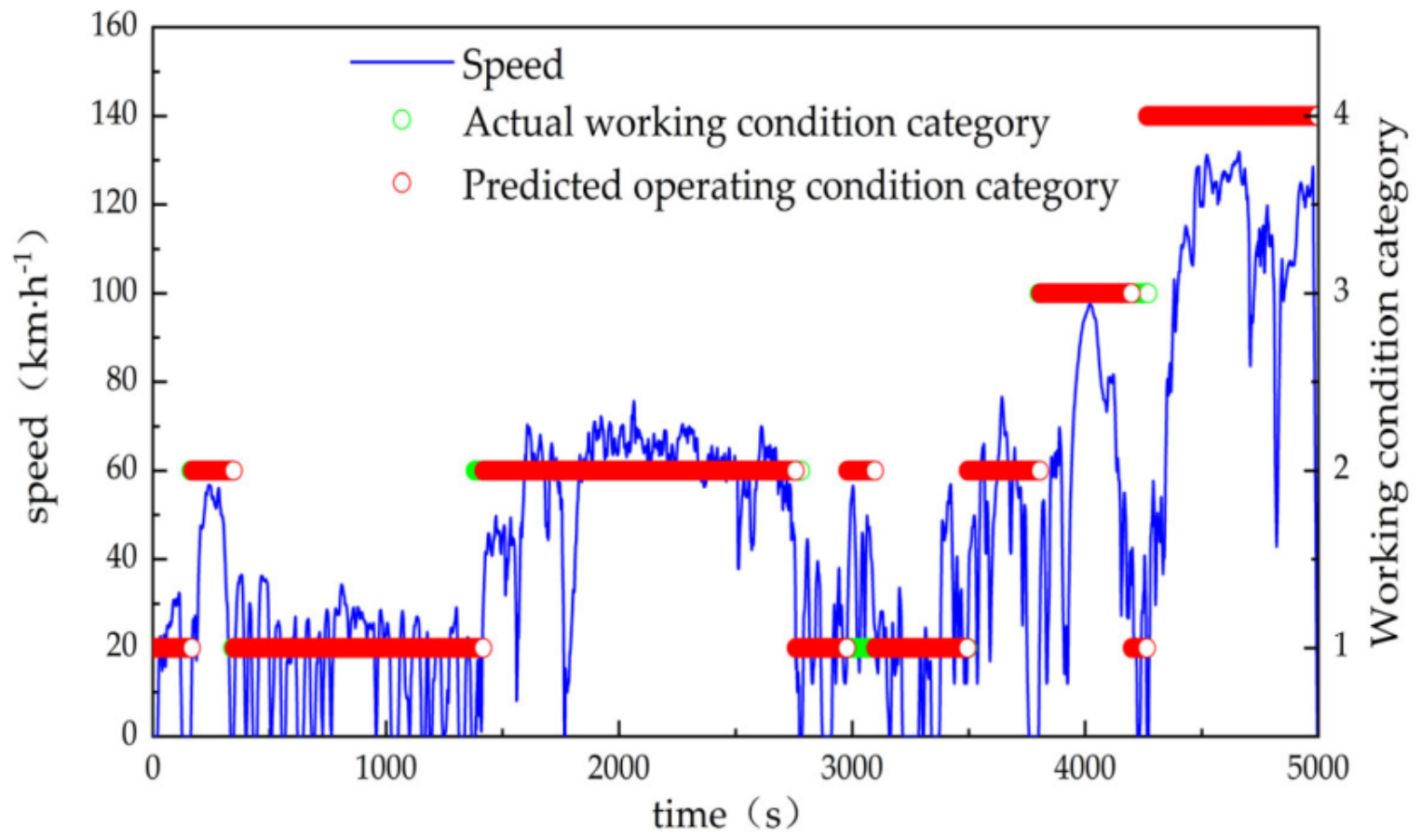
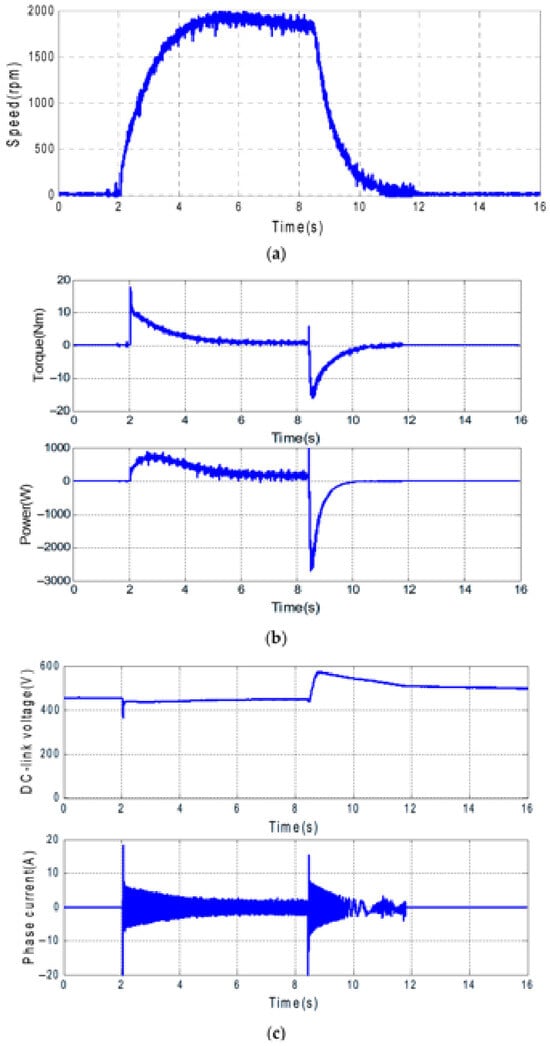
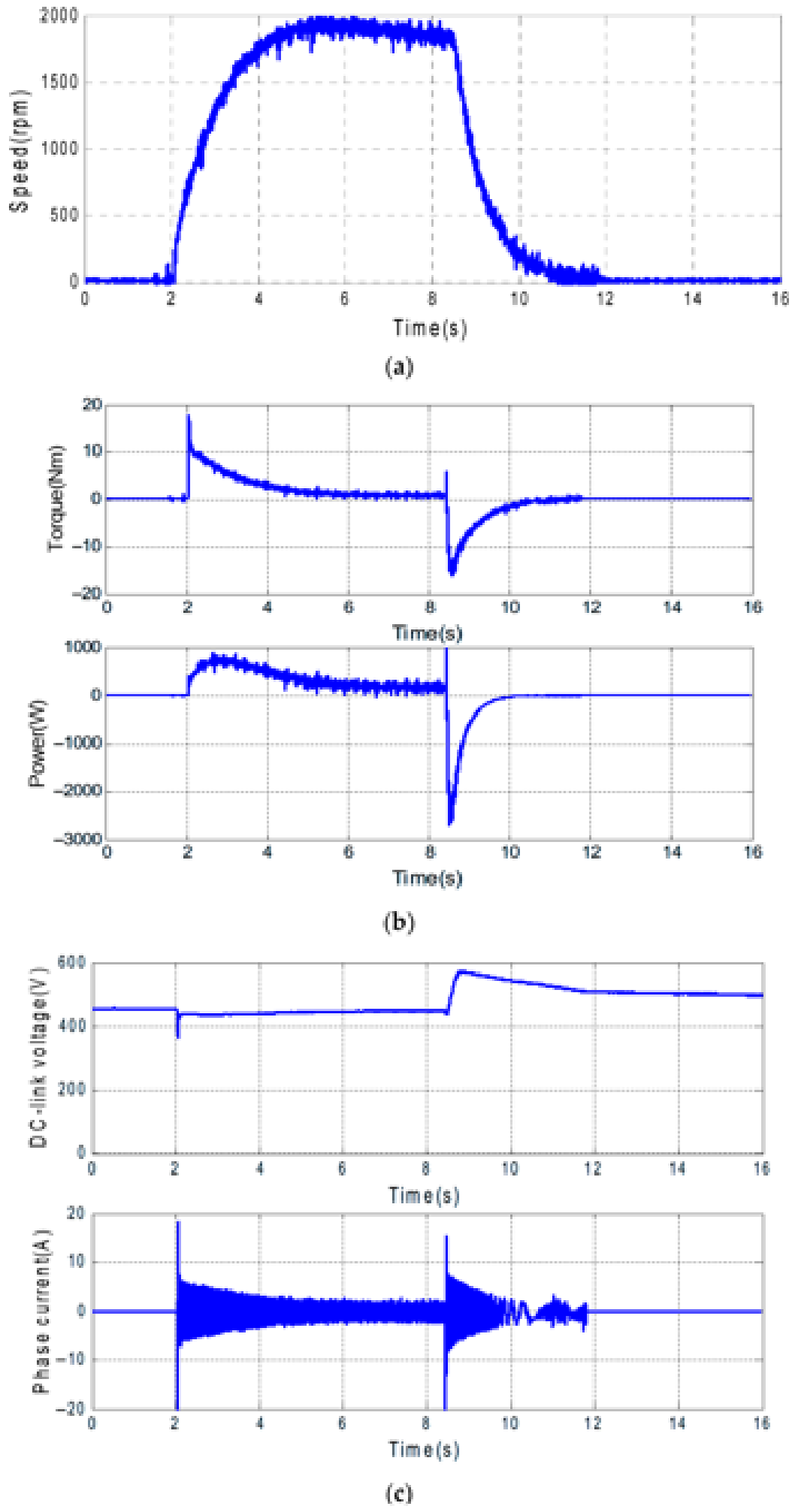
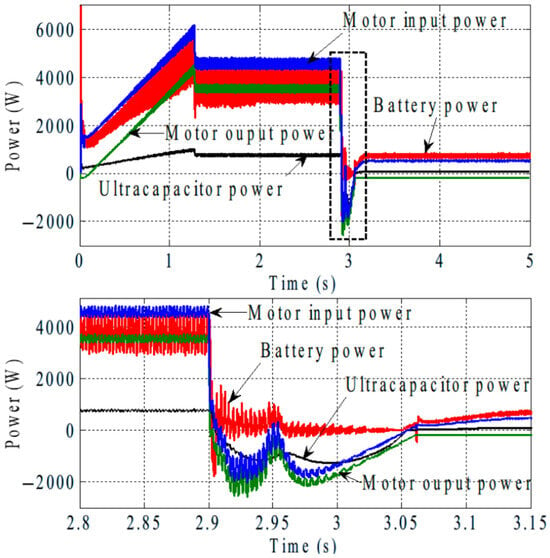
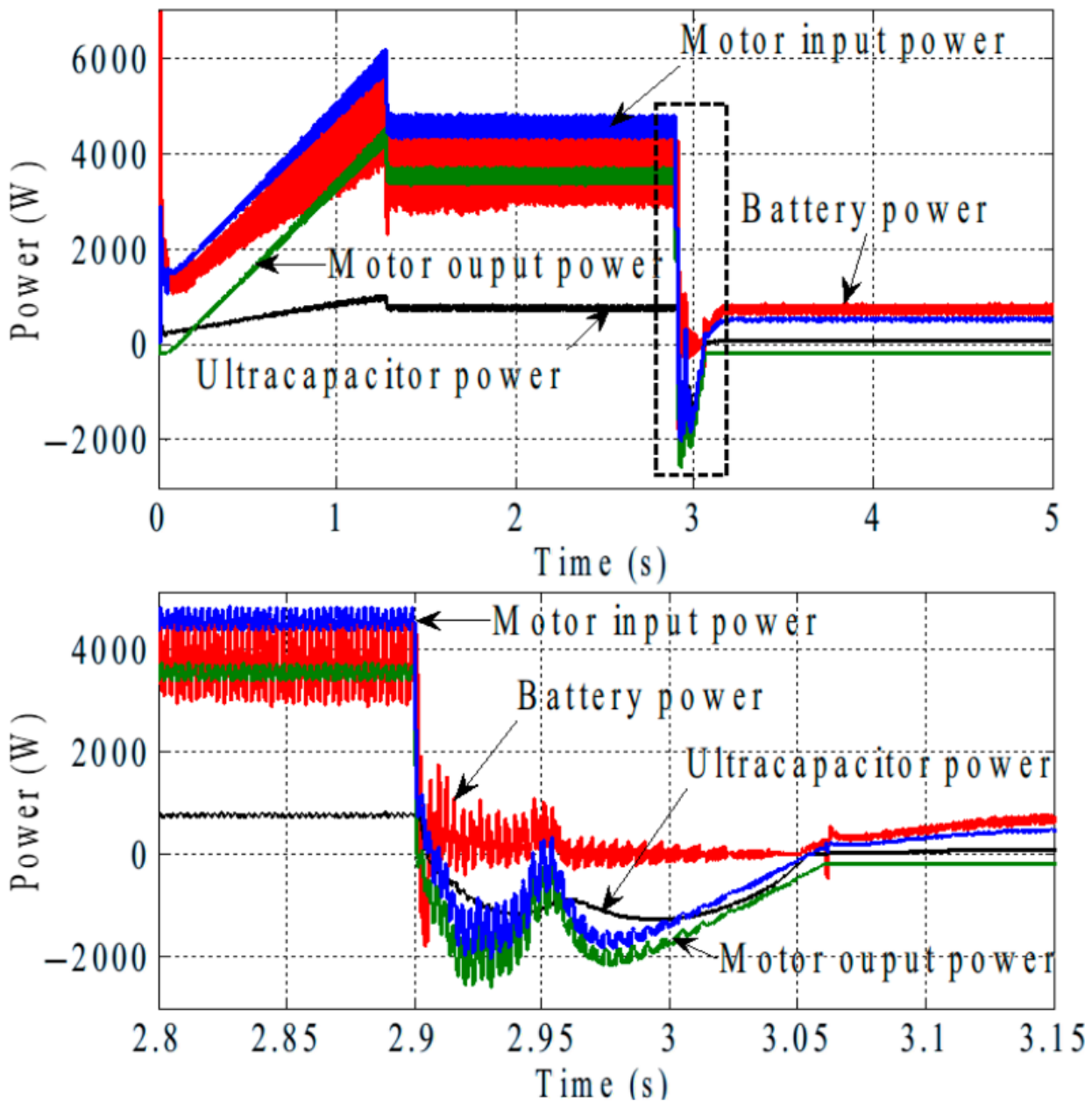
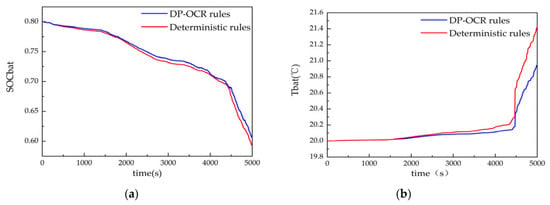
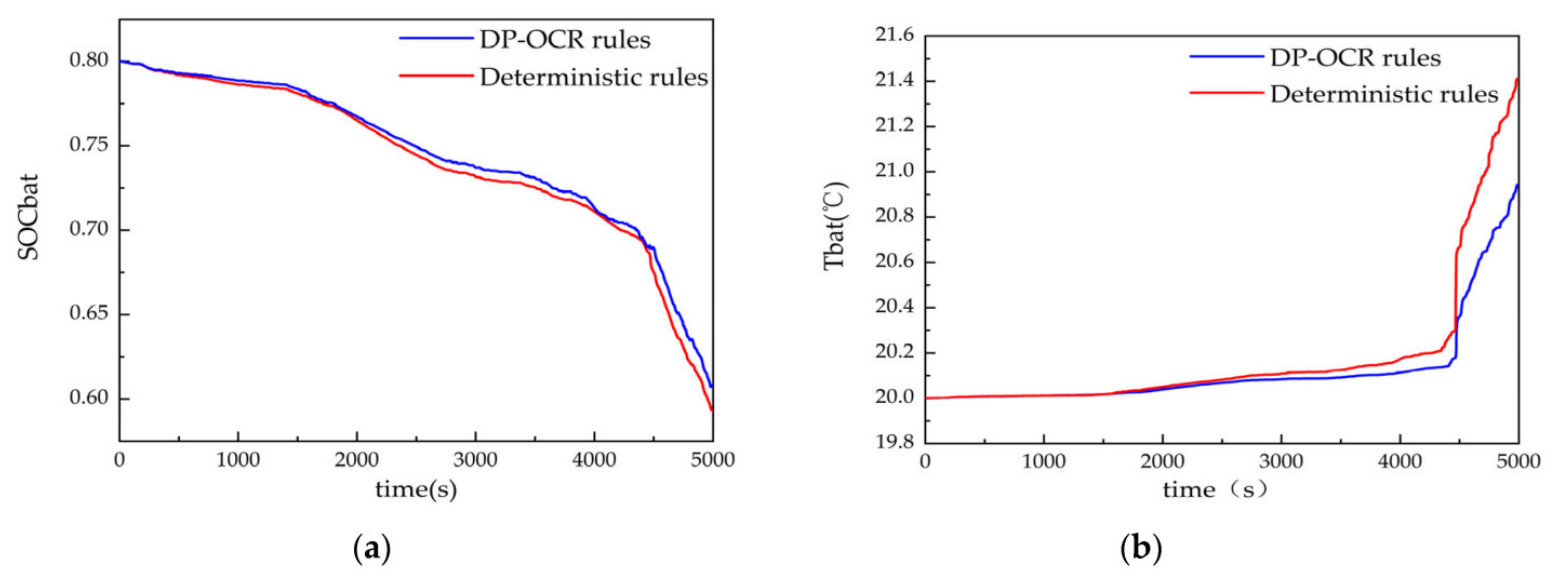
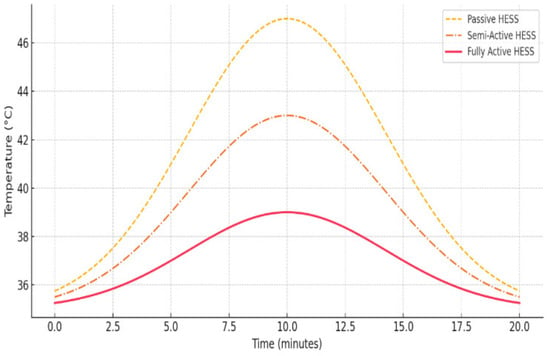
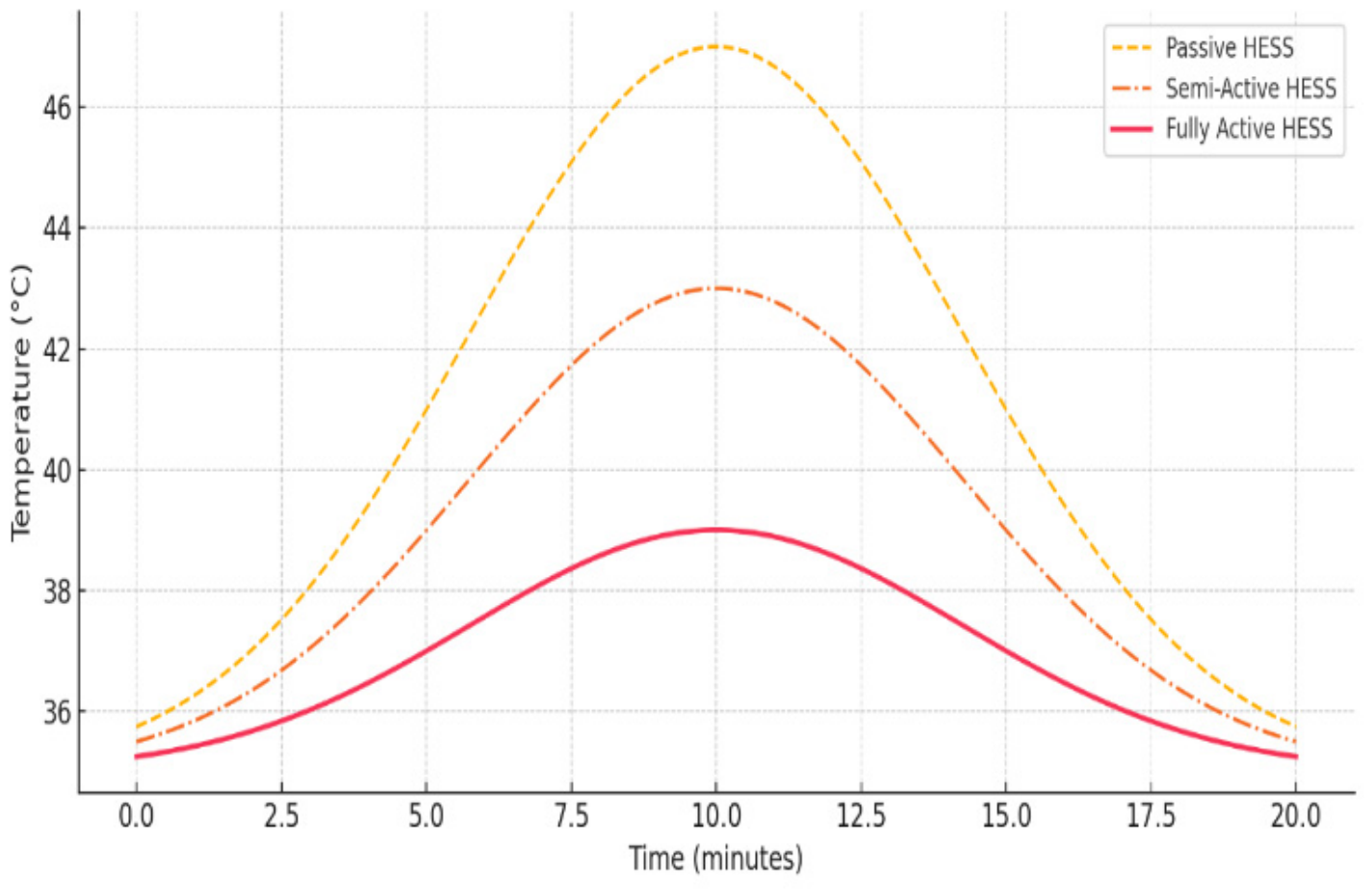
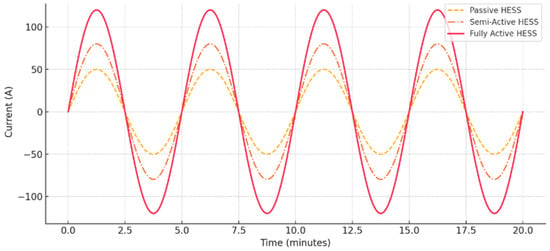
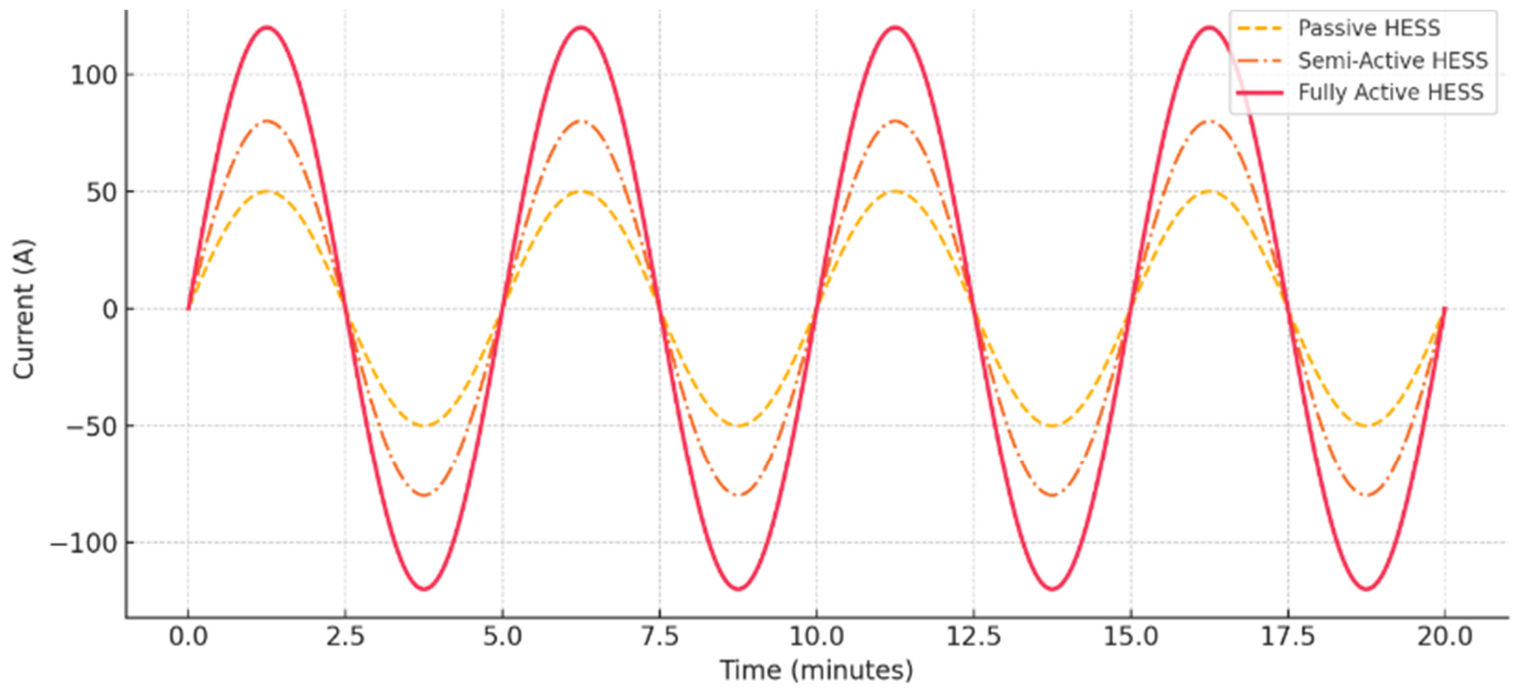

Disclaimer/Publisher’s Note: The statements, opinions and data contained in all publications are solely those of the individual author(s) and contributor(s) and not of MDPI and/or the editor(s). MDPI and/or the editor(s) disclaim responsibility for any injury to people or property resulting from any ideas, methods, instructions or products referred to in the content. |
© 2026 by the authors. Published by MDPI on behalf of the World Electric Vehicle Association. Licensee MDPI, Basel, Switzerland. This article is an open access article distributed under the terms and conditions of the Creative Commons Attribution (CC BY) license.