


Abstract
Sepsis remains a major cause of mortality, but whether human immunodeficiency virus (HIV) infection is independently associated with worse outcomes among adults with sepsis in the antiretroviral therapy (ART) era remains uncertain. We systematically reviewed observational studies comparing outcomes between adults with sepsis according to HIV status. PubMed/MEDLINE and Scopus were searched on 11 July 2026; the Cochrane Library and reference lists were also screened. A supplementary sensitivity search was conducted to identify eligible studies potentially missed by the primary search strategy. Eligible studies enrolled adults with study-defined sepsis from 1996 onward and included an HIV-negative comparator. Risk of bias was assessed using the Quality In Prognosis Studies (QUIPS) tool, and findings were synthesized descriptively because of clinical and methodological heterogeneity. Seventeen reports from eight countries were included, with analytic samples ranging from 58 patients to 74,020 hospitalizations for severe sepsis. Several studies reported higher mortality among patients with HIV in crude analyses, but findings were inconsistent after multivariable adjustment or matching. No included report had low risk of bias in the confounding domain. HIV-specific prognostic factors were incompletely characterized; limited evidence suggested that virological control may be more informative than HIV status alone. Overall, current evidence is insufficient to establish a consistent independent association between HIV status and sepsis mortality. Differences in HIV disease control, acute illness severity, infectious etiology, and adjustment strategies limit definitive inference. Contemporary prospective studies incorporating viral suppression, immune status, and standardized measures of sepsis severity are needed.
1. Introduction
Sepsis develops when an infection triggers a dysregulated host response that results in life-threatening organ dysfunction [1]. Although recognition and management have improved, sepsis continues to impose a substantial global health burden and remains a major contributor to mortality and health loss worldwide [2]. The Global Burden of Disease (GBD) 2021 analysis estimated approximately 166 million sepsis cases and 21.4 million all-cause sepsis-related deaths globally in 2021, accounting for 31.5% of all deaths [2]. The burden of sepsis varies considerably across age groups and geographical regions, as well as by underlying causes and associated infectious syndromes [2].
Human immunodeficiency virus (HIV) infection remains a major global public health challenge. Globally, an estimated 41.0 million people were living with HIV in 2025, while 1.2 million people acquired HIV and 570,000 died from acquired immunodeficiency syndrome (AIDS)-related illnesses. At the same time, 32.1 million people were receiving antiretroviral therapy (ART), representing 78% of all people with HIV [3,4]. The widespread introduction of ART has substantially changed the epidemiology and prognosis of HIV infection. In the GBD 2023 analysis, the estimated number of people living with HIV increased from 26.3 million in 2003 to 42.4 million in 2023, while HIV-related deaths declined from a peak of 1.71 million in 2004 to 0.83 million in 2023 [5]. Among ART-treated people with HIV, prognosis is also influenced by the degree of immune recovery. In a large retrospective analysis of more than 200,000 ART-treated people with HIV from 20 cohorts in Europe and North America, mortality after 2015 was strongly associated with current CD4 cell count [6]. Life expectancy among individuals with high CD4 cell counts was only a few years lower than that of the general population, whereas lower current CD4 cell counts were strongly associated with increased mortality [6].
However, some immunological alterations may remain despite effective virological suppression. Latent HIV infection can persist in long-lived resting memory CD4+ T cells despite effective ART [7], while immune activation and systemic inflammation may occur even in virologically suppressed individuals [8]. The degree of immune activation is heterogeneous and may be affected by several factors, including viral load, ART use, age, and the presence of infectious and non-infectious comorbidities [9]. At the same time, improved survival has contributed to a growing population of older people with HIV, who experience an increasing burden of multimorbidity [10]. Together, these biological and clinical factors may influence the host response to severe infection and sepsis.
During the ART era, the epidemiology of critical illness among people with HIV has changed. Earlier HIV diagnosis and improved access to ART have been associated with reductions in intensive care unit (ICU) admissions and improved short-term mortality [11]. Despite this progress, sepsis remains an important cause of critical illness and ICU admission among patients with HIV across different healthcare settings globally [11]. The prognosis of critically ill individuals with HIV appears to be influenced by the severity of acute illness and the need for organ support, whereas HIV-related factors, such as CD4 cell count and viral load, have not consistently predicted ICU mortality [11]. Similarly, recent ICU data indicate that the severity of acute illness, the need for organ support, and comorbidities are significant predictors of patient outcomes, while ART use during the ICU stay was independently associated with decreased ICU mortality [12]. Similar findings have been reported in earlier ART-era studies [13,14], while severe sepsis has been identified as an independent predictor of short- and longer-term mortality among critically ill patients with HIV/AIDS [15]. A more recent systematic review of hospitalized people with HIV reported a pooled estimated risk of death of 16%, with the highest risk observed among adults admitted to ICUs (44%) [16].
Whether HIV infection is independently associated with adverse outcomes among adults with sepsis in the ART era remains uncertain. A previous meta-analysis by Pyarali et al., including 17 studies and 82,905 patients, reported a 28% higher risk of mortality among patients with HIV compared with patients without HIV [17]. The authors also examined this association according to country income, sepsis severity, and the highly active antiretroviral therapy (HAART) era [17]. However, the meta-analysis was based on crude mortality estimates, which the authors acknowledged could be affected by residual confounding due to differences in ART exposure, sepsis management, and immune status across the included populations [17]. This distinction has become increasingly relevant as contemporary HIV populations encompass markedly different phenotypes, ranging from advanced uncontrolled infection to durable virological suppression with immune recovery. The present systematic review therefore aimed to evaluate whether HIV infection is independently associated with adverse outcomes among adults with sepsis in the ART era, and to examine whether observed associations vary according to immune status, virological control, ART exposure, comorbidity burden, and severity of acute illness.
2. Materials and Methods
2.1. Objective
The primary objective was to determine whether HIV status is independently associated with mortality among adults with sepsis in the ART era after accounting for major clinical prognostic factors. Secondary objectives were to evaluate associations with ICU admission and organ dysfunction and, where data permitted, to examine whether sepsis outcomes differed according to ART exposure, CD4 cell count, viral load, or virological suppression.
2.2. Research Question
The research question was formulated using the Population, Exposure, Comparator, and Outcomes (PECO) framework, as follows:
- •
- Population: Adult patients (≥18 years) diagnosed with sepsis during the ART era.
- •
- Exposure: HIV infection.
- •
- Comparator: Patients with sepsis without HIV.
- •
- Outcomes: Primary outcome: Mortality, evaluated separately according to the reported follow-up interval (in-hospital, 30-day, and 90-day). Secondary outcomes: ICU admission and organ dysfunction.
Where data permitted, findings were further examined in relation to ART status, CD4 cell count, viral load, or viral suppression, and comorbidity burden to assess how these HIV-specific and clinical factors related to the observed association between HIV infection and sepsis outcomes.
2.3. Search Strategy
A systematic literature search was conducted in PubMed/MEDLINE and Scopus on 11 July 2026. A core search combining HIV-related and sepsis-related terms was used. Across the database searches, HIV-related terms were restricted to the article title, whereas sepsis-related terms were searched in the title/abstract or title/abstract/keyword fields, according to the database. To account for variation in the clinical settings and infectious syndromes in which sepsis populations may be reported, additional targeted searches were conducted using terms related to critical illness/intensive care, respiratory tract infections, urinary tract infections, intra-abdominal infections, and bloodstream infections. Search strategies were adapted to the syntax and indexing of each database. PubMed/MEDLINE searches were limited to human studies published in English, while Scopus searches were limited to English-language publications. The Cochrane Library was additionally searched on 11 July 2026 for relevant systematic reviews. However, none of the identified reviews were considered relevant, and no additional eligible primary studies were identified through this source. Finally, the reference lists of included studies were manually screened to identify additional eligible studies.
A targeted supplementary sensitivity search was subsequently conducted to assess whether restricting HIV terminology to the article title in the primary search could have resulted in otherwise eligible studies being missed when HIV status was reported or analyzed in the abstract but was not mentioned in the title. HIV-related terms were expanded to title/abstract fields, while a broad search block representing the prespecified outcomes was incorporated to maintain specificity. This block included terms relating to mortality, death, survival, outcomes, intensive care, organ dysfunction, organ failure, and SOFA. The supplementary search was intended as a sensitivity analysis of the HIV title-field restriction rather than as a replacement for the primary search strategy. The same eligibility criteria, including the definition of HIV infection as an exposure of interest described in Section 2.4, were applied to all records identified through the supplementary search. Three additional eligible reports were identified and included in the review. The complete database-specific primary and supplementary search strategies are provided in Supplementary Table S1.
2.4. Inclusion and Exclusion Criteria
The following inclusion and exclusion criteria were applied during study selection:
Inclusion criteria:
- •
- Adult patients (≥18 years) diagnosed with study-defined sepsis or sepsis syndrome, including severe sepsis or septic shock.
- •
- HIV infection evaluated as an exposure of interest, defined as a study explicitly examining the association between HIV status and at least one prespecified sepsis outcome, either through a comparison between patients with and without HIV or through an HIV-specific effect estimate.
- •
- Inclusion of a comparator group of adult patients with sepsis without HIV infection.
- •
- Reporting at least one of the following outcomes: In-hospital mortality, 30-day mortality, 90-day mortality, intensive care unit (ICU) admission, or organ dysfunction.
- •
- Cohort studies or registry-based studies recruiting patients from 1996 onward.
- •
- Original full-text articles published in peer-reviewed journals.
- •
- Human studies.
Exclusion criteria:
- •
- Studies not involving adult patients with a study-defined sepsis or sepsis syndrome.
- •
- Studies not evaluating HIV infection as the exposure of interest, including studies in which HIV status was reported only as a background characteristic or included solely as an adjustment covariate without a qualifying HIV-specific analysis as defined above.
- •
- Studies without a comparator group of patients without HIV. Studies not reporting any of the predefined outcomes of interest.
- •
- Reviews, systematic reviews, meta-analyses, editorials, letters, conference abstracts, case reports, case series.
- •
- Non-human studies.
- •
- Studies published in languages other than English.
2.5. Study Selection Process
The study selection process followed the Preferred Reporting Items for Systematic Reviews and Meta-Analyses (PRISMA) guidelines [18]. After removal of duplicate records, titles and abstracts were screened independently by two reviewers against the predefined eligibility criteria, followed by full-text assessment of potentially eligible studies. Reasons for exclusion were documented throughout the screening process, including at the title/abstract and full-text stages.
For the purposes of this review, the ART era was defined as recruitment from 1996 onward, corresponding approximately to the introduction of combination ART. Individual-level ART use was not required for study eligibility. HIV status was not required to be known before sepsis presentation; patients newly diagnosed with HIV during the index hospitalization were eligible when included in a qualifying HIV-specific analysis.
During study selection, the prespecified criterion “HIV infection evaluated as an exposure of interest” required clarification to ensure consistent application. This was necessary because several potentially eligible reports mentioned HIV status or included it among multiple covariates or candidate predictors without clearly addressing HIV as a prognostic exposure in relation to the prespecified sepsis outcomes. Accordingly, eligibility was assessed on the basis of whether a report provided an explicit comparison of a prespecified sepsis outcome according to HIV status or a directly interpretable HIV-specific effect estimate, as defined in Section 2.4. HIV infection was not required to be the primary exposure investigated by the original study, and eligibility did not depend on the direction, magnitude, or statistical significance of the association. This interpretation was applied uniformly to all potentially eligible reports, irrespective of whether they were identified through the primary or supplementary search. Any disagreements were resolved by consensus. The overall study selection process is presented in the PRISMA flow diagram (Figure 1).
2.6. Data Extraction
Data extraction was performed using a standardized form. Data were extracted by one reviewer and reviewed by a second reviewer for accuracy and completeness. Any discrepancies were resolved by consensus. Extracted data included study characteristics (author, year, country, study design, and study period), population characteristics (sample size, groups with and without HIV, age, and sex), and the definition of sepsis used in each study. HIV-related variables included the method of HIV ascertainment, ART use, viral load or viral suppression, CD4 cell count, and major comorbidities or coinfections, where reported. Outcomes of interest included in-hospital, 30-day, and 90-day mortality, ICU admission, and measures of organ dysfunction. For studies performing adjusted analyses, the variables included in the multivariable models and the corresponding adjusted effect estimates with 95% confidence intervals were also extracted.
2.7. Risk-of-Bias Assessment
The risk of bias of included studies was assessed independently by two reviewers using the Quality In Prognosis Studies (QUIPS) tool [19]. QUIPS was selected because HIV status was evaluated as a prognostic factor in relation to sepsis outcomes. The assessment was performed at the level of each included report. The assessment covered six domains: study participation, study attrition, prognostic factor measurement, outcome measurement, study confounding, and statistical analysis and reporting. Each domain was classified as having low, moderate, or high risk of bias. Any disagreements between reviewers were resolved by consensus. The detailed assessments are presented in Supplementary Table S2.
2.8. Strategy for Data Synthesis
Given the clinical and methodological heterogeneity among the included studies, a structured descriptive synthesis was conducted and reported in accordance with the Synthesis Without Meta-analysis (SWiM) reporting guideline [20]. Heterogeneity was considered in relation to study setting, sepsis definition and severity, mortality time points, HIV treatment and virological status, and the covariates included in adjusted analyses. Because of these differences, statistical pooling was considered inappropriate, and no pooled summary estimate was calculated.
Studies were grouped primarily according to the outcomes assessed, including organ dysfunction and ICU admission, in-hospital mortality, 30-day mortality, and 90-day mortality, to avoid combining clinically distinct endpoints and follow-up periods. Mortality findings were further examined according to the type of analysis performed. Crude comparisons were summarized separately from multivariable analyses because the primary review question concerned whether HIV infection was independently associated with adverse sepsis outcomes after accounting for other prognostic factors. Studies using matching methods were considered separately. For adjusted mortality analyses, priority was given to the effect estimates reported by the original studies together with their 95% confidence intervals. Odds ratios and hazard ratios were retained in their original form and were not statistically combined. Consistency across studies was assessed descriptively according to the direction of the reported associations, the magnitude of individual effect estimates, and whether the corresponding 95% confidence intervals included the null. Differences in outcome timing, adjustment strategies, study populations, and risk of bias were considered when interpreting agreement or disagreement between studies. Adjusted and matched analyses were given greater interpretive emphasis than crude comparisons, while no formal weighting according to study size or risk-of-bias category was applied.
ART use, CD4 cell count, viral load, and viral suppression were considered when interpreting variation in outcomes among patients with HIV. Where patients were analyzed according to ART or virological status, these strata were retained separately rather than combined into a single group of patients with HIV. Reports derived from overlapping study populations were not treated as independent evidence for overlapping outcomes. Adjusted mortality estimates suitable for graphical presentation were presented in a forest plot without a pooled summary estimate. The figure was created using R via Google Colab. ChatGPT (OpenAI) was used to assist with the generation of the R code for data visualization; the code and resulting outputs were reviewed and verified by the authors.
A structured descriptive synthesis was planned before formal screening. The final decision not to perform statistical pooling was made after assessment of the clinical and methodological heterogeneity of the included studies.
2.9. Prespecified Methodological Decisions
Before formal study screening and data extraction, the review question, eligibility criteria, outcomes of interest, and data-extraction framework were prespecified. The criterion concerning HIV infection as an exposure of interest was subsequently operationalized as defined in Section 2.4 and applied during study selection as described in Section 2.5. A summary of methodological decisions made before and during the review is provided in Supplementary Table S3.
3. Results
A total of 17 reports were included in this systematic review [21,22,23,24,25,26,27,28,29,30,31,32,33,34,35,36,37]. The included studies comprised prospective and retrospective observational cohorts conducted across diverse geographic and clinical settings, with substantial variation in ART status, immunosuppression, sepsis severity, and reported outcomes. The findings are presented below according to study selection, study characteristics, risk of bias, and clinical outcomes.
3.1. Study Selection
The database searches identified 3570 records, of which 2070 duplicates were removed. The titles and abstracts of 1500 records were screened, and 1451 were excluded. Forty-nine reports were subsequently assessed for eligibility in full text, of which 36 were excluded according to the predefined eligibility criteria (Appendix A, Table A1), leaving 13 reports identified through the database searches. One additional eligible report was identified through reference-list screening, resulting in a total of 14 included reports from the primary review process. The Cochrane Library search retrieved seven reviews; none was relevant to the review question, and therefore no backward citation screening was performed. The study selection process is presented in the PRISMA flow diagram (Figure 1).
Figure 1.
PRISMA diagram.
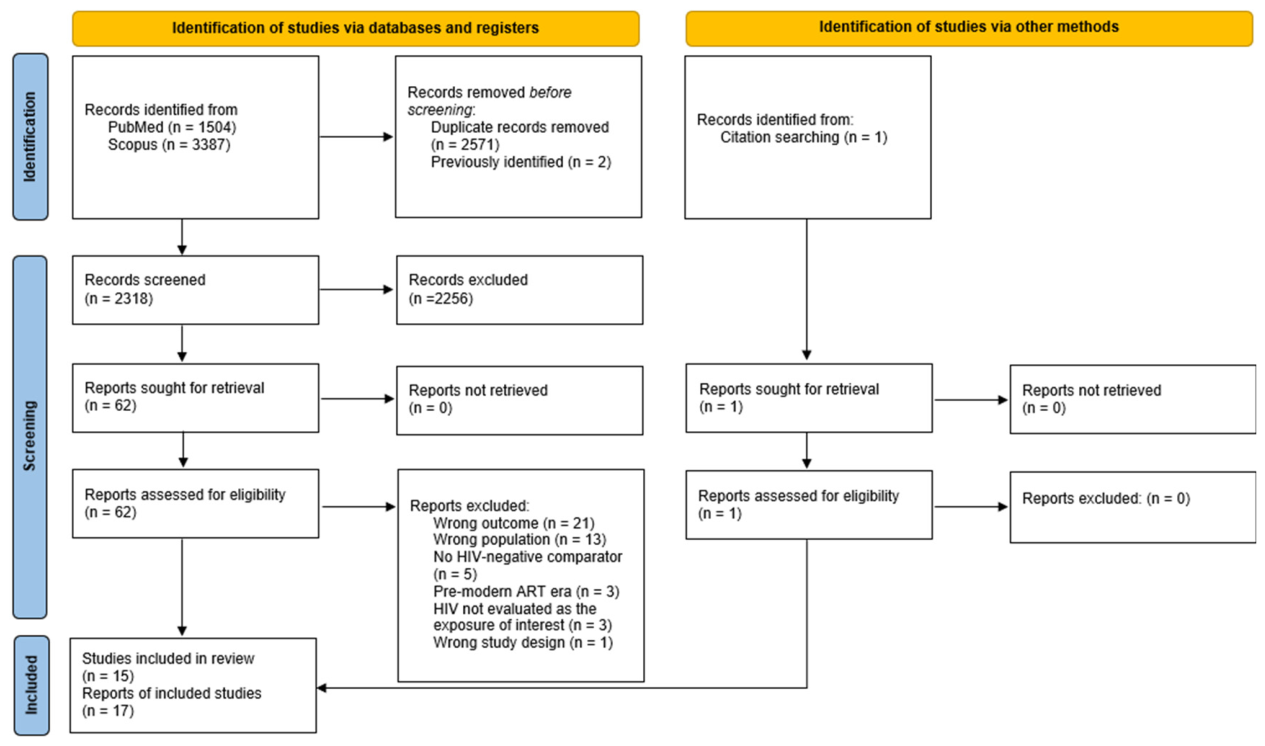
The supplementary sensitivity search identified 1321 records (PubMed/MEDLINE, n = 529; Scopus, n = 792). After deduplication, 820 unique records remained. Two of these records had already been identified during the primary review process, leaving 818 additional records for title/abstract screening. Of these, 805 were excluded at title/abstract screening, and 13 reports underwent full-text assessment. Ten reports were excluded after application of the same eligibility criteria used for the primary search, while three additional reports were eligible for inclusion. This resulted in a total of 17 included reports in the systematic review. Study-level reasons for exclusion are provided in Appendix A, Table A2.
3.2. Study Characteristics
The 17 included reports were published between 2005 and 2023 and were conducted in eight countries: Uganda (n = 4), the United States (n = 3), Gabon (n = 2), the Netherlands (n = 2), Brazil (n = 3), Spain (n = 1), South Africa (n =1) and Zimbabwe (n = 1). Eleven reports used prospective observational or cohort designs [23,24,25,29,30,31,32,33,34,35,36], two were secondary analyses of existing cohort or registry data [21,22], and four used retrospective designs [26,27,28,37]. Seven reports exclusively examined ICU populations [21,25,27,30,32,34,35], whereas the remaining ten reports included broader hospitalized, emergency, or ward-based populations [22,23,24,26,28,29,31,33,36,37]. Reported analytic sample sizes ranged from 58 patients to 74,020 severe-sepsis hospitalizations [26,30].
HIV-related characteristics varied considerably across reports. ART use among patients with HIV and sepsis was reported in 11 of the 17 reports [21,23,24,25,28,29,30,31,32,34,36], with the reported proportion receiving treatment ranging from 11.9% in Jacob et al. to 78% in Gray et al. [28,31]. Numerical CD4 cell-count data were available in 11 reports [21,22,24,25,29,30,31,32,33,34,36], whereas viral-load data were reported in seven [21,24,25,29,30,32,34]. Chaka et al. additionally distinguished ART-naïve patients from ART-treated patients with viral suppression or high viral load [29].
Two pairs of reports included overlapping study populations. Huson et al. 2015 and Huson et al. 2016 [hemostatic] were derived from the same Gabonese cohort recruited at Albert Schweitzer Hospital between March 2012 and July 2013 [24,33]. Similarly, Wiewel et al. 2016 and Huson et al. 2016 [genomic] were based on the Dutch Molecular Diagnosis and Risk Stratification of Sepsis (MARS) cohort, although the genomic study analyzed selected matched subcohorts [25,32]. These reports were therefore not treated as independent evidence when interpreting overlapping outcomes. The main characteristics and findings of the included reports are summarized in Table 1.
Table 1.
Characteristics of the included reports by recruitment/observation periods.
3.3. Risk of Bias
Risk of bias varied across the included reports. Study attrition and outcome measurement were generally well addressed, with 15 of 17 reports rated as having low risk of bias in each of these domains. Study participation was rated as moderate risk in 14 reports and low risk in three, while prognostic factor measurement was rated as moderate risk in 11 reports and low risk in six.
Confounding represented the main methodological limitation. Nine reports were rated as having high risk of bias in this domain and the remaining eight as moderate risk; no report was rated as low risk for confounding. Adjustment for baseline illness severity, comorbidities, and other potentially relevant confounders was inconsistent across studies. Statistical analysis and reporting were rated as moderate risk in 15 reports and low risk in two.
Overall, outcome measurement and study attrition were generally associated with low risk of bias, whereas confounding represented the principal methodological concern, together with variability in study participation and prognostic factor measurement. The complete QUIPS assessment across all six domains is presented in Supplementary Table S2.
3.4. Sepsis Outcomes According to HIV Status
3.4.1. Organ Dysfunction and ICU Admission
Differences in acute illness severity and organ dysfunction according to HIV status were inconsistent across reports. In the Ugandan cohort, patients with HIV presented with greater physiological derangement, with a quick Sequential Organ Failure Assessment (qSOFA) score ≥2 in 59.2% compared with 28.9% of patients without HIV (p < 0.001) and shock in 20.4% versus 6.3% (p = 0.001). Acute respiratory failure was also more frequent among patients with HIV (24.8% vs. 17.6%), although this difference was not statistically significant (p = 0.167) [23].
In contrast, several ICU-based reports found no statistically significant differences in measures of acute illness severity or organ dysfunction according to HIV status. In the subset of patients with available severity data, Cribbs et al. reported no significant differences in baseline Sequential Organ Failure Assessment (SOFA) score (10.3 ± 3.7 vs. 10.1 ± 3.6; p = 0.63), shock requiring vasopressors (61% vs. 57%; p = 0.38), mechanical ventilation with acute lung injury/acute respiratory distress syndrome (ARDS) (27% vs. 28%; p = 0.82), acute renal failure (15% vs. 11%; p = 0.14), or coagulopathy (16% vs. 11%; p = 0.07) [21]. In the MARS cohort, Wiewel et al. similarly reported no statistically significant differences in first-24-h SOFA score, organ failure, or shock. Organ failure during admission occurred in 90.2% of HIV-positive and 86.7% of HIV-negative admissions (p = 0.73), while shock occurred in 36.6% and 33.9%, respectively (p = 0.74) [25]. The overlapping matched MARS analysis likewise found no statistically significant differences in SOFA score, organ failure, or shock in either the genomic or validation cohorts [32].
Comparable findings were reported in two Brazilian ICU cohorts. Silva Jr and dos Santos found similar rates of septic shock (55.6% vs. 54.5%; p = 0.58), SOFA scores (8.8 ± 4.6 vs. 7.8 ± 3.1; p = 0.37), and number of organ dysfunctions between HIV-positive and patients without HIV [30]. Amancio et al. also reported no statistically significant differences in acute severity or organ dysfunction. Day-1 SOFA scores were 8 [6–10.5] in HIV-positive and 10 [9,10,11,12,13] in patients without HIV (p = 0.11), and the cumulative incidence of cardiovascular, respiratory, renal, hematological, hepatic, and neurological dysfunction during the first three days was similar between groups [34].
In the prospective South African ICU cohort of Mweene et al., sepsis-associated acute kidney injury (SA-AKI) occurred in 39 of 63 patients with recorded HIV infection and 146 of 264 patients without recorded HIV infection. The authors reported no statistically significant association between HIV status and SA-AKI (p = 0.472), and no adjusted HIV-specific estimate was provided [35].
ICU admission was directly evaluated in the large administrative cohort of Mrus et al. Although the overall number of organ system failures was similar between groups, patients with HIV/AIDS were less frequently admitted to the ICU than patients without HIV/AIDS (37% vs. 56%; p < 0.0001). After adjustment for age, gender, comorbidities, race, infection site, payer type, failing organ systems, opportunistic infection, hospital teaching status, and mortality, HIV/AIDS remained associated with a lower likelihood of ICU admission (aOR 0.54, 95% CI 0.51–0.59) [26]. In the more recent propensity-matched cohort of Gray et al., new post-sepsis mechanical ventilation was also similar between HIV-positive and patients without HIV (21% vs. 22%; p = 0.92) [28].
3.4.2. In-Hospital Mortality
Nine reports assessed in-hospital mortality. Five reported higher mortality, or higher odds of in-hospital death, among patients with HIV before adjustment [21,22,26,30,33].
Cribbs et al. reported hospital mortality of 50% in patients with HIV compared with 38% in patients without HIV (p = 0.007) [21]. In the large administrative cohort of Mrus et al., in-hospital mortality was also higher among patients with HIV/AIDS (29% vs. 20%; p < 0.0001) [26]. Similarly, Silva Jr and dos Santos reported higher in-hospital mortality among ICU patients with HIV and severe sepsis or septic shock (55.6% vs. 27.3%; p = 0.03) [30].
In the Gabonese cohort, in-hospital mortality among patients with sepsis was 15.4% in patients with HIV and 3.7% in patients without HIV (p = 0.04); the corresponding crude OR reported by the authors was 4.73 (95% CI 0.98–22.73) [33]. The overlapping report from the same source cohort showed a similar numerical difference (16.0% vs. 3.8%), although this was not statistically significant (p = 0.057) [24].
Jacob et al. found no statistically significant crude association between HIV infection and in-hospital mortality (OR 1.8, 95% CI 0.8–3.8; p = 0.14) [31]. Amancio et al. likewise found that in-hospital mortality did not differ significantly between patients with and without HIV who had septic shock (50% vs. 60%; p = 0.60) [34].
Similarly, Auma et al. reported comparable in-hospital mortality among patients with and without HIV in a prospective Ugandan sepsis cohort (19.7% vs. 19.2%; crude incidence rate ratio [IRR] 1.03, 95% CI 0.56–1.89; p = 0.93) [36]. The authors did not report an adjusted HIV-specific mortality estimate.
In the later Ugandan analysis by Moore et al., 84 of 282 patients with HIV (30%) died in hospital. HIV infection was associated with higher odds of in-hospital mortality before adjustment (OR 3.73, 95% CI 1.43–9.75; p = 0.01) [22]. The adjusted estimates are discussed separately in Section 3.5.
3.4.3. 30-Day Mortality
Six reports assessed mortality at 30 days, although the starting point for follow-up differed across studies. Chaka et al. measured mortality within 30 days of enrollment [29]. Wiewel et al. and Huson et al. measured 30-day mortality following ICU admission [25,32]. Gray et al. assessed mortality from sepsis onset [28]. Medrano et al. reported cumulative ICU mortality at day 30, with hospital admission defined as day 0 [27]. Sabino et al. assessed 30-day mortality after sepsis diagnosis [37]. Silva Jr and dos Santos additionally reported 28-day mortality. Because 28-day mortality was not a prespecified review outcome, this estimate is presented as an additional finding from an otherwise eligible study and is not treated as equivalent to the prespecified 30-day outcome [30].
Findings for 30-day mortality were inconsistent. Wiewel et al. found no statistically significant difference between patients with and without HIV with sepsis (18.8% vs. 25.9%; p = 0.42) [25]. In contrast, Medrano et al. reported higher 30-day mortality among patients with HIV admitted to the ICU with severe sepsis than among patients without HIV (73.8% vs. 64.0%; p < 0.001) [27]. No adjusted HIV-specific estimate was reported for this comparison.
In the Zimbabwean cohort, 30-day mortality was 35.4% among patients with HIV and 23.9% among patients without HIV [29]. Chaka et al. further analyzed mortality according to ART and viral load status, with the corresponding adjusted estimates considered separately in Section 3.5 and Section 3.6.
In the Brazilian retrospective cohort of Sabino et al., which analyzed 1190 sepsis episodes, HIV infection was associated with higher 30-day mortality after multivariable adjustment (aHR 1.93, 95% CI 1.28–2.90; p < 0.01) [37]. This adjusted association is discussed further in Section 3.5.
In the matched MARS analysis, 30-day mortality did not differ significantly according to HIV status. In the genomic cohort, mortality was 35.0% among patients with HIV and 15.0% among patients without HIV (p = 0.10), while in the validation cohort the corresponding rates were 16.7% and 25.0% (p = 0.69) [32]. This report overlapped with the broader MARS cohort reported by Wiewel et al. and was therefore not considered independent evidence for 30-day mortality. Gray et al. similarly found no difference in 30-day mortality in the propensity-matched cohort (11% vs. 11%; p > 0.99) [28].
3.4.4. 30-Day Post-Discharge Mortality
Two reports assessed mortality during the 30 days following discharge. Cummings et al. reported higher 30-day post-discharge mortality among patients with HIV than among patients without HIV (34.5% vs. 10.2%; p < 0.001) [23]. Jacob et al. also reported higher 30-day post-discharge mortality among patients with HIV (25.1% vs. 7.5%), corresponding to an OR of 3.9 (95% CI 1.2–13.3; p = 0.02) [31].
3.4.5. 90-Day Mortality
Four reports assessed mortality at 90 days, with the starting point for follow-up differing across studies. Wiewel et al. and Huson et al. measured mortality following ICU admission [25,32]. Medrano et al. reported cumulative ICU mortality at day 90, with time measured from hospital admission, which was defined as day 0 [27]. Gray et al. assessed mortality from sepsis onset [28].
Wiewel et al. found no statistically significant difference in 90-day mortality between patients with and without HIV with sepsis (40.6% vs. 33.9%; p = 0.57) [25]. In contrast, Medrano et al. reported higher 90-day mortality among patients with HIV admitted to the ICU with severe sepsis (90.7% vs. 80.6%; p < 0.001), although no adjusted HIV-specific estimate was reported for this comparison [27].
In the matched MARS analysis, 90-day mortality did not differ significantly according to HIV status in either cohort. Mortality was 35.0% among patients with HIV and 30.0% among patients without HIV in the genomic cohort (p = 0.77), and 33.3% and 45.8%, respectively, in the validation cohort (p = 0.72) [32]. Given the overlapping MARS recruitment periods, the Huson et al. and Wiewel et al. reports were not treated as fully independent evidence for 90-day mortality. Gray et al. likewise found no statistically significant difference in 90-day mortality after propensity-score matching (17% vs. 16%; p = 0.83) [28].
3.5. Independent Association Between HIV Status and Sepsis Outcomes
Seven reports provided multivariable mortality estimates relevant to the adjusted association between HIV and sepsis outcomes. Six reported adjusted estimates directly comparing patients with and without HIV [21,22,23,26,30,37], whereas Chaka et al. compared patients with HIV according to ART and viral load status with patients without HIV [29]. Three additional reports provided mortality comparisons after matching HIV-positive and HIV-negative patients [25,28,32].
For in-hospital mortality, Mrus et al. found that HIV/AIDS remained associated with higher mortality after adjustment for age, sex, comorbidities, race, infection site, payer type, number of failing organ systems, opportunistic infection, hospital teaching status, and ICU admission (aOR 2.41, 95% CI 2.23–2.61) [26]. Cribbs et al. similarly reported an adjusted association between HIV infection and in-hospital mortality (aOR 1.78, 95% CI 1.19–2.67; p = 0.005) after adjustment for age, history of pneumonia, hospital-acquired infection, and previous sepsis. In the subset with available Acute Physiology and Chronic Health Evaluation II (APACHE II) data, HIV infection remained associated with hospital mortality when APACHE II replaced age in the model (aOR 1.96, 95% CI 1.03–3.75; p = 0.04), although this analysis was based on a smaller sample [21].
Moore et al. reported attenuation of the association after adjustment. HIV infection was associated with higher odds of in-hospital mortality before adjustment (OR 3.73, 95% CI 1.43–9.75; p = 0.01), whereas the adjusted estimate was smaller and its confidence interval included the null (aOR 1.62, 95% CI 0.56–4.70; p = 0.37) after adjustment for age, sex, and pathogen-detection variables [22].
For 30-day mortality, Sabino et al. reported that HIV infection was associated with higher mortality in a retrospective Brazilian cohort comprising 1190 sepsis episodes. The association persisted in the final multivariable Cox regression model after adjustment for age, cirrhosis, septic shock, qSOFA score, and appropriate empirical antimicrobial therapy (aHR 1.93, 95% CI 1.28–2.90; p < 0.01) [37].
Silva Jr and dos Santos additionally reported an adjusted association between HIV infection and 28-day mortality (aHR 4.22, 95% CI 1.02–17.10) after adjustment for age, sex, etiologic agent, leukocyte count, and number of organ dysfunctions [30]. The confidence interval was wide. Separately, Cummings et al. reported an association between HIV infection and higher 30-day post-discharge mortality in the fully adjusted model (aOR 3.77, 95% CI 1.75–8.12) [23]. The association persisted after additional adjustment for pre-hospital illness duration, illness severity, and microbiologically diagnosed tuberculosis or malaria. These findings concerned 28-day and 30-day post-discharge mortality, respectively, rather than the prespecified 30-day mortality endpoint.
Chaka et al. did not report a single adjusted estimate comparing all patients with HIV with patients without HIV. Instead, patients with HIV were analyzed according to ART and viral load status, with patients without HIV as the reference group. After adjustment for age and sex, 30-day mortality was higher among ART-treated patients with a high viral load (aHR 3.59, 95% CI 1.27–10.16; p = 0.02). The estimates for ART-treated patients with viral suppression (aHR 1.88, 95% CI 0.78–4.55; p = 0.16) and ART-naïve patients (aHR 1.61, 95% CI 0.64–4.09; p = 0.31) were not statistically significant [29]. Matched analyses provided additional evidence. In the Wiewel et al. pneumosepsis subgroup, patients without HIV were matched to patients with HIV by age, sex, and race; no statistically significant differences were observed in 30- or 90-day mortality [25]. Huson et al. matched patients with and without HIV who had sepsis by age, sex, race, and source of infection and similarly found no statistically significant differences in 30- or 90-day mortality in either of the two small MARS cohorts [32]. These two reports were derived from overlapping MARS populations and were therefore not considered independent evidence. Gray et al. used propensity-score matching and matched 323 patients with HIV to 323 patients without HIV. No statistically significant differences in mortality were observed at 30, 60, or 90 days after matching [28].
Overall, five of the six reports providing directly adjusted HIV-specific mortality estimates found statistically significant associations with higher mortality, although the magnitude and precision of these estimates varied. The 95% confidence intervals ranged from relatively narrow intervals, as reported by Mrus et al. (aOR 2.41, 95% CI 2.23–2.61) [26], to substantially wider intervals, as observed in Silva Jr and dos Santos (aHR 4.22, 95% CI 1.02–17.10) [30], indicating differences in the precision of the reported associations. In contrast, Moore et al. reported an attenuated association after adjustment, with a confidence interval that included the null (aOR 1.62, 95% CI 0.56–4.70) [22]. In the analysis stratified by ART and viral load status, Chaka et al. identified a statistically significant association only among ART-treated patients with a high viral load [29]. The matched analyses did not identify statistically significant mortality differences, although two reports were derived from overlapping MARS populations [25,28,32]. Differences in mortality endpoints, study populations, effect measures, and adjustment strategies limited direct comparability across studies. The adjusted and matched mortality analyses are summarized in Table 2, and selected adjusted effect estimates are presented graphically in Figure 2.
Figure 2.
Forest plot of adjusted associations between HIV status and mortality among patients with sepsis. Panel A presents adjusted estimates comparing patients with and without HIV [21,22,23,26,30,37]. Panel B presents strata of patients with HIV according to ART and viral load status from Chaka et al. (2020), with patients without HIV as the reference group [29]. Points represent adjusted effect estimates and horizontal lines represent the corresponding 95% confidence intervals. Adjusted odds ratios (aORs) and adjusted hazard ratios (aHRs) are shown as reported and were not pooled. Because odds ratios and hazard ratios represent different effect measures, their numerical magnitudes should not be directly compared. The vertical dashed line indicates the null value (1.0).
Table 2.
Adjusted and matched analyses of mortality according to HIV status in adults with sepsis.
3.6. ART, CD4 Cell Count, Viral Load, and HIV Disease Control
The relationship between HIV disease control and mortality was directly evaluated in only a limited number of reports. Chaka et al. provided the most detailed analysis according to ART use and virologic status. Among patients with HIV, 59% were receiving ART and 41% were ART-naïve; among ART-treated patients with available viral load data, approximately half had viral suppression. Median CD4 cell counts were 134 cells/mm3 in virally suppressed patients, 18 cells/mm3 in ART-treated patients with high viral load, and 28 cells/mm3 in ART-naïve patients [29]. Compared with patients without HIV, 30-day mortality was significantly higher only in the ART-treated group with a high viral load (aHR 3.59, 95% CI 1.27–10.16; p = 0.02), whereas the estimates for ART-treated patients with viral suppression (aHR 1.88, 95% CI 0.78–4.55; p = 0.16) and ART-naïve patients (aHR 1.61, 95% CI 0.64–4.09; p = 0.31) were not statistically significant.
Among the other reports that examined these factors, ART use and CD4 cell count were not consistently associated with mortality. In Cribbs et al., mortality did not differ significantly between patients receiving ART at admission and those not receiving ART (51% vs. 47%; p = 0.62). Mortality was also not significantly different according to CD4 count <100 versus ≥100 cells/mm3 (52% vs. 46%; p = 0.45) or <200 versus ≥200 cells/mm3 (50% vs. 47%; p = 0.73) [21]. In Gray et al., 78% of patients with HIV were receiving ART, and ART use was not associated with lower mortality, although CD4 data were insufficient for inclusion in the analysis [28].
Substantial variation in HIV disease control was evident across the remaining cohorts. Silva Jr and dos Santos studied a markedly immunosuppressed population in which all patients with HIV had AIDS, the median CD4 count was 25 cells/mm3, and only 42.9% had previously received ART [30]. In contrast, 70.7% of admissions involving patients with HIV in the MARS cohort were receiving ART, although only 47.4% had viral suppression; no statistically significant differences in 30- or 90-day mortality according to HIV status were identified [25]. Other reports provided ART or CD4 data without corresponding analyses of mortality according to measures of HIV disease control, limiting their contribution to this comparison.
Overall, ART use, CD4 cell count, and viral load were inconsistently reported and were rarely incorporated into directly comparable adjusted mortality analyses. ART use alone did not show a consistent association with mortality, and the available evidence did not demonstrate a consistent association between CD4 cell count and mortality. The most direct evidence regarding virologic status came from Chaka et al., in whom statistically significant excess mortality was observed only in the ART-treated group with a high viral load. However, the small sample sizes and limited availability of comparable analyses preclude firm conclusions about whether the association between HIV status and mortality differs according to ART use, CD4 cell count, or viral suppression.
4. Discussion
This systematic review did not identify a uniform independent association between HIV status and mortality among adults with sepsis in studies conducted during the ART era. However, the available evidence does not represent a homogeneous contemporary ART-treated population: included cohorts ranged from populations with advanced HIV disease and poor virologic control to predominantly treated populations, and the calendar-based ART-era definition did not imply documented individual-level ART exposure in every study. Positive associations persisted in several multivariable analyses, although these related to different mortality endpoints, including in-hospital, 28-day, 30-day mortality after sepsis diagnosis and 30-day post-discharge mortality [21,23,26,30,37]. Other analyses showed attenuation after adjustment or no statistically significant mortality difference after matching [22,25,28,32]. Importantly, no included report was judged to have low risk of bias from confounding. Collectively, these findings suggest that binary HIV status alone may provide limited prognostic information without consideration of the underlying HIV disease characteristics and acute sepsis context.
These findings can be compared with the previous meta-analysis by Pyarali et al., which reported a 28% higher unadjusted risk of sepsis mortality among patients with HIV [17]. The pooled risk ratio was 1.32 in studies of severe sepsis or septic shock and 1.15 in studies of sepsis without shock [17]. However, that analysis used unadjusted risk ratios and acknowledged heterogeneity in ART access, sepsis treatment protocols, and sepsis etiology, as well as the possibility of residual confounding [17]. The present review instead focused on whether the association persisted after adjustment for other prognostic factors. Differences in HIV disease control, acute illness severity, infectious etiology, coinfections, and healthcare setting may contribute to the variation between studies.
Confounding remains an important limitation, with nine reports rated as having high risk of bias and the remaining eight as moderate risk in this domain (Supplementary Table S2). Several studies reported only unadjusted HIV-specific mortality comparisons, while the covariates included in adjusted analyses differed substantially across studies (Table 2). These adjusted estimates should therefore not be considered methodologically equivalent, and a larger adjustment set should not automatically be considered superior. For example, Chaka et al. considered sepsis severity a potential mediator and therefore excluded qSOFA from their final model [29]. In contrast, the administrative analysis by Mrus et al. adjusted for multiple clinical and hospital-level factors but lacked data on ART use, CD4 cell count, and viral load [26]. Sabino et al. adjusted for several clinical factors, including septic shock, qSOFA, and appropriate empirical antimicrobial therapy, but did not report ART use, CD4 cell count, or viral load [37]. As some of these clinical variables may lie along causal pathways between HIV infection and mortality, the resulting adjusted association requires cautious interpretation. Gray et al. used propensity-score matching to reduce differences in measured characteristics between groups, although this approach cannot account for unmeasured confounding [28]. Therefore, given these limitations, it is difficult to determine whether the observed association between HIV infection and mortality was independent of other prognostic factors.
A likely contributor to the heterogeneity is that HIV status alone does not capture the clinical diversity of patients with HIV in the ART era. Chaka et al. found significantly higher 30-day mortality only among ART-treated patients with a high viral load, while estimates for ART-treated patients with viral suppression and ART-naïve patients were not statistically significant [29]. Although these subgroup estimates were imprecise, they suggest that prognosis may differ according to virological control rather than HIV status alone. This interpretation is biologically compatible with evidence that inflammatory profiles among people with HIV vary according to viral load, ART use, age, and the presence of comorbidities [9]. The infectious cause of sepsis may also contribute to the observed differences. In Moore et al., the association between HIV and mortality was attenuated after adjustment for demographic and pathogen-related variables, while cytomegalovirus (CMV) viremia and tuberculosis remained independently associated with mortality [22]. In a separate analysis of the RESERVE-U cohort, multi-organ failure was greatest among patients with HIV-associated tuberculosis, among whom 30-day mortality was 40% [38]; this cohort was also used in the later analysis by Cummings et al. [23]. Broader evidence from sub-Saharan Africa provides further context: a systematic review found that most participants were living with HIV and that Mycobacterium tuberculosis was the most common bloodstream infection where investigated [39], while a single-center Malawian cohort identified tuberculosis as the most frequent diagnosis and showed that HIV status was associated with differences in sepsis etiology [40]. Therefore, differences in HIV disease control, infectious etiology, and coinfections may contribute to variation in mortality among patients with HIV with sepsis beyond HIV serostatus alone.
In the present review, the absence of clear mortality differences in matched analyses suggests that HIV serostatus alone may not fully explain prognosis once sepsis is established [25,28,32]. One possible explanation is that, when patients develop severe acute physiological derangement and multiorgan failure, acute illness severity and organ dysfunction become important determinants of short-term outcome, making it more difficult to separate the prognostic association of HIV status from that of the acute illness itself. This interpretation is supported by previous ICU studies in patients with HIV. Greenberg et al. found mortality to be associated with acute illness severity rather than clearly with HIV-related variables [13], while Japiassú et al. similarly reported that prognosis was more closely related to sepsis and organ dysfunction than to HIV-specific characteristics [15]. However, these studies were primarily single-center ICU cohorts and differed in setting, ART coverage, and their ability to assess HIV-specific factors such as viral suppression, CD4 cell count, and ART adherence, limiting direct comparison with the included evidence.
Healthcare setting and the delivery of acute care may also be relevant to the variation in outcomes between studies. In Mrus et al., patients with HIV/AIDS and severe sepsis had higher in-hospital mortality and were less likely to be admitted to the ICU than patients without HIV/AIDS [26]. However, the reasons for the lower ICU admission rate could not be determined from the available administrative data. The authors noted that the difference could reflect physician or healthcare system bias, patient preferences such as advance directives, or clinical differences between patients with and without HIV/AIDS, but their data could not distinguish between these explanations. More broadly, differences in ICU availability and thresholds for admission across healthcare settings may influence the case mix represented in ICU-based cohorts and thereby contribute to between-study heterogeneity. Delayed ICU admission has also been associated with mortality in ICU cohorts of patients with HIV. These findings indicate that patterns and timing of critical care use may be relevant to prognosis, but they do not establish that differential ICU access explains the mortality differences observed in the included sepsis studies.
Mechanistic findings also varied across the included studies. Some reported broadly similar inflammatory, biomarker, or transcriptional responses between patients with and without HIV, although some HIV-associated differences were observed [25,32,34]. In contrast, Cummings et al. identified greater activation of pro-inflammatory, immunothrombotic, and metabolic pathways in a population characterized by advanced immunosuppression and frequent HIV-associated tuberculosis [23]. Overall, these findings suggest that host responses to sepsis may vary according to HIV disease characteristics and clinical context rather than HIV status alone.
The timing of mortality assessment is also important when interpreting these findings. Post-discharge mortality should be considered separately from mortality measured from hospital admission. It may reflect not only the initial septic episode, but also subsequent factors such as opportunistic infections, ART failure or treatment management, linkage to HIV care, and broader health-system factors [40,41]. In Jacob et al., 22.3% of patients with known post-discharge status died within the following 30 days [31]. Among patients with HIV, CD4 count was associated with post-discharge mortality but not with in-hospital mortality. The authors also noted that survival after discharge was difficult to assess because of losses to follow-up and that future studies should improve the ability to track patients after hospital discharge. In Cummings et al., 30-day post-discharge mortality was higher among patients with HIV than among patients without HIV (34.5% vs. 10.2%) [23]. A similar pattern was reported in Malawi, where early mortality was similar between patients with and without HIV but survival diverged after discharge [40]. The authors reported that long-term mortality was mainly driven by late deaths among patients with HIV, although the causes of these deaths could not be established. These findings suggest that differences related to HIV may become more apparent after discharge and may not be fully captured by studies reporting only in-hospital mortality. Whether enhanced post-discharge follow-up could reduce this mortality remains uncertain and should be evaluated prospectively.
This review differs from previous quantitative syntheses by focusing specifically on adjusted and matched estimates rather than relying primarily on crude mortality comparisons. Additional strengths include separate consideration of mortality according to follow-up interval, explicit identification of overlapping study populations, incorporation of HIV-specific factors including ART, CD4 cell count, and viral load, formal prognostic risk-of-bias assessment using QUIPS, and avoidance of statistical pooling when clinical and methodological heterogeneity made a common summary estimate difficult to interpret.
However, several limitations of the available evidence should also be considered. The included studies differed considerably in population, sepsis definition, setting, HIV disease characteristics, and the variables included in multivariable models. Sepsis ascertainment ranged from administrative coding algorithms and severe sepsis or septic shock cohorts to clinically defined sepsis syndromes, contributing to differences in case mix and comparability across studies. Confounding was also an important concern, with several studies reporting only unadjusted comparisons or not consistently accounting for factors such as acute illness severity, comorbidities, infectious etiology, viral load, or ART status. In addition, several potentially relevant studies of sepsis in patients with HIV did not include patients without HIV as a comparison group and could therefore not directly assess the prognostic association of HIV status.
The search strategy also has some limitations, as HIV-related terms were required in the title, which may have reduced sensitivity for broader sepsis studies in which HIV was analyzed only as a secondary exposure or prognostic factor. Nevertheless, retrieval was supplemented by targeted searches covering critical illness/intensive care and major infection-related syndromes, Cochrane Library screening, manual reference-list screening, and a supplementary sensitivity search in which HIV terminology was broadened to title/abstract fields. The supplementary search identified three additional eligible reports that were incorporated into the final synthesis, demonstrating that the original title-field restriction had missed relevant evidence. However, Embase was not accessible to the authors, regional bibliographic databases were not searched, and eligibility was restricted to English-language publications. These restrictions remain potential sources of database and language bias, although their magnitude and effect on the present findings cannot be determined. Eligible studies may therefore still have been missed. The review was not prospectively registered, and no separate formal protocol document was registered or publicly deposited. Although the main methodological decisions were defined before formal screening, the absence of prospective registration limits independent verification of their timing. The overall certainty of the evidence was not formally graded and should therefore be interpreted in the context of the substantial clinical and methodological heterogeneity across studies.
Future studies should therefore include appropriate comparison groups of patients without HIV, report HIV-related characteristics more consistently, and use comparable sepsis definitions and mortality time points. Larger prospective multicenter studies with longer follow-up after discharge would also help to clarify whether HIV status is independently associated with sepsis prognosis and whether this association differs according to virologic control, immune status, infectious etiology, or healthcare setting. Such studies should also assess whether HIV-specific characteristics, including viral load, CD4 cell count, and ART use, provide prognostic information beyond established measures of acute illness severity and improve sepsis risk stratification.
5. Conclusions
Overall, current evidence is insufficient to establish a consistent independent association between HIV status and mortality in patients with sepsis in the ART era. In some studies, higher mortality remained after adjustment, while in others the difference was reduced or was no longer evident after matching or adjustment for other factors. This variation may be related to differences in HIV disease control, infectious etiology, sepsis severity, comorbidity burden, healthcare setting, and adjustment strategies. These findings suggest that HIV serostatus alone may not adequately capture prognosis in patients with sepsis, particularly given the limited and heterogeneous evidence regarding viral suppression, CD4 cell count, and ART use. The substantial clinical and methodological heterogeneity of the available studies, together with residual confounding, limits the strength of inference that can be drawn. The evidence is insufficient to support different sepsis-management strategies solely on the basis of HIV status. Further prospective studies with comparison groups of patients without HIV and detailed characterization of HIV disease status are needed to clarify whether HIV status is independently associated with sepsis outcomes and whether prognosis differs according to virologic control, immune status, or ART use.
Supplementary Materials
The following supporting information can be downloaded at https://www.mdpi.com/article/10.3390/v18111192/s1. Table S1: Complete database-specific search strategies. Table S2: Risk-of-bias assessments of the included studies using the Quality In Prognosis Studies (QUIPS) tool. Table S3: Summary of methodological decisions made before and during the review.
Author Contributions
Conceptualization, S.N. and K.A.; methodology, S.N. and K.A.; validation, S.N. and K.A.; formal analysis, S.N.; investigation, S.N.; data curation, S.N.; writing—original draft preparation, S.N.; writing—review and editing, K.A.; supervision, K.A. All authors have read and agreed to the published version of the manuscript.
Funding
This research received no external funding.
Institutional Review Board Statement
Not applicable.
Informed Consent Statement
Not applicable.
Data Availability Statement
Data is contained within the article and its Supplementary Materials.
Acknowledgments
During the preparation of this manuscript, the authors used ChatGPT (OpenAI, GPT-5.6 Sol) for language editing and assistance with the generation and refinement of R code for data visualization. The authors have reviewed and edited the output and take full responsibility for the content of this publication.
Conflicts of Interest
The authors declare no conflicts of interest.
Appendix A
Table A1.
Reports excluded after full-text assessment and reasons for exclusion.
Table A2.
Reports excluded after full-text assessment in the supplementary sensitivity search and reasons for exclusion.
References
- Singer, M.; Deutschman, C.S.; Seymour, C.W.; Shankar-Hari, M.; Annane, D.; Bauer, M.; Bellomo, R.; Bernard, G.R.; Chiche, J.-D.; Coopersmith, C.M.; et al. The Third International Consensus Definitions for Sepsis and Septic Shock (Sepsis-3). JAMA 2016, 315, 801. [Google Scholar] [CrossRef] [Scilit] [PubMed]
- Gray, A.P.; Chung, E.; Hsu, R.L.; Araki, D.T.; Gershberg Hayoon, A.; Davis Weaver, N.; Swetschinski, L.R.; Wool, E.E.; Han, C.; Mestrovic, T.; et al. Global, Regional, and National Sepsis Incidence and Mortality, 1990–2021: A Systematic Analysis. Lancet Glob. Health 2025, 13, e2013–e2026. [Google Scholar] [CrossRef] [Scilit] [PubMed]
- World Health Organization. HIV and AIDS. Available online: https://www.who.int/news-room/fact-sheets/detail/hiv-aids (accessed on 18 August 2026).
- UNAIDS. Global HIV Statistics: Fact Sheet 2026; UNAIDS: Geneva, Switzerland, 2026. [Google Scholar]
- Carter, A.; Zhang, M.; Trejo, B.G.; Verma, M.; Brewer, E.D.; Lasher, D.; He, J.; Dominguez, R.-M.V.; Movo, A.; Ma, J.; et al. Global, Regional, and National Burden of HIV/AIDS, 1990–2023, with the Estimated Burden Attributable to Intimate Partner Violence and Forecasted Impacts of Funding Cuts through 2030: Results from the Global Burden of Disease Study 2023. Lancet HIV 2026. online first. [Google Scholar] [CrossRef] [Scilit] [PubMed]
- Trickey, A.; Sabin, C.A.; Burkholder, G.; Crane, H.; d’Arminio Monforte, A.; Egger, M.; Gill, M.J.; Grabar, S.; Guest, J.L.; Jarrin, I.; et al. Life Expectancy after 2015 of Adults with HIV on Long-Term Antiretroviral Therapy in Europe and North America: A Collaborative Analysis of Cohort Studies. Lancet HIV 2023, 10, e295–e307. [Google Scholar] [CrossRef] [Scilit] [PubMed]
- Margolis, D.M.; Archin, N.M. Proviral Latency, Persistent Human Immunodeficiency Virus Infection, and the Development of Latency Reversing Agents. J. Infect. Dis. 2017, 215, S111–S118. [Google Scholar] [CrossRef] [Scilit] [PubMed]
- Teer, E.; Mukonowenzou, N.C.; Essop, M.F. HIV, Inflammation, and Immunometabolism: A Model of the Inflammatory Theory of Disease. Viruses 2025, 17, 839. [Google Scholar] [CrossRef] [Scilit] [PubMed]
- Streeck, H.; Maestri, A.; Habermann, D.; Crowell, T.A.; Esber, A.L.; Son, G.; Eller, L.A.; Eller, M.A.; Parikh, A.P.; Horn, P.A.; et al. Dissecting Drivers of Immune Activation in Chronic HIV-1 Infection. eBioMedicine 2022, 83, 104182. [Google Scholar] [CrossRef] [Scilit] [PubMed]
- Yang, C.; Teh, Y.E.; Chua, N.G.S.; Lee, K.L.S.; Ng, R.Q.M. An Overview of Multimorbidity and Polypharmacy in Older People Living with HIV. Geriatr. Gerontol. Int. 2024, 24, 49–59. [Google Scholar] [CrossRef] [Scilit] [PubMed]
- Richards, G.A.; Zamparini, J.; Kalla, I.; Laher, A.; Murray, L.W.; Shaddock, E.J.; Stacey, S.; Venter, W.F.; Feldman, C. Critical Illness Due to Infection in People Living with HIV. Lancet HIV 2024, 11, e406–e418. [Google Scholar] [CrossRef] [Scilit] [PubMed]
- Martínez, E.; Foncillas, A.; Téllez, A.; Fernández, S.; Martínez-Nadal, G.; Rico, V.; Tomé, A.; Ugarte, A.; Rinaudo, M.; Berrocal, L.; et al. Epidemiological Changes and Outcomes of People Living with HIV Admitted to the Intensive Care Unit: A 14-Year Retrospective Study. Infection 2025, 53, 583–592. [Google Scholar] [CrossRef] [Scilit] [PubMed]
- Greenberg, J.A.; Lennox, J.L.; Martin, G.S. Outcomes for Critically Ill Patients with HIV and Severe Sepsis in the Era of Highly Active Antiretroviral Therapy. J. Crit. Care 2012, 27, 51–57. [Google Scholar] [CrossRef] [Scilit] [PubMed]
- Coquet, I.; Pavie, J.; Palmer, P.; Barbier, F.; Legriel, S.; Mayaux, J.; Molina, M.J.; Schlemmer, B.; Azoulay, E. Survival Trends in Critically Ill HIV-Infected Patients in the Highly Active Antiretroviral Therapy Era. Crit. Care 2010, 14, R107. [Google Scholar] [CrossRef] [Scilit] [PubMed]
- Japiassú, A.M.; Amâncio, R.T.; Mesquita, E.C.; Medeiros, D.M.; Bernal, H.B.; Nunes, E.P.; Luz, P.M.; Grinsztejn, B.; Bozza, F.A. Sepsis Is a Major Determinant of Outcome in Critically Ill HIV/AIDS Patients. Crit. Care 2010, 14, R152. [Google Scholar] [CrossRef] [Scilit] [PubMed]
- Burke, R.M.; Sabet, N.; Ellis, J.; Rickman, H.M.; Rangaraj, A.; Lawrence, D.S.; Jarvis, J.N.; Falconer, J.; Tugume, L.; Berhanu, R.H.; et al. Cause of Death and Risk of Death for People Living With HIV Admitted to Hospital: A Systematic Review and Meta-Analysis. J. Int. AIDS Soc. 2026, 29, e70134. [Google Scholar] [CrossRef] [Scilit] [PubMed]
- Pyarali, F.F.; Iordanov, R.; Palacio, A.; Tamariz, L. Excess Mortality Risk from Sepsis in Patients with HIV—A Meta-Analysis. J. Crit. Care 2020, 59, 101–107. [Google Scholar] [CrossRef] [Scilit] [PubMed]
- Page, M.J.; McKenzie, J.E.; Bossuyt, P.M.; Boutron, I.; Hoffmann, T.C.; Mulrow, C.D.; Shamseer, L.; Tetzlaff, J.M.; Akl, E.A.; Brennan, S.E.; et al. The PRISMA 2020 Statement: An Updated Guideline for Reporting Systematic Reviews. BMJ 2021, 372, n71. [Google Scholar] [CrossRef] [Scilit] [PubMed]
- Hayden, J.A.; Van Der Windt, D.A.; Cartwright, J.L.; Côté, P.; Bombardier, C. Assessing Bias in Studies of Prognostic Factors. Ann. Intern. Med. 2013, 158, 280–286. [Google Scholar] [CrossRef] [Scilit] [PubMed]
- Campbell, M.; McKenzie, J.E.; Sowden, A.; Katikireddi, S.V.; Brennan, S.E.; Ellis, S.; Hartmann-Boyce, J.; Ryan, R.; Shepperd, S.; Thomas, J.; et al. Synthesis without Meta-Analysis (SWiM) in Systematic Reviews: Reporting Guideline. BMJ 2020, 368, l6890. [Google Scholar] [CrossRef] [Scilit] [PubMed]
- Cribbs, S.K.; Tse, C.; Andrews, J.; Shenvi, N.; Martin, G.S. Characteristics and Outcomes of HIV-Infected Patients With Severe Sepsis: Continued Risk in the Post-Highly Active Antiretroviral Therapy Era. Crit. Care Med. 2015, 43, 1638–1645. [Google Scholar] [CrossRef] [Scilit] [PubMed]
- Moore, C.C.; Jacob, S.T.; Banura, P.; Zhang, J.; Stroup, S.; Boulware, D.R.; Scheld, W.M.; Houpt, E.R.; Liu, J. Etiology of Sepsis in Uganda Using a Quantitative Polymerase Chain Reaction-Based TaqMan Array Card. Clin. Infect. Dis. 2019, 68, 266–272. [Google Scholar] [CrossRef] [Scilit] [PubMed]
- Cummings, M.J.; Bakamutumaho, B.; Price, A.; Owor, N.; Kayiwa, J.; Namulondo, J.; Byaruhanga, T.; Jain, K.; Postler, T.S.; Muwanga, M.; et al. HIV Infection Drives Pro-Inflammatory Immunothrombotic Pathway Activation and Organ Dysfunction among Adults with Sepsis in Uganda. AIDS 2023, 37, 233–245. [Google Scholar] [CrossRef] [Scilit] [PubMed]
- Huson, M.A.M.; Kalkman, R.; Hoogendijk, A.J.; Alabi, A.S.; van ’t Veer, C.; Grobusch, M.P.; Meijers, J.C.M.; van der Poll, T. Impact of HIV Infection on the Haemostatic Response during Sepsis and Malaria. Br. J. Haematol. 2016, 173, 918–926. [Google Scholar] [CrossRef] [Scilit] [PubMed]
- Wiewel, M.A.; Huson, M.A.; van Vught, L.A.; Hoogendijk, A.J.; Klein Klouwenberg, P.M.C.; Horn, J.; Lutter, R.; Cremer, O.L.; Schultz, M.J.; Bonten, M.J.; et al. Impact of HIV Infection on the Presentation, Outcome and Host Response in Patients Admitted to the Intensive Care Unit with Sepsis; a Case Control Study. Crit. Care 2016, 20, 322. [Google Scholar] [CrossRef] [Scilit] [PubMed]
- Mrus, J.M.; Braun, L.; Yi, M.S.; Linde-Zwirble, W.T.; Johnston, J.A. Impact of HIV/AIDS on Care and Outcomes of Severe Sepsis. Crit. Care 2005, 9, R623–R630. [Google Scholar] [CrossRef] [Scilit] [PubMed]
- Medrano, J.; Álvaro-Meca, A.; Boyer, A.; Jiménez-Sousa, M.A.; Resino, S. Mortality of Patients Infected with HIV in the Intensive Care Unit (2005 through 2010): Significant Role of Chronic Hepatitis C and Severe Sepsis. Crit. Care 2014, 18, 475. [Google Scholar] [CrossRef] [Scilit] [PubMed][Green Version]
- Gray, K.; Engoren, M. Outcomes of Sepsis in Patients With and Without HIV Infection: A Retrospective Study. Am. J. Crit. Care 2023, 32, 288–293. [Google Scholar] [CrossRef] [Scilit] [PubMed]
- Chaka, W.; Berger, C.; Huo, S.; Robertson, V.; Tachiona, C.; Magwenzi, M.; Magombei, T.; Mpamhanga, C.; Katzenstein, D.; Metcalfe, J. Presentation and Outcome of Suspected Sepsis in a High-HIV Burden, High Antiretroviral Coverage Setting. Int. J. Infect. Dis. 2020, 96, 276–283. [Google Scholar] [CrossRef] [Scilit] [PubMed]
- Silva, J.M.J.; dos Santos, S.D.S. Sepsis in AIDS Patients: Clinical, Etiological and Inflammatory Characteristics. J. Int. AIDS Soc. 2013, 16, 17344. [Google Scholar] [CrossRef] [Scilit] [PubMed]
- Jacob, S.T.; Moore, C.C.; Banura, P.; Pinkerton, R.; Meya, D.; Opendi, P.; Reynolds, S.J.; Kenya-Mugisha, N.; Mayanja-Kizza, H.; Scheld, W.M. Severe Sepsis in Two Ugandan Hospitals: A Prospective Observational Study of Management and Outcomes in a Predominantly HIV-1 Infected Population. PLoS ONE 2009, 4, e7782. [Google Scholar] [CrossRef] [Scilit] [PubMed]
- Huson, M.A.M.; Scicluna, B.P.; van Vught, L.A.; Wiewel, M.A.; Hoogendijk, A.J.; Cremer, O.L.; Bonten, M.J.M.; Schultz, M.J.; Franitza, M.; Toliat, M.R.; et al. The Impact of HIV Co-Infection on the Genomic Response to Sepsis. PLoS ONE 2016, 11, e0148955. [Google Scholar] [CrossRef] [Scilit] [PubMed]
- Huson, M.A.M.; Kalkman, R.; Stolp, S.M.; Janssen, S.; Alabi, A.S.; Beyeme, J.O.; van der Poll, T.; Grobusch, M.P. The Impact of HIV on Presentation and Outcome of Bacterial Sepsis and Other Causes of Acute Febrile Illness in Gabon. Infection 2015, 43, 443–451. [Google Scholar] [CrossRef] [Scilit] [PubMed]
- Amancio, R.T.; Japiassu, A.M.; Gomes, R.N.; Mesquita, E.C.; Assis, E.F.; Medeiros, D.M.; Grinsztejn, B.; Bozza, P.T.; Castro-Faria, H.C.; Bozza, F.A. The Innate Immune Response in HIV/AIDS Septic Shock Patients: A Comparative Study. PLoS ONE 2013, 8, e68730. [Google Scholar] [CrossRef] [Scilit] [PubMed]
- Mweene, M.D.; Richards, G.A.; Paget, G.; Banda, J.; Dickens, C. Risk Factors and Outcomes of Sepsis-Associated Acute Kidney Injury in Intensive Care Units in Johannesburg, South Africa. S. Afr. Med. J. 2022, 112, 919–923. [Google Scholar] [PubMed]
- Auma, M.A.; Siedner, M.J.; Nyehangane, D.; Nalusaji, A.; Nakaye, M.; Mwanga-Amumpaire, J.; Muhindo, R.; Wilson, L.A.; Boum, Y.; Moore, C.C. Malaria Is an Uncommon Cause of Adult Sepsis in South-Western Uganda. Malar. J. 2013, 12, 146. [Google Scholar] [CrossRef] [Scilit] [PubMed]
- Sabino, S.; Soares, S.; Ramos, F.; Moretti, M.; Zavascki, A.P.; Rigattoa, M.H. A Cohort Study of the Impact of Carbapenem-Resistant Enterobacteriaceae Infections on Mortality of Patients Presenting with Sepsis. mSphere 2019, 4, 2. [Google Scholar] [CrossRef] [Scilit] [PubMed]
- Cummings, M.J.; Bakamutumaho, B.; Owor, N.; Kayiwa, J.; Namulondo, J.; Byaruhanga, T.; Muwanga, M.; Nsereko, C.; Baldwin, M.R.; Lutwama, J.J.; et al. Stratifying Sepsis in Uganda Using Rapid Pathogen Diagnostics and Clinical Data: A Prospective Cohort Study. Am. J. Trop. Med. Hyg. 2021, 105, 517–524. [Google Scholar] [CrossRef] [Scilit] [PubMed]
- Lewis, J.M.; Feasey, N.A.; Rylance, J. Aetiology and Outcomes of Sepsis in Adults in Sub-Saharan Africa: A Systematic Review and Meta-Analysis. Crit. Care 2019, 23, 212. [Google Scholar] [CrossRef] [Scilit] [PubMed]
- Lewis, J.M.; Mphasa, M.; Keyala, L.; Banda, R.; Smith, E.L.; Duggan, J.; Brooks, T.; Catton, M.; Mallewa, J.; Katha, G.; et al. A Longitudinal, Observational Study of Etiology and Long-Term Outcomes of Sepsis in Malawi Revealing the Key Role of Disseminated Tuberculosis. Clin. Infect. Dis. 2022, 74, 1840–1849. [Google Scholar] [CrossRef] [Scilit] [PubMed]
- Ford, N.; Patten, G.; Rangaraj, A.; Davies, M.-A.; Meintjes, G.; Ellman, T. Outcomes of People Living with HIV after Hospital Discharge: A Systematic Review and Meta-Analysis. Lancet HIV 2022, 9, e150–e159. [Google Scholar] [CrossRef] [Scilit] [PubMed]
- Mootsikapun, P. Bacteremia in Adult Patients with Acquired Immunodeficiency Syndrome in the Northeast of Thailand. Int. J. Infect. Dis. 2007, 11, 226–231. [Google Scholar] [CrossRef] [Scilit] [PubMed]
- Huson, M.A.; Bakhshi-Raiez, F.; Grobusch, M.P.; de Jonge, E.; de Keizer, N.F.; van der Poll, T. Characteristics and Outcome of Patients With AIDS in Dutch ICUs Between 1997 and 2014. Crit. Care Med. 2016, 44, 291–299. [Google Scholar] [CrossRef] [Scilit] [PubMed]
- Nirappil, F.J.; Maheshwari, A.; Andrews, J.; Martin, G.S.; Esper, A.M.; Cribbs, S.K. Characteristics and Outcomes of HIV-1-Infected Patients with Acute Respiratory Distress Syndrome. J. Crit. Care 2015, 30, 60–64. [Google Scholar] [CrossRef] [Scilit] [PubMed]
- Kwizera, A.; Nabukenya, M.; Peter, A.; Semogerere, L.; Ayebale, E.; Katabira, C.; Kizito, S.; Nantume, C.; Clarke, I.; Nakibuuka, J. Clinical Characteristics and Short-Term Outcomes of HIV Patients Admitted to an African Intensive Care Unit. Crit. Care Res. Pract. 2016, 2016, 2610873. [Google Scholar] [CrossRef] [Scilit] [PubMed]
- Hurissa, Z.; Gebre-Silassie, S.; Hailu, W.; Tefera, T.; Lalloo, D.G.; Cuevas, L.E.; Hailu, A. Clinical Characteristics and Treatment Outcome of Patients with Visceral Leishmaniasis and HIV Co-Infection in Northwest Ethiopia. Trop. Med. Int. Health 2010, 15, 848–855. [Google Scholar] [CrossRef] [Scilit] [PubMed]
- Bhagwanjee, S.; Muckart, D.J.; Jeena, P.M.; Moodley, P. Does HIV Status Influence the Outcome of Patients Admitted to a Surgical Intensive Care Unit? A Prospective Double Blind Study. BMJ 1997, 314, 1077–1081, discussion 1081–1084. [Google Scholar] [CrossRef] [Scilit] [PubMed][Green Version]
- Doka, N.I.; Jacob, S.T.; Banura, P.; Moore, C.C.; Meya, D.; Mayanja-Kizza, H.; Reynolds, S.J.; Scheld, W.M.; Yuan, W. Enrichment of HIV-1 Subtype AD Recombinants in a Ugandan Cohort of Severely Septic Patients. PLoS ONE 2012, 7, e48356. [Google Scholar] [CrossRef] [Scilit] [PubMed][Green Version]
- Mehta, K.; Im, A.; Rahman, F.; Wang, H.; Veldkamp, P. Epidemiology and Outcomes of Hematopoietic Stem Cell Transplantation in Human Immunodeficiency Virus-Positive Patients From 1998 to 2012: A Nationwide Analysis. Clin. Infect. Dis. 2018, 67, 128–133. [Google Scholar] [CrossRef] [Scilit] [PubMed]
- Ademe, M.; Osorio, Y.; Howe, R.; Atnafu, S.; Mulaw, T.; Fikre, H.; Travi, B.L.; Hailu, A.; Melby, P.C.; Abebe, T. Hematological and Clinical Features Associated with Initial Poor Treatment Outcomes in Visceral Leishmaniasis Patients with and without HIV Coinfection in Gondar, Northwest Ethiopia. Trop. Med. Infect. Dis. 2023, 8, 36. [Google Scholar] [CrossRef] [Scilit] [PubMed]
- Govender, N.P.; Todd, J.; Nel, J.; Mer, M.; Karstaedt, A.; Cohen, C. HIV Infection as Risk Factor for Death among Hospitalized Persons with Candidemia, South Africa, 2012–2017. Emerg. Infect. Dis. 2021, 27, 1607–1615. [Google Scholar] [CrossRef] [Scilit] [PubMed]
- Stawicki, S.P.; Hoff, W.S.; Hoey, B.A.; Grossman, M.D.; Scoll, B.; Reed, J.F., 3rd. Human Immunodeficiency Virus Infection in Trauma Patients: Where Do We Stand? J. Trauma 2005, 58, 88–93. [Google Scholar] [CrossRef] [Scilit] [PubMed]
- Ntusi, N.B.A.; Badri, M.; Khalfey, H.; Whitelaw, A.; Oliver, S.; Piercy, J.; Raine, R.; Joubert, I.; Dheda, K. ICU-Associated Acinetobacter Baumannii Colonisation/Infection in a High HIV-Prevalence Resource-Poor Setting. PLoS ONE 2012, 7, e52452. [Google Scholar] [CrossRef] [Scilit] [PubMed]
- Sjöberg, T.; Mzezewa, S.; Jönsson, K.; Salemark, L. Immune Response in Burn Patients in Relation to HIV Infection and Sepsis. Burns 2004, 30, 670–674. [Google Scholar] [CrossRef] [Scilit] [PubMed]
- Cumming, K.; Tiamkao, S.; Kongbunkiat, K.; Clark, A.B.; Bettencourt-Silva, J.H.; Sawanyawisuth, K.; Kasemsap, N.; Mamas, M.A.; Seeley, J.A.; Myint, P.K. Impact of HIV on Inpatient Mortality and Complications in Stroke in Thailand: A National Database Study. Epidemiol. Infect. 2017, 145, 1285–1291. [Google Scholar] [CrossRef] [Scilit] [PubMed]
- Nabatanzi, M.; Harris, J.R.; Namukanja, P.; Kabwama, S.N.; Nabatanzi, S.; Nabunya, P.; Kwesiga, B.; Ario, A.R.; Komakech, P. Improving Maternal and Neonatal Outcomes among Pregnant Women Who Are HIV-Positive or HIV-Negative through the Saving Mothers Giving Life Initiative in Uganda: An Analysis of Population-Based Mortality Surveillance Data. PLoS Glob. Public Health 2024, 4, e0002801. [Google Scholar] [CrossRef] [PubMed]
- Norrgren, H.; Cardoso, A.N.; da Silva, Z.J.; Andersson, S.; Dias, F.; Biberfeld, G.; Nauclér, A. Increased Prevalence of HIV-2 Infection in Hospitalized Patients with Severe Bacterial Diseases in Guinea-Bissau. Scand. J. Infect. Dis. 1997, 29, 453–459. [Google Scholar] [CrossRef] [Scilit] [PubMed]
- Sierra, L.; Aitharaju, V.; Prado, R.; Cymbal, M.; Chaterjee, A.; Khurana, A.; Patel, R.; Firkins, S.; Simons-Linares, R. In-Hospital Outcomes of Bariatric Surgery in People Living with HIV: A Nationwide Analysis. Obes. Surg. 2025, 35, 3111–3119. [Google Scholar] [CrossRef] [Scilit] [PubMed]
- Crump, J.A.; Ramadhani, H.O.; Morrissey, A.B.; Saganda, W.; Mwako, M.S.; Yang, L.-Y.; Chow, S.-C.; Morpeth, S.C.; Reyburn, H.; Njau, B.N.; et al. Invasive Bacterial and Fungal Infections among Hospitalized HIV-Infected and HIV-Uninfected Adults and Adolescents in Northern Tanzania. Clin. Infect. Dis. 2011, 52, 341–348. [Google Scholar] [CrossRef] [Scilit] [PubMed]
- Biggs, H.M.; Galloway, R.L.; Bui, D.M.; Morrissey, A.B.; Maro, V.P.; Crump, J.A. Leptospirosis and Human Immunodeficiency Virus Co-Infection among Febrile Inpatients in Northern Tanzania. Vector Borne Zoonotic Dis. 2013, 13, 572–580. [Google Scholar] [CrossRef] [Scilit] [PubMed]
- Akgün, K.M.; Tate, J.P.; Pisani, M.; Fried, T.; Butt, A.A.; Gibert, C.L.; Huang, L.; Rodriguez-Barradas, M.C.; Rimland, D.; Justice, A.C.; et al. Medical ICU Admission Diagnoses and Outcomes in Human Immunodeficiency Virus-Infected and Virus-Uninfected Veterans in the Combination Antiretroviral Era. Crit. Care Med. 2013, 41, 1458–1467. [Google Scholar] [CrossRef] [Scilit] [PubMed]
- Moore, C.C.; Jacob, S.T.; Pinkerton, R.; Meya, D.B.; Mayanja-Kizza, H.; Reynolds, S.J.; Scheld, W.M. Point-of-Care Lactate Testing Predicts Mortality of Severe Sepsis in a Predominantly HIV Type 1-Infected Patient Population in Uganda. Clin. Infect. Dis. 2008, 46, 215–222. [Google Scholar] [CrossRef] [Scilit] [PubMed]
- Arab, K.; Spence, A.R.; Czuzoj-Shulman, N.; Abenhaim, H.A. Pregnancy Outcomes in HIV-Positive Women: A Retrospective Cohort Study. Arch. Gynecol. Obstet. 2017, 295, 599–606. [Google Scholar] [CrossRef] [Scilit] [PubMed]
- Avila-Danguillecourt, N.; Moodley, A.A.; Makinga, P. Prevalence and Outcomes of Central Venous Catheter-Related Bacteraemia in HIV-Infected versus Non-HIV-Infected Patients Undergoing Haemodialysis Treatment for End-Stage Kidney Disease. South. Afr. J. HIV Med. 2018, 19, a859. [Google Scholar] [CrossRef] [Scilit] [PubMed]
- Vidal, F.; Mensa, J.; Martínez, J.A.; Almela, M.; Marco, F.; Gatell, J.M.; Richart, C.; Soriano, E.; Jiménez de Anta, M.T. Pseudomonas Aeruginosa Bacteremia in Patients Infected with Human Immunodeficiency Virus Type 1. Eur. J. Clin. Microbiol. Infect. Dis. 1999, 18, 473–477. [Google Scholar] [CrossRef] [Scilit] [PubMed]
- Vachiat, A.I.; Musenge, E.; Wadee, S.; Naicker, S. Renal Failure in HIV-Positive Patients—A South African Experience. Clin. Kidney J. 2013, 6, 584–589. [Google Scholar] [CrossRef] [Scilit] [PubMed]
- Robinson, N.M.; Gu, A.; Kaar, S.G.; Corey, R.M.; Bovonratwet, P.; Sculco, P.K.; Kim, C. Rotator Cuff Repair in HIV-Positive Patients Ages 65 and Older: Only Slight Increase in Risk of General Postoperative Surgical Complications. Knee Surg. Sports Traumatol. Arthrosc. 2021, 29, 3971–3980. [Google Scholar] [CrossRef] [Scilit] [PubMed]
- McCarty, T.R.; Sharma, P.; Lange, A.; Ngu, J.N.; Davis, A.; Njei, B. Safety of Bariatric Surgery in Morbidly Obese Patients with Human Immunodeficiency Virus: A Nationwide Inpatient Sample Analysis, 2004–2014. Bariatr. Surg. Pract. Patient Care 2020, 15, 116–123. [Google Scholar] [CrossRef] [Scilit] [PubMed]
- Thyrault, M.; Gachot, B.; Chastang, C.; Souweine, B.; Timsit, J.F.; Bédos, J.P.; Régnier, B.; Wolff, M. Septic Shock in Patients with the Acquired Immunodeficiency Syndrome. Intensive Care Med. 1997, 23, 1018–1023. [Google Scholar] [CrossRef] [Scilit] [PubMed]
- Mayanja, B.N.; Todd, J.; Hughes, P.; Van Der Paal, L.; Mugisha, J.O.; Atuhumuza, E.; Tabuga, P.; Maher, D.; Grosskurth, H. Septicaemia in a Population-Based HIV Clinical Cohort in Rural Uganda, 1996–2007: Incidence, Aetiology, Antimicrobial Drug Resistance and Impact of Antiretroviral Therapy. Trop. Med. Int. Health 2010, 15, 697–705. [Google Scholar] [CrossRef] [Scilit] [PubMed]
- Kildow, B.J.; Politzer, C.S.; DiLallo, M.; Bolognesi, M.P.; Seyler, T.M. Short and Long-Term Postoperative Complications Following Total Joint Arthroplasty in Patients With Human Immunodeficiency Virus, Hepatitis B, or Hepatitis C. J. Arthroplast. 2018, 33, S86–S92.e1. [Google Scholar] [CrossRef] [Scilit] [PubMed]
- Majangara, R.; Chirenje, Z.M.; Gidiri, M.F. The Association of Puerperal Sepsis with HIV Infection at Two Tertiary Hospitals in Zimbabwe. Int. J. Gynaecol. Obstet. 2019, 144, 67–72. [Google Scholar] [CrossRef] [Scilit] [PubMed]
- Green, S.; Kong, V.Y.; Odendaal, J.; Sartorius, B.; Clarke, D.L.; Brysiewicz, P.; Bruce, J.L.; Laing, G.L.; Bekker, W. The Effect of HIV Status on Clinical Outcomes of Surgical Sepsis in Kwazulu-Natal Province, South Africa. S. Afr. Med. J. 2017, 107, 702–705. [Google Scholar] [CrossRef] [Scilit] [PubMed]
- James, J.; Hofland, H.W.C.; Borgstein, E.S.; Kumiponjera, D.; Komolafe, O.O.; Zijlstra, E.E. The Prevalence of HIV Infection among Burn Patients in a Burns Unit in Malawi and Its Influence on Outcome. Burns 2003, 29, 55–60. [Google Scholar] [CrossRef] [Scilit] [PubMed]
- Palepu, A.; Khan, N.A.; Norena, M.; Wong, H.; Chittock, D.R.; Dodek, P.M. The Role of HIV Infection and Drug and Alcohol Dependence in Hospital Mortality among Critically Ill Patients. J. Crit. Care 2008, 23, 275–280. [Google Scholar] [CrossRef] [Scilit] [PubMed]
- Sebitloane, H.M. Thrombocytopenia during Pregnancy in Women with HIV Infection Receiving No Treatment. S. Afr. Med. J. 2016, 106, 210–213. [Google Scholar] [CrossRef] [Scilit] [PubMed]
- Thakappa, N.R.G.; Sreenivas, J.; Keshavamurthy, R.; Shivalingaiah, M.; Sanjay, R.P. Urological Manifestations in HIV and AIDS: At Tertiary Referral Centre. J. Clin. Diagn. Res. 2018, 12, PC01–PC04. [Google Scholar] [CrossRef] [Scilit]
- Asiimwe, S.B.; Okello, S.; Moore, C.C. Frequency of Vital Signs Monitoring and Its Association with Mortality among Adults with Severe Sepsis Admitted to a General Medical Ward in Uganda. PLoS ONE 2014, 9, e89879. [Google Scholar] [CrossRef] [Scilit] [PubMed]
- Wailagala, A.; Okello, S.; Kayondo, W.; Ayebare, R.R.; Olebo, D.F.; Kayiira, M.; Gregory, M.; Kemigisha, S.M.; Koehler, J.W.; Schoepp, R.J.; et al. Long-Term Mortality among Hospitalized Adults with Sepsis in Uganda: A Prospective Cohort Study. Am. J. Trop. Med. Hyg. 2026, 115, 616–624. [Google Scholar] [CrossRef] [Scilit] [PubMed]
- Fabbri, A.; Marchesini, G.; Benazzi, B.; Morelli, A.; Montesi, D.; Bini, C.; Rizzo, S.G. Old Subjects with Sepsis in the Emergency Department: Trend Analysis of Case Fatality Rate. BMC Geriatr. 2019, 19, 372. [Google Scholar] [CrossRef] [Scilit] [PubMed]
- Agarwal, R.; Yakkali, S.; Shah, P.; Vyas, R.; Kushwaha, A.; Krishnan, A.; Nair, A.S.; Hanumanthu, B.K.J.; Faillace, R.T.; Gashi, E.; et al. Predictors and Outcomes of Right Ventricular Dysfunction in Patients Admitted to the Medical Intensive Care Unit for Sepsis—A Retrospective Cohort Study. J. Clin. Med. 2025, 14, 5423. [Google Scholar] [CrossRef] [Scilit] [PubMed]
- Mulatu, H.A.; Bayisa, T.; Worku, Y.; Lazarus, J.J.; Woldeyes, E.; Bacha, D.; Taye, B.; Nigussie, M.; Gebeyehu, H.; Kebede, A. Prevalence and Outcome of Sepsis and Septic Shock in Intensive Care Units in Addis Ababa, Ethiopia: A Prospective Observational Study. Afr. J. Emerg. Med. 2021, 11, 188–195. [Google Scholar] [CrossRef] [Scilit] [PubMed]
- Black, L.P.; Hopson, C.; Puskarich, M.A.; Modave, F.; Booker, S.Q.; DeVos, E.; Fernandez, R.; Garvan, C.; Guirgis, F.W. Racial Disparities in Septic Shock Mortality: A Retrospective Cohort Study. Lancet Reg. Health Am. 2024, 29, 100646. [Google Scholar] [CrossRef] [Scilit] [PubMed]
- Hopkinson, D.A.; Mvukiyehe, J.P.; Jayaraman, S.P.; Syed, A.A.; Dworkin, M.S.; Mucyo, W.; Cyuzuzo, T.; Tuyizere, A.; Mukwesi, C.; Nyirigira, G.; et al. Sepsis in Two Hospitals in Rwanda: A Retrospective Cohort Study of Presentation, Management, Outcomes, and Predictors of Mortality. PLoS ONE 2021, 16, e0251321. [Google Scholar] [CrossRef] [Scilit] [PubMed]
- Cummings, M.J.; Lutwama, J.J.; Owor, N.; Tomoiaga, A.S.; Ross, J.E.; Muwanga, M.; Nsereko, C.; Nayiga, I.; Kyebambe, S.; Shinyale, J.; et al. Unsupervised Classification of the Host Response Identifies Dominant Pathobiological Signatures of Sepsis in Sub-Saharan Africa. Am. J. Respir. Crit. Care Med. 2025, 211, 357–369. [Google Scholar] [CrossRef] [Scilit] [PubMed]
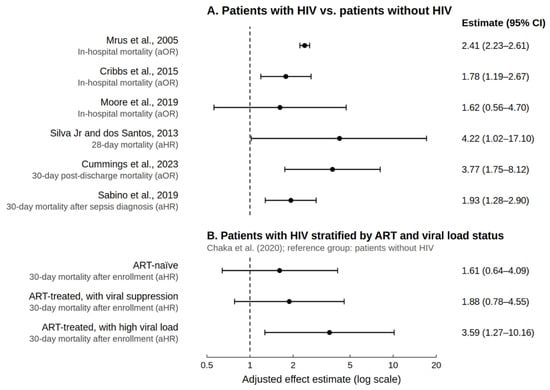
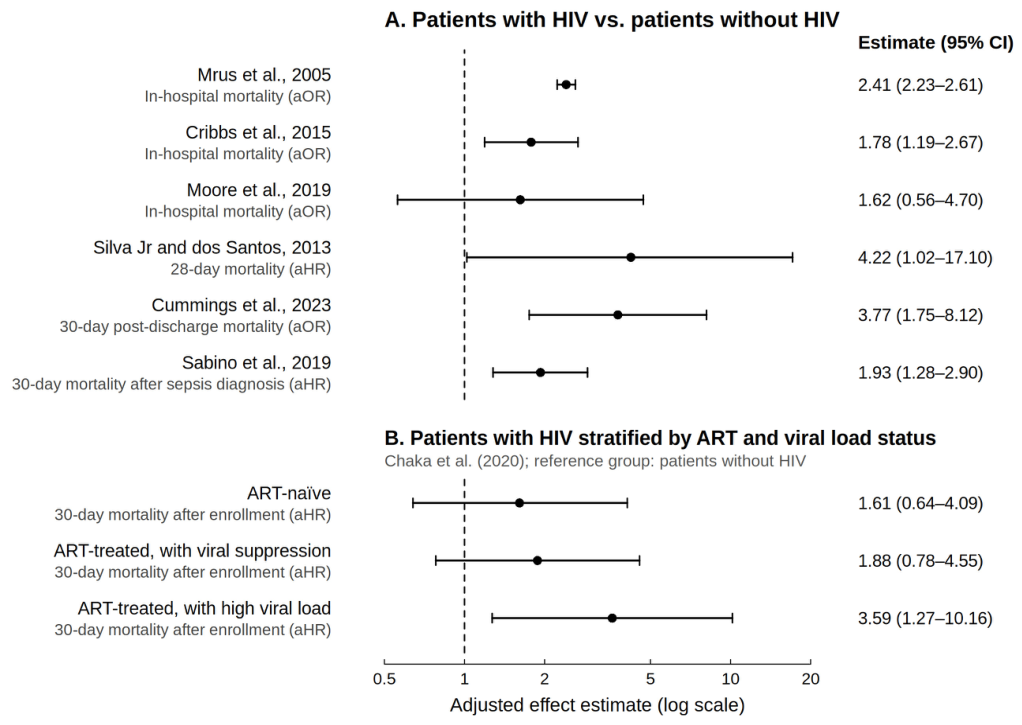

Disclaimer/Publisher’s Note: The statements, opinions and data contained in all publications are solely those of the individual author(s) and contributor(s) and not of MDPI and/or the editor(s). MDPI and/or the editor(s) disclaim responsibility for any injury to people or property resulting from any ideas, methods, instructions or products referred to in the content. |
© 2026 by the authors. Licensee MDPI, Basel, Switzerland. This article is an open access article distributed under the terms and conditions of the Creative Commons Attribution (CC BY) license.