


Abstract
Mixedwood forests emerge from nonlinear interactions among disturbance, aspen recruitment, and conifer succession, yet ecological processes alone may not explain the contrasting long-term trajectories observed in managed landscapes. This paper proposes a coupling of classical aspen–conifer dynamics with a rarity-sensitive mechanism of human perception and intervention to examine how social feedback reshapes mixedwood stability. The ecological subsystem alone produced transitions among pure aspen, mixed-species, and pure conifer equilibria, but the introduction of social feedback fundamentally reorganized these stability regimes. In particular, social feedback generated bistability between mixed-species and pure conifer equilibria, indicating that similar ecological conditions may support contrasting long-term forest outcomes depending on intervention history and societal response. Under low social sensitivity, weak intervention destabilized coexistence and expanded bistability, whereas high social sensitivity stabilized coexistence and compressed bistable regions. Strong intervention eliminated bistability entirely and produced unstable or oscillatory dynamics, including persistent cycles under some parameter combinations. These findings suggest that mixedwood resilience depends not only on ecological recovery and succession processes, but also on how societies perceive species decline and respond through management intervention.
1. Introduction
Forested landscapes rarely form continuous or uniform vegetation covers. Instead, they occur as mosaics of interacting patches that differ in species composition, disturbance history, and successional stage [1,2]. Across boreal and temperate North America, mixedwood forests exemplify these mosaic systems: fast-growing broadleaf species—especially trembling aspen (Populus tremuloides Michx.)—coexist and compete with later-establishing conifers. Hereafter, “aspen” is used as a functional shorthand for early-seral broadleaf competitors that rapidly dominate after disturbance through prolific vegetative suckering, a response that is especially strong following high-severity fire [3,4]. Conifers, by contrast, re-establish primarily through seedling recruitment and gradually ascend into the canopy [5]. These contrasting regeneration strategies create asymmetric successional pathways whose long-term trajectories depend on disturbance, competition, and climate, giving rise to the potential for multiple stable configurations of the mixedwood landscape [6,7,8,9,10]. In many mixedwood systems, Aspen can also facilitate conifer establishment by moderating microclimatic stress and reducing exposure to wind, frost, and some insect disturbances during early recruitment stages [10,11,12].
Although mixedwood forests are often viewed as transitional successional systems, increasing evidence suggests that they can also function as persistent and ecologically important landscape states. Aspen contributes disproportionately to nutrient turnover, biodiversity, wildlife habitat, and fuel disruption, thereby influencing ecological processes beyond its relative abundance on the landscape [13,14,15,16]. Because these ecosystem functions depend on maintaining both functional groups across space and time, the underlying regeneration dynamics become central to long-term forest resilience and stability. Mixedwood management in boreal systems has therefore increasingly shifted toward maintaining structural and compositional diversity across landscapes, rather than converting stands toward single-species dominance [17,18].
In western boreal forests, mixedwood silvicultural systems are often designed to sustain long-term coexistence between aspen and conifers through retention, understory protection, and partial harvesting approaches that emulate natural disturbance dynamics [19,20]. These dynamics have important management implications because post-disturbance practices and regeneration policies often alternate between promoting conifer recruitment and retaining broadleaf components such as aspen, depending on economic priorities, wildfire concerns, biodiversity objectives, and evolving societal expectations. Consequently, sustained management intervention through stocking standards, planting priorities, or vegetation control practices may reinforce or alter underlying ecological stability and long-term mixedwood trajectories.
However, management itself may fundamentally reshape ecological stability. Ecological stability is commonly interpreted as the capacity of ecosystems to resist disturbance or recover following perturbation, often conceptualized through the complementary properties of resistance and resilience [21,22]. Forest ecosystems rarely exist as static entities, but instead persist as dynamic equilibria shaped by continual interactions among succession, disturbance, nutrient cycling, and species turnover [23,24]. Under this view, disturbances or management interventions may reorganize the “stability landscape” of forests by shifting systems between alternative domains of attraction, thereby altering long-term successional trajectories and recovery dynamics [22]. Consequently, understanding how ecological and anthropogenic feedback reshape forest stability has become increasingly important for predicting the persistence, resilience, and sustainability of mixedwood landscapes under changing environmental and management conditions.
These interactions suggest that mixedwood dynamics may be governed by multiple stability regimes rather than by a single deterministic successional pathway. Aspen–conifer interactions are strongly nonlinear, and their balance could generate threshold behaviour, alternative stable states, or broad coexistence regions depending on recruitment, disturbance frequency, and competitive asymmetries [25,26]. In some settings, aspen and conifers each maintain dominance under similar environmental conditions, with transitions triggered by fire intensity, browsing pressure, or competitive release [27,28,29]. Comparable bistable dynamics appear at continental scales, where climate alone cannot explain abrupt shifts between forested and open vegetation states [30]. In other cases, landscapes stabilize as long-lived mosaics in which neither functional group fully excludes the other. Such patterns suggest that ecological recovery and succession alone may not fully explain long-term mixedwood trajectories.
Human perception and management introduce an additional set of feedback that can substantially alter these pathways [31,32,33,34]. Conceptual studies emphasize that long-term trajectories and persistence in mixedwoods depend on interacting feedback among species, succession, and disturbance regimes, rather than on disturbance intensity alone [35], and similar feedback-stabilized mosaic dynamics occur in forest–savanna ecosystems [36]. The perceived ecological, economic, or cultural value of aspen can shift with its local abundance—a rarity-based response consistent with conservation behaviours observed across ecosystems [34,37,38]. When aspen is scarce, managers may prioritize its protection or restoration; when abundant, it may be harvested preferentially or suppressed to favour conifer production. Such feedback parallels adaptive human–ecosystem interactions in other mosaic and bistable systems, where shifting human preferences amplify or dampen ecological processes [31,39]. Yet, despite their relevance, the bidirectional coupling between vegetation states and human perception remains largely unexplored in mechanistic or analytically tractable models of mixedwood dynamics.
Studies of coupled social–ecological systems show that human behaviour, social learning, and management responses can reshape long-term ecosystem stability and generate dynamics not predicted by ecological processes alone, including oscillatory behaviour, instability, and regime shifts [40,41,42,43,44]. Similar patterns have been observed in forest social–ecological models, where management decisions and human behaviour strongly influence long-term forest dynamics [45,46,47,48,49,50]. Understanding these stability dynamics is important for forest management because small differences in intervention timing or societal response may alter long-term trajectories of mixedwood persistence, conifer dominance, or landscape stability. However, many existing approaches either treat social preferences as fixed or rely on computationally intensive simulations that limit analytical understanding of stability dynamics. Consequently, it remains unclear how dynamically evolving, rarity-sensitive social responses interact with ecological competition to reshape coexistence and stability in mixed-species forests. Addressing this gap requires models that remain sufficiently simple to allow analytical treatment while still capturing the essential feedback between ecological and social processes.
This study develops a mechanistic model that explicitly couples aspen–conifer regeneration dynamics with a rarity-sensitive mechanism of human perception and intervention. By embedding behavioural feedback directly into ecological turnover, the framework enables examination of how perception, preference shifts, and management actions may interact with recruitment and succession to shape stability in mixedwood forests. This study hypothesizes that dynamically evolving social valuation of species abundance can modify ecological coexistence dynamics, potentially altering the stability structure of mixed-species systems relative to ecological processes alone. The model is designed to represent aggregate landscape-level dynamics rather than stand-level spatial heterogeneity or species-specific silvicultural processes. Aspen and conifers are treated as broad functional groups, while human influence is represented as a generalized societal or policy-driven preference affecting management intervention through time. Consequently, the framework is intended primarily to examine how coupled ecological and social feedback influence stability structure in boreal mixedwood systems, rather than to provide site-specific predictions of forest composition or management outcomes.
Specifically, the study addresses three research questions:
- Under what conditions do social feedback promote or undermine long-term coexistence and dominance patterns in Aspen–conifer landscapes?
- How do varying levels of social sensitivity and management intervention reshape the stability and persistence of alternative forest landscape configurations?
- Can coupled social–ecological interactions generate emergent forest dynamics—such as cyclical fluctuations, instability, or shifting dominance states—not predicted by ecological processes alone?
2. Method
2.1. Coupled Aspen–Conifer Model
The model describes a landscape fully occupied by aspen (A) and conifers (C), such that A + C = 1. Changes in forest composition arise from ecological processes of regeneration and succession. Aspen regenerates vegetatively through suckering, primarily following disturbance, and its recruitment depends on both the availability of open space and local site conditions. Conifers, in contrast, increase through natural succession and active management such as planting or restoration, represented by a baseline succession rate v. The dynamics of the two functional groups are described as:
where w(A) represents the aspen recruitment potential, and w(A)AC represents aspen expansion into “conifer-occupied areas”.
Assuming full site occupancy (C = 1 − A), the system reduces to a single ecological equation:
A stand is considered pure when ≥80% of its composition is represented by one functional group (aspen or conifer), and mixed when both groups constitute >20% of stand composition. These thresholds reflect commonly used definitions in mixedwood silviculture [51,52,53,54].
Aspen Recruitment Function
The recruitment function represents the dependence of post-disturbance suckering on the abundance and vigor of pre-disturbance aspen. In mixed aspen–conifer forests, regeneration occurs almost exclusively through vegetative root suckering, and the number of suckers produced after fire is tightly linked to the density and physiological condition of pre-fire aspen stems [8,9,55]. Empirical studies demonstrate a concave, saturating relationship between overstory aspen density and sucker initiation: recruitment rises sharply at low to intermediate aspen cover, but plateaus as stands become denser [9]. This pattern reflects root–system limitations and site constraints, as well as the suppressive effects of competition with conifers—via reduced light, altered soil chemistry, or lower root vigor—when aspen is initially sparse or late in succession [6,56,57].
To capture this nonlinear dependence, recruitment was modelled using a Michaelis–Menten function (see Supplementary Material Figure S1):
where is the proportion of pre-disturbance aspen, is the maximum achievable recruitment rate, and is a half-saturation constant determining the aspen abundance at which recruitment is half of its maximum. This formulation ensures low recruitment when aspen is initially sparse, rapid increases as aspen cover rises, and saturation under high aspen abundance, consistent with observed post-fire regeneration patterns. Parameterization follows empirical post-fire sucker–overstory relationships [8,9], with half-saturation occurring near (scaled) and maximum recruitment rates .
2.2. Human Preference Dynamics
Human dendrophily is represented by x, the proportion of the population preferring aspen over conifers. Thus: x = 1 → complete preference for aspen; x = 0 → complete preference for conifers; and intermediate values represent partial or divided societal preference. Preferences shift over time via social learning [42,44] and can be influenced by perceived ecological value. This feedback was modelled following [38]:
where s is the social learning rate, quantifying how quickly societal preferences adapt to perceived ecological conditions. This parameter, therefore, defines the intrinsic timescale of social response relative to ecological dynamics. High indicates rapid dissemination of opinion—representing fast communication networks, media influence, or institutional responsiveness—whereas low implies sluggish opinion change and longer lags between ecological and social response. In this way, the model accommodates both fast and slow social timescales without requiring separate structural modifications. The vegetation variable (the proportion of the landscape occupied by aspen) captures aggregated compositional change observable over multi-year to decadal periods. quantifies how the perceived value of aspen changes with its abundance, and variation in allows perception dynamics to occur faster or slower relative to ecological turnover.
Perception Function (U(A))
When aspen becomes rare, its aesthetic, ecological, or cultural value often rises disproportionately, a form of rarity-based valuation [42,43,44,58,59,60]. To capture this asymmetric perception, public valuation of aspen is modeled using a rarity-sensitive sigmoidal function that changes sign at a perceived critical threshold . In practice, this threshold can be interpreted as the point at which public concern translates into management attention or policy response, rather than perception acting directly on vegetation dynamics. Below , aspen scarcity increases perceived value; above it, overabundance reduces perceived urgency for conservation (see Supplementary Material Figure S2).
where m controls response steepness. Aspen that is scarce is viewed favorably (U(A) > 0), while abundant aspen is seen as less valuable (U(A) < 0).
2.3. Final Coupled System
The ecological and social components combine into:
This system captures two-way ecological–social feedback between vegetation dynamics and human preference. Aspen regeneration and conifer succession interact with human preferences through feedback loops: changes in forest composition influence public perception of aspen’s value, while shifting social preferences alter management actions that, in turn, reshape vegetation patterns.
2.4. Human Intervention Function
Human preference influences management outcomes through an intervention function (x), adapted from [38]:
where represents the overall intensity of directional management influence acting on forest composition, and controls how sharply intervention changes with preference. Lower values of correspond to limited management influence in which intrinsic successional processes largely govern stand development, whereas larger values represent increasingly intensive or sustained intervention capable of altering long-term mixedwood dynamics. In practical terms, increasing may reflect stronger or more persistent management activities such as deciduous suppression, conifer promotion, retention-focused aspen management, or large-scale restoration-oriented intervention. When the proportion of people preferring aspen is below 0.5, management activities are generally conifer-oriented—such as planting or promoting conifer regeneration—resulting in a positive value of , which suppresses aspen cover. Conversely, when the proportion of aspen supporters exceeds 0.5, management actions shift toward favoring aspen. In this case, becomes negative, and because it enters the aspen equation with a negative sign, its effect is to enhance aspen regeneration and increase its overall cover.
2.5. Scenario Framework
2.5.1. Social-Sensitivity Scenarios
Social sensitivity governs how rapidly public preference responds to changes in aspen abundance through the perception function . These scenarios determine how sharply public valuation changes around , setting both the speed and amplitude of preference shifts. We defined two contrasting cases:
Low social-sensitivity feedback ( = 0.2): Societies or management systems that begin reacting only when aspen becomes very rare. The perceived value of aspen is neutral at A = 0.2; further reductions rapidly increase its perceived value, while increases beyond 0.2 decrease urgency. This scenario represents weak societal responsiveness, where substantial declines in aspen cover can still be tolerated before triggering strong social action.
High social-sensitivity feedback ( = 0.5): Societies or management systems that respond when aspen is only moderately abundant. Here, the perceived value of aspen is neutral at A = 0.5; any reduction below this threshold sharply increases the perceived value, whereas any increase beyond it reduces perceived urgency. This scenario represents strong societal responsiveness to aspen loss, where even moderate declines trigger intervention.
These thresholds modulate the ecological–social feedback function U(A), determining how rapidly public preference shifts in response to aspen cover and shaping the strength of coupled human–ecological dynamics.
2.5.2. Baseline Ecological-Only Dynamics
The scenario represents a purely ecological system, with no social variables operating on the vegetation dynamics. Human preference does not evolve (x absent), and human intervention is absent (h = 0, (x) = 0). Forest composition is therefore governed solely by aspen recruitment and conifer succession (Equation (2)), providing a baseline reference against which all coupled social–ecological scenarios are compared.
2.5.3. Social–Ecological Intervention Scenarios
The remaining scenarios incorporate human perception (allowing to evolve) and, in some cases, active human intervention. In these regimes, the social variable evolves according to Equation (4), creating feedback between vegetation state and public preference. Each scenario was evaluated under both social-sensitivity settings ( and ).
To classify the strength of human intervention, we examined the magnitude of the intervention function at its preference extremes,
and compared these values with the characteristic ecological turnover rate. Under the recruitment function (Equation (3)), maximum potential recruitment is
where represents the upper limit of intrinsic aspen recruitment under the nonlinear recruitment formulation. Because ecological growth enters as , the logistic term attains its maximum at . Thus, the fastest possible self-replacement rate of aspen is:
This quantity provides an ecological reference scale for defining intervention strength. Different intervention regimes were implemented through alternative values of the management parameter , while the resulting intervention magnitudes were classified relative to intrinsic ecological turnover. Conceptually, these regimes represent increasing levels of management influence, ranging from weak preference-driven responses to intensive intervention capable of overriding natural successional dynamics.
- (1)
- Minimal intervention
Human intervention is nonzero but remains substantially smaller than the maximum intrinsic recruitment rate:
This regime represents cases where management intensity is positive but ecologically negligible relative to dominant recruitment and succession processes. In practical terms, such conditions may correspond to passive management, weak harvesting preference, limited retention emphasis, or low-intensity policy influence that allows vegetation dynamics to remain primarily governed by intrinsic ecological turnover.
- (2)
- Weak intervention
Weak intervention occurs when human actions operate below the maximum ecological turnover rate but are not confined to the minimal scale. Formally,
In this regime, intervention operates on timescales comparable to slower ecological processes (e.g., succession) but remains subdominant to the fastest ecological feedback. This regime may represent moderate silvicultural influence, including partial aspen retention, conifer promotion strategies, or management policies that influence stand composition without fully overriding natural regeneration dynamics.
- (3)
- Strong intervention
Strong intervention occurs when management strength equals or exceeds intrinsic ecological turnover, defined as
In this regime, human actions operate on timescales comparable to or faster than ecological processes. Such conditions may correspond to intensive planting, aggressive suppression of one functional group, strict stocking targets, or sustained management policies capable of substantially reorganizing long-term successional trajectories and stability structure.
2.6. Equilibrium and Stability Analysis
Equilibrium points were obtained by solving simultaneously: , , over the domain A, x ∈ [0, 1]. Numerical equilibria were computed using a multi-start root-finding approach implemented with the multiroot() function from the rootSolve package (version 1.8.2.4) in R version 4.4.1. To improve completeness of equilibrium detection and reduce sensitivity to starting conditions, root-finding was initiated from 25 distinct initial points distributed across the domain . Initial values for both and were sampled at 0.01, 0.2, 0.5, 0.8, and 0.99, thereby spanning low, intermediate, and near-boundary states. Solutions outside the biologically feasible range were discarded. Duplicate equilibria arising from convergence to the same solution were removed using Euclidean-distance clustering with a tolerance threshold of 0.05.
Local stability was assessed by evaluating the Jacobian matrix of the coupled system at each equilibrium [32]:
with eigenvalues indicating stability: equilibria with both eigenvalues having negative real parts are stable; positive real parts indicate instability; and complex eigenvalues with nonzero imaginary parts identify oscillatory or potentially limit–cycle behaviour. Stable equilibria were further classified according to stand composition as pure aspen (A ≥ 0.8), pure conifer (A ≤ 0.2), or mixed-species (0.2 < A < 0.8). Parameter regions containing two stable equilibria were classified as bistable, allowing coexistence between alternative stable-state pairings (e.g., mixed-species ↔ pure conifer, mixed-species ↔ pure aspen, or pure aspen ↔ pure conifer states).
Because the system consists of two coupled equations, additional analytical insight can be obtained from the Jacobian evaluated at equilibrium. Stability properties can be expressed in terms of the trace and determinant of the Jacobian, which determine whether equilibria are stable, oscillatory, or unstable. In particular, a Hopf bifurcation may occur when the trace of the Jacobian approaches zero while the determinant remains positive, causing a pair of complex conjugate eigenvalues to cross the imaginary axis. Under these conditions, stable equilibria may transition to persistent oscillatory dynamics. Persistent bounded oscillations observed in trajectory simulations were interpreted as evidence of stable oscillatory attractors consistent with Hopf-type behaviour. Detailed derivations of the analytical stability conditions are provided in Supplementary Text S1. All model parameters, definitions, and ranges used in simulations are provided in Table S1 of Supplementary Material.
While linear stability analysis indicates whether equilibria are locally stable and whether convergence is monotonic or oscillatory, it cannot capture transient dynamics or limit cycles that emerge far from equilibrium. Section 3.4 and Section 3.5, therefore, examine full temporal trajectories of A and x to illustrate how human perception and intervention reshape system behaviour over ecologically relevant timescales.
2.7. Sensitivity Analysis
Model robustness was evaluated using two complementary approaches.
- (i)
- Local sensitivity analysis.
Each parameter was varied individually over ecologically and socially plausible ranges while holding all others constant. Ecological parameters included the maximum recruitment rate (α), the half-saturation constant (β), and the aspen loss rate (v). Social parameters included human-impact strength (h), learning rate (s), and the social-sensitivity threshold (). For each parameter set, equilibrium number and type (pure aspen, pure conifer, mixed, bistable, oscillatory) were computed across the α × v parameter space. Simulations were integrated for with , sufficient for convergence to steady or oscillatory regimes. Time integration of the coupled differential equations was performed using an explicit forward Euler method with a fixed time step Δt = 0.01. State variables were constrained to remain within the biologically feasible range [0, 1] at each time step. Numerical stability of the integration scheme was evaluated by repeating representative trajectory simulations using a smaller time step ().
- (ii)
- Partial global sensitivity analysis.
To assess interactions among key ecological and social processes, parameter pairs were varied jointly rather than independently. The combinations evaluated were α × v (recruitment vs. disturbance), h × (strength and sharpness of human feedback), and α × h (ecological recovery vs. anthropogenic pressure). For each pair, full parameter planes were recomputed to identify shifts in equilibrium structure, coexistence regions, or the emergence of oscillatory dynamics. In addition, supplementary trajectory analyses incorporated simultaneous variation of multiple ecological and social parameters (e.g., , , , , and ) to evaluate broader robustness of the coupled dynamics across contrasting ecological–social scenarios.
Parameter ranges included β = 0.07–2.0, s = 2–12, p = 3–7, and social-sensitivity thresholds and .
3. Results
3.1. Baseline Ecological-Only Dynamics of the Aspen–Conifer System
In the absence of human influence, the aspen–conifer system is governed solely by the nonlinear balance between disturbance-driven aspen recruitment and the steady successional replacement by conifers. This interaction produces a clear division of ecological outcomes across parameter space (Figure 1A). When recruitment is strong or successional pressure is weak, the system converges to a pure aspen state, reflecting the competitive advantage of vegetative suckering after disturbance. Conversely, when conifer succession outpaces aspen recovery, the system collapses to a pure conifer equilibrium. Between these extremes lies an intermediate domain in which neither group can fully exclude the other, giving rise to a mixed-species equilibrium.
Figure 1.
Baseline ecological dynamics of the aspen–conifer system. (A) Equilibrium outcomes across combinations of aspen recruitment rate (α) and conifer succession rate (v) in the purely ecological model. Regions correspond to pure aspen, pure conifer, and mixed-species equilibria. (B–D) Balance between the aspen recruitment term w(A)A(1–A) (black curve) and the conifer replacement term vA (grey line) for increasing conifer succession rates (v = 0.15, 0.30, and 0.60 for panels (B), (C), and (D), respectively). Intersections of the curves indicate ecological equilibria (open circles). As v increases, the high-aspen equilibrium shifts leftward from a pure-aspen state (B) to a mixed composition (C), and disappears entirely at high succession rates (D), leaving the conifer-dominated equilibrium at A = 0 as the only remaining solution.
The one-dimensional phase plots (Figure 1B–D) illustrate how these ecological equilibria shift as the conifer succession rate v increases. Equilibria occur where the aspen recruitment term w(A)A(1–A) intersects the conifer replacement term vA. At low succession rates (v = 0.15; Figure 1B), the curves intersect three times: a conifer-dominated equilibrium at A = 0, a second interior equilibrium at very low aspen abundance (reflecting a near-pure conifer state), and a high-aspen equilibrium near A ≈ 1. When succession strengthens (v = 0.30; Figure 1C), all three equilibria persist, but the high-aspen equilibrium shifts leftward, indicating a reduced capacity for aspen to maintain dominance under stronger successional pressure. At high succession rates (v = 0.60; Figure 1D), the replacement line lies above the recruitment curve for all A > 0, causing the two upper equilibria to disappear. The system therefore collapses to a single remaining equilibrium at A = 0, a conifer-dominated state. This progressive loss of interior and high-aspen equilibria mirrors the equilibrium transitions mapped across the α–v plane in Figure 1A.
3.2. Phase-Space Organisation Under Low Social-Sensitivity Feedback ( = 0.2)
Low social sensitivity represents a society that reacts only weakly to changes in aspen abundance. Under this condition, perception adjusts slowly, so ecological recruitment and succession remain the main drivers of composition, and social feedback is expressed primarily through long time lags.
In the minimal-intervention regime (very small h > 0; Figure 2A), the α–v plane closely resembles the ecological baseline described in Section 3.1, but with one major difference: the region that previously supported a stable mixed-species equilibrium now becomes bistable, with the system exhibiting alternative stable states between mixed-species persistence and pure conifer dominance. Ecologically, this means that under identical recruitment and successional conditions, landscapes may either maintain long-term mixedwood persistence or transition toward conifer-dominated conditions depending on initial forest composition or prior disturbance and management history. In other words, even a minimal, low-sensitivity intervention is sufficient to shift the system away from a uniquely stable mixed-species equilibrium wherever ecology alone would have maintained one. Pure conifer equilibria still occupy the high-, low- corner where succession overwhelms recruitment, while pure aspen equilibria dominate at high and low .
Figure 2.
Phase diagrams under low social-sensitivity feedback ( = 0.2, β = 0.12, s = 2, p = 1) showing stability regimes of the coupled aspen–conifer system across recruitment rate (α) and conifer succession rate (v) under increasing human impact. (A) minimal intervention; (B) weak intervention; (C) strong intervention. In panel (A), the bistable region denotes a parameter region characterized by alternative stable states between a stable mixed-species equilibrium and a stable pure conifer equilibrium, with long-term trajectories depending on initial forest conditions.
Introducing weak human impact generates a qualitatively different stability outcome (Figure 2B). Although ecological bistability between mixed-species and pure conifer states persists, the boundaries between regimes become fractured, and new dynamic behaviours appear. A substantial zone emerges in which a stable pure conifer equilibrium coexists with an unstable limit cycle, indicating systems that return to equilibrium only after damped oscillations caused by the lag between slow social adjustment and faster ecological change. This regime marks where low-sensitivity perception is strong enough to overshoot but not strong enough to sustain cycles. A second new region of fully unstable equilibria appears at low α, indicating parameter combinations where aspen recruitment is weak and societal support is insufficient to counter conifer dominance. At intermediate α and v, a stable mixed-species equilibrium reappears (purple region), showing that moderate intervention can, in some cases, actively maintain coexistence that minimal intervention would erode.
Under strong intervention (; Figure 2C), the state-space structure undergoes a dramatic reorganization. The bistable band collapses, and the plane is divided into only two regimes: a region combining a stable pure conifer equilibrium with an unstable limit cycle, and a large domain in which all equilibria are unstable. In the former, trajectories again exhibit oscillatory convergence, but with broader excursions than under weak intervention because strong feedback acts on a timescale comparable to or faster than ecological turnover. In the unstable domain (pink region), strong intervention combined with weak recruitment removes any local attractor; small disturbances can therefore propagate into persistent swings in both aspen abundance and preference. Here, system behaviour is governed primarily by the intensity and speed of human feedback rather than by ecological asymmetry, and no form of ecological stability remains.
3.3. Phase-Space Organisation Under High Social-Sensitivity Feedback ( = 0.5)
High social sensitivity represents a system in which societal valuation of aspen shifts abruptly with even moderate changes in forest composition. This steep perception curve fundamentally alters how human influence interacts with ecological turnover and reorganizes the structure of dynamical regimes across the α–v plane.
In the minimal-intervention regime—where h is positive but far below the intrinsic ecological turnover rate—the system retains the four characteristic ecological regimes: pure conifer equilibrium (green), pure aspen equilibrium (blue), mixed-species coexistence (purple), and bistability (red) (Figure 3A). However, their geometry differs sharply from the low-sensitivity scenario. Most notably, the mixed-species region expands substantially, occupying a wider portion of intermediate α and v values than in Figure 2A, where coexistence was absent. By contrast, the bistable region contracts, appearing in a thinner band at higher recruitment rates. This shift occurs because the steep perception function causes societal valuation to react strongly to deviations around , effectively stabilizing intermediate aspen levels even though intervention is minimal. Preference shifts do not carry ecological force at this scale—h is too small for (x) to influence dA/dt—but the rapid change in U(A) subtly alters the ecological nullclines, allowing coexistence to become more persistent and reducing the parameter space capable of supporting two alternative stable states (between mixed-species and pure conifer compositions). Thus, even without meaningful intervention, high sensitivity reshapes the ecological surface in ways not observed under low sensitivity.
Figure 3.
Phase diagrams under high social-sensitivity feedback ( = 0.5, β = 0.12, s = 2, p = 1) showing stability regimes of the coupled aspen–conifer system across recruitment rate (α) and conifer succession rate (v) under increasing human impact. (A) Minimal intervention; (B) weak intervention; (C) strong intervention. In panels (A,B), the bistable region denotes a parameter region characterized by alternative stable states between a stable mixed-species equilibrium and a stable pure conifer equilibrium, with long-term trajectories depending on initial forest conditions.
Under weak intervention (Figure 3B), the orange region representing a stable conifer equilibrium enclosed by an unstable limit cycle remains prominent, but its position within the α–v space shifts substantially relative to the low-sensitivity case. In Figure 2B (low sensitivity), oscillatory convergence extends broadly toward lower recruitment (low α) and stronger conifer succession (high v), reflecting the fact that slow social response produces mild overshooting primarily where ecological recovery is weak. In contrast, under high sensitivity, the oscillatory region is pushed upward and leftward, emerging mainly where recruitment is strong and succession is moderate. This difference arises because steep perception amplifies deviations near , but sustained oscillations require adequate aspen recovery. As a result, oscillatory behaviour clusters at higher α and lower v, while the upper-right corner (high α, high v) hosts the thin red bistable band. Only a tiny region of unstable equilibria remains at very low α, indicating that high sensitivity suppresses divergent dynamics that were widespread under low sensitivity.
Under strong intervention (h = 6.0), the α–v plane undergoes a complete reorganization (Figure 3C). Bistability disappears entirely, and two regime types dominate. Most of the plane is occupied by the orange region, where a stable equilibrium is enclosed by an unstable limit cycle, producing large-amplitude oscillatory trajectories driven by rapid preference switching and intense management pressure. These oscillations are substantially broader than in the low-sensitivity counterpart (Figure 2C), reflecting the nonlinear amplification produced when steep perception interacts with fast, high-magnitude intervention. Along the lower α boundary, a pink region of unstable equilibria persists, representing parameter combinations where recruitment is too weak to counterbalance rapid, preference-driven management adjustments; the system is unable to settle to any stable composition. Together, these patterns indicate that under strong intervention and high sensitivity, the classical ecological structure is erased: alternative stable states vanish across the entire α–v domain and are replaced by oscillatory or unstable behaviour.
3.4. Coupled Dynamics of Aspen Abundance and Human Preference
To complement the equilibrium patterns described above, the coupled dynamics of aspen abundance (A) and human preference (x) were examined across combinations of recruitment (), conifer succession (), and human-impact strength () (Figure 4 and Figure 5). All simulations were initiated from the same intermediate condition (, ), representing a mixed forest state with moderate societal preference for aspen. The resulting phase-plane trajectories illustrate how similar initial ecological and social conditions can diverge toward contrasting long-term ecological–social states depending on recruitment, succession, social sensitivity, and management intensity. In this context, human preference represents the broader societal and management-oriented valuation of aspen, influencing long-term intervention pressure within the coupled system.
Figure 4.
Phase-plane trajectories of human preference () versus aspen abundance () under low social-sensitivity feedback ( = 0.2; β = 0.12, s = 2, p = 1). Trajectories illustrate contrasting system responses, including direct and oscillatory convergence under varying combinations of conifer succession rate (), human-intervention strength (), and Aspen recruitment rate (). Panels correspond to: (a) v = 0.2, h = 0.15, α = 1.0; (b) v = 0.2, h = 0.15, α = 2.5; (c) v = 0.2, h = 6.0, α = 1.0; (d) v = 0.2, h = 6.0, α = 2.5; (e) v = 0.8, h = 0.15, α = 1.0; (f) v = 0.8, h = 0.15, α = 2.5; (g) v = 0.8, h = 6.0, α = 1.0; (h) v = 0.8, h = 6.0, α = 2.5.
Figure 5.
Phase-plane trajectories of human preference () versus aspen abundance () under high social-sensitivity feedback ( = 0.5; β = 0.12, s = 2, p = 1). Trajectories illustrate contrasting system responses, including direct and oscillatory convergence under varying combinations of conifer succession rate (), human-intervention strength (), and Aspen recruitment rate (). Panels correspond to: (a) v = 0.2, h = 0.15, α = 1.0; (b) v = 0.2, h = 0.15, α = 2.5; (c) v = 0.2, h = 6.0, α = 1.0; (d) v = 0.2, h = 6.0, α = 2.5; (e) v = 0.8, h = 0.15, α = 1.0; (f) v = 0.8, h = 0.15, α = 2.5; (g) v = 0.8, h = 6.0, α = 1.0; (h) v = 0.8, h = 6.0, α = 2.5.
Under low social-sensitivity feedback (; Figure 4), societal preference adjusts gradually to changes in aspen abundance. Most trajectories approach equilibrium through either direct or oscillatory adjustment, depending on ecological conditions and intervention strength. Under low conifer succession (), increasing aspen recruitment from to shifts the system from broad monotonic adjustment (Figure 4a) toward more pronounced inward spiralling behaviour (Figure 4b), while stronger intervention () further amplifies oscillatory convergence (Figure 4c,d). A distinct pattern emerges under rapid conifer succession and weak recruitment (, ; Figure 4e), where aspen abundance initially increases despite declining societal preference for aspen, reflecting the persistence of an already established aspen state under weak intervention. In contrast, stronger intervention under the same succession regime (Figure 4g,h) produces broader looping trajectories before convergence toward lower-preference states.
Under high social-sensitivity feedback (; Figure 5), societal preference responds more rapidly to changes in aspen abundance. Several trajectories converge relatively directly toward equilibrium (Figure 5b,e,f), whereas others exhibit repeated cyclic adjustment between aspen abundance and societal preference before stabilizing (Figure 5a,d,h). Strong intervention () produces the most distinct responses. Under low conifer succession and moderate recruitment (, ; Figure 5c), trajectories form a persistent closed-loop cycle centered near intermediate aspen abundance and societal preference. Under rapid conifer succession and weak recruitment (, ; Figure 5g), the coupled system exhibits the largest-amplitude persistent oscillations observed across all scenarios. However, increasing recruitment to under the same high-sensitivity and strong-intervention regime restores convergence toward a stable equilibrium (Figure 5h).
These trajectories demonstrate that societal preference does not simply respond passively to changes in forest composition but dynamically interacts with ecological processes to influence long-term system pathways. Even when landscapes begin from similar ecological and social conditions, differences in recruitment, succession, social sensitivity, and management intensity can drive the coupled system toward markedly different ecological and societal outcomes.
3.5. Temporal Dynamics of Aspen–Human Feedback Interactions
To examine how human feedback shapes the joint evolution of forest composition and societal preference, time-series trajectories of aspen abundance (A) and human preference (x) were evaluated across combinations of recruitment (α), aspen loss (v), and human-impact strength (h) under low and high social-sensitivity thresholds (Figure 6 and Figure 7). These trajectories illustrate the temporal pathways through which stabilization or oscillatory behaviour develops.
Figure 6.
Time-series dynamics of Aspen (A) and Human preference (x) under low social-sensitivity feedback ( = 0.2; β = 0.12, s = 2, p = 1). Panels show all combinations of rate of aspen loss (v), human intervention strength (h), and recruitment (α). (a) v = 0.2, h = 0.0, α = 1.0; (b) v = 0.8, h = 0.0, α = 1.0; (c) v = 0.2, h = 1.2, α = 1.0; (d) v = 0.8, h = 1.2, α = 1.0; (e) v = 0.2, h = 0.0, α = 2.5; (f) v = 0.8, h = 0.0, α = 2.5; (g) v = 0.2, h = 1.2, α = 2.5; (h) v = 0.8, h = 1.2, α = 2.5.
Figure 7.
Time-series dynamics of Aspen (A) and Human preference (x) under high social-sensitivity feedback ( = 0.5; β = 0.12, s = 2, p = 1). Panels show all combinations of rate of aspen loss (v), human intervention strength (h), and recruitment (α). (a) v = 0.2, h = 0.0, α = 1.0; (b) v = 0.8, h = 0.0, α = 1.0; (c) v = 0.2, h = 1.2, α = 1.0; (d) v = 0.8, h = 1.2, α = 1.0; (e) v = 0.2, h = 0.0, α = 2.5; (f) v = 0.8, h = 0.0, α = 2.5; (g) v = 0.2, h = 1.2, α = 2.5; (h) v = 0.8, h = 1.2, α = 2.5.
Under low social-sensitivity feedback (Figure 6), preference responds gradually to changes in aspen abundance, weakening ecological–social coupling. When no intervention occurs (h = 0), all tested parameter combinations (Figure 6a,b,e,f) exhibit monotonic convergence toward equilibrium. Aspen either increases or declines depending on ecological conditions, while preference gradually approaches its stable value. When intervention is introduced (h = 1.2), delayed perception generates oscillatory adjustment when ecological turnover is slow. At low aspen loss (v = 0.2), oscillations appear in both variables (Figure 6c,g), with larger and more persistent cycles observed under higher recruitment (α = 2.5; Figure 6g,h). With moderate recruitment (α = 1.0; Figure 6c), oscillations contract gradually, indicating convergence to a stable equilibrium. At higher aspen loss (v = 0.8), ecological turnover dominates system behaviour, and oscillations are strongly damped (Figure 6d), producing rapid convergence.
High sensitivity (Figure 7) produces stronger coupling between ecological and social processes. Without intervention (h = 0), trajectories again converge monotonically (Figure 7a,b,e,f), although preference adjusts more rapidly than under low sensitivity. When intervention is introduced (h = 1.2), stronger feedback produces more pronounced oscillatory responses. At low aspen loss (v = 0.2), moderate recruitment (α = 1.0; Figure 7c) generates damped oscillations, while high recruitment (α = 2.5; Figure 7g) produces persistent limit cycles in which A and x oscillate indefinitely. When ecological turnover is high (v = 0.8), oscillations vanish regardless of recruitment (Figure 7d,h), demonstrating that rapid ecological decline constrains sustained cycling.
Across both sensitivity regimes, temporal trajectories show that ecological turnover governs overall stability, while social feedback determines whether convergence occurs monotonically or through oscillatory adjustment.
3.6. Model Sensitivity
Main analysis runs used Michaelis–Menten recruitment (), social learning rate , and human-impact exponent (Table S2). Sensitivity tests were conducted by varying , , and , as well as joint ecological–social controls () (Figures S3–S12). Overall, the qualitative organization of system regimes remained robust across parameter changes, and the principal conclusions of the main analysis were preserved. In addition, reducing the numerical integration time step from to did not alter qualitative trajectory structure, equilibrium convergence, oscillatory behaviour, or stability classification across the examined parameter combinations, indicating that the reported dynamics were numerically stable. Variation in the recruitment half-saturation parameter altered threshold magnitudes but did not change the identity of dynamical regimes. Lower values of expanded aspen-dominated regions, whereas higher values contracted them. Similarly, increasing the human-impact exponent to produced negligible changes in overall regime geometry.
Increasing the social learning rate from to (Figures S11 and S12) provided an effective test of timescale separation between social and ecological dynamics. Smaller values of correspond to slower perception dynamics relative to vegetation change, whereas larger values represent rapid social response. Across this range, the location and identity of dynamical regimes in the plane remained unchanged, indicating that the qualitative structure of the system is robust to variations in social response timescale. However, the transient dynamics within regimes were substantially modified. Under minimal intervention, trajectories showed monotonic convergence in all cases, but equilibria were reached more rapidly at higher , reflecting faster alignment of perception with vegetation state. Under strong human impact, oscillatory behaviour persisted across identical parameter combinations, but the geometry of these cycles changed markedly. At , trajectories traced broad, square-like loops with long excursions in preference, consistent with delayed social response. At , the same systems produced tighter, smoother spirals, indicating that faster learning dampens the amplitude of feedback-driven oscillations and reduces the lag between ecological and social change. The effects of the sensitivity threshold persisted across all tested values of , confirming that the role of rarity thresholds is independent of the relative speed of social adaptation. Together, these results show that although does not change the type of long-term regime the system occupies, it strongly governs the tempo and geometry of forest–society co-dynamics, moderating oscillation breadth and the pace at which feedback cycles settle.
4. Discussion and Conclusions
4.1. Ecological Baselines and the Missing Social Dimension
Mixedwood forests are commonly understood as dynamic systems shaped by the contrasting life-history strategies of rapidly regenerating aspen and slower, shade-tolerant conifers [5,6,7,8,9]. The ecological subsystem reproduced these expected successional patterns. Strong aspen recruitment () promoted rapid deciduous dominance following disturbance, whereas strong successional pressure () gradually shifted stands toward conifer-dominated conditions typical of later-seral forests. Between these extremes, recruitment and succession occasionally balanced sufficiently to maintain stable mixed-species conditions, consistent with observations following moderate disturbance or partial harvesting [2,57].
Importantly, the mixed-species equilibrium identified in this study does not simply represent static coexistence between aspen and conifers. Rather, it reflects a stable successional pathway in which post-disturbance aspen recruitment, gradual conifer establishment, and long-term canopy turnover remain dynamically balanced through time. In this sense, coexistence emerges not from the absence of succession, but from the persistence of the successional cycle itself. As long as recruitment and competitive replacement continue reinforcing this pattern, the mixedwood system remains stable. However, reductions in regeneration, altered disturbance regimes, or sufficiently strong directional feedback can disrupt this balance and shift the system toward persistent single-species dominance.
A major finding of the present framework is that the ecological subsystem alone did not produce bistability. Instead, ecological dynamics generated relatively smooth transitions among pure aspen, mixed-species, and pure conifer equilibria depending on the balance between recruitment and succession. Bistability emerged only after ecological turnover was coupled with social feedback, and occurred specifically between mixed-species persistence and pure conifer dominance rather than between pure aspen and pure conifer states. Ecologically, this suggests that socially mediated management responses may influence whether mixedwood systems remain resilient coexistence states or transition toward long-term conifer dominance. Although some empirical studies have interpreted abrupt shifts in mixedwood composition as evidence of ecological alternative stable states, such patterns may also reflect disturbance history, regeneration limitation, land-use legacies, or management feedback that were intentionally simplified in the present framework [2,35]. This distinction provides the central motivation for explicitly coupling ecological turnover with social feedback [31,41].
4.2. Social Feedback Reshapes Mixedwood Stability
Coupling societal perception to management substantially altered system behaviour by linking ecological change to human valuation through nonlinear intervention responses [42,44]. Social sensitivity and intervention strength jointly determined how responses to vegetation change propagated through the system [19,28]. The present framework extends earlier coupled social–ecological models in two important ways. First, the rarity-sensitive perception function explicitly incorporates a flexible social-sensitivity threshold (), allowing contrasting societal response regimes to emerge across different levels of aspen abundance. Second, the bistability identified here occurs specifically between mixed-species persistence and pure conifer dominance rather than between pure forest states, providing a more ecologically realistic representation of mixedwood stability dynamics.
Minimal intervention may appear ecologically negligible, yet the results indicate that even weak perceptual feedback can substantially reshape stability conditions. The underlying mechanism lies in the nonlinear rarity-sensitive valuation function , whose sign change near determines how scarcity is socially interpreted. Although intervention strength remains relatively small, these nonlinear perception dynamics shift the ecological nullclines sufficiently to alter equilibrium persistence. This highlights an important conceptual point: stability in mixedwood systems depends not only on the magnitude of management actions, but also on how scarcity itself is perceived [20,38,39,54].
Under low social sensitivity, gradual shifts in societal valuation provided little reinforcement for intermediate forest conditions. In this setting, mixed-species coexistence remained possible, but no longer represented the sole stable outcome. Instead, weak social feedback generated bistability between mixed-species persistence and pure conifer dominance, meaning that long-term forest outcomes became increasingly dependent on system history, disturbance, or initial conditions. From a forestry perspective, this resembles landscapes where weak or inconsistent societal responses allow gradual successional pressure to slowly reinforce conifer dominance over time. Under high social sensitivity, the interpretation changed substantially. Rapid valuation near the scarcity threshold reinforced intermediate abundance and stabilized coexistence across a broader parameter range. In practical terms, stronger societal awareness of declining aspen may function similarly to retention-oriented management, restoration programs, or conservation pressure that helps maintain mixedwood structure before severe decline occurs [61]. In this sense, social sensitivity acted less as a direct ecological force and more as a stabilizing mediator influencing how management responded to ecological change.
The model also showed that delayed societal response can alter the pathway through which equilibrium is approached. Under weak intervention, trajectories frequently shifted from direct convergence to damped oscillatory adjustment [38,44,62]. This occurred because societal preference responded more slowly than vegetation change. When aspen increased, public preference temporarily lagged behind ecological recovery, whereas declining aspen triggered delayed management response only after ecological change had already progressed substantially. These delays produced overshooting and subsequent correction before eventual convergence toward equilibrium. Importantly, these oscillations did not represent persistent stable cycles, but rather transient adjustment dynamics around otherwise stable ecological states. Ecologically, this resembles situations where forest policy or management reacts slowly to changing stand conditions, producing temporary fluctuations before the system stabilizes.
When intervention intensity became sufficiently strong, the coupled system no longer approached equilibrium smoothly. Strong perception–management feedback repeatedly pushed the system across the threshold where management direction reversed. Under high social sensitivity, even moderate changes in aspen abundance generated disproportionately strong responses that repeatedly overshot ecological conditions. Unlike the damped oscillations observed under weak intervention, these dynamics reflected unstable oscillatory behaviour in which the coupled system failed to converge cleanly toward a fixed ecological–social state [41,42]. In forestry terms, this resembles situations where rapid shifts in management priorities repeatedly alternate between aggressive conifer promotion and strong aspen retention, preventing long-term stabilization of stand composition. In effect, behavioural responses begin operating on timescales that rival or exceed ecological recovery, generating repeated reversals in management direction [63].
These findings extend classical mixedwood theory, which traditionally attributes alternative trajectories to regeneration asymmetry, disturbance history, or climatic filtering [27,29]. The present framework suggests that social feedback may additionally reshape coexistence conditions by altering how management responds to perceived rarity and forest change. In this sense, mixedwood resilience may depend partly on whether societal responses operate at timescales compatible with ecological recovery. The results can also be interpreted within the broader framework of species coexistence theory [64,65], which emphasizes the importance of stabilizing and equalizing mechanisms in maintaining diversity. In the present model, socially mediated intervention acts as an external feedback process capable of either reinforcing coexistence or destabilizing it through feedback-driven oscillatory adjustment. This perspective suggests that socially driven disturbance regimes may function as previously underexplored modulators of coexistence structure in managed forest systems.
4.3. Implications, Limitations, and Future Directions
The management implications are important because mixedwoods are frequently managed for competing objectives, including timber production, biodiversity conservation, wildfire mitigation, and habitat maintenance. The present framework suggests that management actions do not operate on ecological processes alone; they also interact with public perception and social valuation in ways that can either reinforce coexistence or accelerate transitions toward dominance by a single forest type. In particular, the bistability observed between mixedwood and pure conifer equilibria suggests that similar ecological conditions may produce contrasting long-term forest outcomes depending on succession pressure, management history, and socially mediated feedback. From a management perspective, this implies that maintaining mixedwood resilience may depend not only on sustaining aspen recruitment, but also on avoiding interventions that reinforce transitions toward stable conifer-dominated states that may become difficult to reverse.
More broadly, silvicultural systems themselves may influence long-term forest stability by reshaping disturbance recovery, successional trajectories, and the structural heterogeneity of forest landscapes [24,66,67]. Intensive practices such as large-scale clearcutting, vegetation suppression, and structurally homogenized regeneration systems can modify ecological recovery pathways and reinforce long-term transitions toward simplified stand structures [22,23]. Recent work in northeast British Columbia similarly suggests that conifer-focused free-to-grow standards and vegetation control practices may unintentionally simplify mixedwood systems by reinforcing long-term transitions toward conifer-dominated stand structures [68,69]. Conversely, management approaches such as understory protection harvesting, partial retention systems, and staged harvesting systems have been proposed as mechanisms for maintaining mixedwood structure while emulating natural successional dynamics [17,18,61,70]. In this context, the present framework suggests that socially mediated intervention may reorganize not only forest composition itself, but also the broader stability structure governing transitions among aspen-dominated, mixedwood, and conifer-dominated landscape states. The bistable regions identified in this study may therefore represent mixedwood stands positioned near long-term transition thresholds, where relatively small or short-term management actions can redirect forest development toward alternative long-term trajectories.
In practice, mixedwood stands located near these bistable transition regions may initially appear structurally similar, yet differ substantially in their long-term resilience to conifer dominance because of underlying recruitment conditions and prior management legacies. Long-term stability is often observed where management remains aligned with system feedback and disturbance legacies [19,71]. In the present study, minimal to weak intervention generally supported more stable mixedwood trajectories because they avoided creating large mismatches between vegetation change and management reaction. In contrast, rapid shifts in public sentiment or high-intensity intervention increased the likelihood of oscillatory and unstable dynamics that repeatedly displaced the system away from equilibrium. More broadly, the results suggest that sustainable mixedwood management may benefit from approaches that remain responsive to underlying successional dynamics and ecological–social feedback, particularly in systems where long-term forest trajectories are sensitive to intervention history and changing societal priorities.
Several simplifying assumptions should be considered when interpreting these results. The framework represents forest dynamics at an aggregated landscape scale and does not explicitly incorporate spatial heterogeneity, stochastic disturbance, or differences among stakeholders and management institutions. Real mixedwood landscapes are shaped by variable fire regimes, harvesting histories, climatic gradients, and competing management objectives that may alter the timing and strength of ecological–social feedback. Consequently, the present results should be interpreted as a conceptual representation of coupled mixedwood dynamics rather than as direct predictions for specific forest systems. Nevertheless, the broader implication is that sustainable mixedwood management cannot be grounded solely in ecological indicators. As climate change alters disturbance regimes, regeneration dynamics, and successional pressure [40], socially mediated responses may become increasingly important determinants of whether mixedwood systems remain resilient coexistence states or transition toward persistent dominance by a single forest type.
Future work should extend the framework to spatially explicit landscapes, heterogeneous stakeholder groups, and empirically calibrated regeneration dynamics to improve predictive application across mixedwood systems. Additional development incorporating fragmentation, disturbance spread, and competing management priorities may further clarify how ecological and social processes jointly shape the long-term resilience of mixedwood forests.
Supplementary Materials
The following supporting information can be downloaded at: https://www.mdpi.com/article/10.3390/f17060675/s1.
Funding
Funding was provided by the British Columbia Ministry of Forests, Canada.
Data Availability Statement
No datasets were generated or analysed during this study. Simulation outputs and codes are available from the author upon reasonable request.
Acknowledgments
The author thanks Roman Chapman, Erin Hall, and the anonymous reviewers for their helpful comments on an earlier version of the manuscript.
Conflicts of Interest
The author declares no competing interests.
References
- Turner, M.G. Disturbance and landscape dynamics in a changing world. Ecology 2010, 91, 2833–2849. [Google Scholar] [CrossRef] [Scilit]
- Johnstone, J.F.; Allen, C.D.; Franklin, J.F.; Frelich, L.E.; Harvey, B.J.; Higuera, P.E.; Mack, M.C.; Meentemeyer, R.K.; Metz, M.R.; Perry, G.L.; et al. Changing disturbance regimes, ecological memory, and forest resilience. Front. Ecol. Environ. 2016, 14, 369–378. [Google Scholar] [CrossRef] [Scilit]
- Higgins, A.M.; Waring, K.M.; Thode, A.E. The effects of burn entry and burn severity on ponderosa pine and mixed-conifer forests in Grand Canyon National Park. Int. J. Wildland Fire 2015, 24, 495–506. [Google Scholar] [CrossRef] [Scilit]
- Clement, M.J.; Harding, L.E.; Lucas, R.W.; Rubin, E.S. Relative importance of biotic and abiotic factors influencing aspen recruitment in Arizona. For. Ecol. Manag. 2019, 441, 32–41. [Google Scholar] [CrossRef] [Scilit]
- Bergeron, Y.; Chen, H.Y.H.; Kenkel, N.C.; Leduc, A.L.; Macdonald, S.E. Boreal mixedwood stand dynamics: Ecological processes underlying multiple pathways. For. Chron. 2014, 90, 202–213. [Google Scholar] [CrossRef] [Scilit]
- Bartos, D.L.; Mueggler, W.F. Early succession in aspen communities following fires in western Wyoming. J. Range Manag. 1981, 34, 315–318. [Google Scholar] [CrossRef] [Scilit]
- Chen, H.Y.H.; Popadiouk, R.V. Dynamics of North American boreal mixedwoods. Environ. Rev. 2002, 10, 137–166. [Google Scholar] [CrossRef] [Scilit]
- Frey, B.R.; Lieffers, V.J.; Landhäusser, S.M.; Comeau, P.G.; Greenway, K.J. An analysis of sucker regeneration of trembling aspen. Can. J. For. Res. 2003, 33, 1169–1179. [Google Scholar] [CrossRef] [Scilit]
- Smith, E.A.; O’Loughlin, D.; Buck, J.R.; Clair, S.B.S. The influences of conifer succession, physiographic conditions, and herbivory on aspen regeneration after fire. For. Ecol. Manag. 2011, 262, 325–330. [Google Scholar] [CrossRef] [Scilit]
- Filipescu, C.N.; Comeau, P.G. Aspen competition affects light and white spruce growth across several boreal sites in western Canada. Can. J. For. Res. 2007, 37, 1701–1713. [Google Scholar] [CrossRef] [Scilit]
- Taylor, S.P.; Alfaro, R.I.; DeLong, C.; Rankin, L. The effects of overstory shading on white pine weevil damage to white spruce and its effect on spruce growth rates. Can. J. For. Res. 1996, 26, 306–312. [Google Scholar] [CrossRef] [Scilit]
- Man, R.; Lieffers, V.J. Are mixtures of aspen and white spruce more productive than single species stands? For. Chron. 1999, 75, 505–513. [Google Scholar] [CrossRef] [Scilit]
- Knoke, T.; Stimm, B.; Ammer, C.; Moog, M. Mixed forests reconsidered: A forest economics contribution on an ecological concept. For. Ecol. Manag. 2005, 213, 102–116. [Google Scholar] [CrossRef] [Scilit]
- Cavard, X.; Macdonald, S.E.; Bergeron, Y.; Chen, H.Y.H. Importance of mixedwoods for biodiversity conservation: Evidence for understory plants, songbirds, soil fauna, and ectomycorrhiza in northern forests. Environ. Rev. 2011, 19, 142–161. [Google Scholar] [CrossRef] [Scilit]
- Felton, A.; Nilsson, U.; Sonesson, J.; Felton, A.M.; Roberge, J.-M.; Ranius, T.; Ahlström, M.; Bergh, J.; Björkman, C.; Boberg, J.; et al. Replacing monocultures with mixed-species stands: Ecosystem service implications of two production forest alternatives in Sweden. Ambio 2016, 45, S124–S139. [Google Scholar] [CrossRef] [Scilit]
- Harris, M.P.; Coop, J.D.; Balik, J.A.; McFarland, J.R.; Parks, S.A.; Stevens-Rumann, C.S. Aspen impedes wildfire spread in southwestern United States landscapes. Ecol. Appl. 2025, 35, e70061. [Google Scholar] [CrossRef] [Scilit]
- Bergeron, Y.; Harvey, B. Basing silviculture on natural ecosystem dynamics: An approach applied to the southern boreal mixedwood forest of Quebec. For. Ecol. Manag. 1997, 92, 235–242. [Google Scholar] [CrossRef] [Scilit]
- Comeau, P.G.; Kabzems, R.K.; McClarnon, J.; Heineman, J. Implications of selected approaches for regenerating and managing western boreal mixedwoods. For. Chron. 2005, 81, 559–574. [Google Scholar] [CrossRef] [Scilit]
- Kabrick, J.M.; Clark, K.L.; D’Amato, A.W.; Dey, D.C.; Kenefic, L.S.; Kern, C.C.; Knapp, B.O.; MacLean, D.A.; Raymond, P.; Waskiewicz, J.D. Managing hardwood-softwood mixtures for future forests in eastern North America: Assessing suitability to projected climate change. J. For. 2017, 115, 190–201. [Google Scholar] [CrossRef] [Scilit]
- Kenefic, L.S.; Kabrick, J.M.; Knapp, B.O.; Raymond, P.; Clark, K.L.; D’Amato, A.W.; Kern, C.C.; Vickers, L.A.; Dey, D.C.; Rogers, N.S. Mixedwood silviculture in North America: The science and art of managing for complex, multi-species temperate forests. Can. J. For. Res. 2021, 51, 921–934. [Google Scholar] [CrossRef] [Scilit]
- Harrison, G.W. Stability under environmental stress: Resistance, resilience, persistence, and variability. Am. Nat. 1979, 113, 659–669. [Google Scholar] [CrossRef] [Scilit]
- Larsen, J.B. Ecological stability of forests and sustainable silviculture. For. Ecol. Manag. 1995, 73, 85–96. [Google Scholar] [CrossRef] [Scilit]
- Ulrich, B. Stability, elasticity and resilience of terrestrial ecosystems with respect to matter balance. Ecol. Stud. 1987, 61, 11–49. [Google Scholar]
- Bormann, F.H.; Likens, G.E. Pattern and Processes in a Forested Ecosystem; Springer: New York, NY, USA, 1979. [Google Scholar]
- Scheffer, M.; Carpenter, S.; Foley, J.A.; Folke, C.; Walker, B. Catastrophic shifts in ecosystems. Nature 2001, 413, 591–596. [Google Scholar] [CrossRef] [Scilit]
- Hirota, M.; Holmgren, M.; van Nes, E.H.; Scheffer, M. Global resilience of tropical forest and savanna to critical transitions. Science 2011, 334, 232–235. [Google Scholar] [CrossRef] [Scilit] [PubMed]
- Johnstone, J.F.; Chapin, F.S. Non-equilibrium succession dynamics indicate continued northern migration of lodgepole pine. Glob. Change Biol. 2003, 9, 1401–1409. [Google Scholar] [CrossRef] [Scilit]
- Nowacki, G.J.; Abrams, M.D. The demise of fire and “mesophication” of forests in the eastern United States. BioScience 2008, 58, 123–138. [Google Scholar] [CrossRef] [Scilit]
- Rogers, P.C.; Landhäusser, S.M.; Pinno, B.D.; Ryel, R.J. A functional framework for improved management of western North American aspen (Populus tremuloides). For. Sci. 2014, 60, 345–359. [Google Scholar] [CrossRef] [Scilit]
- Staver, A.C.; Archibald, S.; Levin, S.A. The global extent and determinants of savanna and forest as alternative biome states. Science 2011, 334, 230–232. [Google Scholar] [CrossRef] [Scilit] [PubMed]
- Lade, S.J.; Tavoni, A.; Levin, S.A.; Schlüter, M. Regime shifts in a social–ecological system. Theor. Ecol. 2013, 6, 359–372. [Google Scholar] [CrossRef] [Scilit]
- Richter, A.; Dakos, V. Profit fluctuations signal eroding resilience of natural resources. Ecol. Econ. 2015, 117, 12–21. [Google Scholar] [CrossRef] [Scilit]
- Schlüter, M.; Baeza, A.; Dressler, G.; Frank, K.; Groeneveld, J.; Jager, W.; Janssen, M.A.; McAllister, R.R.J.; Müller, B.; Orach, K.; et al. A framework for mapping and comparing behavioural theories in models of social-ecological systems. Ecol. Econ. 2017, 131, 21–35. [Google Scholar] [CrossRef] [Scilit]
- Farahbakhsh, I.; Bauch, C.T.; Anand, M. Tipping points in coupled human–environment system models: A review. Earth Syst. Dyn. 2024, 15, 947–967. [Google Scholar] [CrossRef] [Scilit]
- Frelich, L.E. Forest Dynamics and Disturbance Regimes: Studies from Temperate Evergreen–Deciduous Forests; Cambridge University Press: Cambridge, UK, 2002. [Google Scholar]
- Pausas, J.G.; Bond, W.J. Alternative biome states in terrestrial ecosystems. Trends Plant Sci. 2020, 25, 250–263. [Google Scholar] [CrossRef] [Scilit]
- Courchamp, F.; Angulo, E.; Rivalan, P.; Hall, R.J.; Signoret, L.; Bull, L.; Meinard, Y. Rarity value and species extinction: The anthropogenic Allee effect. PLoS Biol. 2006, 4, e4415. [Google Scholar] [CrossRef] [Scilit] [PubMed]
- Innes, C.; Anand, M.; Bauch, C.T. The impact of human–environment interactions on the stability of forest–grassland mosaic ecosystems. Sci. Rep. 2013, 3, 2689. [Google Scholar] [CrossRef] [Scilit] [PubMed]
- Schlüter, M.; Haider, L.J.; Lade, S.J.; Lindkvist, E.; Martin, R.; Orach, K.; Wijermans, N.; Folke, C. Capturing emergent phenomena in social–ecological systems: An analytical framework. Ecol. Soc. 2019, 24, 11. [Google Scholar] [CrossRef] [Scilit]
- Folke, C.; Carpenter, S.R.; Walker, B.; Scheffer, M.; Chapin, T.; Rockström, J. Resilience thinking: Integrating resilience, adaptability and transformability. Ecol. Soc. 2010, 15, 20. [Google Scholar] [CrossRef] [Scilit]
- Tavoni, A.; Schlüter, M.; Levin, S. The survival of the conformist: Social pressure and renewable resource management. J. Theor. Biol. 2012, 299, 152–161. [Google Scholar] [CrossRef] [Scilit]
- Bauch, C.T.; Sigdel, R.; Pharaon, J.; Anand, M. Early warning signals of regime shifts in coupled human–environment systems. Proc. Natl. Acad. Sci. USA 2016, 113, 14560–14567. [Google Scholar] [CrossRef] [Scilit]
- Henderson, K.A.; Bauch, C.T.; Anand, M. Alternative stable states and the sustainability of forests, grasslands, and agriculture. Proc. Natl. Acad. Sci. USA 2016, 113, 14552–14559. [Google Scholar] [CrossRef] [Scilit]
- Weitz, J.S.; Eksin, C.; Paarporn, K.; Brown, S.P.; Ratcliff, W.C. An oscillating tragedy of the commons in replicator dynamics with game-environment feedback. Proc. Natl. Acad. Sci. USA 2016, 113, E7518–E7525. [Google Scholar] [CrossRef] [Scilit] [PubMed]
- Satake, A.; Leslie, H.M.; Iwasa, Y.; Levin, S.A. Coupled ecological–social dynamics in a forested landscape: Spatial interactions and information flow. J. Theor. Biol. 2007, 246, 695–707. [Google Scholar] [CrossRef] [Scilit] [PubMed]
- Rammer, W.; Seidl, R. Coupling human and natural systems: Simulating adaptive management agents in dynamically changing forest landscapes. Glob. Environ. Change 2015, 35, 475–485. [Google Scholar] [CrossRef] [Scilit]
- Houballah, M.; Mathias, J.D.; Cordonnier, T. An infrastructure perspective for enhancing multifunctionality of forests: A conceptual modeling approach. Earths Future 2021, 9, e2019EF001369. [Google Scholar] [CrossRef] [Scilit]
- Houballah, M.; Cordonnier, T.; Mathias, J.D. Maintaining or building roads? An adaptive management approach for preserving forest multifunctionality. For. Ecol. Manag. 2023, 537, 120957. [Google Scholar] [CrossRef] [Scilit]
- Pichancourt, J.B. Navigating the complexities of the forest land sharing vs sparing logging dilemma: Analytical insights through the governance theory of social-ecological systems dynamics. PeerJ 2024, 12, e16809. [Google Scholar] [CrossRef] [Scilit]
- Pichancourt, J.B. Some fundamental elements for studying social-ecological co-existence in forest common pool resources. PeerJ 2023, 11, e14731. [Google Scholar] [CrossRef] [Scilit]
- Helms, J.A. The Dictionary of Forestry; Society of American Foresters: Bethesda, MD, USA, 1998. [Google Scholar]
- Seavy, N.E.; Alexander, J.D. Interactive effects of vegetation structure and composition describe bird habitat associations in mixed broadleaf–conifer forest. J. Wildl. Manag. 2011, 75, 344–352. [Google Scholar] [CrossRef] [Scilit]
- Vickers, L.A.; Knapp, B.O.; Kabrick, J.M.; Kenefic, L.S.; D’Amato, A.W.; Kern, C.C. Northeastern US mixedwoods: Contemporary status, distribution, and trends. Can. J. For. Res. 2021, 51, 881–896. [Google Scholar] [CrossRef] [Scilit]
- Kern, C.C.; Waskiewicz, J.D.; Frelich, L.; Muñoz Delgado, B.L.; Kenefic, L.S.; Clark, K.L.; Kabrick, J.M. Understanding compositional stability in mixedwood forests of eastern North America. Can. J. For. Res. 2021, 51, 897–909. [Google Scholar] [CrossRef] [Scilit]
- Graham, S.A.; Harrison, R.P.; Westell, C.E. Aspens: Phoenix Trees of the Great Lakes Region; University of Michigan Press: Ann Arbor, MI, USA, 1963. [Google Scholar]
- Brown, J.K.; DeByle, N.V. Fire damage, mortality, and suckering in aspen. Can. J. For. Res. 1987, 17, 1100–1109. [Google Scholar] [CrossRef] [Scilit]
- DesRochers, A.; Lieffers, V.J. Root biomass of regenerating aspen (Populus tremuloides) stands of different densities in Alberta. Can. J. For. Res. 2001, 31, 1012–1018. [Google Scholar] [CrossRef] [Scilit]
- Barlow, L.-A.; Cecile, J.; Bauch, C.T.; Anand, M. Modelling interactions between forest pest invasions and human decisions regarding firewood transport restrictions. PLoS ONE 2014, 9, e90511. [Google Scholar] [CrossRef] [Scilit]
- Ali, Q.; Bauch, C.T.; Anand, M. Coupled human-environment dynamics of forest pest spread and control in a multi-patch, stochastic setting. PLoS ONE 2015, 10, e0139353. [Google Scholar] [CrossRef] [Scilit]
- Drechsler, M.; Surun, C. Land-use and species tipping points in a coupled ecological-economic model. Ecol. Complex. 2018, 36, 86–91. [Google Scholar] [CrossRef] [Scilit]
- Bjelanovic, I.; Comeau, P.; Meredith, S.; Roth, B. Emulating succession of boreal mixedwood forests in Alberta using understory protection harvesting. Forests 2022, 13, 533. [Google Scholar] [CrossRef] [Scilit]
- Iwasa, Y.; Suzuki-Ohno, Y.; Yokomizo, H. Paradox of nutrient removal in coupled socioeconomic and ecological dynamics for lake water pollution. Theor. Ecol. 2010, 3, 113–122. [Google Scholar] [CrossRef] [Scilit]
- Puettmann, K. Silvicultural challenges and options in the context of global change: “Simple” fixes and opportunities for new management approaches. J. For. 2011, 109, 321–331. [Google Scholar] [CrossRef] [Scilit]
- Chesson, P. Mechanisms of maintenance of species diversity. Annu. Rev. Ecol. Syst. 2000, 31, 343–366. [Google Scholar] [CrossRef] [Scilit]
- Barabás, G.; D’Andrea, R.; Stump, S.M. Chesson’s coexistence theory. Ecol. Monogr. 2018, 88, 277–303. [Google Scholar] [CrossRef] [Scilit]
- Vitousek, P.M.; Gosz, J.R.; Grier, C.C.; Melillo, J.M.; Reiners, W.A.; Todd, R.L. Nitrate losses from disturbed ecosystems. Science 1979, 204, 469–474. [Google Scholar] [CrossRef] [Scilit]
- Swank, W.T.; Crossley, D.A., Jr. Forest Hydrology and Ecology at Coweeta; Ecological Studies; Springer: New York, NY, USA, 1988; Volume 66, pp. 1–35. [Google Scholar]
- Hawkins, C.; Maundrell, C. Linking silvics to policy: A disconnect with free-to-grow standards in northeast British Columbia. Forests 2026, 17, 21. [Google Scholar] [CrossRef] [Scilit]
- Hawkins, C.; Maundrell, C.; Beale, J. The mixedwood free-to-grow dilemma in northeast British Columbia: A case study. Forests 2026, 17, 600. [Google Scholar] [CrossRef] [Scilit]
- Grover, B.E.; Bokalo, M.; Greenway, K.J. White spruce understory protection: From planning to growth and yield. For. Chron. 2014, 90, 35–43. [Google Scholar] [CrossRef] [Scilit]
- Hilmers, T.; Biber, P.; Knoke, T.; Pretzsch, H. Assessing transformation scenarios from pure Norway spruce to mixed uneven-aged forests in mountain areas. Eur. J. For. Res. 2020, 139, 567–584. [Google Scholar] [CrossRef] [Scilit]
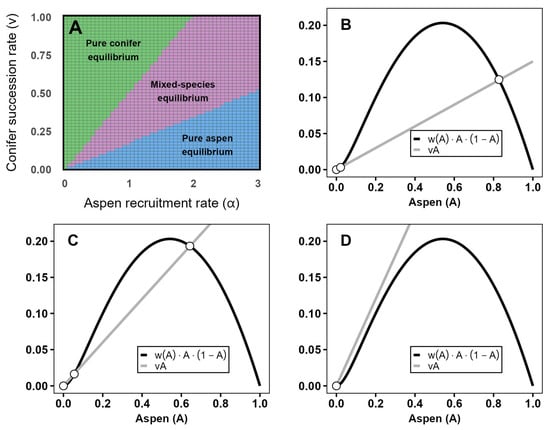
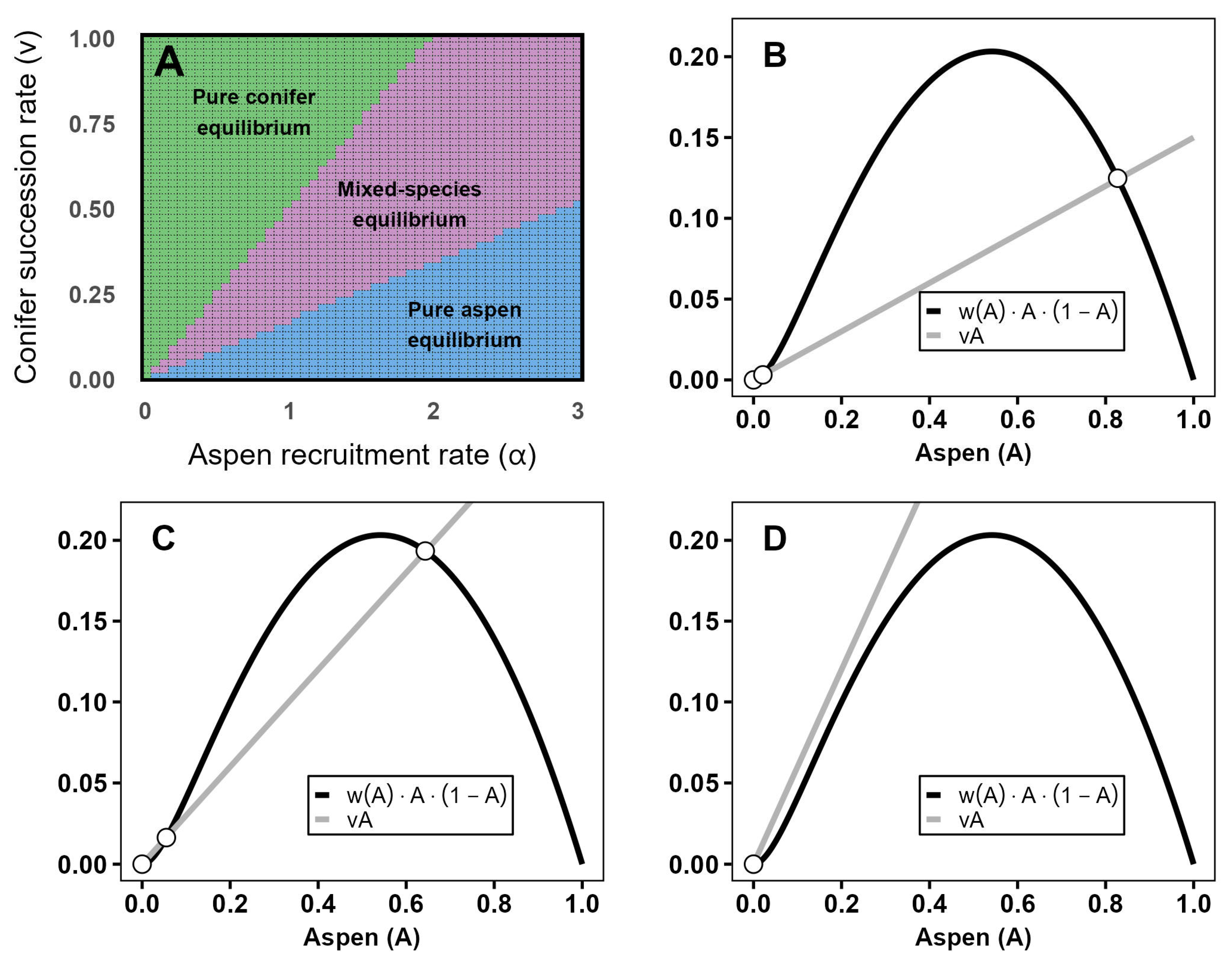
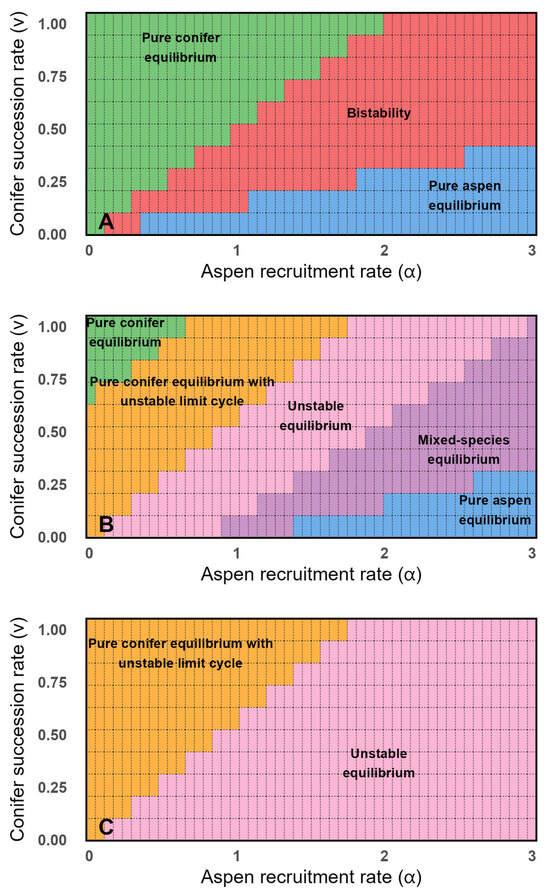
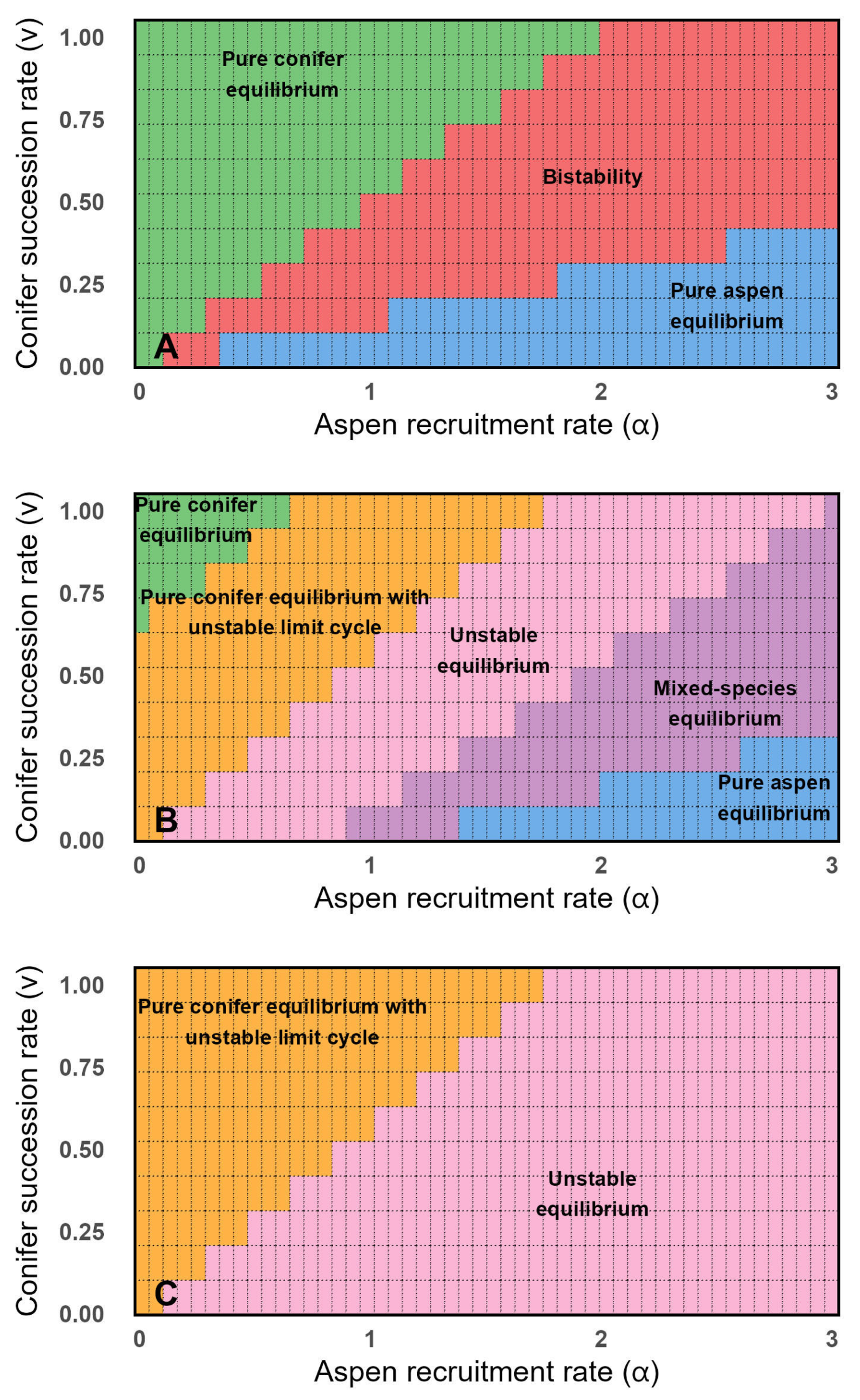
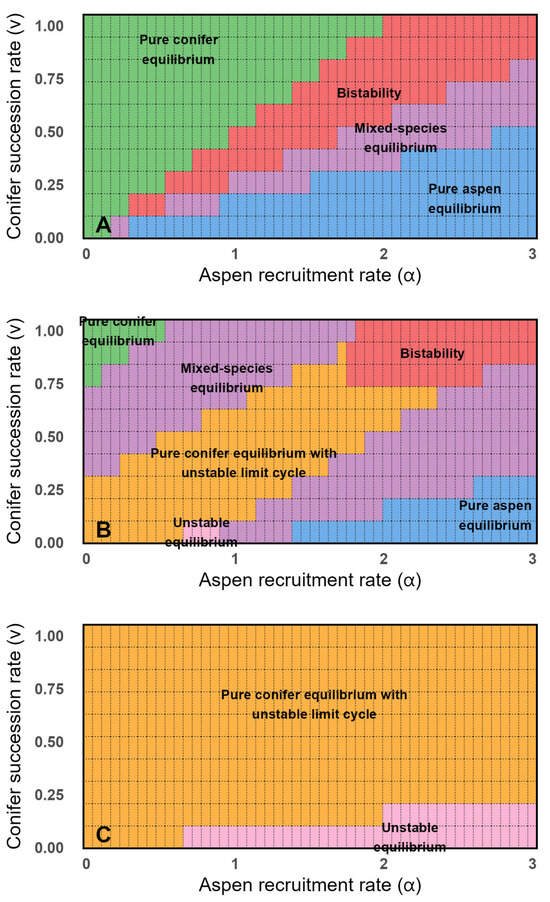
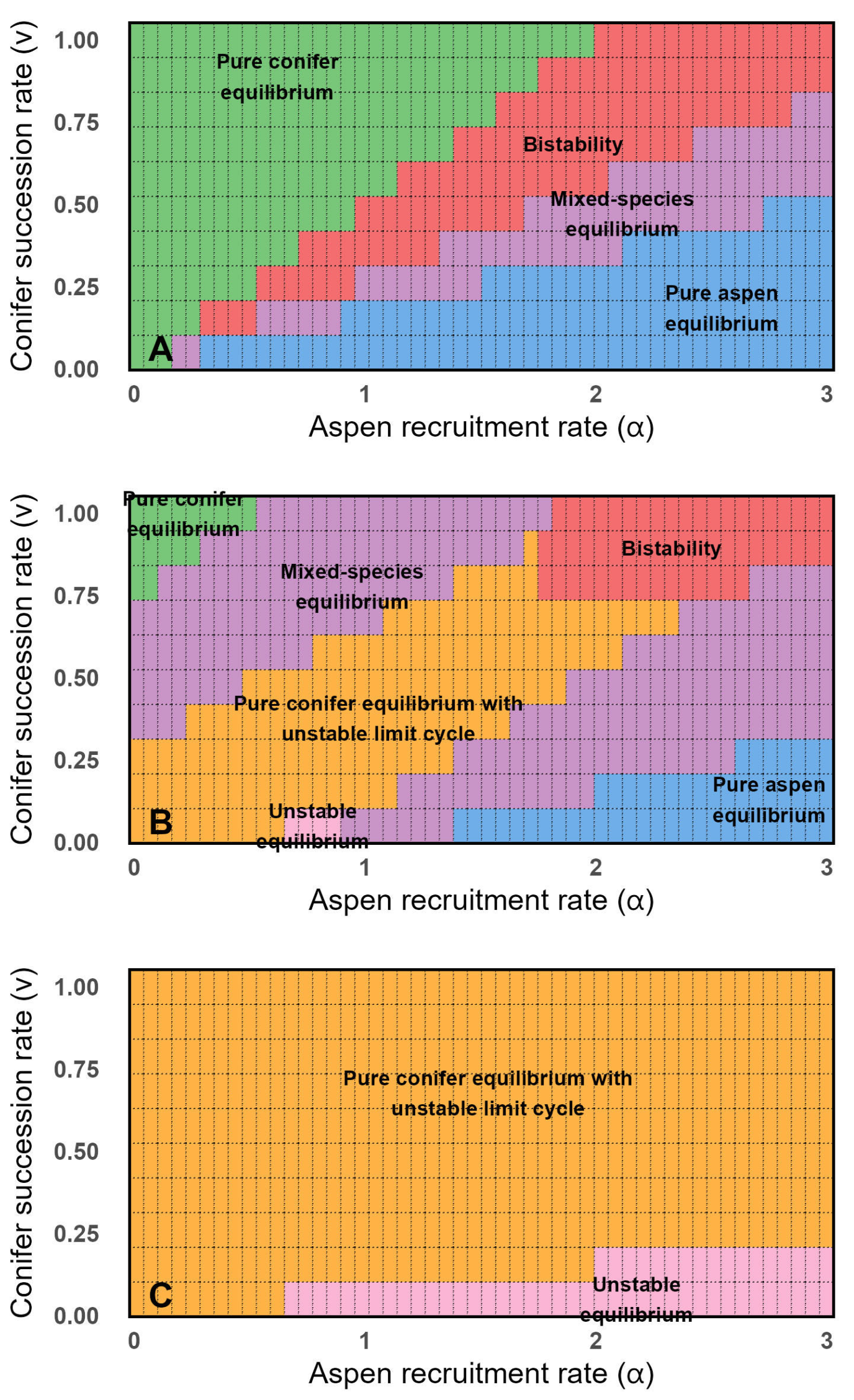
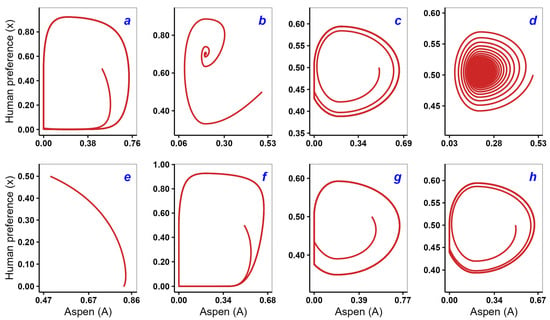
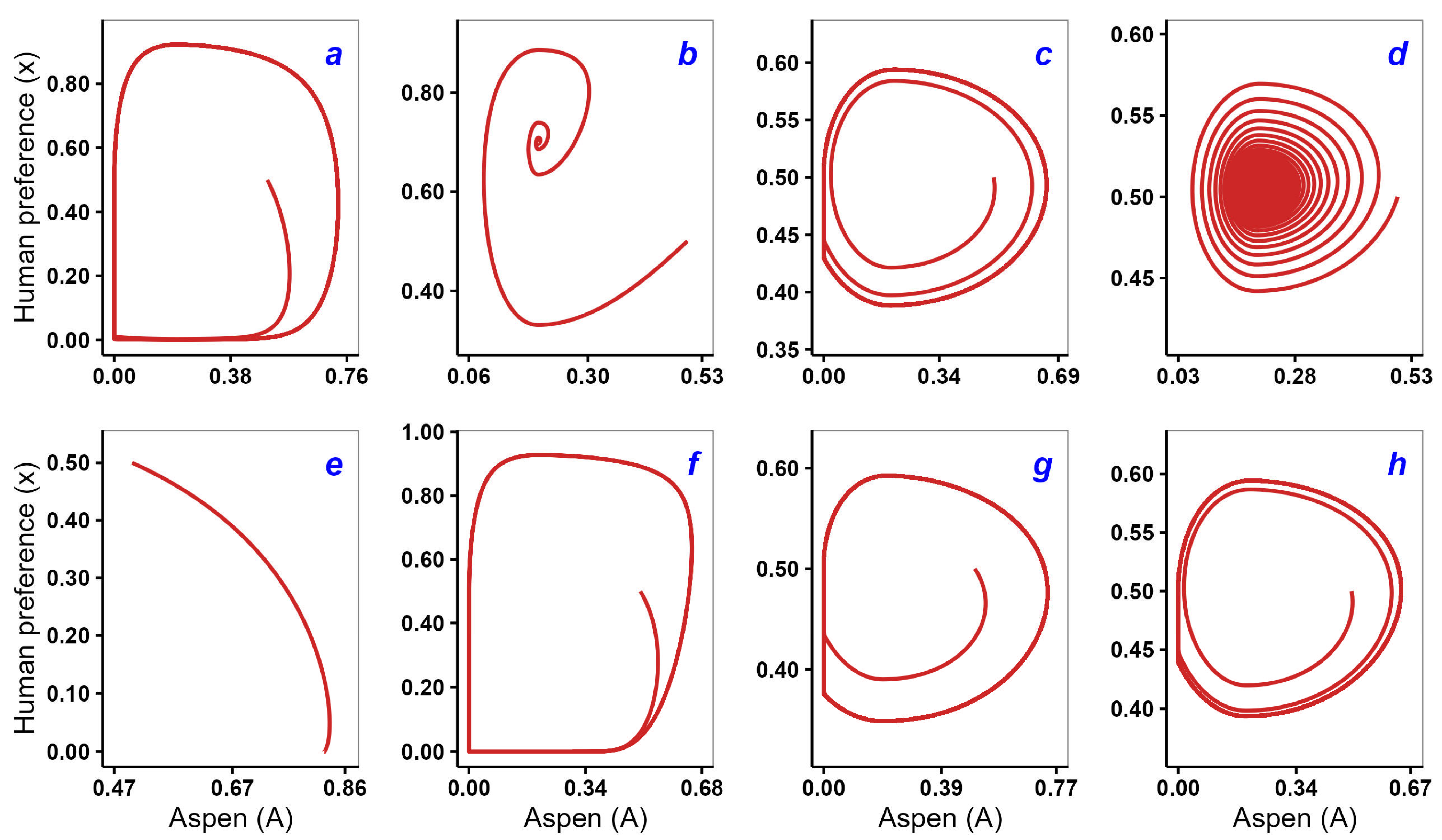
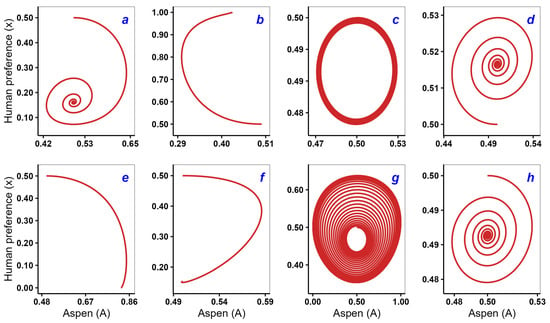
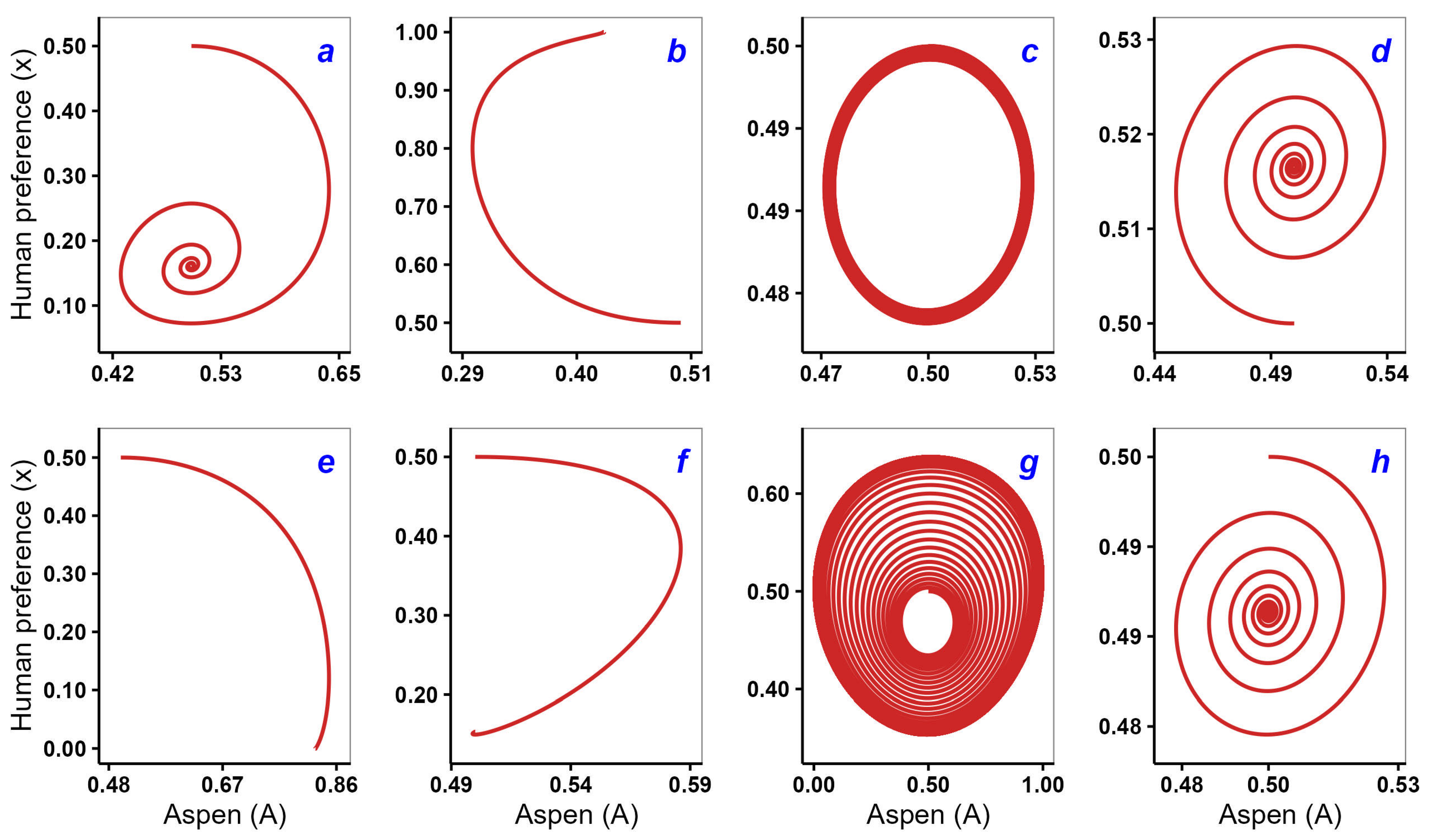
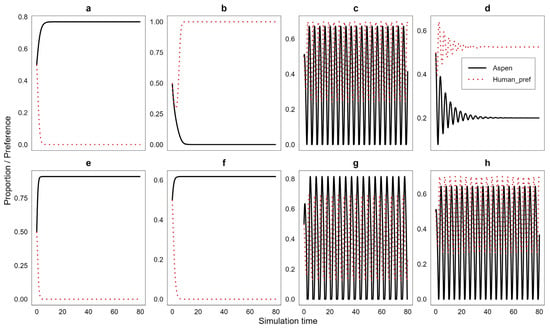
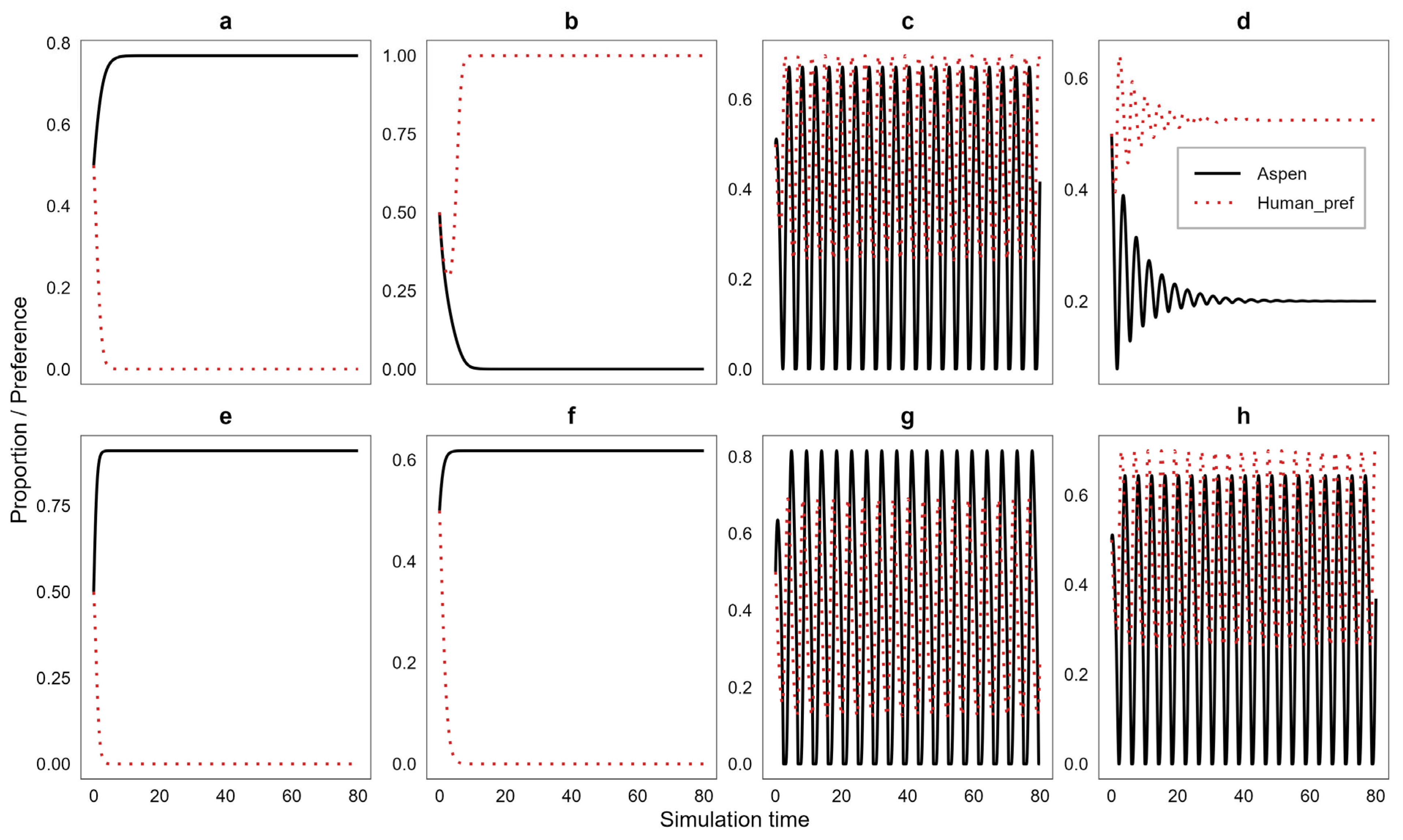
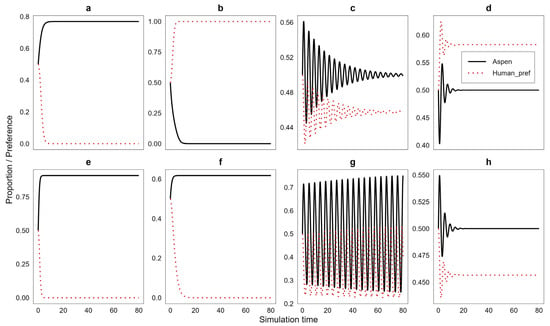
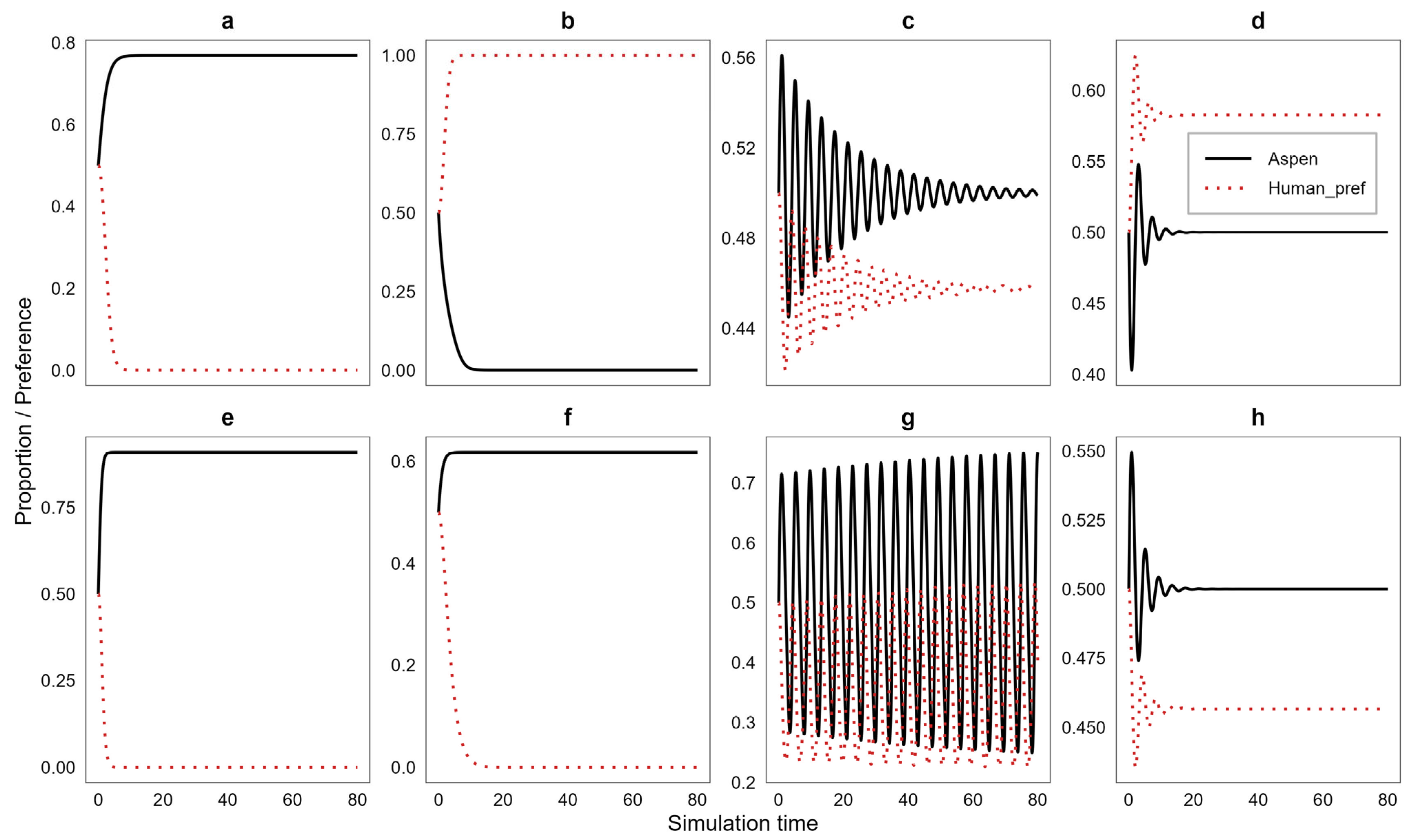
Disclaimer/Publisher’s Note: The statements, opinions and data contained in all publications are solely those of the individual author(s) and contributor(s) and not of MDPI and/or the editor(s). MDPI and/or the editor(s) disclaim responsibility for any injury to people or property resulting from any ideas, methods, instructions or products referred to in the content. |
© 2026 by the author. Licensee MDPI, Basel, Switzerland. This article is an open access article distributed under the terms and conditions of the Creative Commons Attribution (CC BY) license.