


Abstract
Forestry projects have long faced the inherent tension between stringent conservation objectives and the enhancement of human well-being, making it increasingly important to assess the sustainable livelihoods of participating households. The Natural Forest Management Project in the Northeast and Inner Mongolia state-owned forest region (NSFR) aims to transform high-quality ecological products and services into inclusive public benefits while providing reasonable compensation for ecological conservation and restoration efforts. This approach seeks to achieve synergies among ecological protection, economic development, and livelihood improvement. Drawing on six consecutive years (2017–2022) of longitudinal micro-level household survey data, this study quantifies the sustainable livelihood levels of households participating in natural forest management. A Natural Forest Involvement (NFI) index was constructed to measure their degree of participation. Furthermore, the well-being effects of frontline participants in natural forest management activities were investigated. The findings indicate that the overall sustainable livelihood capital of these households shows a steady upward trend across NSFR, significant disparities exist among different areas. Moreover, approximately half of forestry worker households are deeply embedded in the natural forest management system, and this engagement pattern negatively affects households’ sustainable livelihood capital. These results not only enrich the empirical literature on forestry project effectiveness but also offer relevant insights for forestry project design and policy formulation in other developing countries.
1. Introduction
Natural forest resources are the cornerstone of forest ecosystems, carrying irreplaceable ecological, economic, and social functions. They serve not only as an important source of forest products such as timber but also play a key role in maintaining biodiversity, regulating climate, conserving water sources, preserving soil, and providing cultural services. Significantly, the sustainable management of natural forests and the ecosystem services they provide constitute the environmental foundation upon which surrounding forest-dependent communities rely for their survival and development, profoundly influencing their livelihoods, quality of life, and long-term well-being [1].
China’s natural forest protection and management practices have undergone a profound strategic transformation alongside the evolution of development philosophies. By the late 20th century, in response to the resource crisis and ecological degradation caused by long-term overexploitation—rooted in the predatory logging practices (including heavy selective cutting and clear-cutting) adopted by state forest enterprises (SFEs) from 1949 to 1998 [2,3], which nearly depleted the harvestable natural forest resources in key state-owned forest regions such as the upper reaches of the Yangtze River, the upper and middle reaches of the Yellow River, and the northeastern and Inner Mongolia areas [4,5,6]—the state launched the Natural Forest Protection Program (referred to as the NFPP). Centered on “halting logging, reducing output, and restoring ecosystems,” the NFPP marked a historic shift in China’s natural forest management from a “logging-oriented” approach to a “protection-oriented” one. During this historic shift, the role of forestry worker households has fundamentally changed: they have gradually evolved from traditional timber producers to key participants in the protection, restoration, and sustainable management of natural forests. This role reshaping has also significantly impacted their sustainable livelihood levels. A key scientific question of concern remains: to what extent has the participation of local forestry worker households in natural forest management improved their own sustainable livelihood levels? Research on this issue can help reveal the livelihood conditions of frontline participants in natural forest management and address the critical question of whether participation in natural forest management projects can genuinely empower households.
The existing literature on the welfare effects of participating in natural forest management mainly focuses on the following aspects: (1) The definition of welfare has undergone a paradigm shift from “one-dimensional” to “multidimensional” welfare. Amartya Sen argues that the essence of welfare should not focus solely on the material wealth people possess, but rather on their ability and freedom to pursue and achieve what they value in life [7]. This “development as freedom” perspective shifts the focus of welfare research from means (increasing income) to ends (achieving multiple goals such as health, education, and social participation), marking a paradigm shift from “one-dimensional” to “multidimensional” welfare. In recent years, researchers have increasingly adopted multidimensional indicators rather than single-dimensional ones to measure the welfare levels of forestry community households. Compared to single-dimensional indicators such as income and consumption, multidimensional indicators—such as subjective well-being satisfaction [8], constructed household wealth indicator systems [9], and capability-based welfare evaluation frameworks [10]—prove more effective and comprehensive in quantifying the quality of life and overall well-being of sampled households [11]. (2) The use of the sustainable livelihoods approach to quantitatively assess household welfare has gained broader recognition and application. The Sustainable Livelihoods Framework (SLF) developed by the UK’s Department for International Development (DFID) is the most influential representative framework in this field. It views household livelihoods as an organic system operating within a specific vulnerability context, utilizing five types of livelihood capital, influenced by specific institutions, policies, and processes, to select and implement livelihood strategies and ultimately achieve livelihood outcomes [12]. Some researchers apply this framework to analyze the interaction between natural resource management and the livelihoods of community residents, as well as the impact of external interventions on the livelihood strategies and levels of forestry community households [13]. Other scholars further focus on evaluating the livelihood impacts of major ecological projects [14,15], studying the diversification and transformation of livelihood strategies [16], and exploring the mechanisms linking sustainable livelihoods and welfare [17]. (3) Welfare effect evaluations of participation in various forestry projects are becoming more refined, quantitative, and differentiated. Existing research has shown that the impact of forestry projects on household welfare is not universal but is shaped jointly by external environments and internal conditions [18]. Some scholars have delved into influence mechanisms, distributional effects, and contextual heterogeneity, finding that the welfare effects of forestry projects are typically heterogeneous, influenced by multiple complex factors [19,20,21,22]. Therefore, there is a call for welfare effect evaluations of participation in forestry projects to become more refined, quantitative, and differentiated. Rather than simply answering “whether a project is effective,” research should delve into “under what conditions, through what participation modes, via what mechanisms, and what kind of welfare effects are generated” for forestry worker households. This approach can provide a scientific basis for designing more inclusive and equitable policy interventions.
A review of the existing literature reveals the following limitations. First, the current definition and measurement of welfare for forestry worker households, especially those in state-owned forest regions, remains simplistic and inadequately addresses their multifaceted identity needs. There is a pressing need to deepen this research by introducing the Sustainable Livelihoods Framework. There are two main limitations. On one hand, there is an overemphasis on static, outcome-based economic indicators (e.g., income, assets), while insufficient attention is paid to the livelihood processes and capital dynamics that underpin welfare. On the other hand, there is a lack of systematic assessment of households’ capacity to cope with external shocks and long-term transitions. This study proposes introducing the theoretical concept of “Sustainable Livelihood Capital” to construct a welfare analysis framework better suited to the characteristics of this group. By systematically assessing the five categories of livelihood capital—human, natural, physical, financial, and social—the Sustainable Livelihood Capital framework can move beyond a unidimensional focus on income, quantitatively characterize the resource endowments and capability foundations of forestry worker households, and further reveal the true capital conditions that sustain their welfare. Second, the current evaluation and optimization approaches for forestry projects, particularly natural forest management projects, have yet to fully achieve a fundamental shift from being “ecology-centered” to “people’s welfare-centered.” In the design and evaluation of forestry policies, ecological indicators (e.g., forest coverage, timber stock) remain rigid constraints and primary objectives, while the welfare gains or losses of participating groups are often treated as derivative outcomes or secondary considerations, occupying a subordinate position. This study places “the welfare of forestry worker households” at the center of evaluating natural forest management patterns, advocating a shift in forest governance from being “resource-control-centered” to “human-development-centered.” This approach helps to promote the transformation of SFEs into “social enterprises” that prioritize community welfare and social responsibility, and ensures that forestry worker households are not left behind, can develop, and maintain dignity in the process of forest region revitalization.
To address these research gaps, this paper selects NSFR as the study area, with forestry worker households as the core micro-level subjects, and seeks to answer the following questions: What are the welfare effects of participating in natural forest management? The marginal contributions of this paper are as follows: (1) Constructing an analysis framework for “multi-dimensional participation mode identification” to achieve precise characterization and evaluation of the study subjects. Based on the forest dependence theory, this study develops a Natural Forest Involvement (NFI) Index. This enables continuous, quantitative measurement of the depth of participation and the intensity of dependence of forestry worker households, thereby classifying their participation into high-intensity and low-intensity patterns. (2) Promoting a fundamental shift in forest governance research from being “ecology-centered” to “people’s welfare and development-centered.” Embedding the welfare improvement of forestry worker households as a core objective and key evaluation criterion for optimizing natural forest management models, this study advocates and practices a new research paradigm for forest governance: natural forest management should be elevated to a “social governance process” that integrates ecological protection, livelihood improvement, and social equity. (3) Adopting a mixed-methods chain of “causal inference-mechanism exploration” to enhance the scientific rigor of the study and the robustness of its policy implications.
2. Concept and Framework
2.1. Concept
2.1.1. Sustainable Livelihood Capital of Forestry Worker Households
According to the Sustainable Livelihoods Framework (SLF) systematically proposed by the UK Department for International Development (DFID) in the late 1990s, livelihood capital is regarded as the core set of resources that households use to make a living and cope with vulnerability, forming the foundation of livelihood capacity [23,24]. The DFID framework innovatively expands the concept of capital into five categories: human capital, social capital, natural capital, financial capital, and physical capital. This multidimensional perspective on capital is highly suitable for structurally deconstructing the complex connotations of “welfare of forestry worker households.” It demonstrates strong adaptability and explanatory power in the specific research context of NSFR: ① Human capital (centered on education level, health status, and skill training) directly determines whether forestry worker households can successfully transition from “loggers” to “forest rangers,” “nursery workers,” or even “ecological service providers” in terms of knowledge and identity. ② Natural capital in this study operates under a unique premise of “restricted access.” Although forestry worker households do not hold legal ownership over state-owned natural forest resources, their welfare is closely tied to activities such as management contracts, tending operations, technical support roles, and economic activities related to forestry. This forms a special natural basis for their environmental well-being and certain livelihood opportunities. ③ Financial capital (encompassing wage income, household savings, and credit accessibility) serves as the direct economic safeguard for households to cover daily expenses, cope with unexpected risks, and undertake any productive investments. Its importance is particularly pronounced during the transition period in forest regions as market economies deepen their influence. ④ Physical capital (housing conditions, durable consumer goods, community infrastructure) directly reflects the material living standards and residential environmental quality of households, embodying the “livability” aspect of quality of life. ⑤ Social capital deeply reflects the stable “institutional dependence” relationship between forestry worker households and SFEs (which serves as the primary channel for obtaining stable employment, information, and social security). It is also manifested through community mutual aid networks based on geographical proximity and kinship ties. Together, these form an important informal support system for households to cope with external uncertainties.
2.1.2. Natural Forest Involvement
Forest Dependence Theory posits that dependence consists of three core elements: the subject (e.g., households), the object (products and services provided by forests), and the connection between them [25]. The essence of this connection lies in the fact that households’ livelihood activities are highly dependent on forest resources, with a lack of effective alternatives. As a result, changes in forest resources directly threaten their livelihood security and welfare levels [26]. This implies that “dependence” is not only about deriving benefits from forests but, more critically, about the “non-substitutability” of livelihood strategies. In other words, people lack livelihood options beyond forests and forestry, and when forest resources are degraded, their livelihood conditions are inevitably compromised—even to the point of threatening their survival security. Based on this theory, “forest-dependent communities” are defined as those that derive multiple benefits from forests and whose welfare is closely linked to forest conditions [27]. The concept of forest-dependent communities can be disaggregated into three dimensions: ① the forest dimension, which focuses on the tangible benefits humans obtain from the various products forests provide; ② the dependence dimension, which highlights the close linkage between forest resources and human welfare; and ③ the community dimension, which primarily examines the attributes of groups benefiting from forests—specifically, those who rely on forests for their livelihoods and thus have a strong interactive relationship with them.
Forestry worker households in NSFR have resided in these areas for generations. Their livelihood strategies and welfare levels are deeply intertwined with natural forest resources—from timber to various ecological products. Their “unit-based” employment model and geographic distribution further reinforce this dependence. Consequently, they constitute a typical “forest-dependent community” characterized by multidimensional reliance. Their economic rationale for participating in natural forest management reflects the decision-making of “bounded rational economic agents” who allocate resources (such as time and labor) to various natural forest management activities in pursuit of expected benefits, including income and employment security.
To quantify the specific extent of this involvement, this paper draws on the core concepts of Forest Dependence Theory and adapts the multidimensional forest dependence index approach proposed by Nerfa et al. [26] to construct the Natural Forest Involvement (NFI) Index. This index aims to comprehensively measure the extent and depth of forestry worker households’ engagement in natural forest management across four key dimensions: ① Relative Importance (R): The relative position of this activity within the household’s livelihood portfolio. ② Operational Intensity (Q): The amount of time and labor invested by the household in this activity. ③ Economic Adaptability (E): The proportion of household total income derived from sources not directly dependent on natural forest management (i.e., non-forest income). ④ Alternative Strategy Options (A): The availability of livelihood strategies unrelated to forestry (i.e., non-forest livelihood options) for the household.
2.2. Research Framework
This study focuses on forestry worker households in NSFR. Centered on the core question of “how participation patterns affect household welfare,” the research is structured along the logical framework of “pattern identification, welfare measurement, and effect analysis” (Figure 1).
Figure 1.
Research framework on the involvement of forestry worker households in natural forest management.
Step 1: Pattern Identification. From the perspective of “participation intensity,” this study innovatively integrates forest dependence theory to construct a Natural Forest Involvement (NFI) Index. This index covers four dimensions: relative importance, operational intensity, economic adaptability, and alternative strategy options. Based on the median threshold of the NFI, households are categorized into two patterns: high-intensity participation and low-intensity participation. This quantifies and reveals the deep embeddedness of the livelihoods of forestry worker households within the natural forest management system.
Step 2: Welfare Measurement. Following the Sustainable Livelihoods Framework of the UK Department for International Development (DFID), this study constructs a welfare measurement indicator system for forestry worker households, encompassing five categories of livelihood capital stocks: human, natural, physical, financial, and social. It further incorporates non-monetary dimensions of welfare—such as health, skills, social relationships, environmental services, and infrastructure—that are often overlooked by traditional economic statistics yet are crucial to quality of life. These dimensions are integrated into a unified “capital” paradigm for assessment. Using large-scale longitudinal survey data, this step aims to scientifically quantify and evaluate the overall welfare level of forestry worker households in NSFR, examine structural differences within this population, and analyze dynamic trends in their welfare under the influence of policy shocks.
Step 3: Effect Analysis. This step scientifically evaluates the welfare effects of different participation patterns and reveals their underlying mechanisms. Using econometric models, such as panel data models and instrumental variable methods, it empirically examines the impact of participation patterns—categorized by intensity (high vs. low)—on household welfare, measured through livelihood capital. Furthermore, methods like mediation effect analysis are applied to uncover the transmission pathways of “participation patterns → mediating variables → welfare outcomes.” The analysis also explores the heterogeneous moderating effects of factors such as individual characteristics, household endowments, enterprise attributes, and regional environments.
3. Methodology
3.1. Data Sources
The survey data on forestry worker households in NSFR used in this study are sourced from the “Livelihood Monitoring in Northeast and Inner Mongolia state-owned forest region” longitudinal survey project jointly conducted by the National Forestry and Grassland Administration and Northeast Forestry University. This project aims to systematically monitor the socio-economic transformation and the dynamics of livelihood welfare in the forest regions since the implementation of the NFPP, providing micro-level evidence for evaluating policy effectiveness. The core subjects of this study—“forestry worker households”—are explicitly defined as households with at least one member who is a registered, active formal employee of an SFE (forestry bureau). The livelihood activities of these households are closely tied to natural forest management operations.
The survey employed a multi-stage random sampling method to ensure broad representativeness across the 87 SFEs in NSFR. The specific sampling procedure was as follows: First, within the operational area of each SFE, two “forest farm communities on the mountain” and one “urban community down the hill” were selected using geographical equidistant sampling. Subsequently, from the registered lists of forestry workers in each community, 10 households were randomly chosen as sample households. Data collection was conducted through on-site household questionnaire surveys, where uniformly trained interviewers interviewed the household head or an adult member familiar with the household situation to obtain detailed information at both the household and individual levels.
The data collected by the project is comprehensive, providing a solid multidimensional information foundation for this study. The data primarily includes: (1) Socio-demographic characteristics of households and their members, such as age, gender, education, and health status; (2) Information on household livelihoods and economic activities, covering detailed structures of income and expenditure, employment and job types, and production and business activities; and (3) Material living conditions and subjective well-being perceptions. This information enables the precise identification of households’ specific participation patterns in natural forest management and facilitates empirical analysis of their welfare effects.
Based on the research needs, survey data from six consecutive years (2018 to 2023) were selected and extracted, covering detailed information on forestry worker households in NSFR from 2017 to 2022. After excluding invalid samples, the effective sample sizes for each year are as follows: 1932 households (2017), 2139 households (2018), 2169 households (2019), 2106 households (2020), 1981 households (2021), and 597 households (2022). Over the six years, cumulative observations exceeded 11,000 household-years, achieving comprehensive temporal and spatial coverage of the study area. This dataset clearly documents the participation of forestry worker households in natural forest management centered on ecological protection and restoration following the complete ban on commercial logging of natural forests, serving as the core data foundation for this study. It is worth noting that the adjustment in sample size for 2022 resulted from an optimization of the research design. In that year, we focused on 597 core sample households to conduct a more in-depth follow-up survey. This design represented a shift from broad cross-sectional monitoring to refined longitudinal research. It provides critical data support for revealing changes in the livelihood strategies and conservation behaviors of forestry worker households.
3.2. Variable Selection
3.2.1. Dependent Variable
The dependent variable selected in this study is the welfare level of forestry worker households, measured by the sustainable livelihood capital of the sampled households. This sustainable livelihood capital comprises five categories: human, natural, physical, financial, and social capital. Accordingly, the dependent variable is defined as the total sustainable livelihood capital score of the sampled households (livelihood_total).
3.2.2. Core Explanatory Variables
The core explanatory variable in this study is the different patterns of participation by forestry worker households in natural forest management. Based on the level of involvement, sampled households are categorized into either high-intensity or low-intensity participation patterns. This classification captures the extent to which household livelihood systems are intertwined with the natural forest management system and reflects their structural dependence characteristics. For each sampled household, a value of 1 is assigned if they engage in a high-intensity participation pattern, and 0 otherwise. Thus, the core explanatory variable is defined as: whether the household participates in a high-intensity participation pattern (mode_NFI).
3.2.3. Control Variables
To effectively isolate the “net effect” of different natural forest management participation patterns on the welfare levels of forestry worker households and to control for the influence of other observable factors, this study incorporates multi-level control variables into the empirical model. The selection of control variables is primarily based on common practices in existing literature, the specific context of NSFR, and the availability of data from the Livelihood Monitoring Survey in NSFR. Depending on their attributes and data levels, the control variables can be categorized into the following two groups: individual-level control variables and enterprise-level control variables.
First, individual-level control variables aim to capture the internal endowments, structural characteristics, and behavioral choices that influence the welfare of forestry worker households. These can be further detailed as follows: ① Demographic characteristics: These include the household head’s gender and age. As the core decision-maker of the household, the gender of the household head may influence risk preferences and resource acquisition. Age reflects the household’s life cycle stage, relating to work experience, physical capacity, and family responsibilities, all of which significantly impact livelihood strategies and welfare perceptions. ② Human capital and household structure: The average years of education per household member is a key indicator of the household’s overall human capital stock and knowledge level, directly affecting its ability to access information, learn skills, and adopt new livelihood strategies. The household demographic structure type distinguishes between different household compositions (e.g., single-person households, households with elderly people or children), reflecting the livelihood pressures and care responsibilities borne by the household. This is a critical factor determining consumption patterns and welfare needs. ③ Employment and labor allocation: These include the number of employed household members, the number of unemployed household members, and the work locations of household members. Employment size directly reflects the household’s income-generating capacity, while the number of unemployed members increases the likelihood of the household experiencing low welfare (in terms of livelihood capital and resilience). The work locations of household members (primarily categorized as “forest farm communities on the mountain” or “urban communities down the hill”) further control for the potential influence of geographic location on employment opportunities, access to public services, and living costs. ④ Housing conditions and forestry livelihood inputs: The per capita housing area is an objective indicator measuring basic material living conditions and residential welfare. To control for the overall level of resource allocation to forestry activities, this study innovatively incorporates the total labor input in forestry activities and the total time input in forestry activities. This helps isolate welfare variations attributable solely to differences in input scale, thereby enabling a more precise identification of the effects of different participation patterns.
Secondly, enterprise-level control variables aim to account for differences in the external environment and institutional context of the SFEs to which forestry worker households belong. These factors profoundly influence the livelihood opportunities and welfare levels of the sample households. Specifically, these can be further detailed as follows: ① Enterprise operation and investment characteristics: The proportion of state funding in enterprise investment sources measures the degree of dependence of SFEs on central fiscal transfers, reflecting their “policy burdens” and their capacity for autonomous development. The proportion of silviculture in enterprise investment allocations reveals the strategic orientation of resource allocation within SFEs—specifically, whether funds are directed more toward ecological protection and restoration (natural forest management) or other sectors. This directly affects the quantity and quality of ecological jobs available to community households. ② Level of public services in the enterprise’s operational area: The level of administrative services in the enterprise’s location comprehensively reflects the governance efficiency of local governments and the quality of public service provision, which influences the convenience and informal institutional costs for forestry worker households in accessing services. The local market price level in the enterprise’s location controls for variations in living costs across regions. It should be noted that the China Forestry and Grassland Statistical Yearbook does not directly provide statistical data on the level of administrative services or market prices in enterprise locations. Therefore, this study constructs these variables by averaging the satisfaction scores reported by all sample households affiliated with the SFEs regarding local administrative agencies and price levels.
3.3. Research Methods
3.3.1. Measurement Method of Sustainable Livelihood Capital
The construction of the Sustainable Livelihood Capital Indicator System aims to provide a systematic quantitative assessment of the five types of capital stocks owned by forestry worker households: human, natural, financial, physical, and social capital. The selection and description of indicators are detailed in Table 1.
Table 1.
Sustainable Livelihood Capital Indicator System for Forestry Worker Households.
This study employs the entropy method to calculate the weight of each indicator in Table 1. The entropy method determines weights based on the degree of variability inherent in the data structure, making it a relatively objective approach. It effectively reduces subjectivity and individual bias in the process of indicator weighting, thereby enabling efficient weight assignment for multiple samples and indicators. The specific steps are as follows:
Step 1: Standardization of indicators. Due to differences in the dimensions and magnitudes of the tertiary indicators, standardization is required to eliminate their influence. Based on the contribution direction of each indicator to the overall objective (i.e., the indicator attribute), the range method is applied for standardization. For positive indicators (where higher values are more favorable) and negative indicators (where lower values are more favorable), the following Formula (1) is used:
In Formula (1), represents the original value of the j-th tertiary indicator for the i-th forestry worker households. and denote the minimum and maximum values, respectively, of the j-th indicator across all samples. After standardization by the range method, the value of falls within the range of 0 to 1.
Step 2: Calculation of proportion. The proportion of the i-th forestry worker households under the j-th indicator is calculated using formula (2):
In Formula (2), n represents the total sample size. The primary purpose of this step is to transform the standardized values into the form of a probability distribution.
Step 3: Calculation of entropy. The entropy value of the j-th indicator is calculated using Formula (3):
In Formula (3), k = 1/ln(n) > 0, ensuring that . When all are equal, the entropy value reaches its maximum of 1, indicating that the indicator provides minimal information and has weak discriminative ability. Conversely, when the differences among are larger, the entropy value decreases, reflecting greater information content.
Step 4: Calculation of the divergence coefficient. The divergence coefficient of the j-th indicator is calculated using Formula (4):
In Formula (4), reflects the amount of information provided by the j-th indicator. A larger value of indicates that the indicator holds greater relative importance within the comprehensive evaluation index system.
Step 5: Calculation of weights. Based on the values of the divergence coefficients, the weight of each indicator is calculated using Formula (5):
In Formula (5), m represents the total number of indicators in the system. The final weight vector for each indicator is then obtained as W = (w1, w2, …, wm), satisfying .
Step 6: Calculation of the comprehensive score. Based on the standardized indicator scores and the final weights, the comprehensive scores for both sustainable livelihood capital and sustainable livelihood resilience of each forestry worker household are calculated using Formula (6):
In Formula (6), represents the final evaluation value of the sample under the corresponding indicator system (either sustainable livelihood capital or sustainable livelihood resilience).
3.3.2. Measurement Method of the NFI Index
By integrating four dimensions—the relative importance of participation activities, workload input in participation activities, economic adaptability, and the availability of alternative strategies—this study innovatively constructs an NFI index. This index goes beyond the simplistic binary judgment of “participation versus non-participation” and enables a comprehensive, continuous, and multidimensional measurement of forestry worker households’ engagement in natural forest resource management activities. It provides a quantitative foundation for subsequent analyses of the well-being effects associated with different participation patterns. The specific calculation formula for the NFI index is as follows:
In Equation (7), the Z-score normalization method is applied to all intermediate calculation steps. Since economic adaptability (E) and alternative strategy options (A) are inversely related to the degree of participation in natural forest management activities, the values of and are inverted after standardization. Finally, the NFI is computed using normalization. The abbreviations in the equation are defined as follows: represents the relative importance of livelihood activities related to natural forest management, denotes the time and labor effort expended by households in natural forest management livelihood activities, indicates the proportion of non-forest income in household income, refers to the number of non-forest alternative livelihood strategies available to households, i represents the types of forestry-related livelihood activities, j corresponds to the household level, and o denotes non-forest livelihood activities.
3.3.3. Specification of the Baseline Regression Model
Equation (8) establishes the OLS baseline regression model to examine the relationship between different natural forest management participation patterns and the well-being levels of sample households. Here, i represents the sample household, and j denotes the SFEs to which the sample household belongs. The dependent variable in Equation (8) is the total sustainable livelihood capital score of the sample household (). The core explanatory variable () indicates whether the sample household participates in the high-intensity natural forest management pattern. Control variables primarily include household-level control variables () and enterprise-level control variables (). Time-fixed effects () and the error term () are also incorporated.
3.3.4. Identification Strategy for Causal Inference
The estimated coefficients derived from the OLS baseline regression model may be subject to endogeneity issues, which could compromise the reliability of causal inferences. Endogeneity primarily arises from two sources: first, omitted variable bias, meaning there exist unobserved factors that simultaneously influence a household’s choice of participation pattern and directly affect its well-being level; second, reverse causality, whereby a sample household’s well-being level may itself affect its choice of natural forest management participation pattern. To accurately identify the “net effect” of different participation patterns on the well-being levels of sample households, this study adopts the following two causal identification strategies to enhance the reliability of causal inference.
First, the key control variable approach is adopted by incorporating multiple observable variables that reflect the degree of unobservable factors, thereby mitigating omitted variable bias. Specifically, since the sustainable livelihood capital of sample households is influenced by the capabilities of household members, while “capability” itself is an unobservable factor, this study draws on social stratification theory to select geographic and occupational stratification outcomes of forestry worker households as observable proxy variables for their capability levels. Geographic stratification primarily includes two scenarios: whether a sample household resides in a “forest farm community on the mountain” or a “urban community down the hill”. Occupational stratification mainly covers managerial roles, technical positions, frontline forestry workers, and other categories (such as services, catering, flexible employment, among others). Geographic and occupational stratification effectively capture the levels of social status, accessible resources, information availability, development opportunities, and informal social capital of the sample households.
Secondly, an instrumental variable approach is employed to address potential endogeneity issues arising from reverse causality. To identify valid instrumental variables for distinguishing between participation patterns (high-intensity and low-intensity), this study draws on relevant research and closely aligns with the context of NSFR, selecting the following two instrumental variables: ① The average seniority of household members employed in SFEs. This variable is calculated as the average length of employment among all household members working in SFEs. Its validity as an instrumental variable is justified as follows: Relevance: In the cultural context of state-owned units where seniority-based hierarchy persists, seniority directly influences employees’ access to information, interpersonal networks, awareness of internal positions, and selection opportunities. Households with longer average seniority are more likely to secure stable or desirable participation opportunities, thereby exhibiting a strong correlation with the choice of participation patterns. Exogeneity: Household members’ historical seniority is shaped over the long term, primarily determined by their employment start dates and job continuity. It does not directly causally affect the household’s current well-being level during the observation period of this study, satisfying the exogeneity requirement. ② The number of livelihood activity types pursued by the sample household. This variable refers to the total count of various livelihood activities (including both forestry and non-forestry activities) engaged in by the sample household. Its validity as an instrumental variable is justified as follows: Relevance: A household’s livelihood diversification strategy reflects its overall approach to coping with external environments and allocating resources. The choice between focusing on a single forestry management pattern (high-intensity participation or a specific content pattern) and maintaining a diversified livelihood portfolio represents a holistic strategic decision. Households with fewer types of livelihood activities are more likely to concentrate resources on a specific natural forest management participation pattern, establishing a logical connection between the two. Exogeneity: The degree of livelihood diversification is a relatively stable medium- to long-term strategic choice, reflecting the household’s overall livelihood decisions and risk-coping strategies. It is not directly determined by short-term fluctuations in current well-being levels and can thus be considered exogenous.
Furthermore, to examine the validity of the instrumental variable selection, tests for relevance, exclusion restriction, and exogeneity will be conducted. Specifically, first, in the first-stage regression of the two-stage least squares (2SLS) estimation, the impact of the instrumental variables on the endogenous explanatory variable will be reported, and a weak instrument test will be performed to ensure that the instrumental variables exhibit sufficiently strong correlation with the endogenous variable. Second, through theoretical justification and the inclusion of a broad set of control variables, every effort will be made to satisfy the exclusion restriction. This means that the instrumental variables (seniority and number of livelihood types) are assumed to affect the current well-being outcomes only indirectly through their influence on households’ decisions regarding participation in natural forest management patterns, without any other direct pathways. Third, an overidentification test will be conducted to assess whether the instrumental variables, as a whole, are uncorrelated with the error term.
4. Results and Analysis
4.1. Results and Analysis of Sustainable Livelihood Capital Measurement
The comprehensive score of sustainable livelihood capital reflects the overall endowment level of the five types of capital (human, natural, financial, physical, and social) possessed by forestry worker households. Based on calculations using pooled cross-sectional data from 2017 to 2022, detailed results for both the overall score and individual dimensions are obtained.
Figure 2 illustrates a steady upward trend in the overall level of sustainable livelihood capital among forestry worker households, alongside significant variation across forestry industry groups. This upward trend indicates that, against the backdrop of comprehensive natural forest protection and the deepening reform of NSFR, the overall resource endowments of forestry worker households have improved substantially. The observed increase in sustainable livelihood capital aligns with several macro-policy developments, including enhanced funding for the NFPP, annual wage increases within SFEs, sustained investment in forest farm communities on the mountain, and the gradual improvement of employee training systems. However, notable disparities in sustainable livelihood capital persist across forestry industry groups, and these disparities show a tendency to widen over time. This divergence may be attributable to factors such as regional economic vitality, the degree of industrial diversification, the intensity of reform implementation, and the historical debt burdens of individual forestry industry groups. In summary, while the sustainable livelihood capital of forestry worker households exhibits a positive temporal trend, the pronounced regional imbalances suggest that universal policies should be complemented by targeted support for lagging regions.
Figure 2.
Calculation results of sustainable livelihood capital of forestry worker households across forestry industry groups.
Based on social stratification theory and the actual conditions of the NSFR, this paper measures the between-group differences in the sustainable livelihood capital index under different stratification criteria, specifically geographical stratification and occupational stratification. The results are presented in Figure 3.
Figure 3.
Calculation results of sustainable livelihood capital of forestry worker households based on different stratification criteria. (A) Calculation results of sustainable livelihood capital of forestry worker households based on geographic stratification criteria. (B) Calculation results of sustainable livelihood capital of forestry worker households based on occupational stratification criteria.
Under geographical stratification, the overall level of sustainable livelihood capital for forestry worker households residing in forest farm communities on the mountain and urban communities down the hill exhibits a steady upward trend. However, households living in urban communities down the hill demonstrate higher levels of sustainable livelihood capital compared to those residing in forest farm communities on the mountain. This trend suggests that, since the implementation of natural forest management programs, the production functions originally provided by forest farm communities on the mountain—namely, natural forest logging and transportation—have gradually diminished. Coupled with their remote geographical locations (most forest farm communities on the mountain are sited in distant mountainous areas based on mountain range and gully characteristics), this has led to widening disparities between these two types of communities in terms of population size, road quality, infrastructure services, and access to medical care and education. Consequently, households in forest farm communities on the mountain exhibit relatively lower levels of sustainable livelihood capital.
Under occupational stratification, the sustainable livelihood capital of forest worker households shows a steady upward trend, with a growth rate exceeding that of non-forest worker households. This trend indicates that, for forestry worker households in the NSFR, a greater proportion of household members engaged as forest workers is associated with higher levels of household sustainable livelihood capital. A possible explanation is that, following the implementation of natural forest management programs, the primary business operations of SFEs have shifted from “timber harvesting, processing, and transportation” to “forest protection, tending, and afforestation.” As a result, forest workers have become the mainstay of SFE employment. A large number of traditional industrial workers have transitioned to become forest workers through job transfers and reallocation. These individuals typically have high seniority and have long resided in the NSFR, resulting in relatively higher scores in statistical dimensions such as human capital and natural capital. This ultimately translates into the observed advantage of forest worker households over non-forest worker households in terms of measured sustainable livelihood capital.
4.2. Pattern Classification Based on the NFI
The NFI index comprehensively captures the breadth and depth of forestry worker households’ participation in natural forest management across four dimensions: the relative importance of participation activities, the time and labor costs invested, the household’s economic adaptability, and the availability of alternative livelihood strategies. Accordingly, different participation patterns can be reasonably classified based on differences in the NFI values. Specifically, considering that the overall distribution of the NFI index is concentrated between 0.2 and 0.8, the median value of the NFI index for forestry worker households is used as the threshold. Households with NFI scores below this threshold are classified as following a low-intensity participation pattern, while those with NFI scores above it are classified as following a high-intensity participation pattern. Calculations show that from 2017 to 2022, the minimum NFI value was 0, the maximum was 1, and the median value was 0.58, which serves as the threshold for determining whether a sample household belongs to the high-intensity or low-intensity participation category. The resulting classification of forestry worker households’ natural forest management patterns based on the NFI index is detailed in Table 2:
Table 2.
Classification Results of Participation Patterns Based on the NFI Index.
The classification results in Table 2, based on the median threshold (0.58) of the NFI index, clearly differentiate forestry worker households into two distinct participation patterns: high-intensity and low-intensity.
In terms of overall scale, the distribution of the two patterns is relatively balanced. During the observation period, households with high-intensity participation accounted for an annual average of approximately 51.38%, slightly higher than those with low-intensity participation (48.62%). This result visually indicates that about half of the households have deeply embedded their livelihoods into the natural forest management system, exhibiting high levels of participation in both breadth and depth. The classification based on the NFI index effectively captures the intensity differences in households’ engagement with natural forest management, providing a clear grouping basis for further analysis of the causes and well-being effects associated with the two differentiated participation patterns: “high-intensity” and “low-intensity.”
4.3. Baseline Regression Results and Analysis
Based on Equation (8), the OLS baseline regression results for the impact of the high-intensity participation pattern on the sustainable livelihood capital of forestry worker households are presented in Table 3. In Table 3, the dependent variable is the total sustainable livelihood capital score of the sample households (), and the explanatory variable is whether the sample household participates in the high-intensity natural forest management pattern ().
Table 3.
Baseline OLS Regression Results for Sustainable Livelihood Capital.
Table 3 reports the baseline regression results estimating the effect of the high-intensity participation pattern on the sustainable livelihood capital of forestry worker households, using a stepwise inclusion of control variables. In terms of statistical significance, the estimated coefficient for the high-intensity participation pattern is −0.020 and is statistically significant at the 1% level. This finding indicates a robust negative association between deep engagement in the natural forest management system and lower levels of livelihood capital. From the perspective of economic significance, this negative effect carries substantial meaning. Ceteris paribus, households exhibiting a high-intensity participation pattern have sustainable livelihood capital indices that are, on average, 0.020 units lower than those with low-intensity participation. Given the distributional characteristics of the sustainable livelihood capital index in the sample, this reduction represents a considerable proportion of the overall variation in livelihood capital, suggesting that the adverse impact of the high-intensity participation pattern on household livelihood accumulation is far from negligible. More importantly, this negative effect challenges the intuitive notion that “greater participation in natural forest management yields greater benefits.” It suggests that, within the specific institutional context of NSFR, over-concentration of primary livelihood resources in a single natural forest management system may result in extremely low returns on investment. For forestry worker households, the additional income gained from participating in forest management activities may be insufficient to offset the implicit costs associated with a lack of livelihood diversification. These costs include the depreciation of general human capital, the atrophy of external social networks, and an overly concentrated asset portfolio that undermines resilience to risks. Ultimately, these implicit costs manifest as structural imbalances and an overall decline in livelihood capital.
Considering the actual context of NSFR, the empirical findings above carry significant policy implications. The high-intensity participation pattern entails the risk of “path dependency.” In NSFR, where non-forestry employment opportunities are scarce and social services remain relatively limited, the deep dependence of households on SFEs—though a rational choice—may evolve into a structural constraint that undermines their own development capacity. This suggests that policies designed to optimize natural forest management patterns should, while providing immediate security through forestry-related job opportunities, also reserve policy space to avoid creating new forms of dependency-driven poverty and systemic vulnerability. Active efforts should be made to guide and foster the diversification of capital types among employee households.
4.4. Endogeneity Treatment
4.4.1. Key Control Variable Approach
Differences in sustainable livelihood capital may stem not only from observable household characteristics and external environments but also from the underlying, less directly measurable trait of a household’s overall “capability.” Households with higher capability are more likely to secure favorable positions (such as managerial or technical roles) and typically possess stronger resource accumulation and risk-coping abilities. If left uncontrolled, the influence of capability could be mistakenly attributed to participation patterns, leading to biased estimates. Drawing on social stratification theory and considering the reality of “work-unit” communities and occupational systems in NSFR, this study selects geographic stratification (residing in “forest farm communities on the mountain” or “urban communities down the hill”) and occupational stratification (managerial positions, technical positions, frontline forestry workers, etc.) as effective proxy variables for household socioeconomic status and overall capability. A reasonable inference is that households with higher capability generally hold advantages in residential location and occupational attainment. By incorporating these two key control variables into the regression model, the “net effect” of participation patterns can be more accurately identified.
The regression results for the high-intensity participation pattern in Table 4 reveal that when capability variables are not controlled for—as shown in columns (1) to (3) on the left—the baseline regression coefficient with only time effects controlled is negative but not significant (−0.008). However, once individual- and enterprise-level control variables are included, the estimated coefficient becomes significantly negative at the 1% level. After incorporating geographic and occupational stratification variables in columns (4) to (6), the magnitude of this negative effect increases and remains highly significant throughout. The inclusion of control variables, particularly the proxy variables for capability, does not weaken but instead strengthens both the negative effect of the high-intensity participation pattern and its statistical significance. These statistical outcomes indicate that the suppressive effect of the high-intensity participation pattern on sustainable livelihood capital reflects a genuine causal relationship. Moreover, this negative effect may have been underestimated due to “selection bias.” In reality, the high-intensity participation pattern is often accompanied by inherent “path-dependency” risks that lead to the homogenization of capital structures and the depletion of developmental potential. This provides an important caution for optimizing natural forest management patterns: a livelihood strategy heavily reliant on natural forest management constitutes a high-systemic-risk choice, likely inflicting long-term harm on the accumulation of livelihood capital across households, regardless of their initial capability levels. Breaking this high-risk dependency requires the creation of diversified alternative livelihood opportunities.
Table 4.
Regression Results of High-intensity Participation Pattern on Sustainable Livelihood Capital.
4.4.2. Instrumental Variable Approach
Although the key control variable approach mitigates omitted variable bias arising from unobserved capability differences, endogeneity due to potential reverse causality between the core explanatory variable and the dependent variable may still exist. To more rigorously identify causal relationships, this study further employs the two-stage least squares (2SLS) method to identify valid instrumental variables (IV) for the participation patterns.
Drawing on existing research and considering the context of NSFR, this study selects two instrumental variables: ① The average seniority of household members employed in SFEs. State-owned units typically maintain a tradition of seniority-based hierarchy. Longer seniority implies stronger internal networks, informational advantages, and greater job-selection discretion, which are highly correlated with a household’s ability to access specific participation patterns. At the same time, seniority is historically determined and does not directly causally affect a household’s current well-being level, satisfying the exogeneity requirement. ② The number of livelihood activity types pursued by the sample household. The degree of livelihood diversification reflects a household’s overall risk strategy. A lower number of livelihood types indicates a greater likelihood that the household concentrates resources on a single forestry-based pattern, establishing a logical correlation. This medium- to long-term strategic choice is not directly determined by current well-being levels and is therefore exogenous.
- (1)
- First-stage regression results of the instrumental variable approach
Table 5 presents the first-stage regression results when high-intensity participation is treated as the endogenous variable. Statistically, both instrumental variables show highly significant effects on the endogenous explanatory variable at the 1% level, and the direction of influence aligns with theoretical expectations. For the high-intensity participation pattern, each additional year of average seniority significantly increases the probability of participation by 0.005 units, reflecting the positive association between seniority and deeper systemic embeddedness. Conversely, each additional livelihood activity type significantly reduces the participation probability by 0.248 units, clearly illustrating the substitutive role of diversification strategies in mitigating singular high-intensity dependence.
Table 5.
First-Stage Regression Results of the Instrumental Variable Approach for Sustainable Livelihood Capital.
- (2)
- Second-stage regression results of the instrumental variable approach
Table 6 presents the second-stage estimation results of the instrumental variable approach. This reflects the “local average treatment effect” of the high-intensity participation pattern on sustainable livelihood capital after theoretically addressing endogeneity bias. The results indicate that, after controlling for endogeneity, the negative coefficient of the high-intensity participation pattern expands from the baseline value of −0.020 to −0.066, remaining highly significant. These findings suggest that the baseline OLS regression estimates may have substantially underestimated the true effect of the high-intensity participation pattern, pointing to the existence of a “negative selection” bias. That is, households with lower potential growth in livelihood capital due to unobservable factors are more likely to actively choose or be compelled to adopt high-intensity participation. This selection bias masked the negative effect of high-intensity participation.
Table 6.
Second-Stage Regression Results of the Instrumental Variable Approach for Sustainable Livelihood Capital.
- (3)
- Validity test results for the instrumental variable approach
Due to the validity of the instrumental variable method requiring three fundamental principles: relevance, exclusion restriction, and exogeneity, this study employs three corresponding tests to examine whether the instrumental variable approach used in Identification Strategy II is reasonable and valid. These tests include the weak instrument test, the overidentification test, and the endogeneity test. The results of these tests are presented in Table 7.
Table 7.
Validity Test Results of the Instrumental Variable Approach for Sustainable Livelihood Capital.
First, the underidentification test examines whether the equation suffers from an underidentification problem, where the null hypothesis is that the model is underidentified (i.e., the number of instruments is less than the number of endogenous regressors). As shown in Test 1 of Table 7, the test yields a p-value of 0.000, leading to the rejection of the null hypothesis. This indicates that the model does not suffer from an underidentification problem.
The Hansen J statistic is relevant when the number of instruments exceeds the number of endogenous variables. Given that cluster-robust standard errors were employed in the regression, we evaluate the Hansen J statistic. The null hypothesis is that all instruments are exogenous. As reported in Test 3 of Table 7, the Hansen J statistic yields a p-value of 0.289, which is substantially greater than 0.100. This implies that we cannot reject the null hypothesis, indicating that the selected instruments are exogenous and thus pass the overidentification test.
Second, the weak identification test assesses the strength of the correlation between the instruments and the endogenous variable. Due to the use of cluster-robust standard errors, we examine the Kleibergen-Paap (KP) F statistic. The critical values follow the Stock-Yogo criteria. The condition for passing the weak identification test is that the KP F statistic exceeds the Stock-Yogo critical value at the 10% significance level. As shown in Test 2 of Table 7, the KP F statistic is 711.998, which is substantially larger than the Stock-Yogo critical value of 19.930 at the 10% level. This result confirms that the model passes the weak identification test.
Finally, the endogeneity test examines whether the suspected variable is exogenous. The null hypothesis is that the variable is exogenous, implying that the instrumental variable method is unnecessary. As presented in Test 4 of Table 7, the test yields a p-value of 0.001, leading to the rejection of the null hypothesis at the 1% significance level. This confirms the necessity of employing the instrumental variable method to address the endogeneity issue.
In summary, the seniority of forestry worker households within the state-owned forestry system and their breadth of livelihood strategies are key historical and structural factors shaping their choice of participation patterns. These variables can effectively serve as exogenous shocks to identify the causal impact of the high-intensity participation pattern on sustainable livelihood capital.
4.5. Mechanism Analysis
To further elucidate the underlying logic through which the high-intensity participation pattern affects sustainable livelihood capital, this section conducts mechanism tests from two dimensions: transmission pathways and contextual heterogeneity. First, the mediation effect test selects household income level as the core mediating variable. It aims to capture how the high-intensity participation pattern affects sustainable livelihood capital—specifically, whether it undermines sustainable livelihood capital accumulation by suppressing household income as a primary channel. Second, the heterogeneity analysis performs province-level subsample regressions. It aims to examine whether the effect of the high-intensity participation pattern on sustainable livelihood capital varies with regional marketization levels and the availability of alternative livelihood opportunities—that is, to capture the contextual conditions under which the effect manifests. Through these two dimensions, this section seeks to systematically answer two core questions: “Through which pathway does the effect operate?” and “Under what conditions does it manifest?”
4.5.1. Mediation Effect Test
To further examine the mechanism through which the high-intensity participation pattern affects sustainable livelihood capital, this section selects household income level as a mediating variable, taking into account the practical context of NSFR. A mediation effect test is conducted, and the specific results are presented in Table 8.
Table 8.
Mediation Effect Test Results.
The baseline regression (Section 4.1) and endogeneity treatment (Section 4.2) have quantitatively established the significant causal effect of the high-intensity participation pattern on the sustainable livelihood capital of forestry worker households. This subsection further investigates the underlying mechanism by asking: Through which pathway does high-intensity participation pattern affect livelihood capital? To answer this question, we construct a mediation model with household income level as the mediating variable.
The selection of household income as the mediator follows both theoretical logic and the institutional context of NSFR. Income is not only the most direct measure of financial capital but also serves as the foundation for converting financial resources into other forms of capital (e.g., physical capital such as production tools, and human capital such as investments in education and health). Therefore, if high-intensity participation pattern influences sustainable livelihood capital, household income is likely a primary transmission channel.
Table 8 reports the estimation results. The high-intensity participation pattern has a significant negative effect on household income (coefficient = −0.181, p < 0.01). This finding reveals the core mechanism: although high-intensity participation is embedded within the forestry system, its suppressive effect on household income constitutes the primary pathway through which it undermines sustainable livelihood capital. In other words, over-reliance on the forestry sector limits households’ ability to diversify their income sources, thereby constraining their overall livelihood capital accumulation.
4.5.2. Heterogeneity Analysis
Previous analyses have revealed the average treatment effect of the high-intensity participation pattern on the sustainable livelihood capital of forestry worker households. However, given the vast geographical scope of NSFR, differences among provinces in resource endowments, policy implementation priorities, regional economic structures, and non-forestry employment opportunities may lead to heterogeneous impacts of the same management pattern. To examine the generalizability of the findings and provide a basis for region-specific policies, this section conducts a heterogeneity analysis at the provincial level. The sample is divided into three sub-samples according to the administrative divisions of the state-owned forestry enterprises: Heilongjiang Province, Jilin Province, and the Inner Mongolia Autonomous Region. Specifically, the 19 state-owned forestry enterprises under the Inner Mongolia Forestry Group belong to the Inner Mongolia Autonomous Region; the 18 enterprises under the Jilin Forestry Group and the Changbai Mountain Forestry Group belong to Jilin Province; and the 50 enterprises under the Longjiang Forestry Group, the Greater Khingan Range Forestry Group, and the Yichun Forestry Group belong to Heilongjiang Province.
Table 9 presents the provincial heterogeneity results. The negative effect of the high-intensity participation pattern is statistically significant in Jilin Province (coefficient = −0.033, p < 0.01) and Heilongjiang Province (coefficient = −0.024, p < 0.01), but insignificant in the Inner Mongolia subsample.
Table 9.
Heterogeneity Analysis Results of the Sustainable Livelihood Capital Regression.
These results suggest that the manifestation of the negative effect depends on the degree of marketization and the availability of alternative livelihood opportunities. In Jilin and Heilongjiang, where socio-economic transformation in forest regions is more advanced and off-farm employment opportunities are relatively abundant, the opportunity cost of forgoing diversified development is more explicit. Consequently, the negative impact of high-intensity participation becomes pronounced. In contrast, due to its more remote location and less diversified economic structure, households in Inner Mongolia have fewer alternative livelihood options to begin with. As a result, the marginal effect of participation patterns on household capital structure is not statistically distinguishable.
These findings carry important policy implications. In regions undergoing more significant economic transition with greater alternative opportunities (e.g., Jilin and Heilongjiang), the negative effect of high-intensity reliance on forestry is more salient, calling for policy interventions to facilitate livelihood diversification. In regions with relatively homogeneous economic structures (e.g., Inner Mongolia), policy efforts should prioritize expanding alternative livelihood channels themselves.
4.6. Robustness Checks
4.6.1. Adjustment of Covariance Specification
While clustered robust standard errors employed in the baseline regression effectively address within-group correlation, it remains necessary to examine whether the conclusions are sensitive to the specific form of the standard error specification. Table 10 presents the regression results for the impact of the high-intensity participation pattern on sustainable livelihood capital after altering the covariance specification.
Table 10.
Sustainable Livelihood Capital Regression Results under Alternative Covariance Specifications.
Table 10 shows that regardless of whether homoskedasticity-only standard errors, heteroscedasticity-robust standard errors, or robust standard errors clustered at the SFEs level are used, the core conclusions remain highly consistent. The coefficient for the high-intensity participation pattern stabilizes around −0.022 and remains significantly negative at the 1% level. Statistically, both the magnitude of the estimated coefficient and its statistical significance show almost no variation across different standard-error specifications, indicating that the effect of the core explanatory variable is highly stable and unaffected by assumptions regarding the variance structure of the random disturbance term.
4.6.2. Alternative Regression Model Specifications
Given that the dependent variable (sustainable livelihood capital) may exhibit censored or limited distribution characteristics, the baseline OLS estimation might not be optimal. Therefore, this study further employs the Tobit model for alternative estimation, as it is suitable for dependent variables with lower or upper bounds. The results in Table 11 show that after switching from the OLS linear regression to the Tobit censored regression, both the sign and statistical significance of all core conclusions remain unchanged. The high-intensity participation pattern continues to exert a significantly negative effect on sustainable livelihood capital. This test, from the perspective of model specification, eliminates potential estimation bias arising from the distribution characteristics of the dependent variable, thereby confirming the robustness of the positive/negative relationship identified in the baseline regression.
Table 11.
Robustness Check Results Using the Tobit Model as an Alternative to the OLS Model.
In summary, by altering covariance specifications and regression models, the core findings from the preceding empirical analyses have consistently passed robustness checks. This demonstrates that the conclusion regarding the negative impact of the high-intensity participation pattern on the sustainable livelihood capital of forestry worker households is reliable and does not stem from particular econometric model specifications or standard-error calculation methods.
4.6.3. Changing the Specification of the Core Explanatory Variable
To further verify the robustness of our core findings, we re-measured the key explanatory variable using two alternative approaches and re-estimated the regressions. First, we replaced the original binary NFI variable (constructed using a median split) with a continuous NFI variable to test whether our conclusions depend on a specific dichotomization threshold. Second, we employed the mean value as a new cutoff to reconstruct the binary NFI variable, thereby testing the sensitivity of our findings to the choice of cutoff point.
Table 12 reports the results of these robustness checks. Column (1) shows that when using the continuous NFI variable, the estimated coefficient is −0.116, which is statistically significant at the 1% level. Column (2) presents the results using the mean-cutoff binary NFI variable: the coefficient for the high-intensity participation pattern is −0.028, also statistically significant at the 1% level. These results are highly consistent with our baseline findings obtained using the median-split NFI variable, all indicating that the high-intensity participation pattern has a significant negative effect on the sustainable livelihood capital of forestry worker households.
Table 12.
Robustness check results using alternative specifications of the core explanatory variable.
In summary, we subjected our core findings to a series of robustness checks using multiple approaches, and the results remained consistently stable. This provides strong evidence that the negative effect of the high-intensity participation pattern on the sustainable livelihood capital of forestry worker households is reliable: it neither stems from specific model specifications or standard error estimations, nor depends on particular variable construction methods or cutoff choices. Therefore, our findings demonstrate strong robustness and generalizability.
5. Discussion and Conclusions
5.1. Discussion
5.1.1. Emphasizing the Livelihood Concerns of Frontline Participants in Natural Forest Management Is Essential for Evaluating the Effectiveness of Natural Forest Management Projects
Our research follows the existing trend of evaluating forestry project outcomes from a well-being perspective. Simultaneously, we find that adopting a sustainable livelihood capital framework allows for a more comprehensive assessment of the living standards of forestry worker households. This approach extends beyond unidimensional well-being measures focused solely on income or consumption capacity [28,29,30,31], as well as multidimensional perspectives that include capabilities, rights, and resources [11,32]. As the largest ecological restoration and sustainable development initiative in NSFR, the natural forest management project’s sustainability and effectiveness are closely linked to the livelihoods of its participants. Therefore, it is essential to clearly identify the frontline participants of natural forest management projects. Changes in their livelihoods and improvements in their well-being may be more significant than those of auxiliary roles such as managers, technicians, social service staff, and support personnel. This refines earlier studies that treated forestry worker households as a homogeneous group when evaluating the well-being effects of forestry projects [22]. It also aligns with academic discussions on the heterogeneous distribution of well-being effects in forest policies [33,34], adheres to principles of justice in environmental conservation [35], and supports the advocacy for inclusive economic growth models.
The findings indicate that, under the specific institutional environment of NSFR, frontline participants in natural forest management (i.e., forestry worker households following a high-intensity participation pattern) exhibit lower levels of sustainable livelihood capital. In other words, over-concentration of primary livelihood resources in a single natural forest management system may lead to extremely low returns on investment. This precisely illustrates that well-being measurement paradigms that treat forestry worker households as a homogeneous research subject are inherently biased [36,37]. Such a research paradigm may result in an overestimation of measured well-being levels, further exacerbating the marginalization of frontline natural forest management participants as a relatively vulnerable group. While undermining the stock of sustainable livelihood capital, frontline participants also fundamentally weaken their ability to respond to and adapt to external changes, which contradicts the original intent of implementing natural forest management projects. Therefore, enhancing the relative position of frontline participants and breaking the closed, inward-looking cycle of their livelihood systems is not only a priority for China but also a prerequisite for ensuring the effectiveness and sustainability of forestry projects worldwide.
We propose transforming frontline participants in natural forest management from passive “policy implementers” into proactive “governance participants” and “value sharers.” At the level of rights protection, while upholding state forest ownership, more stable and predictable resource use rights and benefit rights should be granted to households through measures such as the subdivision of management rights, long-term custodial contracts, and revenue-sharing agreements. At the level of benefit linkages, efforts should be intensified to increase fiscal transfer payments and minimum wage standards, link compensation levels to ecological benefits, and explore mechanisms such as resource equity participation and community sharing of carbon sink revenues. These measures would create positive incentives linking household income to improvements in forest quality.
5.1.2. Promoting a New Paradigm for Forest Governance Research: Embedding the Well-Being Improvement of Forestry Worker Households as the Core Objective and Evaluation Criterion for Natural Forest Management Projects
Measuring the well-being of forestry worker households serves as the starting point for evaluating natural forest management projects [38]. Currently, the NSFR faces deeper challenges: a real tension exists between the rigid constraints of ecological protection and the region’s economic development, as well as the continuous improvement of employee households’ livelihoods (e.g., income growth, livelihood diversification, and full employment) [1]. Research on the effectiveness of forestry projects has evolved from an early focus on “ecological effectiveness” [39] to later incorporating “economic effectiveness” [19,20,40,41], and in recent years, gradually attaching importance to “social benefits” [42,43,44,45]. However, in both forestry policy design and evaluation practice, ecological indicators (such as forest coverage and stock volume) remain hard constraints and primary objectives. The gains or losses in the well-being of participating groups are often treated as derivative outcomes or supplementary references, occupying a relatively subordinate position. This paradigm may lead to overly rigid project designs that lack responsiveness to livelihood concerns and may even intensify conflicts between conservation and development. Therefore, exploring ecological-benefit pathways that prioritize improving the well-being of forestry worker households still faces a series of severe structural contradictions and practical challenges.
This study attempts to embed the improvement of well-being among forestry worker households as the core objective and evaluation benchmark for natural forest management projects, and systematically investigates the well-being levels of frontline participants in natural forest management. Its policy implication is that the optimization of forestry project models and the design of policy instruments should not only be premised on achieving ecological protection but also grounded in whether they can tangibly and equitably enhance the well-being of frontline participants. Therefore, at the policy level, this study advocates a new paradigm for forest governance research: a shift from an “ecology-centered” approach to a “human well-being-centered” paradigm. The aim is to advance natural forest management from a “technical process” focused on resource control to a “social governance process” that balances human and natural systems, conservation, and livelihoods. Ultimately, this provides theoretical support and pathway references for achieving synergy among ecological protection, livelihood improvement, and social equity.
The new research paradigm for forest governance that we advocate conveys a key message: the well-being of forestry worker households must be taken seriously. At the level of capacity building, differentiated skill training systems should be designed according to different participation patterns, supporting households in developing green skills such as non-timber forest products, ecotourism services, and nature education, thereby enhancing human capital and livelihood diversification. At the level of industrial support, SFEs should be encouraged to transform into “social enterprises.” While strictly adhering to ecological redlines, green industries such as forest wellness, ecological culture, and intensive processing of forest-based products should be cultivated, creating more high-quality local employment and entrepreneurial opportunities.
5.2. Conclusions
This study focuses on NSFR—a key arena for natural forest management—and systematically examines the participation patterns and well-being effects of forestry worker households as the core micro-level subjects. The main conclusions are as follows:
First, the overall level of sustainable livelihood capital of forestry worker households in NSFR has shown a steady upward trend, although significant differences exist among different regions. Based on the sustainable livelihood framework of the UK’s Department for International Development, the livelihood capital of forestry worker households is categorized into five dimensions: human, natural, financial, physical, and social. This study further examines whether current natural forest management participation patterns have tangibly improved households’ capital across these five dimensions. Empirical analysis indicates that, against the backdrop of comprehensive natural forest resource protection and deepening reforms in state-owned forest regions, the overall resource endowment of forestry worker households has improved substantially, with sustainable livelihood capital levels increasing year by year. However, notable differences in sustainable livelihood capital persist among various forestry enterprise groups, and this gap shows a tendency to widen over time. Overall, while a general temporal trend of improvement in sustainable livelihood capital is observed for forestry worker households, the inter-regional imbalances suggest that, alongside universal policy measures, targeted support for lagging regions should be prioritized.
Second, establishing a measurement system for the NFI index helps identify the intensity of participation by forestry worker households in natural forest management. Drawing on forest dependency theory, this study constructs the NFI from the “participation intensity” dimension, encompassing four aspects: relative importance, workload input, economic adaptability, and alternative strategy options. Empirical analysis shows that, using the median NFI threshold to categorize households into high-intensity and low-intensity participation patterns, the findings quantitatively reveal that current participation is predominantly characterized by “task undertaking” within the framework of SFEs. Approximately half of the households have deeply embedded their livelihoods into the natural forest management system, further clarifying that participation in natural forest management by forestry worker households is not a homogeneous behavior but rather a spectrum of diverse patterns with significant variations in intensity.
Third, excessive embeddedness of forestry worker households in natural forest management can negatively affect their own sustainable livelihood capital. This study employs econometric models and mixed-methods research to quantitatively identify the impact of the high-intensity participation pattern on household well-being. Through mediation and moderation analyses, it further reveals the transmission pathway of “participation pattern → strategy selection → well-being outcome,” while exploring the heterogeneous roles of individual characteristics, household endowments, enterprise attributes, and regional contexts. Empirical analysis demonstrates that the high-intensity participation pattern (i.e., deep reliance on the natural forest management system) significantly inhibits the sustainable livelihood capital of forestry worker households. This finding challenges the intuitive assumption that higher participation necessarily leads to greater well-being, confirms the real-world existence of “institutional dependence” and “path-dependency” risks, and simultaneously underscores the need to prioritize the cultivation of households’ dynamic capabilities to respond to external changes while ensuring basic livelihood security. It also warns against the long-term vulnerability resulting from over-reliance on a single institutional system. Drawing on the plans of various forestry industry groups in the NSFR, we can systematically construct differentiated alternative livelihood pathways. For instance, the Longjiang Forestry Industry Group, leveraging “forest certification premiums” and “carbon sink economy,” could guide households toward the cultivation of Korean pine economic forests, standardized processing of forest foods, and greening project contracting. The Greater Khingan Forestry Group could intensify efforts to encourage household participation in wild-simulated cultivation of pine and fir ganoderma, management of blue honeysuckle demonstration orchards, and e-commerce marketing via “shared live-streaming rooms.” The Inner Mongolia Forestry Industry Group, through the integration of “smart forestry and ecotourism,” could create new positions such as drone patrol operations, management of “Cold Extreme” brand homestays, and contracted seabuckthorn cultivation. The Jilin Forestry Industry Group could focus on developing the under-forest economy and health tourism family services. The Yichun Forestry Industry Group, leveraging its intelligent monitoring network and the whole industry chain of birch sap, could cultivate blue-collar digital technicians and family workshops for intensive forest food processing. The Changbai Mountain Forestry Industry Group, building on its brand advantages, could deeply develop integrated forest-medicine operations and cross-border ecotourism services. Through the diversified development of livelihood strategies, forestry worker households can be further promoted to transform from “timber dependence” towards a multi-dimensional role as “ecological product suppliers, digital technology applicators, and health service providers.”
Author Contributions
Conceptualization, B.Y. and H.Z.; methodology, B.C.; formal analysis, H.Z.; writing—original draft preparation, B.Y.; writing—review and editing, H.Z.; software, B.Y. and B.C.; visualization, B.C.; data curation, B.Y. All authors have read and agreed to the published version of the manuscript.
Funding
This research was funded by the National Key R&D Program of China (Grant number: 2023YFE0112803) “Comprehensive Multi-stakeholder Participation System and Operational Mechanism for Integrated Forest Management to Synergistically Enhance Multiple Ecosystem Ser vices and Biodiversity”, Hunan Social Science Foundation Project (Grant number: 25YBA050) “Research on Improving the Well-being of Indigenous Residents in Protected Areas under the Concept of ‘Co-construction, Co-governance, and Sharing’”, Hunan Provincial Department of Education Outstanding Youth Research Project (Grant number:25B0280) “Research on the Realization Mechanism of Developing Understory Economy to Promote Common Prosperity among Farmers under the Concept of ‘Two Mountains’”.
Data Availability Statement
The raw data supporting the conclusions of this article will be made available by the authors upon request.
Conflicts of Interest
The authors declare no conflicts of interest.
References
- Wang, H.; He, M.; Ran, N.; Xie, D.; Wang, Q.; Teng, M.; Wang, P. China’s key forestry ecological development programs: Implementation, environmental impact and challenges. Forests 2021, 12, 101. [Google Scholar] [CrossRef] [Scilit]
- Wang, W.; Delang, C.O. Chinese forest policies in the age of ideology (1949–1977). Int. For. Rev. 2011, 13, 416–430. [Google Scholar] [CrossRef] [Scilit]
- Delang, C.O.; Wang, W. Chinese forest policies in the age of decentralisation (1978–1997). Int. For. Rev. 2012, 14, 13–26. [Google Scholar] [CrossRef] [Scilit]
- Yin, R. Forestry and the environment in China: The current situation and strategic choices. World Dev. 1998, 26, 2153–2167. [Google Scholar] [CrossRef] [Scilit]
- He, F.; Ge, Q.; Dai, J.; Rao, Y. Forest change of China in recent 300 years. J. Geogr. Sci. 2008, 18, 59–72. [Google Scholar] [CrossRef] [Scilit]
- Dai, L.; Li, S.; Zhou, W.; Qi, L.; Zhou, L.I.; Wei, Y.; Li, J.; Shao, G.; Yu, D. Opportunities and challenges for the protection and ecological functions promotion of natural forests in China. For. Ecol. Manag. 2018, 410, 187–192. [Google Scholar] [CrossRef] [Scilit]
- Sen, A. Resources, Values and Development; Harvard University Press: Cambridge, MA, USA, 1984. [Google Scholar]
- Hu, Q.X.; Zhu, H.G. Analysis of influencing factors of subjective well-being of residents in state-owned forest areas after comprehensive “logging cessation”. Issues For. Econ. 2019, 39, 286–291. [Google Scholar]
- Zhu, H.; Hu, S.; Ren, Y.; Ma, X.; Cao, Y. Determinants of engagement in non-timber forest products (NTFPs) business activities: A study on worker households in the forest areas of Daxinganling and Xiaoxinganling Mountains, northeastern China. For. Policy Econ. 2017, 80, 125–132. [Google Scholar] [CrossRef] [Scilit]
- Zou, Y.Y.; Qi, Y.N.; Zhu, H.G. Analysis on the subjective well-being of employees in state-owned forest areas and its influencing factors under the background of comprehensive logging cessation. Resour. Sci. 2019, 41, 669–680. [Google Scholar]
- Heflin, C.M. The role of social positioning in observed patterns of material hardship: New evidence from the 2008 Survey of Income and Program Participation. Soc. Probl. 2017, 64, 513–531. [Google Scholar] [CrossRef] [Scilit]
- Scoones, I. Livelihoods perspectives and rural development. J. Peasant. Stud. 2009, 36, 171–196. [Google Scholar] [CrossRef] [Scilit]
- Fisher, M. Household welfare and forest dependence in Southern Malawi. Environ. Dev. Econ. 2004, 9, 135–154. [Google Scholar] [CrossRef] [Scilit]
- Chen, L.; Duan, D.G.; Tan, Y.H.; Ji, W.R.; Feng, Q.X. Analysis of the Dilemmas and Governance Pathways for In-Situ Urbanization of Rural Areas in Urban Fringes from the Perspective of Sustainable Livelihoods. Urban Dev. Stud. 2025, 32, 27–35. [Google Scholar]
- Li, J.; Yang, L.Z.; Wei, S.T.; Shi, J.T.; Li, H. Research on the Measurement and Optimization Pathways of Livelihood Capital for Farmers in the Erhai Lake Basin from the Perspective of Ecological Governance. Resour. Environ. Yangtze Basin 2025, 34, 1138–1148. [Google Scholar]
- Wang, J.H.; Li, L.L.; Xia, S.H.; Mao, X.Y. Research on the Sustainability Assessment of Livelihoods for Poverty-Alleviated Households and the Effectiveness of Poverty Eradication Policies under Institutional Cooperative Mechanisms. J. Southwest Univ. (Soc. Sci. Ed.) 2020, 46, 68–76+192. [Google Scholar] [CrossRef]
- Cheng, M.W.; Wei, X.Y. The Binding Force of Contracts, Labor Protection Systems, and the Well-being of Migrant Workers: A Case Study of Shanghai. J. Manag. World 2024, 40, 147–161. [Google Scholar] [CrossRef]
- Agrawal, A.; Chhatre, A. Explaining success on the commons: Community forest governance in the Indian Himalaya. World Dev. 2006, 34, 149–166. [Google Scholar] [CrossRef] [Scilit]
- Cao, B.; Zhu, H.; Chen, Z.; Song, Z.; Huang, X.; Yu, B. Evaluating Household Welfare in Participation of China’s Natural Forest Protection Program: A Dual Perspective of Income Welfare and Material Welfare. Forests 2023, 14, 1140. [Google Scholar] [CrossRef] [Scilit]
- Parajuli, R.; Lamichhane, D.; Joshi, O. Does Nepal’s community forestry program improve the rural household economy? A cost–benefit analysis of community forestry user groups in Kaski and Syangja districts of Nepal. J. For. Res. 2015, 20, 475–483. [Google Scholar] [CrossRef] [Scilit]
- Yang, H.; Zhu, Z.; Shen, Y. Can the Establishment of Pilot National Park System Zones Improve the Income of Local Community Farmers?—An Empirical Analysis Based on the Qianjiangyuan National Park. China Popul. Resour. Environ. 2025, 35, 193–204. [Google Scholar]
- Zou, Y.Y.; Kong, L.L.; Tian, G.S. Analysis of the Impact of Key State-Owned Forest Area Reforms on Employee Well-being. Issues For. Econ. 2023, 43, 376–384. [Google Scholar] [CrossRef]
- Escarcha, J.F.; Lassa, J.A.; Palacpac, E.P.; Zander, K.K. Livelihoods transformation and climate change adaptation: The case of smallholder water buffalo farmers in the Philippines. Environ. Dev. 2020, 33, 100468. [Google Scholar] [CrossRef] [Scilit]
- Wang, W.; Gong, J.; Wang, Y.; Shen, Y. Exploring the effects of rural site conditions and household livelihood capitals on agricultural land transfers in China. Land Use Policy 2021, 108, 105523. [Google Scholar] [CrossRef] [Scilit]
- Newton, P.; Miller, D.C.; Byenkya, M.A.A.; Agrawal, A. Who are forest-dependent people? A taxonomy to aid livelihood and land use decision-making in forested regions. Land Use Policy 2016, 57, 388–395. [Google Scholar] [CrossRef] [Scilit]
- Nerfa, L.; Rhemtulla, J.M.; Zerriffi, H. Forest dependence is more than forest income: Development of a new index of forest product collection and livelihood resources. World Dev. 2020, 125, 104689. [Google Scholar] [CrossRef] [Scilit]
- Byron, N.; Arnold, M. What futures for the people of the tropical forests? World Dev. 1999, 27, 789–805. [Google Scholar] [CrossRef] [Scilit]
- Jiang, X.; Xu, J. Analysis on the Income Change of Workers inthe KeyState-owned Forest Region of Northeast and Inner Mongolia. For. Econ. 2011, 1, 25–29. [Google Scholar]
- Wang, H.; Zhang, H.P.; Xu, J.T. The Impact of the Reform of Key State-owned Forest Areas on the Family Income of Employees. J. Zhejiang AF Univ. 2016, 33, 680–688. [Google Scholar]
- Zhu, H.G.; Song, Z.J.; Zhang, X.L. Research on the impact of the reform process of key state-owned forest areas on wage income of employees. Issues For. Econ. 2019, 39, 269–273. [Google Scholar]
- Zhu, H.G.; Zhang, X.L.; Lu, Z.G. Comparative analysis of measurement methods for family forest dependence of employees in key state-owned forest areas. Issues For. Econ. 2022, 42, 578–588. [Google Scholar]
- Zhu, H.G.; Fu, Y.Z.; Zhang, S.P. Research on Labor Employment and Its Family Welfare Effect in Key State-owned Forest Areas. J. Agrofor. Econ. Manag. 2020, 19, 190–199. [Google Scholar]
- Gelo, D.; Koch, S.F. The impact of common property right forestry: Evidence from Ethiopian villages. World Dev. 2014, 64, 395–406. [Google Scholar] [CrossRef] [Scilit]
- Moktan, M.R.; Norbu, L.; Choden, K. Can community forestry contribute to household income and sustainable forestry practices in rural area? A case study from Tshapey and Zariphensum in Bhutan. For. Policy Econ. 2016, 62, 149–157. [Google Scholar] [CrossRef] [Scilit]
- Rawls, J. A Theory of Justice: Revised Edition; Harvard University Press: Cambridge, MA, USA, 2020. [Google Scholar]
- Gurung, A.; Karki, R.; Bista, R. Community-based forest management in Nepal: Opportunities and challenges. Resour. Environ. 2011, 1, 26–31. [Google Scholar] [CrossRef]
- Bijaya, G.D.; Jyoti, B.; Zengrang, X.; Can, L. Contribution of community forestry in poverty reduction: Case study of multiple community forests of Bajhang District, Nepal. J. Resour. Ecol. 2019, 10, 632–640. [Google Scholar] [CrossRef] [Scilit]
- Kandel, P.; Pandit, R.; White, B.; Polyakov, M. Do protected areas increase household income? Evidence from a Meta-Analysis. World Dev. 2022, 159, 106024. [Google Scholar] [CrossRef] [Scilit]
- Ostrom, E.; Burger, J.; Field, C.B.; Norgaard, R.B.; Policansky, D. Revisiting the commons: Local lessons, global challenges. Science 1999, 284, 278–282. [Google Scholar] [CrossRef] [Scilit]
- Cao, S.; Wang, X.; Song, Y.; Chen, L.; Feng, Q. Impacts of the Natural Forest Conservation Program on the livelihoods of residents of Northwestern China: Perceptions of residents affected by the program. Ecol. Econ. 2010, 69, 1454–1462. [Google Scholar] [CrossRef] [Scilit]
- Qin, P.; Xu, J. Forest land rights, tenure types, and farmers’ investment incentives in China: An empirical study of Fujian Province. China Agric. Econ. Rev. 2013, 5, 154–170. [Google Scholar] [CrossRef] [Scilit]
- Evans, K.; Flores, S.; Larson, A.M.; Marchena, R.; Müller, P.; Pikitle, A. Challenges for women’s participation in communal forests: Experience from Nicaragua’s indigenous territories. Women’s Stud. Int. Forum 2017, 65, 37–46. [Google Scholar] [CrossRef] [Scilit]
- Hou, Y.; Zhou, S.D.; Burkhard, B.; Müller, F. Socioeconomic influences on biodiversity, ecosystem services and human well-being: A quantitative application of the DPSIR model in Jiangsu, China. Sci. Total Environ. 2014, 490, 1012–1028. [Google Scholar] [CrossRef] [Scilit] [PubMed]
- Delgado, L.E.; Marín, V.H. Human well-being and historical ecosystems: The environmentalist’s paradox revisited. BioScience 2017, 67, 5–6. [Google Scholar] [CrossRef] [Scilit]
- Paudel Khatiwada, S.; Deng, W.; Paudel, B.; Khatiwada, J.R.; Zhang, J.; Su, Y. Household livelihood strategies and implication for poverty reduction in rural areas of central Nepal. Sustainability 2017, 9, 612. [Google Scholar] [CrossRef] [Scilit]
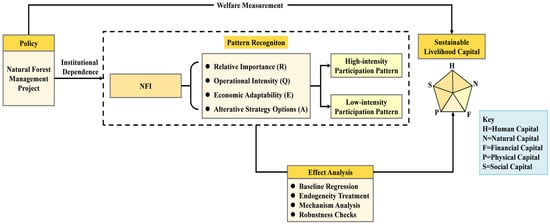
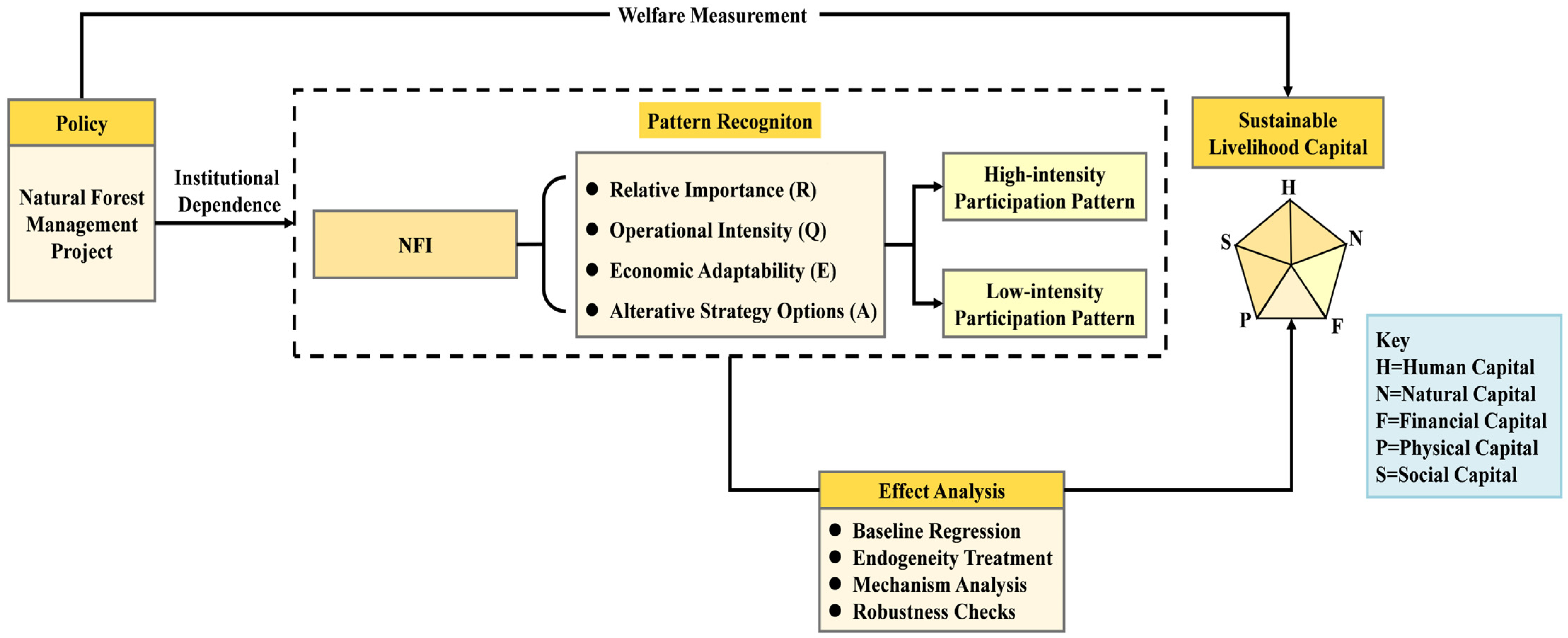
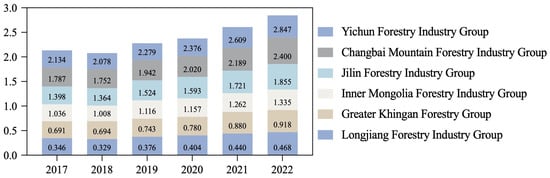
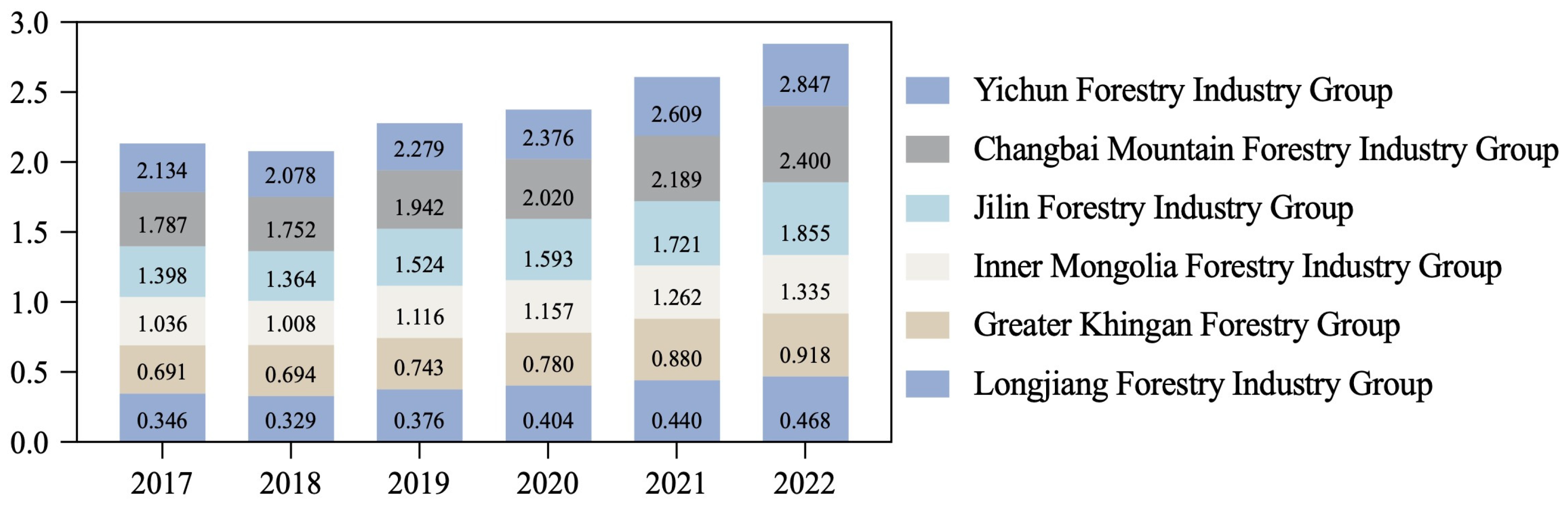
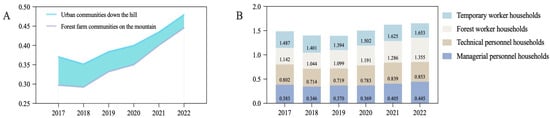
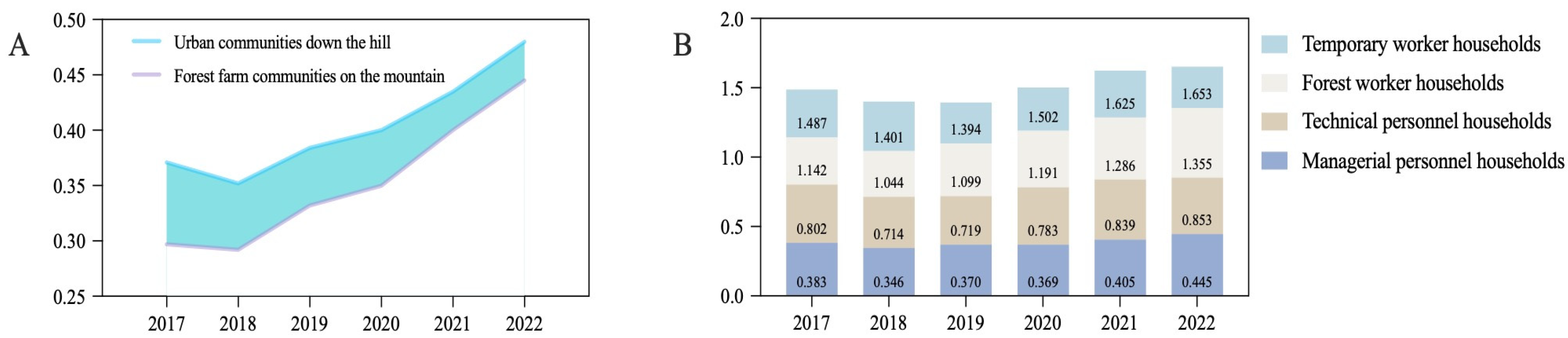

Disclaimer/Publisher’s Note: The statements, opinions and data contained in all publications are solely those of the individual author(s) and contributor(s) and not of MDPI and/or the editor(s). MDPI and/or the editor(s) disclaim responsibility for any injury to people or property resulting from any ideas, methods, instructions or products referred to in the content. |
© 2026 by the authors. Licensee MDPI, Basel, Switzerland. This article is an open access article distributed under the terms and conditions of the Creative Commons Attribution (CC BY) license.