


Abstract
In this paper, the effects of Poland’s forest management evolution after 1945 on forest biodiversity at the genetic level were analysed. Forest biodiversity changes across the two politically and economically different eras (socialism, 1945–1989, and democracy, from 1990) are interpreted using three indirect indicators: forest regeneration and expansion, tree genetic resources, and threatened forest species. In the era of socialism, the total area of regeneration and reforestation gradually decreased, with these activities relying almost exclusively on cultivated reproductive material. After 1990, there was a relative stabilisation in the total area, with a noticeable increase in the use of natural processes to diversify the tree gene pool. Work on verifying and protecting the forest tree seed base, as well as on assessing the conservation status of an increasingly wide range of organisms, began in the era of socialism; however, it was intensified only in the era of democracy. In the latter case, the increase in the number of endangered species suggests a potentially negative trend. However, the actual assessment of the changes is not entirely clear due to subsequent changes in threat classification and increased knowledge of the occurrence of individual species. Dilemmas and problems related to the following issues require further discussion and resolution or implementation of further measures: the consequences of past choices regarding planted trees; the use of natural regeneration; the reduction in the forest tree gene pool as a result of artificial selection; incomplete knowledge about threats to the forest gene pool; the continued impact of threats and the possibilities for counteracting them; and securing funding for measures to protect biodiversity at the genetic level.
1. Introduction
Maintaining and shaping biodiversity, including at the genetic level, is one of the essential services necessary for the production of all other ecosystem services provided by forests [1,2]. As a result of civilisation development, the possibility of performing this function is strongly dependent on human decisions within the adopted forest management model (e.g., [3]). This model, in turn, results from the country’s economic, historical, and political conditions. Changes in conditions over time, and thus in the forest management model, directly affect forests, including their biodiversity. However, the effects may not become apparent until many years later. Collecting information, documenting, and analysing these relationships is of great practical value, as it allows for the improvement of forest management and, in particular, reduces the likelihood of future mistakes. Such a collection of information is important not only for local forest management but also, as documented experience, for forestry in other countries. This article examines the relationship between evolving forest management and the state of biodiversity at the genetic level, using Poland (Central Europe) as an example over a nearly 80-year period spanning completely different political and economic eras.
To better understand the changes that have occurred in Polish forests since the end of World War II (1945), it is necessary to look back further in time. In the distant past, forests covered almost the entire country [4,5,6]. However, over time, due to the development of agriculture and high demand for wood, Poland’s forest cover gradually decreased, reaching only about 40% within its borders by the end of the 18th century [7]. This process coincided with the partition of Poland (123 years, until 1918) between three neighbouring occupiers: Russia, Prussia and Austria, which intensively exploited the local environment’s resources [7,8,9]. Polish forests underwent significant changes at that time—on the one hand, deforestation, and on the other, a change in species structure. The transformation of Polish forests into pine (Pinus) monocultures in the lowlands and spruce (Picea) monocultures in the mountains, which were popular in Europe at the time [9,10,11,12,13,14], often involved the use of planting material that was not native to the location, especially from Austria and Germany [15,16,17]. The introduction of alien species (from outside Poland) at that time also posed a threat to native forest tree genetic resources, in some cases leading to crossbreeding and degradation of the gene pool of species naturally occurring in the country. Examples include the risk of hybridisation between non-native Jack pine Pinus banksiana Lamb. and native Scots pine Pinus sylvestris L., non-native Japanese larch Larix kaempferi (Lamb.) Carr. and native European larch Larix decidua Mill., as well as between non-native green ash Fraxinus pennsylvanica Marsh. and native ash Fraxinus excelsior L. [15,18,19].
After Poland regained independence in 1918, a twenty-year period of shaping the Polish model of multifunctional forest management began. One of its elements was the establishment in 1924 of a state forest management company, which continues to operate on the principle of financial self-sufficiency to this day as the State Forests National Forest Holding (in short: the State Forests, SF) [20,21]. Ten years later, work began on regionalisation and establishing a seed base for Scots pine [16]. This twenty-year period ended with the outbreak of World War II, which was accompanied by further exploitation and destruction of Polish forests by the occupying forces [21], leading to a decline in their share of the total area to a historic low of 20.8% in 1945 [22,23].
The period analysed in this article, from the end of World War II (1945) to the present day, can be divided into two distinct political and economic eras: the era of socialism (1945–1989) and the era of democracy (since 1989). The socialist economy was centrally planned and regulated. It was associated with a significant intensification of agricultural and industrial production [21,24,25,26], resulting in substantial environmental pollution, including air pollution. The resource-based economic model of forest management implemented at that time [10,11,13] focused primarily on industrial wood production and on achieving objectives in this area [27,28], giving secondary importance to sustainability and ecological principles [13]. Over time, however, this task began to encounter significant difficulties due to the deterioration of forest health, including declines [29,30]. These problems were due, among other things, to the aforementioned air pollution, as well as to the instability of tree stands inherited from the partition period, with a narrow gene pool of forest-forming trees and often from outside the region/of unknown origin (e.g., [17,31]). It should be noted that the very intensive afforestation of post-agricultural land, realised in Poland shortly after the end of World War II, was also associated with the problem of the foreign provenance of the Scots pine and Norway spruce Picea abies (L.) H.Karst. [32]. Attempts made by foresters in the 1980s to modify forest management practices to reduce forests’ sensitivity to environmental pollution and to emphasise their environmental functions were unsuccessful [29].
It was not until the turn of the 1980s and 1990s, coinciding with Poland’s transition from a socialist to a democratic political system, that conditions arose for intensifying work on transforming the forestry model towards sustainable forest management (SFM) and multifunctionality. Important positive factors in this process include the maintenance of state ownership of forests [33] and the involvement of Polish representatives in the work on the Convention on Biological Diversity, as well as in the work of the Ministerial Conferences on the Protection of Forests in Europe (MCPFE, currently known as FOREST EUROPE). In the 1990s, a new Forest Act was introduced [13,34], along with the Polish Policy for Comprehensive Forest Resource Protection [35], orders of the Director General of State Forests on improving forest management on ecological grounds [13,36,37], and the National Forest Policy [38]. According to these documents, the production function ceased to play the most important role, giving way to the development and strengthening of other ecosystem services, including the protection and restoration of forest biodiversity [39,40]. The era of democracy brought about another important political change—in 2004, Poland became a member of the European Union (EU). This necessitated the implementation of provisions from, among others, the Habitats Directive and the Birds Directive into Polish law, which play a fundamental role in enforcing nature conservation in forests [39], including the designation of Natura 2000 sites. At the same time, in the era of democracy, the increasing socialisation of nature management, including forests, is noted, resulting from Poland’s ratification of the Aarhus Convention in 2003 [41].
The effects of Polish forestry’s evolution on forest biodiversity have so far been analysed at the landscape [42], ecosystem [43], and species [19] levels. This article concludes the series by addressing the final level of biodiversity, namely the genetic level, thus filling a gap in this area.
In view of the above, the primary objective of the present study was to assess the impact of forestry evolution in Poland on forest biodiversity at the genetic level, using selected indicators. From the perspective of about 80 years, the specific objectives were distinguished: (1) to determine the direction and dynamics of changes in forest genetic resources, (2) to identify the determinants of the observed changes, and (3) to identify threats to the forest genetic resources and the direction of further action for its benefit.
2. Materials and Methods
2.1. Indicators
Among the factors influencing genetic diversity in forest ecosystems, Ledig [44] and Chomicz [45] list deforestation, forest fragmentation, inappropriate forest management (e.g., monotypisation), habitat alteration (e.g., human-set fires, drainage), environmental deterioration, and translocation (e.g., introduction) of plants, animals, and microorganisms. In fact, these factors also negatively affect other levels of biodiversity. They were used as indicators or discussion points in earlier articles on the impact of the evolution of forest management in Poland on landscape diversity [42], ecosystem diversity [43], and species diversity [19]. Therefore, to avoid repeating the same indicators while highlighting their significance, they will serve as an introduction or commentary to the results presented in this article.
For the above reasons, the influence of forestry evolution in Poland on forest biodiversity at the genetic level was based on other indicators related to SFM developed by FOREST EUROPE [33,46], which the author considered to be the most relevant to forest genetic resources at the very beginning of her work on a series of articles. These indicators allow us to assess the genetic biodiversity indirectly, through structural, managerial, and conservation proxies:
- Forest regeneration and expansion—C&I for SFM: Indicator 4.2, regeneration, is understood as the “total forest area by stand origin and area of annual forest regeneration and expansion” [33,46]. The method of forest regeneration or reforestation/afforestation affects the genetic diversity of the young generation of trees [33,46]. Those with high genetic variability are less vulnerable to the negative impacts of biotic and abiotic factors, and they adapt more easily to an ever-changing environment [7,33,47,48]. This article analyses the area [ha] of artificial or natural regeneration and forestation, changes in this respect [%] over the years and across political eras, as well as the share [%] of the area occupied by tree stands of various origins.
- Tree genetic resources—C&I for SFM: Indicator 4.6, genetic resources, is understood as the “area managed for conservation and utilisation of forest tree genetic resources (in situ and ex situ genetic conservation) and area managed for seed production” [33,46]. Preserving the full genetic diversity [49] and the native origin of forest trees/populations is particularly important, as this contributes to their greater stability and survivability [15,50]. Depending on the type of genetic resource, the analysis covered either the area of stands [ha] or the number of tree specimens [pcs] protected in Poland as forest tree genetic resources.
- Threatened forest species—C&I for SFM: Indicator 4.8, threatened forest species, is understood as the “number of threatened forest species, classified according to the International Union for Conservation of Nature (IUCN) Red List categories in relation to the total number of forest species” [33,46]. Although a threatened species can be discussed in the context of biodiversity at the species level, its status as threatened also warrants consideration in a genetic context. It has a particularly sensitive gene pool, which is sparsely represented and can be relatively easily destroyed in the case of species most threatened with extinction [51,52]. It results from reduced effective population size, increased inbreeding risk, and the loss of adaptive potential. In the case of the indicator in question, species listed in one of the following Red List categories are taken into account: vulnerable (VU), endangered (EN) or critically endangered (CR) [33]. In the case of older studies with a slightly different classification, this article takes into account species from categories E (endangered) and V (vulnerable) (e.g., [53]), or assigned to the following categories: 1–species dying out or on the verge of extinction, 2–species highly endangered with extinction, 3–species threatened over a long period of time [54]. Based on comparative data [33], a summary of the number [pcs] of endangered species in the following systematic groups was prepared: vascular plants; animals (vertebrates/invertebrates); cryptogams and fungi. The group of algae was excluded from the analysis due to its heterogeneity in relation to the above classification. For each year analysed, data from the latest/most recent available national list containing a given systematic group or at least its verified part were taken into account.
2.2. Scope of Analyses
In this article, the temporal scope of the analyses covers the period 1945–2020, which is consistent with previous analyses at the landscape level [42], ecosystem level [43] and the species level [19]. However, reference was also made to the most up-to-date data.
It was assumed that the effects of forestry evolution on forest genetic diversity should be presented based on data compiled in 10-year intervals, by the following years: 1950 (state reconstruction after the World War II; socialist economy model forced; intensive reforestation activities), 1960 (socialist economy model fully implemented—in forestry: resource-based economic model; increased forest cover), 1970 (socialist economy model; deterioration of forest health), 1980 (initial political and economic changes; the beginnings of environmental protection), 1990 (transformation towards free market economy; instigation of key changes in forest management towards the SFM), 2000 (preparations for Poland’s accession to the EU and adoption of EU legislation; nature protection in forests), 2010 (further greening of forest management, nature protection and counteracting climate change; implementing the Aarhus Convention) and 2020 (continuation of forest sustainable management; increased pressure of the society on the protection of state forests). The year 1990 was adopted as the breakthrough year between two distinct political and economic eras: the era of socialism (1945–1989) and the era of democracy (from 1989 to the present day).
The territorial scope of the analyses covers the forest areas managed by the State Forests National Forest Holding (SF) in Poland, mainly due to: its dominance among all forest managers (it manages almost 77% of the total forest area in Poland [55]); the homogeneity of forest management objectives pursued at a large spatial scale; and easier access to reliable information and data. References to the country as a whole were made only when relevant information on state-owned forests (SF) was unavailable or when cases were pertinent to the results presented.
The substantive scope of the study included: (1) evaluating information/data compiled in terms of the characteristics of the analysed feature, taking into account differentiation over time, as well as the direction and dynamics of changes; (2) providing a comprehensive analytical commentary; (3) identifying threats to forest genetic resources and indicating the directions of beneficial actions.
2.3. Sources and Analysis of Information
The figures presented in this article come from Polish statistical yearbooks on forestry and environmental protection (the era of socialism and the era of democracy), MCPFE/Forest Europe reports (the era of democracy), annual reports on the condition of forests in Poland (the era of democracy), as well as monographs and articles, in particular those devoted to endangered species of plants, animals and fungi (the era of socialism and the era of democracy). They are current as of the end of the year, as indicated in the tables. If data for a given year were not available (especially at the beginning of the analysed period), this is noted in the text. Some of the data (regeneration and reforestation) for 1960 was calculated specially due to the different reporting system at the time (the financial year covering the fourth quarter of the previous year and the first three quarters of the following year): 3/4 of the value of a given indicator for the 1959/1960 financial year was added to 1/4 of the value for the 1960/1961 financial year.
For each analysed indicator, the trend and dynamics of changes in indicator elements were determined both for the entire study period and for the periods of the political eras under study.
The discussion of the results draws, among other things, on articles from the Scopus database (keyword: Polish forestry), as well as on those identified using the snowball method, based on articles from the Scopus database. Articles and monographs found in relation to narrower keywords (e.g., natural regeneration) were also used in the individual subsections of this article.
During the preparation of this manuscript, the author used Grammarly (Superhuman, San Francisco, CA, USA, v.1.2.227.1811) for the purpose of linguistic correction. The author has reviewed and edited the output and takes full responsibility for the content of this publication.
3. Results and Discussion
3.1. Forest Regeneration and Expansion
The choice of regeneration/expansion method (planting, sowing, coppice sprouting) is primarily dictated by the applied management systems, tree species preferences, the scale of regeneration/expansion, and the condition of the habitat [33,49,56,57]. During the period under study, two primary methods of forest regeneration were employed in Poland (within the State Forests): artificial regeneration and natural regeneration, with planned reforestation primarily involving planting (Table 1).
Table 1.
Area of artificial and natural forest regeneration and reforestation in the State Forests *.
The dynamics of changes in the structure of forest regeneration and reforestation. The initial total size of forest regeneration and reforestation (the era of socialism—Table 1) was very high due to overdue wartime clearings and the large area of wasteland [21]. However, over time, the total area of regeneration has gradually decreased, with the opposite trend only evident in recent years (the era of democracy). In turn, the area of reforestation has been declining, except for around 2000 (the era of democracy), when a large nationwide project to increase forest cover was implemented [42]. In 2024, the total area of artificial and natural regeneration and reforestation in the SF amounted to 59,533 ha [55], indicating a relative stabilisation of the total size of the works in question in the era of democracy.
Considering the division of all work into that carried out using natural processes and that using selected seeds/seedlings (Figure 1), it can be seen that anthropogenic activities still dominate, which is associated with the use of a limited genetic pool. However, in the era of democracy (since 1990), there has been a clear upward trend in the share of natural processes compared to the era of socialism (1950–1990) (Figure 1). Data confirm this trend for 2024, when the share of regeneration/reforestation areas in the State Forests with natural processes used reached a record 19.2% (based on [55]).
Figure 1.
Share of areas regenerated or reforested naturally or artificially.
Artificial regeneration. Both in the past and today (Table 1; 80.7% of the area in 2024 [55]), artificial regeneration is the dominant method in the State Forests. This regeneration model involves the deployment of genetic material [33,45], with planting rather than sowing [49]. The material used for regeneration rarely comes from the same place where the forest is being established, thus disrupting the transfer of genetic information from the previous stand to the new one [31]. The high proportion of artificial regeneration in the State Forests was and still is due to the relatively widespread use of clear-cutting [15,43] in pine stands, which still predominate in Poland [19].
Artificial regeneration is also used in modern processes for reconstructing tree stands whose species composition is not well-suited to the habitat quality. This problem stems from the resource-based economic model of forestry adopted during the partition period and the associated conversion of many mixed and deciduous tree stands into coniferous ones [9,16,19]. Artificial regeneration is also necessary for reconstructing tree stands composed of geographically alien species, especially invasive ones introduced to Poland at the turn of the 18th and 19th centuries [19]. Another justification for the use of artificial regeneration is the reconstruction of stands of native species that are genetically distinct from those found in a given location. An example of this is the monocultural Norway spruce stands of the lower montane forest in Poland, which were almost all established from seeds of unknown origin [12,49]. The basic principle of stand conversion should therefore be the artificial introduction of native ecotypes of specific target tree species [49]. Artificial regeneration through planting is also used in cases of severe soil weed infestation, outdated or weakened stands, and in areas that are dry, subject to high wind erosion, flooded or damaged by industrial pollution [49]. For example, the area of forests damaged by industry and managed by the State Forests currently exceeds 464,000 ha [55]. It is worth noting that artificial regeneration can be beneficial in situations of increasingly frequent, widespread disasters (storms, bark-beetle infestations), as well as for enhancing the resilience of forests to the impacts of climate change by using new provenances of native tree species that are more resistant to these changes [33]. For example, in 2017, hurricane-force winds (mainly one in August) damaged 90,000 ha of forests in Poland [65].
Natural regeneration. A gradual increase in the share of natural regeneration in Poland/the State Forests has been observed since the second half of the 1970s, when it accounted for only 3.4% [7]. However, natural regeneration began to be used to a greater extent only after the political changes in Poland, i.e., from the early 1990s (Table 1). Promotional Forest Complexes, which implemented a pilot model of sustainable, environmentally friendly forest management in the State Forests, played a special role in this regard [20]. Even in the 1990s, the SF implemented this model in other managed areas. Between 2011 and 2020, the share of natural regeneration averaged 13.7%, and from 2021 to 2023, it increased to 19.1% [6]. In 2024, natural regeneration was carried out in the State Forests on 11,338 ha, accounting for 19.3% of the area regenerated that year (based on [55]). The increase in the share of natural regeneration is due, on the one hand, to the recognition of the value of this solution in stands where this form of regeneration could be applied. On the other hand, it is due to the possibility of using natural regeneration in stands created as a result of the reconstruction of previous incorrect pine stands [19]. Utilising the full genetic diversity of stands in natural regeneration reduces breeding risk. Thanks to genetic variability and heterozygosity, it ensures the best adaptation of tree populations to various stressful situations (high physiological plasticity), thus increasing their resistance to negative biotic and abiotic factors [49,66]. Additionally, natural regeneration increases the likelihood of subsequent selection due to the large number of self-sown trees [49]. The advantage of natural forest regeneration is therefore the conservation of genetic diversity (and local, autochthonous ecotypes), as well as the maintenance of natural tree species composition (taking into account the specificity of microhabitats), structure, and ecosystem dynamics [33,49,67,68].
However, problems in applying this regeneration model may include irregular seed years in rarely fruiting tree species, uneven density of the young generation, threats from herbaceous plants, deer, rodents, insects and fungi, as well as high costs and labour-intensive maintenance treatments [49]. Additionally, in selective cutting, natural regeneration may result in lower genetic variability and heterozygosity in the new generation than in other types of cutting [69]. Compared to other European countries, the current use of natural regeneration in the State Forests/Poland is more intensive than, for example, in Belgium (6.5%), Sweden (8.5%) or Turkey (8.7%), but much less intensive than, for example, in Switzerland (85.3%), Germany (74.7%) or Austria (62.3%) [33]. Another method of regeneration, coppice sprouting, is also based on local genetic resources. However, in Poland, as in some other countries of Central and Northern Europe, it is currently used to a minimal extent, in contrast to Southern Europe [33,70]. For example, in Bulgaria, in 2015, this method of regeneration was applied to 31.2% of the area covered by forest expansion and regeneration, and in the Republic of Moldova, to 28.4% [33].
Combined regeneration. In addition to natural and artificial regeneration, a combined method is used when necessary, supplementing natural regeneration with artificial regeneration. This is the case when natural regeneration has not fully achieved the expected results due to the natural obstacles mentioned above (e.g., weed infestation, soil erosion), as well as damage to seedlings and saplings during the removal of old trees or excessive stand density [49]. As part of various cutting methods aimed at forest regeneration, individual old seed trees are left [56,57,71], and in some cases, also old-generation tree biogroups belonging to autochthonous species [49]. The natural regeneration resulting from their participation helps preserve part of the local genetic diversity [49]. However, using too few seed trees, particularly in clear-cutting, can significantly reduce the diversity of the next generation [45,72].
Reforestation. In Poland, the introduction of forests to non-forest areas primarily involves reforestation, according to IPCC [73]. The intensity of reforestation directly translates into the total forest area and its contribution to shaping biodiversity at the landscape level [42]. At the same time, depending on the origin of the trees that comprise the new forest, it is also crucial for shaping biodiversity at the genetic level. In Poland/the State Forests (Table 1), the most intensive reforestation occurred during the era of socialism, from the end of World War II to the end of the 1970s [6,21], and again during the era of democracy, from 1995 to 2005. The goals set at that time, to increase forest cover to 30% in 2020 and then to 33%–34% in 2050 [74], were only partially achieved. At the end of 2024, according to official sources, the country’s forest cover was 29.6% [55]. Over the last 10–15 years, forest expansion in Poland has slowed, a trend also observed across Europe (Table 1; [33]). Regardless of the political era, reforestation in Poland has been and continues to be carried out using forest tree seedlings grown in forest nurseries. However, it is only since the beginning of the era of democracy (see Section 3.2) that greater emphasis has been placed on the use of genetic material selected in the same region rather than from outside (but still not locally). In 2024, 695 hectares of reforestation were carried out in this manner in the State Forests [55].
Natural expansion. As in the case of natural regeneration, the natural expansion of the forest into neighbouring non-forest areas involves utilising the full genetic diversity of the parent stand [66]. In Polish conditions, Scots pine adapts best to open areas, as well as—depending on the situation—Betula sp., Populus sp., Salix sp., Larix sp., Picea sp., and grey alder Alnus incana (L.) Moench, which are therefore species that form pioneer stands in these areas [49]. Table 1 presents data on the natural expansion of forests, which are incomplete due to the long-term combination of this category with naturally regenerated forests. However, the available information does not necessarily cover the entire actual area of natural expansion, but rather only land officially reclassified as forest land from previous agricultural land or wasteland. This observation stems from a significant discrepancy between the data from the land register (records labelled ‘forest land’) and the actual forest cover. According to research based on multi-source spatial data, in 2014, the actual forest cover of the country was 32.0% as defined by Polish standards. At the same time, ‘official’ data put it at 29.4% [75]. These discrepancies make it difficult to assess the role of natural expansion in shaping the genetic resources of Polish forests. However, overall, it certainly does not have the same impact as artificial reforestation (Table 1). Today, the natural expansion of forests plays a significant role in forest management, particularly in Montenegro (89.3% of the area covered by forest expansion and regeneration), Spain (50.2%), and Bulgaria (45.6%) [33].
Stand origin. As a result of the above-presented history of reforestation and regeneration in the State Forests (Table 1), but also outside them, in 2015, Poland was dominated by forests that were artificially created through afforestation/reforestation and regeneration by planting and/or sowing (7366 thousand ha—78.2%), while forests created naturally through natural regeneration and natural expansion were in the minority (2054 thousand ha—21.8%). These values differ significantly from the average statistics for Europe as a whole, where about 66.2% of the total forest area originates in natural regeneration or expansion, with the South-West and South-East Europe regions leading the way [33]. Meanwhile, it is worth noting that the use of natural regeneration can not only strengthen and diversify genetic diversity but also reduce the share of monocultures, which are not particularly beneficial to the preservation of overall biodiversity [33].
3.2. Tree Genetic Resources
The deterioration in health and even the death of Polish tree stands, which began in the era of socialism [16,29,30], resulted, among others, from the erosion of genetic diversity in forest trees in the past (the overuse of the best specimens, clear-cuttings, the use of a narrow and/or inappropriate gene pool) [15,17,32,76]. In response to these problems, seed trees and stands have been designated in Poland since the late 1950s. Since 1975, successive programmes for the conservation of forest genetic resources and selective breeding of forest trees have been developed (for the years 1975–1990, 1991–2010 and 2011–2035). However, their implementation on a larger scale did not occur until the era of democracy, beginning in 1991 [16,50,77]. These programmes aim to preserve the continuity of native species with the best ecotypes, genetic characteristics, and growth traits for forest regeneration, stand reconstruction, and reforestation [6,23,29,78]. The way to achieve this goal is to establish in the field, in individual regions with uniform selection factors [68]—seed-tree stands, parents of family, seed sources, as well as establishing seed orchards and progeny plantations (Table 2). They are registered in the so-called National Register of the Forest Basic Material (NRFBM) [79].
Table 2.
Protected genetic resources in the State Forests (seed base) *.
The dynamics of changes in protected genetic resources. Taking 1960 as the starting point for analysis, it can be seen that in each category of protected genetic resources in the State Forests, there was an overall increase in number or area; however, this increase was not uniform across all political eras or individual categories (Table 2). During the era of socialism, compared to the era of democracy, there was a more dynamic increase in the number/area of: parents of family (average 149 pcs/year vs. 110 pcs/year), seed orchards (average 30 ha/year vs. 24 ha/year), excluded seed-tree stands (average 394 ha/year vs. 59 ha/year) and economic seed-tree stands (average 7494 ha/year vs. 2135 ha/year). In other cases, greater dynamics are observed in the era of democracy than in the era of socialism: progeny plantations—1759 ha/year vs. 511 ha/year, and seed sources—304 ha/year vs. 0 ha/year, although seed sources actually have a shorter history (the second half of the era of democracy) and therefore their growth was more dynamic (Table 2). Considering that at the end of 2024 there were 7875 parents of family, 14,764 ha of excluded seed-tree stands, 1582 ha of seed orchards and 8373 ha of seed sources [55], it can be seen that in the era of democracy there has been some stabilisation within these categories, especially since 2000 (Table 2). In the case of economic seed-tree stands, the area continues to decline (149,772 ha), whereas in the case of progeny plantations, it continues to increase (75,666 ha) (Table 2; [55]). The trends in the era of democracy can be explained by the relative stabilisation of the size of regeneration and reforestation (Table 1, see Section 3.1), as well as the increased importance of higher-value genetic resources.
In situ conservation of genetic resources. When selecting genetic resources for in situ conservation (in their natural habitat), the primary focus was on the origin of the trees, as native origin was considered more sustainable and better suited to local conditions [15]. Initially, the age of the trees was of fundamental importance. It was decided that trees/stands established before 1850 should meet the criterion of being autochthonous/native [16,50]. It was only in later stages that greater opportunities for genetic testing emerged [50]. The scope of in situ genetic resource conservation in the State Forests currently includes parents of family, excluded and economic seed-tree stands, and seed sources (Table 2). Parents of family (NRFBM Part III) are individual selected trees of the best quality forest-forming species. The material obtained from them (seeds and shoots) serves to establish seed orchards [16,79,81]. Parents of family are part of individual, very intensive selection breeding, as opposed to population selection, which consists of seed-tree stands [15]. Over the last 20 years, their numbers have remained relatively stable (albeit with a slight downward trend), indicating their continuing importance as a genetic resource. Excluded seed-tree stands (NRFBM Part II) are selected stands that stand out in the region, intended for the intensive production of seeds, from which progeny plantations are established (an element of ex situ conservation). Over the last 20 years, similar quantitative trends have been observed, as well as the great importance of these resources, as in the case of parents of families, although they represent a wider genetic diversity. Economic seed-tree stands (NRFBM Part I) have good breeding quality. Reproductive material is used to establish ‘normal’ stands [16,79,81]. The decline in the area covered by these resources over the last 20 years may be correlated with a greater emphasis on more selective sources of genetic material, as well as with the aforementioned reduction in the scale of regeneration and reforestation compared to activities carried out during the era of socialism. Due to the predominant state ownership of forests in Poland, the seed base in the form of seed-tree stands is larger in area than in other European countries [48]. The high level of internal genetic variability, confirmed in relation to Scots pine seed-tree stands, is also crucial [15]. Groups of trees designated as seed sources serve as sources of reproductive material for admixture and for complementary/biocenotic species. They cannot be of lower quality than the average for a given region (NRFBM Part I) [16,79,81].
Ex situ conservation of genetic resources. The scope of ex situ conservation of genetic resources (outside their natural habitat) in the State Forests includes seed orchards and progeny plantations (Table 2). Seed orchards (NRFBM Part III) can be clonal or ancestral [16,78,79]. The seeds obtained from them can be used to establish progeny plantations [16]. In clonal seed orchards, the genetic material is less diverse than in ancestral seed orchards; however, this method is particularly suitable for conserving the genetic resources of tree species or selected provenances at risk of extinction [15]. Over the last 20 years, the area of seed orchards has remained relatively stable (albeit with a slight downward trend), indicating their continuing importance as a genetic resource. Progeny plantations (NRFBM Part II) are ultimately stands of improved genetic quality, from which seeds are primarily obtained for forest management purposes [16,78,79]. Progeny plantations are part of population selection breeding; they exhibit similarly high genetic variability as the mother populations [15]. Over the last 20 years, their area has been growing, indicating the importance and use of gene resources of the highest value.
Ex situ conservation of forest genetic resources is also carried out at the Forest Gene Bank in Kostrzyca, established by the State Forests in 1995 [45]. Currently, the bank’s resources include genetic material from all basic forest-forming tree species in Poland [6,82]. In addition, archives of forest tree clones have been established in several locations in Poland, collecting vegetative offspring of individual trees (mainly parents of family) [16,45,50].
Species structure of protected genetic resources. Among the genetic resources of forest-forming tree species protected in the State Forests, those related to Scots pine have had and continue to have the largest share. For example, in 2010, they accounted for 63.4% of the area of economic seed-tree stands and 67.3% of the area of progeny plantations (based on [63]). In 2024, these percentages were 60.4% and 70.8%, respectively (based on [55]). This regularity is less evident in the case of excluded seed-tree stands (44% in 2024) and parents of family (33%) (based on [55]). A large proportion of pine trees in the seed base of the State Forests is because pine dominates here in terms of area [19,55]. The next most significant shares of genetic resources are found in oaks Quercus sp., European beech Fagus sylvatica L., silver fir Abies alba Mill., Norway spruce and black alder Alnus glutinosa (L.) Gaertn. [55]. Scots pine also has the highest number of units for the production of Forest Reproductive Material among various forest tree species in Europe. The following species (Norway spruce) has almost three times fewer units [33].
The role of the State Forests in the protection of forest tree genetic resources. As shown in the overview above, the State Forests have a relatively long tradition of protecting forest tree genetic resources. It should be emphasised that the protection of forest tree genetic resources in Poland is carried out almost exclusively by the State Forests—the participation of national parks and private forest owners in this process is negligible. For example, at the end of 2024, there were 55 parents of family in national park forests and 33 in private forests (in the SF: 7875). In turn, the areas of excluded seed-tree stands were 86 ha and 38 ha, respectively (in SF: 14,764 ha), and seed sources were 93 ha and 62 ha (in SF: 8373 ha). In national parks and private forests, however, there were no seed orchards [55].
Nature monuments. Nature monuments are one of the ten forms of nature protection in Poland. They can be single or grouped objects of living or non-living nature that stand out from their surroundings in terms of nature, culture, science, landscape or history [83]. In practice, this form of protection often protects old trees [84], some of which sprouted before the partitions of Poland began, and certainly represent native genetic resources. Although Scots pine is currently the dominant forest-forming species in the country in terms of area [19,55], small-leaved lime Tilia cordata Mill. and pedunculate oak Quercus robur L. are by far the most common among monumental trees. However, Scots pine dominates in the less numerous group of monumental coniferous trees and shrubs [84]. The dynamics of monumental tree protection in the studied period after World War II were variable. The establishment process was particularly intense during the period of political transformation until 2000, and subsequently became more stable, with periods of decline (Table 3; [84]). It should be noted that only some of the monumental trees grow in areas managed by the State Forests (23.6% of Poland’s land area, based on [55,85]). In 2023, these proportions were as follows: across the country, there were 27,289 individual trees designated as nature monuments, of which 36.2% were in the State Forests; 4766 groups of trees, of which 30.6% were in the SF; and 739 tree avenues, of which 16.2% were in the SF (based on [6,86]). The protection of monumental trees and their associated genetic resources is mainly carried out in situ. Additionally, the genetic material of selected monumental trees is secured ex situ in the Forest Gene Bank in Kostrzyca [6,50]. It would be worthwhile to develop this project and include as many of the oldest trees as possible.
Table 3.
Trees—nature monuments in Poland *.
The situation in Poland compared to the situation in Europe. Compared to other European countries that have published such data, the situation regarding the protection of native species populations in Poland looks quite favourable. The number of populations covered by dynamic conservation, both in situ and ex situ, is almost 540. In this respect, Poland is surpassed only by Austria (586), Ukraine (598), Sweden (608), Romania (684), and Germany (9212). The remaining 30 countries have fewer protected populations. In turn, the Species Diversity Index for Poland is 0.37, with 12 countries having higher values and 23 having lower values. The highest values were achieved by Germany (0.88) and Sweden (0.99). The situation is quite similar in the case of the Ecozone Diversity Index, which refers to the protection of ecotypes (Poland: 0.62, higher value: 14 countries, lower value: 18 countries), and slightly better in the case of the Insurance Index, which refers to the presence of more genetic conservation units of the same species in the same ecozone (Poland: 0.52, higher value: 9 countries, lower value: 23 countries) [33].
3.3. Threatened Forest Species
From the 1960s to the present day, the concept of compiling red lists has become widespread, also applying to the scale of a continent, country, or region [89,90], gaining value not only as a collection of information on the current status of species populations, but also as a scientific basis for actively protecting them [52,90]. In Poland, both the first list of endangered animals [54] and the first red list of plants and fungi [91] were compiled at the end of the era of socialism, while all subsequent lists were compiled during the era of democracy.
Some of the species threatened with extinction in Poland are associated with forests, with human activity being the most common cause of their endangerment. Particularly negative in this context is the resource-based economic model of forest management, which involves transforming and simplifying forest ecosystems (e.g., [91]). Table 4 summarises information on endangered species in Poland, including those found in forests. In the latter case, the available aggregate data only cover the most recent period.
Table 4.
Number of endangered species of plants, animals and fungi in Poland (categories CR, EN and VU) *.
The dynamics of changes in relation to endangered species. During the analysed period, in almost every group of organisms (Table 4), a gradual or, in one case, a sharp increase in the number of species classified in the highest threat categories can be observed. Following 2020, two additional red list studies were published in Poland. The first concerns vertebrates [52] in the animal group, with one more species than the value given for 2020 classified in the CR, EN and VU categories (Table 4). However, there are critical comments regarding the compilation of this list [100]. The second study is devoted exclusively to mosses [101], i.e., a component of the cryptogams group, where the analysed threat categories included 49 more species than the value adopted for 2020 (Table 4). However, it should be noted that during the analysed period, the rules for classification into individual threat groups changed, as did the classification itself [98]. In addition, knowledge levels have evolved, allowing the addition of further systematic groups to red lists and the verification of the threat status of individual species [89,95,98]. This situation makes the data presented in Table 4 difficult to compare, and the conclusions may be ambiguous. It is preferable to discuss changes within entire species groups rather than individual taxa [98]. Regarding changes in the threat categories of individual species within the vertebrate group (including fish and birds), cases of progressive and regressive processes balancing each other can be observed over the analysed years [52,96]. However, among birds, the risk of extinction among the most endangered species has increased over the last two decades [98]. There is a lack of studies devoted strictly to forest-related species across all systematic groups, and it would be worthwhile to fill this gap.
Vascular plants. Of the approximately 2500 species of vascular plants in Poland, at least 600 (approx. 30%) are associated with forests [102,103,104,105]. According to the SoEF report [33], the largest number of endangered forest species in Poland is among the group of vascular plants (98—Table 4). This value is similar to that in neighbouring Ukraine (114), but lower than in neighbouring Slovakia (230) and higher than in neighbouring Germany (7). Critically endangered (CR) species associated with Polish forests include, for example, Adenophora liliifolia (L.) A.DC., Botrychium matricariifolium (Döll) A. Braun ex W.D.J. Koch, Daphne cneorum L., Dictamnus albus L., Lathyrus heterophyllus L., and Neottianthe cucullata (L.) Schltr. Examples of endangered (EN) plants include Aconitum lycoctonum L., Dactylorhiza sambucina (L.) Soó, Diphasiastrum tristachyum (Pursh) Holub., Epipactis microphylla (Ehrh.) Sw., Lathyrus pisiformis L. and Pulsatilla patens (L.) Mill. [90]. Among European countries with available statistics, the highest number of endangered vascular plant species was found in France (611) [33].
Of the tree species found in Polish forests (81 native and non-native), six (7.4%) were considered endangered in 2010 and 2015 (categories VU, EN and CR) [33,99]. A similar number of endangered tree species was recorded in Germany (7 out of 80) and Sweden (7, but here out of 35) [33]. It should be noted, however, that among the native species whose generic names are associated with trees, only two tree species (Pinus × rhaetica Brügger and Quercus pubescens Willd. [95]) were actually endangered at that time, while the remaining species (Betula humilis Schrank, Betula nana L., Prunus fruticosa Pall., Salix lapponum L., Salix myrtilloides L. [95]) are shrubs or dwarf shrubs in Poland. This fact would verify the threat to trees at a level of 2.5%. Among the countries that have made such data available, tree species are least threatened in Spain (2.0%), Belarus (1.9%), Italy (1.7%), Slovenia and Croatia (1.2% each), Bulgaria, Liechtenstein, Norway and the Netherlands (0% each) [33].
Animals. Fauna, especially vertebrate fauna, is considered one of the most dynamic and variable components of the natural world [52]. Information about animals (and fungi), especially on a European scale, is more heterogeneous than for vascular plants (such as trees) and sometimes fragmentary, due to the difficulty of monitoring particular species and compiling national red lists. Additionally, countries may employ different data-collection methods and use different criteria and threshold values for assessment, which makes comparisons challenging [33].
Of the nearly 480 species of vertebrates found in Poland, at least 201 are associated with forests, accounting for 57%–60% of terrestrial species [105,106]. A study summarising trends in terrestrial vertebrate populations from the mid-partition period to the end of the socialist era noted that among mammals in the ‘losers’ category, forest species constituted the largest group (41%), while among birds in the ‘losers’ category, forest species (27.5%) were second only to species of open and semi-open habitats (43%) [107]. According to recent summaries, 26 species of forest vertebrates occurring in Poland are threatened (Table 4), primarily birds (14 species) and, to a lesser extent, mammals (9 species) [33,89,98,99]. Circaetus gallicus Gmelin, Clanga clanga Pallas, Coracias garrulus L., Eliomys quercinus L., Felis silvestris Schreber, Lepus timidus L., Tringa glareola L. and Zamenis longissimus Laurenti are in an inferior condition (CR category) [52,98], some of which are species that also use habitats other than forests. Significantly more endangered vertebrate species have been reported in Slovakia (70), Belarus (85), Slovenia (87), and Spain (93) than in Poland [33]. It should also be emphasised that the vertebrate group includes species whose situation in Poland has improved over the years (e.g., Rhinolophus hipposideros André, Bison bonasus L., Canis lupus L., Ciconia nigra L., Corvus corax L., Dryomys nitedula Pallas, Falco peregrinus Tunstall, Haliaeetus albicilla L., Strix uralensis Pallas, Ursus arctos L.), which is the result of conservation measures taken directly or indirectly through the change in the forest management model to a pro-ecological, sustainable one [52,89].
Of the more than 34,600 invertebrate species recorded in Poland, approximately 17,000 from the highest taxonomic levels are associated with forests. Given the presence of unidentified taxa in forests, it can be assumed that at least 50% of Polish invertebrates occur in forest environments [105,108]. In the last State of Europe’s Forests report, Poland did not provide data on forest invertebrates. In this case, the highest number of endangered species reported in Slovakia is 632 [33]. Overall, across all environments (including forests), the most endangered invertebrates in Poland are molluscs, selected groups of hymenoptera, including ants (Formicidae) and bees (Apoidea), followed by orthoptera. Among the most numerous groups of invertebrates—the Coleoptera beetles—the highest proportion of threatened species across all threat categories (40%) is associated with primary forest habitats [89]. Among them, 125 (out of 397, 31.5%) were classified as CR, EN, or VU. The most endangered (CR category) beetle species found in forests include Badister dorsiger Duftschmid, Buprestis splendens Fabricius, Dasycerus sulcatus Brongniart, Endecatomus reticulatus Herbst, Pytho kolwensis Sahlberg, Tragosoma depsarium L., and the endangered (EN) species include, for example, Aesalus scarabaeoides Panzer, Boros schneideri Panzer, Lucanus cervus L., Phryganophilus ruficollis Fabricius, Pycnomerus terebrans Olivier, Rosalia alpina L. [109]. However, many endangered forest species also occur in other systematic groups of invertebrates, as forests in Poland have the highest species diversity among all habitats [89].
Cryptogams and fungi. Of the more than 12,200 species of cryptogams and fungi in Poland (based on [95,101,105]), at least 9000 are associated with forests [105,110]. This relationship has been precisely determined only for macrofungi, microscopic fungi and myxomycetes (8889 taxa—93.3% of all taxa [110]). However, among lichens, mosses, liverworts and hornworts, there are also many species associated with forests. Poland did not provide data for forest cryptogams and fungi to the State of Europe’s Forests report, while Germany reported the highest number of threatened species—1284 [33]. However, because this group of organisms is particularly associated with forests, it should be assumed that the vast majority of endangered species presented in Table 4 are forest species. For example, the significant threat to forest/tree-associated lichen species (e.g., lichens of the genera Bryoria, Usnea, and to a lesser extent Bacidia and Arthonia) was highlighted in a study by Cieśliński et al. [111]. In the case of macrofungi, highly endangered forest species include Albatrellus ovinus (Schaeff.) Kotl. & Pouzar, Inonotus leporinus (Fr.) Gilb. & Ryvarden, Rubroboletus satanas (Lenz) Kuan Zhao & Zhu L. Yang, Sarcosoma globosum (Schmidel) Casp., Trichoglossum hirsutum (Pers.) Boud. and Tricholoma colossus (Fr.) Quél. [112]. The group of particularly endangered mosses associated with old, natural forests includes Anacamptodon splachnoides (Brid.) Brid., Antitrichia curtipendula (Hedw.) Brid., Brachythecium (Cirriphyllum) tenuicaule (Spruce) Kindb., Neckera pumila Hedw. and Ulota coarctata (P.Beauv.) Hammar. [94,101].
The issue of endangered species in the State Forests. Not all endangered forest species occur in the State Forests. Some species have their natural habitats exclusively outside them, especially in national parks. This applies, for example, to Pytho kolwensis [113] and Paraleucobryum sauteri (Bruch & Schimp.) Loeske [101]. On the other hand, the State Forests are home to endangered species not only in forests but also in other habitats administered by this institution (swamps, peat bogs, meadows, grasslands, heaths, waters). A vast number of endangered species are associated with wetlands, which, as a result of the previous economic model (the period of partition and the era of socialism), have been mostly drained and dried up [95,98]. Not all endangered species have protected status, which places them in different legal situations, for example, regarding restrictions on forest management [34,83]. There is also a lack of comprehensive knowledge and awareness of the presence of endangered species in the State Forests and in Poland as a whole, which means their protection cannot be said to be fully effective. Nevertheless, information about them is collected during forest management activities, and whenever possible, based on local scientific research. In this situation, the primary source of information on the occurrence of endangered (and protected) species in a given forest district is the nature conservation programme, updated every 10 years, which has been a component of forest management plans since the second half of the 1990s (the era of democracy) [34,114,115]. It is worth noting that the PEFC (Programme for the Endorsement of Forest Certification Schemes) and FSC (Forest Stewardship Council) forest management certification standards, which are respected by the State Forests, address endangered species. In the case of the PEFC certification system, this refers to classifying habitats of endangered species as ecologically important forest areas and adapting forest management accordingly; prohibiting the illegal harvesting of individuals of these species; and, where necessary, implementing measures to protect them or increase their populations [116]. In the case of the FSC certification system, certified entities have to protect endangered species and their habitats in the form of zones, areas, spatial connectivity, or other additional measures, taking into account their status and economic activities, as well as to prevent adverse impacts on these species, including those caused by society. In areas with significant concentrations of endangered species, HCV1 forests are designated for protection [117]. Regardless of the requirements of certification systems, measures to actively protect endangered species have been taken in the State Forests for years (see Section 3.4).
3.4. Issues and Directions of the Protection of Forest Genetic Resources in Poland
Although the analysed indicators are discussed in three separate sections (Section 3.1, Section 3.2 and Section 3.3), it should be emphasised that there are also certain relationships between them, which are influenced by the adopted forest management model (Figure 2).
Figure 2.
Interdependencies between the analysed indicators in relation to the adopted forest management model (Option 1 or Option 2). A thicker arrow indicates a stronger relationship.
In Poland/the State Forests, the strongest link is between the regeneration/reforestation method and the genetic resources of forest trees, especially those selected. This is because, despite a noticeable increase in the share of natural regeneration in the era of democracy (see Section 3.1), the use of cultivated seedlings still predominates. In response to this demand, tasks related to seed production and selection are carried out (see Section 3.2). The type of reproductive material used, its genetic diversity and suitability to local conditions determine the future resistance of tree stands. This depends on the forest management model adopted and the approach to the conservation and development of genetic resources (Figure 2: Option 1: no concern for genetic diversity; Option 2: concern for genetic diversity). In the case of threatened species (see Section 3.3), the links with other indicators are less clear. Threatened tree species are the subject of gene resource conservation programmes (the era of democracy), but they are of no practical significance for regeneration and reforestation. Other threatened species, on the other hand, may be directly affected by the method of regeneration/afforestation, but not from the point of view of the genetic resources used, but rather the species introduced and the method of regeneration (to the extent that it involves radical changes in the forest environment). This means that the adopted management model (optimally: Option 2—Figure 2) is more important for the current conservation of endangered species than the other indicators analysed. However, in the long term, the sustainability of the forest resulting from the use of diverse and adapted tree genetic resources will also be beneficial for endangered species.
In the field of biodiversity protection at the genetic level in Poland’s forests, several problems and dilemmas remain to be solved (Figure 3 with further description).
Figure 3.
Problems and dilemmas of enhancing forest biodiversity at the genetic level in Polish forests/forests administered under the State Forests.
The consequences of past choices. In Central Europe, including Poland, the replacement of native species and the mixing of seeds from different sources reached such a scale in the past that today, natural forests are almost completely non-existent [43,67]. Due to the typically long lifespan of tree stands—longer than the period analysed in this article since the end of World War II—we are still dealing with the effects of past decisions regarding the species and origin of planted trees in Poland. Irregularities in this regard have, in many cases, led to the weakening and destabilisation of tree stands, and even to their death. This problem is because allochthonous (foreign) populations are often not adapted to the local conditions prevailing in the established forest stand [67], and their negative impact may also affect the neighbouring stands of the same species through the process of gene (pollen) flow [31]. The process of tree weakening and dying has been (and continues to be) particularly intense in southern Poland, in Norway spruce monocultures introduced in the mountains (Sudetes and Carpathians) of non-native origin, as in other regions of Central Europe [17,118]. A combination of circumstances, initiated by the aforementioned creation of monocultures based on seedlings from foreign provenance, but also excessive stand density and overly high cutting age [118], together with severe air pollution and acid rain, followed by fungi and other pest outbreaks, led to the death of entire stands [17,119,120,121,122]. This process has been ongoing since the early 1980s to the present day, despite the fact that, following the political system change in Poland, air pollution has decreased [123]. The measures taken to repair the damage consisted of regenerating spruce stands in higher mountain locations using reproductive material from still available spruce of local provenance (and therefore with genetic resources adapted to local habitat and climatic conditions) and mainly converting spruce stands in the lower parts of the mountains in favour of deciduous species [17]. The continuation of such measures is also necessary in view of the predicted mass dieback of spruce in the eastern Sudetes [17]. In Scots pine stands, those located in north-western Poland have shown and continue to show exceptionally high levels of health problems [6,124]. They were created, at least in part, as a result of clear-cutting and reforestation carried out in the Prussian partition after 1850 [8], and thus during the period of intensive use of seeds of various origins [15].
Natural regeneration. The difficulty, for various reasons, of naturally creating a new generation of trees of the species that constitute a given forest stand (see Section 3.1), prevents the maintenance of the associated gene pool in the forest ecosystem. This problem illustrates the situation in a unique Polish forest complex—the Białowieża Forest, where, in strictly protected areas, from 1936 to the present day, there has been a massive decline in spruce, pine, oak and other existing species, and a substantial increase in the proportion of small-leaved lime and, to an even greater extent, European hornbeam Carpinus betulus L. (in the latter case, by approx. 400%) [125,126]. Strict protection assumes no human interference and therefore acceptance of natural processes, leading, in this case, to the loss of a significant and valuable gene pool. However, it also seems that this should be considered a form of biodiversity impoverishment. In managed (or actively protected) forests, in the event of such disturbances, intervention is possible in the form of promoting the natural regeneration of desirable species (e.g., limiting the growth of competitive species through thinning) and mitigating the impact of game browsing (e.g., through fencing) [125]. Such actions would preserve the local gene pool. The issues described require individual, in-depth and multifaceted consideration in each situation, followed by the establishment of a hierarchy of priorities, particularly in the context of the European Union’s recommendation to increase the proportion of strictly protected habitats [127]. It should be borne in mind that the permanent loss of genetic resources is an irreparable loss to biodiversity.
Protection or reduction in the gene pool? Selection in relation to forest tree populations allows, on the one hand, the choice and use of the best and richest genetic material, especially in terms of the future sustainability of the forest, including its health, adaptation to the local environment, resistance to stress factors, and adaptation to changing natural conditions. It also considers the preservation of endangered populations and the selection of populations with greater production potential, although the latter is of secondary importance today [15,48]. On the other hand, however, this still narrows the gene pool, which may limit the proper, natural evolution of populations in a changing environment [45,67]. There is also a risk of unsuccessful introductions within the range and crossbreeding of alien populations with local ones, which can lead to the extinction of the latter [15,67,68]. In addition, it has not yet been possible to confirm whether many of the seed stands registered in Poland are autochthonous/native [81]. It would be worthwhile to fill this gap. Despite these doubts, it is believed that the current selection of trees and stands distinguished by their breeding quality allows for the preservation of most of the natural genetic variability [45,128]. Given the positive aspects presented, programmes for the conservation of forest genetic resources should be continued, with particular attention to including the broadest possible genetic variability, as well as species whose situation is deteriorating. The presence of trees with a broad gene pool is crucial for the survival of the entire forest ecosystem, including all species associated with trees [45]. It is also proposed that old monumental trees be more widely included in selective forest tree breeding programmes, as they are particularly valuable for conserving genetic diversity in forests [50].
In Poland and throughout Europe, the protection of genetic resources has primarily focused on the main stand-forming tree species that are important for forestry and economically relevant. Meanwhile, scattered tree species may often be of great importance for maintaining forest biodiversity and ensuring ecosystem stability [33]. Therefore, efforts should be made to fill this gap. However, it is worth noting that the Polish programme for the conservation of forest genetic resources for 2011–2035 provides for the protection not only of a broader range of forest tree species (including admixture species), but also of shrubs [50]. Currently, the Forest Gene Bank in Kostrzyca protects reproductive material from 68 tree and shrub species [82]. However, there is a particular discrepancy between the aforementioned programme and the list of species for which the National Register of the Forest Basic Material [79] is maintained—the latter lacks, for example, elms (Ulmus sp.) and rowans (Sorbus sp.). For this reason, the State Forests maintain only an internal register of seed sources for these species [48]. It would be worthwhile to clarify this issue.
The legal regulations in force in Poland concerning the regionalisation of the origin of forest reproductive material and specifying the rules for its movement within and between regions of origin are also of significant importance for protecting the gene pool and sustaining forests [16,48,79,129]. However, this does not reduce the risks mentioned at the beginning, such as the elimination of local populations. Only in relation to the micro-regions of the most valuable forest tree populations is there a ban on introducing foreign populations [15]. It should be emphasised, however, that clearly defined rules for the regionalisation of the origin and movement of forest reproductive material were only introduced in the era of democracy. In contrast, during the era of socialism, there was relatively high freedom, which led to irregularities in the use of genetic resources [16]. The practice of other forest management activities affecting the genetic resources of forest trees also needs to be refined, as incorrect seed/fruit collection (e.g., only large cones; from single trees; in years of poor harvest), thinning for commercial rather than breeding purposes, poorly executed shelterwood/selection cutting, or leaving unsuitably selected groups of seed trees on the cutting area for natural seeding, causes further erosion of these resources [15,45,67].
Level of knowledge. Regarding the threat levels of plant, animal, and fungal species in Poland, knowledge is still evolving, and the pace of this evolution is directly dependent on the financial and organisational capabilities for conducting scientific research and monitoring. On the other hand, this knowledge requires periodic verification because conditions under which species function may change over time, which may directly translate into their degree of threat [90,95]. Poland’s experience in collecting information and publishing red lists is at least 20 years shorter than that of the IUCN [91,92]. Periodic verification of red lists requires significant work by numerous specialists, following strictly defined rules [100]. For this reason, since 2002 [89], the red list of the most numerous and highly diverse systematic group in Poland—invertebrates—has not yet been updated. In the case of the next group in terms of numbers—fungi—such work is not even planned, as there is a limited number of specialists -mycologists [130]. However, to adequately protect rare genetic resources, we must have the best and most up-to-date knowledge about them. Therefore, it would be necessary first to verify the information on the condition of those systematic groups for which the data on threats are the oldest.
In the case of genetics and selection of forest trees, the effects of choices made at individual stages of forest production, including planting, cleaning, thinning and final cutting, are still poorly understood [15]. This gap would require intensified research into their impact on the genetic resources of forest trees. Similarly, further knowledge is needed on the impact of climate change on the genetic diversity of forest trees, the impact of assisted migration on genes and species, and knowledge of marginal and peripheral populations [131].
Impact of threats. The problem with maintaining endangered species is often the continuing presence of negative factors that have led to their poor conservation status. These include, in particular, the fragmentation of forest habitats, their eutrophication, transformation (e.g., simplification of the spatial structure or species composition of the tree stand, as a remnant of the former forest management model), clear-cutting, road infrastructure development, drainage of wetlands during the period of partition and later during the era of socialism, regionally higher air pollution, pesticide use and tourist pressure [51,89,90,91,94,95,98,101]. These factors, in part, also limit the genetic pool of forest trees [45,68]. It should be emphasised that some threats affecting forest species occur outside areas administered by the State Forests, which may partly explain the lack of success of some active conservation programmes implemented by foresters. For migratory species, there are additional threats outside Poland, such as hunting pressure and habitat changes [98], over which Poland, as a country, unfortunately has little influence. Some of the threats mentioned in the reviewed literature (removal of individual or groups of old trees, dead wood [89,98]) are currently less significant in the State Forests, as these indicators (the proportion of older stands, dead wood volume) have improved significantly in recent years [19,43]. In the era of democracy, air pollution and environmental contamination/chemicalisation have also been reduced [123]. These threats were particularly emphasised in older red lists of endangered species [51,54,91]. Additionally, the use of clear-cutting in forest management has decreased [43]. However, over time, new factors have emerged, primarily climate change, which causes shifts in species’ ranges and intensifies selection by exacerbating unfavourable biotic and abiotic factors [45]. Wetland habitats and species associated with them are particularly at risk [90,98,101,132]. These phenomena significantly hinder efforts to conserve rare and endangered genetic resources, despite improved forest management.
Contemporary climate change also poses a threat to the preservation of forest tree genetic resources [45,68], particularly at the edges of their ranges. The expected migration of species to new locations will be based on a genetically limited pool of pioneers. At the same time, populations at retreating range boundaries will undergo fragmentation and loss of individuals [131]. Meanwhile, in small isolated populations, genetic variability is significantly reduced [45]. For these reasons, when determining the degree of threat to trees, it will be necessary to focus on the population level rather than the species level [131]. Another problem for the conservation of native genetic resources of trees and other forest organisms is the presence of alien species, which can displace native species, interbreed with them, and also transmit new diseases or pests to which native species are not resistant [45,68,133]. This threat requires constant attention and the implementation of measures to prevent or limit negative impacts on nature.
Remedial measures. Prevention of further species loss (due to anthropogenic factors) is a key objective of biodiversity conservation [33]. In Poland, the expansion of the protected areas system benefits many endangered plant, animal, and fungal species [89,91,101]. For years, this has been particularly intensive in the State Forests, both during the era of socialism and in the era of democracy [42,134,135]. Since the change in Poland’s political system, the State Forests have also undertaken numerous initiatives to actively protect endangered forest resources. These include projects implemented at the national level (e.g., the programme for the restoration of yew Taxus baccata L., Sorbus torminalis (L.) Crantz, and the active protection of the European bison Bison bonasus), regional level (e.g., the programme for the restoration of silver fir in the Western Sudetes, programmes for the active protection of peregrine falcons Falco peregrinus Tunstall, western capercaillies Tetrao urogallus L., black grouses Lyrurus tetrix L. and ospreys Pandion haliaetus L.) and locally in individual forest districts (e.g., activities for endangered species, restoration of local populations of Scots pine, Norway spruce and pedunculate oak) [6,45,50,136,137,138]. The activities include restoring species in places where they have become extinct, creating favourable habitat conditions in identified locations (e.g., water retention, removal of shrub layer to provide light for protected species, creation of ecotones, leaving dead wood and hollow trees, introduction of tree species for particular animals) and creating places necessary for the development of species (e.g., hanging nest boxes or artificial nests) (e.g., [20]). Active conservation projects for rare forest-related species should be continued. However, this requires significant financial outlays, which is why it is important to secure external funding so that this task does not fall solely on the State Forests. It is also worth noting that large-scale restoration of water retention, previously degraded by drainage, as well as the enrichment of forest spatial structure [43] and the retention of trees with microhabitats [33,139,140,141] also support rare species in as yet undiagnosed locations.
In recent years, the Forest Gene Bank in Kostrzyca (FGB) has also been collecting genetic resources of endangered herbaceous plants, trees and shrubs (currently 293 species) and animals [6,16,82]. In the case of plants, the collections include not only species associated with forests but also those found in peat bogs, meadows, waters, and high-mountain habitats [82]. However, a limitation is the frequent lack of information on the genetic diversity of individual species [68]. For animals, the Forest Gene Bank stores genetic samples of black grouse. It conducts genetic monitoring of this species’ population and collects genetic material from European bison [6]. Both species benefit from forests. The priority of both in situ and ex situ activities should be to save species in Poland that are globally endangered, as well as those most endangered in Poland, to prevent their complete extinction [90].
In the case of forest tree populations whose genetic resources are particularly vulnerable to the effects of climate change, they should be identified as soon as possible and taken into account when making strategic economic decisions. Ex situ conservation may also be necessary, and in cases where species are severely affected by climate change, even assisted migration may be required [131]. In fact, such remedial/rescue measures, dictated by the negative effects of climate change, may also apply to organisms other than trees. However, it is important to bear in mind the aforementioned genetic risks of introducing non-local provenances. Adaptation to climate change can also be aided by efforts to preserve/restore genetic diversity, as high diversity increases the chances of species survival. In the case of forest tree selection, particular attention should be paid to the aforementioned adaptation to local environmental conditions, resistance to stress factors, and adaptation to changing natural conditions.
Financing the protection of genetic diversity. Both scientific research and monitoring of endangered species/genetic resources, as well as active conservation measures, require funding. These measures are primarily implemented during the democratic era, with the available financial data for selected years between 2010 and 2024 presented in Table 5.
Table 5.
Expenditure of the State Forests on tasks related to, among other things, the protection of genetic diversity [thousands of PLN] *.
Although the data presented in Table 5 most often refer to broader categories than just the protection of genetic diversity, they will often also have a significant indirect impact on it. Over the course of these fourteen years, there has been an upward trend in expenditure by the State Forests, with the most notable category in the recent period being costs related to seed production and selection, closely linked to the protection and management of genetic diversity. On the other hand, ‘official’ expenditure on nature conservation (Table 5), including endangered species protection, does not fully reflect expenditure in this regard. It is estimated that the full costs (direct, indirect, and lost benefits) incurred by the State Forests for nature conservation at all levels of biodiversity could reach PLN 1.2 billion per year [147]. In this way, the State Forests significantly relieve the State Treasury and state administration of the financial and organisational burden of fulfilling their nature conservation obligations [83,134,135,145]. Meanwhile, the SF are a self-financing organisation [34], almost exclusively from the sale of timber [145], which, with high expenditure on biodiversity conservation, high operating costs and public pressure to reduce timber harvesting, may over time pose a significant problem for maintaining the stability of the SF’s functioning. Although, in theory, the State Forests can receive funding from the state budget for biodiversity conservation [34], no funds have been allocated for this purpose since 2009 [134,135,142,143,144,145]. Financing forest nature conservation can be problematic not only in Poland, but also in other European countries [134].
External funds from the European Union support large-scale programmes of small-scale water retention restoration and forest adaptation to climate change in lowlands and mountains, which lasted throughout the period covered by Table 5 [142,143,144,145], supporting, among other things, the protection of genetic resources sensitive to these changes. Later, further projects were added, devoted, for example, to the protection of rare species, including the osprey, western capercaillie, black grouse, European bison and European pond turtle Emys orbicularis L. [144,145,148], as well as the implementation of monitoring of Natura 2000 sites and support for the management of rare species protected under this programme [145]. Projects co-financed by the European Union at the regional and local levels have also been (and continue to be) implemented [142,145,148], including those related to bat species rare in Poland, such as the lesser horseshoe bat Rhinolophus hipposideros and the Geoffroy’s bat Myotis emarginatus Geoffroy [145]. The State Forests also have access to national funds for nature conservation, which are made available through funds for environmental protection and water management [149]. However, the scale of this support is much smaller than that provided by the European Union. Overall, the increasing success of the State Forests in securing external funds for biodiversity protection, including genetic resources, should be viewed positively.
Forest policy. In addition to the above-mentioned environmental and organisational problems, there is also a political problem stemming from the marginalisation of the forestry sector in Poland’s political and social spheres during the era of democracy. As a result, the National Forest Policy has not been updated since 1997 [40]. It does not take into account the resolutions adopted after 1997 by the MCPFE/FOREST EUROPE process in which Poland participates, and which refers, among other things, to issues related to the protection of forest biodiversity, including genetic diversity. It also overlooks that Poland has joined the European Union and thus the Natura 2000 programme, which protects, among other things, rare and endangered plant and animal species. Efforts made between 2012 and 2015 to prepare a modern National Forest Programme did not result in its approval. It was not until 2025 that work began on a new document [150], with completion planned for 2027 and with the intention of broad public participation in consultations. Due to the often divergent expectations of the public regarding the functions of forests and the way in which forest management is carried out, including its impact on genetic resources, the final shape of the programme should be based on reliable scientific knowledge.
4. Conclusions
During the period analysed, the genetic diversity of Polish forests was influenced both by decisions made much earlier (especially during the period of partition) and by those made on an ongoing basis during the era of socialism and the era of democracy, both in terms of the overall forest management model and specific solutions, e.g., in the field of reproductive material.
In the era of socialism (1945–1989), forest regeneration and reforestation were based almost exclusively on cultivated reproductive material, and therefore on a limited gene pool, not always verified for its native origin. However, due to the observed weakening of once artificially introduced tree stands, work began to verify and protect the forest tree seed base. During the era of socialism (from the early 1980s), work also began on assessing the conservation status and degree of threat to selected groups of plant, animal and fungal species, including forest species. In the era of democracy (which began in 1990), there has been a noticeable increase in the use of natural processes in forest regeneration, thereby diversifying the tree gene pool and implementing the principles of ecological forest management. Work on developing the quantity and quality of the seed base intensified, driven by increased attention to this issue and the development of research methods in this area. In the era of democracy, numerous measures have been taken to verify or identify the conservation status of species, with an increasing number of systematic groups being assessed. In the latter case, directions of change—given the increase in the number of endangered species—can be considered harmful. However, it should be noted that assessing changes is challenging due to modifications to the classification of threats made in the meantime, as well as increased knowledge of the occurrence of individual species. Nevertheless, the presence of endangered species should be taken into account when conducting economic activities to prevent their extinction. However, there are also species whose situation has improved significantly in the era of democracy, thanks to changes in the forest management model in the State Forests and/or special measures taken on their behalf.
The problems and needs of current and future forest management in Poland in terms of the protection of genetic biodiversity, as well as the active recommendations for the future, are related to:
- the consequences of past choices regarding planted trees, especially their continuing decline;
- the use of natural regeneration, especially in situations where it is unsuccessful in strictly protected areas;
- the reduction in the gene pool of forest trees as a result of artificial selection at the level of reproductive material or later in the course of forestry work;
- incomplete or outdated knowledge about threats to the forest gene pool;
- the continued impact of threats (including the increasing significance of the effects of climate change) and the possibilities for counteracting them;
- ensuring funding for measures to protect biodiversity at the genetic level;
- and taking these issues into account in the National Forest Programme currently being developed.
The long-term perspective and large spatial scale of the analyses presented in this article are of practical importance for tracking the impact of adopted objectives, priorities, and solutions in forest management. The results and their interpretation, as well as the dilemmas presented, provide valuable insights that can be used to improve forest management in its impact on biodiversity at the genetic level, not only in Poland/the State Forests but also in other regions of the world.
Funding
This research received no external funding.
Data Availability Statement
Publicly available datasets were analysed in this study. These data can be found through the following links: https://stat.gov.pl/obszary-tematyczne/rolnictwo-lesnictwo/lesnictwo (accessed on 10 January 2026), https://stat.gov.pl/obszary-tematyczne/srodowisko-energia/srodowisko (accessed on 10 January 2026), https://fra-data.fao.org/assessments/panEuropean/2020/FE/home/overview (accessed on 10 January 2026), https://www.lasy.gov.pl/pl/informacje/publikacje/informacje-statystyczne-i-raporty/raport-o-stanie-lasow (accessed on 10 January 2026), https://www.lasy.gov.pl/pl/informacje/publikacje/informacje-statystyczne-i-raporty/sprawozdanie-finansowo-gospodarcze-pgl-lp (accessed on 10 January 2026).
Acknowledgments
The author wishes to thank the anonymous reviewers for their comments, which greatly helped to improve the paper. During the preparation of this manuscript, the author used Grammarly (v.1.2.227.1811) for the purpose of linguistic correction. The author has reviewed and edited the output and takes full responsibility for the content of this publication.
Conflicts of Interest
The author declares no conflicts of interest.
Abbreviations
The following abbreviations are used in this manuscript:
| C&I | Criteria and Indicators |
| CR | Critically endangered species |
| EN | Endangered species |
| EU | European Union |
| FGB | Forest Gene Bank in Kostrzyca |
| FSC | Forest Stewardship Council |
| IPCC | Intergovernmental Panel on Climate Change |
| IUCN | International Union for Conservation of Nature |
| MCPFE | Ministerial Conferences on the Protection of Forests in Europe |
| NRFBM | National Register of the Forest Basic Material |
| PEFC | Programme for the Endorsement of Forest Certification Schemes |
| PLN | Polish zloty (Polish currency) |
| SF | State Forests National Forest Holding |
| SFM | Sustainable forest management |
| VU | Vulnerable species |
References
- Alcamo, J.; Bennett, E.M.; Millennium Ecosystem Assessment (Program) (Eds.) Ecosystems and Human Well-Being: A Framework for Assessment; Island Press: Washington, DC, USA, 2003; ISBN 978-1-55963-402-1. [Google Scholar]
- Sarukhán, J.; Whyte, A.; Hassan, R.; Scholes, R.; Ash, N.; Carpenter, S.T.; Pingali, P.L.; Bennett, E.M.; Zurek, M.B.; Chopra, K.; et al. Millenium Ecosystem Assessment: Ecosystems and Human Well-Being: Synthesis; Island Press: Washington, DC, USA, 2005; ISBN 1-59726-040-1. [Google Scholar]
- Van Calster, H.; Baeten, L.; De Schrijver, A.; De Keersmaeker, L.; Rogister, J.E.; Verheyen, K.; Hermy, M. Management Driven Changes (1967–2005) in Soil Acidity and the Understorey Plant Community Following Conversion of a Coppice-with-Standards Forest. For. Ecol. Manag. 2007, 241, 258–271. [Google Scholar] [CrossRef] [Scilit]
- Fabijanowski, J. Pradzieje Naszych Lasów. In Dzieje Lasów, Leśnictwa i Drzewnictwa w Polsce; Żabko-Potopowicz, A., Ed.; PWRiL: Warsaw, Poland, 1965; pp. 10–18. (In Polish) [Google Scholar]
- Tomanek, J.; Witkowska-Żuk, L. Botanika Leśna; PWRiL: Warsaw, Poland, 2008; ISBN 978-83-09-01018-0. (In Polish) [Google Scholar]
- Czubak, D.; Jabłoński, M.; Jabłoński, T.; Kaliszewski, A.; Kowalska, A.; Szmidla, H.; Zajączkowski, G. Raport o Stanie Lasów w Polsce 2023; ORWLP: Warsaw, Poland, 2024; p. 110. (In Polish) [Google Scholar]
- Forest Research Institute (Poland). Raport o Stanie Lasów w Polsce 2010; CILP: Warsaw, Poland, 2011. [Google Scholar]
- Jażdżewski, K.; Modrzejewski, A. Polityka leśna państwa pruskiego na obecnych ziemiach polskich w latach 1772−1914. Sylwan 2013, 157, 63–70. [Google Scholar] [CrossRef]
- Nienartowicz, A.; Lewandowska-Czarnecka, A.; Ortega, E.; Deptuła, M.; Filbrandt-Czaja, A.; Kownacka, M. Afforestation of Heathlands and Its Influence on the Land Cover, Accumulation of Plant Biomass and Energy Flow in the Landscape: An Example from Zaborski Landscape Park. EQ 2015, 21, 91–99. [Google Scholar] [CrossRef] [Scilit]
- Rykowski, K. Forest Policy Evolution in Poland. J. Sustain. For. 1997, 4, 119–126. [Google Scholar] [CrossRef] [Scilit]
- Węgiel, A.; Jaszczak, R.; Rączka, G.; Strzeliński, P.; Sugiero, D.; Wierzbicka, A. An Economic Aspect of Conversion of Scots Pine (Pinus Sylvestris L.) Stands in the Polish Lowland. J. For. Sci. 2009, 55, 293–298. [Google Scholar] [CrossRef] [Scilit]
- Keeton, W.S.; Crow, S.M. Sustainable Forest Management Alternatives for the Carpathian Mountain Region: Providing a Broad Array of Ecosystem Service. In Ecological Economics and Sustainable Forest Management: Developing a Trans-Disciplinary Approach for the Carpathian Mountains; Soloviy, I., Keeton, W.S., Eds.; Ukrainian National Forestry University Press: Lviv, Ukraine, 2009; pp. 109–127. ISBN 978-966-397-109-0. [Google Scholar]
- Mederski, P.; Jakubowski, M.; Karaszewski, Z. The Polish Landscape Changing Due to Forest Policy and Forest Management. iForest 2009, 2, 140–142. [Google Scholar] [CrossRef] [Scilit]
- Dietze, E.; Brykała, D.; Schreuder, L.T.; Jażdżewski, K.; Blarquez, O.; Brauer, A.; Dietze, M.; Obremska, M.; Ott, F.; Pieńczewska, A.; et al. Human-Induced Fire Regime Shifts during 19th Century Industrialization: A Robust Fire Regime Reconstruction Using Northern Polish Lake Sediments. PLoS ONE 2019, 14, e0222011. [Google Scholar] [CrossRef] [Scilit]
- Barzdajn, W. Znaczenie hodowli lasu dla ochrony przyrody. In Gospodarka Leśna a Ochrona Przyrody; Gwiazdowicz, D.J., Ed.; Ornatus Wydawnictwo PTL: Poznań, Poland, 2006; pp. 31–50. ISBN 978-83-921460-7-0. [Google Scholar]
- Fonder, W.; Matras, J.; Załęski, A. Leśna Baza Nasienna w Polsce, 1st ed.; CILP: Warsaw, Poland, 2007; ISBN 978-83-89744-60-4. (In Polish) [Google Scholar]
- Bałazy, R.; Zasada, M.; Ciesielski, M.; Waraksa, P.; Zawiła-Niedźwiecki, T. Forest Dieback Processes in the Central European Mountains in the Context of Terrain Topography and Selected Stand Attributes. For. Ecol. Manag. 2019, 435, 106–119. [Google Scholar] [CrossRef] [Scilit]
- Przybylski, T. Bioróżnorodność—Szansa czy przeszkoda dla gospodarki leśnej? Sylwan 1997, 141, 51–57. [Google Scholar]
- Referowska, E. Effects of Forestry Transformation on the Species Level of Biodiversity in Poland’s Forests. Forests 2025, 16, 151. [Google Scholar] [CrossRef] [Scilit]
- Blicharska, M.; Angelstam, P.; Elbakidze, M.; Axelsson, R.; Skorupski, M.; Węgiel, A. The Polish Promotional Forest Complexes: Objectives, Implementation and Outcomes towards Sustainable Forest Management? For. Policy Econ. 2012, 23, 28–39. [Google Scholar] [CrossRef] [Scilit]
- Łuczak, M.; Paschalis-Jakubowicz, P. Uwarunkowania rynku drzewnego w Lasach Państwowych w latach 1918−2008. Sylwan 2013, 157, 506–515. [Google Scholar] [CrossRef]
- Lawrence, A. Forestry in Transition: Imperial Legacy and Negotiated Expertise in Romania and Poland. For. Policy Econ. 2009, 11, 429–436. [Google Scholar] [CrossRef] [Scilit]
- Rozwałka, Z. Leśna Statystyka 1997–2007; CILP: Warsaw, Poland, 2010; ISBN 978-83-61633-24-2. (In Polish) [Google Scholar]
- Czarnecki, A.; Lewandowska-Czarnecka, A. Potential of Poplar Plantation for Enhancing Polish Farm Sustainability. In Proceedings of the Geo-Environment and Landscape Evolution II: Monitoring, Simulation, Management and Remediation; WIT Press: Rhodes, Greece, 2006; Volume 1, pp. 241–249. [Google Scholar]
- Bałtowski, M. Gospodarka Socjalistyczna w Polsce: Geneza—Rozwój—Upadek, 1st ed.; Wydawnictwo Naukowe PWN: Warsaw, Poland, 2009; ISBN 978-83-01-16044-9. (In Polish) [Google Scholar]
- Swadźba, S. System Gospodarczy Polski w Latach 1918–2018. Optimum 2019, 1, 19–31. [Google Scholar] [CrossRef] [Scilit]
- Szabłowski, J.; Ejsmont, Z.; Kostka, S.M.; Paszkowski, J.; Podkowicz, C.; Róg, Z.; Sadowski, A. Kierunki restrukturyzacji północno-wschodnich ziem Polski. In Restrukturyzacja Regionów Jako Problem Współpracy Europejskiej; Jałowiecki, B., Kukliński, A., Eds.; UW: Warsaw, Poland, 1991; Volume 2, pp. 281–329. ISBN 83-900283-1-X. (In Polish) [Google Scholar]
- Siry, J.P.; Newman, D.H. A Stochastic Production Frontier Analysis of Polish State Forests. For. Sci. 2001, 47, 526–533. [Google Scholar] [CrossRef] [Scilit]
- Rozwałka, Z. (Ed.) Las w Liczbach; ARW A. Grzegorczyk: Warsaw, Poland, 1997; ISBN 83-86902-11-6. (In Polish) [Google Scholar]
- Szaro, R.C.; Bytnerowicz, A.; Oszlányi, J.; Godzik, B. (Eds.) Effects of Air Pollution on Forest Health and Biodiversity in Forests of the Carpathian Mountains; NATO Science Series; IOS Press: Amsterdam, The Netherlands; Ohmsha Ltd.: Tokyo, Japan, 2002; ISBN 978-1-58603-258-6. [Google Scholar]
- Finkeldey, R.; Ziehe, M. Genetic Implications of Silvicultural Regimes. For. Ecol. Manag. 2004, 197, 231–244. [Google Scholar] [CrossRef] [Scilit]
- Rykowski, K. Problemy ochrony lasu na gruntach porolnych. Sylwan 1990, 134, 75–88. [Google Scholar]
- FOREST EUROPE. State of Europe’s Forests 2020. In Proceedings of the Ministerial Conference on the Protection of Forests in Europe, Bratislava, Slovakia, 14–15 April 2020; FOREST EUROPE, Liaison Unit Bratislava: Bratislava, Slovakia, 2020. [Google Scholar]
- The Forest Act. [Dz. U. 1991.101.444 as Amended]. 1991. Available online: http://isap.sejm.gov.pl/isap.nsf/download.xsp/WDU19911010444/U/D19910444Lj.pdf (accessed on 30 September 2025). (In Polish)
- Grzywacz, A. (Ed.) Polska Polityka Kompleksowej Ochrony Zasobów Leśnych; SGGW: Warsaw, Poland, 1994. (In Polish) [Google Scholar]
- Director-General of the SF. Zarządzenie Nr 11 Dyrektora Generalnego Lasów Państwowych z Dnia 14 Lutego 1995 r. w Sprawie Doskonalenia Gospodarki Leśnej Na Podstawach Ekologicznych. Signature: ZZ-710-13/95 1995. Available online: https://www.wroclaw.lasy.gov.pl/documents/21578137/0/Zarzadzenie+Nr+11.pdf/3b10b05b-1803-46b9-9461-d76d2bb20c5f (accessed on 10 January 2026).
- Director-General of the SF. Zarządzenie Nr 11a Dyrektora Generalnego Lasów Państwowych z Dnia 11 Maja 1999 r., Zmieniające Zarządzenie Nr 11 Dyrektora Generalnego Lasów Państwowych z Dnia 14 Lutego 1995 Roku w Sprawie Doskonalenia Gospodarki Leśnej Na Podstawach Ekologicznych. Signature: ZG -7120-2/99. 1999. Available online: https://www.wroclaw.lasy.gov.pl/documents/21578137/0/Zarz_11A_DGLP_11.05.1999_r.pdf/4edb8ccd-1e91-4166-ae9d-07adc7e1cbf0 (accessed on 10 January 2026).
- Ministerstwo Ochrony Środowiska. Zasobów Naturalnych i Leśnictwa Polityka Leśna Państwa, 1st ed.; Document Approved by the Polish Council of Ministers on 22 April 1997; MOŚZNiL: Warsaw, Poland, 1997. [Google Scholar]
- Czerepko, J.; Geszprych, M.; Gołos, P. Basic Assumptions for Forest Management and Nature Conservation from Axiological, Legal, and Economic Perspective. Folia For. Pol. 2017, 59, 68–78. [Google Scholar] [CrossRef] [Scilit]
- Kaliszewski, A.; Gil, W. Cele i priorytety “Polityki leśnej państwa” w świetle porozumień procesu Forest Europe (dawniej MCPFE). Sylwan 2017, 161, 648–658. [Google Scholar] [CrossRef]
- Aarhus Convention: Convention on Access to Information, Public Participation in Decision-Making, and Access to Justice in Environmental Matters, Adopted on 25 June 1998 in Aarhus. Polish Version. [Dz. U. 2003.78.706]. 2003. Available online: https://isap.sejm.gov.pl/isap.nsf/DocDetails.xsp?id=WDU20030780706 (accessed on 10 January 2026).
- Referowska-Chodak, E.; Kornatowska, B. Effects of Forestry Transformation on the Landscape Level of Biodiversity in Poland’s Forests. Forests 2021, 12, 1682. [Google Scholar] [CrossRef] [Scilit]
- Referowska-Chodak, E.; Kornatowska, B. Effects of Forestry Transformation on the Ecosystem Level of Biodiversity in Poland’s Forests. Forests 2023, 14, 1739. [Google Scholar] [CrossRef] [Scilit]
- Ledig, F.T. Human Impacts on Genetic Diversity in Forest Ecosystems. Oikos 1992, 63, 87–108. [Google Scholar] [CrossRef] [Scilit]
- Chomicz, E. Czynniki kształtujące zmienność genetyczną drzew leśnych. Kosmos 2013, 62, 597–605. [Google Scholar]
- MCPFE Updated Pan-European Indicators for Sustainable Forest Management. Annex 1 to Madrid Ministerial Declaration. In Proceedings of the 7th Ministerial Conference, Madrid, Spain, 20–21 October 2015.
- Nowakowska, J.A.; Oszako, T.; Bieniek, J.; Rakowski, K. Charakterystyka genetyczna PCR-RFLP oraz ocena zdrowotności wybranych populacji dębu elbląskiego i krotoszyńskiego. Leśne Pr. Badaw. 2007, 68, 33–51. [Google Scholar]
- Jaskulska, K. Krajowy Rejestr Leśnego Materiału Podstawowego Cz. 2. Las Pol. 2025, 11, 14–18. [Google Scholar]
- Jaworski, A. Sposoby zagospodarowania, odnawianie lasu, przebudowa i przemiana drzewostanów. In Hodowla Lasu, 2nd ed.; PWRiL: Warsaw, Poland, 2018; Volume 1, ISBN 978-83-09-01113-2. (In Polish) [Google Scholar]
- Matras, J. Ochrona różnorodności genetycznej drzew leśnych. Pol. J. Agron. 2013, 14, 22–36. [Google Scholar]
- Zarzycki, K.; Wojewoda, W.; Heinrich, Z. (Eds.) Lista Roślin Zagrożonych w Polsce; IB PAN: Kraków, Poland, 1992; ISBN 83-85444-05-X. [Google Scholar]
- Głowaciński, Z. Czerwona lista kręgowców Polski—wersja uaktualniona (okres 1 i 2 dekady XXI w.). Chrońmy Przyr. Ojczystą 2022, 78, 28–67. [Google Scholar]
- Głowaciński, Z. Lista zwierząt rzadkich i ginących w Polsce. Kręgowce. Przyr. Pol. 1988, 8, 6–9. [Google Scholar]
- Głowaciński, Z.; Bieniek, M.; Dyduch, A.; Gertychowa, R.; Jakubiec, Z.; Kosior, A.; Zemanek, M. Stan Fauny Kręgowców i Wybranych Bezkręgowców Polski—Wykaz Gatunków, ich Występowanie, Zagrożenie i Status Ochronny, 1st ed.; PWN: Warszawa-Kraków, Poland, 1980; ISBN 83-01-02022-9. (In Polish) [Google Scholar]
- Leśnictwo. Statistical Yearbook of 2024. 2025. Available online: https://stat.gov.pl/obszary-tematyczne/roczniki-statystyczne/roczniki-statystyczne/rocznik-statystyczny-lesnictwa-2025,13,8.html (accessed on 5 December 2025).
- Haze, M. (Ed.) Zasady Hodowli Lasu, 1st ed.; CILP: Warsaw, Poland, 2012; ISBN 978-83-61633-65-5. (In Polish) [Google Scholar]
- Kacprzak, P.; Drozdowski, S.; Grodziński, D.; Kowalkowski, W.; Łopiński, Ł.; Łukaszewicz, J.; Magnuszewski, M.; Małek, S.; Musiał, P.; Pabian, R.; et al. Zasady Hodowli Lasu; PGL Lasy Państwowe, Poland: Warsaw, Poland, 2023. (In Polish) [Google Scholar]
- Powszechne Wydawnictwo Rolnicze i Leśne. Rocznik Statystyczny Leśnictwa i Przemysłu Drzewnego 1960; PWRiL: Warsaw, Poland, 1960. (In Polish) [Google Scholar]
- Powszechne Wydawnictwo Rolnicze i Leśne. Rocznik Statystyczny Leśnictwa i Przemysłu Drzewnego 1963; PWRiL: Warsaw, Poland, 1964. (In Polish) [Google Scholar]
- Główny Urząd Statystyczny. Rocznik Statystyczny Leśnictwa I Gospodarki Drewnem 1981; GUS: Warsaw, Poland, 1981. (In Polish) [Google Scholar]
- Główny Urząd Statystyczny. Leśnictwo. Statistical Yearbook of 1990; GUS: Warsaw, Poland, 1991. [Google Scholar]
- Główny Urząd Statystyczny. Leśnictwo. Statistical Yearbook of 2000; GUS: Warsaw, Poland, 2001. [Google Scholar]
- Główny Urząd Statystyczny. Leśnictwo. Statistical Yearbook of 2010; GUS: Warsaw, Poland, 2011. [Google Scholar]
- Leśnictwo. Statistical Yearbook of 2020. 2021. Available online: https://stat.gov.pl/obszary-tematyczne/roczniki-statystyczne/roczniki-statystyczne/rocznik-statystyczny-lesnictwa-2021,13,4.html (accessed on 15 March 2022).
- Zajączkowski, G.; Jabłoński, M.; Jabłoński, T.; Małecka, M.; Kowalska, A.; Małachowska, J.; Piwnicki, J. Raport o Stanie Lasów w Polsce 2017; CILP: Warsaw, Poland, 2018. [Google Scholar]
- Bernadzki, E. Cele hodowli wczoraj i dziś. Sylwan 1997, 141, 23–31. [Google Scholar]
- Savolainen, O.; Kärkkäinen, K. Effect of Forest Management on Gene Pools. New For. 1992, 6, 329–345. [Google Scholar] [CrossRef] [Scilit]
- Matras, J. Ochrona leśnych zasobów genowych. In Elementy Genetyki i Hodowli Selekcyjnej Drzew Leśnych; Sabor, J., Ed.; CILP: Warszawa, Poland, 2006; pp. 573–577. ISBN 978-83-88478-21-5. [Google Scholar]
- Hussendörfer, E.; Konnert, M. Untersuchungen zur genetischen Variation der Weißtanne (Abies alba Mill.) in Plenterwäldern im Vergleich zu Altersklassenwäldern. Forstw Cbl 2000, 119, 208–225. [Google Scholar] [CrossRef] [Scilit]
- Gil, W. Lasy odroślowe w Europie—tradycja, stan obecny i perspektywy. Sylwan 2018, 162, 555–562. [Google Scholar] [CrossRef]
- Durak, T.; Holeksa, J. Biotic Homogenisation and Differentiation along a Habitat Gradient Resulting from the Ageing of Managed Beech Stands. For. Ecol. Manag. 2015, 351, 47–56. [Google Scholar] [CrossRef] [Scilit]
- Geburek, T.; Müller, F. How Can Silvicultural Management Contribute to Genetic Conservation? In Conservation and Management of Forest Genetic Resources in Europe; Geburek, T., Turok, J., Eds.; Arbora Publishers: Zvolen, Slovakia, 2005; pp. 651–670. ISBN 978-80-967088-1-9. [Google Scholar]
- Annex I: Glossary. In Climate Change 2022—Mitigation of Climate Change; Intergovernmental Panel On Climate Change (IPCC), Ed.; Cambridge University Press: Cambridge, UK, 2023; pp. 1793–1820. ISBN 978-1-009-15792-6. [Google Scholar]
- Kaliszewski, A. Krajowy Program Zwiększania Lesistości—Stan i Trudności Realizacji z Perspektywy Lokalnej. Stud. Mater. Cent. Edukac. Przyr.-Leśnej 2016, 49B, 7–19. [Google Scholar]
- Hościło, A.; Mirończuk, A.; Lewandowska, A. Określenie rzeczywistej powierzchni lasów w Polsce na podstawie dostępnych danych przestrzennych. Sylwan 2016, 160, 627–634. [Google Scholar] [CrossRef] [Scilit]
- Jaszczak, R. Urządzanie lasu w Polsce do 1939 roku. Część III urządzanie lasu na ziemiach polskich w zaborze austriackim i pruskim. Sylwan 2008, 152, 3–10. [Google Scholar] [CrossRef]
- Chałupka, W. Przegląd najważniejszych problemów badawczych dotyczących plantacji nasiennych i ich prowadzenia—rys historyczny. In Plantacje Nasienne Drzew Leśnych w Polsce; Kowalczyk, J., Ed.; CILP: Warsaw, Poland, 2023; pp. 11–44. ISBN 978-83-65659-76-7. [Google Scholar]
- Szymański, S.; Urbański, K. Hodowla lasu. In Lasy Państwowe w Polsce w Latach 1944–1990; Broda, J., Ed.; PWN: Warsaw, Poland; Poznań, Poland, 1997; pp. 133–150. ISBN 83-01-12359-1. [Google Scholar]
- Act on Forest Reproductive Material. [Dz. U. 2001.73.761 as Amended]. 2001. Available online: https://isap.sejm.gov.pl/isap.nsf/DocDetails.xsp?id=WDU20010730761 (accessed on 10 January 2026). (In Polish)
- Główny Urząd Statystyczny. Leśnictwo. Statistical Yearbook of 1992; GUS: Warsaw, Poland, 1993. [Google Scholar]
- Jaskulska, K. Krajowy Rejestr Leśnego Materiału Podstawowego Cz. 3. Las Pol. 2025, 12, 26–31. [Google Scholar]
- Forest Gene Bank in Kostrzyca. Available online: www.lbg.lasy.gov.pl (accessed on 13 November 2025).
- The Nature Conservation Act. [Dz. U. 2004.92.880 as Amended]. 2004. Available online: http://isap.sejm.gov.pl/isap.nsf/download.xsp/WDU20040920880/U/D20040880Lj.pdf (accessed on 20 September 2025). (In Polish)
- Grzywacz, A.; Pietrzak, J. Drzewa—Pomniki Przyrody, 1st ed.; PTL: Warsaw, Poland, 2013; ISBN 978-83-931417-8-4. (In Polish) [Google Scholar]
- Ochrona Środowiska. Statistical Yearbook of 2024. Available online: https://stat.gov.pl/obszary-tematyczne/srodowisko-energia/srodowisko/ochrona-srodowiska-2025,1,26.html (accessed on 1 December 2025).
- Ochrona Środowiska. Statistical Yearbook of 2023. Available online: https://stat.gov.pl/obszary-tematyczne/srodowisko-energia/srodowisko/ochrona-srodowiska-2024,1,25.html (accessed on 1 December 2024).
- Główny Urząd Statystyczny. Rocznik Statystyczny Leśnictwa 1945–1967; GUS: Warsaw, Poland, 1968. (In Polish) [Google Scholar]
- Ochrona Środowiska. Statistical Yearbook of 2020. Available online: https://stat.gov.pl/obszary-tematyczne/srodowisko-energia/srodowisko/ochrona-srodowiska-2021,1,22.html (accessed on 15 March 2022).
- Głowaciński, Z. (Ed.) Czerwona Lista Zwierząt Ginących i Zagrożonych w Polsce; IOP PAN: Kraków, Poland, 2002; ISBN 83-901236-8-1. [Google Scholar]
- Kaźmierczakowa, R. (Ed.) Polska Czerwona Lista Paprotników i Roślin Kwiatowych; IOP PAN: Kraków, Poland, 2016; ISBN 978-83-61191-88-9. [Google Scholar]
- Zarzycki, K.; Wojewoda, W. (Eds.) Lista Roślin Wymierających i Zagrożonych w Polsce; PWN: Warsaw, Poland, 1986; ISBN 83-01-06931-7. [Google Scholar]
- Głowaciński, Z. (Ed.) Czerwona Lista Zwierząt Ginących i Zagrożonych w Polsce; ZOPiZN PAN: Kraków, Poland, 1992; ISBN 83-00-03637-7. [Google Scholar]
- Witkowski, A.; Błachuta, J.; Kotusz, J.; Heese, T. Czerwona Lista Ichtiofauny Polski. Chrońmy Przyr. Ojczystą 1999, 55, 5–19. [Google Scholar]
- Żarnowiec, J.; Stebel, A.; Ochyra, R. Threatened Moss Species in the Polish Carpathians in the Light of a New Red List of Mosses in Poland. In Bryological Studies in the Western Carpathians; Stebel, A., Ochyra, R., Eds.; Sorus: Poznań, Poland, 2004; pp. 9–28. ISBN 83-87133-71-X. [Google Scholar]
- Mirek, Z.; Zarzycki, K.; Wojewoda, W.; Szeląg, Z. (Eds.) Red List of Plants and Fungi in Poland. Czerwona Lista Roślin i Grzybów Polski; IB PAN: Kraków, Poland, 2006; ISBN 83-89648-38-5. [Google Scholar]
- Witkowski, A.; Kotusz, J.; Przybylski, M. Stopień Zagrożenia Słodkowodnej Ichtiofauny Polski: Czerwona Lista Minogów i Ryb—Stan 2009. Chrońmy Przyr. Ojczystą 2009, 65, 33–52. [Google Scholar]
- Klama, H.; Górski, P. Red List of Liverworts and Hornworts of Poland (4th Edition). Cryptogamie. Bryol. 2018, 39, 415–441. [Google Scholar] [CrossRef] [Scilit]
- Wilk, T.; Chodkiewicz, T.; Sikora, A.; Chylarecki, P.; Kuczyński, L. Czerwona Lista Ptaków Polski; OTOP: Marki, Poland, 2020; ISBN 978-83-89830-36-4. [Google Scholar]
- FAO; UNECE; FOREST EUROPE. Joint Pan-European Data Collection. Available online: https://fra-data.fao.org/assessments/panEuropean/2020/FE/home/overview (accessed on 5 January 2026).
- Wilk, T.; Kepel, A.; Chodkiewicz, T.; Sikora, A.; Chylarecki, P.; Kuczyński, L. Komentarz Do Publikacji: Czerwona Lista Kręgowców Polski—Wersja Uaktualniona (Okres 1 I 2 Dekady XXI w.). Chrońmy Przyr. Ojczystą 2022, 78, 72–75. [Google Scholar]
- Stebel, A.; Żarnowiec, J. Revised Red-List of Polish Mosses (Version 2025). Acta Soc. Bot. Pol. 2025, 94, 1–22. [Google Scholar] [CrossRef] [Scilit]
- Mirek, Z. Zasoby roślin i zespołów roślinnych w lasach. In Proceedings of the Materiały i Dokumenty Kongresu Leśników Polskich, Warsaw, Poland, 24–26 April 1997; Grzywacz, A., Ed.; ARW A. Grzegorczyk: Warsaw, Poland, 1998; Volume 2, pp. 276–293. ISBN 83-907673-8-4. (In Polish) [Google Scholar]
- Zarzycki, K.; Trzcińska-Tacik, H.; Różański, W.; Szeląg, Z.; Wołek, J.; Korzeniak, U. Ecological Indicator Values of Vascular Plants of Poland. Ekologiczne Liczby Wskaźnikowe Roślin Naczyniowych Polski; Mirek, Z., Ed.; Biodiversity of Poland; IB PAN: Kraków, Poland, 2002; Volume 2, ISBN 83-85444-95-5. [Google Scholar]
- Matuszkiewicz, J.M.; Solon, J. Różnorodność leśnych zespołów roślinnych, siedlisk i krajobrazów. In Zasoby Przyrodnicze Polskich Lasów; Grzywacz, A., Ed.; PTL: Cedzyna k. Kielc, Poland, 2008; pp. 5–21. ISBN 978-83-925344-4-0. [Google Scholar]
- Grzywacz, A.; Referowska-Chodak, E. Gatunkowa Różnorodność Biologiczna Terenów Leśnych w Polsce. In Zastosowanie Geoinformatyki w Leśnictwie; Stereńczak, K., Ed.; IBL: Sękocin Stary, Poland, 2020; pp. 193–216. ISBN 978-83-62830-81-7. (In Polish) [Google Scholar]
- Głowaciński, Z. Różnorodność biologiczna leśnych zwierząt kręgowych. In Zasoby Przyrodnicze Polskich Lasów; Grzywacz, A., Ed.; PTL: Cedzyna k. Kielc, Poland, 2008; pp. 39–57. ISBN 978-83-925344-4-0. [Google Scholar]
- Głowaciński, Z. Długoterminowe zmiany w polskiej faunie kręgowców lądowych—Procesy zanikowe i wzrostowe. In Obszarowa i Gatunkowa Ochrona Przyrody w Polsce Południowej—Funkcje, Waloryzacja, Perspektywy; Klimek, K., Ed.; Studia Naturae; ZOPiZN PAN: Kraków, Poland, 1990; Volume Suplement, pp. 169–211. [Google Scholar]
- Gutowski, J.M.; Błoszyk, J. Różnorodność biologiczna leśnych zwierząt bezkręgowych. In Zasoby Przyrodnicze Polskich Lasów; Grzywacz, A., Ed.; PTL: Cedzyna k. Kielc, Poland, 2008; pp. 59–93. ISBN 978-83-925344-4-0. [Google Scholar]
- Pawłowski, J.; Kubisz, D.; Mazur, M. Coleoptera Chrząszcze. In Czerwona Lista Zwierząt Ginących i Zagrożonych w Polsce; Głowaciński, Z., Ed.; IOP PAN: Kraków, Poland, 2002; pp. 88–110. ISBN 83-901236-8-1. [Google Scholar]
- Grzywacz, A.; Piętka, J.; Szczepkowski, A. Gatunkowa Różnorodność Grzybów Terenów Leśnych Polski. Stud. I Mater. Cent. Edukac. Przyr.-Leśnej 2016, 46, 43–51, (In Polish with English summary). [Google Scholar]
- Cieśliński, S.; Czyżewska, K.; Fabiszewski, J. Red List of the Lichens in Poland. In Red List of Plants and Fungi in Poland. Czerwona lista Roślin i Grzybów Polski; Mirek, Z., Zarzycki, K., Wojewoda, W., Szeląg, Z., Eds.; IB PAN: Kraków, Poland, 2006; pp. 71–89. ISBN 83-89648-38-5. [Google Scholar]
- Wojewoda, W.; Ławrynowicz, M. Red List of the Macrofungi in Poland. In Red List of Plants and Fungi in Poland. Czerwona Lista Roślin i Grzybów Polski; Mirek, Z., Zarzycki, K., Wojewoda, W., Szeląg, Z., Eds.; IB PAN: Kraków, Poland, 2006; pp. 53–70. ISBN 83-89648-38-5. [Google Scholar]
- GIOŚ Wyniki Monitoringu Rozmiazga Kolweńskiego Pytho Kolwensis. Available online: https://siedliska.gios.gov.pl/images/pliki_pdf/wyniki/2015-2018/dla_zwierzat/wyniki_monitoringu_zwierzat_2018_rozmiazg_kolweski.pdf (accessed on 11 December 2025).
- Święcicki, Z. (Ed.) Instrukcja Urządzania Lasu; CILP: Warsaw, Poland, 2012; Volume 1, ISBN 978-83-61633-69-3. (In Polish) [Google Scholar]
- Haze, M. (Ed.) Instrukcja Urządzania Lasu; CILP: Warsaw, Poland, 2024; Volume 1, ISBN 978-83-946400-9-5. (In Polish) [Google Scholar]
- PEFC Polska. ZróWnoważona Gospodarka leśna—Wymagania. Krajowa Norma PEFC PL 1003ver2:2024 2024. Available online: https://cdn.pefc.org/pefc.pl/media/2025-06/822902b8-ffb1-47be-9650-ea1144e75546/bcf9c980-3ca2-5cc4-a3f0-b7ea56f38998.pdf (accessed on 15 December 2025).
- FSC-STD-POL-02-2024-PL; FSC Polska Przejściowy Standard Odpowiedzialnej Gospodarki Leśnej FSC dla Polski. Forest Stewardship Council (FSC International): Bonn, Germany, 2024.
- Modrzyński, J. Problem ras świerka (Picea abies (L.) Karst.) w Karkonoszach. Pr. Karkonoskiego Tow. Nauk. 1984, 41, 107–117. [Google Scholar]
- Oszlányi, J. Forest Health and Environmental Pollution in Slovakia. Environ. Pollut. 1997, 98, 389–392. [Google Scholar] [CrossRef] [Scilit]
- Modrzyński, J. Defoliation of Older Norway Spruce (Picea abies /L./Karst.) Stands in the Polish Sudety and Carpathian Mountains. For. Ecol. Manag. 2003, 181, 289–299. [Google Scholar] [CrossRef] [Scilit]
- Sobik, M.; Błaś, M. Natural and Human Impact on Pollutant Deposition in Mountain Ecosystems with the Sudetes as an Example; University of Cambridge, UK: Cambridge, UK, 2008; pp. 355–359. [Google Scholar]
- Griffiths, P.; Kuemmerle, T.; Baumann, M.; Radeloff, V.C.; Abrudan, I.V.; Lieskovsky, J.; Munteanu, C.; Ostapowicz, K.; Hostert, P. Forest Disturbances, Forest Recovery, and Changes in Forest Types across the Carpathian Ecoregion from 1985 to 2010 Based on Landsat Image Composites. Remote Sens. Environ. 2014, 151, 72–88. [Google Scholar] [CrossRef] [Scilit]
- Cedro, A.; Cedro, B. Wpływ Warunków Klimatycznych i Zanieczyszczenia Powietrza na Reakcję Przyrostową Sosny Zwyczajnej (Pinus sylvestris L.) Rosnącej w Lasach Miejskich Szczecina. Leśne Pr. Badaw. 2018, 79, 105–112. [Google Scholar] [CrossRef] [Scilit]
- Forest Research Institute (Poland). Raport o Stanie Lasów w Polsce 2004; CILP: Warsaw, Poland, 2005. [Google Scholar]
- Brzeziecki, B.; Hilszczański, J.; Kowalski, T.; Łakomy, P.; Małek, S.; Miścicki, S.; Modrzyński, J.; Sowa, J.; Starzyk, J.R. Problem masowego zamierania drzewostanów świerkowych w Leśnym Kompleksie Promocyjnym „Puszcza Białowieska”. Sylwan 2018, 162, 373–386. [Google Scholar] [CrossRef]
- Brzeziecki, B. Wieloletnia dynamika drzewostanów w Puszczy Białowieskiej (w warunkach ochrony ścisłej). In Stan Ekosystemów Leśnych Puszczy Białowieskiej; Wikło, A., Ed.; CILP: Warsaw, Poland, 2016; pp. 45–58. ISBN 978-83-63895-38-9. (In Polish) [Google Scholar]
- European Commission, Directorate-General for Environment. EU Biodiversity Strategy for 2030: Bringing Nature Back into Our Lives; Publications Office of the European Union: Luxembourg, 2021. [Google Scholar]
- Hosius, B.; Leinemann, L.; Konnert, M.; Bergmann, F. Genetic Aspects of Forestry in the Central Europe. Eur. J. For. Res. 2006, 125, 407–417. [Google Scholar] [CrossRef] [Scilit]
- Regulation on the Use of Forest Reproductive Material Outside Its Region of Origins. [Dz.U. 2015.0.1328]. 2015. Available online: https://isap.sejm.gov.pl/isap.nsf/DocDetails.xsp?id=WDU20150001328 (accessed on 5 December 2025). (In Polish)
- Grzywacz, A.; Referowska-Chodak, E. Problemy Realizacyjne Gatunkowej Ochrony Grzybów w Lasach. Zarządzanie Ochr. Przyr. Lasach 2018, 12, 7–22. [Google Scholar] [CrossRef] [Scilit]
- Kelleher, C.T.; de Vries, S.M.G.; Baliuckas, V.; Bozzano, M.; Frýdl, J.; Gonzalez Goicoechea, P.; Ivankovic, M.; Kandemir, G.; Koskela, J.; Kozioł, C.; et al. Approaches to the Conservation of Forest Genetic Resources. In Europe in the Context of Climate Change; Bioversity International: Rome, Italy, 2015; ISBN 978-92-9255-032-5. [Google Scholar]
- Bartosz, R.; Bukowska, M.; Chylarecki, P.; Ignatowicz, A.; Puzio, A.; Wilińska, A. Ocena Wpływu Zmian Klimatu na Różnorodność Biologiczną oraz Wynikające z Niej Wytyczne dla Działań Administracji Ochrony Przyrody do Roku 2030; GDOŚ: Warsaw, Poland, 2012. (In Polish) [Google Scholar]
- Guo, Q.; Potter, K.M.; Ren, H.; Zhang, P. Impacts of Exotic Pests on Forest Ecosystems: An Update. Forests 2023, 14, 605. [Google Scholar] [CrossRef] [Scilit]
- Referowska-Chodak, E. The Organization of Nature Conservation in State-Owned Forests in Poland and Expectations of Polish Stakeholders. Forests 2020, 11, 796. [Google Scholar] [CrossRef] [Scilit]
- Referowska-Chodak, E. Ochrona Przyrody w Lasach Państwowych—Potrzeby i Oczekiwania Różnych Grup Społecznych Oraz ich Konsekwencje, 1st ed.; SGGW: Warsaw, Poland, 2020; ISBN 978-83-7583-976-0. [Google Scholar]
- Barzdajn, W. Strategia Restytucji Jodły Pospolitej (Abies alba Mill.) w Sudetach. Sylwan 2000, 144, 63–77. [Google Scholar]
- Kapuściński, R. Ochrona przyrody w Lasach Państwowych po roku 1945. In Lata Powojenne i Współczesność; Bernadzki, E., Ed.; Z dziejów Lasów Państwowych i leśnictwa polskiego 1924–2004; CILP: Warsaw, Poland, 2006; Volume 3.2, pp. 335–386. ISBN 83-88478-94-X. (In Polish) [Google Scholar]
- Drobik, P.; Łukowski, A.; Baranowska, M.; Lewandowski, P.; Kowalkowski, W. Restytucja Jodły Pospolitej w Sudetach—Efekty Środowiskowe, Społeczne i Ekonomiczne. Leśne Pr. Badaw. 2024, 84, 84–91. [Google Scholar] [CrossRef] [Scilit]
- Haze, M. (Ed.) Instrukcja Ochrony Lasu; CILP: Warsaw, Poland, 2024; ISBN 978-83-65659-85-9. (In Polish) [Google Scholar]
- Regulation on Good Forest Management Practices. [Dz.U. 2017.0.2408]. 2017. Available online: https://isap.sejm.gov.pl/isap.nsf/DocDetails.xsp?id=WDU20170002408 (accessed on 5 December 2024). (In Polish)
- Regulation on Good Forest Management Practices. [Dz.U. 2023.0.672]. 2023. Available online: https://isap.sejm.gov.pl/isap.nsf/download.xsp/WDU20230000672/O/D20230672.pdf (accessed on 5 December 2024). (In Polish)
- Directorate-General of the State Forests. Sprawozdanie Finansowo-Gospodarcze za 2010 Rok; DGLP: Warsaw, Poland, 2011; p. 54. [Google Scholar]
- Directorate-General of the State Forests. Sprawozdanie Finansowo-Gospodarcze za 2015 Rok; DGLP: Warsaw, Poland, 2016; p. 40. [Google Scholar]
- Directorate-General of the State Forests. Sprawozdanie Finansowo-Gospodarcze za 2020 Rok; DGLP: Warsaw, Poland, 2021; p. 56. (In Polish) [Google Scholar]
- Directorate-General of the State Forests. Sprawozdanie Finansowo-Gospodarcze za 2024 Rok; DGLP: Warsaw, Poland, 2025; p. 118. (In Polish) [Google Scholar]
- Ministry of Finance Information on Average Foreign Currency Exchange Rates Against PLN. Available online: https://www.gov.pl/web/finanse/sprawozdania-rb-z-rb-n (accessed on 25 January 2026).
- Grzywacz, A. Szacunek kosztów ochrony przyrody w lasach oraz w stosunku do przyszłych propozycji i oczekiwań. In Wielofunkcyjna Gospodarka Leśna Wobec Oczekiwań Przemysłu Drzewnego i Ochrony Przyrody; Szabla, K., Ed.; PTL: Darłówko, Poland, 2019; pp. 69–88. ISBN 978-83-954196-0-7. [Google Scholar]
- Zajączkowski, G.; Jabłoński, M.; Jabłoński, T.; Szmidla, H.; Kowalska, A.; Małachowska, J.; Piwnicki, J. Raport o Stanie Lasów w Polsce 2020; CILP: Warsaw, Poland, 2021; p. 162. (In Polish) [Google Scholar]
- Environmental Law. [Dz. U. 2001.62.627]. 2001. Available online: http://isap.sejm.gov.pl/isap.nsf/download.xsp/WDU20010620627/U/D20010627Lj.pdf (accessed on 20 March 2020). (In Polish)
- Poland National Forest Programme, Ministry of Climate and Environment. Available online: www.gov.pl/web/klimat/narodowy-program-lesny (accessed on 10 January 2026).
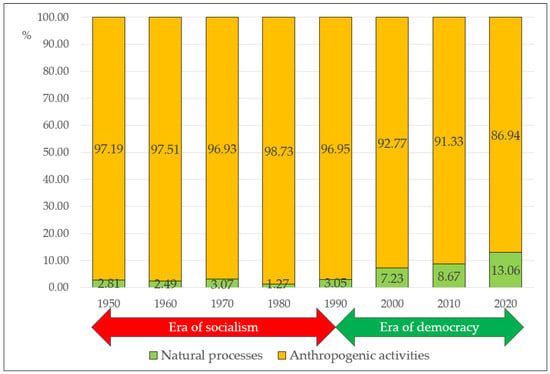
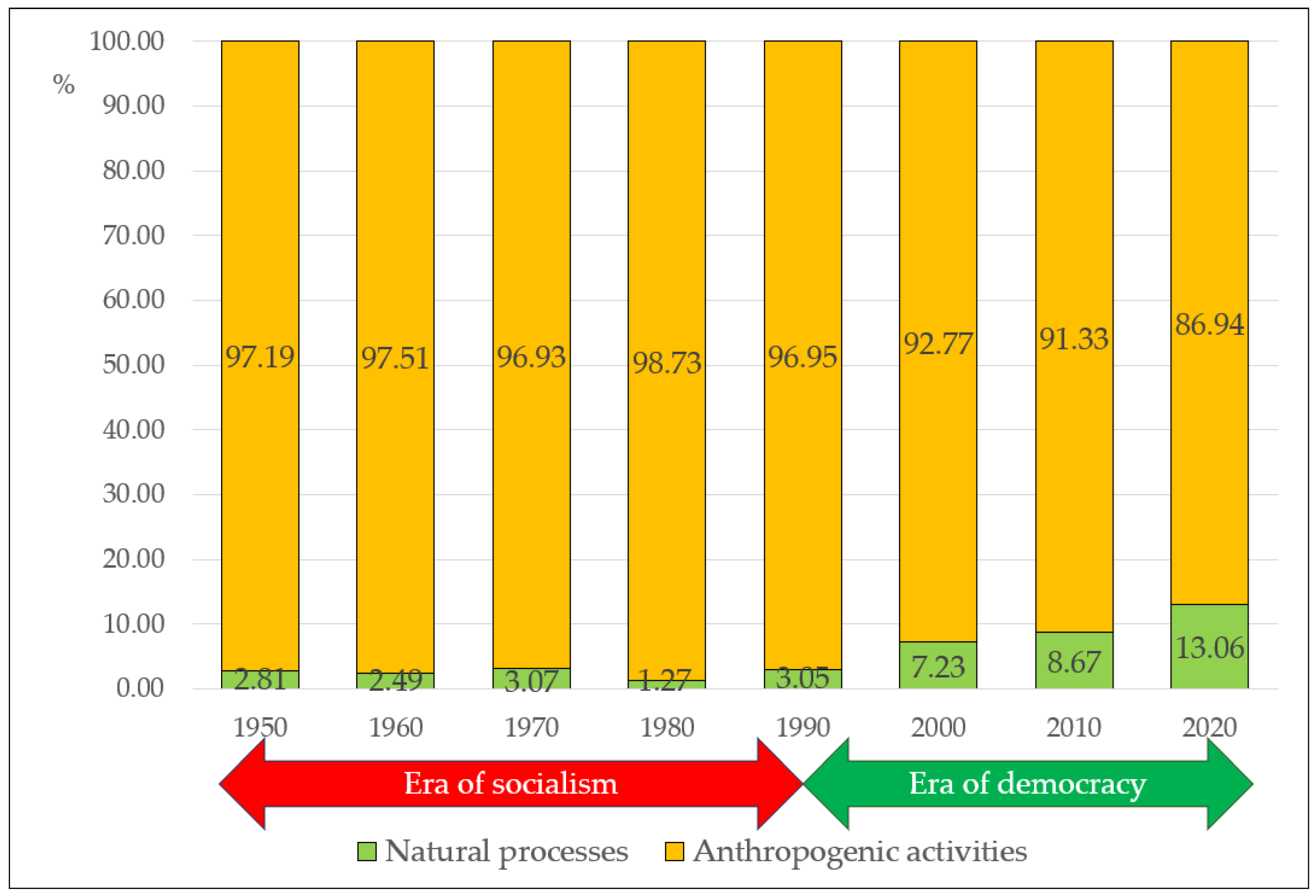
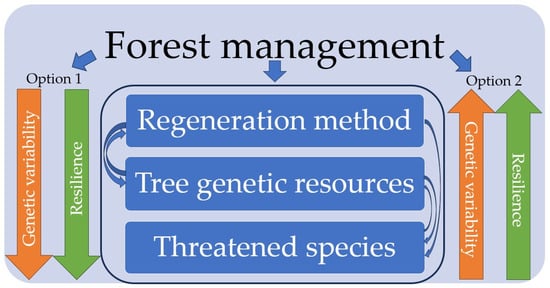
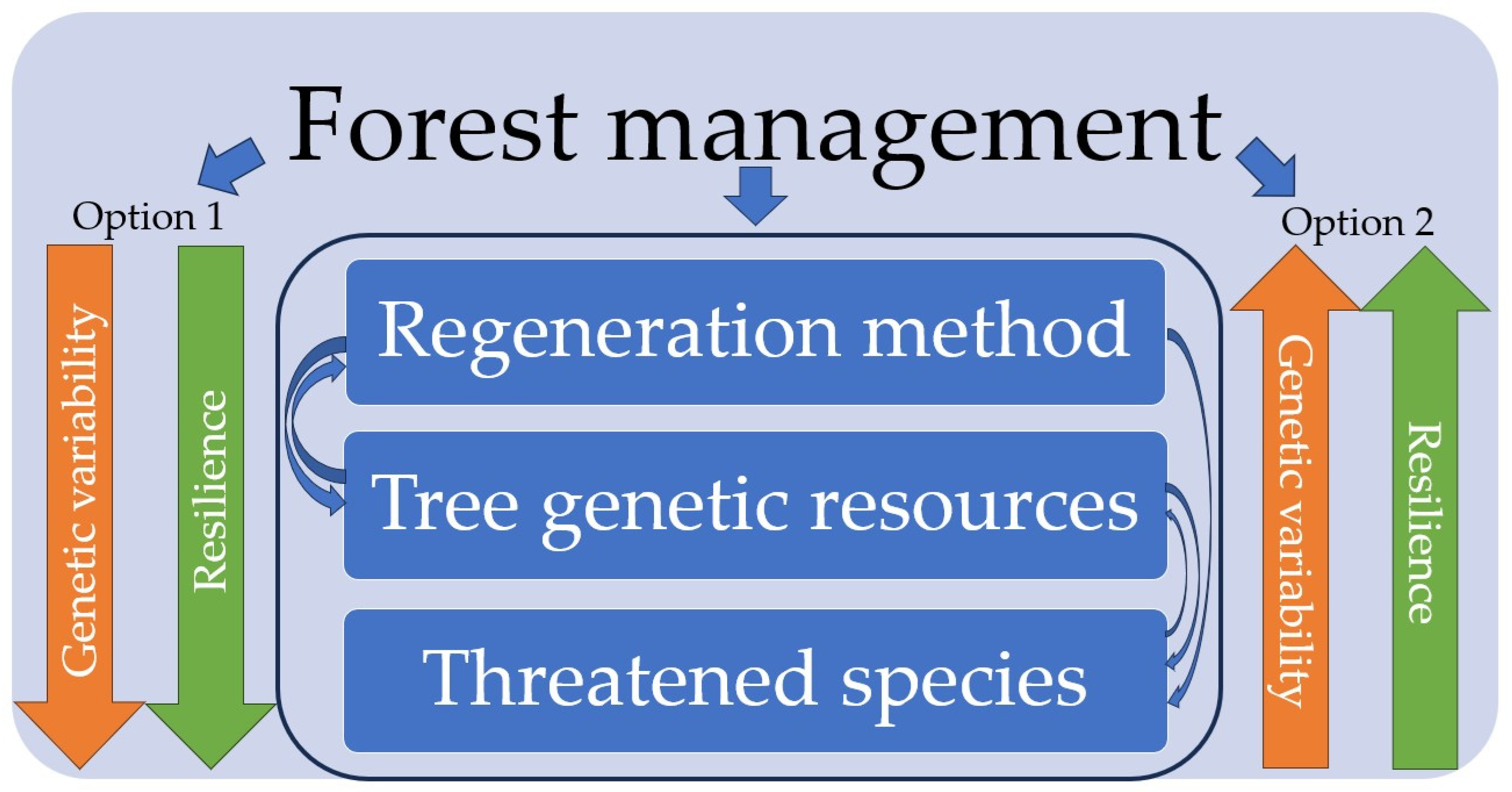
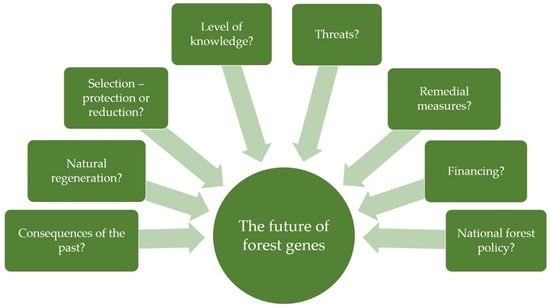
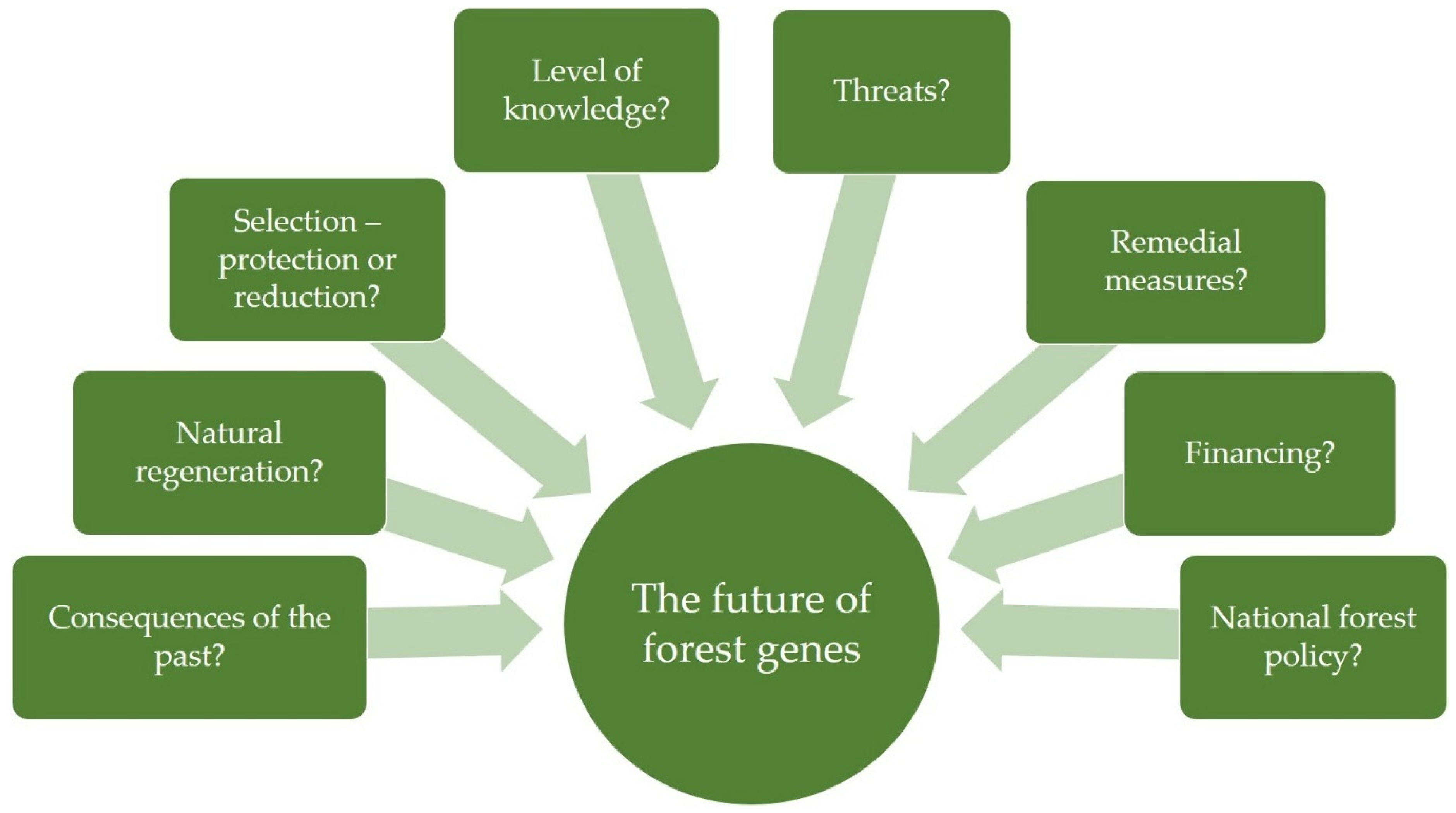

Disclaimer/Publisher’s Note: The statements, opinions and data contained in all publications are solely those of the individual author(s) and contributor(s) and not of MDPI and/or the editor(s). MDPI and/or the editor(s) disclaim responsibility for any injury to people or property resulting from any ideas, methods, instructions or products referred to in the content. |
© 2026 by the author. Licensee MDPI, Basel, Switzerland. This article is an open access article distributed under the terms and conditions of the Creative Commons Attribution (CC BY) license.